
When The Numbers Don’t Add Up At The Airport
You weighed your bag at home and were confident it was under the airline’s limit. At the check-in counter, the scale briefly shows your bag is within the allowed weight. But then somehow, you're told it's overweight and asked to pay a fee. That moment is frustrating, especially when you feel like you did everything right. Airline baggage policies can be strict, but they're not always perfectly consistent. If you were charged even though the scale suggested your bag was within the limit, you may have options to challenge it.

Airline Baggage Limits Are Strict, But Not Always Perfect
Most airlines set firm weight limits for checked baggage, often around 50 pounds for standard economy tickets. If your bag exceeds that limit, even by a small amount, fees can apply. However, the process of measuring that weight is not always as precise as it should be.

Airport Scales Can Vary Slightly
Not all baggage scales are calibrated exactly the same way. Small differences between scales can result in slightly different readings. A bag that weighs 49.8 pounds on one scale could read 50.5 pounds on another. That difference can be enough to trigger a fee, even if it feels unfair.
 Familydestinationsguide.com Images, Wikimedia Commons
Movement On The Scale Can Affect The Reading
If your bag shifts, touches the counter, or is not fully centered on the scale, it can affect the reading. Even something minor like a strap hanging off the edge can change the displayed weight. Airline staff usually expect the bag to sit fully on the scale platform.
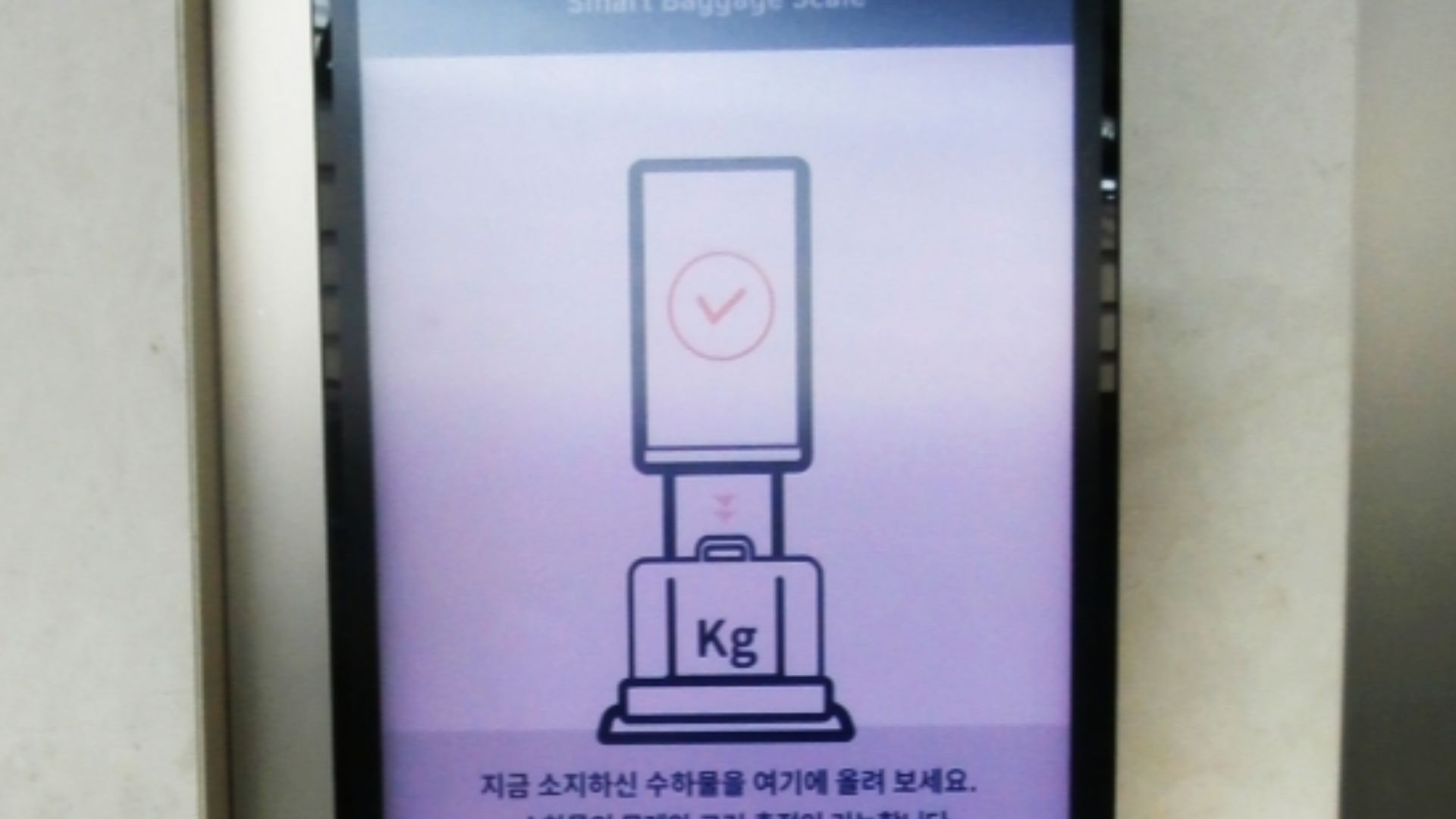
The Airline’s Scale Is The One That Counts
As frustrating as it is, the airline will almost always rely on its own equipment as the official measurement. Even if your bag weighed less at home or on another scale, the airport reading is what they use to determine fees. That is why disputes can be difficult in the moment.
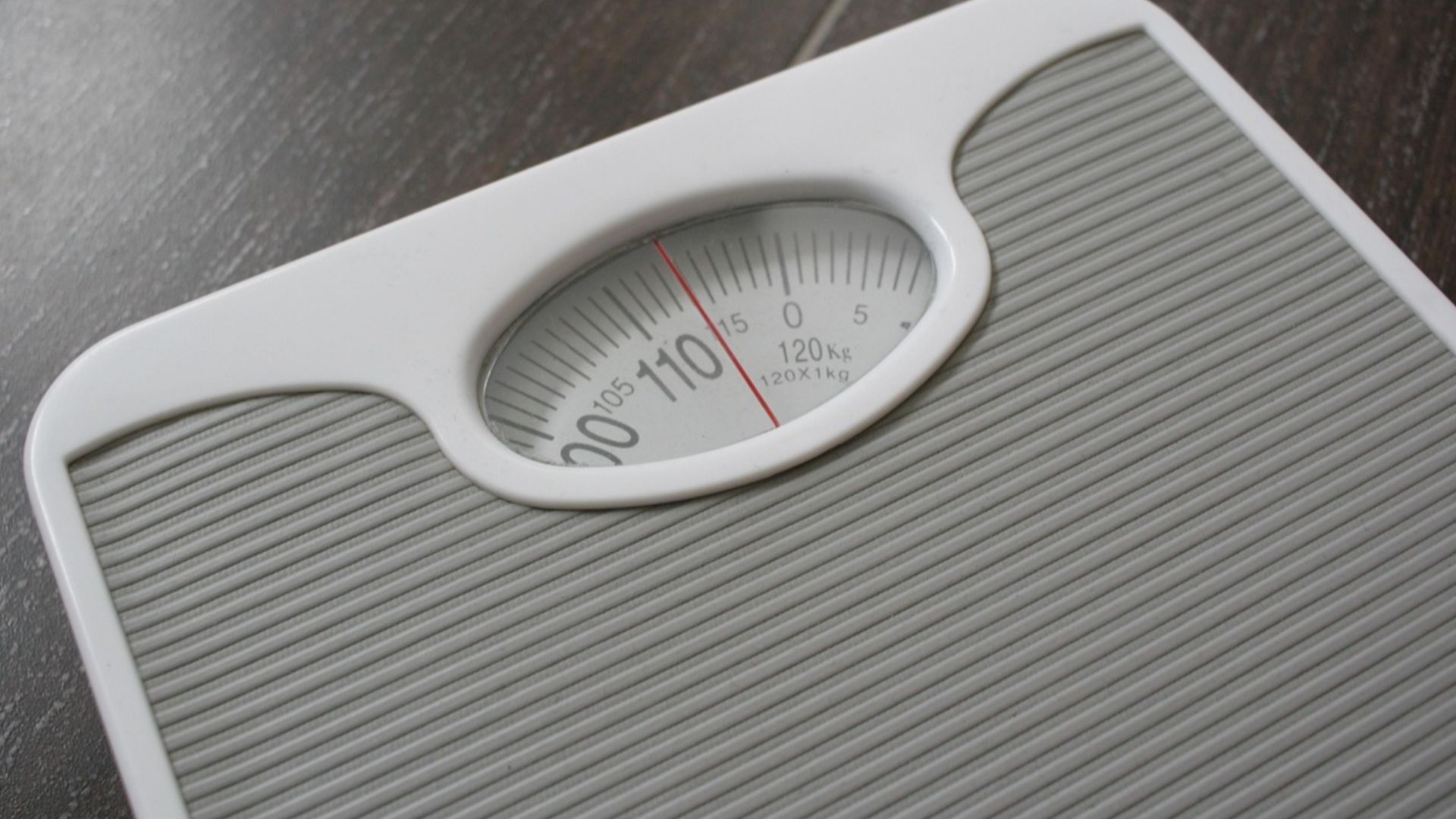
Ask For A Re-Weigh Right Away
If you believe the weight reading was wrong, the best thing you can do is ask the agent to weigh the bag again. Sometimes a second measurement gives a slightly different result. Make sure the bag is fully on the scale and not touching anything else.
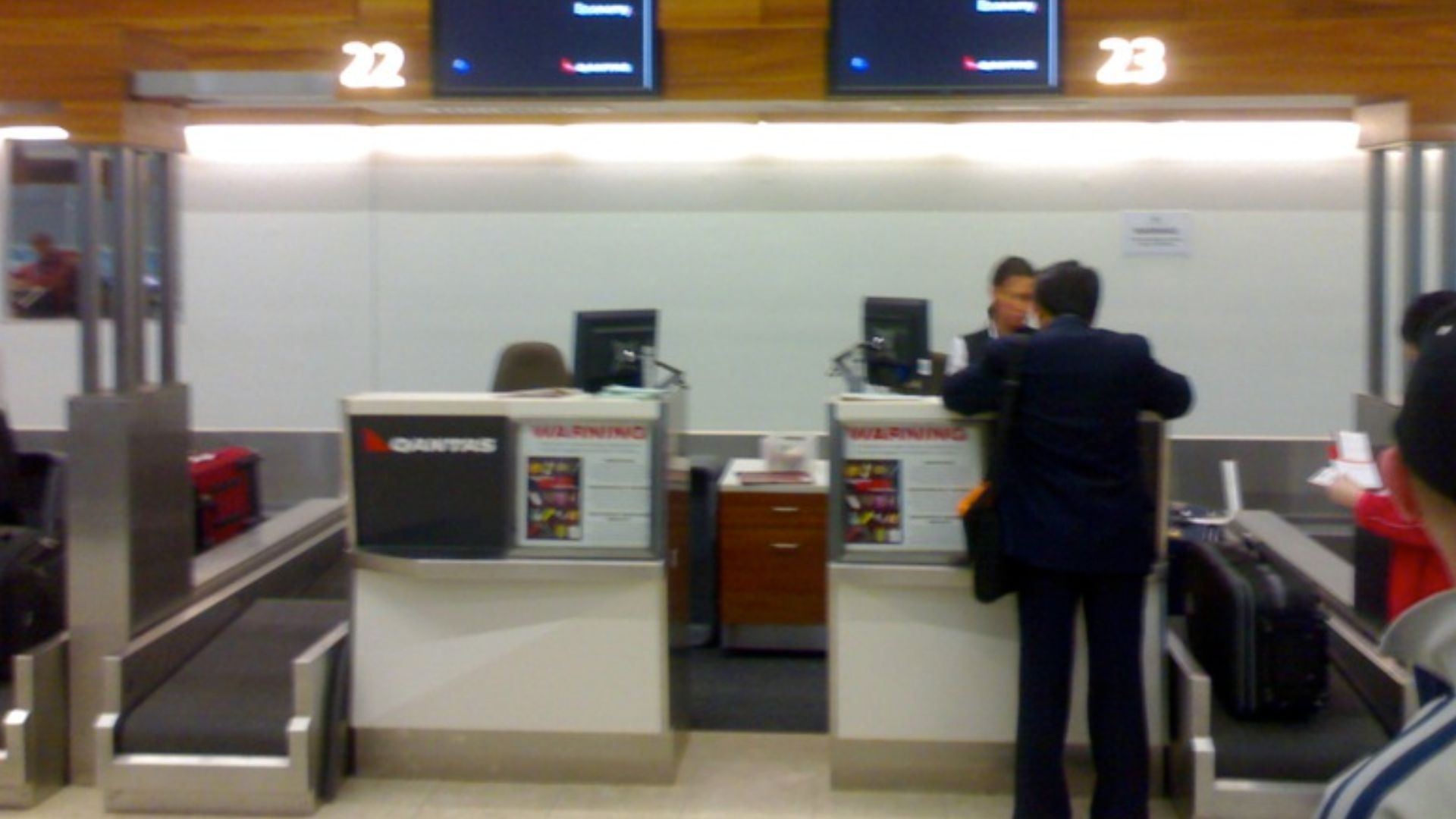 Nathan Manzi, Wikimedia Commons
You Can Request A Different Scale
If the reading still seems off, you can politely ask if the bag can be weighed on another scale. While not always possible, some counters have multiple stations. A second scale can sometimes produce a different result.
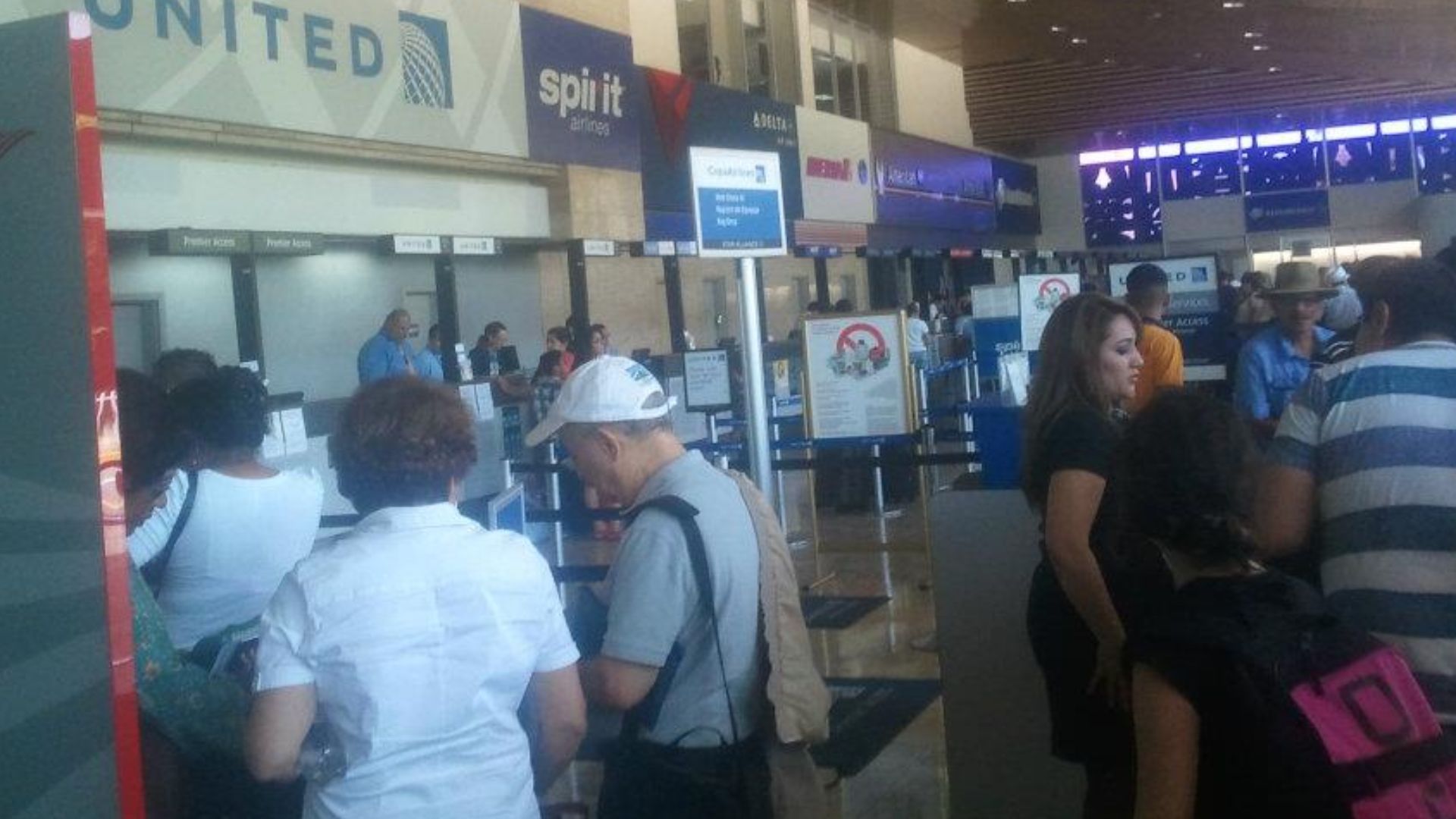 Marcos199541, Wikimedia Commons
Small Margins Matter More Than You Think
Airlines typically do not round down when it comes to baggage weight. Even being slightly over the limit can trigger the full overweight fee. That is why staying a few pounds under the limit is often recommended when packing.
If You Paid The Fee, You Can Still Challenge It
If you ended up paying the overweight fee but believe it was incorrect, you can contact the airline afterward to dispute the charge. Many airlines have customer service channels specifically for billing issues. Providing details about what happened at the counter can help your case.
Documentation Can Strengthen Your Claim
If you have any proof, such as a photo of the scale reading or a luggage scale measurement from home, include it when contacting the airline. While it may not be definitive, it can support your argument. Clear details about the timing and location of the incident also help.

Airline Policies Usually Favor Their Equipment
It is important to understand that airlines generally side with their own equipment and staff when resolving disputes. That means you may not always win a refund, even if the situation feels questionable. Still, many airlines will review cases on a goodwill basis.
 JoachimKohler-HB, Wikimedia Commons
Customer Service May Offer A Refund Or Credit
In some cases, airlines will refund overweight fees or offer travel credits if you explain the situation clearly and calmly. This is more likely if you are a frequent flyer or if the discrepancy seems small. It never hurts to ask.

Credit Card Protections Are Limited Here
Unlike some travel disputes, overweight baggage fees are usually considered valid charges if processed by the airline. Credit card disputes are less likely to succeed unless there is clear evidence of an error. That makes dealing directly with the airline your best option.

Frequent Flyers May Have More Leverage
If you have elite status with the airline, you may have additional baggage allowances or better support when disputing fees. Loyalty programs often come with more flexible handling of issues like this. Mentioning your status can sometimes help your case.
 Challenger2016, Wikimedia Commons
Packing Strategy Can Prevent Future Issues
To avoid this situation in the future, aim to pack a few pounds under the weight limit. That buffer helps account for differences between scales. Using a reliable luggage scale at home can also reduce surprises.

Consider Redistributing Weight At The Airport
If you are close to the limit, moving a few items into your carry-on bag at the counter can sometimes bring your checked bag back under the threshold. This quick adjustment can save you from paying a fee.

Some Airlines Have Higher Limits Than Others
Not all airlines enforce the same baggage rules. Some allow heavier bags or offer more flexibility depending on the ticket type. Knowing the airline’s specific policy ahead of time can help you plan better.

Final Thoughts: You Can Push Back, But Results Vary
If you were charged for overweight luggage even though the scale appeared to show your bag was under the limit, it is reasonable to question the charge. Asking for a re-weigh at the counter is your best immediate option. If you have already paid, contacting the airline with details and any supporting evidence may lead to a refund or credit. While airlines tend to rely on their own equipment, polite persistence and clear documentation can sometimes lead to a better outcome.
 MART PRODUCTION, PexelsYou May Also Like: