Hotels Feel Familiar Until You Cross a Border
Staying in a hotel seems straightforward, but many habits American travelers barely notice can feel surprisingly unusual elsewhere. Everything from tipping and ice machines to air conditioning and room sizes reflects local customs rather than universal standards. If you're traveling internationally, understanding these differences can help you avoid confusion and appreciate why hotels operate differently around the world.
Expecting Ice Machines on Every Floor
Many Americans assume every hotel has an ice machine just down the hall because they've been a standard feature in US hotels for decades. That expectation often disappears overseas, where ice is usually available only by request or from hotel bars. The widespread American tradition traces back to Holiday Inn founder Kemmons Wilson, who made complimentary ice a selling point during the rise of modern roadside hotels.
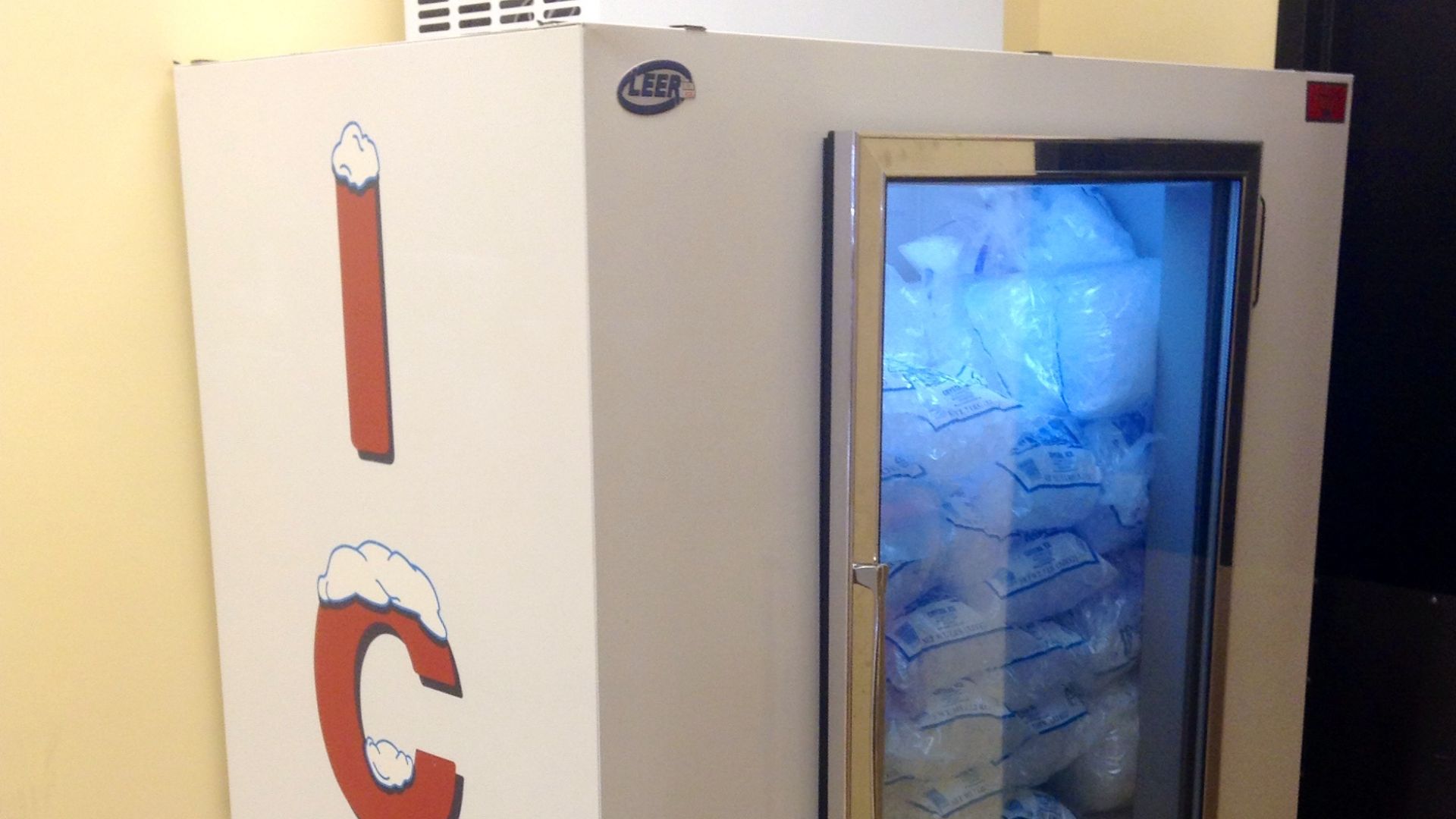 Mike Mozart from Funny YouTube, USA, Wikimedia Commons
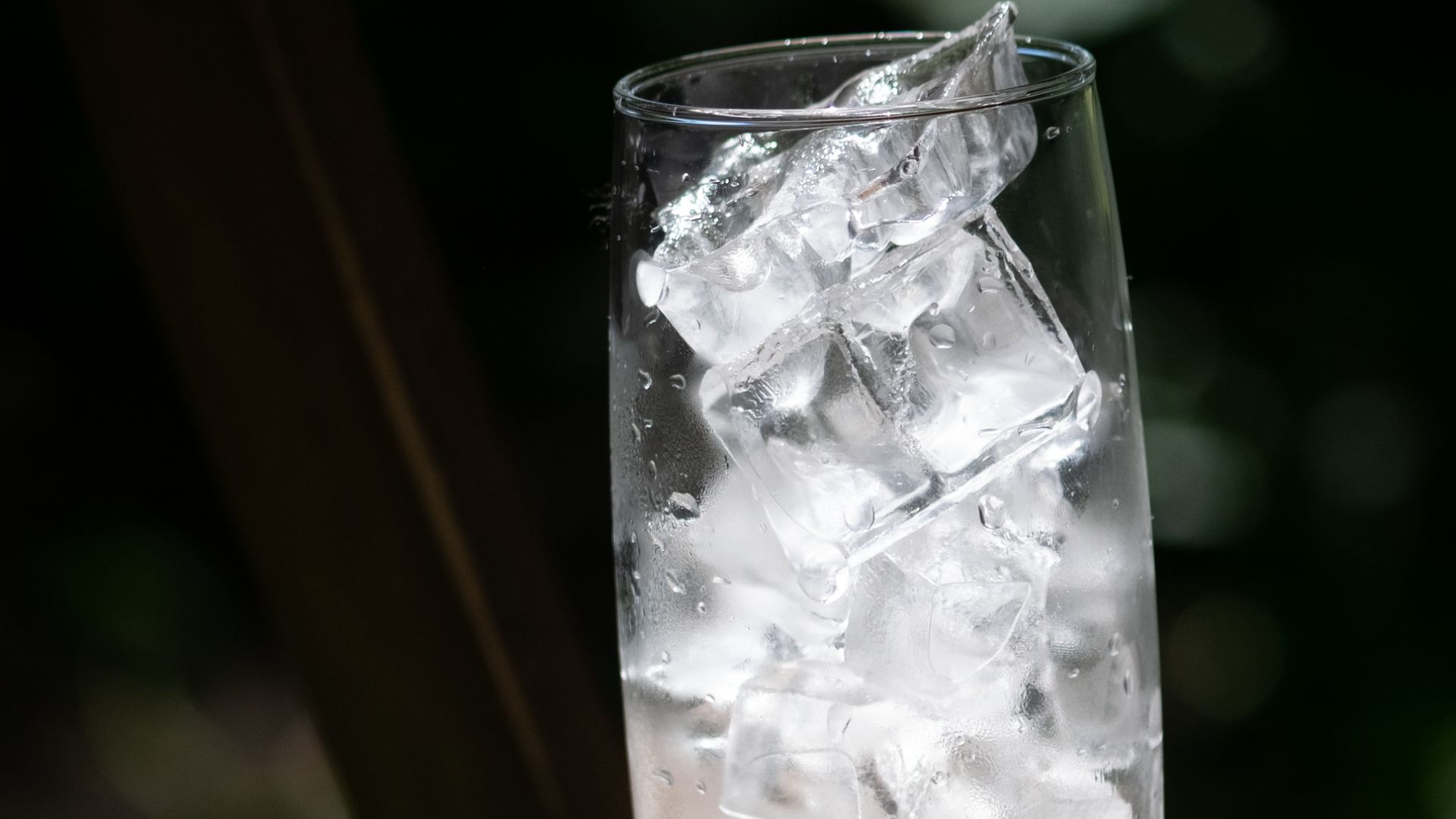
Filling Every Drink With Ice
American hotels frequently serve beverages packed with ice, while many countries provide only a few cubes or none at all. Travelers from Europe and parts of Asia often find American drinks unusually cold. Likewise, Americans abroad are sometimes surprised when requesting extra ice requires a special trip to the kitchen.
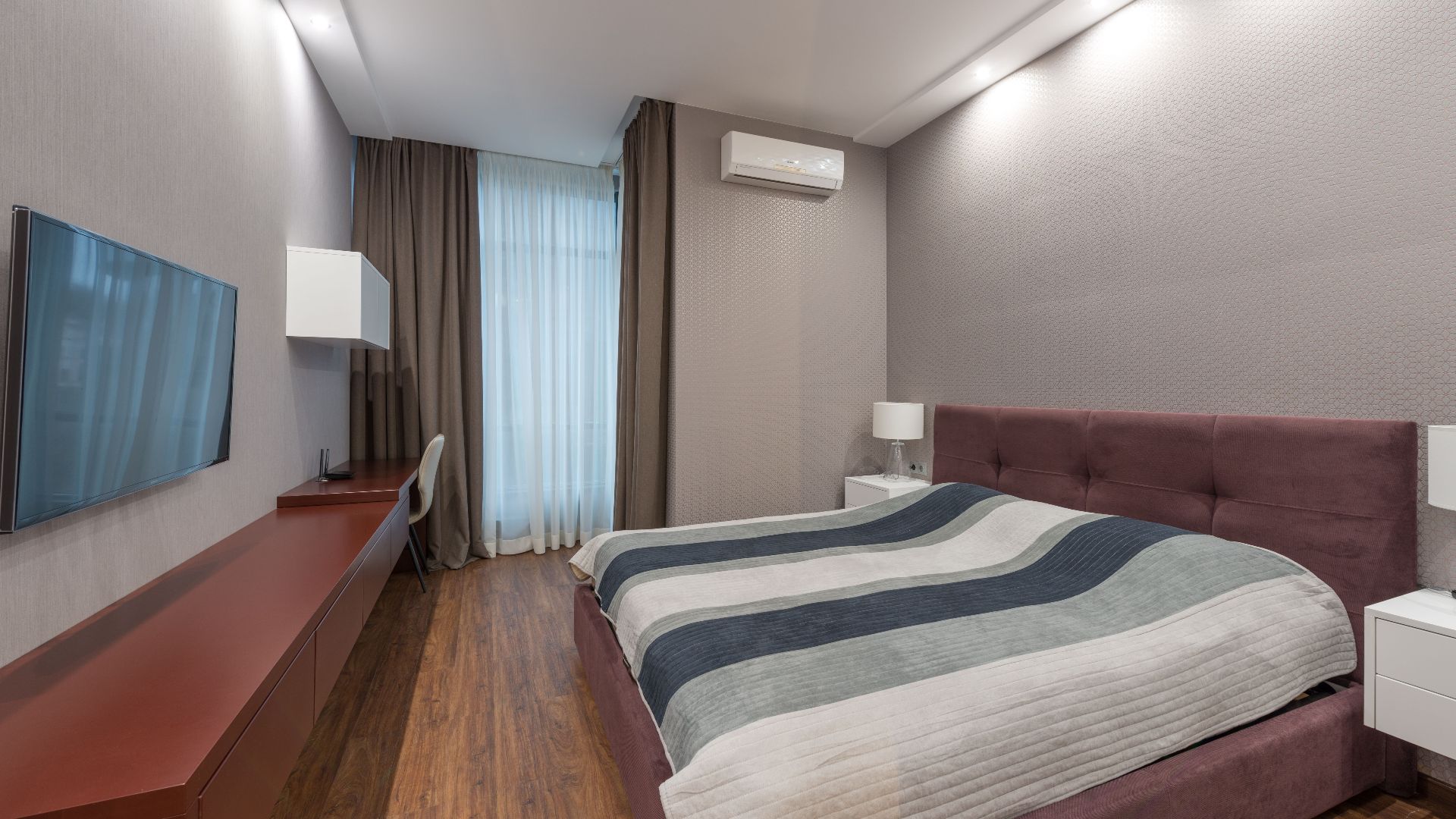
Assuming Air Conditioning Is Guaranteed
In the United States, even budget hotels typically offer air conditioning. That's not always true in Europe, where many older buildings, cooler climates, and energy conservation practices mean some hotels rely on fans or open windows instead. Checking whether air conditioning is listed before booking is much more important overseas.
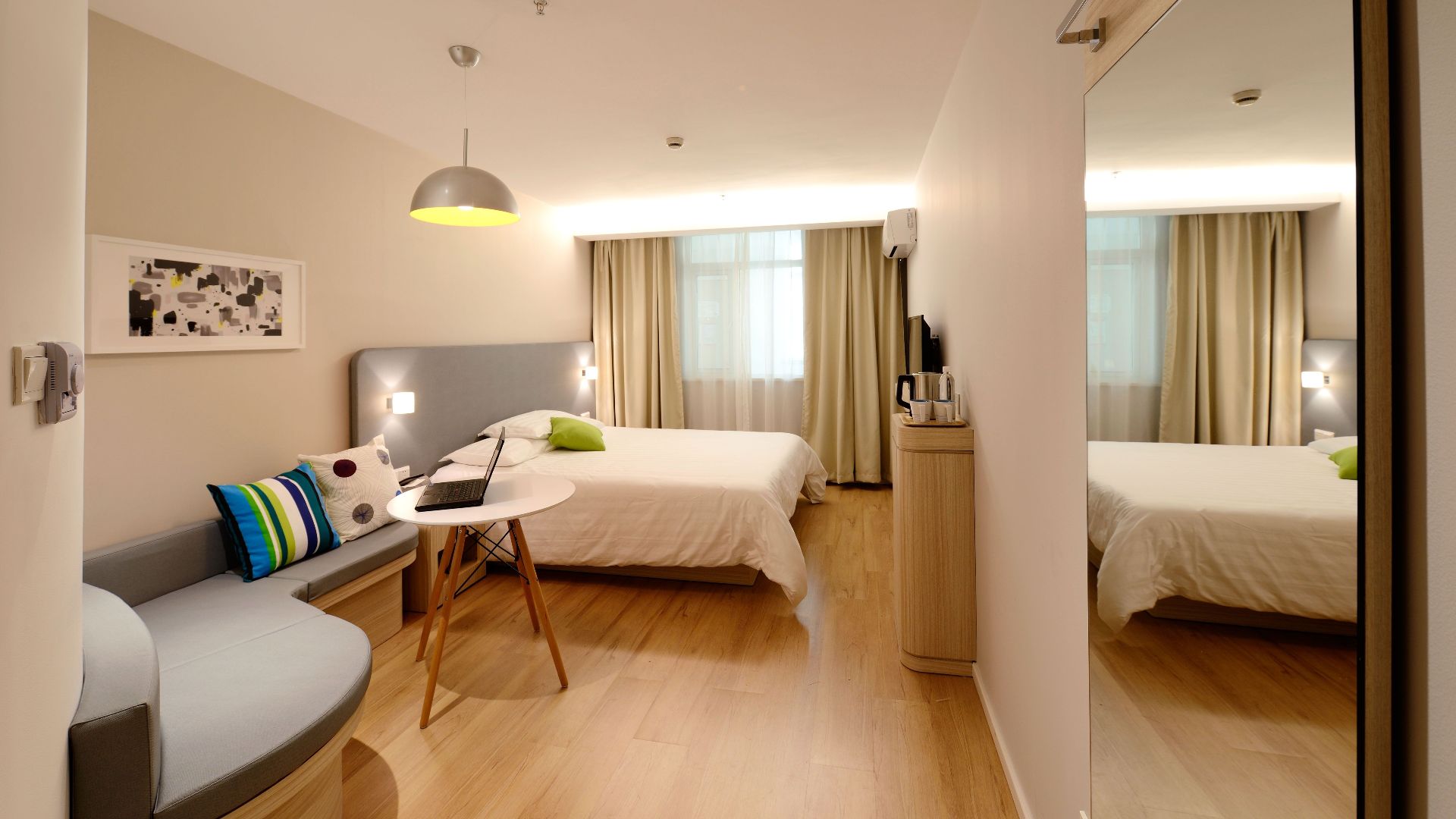
Expecting Huge Hotel Rooms
American hotel rooms tend to be larger than those found in many European cities, where older buildings and expensive urban real estate create much smaller guest rooms. First-time visitors are often surprised that there's barely enough room to open multiple suitcases. Compact layouts are perfectly normal in many destinations.
Tipping Hotel Staff Automatically
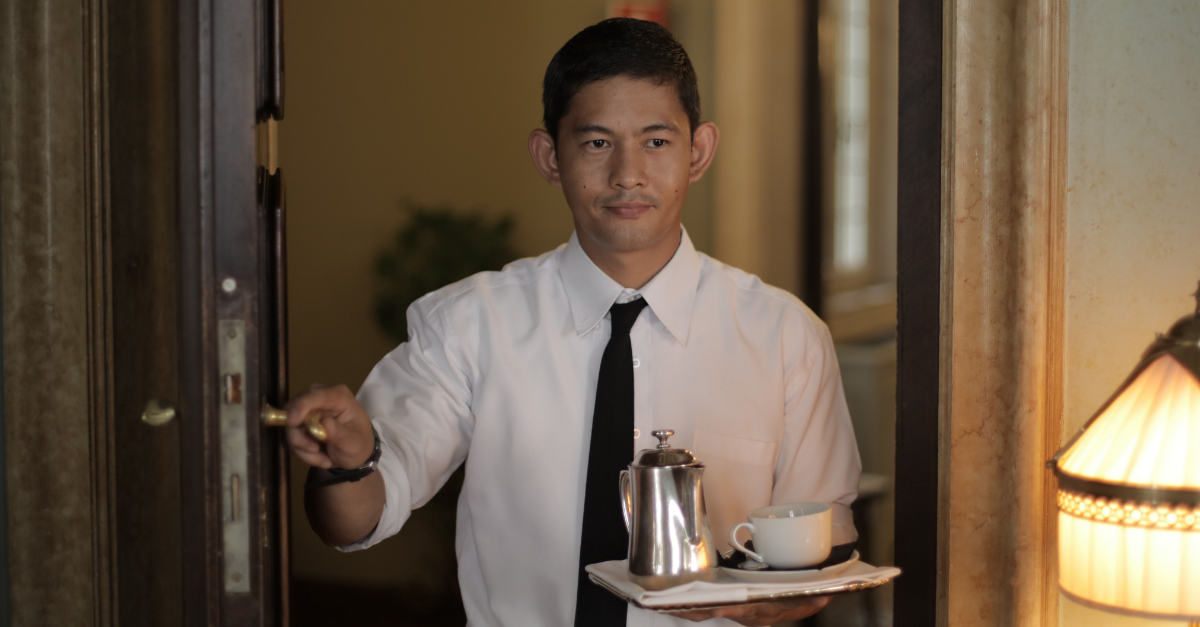
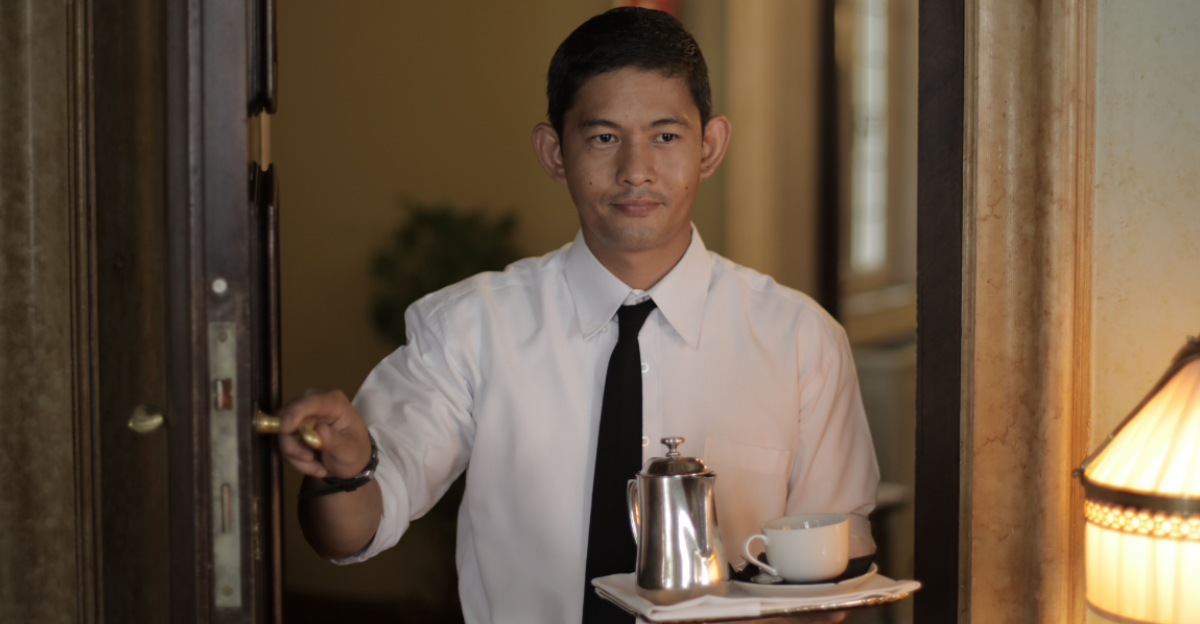
Americans are accustomed to tipping bellhops, housekeepers, and room service staff because gratuities are an established part of US. hospitality. In many countries, however, service charges are already included or tipping is far less common. Leaving large cash tips abroad can sometimes create awkward situations rather than expressing appreciation.
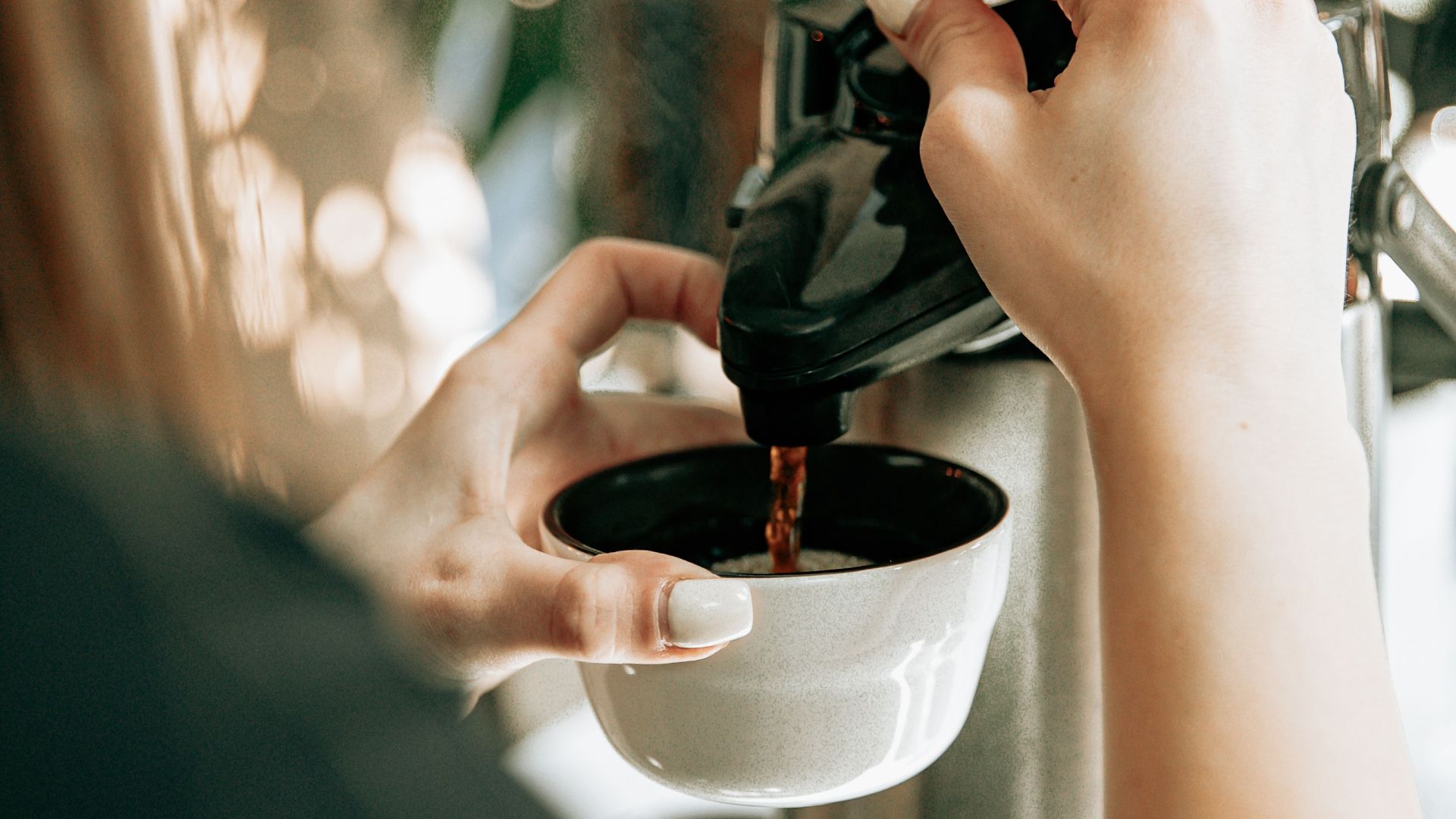
Expecting Free Refills Everywhere
Many American hotels include complimentary coffee refills at breakfast or unlimited soft drinks in certain lounges. In much of Europe and Asia, each beverage is usually charged separately. Travelers unfamiliar with local customs sometimes expect another cup without realizing it comes with another charge.
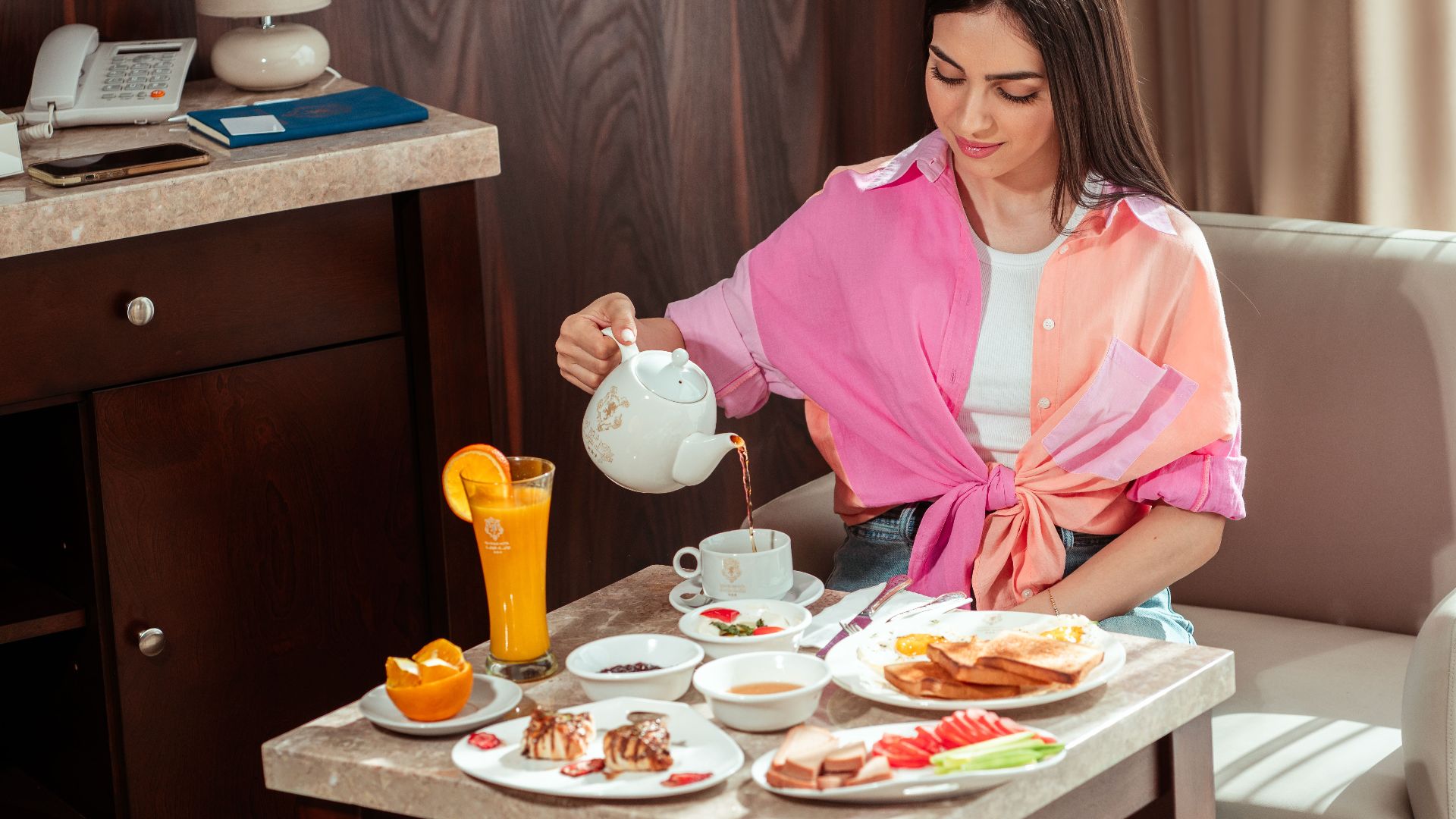
Assuming Breakfast Is Always Included
Free continental breakfasts are common at many American hotel chains, particularly mid-range and roadside properties. Internationally, breakfast may cost extra even at upscale hotels unless your room package specifically includes it. Reading the booking details carefully prevents unpleasant surprises at checkout.
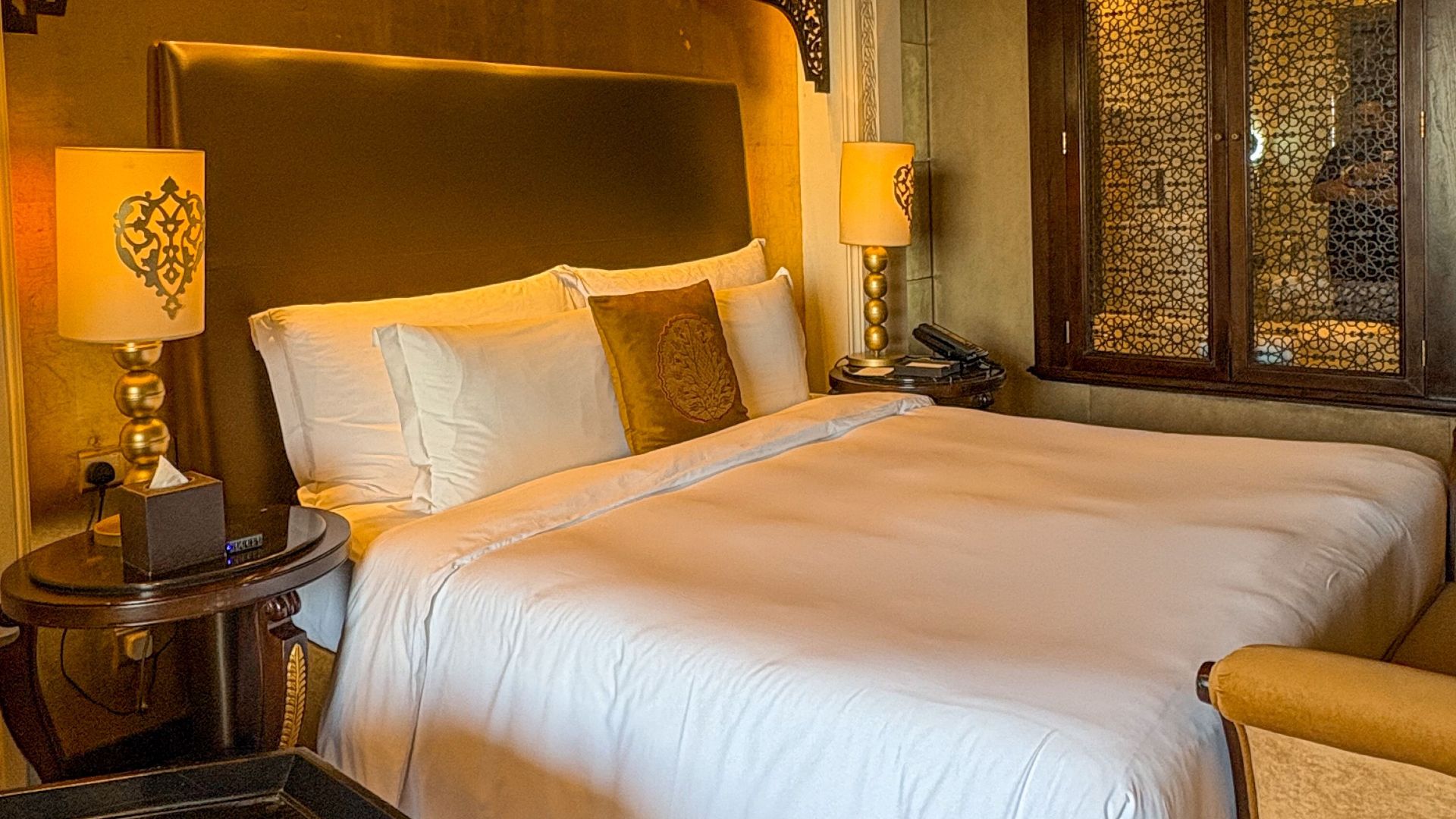
Expecting Beds to Be One Large Mattress
American travelers often assume a double room will contain one queen or king mattress. Across much of Europe, however, a "double bed" frequently consists of two twin mattresses pushed together with separate bedding. It's a practical arrangement locally, but one that surprises many visitors.
Wanting Unlimited Free Parking
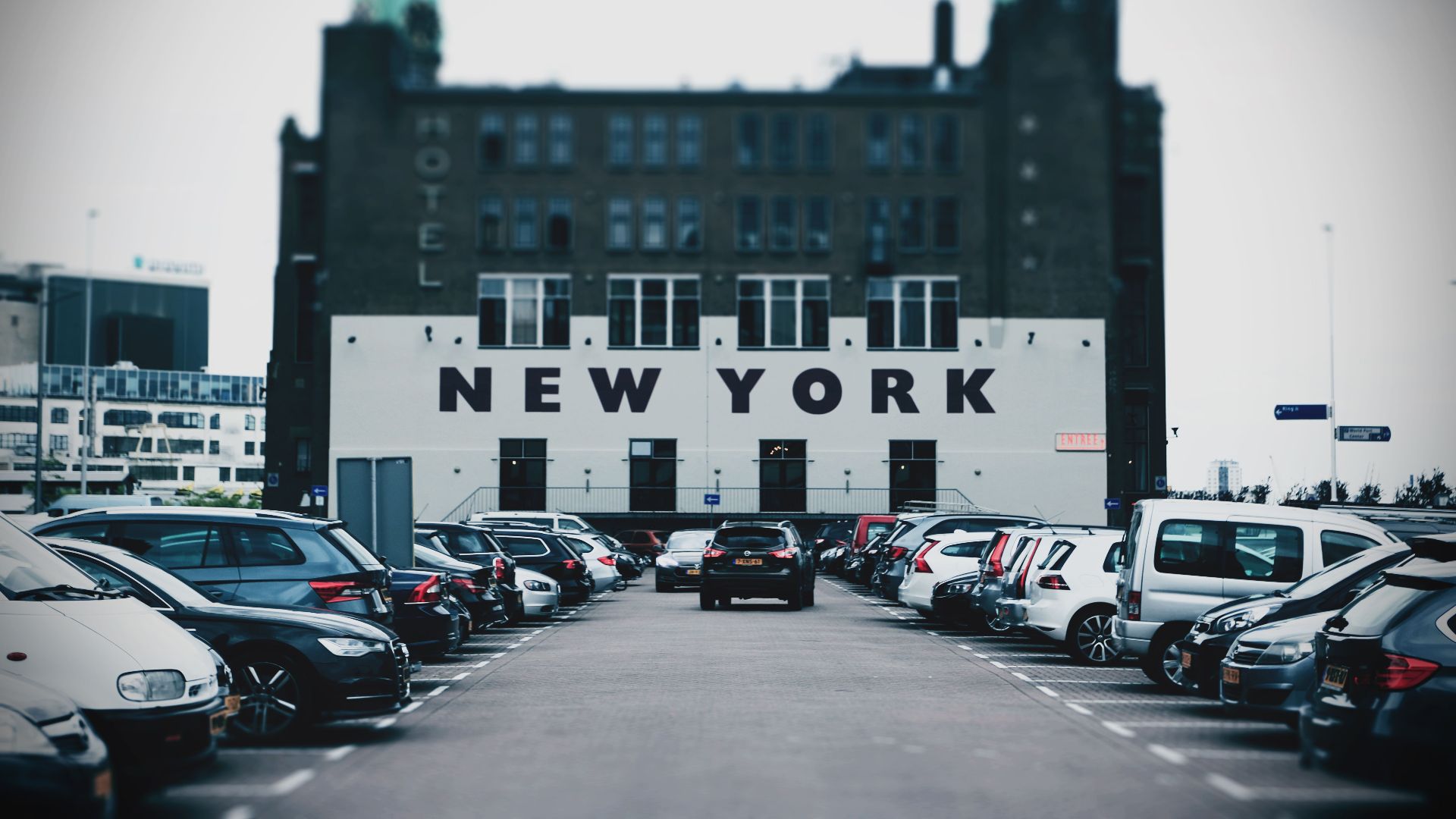
Outside major US cities, complimentary hotel parking is often expected. In historic European city centers, parking spaces are limited and expensive, so hotels commonly charge additional fees or direct guests to nearby public garages. Driving travelers quickly discover parking is a premium amenity rather than a standard perk.
Expecting Constant Housekeeping
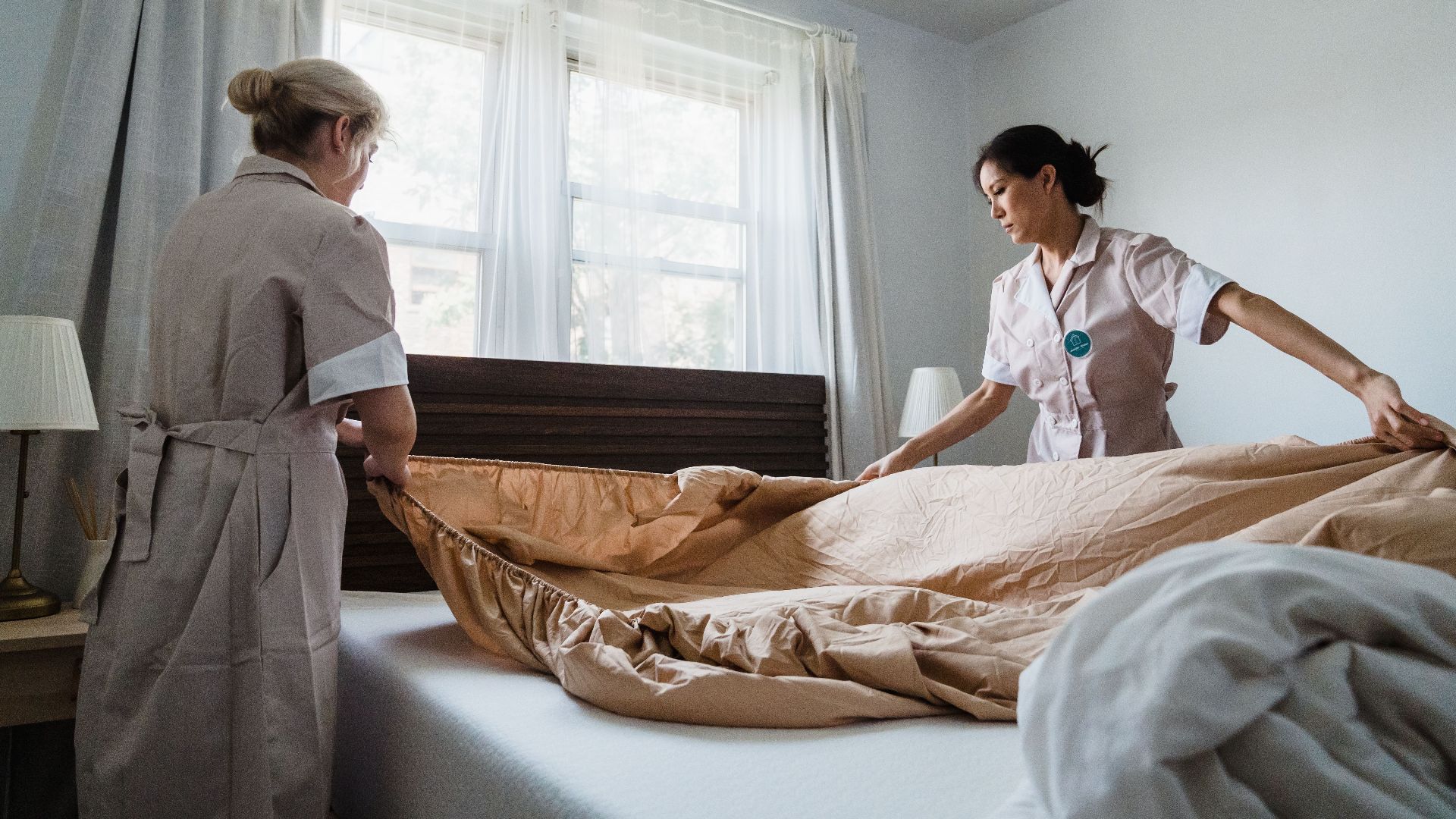
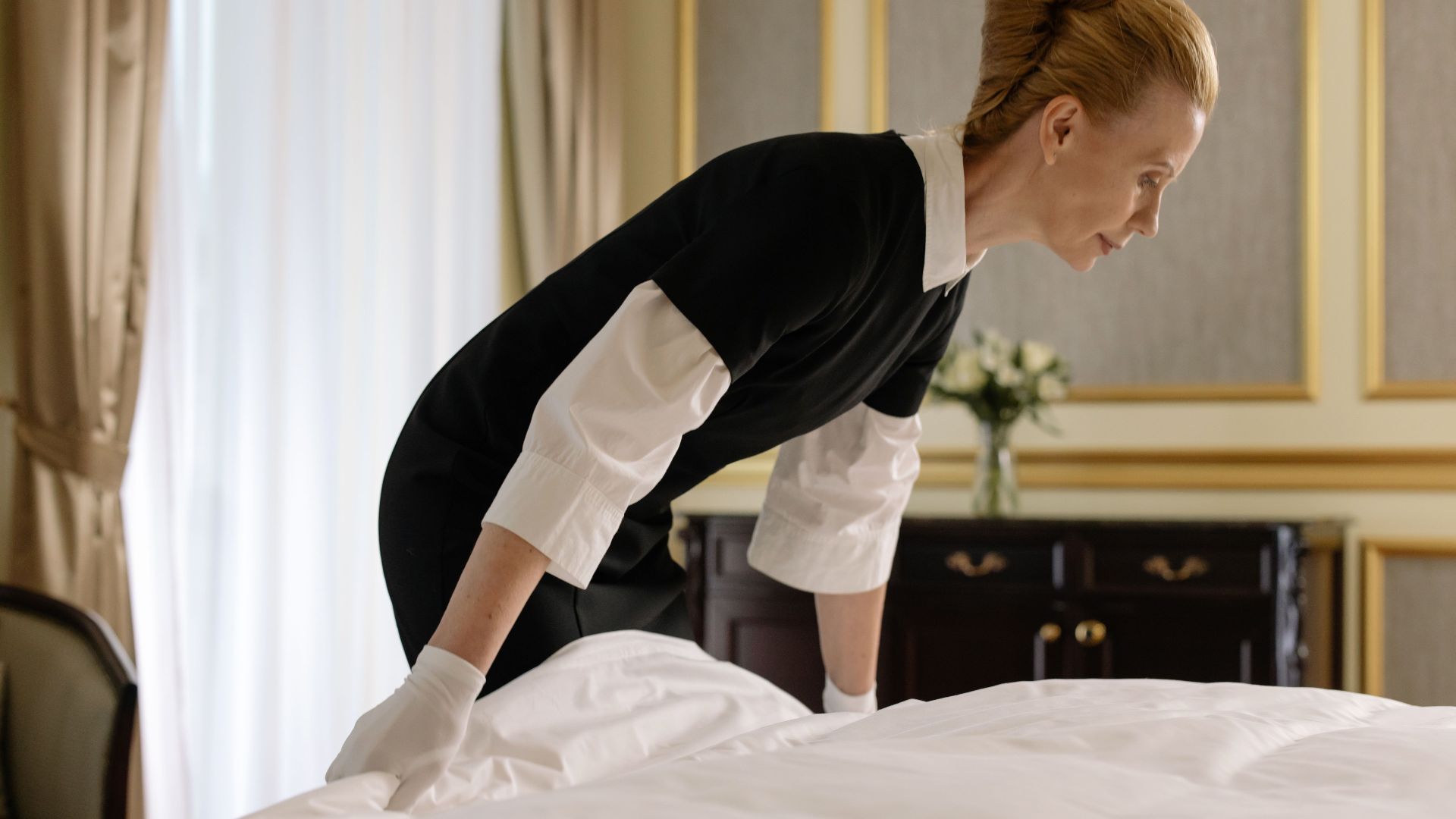
Daily housekeeping was once nearly universal, but many hotels worldwide have reduced automatic room cleaning to save labor, water, and energy. Some now clean rooms only upon request or every few days. Travelers who assume fresh towels will appear every morning may need to request service.
Assuming Every Room Has a Refrigerator
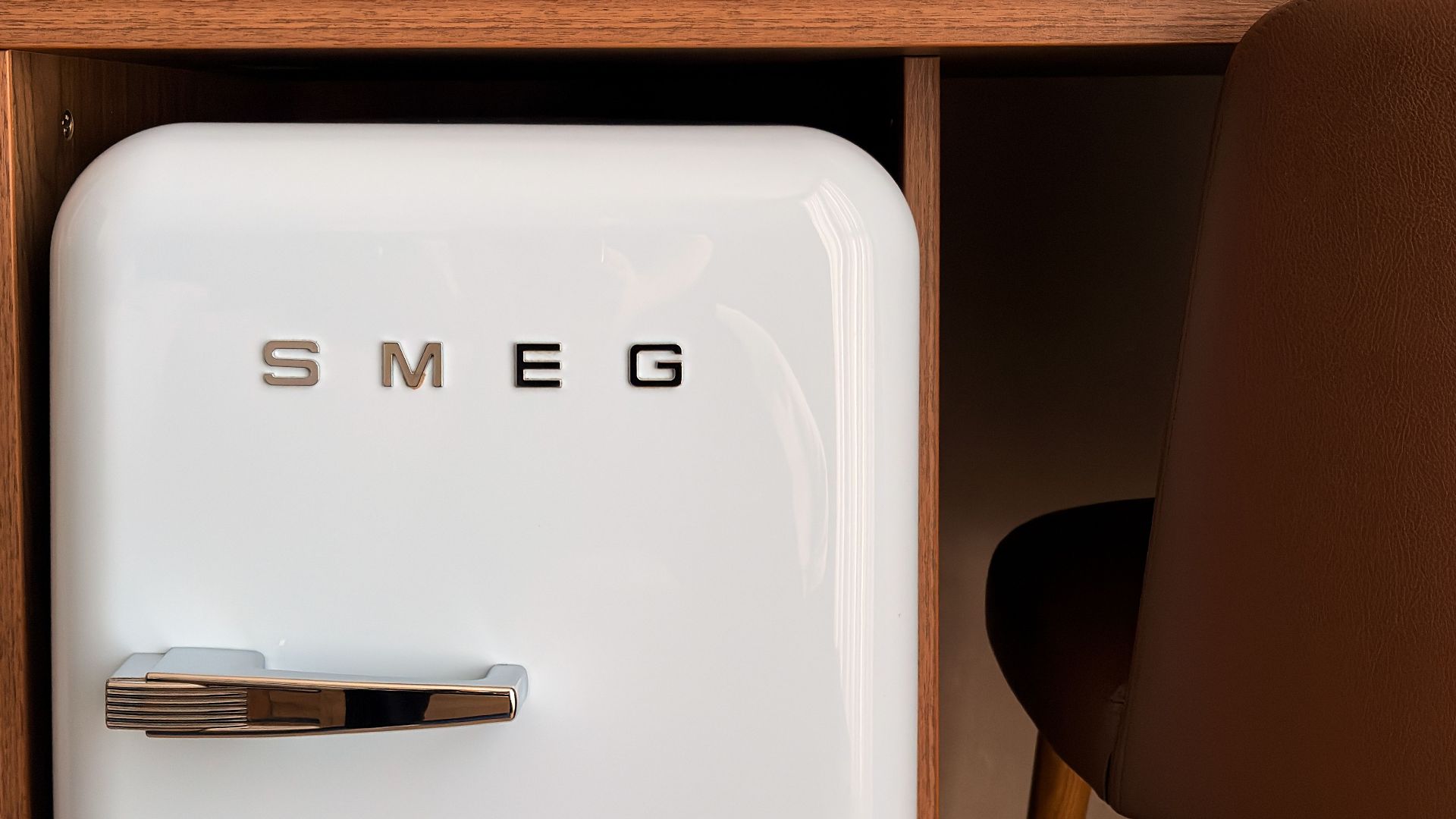
Mini refrigerators are common in American hotels, especially those serving families and road-trippers. Elsewhere, rooms may have only a minibar—or no cold storage at all. Even when a minibar is present, using it to store your own food may not be permitted without asking hotel staff first.
Opening the Minibar Without Thinking
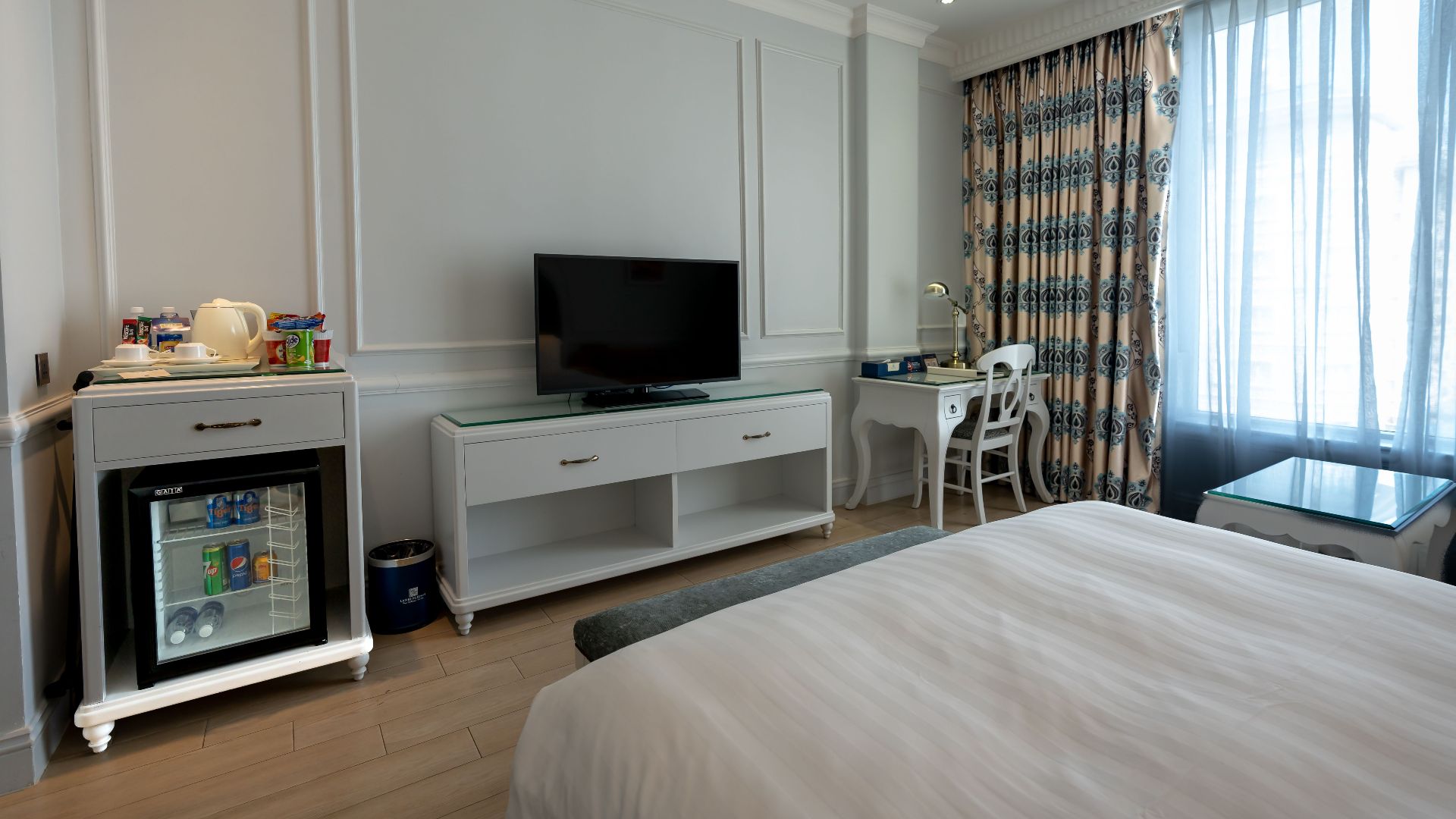
Americans often treat hotel minibars like small convenience stores, but many international hotels use electronic sensors that automatically register removed items. Simply picking something up or moving it can trigger a charge. If you're uncertain how a minibar works, it's worth asking before rearranging anything.
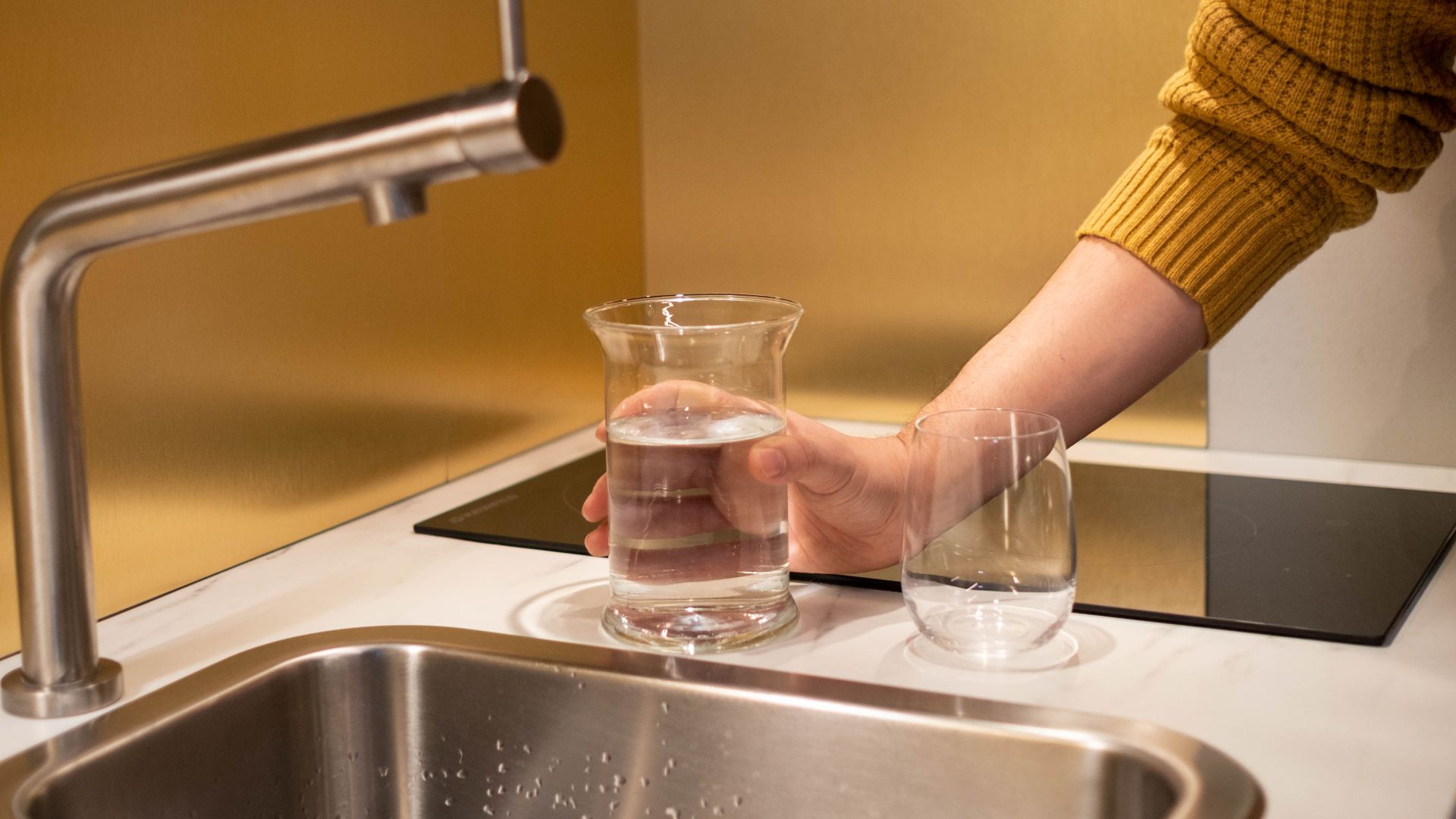
Assuming Tap Water Is Always Provided
American hotels generally expect guests to drink tap water unless bottled water is preferred. In some destinations, hotels instead encourage bottled or filtered water because local tap water may not be recommended for visitors. The policy depends entirely on the destination rather than the hotel brand.
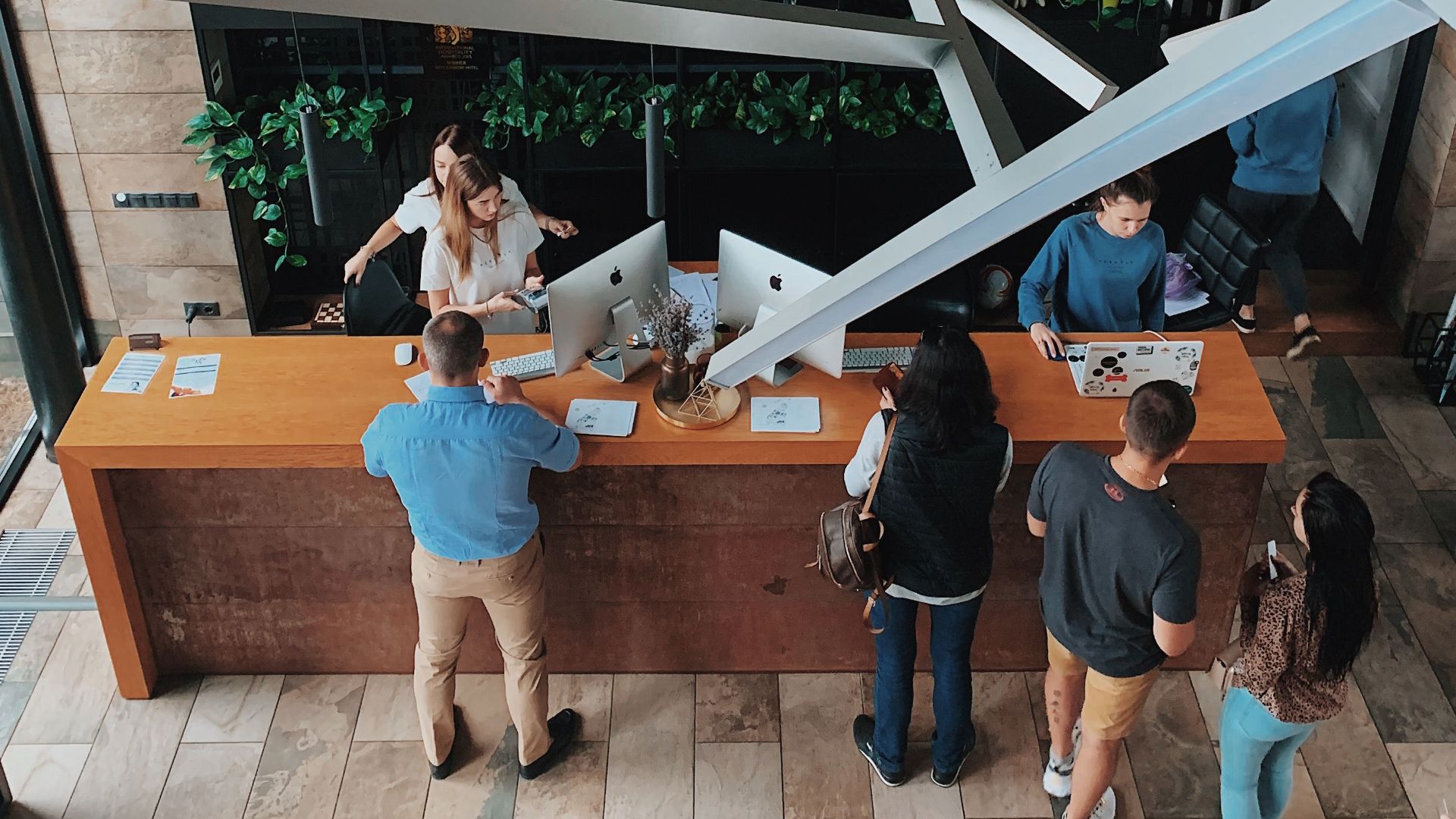
Expecting a 24-Hour Front Desk
Large American hotels often keep reception staffed around the clock. Smaller hotels, inns, and family-run properties in other countries may close the front desk overnight, requiring guests to arrange late arrivals in advance. Ignoring check-in instructions can leave travelers locked outside.
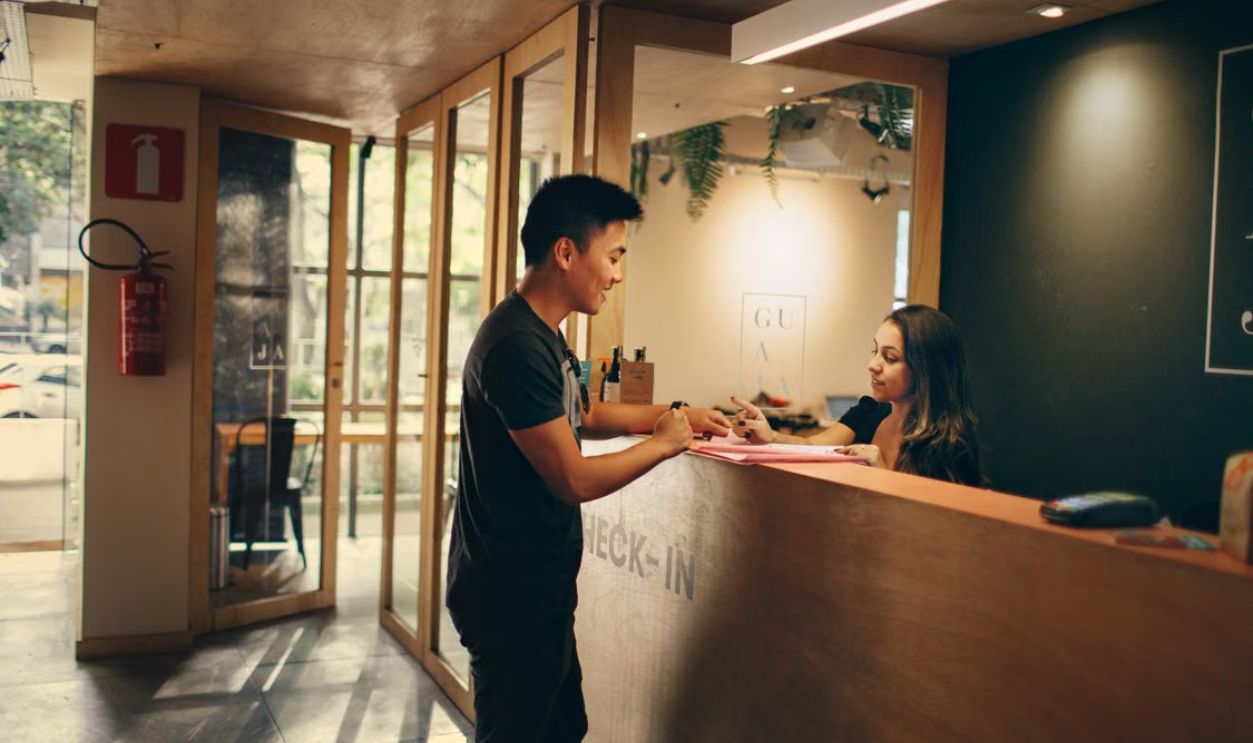
Thinking Early Check-In Is Free
Many Americans hope rooms will be available early whenever they arrive. While hotels everywhere try to accommodate requests, guaranteed early check-in frequently comes with an additional fee, particularly at busy international properties. Arrival times often depend entirely on housekeeping schedules.
Assuming Check-Out Can Be Flexible
Just as early arrivals aren't always guaranteed, late departures may also cost extra. U.S. loyalty programs sometimes provide complimentary late checkout, but many independent hotels overseas enforce departure times more strictly because rooms must be prepared quickly for incoming guests.

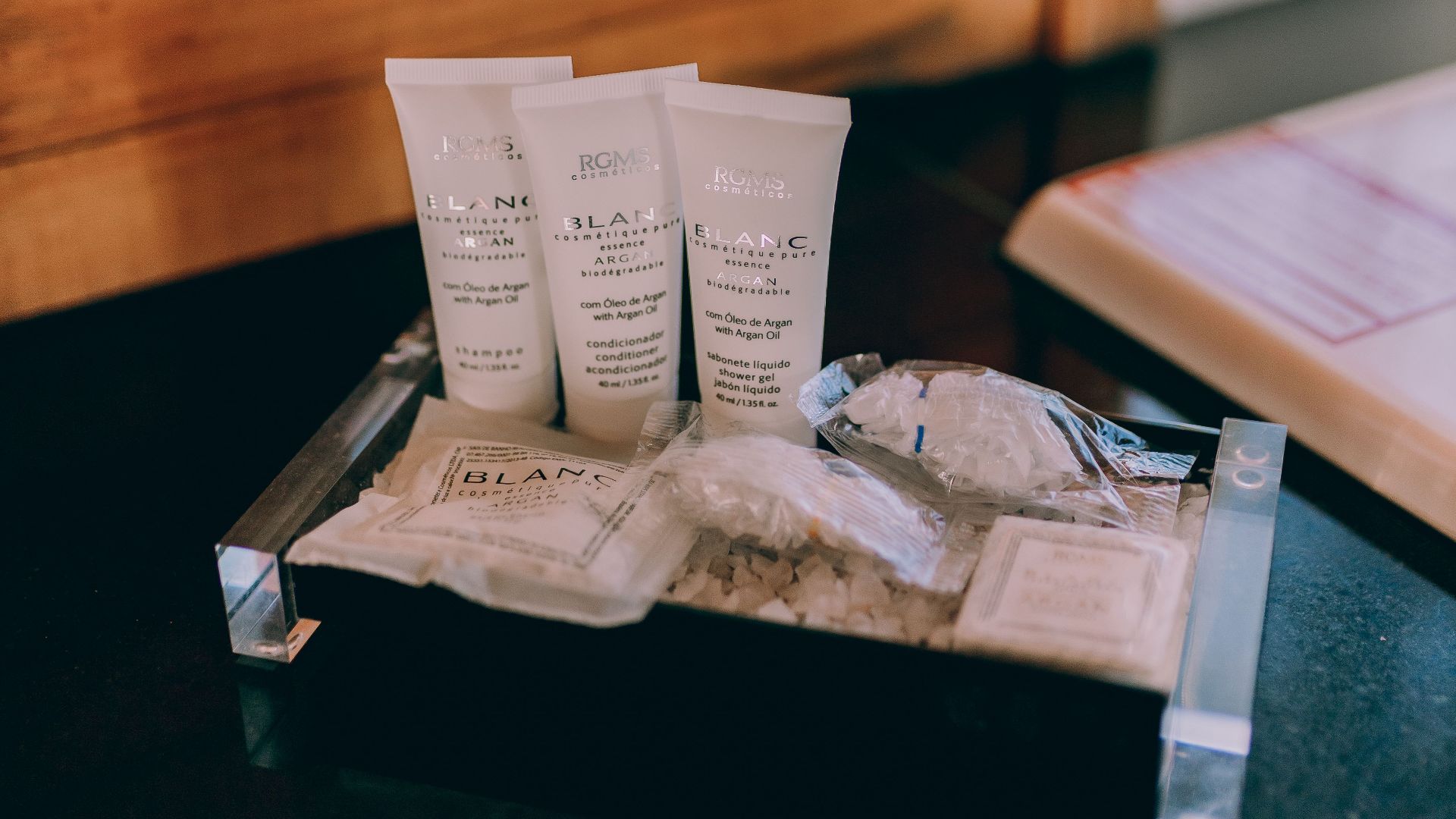
Expecting Endless Complimentary Amenities
Americans are accustomed to complimentary toiletries, coffee makers, irons, and sometimes microwaves. International hotels vary widely. Some provide luxury bath products but no coffee machine, while others emphasize sustainability by offering refillable dispensers instead of individual bottles.
Believing Every Hotel Operates Like American Chains
Large US hotel brands have created consistent expectations, but independent hotels around the world often reflect local culture rather than standardized corporate policies. Breakfast hours, bedding, room layouts, and guest services may all differ substantially. Flexibility usually leads to a better travel experience.

Understanding Local Customs Makes Travel Easier
Most hotel "surprises" aren't mistakes—they're simply different hospitality traditions. Researching local expectations before your trip can help you avoid misunderstandings over tipping, amenities, room size, or housekeeping. A little preparation makes international travel smoother while giving you a better appreciation of how hospitality varies across the world.
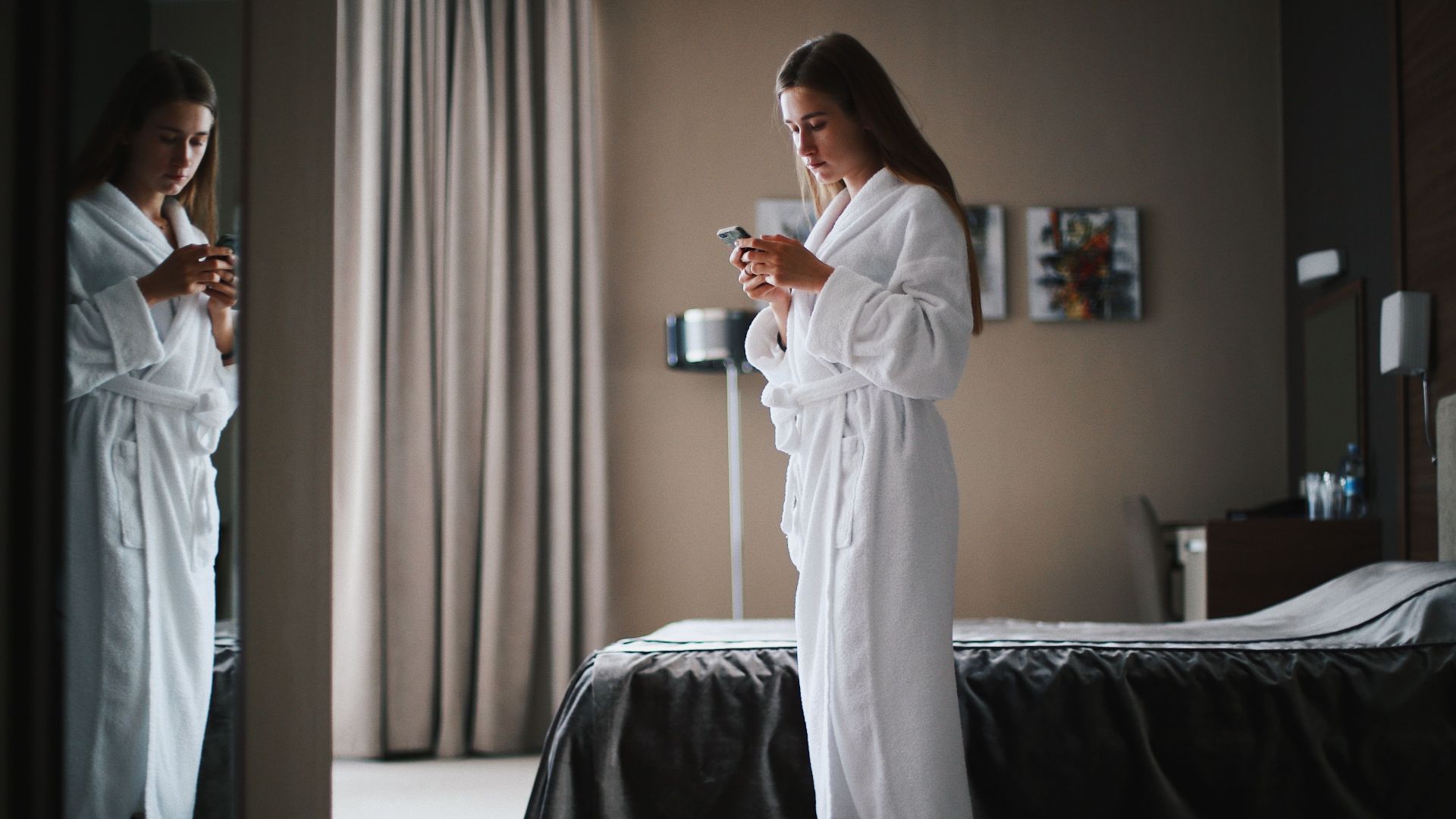 Anastasia Ilina-Makarova, Pexels
You May Also Like:
Things Canadians Notice Immediately When They Visit Small-Town America
"Normal" Things In Russia That Are Considered Luxurious In America