Everyday Russia Has Some Unexpected Flexes
Americans know luxury: cupholders, drive-thrus, and hotel towels that don’t feel like sandpaper. But in parts of Russia, everyday life includes things that can feel surprisingly fancy, futuristic, or just unfairly convenient. Some of these are regional, but still—why don’t we have more of them?
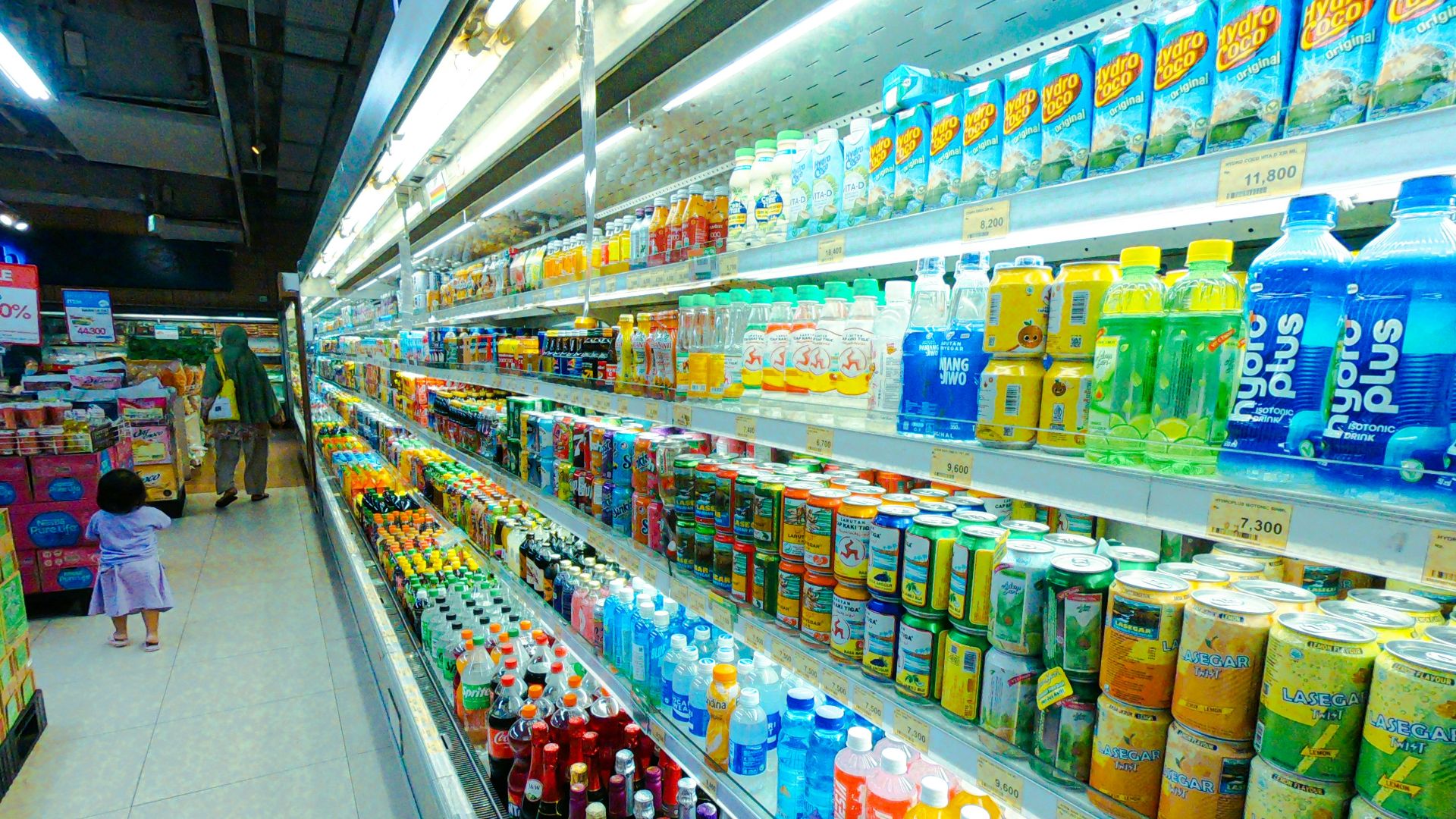
#22. Mineral Water Gets Serious
In cities like Moscow, St. Petersburg, Kazan, and Sochi, grocery stores often have huge mineral water sections. Sparkling, still, salty, imported, local—it’s a whole personality test. Americans are used to grabbing “whatever is cold,” so this feels weirdly fancy.
#21. Bread Sections Look Like a Carb Festival
Russian grocery stores and bakeries often take bread very seriously. You may find rye loaves, Borodinsky bread, pastries, rolls, and sweet baked goods all waiting dramatically. In America, this would be the “nice bakery.” In Russia, it’s Tuesday.
 Retired electrician, Wikimedia Commons
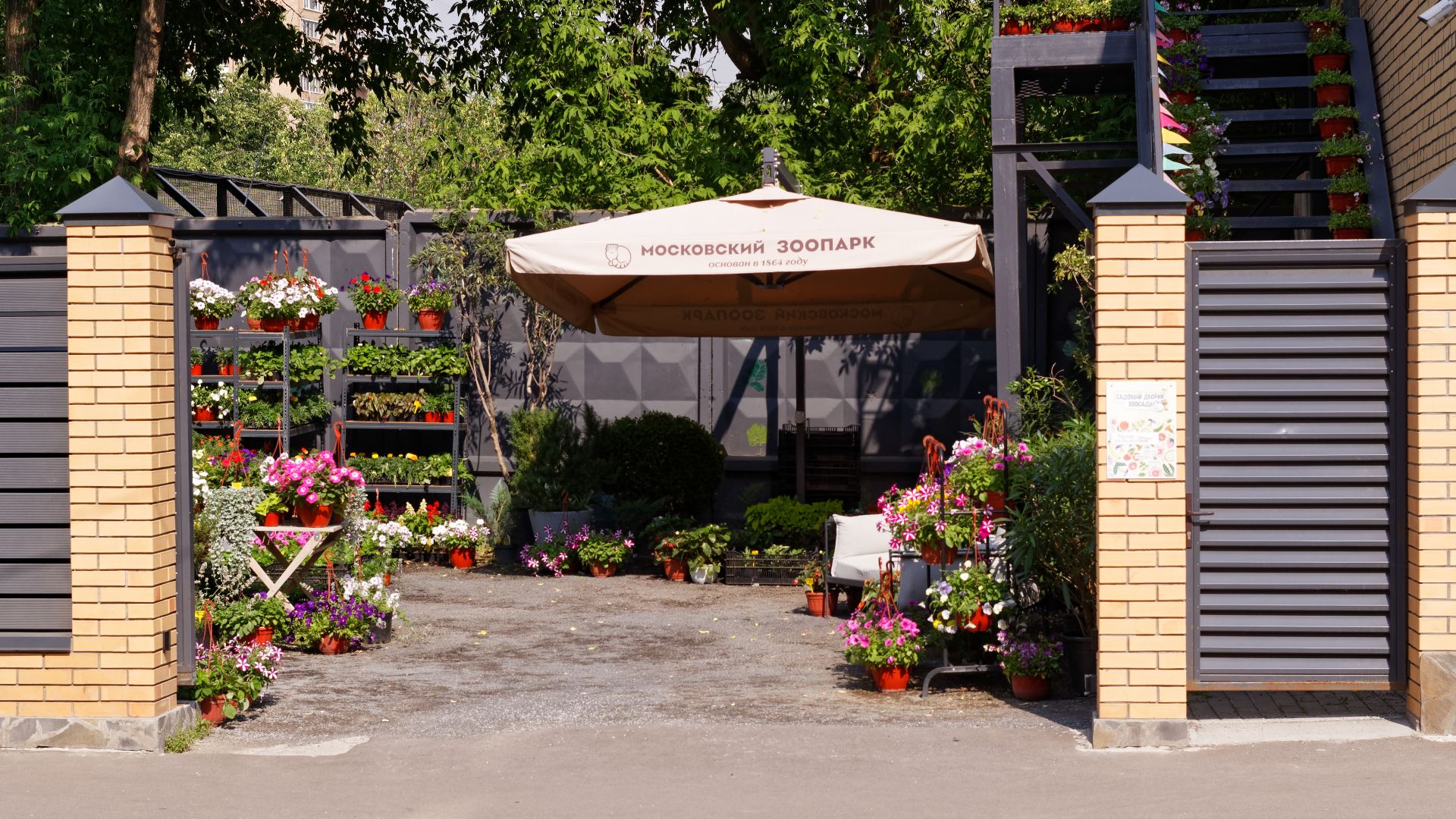
#20. Flower Shops Stay Open Shockingly Late
In Moscow and St. Petersburg, many flower shops stay open late, and some operate 24 hours. Need roses at midnight? Russia has apparently planned for your romantic crisis. In America, late-night shopping usually means chips and regret.
 Retired electrician, Wikimedia Commons
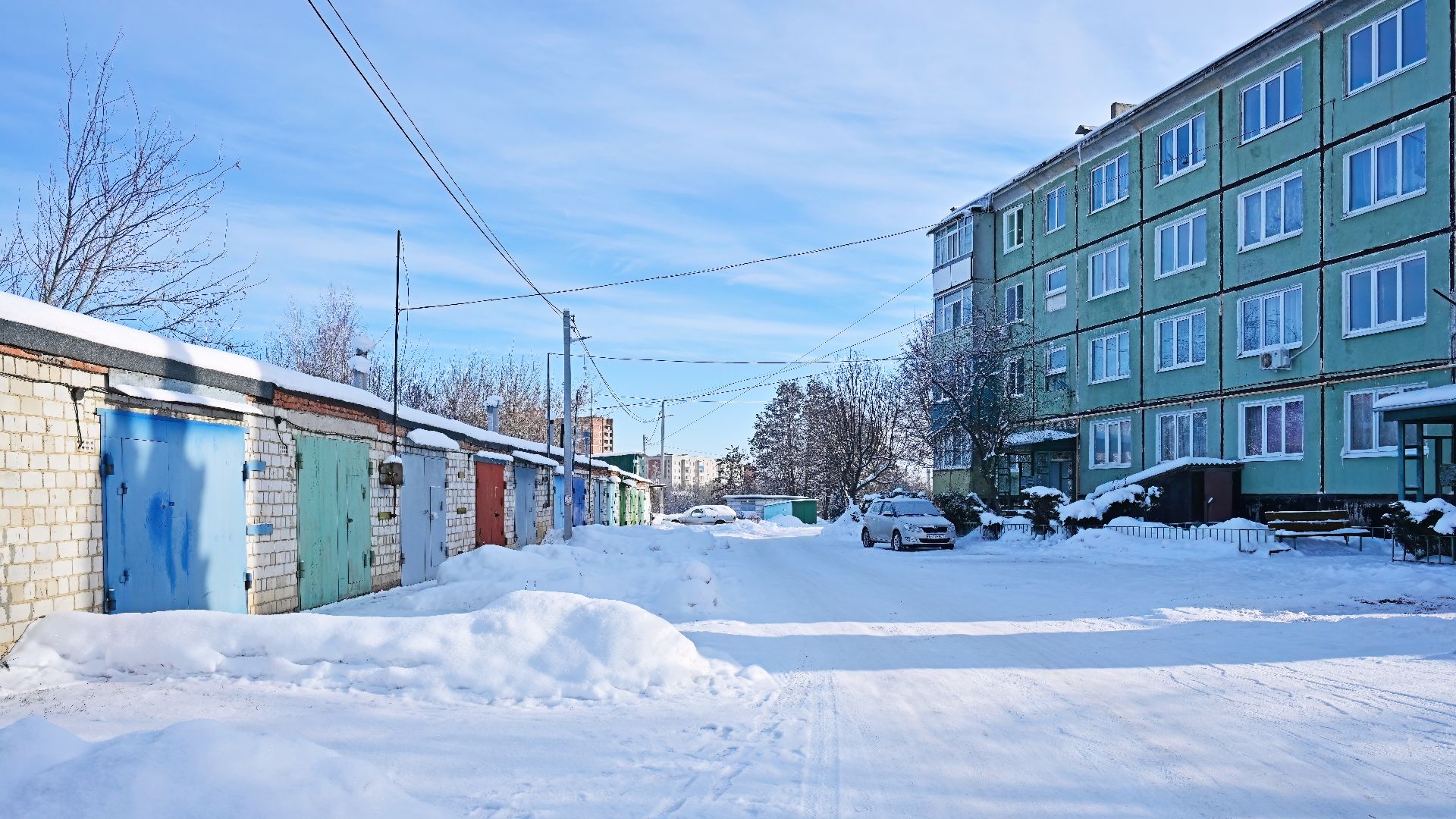
#19. Apartment Courtyards Feel Like Mini Communities
Many Russian apartment blocks have shared courtyards with benches, playgrounds, trees, and walking paths. They’re especially common in Soviet-era neighborhoods. To Americans used to isolated apartment buildings, this can feel surprisingly social—and possibly better for neighborhood gossip.
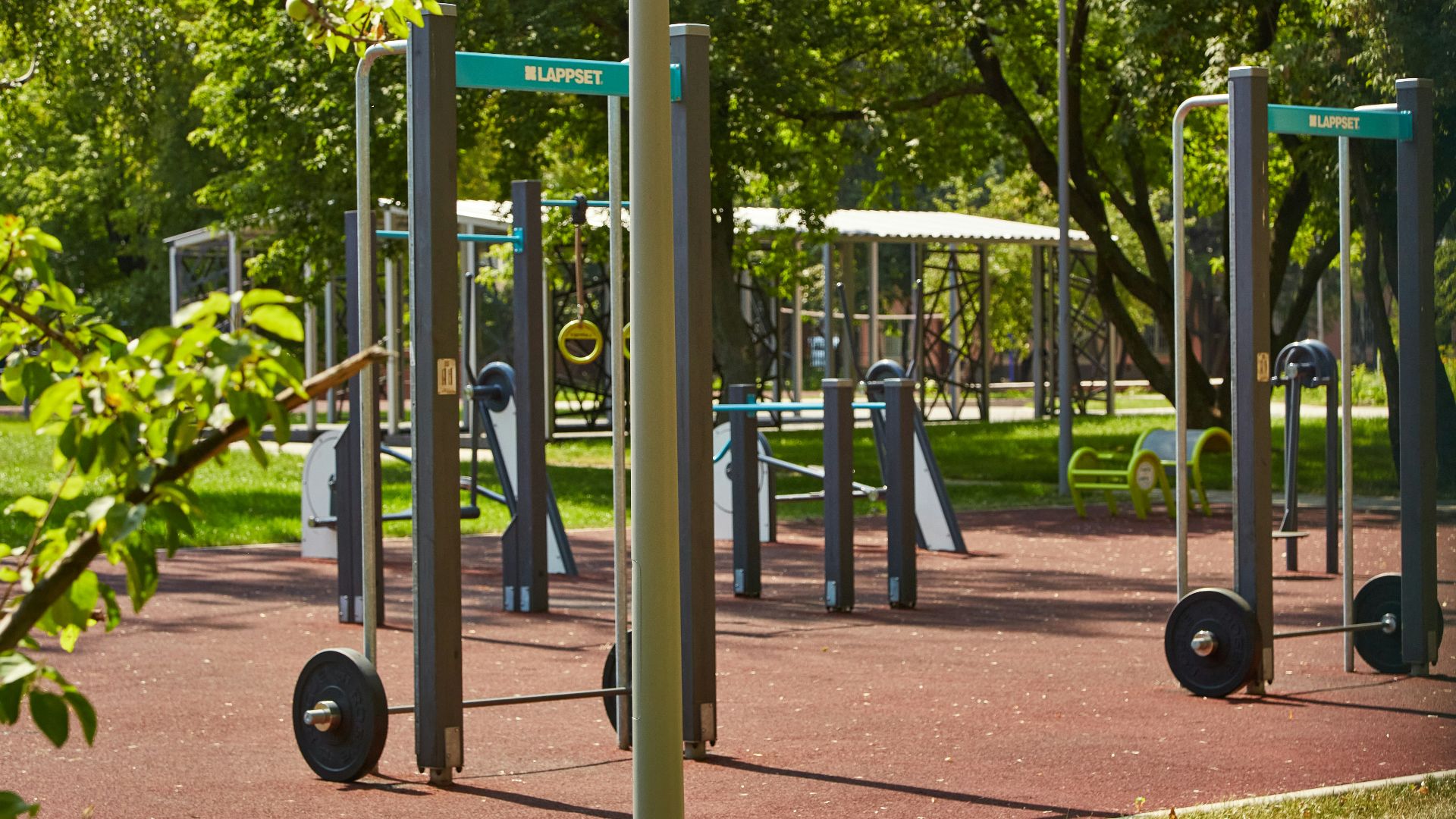
#18. Public Parks Have Free Outdoor Gyms
Many Russian parks include free workout equipment, from pull-up bars to basic cardio machines. You can exercise without signing a contract, downloading an app, or pretending you’ll go three times a week. Honestly, America should be taking notes.
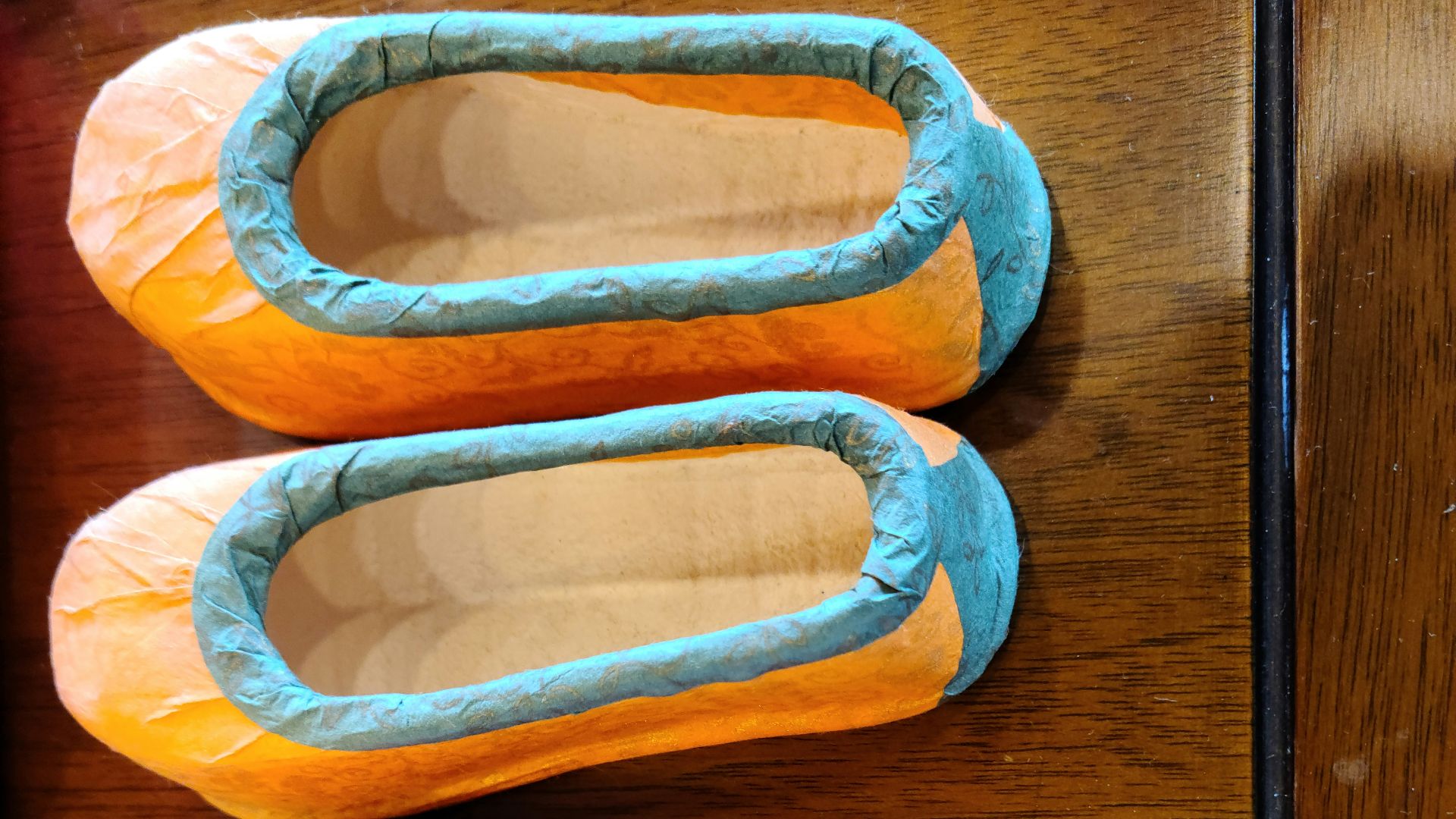
#17. Businesses Offer Shoe Covers
In clinics, museums, schools, and offices, visitors may be given disposable shoe covers, especially during snowy or muddy months. It’s practical, but to Americans it feels oddly fancy. Your shoes get a little outfit before you even get inside.
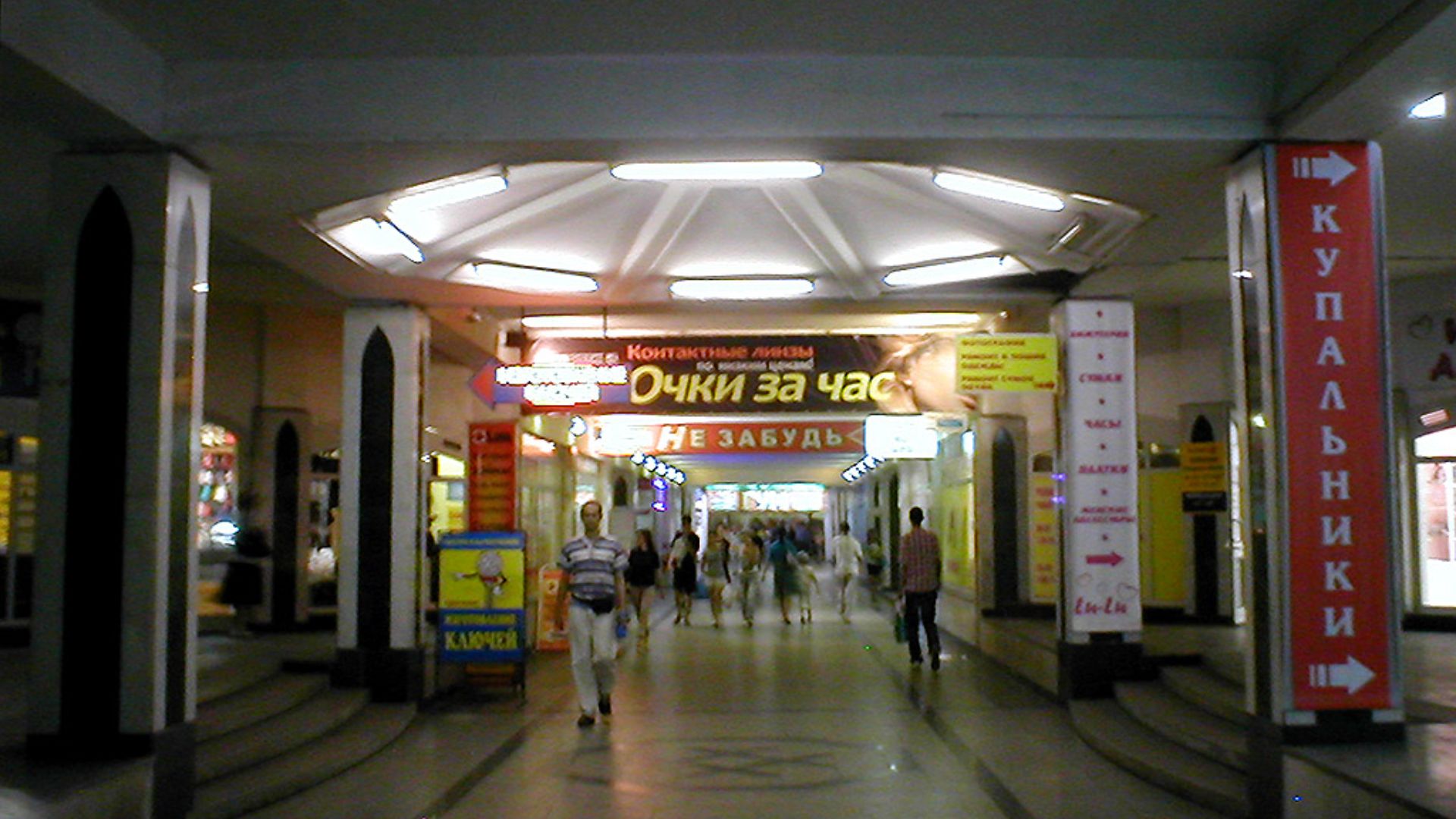
#16. Underground Tunnels Have Secret Shops
In cities like Moscow and St. Petersburg, underground pedestrian crossings can include kiosks, snack stands, flower sellers, and tiny shops. In America, an underpass often says, “walk faster.” In Russia, it says, “would you like coffee and tights?”
#15. Sleeper Trains Are Common Transportation
Russia’s long-distance trains connect huge distances between cities like Moscow, St. Petersburg, Kazan, and Yekaterinburg. Sleeper cabins are a normal travel option. To Americans, sleeping on a train feels vintage and fancy. In Russia, it’s transportation with a pillow.
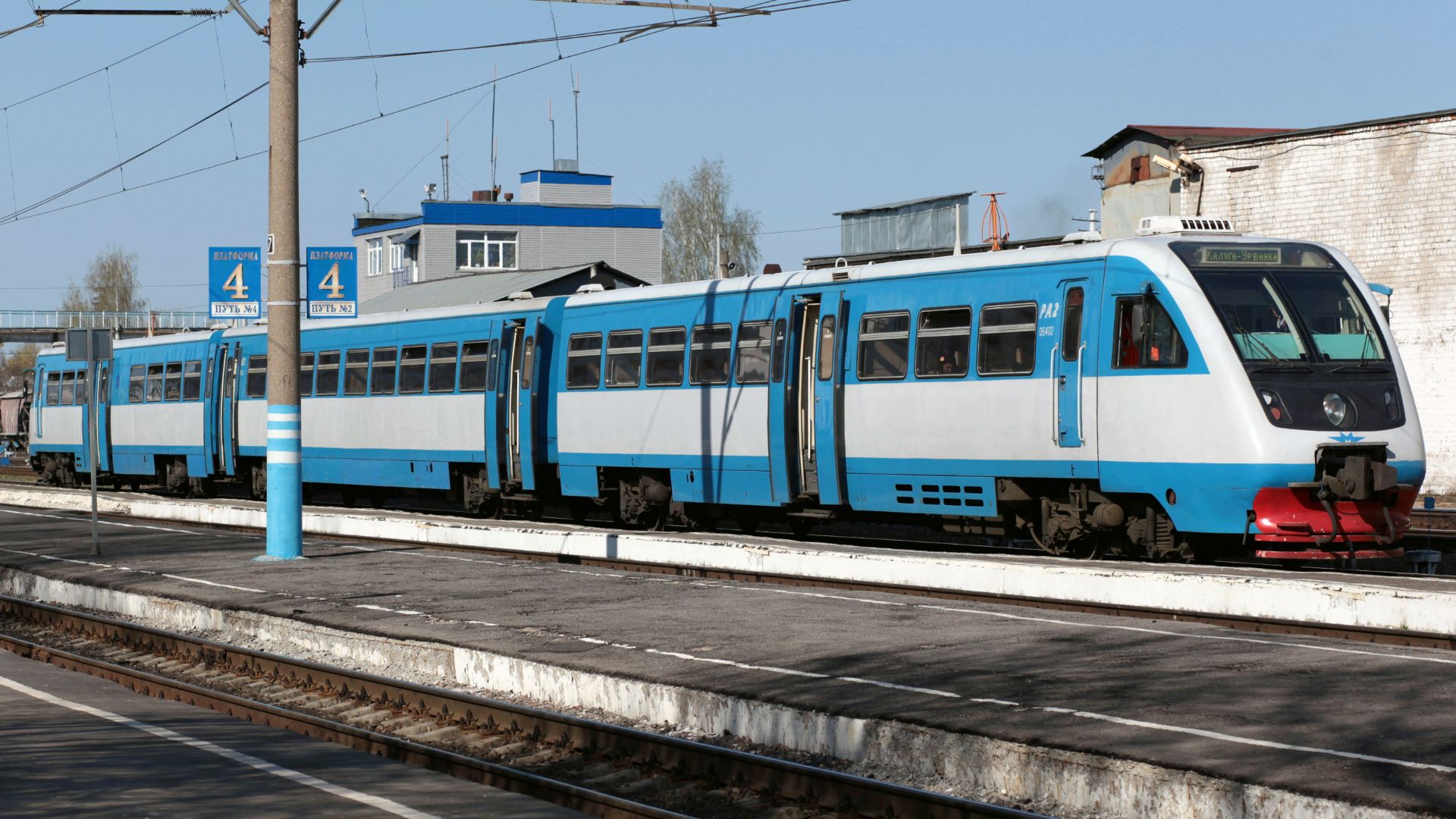 Kaluga.2012, Wikimedia Commons
#14. Apartments Have Heated Towel Racks
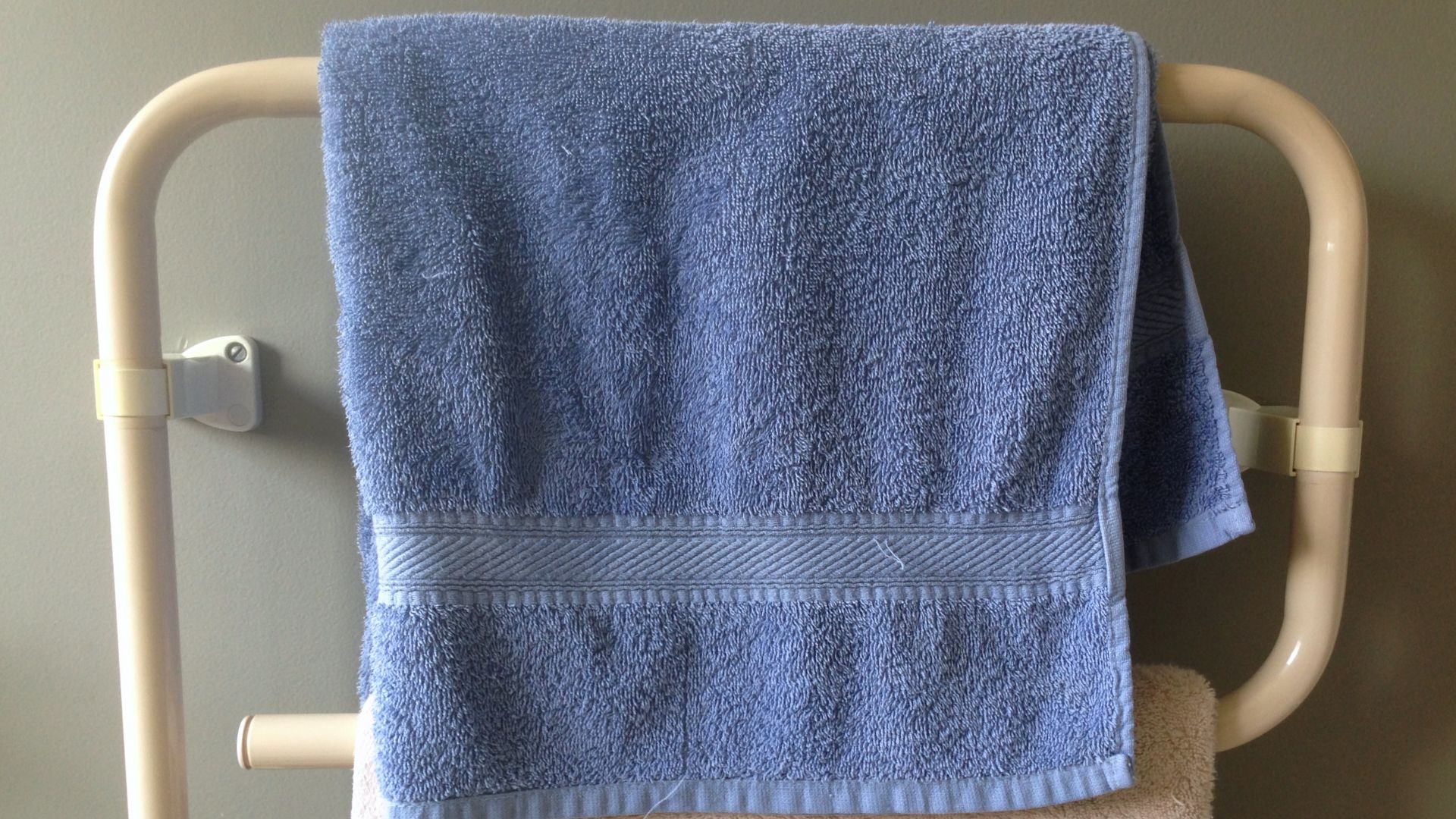
In many Russian apartments, especially older city apartments with central heating, bathrooms may have heated towel radiators. They help dry towels, warm the room, and make winter mornings less rude. Americans call this a hotel upgrade. Russians may just call it Tuesday.
#13. Regular Grocery Stores are Packed with Caviar
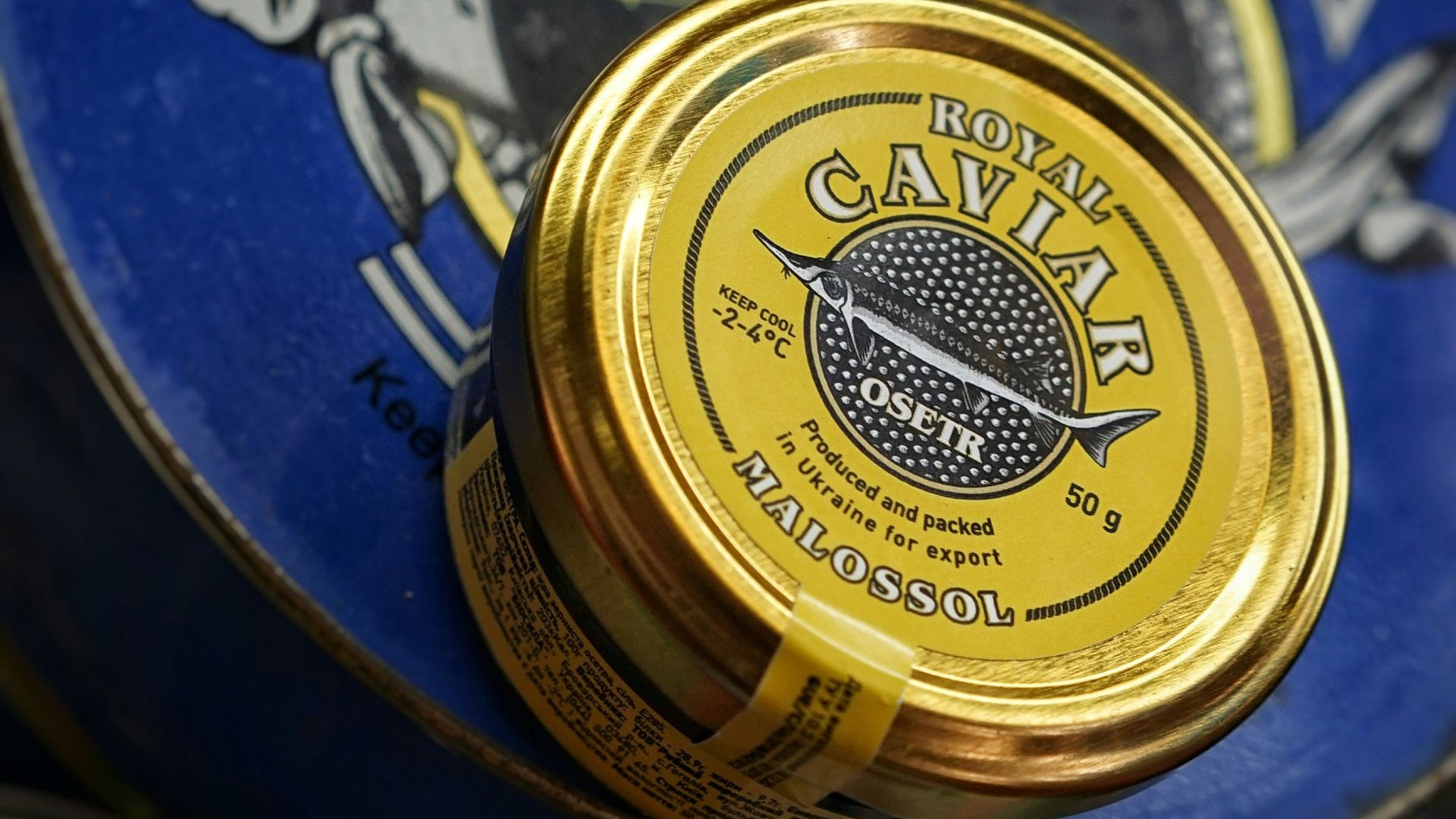
In Moscow, St. Petersburg, Astrakhan, and other cities, grocery stores may carry several types of caviar, especially red salmon roe. Americans picture caviar beside champagne and tiny spoons. In Russia, it may just be sitting in the fridge section.
#12. Apartment Doors Are Padded for Insulation
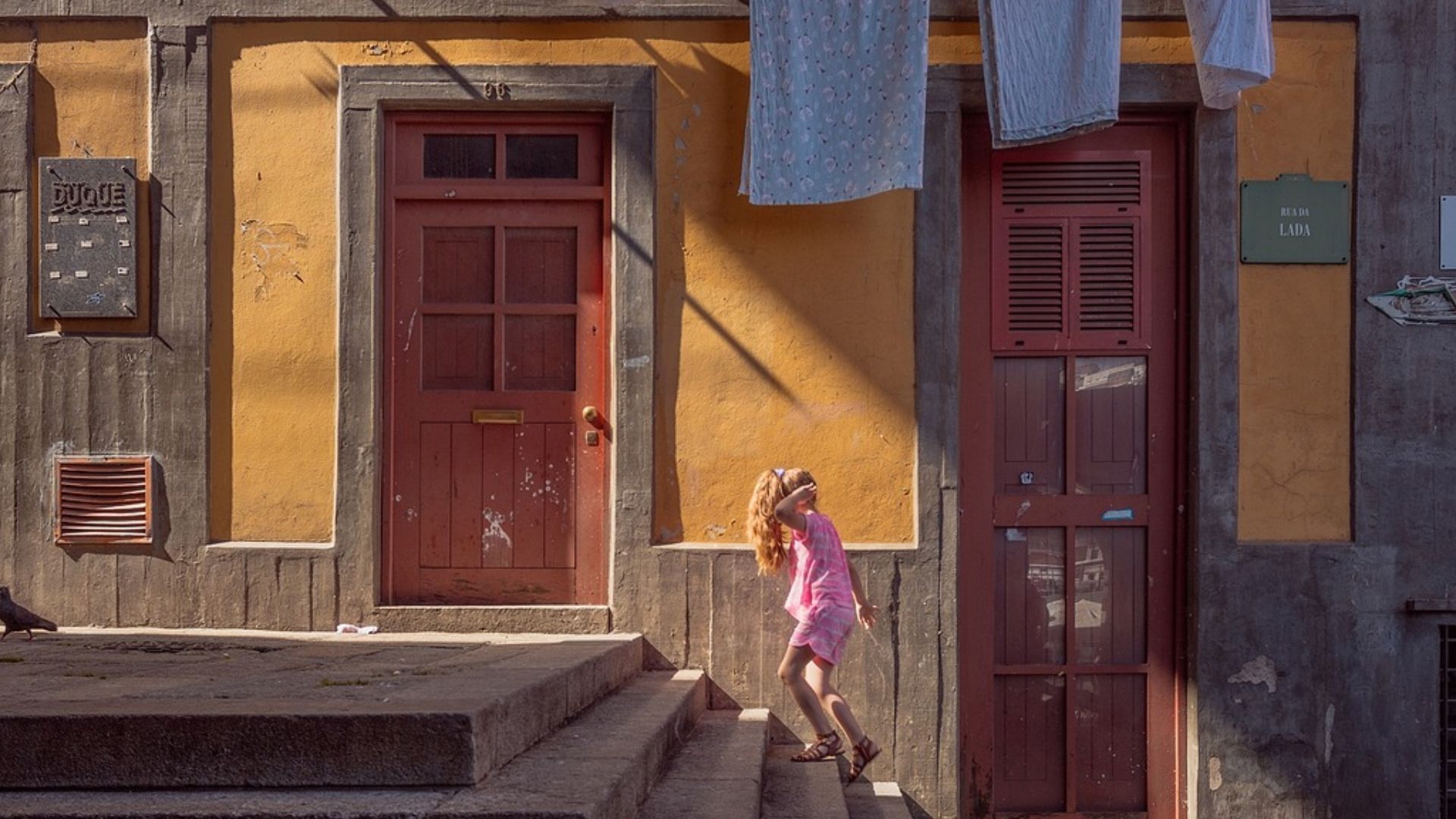
In older apartment buildings across Moscow, St. Petersburg, and other former Soviet cities, apartment doors are sometimes padded with leather-like vinyl. It helps with warmth and soundproofing. To Americans, it looks like the entrance to a dramatic spy movie.
#11. Winter Skating is Free
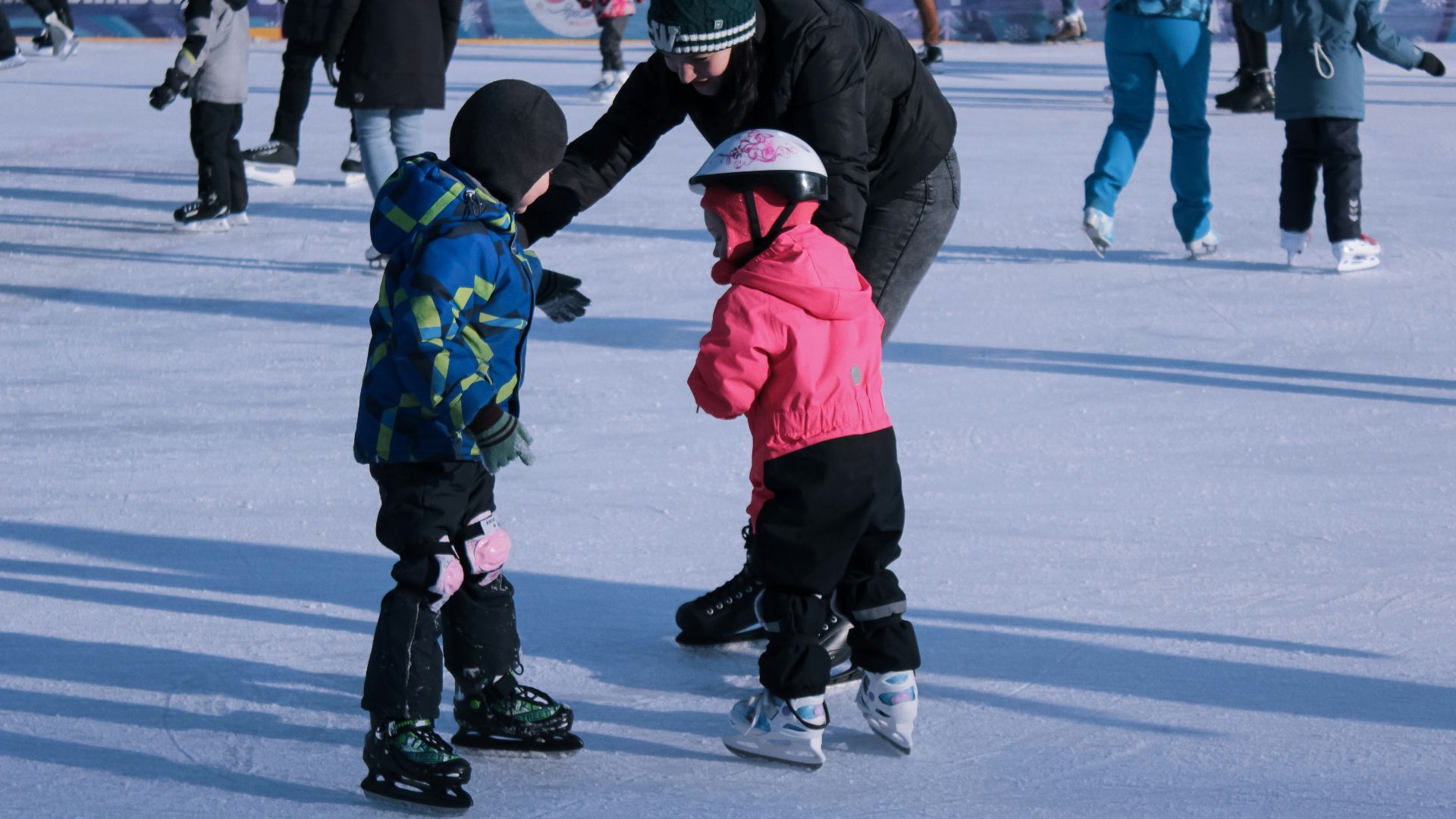
Russian cities often turn parks and public spaces into winter skating areas. Moscow especially goes big on seasonal rinks, and they're always free. In America, public skating can feel like a special outing...one you usually have to pay for. In Russia, winter shows up and the city says, “Fine, bring skates.”
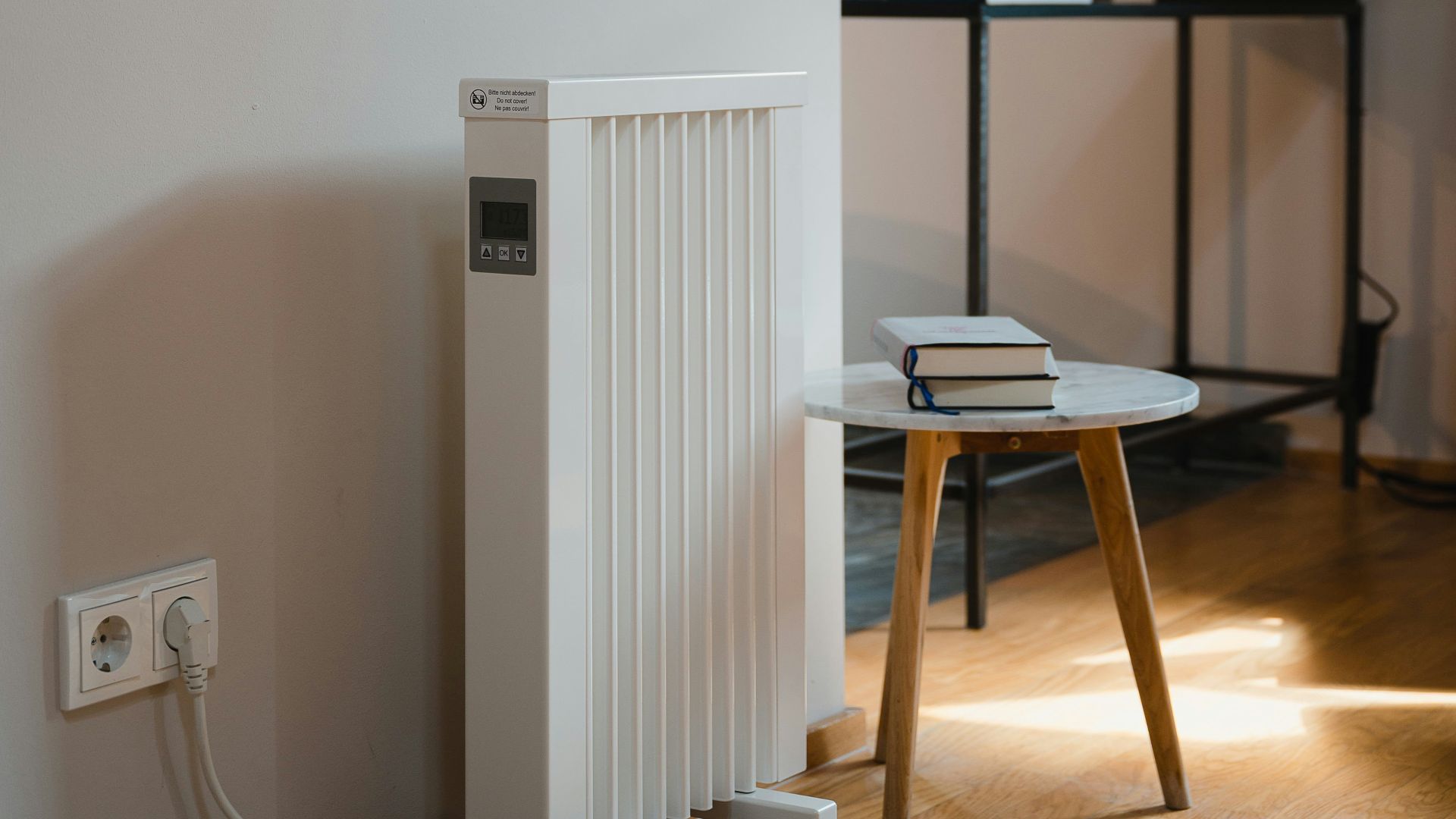
#10. Universal Heating Means No One Goes Cold
Many Russian cities use centralized district heating that provides low-cost heating to full communities. Once heating season starts, radiators can make rooms extremely warm. Americans fight thermostats and heating bills. Some Russians open windows in winter because the apartment is too hot. That sounds fake, but magical.
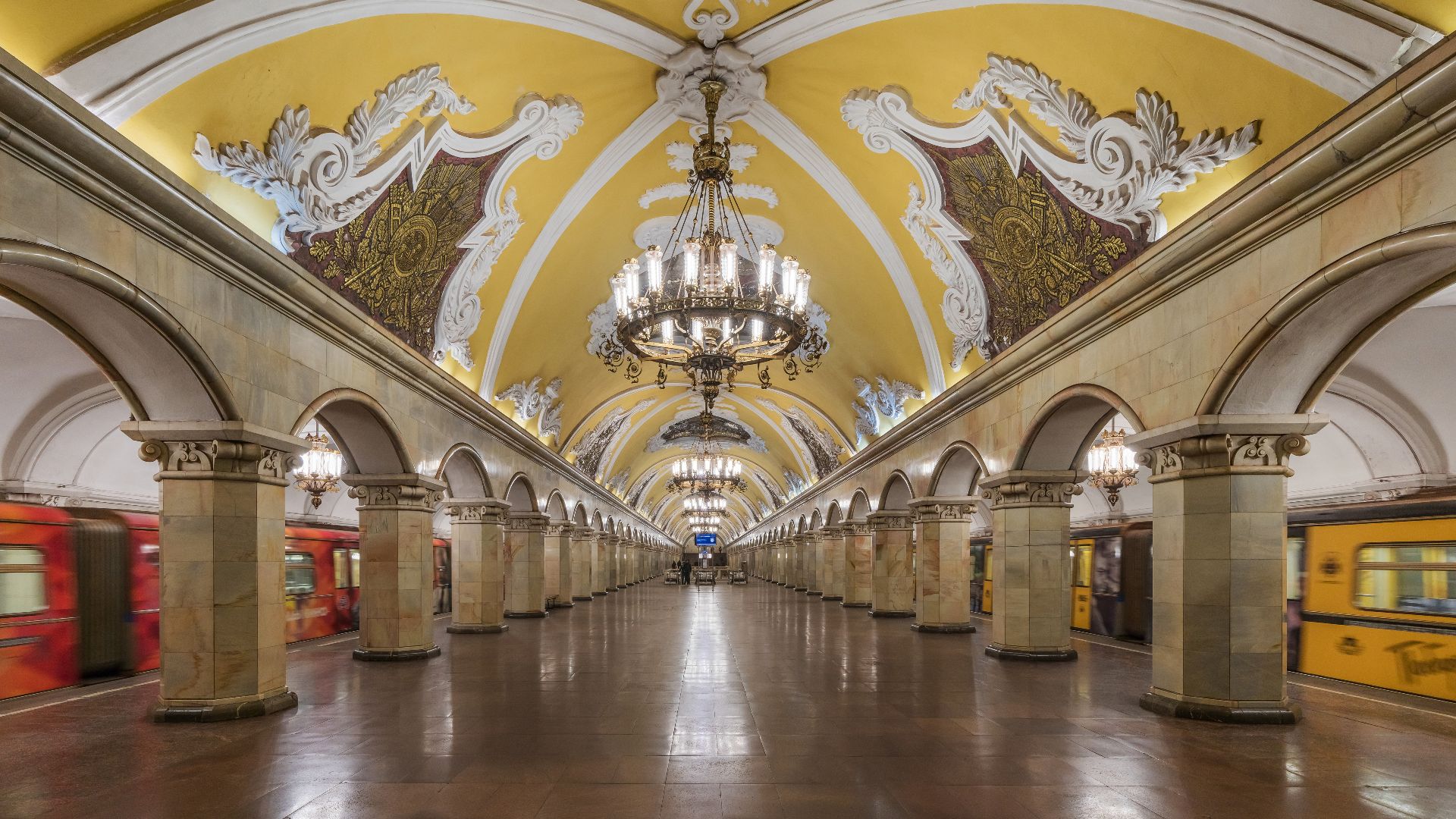
#9. Metro Stations Look Like Palaces
Moscow’s metro stations are famous for chandeliers, mosaics, marble columns, and grand halls. Stations like Komsomolskaya and Mayakovskaya look more like museums than commuting spaces. Americans are used to subway stations that say, “good luck.” This feels dramatic.
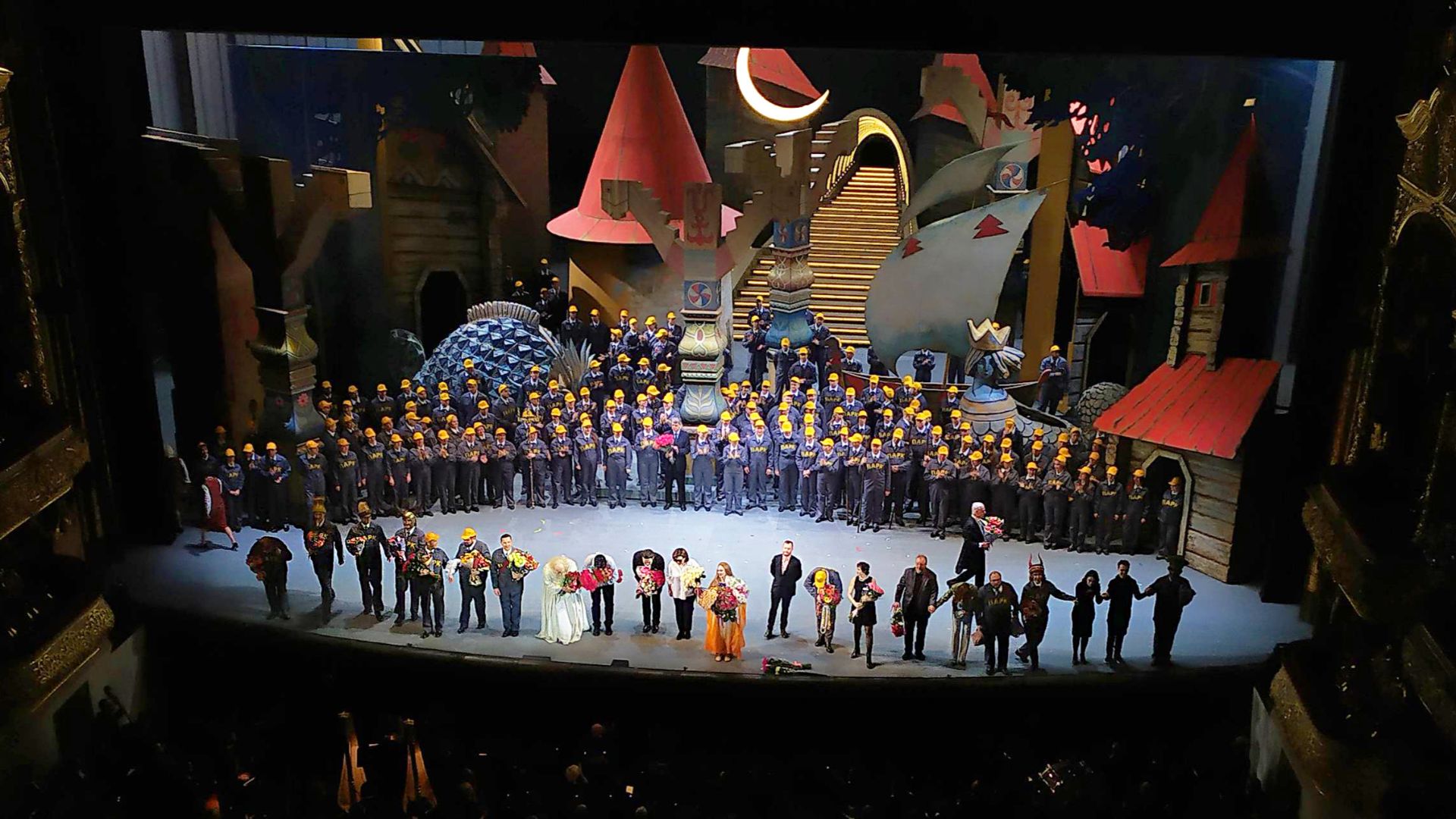
#8. Theater and Ballet is a Common Night Out
Russia has a huge theater, opera, and ballet culture, especially in Moscow and St. Petersburg. Major shows can be expensive, but many local performances are more accessible than Americans might expect. Suddenly, ballet isn’t just for anniversaries and rich aunts.
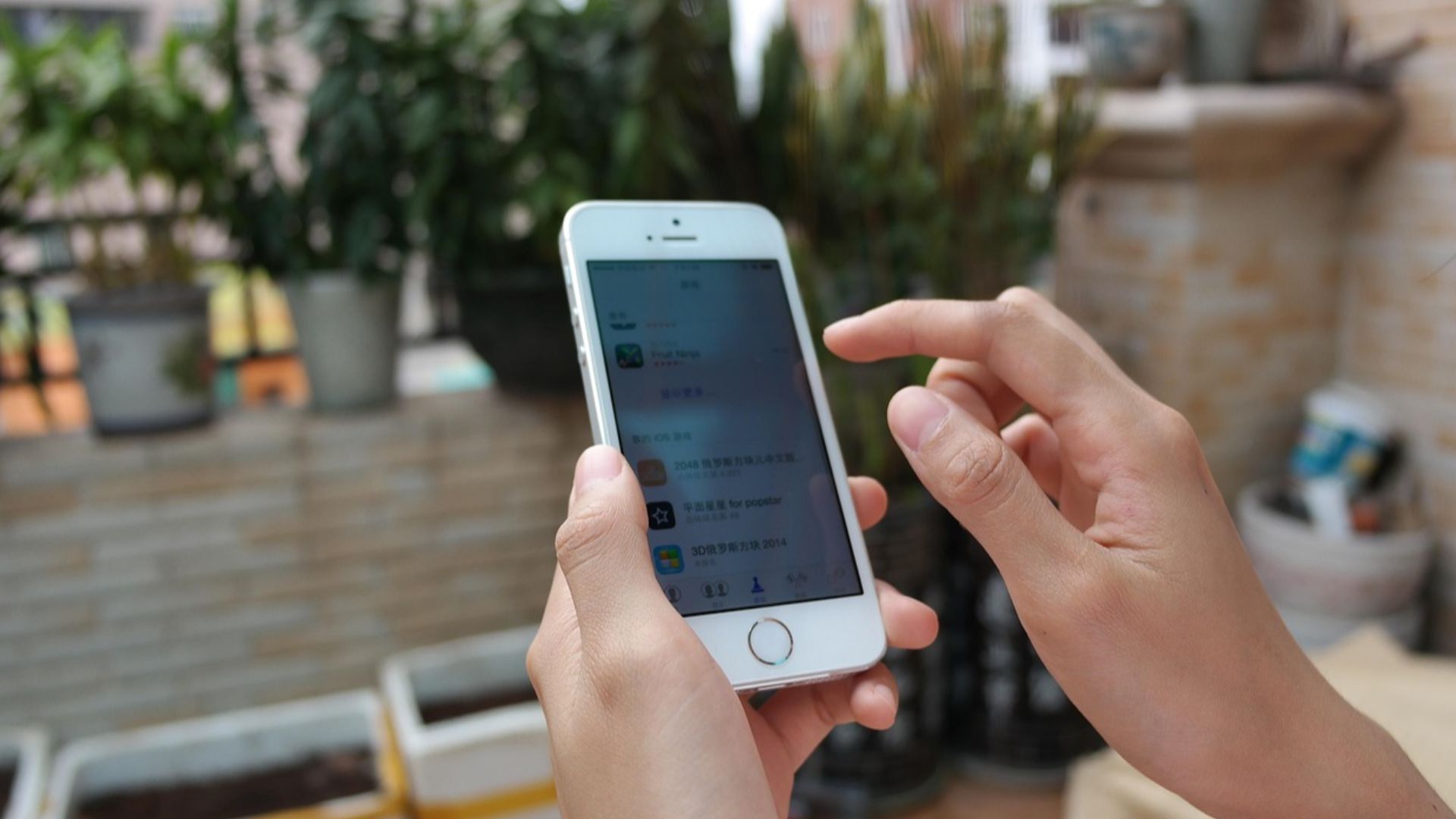
#7. Mobile Data is Shockingly Affordable
Russia has been known for relatively affordable mobile internet compared with many Western markets. Some Russians claim to pay as little as $6 to $7 a month for unlimited calls, messages, and high-speed internet. For Americans used to expensive phone bills, the idea of cheap data can feel like discovering a secret coupon code for modern life.
#6. Every City Has a Luxury Spa
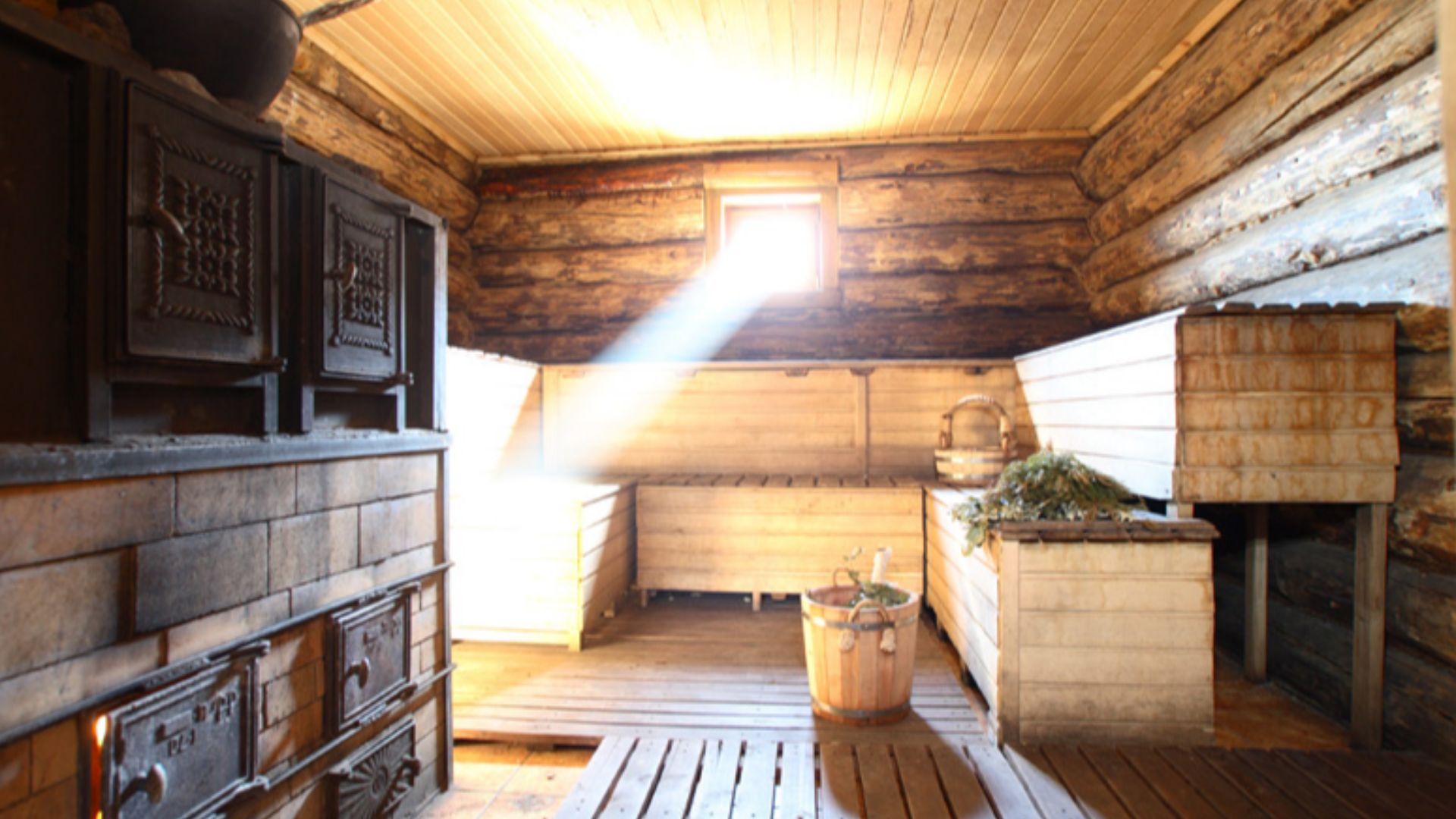
Across Russia, especially in Moscow, St. Petersburg, Kazan, Sochi, and Novosibirsk, large banya complexes are common and include multiple steam rooms, saunas, cold plunges, heated pools, and relaxation areas. Americans call that a luxury spa. Russians call it sweating with tradition.
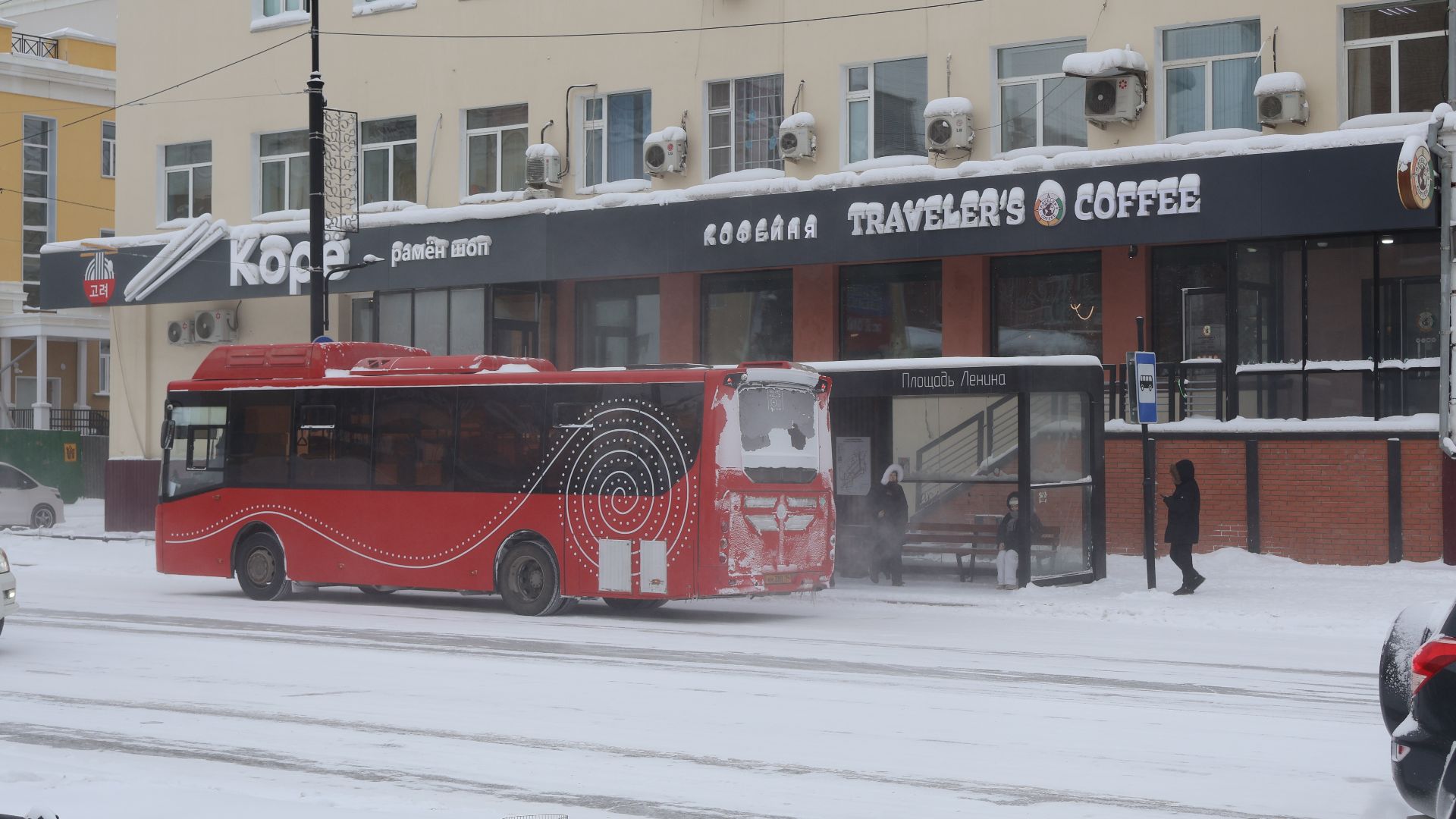
#5. Bus Stops Are Heated
In Yakutsk, one of the coldest major cities on Earth, as well as some other cities in Russia, bus stops are enclosed and heated, with seats, monitors, and cameras showing approaching buses. Americans complain when the bus shelter has only three walls. Yakutsk said, “What if waiting didn’t feel like punishment?”
 SmallSonMarex, Wikimedia Commons
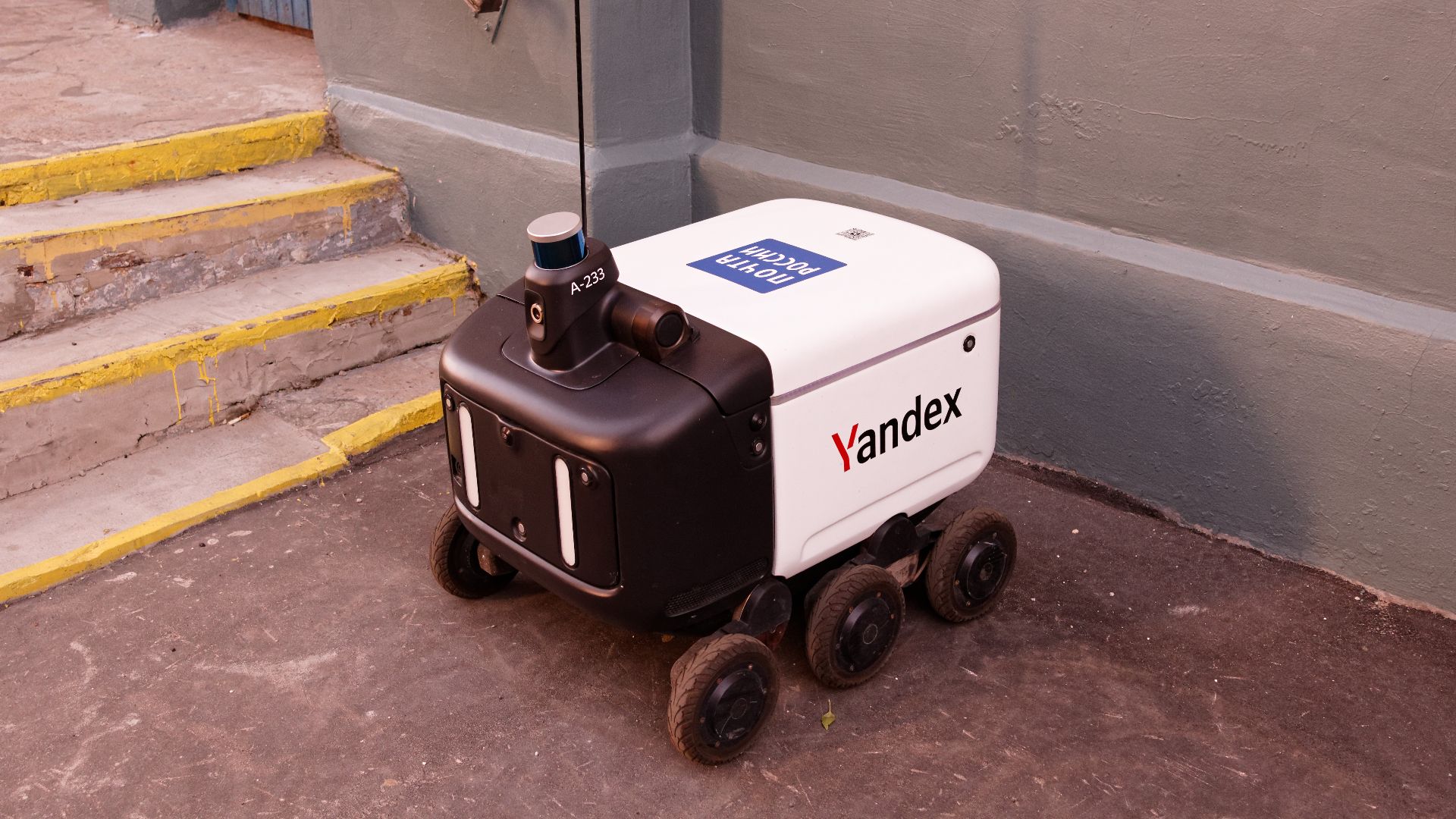
#4. Tiny Robots Deliver Your Food
In parts of Moscow, Murino near St. Petersburg, and Innopolis near Kazan, Yandex delivery robots have carried food and groceries. They are small, boxy, and weirdly adorable. Americans might trust a person with dinner—but a cute robot? Luxury unlocked.
 Retired electrician, Wikimedia Commons
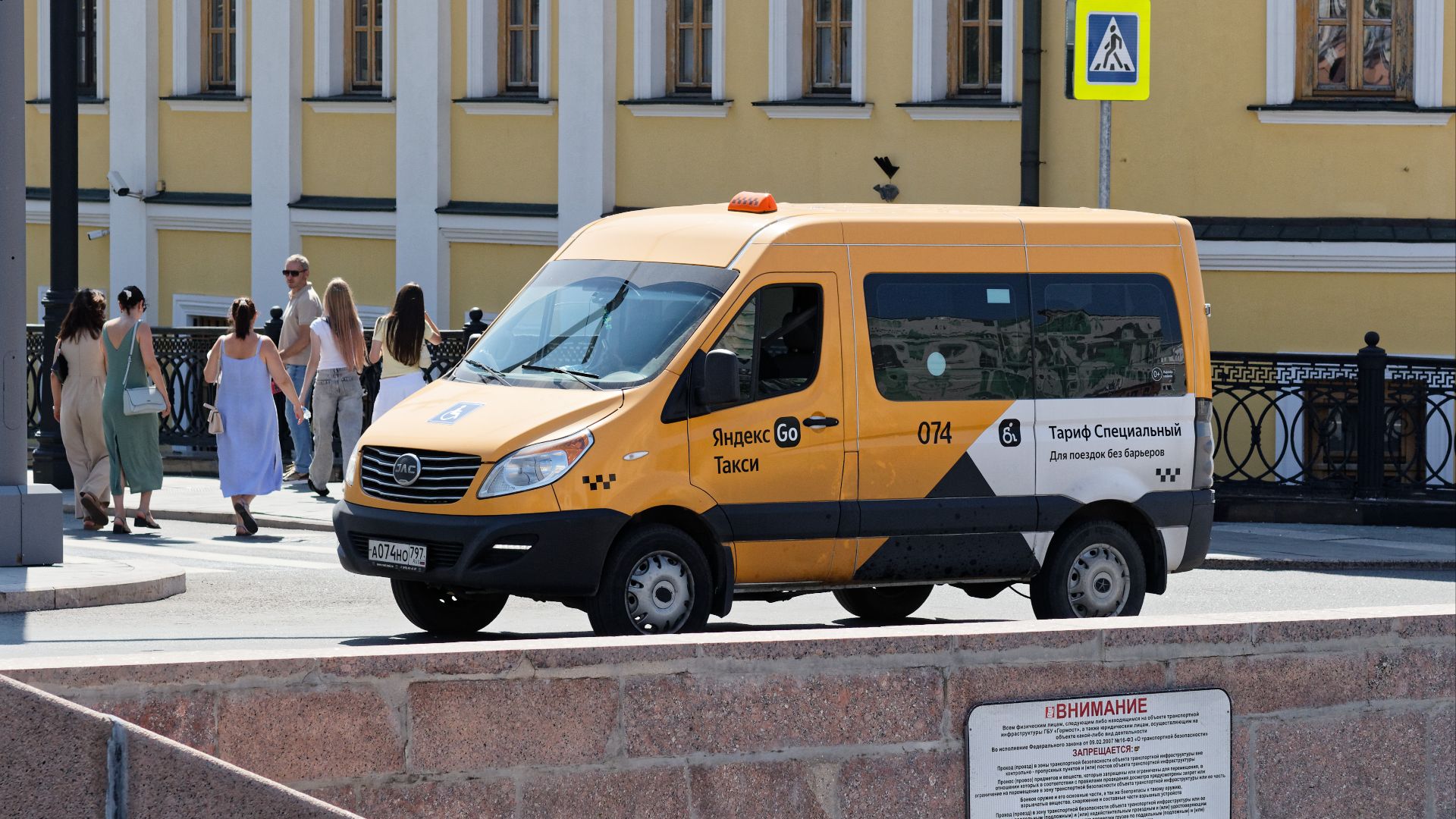
#3. Taxis Only Cost a Couple Bucks
In Moscow and other large cities, ride-hailing apps like Yandex Go can make taxis feel far more affordable than Americans expect, especially compared with US big-city fares. Some sources claim that in most Russian cities, a taxi will take you anywhere in town for a mere $1-2. Traffic is still traffic, obviously, but at least you may not need to sell a kidney for the ride.
 Retired electrician, Wikimedia Commons
#2. Trains Have Charging Ports in the Seats
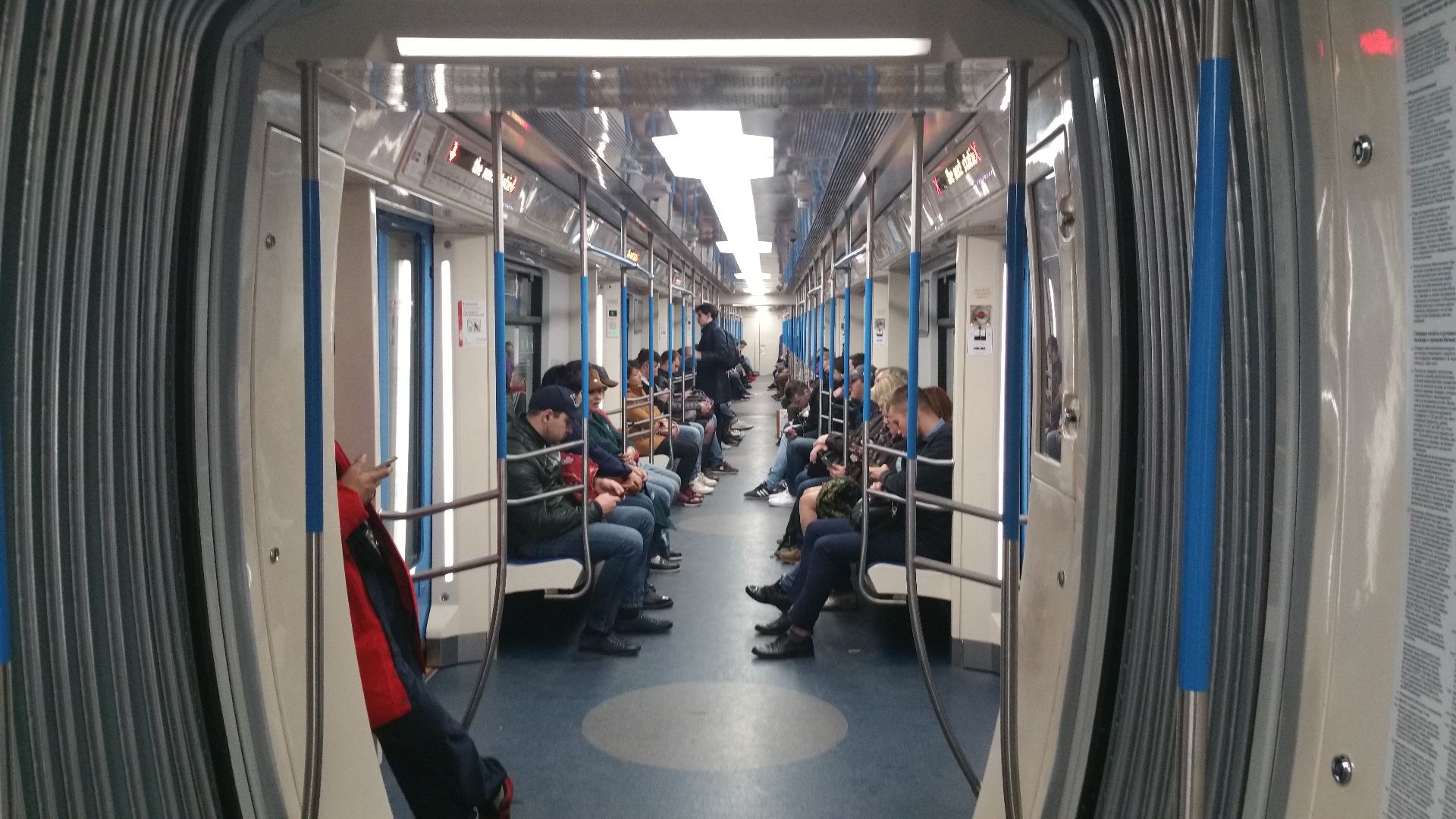
On newer Moscow Metro trains, passengers may find USB or Type-C charging ports, screens, air conditioning, and modern interiors. Imagine riding public transit while charging your phone instead of watching it die at 3%. Americans would absolutely brag about this.
 Sergey A. Demidov, Wikimedia Commons
#1. The Government Pays You to Have Babies
Russia’s maternity capital program gives eligible families a large check after a child is born or adopted. In 2026, the benefit is roughly 737,200 rubles for a first child and up to 974,100 rubles for a second child if the family did not already receive it. That's about $10,000-$12,000 in USD. Americans paying hospital bills may need to sit down.

You May Also Like:
Americans Are Moving Abroad In Bigger Numbers—And This Is Where They're Going
Many Americans Think They Blend In When Traveling Abroad—But Here’s How Locals Spot Them From a Mile Away
20 American Islands That Feel Like They’re In Another World