The American Inventions Boomers Won’t Quit
Baby Boomers grew up surrounded by clever American inventions that made life faster, easier, tidier, and more fun. Some are still proudly sitting in kitchens, junk drawers, offices, garages, and glove compartments today. But as apps, smart devices, and changing habits take over, these classics may soon become more collectible than common.
Incandescent Light Bulbs
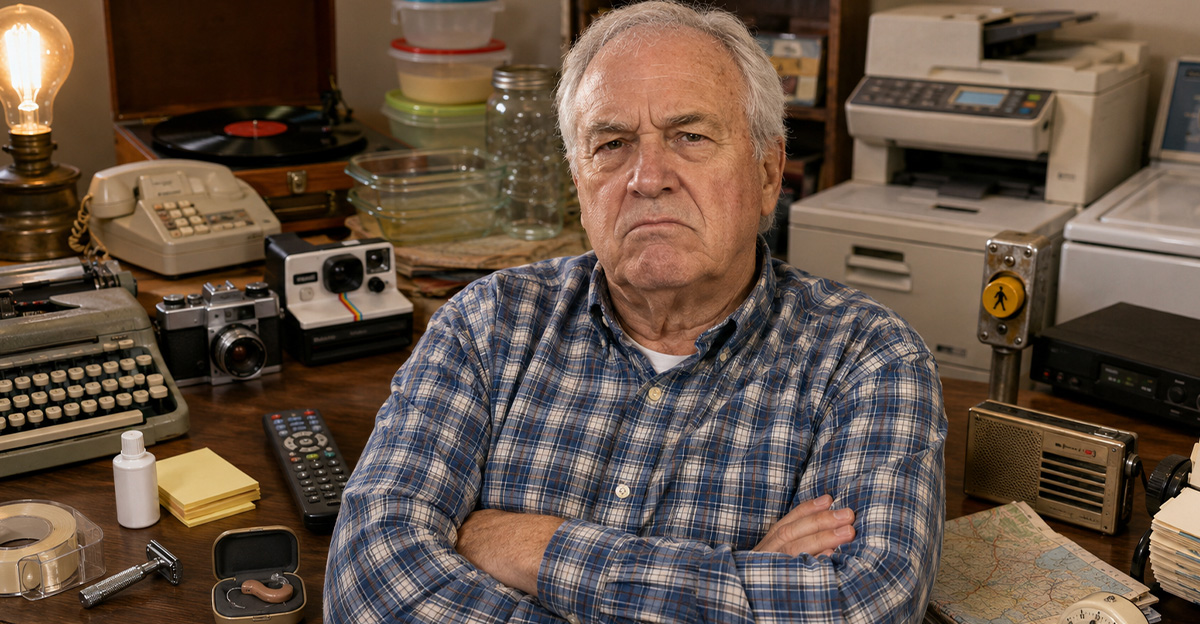
Thomas Edison did not invent the first light bulb, but his team created the practical carbon-filament bulb that helped make electric lighting a household reality. Many Boomers still prefer its warm glow. Federal efficiency rules, however, have pushed most traditional incandescent bulbs off store shelves.
Landline-Style Telephones
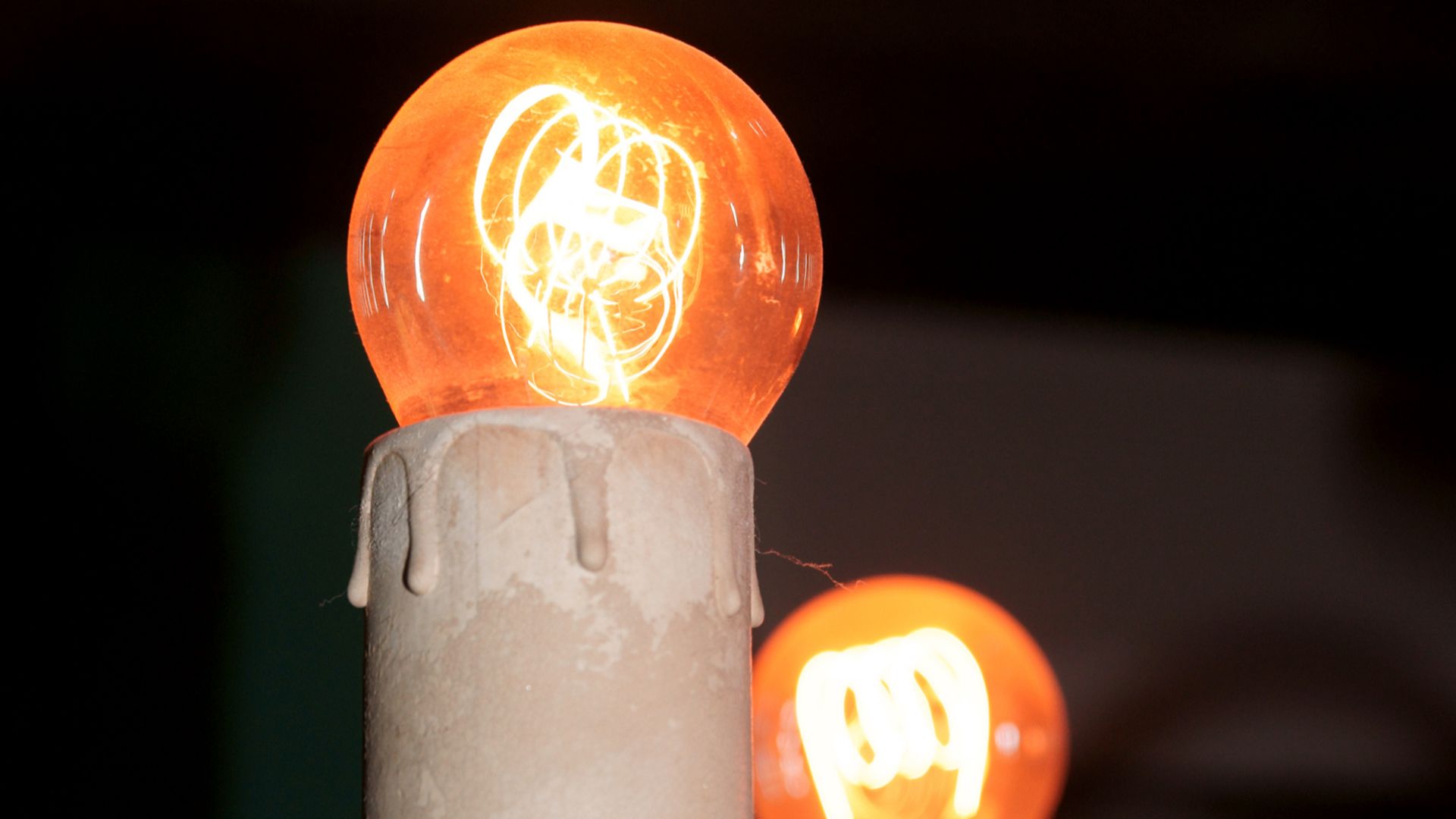
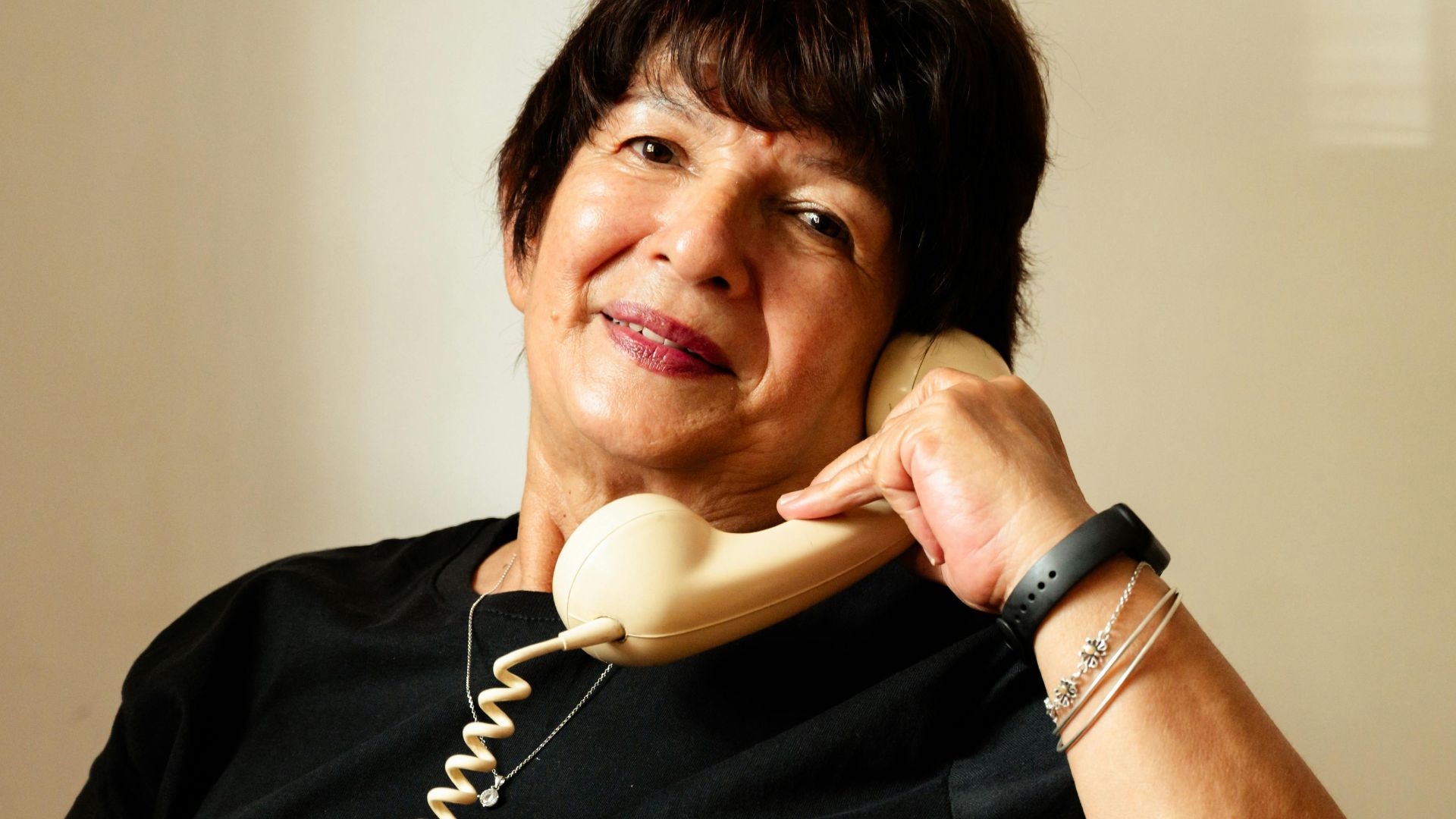
The telephone’s history is complicated, but Alexander Graham Bell secured the key U.S. patent in 1876 and demonstrated early telephones in America. Boomers still trust a house phone for emergencies and long chats. Yet cell-only households keep rising, making the family landline feel increasingly antique.
Phonographs And Record Players
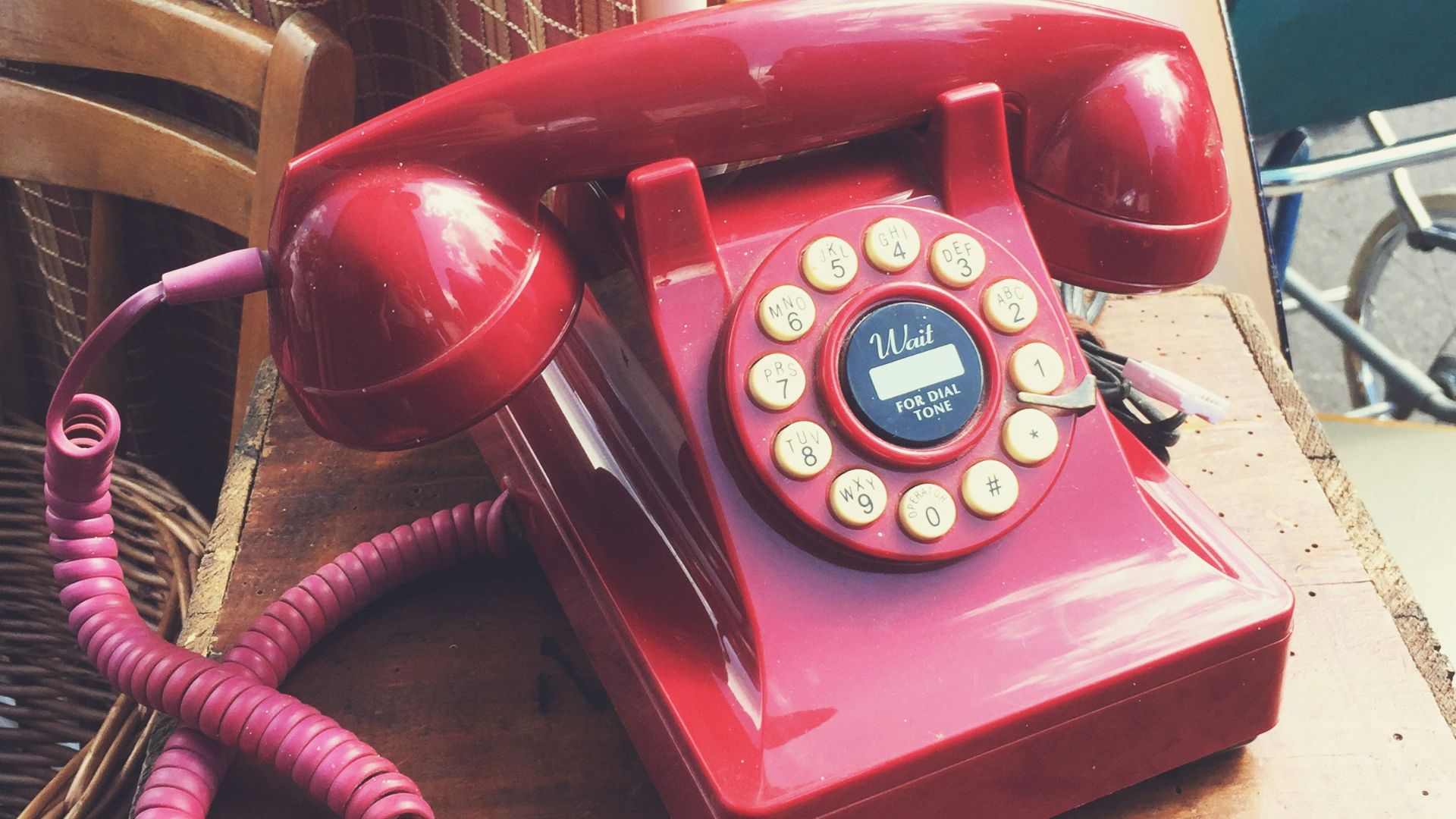
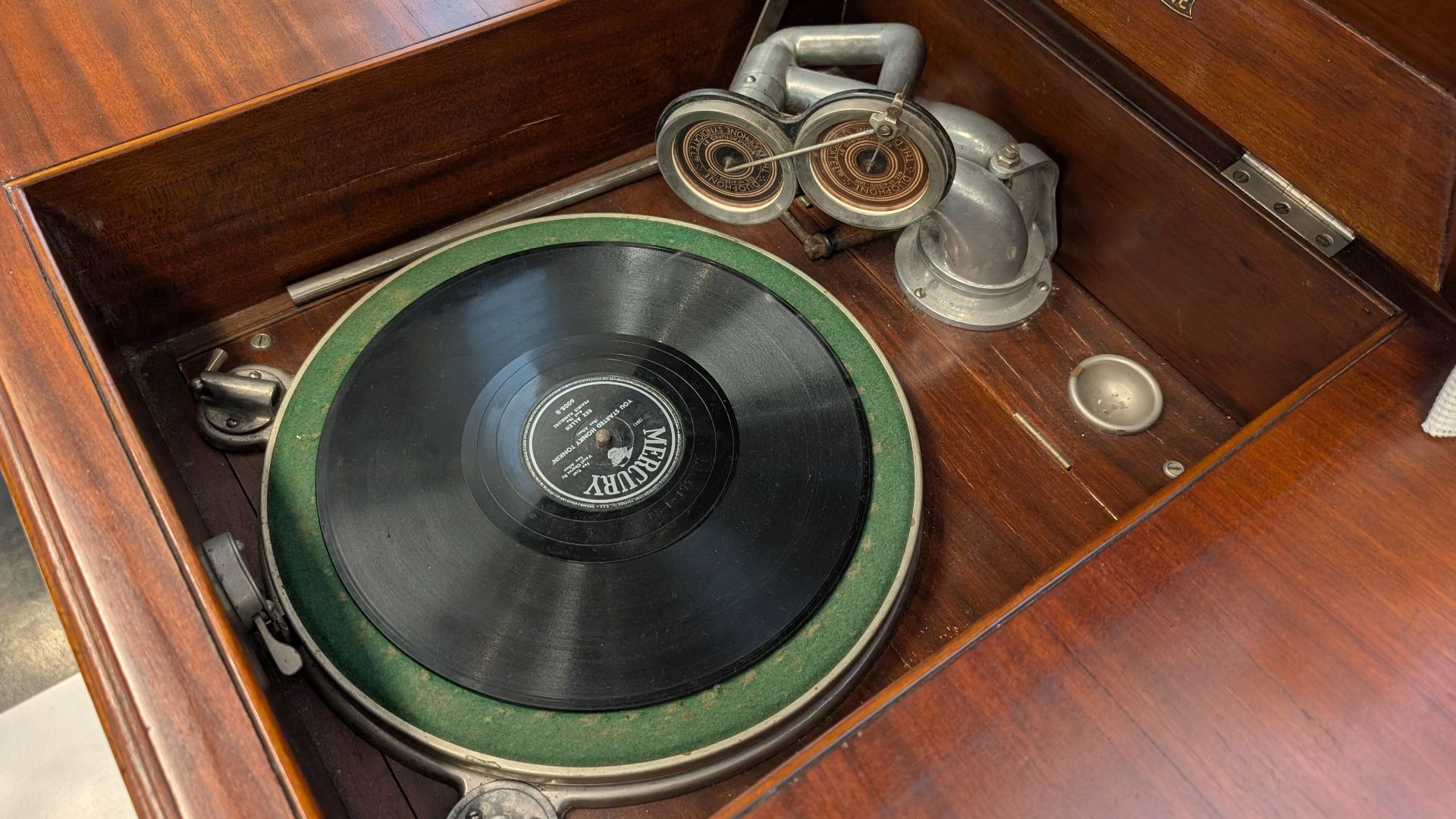
Thomas Edison’s 1877 phonograph was the first machine that could record and play back sound. Boomers who still own record players love the ritual: sleeve, needle, crackle, music. Vinyl has become cool again, but everyday turntable use may remain a niche hobby rather than a household standard.
Kodak Film Cameras
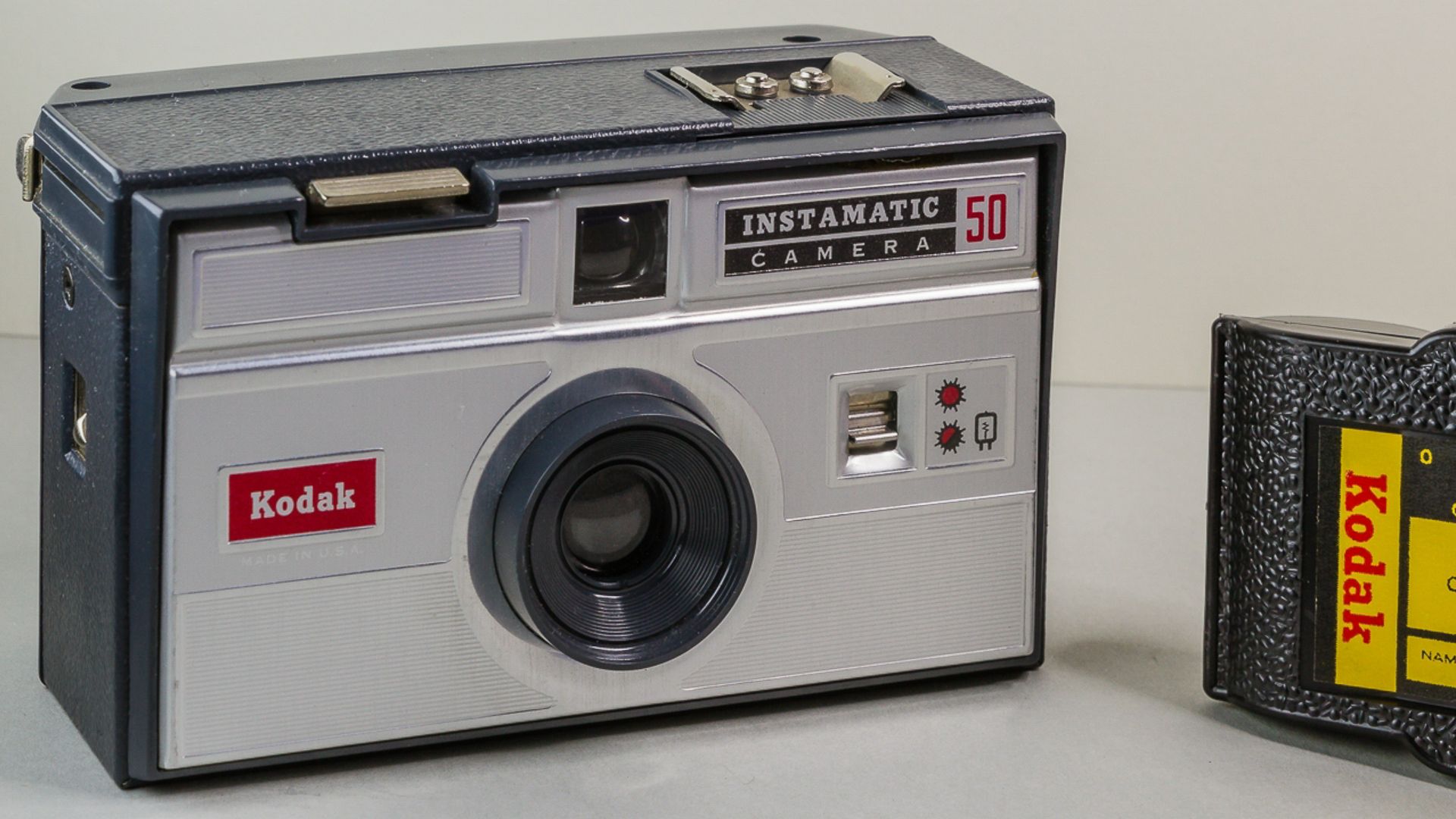
George Eastman’s Kodak camera made photography simple enough for regular people, not just trained hobbyists. Boomers remember dropping off film and waiting for prints like tiny surprises. Digital photography and phone cameras have mostly crushed that routine, leaving film cameras to artists, collectors, and nostalgic travelers.
 Friedrich Haag, Wikimedia Commons
Polaroid Instant Cameras
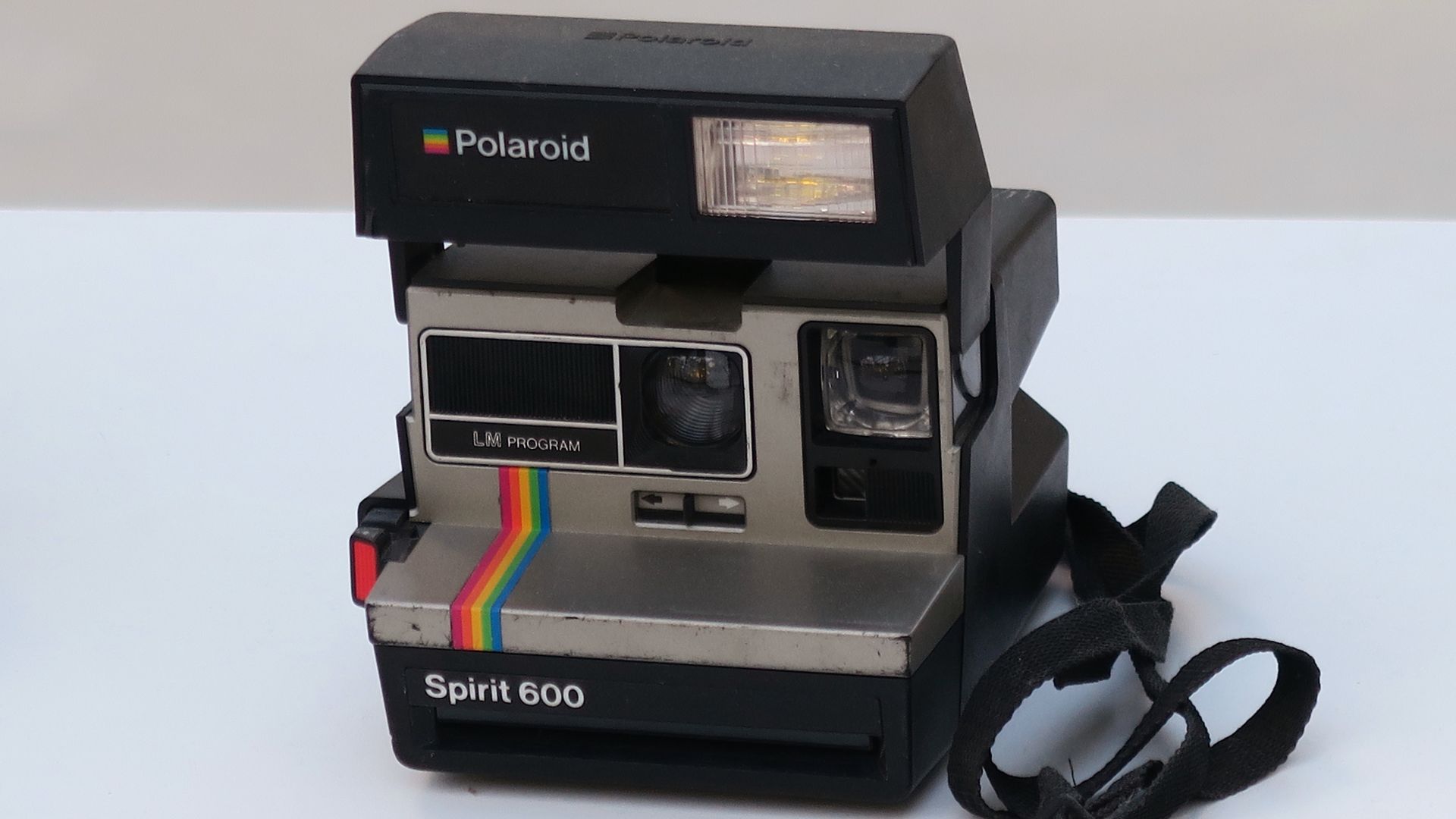
Edwin Land’s Polaroid system turned photography into magic: click, wait, shake it even though you were not supposed to, and admire. Boomers still love instant prints because they feel personal. Today, instant cameras survive as retro fun, but smartphones have taken over the daily snapshot business.
Typewriters
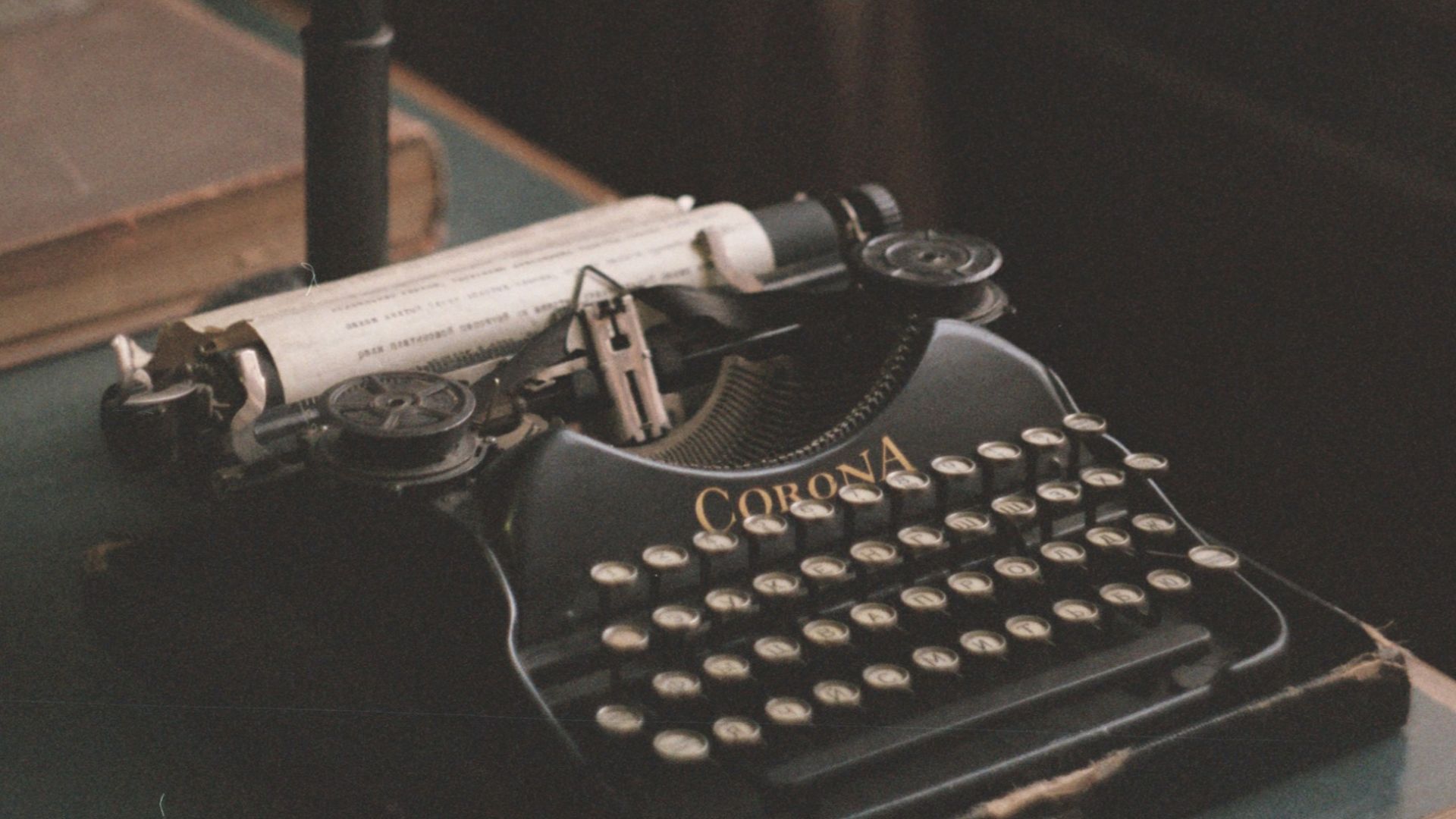
Christopher Latham Sholes, an American inventor from Pennsylvania who worked in Wisconsin, helped develop the commercially successful typewriter and the QWERTY keyboard layout. Some Boomers still admire the click-clack certainty of typed words. But repairs, ribbons, and parts are becoming harder to find.
Liquid Paper
Bette Nesmith Graham invented Liquid Paper while working as a secretary in Texas, giving typists a clever way to cover mistakes. Boomers who typed school papers or office memos remember it well. In a world of backspace keys and cloud documents, correction fluid is fading fast.
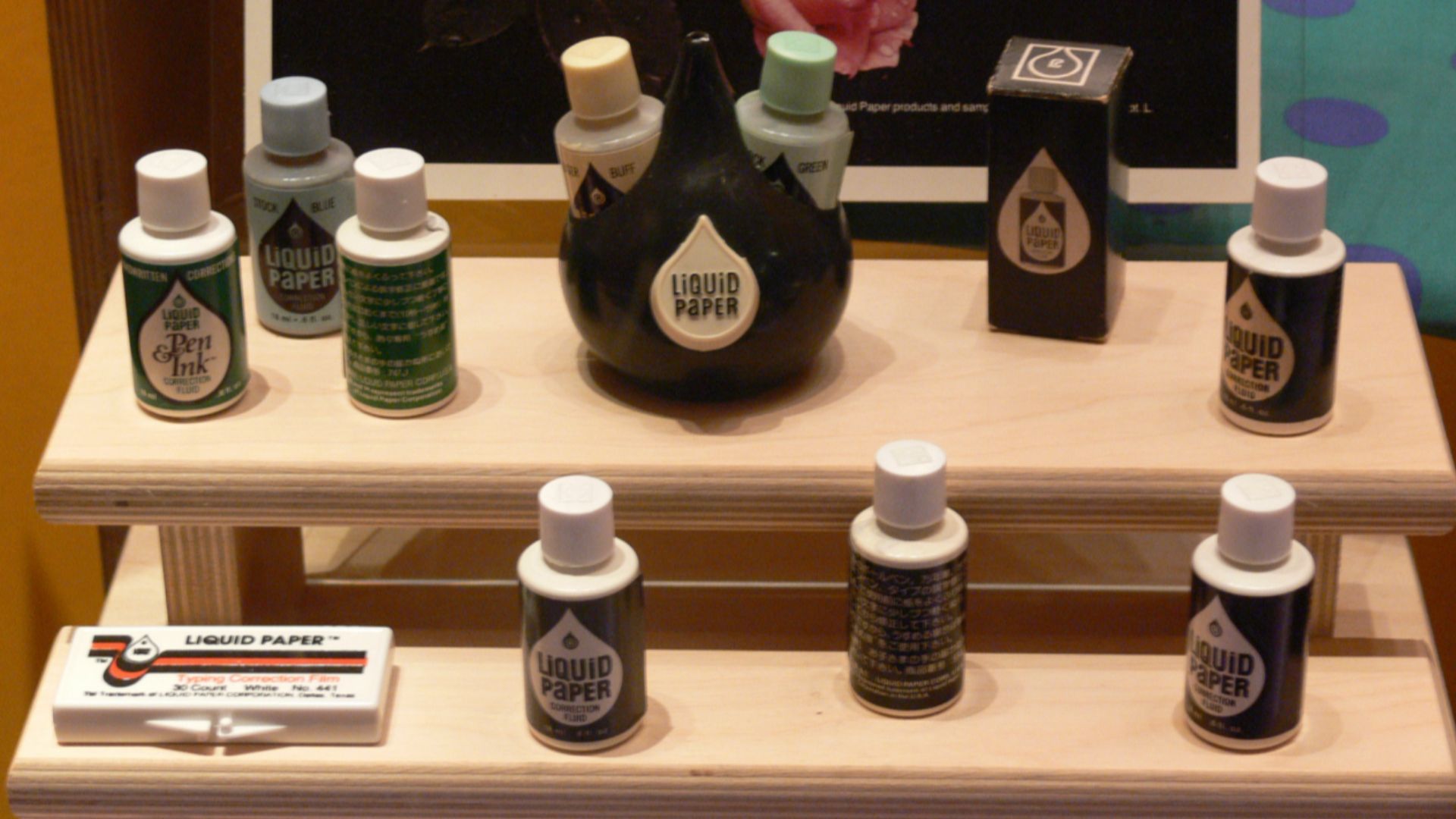 Photo: User:FA2010, Wikimedia Commons
Post-it Notes
Post-it Notes came from 3M’s Spencer Silver and Art Fry, who turned a not-very-sticky adhesive into an office legend. Boomers still use them for reminders, recipes, and “do not forget” notes on doors. Digital calendars are useful, but far less cheerful than a yellow square.

Tupperware
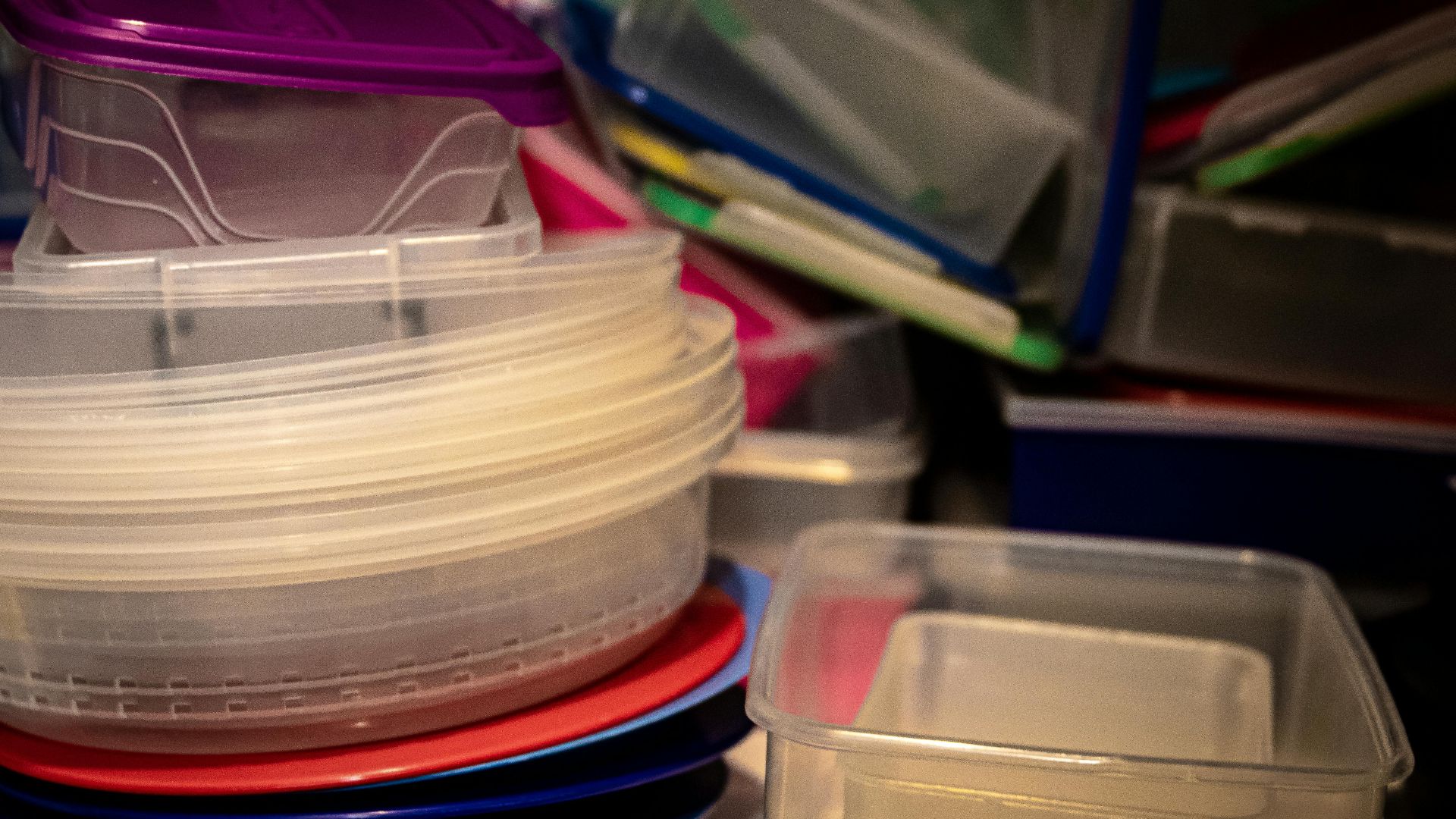
Earl Tupper invented the famous airtight plastic container, while Brownie Wise helped make the Tupperware party an American social ritual. Many Boomers still keep a cabinet full of mismatched lids. But cheaper containers, delivery culture, and changing storage habits may shrink Tupperware’s old dominance.
Pyrex Dishes
Corning Glass Works introduced Pyrex cookware in 1915, turning heat-resistant glass into a kitchen staple. Boomers often treat vintage Pyrex like treasure, especially colorful mixing bowls and casserole dishes. New cookware materials and changing cooking habits may make old-school Pyrex more collectible than everyday essential.

Mason Jars
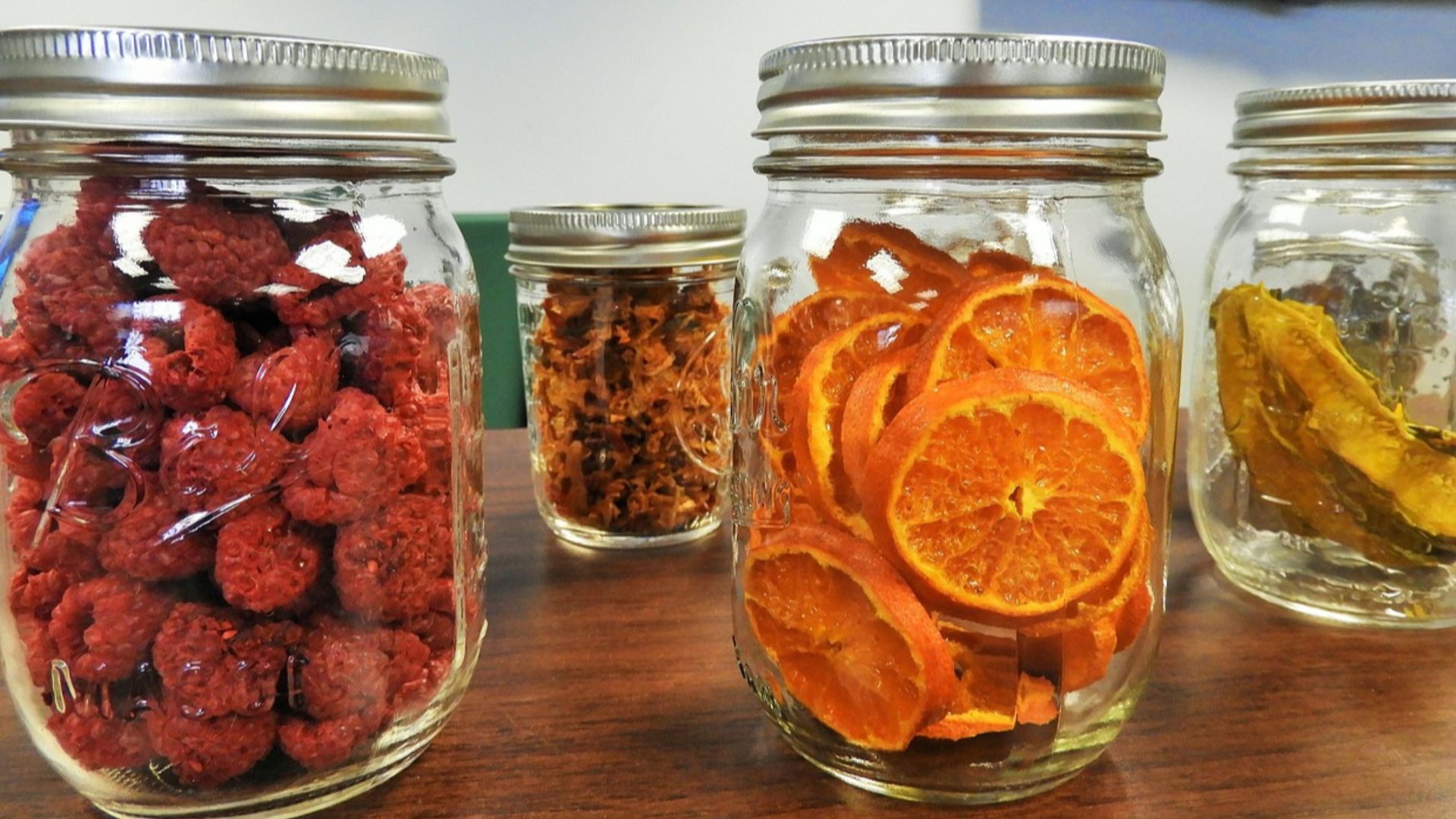
John Landis Mason, a New Jersey tinsmith, patented the screw-top fruit jar in 1858. Boomers still use Mason jars for canning, leftovers, buttons, and iced tea. Younger people love them too, but home canning itself may keep sliding into hobby territory.
Safety Razors
King Camp Gillette, an American inventor and businessman, popularized the safety razor with disposable blades. Many Boomers still like a simple razor that does not need charging, pairing, or subscription reminders. Electric groomers and multi-blade cartridges may keep pushing traditional safety razors toward specialty shelves.
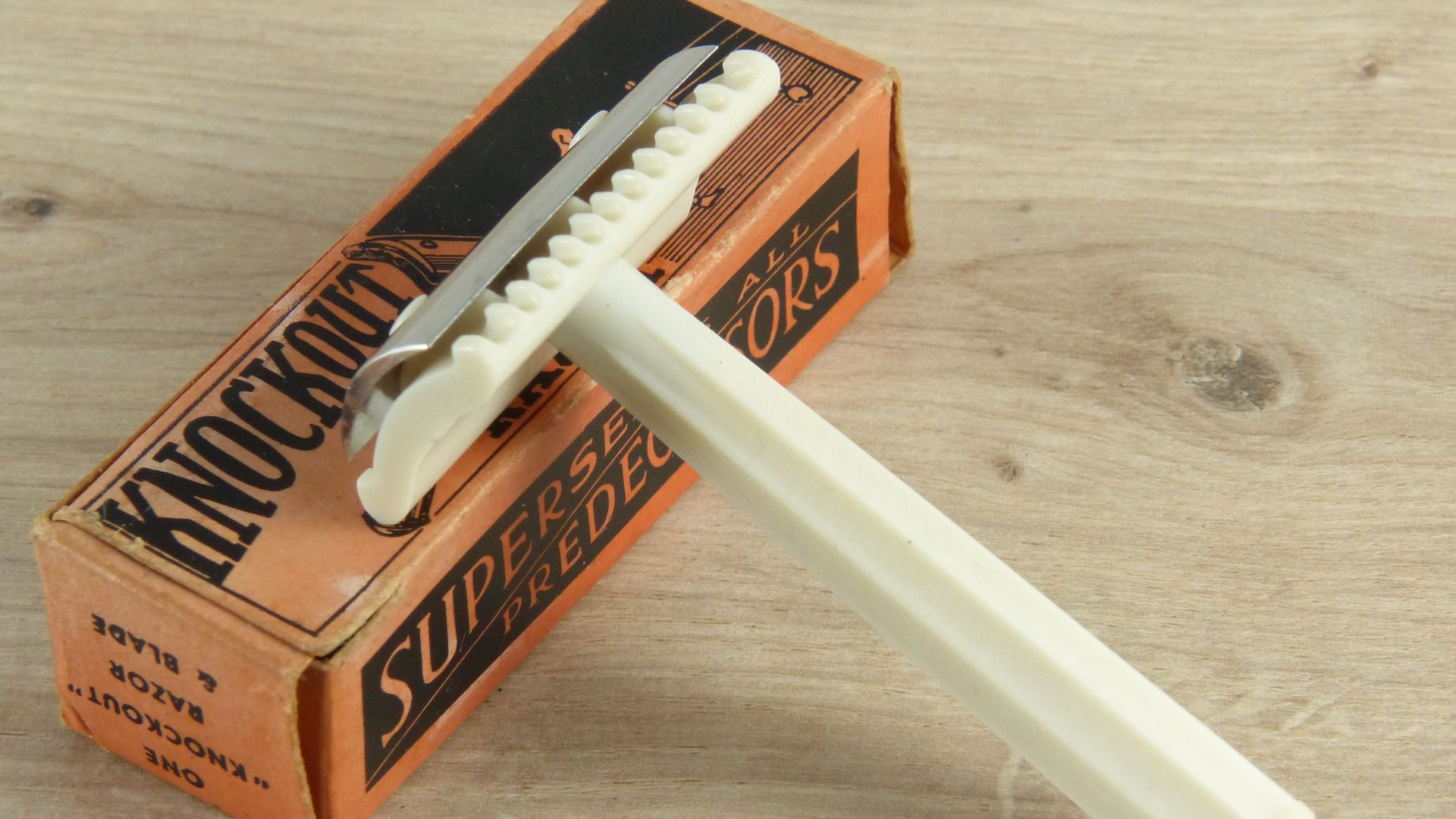 GwenofGwened, Wikimedia Commons
TV Remote Controls
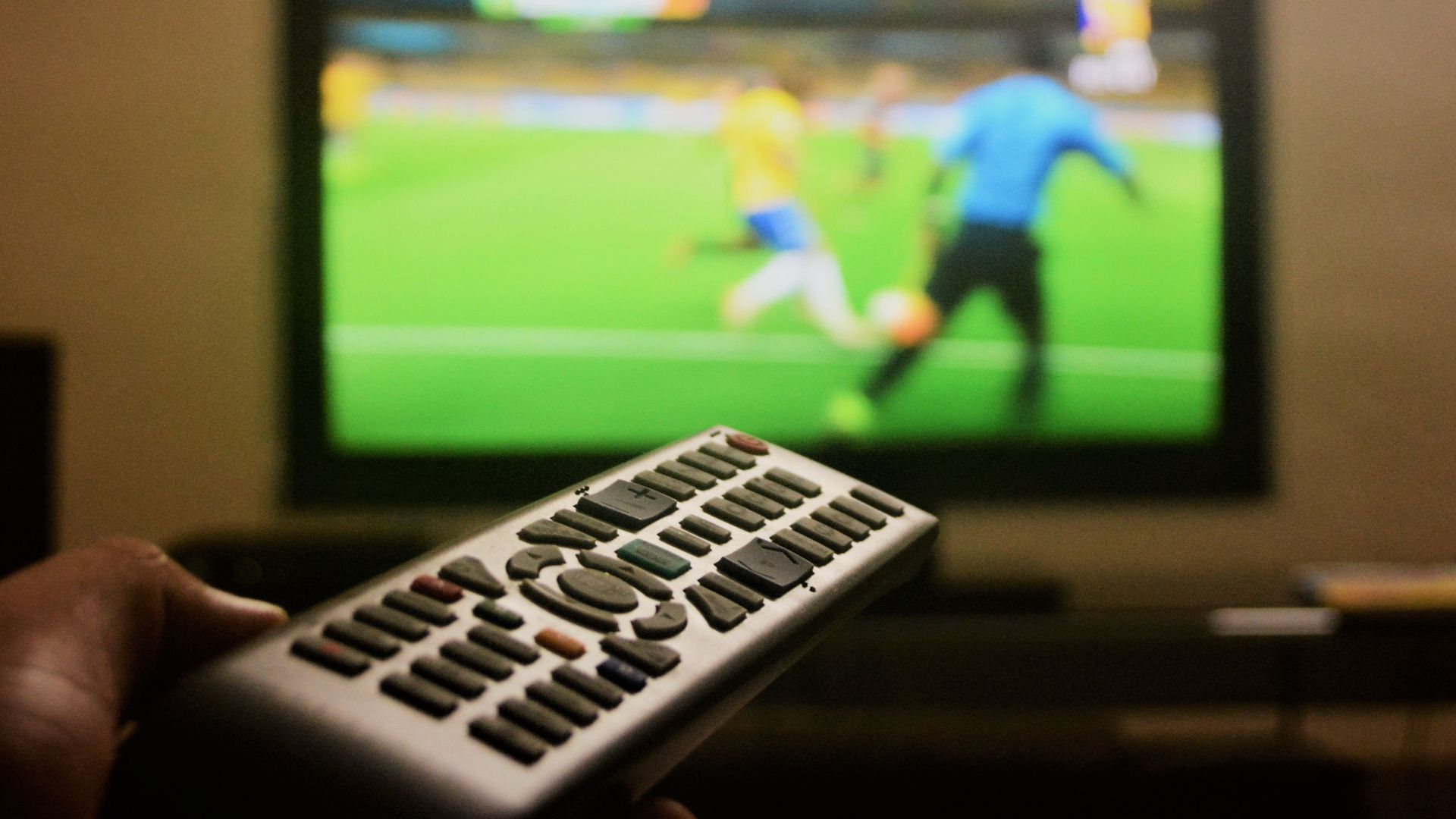
Zenith engineer Eugene Polley invented the first wireless television remote, the Flash-Matic, in 1955. Boomers know the remote as the true throne accessory of American living rooms. But voice control, phone apps, and smart TVs are slowly making the classic button-covered remote less necessary.
Transistor Radios
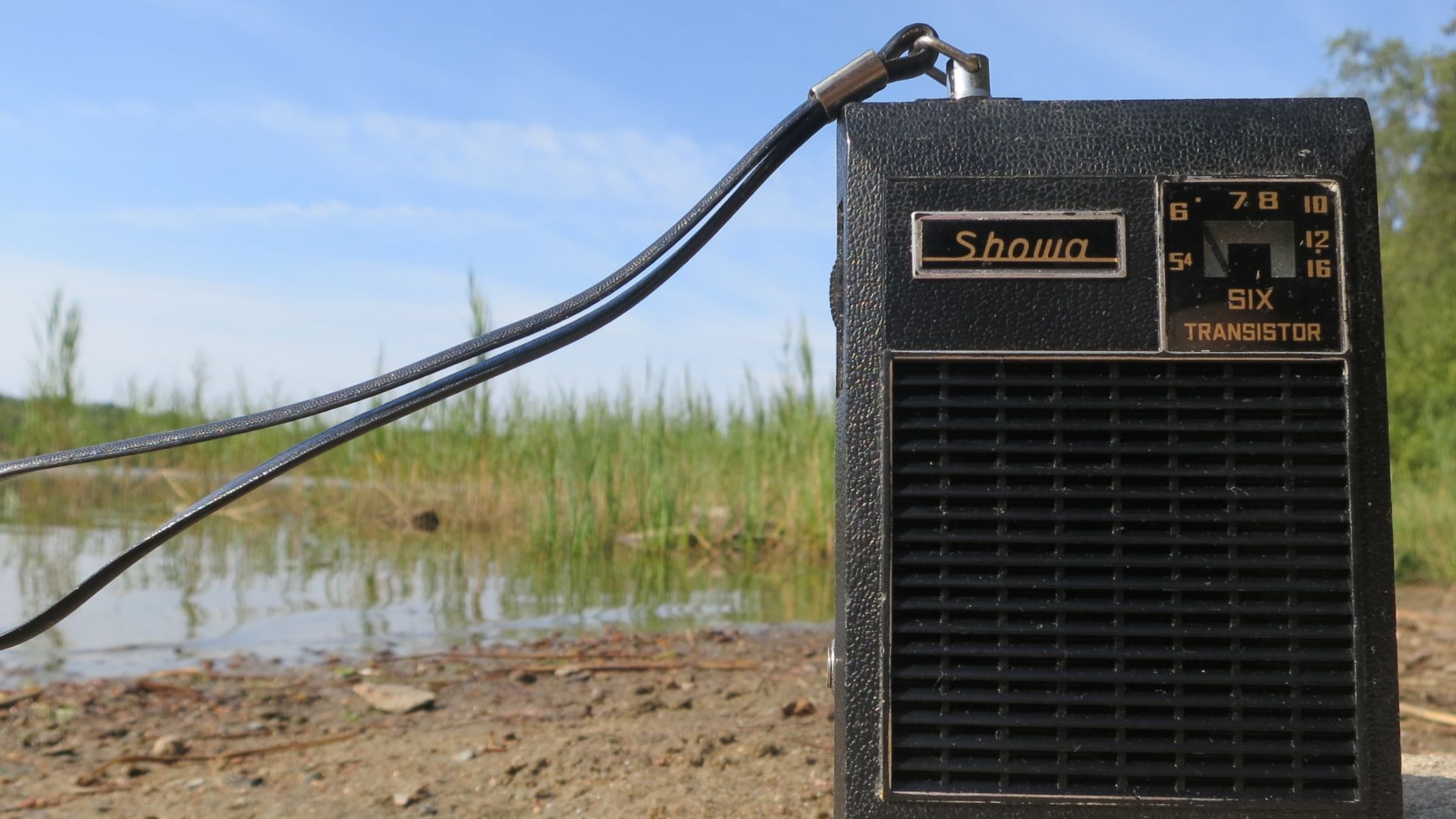
The Regency TR-1, introduced in 1954, was the first commercially manufactured transistor radio, helped by American electronics companies. Boomers still appreciate pocket radios for ballgames, storms, and garage work. Yet streaming, smart speakers, and smartphones have made standalone radios feel wonderfully old-fashioned.
 R. Henrik Nilsson, Wikimedia Commons
Diners Club-Style Charge Cards
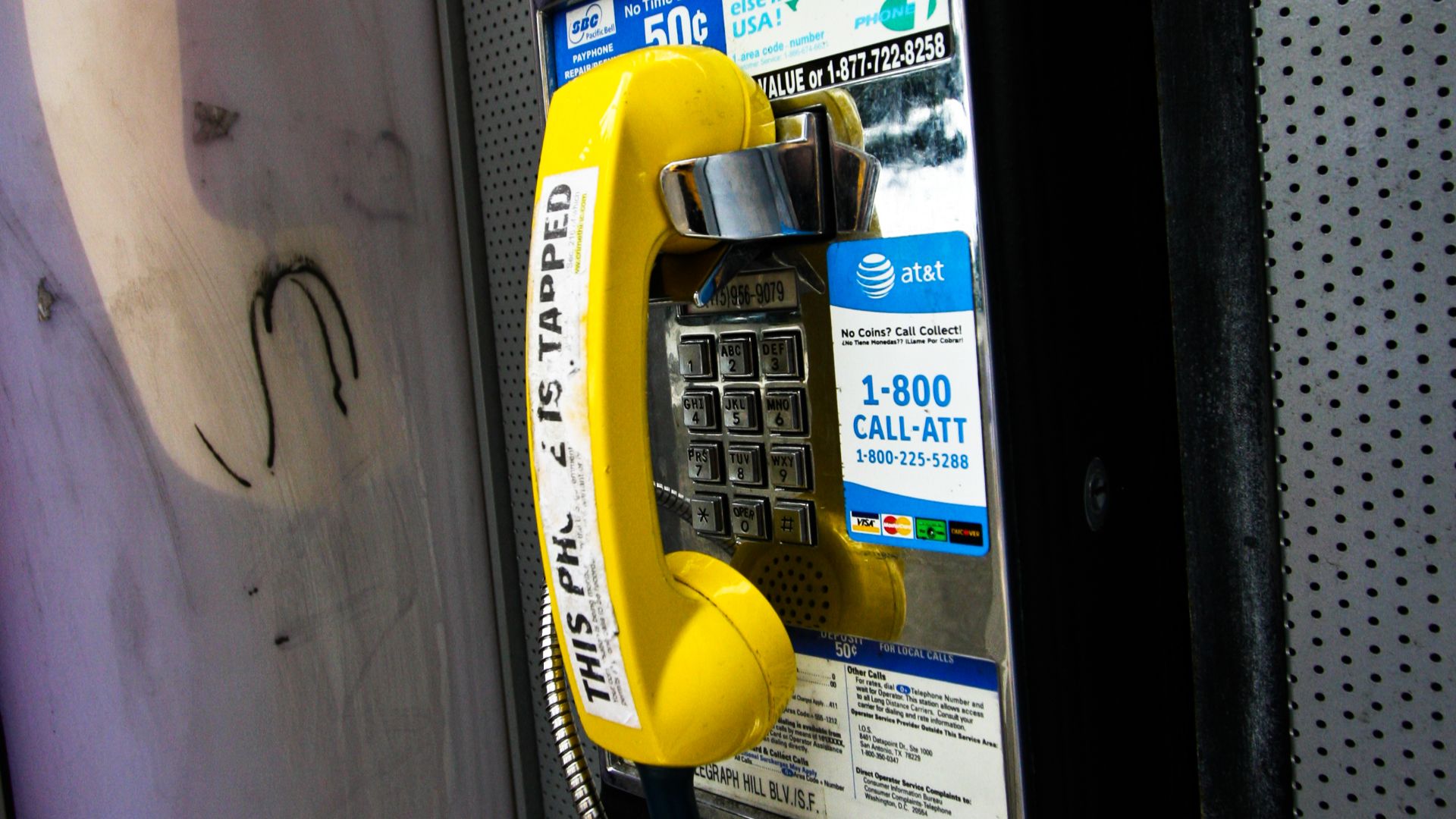
Diners Club, launched in 1950, helped create the modern multipurpose charge card. Boomers still pull out physical cards with muscle memory and confidence. But tap-to-pay phones, watches, and biometric checkouts suggest the plastic card may eventually become more backup than daily tool.
 Tony Webster, Wikimedia Commons
Rolodex Card Files
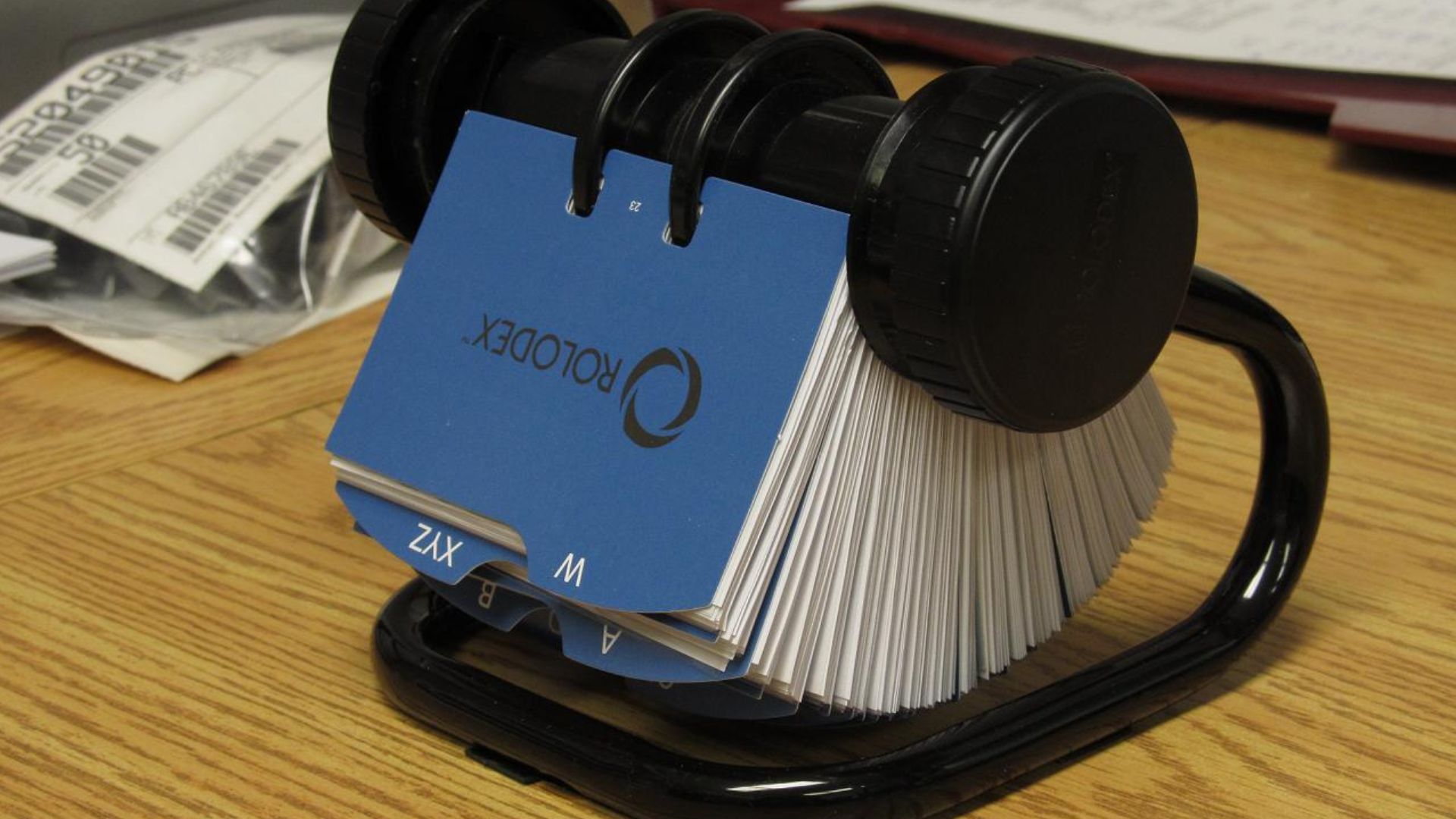
The Rolodex was a brilliant low-tech contact manager: spin, stop, call. Older professionals still understand its charm immediately. But phone contacts, CRMs, and email search have turned the rotating desktop card file into a symbol of another business age, somewhere between classy and extinct.
Xerox Copy Machines
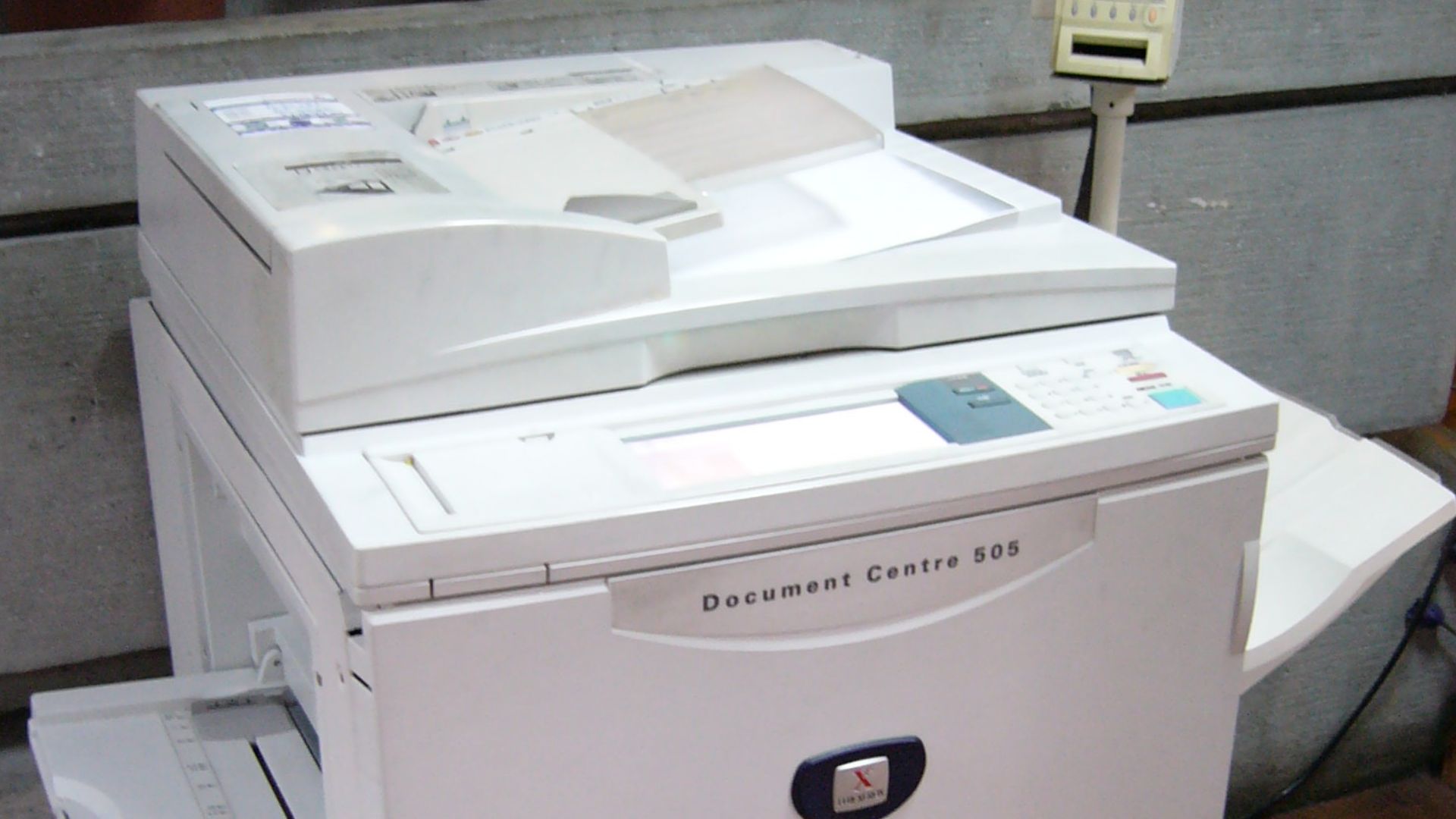
Chester Carlson invented xerography in 1938, and Xerox turned it into office history. Boomers still say “make a Xerox” even when the machine is not a Xerox. But scanning, PDFs, e-signatures, and paperless offices are steadily reducing the need for big copy machines.
Electric Washing Machines
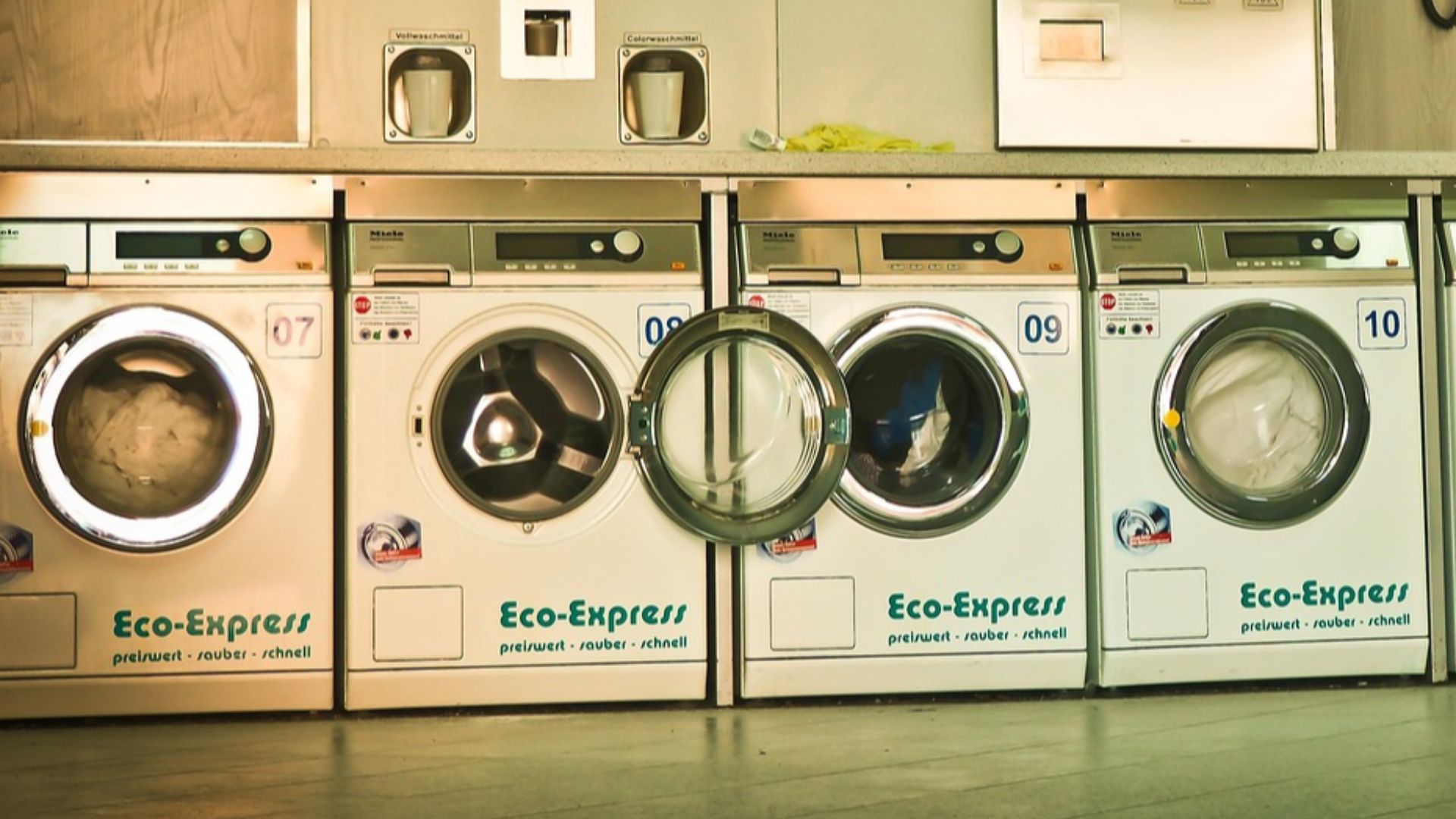
Alva J. Fisher is often credited with the domestic electric washing machine, and the Thor washer helped modernize laundry. Boomers still trust sturdy top-loaders with real knobs. Newer high-efficiency machines, app controls, and compact laundry systems may make those old roaring workhorses harder to replace.
Dishwashers
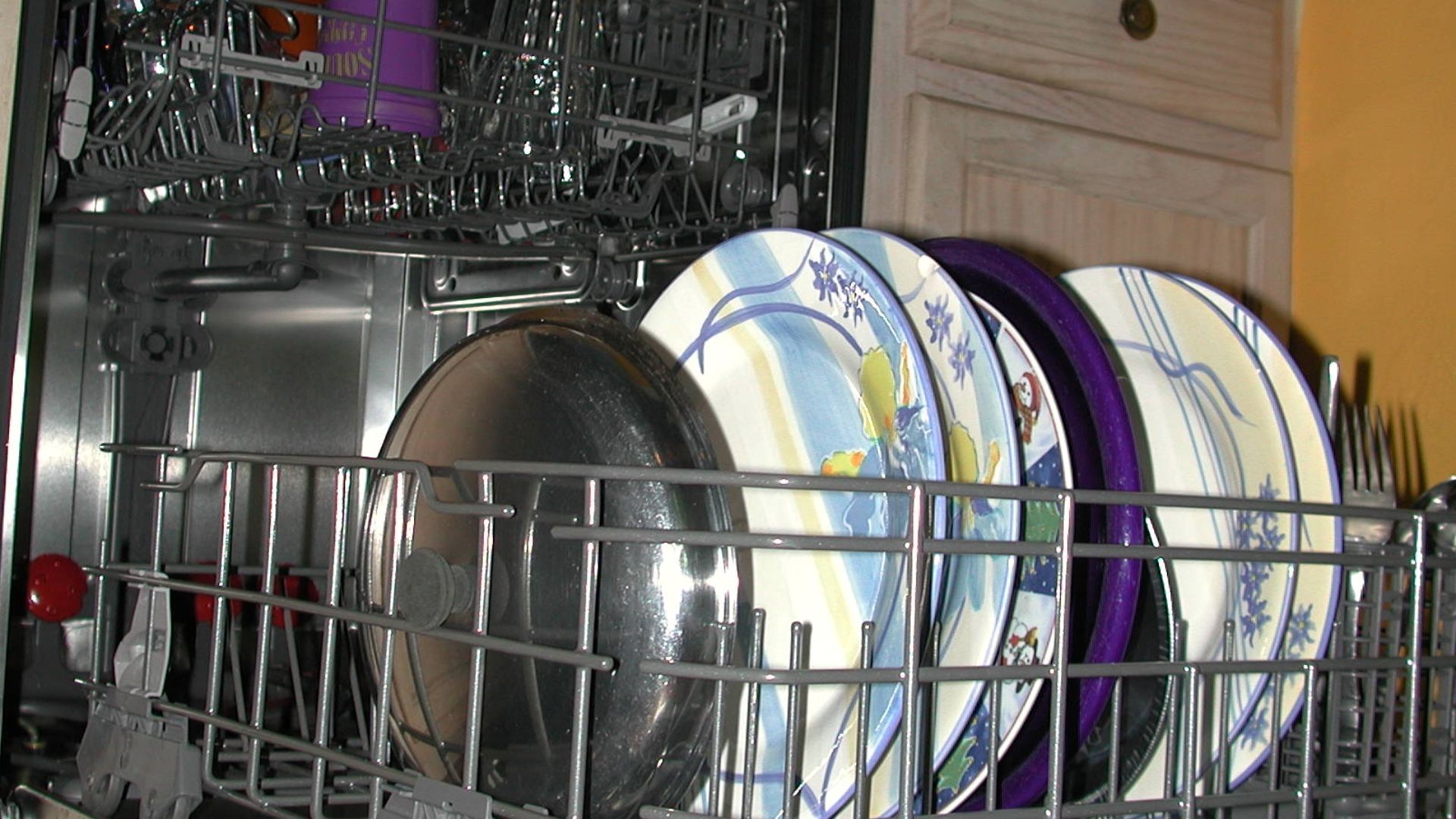
Josephine Cochrane invented the first commercially successful dishwasher, using water pressure rather than scrubbers. Boomers who grew up without one often appreciate the machine deeply—or still insist handwashing is better. Dishwashers are not disappearing, but old mechanical models with simple dials may be.
 Bart Everson, Wikimedia Commons
Electric Hearing Aids
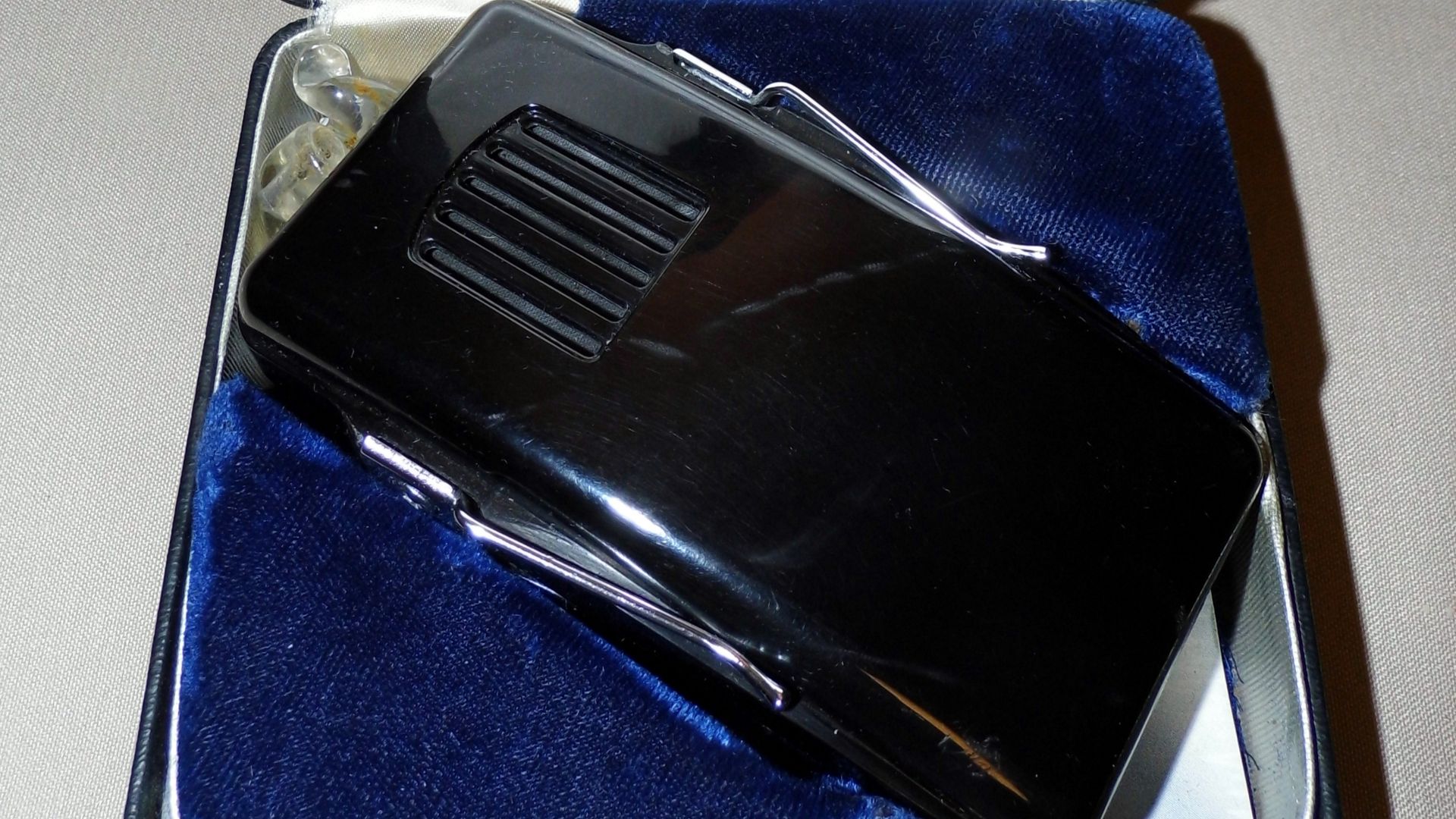
Miller Reese Hutchison, an Alabama-born inventor, created an early electric hearing aid called the Akouphone. Many older Americans rely on hearing devices but prefer simple, durable models. As hearing aids become smaller, app-connected, and rechargeable, old battery-door styles may vanish.
 Joe Haupt from USA, Wikimedia Commons
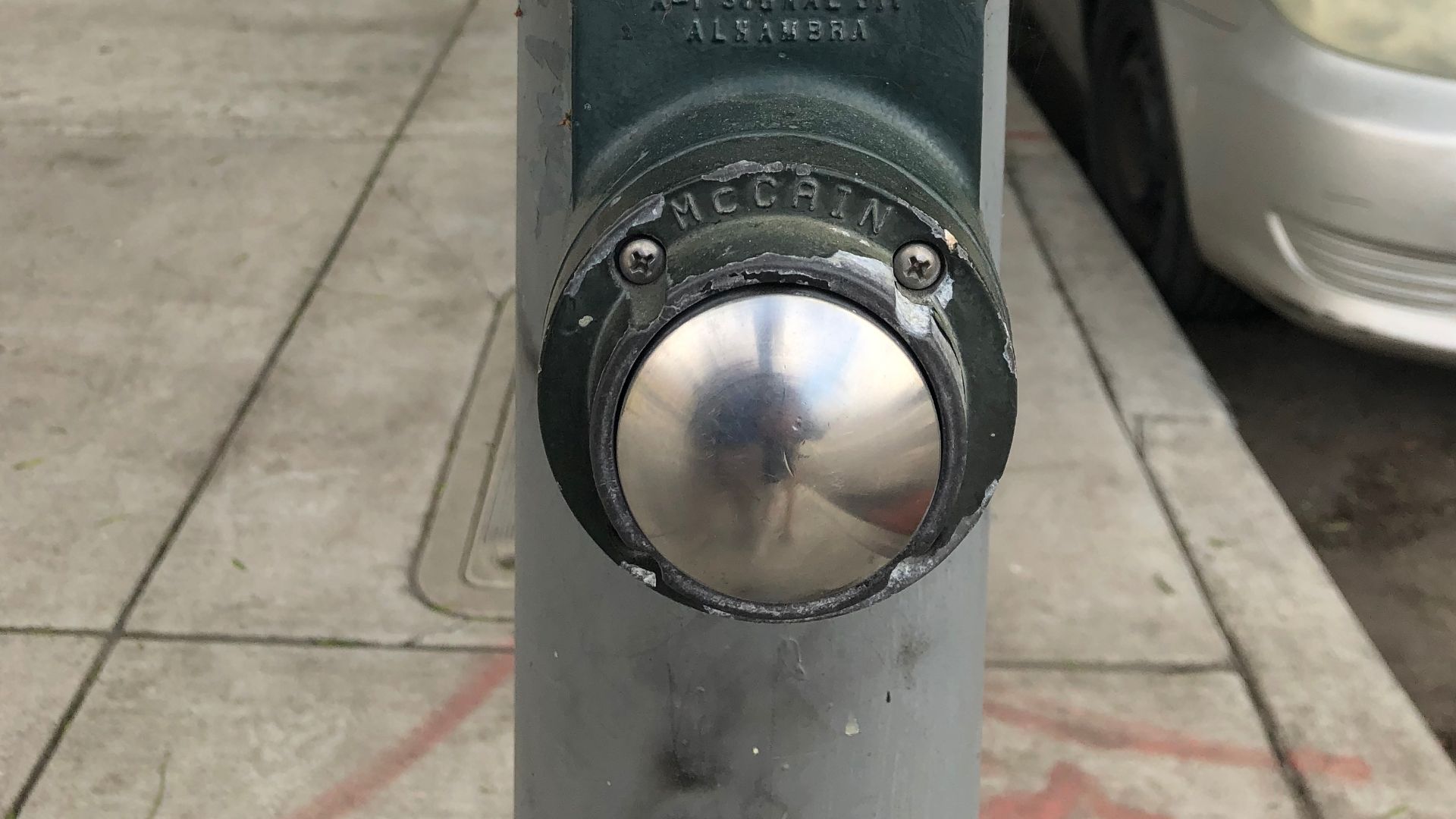
Traffic Signal Buttons
Garrett Morgan, an American inventor from Kentucky, patented an important three-position traffic signal in 1923. Boomers still press pedestrian buttons with total faith. But sensors, camera systems, and automated traffic networks may eventually make old push-button crossing boxes less common.
 Minh Nguyen, Wikimedia Commons
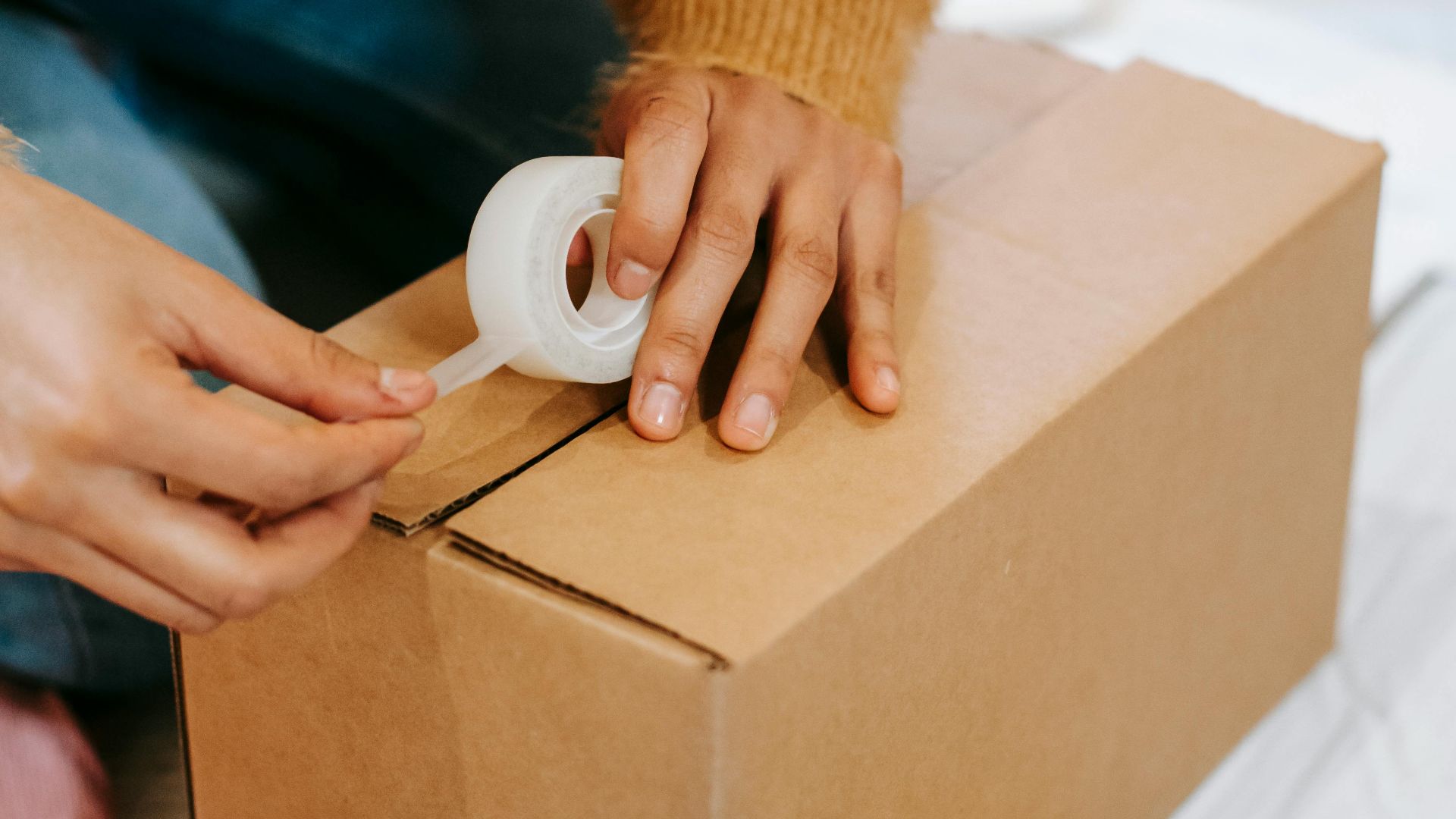
Scotch Tape
Richard Drew at 3M invented masking tape and later transparent tape, turning sticky strips into a household necessity. Boomers still keep a roll in every drawer, especially for wrapping gifts. But digital paperwork, gift bags, and adhesive alternatives may make tape less central than it once was.
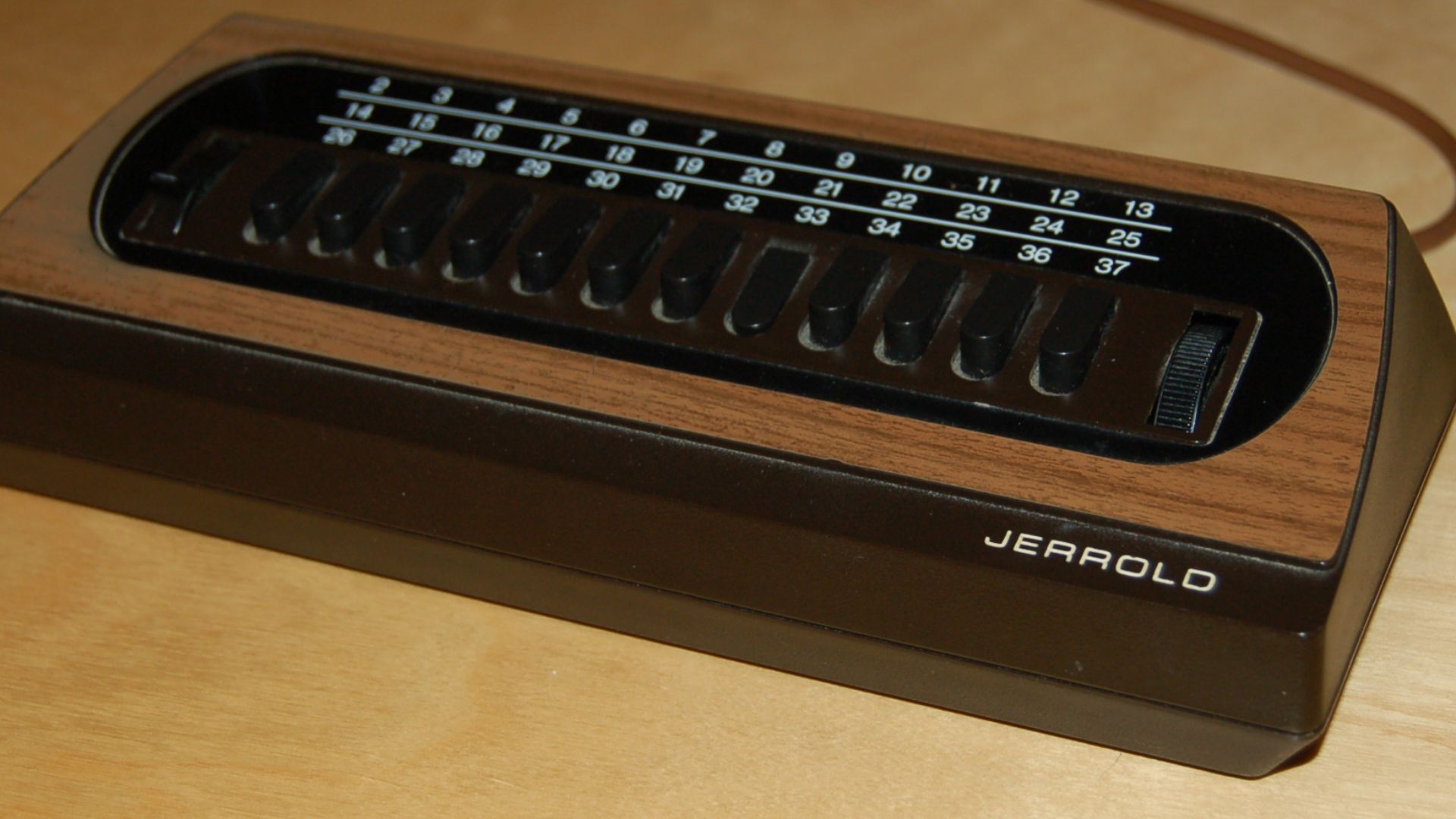
Classic Cable Boxes
Cable television grew in the United States as a way to bring signals to hard-to-reach communities, then became a living-room empire. Boomers still like channel numbers and one familiar guide. Streaming has already weakened the box, and the next decade may finish the job.
 Lorimier at English Wikipedia, Wikimedia Commons
Paper-Based Road Atlases
American map publishers helped turn road atlases into road-trip essentials, especially during the great age of interstate travel. Boomers still like seeing the whole route at once. GPS apps are faster, but they cannot match the drama of unfolding a giant map across the dashboard.

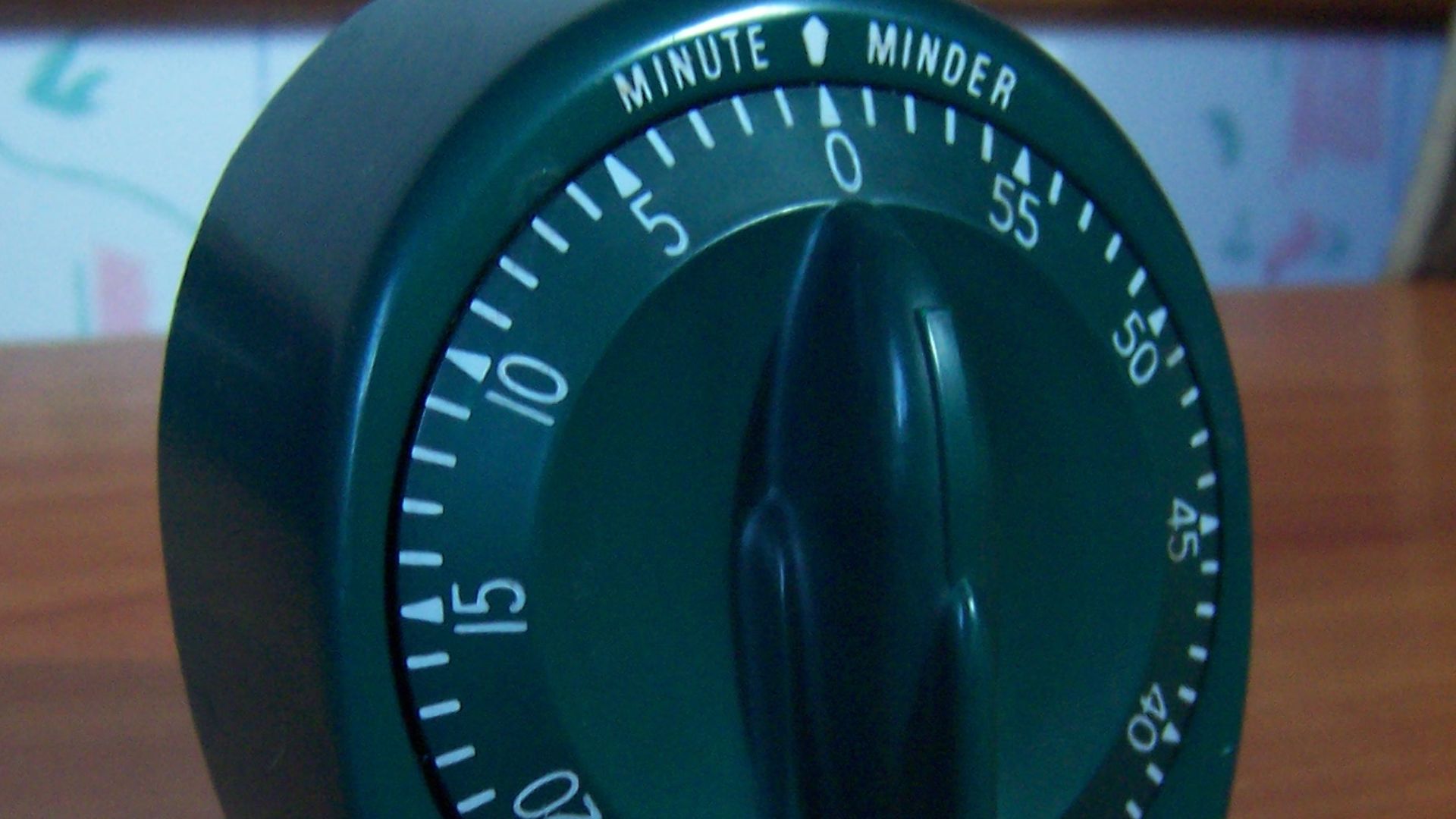
Mechanical Kitchen Timers
The twist-and-ring kitchen timer became a cheerful American kitchen companion, especially for roasts, pies, and boiled eggs. Boomers still love its simplicity: no charging, no setup, no notifications. Phones and smart speakers now time everything, leaving the old timer mostly decorative.
What Becomes Collectible Next
Not every fading product truly disappears. Some become vintage, some become luxury, and some survive because they are simply satisfying to use. Boomers are not wrong to love these American inventions. They are sturdy reminders of a time when good design often meant one job done very well.
You May Also Like:
America’s Most Loved Food Looks Completely Different Depending On The State