Airports Were Different
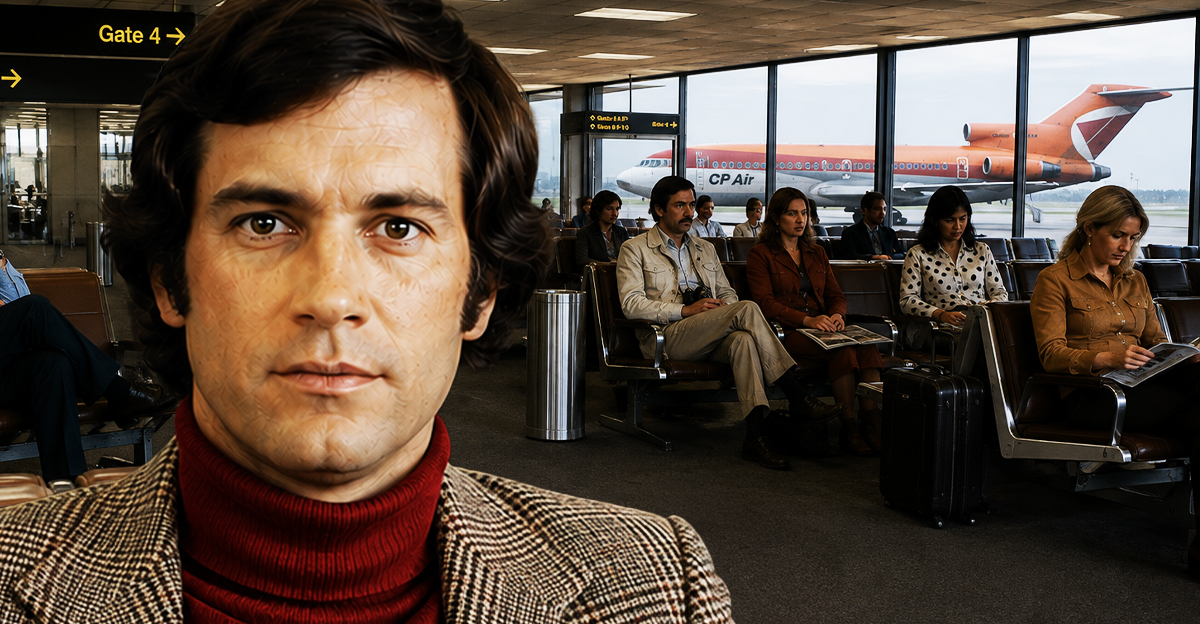
Step into an American airport in the 1970s and plenty would look familiar, but the rules could feel astonishingly loose by today's standards. Security tightened significantly during the decade itself, especially after 1973, yet travelers still enjoyed freedoms that would attract immediate attention at a modern checkpoint.
Walk To The Gate
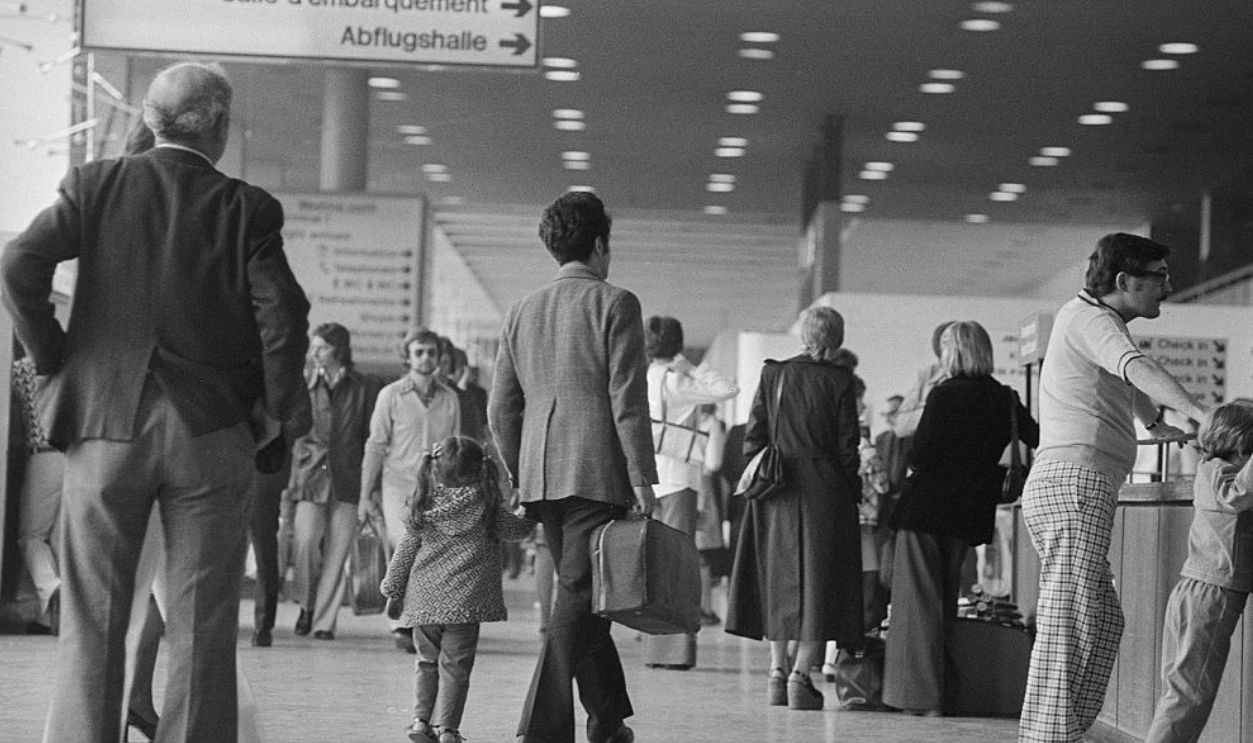
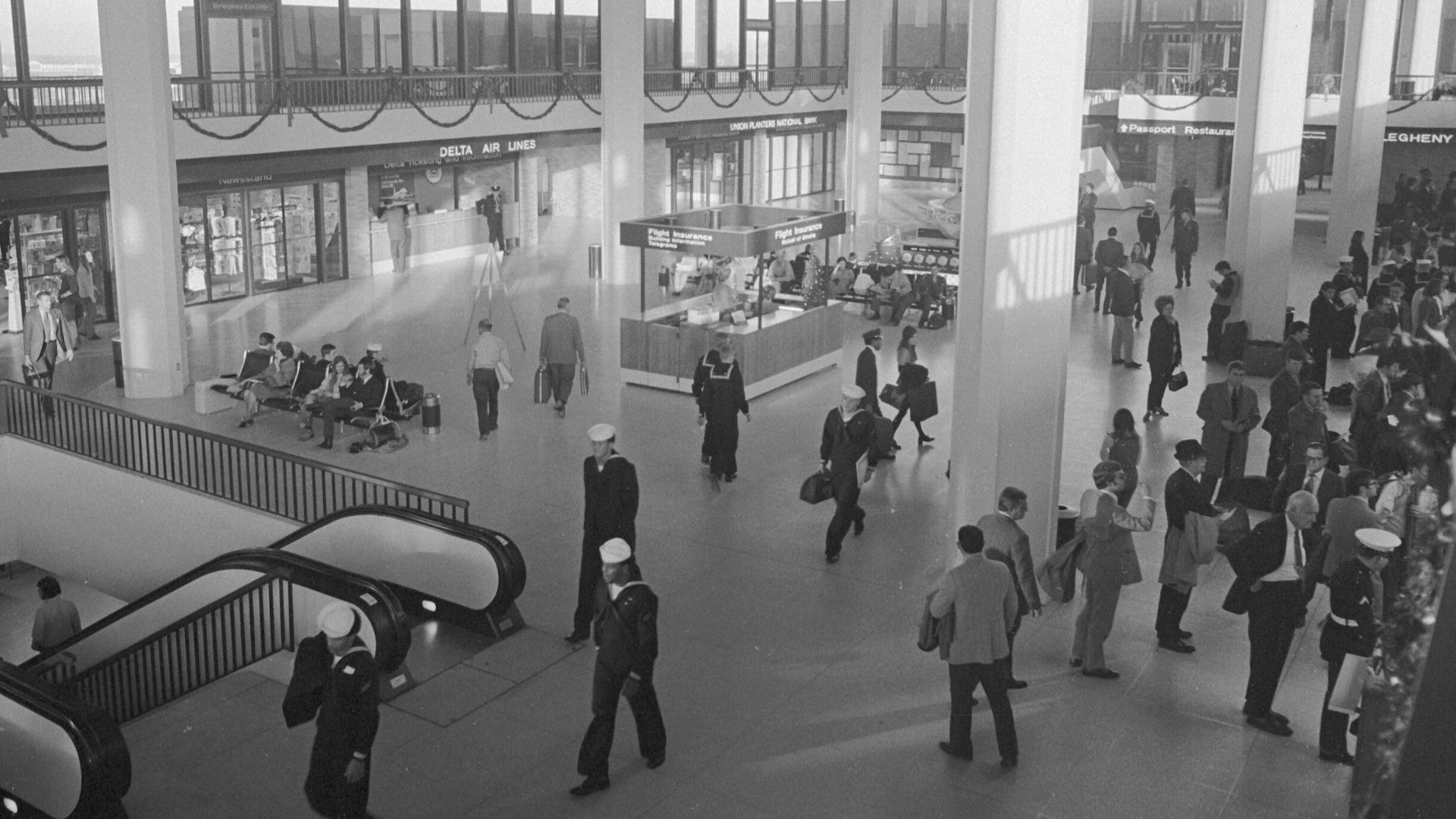
You didn't necessarily need to be flying to head toward the departure gates. Friends and relatives could accompany passengers through the terminal, creating those dramatic gate-side goodbyes familiar from old movies. Today, access beyond security is generally restricted, although a handful of airports now offer controlled visitor-pass programs.
Meet Someone At Their Gate
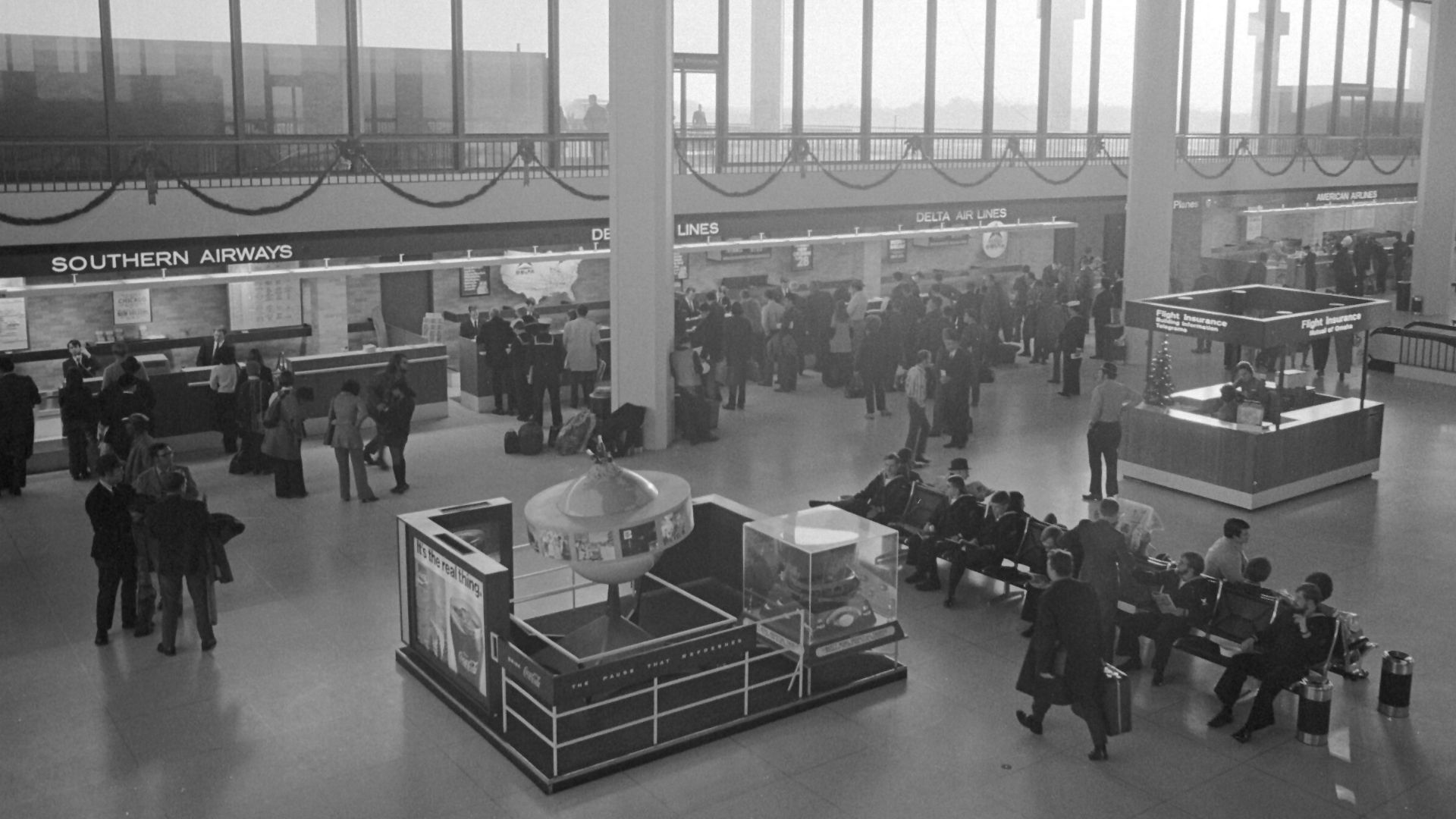
The freedom worked in reverse, too. Families could wait near the gate and watch for arriving passengers to emerge from the jetway. That familiar airport ritual survived well beyond the 1970s, but post-9/11 restrictions largely moved reunions to baggage claim and other areas outside security.
 Ed Uthman from Houston, TX, USA, Wikimedia Commons
Forget Your Photo ID
For domestic travel, the modern ritual of producing government-issued photo identification simply wasn't part of a typical 1970s trip. Federal requirements for airlines to verify adult passengers' identities arrived much later. By 1996, passengers 18 and older were being required to present acceptable photo identification when checking in.
Bring A Pocketknife
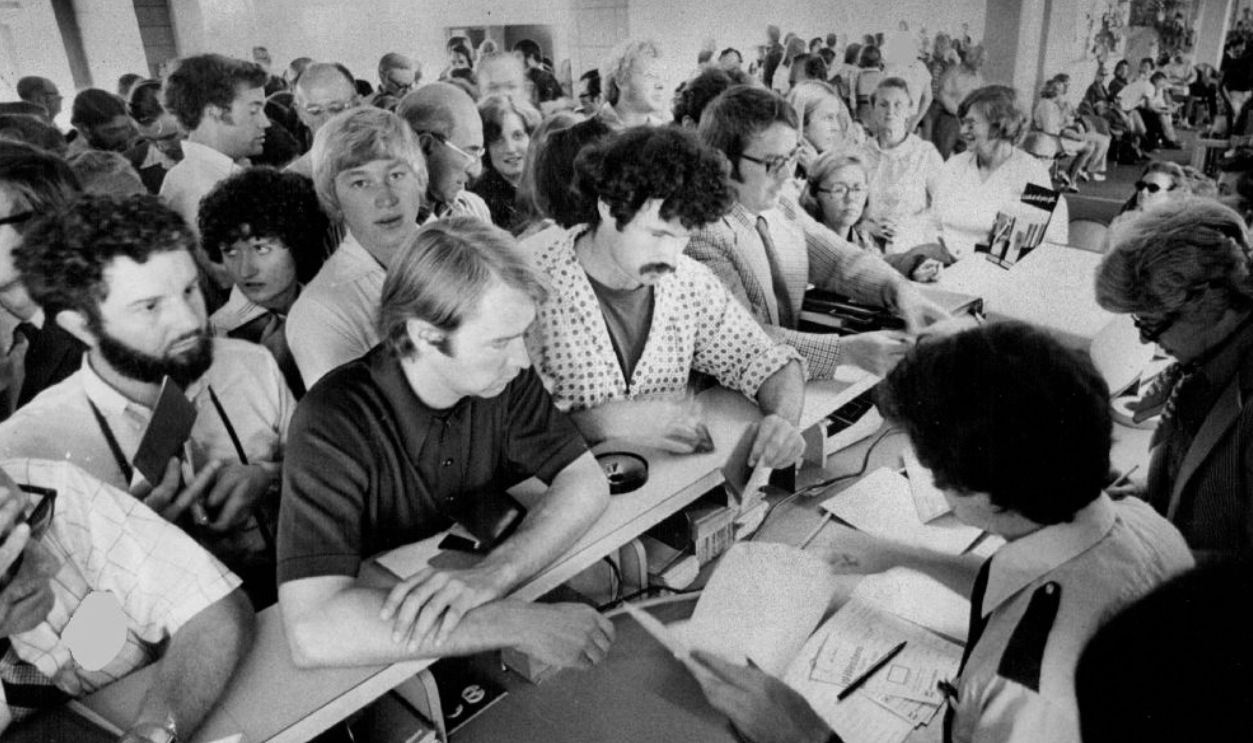
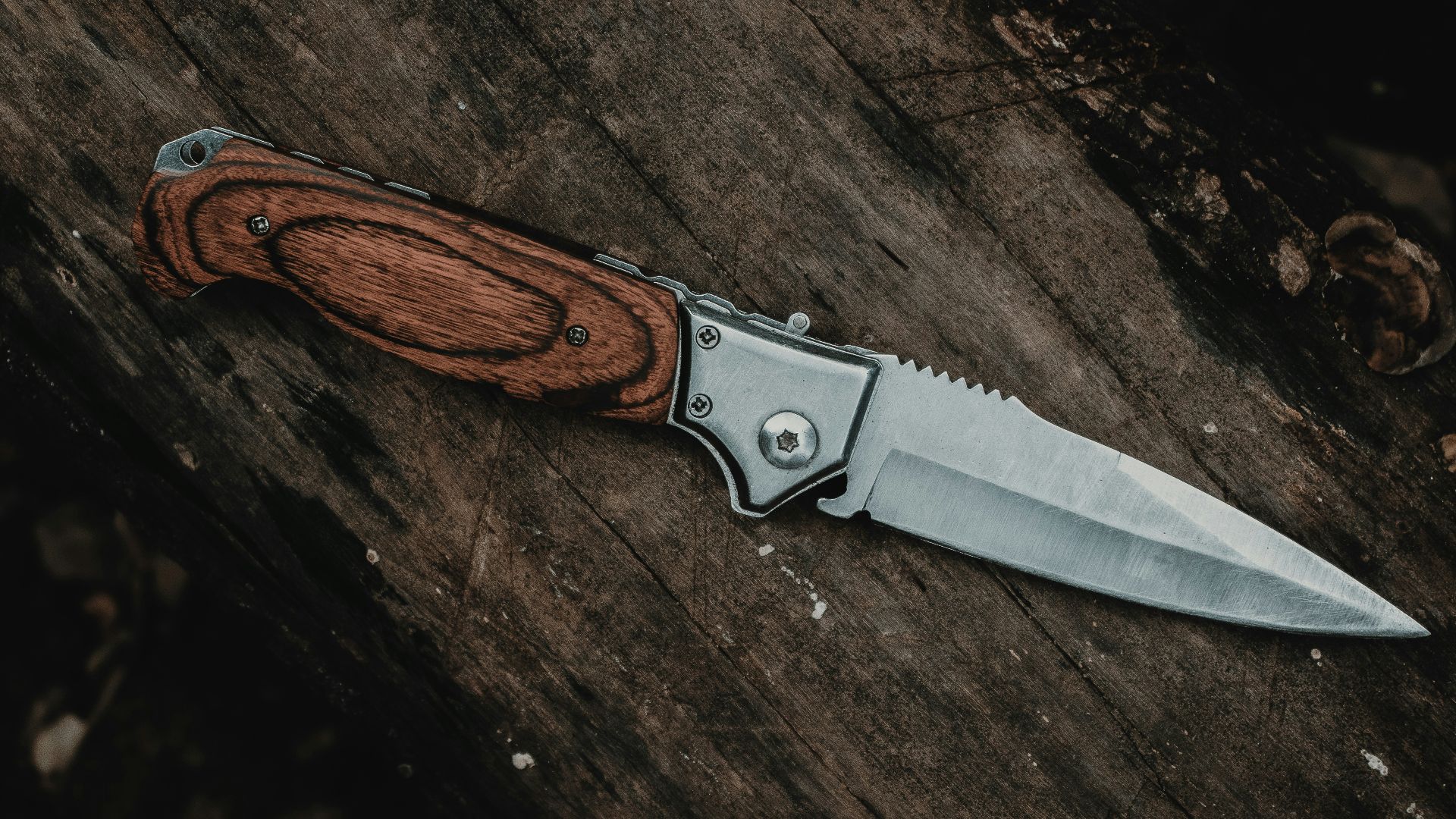
A pocketknife in your carry-on would be an exceptionally bad surprise at today's checkpoint. Earlier airport rules were much more permissive toward small blades. Even immediately before 9/11, knives with blades up to four inches were permitted, illustrating just how differently aviation authorities once assessed the threat posed by everyday sharp objects.
Carry A Box Cutter
The ordinary utility knife became infamous after the September 11 attacks, and box cutters are now specifically prohibited from carry-on baggage. Before 9/11, security rules concerning small cutting implements were dramatically less restrictive. Today, arriving at the checkpoint with one means it isn't continuing into the aircraft cabin with you.
 https://kaboompics.com/, Pexels
Carry Full-Size Shampoo
Packing for a 1970s flight didn't involve transferring shampoo into miniature bottles. Today's familiar 3-1-1 restrictions generally limit carry-on liquids, aerosols, gels, creams, and pastes to containers of 3.4 ounces or less. Those rules arose decades after the 1970s in response to evolving threats involving liquid explosives.

Bring A Big Drink
Imagine buying a large bottle of soda before reaching security and simply carrying it through. There was nothing resembling today's 3.4-ounce liquid limit in the 1970s. Now that same ordinary bottle generally cannot pass through the checkpoint, although you're free to buy another beverage once you're inside the secure area.

Pack Oversized Cosmetics
The modern liquid rule doesn't stop with beverages. Large containers of liquid cosmetics, creams, gels, and similar products are also restricted in carry-on luggage. A 1970s traveler could pack a toiletry bag without first contemplating container volume, transparent quart-size bags, or whether expensive beauty products would survive security.

Carry A Large Snow Globe
Here's one nobody in 1975 would have anticipated. A large liquid-filled snow globe can run afoul of modern carry-on rules. TSA says permitted carry-on snow globes must appear to contain no more than 3.4 ounces of liquid and fit inside the passenger's quart-size liquids bag. Larger ones belong in checked baggage.

Carry A Baseball Bat
Heading home with sporting equipment was once far less complicated. Today, TSA specifically prohibits baseball bats and similar equipment that could be used as a bludgeon from aircraft cabins. You can still travel with your bat, but don't stroll toward the gate carrying it. It belongs in checked baggage.

Bring A Bowling Pin
Yes, even a bowling pin makes the modern list. TSA permits bowling balls in carry-ons but considers bowling pins potential bludgeons and requires them to be checked. A 1970s traveler probably wouldn't have imagined airport security scrutinizing something won at a bowling tournament quite so specifically.

Carry A Bow And Arrows
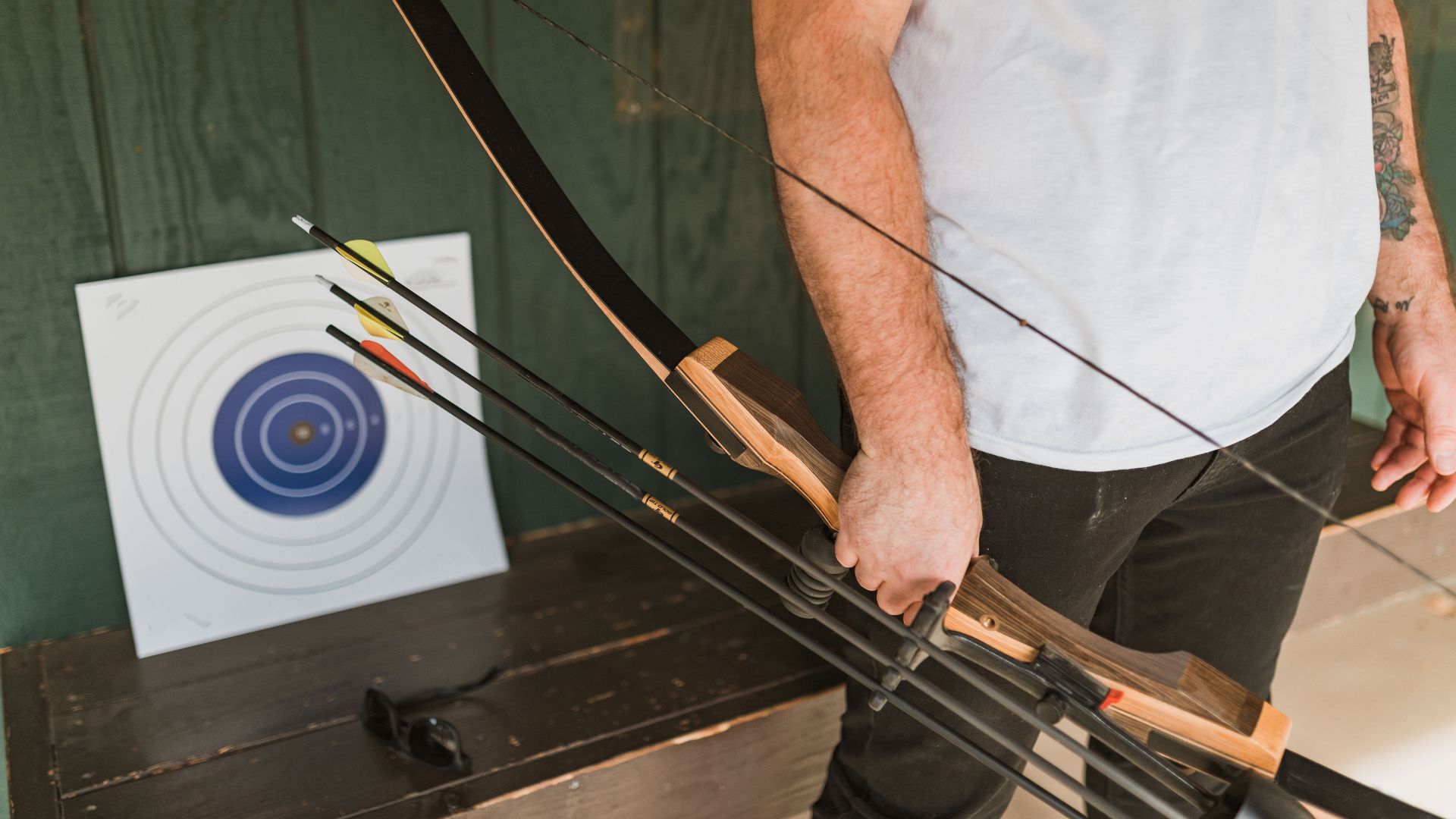
Sporting equipment received considerably less security attention in earlier decades. Today, TSA permits bows and arrows in checked baggage but not carry-ons. So the traveler heading directly from an archery event to the gate with equipment in hand would encounter a very different reception than an equivalent passenger generations ago.
Bring Certain Large Tools
Modern aviation security treats many seemingly ordinary tools differently because they could potentially be used as weapons. TSA maintains specific rules covering household tools and other implements, with some permitted only in checked baggage. The comprehensive item-by-item approach is worlds removed from the comparatively simple security environment travelers once encountered.
 Euthman Ed Uthman, Wikimedia Commons
Arrive At The Last Minute
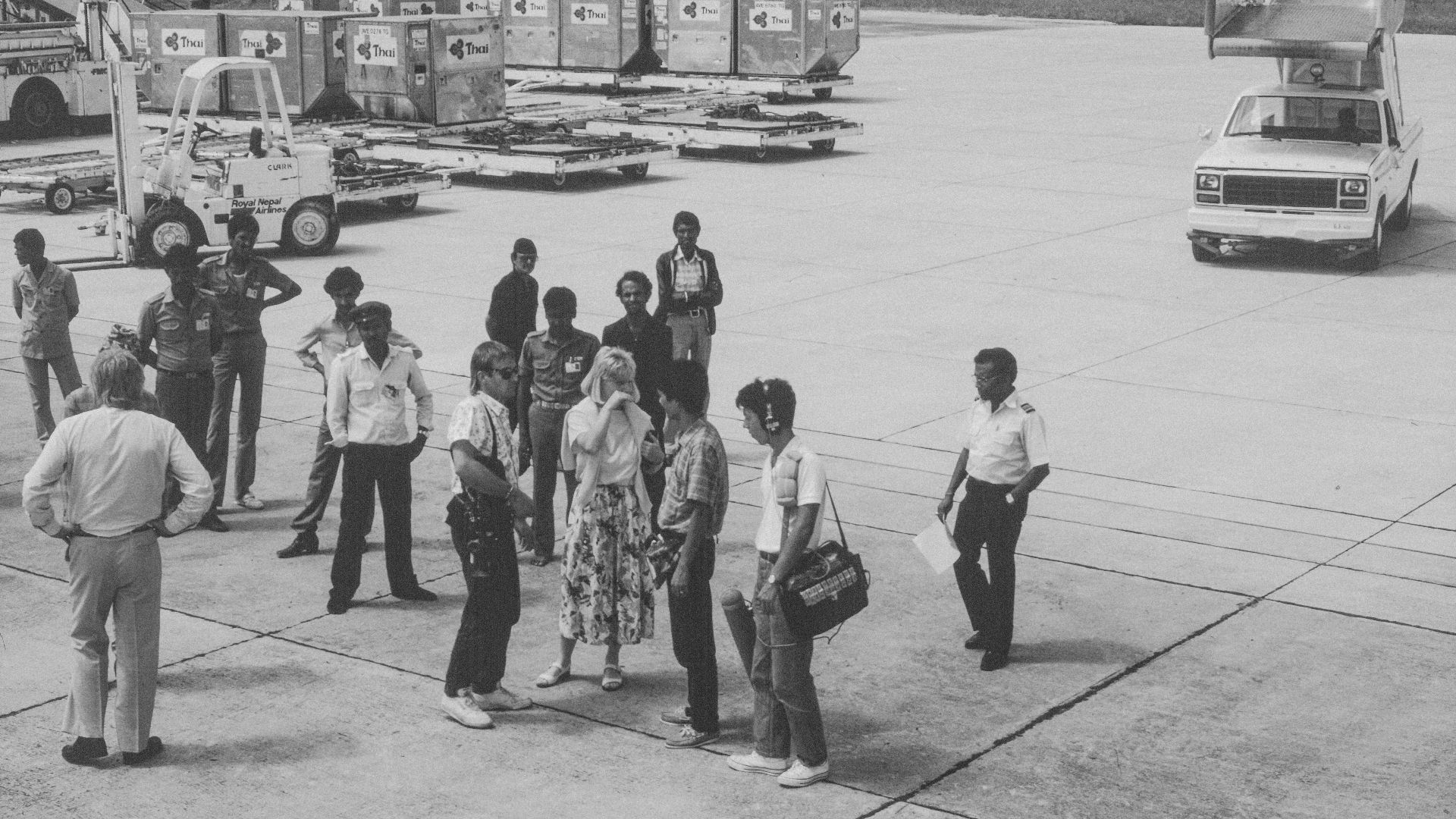
This isn't prohibited, but try it today and you may watch your airplane leave without you. In the less elaborate security environment of earlier decades, passengers could arrive astonishingly close to departure. Even before 9/11, travelers could sometimes walk through a simple checkpoint and reach the gate at the last minute.
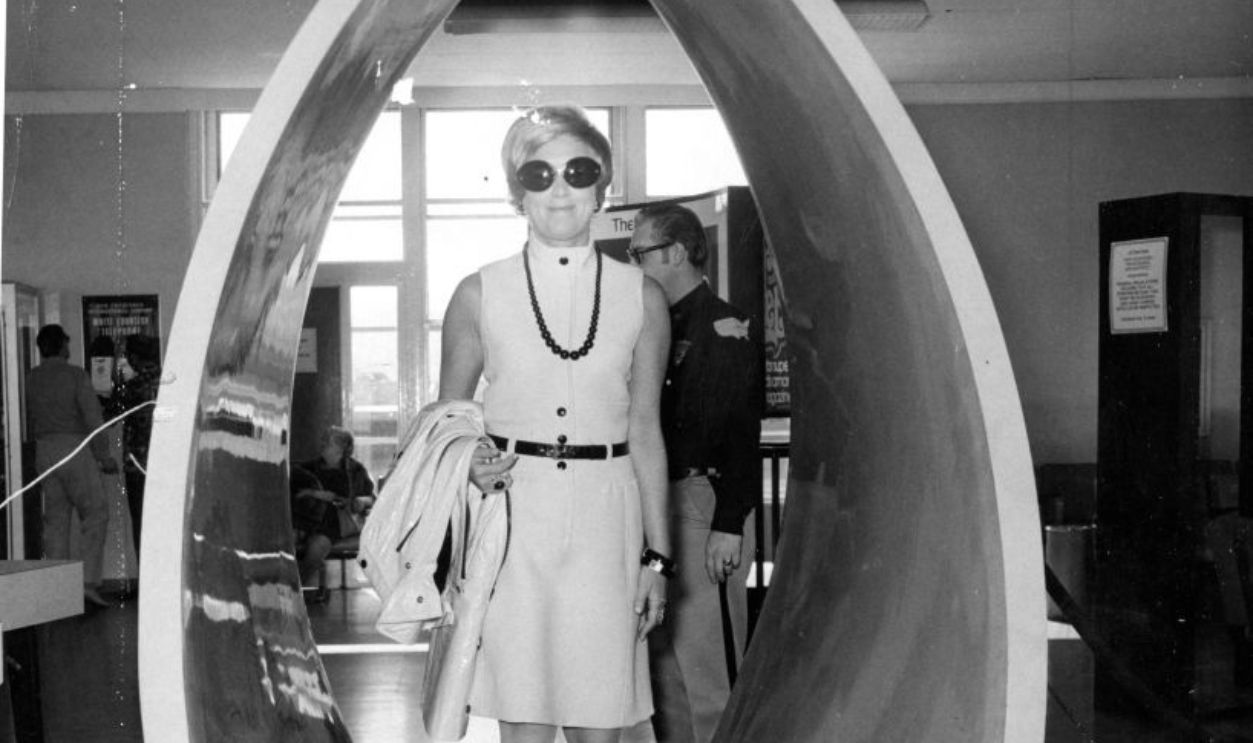
Keep Your Coat On
For much of aviation history, nobody expected passengers to partially undress at security. In the 1970s, screening initially centered on detecting weapons using metal detectors and X-rays. Modern screening can require passengers to remove outerwear, although procedures vary and expedited-screening programs allow eligible passengers to leave light jackets on.
 San Francisco Chronicle/Hearst Newspapers, Getty Images
Keep Your Shoes On
Taking off your shoes would have seemed especially peculiar to a 1970s passenger. The practice became part of American airport security decades later following the 2001 attempted shoe bombing by Richard Reid. Standard screening procedures subsequently made shoe removal another familiar difference between today's airport experience and earlier air travel.
 https://kaboompics.com/, Pexels
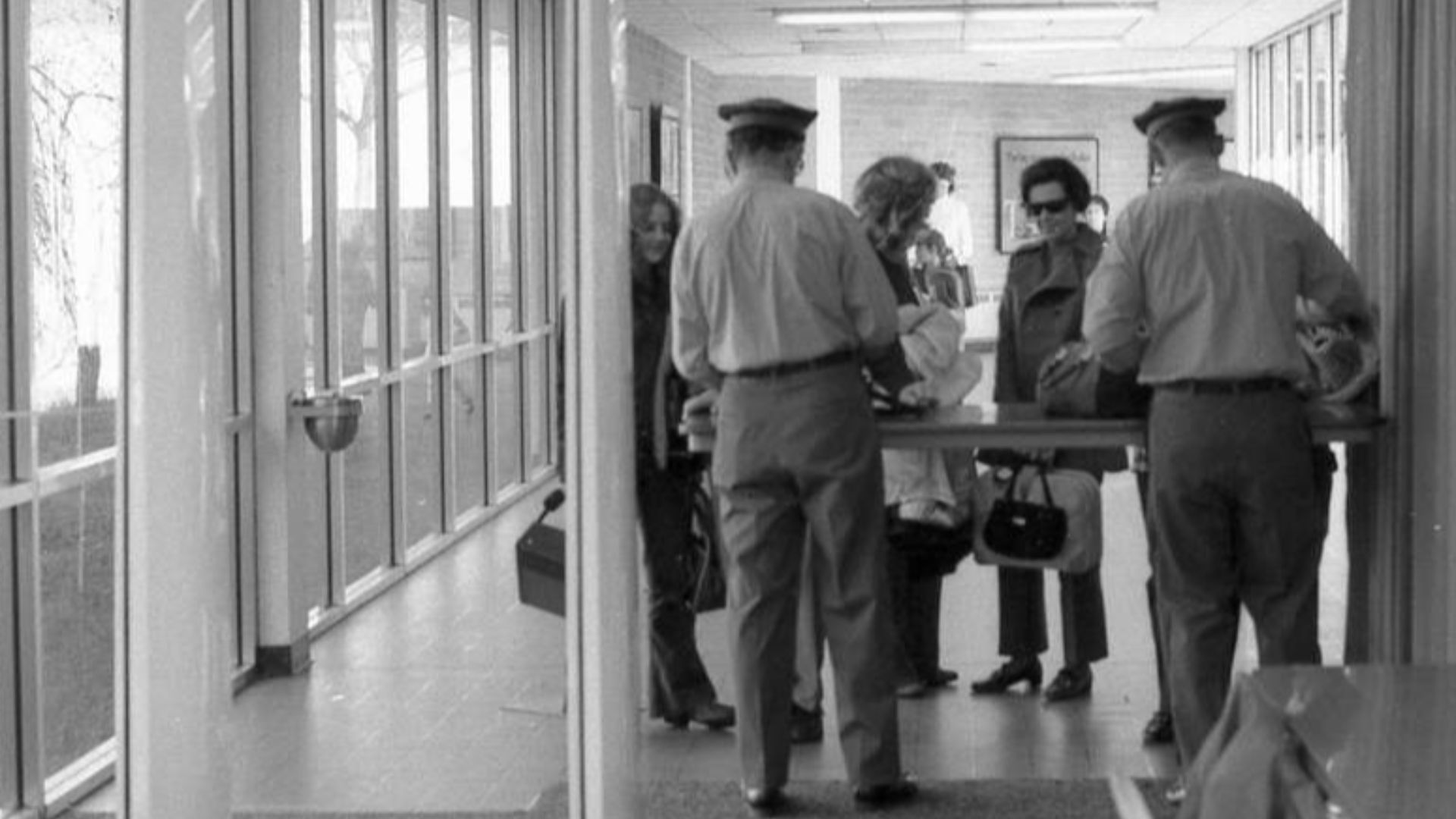
Leave Everything Packed
The earliest universal screening system was comparatively straightforward: passengers passed through metal detectors while carry-on bags were inspected or X-rayed. Today's process can involve separating or examining electronics, liquids, powders, foods, and other objects that obscure screening images. Packing your bag is now partly an exercise in anticipating the checkpoint.
 Hunter Desportes, Wikimedia Commons
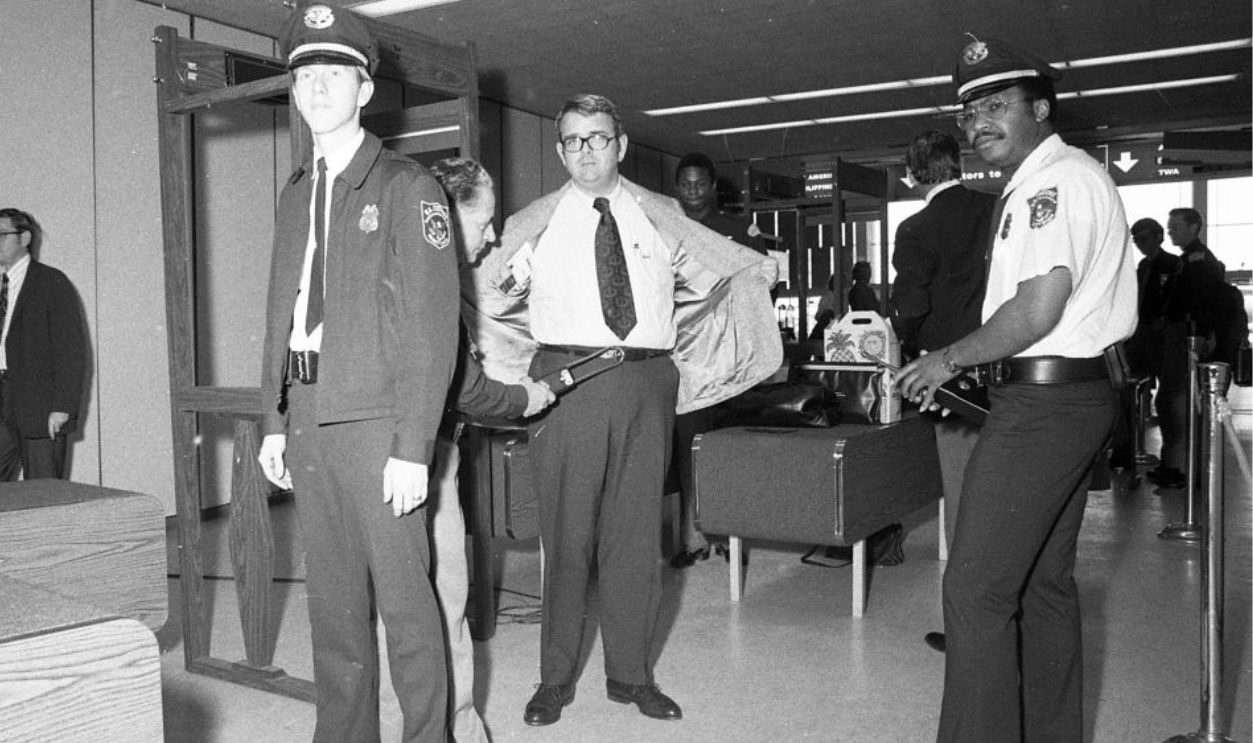
Wander Around Unscreened
This one depends on exactly when in the 1970s you traveled. At the beginning of the decade, universal passenger screening had not yet arrived. That changed dramatically on January 5, 1973, when the FAA required screening of passengers and carry-on baggage, fundamentally changing the American airport experience.
 San Francisco Chronicle/Hearst Newspapers, Getty Images
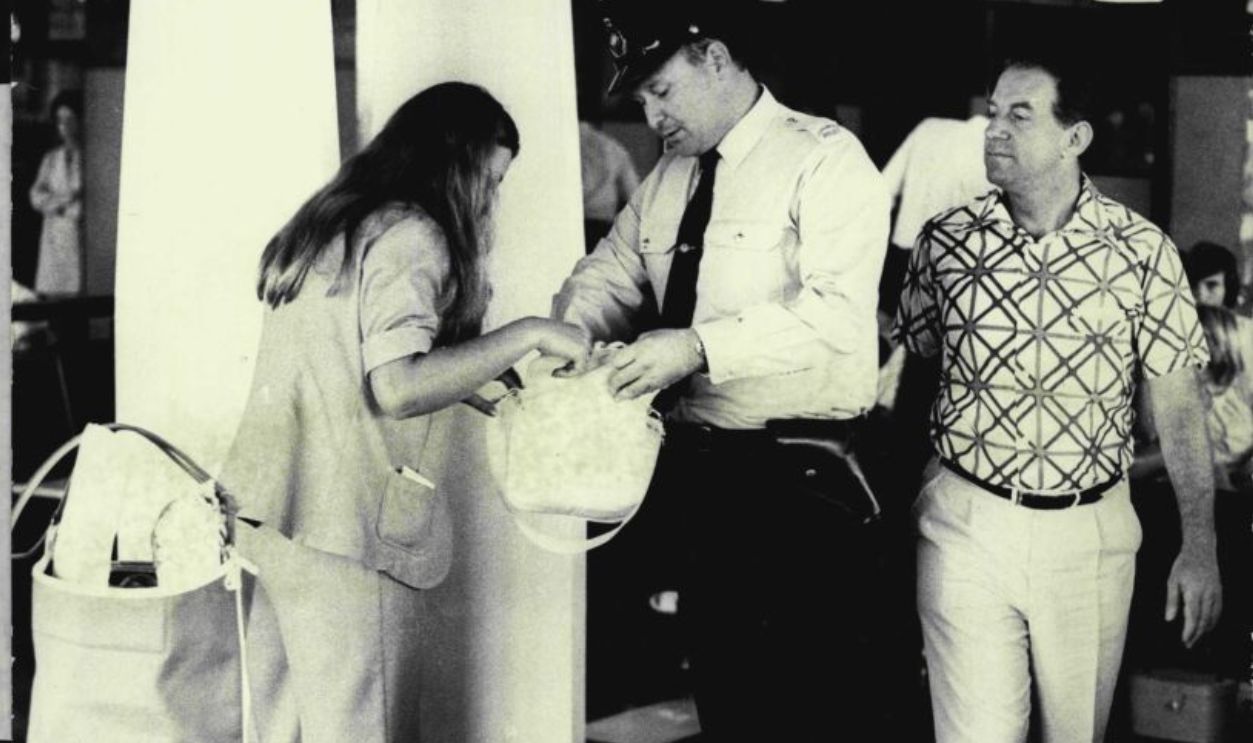
Avoid The Metal Detector
A passenger flying in 1970 might encounter selective screening rather than today's universal process. Early anti-hijacking systems focused special attention on travelers matching a behavioral profile. Before universal screening, the FAA says only about one percent of roughly 500,000 daily airline passengers were subjected to weapons scans under that system.
 Fairfax Media Archives, Getty Images
Bypass The X-Ray
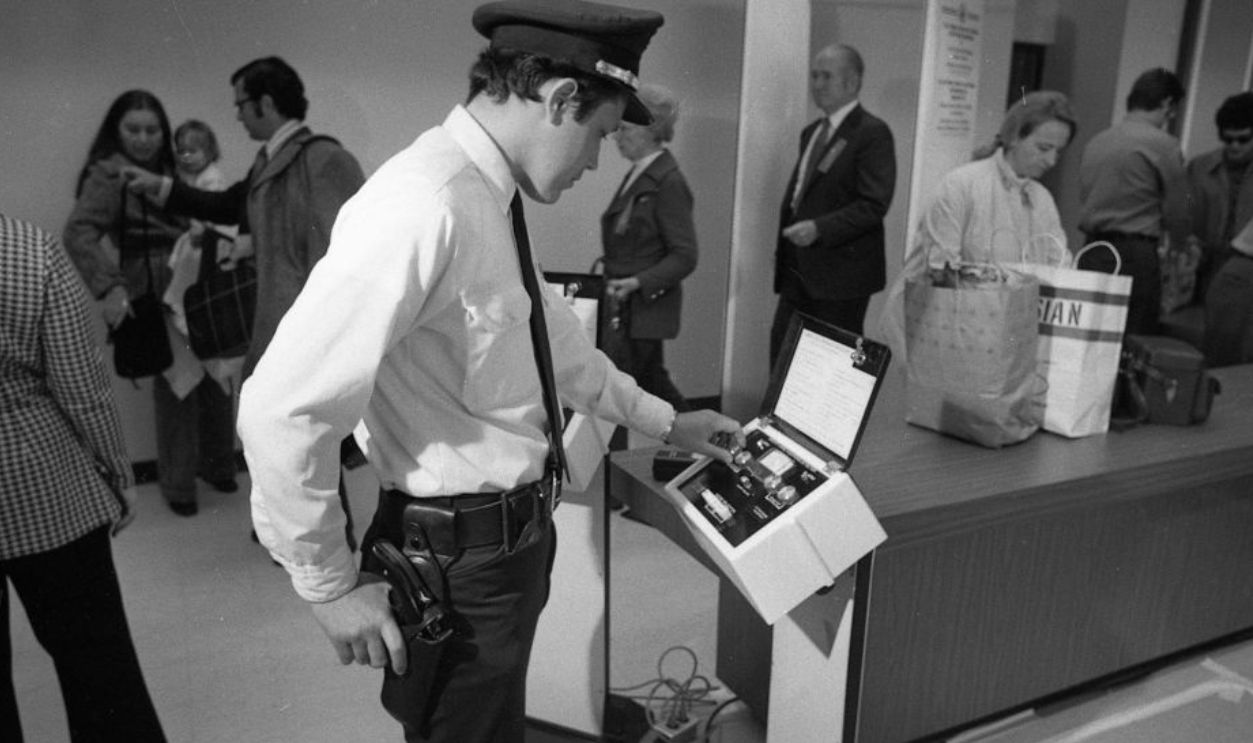
At the dawn of the 1970s, having every carry-on bag electronically inspected wasn't yet standard practice. Escalating hijackings changed that quickly. Emergency rules issued in late 1972 led to universal screening beginning in January 1973, including inspection of carry-on baggage and metal-detector screening of passengers.
 San Francisco Chronicle/Hearst Newspapers, Getty Images
Hijackings Changed Everything
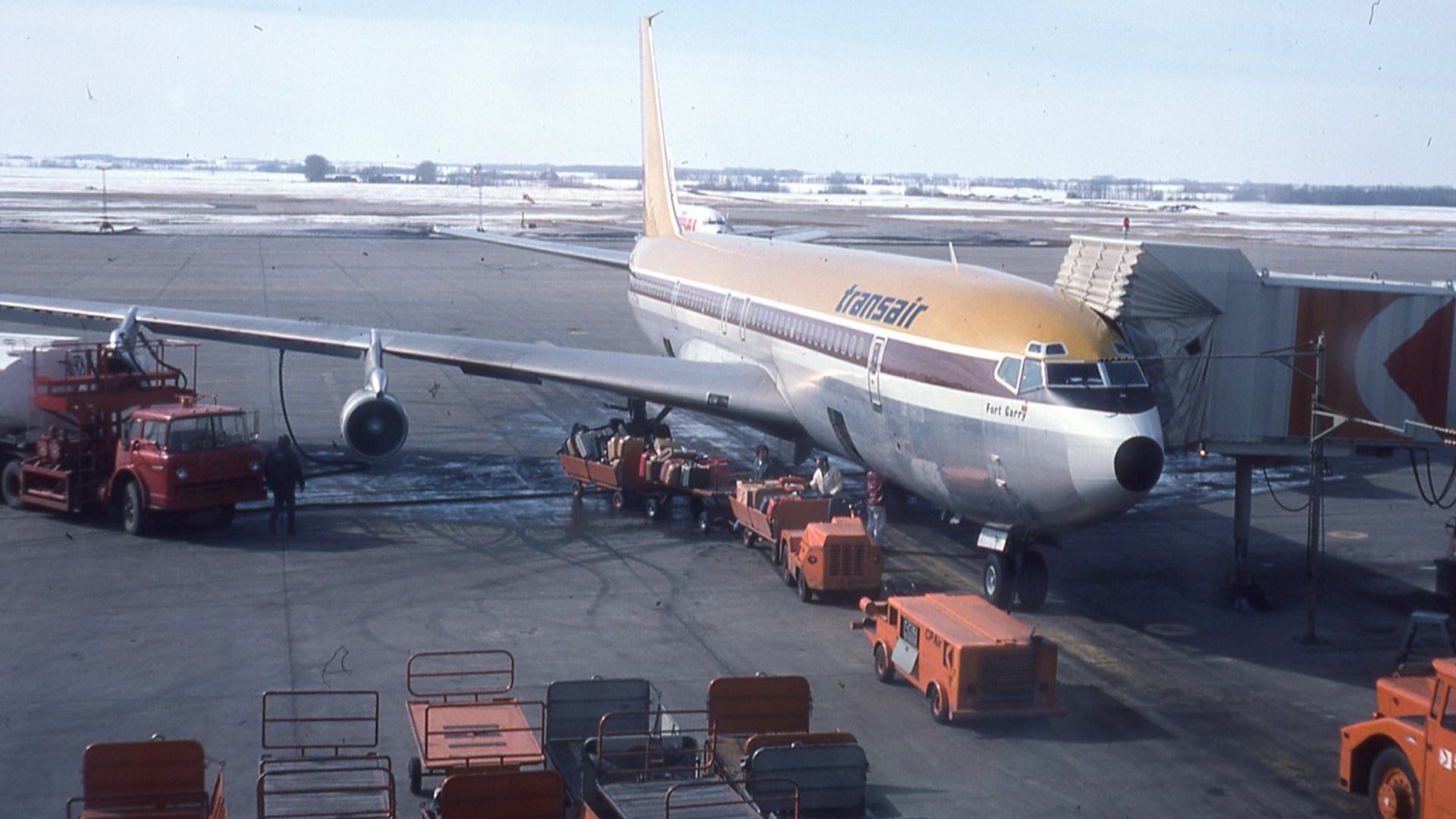
Why did airports begin tightening security during the supposedly carefree 1970s? Hijacking had become terrifyingly common. During the late 1960s and early 70s, aircraft were being hijacked somewhere in the world roughly once every five days. The crisis forced authorities to rethink the assumption that commercial aviation needed minimal security.
 Larry Dell (1944 - 2021) of Edmonton, Alberta, Canada, Wikimedia Commons
1973 Changed Airports
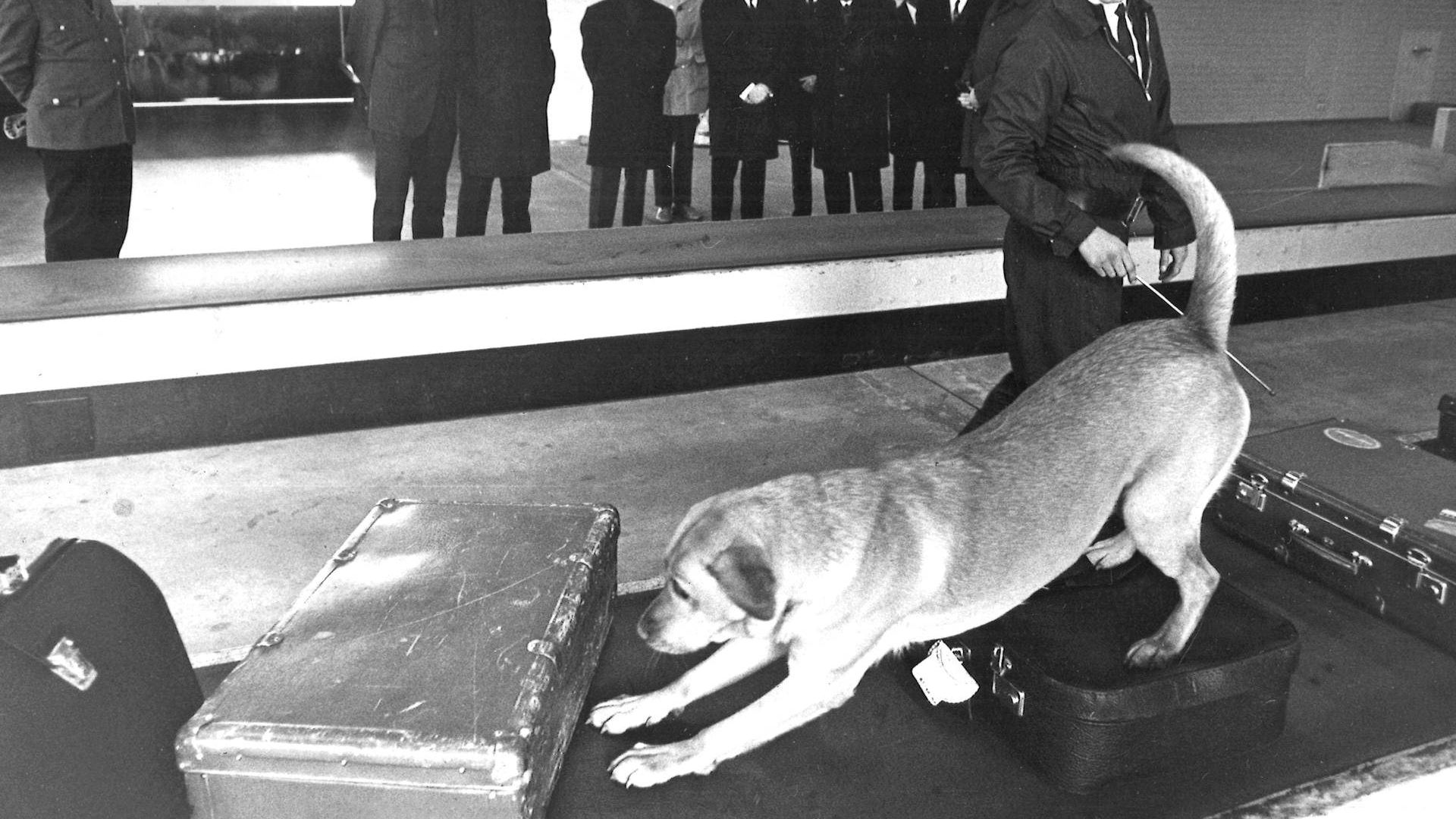
January 1973 is an important dividing line. The FAA required airlines to screen every passenger and inspect carry-on baggage, with law-enforcement personnel stationed around boarding areas. Unlike today's centralized TSA system, airlines initially handled screening themselves, sometimes placing equipment close to individual departure gates.
 Jarmo Matilainen / Helsingin Sanomat, Wikimedia Commons
Then Came 9/11
Airport security continued evolving after the 1970s, but September 11, 2001 produced another fundamental transformation. Congress created the Transportation Security Administration, federalizing passenger screening. Security increasingly became a layered system involving identity checks, restricted gate access, reinforced cockpit doors, prohibited items, intelligence, and increasingly sophisticated screening technology.
The Airport Changed Forever
The 1970s weren't completely security-free, and portraying the entire decade that way would be misleading. In fact, today's airport began taking shape during those years. But compared with modern travel, the difference remains remarkable: fewer restrictions, fewer identity checks, simpler screening, and considerably more freedom to move around the terminal.
You May Also Like:
Cities Everyone Was Visiting In The 70s—Now No One Born After 2000 Even Knows Where They Are