The Duty-Free Surprise Nobody Sees Coming
You found a great bottle at duty-free, paid legally, and walked away feeling pretty smart. Then, somewhere during a connection, airport security took it away. It feels wrong, but the explanation is more complicated than most travelers realize.

Wait, Isn’t Duty-Free Supposed To Be Allowed?
Most people assume anything purchased inside an airport is automatically approved for the entire journey. That sounds logical, but airport security rules often change between countries, terminals, and connections. That little detail catches thousands of travelers every year.
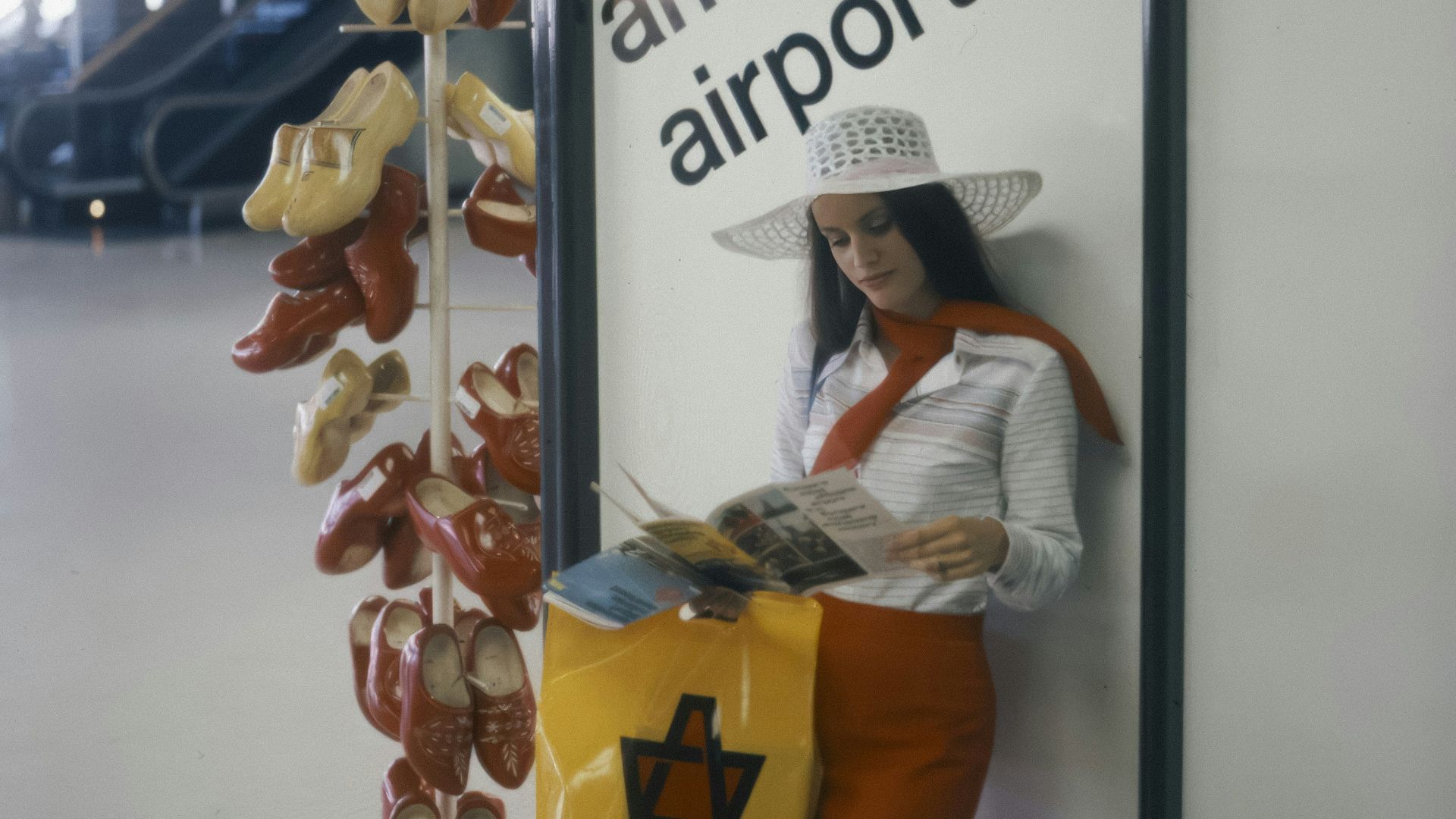 Amsterdam City Archives, Unsplash
The Key Detail Is Your Connection
A direct flight and a connecting flight are treated very differently. On a direct international trip, your duty-free bottle usually stays with you. Add a connection, however, and entirely new security checks may suddenly apply.
Security Sees Liquids Differently
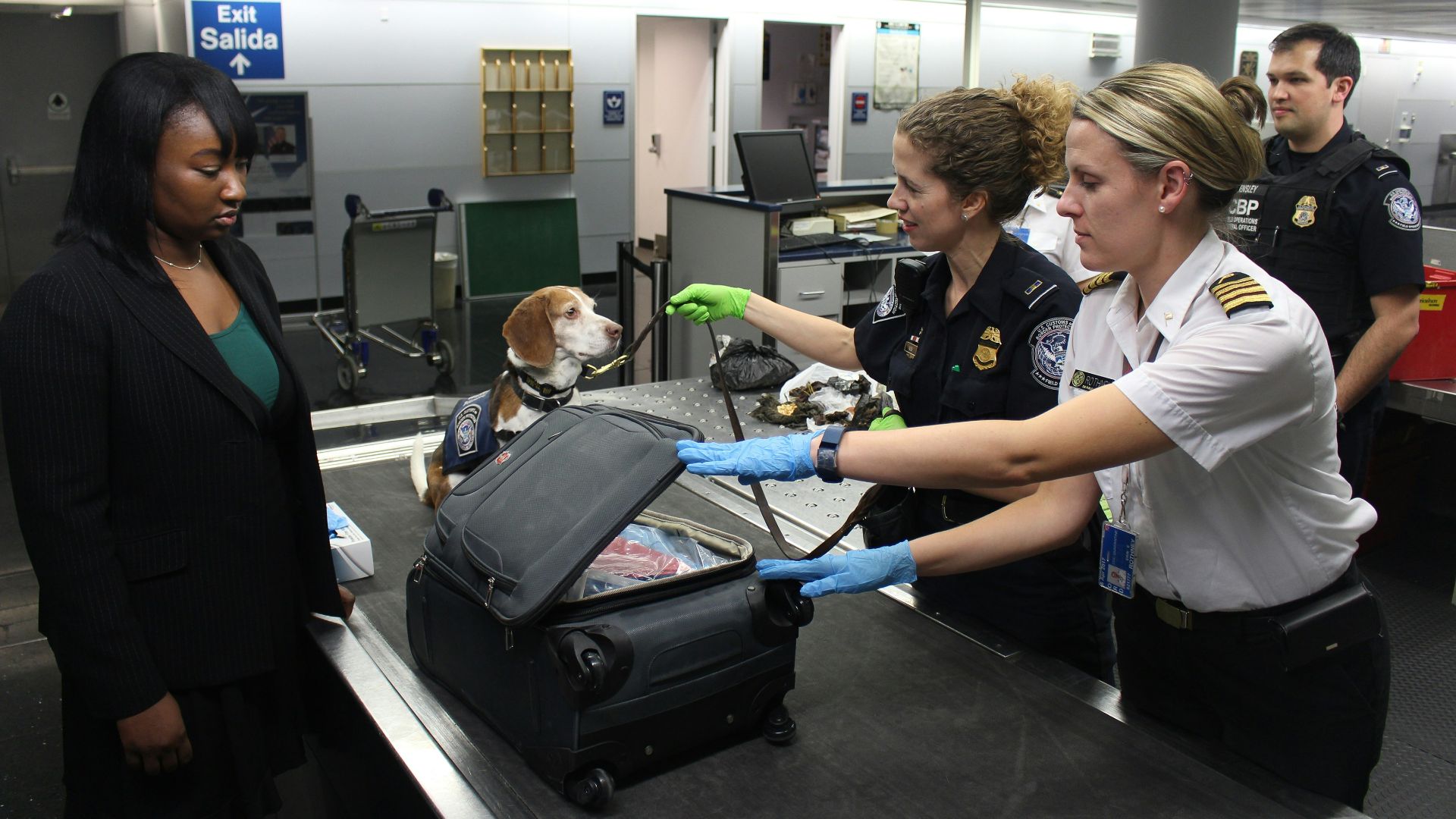
Airport security doesn't just see a bottle of whiskey or wine. They see a liquid exceeding standard carry-on limits. Unless special conditions are met, that bottle may be treated like any other oversized liquid.
 U.S. Department of Homeland Security (DHS), Wikimedia Commons
The Magic Bag Matters
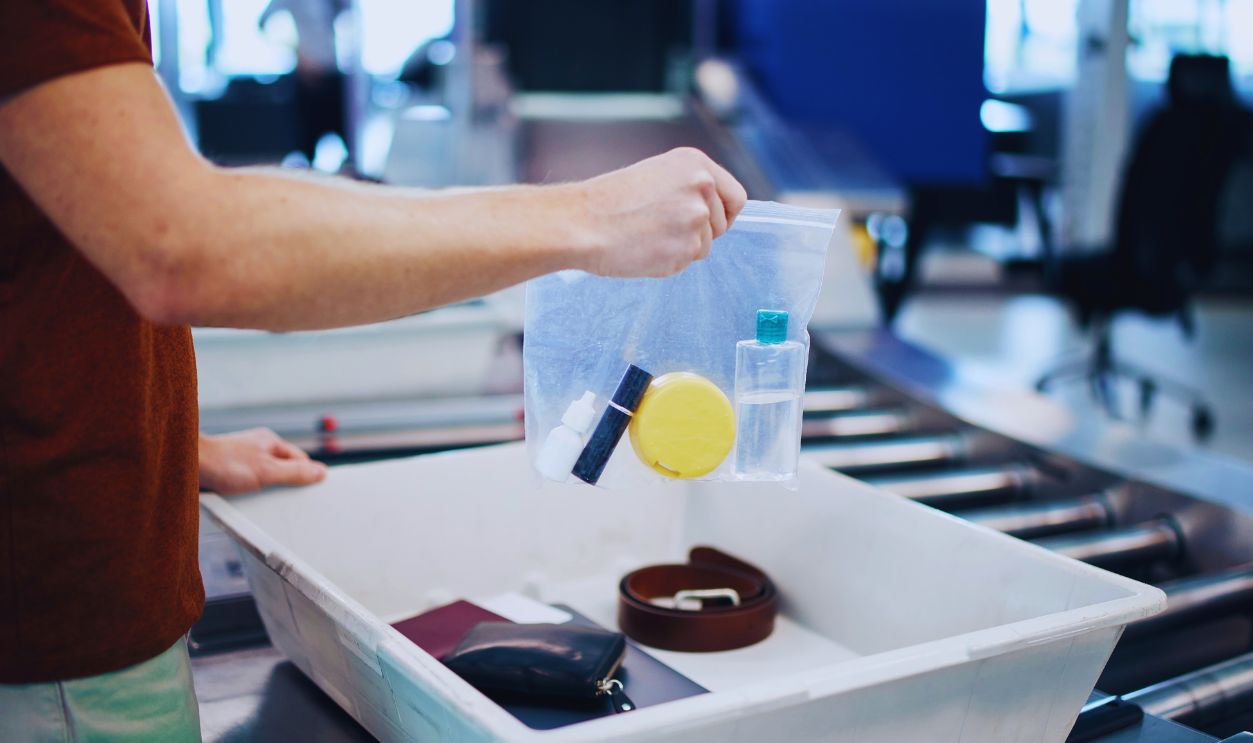
Duty-free shops typically place this kind of liquid inside a Security Tamper-Evident Bag, often called a STEB. These sealed bags are specifically designed to show security officers that the contents haven't been altered after purchase.
 Jaromir Chalabala, Shutterstock
One Tiny Mistake Can Cause Problems
Many travelers accidentally create their own problem. They open the bag to inspect the bottle, take a photo, or show a friend. Once the seal is broken, security may no longer treat the purchase as protected duty-free merchandise.
Receipts Are More Important Than You Think
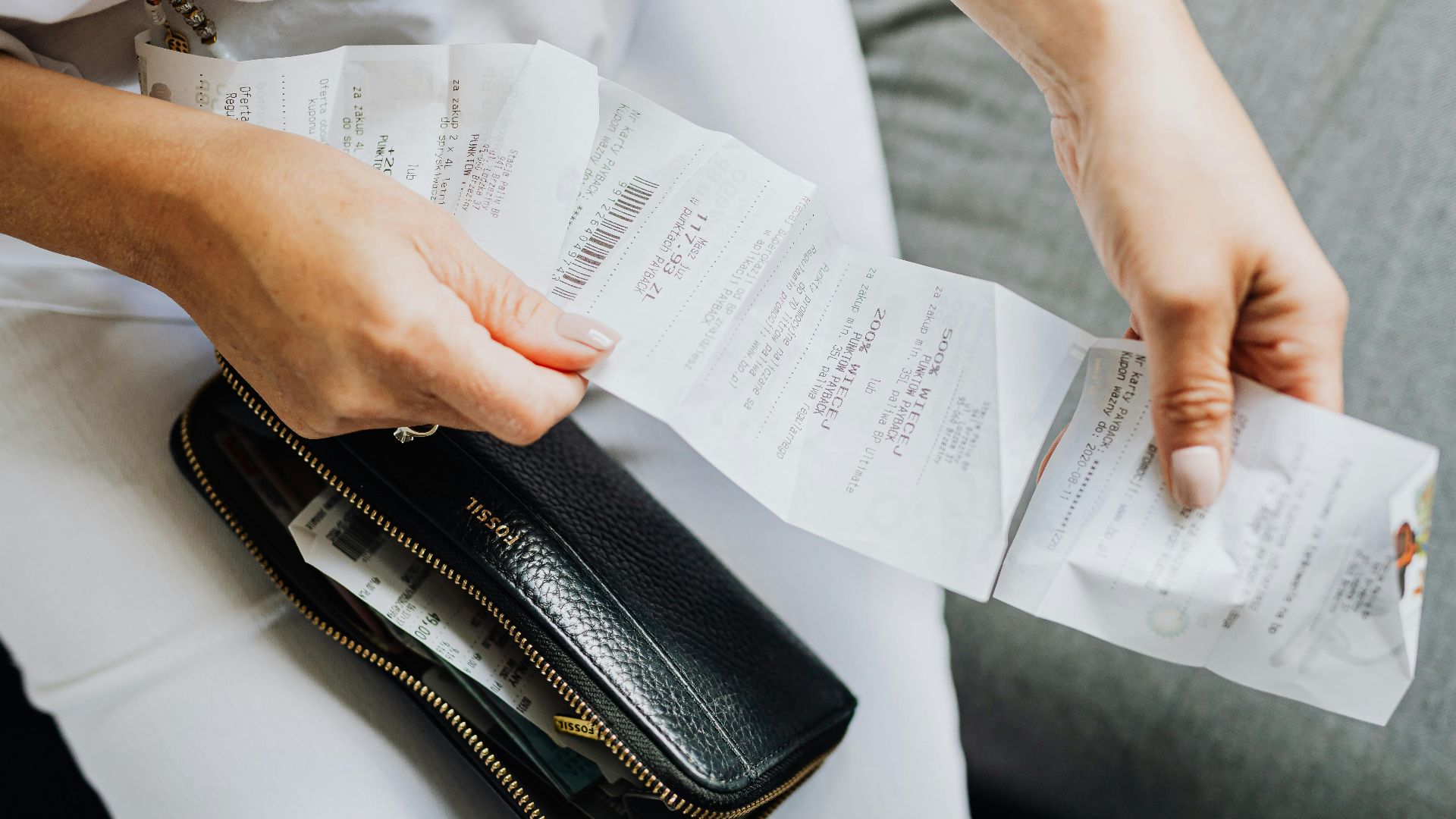
That crumpled receipt isn't just proof of payment. Security officers may use it to verify when and where the booze was purchased. Missing receipts can create additional complications during screening.
Different Countries, Different Rules
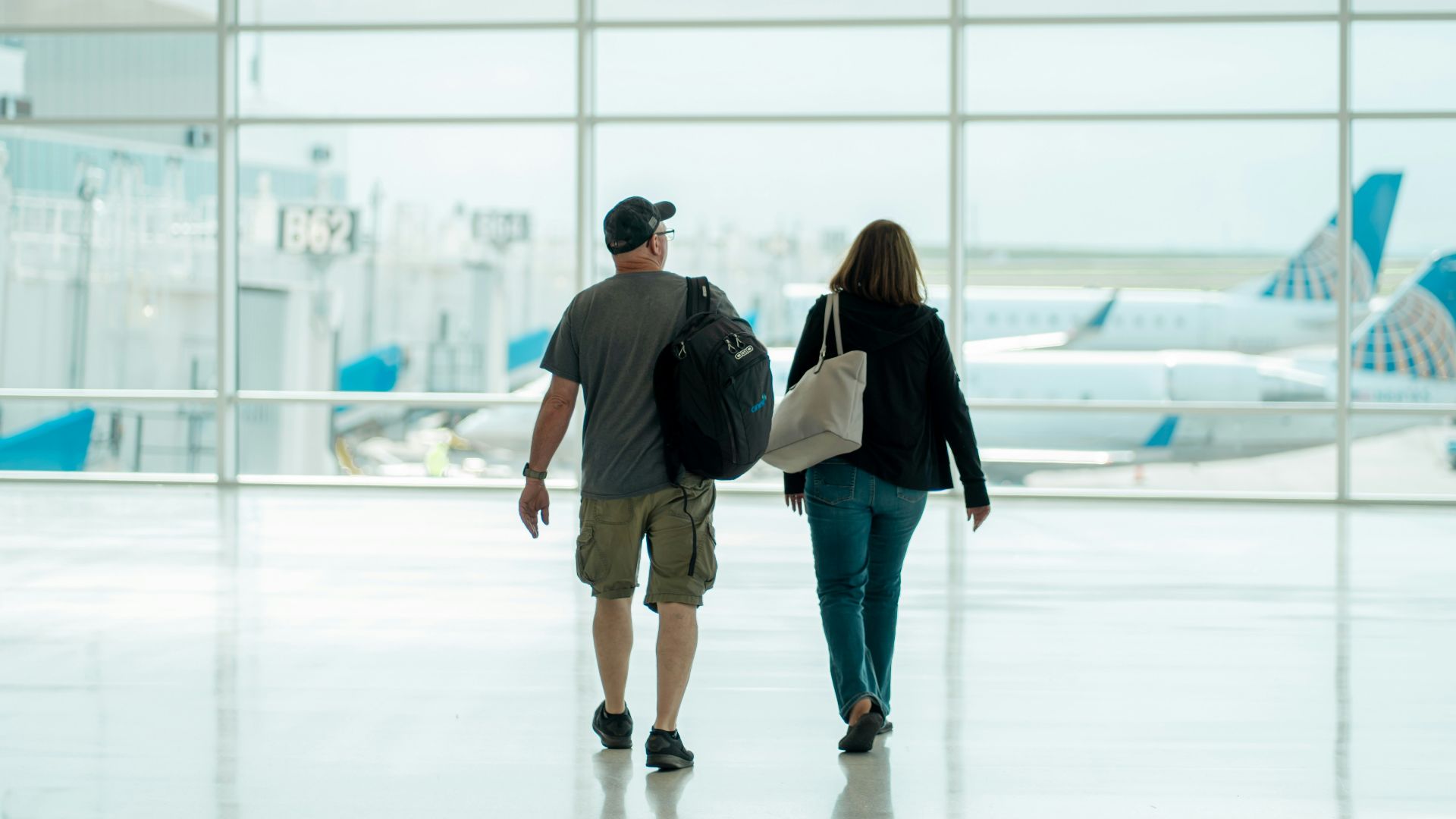
A bottle accepted in one airport may not be accepted in another. Security agencies operate under different regulations, and not every country recognizes every duty-free packaging system. That's where many confiscations happen.
 AMISOM Public Information, Wikimedia Commons
The Airport Isn't Always The Problem
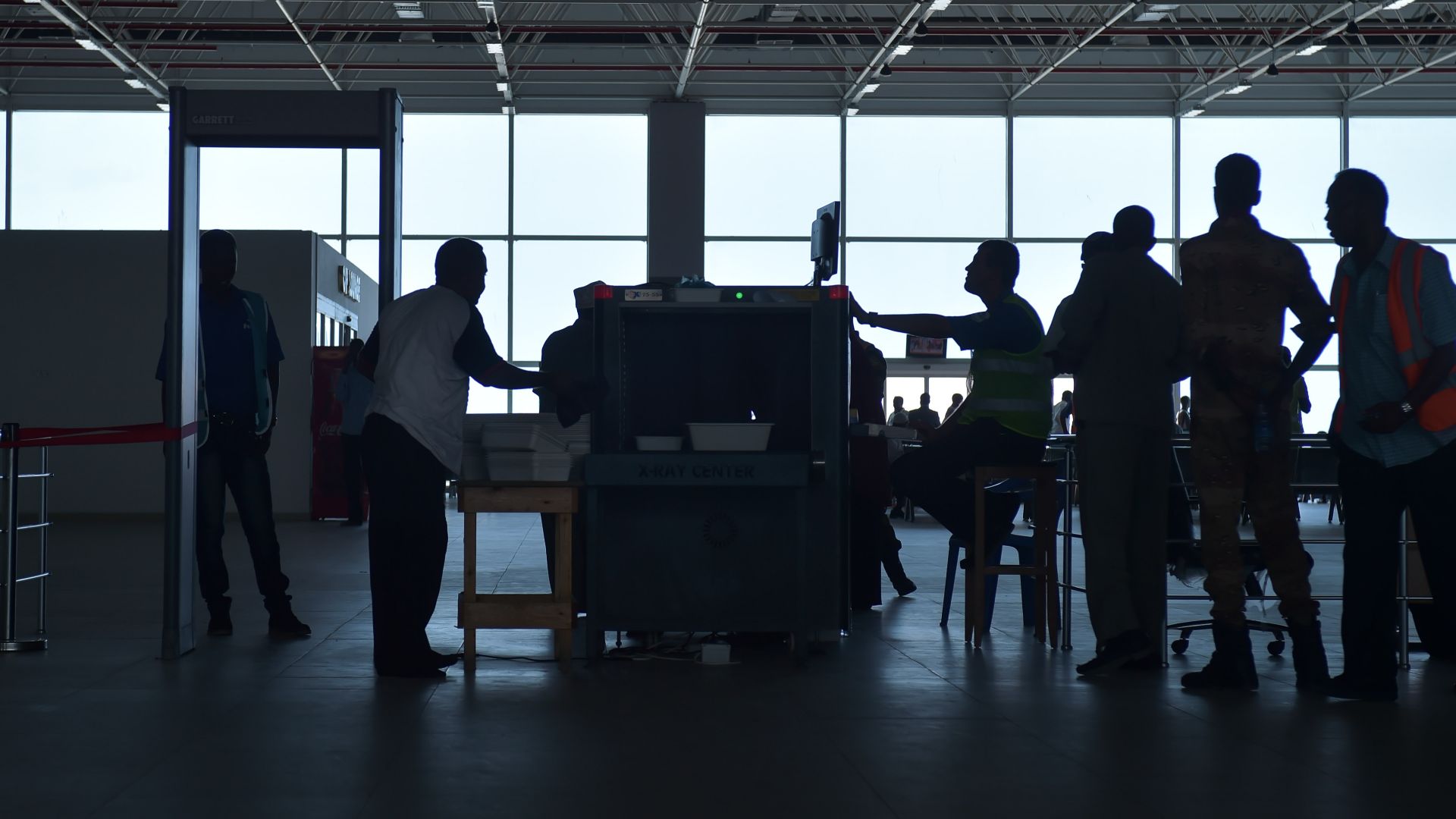
Travelers often blame the airport where the bottle was taken. In reality, the original seller may have followed every rule correctly. The issue frequently arises because the connecting airport follows different security procedures.
 dan paluska, Wikimedia Commons
International Transfers Get Tricky Fast
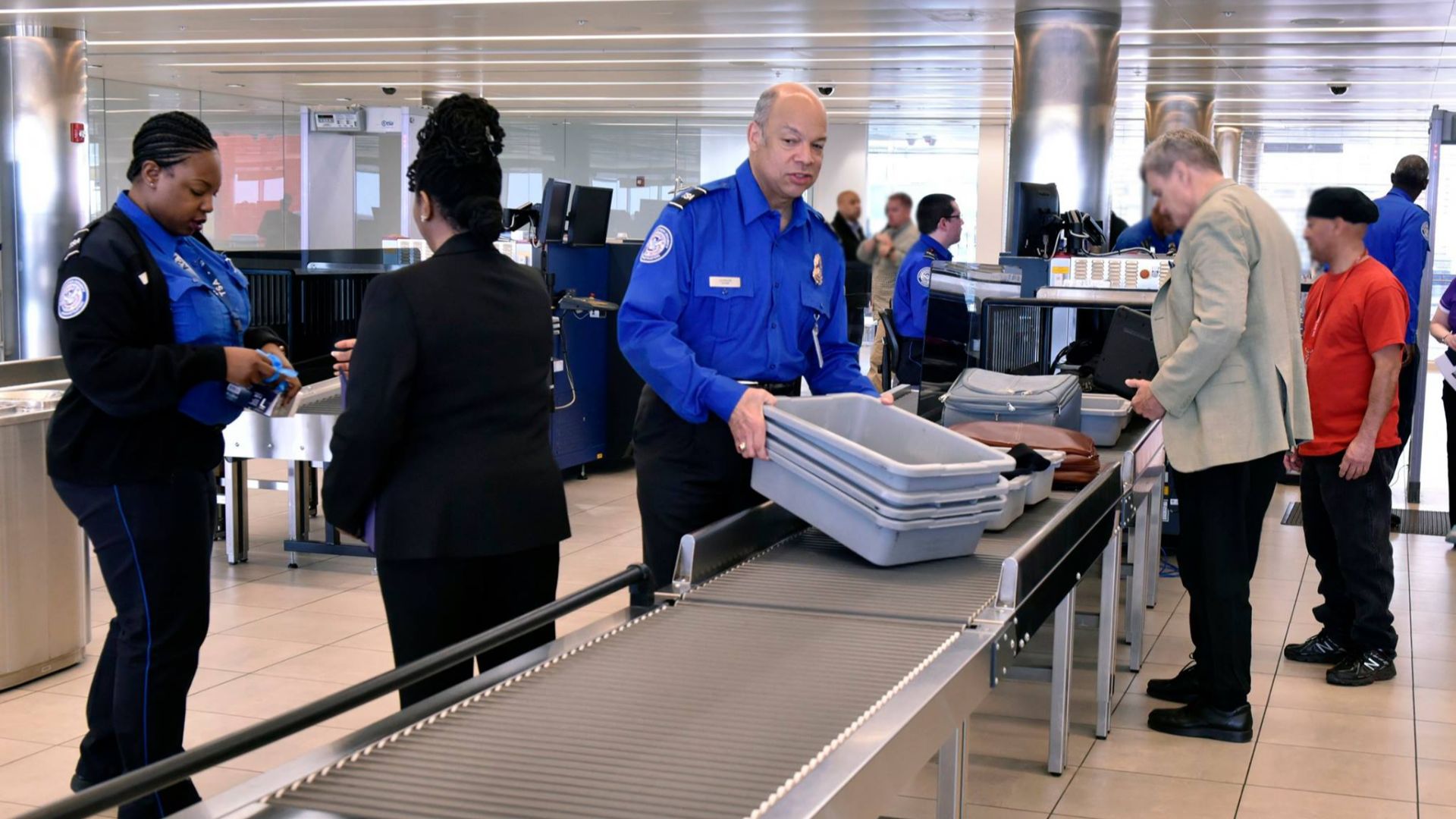
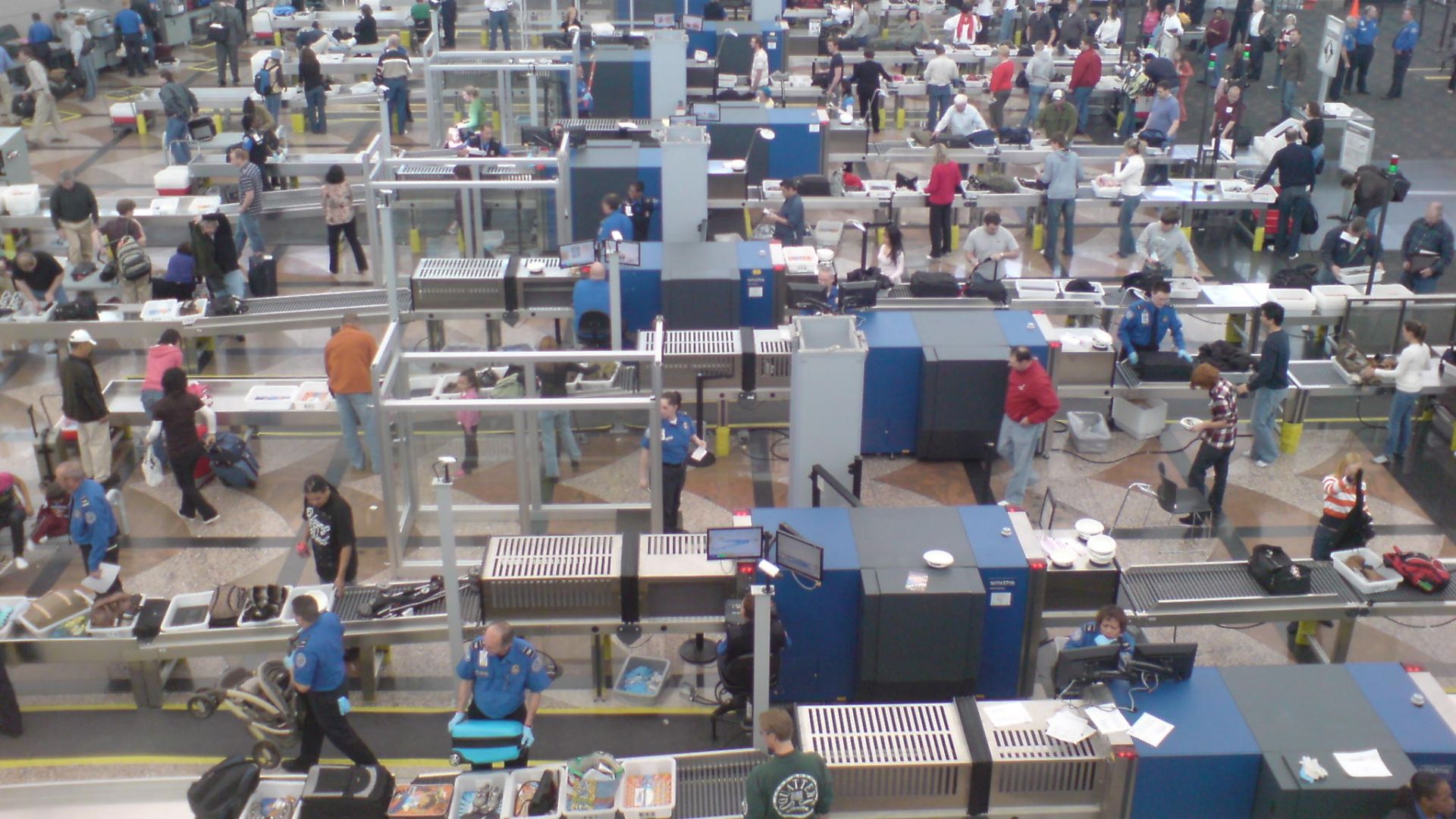
International connections often involve leaving one secure area and entering another. Once you pass through a new security checkpoint, your duty-free drink may be screened again under local rules.
 User:Mattes, Wikimedia Commons
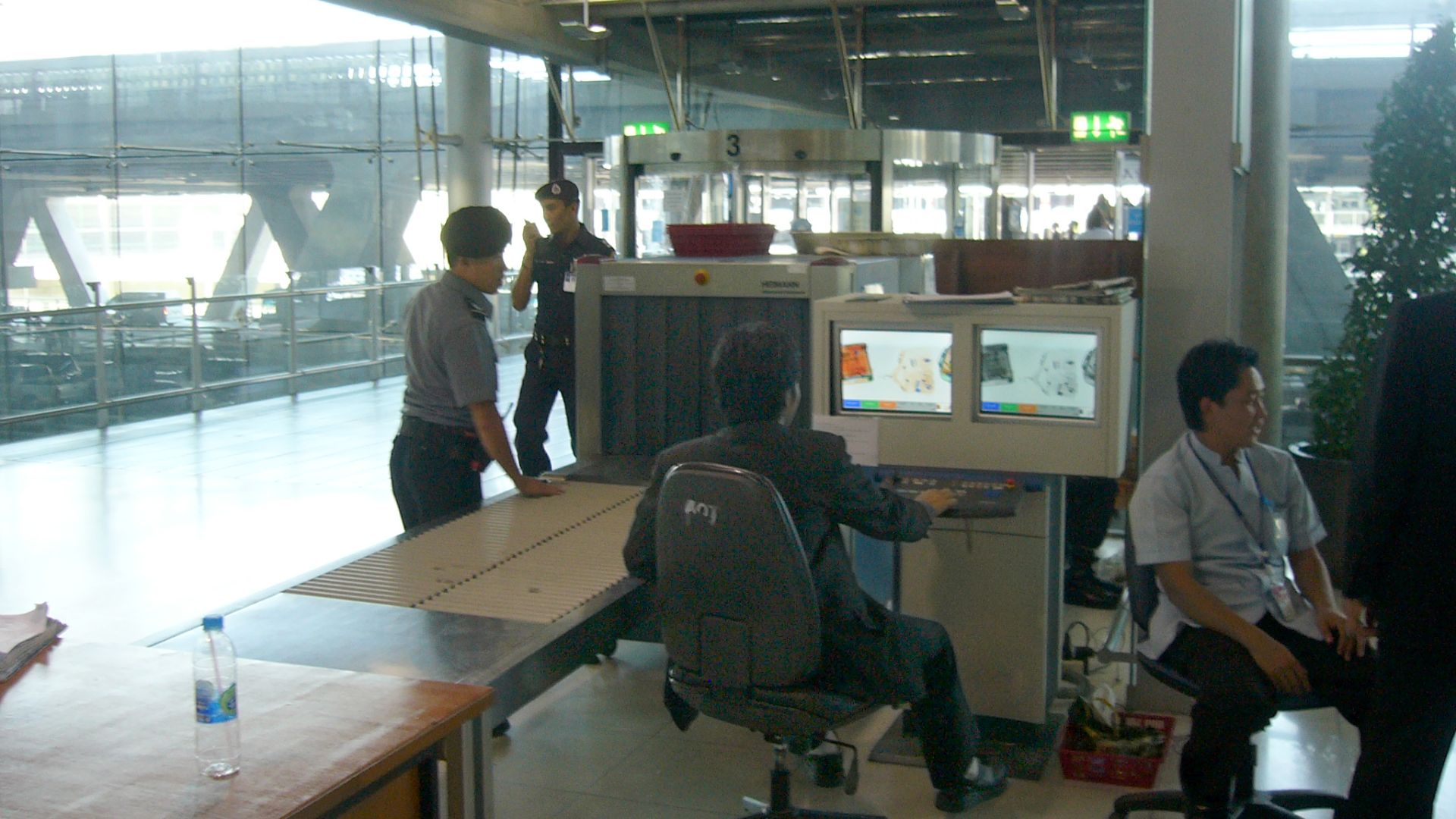
The U.S. Creates Extra Confusion
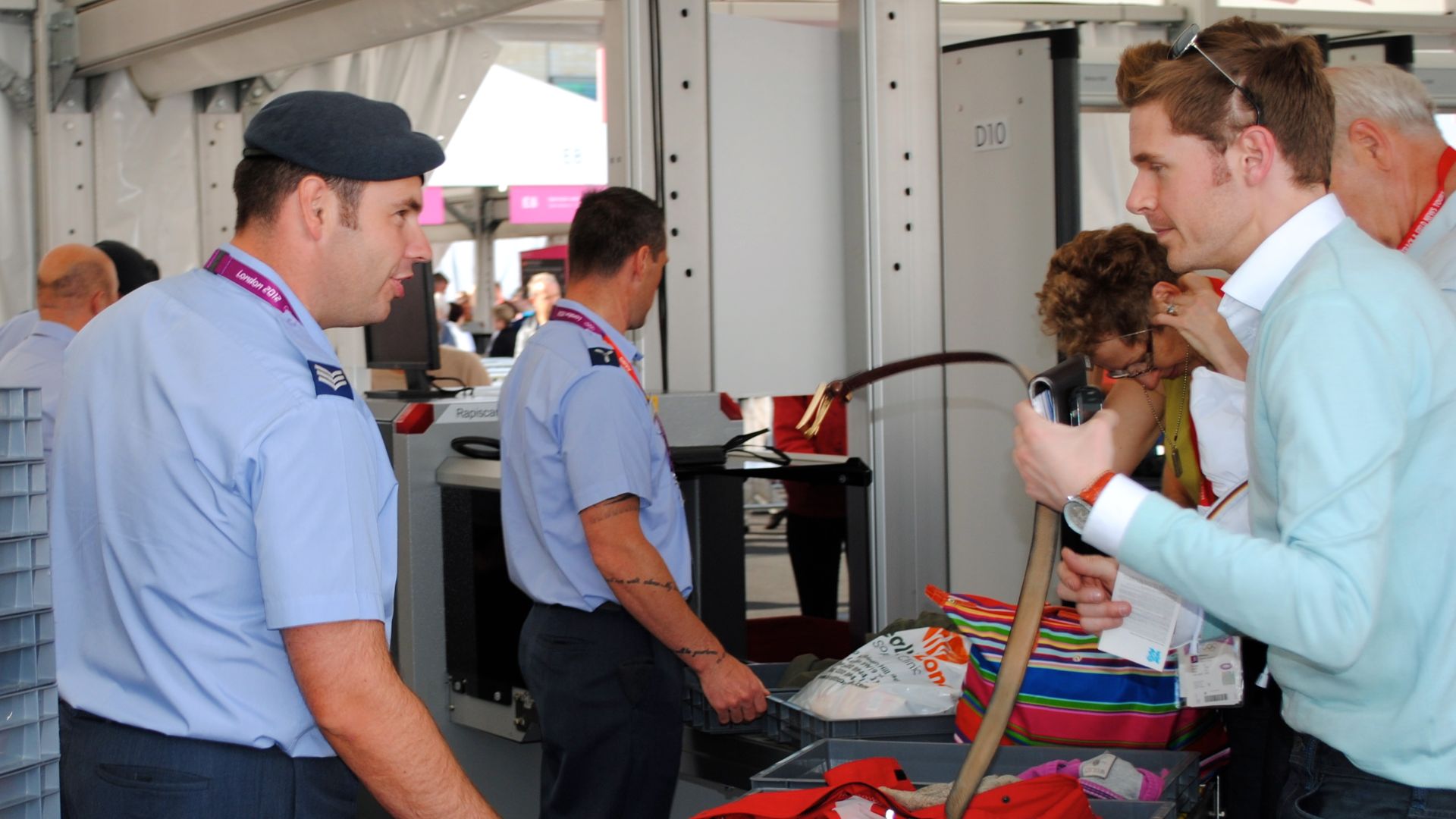
Many international travelers connecting through the United States encounter this issue. After clearing customs, passengers often must re-enter security screening before their next flight, creating another opportunity for confiscation.
 Joel Solomon from Denver, CO, USA, Wikimedia Commons
Customs And Security Are Not The Same Thing
This surprises many people. Customs officers may legally allow you to import the bottle, while security officers can still prohibit carrying it through a checkpoint. Both agencies have different responsibilities and different rules.
 James Tourtellotte, Wikimedia Commons
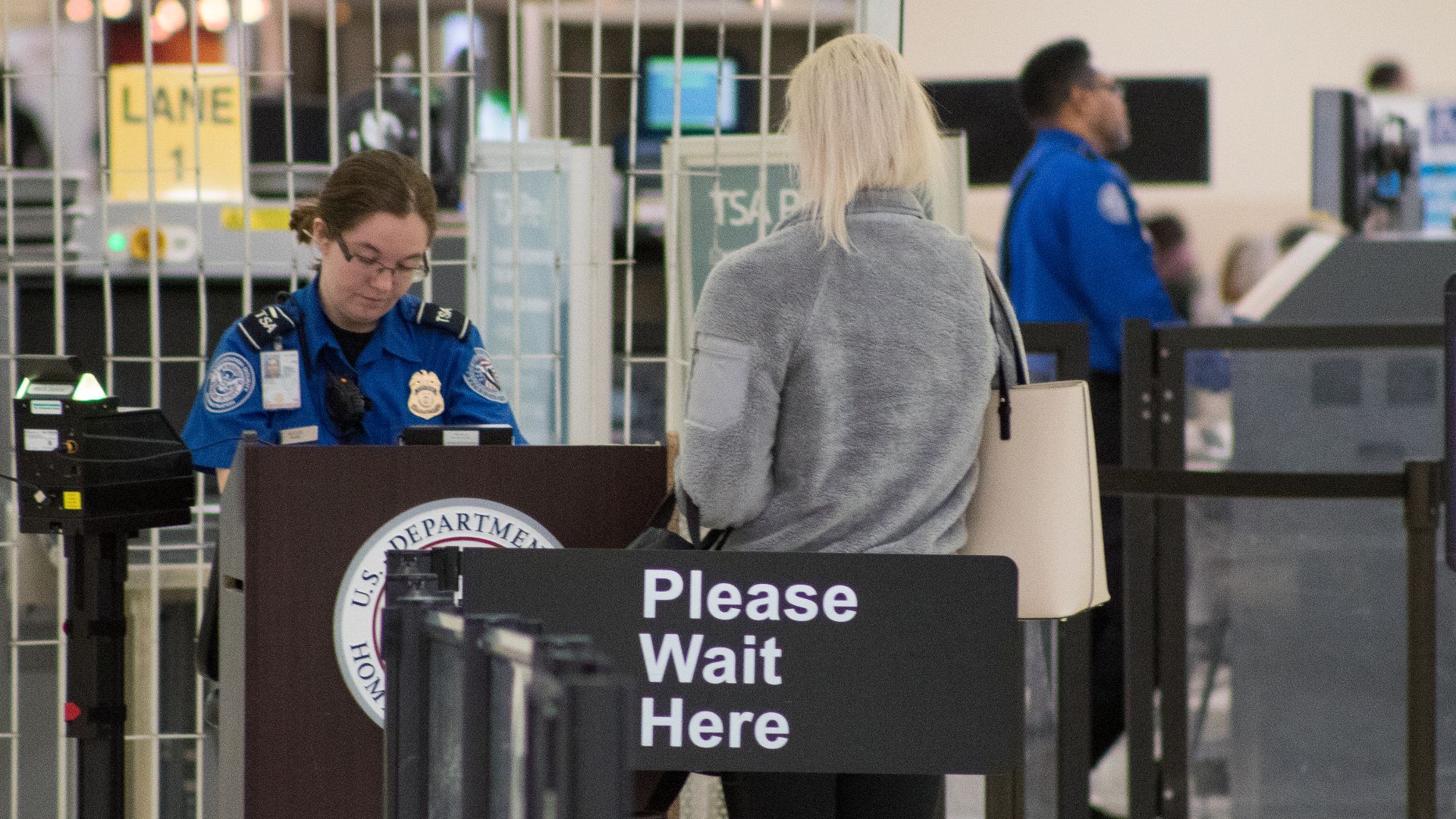
Sometimes Security Has No Choice
Security officers don't usually make personal decisions about individual bottles. If the item doesn't meet screening requirements, regulations may require confiscation regardless of how expensive or legally purchased it was.
 Michael Ball, Wikimedia Commons
There Is Often Another Option
In some airports, travelers can move the bottle into checked baggage before continuing. If time allows, this can save an expensive purchase from ending up in a surrender bin.
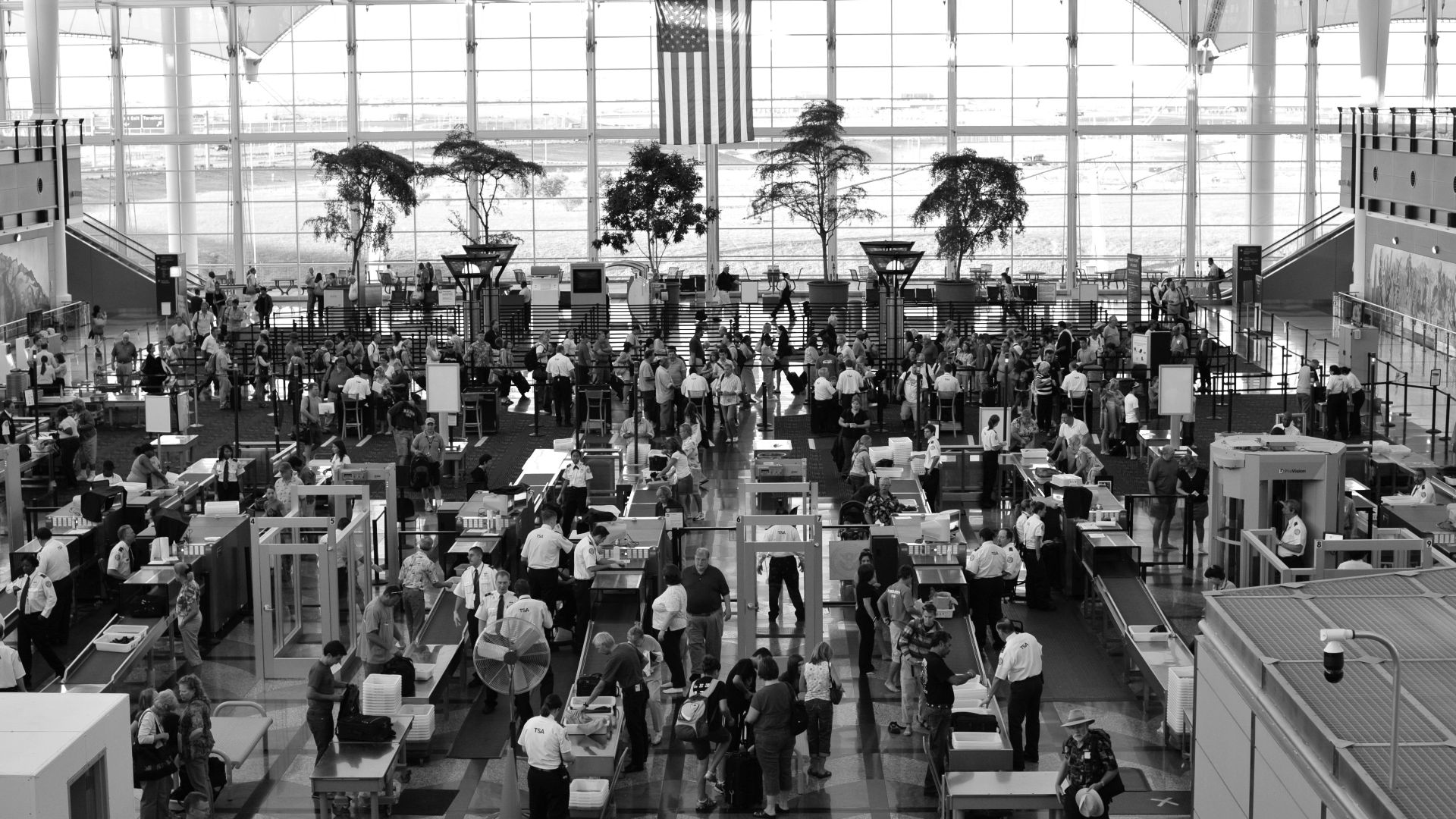
Why Travelers Feel Cheated
The frustration comes from a misunderstanding of what 'duty-free' means. Duty-free refers to taxes and customs duties. It does not automatically override aviation security regulations during later stages of travel.
Airport Layout Can Affect Your Chances
Some large airports allow passengers to stay within secure transit zones. Others require passengers to clear security again. Two travelers on nearly identical routes can have completely different experiences because of airport design.
The Most Expensive Bottles Are Often Lost
Ironically, premium whiskey, cognac, and specialty spirits are common victims. Travelers buy them as gifts or souvenirs, only to discover the connection rules before reaching the next gate.
Smart Travelers Know One Trick
Experienced international travelers often wait until the final airport before purchasing booze. By eliminating additional security checkpoints, they dramatically reduce the risk of losing their purchase.
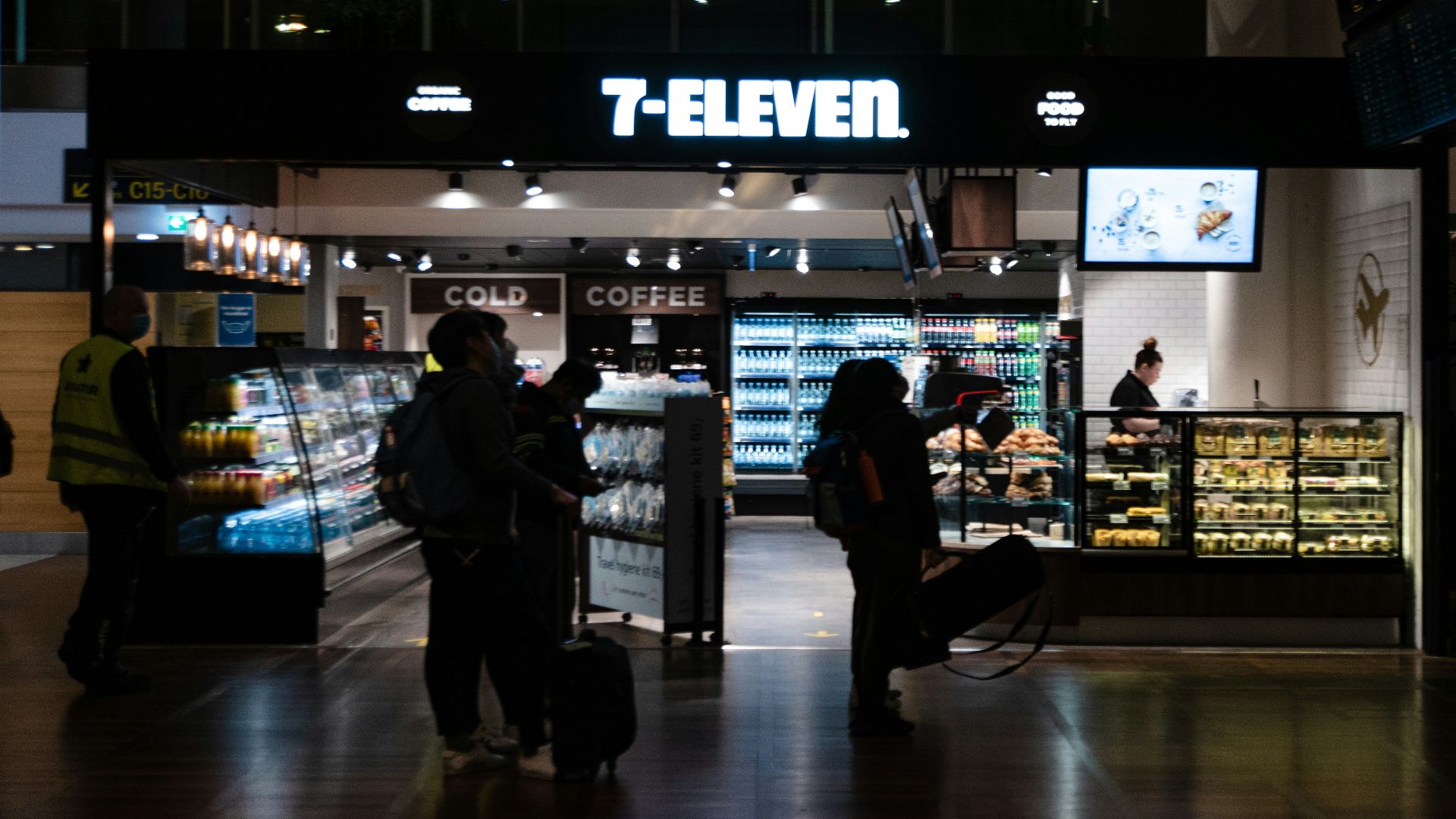
So, Can Airport Security Really Confiscate It?
Yes. Even if it was purchased legally at a duty-free shop, airport security can confiscate it during a connection if it fails local screening requirements, lacks proper sealed packaging, has a broken seal, or exceeds liquid rules after re-screening.
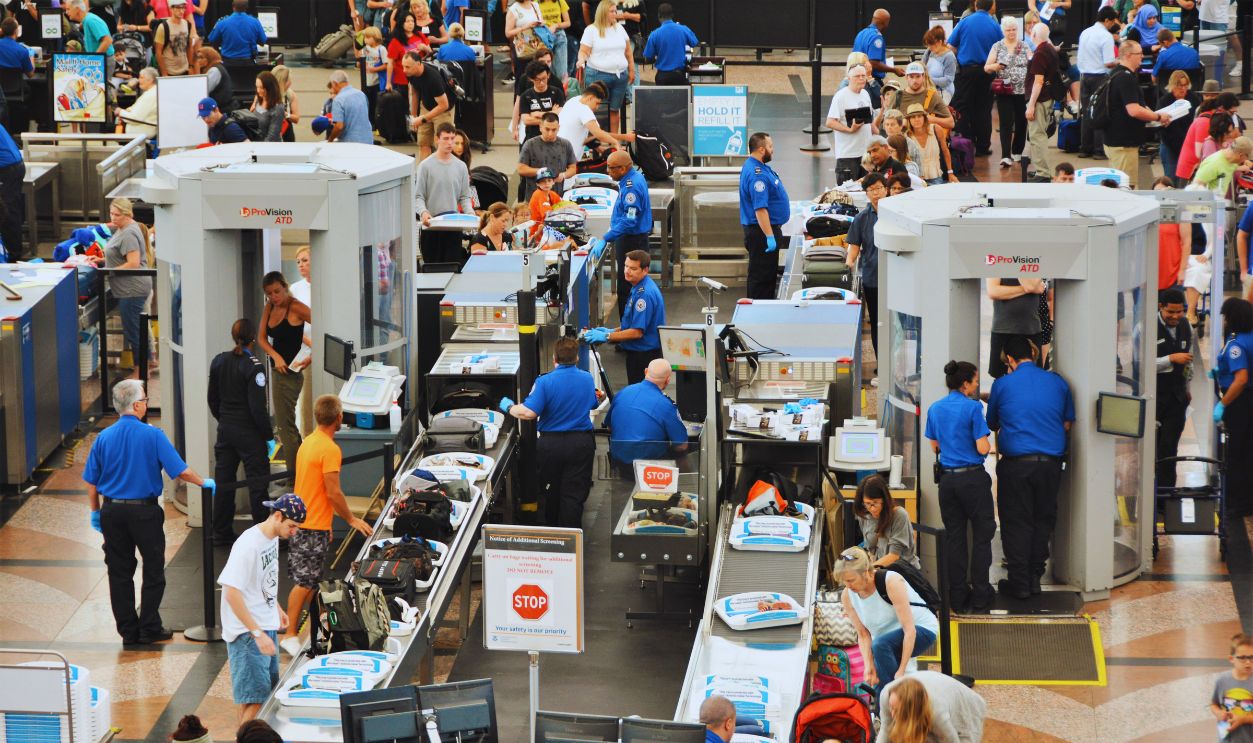
The Answer Most Travelers Don't Expect
The surprising truth is that your purchase can be perfectly legal and still be surrendered. Duty-free status protects you from certain taxes, not from every airport security checkpoint on your journey. That's the loophole many travelers discover the hard way.

You May Also Like:
I booked “hidden city” flights to save money, but my dad says airlines can ban me for that—is that actually true?
My friend says TSA can’t make you unlock your phone. My cousin says they absolutely can at some airports. Who’s telling the truth?