

Every State Is Hiding Something
Most of America looks ordinary from the surface. But dig beneath a highway, drain a lake or crawl deep enough into the wrong cave, and that changes fast. Every state is hiding at least one archaeological discovery that should not be there, or should not have survived...but it is, and it did. And it's amazing.
Alabama: An 11-Foot Serpent Hidden On A Cave Ceiling
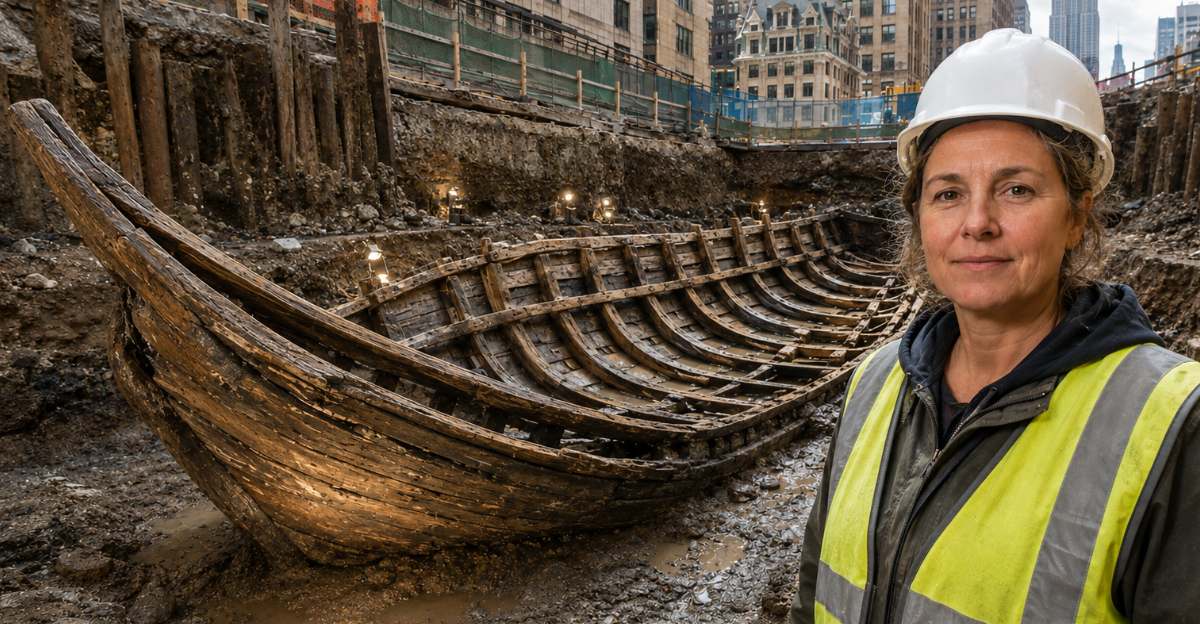
The images inside Alabama’s 19th Unnamed Cave were nearly invisible until researchers created 3D scans of the ceiling. They revealed enormous humanlike figures, along with an 11-foot diamondback rattlesnake. The drawings were made in mud between roughly AD 660 and 950.
 Gabinete de Prensa del Gobierno de Cantabria, Wikimedia Commons
Alaska: A Child Buried Beneath A Home
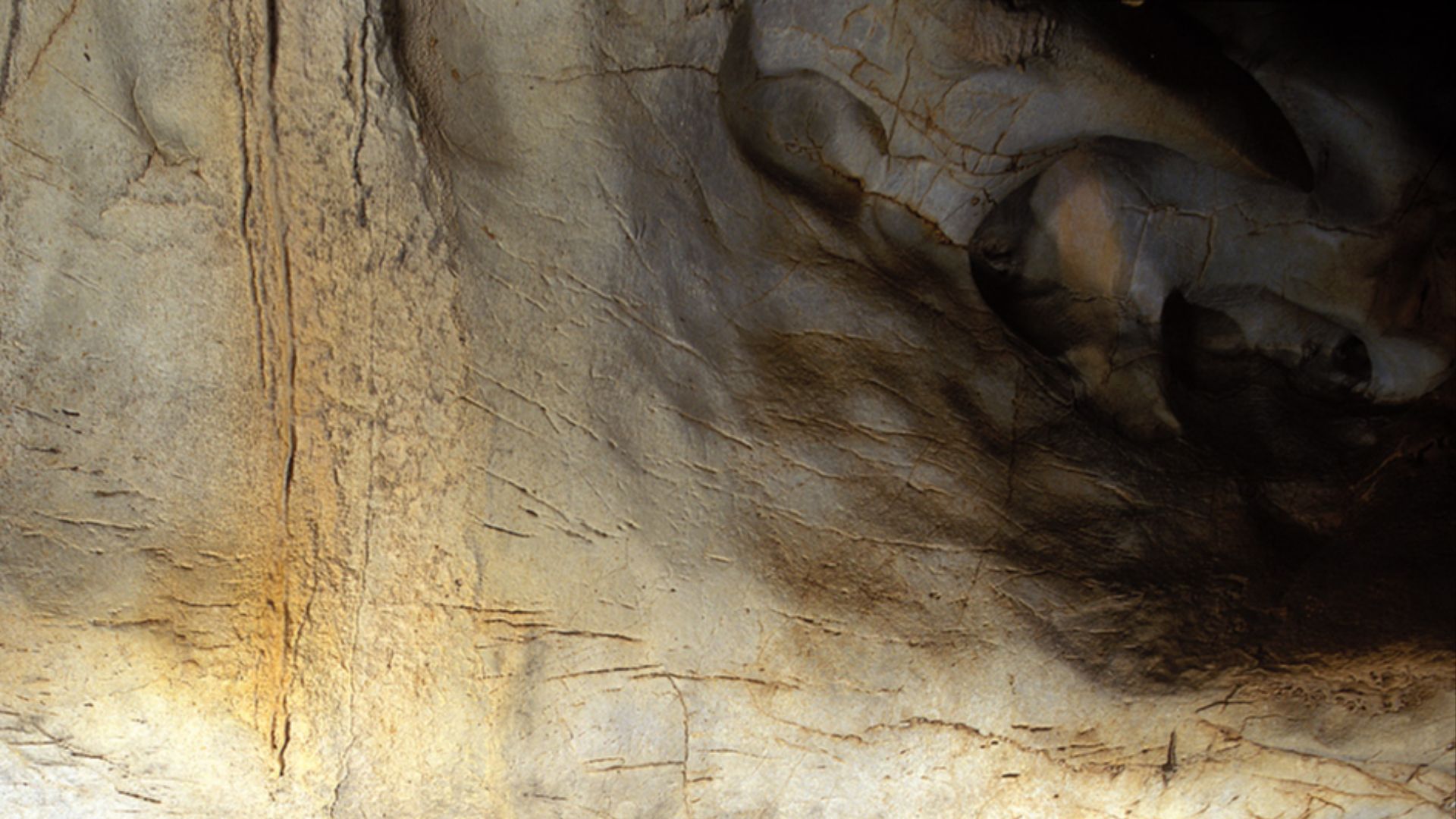
At Alaska’s Upward Sun River site, archaeologists found the partially cremated remains of a young child beneath the floor of an ancient dwelling. The burial was approximately 11,500 years old, making it one of the earliest human burials ever discovered in northern North America.
 Forest Service Alaska Region, USDA, Wikimedia Commons
Arizona: A 300-Foot Fish In The Desert
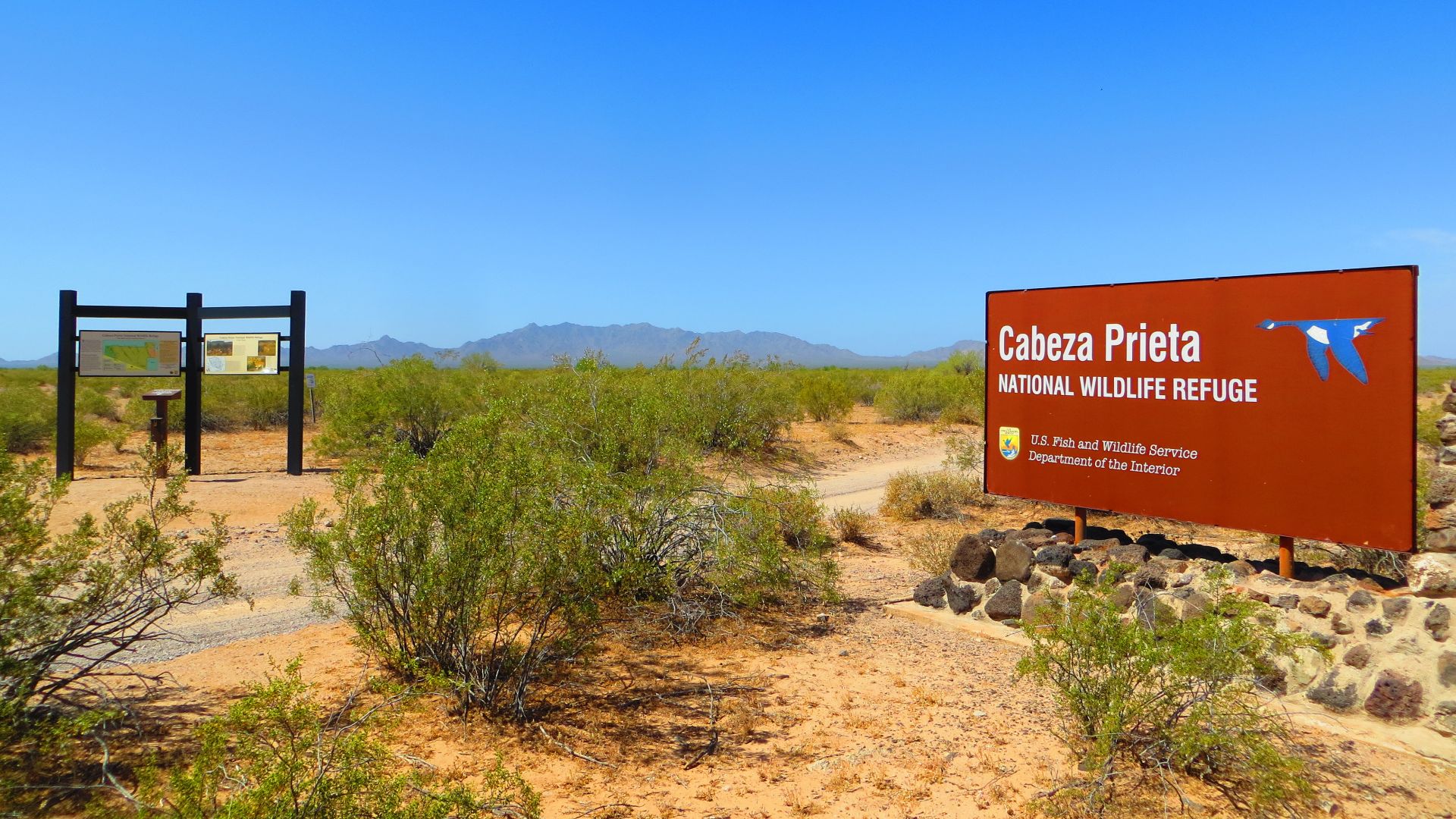
Someone scraped away the dark desert surface at Cabeza Prieta to create an enormous fish-shaped image nearly 300 feet long. The geoglyph survived in one of America’s driest landscapes for more than 1,000 years. Then, in April 2026, border-wall construction damaged roughly 60 to 70 feet of it.
Arkansas: Pots Shaped Like Human Heads
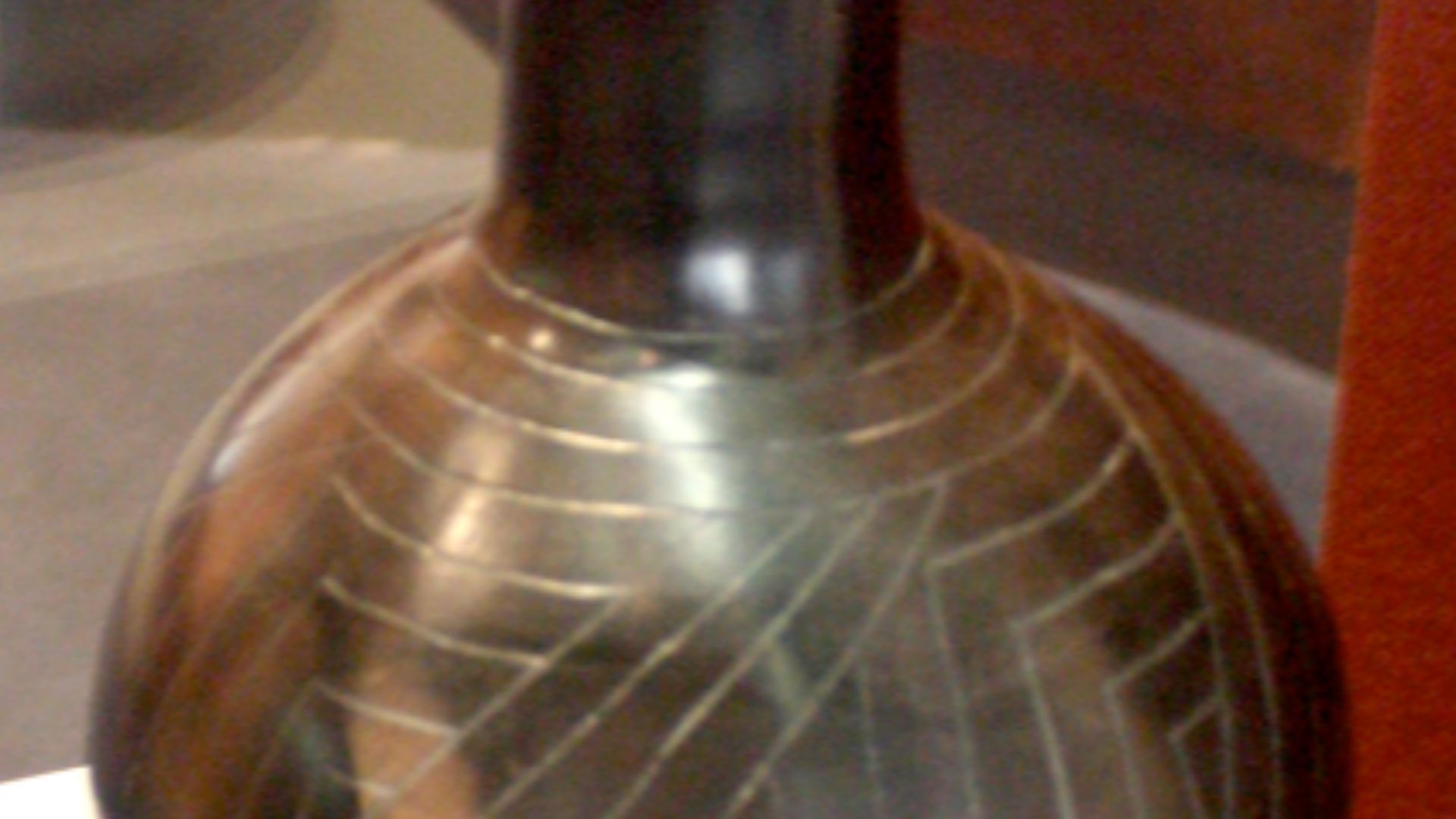
Ancient Caddo artists created remarkably realistic ceramic head pots, complete with modeled faces, pierced ears and painted designs. These rare vessels were often placed in graves. Nobody knows exactly whom the faces represent, but they are detailed enough to feel like portraits.
California: The Mastodon That Should Not Be There
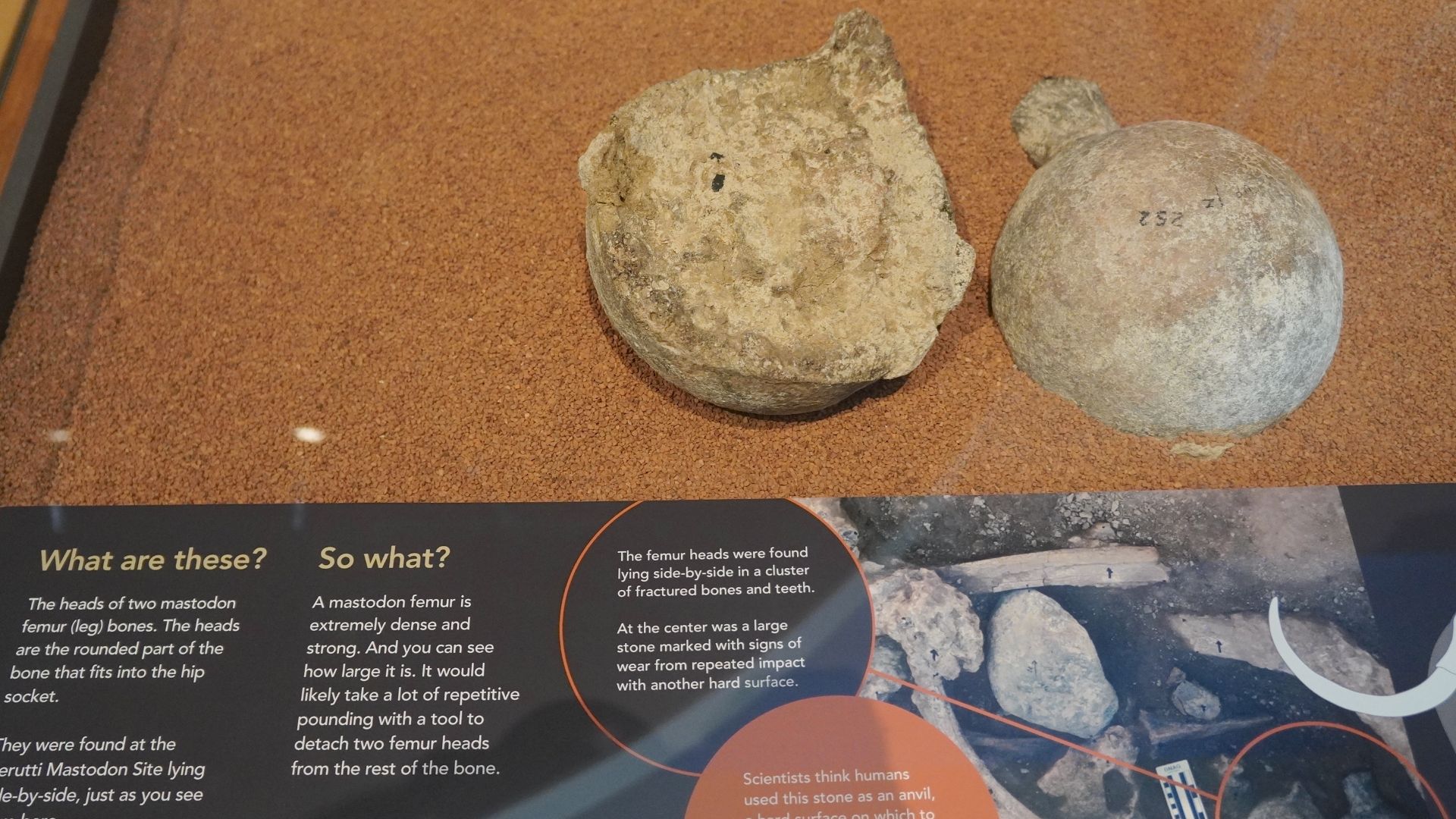
Broken mastodon bones and battered stones at the Cerutti Mastodon site were interpreted as evidence that humans, or another hominin, reached California 130,000 years ago. That would rewrite American prehistory completely. Many experts dispute the claim, which only makes the discovery stranger.
Colorado: A River Of Bison Bones
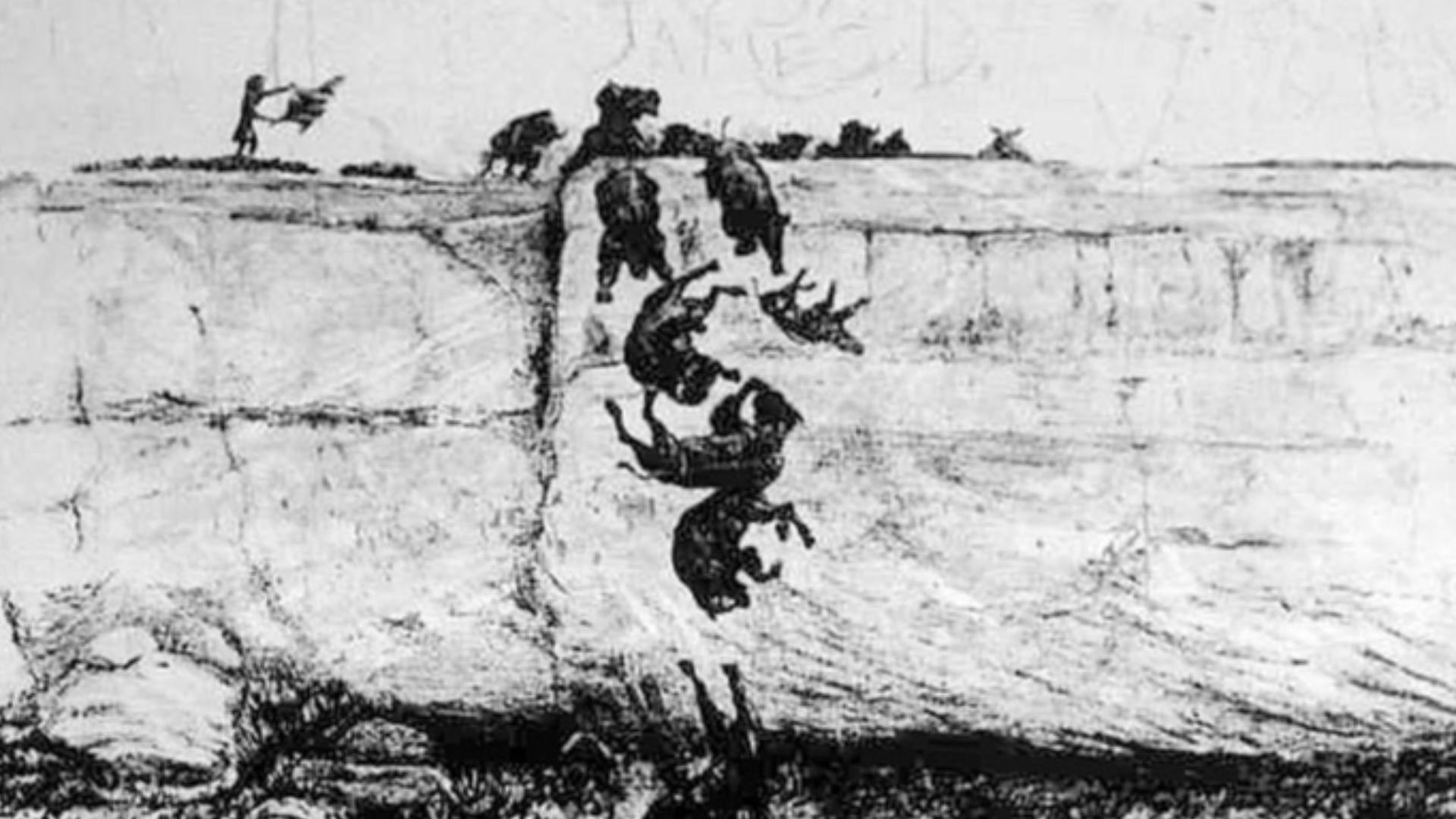
At the Olsen-Chubbuck site, archaeologists uncovered the tightly packed remains of nearly 200 extinct bison. Hunters apparently drove the herd into an arroyo around 10,000 years ago, then processed the animals in an organized operation that left an astonishing river of bones behind.
 Unknown author, Wikimedia Commons
Connecticut: The So-Called Vampire Burial
A 19th-century grave in Griswold contained a man whose skull and thigh bones had been rearranged. Researchers believe members of the community may have reopened his grave during a tuberculosis outbreak, performing a ritual intended to stop the deceased from returning and harming his family.

Delaware: An Entire Store On The Seafloor
The Roosevelt Inlet shipwreck scattered thousands of 18th-century objects near Lewes. Bottles, ceramics, coins, shoe buckles and other goods covered the seabed like the inventory of a floating department store. The vessel’s identity is still uncertain, even after years of excavation.
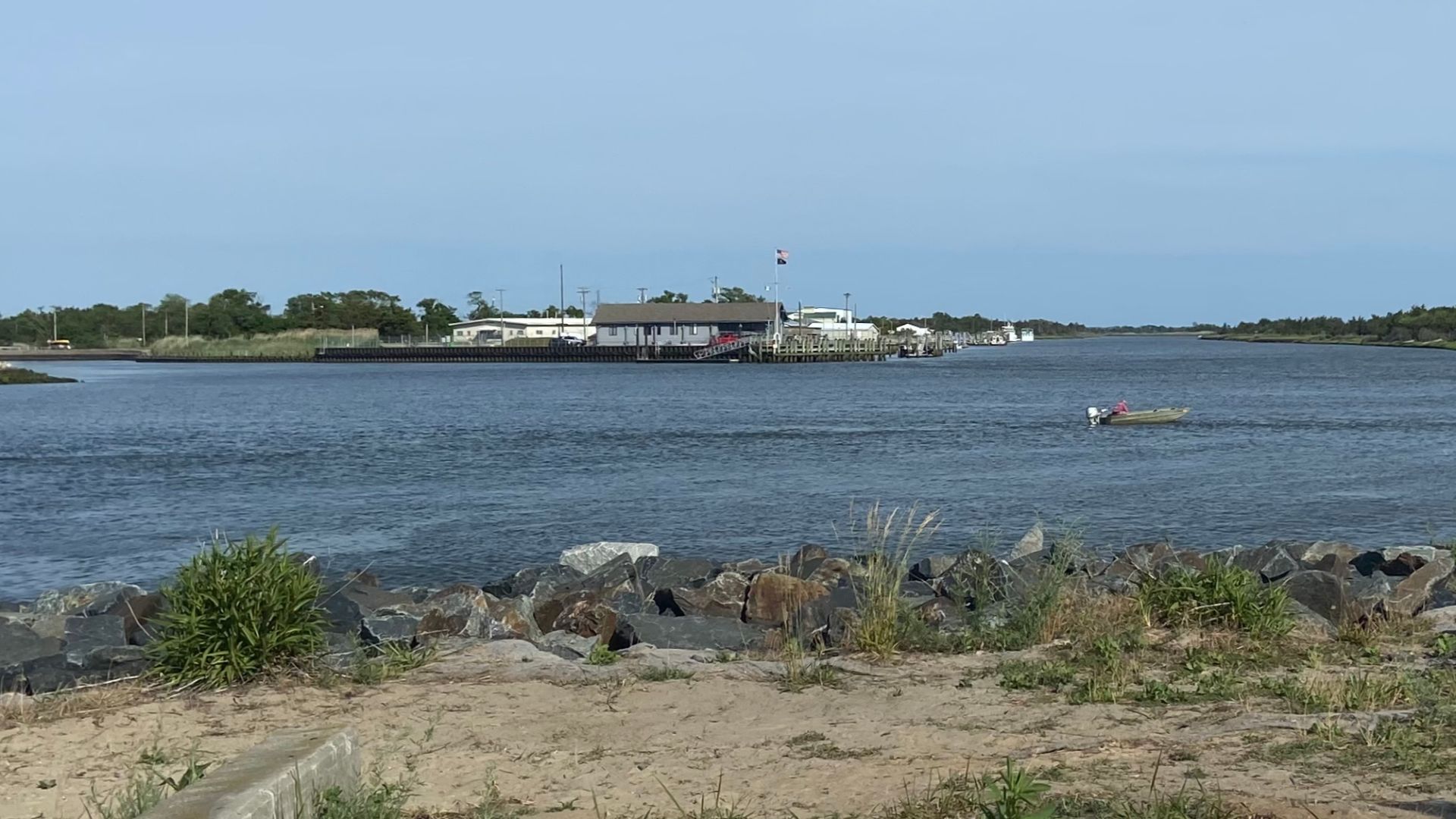
Florida: Ancient Brain Tissue In A Pond
Florida’s Windover Pond contained the remains of 168 people dating back as much as 8,000 years. The pond’s unusual chemistry preserved woven fabric, wooden objects and even brain tissue inside 91 skulls. It was the kind of soft tissue archaeologists would ordinarily expect to disappear completely.
 ROY KLOTZ MD, Wikimedia Commons
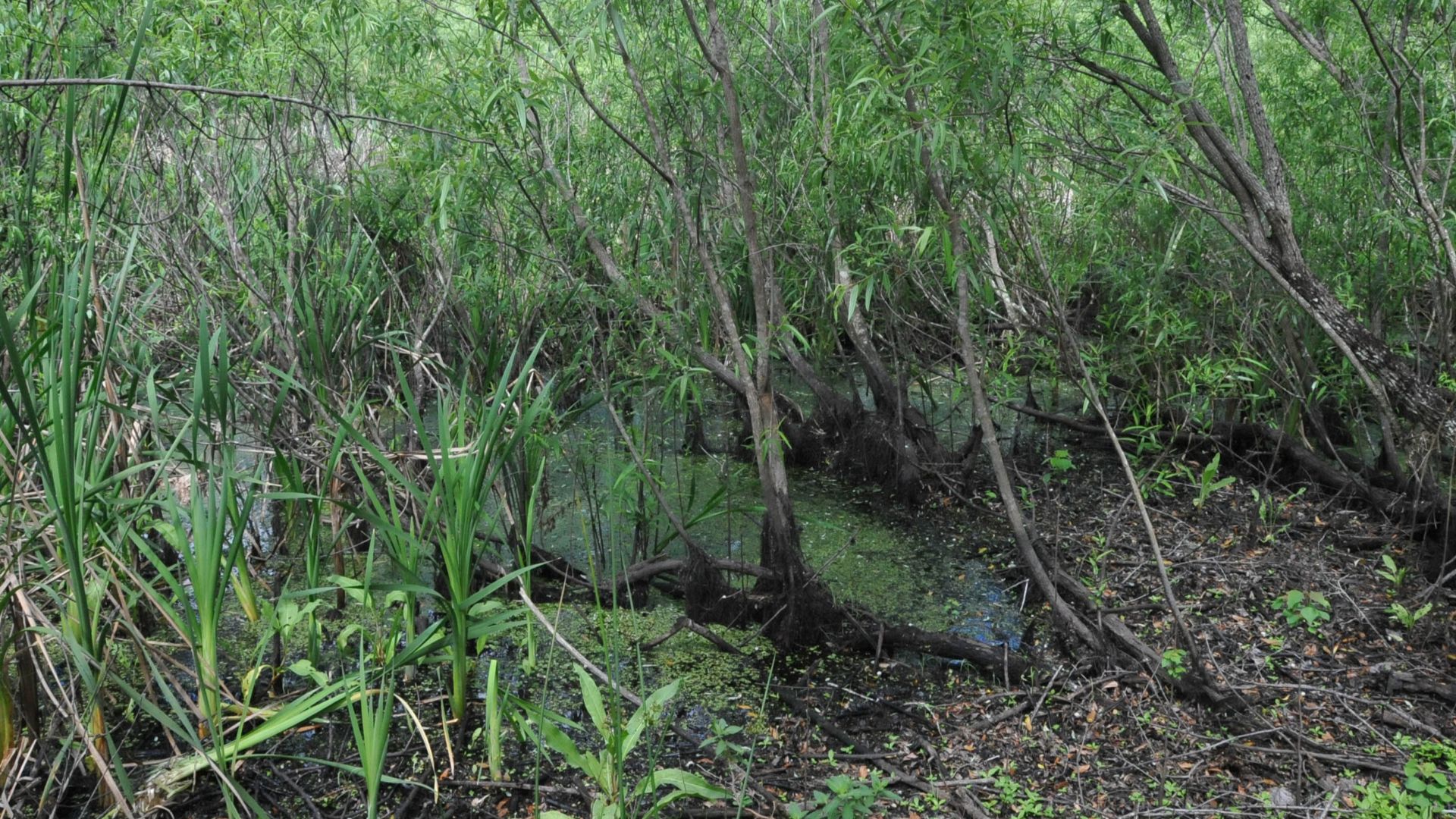
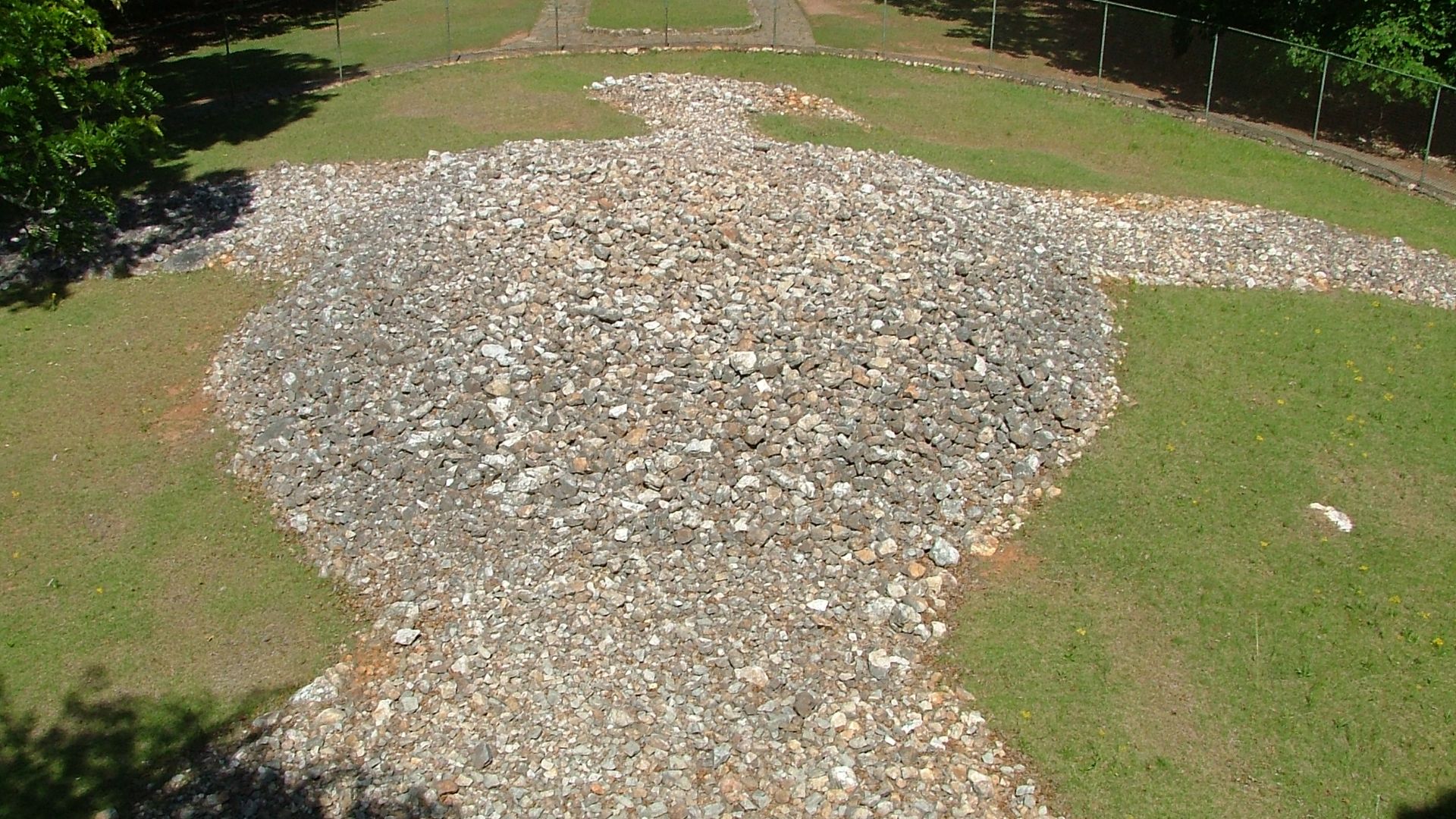
Georgia: A Giant Bird Made From Quartz
Georgia’s Rock Eagle is an enormous bird-shaped mound constructed from thousands of pieces of white quartz. Its wings stretch roughly 120 feet across. Whether it represents an eagle, another bird or something more symbolic has never been settled.
 Brian McInturff, Wikimedia Commons
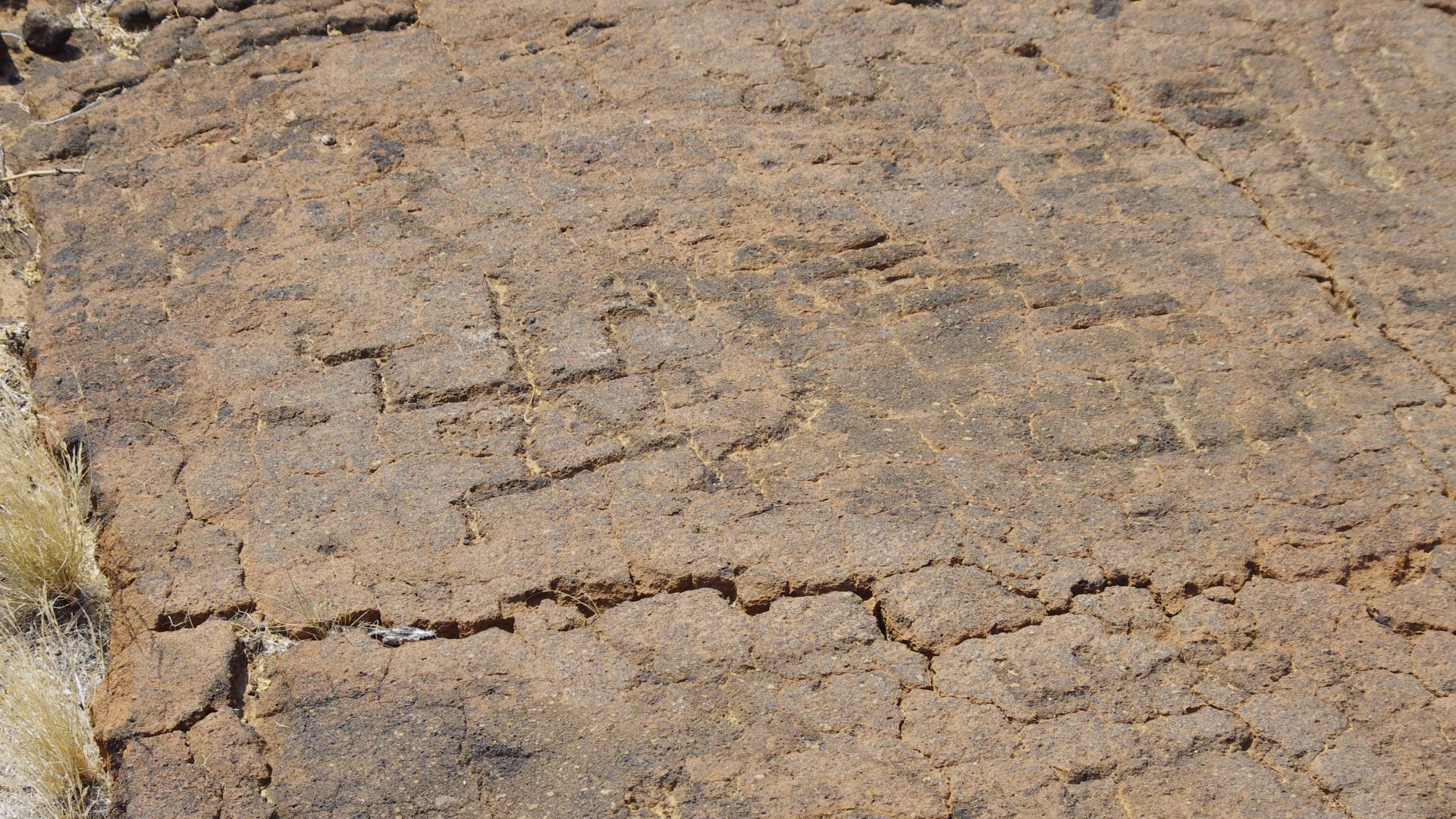
Hawaii: Figures That Appear From Beneath The Sand
A large panel of Hawaiian petroglyphs at Pōkaʻi Bay spends much of its time buried beneath beach sand. When waves expose it, 26 carvings appear, including 18 humanlike figures. The largest stands more than two meters, or roughly 6.5 feet, tall.
 Ken and Nyetta, Wikimedia Commons
Idaho: Stone Points Older Than Clovis
Archaeologists at Cooper’s Ferry found projectile points dating back roughly 16,000 years. They look nothing like the famous Clovis points once associated with America’s earliest inhabitants. Their age and shape suggest a much older, more complicated human story than archaeologists previously imagined.
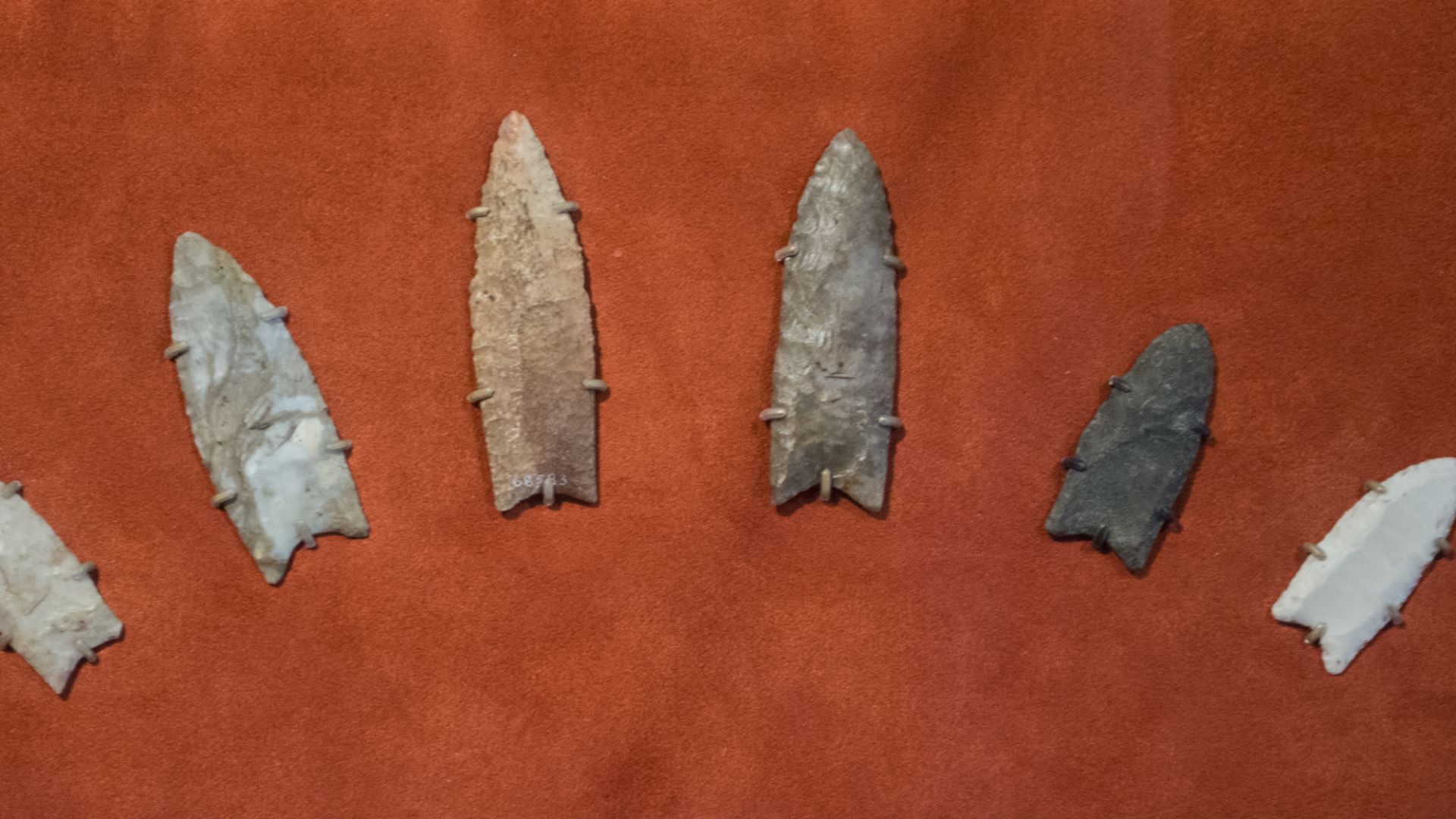 Tim Evanson, Wikimedia Commons
Illinois: A Bobcat Buried Like A Pet
Inside an ancient burial mound, researchers found a young bobcat wearing a collar made from shells and animal teeth. The roughly 2,000-year-old animal had been carefully buried, an exceptionally rare example of people giving a wild cat treatment normally reserved for humans or domesticated dogs.
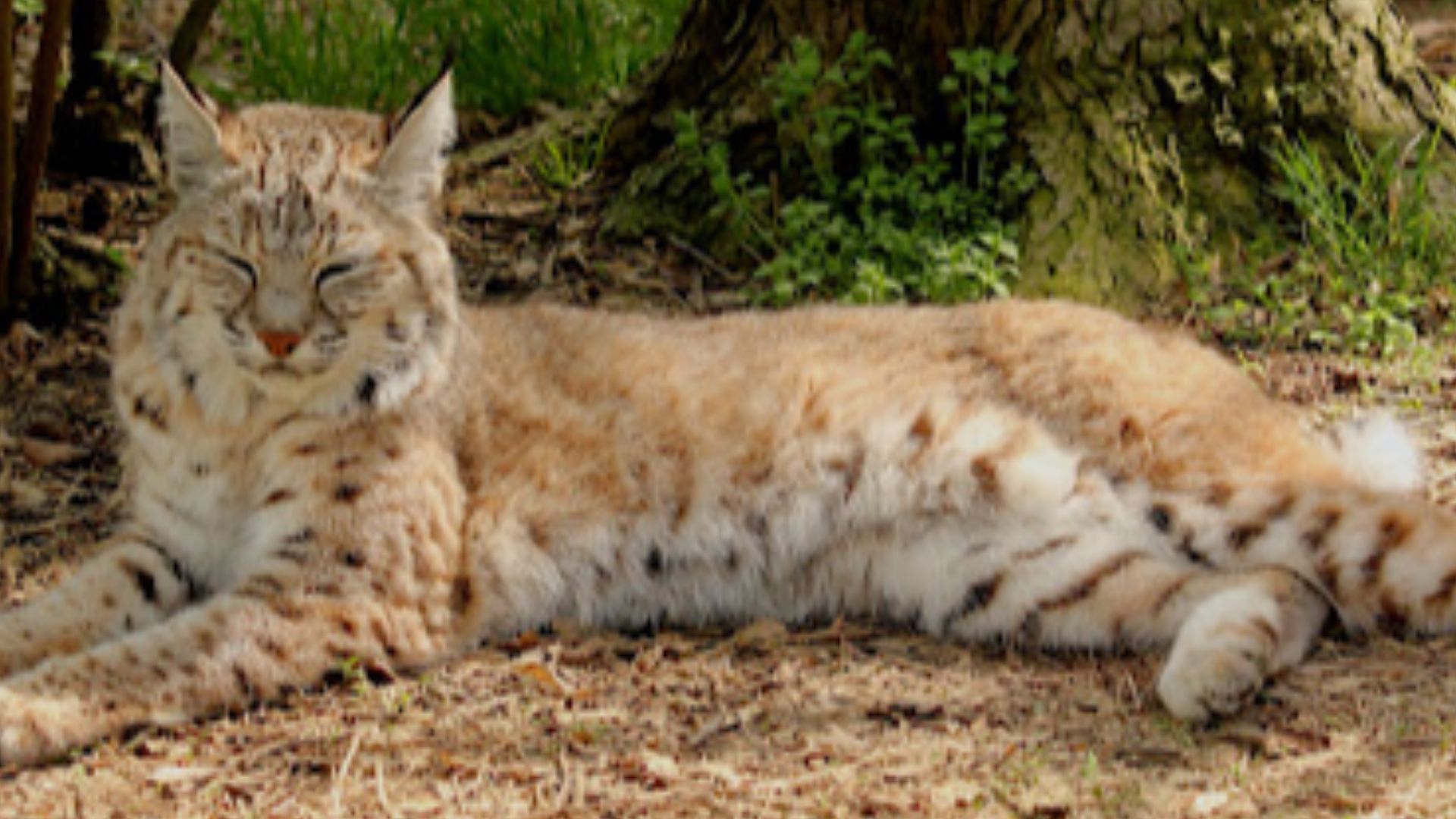 Maria de Bruyn, Wikimedia Commons
Indiana: A Skull That Turned A Police Case Into Archaeology
A skull fragment recovered from the Whitewater River initially appeared recent enough for a criminal investigation. Radiocarbon testing produced a very different answer: the person had lived around 4,200 years ago. One test transformed an unidentified modern case into an ancient archaeological discovery.
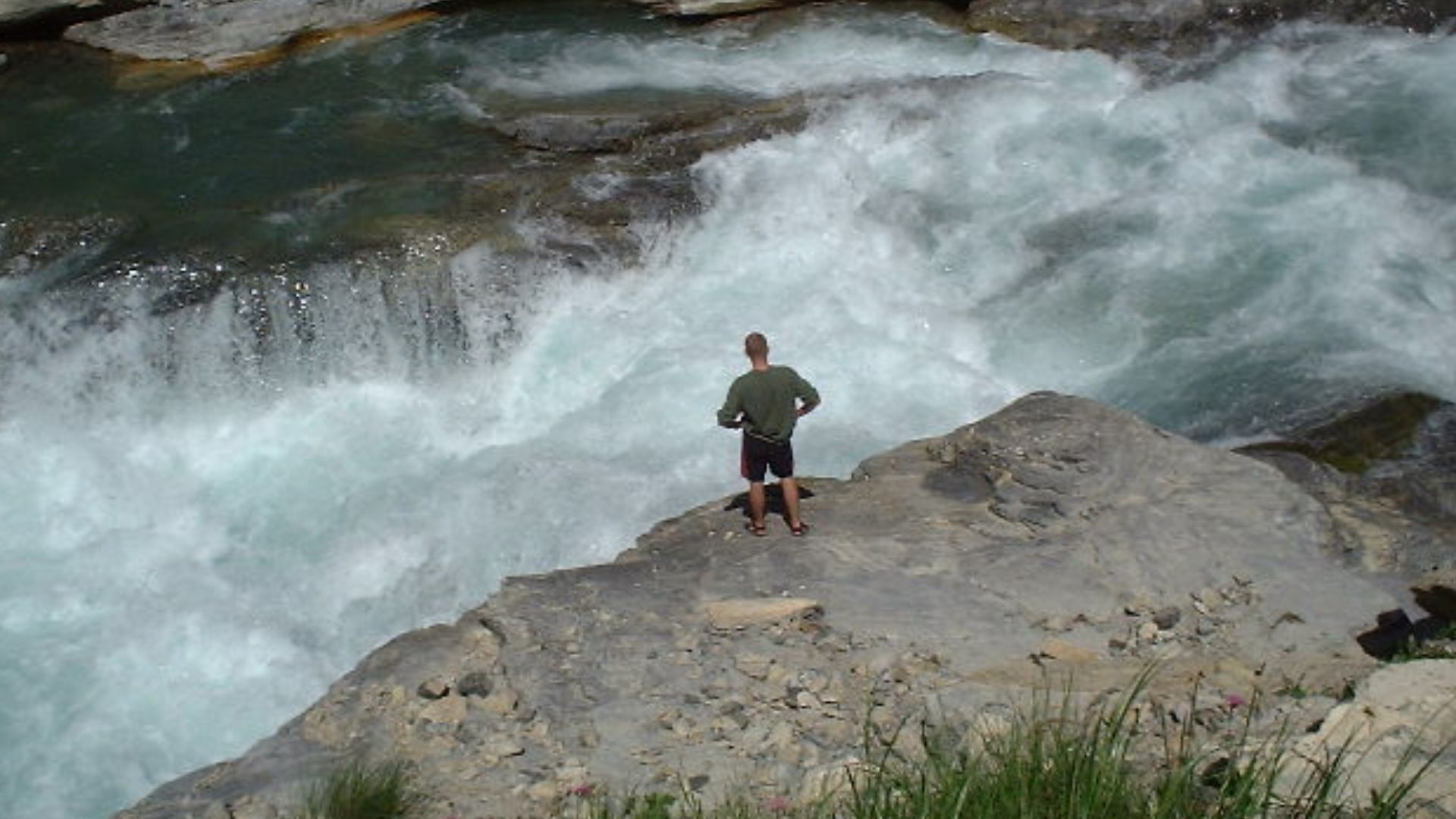
Iowa: Animals Sculpted From The Earth
The builders of Iowa’s effigy mounds shaped entire hills into birds, bears, turtles and other beings. Some contained burials, while others may have marked stories, clans or sacred places. Their full meaning was never written down and remains known most deeply through descendant communities.
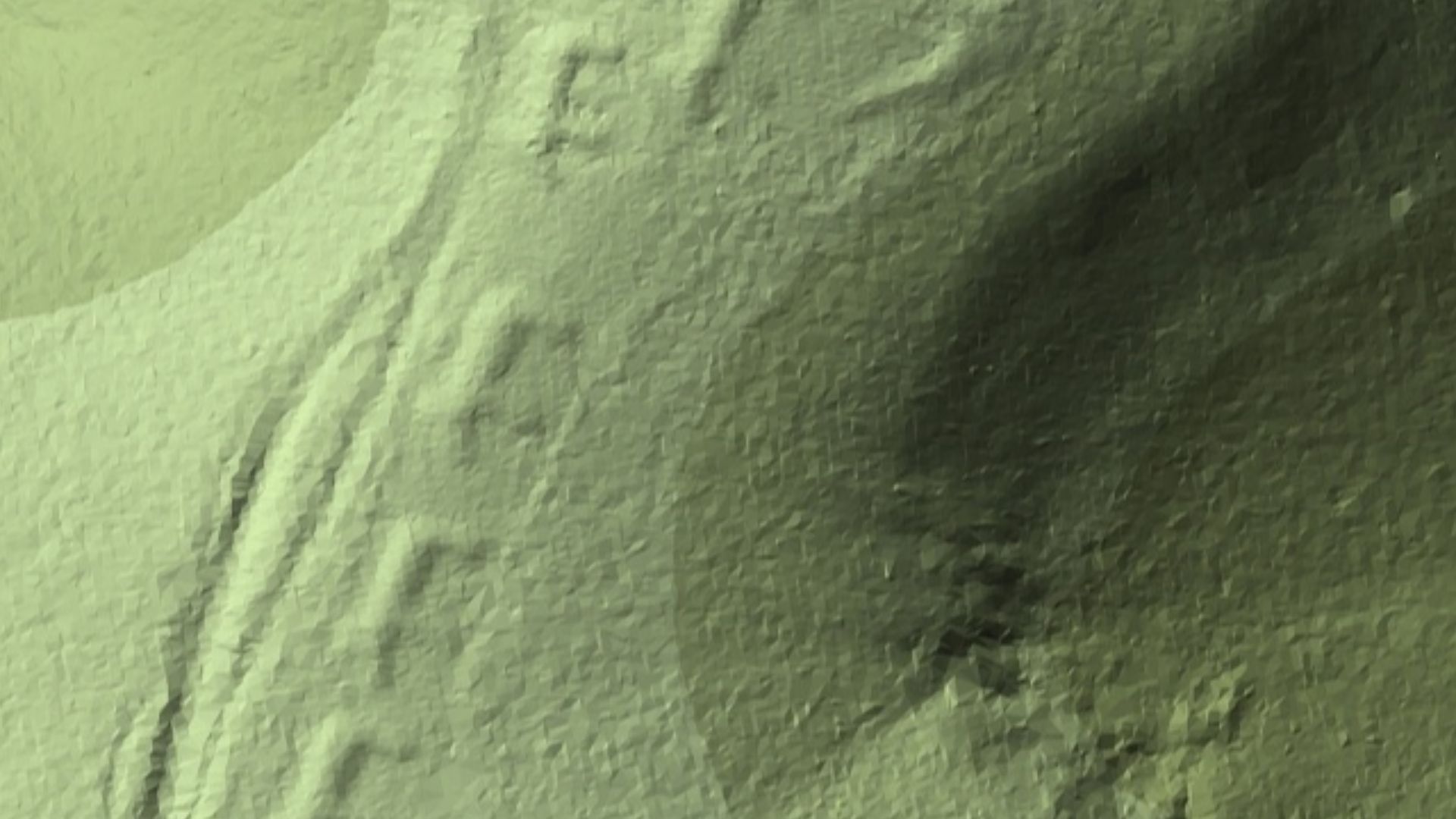 U.S. National Park Service, U.S. Geological Survey, Wikimedia Commons
Kansas: A Lost City Found With A Cannonball
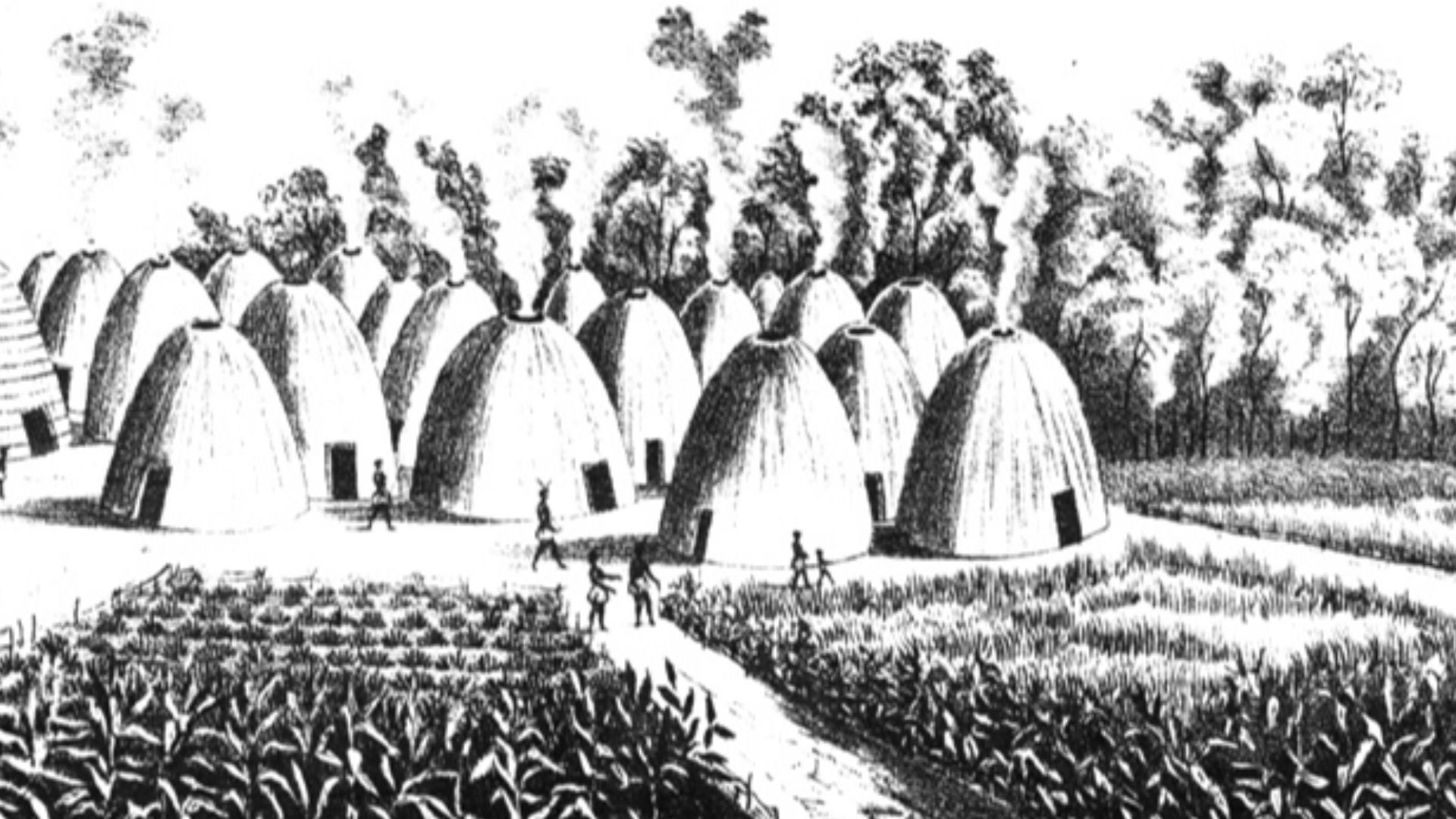
Spanish accounts described a vast settlement called Etzanoa, possibly home to thousands of people. For centuries, many dismissed it as exaggeration. Then archaeologists found extensive settlement evidence near Arkansas City, along with a Spanish cannonball connected to a battle fought there in 1601.
 Unknown authorUnknown author, Wikimedia Commons
Kentucky: A Miner Trapped Inside Mammoth Cave
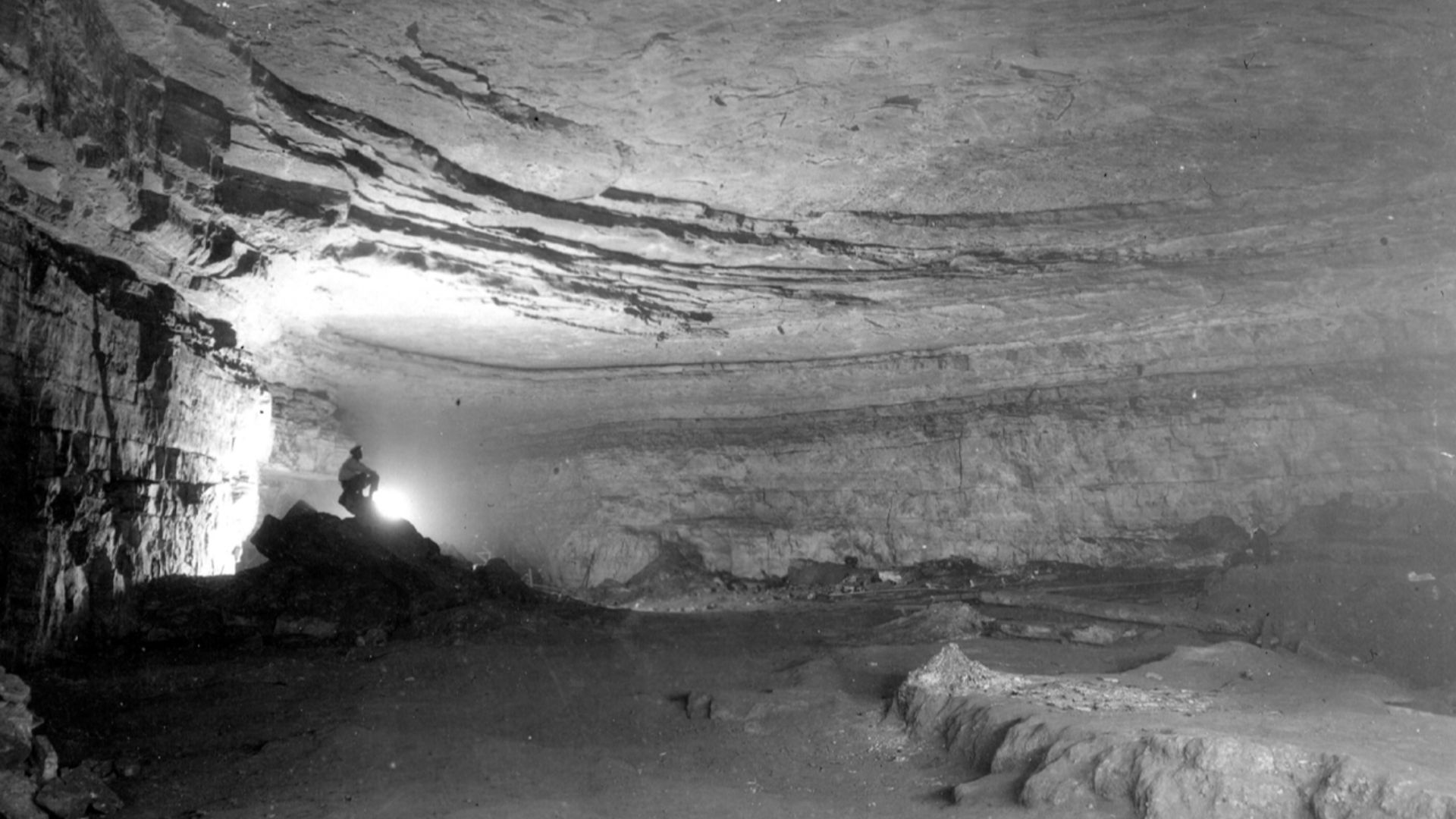
Thousands of years ago, Indigenous miners traveled miles into Mammoth Cave to collect minerals. One never returned. Archaeologists found the miner beneath a fallen boulder deep underground, still surrounded by evidence of ancient torches and mining activity far beyond the reach of daylight.
 Willis Thomas Lee, Wikimedia Commons
Louisiana: Ancient Mounds Beside A College Stadium
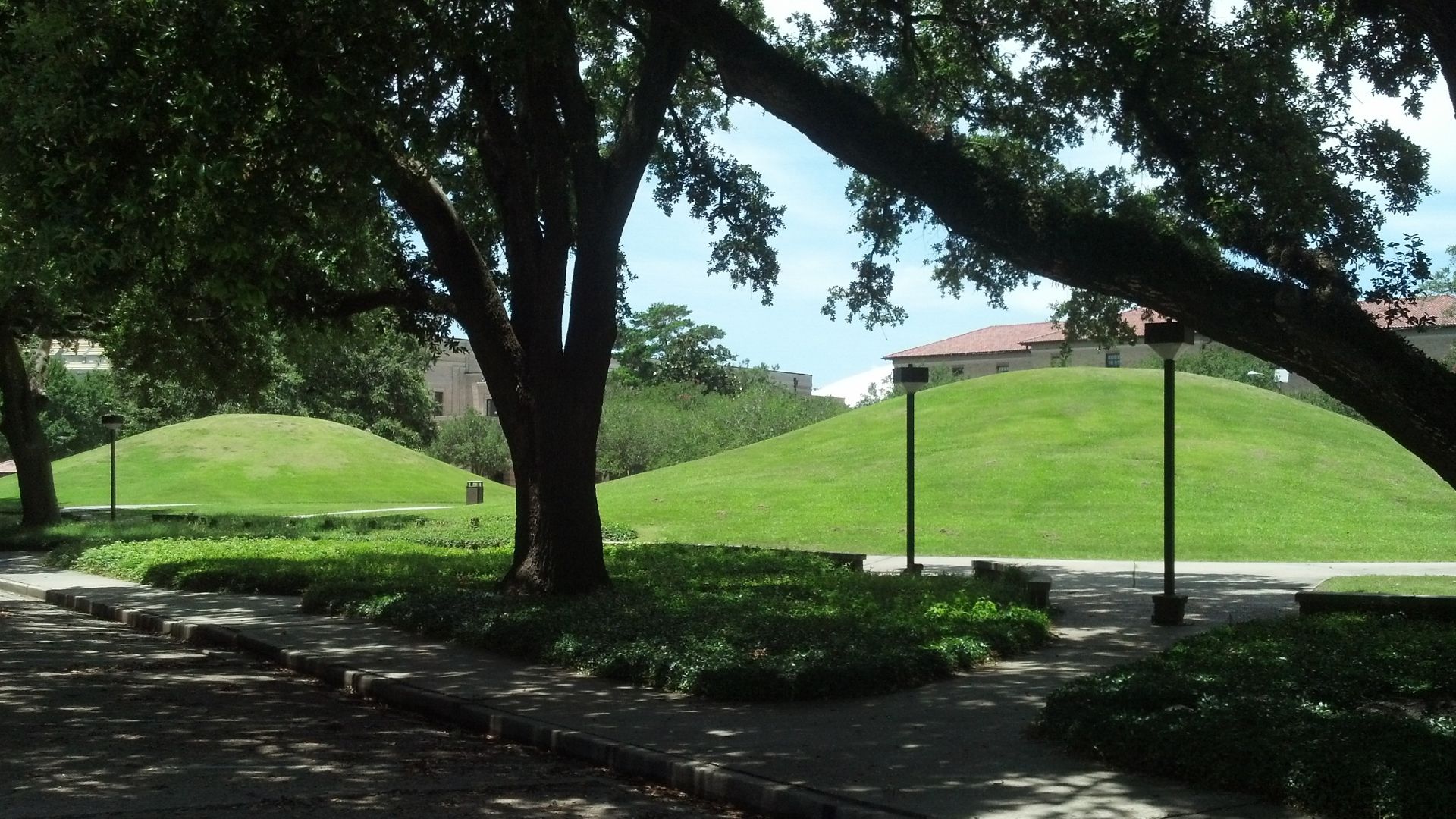
The two grassy mounds on Louisiana State University’s campus look almost decorative. Yet one controversial study argues that construction of Mound B began more than 11,000 years ago. That date remains disputed, but if correct, one of America’s oldest human-built structures sits beside a college stadium.
Maine: Swordfish Bones In Ancient Coastal Sites
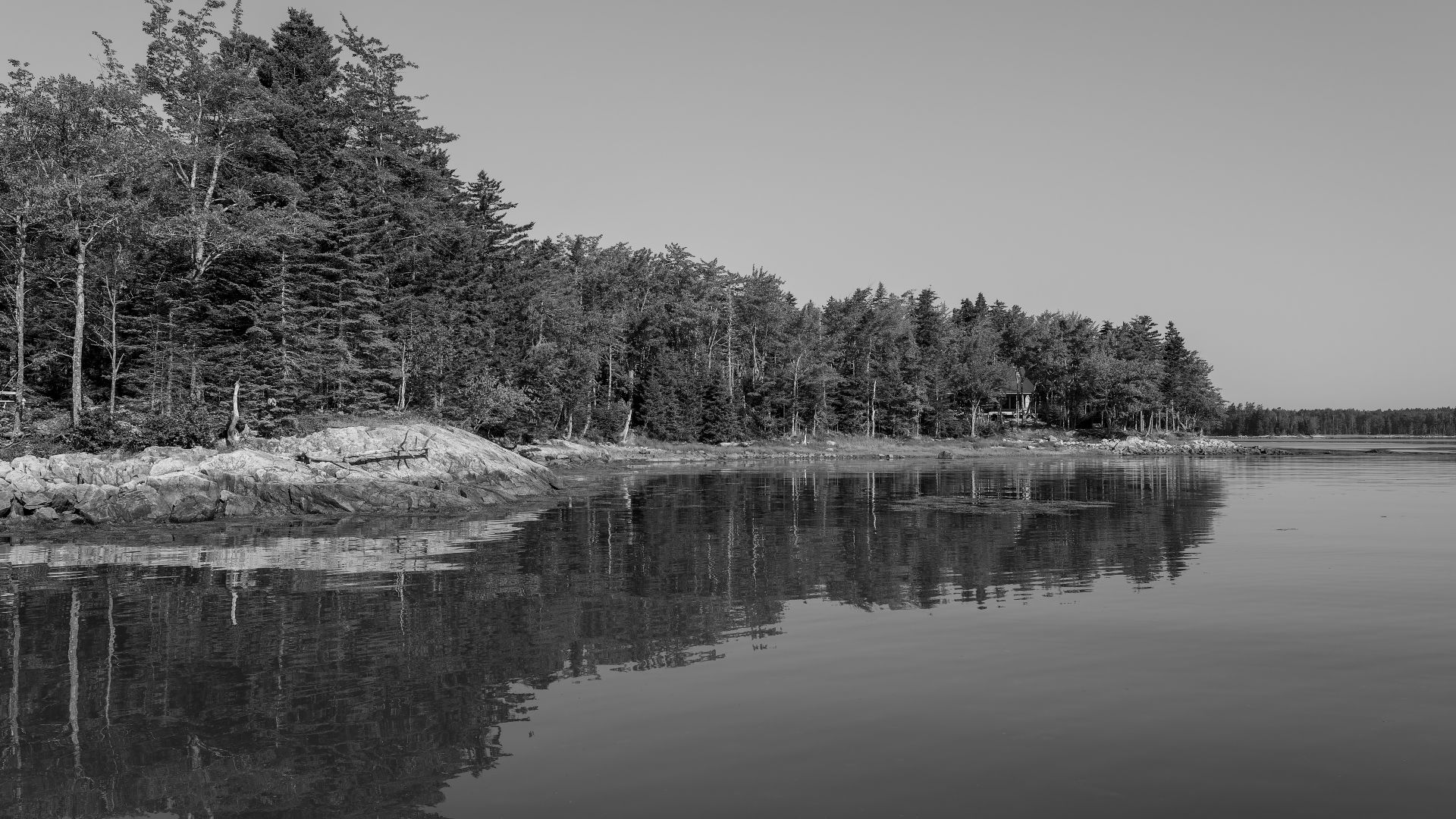
Maine’s ancient coastal sites contained red ochre burials, specialized maritime tools and swordfish bones dating back roughly 4,000 years. The fish entered the Gulf of Maine’s warmer inshore waters, where Indigenous communities caught them using watercraft and equipment that rarely survives in the archaeological record.
 Jules Verne Times Two, Wikimedia Commons
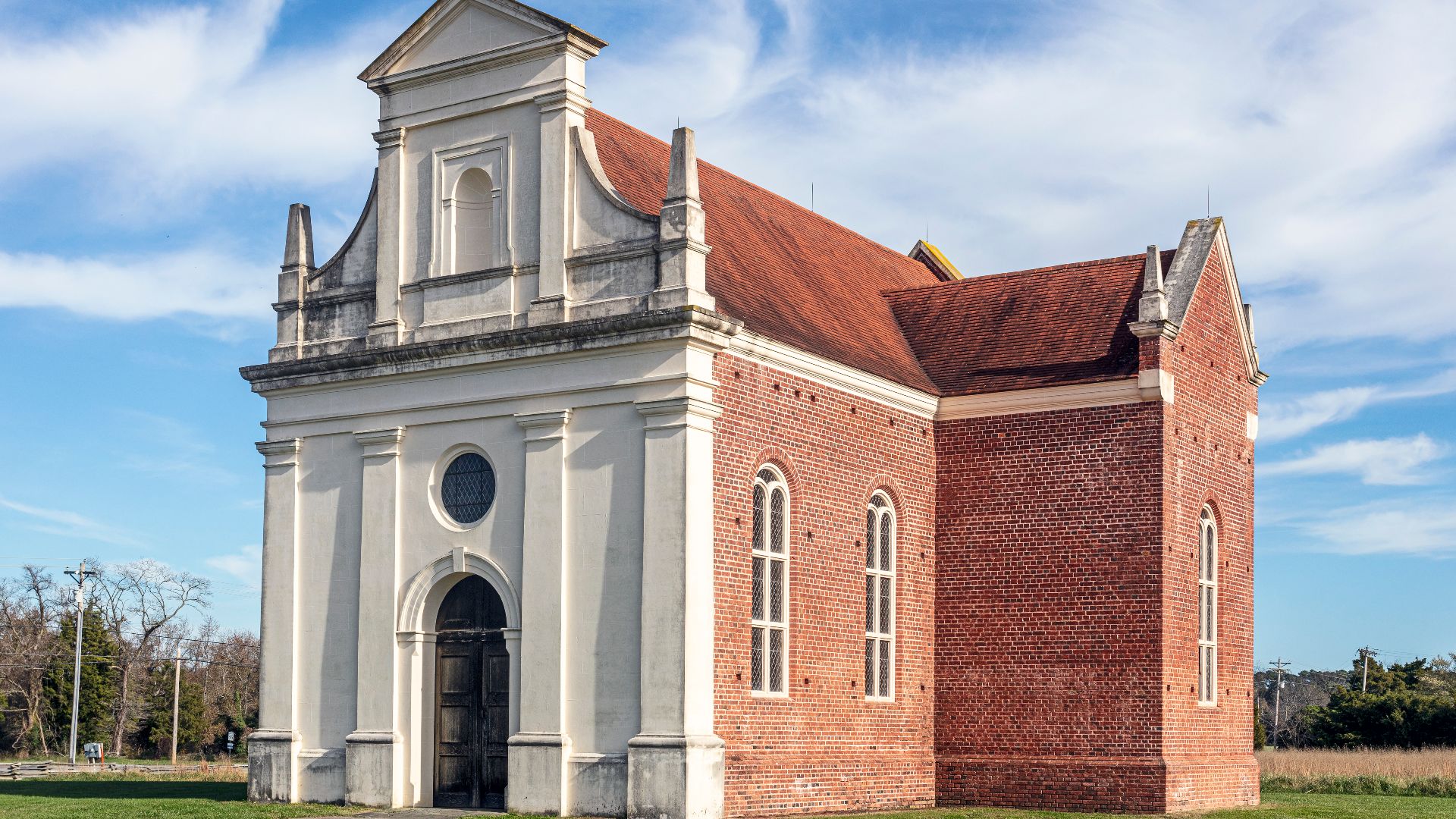
Maryland: Three Coffins Sealed In Lead
Beneath a 17th-century Catholic chapel at St. Mary’s City, archaeologists uncovered three lead coffins. Because opening them could destroy what remained inside, researchers used medical imaging, NASA technology and chilled argon gas to investigate the mysterious members of Maryland’s colonial elite.
Massachusetts: More Than 8,000 Objects In An Outhouse
An old privy behind an Endicott Street brothel became an archaeological time capsule. Excavators recovered more than 8,000 objects, including jewelry, medicine bottles, toys, cosmetics and bird feeders. Apparently, almost anything could end its working life at the bottom of a 19th-century outhouse.
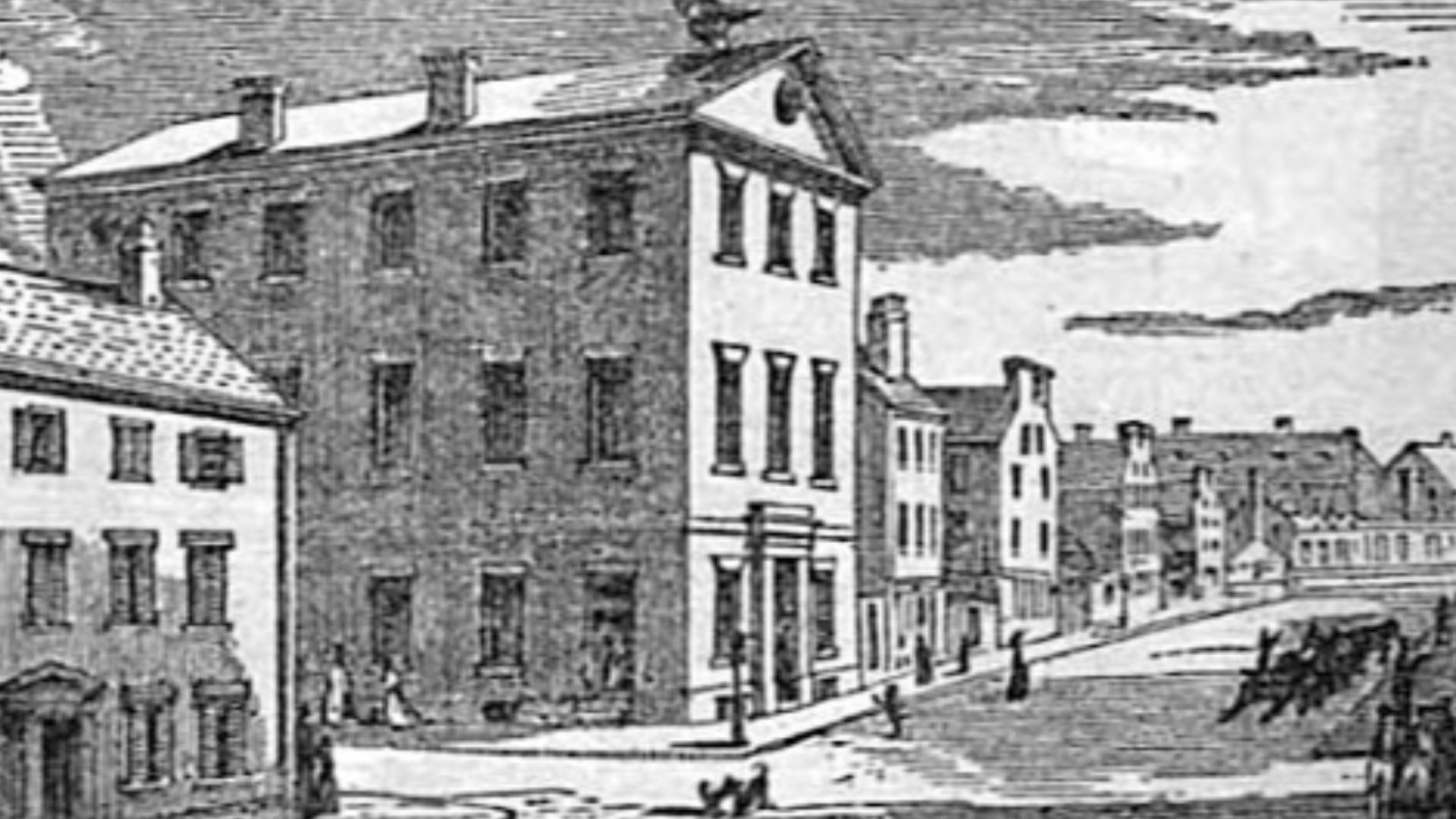
Michigan: A Hunting Camp Beneath Lake Huron
Roughly 120 feet beneath Lake Huron lies a 9,000-year-old caribou hunting structure. Stone lanes and blinds once stood on dry land, guiding animals toward waiting hunters. Rising water eventually submerged the landscape and preserved the entire operation beyond the reach of later development.
 Kwamikagami, Wikimedia Commons
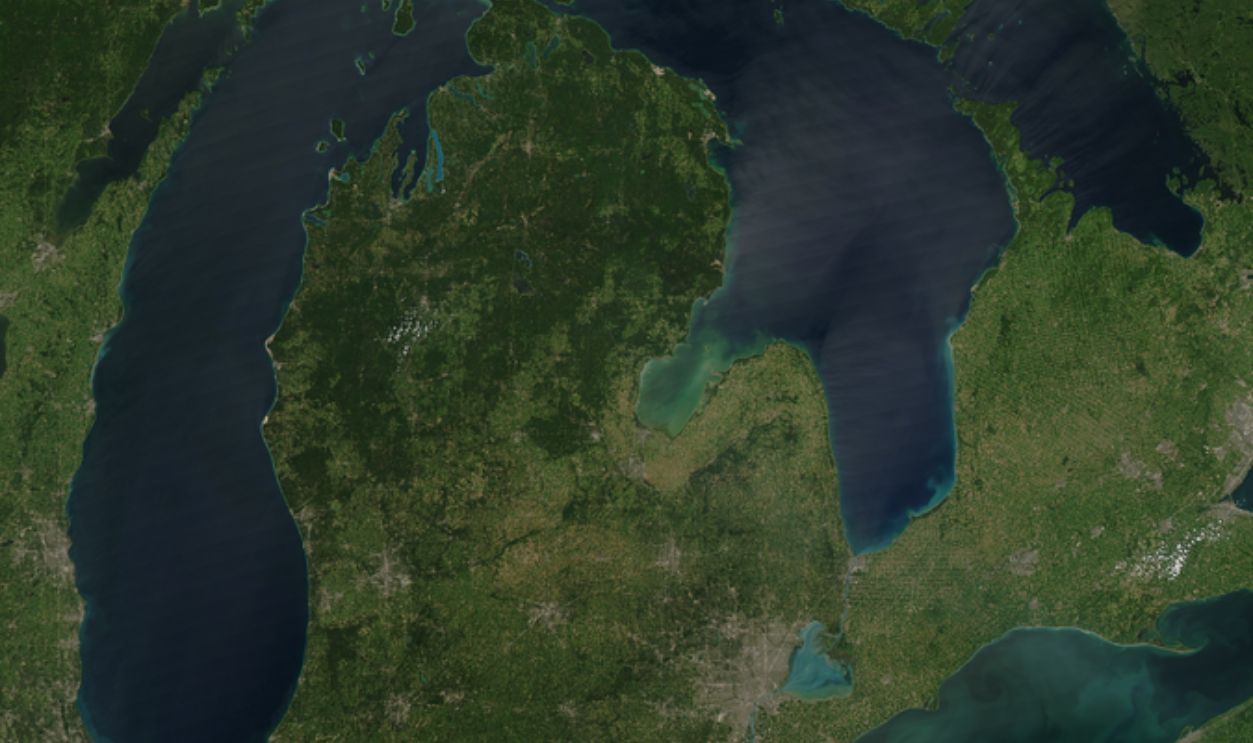
Minnesota: Thousands Of Carvings Beneath The Lichen
For years, many images at Jeffers Petroglyphs were concealed beneath lichen. Careful conservation revealed thousands more carvings of people, animals, tools and geometric forms. The rock face had not been empty. Much of its story had simply become invisible.
 Gutworth at English Wikipedia, Wikimedia Commons
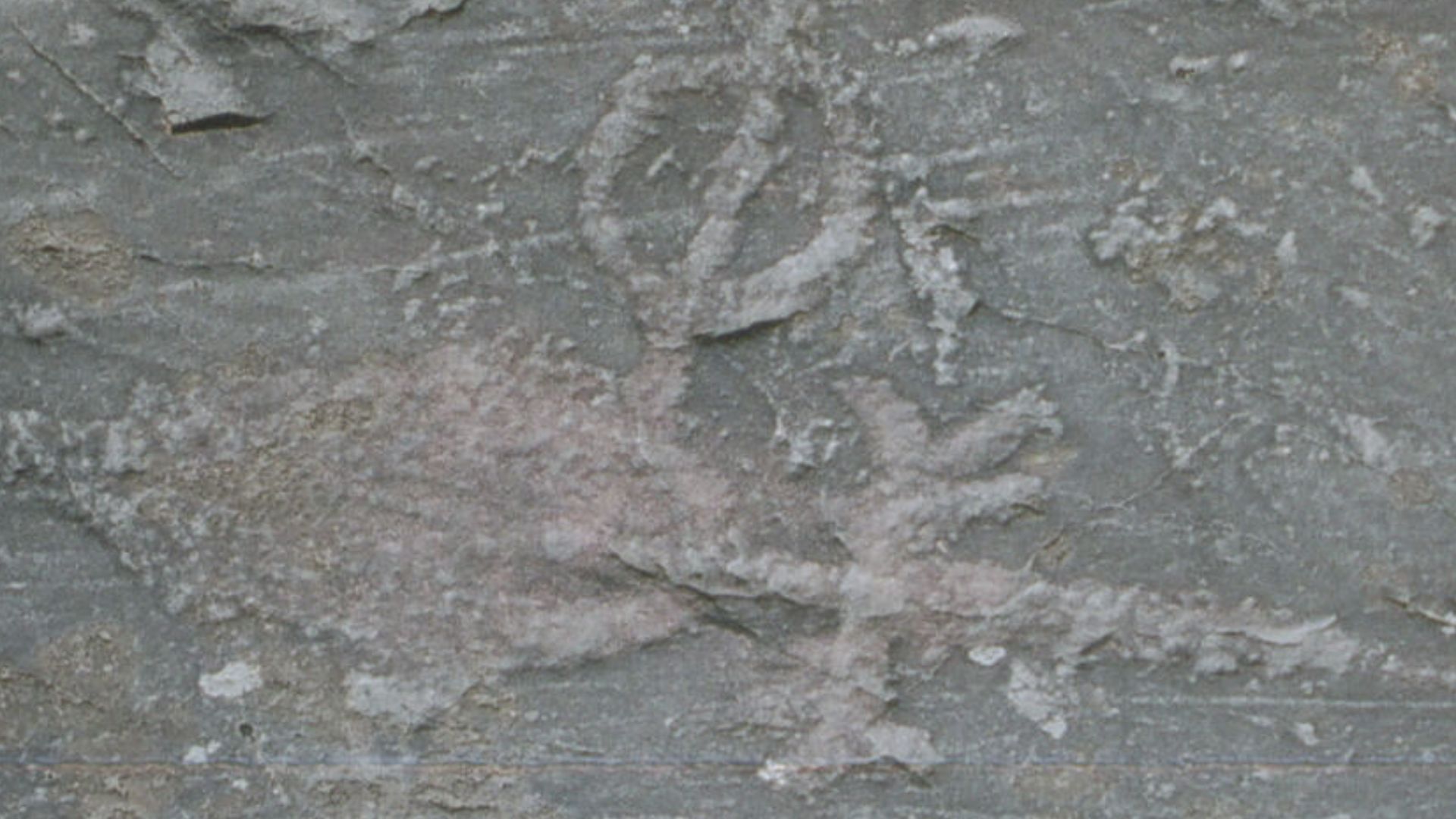
Mississippi: A Porcelain Gallbladder
While examining burials from a former asylum cemetery, researchers found a hard object resembling a small ceramic egg. It was actually an exceptionally rare completely calcified gallbladder. The condition is sometimes called a porcelain gallbladder, but archaeologists had apparently never published a discovery quite like it.
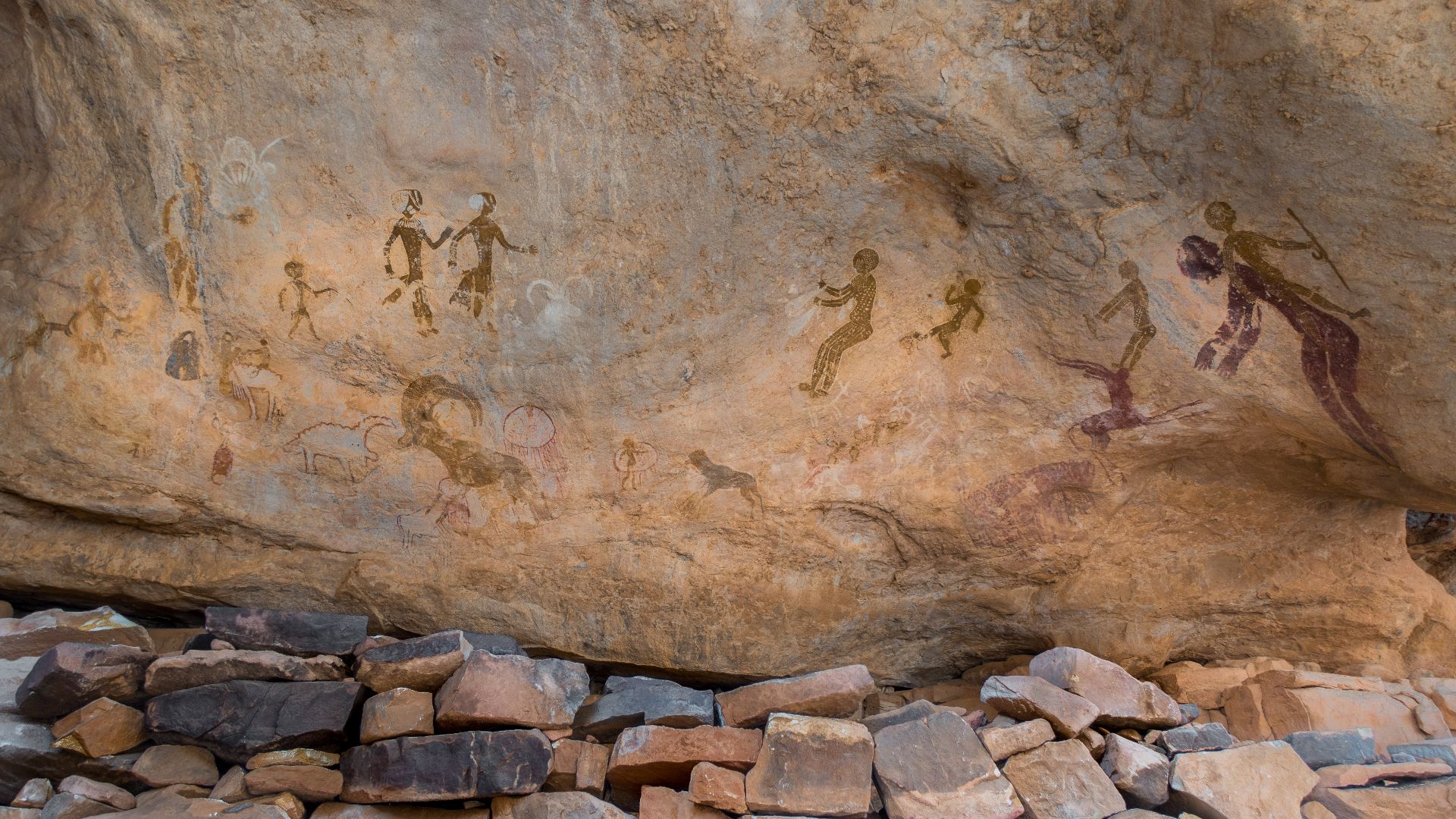
Missouri: A Painted Underworld Hidden In A Cave
The walls of Picture Cave contain dramatic red, black and white images created roughly 1,000 years ago. Humanlike figures, animals and supernatural beings cover the stone, forming one of North America’s most complex collections of Indigenous cave paintings.
 IssamBarhoumi, Wikimedia Commons
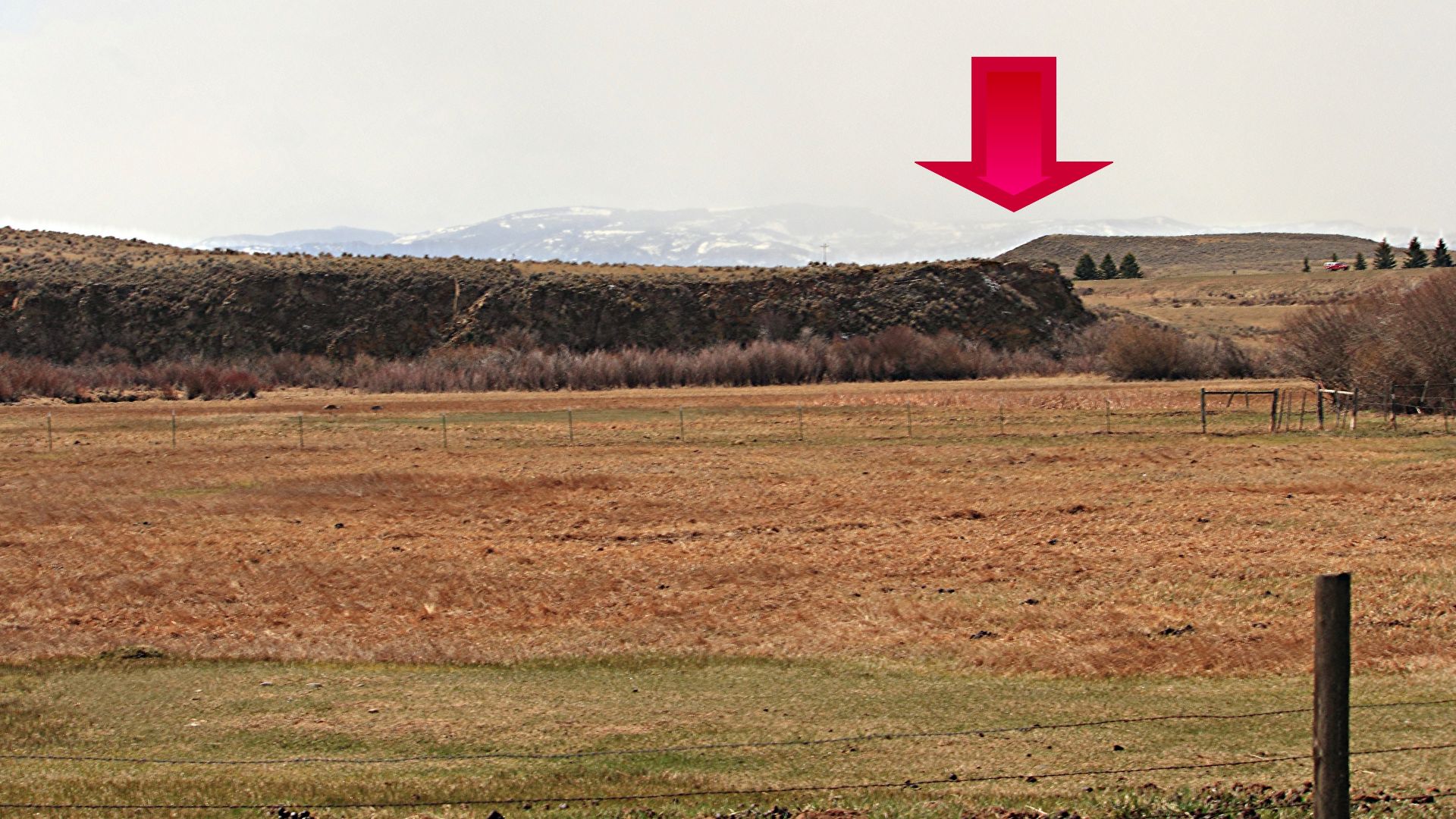
Montana: The Only Known Clovis Burial
The Anzick site contained the remains of a young child buried with more than 100 stone and antler artifacts, many coated in red ochre. Dating back roughly 12,600 years, it remains the only known burial associated with the ancient Clovis culture.
 Ronald L. Shimek, Ph. D., Wikimedia Commons
Nebraska: Hundreds Of Bison In One Bone Bed
At Hudson-Meng, the bones of hundreds of extinct bison form a dense layer beneath the prairie. The animals died around 10,000 years ago. Despite decades of research, archaeologists still debate whether hunters killed them or merely processed animals that died together naturally.
 SkybirdForever, Wikimedia Commons
Nevada: Duck Decoys Made 2,000 Years Ago
Inside Lovelock Cave, archaeologists discovered remarkably lifelike duck decoys made from bundled tule reeds. Their creators added feathers and painted details, producing hunting equipment that looks surprisingly modern. Some of the preserved decoys are more than 2,000 years old.
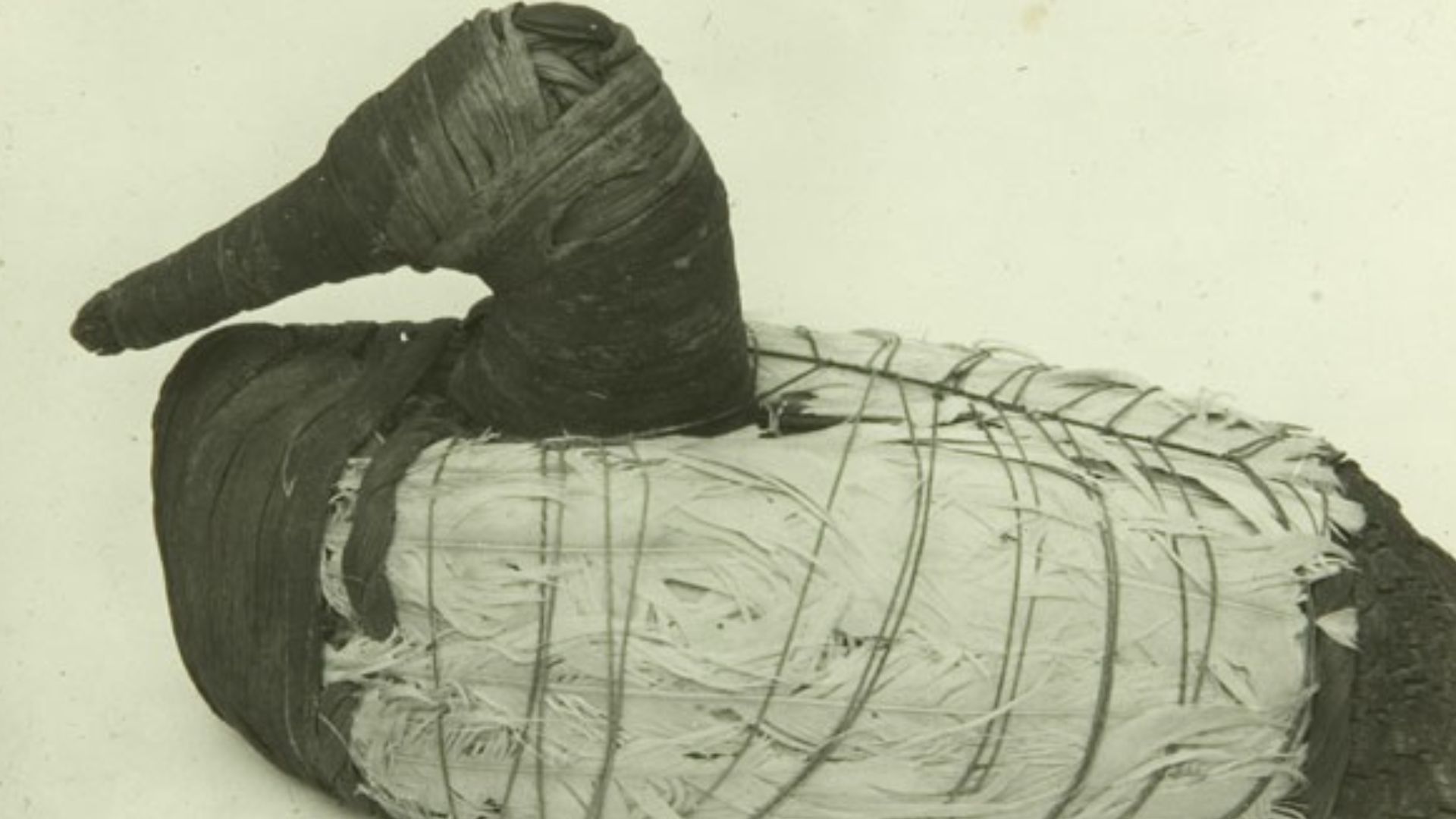 Harrington Mark R, Wikimedia Commons
New Hampshire: Canoes Deliberately Sunk In Lakes
Archaeologists have found old dugout canoes resting on New Hampshire lakebeds. Some were not accidents. People intentionally submerged canoes during winter, allowing cold water to preserve the wood until it was time to pull them back out and paddle again.
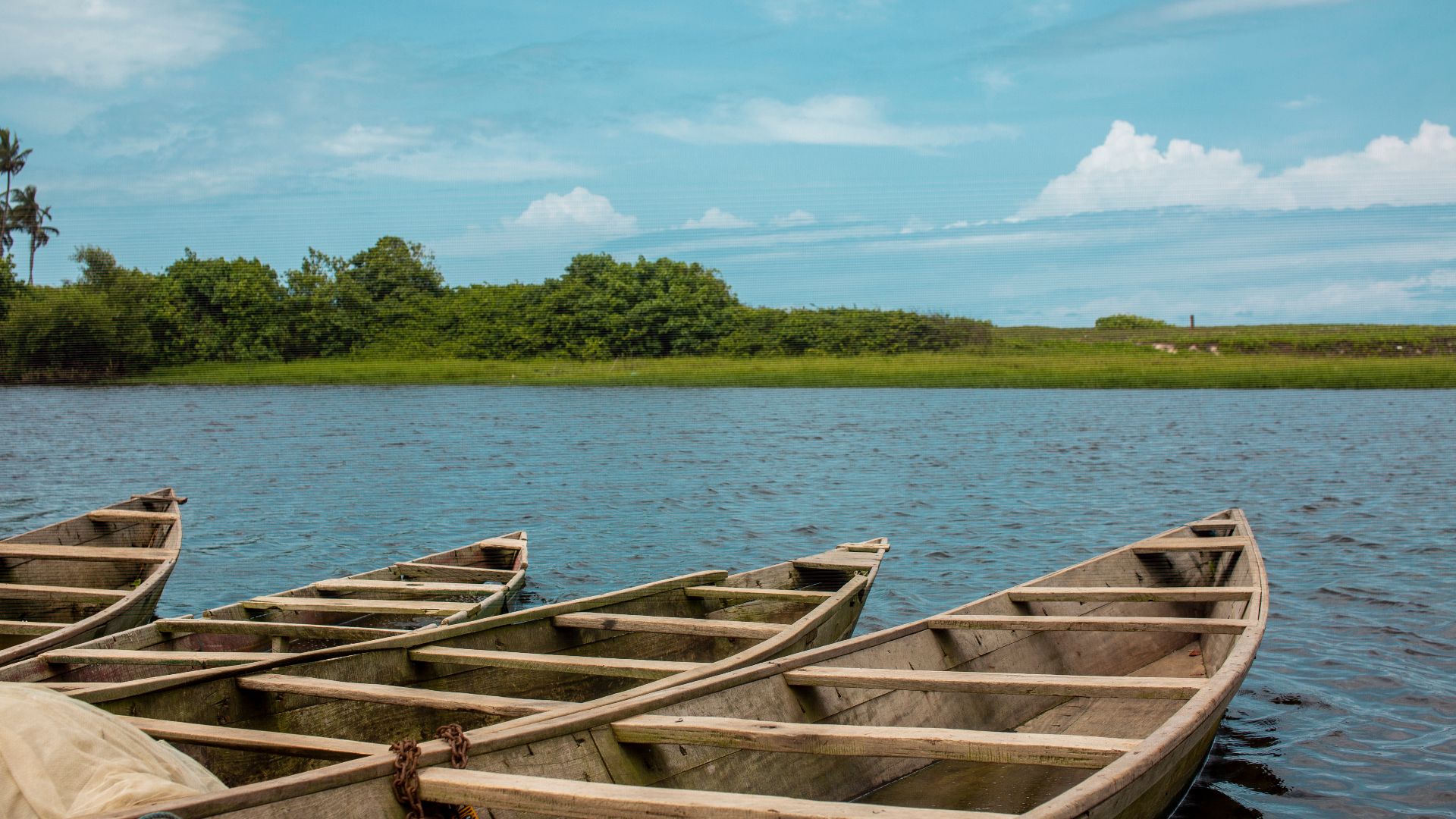 Goldenwabbit, Wikimedia Commons
New Jersey: Fifteen Soldiers Inside A Defensive Trench
Archaeologists searching for a Revolutionary War trench at Fort Mercer instead uncovered the remains of at least 15 Hessian soldiers. The men had fallen during the 1777 Battle of Red Bank and were placed together inside the very fortification they had attacked.
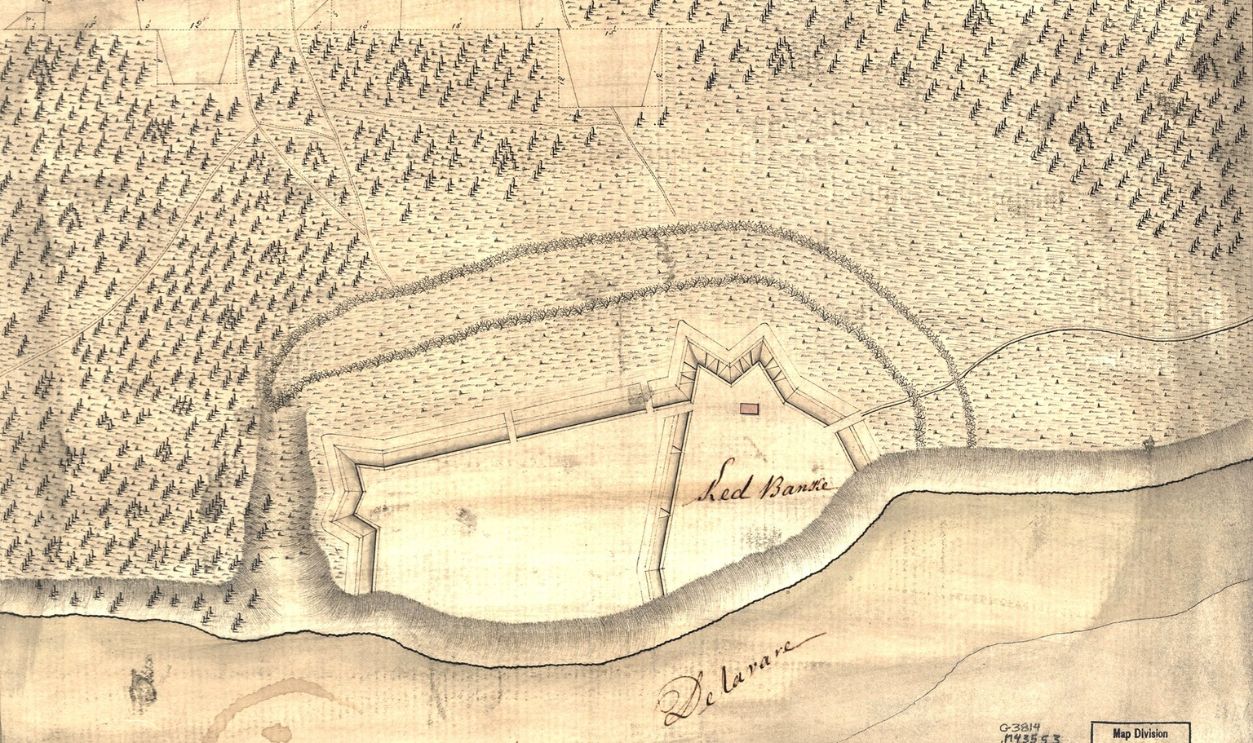 Unknown author, Wikimedia Commons
New Mexico: Chocolate Traveled 1,200 Miles
Chemical testing of ancient jars from Chaco Canyon detected traces of cacao. The plant could not grow anywhere nearby, meaning chocolate had traveled roughly 1,200 miles from Mesoamerica. Long before candy bars, it was already part of an enormous trade network.
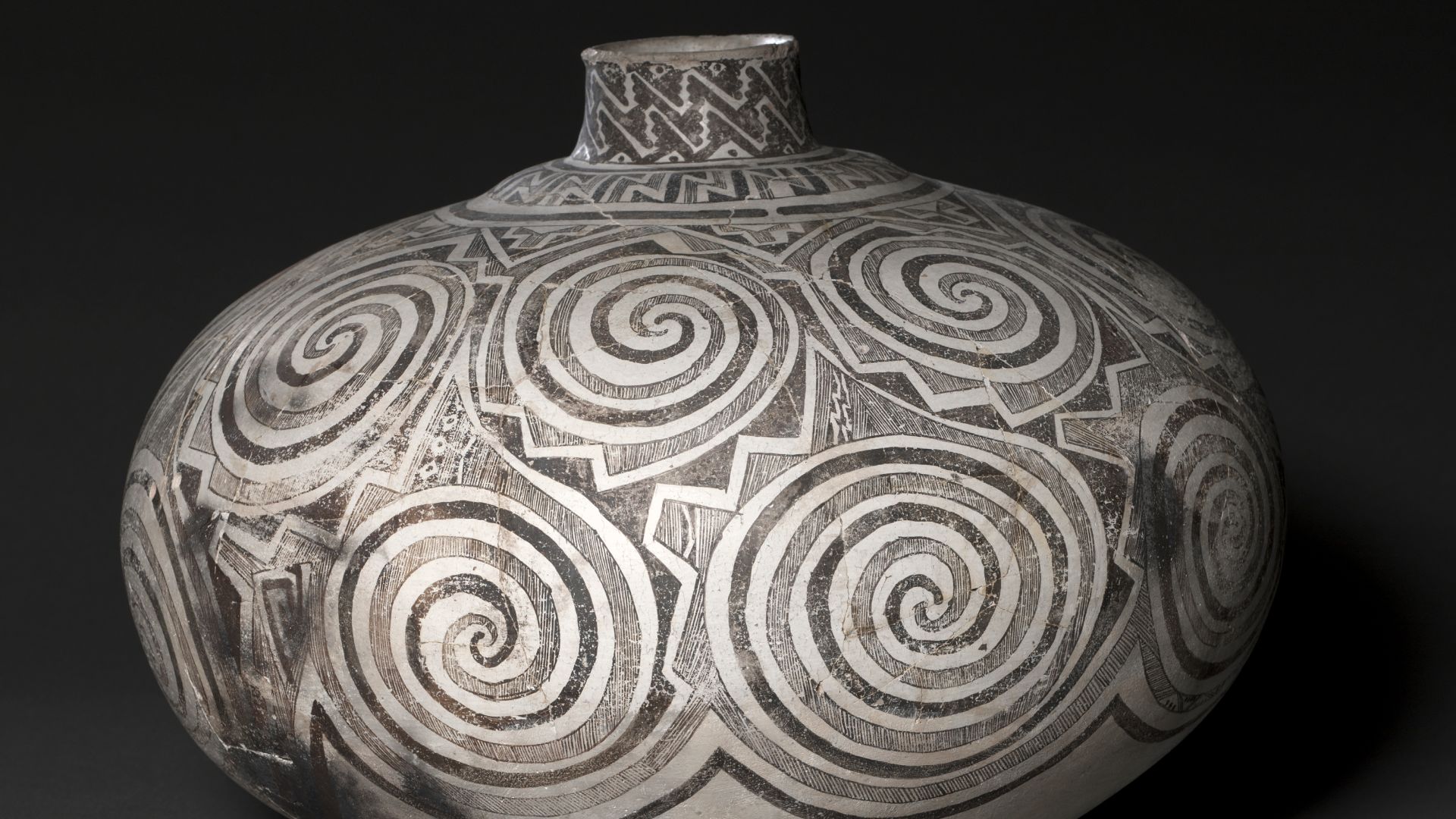
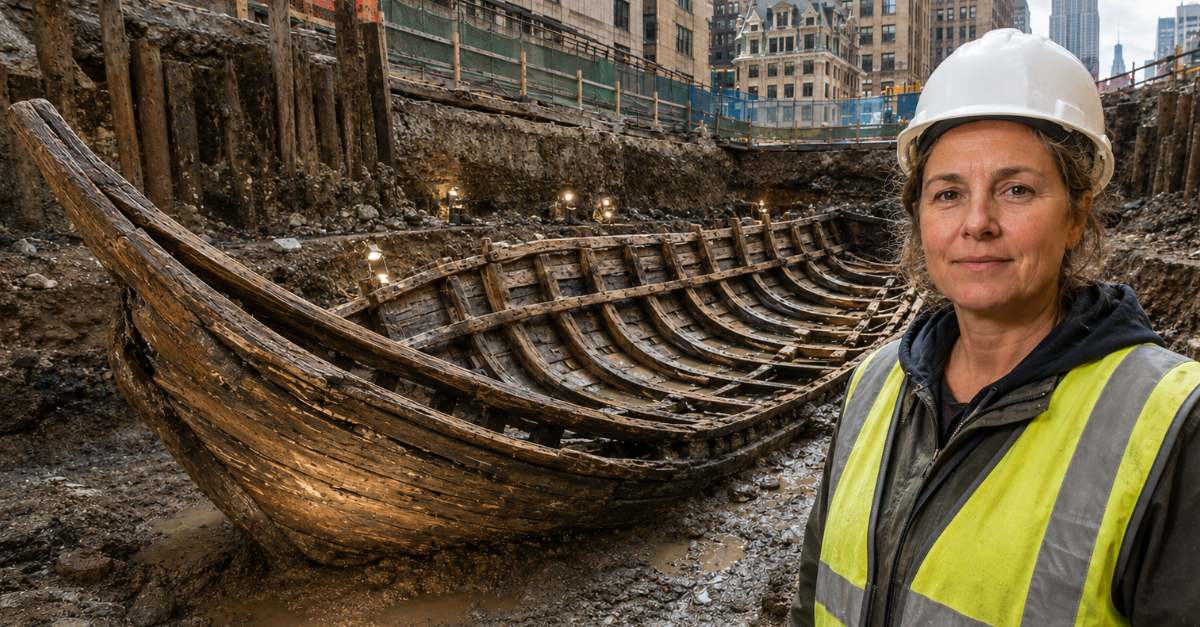
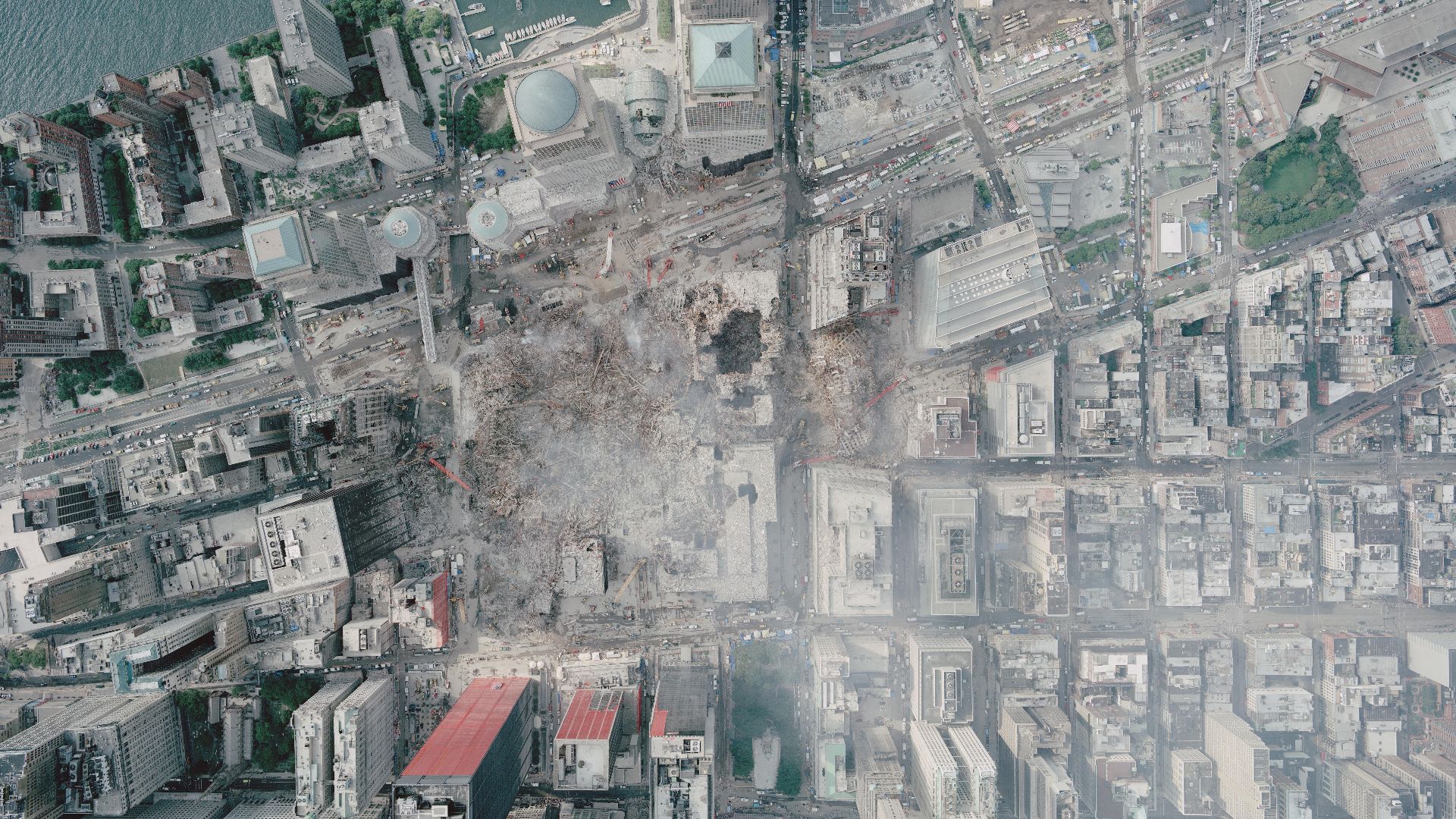
New York: A Warship Beneath Manhattan
Construction at the World Trade Center site uncovered the remains of an 18th-century wooden ship buried 22 feet below street level. Researchers believe it served during the Revolutionary War before being deliberately repurposed as landfill during Manhattan’s expansion in the 1790s.
 National Oceanic and Atmospheric Administration (NOAA), Wikimedia Commons
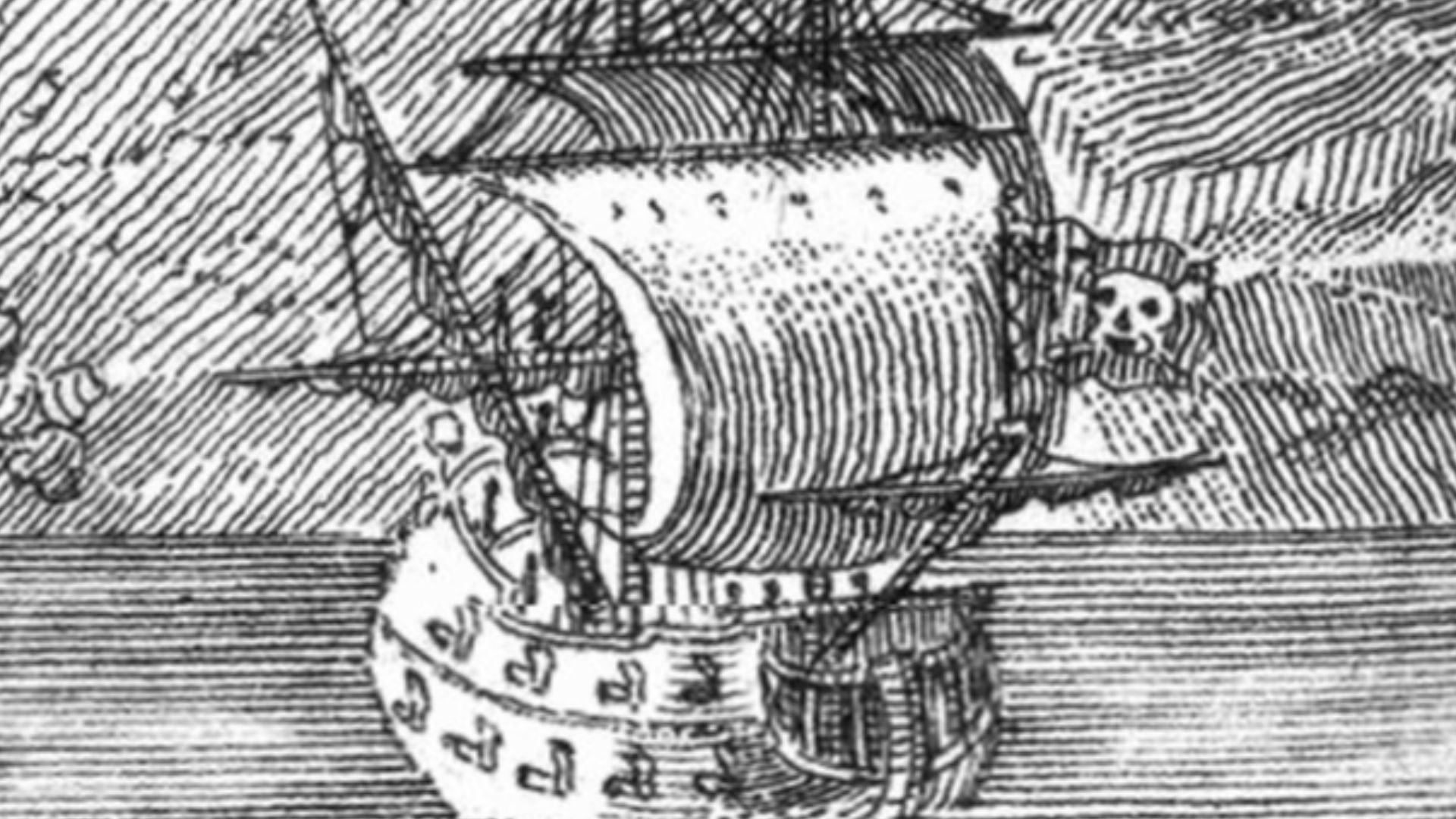
North Carolina: Blackbeard’s Medical Kit
The wreck of Blackbeard’s ship contained a collection of medical instruments. Archaeologists recovered a mortar and pestle, scissors, a needle, a pump and a particularly intimidating brass syringe. Pirate healthcare was apparently more organized than anyone would want to experience firsthand.
 Joseph Nicholls, Wikimedia Commons
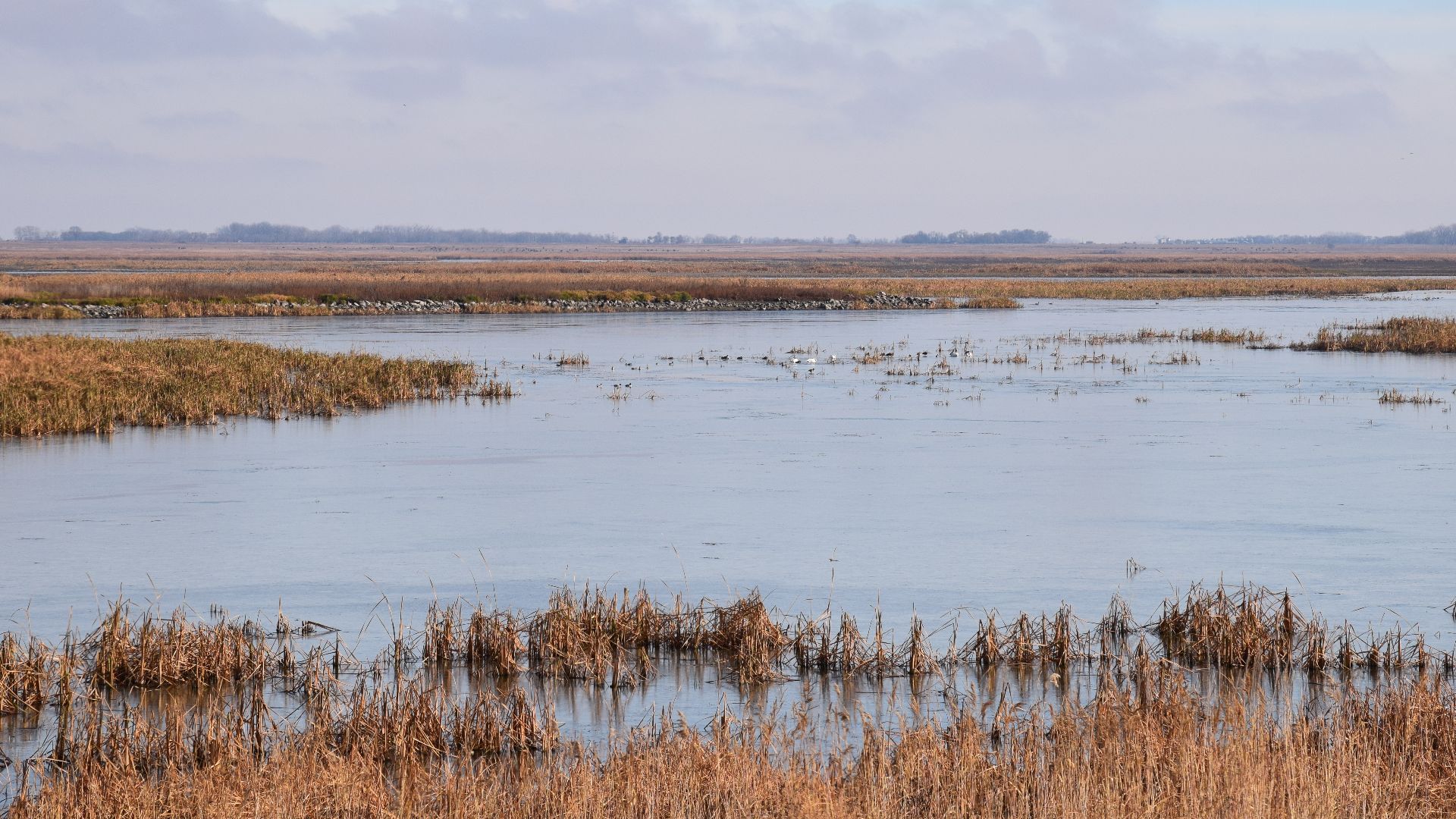
North Dakota: A Giant Stone Turtle
On a ridge overlooking the Souris River sits a 21-foot turtle assembled from 95 stones. It may be several hundred years old, but its creators and exact purpose remain uncertain. The effigy may have played a role in ceremonies connected to bison hunting.
 USFWS Mountain-Prairie, Wikimedia Commons
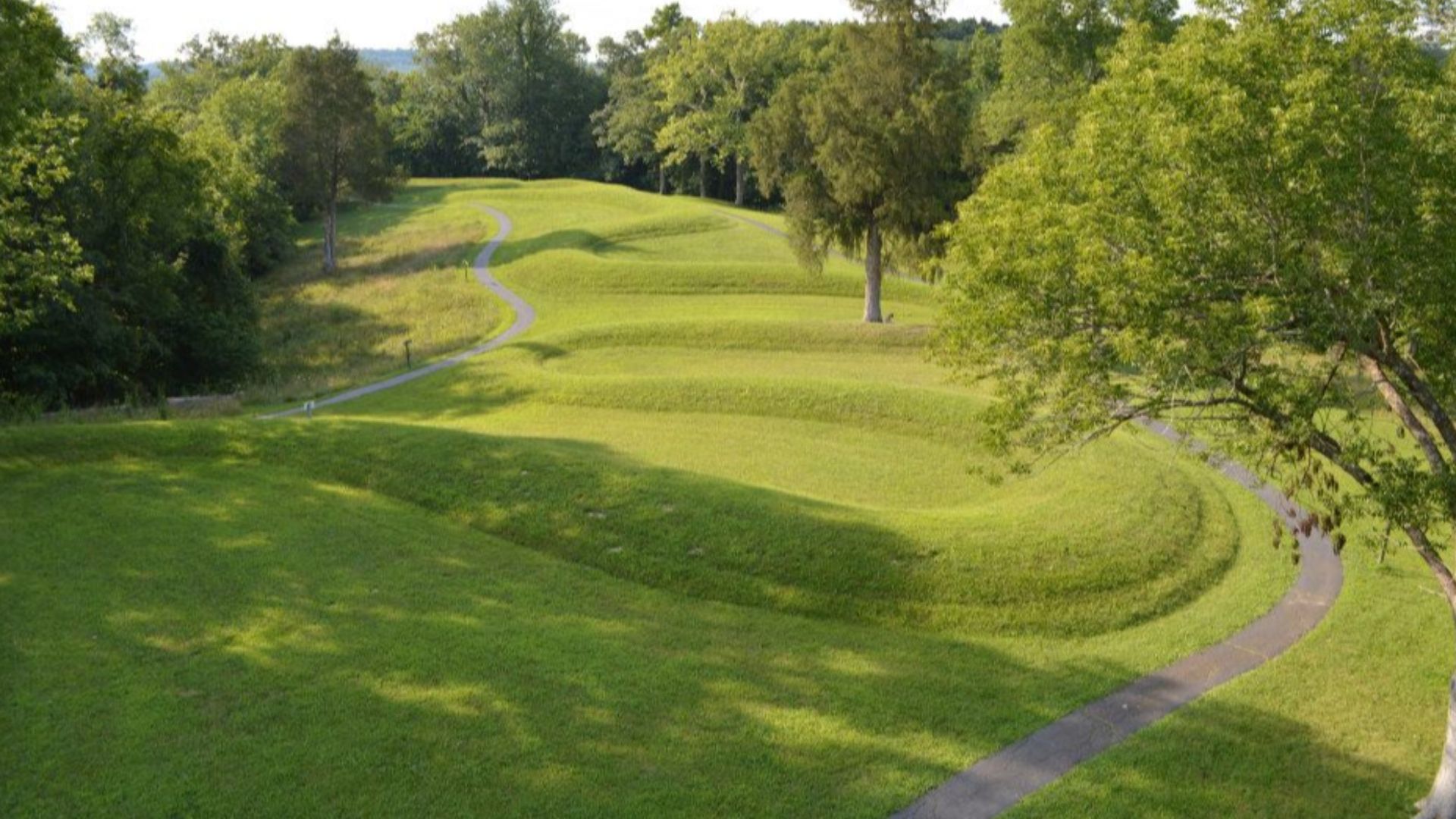
Ohio: A Serpent More Than A Quarter-Mile Long
Ohio’s Serpent Mound twists across the landscape for 1,348 feet before ending at an oval shape. Archaeologists have argued over its age and builders for decades. Excavation of the serpent produced no artifacts capable of settling the debate.
 Stephanie A. Terry, Wikimedia Commons
Oklahoma: A Chamber Packed With Extraordinary Art
Excavations at Spiro Mounds revealed engraved shell cups, copper plates, sculptures and ceremonial objects made from materials transported across enormous distances. The collection was so rich that looting during the 1930s helped push Oklahoma to strengthen its archaeological preservation laws.
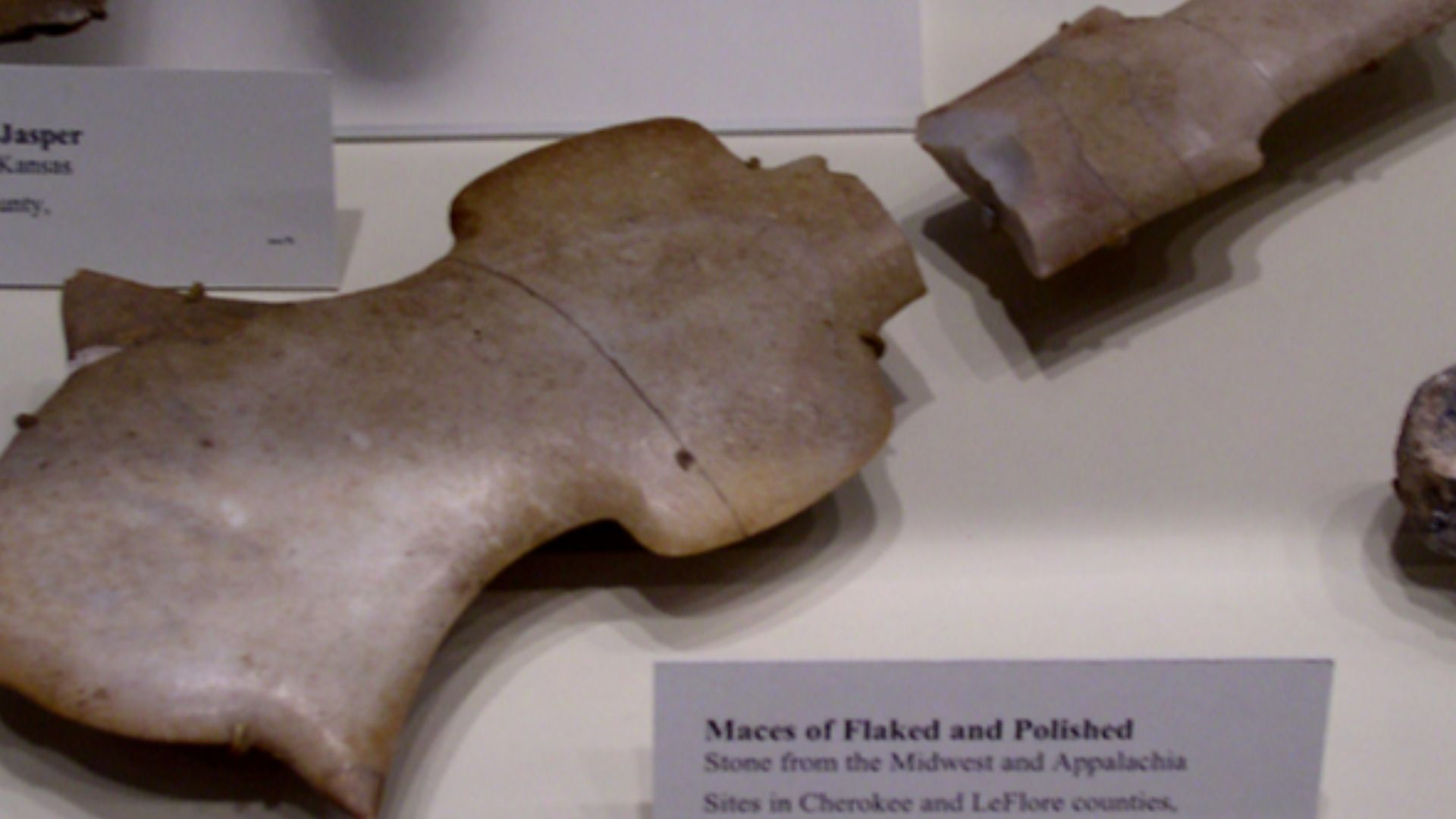
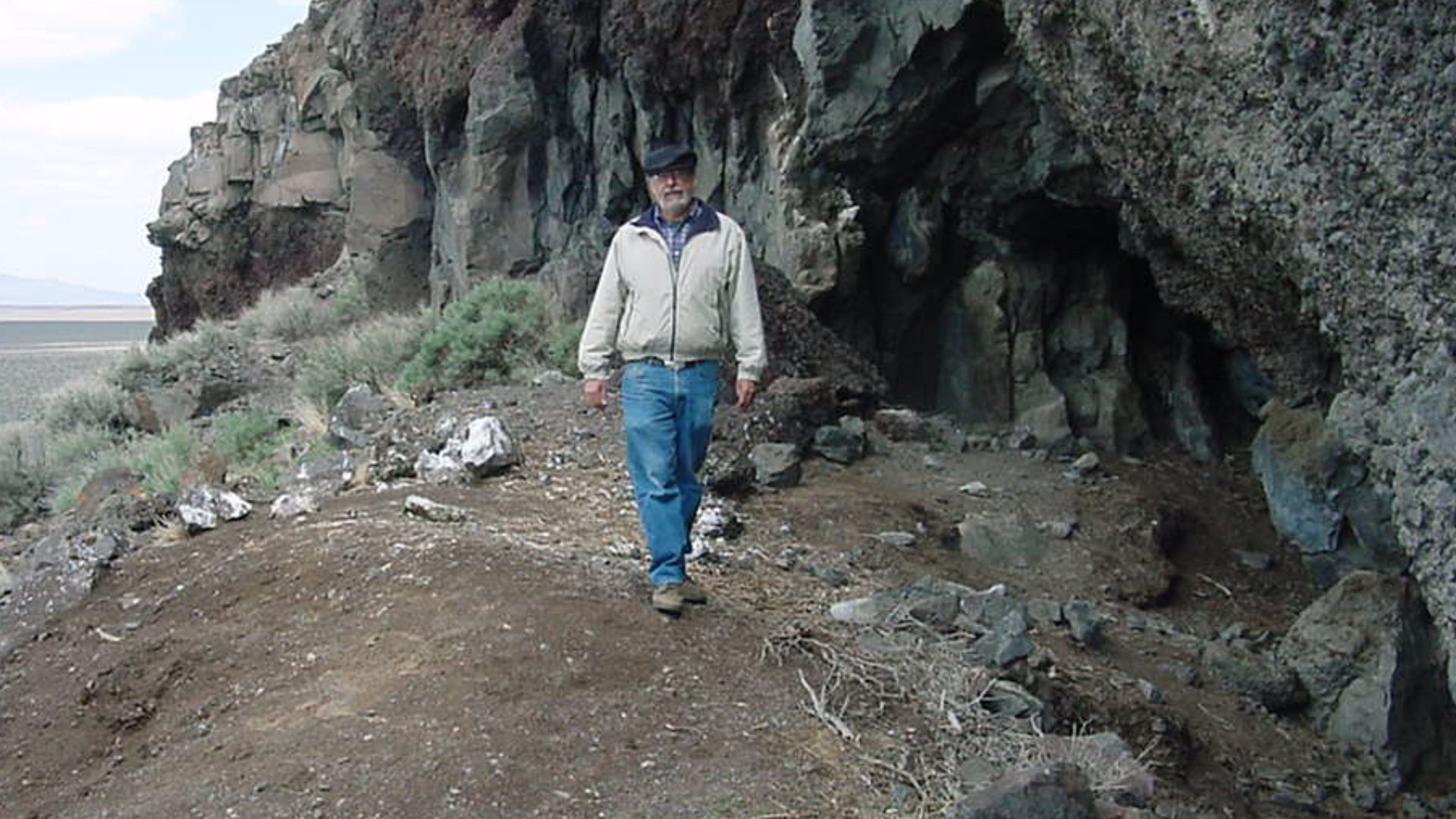
Oregon: Ancient Waste That Rewrote History
Some of America’s most important archaeological evidence came from ancient human waste. Coprolites found in Oregon’s Paisley Caves contained human biological markers and dated back more than 14,000 years. The discovery provided rare evidence of people living in North America before the Clovis culture.
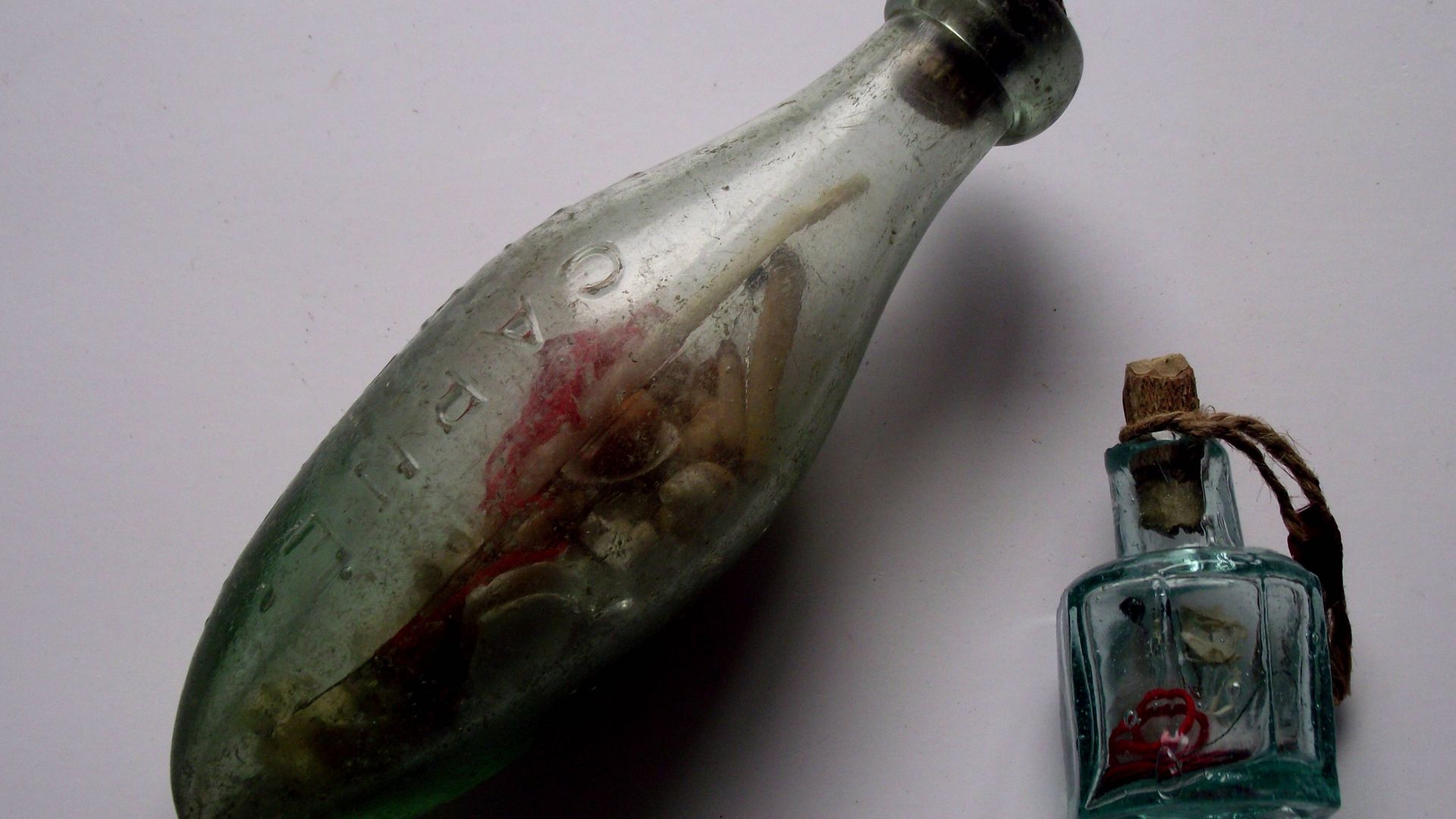
Pennsylvania: A Bottle Made To Trap Witchcraft
Beneath a colonial-era building in Essington, archaeologists found an upside-down bottle containing six pins. Dating to around 1748, it appears to have been a protective “witch bottle” hidden beneath the structure to trap or repel harmful supernatural forces.
 Malcolm Lidbury (aka Pinkpasty) , Wikimedia Commons
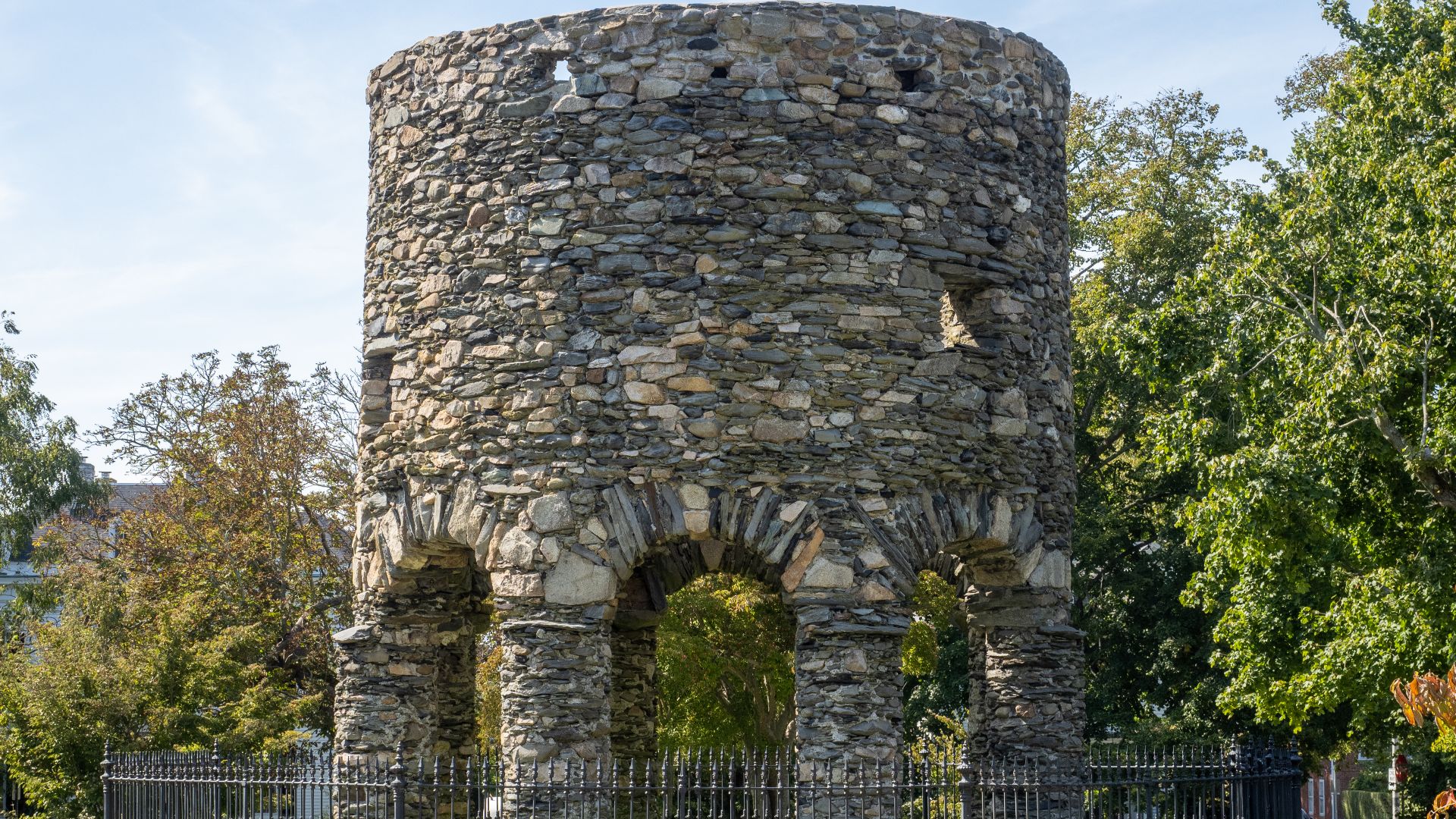
Rhode Island: The Tower Everyone Wanted To Be Viking
Newport’s mysterious round stone tower has been credited to Vikings, medieval Europeans and even wandering Templars. Archaeological and historical evidence points toward a less exotic answer: it was probably a 17th-century colonial windmill. The ordinary explanation has never stopped the extraordinary theories.
 ajay_suresh, Wikimedia Commons
South Carolina: Copper Badges That Controlled Human Lives
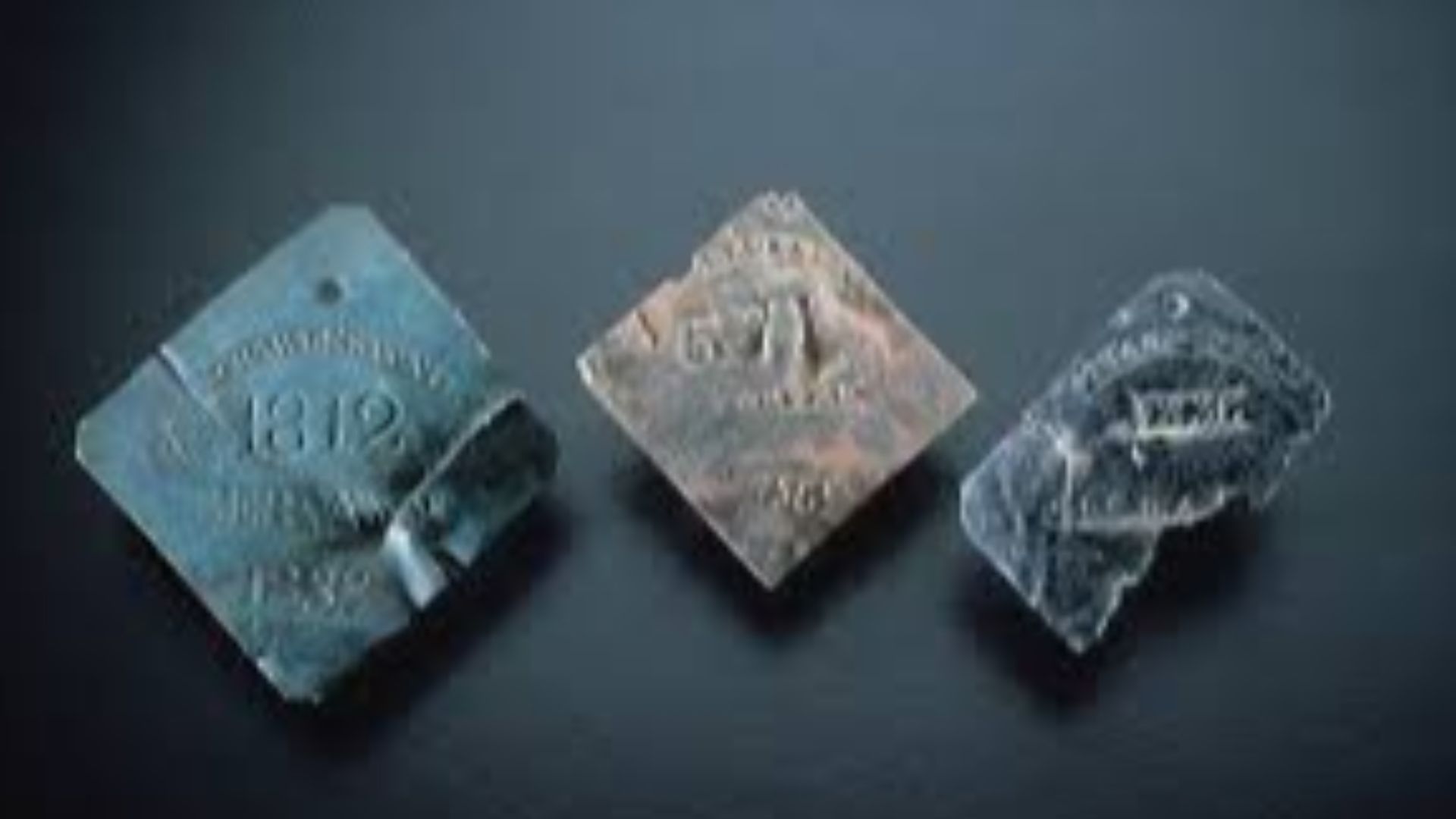
Charleston archaeologists have recovered small copper slave badges stamped with years and occupations. Enslaved workers hired out in the city were required to wear them. Few archaeological objects capture an entire system of surveillance and control so efficiently—or so disturbingly.
 National Museum of American History, Wikimedia Commons
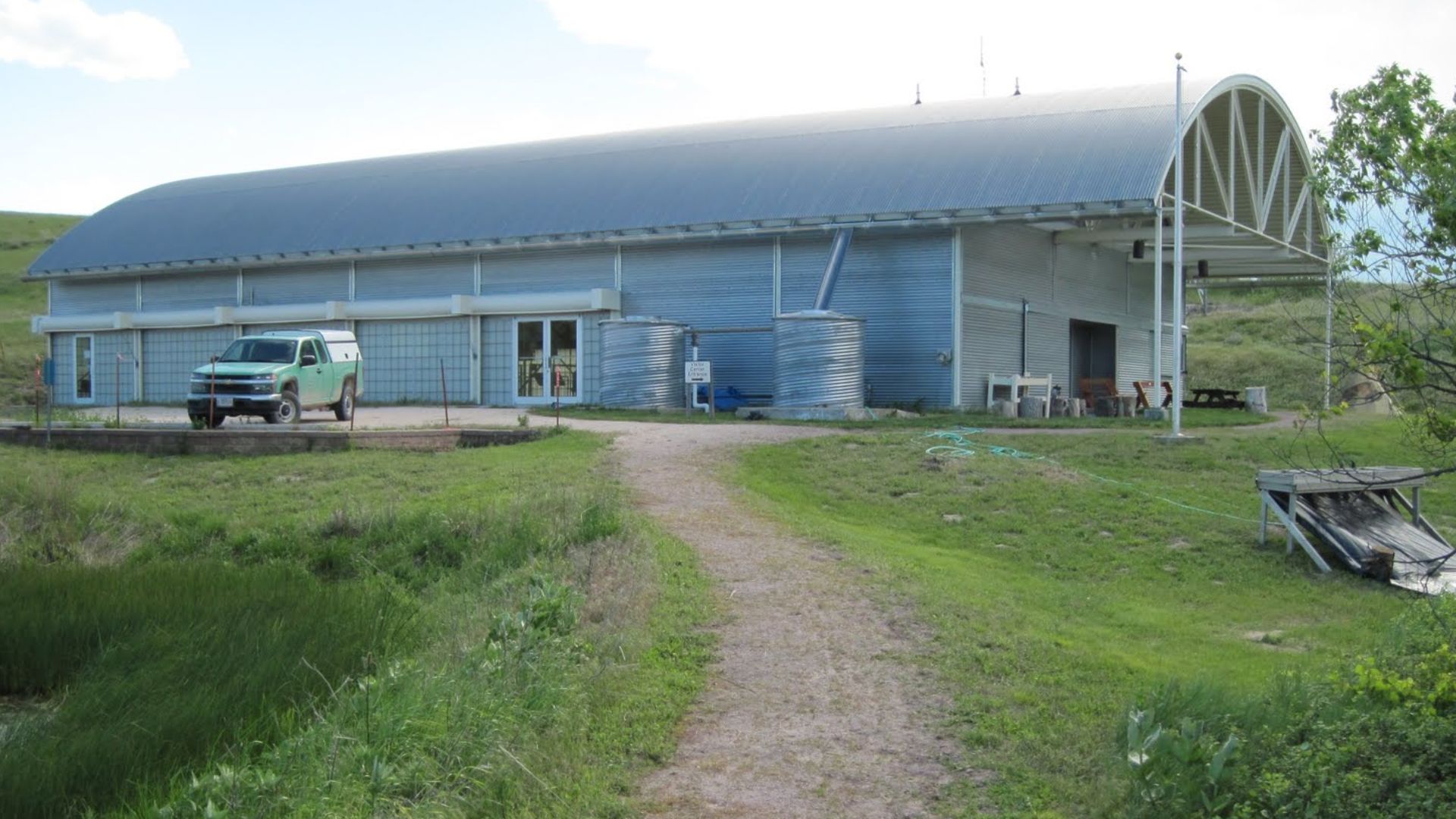
South Dakota: Four Million Objects Beneath One Village
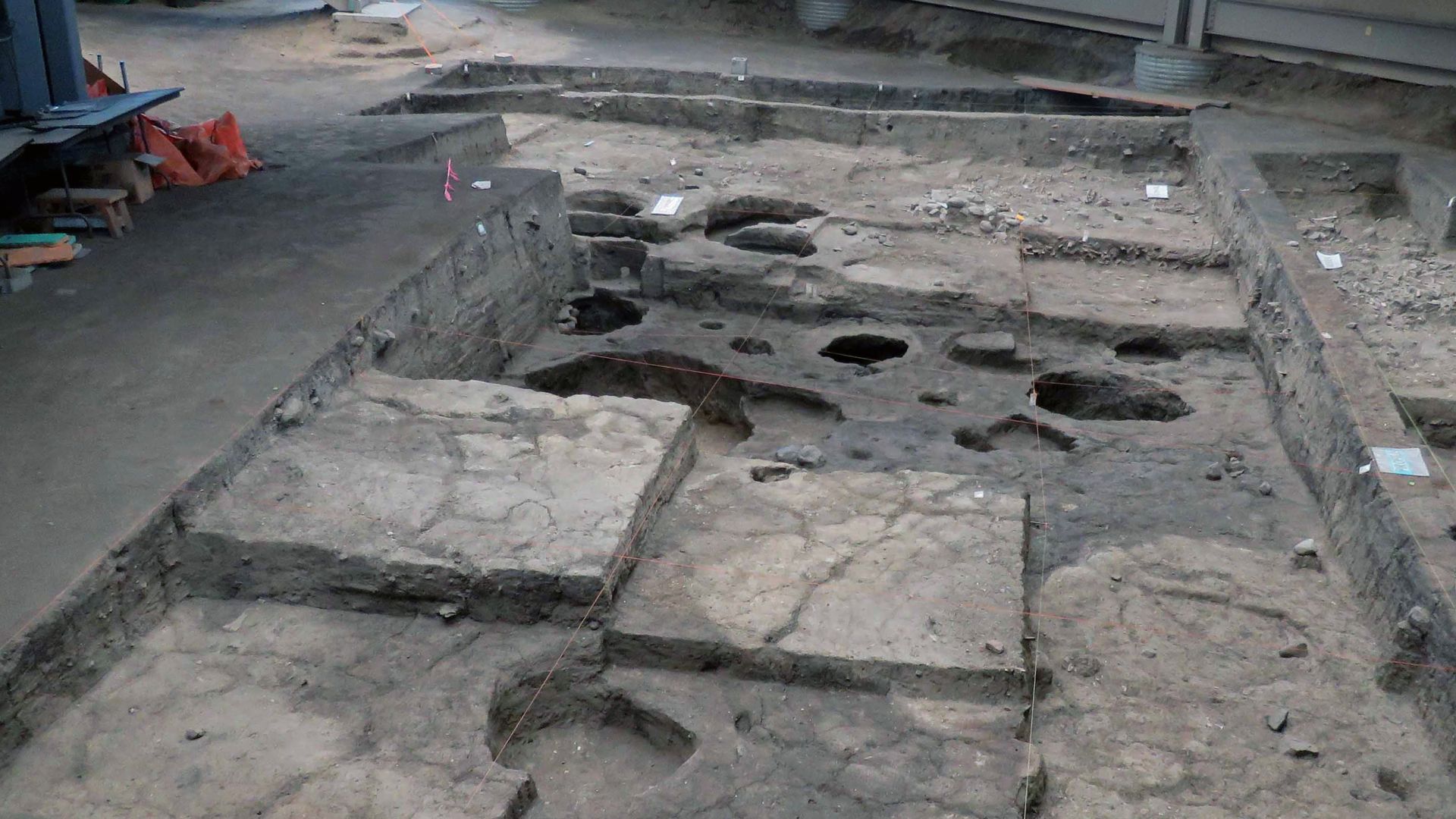
A roughly 1,000-year-old community in Mitchell has produced more than four million artifacts. Among them are pottery, tools and bison bones transformed into useful objects. Part of the active excavation now continues inside a permanent Archeodome constructed directly over the dig.
Tennessee: A Stone Man Kneeling For Centuries
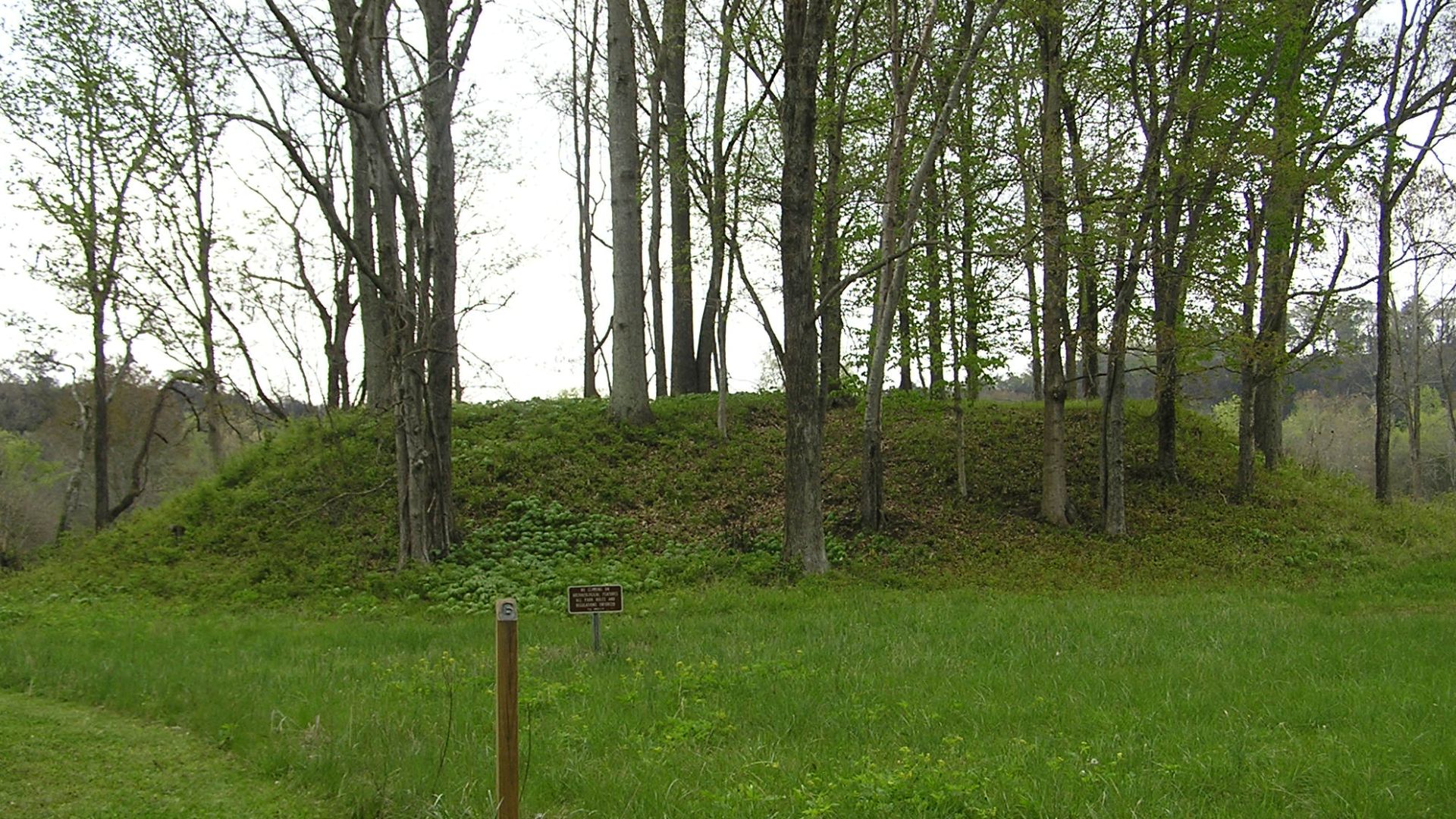
The Sellars Farm statue is an 18.5-inch sandstone figure of a kneeling man carved between AD 1250 and 1350. Found by a tenant farmer in 1939, it may have been created with a female counterpart as part of rituals honoring important ancestors.
Texas: A Story Painted Across A Rock Shelter
The Lower Pecos region contains enormous murals filled with overlapping human, animal and supernatural forms. At the White Shaman site, red, black, yellow and white figures stretch across the shelter wall, preserving a complex narrative painted thousands of years ago.
 MODIS Land Rapid Response Team, NASA GSFC, Wikimedia Commons
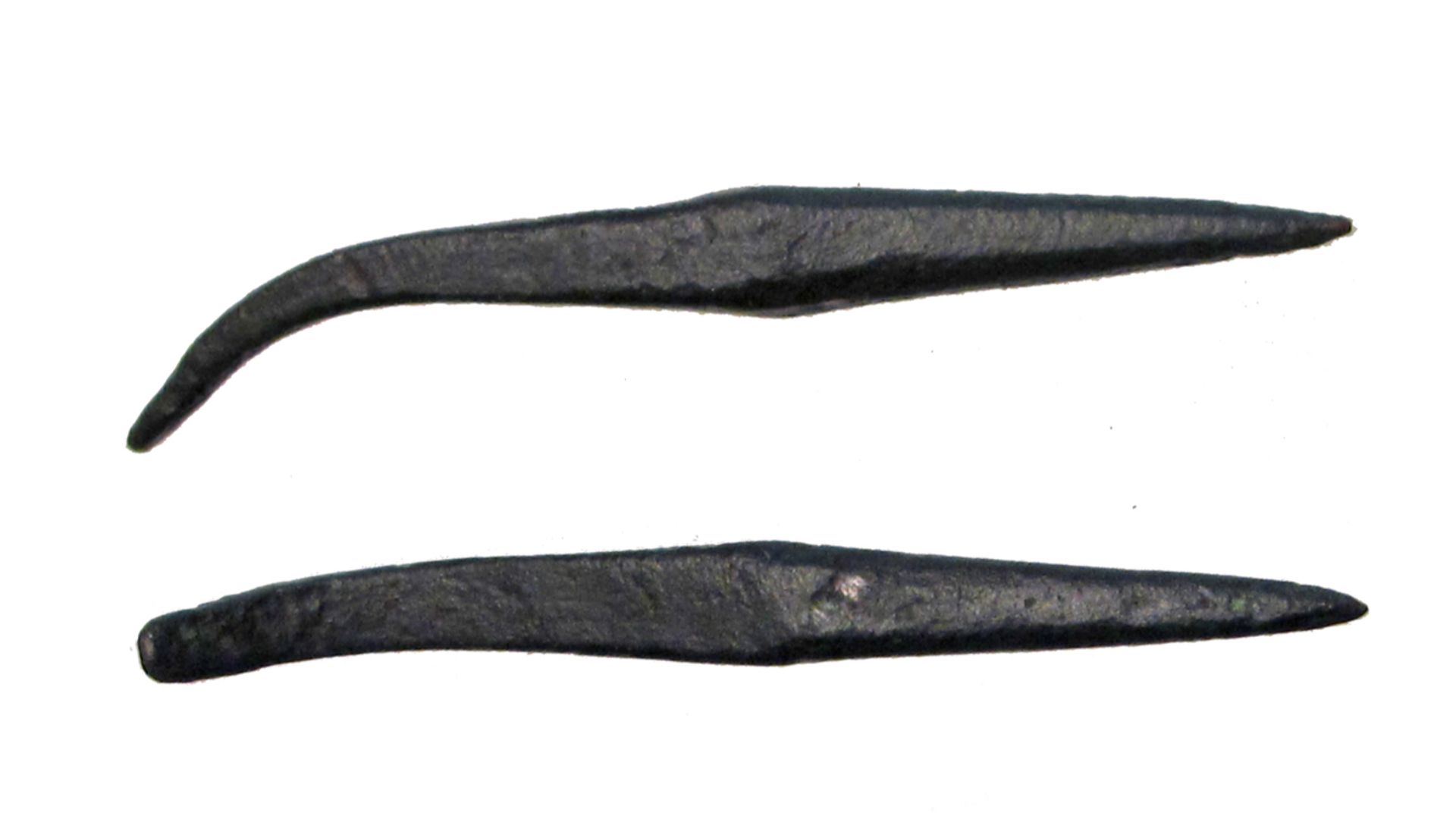
Utah: A Tattoo Tool Made From Cactus Spines
A small wooden handle from southeastern Utah sat unnoticed in storage for decades. Researchers eventually realized it held two prickly pear cactus spines stained with black pigment. Dating back roughly 2,000 years, it is the oldest known tattooing tool from western North America.
 Oxfordshire County Council, Anni Byard, Wikimedia Commons
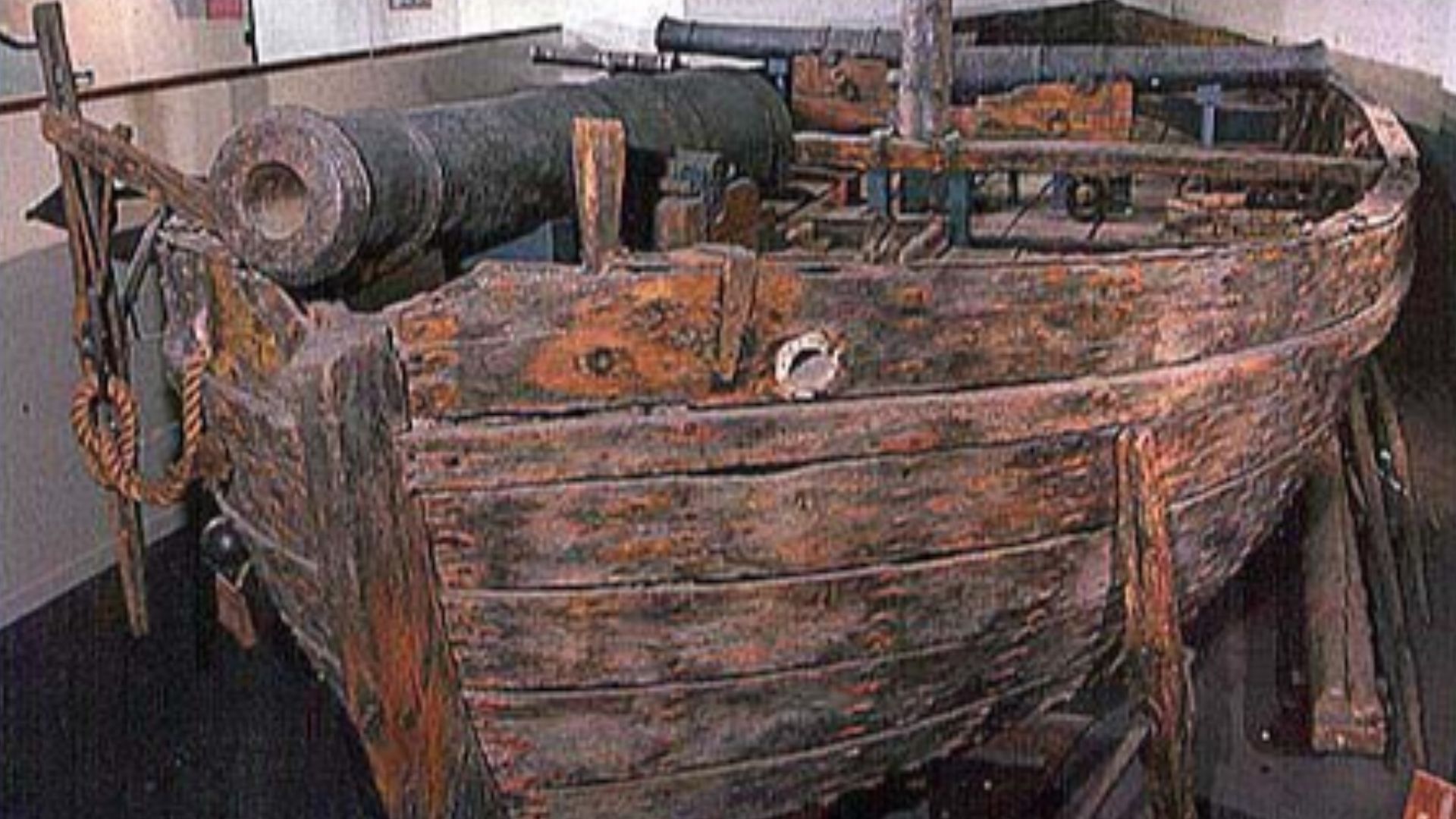
Vermont: A Gunboat Standing Upright Underwater
The Revolutionary War gunboat Spitfire sank in Lake Champlain in 1776. When it was found more than two centuries later, the vessel was still sitting upright. Its mast remained standing, and a cannon was still positioned in the bow.
 Unknown (US government employee);, Wikimedia Commons
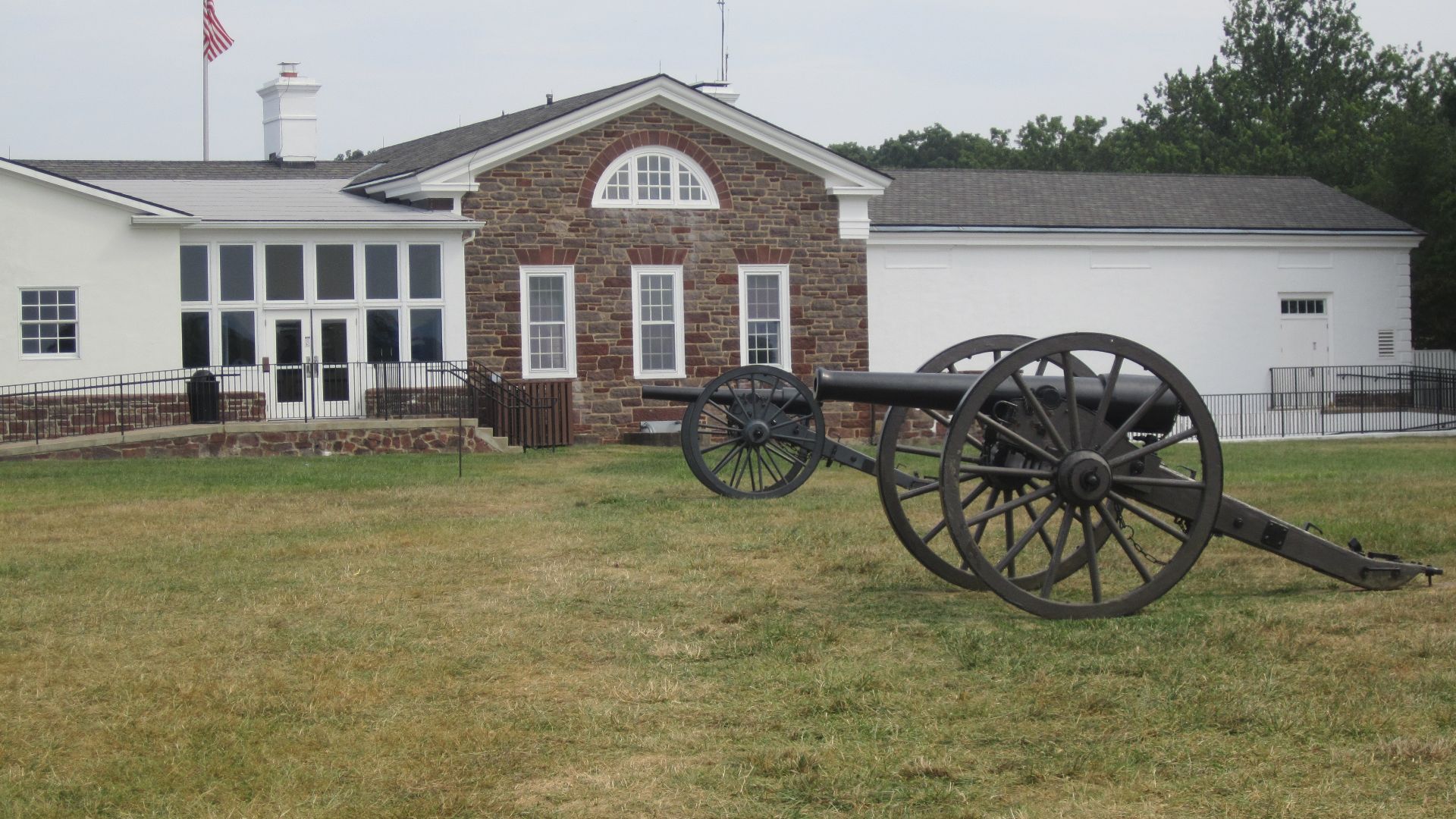
Virginia: A Civil War Surgeon’s Burial Pit
At Manassas National Battlefield, archaeologists uncovered the first surgeon’s burial pit excavated and studied at a Civil War battlefield. It contained two Union soldiers alongside 11 amputated limbs, grim evidence of the desperate field surgery performed after the Second Battle of Manassas.
 Billy Hathorn, Wikimedia Commons
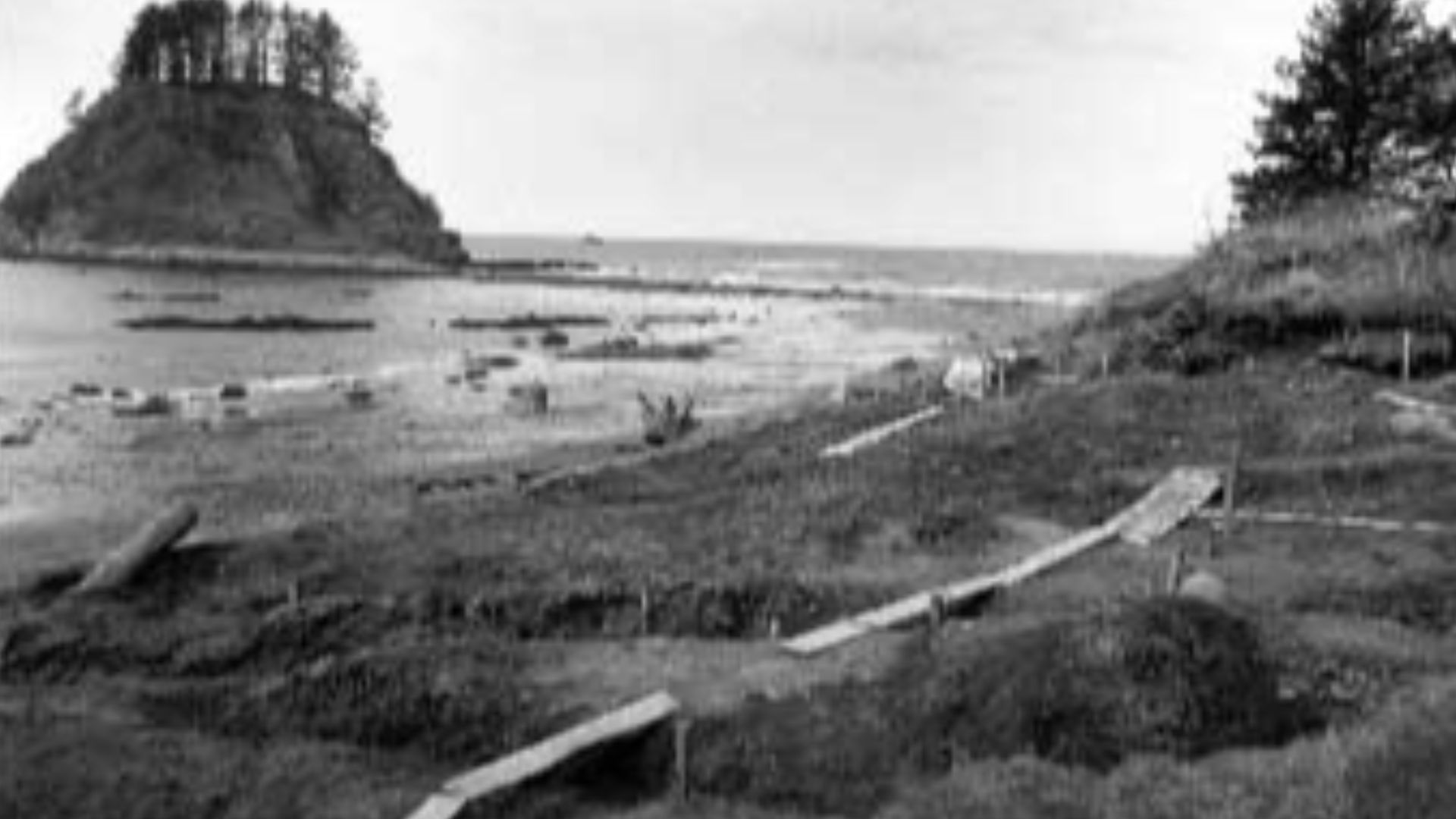
Washington: A Village Sealed By Mud
A mudslide buried part of the ancient Makah village at Ozette several centuries ago. The wet earth sealed homes, baskets, boxes and wooden tools away from oxygen. When archaeologists excavated the site, they recovered more than 55,000 objects that normally would have decayed.
 National Register of Historic Places, Wikimedia Commons
West Virginia: A Mountain Built One Basket At A Time
The Grave Creek Mound contains an estimated 57,000 tons of earth. Archaeologists believe its construction required roughly three million basket-loads, all carried by hand. Hidden inside the enormous artificial hill were two separate burial vaults containing three individuals and thousands of beads.
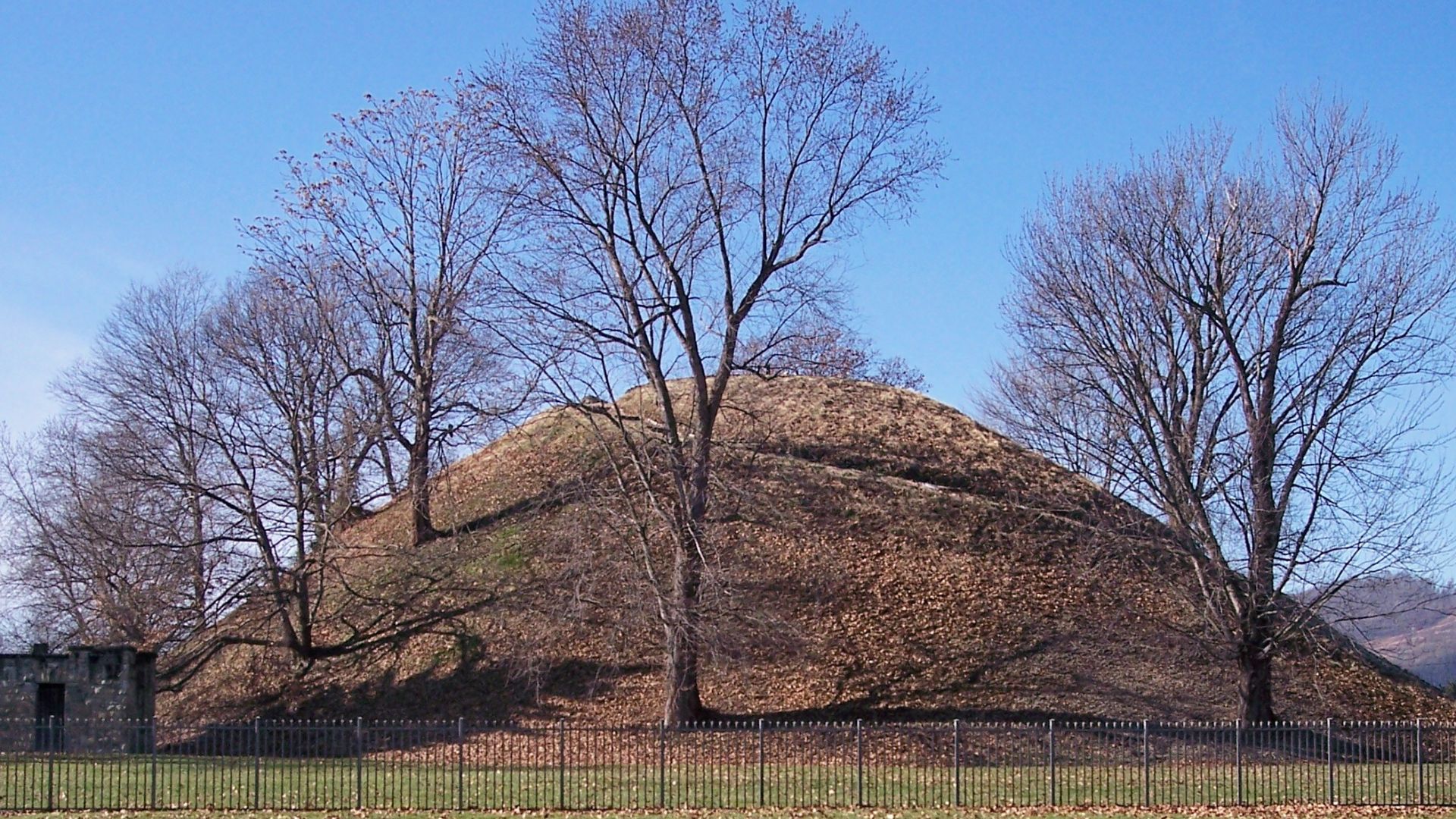 Tim Kiser (Malepheasant), Wikimedia Commons
Wisconsin: An Underwater Canoe Parking Lot
Archaeologists mapping the bottom of Lake Mendota identified 16 ancient dugout canoes in the same general area. The oldest is around 5,200 years old. The cluster may represent a shoreline gathering place used by generations of people across several millennia.
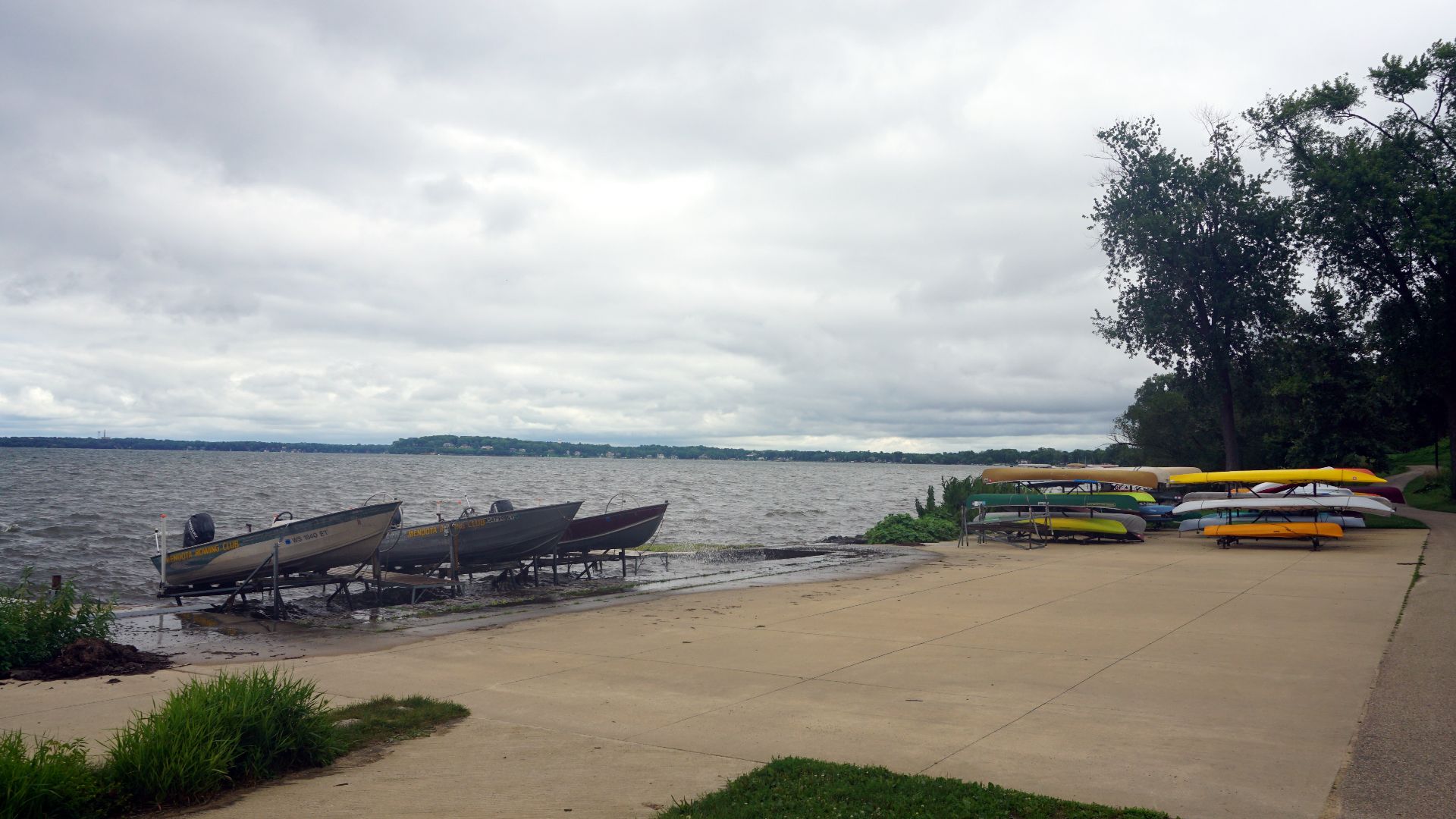 Michael Barera, Wikimedia Commons
Wyoming: Likely America’s Oldest Known Mine
At the Powars II site, people began mining red ochre nearly 13,000 years ago. Archaeologists found extraction pits, tools and projectile points across the site. It is the oldest documented red-ochre mine in the Americas and likely the oldest known mine of any kind.
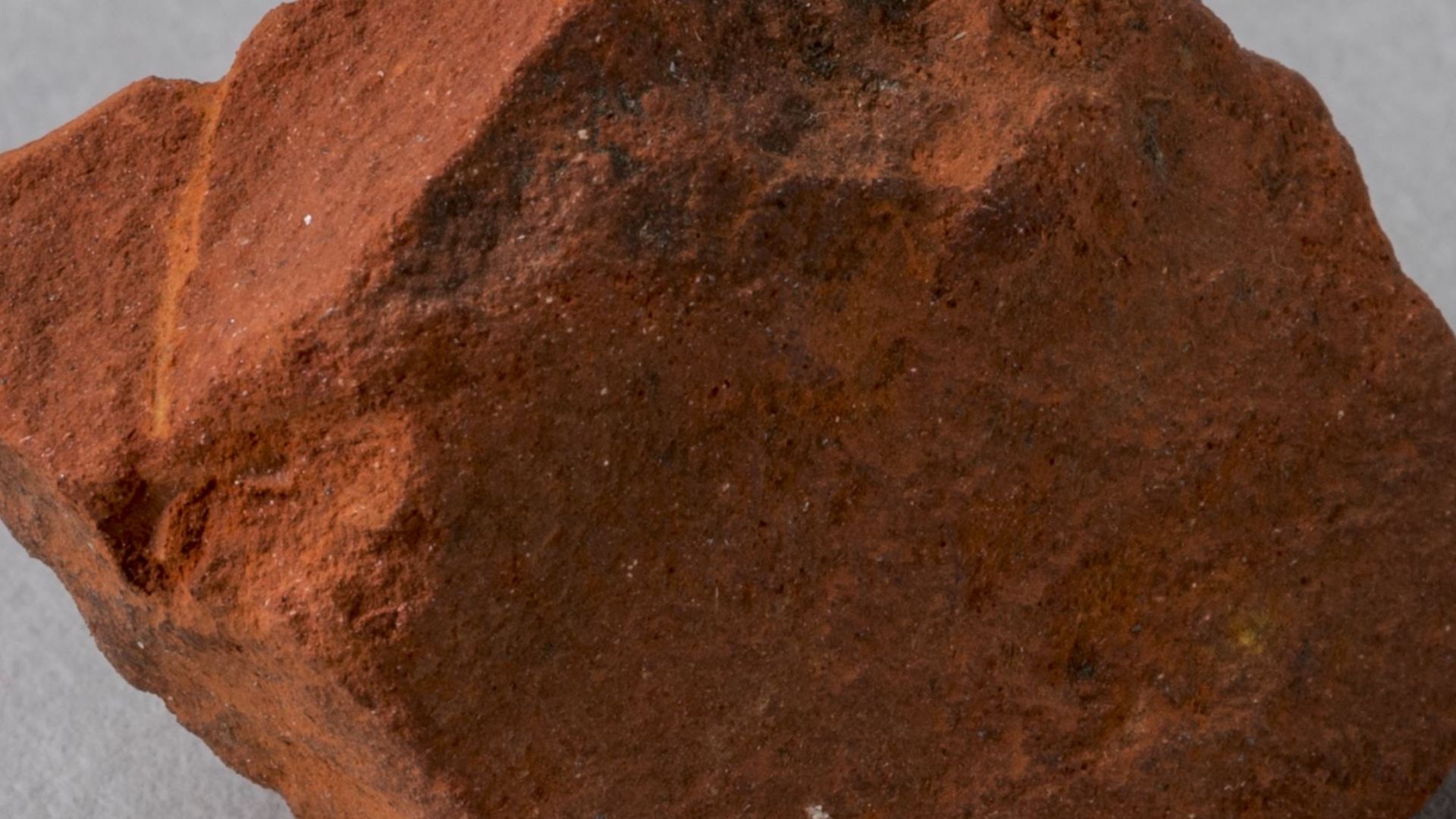 Marco Chemello (WMIT), Wikimedia Commons
You Might Also Like:
Cities Americans Say Have Improved The Most In The Past 20 Years
Things Americans Notice Immediately When They Visit A Canadian National Park





.png)
.jpg)