Some Cities Got Better
Americans love complaining that their favorite cities aren't what they used to be. But some places have moved very noticeably in the opposite direction. Over the past 20 years, neglected waterfronts have reopened, downtowns have revived, old buildings have found new lives, and cities once written off have become surprisingly appealing destinations.
 Factinate Ltd; 42-BRT, Wikimedia Commons
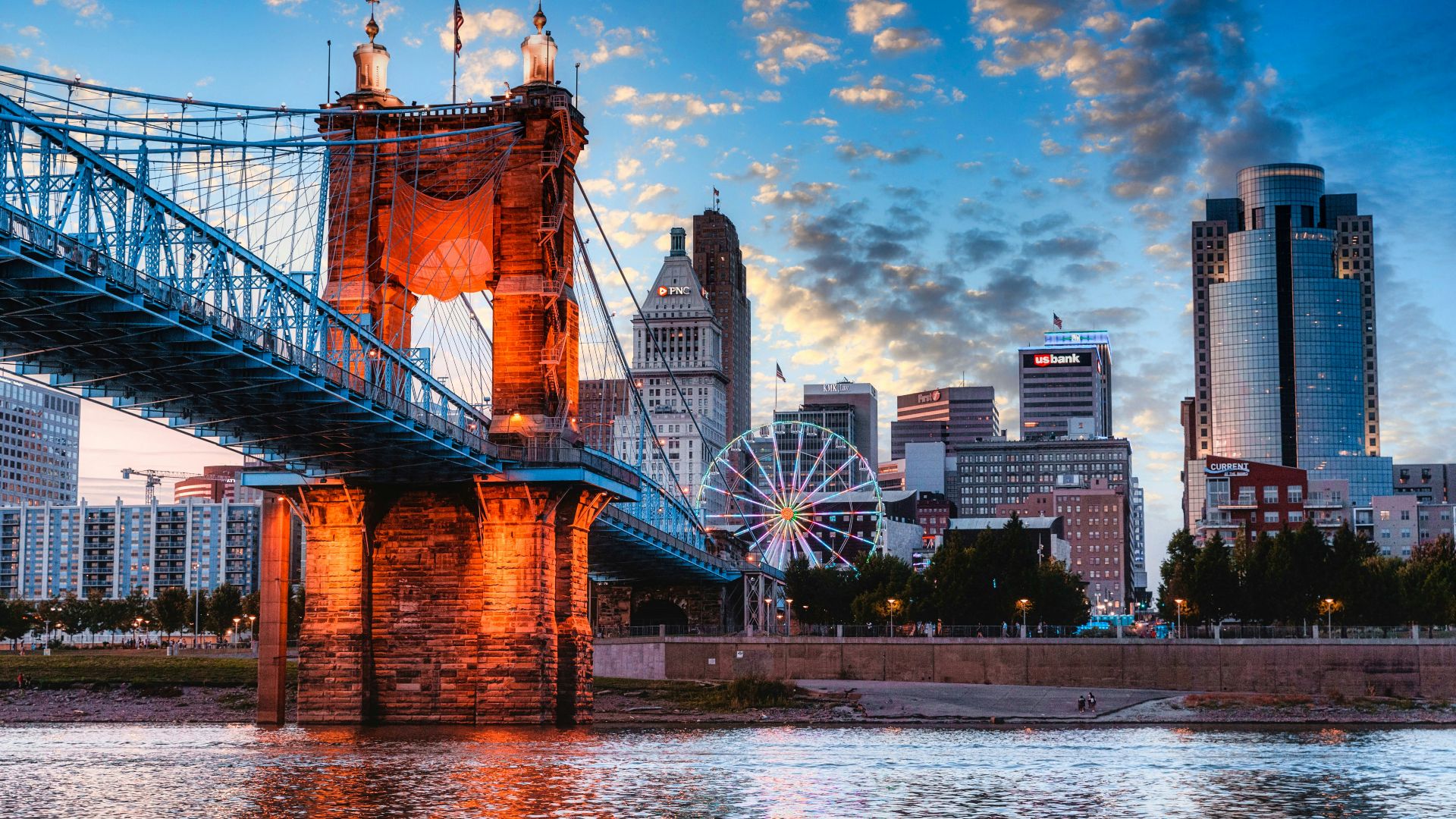
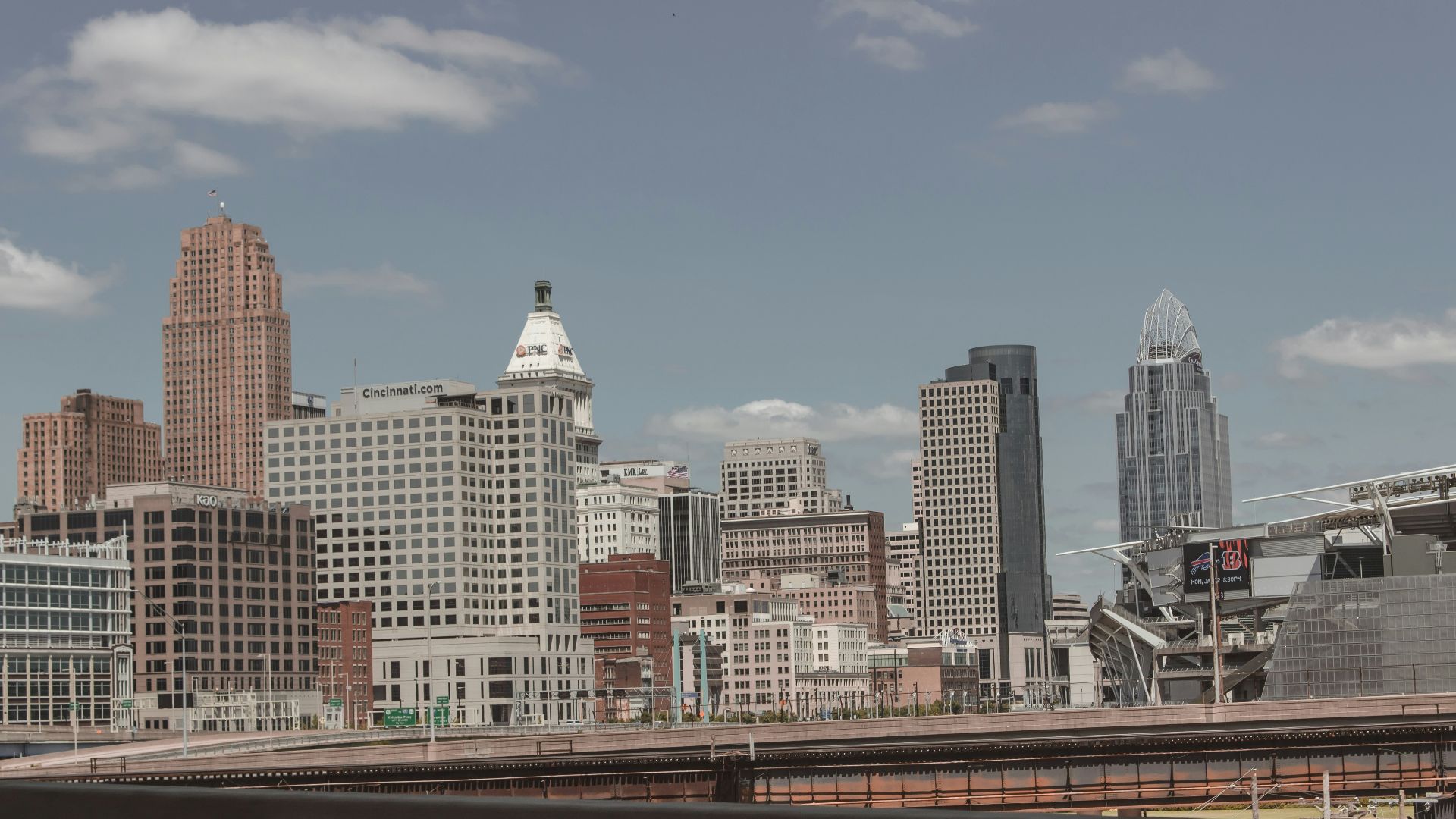
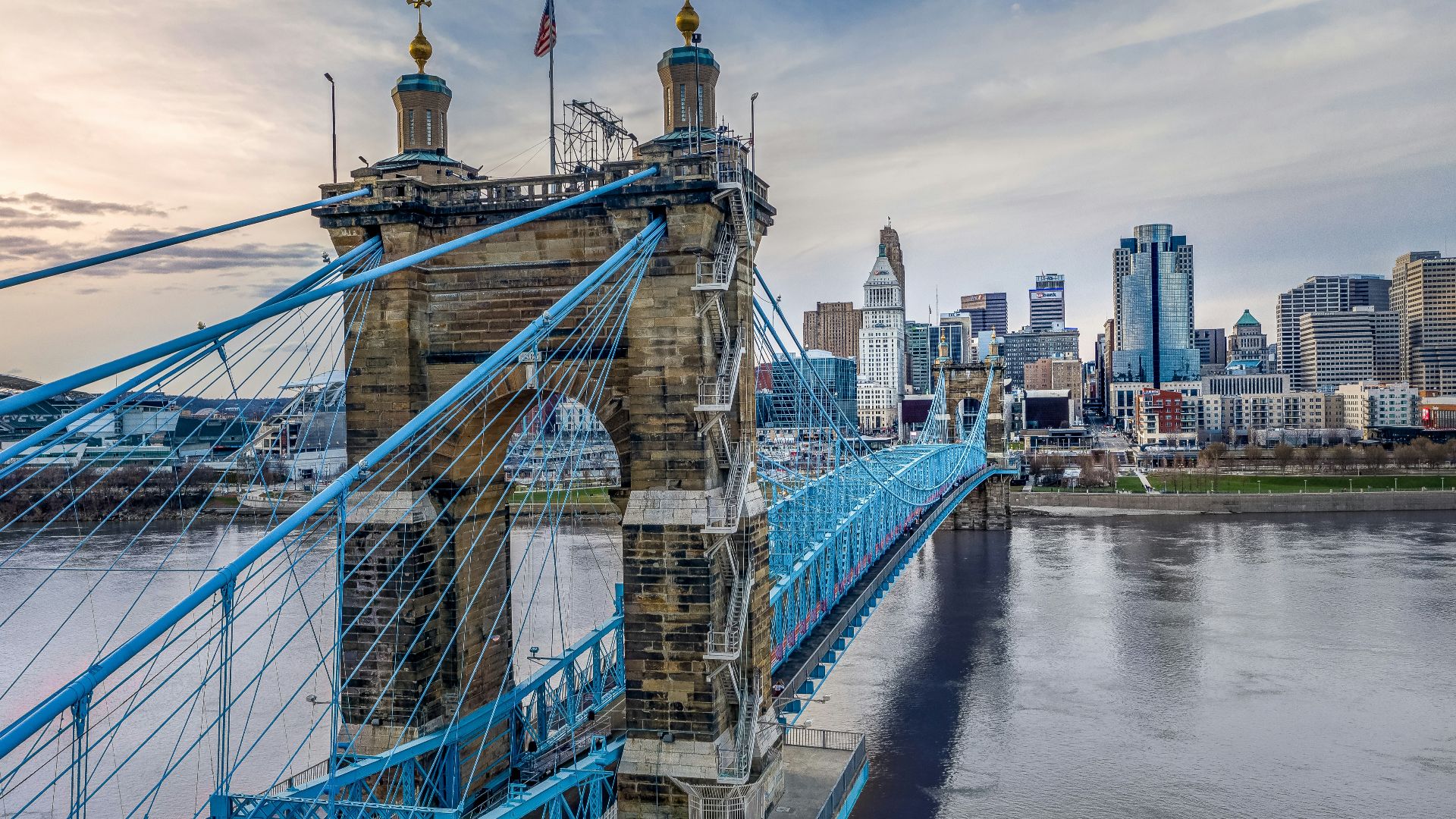
Cincinnati, Ohio
Over-the-Rhine provides perhaps Cincinnati's most dramatic before-and-after story. The historic neighborhood entered the century plagued by vacancy, disinvestment and crime. Restoration brought apartments, restaurants, breweries, shops and renovated public spaces. Since 2003, 3CDC and its partners report investing $2.5 billion in development projects downtown and in OTR.
Buffalo, New York
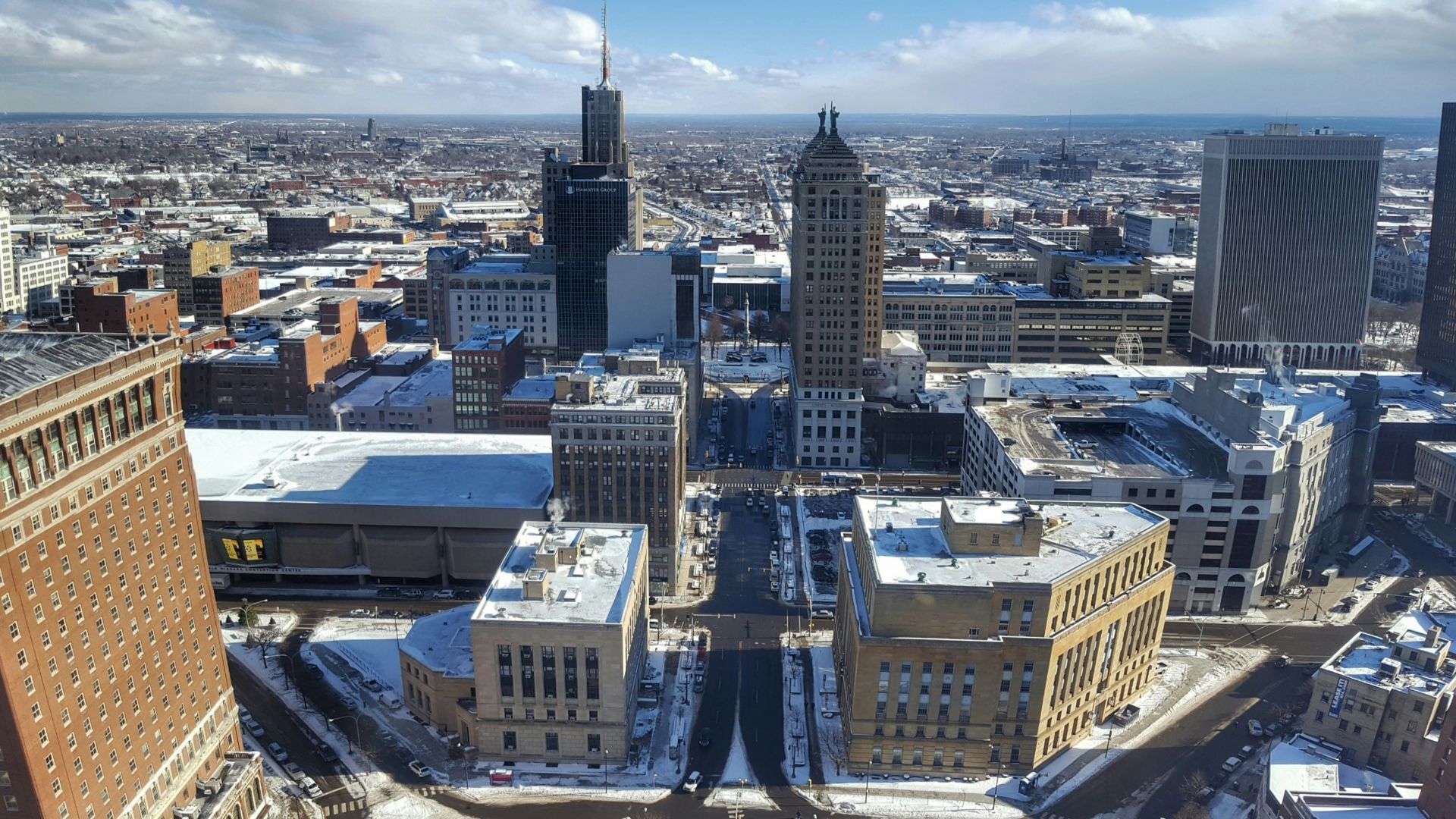
Buffalo spent decades turning away from the waterways responsible for its original prosperity. Canalside helped reverse that relationship by reclaiming the old Erie Canal terminus for public use. Waterfront recreation, concerts, skating, restaurants and new development have transformed an area that offered visitors remarkably little only a couple of decades ago.
Pittsburgh, Pennsylvania
Pittsburgh's reinvention began before 2006, but the past two decades have made its results increasingly visible to visitors. Formerly industrial areas have found new purposes, riverfront access has improved, and technology, education and medicine have diversified the economy. The smoky steel town stereotype now badly undersells what travelers actually encounter.
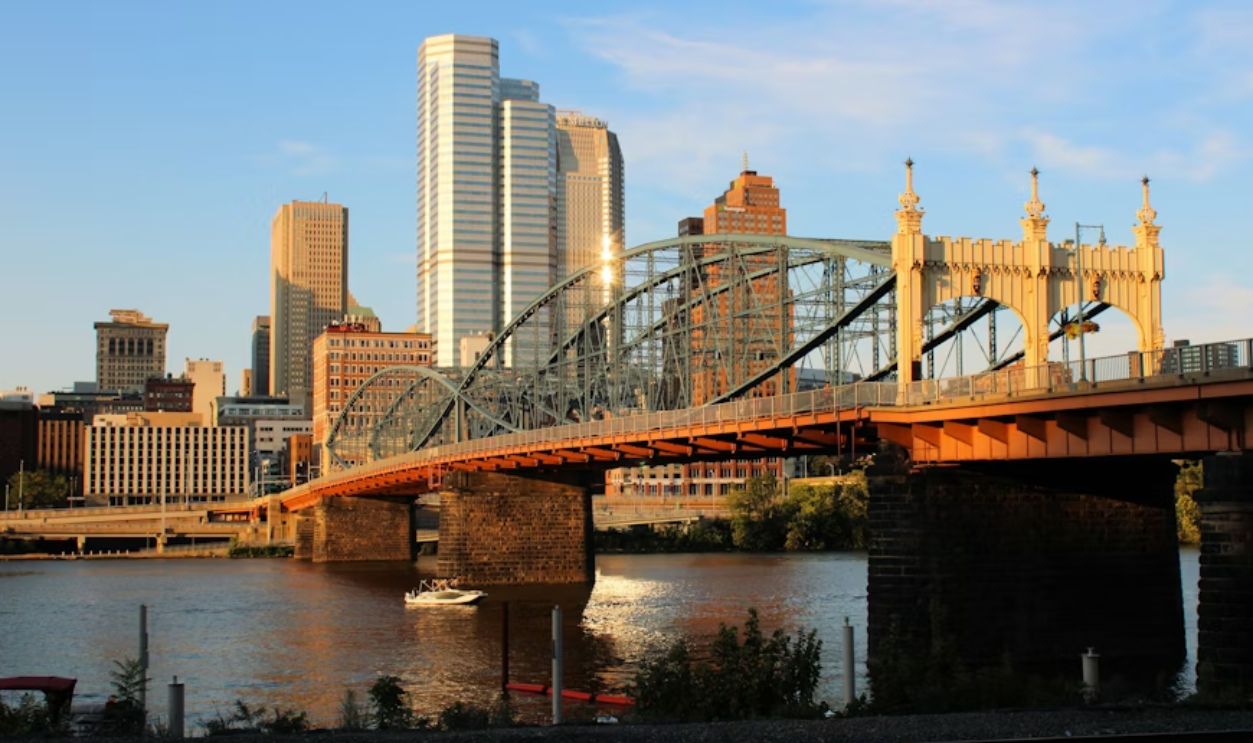
Greenville, South Carolina
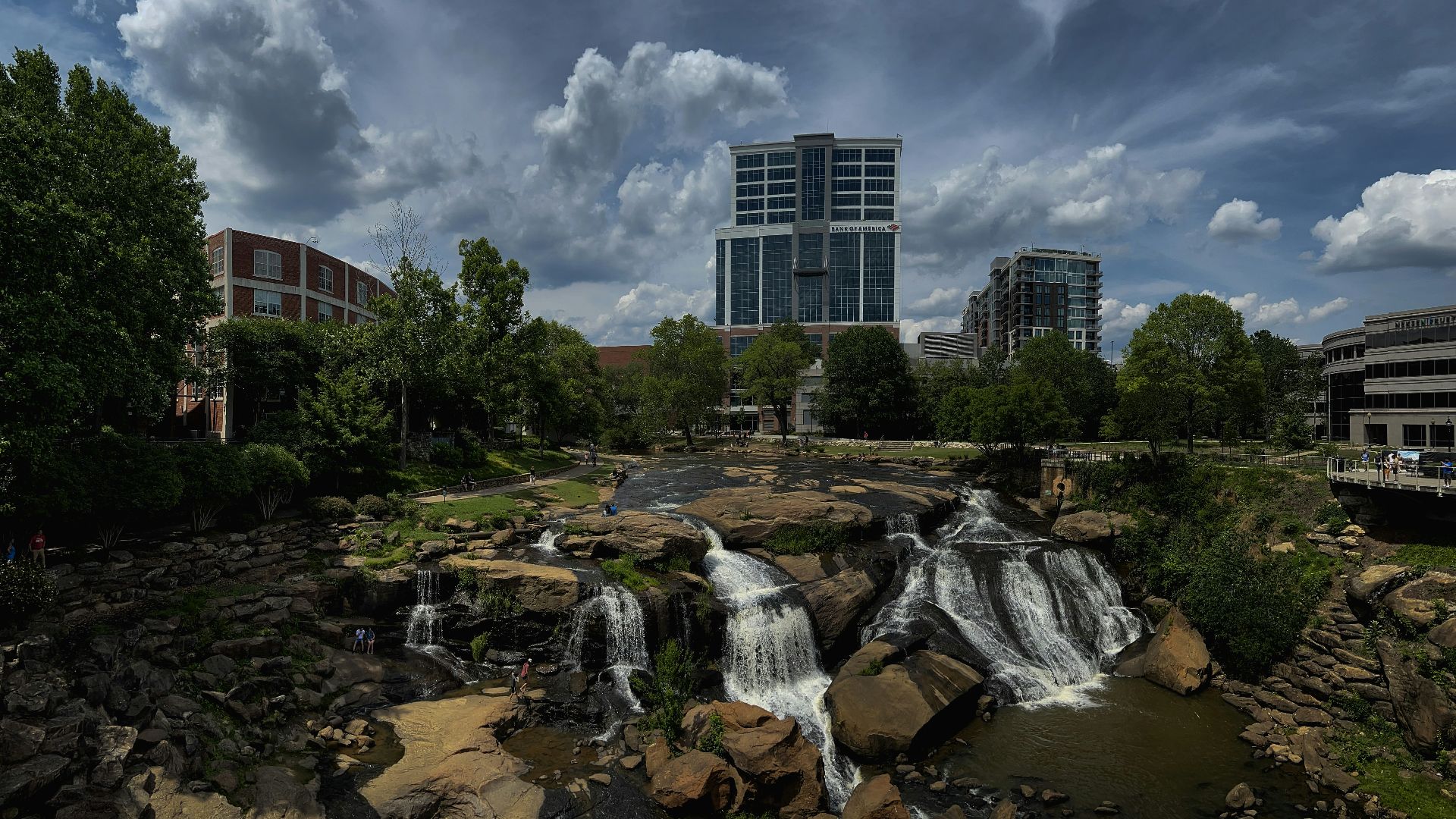
Greenville offers an extraordinary lesson in what one transformative public space can accomplish. A four-lane highway once crossed directly over the Reedy River waterfall downtown. Its removal allowed Falls Park and Liberty Bridge to become the centerpiece of a revitalized Main Street filled with restaurants, shops, hotels and pedestrians.
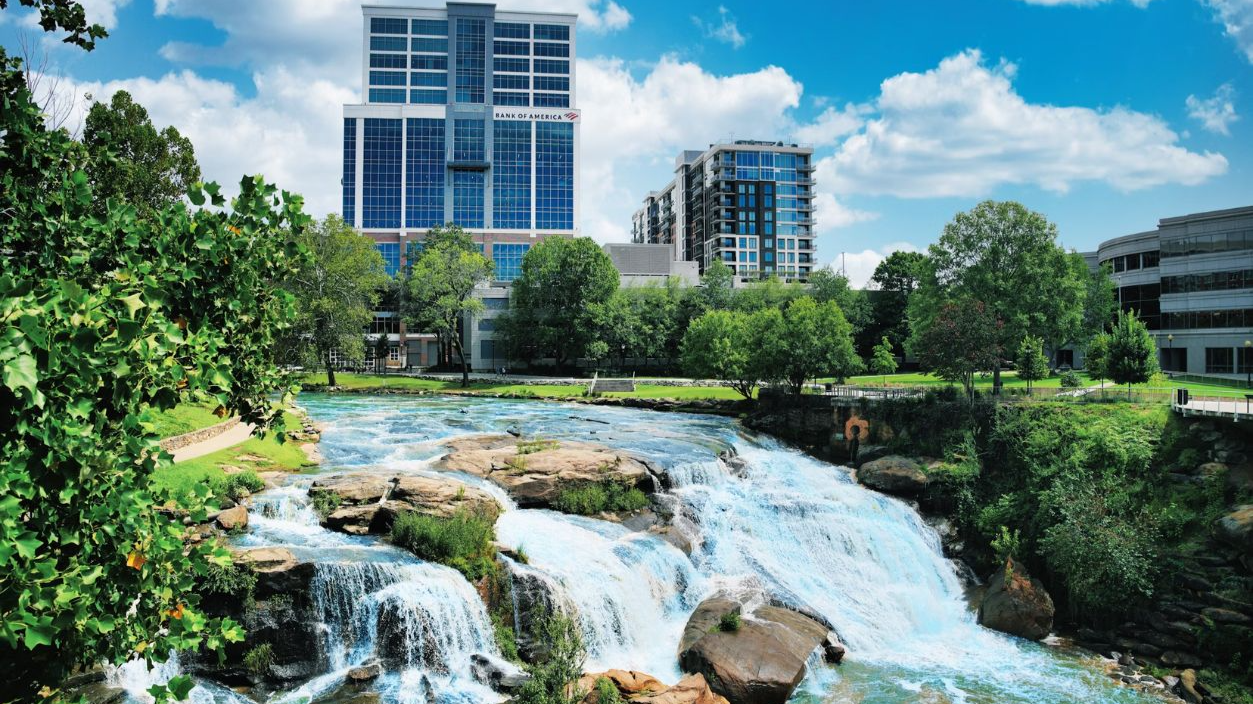
Chattanooga, Tennessee
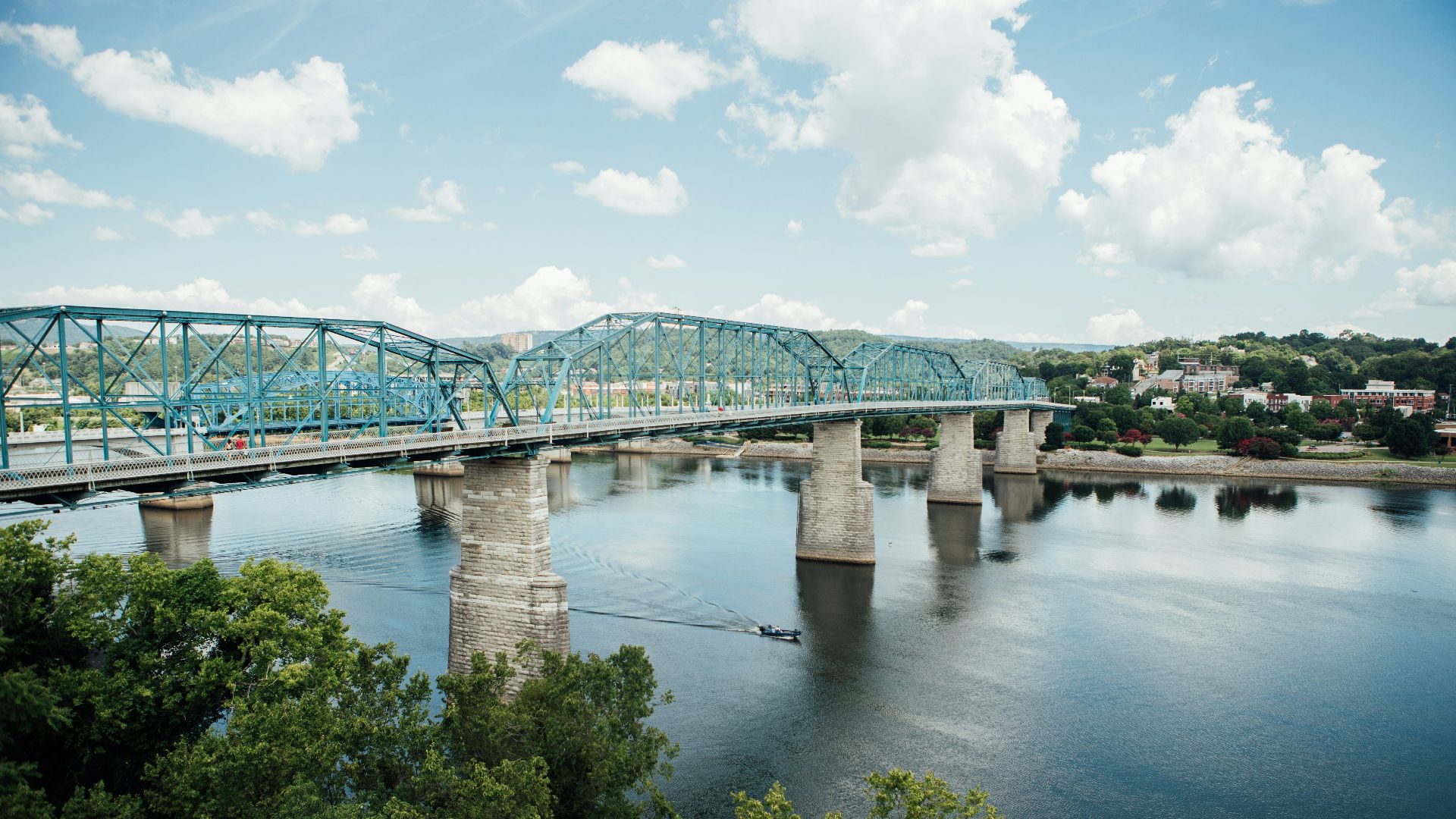
Chattanooga's comeback has been decades in the making, but its riverfront, downtown attractions, trails and public spaces have increasingly turned a former industrial city into a destination. The transformation continues, with major plans adding housing, green space and commercial development to hundreds of acres beside the Tennessee River.
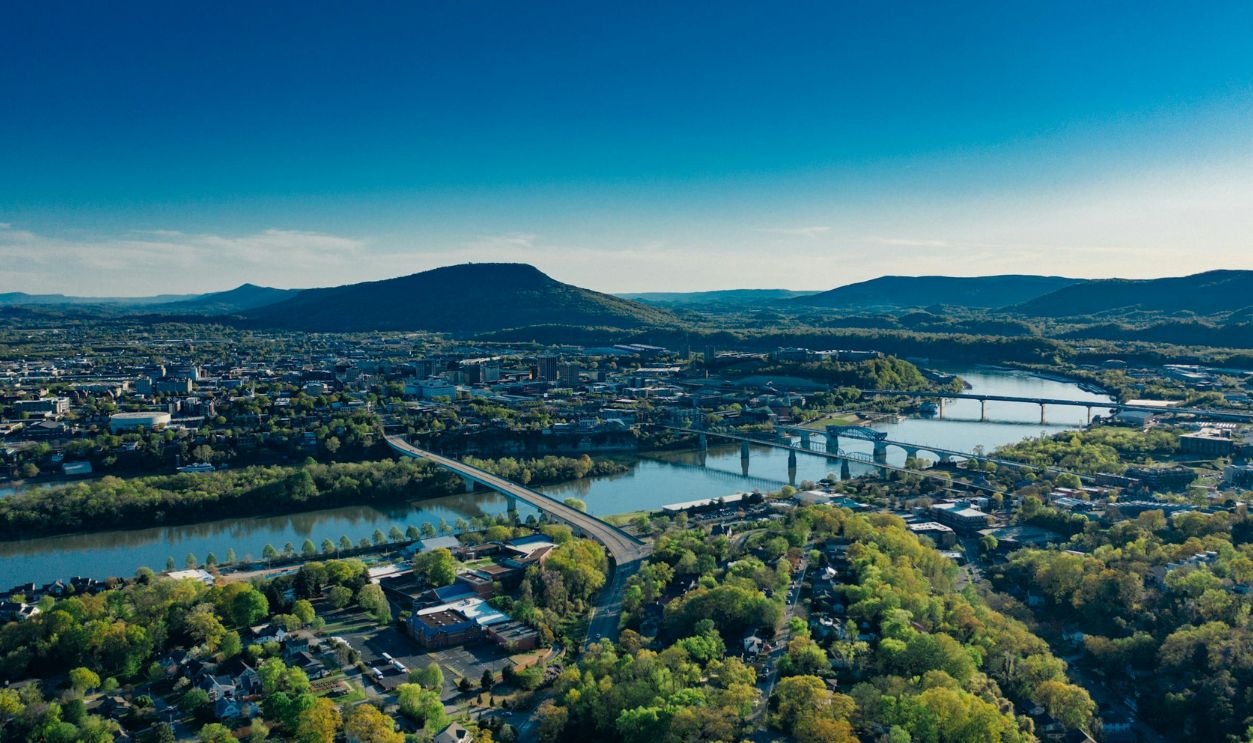
Oklahoma City, Oklahoma
Oklahoma City deliberately invested in itself through successive Metropolitan Area Projects (MAPS) initiatives, improving parks, recreation, cultural attractions and downtown infrastructure. Bricktown became an entertainment district, while Scissortail Park and other projects created gathering spaces where surface lots and underused land once dominated. The city continues planning around a more connected, lively downtown core.
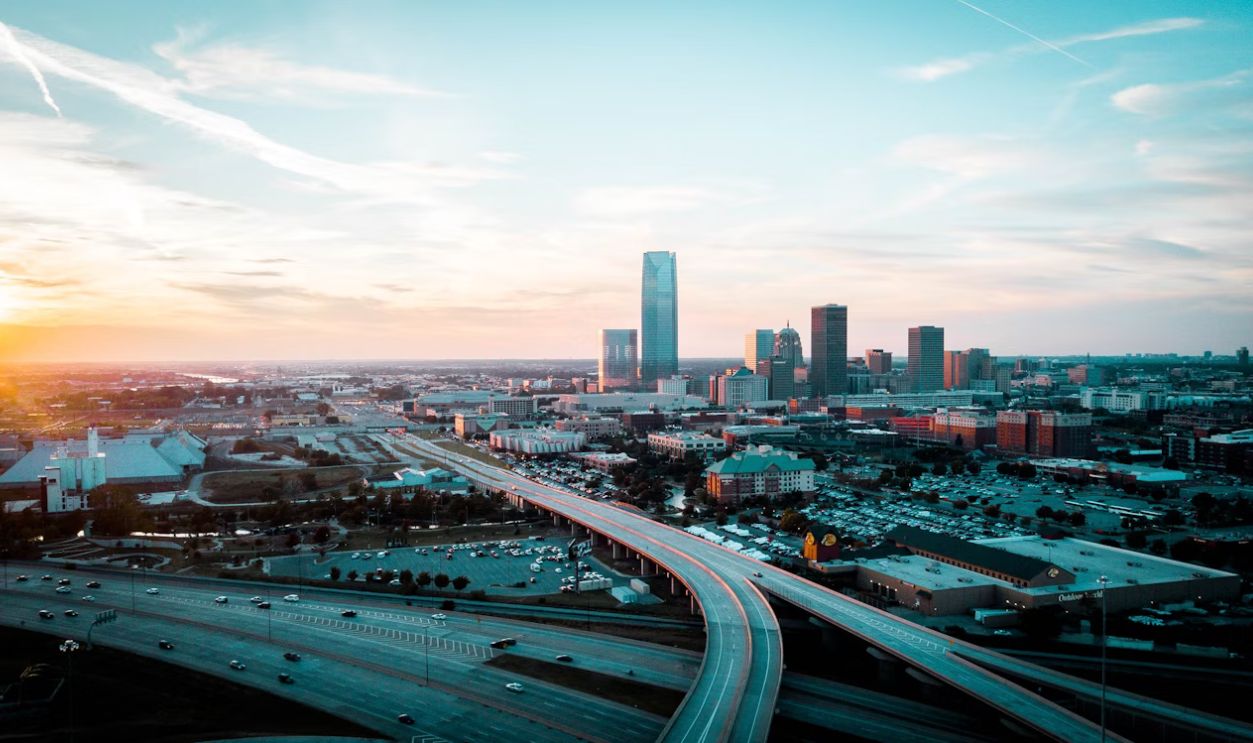
Kansas City, Missouri
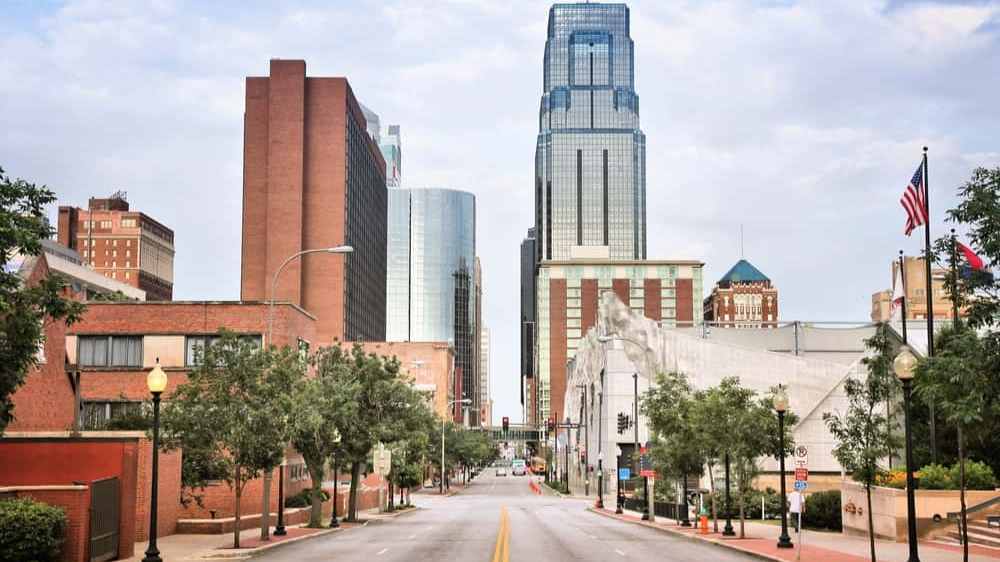
Kansas City's downtown is considerably livelier than it was in the early 2000s. The Power & Light District, Crossroads, renovated historic buildings, streetcar and continued investment in the 18th & Vine Jazz District have helped reconnect attractions that once felt scattered. The streetcar particularly changed how visitors can experience the urban core.
Milwaukee, Wisconsin
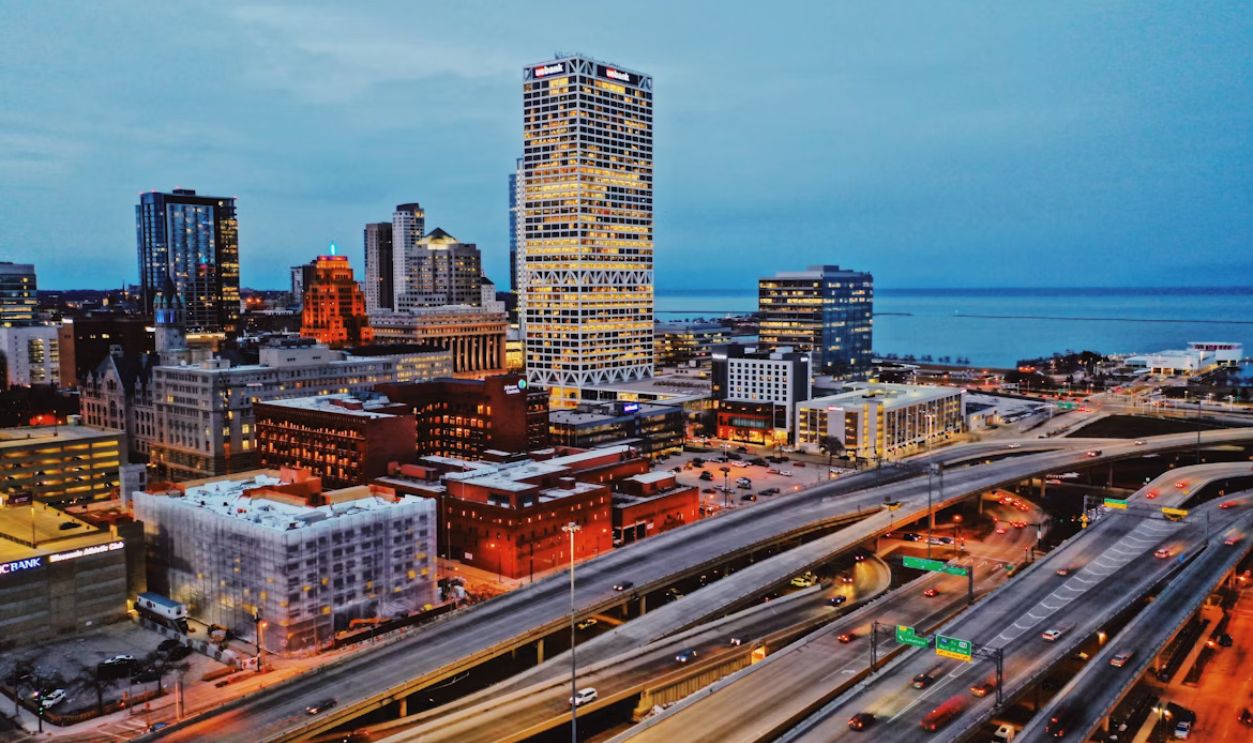
Milwaukee rediscovered an asset it had largely neglected: its rivers. The RiverWalk helped connect downtown neighborhoods while encouraging restaurants, housing and entertainment along the water. More recently, downtown development has accelerated, with the city reporting $5.5 billion in development since 2015 and thousands of additional housing units since 2010.
Birmingham, Alabama
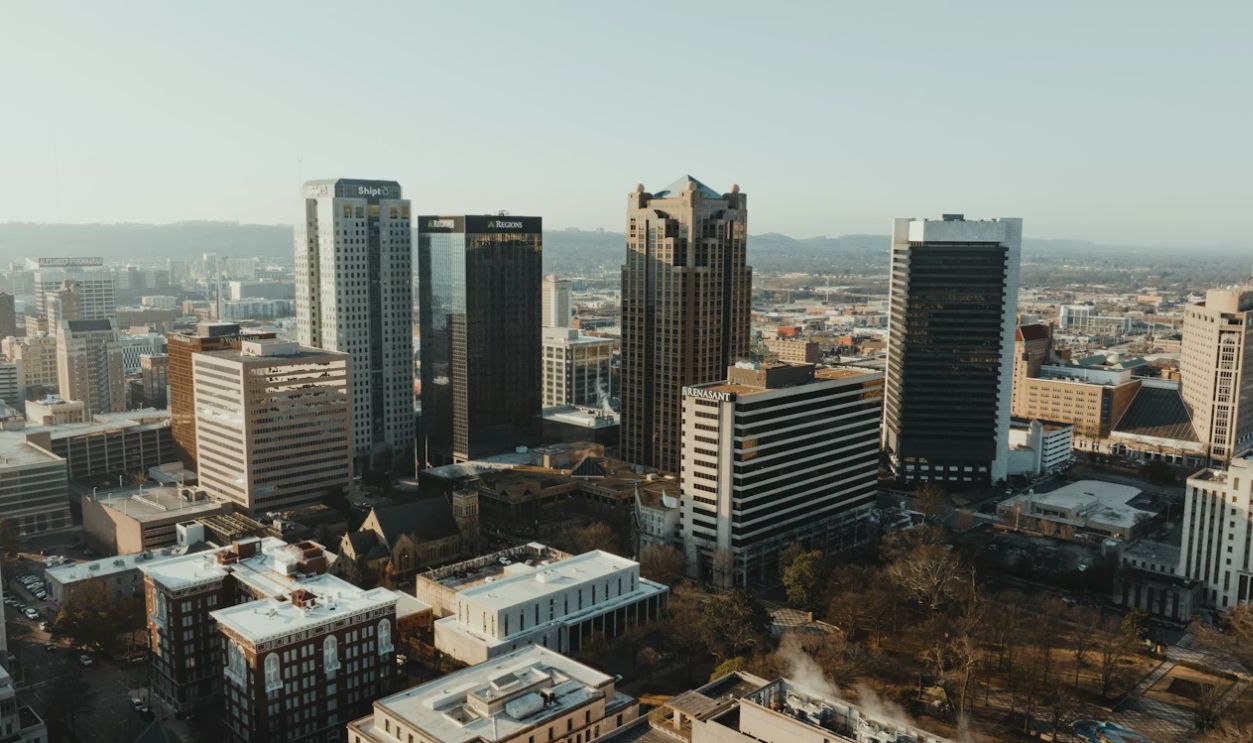
Railroad Park dramatically changed the feel of central Birmingham when it opened in 2010. The 19-acre green space converted former railroad land into a public gathering place and helped generate momentum for surrounding development. Regions Field, restaurants, residential projects and renewed downtown activity followed as Birmingham's center became considerably more inviting.
Tampa, Florida
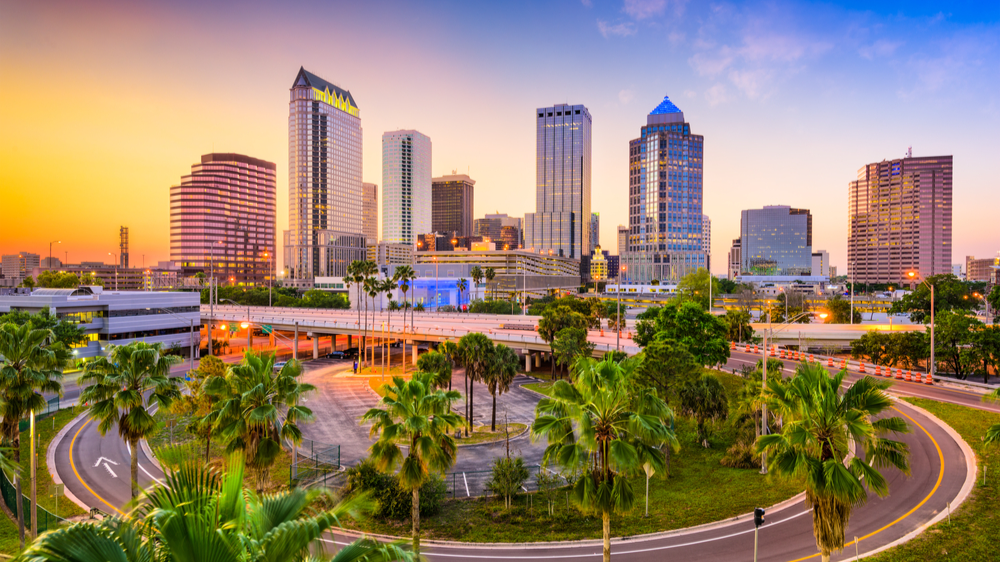
Tampa wasn't a declining Rust Belt city like some of the others we've looked at, but its downtown waterfront was surprisingly underused. The completed sections of the Tampa Riverwalk helped transform that relationship, connecting museums, parks, restaurants and attractions along the Hillsborough River. Expansion continues, reinforcing the waterfront as one of downtown Tampa's defining public spaces.
Jersey City, New Jersey
For decades, Jersey City lived in New York's enormous shadow while industrial decline left substantial waterfront land underused. Redevelopment brought offices, towers, parks, restaurants and new residents across the Hudson from Manhattan. Current projects are extending the transformation westward while attempting to include more affordable and mixed-income housing.
Indianapolis, Indiana
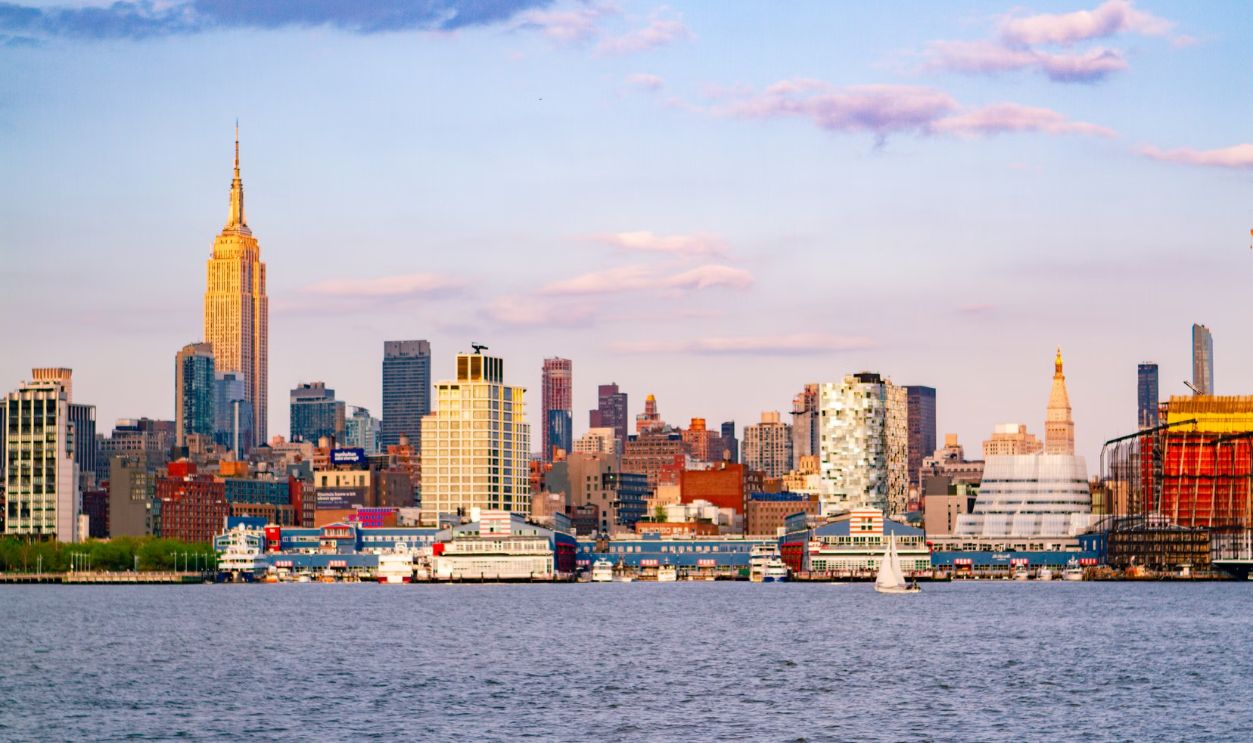
Indianapolis has steadily made its center easier to experience without a car. The Indianapolis Cultural Trail connected downtown neighborhoods, attractions and commercial districts with pedestrian and cycling infrastructure, while redevelopment brought new residents and businesses into formerly underused areas. Americans discussing improving Midwestern cities frequently put Indianapolis on the list.
Columbus, Ohio
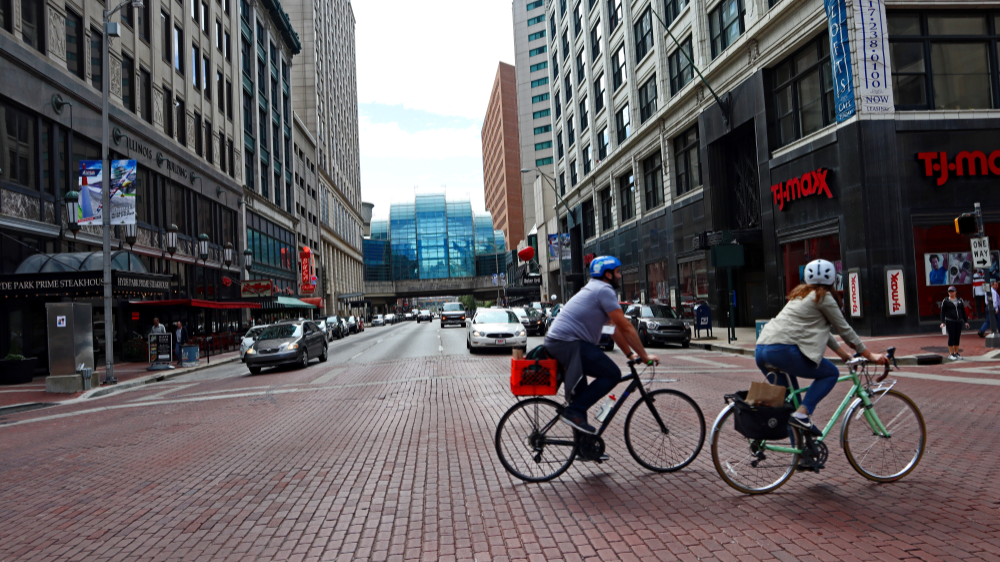
Columbus was already growing 20 years ago, so its improvement isn't a traditional comeback story. Instead, the transformation comes from maturation. Downtown redevelopment, the Scioto riverfront, expanding neighborhoods and sustained population growth have given Ohio's capital a considerably more urban identity than the oversized college-and-government town many visitors remember.
Cleveland, Ohio
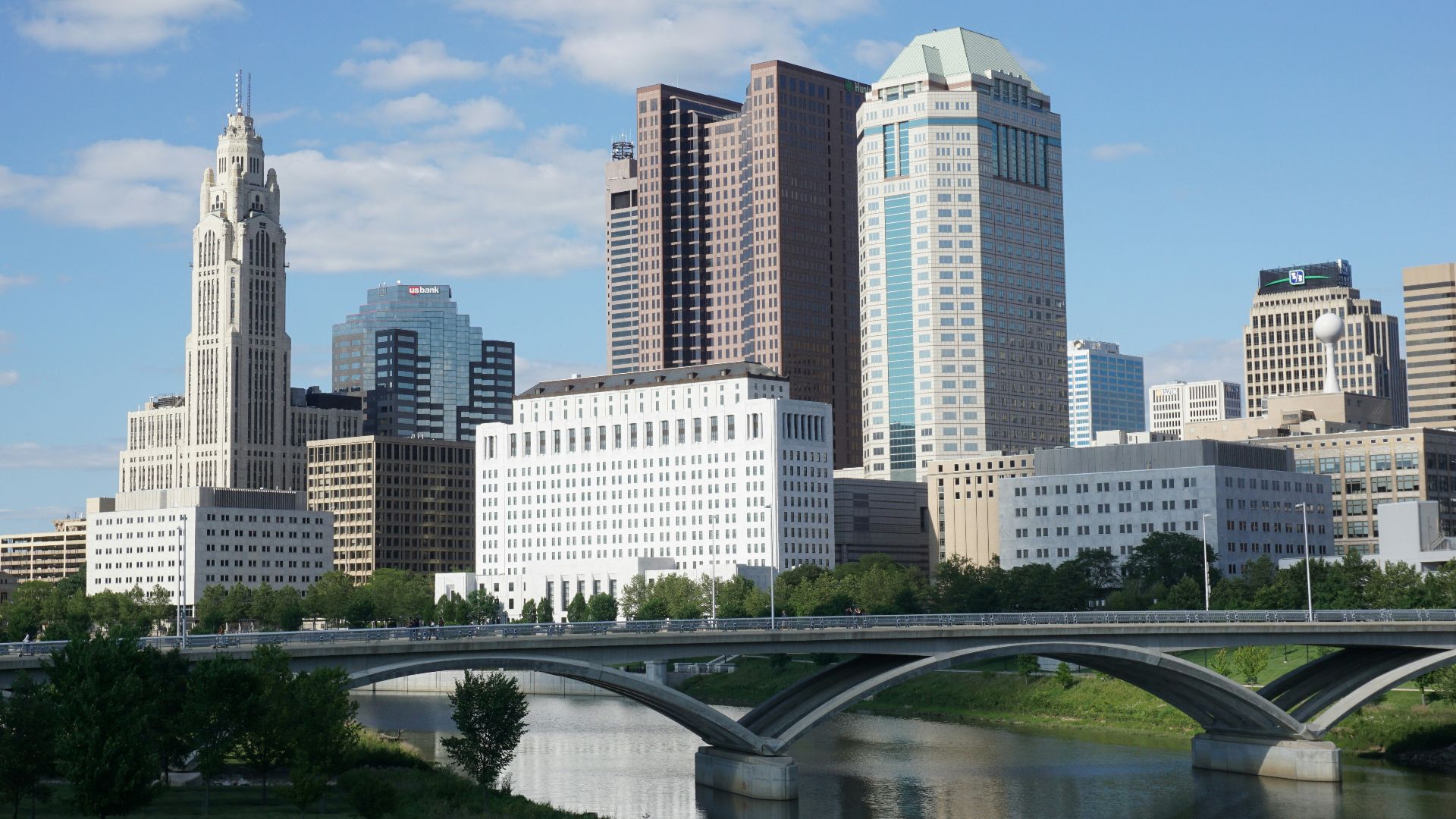
Cleveland's comeback remains unfinished, but neighborhoods and attractions that would have surprised visitors two decades ago now provide compelling reasons to explore beyond the city's familiar institutions. Redevelopment along the Cuyahoga continues, while ambitious new plans aim to finally reconnect downtown with a Lake Erie shoreline long separated by infrastructure.
Louisville, Kentucky
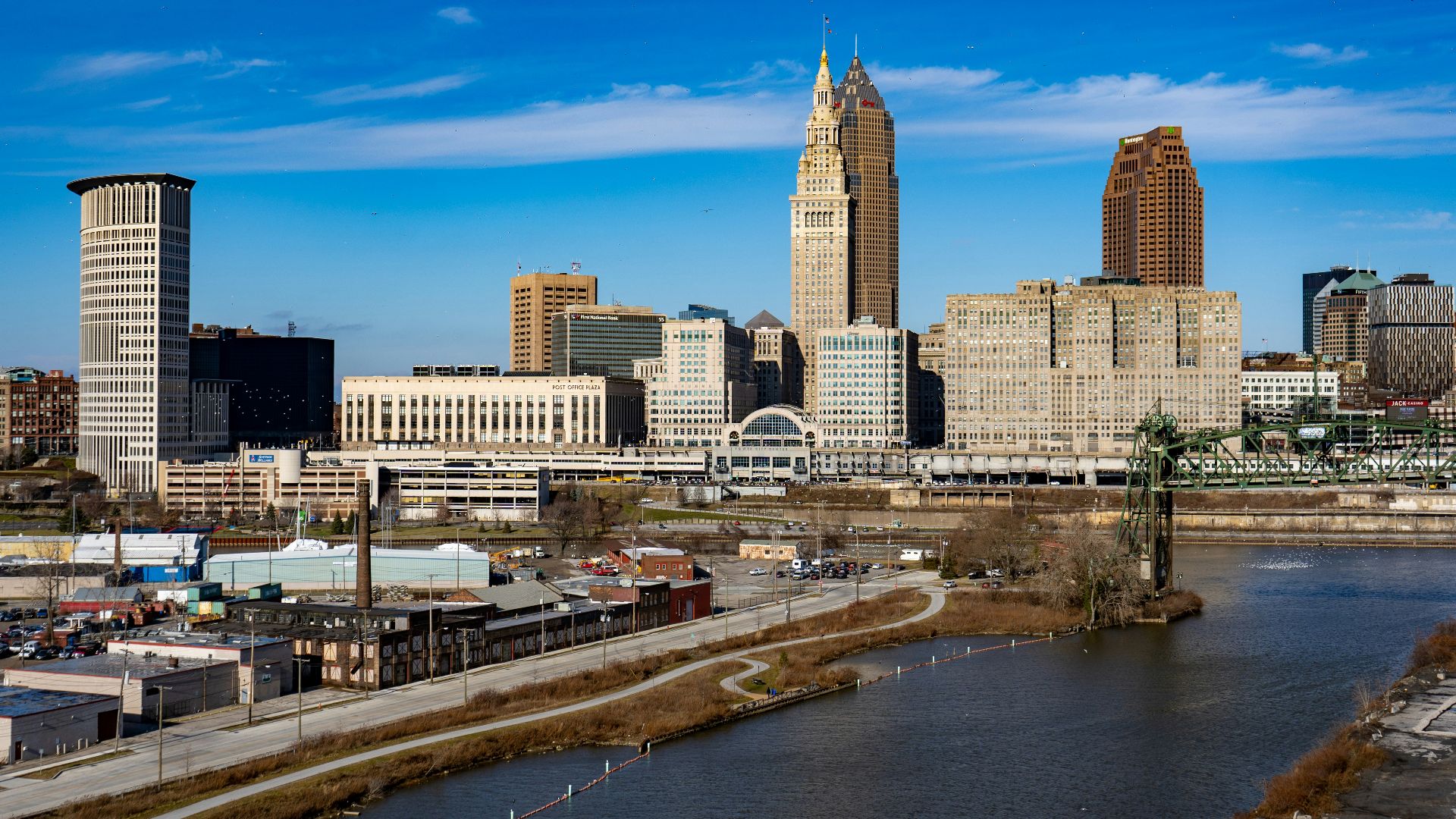
Louisville's revitalization has increasingly embraced the Ohio River and the historic architecture surrounding downtown. Waterfront Park, bourbon tourism, restored buildings and an increasingly distinctive restaurant scene changed the visitor experience. The city is now planning another overhaul of the Belvedere riverfront gathering space to continue that momentum.
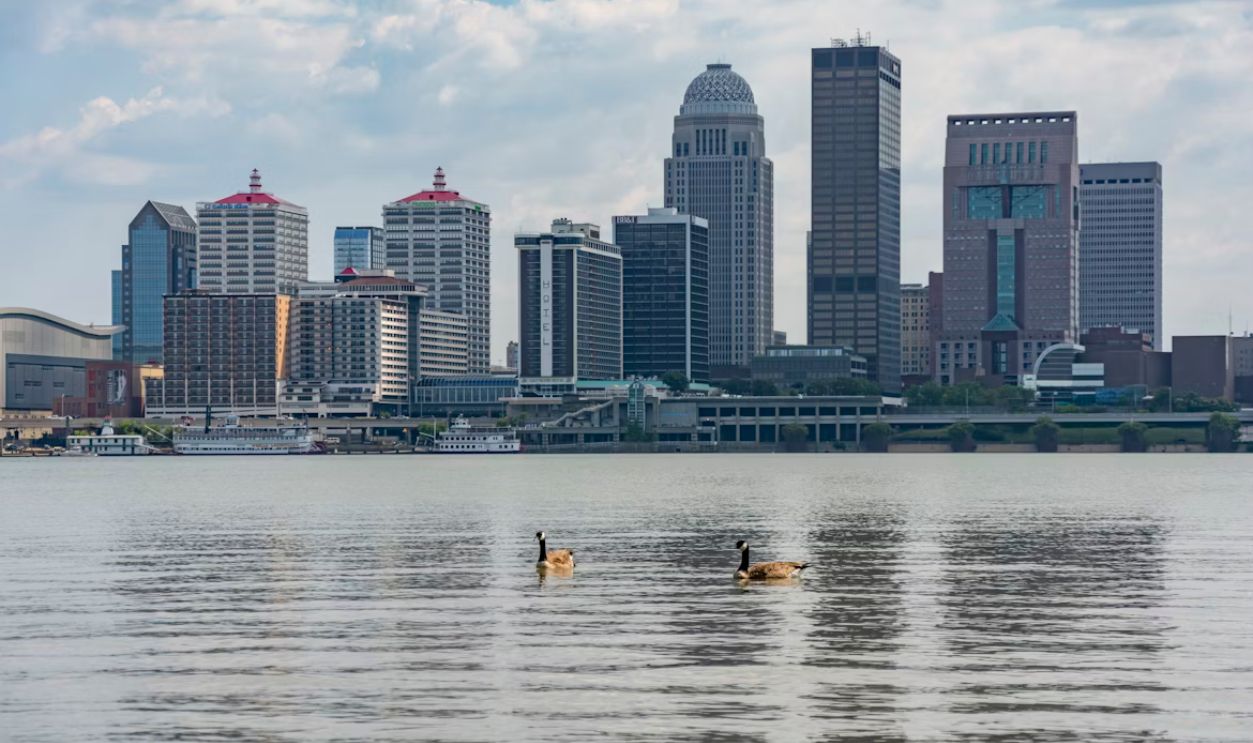
Providence, Rhode Island
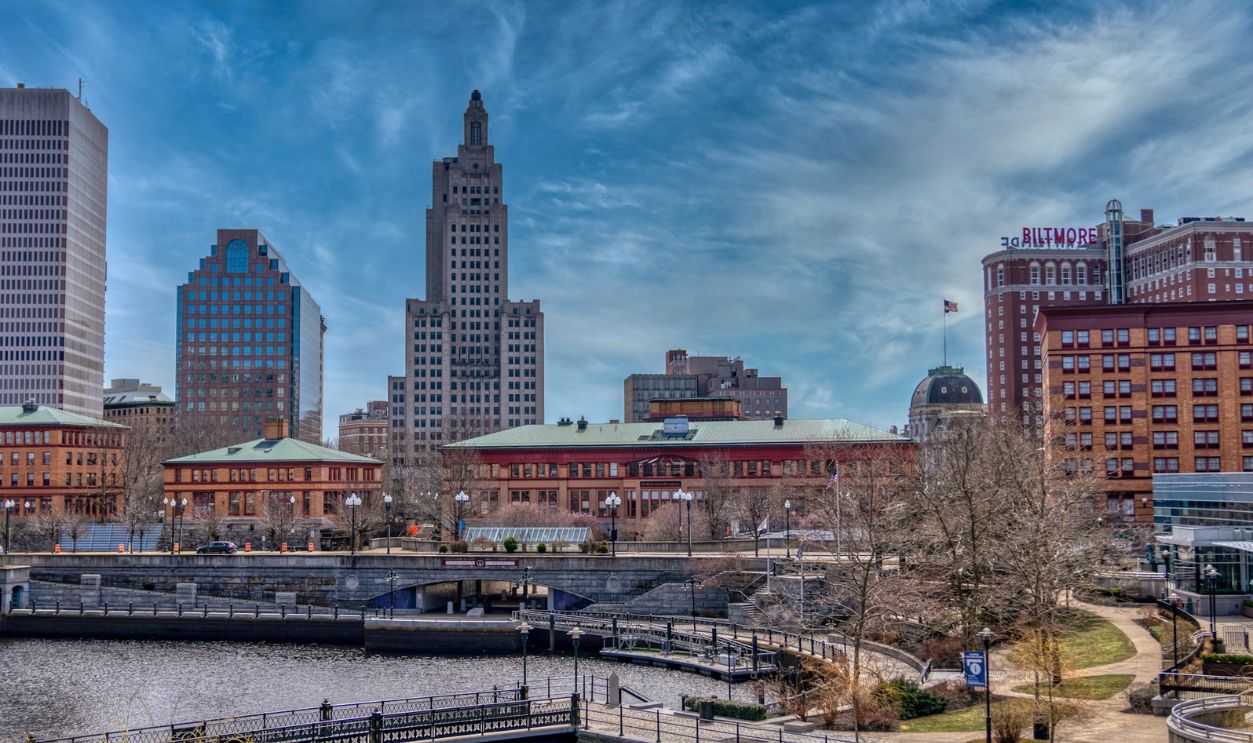
Providence's most dramatic transformation began when the city uncovered rivers once hidden beneath roads, but the benefits continued unfolding into the 21st century. WaterFire helped turn those waterways into an attraction, while restaurants, historic neighborhoods and public spaces strengthened downtown. Current plans call for another modernization of the riverwalks and Kennedy Plaza.
Richmond, Virginia
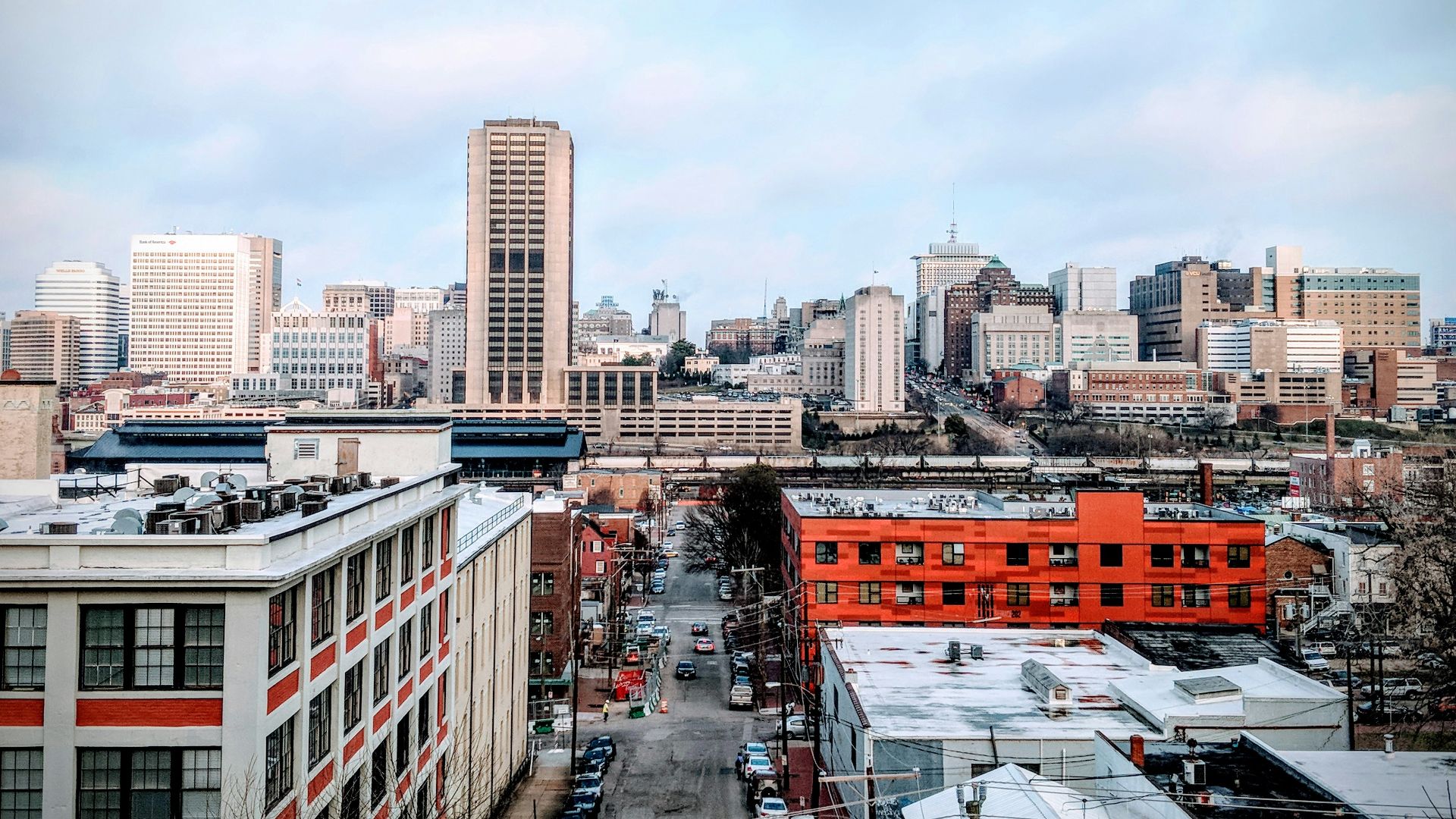
Richmond has increasingly turned toward the James River rather than treating it as scenery behind the city. Trails, river access, restored neighborhoods, breweries, restaurants and the flourishing arts scene have changed perceptions of Virginia's capital. Formerly industrial areas now contribute significantly to Richmond's appeal as a weekend destination.
Atlanta, Georgia
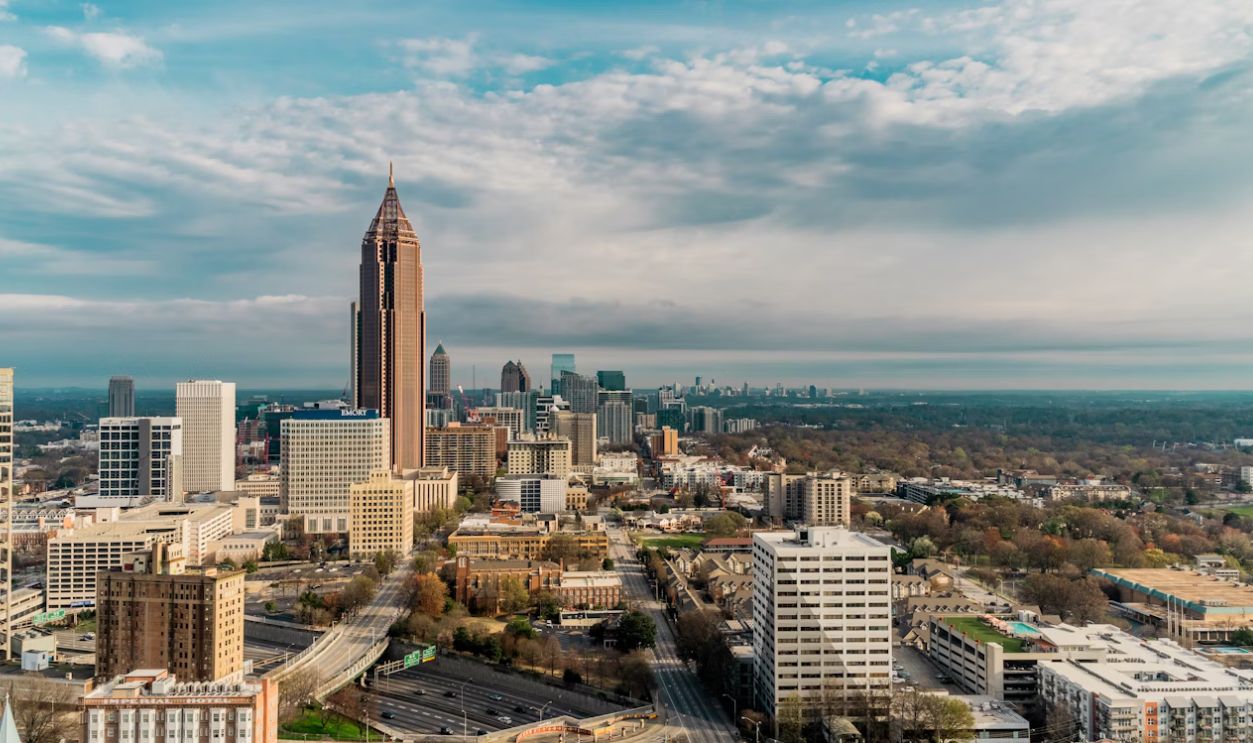
Atlanta's improvement comes with an important caveat: rapid growth created new problems involving affordability, traffic and displacement. Still, the BeltLine has dramatically changed how many neighborhoods interact, converting old rail corridors into trails and public spaces while encouraging development. Even Americans debating improved cities frequently single it out as a major achievement.
Des Moines, Iowa
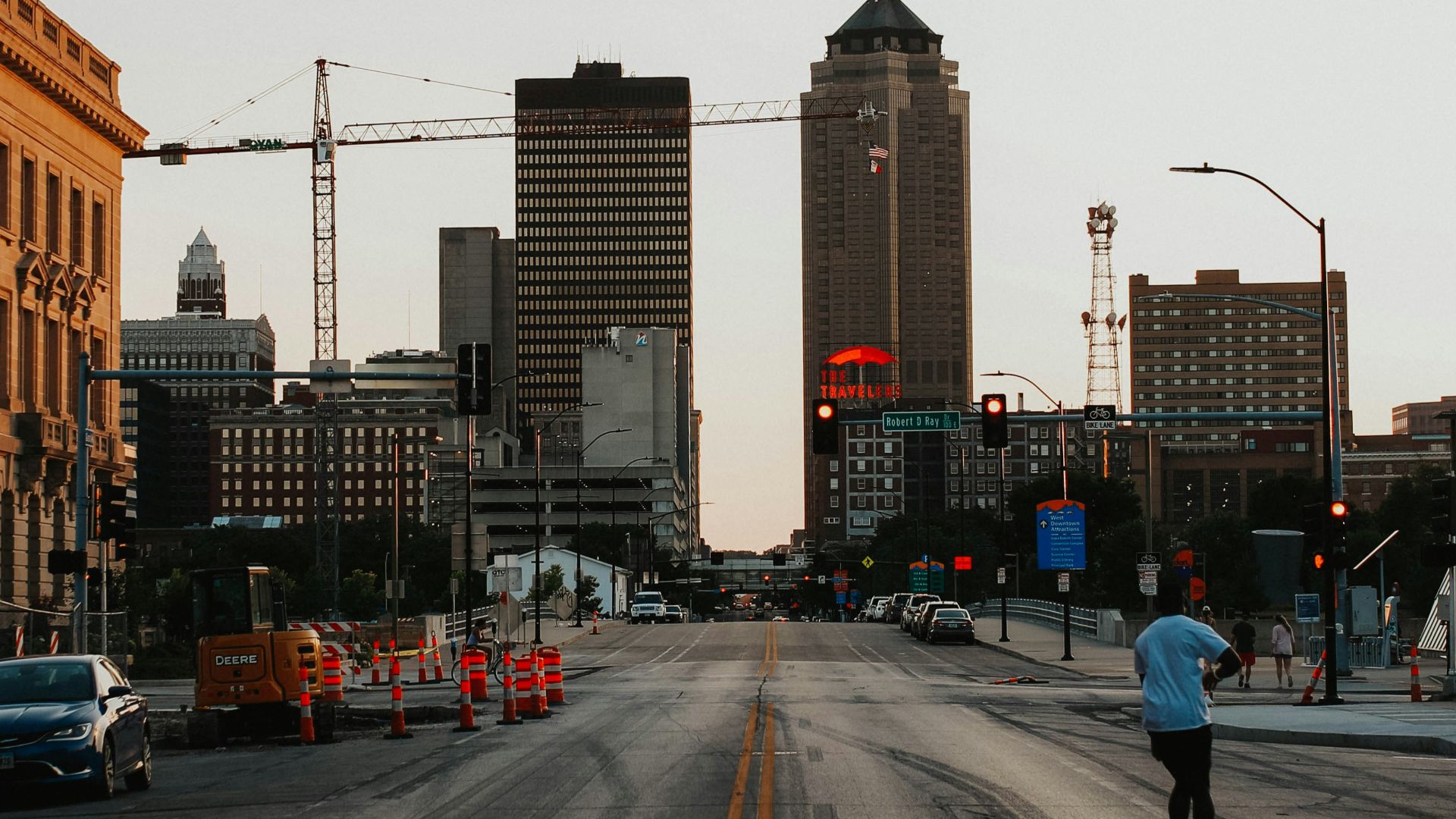
Des Moines rarely generates national hype, which may be part of its appeal. Downtown housing, restaurants, trails, cultural attractions and redevelopment have given the Iowa capital considerably more energy than many outsiders expect. It repeatedly appears alongside Midwestern cities attracting residents who want urban amenities without enormous coastal-city costs.
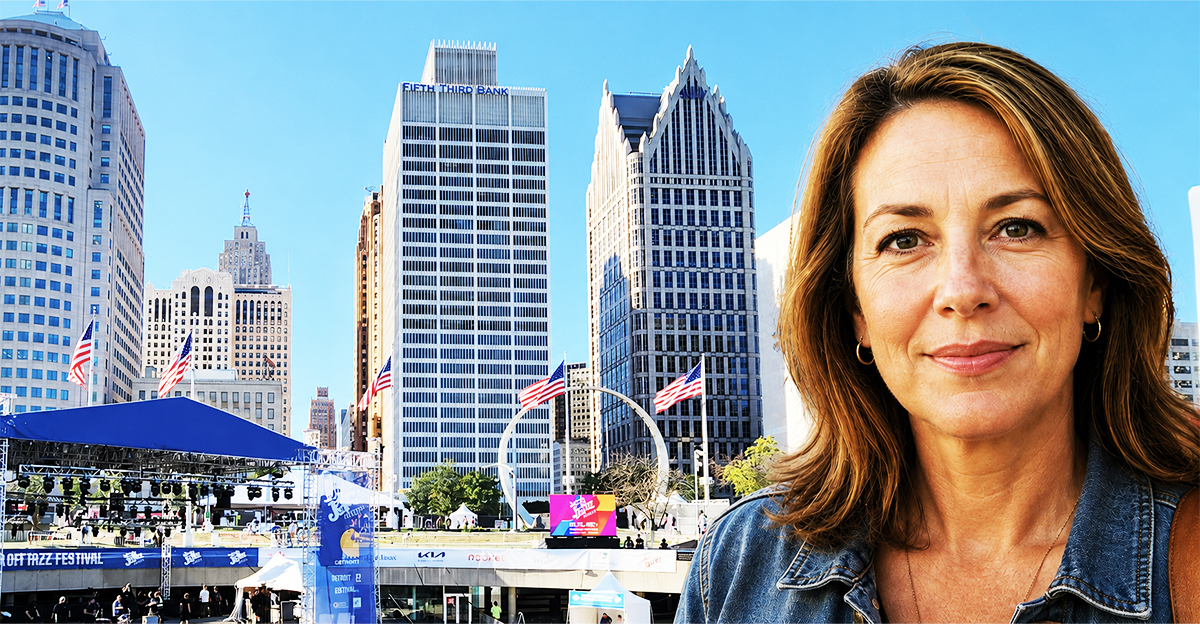
Detroit, Michigan
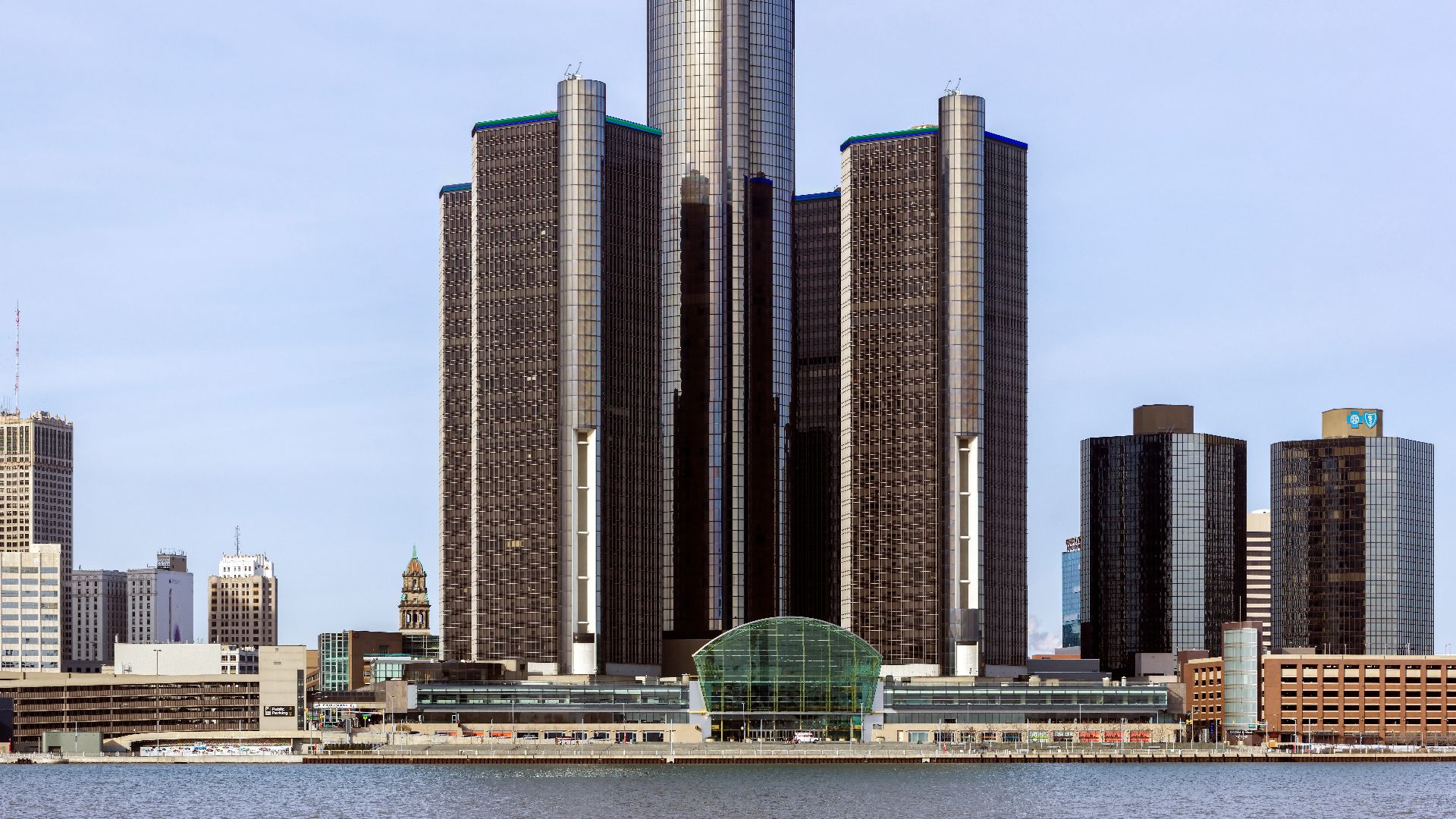
Few cities come up as consistently as Detroit when Americans discuss urban comebacks. Bankruptcy in 2013 seemed to confirm decades of decline, but downtown, Midtown and the riverfront have changed dramatically. New parks, restored buildings, restaurants and public spaces have made visiting Detroit a very different proposition than it was 20 years ago.
 Crisco 1492, Wikimedia Commons
Waterfronts Matter
One pattern appears again and again: successful cities stopped treating their waterfronts like industrial backyards. Detroit, Buffalo, Milwaukee, Chattanooga and Tampa invested in places where people could actually reach the water. Parks and promenades then encouraged restaurants, housing, recreation and tourism to grow around them.
Great Parks Create Momentum
A city doesn't necessarily need a spectacular skyscraper to change perceptions. Greenville's Falls Park and Birmingham's Railroad Park demonstrate what a beautifully designed public space can accomplish. Give people an attractive reason to spend time downtown and restaurants, housing, events and private investment suddenly have an audience waiting outside.
Old Buildings Became Assets
For decades, aging warehouses and historic commercial blocks were treated as liabilities. Many improving cities eventually discovered the opposite. Cincinnati's Over-the-Rhine and similar districts benefited from preserving distinctive architecture while introducing new uses. Places that once symbolized decline became precisely what differentiated these cities from newer, more generic destinations.
Comebacks Are Complicated
None of these cities magically fixed everything. Revitalization can bring rising rents and displacement, while prosperous downtowns can exist alongside neighborhoods still struggling with poverty, vacancy and inadequate services. Yet the broader lesson is encouraging: urban decline isn't necessarily permanent, and Americans increasingly recognize cities they once dismissed as places worth another look.
You May Also Like:
North American Cities That Tourists Say Are Surprisingly Friendly, Despite Their Reputations
The 2026 Best Cities In America Rankings Have Just Been Published—Do You Agree With The Top 10?
Ranking The Most Affordable Big Cities In America—According To Data
Sources: 1, 2, 3, 4, 5, 6, 7, 8, 9, 10, 11, 12, 13, 14, 15, 16