The Best Part Of The Trip Might Start After Everyone Else Leaves
There’s something satisfying about arriving somewhere after the crowds have packed up. Suddenly, getting dinner doesn’t require military planning, a scenic viewpoint has room to breathe, and the hotel you dismissed in July might fit your budget. The trick is choosing the right off-season.
Cape Cod, Massachusetts, United States
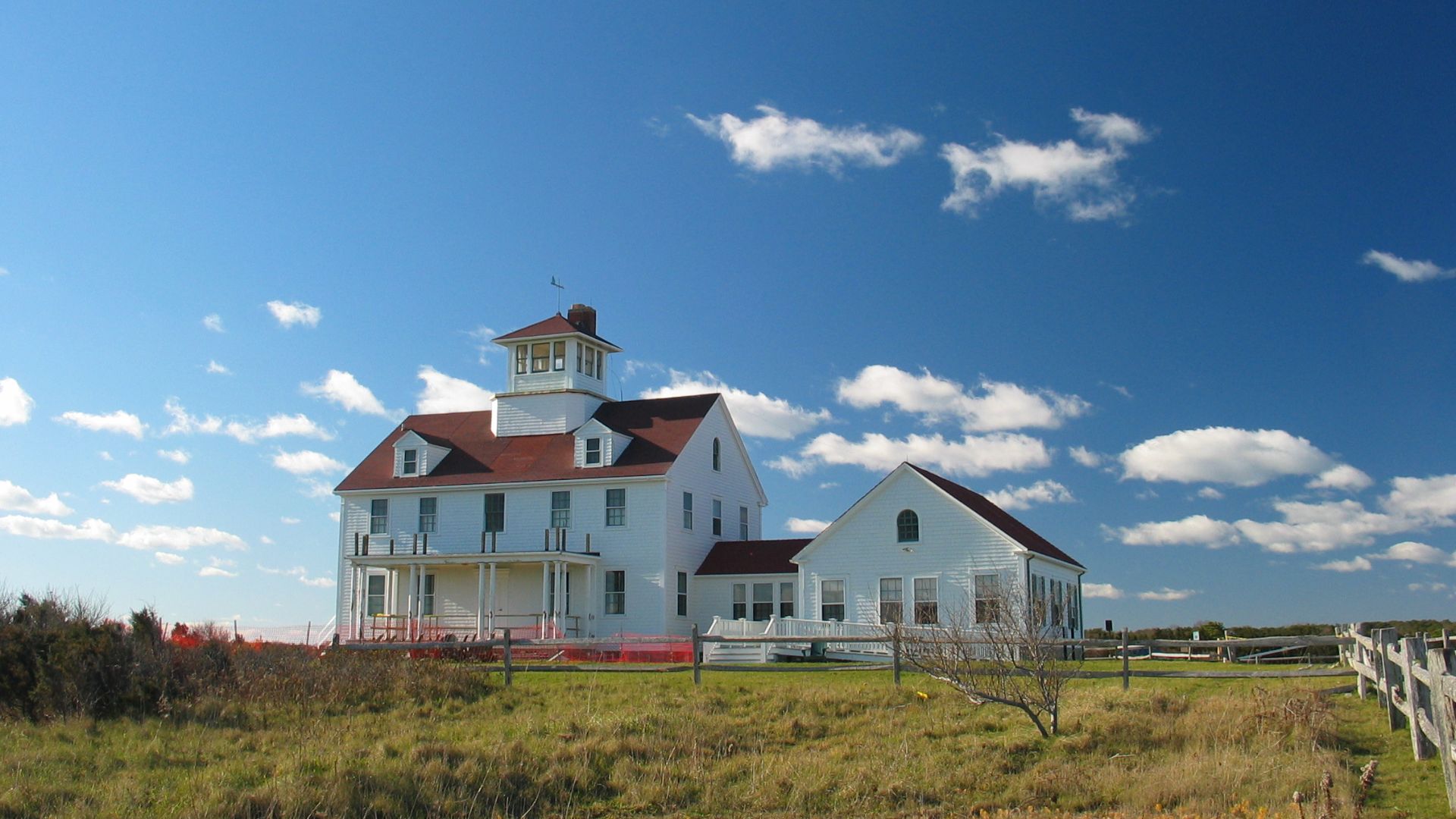
After Labor Day through early October, Cape Cod settles into what locals call its “second summer.” The beaches haven’t gone anywhere, the ocean can retain some summer warmth, and getting around usually involves less time staring at somebody else’s brake lights. September is especially appealing for beach walks, bike rides, seafood dinners, and exploring villages without midsummer congestion. It’s also early enough that many seasonal businesses are still operating, although opening hours become worth checking as fall progresses. Bring a sweater for the evenings, but don’t assume the beach portion of your vacation is automatically over.
 Daniel Schwen, Wikimedia Commons
Whistler, British Columbia, Canada
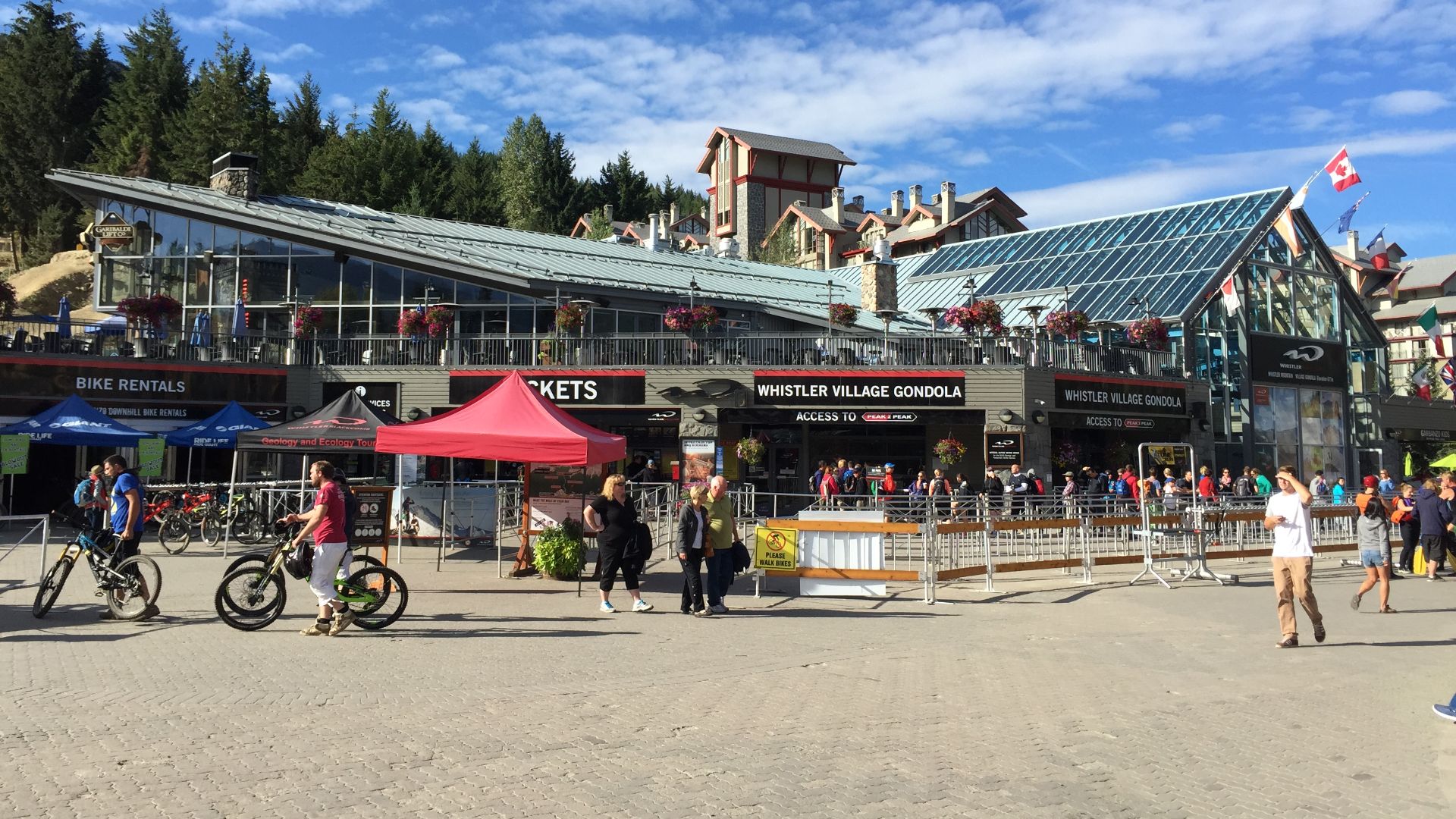
October through early November offers a different version of Whistler from the one built around ski lifts and summer adventure. The village becomes a place for long lunches, gallery visits, forest walks, and spa appointments, with fall accommodation and dining offers adding to the appeal. This is a particularly good window for people who like mountain scenery without needing a packed outdoor itinerary. The catch is that sightseeing gondolas can close between seasons, and snow may restrict higher trails. Plan around the village and lower elevations rather than assuming every summer attraction will still be available.
 Richie Diesterheft from Santa Barbara, CA, USA, Wikimedia Commons
New York City, New York, United States
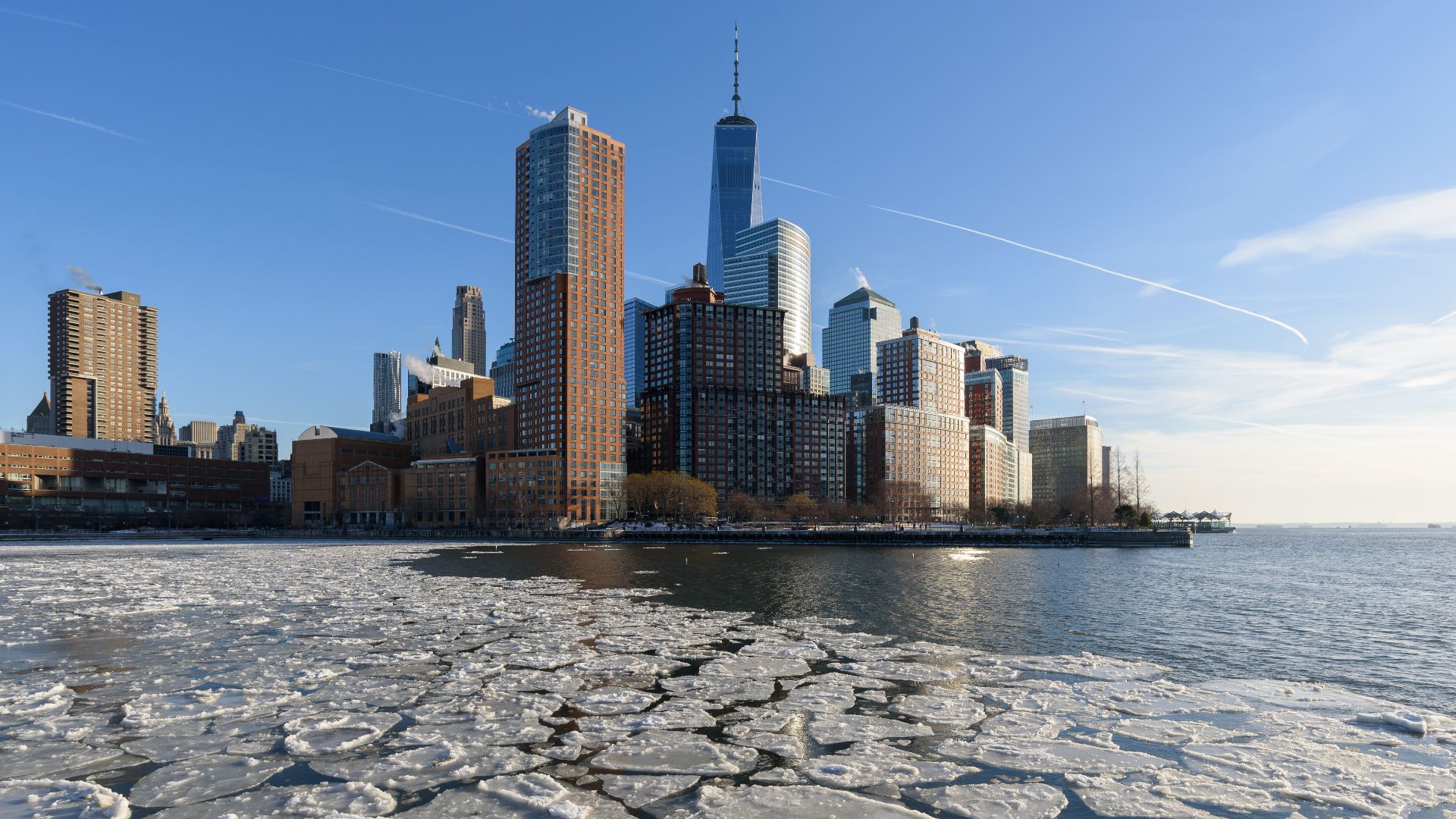
Mid-January through February, outside holiday weekends, is a good time to visit New York when your priorities are museums, restaurants, and theater rather than lingering in Central Park. The city’s recurring winter promotions have included hotel discounts, special restaurant menus, and two-for-one Broadway tickets, although participating businesses and dates change each year. You’ll still need reservations for popular experiences, but there can be more room in both your schedule and your budget. A warm coat is part of the deal, and grouping activities by neighborhood helps keep the day enjoyable when the weather turns unpleasant.
 King of Hearts, Wikimedia Commons
Puerto Vallarta, Jalisco, Mexico
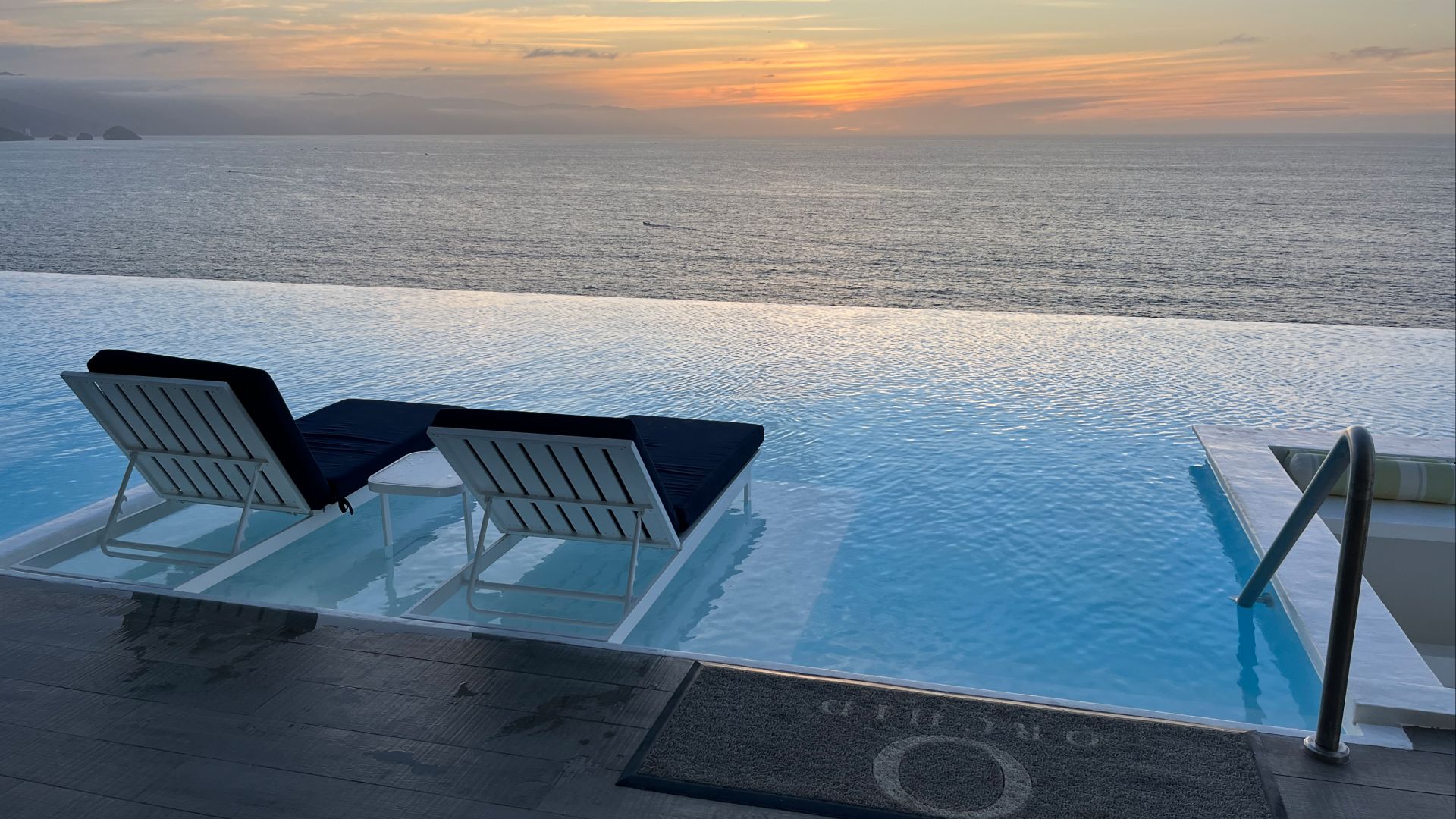
May falls after Puerto Vallarta’s busy winter stretch and can offer a worthwhile compromise between beach weather, crowds, and cost. Mornings suit waterfront walks and beach time, while the increasing afternoon heat provides a perfectly reasonable excuse to find some shade and order lunch. Humidity builds as the rainy season approaches, so this isn’t the best choice for anyone seeking cool sightseeing weather. Check the festival calendar carefully, too. Vallarta Pride brings its own lively crowds in late May, meaning a month that looks quiet on paper can feel very different depending on your dates and neighborhood.
 Another Believer, Wikimedia Commons
Tofino, British Columbia, Canada
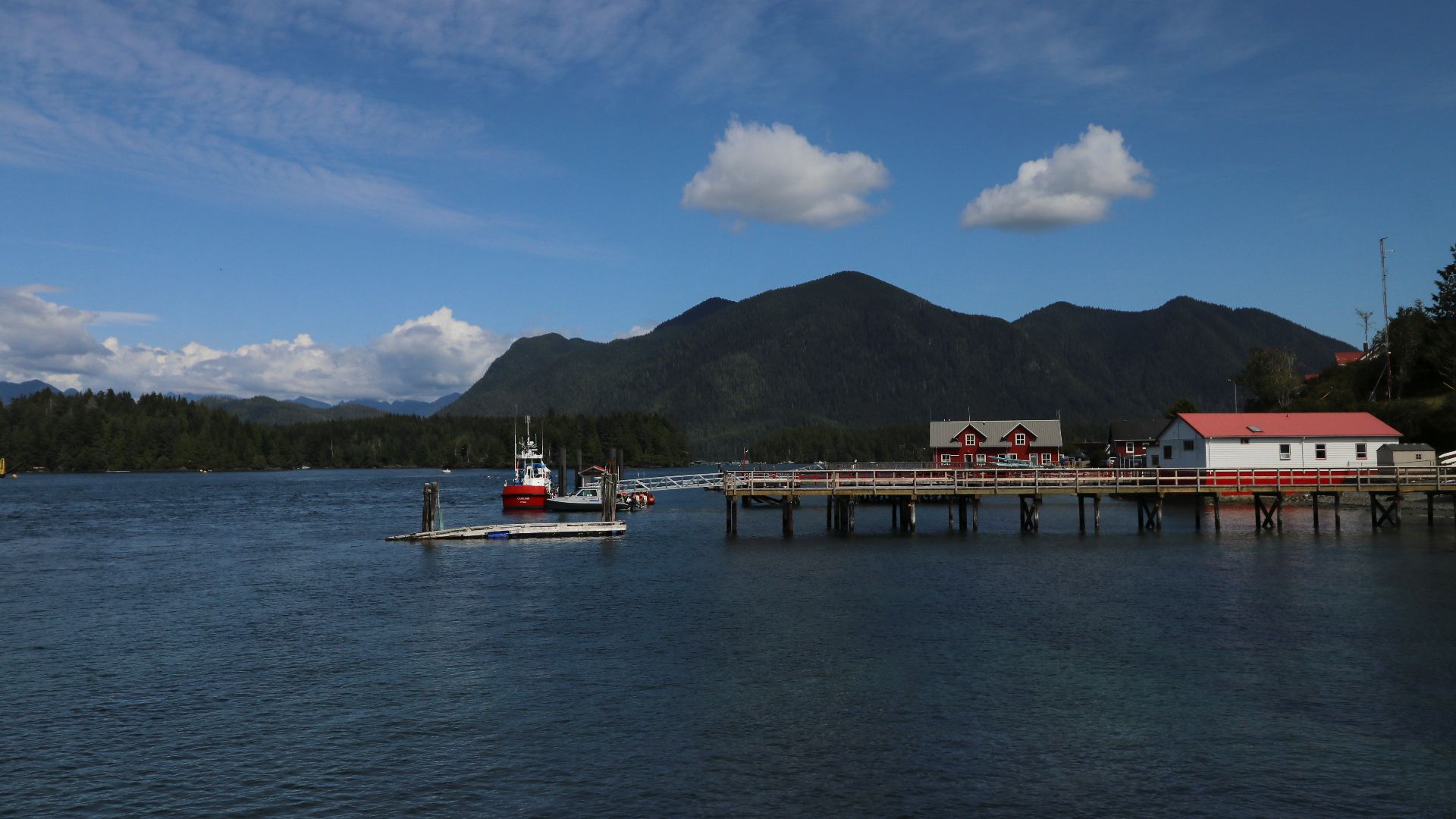
November through March turns Tofino’s supposedly bad weather into the reason to go. Visitors come for enormous Pacific waves, windswept beaches, rainforest scenery, and the pleasure of watching it all from somewhere warm and dry. A room with an ocean view can become the main attraction rather than simply somewhere to sleep. Storm watching has developed a following of its own, though, so winter doesn’t automatically mean bargain accommodation. Safety matters more than getting closer for a photograph: stay well back from the surf, avoid shoreline rocks and driftwood during storms, and follow local warnings and closures.
The Outer Banks, North Carolina, United States
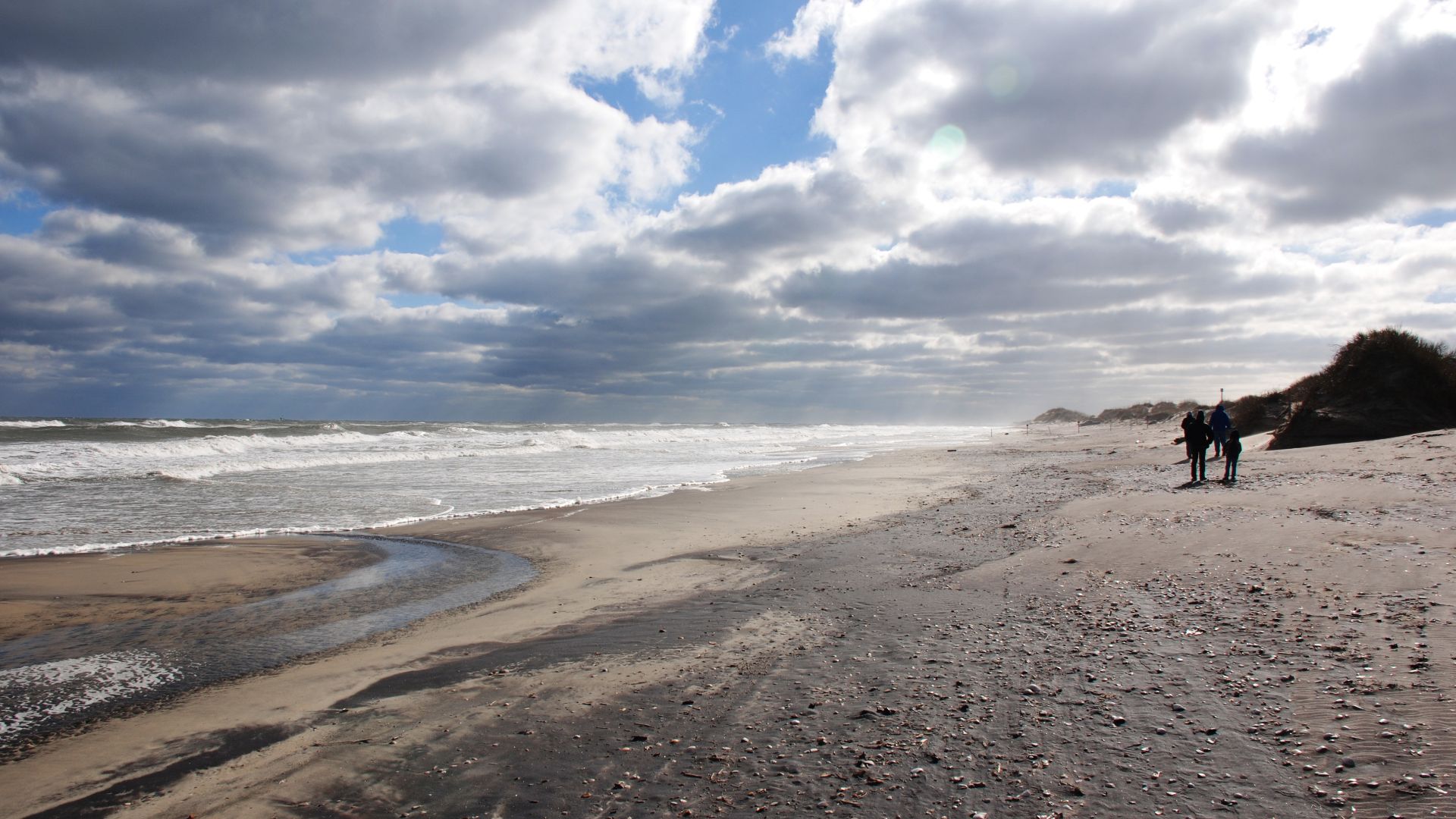
September and October give the Outer Banks a quieter coastal rhythm without immediately shutting down everything people come to enjoy. September can still deliver beach weather, while fall adds fishing, birdwatching, and more comfortable conditions for exploring coastal communities. Instead of building every day around swimming, leave room for waterfront walks, local history, and stops at places you might rush past during a summer visit. Hurricane season is the significant trade-off. Check cancellation terms before booking, keep plans flexible, and pay attention to official forecasts and evacuation instructions rather than assuming a peaceful beach means trouble can’t develop.
 Jarek Tuszyński, Wikimedia Commons
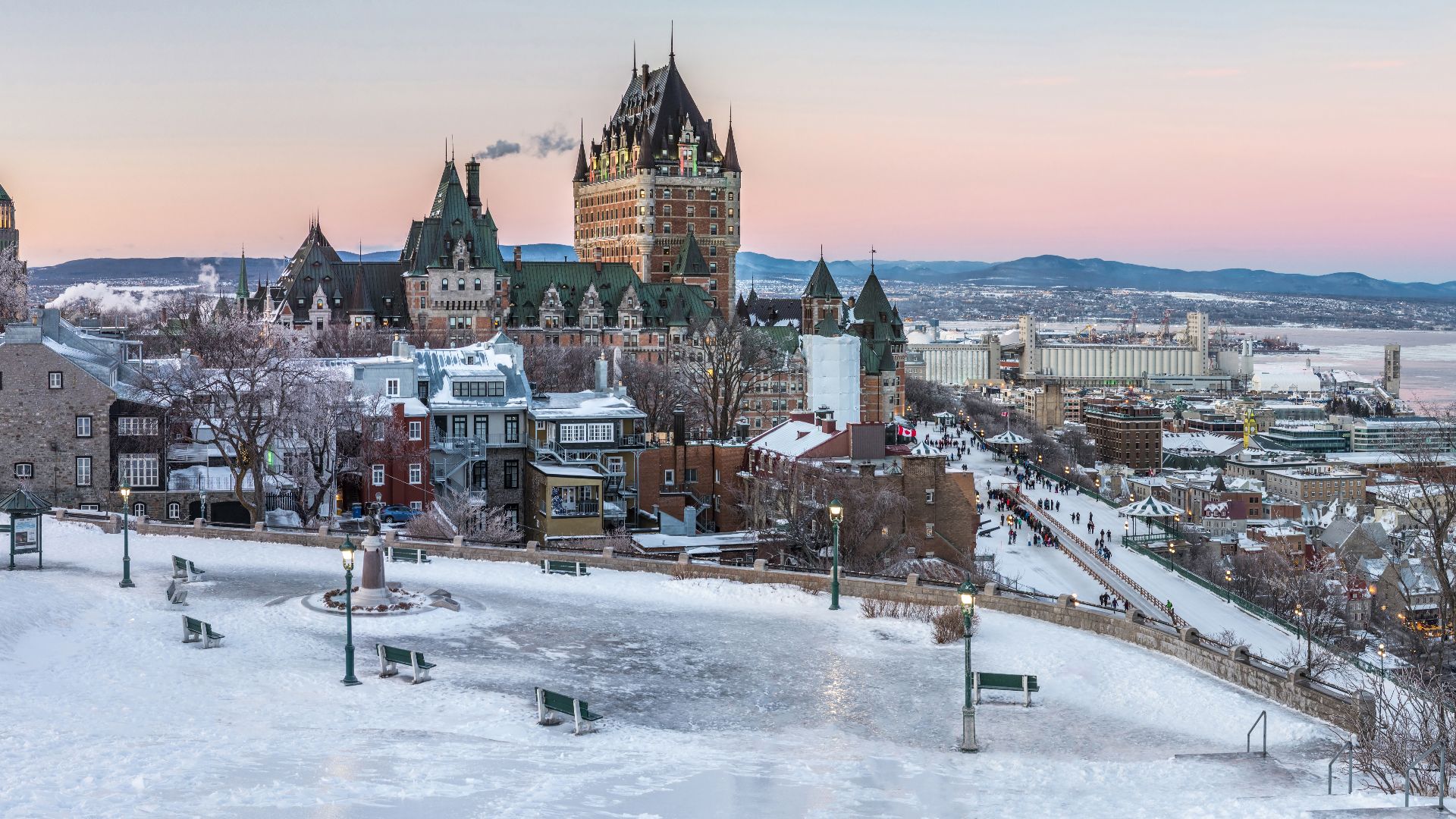
Québec City, Québec, Canada
May gives Québec City a useful middle ground between its busiest summer months and the deep cold of winter. Old Québec’s streets, restaurants, museums, and river views remain the main attractions, but exploring them doesn’t necessarily involve the same concentration of visitors found later in the year. As gardens begin waking up, the city becomes increasingly inviting for walks punctuated by café stops. Just resist packing as though it’s already July. Spring temperatures can vary considerably, and rain is part of the bargain. A flexible mix of neighborhood wandering and indoor sightseeing works better than an entirely outdoor schedule.
San Diego, California, United States
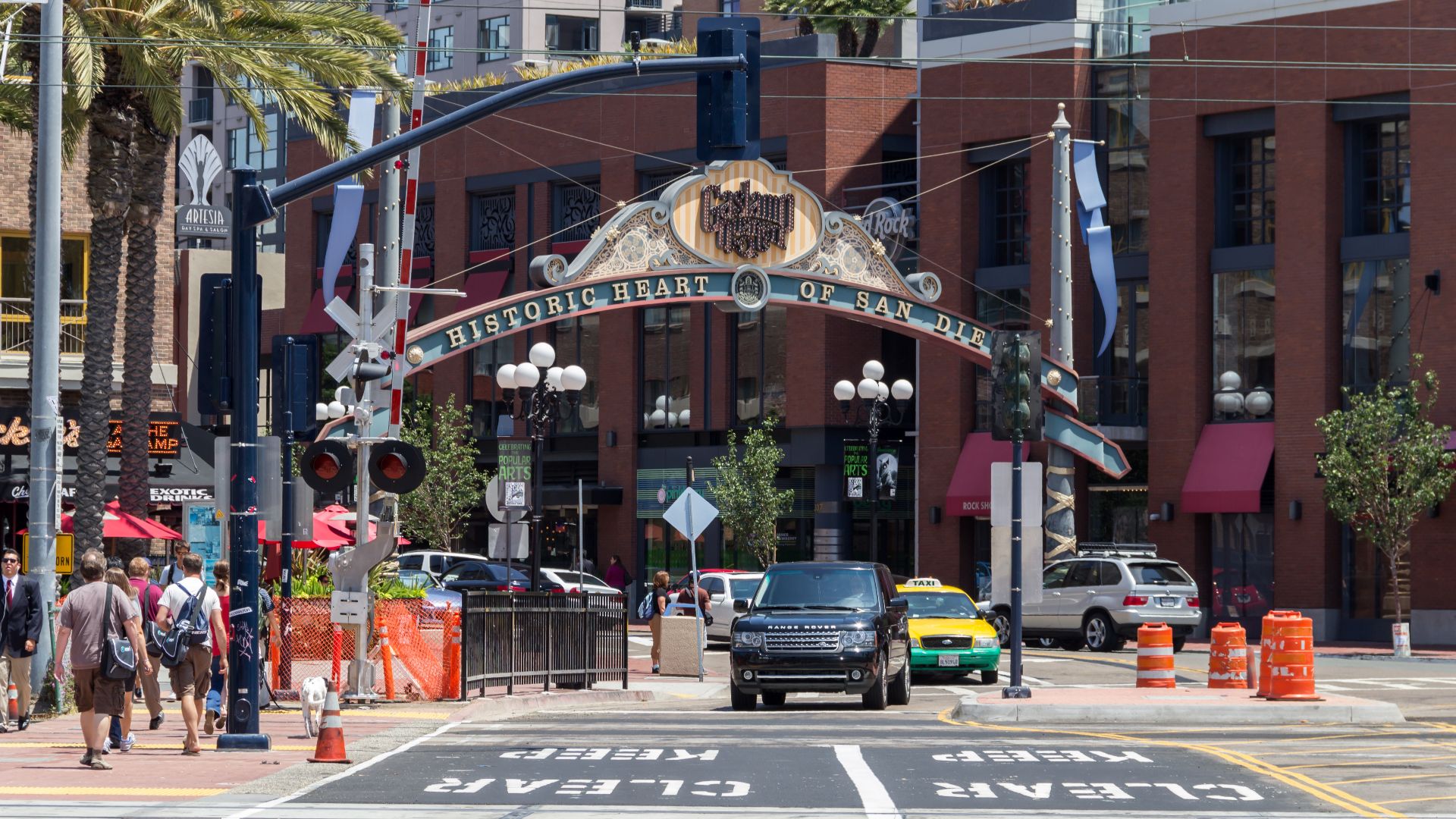
September and October, particularly after Labor Day, can deliver much of what people hope for from a summer trip to San Diego without the full summer-vacation crowd. Sunny, mild conditions often continue, making this a good window for coastal walks, outdoor dining, and time at the beach. Fall events also give the city plenty of energy without requiring you to visit during its busiest season. It won’t be deserted, especially on weekends, and the Pacific can still feel cool. The appeal is a better balance of weather and breathing room, rather than having a famous Southern California destination to yourself.
 Dietmar Rabich, Wikimedia Commons
Grand Canyon’s South Rim, Arizona, United States
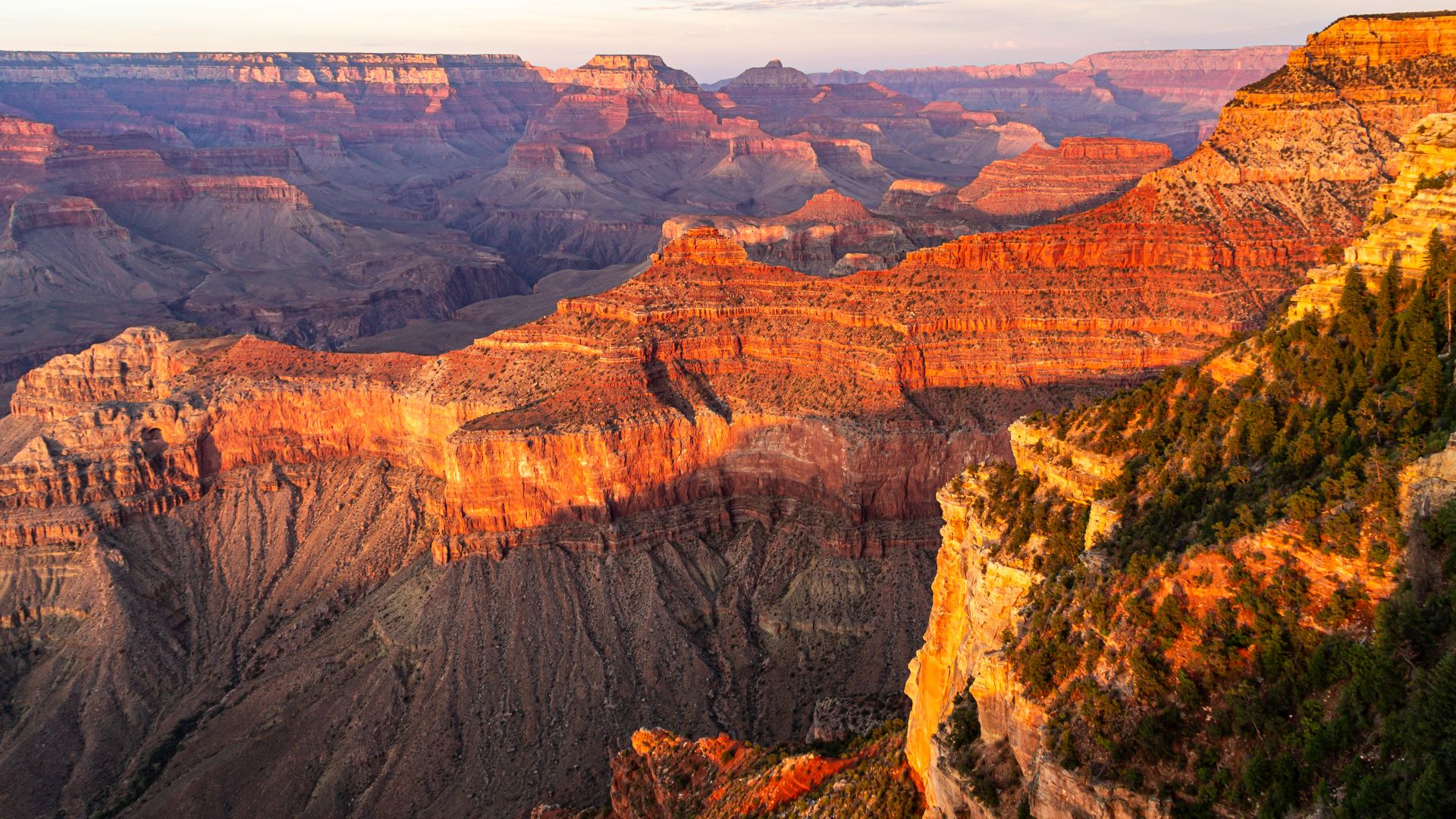
January and February can make the Grand Canyon feel dramatically different, especially when snow outlines the canyon’s ledges and contrasts with the red rock below. Outside holiday periods, viewpoints and scenic drives are generally quieter, giving visitors more opportunity to linger instead of moving with a crowd. The South Rim remains open year-round, but that doesn’t mean winter conditions are easy. Roads can close temporarily, paths become icy, and even short walks require suitable footwear and layers. This window works best for a flexible, scenery-focused visit, with hiking plans based on current conditions rather than a summer itinerary.
 Dietmar Rabich, Wikimedia Commons
Niagara Falls, Ontario, Canada
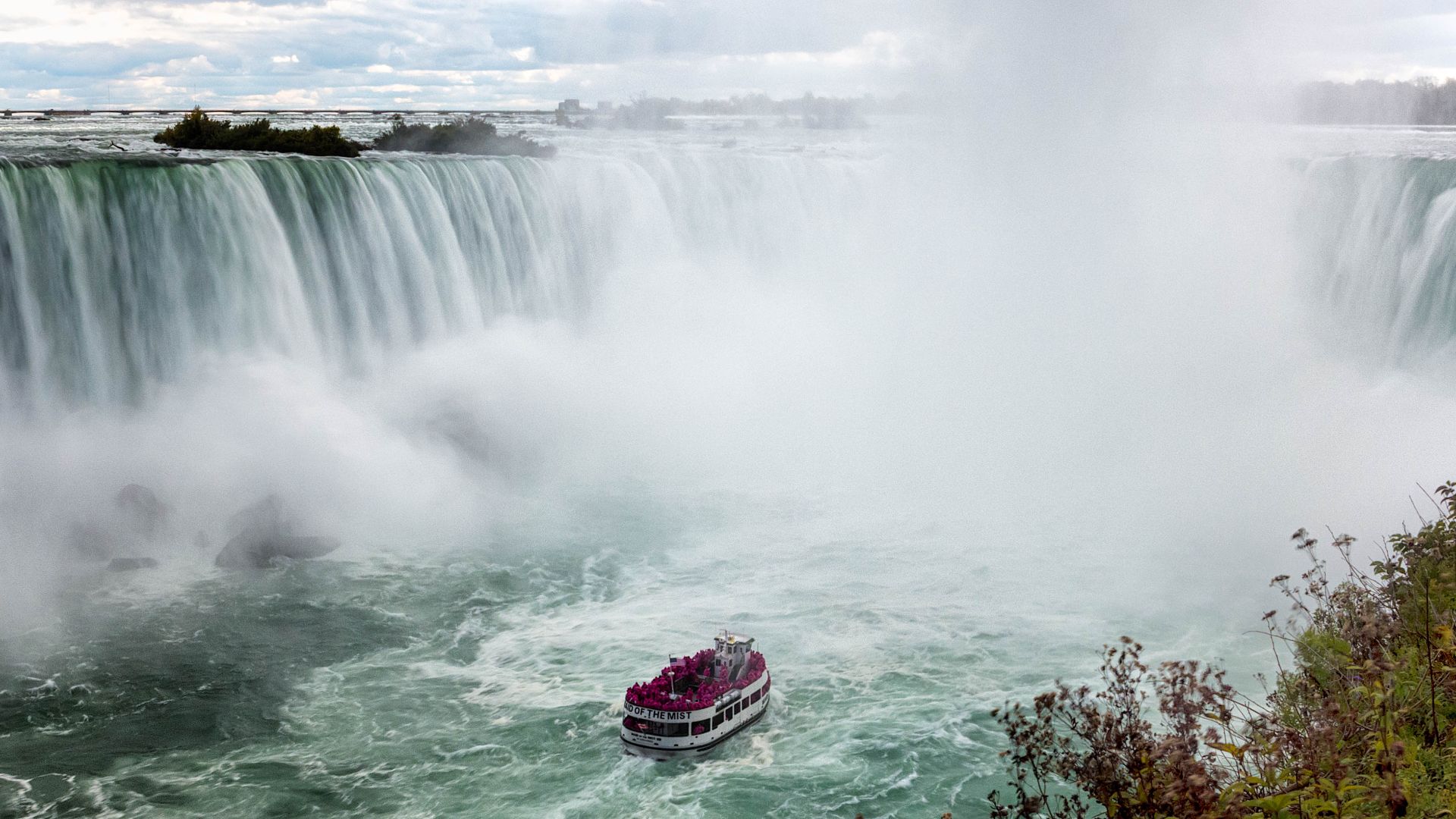
In January and February, outside holiday weekends, Niagara Falls becomes a different kind of spectacle. Ice builds along the edges of the gorge and surrounding surfaces while the enormous volume of water keeps moving beneath the wintry scenery. The falls don’t normally freeze solid, despite what some photographs suggest. A winter visit works well when you combine outdoor viewing with warmer stops at indoor attractions, restaurants, or the Niagara Parks Power Station. Don’t plan around the usual boat tours, which are seasonal, and dress for damp cold rather than temperature alone. Frozen mist can make the experience beautiful and the walkways slippery.
 Joe deSousa, Wikimedia Commons
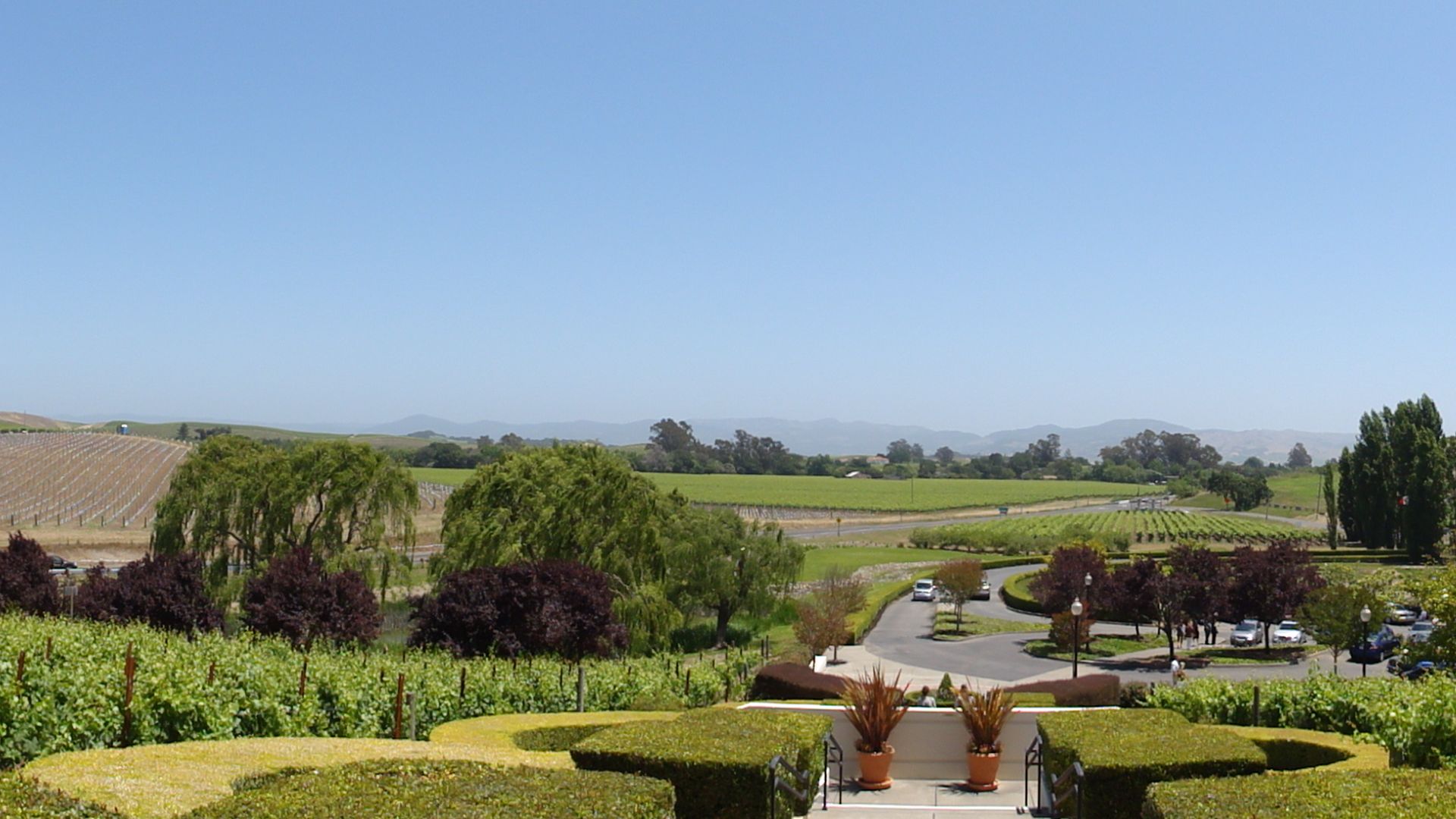
Napa Valley And Sonoma County, California, United States
November through March shifts wine country’s appeal from harvest excitement to leisurely tastings, good meals, and somewhere comfortable to sit beside a fireplace. Napa calls this quieter stretch Cabernet Season, while Sonoma’s winter visitors can find less crowded tasting rooms, green hills, and seasonal accommodation offers. The vineyards won’t look like late-summer photographs, but that hardly matters when your main plan involves lunch followed by an unhurried tasting. Rain is possible, and popular weekends still draw visitors. Keep making reservations, but leave more time between them so the trip feels like a getaway rather than a tasting-room obstacle course.
 Andy Gregorowicz, Wikimedia Commons
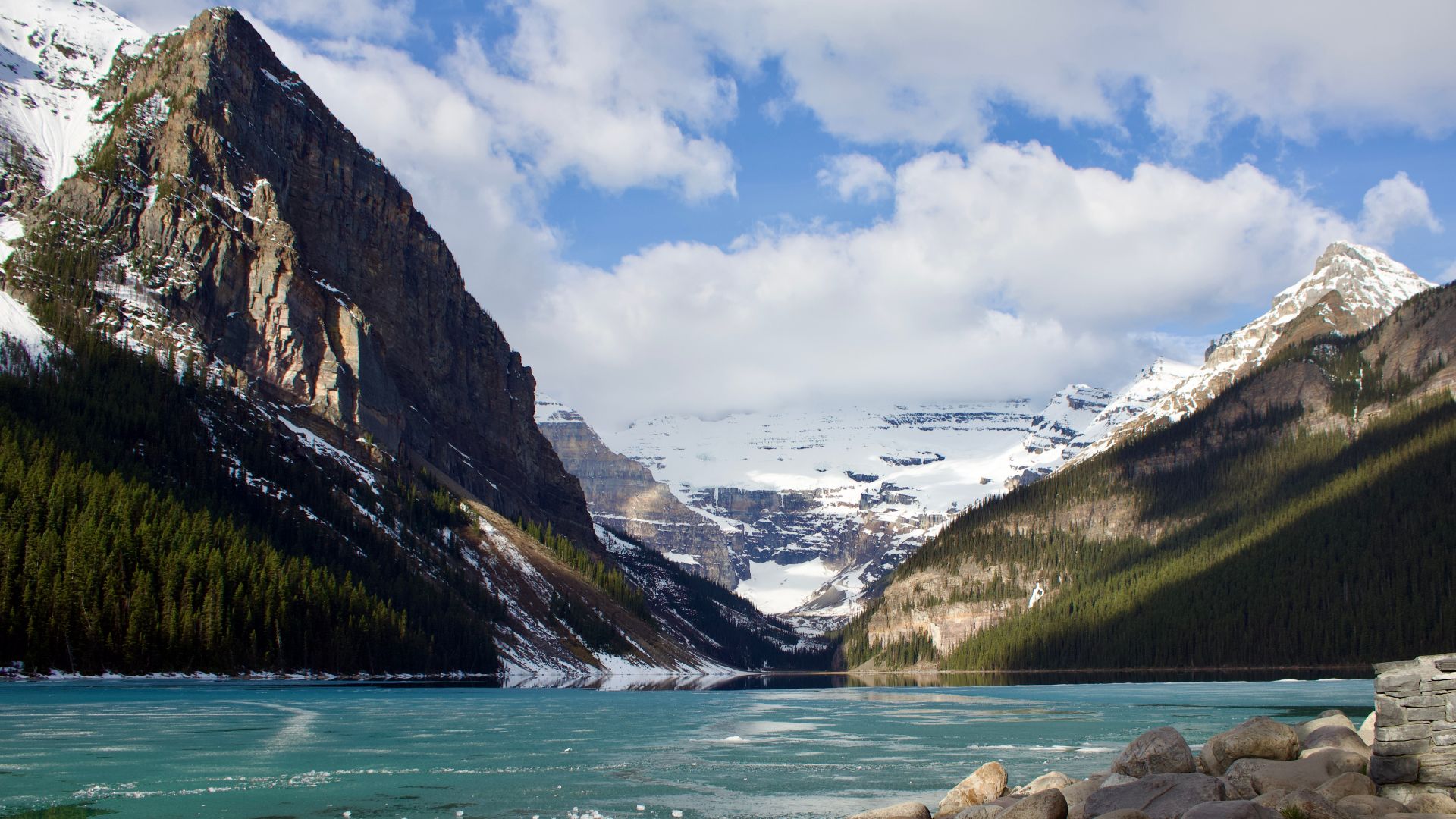
Banff And Lake Louise, Alberta, Canada
May and October can be rewarding for travelers who want mountain scenery without insisting on a full summer hiking schedule. These shoulder periods can offer a quieter atmosphere and opportunities to compare accommodation prices outside the busiest stretches. The important adjustment is expectations: Lake Louise can remain frozen into late spring, higher trails may still be snowbound in May, and October can bring an early return to winter. Build the trip around the towns, accessible viewpoints, and walks suited to current conditions. Anyone whose dream involves turquoise lakes and high-alpine trails should choose dates around those priorities instead.
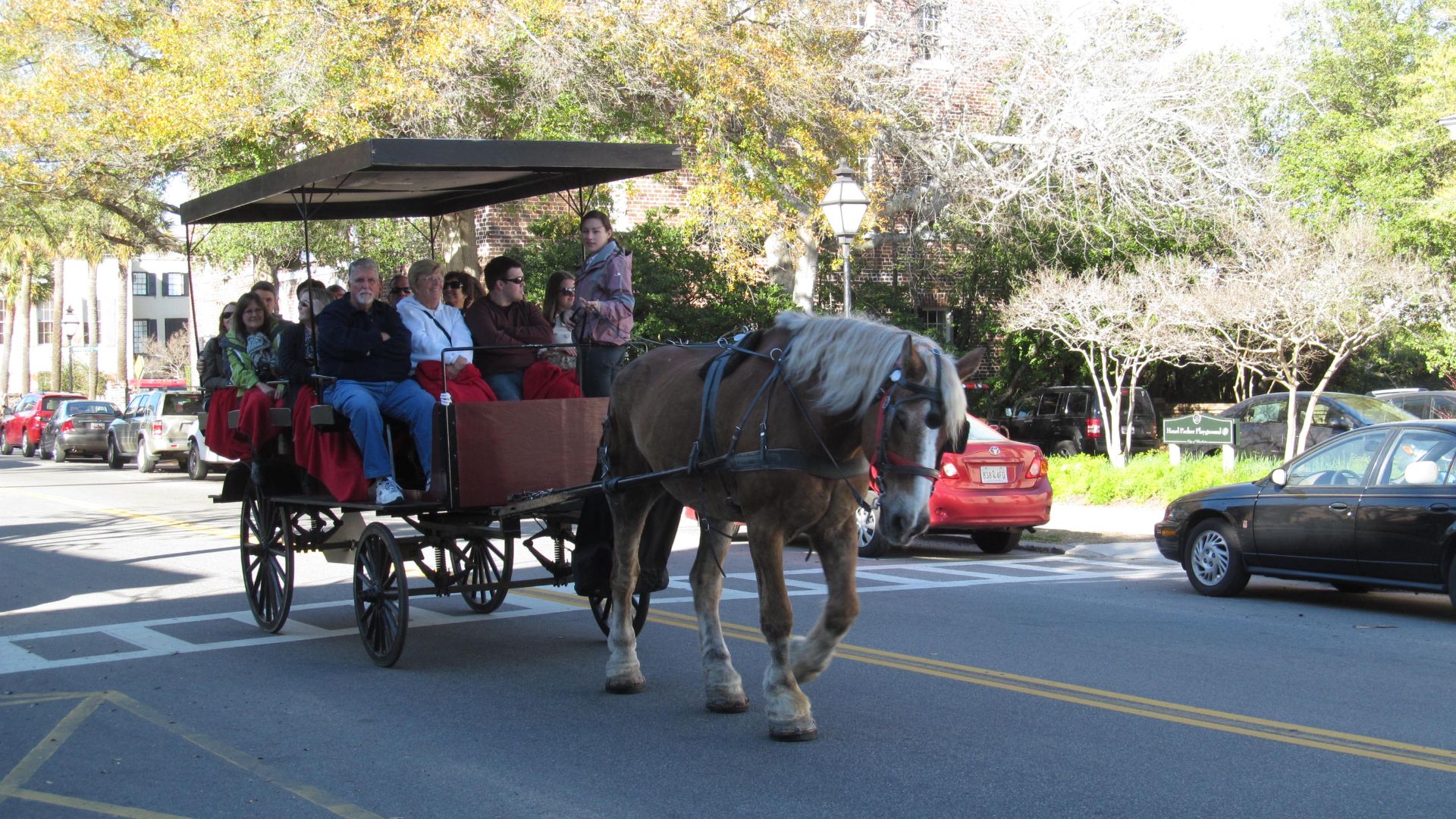
Charleston, South Carolina, United States
January and February suit visitors who come to Charleston for historic streets, house museums, galleries, and restaurants rather than beach weather. Walking around the Historic District can feel more relaxed, and winter offers opportunities for easier reservations and better-value stays, though the most sought-after restaurants still deserve advance planning. You can spend a morning exploring architecture, take shelter in a museum if rain arrives, and make dinner the day’s main event. Don’t expect spring’s full garden display or guaranteed warmth. Check for major event weekends, too, because a quieter season doesn’t mean every date comes with quieter prices.
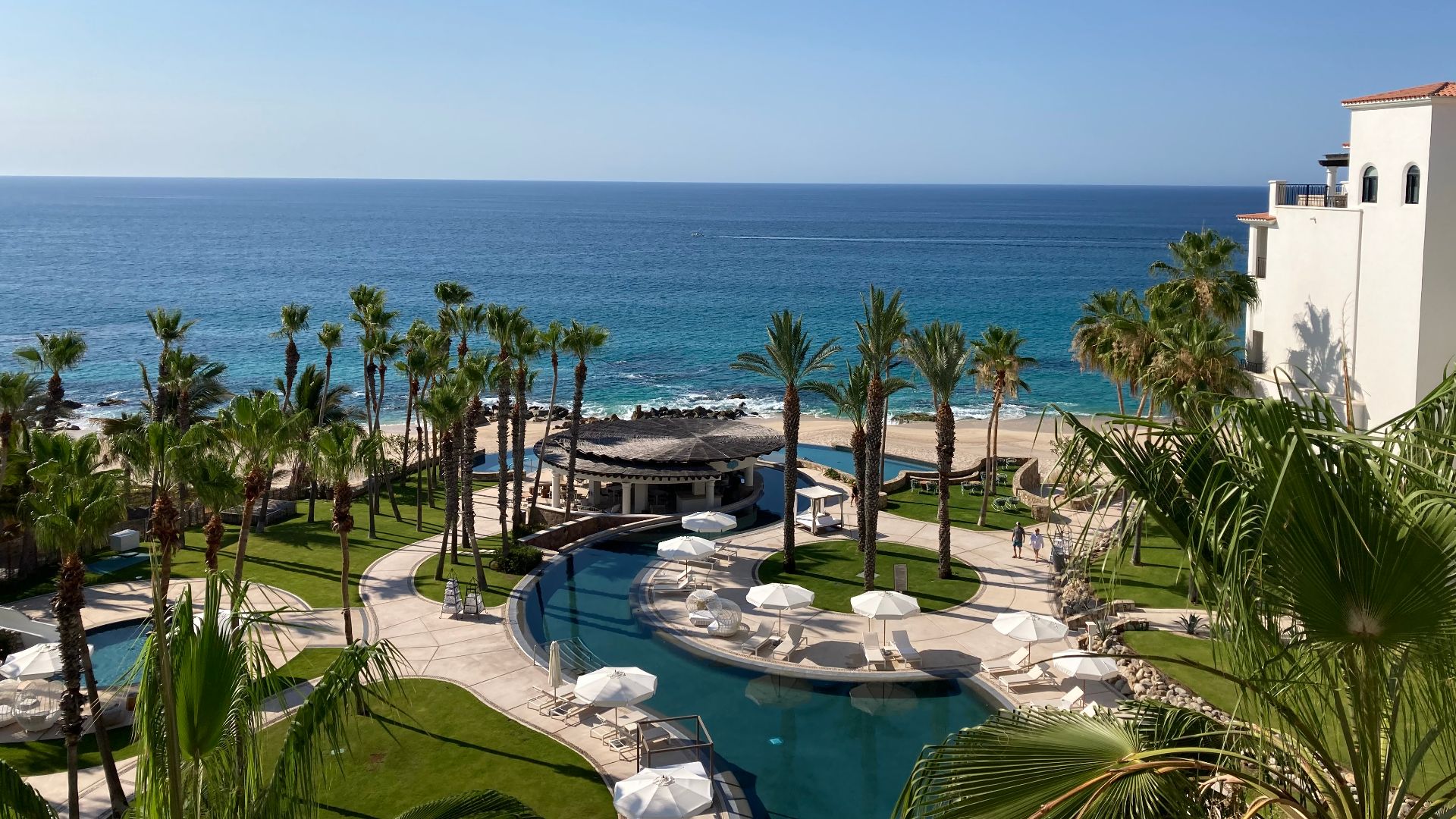
Los Cabos, Baja California Sur, Mexico
May is worth comparing with winter dates when you’re planning a resort-focused Los Cabos trip. The busiest winter vacations and much of the spring-break period are behind it, while the most intense late-summer heat is still ahead. Days are already getting hot, making the combination of a shaded lounger, pool, and leisurely dinner particularly appealing. There’s still room for sightseeing, boat outings, and exploring San José del Cabo, provided you pace outdoor activities around the heat. This isn’t the window for a holiday centered on migrating whales, however, since the main whale-watching season belongs to winter and early spring.
 Spheroidite, Wikimedia Commons
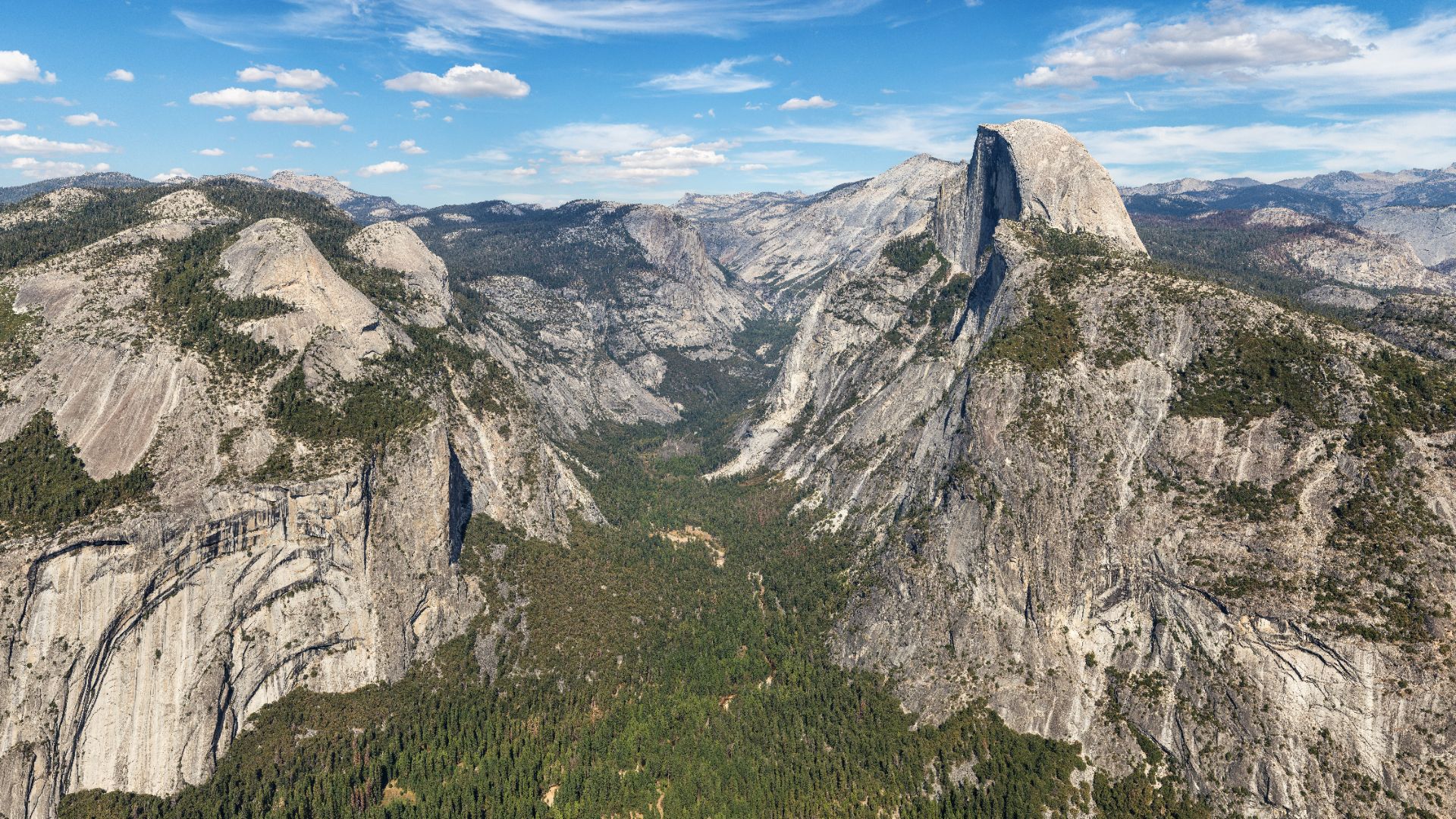
Yosemite National Park, California, United States
October through early November is a strong choice for people whose Yosemite wish list starts with granite cliffs, valley scenery, and less crowded walks. You can spend more time appreciating the landscape and less time feeling hurried by the number of other visitors sharing it. The big compromise is water: Yosemite Falls may have little or no flow, and other waterfalls are usually far less dramatic than in spring. Early snow can also affect high-elevation roads, including Tioga Road. Keep the valley at the heart of the trip, and check road conditions before committing to a route through the mountains.
 Thomas Wolf, www.foto-tw.de, Wikimedia Commons
Vancouver, British Columbia, Canada
November through February works best when you treat Vancouver as a food-and-culture trip with outdoor opportunities, rather than a mountain-view holiday that happens to include a city. Rainy afternoons are easily filled with the Museum of Anthropology, art galleries, Granville Island’s market, or a long meal somewhere inviting. Clear spells become a chance to get outside rather than something your whole schedule depends on. Winter dining events can add appeal, while dates outside the holidays are worth checking for accommodation value. Bring waterproof outerwear and accept that the mountains may spend part of your visit hiding behind clouds.
 Michal Klajban, Wikimedia Commons
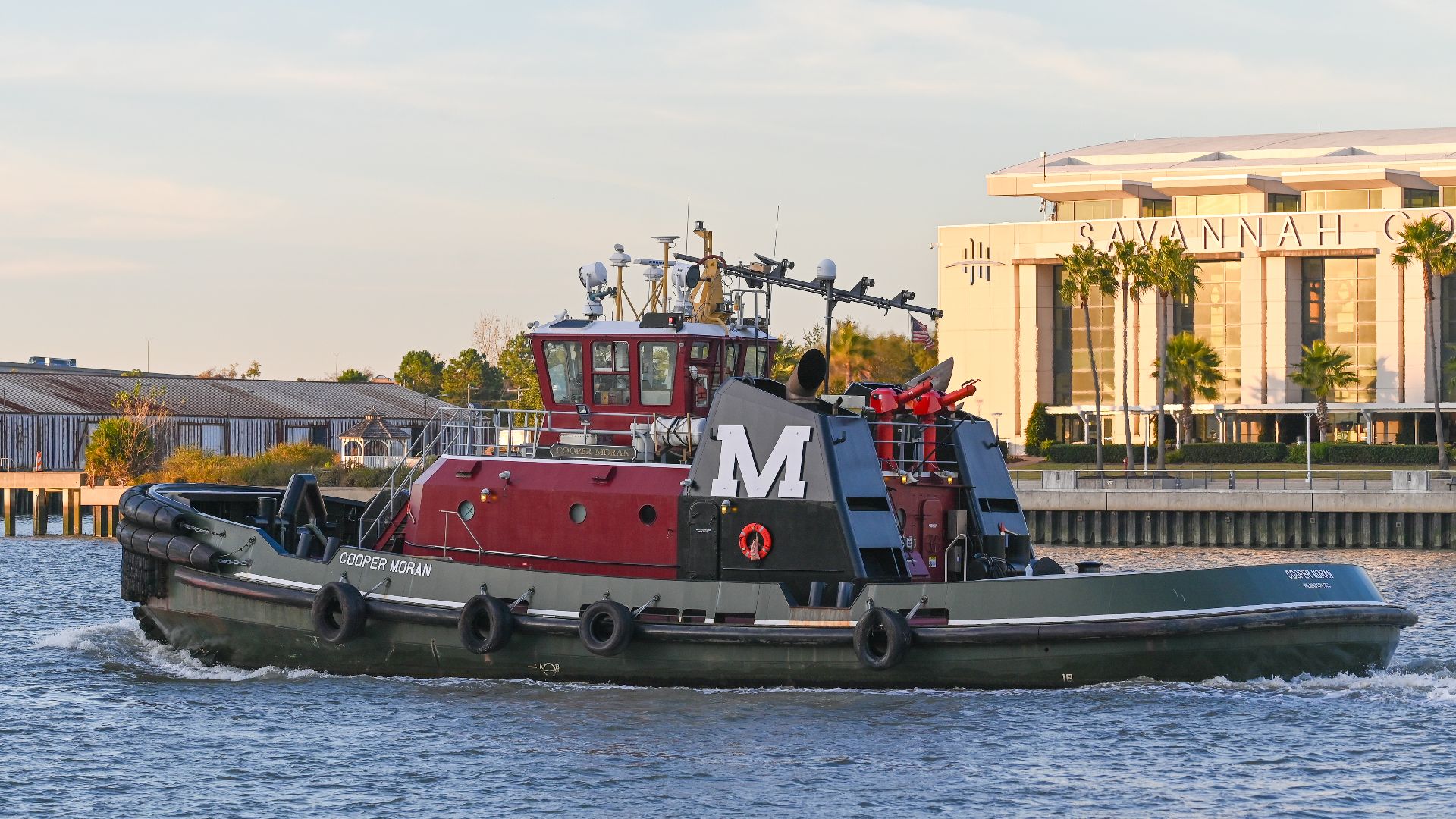
Savannah, Georgia, United States
January and February are appealing for travelers who want Savannah’s historic squares, house tours, cafés, and museums at a gentler pace. You don’t need summer temperatures to enjoy wandering between handsome buildings or spending an afternoon learning the stories behind a historic home. Cooler conditions can actually make a walking-heavy visit more comfortable, especially for anyone who struggles with Southern humidity. That said, winter weather isn’t reliably warm, and you may need everything from a light layer to a proper jacket. Keep a few indoor stops in mind, and let the forecast decide how long you linger outdoors.
 Gordon Leggett, Wikimedia Commons
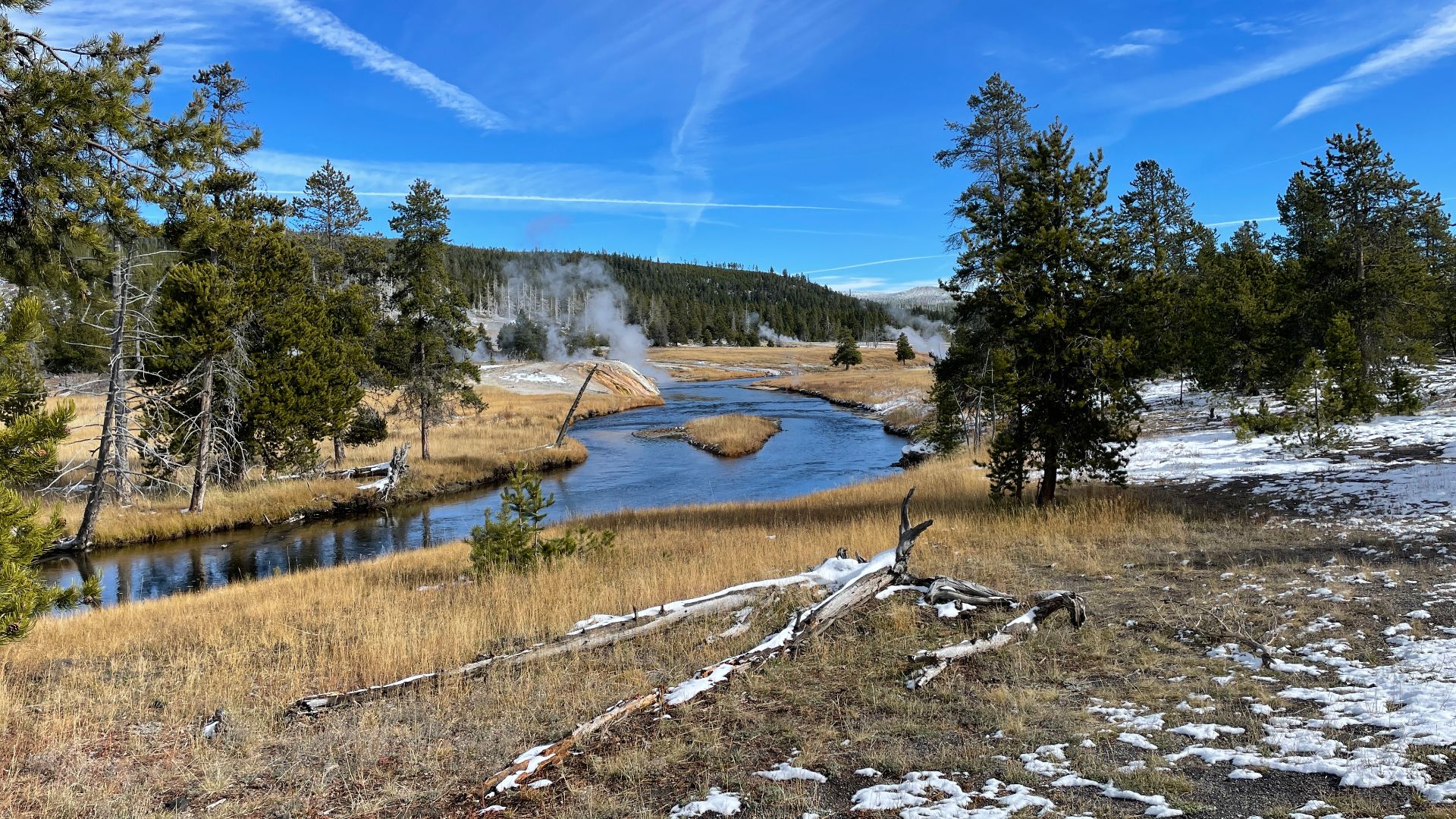
Yellowstone National Park, Wyoming, Montana, And Idaho, United States
Early October offers a chance to experience Yellowstone after the main summer rush but before additional seasonal closures narrow your options. Wildlife watching and scenic drives can make the trip worthwhile without a packed schedule of tours and activities. However, the quieter atmosphere comes partly because services are winding down, with some lodging, restaurants, stores, and facilities already closed. Snow can also disrupt plans quickly. Check exactly what’s operating near your chosen base, carry essentials, and leave room to change routes. This is a rewarding time for prepared, flexible travelers, not the moment to assume the next restaurant will be open.
 Vulturesong, Wikimedia Commons
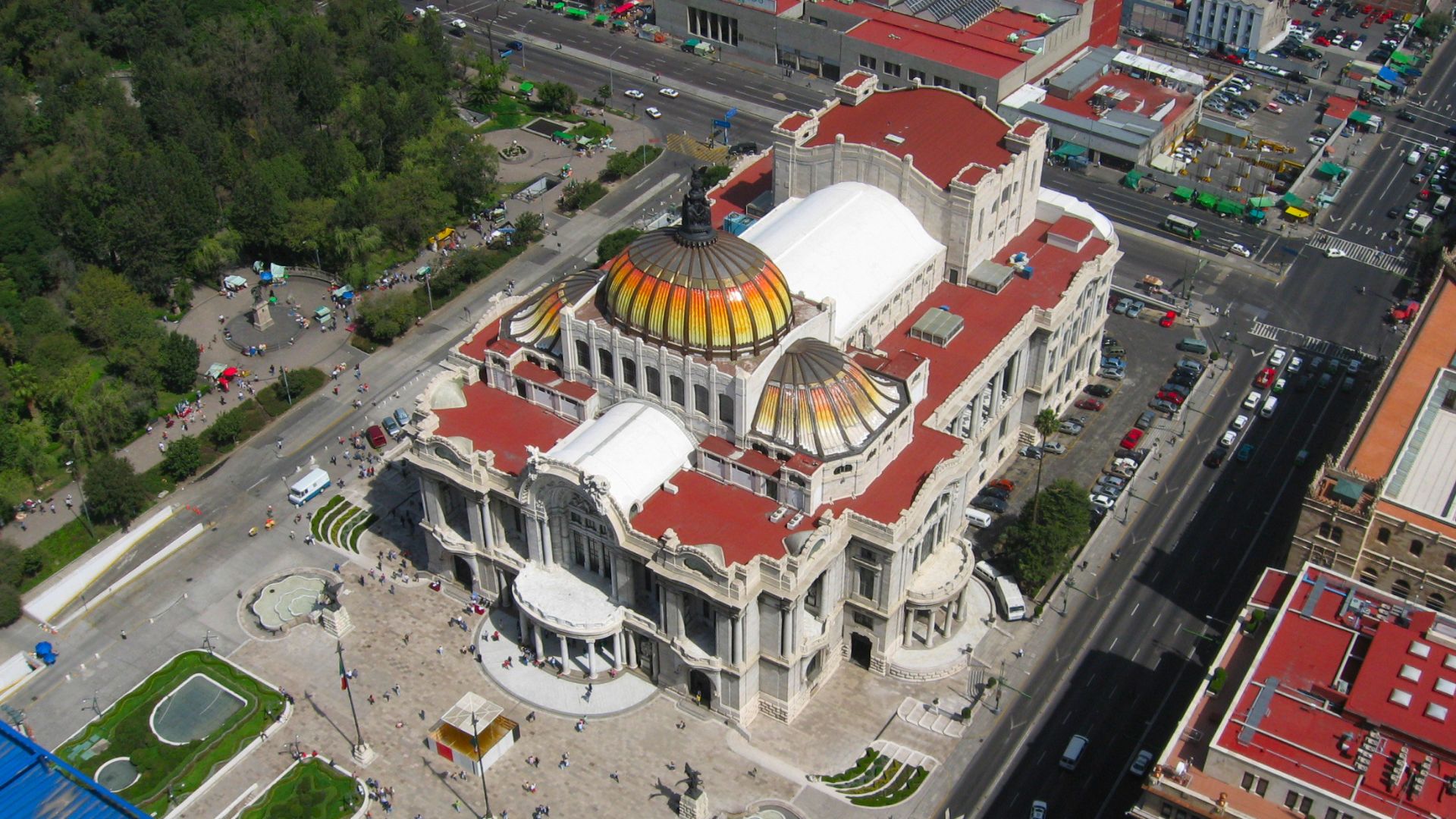
Mexico City, Mexico
June through September can work surprisingly well when you’re willing to plan around the rainy season. Mornings often provide opportunities for neighborhood walks and outdoor sightseeing before afternoon storms encourage a move indoors. Fortunately, museums, markets, restaurants, and cafés give you plenty of ways to make that change feel intentional rather than disappointing. Compare accommodation prices outside major events, but don’t assume summer automatically means an empty city. Popular museums can still require advance tickets, and heavy downpours can complicate journeys across town. Group activities geographically and keep a nearby indoor option instead of trying to outrun the weather.
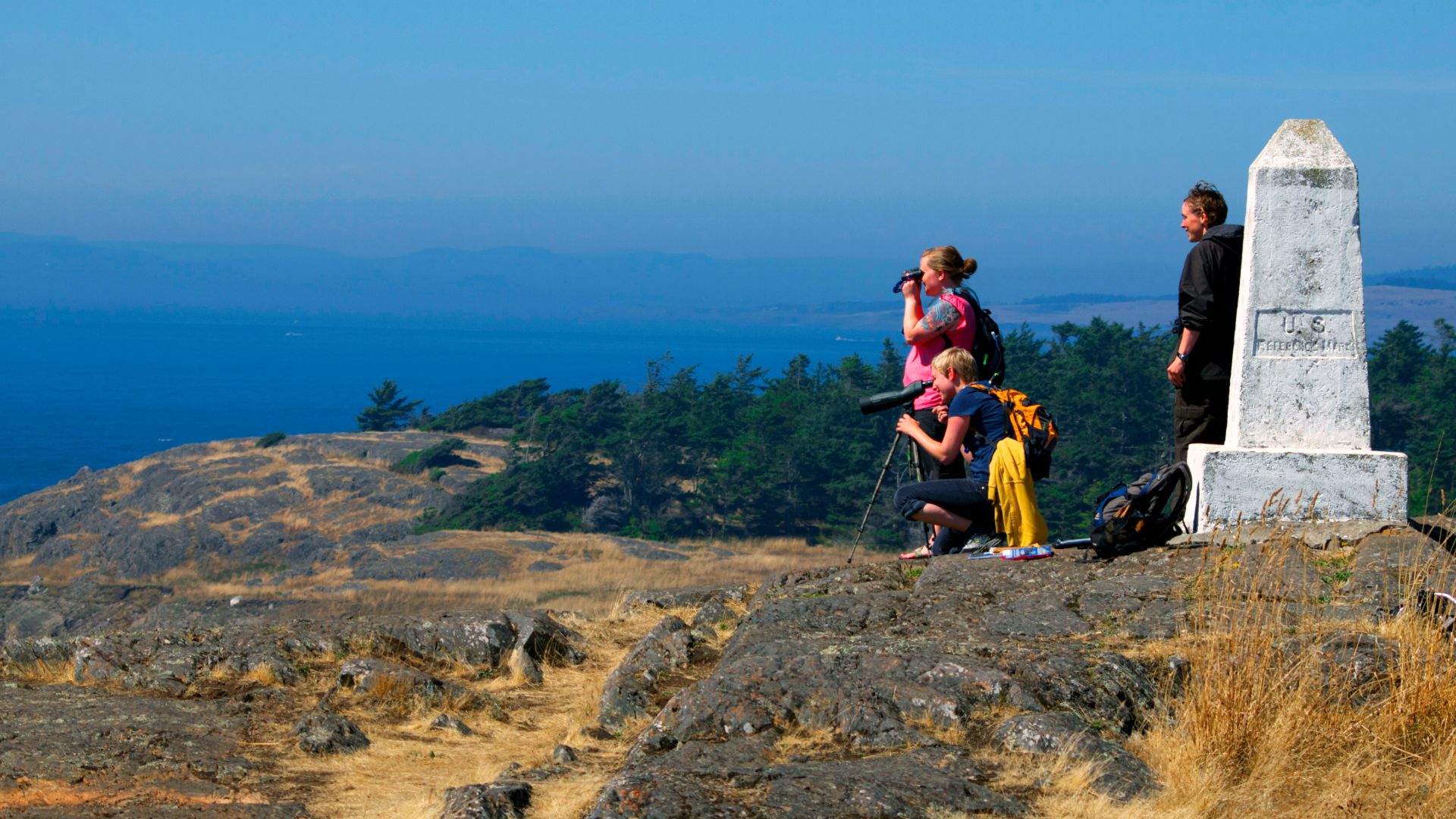
The San Juan Islands, Washington, United States
September and October suit a San Juan Islands trip built around shoreline walks, small towns, farm produce, and meals you don’t have to rush. The summer crowds ease, and the islands’ fall food-and-farm celebrations provide reasons to explore beyond the best-known waterfront stops. You might spend a morning walking, an afternoon browsing, and the evening doing very little, which is rather the point. Pack layers and rain protection, especially later in fall. Getting there still deserves planning: taking a car on a Washington State ferry isn’t something to leave entirely to chance just because peak summer has ended.
 Bureau of Land Management, Wikimedia Commons
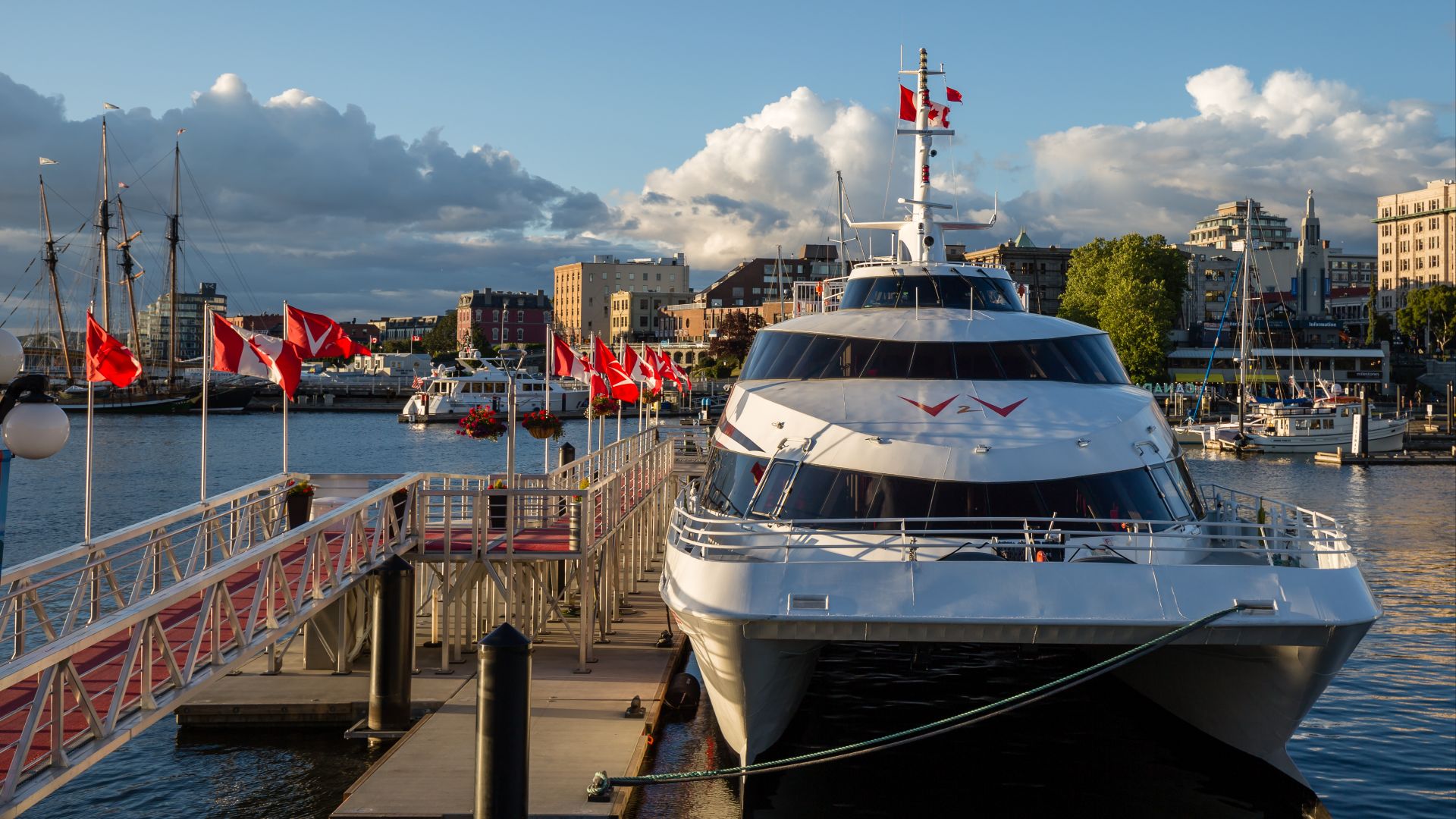
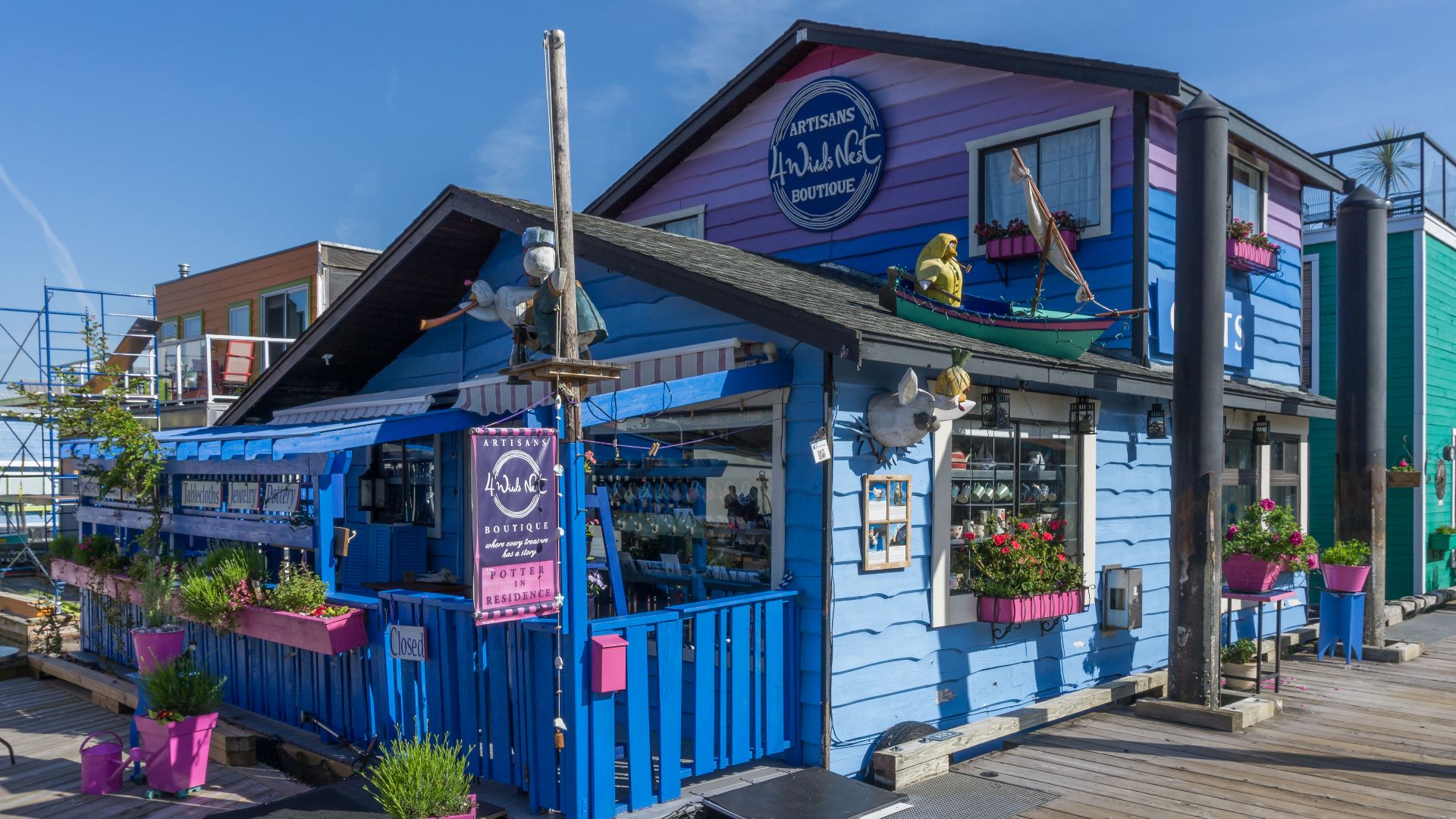
Victoria, British Columbia, Canada
March and April can feel like an early invitation to spring, particularly for visitors arriving from places where winter is still hanging around. Flowering streets, gardens, and waterfront walks give Victoria plenty of appeal before the busiest summer visitor season. Different cherry and plum varieties bloom at different times, so the city’s spring display develops over weeks rather than appearing on one guaranteed date. Combine a garden visit with neighborhood wandering, a stop around the Inner Harbour, and something warm to drink when the weather changes. Rain remains possible, but you don’t need flawless sunshine to enjoy the season arriving.
 Michal Klajban, Wikimedia Commons
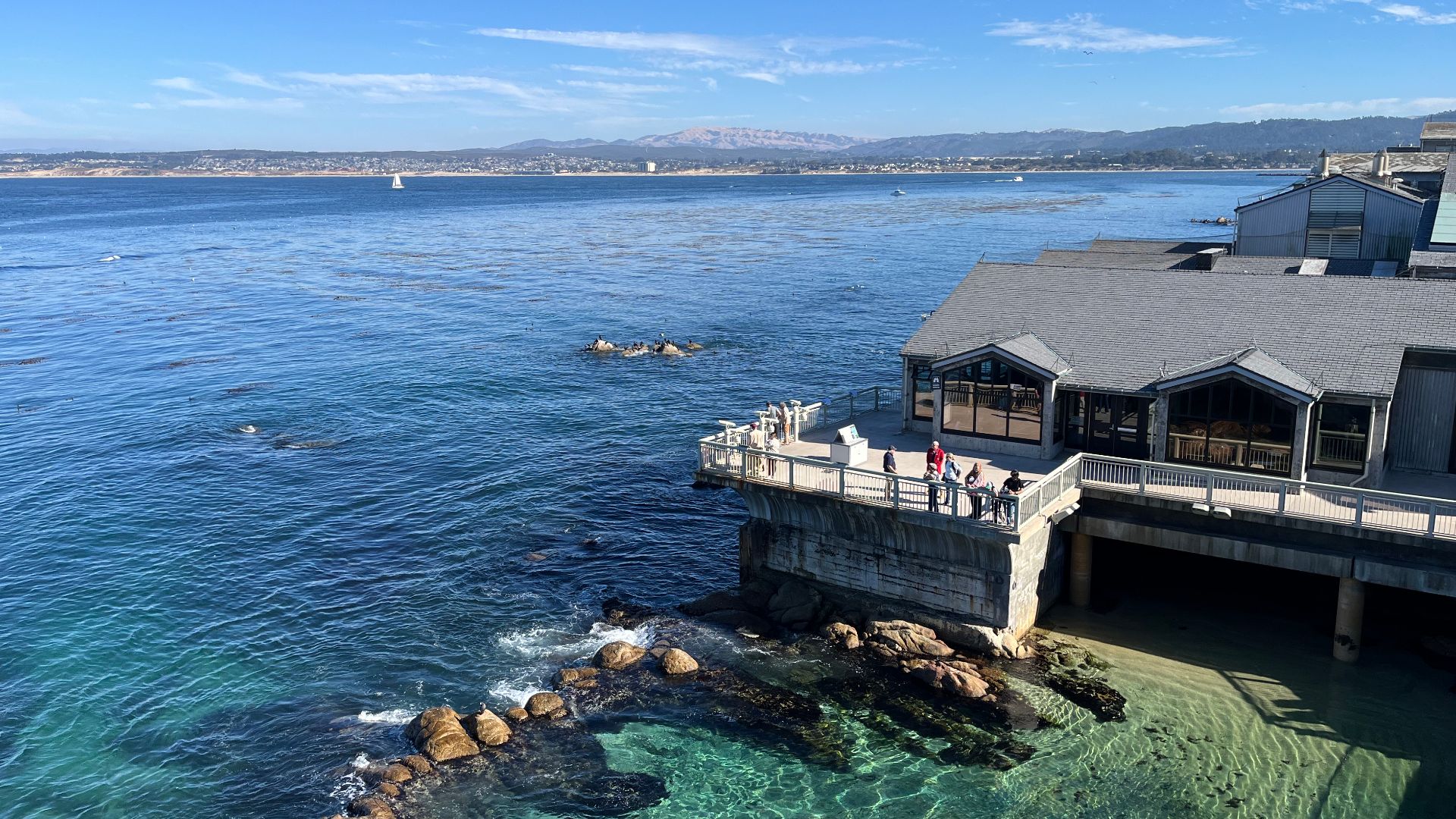
Monterey And Carmel, California, United States
November through March offers a quieter coastal escape built around scenery, good food, and a flexible mix of indoor and outdoor activities. Monterey Bay’s gray-whale migration adds another reason to consider winter, with viewing opportunities particularly associated with December through April. On land, you can alternate coastal walks with the aquarium, shops, galleries, and long meals instead of trying to fill every hour outside. Rain and rough seas can interrupt plans, including boat trips, while holidays and major events can push demand back up. The winning approach is to enjoy the coast’s winter personality rather than expect a summer beach holiday.
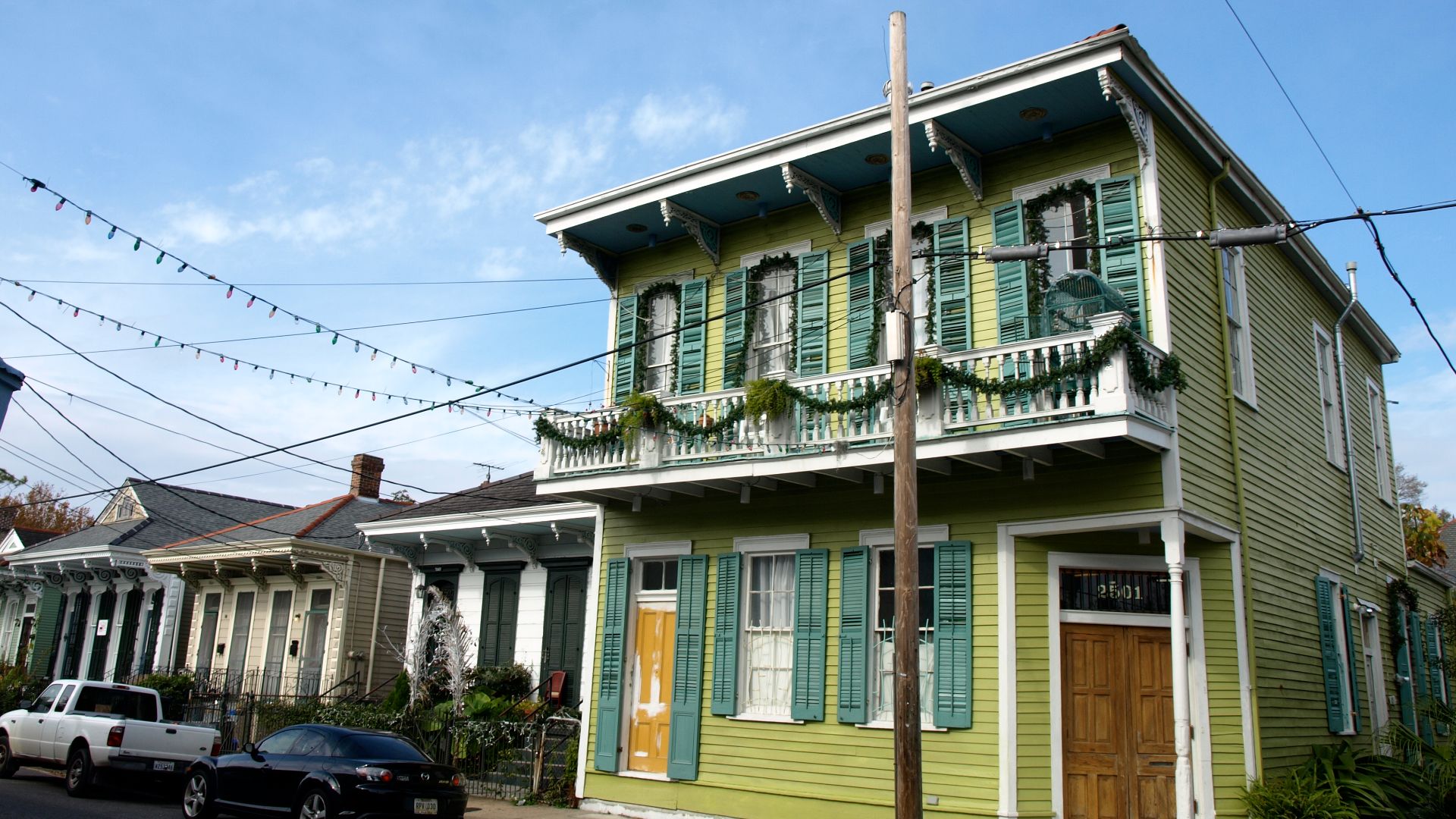
New Orleans, Louisiana, United States
Early December and carefully chosen January dates can deliver restaurants, live music, and neighborhood exploring without summer’s punishing heat. These are good windows for travelers who would rather spend the evening listening to a band or enjoying dinner than navigating the biggest festival crowds. The calendar needs close attention, though. New Year’s celebrations, major sporting events, conventions, and Carnival can quickly change the atmosphere and cost. Carnival season begins on January 6, even when the largest parades come later. Look for gaps between major events instead of assuming the whole winter is quiet, and bring layers for cooler evenings.
 antisocialtory, Wikimedia Commons
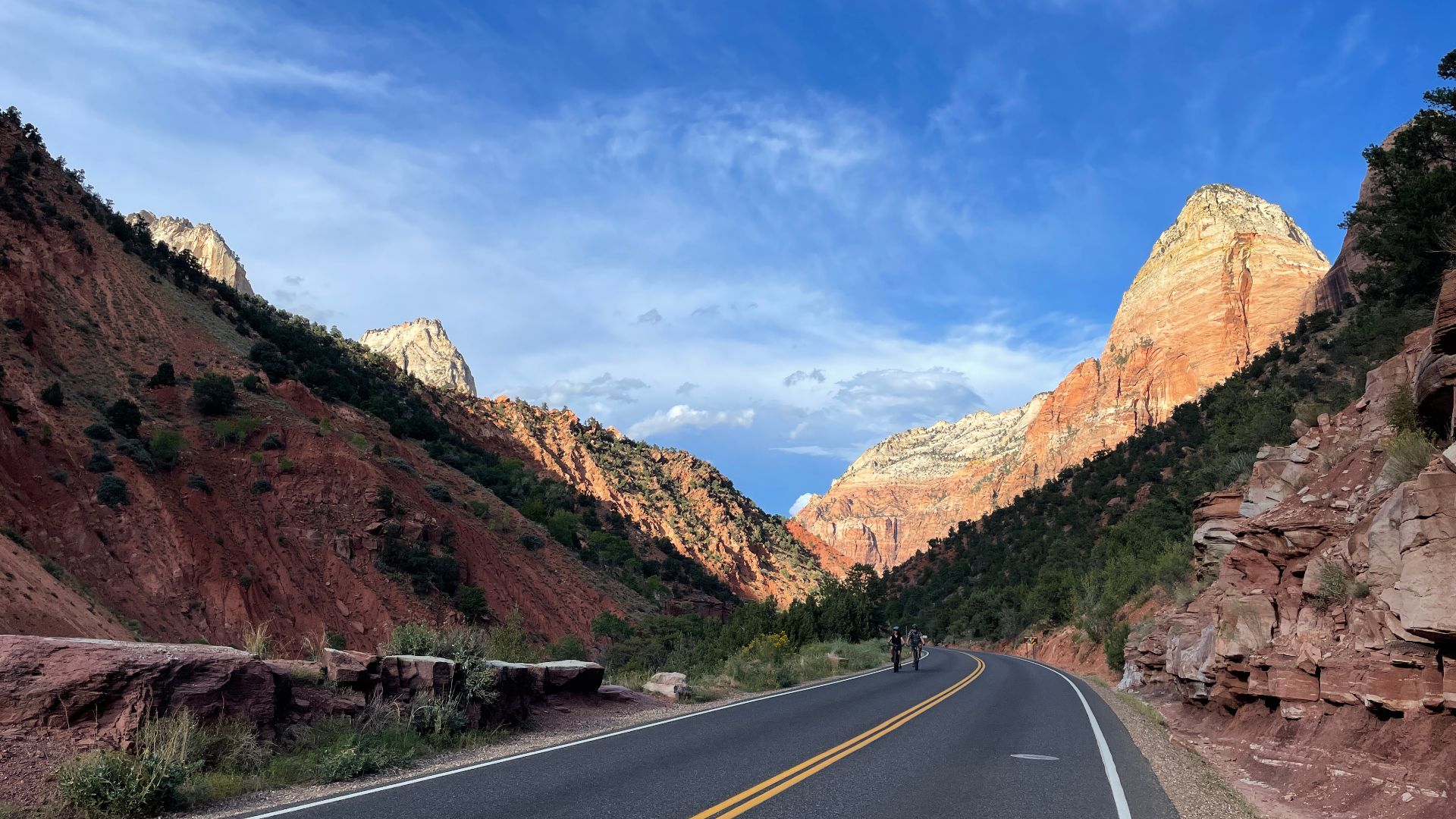
Zion National Park, Utah, United States
Nonholiday weekdays from December through February can offer a quieter way to experience Zion’s canyon scenery, especially when you’re happy to adjust your activities to conditions. The advantage isn’t unrestricted access to every famous hike; it’s having more breathing room on a carefully planned visit. Shaded trails can remain icy, the Narrows presents serious cold-water concerns, and transport arrangements change with the shuttle schedule. Check current park guidance before deciding where to drive or walk, and don’t assume fewer visitors guarantee parking. Winter rewards people who are willing to choose the safest available experience rather than force a summer plan.
 Vulturesong, Wikimedia Commons
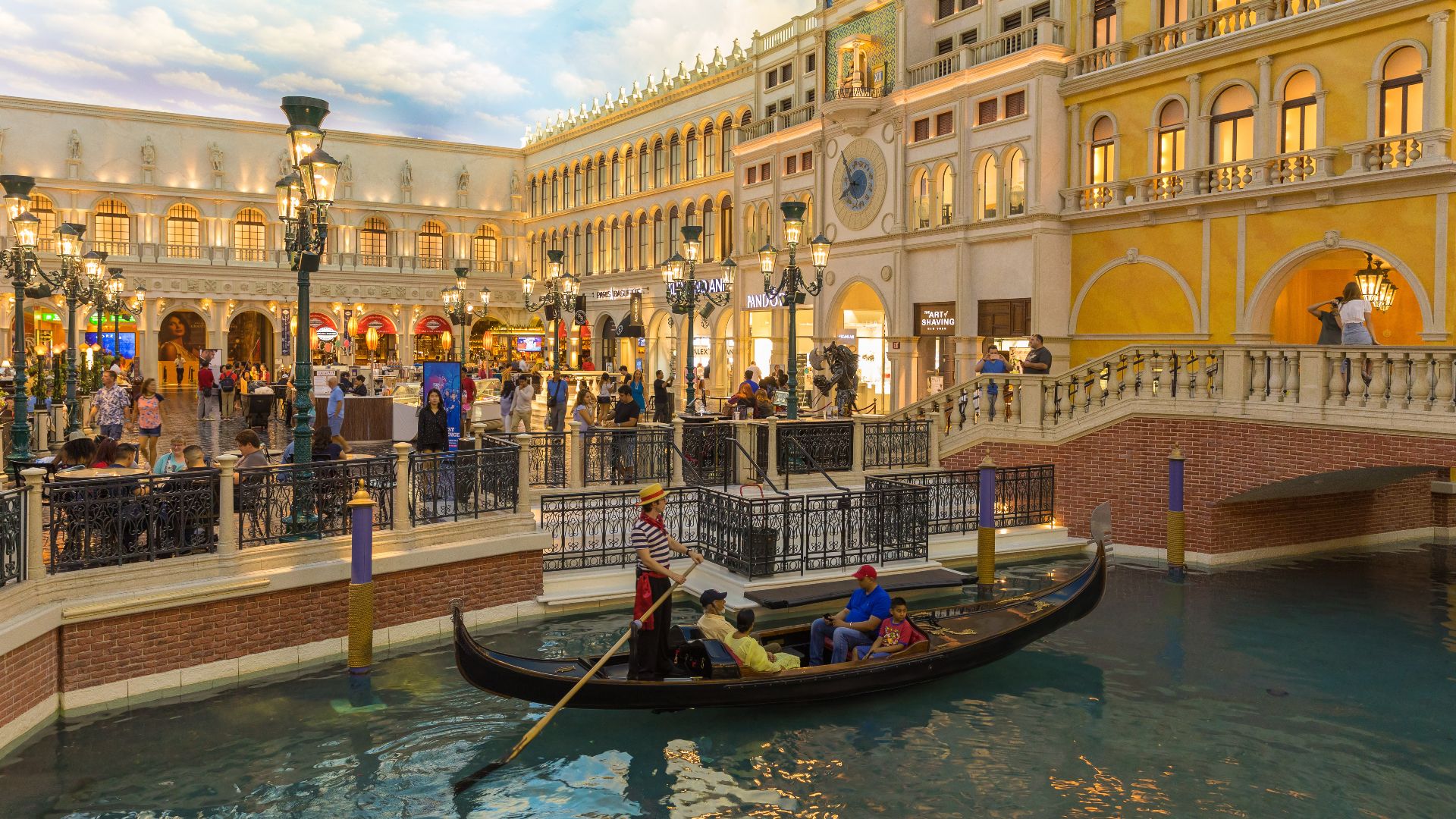
Las Vegas, Nevada, United States
Selected January and February dates can be worthwhile for visitors interested in shows, restaurants, shopping, and indoor attractions rather than a pool-centered holiday. The important word is “selected,” because Las Vegas has quieter dates rather than one dependable bargain season. Conventions, major sporting weekends, and holidays can change the price of the same room dramatically, so compare several possible stays before booking. Cooler weather also makes some outdoor exploring more appealing, although desert nights can be surprisingly chilly. A flexible midweek visit may offer better value, but the calendar will tell you more than the season alone.
 Frank Schulenburg, Wikimedia Commons
You May Also Like:
American Destinations That Have Become Too Expensive To Visit—According To Canadians
The world's most misunderstood tourist attractions—how many have you visited?