An Attraction Worth Its Salt
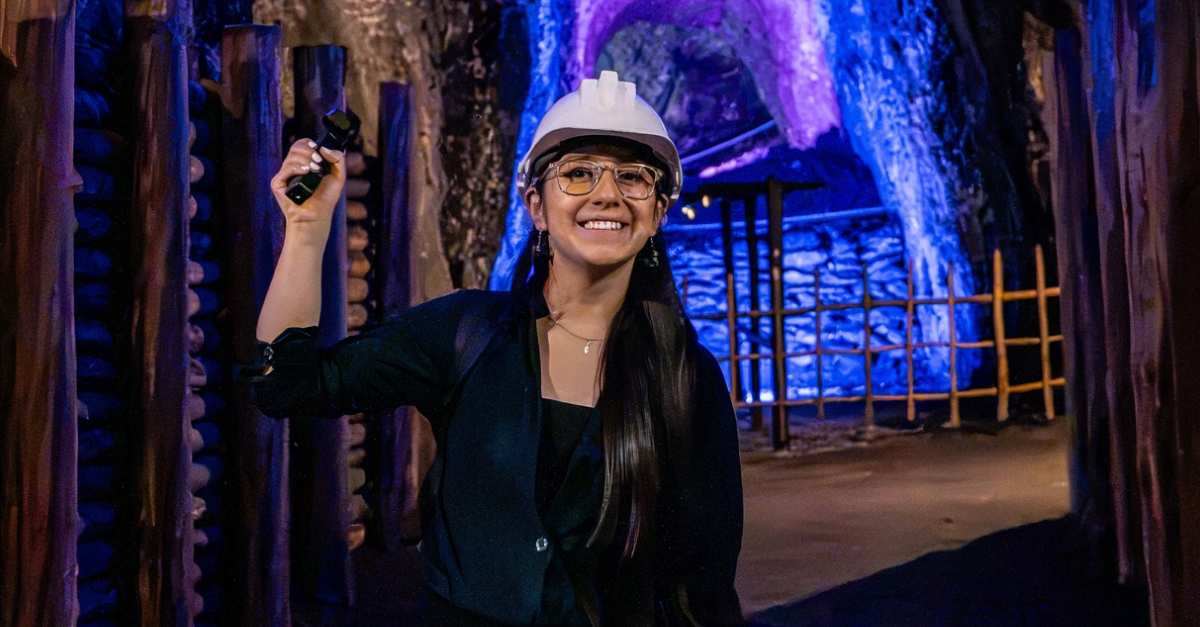
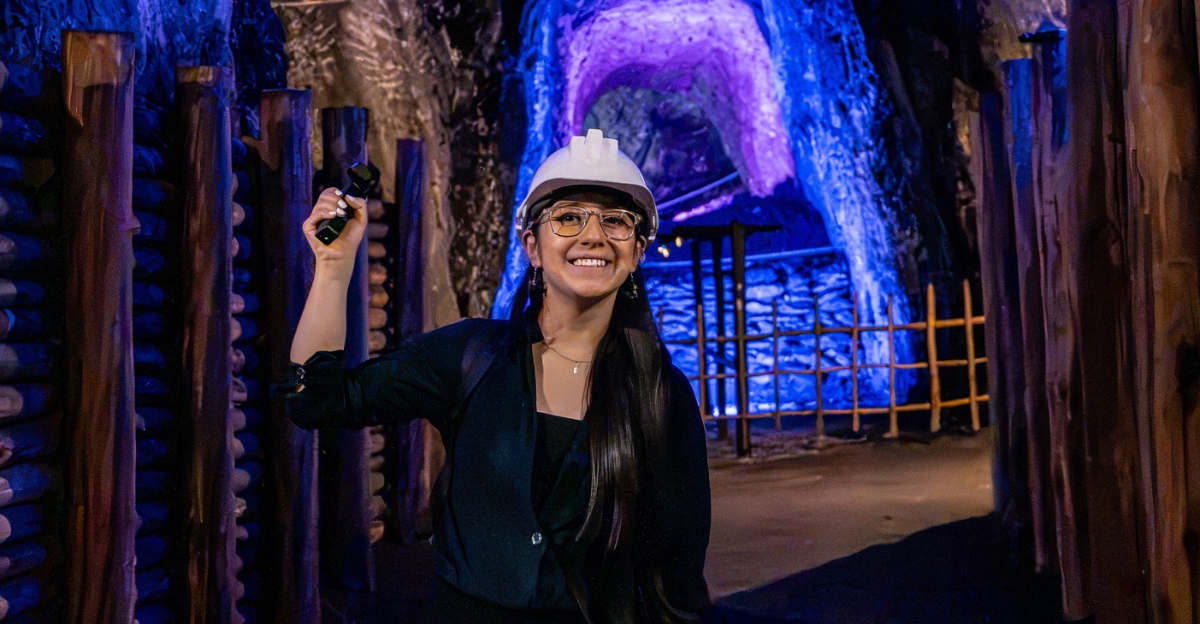
Kansas has surprises, but few require a hard hat and an elevator deep below the prairie. In Hutchinson, Strataca turns a retired mining area into an underground adventure. This museum is anything but ordinary.
 Bauda Laboratorio Creativ, Shutterstock Images
The Secret Beneath Hutchinson
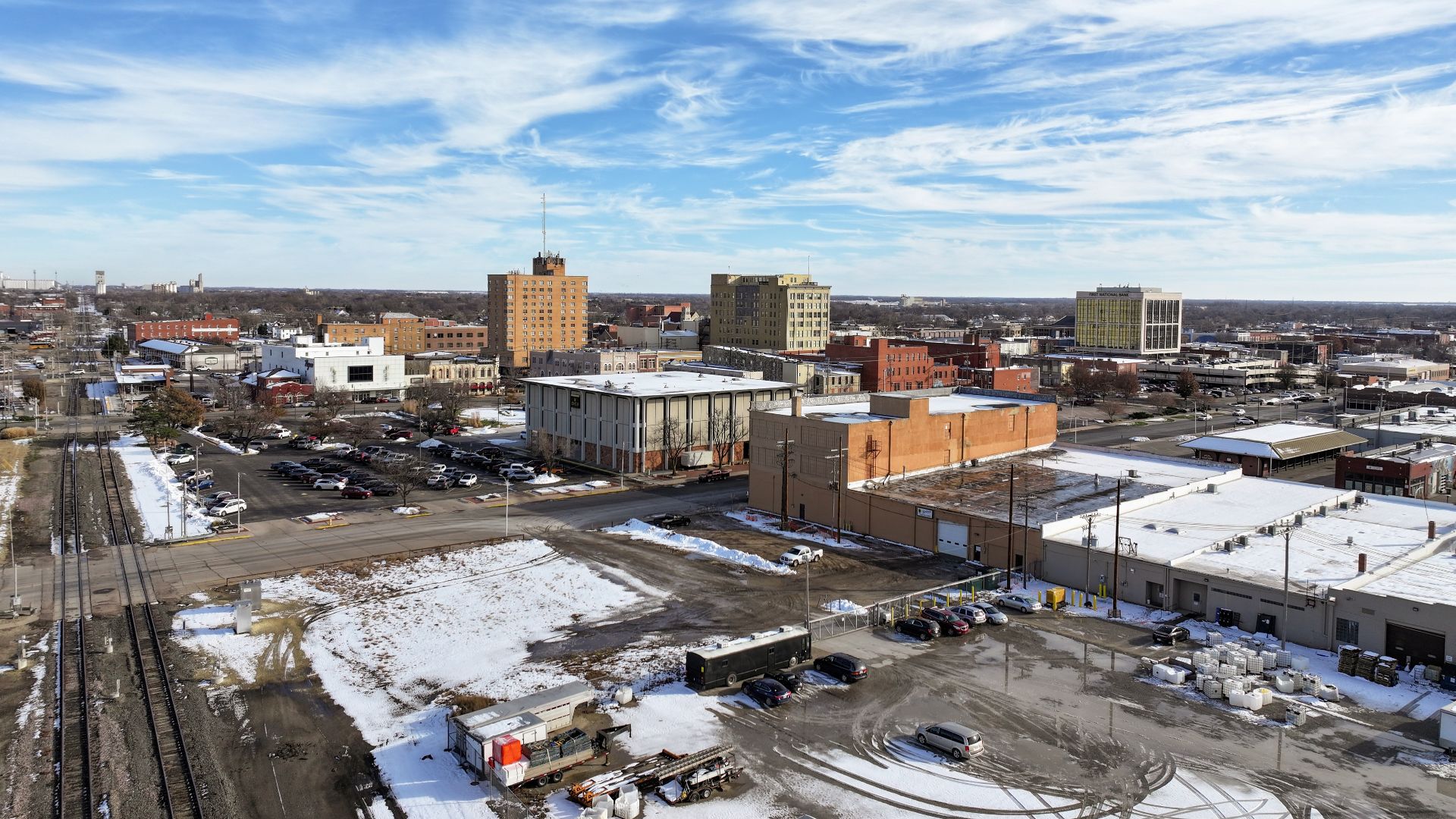
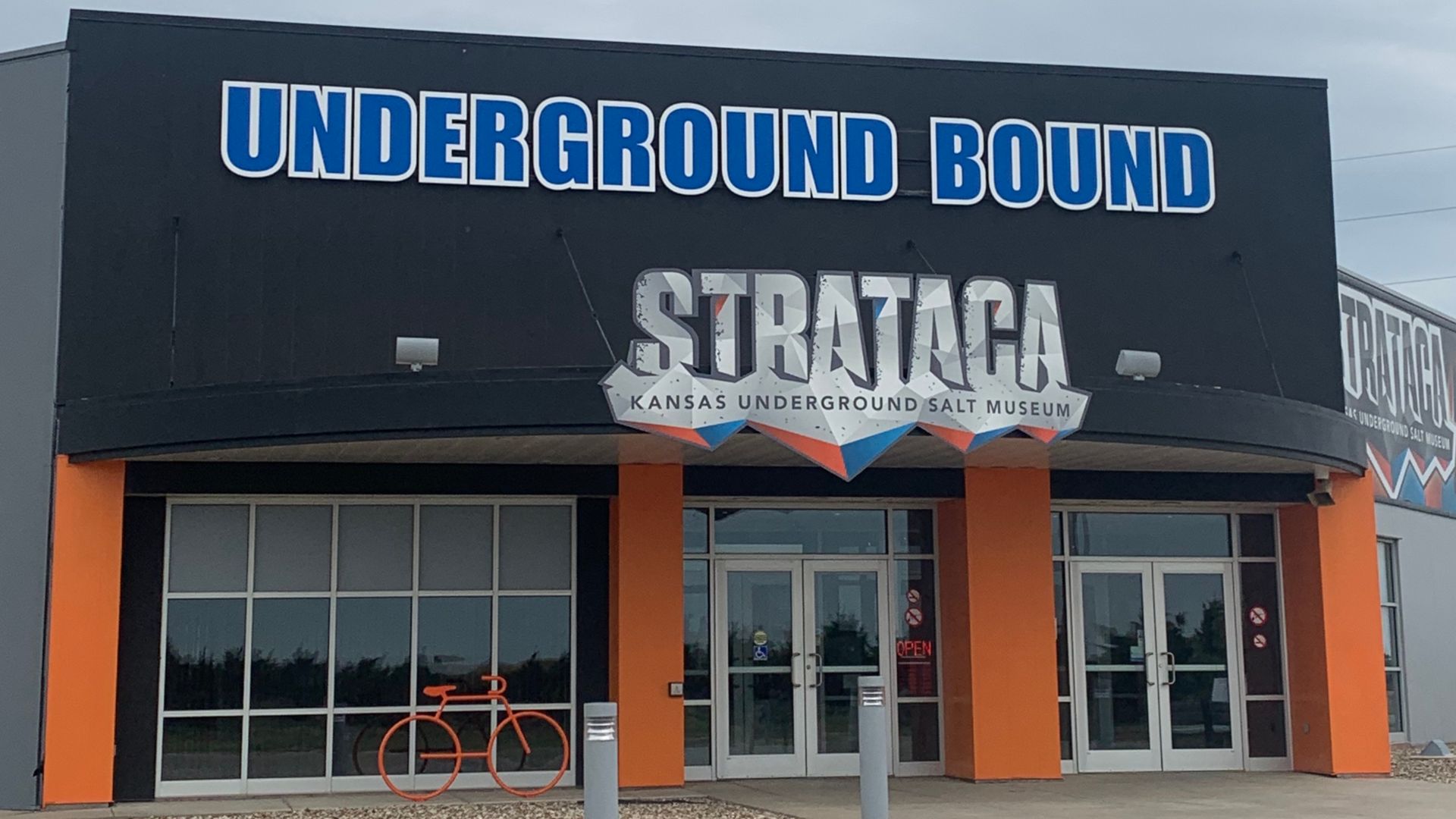
Strataca sits at 3650 East Avenue G in Hutchinson, a city associated with salt production. Its galleries occupy chambers carved far below the surrounding farmland. From the surface, you would never guess what awaits underneath.
 Quintin Soloviev, Wikimedia Commons
Not Exactly An Abandoned Mine
The museum occupies mined-out passages, not the area where workers currently extract salt. Hutchinson Salt Company still operates elsewhere in the underground complex. Visitors explore industrial history inside a mine that remains productive.
The Elevator Makes An Entrance
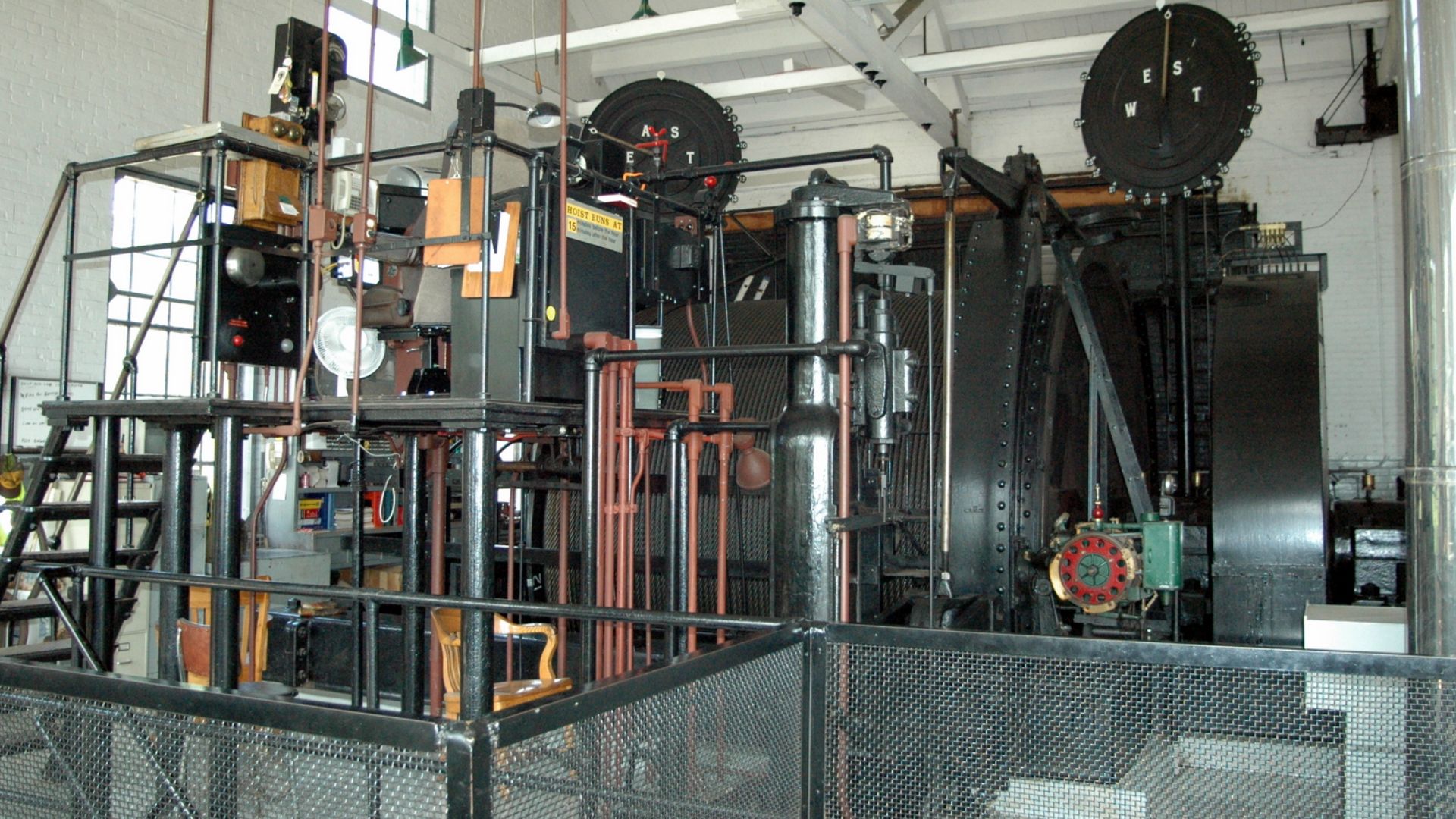
Getting underground is an attraction itself. A double-decker hoist carries visitors 650 feet down in roughly 90 seconds, accommodating up to 28 passengers. It is a dramatic entrance for a museum dedicated to everyday salt.
 ShakataGaNai, Wikimedia Commons
A Brief Trip Through Darkness
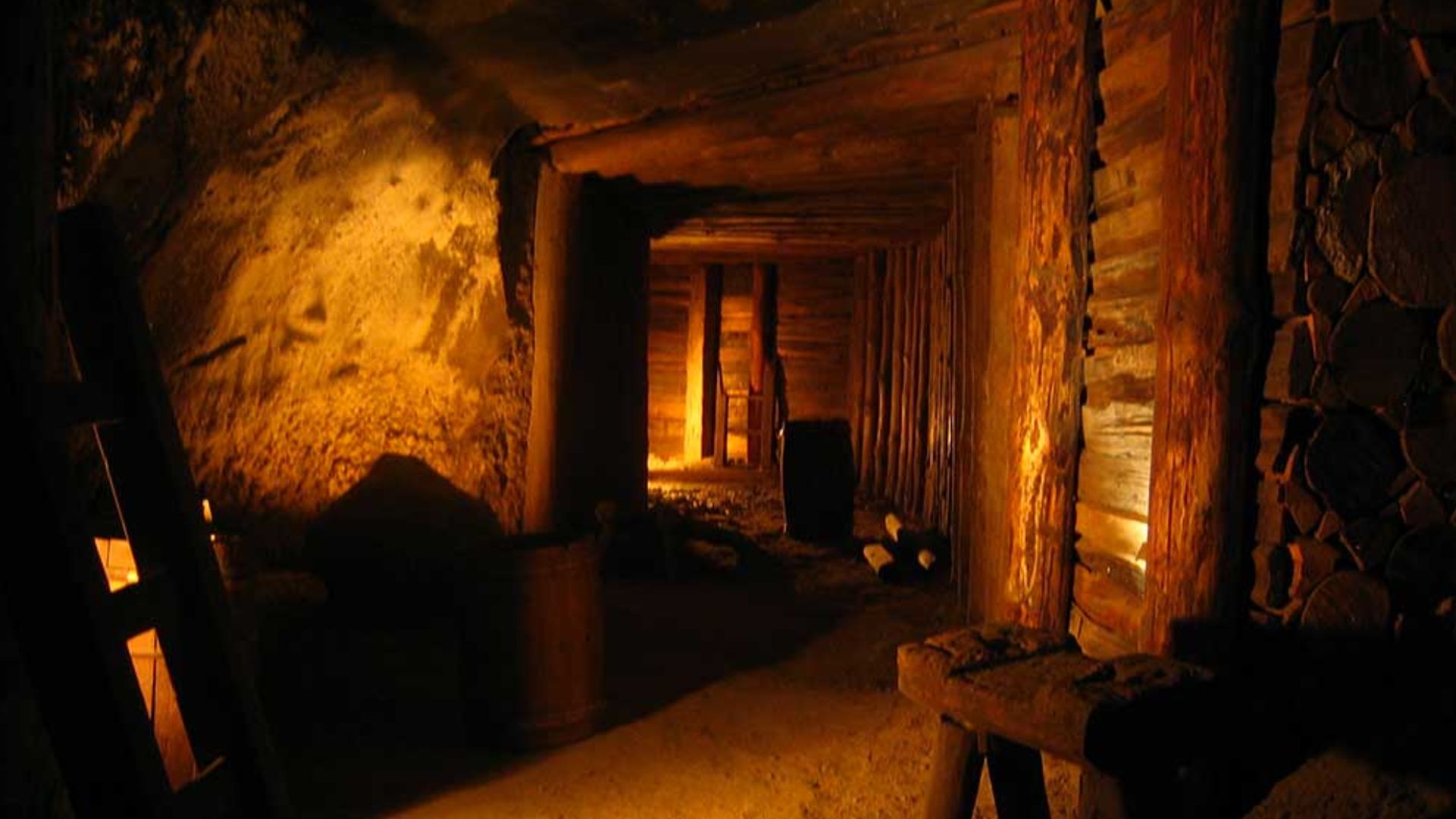
The descent includes a stretch of darkness as the hoist travels down its shaft. Then its doors open onto illuminated chambers much larger than first-time visitors might expect. Forget the cramped tunnel you pictured.
An Ancient Sea Started Everything
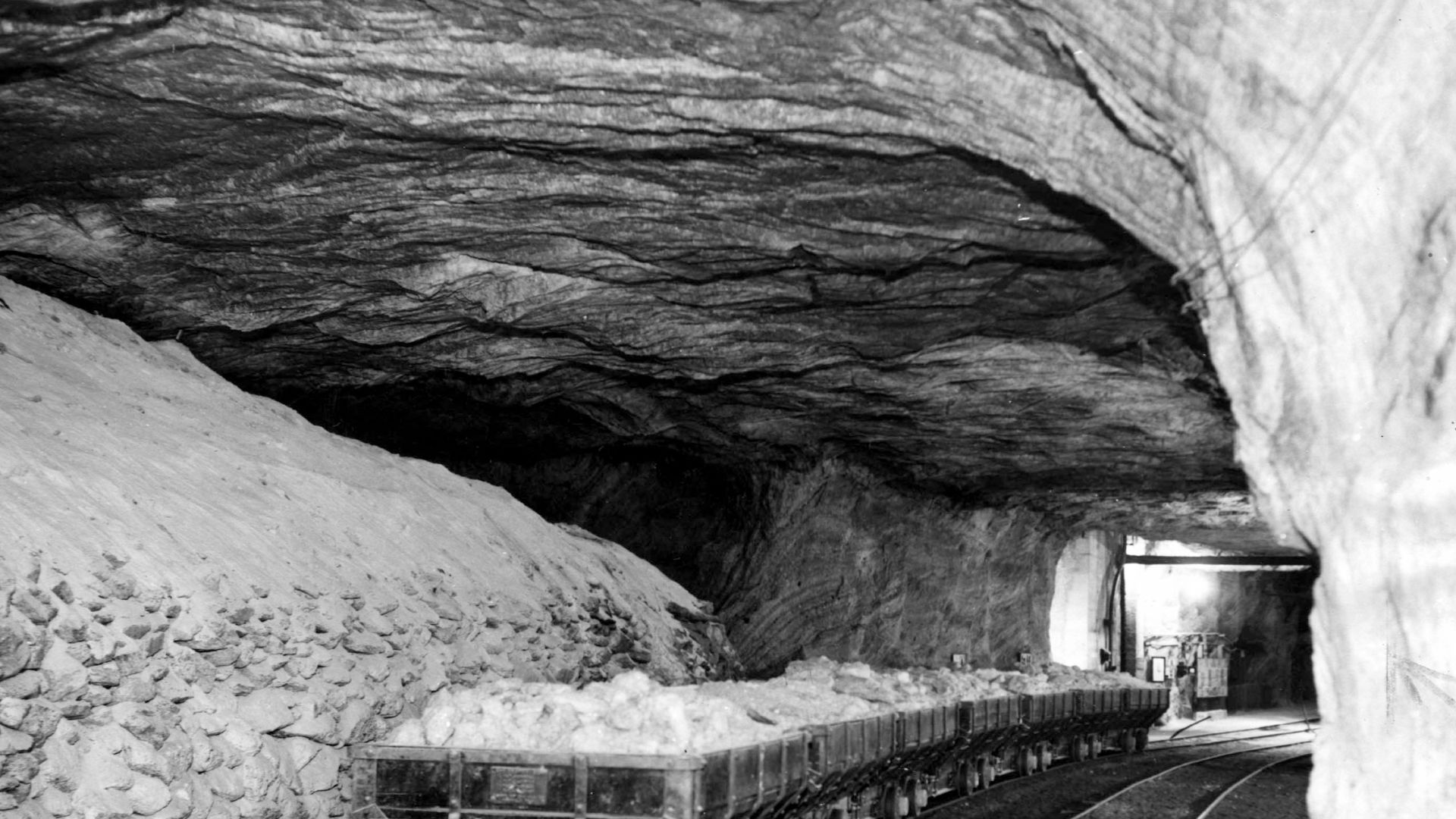
Long before Kansas existed, shallow seas covered the region during the Permian Period. Salt beneath Hutchinson dates back roughly 275 million years. The walls reveal traces of a vanished landscape older than the dinosaurs.
 undergrounddarkride, Wikimedia Commons
How The Salt Got There
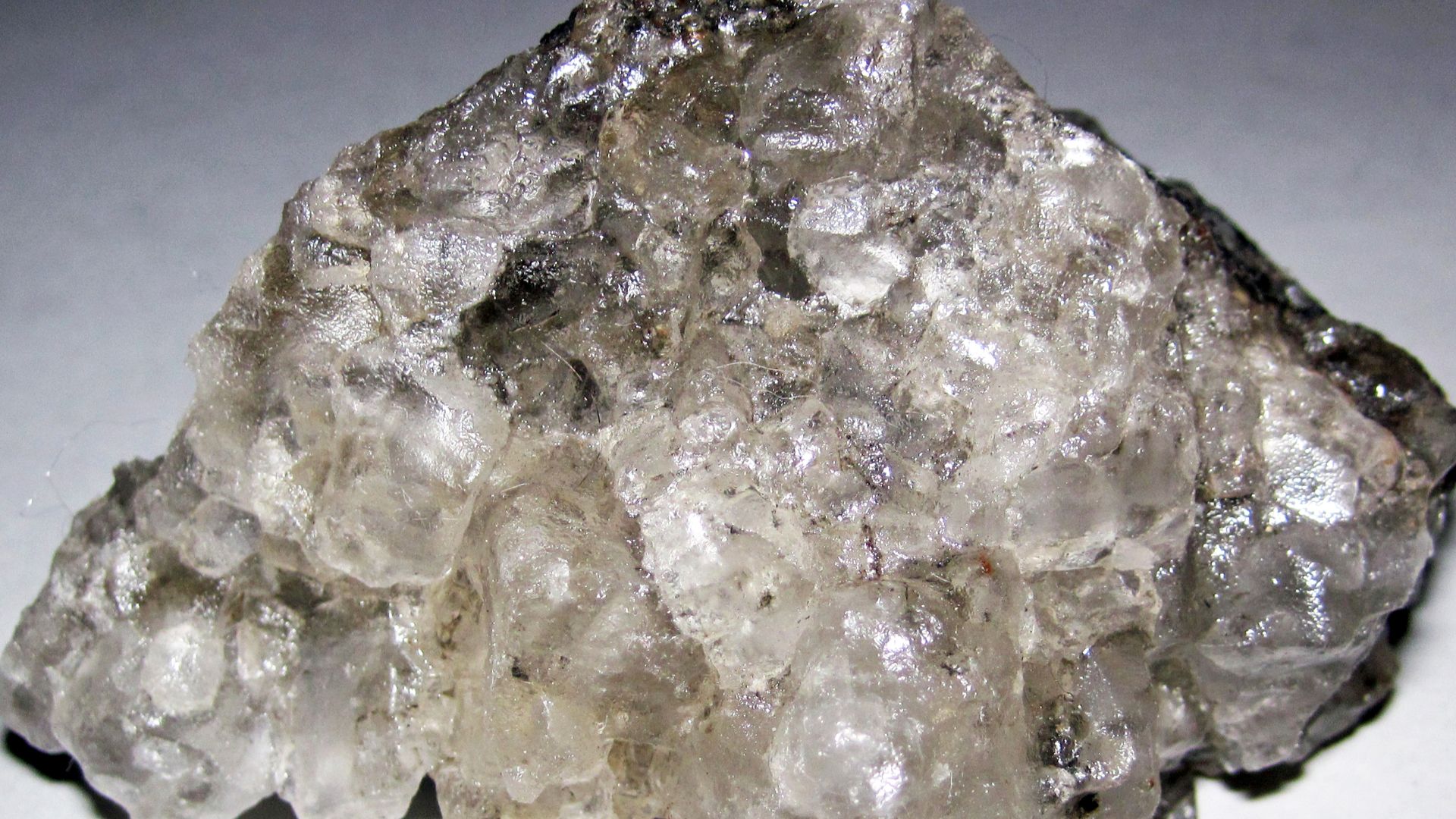
As ancient seawater evaporated, dissolved minerals accumulated in thick deposits. Later rock layers buried the salt far below today's prairie. The Kansas Geological Survey explains that repeated evaporation gradually built the Hutchinson Salt Member.
 James St. John, Wikimedia Commons
A Lucky Discovery In 1887
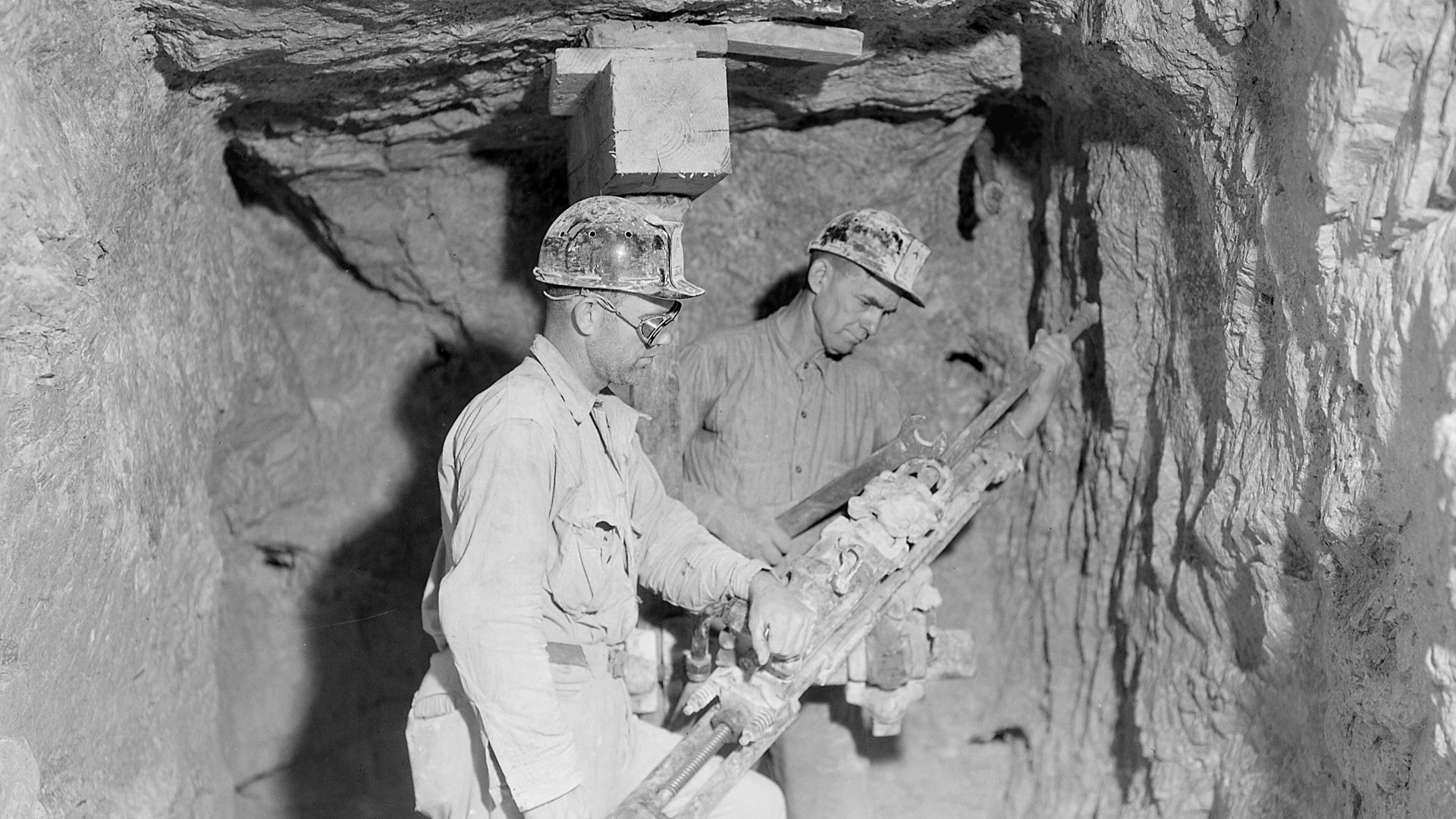
Hutchinson's salt story began unexpectedly. In 1887, prospectors drilling for other resources encountered extensive rock salt deposits. Commercial production followed, helping the city earn its enduring nickname, Salt City. What a fortunate wrong turn.
Carey Salt Went Underground
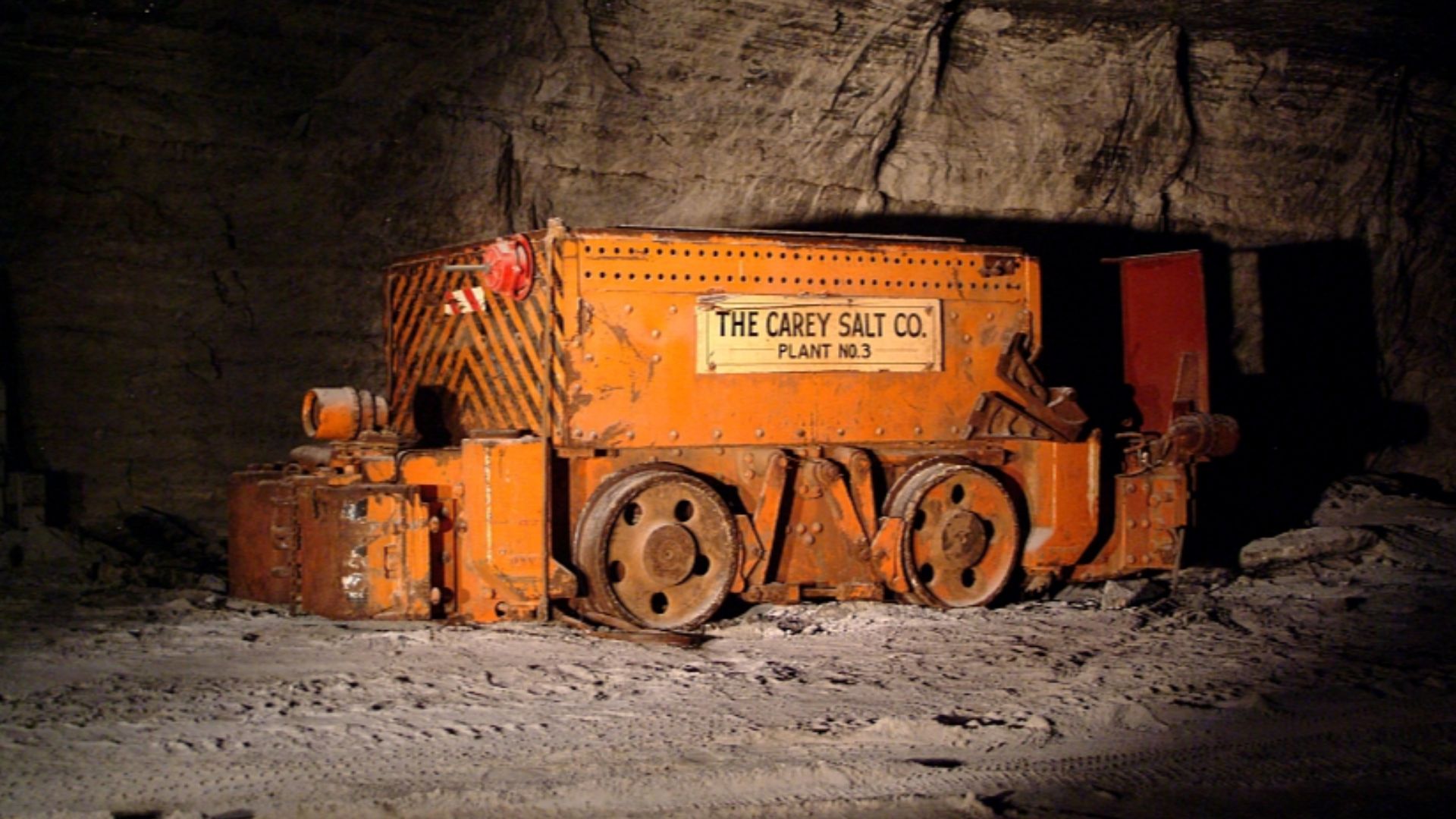
The Carey Salt Company opened its underground Hutchinson mine in 1923. Earlier local operations had produced salt by pumping brine through wells. Carey's miners instead went into the rock, creating the chambers that Strataca interprets today.
 undergrounddarkride, Wikimedia Commons
The Mine Has Quite A Footprint
The complex stretches for more than 150 miles of passages, according to the mine operator. Visitors explore only selected portions. Knowing how much lies beyond the galleries makes the museum feel like one doorway into an enormous underground world.
Those Pillars Aren't Decorative
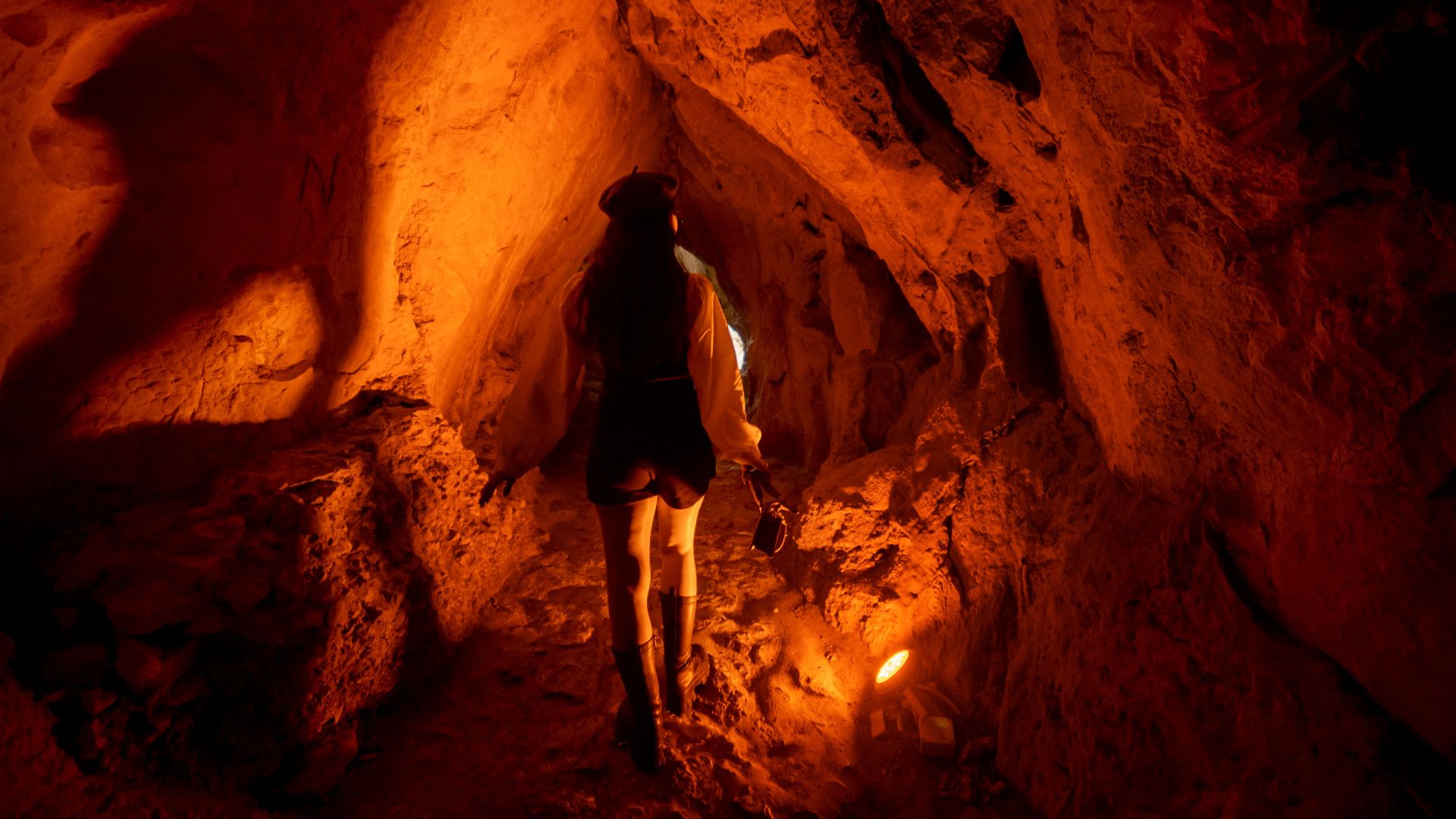
Miners used a technique called room-and-pillar mining. They excavated large chambers while leaving columns of salt to support the roof. Those monumental pillars give the museum its distinctive architecture, but their job is entirely practical.
 High Contrast, Wikimedia Commons
Not The Salt On Your Dinner Table
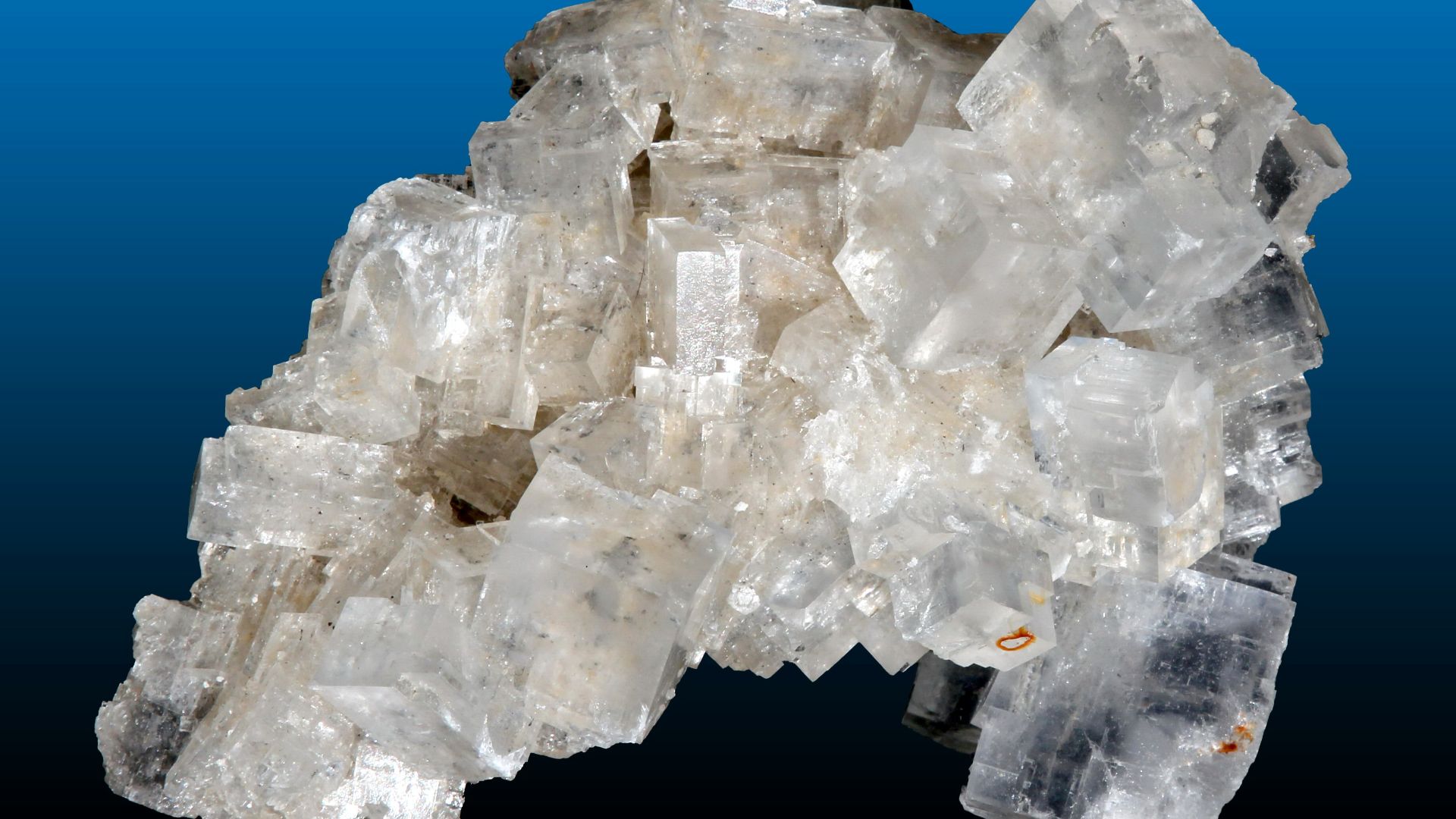
Underground-mined rock salt is widely used for melting ice on roads. Natural impurities often make it unsuitable for the dinner table without processing, according to the Kansas Geological Survey. Admire those salty walls, but leave the tasting to restaurants.
 Lech Darski, Wikimedia Commons
A Museum Arrived In 2007
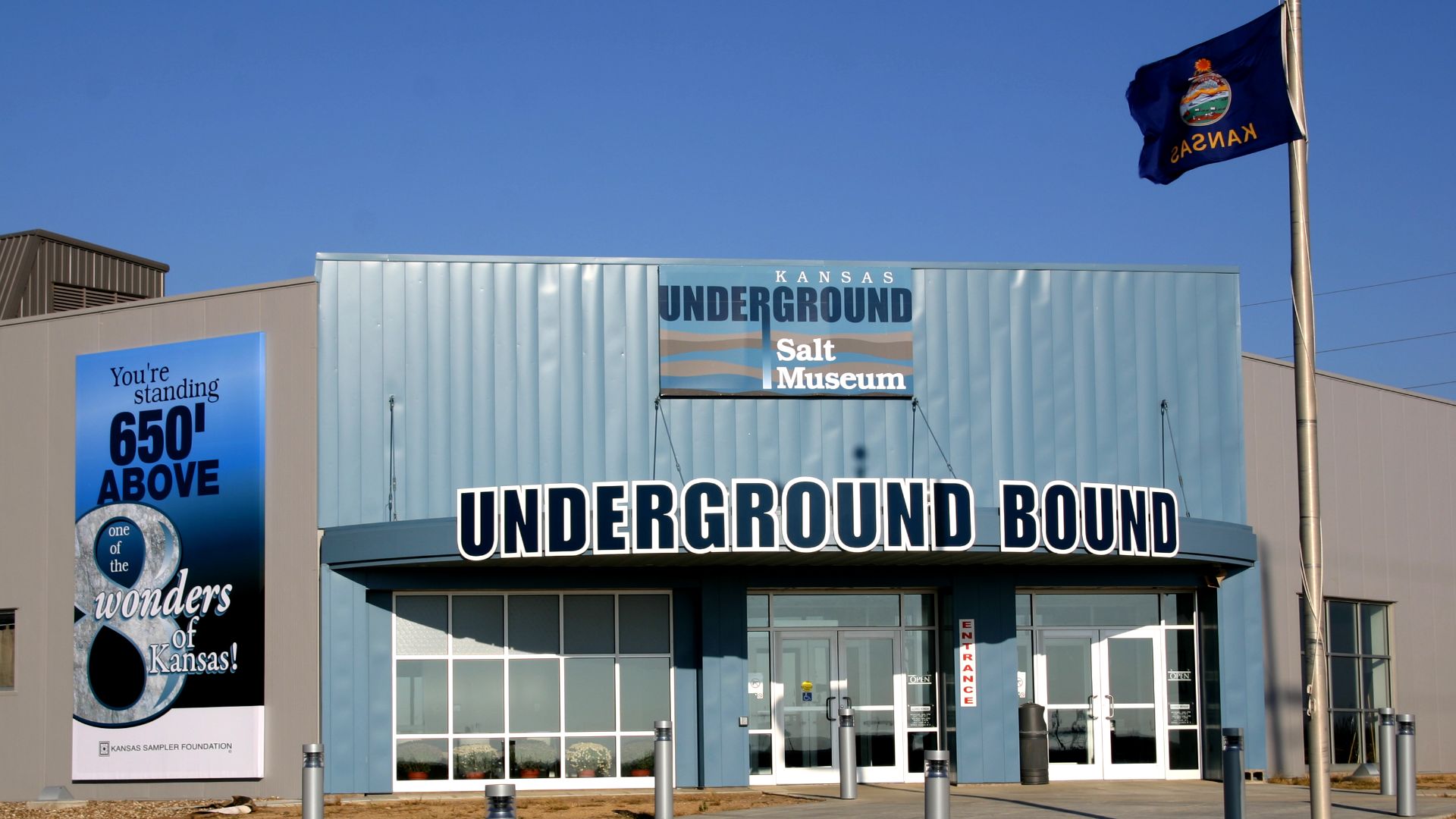
Strataca opened to the public in 2007, giving formerly worked chambers a new purpose. The museum interprets local mining history where it happened. It also earned recognition as one of Kansas's Eight Wonders.
 undergrounddarkride, Wikimedia Commons
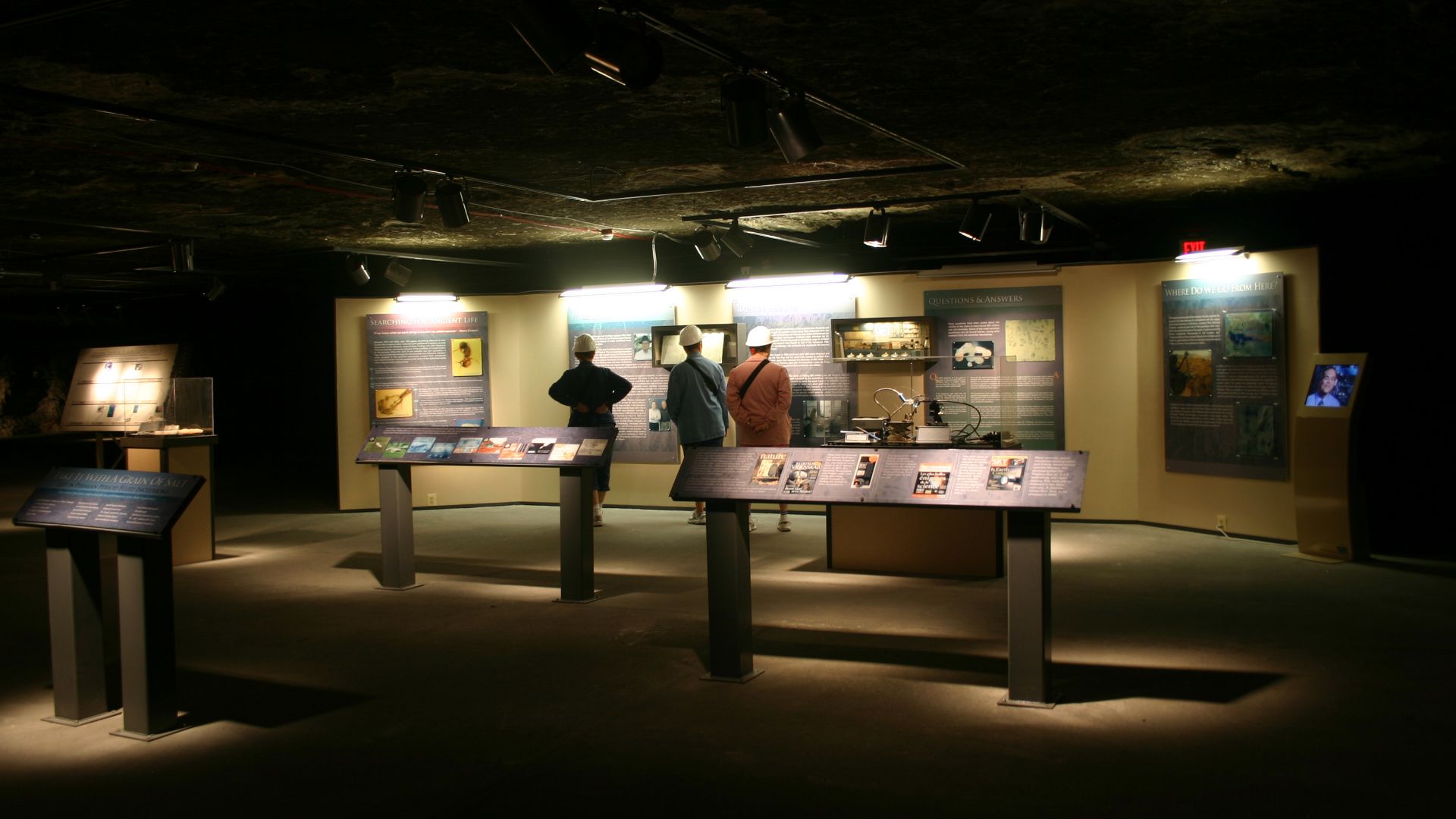
The Permian Room Goes Way Back
In the Permian Room, visitors see geology written directly into the mine walls. Layers reveal clues about the ancient environment that created the deposit. Here, the surrounding rock is as important as the displays.
 undergrounddarkride, Wikimedia Commons
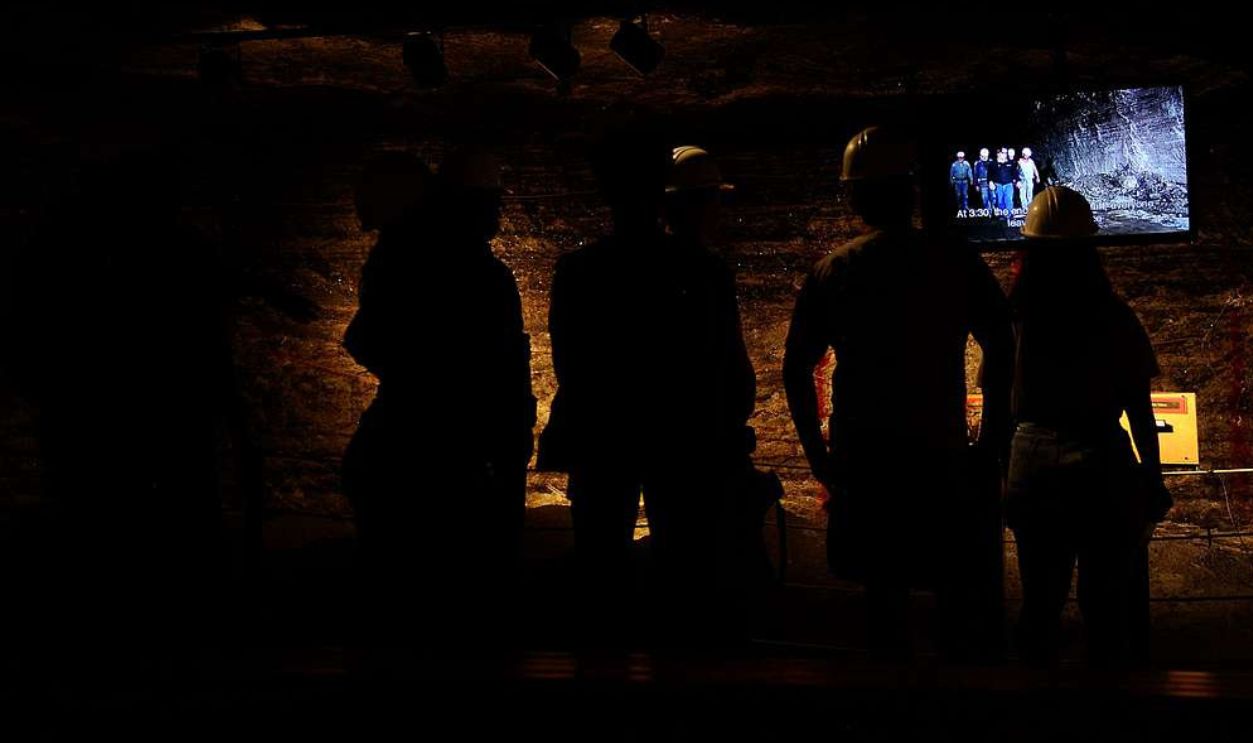
Mining History Comes Alive
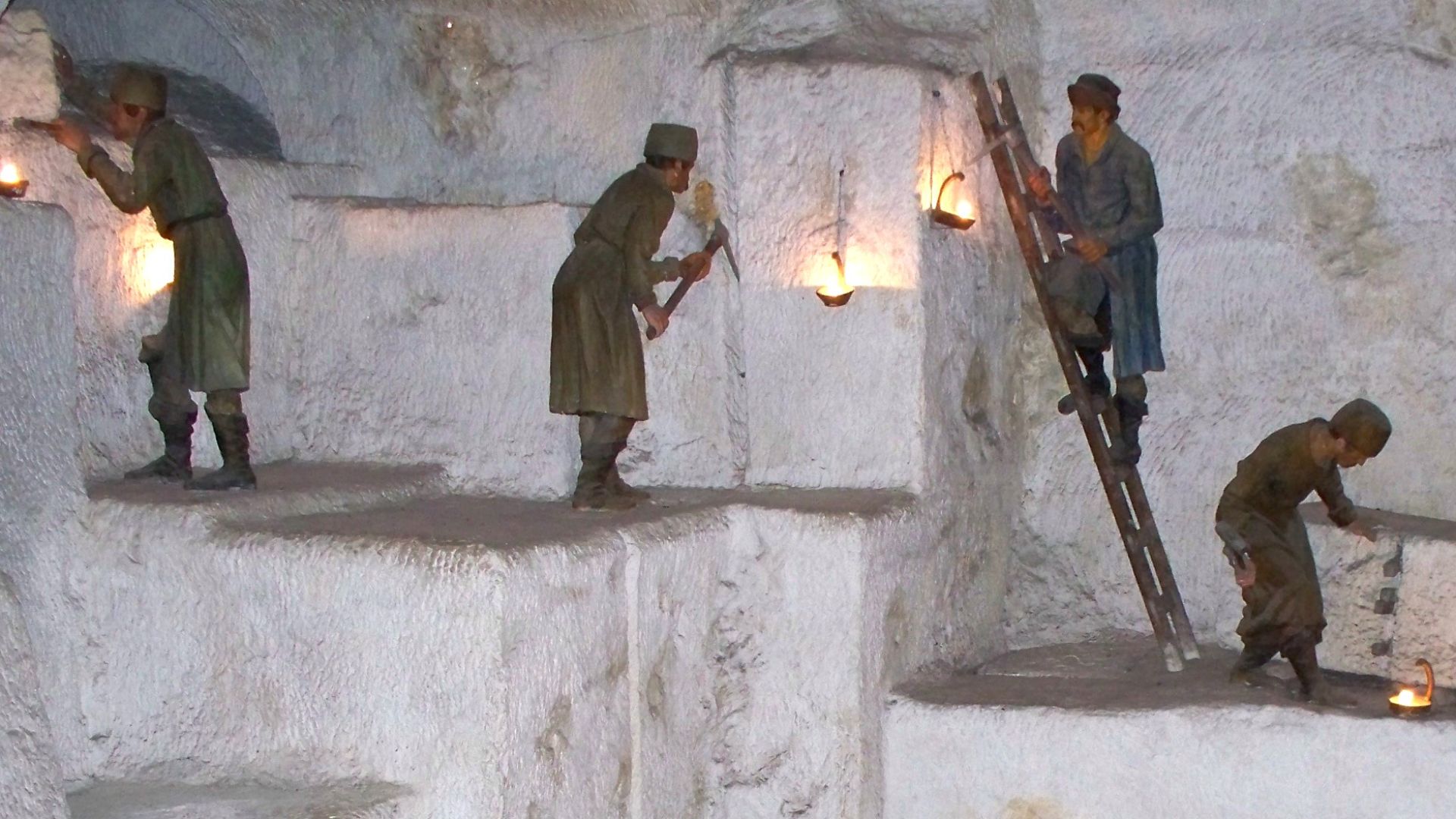
The Mining Gallery examines tools, workers, and changing extraction techniques. Its displays explain how earlier crews labored underground. Seeing this history in a former working area adds something that a conventional museum gallery cannot easily reproduce.
 Defence Visual Information Distribution Service, Picryl
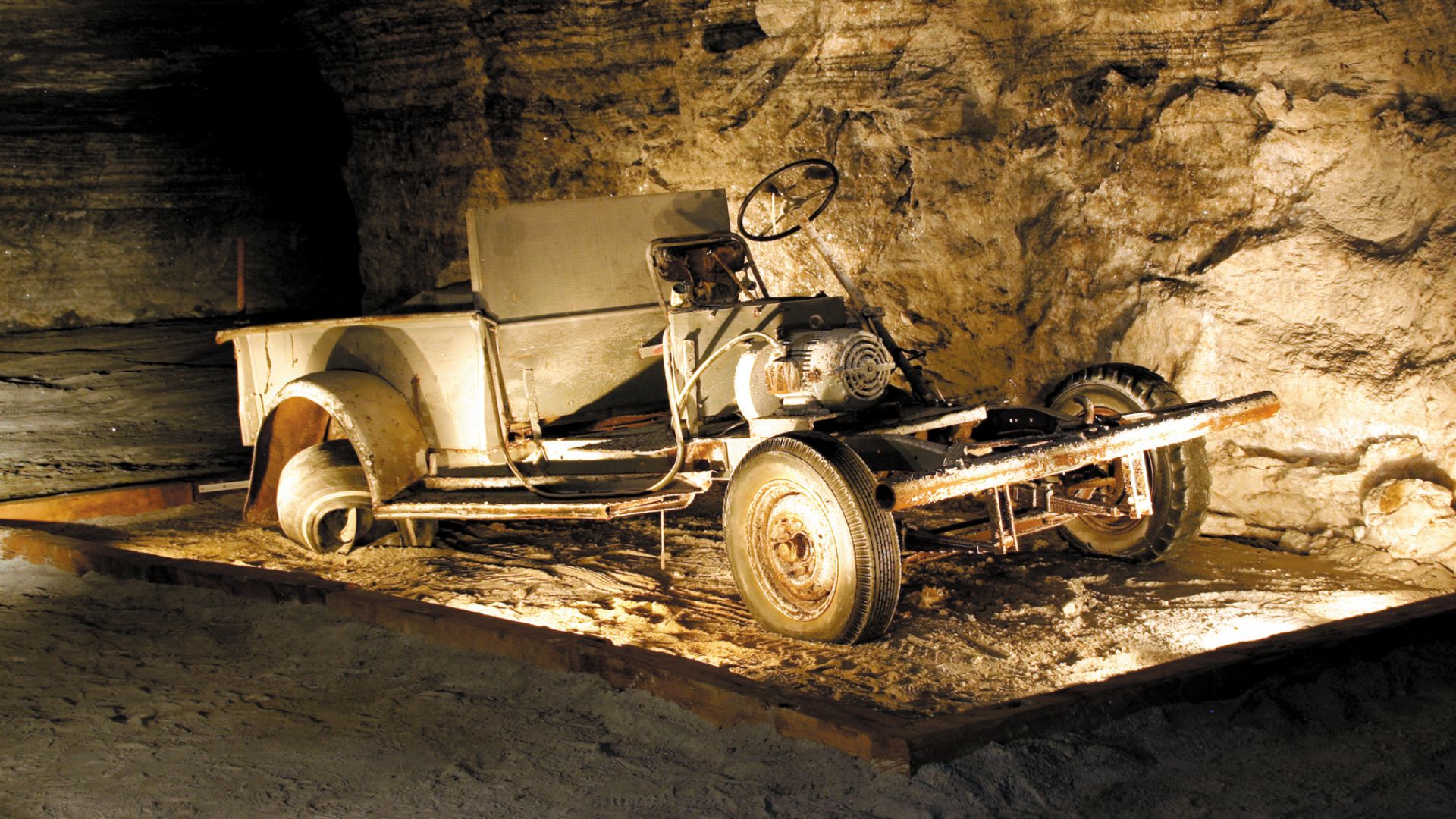
Some Machines Never Left
Old vehicles and mining machinery remain underground. Tourism officials describe cars and tractors that were lowered into the mine. Today those relics illustrate the practical challenges of working hundreds of feet below ground.
 undergrounddarkride, Wikimedia Commons
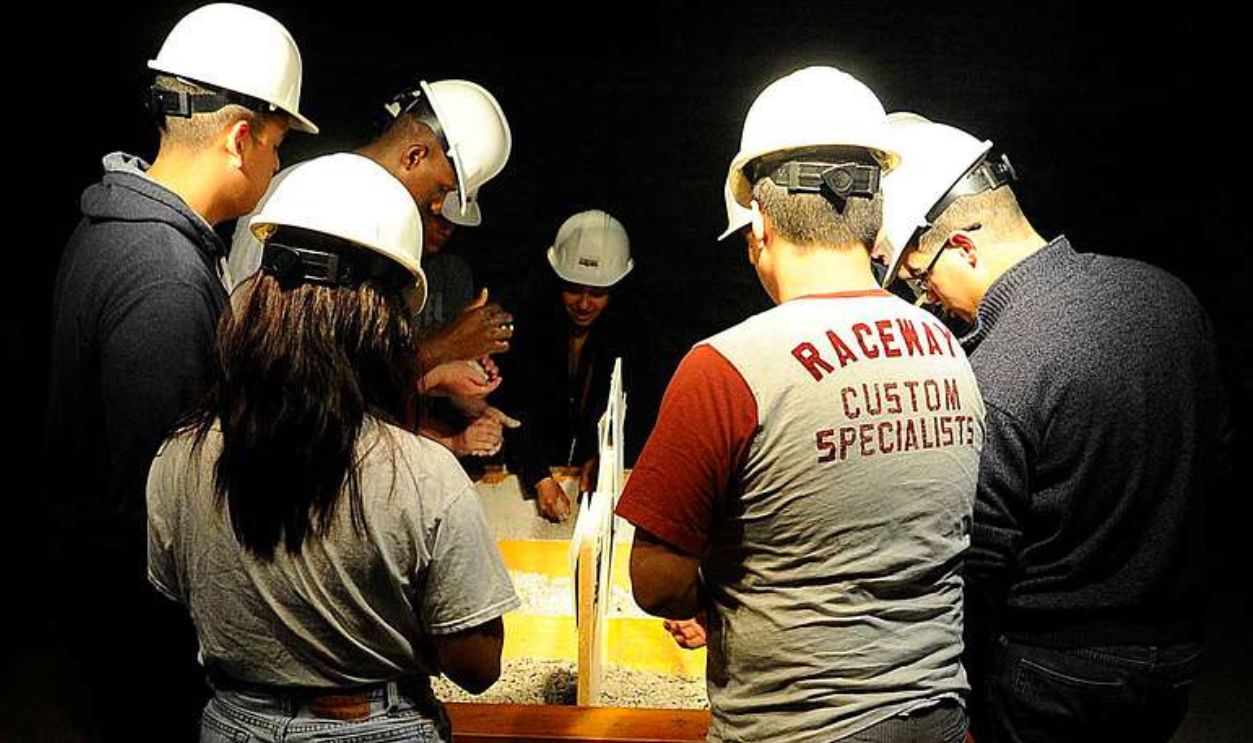
Even The Rubbish Has History
Discarded containers, packaging, and other leftovers have survived beneath Hutchinson. Museum staff preserved these remnants as evidence of miners' everyday routines. Even ordinary rubbish becomes interesting when it has spent decades in a salt mine.
 Defence Visual Information Distribution Service, Picryl
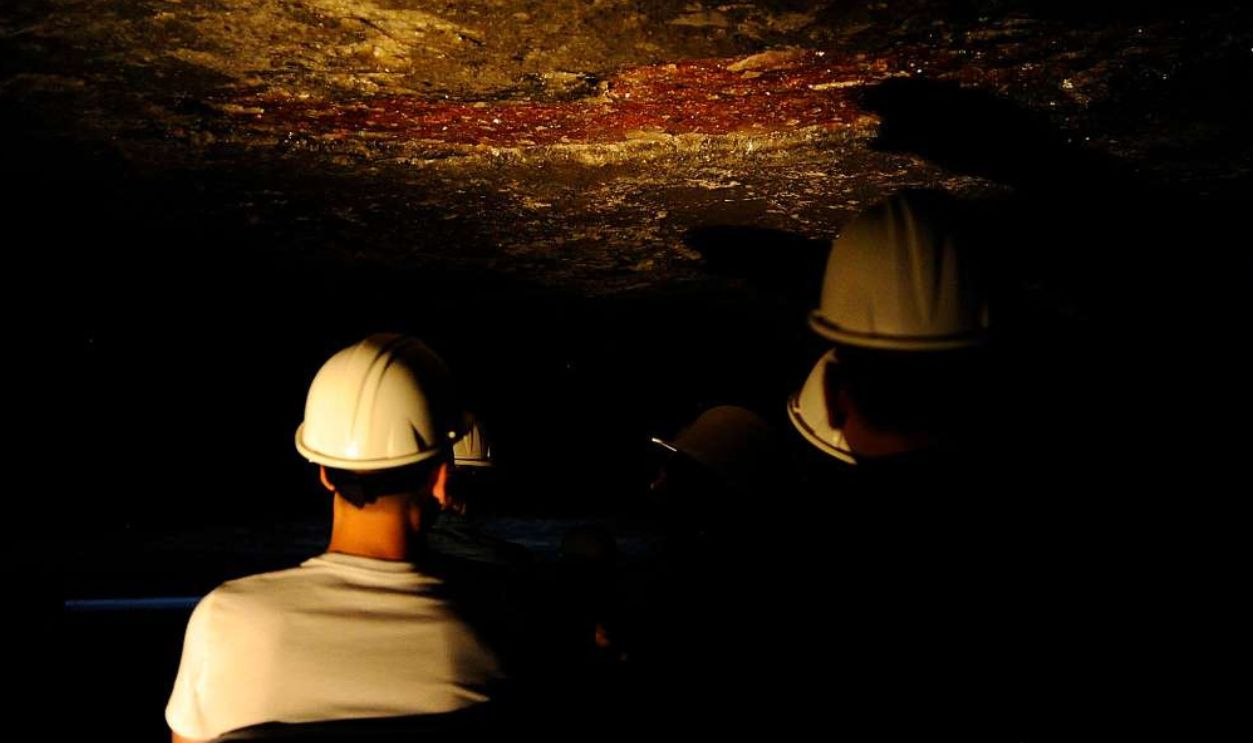
The Dark Ride Has A Twist
Despite its name, the Dark Ride isn't a roller coaster. It is a roughly 30-minute guided tram journey through former mining areas. Illuminated stops explain operational challenges and the solutions that kept the mine functioning.
 Defence Visual Information Distribution Service, Picryl
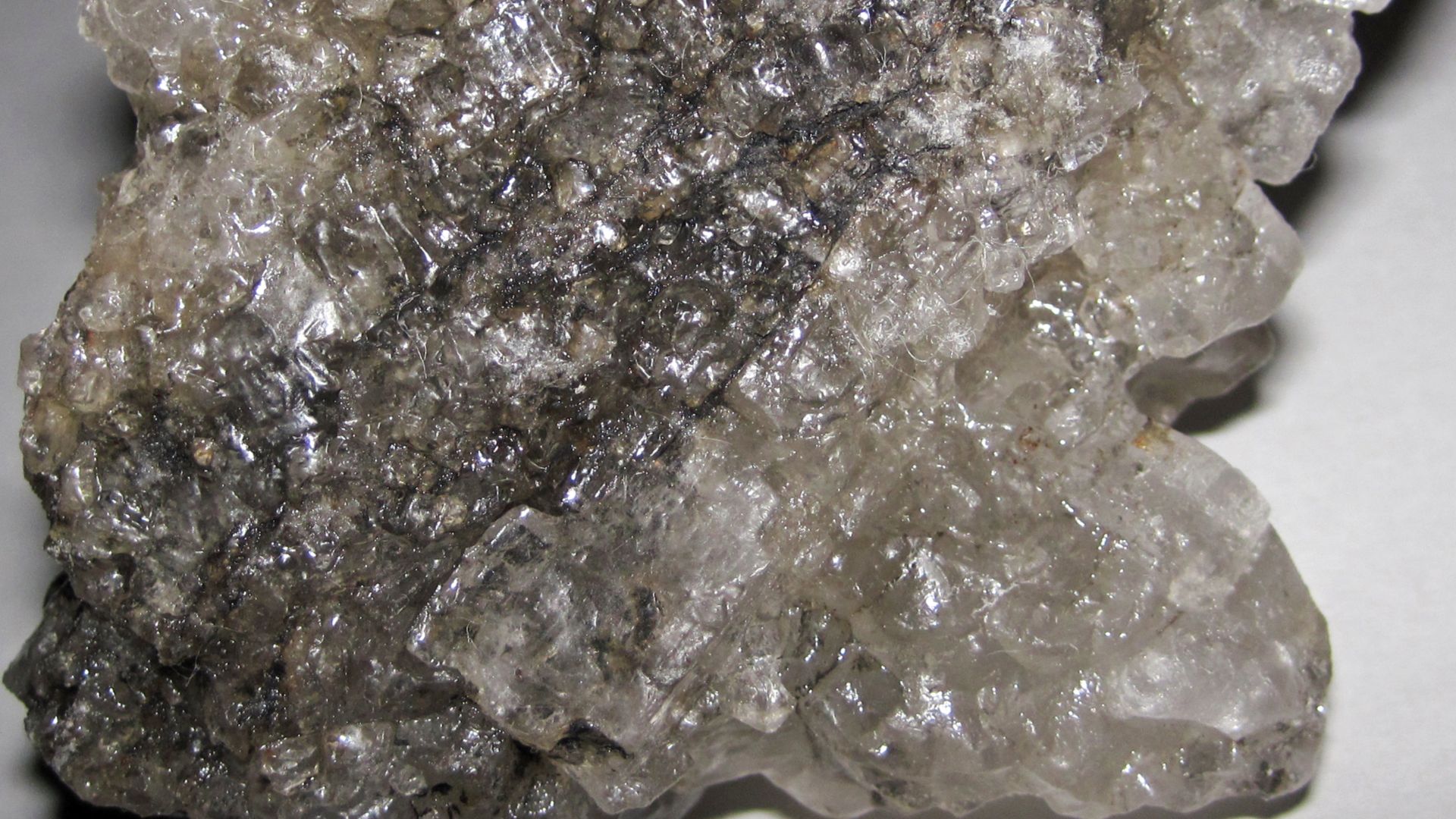
You Can Take Salt Home
The main Salt Blast Pass includes a souvenir piece of salt. That means visitors leave with a piece of the geological story they have just explored. It is certainly more distinctive than another refrigerator magnet.
 James St. John, Wikimedia Commons
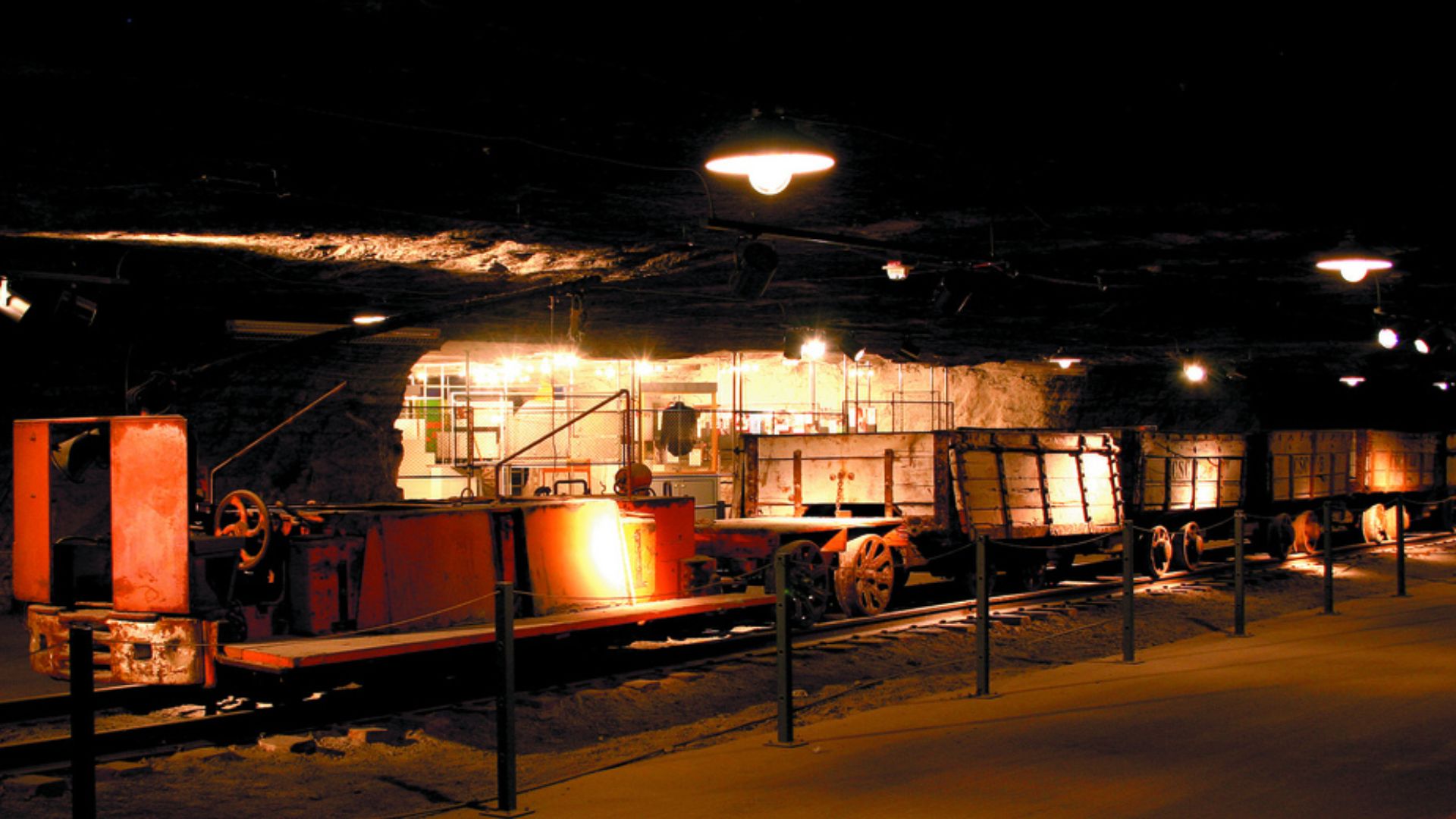
The Salt Mine Express Rolls Along
The Salt Mine Express offers a 15-minute ride along original mining rails and ties. Its route passes a former miners' breakroom. The train operates seasonally, so check availability instead of assuming every tour includes it.
 undergrounddarkride, Wikimedia Commons
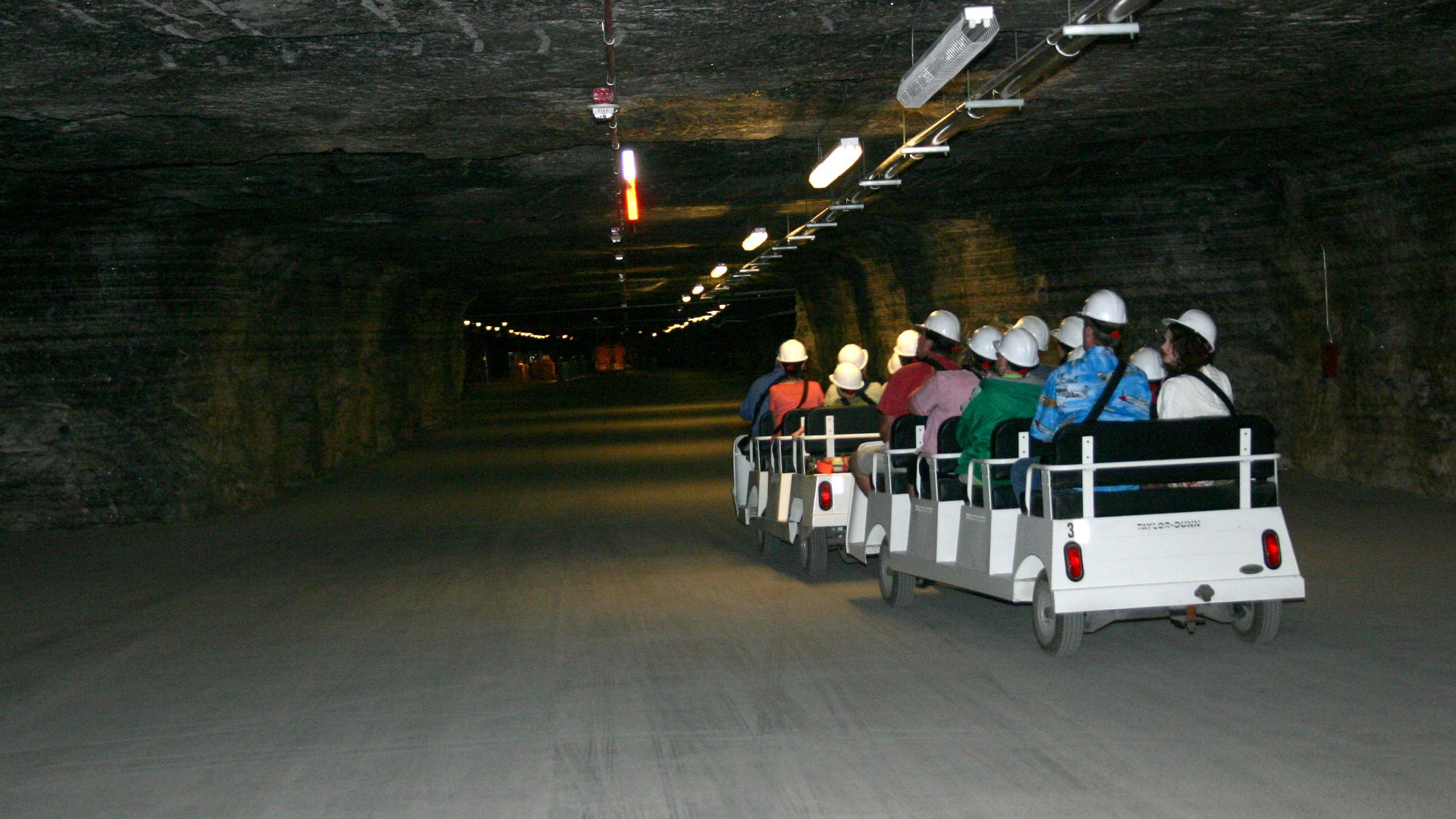
The Salt Safari Goes Farther
For an added adventure, the Salt Safari offers a guided, hour-long shuttle journey beyond the standard galleries. Visitors discover historical formations in selected mining areas. A combination ticket is required for this deeper exploration.
 undergrounddarkride, Wikimedia Commons
Lanterns Light A Different Path
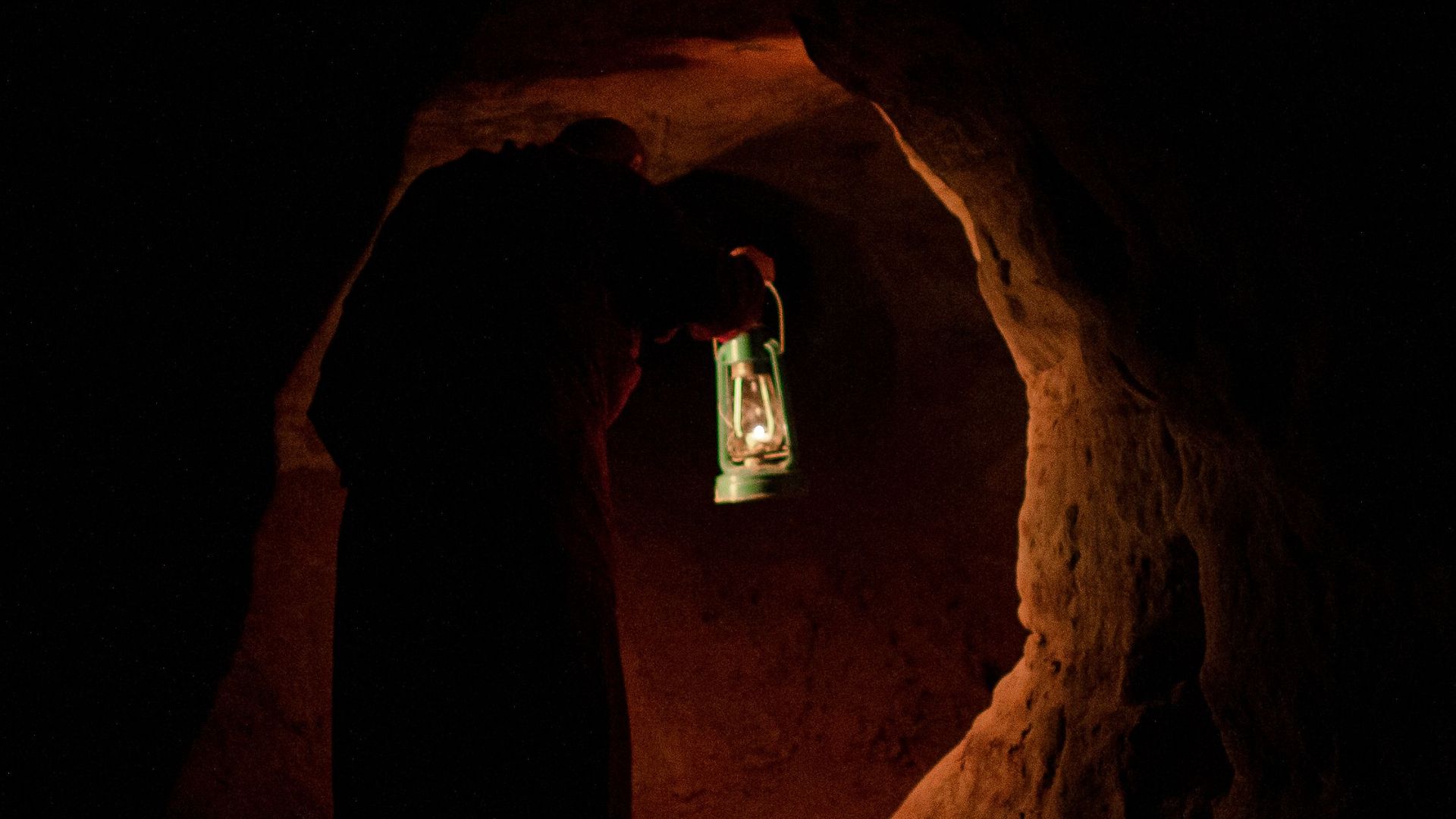
Strataca offers a Lantern Tour on selected Saturdays. Participants walk about one mile along old railbeds while exploring areas outside the regular galleries. The lantern-lit experience highlights the atmosphere of mid-century mining.
Hollywood Has A Kansas Basement
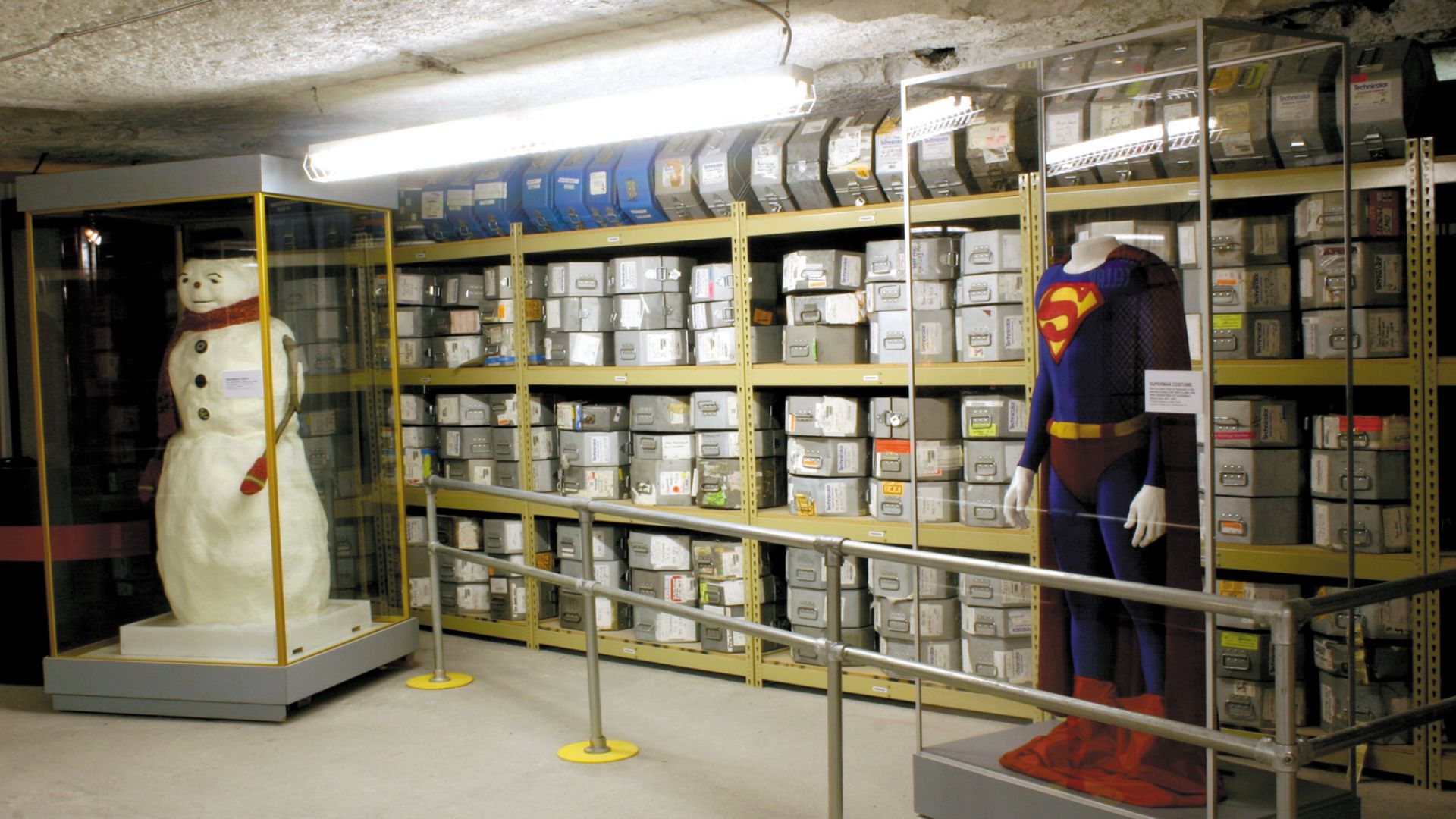
Separate mine chambers also serve as secure archival storage. Underground Vaults & Storage protects films, documents, and other valuable materials here. The steady underground environment makes an unlikely but useful home for important cultural records.
 undergrounddarkride, Wikimedia Commons
Movie Memorabilia Joins The Mix
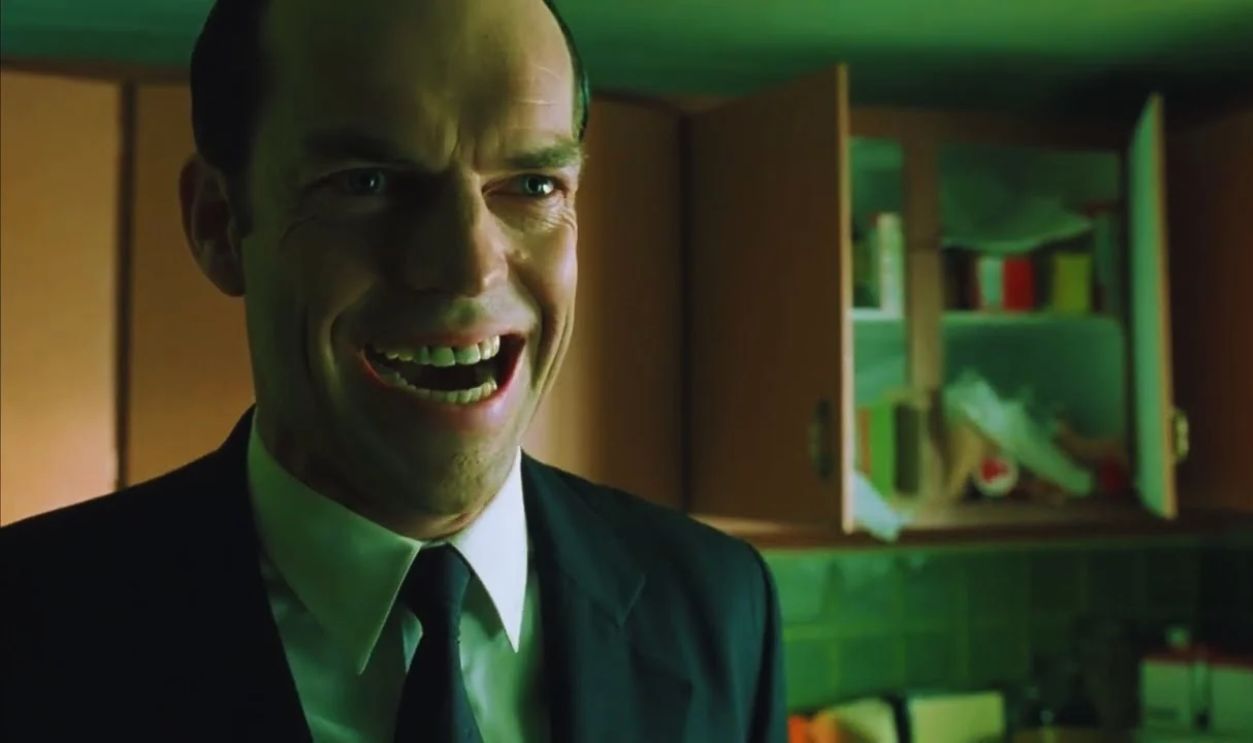
Screen history appears in the museum, too. Local reporting documented a prop from Twister and a mannequin used in The Matrix Revolutions. Tourism materials also describe film costumes displayed in the underground galleries.
 Screenshot from The Matrix Revolutions, Warner Bros. Pictures (2003)
The Temperature Barely Changes
The museum stays around 68 degrees Fahrenheit throughout the year. A light layer can therefore be useful, even in summer. That steady temperature also helps explain the mine's appeal as a place to preserve archives.

The Gift Shop Has An Unusual Location
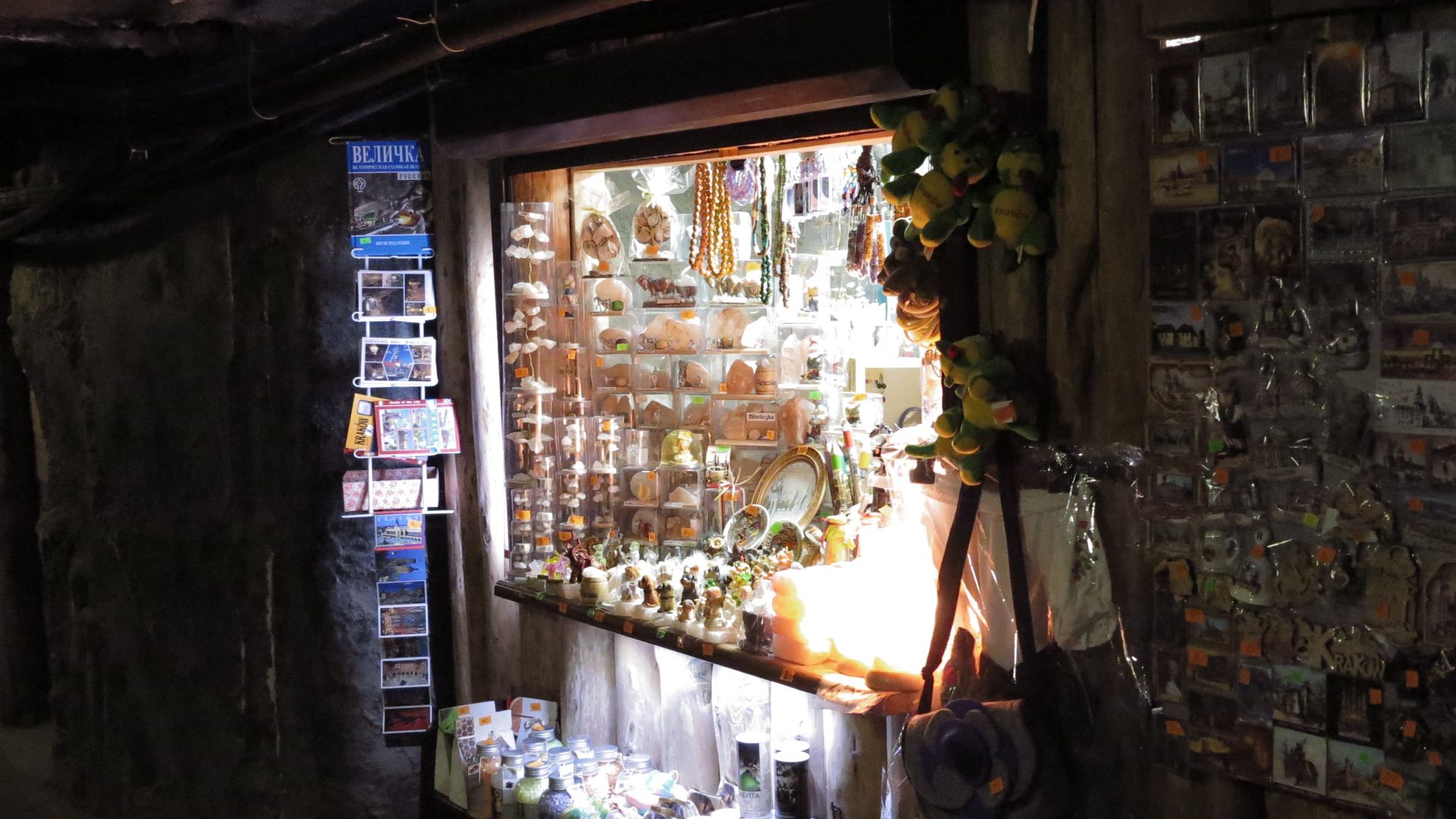
Even souvenir shopping happens underground at Strataca. The museum places its gift shop below the surface, so visitors need not return upstairs to browse. It is one more detail that makes this visit unlike an ordinary museum outing.
 Alexandar Vujadinovic, Wikimedia Commons
Plan For A Proper Underground Visit
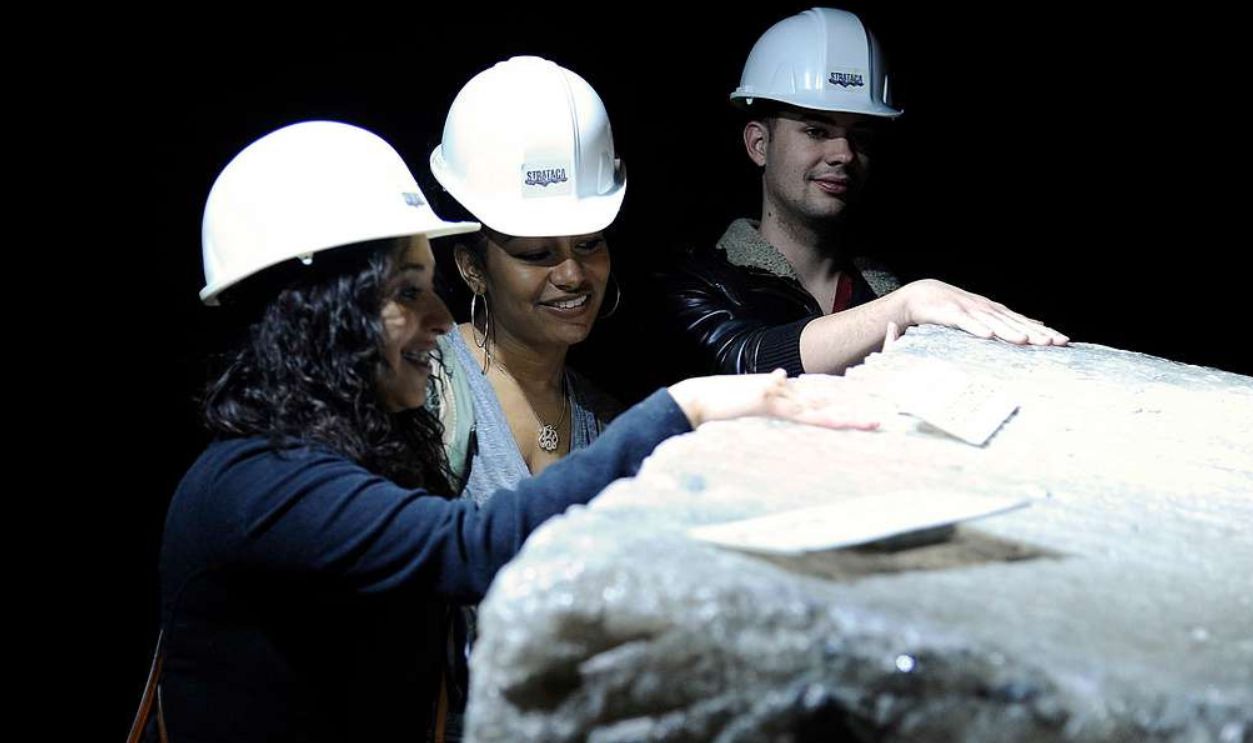
The main visit takes about two and a half hours, and reservations are recommended. Visitors must check in 15 minutes early and wear hard hats. Children must be at least four, while accessibility varies by attraction.
 Defence Visual Information Distribution Service, Picryl
You May Also Like: