The Rides Stopped, But The Visitors Didn't
Abandoned amusement parks have become unlikely destinations for photographers, historians, and curious travelers. Their empty roller coasters and forgotten attractions offer a completely different experience from the excitement they once promised. Some have even found remarkable second lives as public parks, film sets, and cultural landmarks.
Berlin's Forgotten Amusement Park
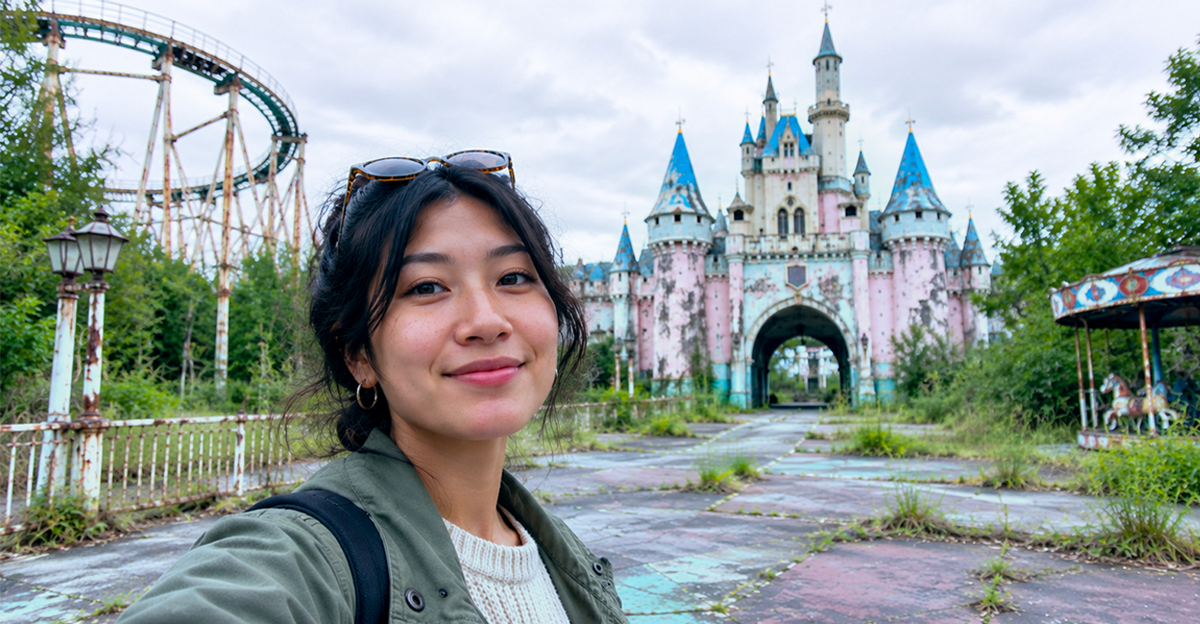
Berlin's Spreepark opened in 1969 as Kulturpark Plänterwald, the only permanent amusement park in East Germany. After German reunification, it continued operating under a new name. Financial difficulties eventually forced its closure in 2002, leaving its rides and attractions behind in the surrounding woodland.
Dinosaurs In The Forest
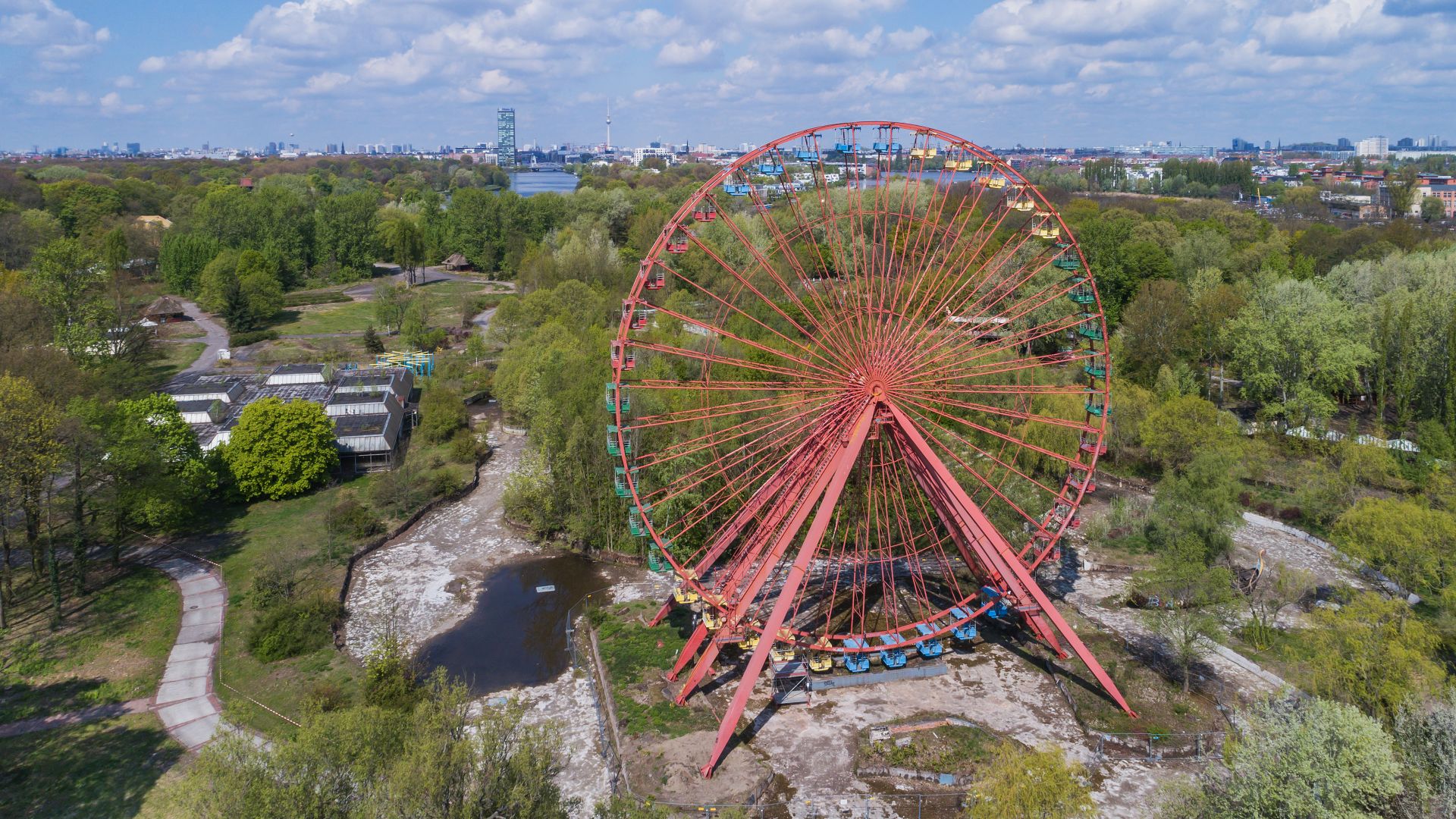
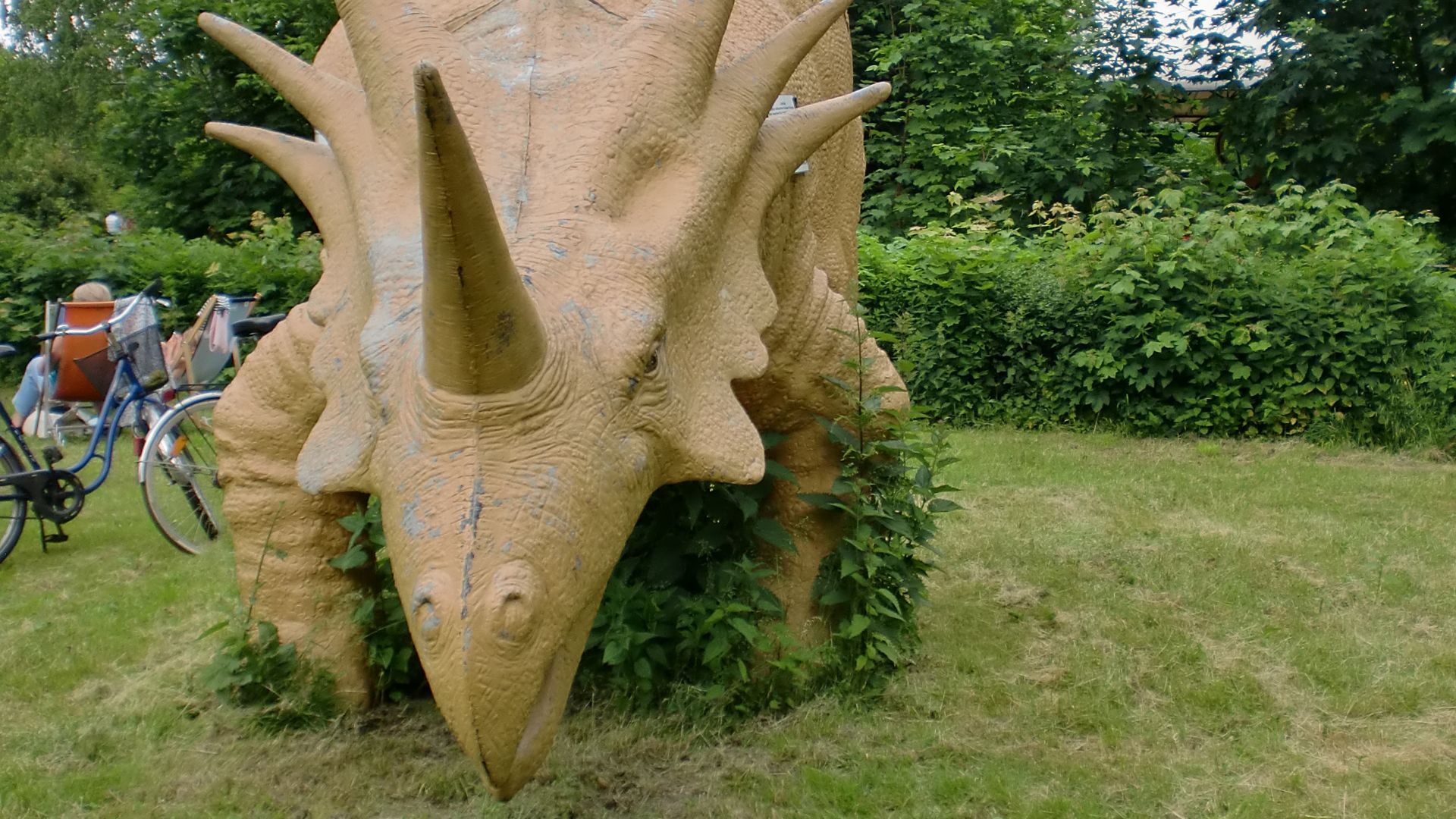
Photographs of Spreepark's abandoned dinosaur sculptures and towering Ferris wheel became striking reminders of the former attraction. Berlin is now transforming the site into an arts and nature park. Its restored Ferris wheel is expected to become a centerpiece when the redesigned park opens in spring 2027.
 Literatenmelu, Wikimedia Commons
Seoul's Amusement Park Frozen In Time
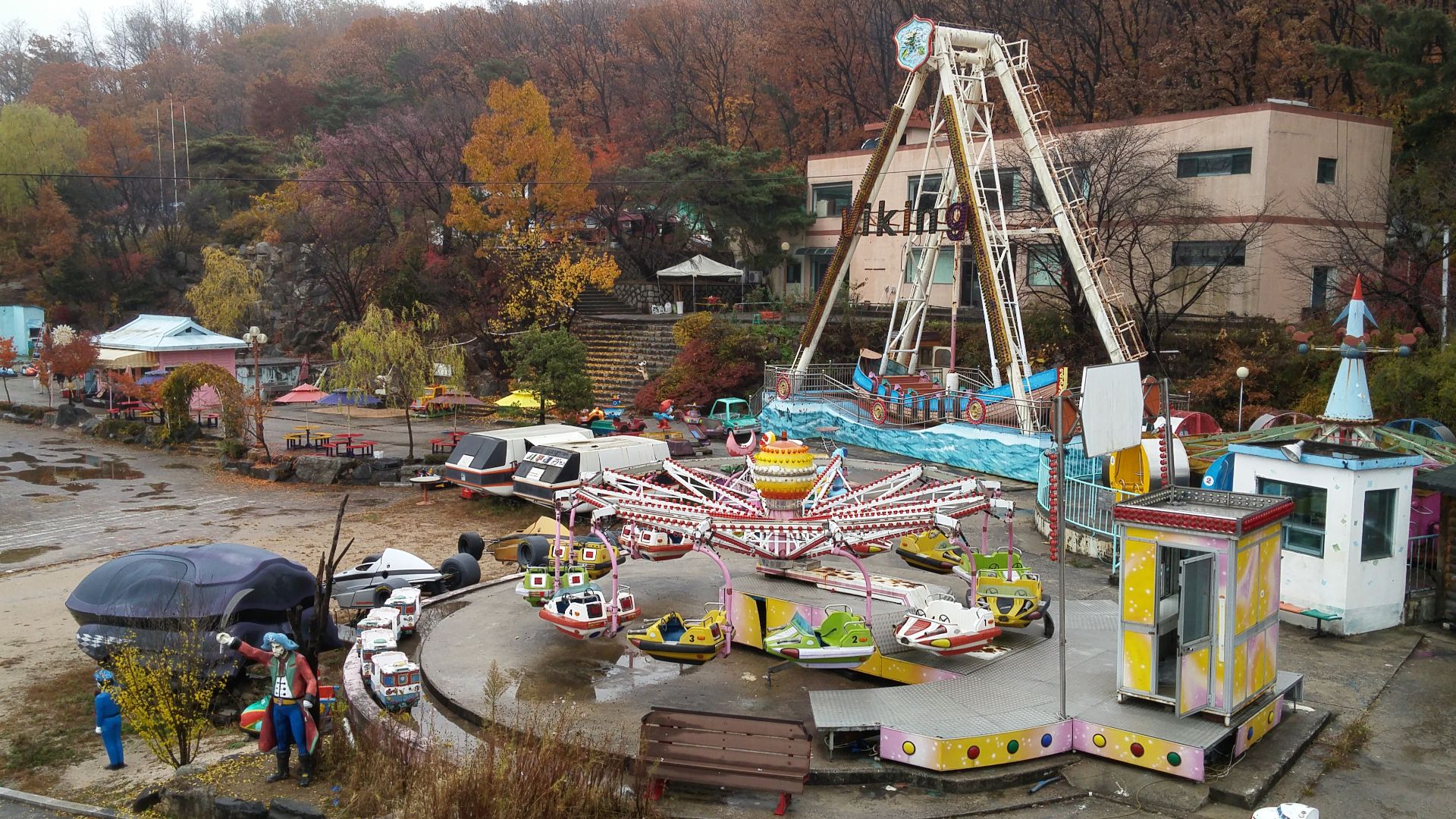
Yongma Land opened in Seoul in 1983 and operated until 2011, when declining profitability ended its career as a traditional amusement park. Its aging carousel, miniature train, and other attractions were left standing. Rather than disappearing completely, the property developed an unexpected reputation among photographers and filmmakers.
 Christian Bolz, Wikimedia Commons
Where The Rides Became Movie Stars
Yongma Land's faded attractions have appeared in Korean television dramas, music videos, and commercial photography. Visitors can still enter the property to take pictures, although the rides no longer operate. South Korea's tourism organization advises checking ahead because filming schedules and private bookings can restrict access.
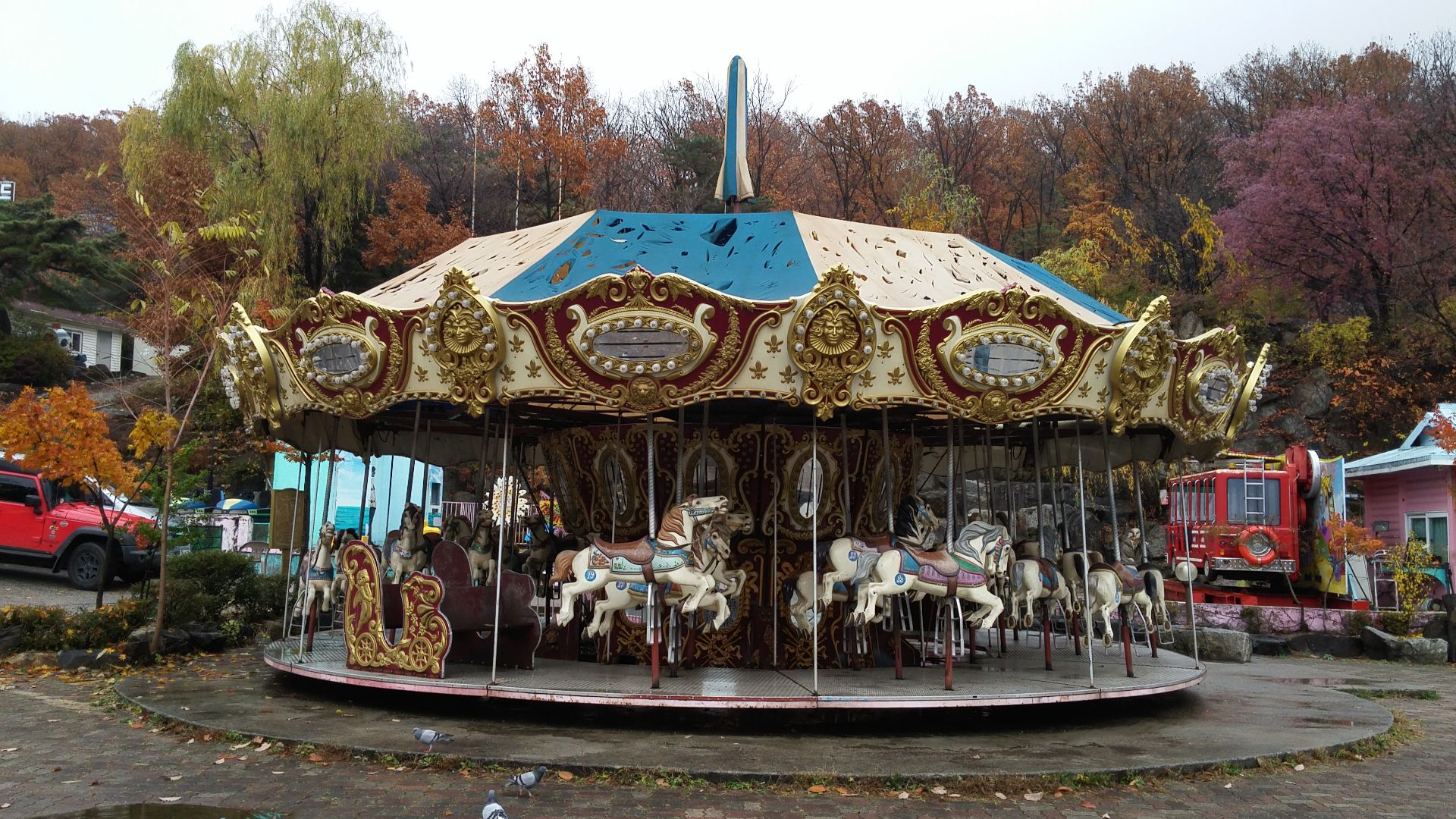 Christian Bolz, Wikimedia Commons
Japan's Disneyland That Wasn't Disneyland
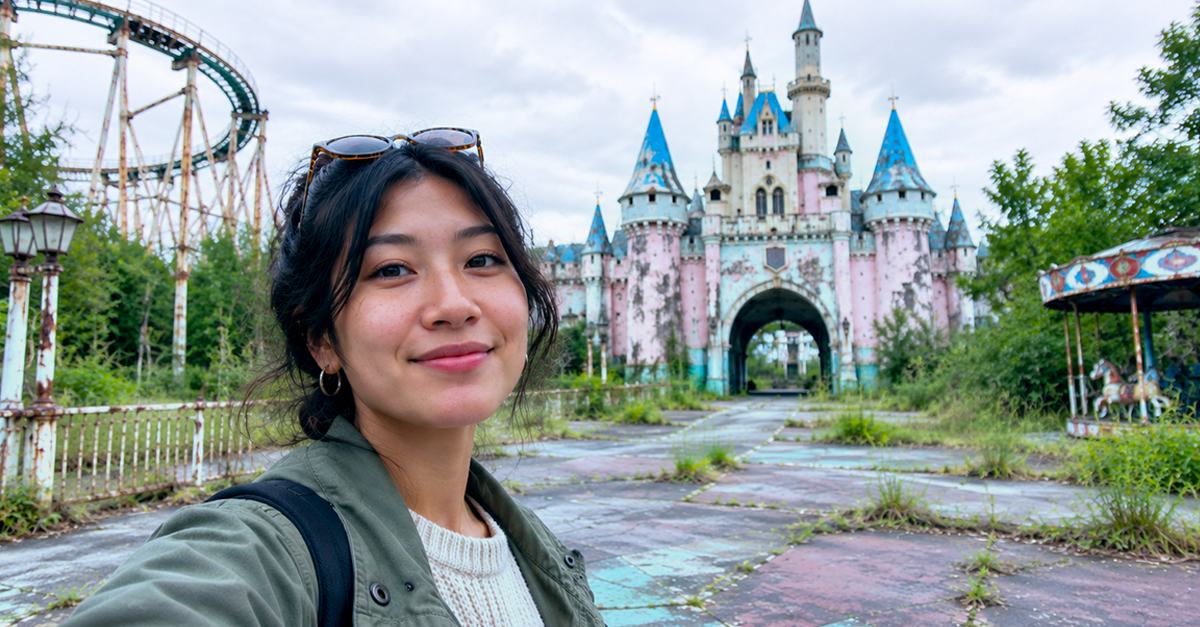
Nara Dreamland opened in Japan in 1961, borrowing heavily from the appearance of California's Disneyland. It featured a castle, elaborate entrances, and roller coasters. Following years of declining attendance and growing competition, the park closed in 2006, leaving an entire fantasy world standing without visitors.
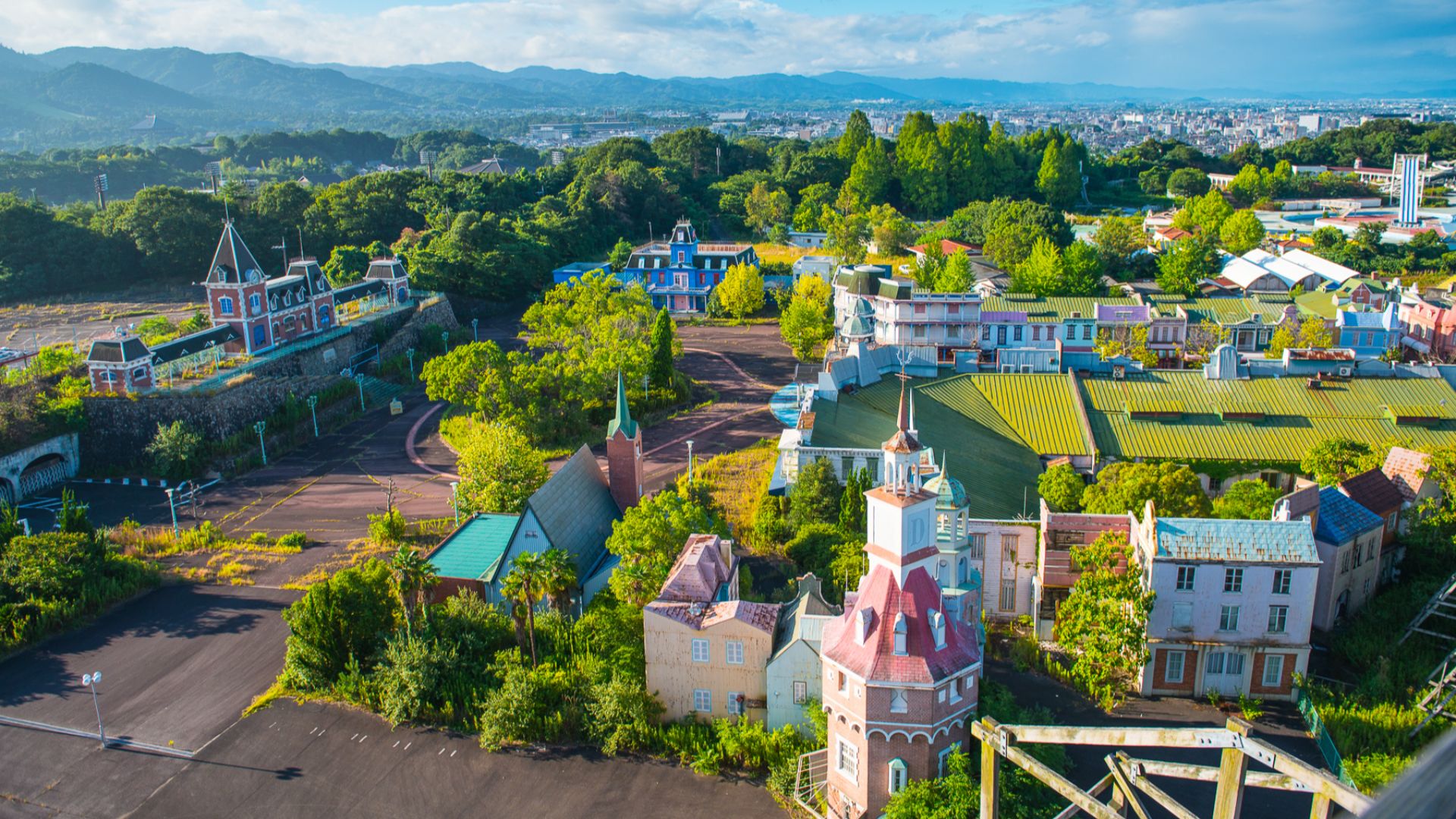
Photographers Found A Different Dreamland
For roughly a decade after its closure, Nara Dreamland attracted photographers fascinated by its empty streets and deteriorating attractions. Images of its abandoned roller coasters circulated internationally. Demolition began in 2016 and continued into 2017, making those photographs a record of structures that no longer exist.
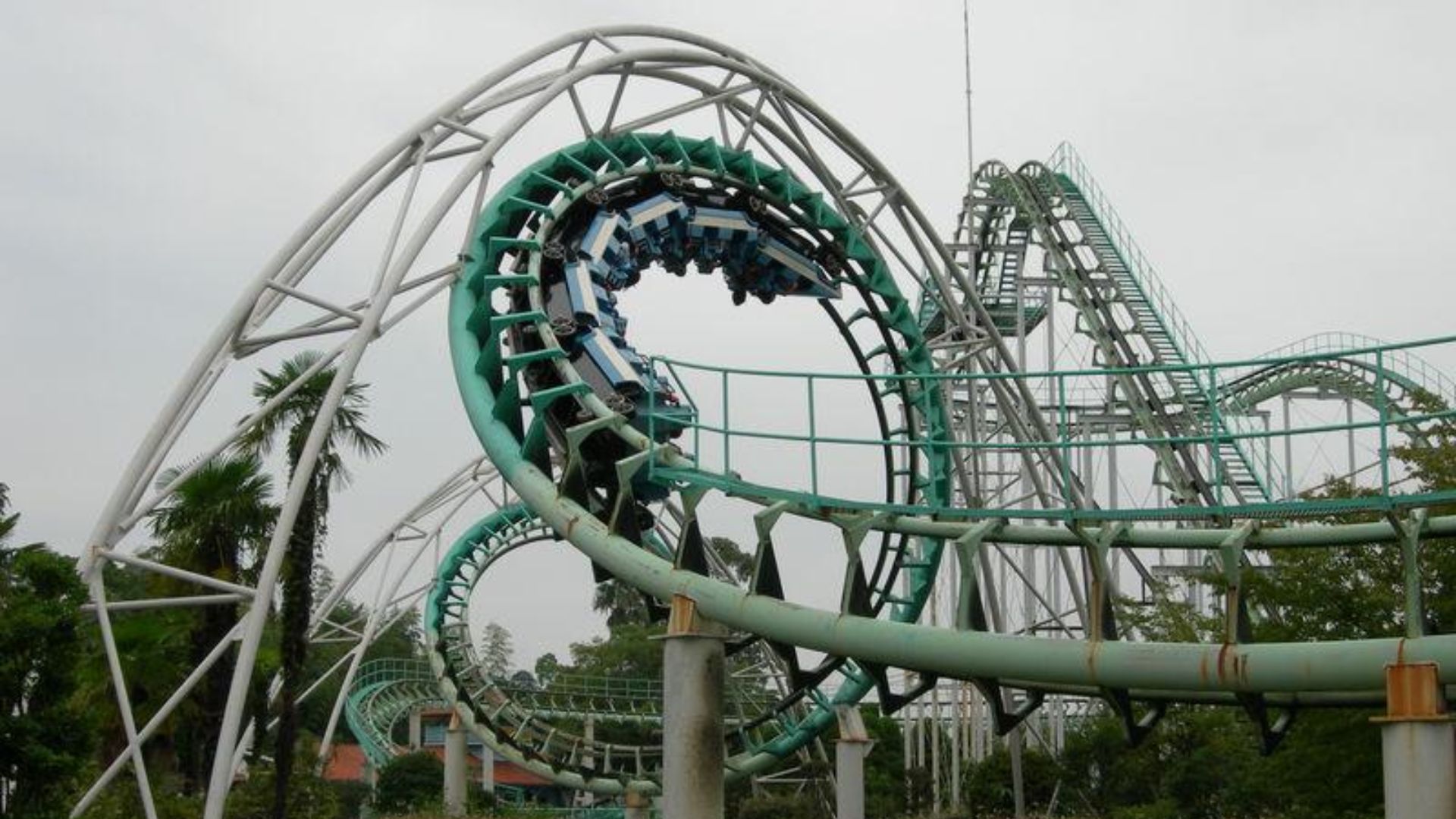 thecrypt auf flickr.com, Wikimedia Commons
Vietnam's Giant Dragon In The Lake
Outside Huế, Vietnam, Hồ Thủy Tiên Water Park opened in 2004 but closed after only a brief period of operation. Its enormous dragon-shaped aquarium remained beside the lake. The surrounding buildings and abandoned attractions gradually deteriorated, creating a memorable setting for adventurous photographers.
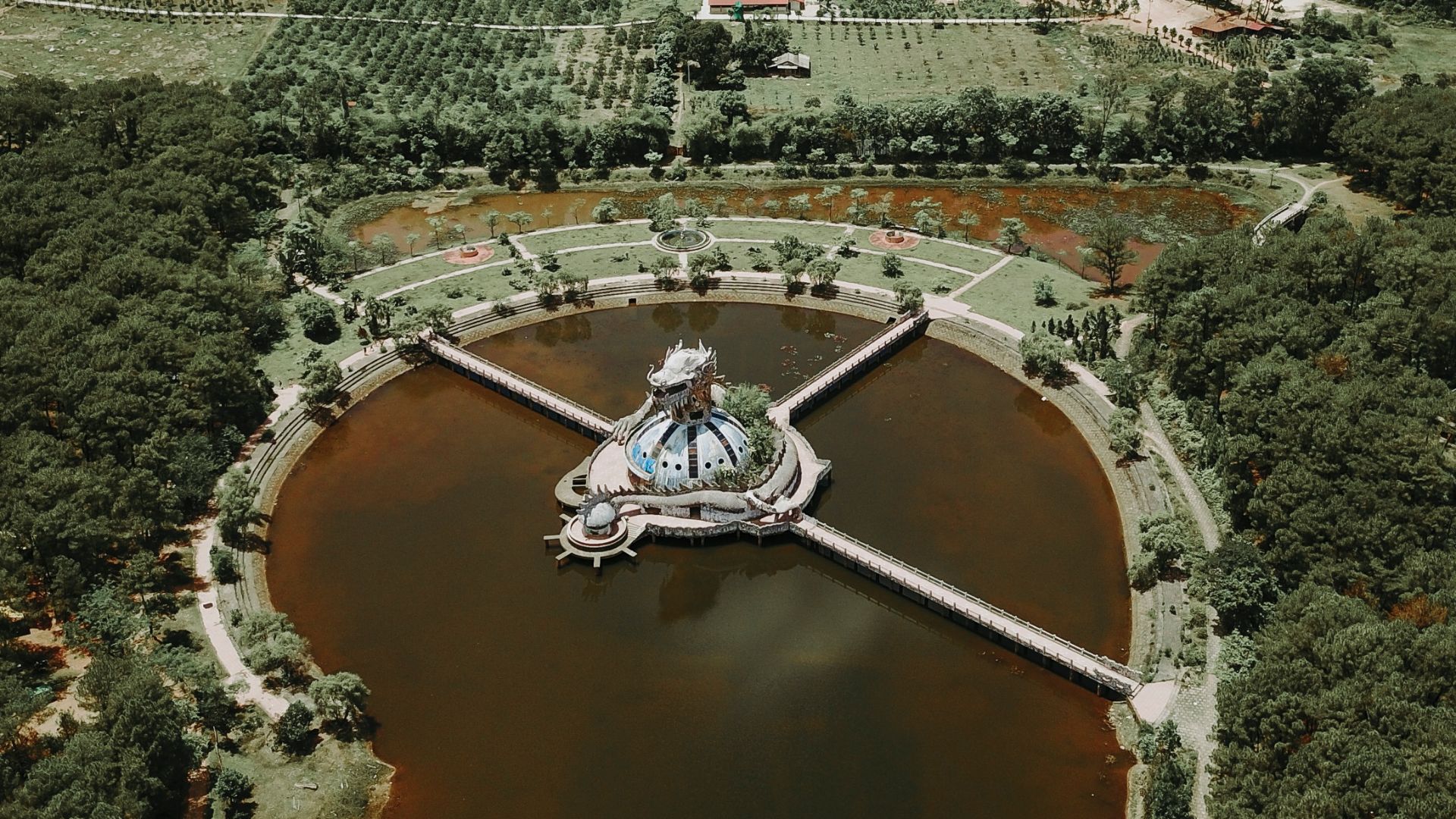 Kris Martyn, Wikimedia Commons
The Dragon Became The Attraction
The deteriorating dragon structure helped turn Hồ Thủy Tiên into an unexpected sightseeing destination. Authorities subsequently began rehabilitating the property, cleaning the dragon area and improving paths around the lake. Photographs from its abandoned years show a much more deteriorated setting than visitors encountered after the 2025 improvements.
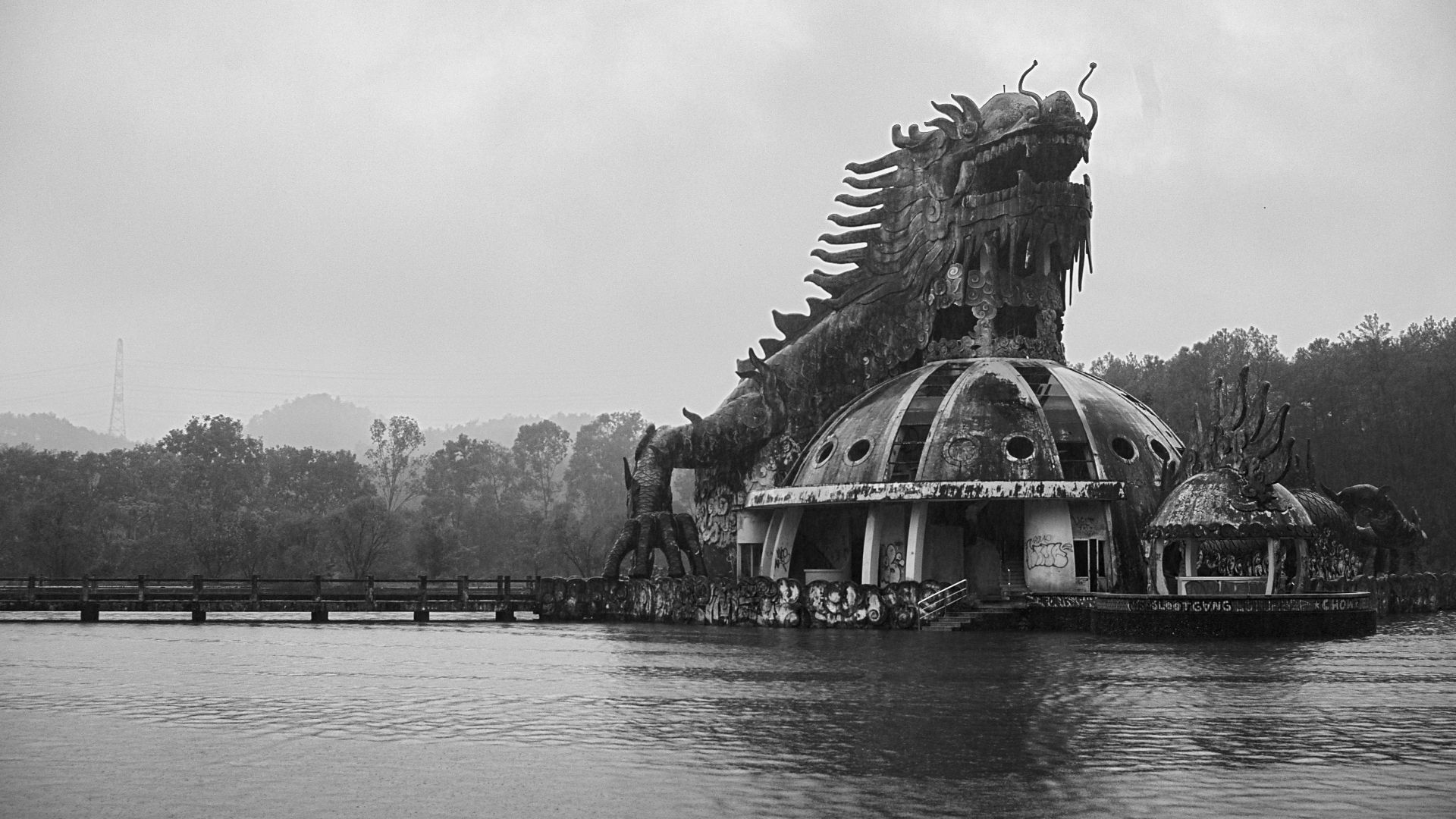 Sketyl none, Wikimedia Commons
An Amusement Park That Never Opened
Pripyat's amusement park was scheduled to welcome visitors in May 1986, but the Chernobyl nuclear disaster intervened. The city was evacuated on April 27, before the park's planned opening. Its Ferris wheel consequently became one of the most recognizable symbols of a community abruptly abandoned.
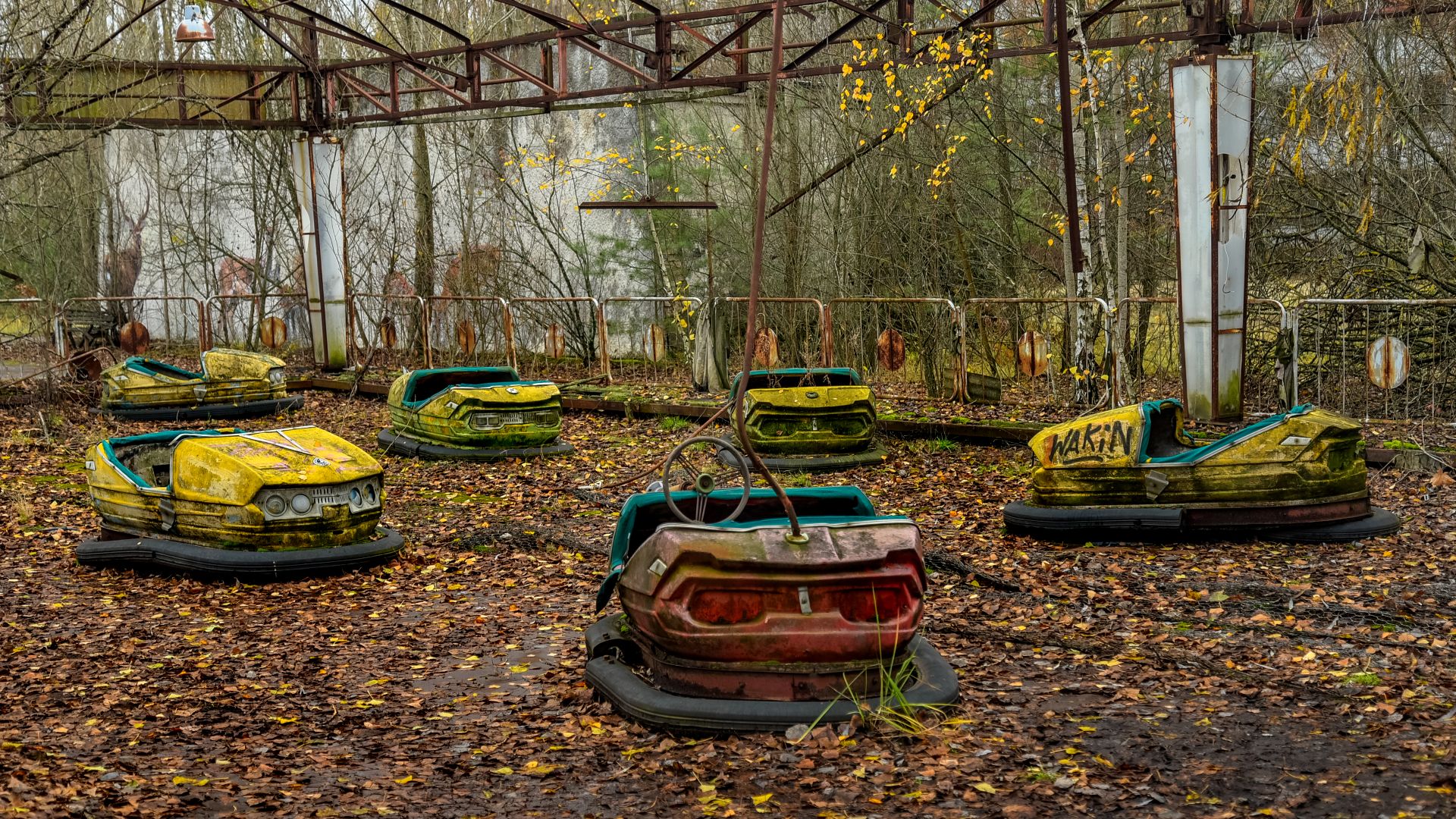 Jorge Franganillo from Barcelona, Spain, Wikimedia Commons
The Ferris Wheel Became A Historical Landmark
Photographs of Pripyat's rusting Ferris wheel and abandoned bumper cars have helped document the consequences of the disaster. The site previously attracted visitors through regulated exclusion-zone tours. However, ordinary tourism remains severely restricted during Russia's ongoing invasion of Ukraine, making historical photography the appropriate way to experience it.
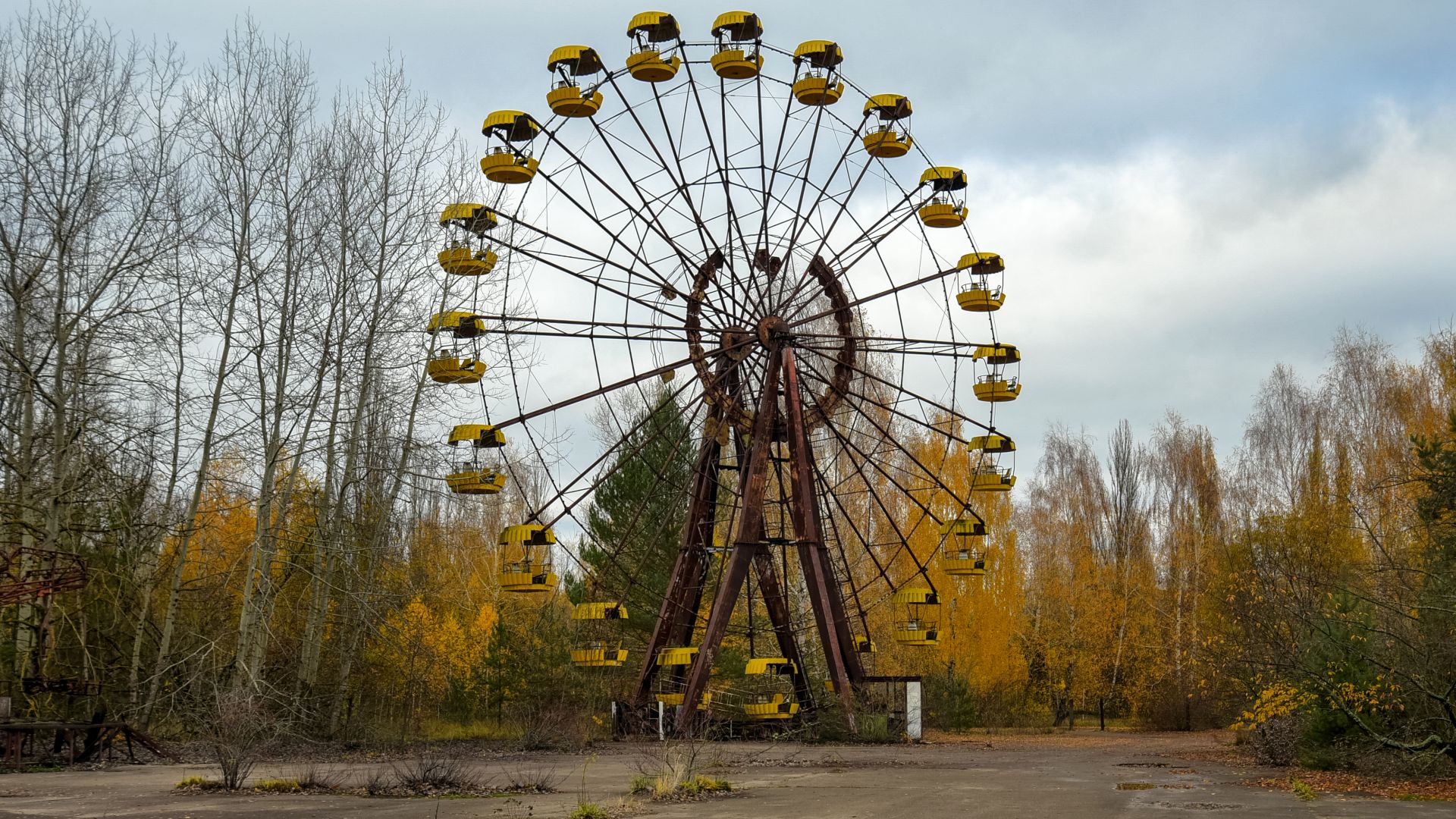 Jorge Franganillo from Barcelona, Spain, Wikimedia Commons
Hurricane Katrina Left A Theme Park Behind
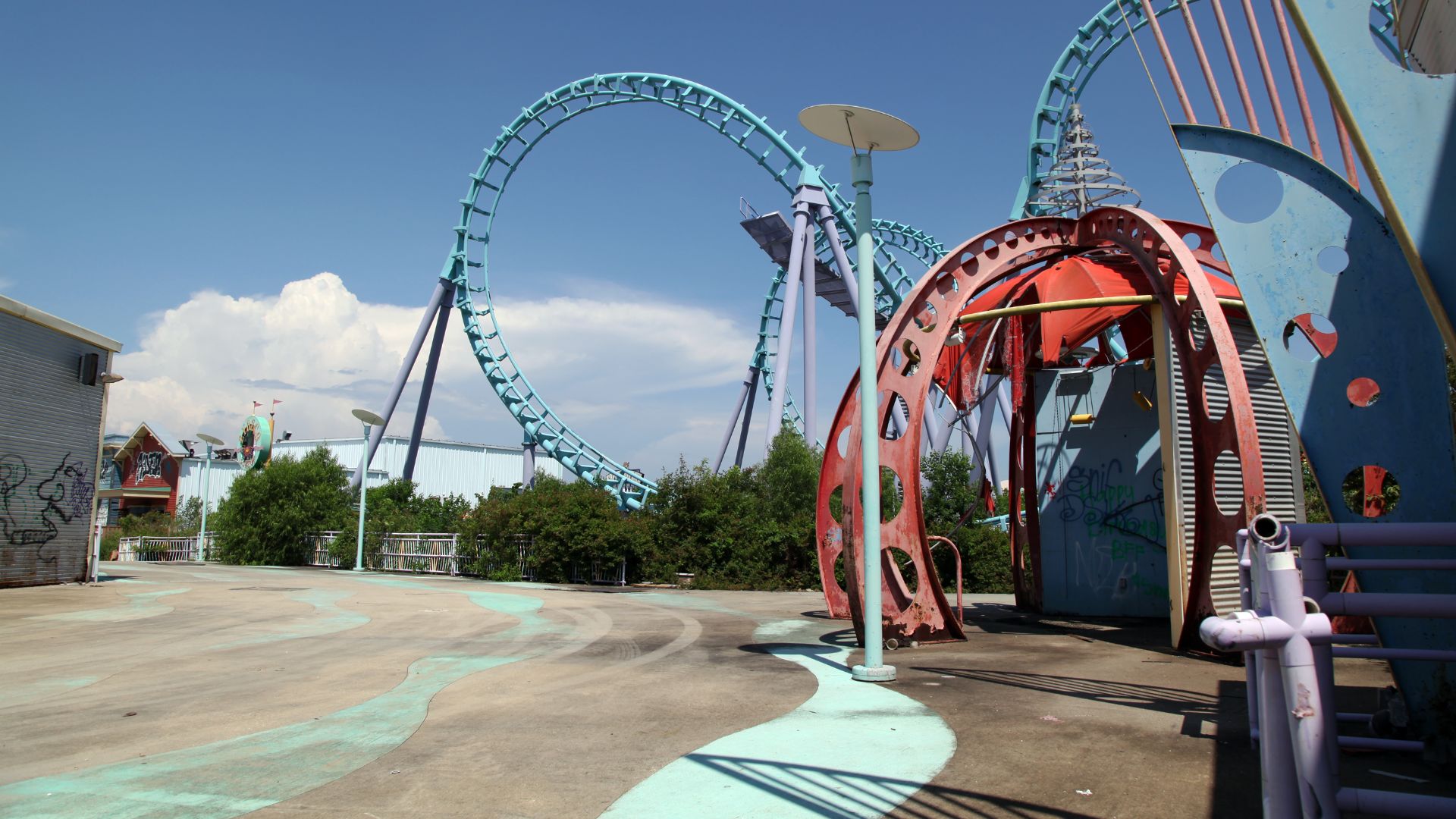
Six Flags New Orleans was operating when Hurricane Katrina struck Louisiana in August 2005. Floodwaters overwhelmed the property, damaging its attractions and infrastructure. The park never reopened to paying guests, leaving roller coasters and other structures standing in what became one of America's most photographed abandoned amusement parks.
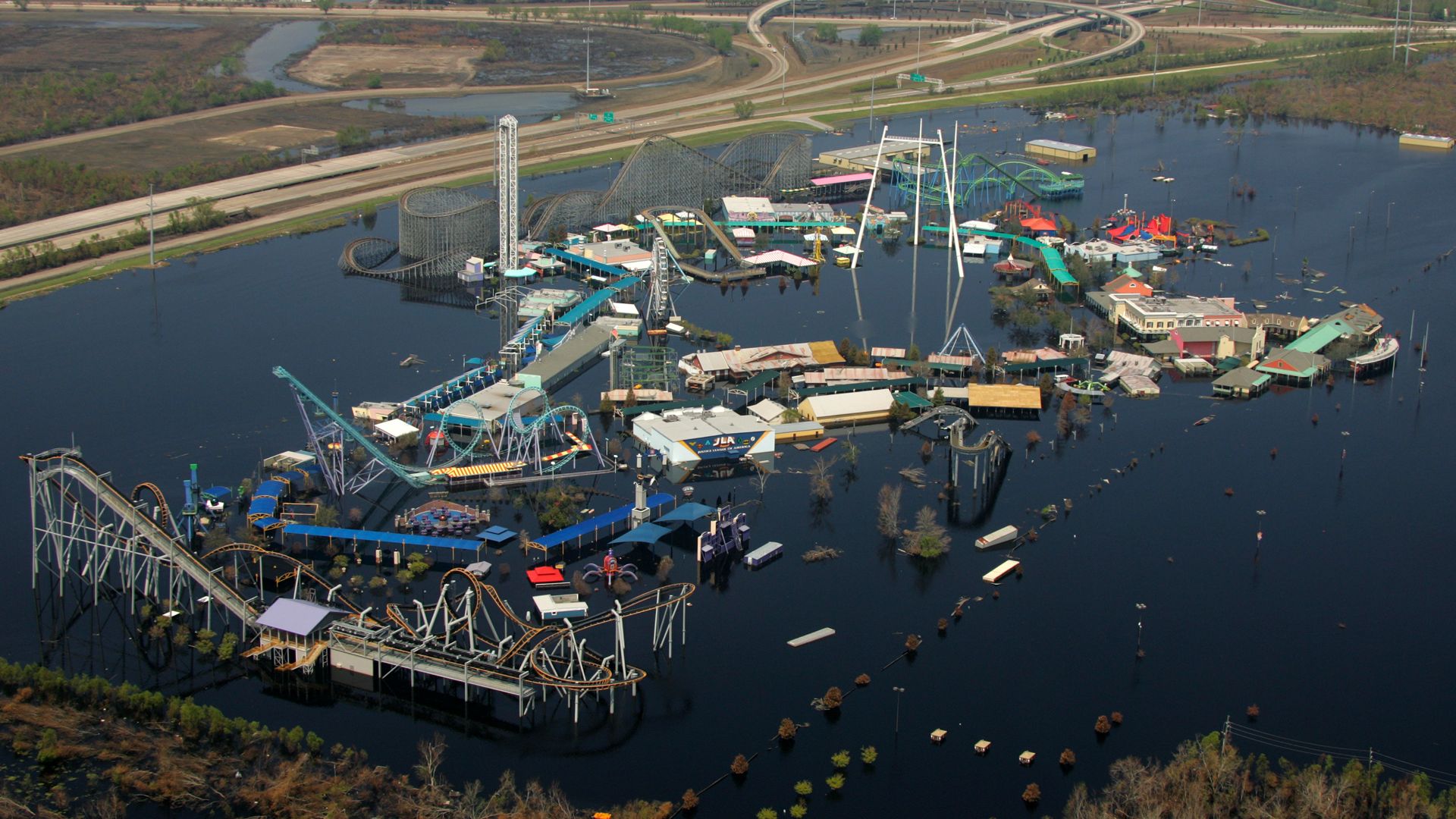 Bob McMillan; edit: Chris Woodrich, Wikimedia Commons
Hollywood Found An Unexpected Backdrop
The abandoned park became a filming location for productions including Jurassic World, Stolen, and Percy Jackson: Sea of Monsters. Its deteriorating scenery provided filmmakers with an unusual setting. Redevelopment remains uncertain, with New Orleans officials reporting in October 2026 that the proposed new project had made little progress.
 gonzo_vision, Wikimedia Commons
West Virginia's Rusting Ferris Wheel
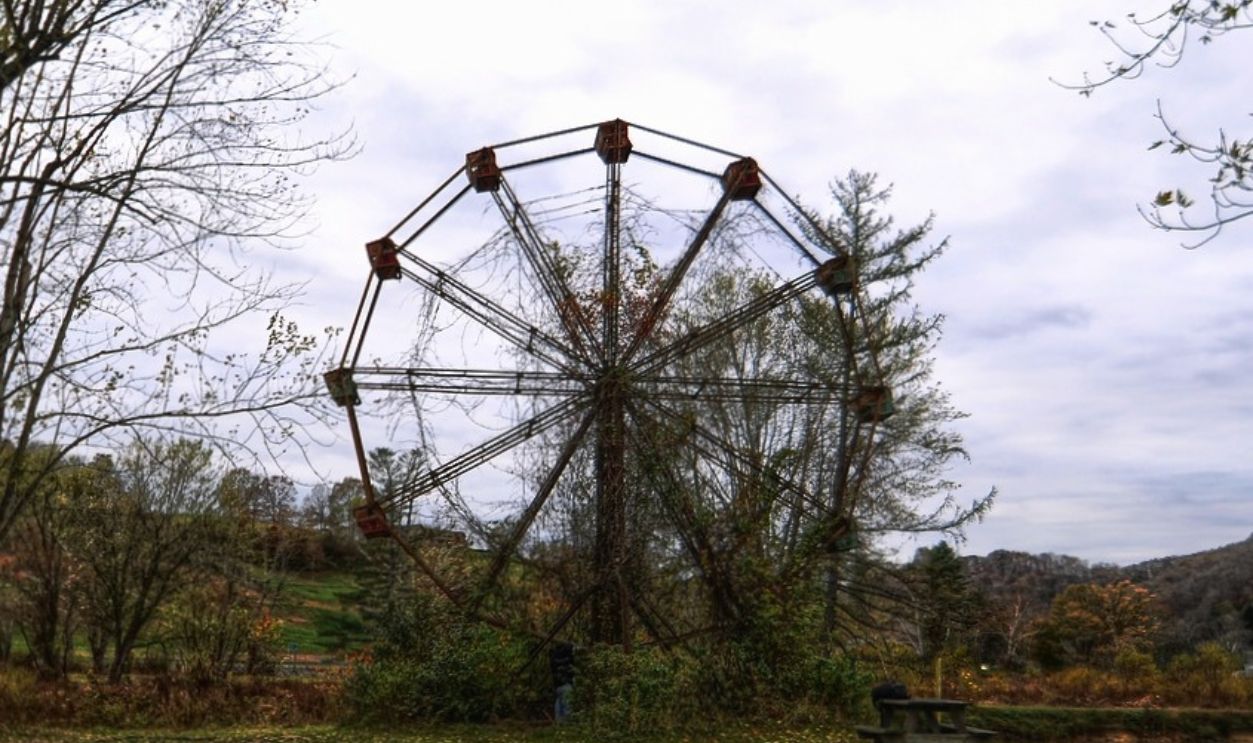
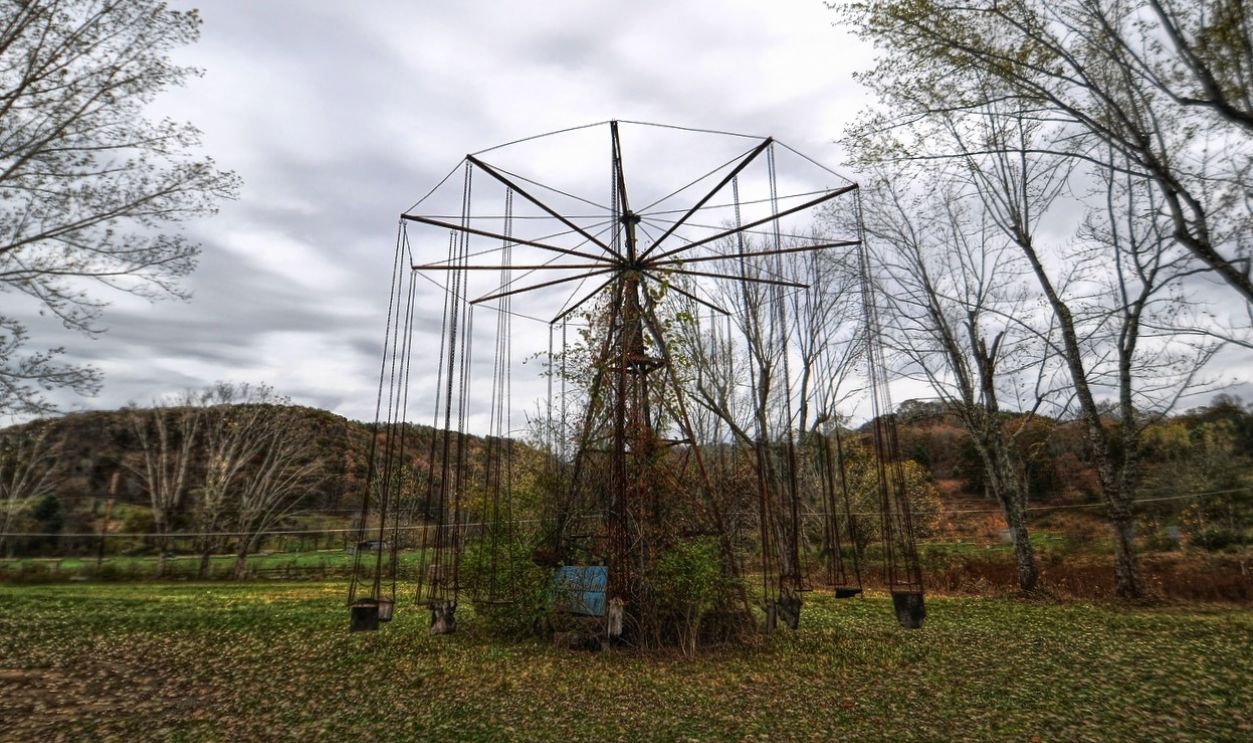
Lake Shawnee Amusement Park in West Virginia still has remnants of its former rides standing among the vegetation. Its abandoned Ferris wheel and swing structures have become popular photographic subjects. Unlike many deserted amusement parks, however, this privately owned property offers an organized way to explore its history.
 Forsaken Fotos, Wikimedia Commons
When An Abandoned Park Became A Haunted Attraction
Lake Shawnee now hosts guided visits and seasonal Halloween events centered on its abandoned atmosphere. Its October 2026 Dark Carnival offered both a haunted attraction and tours of the old grounds. Daytime history and photography visits are also available, but the owners require visitors to arrange access.
 Forsaken Fotos, Wikimedia Commons
Connecticut's Forgotten Biblical Theme Park
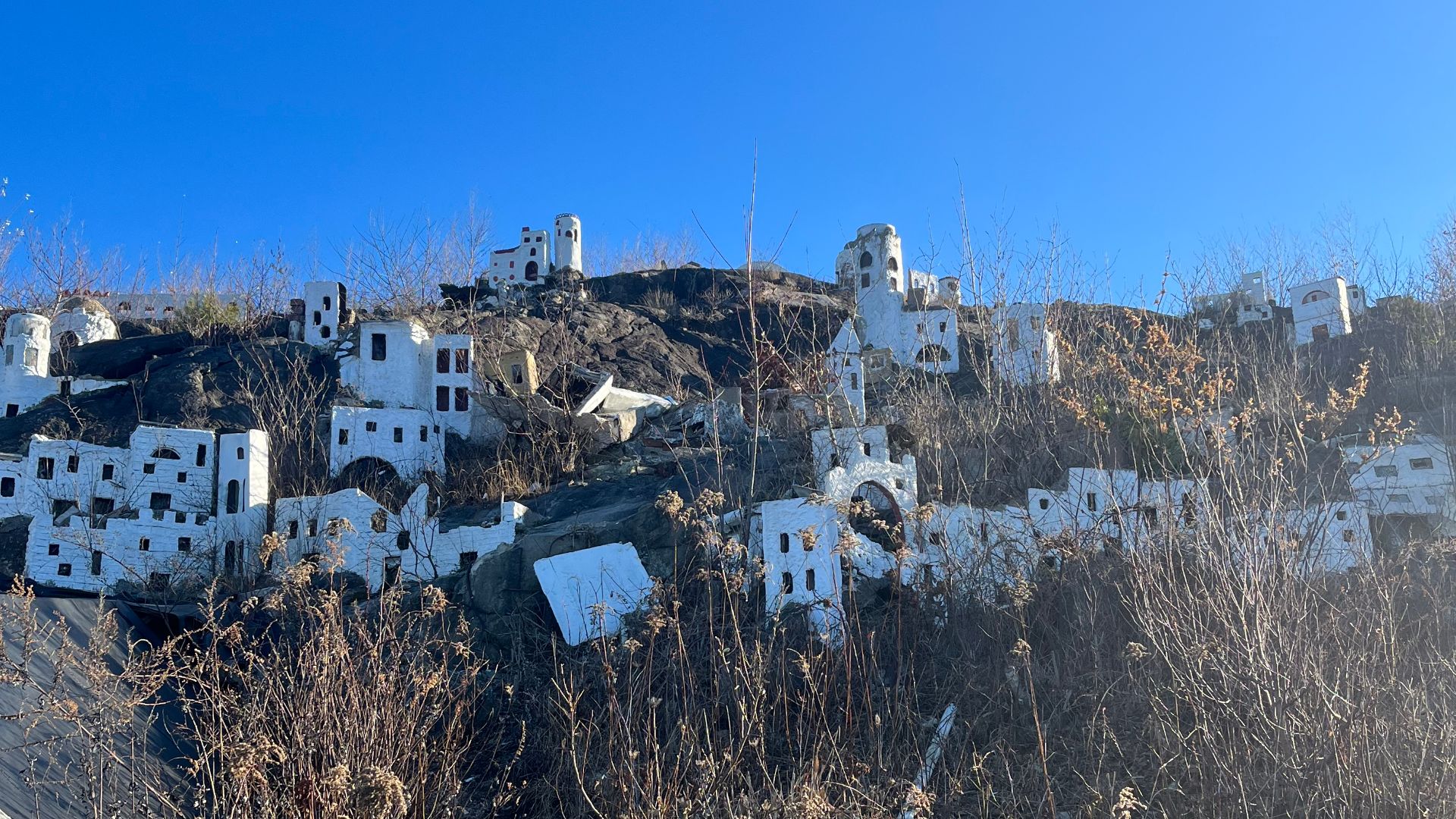
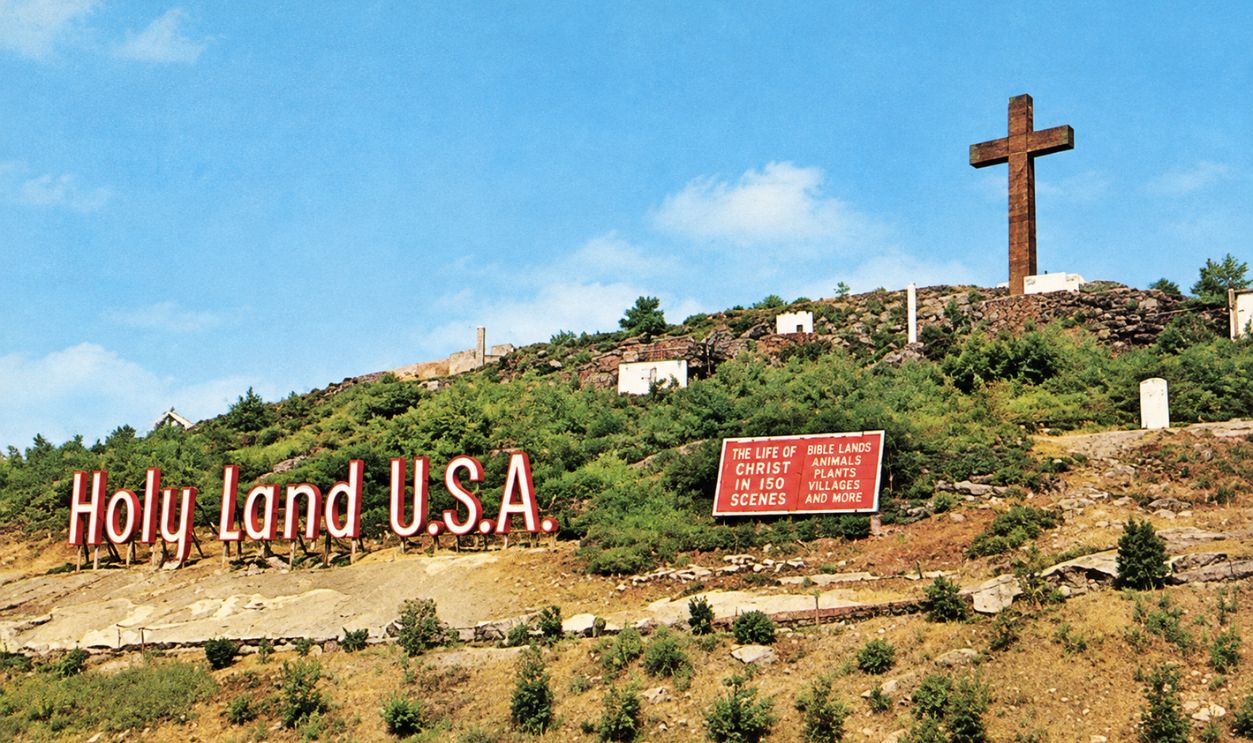
Holy Land USA opened in Waterbury, Connecticut, in 1958 as a religious attraction featuring miniature biblical scenes and structures. The property welcomed visitors for decades before closing in 1984. Many of its buildings subsequently deteriorated, while the large illuminated cross above the city remained an important local landmark.
A Ruined Park Finds A New Purpose
Community restoration efforts brought Holy Land USA back into public use, beginning with a replacement cross in 2013. The grounds reopened during daylight hours in 2014, and subsequent improvements included a Stations of the Cross walking trail. Visitors now come for reflection, religious gatherings, and views over Waterbury.
 postcard, Wikimedia Commons, Enhanced
Rhode Island's Lost Seaside Playground
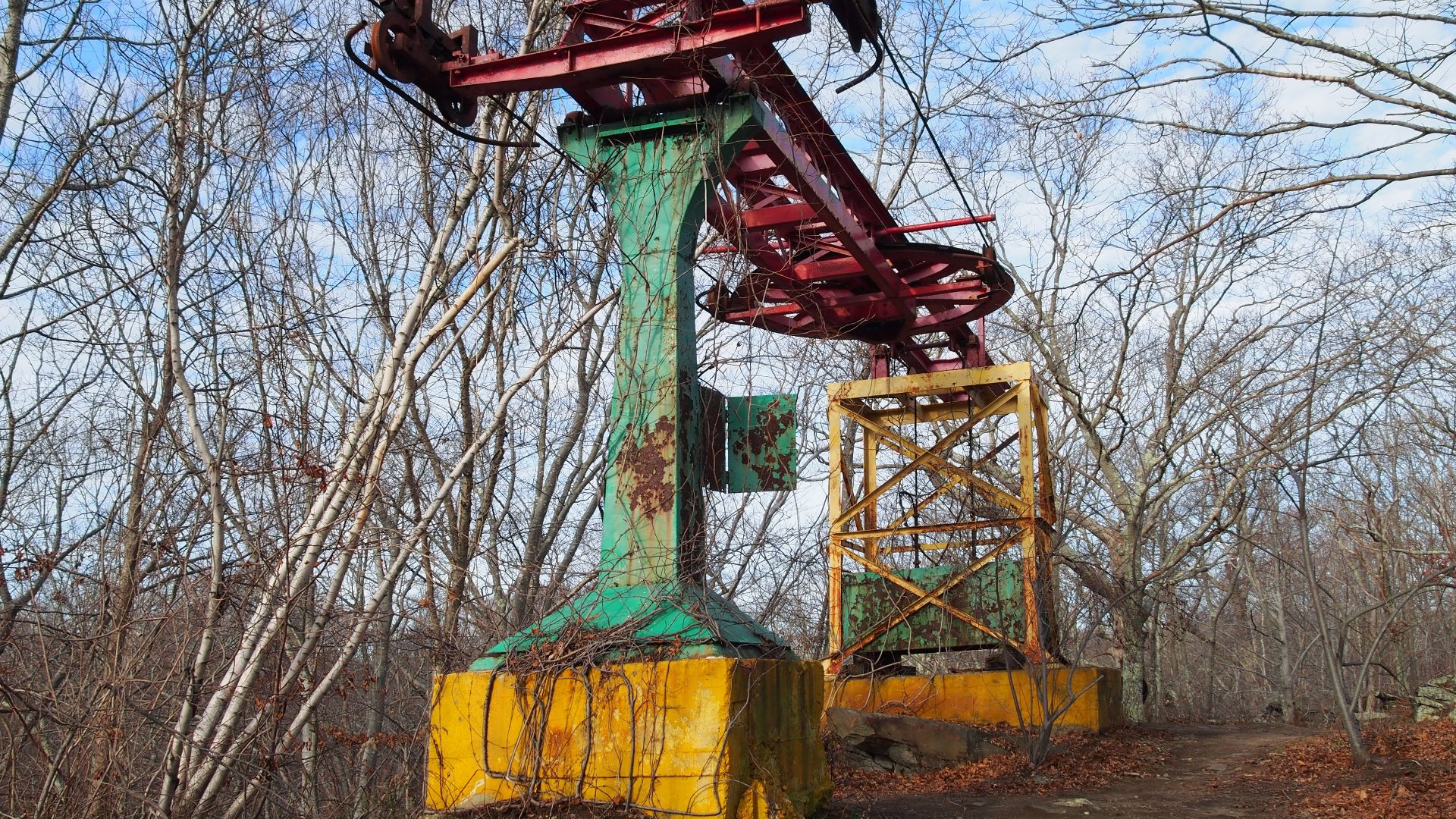
Rocky Point was a beloved recreational destination overlooking Narragansett Bay for more than a century. Its amusement park eventually closed in 1995, leaving behind structures associated with generations of summer outings. The grounds subsequently became a preservation project, with public officials working to recover the waterfront property for recreational use.
 Rhododendrites, Wikimedia Commons
A New Park Rose From The Old One
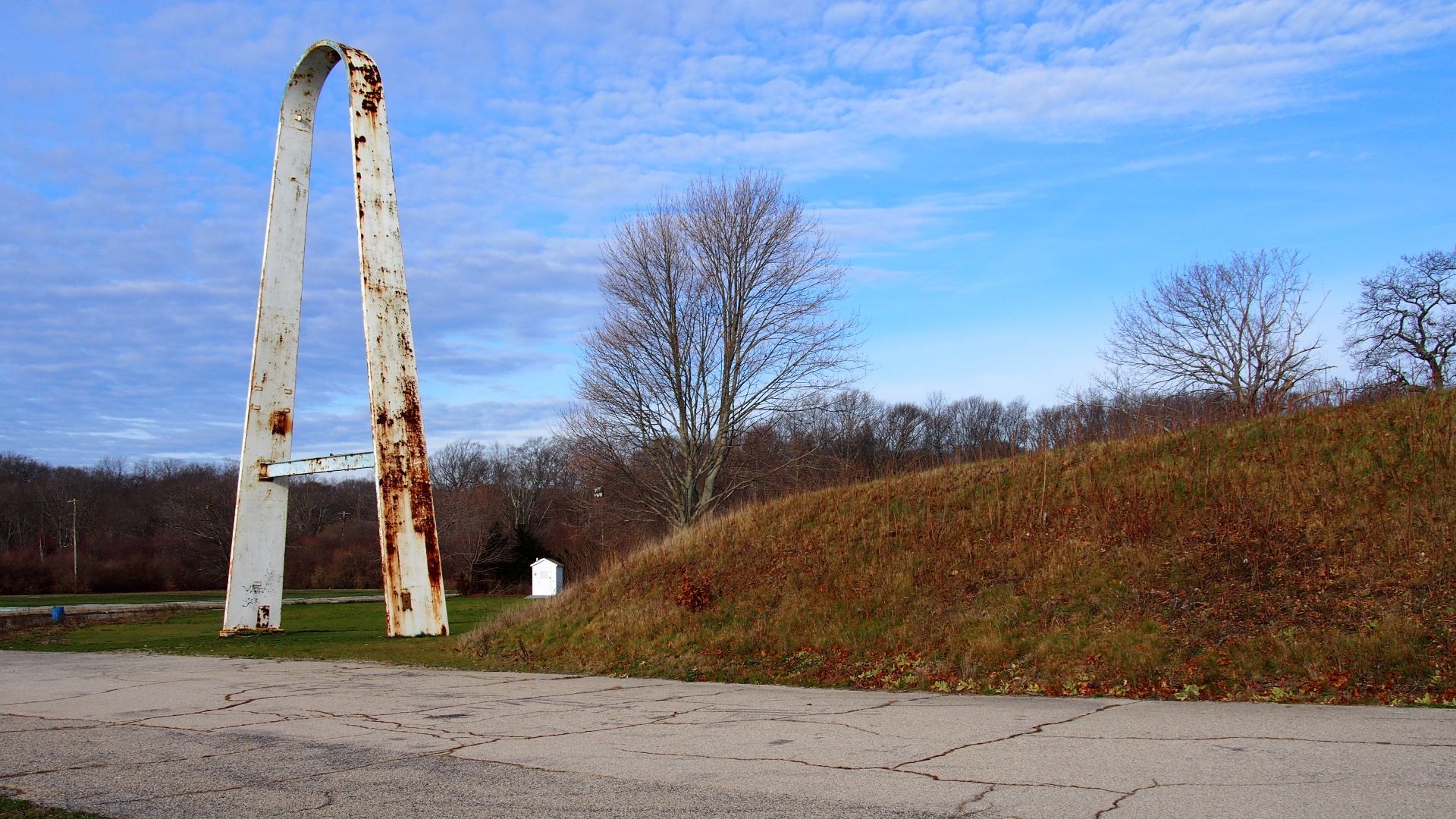
Rocky Point's former amusement grounds are now a public park offering walking, picnicking, and waterfront views. Visitors can still encounter remnants of its earlier life, including surviving structures and historical displays. The old amusement park has effectively become a place for coastal recreation and local history.
 Rhododendrites, Wikimedia Commons
Ohio's Amusement Park Lost To The Trees
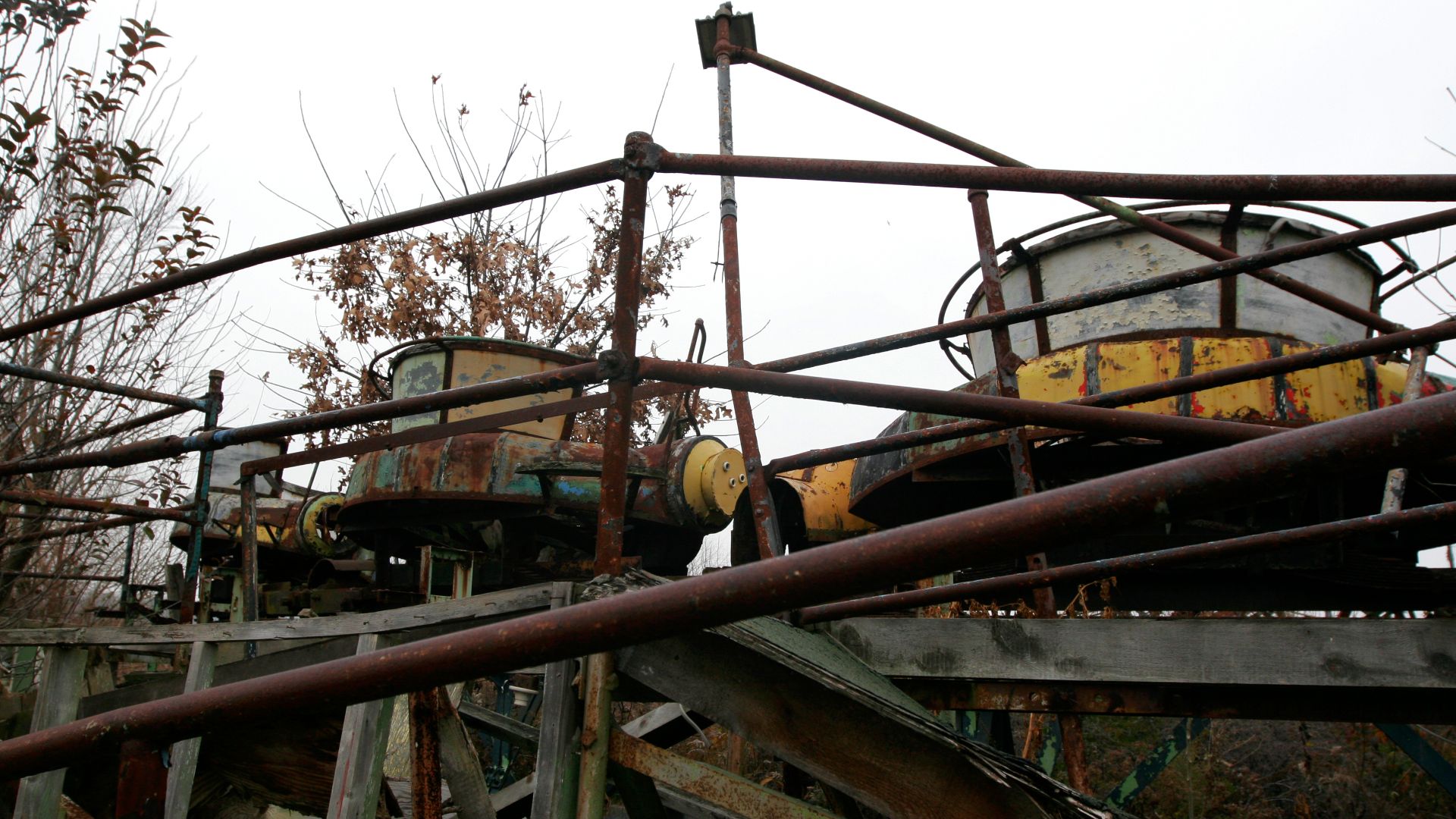
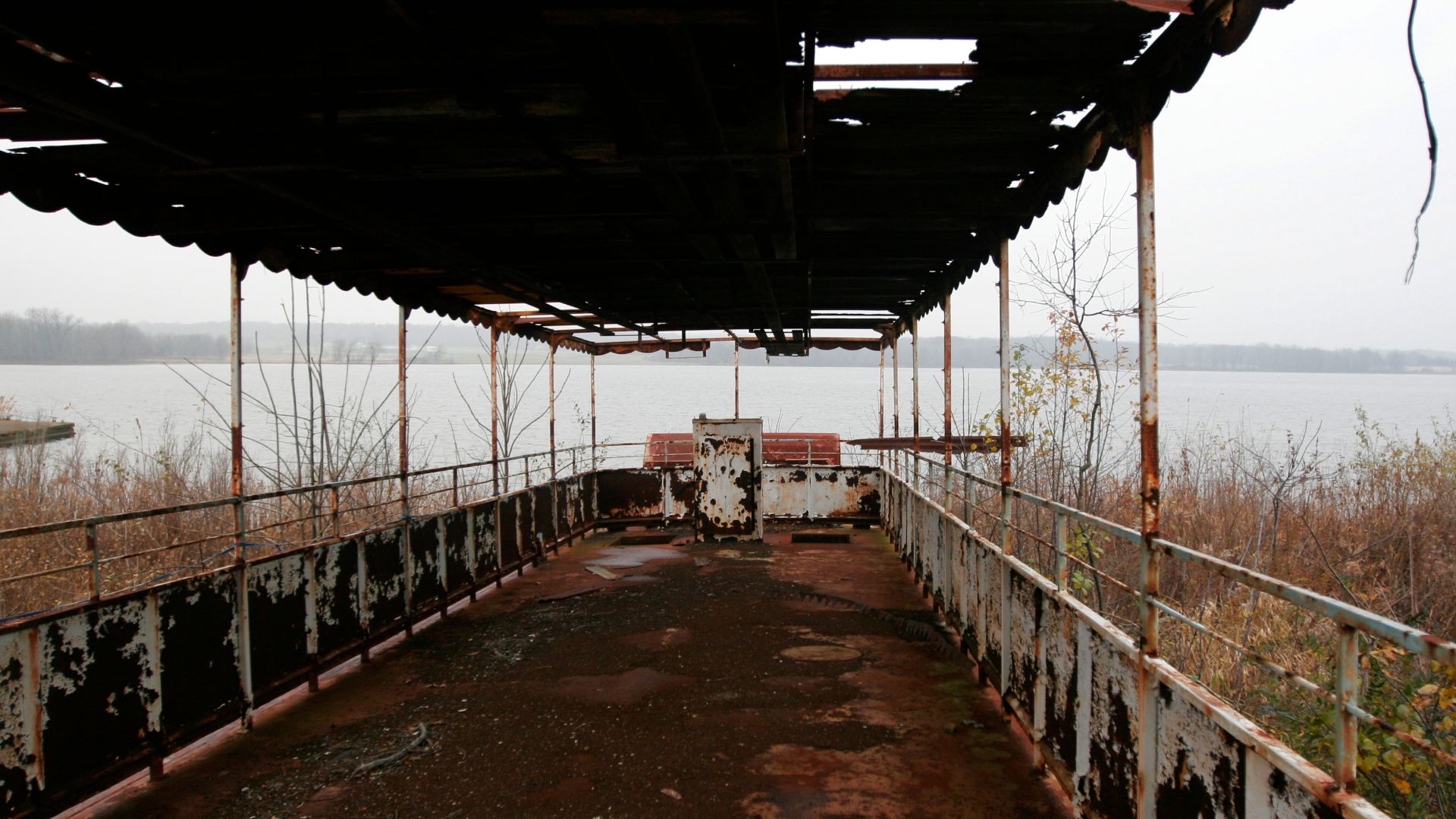
Chippewa Lake Amusement Park entertained visitors for approximately a century before closing in 1978. Its former rides and buildings were subsequently left to deteriorate as vegetation spread across the property. Photographers documented surviving attractions, including the old Ferris wheel, while the abandoned grounds became a reminder of Ohio's amusement park history.
 Dana Beveridge from Chicago, IL, USA, Wikimedia Commons
A Nature Trail Replaces The Thrill Rides
In May 2026, part of the former Chippewa Lake Amusement Park reopened as the Tumble Bug Trailhead. The new public area includes an accessible walking loop and picnic facilities. The historical society also maintains a museum nearby, although the surviving Ferris wheel area remains closed to visitors.
 Dana Beveridge from Chicago, IL, USA, Wikimedia Commons
Maryland's Old-Fashioned Trolley Park
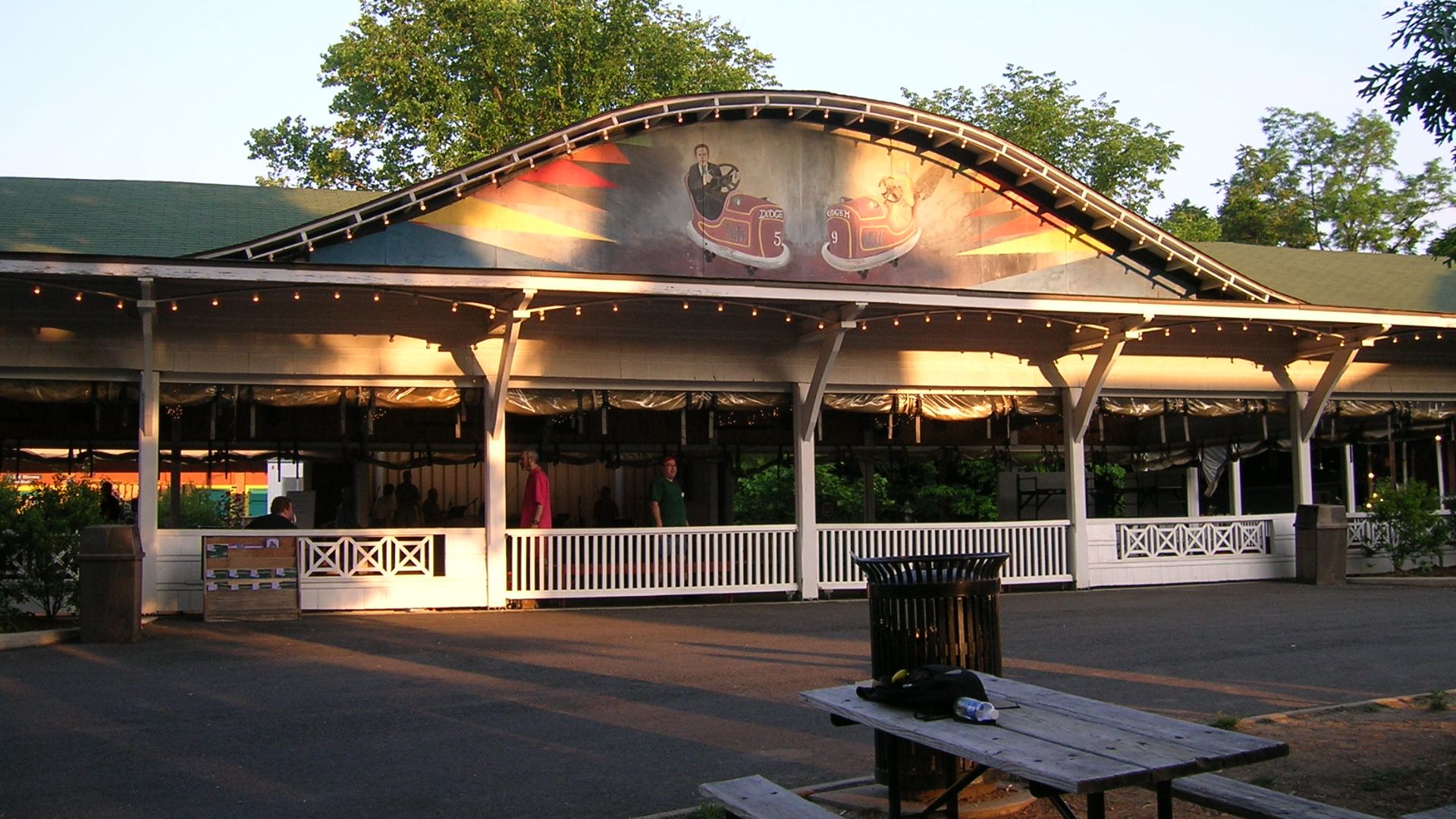
Glen Echo Park near Washington, DC, once operated as a popular amusement destination reached by streetcar. Its attractions included a carousel, dance halls, and roller coasters. Changing recreational habits contributed to the park's closure in 1968, ending its career as a traditional amusement park.
Art Took Over The Amusement Park
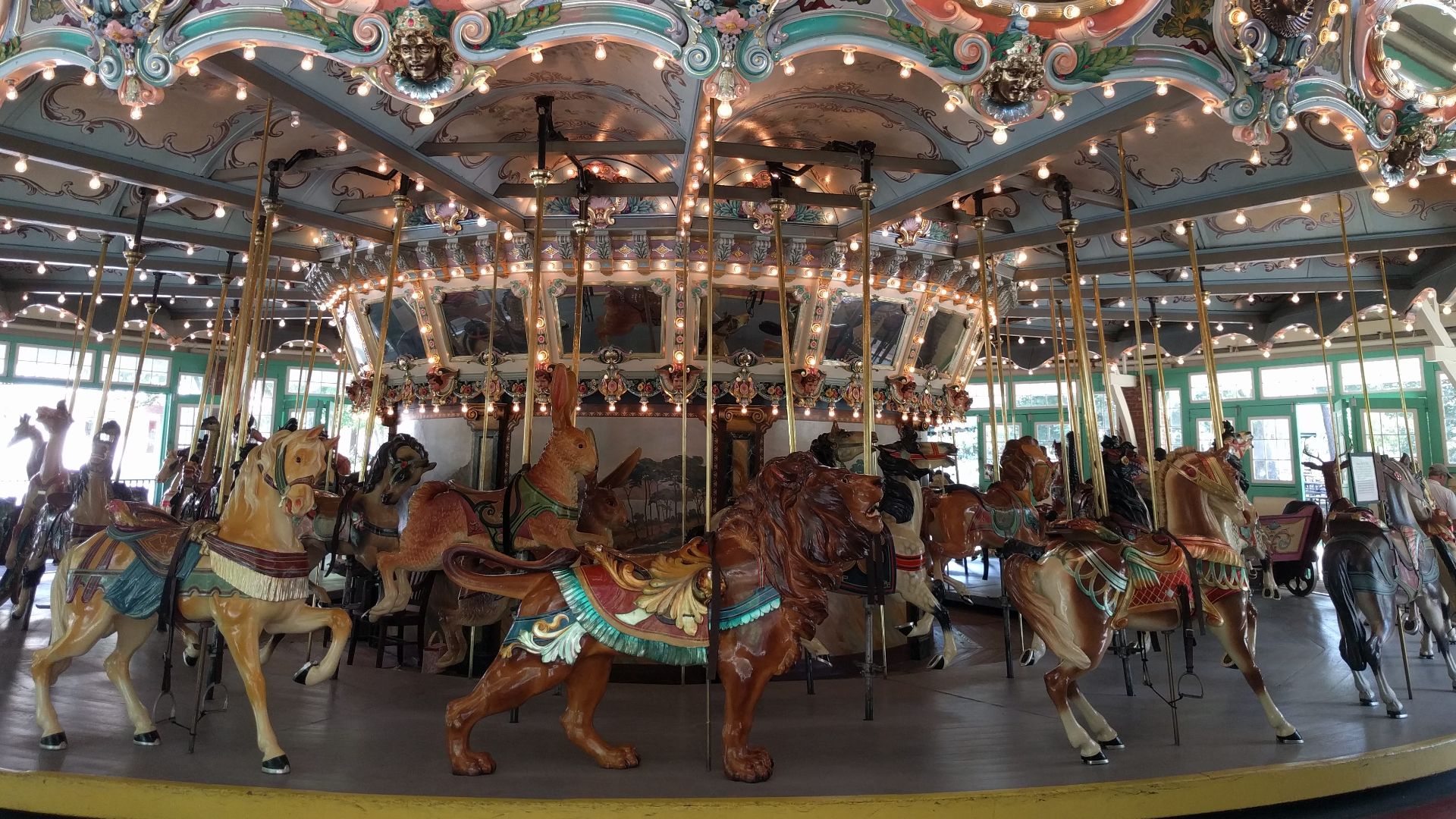
After the federal government acquired Glen Echo, the National Park Service began public programming in 1971. The property developed into a center for arts, cultural events, and recreation. Its historic carousel and distinctive amusement park architecture survive alongside classes, performances, and community activities.
A Fairy-Tale Kingdom Left Behind
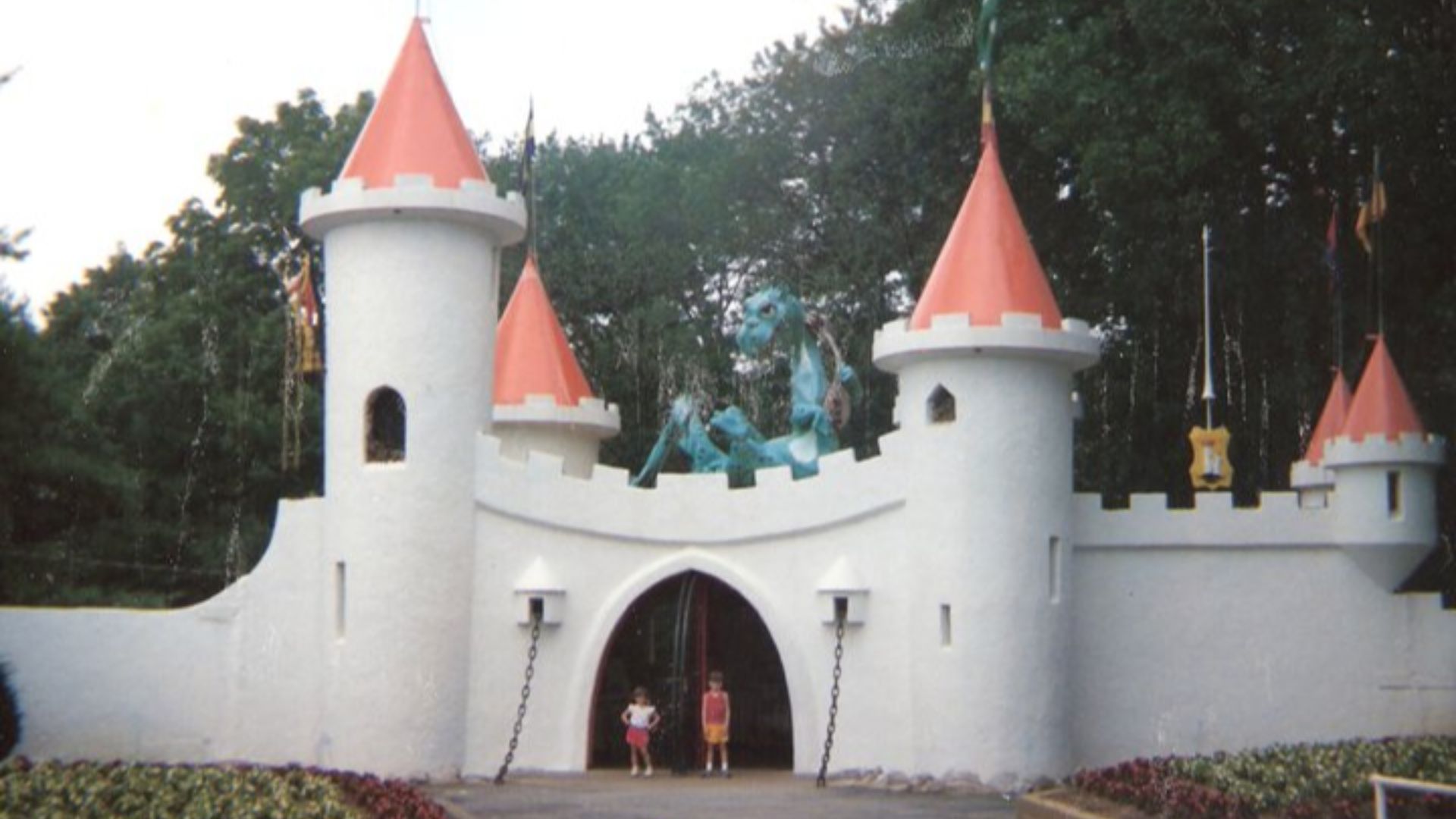
Maryland's Enchanted Forest opened in 1955, offering families a storybook landscape populated by familiar characters and imaginative buildings. The attraction eventually closed to the public in the 1990s. Its colorful sculptures and decorative structures deteriorated until preservation efforts offered some of them an unexpected opportunity for survival.
 ConneeConehead101, Wikimedia Commons
The Fairy Tales Moved To A Farm
Clark's Elioak Farm began acquiring and restoring Enchanted Forest attractions in 2004. Over subsequent years, familiar structures such as Cinderella's Pumpkin Coach and the Crooked House found new homes there. The farm continues displaying the rescued pieces, allowing families to visit attractions once destined for deterioration.

Arkansas's Abandoned Cartoon Town
Dogpatch USA opened in Arkansas in 1968, creating an amusement park around Al Capp's Li'l Abner comic strip. The property eventually struggled against better-funded competitors and closed in 1993. Its deserted buildings, old tramway, and weathered roadside sign subsequently attracted photographers documenting the abandoned attraction.
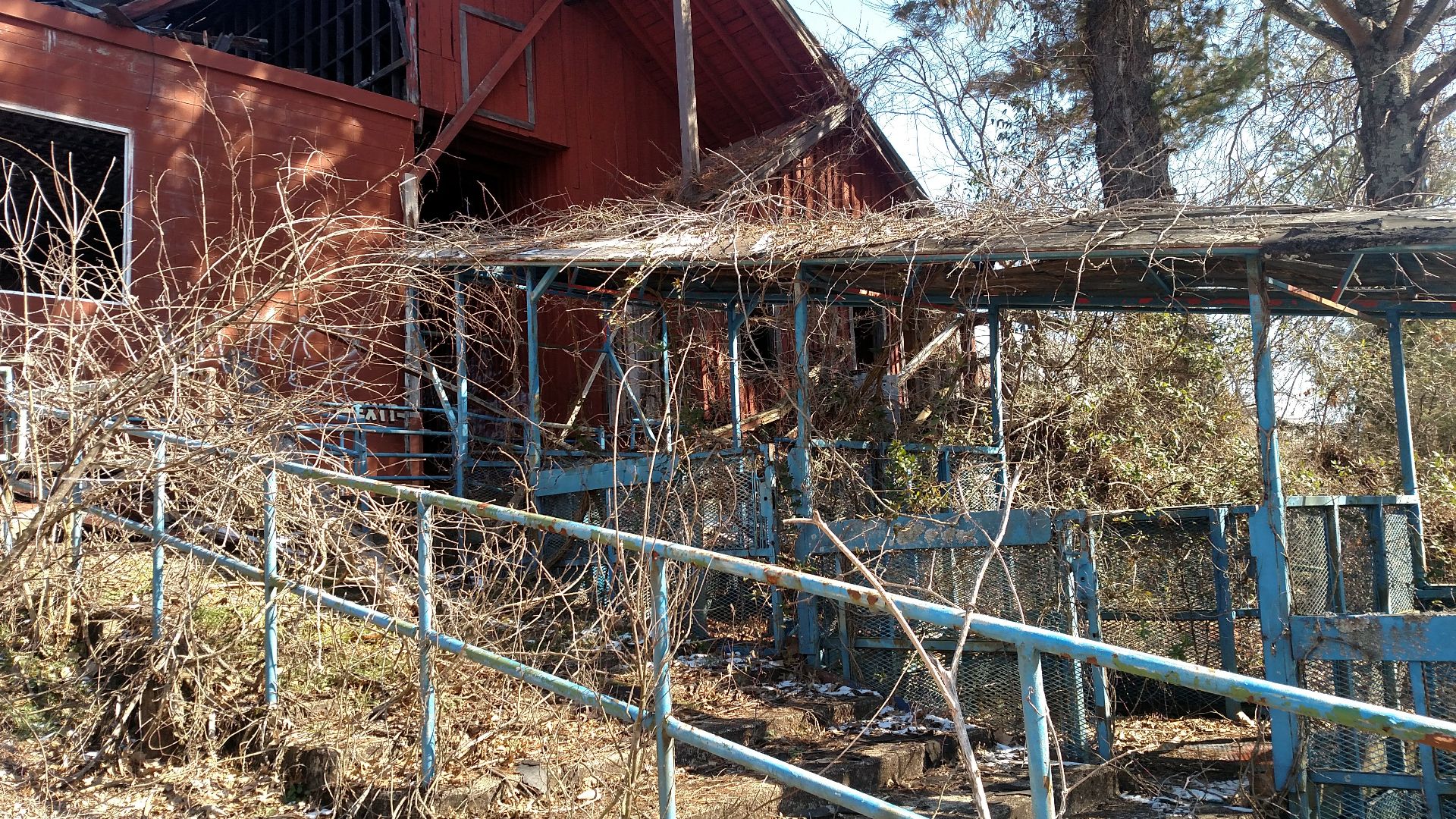 Brandonrush, Wikimedia Commons
Nature Could Become Dogpatch's Final Attraction
Bass Pro Shops founder Johnny Morris purchased the abandoned Dogpatch USA property in 2020. Plans announced afterward proposed transforming the land into Marble Falls Nature Park, emphasizing its natural setting rather than restoring the old rides. The property remains private, and a public opening date has not been established.
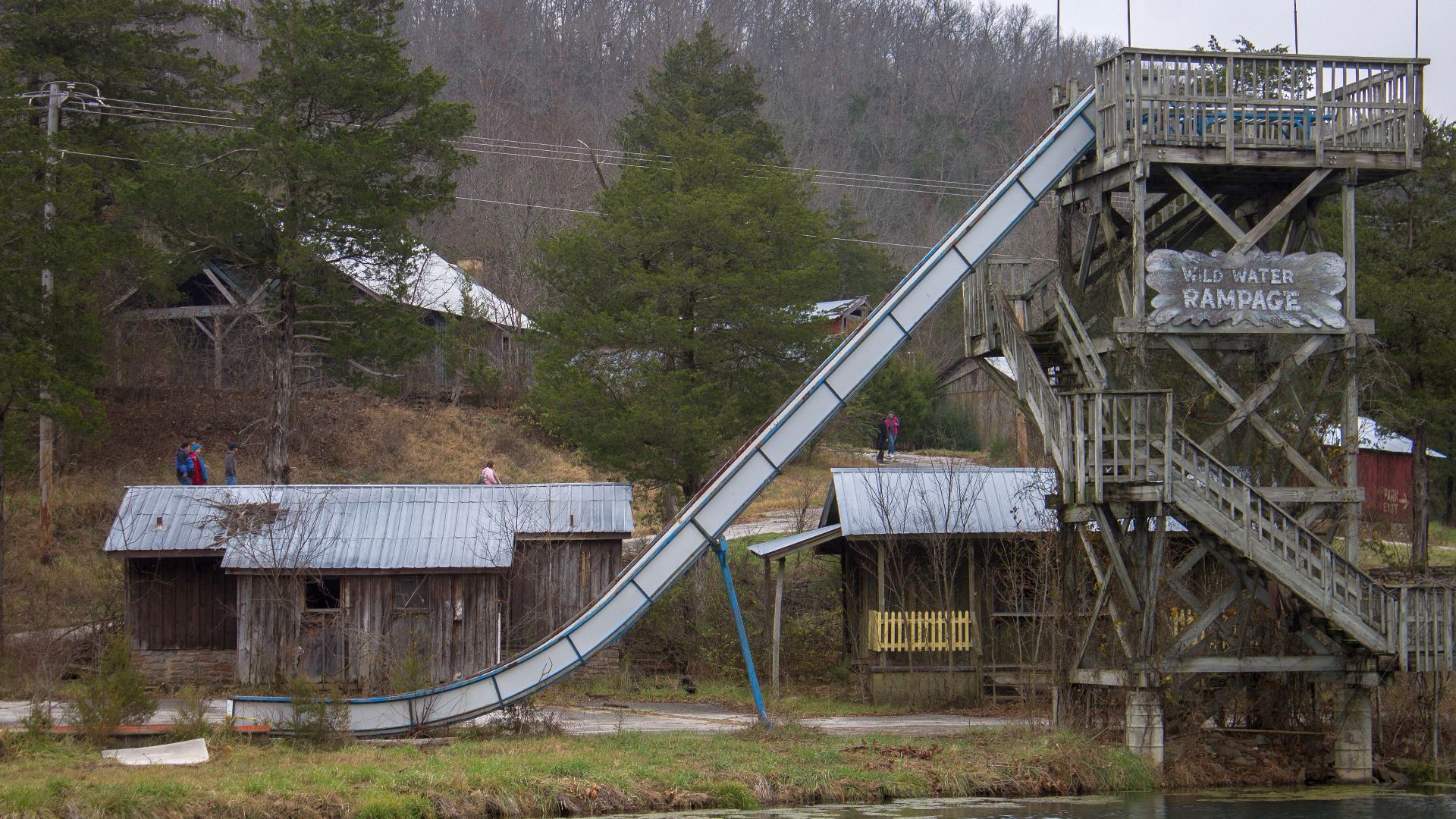 kenzie campbell from springfield, mo, Wikimedia Commons
Sources: 1, 2, 3, 4, 5, 6, 7, 8, 9, 10, 11, 12, 13, 14, 15, 16, 17, 18, 19, 20, 21, 22, 23, 24, 25, 26, 27, 28, 29