
The American Dream Had Some Unexpected Addresses
If Europeans had to pack up and start over in America, where would they actually go? You might think you know—but some of the cities they chose will probably surprise you.

Chicago, Illinois
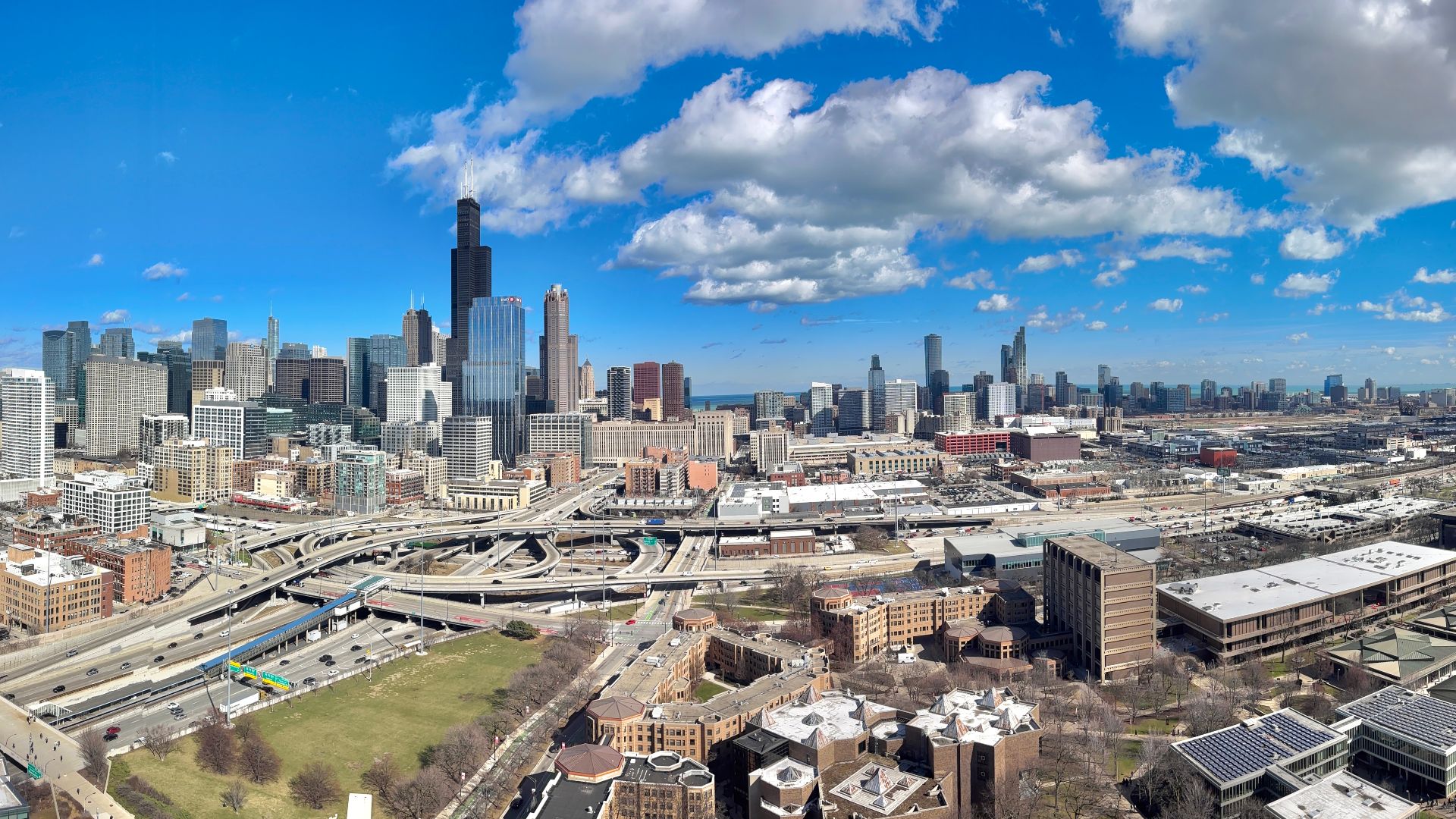
Chicago has the skyscrapers, museums, restaurants, and busy neighborhoods people expect from a major American city. But it also has lakefront beaches and areas where daily life doesn’t require getting behind the wheel. For Europeans considering the city, that offers a way to combine big-city life with a neighborhood routine. Its cold winters can be a substantial adjustment.
Reno, Nevada
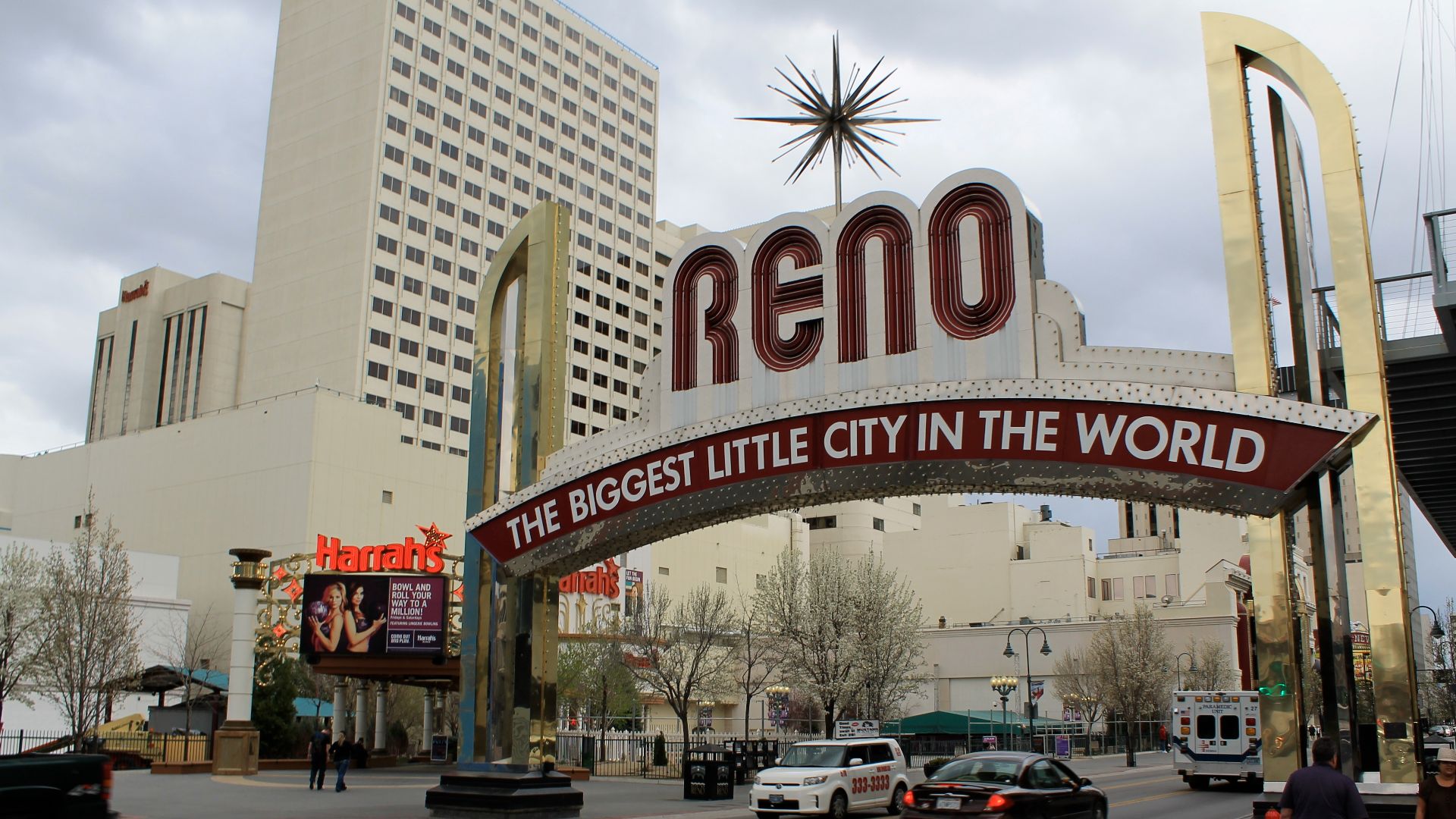
Nevada didn’t automatically mean Las Vegas. For Europeans considering Reno, the attraction was access to mountains and outdoor activities, with the Sierra Nevada and Lake Tahoe nearby. Hiking, skiing, and trips to the lake could become regular plans rather than special vacations. It’s a very different reason to choose Nevada from the one involving a casino floor.
 Patrick Nouhailler from Genève, Suisse, Wikimedia Commons
Boston, Massachusetts
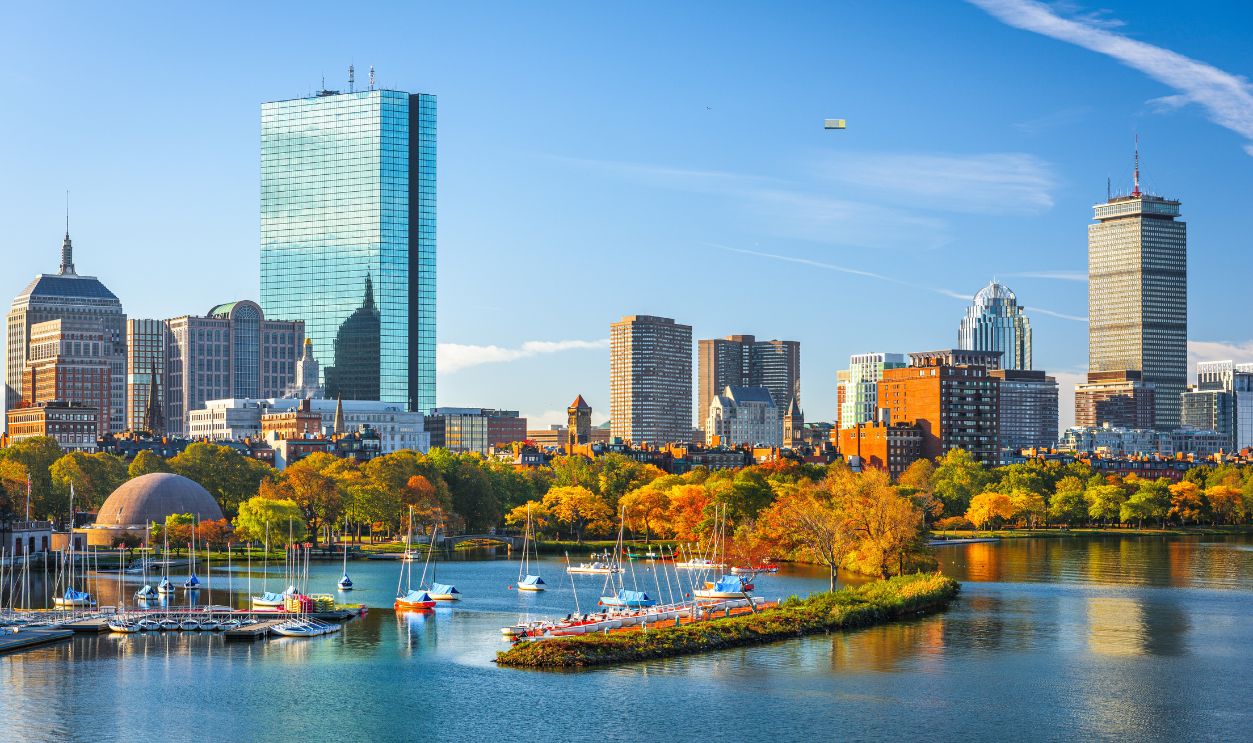
Boston offered something familiar without simply being Europe with different accents. Historic streets, compact neighborhoods, public transportation, and a strong cultural life help explain its appeal. The city also has major universities and hospitals, and it has attracted European job searches. For someone considering an American career move, walking to get coffee could still be part of the routine.
San Diego, California
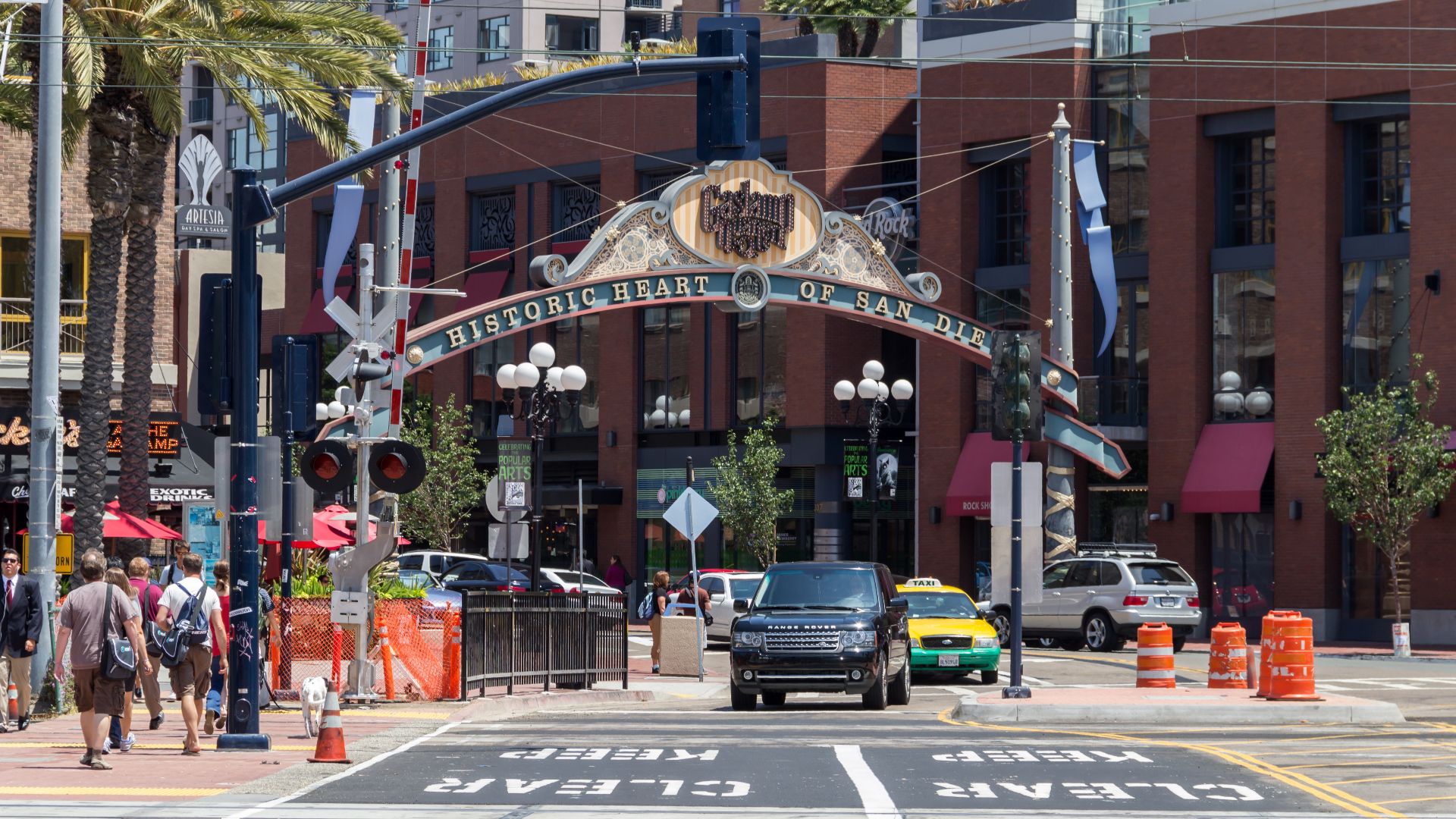
For Europeans drawn to California, San Diego put the beach and outdoor lifestyle front and center. Its mild coastal weather makes spending time outside part of ordinary life, and earlier visits have inspired relocation plans. Work transfers also brought the city into consideration, although housing costs remained a major part of deciding whether a move made sense.
 Dietmar Rabich, Wikimedia Commons
Raleigh, North Carolina
Raleigh’s appeal had more to do with building a life than checking off famous landmarks. The Research Triangle’s universities, technology companies, and research institutions gave Europeans reasons to consider the area for work. Leafy surroundings and a less overwhelming setting added to the picture. The biggest adjustment for some newcomers was discovering how much of their new routine would involve driving.
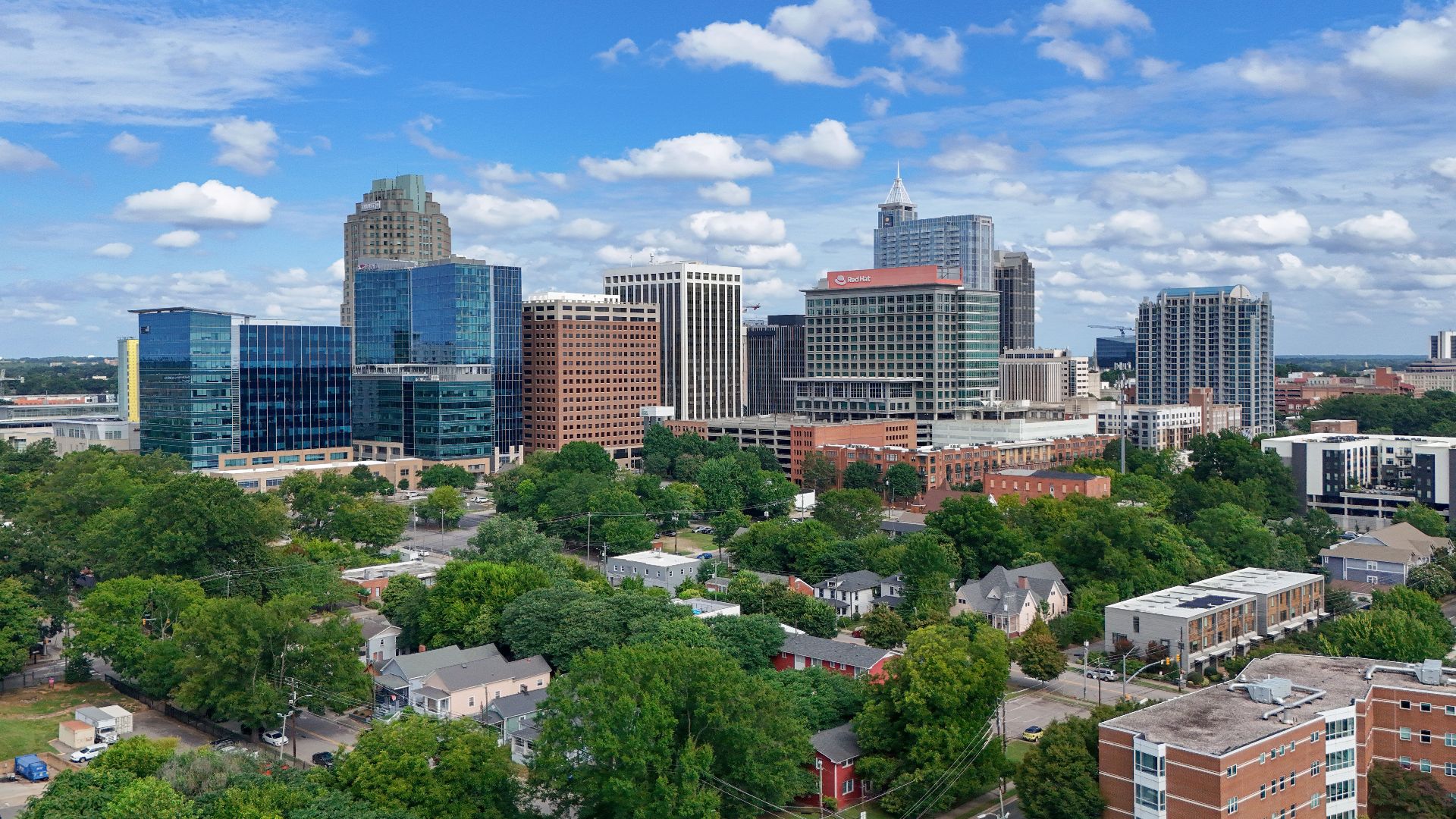 Quintin Soloviev, Wikimedia Commons
Seattle, Washington
Seattle pairs big-city employers with a setting that can make an ordinary walk feel considerably less ordinary. Water, evergreen trees, and mountain views help explain the attraction for Europeans who enjoy the outdoors. Its neighborhoods offer restaurants and coffee shops without giving up that connection to nature. The gray, wet stretches are part of the package, too.
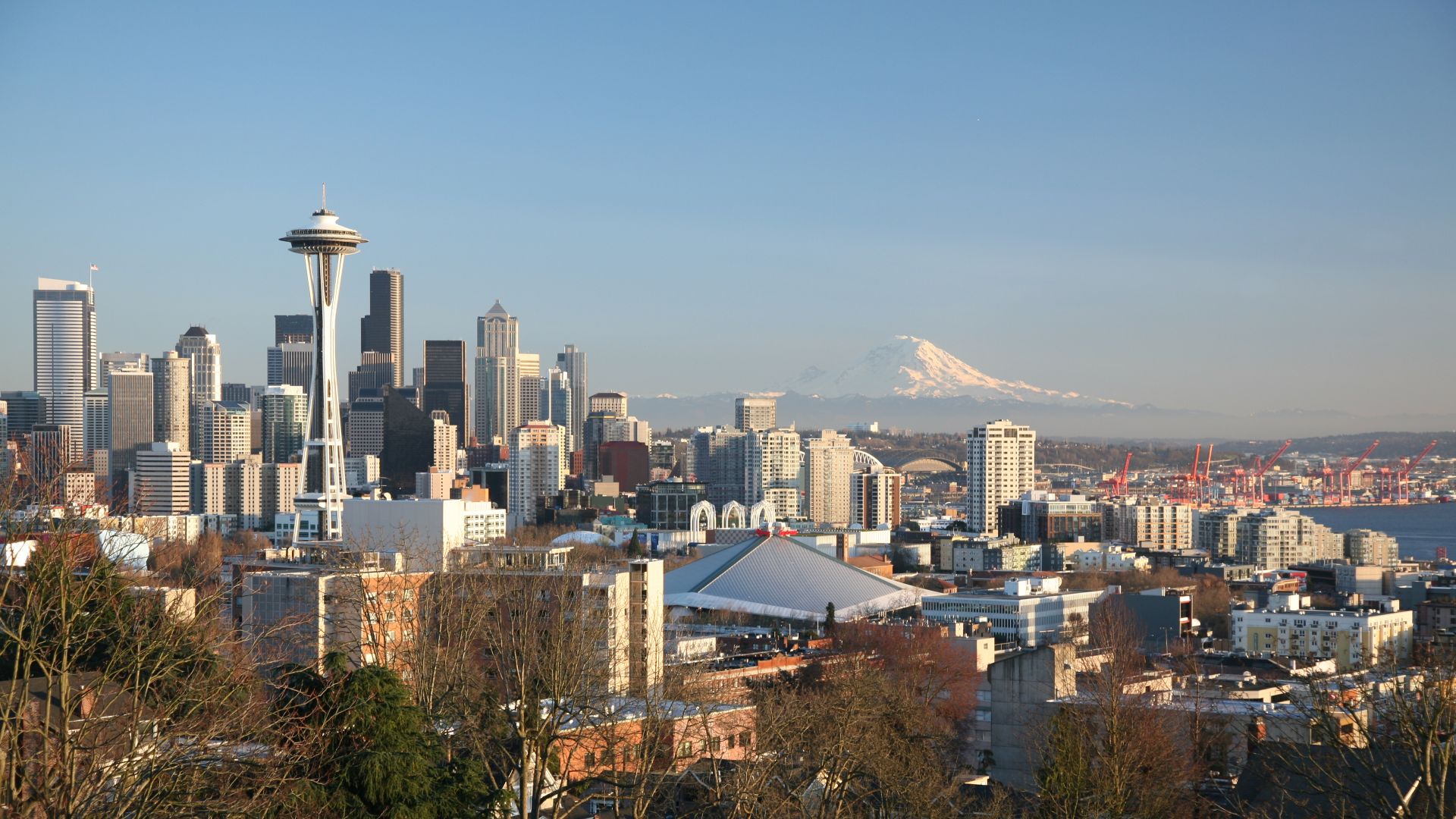 Daniel Schwen, Wikimedia Commons
Salt Lake City, Utah
Salt Lake City has appeared on a European relocation shortlist focused on mountains and access to nature. With the Wasatch nearby, hiking can shape everyday plans rather than just an occasional holiday. For someone who wants an active life outdoors, that gives the city an obvious appeal, with a metropolitan area’s services and amenities still close at hand.
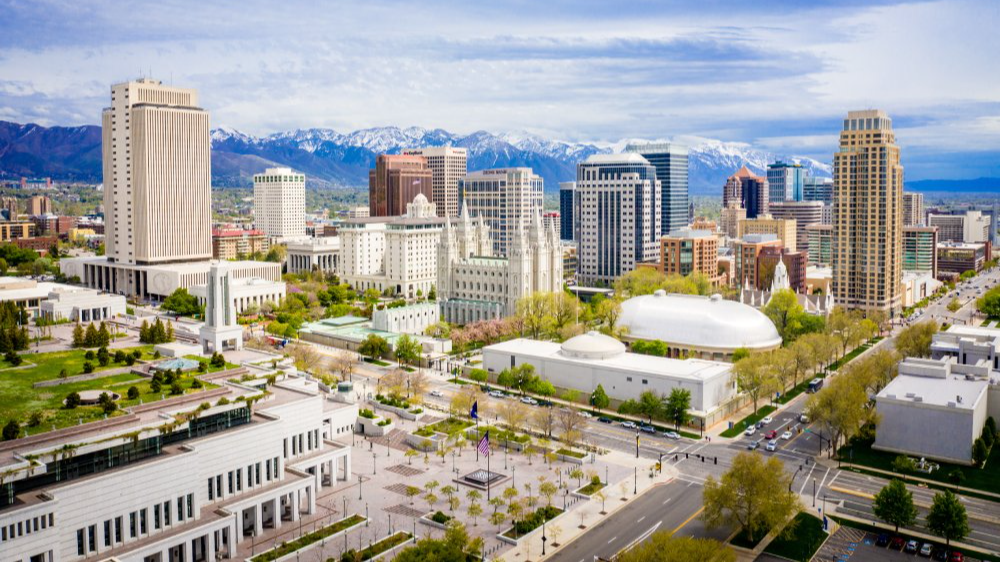
New York City, New York
New York was never going to stay out of this conversation. The career opportunities, international communities, museums, theaters, and sheer amount happening made it an obvious possibility. For Europeans used to public transportation, the subway also made daily life easier to imagine. It promised a major change of scene without requiring a car just to leave the neighborhood.
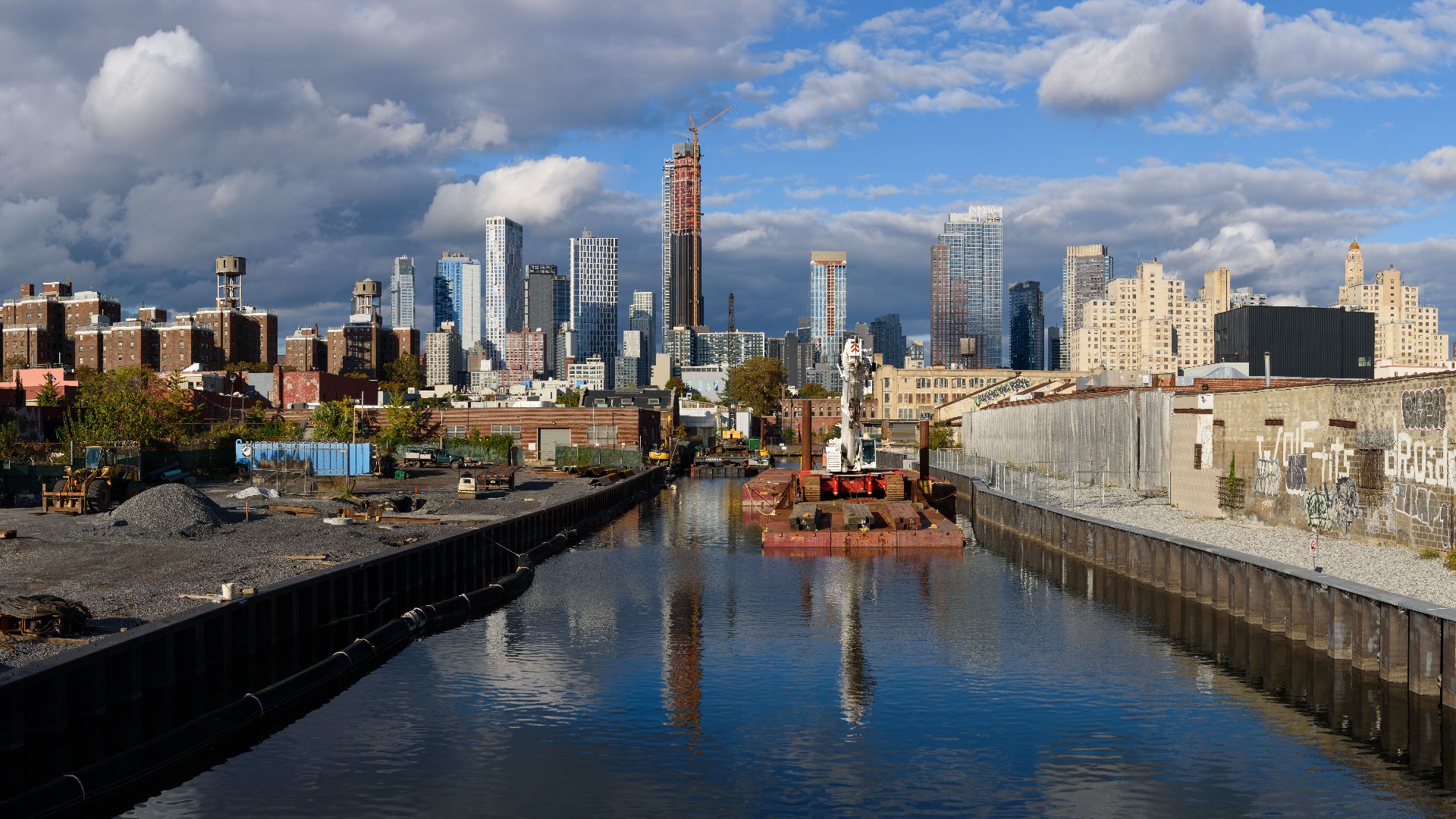 King of Hearts, Wikimedia Commons
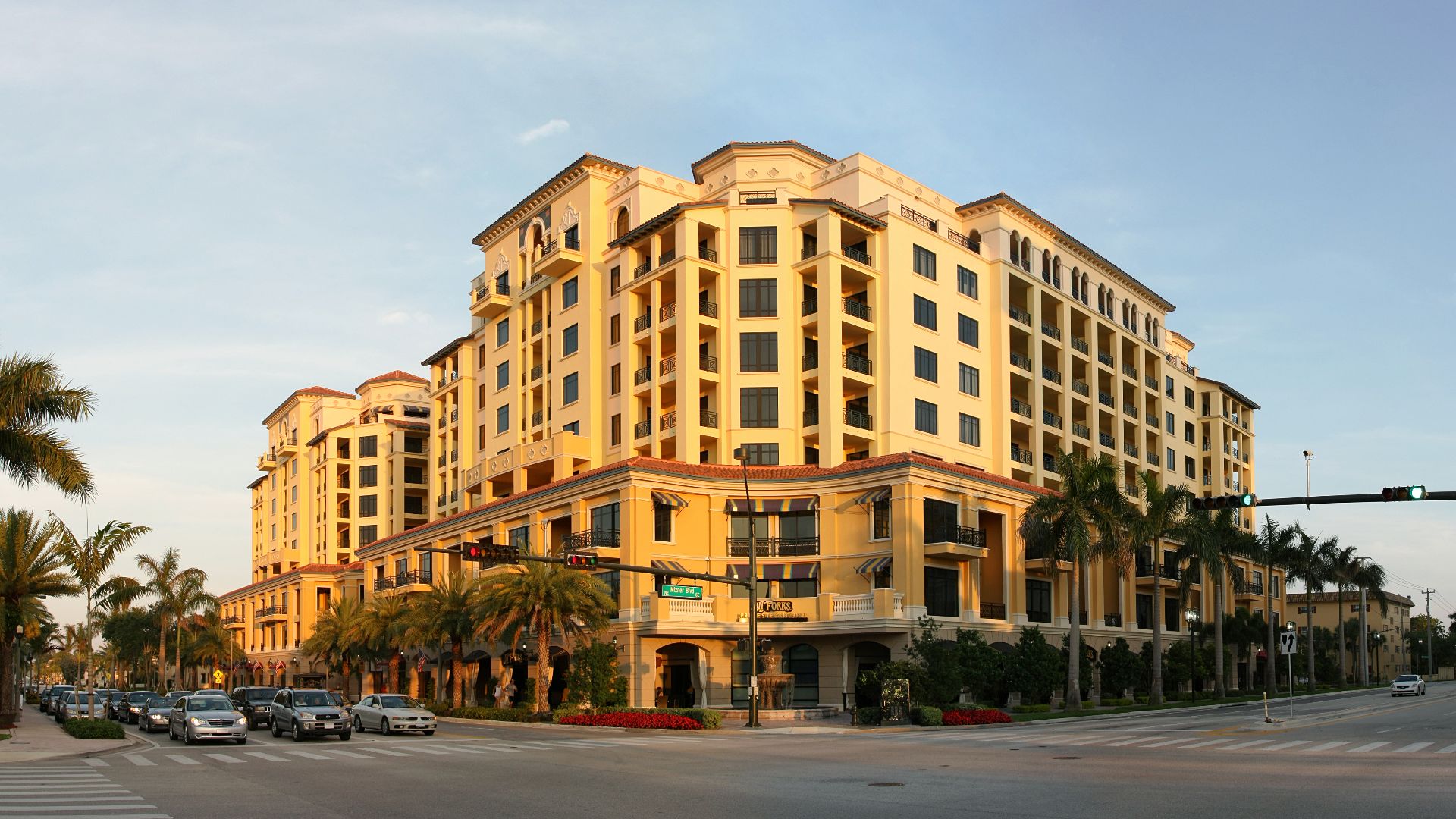
Boca Raton, Florida
Boca Raton brought a different version of Florida into the picture. The focus was on family life, neighborhoods, schools, and finding a community, with sunshine and the coast adding to the appeal. Familiarity from earlier visits helped turn the idea into a serious possibility. Living there would still mean adjusting to the traffic, driving, and practical demands of South Florida.
 Ianaré Sévi, Wikimedia Commons
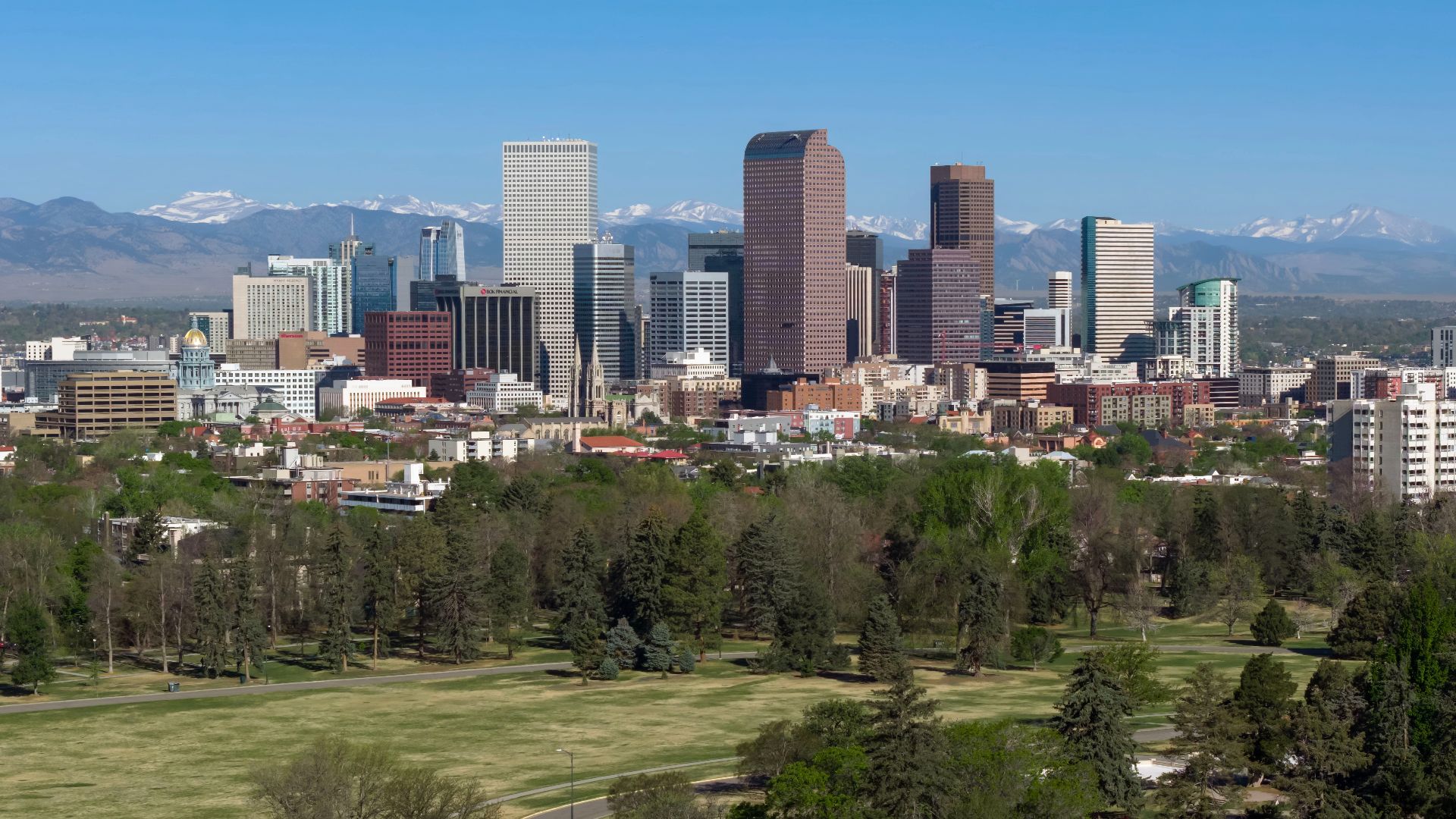
Denver, Colorado
Denver appealed to Europeans who wanted a city life with more time outside. Sunshine, hiking, and trips into the Rockies were recurring attractions, alongside the conveniences of a substantial metropolitan area. The city sits east of the mountains, so outdoor adventures still require some planning. But the possibility of making them a normal part of life was the draw.
 Quintin Soloviev, Wikimedia Commons
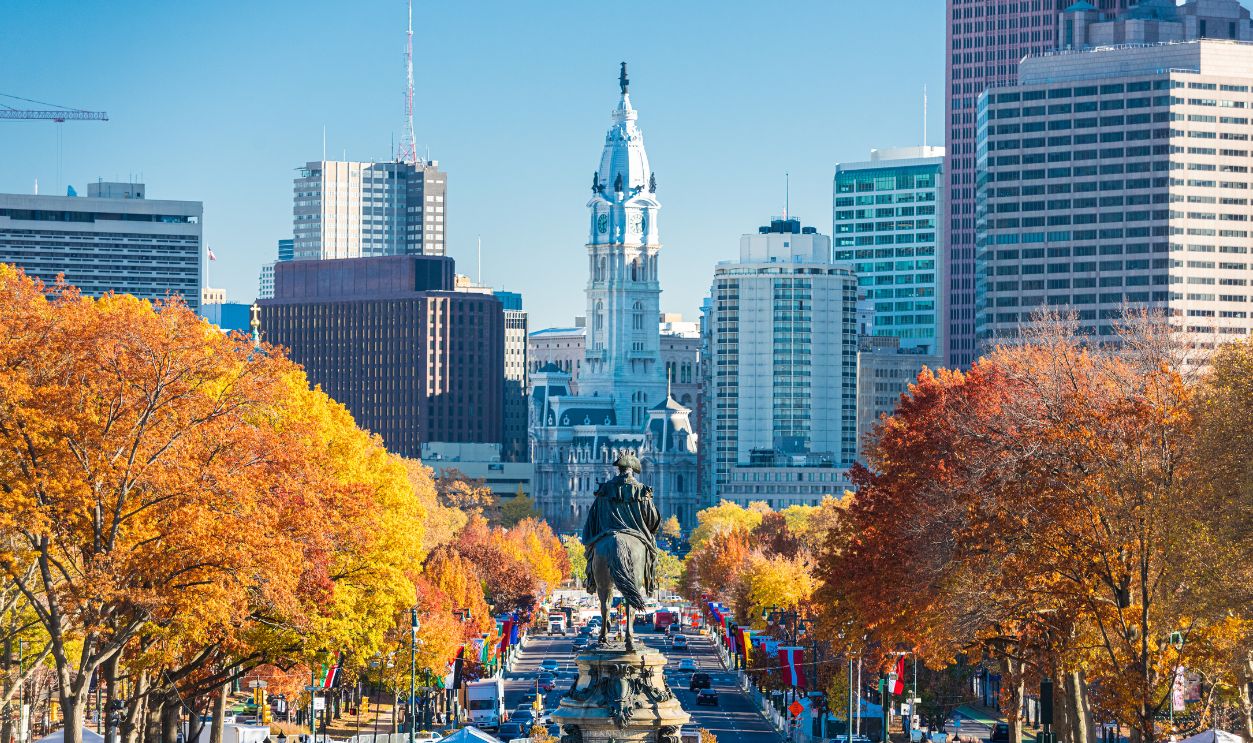
Philadelphia, Pennsylvania
Philadelphia’s appeal was in the everyday details: rowhouse neighborhoods, local shops, markets, restaurants, and the possibility of doing errands on foot. Europeans who wanted that kind of routine had reasons to look beyond America’s most internationally famous cities. Public transportation added another advantage, although choosing the right neighborhood still depended on where they would be working.
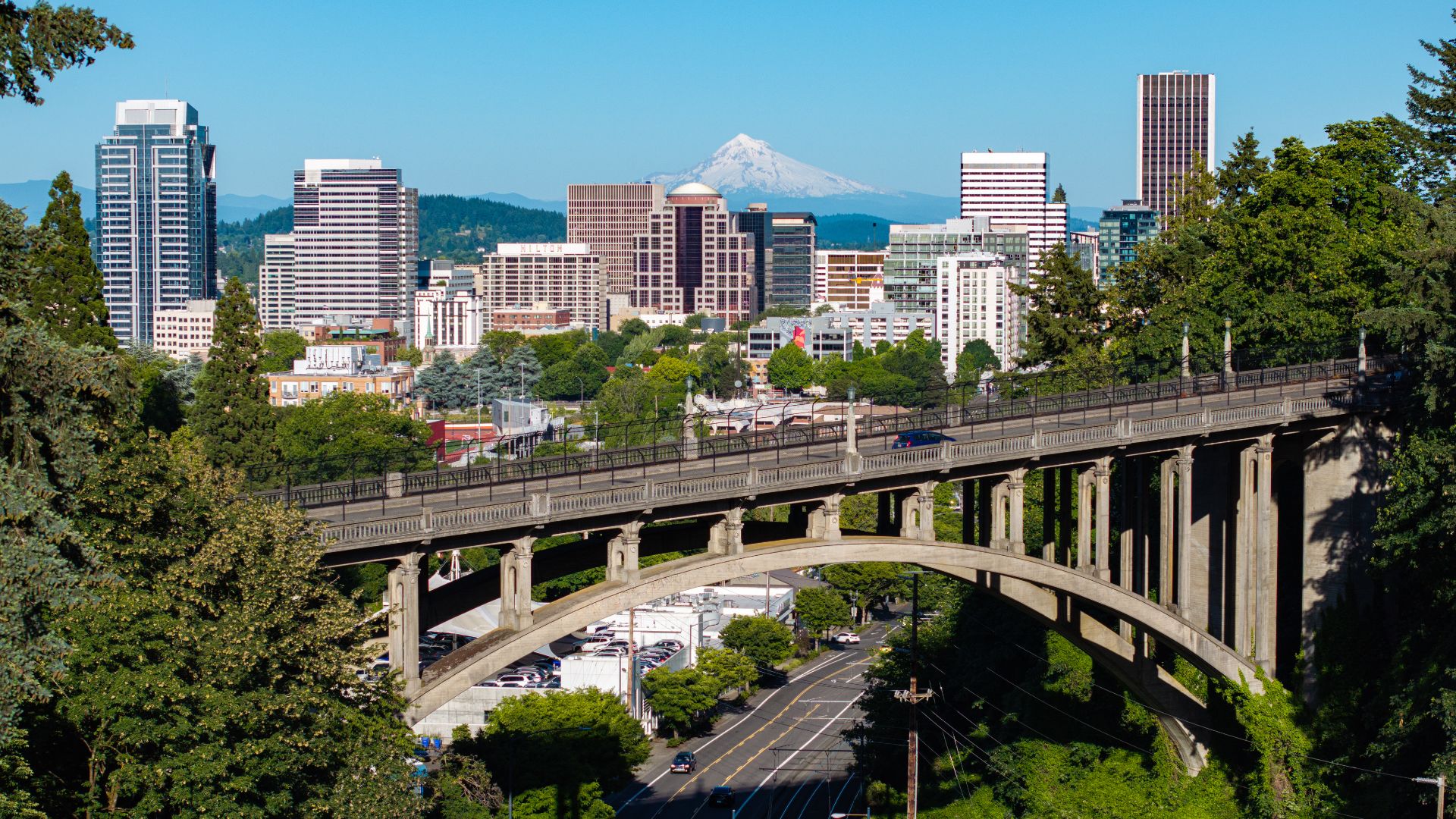
Portland, Oregon
Portland offered a version of West Coast life built around neighborhoods, coffee shops, food carts, and access to the outdoors. Europeans already living there pointed to cycling and the food scene as parts of an enjoyable daily routine. It appealed to people who wanted a city with plenty going on, without chasing the scale or pace of Los Angeles.
 Spicypepper999, Wikimedia Commons
Pittsburgh, Pennsylvania
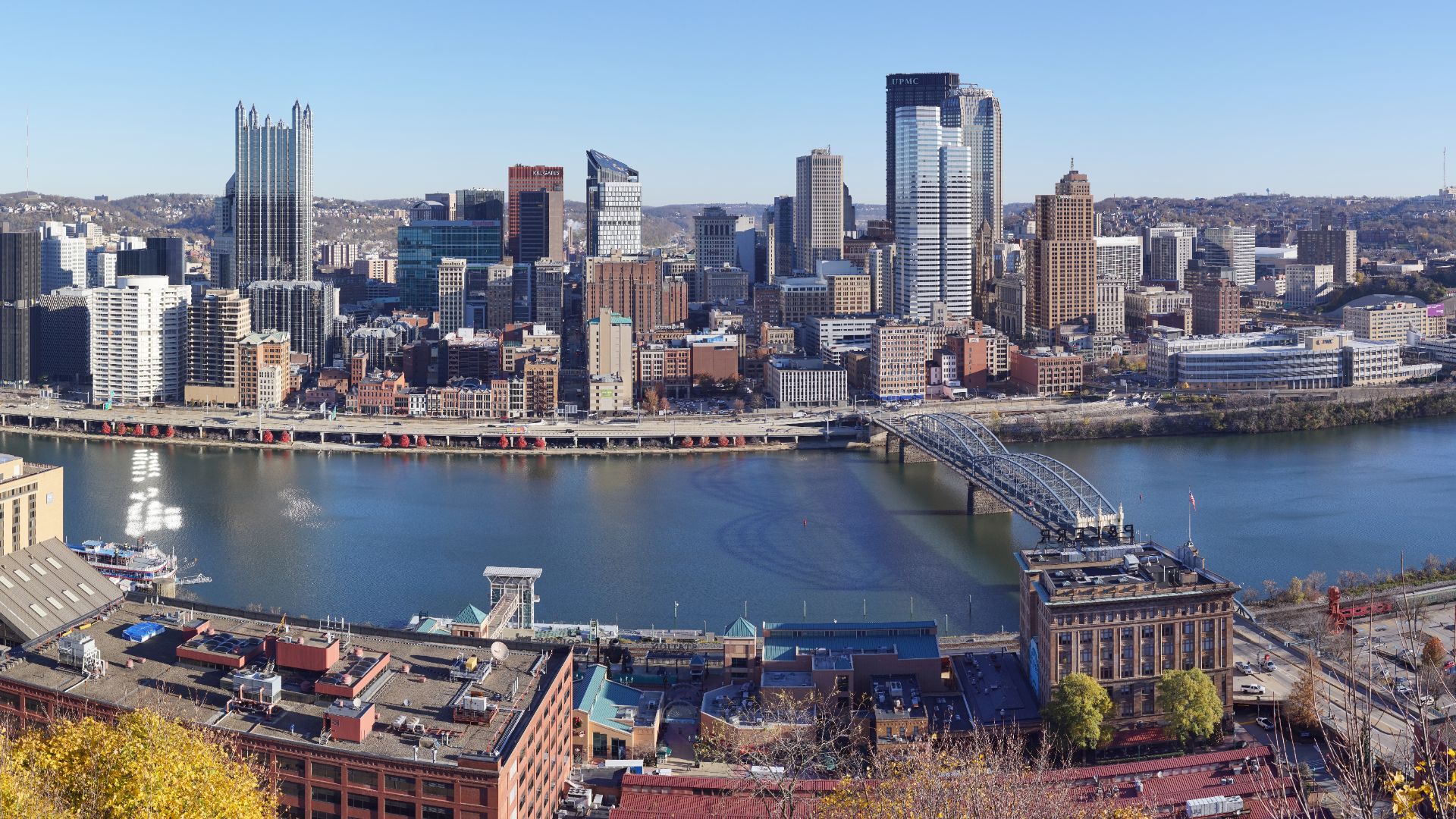
Pittsburgh’s old Steel City image leaves quite a bit out. Carnegie Mellon, the University of Pittsburgh, major hospitals, and technology employers give it a very different side, while its hills and distinct neighborhoods shape daily life. A potential job opportunity brought the city into European relocation discussions, along with practical questions about living costs and supporting a family.
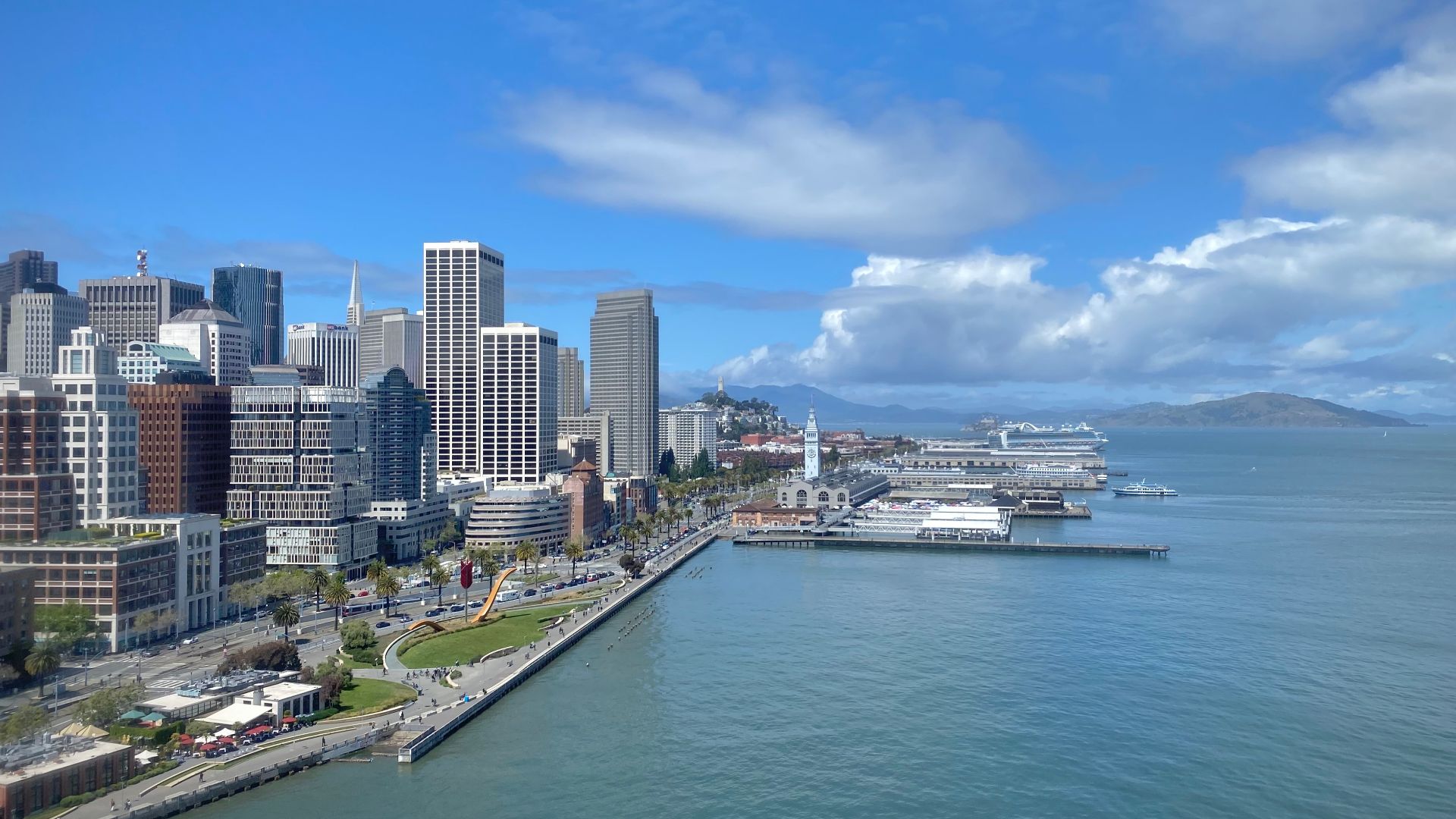
San Francisco, California
San Francisco combined professional ambition with a setting that was hard to ignore. The bay, steep streets, parks, and dense neighborhoods gave the city an appeal beyond the wider region’s technology industry. Europeans considering the move were also weighing the possibility of higher earnings. Whether those earnings would deliver the lifestyle they imagined depended heavily on housing costs.
 Sharon Hahn Darlin, Wikimedia Commons
Charlotte, North Carolina
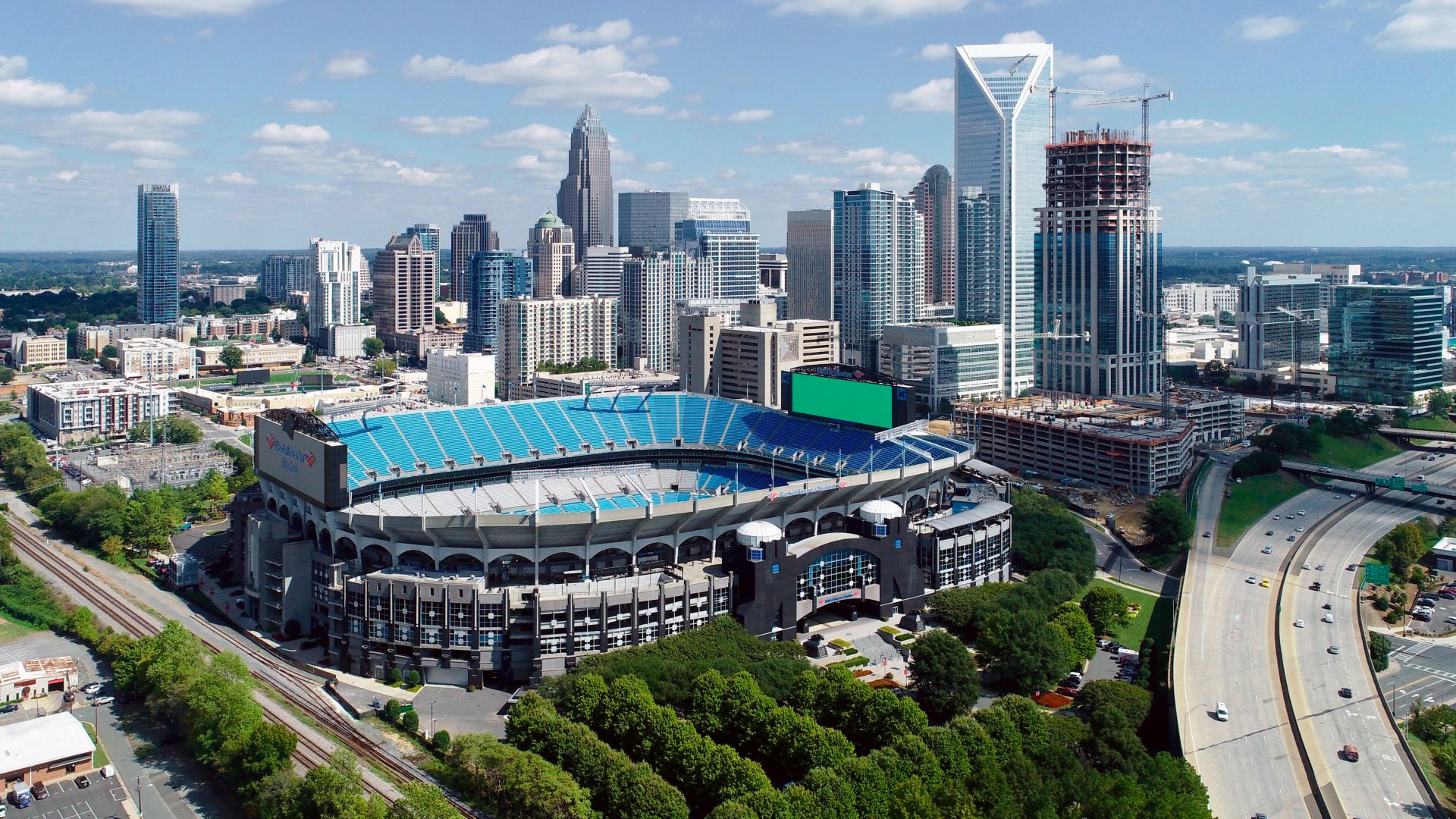
Charlotte has appeared on a European relocation shortlist, offering another possibility beyond the familiar coastal names. It has a major banking industry, busy neighborhoods, and plenty of everyday amenities, while the Whitewater Center provides trails and outdoor activities locally. For someone hoping to combine city conveniences with time outside, there are options. The mountains, however, require a separate trip.
Los Angeles, California
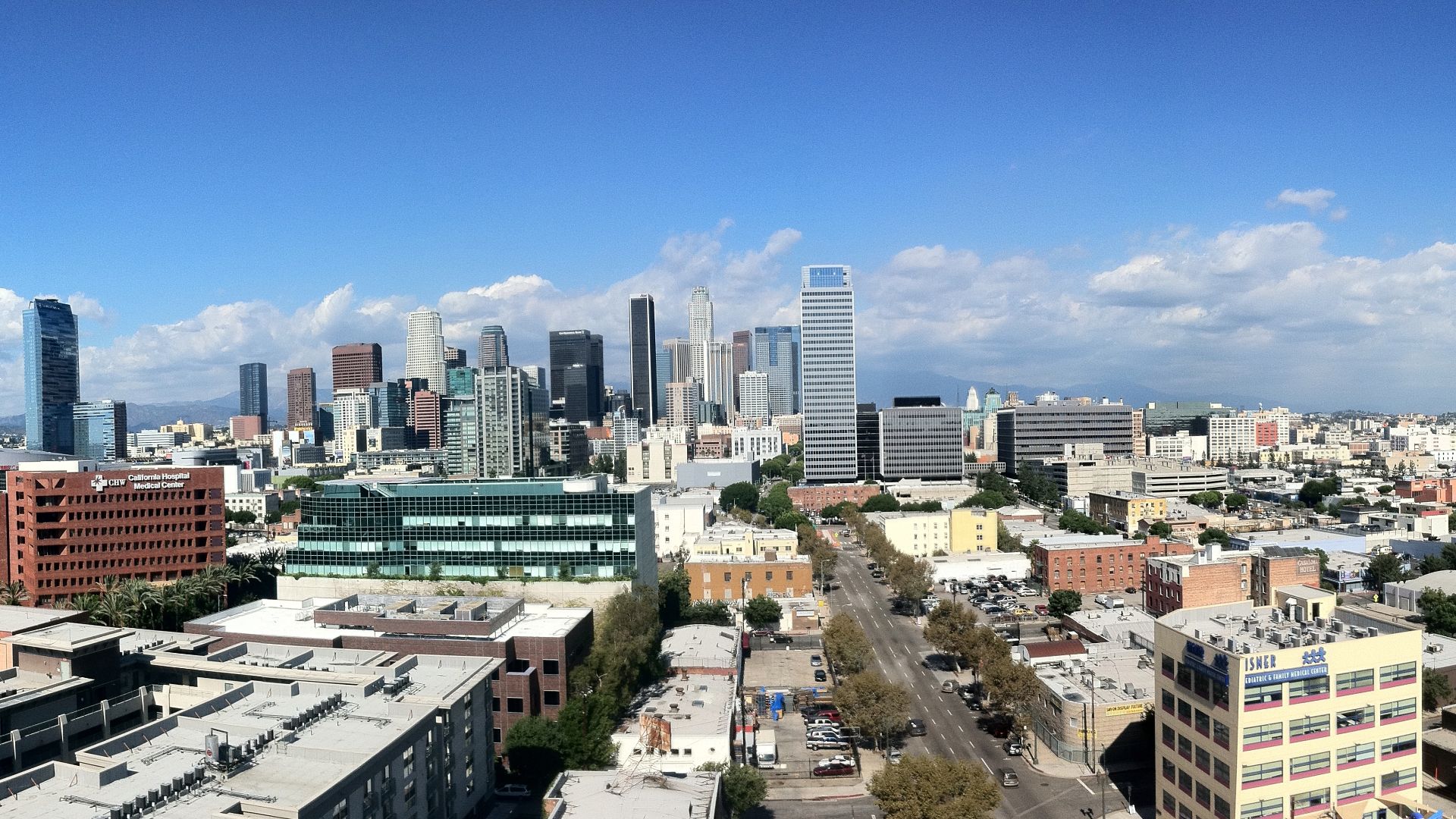
Los Angeles still had the California appeal: warm weather, food from around the world, entertainment, and the Pacific nearby. Europeans already living there also valued having mountains, beaches, and desert landscapes to explore across the region. Work opportunities gave others a reason to make the move. The recurring advice was practical: choose a neighborhood that keeps the commute manageable.
 Pintsmasher, Wikimedia Commons
Colorado Springs, Colorado
Colorado Springs put the scenery right in the foreground. Pikes Peak rises nearby, while Garden of the Gods brings towering red rock formations and walking trails into a city-owned park. It has appeared on a European relocation shortlist focused on nature and room to live. Those surroundings make it an understandable possibility for a fresh start near mountains.
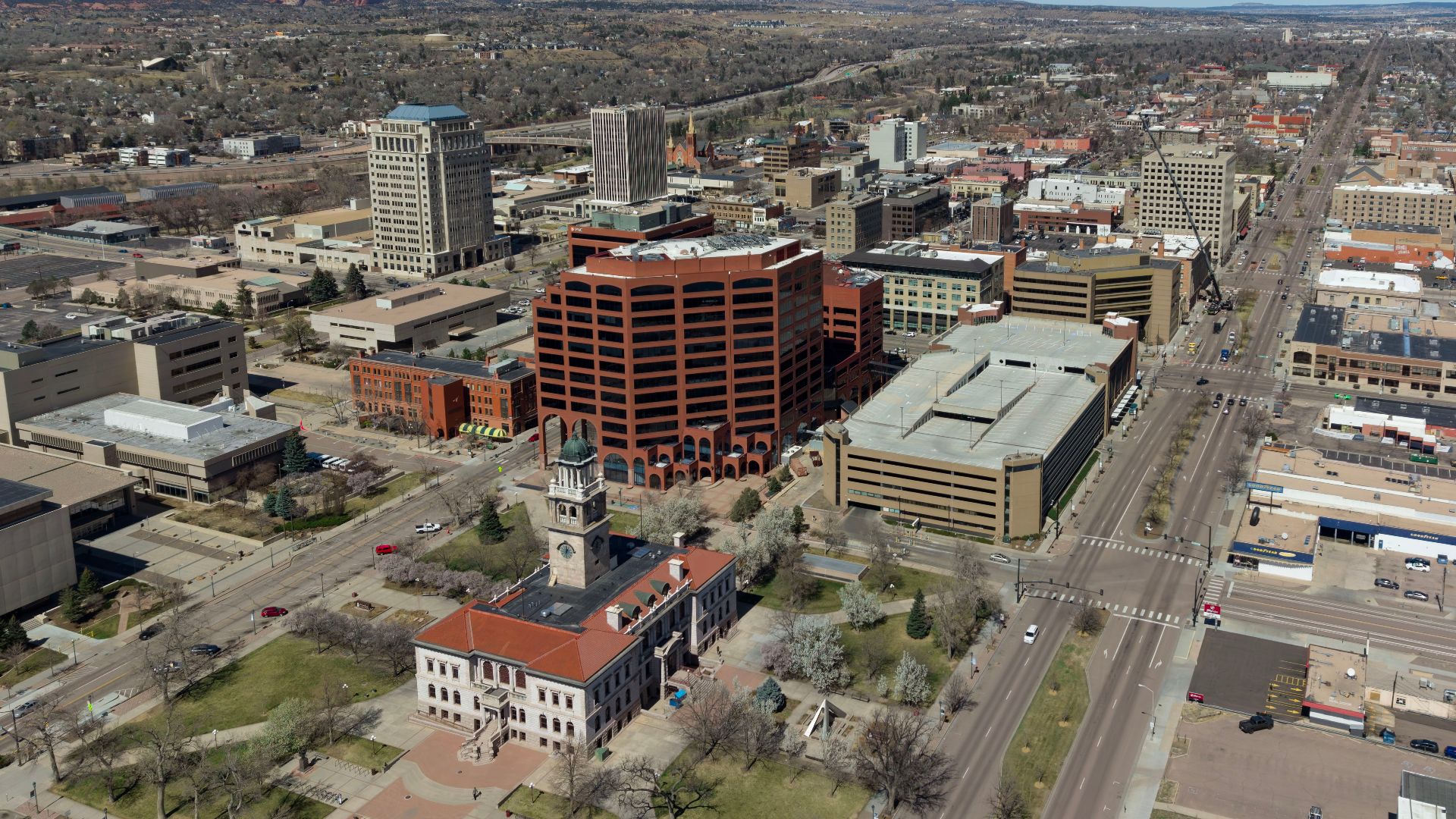 Quintin Soloviev, Wikimedia Commons
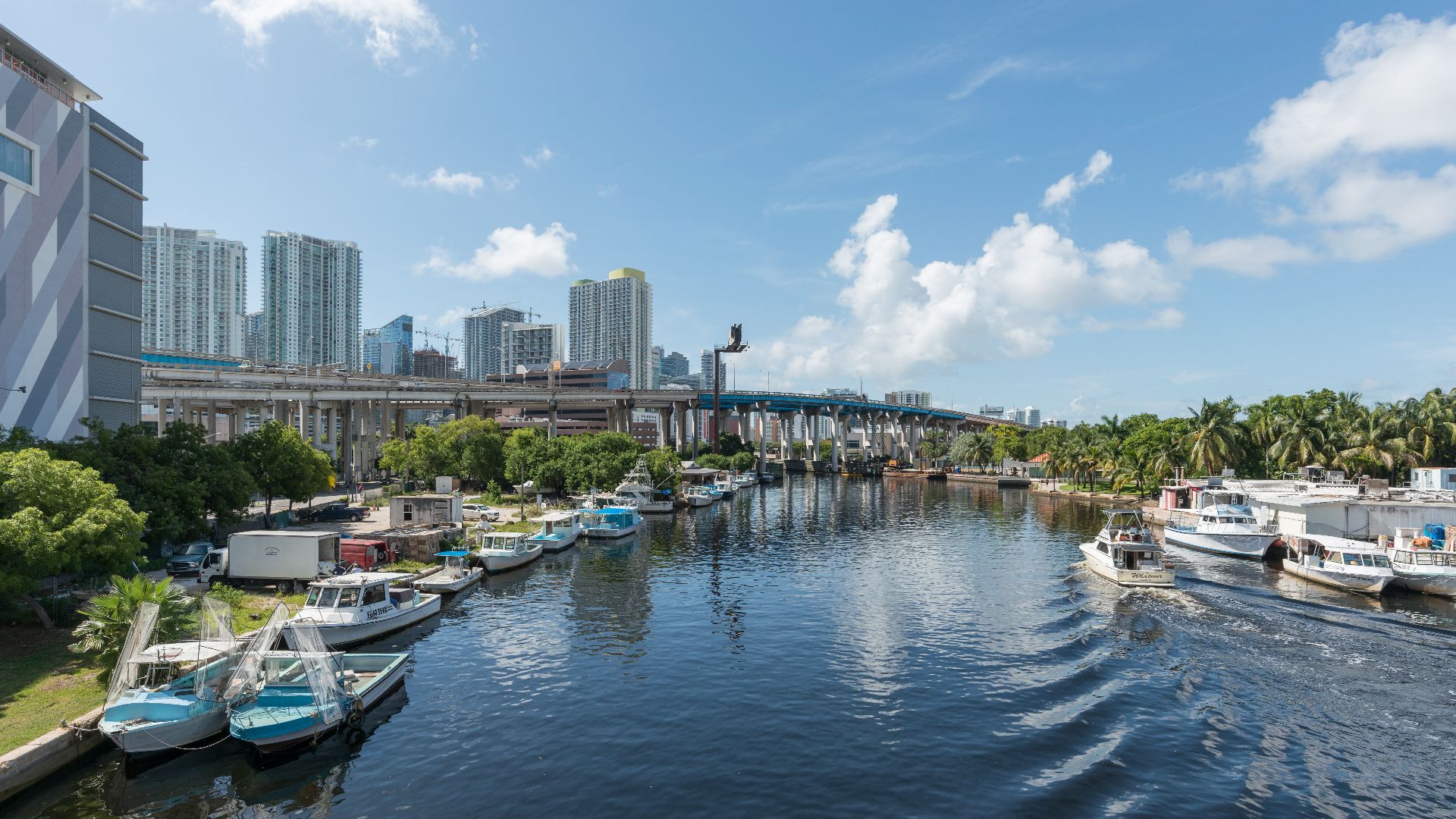
Miami, Florida
Miami offered a more dramatic change of scene: warm weather, waterfront neighborhoods, and an international atmosphere with strong Latin American influences. For Europeans considering South Florida, it represented a different lifestyle from the older cities farther north. The appeal was easy to picture. Working out the housing budget, commute, and everyday routine took more thought than choosing a vacation hotel.
Austin, Texas
Austin offered another route into American life, with technology jobs, live music, restaurants, and an active social scene helping make the case. For Europeans considering their options, it was a chance to look beyond the coasts. The adjustment involved a spread-out city where driving was often necessary, along with summer heat that could limit when they wanted to be outside.
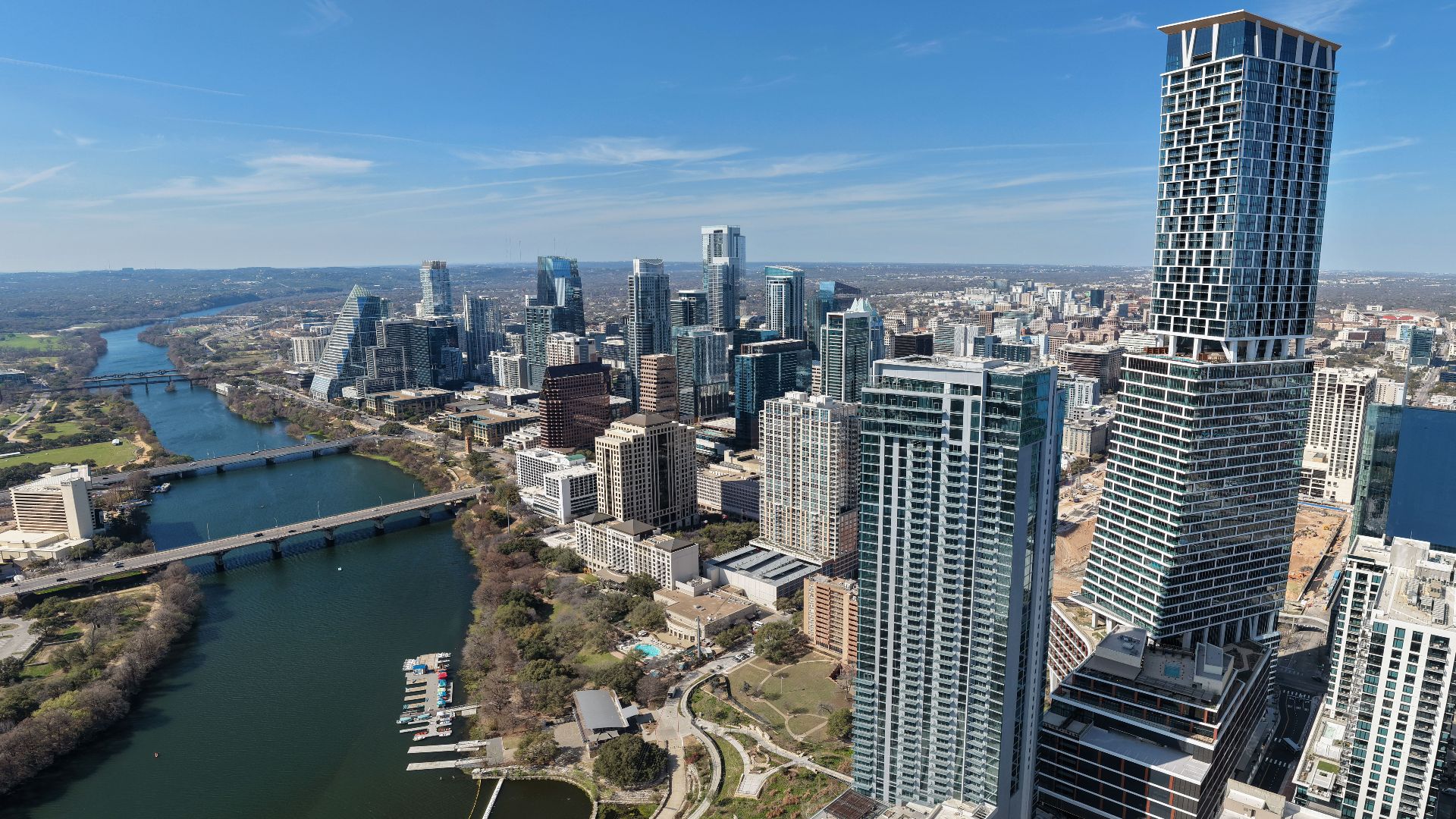 Quintin Soloviev, Wikimedia Commons
Washington, D.C.
Established neighborhoods, international connections, the Metro, and museums made it possible to picture a full life outside work. For newcomers who wanted public transportation and plenty to explore, the capital makes an understandable choice.
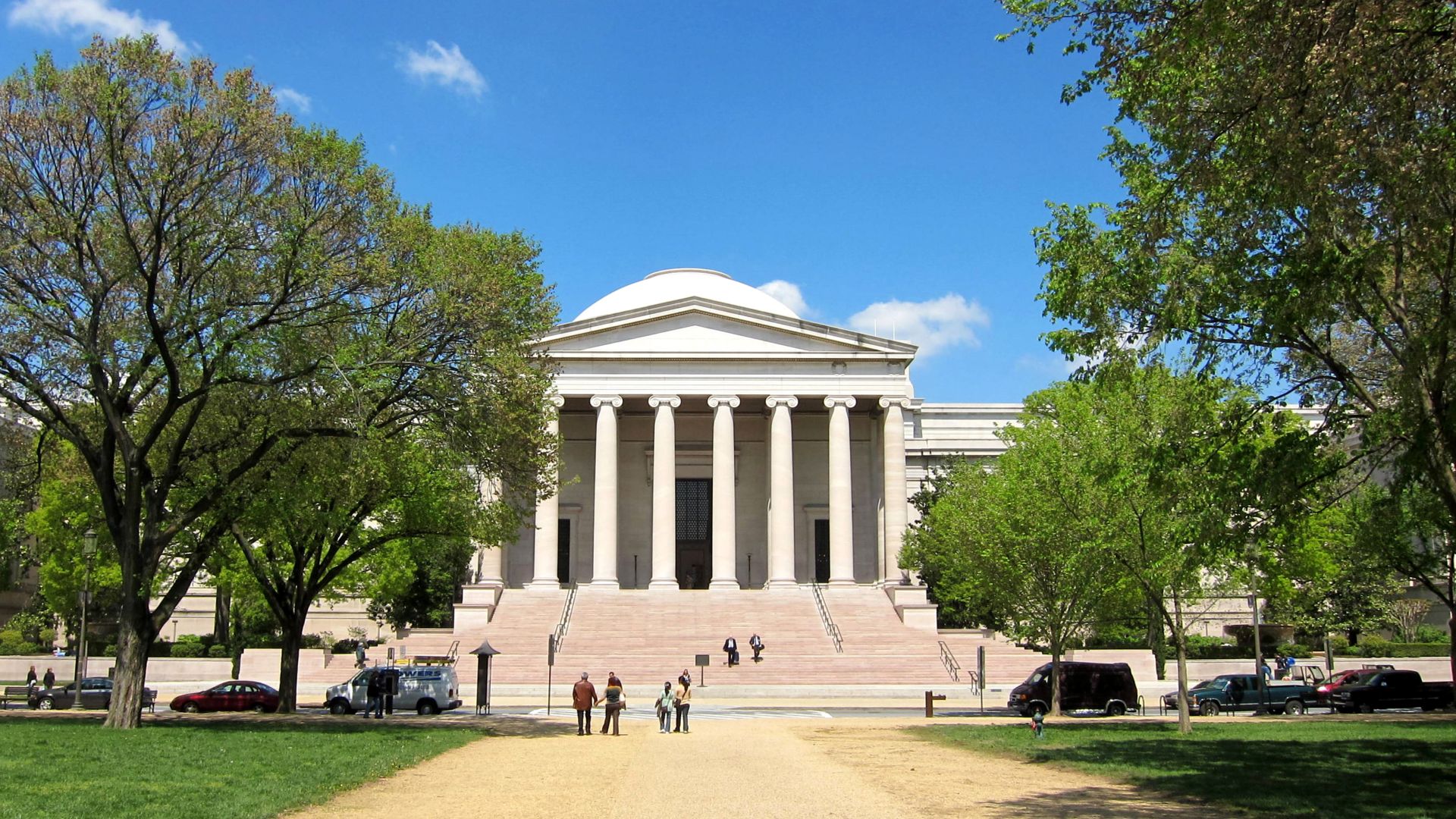 AgnosticPreachersKid, Wikimedia Commons
You Might Also Like:
The Once-Overlooked Small Cities Are Suddenly Attracting Americans In Droves