
Born There, Stayed There
In certain states, Americans are fiercely loyal. Whether they were born and raised there or arrived later in life, these residents don’t ever want to leave. And one state stands head and shoulders at the top. Any guesses?
Using the latest Census data and Gallup’s survey on where Americans would rather live, we created a Loyalty Score for every state.

25: Montana (loyalty score: 65.2).
Montana sneaks into the ranking largely because 75% of residents told Gallup they would rather stay. That was one of the strongest results in the country. Once someone becomes accustomed to those mountains, open spaces and enormous skies, everywhere else might feel slightly cramped.
 Quintin Soloviev, Wikimedia Commons
24: Pennsylvania (loyalty score: 65.5).
Philadelphia and Pittsburgh offer two completely different urban experiences, while smaller cities, college towns and rural communities fill the enormous space between them. Pennsylvanians can move surprisingly far and change almost everything about their surroundings without actually leaving Pennsylvania.

23: Indiana (loyalty score: 65.7).
Indiana’s central location, manufacturing history and generally attainable cost of living offer practical reasons to remain. Hoosiers can also reach Chicago, Cincinnati, Louisville and several other major cities without giving up the familiar communities and family connections they already have.

22: Arizona (loyalty score: 66.1).
Arizona’s numbers tell an interesting story. Nearly 71% of Arizona natives remain, yet only 59% of surveyed residents said they would rather stay. Apparently, plenty of Arizonans remain loyal while occasionally fantasizing about somewhere that does not feel like an open oven.
 Phillip Capper from Wellington, New Zealand, Wikimedia Commons
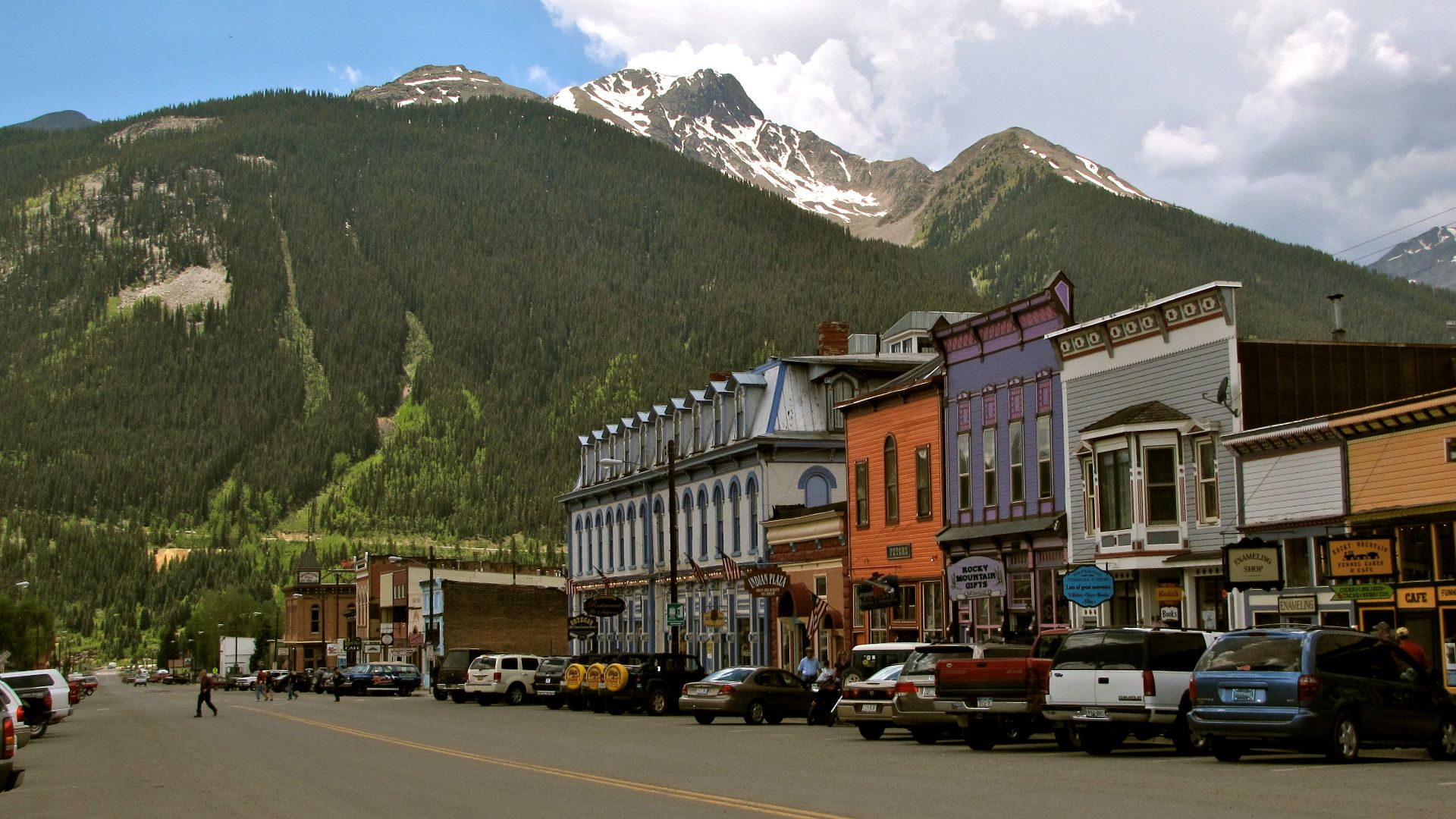
21: Colorado (loyalty score: 66.1).
Colorado narrowly beats Arizona using the unrounded numbers, but its results are almost the opposite. Native retention is relatively modest, yet 73% of residents preferred staying. People may arrive from somewhere else, fall for Colorado and immediately stop considering alternatives.
 Alex Reinhart, Wikimedia Commons
20: Missouri (loyalty score: 66.4).
Kansas City and St. Louis anchor opposite ends of Missouri, with smaller communities, lakes and countryside between them. Someone can trade city life for a quieter setting—or do the reverse—without surrendering a Missouri address or moving terribly far from family.
 Tyson Blanquart, Wikimedia Commons
19: Arkansas (loyalty score: 66.7).
Arkansas’s Census and Gallup results landed remarkably close together. In other words, Arkansans stayed and said they wanted to stay. Relatively affordable communities, deep family connections, mountain scenery and countless lakes probably make that decision a little easier.
 Broooooooce (Bruce W. Stracener)., Wikimedia Commons
18: Washington (loyalty score: 67.7).
It is difficult to blame Washington residents for becoming attached when one state contains Pacific coastline, islands, mountains, rainforests, dry farmland and a major technology center. Even Washington’s famously gray skies are not enough to chase most of its native residents away.

17: Ohio (loyalty score: 67.8).
Cleveland, Columbus and Cincinnati each offer something different, while Ohio remains more attainable than many coastal alternatives. Ohioans can change cities, careers and lifestyles without going terribly far—or being forced to learn an entirely new collection of football rivalries.

16: Michigan (loyalty score: 68.0).
Michigan’s industrial history created generations of family connections, while its cities, forests and enormous freshwater shoreline provide wildly different lifestyles. The winters are serious, but apparently so is the loyalty of the people who grew up surrounded by the Great Lakes.

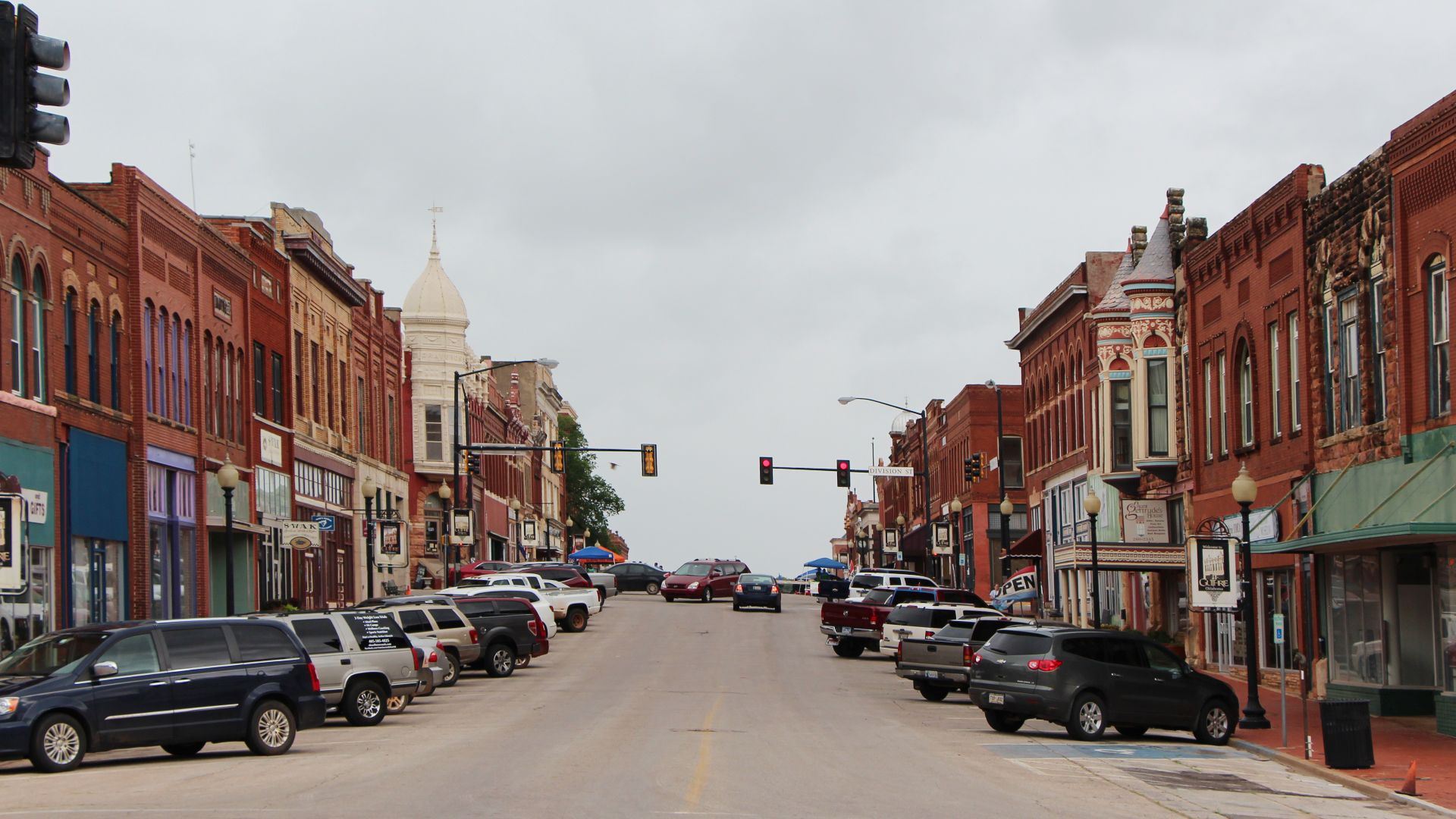
15: Oklahoma (loyalty score: 68.5).
Oklahoma’s two measurements tell almost exactly the same story. Roughly 68% of natives remain, while 69% of surveyed residents preferred staying. That consistency suggests Oklahoma is not merely holding onto large numbers of people who secretly dream of escaping.
 Steven C. Price, Wikimedia Commons
14: California (loyalty score: 68.6).
Despite everything we constantly hear about people fleeing California, more than 71% of those born there remain. The housing may be expensive, but the coastline, climate, enormous job market and sheer variety of places to live remain incredibly difficult to duplicate.
 Sharon Hahn Darlin, Wikimedia Commons
13: Georgia (loyalty score: 68.6).
Georgia narrowly edges California when the unrounded scores are used. Its native-retention rate is one of the country’s strongest. Atlanta provides an enormous center for employment and entertainment, while mountains, countryside, smaller cities and coastline offer completely different ways to live.
 known per ticket, Wikimedia Commons
12: Maine (loyalty score: 68.7).
Maine climbs this high because 76% of surveyed residents wanted to remain—the highest percentage recorded in the Gallup poll, tied with Oregon. Maine apparently inspires fierce loyalty once someone has decided its long winters are perfectly survivable.
 Paul VanDerWerf from Brunswick, Maine, USA, Wikimedia Commons
11: South Carolina (loyalty score: 68.8).
Beaches, historic cities, smaller communities and a warm climate give South Carolinians plenty of reasons to settle in. The state’s population also grew by nearly 9% between the 2020 Census base and July 2025, so outsiders are clearly noticing its appeal too.
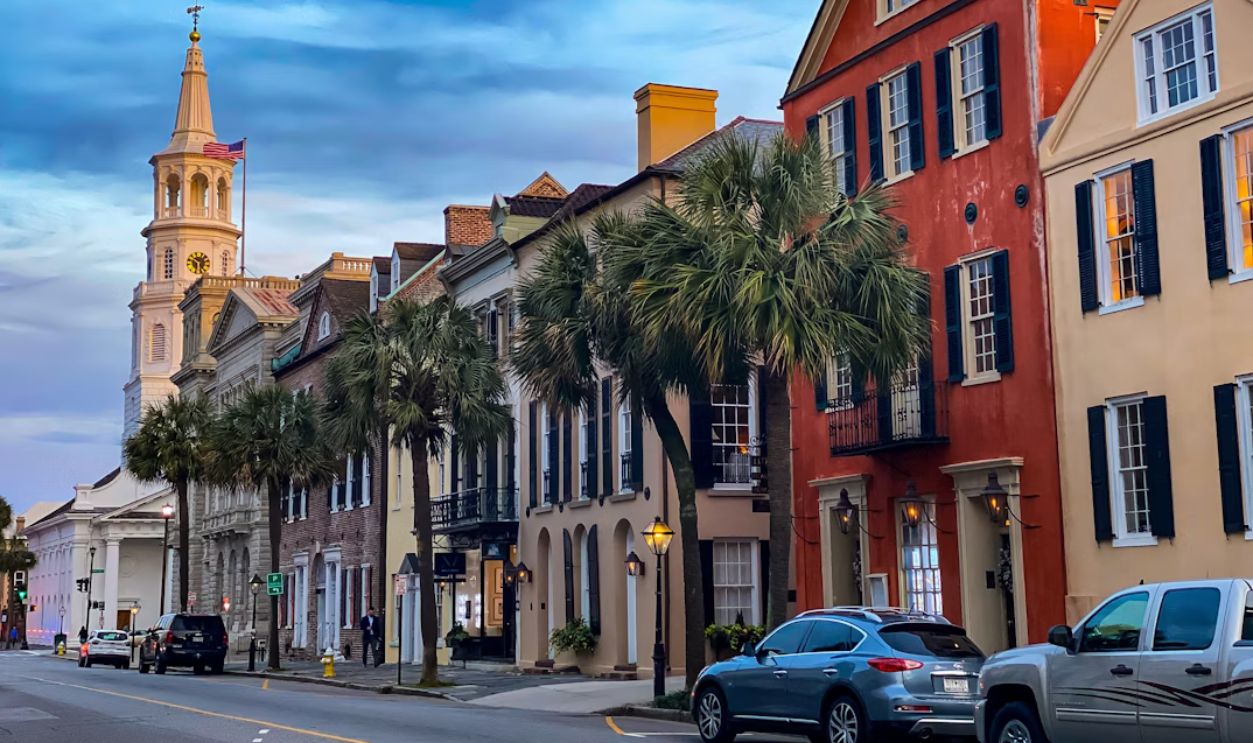
10: Kentucky (loyalty score: 68.8).
Kentucky narrowly takes 10th when the unrounded scores are used. Strong family networks, relatively affordable communities and a deeply rooted state identity all matter. Kentuckians also seem particularly attached to their landscape, traditions and extremely specific opinions about bourbon and basketball.

9: Oregon (loyalty score: 69.1).
Only 64.5% of Oregon natives remain, but 76% of current residents told Gallup they wanted to stay. Apparently, the forests, mountains, coastline and fiercely independent culture become very difficult to surrender once someone has experienced them.

8: Tennessee (loyalty score: 69.1).
Tennessee narrowly beats Oregon using the unrounded results. Nashville, Knoxville and Memphis provide very different lifestyles. Add smaller communities, mountain scenery and no state income tax on earned income, and leaving becomes a surprisingly difficult sales pitch.

7: Florida (loyalty score: 70.0).
Florida is famous for attracting retirees, snowbirds and newcomers, but its native residents are loyal too. Beaches, warm winters, family connections and no state individual income tax apparently appeal just as strongly to people who grew up there.
 Matthew T Rader, Wikimedia Commons
6: North Carolina (loyalty score: 70.1).
Nearly 75% of people born in North Carolina still live there, the second-highest native-retention rate in America. Growing cities, major universities, Atlantic beaches and the Blue Ridge Mountains give residents plenty of room to build completely different lives without leaving.
 Willamor Media, Wikimedia Commons
5: Wisconsin (loyalty score: 70.8).
Affordable communities, manufacturing employment, lakes and exceptionally strong local traditions all help hold Wisconsin residents close. Anyone prepared to tolerate a Wisconsin winter may not be easily frightened away by much of anything else the state can throw at them.
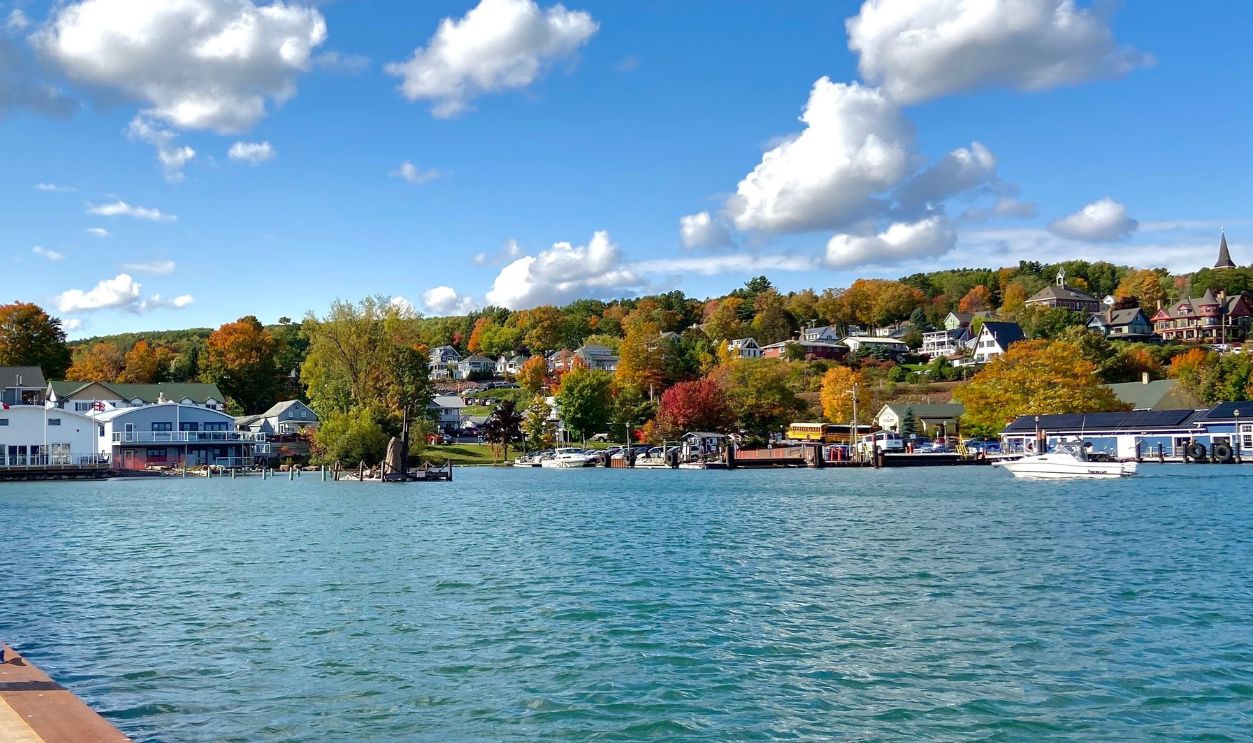
4: Alabama (loyalty score: 70.9).
More than 72% of Alabama natives remain, and 69% of surveyed residents preferred staying. Strong family connections undoubtedly matter, while cities, small towns, forests, lakes and a Gulf Coast provide considerably more variety than outsiders sometimes assume.
 Lance Asper, Unsplash, Modified
3: Utah (loyalty score: 71.0).
Strong family and community networks help keep Utah residents close, but so does the landscape. With mountains, deserts and five national parks, Utah provides some spectacular reasons to remain—and makes an ordinary weekend drive look suspiciously like a vacation.

2: Minnesota (loyalty score: 71.9).
Minnesota’s Census and Gallup results were both remarkably strong, including 73% of residents who preferred staying. Apparently, employment opportunities, close communities and thousands of lakes outweigh several months spent wondering whether human eyelashes are actually supposed to freeze.

1: Texas (loyalty score: 78.6).
Texas is not merely first—it is in a completely different league. More than 81% of native Texans remain, while 74% of surveyed residents preferred staying. All that famous Texas pride is backed up by both measurements, leaving Minnesota nearly seven points behind.
 Quintin Soloviev, Wikimedia Commons
Loyalty Is Complicated
No score can reveal exactly why someone stays. But combining where people actually remained with where they said they wanted to remain gives us a revealing picture of genuine state loyalty.

You Might Also Like:
Americans Reveal The European Foods They Were Happy To Try Once—But Never Want Again
The American Small Towns Travelers Say Are Worth A Detour On Your Next Road Trip