Dinner Used To Come With Instructions
Going out for dinner once meant remembering a lot more than your reservation time. From which fork to touch first to who was allowed to see the prices, restaurants came with an entire unwritten rulebook—and breaking it could make you look seriously uncivilized.
Dressing Up Was Part Of Going Out
Dinner at a nice restaurant wasn't something you necessarily did in jeans and sneakers. Going out was considered an occasion, and diners were expected to dress accordingly, even when there wasn't a formal dress code posted at the door. Men might wear jackets and ties, while women dressed more formally than they would for an ordinary afternoon. The expectation has relaxed enormously as restaurant culture has become more casual, although a few upscale dining rooms still keep some version of it alive.

Men Were Expected To Remove Their Hats
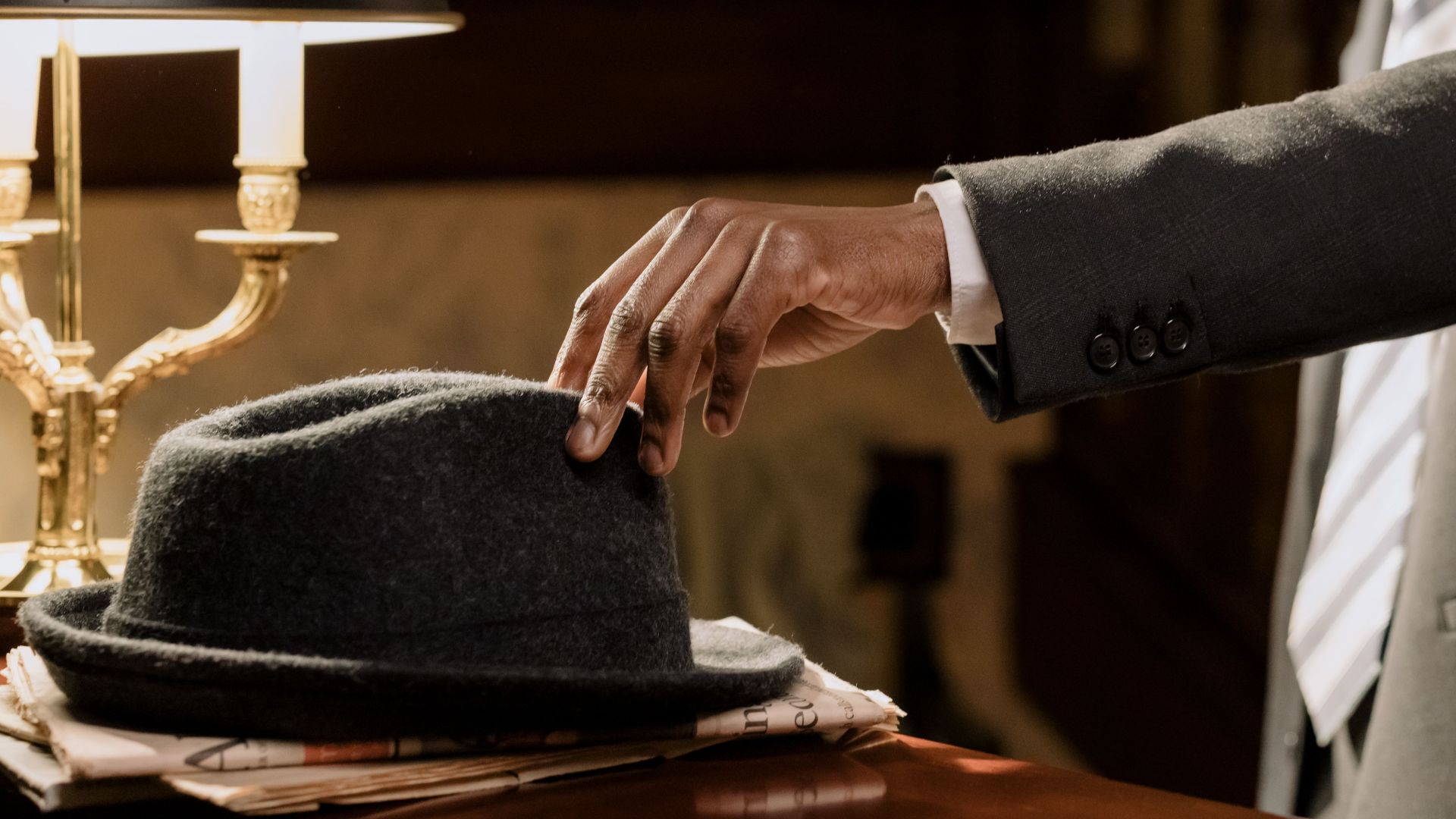
A man walking into a restaurant with his hat still on could once expect disapproving looks almost immediately. Removing it indoors was considered such basic etiquette that people often did it automatically, particularly when sitting down to eat. Baseball caps and other hats are now completely normal in casual restaurants, making this one of those rules that can instantly reveal a generational divide. Even modern etiquette guides that retain the rule tend to treat it as much more situational than it once was.
Men Pulled Out Women’s Chairs
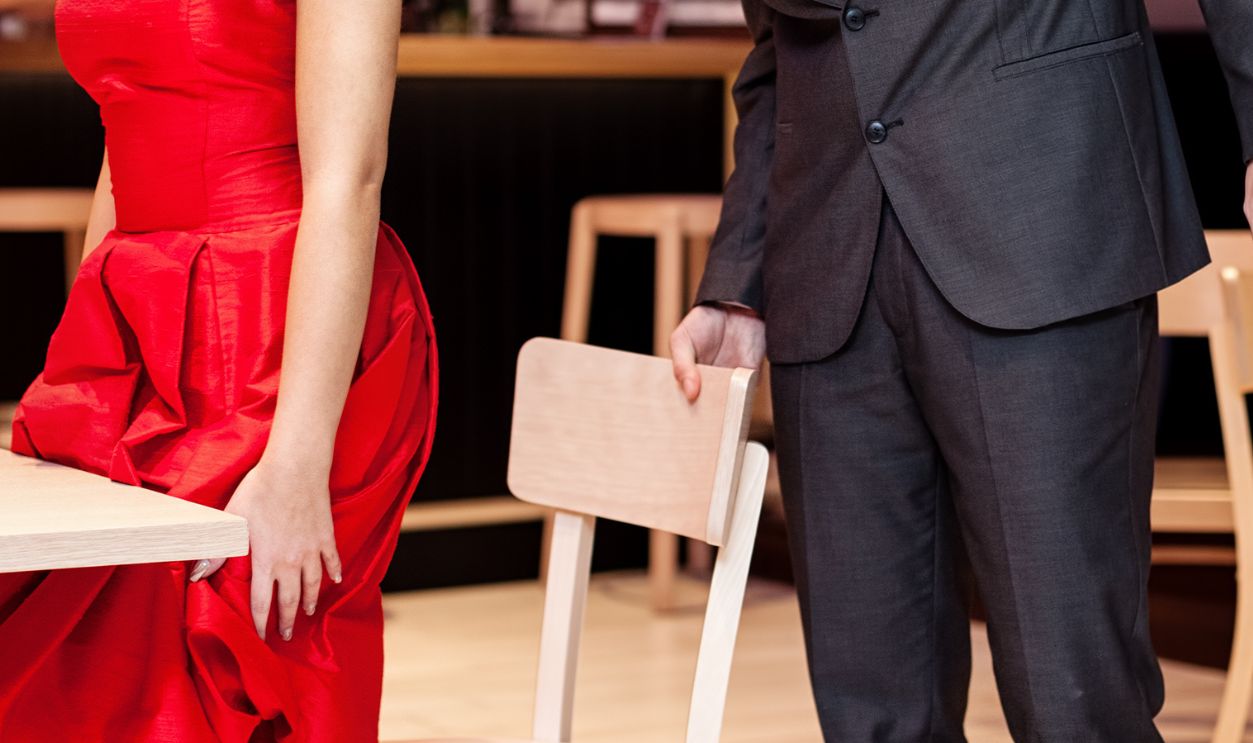
The elaborate choreography began before anyone had even ordered. A man dining with a woman was traditionally expected to pull out her chair and help position it as she sat down. Depending on how formal the restaurant was, a server might perform the same task. The gesture hasn't completely vanished, but treating it as a mandatory male responsibility certainly has. Today, pulling out someone's chair is more likely to be viewed as an optional courtesy anyone can offer rather than a requirement determined by gender.
Men Stood When A Woman Left The Table
Older etiquette could turn a simple restroom trip into a miniature ceremony. Traditionally, men at a table might stand when a woman rose to leave and then stand again when she returned, sometimes helping with her chair in the process. Even current guides occasionally preserve this bit of old-fashioned chivalry, but seeing an entire table of men repeatedly jumping to their feet during dinner would feel strikingly formal today.
 LightField Studios, Shutterstock
Women Sometimes Received Menus Without Prices
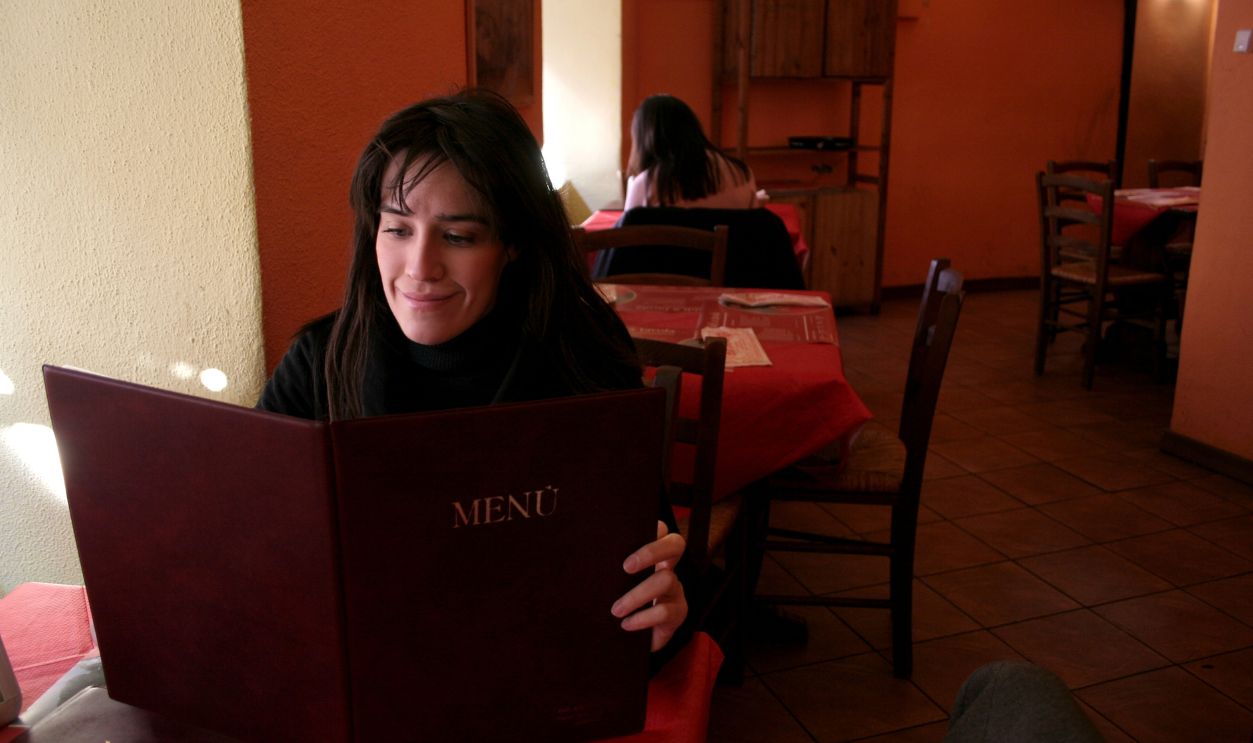
This one sounds invented, but some upscale restaurants really did provide women with separate “ladies' menus” that omitted prices. The assumption was that the man would be paying, so reminding his female guest what everything cost was considered inelegant. The practice lingered into the late 20th century and generated controversy as women increasingly objected to the sexist assumption behind it. A 1980 dispute at Los Angeles restaurant L'Orangerie helped draw attention to the custom as it faded away.
The Man Was Usually Expected To Get The Check
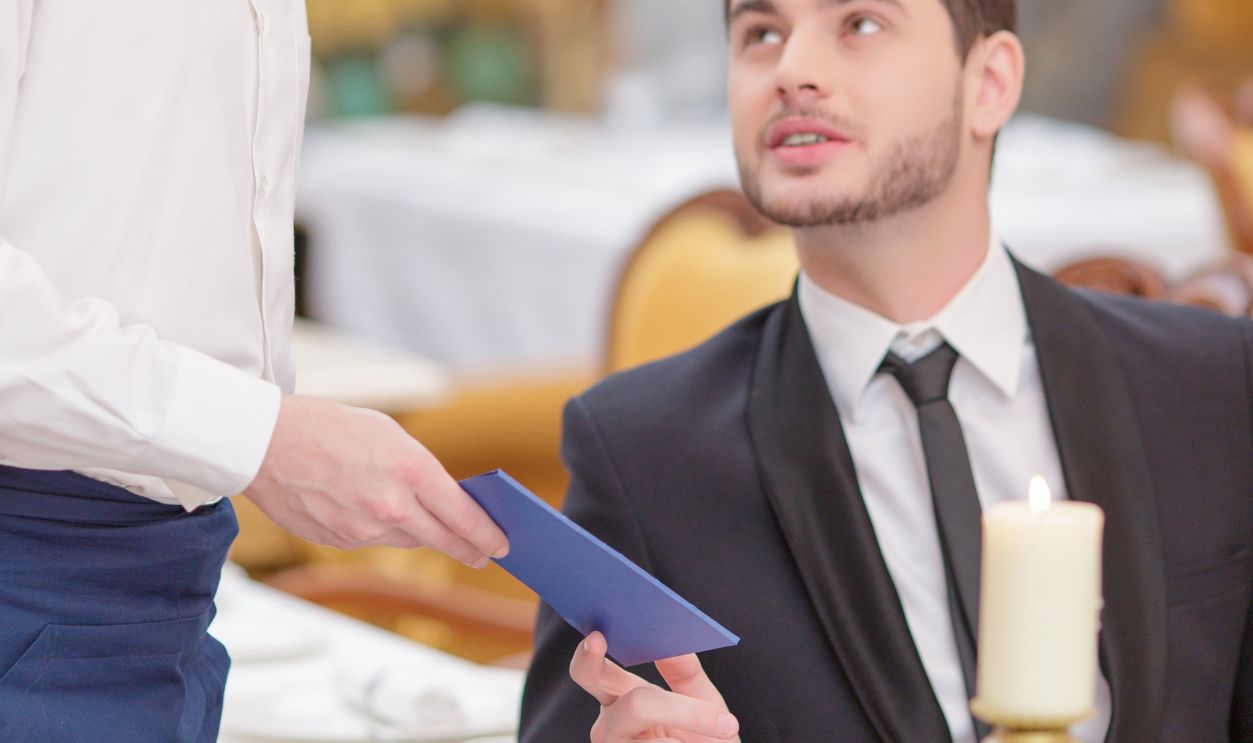
Old restaurant etiquette didn't leave much mystery about who should receive the bill on a heterosexual date. Servers generally presented it discreetly to the man, reinforcing the assumption that he'd invited the woman and therefore would pay. Modern restaurants are far less likely to make that assumption, and servers may place the check neutrally in the middle of the table or ask how the party wants to handle it. What once looked like polished service can now seem remarkably presumptuous.
 Dmytro Zinkevych, Shutterstock
Splitting The Bill Was Considered Awkward
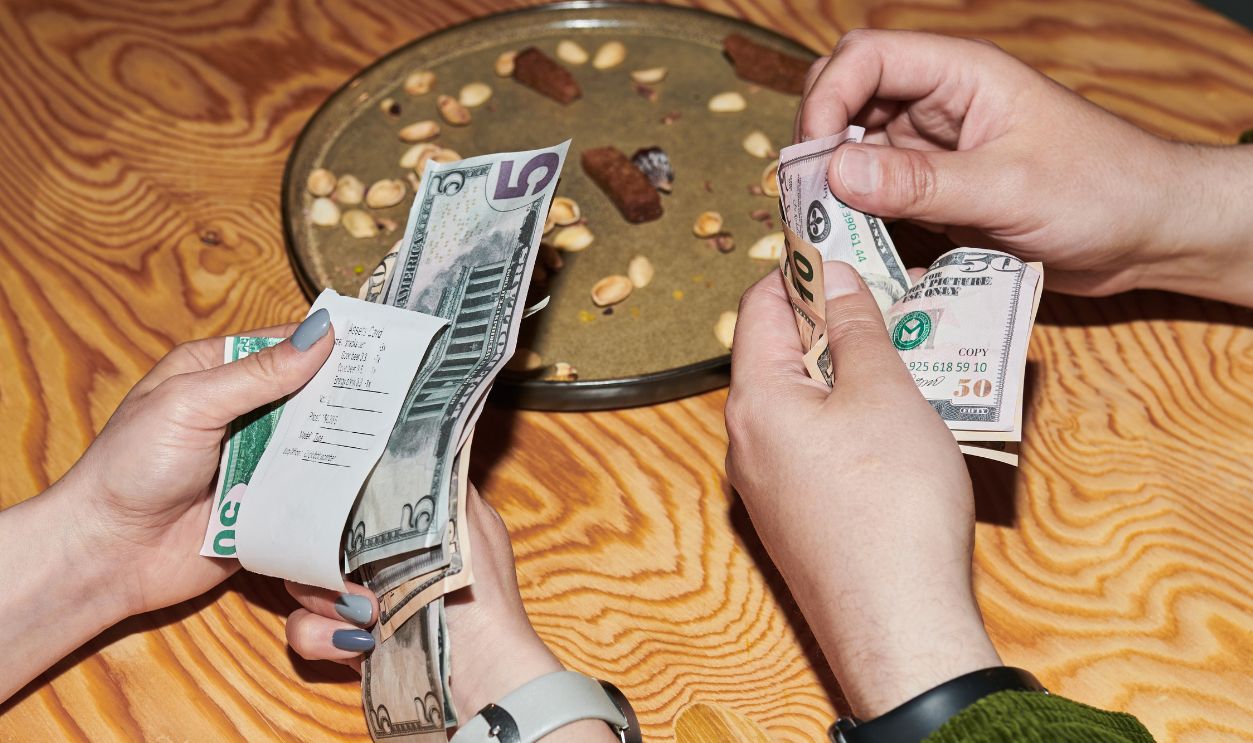
“Can you put mine on this card and hers on that one?” wasn't always a normal ending to dinner. Traditional etiquette generally assumed that whoever issued the invitation was acting as host and would pay for the meal. Asking a restaurant to divide everything among several people could be viewed as messy or embarrassingly transactional. Today, splitting checks is so common that many restaurants have systems built around it, and groups routinely calculate exactly who ordered which appetizer.
You Waited For Your Host Before Sitting
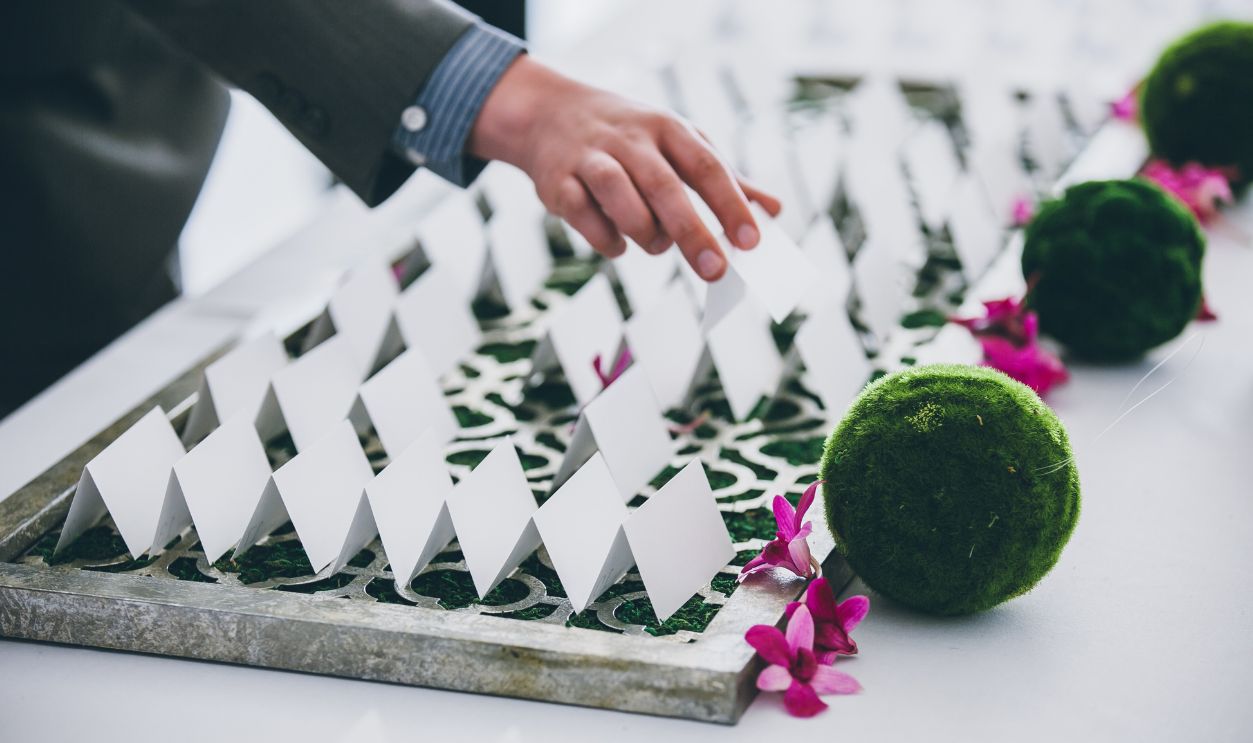
At a formal meal, guests weren't supposed to charge toward the table and claim whichever seat looked best. They watched the host, followed place cards, or waited to be shown where to sit. Even sitting down too early could be considered a small breach of manners because the host was supposed to signal that the meal was beginning. The modern “grab a seat wherever” approach would have felt unusually casual in a more traditional dining room.
 Svitlana Pimenov, Shutterstock
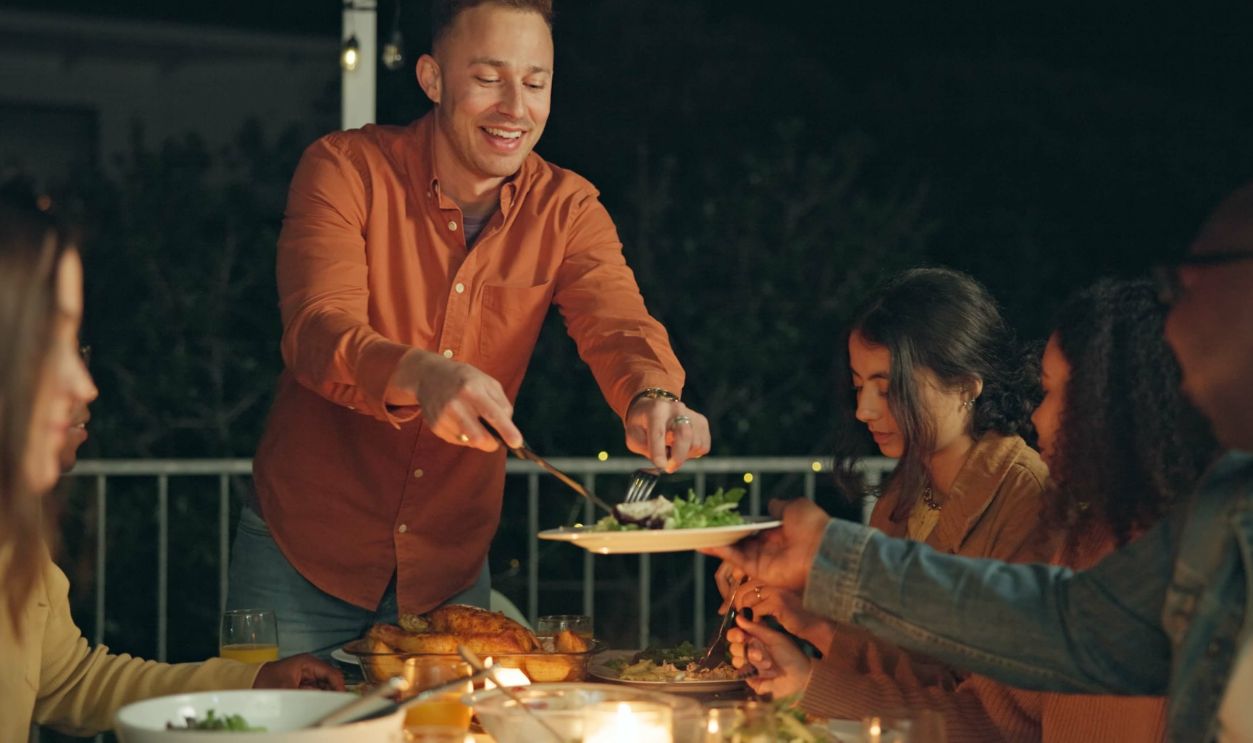
You Didn't Start Until Everyone Had Been Served
Watching your fries slowly cool while someone else's entrée was still missing wasn't merely unfortunate. It was polite. Traditional etiquette said diners should wait until everyone at the table had received their food or until the host indicated that they should begin. The rule has loosened considerably, partly because restaurants don't always deliver every dish simultaneously. These days, the person with the delayed meal will often practically beg everyone else to start eating.
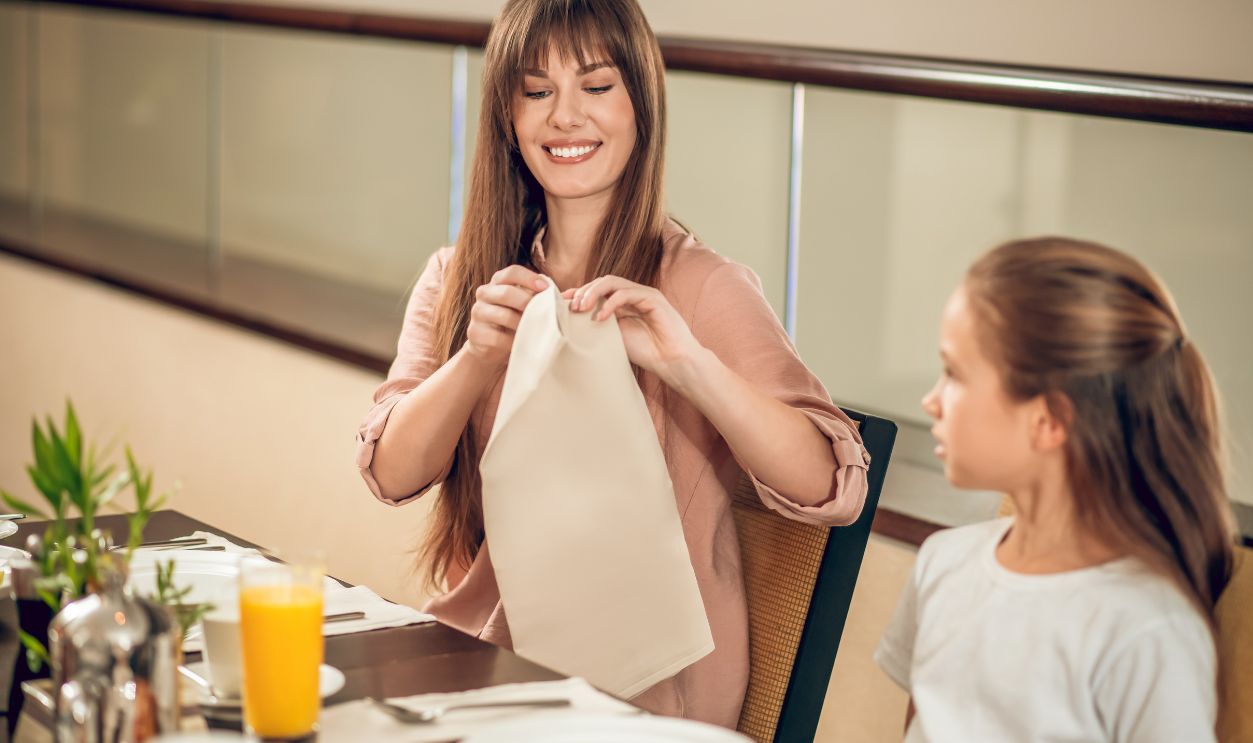
The Napkin Went On Your Lap Immediately
The napkin wasn't supposed to remain folded beside your plate until things got messy. Once seated and settled, diners traditionally placed it across their laps and kept it there throughout the meal. That remains standard advice in formal dining, but casual restaurant culture has made the ritual much less automatic. Paper napkins sometimes stay on the table until needed, while cloth napkins can leave inexperienced diners wondering whether they're supposed to unfold the elaborate swan sitting in front of them.
 Dmytro Zinkevych, Shutterstock
Even Leaving Your Napkin Had Rules
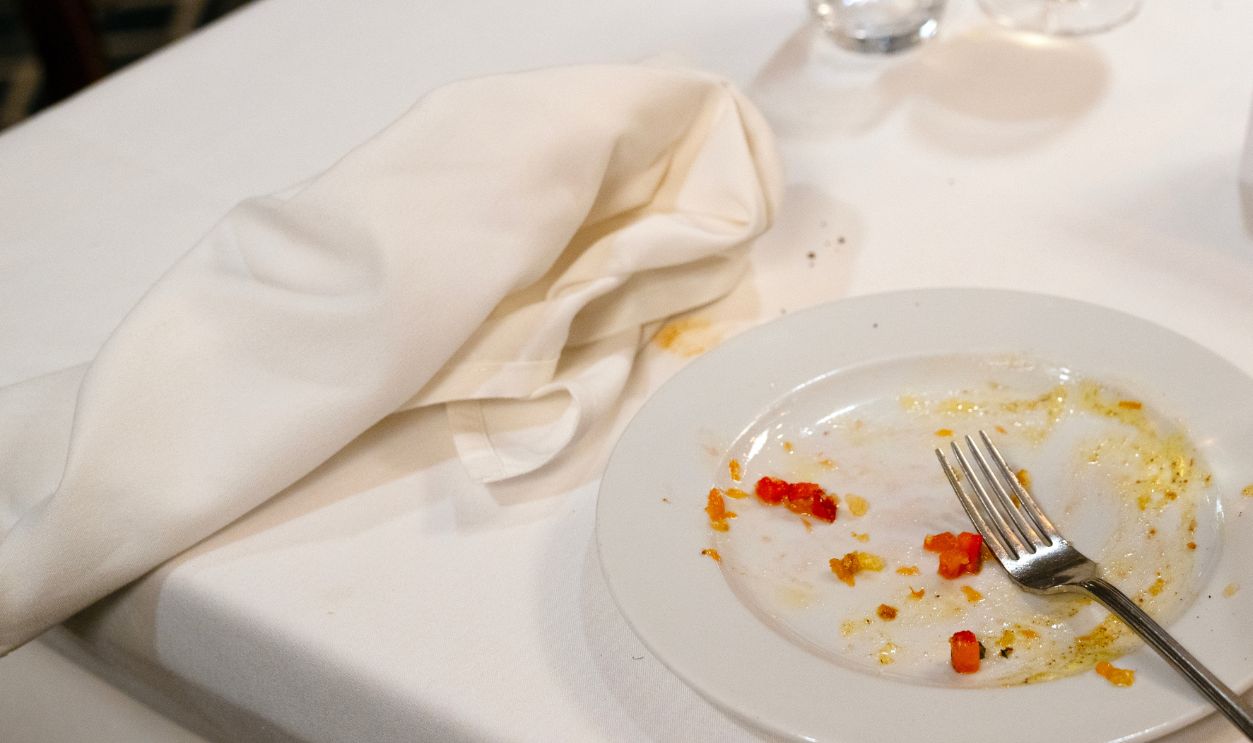
Getting up from the table didn't free you from napkin etiquette. Traditional rules dictated where it should go when you temporarily stepped away and where it belonged when dinner ended. The Emily Post Institute recommends loosely placing it to the left of your setting rather than throwing it onto the plate or leaving it on your chair. It's a wonderfully specific rule for an object most modern diners are mainly concerned with keeping out of the marinara sauce.
Elbows Were Strictly Off The Table
Few rules were drilled into children more aggressively than “elbows off the table.” Resting your arms on the tabletop while eating was associated with poor posture, laziness, and sloppy manners. The surprising part is that traditional etiquette was never quite as rigid as many parents made it sound. Emily Post etiquette allows elbows on the table while conversing between courses or after the meal, but not while actively eating. Today, plenty of diners don't think about the rule at all.

You Had To Know Which Fork Came First
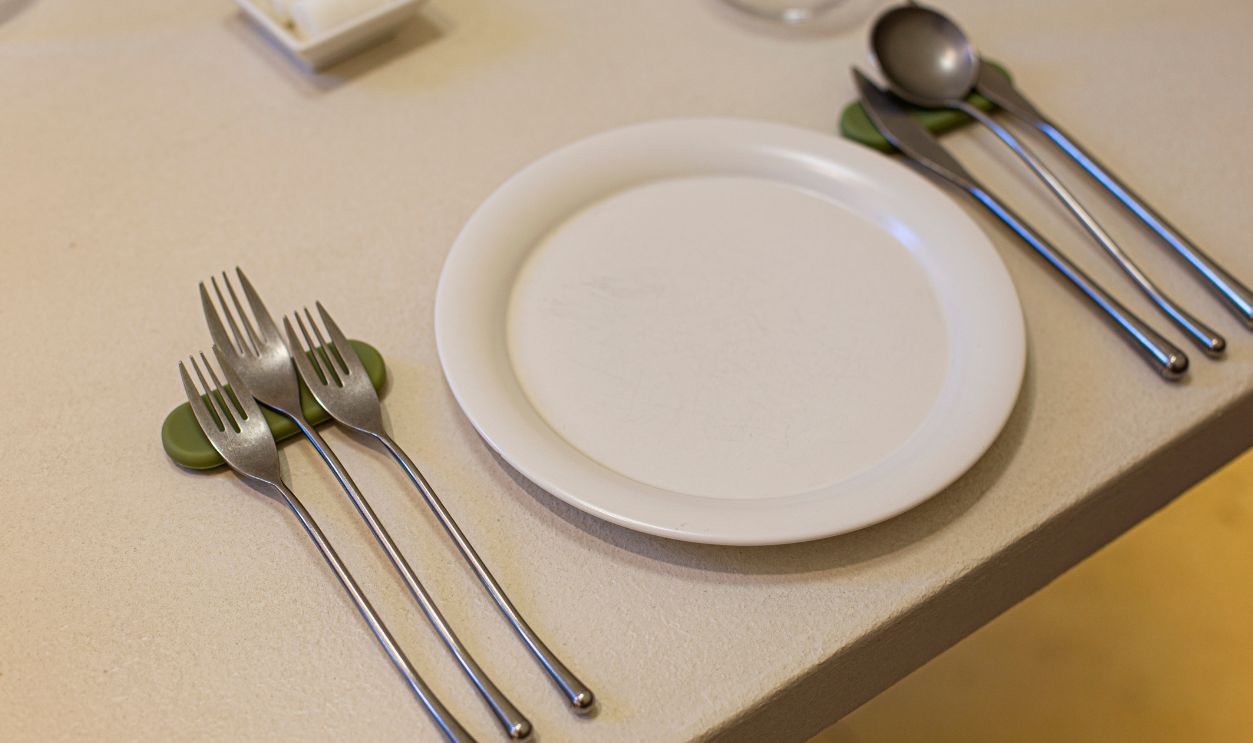
A formal place setting could look like somebody had emptied the silverware drawer around your plate. The secret was to start with the outermost utensils and work inward as each course arrived. Salad forks, dinner forks, soup spoons, dessert utensils, and specialty pieces all had designated jobs. Younger diners encountering three forks today might reasonably wonder why one fork can't simply do some overtime, but knowing the correct order was once considered a basic mark of polished dining.
Your Bread Plate Was Always On The Left
Formal tables were crowded enough that diners needed to know which small plate and glass actually belonged to them. The bread plate went on the left, while beverages belonged on the right. Etiquette instructors still teach the “B and D” hand trick to help people remember the arrangement. It mattered because accidentally grabbing your neighbor's bread plate could create a chain reaction around the table in which everyone suddenly had ownership problems with their dinner roll.
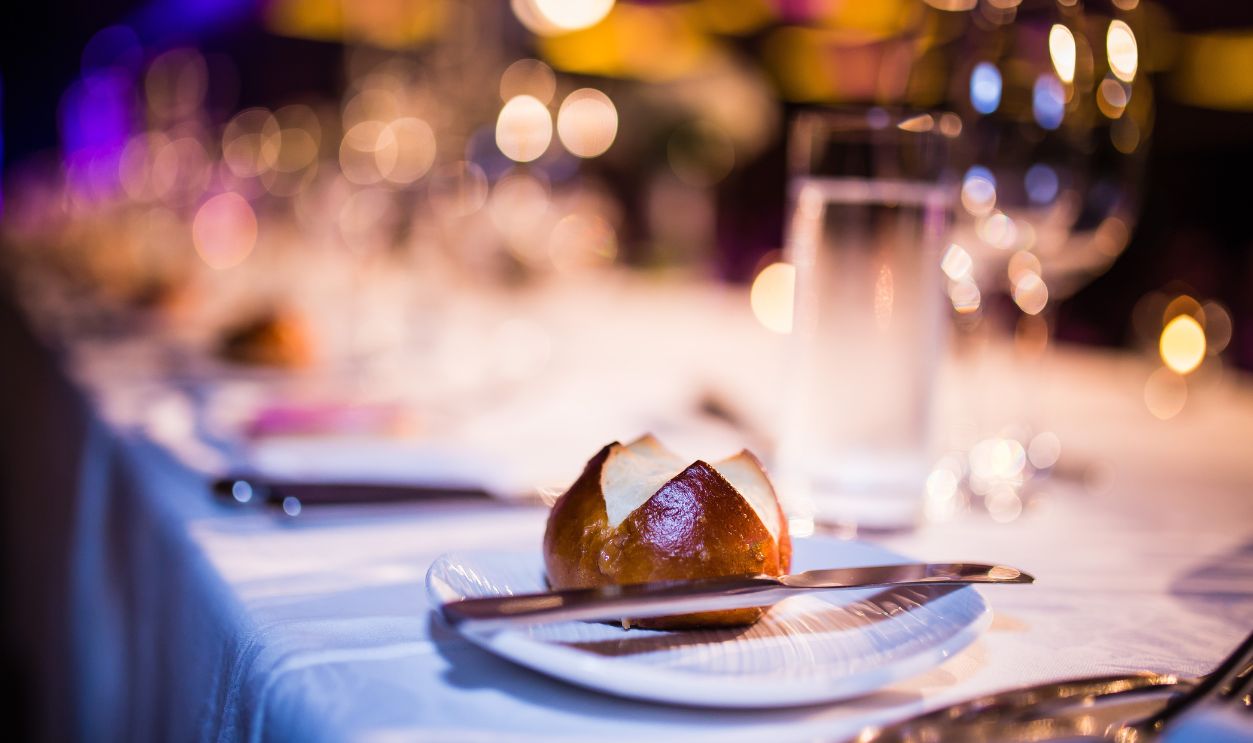
Bread Was Never Simply Bitten
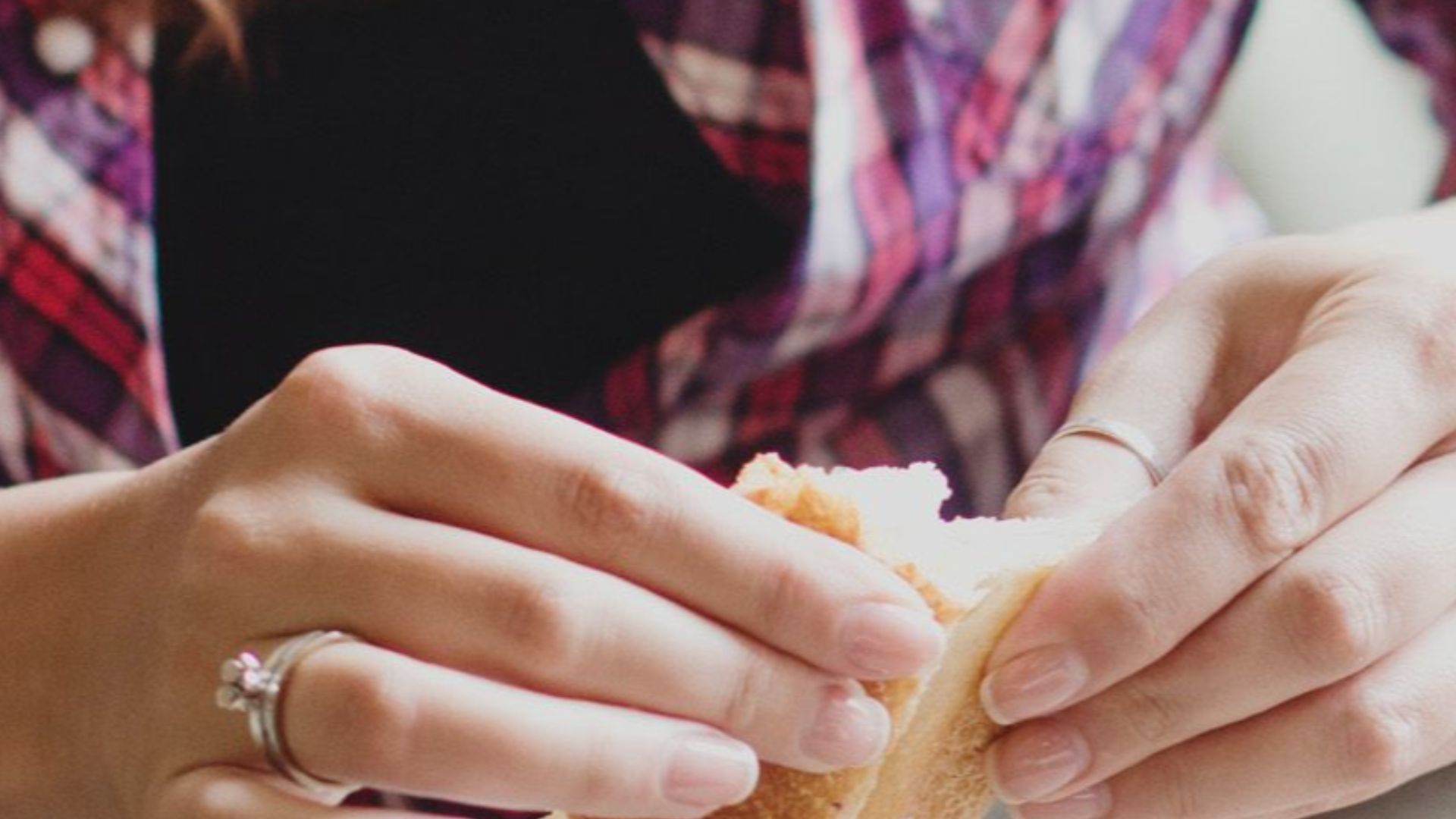
Apparently even bread required technique. Traditional manners called for breaking off one bite-sized piece of a roll or slice at a time rather than picking up the whole thing and taking a bite. Then you buttered that small piece, ate it, and repeated the process. Buttering an entire dinner roll as though you were making toast could mark you as an amateur in a formal dining room. It's an impressive amount of procedure for something served free in a basket.
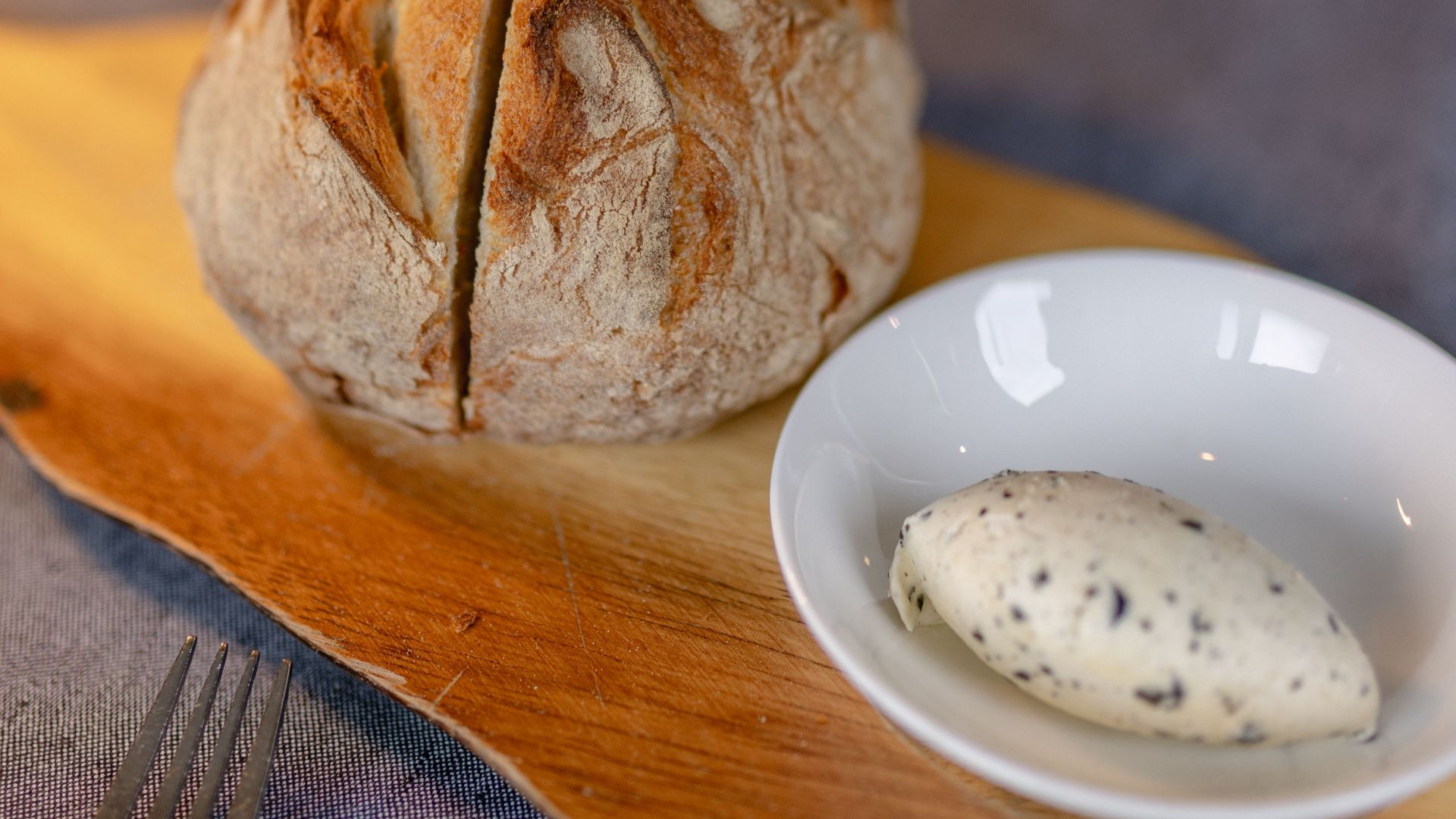
The Communal Butter Had Its Own Protocol
If butter arrived in a shared dish, diners weren't supposed to repeatedly drag their personal knives through it. Instead, you transferred a portion of butter to your own bread plate using the serving utensil and worked from there. This kept crumbs and other food off the communal butter. It's actually one of the fussier old rules that makes considerable practical sense, although most people probably haven't contemplated the social consequences of contaminated butter since their grandmother stopped supervising dinner.
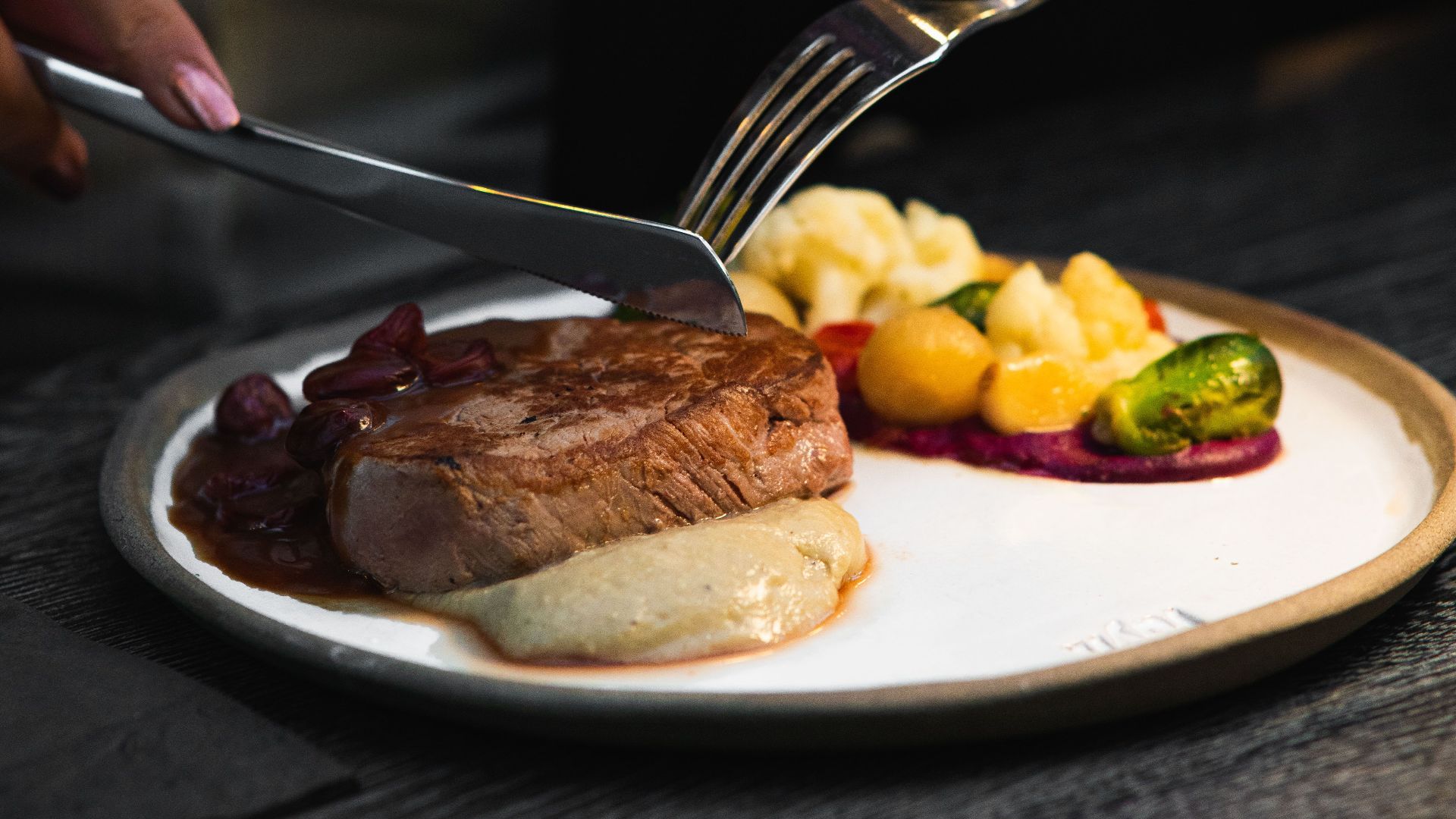
You Cut Only One Bite At A Time
Slicing your entire steak into neat little pieces before eating it may be efficient, but traditional American etiquette says otherwise. Diners were expected to cut one or perhaps two bites at a time and then eat them before cutting more. Preparing the whole entrée in advance could make an adult appear childish because it resembled the way parents cut food for young children. Emily Post still recommends the one-bite-at-a-time approach, although few casual restaurants are going to sound an alarm if you ignore it.
Reaching Across The Table Was A Serious Faux Pas
If the salt was three feet away, your arm wasn't supposed to go exploring. Diners were expected to ask another person to pass anything beyond comfortable reach instead of leaning across plates and interrupting everyone else's space. The same principle applied to bread baskets, condiments, and serving dishes. This rule hasn't disappeared entirely because reaching across someone's meal remains annoying, but the formal ritual of passing everything carefully around the table has become much less noticeable in casual restaurants.
Salt And Pepper Traveled Together
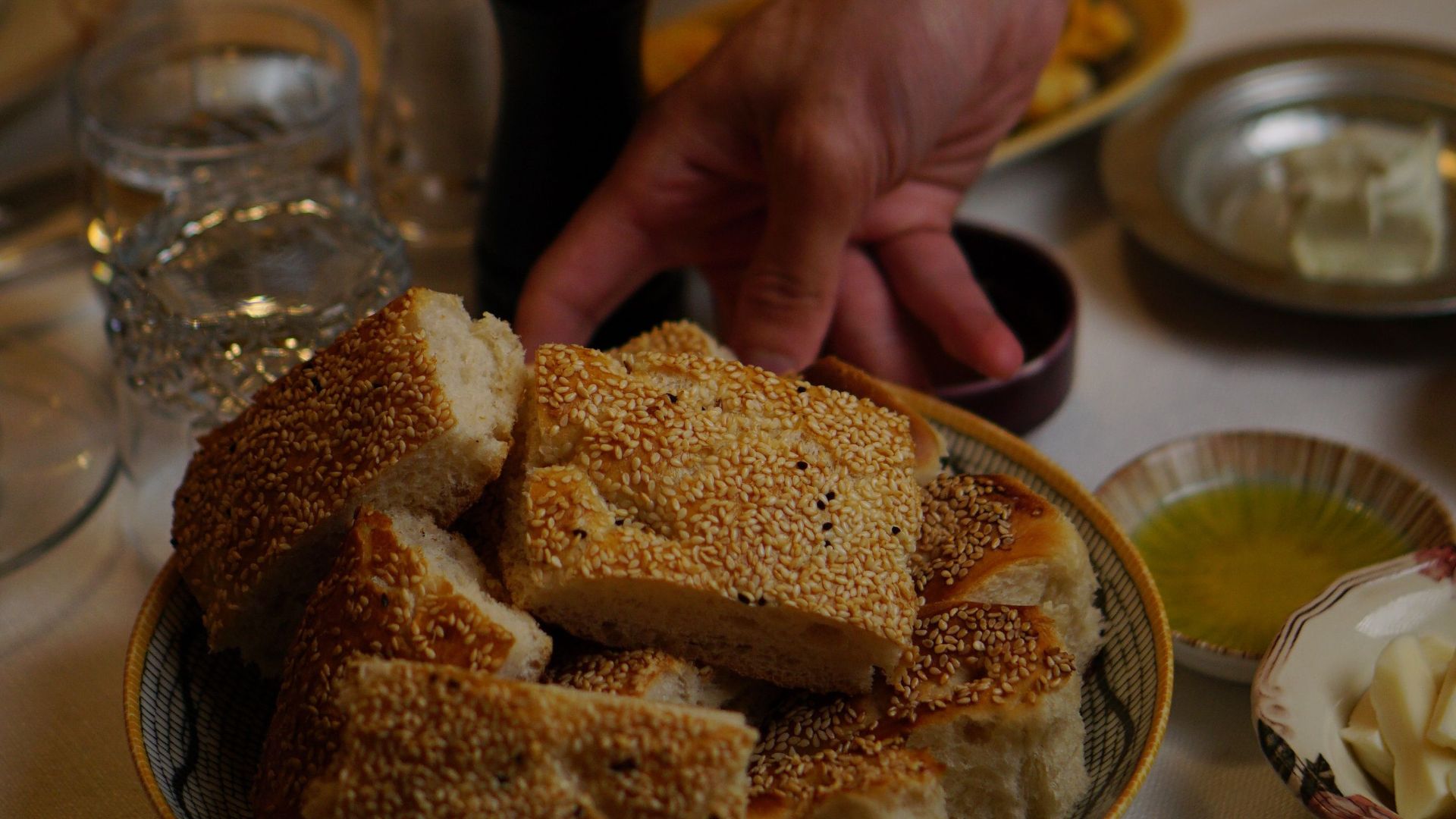
Even condiments came as a matched set. If another diner asked for the salt, traditional etiquette instructed you to pass both salt and pepper together so they wouldn't become separated around the table. The recipient could simply ignore whichever one they didn't need. It's the sort of tiny rule older generations were expected to know without thinking, while a younger diner might reasonably wonder why the pepper needs to accompany the salt on a completely unnecessary field trip.
You Tasted Food Before Adding Seasoning
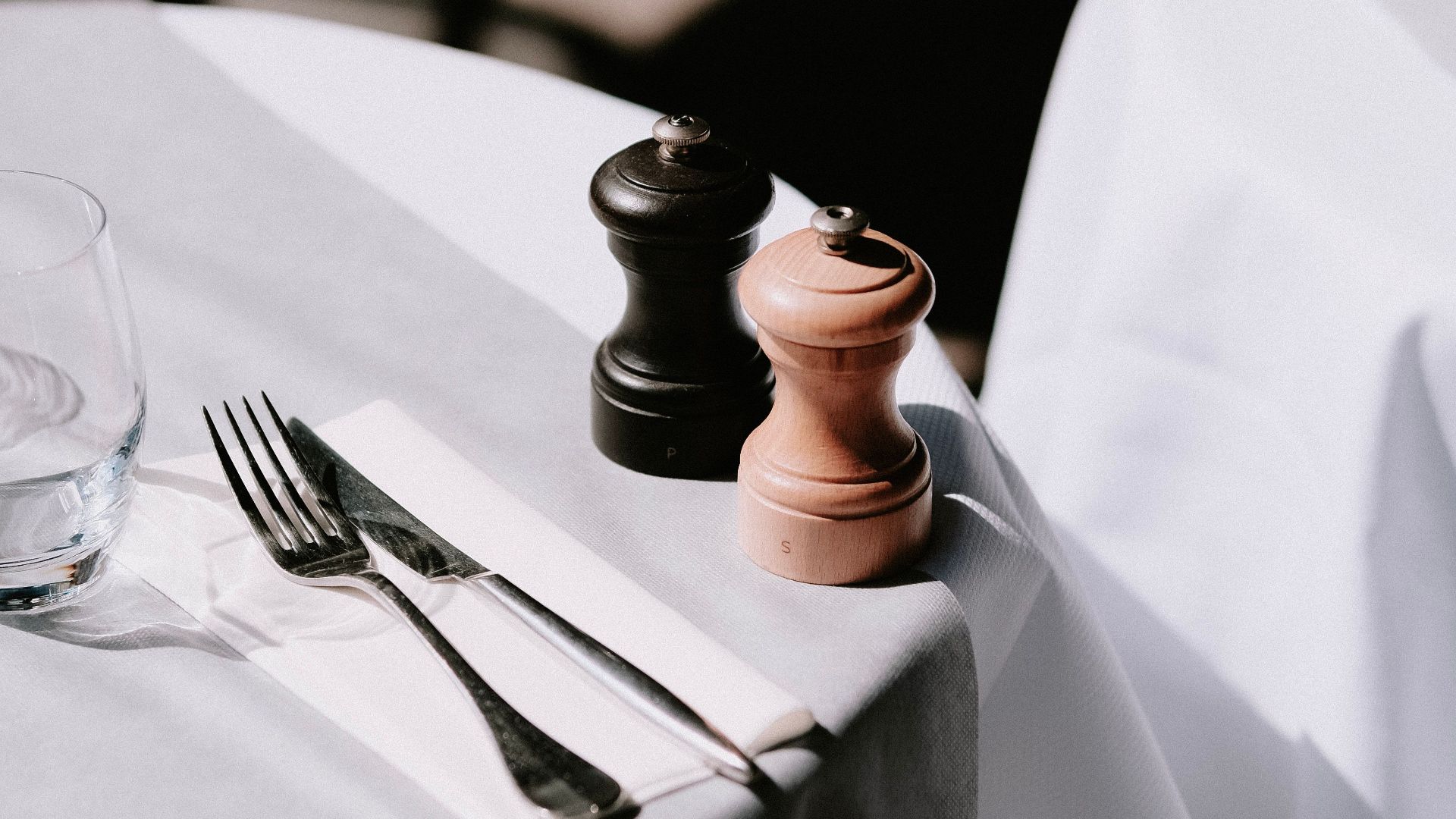
Grabbing the salt shaker before trying your meal could once be interpreted as an insult. The idea was simple: seasoning food before tasting it suggested that you'd already decided the chef hadn't done the job properly. Etiquette therefore encouraged diners to take a bite first and season afterward if necessary. The principle still survives among food lovers and restaurant professionals, but it isn't something most people expect to trigger a formal lecture at the dinner table anymore.
Blowing On Hot Food Was Considered Rude
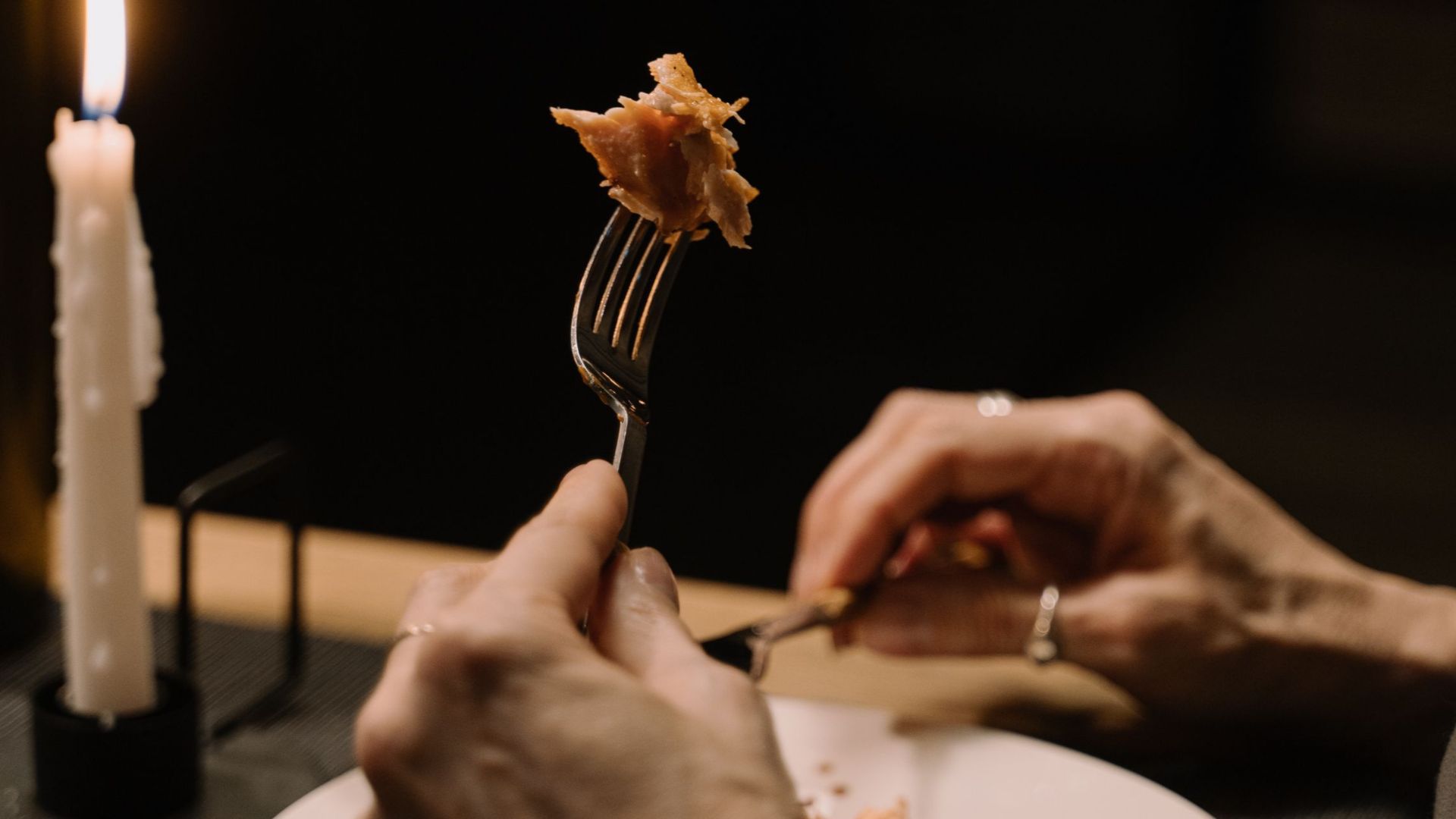
That steaming spoonful of soup apparently needed patience, not assistance. Traditional etiquette discouraged blowing on hot food or beverages at the table. Instead, diners were expected to wait quietly for the food to cool enough to eat comfortably. Slurping was equally unwelcome, which left you with one solution: sit there and wait while your soup gradually became less dangerous. It's elegant, certainly, although not particularly useful when you're starving.
Slouching Could Make You Look Unrefined
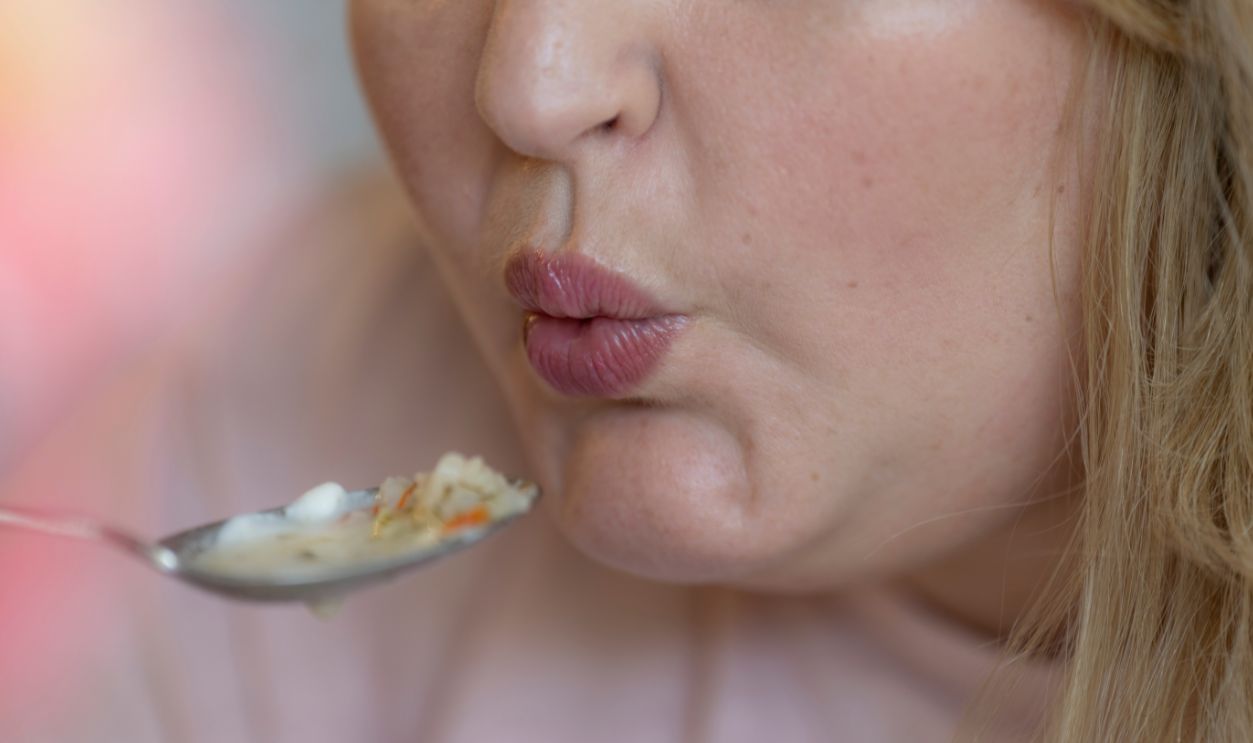
Good posture wasn't merely something teachers nagged children about. At a formal restaurant, sitting upright was part of presenting yourself as a polished diner. Leaning heavily over the plate, slouching in the chair, or practically meeting your fork halfway could all look sloppy. Traditional etiquette instead instructed diners to bring the food toward their mouths. Modern restaurants are considerably more relaxed, although sprawling across the table like you've just finished a twelve-hour shift probably still isn't the strongest first-date strategy.
You Stayed Until Everyone Was Finished
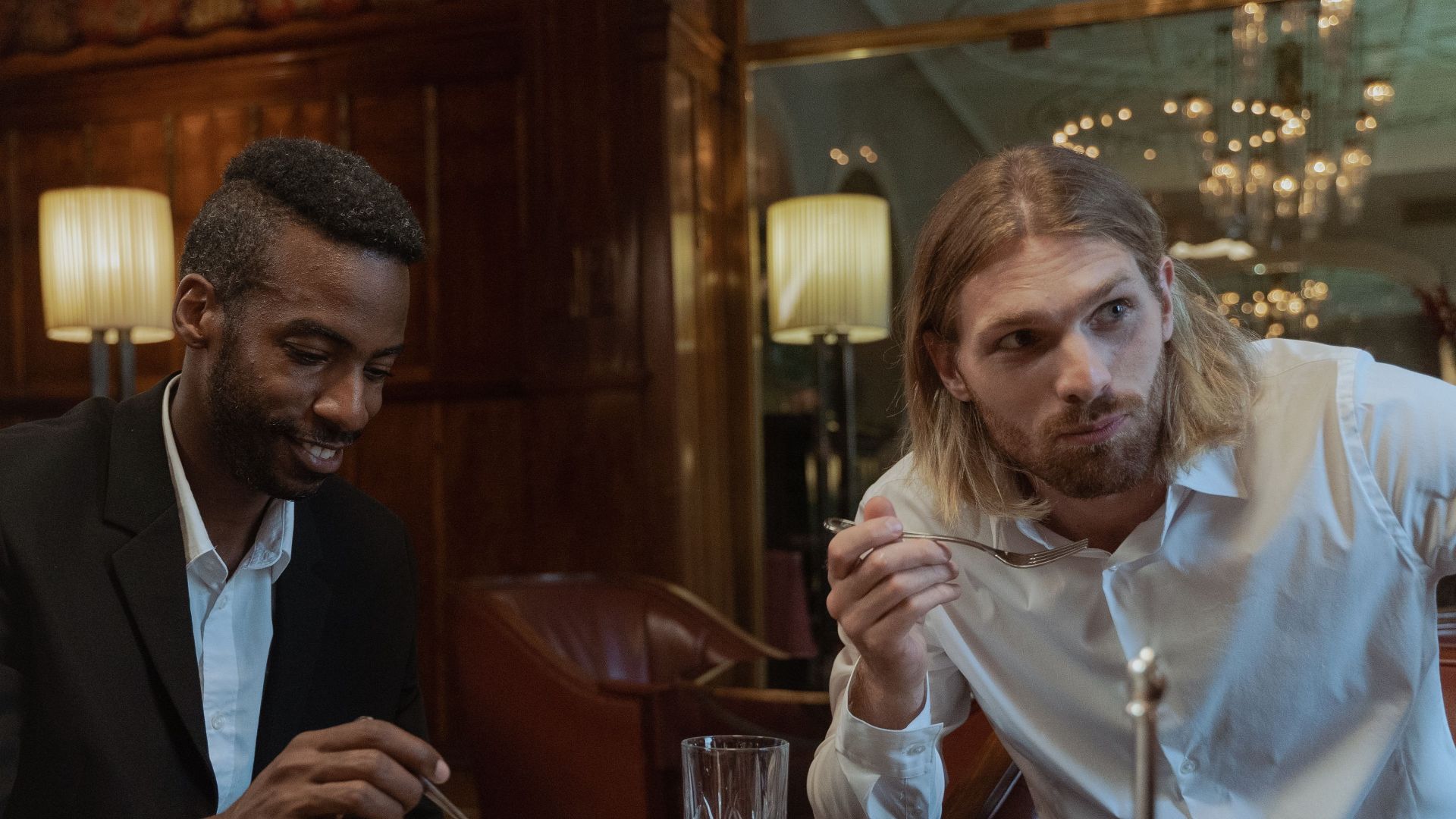
Finishing dinner didn't traditionally mean you were free to immediately disappear. Meals were social occasions, and diners were expected to remain at the table while everyone else finished. Children might even have to formally ask, “May I be excused?” before getting up. That practice now survives mostly in more traditional households and formal settings, but there was a time when simply eating your last bite and wandering away could look astonishingly rude.

You Never Pushed Your Finished Plate Away
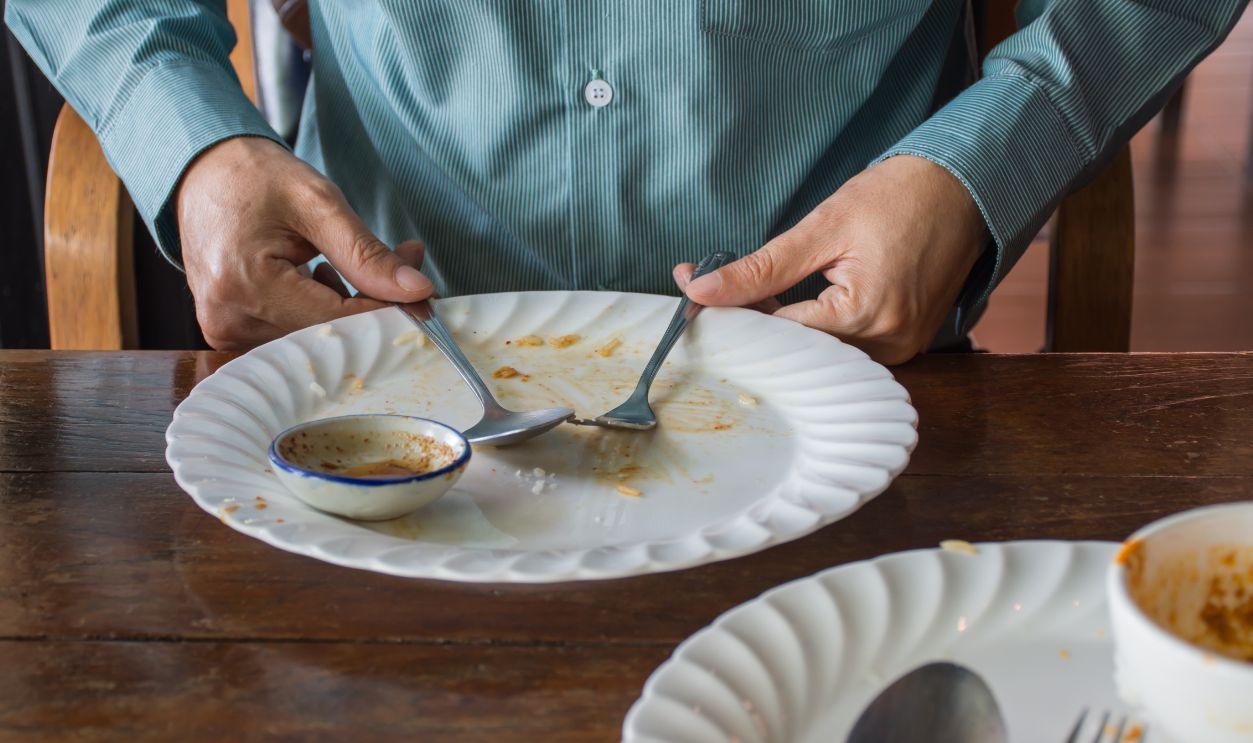
Once you'd finished eating, shoving your plate toward the middle of the table wasn't the polite way to announce it. Traditional etiquette said to leave the plate where it was and communicate with your silverware instead. Even today, Emily Post specifically advises against pushing the plate away. The goal was to let the server clear the table without diners rearranging everything themselves, which meant there was apparently a proper way to do absolutely nothing after finishing dinner.
Your Knife And Fork Secretly Talked To The Server
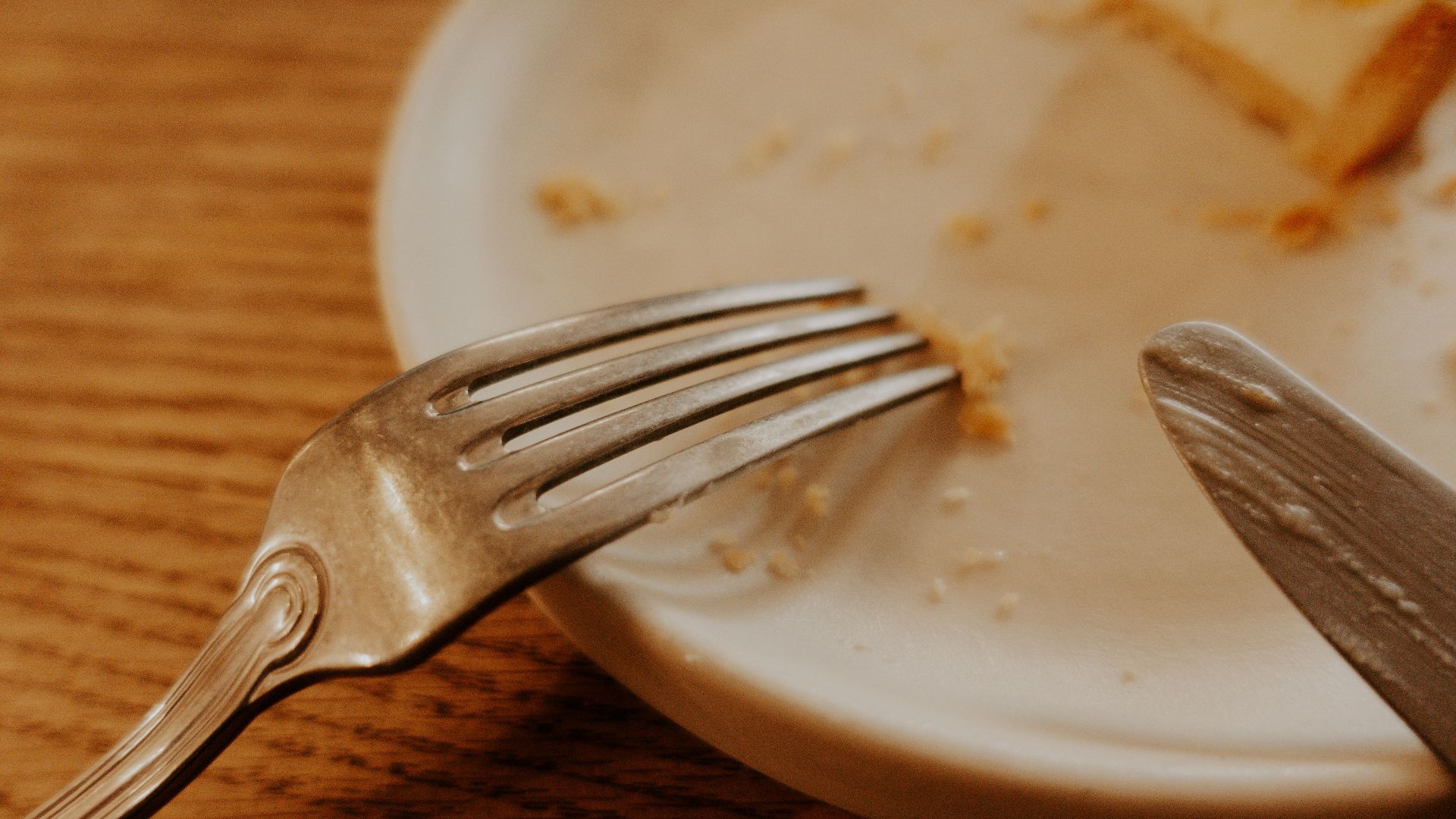
Diners once used the position of their utensils to quietly communicate with restaurant staff. Resting them one way indicated that you were pausing, while placing the knife and fork together on the plate, often around the four-o'clock position, signaled that you'd finished. The server could therefore read the table without repeatedly asking questions. Plenty of fine-dining restaurants still recognize the system, but many younger diners probably had no idea their abandoned fork has supposedly been sending coded messages all night.
Grooming At The Table Was Absolutely Off-Limits
Fixing your hair, applying makeup, flossing your teeth, or performing any other personal maintenance at the table was traditionally considered inappropriate. The restroom existed for exactly that sort of thing. Emily Post still advises against touching your hair or face excessively and explicitly puts dental picking and flossing on the “no” list. Modern diners may be less scandalized by someone touching up lipstick, but pulling out dental floss between the entrée and dessert is still unlikely to win many converts.

Phone Calls Would Have Required Leaving The Table
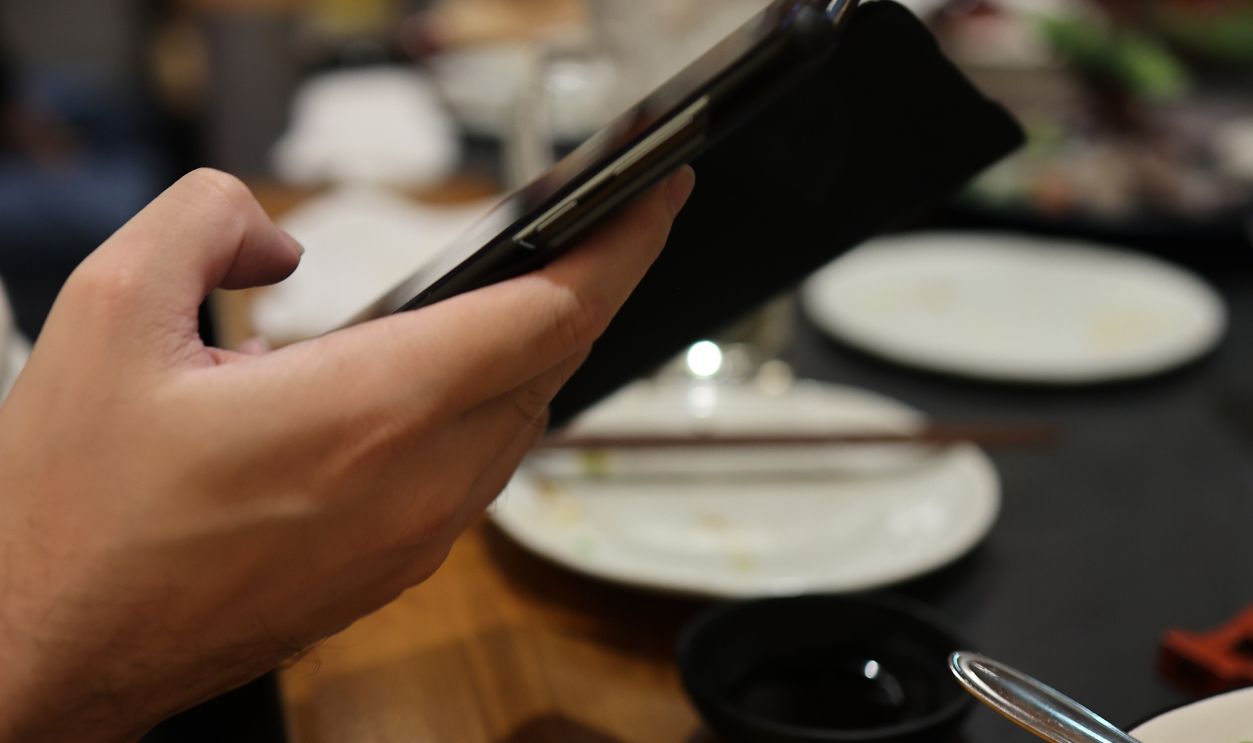
Phones obviously weren't part of traditional restaurant etiquette until relatively recently, but they quickly acquired a firm rule of their own: they didn't belong at the table. Calls were supposed to be taken elsewhere, and later etiquette extended the same logic to texting. Today, photographing food, checking messages, and even placing a phone beside the silverware are completely normal. Older etiquette treats dinner as a social event, though, which means whoever is physically sitting across from you is supposed to outrank whoever just texted.
Toasts Were Supposed To Be Short And Prepared
Standing up and improvising a twelve-minute story about the guest of honor wasn't considered charming. Formal dining etiquette treated toasts as small ceremonial moments that should be prepared in advance, delivered clearly, and kept brief. Elaborate group clinking wasn't always necessary either, especially around large tables where attempting to reach every glass could become its own athletic event. Modern restaurant celebrations are far more spontaneous, but traditional diners treated a proper toast as something worth getting right.
Dining Out Was Basically A Performance
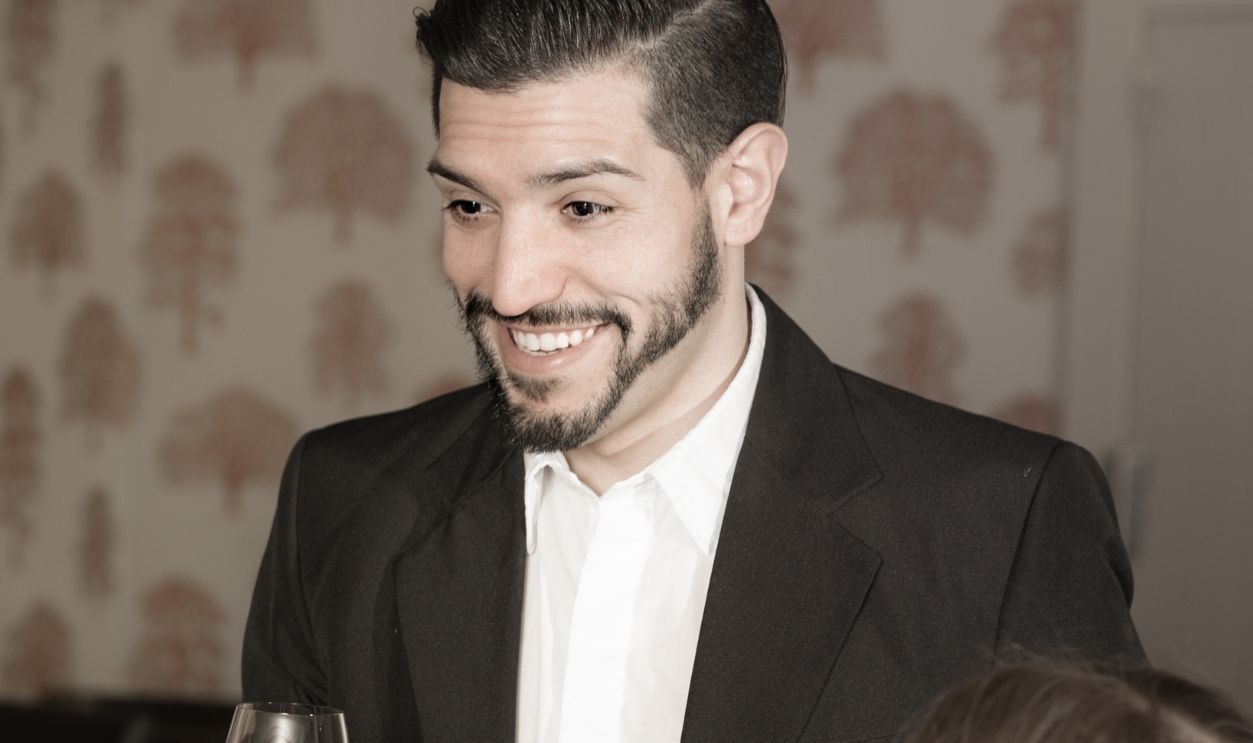
None of these rules meant the food tasted better, and plenty reflected class and gender expectations that deserved to disappear. Still, old-school dining etiquette turned a restaurant meal into something closer to a carefully choreographed social ritual. You dressed correctly, sat correctly, ate correctly, and somehow remembered which tiny fork belonged to the salad. Younger diners may have escaped the rulebook, but anyone who survived dinner under the watchful eye of an etiquette-obsessed grandparent probably remembers it well.
You May Also Like:
Things Americans Do At Restaurants That Confuse Europeans When They Visit
Foodies, Take Note: These Are The 50 Best Restaurants In The World