An Ice Age Survival Story Is Being Rewritten
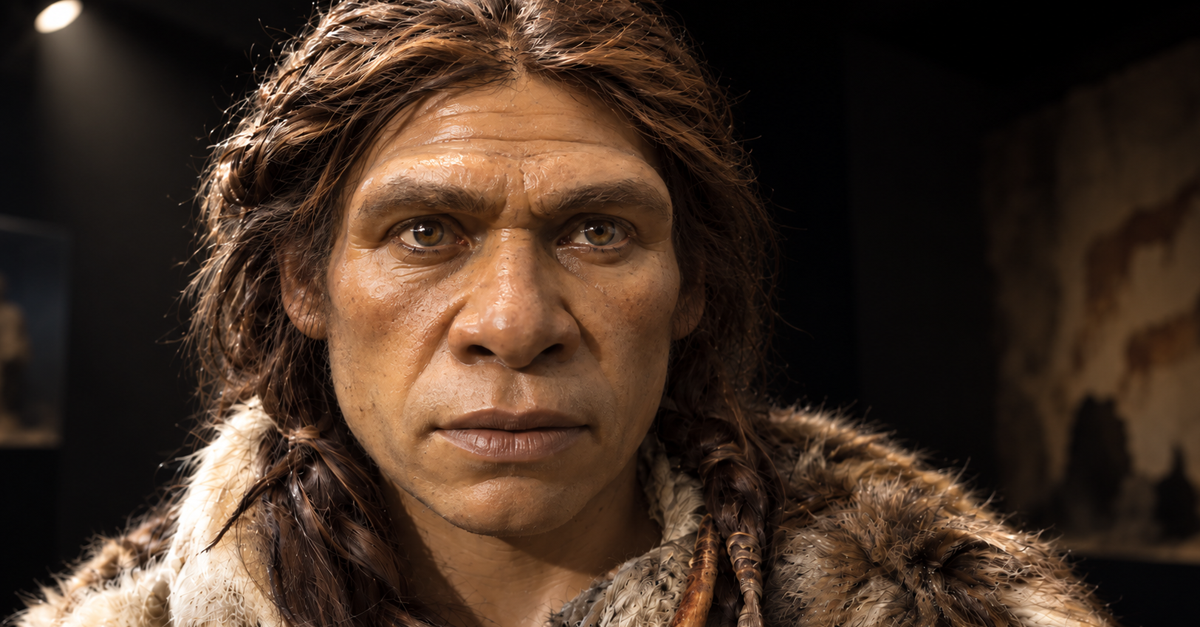
Around the coldest stretch of the last Ice Age, much of Europe became brutally inhospitable to most animals. But a 2004 genetic study of over 20 mammal species found that humans were among the best at adapting to a new way of life after this climate disaster.
There Is An Important Catch
The study found that Homo sapiens belonged to a group of eight mammals showing extremely widespread genetic patterns, including wolves and brown bears. What makes humans remarkable is how unexpected that resilience appears.
Europe Was Living Through A Climate Extreme
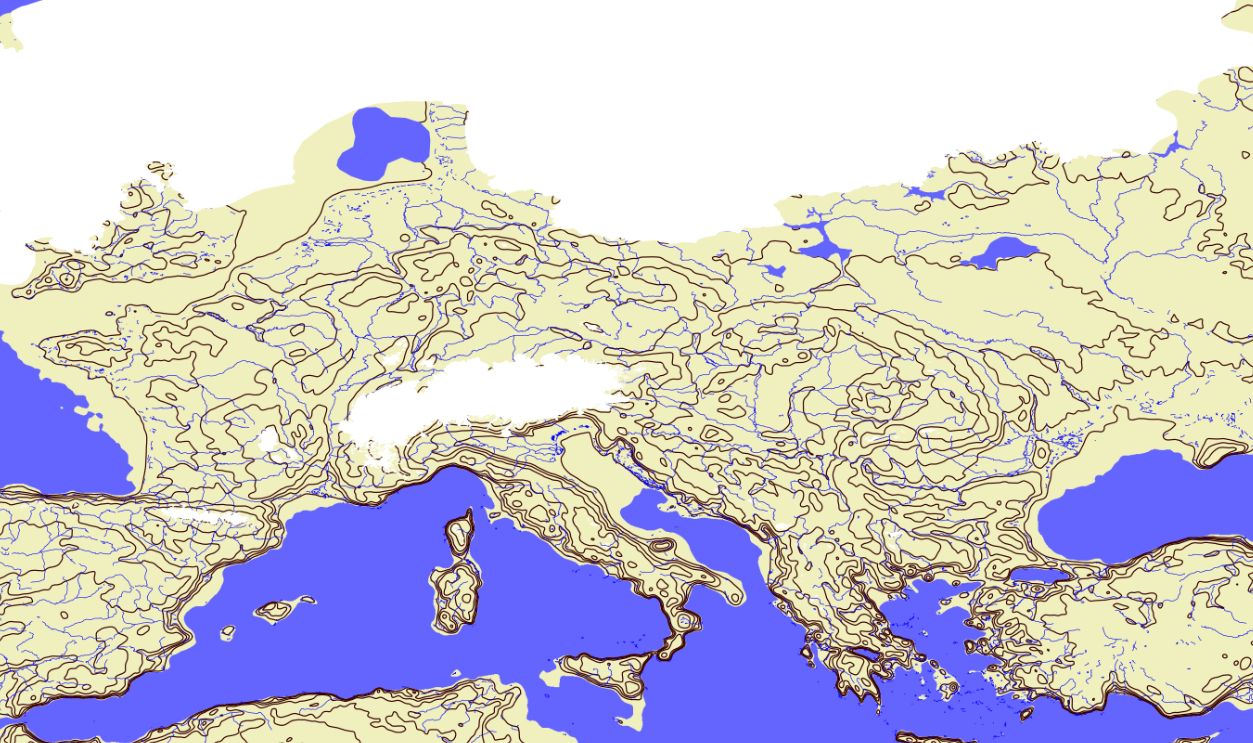
The Last Glacial Maximum marked the period when global ice sheets reached their greatest recent extent. Geological evidence places that maximum broadly between about 26,500 and 19,000 years ago. Sea levels were dramatically lower, while enormous ice masses transformed northern landscapes.
Ice Did Not Cover Everything
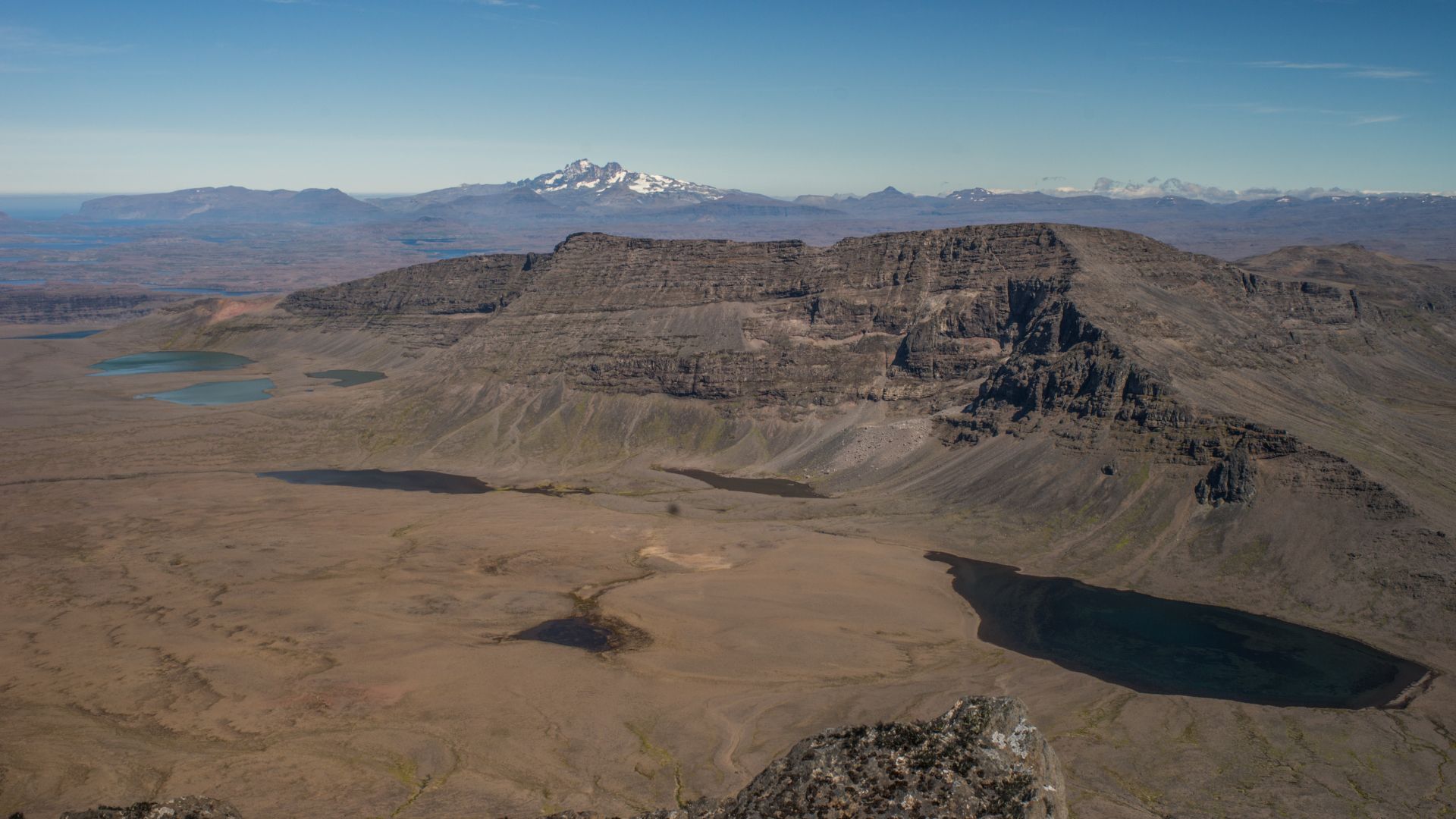
Even at the glacial maximum, Europe was not one continuous sheet of ice. Vast unglaciated areas remained south of the major ice sheets, although conditions could resemble polar desert or steppe-tundra. Humans therefore faced cold, dry environments rather than simply living beside glaciers.
 Armand Patoir (talk · contribs), Wikimedia Commons
Scientists Expected A Retreat South
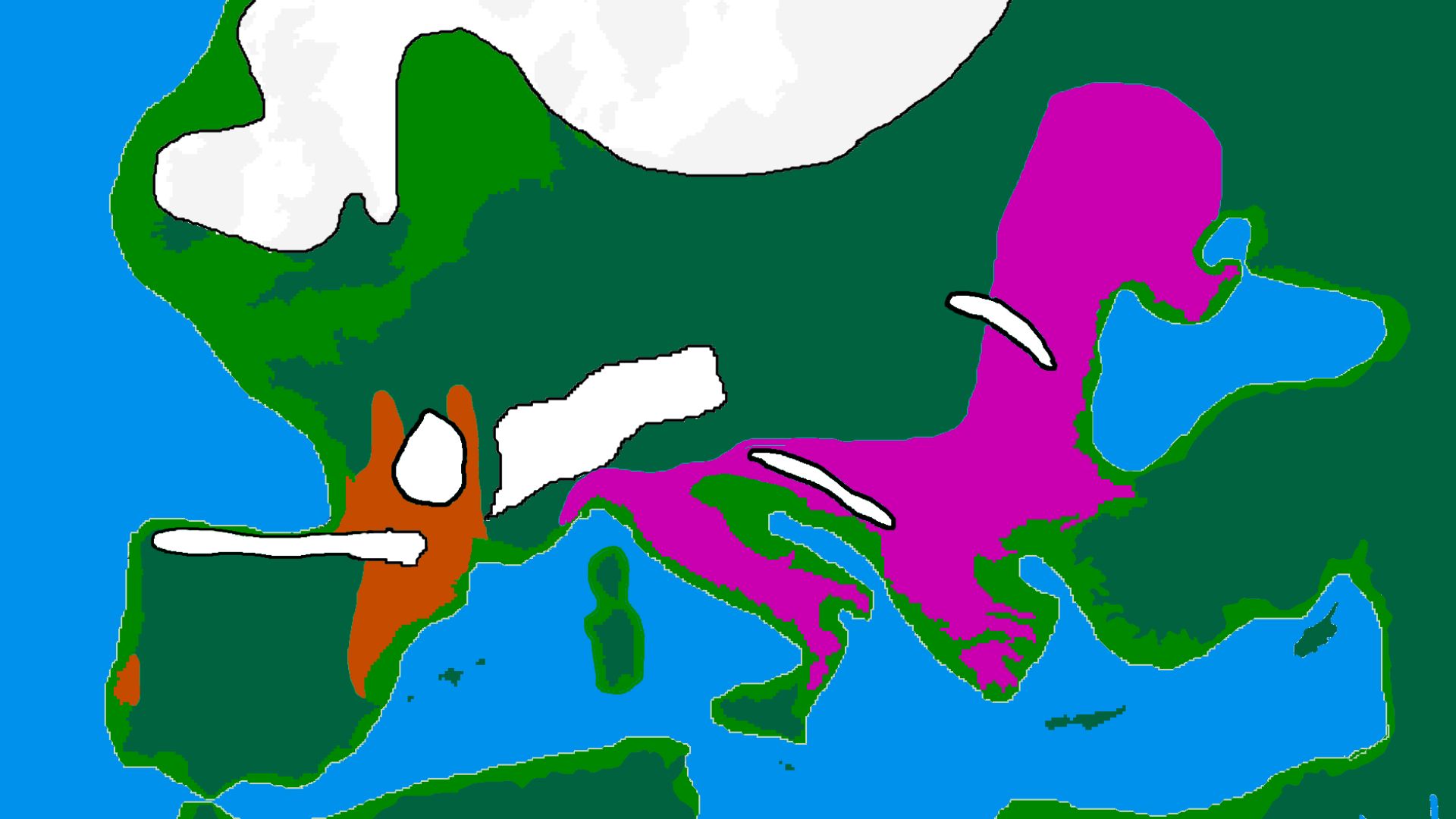
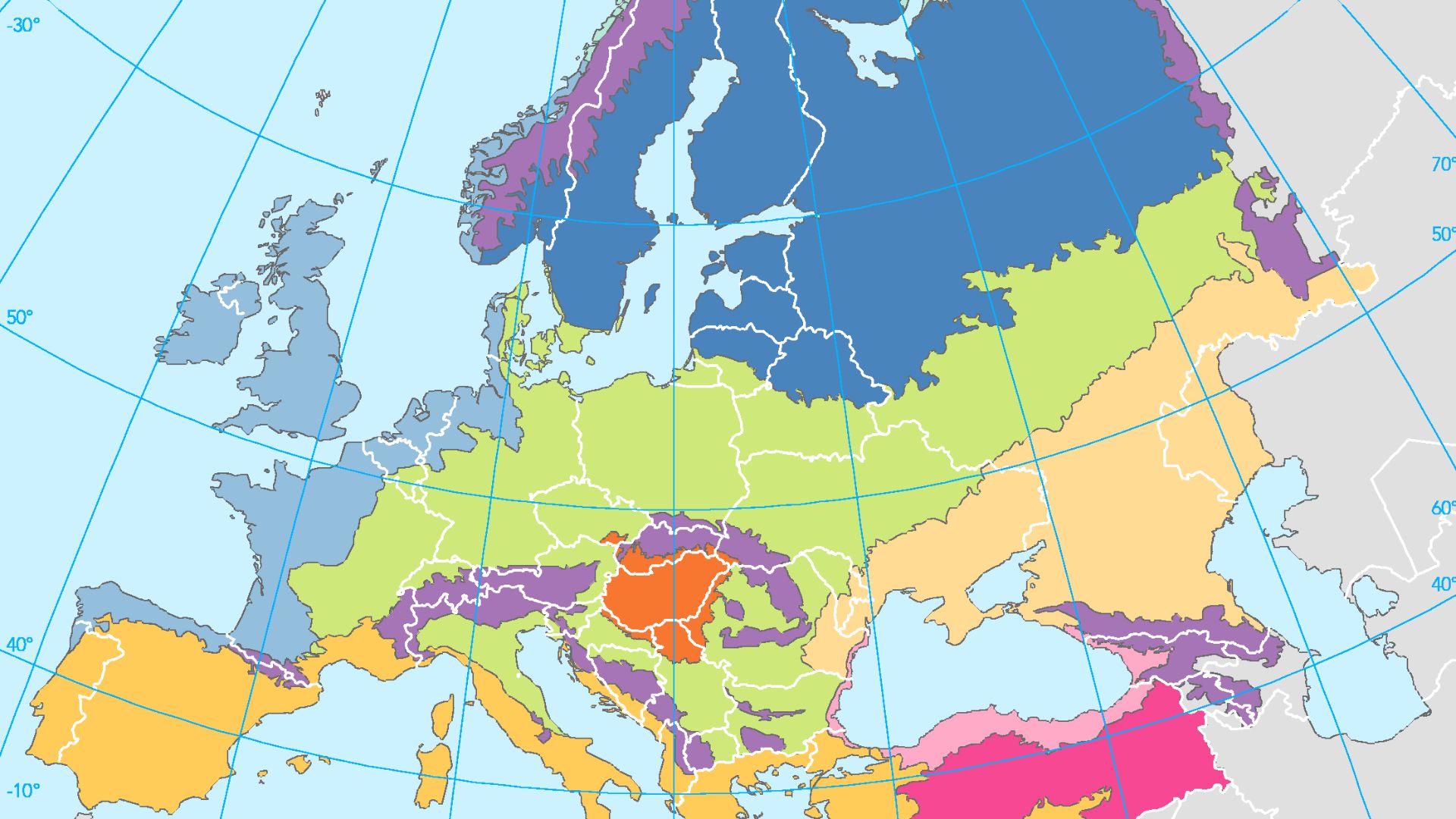
For decades, researchers often pictured many European species surviving severe glacial conditions by withdrawing toward southern refugia. Iberia, Italy, and the Balkans became especially important in these models. When temperatures improved, populations could expand northward again from these comparatively favorable regions.
 User:Wobble, Wikimedia Commons
Human History Seemed To Fit That Picture
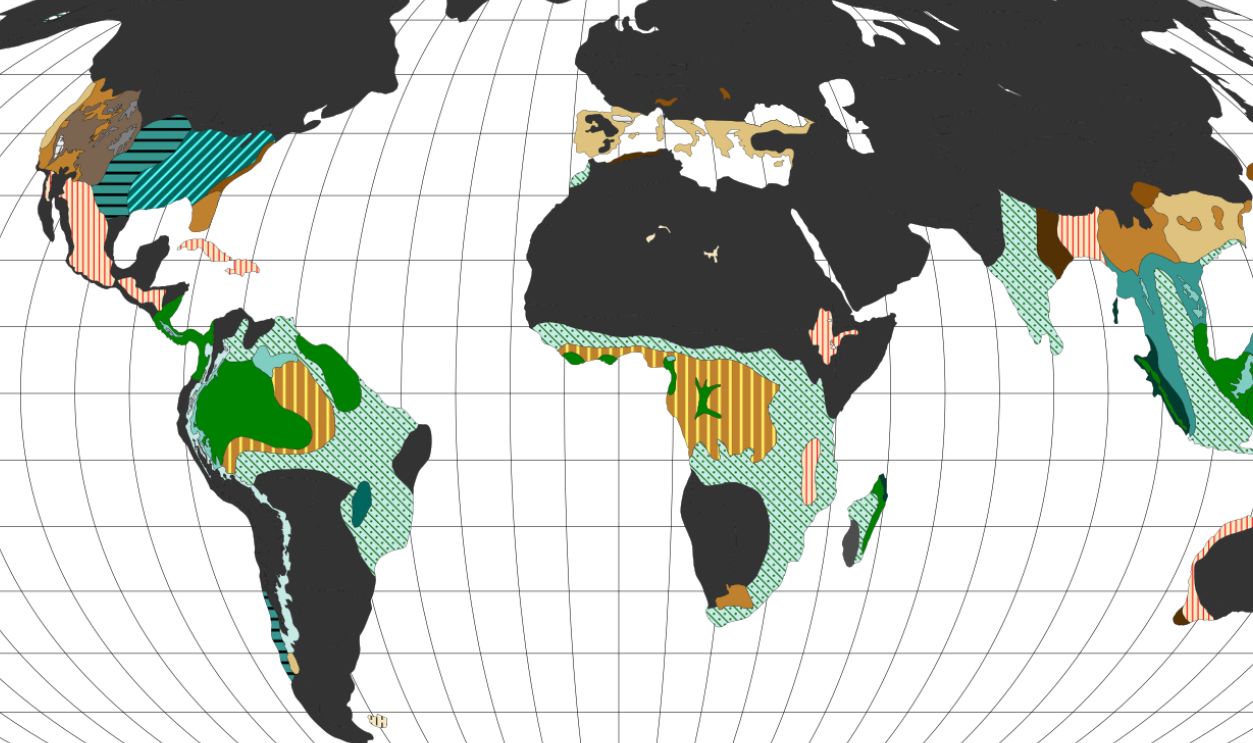
Evidence has supported southwestern Europe as an important Ice Age refuge for Homo sapiens. Ancient genomes show that some western European ancestry persisted there through the Last Glacial Maximum. Researchers have also documented major population turnovers elsewhere around this turbulent period.
 Original author Locoluis. Modified by DMahalko., Wikimedia Commons
Then Researchers Compared Humans With Other Mammals
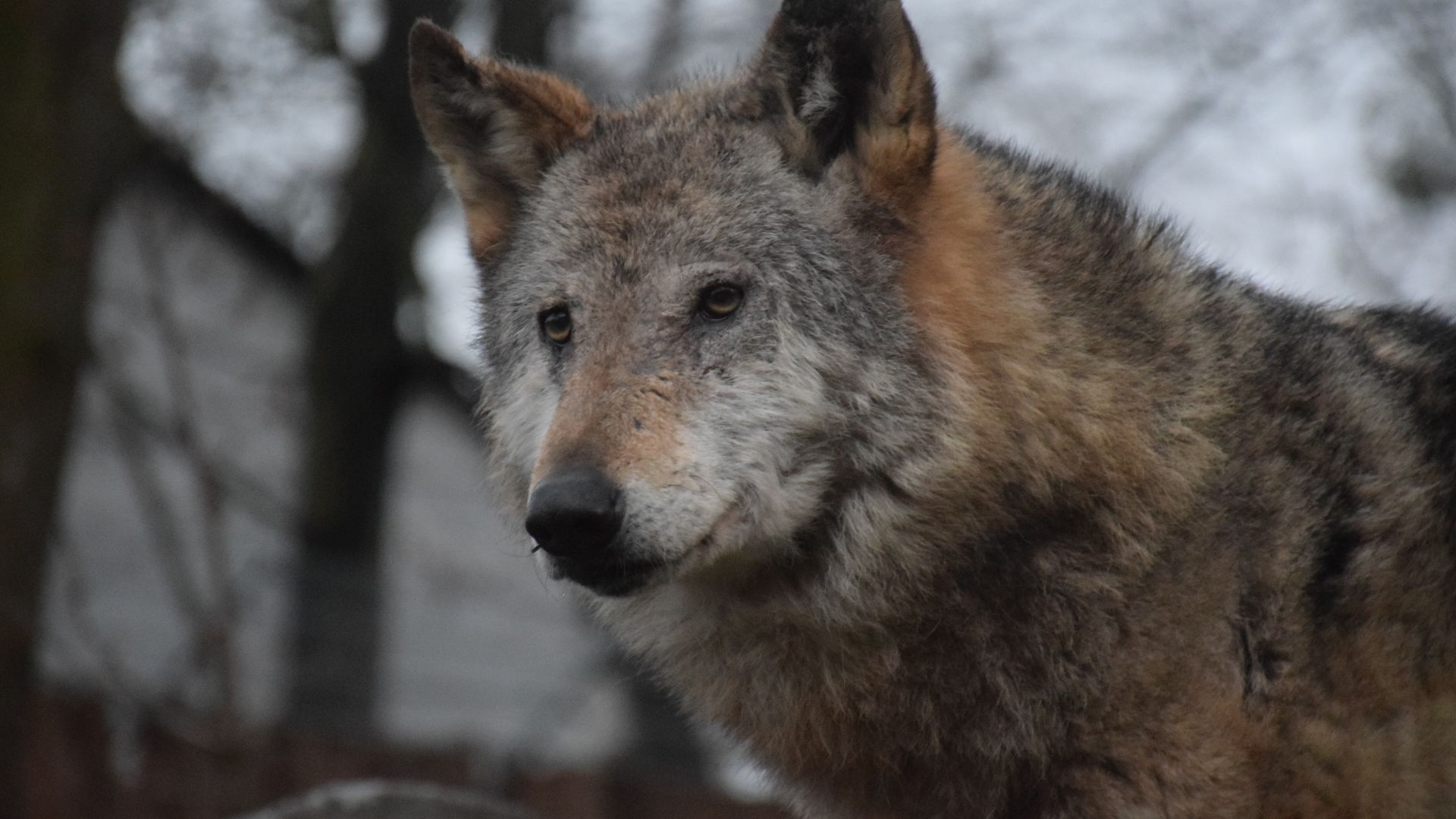
Oxala García-Rodríguez and colleagues approached the question differently. Instead of examining humans alone, they compared genetic patterns across 23 European terrestrial mammals. Their sample ranged from voles and squirrels to deer, wolves, bears, and Homo sapiens.
 Artur Galicki, Wikimedia Commons
The Study Started Much Bigger
The researchers initially considered 225 European mammal species. Availability and geographic coverage of suitable genetic sequences reduced the final comparison to 23 species, each represented by at least 50 individuals. This allowed them to apply the same basic analytical framework across very different mammals.

DNA Can Preserve A Geographic History
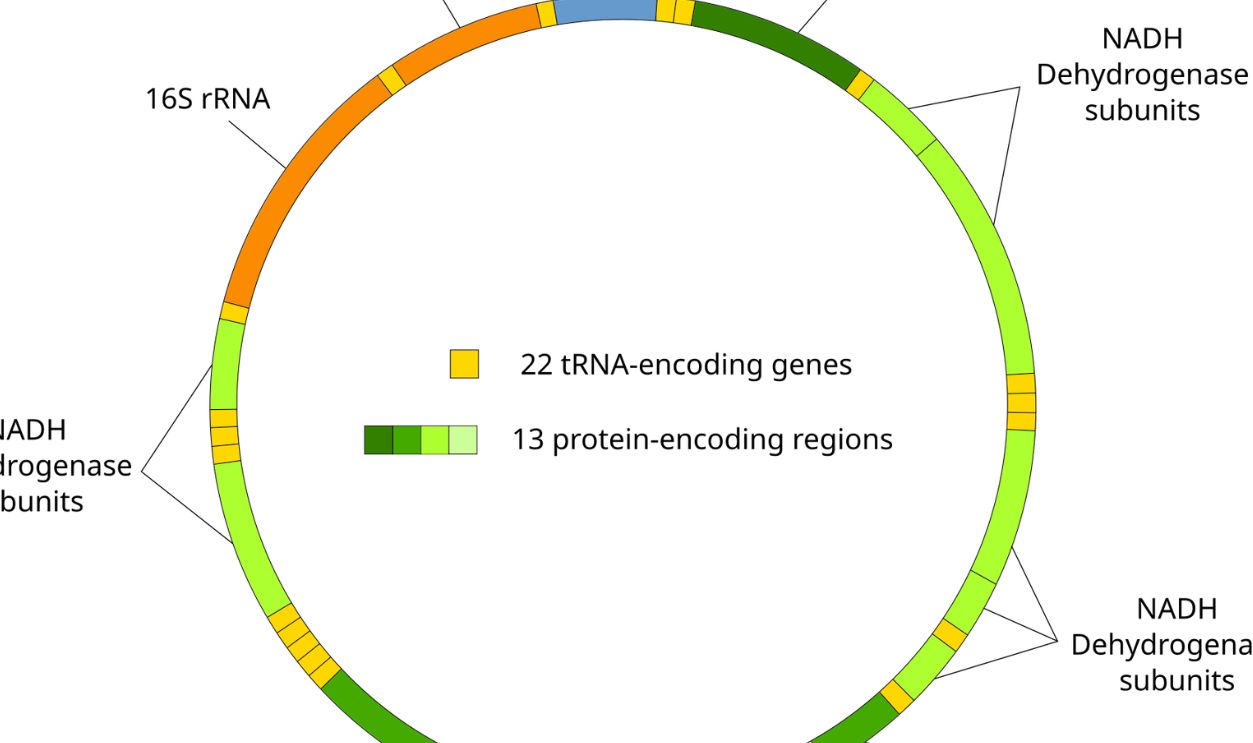
The team analyzed sequences from the control region of mitochondrial DNA, which is inherited through the maternal line. By comparing genetic diversity between European regions, researchers can identify geographic patterns left by population contraction, isolation, movement, and later expansion.
 National Human Genome Research Institute (NHGRI) from Bethesda, MD, USA, Wikimedia Commons
Refugia Can Leave Genetic Fingerprints
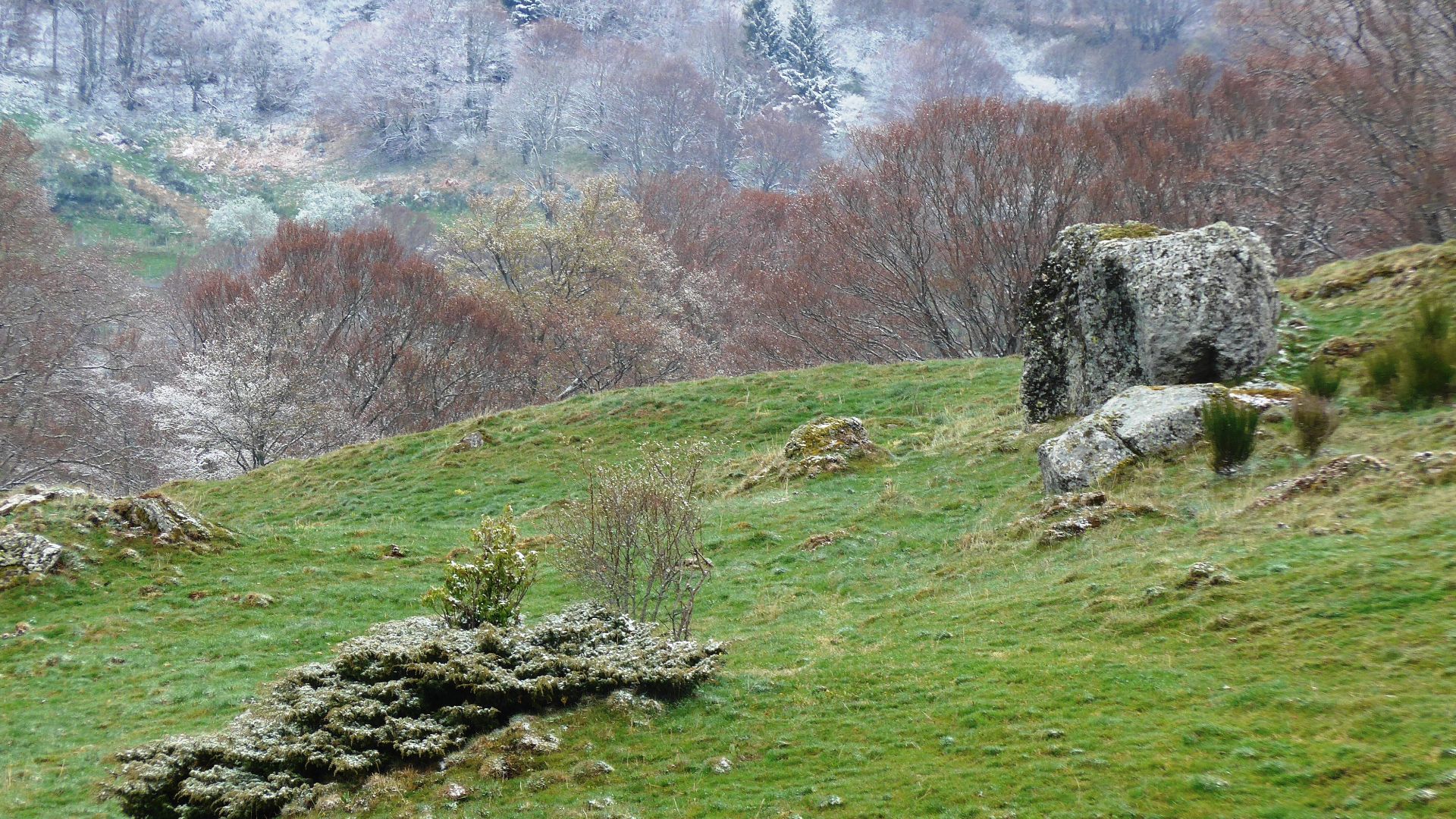
A refugium is an area where a population persists when conditions become unsuitable across much of its former range. Long-established populations can retain distinctive genetic variation. Researchers therefore examined both haplotype diversity and the geographic richness of genetic variants found only in particular regions.
Four Big Patterns Appeared
The comparison produced four broad geographic patterns. Some species showed declining diversity from east to west, while others had a western-central belt of diversity or greater richness in southern Europe. A fourth group displayed something more surprising: no strong geographic pattern at all.
Some Species Pointed East
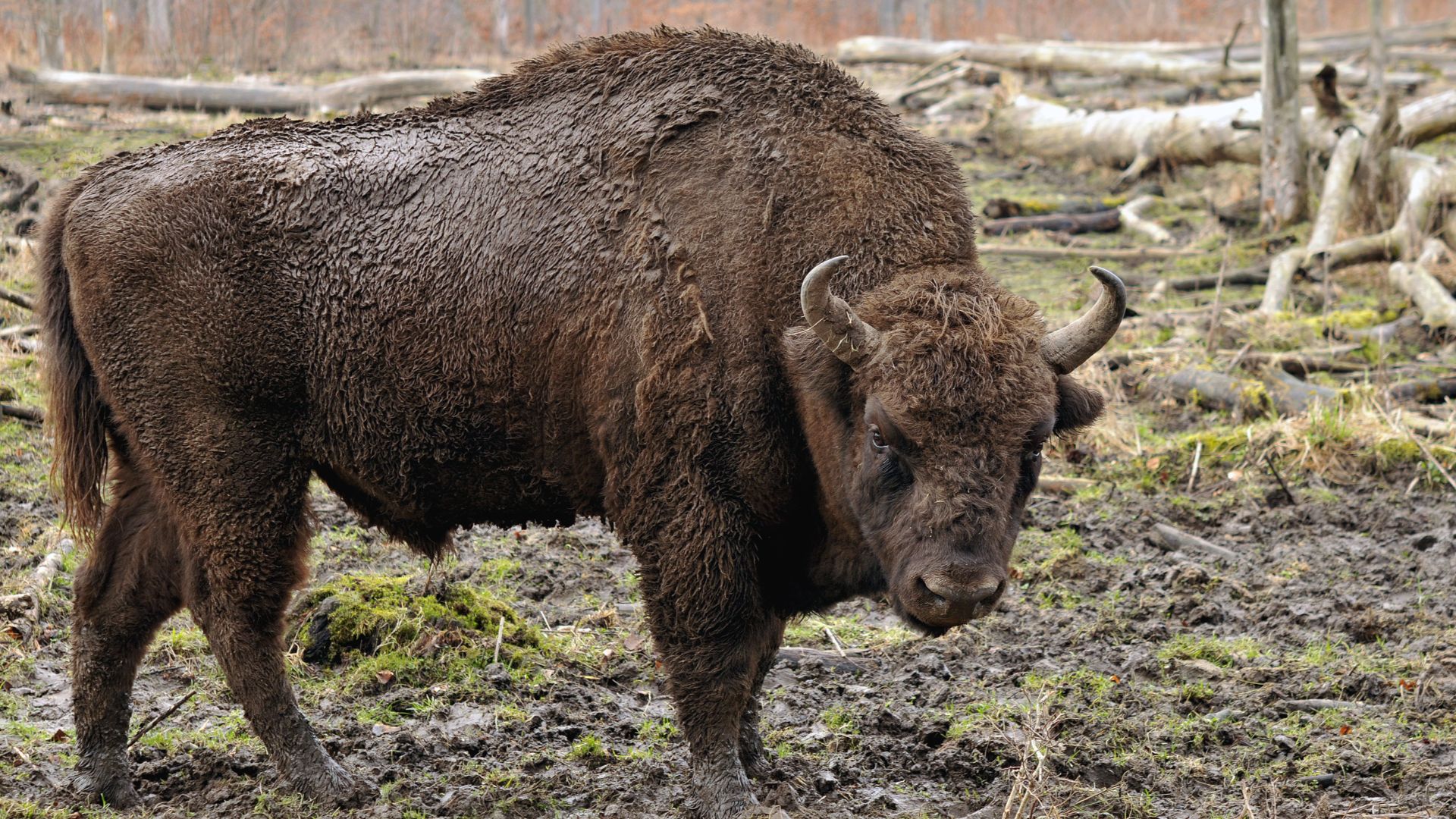
European bison, Eurasian elk, lynx, beavers, common hamsters, least weasels, and stoats fell into the east-to-west pattern. Their genetic distributions may reflect eastern refugia during the glacial period. The details still vary considerably from one species to another.
 Michael Gabler, Wikimedia Commons
Others Survived Farther North Than Expected
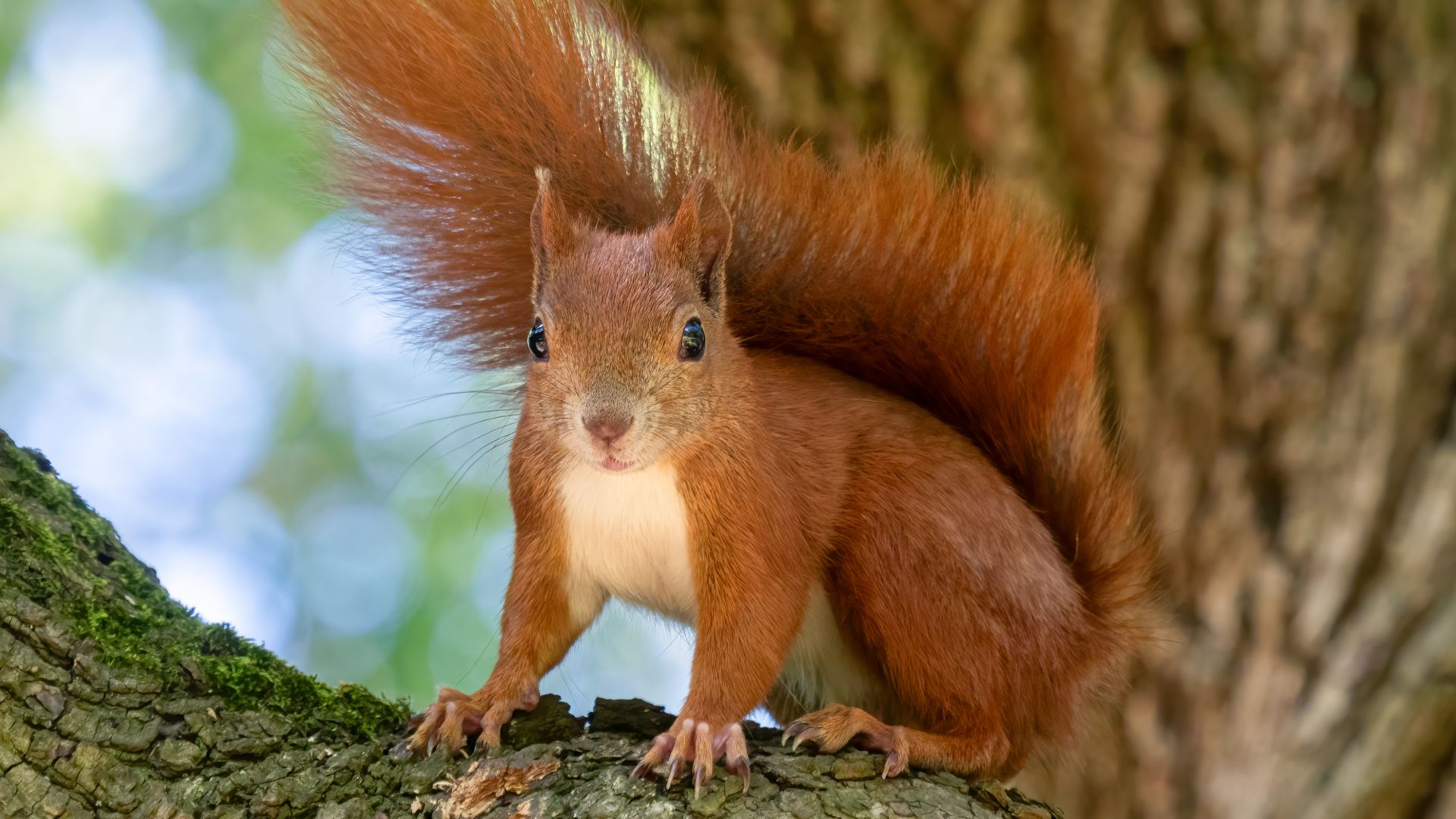
Hedgehogs, red squirrels, pygmy shrews, and common voles produced another pattern, with especially high private genetic richness across western and central Europe. The researchers suggest these animals may preserve evidence of so-called cryptic northern refugia outside the traditional Mediterranean shelters.
 Rhododendrites, Wikimedia Commons
Southern Europe Still Mattered Enormously
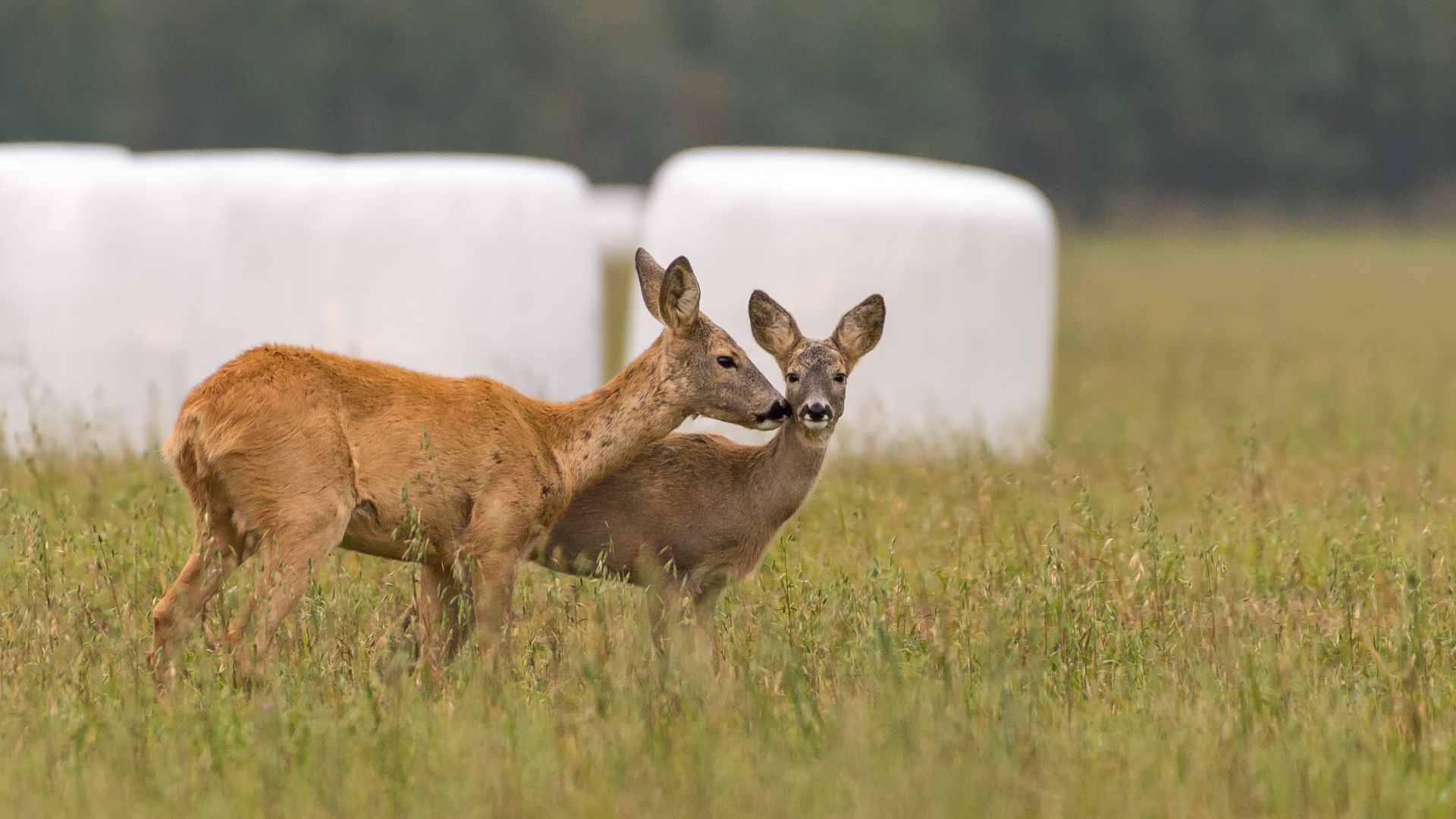
Roe deer, wild boar, pine martens, and red foxes showed stronger southern genetic richness. That pattern fits more closely with the traditional refuge model. Iberia, Italy, the Balkans, or combinations of southern regions offered populations places to persist through unfavorable glacial conditions.
 Kristian Pikner, Wikimedia Commons
Then Came The Strangest Group
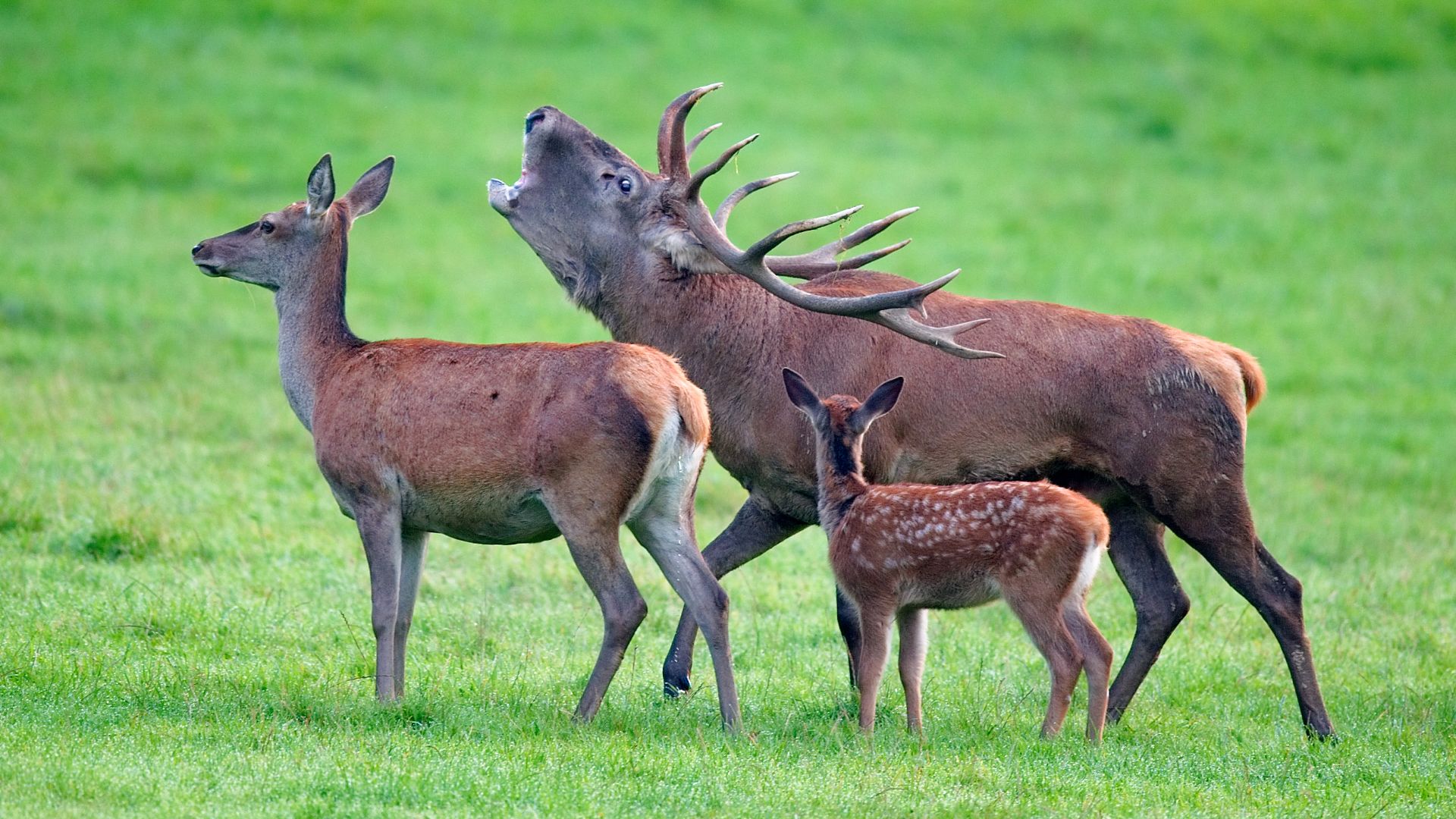
Eight species lacked a strongly structured geographic pattern of private genetic variants. They included water voles, bank voles, brown hares, mountain hares, red deer, wolves, brown bears, and Homo sapiens. Their histories apparently cannot be explained by a simple retreat into one southern refuge.
Humans Fell Into This Surprisingly Broad Pattern
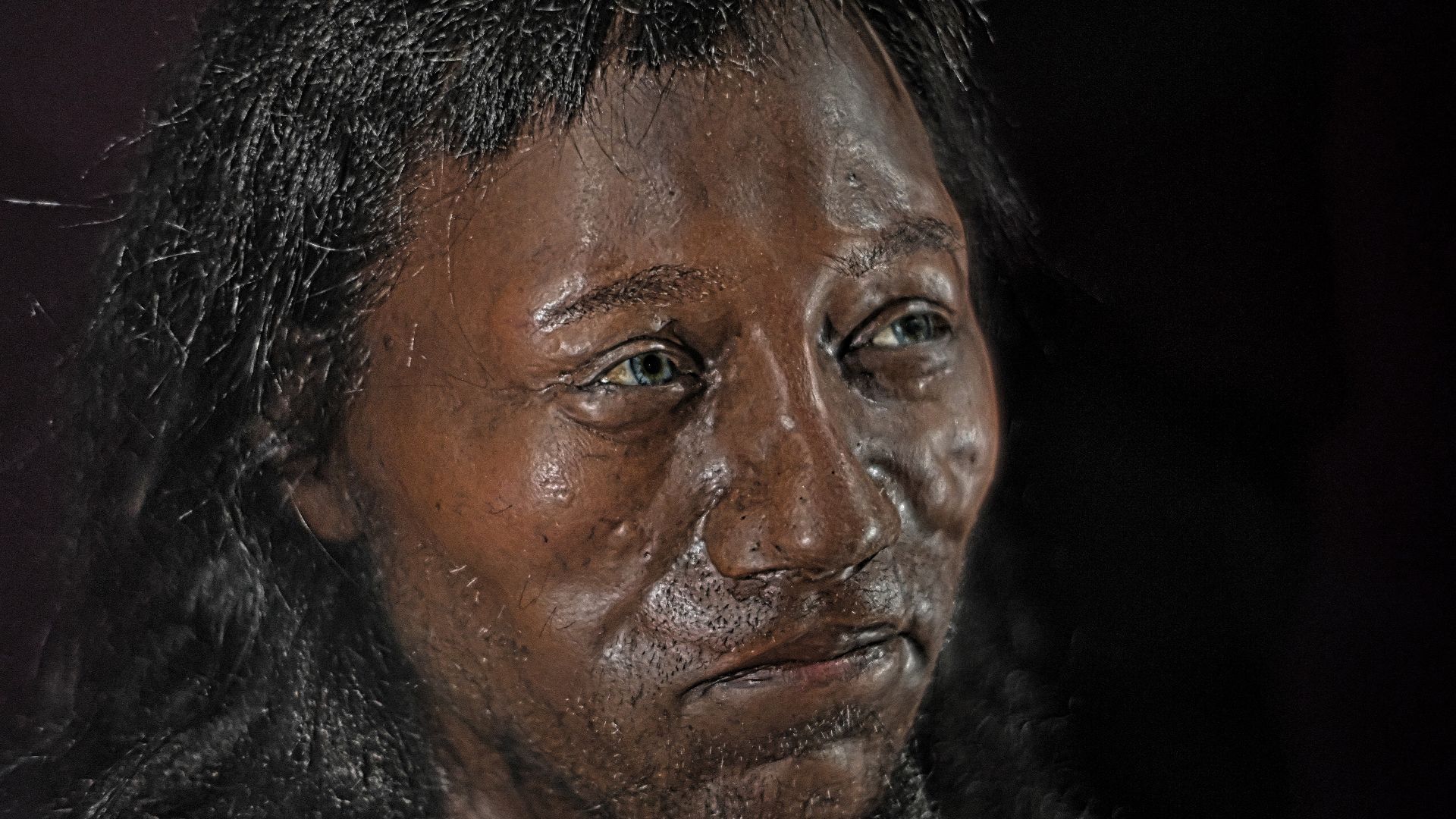
Palaeolithic and Mesolithic Homo sapiens showed no strong geographic structure in the researchers’ analysis. That result led the team to argue that humans were probably not restricted exclusively to southern Europe during the Last Glacial Maximum. Some populations apparently endured considerably farther north.
 Werner Ustorf, Wikimedia Commons
That Does Not Mean Nobody Moved
A homogeneous genetic pattern does not prove that individual communities stayed permanently in one place. Humans were highly mobile hunter-gatherers, and Europe experienced substantial genetic turnover. The study instead questions the idea that the species as a whole underwent one simple continent-wide withdrawal southward.
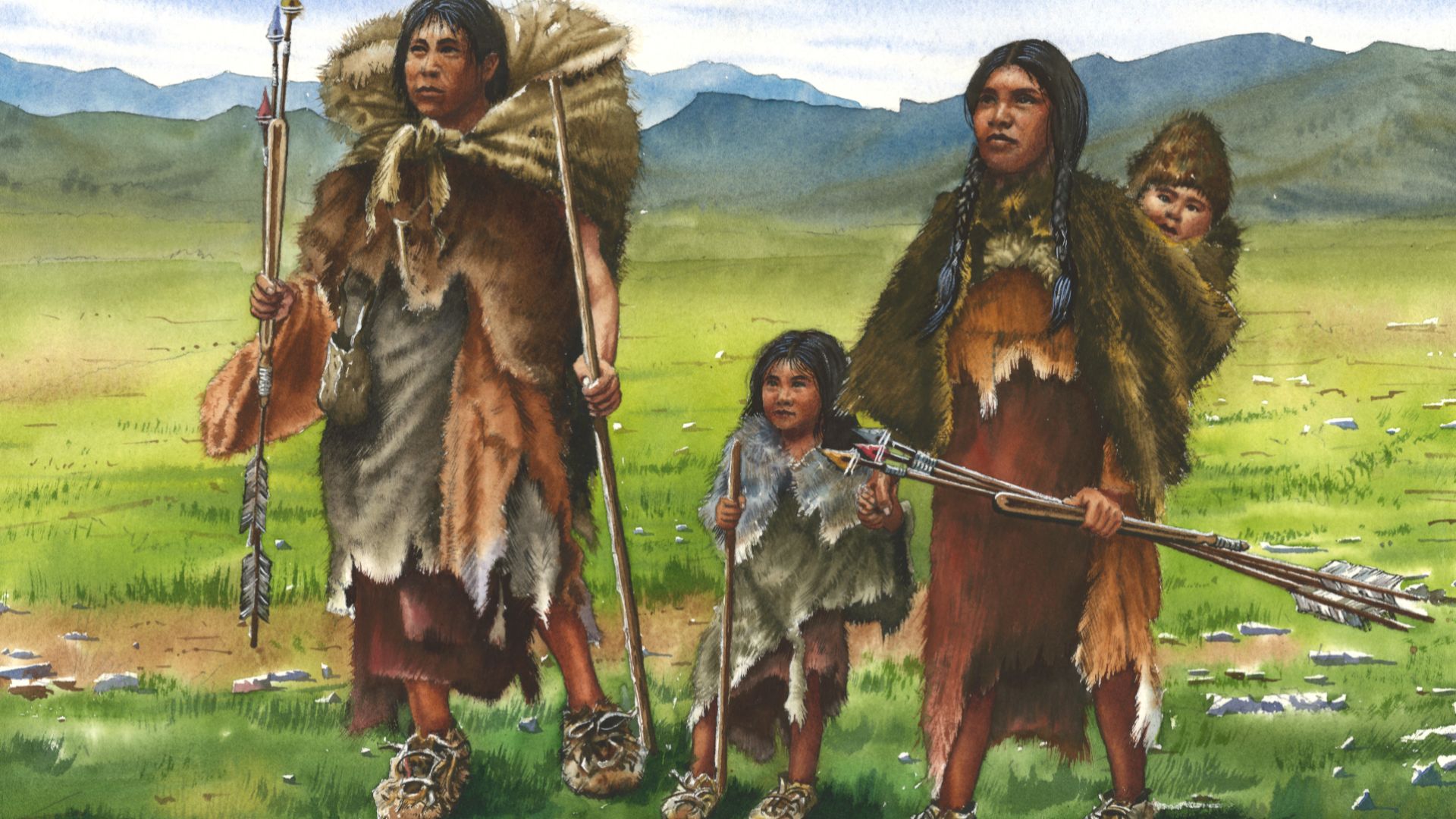
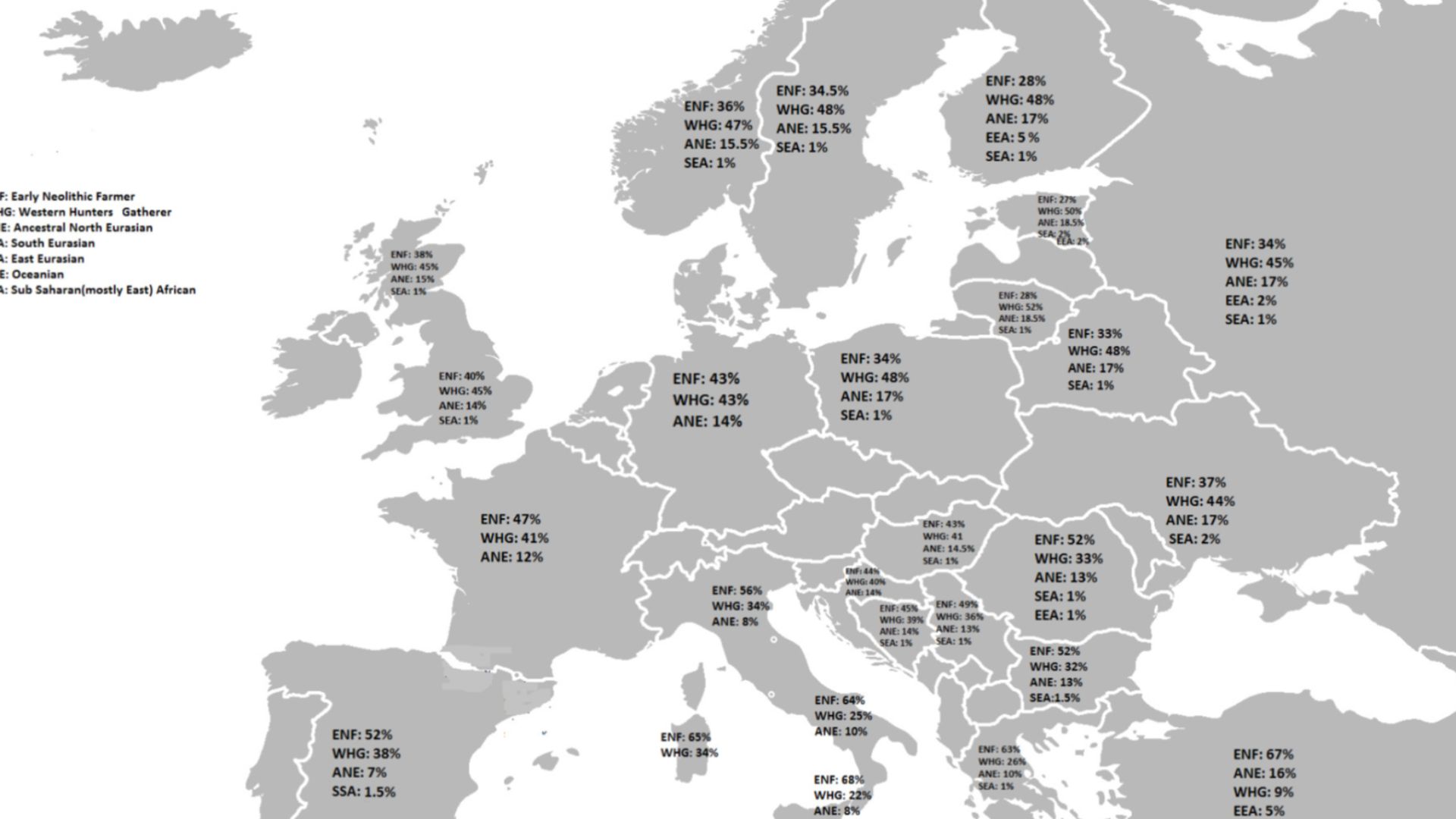
Ancient DNA Tells A Complicated Story
Whole-genome research has identified considerable upheaval among Ice Age Europeans. Western and southwestern populations survived the glacial maximum differently from populations around Italy and eastern Europe, where major ancestry changes occurred. Ice Age survival was clearly not one uniform European experience.
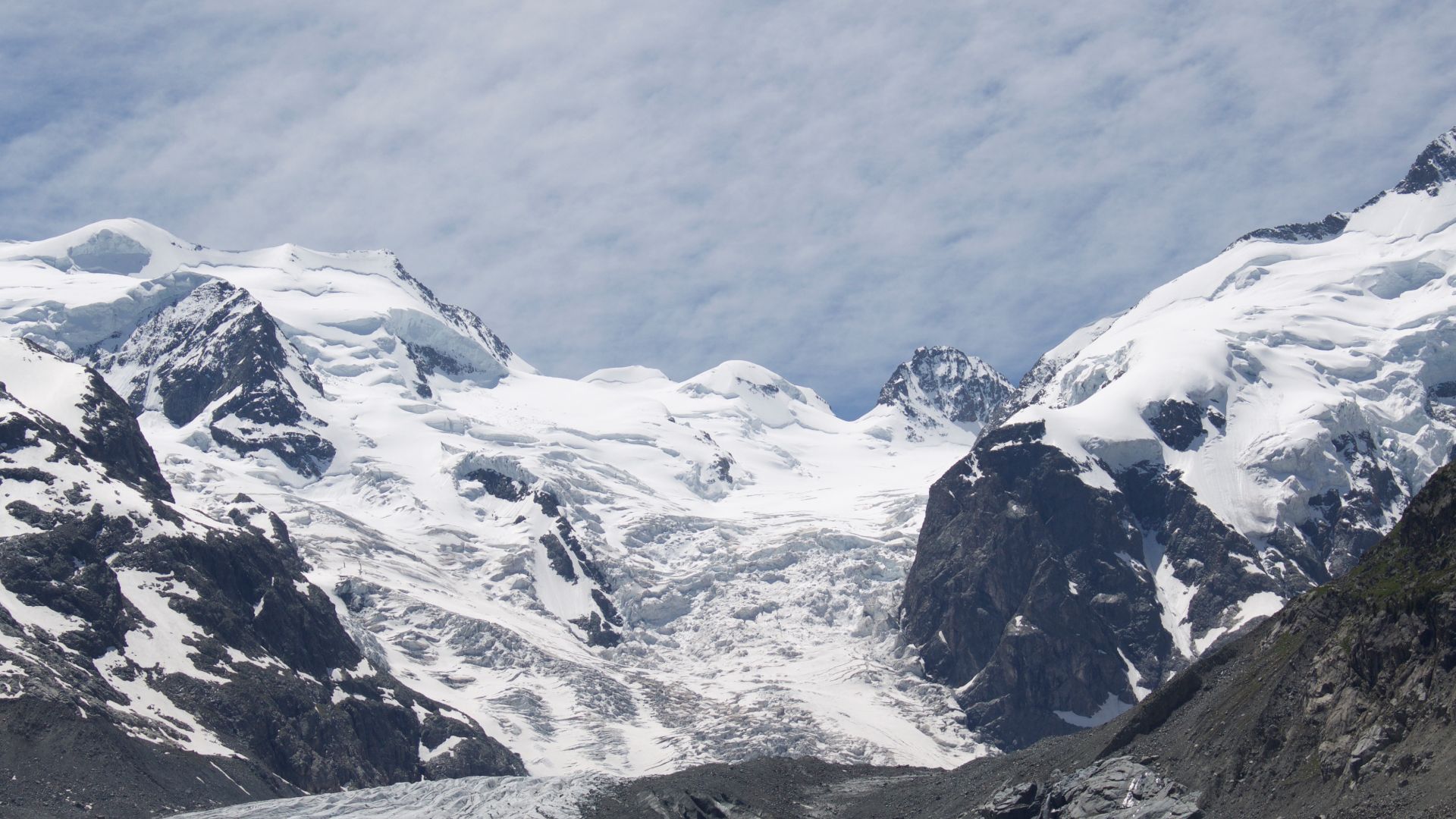
Some People Reached Remarkably Cold Places
Archaeological evidence also puts humans surprisingly close to glacial environments. In Switzerland, researchers dated human activity to roughly 23,400–22,800 years ago at sites less than 50 kilometers from the Alpine ice-sheet margin. That occupation coincided with a relatively brief warmer interval.
 Patrick Nouhailler's…, Wikimedia Commons
Survival Still Had Its Limits
Those Swiss findings demonstrate why the new genetic interpretation should not become another oversimplification. Human presence in extremely harsh regions could be intermittent and climate-sensitive. Other research likewise indicates that substantial parts of Europe became unoccupied or sparsely populated during the glacial maximum.
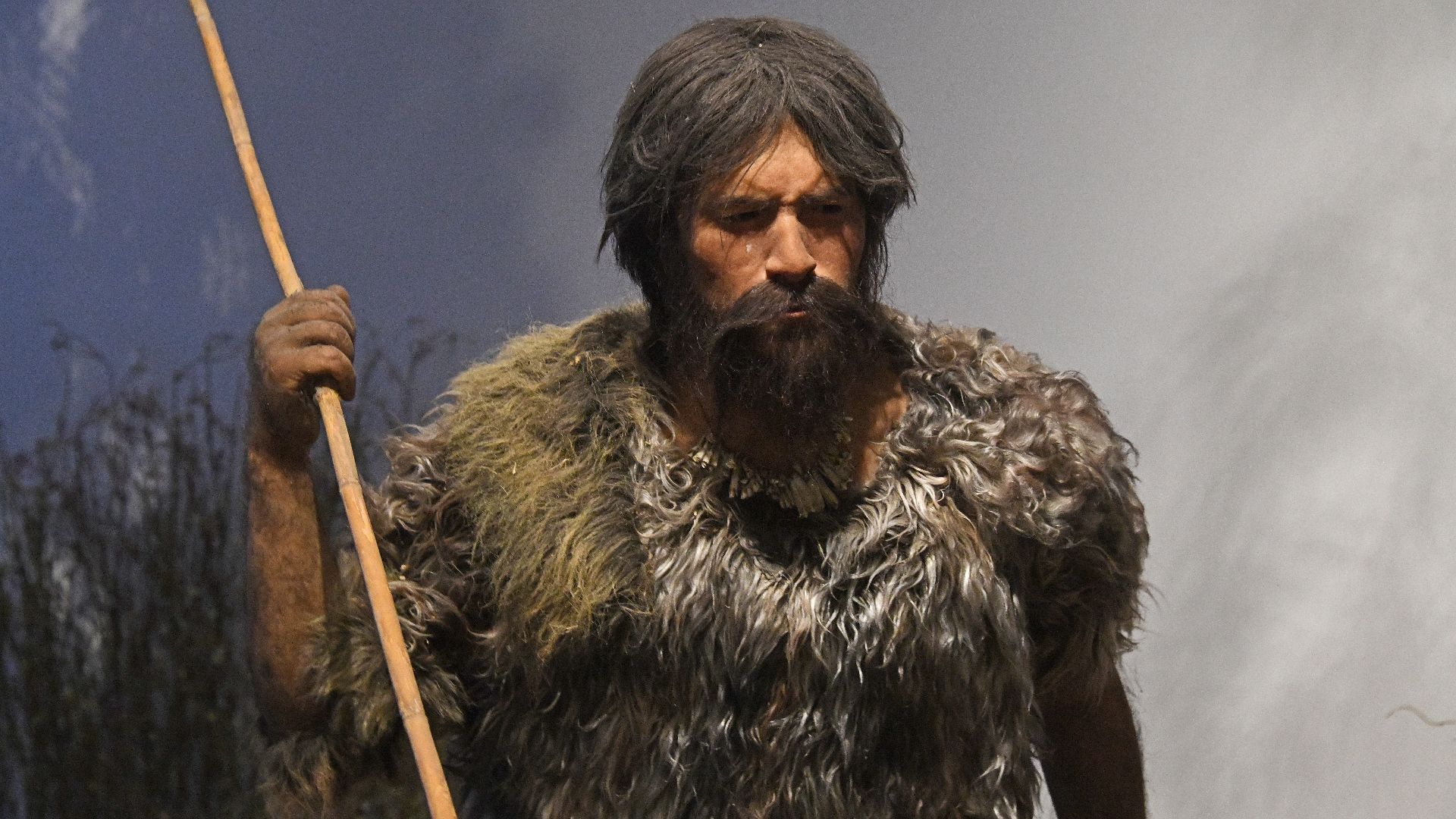
Human Numbers Probably Fell Dramatically
Climate modeling has suggested that Europe's hunter-gatherer population declined sharply as glacial conditions intensified. One study estimated a drop from roughly 330,000 people around 30,000 years ago to about 130,000 around 23,000 years ago. Survival did not mean escaping the crisis unharmed.
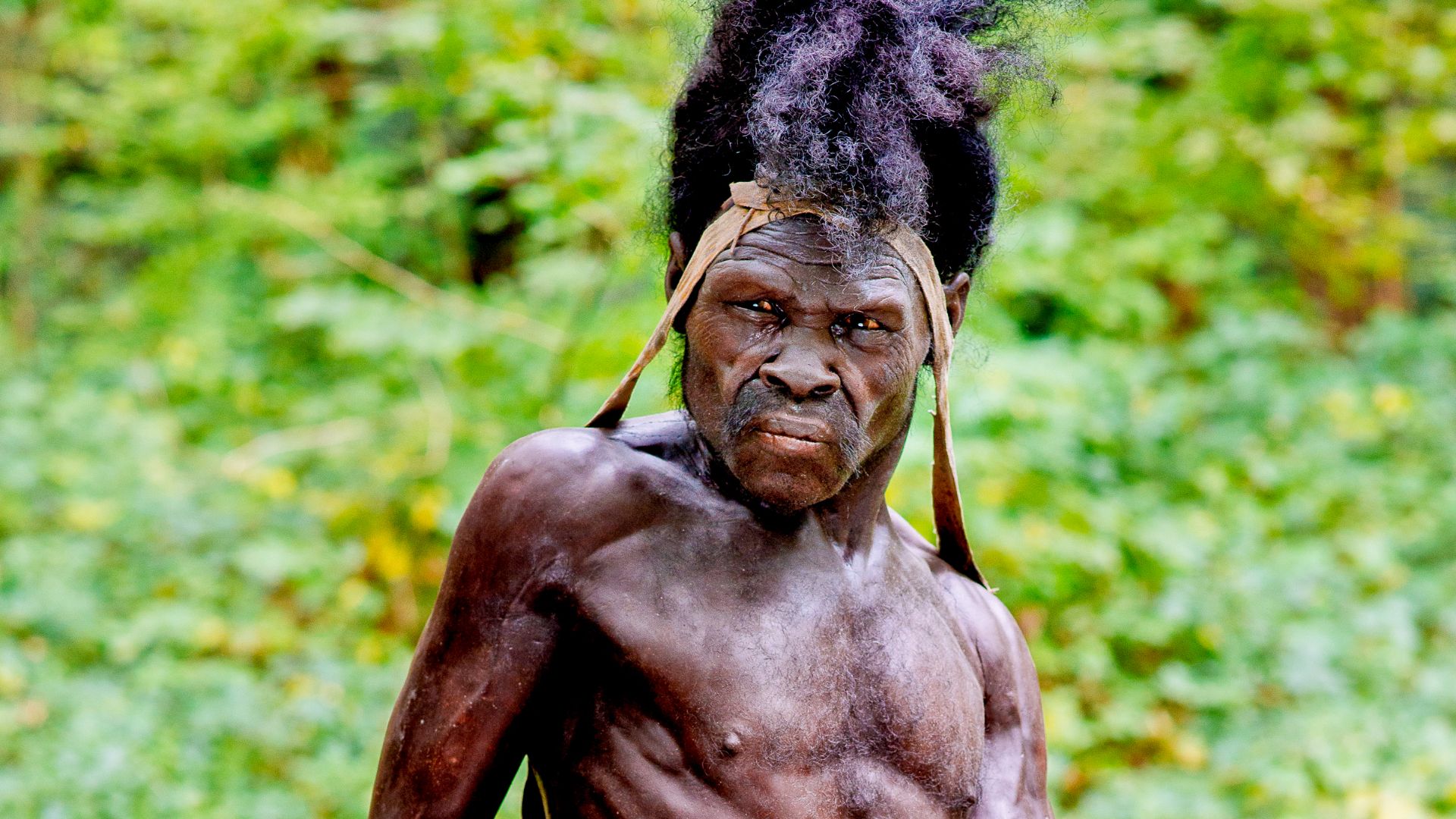 Neanderthal-Museum, Mettmann, Wikimedia Commons
Technology May Have Changed The Rules
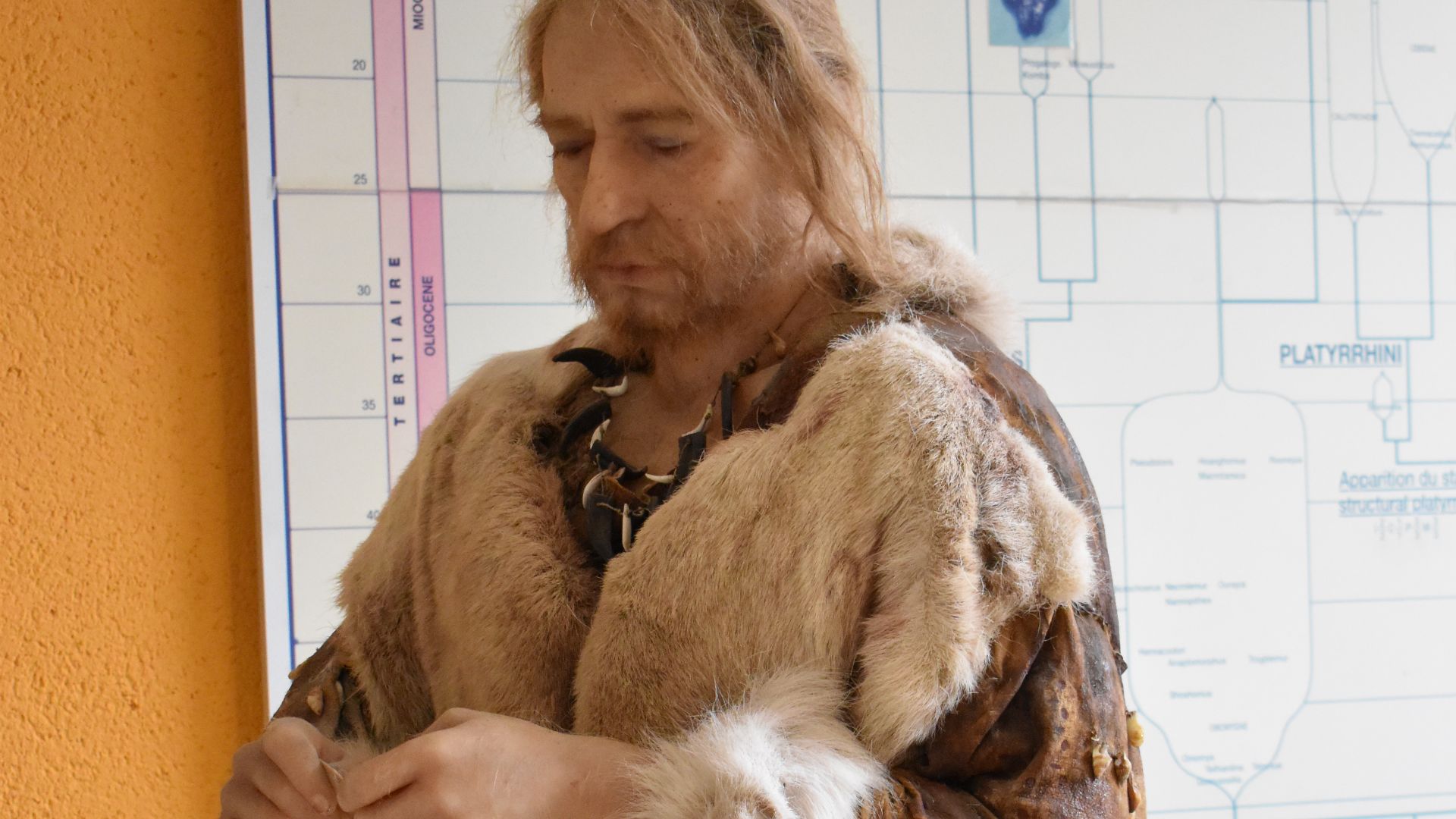
The study's authors suggest that technology could partly explain human resilience. Upper Palaeolithic people could make clothing, construct shelters, and control fire. Those abilities allowed humans to alter the conditions immediately around themselves rather than depending entirely on biological adaptations to cold.
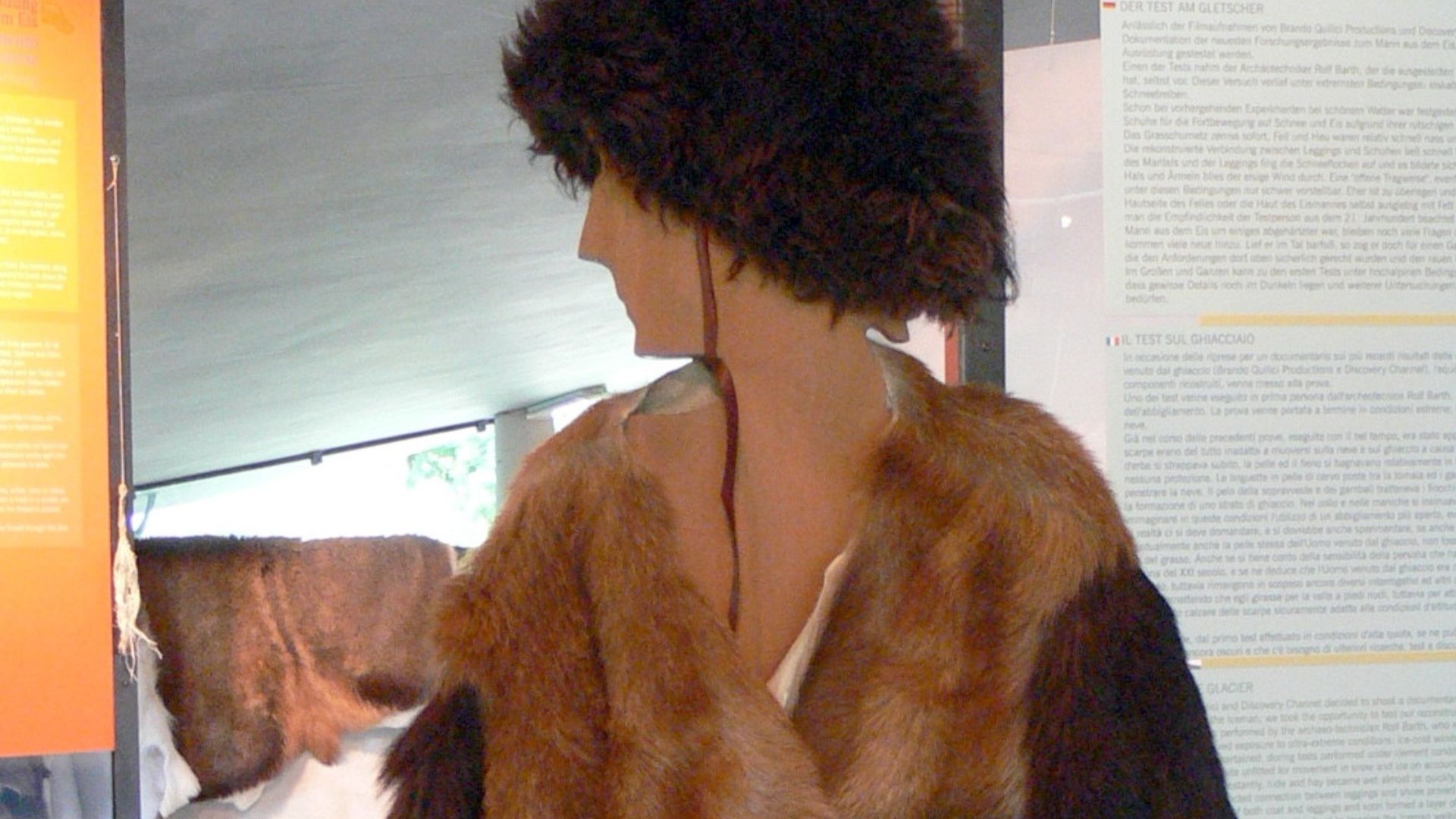 Wolfgang Sauber, Wikimedia Commons
Fire Was Much More Than Warmth
Archaeological sites from glacial Europe preserve fireplaces, ash, charcoal, burned bones, and heat-altered stone. Researchers have argued that fire also aided cooking, hunting, movement, and potentially landscape management. It gave human communities a remarkably flexible tool in difficult environments.
![zh:尖沙咀香港歷史博物館史前時期的香港
zh:展品
[1]
家務
zh:家屬
屋企
史前的zh:香港人
zh:石器時代](https://www.factinate.com/storage/app/media/splashtravels/2026/9/16/1789583849bfd312f521c5d16f9e5b7f9813c37b865dfdbe76.jpg)
Mobility Was Another Survival Technology
Ice Age hunter-gatherers were not necessarily defending one tiny patch of territory. Archaeological research indicates extensive mobility, exchange networks, and long-distance movement of stone and ornaments during harsh glacial conditions. Social connections could therefore help communities reach resources and maintain contact across considerable distances.
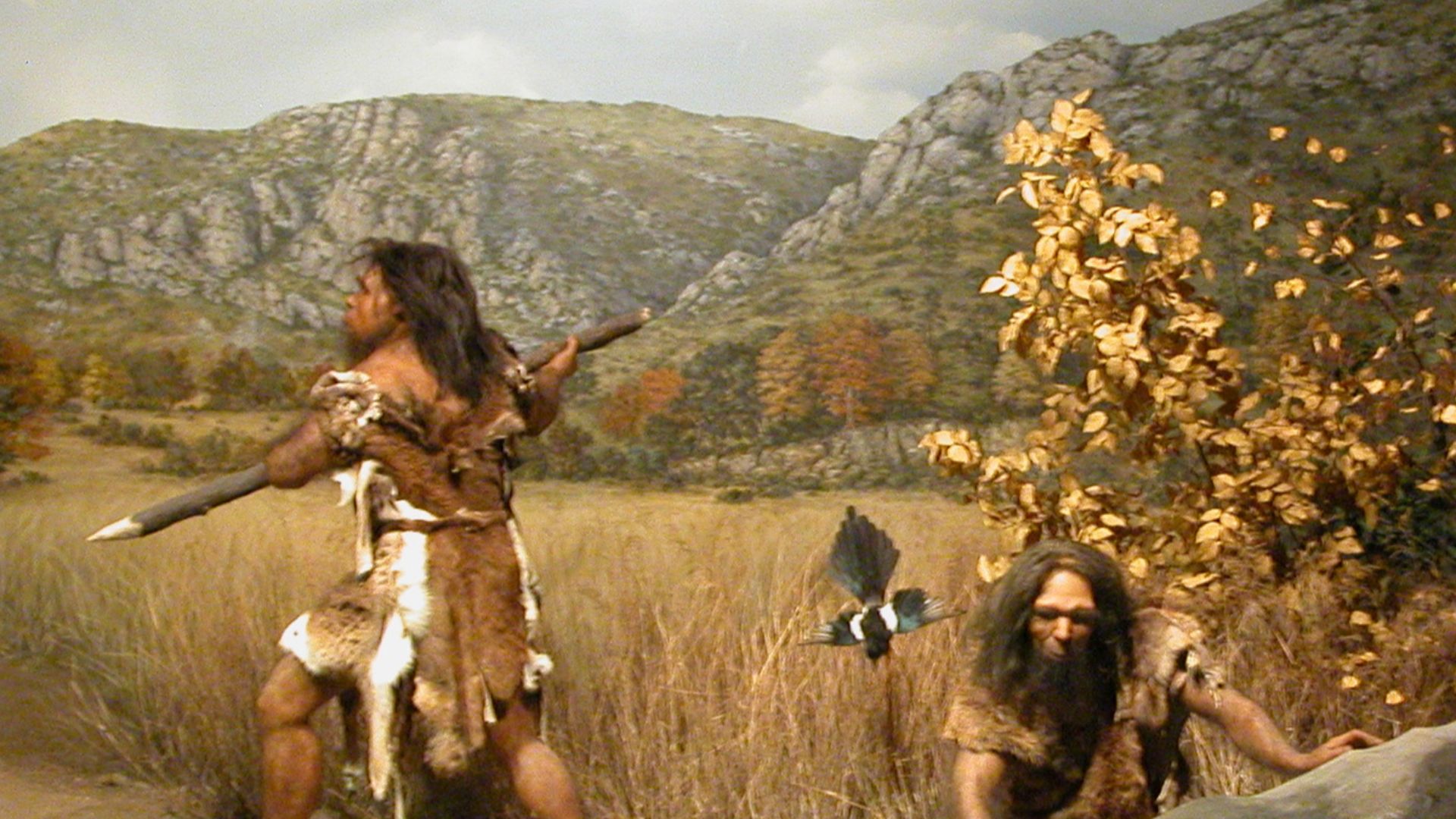 Lionel Allorge, Wikimedia Commons
Diet May Have Helped Too
The study's authors also raise ecological flexibility as a possible explanation. Humans are omnivores and can exploit diverse foods, potentially offering options when particular resources disappear. Importantly, the genetic analysis itself did not determine whether diet, technology, mobility, or social behavior mattered most.

Humans Were Not Alone In Being Flexible
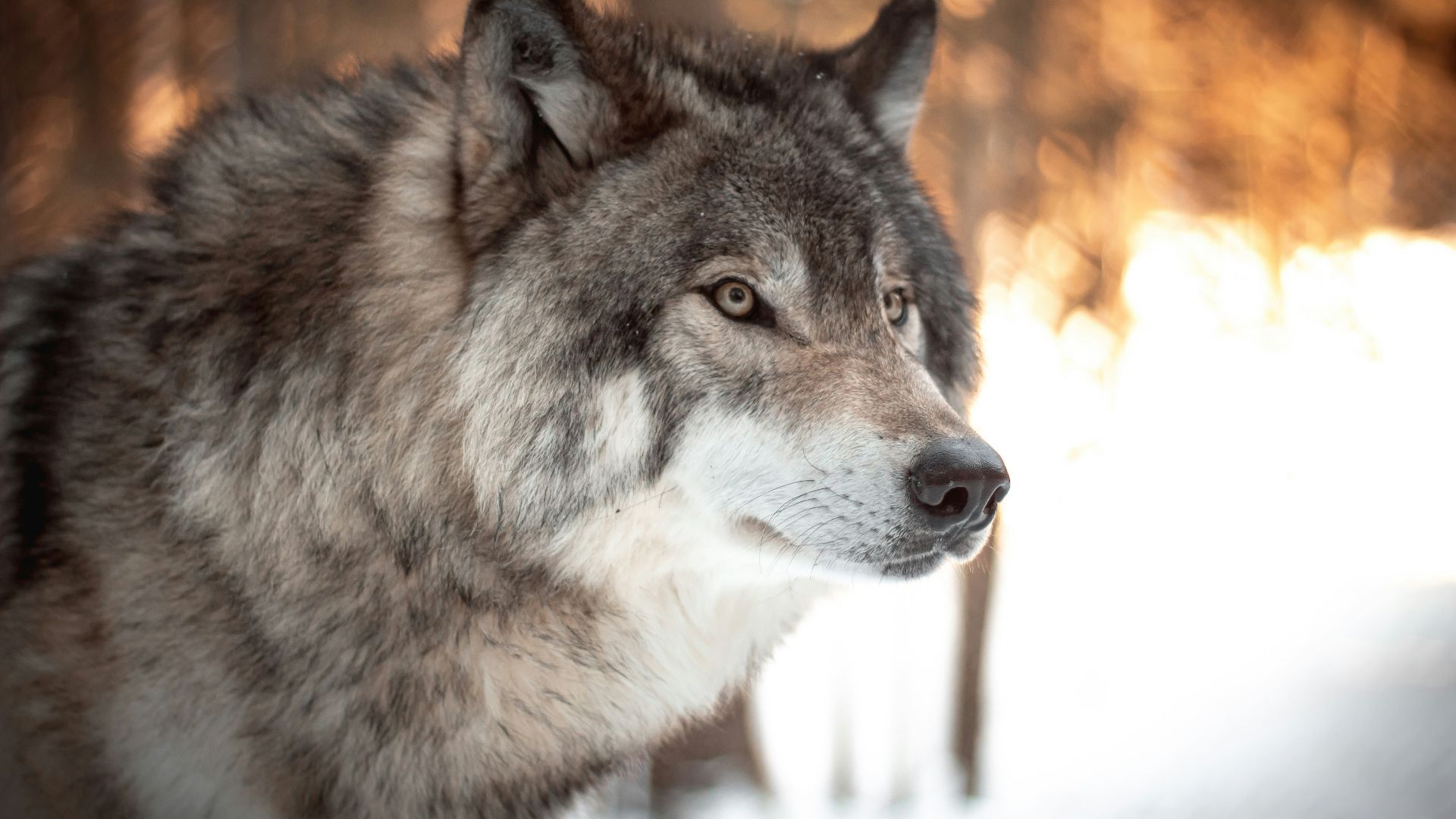
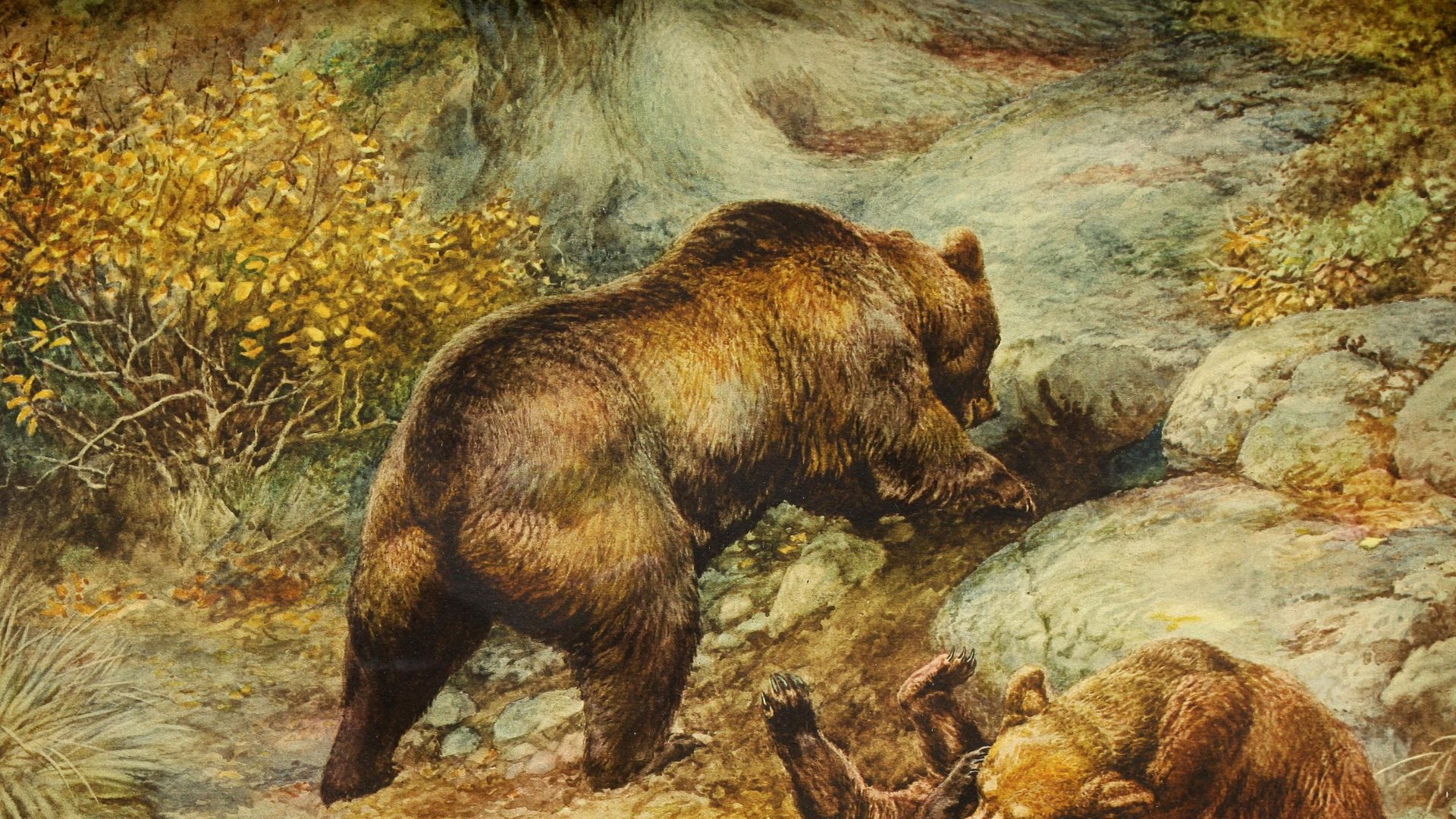
Wolves and brown bears appeared in the same broad genetic category as humans. That matters because it prevents the findings from becoming a simple story of human exceptionalism. Different mammals could apparently survive glacial upheaval through very different combinations of mobility, ecology, behavior, and geography.
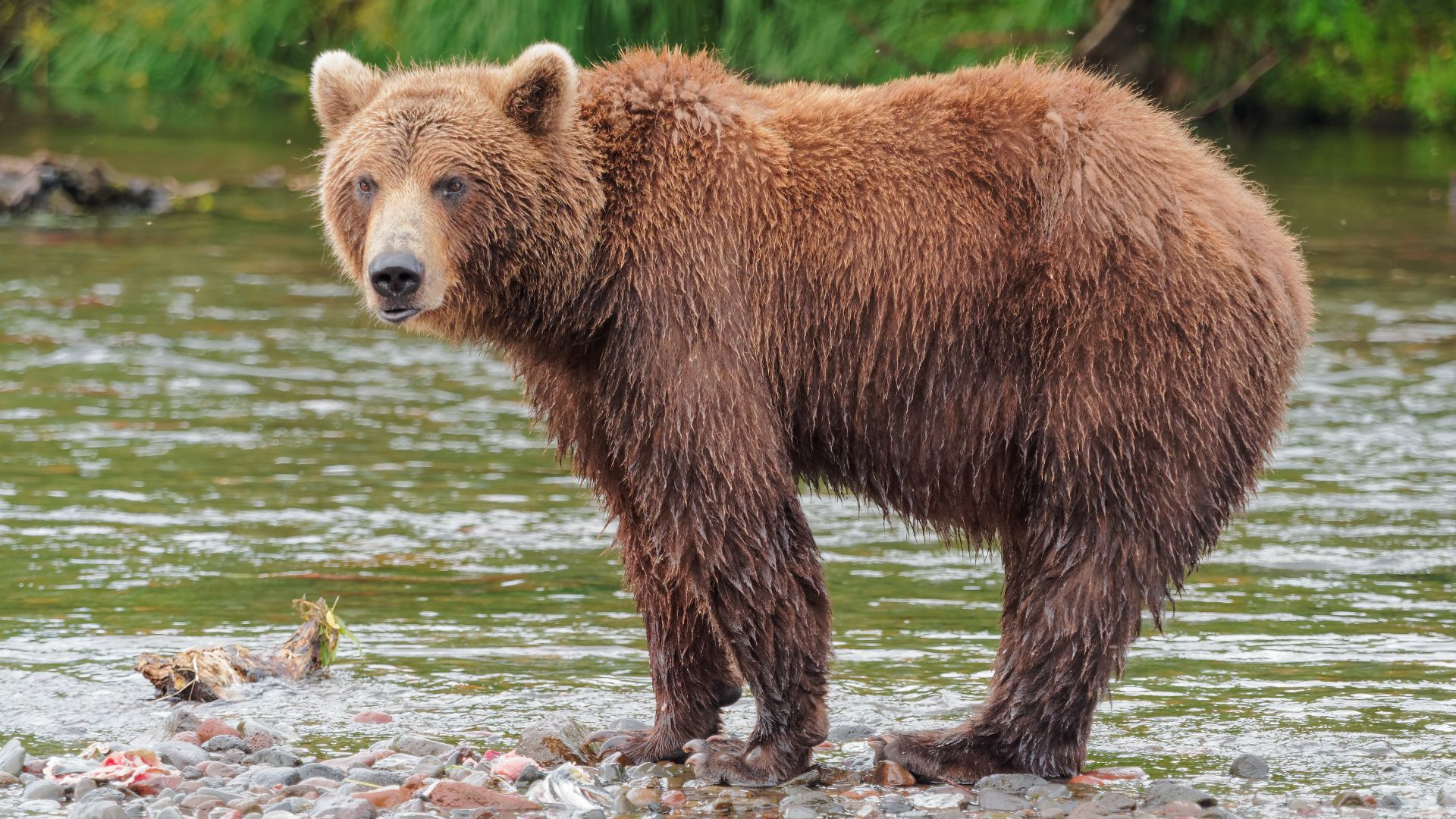 Robert F. Tobler, Wikimedia Commons
The Human Sample Was Relatively Small
There is another reason for caution. The analysis included 86 Homo sapiens individuals, compared with hundreds or thousands of samples for several other mammals. The authors also acknowledge broader difficulties in reconstructing refugia from mitochondrial diversity and unevenly distributed genetic samples.

One Piece Of DNA Cannot Tell Everything
The researchers analyzed part of the mitochondrial genome rather than complete nuclear genomes. They explicitly recommend future work using whole mitochondrial genomes, whole genomes, and larger time-series datasets. Those approaches could reveal population structure that this comparative method cannot detect.
The Biggest Lesson Is Complexity
The traditional picture of animals fleeing south as glaciers advanced works for some European mammals, but clearly not all of them. The new study identifies eastern, southern, northern, and geographically diffuse survival patterns. Humans now appear to belong to that unusually widespread final category.
 Edmund G. Caldwell (1852-1930), Wikimedia Commons
Our Greatest Adaptation May Have Been Flexibility
Homo sapiens did not conquer the Ice Age without migration, hardship, or population loss. Instead, the evidence suggests some communities could persist in places once thought too hostile for long-term human survival. Culture, mobility, technology, and ecological flexibility may have made our climatic niche extraordinarily adaptable.
 Tylwyth Eldar, Wikimedia Commons