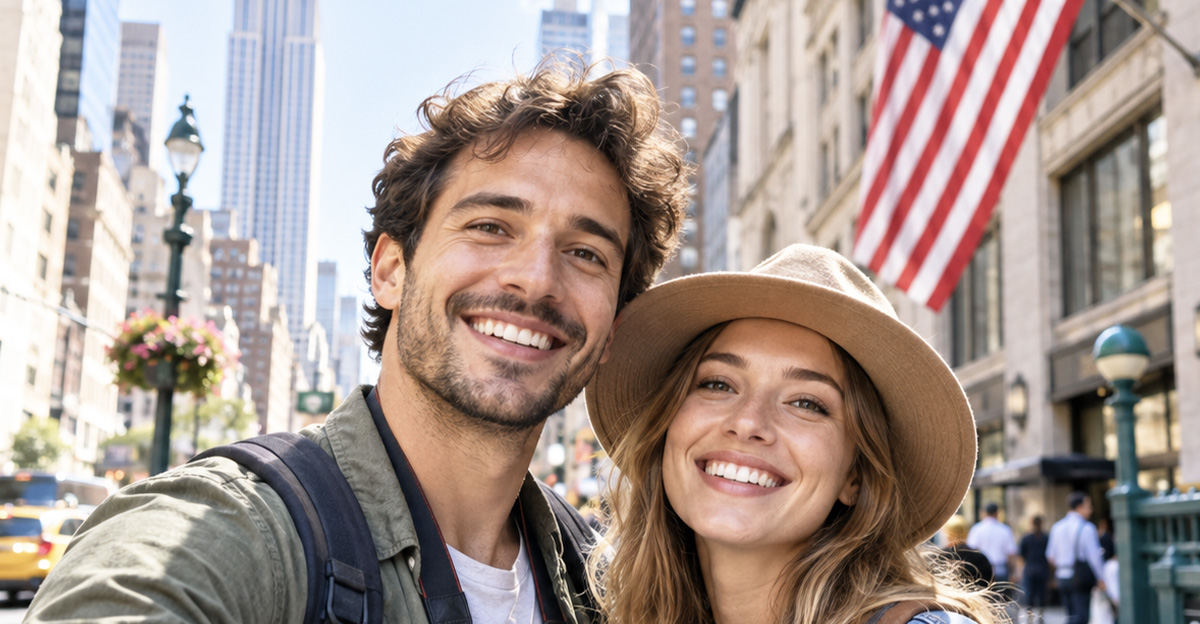
The Culture Shock That Starts Growing On You
Some American habits can look excessive, overly casual, or just plain strange when visitors first encounter them. Then a few days pass, somebody gets a third free drink refill, discovers curbside pickup, or realizes they can wear sneakers almost anywhere, and suddenly the logic becomes clearer. Plenty of American customs are easy to tease until it’s time to give them up.
Taking Leftovers Home
The first encounter with an American restaurant portion can produce panic. Then someone explains the box. Taking unfinished food home is completely routine, meaning an oversized dinner can easily become tomorrow's lunch instead of ending up in the trash. Visitors from places where requesting leftovers isn't as common may initially feel awkward asking. That usually disappears once they realize nobody else at the table thinks twice about it. The “doggy bag” may be one of America's simplest tricks for turning an absurdly large entrée into surprisingly decent value.
Friendly Small Talk With Strangers
An American cashier might ask how someone's day is going. A person in an elevator may comment on the weather. Someone waiting in line might simply start talking. Visitors from cultures where strangers generally leave each other alone can wonder whether they've accidentally met an unusually friendly person, only to discover it keeps happening. The conversations are usually brief and don't imply future friendship. Once that becomes clear, the habit can feel less intrusive and more welcoming. A city becomes a little less anonymous when random people acknowledge one another.
Complimenting Complete Strangers
“You have amazing shoes". Then the person saying it just walks away. For visitors unfamiliar with American compliment culture, these brief interactions can initially seem oddly intimate. Yet Americans often praise someone's jacket, hair, bag, glasses, or nails without expecting anything in return. There's something charming about the lack of ceremony. Nobody needs an introduction, and the compliment may last five seconds. Once visitors realize it's generally just an uncomplicated attempt to be nice, some begin wondering why strangers everywhere don't occasionally tell one another they look great.

Drive-Thrus For Almost Everything
The first drive-thru makes sense: fast food. Then visitors discover drive-thru coffee, banking, pharmacies, and other services and realize Americans have spent decades asking one important question: could we accomplish this without getting out of the car? In sprawling, car-oriented areas, the answer increasingly became yes. The concept can seem lazy until it's raining, snowing, somebody has sleeping children in the back seat, or a traveler needs a prescription quickly. Suddenly, conducting an entire errand through a window starts looking less ridiculous and more ingenious.
Late-Night Convenience
America's once-famous 24-hour retail culture isn't quite as widespread as it was before 2020, but late-night options remain common in many places. Travelers may still find diners, gas stations, pharmacies, convenience stores, supermarkets, and fast-food restaurants operating well after businesses would have closed elsewhere. There's a peculiar comfort in knowing a forgotten toothbrush, headache medicine, hamburger, or gallon of milk may still be obtainable at midnight. Nobody plans a vacation around late-night errands, but once travelers need something unexpectedly, extended hours can feel like an extraordinary luxury.
Free Refills On Soft Drinks
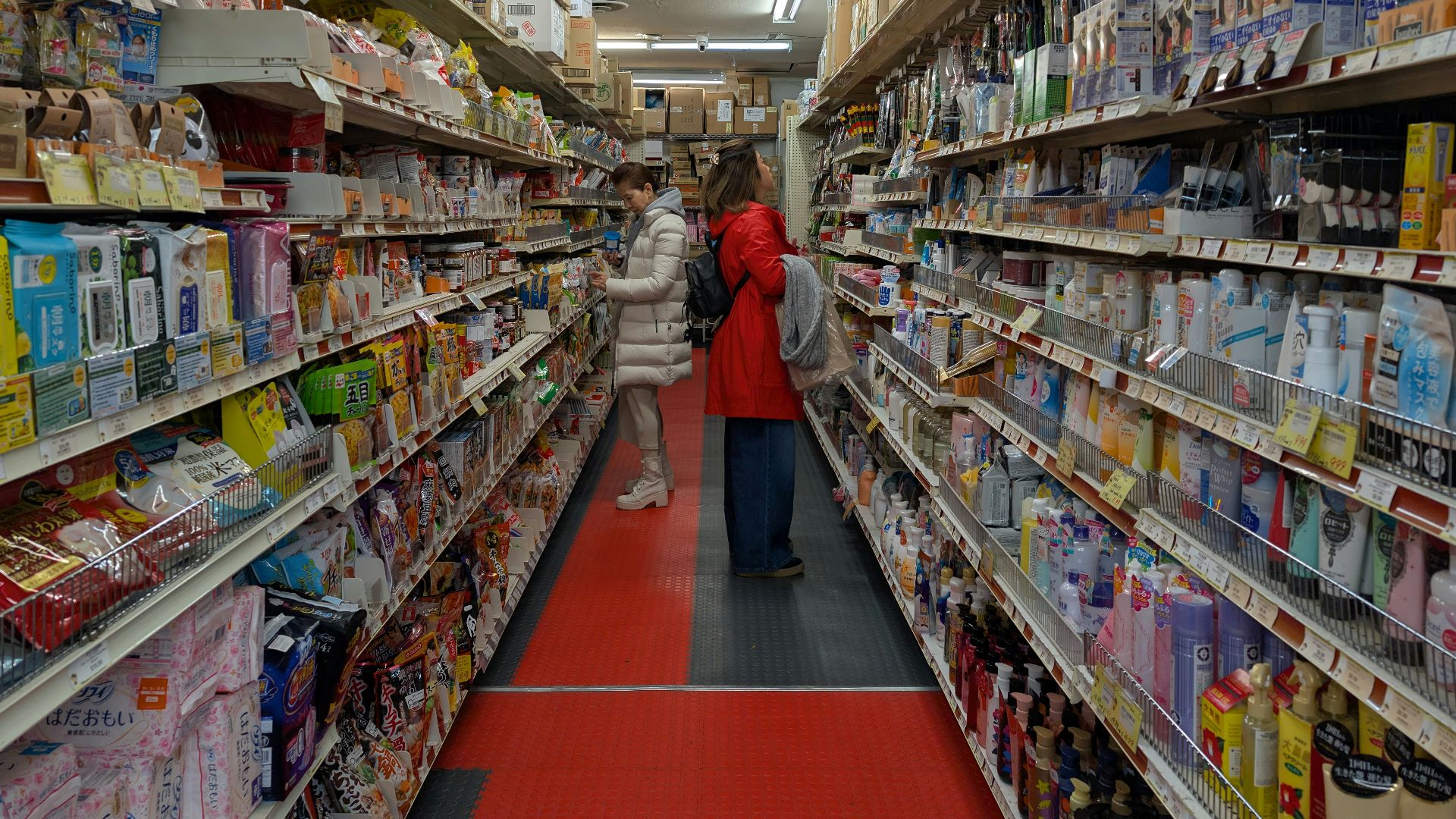
Ordering one soda and watching it magically regenerate throughout dinner can feel almost suspicious to visitors accustomed to paying for every glass. In many casual American restaurants, though, fountain drinks come with free refills and servers may replace them before they're even empty. It's not exactly essential to a great vacation, but the habit grows on people quickly. After several days of unlimited iced tea or Coke, being charged full price for a second glass back home can suddenly feel unusually stingy.
Big Cups Of Free Ice Water At Restaurants
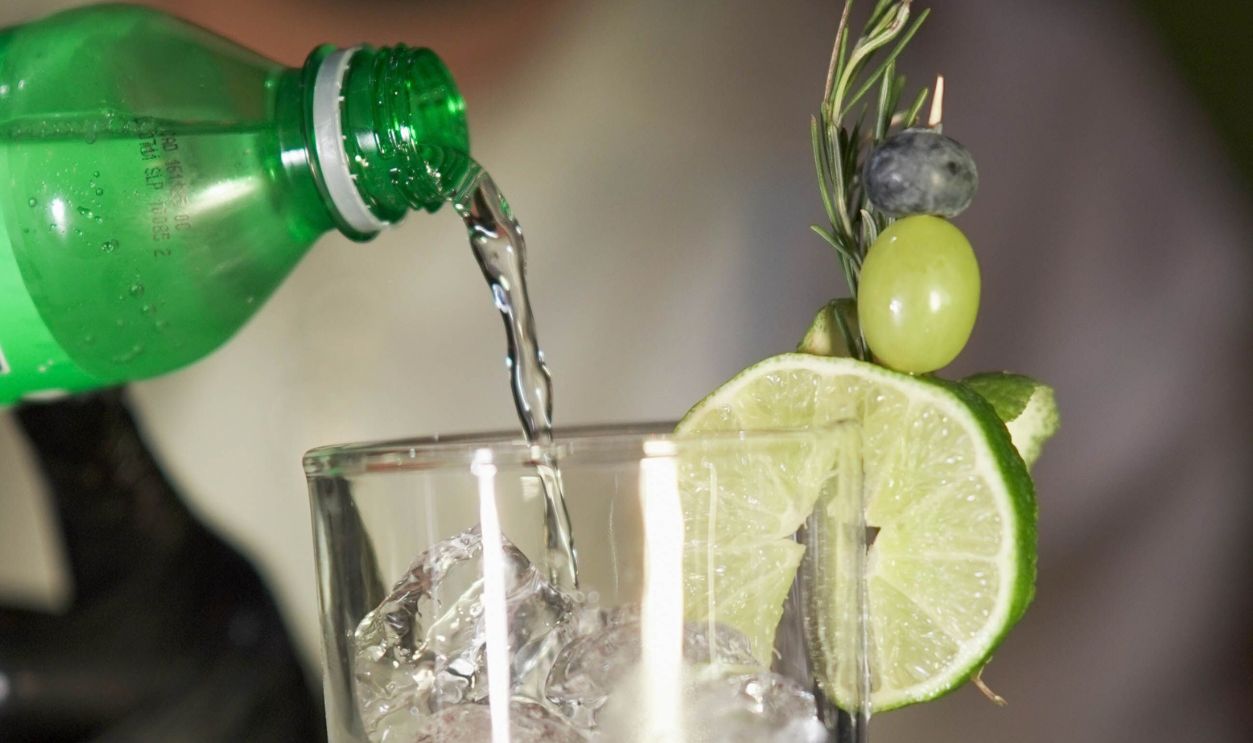
American restaurants are extremely fond of water, particularly when it contains enough ice to threaten structural integrity. A large glass often arrives almost automatically, costs nothing, and keeps getting refilled throughout the meal. That's a pleasant surprise for travelers used to explicitly ordering bottled water or paying for it separately. Some visitors initially find America's obsession with ice baffling, but after walking around on a hot summer day, an enormous freezing glass of water appearing before they've even ordered dinner can feel like exceptional hospitality.
Huge Supermarkets
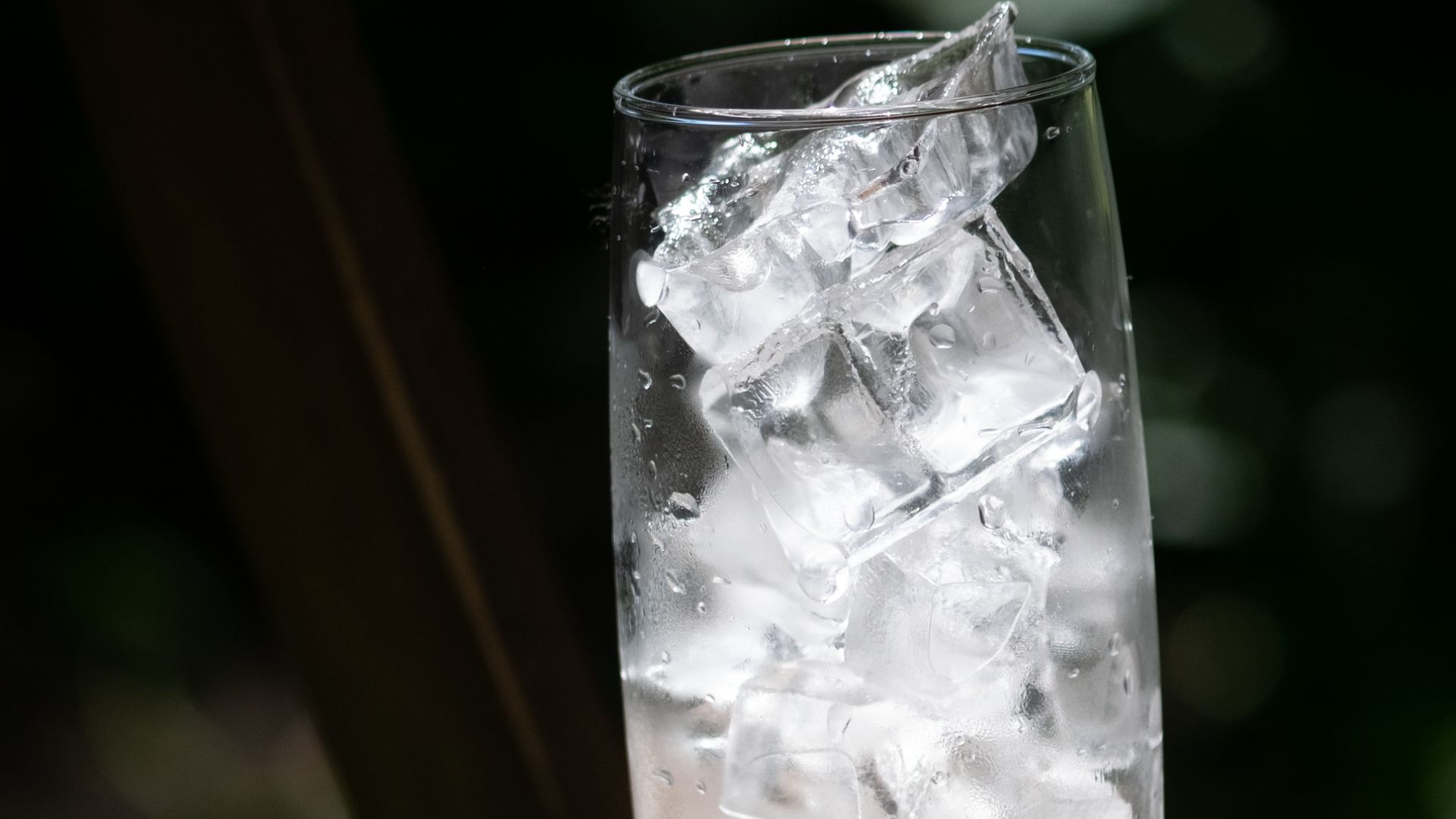
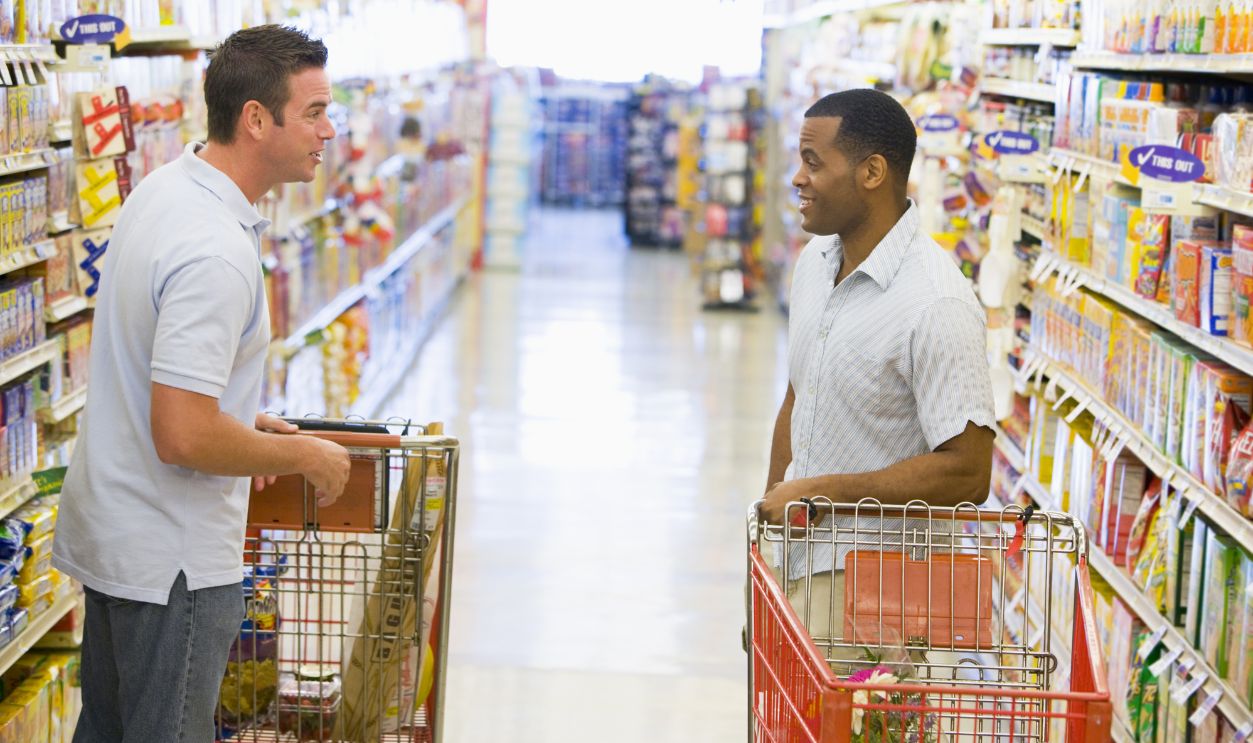
An American supermarket can feel less like a food shop and more like a logistical operation. There may be an entire aisle of cereal, another of sauces, dozens of frozen pizzas, a bakery, deli, florist, pharmacy, prepared-food counter, and enough varieties of chips to induce decision paralysis. The scale overwhelms some visitors initially, especially when choosing something simple requires comparing 27 versions. Eventually, though, the abundance becomes entertaining. Grocery shopping turns into sightseeing, and travelers often leave carrying products they had absolutely no intention of buying.
 Monkey Business Images, Shutterstock
Air Conditioning Everywhere
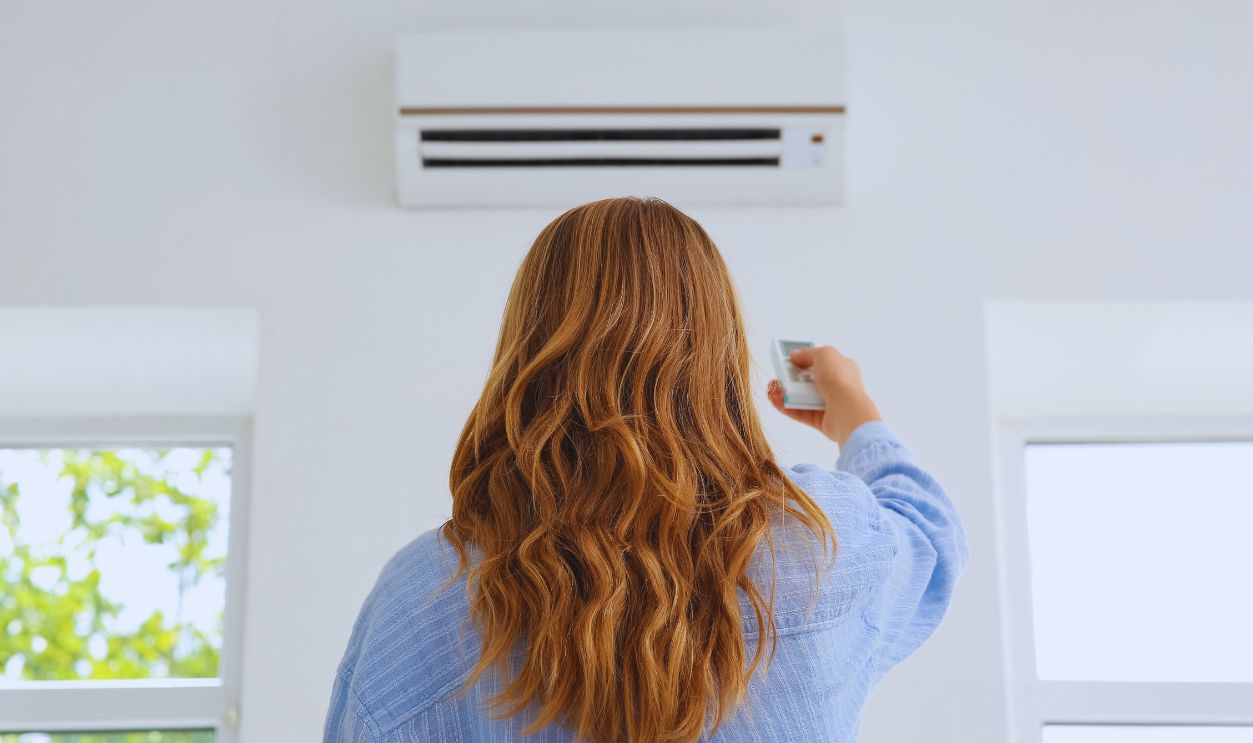
Visitors regularly joke that Americans turn summer buildings into refrigerators. They're not entirely wrong. Restaurants, stores, hotels, offices, cars, and shopping malls may be cooled aggressively enough that stepping indoors feels like changing seasons. The habit can seem wasteful or excessive to people from countries where air conditioning is less widespread. Then comes a genuinely hot, humid American afternoon. After several hours outside, those automatic doors open and a blast of cold air arrives. Suddenly, the person who mocked American air conditioning that morning is standing directly beneath a vent.
Using Clothes Dryers For Almost Everything
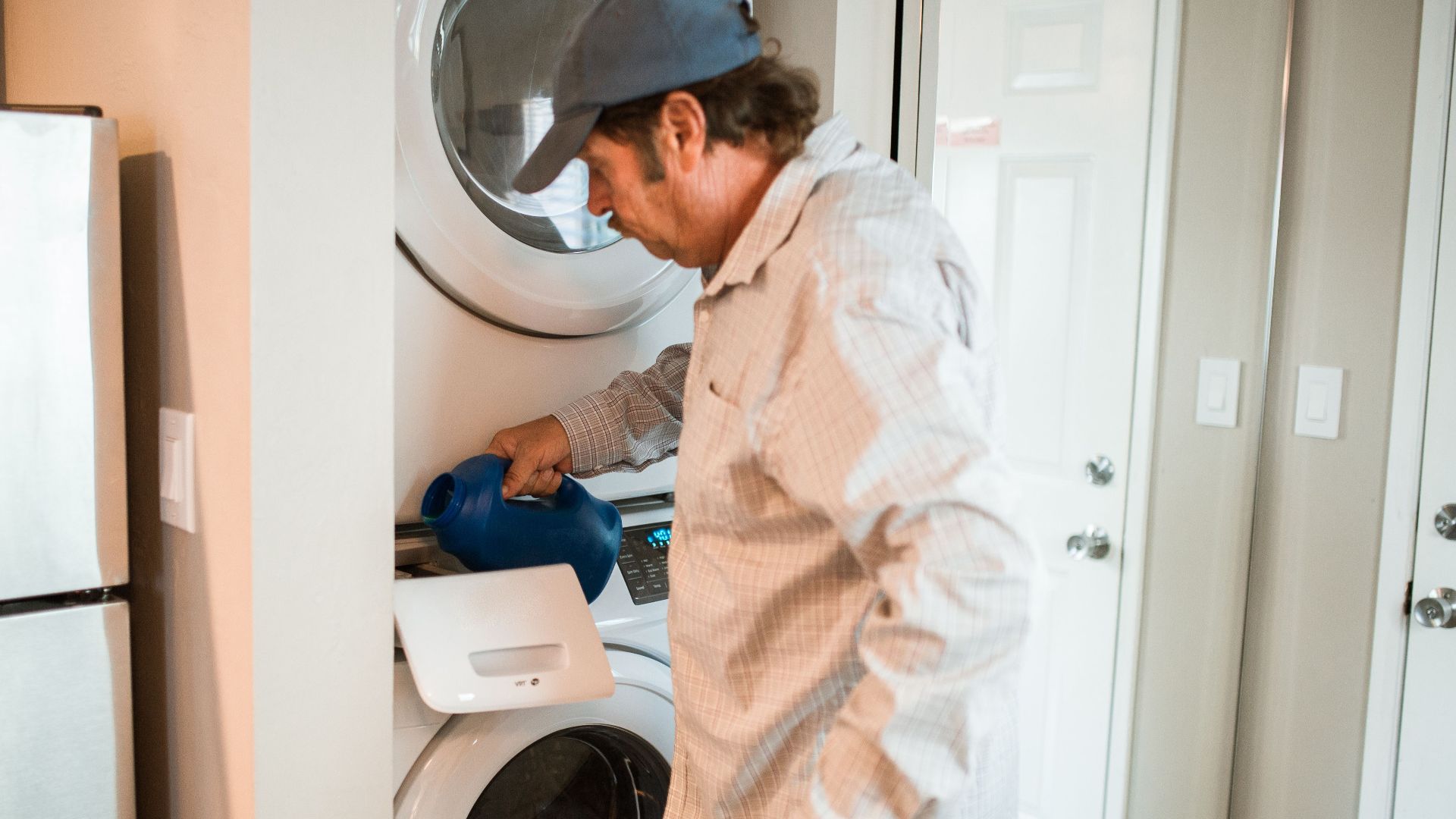
Many American households treat the clothes dryer as the default second half of doing laundry. Wet clothing goes directly from one machine into another, regardless of whether there's enough sunshine outside to dry everything naturally. Visitors accustomed to outdoor clotheslines or indoor drying racks can see this as unnecessarily extravagant. It's also extremely convenient. There are no wet socks hanging over chairs, no checking the weather, and no waiting an entire day for towels to dry. After a few loads, the luxury of turning damp laundry into warm clothing within an hour becomes difficult to dismiss.
Free Restrooms In Stores And Restaurants
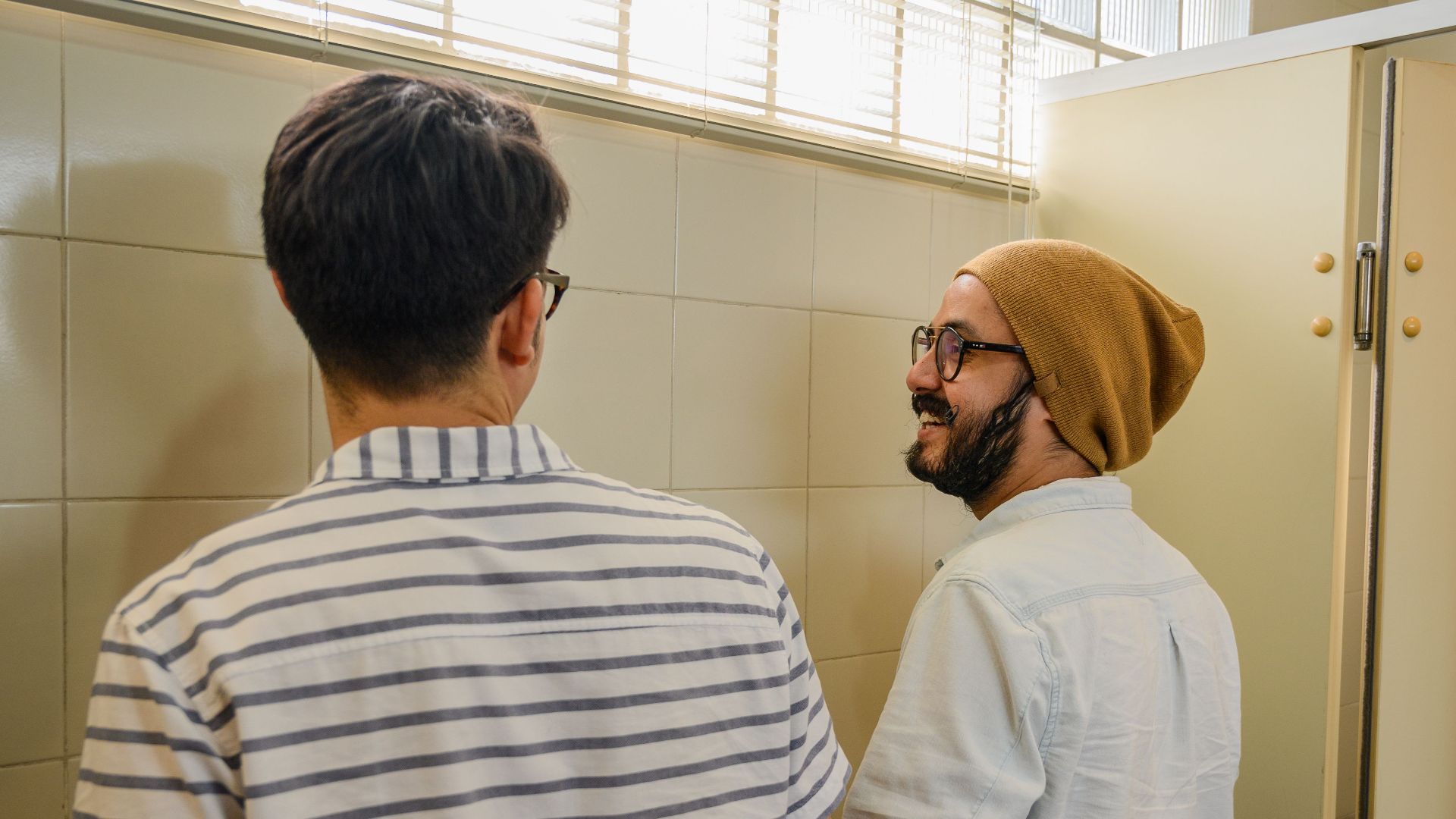
Travelers quickly learn that finding a restroom can become surprisingly complicated in some countries. In much of the United States, malls, big-box stores, gas stations, restaurants, supermarkets, highway rest areas, and other businesses commonly provide toilets without a separate usage fee. Access certainly isn't universal, particularly in dense downtown areas, but the expectation of free customer restrooms is widespread. It's the kind of convenience nobody celebrates until traveling somewhere that requires coins, access codes, purchases, or careful planning whenever nature calls.
Free Parking
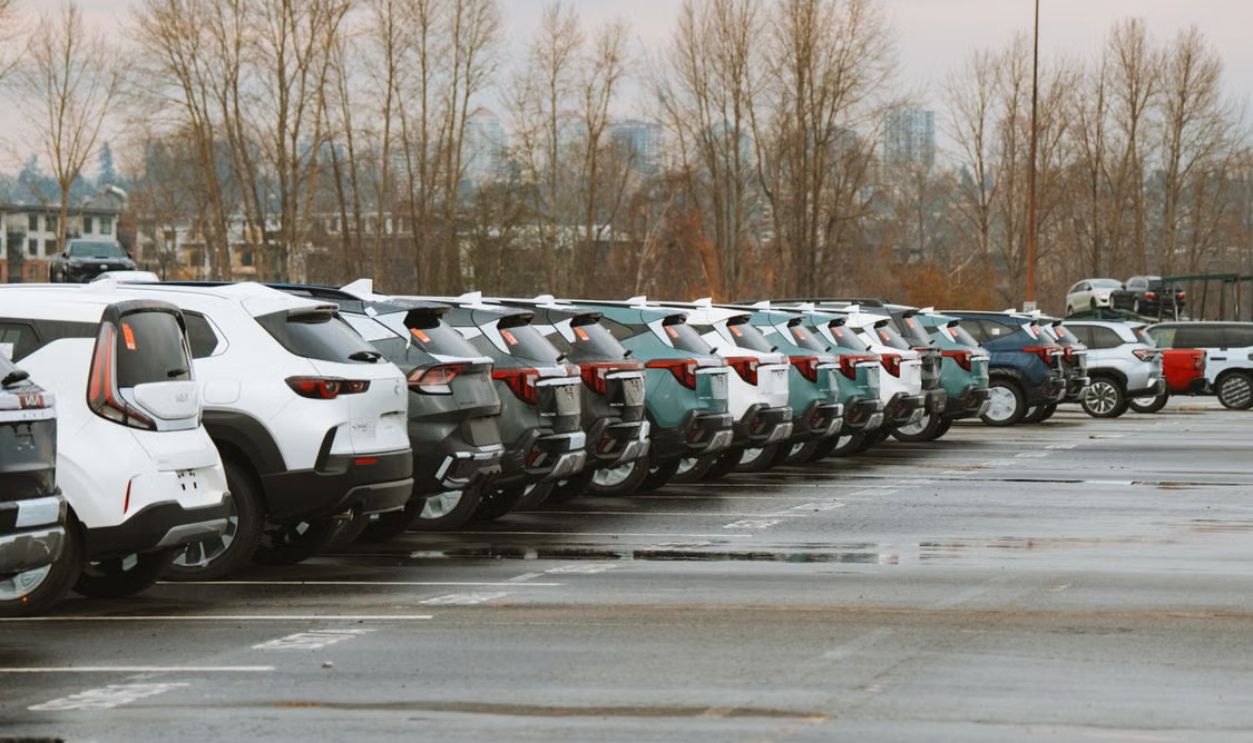
America's gigantic parking lots are easy to mock, especially when they're wrapped around equally gigantic stores. Yet the first time a visitor arrives somewhere and can simply leave the car without hunting for a garage, buying a ticket, studying a street sign, or calculating an hourly rate, the appeal becomes obvious. Free parking is particularly common in suburban shopping areas, where land use revolves heavily around cars. The system has plenty of downsides, but as a traveler trying to buy groceries or grab dinner, “park anywhere over there for free” is wonderfully straightforward.
Curbside Pickup
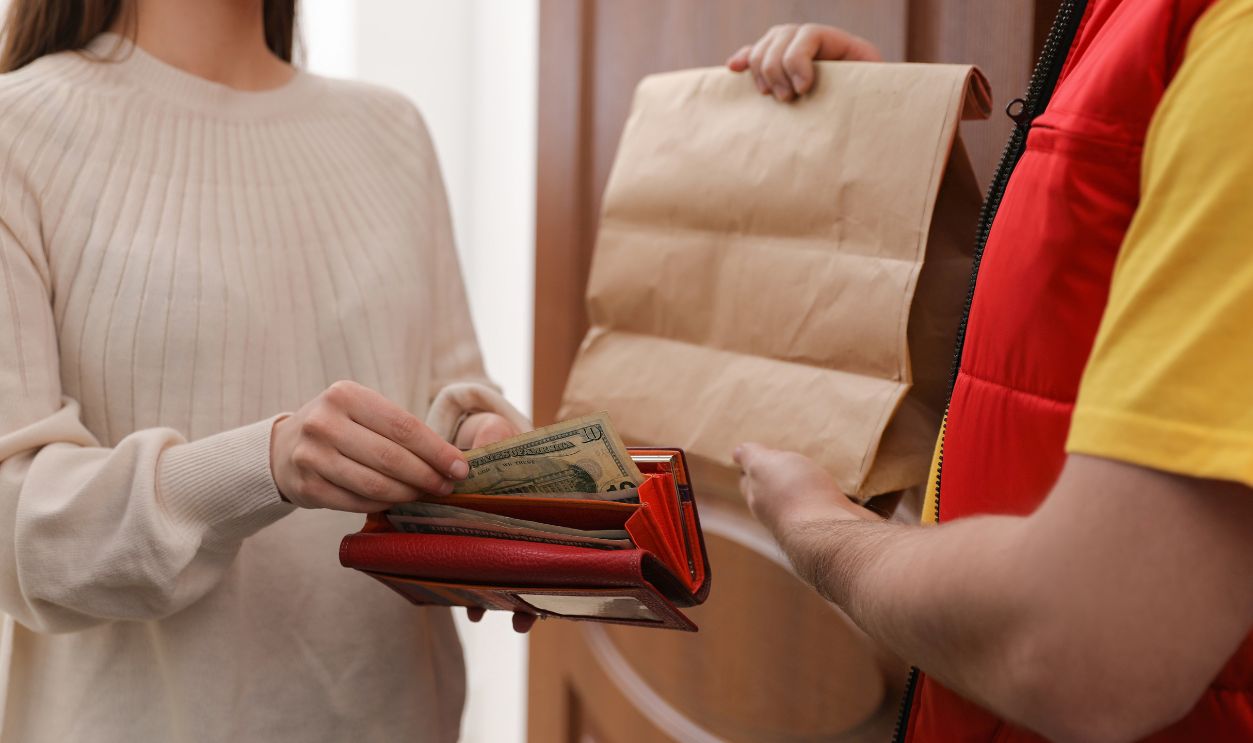
Curbside pickup really shines when someone doesn't want to make an ordinary errand part of their vacation. Order groceries, restaurant food, pharmacy items, or household supplies online, pull into a designated space, announce your arrival, and someone brings everything out. The practice expanded enormously during the pandemic and stuck around because customers discovered it was genuinely useful. To an unfamiliar visitor, having a store employee walk an order directly to the trunk may look like extravagant service. After experiencing it once with exhausted children or terrible weather, that judgment tends to disappear.
Fast Home Delivery
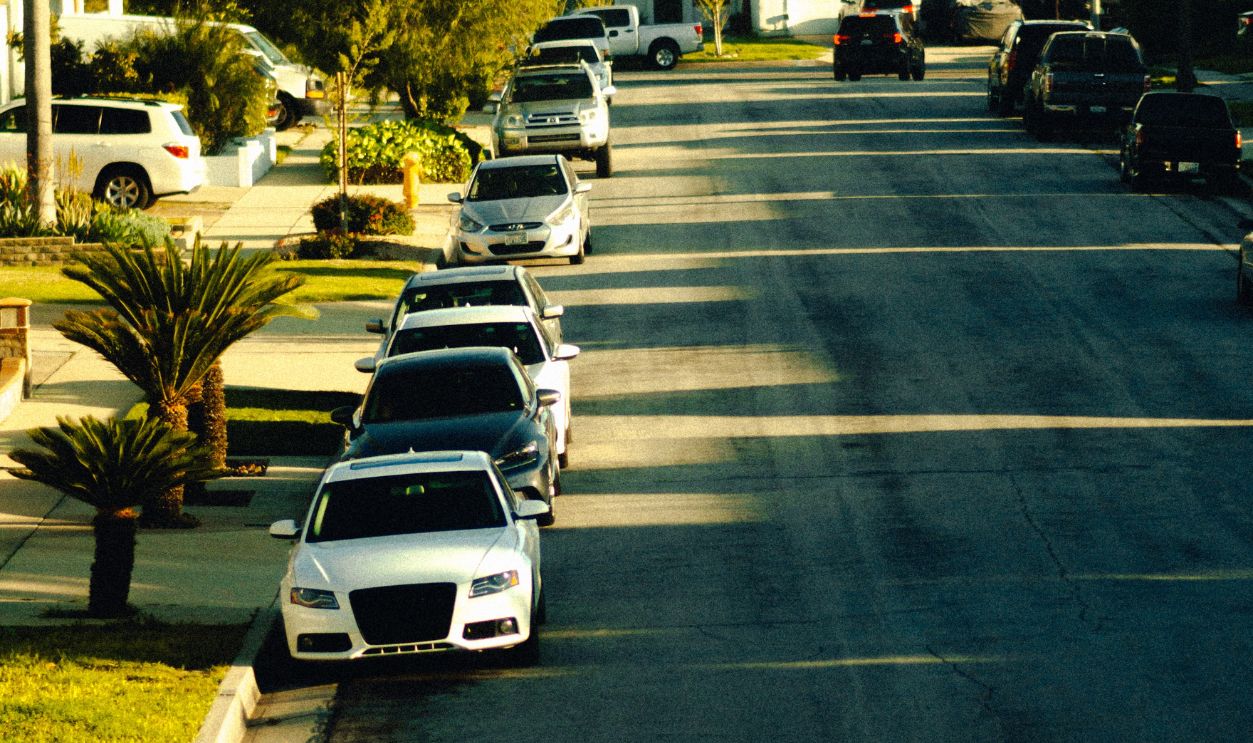
American online shopping has trained consumers to develop almost unreasonable expectations about speed. Products that once required a trip across town can appear on a doorstep within a day or two, and in some cities certain purchases arrive the same day. Visitors staying with American friends or relatives can be amazed when somebody casually orders toothpaste, a charger, pet food, or kitchen supplies rather than going to a store. It's easy to criticize until you participate. Once “I'll order it tonight” reliably means “it'll probably be here tomorrow,” patience for slower delivery evaporates surprisingly fast.
Putting Drinks In To-Go Cups
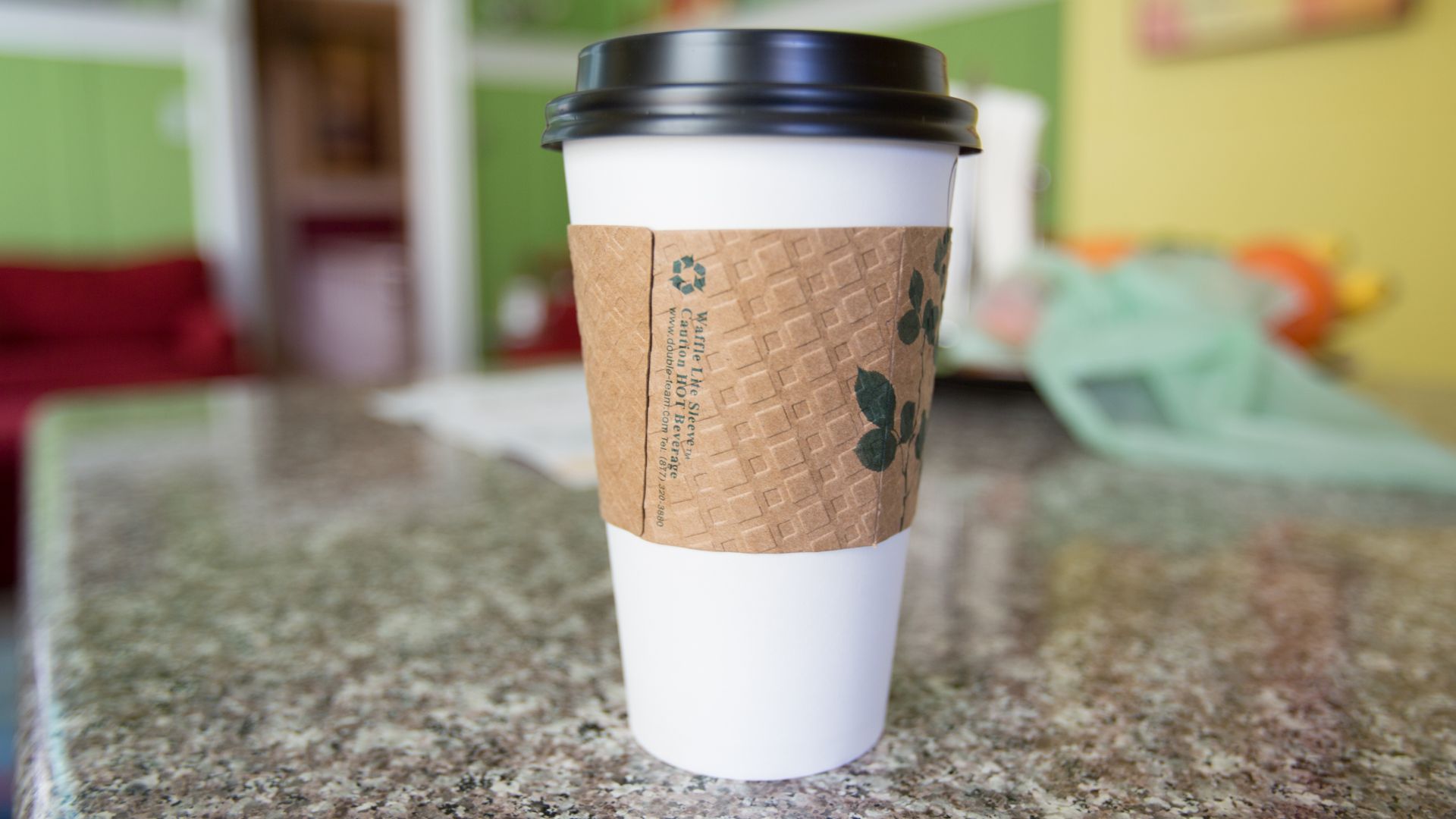
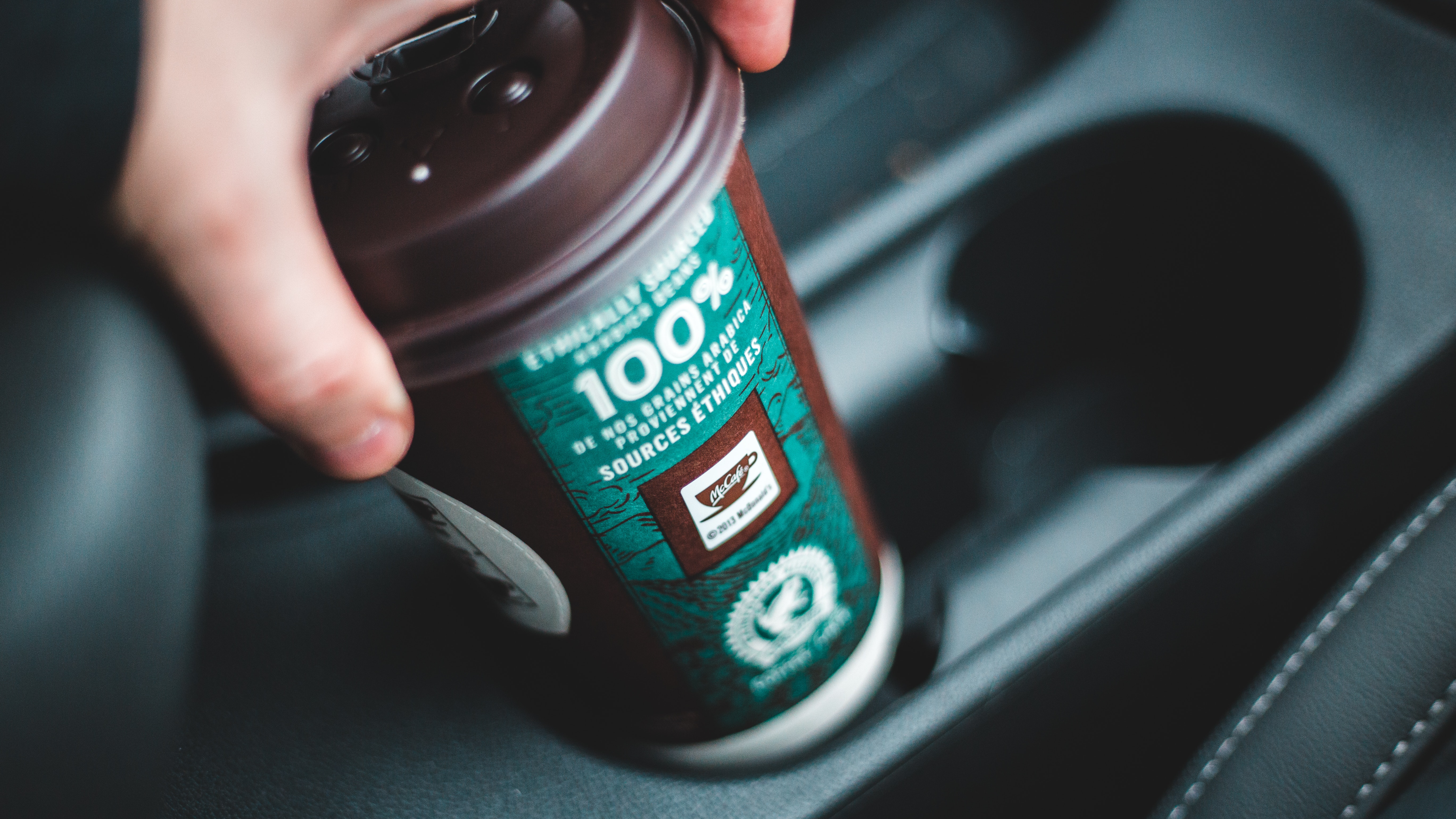
Americans don't necessarily believe beverages should end when people leave the building. Coffee comes with lids. Fountain drinks come with lids. Smoothies, iced tea, milkshakes, and enormous iced coffees are all designed to travel. Restaurants may even provide a fresh cup for someone leaving with a drink. Visitors soon discover that American life is structured around walking, driving, commuting, shopping, and running errands while holding something caffeinated. The ubiquity can look excessive, but the convenience is undeniable. You don't finish the coffee because breakfast ended. Breakfast simply releases the coffee into the world.
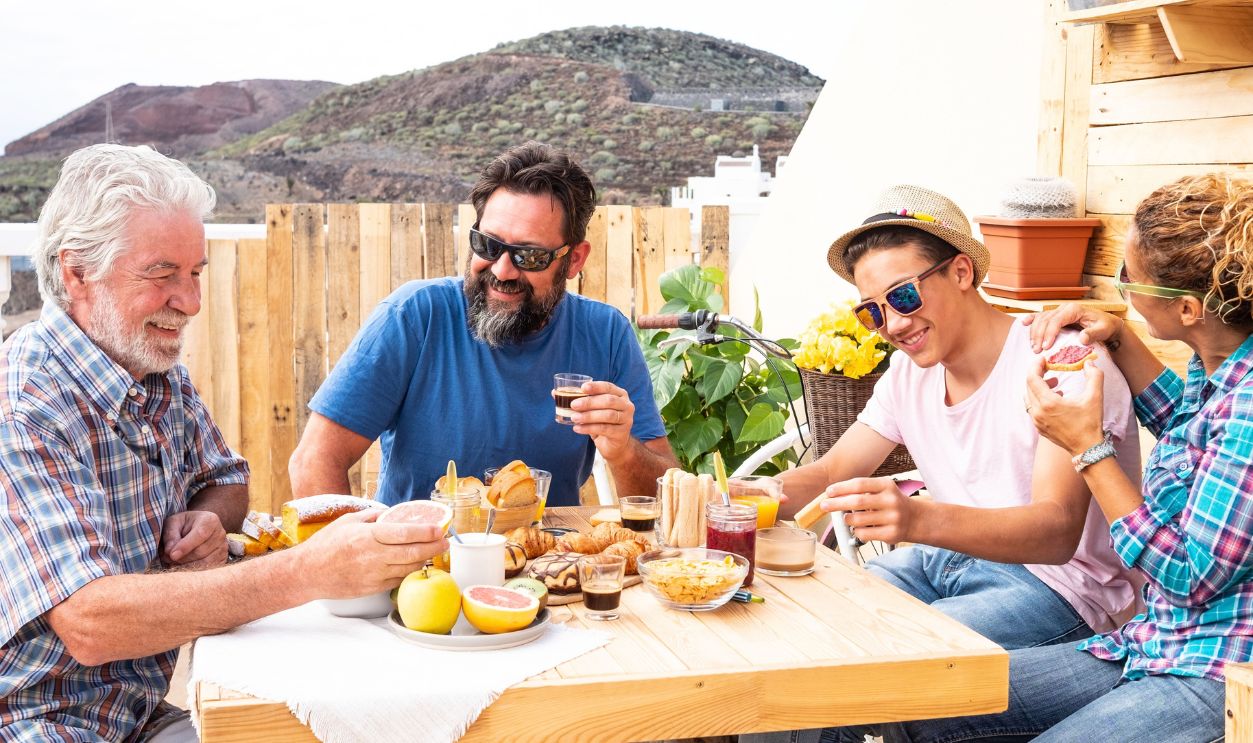
Unlimited Coffee Refills At Diners
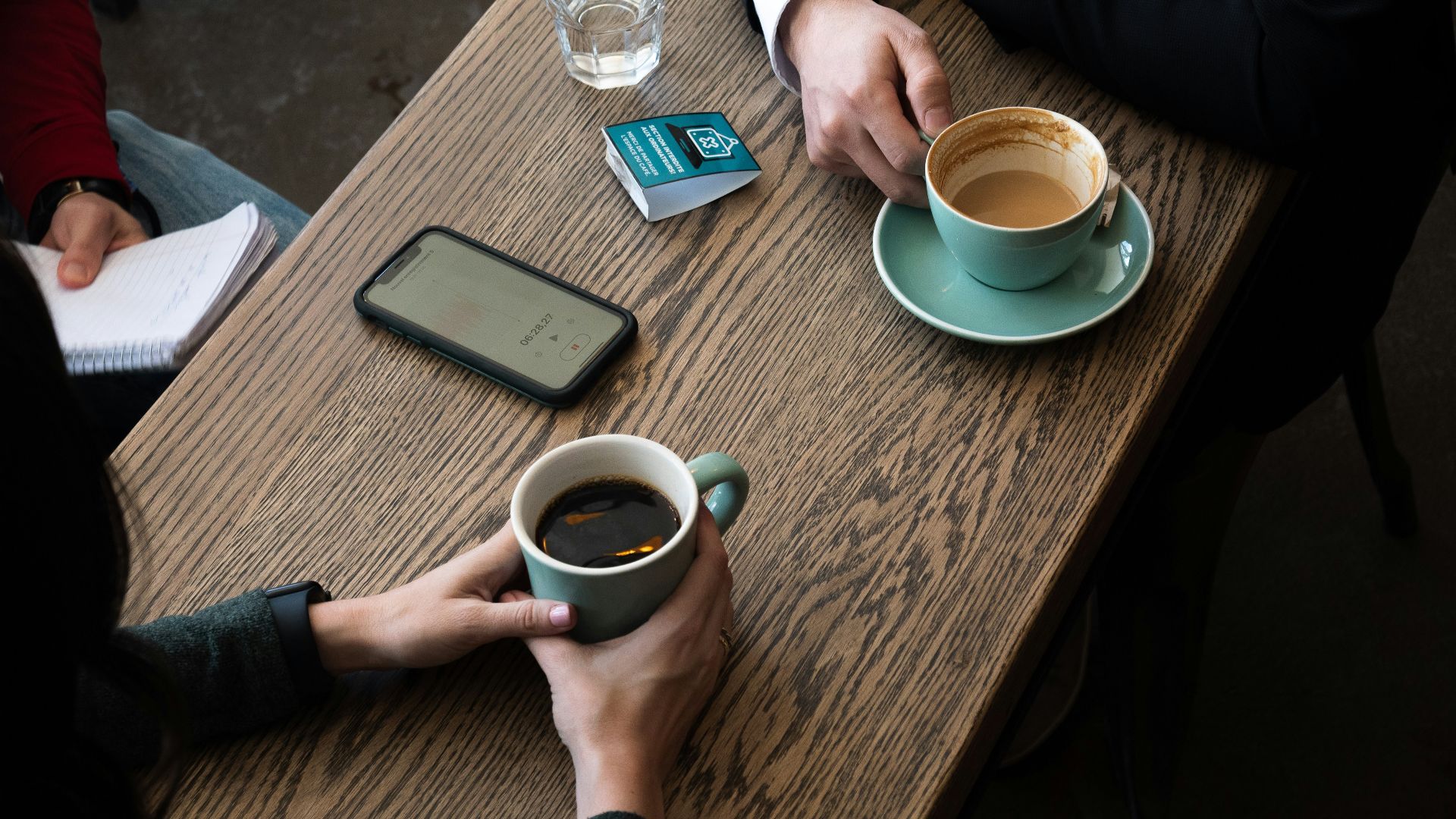
The American diner coffee cup has an almost supernatural ability to remain full. A server passes with a pot, pours a little more, circles the room, and somehow returns precisely when the level drops again. Sometimes the refill arrives without the customer having to ask. For visitors used to purchasing coffee by the individual cup, the ritual can feel hilariously generous. Diner coffee may not be the fanciest coffee in America, but that's almost beside the point. The pleasure comes from settling into a booth and realizing the caffeine supply appears to be under permanent surveillance.
Treating Breakfast Like A Full Meal
In plenty of countries, breakfast can mean coffee, bread, fruit, or something else relatively quick. America looked at the first meal of the day and apparently decided it needed multiple courses. A diner breakfast can involve eggs, bacon, sausage, pancakes, waffles, toast, hash browns, biscuits, gravy, and endless coffee. Visitors often arrive thinking nobody could possibly eat all of it at 8 a.m. Then they encounter pancakes covered in syrup after a long travel day. Soon breakfast stops being something to get through before sightseeing and becomes one of the attractions.
Customizing Restaurant Orders
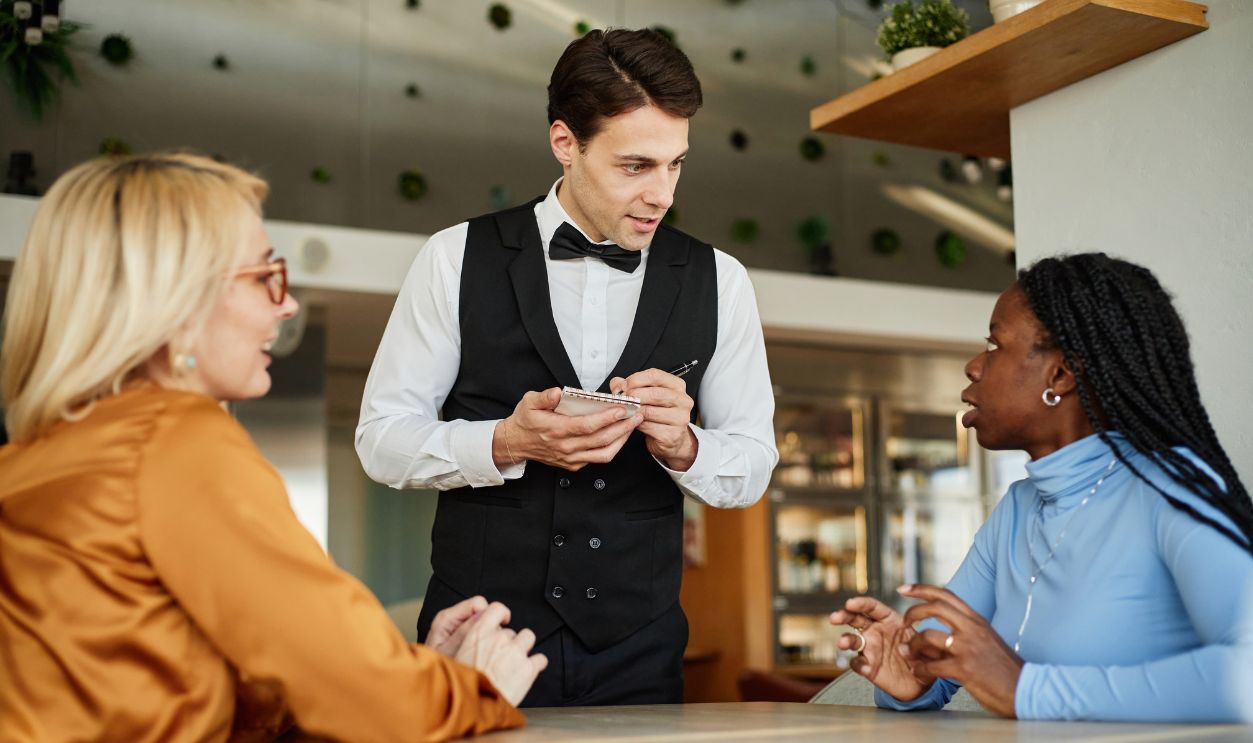
“Can I get that without onions, substitute fries for salad, dressing on the side, extra pickles, and add avocado?” In many American restaurants, that's an ordinary order rather than an insult to the chef. Visitors from cultures where dishes generally arrive as designed may find all the modifications surprising. The system isn't limitless, especially at higher-end restaurants, but casual American dining often embraces customization. It becomes especially appealing for travelers with dietary preferences, allergies, or strong dislikes. Once people become accustomed to getting exactly what they want, returning to “that's simply how it comes” can feel restrictive.
Casual Clothing Almost Everywhere
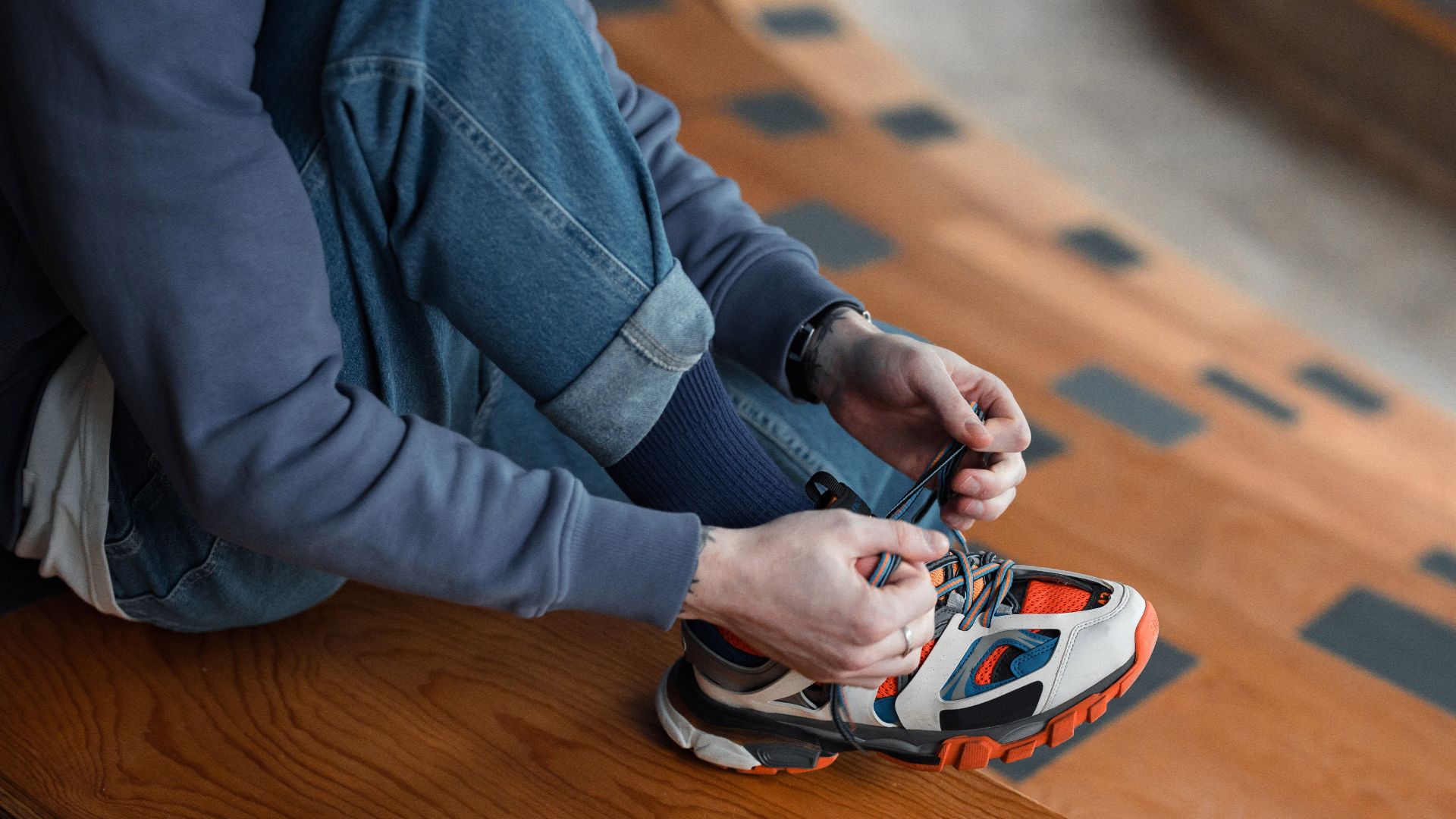
Americans can wear sneakers to restaurants, hoodies on airplanes, baseball caps indoors, and athletic clothing during activities that contain absolutely no athletics. Visitors from more formal cultures sometimes interpret the relaxed dress code as sloppy. Then they spend a week walking around a city, driving between attractions, or navigating airports and begin to understand the appeal. Unless the setting specifically calls for formality, comfort frequently wins. There's something liberating about realizing nobody cares that the sightseeing outfit prioritizes walking eight miles without developing blisters over looking elegant while doing it.
Attentive Restaurant Service
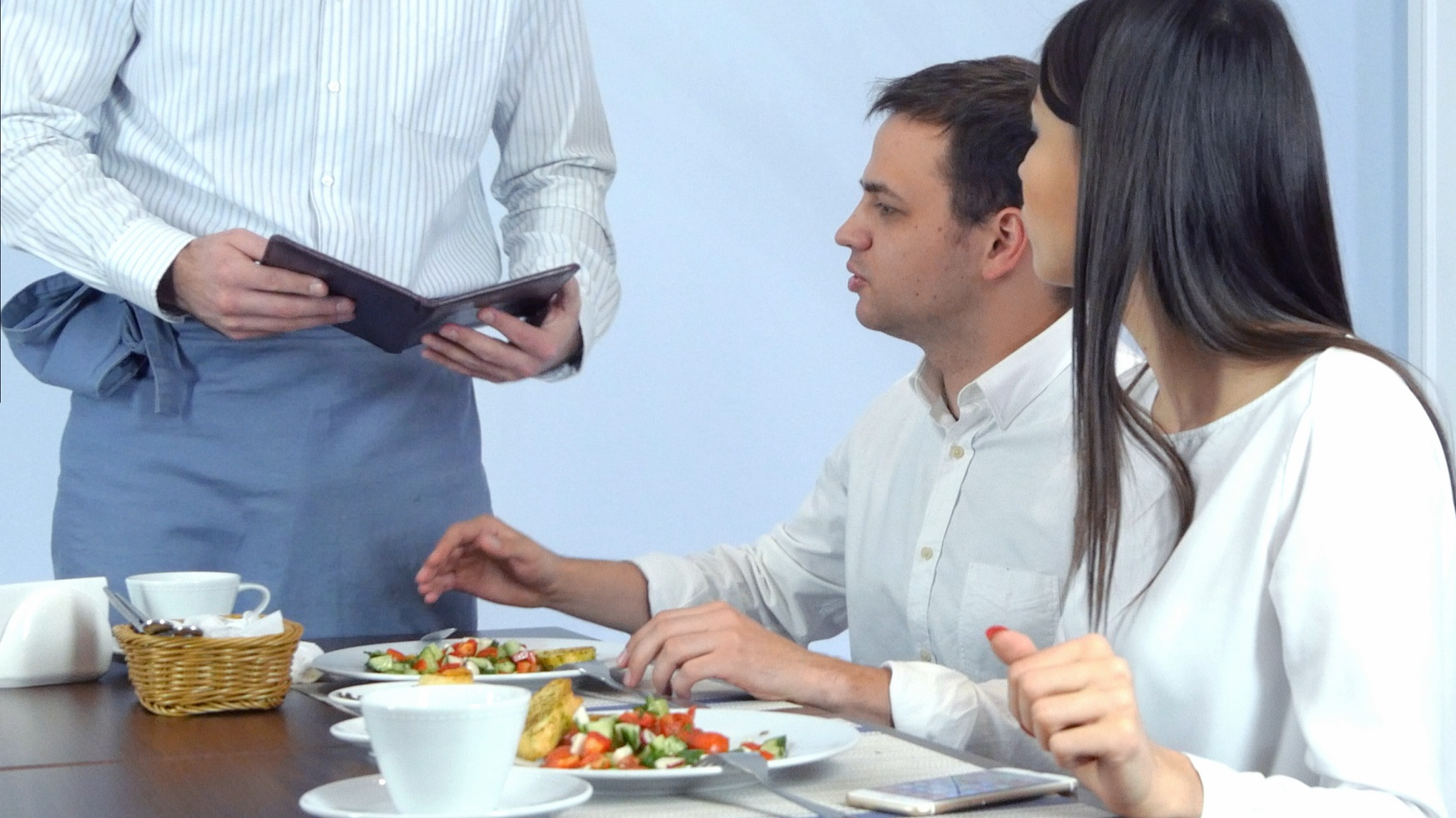
American servers can seem intensely interested in whether everything is okay. They introduce themselves, check on the food, refill drinks, remove plates, offer sauces, and return again to see whether dessert sounds tempting. Travelers used to signaling a server only when they need something may initially wonder why the same person keeps appearing. Once adjusted, though, the responsiveness can feel luxurious. Empty water glasses rarely remain empty for long, and getting another condiment doesn't require ten minutes of strategic eye contact. The system can be overbearing, but being slightly over-served beats feeling completely forgotten.
Cup Holders Everywhere
America's beverage infrastructure extends far beyond restaurants. Cars have cup holders in the front, back, doors, consoles, and sometimes third rows. Movie theaters have them. Stadiums have them. Strollers have them. Folding chairs and sofas can have them. The national commitment to having a drink within arm's reach borders on impressive. Visitors might laugh at first, particularly when a car seems to contain more beverage spaces than passengers. Then they're handed a coffee while carrying a phone, bag, and jacket and discover an empty cup holder waiting. Civilization suddenly makes sense.
Road-Trip Culture
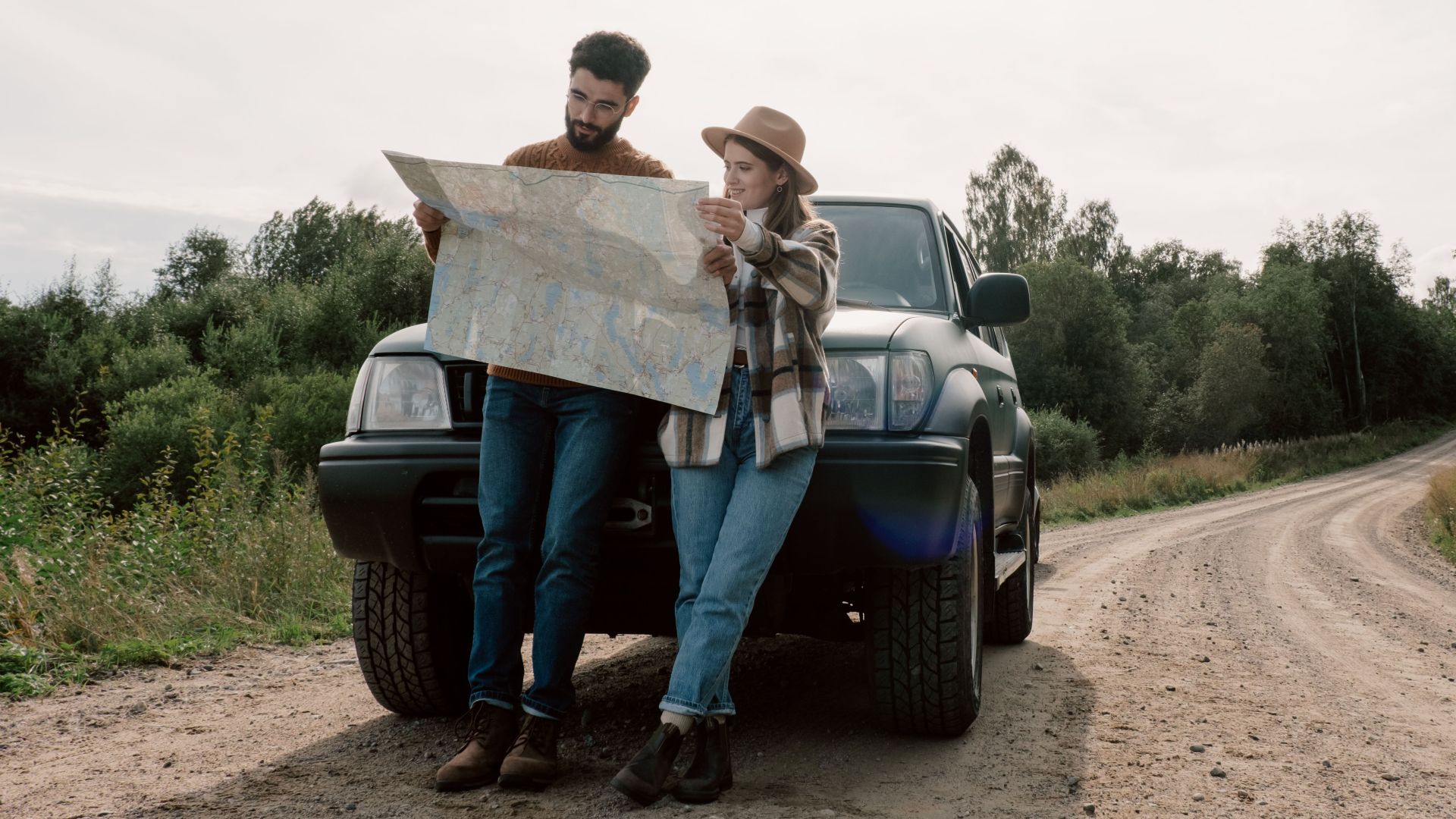
Americans have an unusually relaxed definition of “not that far". A destination three or four hours away can become a perfectly reasonable weekend drive, and the enormous scale of the country helped build an entire travel culture around highways. Roadside diners, national parks, scenic routes, rest stops, strange attractions, motels, and carefully curated driving playlists all become part of the experience. Visitors from smaller countries may initially recoil when told an attraction is “only two hours away". Eventually, the journey starts becoming part of the vacation rather than wasted time between destinations.
Going Big For Halloween
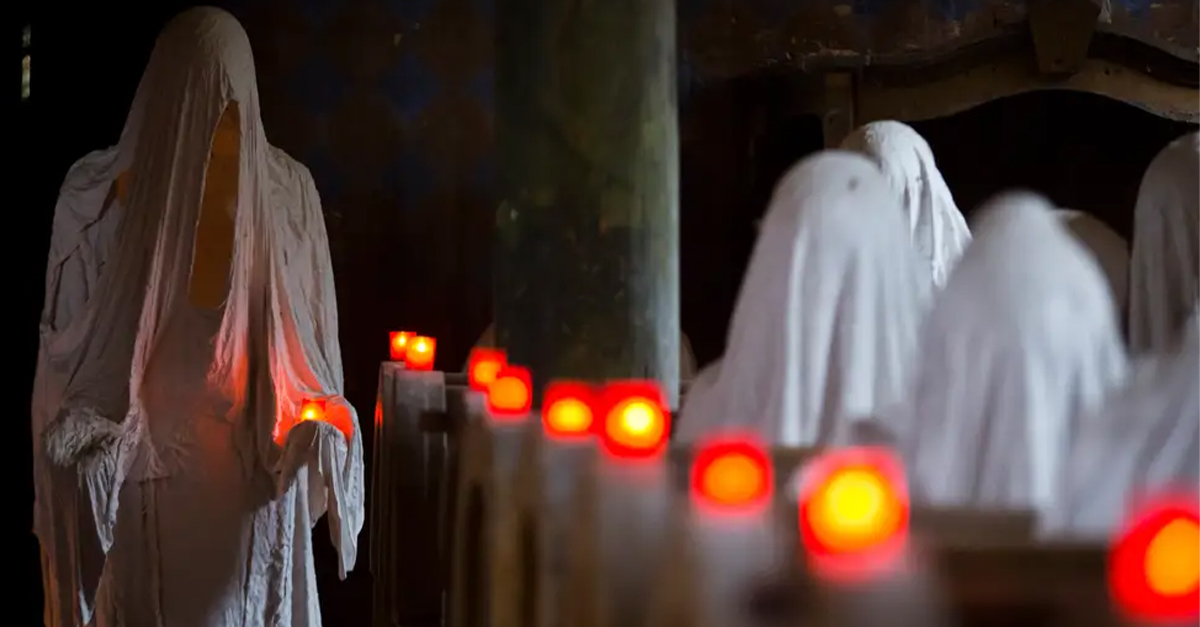
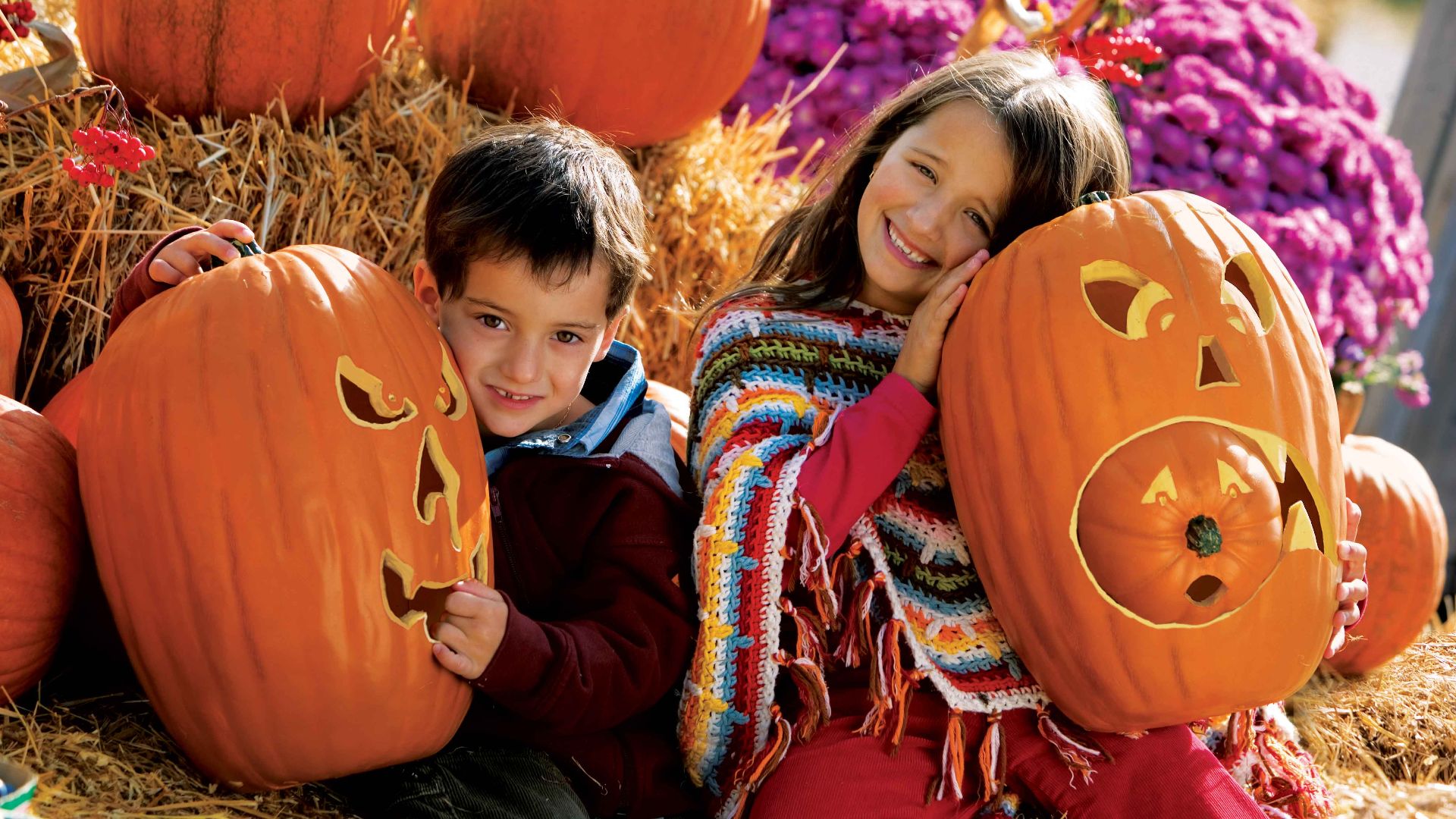
American Halloween can look wildly disproportionate to someone accustomed to a quieter version of the holiday. Houses turn into graveyards, enormous skeletons appear on lawns, adults go to costume parties, stores dedicate entire aisles to candy, and neighborhoods fill with trick-or-treaters. Some homeowners start decorating weeks in advance. The enthusiasm is difficult not to enjoy because participation isn't limited to children. Visitors can wander through decorated neighborhoods, visit haunted attractions, carve pumpkins, or simply watch people take an extremely unserious holiday extremely seriously. Even skeptics can find the commitment infectious.
 New Brunswick Tourism, Wikimedia Commons
Treating College Sports Like Professional Sports
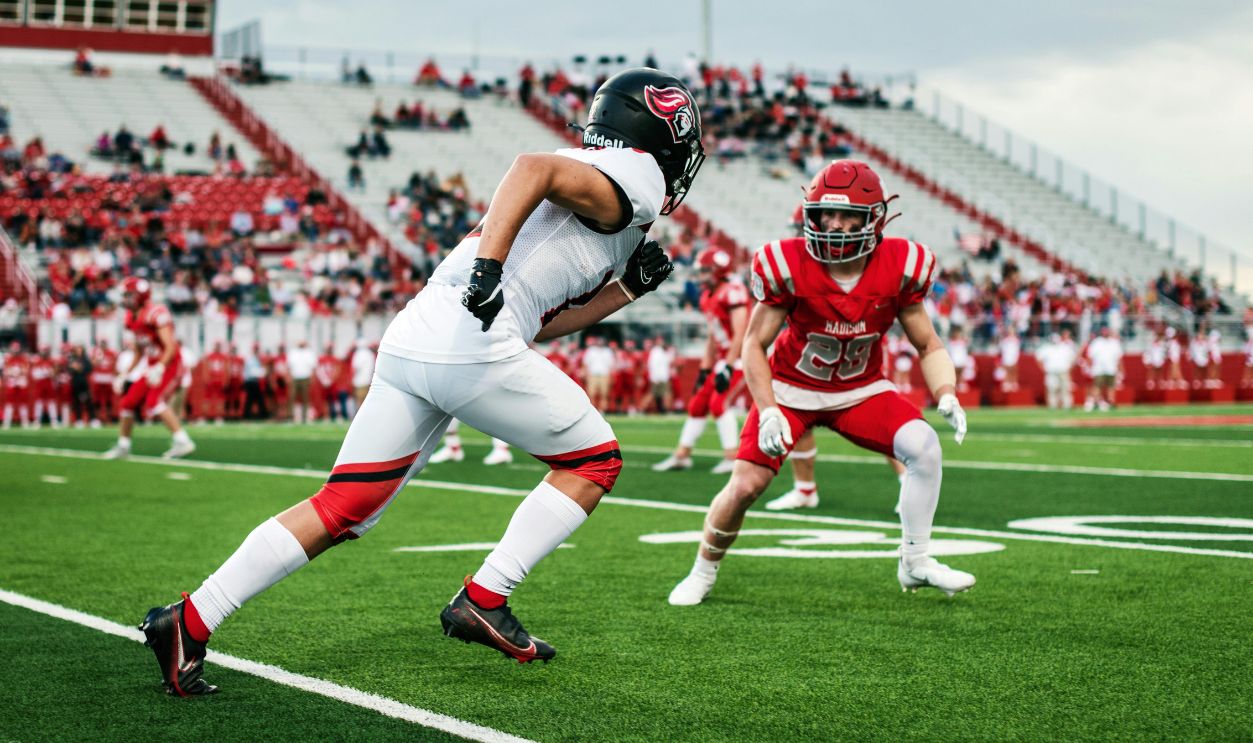
Nothing quite prepares an international visitor for discovering that a university football game can draw tens of thousands of screaming fans into an enormous stadium. College sports blend athletics with marching bands, mascots, student sections, alumni traditions, rivalries, songs, elaborate uniforms, and sometimes generations of family loyalty. The concept can seem bizarre if university sport back home attracts only modest crowds. Attend a major game, though, and the appeal becomes clearer. It isn't simply a sporting event. It's part reunion, part civic festival, part spectacle, and part deeply emotional regional identity.
Tailgating Before Sporting Events
Explaining tailgating to someone unfamiliar with it makes Americans sound as though they've misunderstood what parking lots are for. Fans arrive hours before the event, open their trunks, unfold tables, fire up grills, play games, share drinks, and turn rows of parked vehicles into temporary neighborhoods. The gathering can last almost as long as the actual game. Once visitors participate, the weirdness becomes the point. Tailgating stretches a few hours of sport into an entire social occasion, giving strangers an excuse to cook together, argue about teams, and make friends before anyone even enters the stadium.
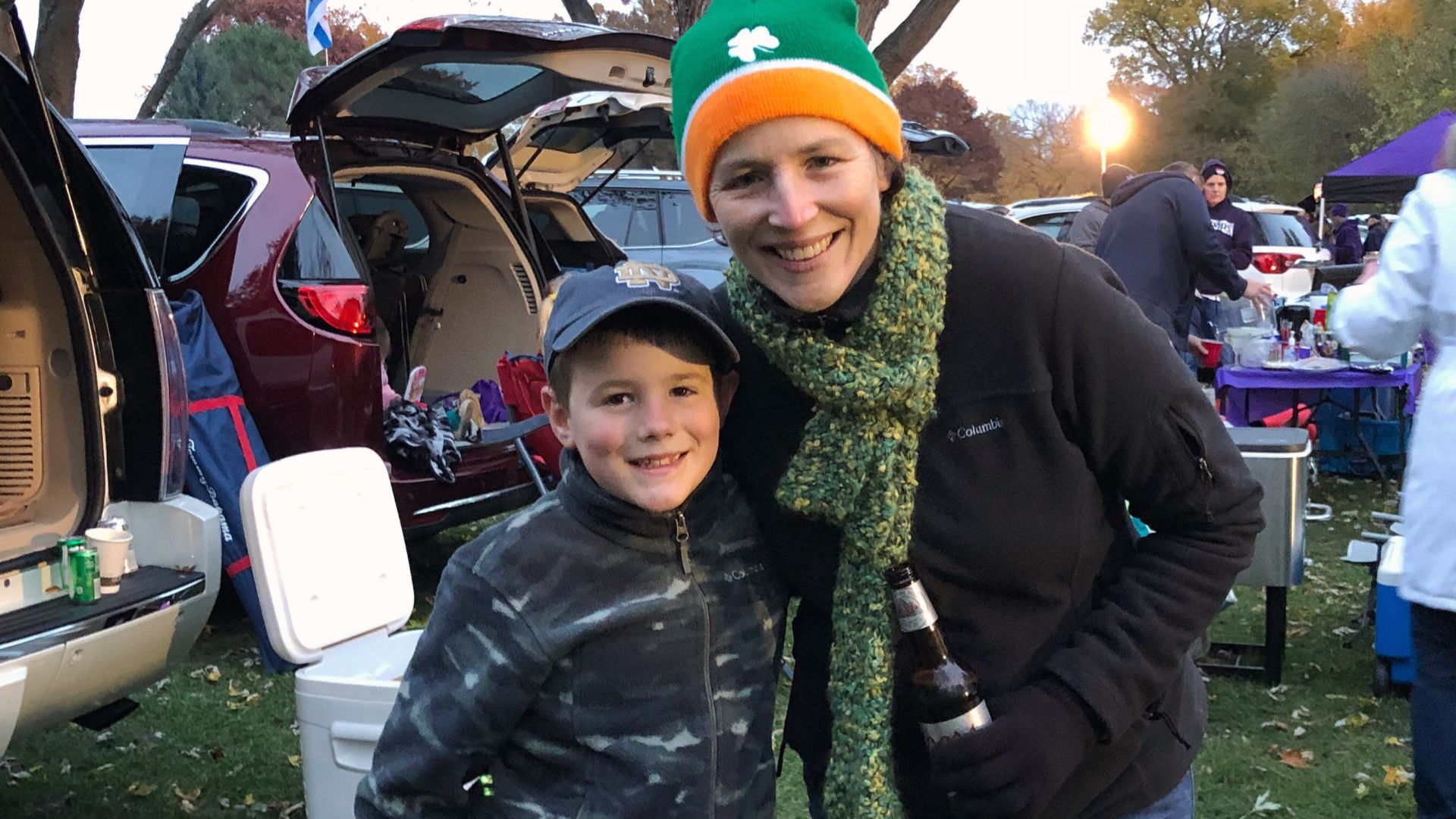 Ryan Dickey from Evanston, IL / Chicago, United States, Wikimedia Commons
You May Also Like:
Things Americans Regularly Overpay For On Vacation Without Realizing It
The Countries Americans Say They Would Actually Move To If They Left The US