
Vacation Mode Can Get Expensive Fast
Vacations have a funny way of making normal spending rules disappear. A $9 snack, unnecessary upgrade, or convenience fee can suddenly seem reasonable because you are tired, excited, or simply unfamiliar with your destination. Individually, these expenses look harmless. Added together across several days, however, they can quietly make a supposedly affordable getaway much more expensive.
 Marcos Mesa Sam Wordley, Shutterstock Images
The Cheapest Airline Ticket
A rock-bottom airfare is not necessarily the cheapest flight. The Department of Transportation notes that basic and discounted fares can carry stricter baggage and seat-assignment rules, while airlines may charge separately for checked luggage and other services. Comparing what you will actually need, rather than the first fare displayed, can produce a very different winner.

Paying To Pick Any Seat
Travelers sometimes treat advance seat selection as a required part of buying a plane ticket. It generally is not. DOT guidance says passengers can receive a seat without purchasing an advance assignment, although paying may still make sense when a particular location matters. Check the airline’s policy before automatically adding the charge.

Checked Bags You Could Avoid
Baggage can transform a bargain ticket once everyone checks a suitcase. DOT requires airlines to make baggage-fee information available to customers, and overweight or oversized luggage can generate additional charges. Packing within a carrier’s included allowance and checking the rules before arriving at the airport can prevent a costly surprise.

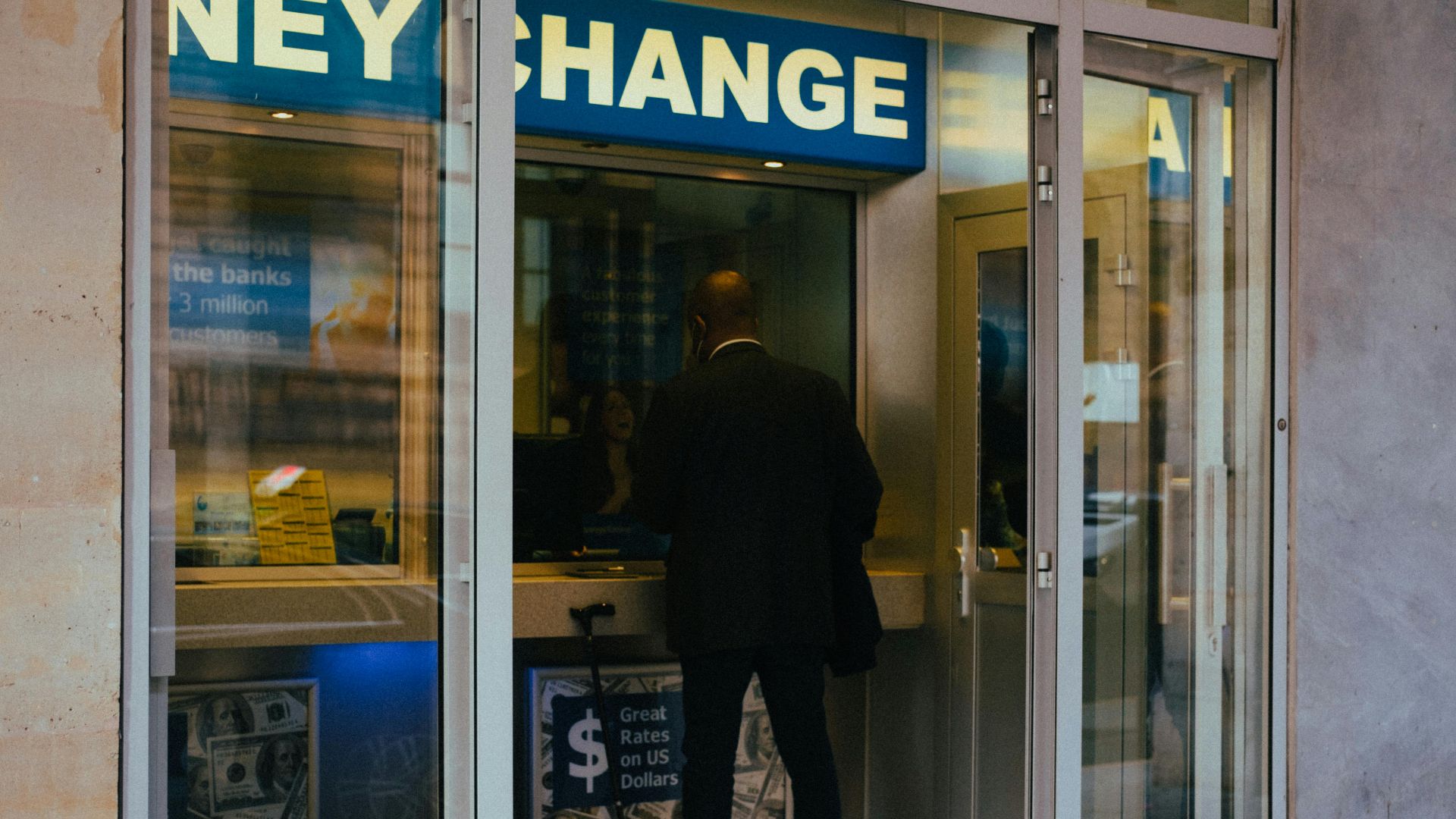
Airport Currency Exchange
The exchange booth beside baggage claim certainly looks convenient after a long international flight. Convenience, however, can come with unfavorable rates and additional fees. Financial guidance for travelers consistently recommends comparing exchange costs beforehand instead of assuming an airport counter provides a competitive deal.
Paying In Dollars Abroad
A foreign card terminal may helpfully offer to convert your purchase into US dollars. This is dynamic currency conversion, and the conversion can include a markup determined by the merchant or payment provider. Choosing the local currency generally lets your card network or issuer handle the conversion instead.
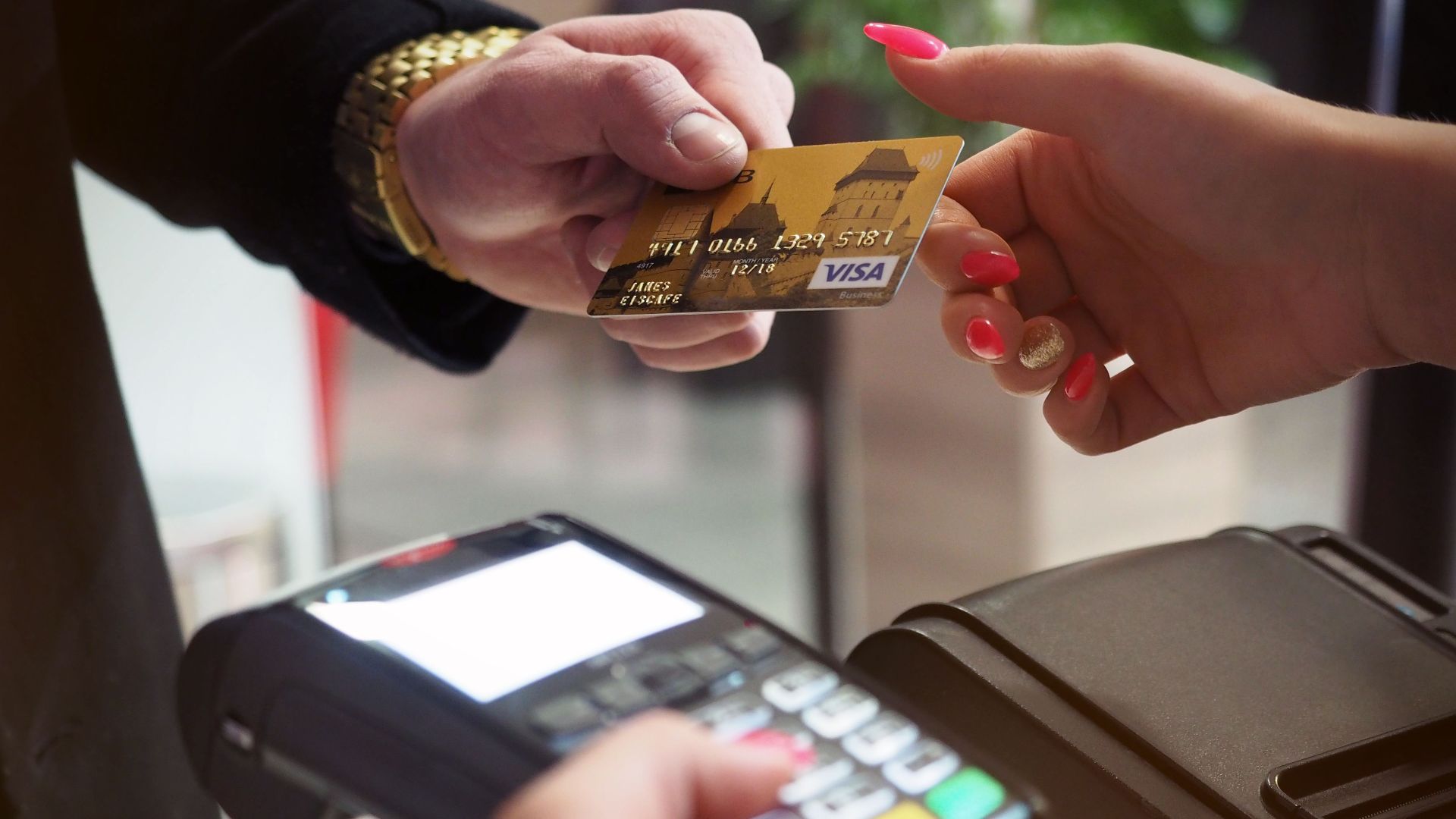
Foreign Transaction Fees
Even travelers who never touch cash can lose money one purchase at a time. The Consumer Financial Protection Bureau confirms that card issuers may impose foreign transaction fees on purchases made abroad, in foreign currency, or even with certain foreign merchants. Checking your card agreement before departure can reveal whether every restaurant bill and souvenir carries an extra charge.

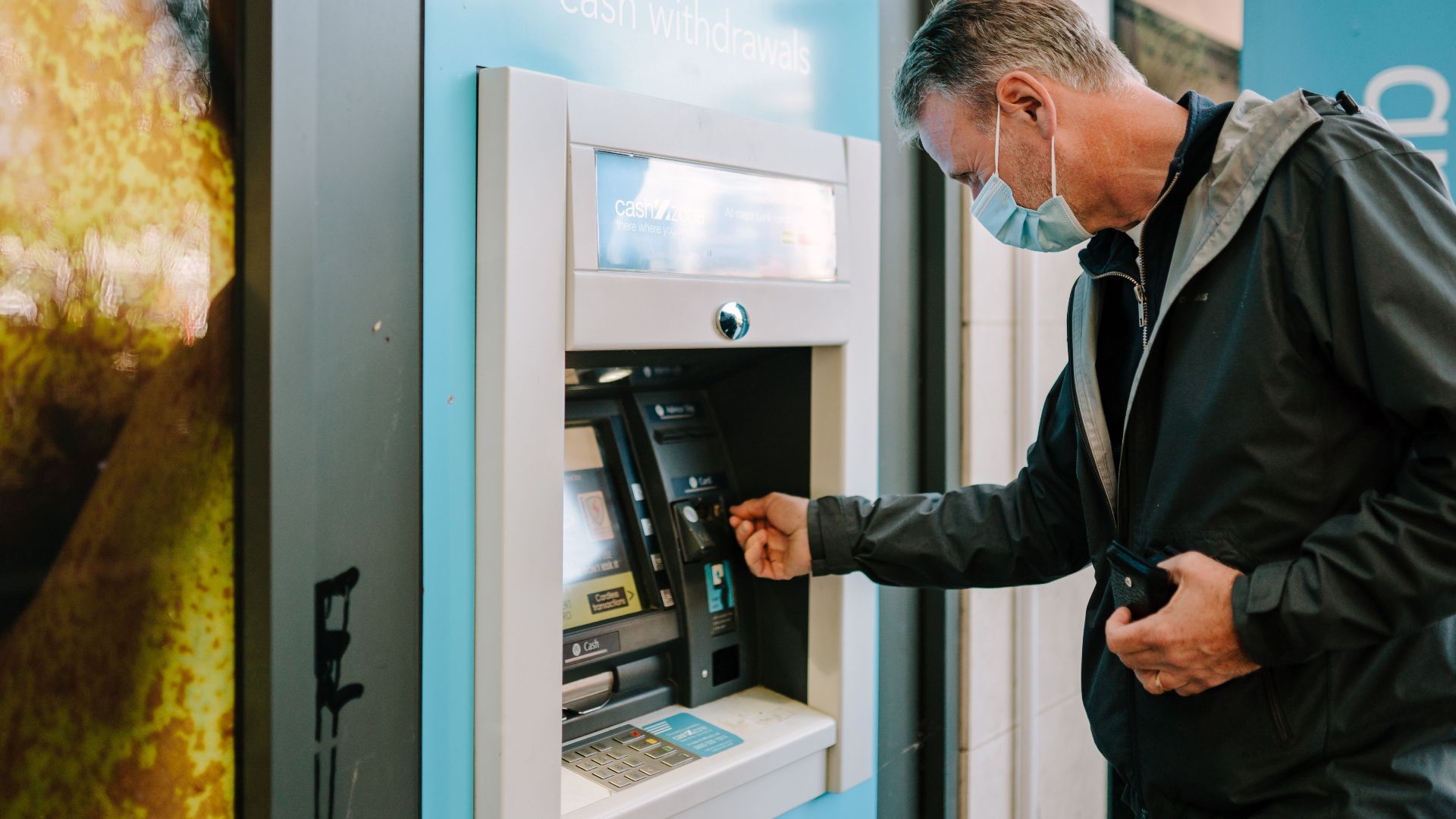
Too Many ATM Withdrawals
Taking out $40 here and $60 there feels cautious, but repeated foreign ATM visits can multiply charges. Travelers may encounter their bank’s out-of-network fee, an ATM operator surcharge, foreign transaction costs, or currency-conversion markups. Fewer carefully planned withdrawals can reduce the number of fixed fees paid.
 Centre for Ageing Better, Pexels
Rental Cars At The Airport
The rental counter beside the terminal wins on convenience, not necessarily price. The FTC warns that airport surcharges can increase rental costs, sometimes even when the company transports customers to an off-airport lot. Comparing an airport quote with neighborhood rental locations can reveal whether that convenient pickup is worth the premium.

Rental Car Insurance You Already Have
Declining every rental-car protection product is not automatically wise, but buying everything automatically can duplicate existing coverage. The FTC says personal insurance, some credit cards, employers, and auto clubs may provide certain rental protections. Travelers should verify their exact coverage before reaching the counter rather than making an expensive decision under pressure.

Prepaid Rental Car Fuel
Paying upfront for a tank sounds wonderfully convenient, especially with an early flight home. The FTC cautions that prepaid fuel can cost considerably more than filling the vehicle yourself. Unless you expect to return the car nearly empty, paying for fuel you never use can erase the convenience.

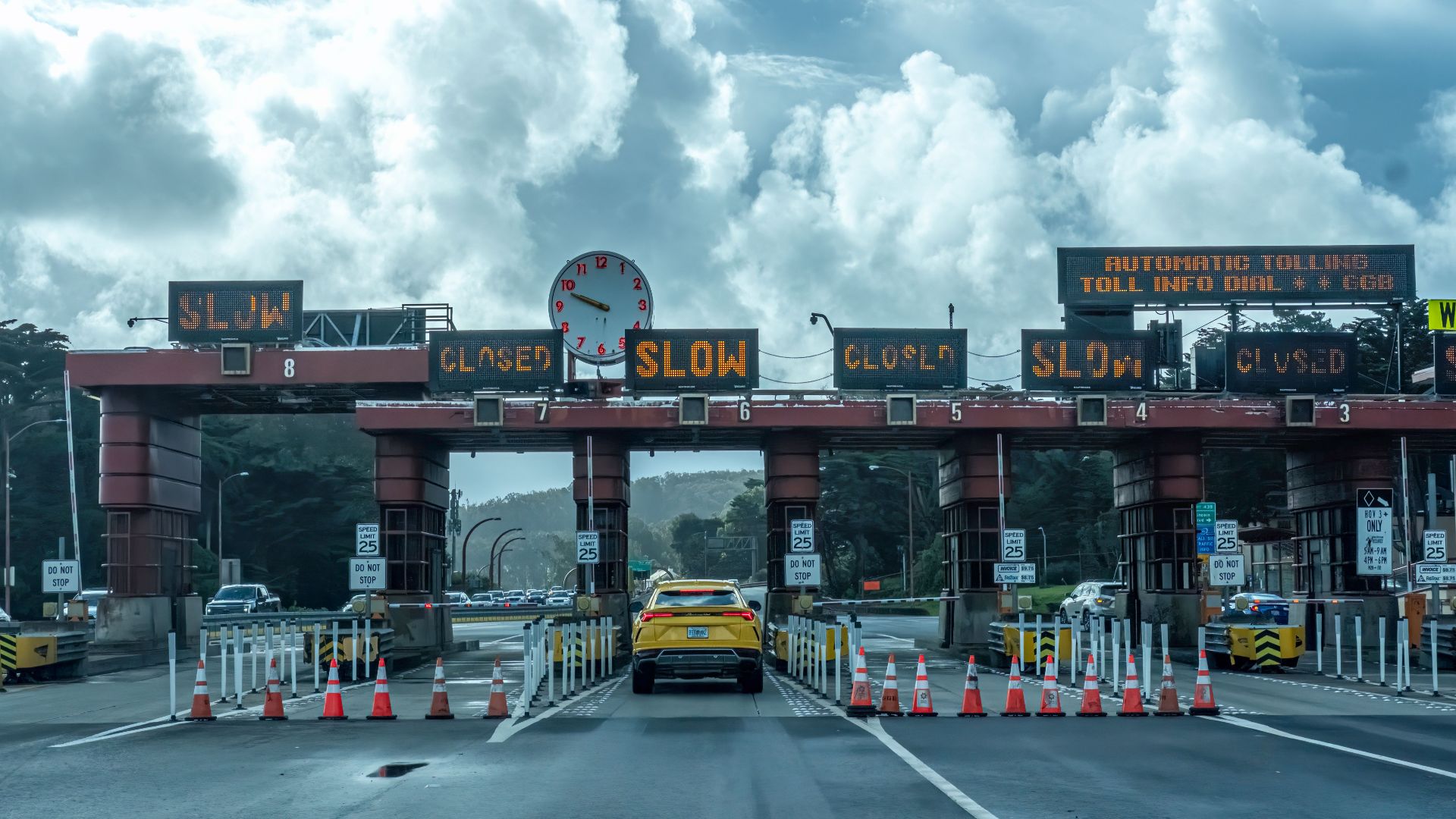
Rental Car Toll Programs
Electronic tolling makes unfamiliar highways easier, but rental-company programs can carry service charges beyond the toll itself. Depending on the company, customers may pay daily, per-use, or rental-period fees. Understanding the toll policy before driving away prevents a few highway charges from becoming a surprisingly large post-vacation bill.
Rental Car Extras
Car seats, navigation systems, ski racks, additional drivers, and roadside assistance can all increase a rental bill. Some travelers already have roadside benefits through an auto club, insurance policy, or credit card. The FTC specifically recommends checking existing benefits before buying duplicate services from the rental counter.

Hotel Resort Fees
Resort fees did not disappear when federal pricing rules changed. Since May 2025, mandatory hotel and short-term-rental charges generally must be included in the displayed total price, making comparison shopping easier. The important number is therefore the full stay price, not the hotel’s base room rate viewed in isolation.

Paying For Amenities Twice
A resort fee may cover services such as Wi-Fi, fitness facilities, or other amenities. Paying separately for something already included is an easy mistake when travelers never examine what their mandatory fee covers. Before buying internet access or another hotel service, check exactly what came with the room.

The Hotel Minibar
That tiny refrigerator is designed for convenience, not grocery-store economics. Drinks and snacks may carry substantial hotel markups, and some properties use sensors or specific minibar policies that make casual handling worth avoiding. A nearby grocery, pharmacy, or convenience store can be a much cheaper source of basic snacks and drinks.

Unnecessary Travel Insurance
Travel insurance can be valuable, particularly when large nonrefundable expenses or medical risks are involved. But the National Association of Insurance Commissioners notes that some credit cards already include benefits such as trip-cancellation or lost-baggage coverage. Review existing protection before purchasing another policy at checkout.

Tourist-Zone Restaurants
The restaurant directly beside a famous attraction benefits from location as much as cooking. Travelers who never venture beyond heavily visited blocks can miss cheaper options elsewhere. Researching neighborhood restaurants and public markets before hunger strikes gives you alternatives to simply sitting at the nearest available table.

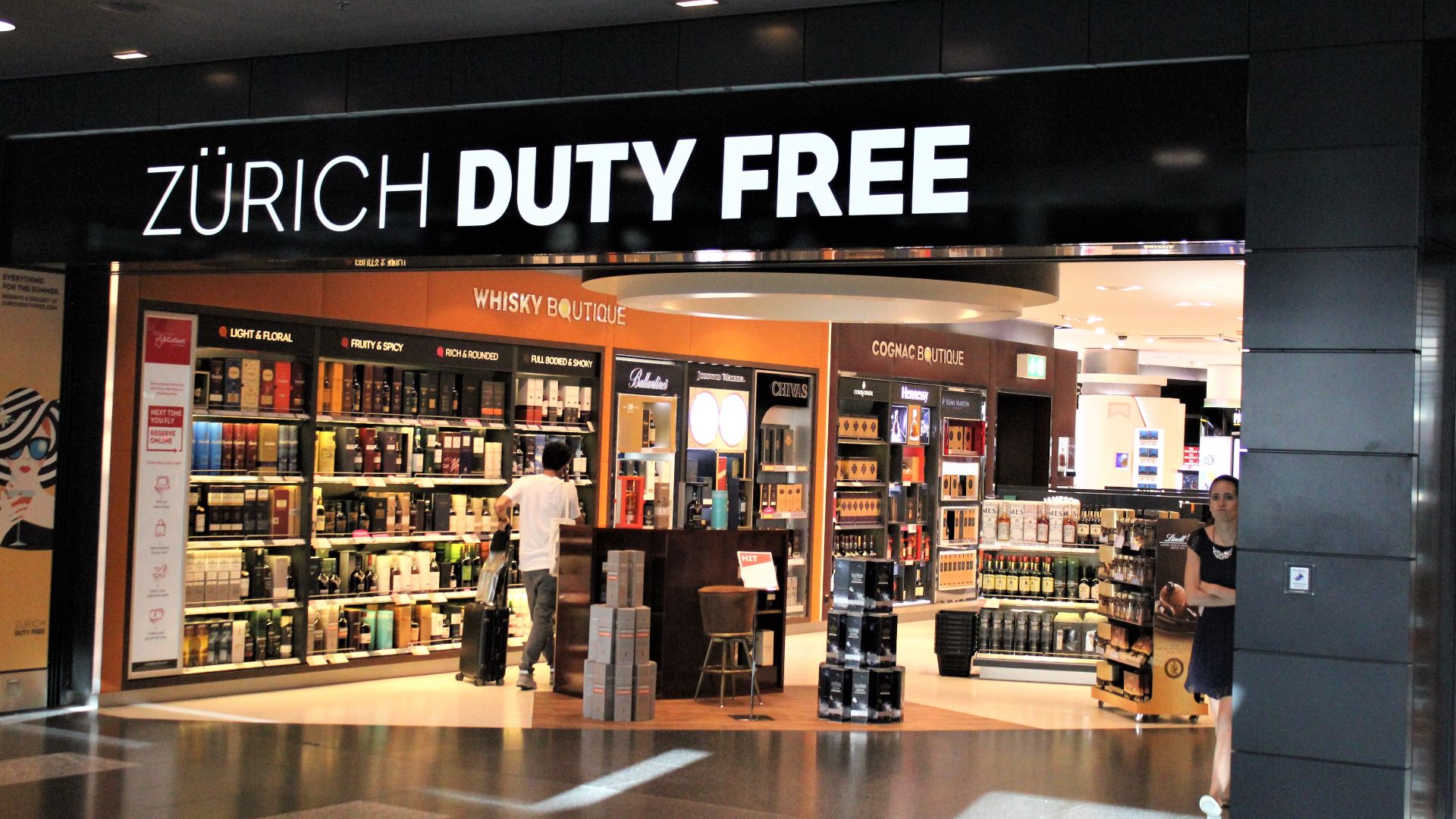
Duty-Free Assumptions
“Duty-free” does not automatically mean “cheapest.” Airport retailers may remove certain taxes or duties, but prices still vary by store, airport, country, and product. Comparing the ordinary retail price before traveling is the only reliable way to know whether that supposedly special airport purchase is actually a bargain.
Individual Attraction Tickets
Buying admission separately at every stop can be expensive in cities packed with paid attractions. City passes and bundled tickets sometimes reduce costs for travelers planning to visit several participating sights. The catch is that the pass only saves money when your actual itinerary uses enough of its included attractions.

Single-Day Park Admission
Americans planning several federal recreation trips can overlook annual passes. For 2026, the America the Beautiful Resident Annual Pass costs $80 and covers entrance or standard amenity fees at participating federal recreation sites under its stated conditions. Multiple eligible visits can make repeated individual entrance payments unnecessary.
 Joshua Tree National Park, Wikimedia Commons
International Roaming By Accident
A phone that works overseas can still become expensive if its domestic plan does not include international service. The FCC advises travelers to check roaming rates before leaving because foreign-network use can affect calls, texts, voicemail, and data. Knowing the plan beforehand beats discovering the price on the next bill.

Last-Minute Passport Expeditors
Private passport couriers can charge substantial extra fees, yet the State Department says they cannot get a passport processed faster than travelers can through official passport agencies. The government does not charge for passport forms or agency appointments. Planning early can eliminate an entire category of unnecessary vacation expense.
 Frame Stock Footage, Shutterstock
Expedited Passport Service Too Early
Official expedited processing itself costs extra. Current State Department guidance lists routine processing separately from expedited service, which carries an additional $60 fee. Travelers who check processing timelines and renew well ahead of departure may find that paying to rush the document was never necessary.
 Vodafone x Rankin everyone.connected, Pexels
Convenience Is Usually What Costs You
The common thread is not that every upgrade, insurance policy, taxi, toll plan, or hotel amenity is a bad purchase. Sometimes convenience is exactly what you want to buy. The expensive mistake is paying automatically without checking what is included, what you already own, or what an alternative costs. A few minutes of comparison can leave considerably more vacation money for things you actually enjoy.

You May Also Like: