Halloween Has Never Stayed The Same
Halloween can feel ancient and unchanging, but the version celebrated today would look bizarre to people from only a few generations ago. Children once performed for their treats, young adults spent the night trying to predict whom they would marry, and pranks could involve dismantling somebody's wagon or moving an outhouse. Pumpkins survived, but almost everything around them changed.
Trick-Or-Treating Used To Require A Performance
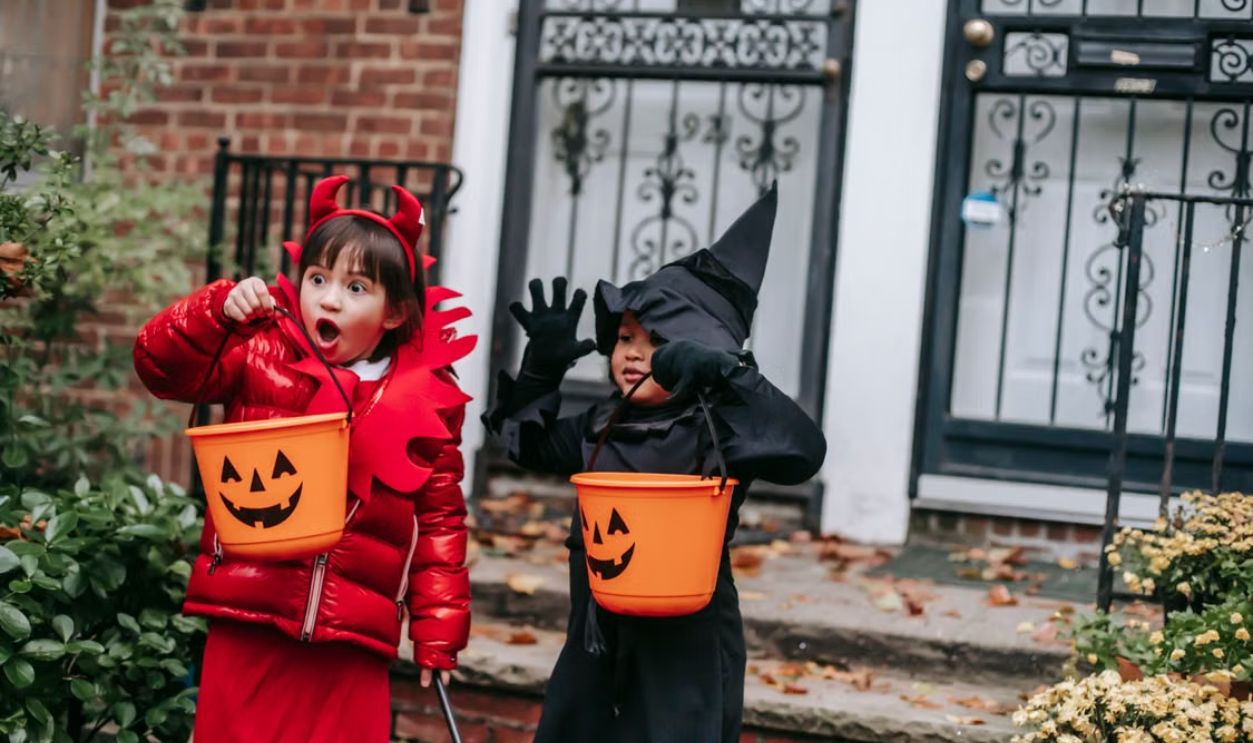
Modern trick-or-treaters can usually collect candy by knocking, saying three words, and holding out a bag. Older guising traditions in Scotland and Ireland often expected considerably more effort. Costumed visitors might sing a song, recite a poem, tell a joke, perform a trick, or otherwise entertain the household before receiving food, coins, or sweets. Similar door-to-door customs developed through several traditions rather than one simple origin story. When North American trick-or-treating took its familiar form during the 20th century, the performance gradually disappeared. Today, an enthusiastic “Trick or treat!” generally satisfies the entire contract.
Treats Went From Homemade Food To Wrapped Candy
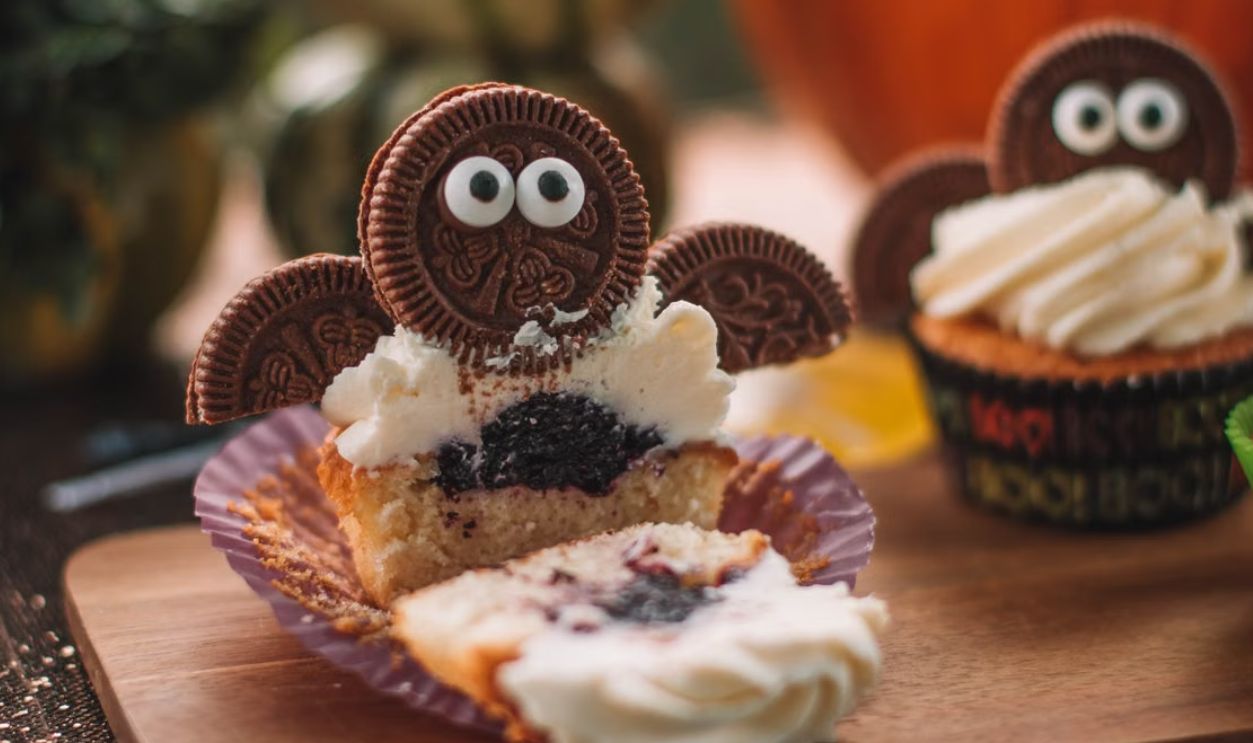
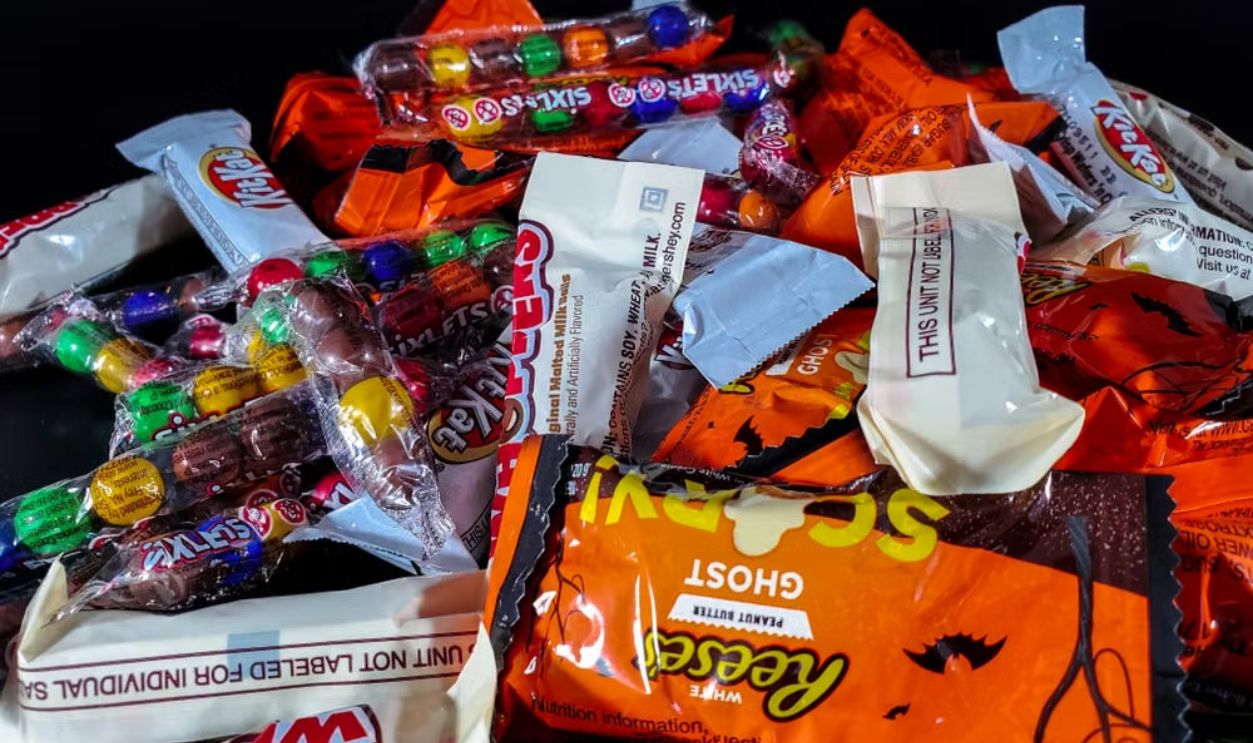
Halloween wasn't always synonymous with miniature chocolate bars. As trick-or-treating spread during the mid-20th century, children might receive cookies, cake, fruit, nuts, popcorn balls, coins, toys, or even something to drink. Commercial candy became increasingly important during the 1950s and 1960s as candy manufacturers recognized Halloween's enormous potential. Individually packaged sweets also had obvious advantages: they were portable, easy to distribute, and eventually seemed safer to nervous parents. The result was a major cultural shift. Halloween went from a holiday where almost anything counted as a treat to one where giving children apples can feel like a risky decision.
Halloween Pranks Used To Be Much More Destructive
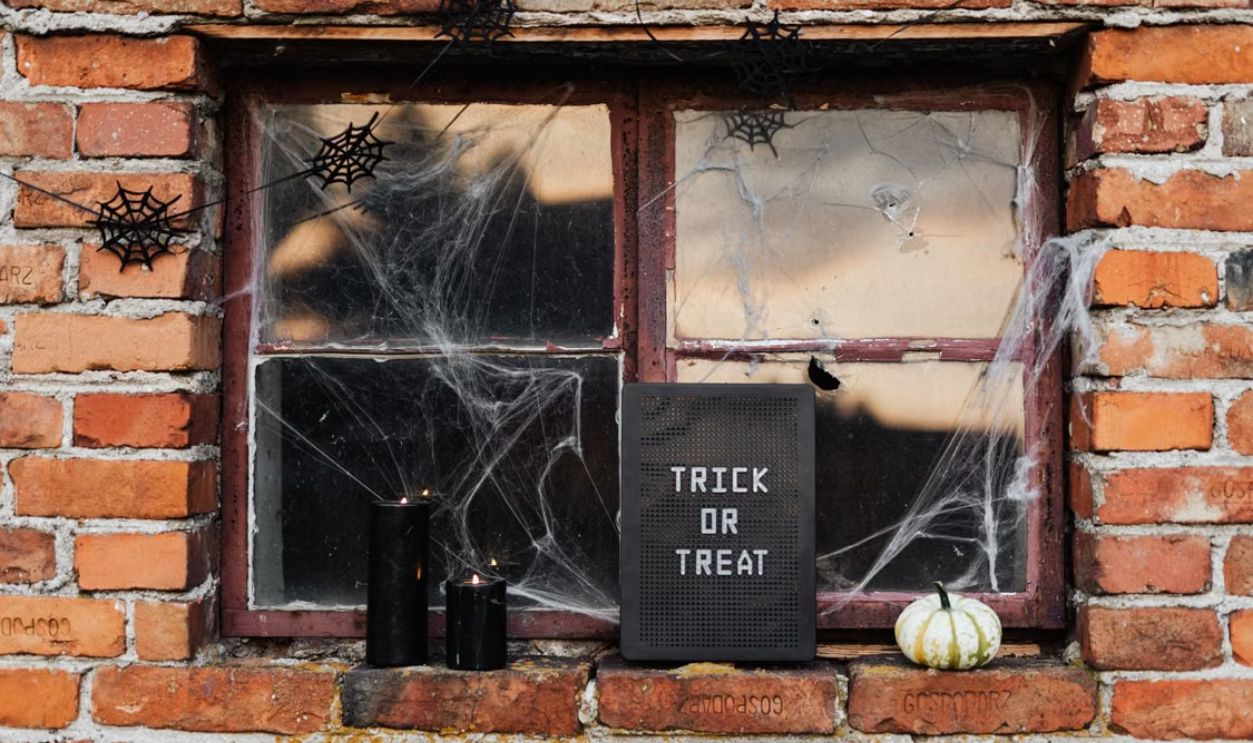
The “trick” in trick-or-treating was once considerably less theoretical. Young people took gates, tipped over outhouses, moved wagons, released livestock, blocked roads, soaped windows, dismantled equipment, and occasionally escalated mischief into outright vandalism. As towns grew larger during the late 19th and early 20th centuries, officials increasingly complained about Halloween property damage.
Community leaders responded with organized parties, parades, contests, and eventually child-centered trick-or-treating designed partly to channel the chaos into something manageable. The candy wasn't simply generosity. Giving young visitors something at the door offered a remarkably effective alternative to discovering your gate on somebody else's roof.
 https://kaboompics.com/, Pexels
Jack-O’-Lanterns Used To Be Carved From Turnips
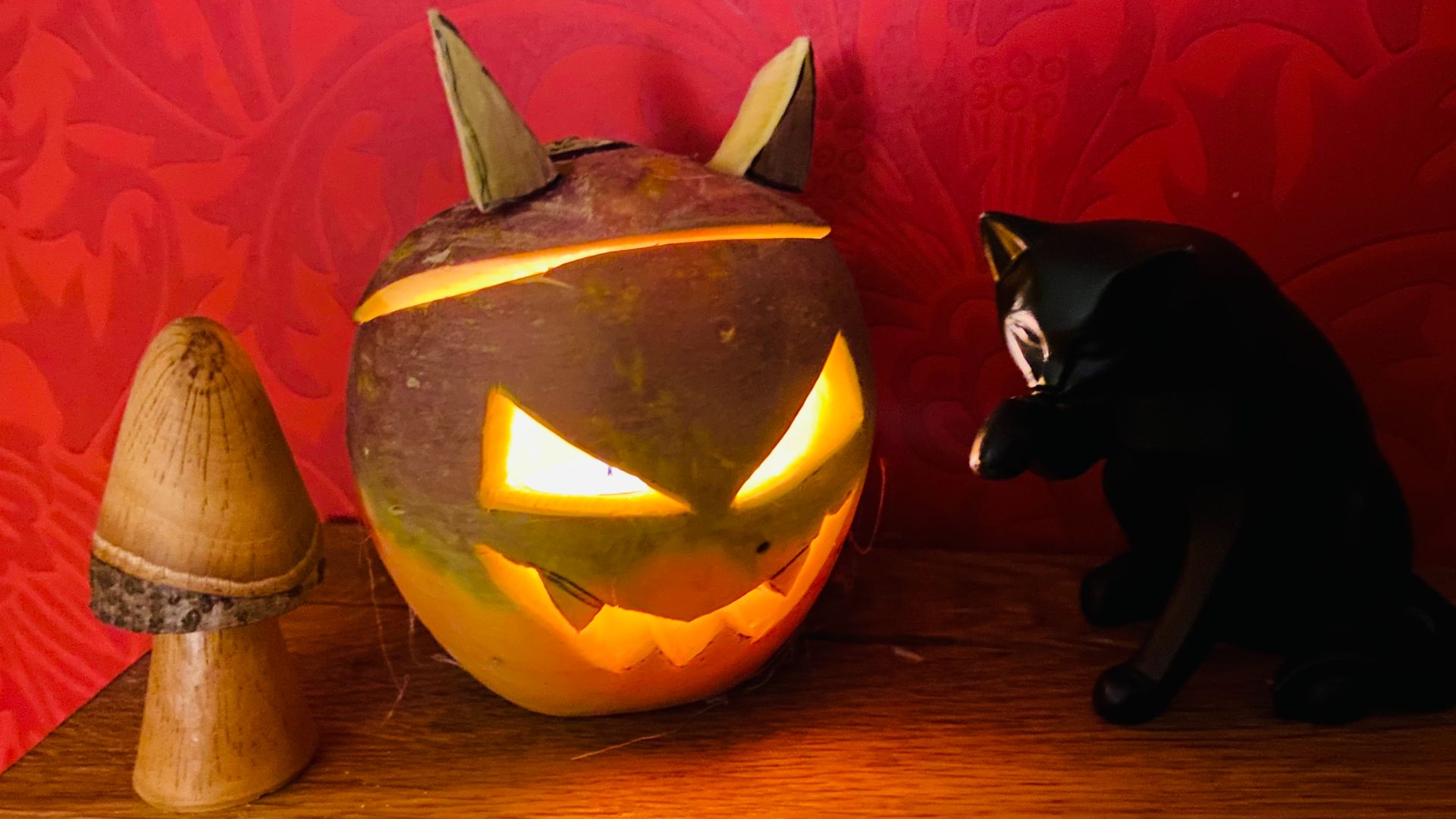
Pumpkins seem inseparable from Halloween now, but they're the North American upgrade to a much older idea. In Ireland and Scotland, people carved faces into turnips and other root vegetables, sometimes placing lights inside to create eerie lanterns. Irish immigrants arriving in North America encountered pumpkins, which were larger, softer, and dramatically easier to hollow out.
The substitution was almost inevitable. A carved turnip can look genuinely disturbing, with wrinkled flesh and jagged features that resemble a shrunken head. The smooth orange pumpkin eventually became the cheerful seasonal symbol, while its much creepier ancestor largely retreated into museums and historical demonstrations.
 LornaMCampbell, Wikimedia Commons
Halloween Used To Be About Finding A Future Spouse
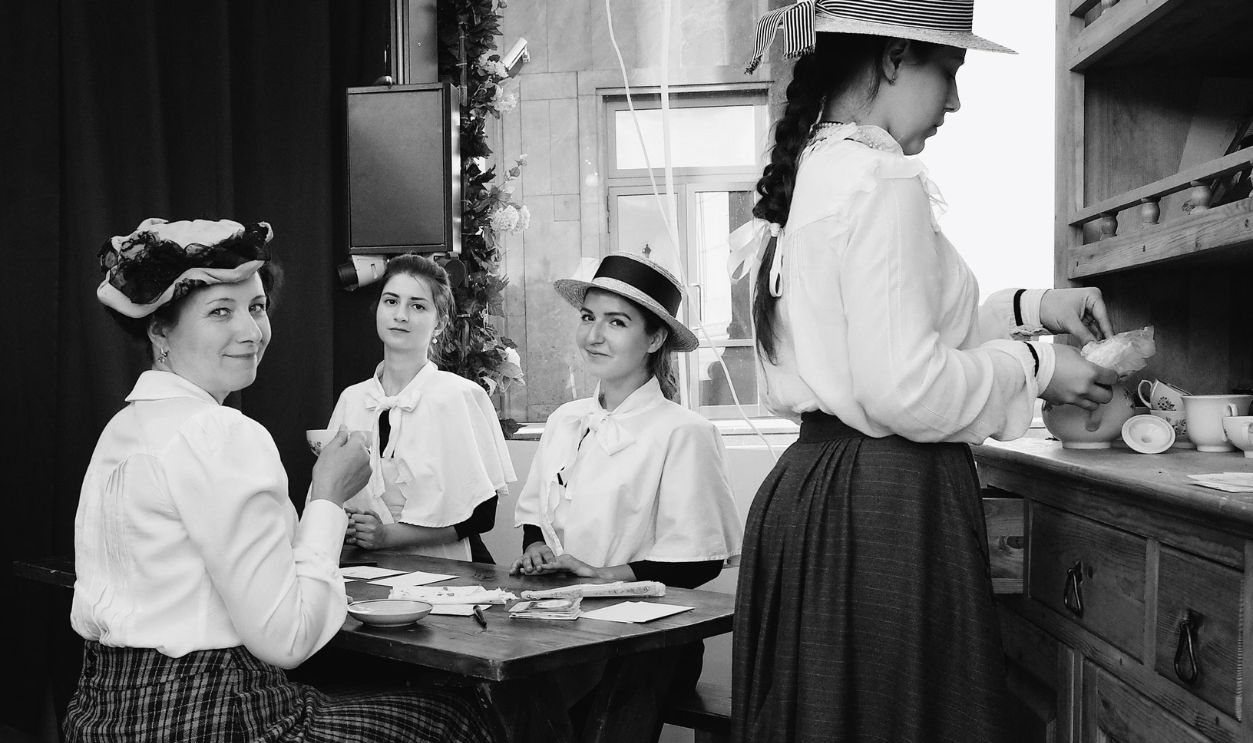
At Victorian and early 20th-century Halloween parties, the biggest question wasn't necessarily “What are you dressing as?” It could be “Whom are you going to marry?” Young people performed elaborate fortune-telling rituals involving mirrors, apple peels, candles, nuts, yarn, and bowls of water. A woman might stand before a mirror hoping to glimpse her future husband's face or throw an apple peel over her shoulder to see whether it formed his initial. Newspapers printed these games as normal Halloween entertainment. The supernatural was being recruited not to scare party guests but to answer the most important romantic question of their lives.
Bonfires Gave Way To Porch Lights And LEDs
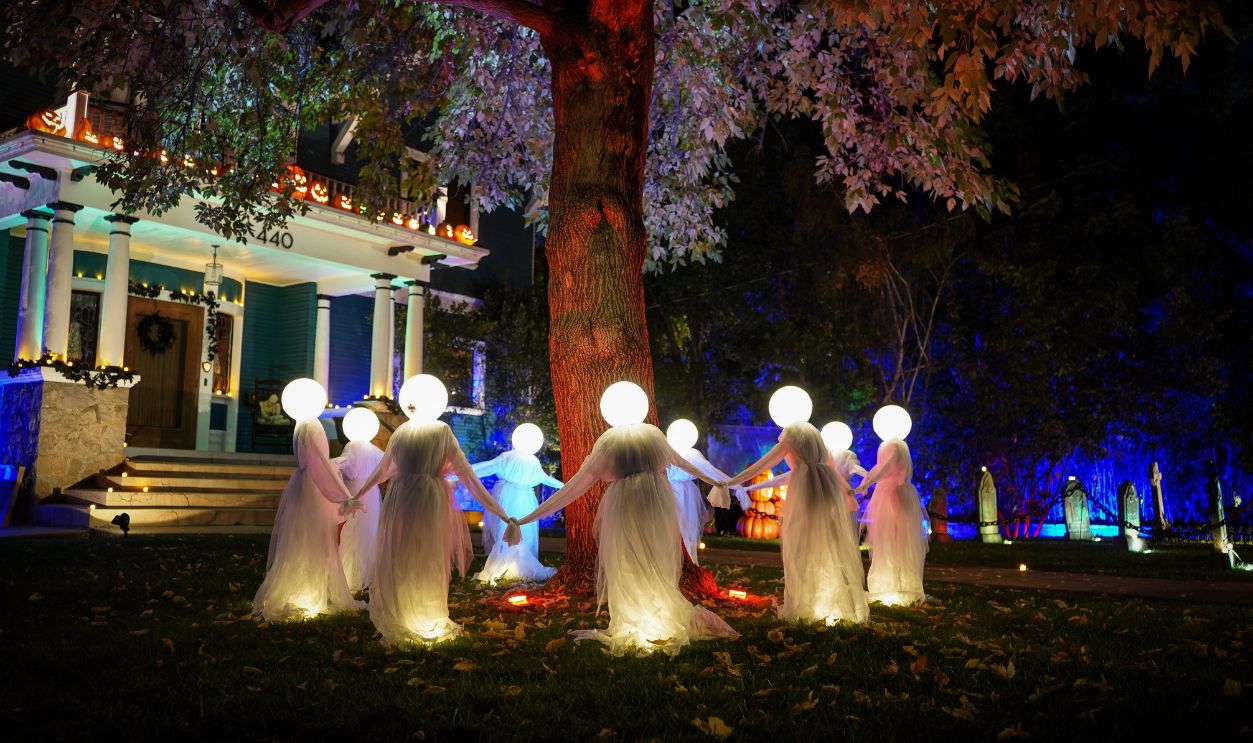
Fire once played a much larger role in autumn celebrations connected with Halloween. Bonfires were associated with seasonal gatherings in Ireland, Scotland, and elsewhere, and community Halloween celebrations in North America continued using large fires well into the 20th century. Modern Halloween lighting has moved in the opposite direction. Candles inside pumpkins remain, but electric string lights, illuminated inflatables, projectors, glowing plastic decorations, and synchronized displays can now transform entire houses. The change reflects both safety and technology. Where a community might once have gathered around one enormous blaze, a modern neighborhood can contain dozens of miniature theatrical productions powered by extension cords.
Trick-Or-Treating Used To Run Later Into The Night
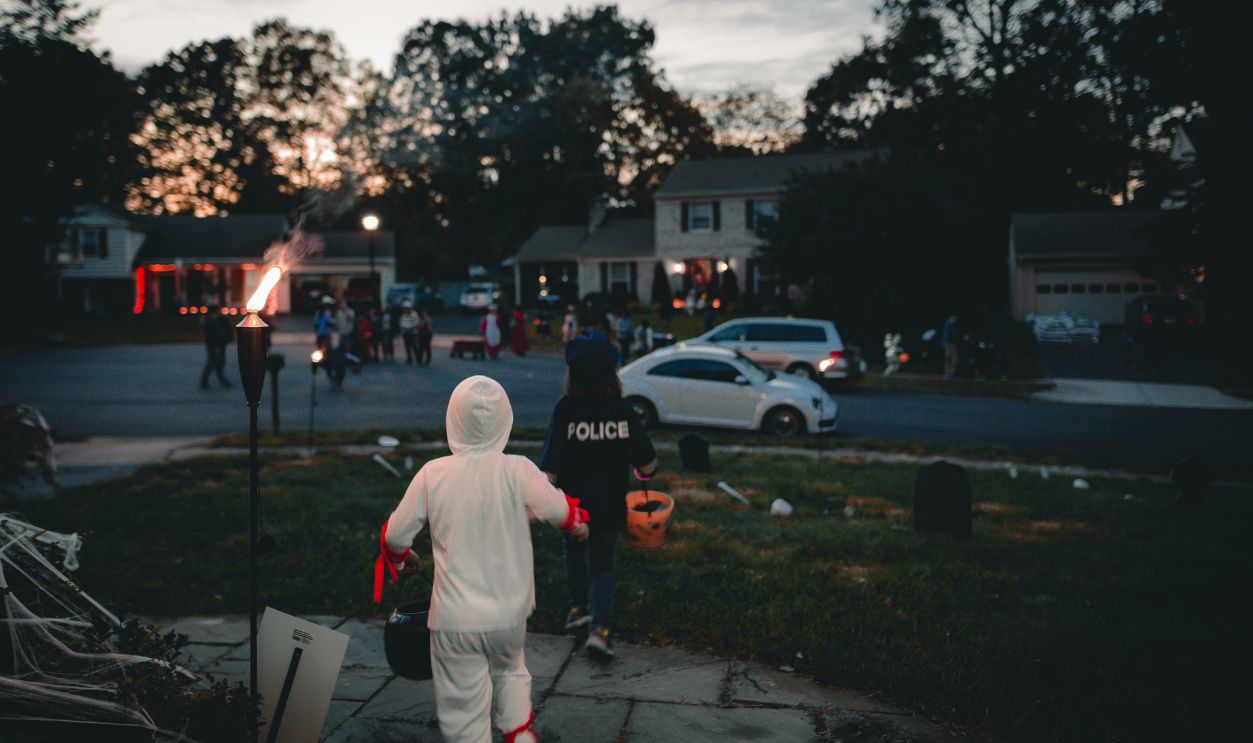
Older Halloween memories often include children staying outside until candy supplies dwindled, porch lights disappeared, or parents finally demanded they come home. Modern trick-or-treating is increasingly organized into a narrower window. Municipalities, neighborhood associations, apartment complexes, malls, and community groups sometimes publish recommended hours, with activities commonly beginning before full darkness and winding down relatively early. Younger children are especially likely to head out in late afternoon or early evening. Halloween still belongs to the night visually, but the schedule has become more controlled. A holiday once associated with roaming after dark is increasingly squeezed between the end of school and bedtime.
Bobbing For Apples Used To Have Romantic Meaning
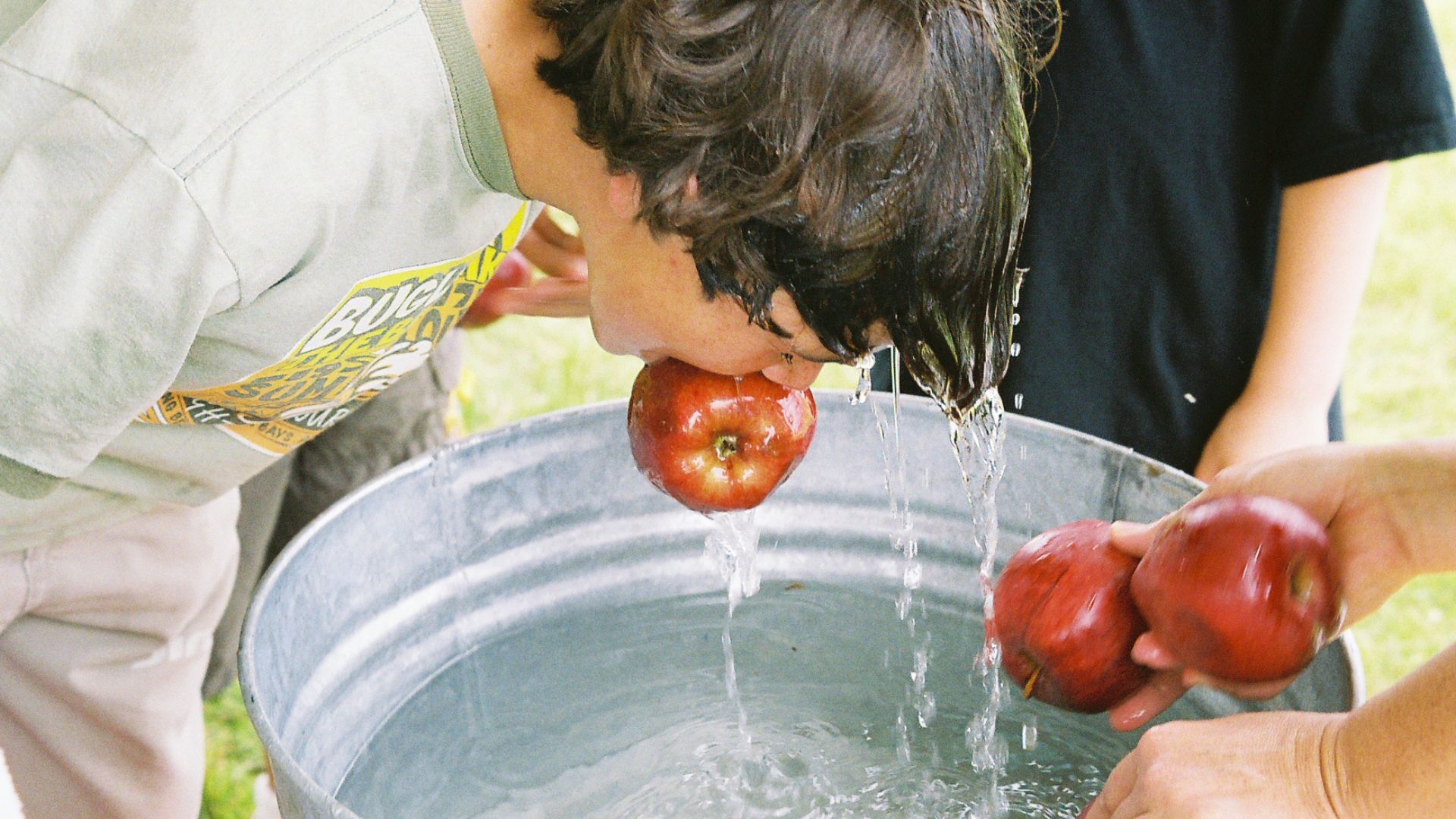
Bobbing for apples eventually became the children's party game where everyone competed to soak their face in the same tub of water. Earlier Halloween versions could be surprisingly romantic. Different games used apples to predict courtship, marriage, or romantic fortune, and a successful bite might supposedly identify who would marry first. Other apple rituals involved peels, seeds, or attempts to discover a future spouse's initials. By the 20th century, most of the divination meaning faded and apple bobbing survived primarily because watching people unsuccessfully bite floating fruit was entertaining. More recently, concerns about hygiene have made even that version less common.
 Caleb Zahnd from USA, Wikimedia Commons
Halloween Parties Used To Matter More Than Trick-Or-Treating
At the beginning of the 20th century, an American Halloween celebration was often a party rather than a neighborhood candy expedition. Hosts decorated rooms with pumpkins, corn stalks, black cats, witches, and autumn foliage. Guests played fortune-telling games, bobbed for apples, roasted nuts, pulled taffy, told ghost stories, and wore costumes. Community leaders actively promoted organized parties as a way to reduce destructive pranks. Trick-or-treating only became a dominant national custom later, particularly during and after the 1930s and 1940s. For earlier generations, Halloween happened largely inside the party. For Baby Boomers, the neighborhood increasingly became the main event.
Haunted Houses Became A Professional Industry
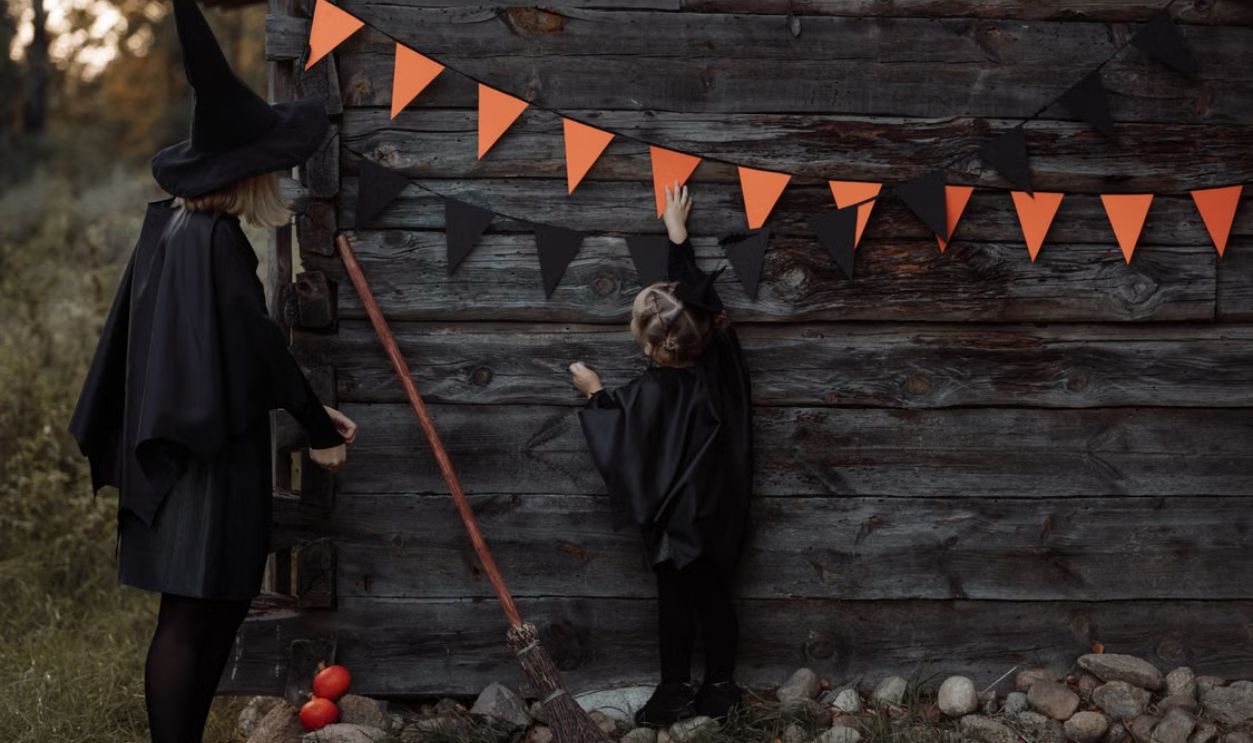
Early American haunted attractions could be remarkably simple. During the 1930s, families and community groups created homemade “haunted houses” using dark rooms, hanging fabric, strange textures, fake body parts, and volunteers making terrifying noises. Charity organizations later embraced haunted houses as fundraisers. Disneyland's Haunted Mansion, which opened in 1969, demonstrated what sophisticated effects and professional design could accomplish, while large commercial attractions expanded during the following decades. Modern haunts employ professional actors, makeup artists, scenic designers, animatronics, projection effects, elaborate sound systems, and purpose-built mazes. What once required a basement, some liver, and a nervous volunteer now supports an entire seasonal entertainment industry.
Children Used To Trick-Or-Treat More Independently
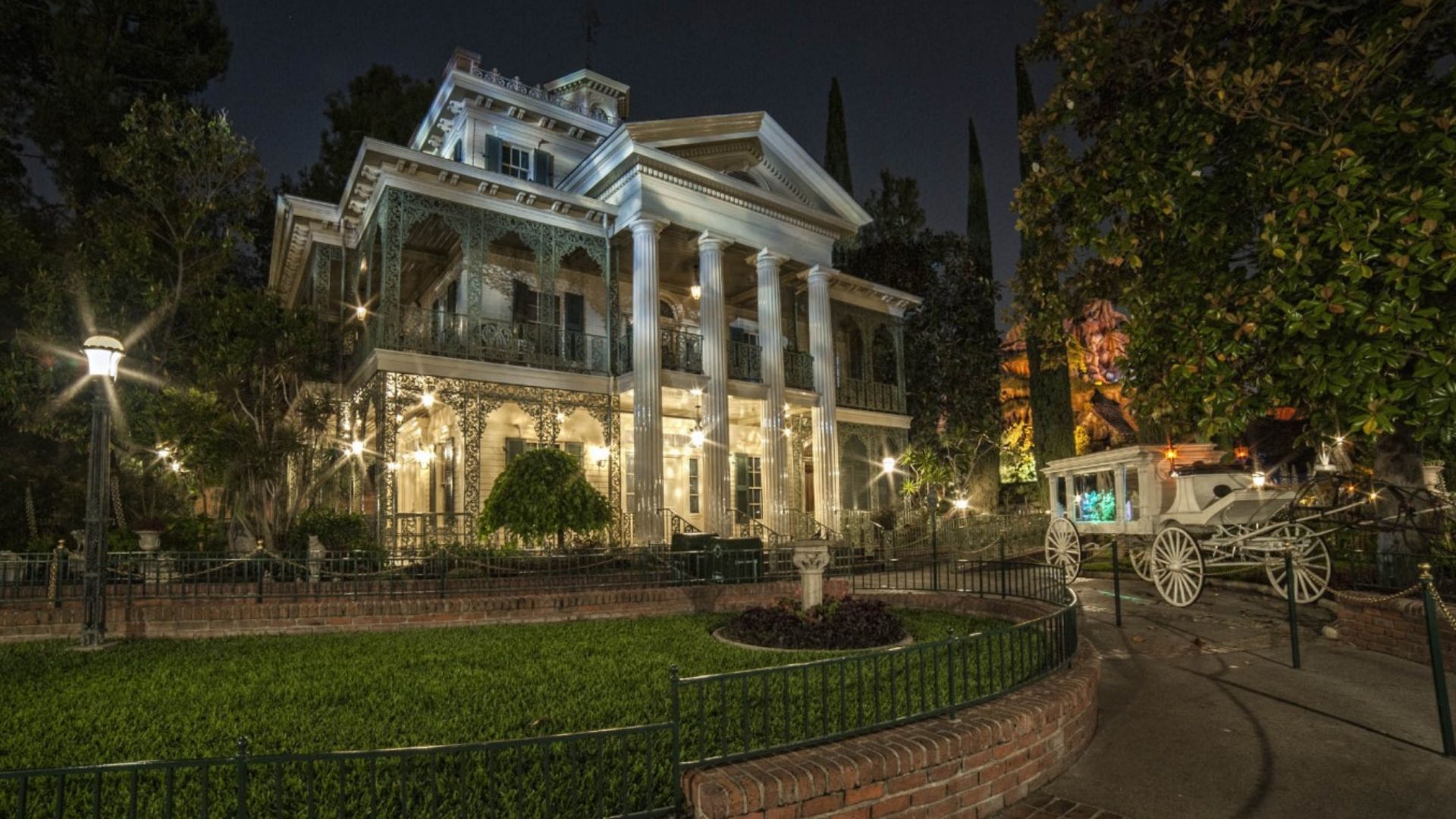
For many mid-20th-century children, Halloween meant meeting friends and disappearing into the neighborhood for several hours with minimal adult supervision. Groups of siblings or neighborhood kids traveled from house to house while parents largely remained home handing out candy. That style of childhood independence has declined more broadly, and Halloween changed with it. Parents now frequently accompany younger children, follow behind them, drive between neighborhoods, coordinate routes by phone, or track older kids electronically. Plenty of children still roam in groups, but the image of an eight-year-old vanishing after dinner and returning hours later with a pillowcase full of candy feels much more distinctly generational.
Costumes Went From Homemade And Creepy To Pop-Culture Driven
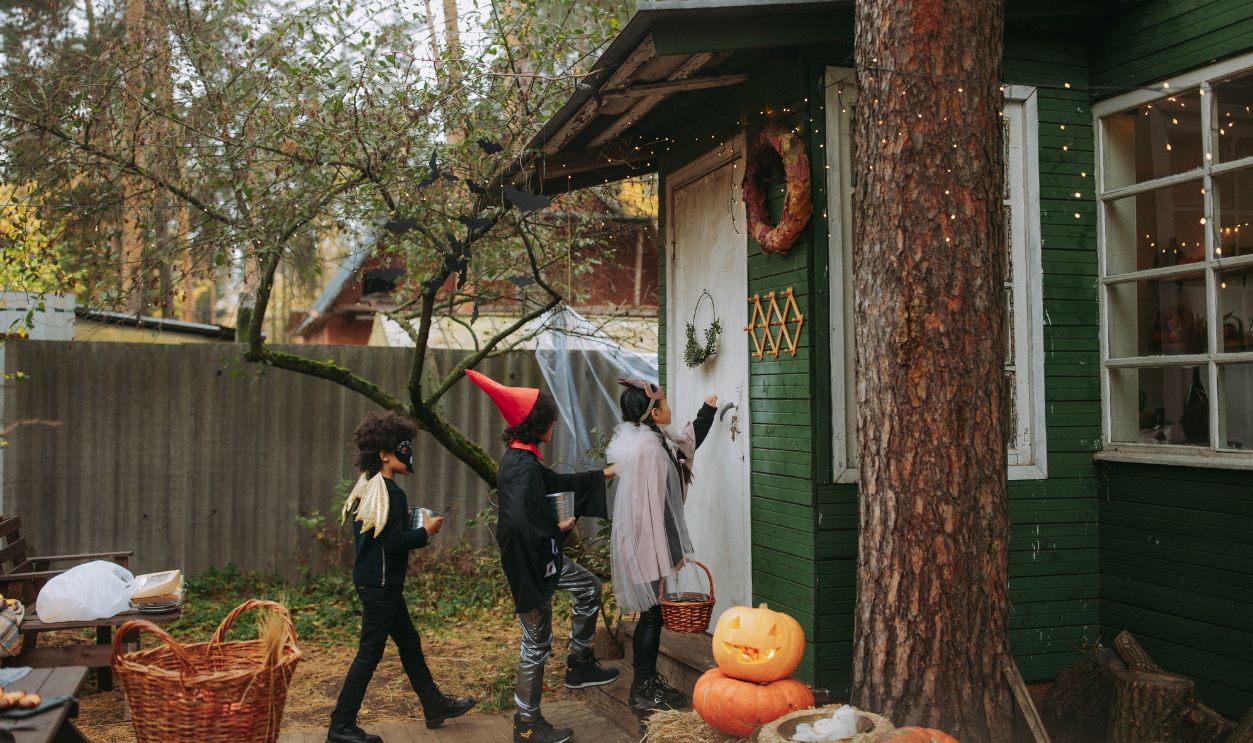
For generations, Halloween costumes were largely assembled from whatever people already owned. Sheets became ghosts, old clothes became witches or hobos, and masks could be improvised from cloth or paper. Early disguises were often intentionally unsettling because Halloween remained closely connected with spirits, death, and supernatural folklore. Mass-produced costumes began appearing more widely during the 20th century, and movies, comic books, television, toys, and eventually video games transformed what children wanted to become. A modern Halloween crowd might include superheroes, Disney characters, celebrities, anime figures, memes, and viral internet jokes alongside the occasional witch who somehow survived the entire cultural upheaval.
Trunk-Or-Treating Started Replacing Door-To-Door Halloween
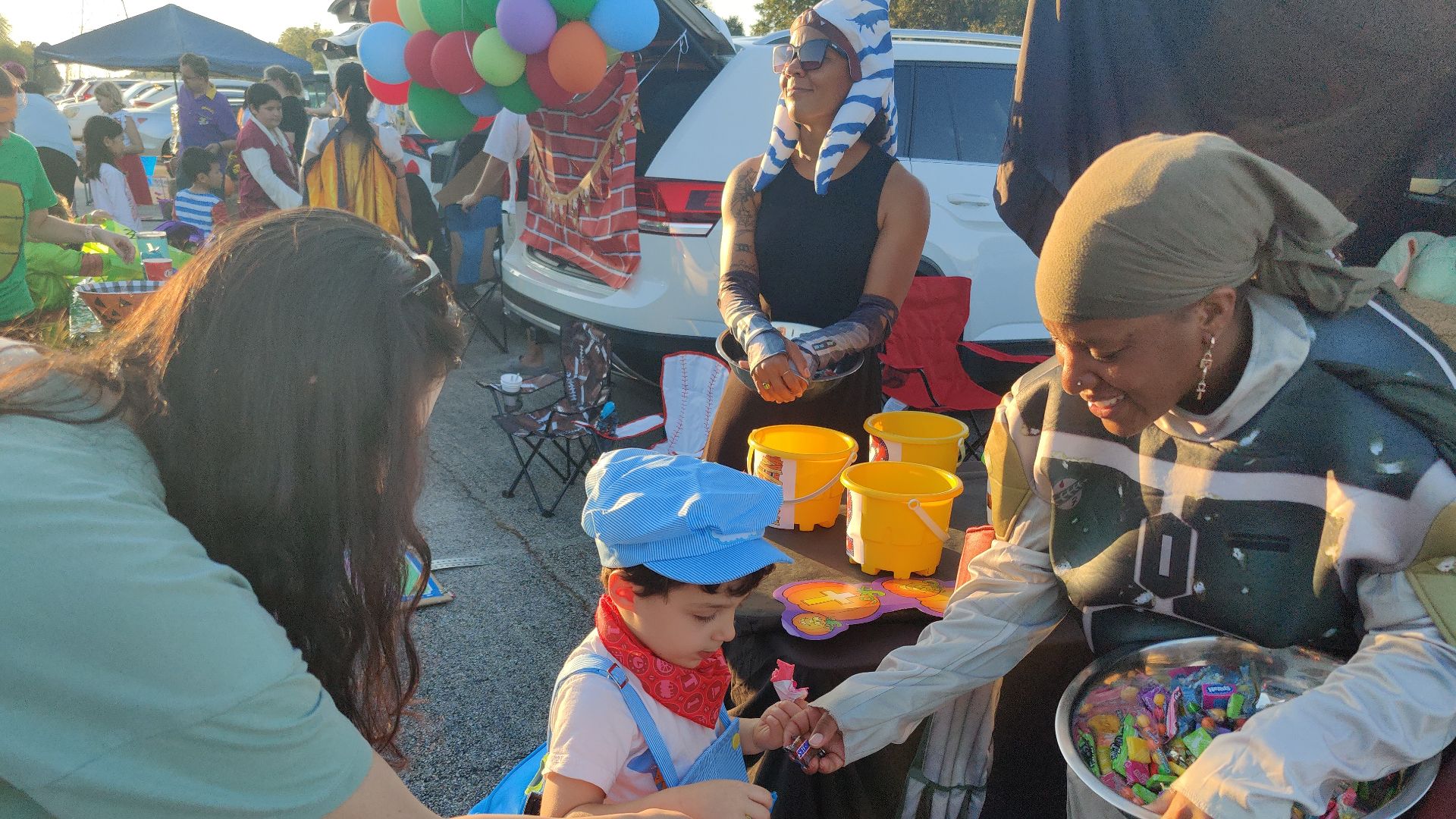
Beginning in the late 20th century, another version of trick-or-treating began spreading through churches, schools, and community organizations: trunk-or-treat. Adults park vehicles in a designated lot, decorate the open trunks, and distribute candy while children move from car to car. The format appeals to families who want a controlled location, fewer streets to cross, and an event that doesn't depend on living in a busy trick-or-treating neighborhood. Many groups hold trunk-or-treat before October 31, which means children may do both. Halloween's great door-to-door tradition hasn't disappeared, but for some families it now has a parking-lot competitor.
 EvanCarroll, Wikimedia Commons
Candy Apples Went From Halloween Staple To Rarity
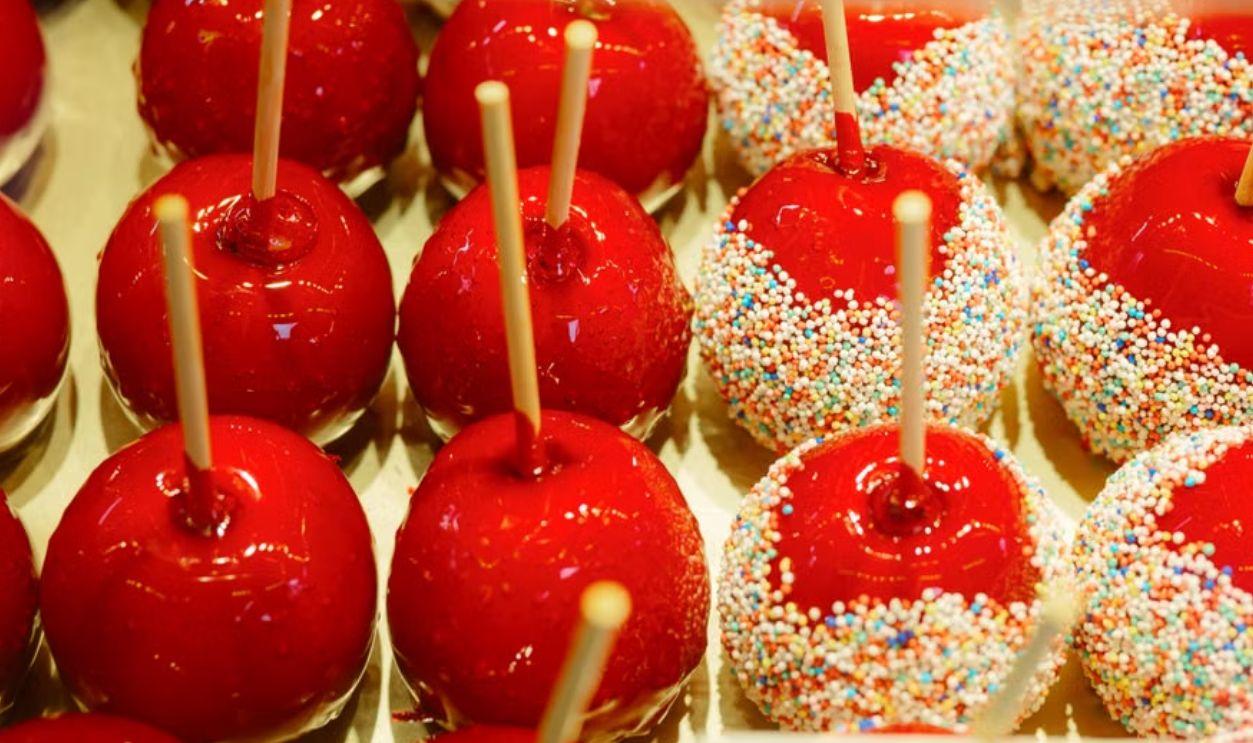
Apples once appeared everywhere at Halloween. People bobbed for them, used them in fortune-telling games, baked them, covered them in caramel, and coated them in hard candy. Homemade candy and caramel apples could be handed to visiting children without seeming remotely strange. That changed as Halloween treats became increasingly commercial and parents grew suspicious of unwrapped food. Beginning especially in the 1970s, highly publicized fears about poisoned or tampered candy encouraged families to prefer sealed factory packaging, despite researchers finding remarkably little evidence of strangers systematically poisoning random trick-or-treaters. The panic was mostly mythical. Its effect on what parents trusted was very real.
Parents Started Inspecting Every Piece Of Candy
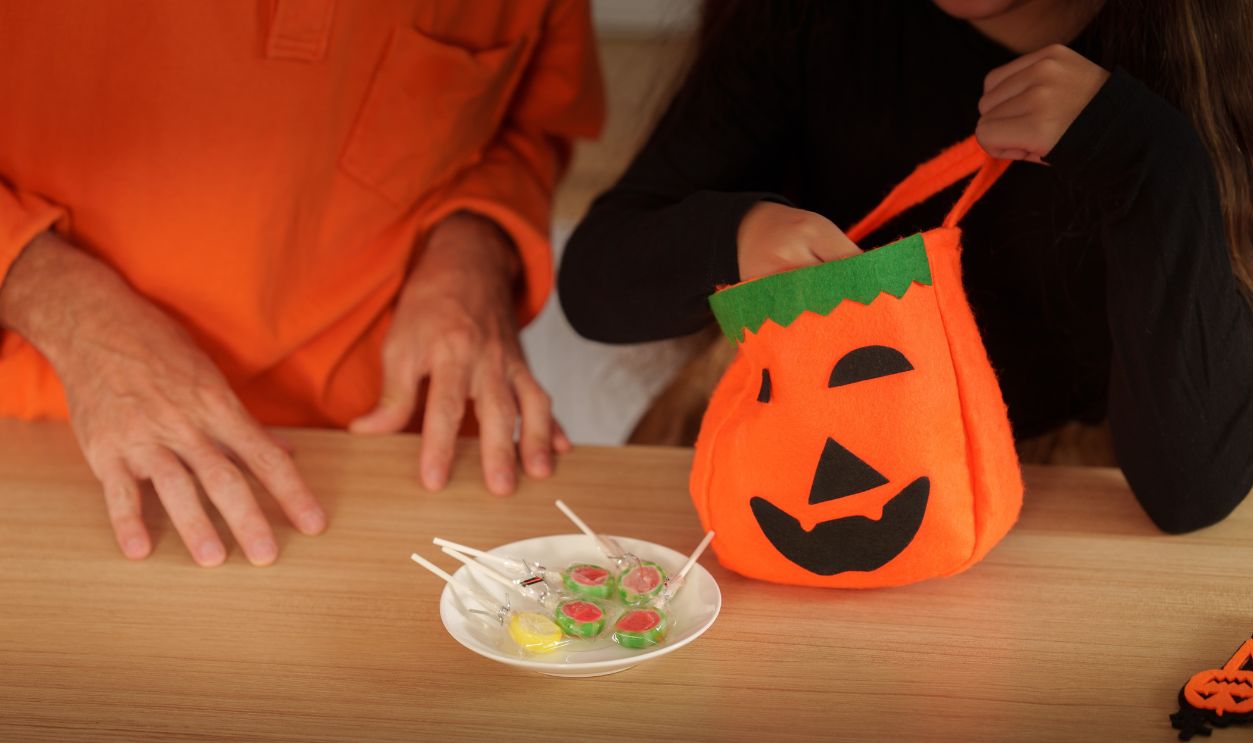
For many modern families, trick-or-treating isn't finished until an adult dumps the haul onto a table and performs a miniature forensic investigation. Torn wrapper? Gone. Homemade item from an unknown house? Probably gone. Anything suspicious? Definitely gone. Earlier generations were far more likely to accept cookies, popcorn balls, fruit, and other homemade offerings from neighbors. By the late 20th century, repeated media warnings about razor blades, poison, illicit substances, and other supposed risks had transformed parental behavior. Research into stranger candy tampering has found little evidence supporting the classic panic, but checking every wrapper became one of Halloween's most durable new rituals.
 wichayada suwanachun, Shutterstock
The “Trick” Part Of Trick-Or-Treat Nearly Disappeared
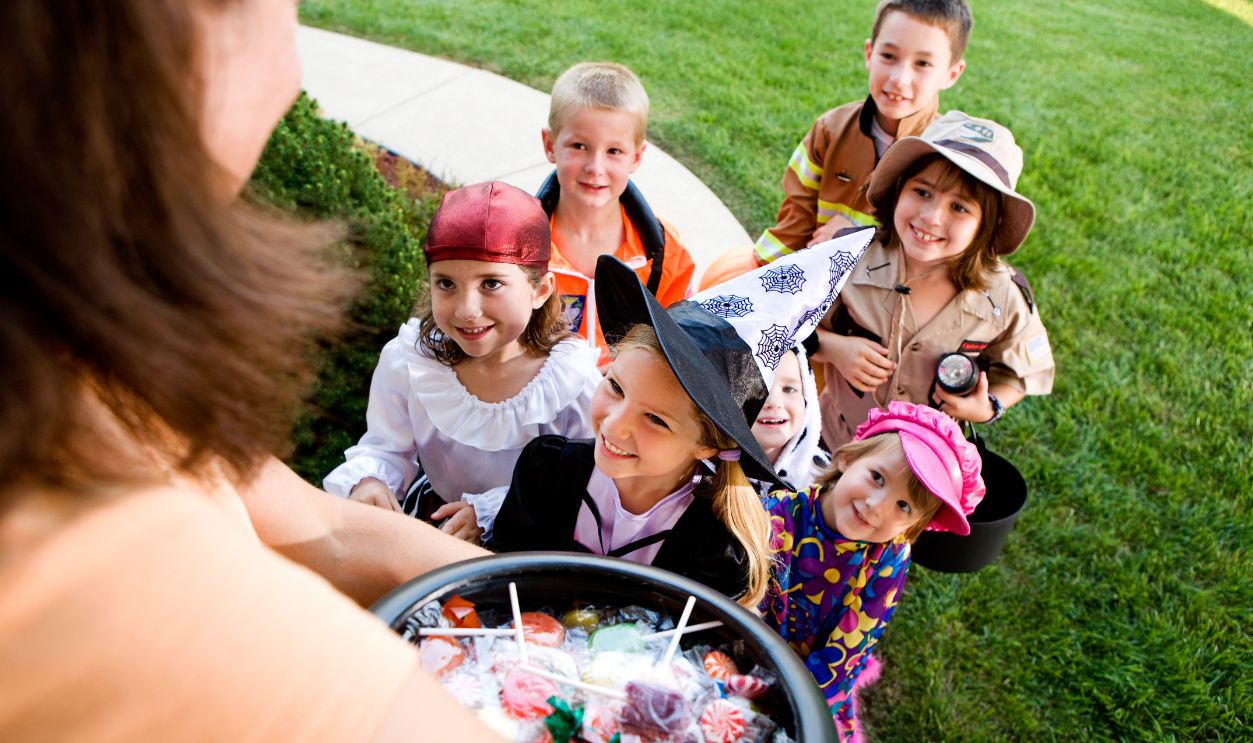
The phrase “trick or treat” once contained at least a faint risk: provide something good or prepare for mischief. That made perfect sense in a culture where Halloween tricks already included soaped windows, stolen gates, overturned objects, and plenty worse. Organized trick-or-treating gradually converted that risk into ceremony. Children now chant the phrase because that's what children chant on Halloween, not because a homeowner who runs out of Kit Kats genuinely expects retaliation. Mischief hasn't disappeared entirely, but it moved toward toilet paper, eggs, harmless scares, and other activities separate from collecting candy. The words stayed exactly the same while their practical meaning almost vanished.
 Sean Locke Photography, Shutterstock
Halloween Decorations Became Enormous
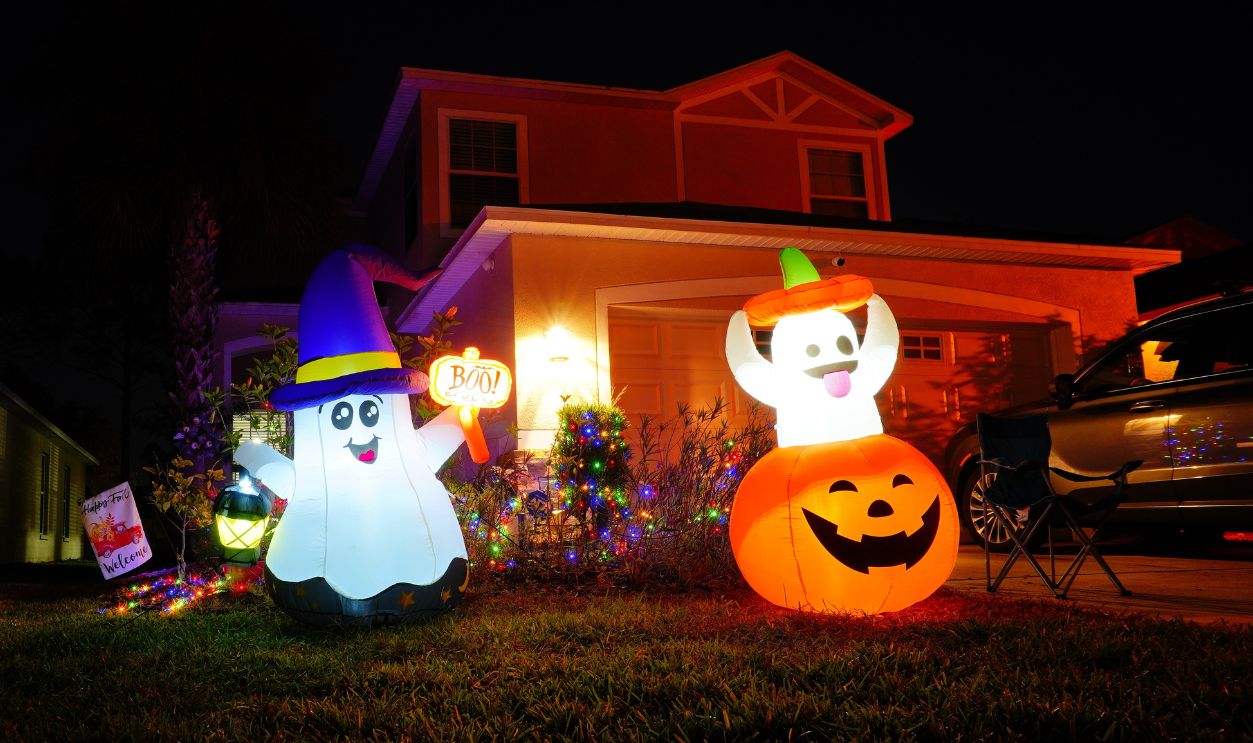
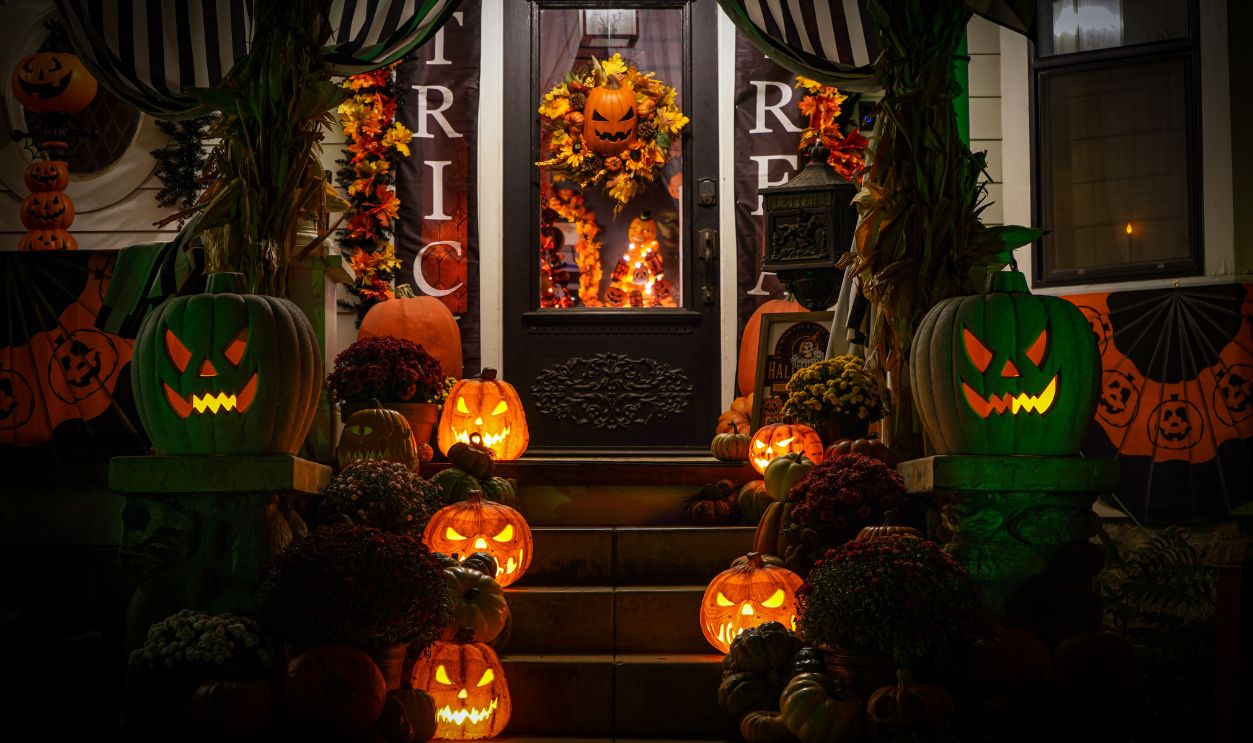
A pumpkin on the porch used to communicate Halloween perfectly well. Modern decorators occasionally seem to regard that as a lack of ambition. Giant skeletons tower over roofs. Inflatable monsters occupy lawns. Animatronic witches speak to pedestrians. Projection systems put ghosts in windows, fog machines cover driveways, and synchronized lights turn suburban homes into seasonal attractions. Retail spending reflects the escalation: American consumers now spend billions of dollars annually on Halloween décor. Yet older symbols never disappeared. The enormous electronic graveyard may still include pumpkins, cornstalks, and paper ghosts, except now they're standing underneath a 12-foot skeleton purchased in August.
Pumpkin Carving Became Much More Elaborate
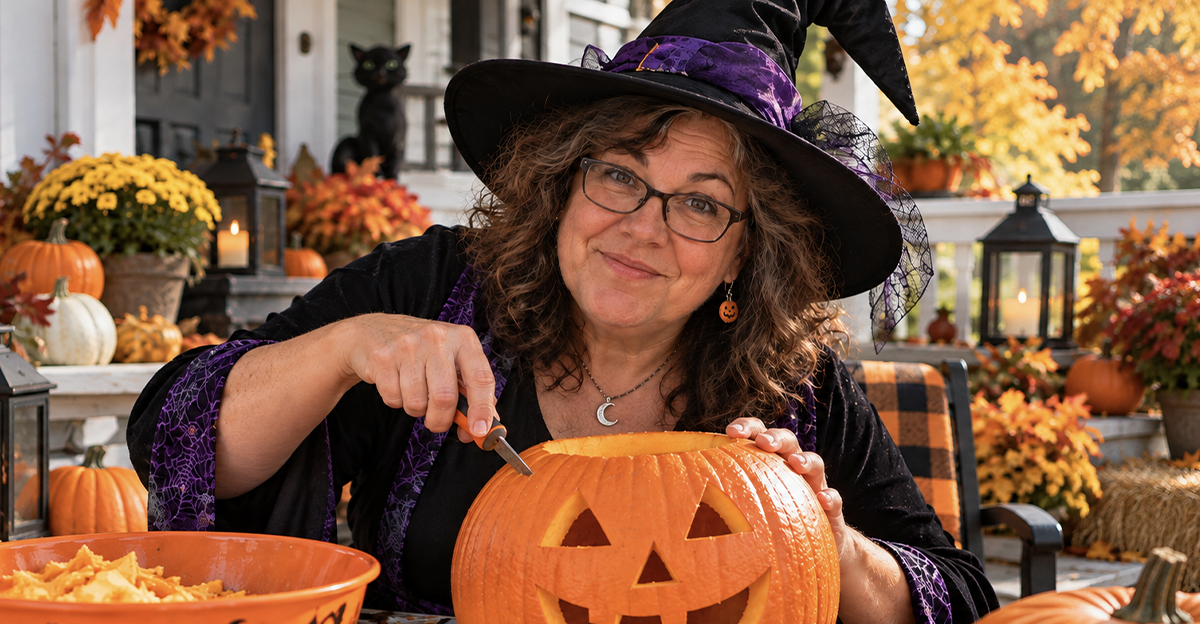
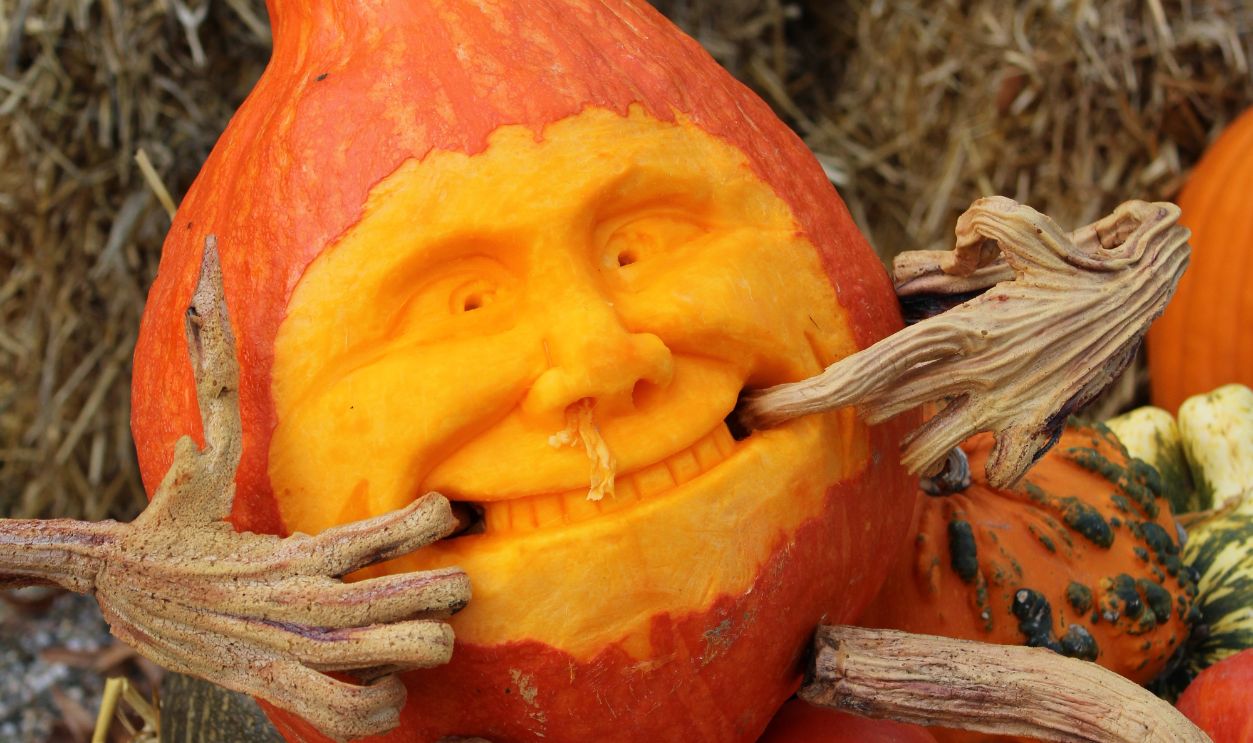
The classic jack-o'-lantern required two triangle eyes, a rough nose, and a mouth containing approximately four teeth. Modern carvers apparently decided pumpkins deserved portraiture. Stencil kits made complicated designs accessible to amateurs, while artists began shaving different depths of pumpkin flesh to create detailed images rather than simply cutting holes. Competitions, social media, specialty carving tools, and online templates pushed the craft even further. People now carve movie characters, famous faces, elaborate landscapes, logos, and intricate horror scenes into pumpkins that will begin collapsing within days. The pumpkin's lifespan remained exactly the same. The amount of work people are willing to put into it did not.
Halloween Became Just As Much An Adult Holiday
Halloween spent much of the mid-20th century becoming heavily associated with children, but adults never surrendered it permanently. Costume parties expanded, bars and nightclubs built major events around October 31, and professional haunted attractions developed audiences far beyond families with young children. Retailers now devote billions of dollars to costumes, decorations, entertainment, and other seasonal products purchased by adults. Some people build elaborate yard displays without having children at all. Others treat Halloween as an annual excuse for cosplay, horror fandom, or themed parties. The modern holiday manages to support kindergarten parades in the afternoon and elaborate adult costume events a few hours later.
Halloween Costumes Became Less About Spirits And More About Identity
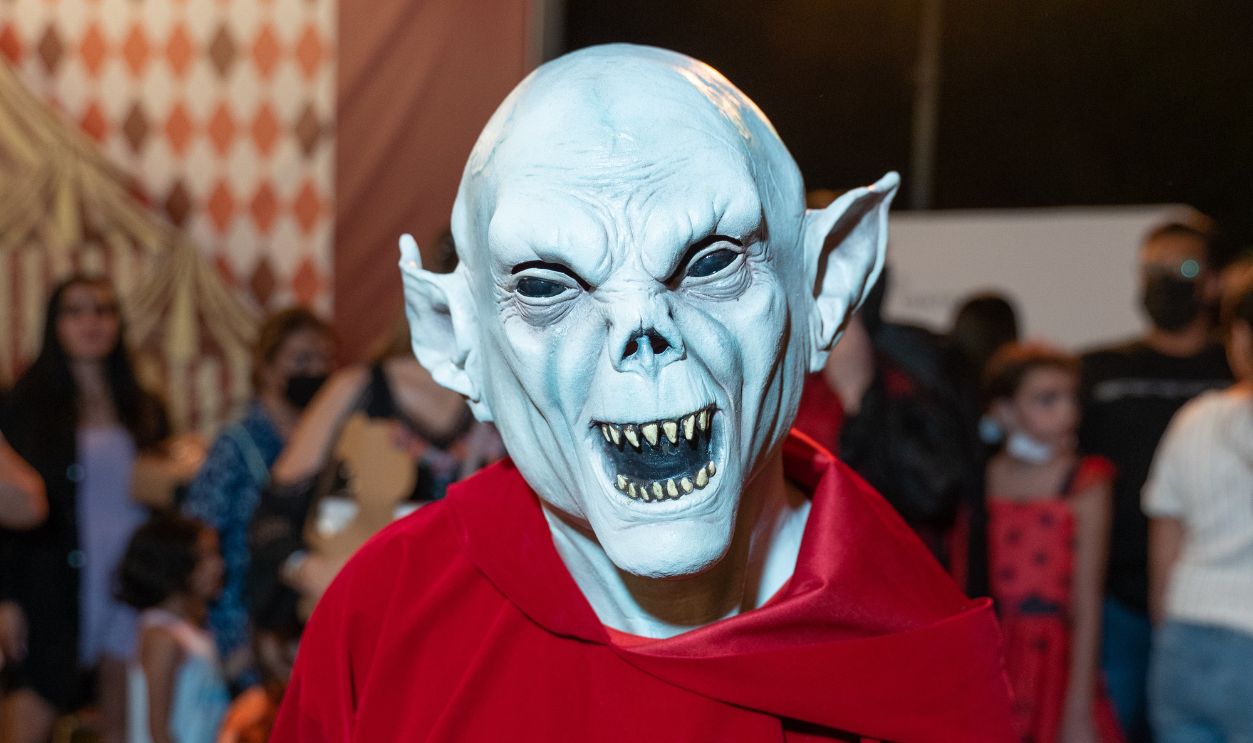
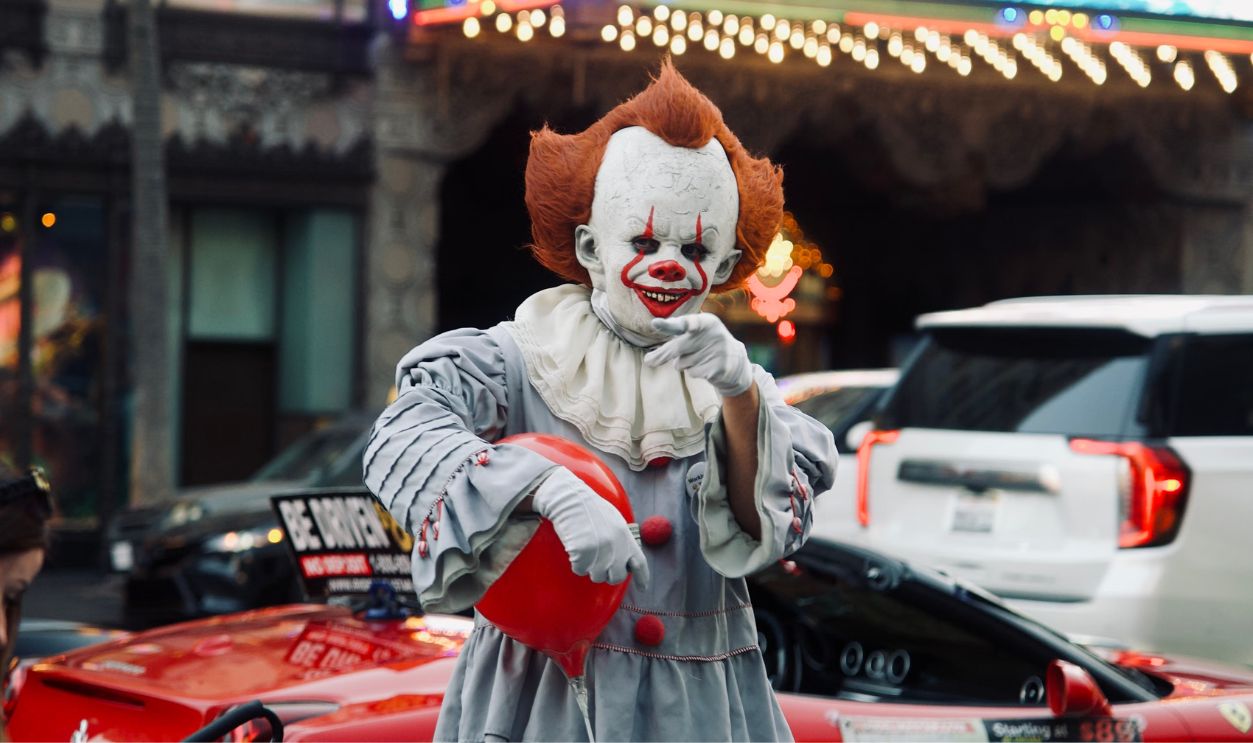
Disguises once had strong connections with supernatural beliefs, seasonal ritual, and the idea that spirits or other beings were abroad. Even much later, ghosts, skeletons, devils, witches, and frightening homemade figures dominated Halloween imagery. Modern costumes have become a completely different form of communication. People dress as fictional characters they love, celebrities they want to parody, political figures, athletes, memes, musicians, food, objects, or elaborate inside jokes. Halloween increasingly functions as a yearly opportunity to announce fandom, humor, creativity, or personal identity. The person behind the mask isn't necessarily hiding from anything anymore. Often, they're telling everyone exactly what they're into.
Apples, Nuts, And Harvest Foods Lost Ground To Candy
Early American Halloween parties reflected the agricultural season far more obviously than modern ones do. Apples, nuts, popcorn, corn, pumpkins, cider, and other harvest foods appeared in recipes, decorations, games, and fortune-telling rituals. Nuts might supposedly predict romantic futures, while apple peels could reveal a future spouse's initial. Halloween's transition toward child-centered trick-or-treating changed the food hierarchy. Candy manufacturers increasingly marketed specifically for October, and small packaged sweets became ideal for distributing door to door. Seasonal foods survived around the edges, particularly cider and pumpkin desserts, but candy eventually became so dominant that Americans now purchase billions of dollars' worth for Halloween alone.
Fortune-Telling Games Nearly Disappeared
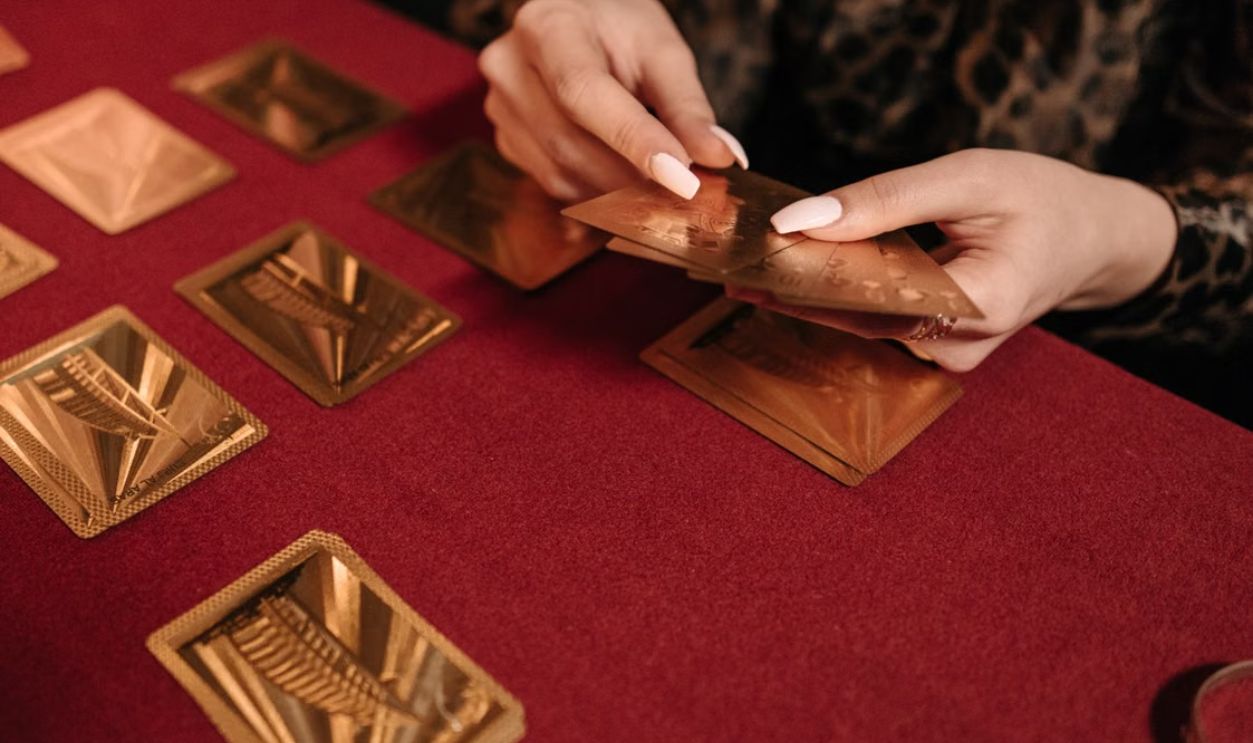
A century ago, a Halloween party could resemble an extremely elaborate dating app operated by ghosts. Guests burned nuts named for romantic interests, examined mirrors for future spouses, threw apple peels over their shoulders, followed strands of yarn, and interpreted various objects as predictions of marriage, wealth, or lifelong singlehood. Newspapers and party manuals printed instructions for these games without treating them as obscure historical folklore. As Halloween became more child-centered and less connected with divination, nearly all of them disappeared. Modern partygoers might know about Ouija boards or tarot cards, but few arrive expecting a hazelnut to settle their romantic future.
Ghost Stories Gave Way To Horror-Movie Marathons
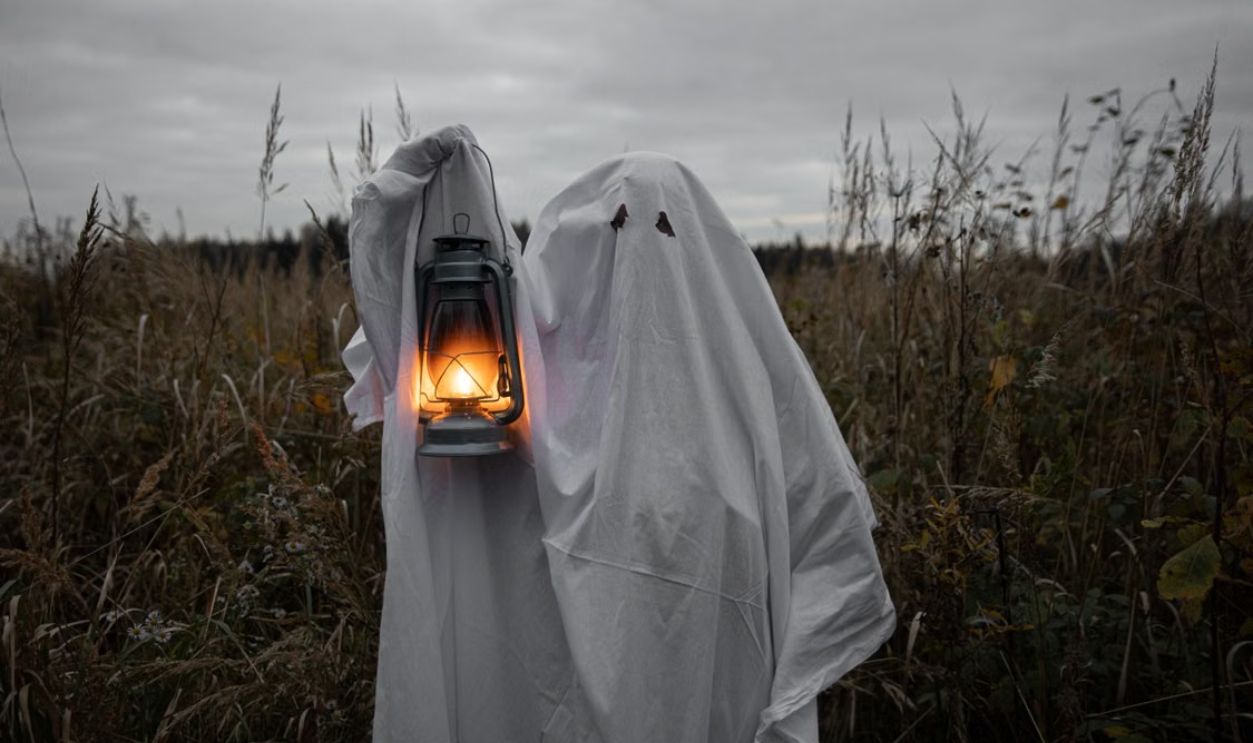
Before radio, television, and streaming, frightening one another required more personal effort. Ghost stories were common entertainment at autumn gatherings, and Halloween parties encouraged tales about supernatural encounters, local legends, and the dearly departed. Then technology gradually supplied the ghosts. Radio dramas brought horror into homes, Hollywood developed an enormous monster tradition, television created seasonal specials, and home video made horror marathons possible without leaving the couch. Streaming finished the transformation by putting enormous horror libraries a click away. People still tell ghost stories, but it's now just as likely that Halloween night involves debating which Halloween movie to watch.
Halloween Went From One Night To An Entire Season
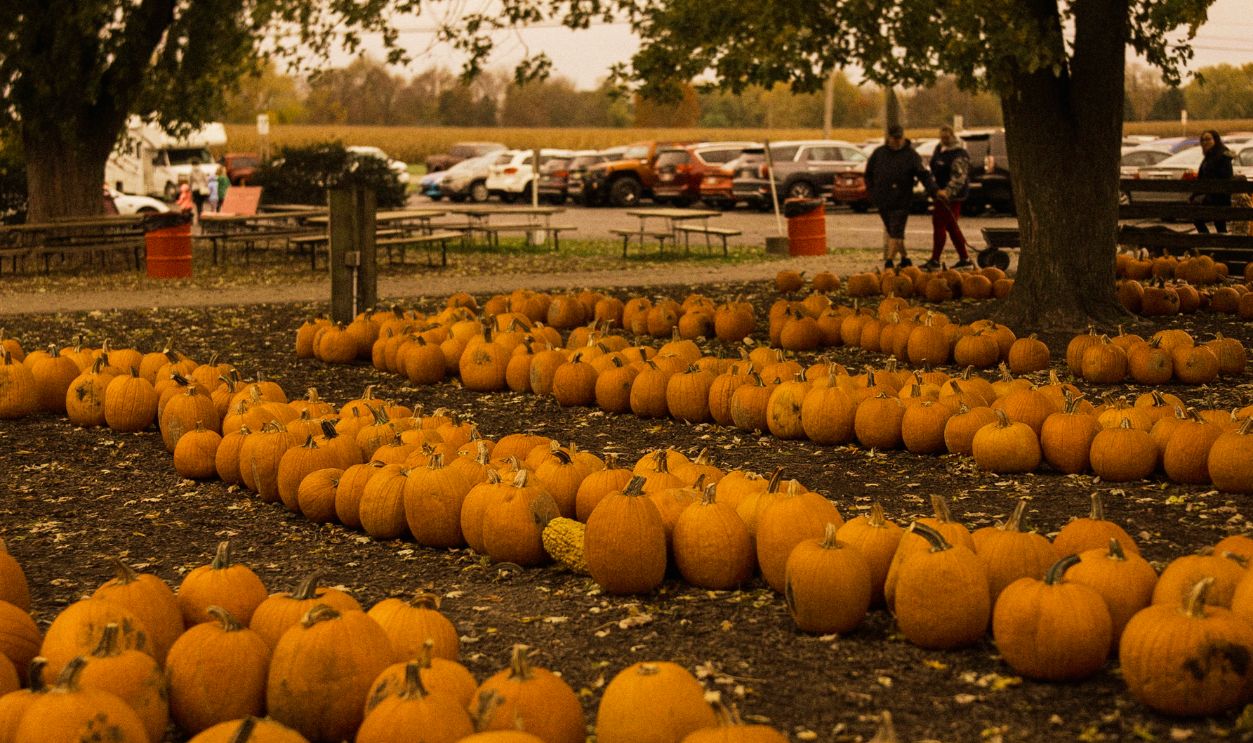
October 31 remains the official date, but modern Halloween increasingly refuses to remain confined to it. Haunted attractions can open weeks earlier. Pumpkin patches draw crowds throughout October. Retail displays appear in late summer, horror streaming collections launch well before the holiday, and households sometimes decorate during September. Parties, trunk-or-treat events, festivals, hayrides, corn mazes, and costume events can occupy several weekends. Retail research now finds significant numbers of consumers shopping for Halloween more than a month in advance. A holiday that once built toward one strange night has gradually become an entire stretch of the calendar—almost a miniature season between summer and Christmas.
Halloween Became Far More Commercialized
Halloween was once comparatively cheap because so much of it was homemade. Families improvised costumes, carved local pumpkins, decorated with seasonal plants and paper crafts, and played games requiring little more than apples, mirrors, or nuts. Retailers eventually discovered that nearly every part of the holiday could become a product category. Costumes, packaged candy, animatronics, makeup, inflatables, pet costumes, party supplies, themed food, professional attractions, and enormous decorations followed. The National Retail Federation expects US Halloween spending to reach roughly $13.5 billion in 2026, including more than $4 billion each on costumes, decorations, and candy. Halloween didn't lose its traditions. Many simply acquired price tags.
You May Also Like:
Canadian Urban Legends That Still Give People The Creeps
The Most Haunted Hotel In Every Major American City—Would You Stay Overnight?
Haunted Road Trip Stops In Every U.S. State—How Many Would You Visit?