
The Rental Car Is No Longer The Automatic Choice
For decades, renting a car was practically a reflex for business travelers arriving in an unfamiliar city. After collecting their luggage, they would head straight to the rental counter, pick up their keys, and drive to the hotel or first meeting. Having a vehicle waiting outside offered independence, flexibility, and a reassuring sense of control. But as business travel evolves, more travelers and employers are questioning whether that convenience is worth the expense.
The shift is already appearing in corporate travel policies. A March 2026 report from the Global Business Travel Association (GBTA) and ALTOUR found that 51% of surveyed companies allowed rental cars in every scenario, while 33% encouraged rideshares, taxis, or public transportation in certain circumstances. The findings suggest employers are increasingly willing to consider alternatives rather than treating a rental vehicle as the default. For employees whose schedules involve just a handful of meetings, that flexibility could make business trips considerably simpler.
The changing attitude comes as companies face mounting pressure to justify travel spending. GBTA forecasts that global business travel expenditures will reach $1.71 trillion in 2026, with higher prices contributing significantly to the increase. Businesses are examining everything from hotel choices to airfare, and ground transportation is another opportunity to manage expenses. A rental car that once seemed like an obvious necessity now has to prove its value against several competing options.
However, this doesn't mean rental cars are disappearing from corporate travel. A 2022 GBTA survey found that 82% of travel managers reported employees frequently using rental vehicles, compared with 70% who frequently used rideshare apps. Both were firmly established parts of business travel, demonstrating that the choice was already broader than it once seemed. What's changing is the attention companies are giving to which option makes sense for each individual trip.
That Affordable Rental Might Cost More Than You Think
One reason business travelers are reconsidering rentals is that the advertised daily rate rarely tells the entire story. According to Business Travel News, Corporate Traveler's U.S. clients paid an average of $75 per rental day in 2025, a 4% decline from the previous year. That suggests rental prices aren't necessarily increasing everywhere, even as overall business travel expenses remain under pressure. However, the base rental price is only one component of the final transportation bill.
The Federal Trade Commission warns consumers that rental agreements can include airport surcharges, additional-driver fees, toll-processing charges, and other expenses. Refueling the vehicle can also become surprisingly expensive when travelers return it without a full tank. Some rental companies impose additional fees for early or late returns, while dropping a vehicle at a different location can carry another charge. Each of these costs deserves consideration before deciding that renting is cheaper than using other transportation.

Parking introduces another expense that travelers sometimes overlook when comparing options. A business traveler staying at a downtown hotel may need to pay for overnight parking, followed by additional parking at client offices or conference facilities. Even when those charges are reimbursable, they still contribute to the employer's overall travel spending. The rental vehicle might spend most of its time sitting unused while the traveler attends meetings.
Insurance adds another layer of complexity. The FTC advises renters to check whether their existing auto insurance, employer coverage, or credit card benefits already provide protection before purchasing additional coverage. Rental-company collision damage waivers can address certain vehicle damage costs, but they are not the same as comprehensive liability insurance. Employees who misunderstand their coverage could either purchase unnecessary protection or discover important gaps after an accident.
The time involved also has a cost, even when it doesn't appear on an expense report. Travelers may need to collect a vehicle, inspect it, navigate unfamiliar roads, locate parking, refuel, and complete the return process before their flight. For someone attending a two-hour meeting during an overnight trip, those obligations can feel disproportionate to the actual driving required. It's one reason comparing transportation options involves more than simply looking at the cheapest advertised rate.
Rideshares And Public Transit Are Changing The Equation
Ride-hailing services have made it possible to travel between many airports, hotels, and offices without controlling a vehicle for the entire visit. Instead of paying for a rental throughout a business trip, travelers can book transportation only when they need it. This arrangement can be particularly attractive when meetings are concentrated in a walkable downtown district. It also removes the responsibility of finding parking and returning a vehicle before departure.
For employers, ride-hailing has become more than a convenient alternative to traditional taxis. Business-focused platforms now offer spending controls, centralized billing, and integrations with corporate expense-management systems. Uber for Business, for example, supports travel restrictions, budgets, and automatic receipt synchronization for participating organizations. These features give finance teams greater visibility into transportation spending while reducing some of the administrative work for employees.
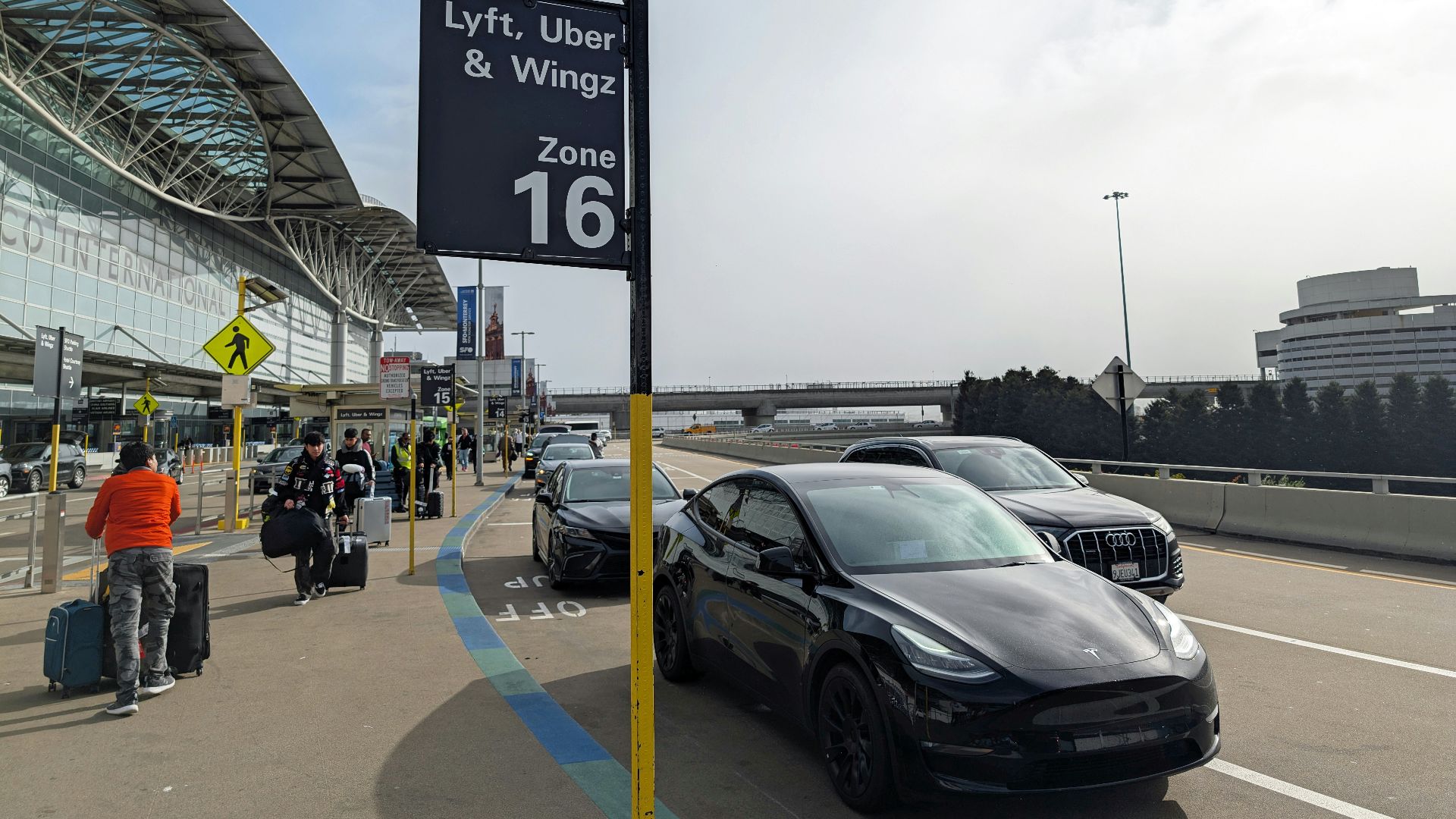
The technology is becoming increasingly sophisticated. In September 2025, Uber announced improvements to its integration with SAP Concur, including more detailed receipts and simplified expense reporting. Expensify also announced an enhanced Uber for Business integration in December 2025 that automatically transfers eligible ride and meal receipts into its expense platform. Such systems can reduce the need for travelers to manually collect, upload, and reconcile individual receipts. That administrative convenience can become another argument against renting a car for trips involving limited ground travel.
Public transportation offers another alternative, particularly in cities with extensive rail networks. A traveler arriving at an airport with a direct train connection to the business district may be able to avoid both rental counters and road congestion. Depending on the destination, local trains, buses, and subways can also connect hotels with meeting venues at comparatively modest fares. Naturally, their usefulness depends on service frequency, accessibility, luggage requirements, and the location of the traveler's appointments.
None of these alternatives is guaranteed to be cheaper or more convenient in every situation. Ride-hailing prices can fluctuate, availability varies by location, and public transportation may not reach suburban industrial parks or remote offices. A traveler with several appointments spread across a large metropolitan area could spend more on individual rides than on a rental vehicle. The important change is that business travelers now have more practical reasons to compare their options before collecting a set of car keys.
Companies Are Thinking About More Than Money
Cost isn't the only factor influencing corporate transportation decisions. Companies are also placing greater emphasis on employee safety, environmental responsibility, and compliance with travel policies. In the 2022 GBTA research, 75% of surveyed travel managers said their programs had become more focused on traveler safety and well-being compared with two years earlier. Another 55% reported increased attention to sustainability and social responsibility.
For employees, avoiding a rental car can eliminate certain responsibilities associated with driving after a demanding journey. Someone arriving on an overnight flight might prefer a professional driver or direct rail connection rather than immediately navigating unfamiliar roads. International travelers may also encounter different traffic laws, road layouts, and driving customs. Removing the need to drive can make a trip feel less demanding, although travelers still need to evaluate the safety and reliability of their chosen transportation.
Environmental concerns are another reason employers may encourage alternatives. The U.S. Environmental Protection Agency identifies passenger vehicles and light-duty trucks among the major contributors to transportation-related greenhouse gas emissions. An EPA transportation efficiency report, using 2019 figures, found that rail transit produced considerably less carbon dioxide per passenger-mile than personal vehicles on average. For a company attempting to reduce its business travel footprint, using well-utilized public transportation instead of a private rental can be an attractive option.

However, switching from a rental car to a rideshare doesn't automatically eliminate emissions. A rideshare trip still involves a vehicle traveling on the road, and the environmental result depends on factors including vehicle technology, occupancy, and additional driving between passengers. Public transit emissions also vary according to ridership and energy sources. Businesses serious about sustainability need to consider the actual transportation mode rather than assuming every alternative to a rental is greener.
There's also the question of how companies manage all these choices. A spring 2026 BTN Group survey of 101 travel managers, conducted for Enterprise Mobility, found that 91% had policies covering rental-car supplier choice and booking tools, compared with 63% for app-based ride-hailing and 57% for taxis. The results reveal that traditional rental arrangements are often more formally managed than other ground transportation options. As employees embrace alternatives, employers may need clearer guidance about approved providers, spending limits, and safety expectations.
Interestingly, nearly nine in ten respondents to that survey indicated they would likely adopt a single platform capable of recommending ground transportation options based on travel policy, itinerary, and trip purpose. Such technology could eventually make transportation decisions less dependent on individual guesswork. Rather than automatically choosing a rental car, employees could receive recommendations that balance cost, convenience, and company requirements. The opportunity is to make ground transportation planning more intelligent without restricting travelers unnecessarily.
The Future Is About Choosing The Right Ride
Despite the growing appeal of alternatives, rental cars remain indispensable for many business travelers. Sales representatives visiting several clients across a wide geographic area may need the flexibility of their own vehicle. Employees transporting demonstration equipment, samples, or specialized tools might find public transportation impractical. Business trips to smaller communities with limited taxi or rideshare availability can also make renting the most dependable choice.

The same reasoning applies to longer trips involving frequent driving. A vehicle rented for several days can provide predictable access to transportation without requiring a separate booking for every appointment. Travelers working irregular hours may also appreciate not having to depend on the availability of another service. In these circumstances, a rental can offer genuine operational advantages that outweigh its additional responsibilities.
For shorter urban trips, however, the calculation may look very different. Someone attending a conference at the hotel where they're staying might need transportation only between the airport and the property. Another traveler may have one client meeting within walking distance of their accommodation. Paying for a rental car throughout either trip could provide little benefit compared with arranging a couple of rides or using airport rail service.
A useful approach is to calculate the entire transportation cost before making a reservation. That means comparing the rental rate, taxes, fuel, parking, tolls, insurance requirements, and airport charges against the likely cost of taxis, rideshares, public transit, or shuttles. Travelers should also consider their schedules, accessibility needs, baggage, and how easily they can reach each destination. The cheapest transportation option is not necessarily the most sensible if it introduces unacceptable delays or logistical problems.
Company policy should be part of that decision from the beginning. GBTA's 2026 research found that 32% of surveyed travel managers considered unfamiliarity with company rules a common reason employees traveled outside policy. Checking which transportation methods are approved can prevent reimbursement problems and unexpected personal expenses. It also gives travelers an opportunity to clarify whether a rental is justified by the destination or specific work requirements.
Ultimately, the rental car isn't becoming obsolete. It's losing its status as the unquestioned starting point for every business trip. With more transportation choices, better expense technology, and closer scrutiny of corporate spending, travelers have good reasons to decide how they'll get around before automatically booking a vehicle. The smartest business travel decision may no longer be which car to rent, but whether renting one makes sense at all.
You May Also Like:
Could Autonomous Taxis Transform The Business Traveler’s Day?
How Companies Are Balancing Business Travel With Climate Commitments
What Could Supersonic Flight Mean For The Future Of Business Travel?