Gone Beneath The Water
Thousands of vessels have disappeared in waters around the United States and the Great Lakes, and some remarkably large ships remain missing today. Storms explain many losses, but without a wreck, investigators can rarely reconstruct the final minutes. These ships sailed into American maritime history and never truly sailed out.
 Public domain, Wikimedia Commons
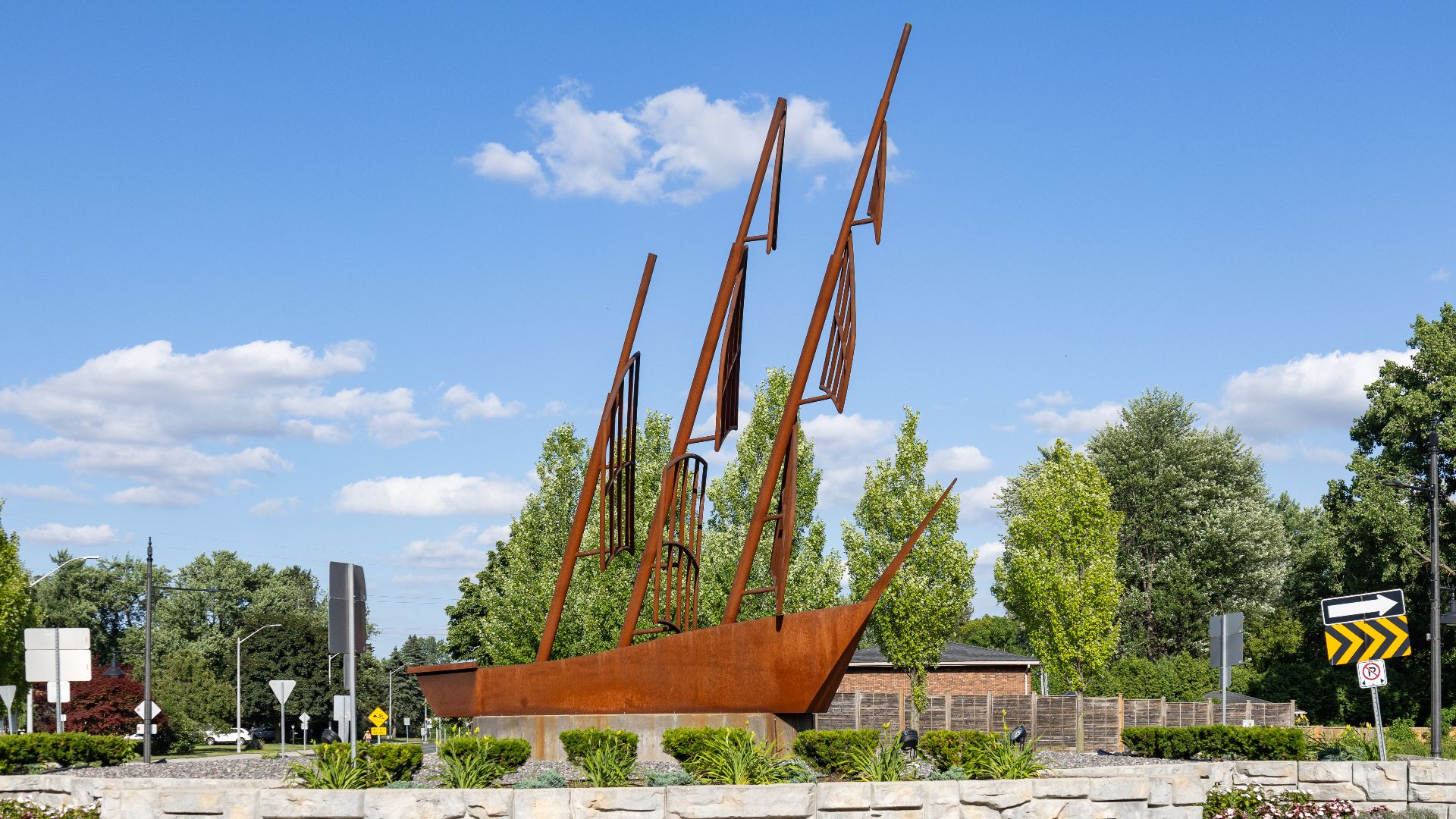
Le Griffon
French explorer René-Robert Cavelier, Sieur de La Salle's Le Griffon vanished in 1679 after departing the Green Bay area loaded with furs. Often described as the first European-style sailing ship on the upper Great Lakes, its disappearance became one of North America's oldest enduring shipwreck mysteries.
 Chris Woodrich, Wikimedia Commons
HMS Hussar
The British frigate HMS Hussar struck Pot Rock while negotiating New York's treacherous Hell Gate in November 1780 and sank off the Bronx. The general area is known, but no officially confirmed wreck location has been established despite generations of searches and numerous supposed discoveries.
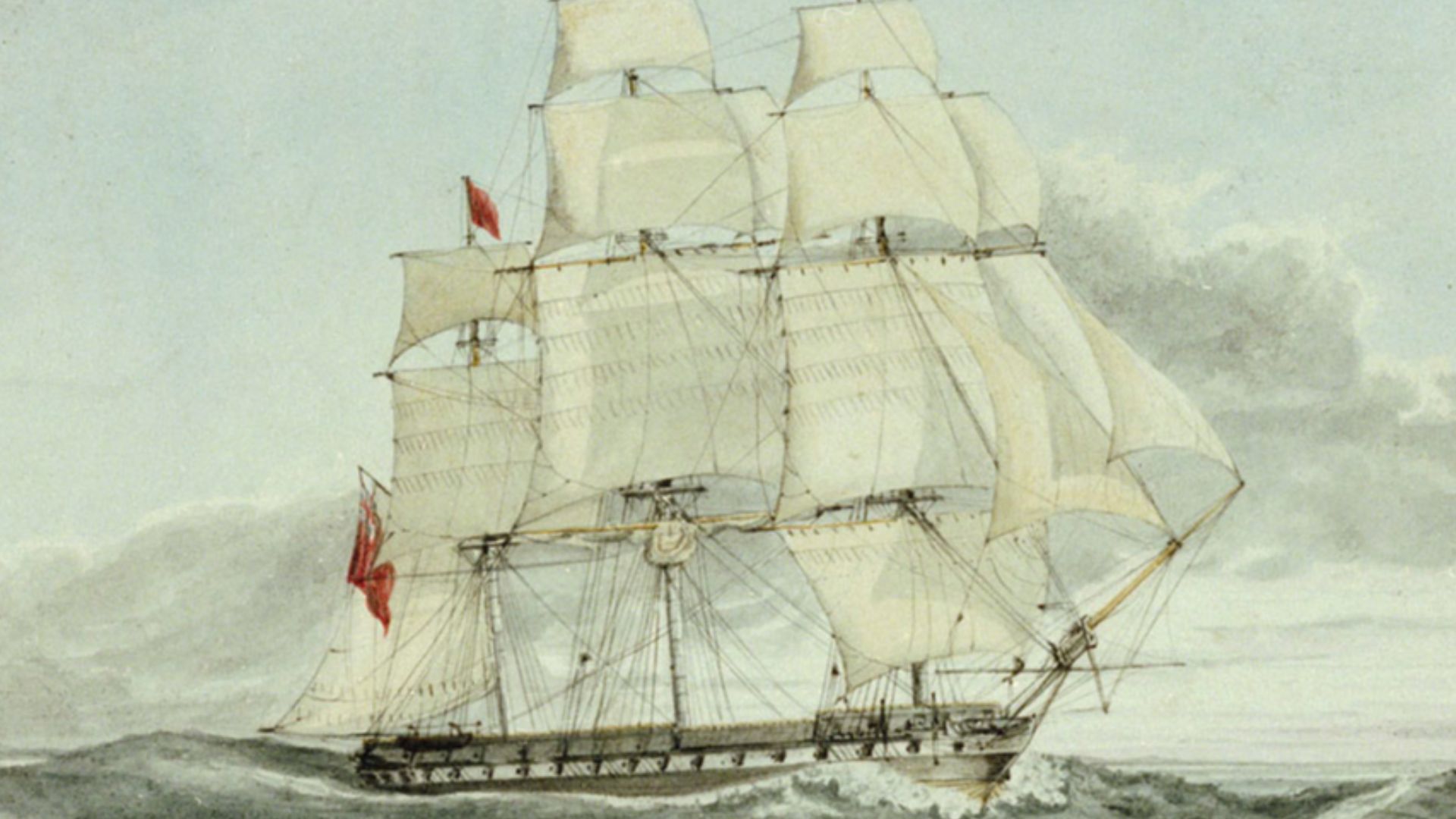 Unidentified engraver, Wikimedia Commons
Hussar's Legendary Treasure
What keeps Hussar famous is the persistent claim that British military gold went down with her. Contemporary records provide little support, and historians generally believe the money had already been unloaded. Treasure hunters nevertheless spent fortunes searching, without conclusively locating either the frigate or its legendary fortune.

USS Saratoga
The Continental Navy sloop Saratoga disappeared in March 1781 after pursuing and capturing a British vessel in the Caribbean. A violent wind nearly capsized the captured ship, and when its American prize crew tried to rejoin Saratoga, the 18-gun sloop and roughly 86 remaining crewmen had simply vanished.
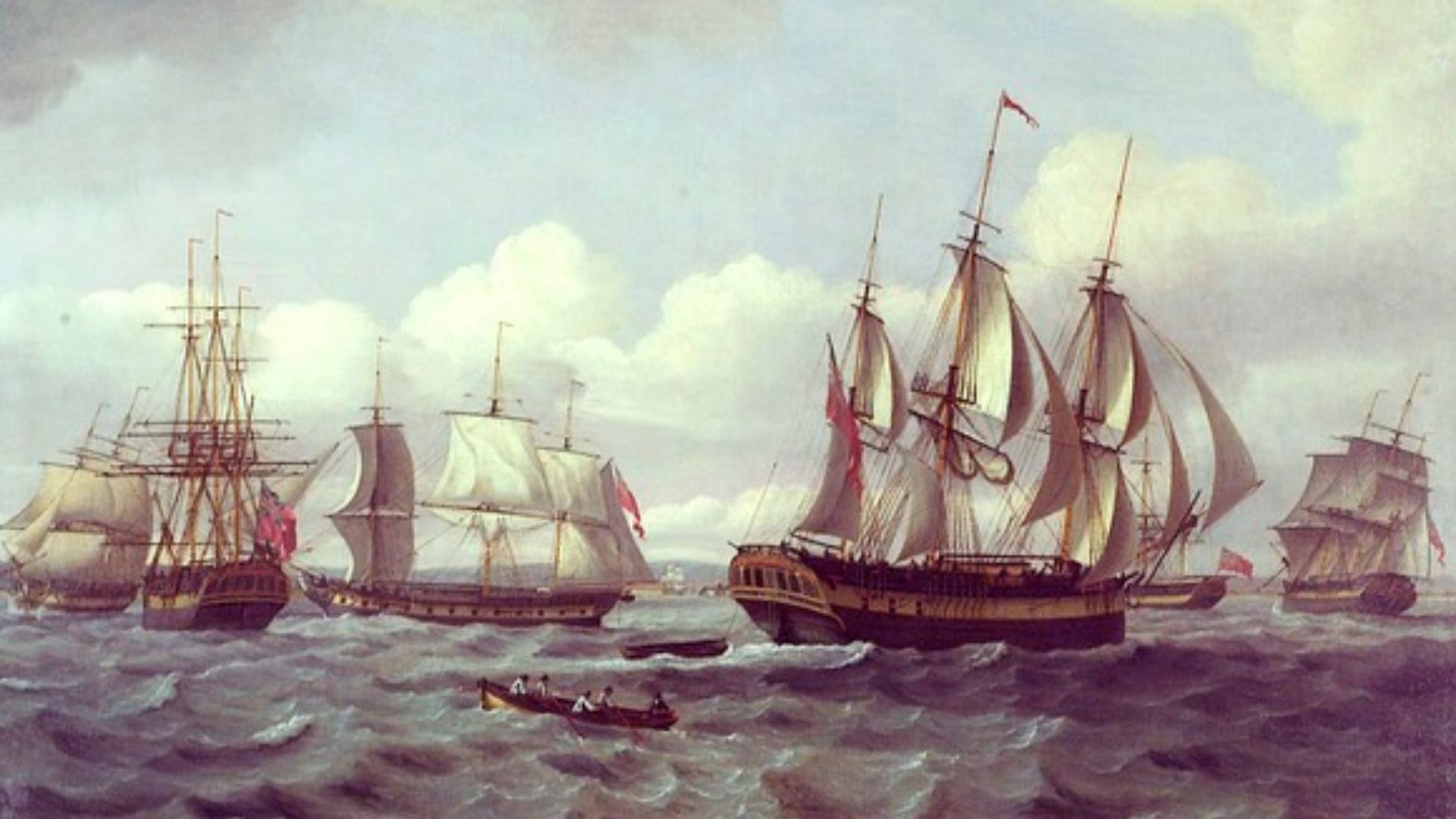 Thomas Luny, Wikimedia Commons
USS Pickering
The former revenue cutter Pickering had enjoyed an impressive combat record during the Quasi-War with France when she departed Newcastle, Delaware, for the West Indies in August 1800. She and her crew disappeared completely, probably victims of a powerful September hurricane that struck the region.
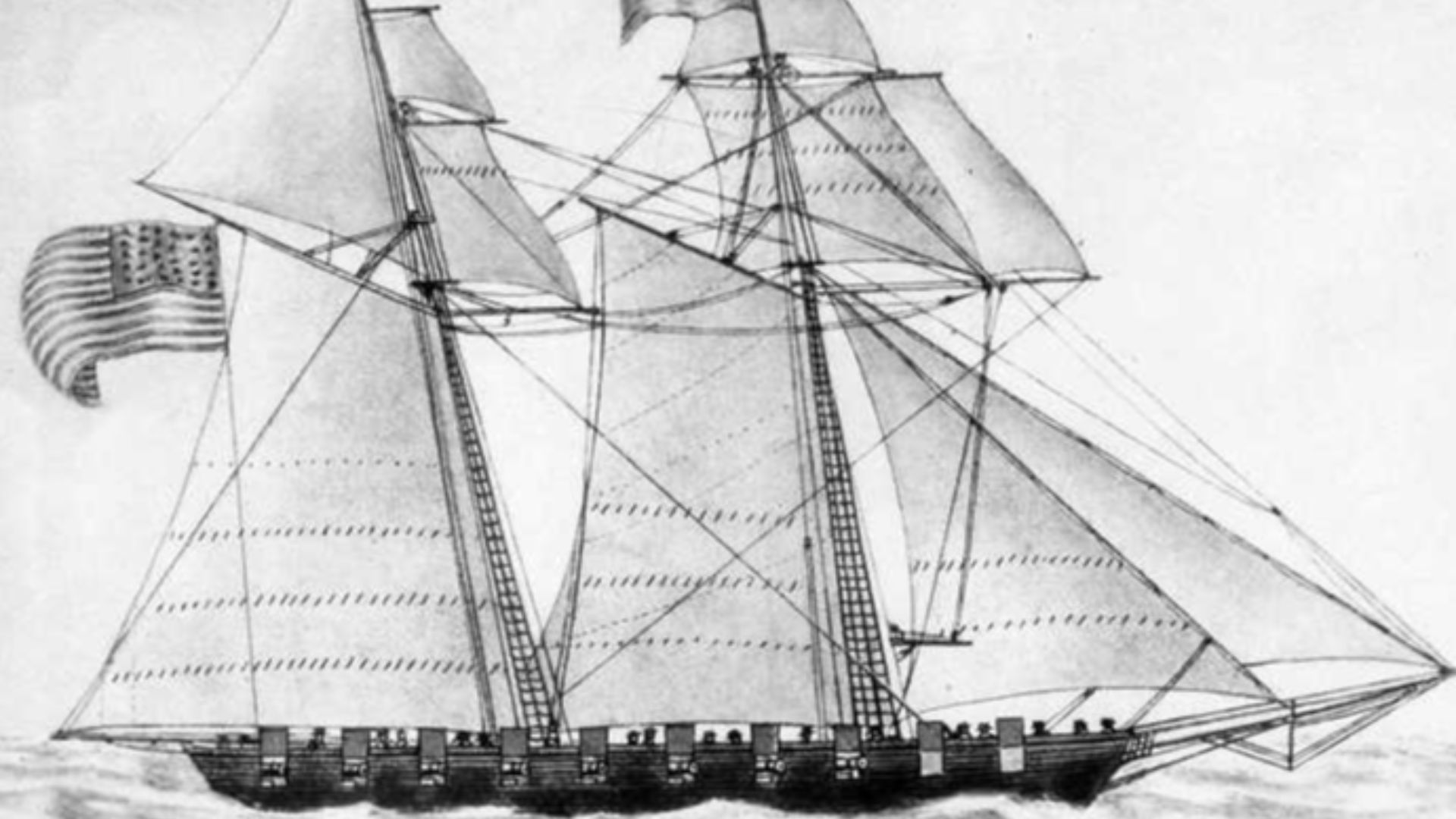 Unknown authorUnknown author, Wikimedia Commons
USS Insurgent
Another American warship disappeared during that same terrible season. The captured French frigate Insurgent left Hampton Roads in August 1800 bound for the West Indies and vanished with her large crew. Naval historians consider the September hurricane a likely explanation, as this storm also claimed the Pickering (above), but the frigate itself has never supplied the answer.
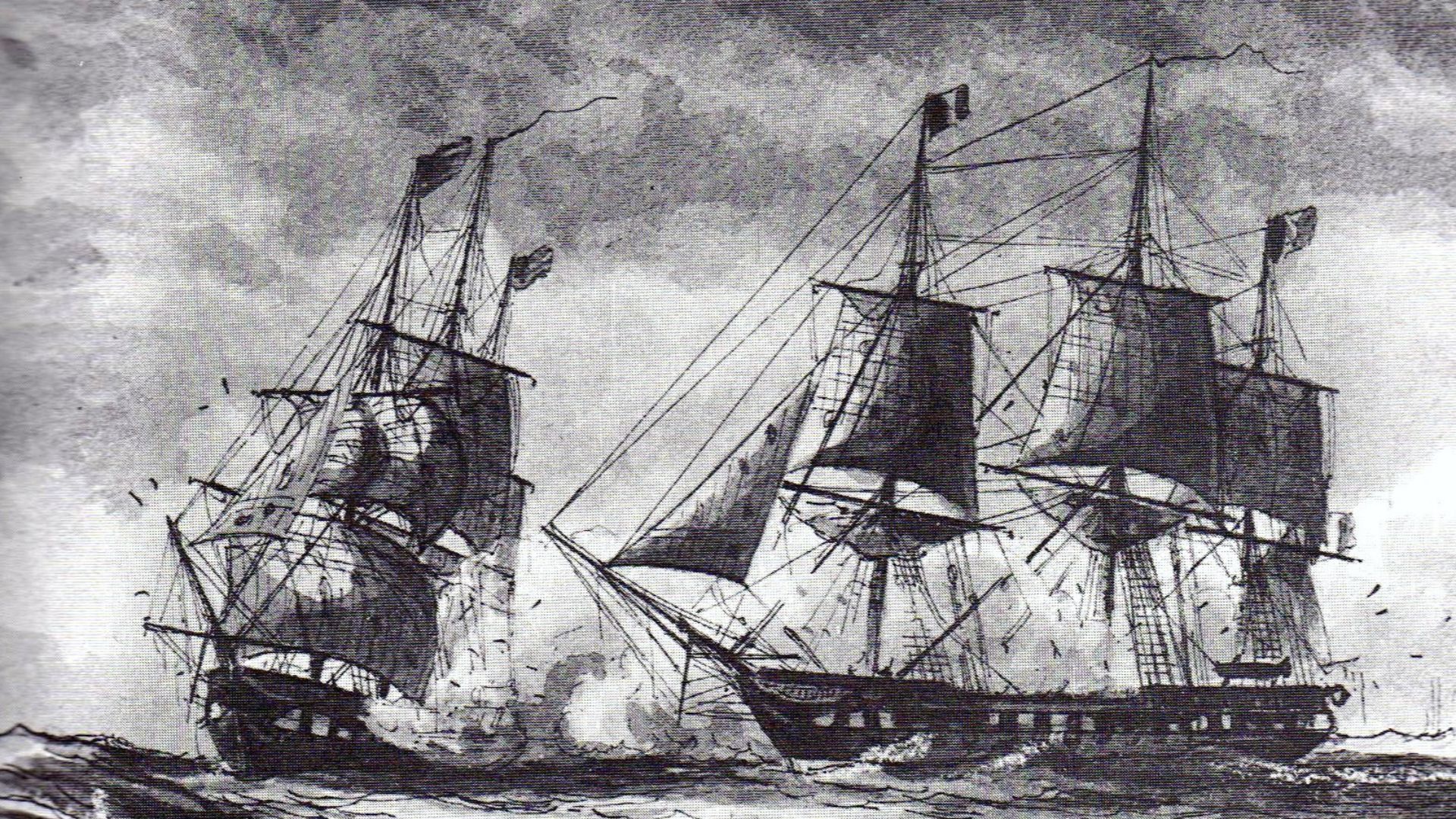 William Bainbridge Hoff ( ? - 23 mai 1903), Wikimedia Commons
Patriot
The schooner Patriot sailed from Georgetown, South Carolina, on December 31, 1812, carrying Theodosia Burr Alston, daughter of former Vice President Aaron Burr. Bound for New York, the ship never arrived. Storms near Cape Hatteras provide a plausible explanation, but Patriot and everyone aboard disappeared without a confirmed trace.
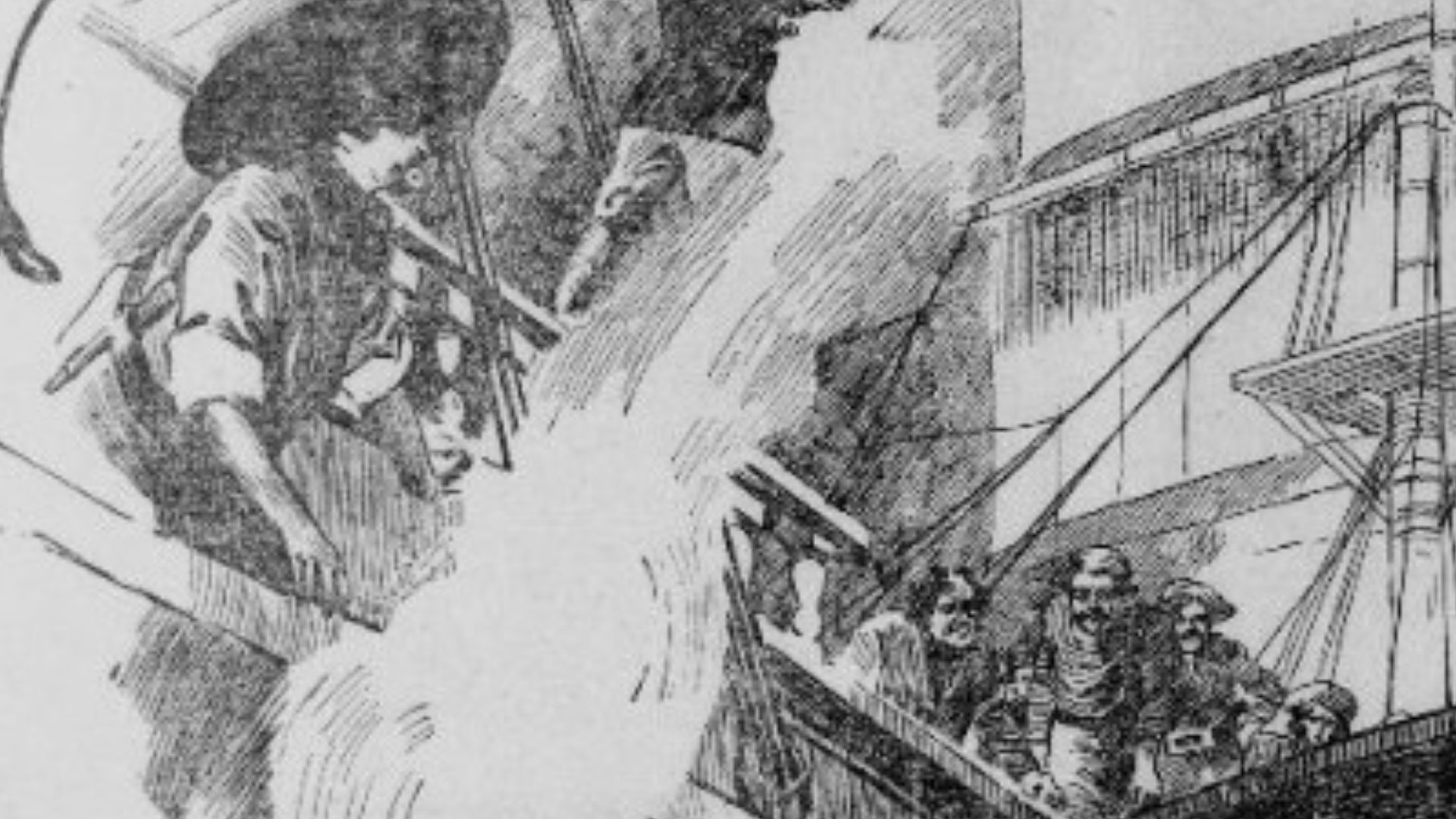 The San Francisco Call, Wikimedia Commons
USS Albany
The 22-gun sloop-of-war USS Albany departed Aspinwall, in present-day Panama, in September 1854 during a voyage toward New York. She never reached port. The ship and her complement disappeared somewhere in the Caribbean or western Atlantic, joining the surprisingly long roster of early American naval vessels whose wrecks remain missing.
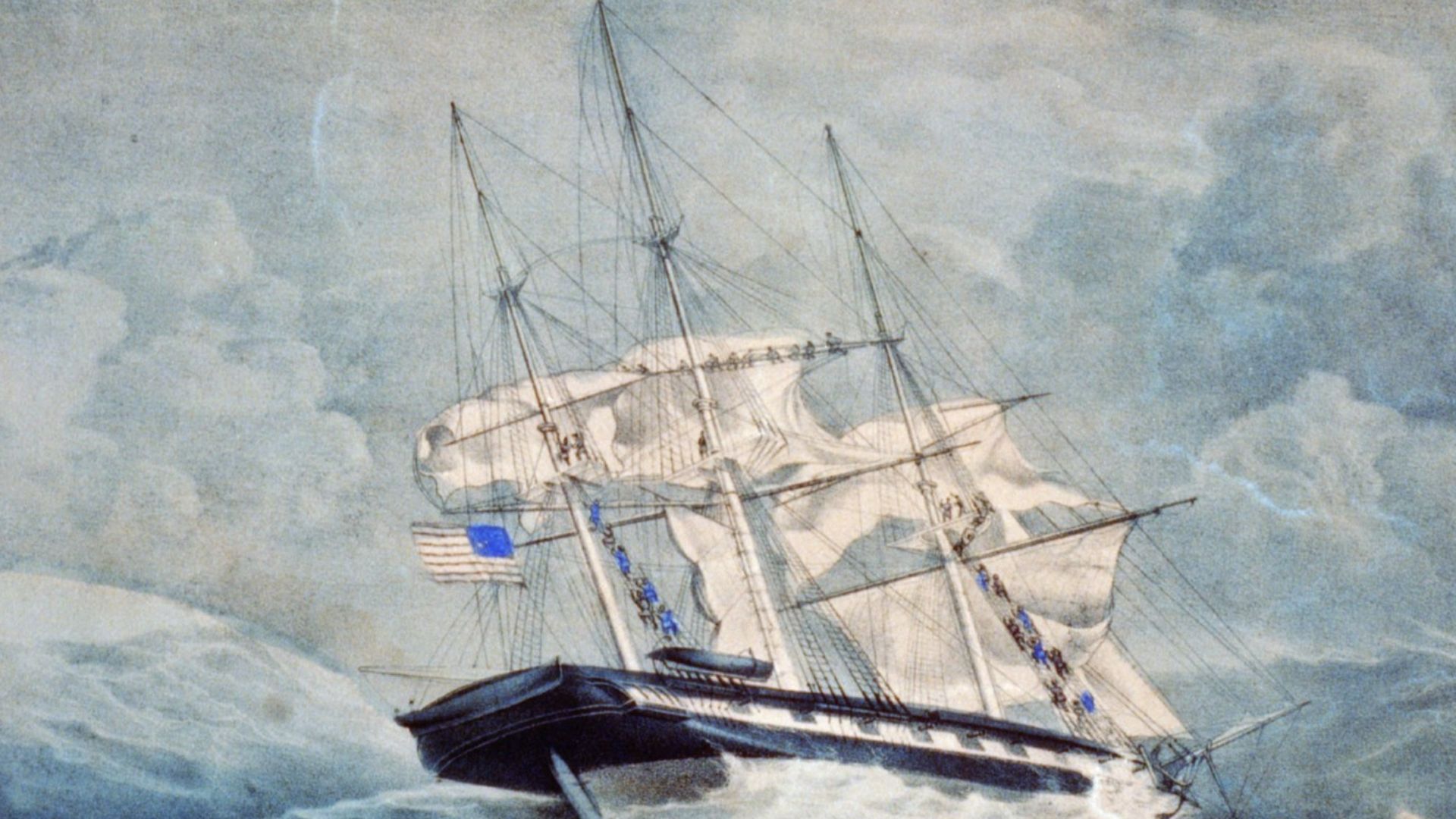 N. Currier (firm), Wikimedia Commons
SS Alpena
The sidewheel steamer SS Alpena left Grand Haven, Michigan, for Chicago in October 1880 and encountered the ferocious storm remembered as the Big Blow. Wreckage and bodies subsequently came ashore, making the ship's loss unmistakable. Yet the precise resting place of the steamer itself has never been conclusively established.
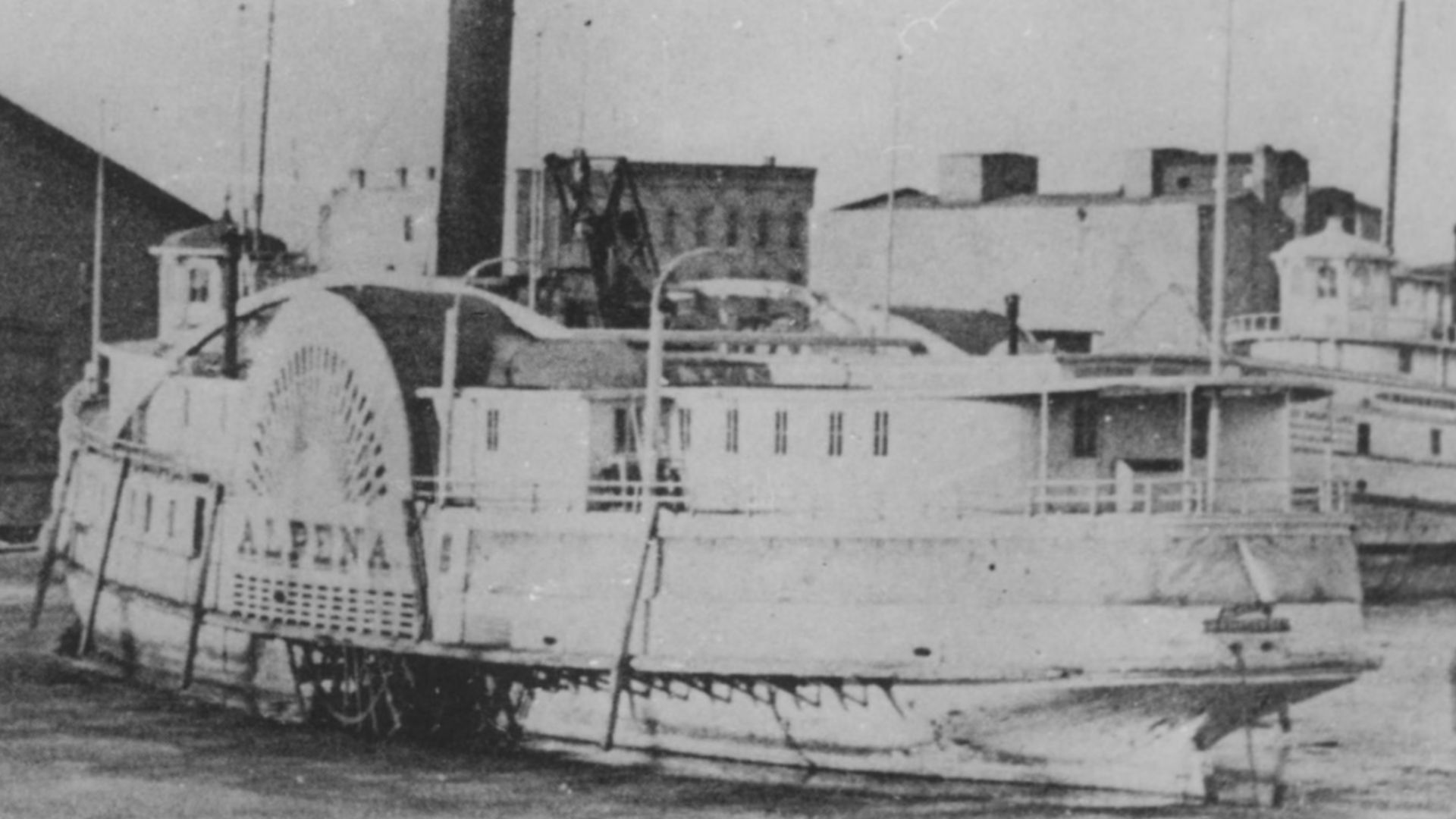 Unknown authorUnknown author, Wikimedia Commons
Manistee
The passenger-and-freight steamer Manistee left Bayfield, Wisconsin, in November 1883 after sheltering from a Lake Superior gale. She disappeared near the Apostle Islands with an uncertain number of passengers and crew. Cargo and wreckage later washed ashore, but the ship's hull has never been located.
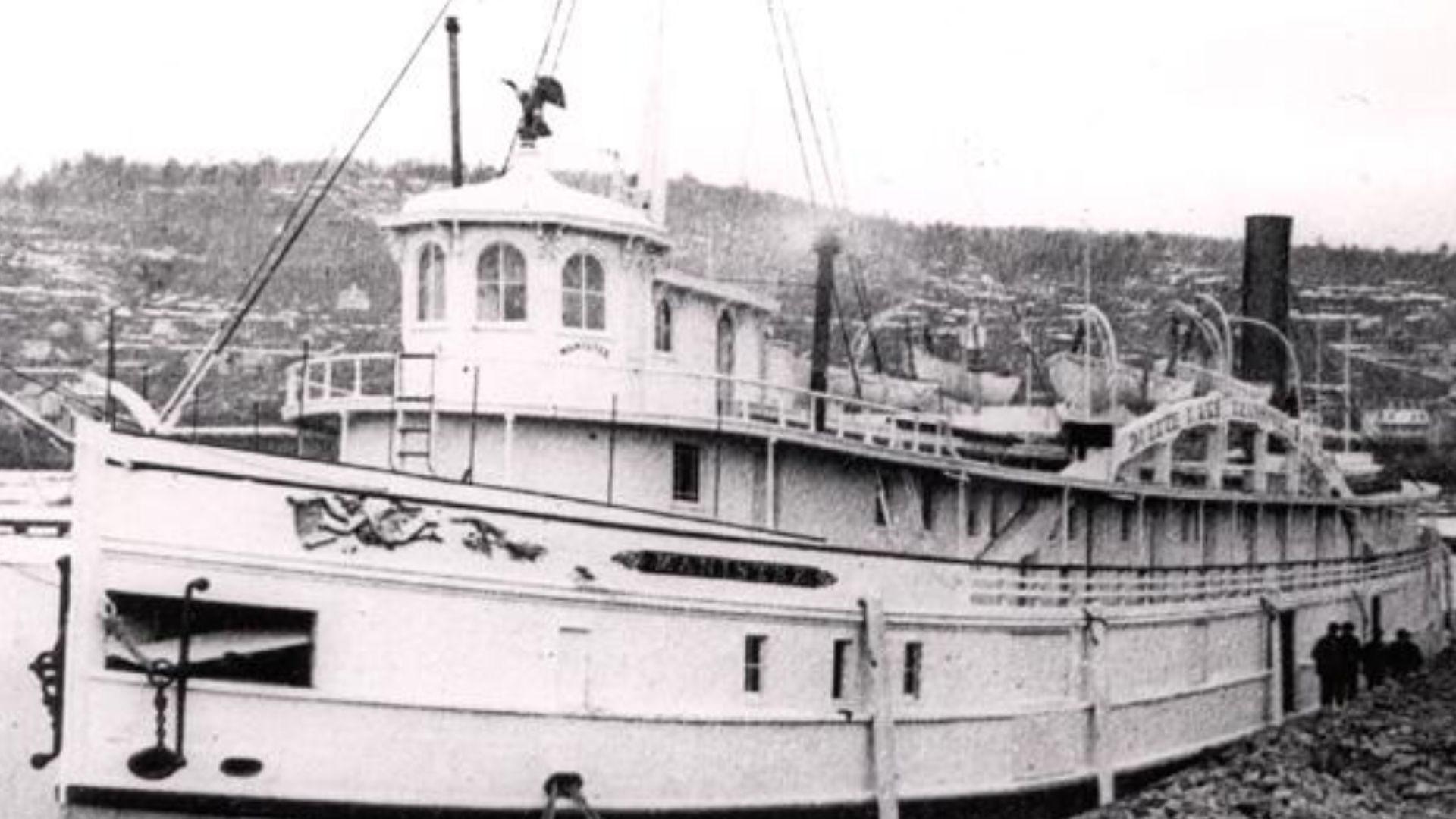 Unknown authorUnknown author, Wikimedia Commons
W.H. Gilcher
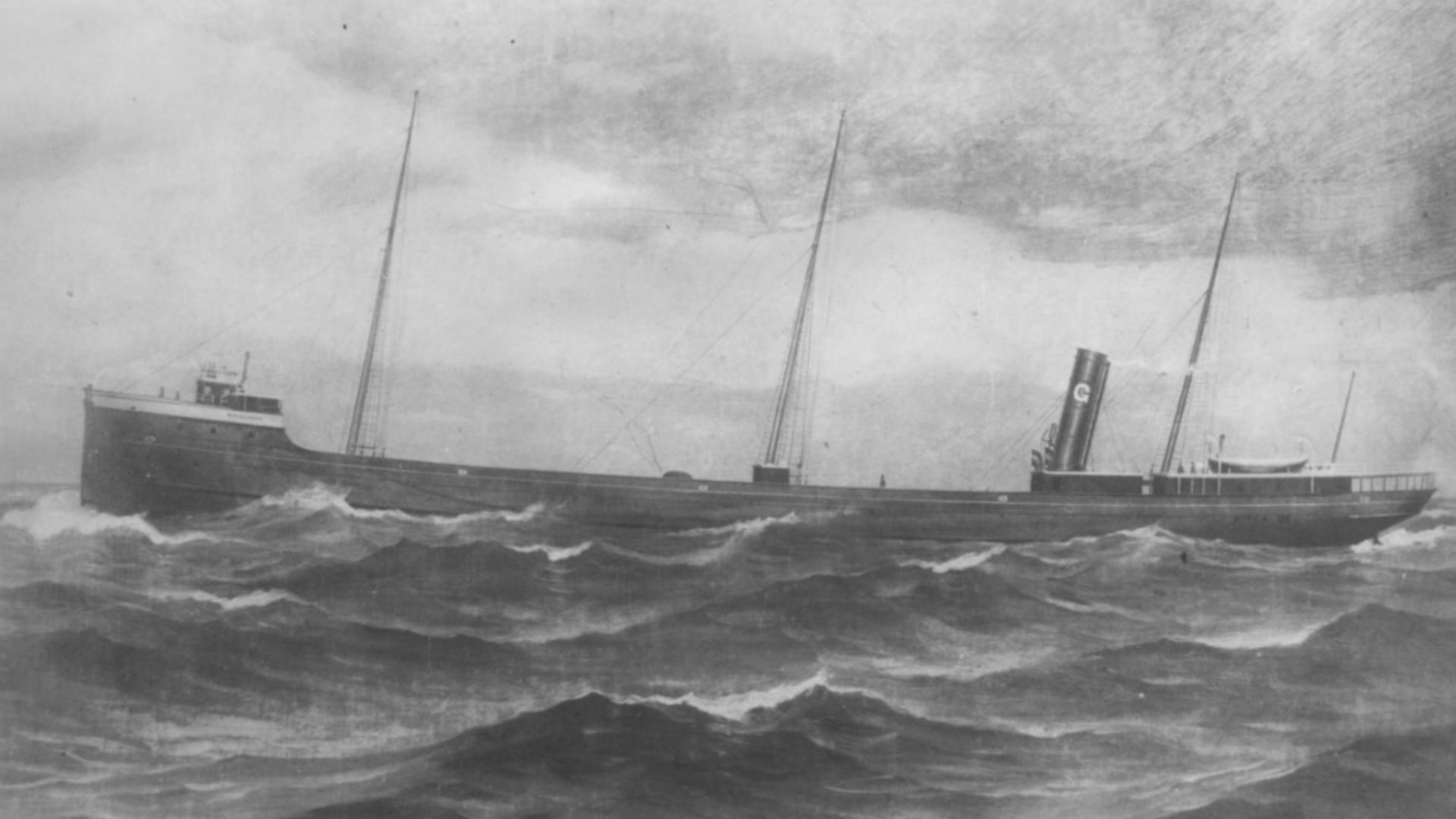
The steel freighter W.H. Gilcher entered Lake Michigan in October 1892 carrying more than 3,000 tons of coal. A violent storm followed. Debris identifiable as part of the vessel and bodies wearing its life preservers were recovered, yet the location of the substantial steel wreck remains unknown.
 Howard Freeman Sprague, Wikimedia Commons
SS Chicora
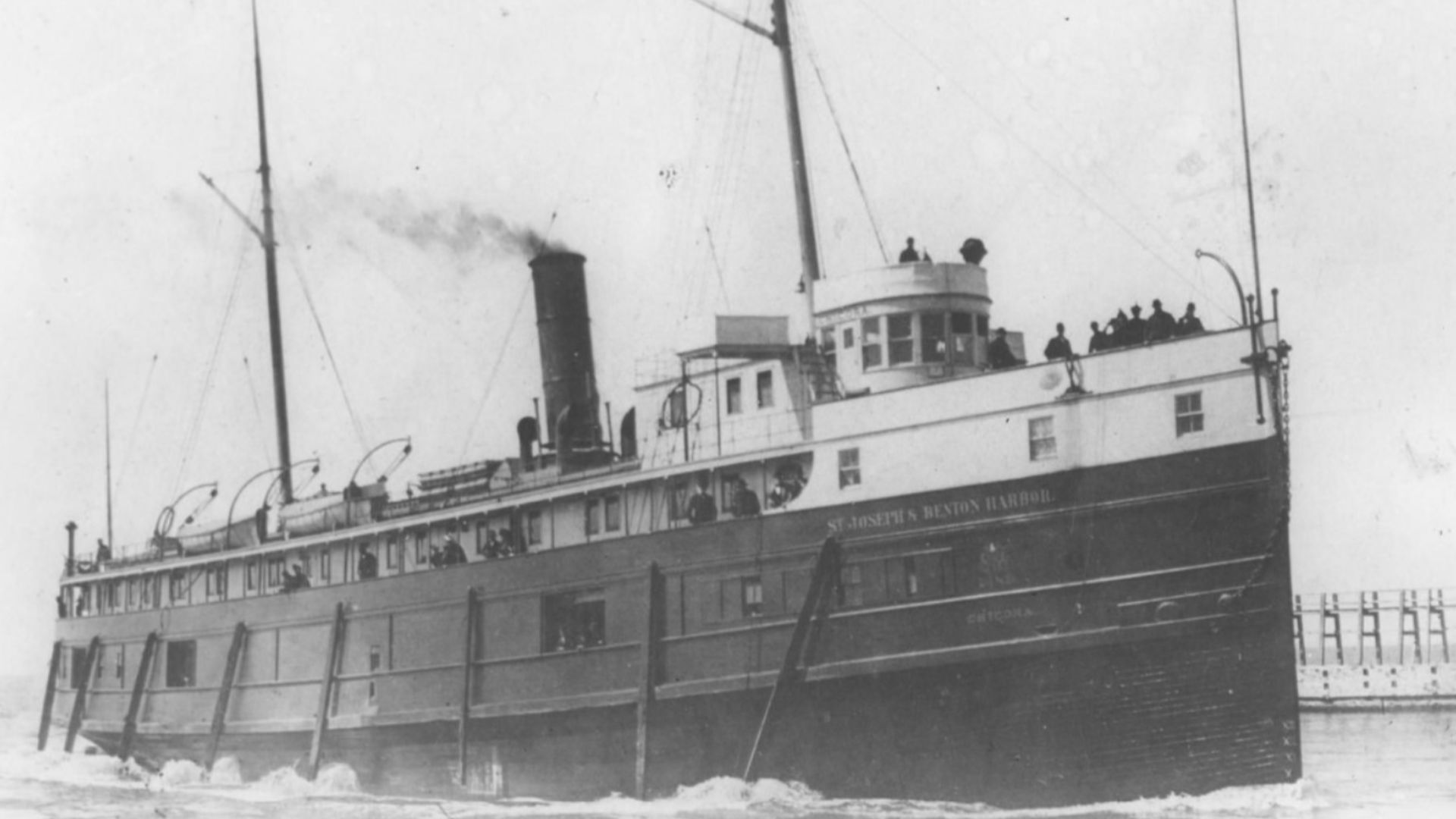
One of Lake Michigan's finest passenger-and-freight steamers, Chicora disappeared in January 1895 after leaving Milwaukee for St. Joseph, Michigan. All aboard were lost. Debris eventually provided evidence of the disaster, but despite the relatively well-traveled waters involved, the main wreck has never been conclusively located.
 J.W. Applecod studio, Wikimedia Commons
SS Bannockburn
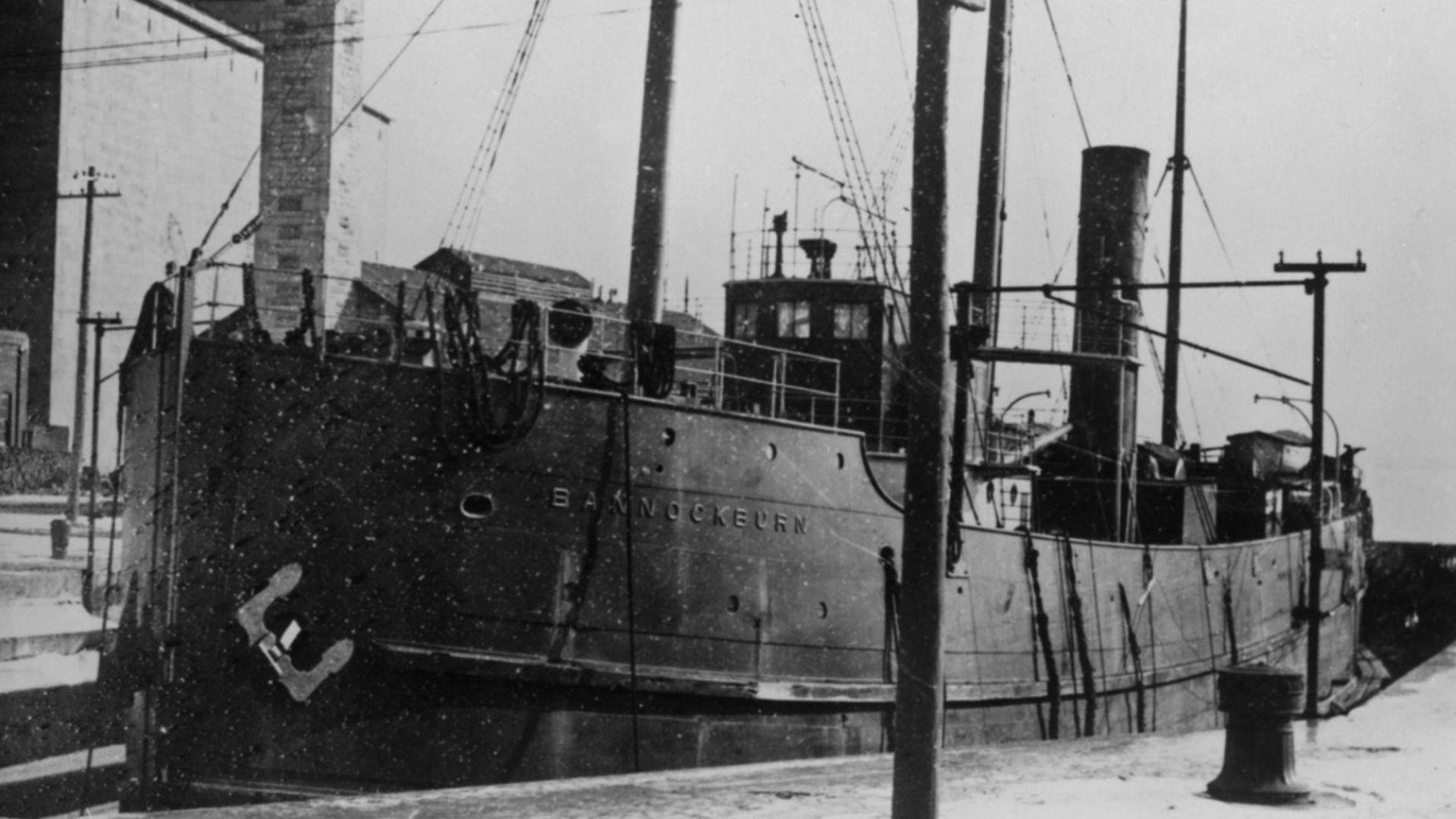
Canadian freighter Bannockburn slipped beneath the waves of Lake Superior in November 1902 while carrying approximately 85,000 bushels of wheat. Only a life preserver was definitively linked to her afterward. No bodies or wreck were found, inspiring her wonderfully eerie nickname: the “Flying Dutchman of the Great Lakes.”
 Unknown authorUnknown author, Wikimedia Commons
D.M. Clemson
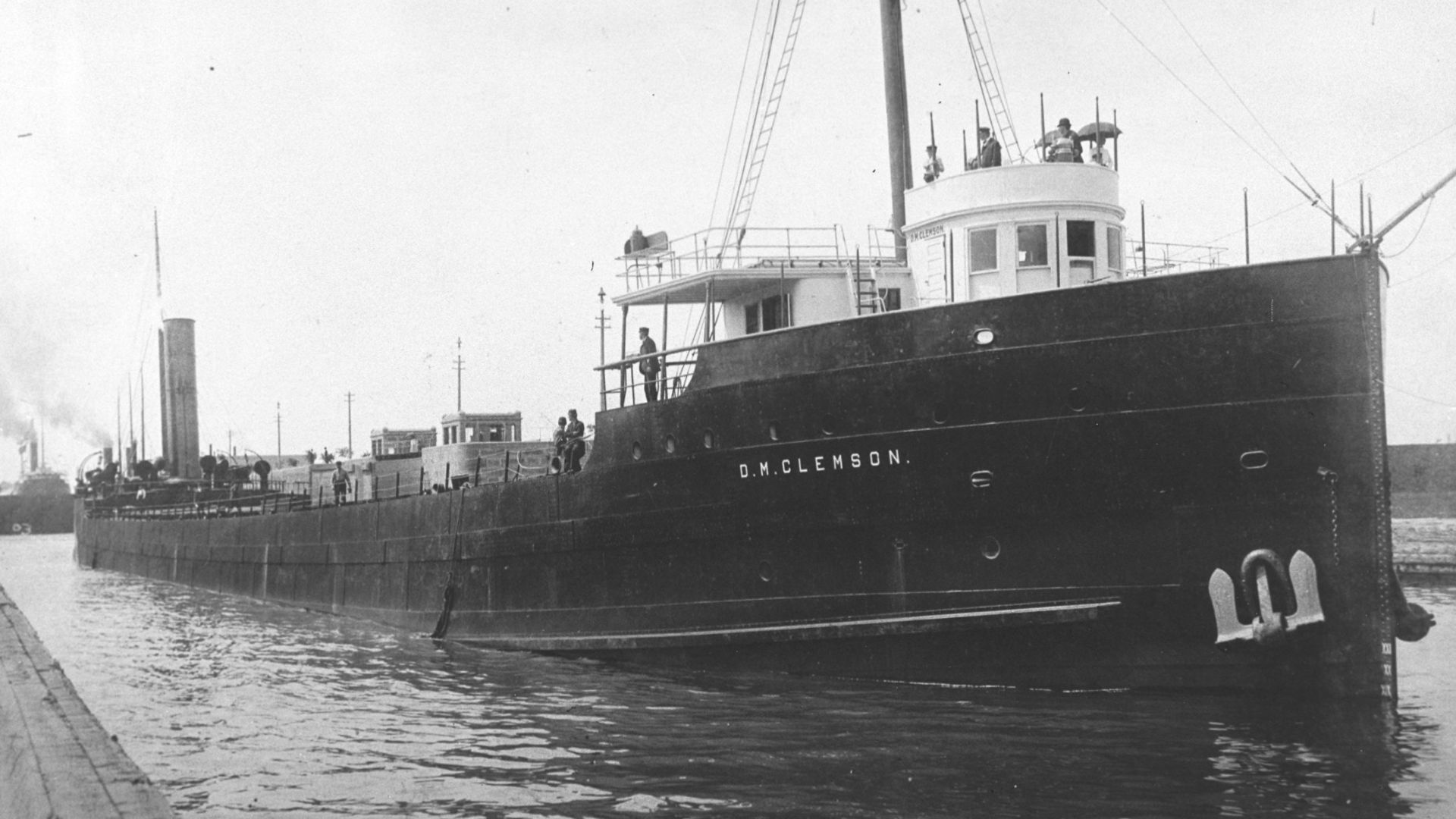
The 468-foot D.M. Clemson vanished on Lake Superior in December 1908 with 24 people aboard. Identifiable wreckage and several bodies eventually appeared, but repeated searches failed to find the hull. Following another major discovery in 2025, Clemson became the largest still-undiscovered Great Lakes shipwreck.
 Unknown authorUnknown author, Wikimedia Commons
Marquette & Bessemer No. 2
This Lake Erie railroad-car ferry disappeared during a brutal December 1909 storm while crossing from Conneaut, Ohio, toward Port Stanley, Ontario. Bodies and wreckage eventually washed ashore, but the enormous ferry itself remains elusive. Shipwreck hunters have consequently called it Lake Erie's maritime “holy grail.”
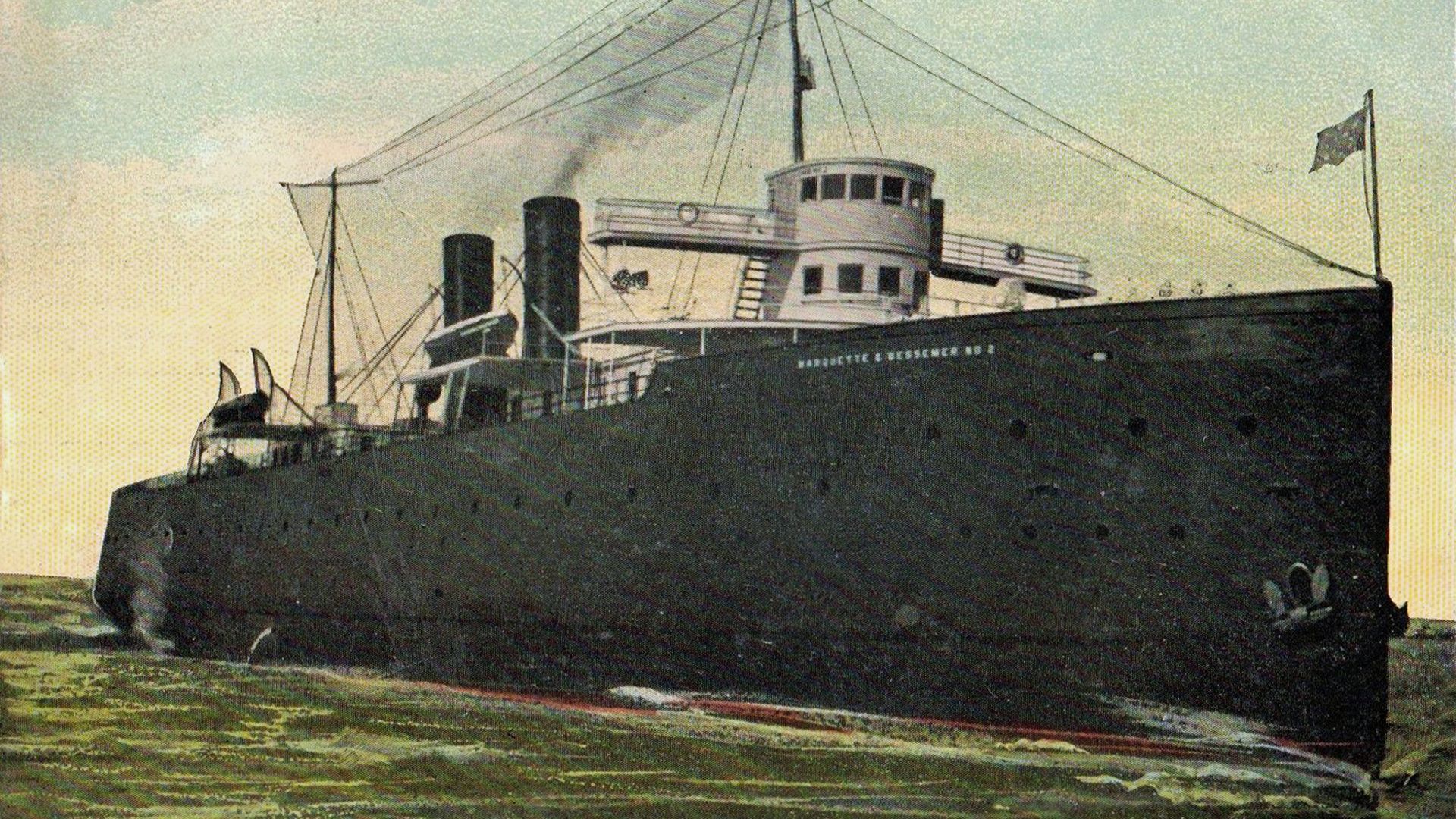 Ashtabula Archive, Wikimedia Commons
Plymouth
The schooner barge Plymouth disappeared during the catastrophic Great Lakes Storm of November 1913 while being towed through Lake Michigan. All seven aboard were lost. A wreck discovered near Poverty Island in 1984 was initially suspected to be Plymouth, but subsequent investigation ruled out the identification.
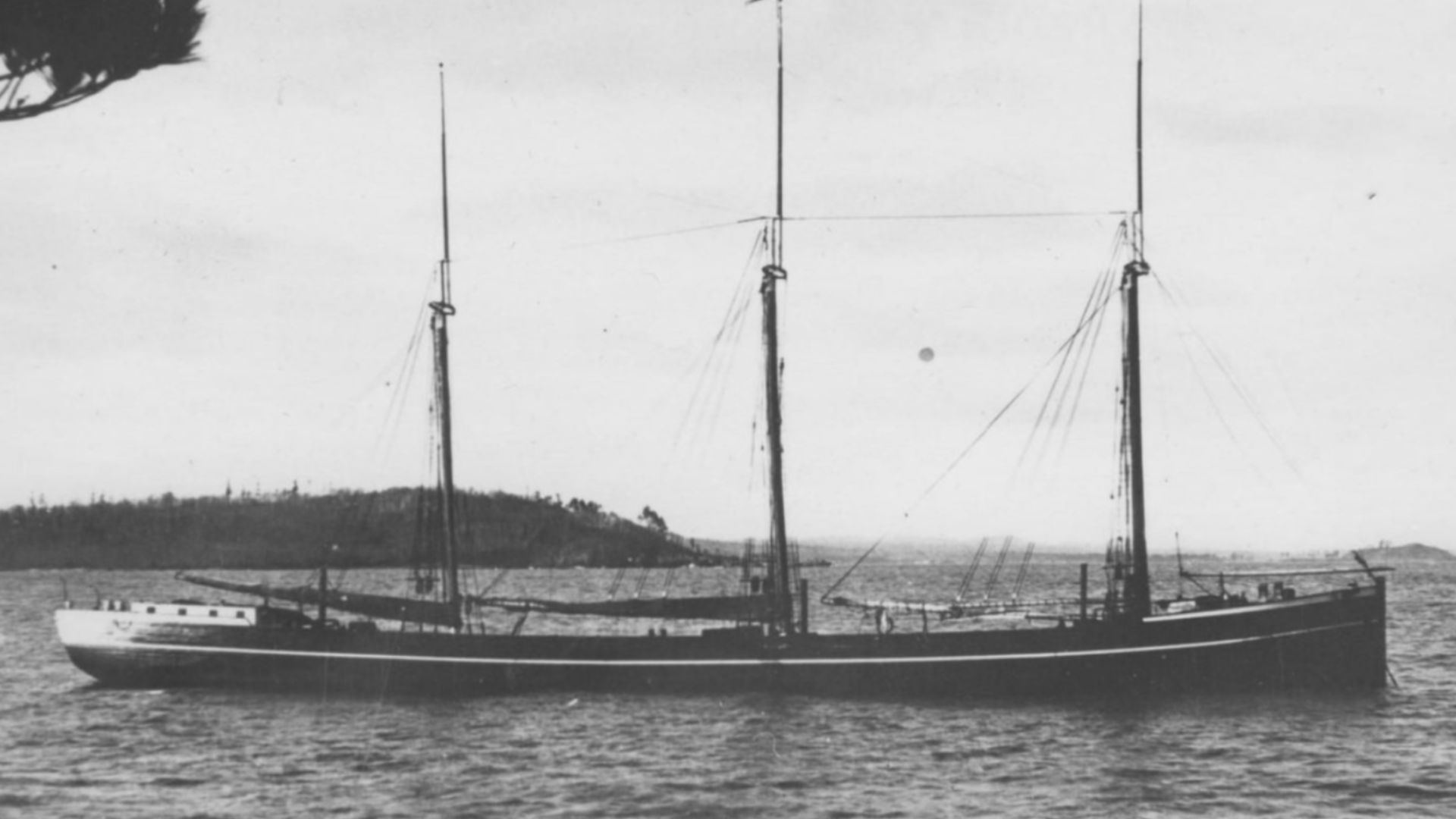
SS Leafield
The Canadian freighter Leafield was carrying steel rails across Lake Superior when the 1913 storm overwhelmed her near the Angus Islands. All 18 crewmen died. No wreckage or bodies were found during the original search, and more than a century later, the ship's resting place remains undiscovered.
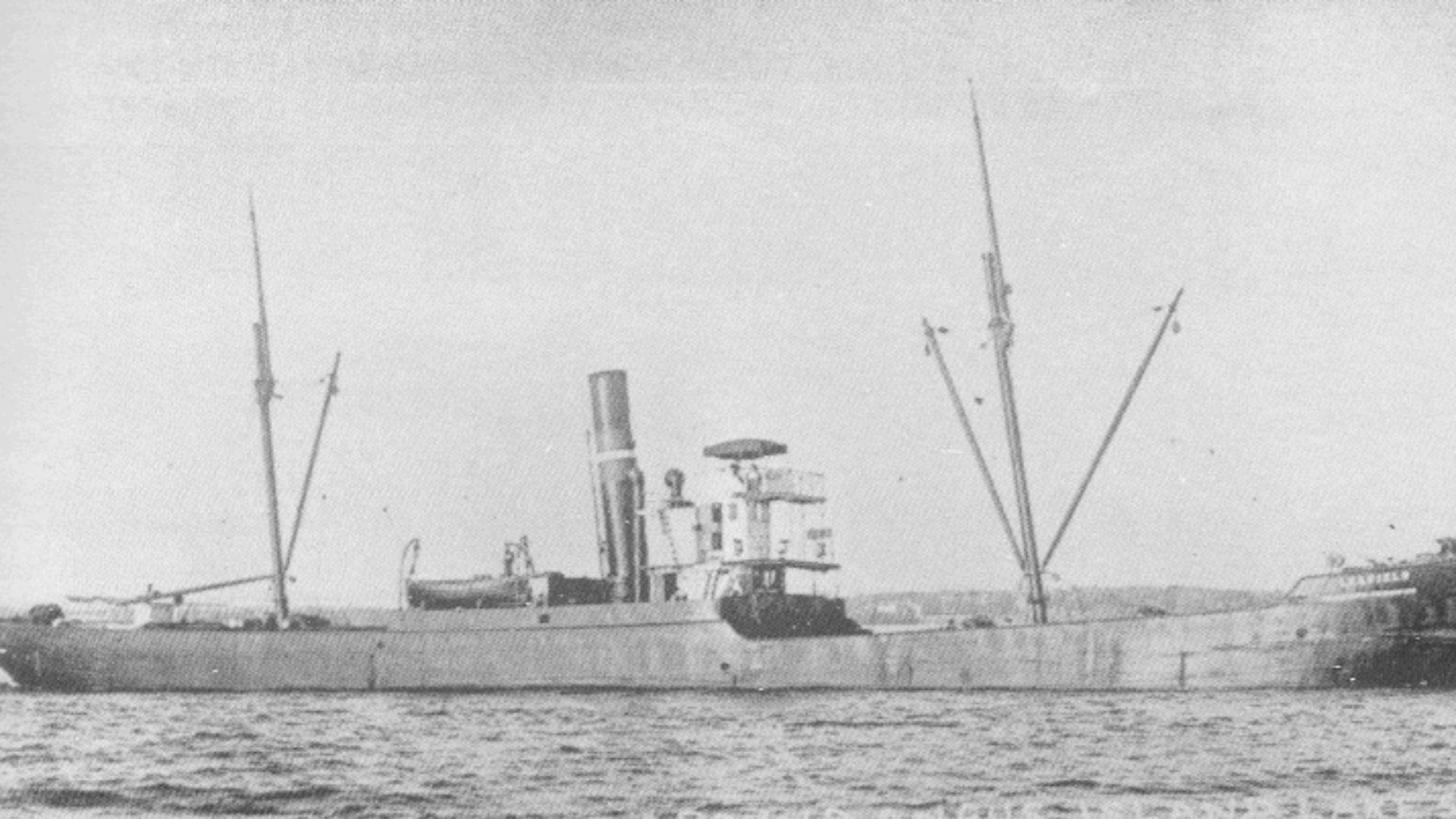
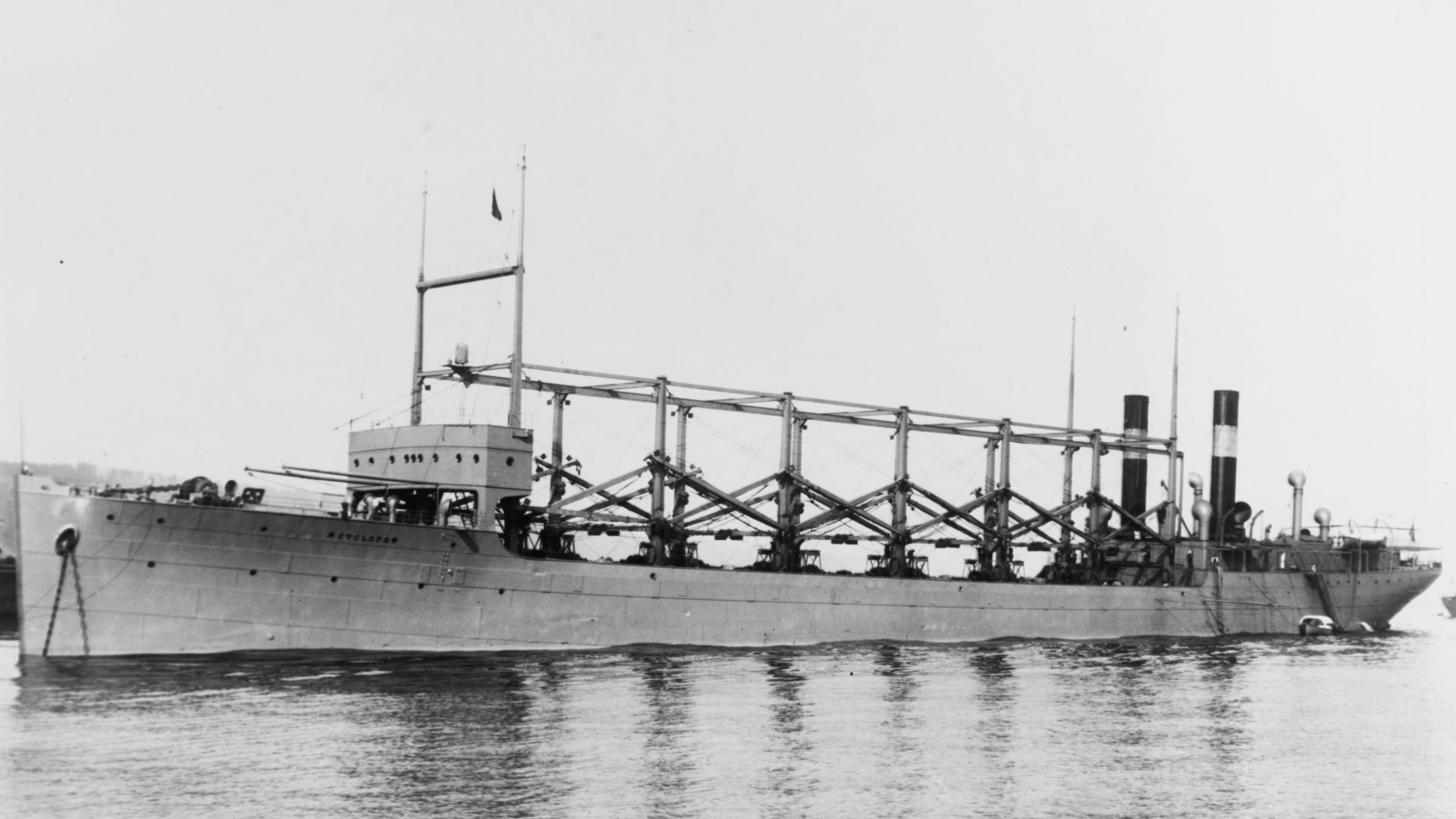
USS Cyclops
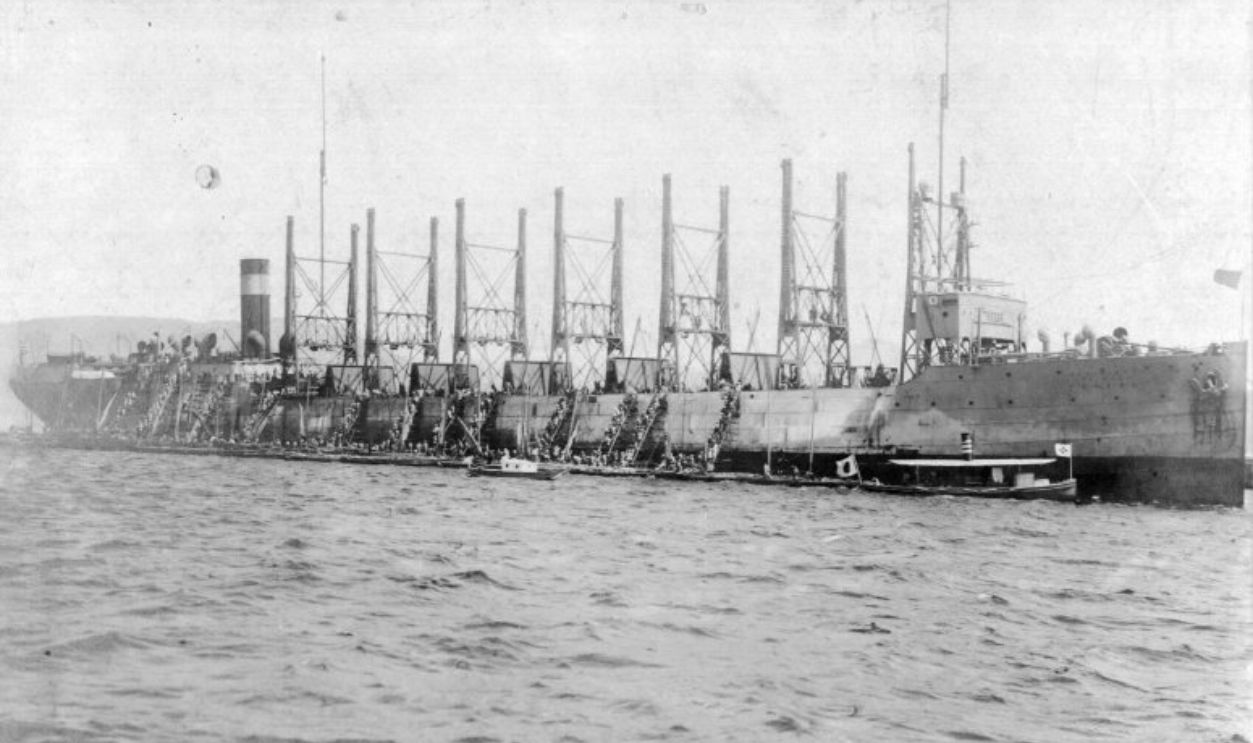
Few American disappearances rival USS Cyclops. The massive Navy collier left Barbados for Baltimore in March 1918 carrying manganese ore and 306 people. She never arrived, transmitted no distress call, and left no confirmed wreckage. The Navy still has no definitive explanation for one of its greatest peacetime losses.
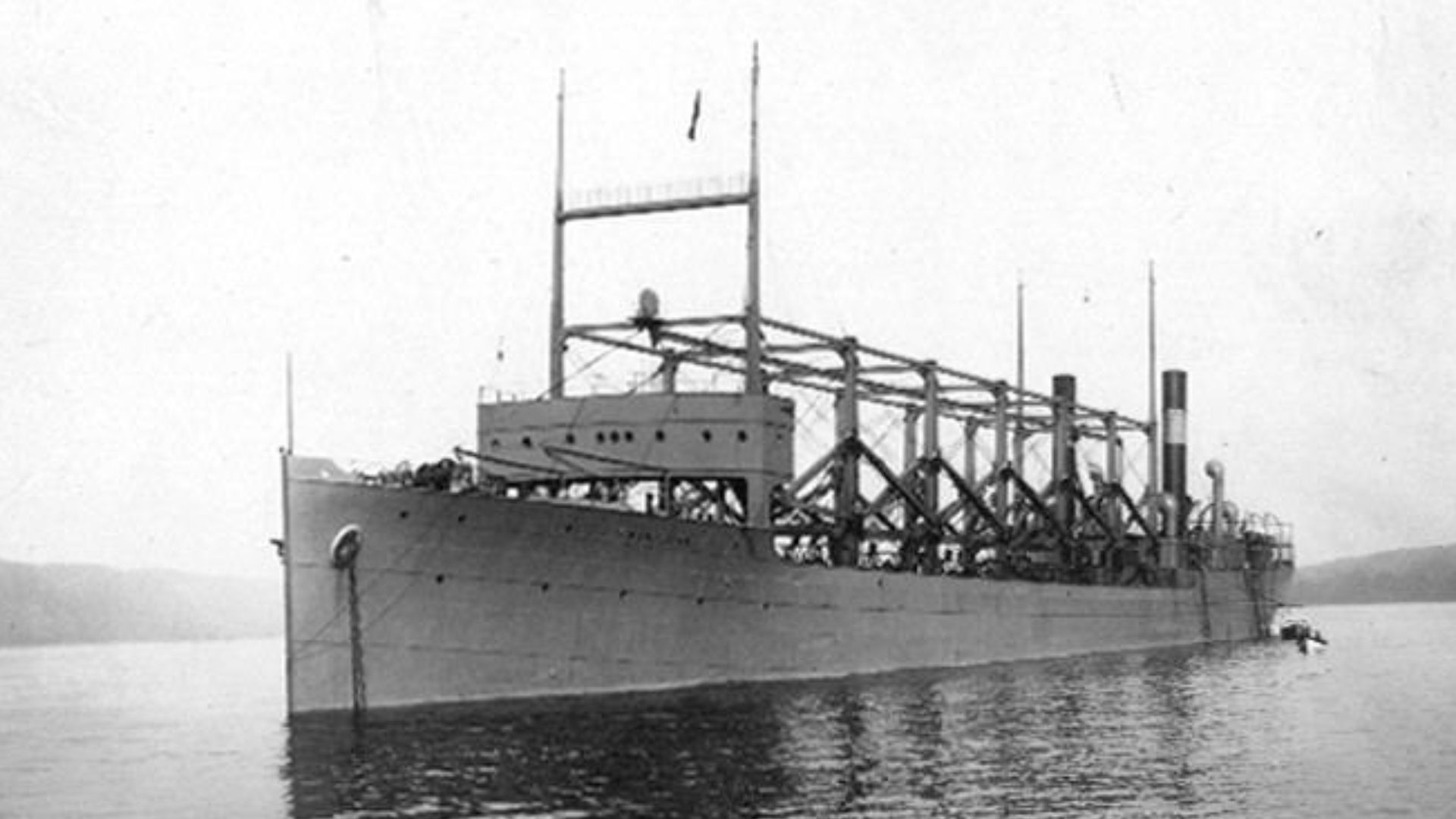 Photograph was taken by the New York Navy Yard., Wikimedia Commons
Inkerman
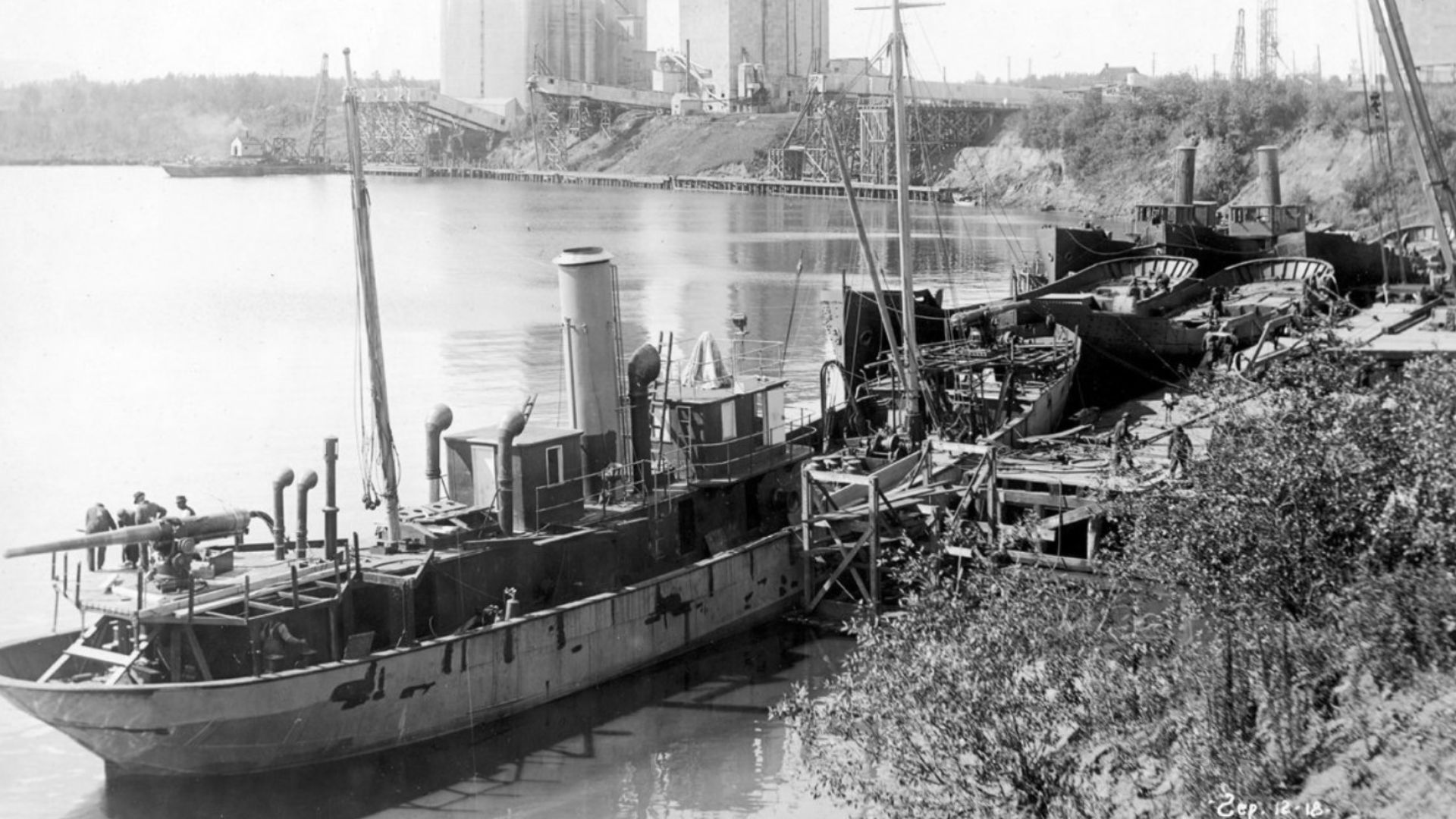
The French minesweeper Inkerman had been built at Fort William, Ontario, (now Thunder Bay) when she departed on her maiden voyage in November 1918. A fierce Lake Superior blizzard scattered a three-ship group. One vessel survived, but Inkerman and everyone aboard vanished, leaving researchers without a confirmed piece of the wreck.
 Unknown authorUnknown author, Wikimedia Commons
Cerisoles
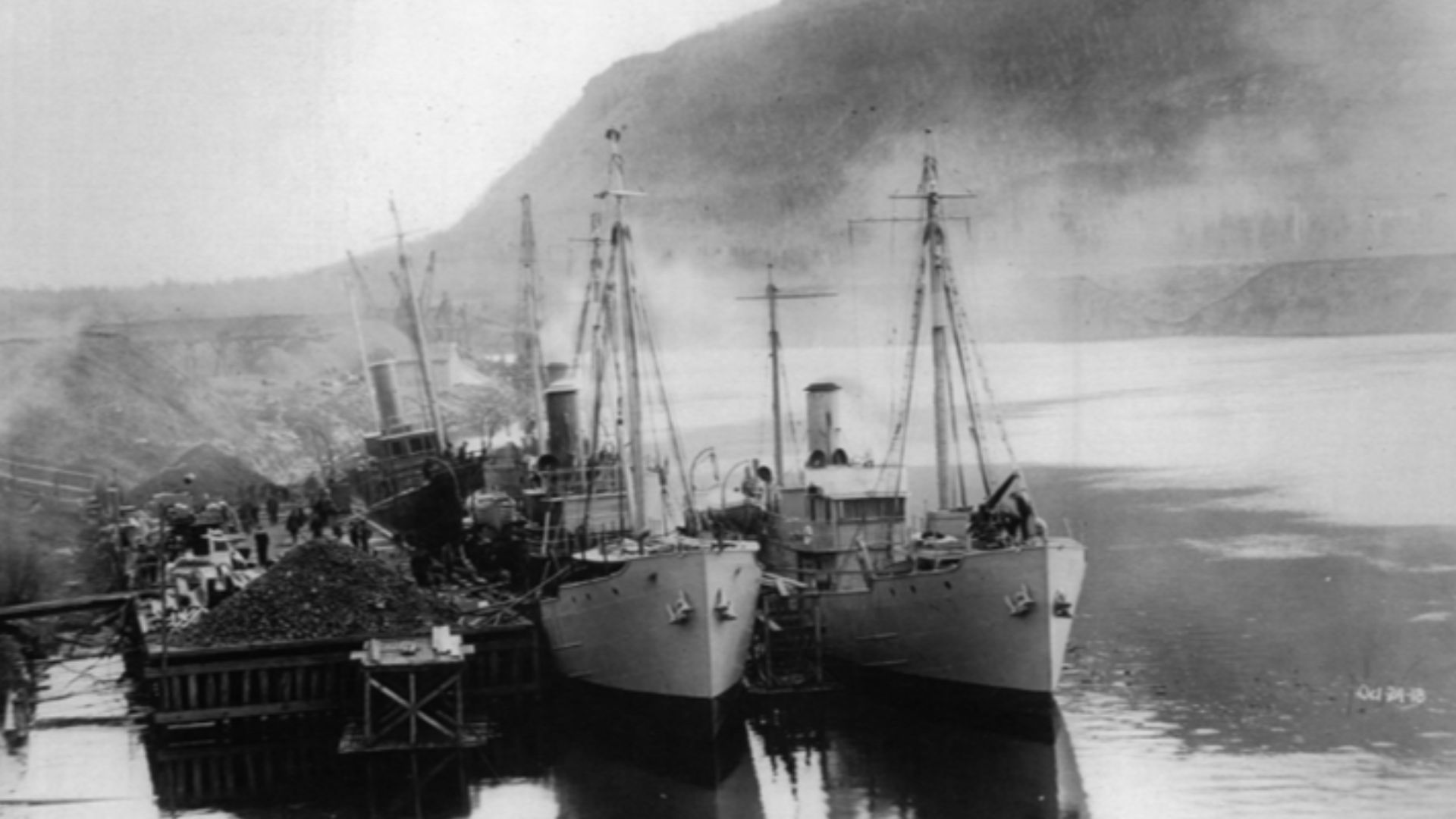
Inkerman was not alone. Her sister minesweeper Cerisoles disappeared during the same storm. Together, the two vessels carried 76 French sailors and two Canadian captains. Searchers have hunted Lake Superior for the ships, including a month-long effort in 2017, but neither wreck has been conclusively found.
 Unknown authorUnknown author, Wikimedia Commons
SS Andaste
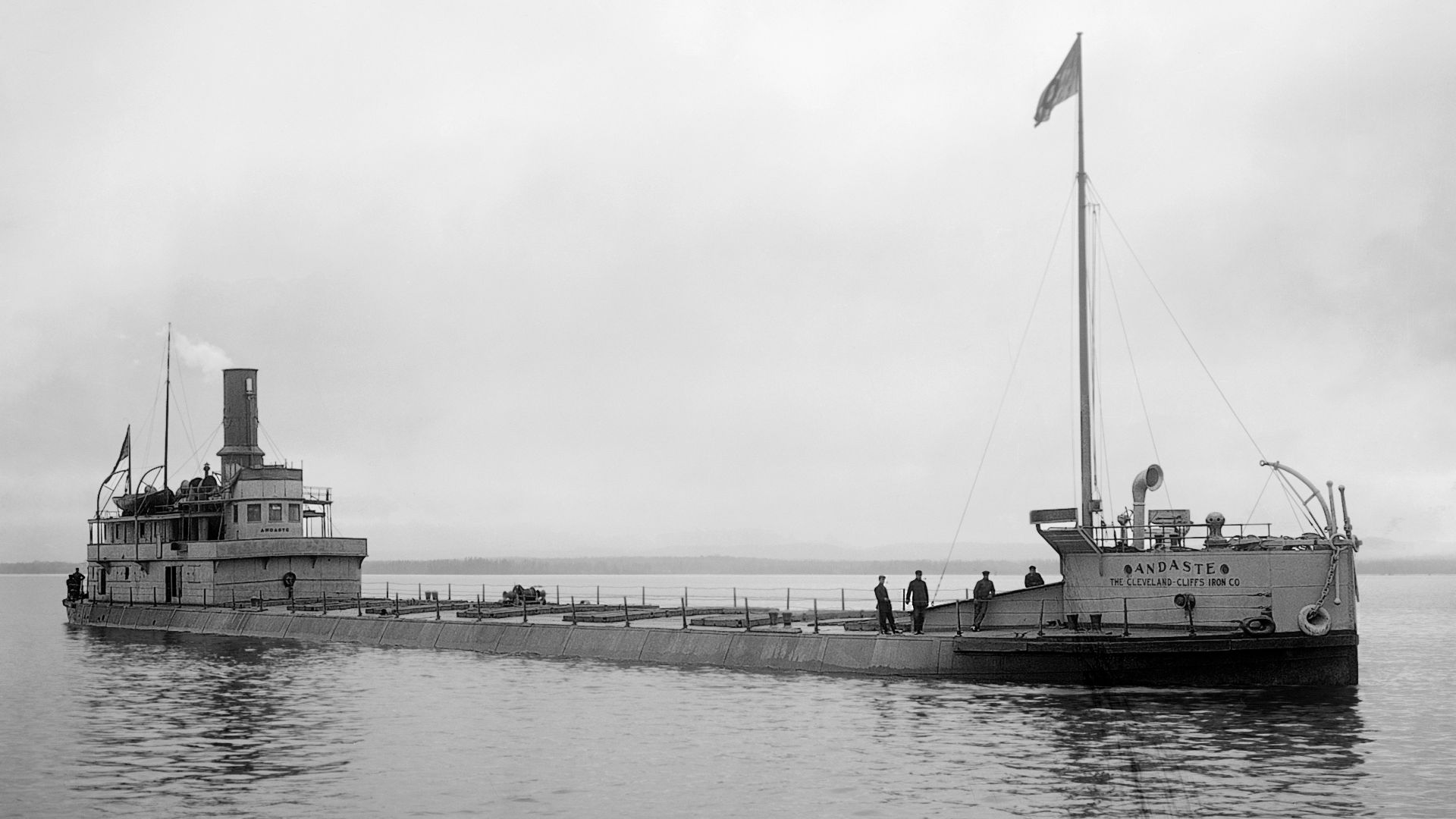
The freighter Andaste departed Grand Haven, Michigan, in September 1929 carrying roughly 2,000 tons of aggregate and disappeared in a severe Lake Michigan storm. Debris associated with the vessel came ashore, but its hull remains missing. Modern shipwreck researchers continue trying to determine where Andaste finally went down.
 Detroit Publishing Co., Wikimedia Commons
Proteus
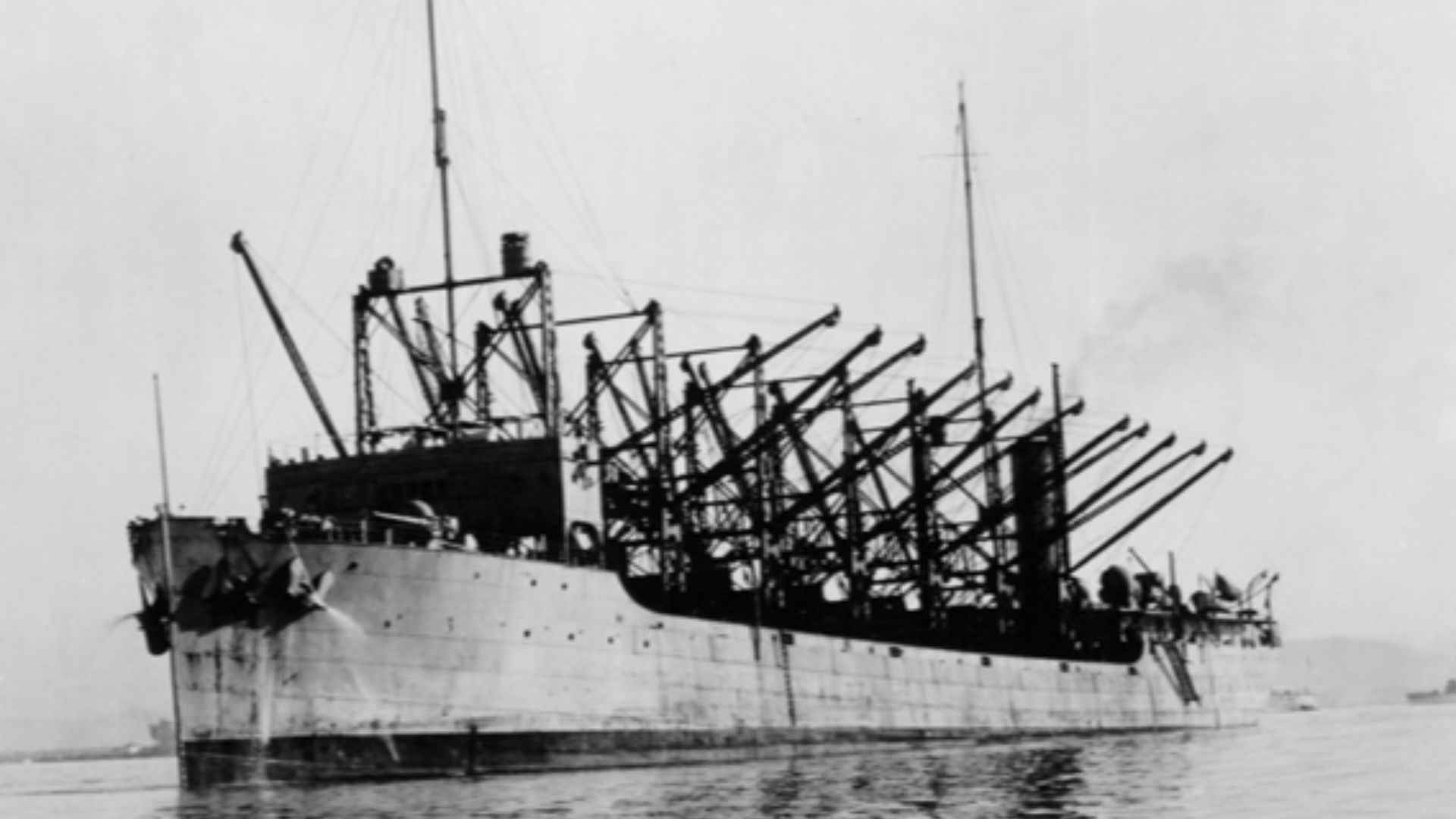
Once a sister ship of USS Cyclops, the former Navy collier Proteus had entered commercial service by 1941. Carrying bauxite ore, she disappeared after November 23 with roughly 58 or 59 crewmen. Naval historians note that no evidence supports German submarine involvement in her disappearance.
Nereus
Another Cyclops sister, Nereus, disappeared only weeks after Proteus. She too was carrying dense bauxite ore when she vanished in the western Atlantic in December 1941. The Navy has suggested structural weaknesses combined with heavy ore and rough seas offer a more plausible explanation than Bermuda Triangle legends.
 Unknown authorUnknown author, Wikimedia Commons
SS Poet
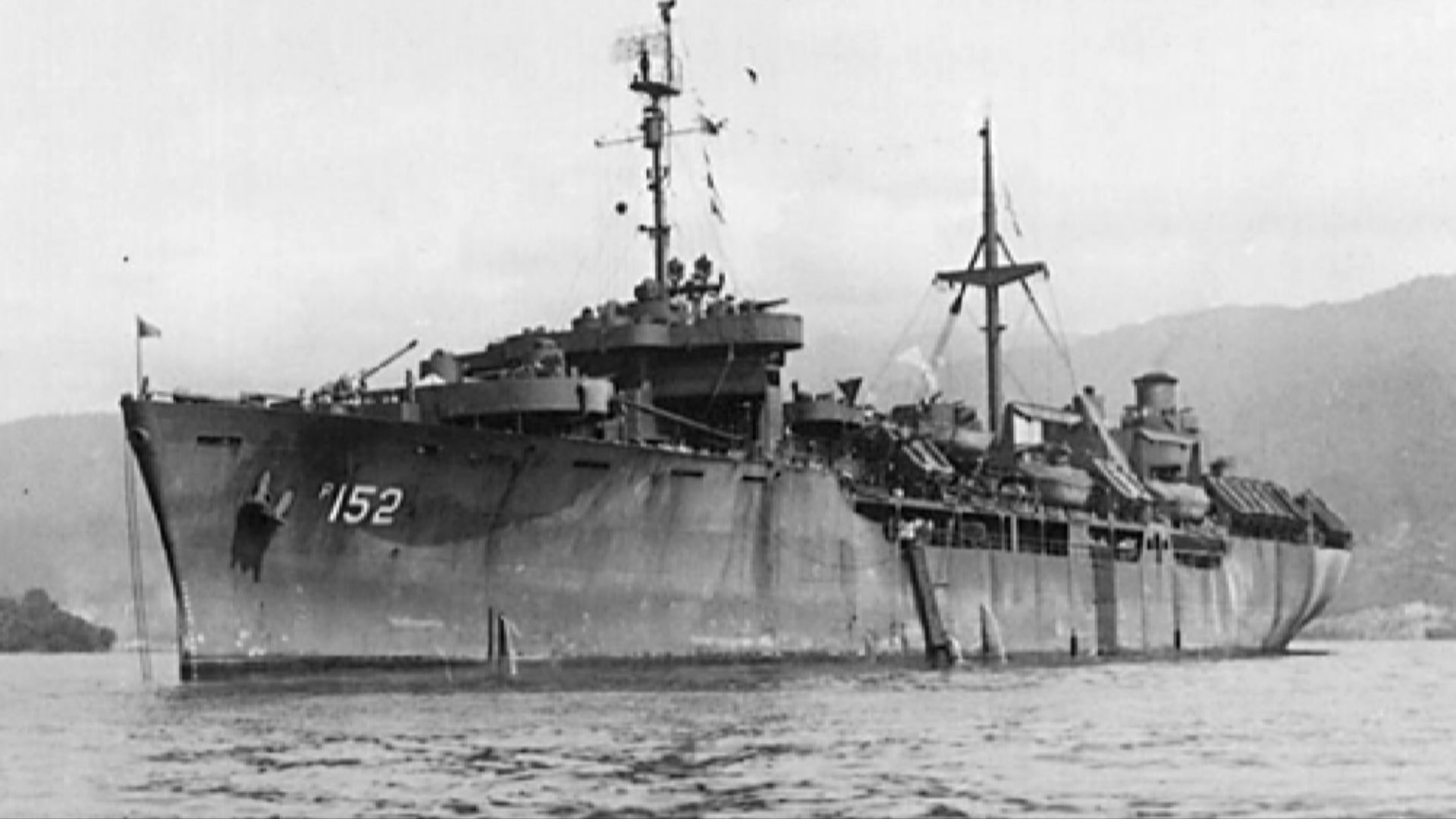
The 523-foot American freighter SS Poet left Philadelphia on October 24, 1980, carrying 13,500 tons of corn and 34 crewmen bound for Port Said, Egypt. After passing Cape Henlopen, Delaware, she vanished without a distress call. An enormous Coast Guard search found no ship, bodies, or debris, and her wreck has never been found. Recently converted from the old WWII-era Navy transport USS Omar Bundy, the Poet was part of the ominously nicknamed "Rust Bucket Fleet" of left-over war transports that should've been withdrawn from service years earlier.
The Water Keeps Secrets
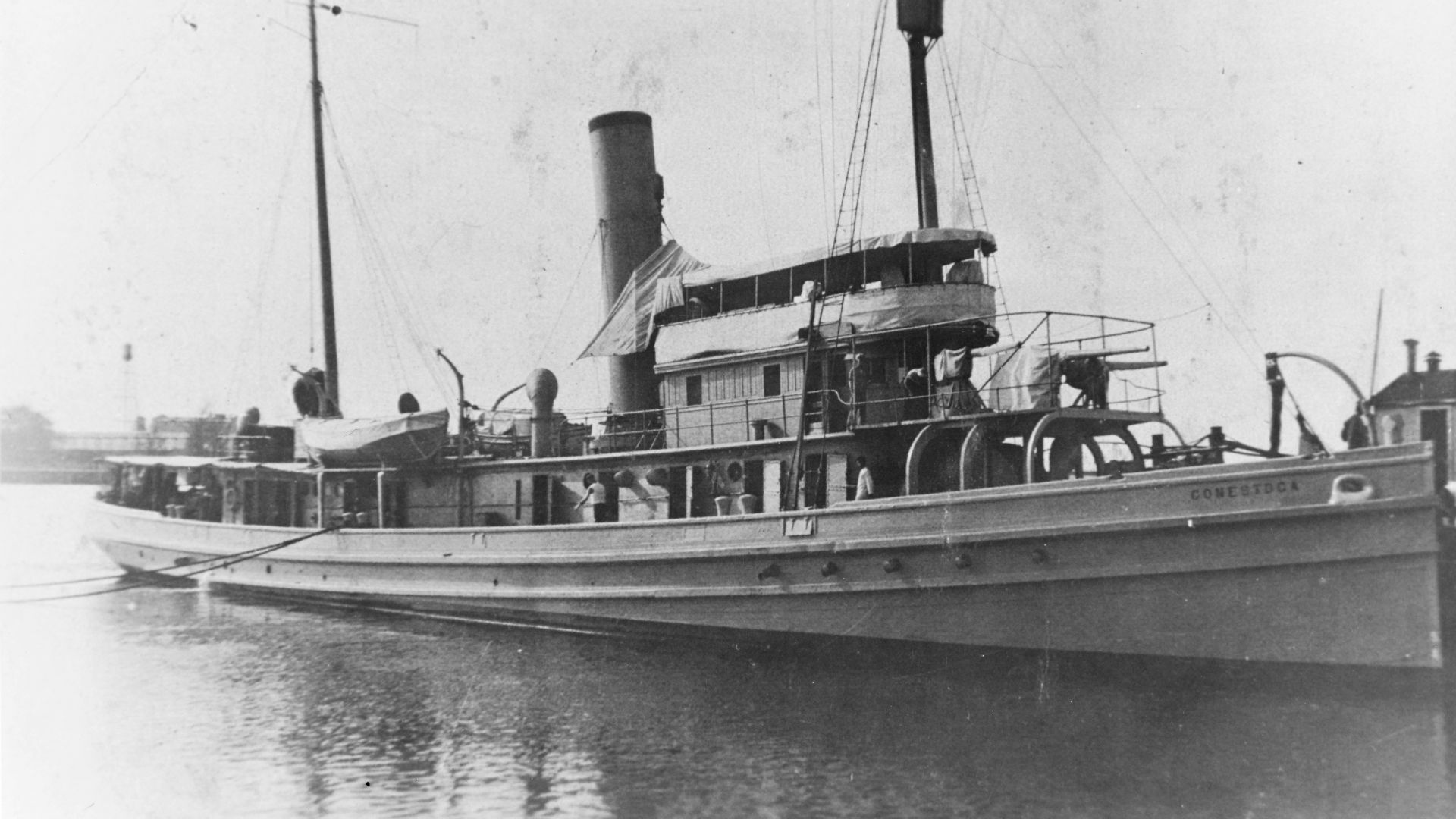
Modern sonar keeps shrinking the list. USS Conestoga, for example, was missing for nearly a century before researchers identified her wreck near California's Farallon Islands, while other celebrated Great Lakes mysteries have also recently been solved. The vessels above remind us that even enormous ships can still remain surprisingly difficult to find.
You May Also Like:
Mysterious Real-Life Disappearances That Investigators Are Still Struggling To Explain