
The Scariest Part Is We’re Not Sure
Humanity clearly survived long enough to build cities, invent archaeology, and argue about its own origins. But scientists are now asking whether our evolutionary story included moments when the human family came frighteningly close to disappearing. The surprising answer is that it may have—but proving a prehistoric near-extinction is incredibly difficult.
Civilization Came Much Later
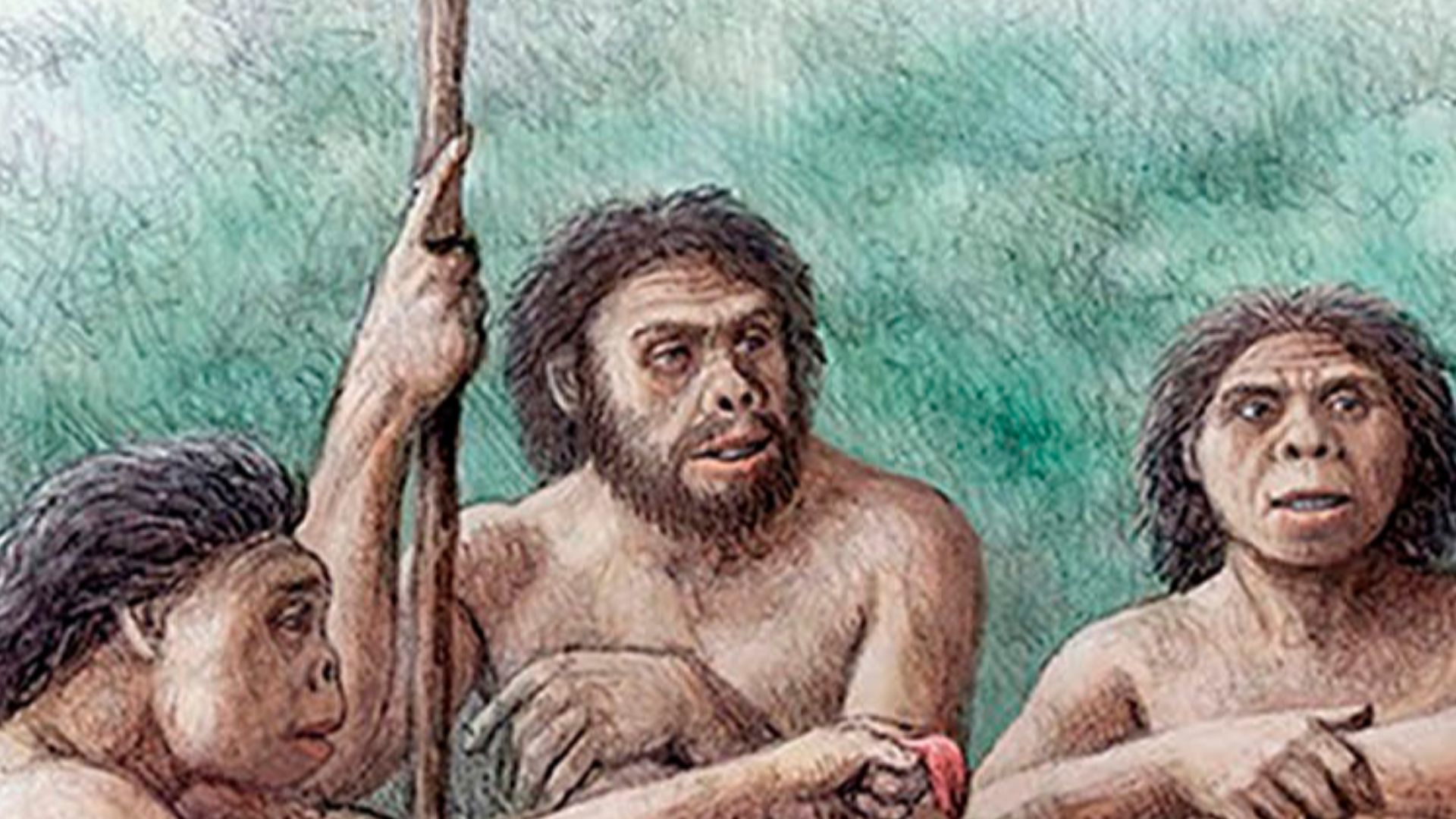
There is one important catch with the word “civilization.” The most dramatic proposed extinction scares happened hundreds of thousands of years before cities, farming, or even Homo sapiens existed. What scientists are really investigating are brushes with extinction involving ancient human ancestors—the populations that eventually produced us.
 Mauricio Anton. Published by Bartolini-Lucenti, S et al., Wikimedia Commons
A Strange Signal Appeared In Our DNA
The biggest recent controversy began with a 2023 study in Science. Researchers examined genetic information from thousands of living people and used a method called FitCoal to reconstruct population history. Their results suggested an astonishing crash among our ancestors roughly 900,000 years ago.
 PublicDomainPictures, Wikimedia Commons
The Number Was Almost Unbelievable
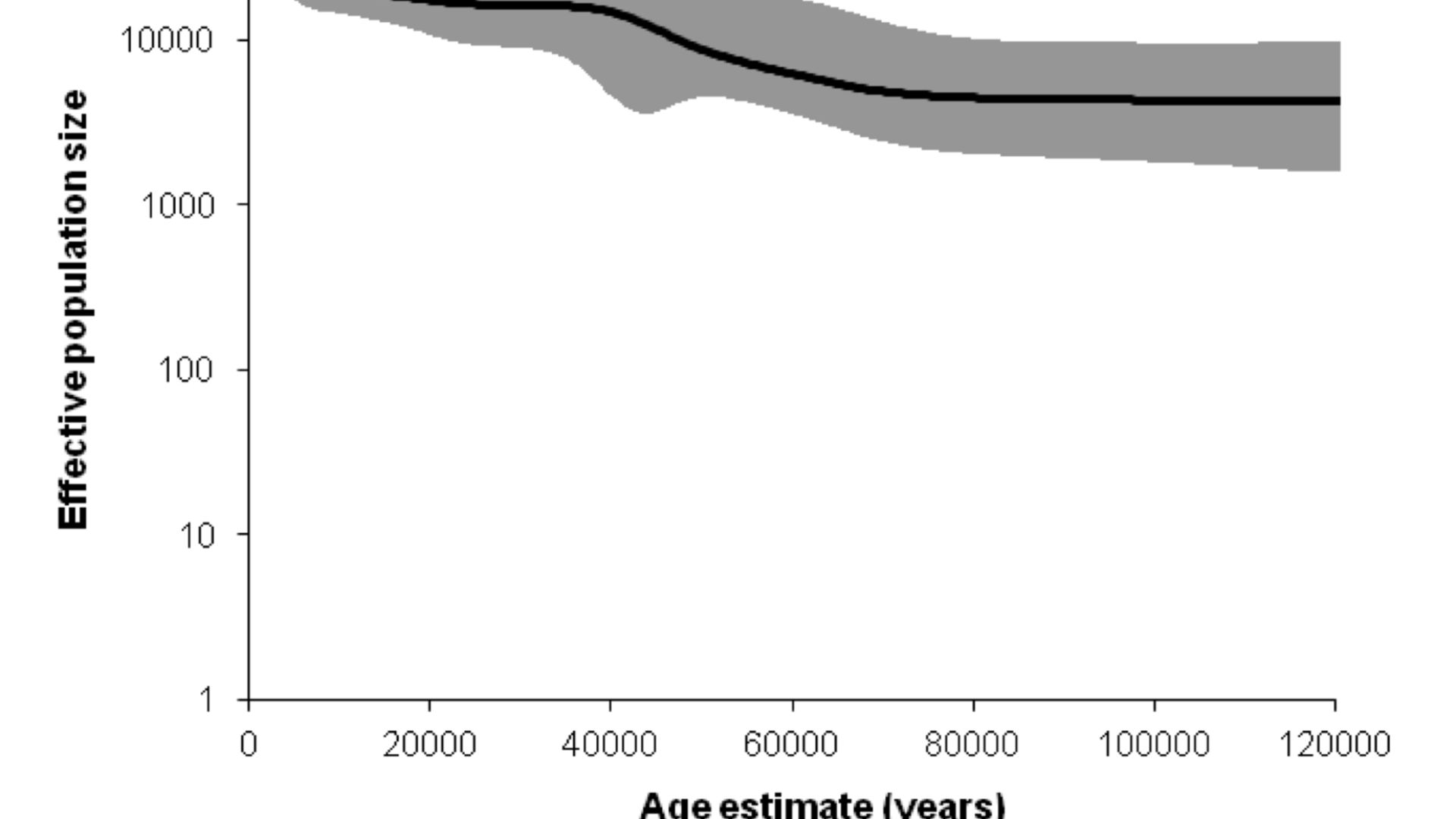
According to that study, the ancestral breeding population fell to approximately 1,280 individuals between about 930,000 and 813,000 years ago. The researchers argued that this represented a decrease of roughly 98.7%, potentially bringing the population dangerously close to extinction. Unsurprisingly, the finding made international headlines.
 Professor marginalia, Wikimedia Commons
That Does Not Mean 1,280 People
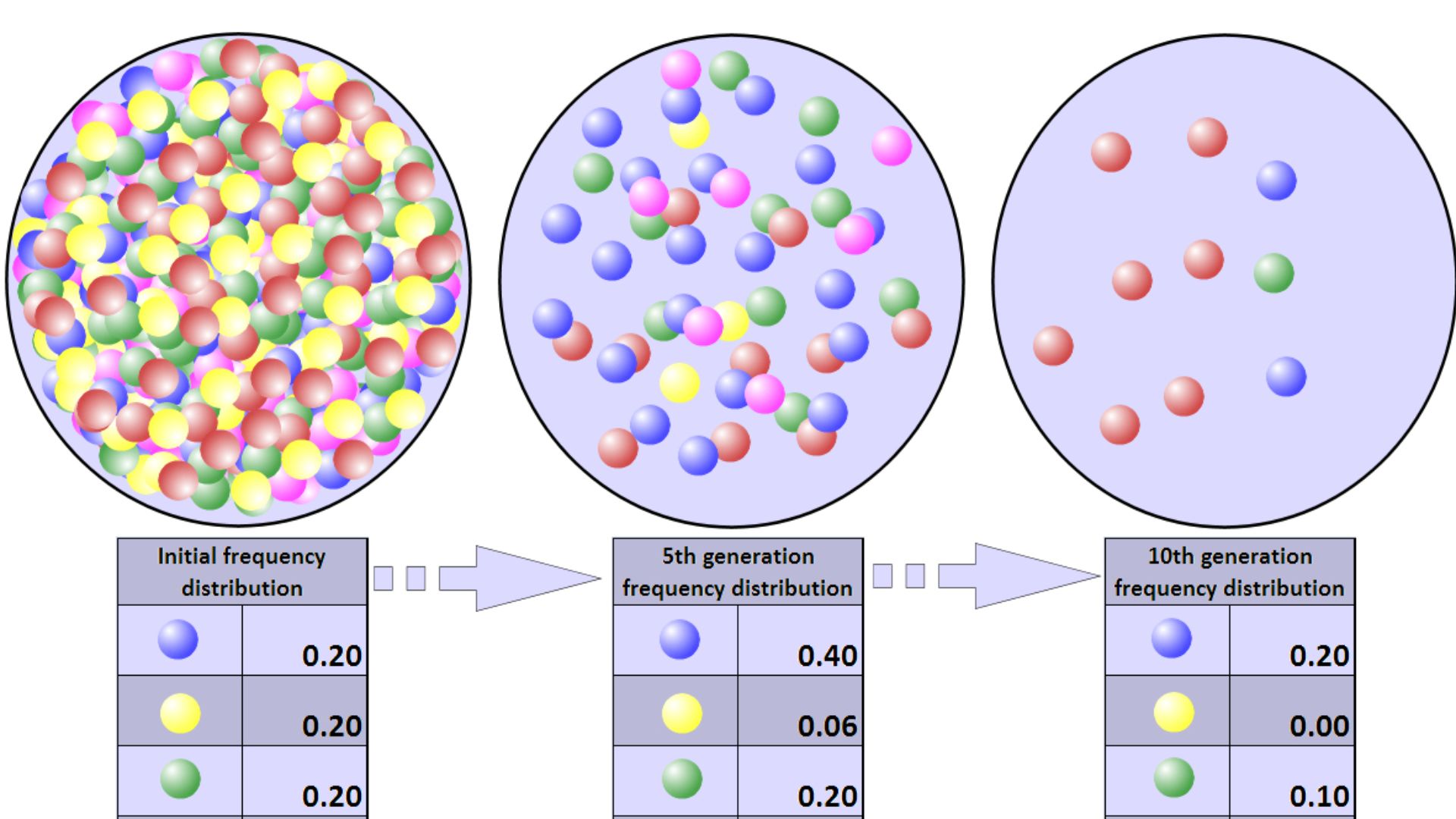
There is an important technical detail hiding behind that frightening number. Geneticists estimate something called “effective population size,” which measures how many individuals were contributing genetically across generations. It is not necessarily the same as counting every human ancestor walking around at the time. Actual population numbers could have been larger.
The Bottleneck Supposedly Lasted Ages
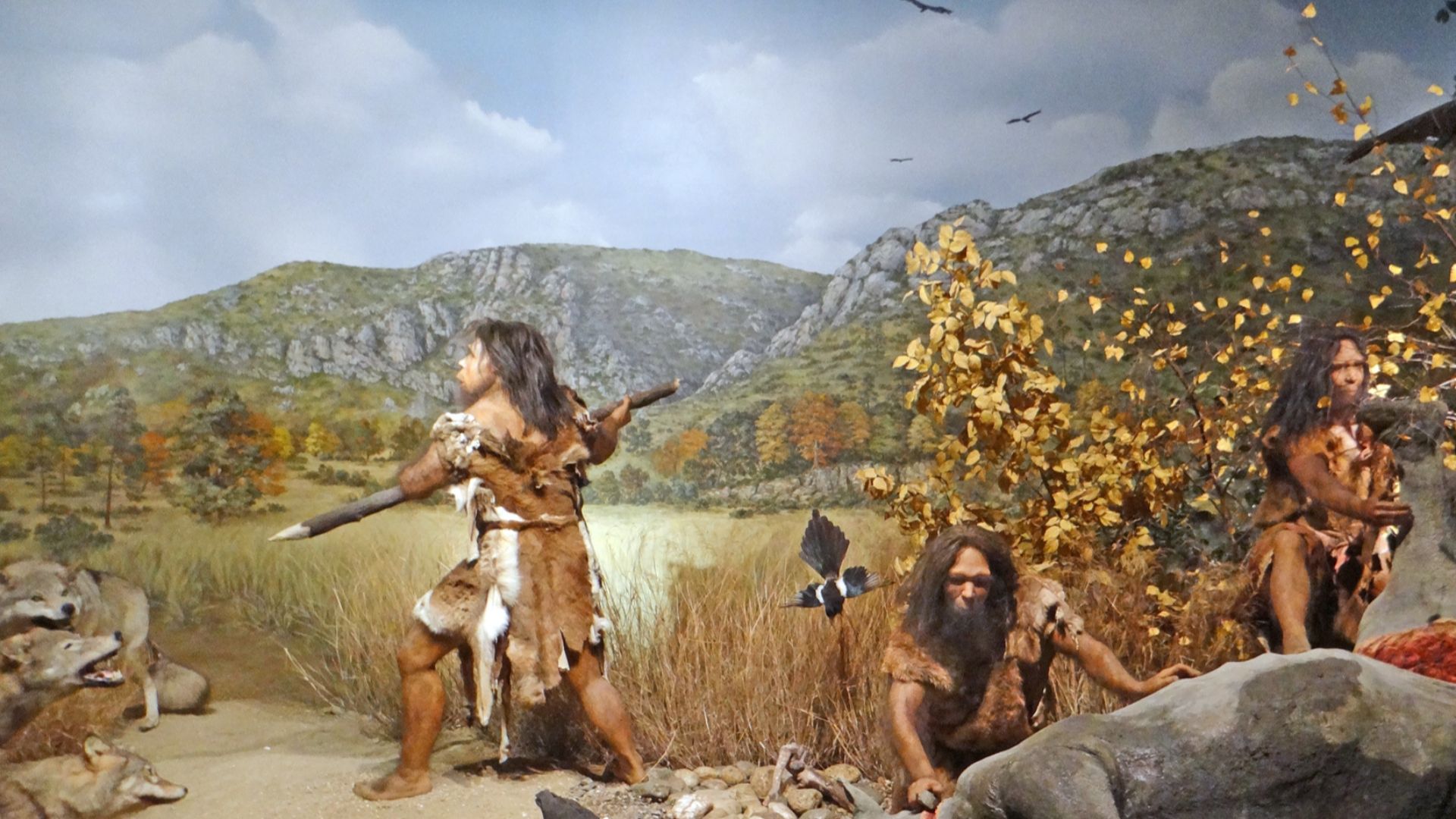
A quick catastrophe would be scary enough. The 2023 model suggested something much stranger: this tiny effective population may have persisted for around 117,000 years. That would mean countless generations living through an extraordinary demographic squeeze before numbers finally began climbing again.
 Jean-Pierre Dalbera from Paris, France, Wikimedia Commons
Earth Was Becoming A Tougher Place
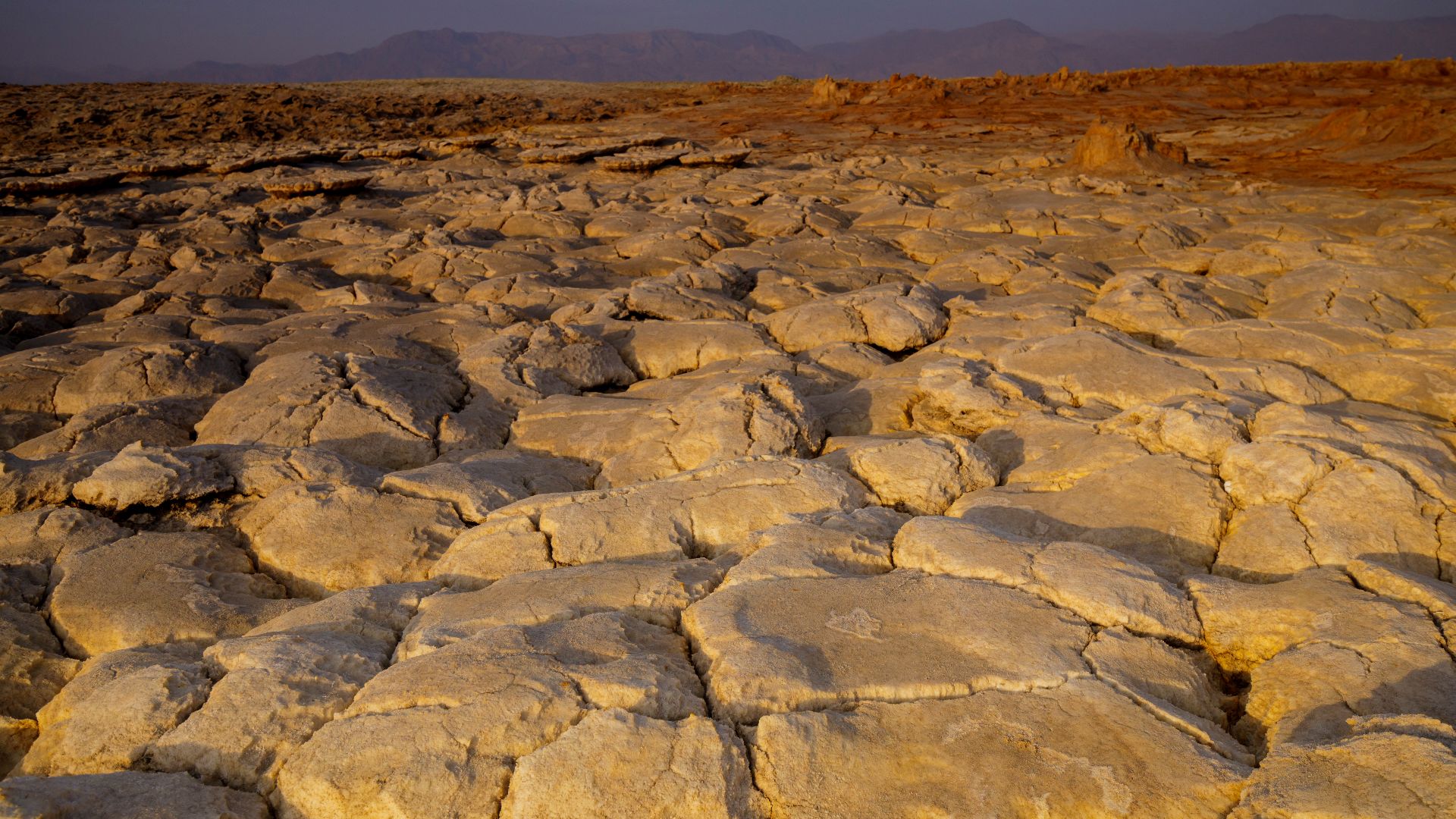
The timing was intriguing because Earth's climate was undergoing major changes. Around this period, glacial cycles became longer and more intense. Some researchers have argued that increasingly harsh conditions, especially growing aridity in parts of Africa, could have reduced habitable territory and placed enormous pressure on hominin populations.
 Thomas Fuhrmann, Wikimedia Commons
Ice Ages May Have Changed Everything
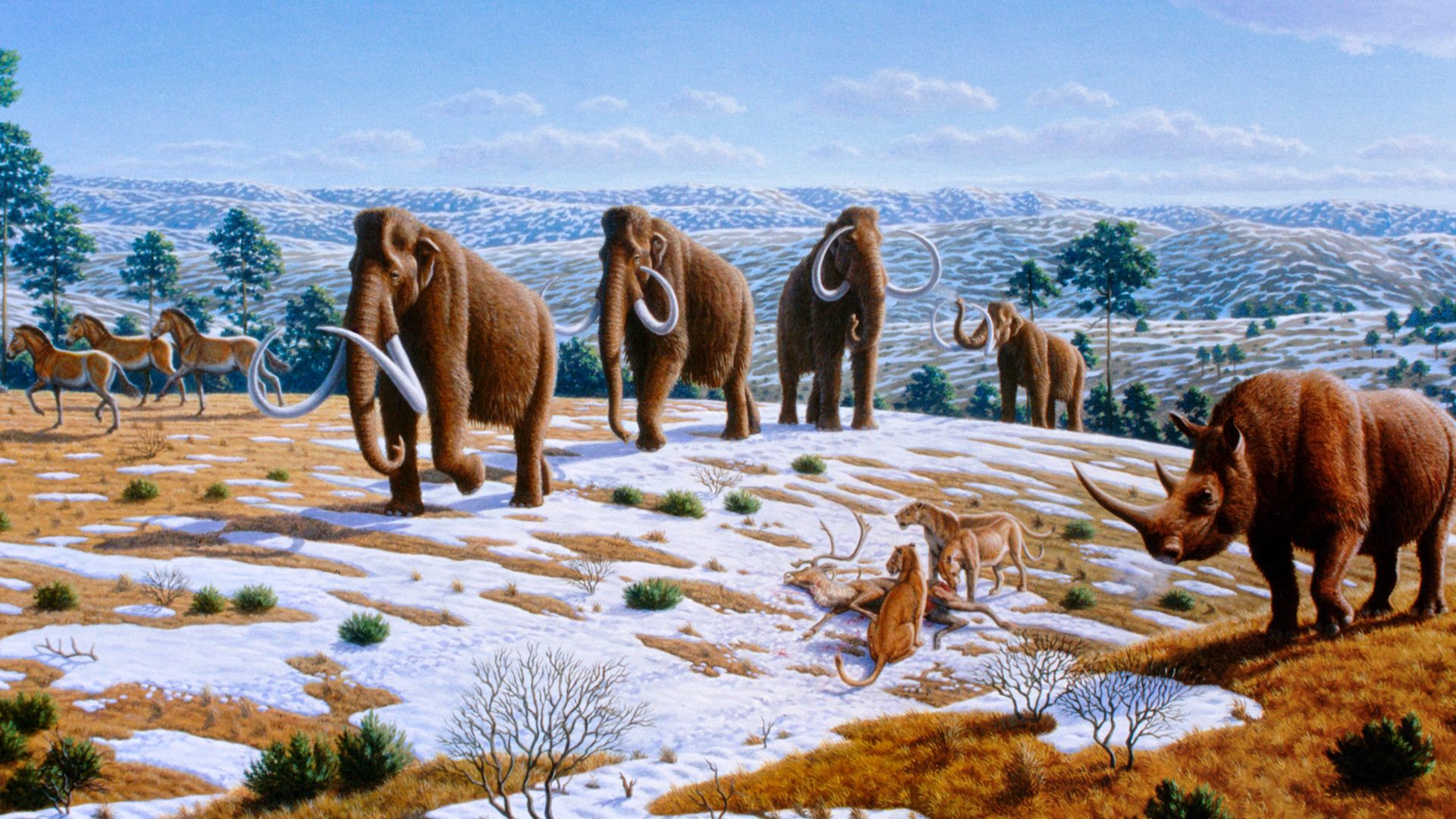
This was part of the Early-Middle Pleistocene transition, when Earth's climate system shifted dramatically. Bigger ice sheets and changing rainfall patterns could transform landscapes over enormous areas. For small groups dependent on wild plants, animals, and reliable water, a few bad climatic changes could turn familiar territory into a survival problem.
 Mauricio Anton, Wikimedia Commons
Africa May Have Dried Out
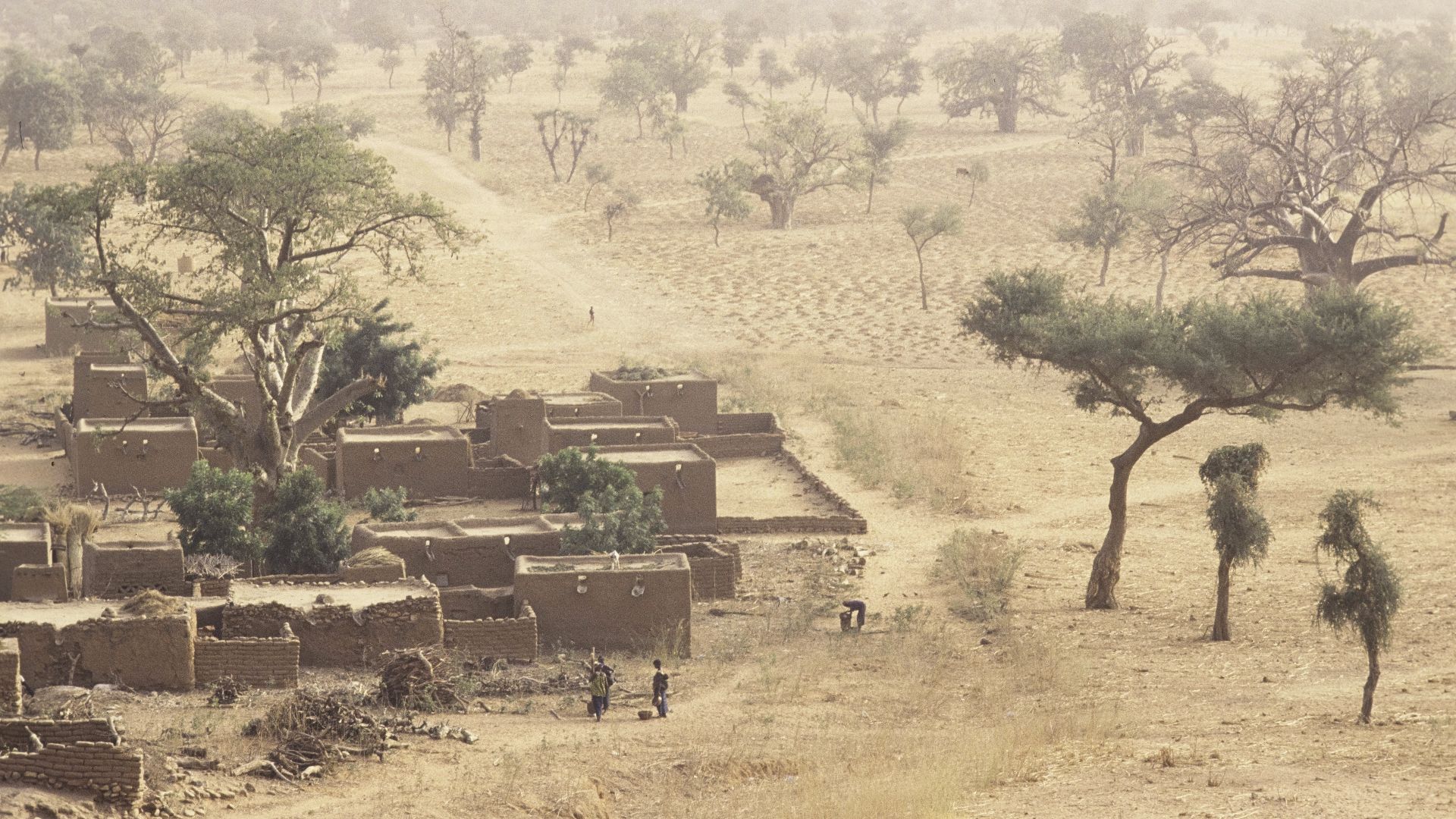
One proposed scenario involves increasingly dry environments across Africa. Lakes and rivers could shrink, vegetation could change, and animals could move elsewhere. A population already scattered across the landscape might suddenly become isolated in a few favorable pockets, reducing contact between groups and making recovery much more difficult.
 Angeline A. van Achterberg, Wikimedia Commons
The Fossil Record Seemed To Fit
Supporters of the bottleneck noticed something else: the fossil record around this period is frustratingly patchy. The original researchers suggested the apparent shortage of hominin fossils between roughly 950,000 and 650,000 years ago could reflect a genuinely smaller population rather than simply bad archaeological luck.
But The Gap Is Not Empty
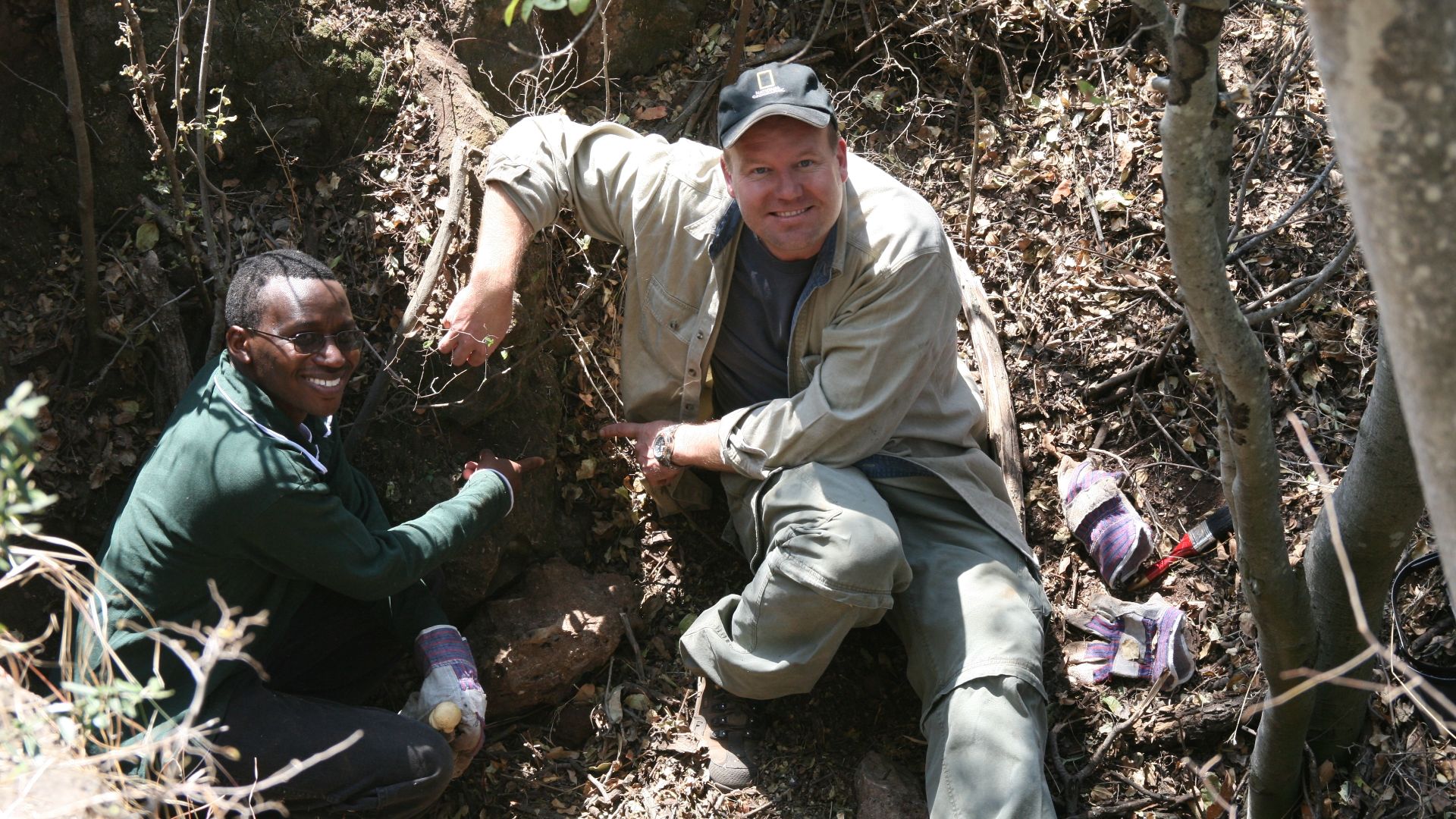
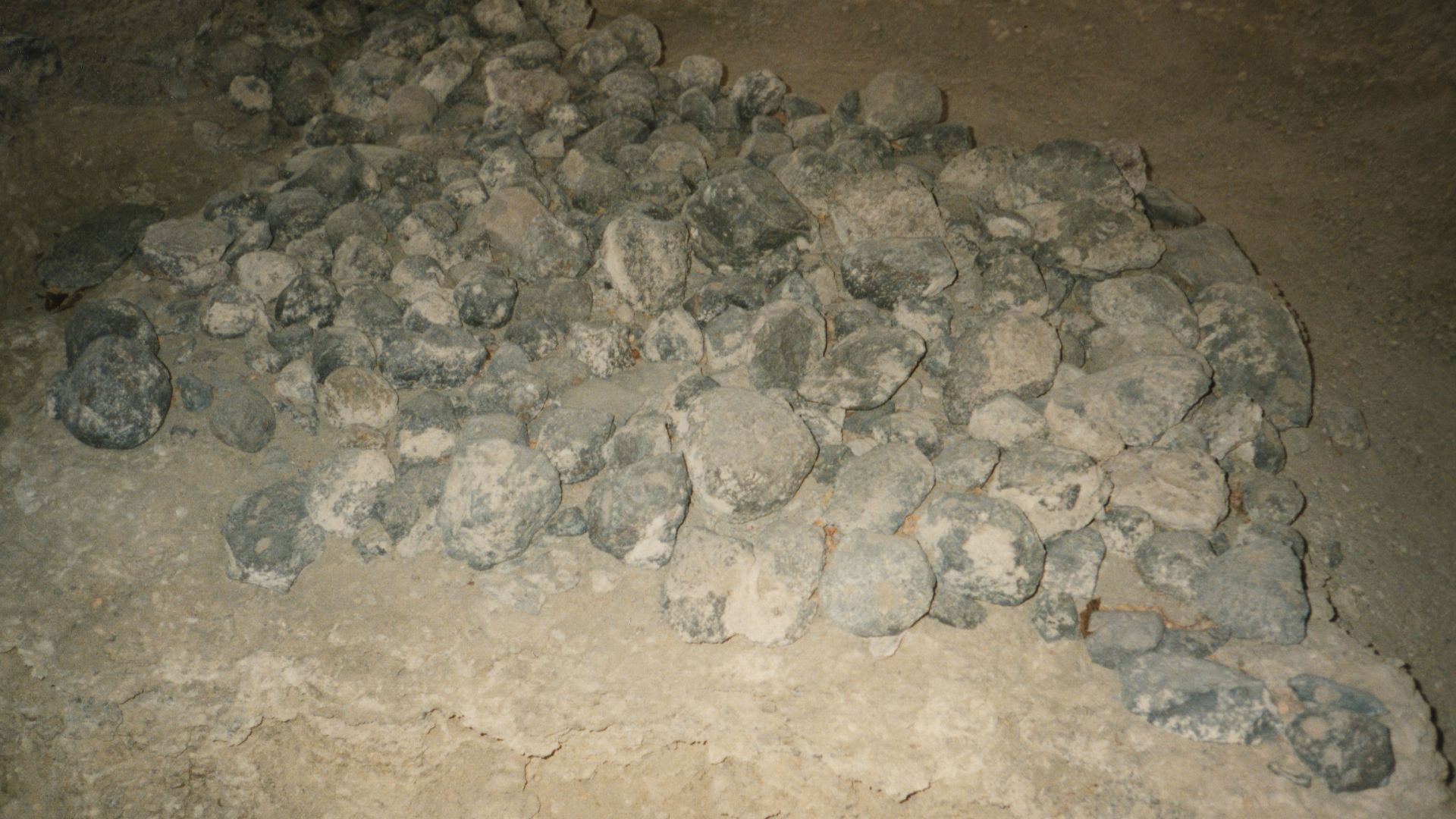
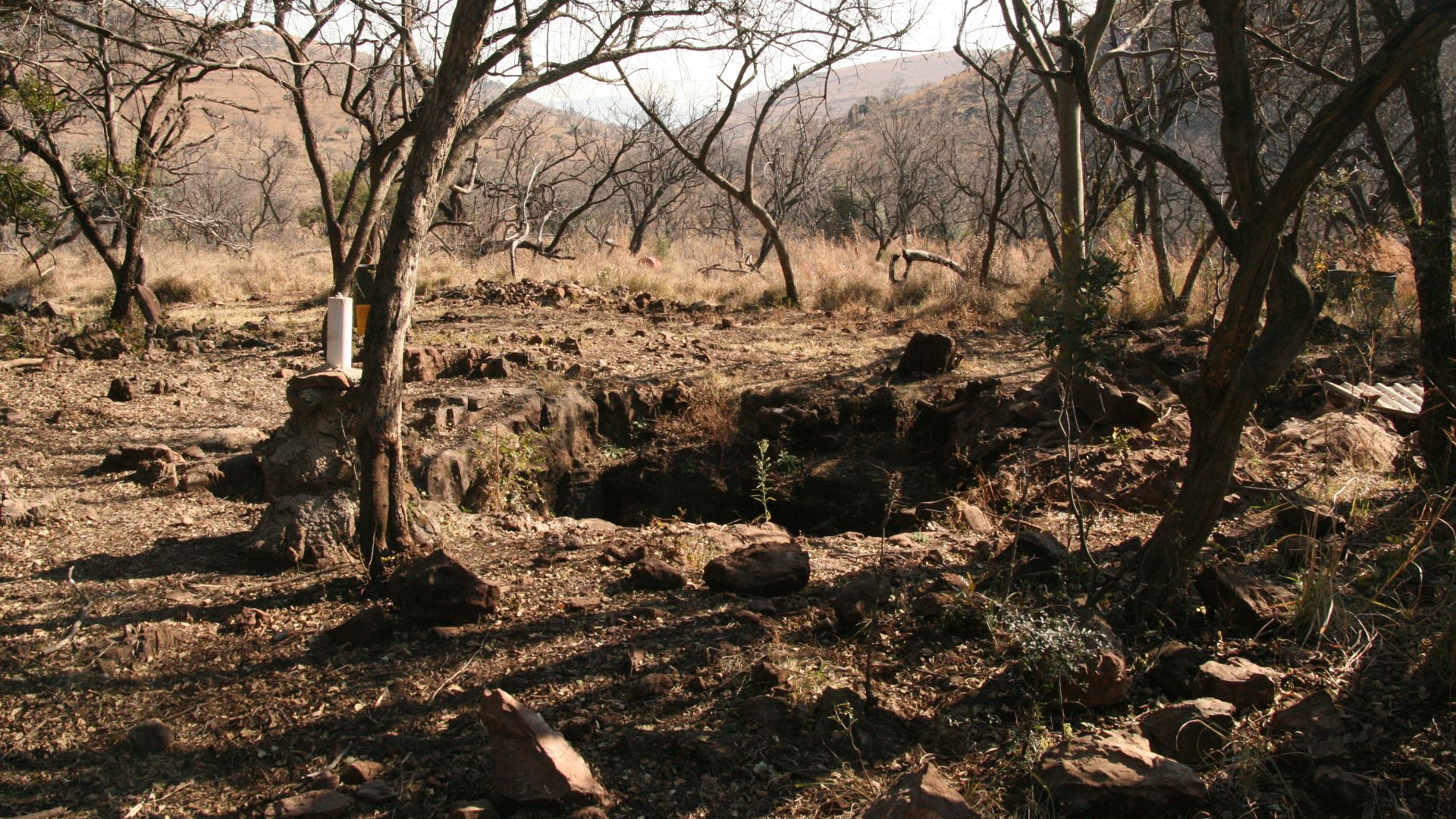
Archaeologists quickly pointed out a problem. Humans and their relatives did leave evidence during this supposedly empty stretch. Kenya's Olorgesailie region, for example, has produced hominin remains estimated at roughly 900,000 years old alongside stone tools. Other occupation sites also complicate the idea of an enormous archaeological disappearance.
 Rossignol Benoit, Wikimedia Commons
Fossils Are Terrible Census Records
Even a genuine gap would not automatically prove near-extinction. Fossilization is extremely rare, archaeological sites disappear, and huge parts of Africa remain poorly sampled. An apparent decline in fossils might reflect where scientists have looked, what sediments survived, and simple chance rather than how many people actually existed.
Then Other Geneticists Pushed Back
The debate became much sharper in 2025. Researchers Trevor Cousins and Arun Durvasula tested the extreme bottleneck model against alternative explanations. Their analysis concluded that the severe bottleneck model actually fit the genetic data worse than a simpler population model without such a dramatic crash.

Another Method Found Little Support
A separate 2025 study introduced another population-history method called PHLASH. When researchers searched for the proposed 930,000-to-813,000-year crash, they found little evidence for an effective population size anywhere near 1,280. Their estimates generally remained much higher, casting further doubt on the near-extinction scenario.

The Original Researchers Fought Back
The argument is far from finished. In 2026, members of the original research team published a new analysis defending FitCoal. They argued that competing methods were less accurate at identifying extremely ancient population crashes and said fossil and climate evidence still supported a major bottleneck around 900,000 years ago.

So Did Humanity Nearly Disappear?
Right now, nobody can responsibly give a confident yes. There may have been a substantial population decline, but whether it truly approached extinction remains disputed. Scientists are essentially trying to reconstruct nearly million-year-old population movements using fragments of DNA, fossils, climate records, and statistical models that do not always agree.
 Unknown photographer, Wikimedia Commons
Toba Offered Another Famous Near-Miss
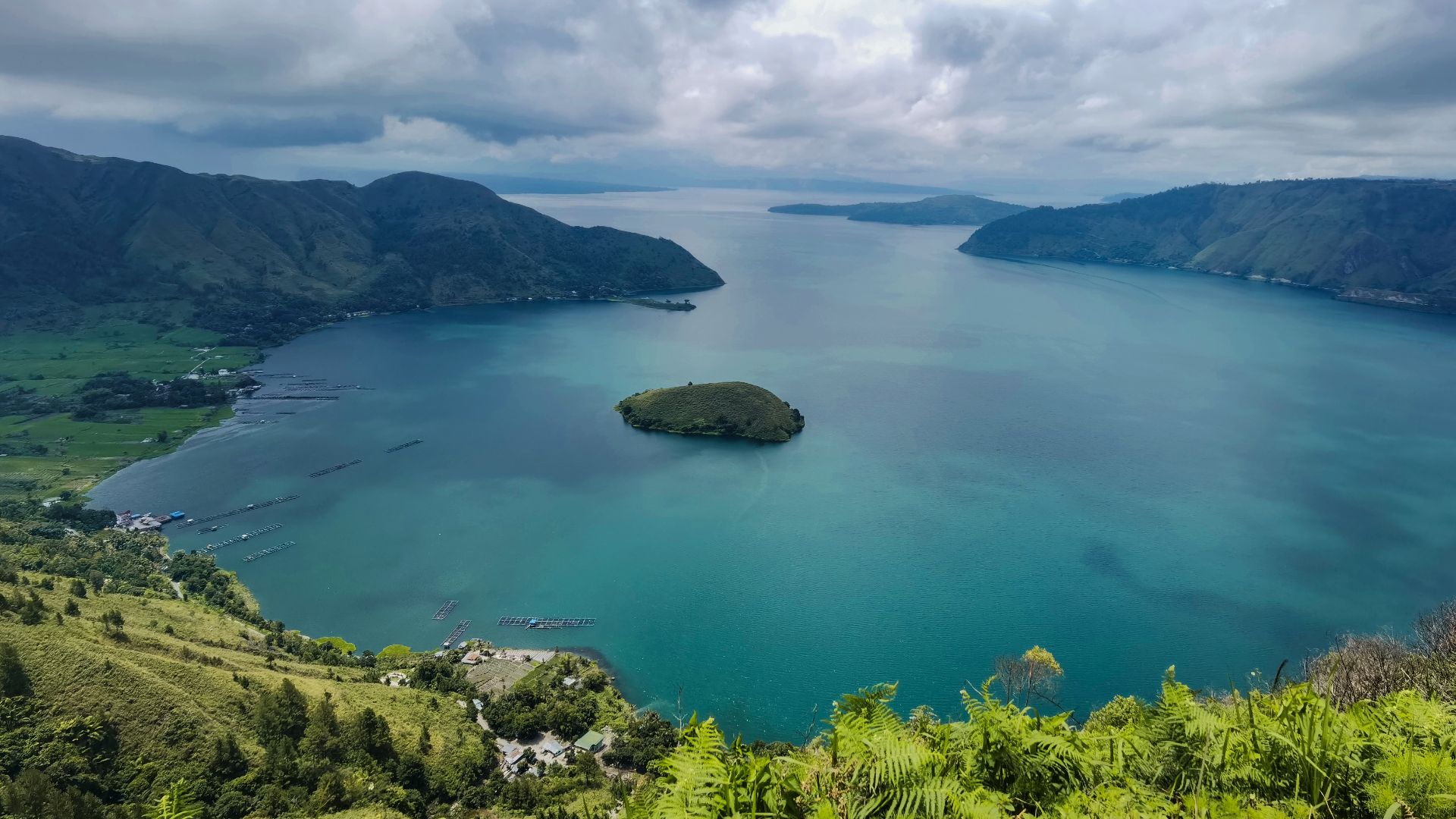
The 900,000-year debate is not humanity's first supposed brush with oblivion. Another famous candidate occurred about 74,000 years ago, when the enormous Toba supereruption exploded in what is now Indonesia. For years, some researchers wondered whether its climatic effects nearly wiped out Homo sapiens.
The Eruption Really Was Enormous
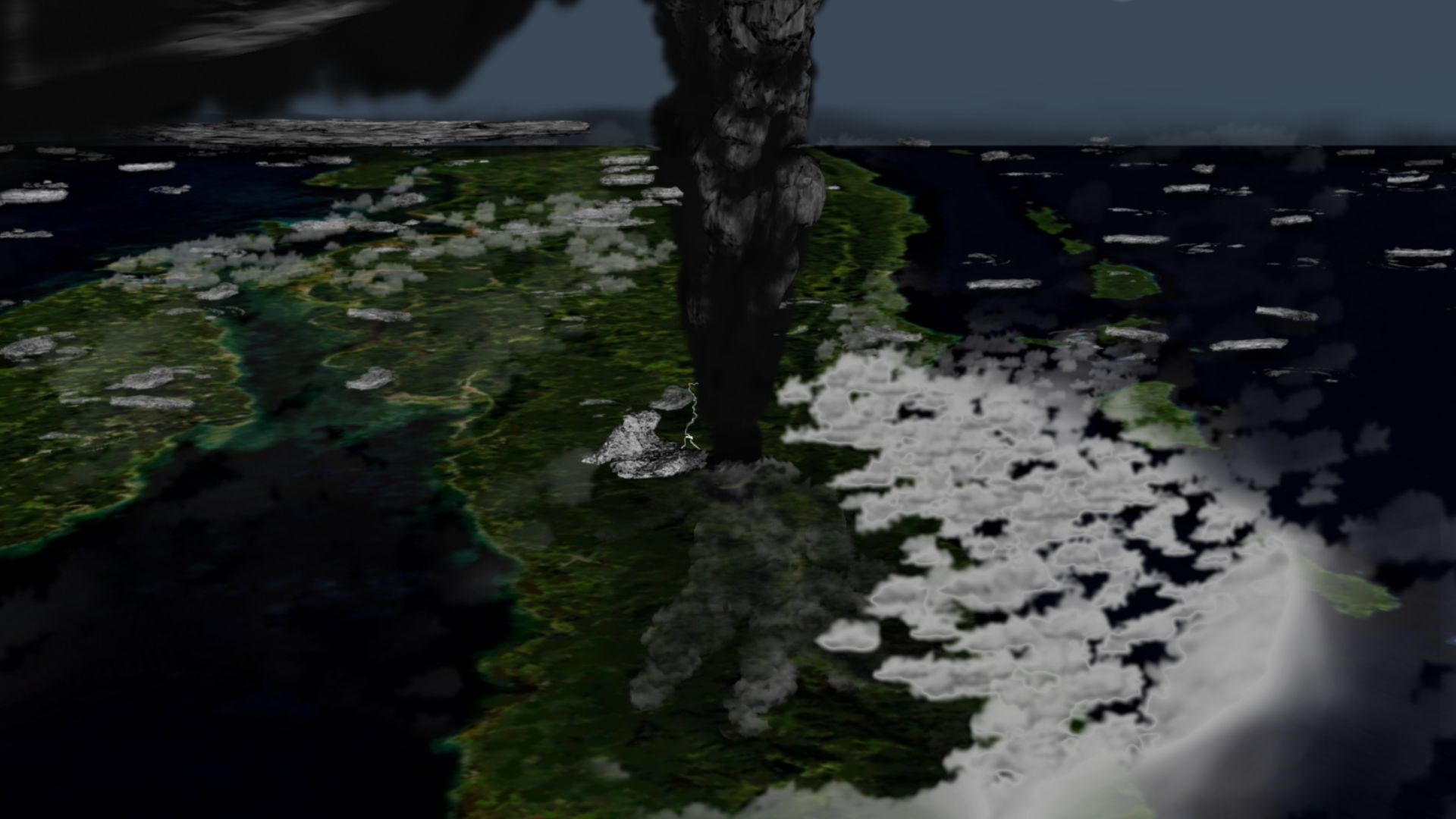
There is no dispute that Toba was a spectacular geological event. Ash from the eruption traveled across enormous distances, including regions inhabited by humans. The argument concerns what happened afterward: Did the eruption trigger a catastrophic worldwide volcanic winter, or were its environmental effects more uneven and survivable?
The Old Story Was Dramatic
One influential hypothesis suggested Toba caused severe cooling, ecological destruction, and a dramatic human population bottleneck. It was an irresistible story: a small band of survivors enduring years of volcanic darkness before repopulating the planet. Unfortunately for movie producers, archaeology has made that simple version increasingly difficult to defend.
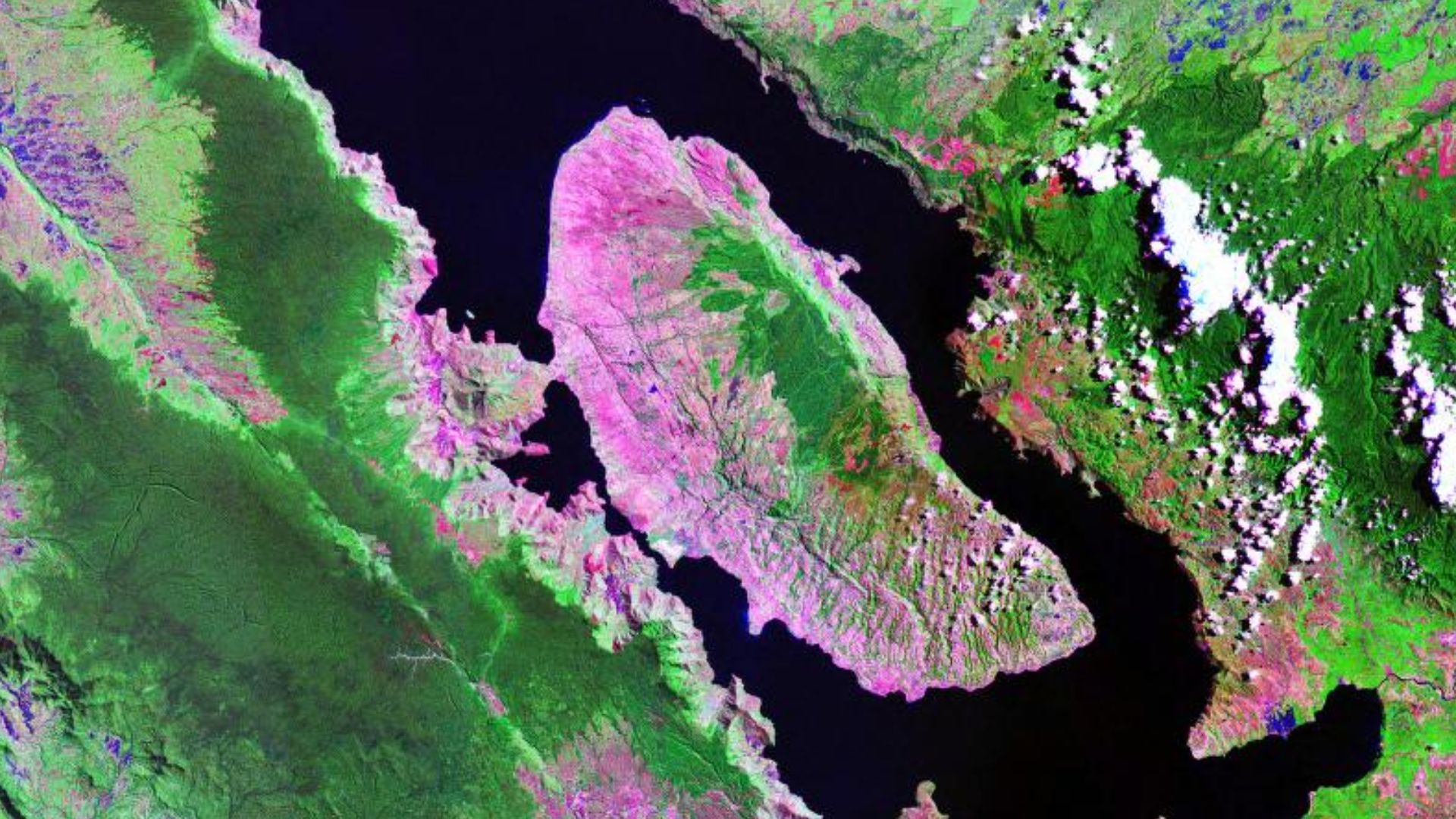 NASA Landsat, Wikimedia Commons
People Kept Leaving Archaeological Traces
Archaeological sites in several regions show evidence of humans or other hominins living through the period surrounding the eruption. Research reviewing Toba's effects has found continuity in human activity before and after the event, undermining the idea that populations outside a tiny African refuge simply vanished.
Ethiopia Revealed Remarkable Flexibility
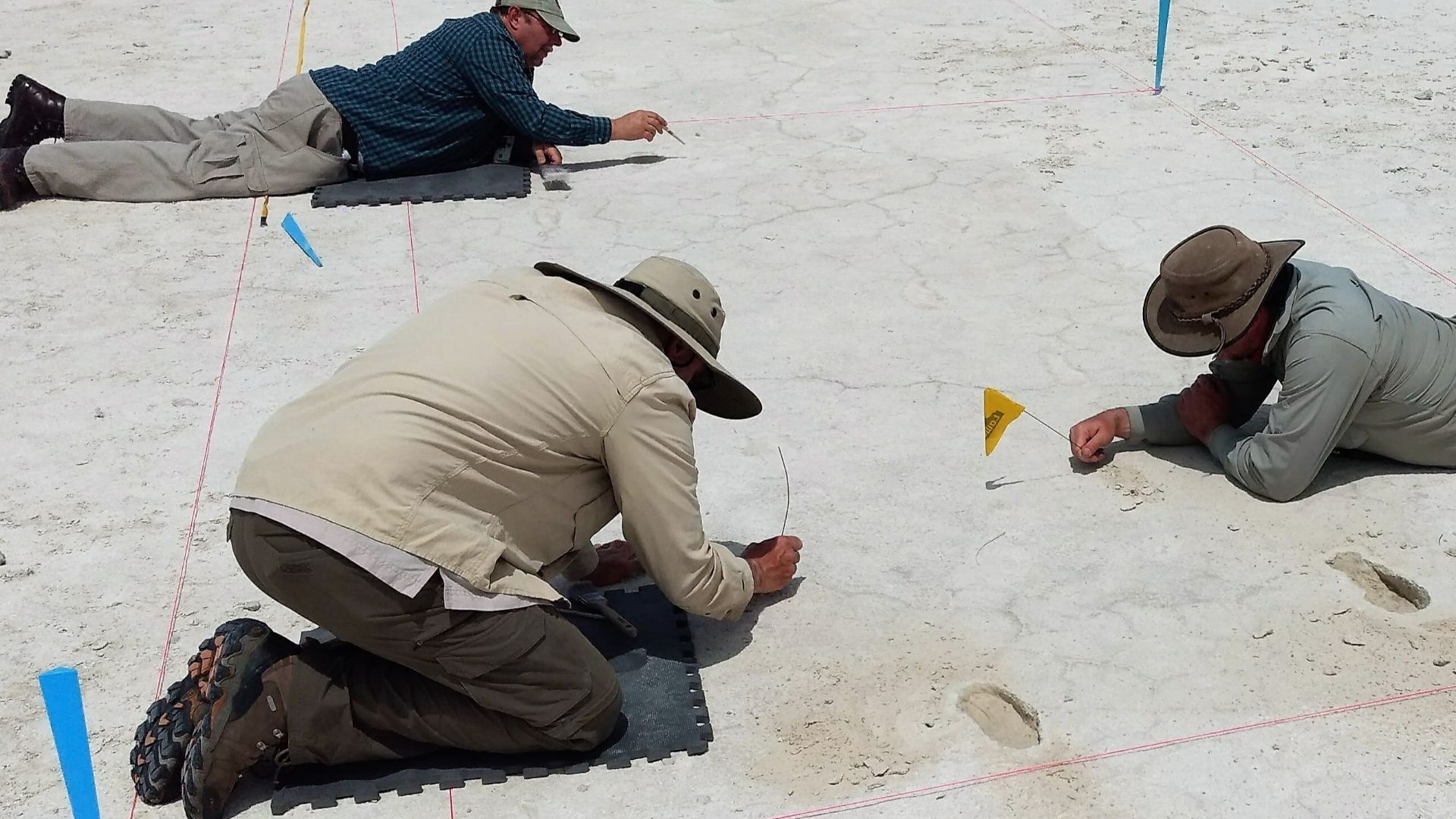
At Shinfa-Metema 1 in northwest Ethiopia, researchers found evidence of people living around the time of Toba's eruption. Instead of helplessly waiting for disaster to pass, these humans appear to have adapted to increasingly dry conditions by exploiting shrinking rivers, catching fish, and hunting a wide range of animals.
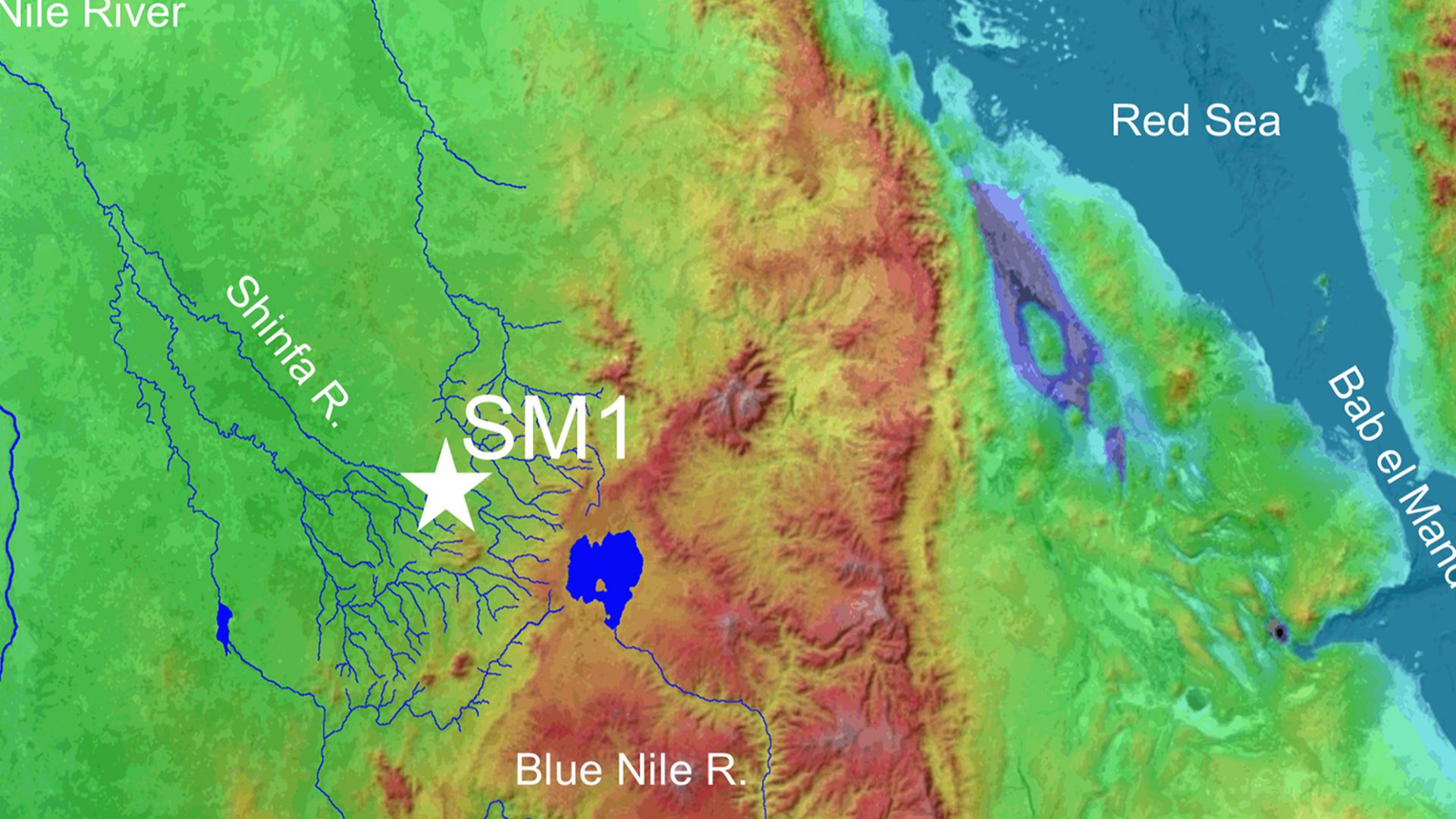 topographic-map.com, Wikimedia Commons
Survival Probably Looked Different Everywhere
That does not mean Toba was harmless. A 2026 review emphasized that communities in southern Africa probably experienced its environmental effects differently depending on geography, local ecosystems, and their own behavior. Some groups may have suffered badly while others barely changed their routines. Prehistory rarely gives us one tidy global storyline.
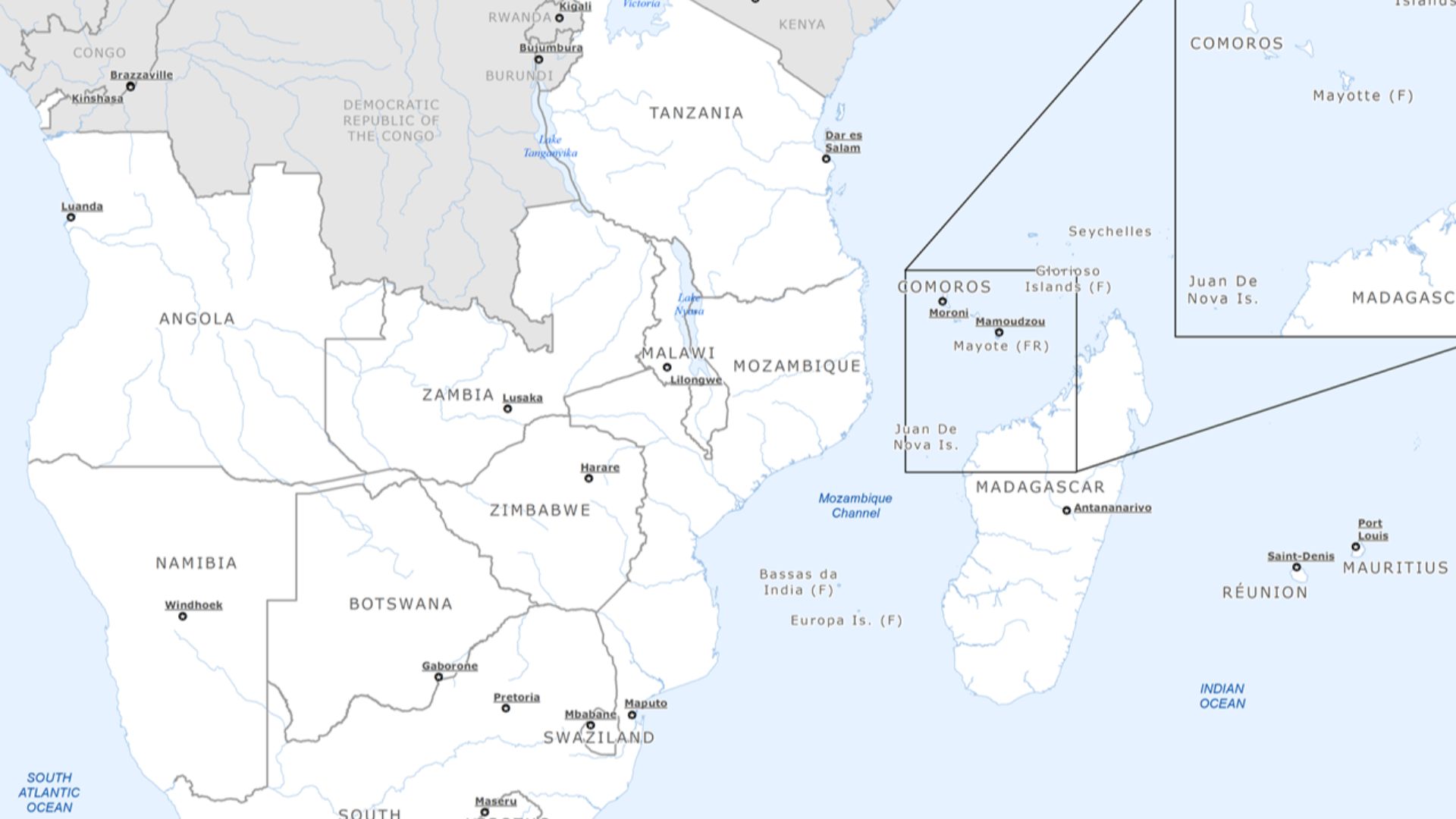 JRC, European Commission, Wikimedia Commons
Local Extinction Is Something Different
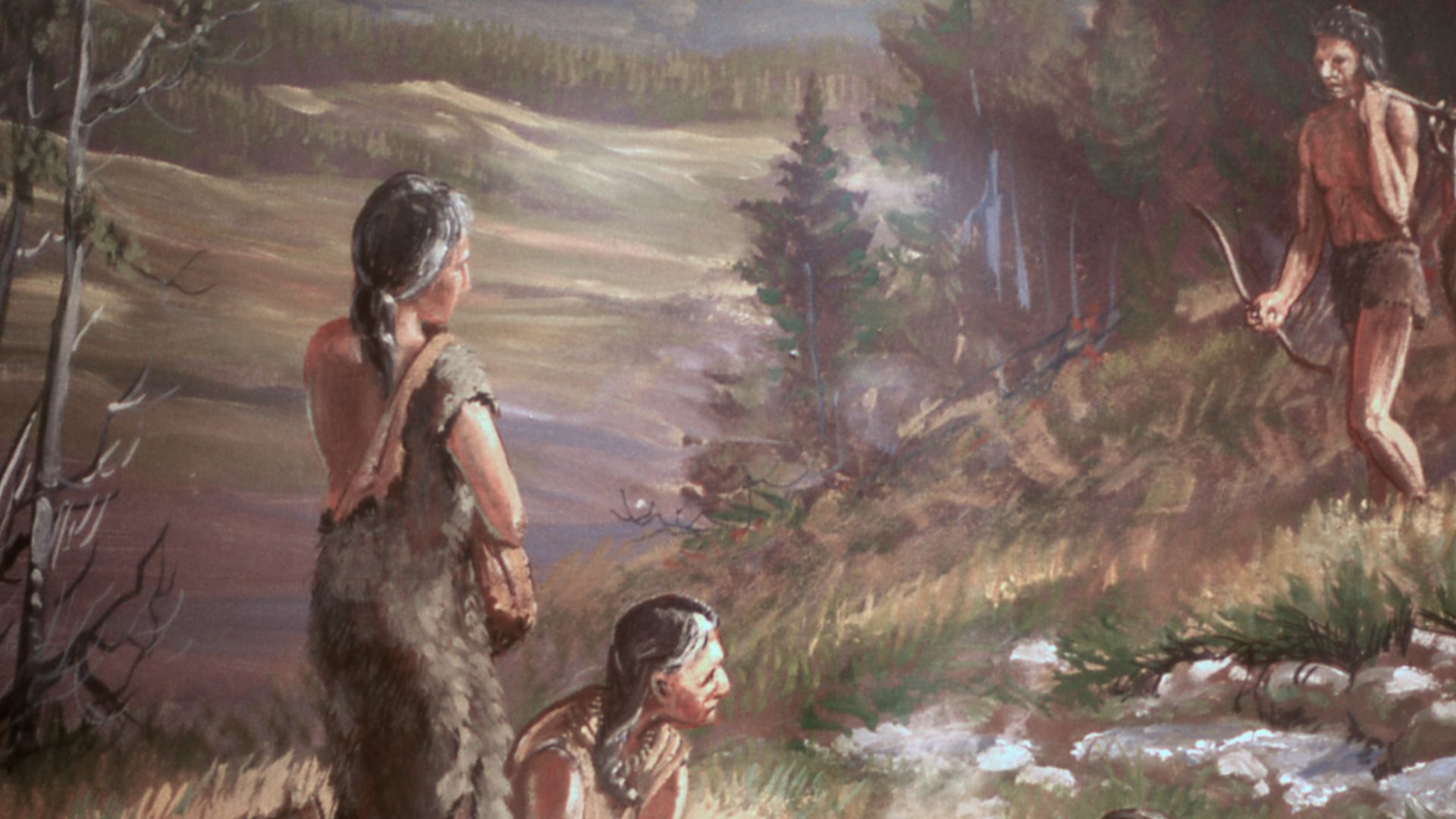
A population disappearing from one region is not the same as humanity nearly going extinct. Archaeologists increasingly have to separate local abandonments, migrations, demographic declines, and genuine species-wide catastrophes. Ancient humans were scattered across enormous territories, which may have made total extinction less likely even when individual communities failed.
 Artist unknown, Wikimedia Commons
Population Structure Can Fool Us
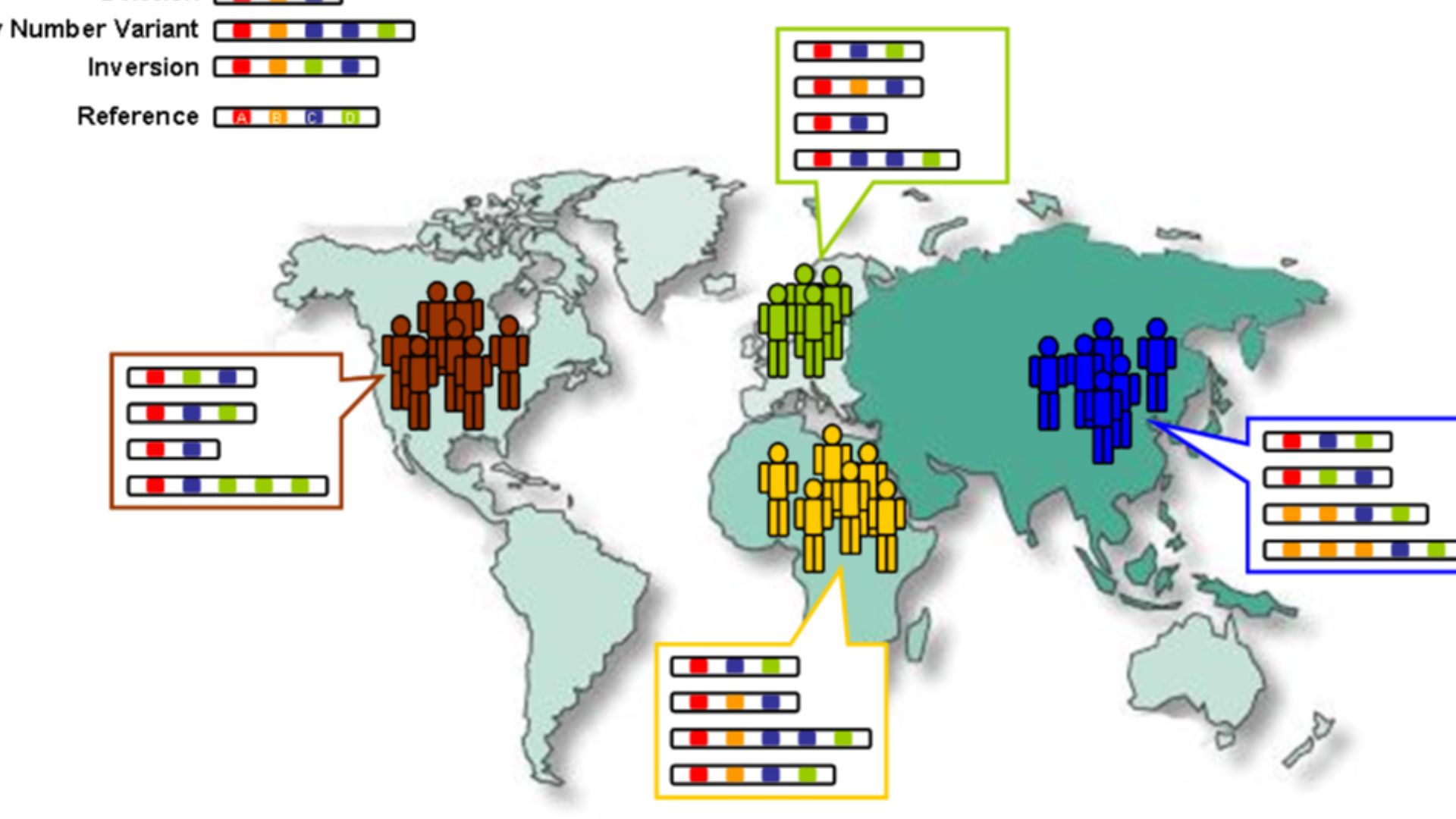
Genetic reconstructions carry another complication: ancient humans probably lived in many partly separated populations that periodically exchanged genes. Statistical models that treat them as one smoothly mixing population can mistake changing connections between groups for dramatic changes in population size. Population structure can sometimes produce genetic patterns that resemble bottlenecks.
 Jthiele (talk), Wikimedia Commons
Archaeology Keeps Correcting Collapse Stories
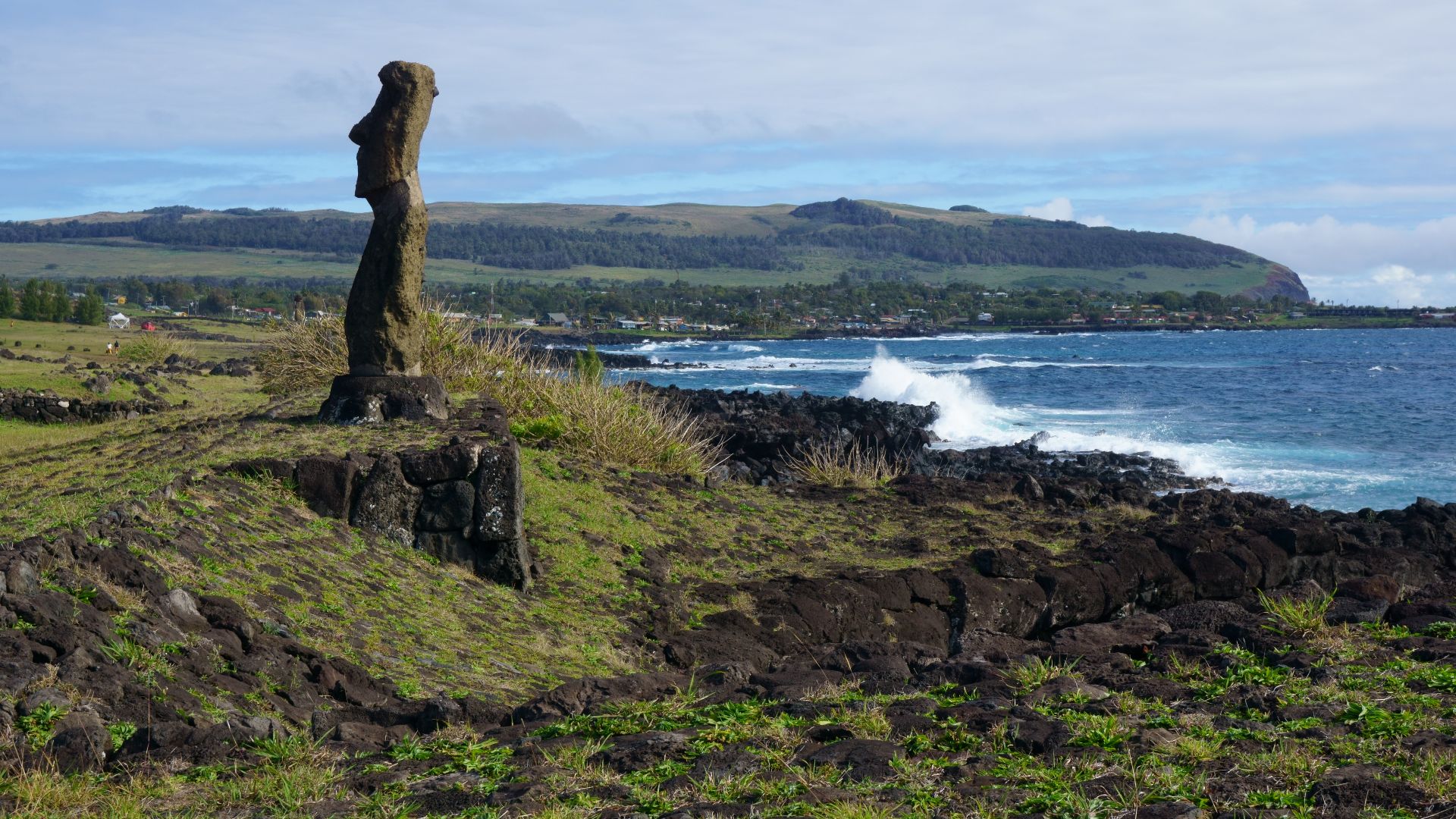
This debate fits a broader trend. New archaeological and genetic evidence repeatedly reveals that ancient societies and populations were more resilient than once assumed. Even famous collapse stories such as Rapa Nui have been challenged by ancient DNA showing no evidence for the catastrophic pre-European population crash once popularly imagined there.
Adaptability May Be Humanity’s Secret Weapon
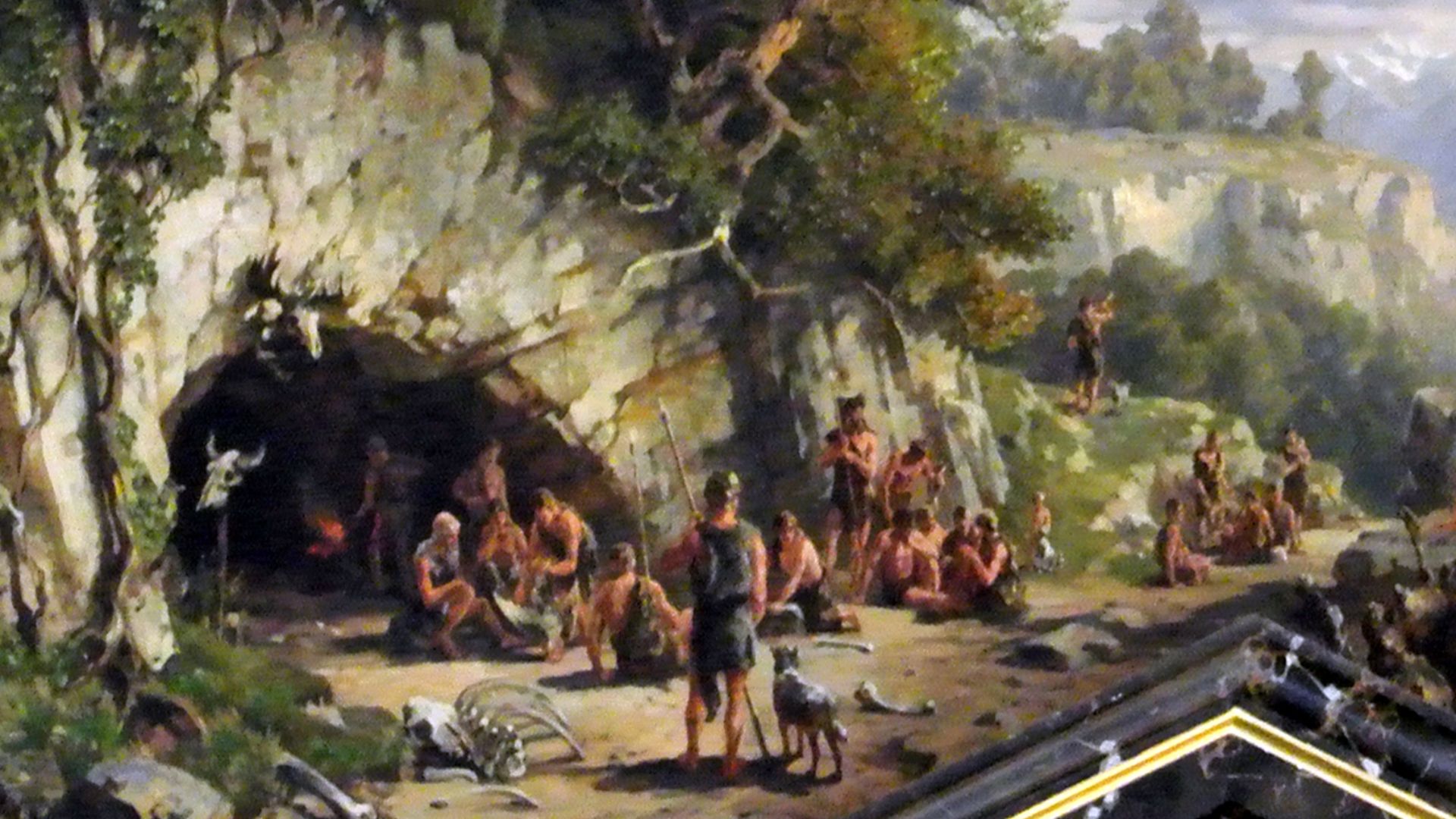
Perhaps the most important lesson is not that our ancestors repeatedly escaped extinction by inches. It is that ancient humans were remarkably flexible. They migrated, changed diets, developed new technologies, formed new social connections, and occupied wildly different environments. When conditions changed, survival often depended on changing faster than the landscape did.
 Hugo Darnaut, Wikimedia Commons
The Mystery Is Far From Settled
Scientists now have powerful tools that earlier archaeologists could only dream about, from whole genomes to microscopic volcanic ash and increasingly sophisticated climate models. Yet those tools sometimes produce conflicting stories. The 900,000-year bottleneck debate shows that better technology can reveal the past while simultaneously making that past more complicated.
 Konrad Forstner, Wikimedia Commons
Humanity’s Close Calls Remain An Open Question
Our ancestors undoubtedly endured brutal climate shifts, giant volcanic eruptions, shrinking habitats, disease, migration, and local population collapses. Whether any of these events reduced the entire human lineage to the literal edge of extinction remains uncertain. What the evidence does show is something just as remarkable: again and again, some human populations found ways to keep going.
 Neanderthal Museum, Wikimedia Commons
You May Also Like: