We Still Haven’t Finished Reading Their Story
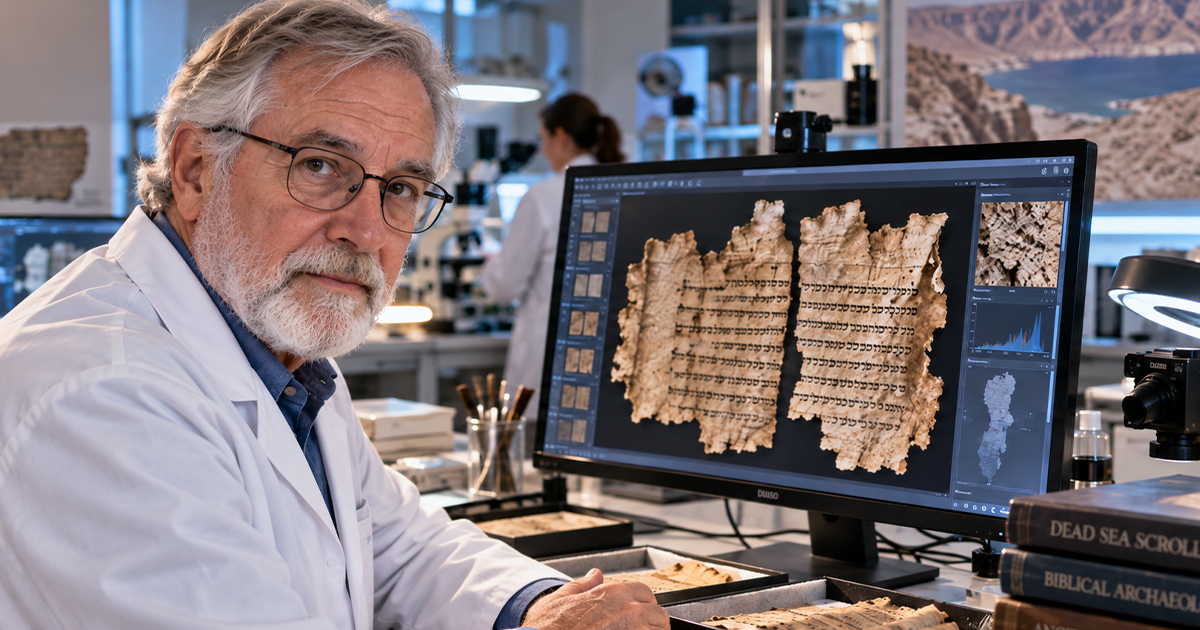
Nearly eight decades after the first Dead Sea Scrolls emerged from caves near the Dead Sea, researchers are still arguing over some surprisingly basic questions. Who wrote them? Why were they hidden? And why are some manuscripts turning out to be older than scholars thought? New technology is answering questions, but it is also creating entirely new mysteries. And researchers are now uncovering clues that could completely change what we thought we knew about one of history’s most mysterious discoveries.
It Started With A Cave
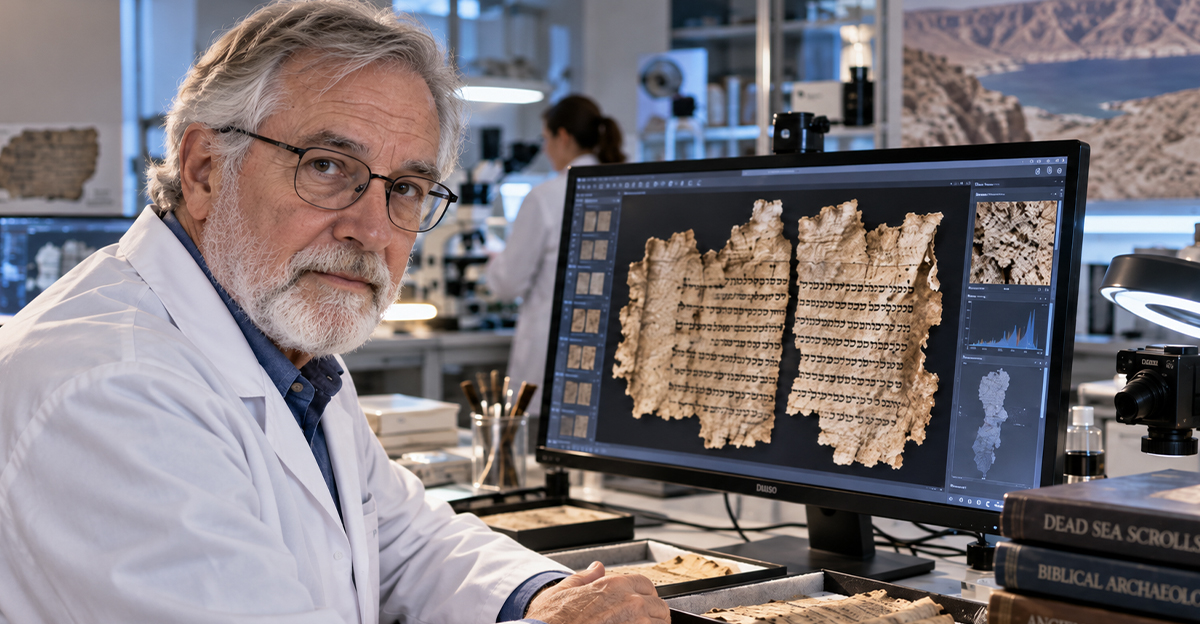
The first scrolls were discovered in 1947 near Qumran on the northwestern shore of the Dead Sea. Over the following decade, Bedouin searchers and archaeologists recovered manuscripts from 11 caves in the area. Some survived as substantial scrolls. Many others were reduced to tiny fragments.
The Collection Is Enormous
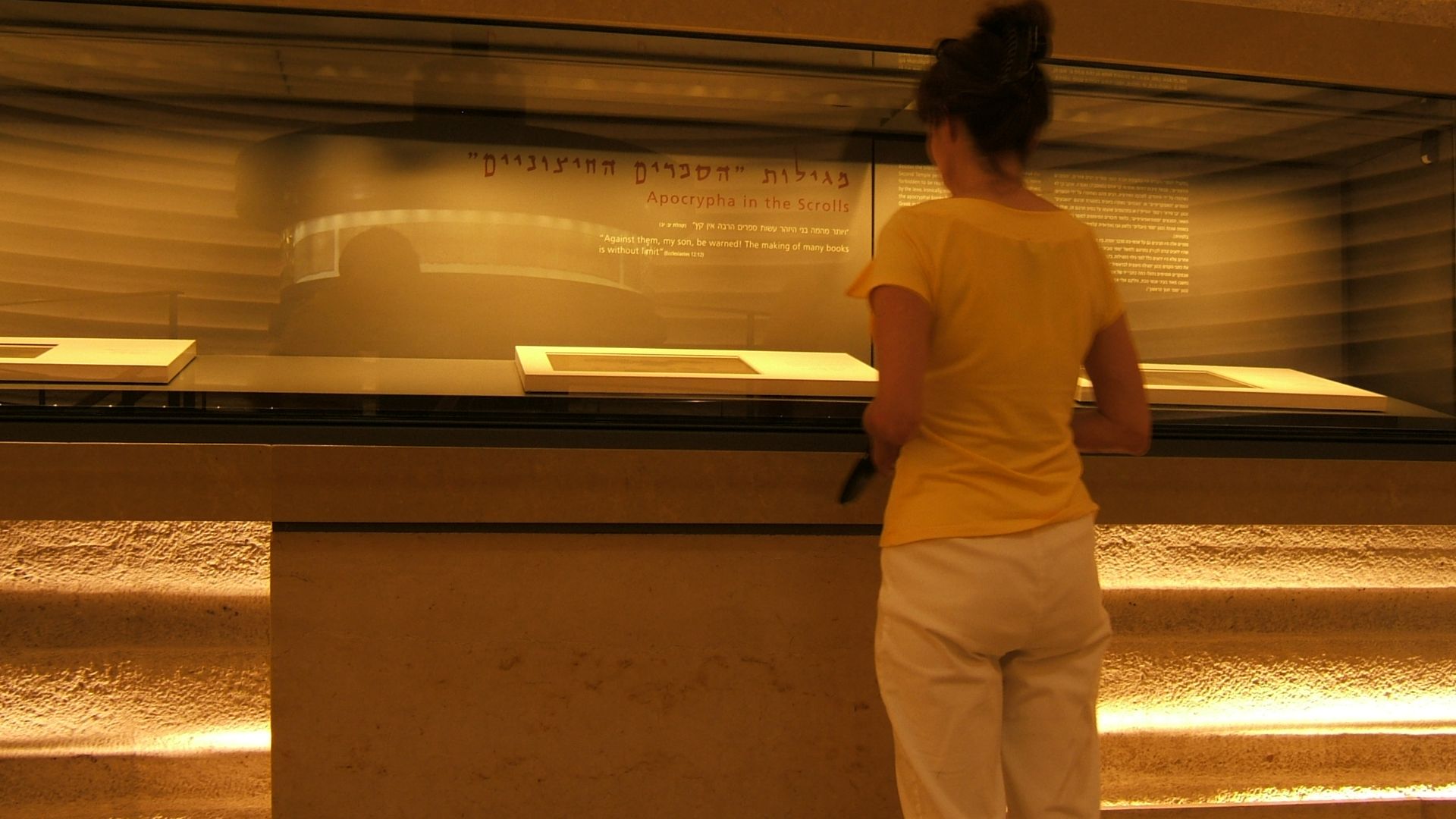
Researchers now recognize roughly 1,000 manuscripts among the Dead Sea Scrolls, depending on how individual fragments are counted and reconstructed. They include copies of books that later became part of the Hebrew Bible as well as prayers, commentaries, legal works, calendars, apocalyptic writings, and previously unknown religious texts.
 Abraham Meir Habermann, 1901-1980, Wikimedia Commons
And Most Of Them Arrived In Pieces
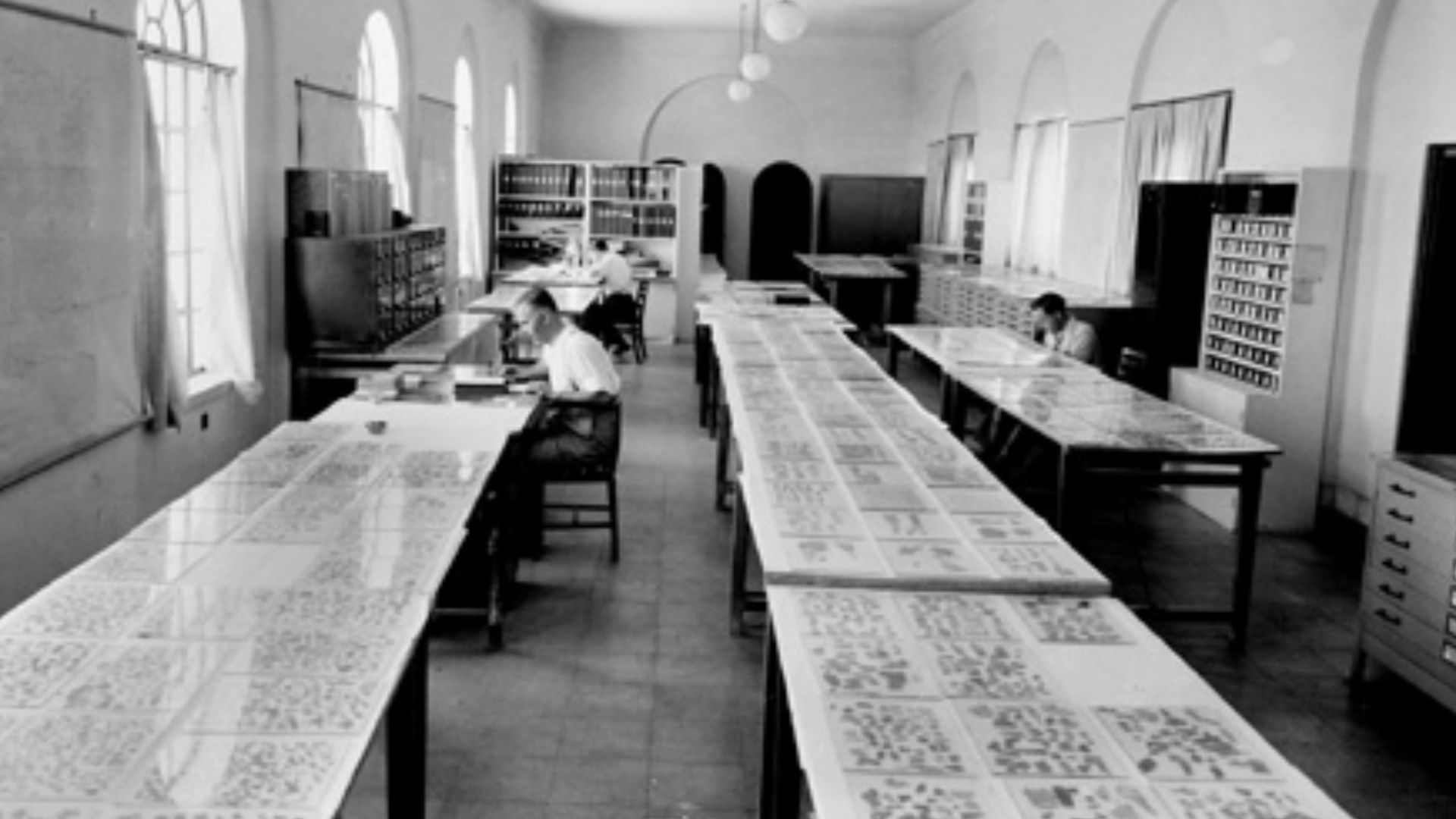
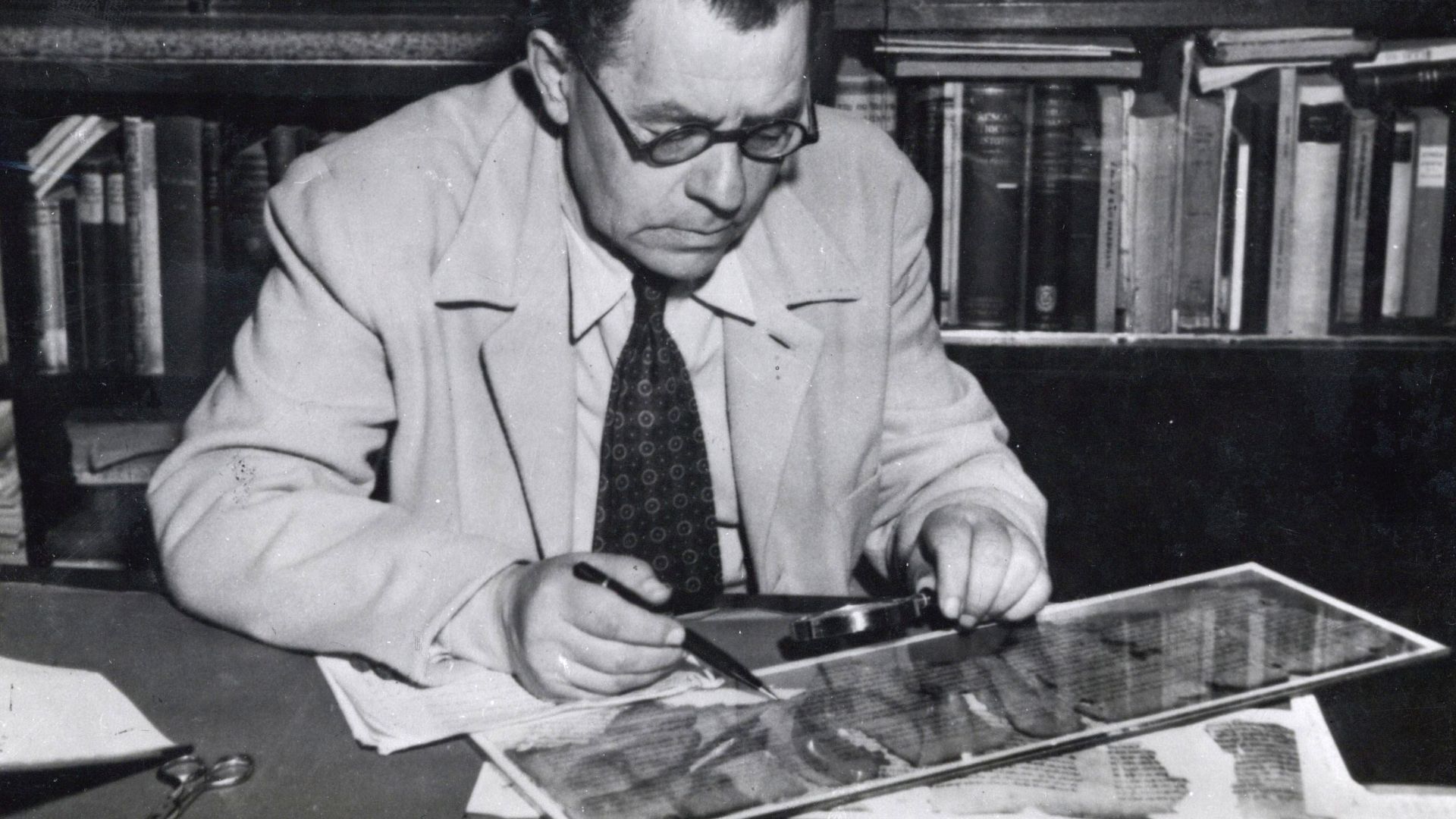
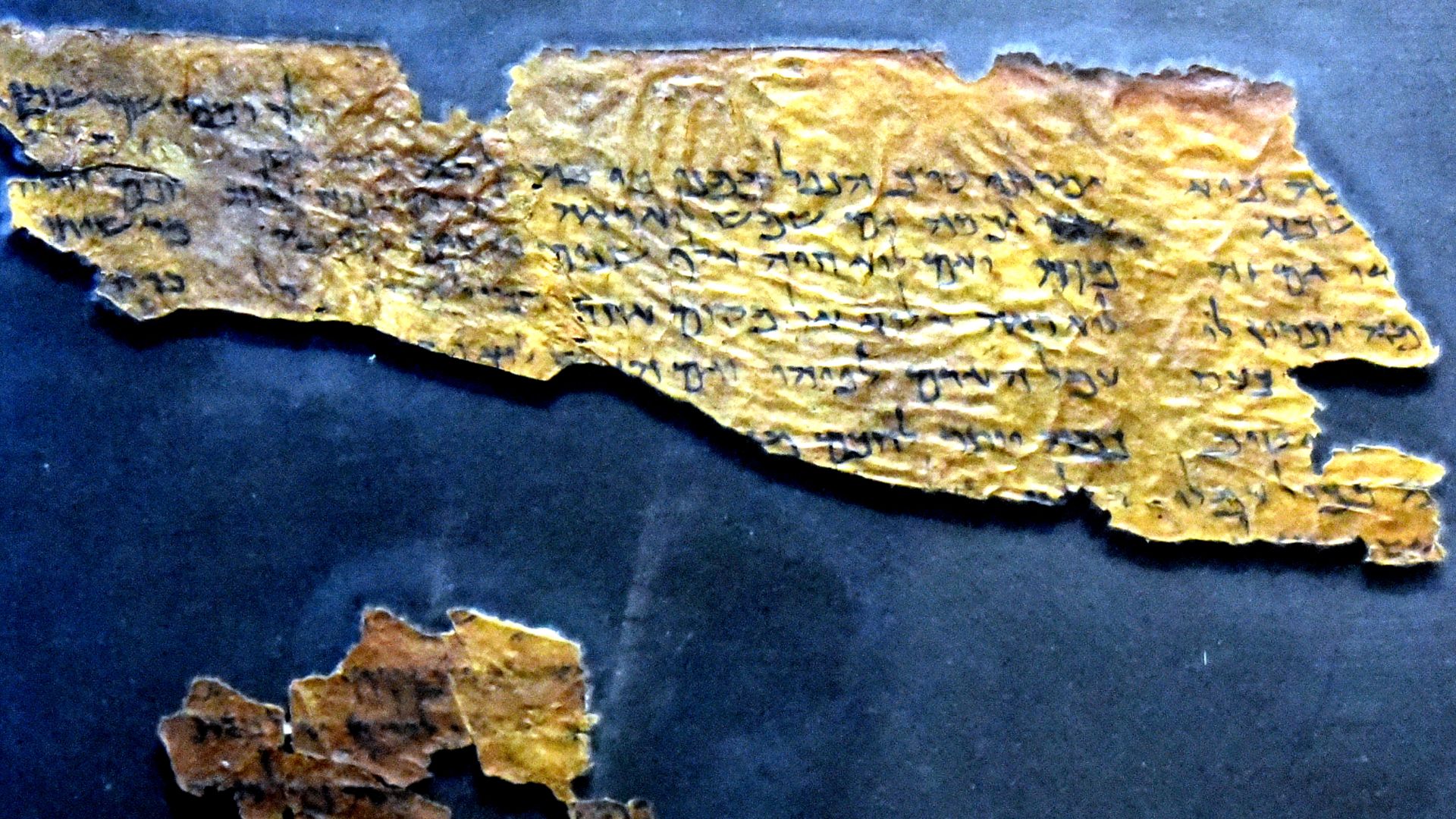
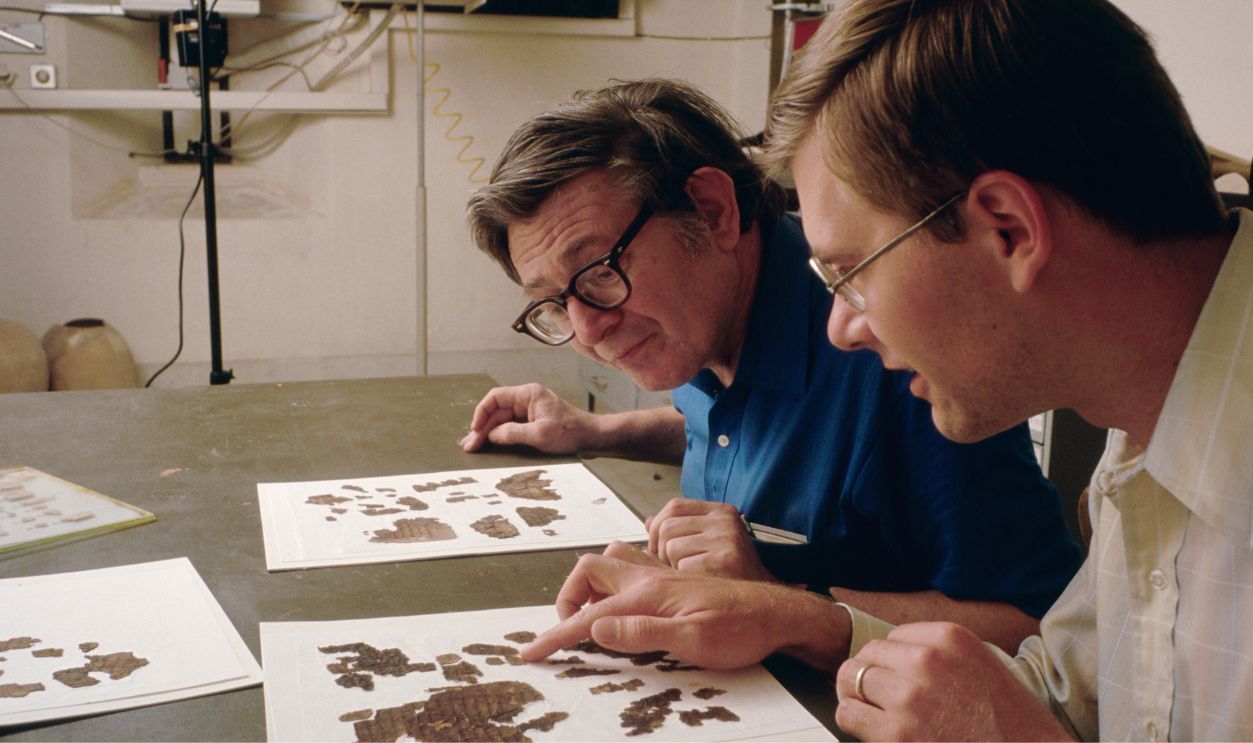
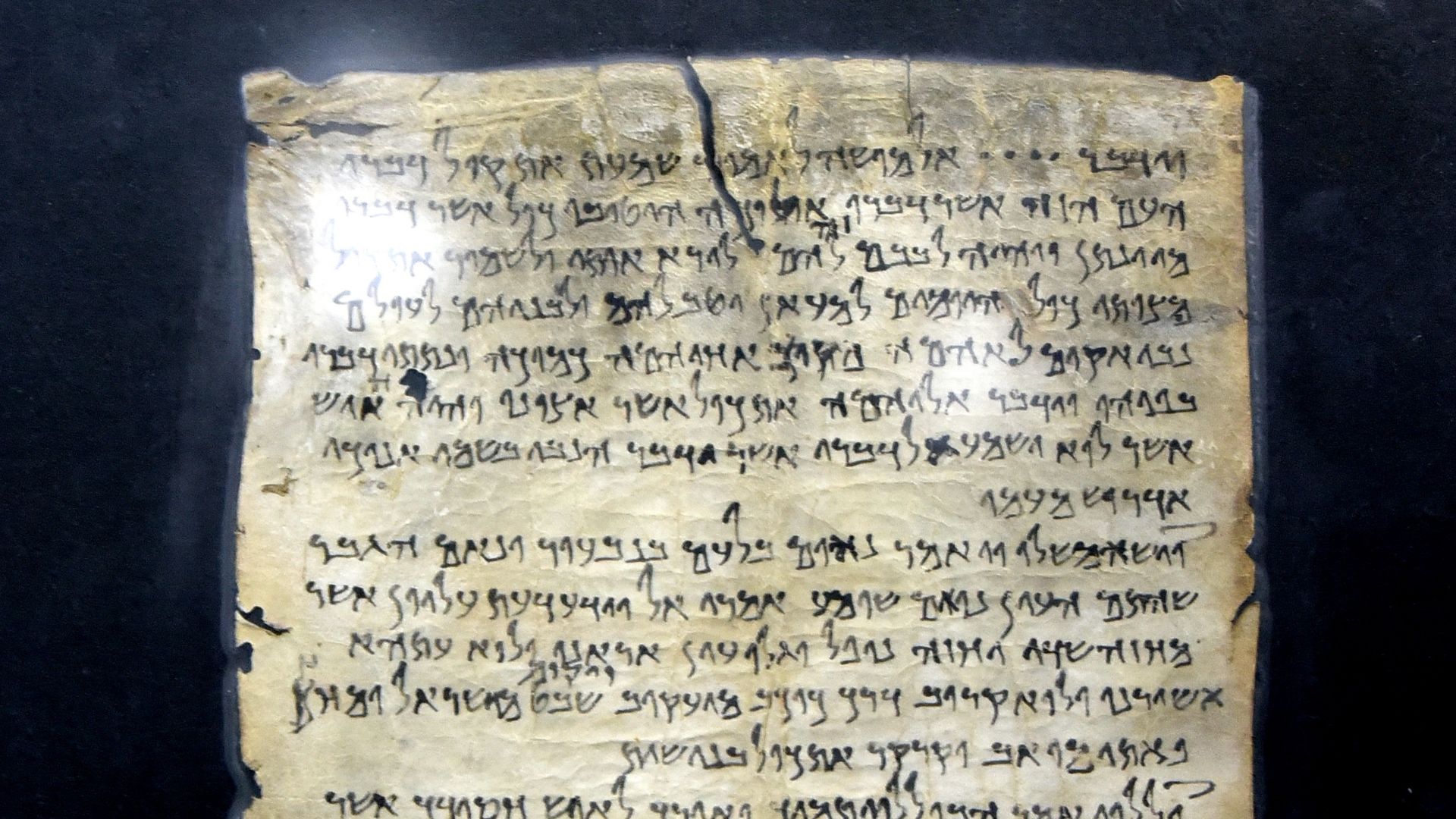
That is one reason the work has taken so long. The famous complete or nearly complete scrolls are the exception. Much of the collection consists of thousands of parchment and papyrus fragments that researchers have spent decades sorting, photographing, joining, and translating. Some pieces remain stubbornly unidentified.
 Osama Shukir Muhammed Amin FRCP(Glasg), Wikimedia Commons
Mystery Number One Is Surprisingly Basic
Who actually wrote the Dead Sea Scrolls?
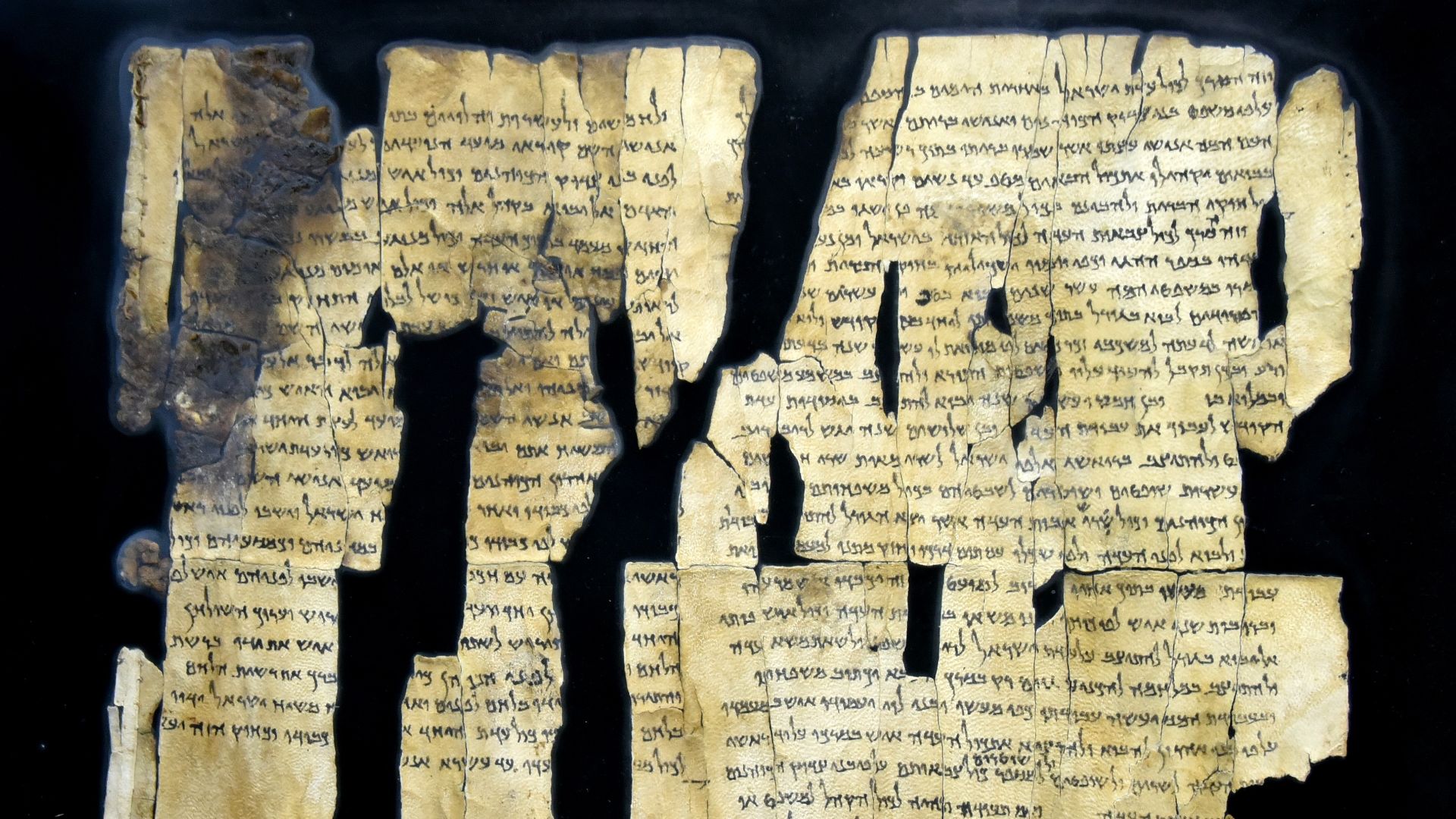
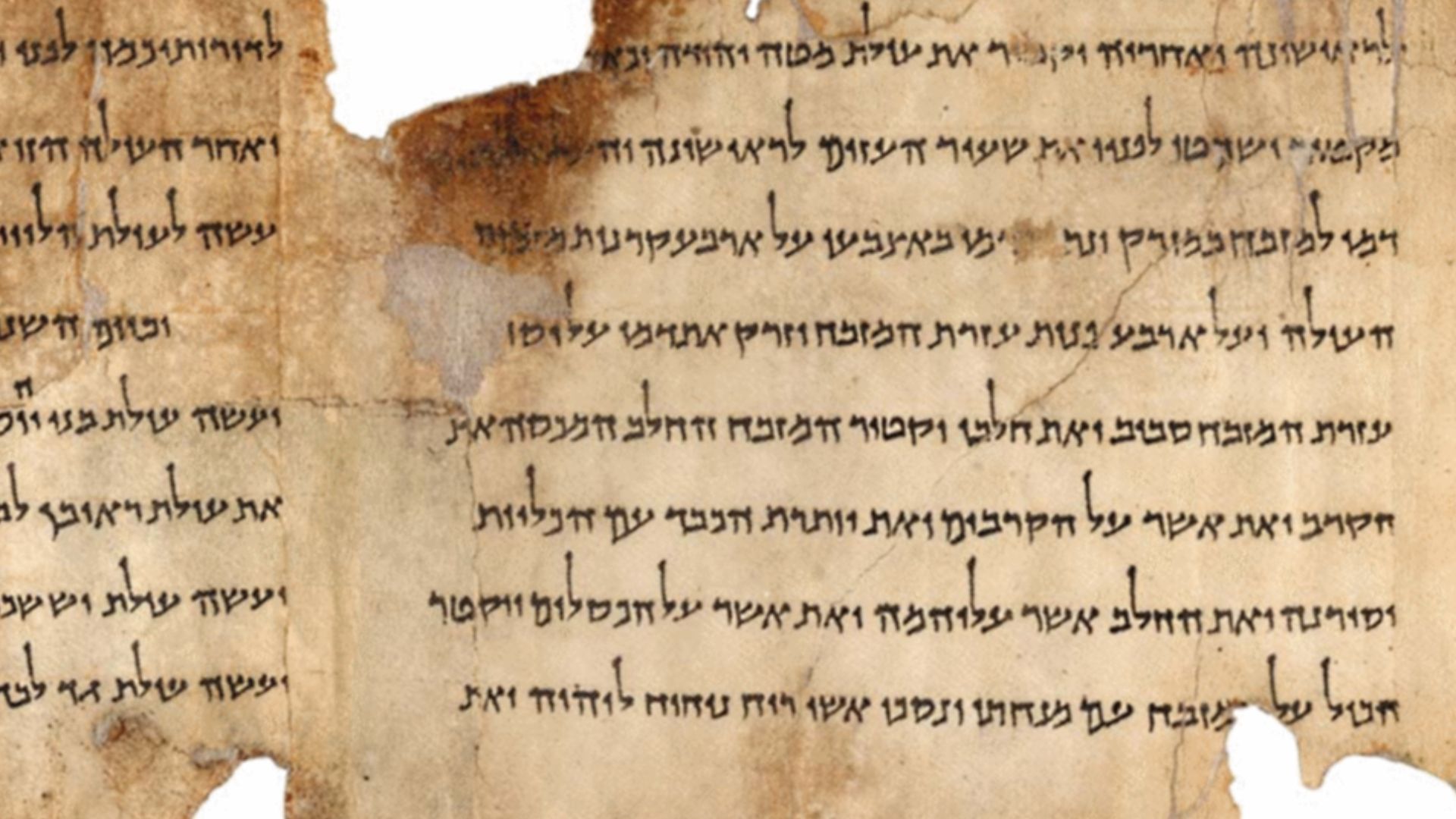
The answer still isn't certain. The scrolls themselves do not contain a convenient title page identifying their authors, and the scribes generally did not sign their work. Scholars therefore have to reconstruct the human story from handwriting, language, archaeology, and the contents of the texts.
 Israel Museum , Wikimedia Commons
The Essenes Have Long Been The Leading Suspects
For decades, the most influential explanation has connected the scrolls with the Essenes, a Jewish movement described by ancient writers including Josephus and Philo. Similarities between those descriptions and some sectarian writings from the caves helped make the identification attractive.
 Anton Raphael Mengs, Wikimedia Commons
But The Scrolls Never Say “We Are Essenes”
That missing detail matters. The word Essene does not identify the community in the manuscripts themselves. Some scholars strongly support the Qumran-Essene connection, while others argue that the evidence is not decisive enough to identify the scroll writers so neatly.
![Collectie / Archief : Fotocollectie Anefo
Reportage / Serie : [ onbekend ]
Beschrijving : Kopie van de dode-zee rollen op schapenleer gedrukt en verpak in een stenen kruik op een verkoop-tentoonstelling van fascimiles van zeldzame boeken, tekeningen en ma](https://www.factinate.com/storage/app/media/splashtravels/2026/9/22/1790063204b80b9aab2ae37b340f7b551071f30ed409babc8a.jpg) Rob Bogaerts for Anefo, Wikimedia Commons
Rob Bogaerts for Anefo, Wikimedia Commons
Qumran Creates Another Mystery
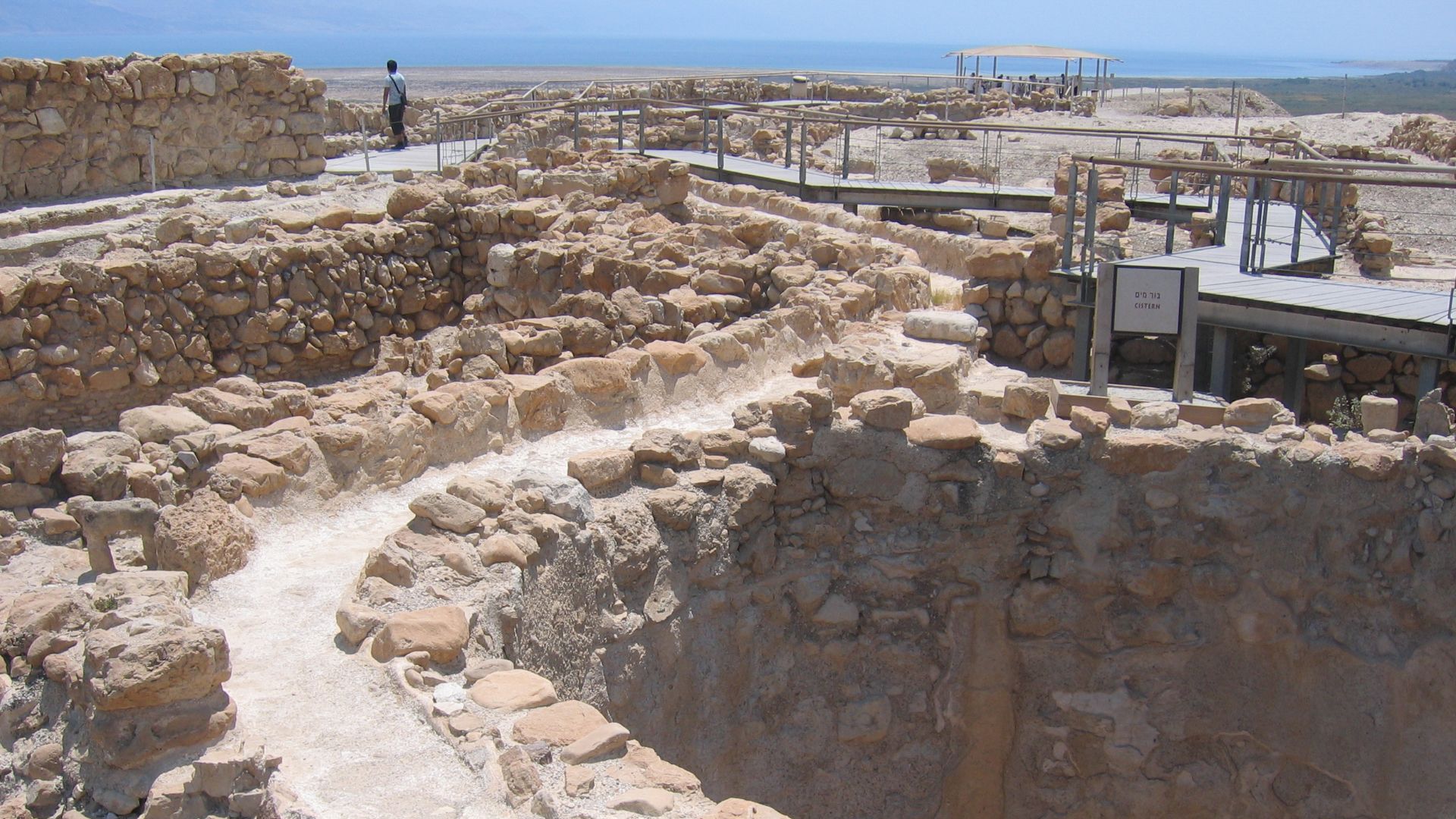
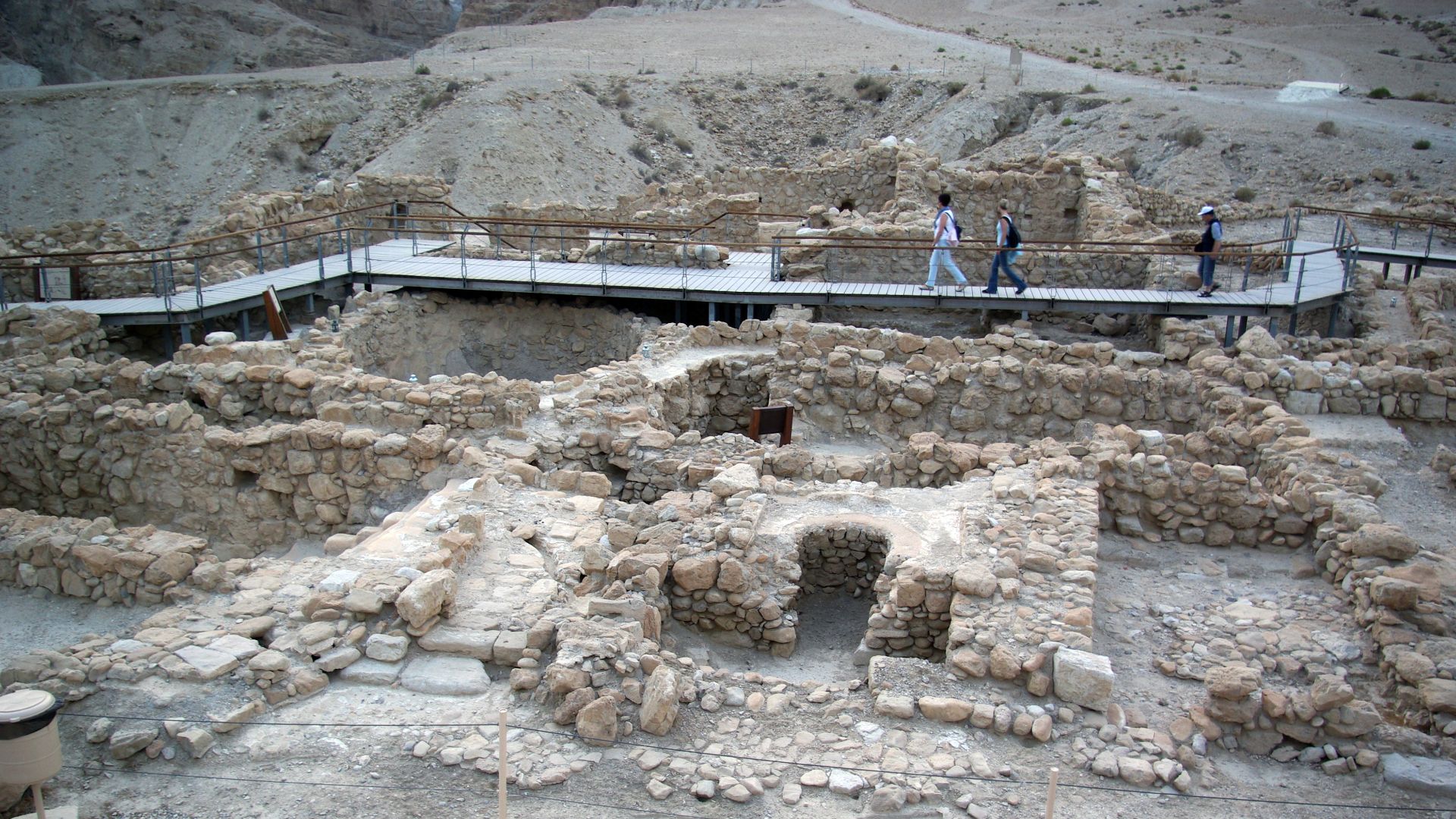
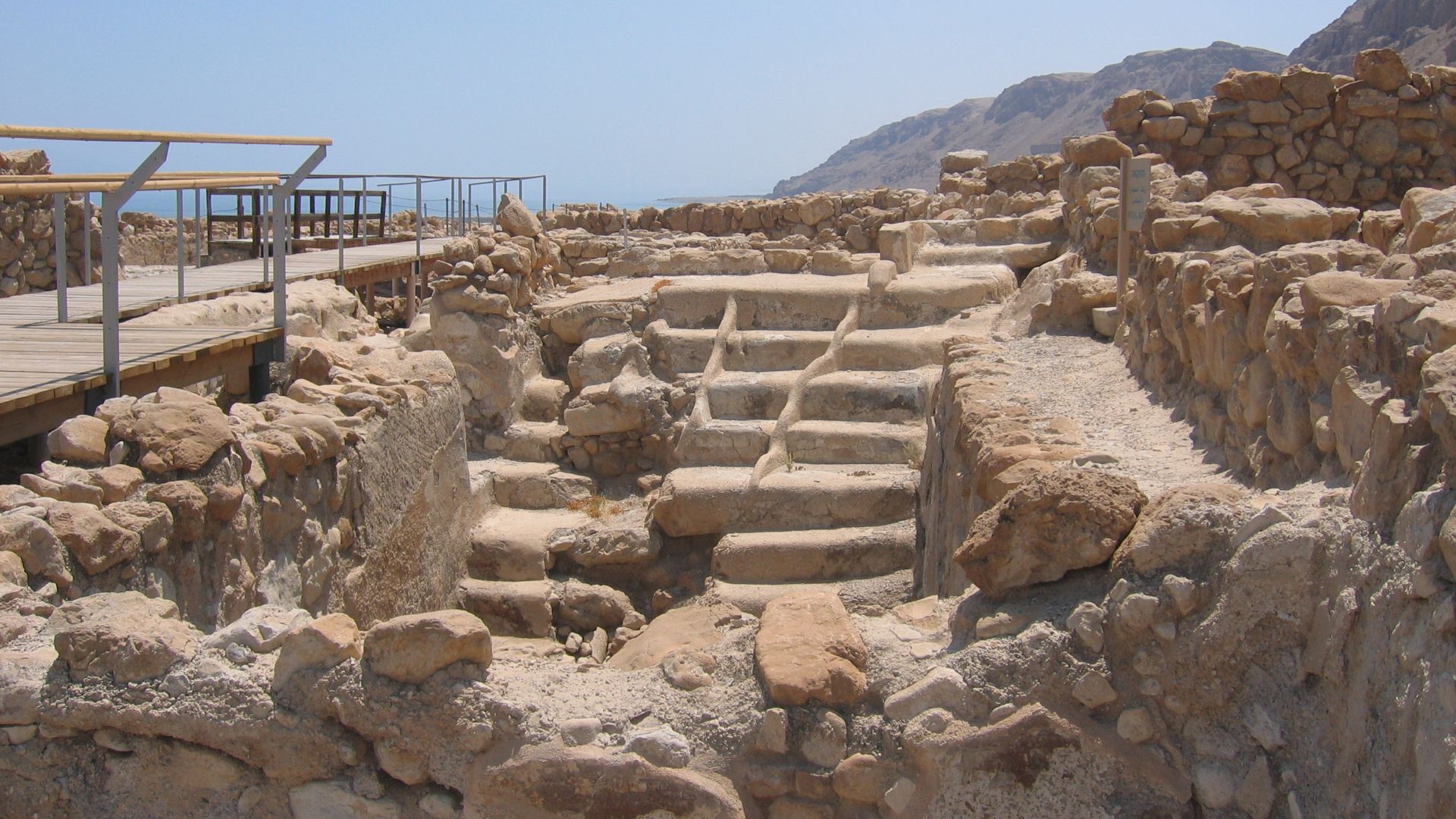
The ruins of Khirbet Qumran sit close to the manuscript caves, making a connection seem obvious. Many archaeologists interpret the site as a settlement occupied by the religious community associated with at least some of the scrolls. But alternative interpretations have included a fortress, estate, or industrial site.
Maybe The Library Was Bigger Than Qumran
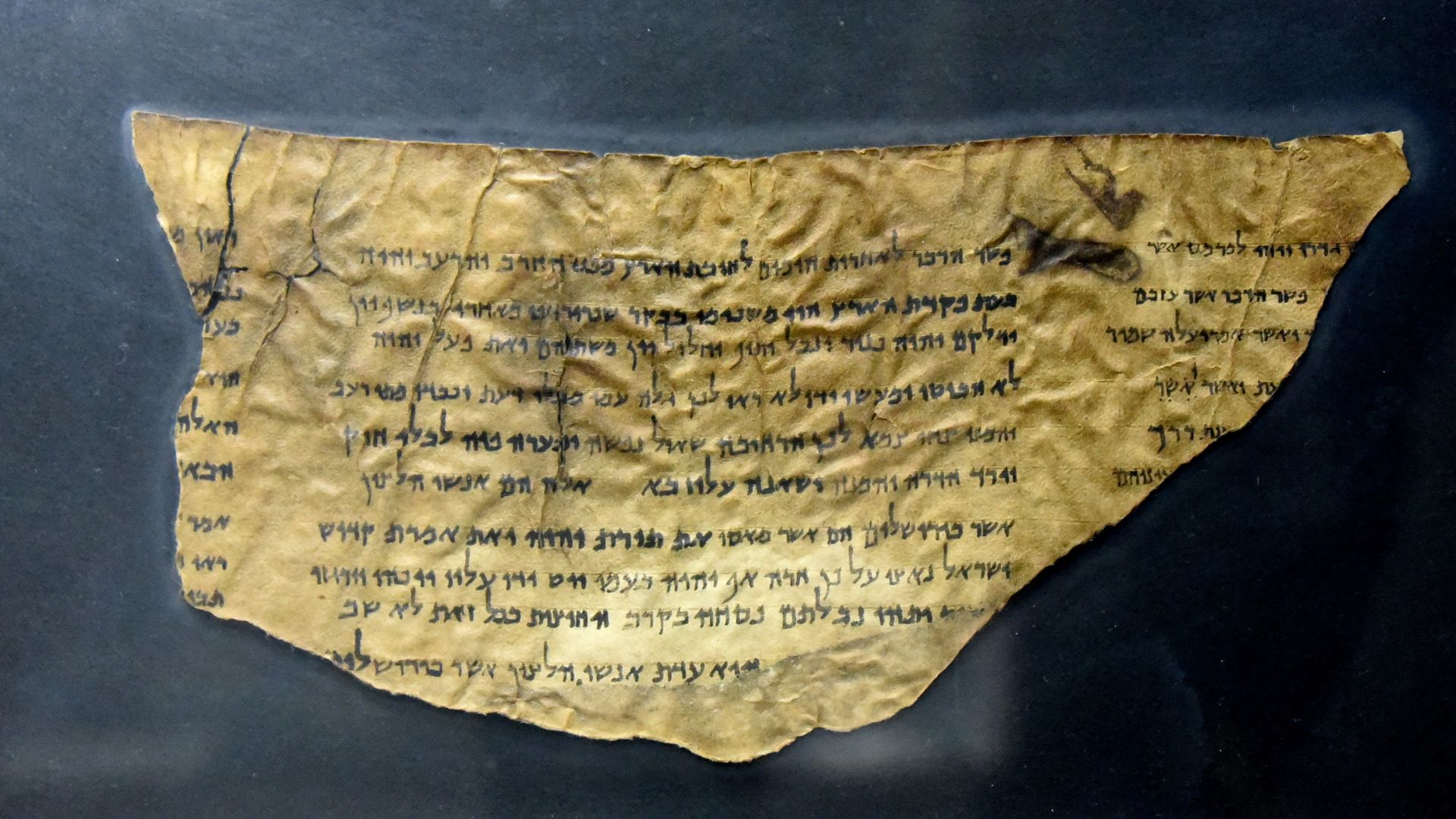
The collection itself is extraordinarily diverse. Researchers have therefore questioned whether every manuscript was actually produced by one isolated community. Some may have been copied elsewhere and brought to Qumran, creating something more like a collected library than the output of a single local group.
 Osama Shukir Muhammed Amin FRCP(Glasg), Wikimedia Commons
Animal DNA Gave Researchers A New Clue
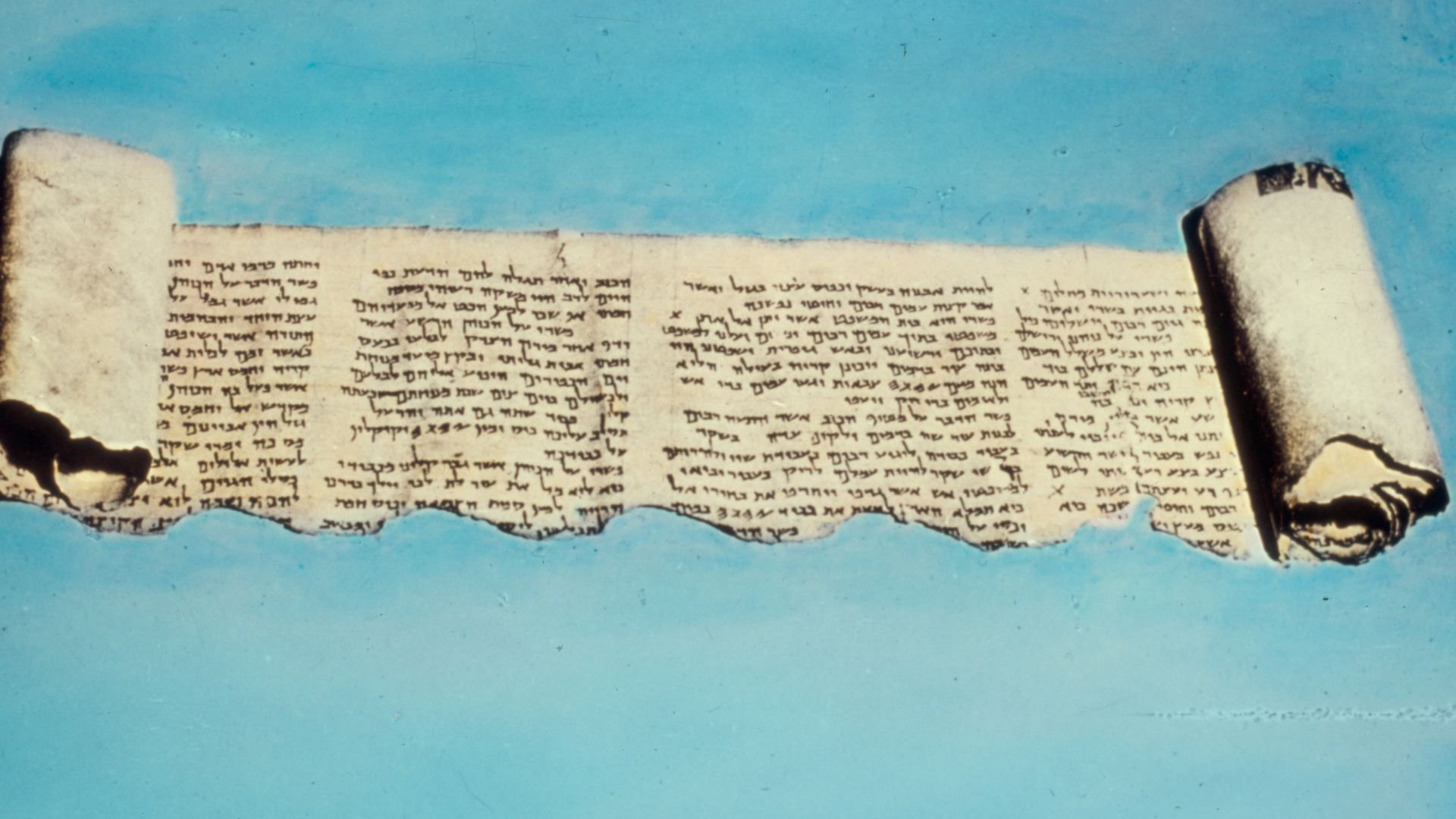
In 2020, scientists did something that would have sounded bizarre to early scroll scholars: they analyzed DNA from the animal skins used to make the parchment. Most of the tested fragments came from sheep, and genetic similarities could help determine which pieces originally belonged together.
 Matson Collection, Wikimedia Commons
The Animals Could Reveal Where Scrolls Came From
Researchers also found that genetically unrelated parchments sometimes contained related texts. That suggested certain manuscripts may have originated outside Qumran and been brought there later. Suddenly, the DNA of sheep became evidence about how ancient Jewish writings circulated across Judea.
 Berthold Werner, Wikimedia Commons
Even Matching The Fragments Is A Puzzle
Imagine tearing hundreds of books into thousands of pieces, removing their covers, mixing them together, and waiting 2,000 years before trying to rebuild them. That is roughly the problem confronting scroll researchers. Handwriting, parchment texture, ink, language, DNA, and physical edges can all help determine whether two fragments belong together.
 Department of Archaeology, the Hebrew University, Jerusalem, Wikimedia Commons
Computers Are Now Helping Rebuild The Library
High-resolution photography and computational analysis allow researchers to compare fragments more systematically than previous generations could. These tools can detect patterns difficult for the human eye to quantify, but machines do not simply solve the puzzle automatically. Scholars still have to interpret what those patterns actually mean.

One Famous Scroll Had A Hidden Surprise
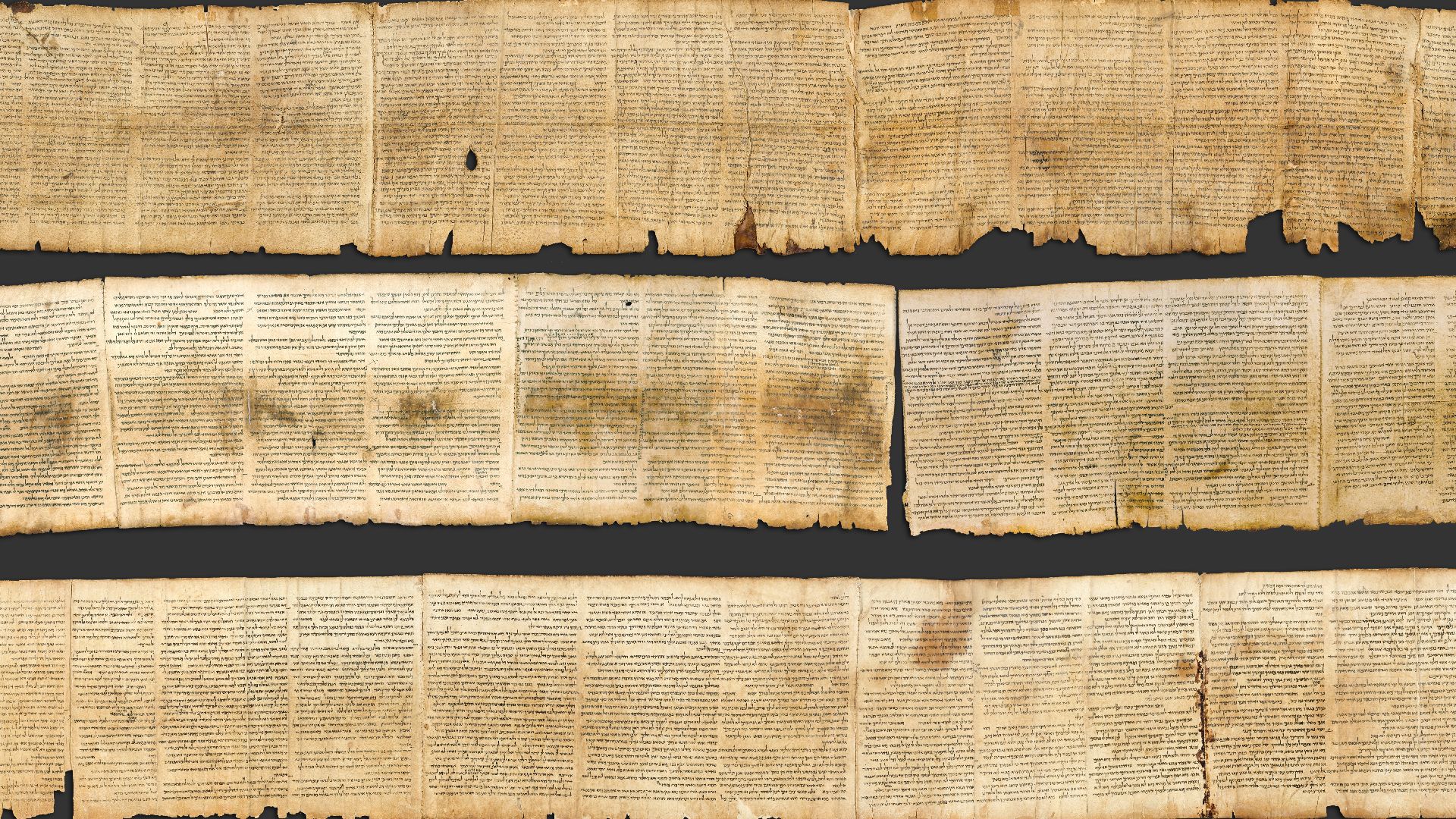
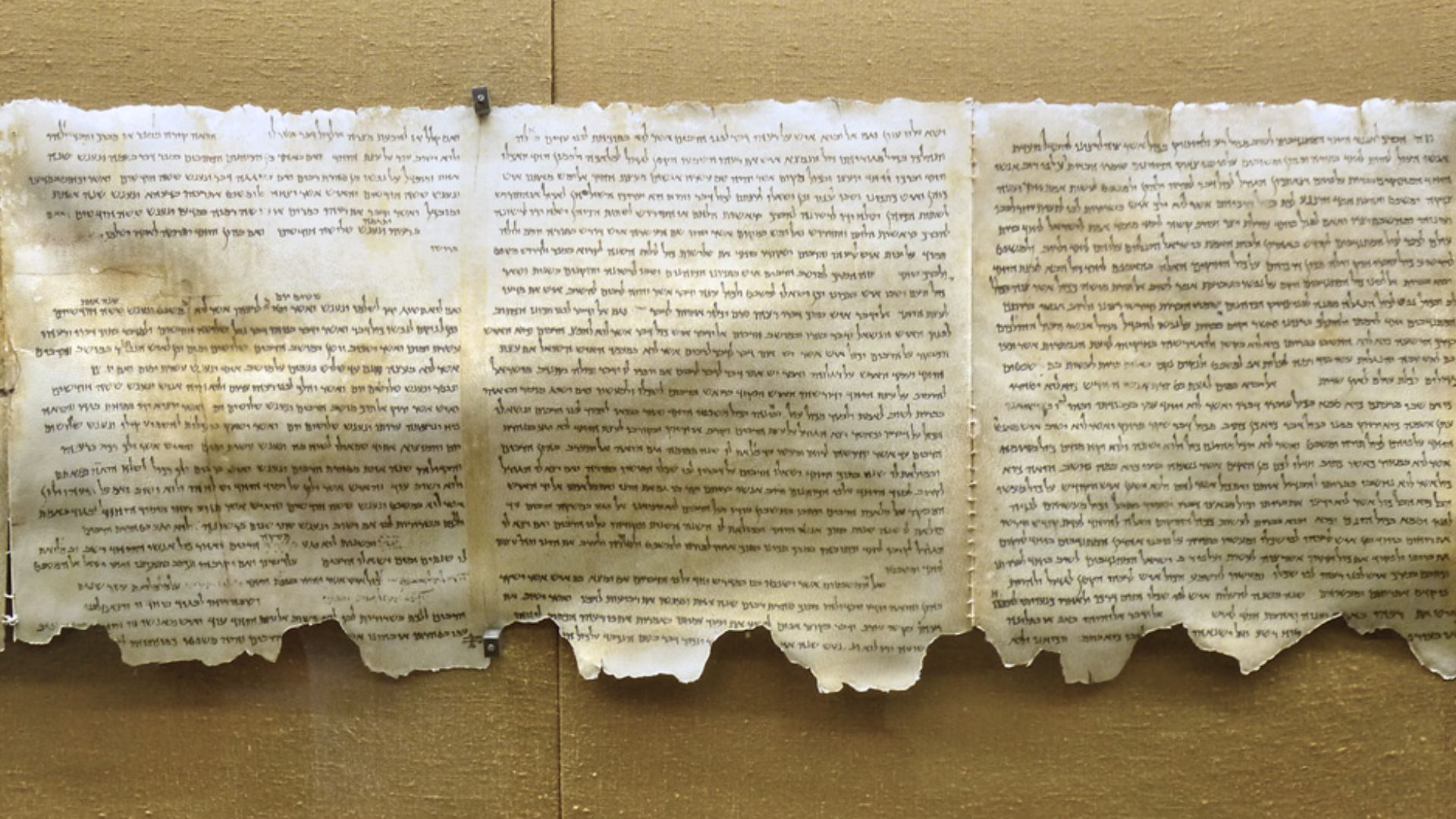
The Great Isaiah Scroll, one of the best-preserved manuscripts from Qumran, looks remarkably consistent from beginning to end. For years, scholars debated whether one person copied the entire manuscript or whether another scribe took over partway through.
 Photographs by Ardon Bar Hama, author of original document is unknown., Wikimedia Commons
AI Found Two Different Hands
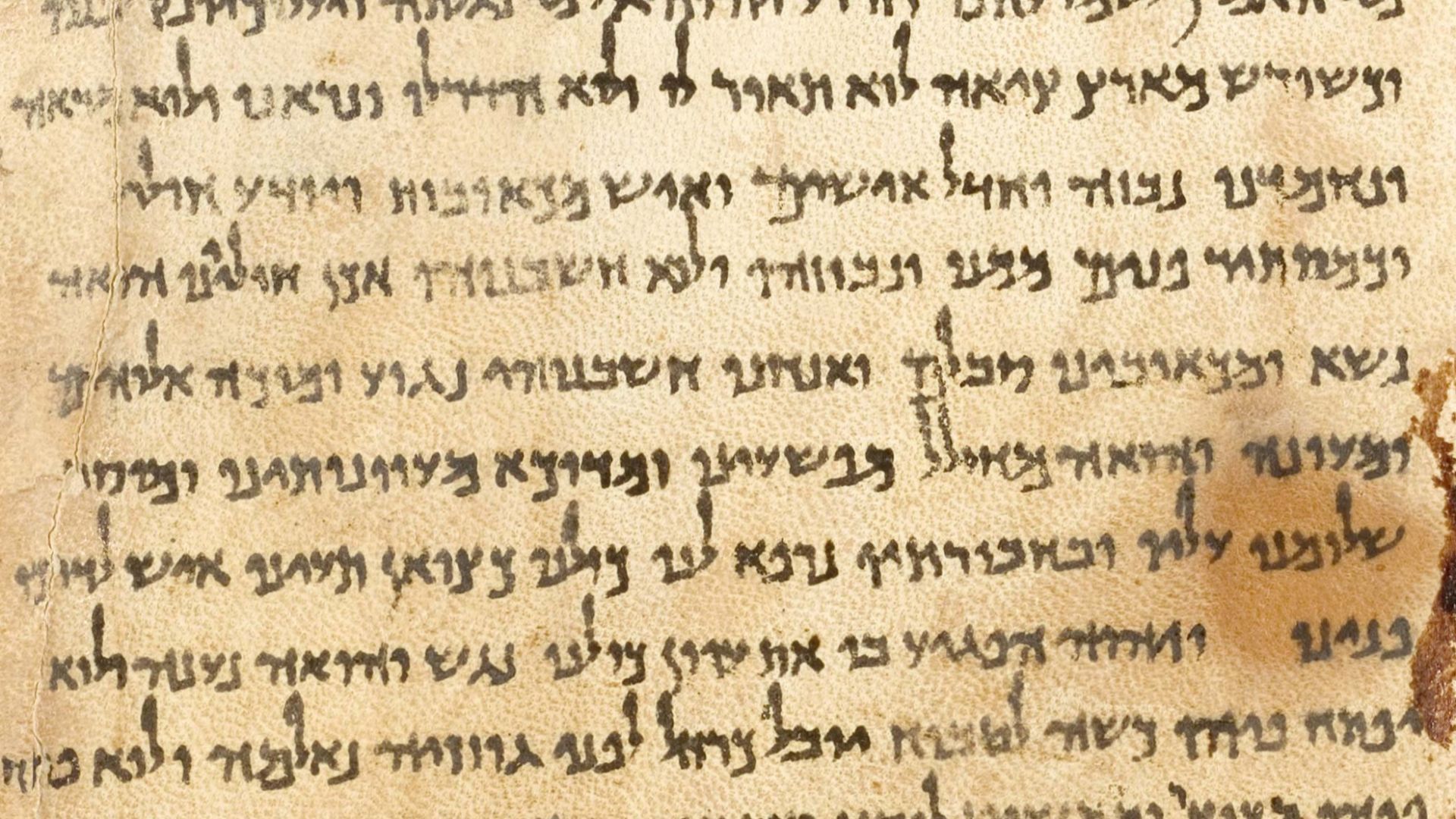
In 2021, researchers used artificial intelligence and statistical handwriting analysis to examine the manuscript. Their results supported a change of scribe around the midpoint, after column 27. The two writers had handwriting so similar that distinguishing them by eye was extremely difficult.
 Photography by Ardon Bar Hama (see [2], author of original document is unknown., Wikimedia Commons
That Raises A Much Bigger Question
If two scribes could write almost identically, were they trained together? Did ancient scribal schools deliberately teach standardized handwriting? Could individual scribes eventually be traced across multiple manuscripts?
Researchers are now trying to move beyond anonymous texts and reconstruct the actual networks of people who copied them.

We Still Don't Know Their Names
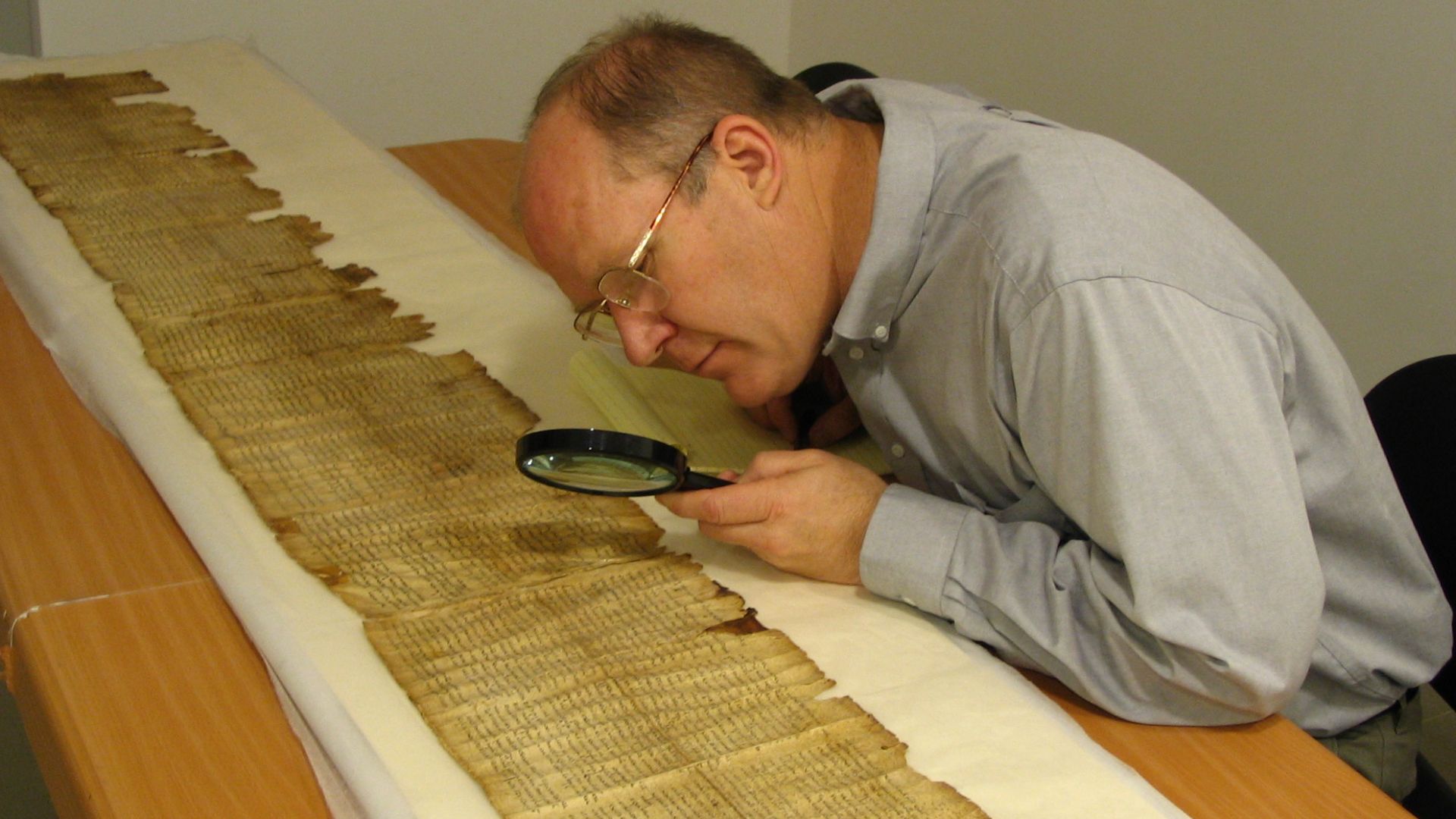
AI can distinguish handwriting patterns, but it cannot tell researchers that “scribe number two was named Joshua.” Nearly all of these people remain anonymous. Still, identifying repeated hands across manuscripts could eventually reveal how many scribes worked within particular communities and how texts moved between them.
 Reese Jacobson, Wikimedia Commons
Then There Is The Teacher Of Righteousness
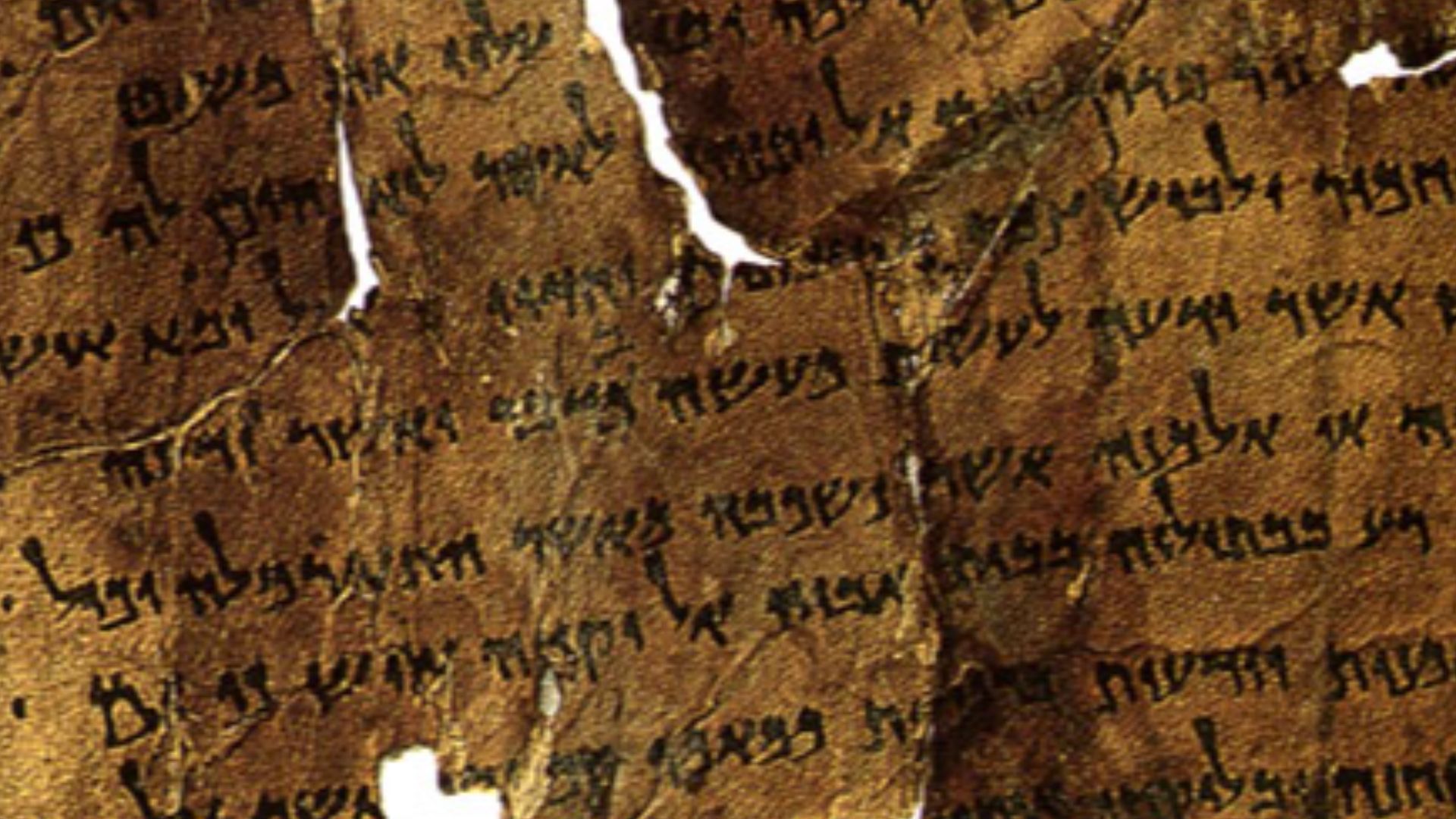
Several sectarian scrolls refer to a mysterious leader called the Teacher of Righteousness. He appears to have been a foundational figure for the community behind some of the writings, involved in a bitter religious conflict. Yet his actual historical identity remains unresolved.
 https://www.loc.gov/exhibits/scrolls/images/damasc-b.jpg, Wikimedia Commons
And His Enemy Is Just As Mysterious
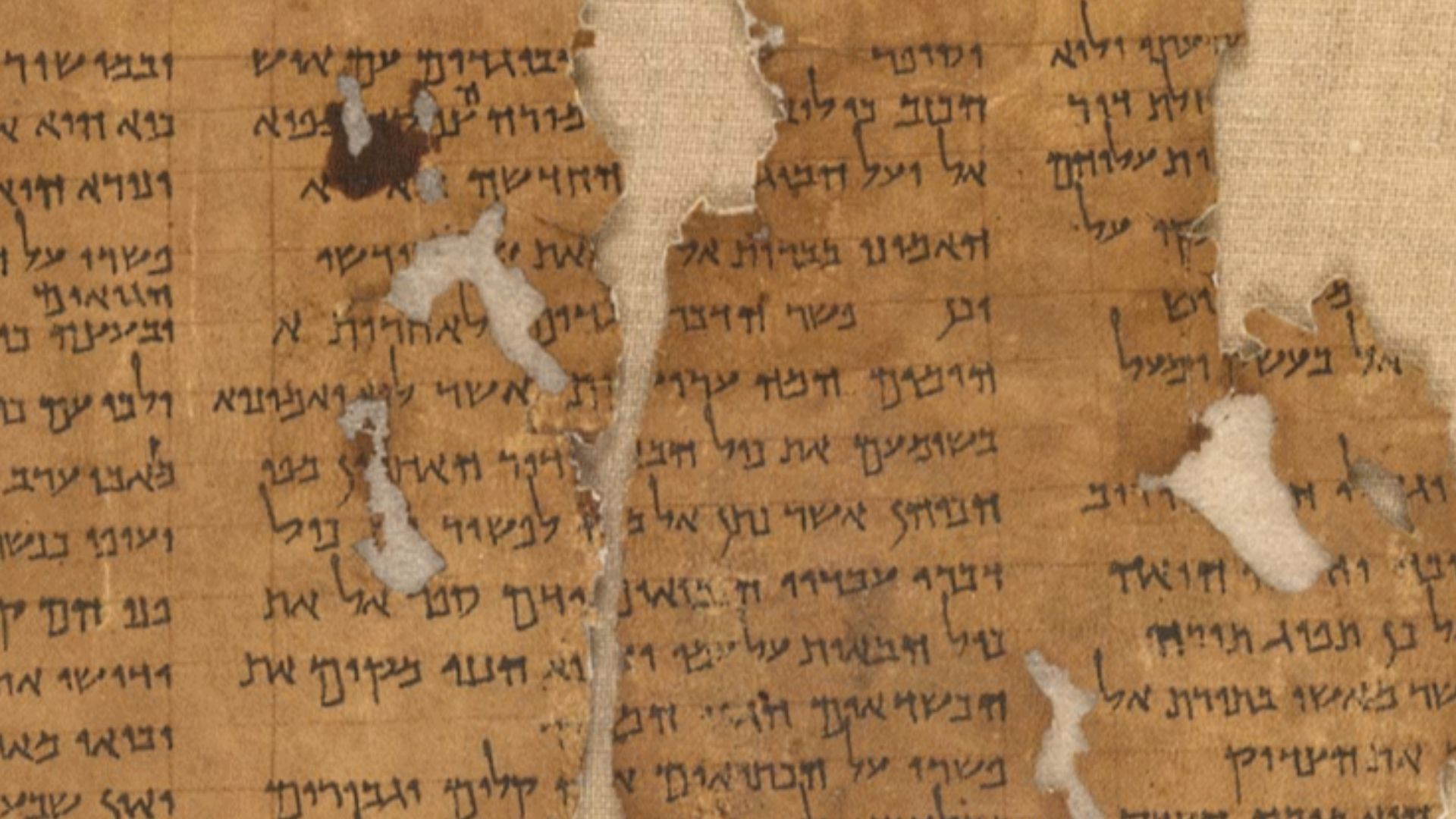
Another figure is called the Wicked Priest. Scholars have tried to connect this person with various known Jewish high priests from the Second Temple period, but no identification has achieved universal acceptance. The scrolls seem tantalizingly close to naming real historical people without actually making the job easy.
 Unknown authorUnknown author, Wikimedia Commons
Dating The Scrolls Has Always Been Tricky
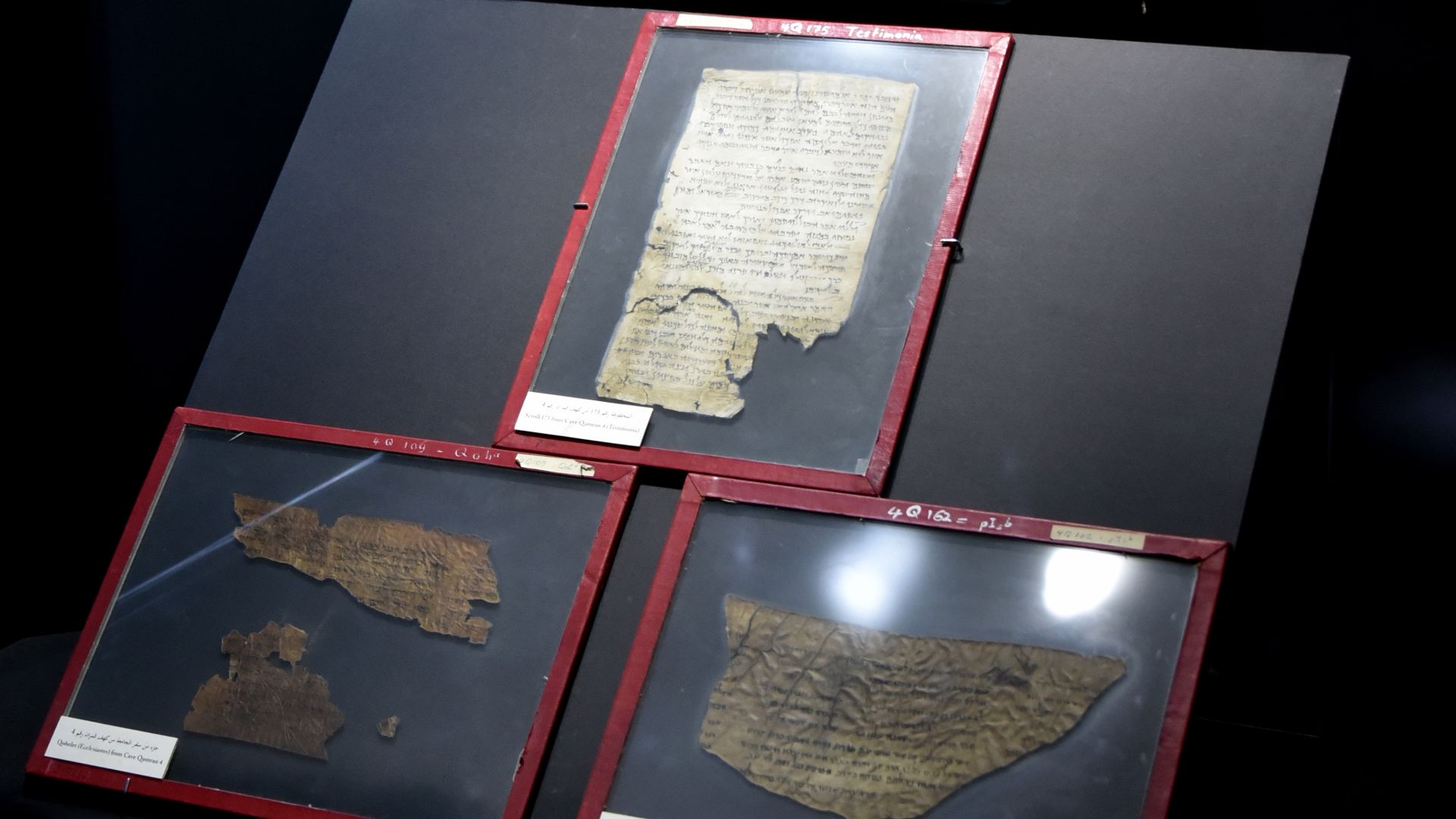
Most manuscripts do not contain dates. Traditionally, scholars relied heavily on palaeography, estimating a manuscript's age by comparing its handwriting with better-dated scripts. That is useful, but it also involves judgment calls about how quickly writing styles changed.
 Osama Shukir Muhammed Amin FRCP(Glasg), Wikimedia Commons
In 2025, That Timeline Was Shaken Up
A major study published in PLOS ONE on June 4, 2025 combined new radiocarbon dates with handwriting analysis and an AI system called Enoch. Researchers first built a reference set using radiocarbon-dated manuscripts and then used the model to estimate the ages of manuscripts that lacked independent dates.
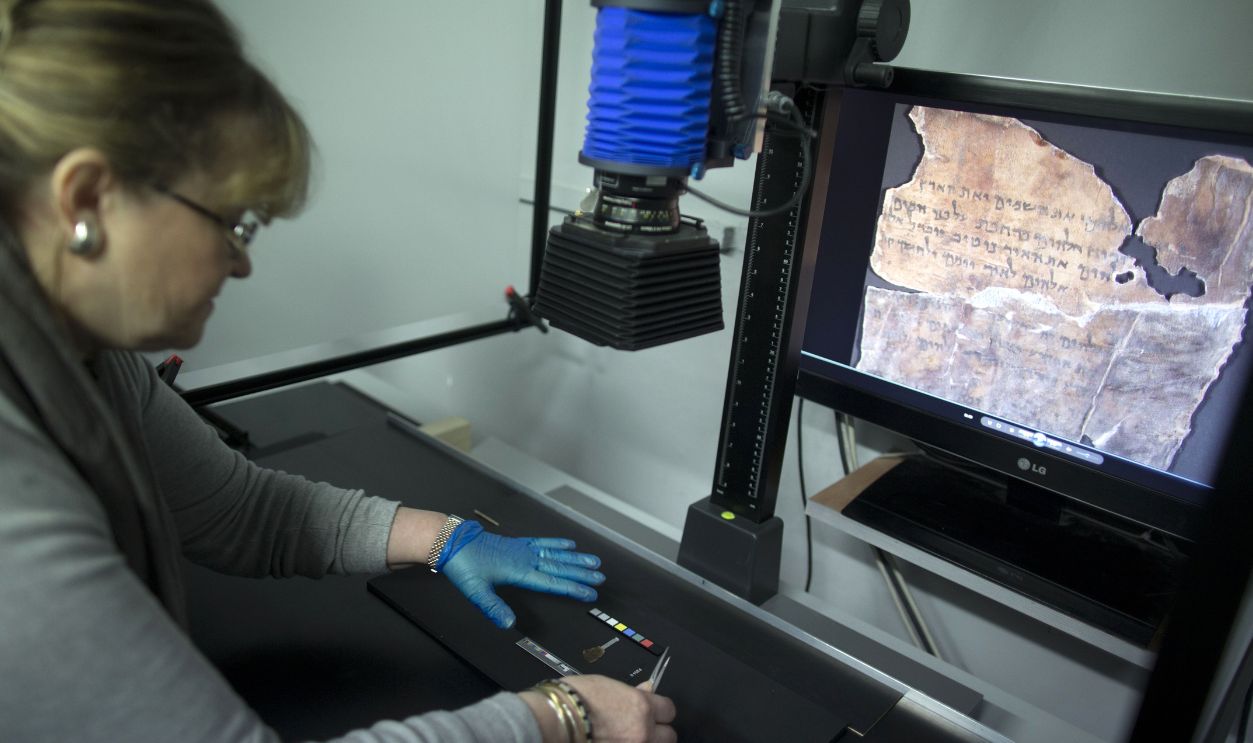
Enoch Examined 135 Undated Manuscripts
The AI system produced date estimates for 135 previously undated manuscripts. When palaeographers evaluated its results, about 79% of the model's predictions were considered realistic. Researchers stressed that Enoch is meant to assist human specialists, not replace them.

Some Scrolls May Be Older Than We Thought
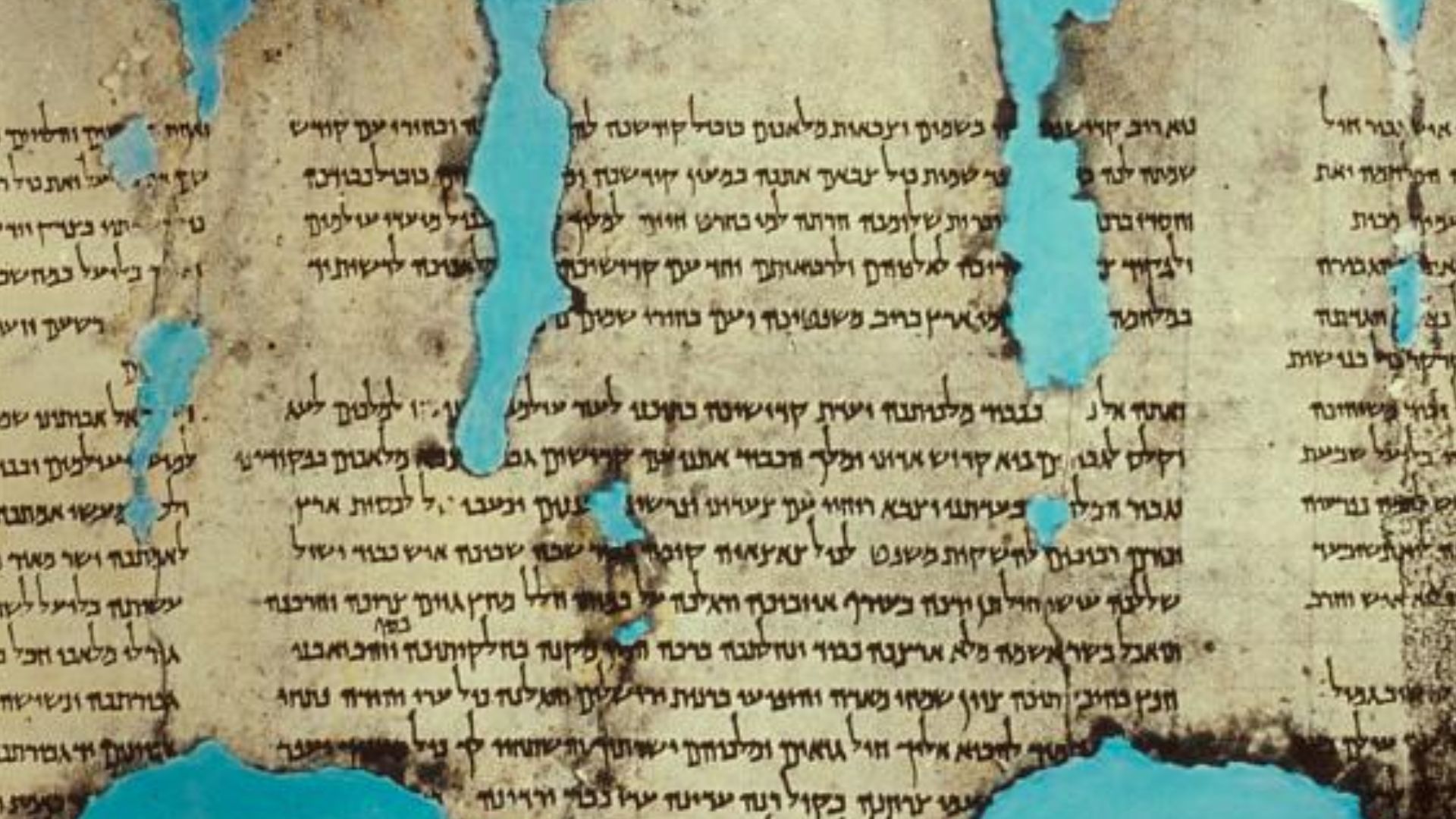
One of the study's biggest surprises was that several manuscripts appeared to date earlier than traditional handwriting estimates suggested. That matters because even moving a manuscript backward by several decades can change which political, religious, or intellectual environment scholars associate with it.
 Matson Photo Service - American Colony Jerusalem, Wikimedia Commons
Daniel Became Especially Interesting
A manuscript fragment known as 4Q114, containing material from the Book of Daniel, received an unexpectedly early date range. Researchers argued that it may bring the surviving manuscript closer to the period traditionally associated with the book's final composition than scholars previously thought.
Ecclesiastes Created Another Surprise
The 2025 research also produced an earlier estimate for a manuscript of Ecclesiastes than traditional palaeography had suggested. That potentially places the surviving copy closer to the period when scholars believe the book was composed, narrowing the gap between a text's creation and its earliest surviving manuscript evidence.
 Osama Shukir Muhammed Amin FRCP(Glasg), Wikimedia Commons
But AI Hasn't “Solved” Scroll Dating
Enoch provides probabilities, not magical exact birthdays for manuscripts. Radiocarbon ranges can be broad, handwriting can vary, and the model depends on the quality and size of its training material. Its creators describe further refinement as an ongoing process.

The Biblical Texts Present Another Mystery
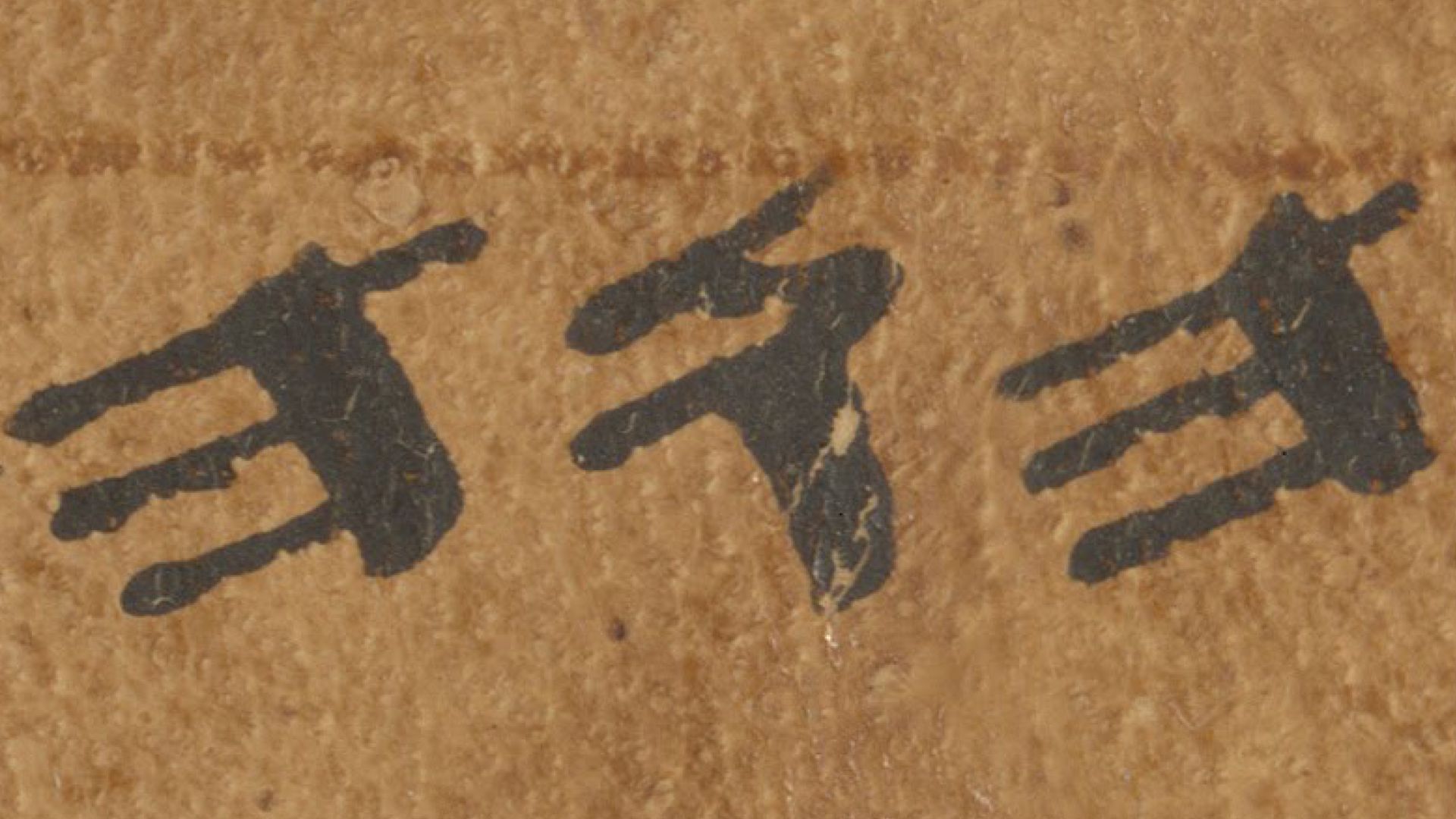
The Dead Sea Scrolls revealed that ancient biblical books did not always circulate in one perfectly uniform wording. Some manuscripts resemble the later Masoretic Text very closely, while others preserve readings resembling the Septuagint or previously unknown textual forms.
 Dead Sea Scrolls, Wikimedia Commons
So Which Version Came First?
That question usually cannot be answered by pointing to one simple “original Bible.” The scrolls show that different textual traditions could coexist and develop over time. Researchers continue examining individual differences to understand when particular readings emerged and how biblical books reached the forms known today.
Then There Is A Scroll Made Of Metal
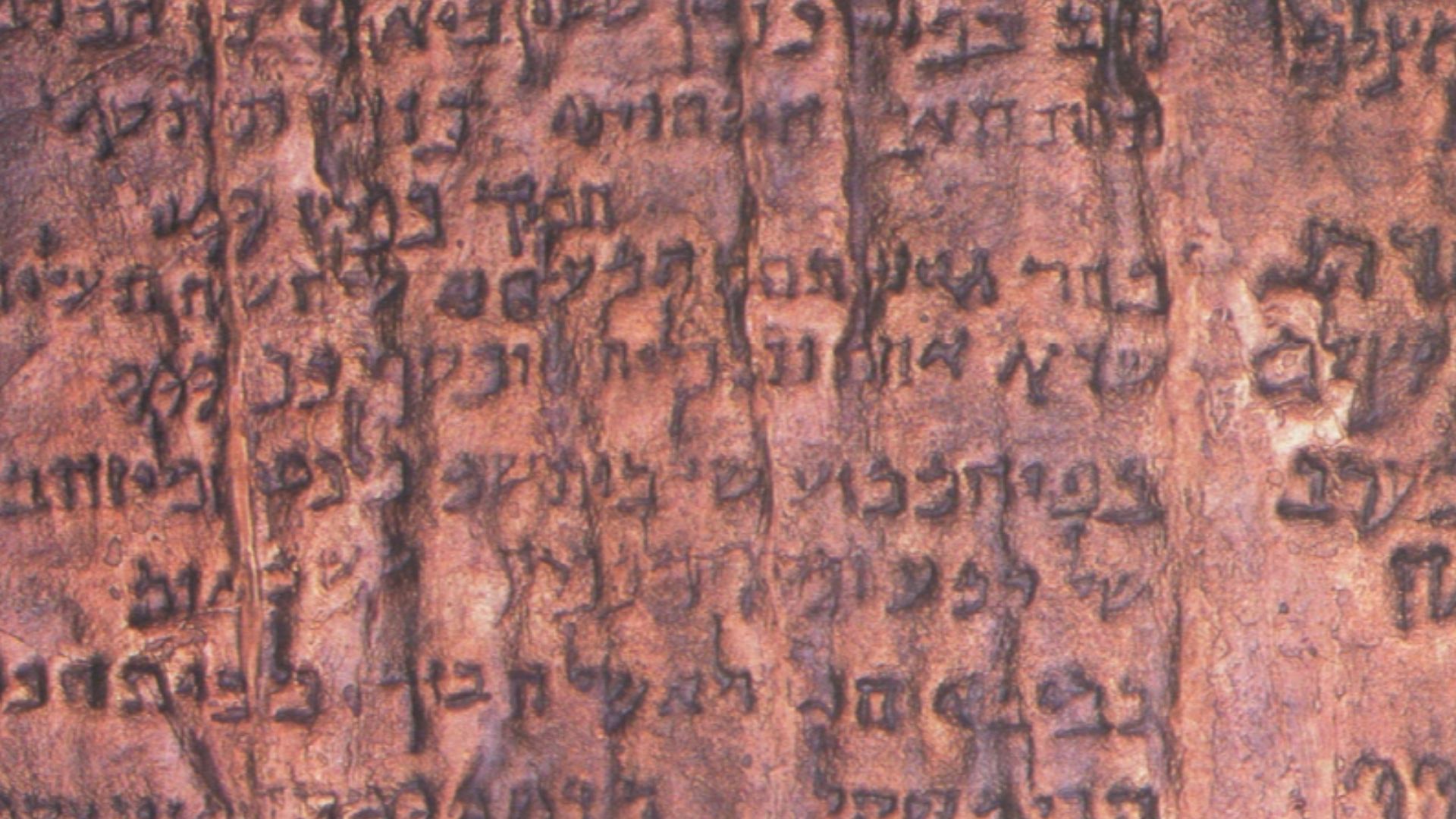
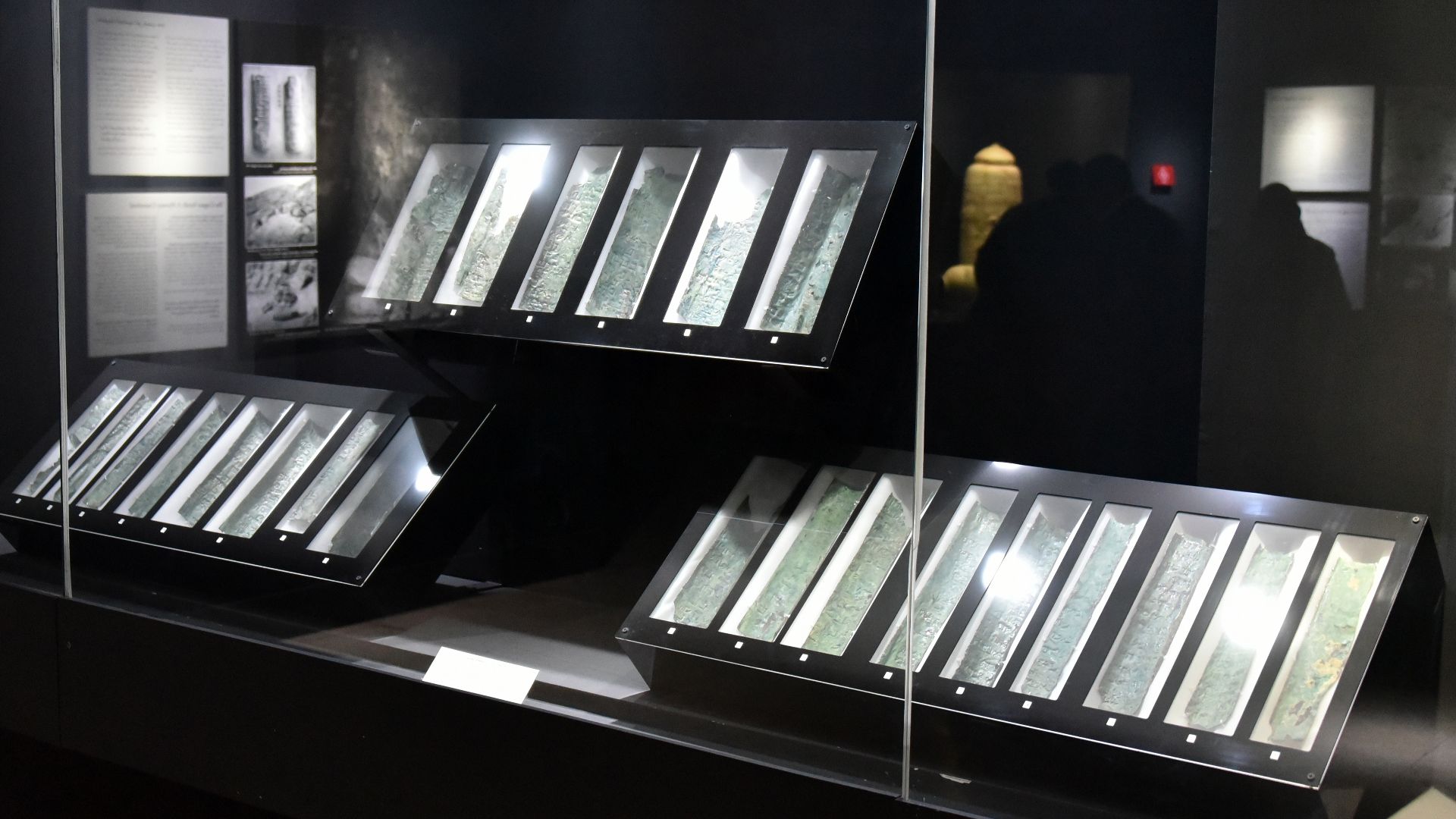
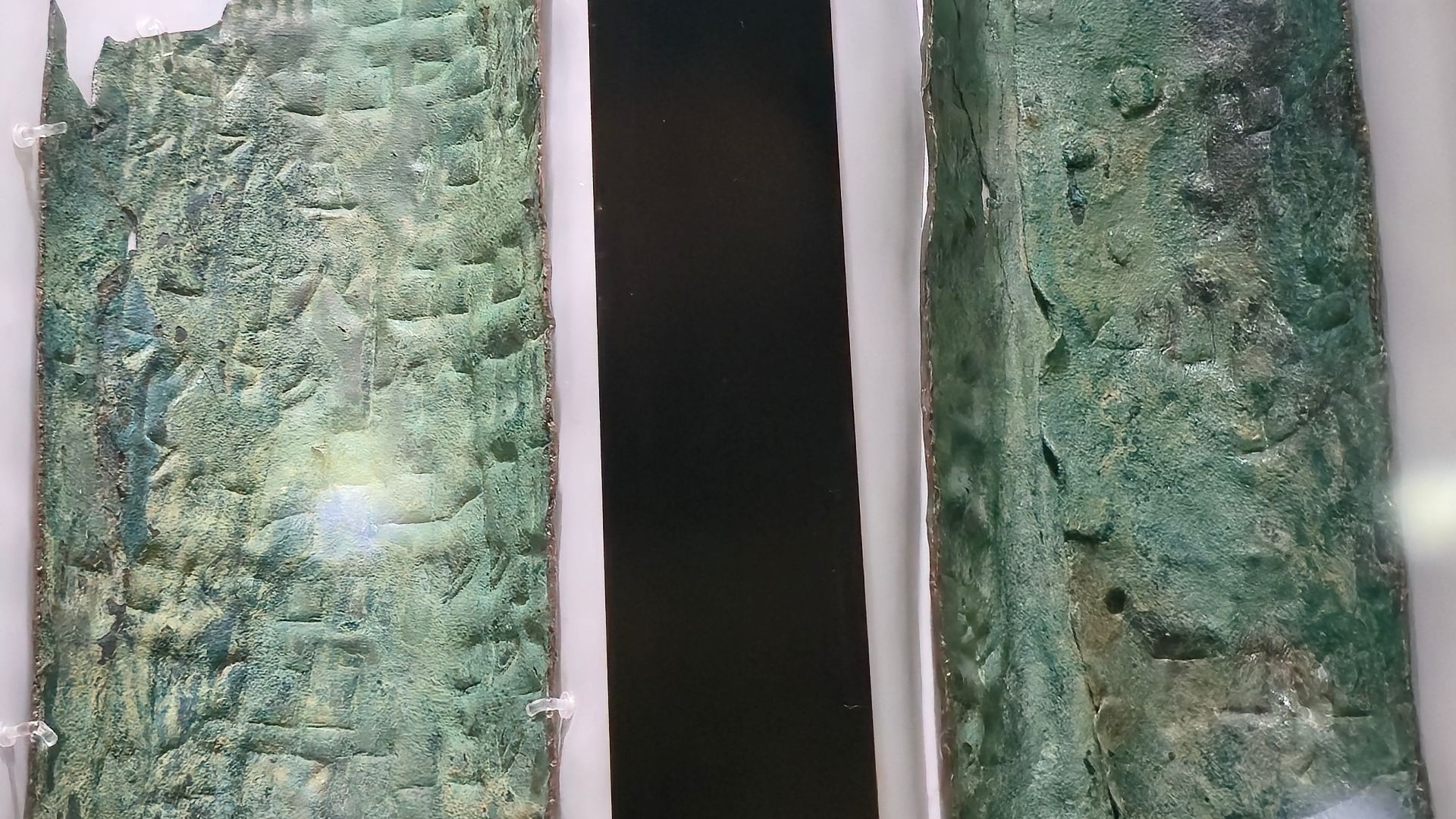
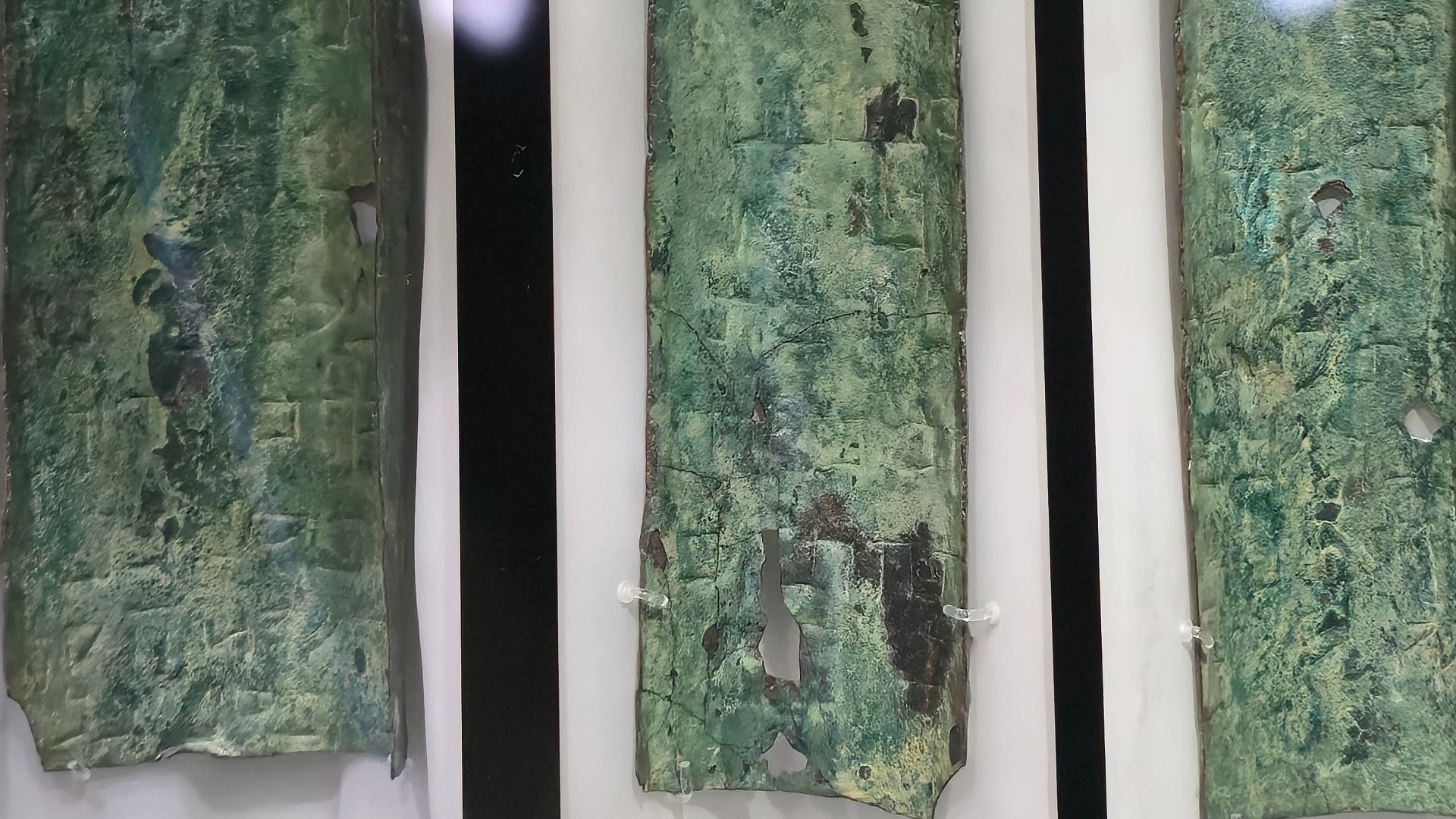
Among parchment and papyrus manuscripts, the Copper Scroll immediately stands out. Discovered in Cave 3 in 1952, its text was engraved onto copper rather than written on animal skin or papyrus. And instead of prayers or scripture, it appears to list hidden treasure.
It Lists Dozens Of Treasure Locations
The Copper Scroll describes more than 60 hiding places allegedly containing enormous quantities of gold, silver, coins, and valuable objects. The directions refer to wells, tombs, channels, and other landmarks that are frustratingly difficult to identify with certainty today.
 Osama Shukir Muhammed Amin FRCP(Glasg), Wikimedia Commons
Nobody Has Found The Treasure
Despite decades of speculation and searching, the treasures described by the Copper Scroll have never been conclusively located. That leaves researchers with several possibilities: the treasure was real and disappeared, the locations can no longer be identified, or at least some of the list was symbolic or otherwise not intended as a straightforward treasure map.
 Mohammad hajeer, Wikimedia Commons
Some Think It Could Be Temple Treasure
One theory proposes that the Copper Scroll recorded wealth connected with the Jerusalem Temple or other religious institutions before the Roman destruction of Jerusalem in 70 CE. Others question whether the supposed amounts are realistic or whether the document even belonged to the same community represented by many other Qumran texts.
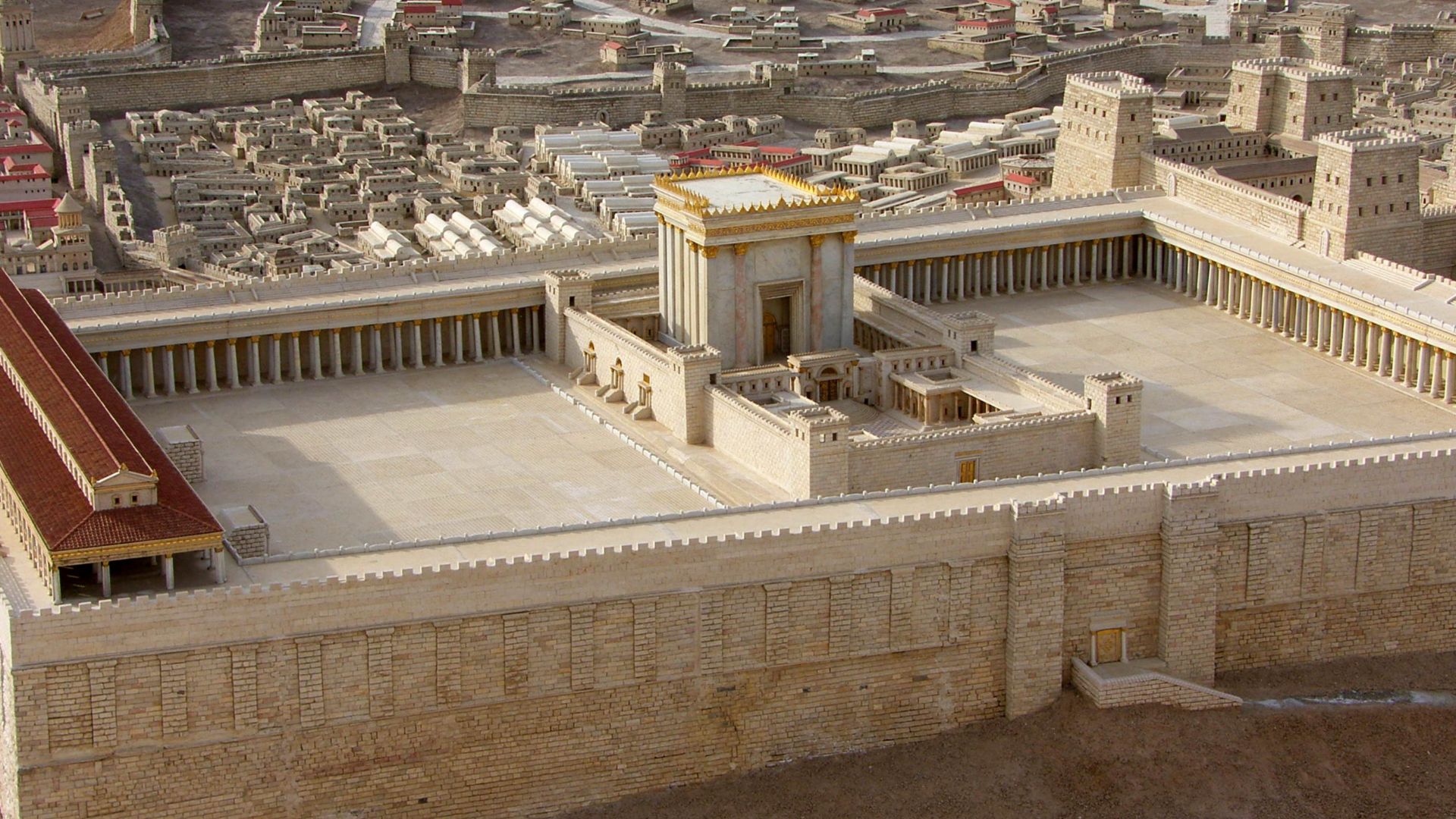
Even Its Relationship To The Other Scrolls Is Strange
Its material, language, and subject matter differ dramatically from most of the Qumran manuscripts. That has led researchers to debate whether it truly belonged to the same collection or merely ended up in the same cave. The Copper Scroll remains one of archaeology's more stubborn “well, that's weird” documents.
 Mohammad hajeer, Wikimedia Commons
Why Were The Scrolls Hidden At All?
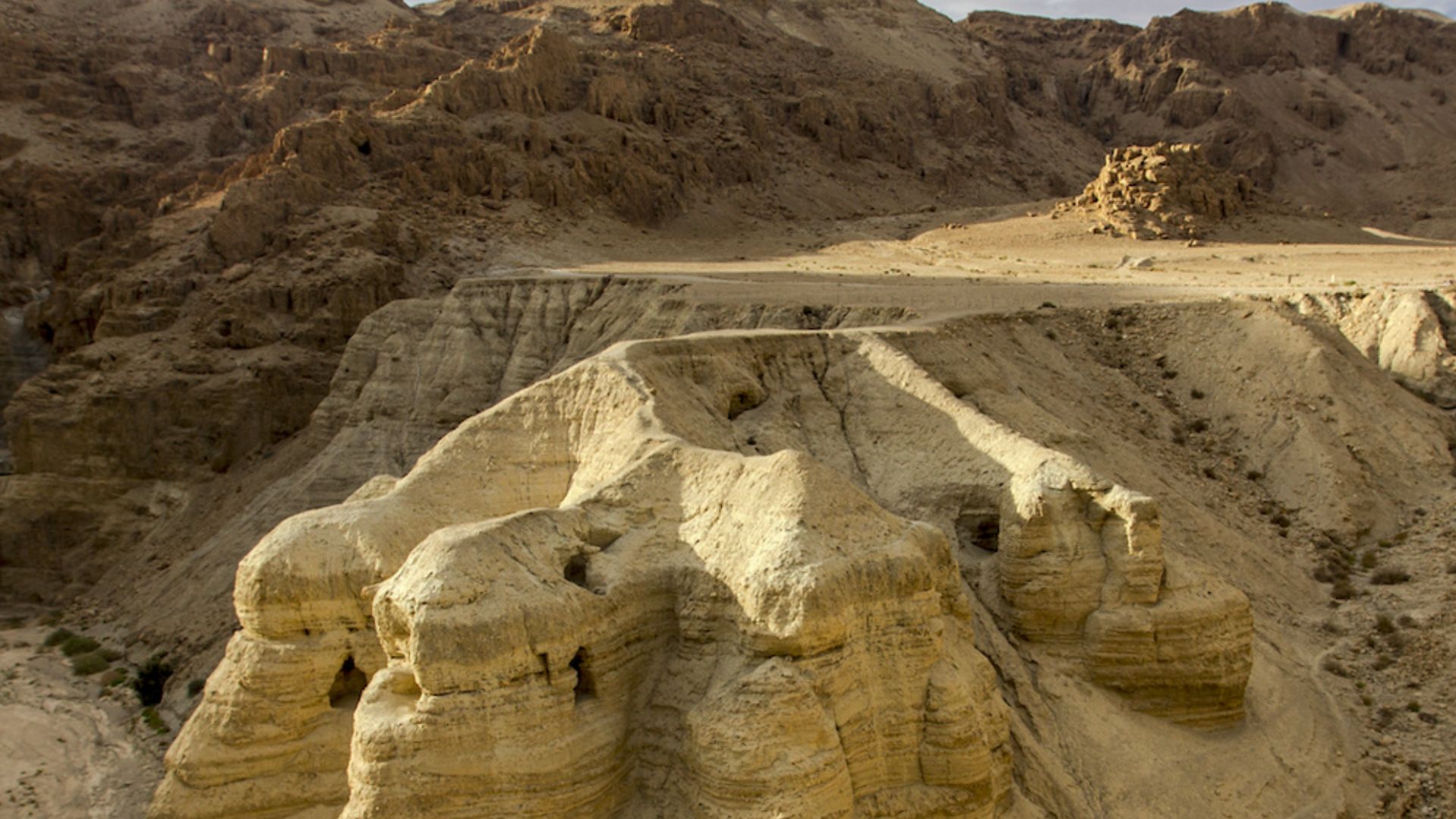
A widely discussed explanation is that manuscripts were placed in caves for safekeeping during the upheaval surrounding the First Jewish Revolt against Rome, which began in 66 CE. Roman forces ultimately destroyed Jerusalem and the Second Temple in 70 CE.
But The Deposits May Not Have Happened All At Once
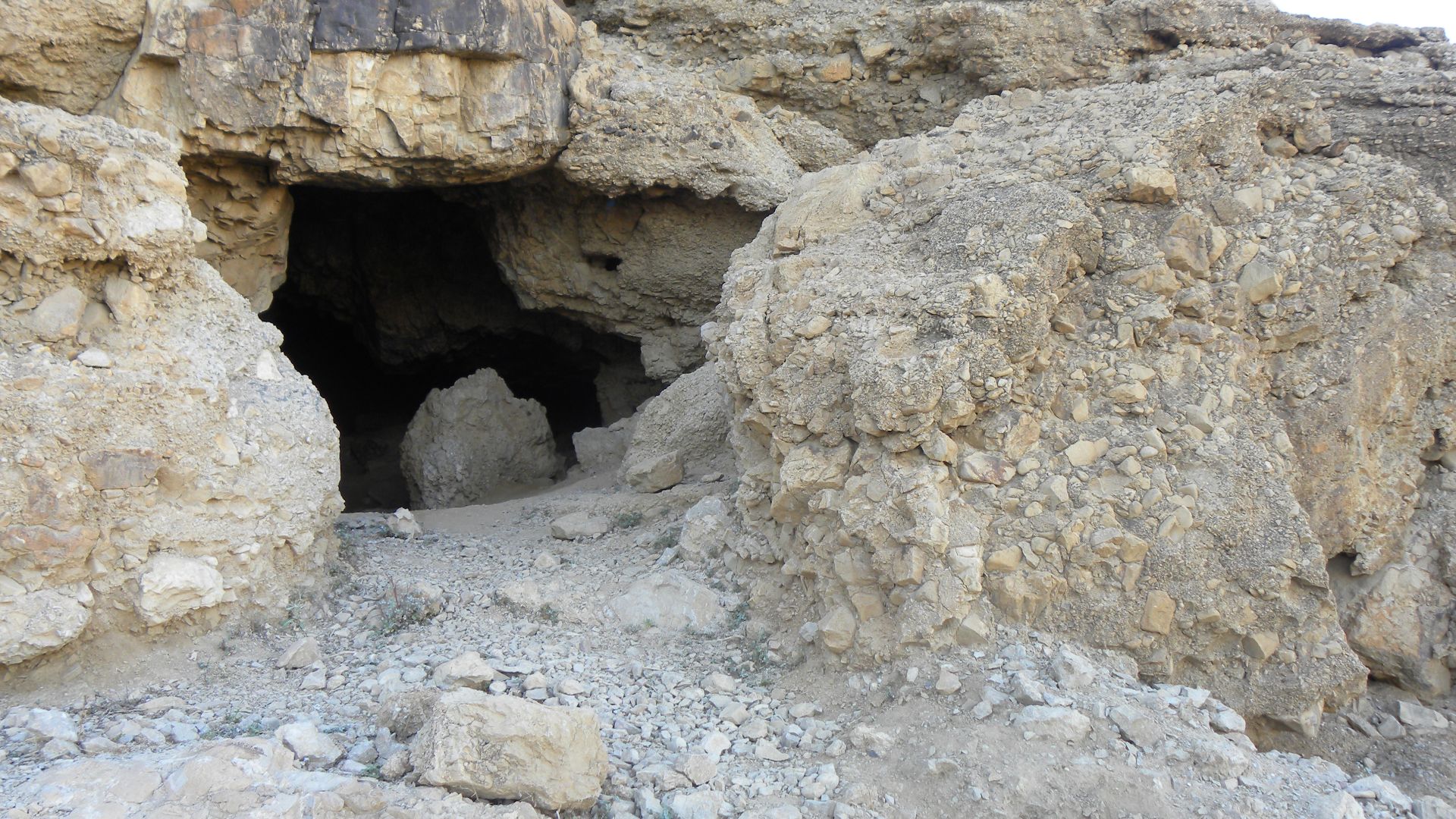
Different caves contain different kinds and quantities of material. Some manuscripts may have been stored deliberately as part of a community collection, while others could have been hidden under emergency conditions. Researchers continue studying cave archaeology to determine whether there was one coordinated deposit or several episodes.
What Happened To The People Behind Them?
If Qumran's inhabitants were responsible for guarding at least part of the collection, their community disappeared during the Roman period. The texts survived because they were left behind in exceptionally dry caves. Ironically, the library endured much longer than the people who assembled it.
There May Still Be Missing Pieces
Looting began very early in the modern history of the scrolls, and fragments moved through antiquities markets before scholars could document their original context. That means researchers sometimes know what a fragment says without knowing exactly where it was found, a major loss of archaeological information.
Modern Forgeries Made The Puzzle Worse
The enormous value of genuine Dead Sea Scroll fragments created a market for supposed new pieces. In recent decades, scientific testing has exposed multiple fragments in private collections as modern forgeries. Researchers now have to ask not only where a fragment belongs, but whether it is ancient at all.
 YAKOBCHUK VIACHESLAV, Shutterstock
New Technology Keeps Changing Old Conclusions
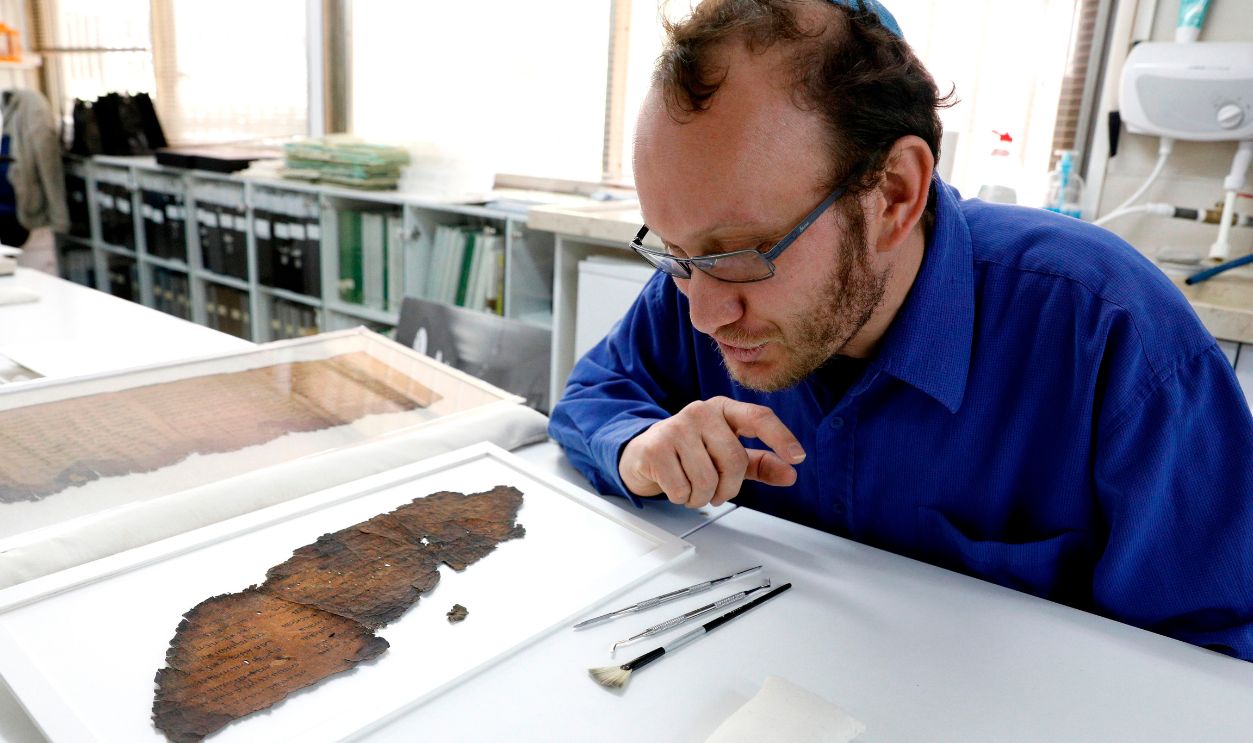
Infrared imaging can reveal writing that has faded from normal sight. DNA can link parchment fragments. Artificial intelligence can compare scribal hands and estimate dates. Radiocarbon dating can challenge traditional chronologies. The scrolls haven't changed since antiquity, but the ways scientists interrogate them certainly have.

Researchers Are Essentially Rebuilding A Lost Society
The goal is no longer simply to translate individual manuscripts. Scholars want to know who produced them, who read them, where they traveled, how scribes were trained, how different Jewish communities interacted, and how religious traditions developed during the centuries surrounding the origins of Christianity and rabbinic Judaism.
Every Answer Seems To Create Another Question
Finding two scribes in Isaiah raises questions about scribal training. Dating manuscripts earlier changes theories about when certain texts circulated. Animal DNA suggests manuscripts traveled between communities. The Copper Scroll still refuses to give up its treasure.
After nearly 80 years, the Dead Sea Scrolls are doing something remarkable: they are becoming more mysterious as researchers learn more about them.
 Israel Defense Forces, Wikimedia Commons
The Biggest Mystery May Be How Much We Still Don't Know
The caves preserved voices that were supposed to disappear nearly 2,000 years ago. Modern science can now date their handwriting, identify the animals used for their parchment, and separate one anonymous scribe from another. Yet researchers still cannot confidently name the community behind the entire collection, identify its most important leaders, or explain every manuscript.
The Dead Sea Scrolls aren't a solved archaeological discovery. They're an investigation still in progress.
 Osama Shukir Muhammed Amin FRCP(Glasg), Wikimedia Commons
You May Also Like: