An Unexpected Account
Sure, we all know that the Bible talks about Jesus rising from the dead. But an actual ancient history book? Well, a fresh examination of an ancient passage has researchers taking another look. And even more shocking to some…the historian who wrote the book wasn’t even Christian.
Meet The Man Behind The Book
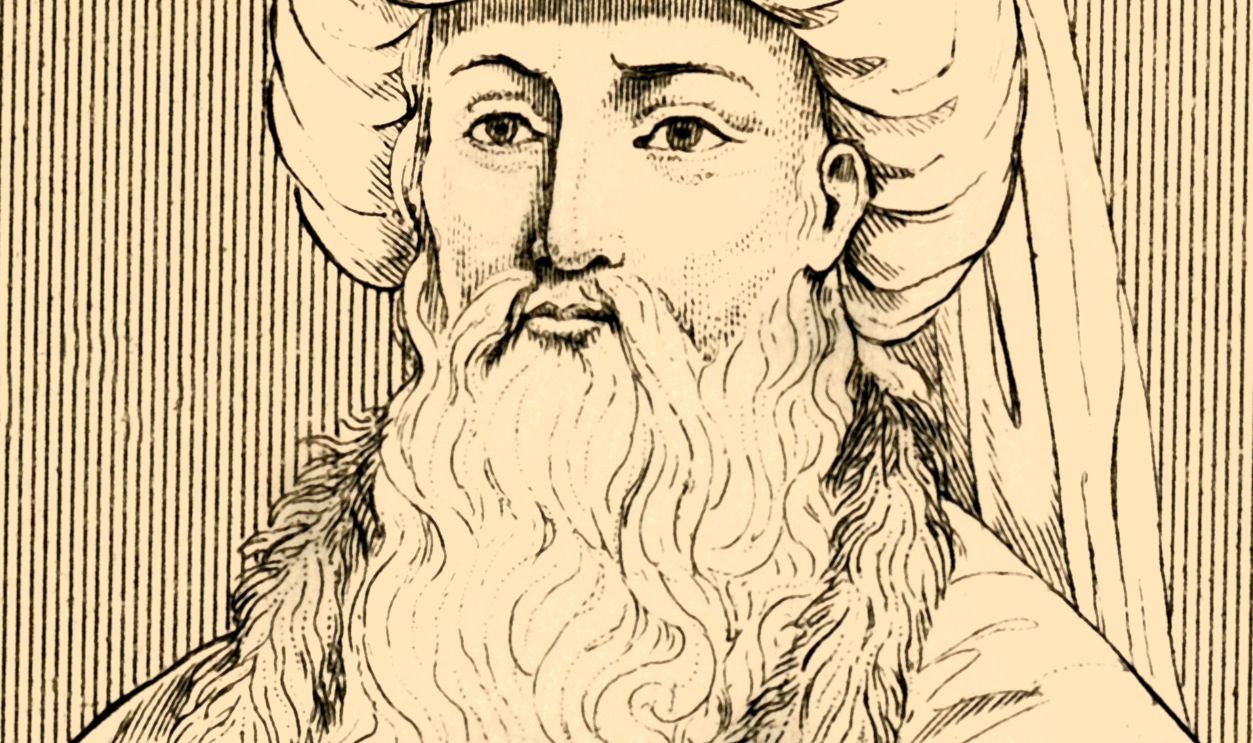
Flavius Josephus was a Jewish historian who lived during the first century and eventually settled in Rome. His writings covered Jewish history, religion, and conflicts with Roman power. He had plenty to write about without Jesus. But a short passage in one of his books would become particularly difficult to ignore.
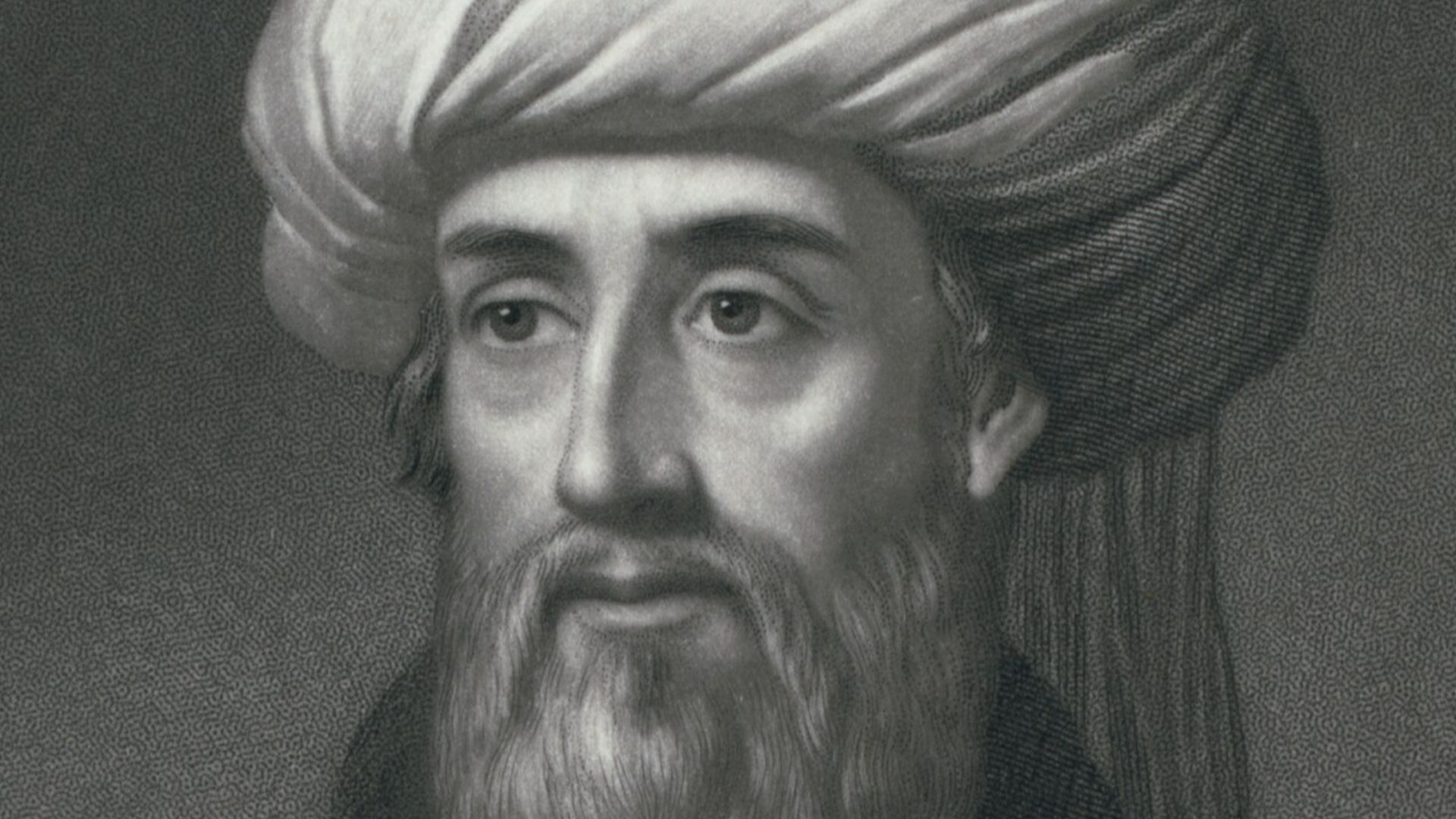 Scan by NYPL, Wikimedia Commons
Jesus Was A Small Part Of A Much Bigger Story
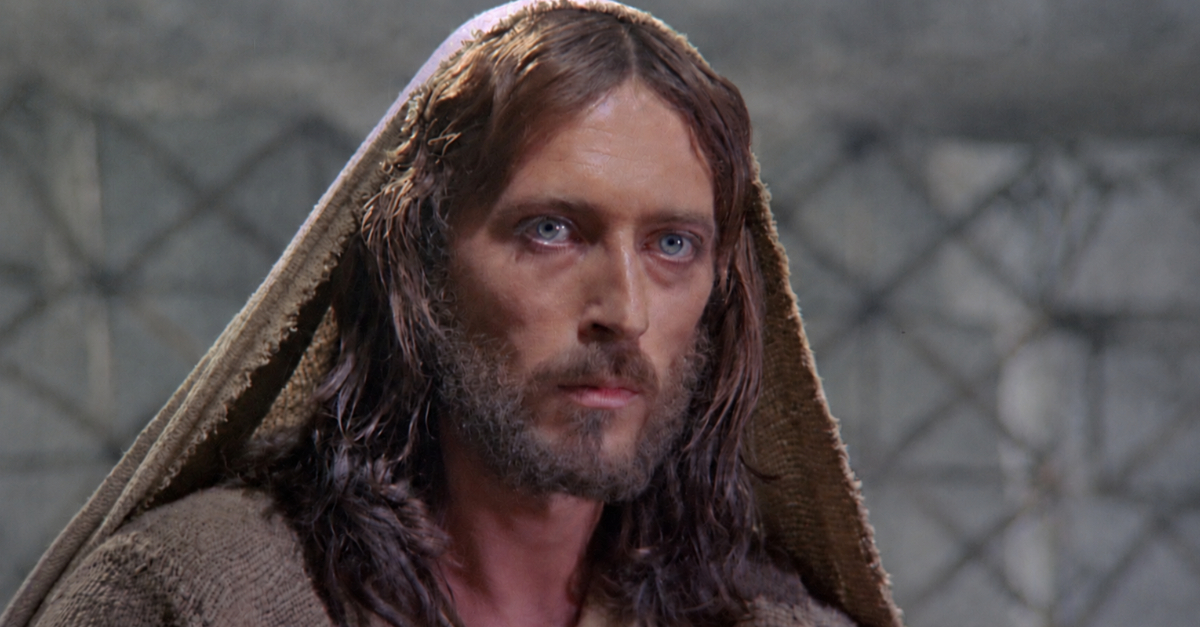
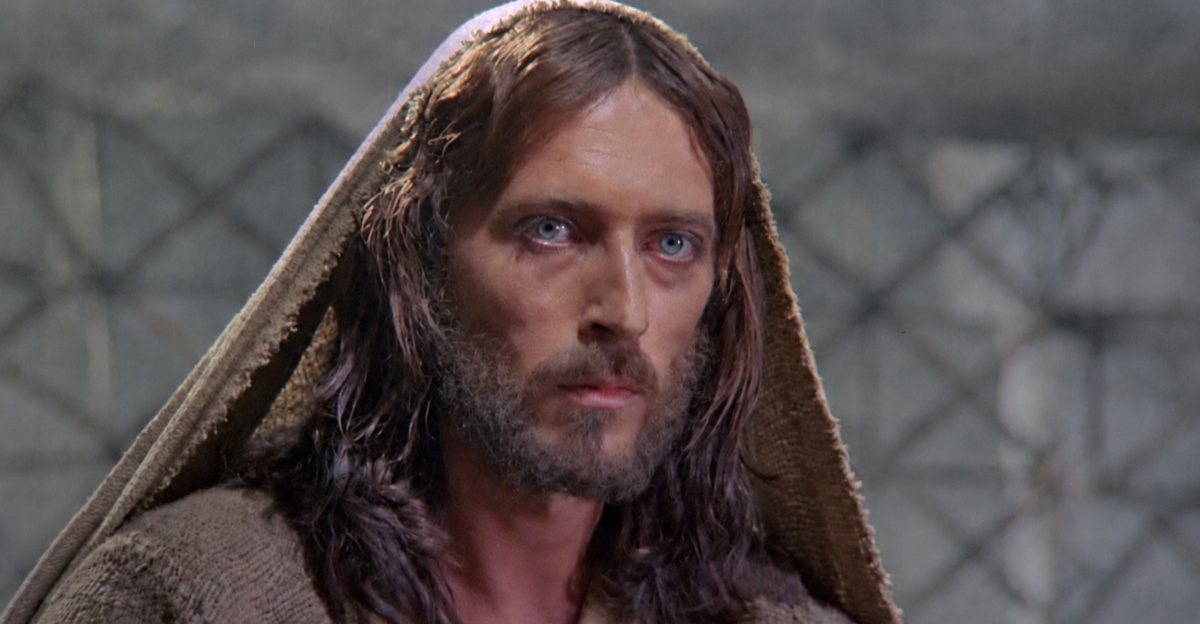
Around AD 93–94, Josephus completed "Jewish Antiquities," a twenty-book history of the Jewish people. In Book 18, amid accounts of events under Roman rule, the surviving text turns briefly to Jesus. It describes a wise teacher who attracted followers before Pontius Pilate condemned him to crucifixion.
 Screenshot from Son of God, 20th Century Fox (2014)
Then The Account Takes A Turn
According to the passage, Jesus’ followers didn’t abandon him after his crucifixion. Then comes the remarkable statement: he appeared to them alive again on the third day. The text even connects that appearance with predictions by divine prophets. Suddenly, this reads like much more than a historian mentioning a religious teacher.
 Screenshot from Son of God, 20th Century Fox (2014)
There’s An Obvious Problem
The same passage also identifies Jesus as the Christ. Put those statements together, and Josephus seems to be affirming central Christian beliefs. Yet he wasn’t Christian. That tension has kept scholars arguing over the paragraph for centuries. Were they reading Josephus’ words, or something that happened to his words afterward?
 Screenshot from Son of God, 20th Century Fox (2014)
The Book Outlived Its Author
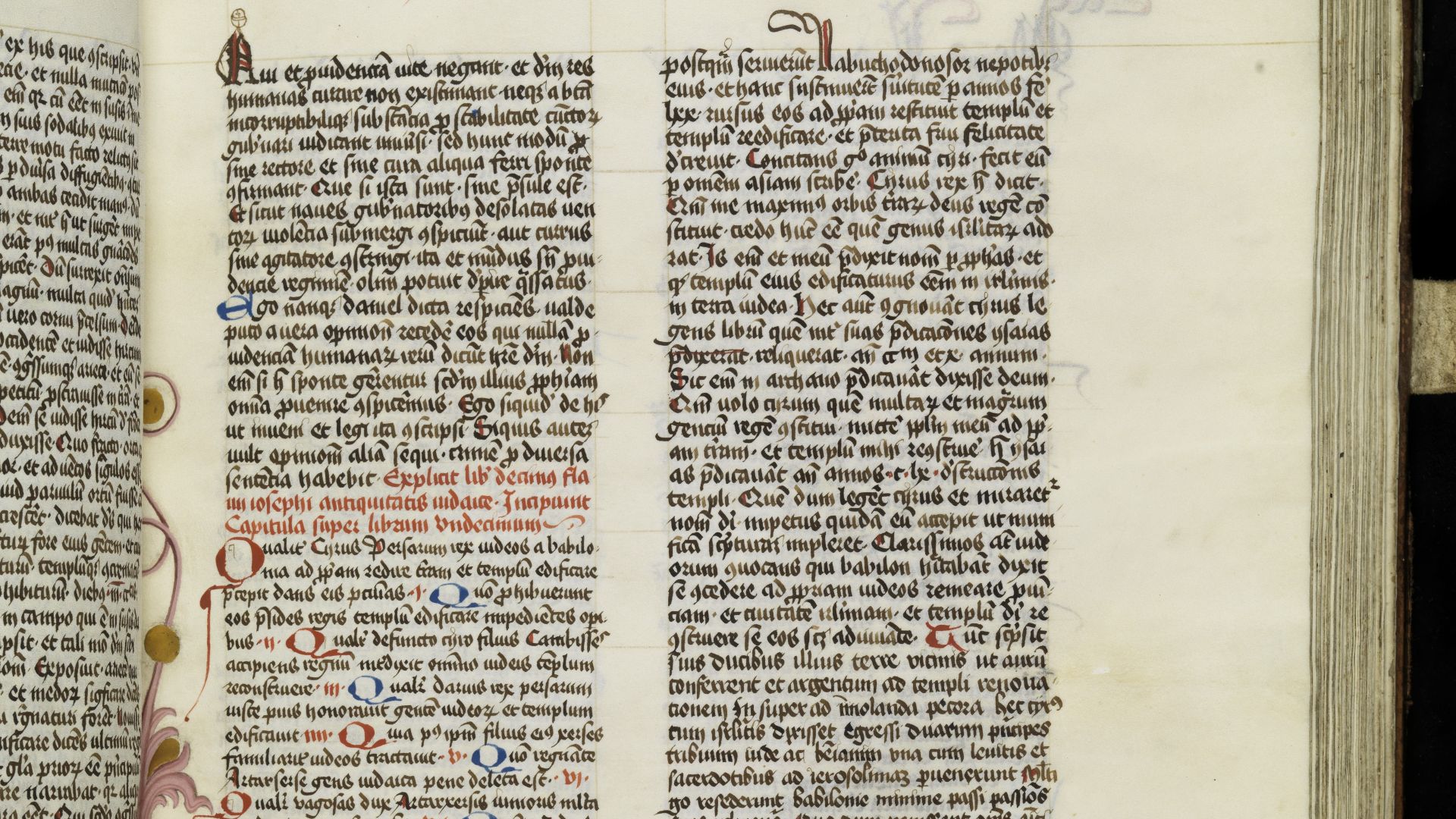
Josephus’ original manuscript hasn’t survived. His work reached later generations through handwritten copies, quotations, and translations, with Christian readers helping preserve it. By the early fourth century, the Christian historian Eusebius was already quoting the passage, including the third-day appearance. So that wording has an ancient documented history. Whether it goes all the way back to Josephus is another question.
 Jozef Flawiusz, Wikimedia Commons
That Leaves More Than One Possibility
Perhaps Josephus wrote the passage substantially as it survives. Perhaps he wrote a shorter account that someone later expanded. Or perhaps the whole paragraph was inserted after his lifetime. Scholars have defended different answers. The challenge is finding evidence that helps distinguish them, rather than simply choosing whichever explanation sounds most convincing.
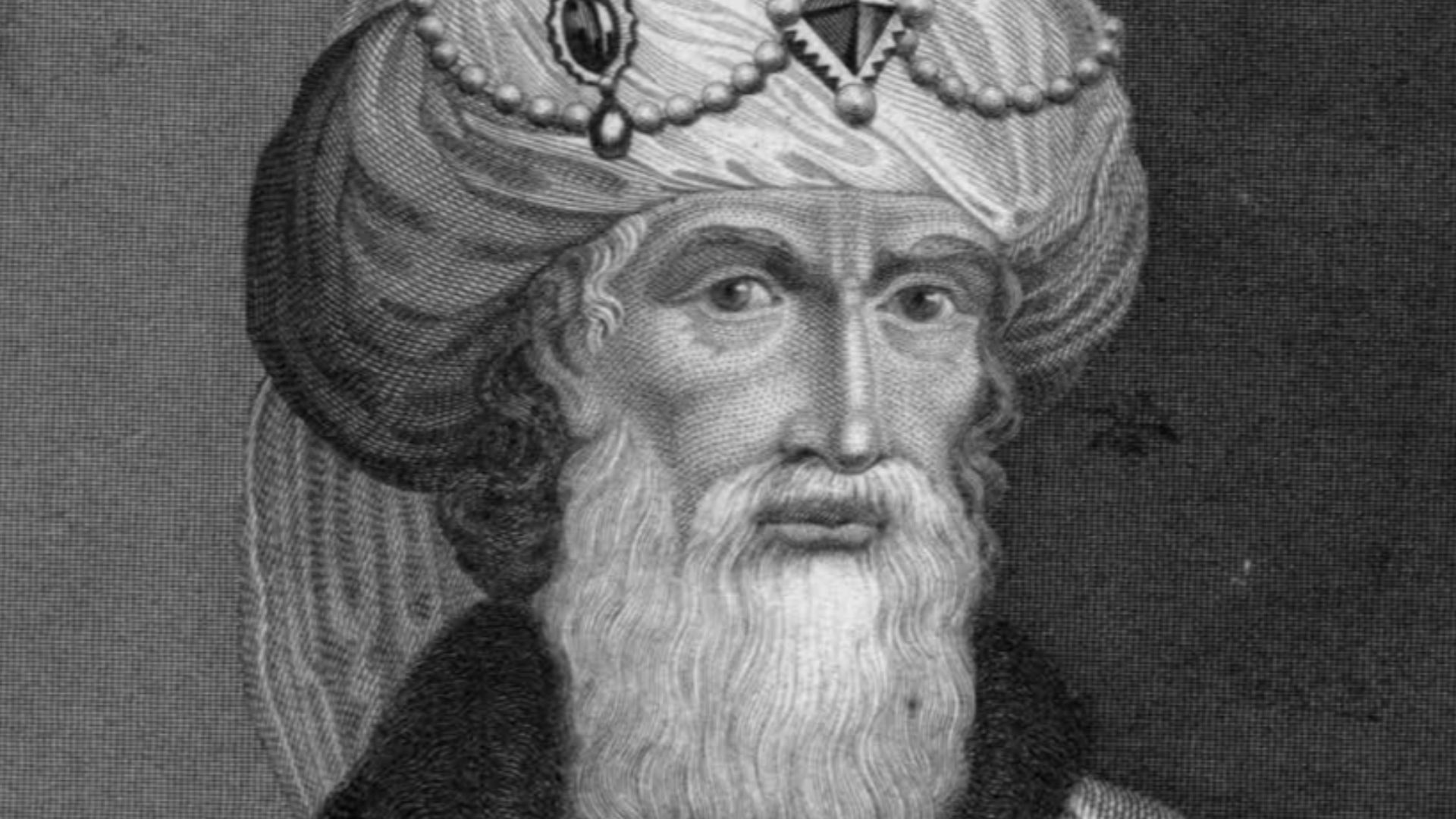 Unknown authorUnknown author, Wikimedia Commons
A Researcher Followed The Different Versions
That’s where the recent study comes in. In an August 2026 preprint, independent researcher Jesús Fernández-Pedrera Correa examined the passage, known as the Testimonium Flavianum, across Greek, Latin, Arabic, and Syriac traditions. These preserve different forms of the account. Comparing them offers clues about what may have changed along the way.
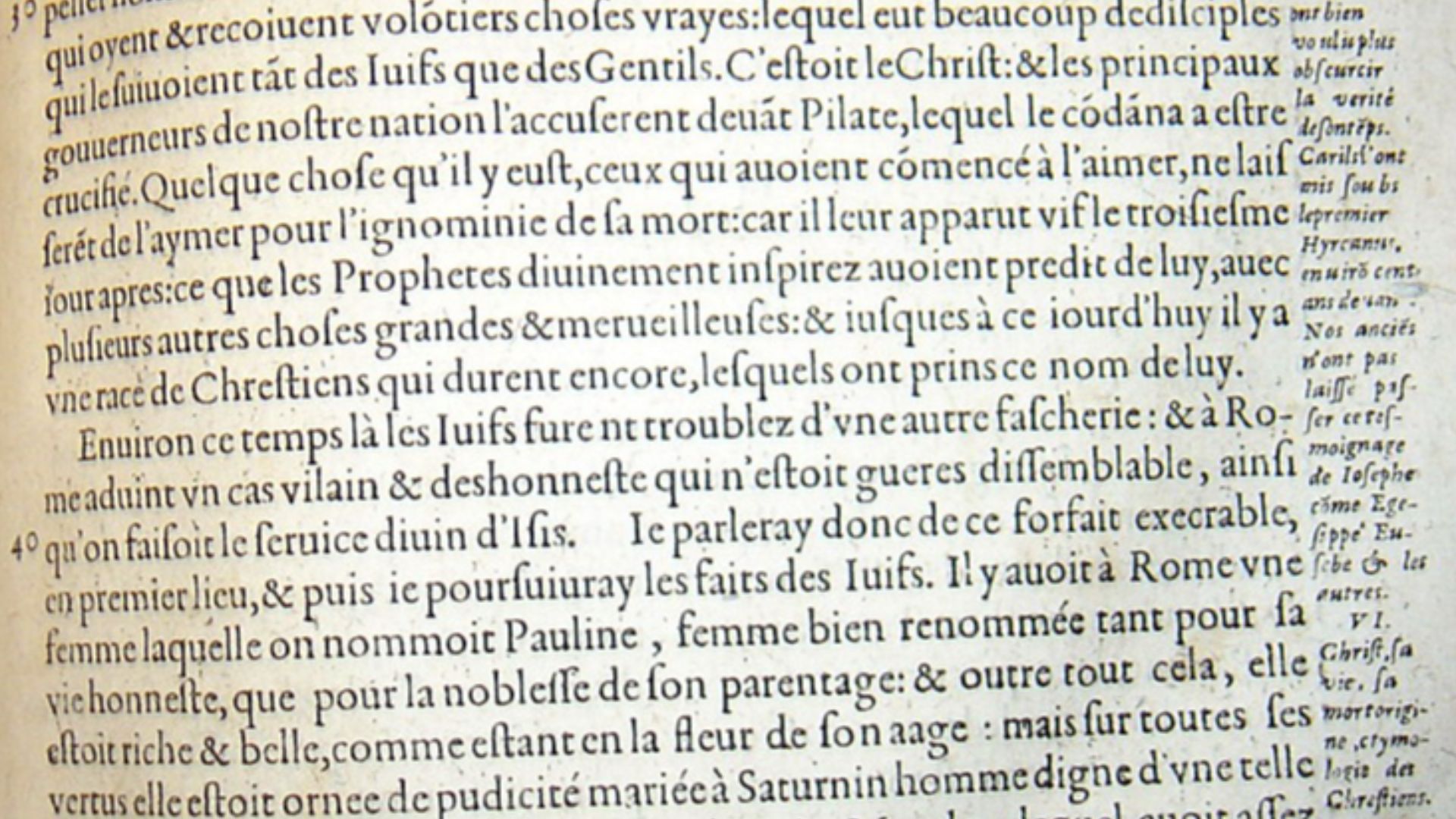 Flavius Josephe traduit en francais par Gilbert Genebrard, Wikimedia Commons
Start With One Small Statement
In the surviving Greek text, Jesus is identified directly as the Christ. There’s no qualification explaining that this was what his followers believed. That matters because a historian can report a religious belief without sharing it. A few additional words could turn an apparent declaration of faith into an ordinary description of other people’s beliefs.
 Screenshot from Son of God, 20th Century Fox (2014)
Jerome’s Version Says Something Different
Around AD 392, the Christian scholar Jerome reproduced the passage in Latin. His version says Jesus was believed to be Christ. That sounds much easier to reconcile with a non-Christian author. Jerome still includes Jesus appearing alive on the third day, but his wording shows that the passage wasn’t always presented in exactly the same way.
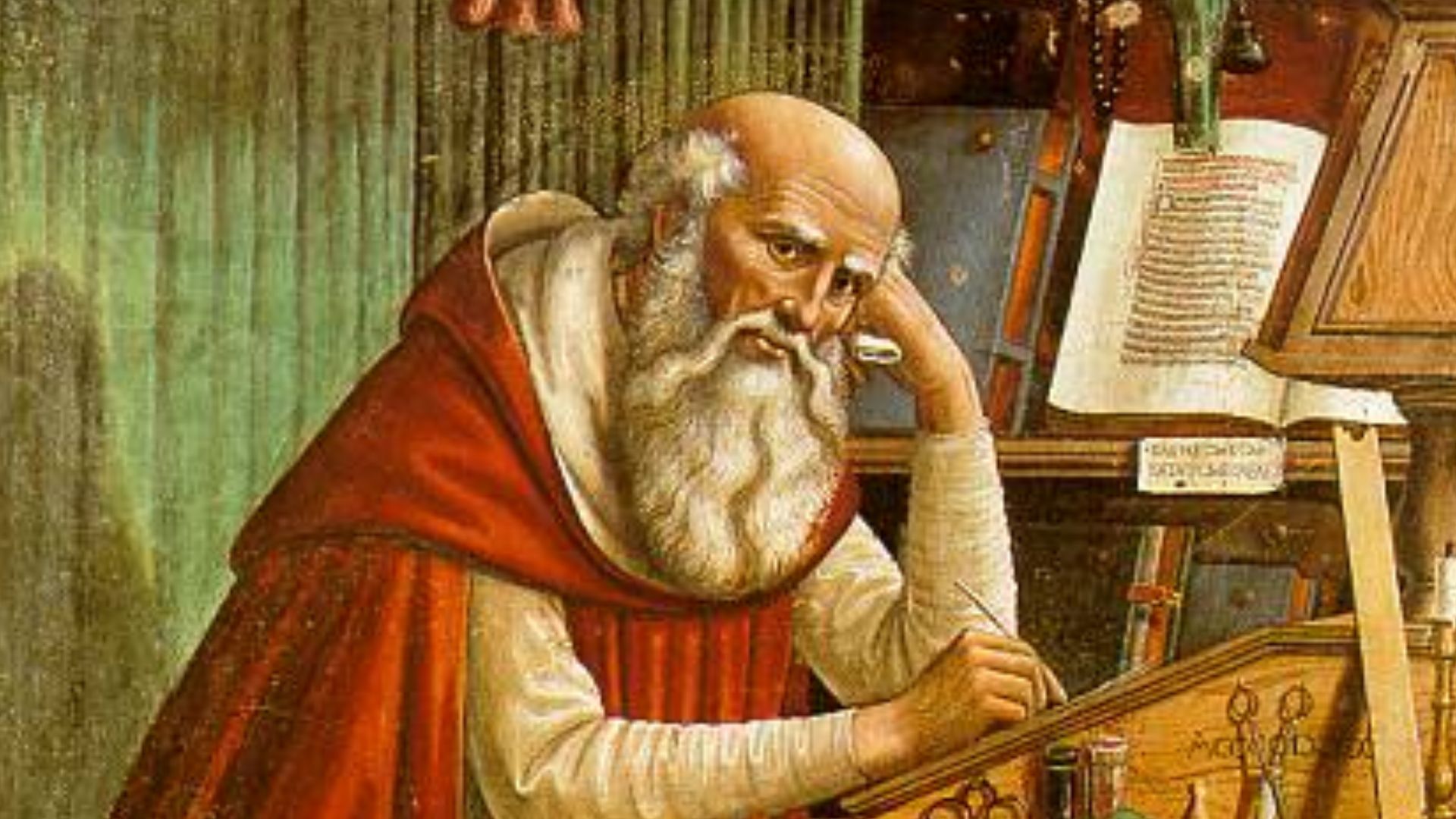 Domenico Ghirlandaio, Wikimedia Commons
Another Version Is More Cautious Still
A tenth-century Arabic account preserved by the Christian writer Agapius adds another important distinction. Here, the disciples report that Jesus appeared to them alive after his crucifixion. The account also treats his possible identity as the Messiah cautiously. The extraordinary story remains, but responsibility for the resurrection claim rests with the followers.
 Screenshot from Son of God, 20th Century Fox (2014)
That Changes What Josephus Might Have Been Saying
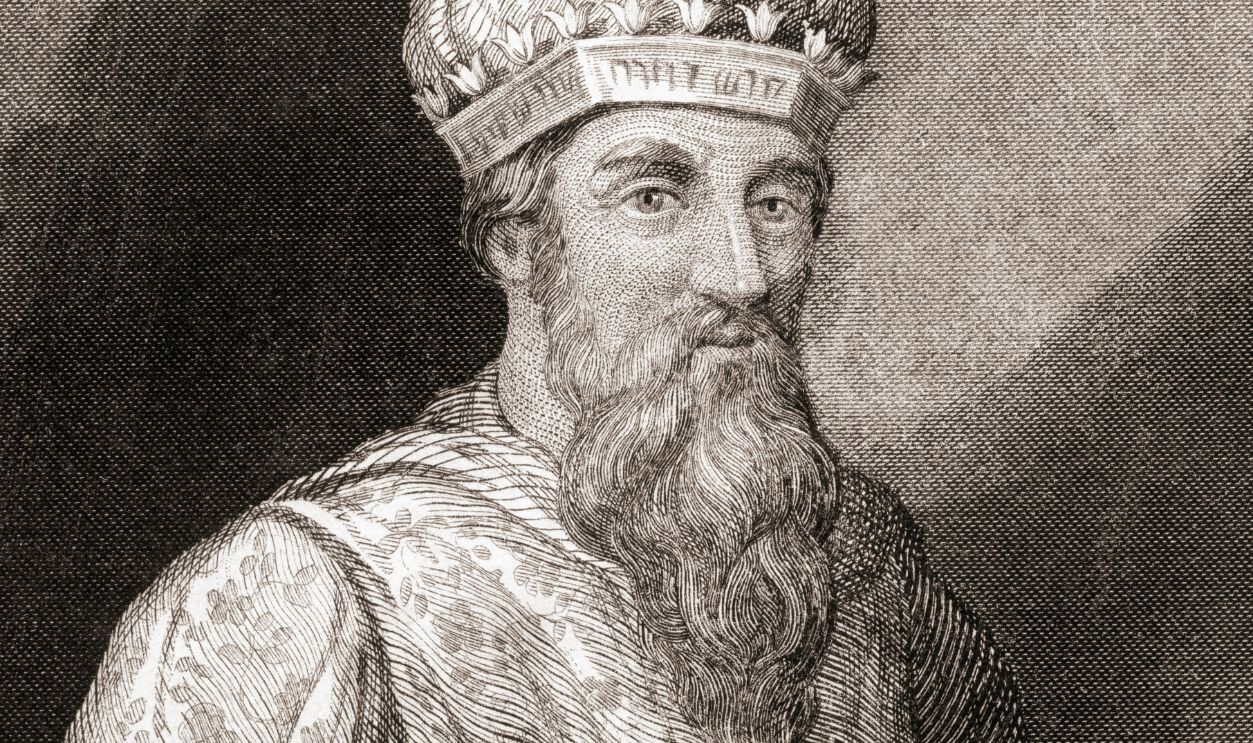
There’s a considerable difference between declaring that Jesus returned to life and recording that his disciples said he had. The second would allow Josephus to describe the movement without adopting its beliefs. Fernández-Pedrera Correa argues that the Arabic version is consistent with that possibility. It could preserve a clue to a less definite earlier account.
 Universal History Archive, Getty Images
A Third Version Adds To The Pattern
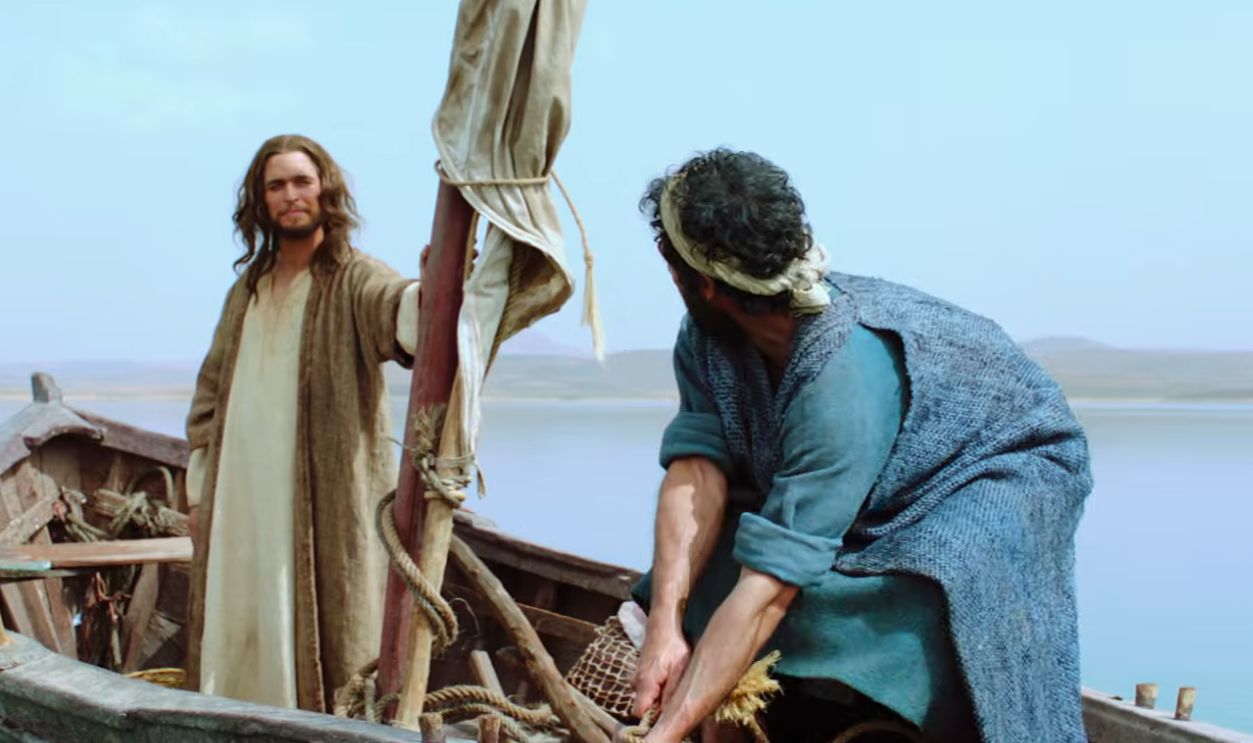
The twelfth-century Syriac chronicle of Michael the Syrian also describes Jesus as someone thought to be the Messiah. Alongside Jerome’s Latin and Agapius’ Arabic, that gives the researcher a pattern to examine. Different versions qualify a statement that the surviving Greek presents directly. The question is how far back that cautious wording goes.
 Screenshot from Son of God, 20th Century Fox (2014)
But These Aren’t Three Separate Eyewitnesses
The versions were produced centuries after Josephus and have connections within their transmission histories. They can’t be treated as independent witnesses to events in Jerusalem. Their value lies in preserving different wording. Even then, researchers must consider whether a difference reflects an earlier source or a later writer’s own translation, summary, or interpretation.
 Screenshot from Son of God, 20th Century Fox (2014)
An Earlier Reader Left An Awkward Clue
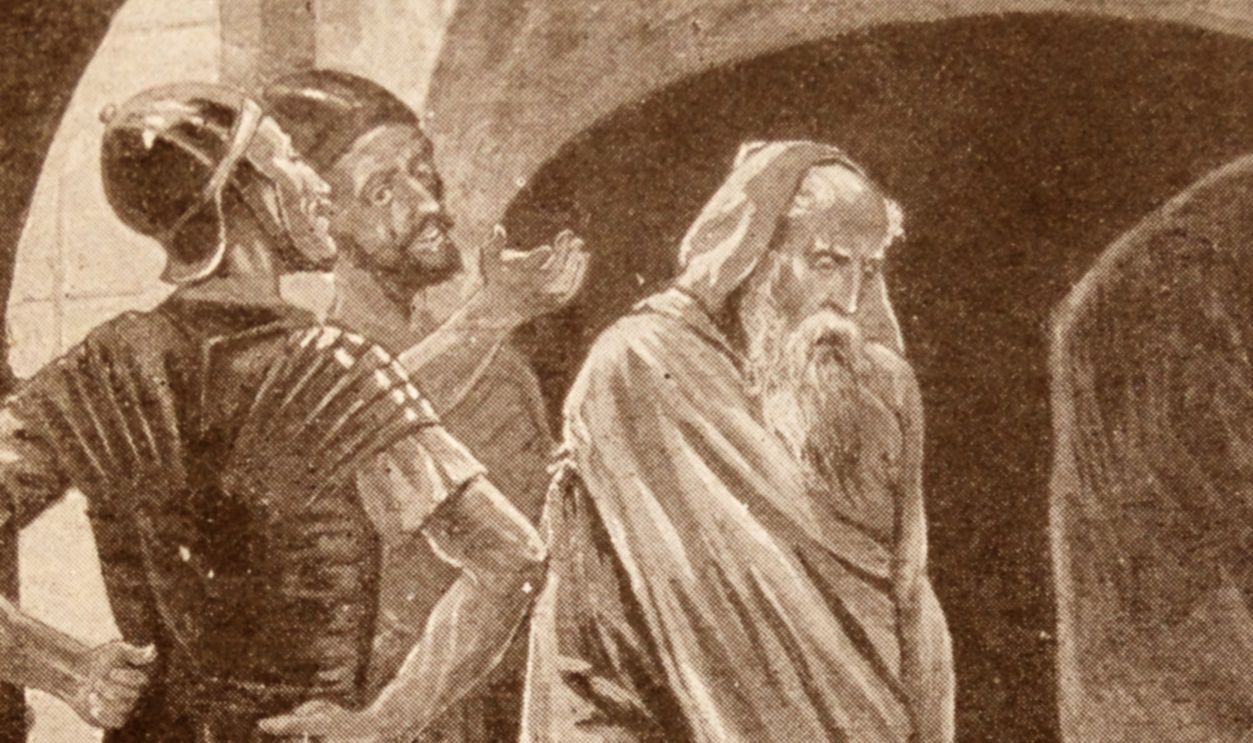
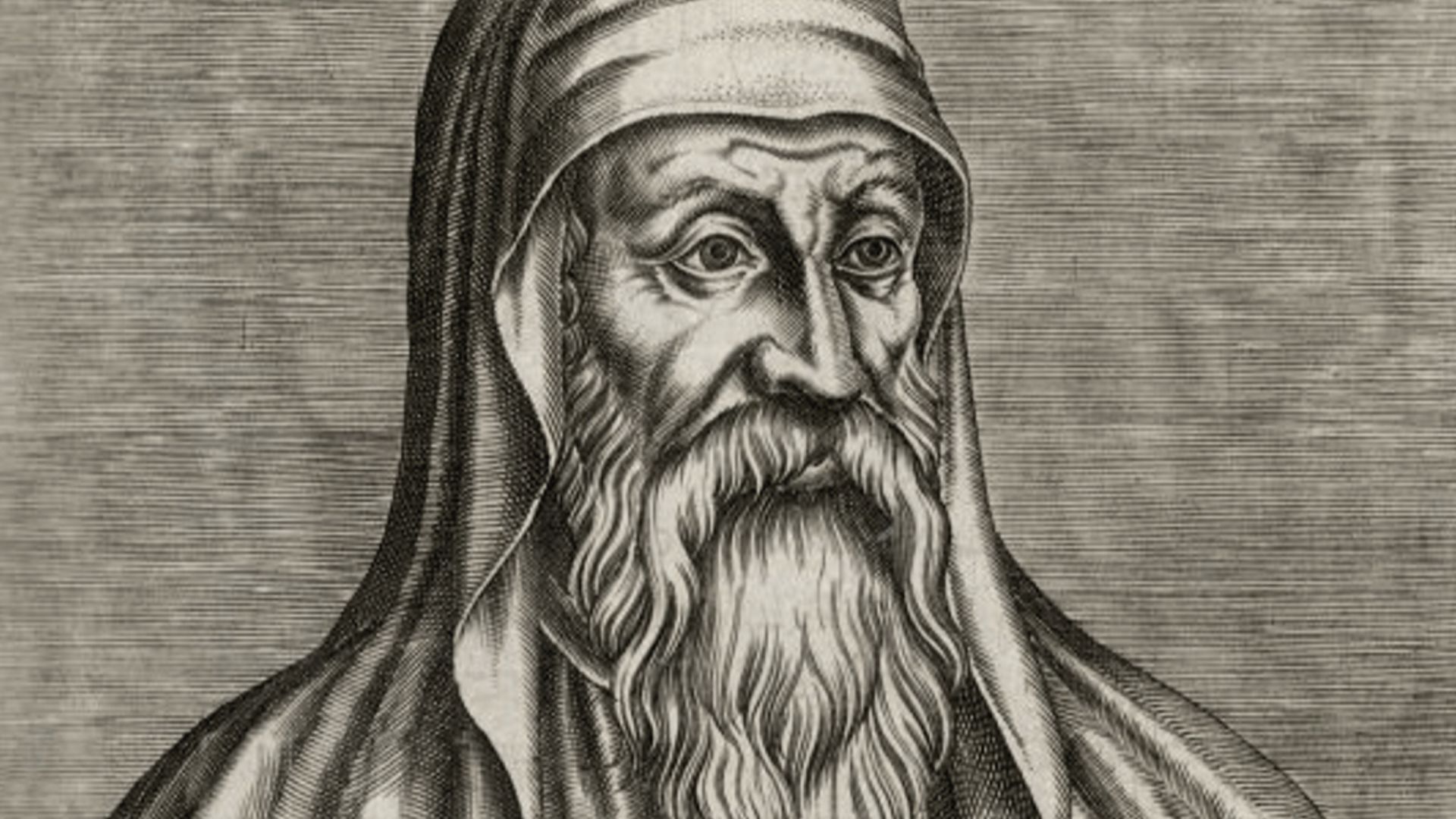
Long before the Arabic and Syriac accounts, the Christian scholar Origen discussed Josephus in the third century. He explicitly stated that Josephus did not believe in Jesus as the Christ. That’s a striking comment if the text Origen knew already contained an unqualified declaration that Jesus was exactly that.
 Universal History Archive, Getty Images
What Did Origen Read?
Origen’s statement supports doubts about the direct declaration of Jesus’ messianic identity. But he doesn’t supply a complete quotation of the disputed paragraph that researchers can check against later copies. His words help expose the problem. They don’t reveal precisely what Josephus wrote about the resurrection.
 Serge Lachinov, Wikimedia Commons
Other Scholars Read The Evidence Differently
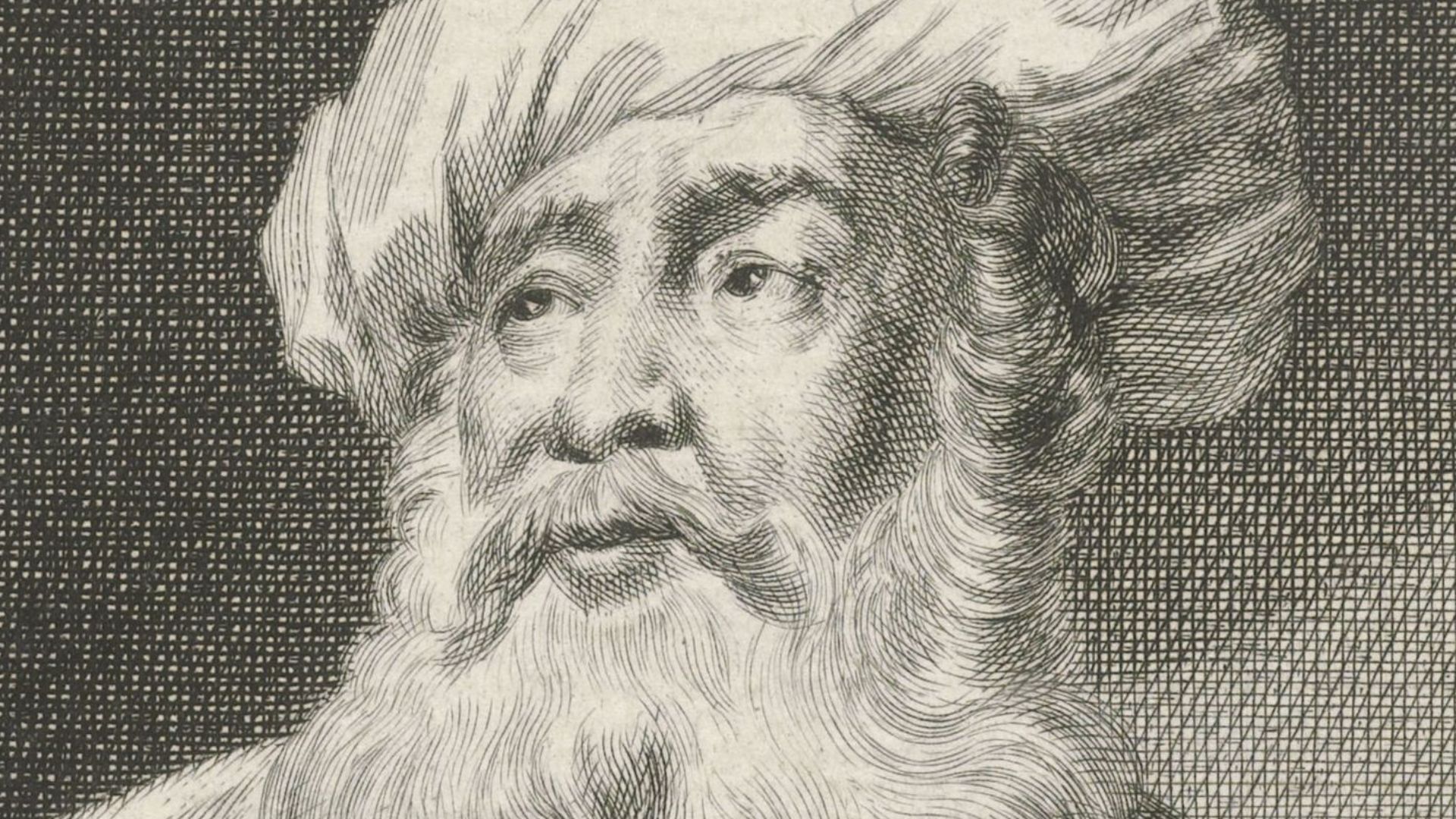
The debate also extends beyond this new paper. In a 2025 book published by Oxford University Press, scholar T. C. Schmidt defended Josephus’ authorship of the passage. He examined its language and how ancient readers understood it, challenging the assumption that it necessarily sounded like a Christian statement of faith.
 Rijksmuseum, Wikimedia Commons
What Might Josephus Actually Have Written?
The new preprint argues that Josephus originally used more qualified wording about Jesus’ identity. It also considers whether he recorded the disciples’ resurrection report, but cannot establish that sentence’s original wording. This is a proposed reconstruction of a known passage, rather than a newly unearthed manuscript or a settled scholarly verdict.
The Resurrection Claim Was Already In Writing
Paul’s first letter to the Corinthians already describes Jesus being raised and appearing to followers, including Peter and James. The importance of the Josephus debate therefore isn’t that nobody had written about the resurrection before. It’s whether a non-Christian historian also recorded the claim, and how faithfully his account survived.

Josephus Wasn’t Standing At The Tomb
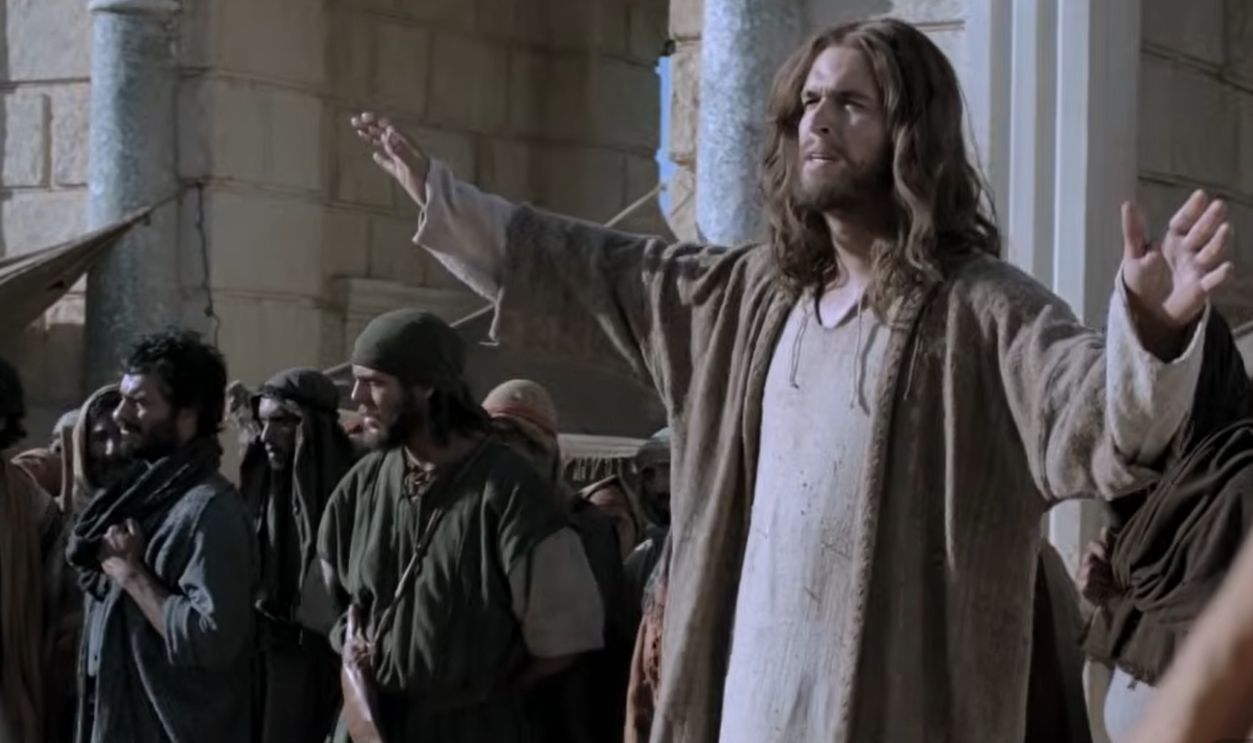
The passage describes Jesus appearing alive after the crucifixion, rather than someone watching him rise from the dead. Even if Josephus wrote it, he wasn’t an eyewitness. He was writing decades afterward. Its potential significance lies in a historian outside Christianity recording what the followers reported, while leaving questions about where his information came from.
 Screenshot from Son of God, 20th Century Fox (2014)
Whose Certainty Are We Reading?
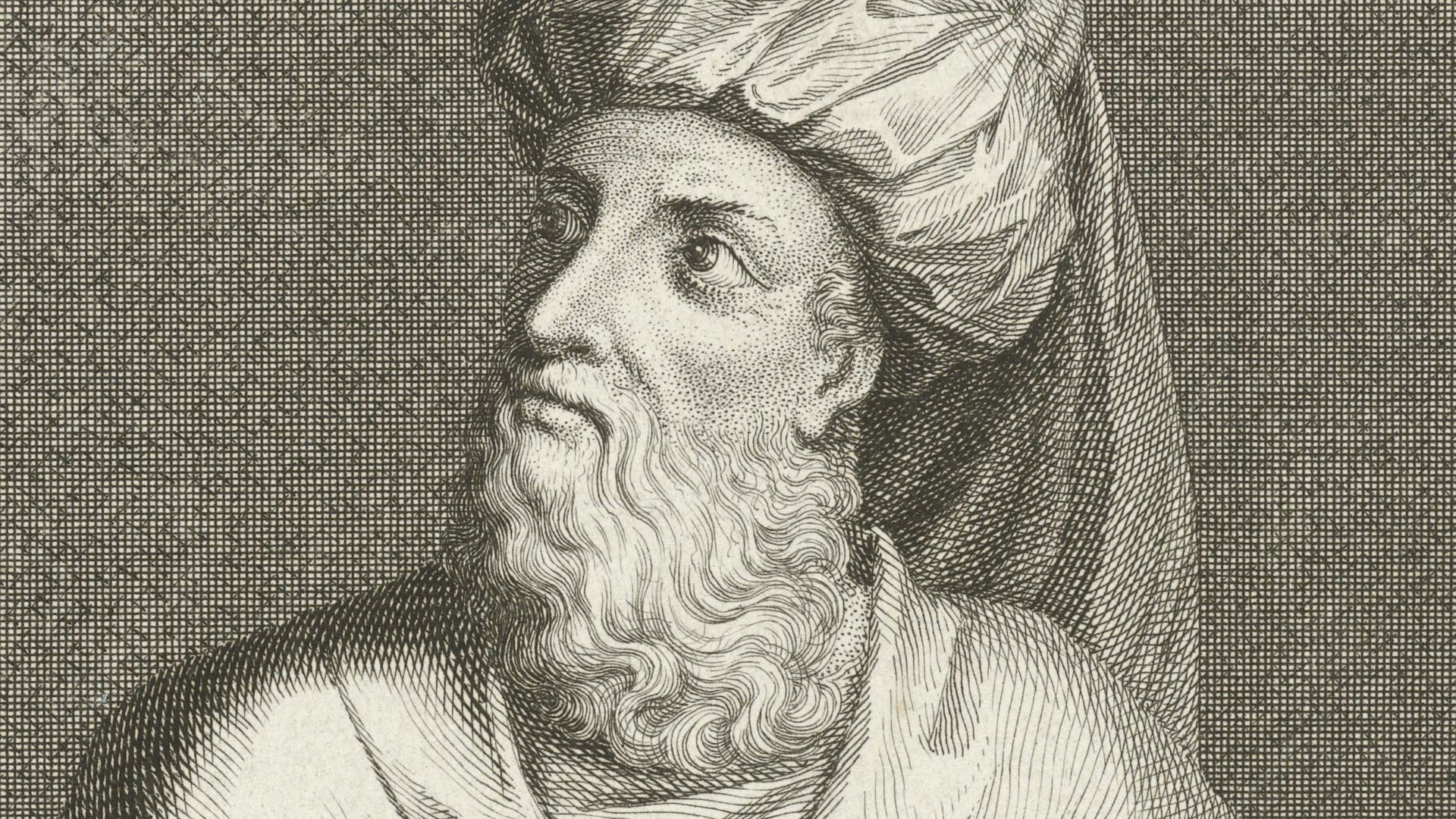
Open the surviving passage today, and the statement about Jesus appearing alive is there. What researchers are trying to recover is the voice behind it. Did Josephus record what the disciples reported? Did later writers turn that report into a firmer declaration? A few words could determine whether readers are hearing the historian—or someone who came after him.
 Rijksmuseum, Wikimedia Commons
You Might Also Like: