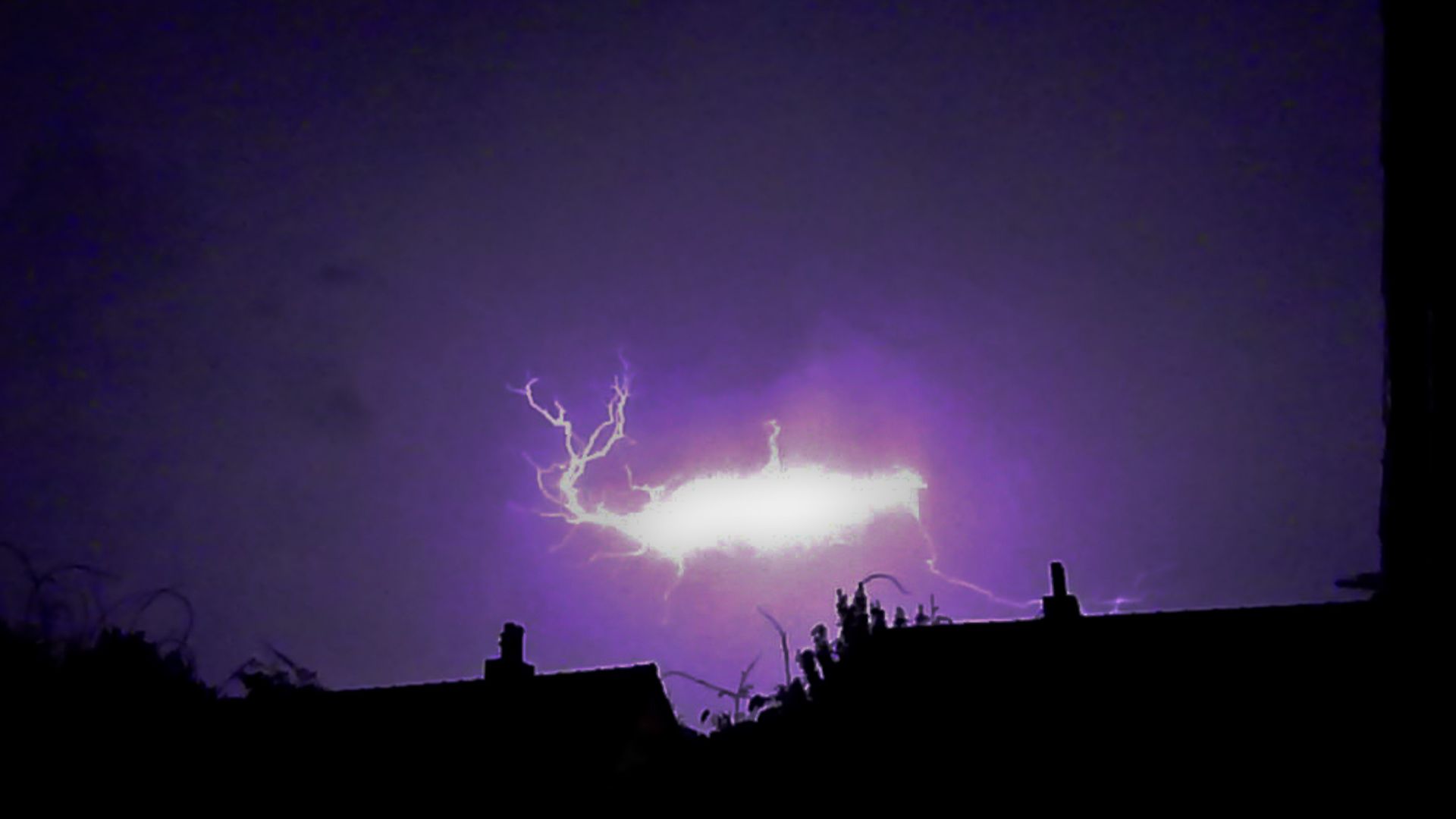
An Elusive Mystery
For centuries, people have reported glowing spheres drifting through thunderstorms, floating into homes, and vanishing with a hiss or explosion. Known as ball lightning, the phenomenon has always been one of atmospheric science's biggest and most elusive enigmas, with no single explanation accepted by researchers even after centuries of eyewitness accounts.
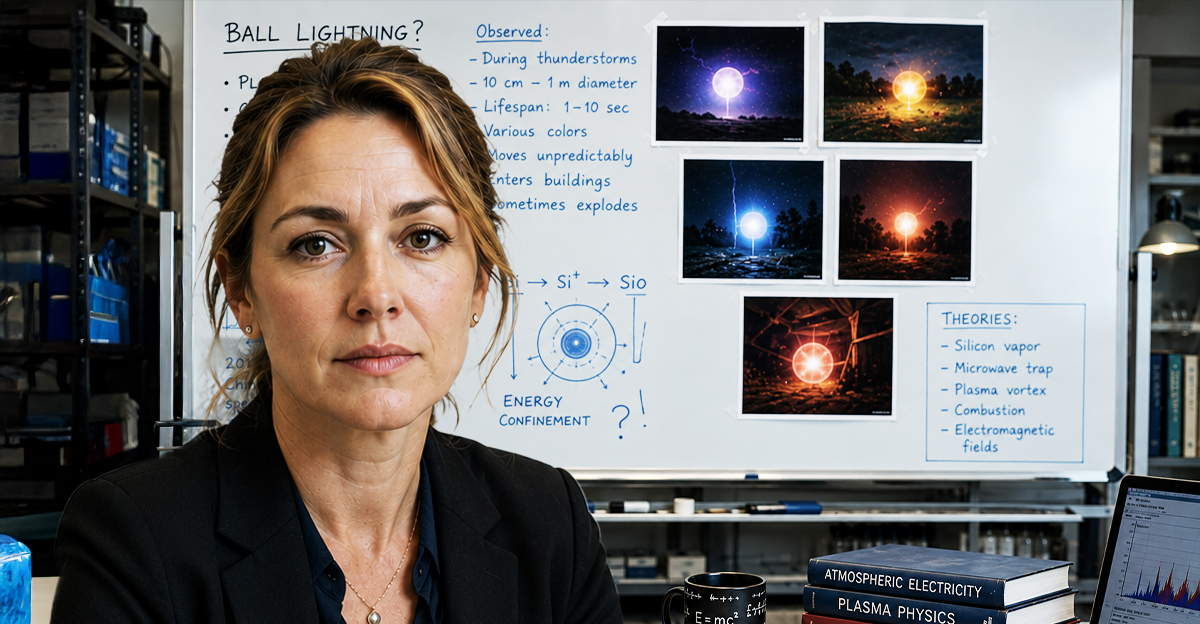
Strange Glowing Spheres
Ball lightning is generally described as a luminous, spherical object ranging from pea-sized to several meters across. Most reported balls measure between four and eight inches in diameter and appear during or shortly after thunderstorms, although exceptions have been documented.
 Dencey~commonswiki, Wikimedia Commons
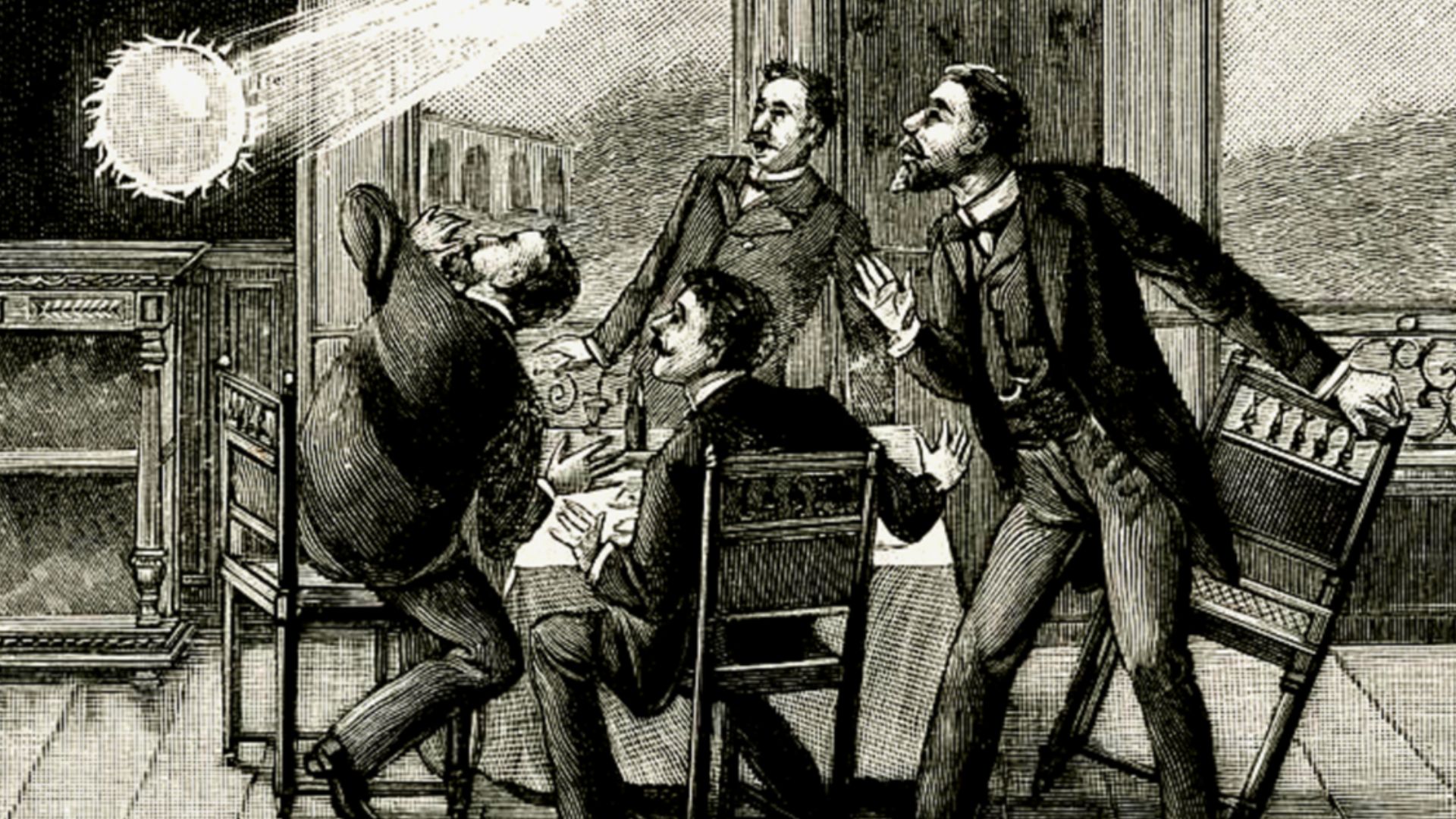
Reports Across Centuries
Historical accounts of ball lightning stretch back for hundreds of years. Numerous reports appear in scientific journals, newspapers, and personal diaries. Although descriptions vary, many witnesses independently describe similar glowing spheres moving unpredictably before disappearing in unusual ways.
 Original artist unknown, fl 17th century. Scanned by me 2008-10-13., Wikimedia Commons
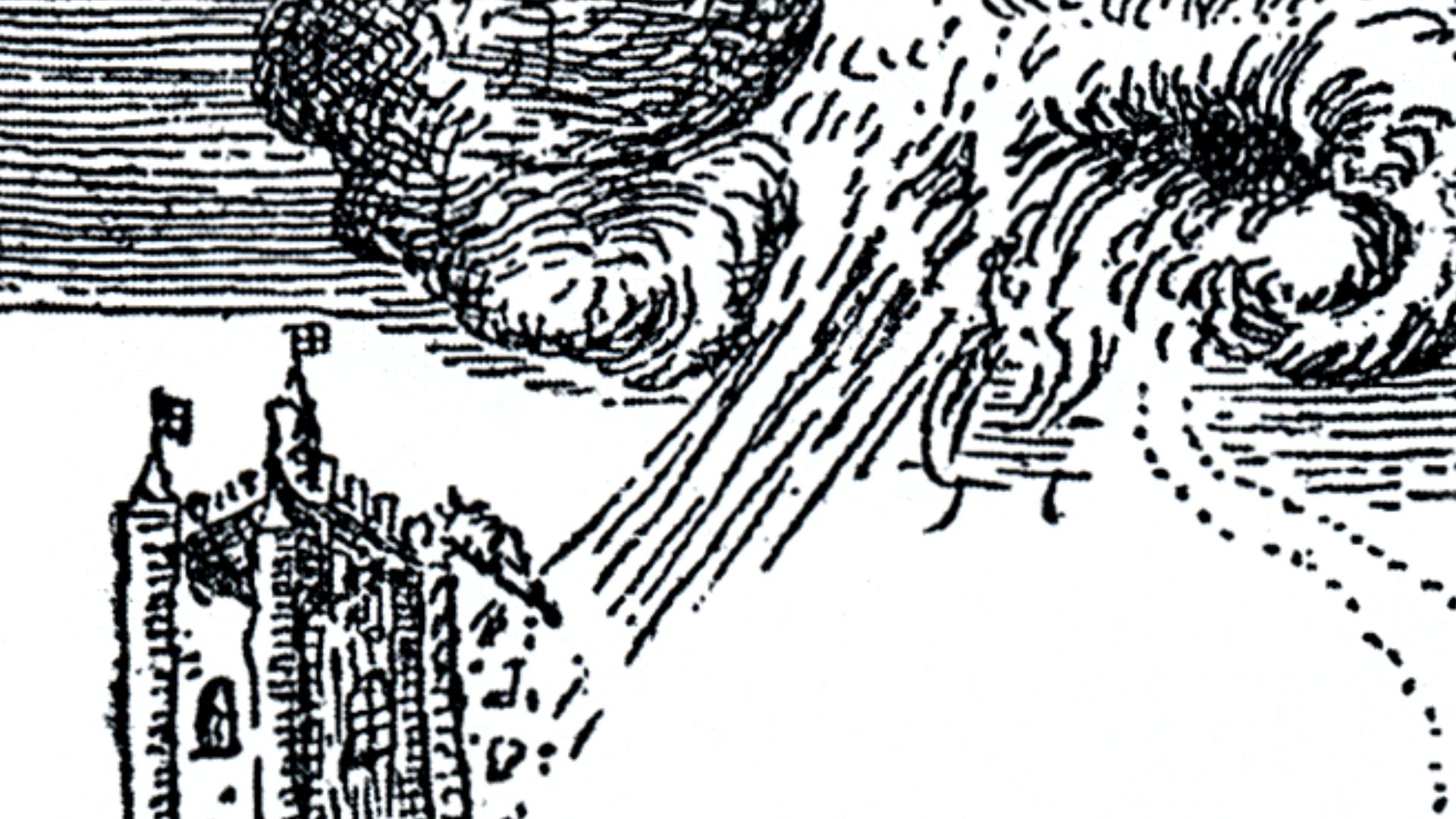
The Widehall Incident
One of the earliest well-known reports occurred in 1638 during a church service in Widecombe-in-the-Moor, England. Witnesses described a fiery globe entering the church during a violent thunderstorm, causing fatalities, injuries, and significant structural damage before disappearing.
 Manfred Heyde, Wikimedia Commons
Many Credible Witnesses
Scientists once dismissed ball lightning as folklore, but reports have come from pilots, military personnel, engineers, meteorologists, and other trained observers. The consistency of many descriptions has convinced most researchers that witnesses are reporting a genuine physical phenomenon, even if its cause remains uncertain.
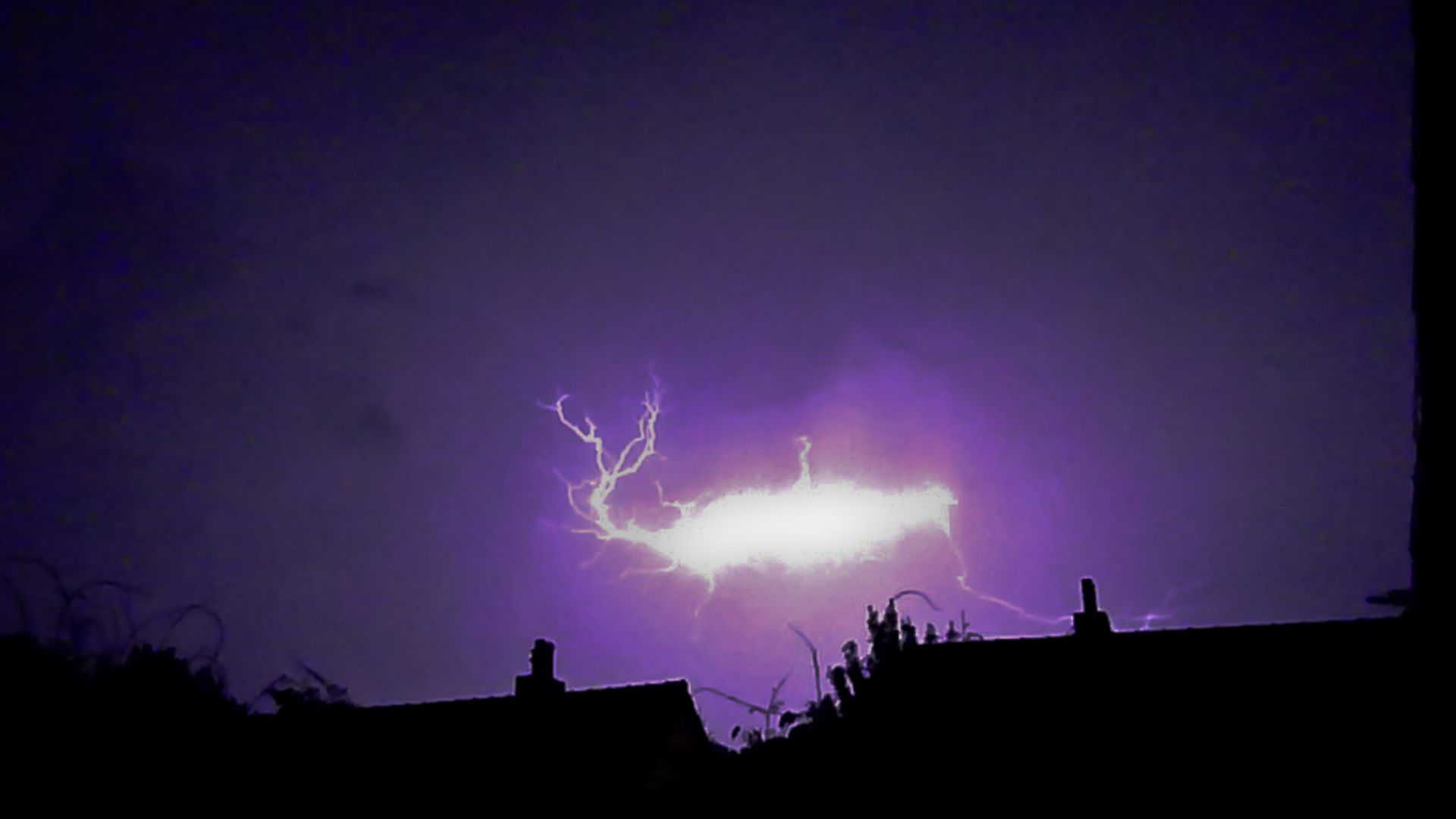 Joe Thomissen, Wikimedia Commons
Typical Appearance
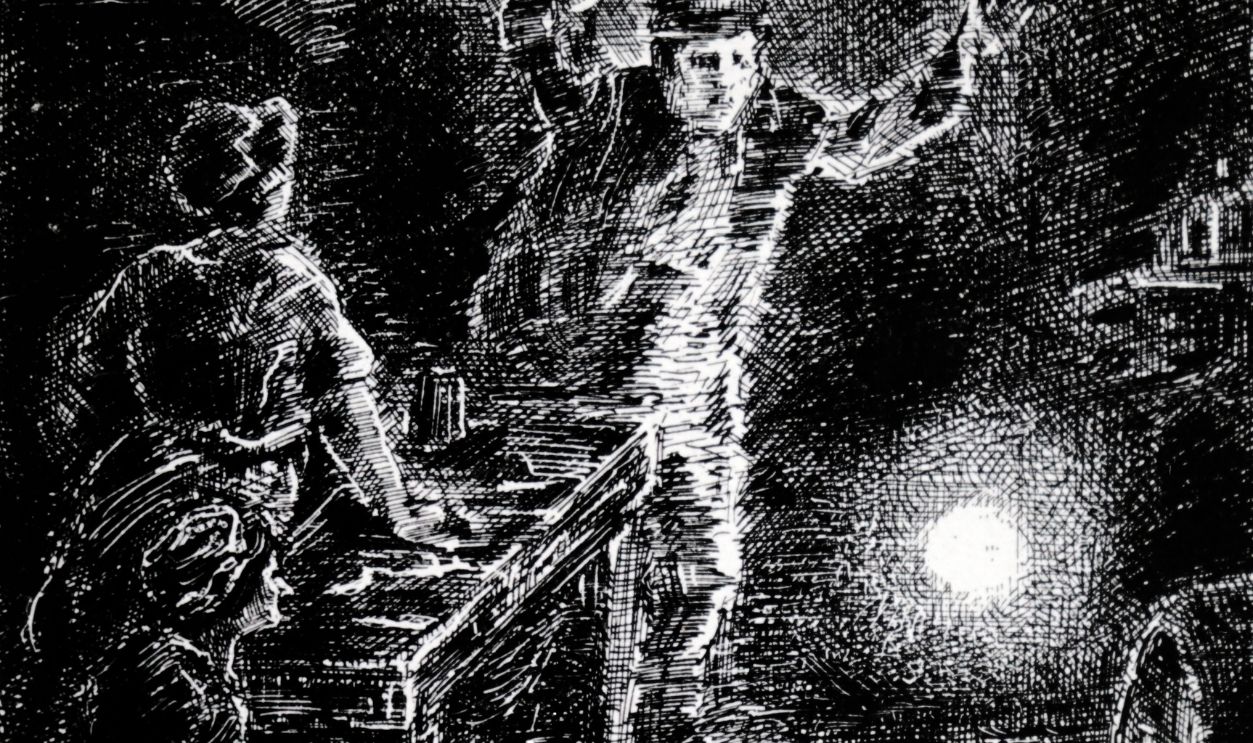
Witnesses commonly describe ball lightning as white, yellow, orange, blue, or red. Some report transparent centers or flickering surfaces. The glowing sphere often maintains its shape remarkably well while moving slowly through the air, sometimes for several seconds.
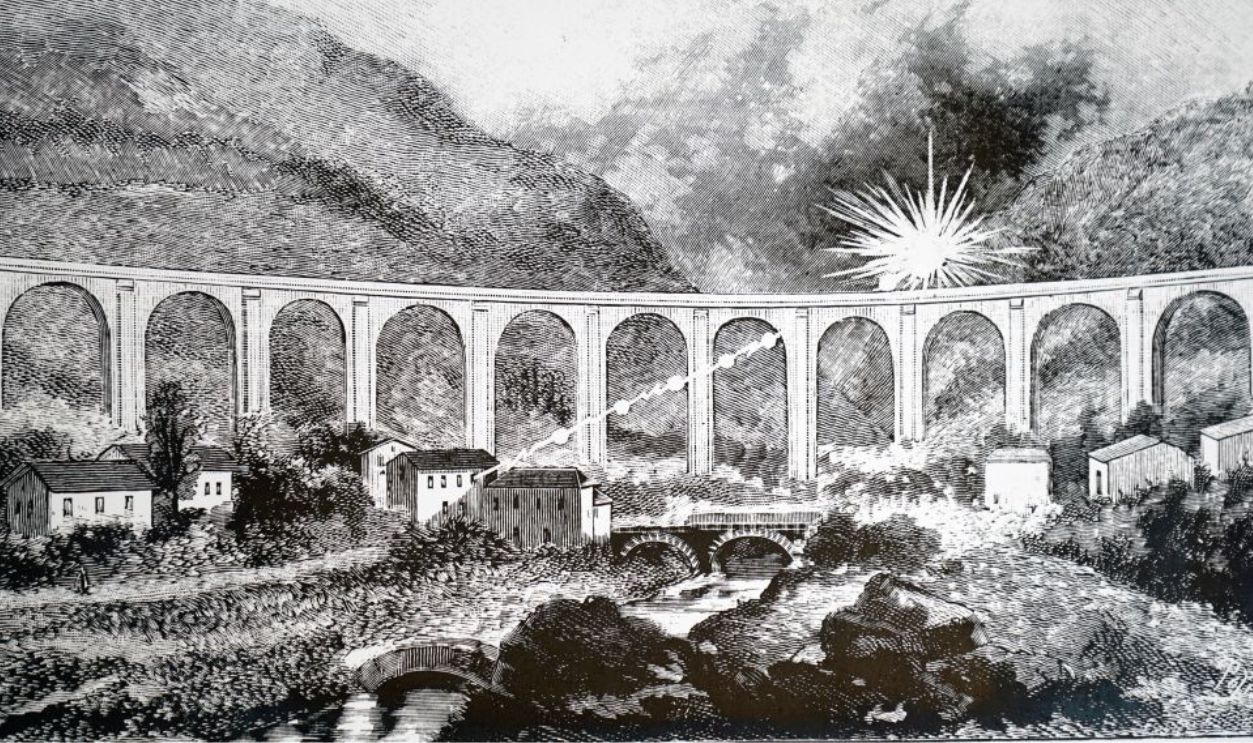 Universal History Archive, Getty Images
Slow, Unusual Motion
Unlike ordinary lightning, ball lightning frequently moves slowly rather than instantly disappearing. Reports describe it drifting horizontally, hovering, changing direction unexpectedly, or even moving against the wind before vanishing. Such behavior remains difficult for existing theories to explain.
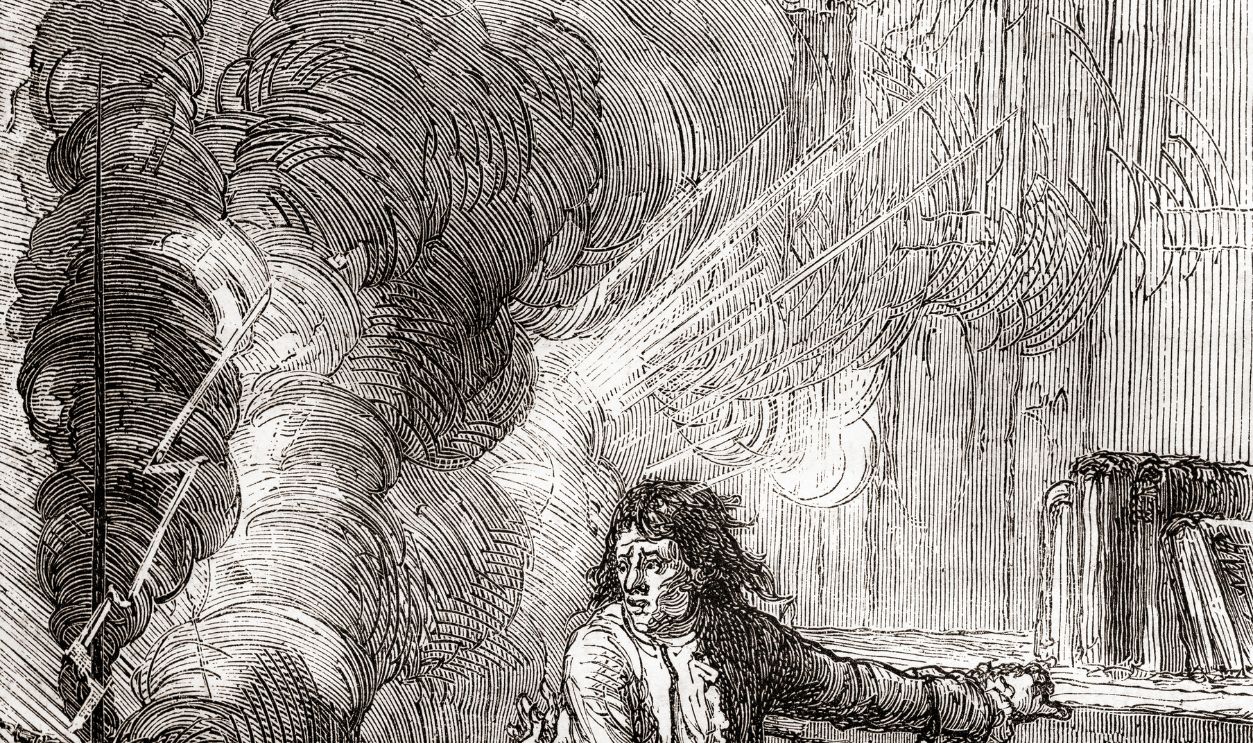 Universal History Archive, Getty Images
Passing Through Objects
One of the strangest reported characteristics is the apparent ability of ball lightning to pass through closed windows, walls, or aircraft fuselages without leaving visible damage. Scientists debate whether these reports represent unusual physical effects or perceptual misunderstandings during stressful events.
 The original uploader was Srbauer at German Wikipedia., Wikimedia Commons
Quiet Or Noisy
Some observers report complete silence, while others describe buzzing, crackling, hissing, or popping sounds. The variation suggests either multiple physical mechanisms or differing environmental conditions affecting how the phenomenon behaves during individual sightings.
Sudden Disappearances
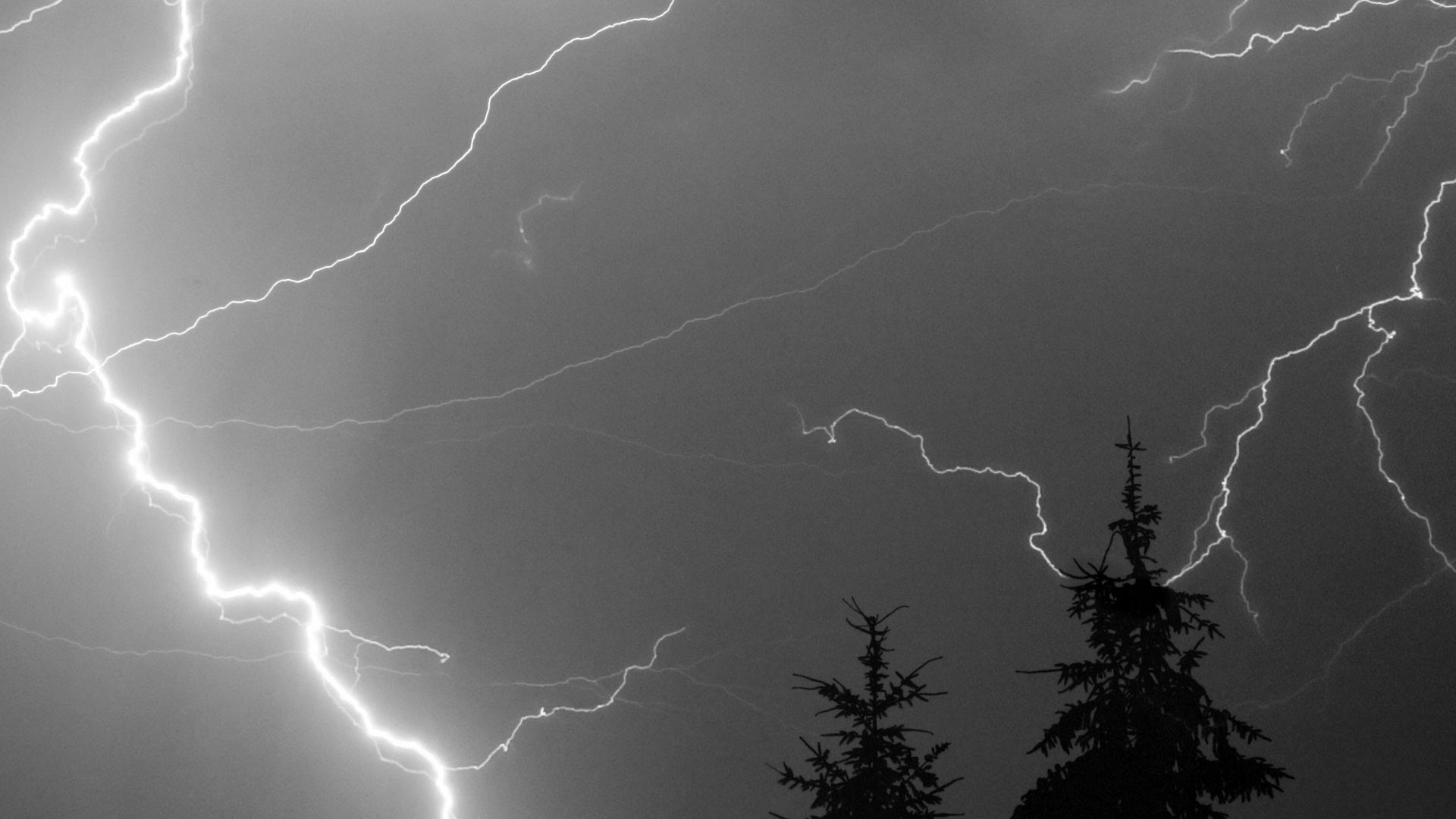
Ball lightning often vanishes abruptly. Some reports describe it fading quietly, while others involve loud explosions accompanied by scorch marks, shattered windows, or localized damage. The dramatic differences continue to complicate attempts to develop a single comprehensive explanation.
Rare Scientific Observations
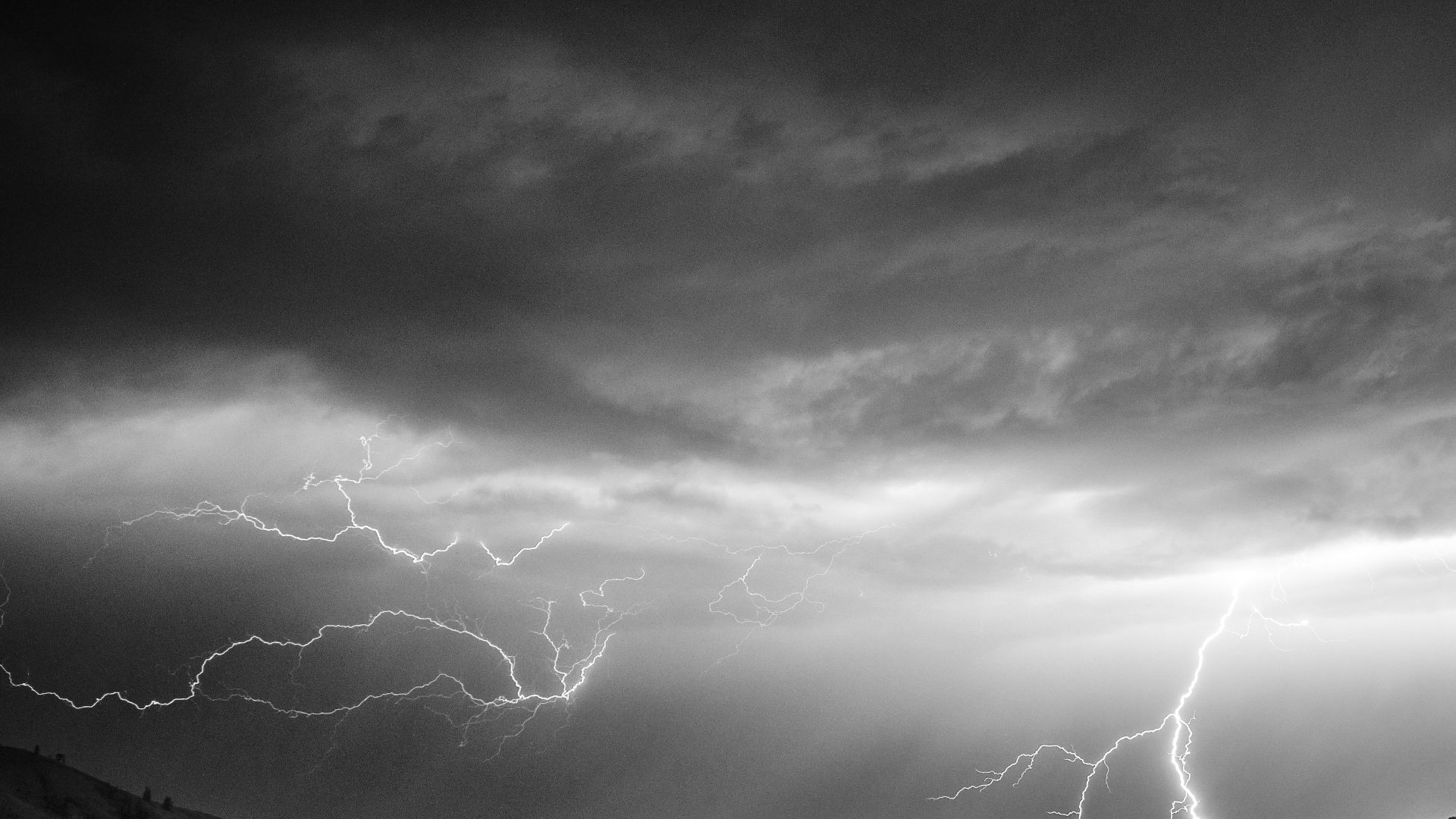
One challenge facing researchers is that ball lightning appears unpredictably and usually lasts only a few seconds. Most evidence therefore comes from eyewitness testimony rather than controlled laboratory observation, making it especially difficult to study its occurrence in a systematic way.

A Fortunate Recording
In 2012, Chinese researchers studying ordinary lightning accidentally recorded what appeared to be ball lightning using spectrographs and high-speed video. The observation provided valuable data on the object's spectrum and composition during its brief existence.

Silicon Vapor Theory
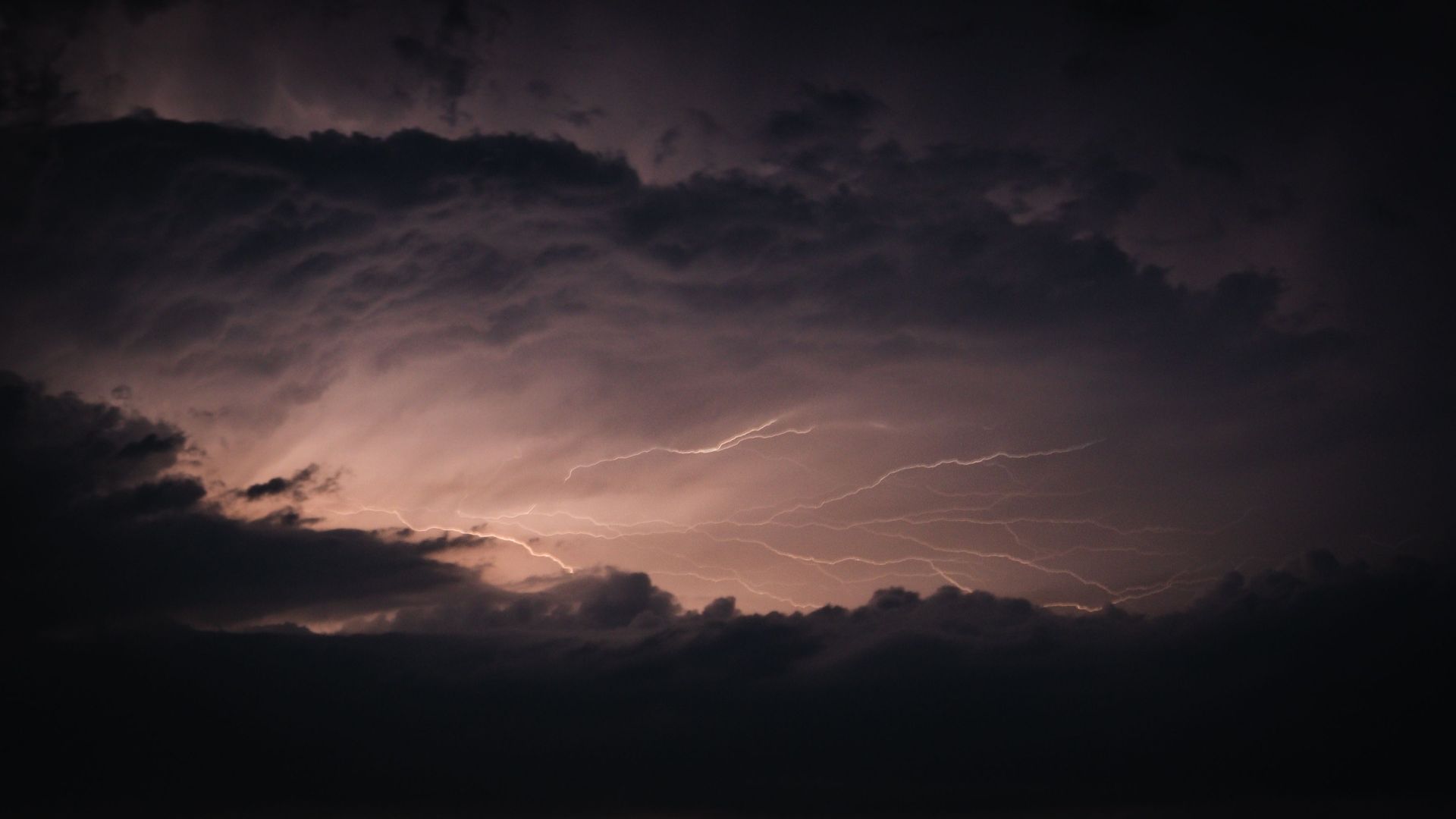
One leading hypothesis suggests ordinary lightning vaporizes silicon from the sand that's in soil. The vapor oxidizes while airborne, producing a glowing ball sustained by chemical reactions. This theory helps explain some observed characteristics but does not account for every reported behavior.
Microwave Hypothesis
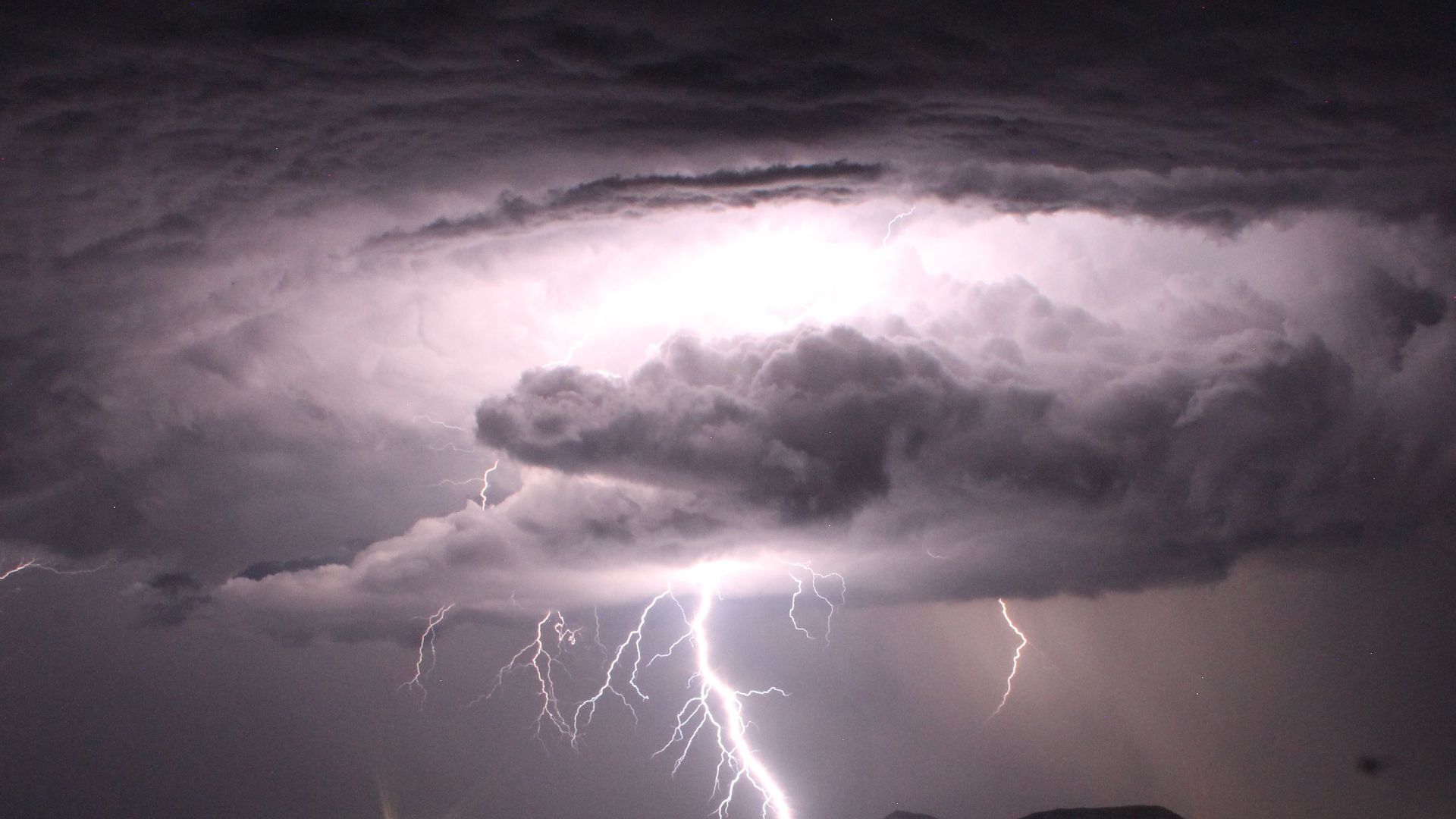
Another proposal suggests microwaves generated by lightning get trapped inside plasma structures, maintaining a glowing sphere. Laboratory experiments have managed to reproduce some ball-like plasma effects, although researchers are still far from a consensus about whether they actually duplicate naturally occurring ball lightning.
Plasma Possibilities
Many explanations have to do with plasma, the ionized state of matter found in lightning itself. Scientists are still investigating whether stable plasma structures could survive long enough to match reported ball lightning lifetimes while maintaining their distinctive spherical shape.
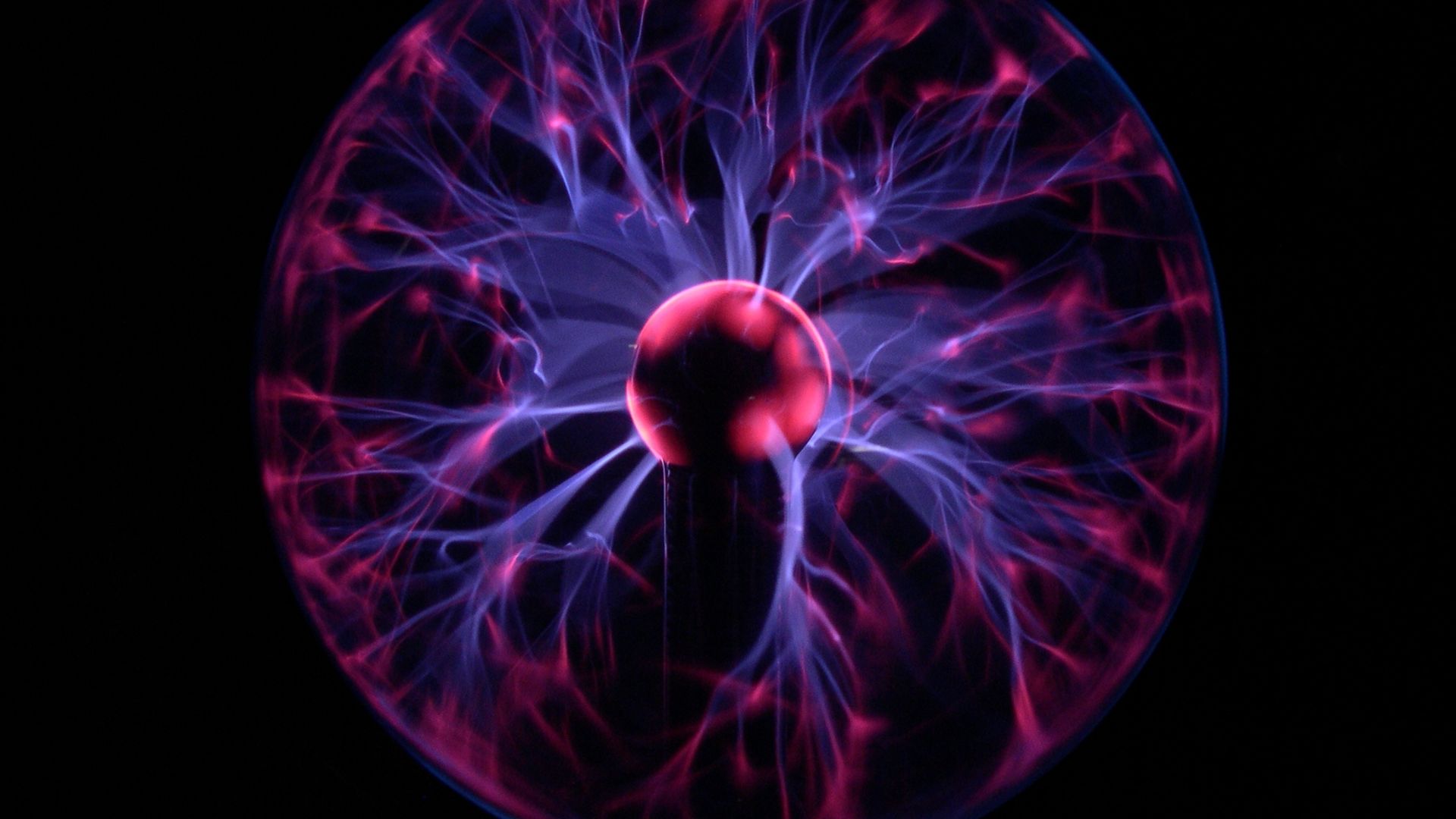 Luc Viatour, Wikimedia Commons
Combustion Explanations
Some researchers have proposed the idea that burning airborne particles, aerosols, or mid-air chemical reactions create luminous spheres resembling ball lightning. These models would explain certain observations but struggle to reproduce the full range of reported movements and behaviors.
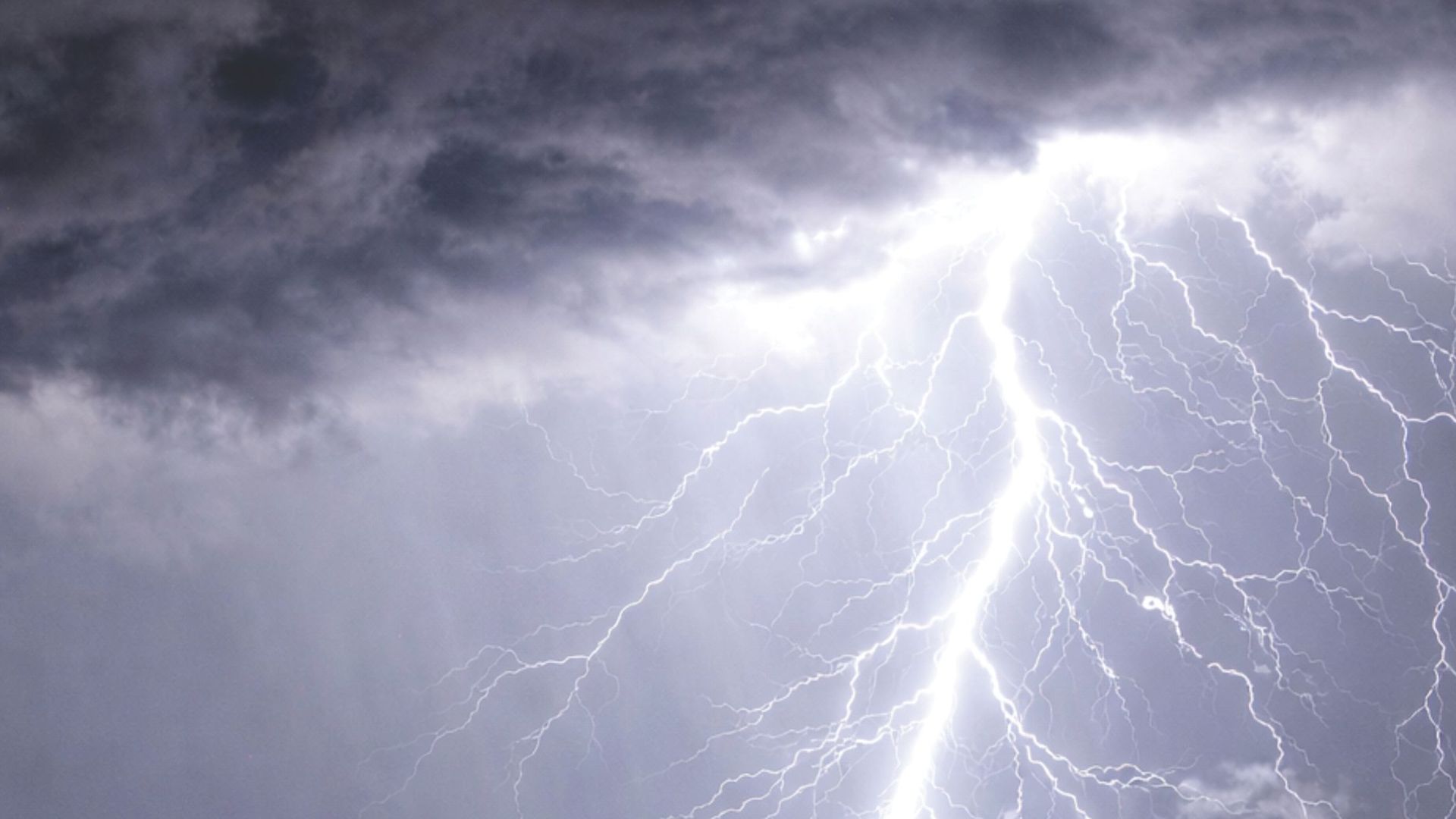 Gleive Marcio Rodrigues de Souza, Pexels
Electromagnetic Models
Other hypotheses are focused around the complex electromagnetic fields that get generated during thunderstorms. These models attempt to explain how energy might become temporarily confined into a stable glowing sphere before gradually dissipating or collapsing.
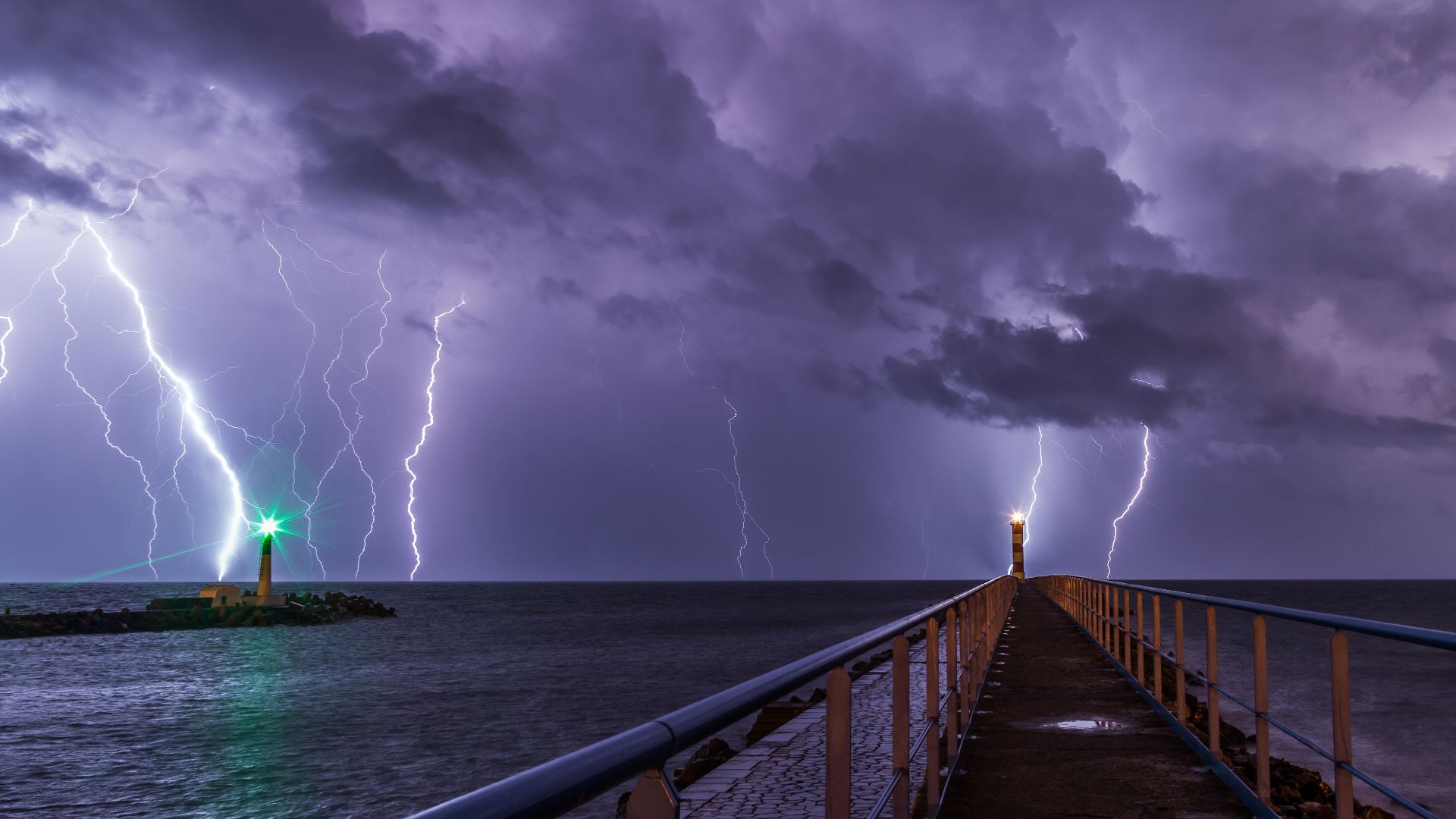 Maxime Raynal from France, Wikimedia Commons
Laboratory Attempts
Scientists have successfully produced glowing plasma balls under laboratory conditions using electricity, microwaves, lasers, and chemical reactions. While these experiments resemble ball lightning in some respects, none has been universally accepted as a true recreation of the natural phenomenon.
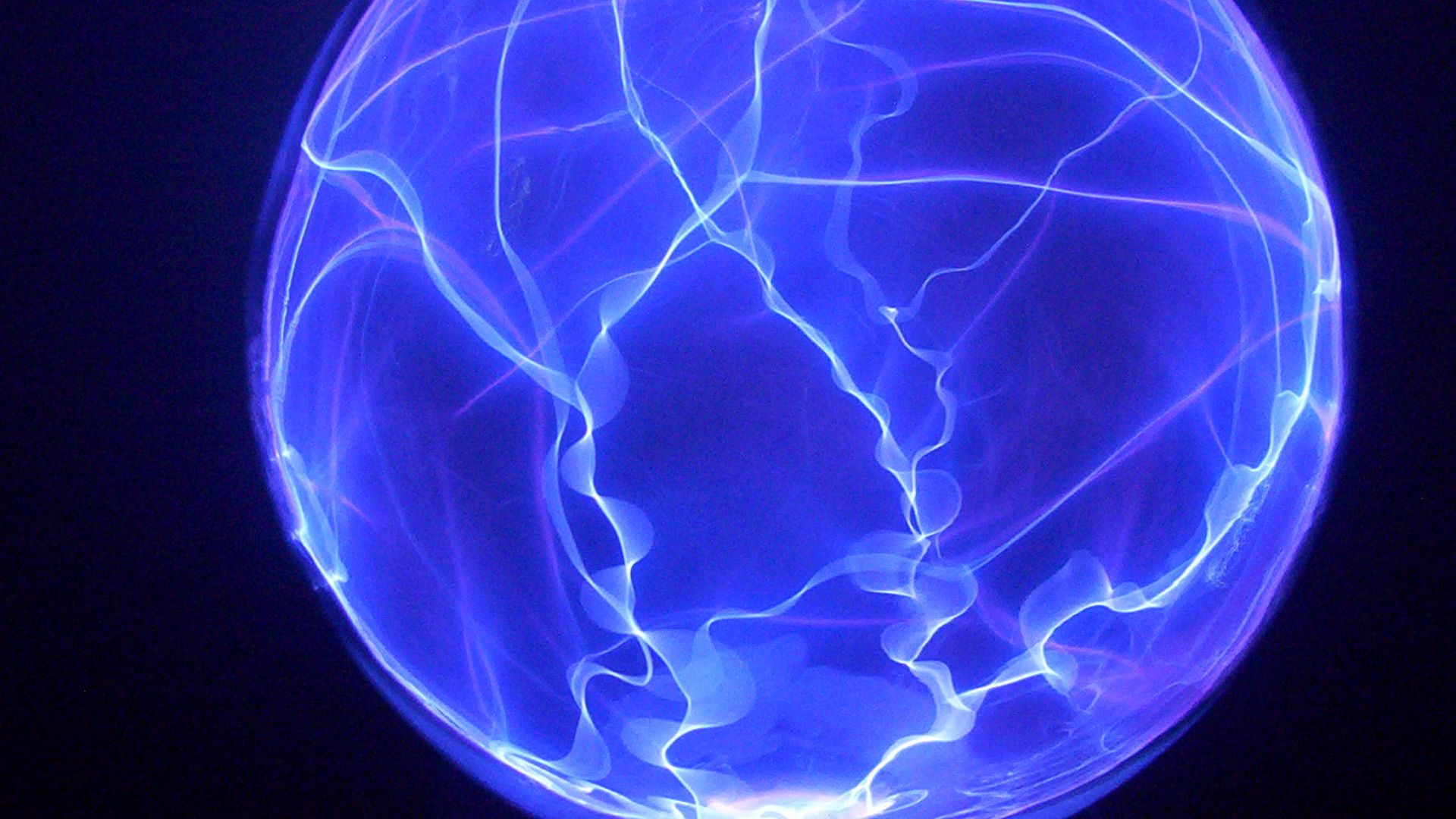 Slimsdizz at English Wikipedia, Wikimedia Commons
Aircraft Encounters
Pilots have occasionally reported ball lightning entering aircraft cabins or appearing near wings during thunderstorms. Although rare, such reports have attracted scientific attention because trained observers often provide detailed descriptions under documented weather conditions.

Indoor Sightings
Many reports involve ball lightning appearing inside homes, barns, or other buildings after thunderstorms. Witnesses describe spheres entering through fireplaces, windows, or open doors before drifting through rooms and disappearing without obvious explanation.
 Карымова Нина, Wikimedia Commons
Damage Can Occur
Although many reported encounters end harmlessly, others involve burns, damaged electrical equipment, shattered glass, scorch marks, or minor explosions. Because evidence tends to be limited after the event, figuring out exactly what caused the damage can prove difficult.

Why It's Still So Elusive
Researchers face a frustrating combination of rarity, unpredictability, and extremely short duration. By the time scientists could even get to a reported location, the phenomenon has almost always disappeared, leaving little physical evidence behind.
Multiple Phenomena?
Some scientists wonder whether 'ball lightning' may actually describe several different atmospheric events that appear similar to eyewitnesses. If true, the search for one universal explanation may prove more complicated than originally expected.
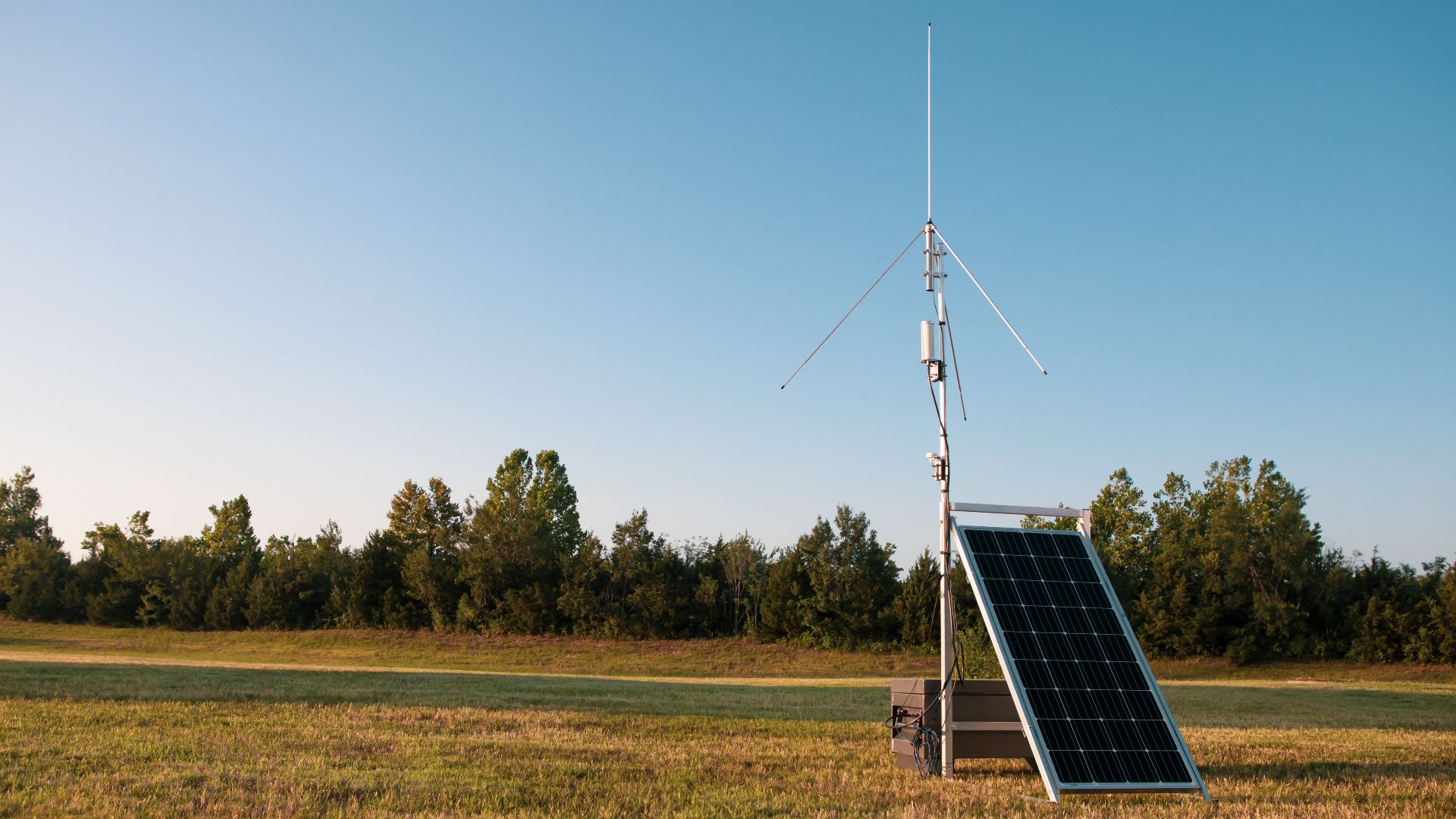
Improving Technology
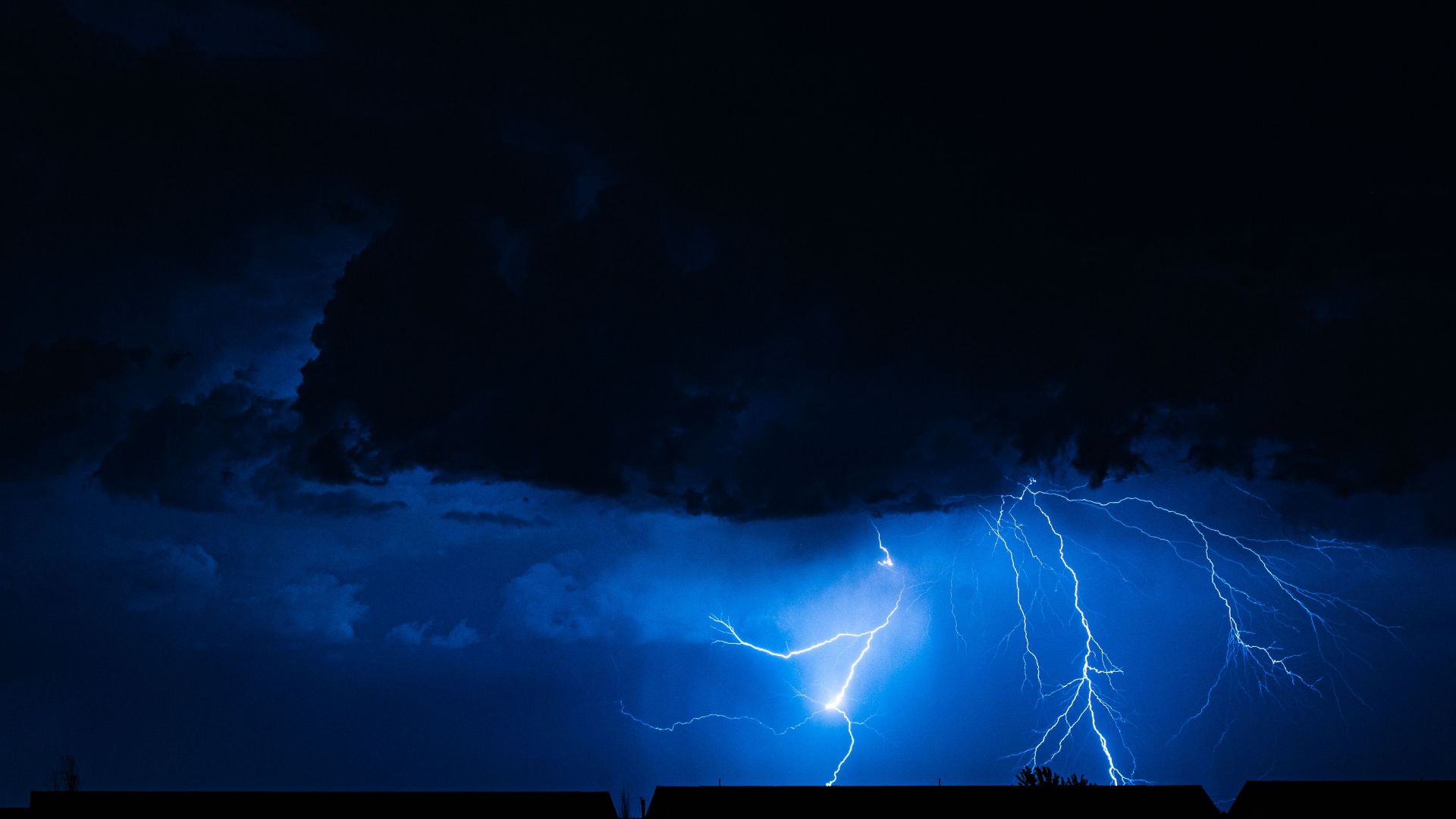
Modern high-speed cameras, lightning detection systems, spectroscopy, and atmospheric sensors offer better opportunities than ever before to capture future events. Researchers hope these technologies will eventually supply enough objective data to test competing theories more rigorously.

Still No Consensus
Despite decades of research, scientists have not reached agreement on what ball lightning actually is. Multiple hypotheses are still under investigation, and none of them can successfully explain every reliable observation reported by witnesses around the world.

The Search Continues
Ball lightning remains one of nature's most fascinating unsolved atmospheric puzzles. Every credible observation offers another opportunity to gather evidence, refine theories, and perhaps one day explain the glowing spheres that have puzzled humanity for centuries.
 Universal History Archive, Getty Images
You May Also Like:
Scientists are investigating a strange signal coming from deep beneath Earth's surface.