

A Remote Volcano Shakes The World
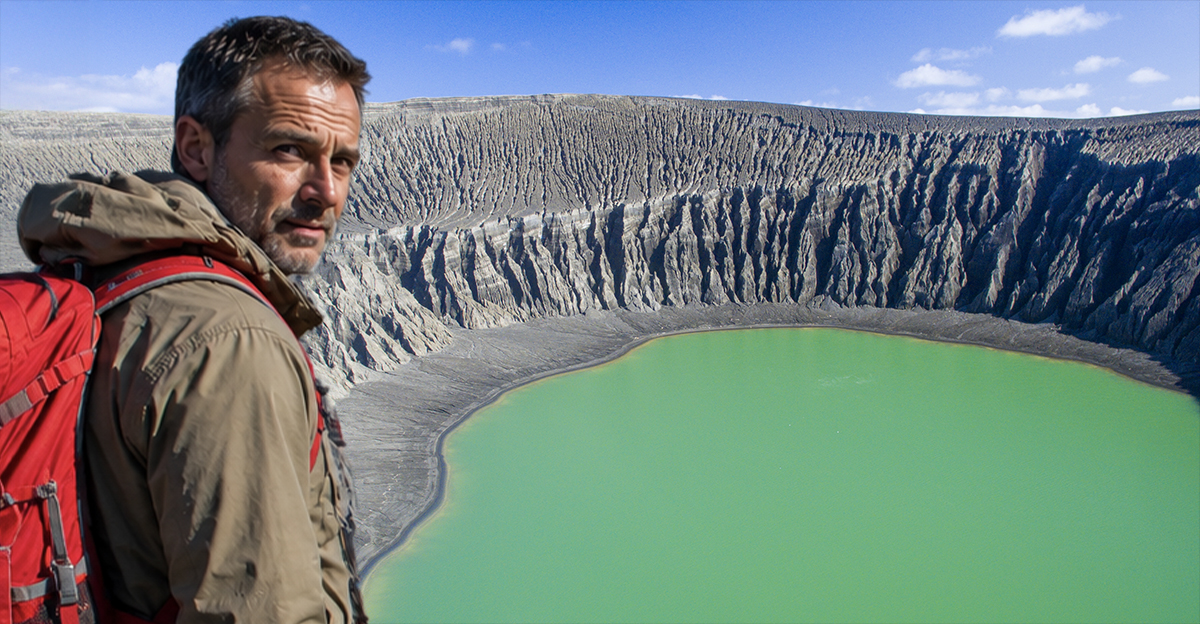
In January 2022, a remote underwater volcano in the South Pacific unleashed one of the most powerful eruptions in modern history. The blast from Hunga Tonga–Hunga Haʻapai sent shockwaves around the globe, triggered tsunamis across oceans, and injected massive amounts of seawater into the atmosphere. All of this raised new scientific questions.
 Yves GLADU/Gamma-Rapho via Getty Images; Factinate
The Setting In The South Pacific
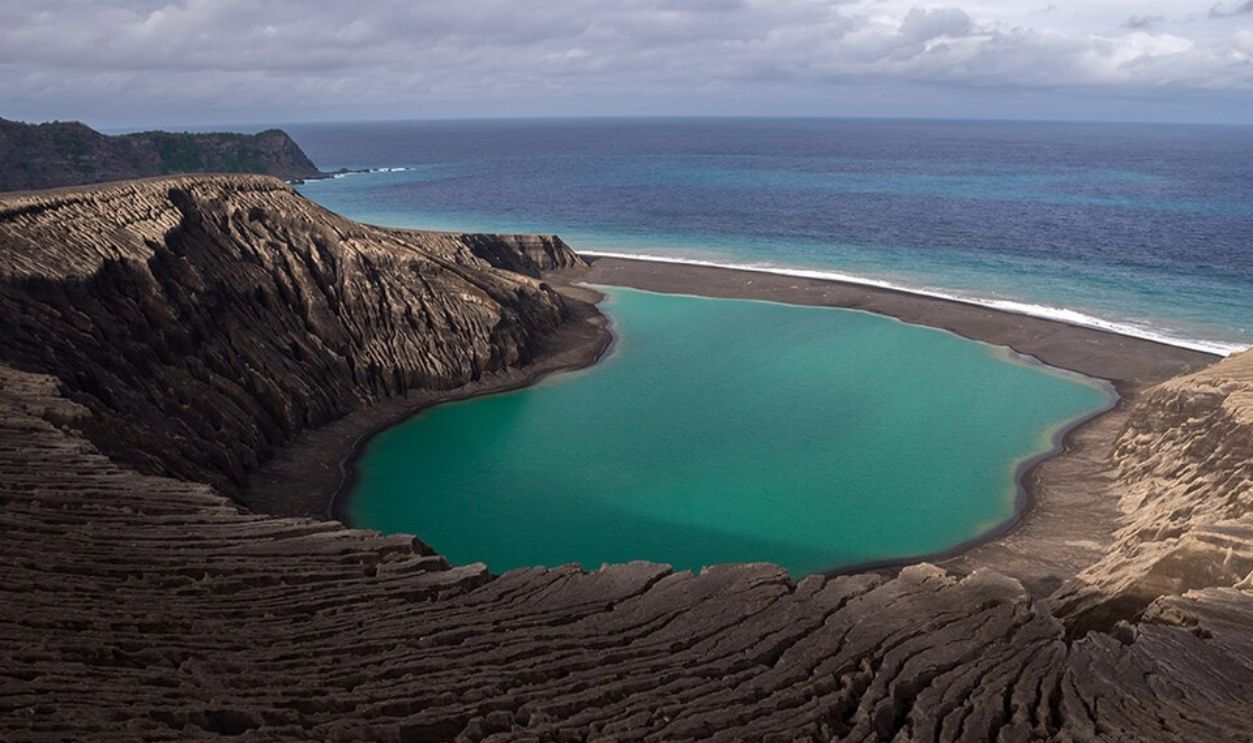
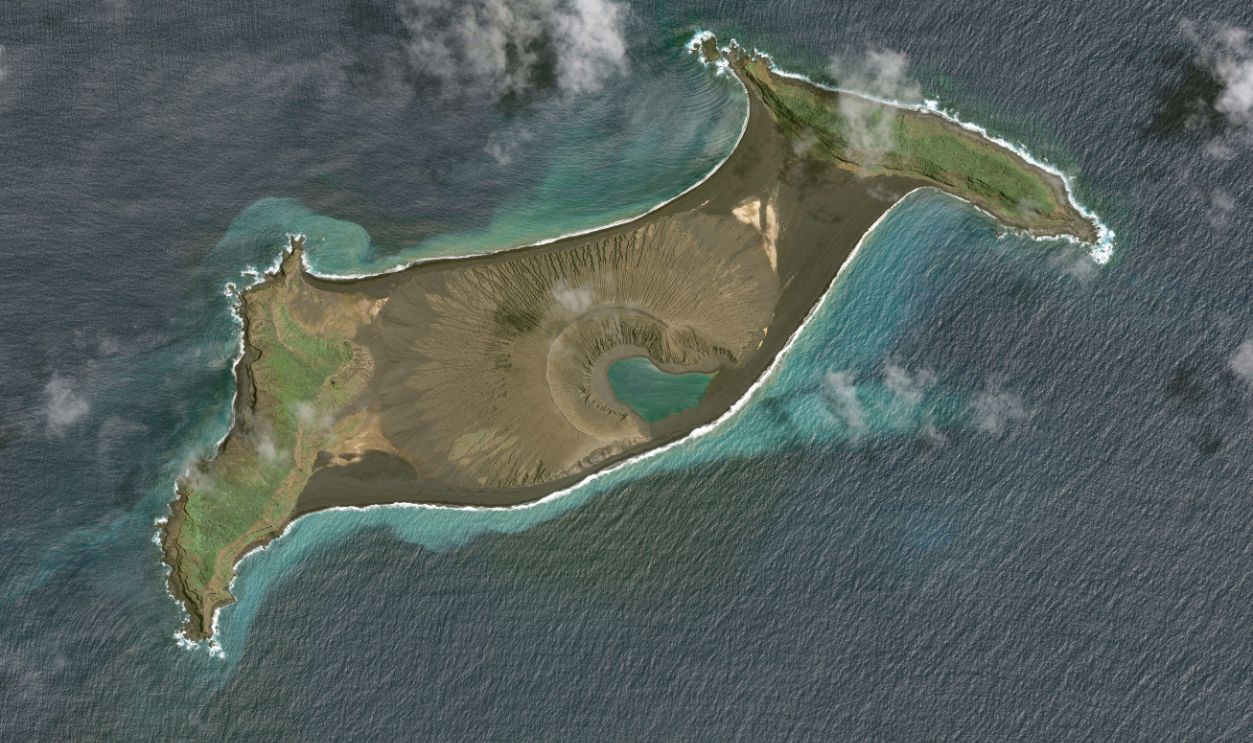
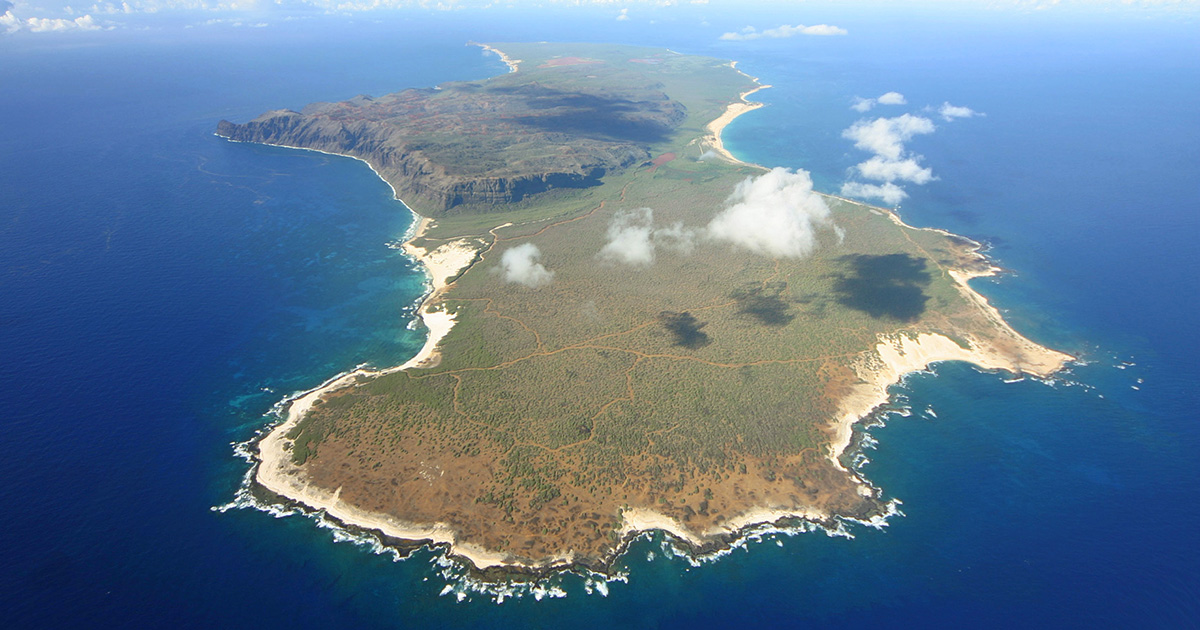
Tonga is a chain of tropical islands in the South Pacific. The island chain sits along the seismically and volcanically active Pacific Ring of Fire. The Hunga Tonga–Hunga Haʻapai volcano lies mostly underwater, with only small islands visible above the surface. This hidden structure made its explosive potential difficult to fully anticipate.
 Damien Grouille, CC BY-SA 4.0, Wikimedia Commons
A Volcano Awakens
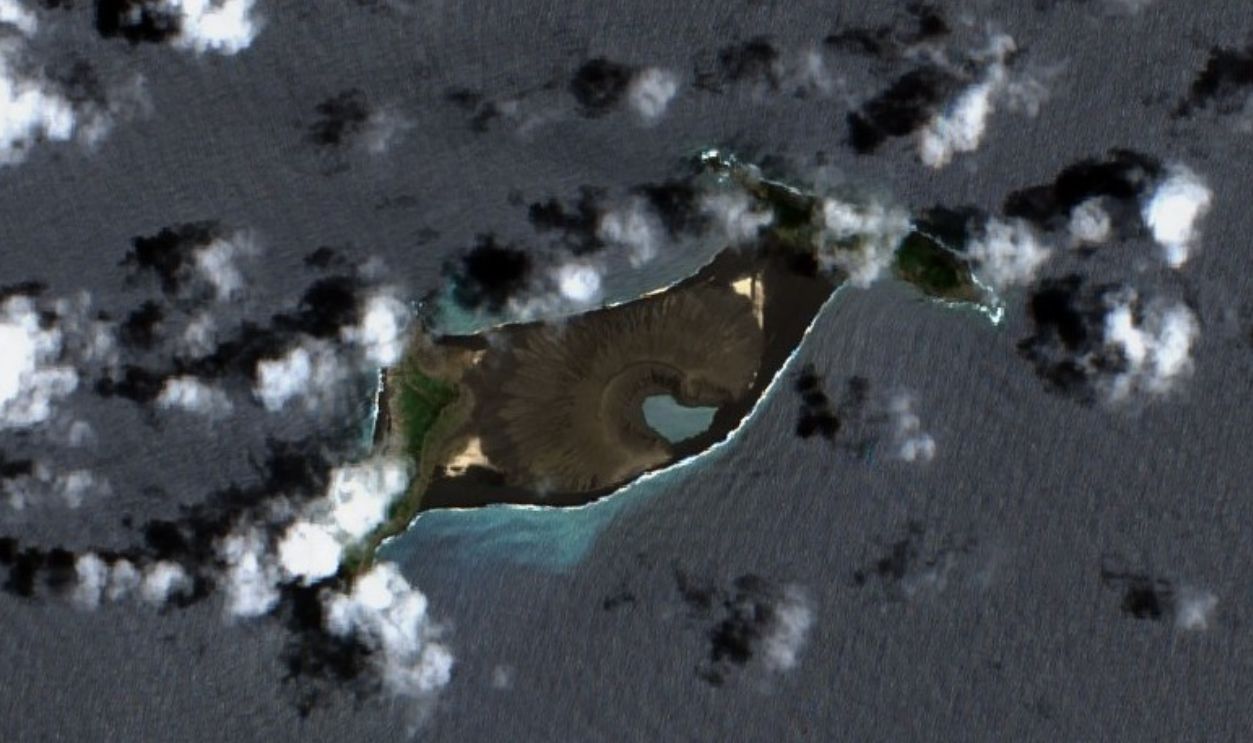
In late December 2021, the volcano began rumbling with smaller eruptions that hinted at something larger lurking just around the corner. Ash plumes and steam bursts rose intermittently, drawing attention from satellites and scientists monitoring volcanic activity across the region.
 Contains modified Copernicus Sentinel data 2021, CC BY-SA 3.0, Wikimedia Commons
The Cataclysmic Blast
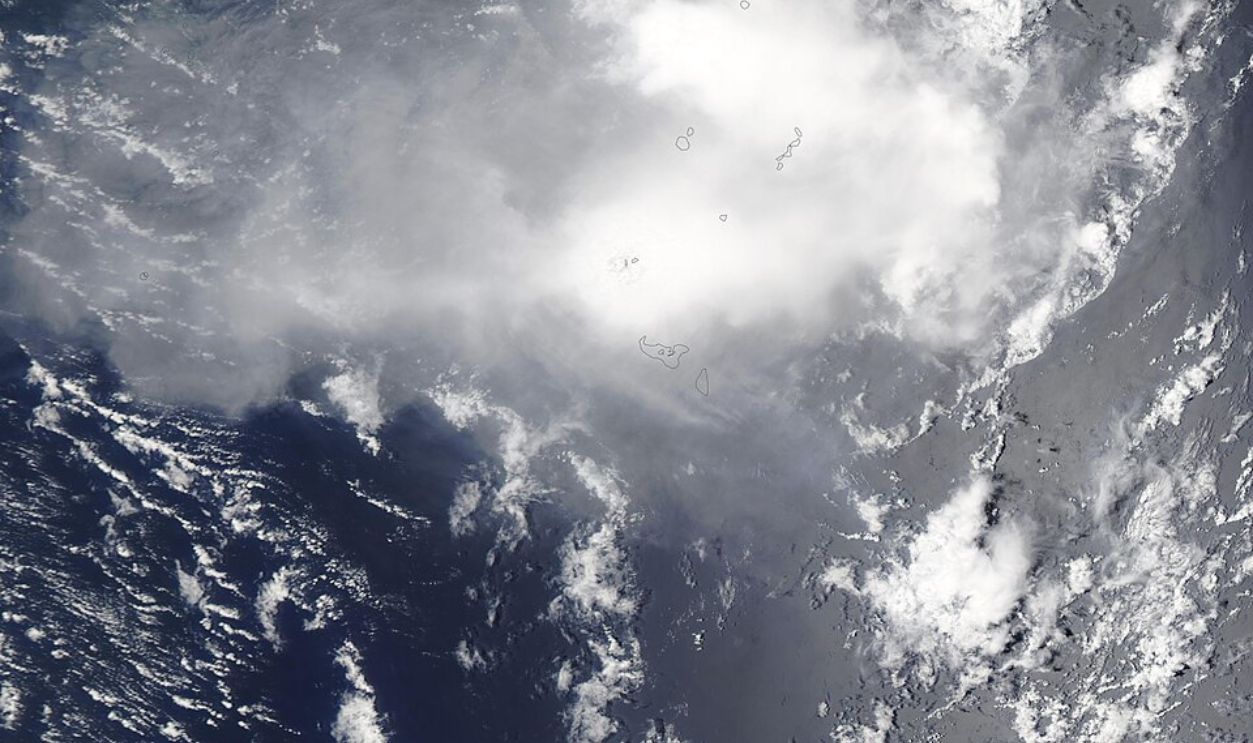
On January 15, 2022, the volcano’s wrath was fully unleashed, as it erupted with astonishing force. The explosion was so powerful it was heard thousands of kilometers away. Scientists later described it as the largest underwater explosion ever recorded in modern history.
 MODIS Land Rapid Response Team, NASA GSFC, Wikimedia Commons
A Plume That Reached The Stratosphere And Beyond
The eruption sent an ash and gas plume soaring roughly 50 to 60 kilometers into the atmosphere. This towering column of gases and particles rivaled or even exceeded the height of the plume from the Krakatoa eruption of 1883, one of history’s most infamous volcanic events.
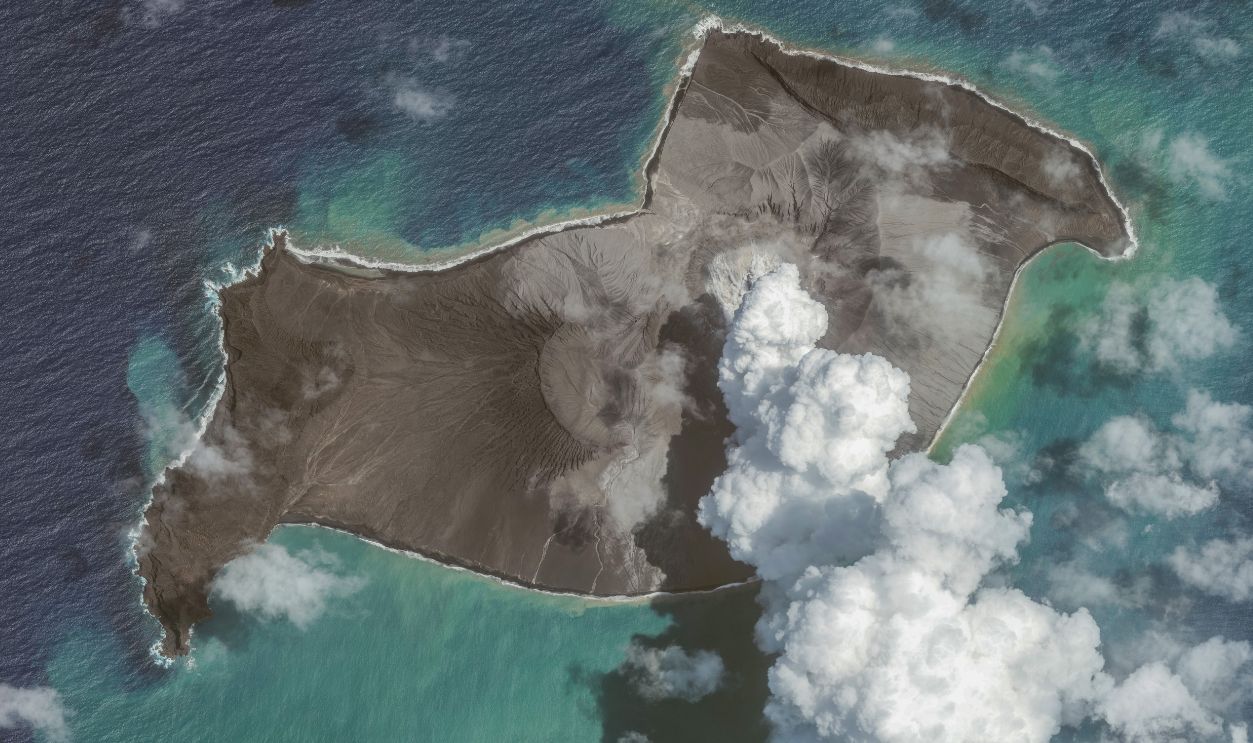
Shockwaves Around The Globe
Atmospheric pressure waves from the blast circled the Earth multiple times. Barometers around the world recorded sudden jumps as the shockwave passed, a rare occurrence that demonstrated just how immense the explosion truly was.
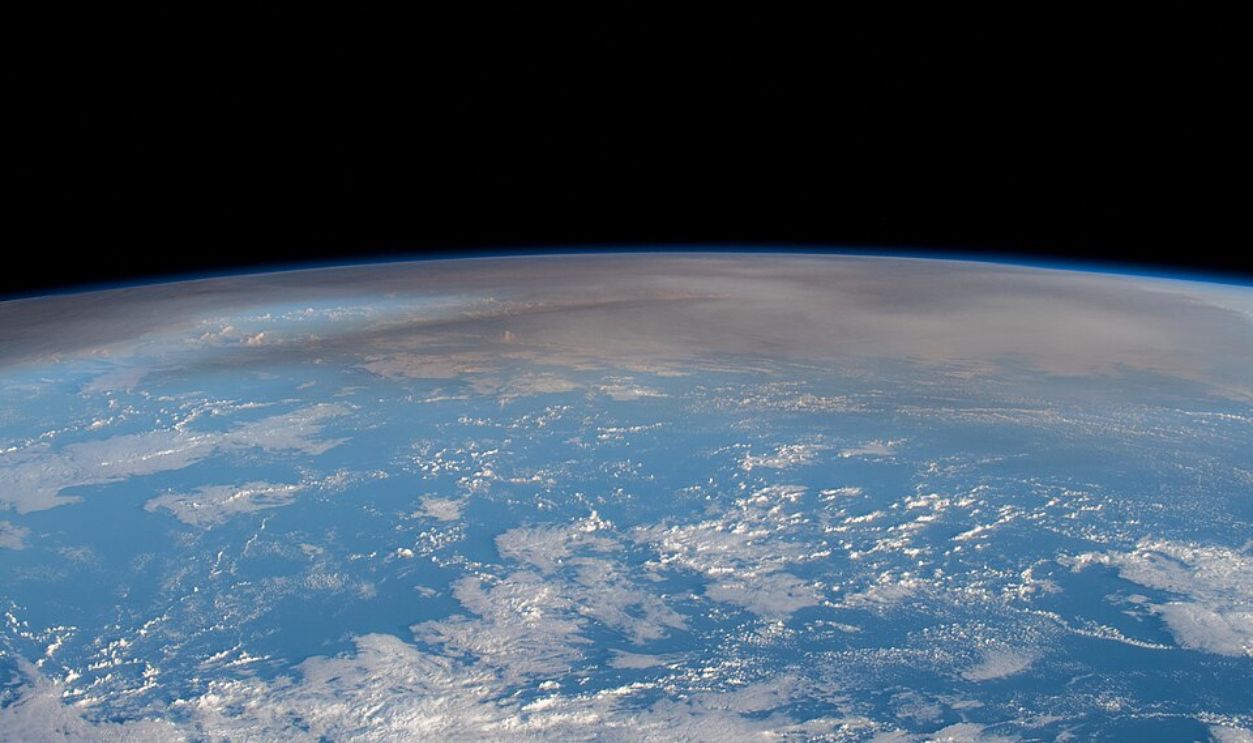 NASA / Kayla Barron, Wikimedia Commons
Tsunami Across The Pacific
The eruption triggered a tsunami that spread across the Pacific Ocean. Waves struck coastlines in Tonga, Japan, the United States, and South America, causing flooding, damaged infrastructure, and widespread disruptions far from the eruption site.
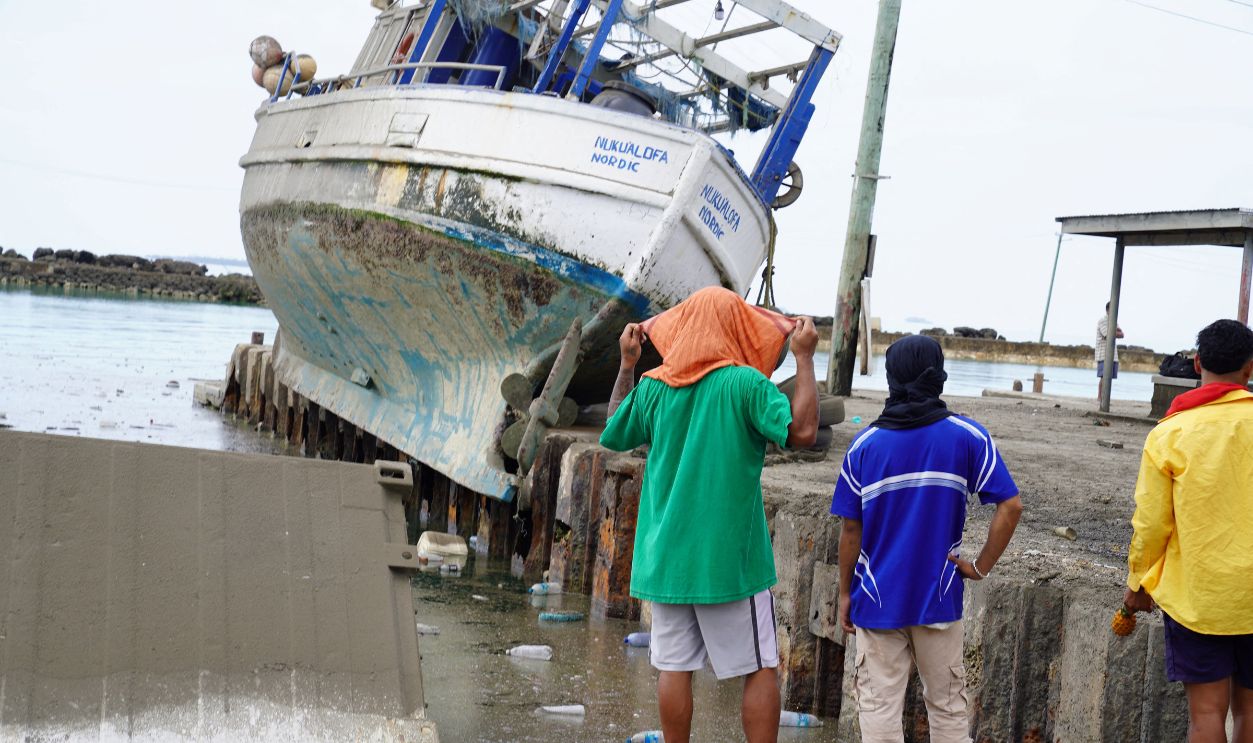
Devastation In Tonga
In Tonga, the impact was immediate and severe. Coastal communities were inundated, buildings were destroyed, and ash blanketed the islands. Communication lines were cut, leaving the country temporarily cut off from the rest of the world.
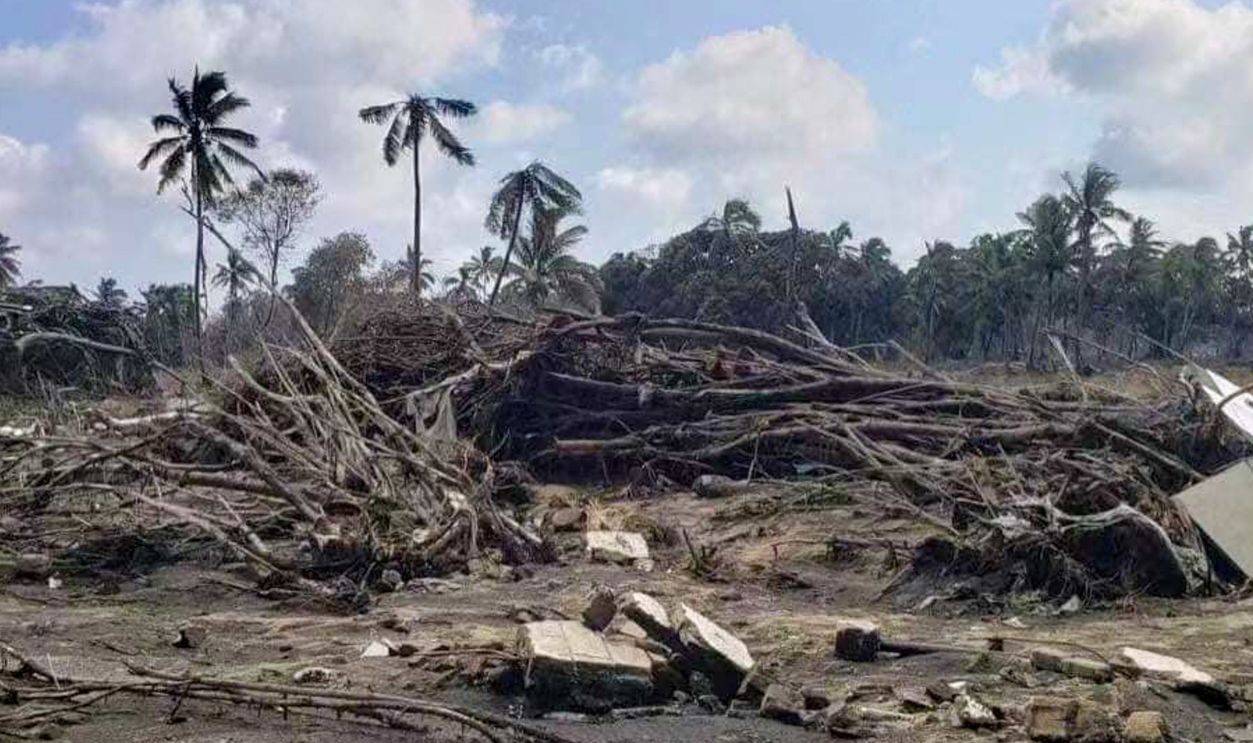 Xinhua News Agency, Getty Images
A Nation Cut Off
The eruption severed Tonga’s main undersea communications cable, disrupting internet and phone service. For days, the outside world struggled to assess the damage with grim recognition of the vulnerability of remote island nations to natural disasters.
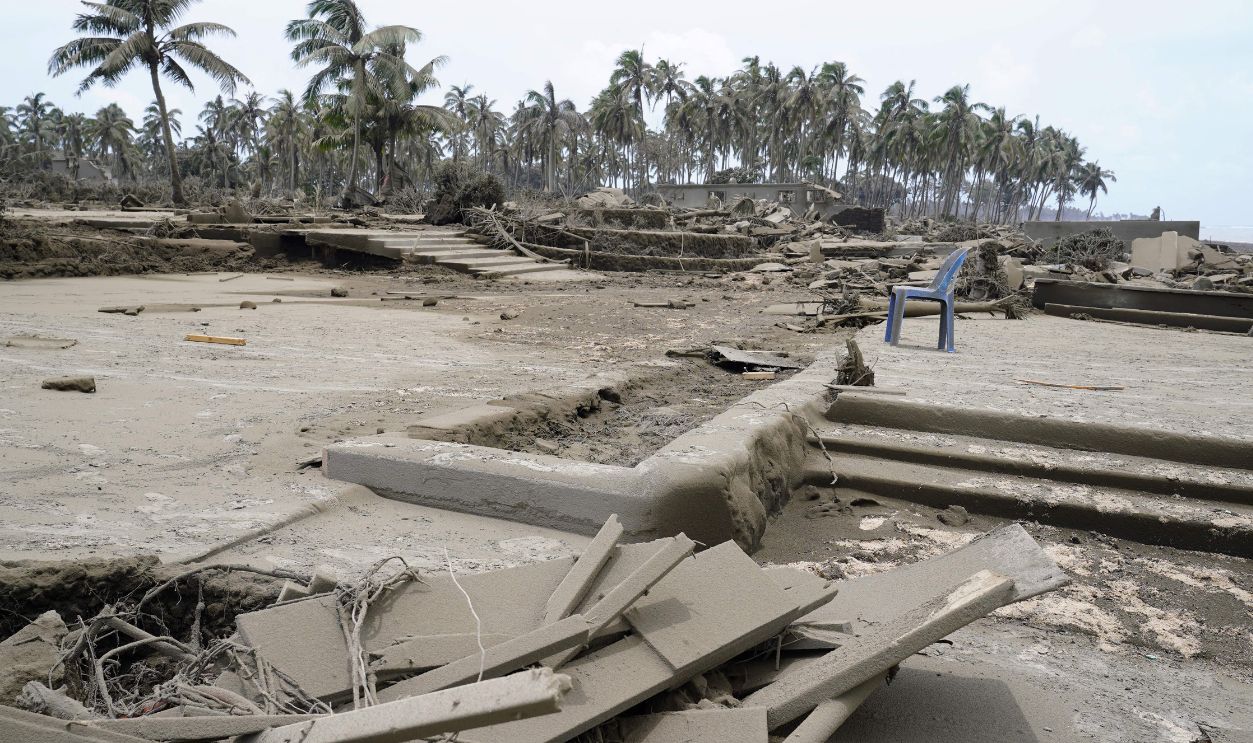
Ashfall And Darkness
Thick ash clouds spread across the islands, contaminating water supplies and covering homes, crops, and roads. In some areas, daylight turned to darkness as volcanic ash filled the sky.
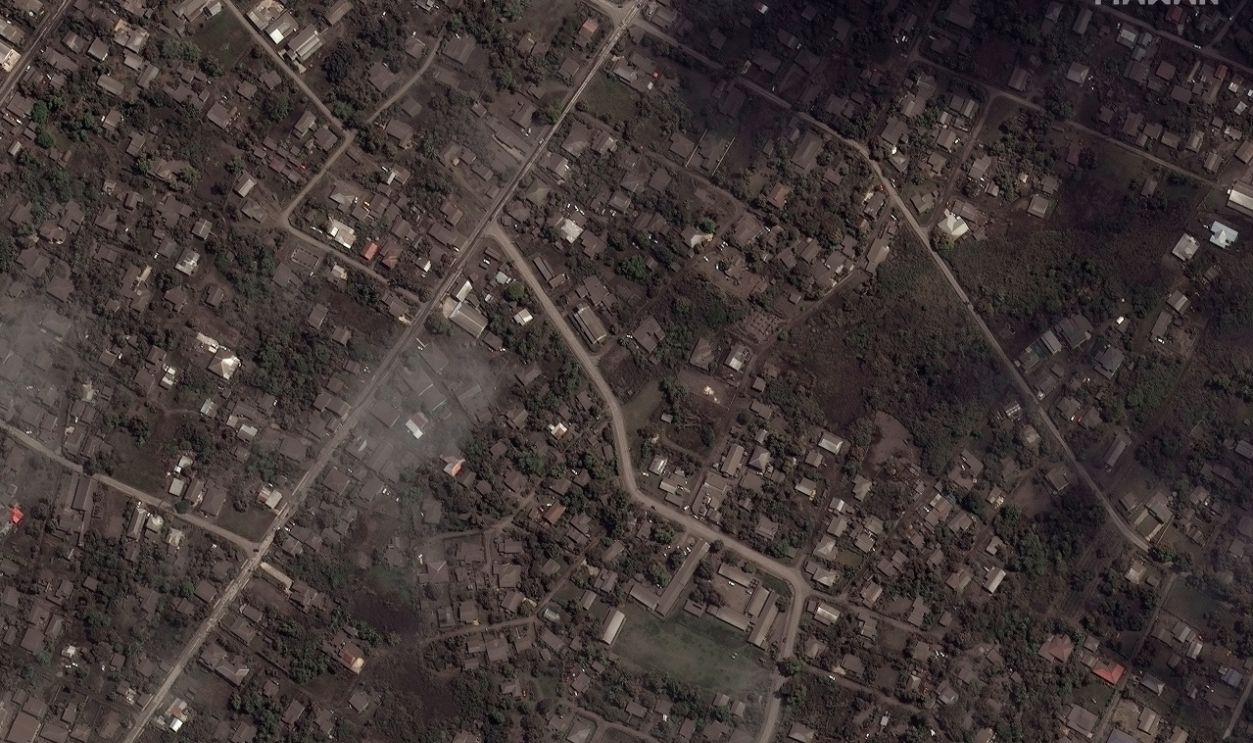
Lightning In The Plume
The towering ash column generated intense volcanic lightning. Thousands of lightning flashes flickered within the plume, creating one of the most electrified volcanic clouds ever recorded, one that lasted for 19 hours.
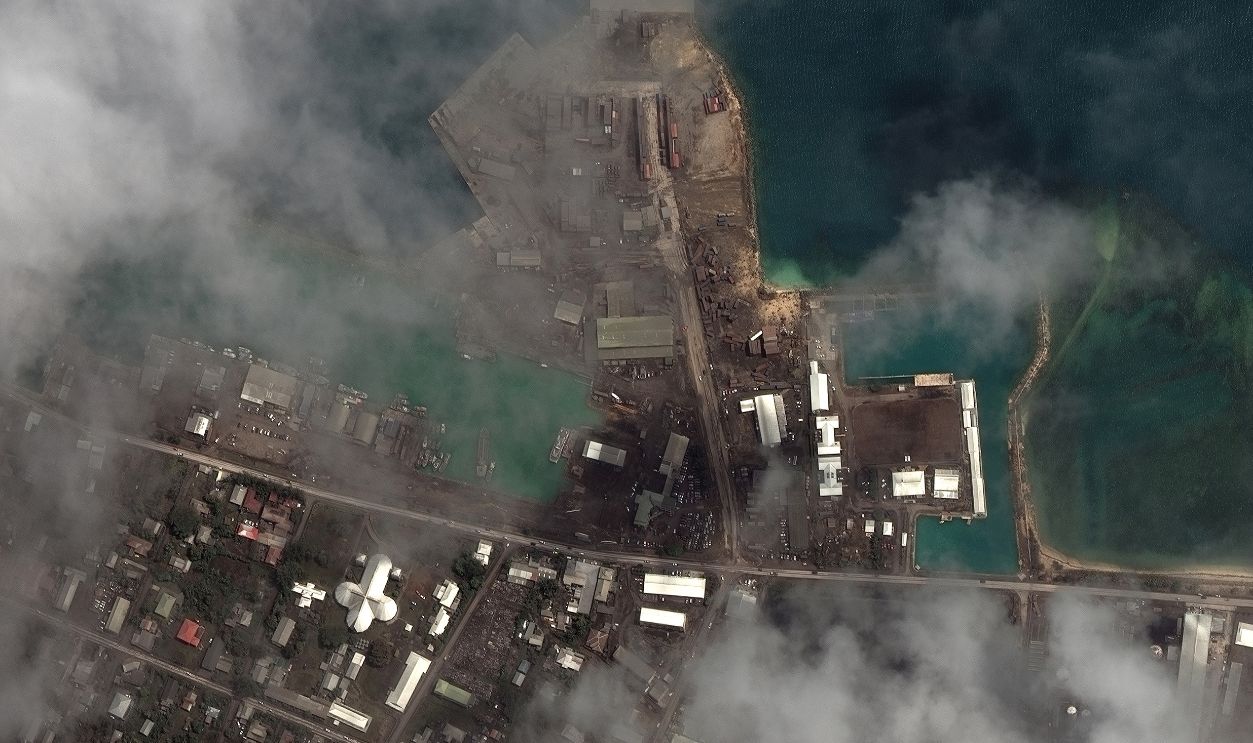
A Massive Water Injection
Unlike most eruptions, this one blasted enormous quantities of seawater into the stratosphere. Scientists estimate that tens of millions of tons of water vapor were injected high into the atmosphere, an unprecedented event in modern observations.
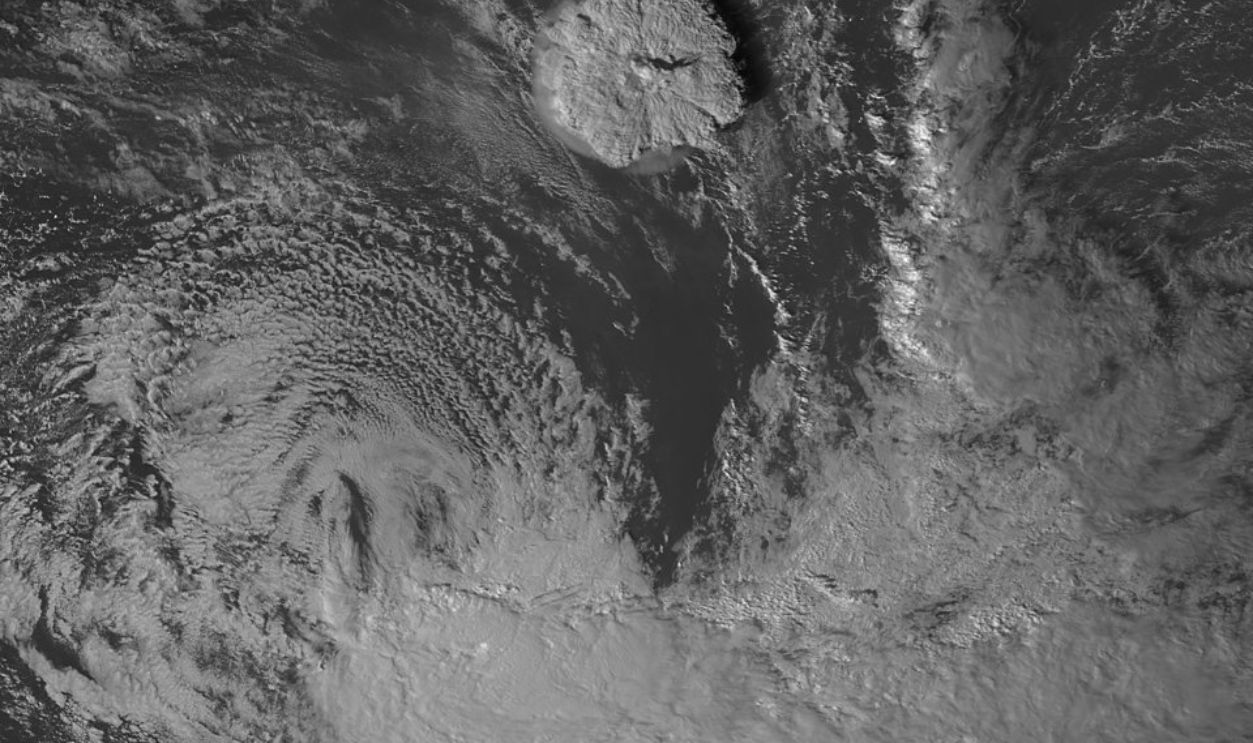 Japan Meteorological Agency, CC BY 4.0 CC BY 4.0, Wikimedia Commons
Climate Implications
Water vapor is a powerful greenhouse gas. The injection from this eruption may have subtle warming effects on global climate patterns, contrasting with the cooling influence usually associated with volcanic ash and sulfur emissions.
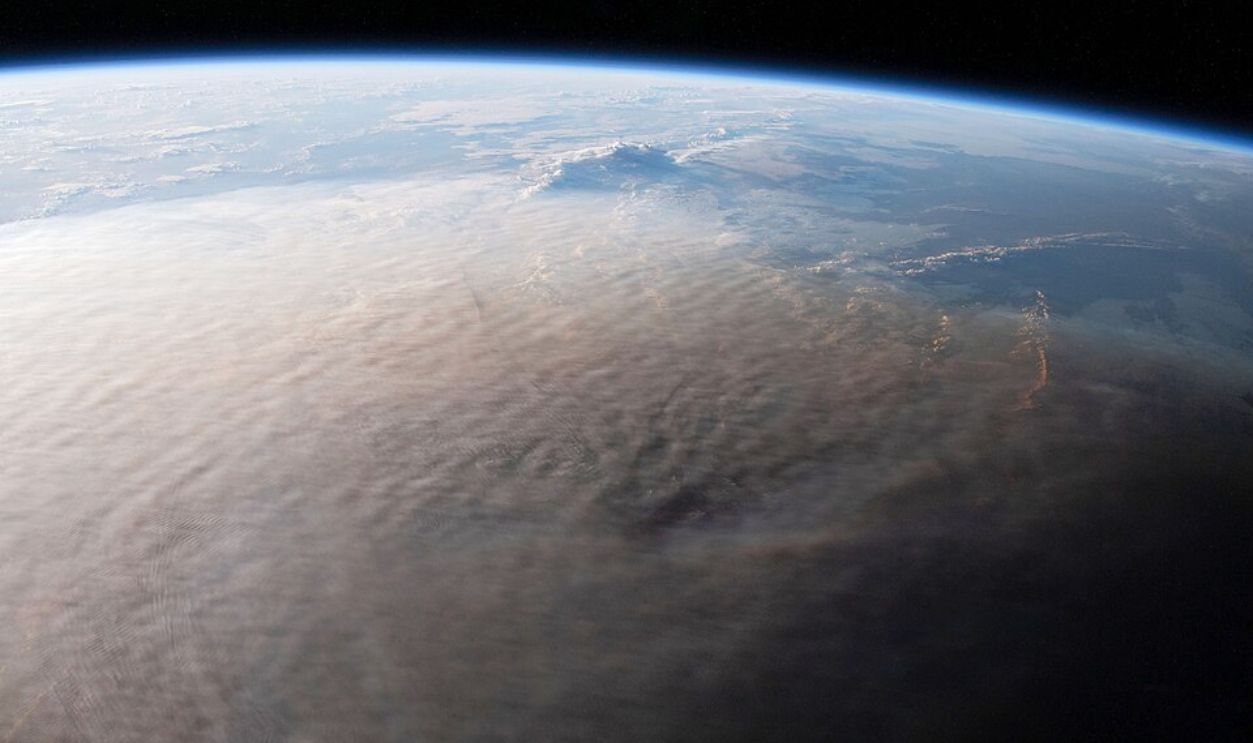 NASA Earth Observatory, Wikimedia Commons
A Rare Atmospheric Event
Most large eruptions release sulfur dioxide that reflects sunlight and cools the planet. This eruption’s unique water-rich plume has made it a subject of intense scientific study due to its unusual atmospheric chemistry.
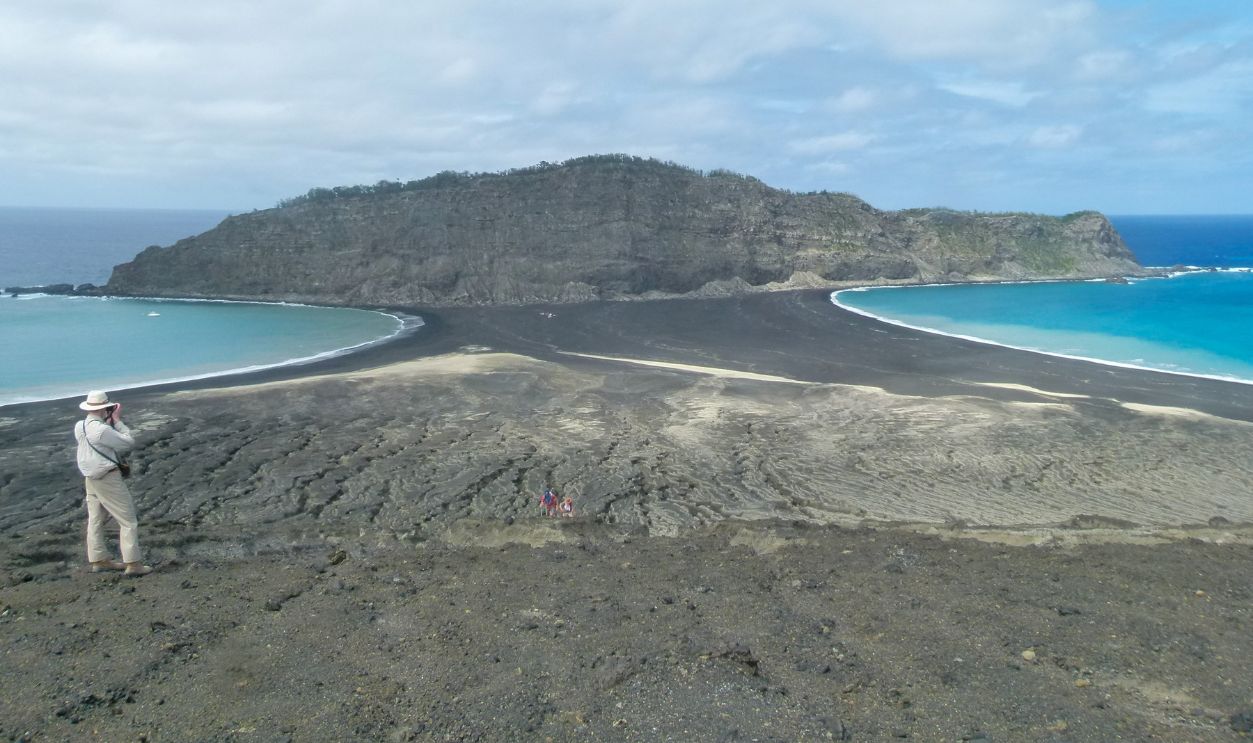 Xinhua News Agency, Getty Images
Effects Felt In Peru
The eruption’s tsunami had unexpected consequences along the coast of Peru. In Lima, strong waves contributed to an oil spill when tankers were disrupted, causing environmental damage along the shoreline.
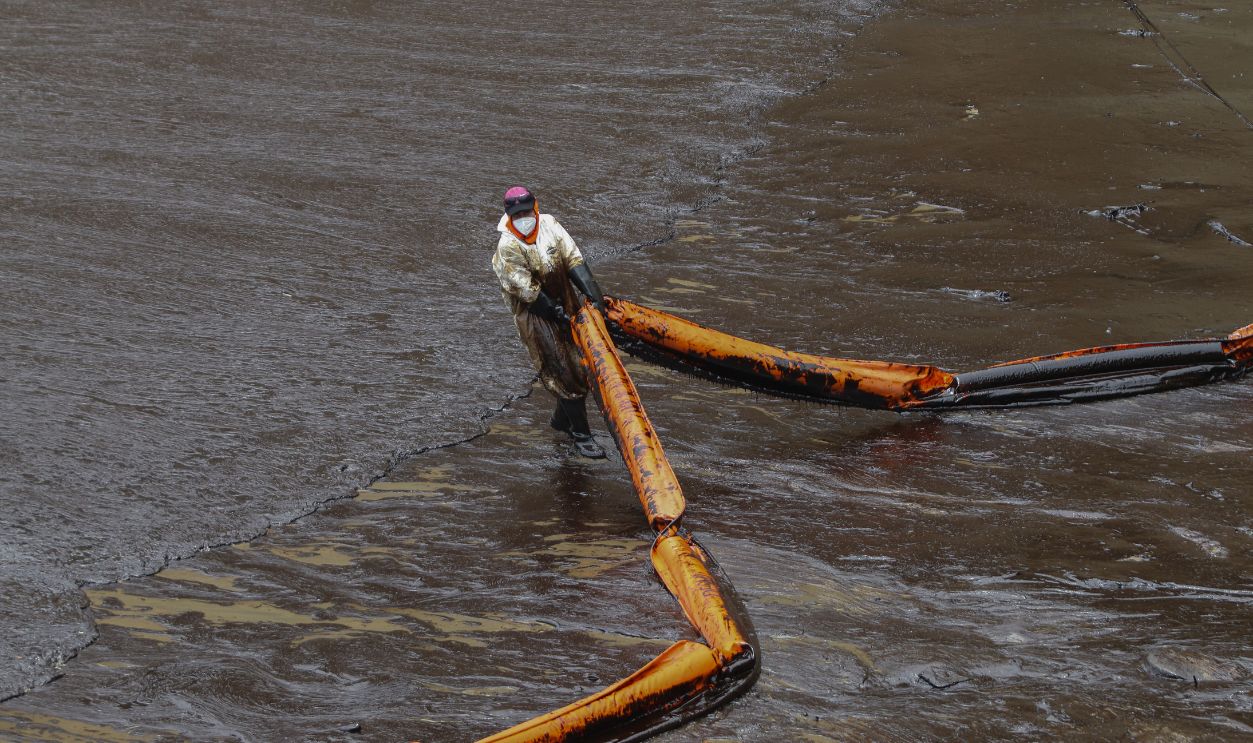
Environmental Damage
Thousands of barrels of oil spilled into coastal waters near Lima, wreaking havoc on marine life and polluting beaches. Cleanup efforts took weeks and highlighted how distant natural events can trigger cascading environmental crises.
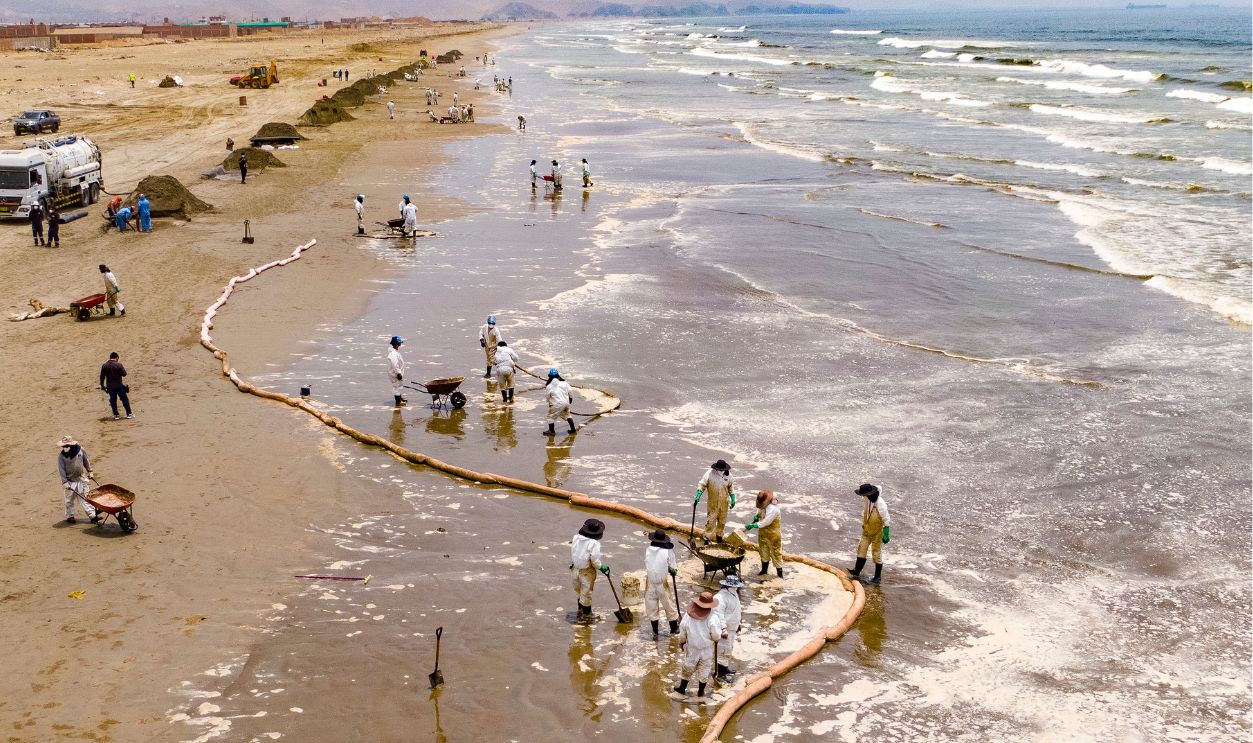
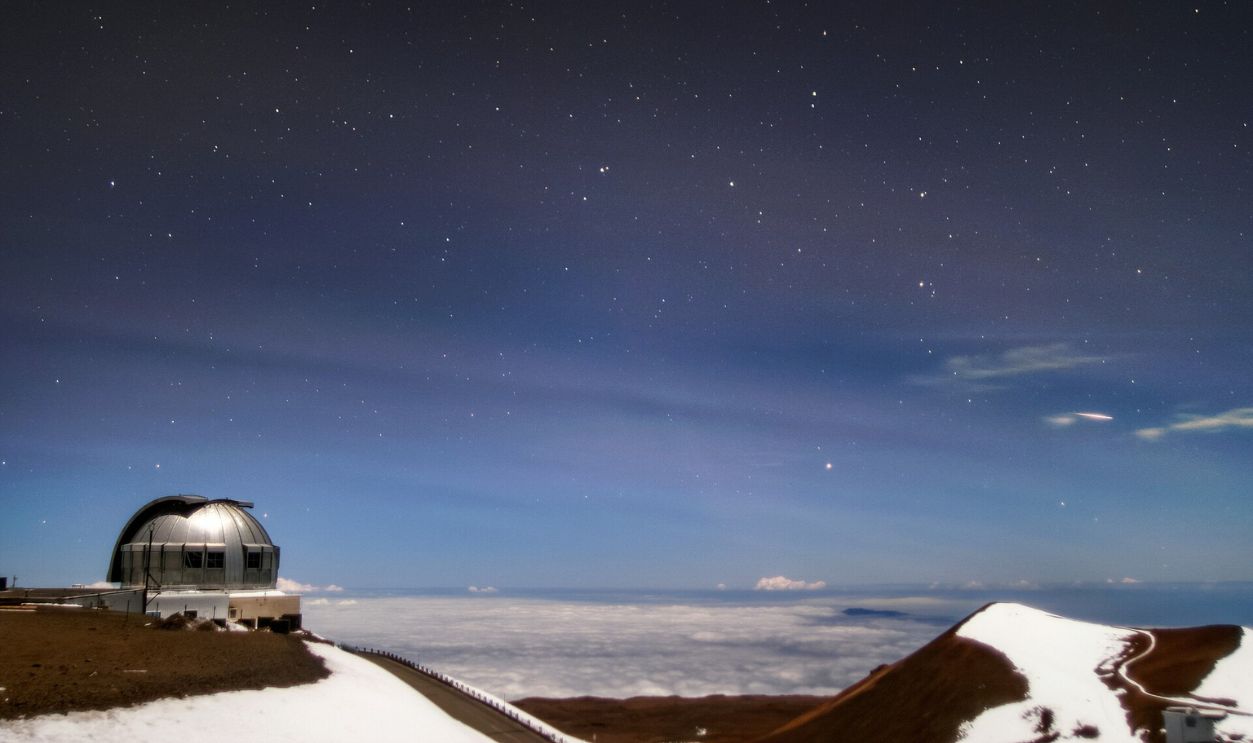
Sonic Boom Across Oceans
The explosion produced a powerful sonic boom that traveled vast distances. People in faraway countries reported hearing thunder like sounds, even though they were thousands of kilometers away from the eruption.
 International Gemini Observatory/NOIRLab/NSF/AURA, CC BY 4.0, via Wikimedia Commons
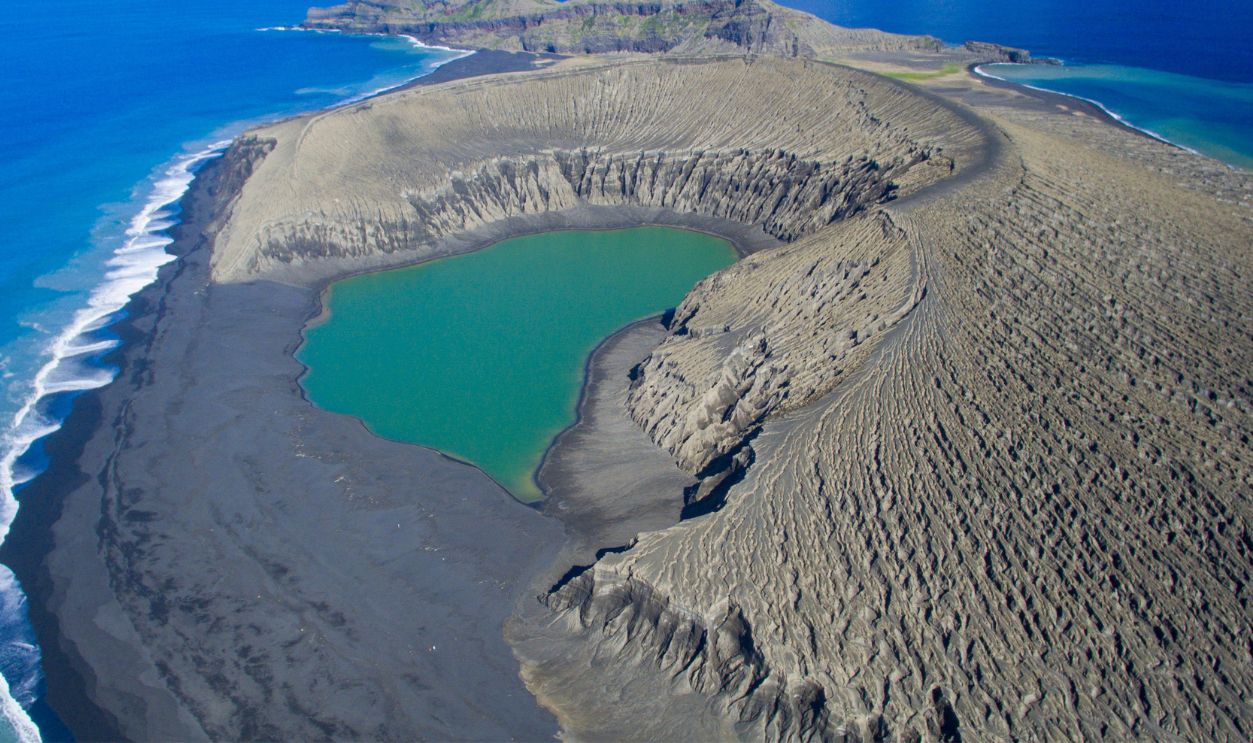
A Crater Beneath The Sea
Much of the volcano collapsed during the eruption, leaving a large underwater caldera. This structural change altered the landscape beneath the ocean and contributed to the scale of the explosion.
Satellites Capture The Moment
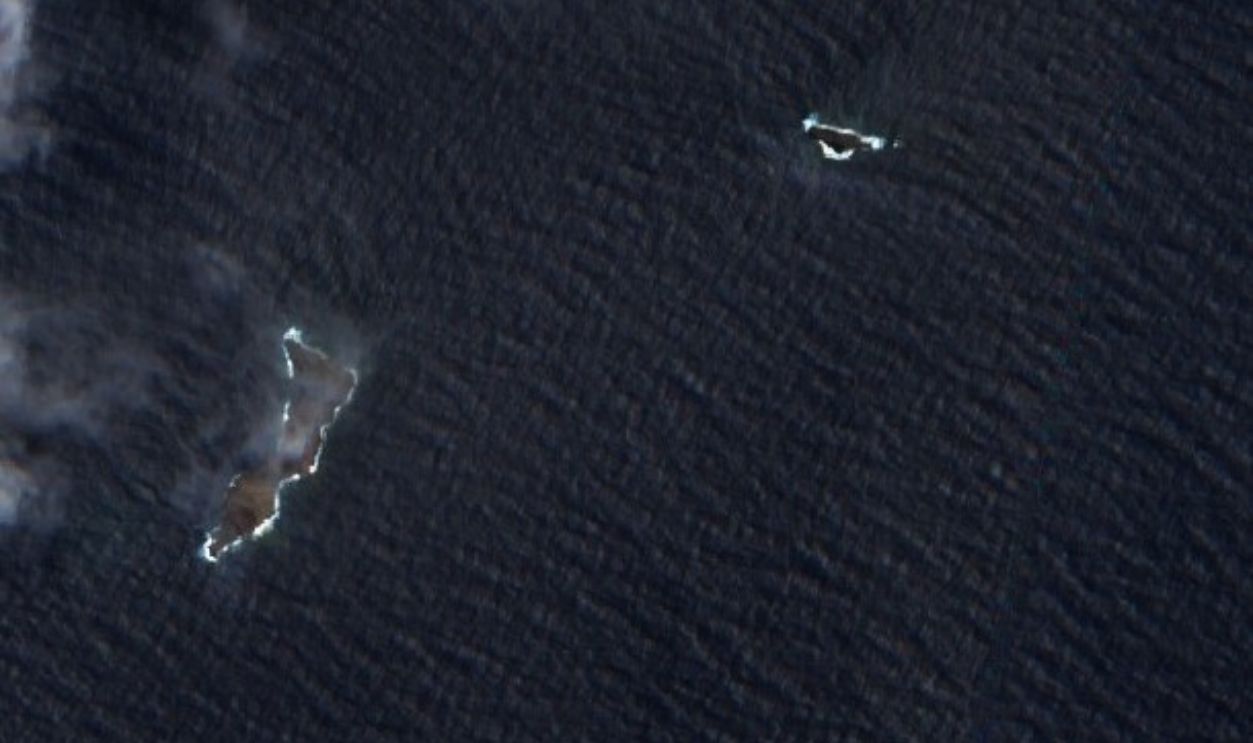
Satellites provided unprecedented data on the eruption. High resolution imagery captured the plume’s rapid rise, shockwave expansion, and atmospheric effects in near real time, offering a rich archive for researchers to pore over.
 Contains modified Copernicus Sentinel data 2022, CC BY-SA 3.0, Wikimedia Commons
Scientific Goldmine
Researchers from NASA and NOAA have been studying the eruption and its effects with keen interest. The event offers new insights into underwater volcanism and atmospheric interactions.
 Kim Shiflett, Wikimedia Commons
Comparing Historic Eruptions
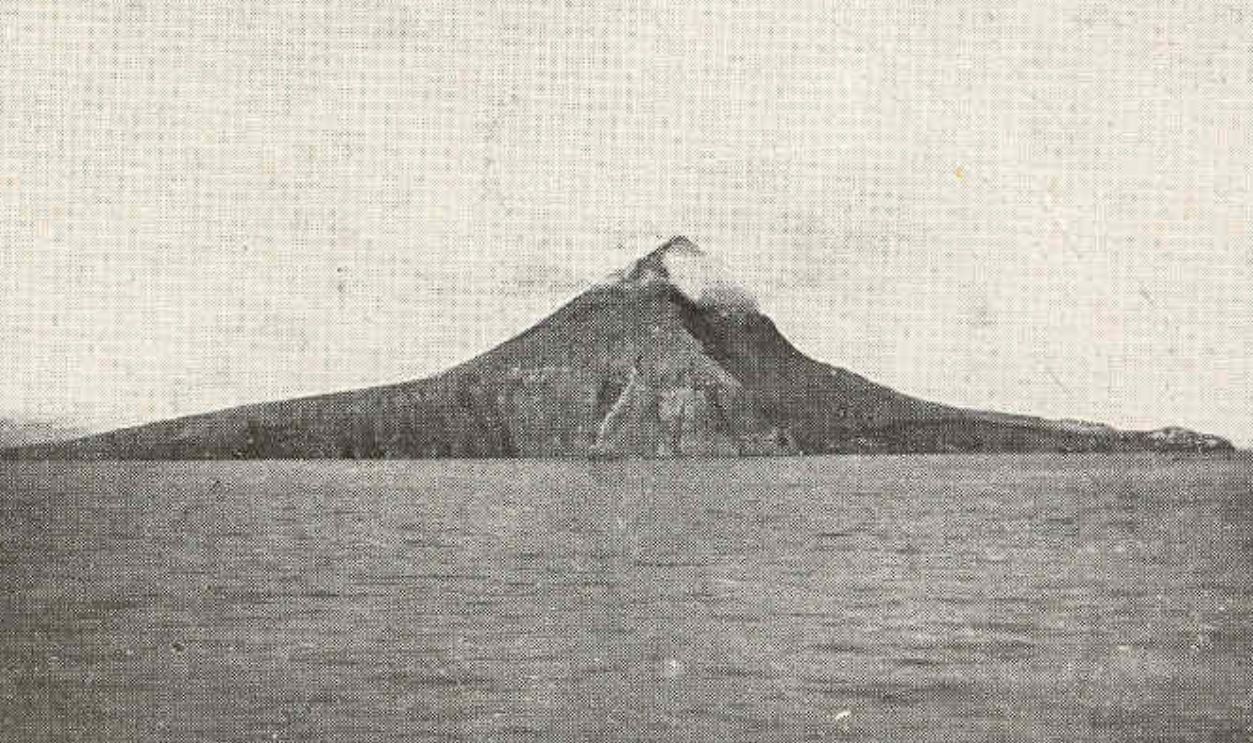
The 2022 eruption is often compared to the Krakatoa eruption of 1883. While Krakatoa caused more fatalities, the Tonga eruption rivaled it in explosive energy and atmospheric reach.
 Georges Clerc-Rampal, Wikimedia Commons
The Power Of Underwater Volcanoes
Submarine volcanoes are a lot different from land-based ones. This eruption was dramatic proof of how much the interaction between magma and seawater can amplify a volcano's explosive force.
Long Term Atmospheric Effects
Scientists continue to monitor how the injected water vapor disperses through the stratosphere. Early findings suggest it could linger for years, subtly raising global temperatures and impacting regional weather patterns.

Possible Impact On The Ozone Layer
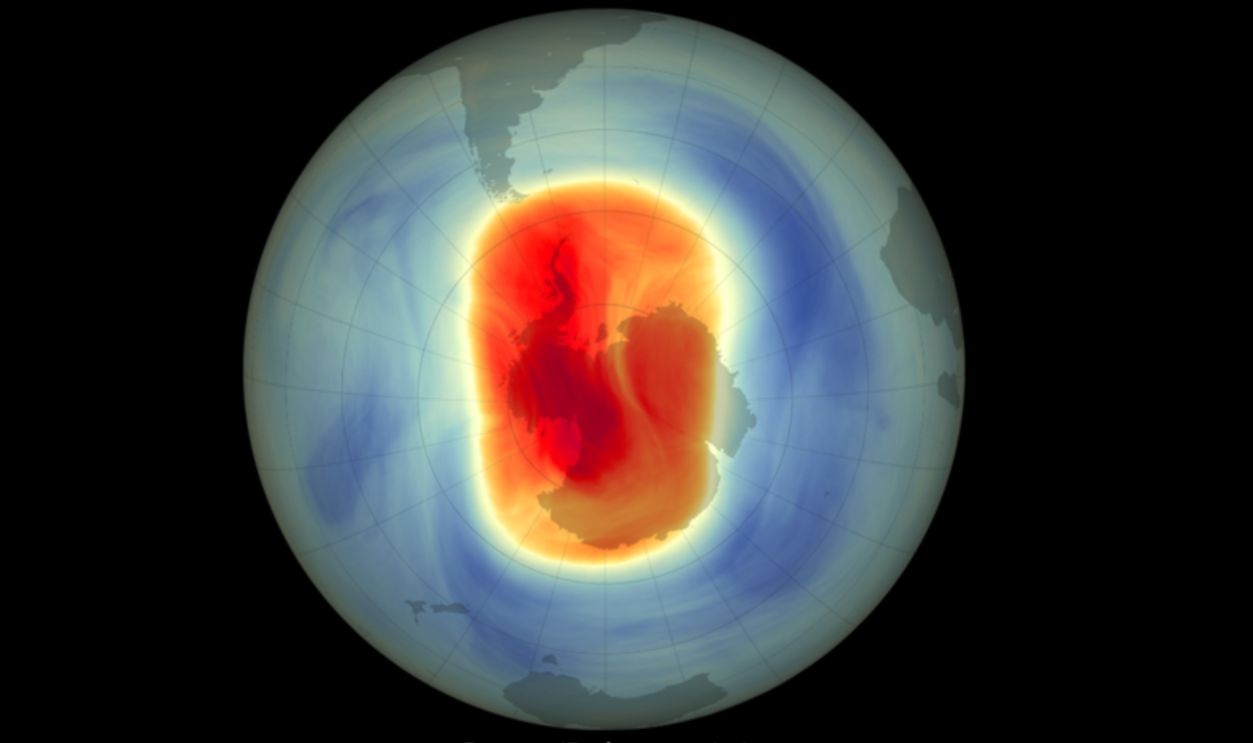
Scientists have raised concerns that the eruption may have contributed to ozone depletion. The injected water vapor can enhance chemical reactions that destroy ozone, and the Antarctic ozone hole in 2023 was among the biggest on record, possibly linked to the eruption’s atmospheric effects.
Lessons For The Future
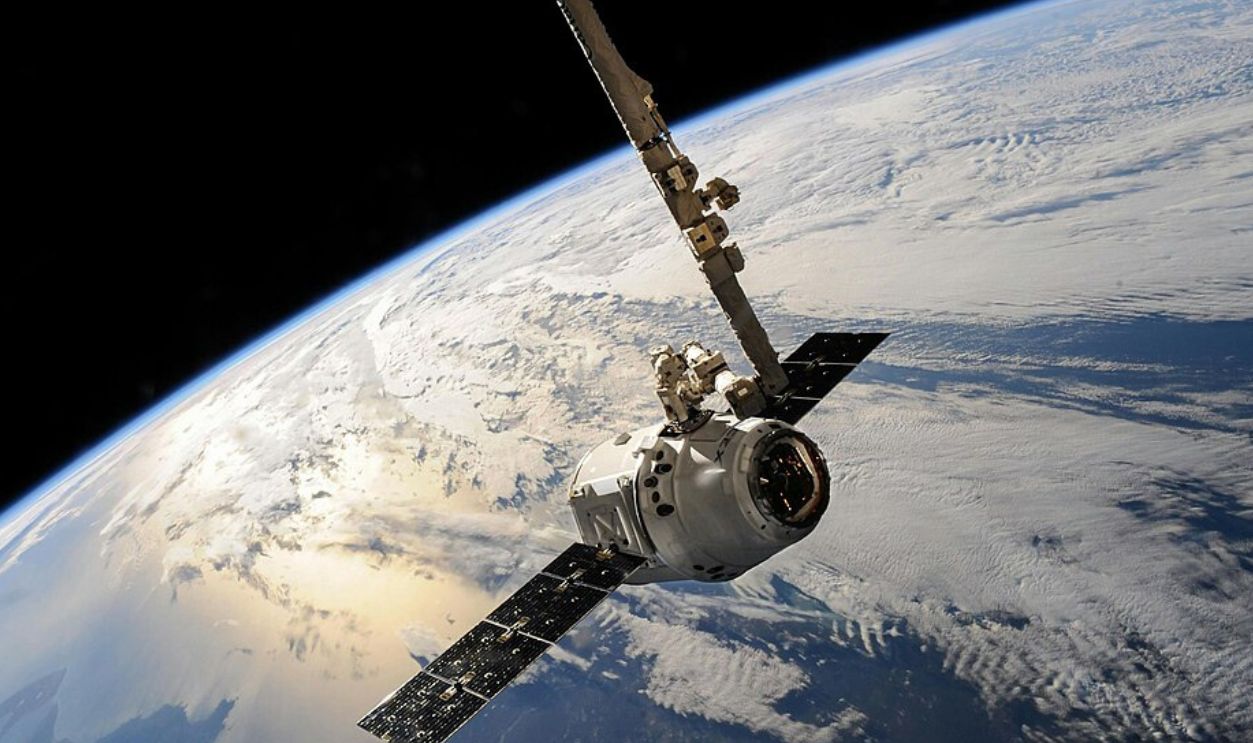
The eruption underscored the importance of global monitoring systems. Early warning networks and satellite observations helped track the event, but the scale of its impacts showed gaps in preparedness.
 Space X, CC0, Wikimedia Commons
A Reminder Of Earth’s Power
The eruption of Hunga Tonga–Hunga Haʻapai stands as a stark reminder of the planet’s raw power. Even in remote regions, natural events can ripple across the globe, affecting climate, ecosystems, and human lives in unexpected ways.
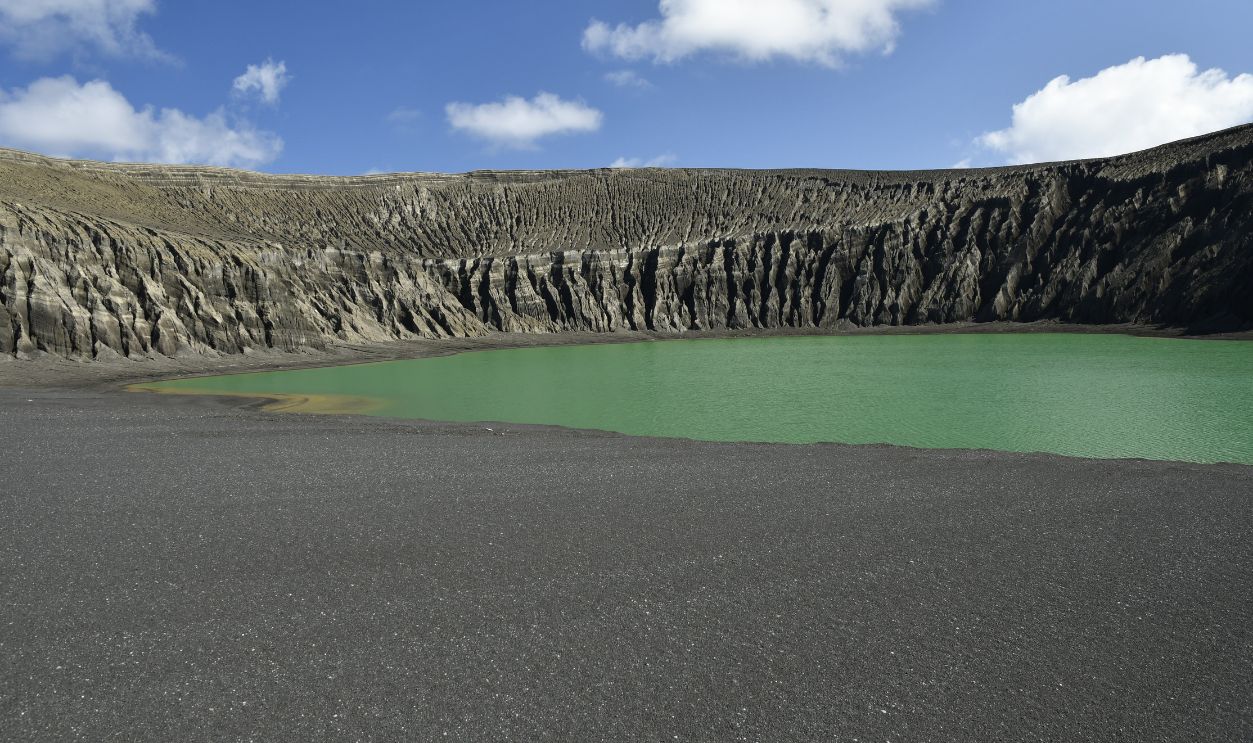
Unprecedented Water Vapor Injection
The eruption injected an estimated 146 million tons of water vapor into the stratosphere, increasing its total water content by about ten percent. This unusual moisture load disrupted temperature balances and atmospheric circulation in ways scientists are still working to fully understand.
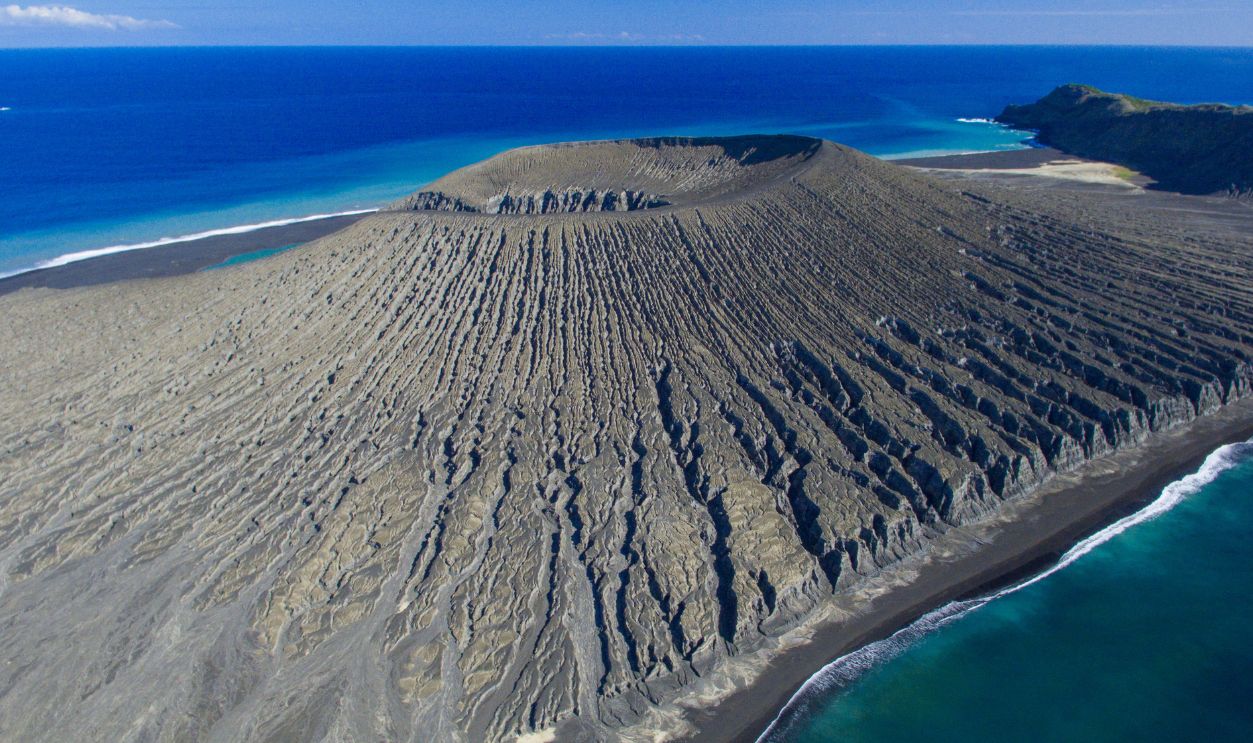
Warming Instead Of Cooling
Unlike most major eruptions, which cool the planet through sulfur aerosols, this event produced relatively modest sulfur dioxide emissions. The massive water vapor acted as a greenhouse gas, offsetting the customary cooling effects and contributing to a slight net warming influence on the climate system.
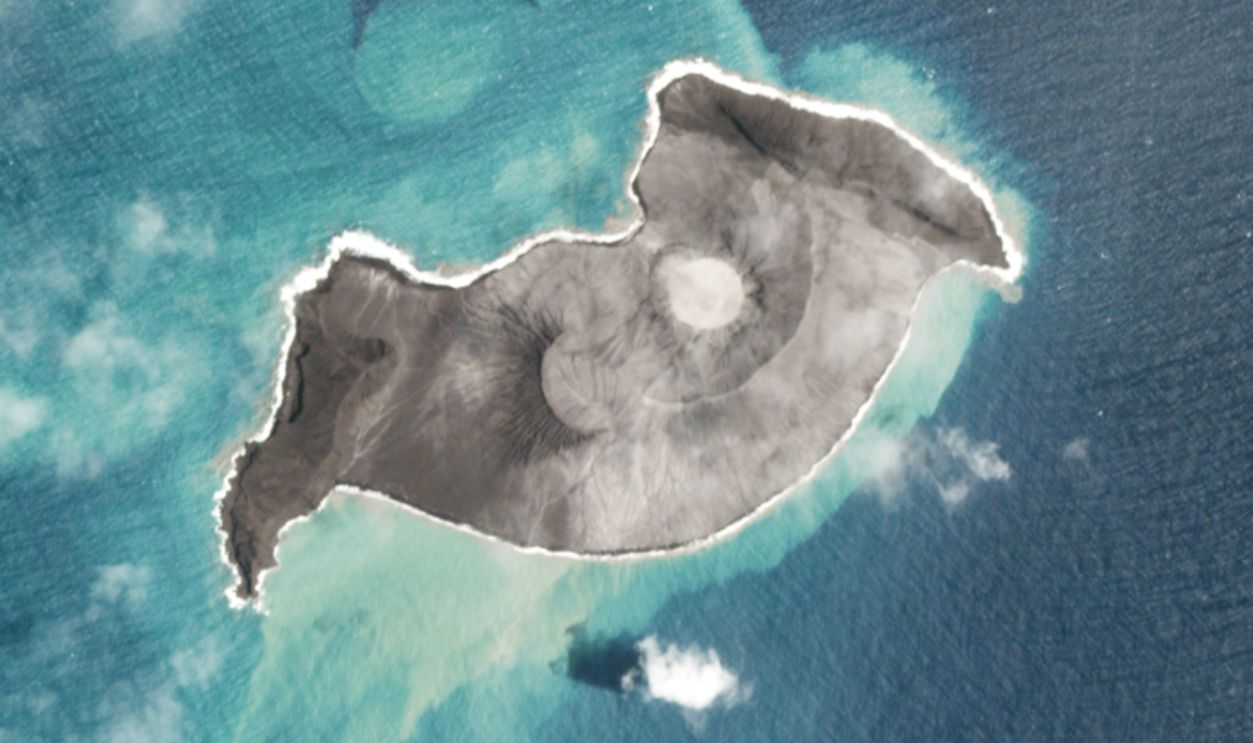 Planet Labs, Inc., CC BY-SA 4.0, Wikimedia Commons
Long Lasting Atmospheric Changes
Studies suggest the excess water vapor could remain in the stratosphere for five to ten years, influencing global weather patterns. Researchers have linked the eruption to shifts in atmospheric circulation and even a measurable increase in the likelihood of short term temperature anomalies.

You May Also Like:
10 Forbidden Places You're Not Allowed To Visit
The Texas Floods Of 2025 Revealed Long-Hidden Dinosaur Footprints





.jpg)
.jpg)


.jpg)
.jpg)
.jpg)

,_Avant_et_Apres_l%27Explosion_de_1883_-Apres-.jpeg)


