A Mystery Nearly 180 Years In The Making
In 1845, two British ships sailed into the Arctic with 129 men aboard. None of them ever came home. For nearly 180 years, historians have tried to piece together what happened. Now, thanks to DNA testing in 2026, four more of those missing sailors finally have names. And one discovery solves a mystery that's puzzled historians since 1859.
The Expedition That Never Came Home
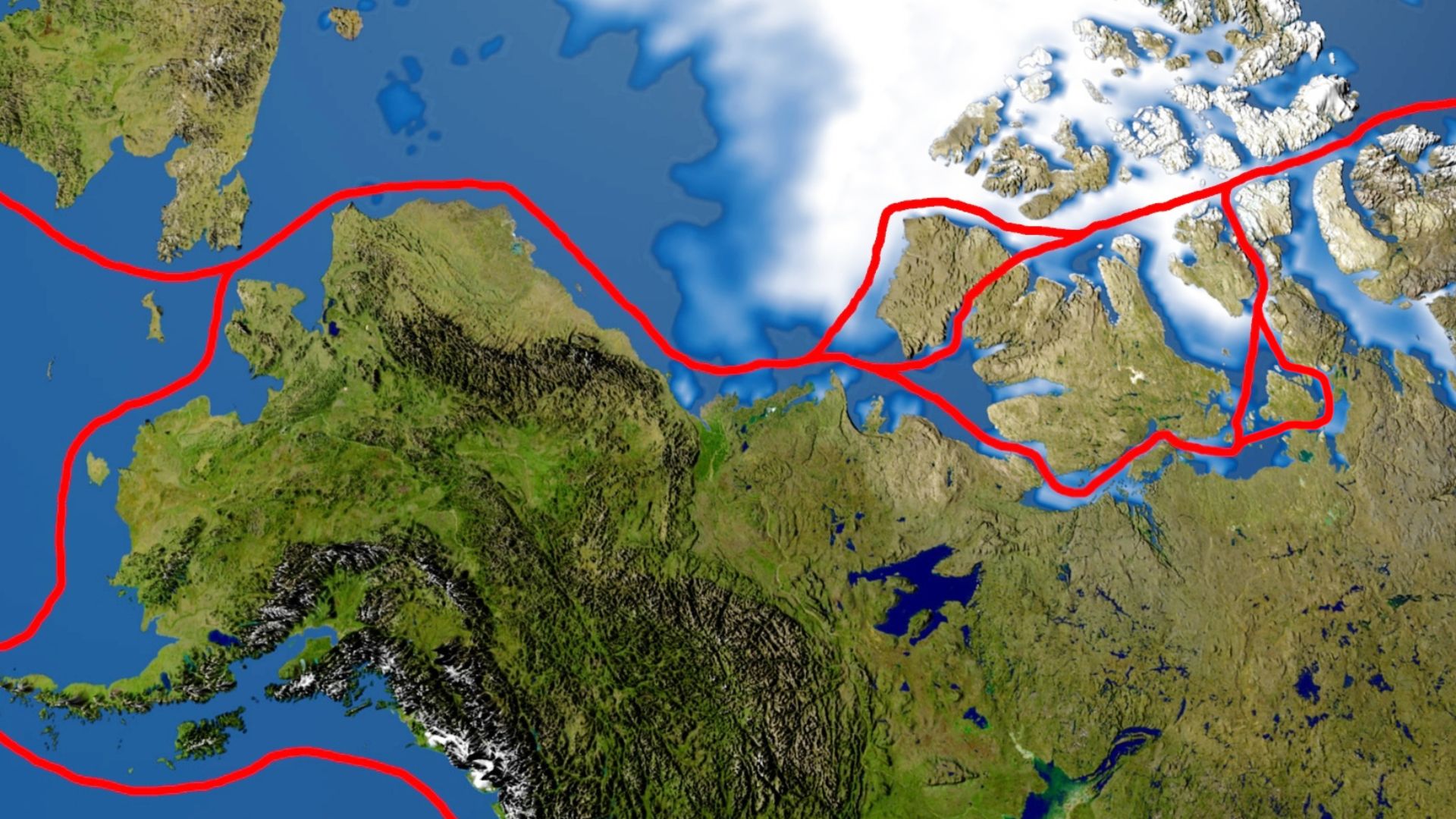
Sir John Franklin had one big goal: find the Northwest Passage, a sea route through the Arctic connecting the Atlantic and Pacific Oceans. Britain had been searching for it for years. Franklin hoped his expedition would finally succeed. Unfortunately, the journey would become one of history's greatest maritime disasters.
Two Ships Ready For Anything
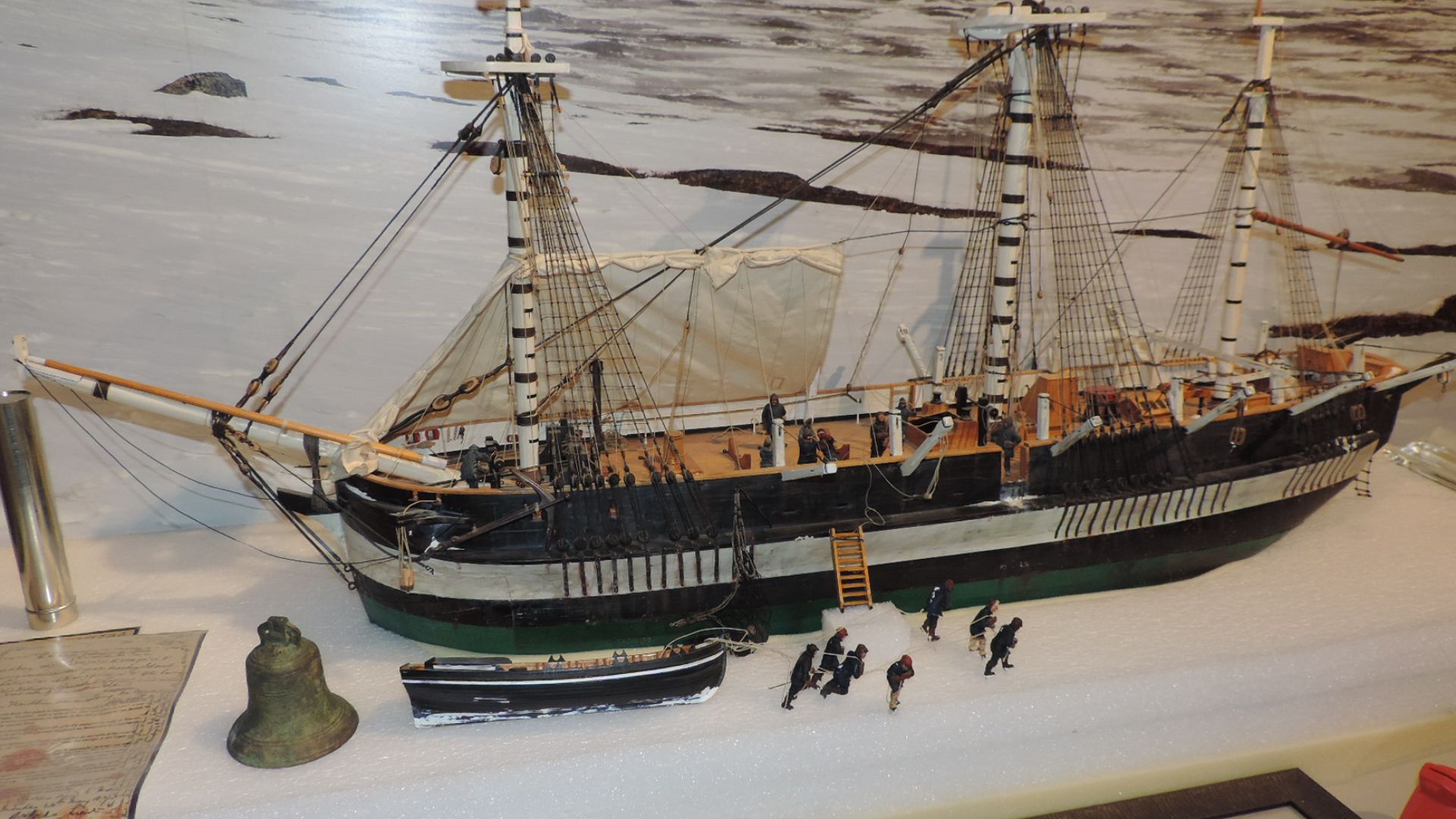
Franklin had two ships at his disposal, HMS Erebus and HMS Terror. Both were specially strengthened for Arctic conditions and fitted with steam-powered engines. They also carried plenty of food and supplies. On paper, the expedition looked well-prepared. But nobody could predict just how unforgiving the Arctic would be.
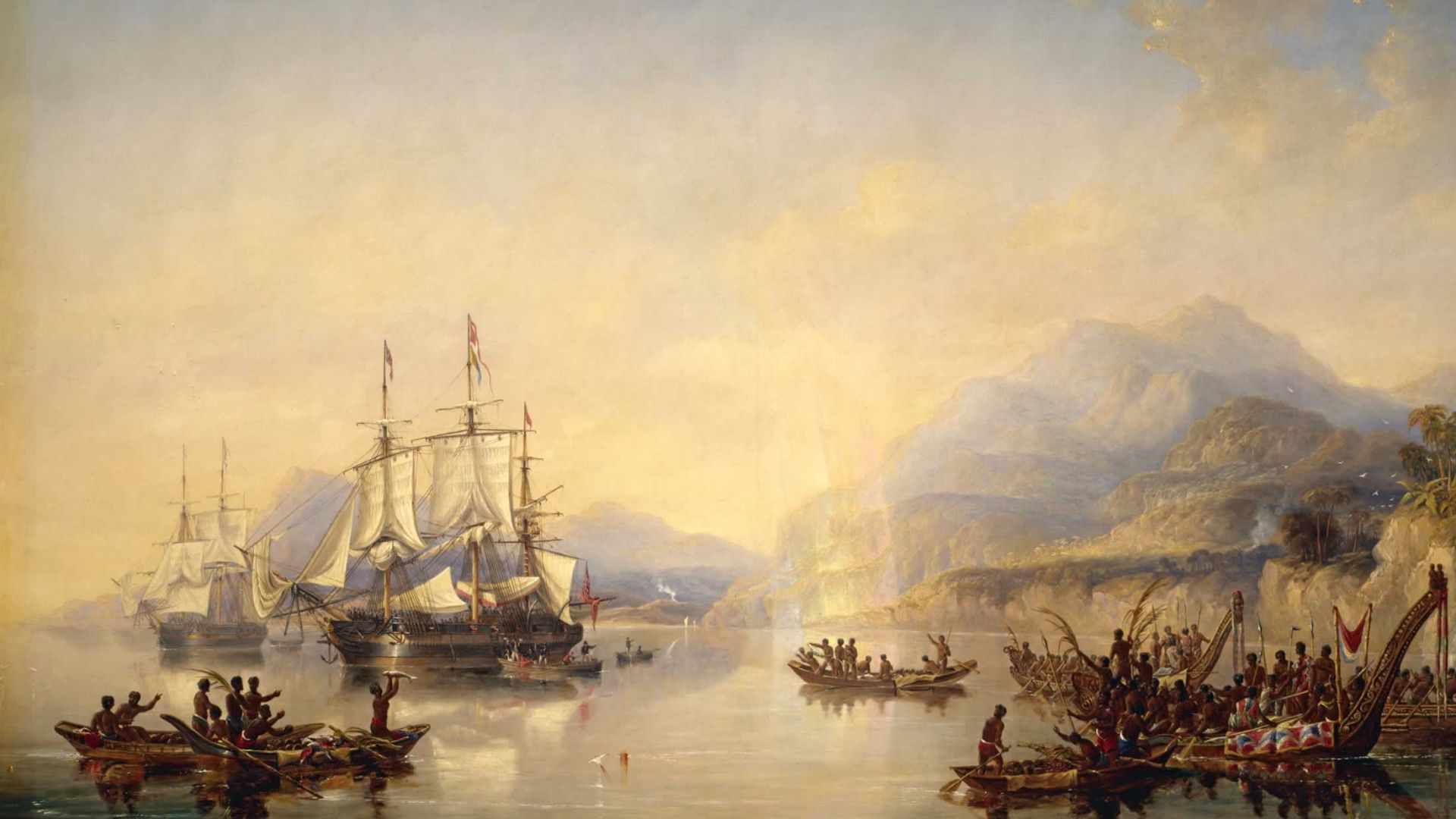 James Wilson Carmichael, Wikimedia Commons
The Last Time Anyone Saw Them
The expedition left England in May 1845. A few months later, European whalers spotted the two ships in Baffin Bay, near Greenland. Nobody thought much of it at the time. After all, Franklin was expected to be away for years. But those sightings would be the last confirmed European encounters with the expedition.
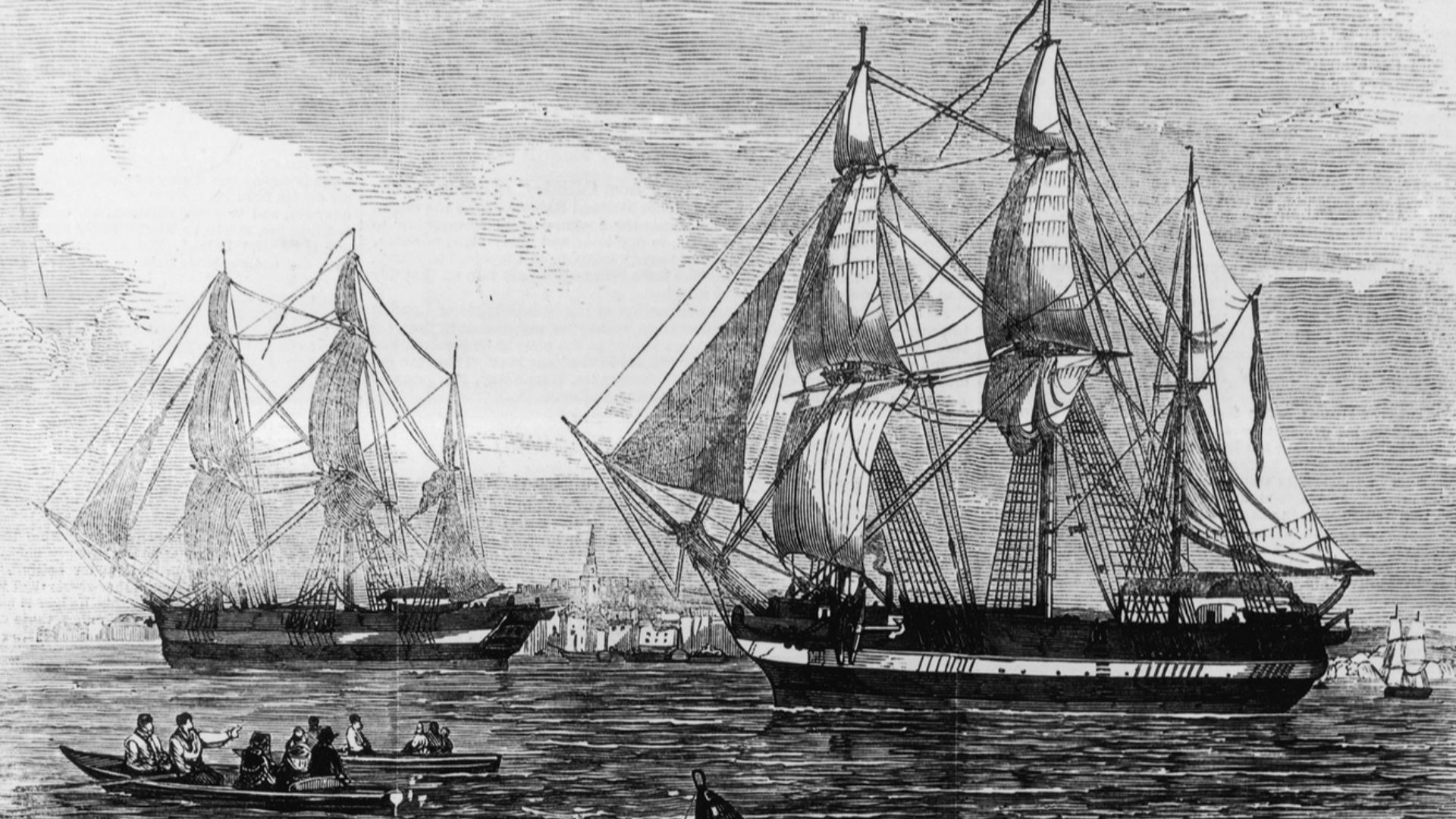 Illustrated London News - Getty, Wikimedia Commons
Trapped In The Arctic Ice
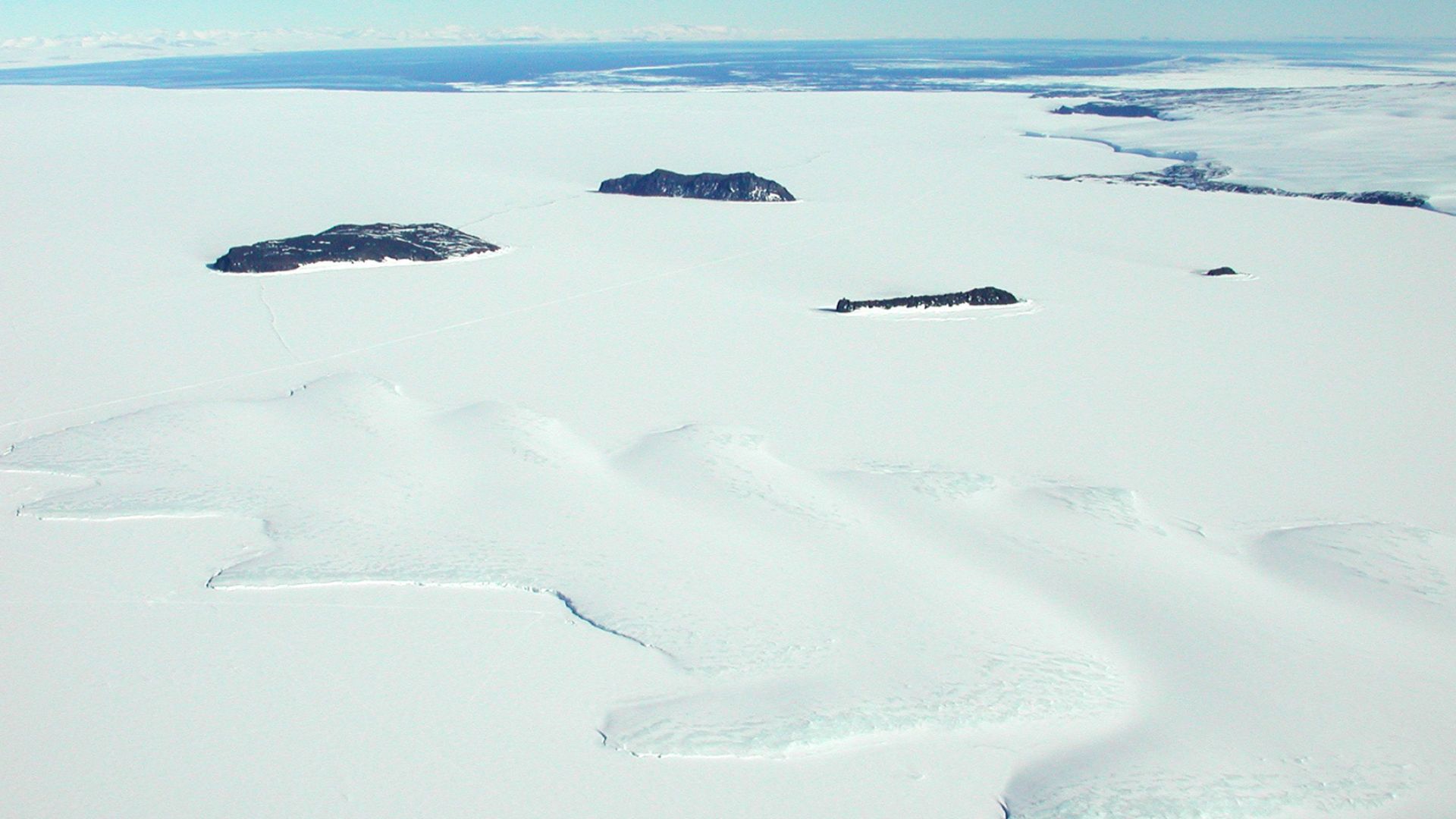
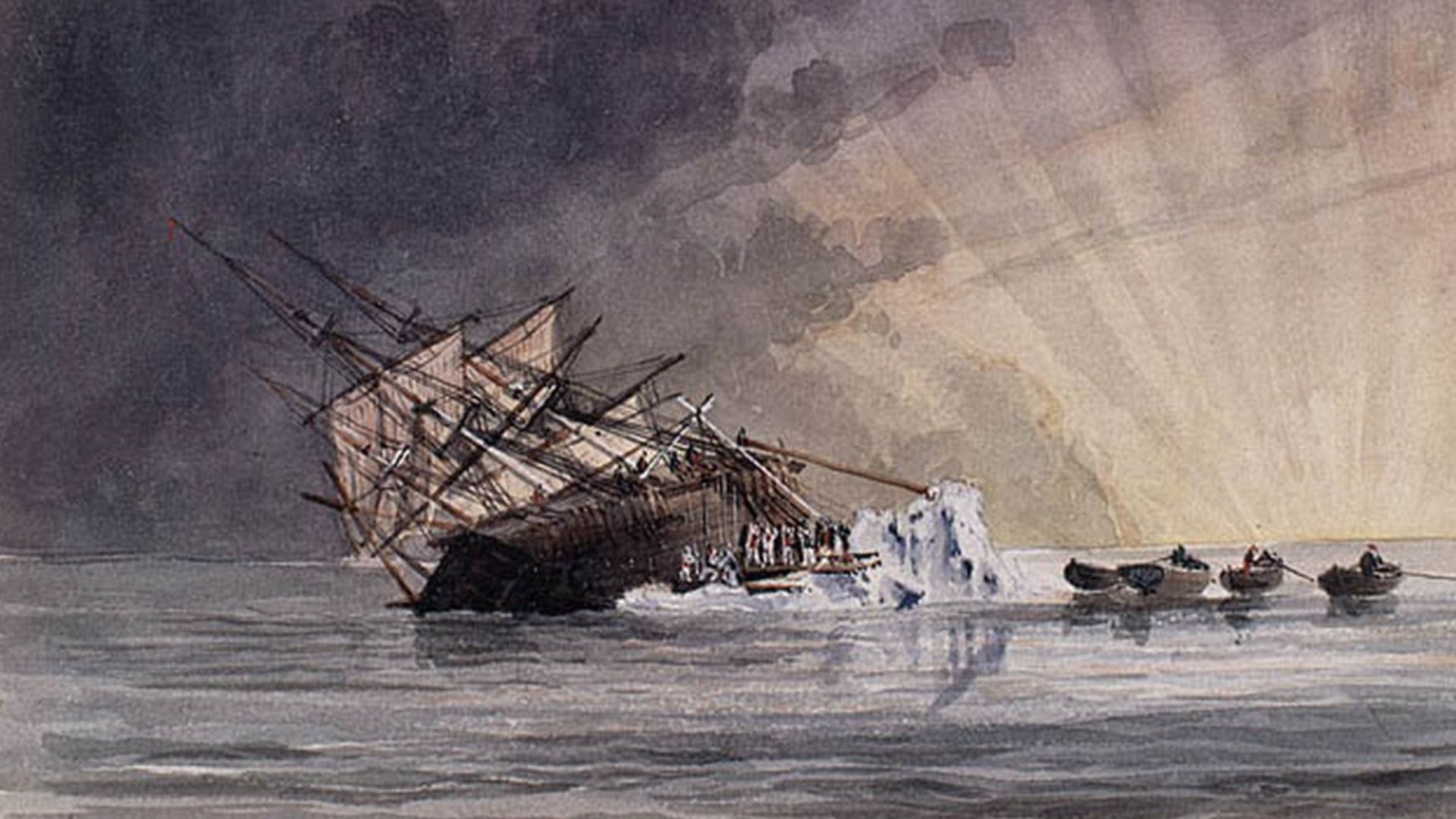
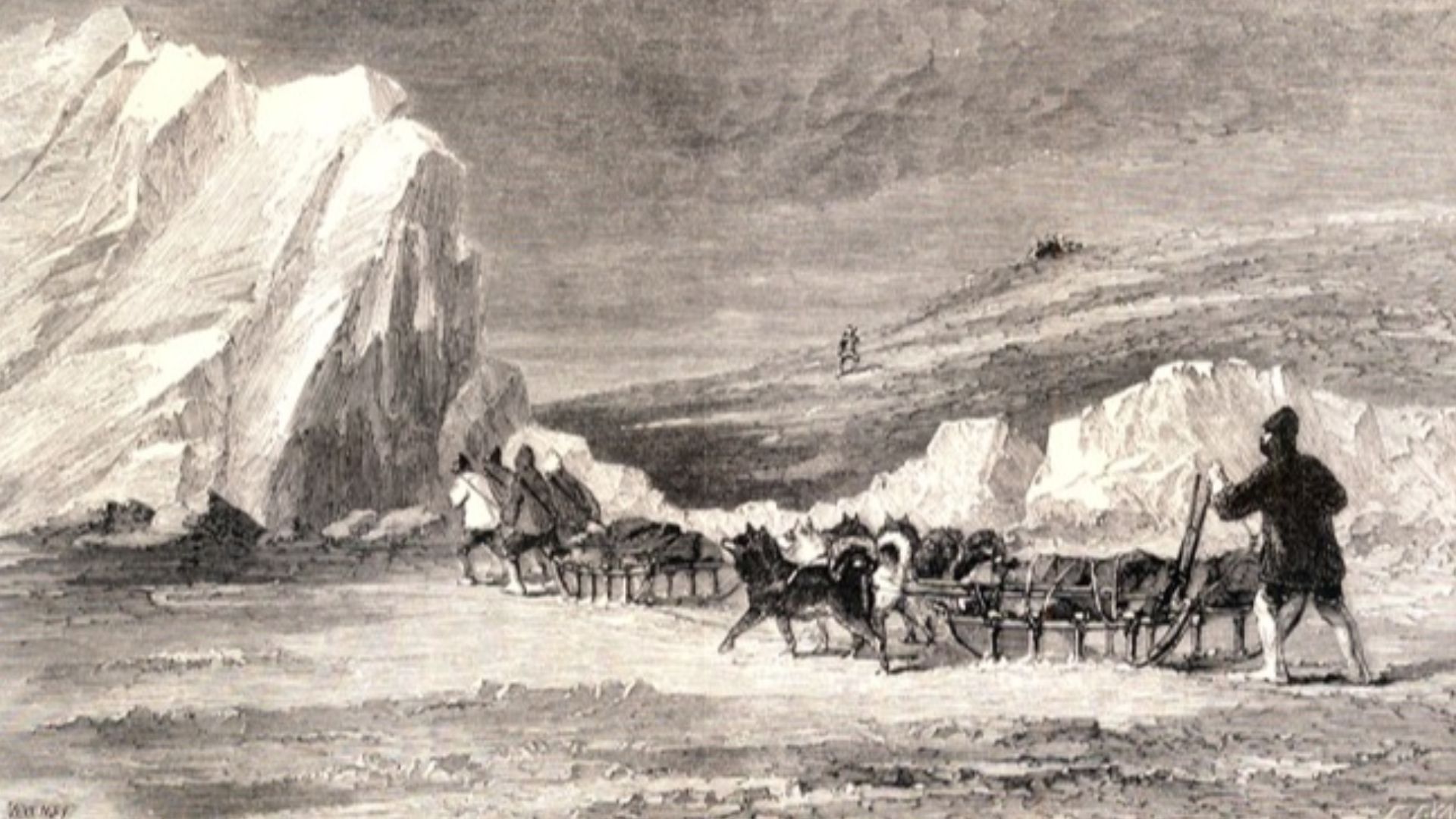
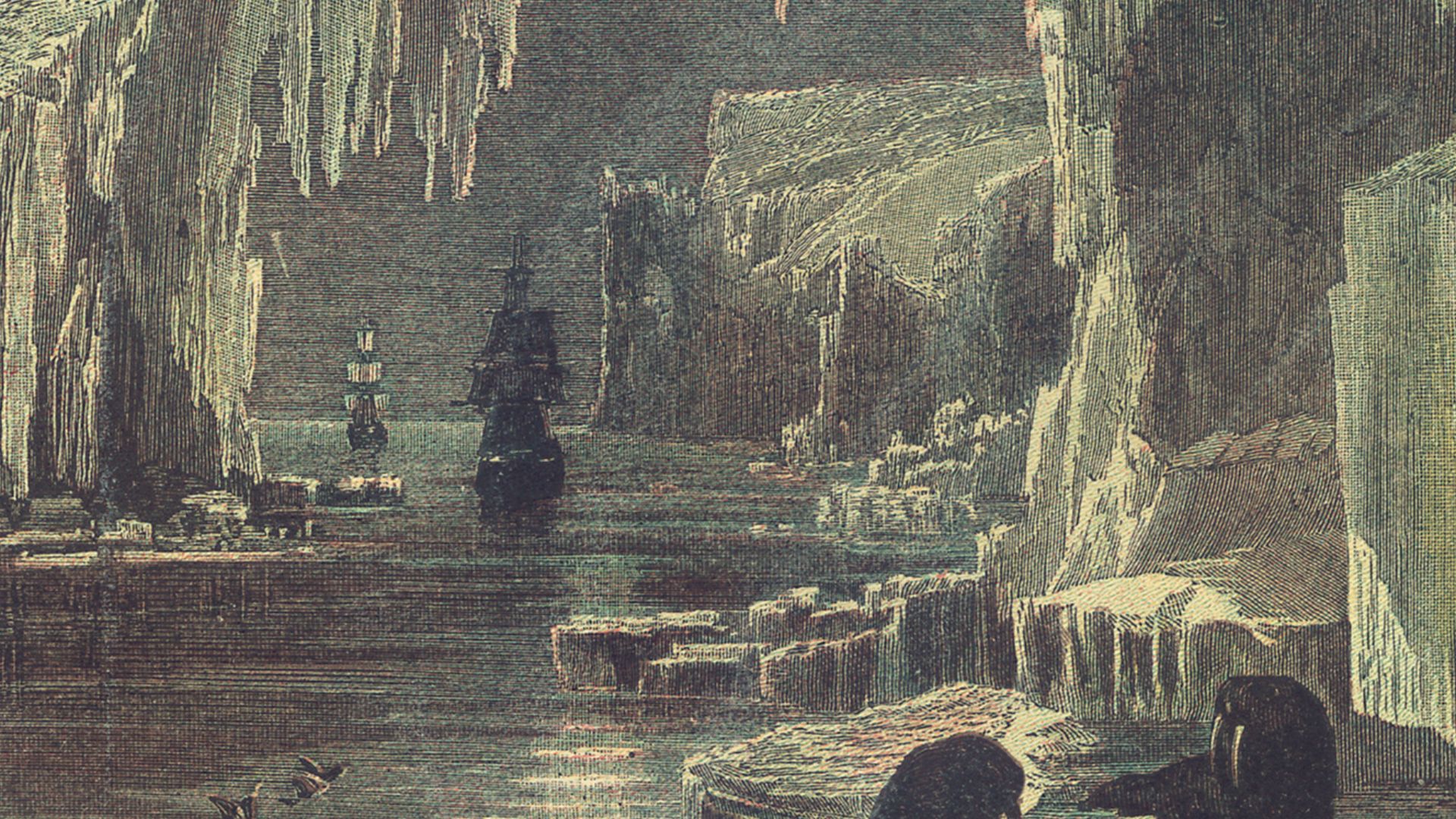
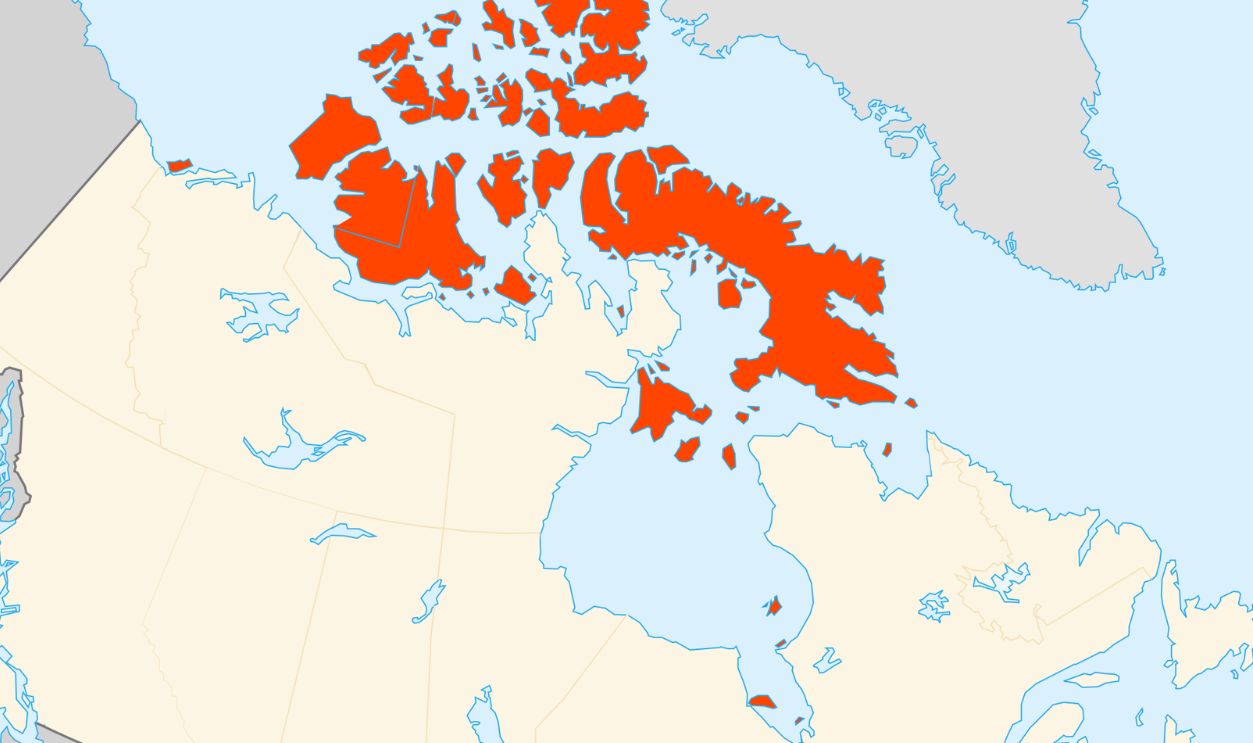
By September 1846, things had gone terribly wrong. Both ships were stuck in thick ice near King William Island, in what is now Nunavut, Canada. The men waited for the ice to break up, but it wouldn't budge. Months turned into years, and the crews were running out of options.
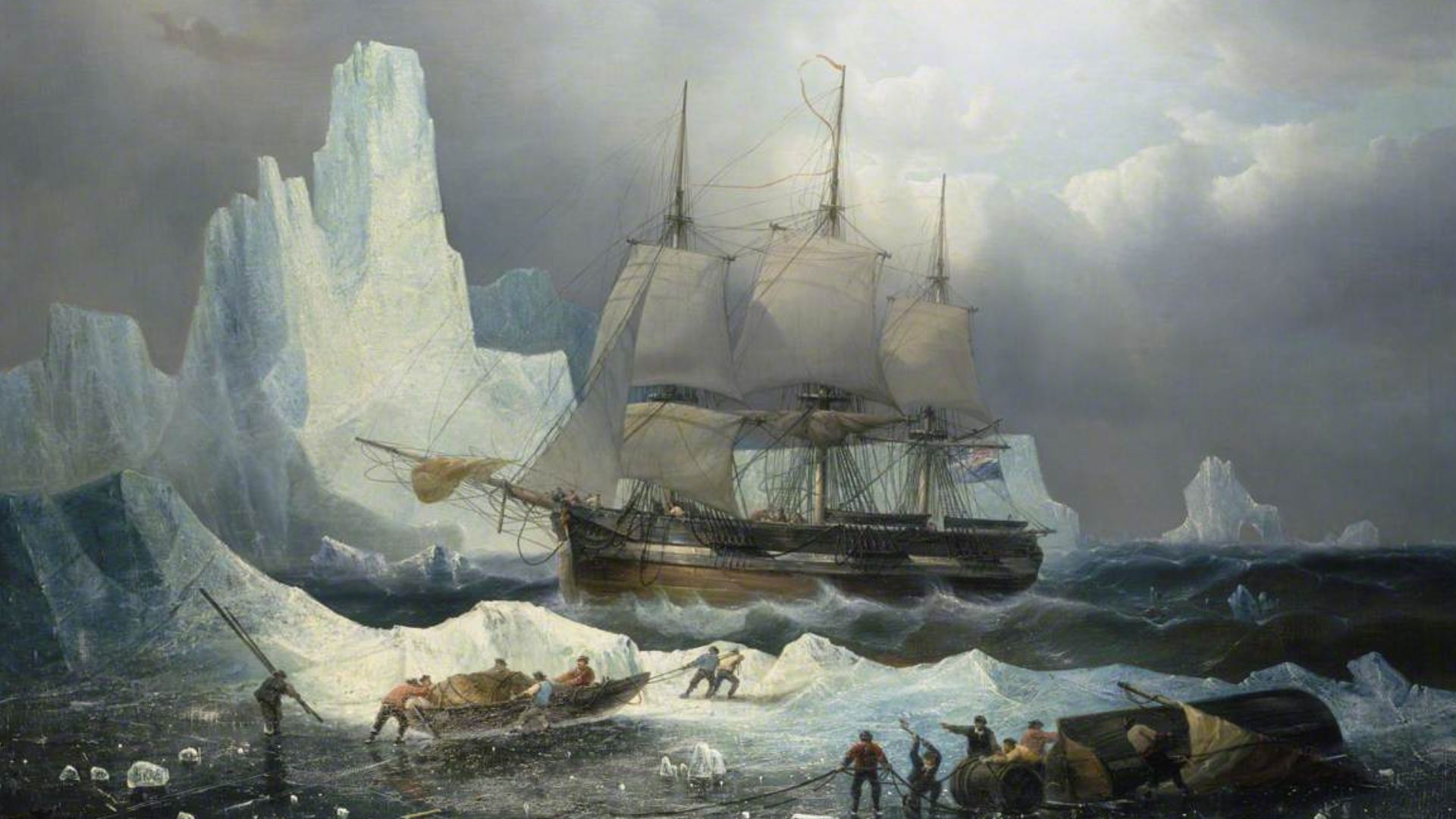 Francois Musin, Wikimedia Commons
Franklin Would Never See England Again
Sir John Franklin died on June 11, 1847, while the ships remained trapped. By April 1848, another 23 men had also died. The 105 survivors finally decided to leave the ships behind and make their way south on foot. It was a desperate decision, but staying aboard no longer seemed possible.
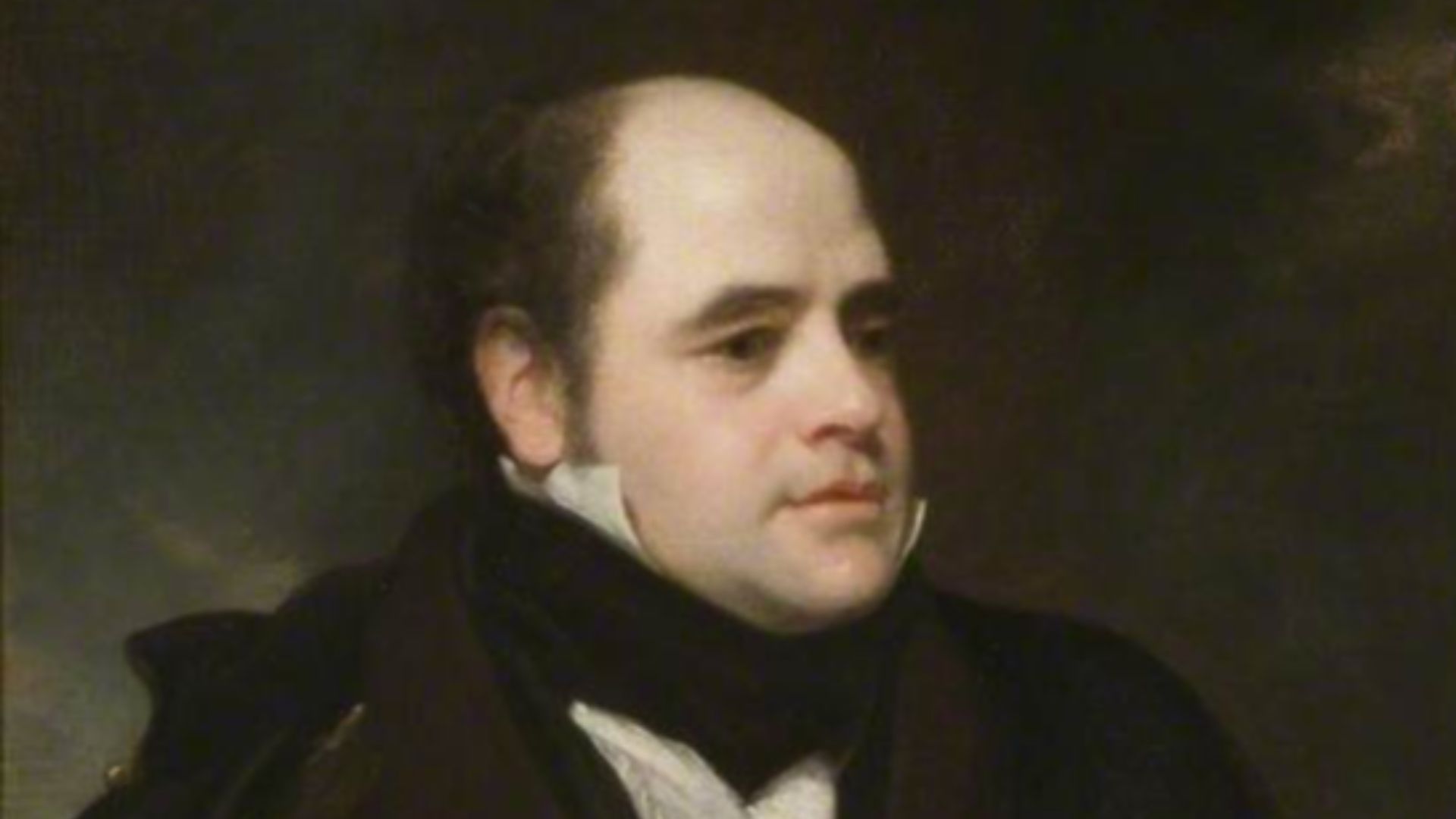 Thomas Phillips, Wikimedia Commons
A Message That Explained Everything
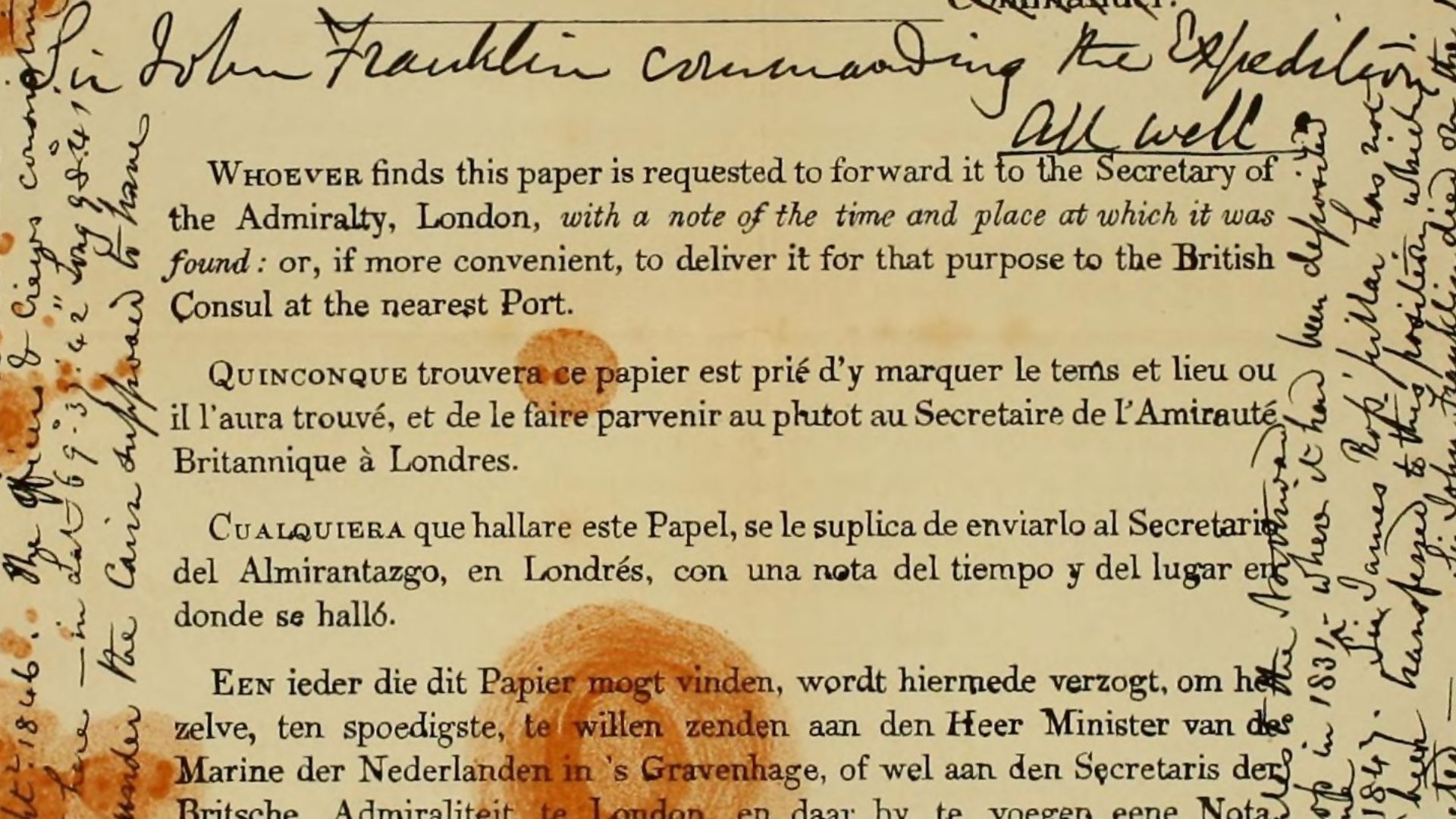
In 1859, searchers found a handwritten message tucked inside a stone cairn on King William Island. It revealed that the ships had been abandoned in April 1848. The message also confirmed Franklin's death and the number of men who had already died. At last, the outside world had some answers, but there was still plenty nobody knew.
The Search Went On For Generations
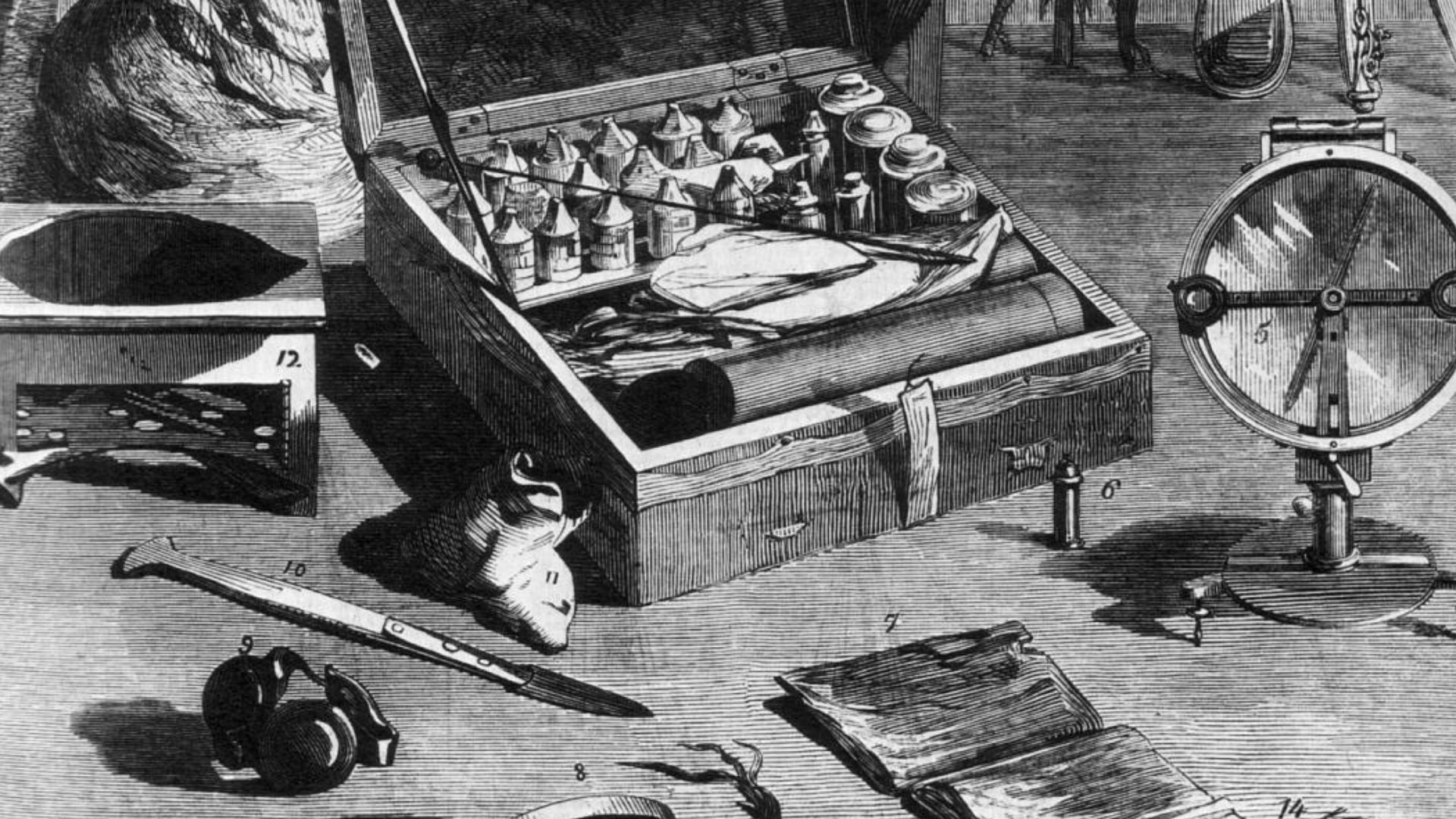
Over the following decades, explorers found graves, clothing, equipment, and other traces of Franklin's men. Sometimes they even discovered human remains. But identifying individual sailors was almost impossible. Without modern technology, there was little investigators could do beyond comparing the discoveries with old naval records and personal belongings.
 Bodoklecksel, Wikimedia Commons
Three Sailors Preserved By The Cold
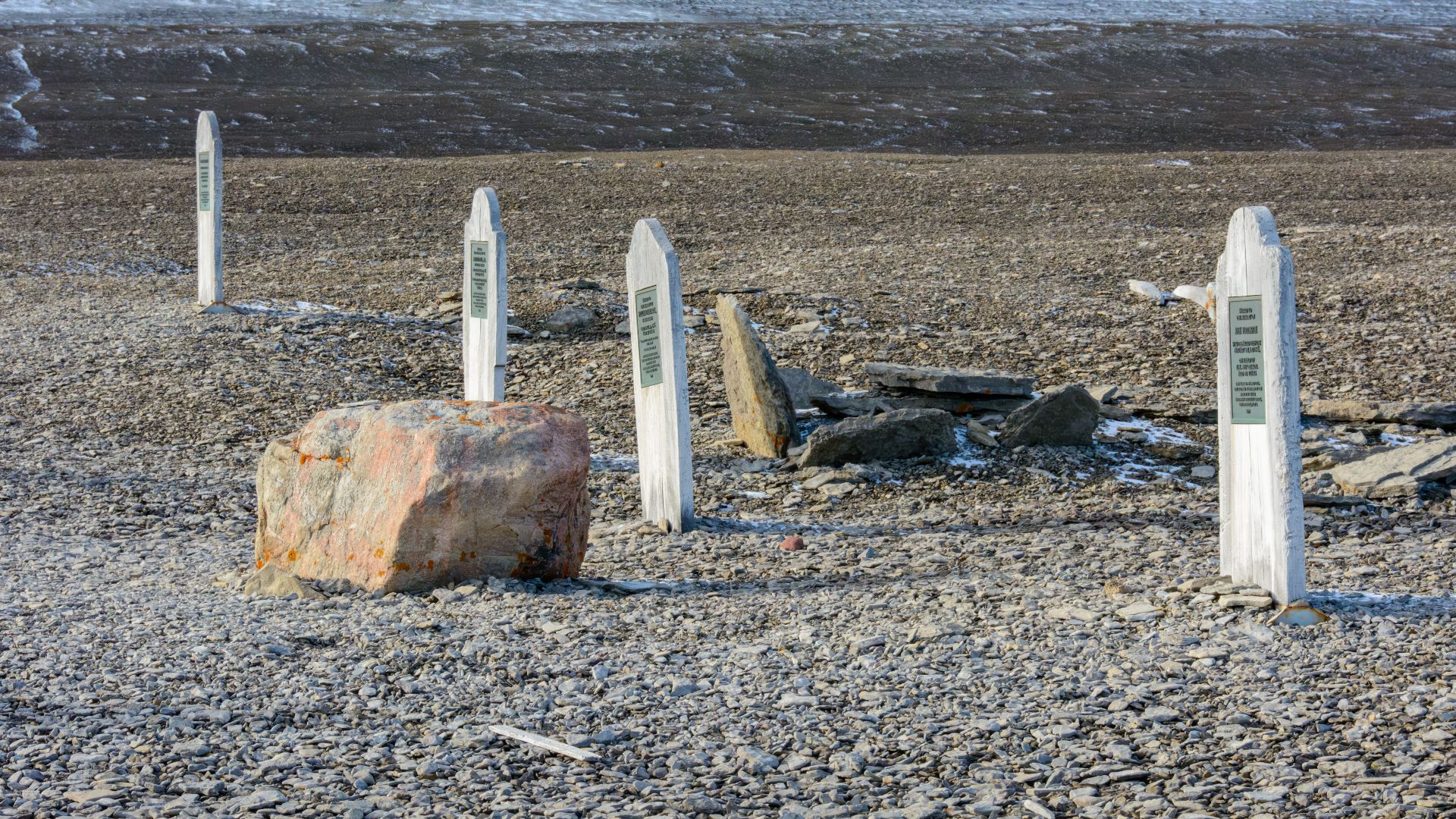
One of the expedition's most famous discoveries involved three sailors buried on Beechey Island. John Torrington, John Hartnell, and William Braine had been remarkably well-preserved by the freezing conditions. Their bodies were examined during scientific investigations in the 1980s. But the four sailors identified in 2026 were different men, whose skeletal remains were found elsewhere.
 Gordon Leggett, Wikimedia Commons
A Major Breakthrough In 2026
In May 2026, researchers announced that DNA testing had helped identify four more members of the lost expedition. Scientists compared DNA recovered from old remains with samples from living relatives. The results finally put names to four sailors who had disappeared nearly 180 years earlier. For historians, it was a remarkable moment.

Meet William Orren
William Orren was an experienced sailor aboard HMS Erebus. As an able seaman, he would have handled many of the everyday jobs needed to keep the ship running. His remains were found near Erebus Bay, suggesting he survived the early years of the expedition before joining the desperate attempt to escape.
David Young Was Just A Teenager
One of the saddest discoveries involved David Young, a junior sailor aboard HMS Erebus. He was only about 17 when the expedition left England. Imagine being that young and heading into the Arctic on what was supposed to be a great adventure. Sadly, Young would never get the chance to return home and tell his story.
 Kerry Raymond, Wikimedia Commons
Putting A Face To A Lost Sailor
Researchers have even helped give David Young a face again. Forensic artist Diana Trepkov created a reconstruction showing what the young sailor might have looked like. Of course, nobody can say for certain how closely it resembles him. Still, it makes Young feel like a real person rather than another name in a history book.

Meet John Bridgens
Another sailor identified in 2026 was John Bridgens, who worked as a steward aboard HMS Erebus. His job involved looking after the needs of the ship's officers. Like Orren and Young, Bridgens' remains were discovered around Erebus Bay. His identification also led to a surprising discovery involving a modern-day British journalist.
 NSF/Josh Landis, employee 1999-2001, Wikimedia Commons
A Family Secret Comes To Light
BBC journalist Rich Preston learned that he had a family connection to John Bridgens. Researchers asked him to provide a DNA sample, which helped confirm the sailor's identity. It's quite something to discover that someone in your family disappeared during one of the most famous expeditions in British history nearly two centuries ago.

The Fourth Sailor Had A Mystery Of His Own
The fourth man was Harry Peglar, who served aboard HMS Terror as captain of the foretop. That meant he was responsible for supervising sailors working in the ship's forward rigging. But unlike the other three men, Peglar's remains were discovered much farther away, alongside some belongings that had confused historians for generations.
 Owen Stanley, Wikimedia Commons
A Skeleton Found In 1859
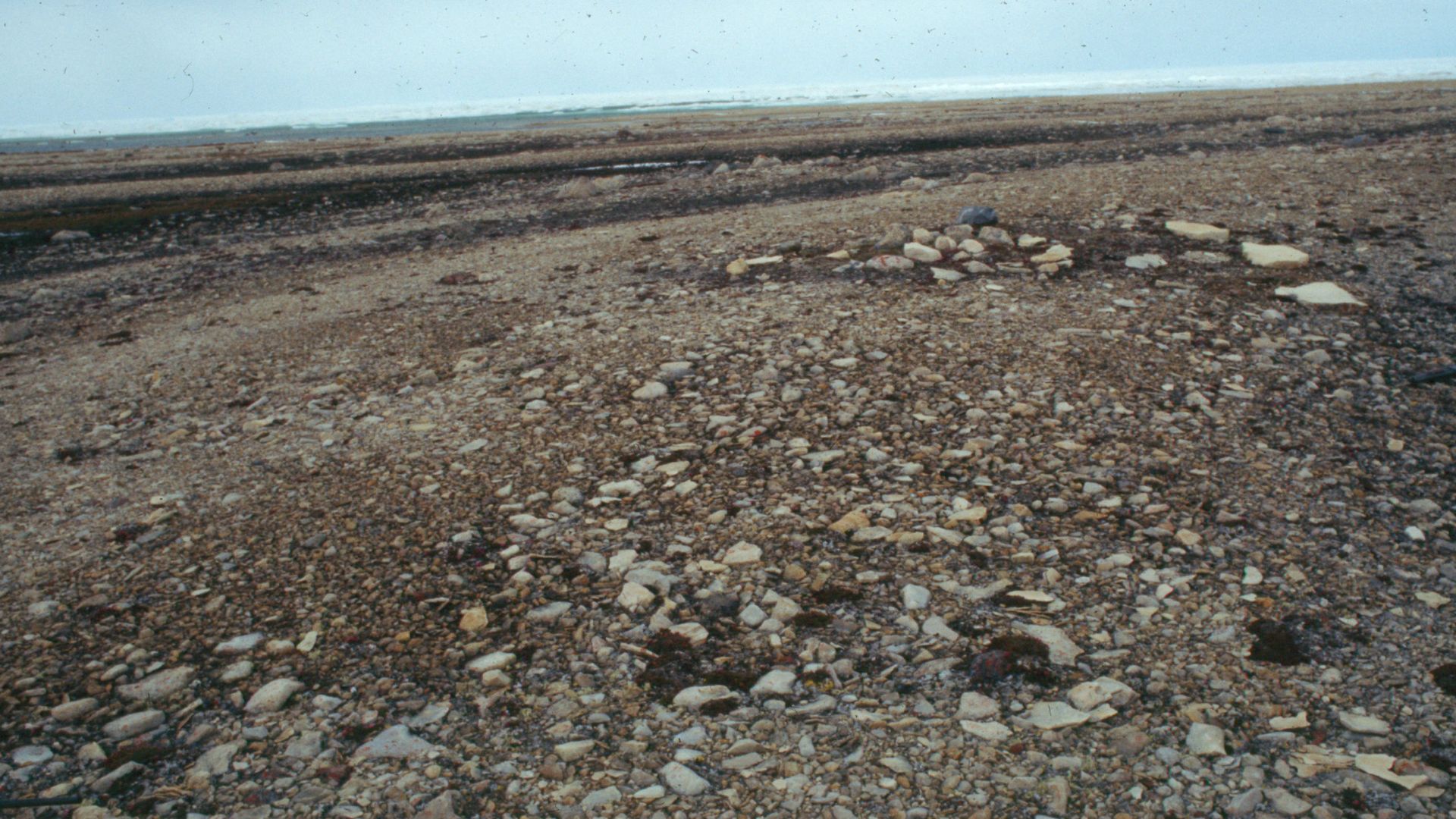
Back in 1859, searchers discovered a skeleton on King William Island. Nearby were papers and personal items linked to Harry Peglar. Naturally, investigators suspected they had found him. But there was a problem. The clothing found with the remains looked more like something a ship's steward would have worn. Had they identified the wrong man?
 Stephen Trafton, Wikimedia Commons
The Strange Papers Found Nearby
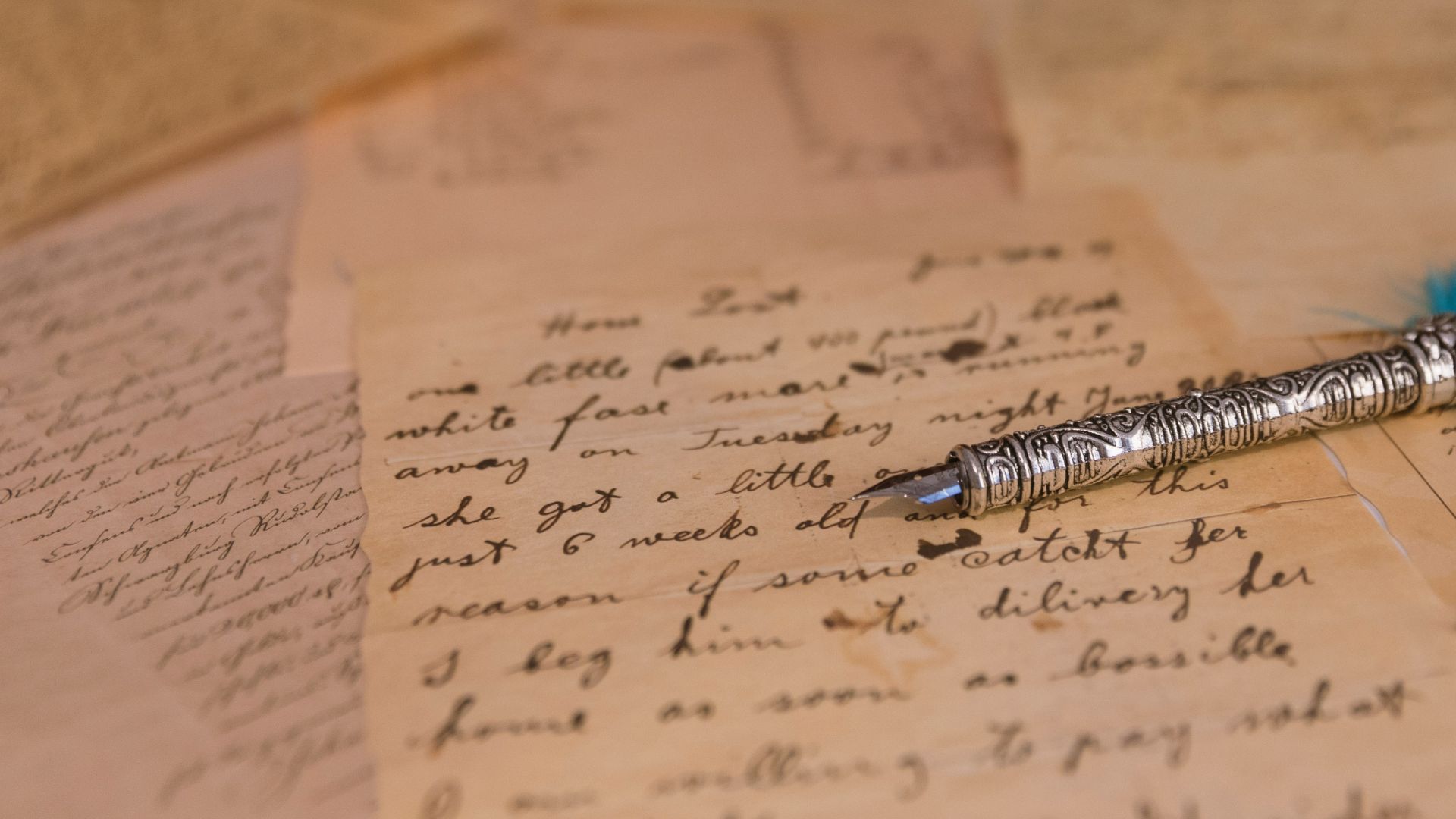
Among the belongings were handwritten pages that became known as the Peglar Papers. They contained poems, unusual passages, and even writing that appeared backward. Historians spent generations wondering what they meant. Were they personal notes, memories of the expedition, or something else? Nobody has managed to explain everything written on them.
DNA Finally Revealed The Truth
In 2026, researchers used DNA evidence to help settle the argument. By comparing genetic material from the remains with samples from Peglar's relatives and families of other possible candidates, they established that the skeleton belonged to Harry Peglar. After 166 years, the sailor's identity was finally confirmed.

But What About The Strange Clothing?
Identifying Peglar solved one mystery but left another unanswered. Why was he apparently wearing clothing associated with a steward? Researchers found that Peglar had faced disciplinary problems earlier in his naval career. They suggested he might have been reassigned to different duties during the expedition. It's an interesting possibility, but there's no proof.
 American 19th Century, Wikimedia Commons
How Far Did Peglar Travel?
Peglar's remains were found roughly 130 kilometers from Erebus Bay. That's a considerable distance, especially in the freezing Arctic. His location suggests that members of the expedition ended up scattered across a wide area. Unfortunately, researchers still don't know exactly when Peglar died or what happened during his final journey.
 Walter W. May, Wikimedia Commons
How Did Scientists Identify Them?
The breakthrough came from something the original search parties could never have imagined: DNA testing. Scientists collected genetic material from old bones and teeth, then compared it with samples donated by living relatives. Family records helped researchers make the connections. In some cases, the evidence finally answered questions that had remained open for generations.
 West Midlands Police from West Midlands, United Kingdom, Wikimedia Commons
These Weren't The First Names Revealed
Scientists had already identified two other Franklin sailors through DNA. Engineer John Gregory was identified in 2021, followed by Captain James Fitzjames in 2024. The four new identifications announced in 2026 brought the research program's total to six. Slowly but surely, the men who vanished into the Arctic were getting their identities back.
Inuit Knowledge Helped Solve The Mystery
Long before scientists found the lost ships, Inuit communities had passed down stories about Franklin's expedition. These accounts included details about abandoned vessels and encounters with the sailors. For years, some European investigators underestimated their importance. But Inuit knowledge eventually played a major role in helping modern searchers find the ships.
 Lorenz Learmouth, NWTA, Wikimedia Commons, Enhanced
The Ships Were Finally Discovered
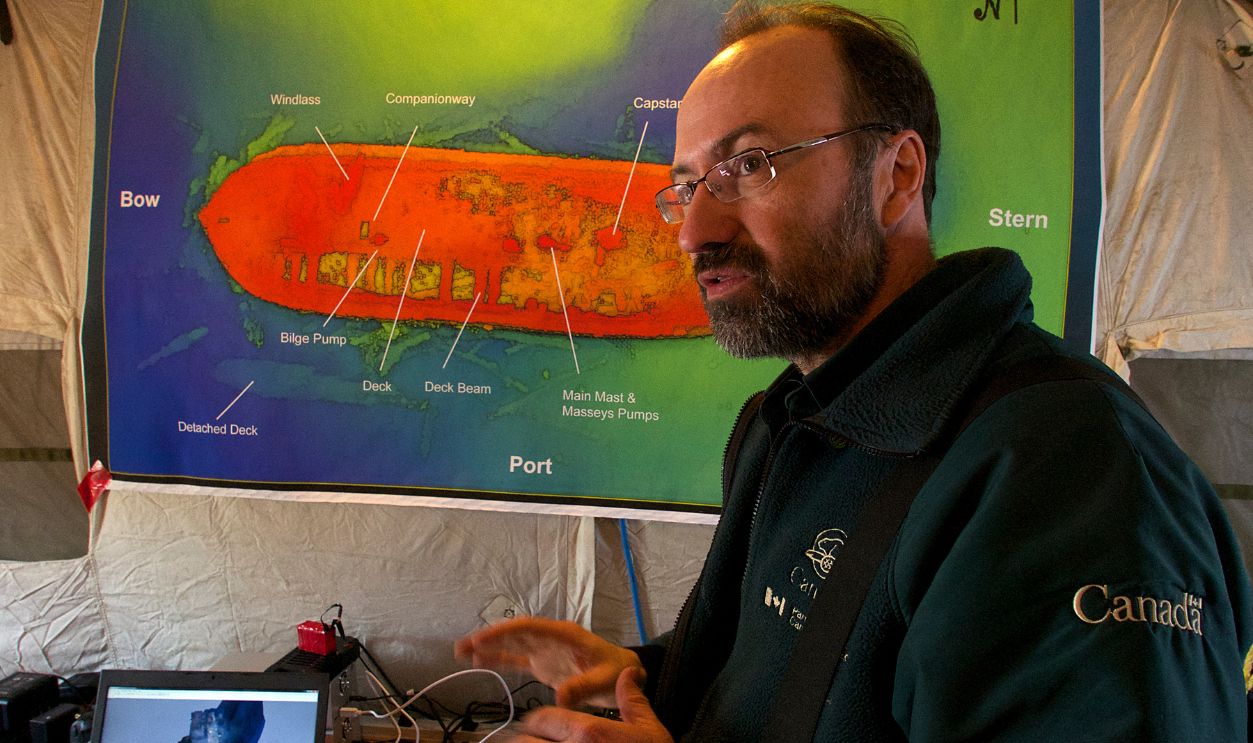
In 2014, searchers discovered the wreck of HMS Erebus in Canadian Arctic waters. Two years later, HMS Terror was found in Terror Bay. Both discoveries made headlines around the world. After more than 160 years, the missing ships had finally been located. Yet finding them was only part of solving the bigger mystery.
What These Four Names Tell Us
Identifying William Orren, David Young, John Bridgens, and Harry Peglar helps researchers understand what happened after the expedition fell apart. Three men died around Erebus Bay, while Peglar's remains were found much farther away. Their locations offer clues about the sailors' movements and the difficult journey they attempted after abandoning their ships.
 francis watt, m. a. (Life time: 18??), Wikimedia Commons
The Arctic Still Has Secrets To Give Up
Nearly 180 years after Franklin's expedition disappeared, there are still plenty of unanswered questions. Many sailors haven't been identified, and nobody knows every detail of their final days. But the discoveries announced in 2026 show just how much modern science can reveal. Four more men have their names back, and the search for answers continues.
You May Also Like:
American Explorer John Wesley Powell's First Trip Through The Grand Canyon Was Nearly A Disaster