Stone Age Genius
You think pyramids are ancient? A stone wall hidden inside a Greek cave makes them look like yesterday's news. Ice Age humans stacked these rocks when survival meant innovation, creating something that would outlast empires.

The Greek Discovery
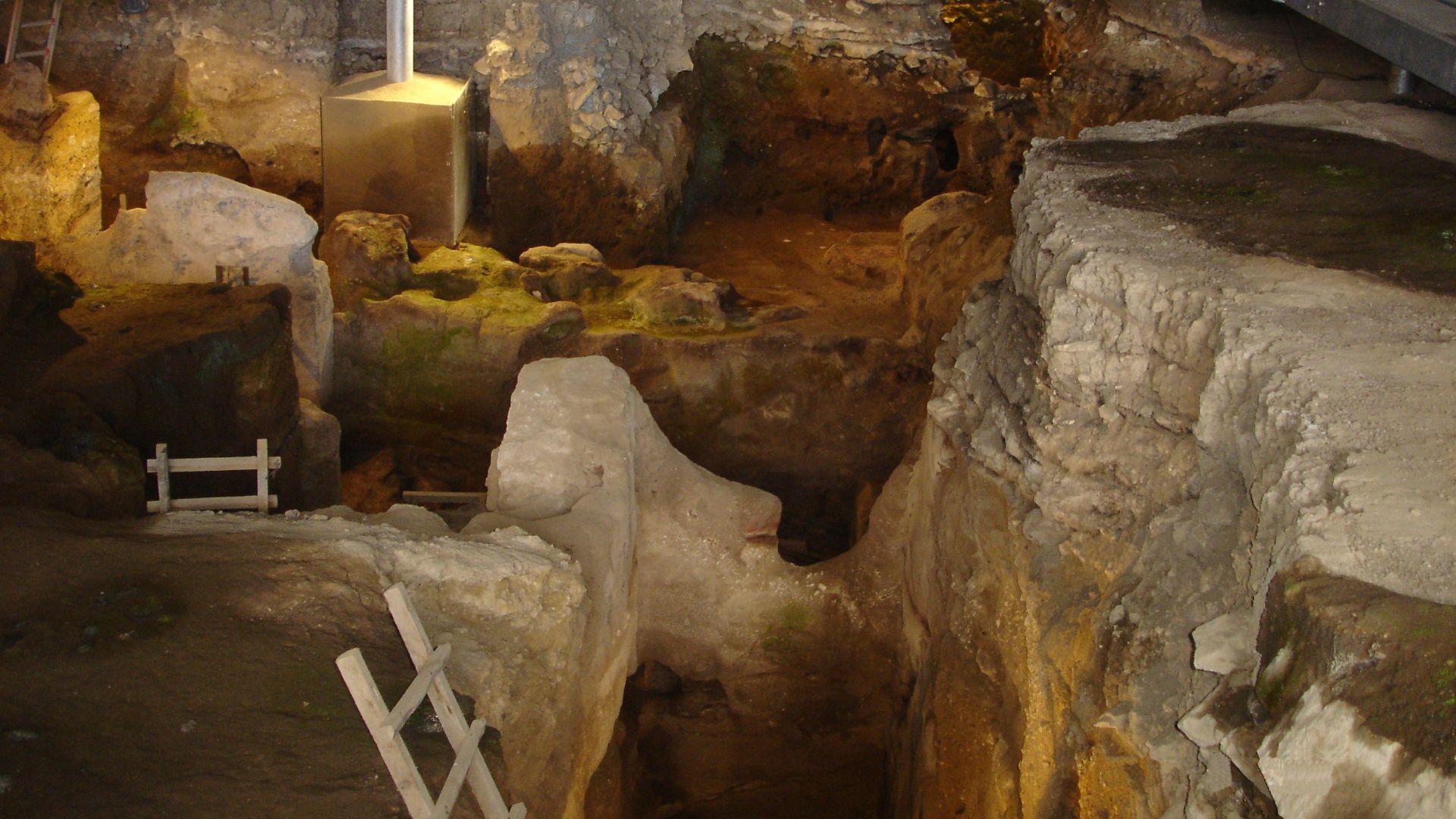
During excavations that began in 1987, archaeologists working in central Greece uncovered something that would completely rewrite our understanding of human construction. Hidden within the Theopetra Cave near Kalambaka, they dated a stone wall that had been quietly standing for over 23,000 years.
 Tolis-3kala, Wikimedia Commons
Theopetra Cave Location
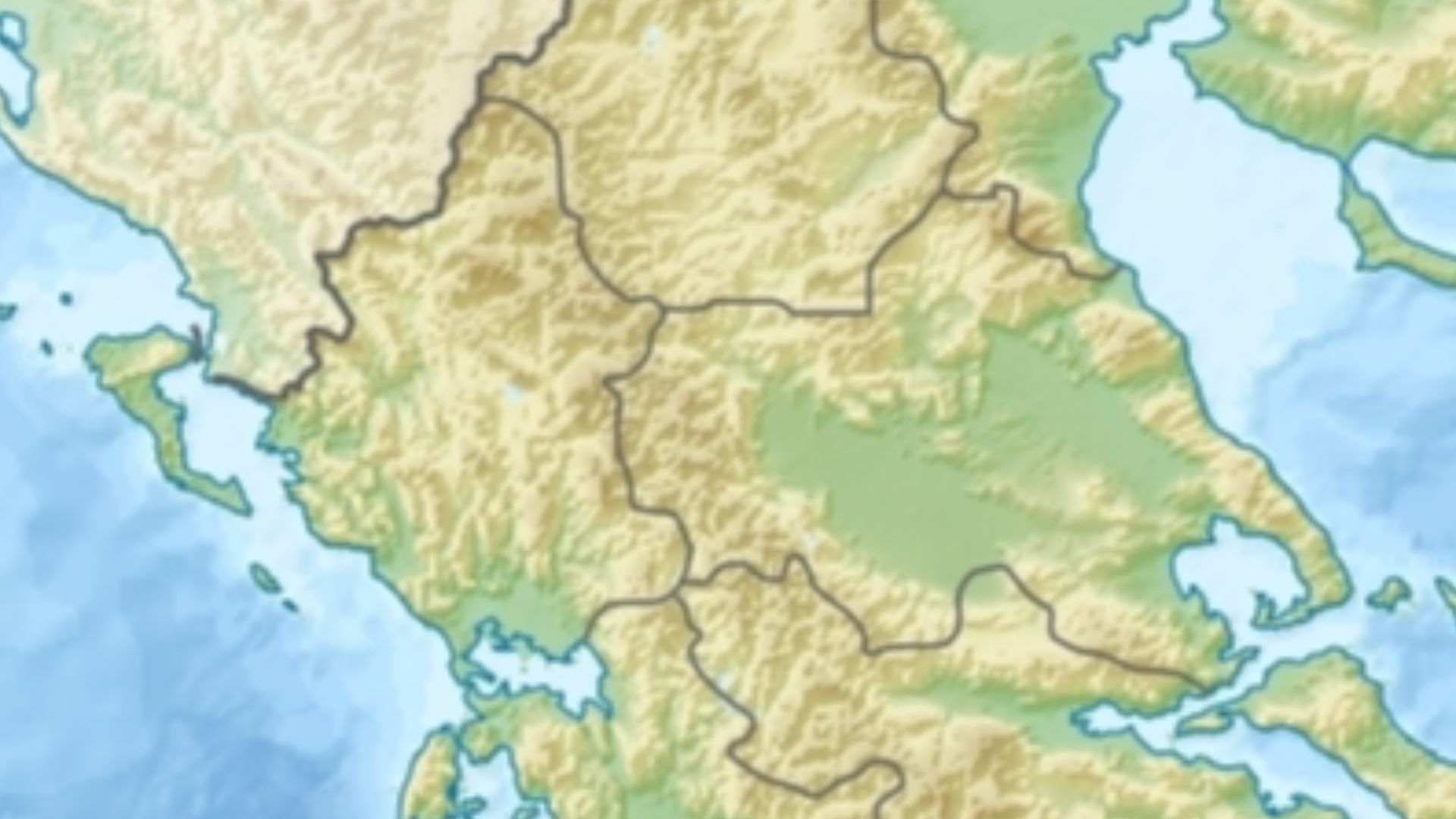
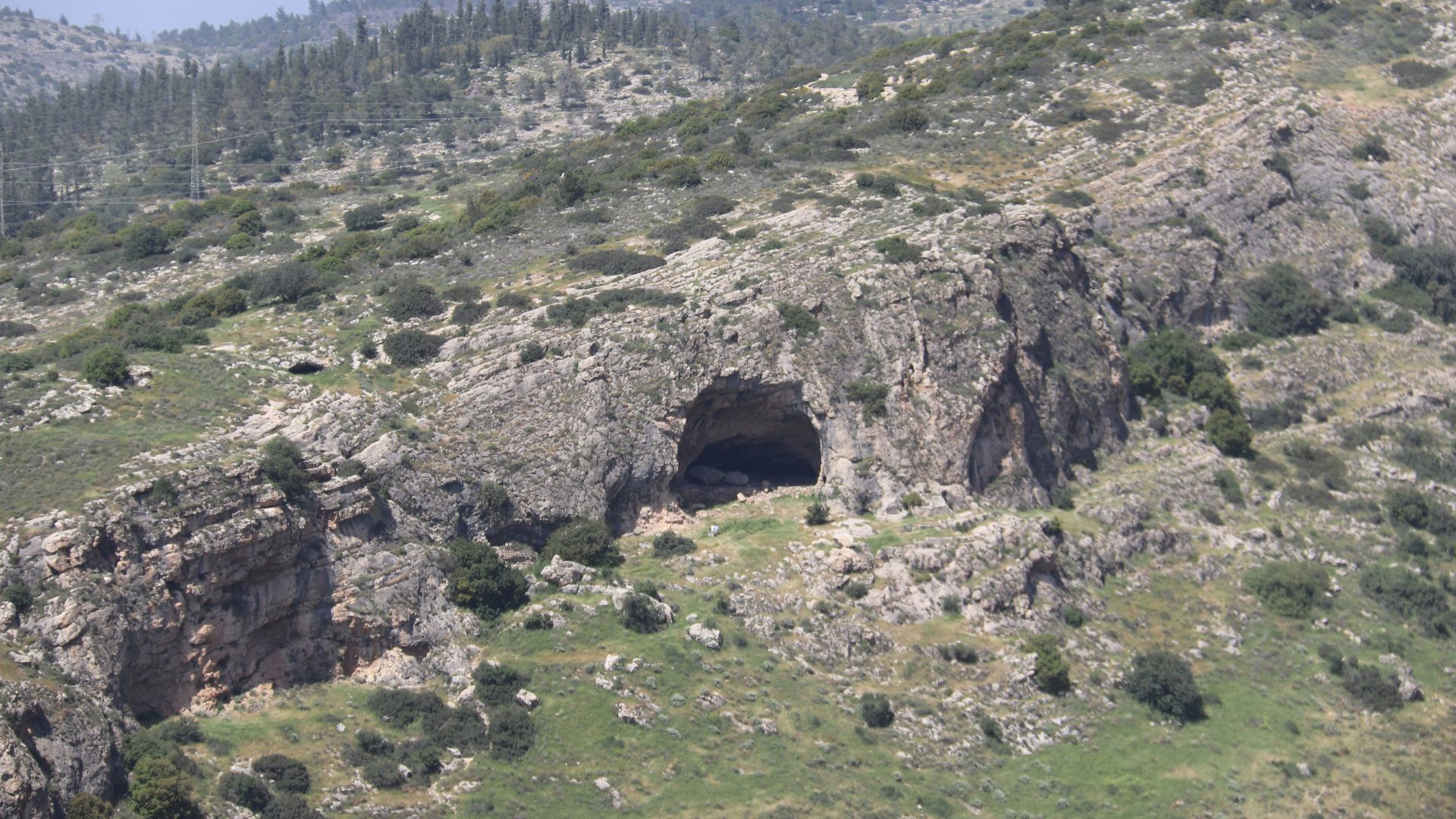
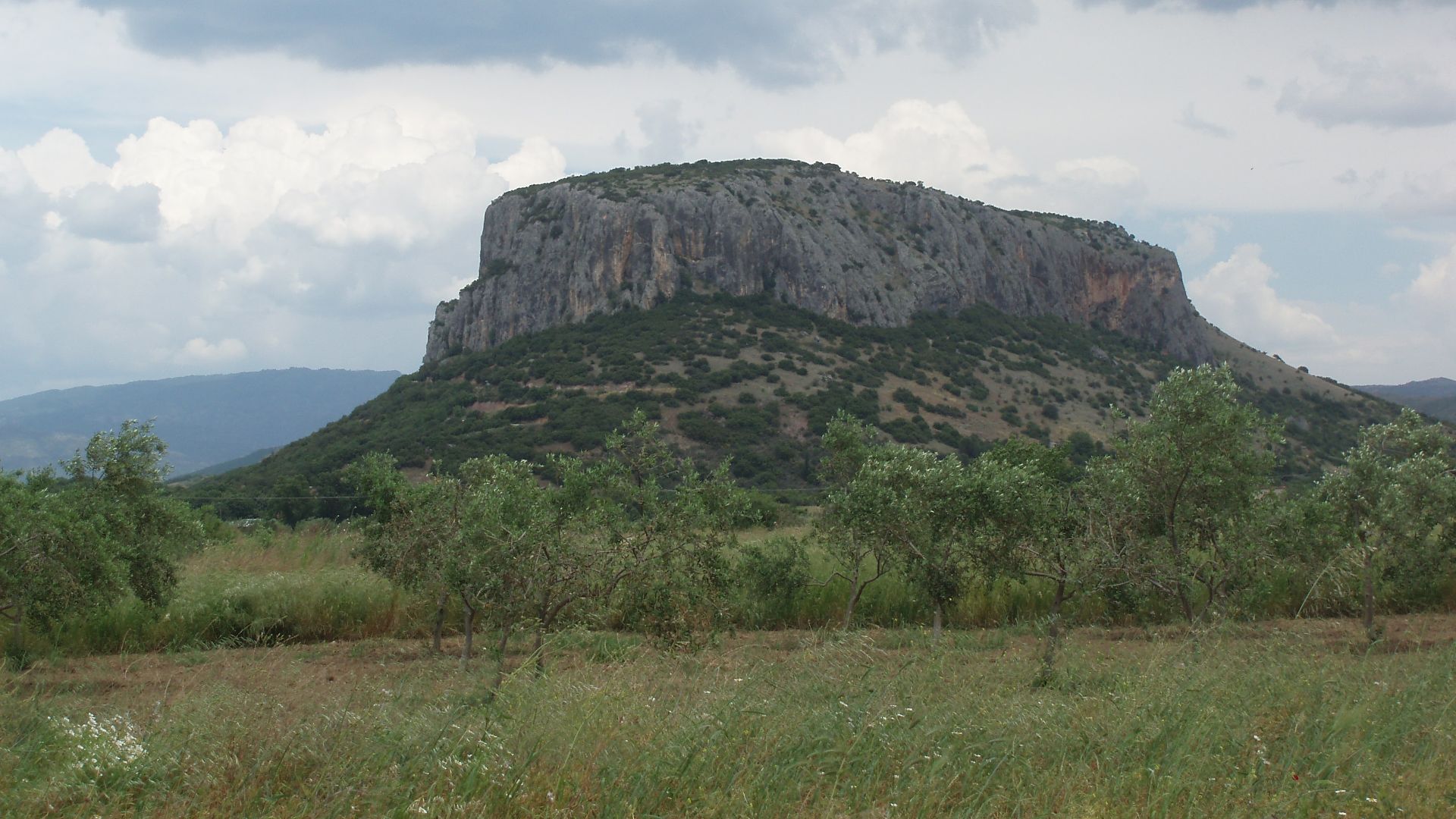
At the northeastern slope of a limestone hill in Thessaly, Greece, Theopetra Cave sits roughly 100 meters above the valley floor, overlooking the small village that shares its name. The Lethaios River, a tributary of the Pineios, flows nearby, providing ancient inhabitants with a critical water source.
 User:Andrew Dalby: derivative, based on work by User:Lencer and User:Uwe Dedering, Wikimedia Commons
Archaeological Excavation Timeline
Dr Nina Kyparissi-Apostolika launched systematic excavations at Theopetra Cave in 1987 under the Ephorate of Paleoanthropology and Speleology of Southern Greece. For over two decades, her team meticulously documented sediment layers reaching six meters deep, each stratum revealing different chapters of human occupation.
 Viktoriia Nechepurenko, Unsplash
Dr Kyparissi-Apostolika's Work
Leading one of Europe's most significant prehistoric excavations required exceptional organizational skills and scientific vision beyond standard archaeological practice. Dr Kyparissi-Apostolika coordinated international teams from institutions including the Weizmann Institute of Science and Harvard University to analyze sediment cores, climate data, and artifact collections using multidisciplinary approaches.
 Shmulik Harel, Wikimedia Common
The Stone Wall
The wall itself measures approximately one meter in height and partially seals the cave's entrance, reducing the opening to roughly one-third of its original size. Unlike the carefully dressed stones of later megalithic monuments, this structure was built from unshaped limestone rocks gathered from the immediate vicinity.
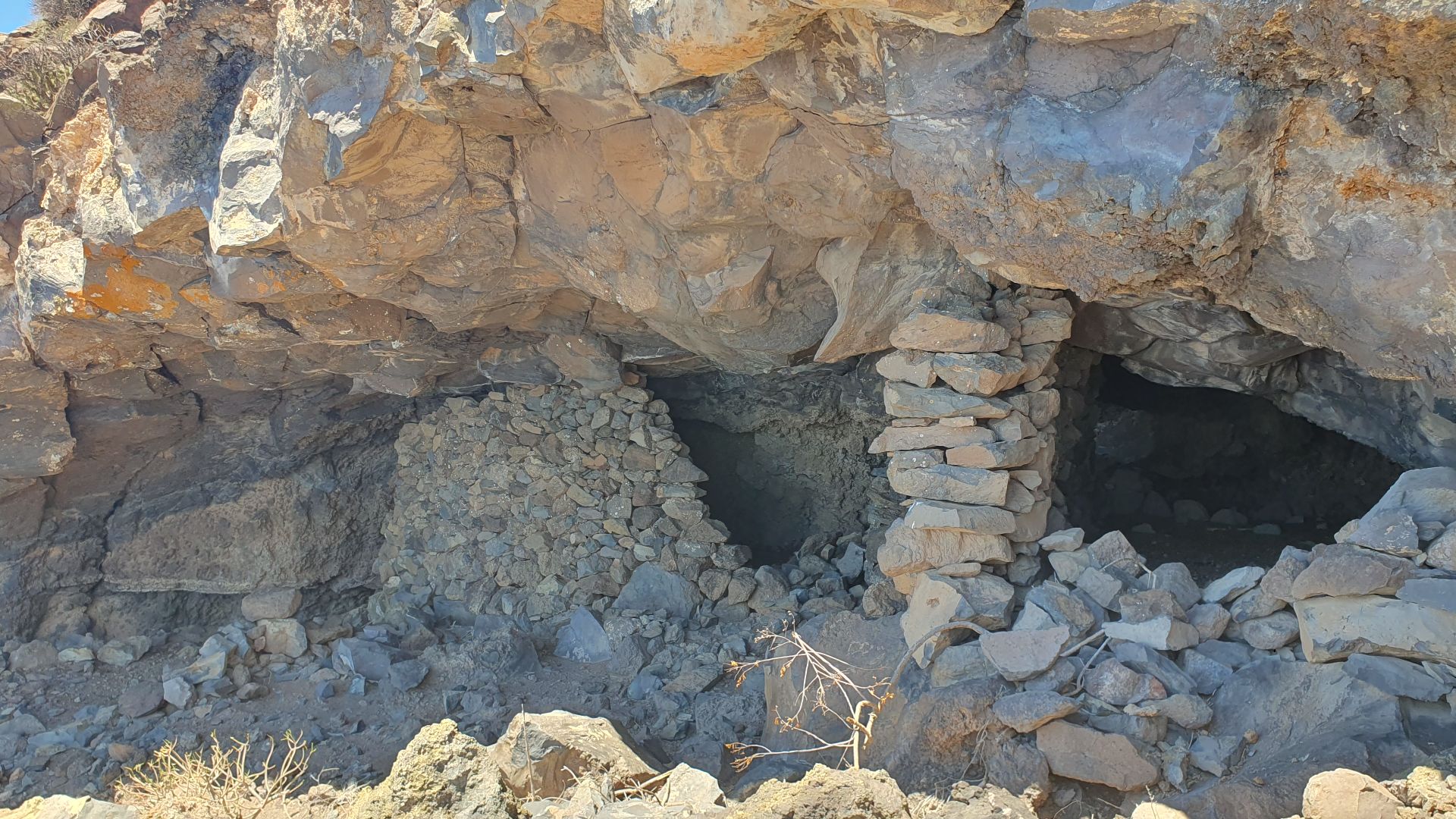
Construction Materials Used
Limestone rocks, which ranged from fist-sized chunks to larger boulders weighing several kilograms, were collected from natural scree slopes surrounding the cave entrance and formed the wall's primary structure. Additionally, clay, abundant in the region's soil, served as the binding mortar between stones.
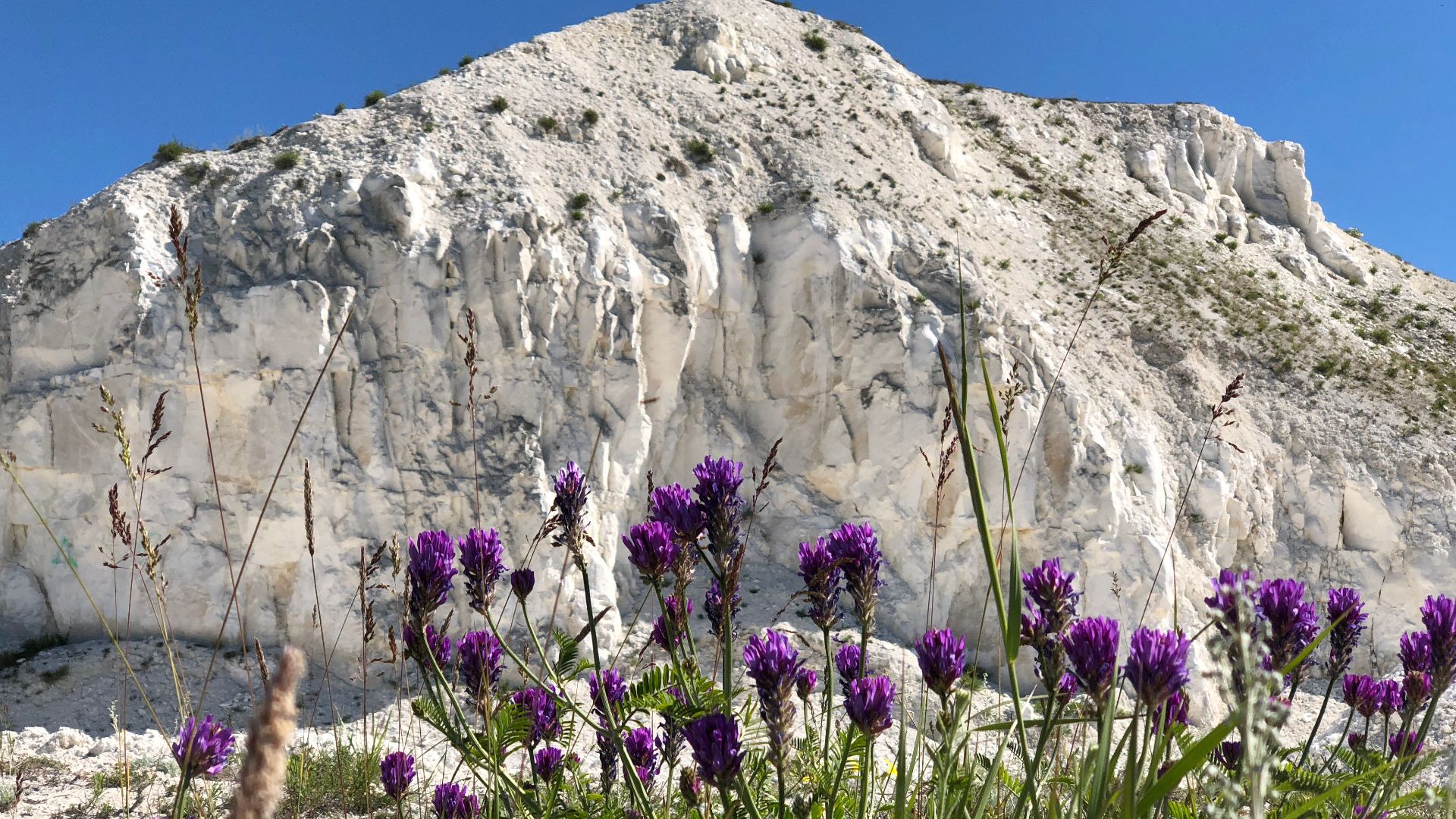
Architectural Design Features
The wall's deliberate placement reveals a sophisticated understanding of thermal dynamics and airflow control that shouldn't exist among Paleolithic populations according to traditional archaeological theory. Rather than completely sealing the entrance, the builders left a strategic opening approximately one meter wide.
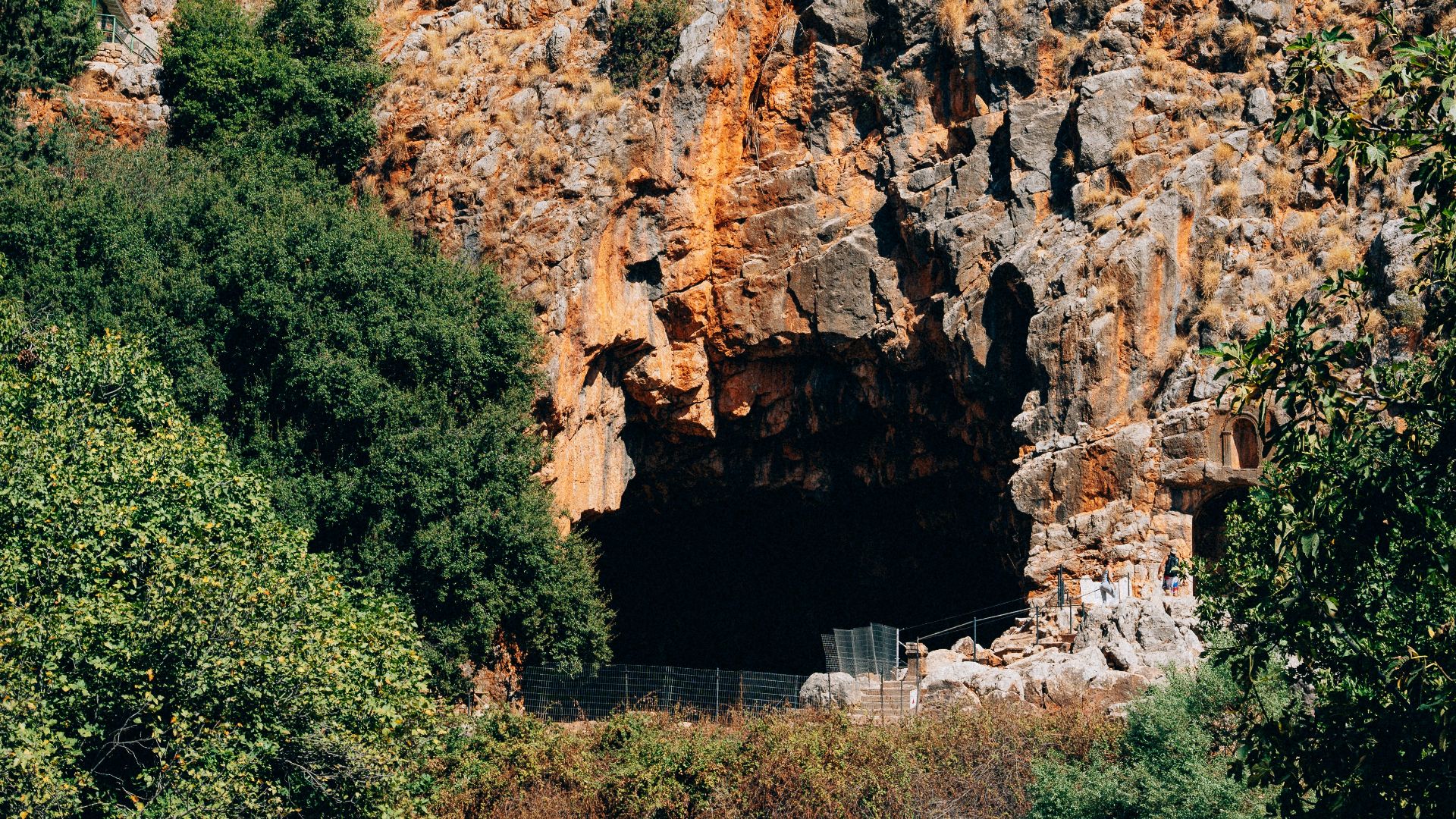
Wall Dimensions Measurements
Standing around one meter tall at its highest preserved point, the wall originally may have extended higher before centuries of sediment accumulation and partial collapse reduced its visible height. The structure stretches roughly three to four meters across the cave entrance, though exact measurements remain difficult.
OSL Dating Explained
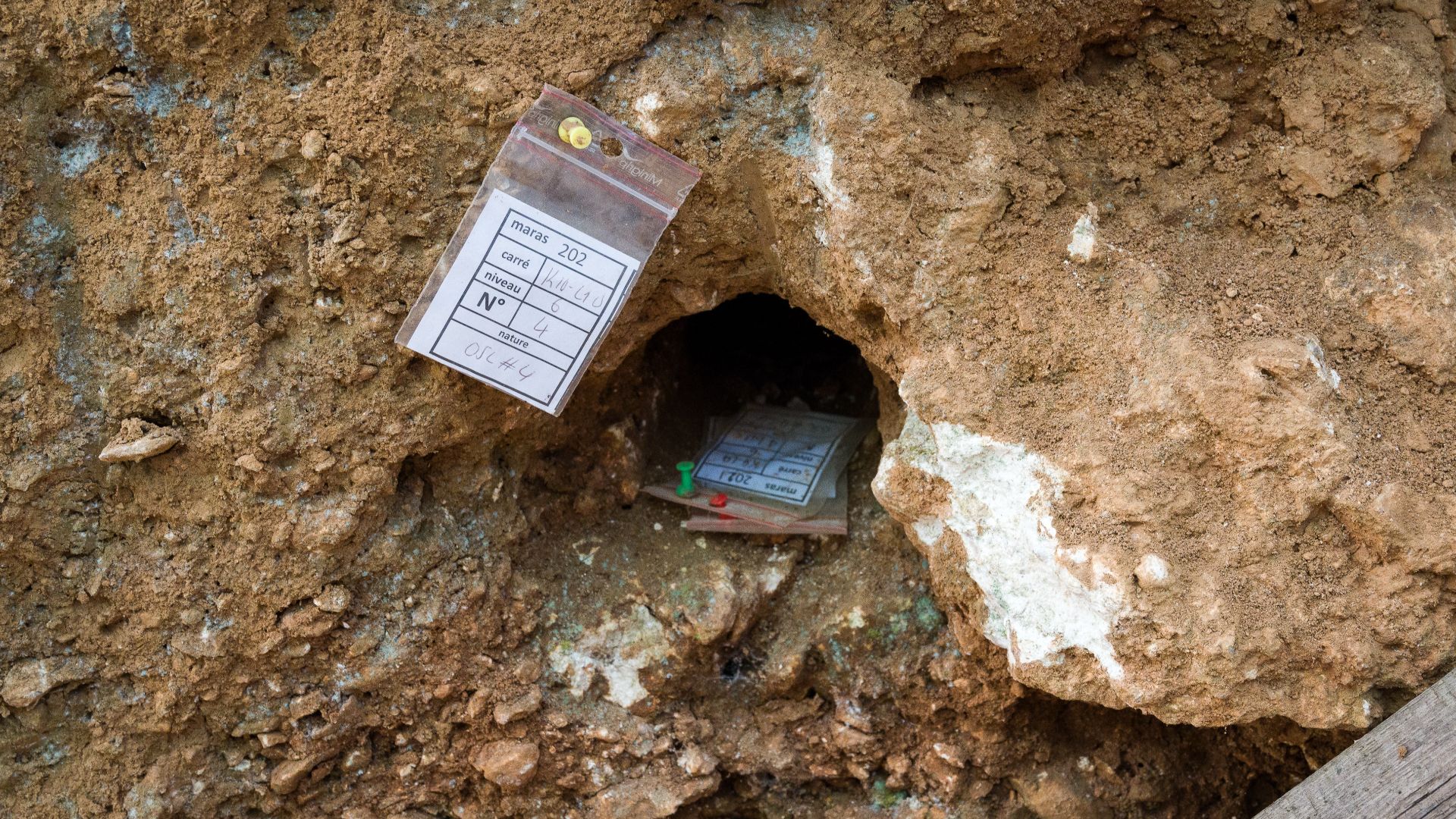
Optically Stimulated Luminescence dating revolutionized archaeology by measuring when mineral grains like quartz were last exposed to sunlight. Scientists Nicholaos Zacharias and Ioannis Basiakos from the Archaeometry Laboratory at Greece's National Center for Scientific Research Demokritos applied this technique to quartz grains found within the wall's stones.
23,000-Year-Old Result
The OSL analysis highlighted that the wall was constructed approximately 23,000 years before present, during the Last Glacial Maximum, when ice sheets covered most of Europe and global temperatures plummeted. This date places the structure's construction roughly 18,500 years before Egypt's first pyramids.
 User:Wobble, Wikimedia Commons
Last Glacial Maximum
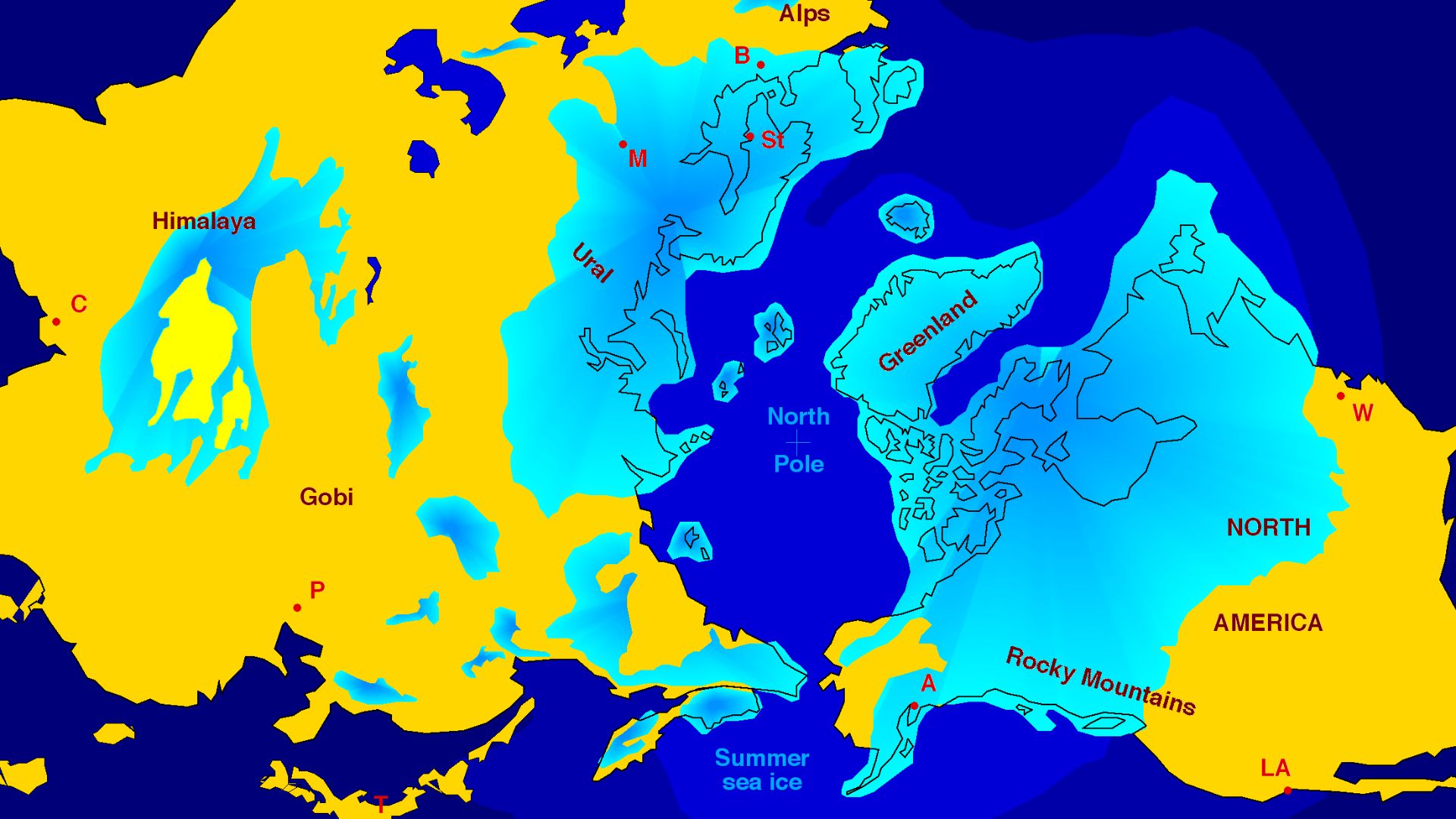
Between 26,000 and 19,000 years ago, Earth experienced its coldest period in recent geological history, with massive ice sheets extending across northern Europe, Asia, and North America. Sea levels dropped approximately 120 meters below current levels as water became locked in continental glaciers.
 Hannes Grobe/AWI, Wikimedia Commons
Climate Context Analysis
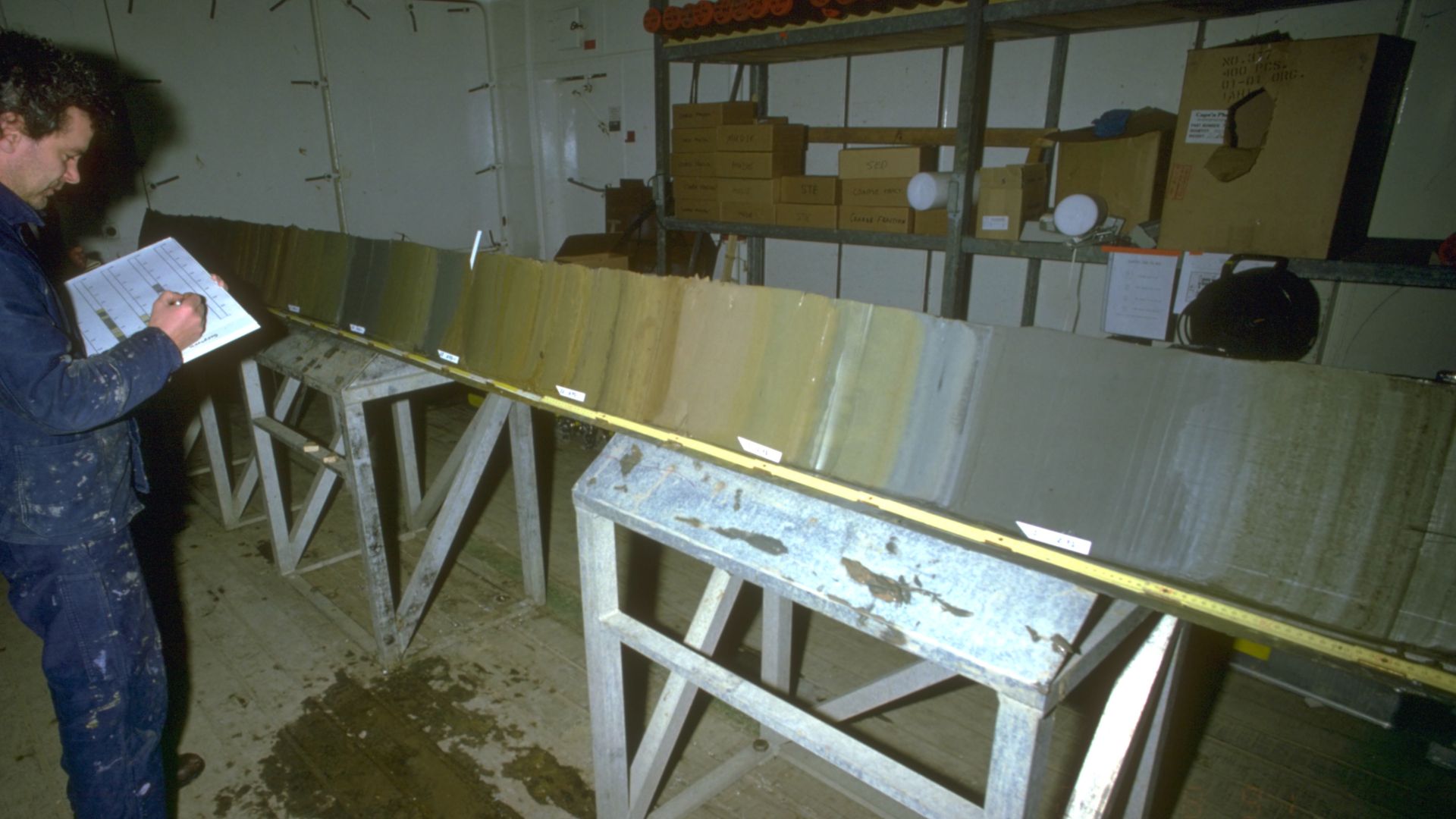
Sediment cores extracted from Theopetra's floor showed alternating layers, which indicated dramatic climate fluctuations throughout the cave's occupation history. Each stratum preserved chemical signatures of temperature and precipitation patterns. Collaboration with the Weizmann Institute of Science and Harvard University allowed researchers to reconstruct detailed paleoclimate records.
 Hannes Grobe/AWI, Wikimedia Commons
Protection From Cold
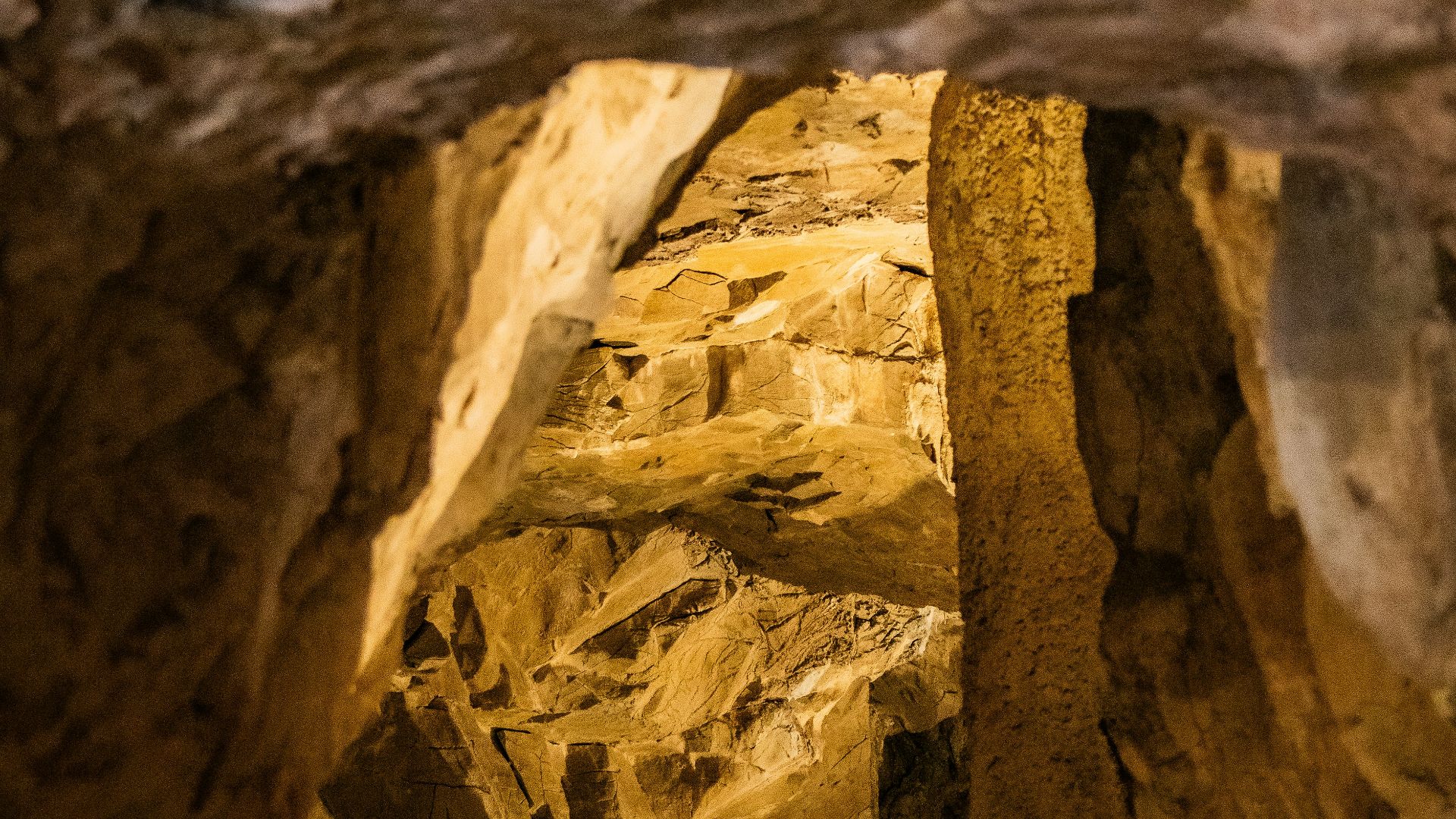
The wall functioned as a primitive but highly effective insulation system. By reducing the entrance opening by approximately two-thirds, the structure created a wind barrier. This prevented icy drafts from penetrating deep into the cave's interior chambers.
Utilitarian Vs Ceremonial
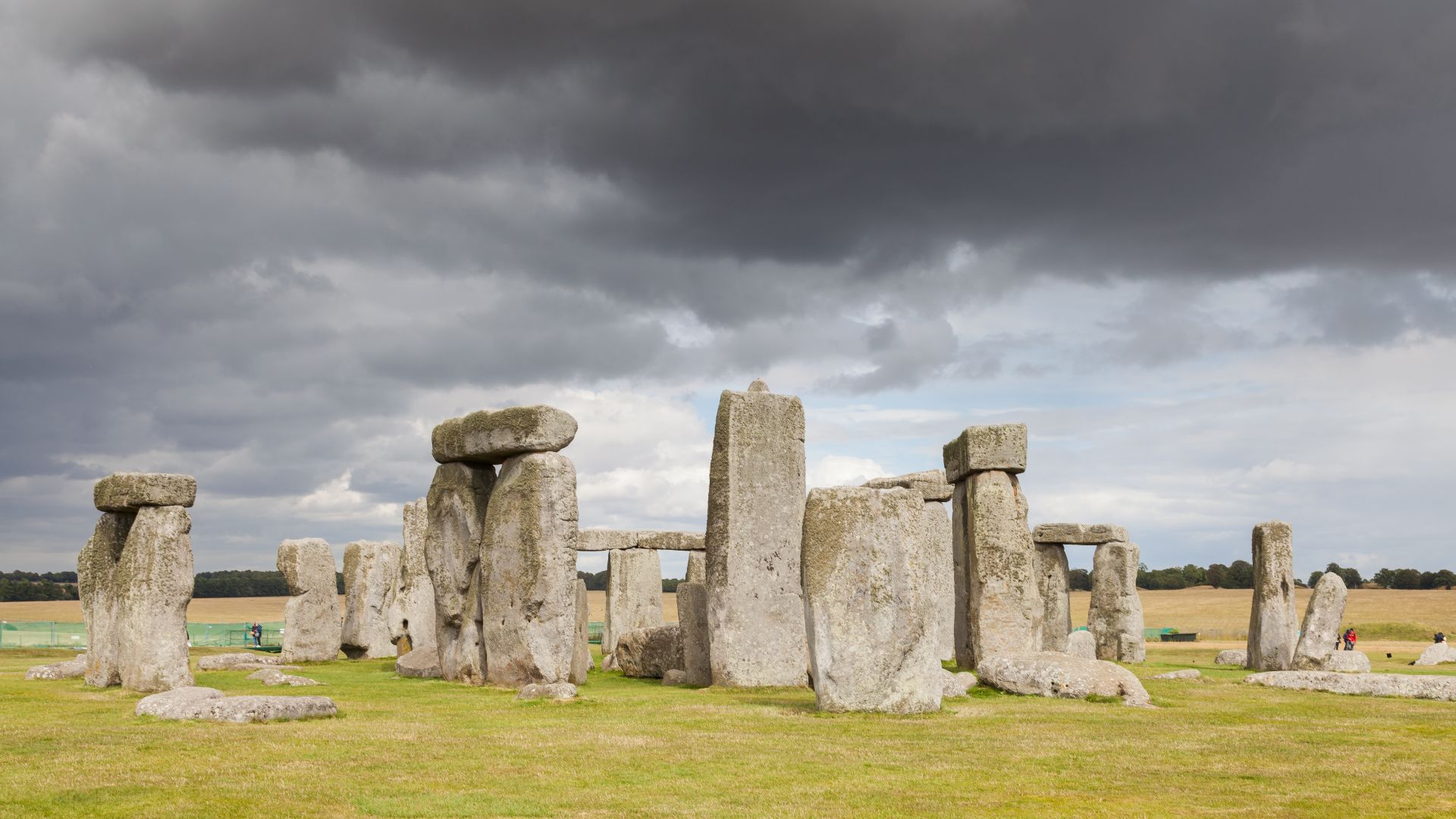
Unlike later monumental structures such as Gobekli Tepe or Stonehenge that clearly served ritual or communal gathering purposes, Theopetra's wall was built for no audience except its inhabitants. No decorative elements, symbolic carvings, or artistic embellishments adorn the structure.
 Diego Delso, Wikimedia Commons
Environmental Engineering Concept
The wall demonstrates that Paleolithic humans understood cause-and-effect relationships between physical structures and environmental outcomes. This cognitive ability represents sophisticated abstract thinking previously thought to emerge only with agricultural societies. The builders had to conceptualize the wall before constructing it.
 Charles Robert Knight, Wikimedia Commons
Paleolithic Period Overview
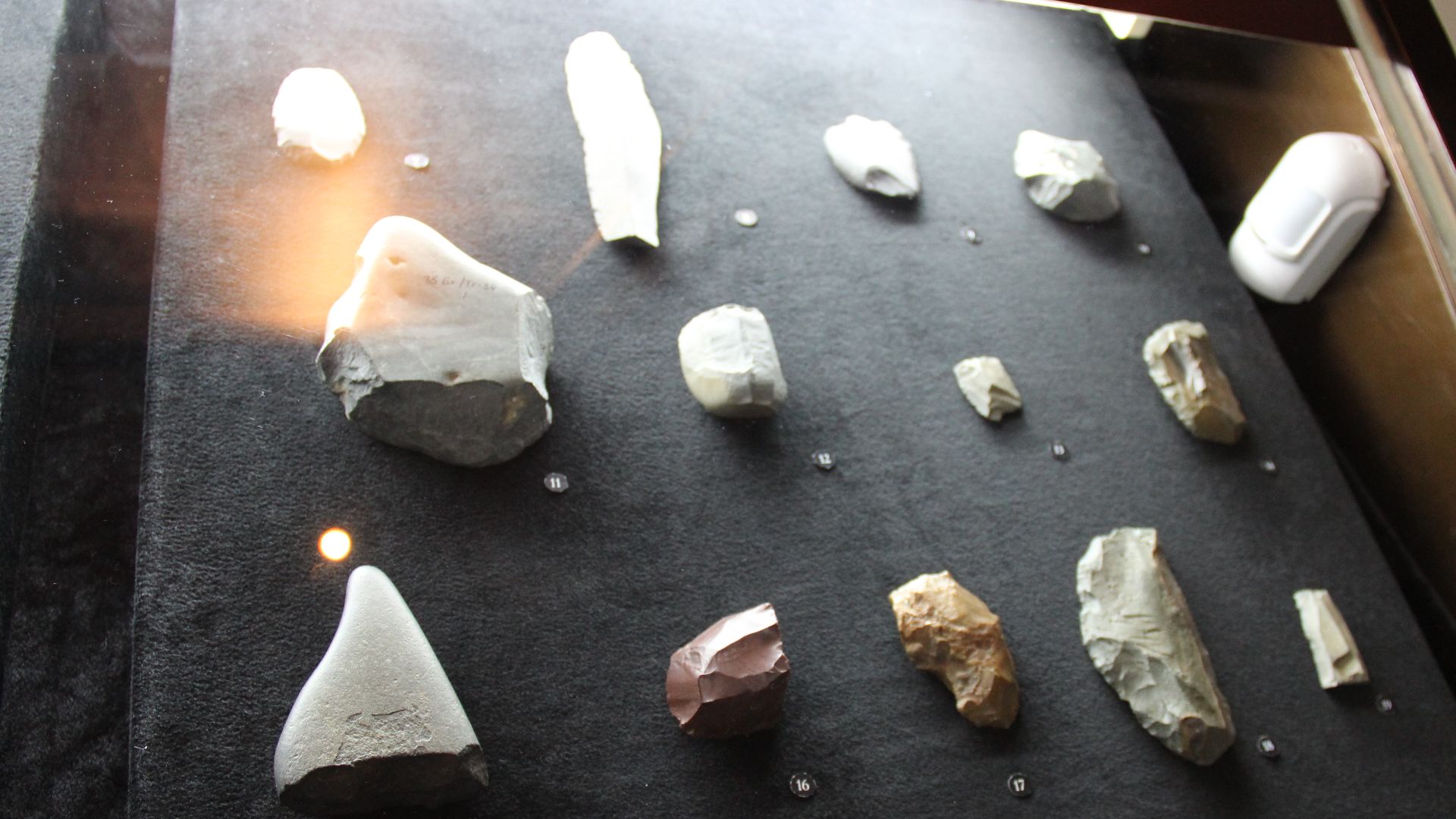
The Paleolithic or "Old Stone Age" spans from roughly 3.3 million years ago until approximately 12,000 years ago, encompassing over 99% of human technological history. During the Upper Paleolithic period, when Theopetra's wall was built, anatomically modern humans had replaced Neanderthals in Europe and were developing increasingly sophisticated tool technologies.
 Gary Todd from Xinzheng, China, Wikimedia Commons
Hunter-Gatherer Society Structure
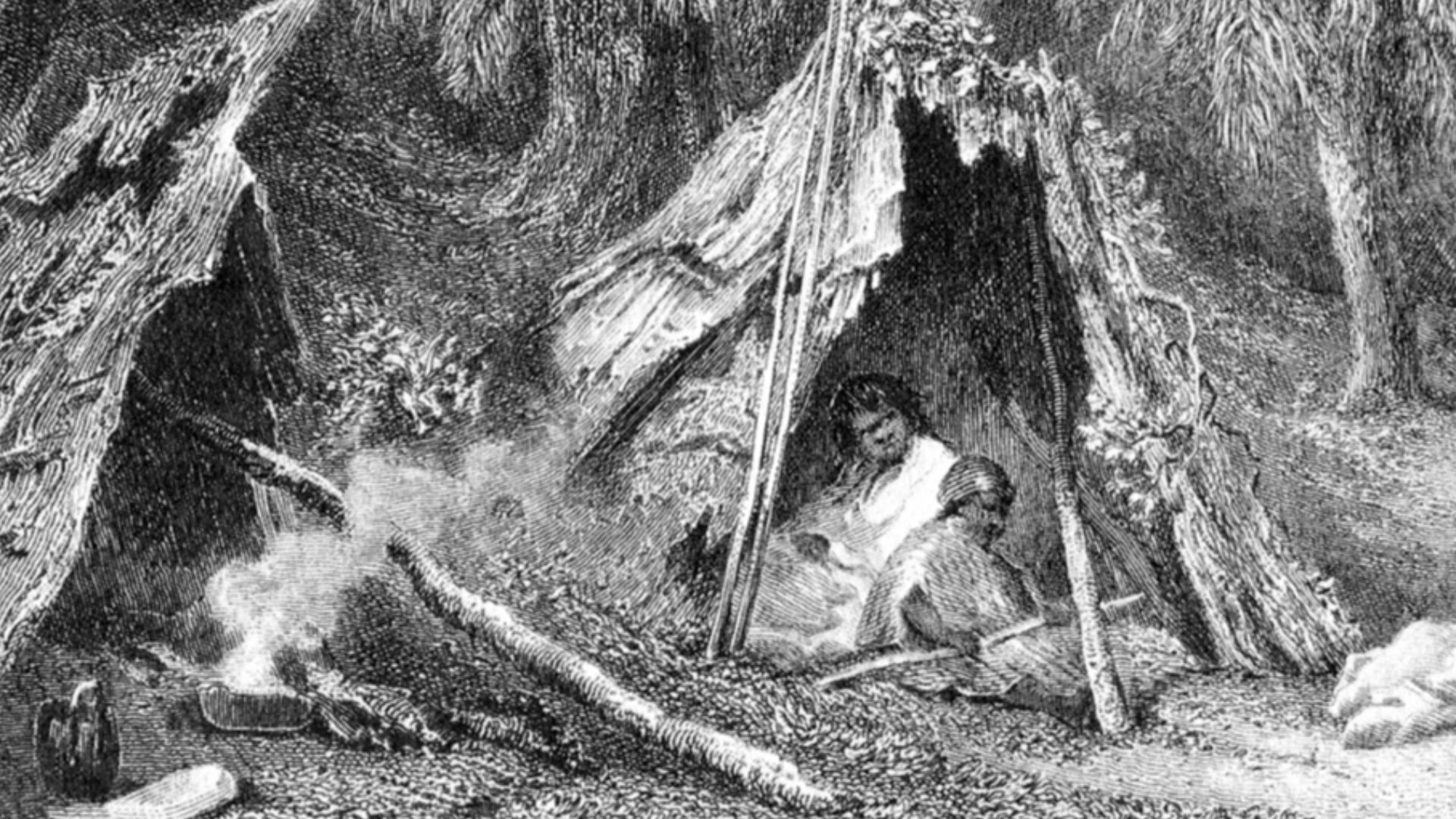
Paleolithic bands typically consisted of 25 to 50 related individuals who cooperated in hunting large game, gathering plant foods, and sharing childcare responsibilities within egalitarian social frameworks. Archaeological evidence from Theopetra confirms that the inhabitants practiced the full range of hunter-gatherer subsistence strategies.
 Skinner Prout., Wikimedia Commons
130,000-Year Human Occupation
Theopetra contains one of Europe's longest continuous archaeological sequences, with sediment layers preserving evidence of human presence from the Middle Paleolithic through the Neolithic period without significant gaps. The deepest layers likely contain traces of Neanderthal occupation, with anatomically modern humans eventually replacing their archaic cousins.
 Neanderthal-Museum, Mettmann, Wikimedia Commons
Continuous Habitation Evidence
Unlike many archaeological sites showing sporadic use punctuated by long abandonment periods, Theopetra shows nearly unbroken human presence across 130 millennia, with only brief gaps corresponding to catastrophic flooding events. Successive generations returned to the same shelter, each leaving their distinctive material signatures.
 Nature & Ancient buildings of Greece, Wikimedia Commons
Egyptian Pyramids Timeline
Egypt's Great Pyramid of Khufu at Giza was constructed around 2580–2560 BCE during the Fourth Dynasty of the Old Kingdom. When we compare such dates to Theopetra's 23,000-year-old wall, the pyramids are actually closer in age to us today than they are to the Greek cave structure.
 Douwe C. van der Zee, Wikimedia Commons
Gobekli Tepe Turkey
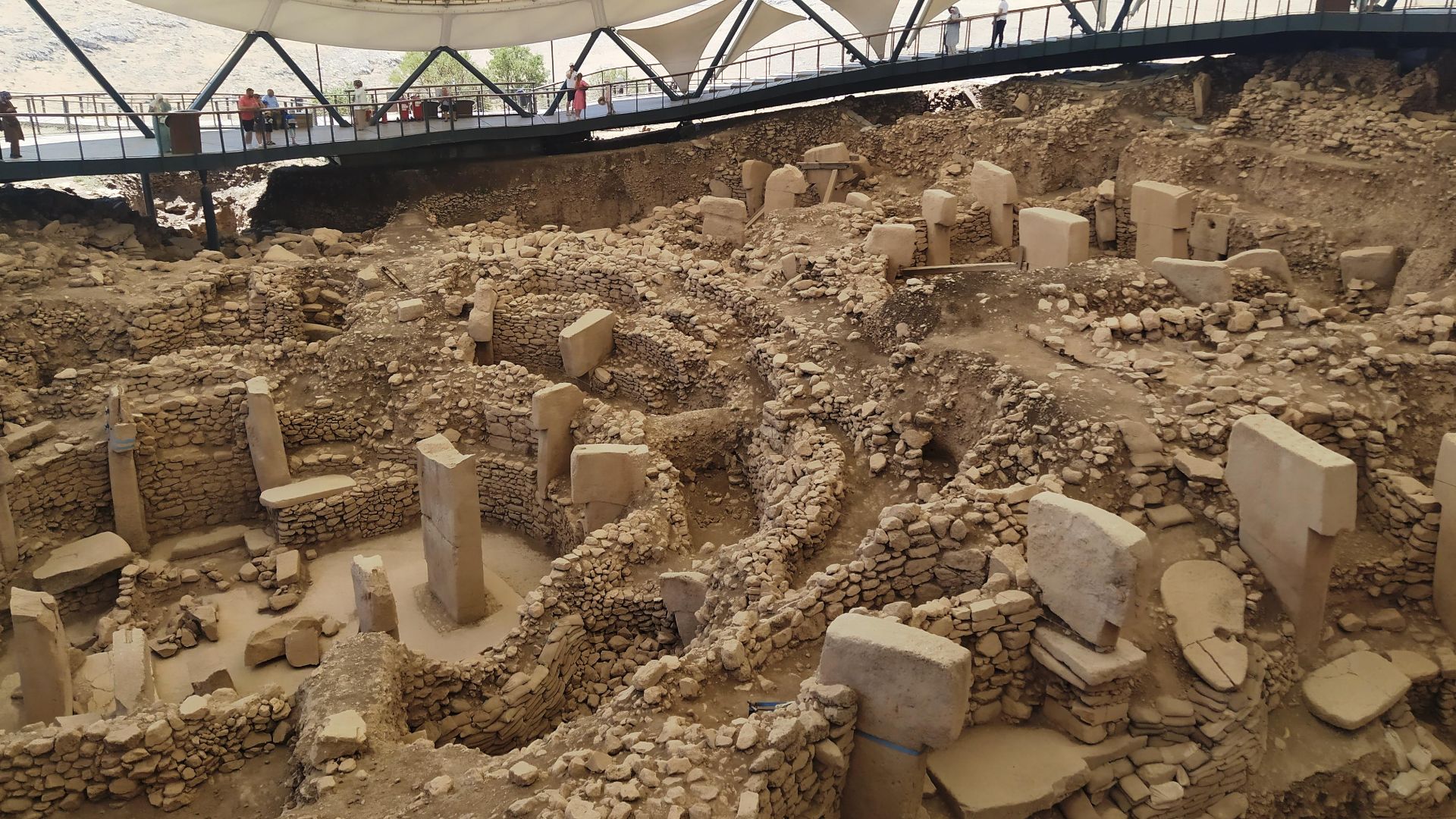
Located in southeastern Turkey near the Syrian border, Gobekli Tepe consists of massive circular stone enclosures featuring T-shaped limestone pillars up to 5.5 meters tall. German archaeologist Klaus Schmidt began excavating the site in 1995. The construction dates to about 9600–8200 BCE.
 Radoslaw Botev, Wikimedia Commons
Stonehenge England Comparison
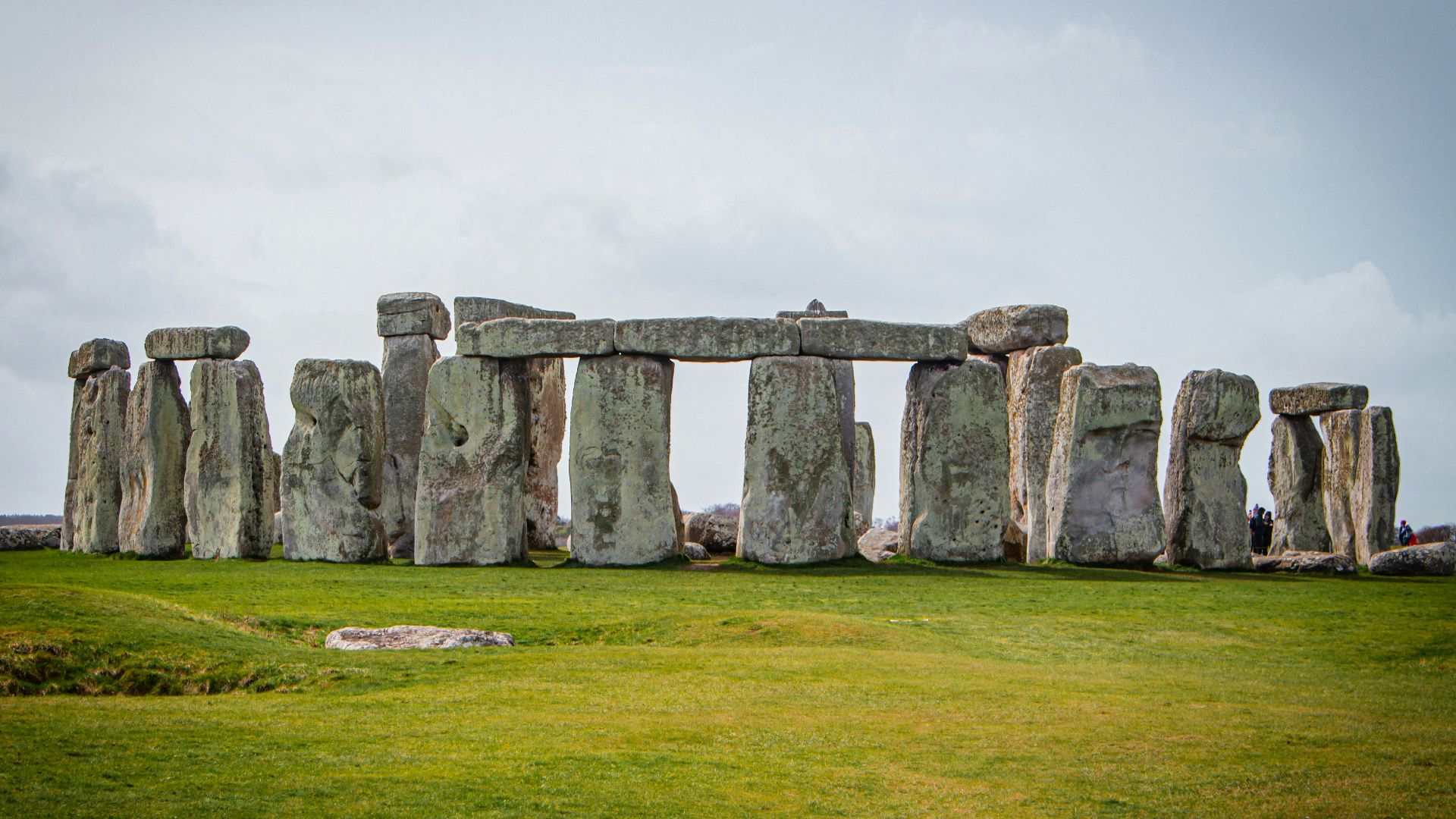
Stonehenge on Salisbury Plain in Wiltshire, England, was constructed in multiple phases beginning around 3000 BCE with a circular ditch and bank. In comparison, the famous sarsen stone circle was erected between 2600 and 2400 BCE. At approximately 5,000 years old, Stonehenge represents relatively recent construction compared to Theopetra's wall.
Redefining Architectural History
Theopetra's wall fundamentally challenges the traditional narrative that architecture emerged only with settled agricultural societies around 10,000 years ago in the Fertile Crescent. The discovery proves that Paleolithic mobile hunter-gatherers possessed the cognitive ability for intentional construction and problem-solving through structural modification at least 23,000 years ago.

Future Research Directions
Only portions of Theopetra Cave have been excavated, meaning vast amounts of archaeological material remain buried beneath a protective sediment layer. Advances in ancient DNA analysis could reveal detailed genetic information about the wall's builders, determining their population origins, migration patterns, and biological relationships to other contemporary European groups.