Right Under Your Eyes
It dominates every photograph, completely changes your profile and usually finds the doorframe a split second before the rest of your face.
But compare it with our closest living relatives and something looks very strange. Humans somehow grew a nose that pushes straight out of the face...but why?
The Nose Knows It Is Different
Chimpanzees, gorillas and orangutans certainly have noses, but they do not have our projecting external structure. Ours rises away from the face into a distinct bridge and tip, creating what anatomists sometimes call the external nasal pyramid.

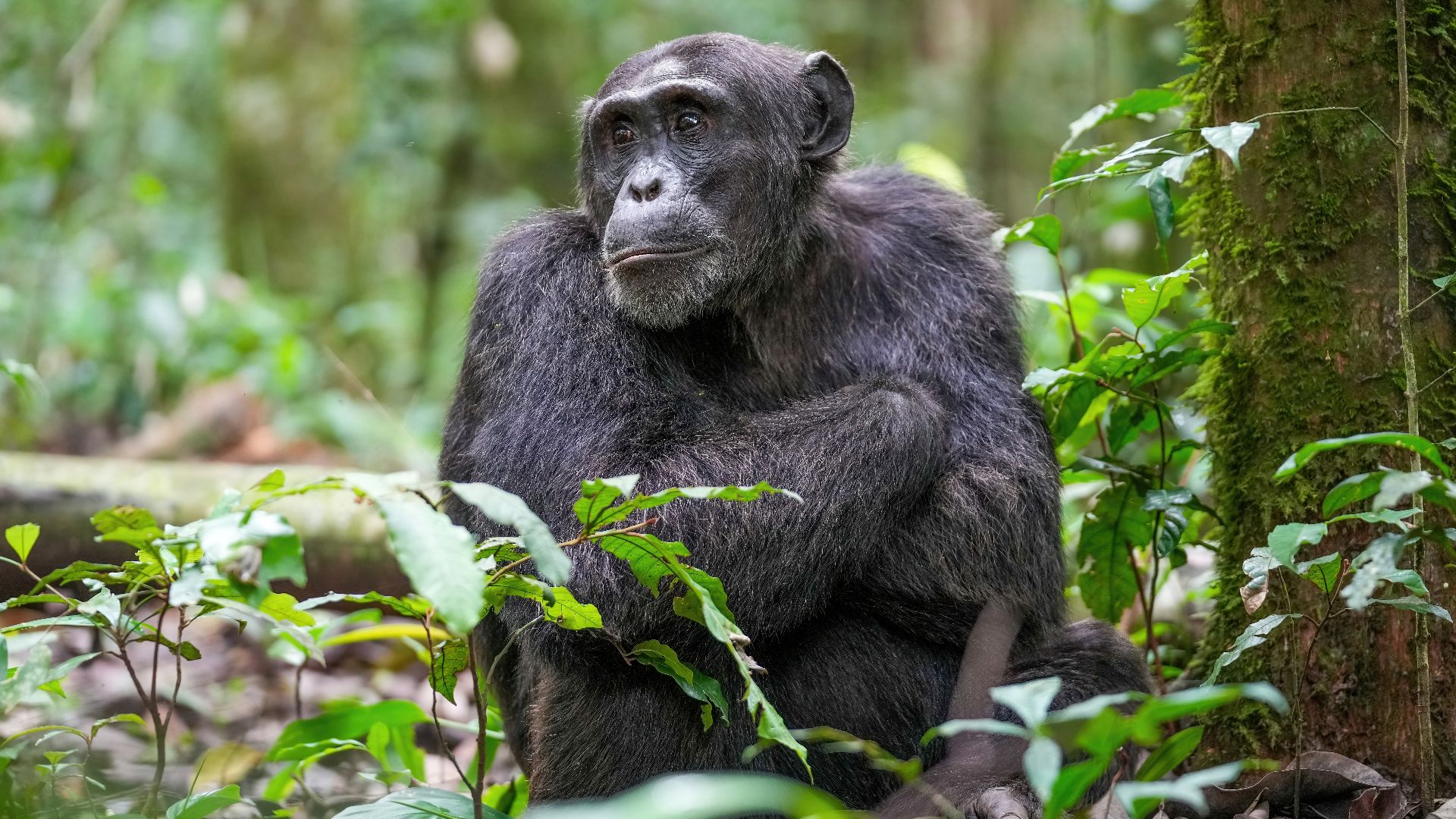
Other Great Apes Keep Theirs Flat
A chimpanzee’s entire muzzle can project forward, but its actual nasal area remains relatively flat against the face. Humans reversed that arrangement. Our jaws and mouths became flatter while the nose was left standing out in the middle like it had missed the message.
 Giles Laurent, Wikimedia Commons
Even Our Nostrils Face Another Direction
Most other primates have nostrils that face more forward or outward. Human nostrils generally open downward beneath the projecting tip. That combination—a raised external nose with downward-facing nostrils—is considered unique among anthropoid primates, the group that includes monkeys, apes and humans.

It Is Not Just A Fleshy Decoration
Most of the visible tip is formed from cartilage and soft tissue, but the human skull underneath is different too. Curved nasal bones, a pronounced nasal spine and several other skeletal changes provide the framework that allows the entire structure to project forward.

The Evidence Usually Disappears
Noses are not especially considerate toward future scientists. Cartilage and soft tissue generally decompose, leaving researchers to reconstruct ancient noses from the surrounding bones. Fortunately, the relationship between the skull and the external nose is strong enough to provide some surprisingly useful clues.
 By Aaron Logan, Wikimedia Commons
The First One May Have Arrived With Homo Erectus
Based on the skeletal features used to reconstruct ancient faces, the projecting external nose appears to have emerged with Homo erectus roughly 1.6 million years ago. The precise fleshy shape cannot be known, but the underlying bones suggest something recognizably different from the flatter noses of earlier ancestors.
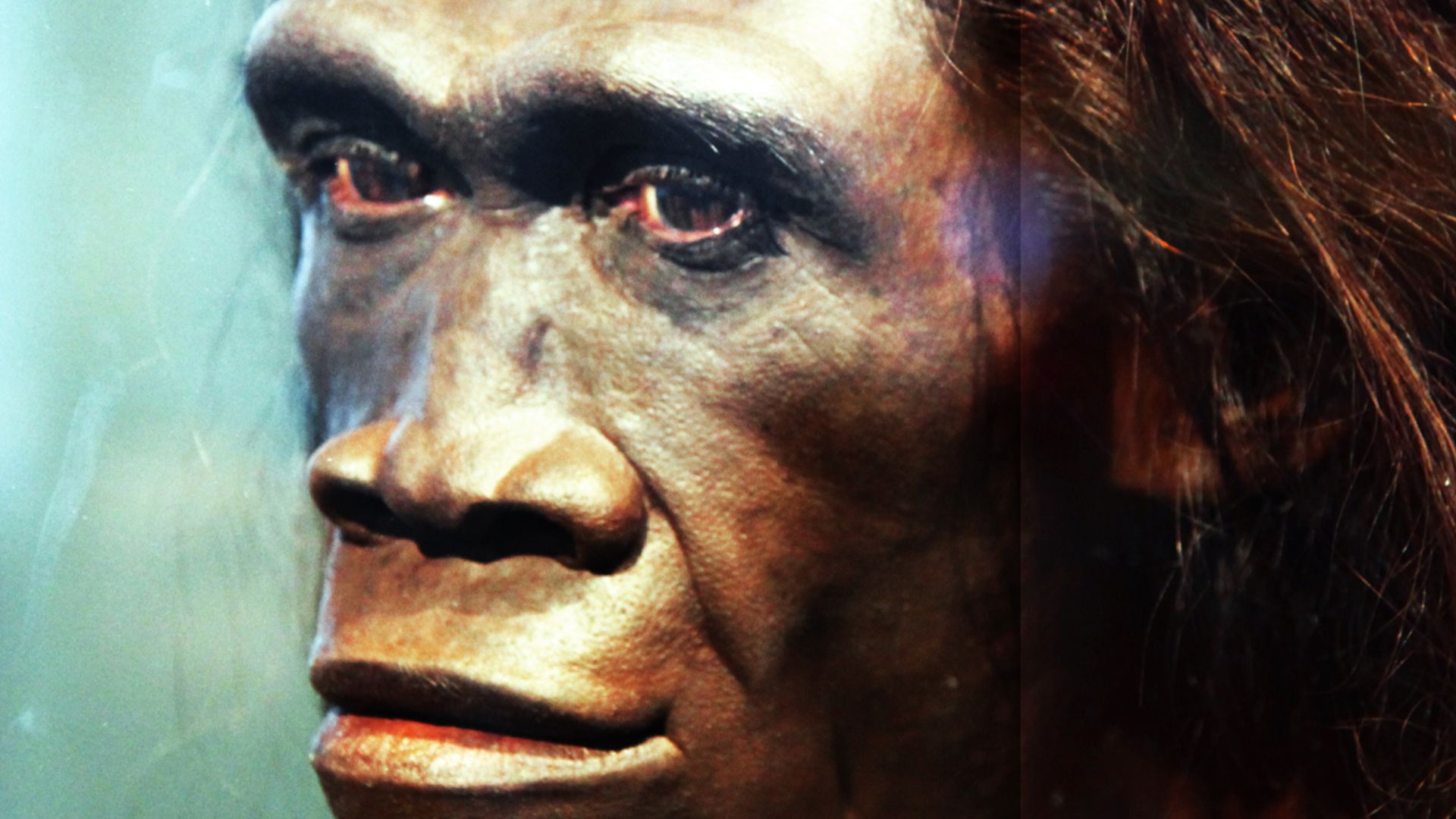 Tim Evanson, Wikimedia Commons
Earlier Ancestors Had Much Flatter Noses
Earlier hominins such as Australopithecus afarensis combined projecting jaws with flatter, more ape-like nasal regions. The human lineage had already been walking upright for millions of years, yet the nose apparently waited until much later before making its grand entrance.
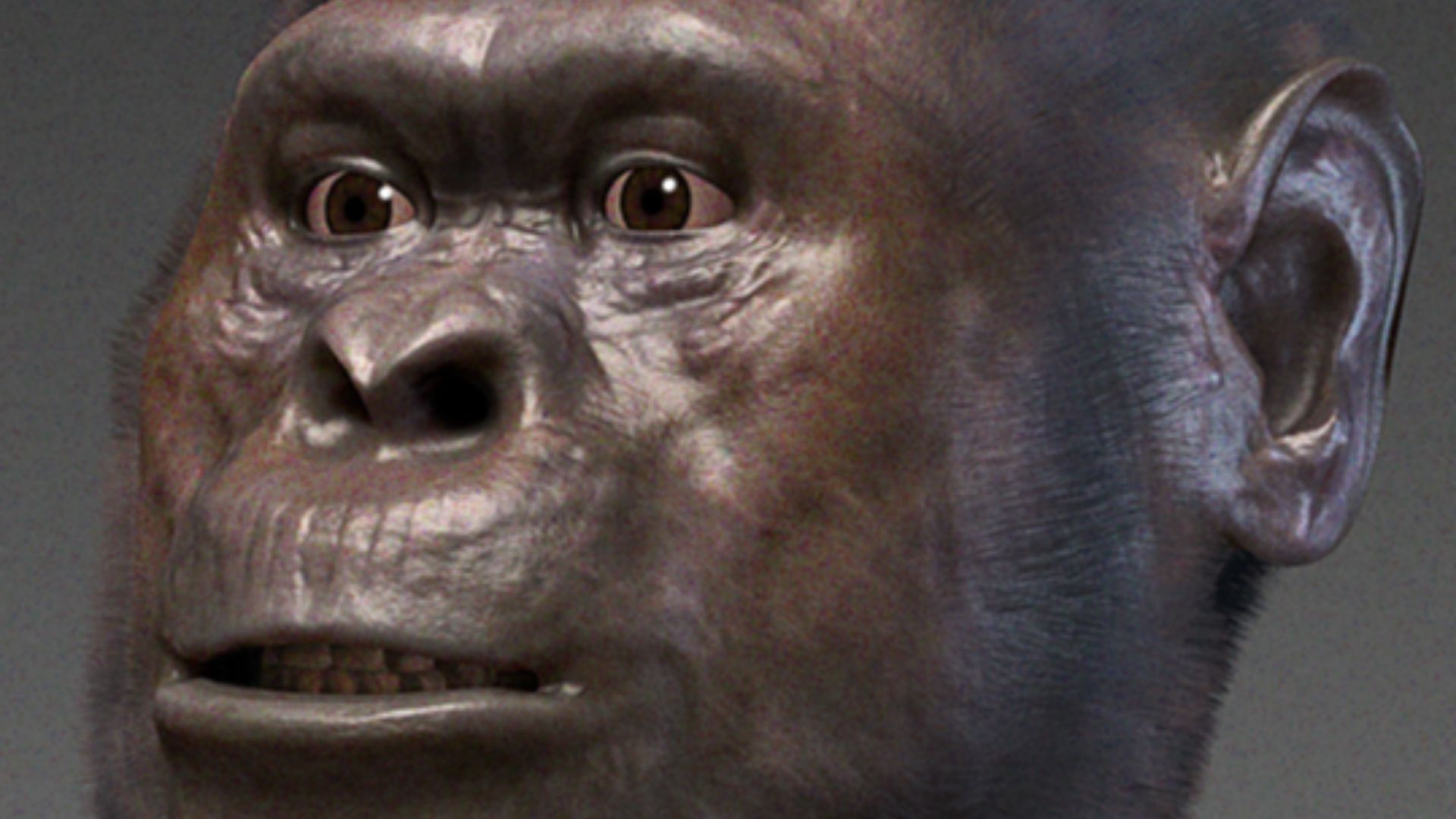 Cicero Moraes, Wikimedia Commons
The Obvious Answer Was Breathing
The leading explanation has long been that the nose evolved as a personal air-conditioning system. Before inhaled air reaches the lungs, the nasal passages help warm, humidify and filter it. Pushing the structure outward may have created more room to perform that work effectively.

Homo Erectus Was Suddenly Going Places
Homo erectus had longer legs, travelled farther and spent more time moving through open environments than earlier ancestors. Greater activity meant breathing much larger volumes of air. A projecting nose may have helped condition that air before it reached increasingly hard-working lungs.
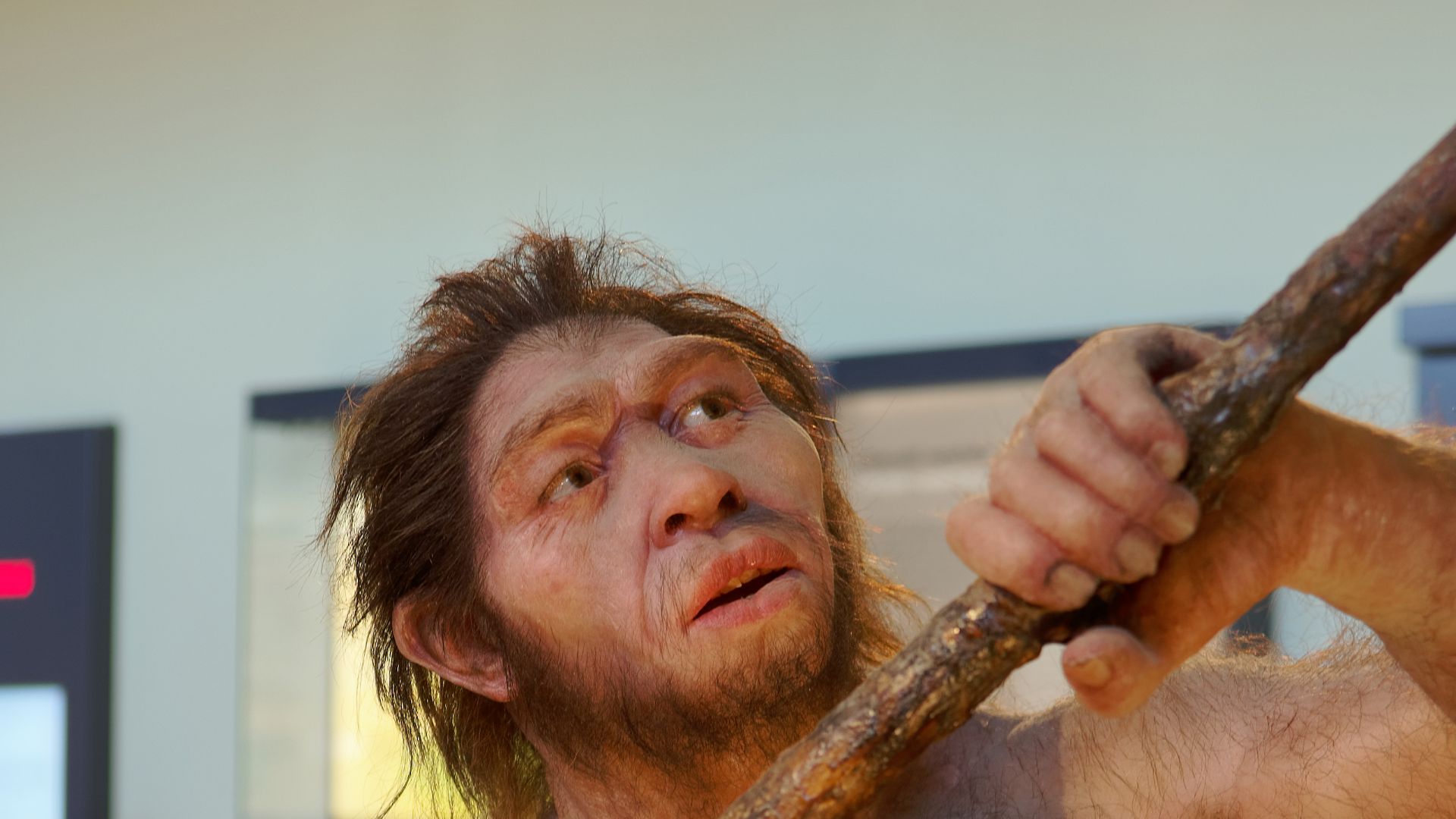 Jakub Halun, Wikimedia Commons
Africa Was Becoming Drier
The first projecting noses also appeared as members of the genus Homo were living in increasingly dry, open African environments. Every breath pulled moisture from the respiratory system, so a nose capable of conserving humidity may have provided a genuine survival advantage.
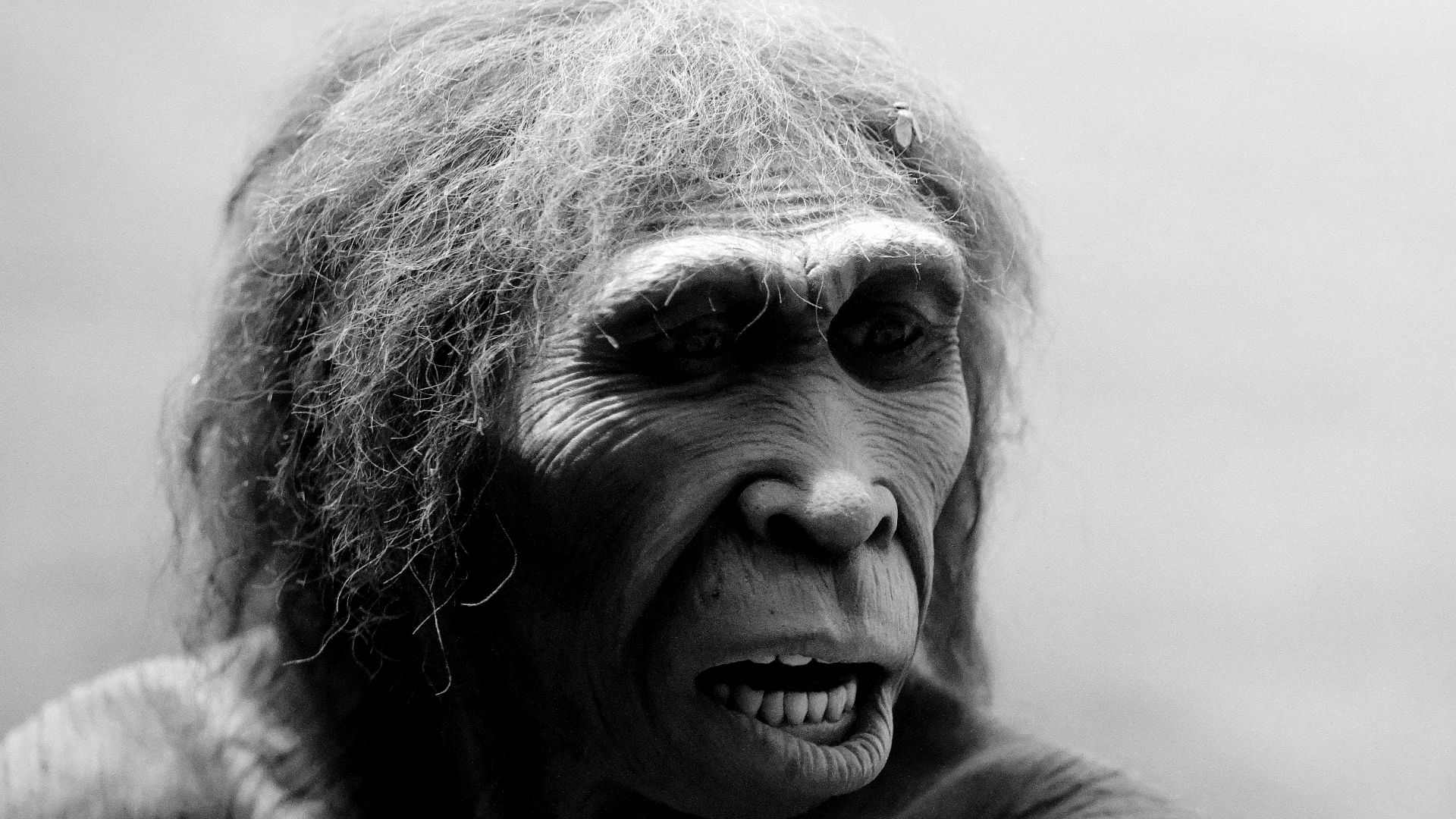 Werner Ustorf, Wikimedia Commons
Some Parts Of The Nose Follow Climate
A major study found that nostril width was geographically associated with temperature and absolute humidity. The width of the nostrils and nasal base also differed between populations more than researchers expected from genetic drift alone. Climate appears to have influenced human noses—but it did not shape every part of them.

A Narrower Nose Was Supposed To Help
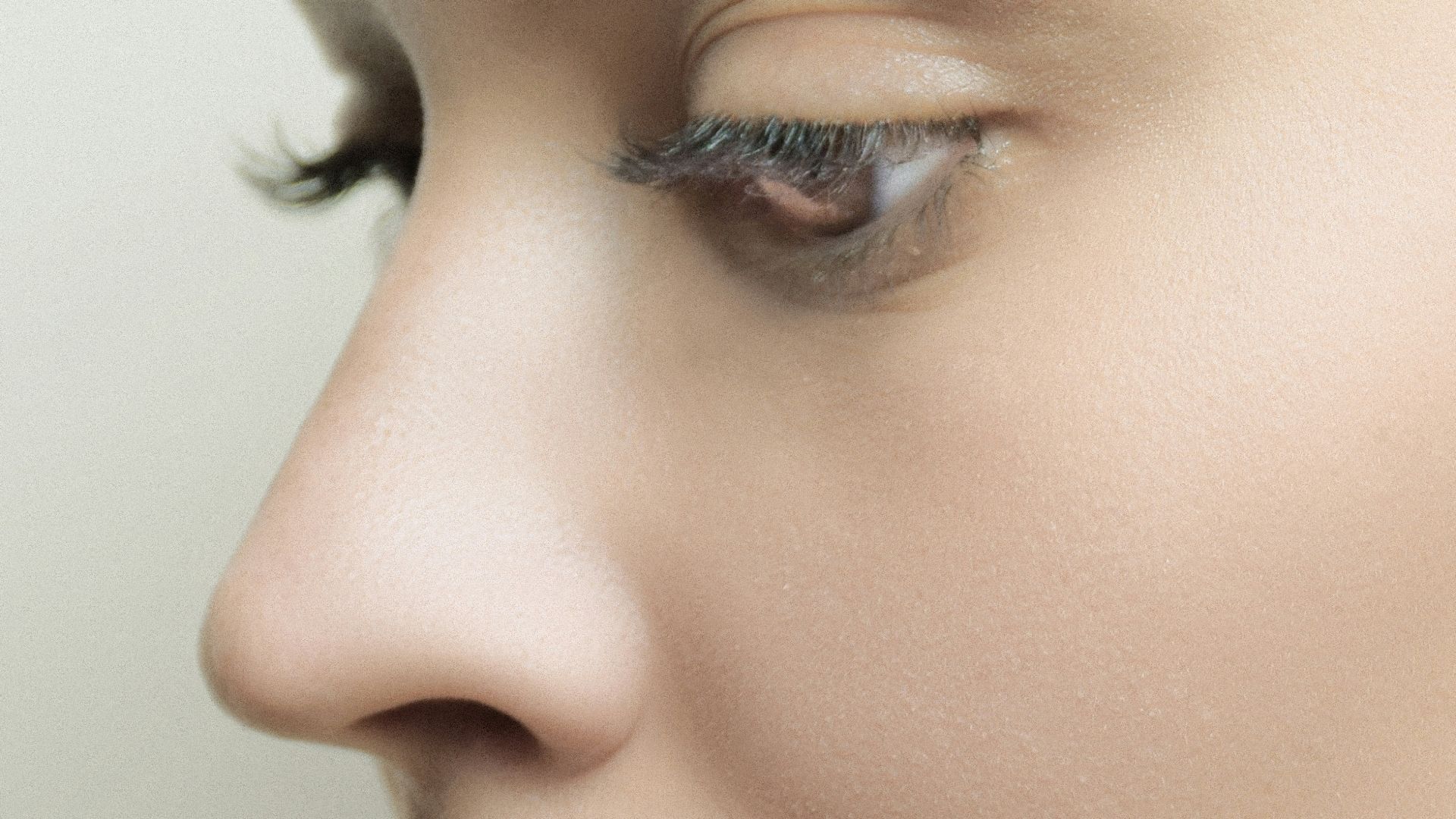
The traditional theory holds that a narrower nasal entrance gives cold, dry air more opportunity to interact with warm, moist tissue before reaching the lungs. But external width does not always predict the shape, resistance or airflow inside the nasal cavity. The basic idea remains plausible, although the actual mechanics are far less tidy.
 Alexander Krivitskiy, Unsplash
But That Does Not Solve The Original Mystery
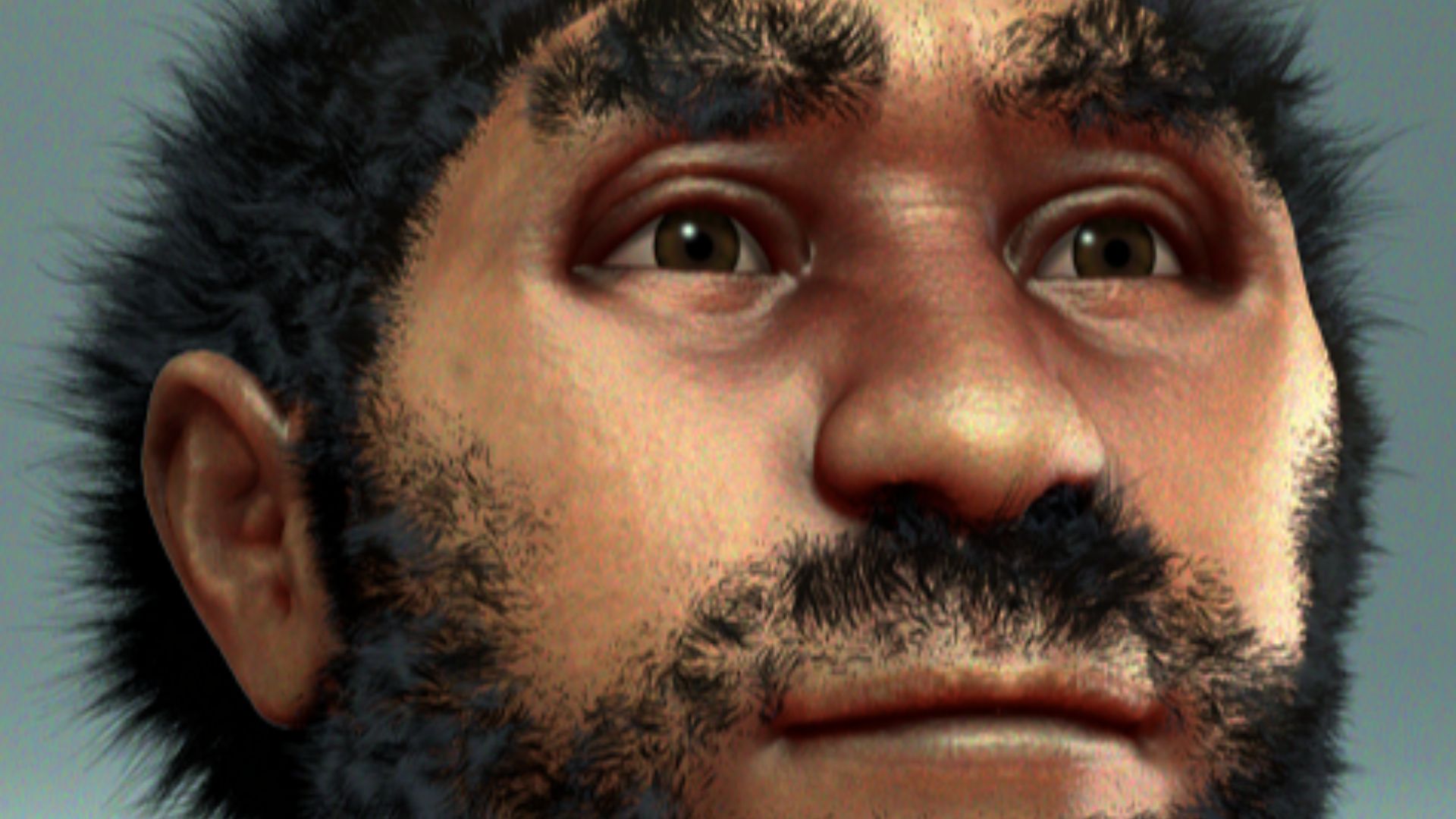
Climate can help explain why human noses developed different widths and shapes after populations spread around the world. It does not fully explain why the external nose began projecting in the first place—or why other active primates survived perfectly well without building one.
 Cicero Moraes, Wikimedia Commons
Neanderthals Complicate Everything
Neanderthals had enormous nasal openings and faces that projected strongly through the middle. Their noses have often been described as adaptations for warming and humidifying cold, dry Eurasian air. Yet their nasal system was built differently from ours, suggesting evolution found more than one possible solution.
 Jakub Halun, Wikimedia Commons
One Preserved Nose Changed The Conversation
In 2025, researchers described the first completely preserved internal nasal cavity known from the human fossil record. It belonged to the Altamura Neanderthal—and lacked clear evidence for several supposedly unique Neanderthal nasal features. The discovery weakened one version of the cold-adaptation theory without disproving the nose’s ordinary role in conditioning air.
 Neanderthal-Museum, Mettmann, Wikimedia Commons
Maybe The Nose Did Not Move Forward
Another possibility is that the nose only appears to have pushed outward. Over millions of years, the human face became shorter and flatter beneath an expanding braincase. The jaws and teeth retreated—but the central nasal structure may not have moved backward at the same speed.

Our Entire Face Was Changing
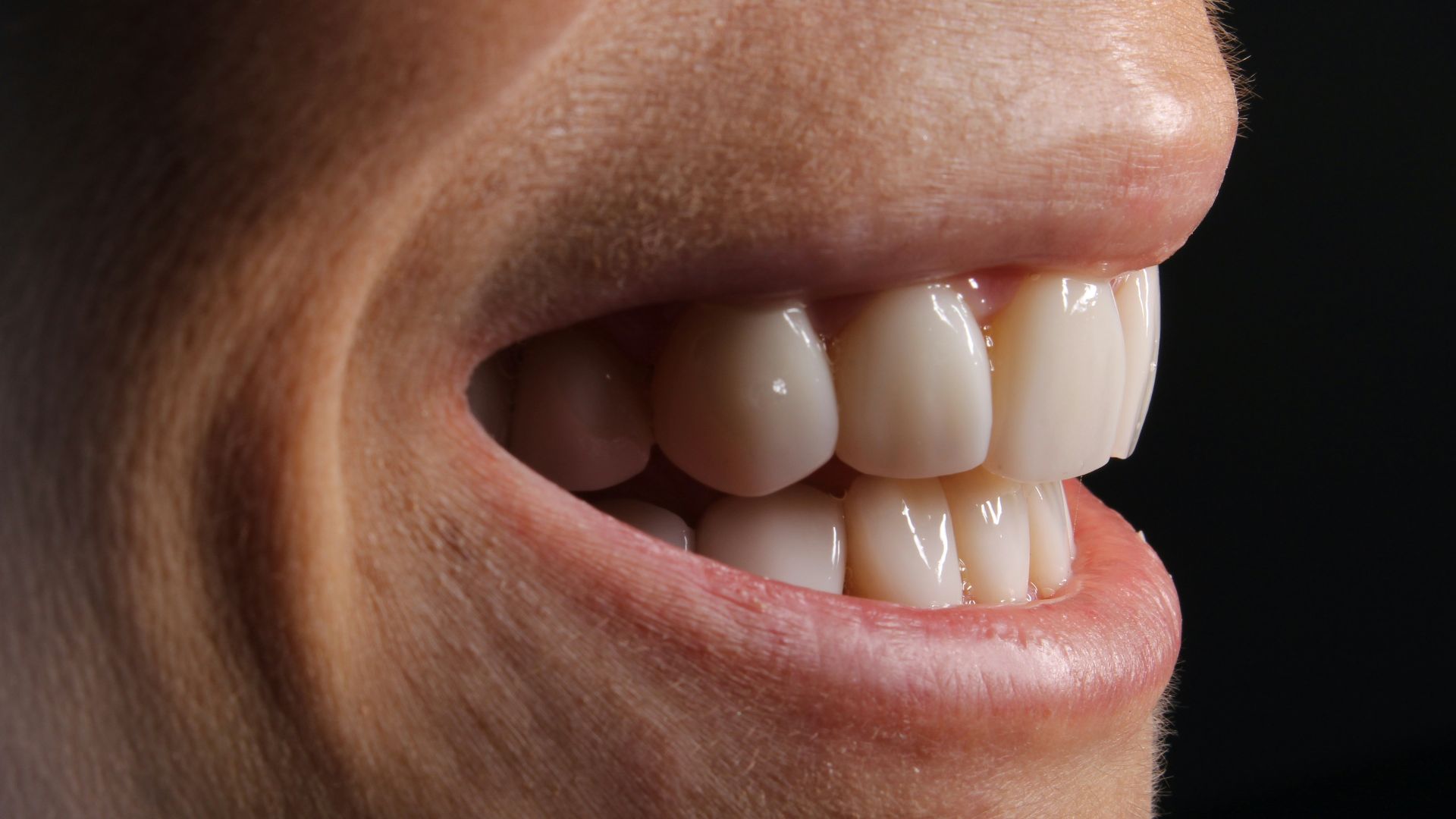
Human teeth, jaws and facial proportions changed considerably over evolutionary time. Diet, food processing, changing chewing demands and broader developmental forces may all have contributed. But researchers increasingly caution against treating facial shrinkage as one simple, steady march driven by a single evolutionary pressure.
Facial Shrinkage May Have Helped
The nose probably became more noticeable partly because the teeth, jaws and surrounding face were changing. But that does not mean it was merely an accidental leftover. Its projection may have emerged through facial reduction and then proved useful for breathing, moisture conservation or some combination of functions scientists are still sorting out.

Then There Is The Navigation Theory
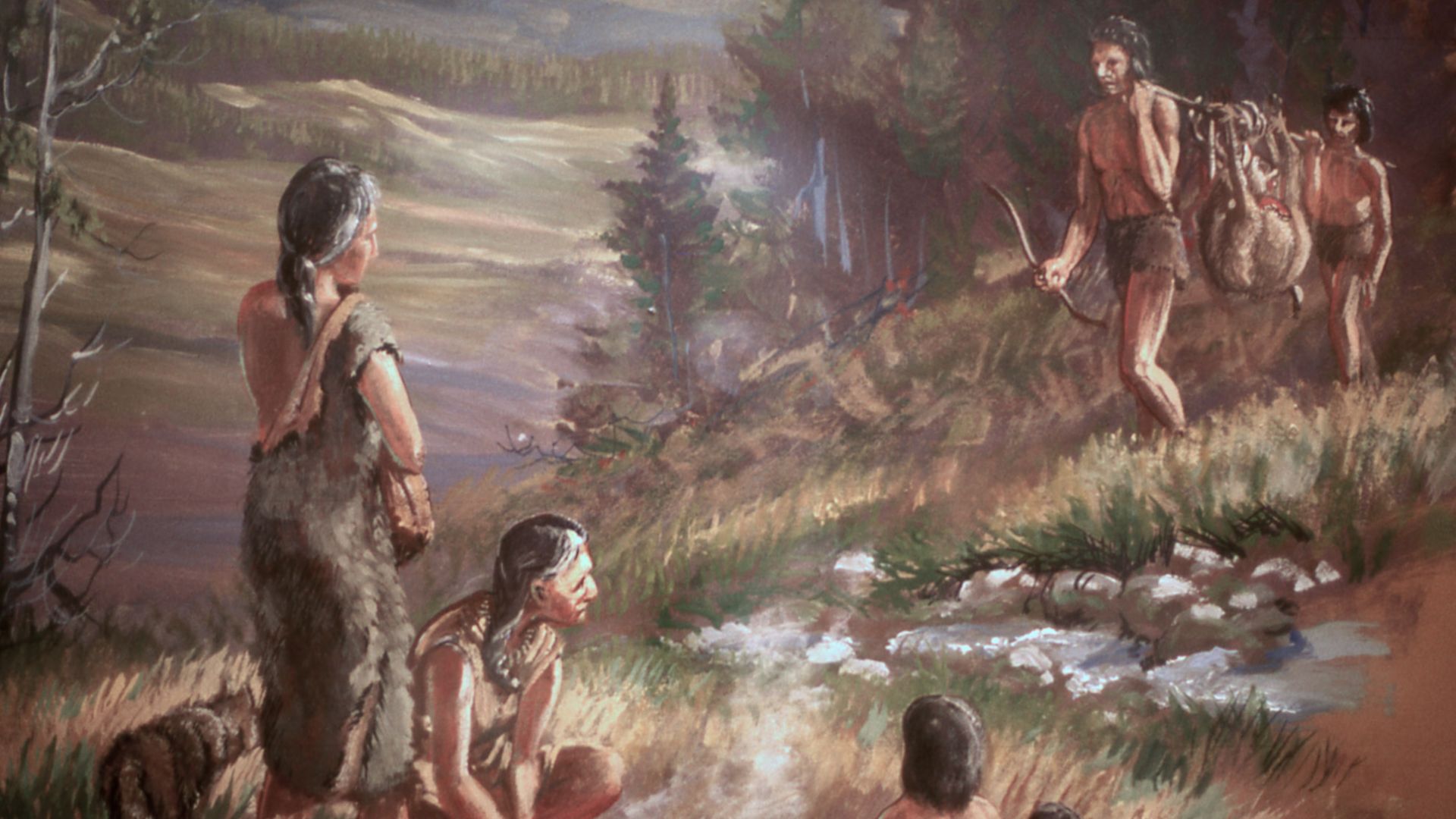
One newer hypothesis suggests the external nose helped humans follow smells while travelling long distances. Separating the nostrils at the end of a projecting structure may have allowed the brain to compare slightly different scent information arriving through each side.

Humans May Smell In Stereo
Just as two ears help determine where a sound originated, two separated nostrils may provide directional information about an odour. The projecting nose could therefore have helped early humans locate water, food, animals, smoke or other people across large landscapes. It is clever—but still largely hypothetical.
 Artist unknown, Wikimedia Commons
Attraction May Have Finished The Job
Researchers have also suggested that sexual selection helped shape human noses. Once noses became highly visible and variable, preferences for certain shapes may have influenced which features were passed along. That could explain some modern diversity, but it still does not reveal what created the first projection.

What About The Proboscis Monkey?
The proboscis monkey has a nose that makes ours look almost shy. But it is not a great ape, and its enlarged fleshy nose evolved separately. In adult males, it appears connected to visual signalling and the production of loud, low-frequency calls rather than the human evolutionary story.
 David Dennis, Wikimedia Commons
The Answer May Be All Of The Above
The projecting nose may have begun as the face and teeth changed, become useful for conserving moisture during prolonged activity, adapted to different climates and then been further shaped by smell and mate preferences. Evolution rarely respects our desire for one clean, satisfying explanation.

Scientists Still Cannot Pick A Winner
The air-conditioning theory remains the most established, but it does not answer every objection. Facial reduction explains why the nose appears prominent but not necessarily why its complicated internal structure developed. The navigation idea is fascinating, yet difficult to prove using fossils that lost their noses long ago.

The Mystery Is Still Sticking Out
Humans have crossed deserts, survived ice ages and spread into nearly every environment on Earth. Somewhere along the way, our faces changed—and one feature ended up standing farther out than all the others.
More than a million years later, it remains directly in front of us. And science still cannot quite see past it.

You Might Also Like:
Ancient Routes That Modern Travelers Can Still Follow—Which One Would You Explore First?