Saving The Most Dangerous For Last
Getting astronauts safely back to Earth is one of the most dangerous phases of any space mission. Spacecraft re-entry involves extreme heat, violent aerodynamic forces, and carefully engineered heat shields built to survive temperatures hotter than molten lava. Over decades, engineers developed increasingly advanced materials and techniques to protect astronauts during their fiery descent through Earth’s atmosphere.
 NASA, Wikimedia Commons; Factinate
The Challenge Of Re-Entry
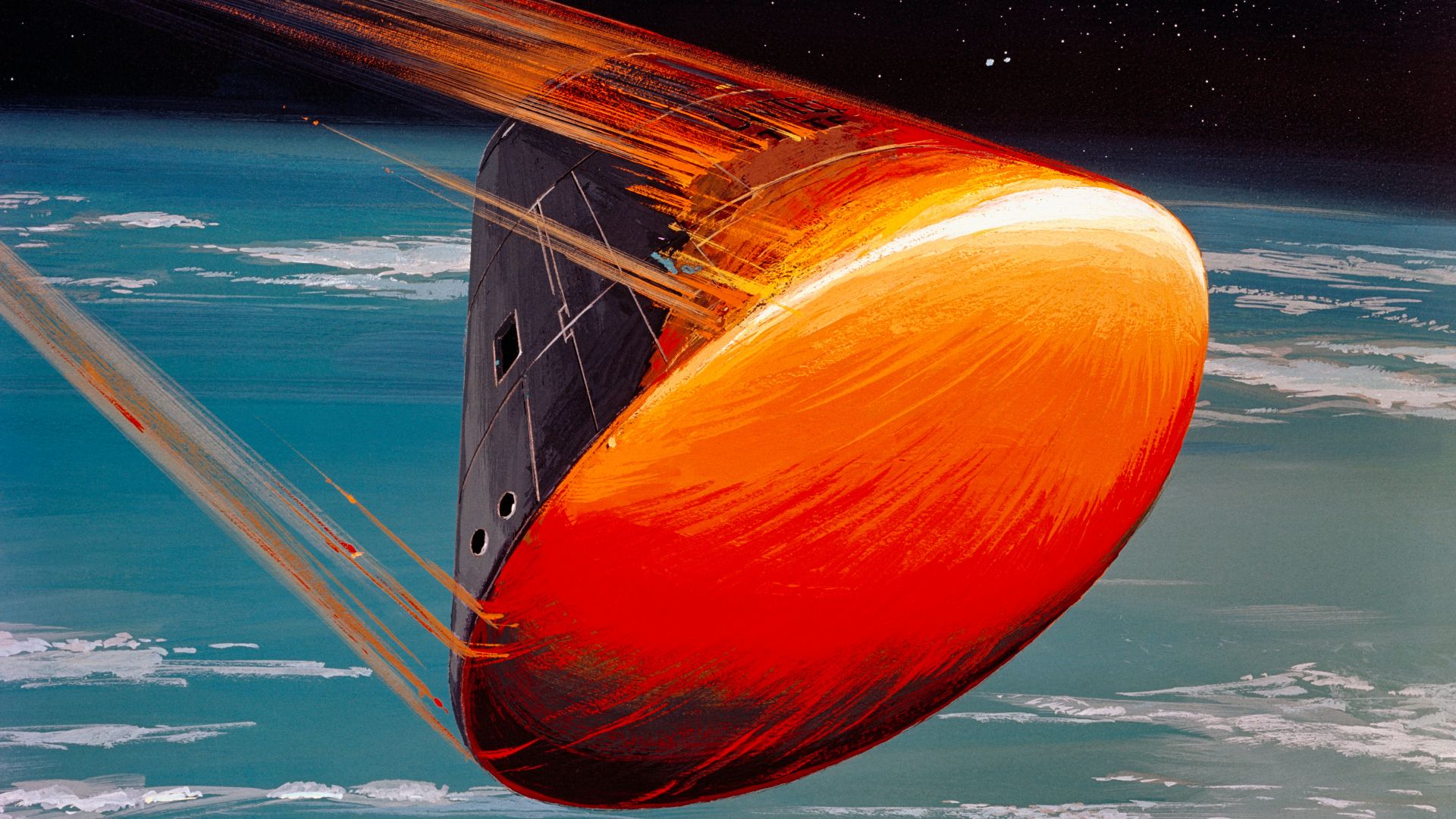
Spacecraft returning from orbit travel at tremendous speeds before entering Earth’s atmosphere. According to NASA and other sources, vehicles returning from low Earth orbit typically move at roughly 17,500 miles per hour. The enormous kinetic energy generated during atmospheric entry generates massive thermal and structural stresses.
 North American Rockwell, Wikimedia Commons
Why Re-Entry Generates Heat
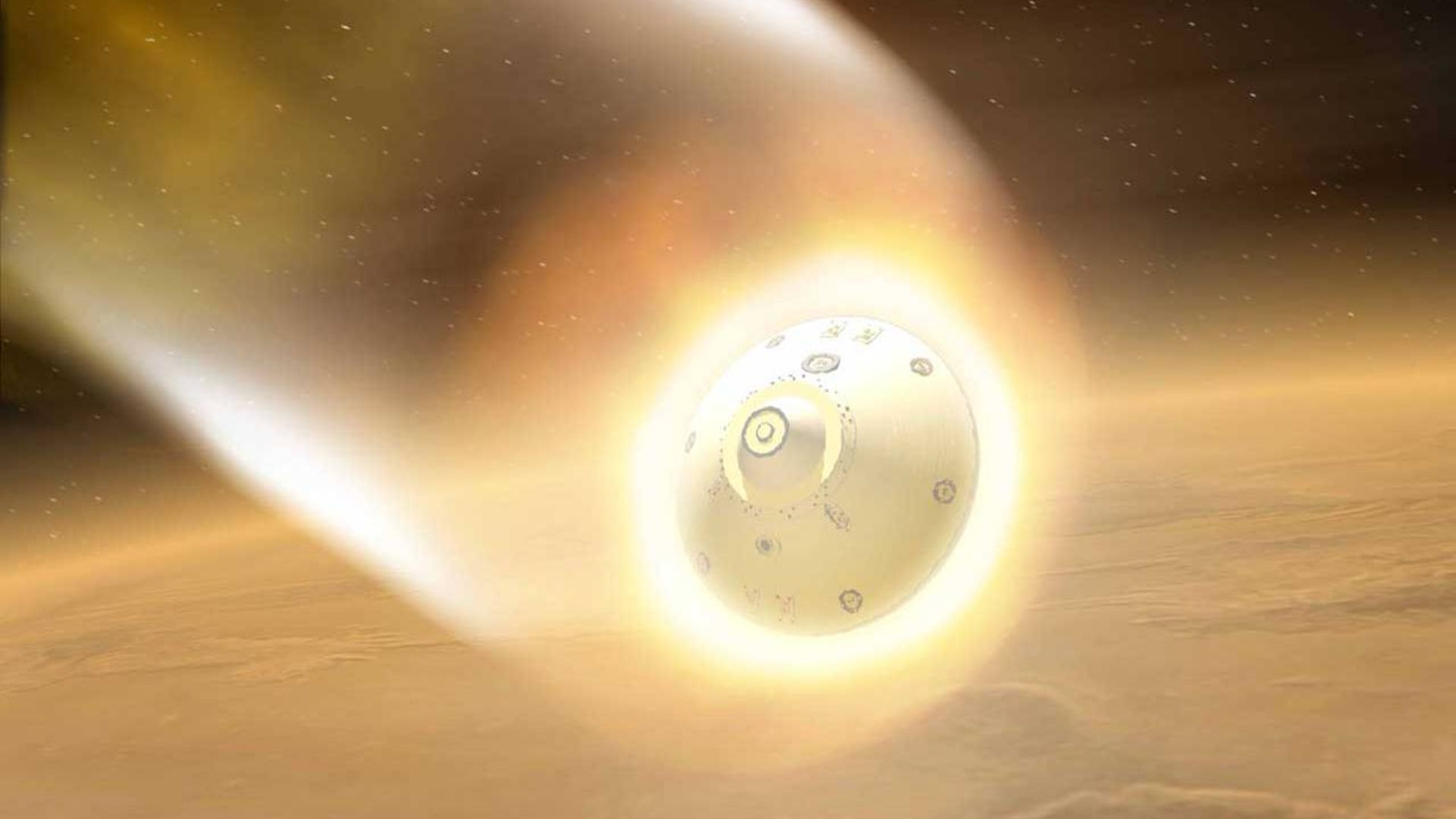
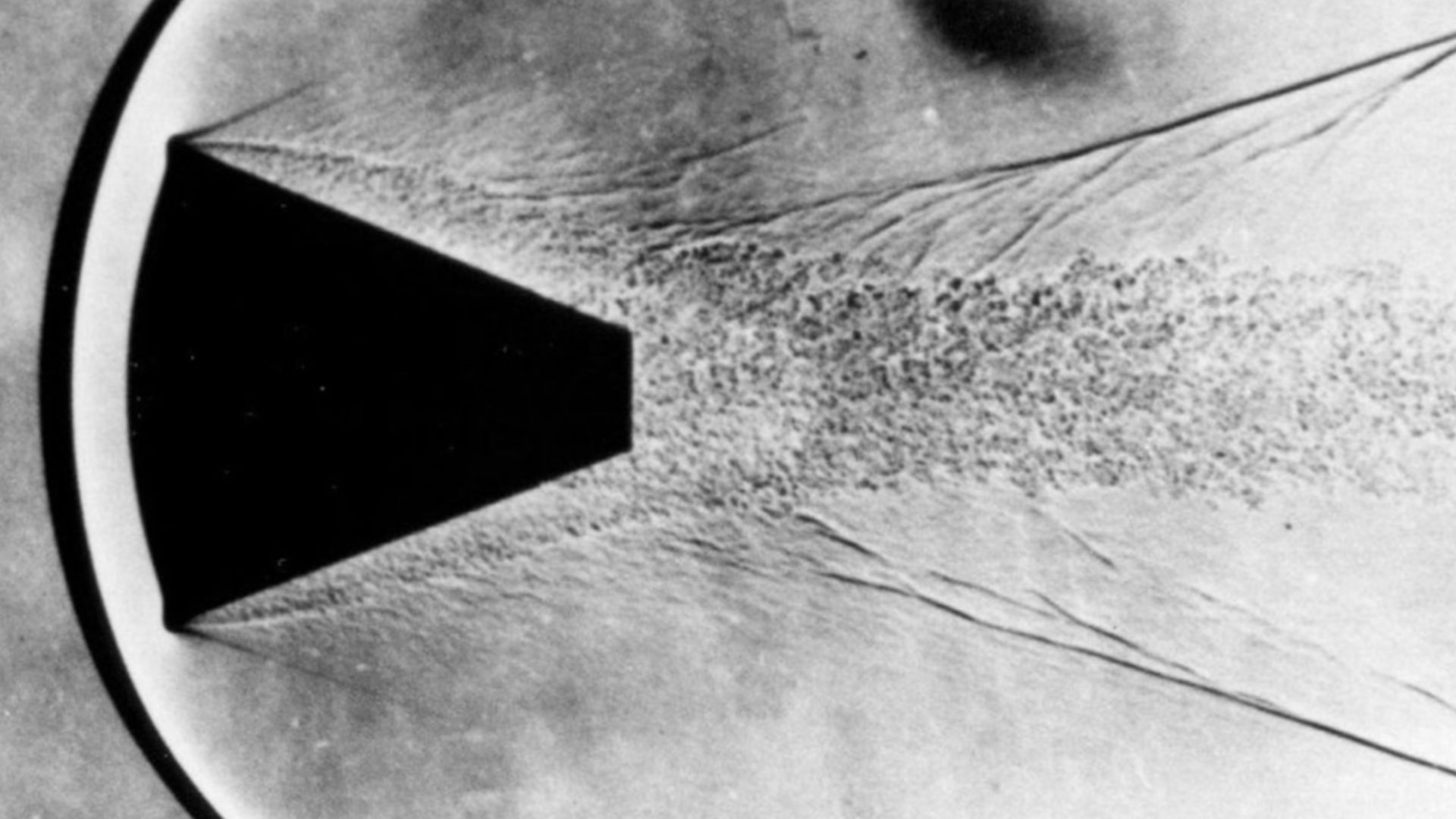
Re-entry heat is caused largely by atmospheric compression instead of just simple friction. As a spacecraft plows into denser layers of atmosphere at hypersonic speed (3,800 miles per hour), air molecules compress violently in front of the vehicle. This compression creates shock waves and temperatures high enough to ionize surrounding gases into a plasma.
Atmospheric Entry Angles Matter
Engineers carefully control a spacecraft’s entry angle during descent. A trajectory that is too steep can generate catastrophic heating and overwhelming deceleration forces. However, an angle that is too shallow risks causing the spacecraft to skip back out into space instead of safely descending toward Earth.
 NASA/Johnson Space Center, Wikimedia Commons
Early Ballistic Re-Entry Concepts
Early spacecraft relied on relatively blunt capsule designs to survive atmospheric entry. Scientists found that rounded shapes created detached shock waves that helped push extreme heat away from the capsule itself. This insight became one of the foundational principles behind modern spacecraft heat shield engineering.
The Importance Of Heat Shields
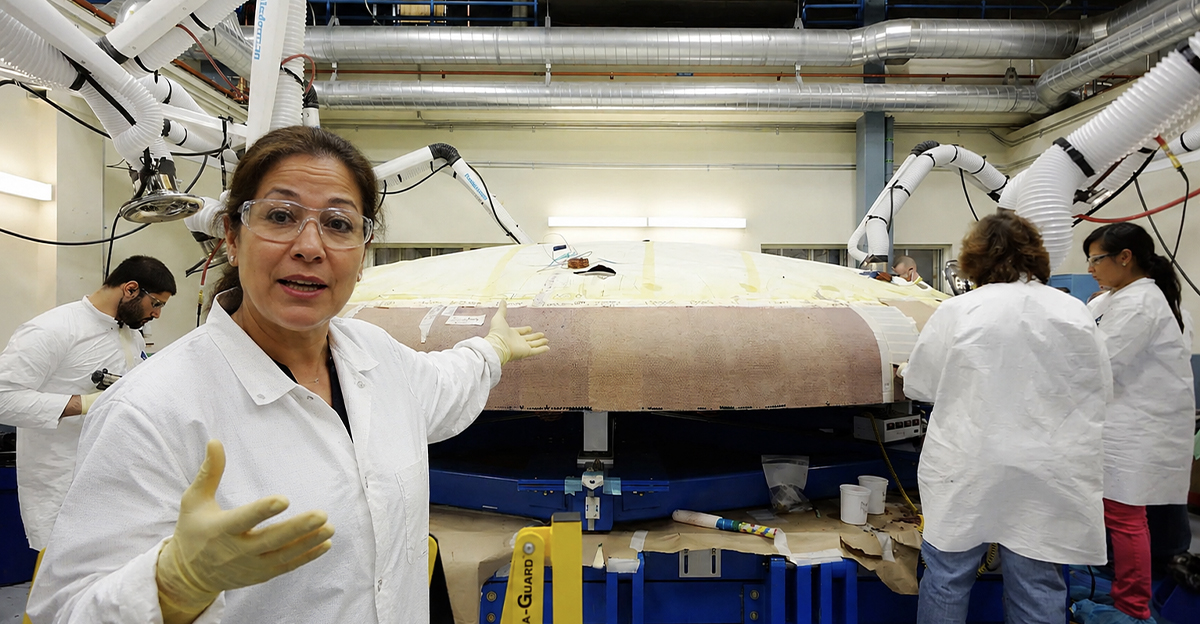
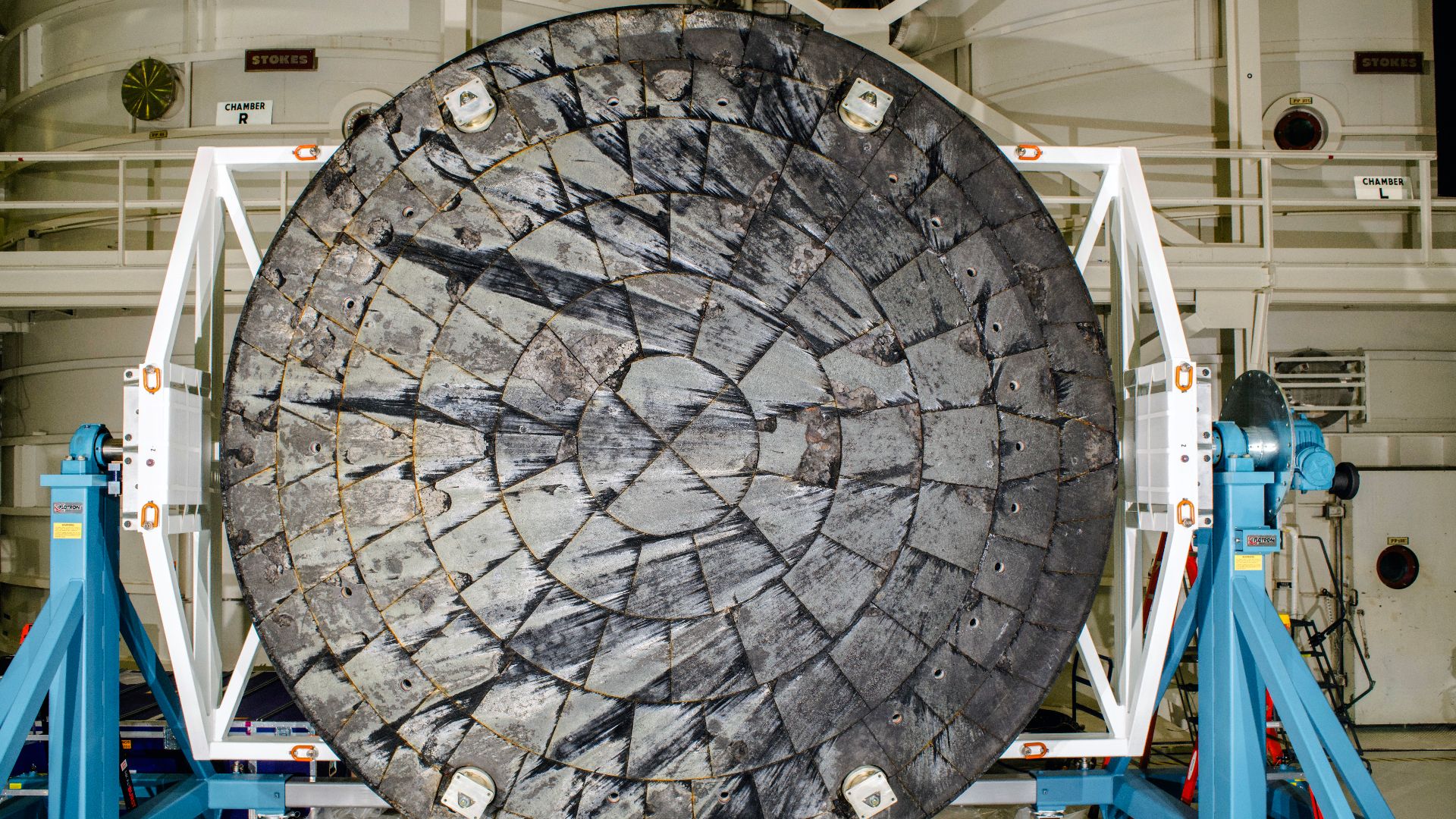
Heat shields serve as the primary defense against re-entry temperatures that can exceed several thousand degrees Fahrenheit. Without them, spacecraft structures would rapidly fail during descent. Modern heat shields have to balance thermal protection, weight, structural integrity, and reliability under extremely demanding flight conditions.
Ablative Heat Shield Technology
Many spacecraft use ablative heat shields, which intentionally burn away progressively during re-entry. As outer layers char, melt, and vaporize, they carry heat away from the spacecraft. NASA has repeatedly used ablative systems because they provide highly reliable thermal protection under extreme atmospheric entry conditions.
Mercury And Apollo Era Heat Shields
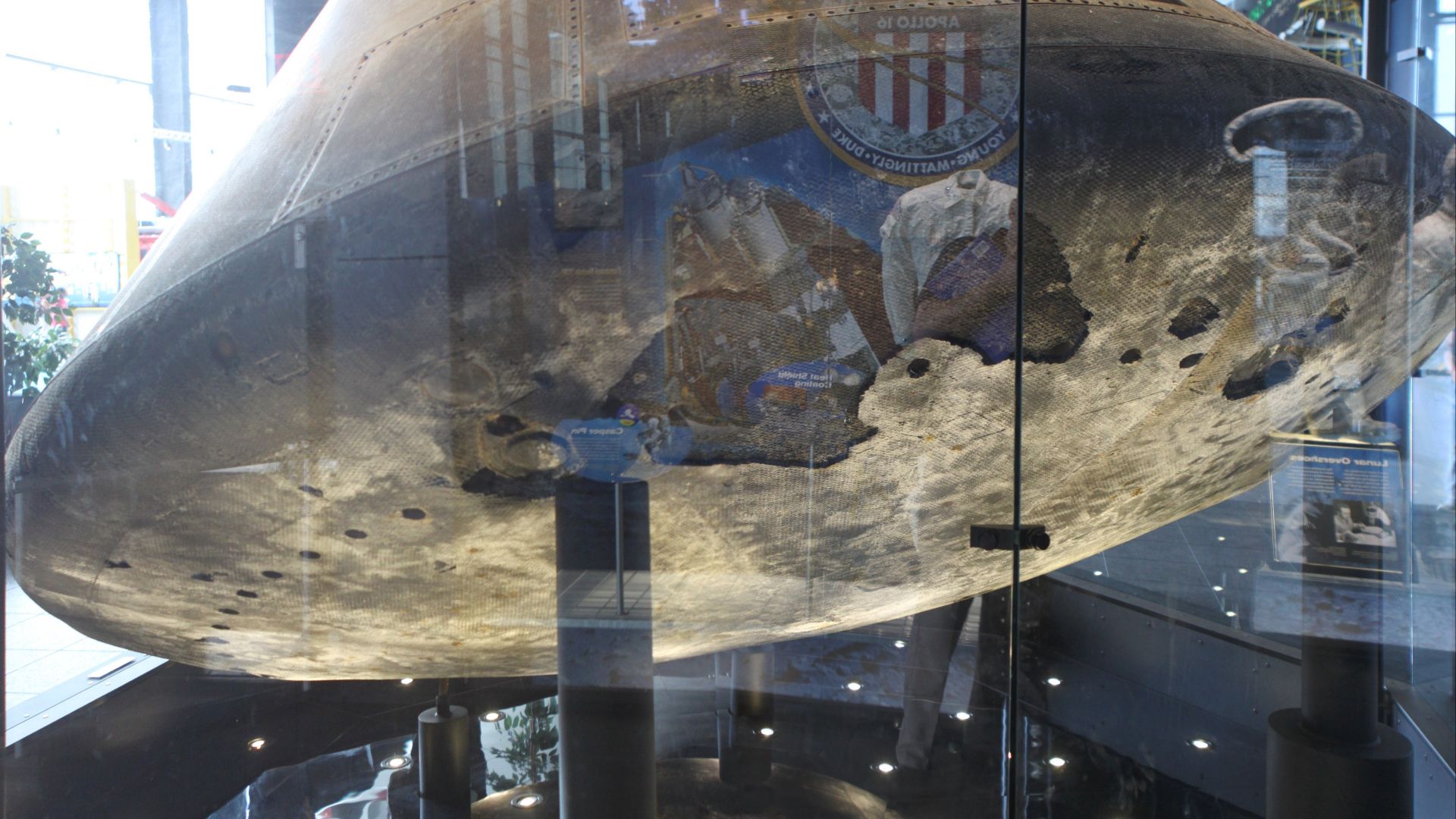
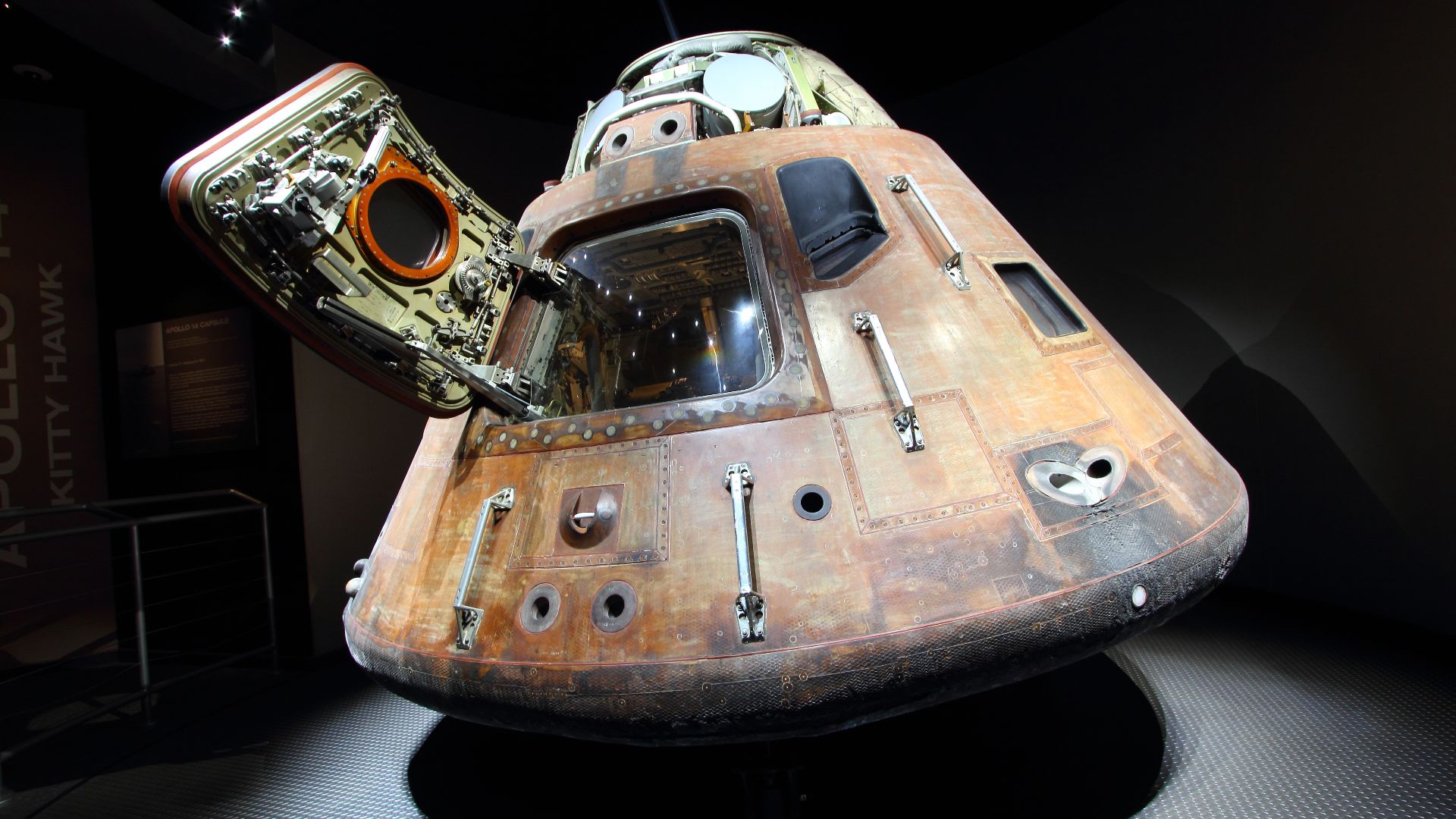
Early American spacecraft programs like Mercury and Apollo in the 1960s relied heavily on ablative materials. The Apollo capsules coming back from the moon faced especially severe conditions because lunar return velocities were much higher than the typical low Earth orbit missions. These missions pushed heat shield technology to new limits.
 Allen McGregor from Brampton, Canada, Wikimedia Commons
Re-Entry From Lunar Missions
Spacecraft returning from lunar missions encounter far more intense heating than spacecraft descending from Earth orbit. According to NASA sources, lunar-return vehicles travel roughly 25,000 miles per hour when approaching Earth. These tremendous velocities dramatically increase thermal loads during atmospheric entry.
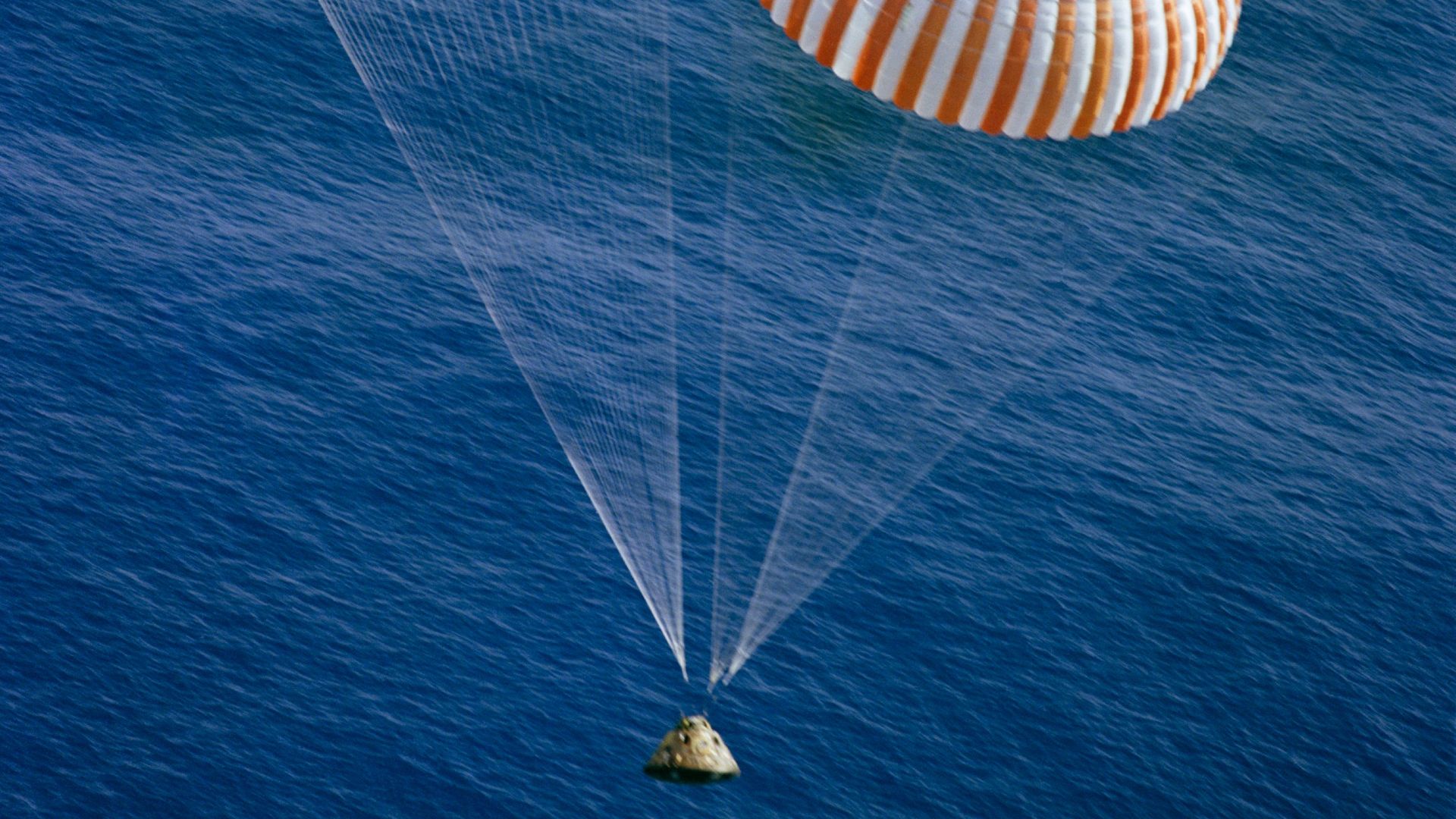
Plasma Blackout During Re-Entry
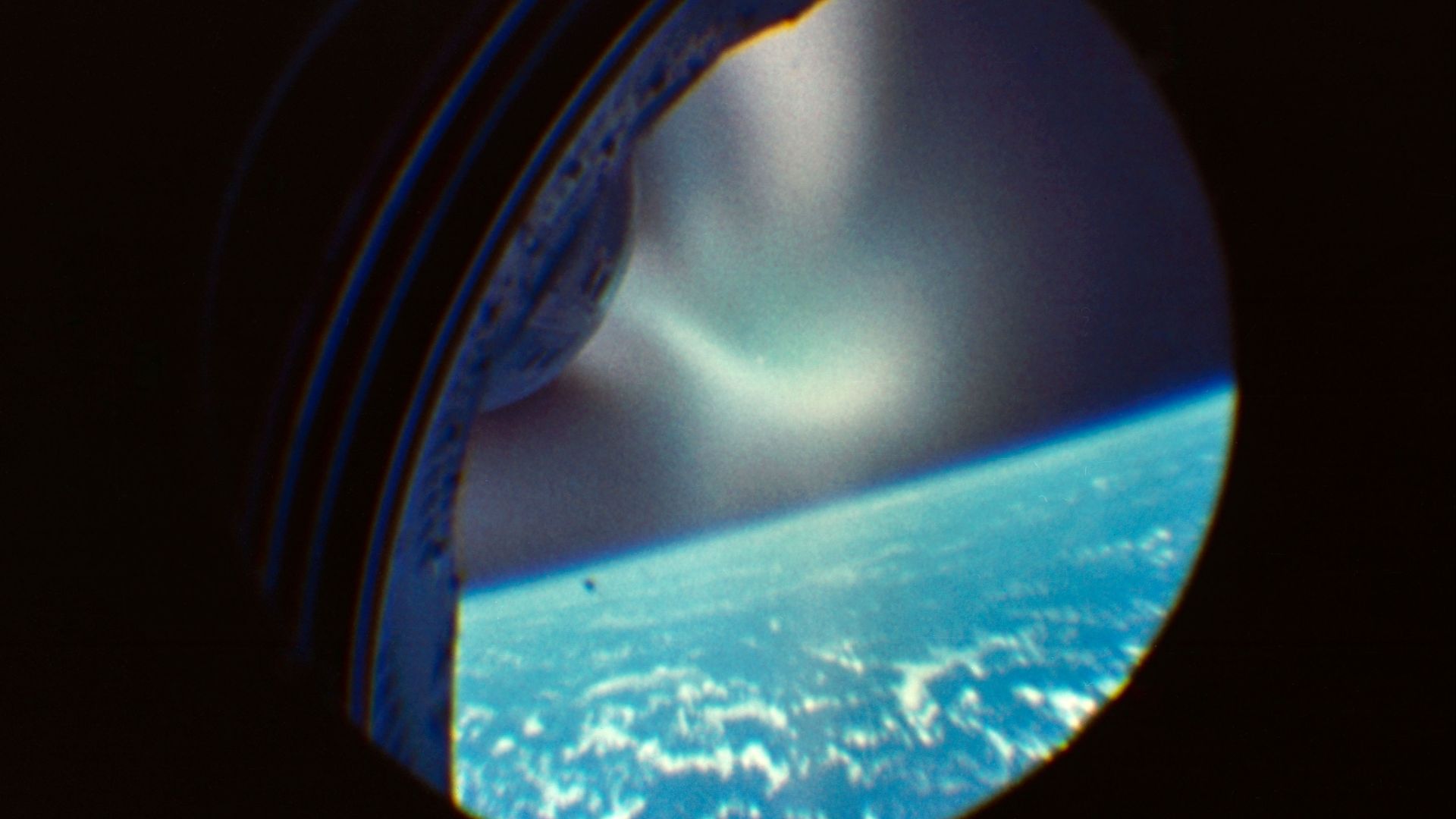
As superheated plasma (ionized gases) forms around a descending spacecraft, it can temporarily block radio communications. This phenomenon became known as blackout. During blackout periods, mission controllers briefly lose direct radio contact with astronauts because ionized gases surrounding the spacecraft interfere with radio signal transmission.
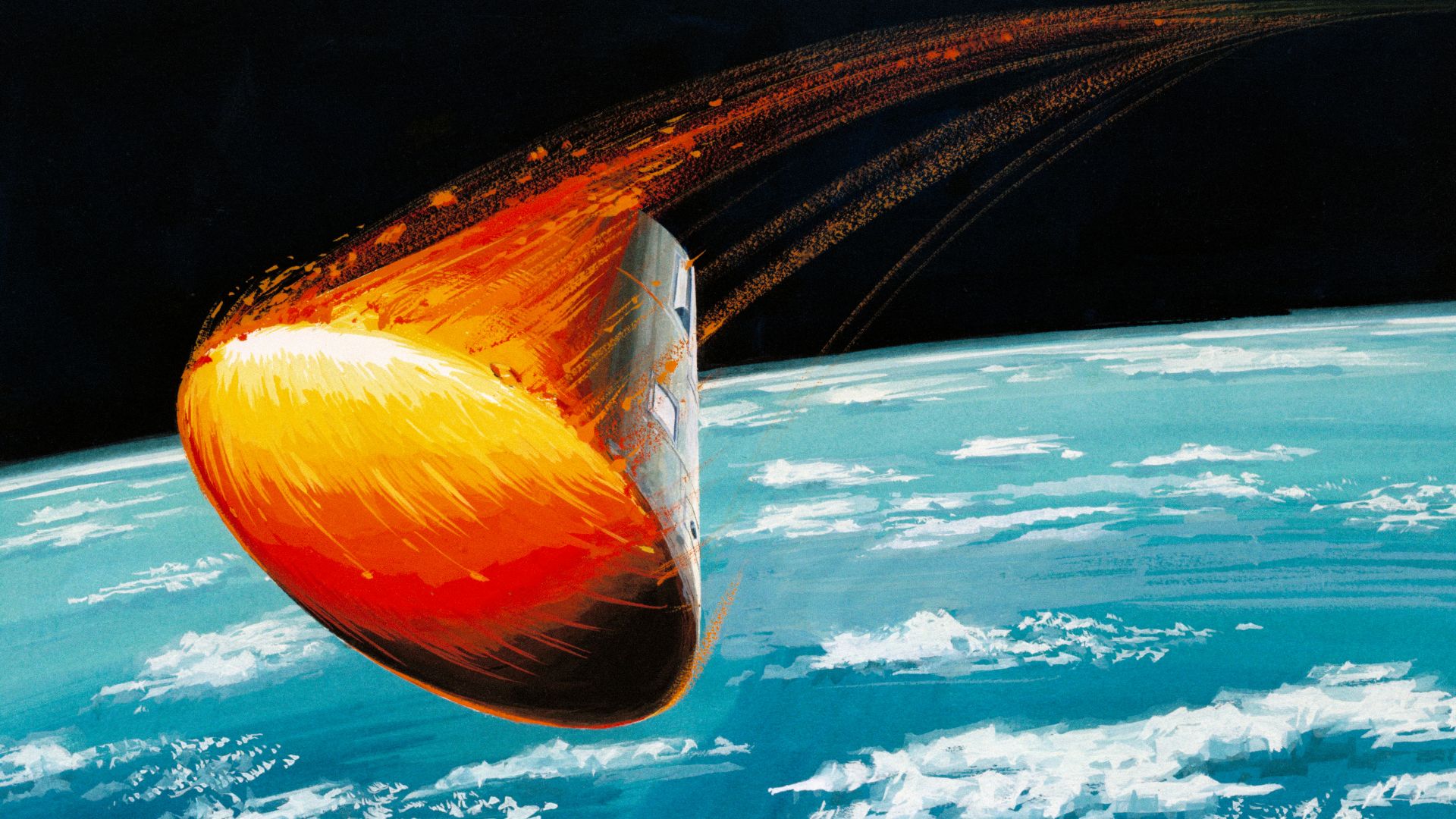
Skip Re-Entry
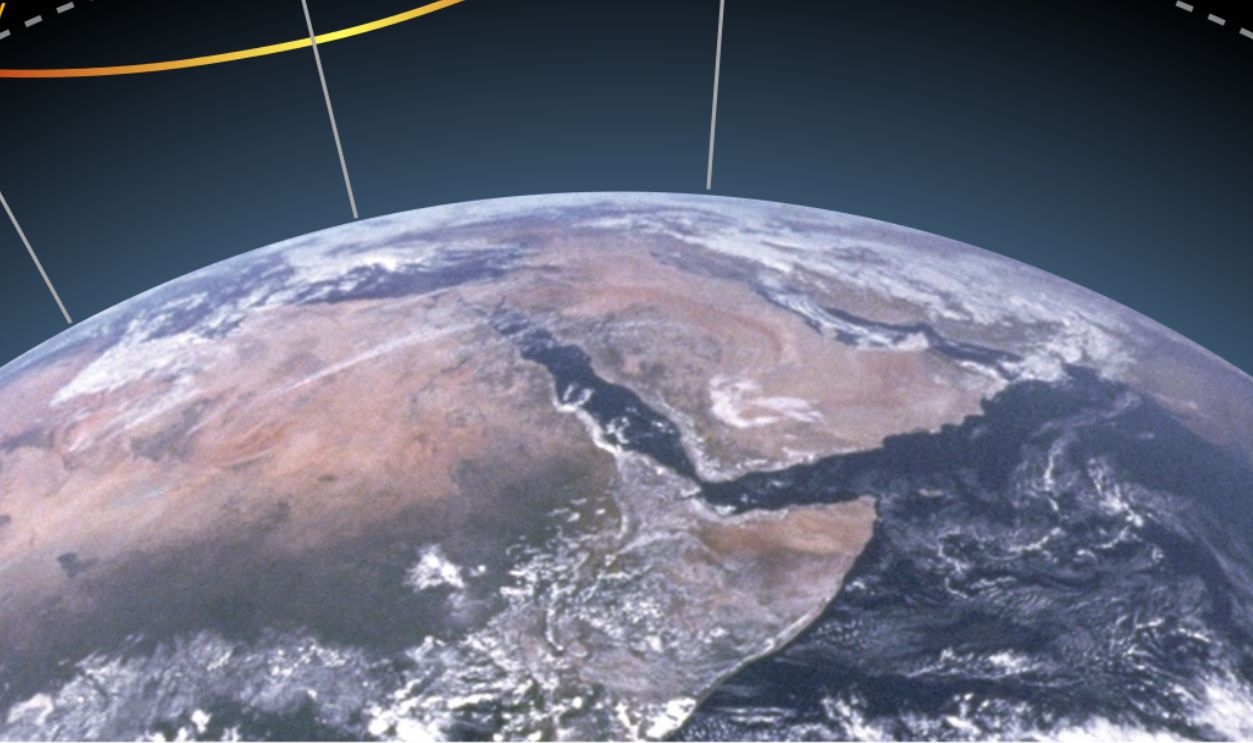
Engineers later developed skip re-entry techniques that allow spacecraft to briefly climb back toward thinner atmosphere layers before descending again. This approach helps distribute heating loads more gradually and can reduce peak thermal stress. Modern lunar missions increasingly explore modified skip-entry flight profiles.
 Clem Tillier, Wikimedia Commons
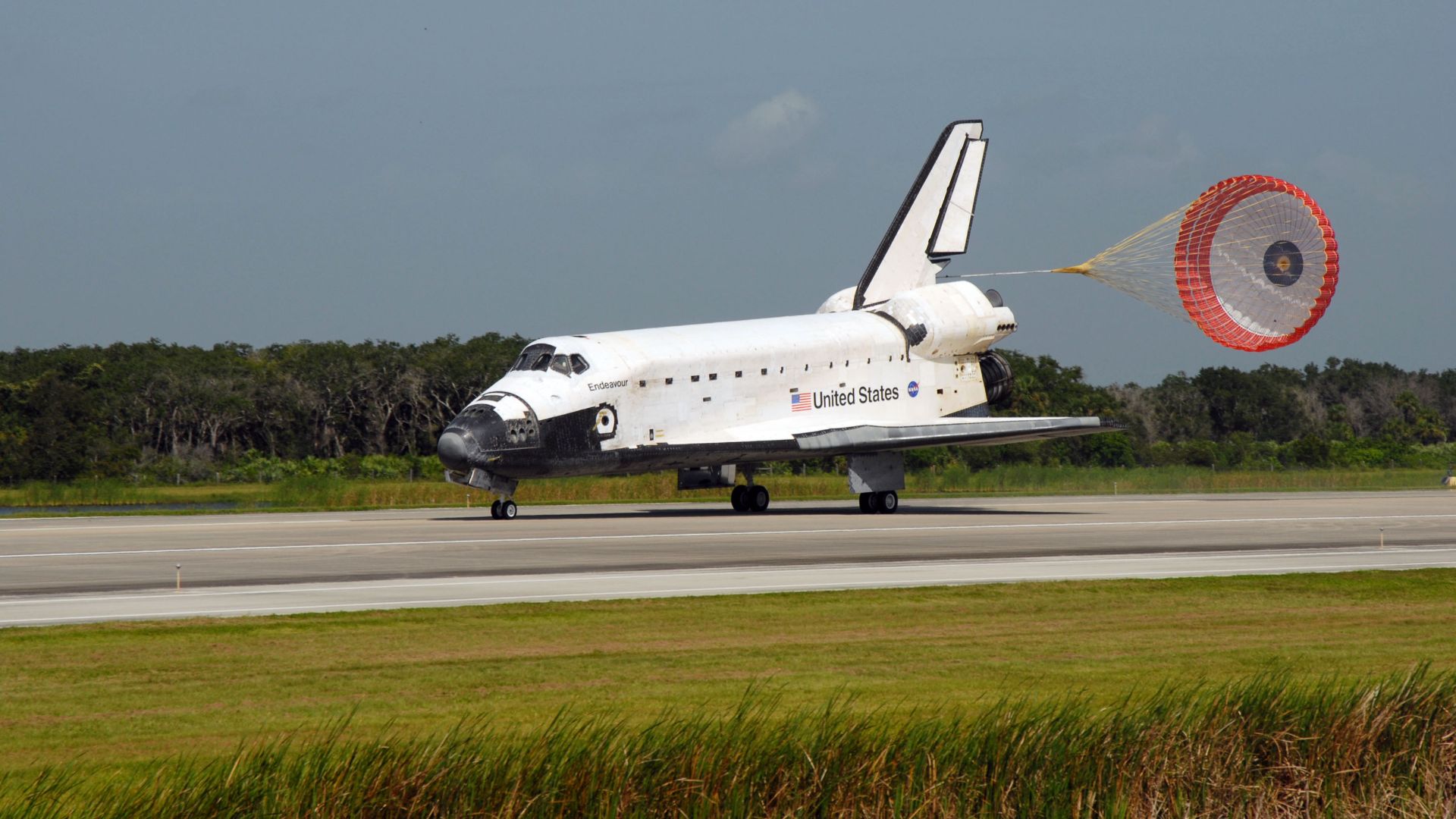
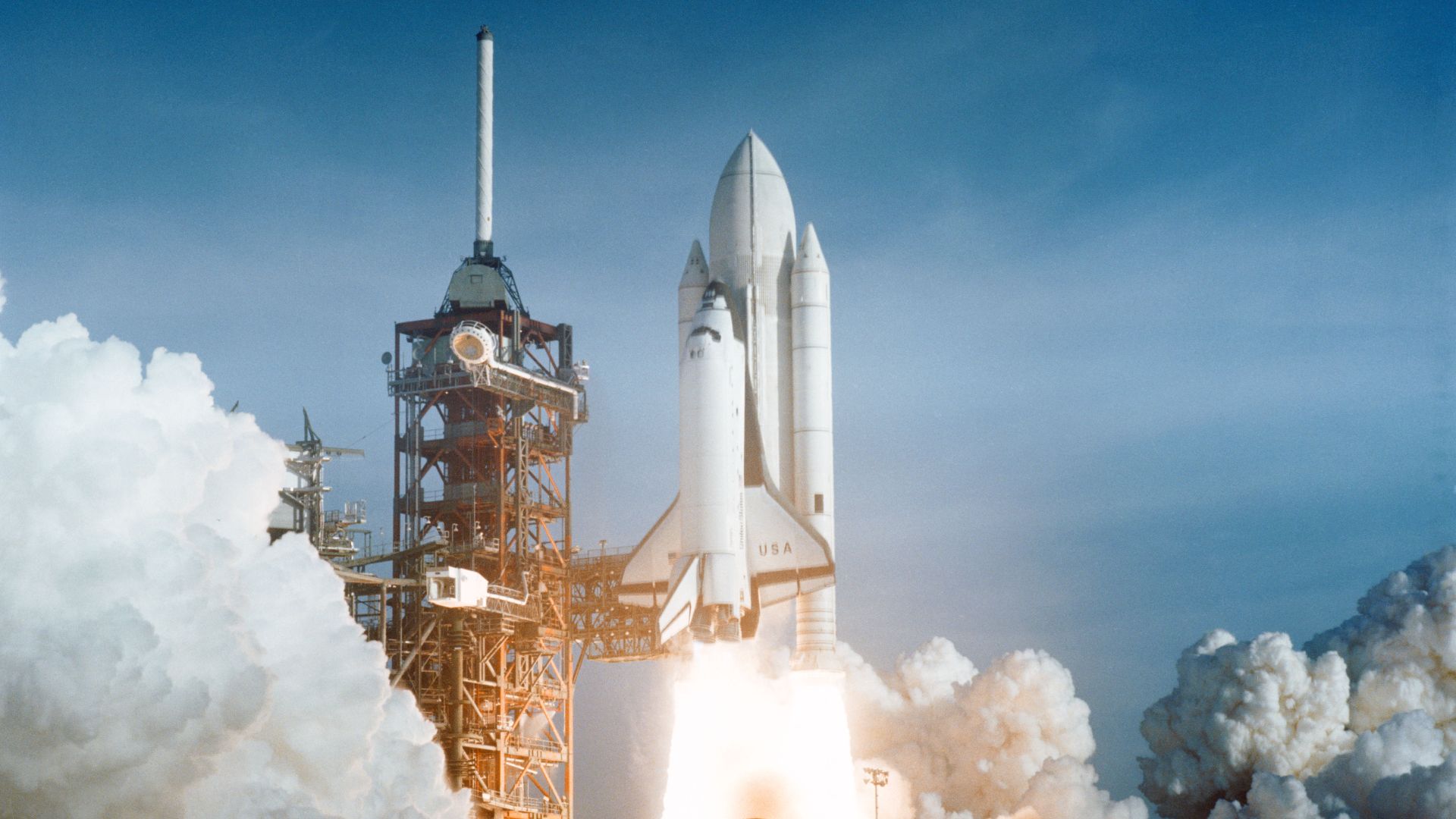
The Space Shuttle’s Different Approach
Unlike earlier capsules, the Space Shuttle used reusable thermal protection tiles instead of traditional ablative shields. Engineers designed the shuttle to glide to a runway landing after re-entry. This reusable system represented a major technological shift in spacecraft design philosophy.
 NASA/Jim Grossmann, Wikimedia Commons
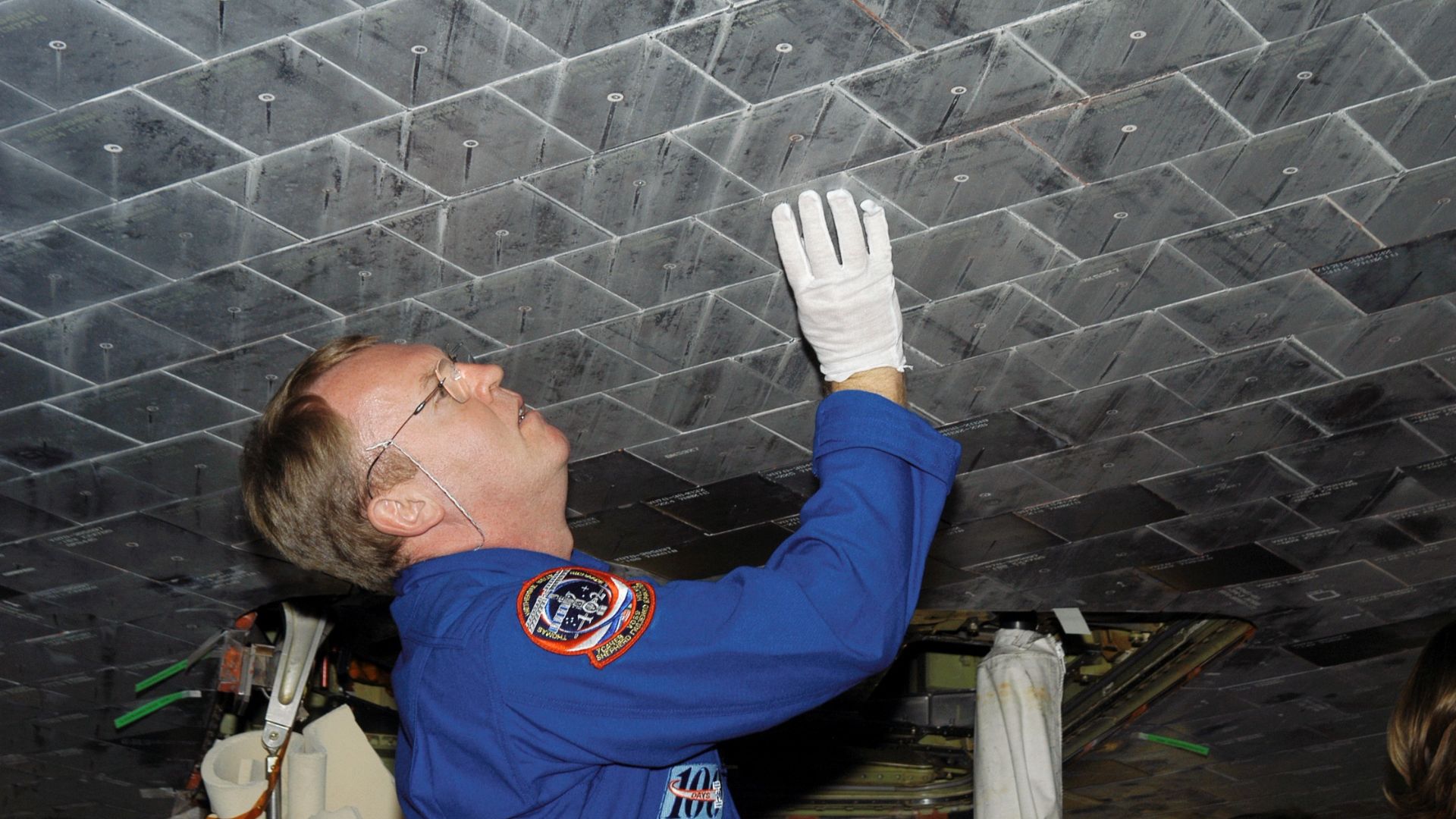
Fragile Thermal Protection Tiles
The shuttle’s ceramic heat shield tiles provided excellent thermal insulation but required constant inspection and maintenance. Thousands of individual tiles covered the orbiter’s surface. Damage to even small areas of the thermal protection system could create potentially catastrophic vulnerabilities during atmospheric re-entry.
 User:Asorlozano, from NASA photo., Wikimedia Commons
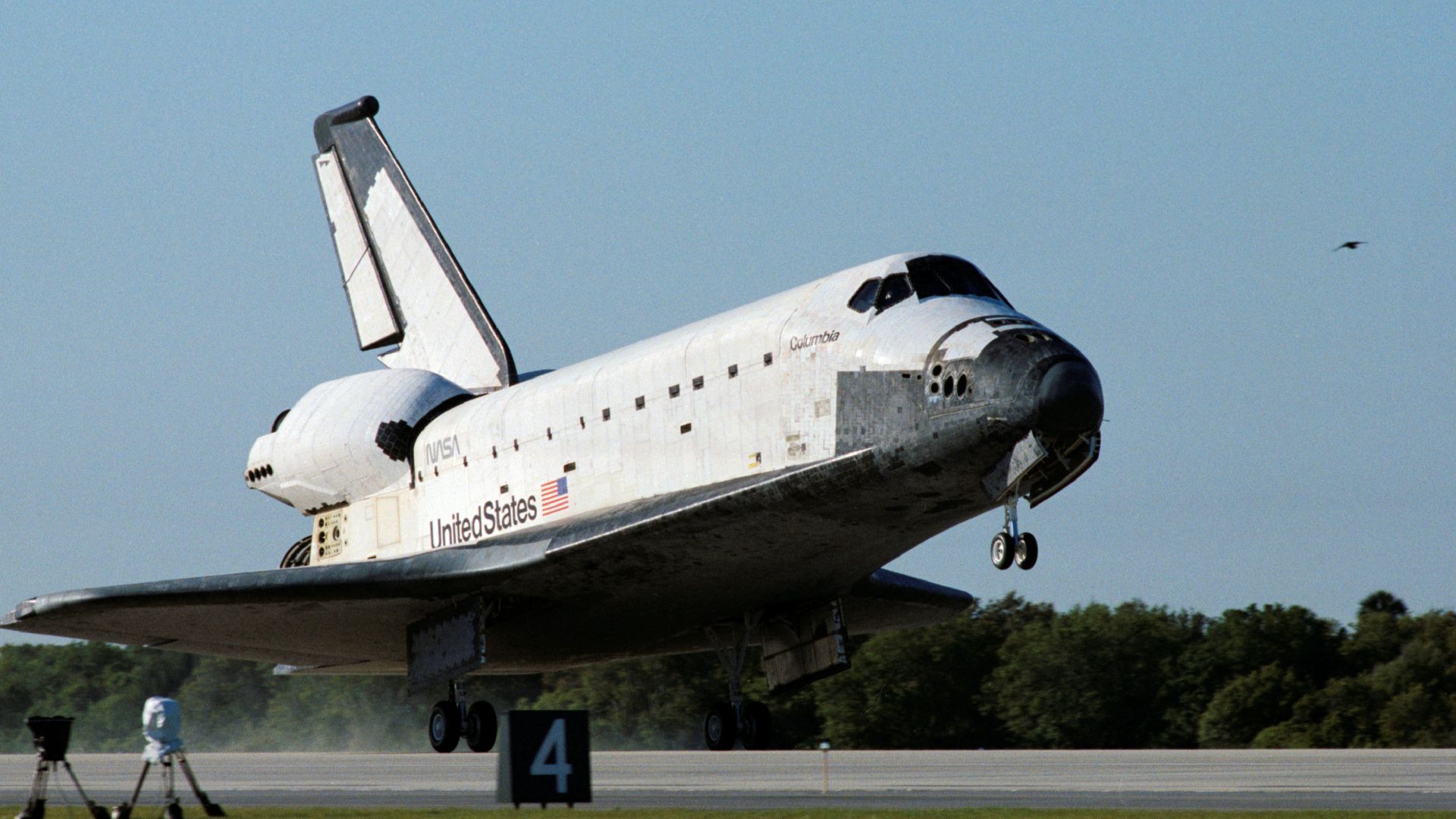
The Columbia Disaster
The dangers of thermal protection failure became tragically clear during the loss of Space Shuttle Columbia in 2003. Damage sustained during launch allowed superheated gases to penetrate the shuttle’s wing during re-entry, ultimately destroying the spacecraft and claiming the lives of all seven astronauts on board.
Reinforced Carbon-Carbon Components
The shuttle also relied on reinforced carbon-carbon, a high‑temperature composite made of carbon fibers embedded in a graphite matrix. This material was installed in the hottest areas, including wing leading edges and the nose cap. These components were all designed to survive especially intense heating environments, but were still vulnerable to impact damage from debris during launch operations.
NASA Entry Systems Research
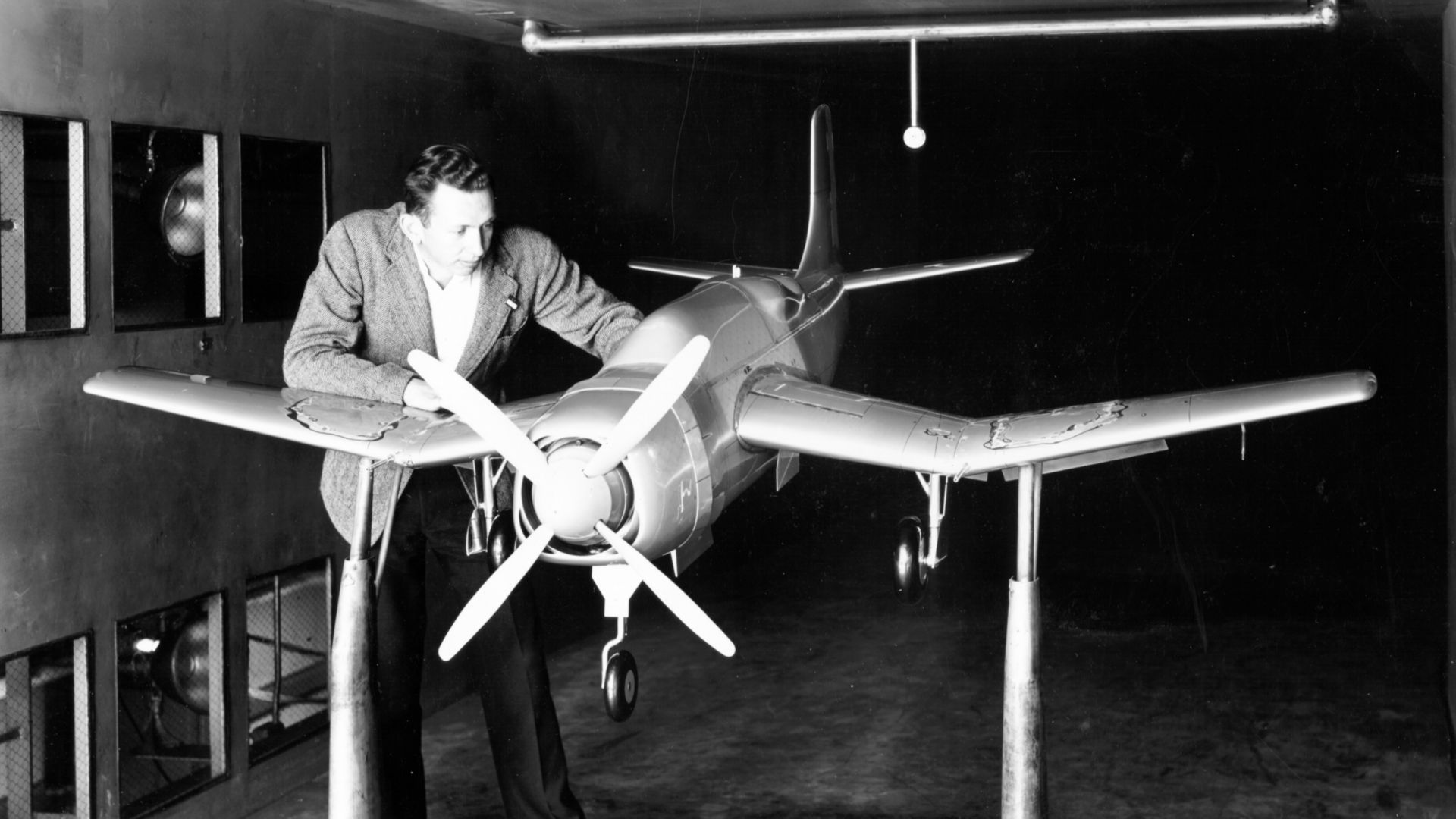
NASA’s Ames Research Center conducts extensive research into atmospheric entry systems. Engineers study advanced heat shield materials, improved aerodynamics, and new thermal protection concepts. Modern computer modeling and wind tunnel testing allows for far more detailed simulations of extreme re-entry environments.
Inflatable Heat Shield Concepts
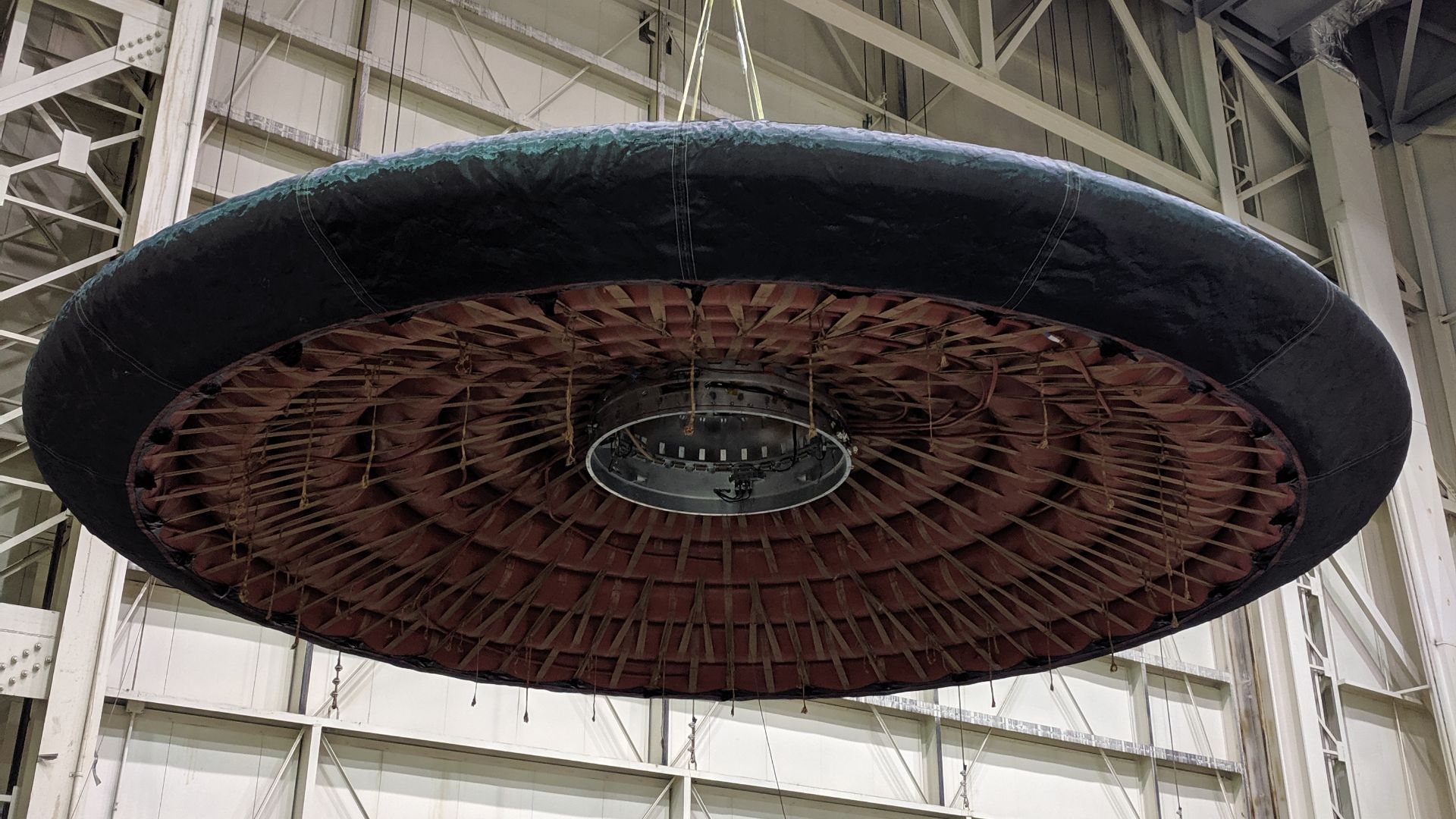
NASA has also explored the idea of inflatable aerodynamic decelerators and inflatable heat shields. These systems could potentially increase drag while reducing spacecraft mass. Larger inflatable structures may eventually help protect spacecraft entering atmospheres on Mars or returning heavier payloads safely back to Earth.
 NASA/Greg Swanson, Wikimedia Commons
The Orion Spacecraft
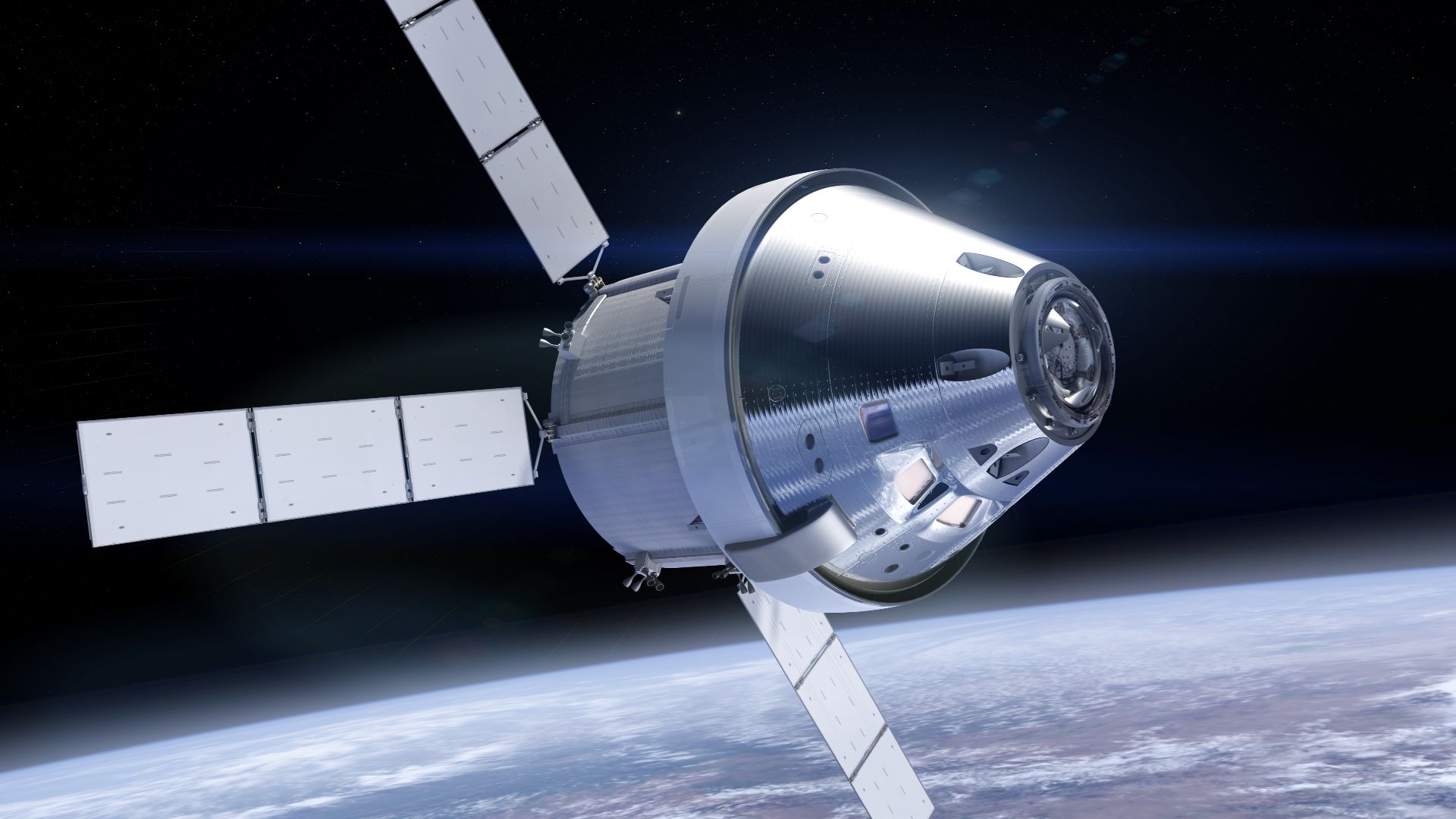
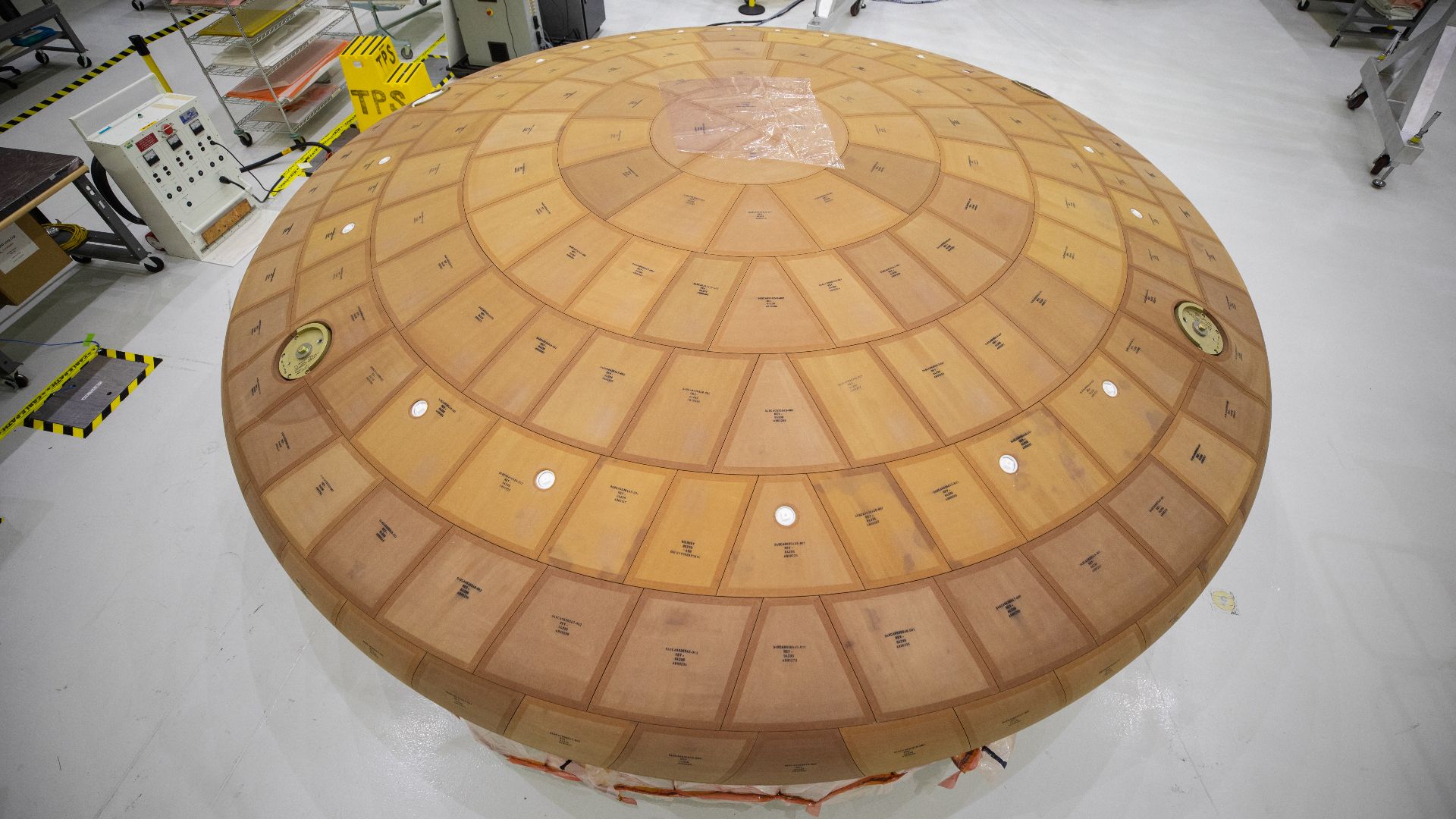
NASA’s Orion spacecraft was specifically designed for deep-space missions under the Artemis program. Unlike the shuttle, Orion returned to a capsule-based approach using advanced ablative heat shield technology. Its heat shield has to survive some extremely demanding lunar-return re-entry conditions.
Artemis I Heat Shield Testing
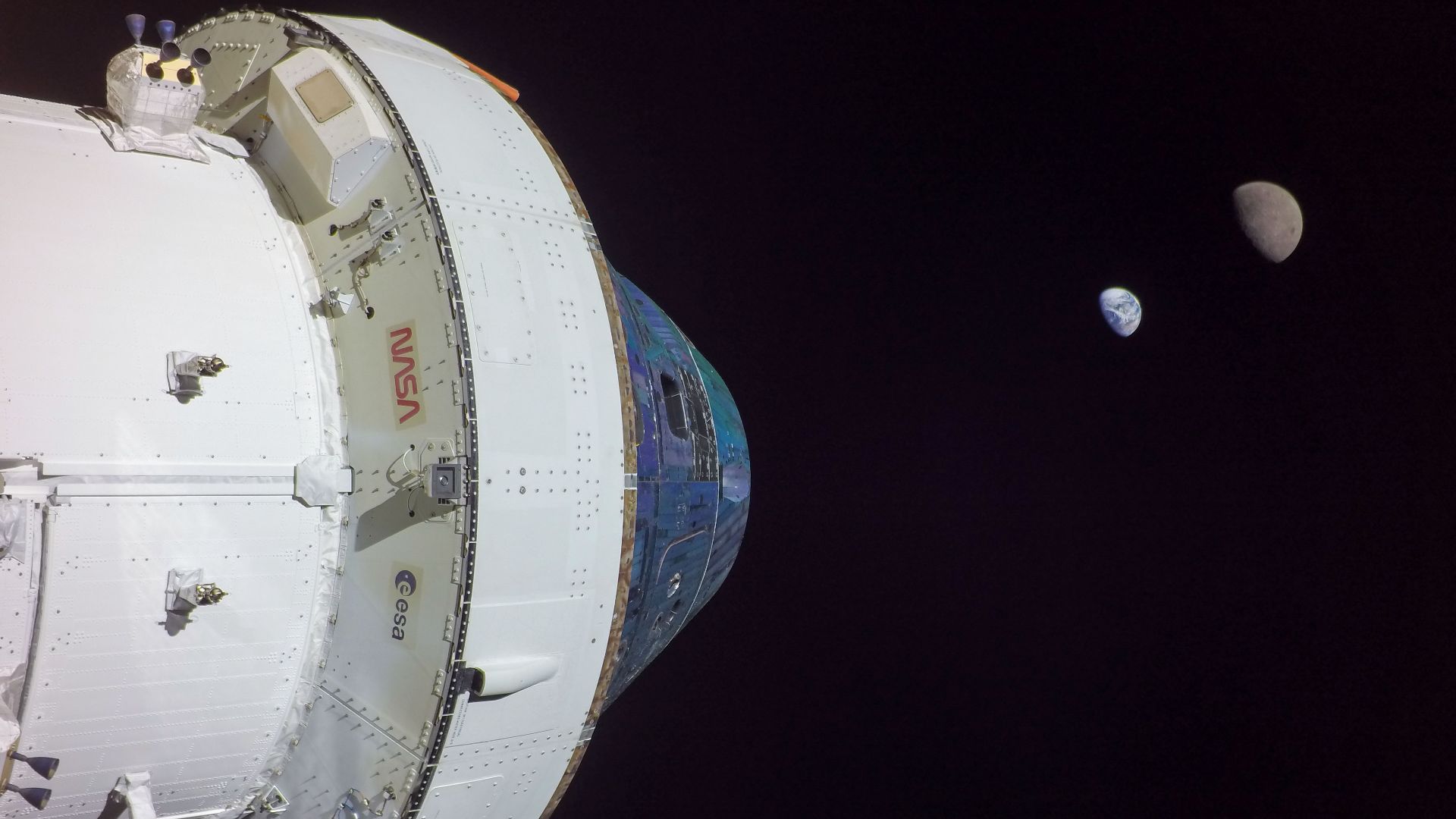
During the uncrewed Artemis I mission, the Orion spacecraft successfully returned from lunar orbit and tested its massive heat shield under real flight conditions. Engineers were able to obtain a lot of new thermal and structural data to better understand how the shield held up during high-speed atmospheric re-entry.
 NASA Johnson Space Center, Wikimedia Commons
Unexpected Heat Shield Erosion
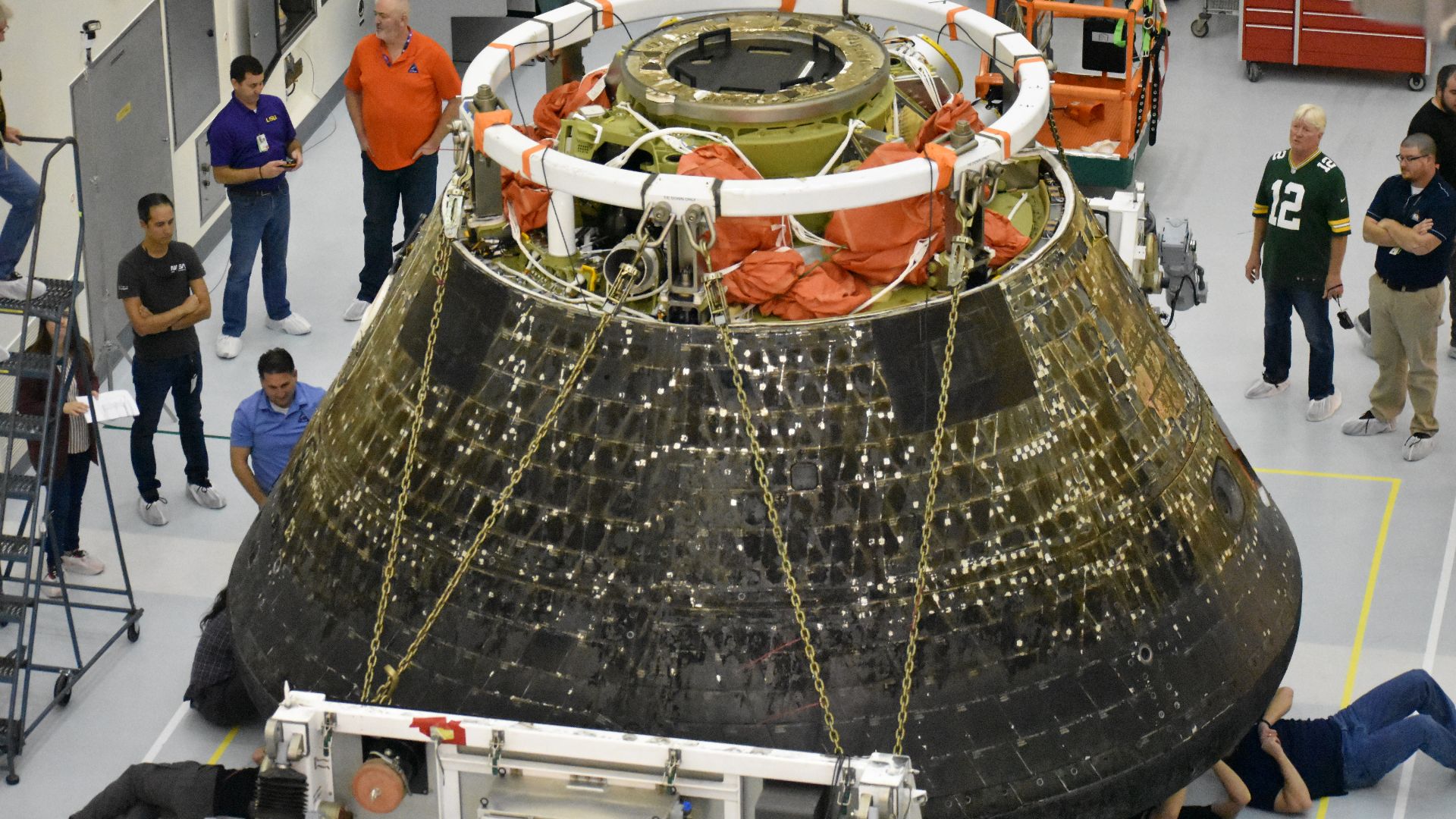
After Artemis I, engineers discovered that portions of Orion’s heat shield eroded differently than expected. According to NASA reporting, some charred material detached unevenly during the descent. Although the capsule returned safely, the findings prompted further analysis and adjustments before future crewed missions.
 NASA Kennedy Space Center / NASA/Skip Williams, Wikimedia Commons
Artemis II’s Modified Re-Entry Plan
NASA later developed a modified re-entry trajectory for the recent Artemis II mission. According to reports, engineers adjusted the mission’s entry profile to better manage heat shield performance and reduce stresses observed during Artemis I. Artemis II was also planned to provide crucial data during its crewed lunar flyby.
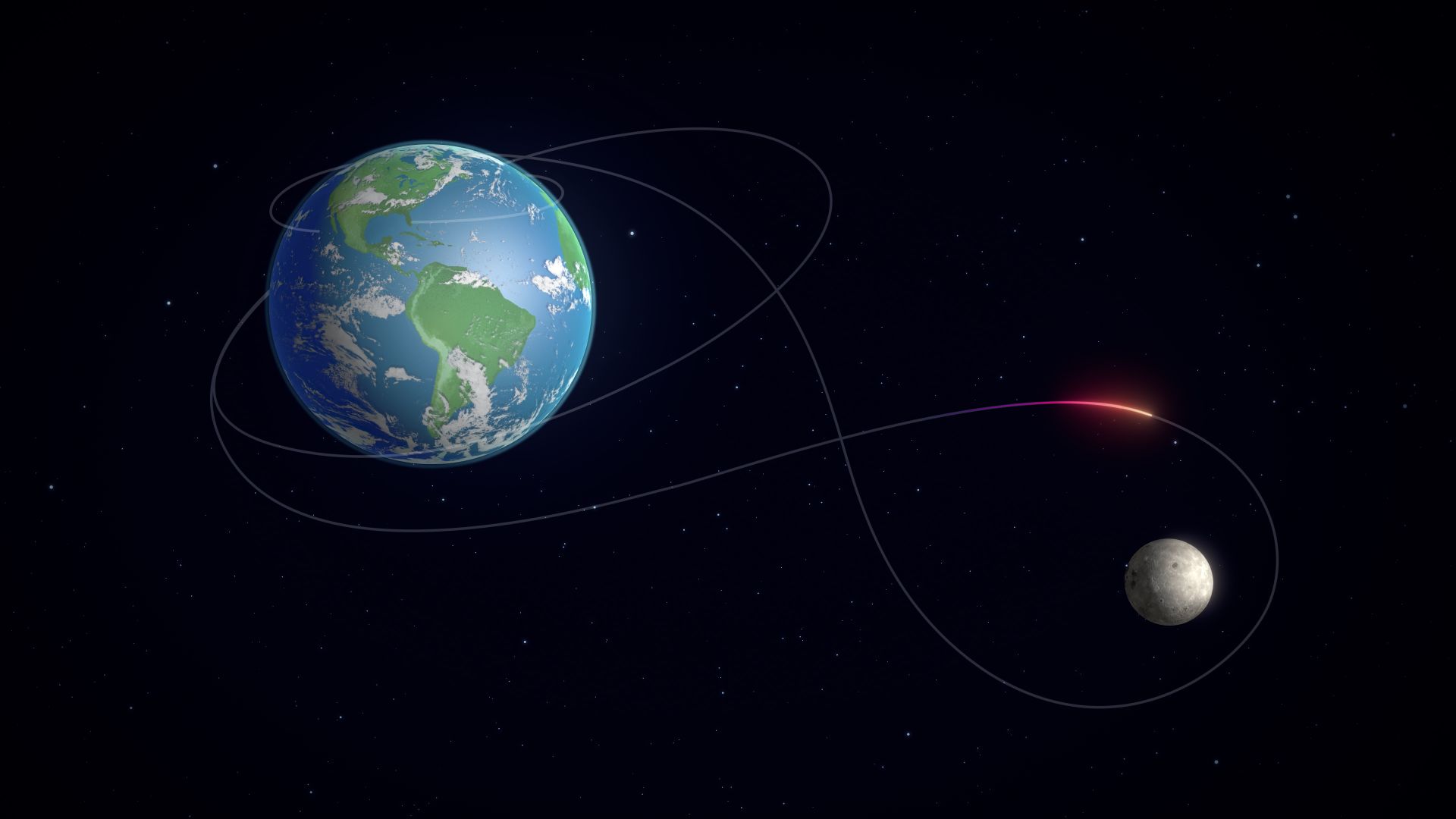
Why Heat Shield Materials Matter
Heat shield materials have to be able to stand up to extreme temperatures while still being lightweight enough for launch. NASA and other aerospace engineers use materials like reinforced carbon-carbon, silica-based ceramic tiles, Avcoat ablative material, and carbon phenolic composites. Engineers carefully assess thermal conductivity, cracking resistance, and ablation behavior under prolonged hypersonic heating conditions.
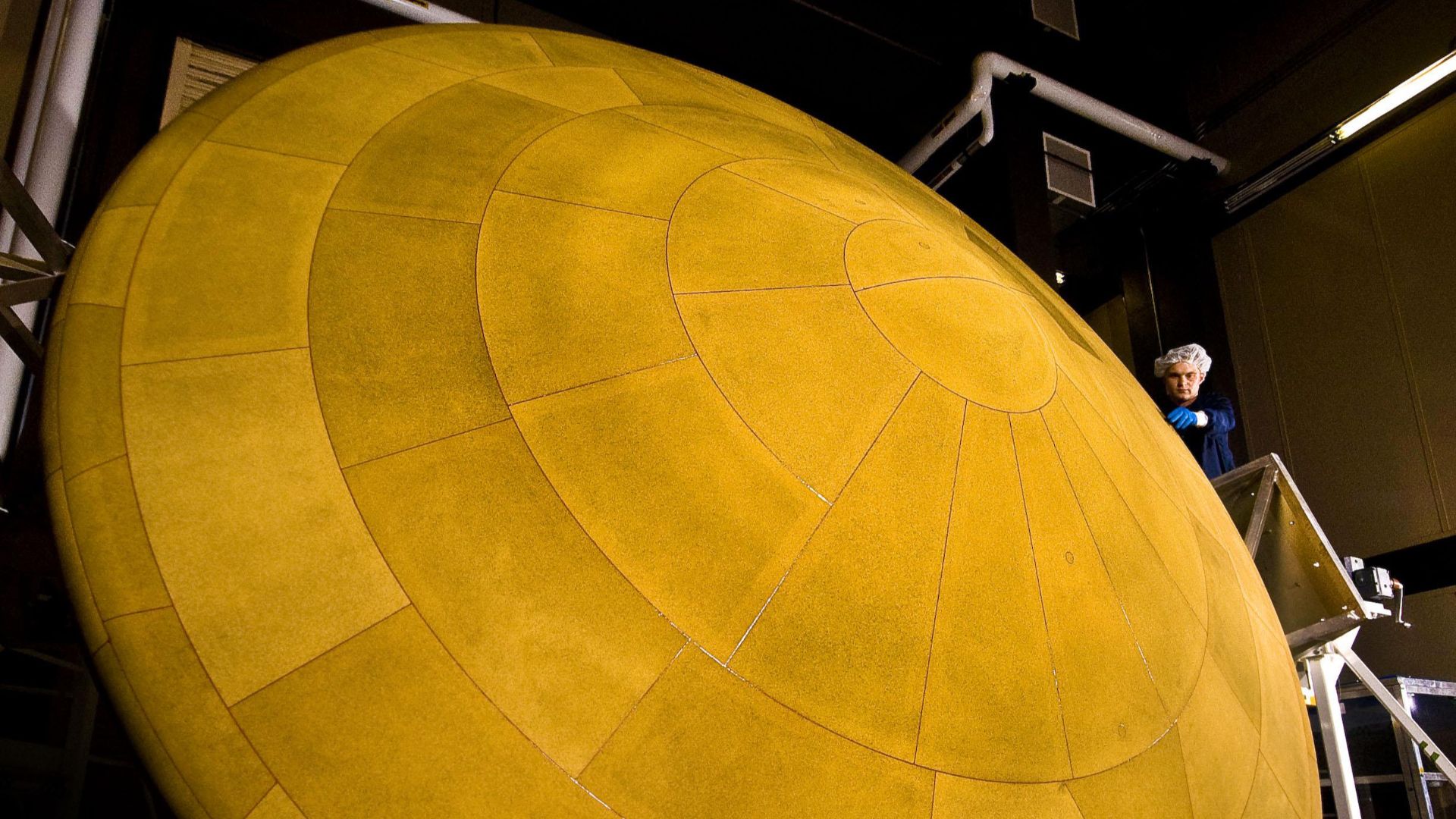
Reusable Vs Disposable Systems
Modern spacecraft designers continue debating the advantages of reusable and disposable thermal protection systems. Reusable systems can cut down on mission costs over time but often require complex inspections and maintenance. Disposable ablative shields provide reliability but must be replaced after every mission.
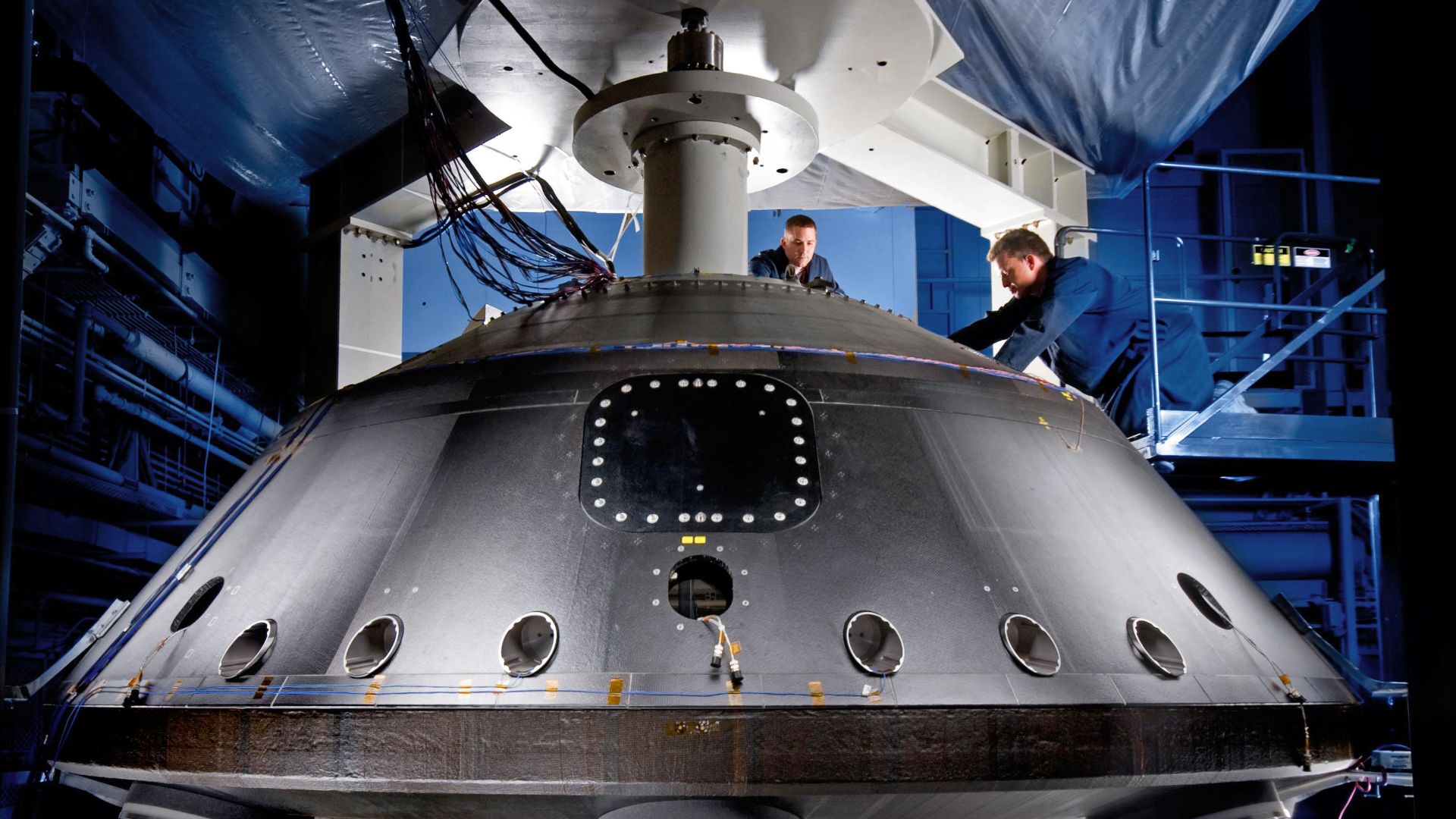
The Physics Of Deceleration
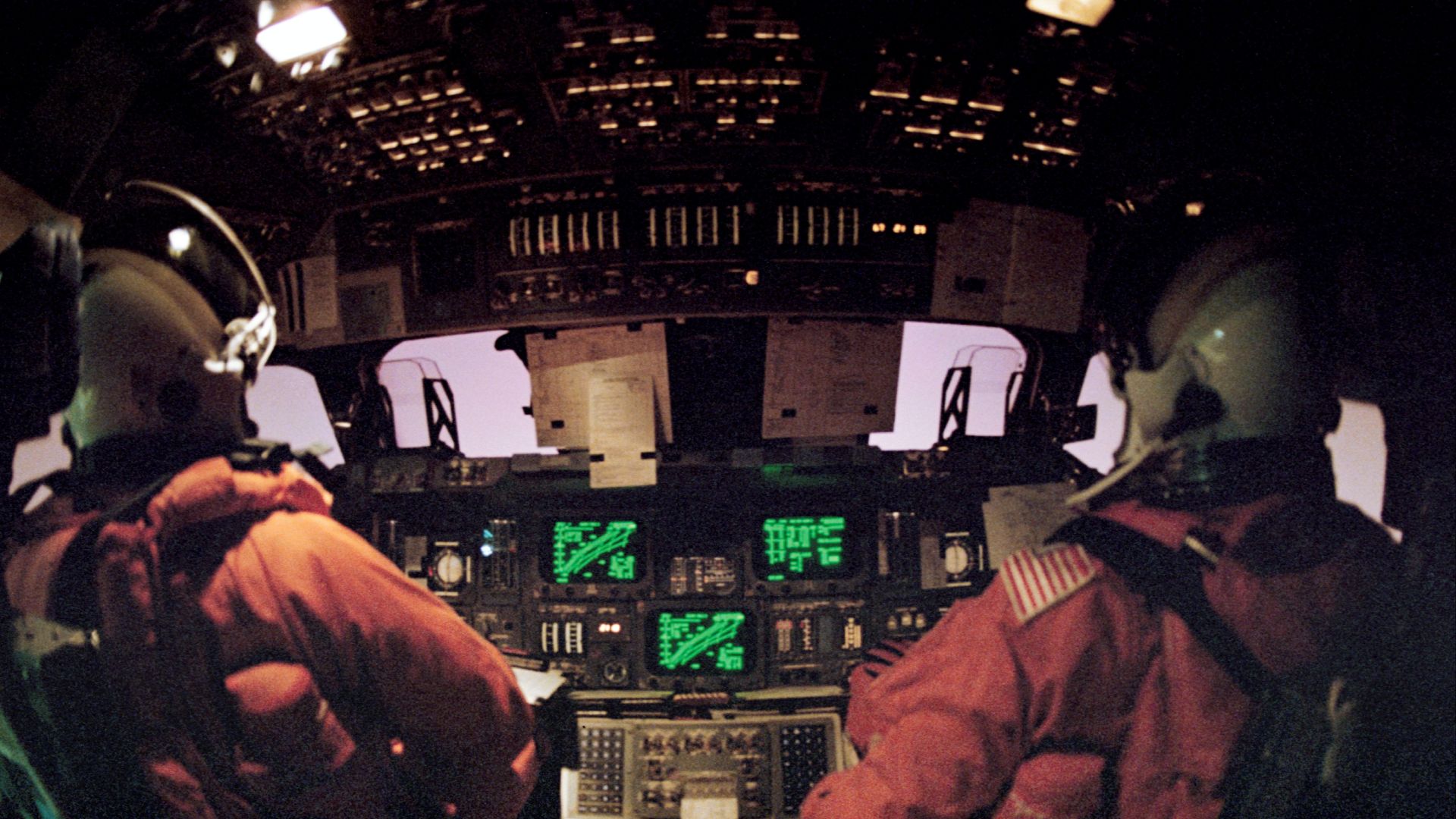
Re-entry involves not only intense heat but also powerful deceleration forces. As spacecraft slam into denser atmosphere layers, astronauts experience heavy g-forces that can strain the human body. Engineers carefully design trajectories to balance thermal protection requirements against safe deceleration rates for crews.
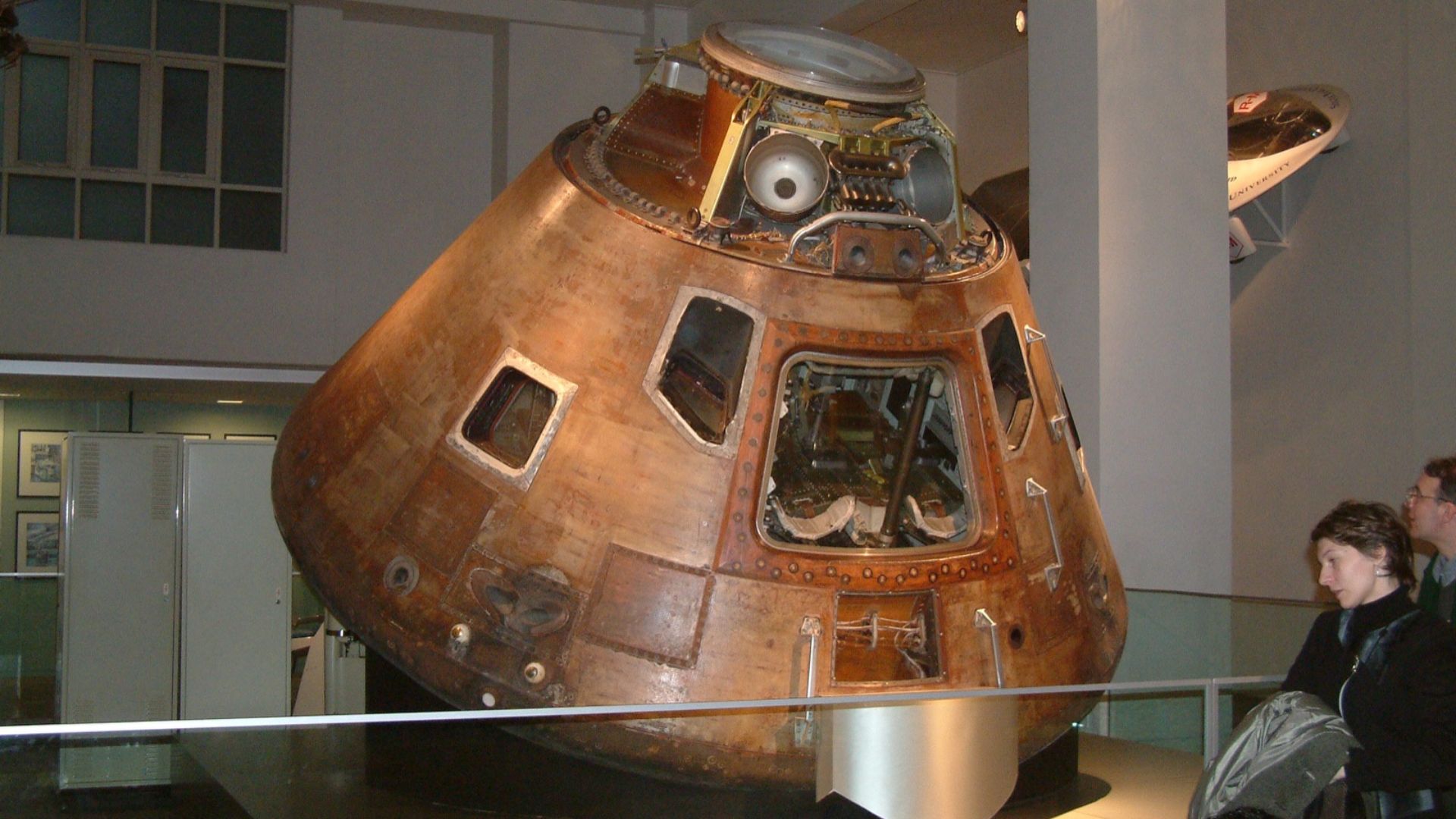 Paul Hudson from United Kingdom, Wikimedia Commons
Hypersonic Flight Research
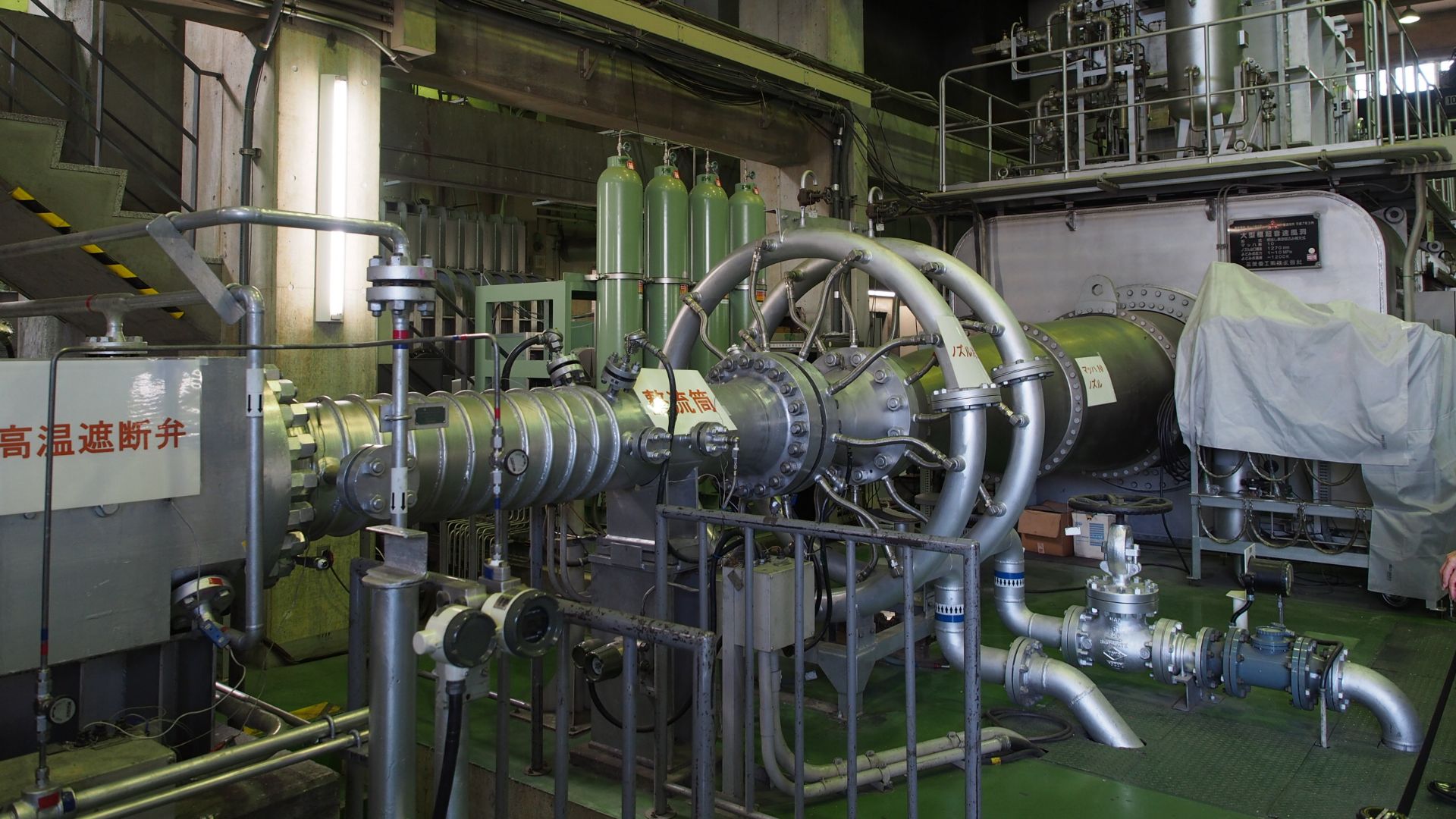
Research into hypersonic aerodynamics continues to influence modern spacecraft development. Understanding how gases behave at extreme speeds remains essential for improving thermal protection systems. Engineers use advanced computer simulations, plasma testing facilities, and wind tunnels to study how spacecraft interact with Earth’s atmosphere during descent.
The Future Of Spacecraft Re-Entry
Future spacecraft may use entirely new combinations of ablative materials, flexible heat shields, and advanced flight guidance systems. As missions increasingly set their sights on the moon and Mars, spacecraft will face more demanding atmospheric entry conditions. Reliable re-entry technology will be essential for expanding long-term human space exploration.
The Challenge Continues
Spacecraft re-entry represents one of the harshest engineering challenges ever faced by humanity. From the blunt capsules of the Apollo era to the advanced heat shields of Artemis missions, engineers continue to improve ways to protect astronauts from extreme heat and violent aerodynamic forces during their return home to Earth.
 Isaac Watson, Wikimedia Commons
You May Also Like:
Journey Through The Universe With These Stunningly Rare Space Photos
NASA researchers detected a mysterious signal from deep space that repeats every 44 minutes.