Under The Sea
For more than two millennia, a Roman merchant vessel rested beneath the Mediterranean off Sicily. In August 2026, spear fishermen Giacomo De Mola and Igor Bisulli stumbled onto the site near Mazara del Vallo. What looked like a rock turned out to be hundreds of ancient amphorae, lead anchor stocks, and a wreck that could reveal more about trade before the Roman Empire.
A Rock That Wasn’t a Rock
De Mola was scanning the seafloor when his equipment picked up a dark shape. He initially assumed it was an ordinary rock, but curiosity drew him down for a closer look. As the outline sharpened, he realized it was something entirely different.
They Were Looking for Fish, Not History
De Mola and Bisulli were spear fishermen, not archaeologists hunting a wreck. Reports say they were exploring waters near Mazara del Vallo around the time of an Italian spearfishing competition. Their accidental find quickly became an archaeological matter.
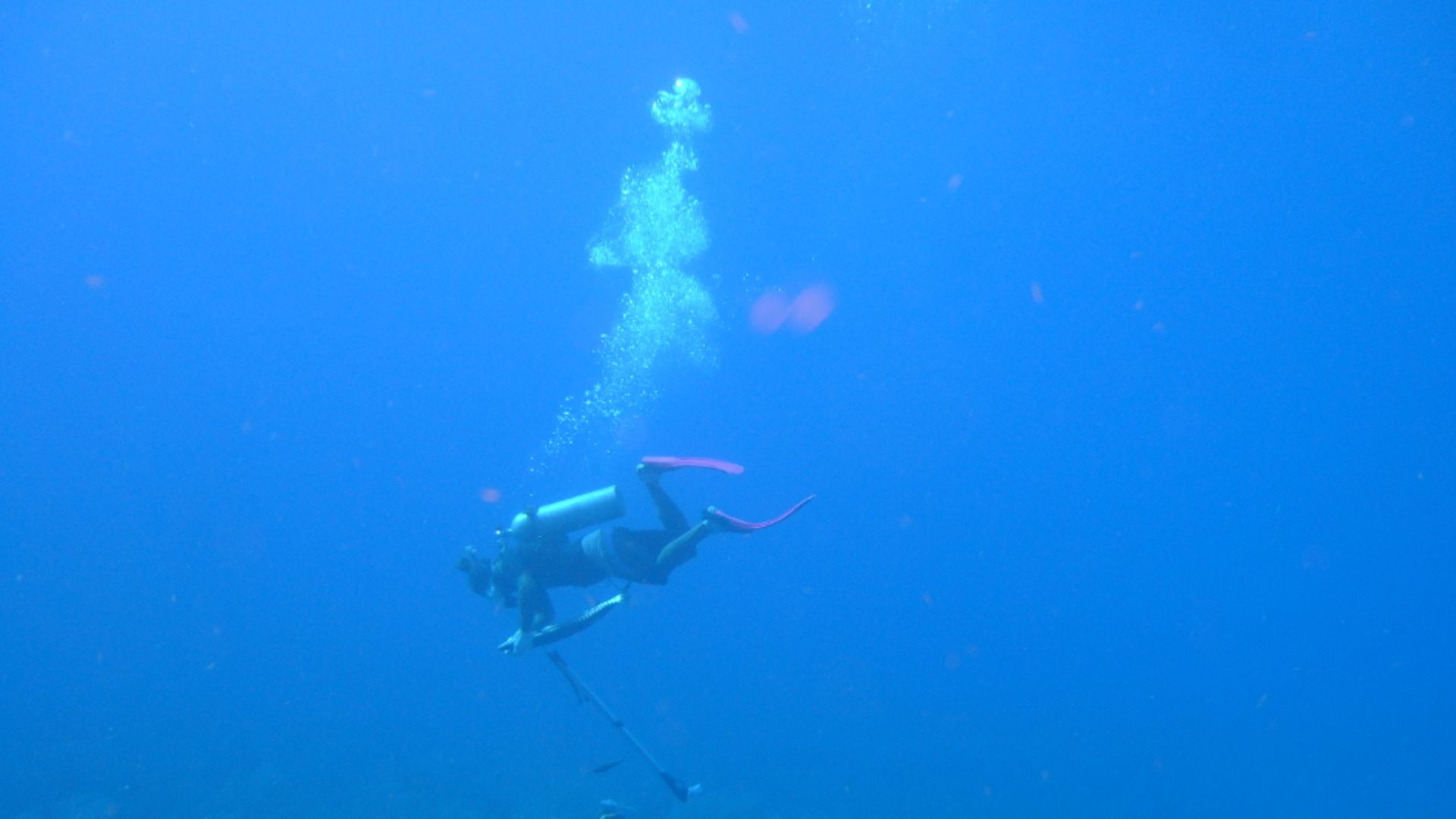 Johnmartindavies, Wikimedia Commons
The Site Is Off Western Sicily
The wreck lies roughly three miles off Mazara del Vallo on Sicily’s western coast. Italian authorities place it at a depth of 46 meters, or about 150 feet, creating a challenging environment for underwater investigation.
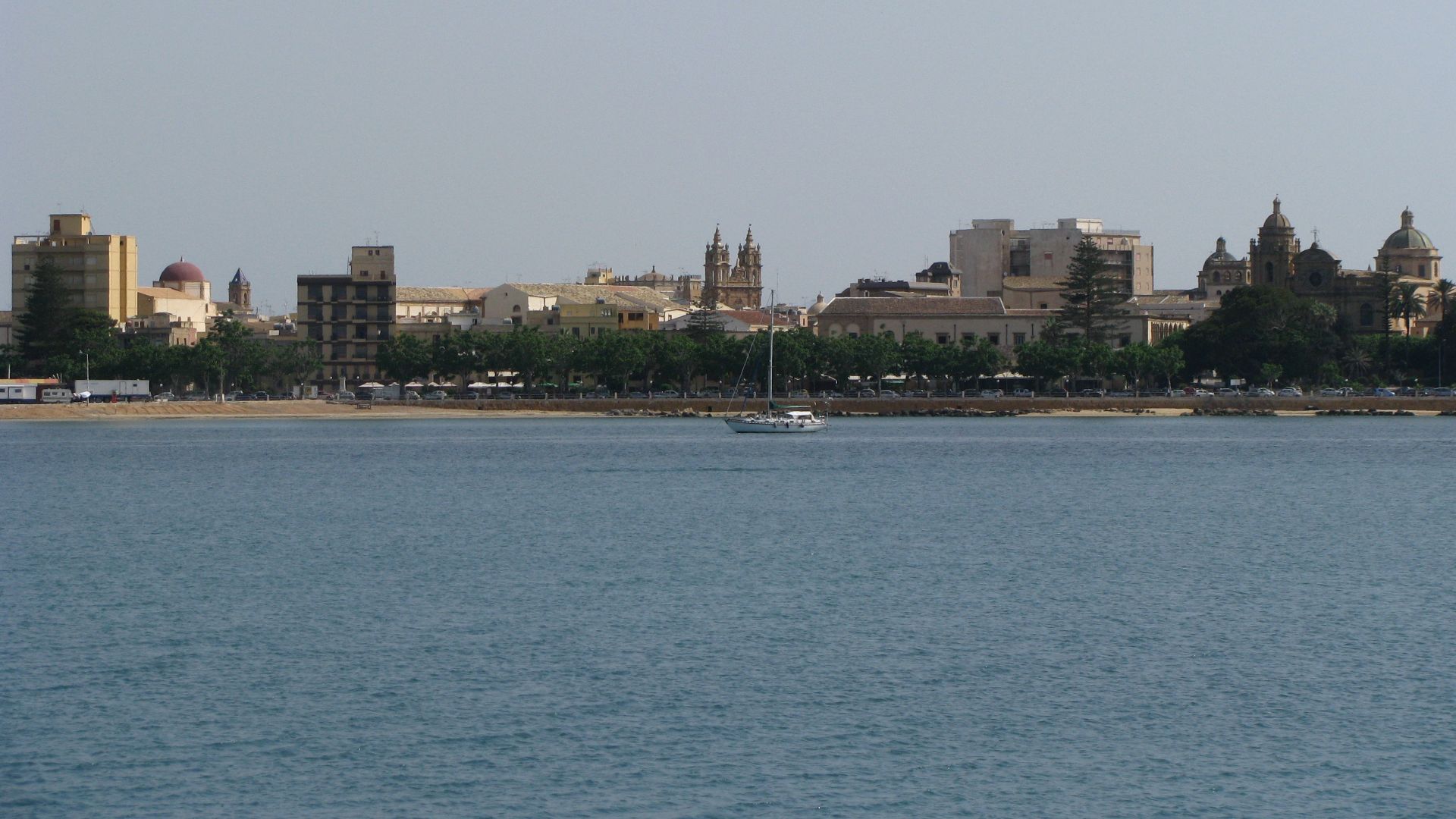 Domenico Ripa, Wikimedia Commons
Hundreds of Amphorae Came Into View
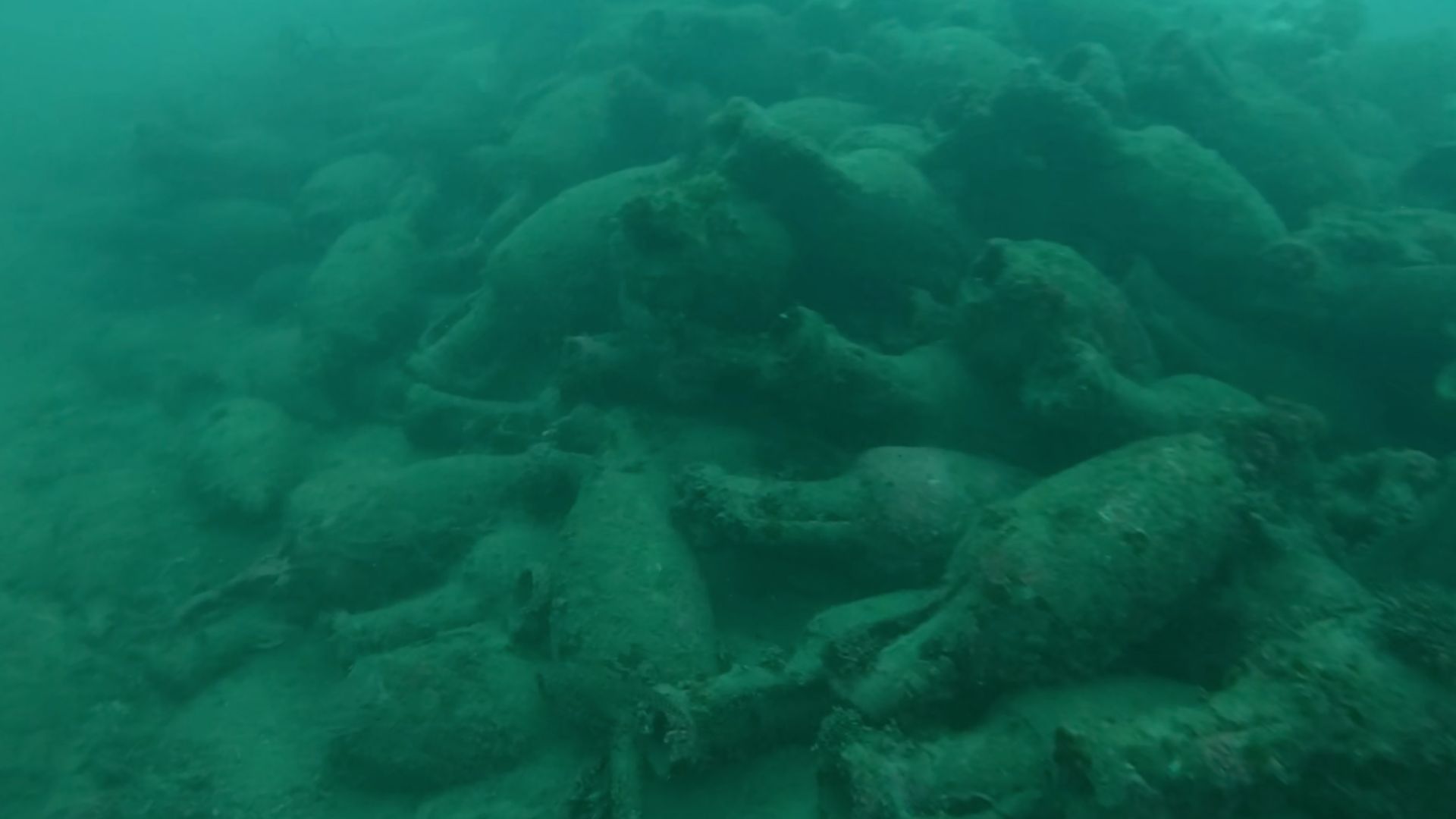
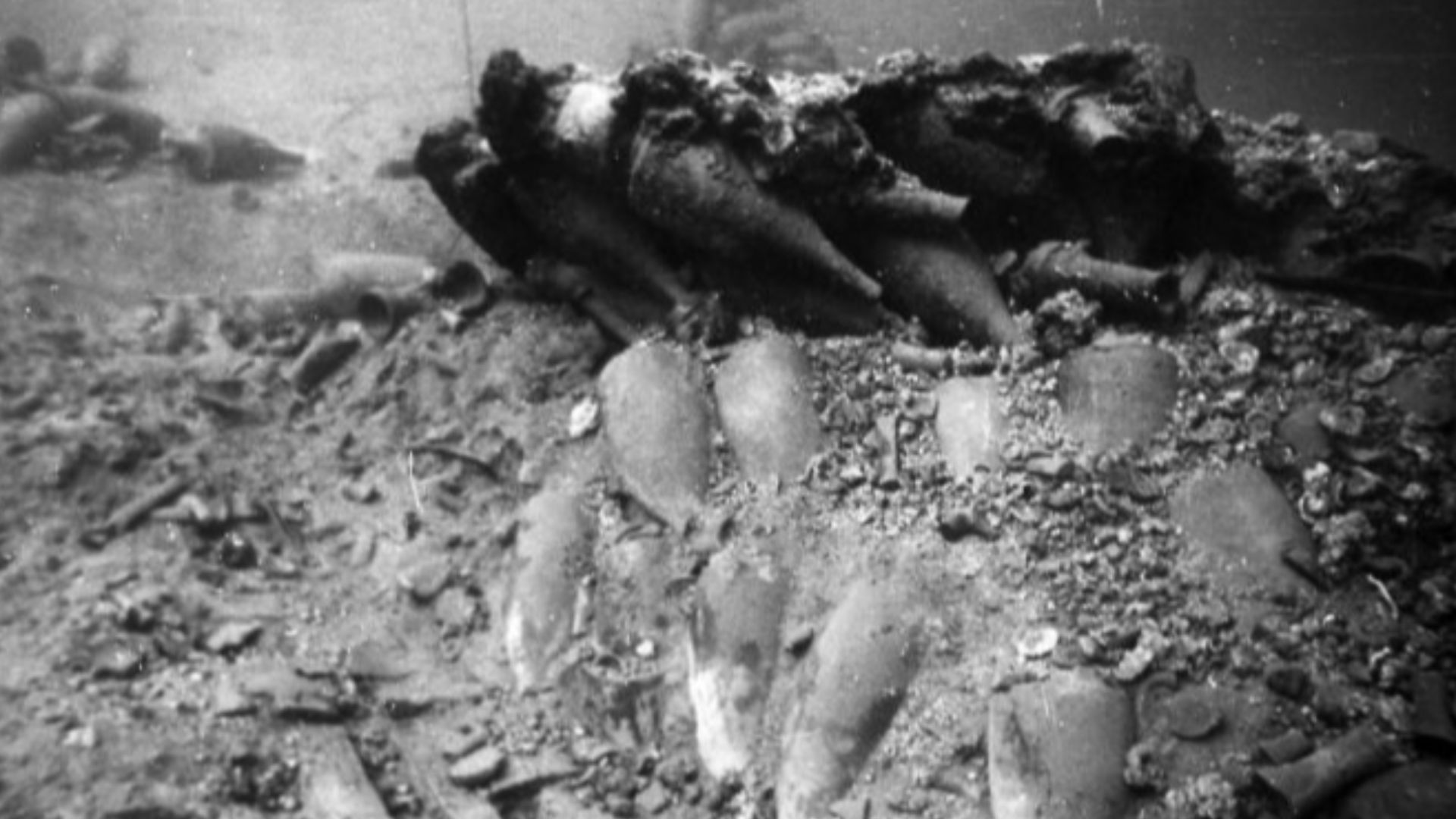
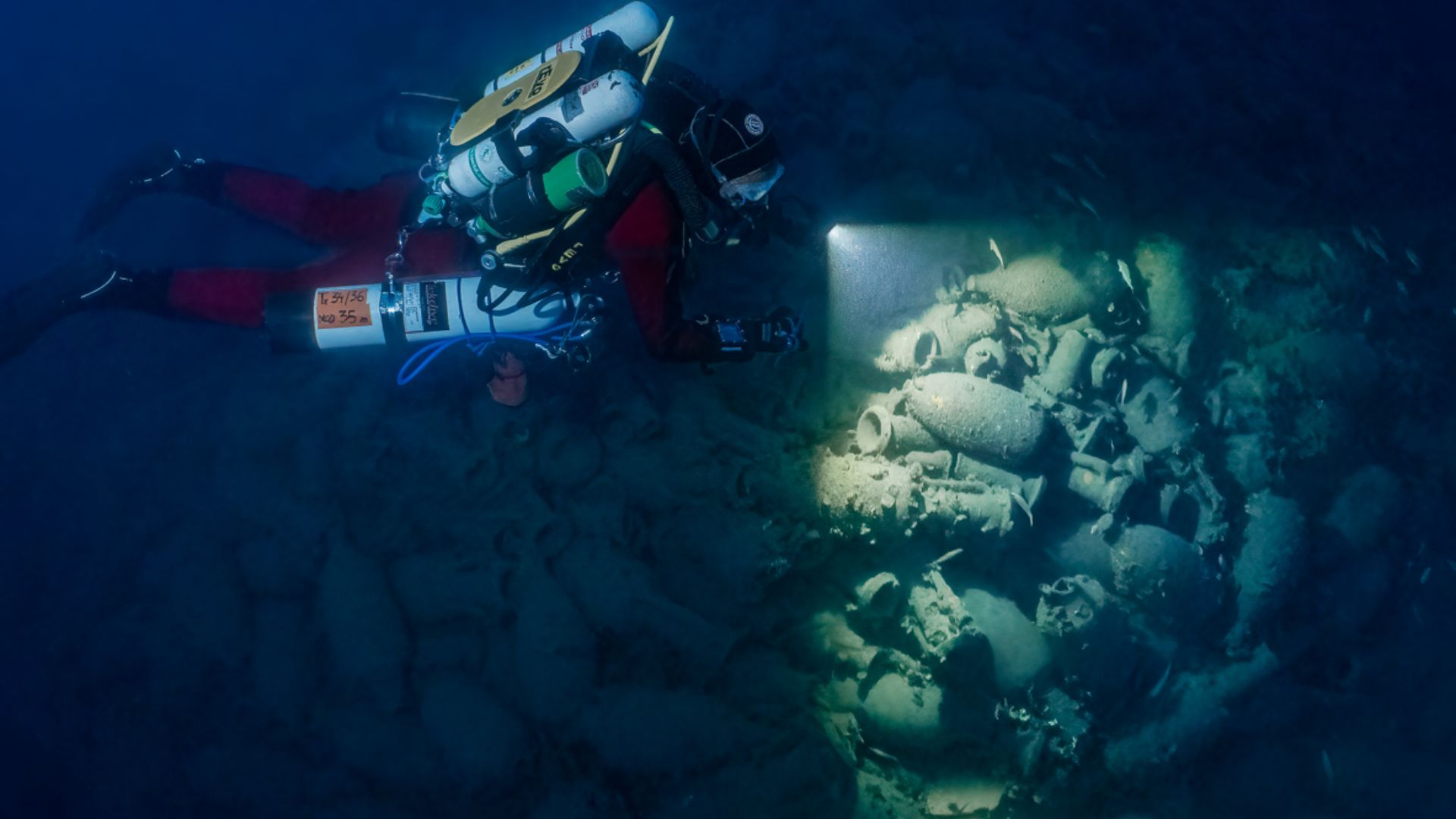
What stunned De Mola was the quantity of pottery. Hundreds of amphorae, the two-handled ceramic transport jars common in the ancient Mediterranean, covered the seabed. Their concentration suggested this was not a random scatter of isolated artifacts.
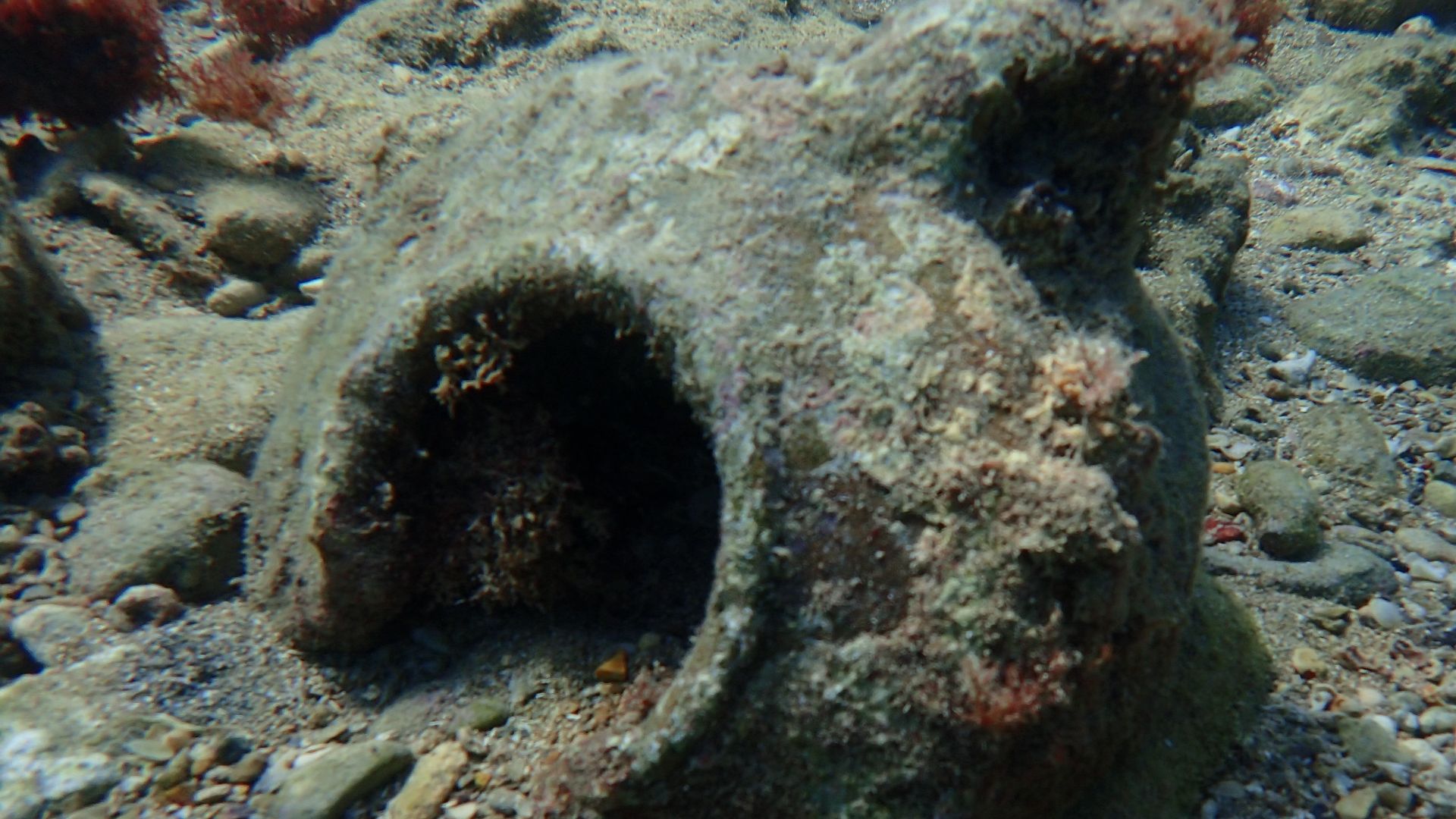 RomanDeckert, Wikimedia Commons
The Cargo Forms a Huge Mound
The amphorae are reportedly stacked nearly two meters high. The deposit stretches more than 20 meters in length and roughly six meters across, forming a dense cargo field that remains clearly visible across the seabed.
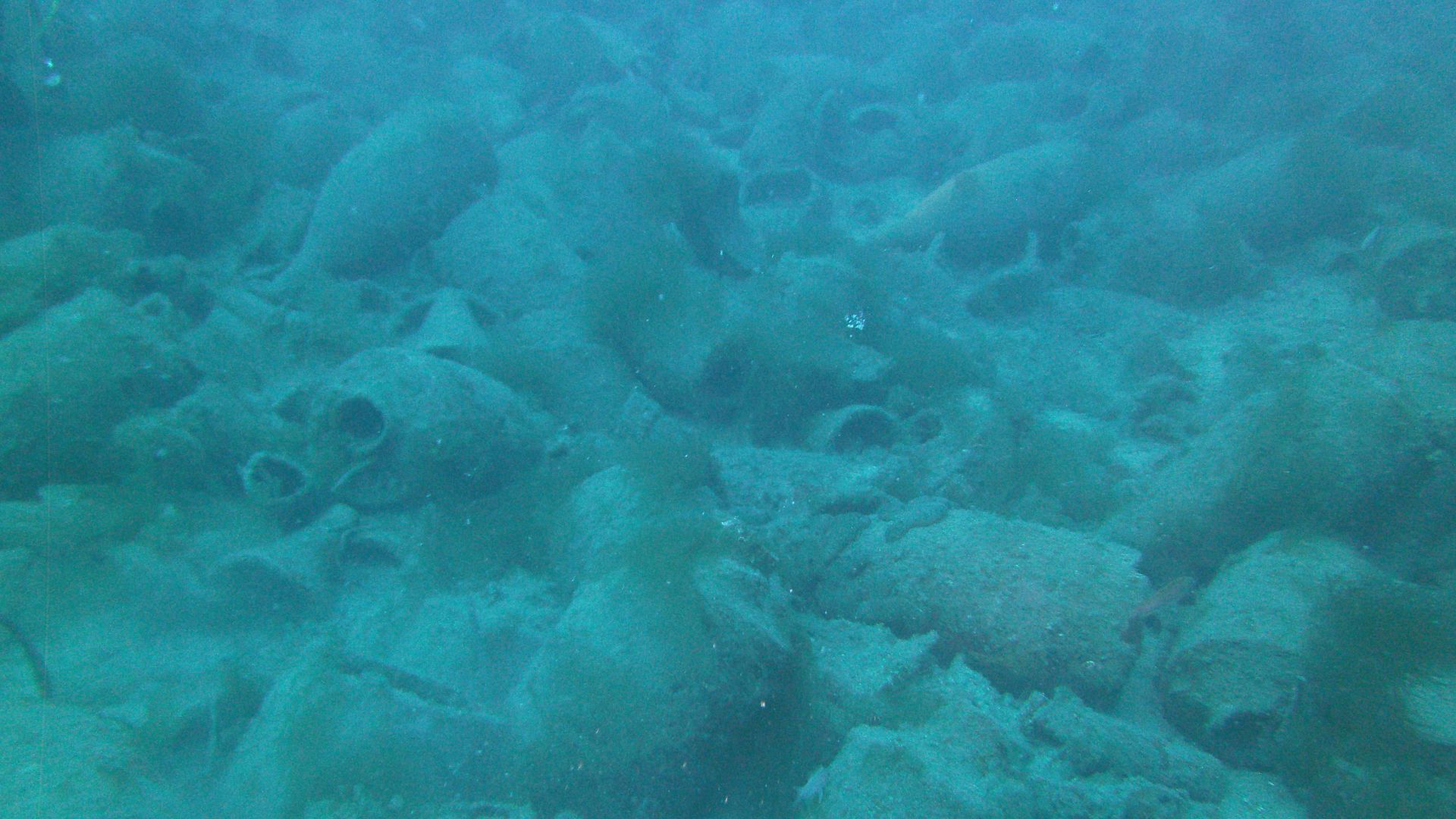
The Wreck Is Roughly 2,100 Years Old
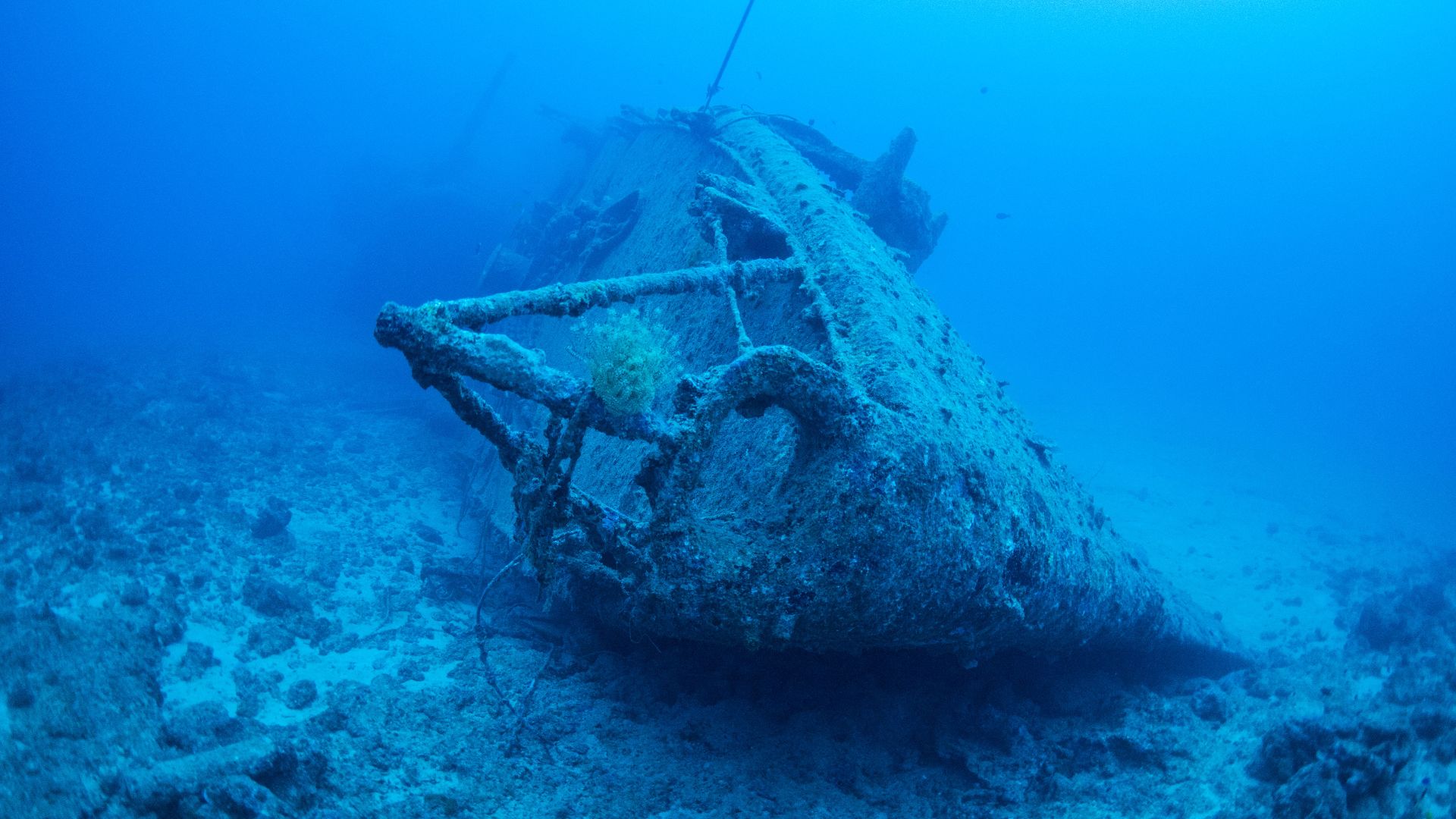
Authorities have provisionally dated the wreck to between the second and first centuries BCE. That places its sinking in the late Roman Republic, more than two thousand years ago and before Augustus established the political order known as the Roman Empire.
 Okinawa Diving School World Diving, Pexels
The Site Appeared Remarkably Undisturbed
De Mola described the amphorae as having lain on the seabed for roughly two millennia. The coherent cargo field also impressed researchers. Officials are now studying whether the wreck experienced any earlier disturbance or looting before its modern documentation.
 474D6F756C617264, Wikimedia Commons
Dressel 1A Jars Dominate the Find
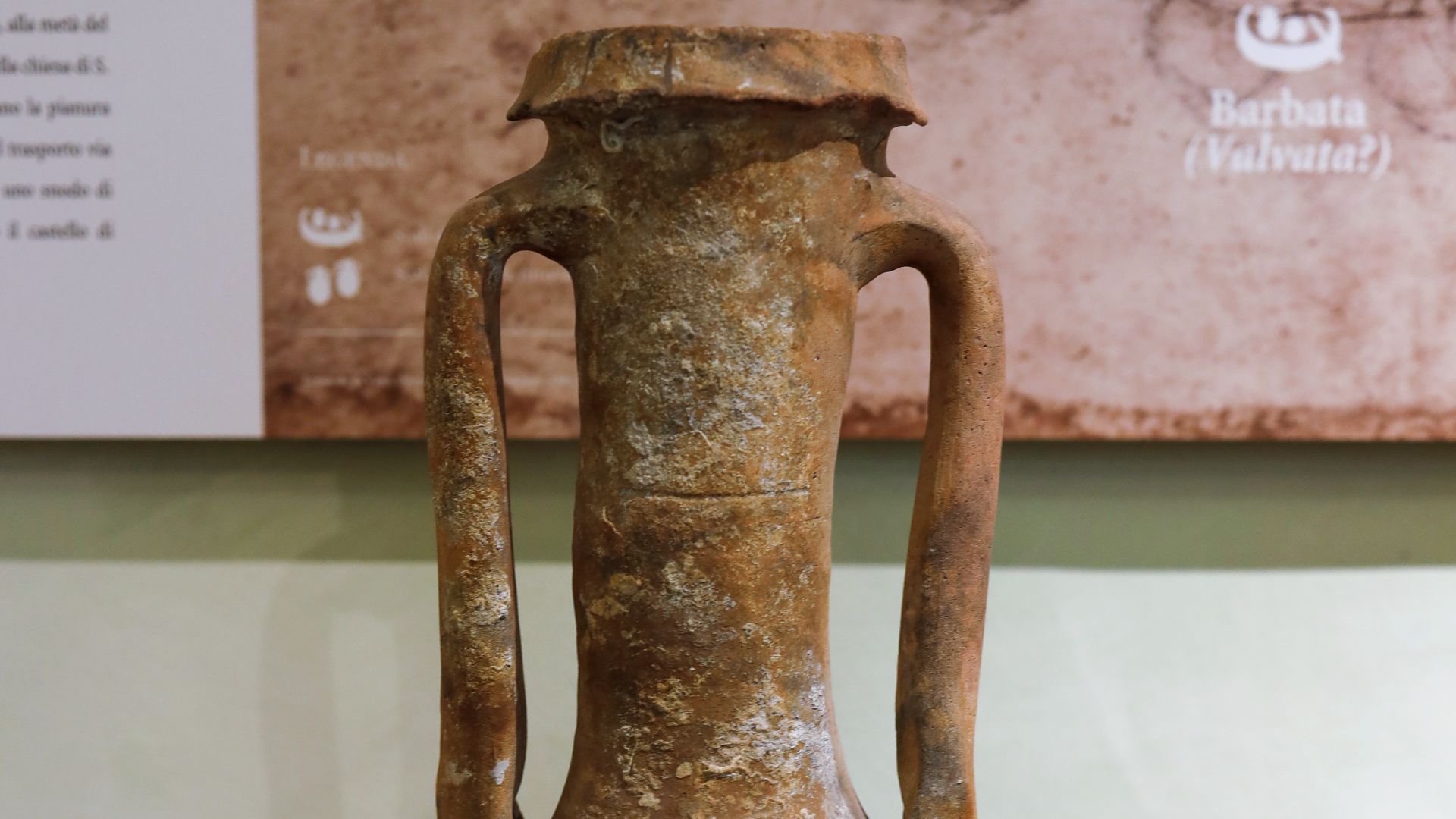
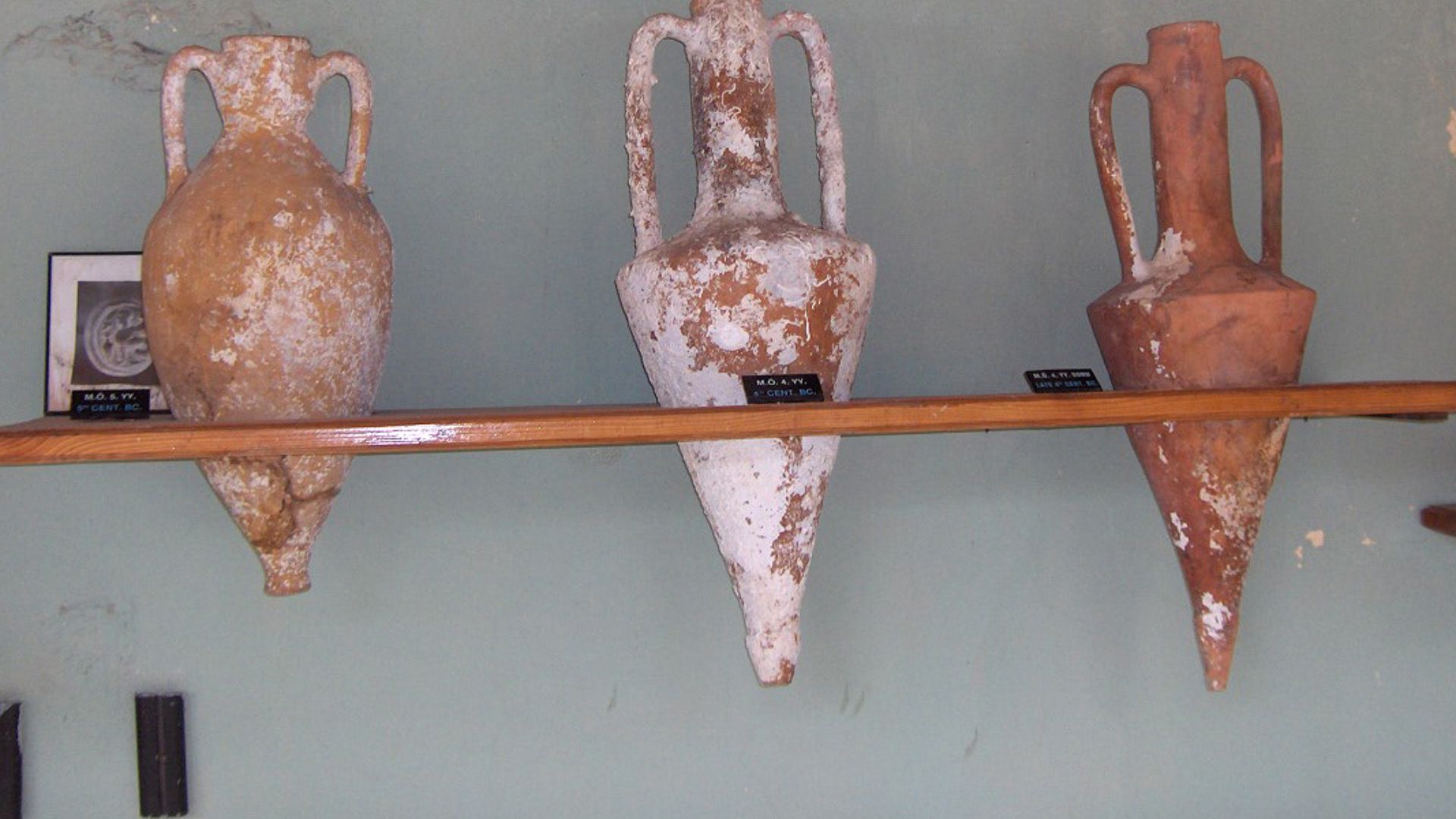
Most of the amphorae identified so far belong to the Dressel 1A type. Archaeologists associate these vessels with the late Republican period, especially the second and first centuries BCE, making the jars useful evidence for dating the shipwreck.
 Fabrizio Garrisi, Wikimedia Commons
Those Jars Usually Carried Spirits
Dressel 1 amphorae were principally used to transport wine through Mediterranean trade networks. Archaeological research shows the containers could occasionally hold other products, but that was their dominant cargo, making it the strongest explanation for most of this shipment.
Not Every Amphora Looks the Same
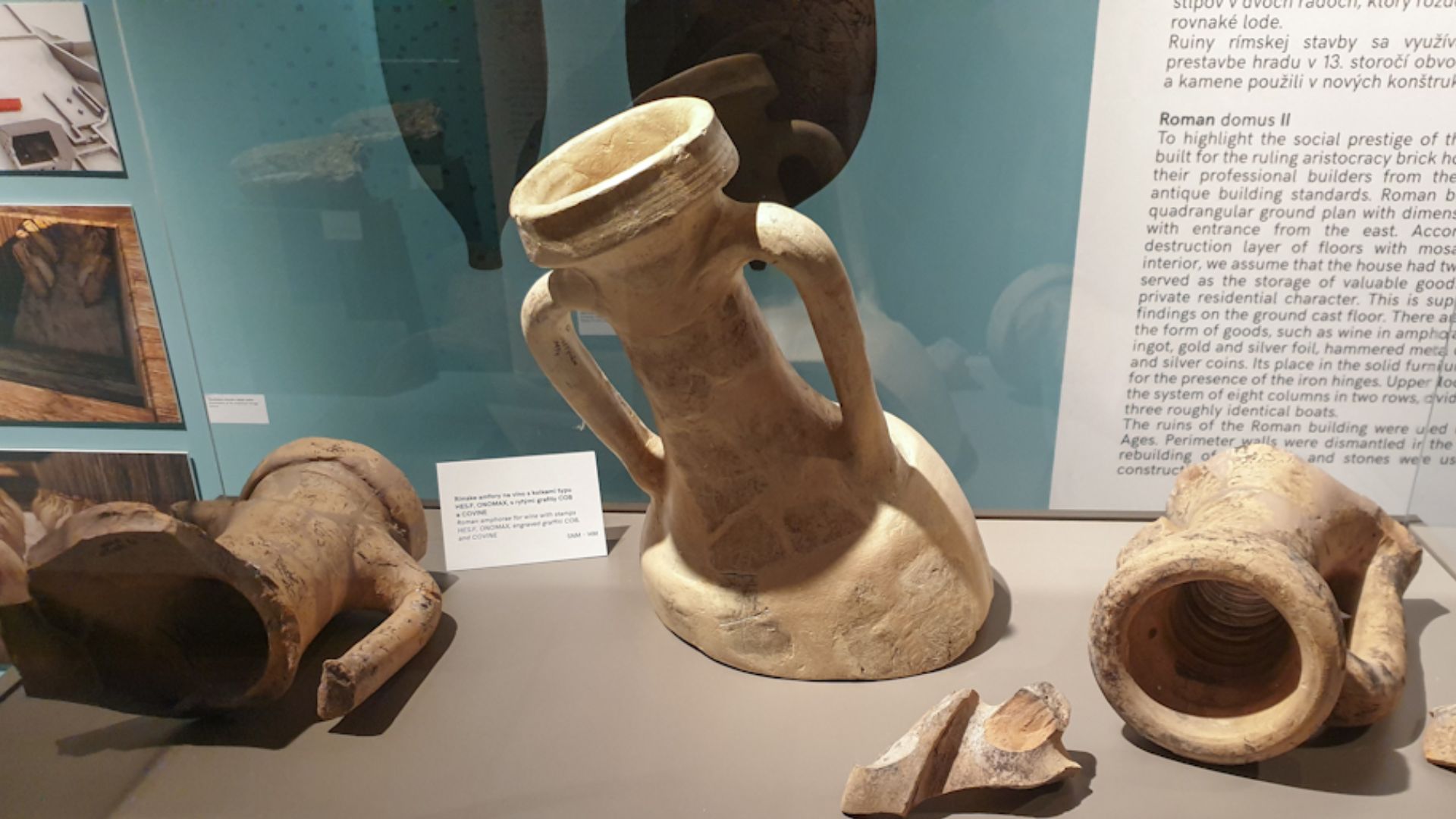
Reports also describe North African-style containers and at least one older Neo-Punic amphora among the cargo. That variety matters because pottery types can help archaeologists trace production regions, exchange networks, and possibly ports visited by a merchant vessel.
 Georges Jansoone (JoJan, Wikimedia Commons
Two Lead Anchor Stocks Were Found
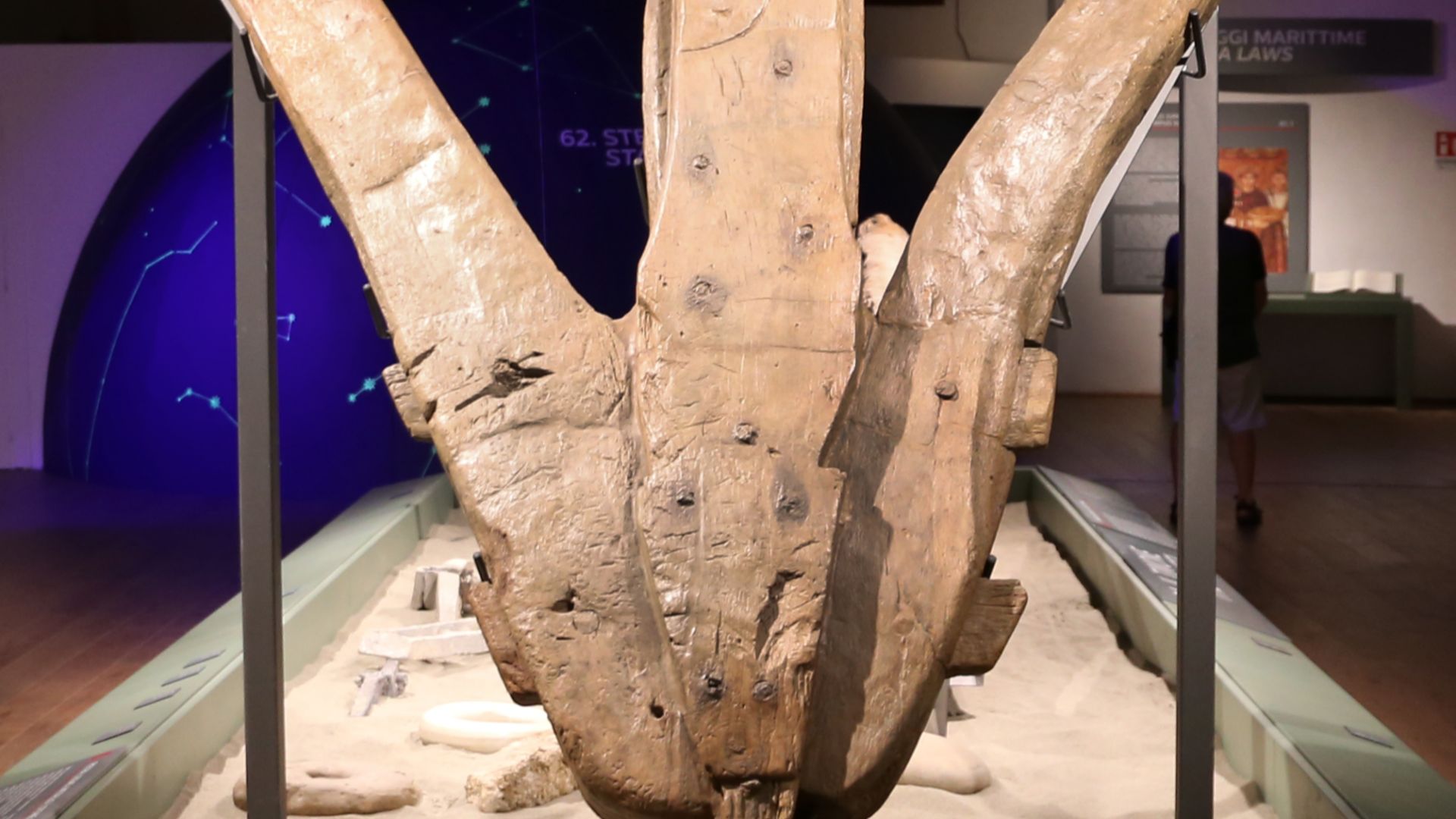
Italian investigators documented two lead anchor stocks near the amphorae, along with another lead structure. The anchor stocks add nautical hardware to a site otherwise dominated by ceramic cargo.
This Was a Working Transport Vessel
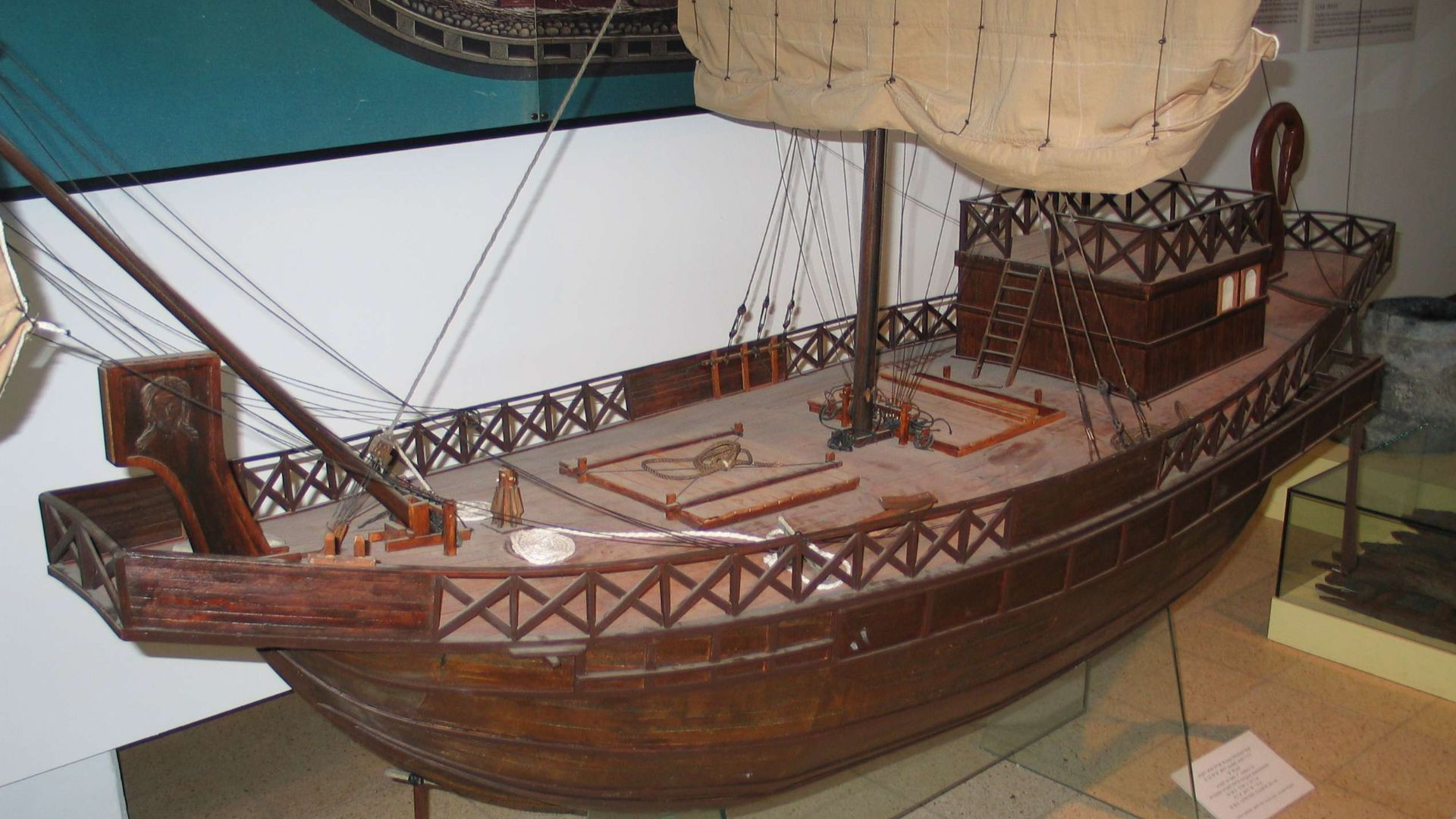
The wreck is being described as a Roman transport or merchant ship. Its tightly packed amphora cargo fits the role of vessels that moved bulk commodities between Mediterranean ports. The cargo is consistent with a vessel used to move bulk commodities between ports.
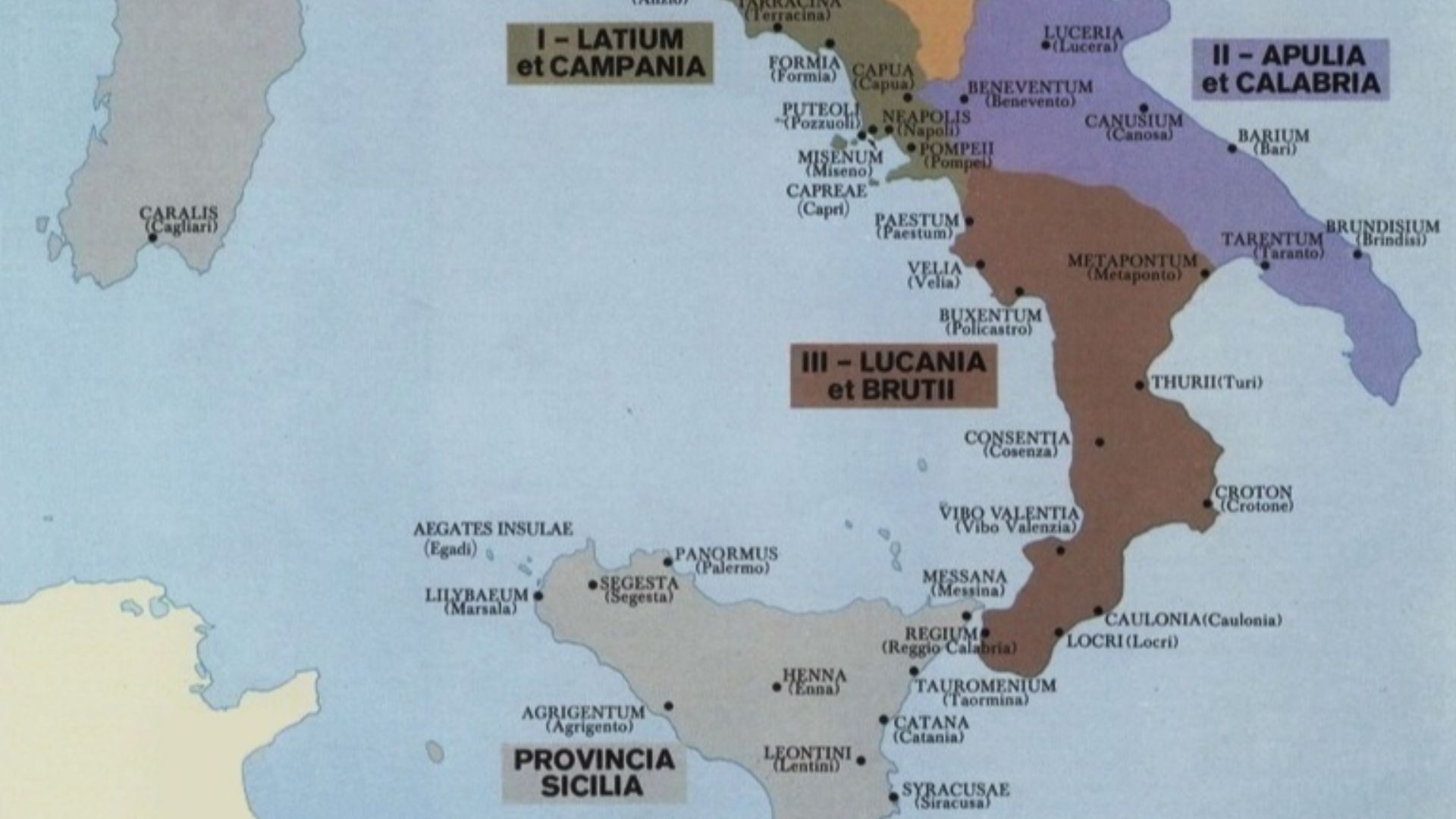
Sicily Sat at a Maritime Crossroads
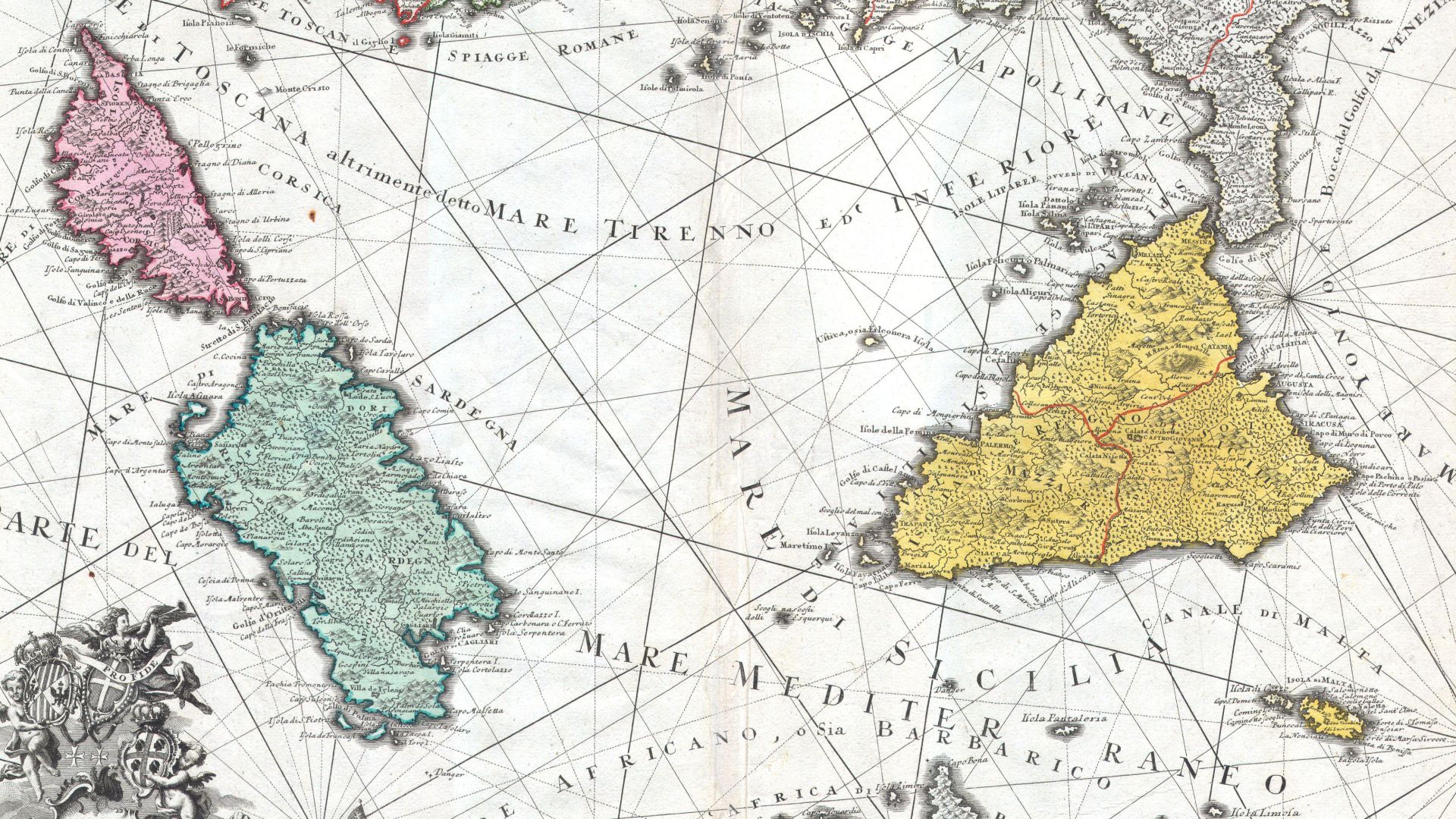
Sicily occupies a strategic position between the Italian peninsula and North Africa. Waters around western Sicily connected routes through the central and western Mediterranean, and shipwreck cargoes provide physical evidence of the goods moving along them.
 http://www.geographicus.com/mm5/cartographers/homannheirs.txt, Wikimedia Commons
Rome Had Controlled Sicily for Generations
Sicily came under Roman control in 241 BCE after the First Punic War. By the period in which this vessel likely sank, Roman power had been established on the island for decades while commerce linked Italian, Sicilian, North African, and other communities.
The Cargo Could Help Rebuild Ancient Routes
Because amphora styles can be connected to production regions and periods, the mix aboard the wreck may help scholars reconstruct where the ship traveled. Researchers are especially interested in what it might reveal about trade before the imperial period.
 National Marine Sanctuaries, Wikimedia Commons
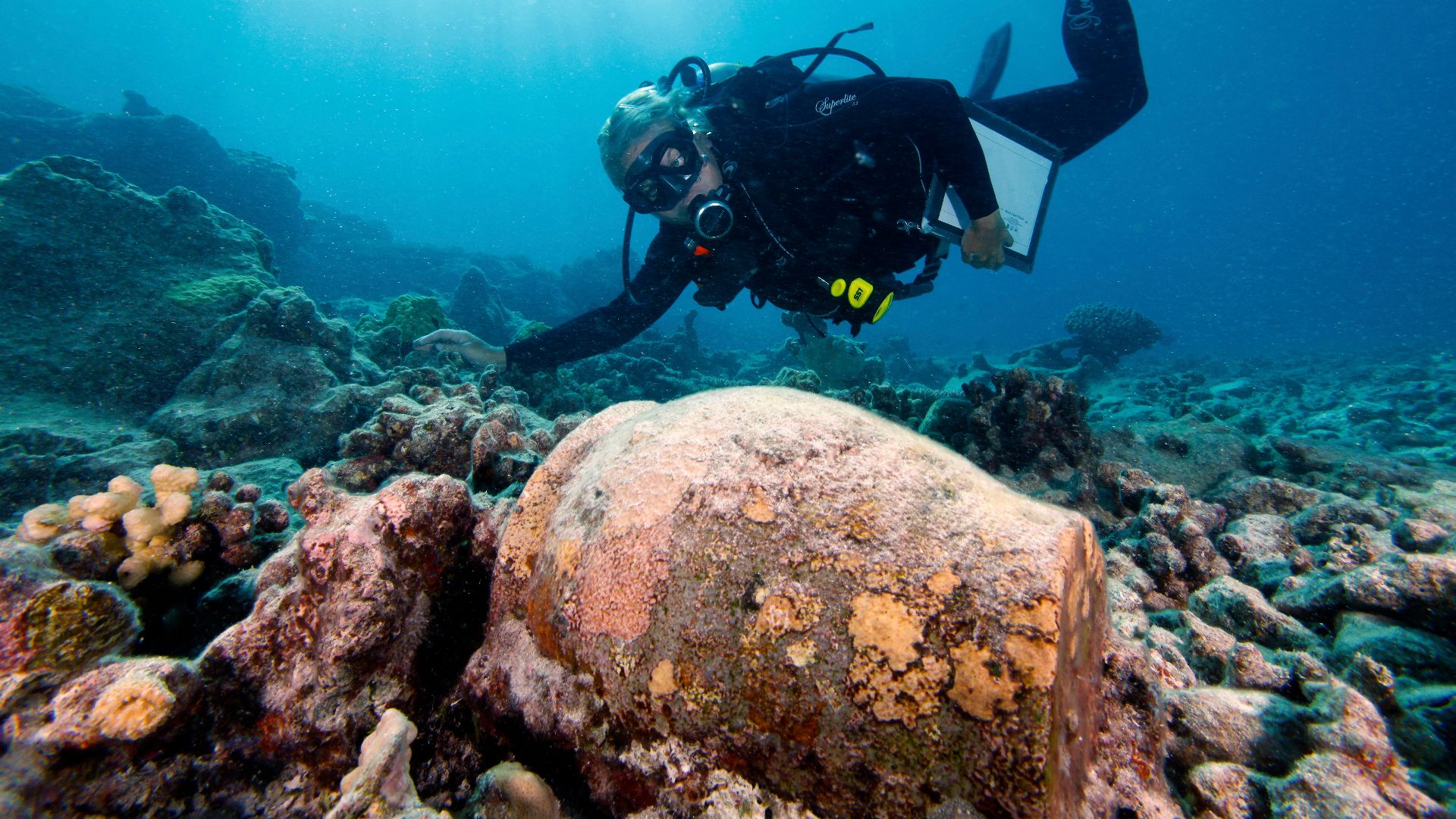
The Wreck Could Reveal Ancient Hazards
Archaeologists study more than cargo. The locations of wrecks can help identify difficult stretches of ancient navigation shaped by currents, reefs, weather, and geography. One expert said finds like this can contribute to an ancient Mediterranean “risk map.”
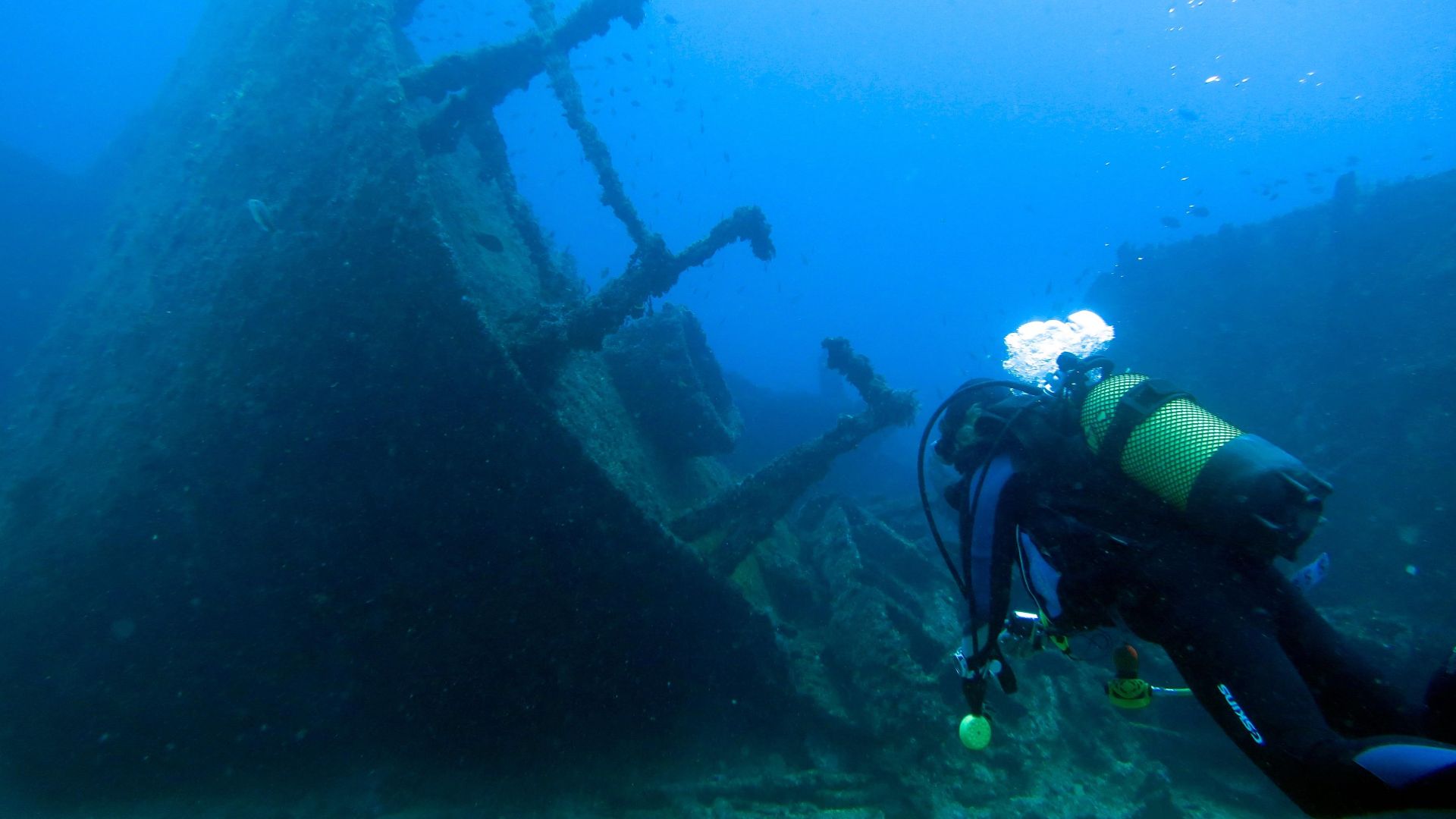
Wood May Survive Beneath the Pottery
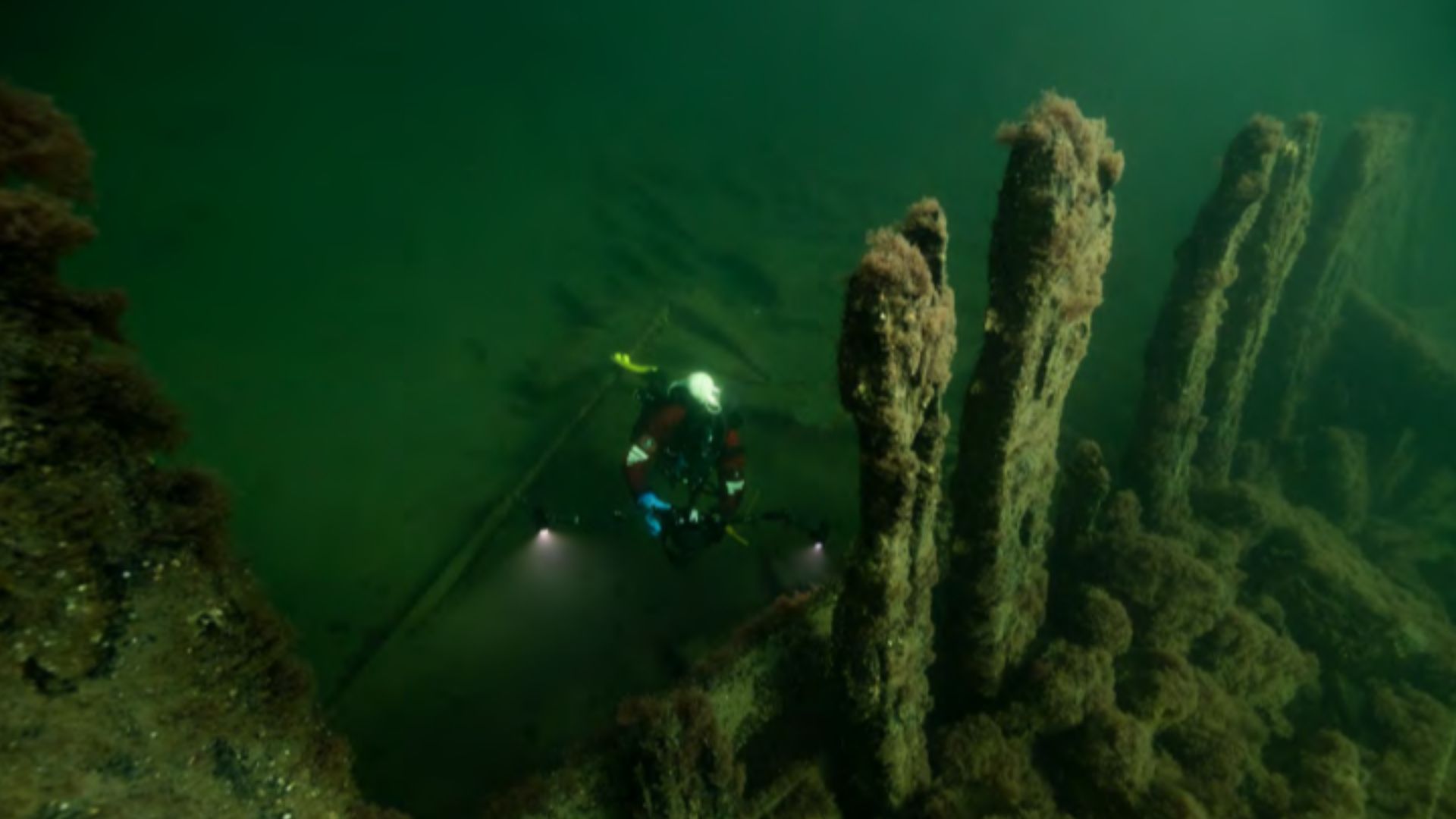
Maritime archaeologists have raised the possibility that the enormous mass of amphorae could be protecting portions of the wooden hull below. Sediment and cargo can shield buried material, although the condition of any surviving timbers still requires investigation.
 Philippe Tailliez, Wikimedia Commons
A Preserved Hull Would Be a Major Prize
If substantial hull remains survive, they could reveal Roman shipbuilding techniques that pottery alone cannot. Researchers could study construction details, structural choices, and how a merchant vessel was built to carry a dense load across open water.
 Swedish National Maritime and Transport Museums, Wikimedia Commons
Authorities Quickly Verified the Discovery
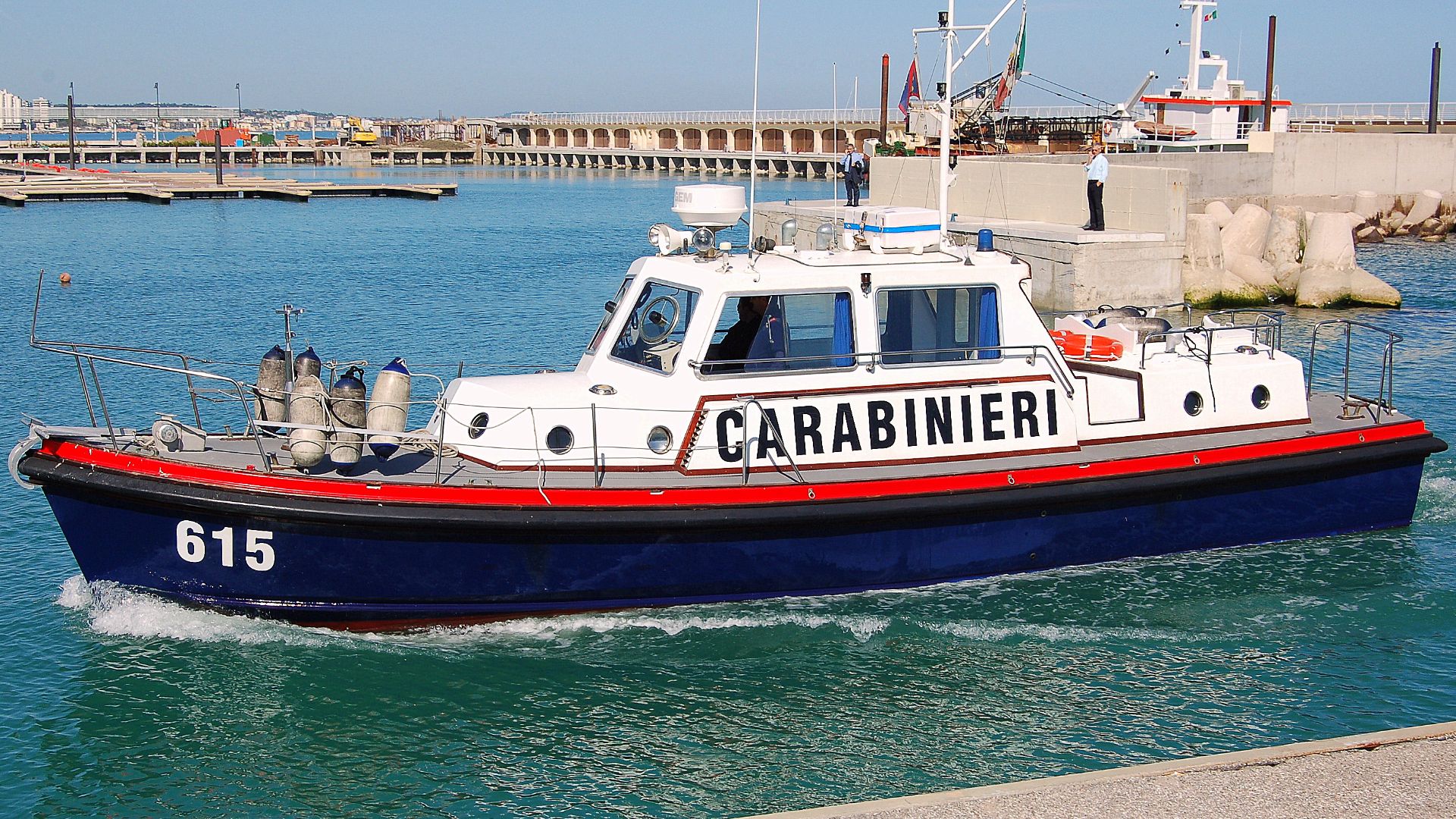
After the find was reported, the Sicilian Regional Superintendency of the Sea worked with specialized Carabinieri units to inspect the site. The effort involved cultural heritage officers, divers from Messina, and a Carabinieri patrol boat from Trapani.
 Luca Prioli, Wikimedia Commons
The Discovery Received High-Level Attention
Italian Culture Minister Alessandro Giuli called the wreck one of the most important underwater archaeological discoveries of recent years. Officials emphasized its potential to illuminate the people, routes, and exchanges that made the Mediterranean an interconnected cultural zone.
 Ministry of Education, Culture, Sports, Science and Technology, Wikimedia Commons
The Entire Wreck Is Staying Underwater for Now
Italian officials say there is currently no plan to raise the whole shipwreck. Selected artifacts could eventually be recovered for study, but researchers first need to understand the site’s condition, fragility, archaeological context, and risks.
 NOAA - National Oceanic and Atmospheric Administration, Wikimedia Commons
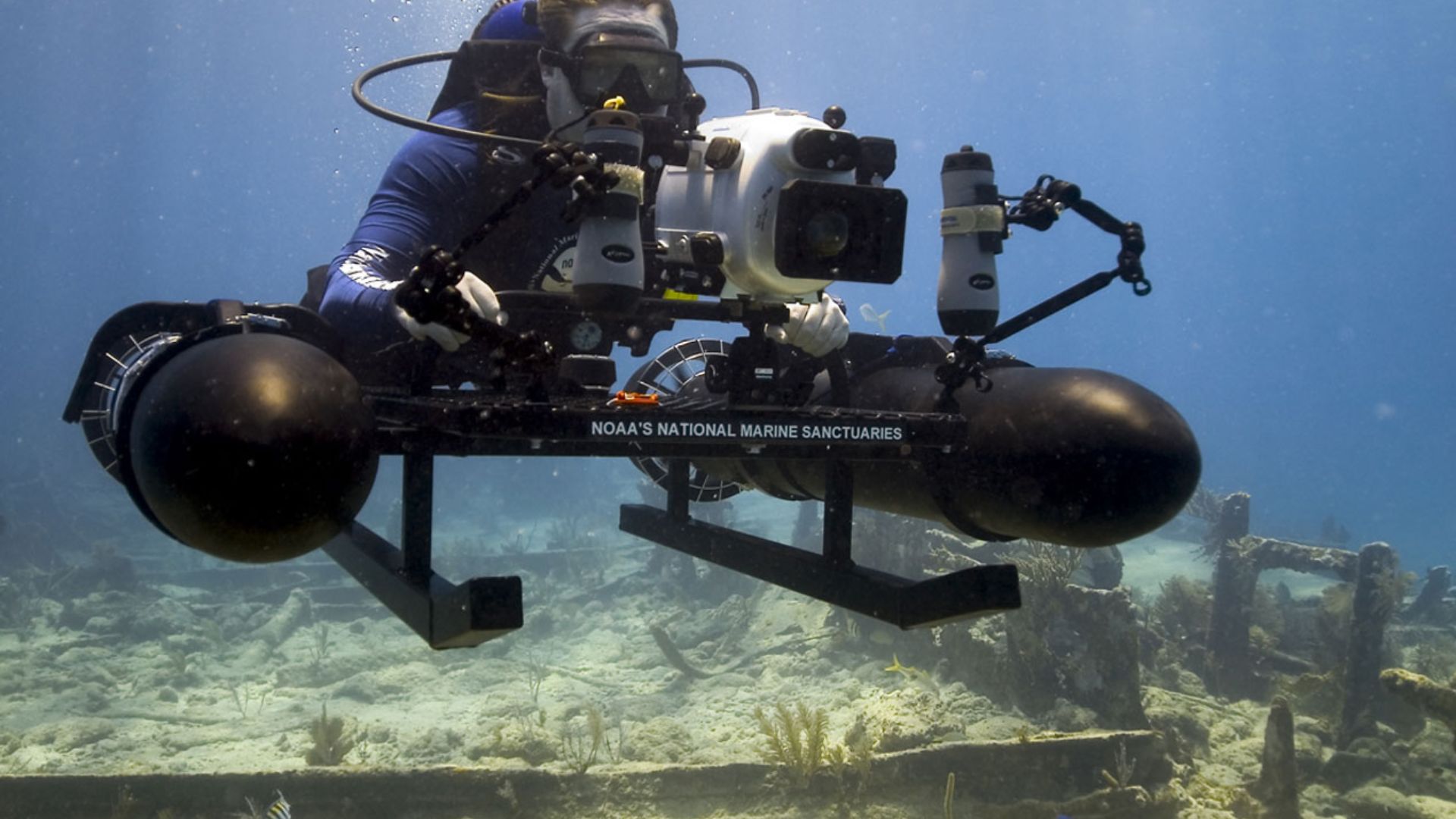
Protection Comes Before Excavation
The Carabinieri and Sicily’s maritime heritage authorities are focused on documentation and safeguarding the wreck. Officials have indicated that its location needs protection while specialists determine what further work is practical and least likely to damage the remains.
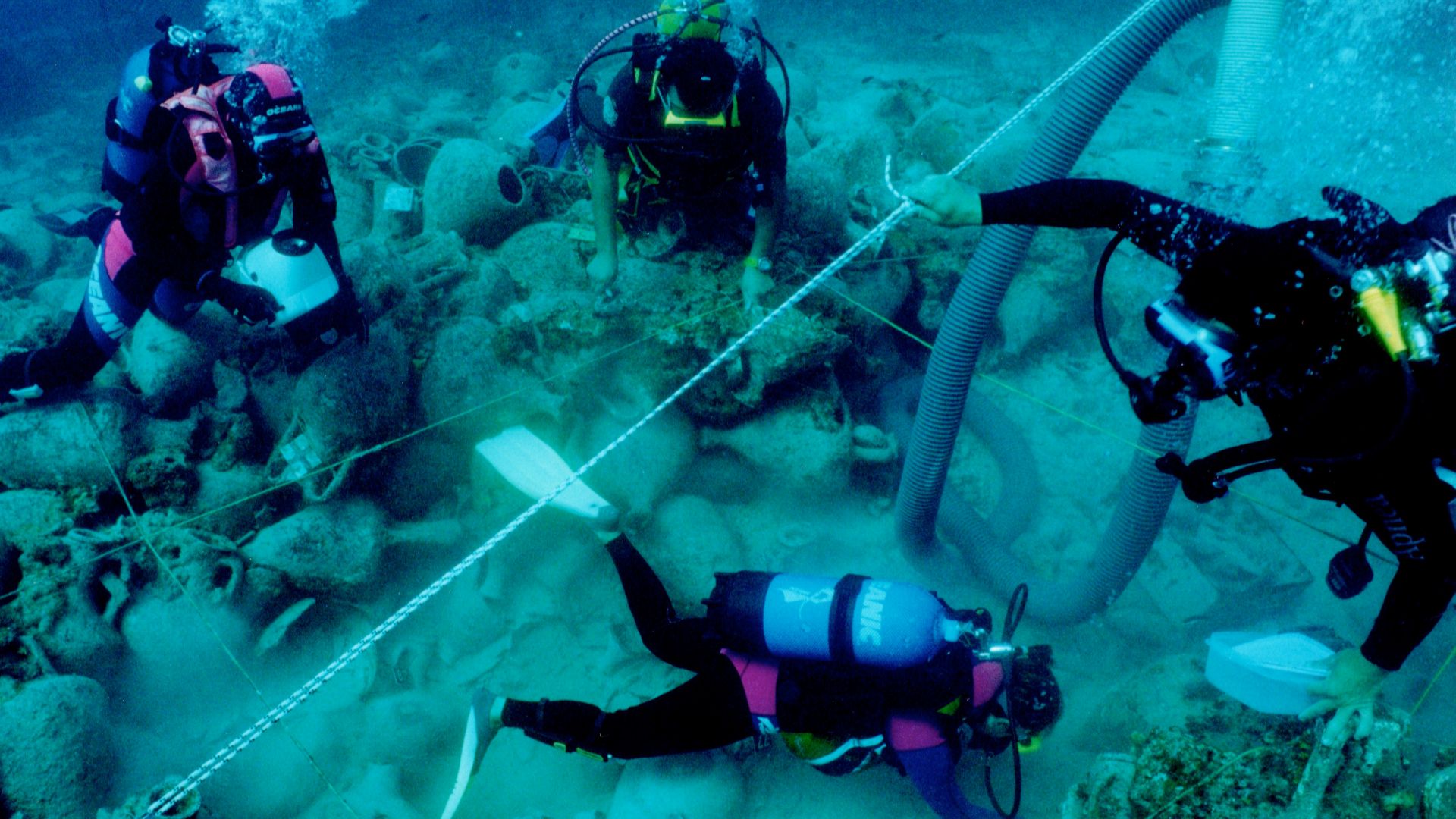 Elpida Hadjidaki, Wikimedia Commons
The Divers May Receive Official Recognition
De Mola and Bisulli alerted authorities after realizing what they had found, allowing heritage teams to inspect the site. Italian officials have said the pair will receive special state recognition for bringing the wreck to attention.
 474D6F756C617264, Wikimedia Commons
The Biggest Discoveries May Still Be Buried
For now, the amphorae are the wreck’s most visible feature, but major questions remain about the ship’s origin, destination, exact sinking date, cargo, and surviving hull. The accidental discovery may be only the opening chapter of a much larger investigation.
 Reginestein, Wikimedia Commons
You May Also Like:
Researchers Found Evidence That Ancient People Crossed Dangerous Seas Far Earlier Than Expected