

Buried Fields, Big Stories
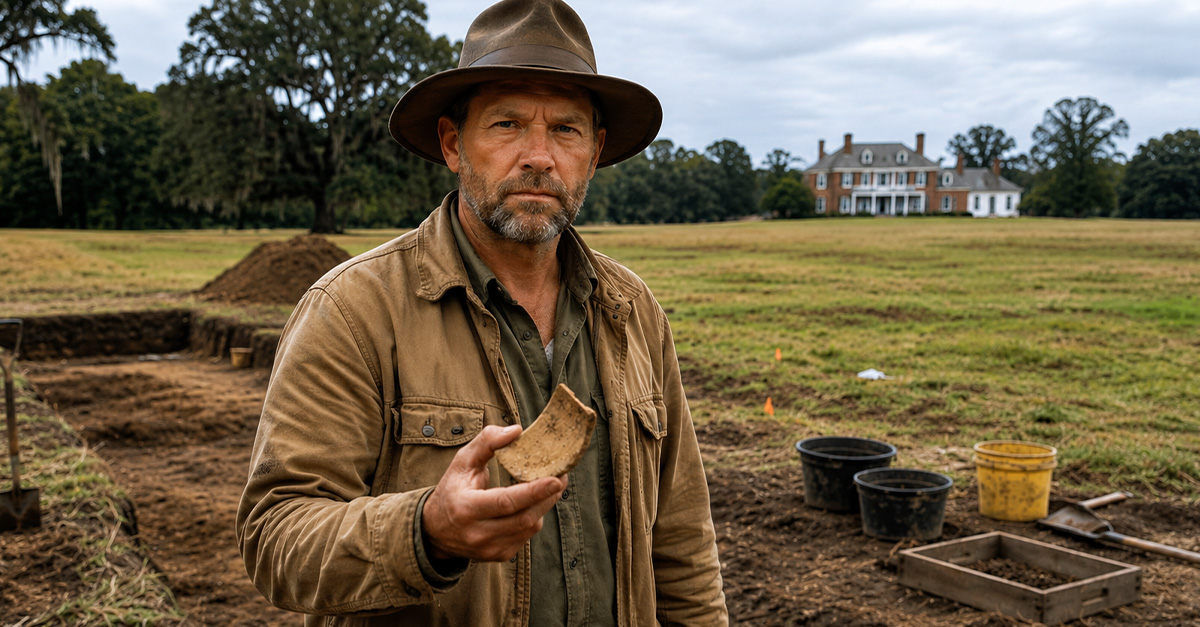
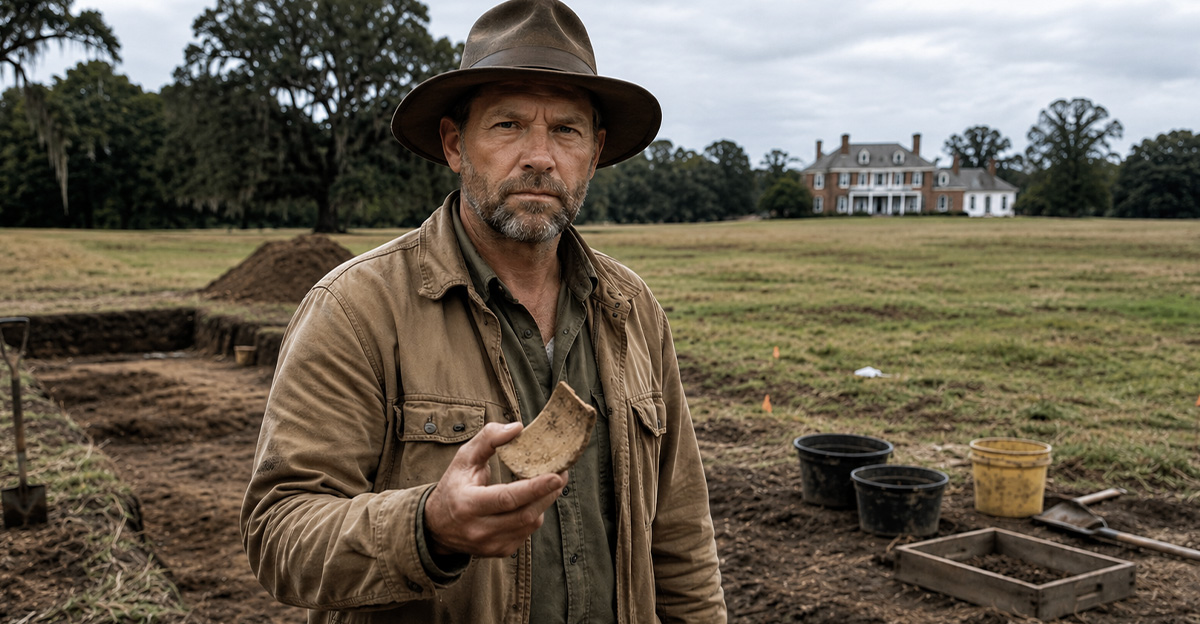
In South Carolina, the past has a way of hiding in plain sight. It sits under old fields, along quiet riverbanks, and beneath patches of forest that look, at first glance, completely ordinary. But archaeologists know better. Across the Lowcountry, colonial-era plantation sites are revealing how the agricultural roots of the American South were planted, tended, and transformed.
A Landscape Full Of Clues
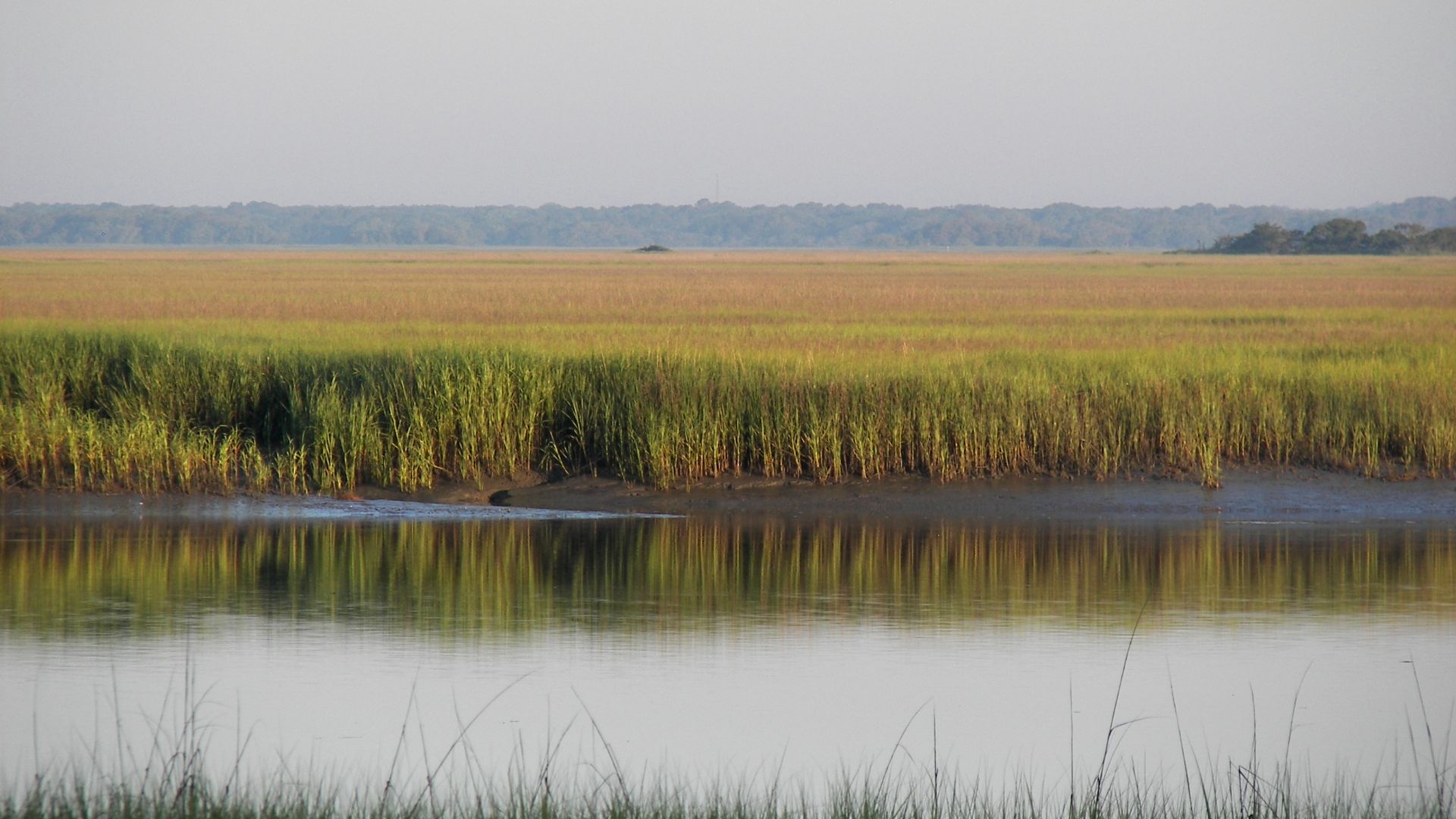
The Lowcountry is one of those places where history feels close to the surface. The land is flat, wet, green, and full of secrets. Beneath it are the remains of early plantations: house foundations, work areas, ditches, roads, storage spaces, and fields that once formed the backbone of South Carolina’s colonial economy.
 The original uploader was Cdamgen at English Wikipedia., Wikimedia Commons
Not Just Mansions And Oak Trees
When people picture plantations, they often imagine grand houses and long avenues of live oaks. Those places matter, but archaeology pulls the camera back. It shows us the kitchens, cabins, yards, tools, and muddy fields where daily life actually happened. The smaller traces often tell the biggest stories.
 MODIS Land Rapid Response Team, NASA GSFC, Wikimedia Commons
Farms Built Like Machines
These plantations were not casual farms with a few crops out back. They were carefully planned agricultural systems. Land had to be cleared, fields laid out, water managed, buildings raised, crops stored, and labor organized. Every canal, fence line, and packed-earth path was part of a larger design.
Rice Enters The Scene
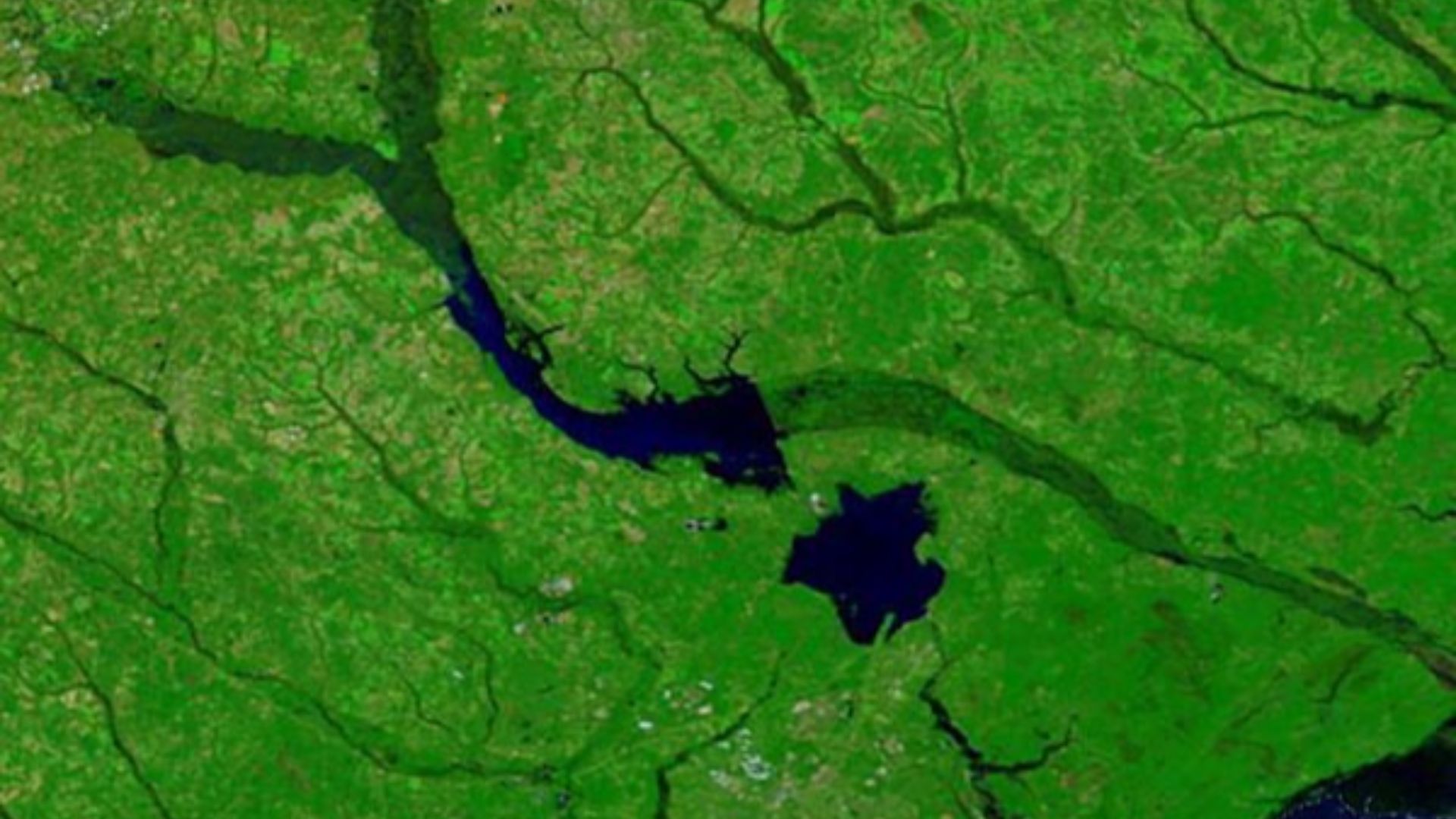
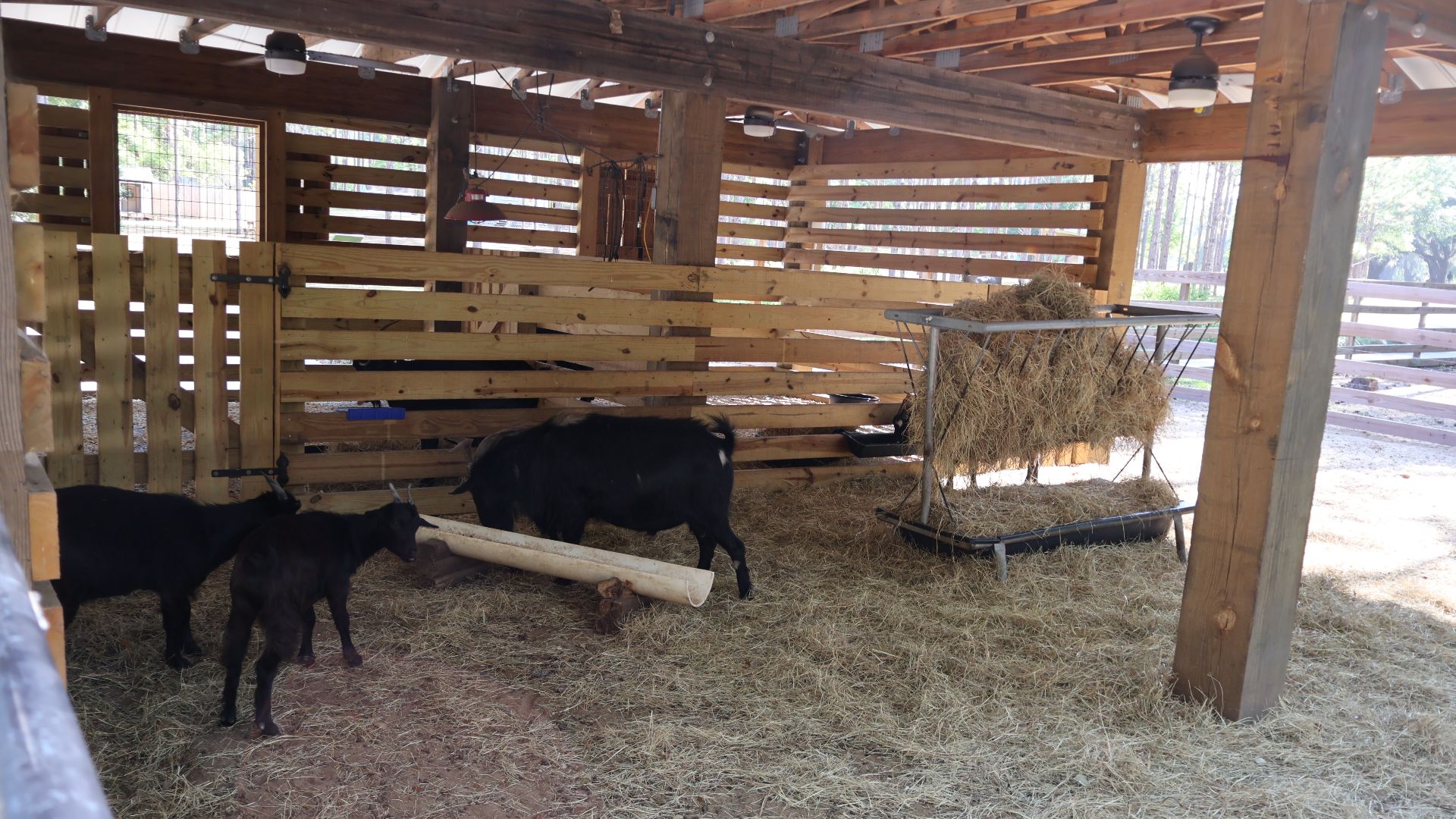
Rice became one of colonial South Carolina’s defining crops. To grow it well, planters needed wet, swampy land—the kind of place many settlers might have avoided. But in the Lowcountry, marshes and river valleys became valuable. With enough labor and water control, they could be turned into rice fields.
The Art Of Managing Water
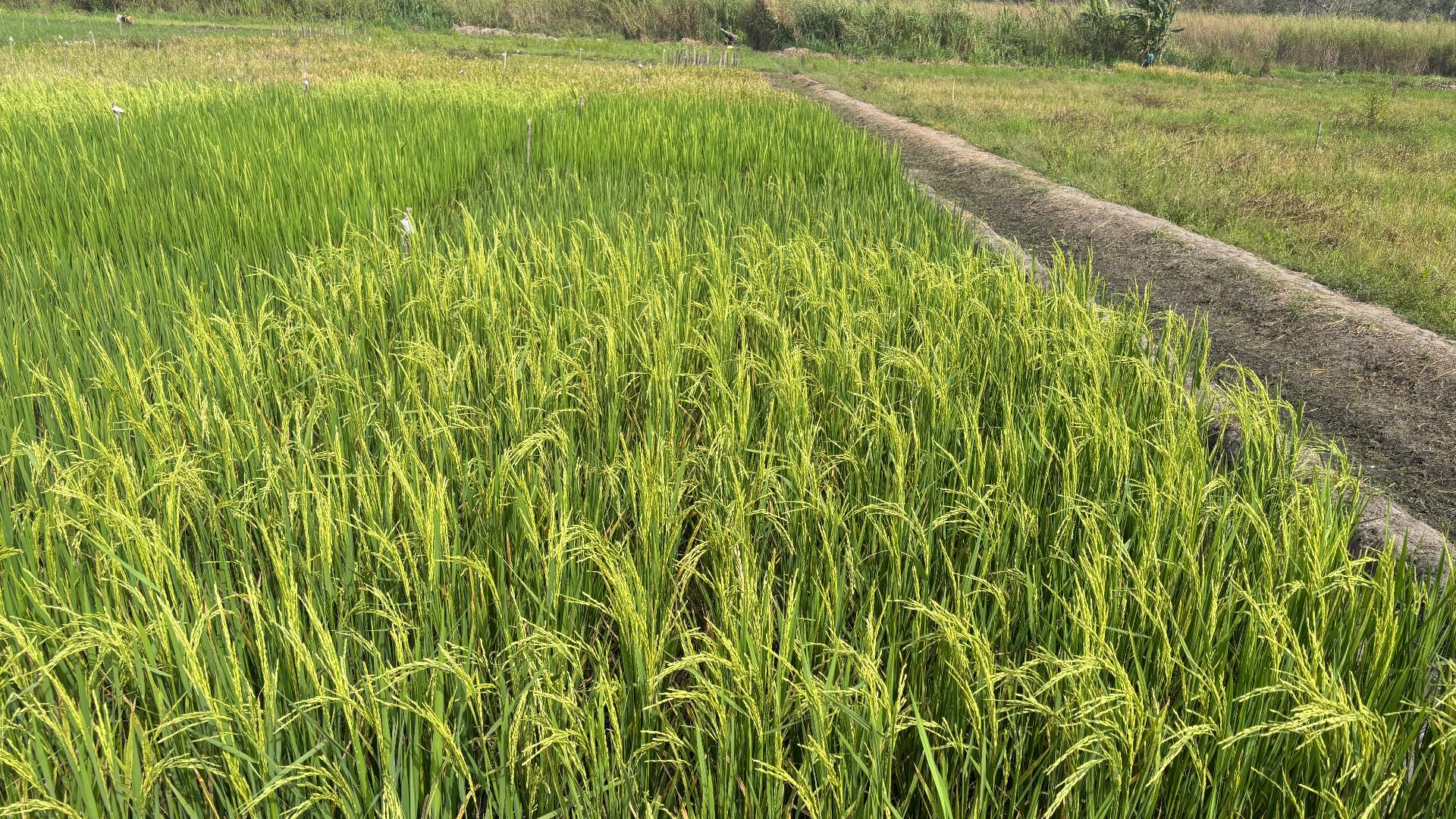
Rice farming depended on water, and water is not exactly famous for doing what it is told. Archaeologists have found ditches, canals, embankments, and reservoirs that show just how much work went into controlling it. These were working landscapes, constantly adjusted, repaired, and watched.
 Vyacheslav Argenberg, Wikimedia Commons
The Knowledge Behind The Crop
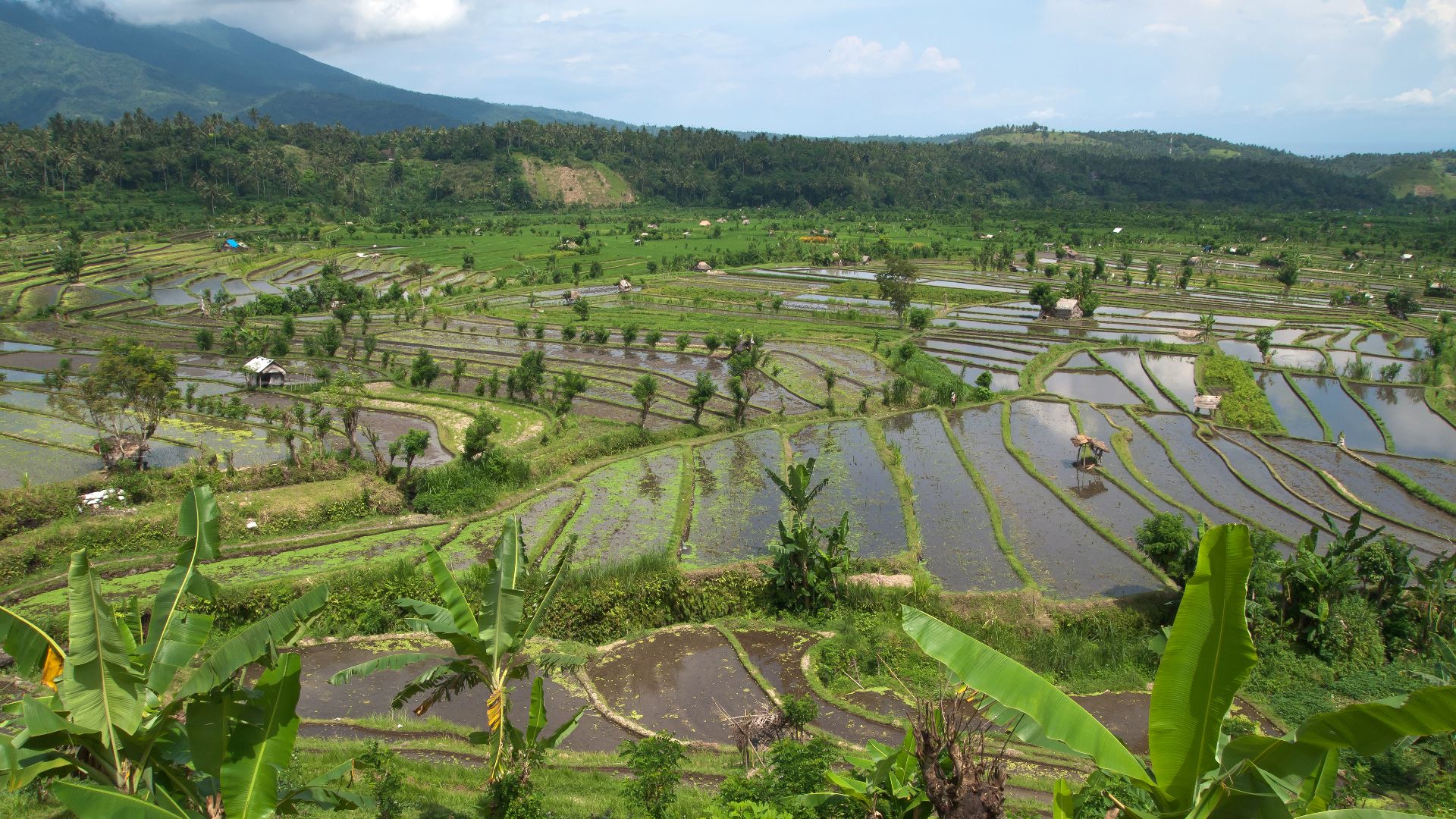
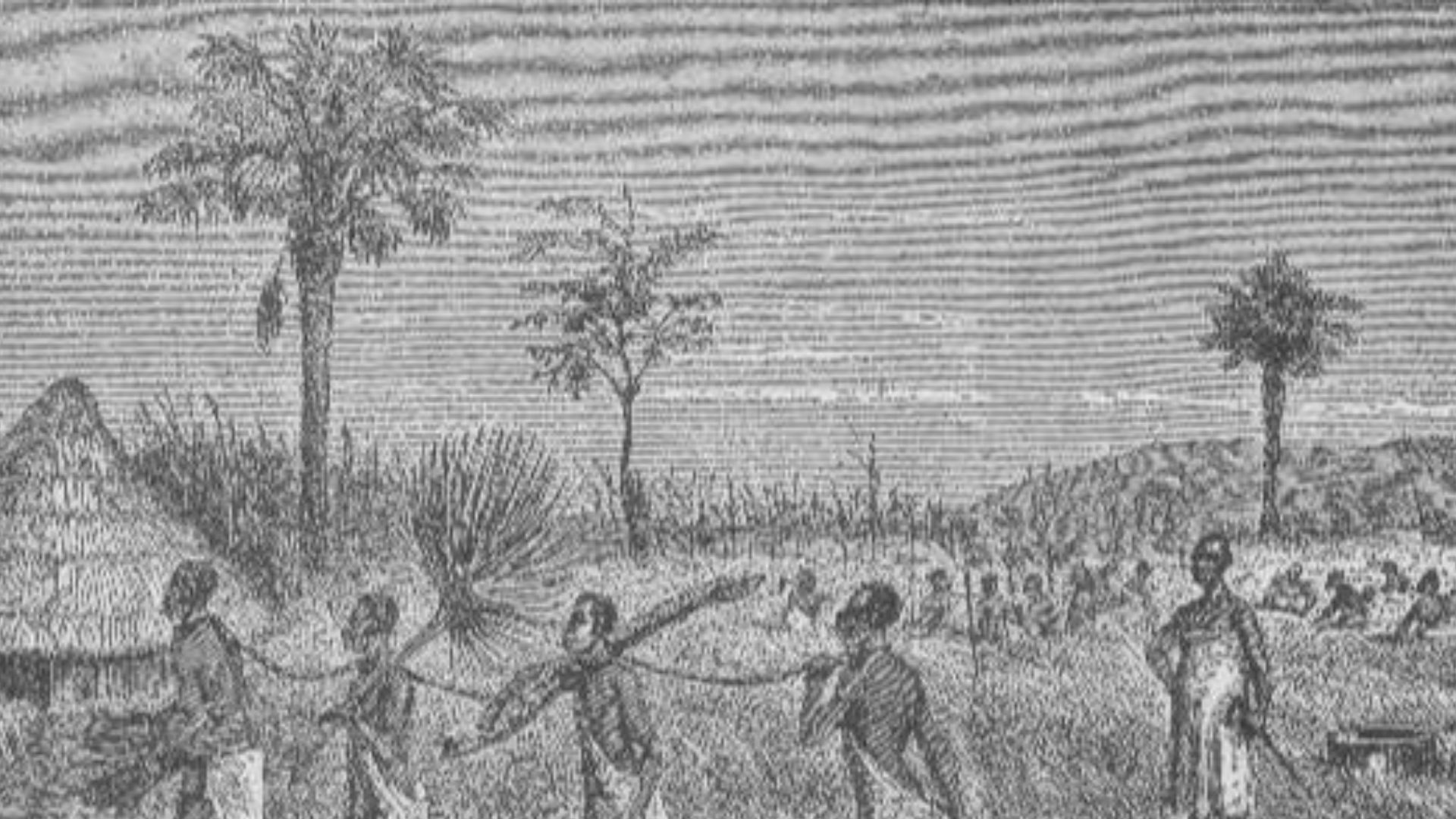
The success of rice agriculture depended heavily on enslaved Africans and their descendants. Many came from regions where rice cultivation was already well understood. Their knowledge of planting, irrigation, harvesting, and processing was central to making rice grow in South Carolina’s difficult wetlands.
 Unknown authorUnknown author, Wikimedia Commons
Indigo Adds A Splash Of Blue
Rice was the star, but it was not alone. Indigo also became a major colonial crop, prized for the blue dye it produced. Archaeological traces of plantation life help show how planters experimented with different crops, responding to markets and trying to squeeze more profit from the land.
 Kurt Stüber [1], Wikimedia Commons
Fields With Human Fingerprints
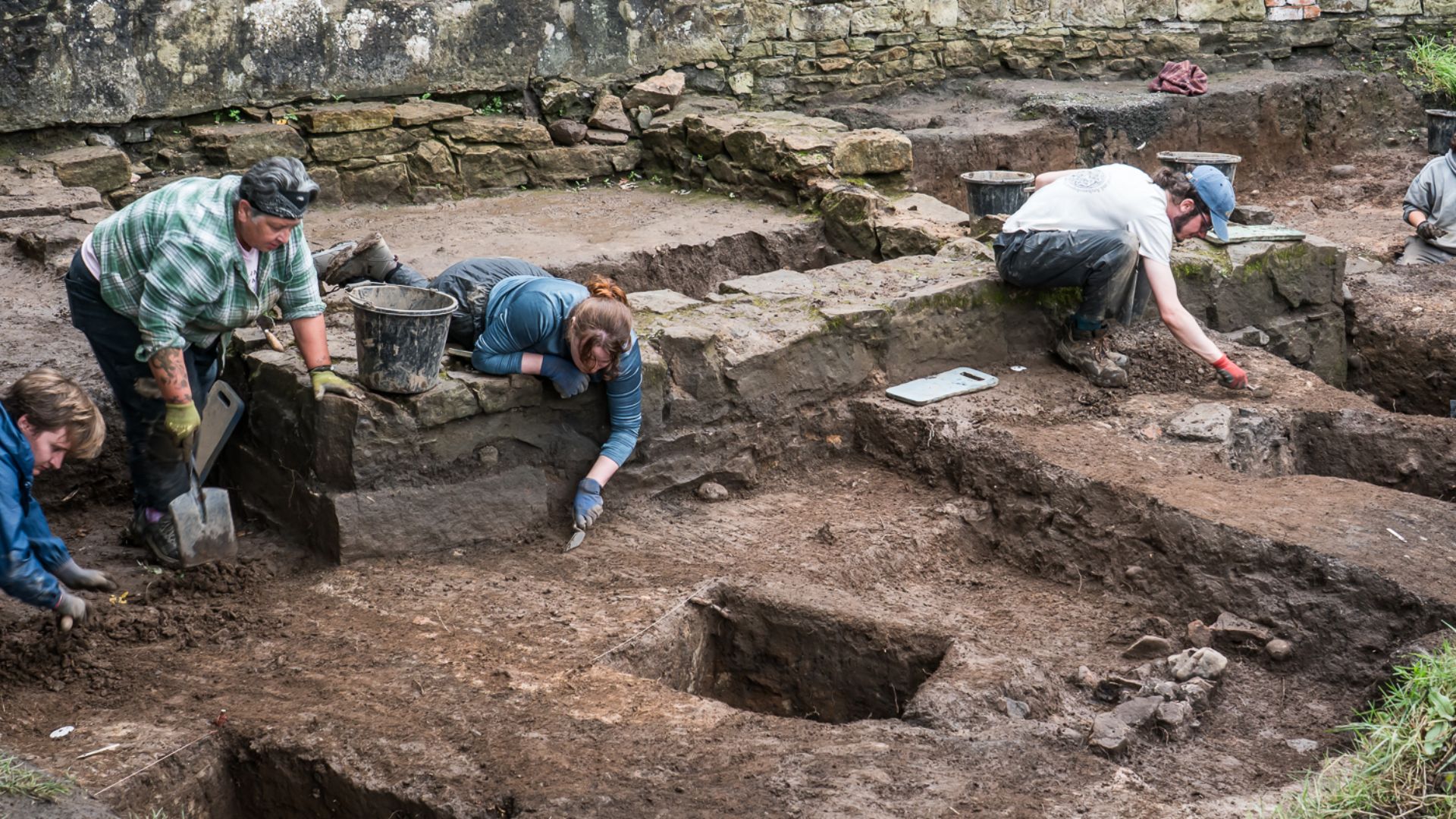
What makes these discoveries so powerful is how physical they are. A written record might say how many barrels of rice were produced. A ditch shows where someone dug through heavy mud to make that rice possible. A broken tool can say more about labor than a neat column in a ledger.
 Brian Deegan , Wikimedia Commons
Drayton Hall Beyond The Big House
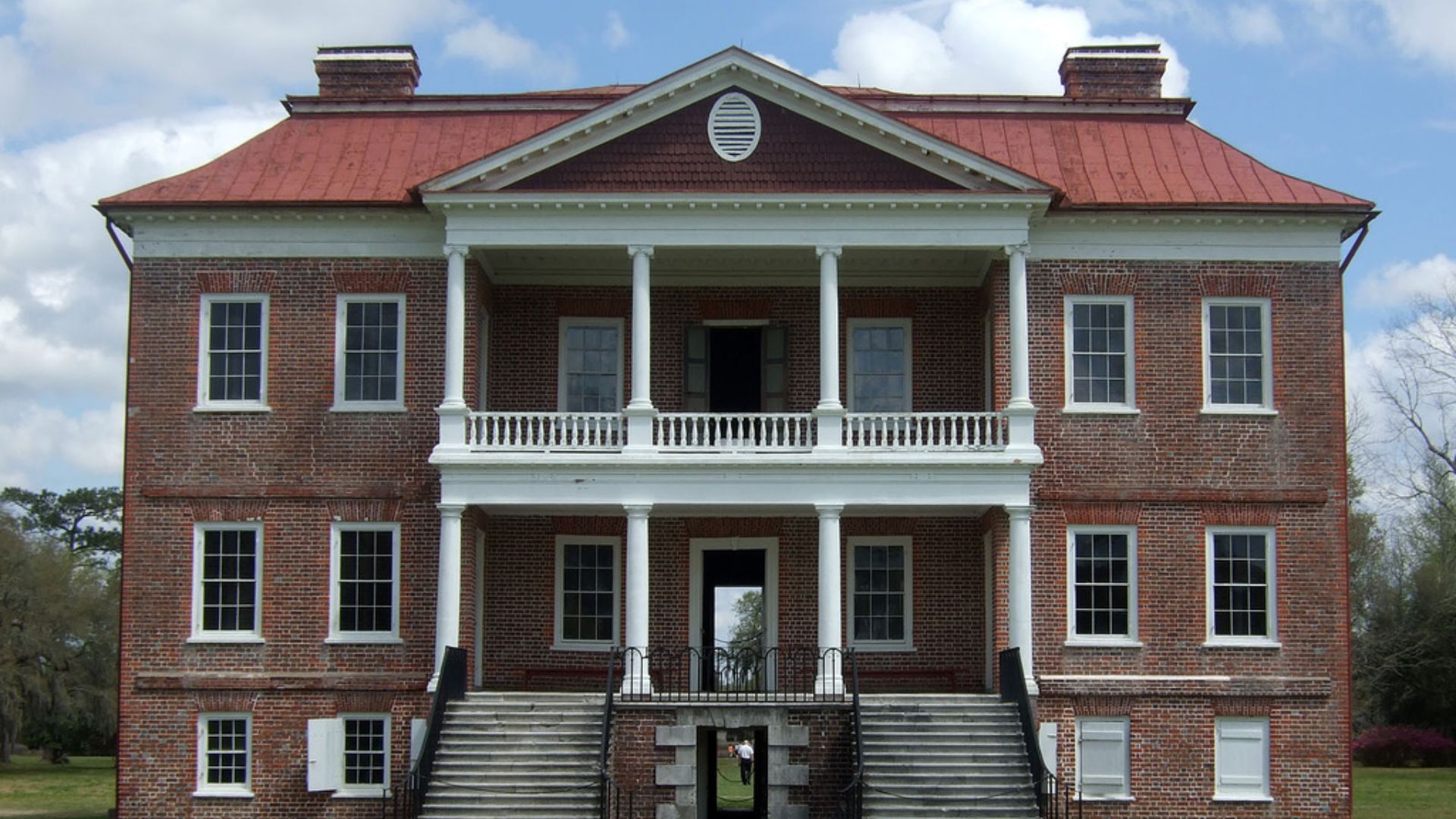
Drayton Hall, near Charleston, is famous for its elegant 18th-century architecture. But archaeology reminds us that it was also a working plantation. The artifacts and landscape features found there help reveal the lives, labor, and agricultural systems that supported the estate’s wealth and reputation.
 Goingstuckey, Wikimedia Commons
Life Along The Ashley River
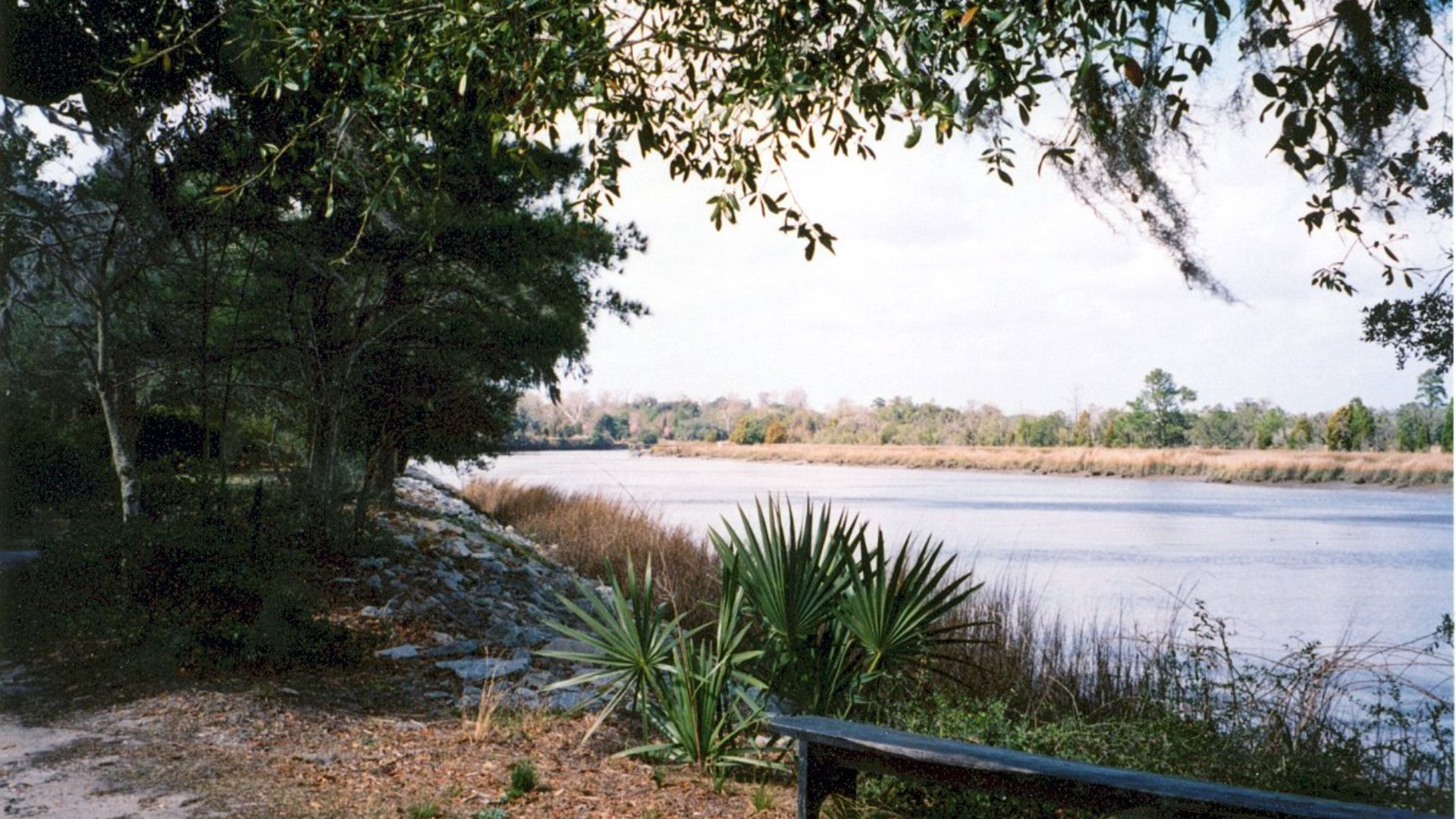
The Ashley River was more than scenery. It was a highway. Crops, tools, supplies, people, and news all moved along its waters. Plantations beside the river were connected to Charleston and to the wider Atlantic world, turning local fields into part of a much larger economy.
 Holly Cheng, Wikimedia Commons
Colonial Dorchester’s Place In The Story
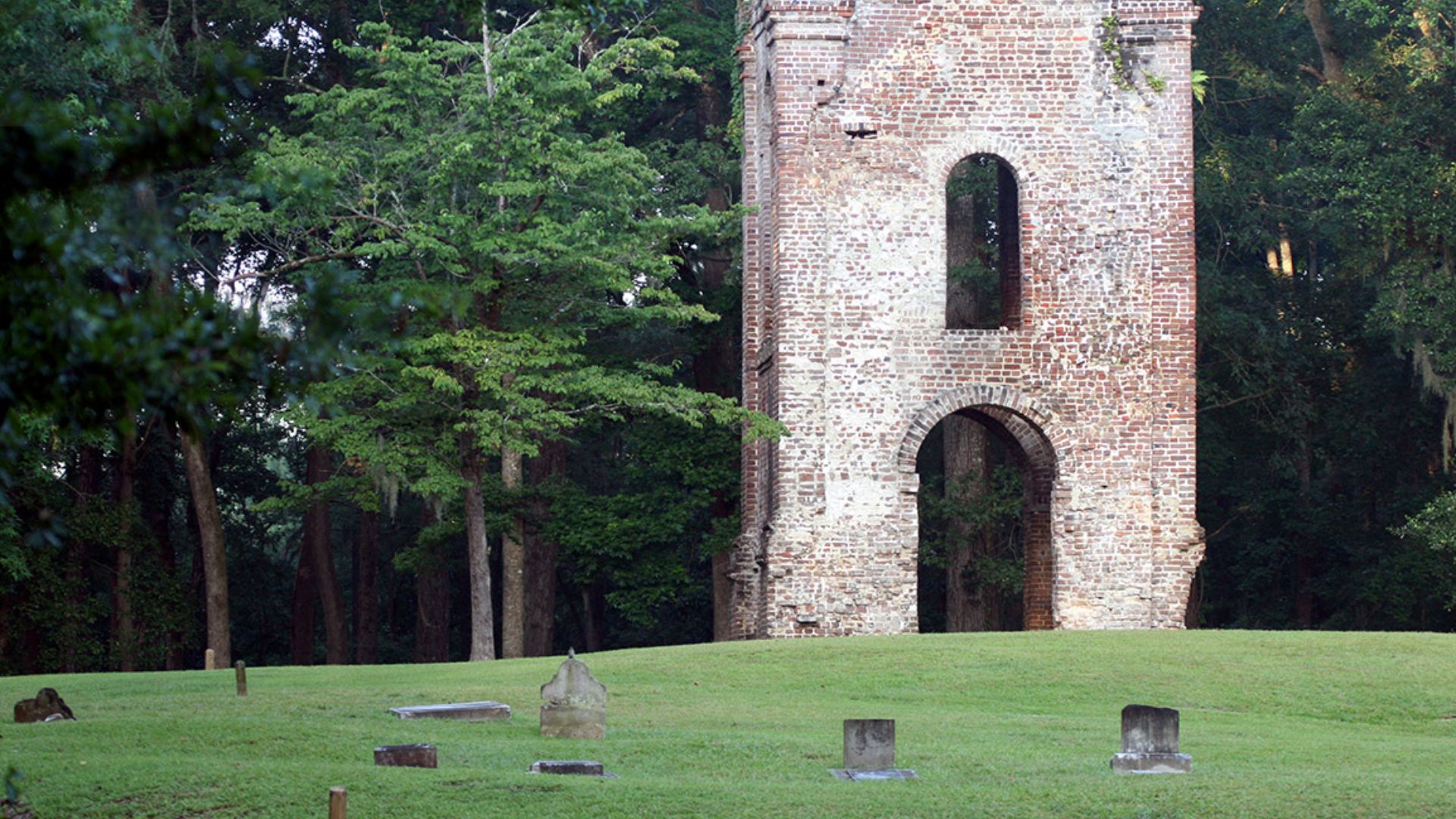
Colonial Dorchester, once a busy riverside settlement, helps fill in another piece of the puzzle. Its preserved remains show how towns and plantations worked together. Trade, farming, transport, and settlement were all tangled up in the same colonial system.
Plantations Were Not Isolated Worlds
It is easy to imagine plantations as self-contained places, but they were anything but. They relied on merchants, ports, roads, boats, craftspeople, and markets. Archaeology shows those connections clearly. A farm field in South Carolina could be linked to buyers and goods across the Atlantic.
 P. Hughes, CC BY 4.0, Wikimedia Commos
Small Finds, Big Meanings
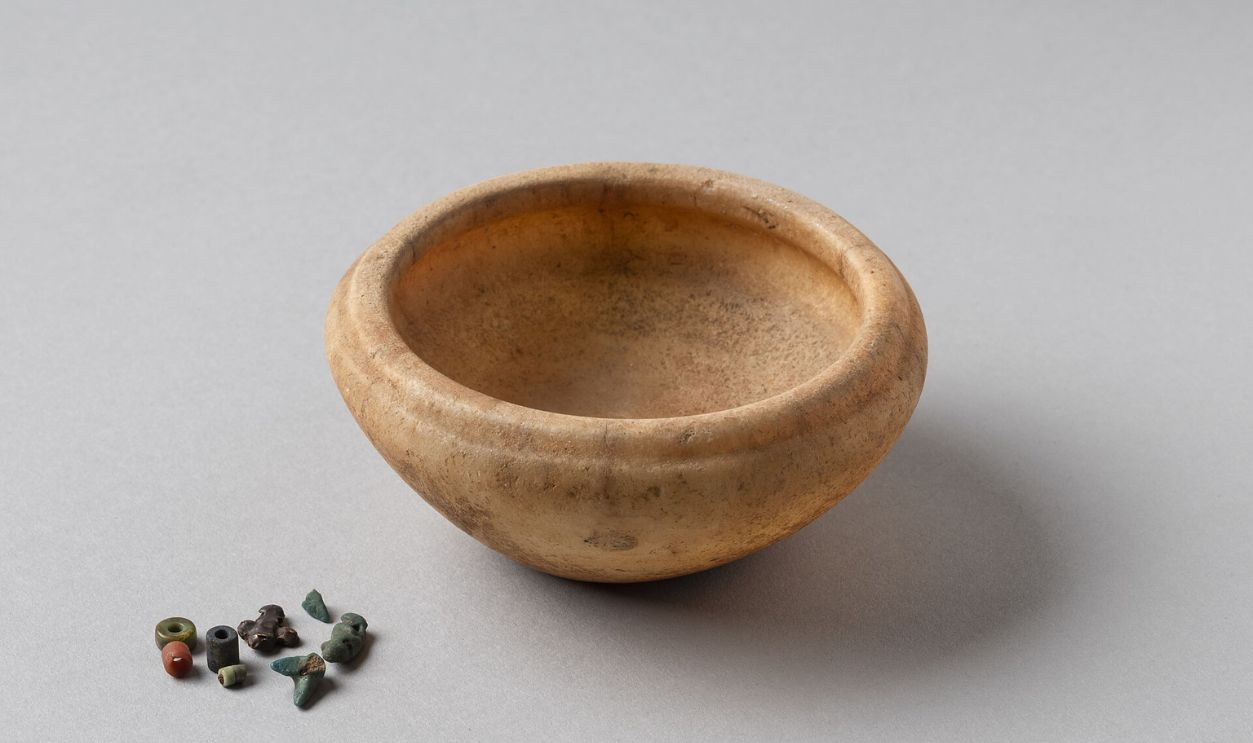
A piece of pottery may not look dramatic, but archaeologists love this kind of evidence. Ceramics can reveal trade patterns and household choices. Animal bones can show what people ate. Nails, bricks, buttons, beads, and pipe fragments can help rebuild the rhythms of everyday life.
 Museo Egizio, CC0, Wikimedia Commons
Cabins And Work Yards
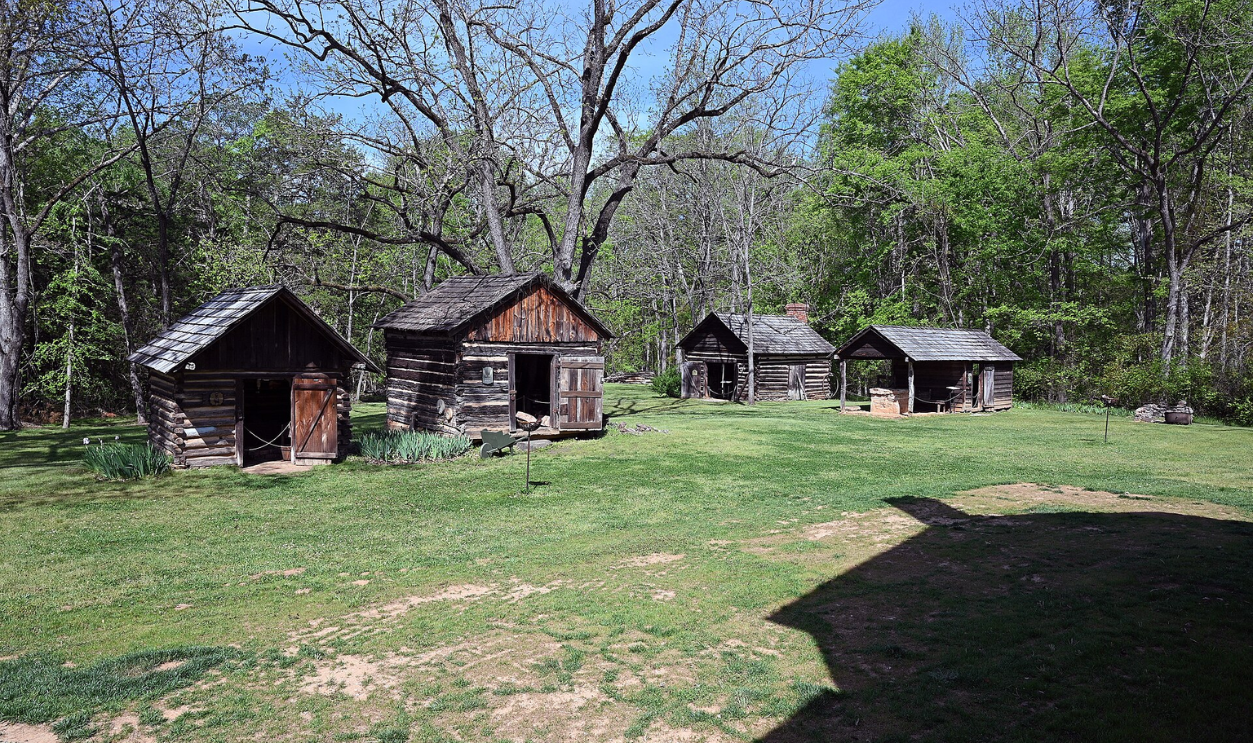
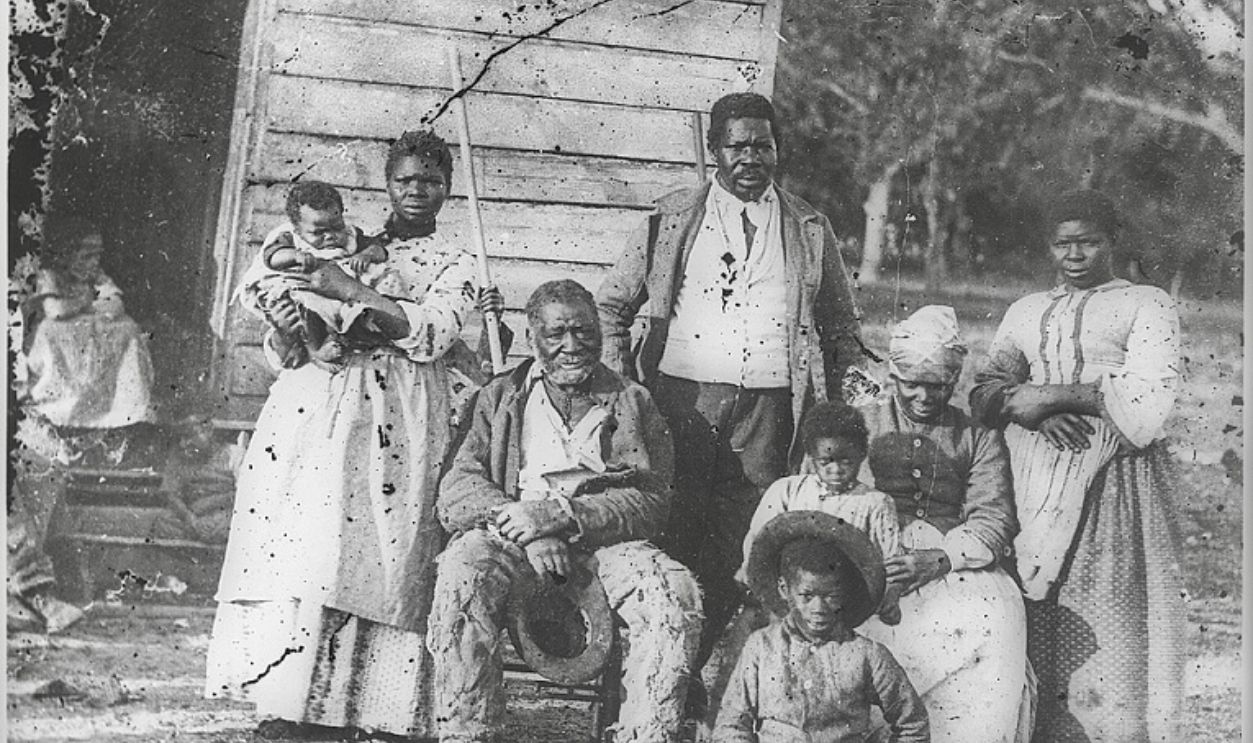
Some of the most important discoveries come from the places where enslaved people lived and worked. Cabin sites, hearths, storage pits, and yard spaces show cooking, gardening, repair, family life, and community. These spaces bring forward stories that written records often ignored or distorted.
 Timothy H. O'Sullivan, Wikimedia Commons
Agriculture Was Everything
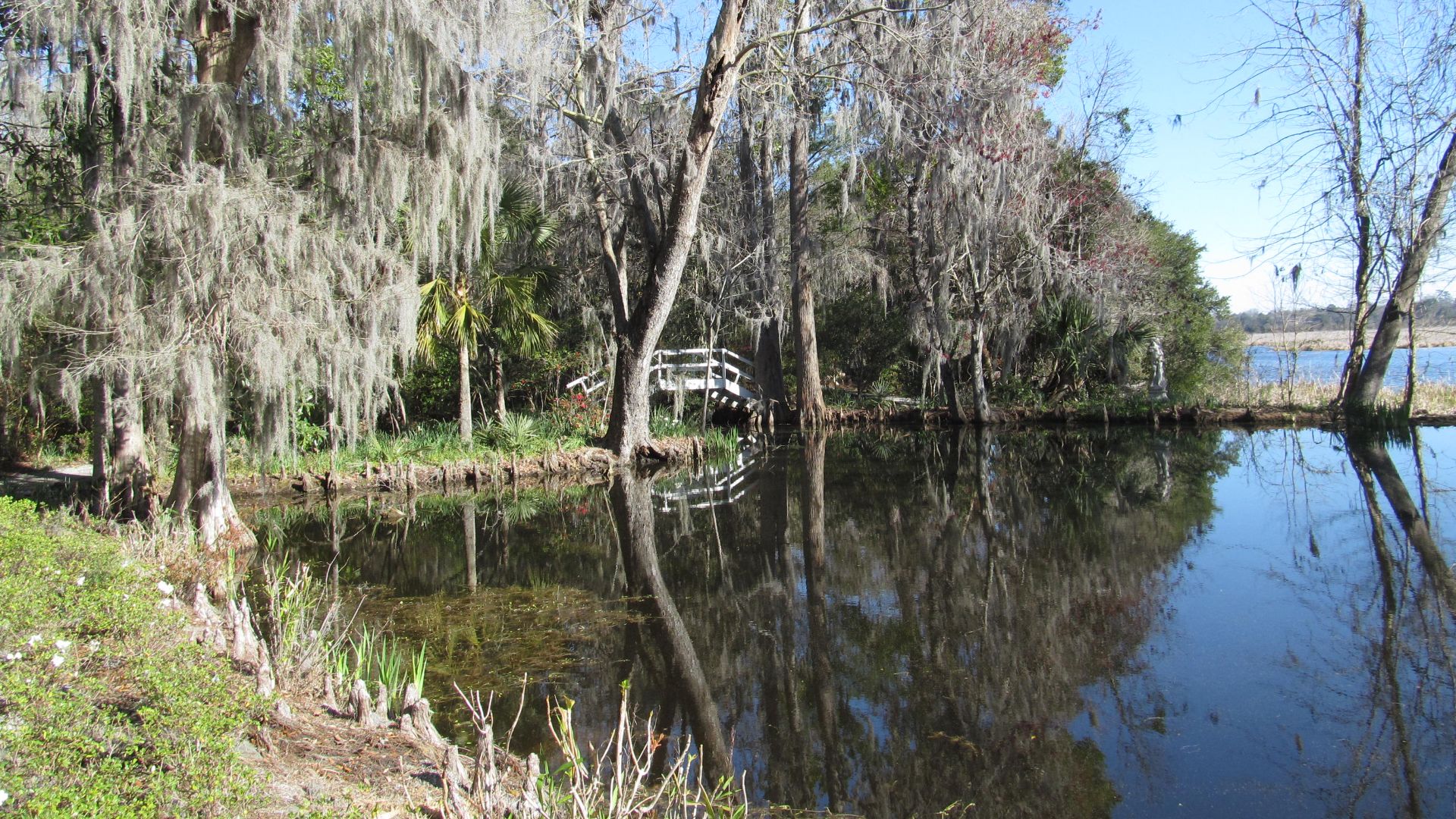
On these plantations, agriculture was never just agriculture. It shaped the economy, the environment, and the social order. Forests were cut. Wetlands were drained. Rivers were managed. Profits from crops helped build wealth and power, while enslaved labor carried the cost.
 Doug Kerr from Albany, NY, United States, Wikimedia Commons
Reading The Ground
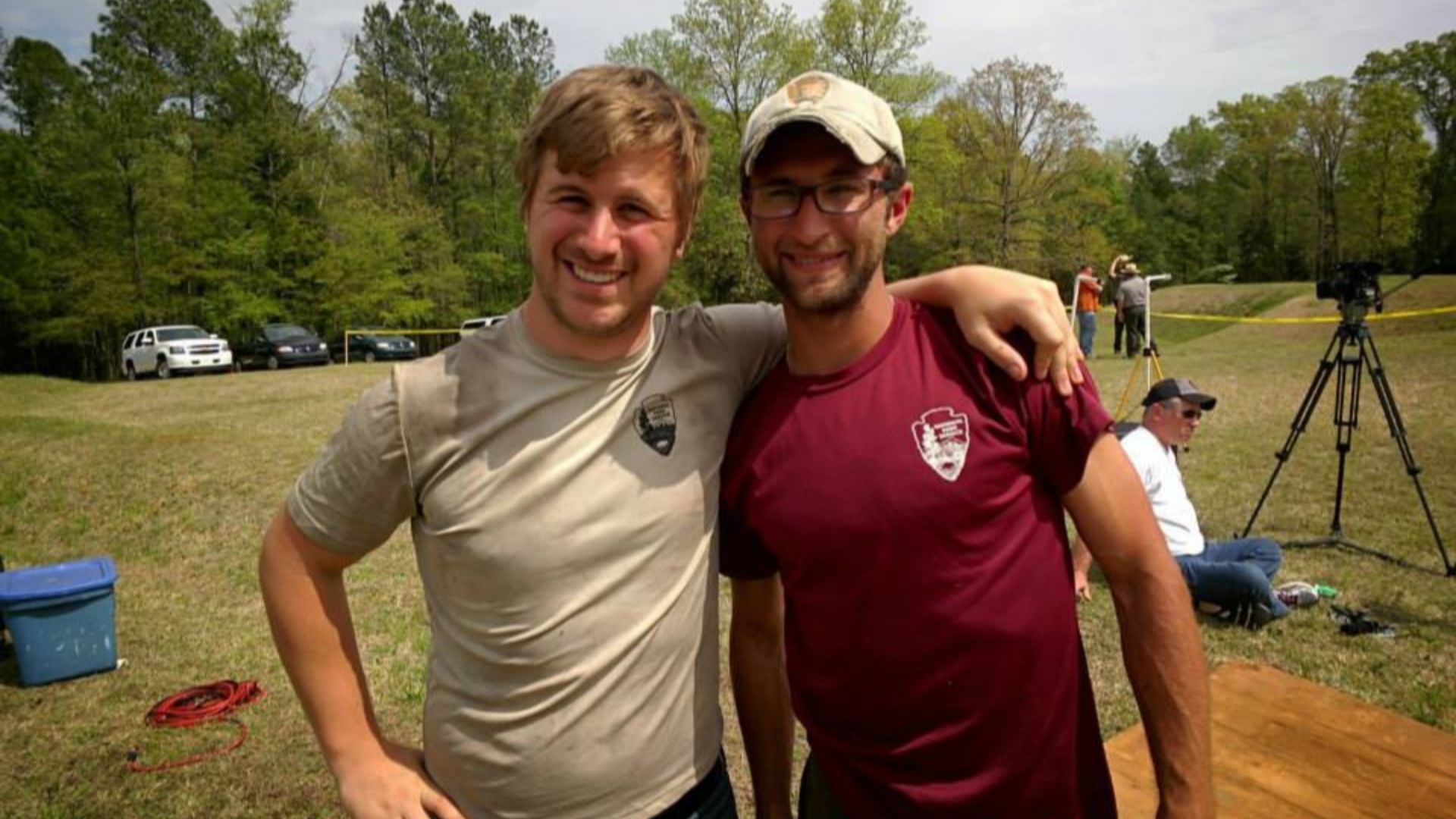
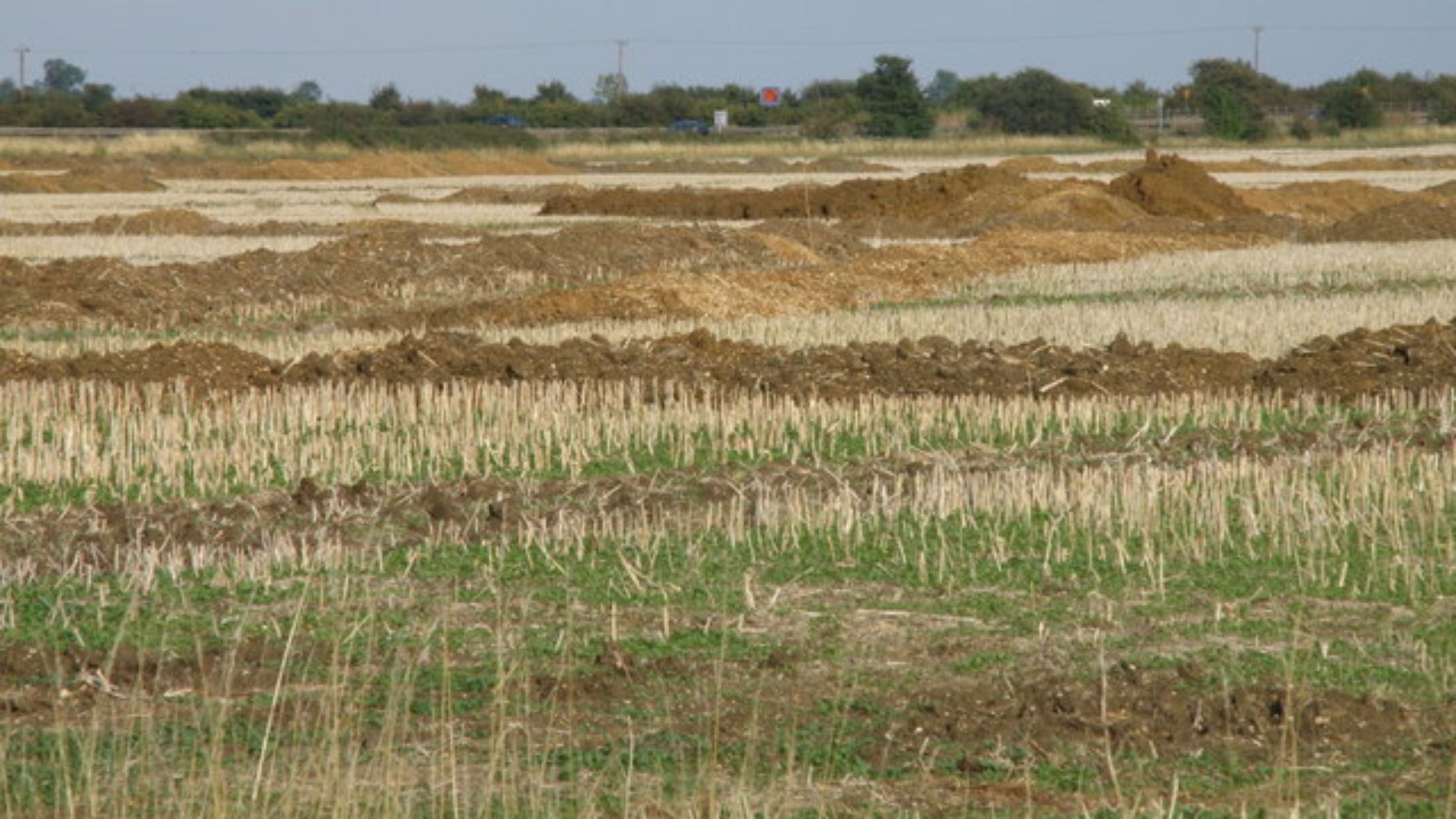
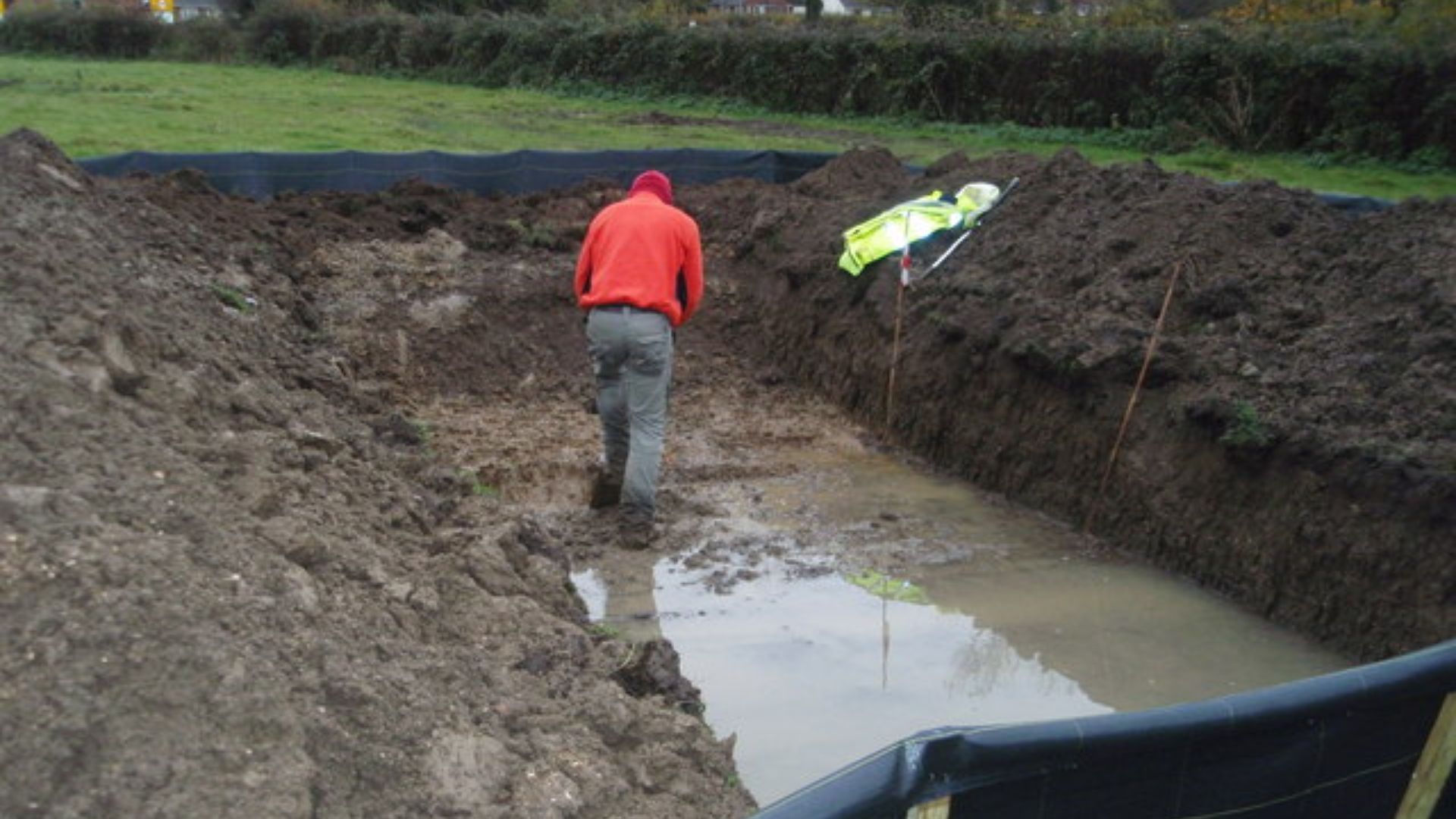
Archaeologists do not just dig and hope for treasure. They read the ground like a book. A darker patch of soil might mark a vanished post. A scatter of brick might point to a building. A narrow trench could be the ghost of a fence, wall, or drainage ditch.
Seeds That Survived
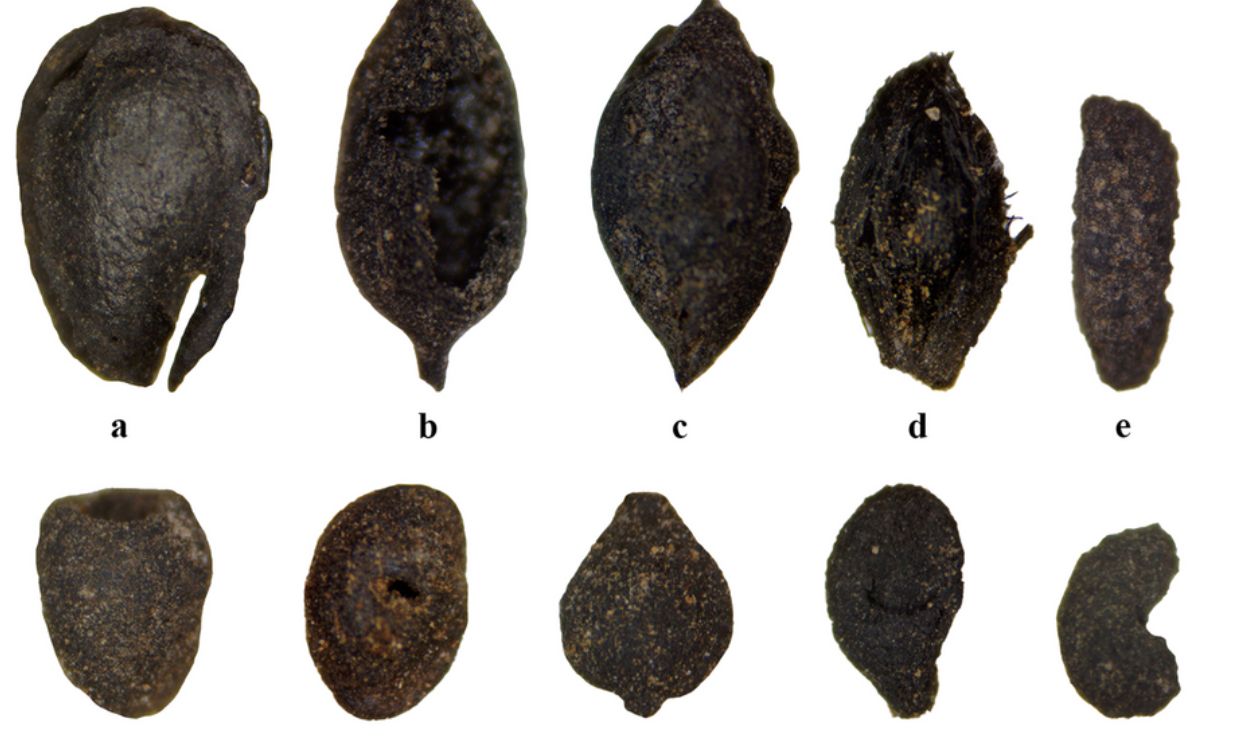
Sometimes, the tiniest finds are the most revealing. Charred seeds, pollen, and microscopic plant remains can tell researchers what people grew, cooked, and gathered. These clues can point to rice, garden crops, orchard fruits, and wild foods collected from the surrounding landscape.
 Katelyn McDonough, et al., CC BY 4.0, Wikimedia Commons
The Tools Of Plantation Life
Iron tools, hinges, barrel hoops, mill parts, and bits of hardware all speak to the practical world of plantation labor. Nothing stayed fixed for long. Fields flooded, fences broke, buildings sagged, and tools wore out. Keeping a plantation running required constant repair.
![Any old iron [2]](https://www.factinate.com/storage/app/media/splashtravels/2026/6/26/17824694577da9666943d1c3db9ae92c994b30f6aa06f556fb.jpg) Michael Dibb , Wikimedia Commons
Michael Dibb , Wikimedia Commons
The Land Paid A Price
The agricultural roots of the South also came with environmental costs. Plantation farming transformed the Lowcountry. Wetlands were reshaped, forests were cleared, and soil was pushed hard season after season. Archaeology helps trace those changes across centuries.
Connected To The Atlantic
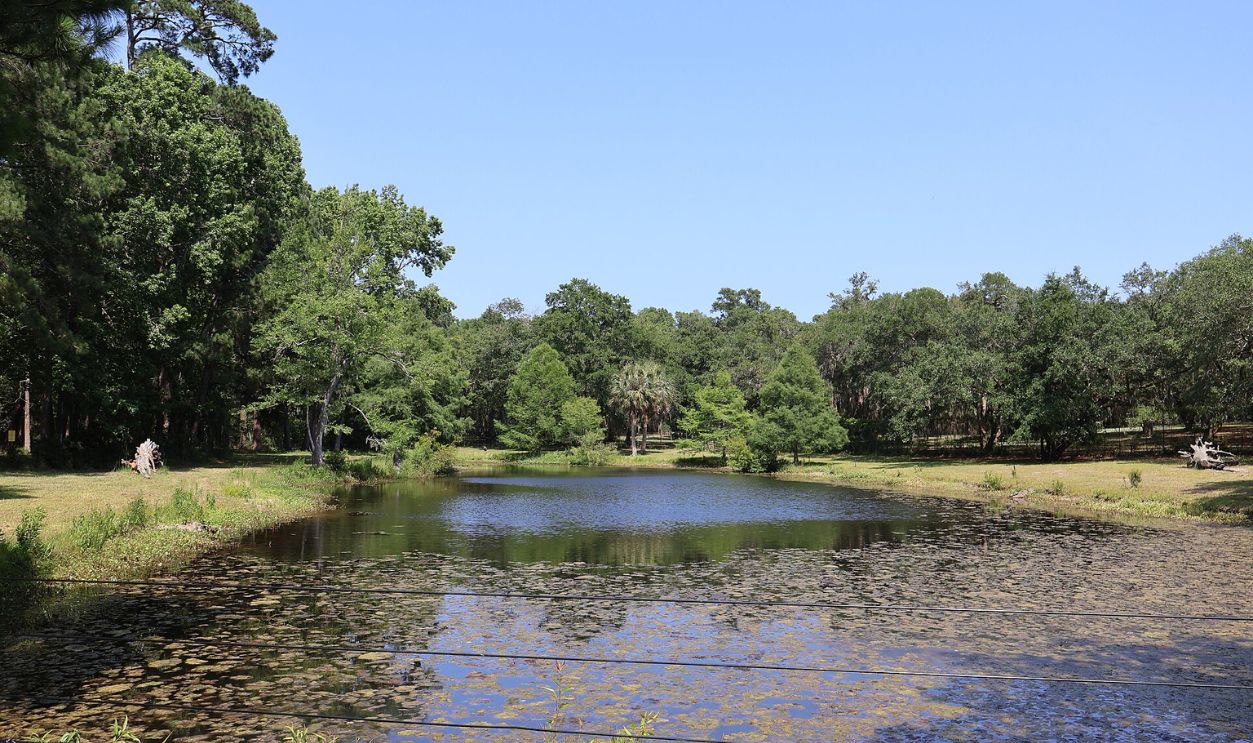
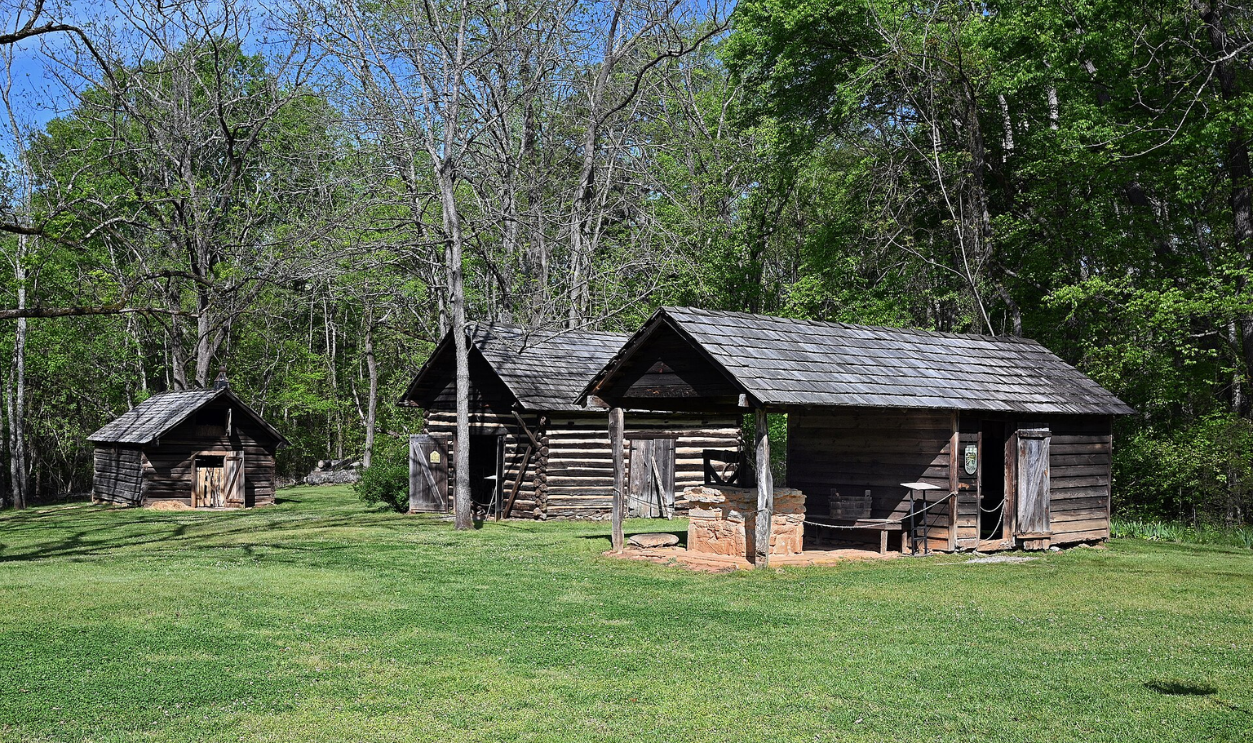
The plantations of South Carolina may have been rooted in local soil, but they were tied to a global system. Rice and indigo moved out through ports. Imported ceramics, tools, fabrics, and luxury goods came in. Even remote plantation sites were connected to ships, markets, and empires.
 P. Hughes, CC BY 4.0, Wikimedia Commos
What Paper Records Leave Out
Documents from the colonial period often focus on owners, profits, land, and crop yields. Archaeology asks different questions. What did people eat? How did they repair things? Where did children play? How did enslaved communities make space for themselves within a violent system?
 Nataliya Shestakova, Wikimedia Commons
Gullah Geechee Connections
The coastal Southeast is home to the rich Gullah Geechee cultural tradition, shaped by the descendants of enslaved Africans. Plantation archaeology helps illuminate the deep roots of that culture, especially through foodways, settlement patterns, rice knowledge, language, craft, and community life.
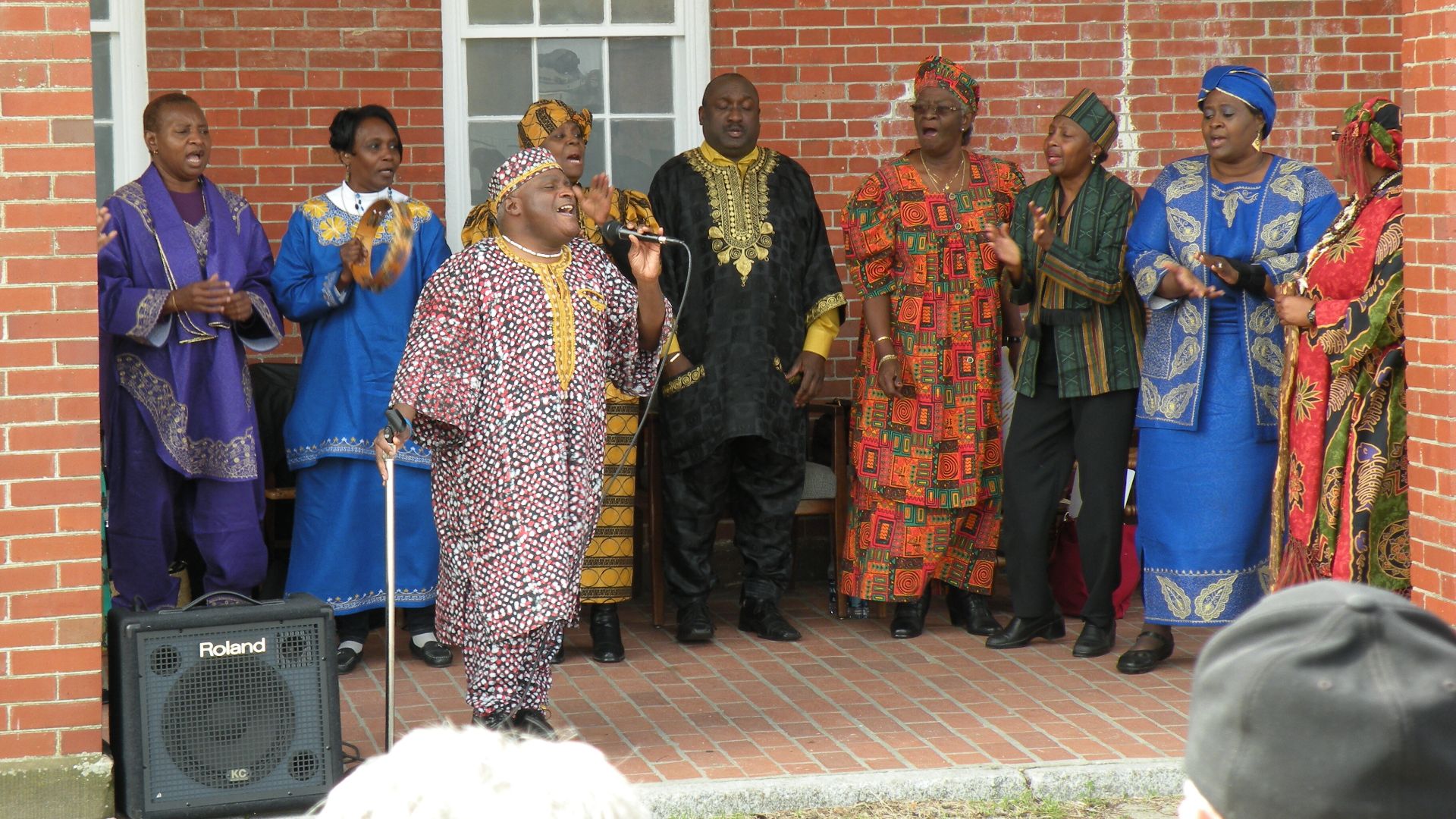
Walking Through The Past
At preserved sites, history is not locked behind glass. It is underfoot. A walking path may follow an old road. A low mound may cover a foundation. A quiet marsh may once have been a rice field. The landscape itself becomes part museum, part mystery.
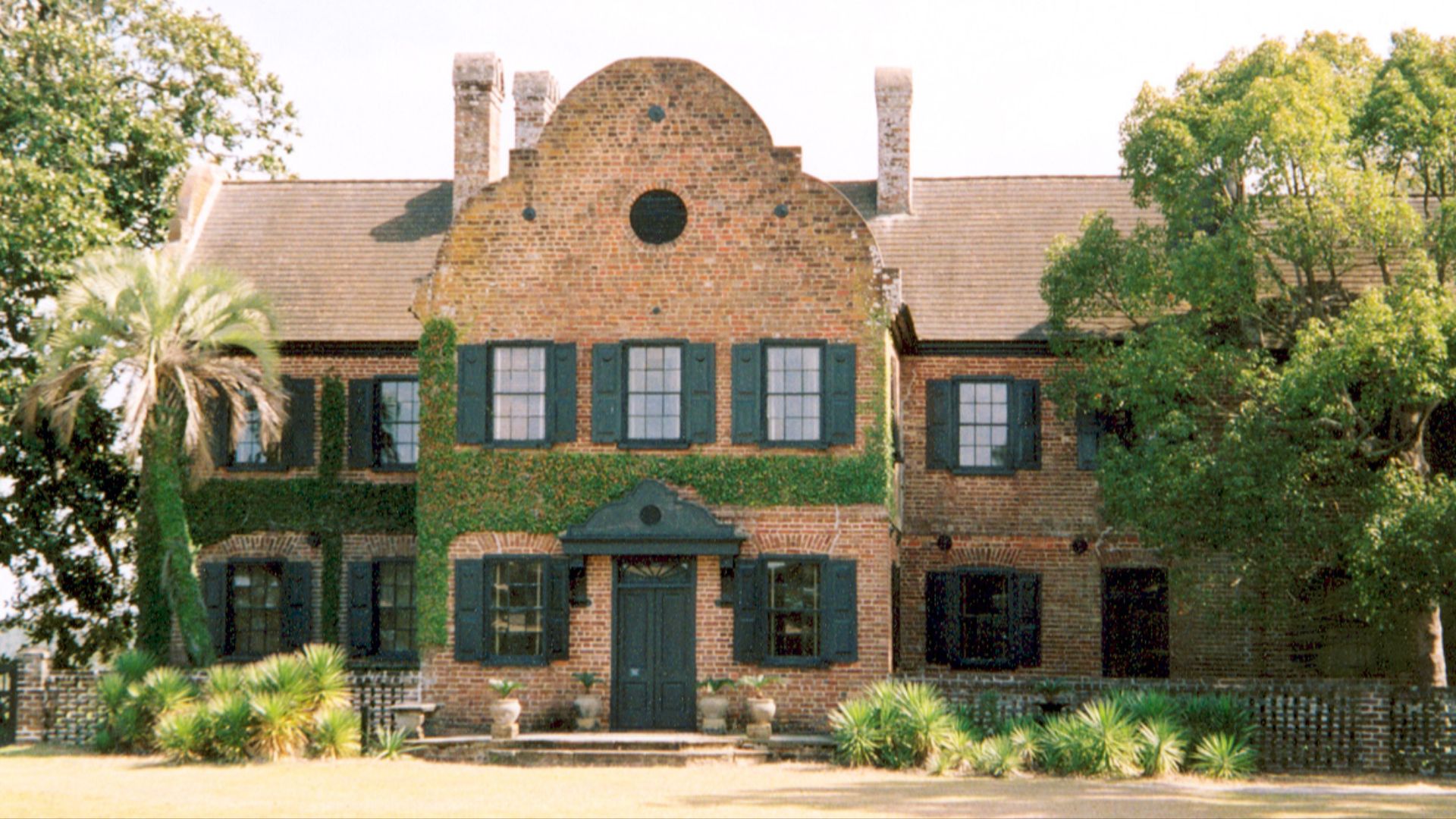 Unknown authorUnknown author or not provided, Wikimedia Commons
Why These Discoveries Matter
These discoveries matter because they make the story of the American South more complete. The region’s agricultural identity was built through experimentation, forced labor, environmental change, and global trade. Archaeology gives that story texture, weight, and a human scale.
 Michael Trolove, Wikimedia Commons
Digging With Responsibility
Today, archaeologists are increasingly careful about how plantation sites are studied and interpreted. These places are not just research sites. They are landscapes of memory, especially for descendant communities. Every artifact has the potential to connect people with ancestors whose lives were too often left out of the official record.
 Michael Trolove, Wikimedia Commons
The South Beneath The Surface
The colonial plantations uncovered in South Carolina remind us that history is not always gone. Sometimes, it is waiting just below the grass. In old ditches, broken pottery, cabin sites, seeds, tools, and river mud, archaeologists are finding the roots of the American South—and the people who made that world possible.
You May Also Like:






.jpg)