A Hidden World Below
Visitors to Pembroke Castle often come to see one of Wales' most impressive medieval fortresses. Yet beneath the castle lies Wogan Cavern, a site containing evidence of prehistoric animals, ancient human activity, and deposits that may help researchers better understand some of Britain's earliest inhabitants.
The Castle Above
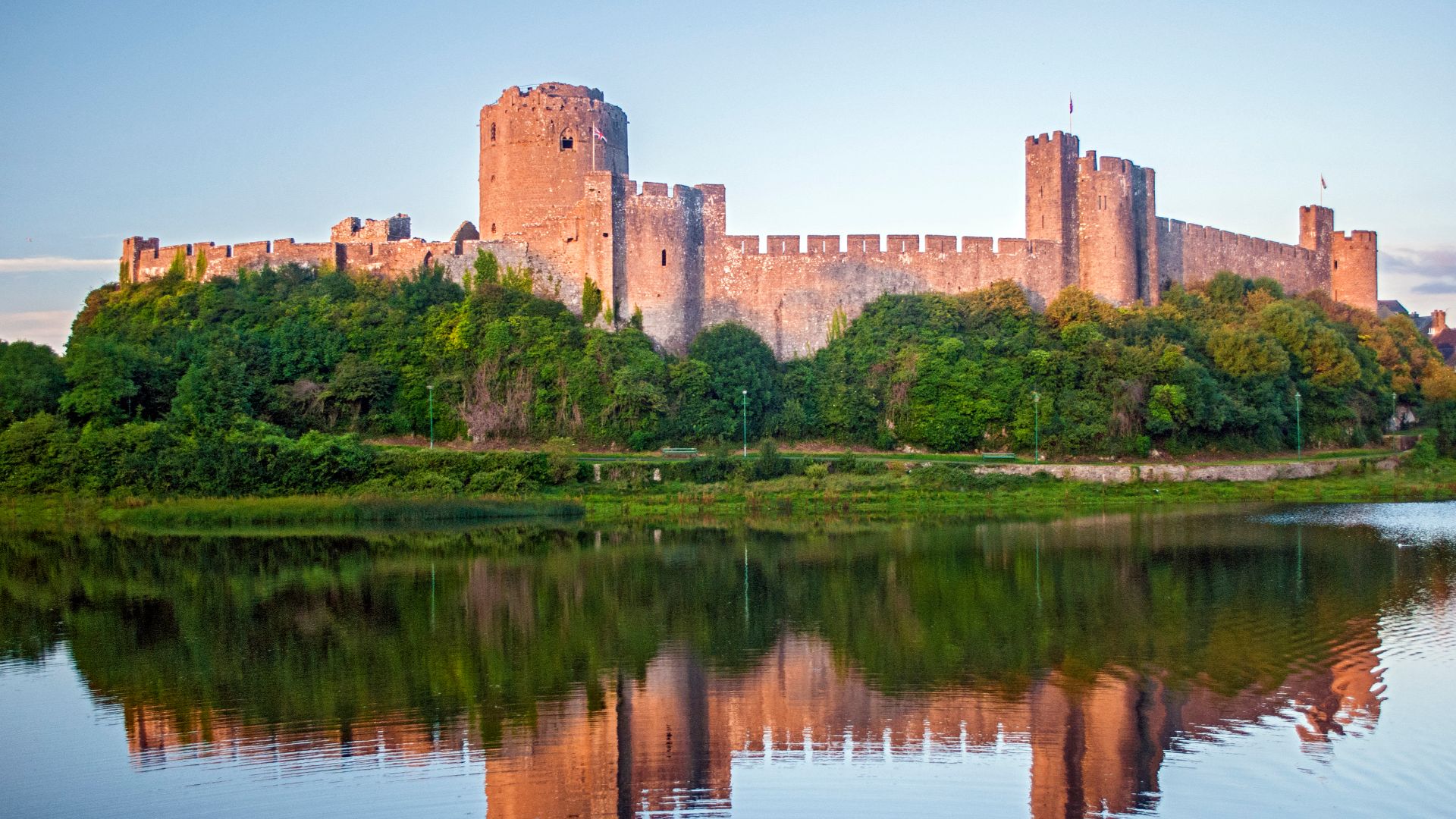
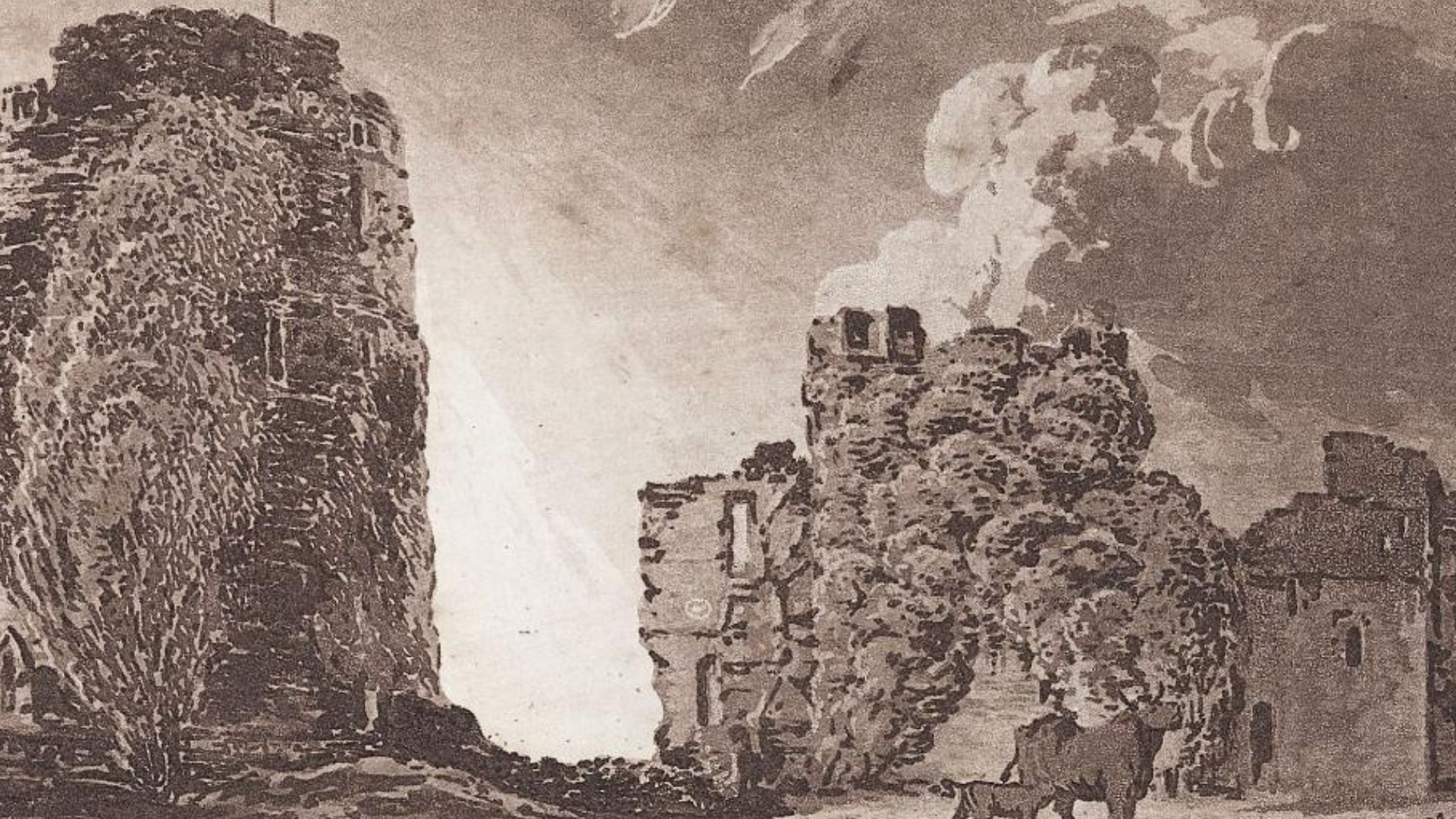
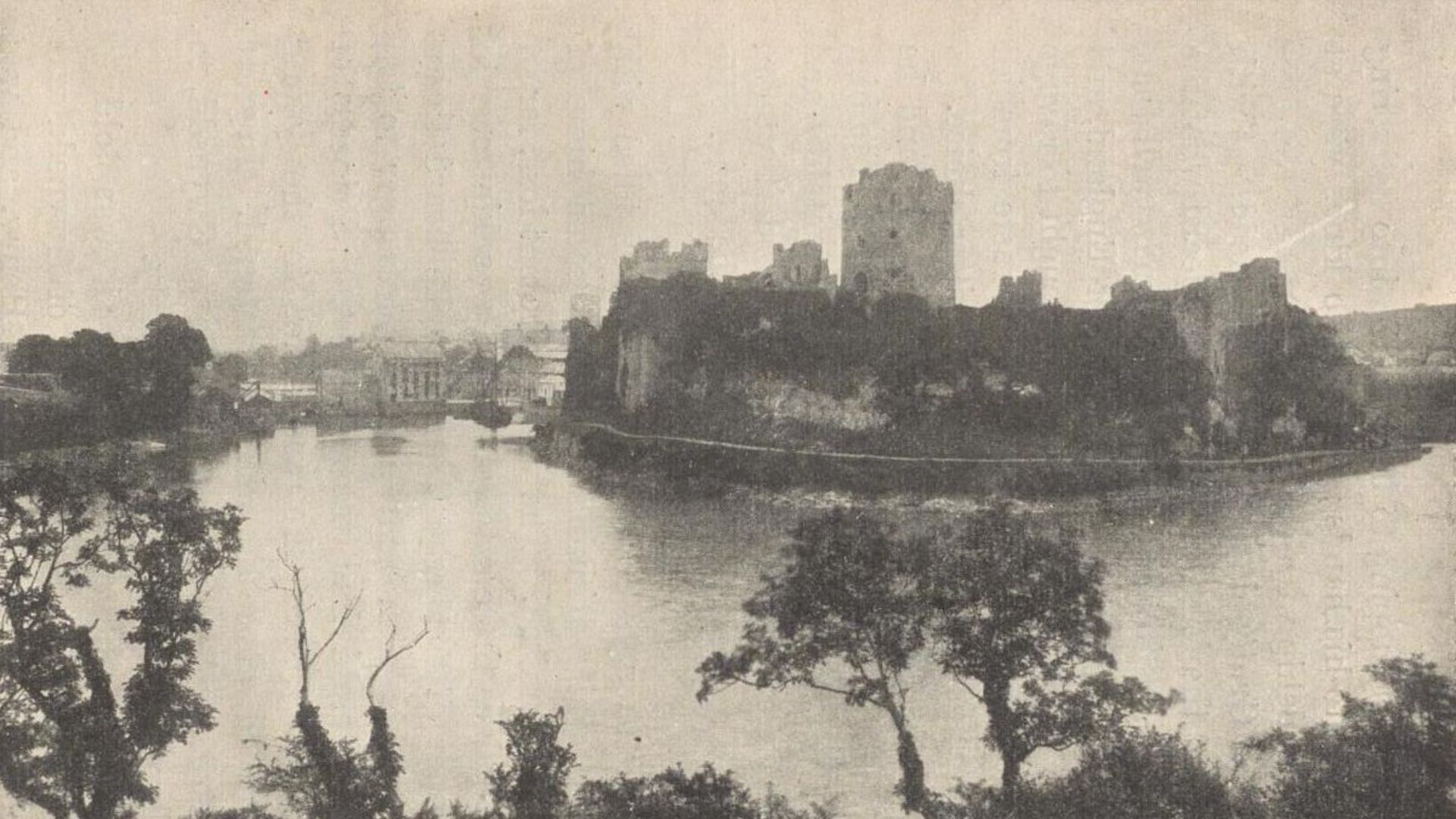
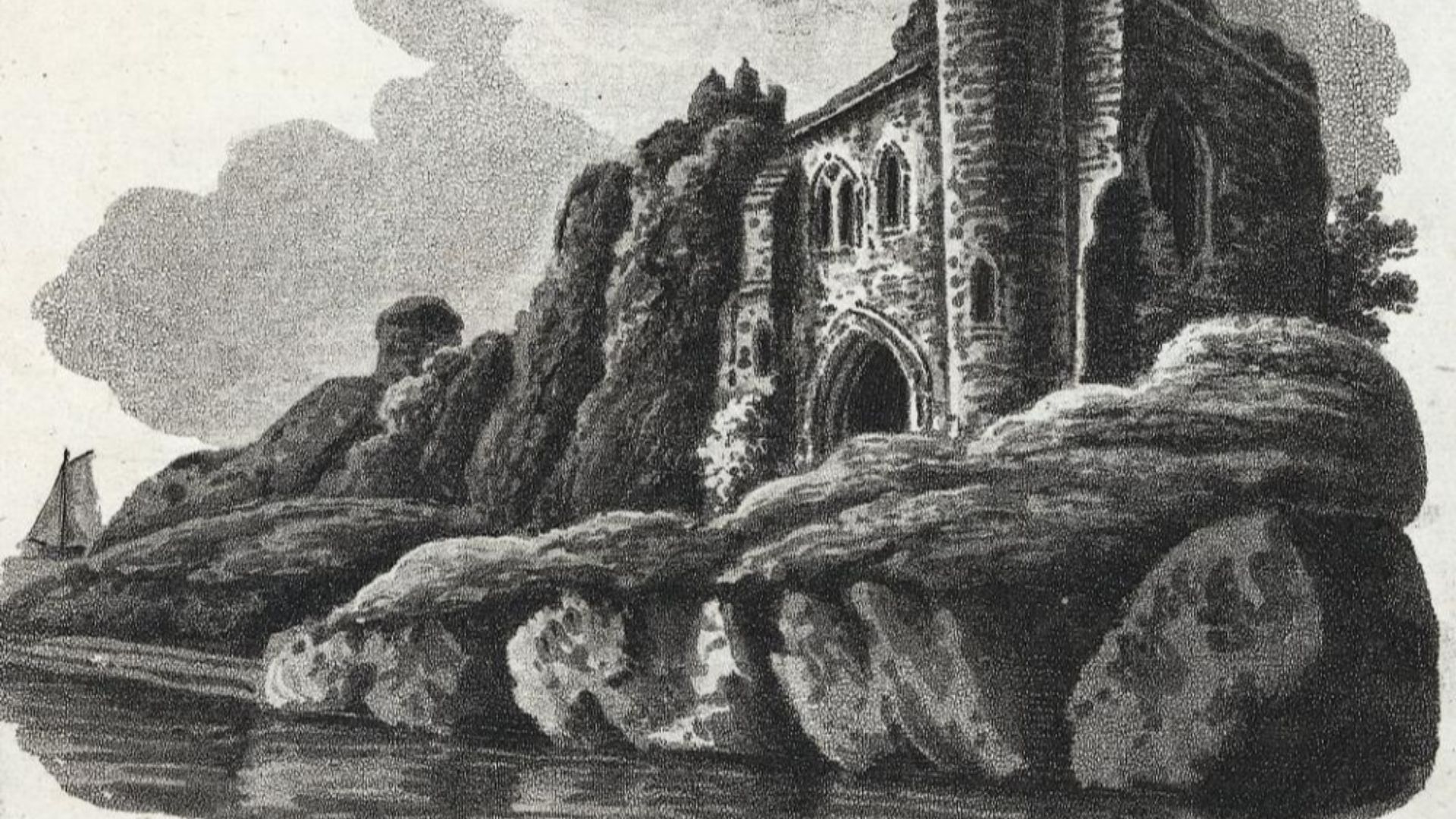
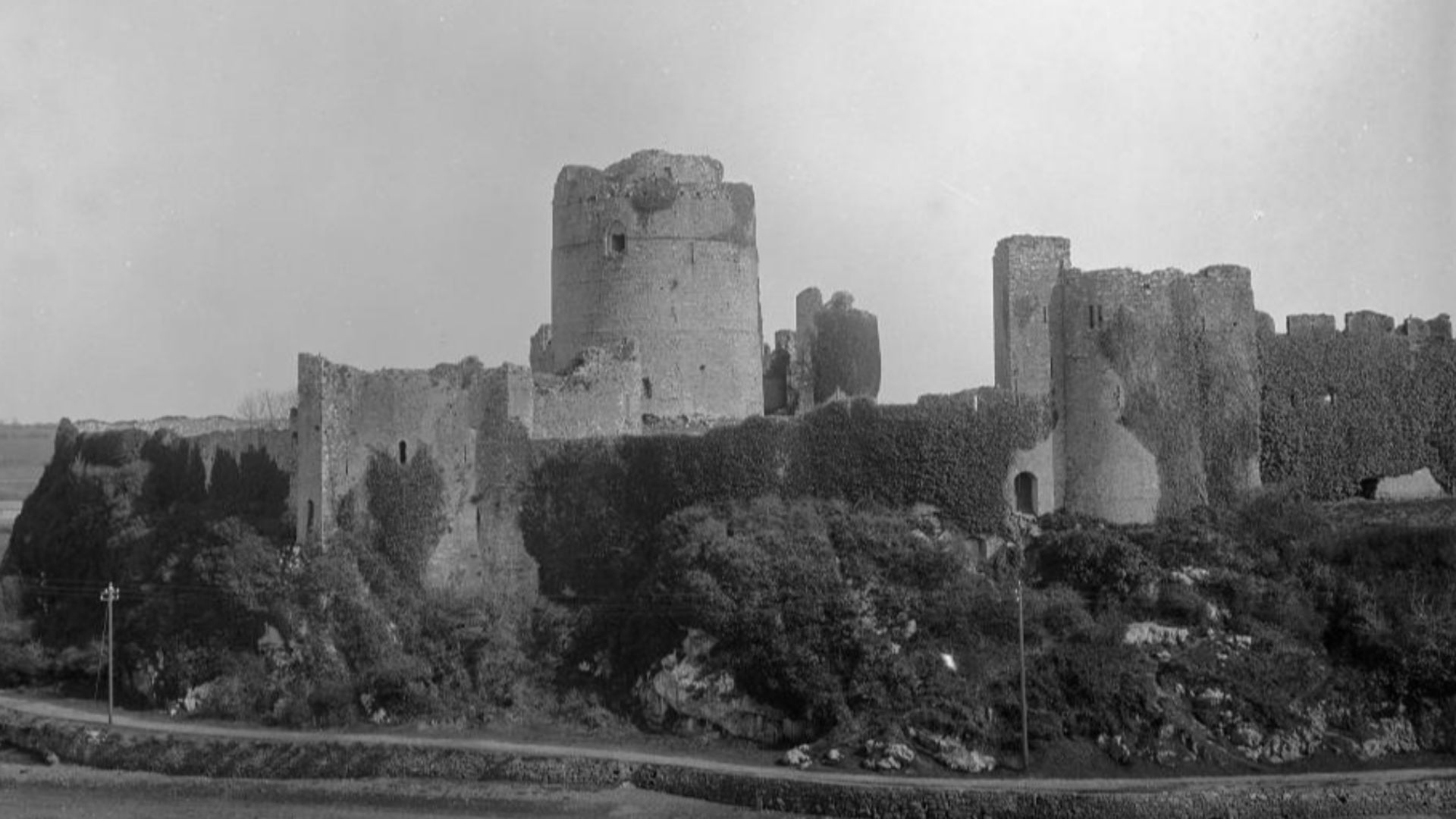
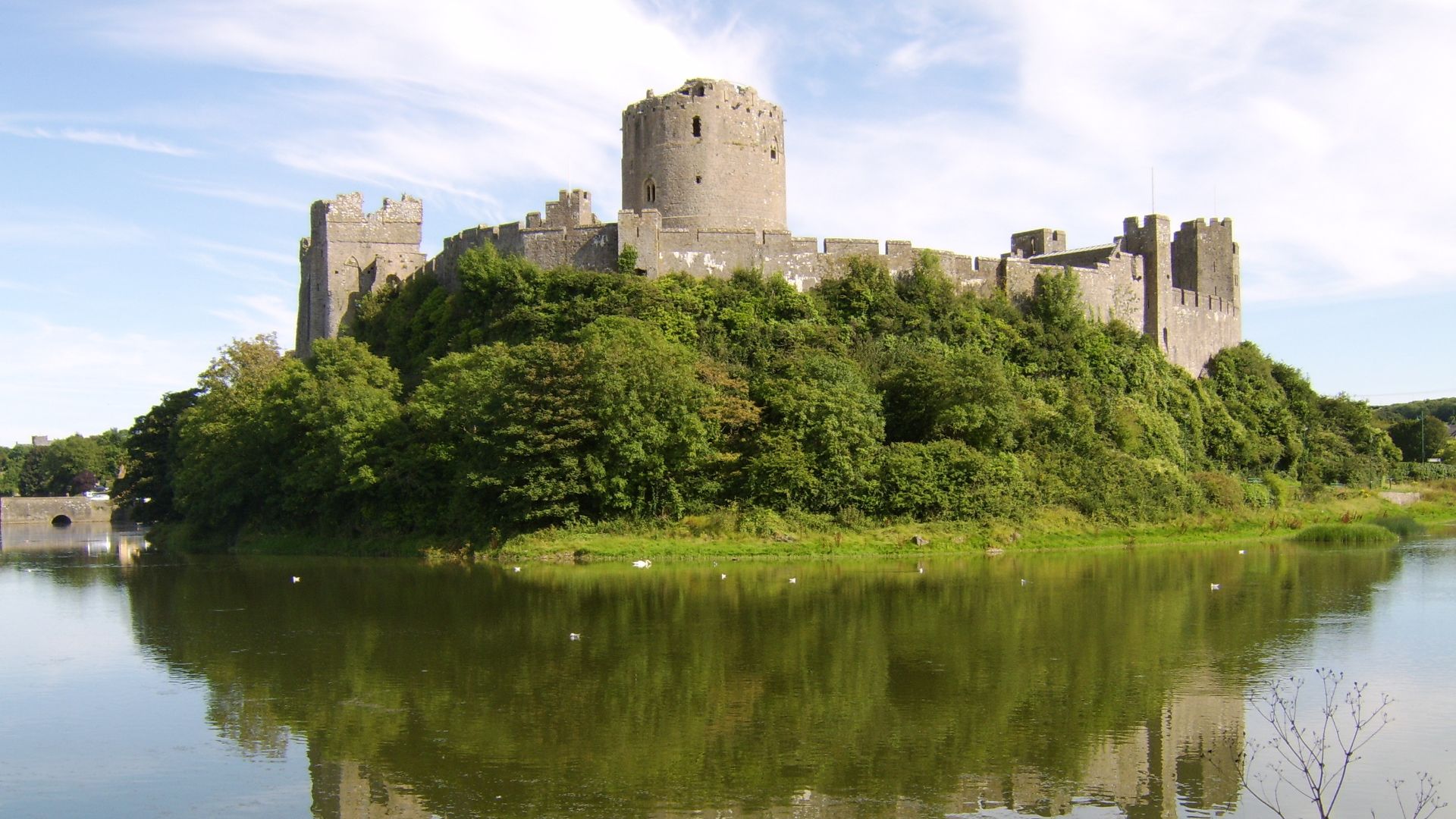
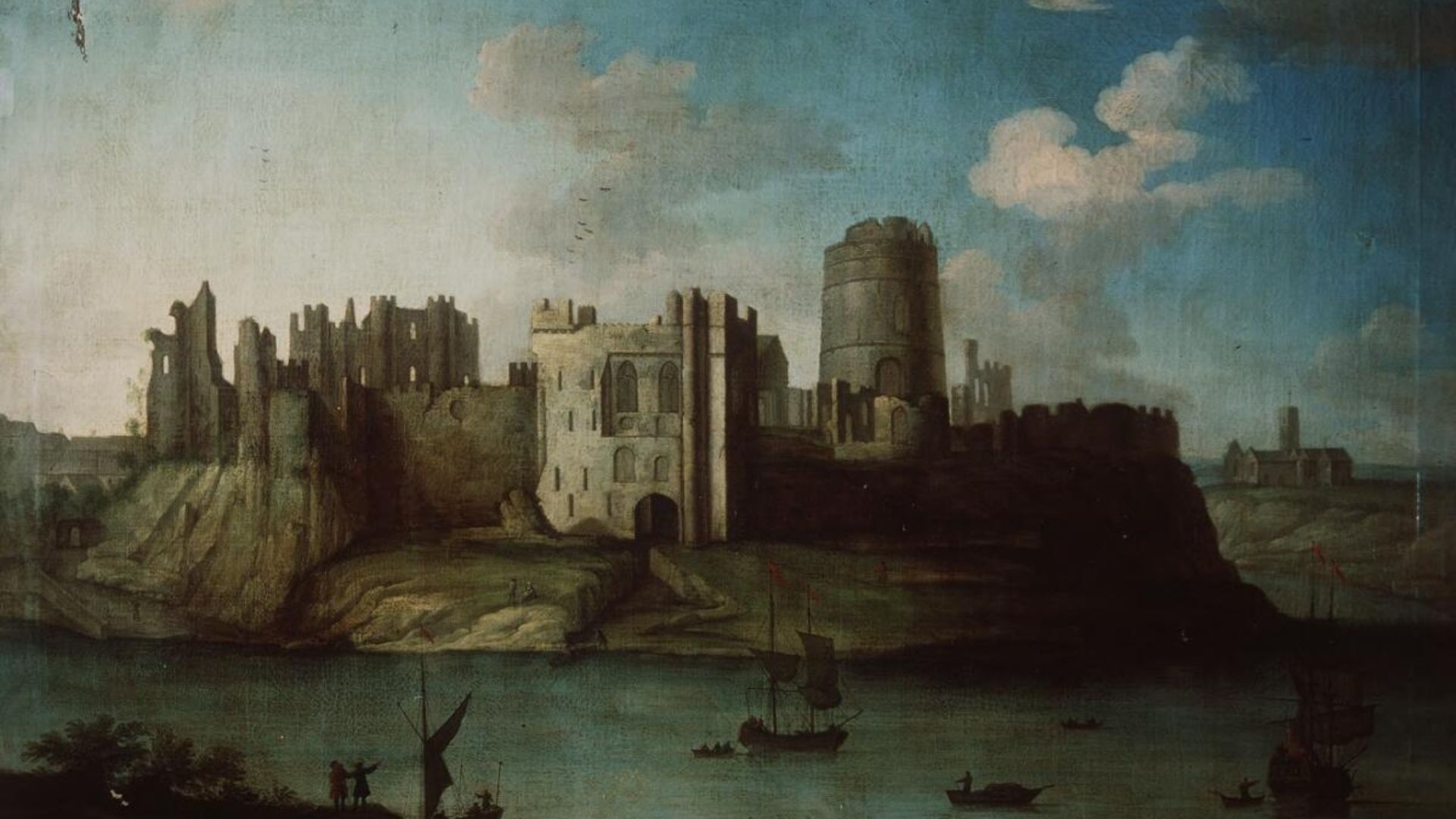
Pembroke Castle stands on a rocky promontory surrounded on three sides by the Pembroke River. The fortress was established after the Norman conquest and later became one of the most important castles in Wales. Beneath part of the structure sits the naturally formed Wogan Cavern.
A Cave With History
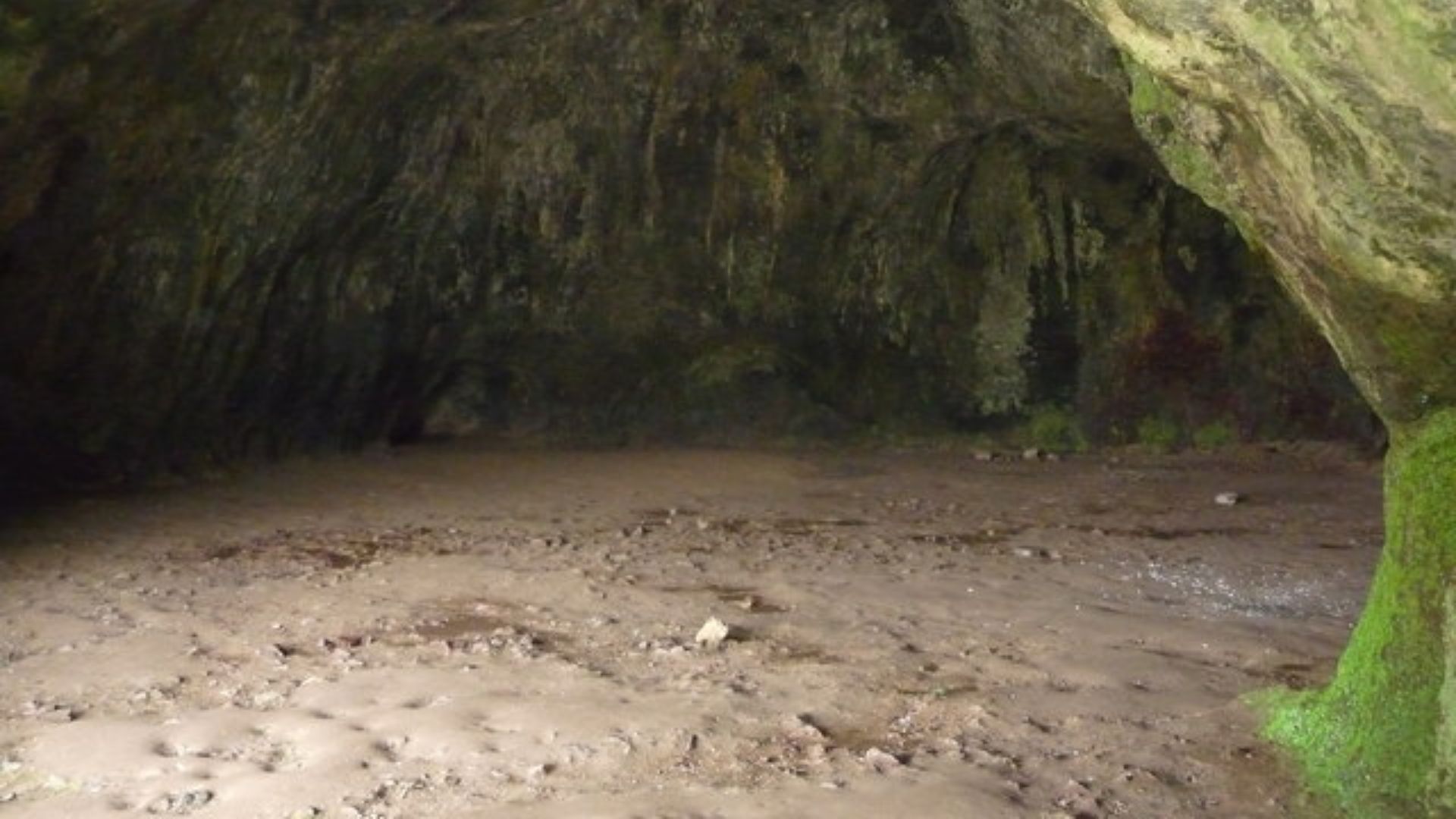
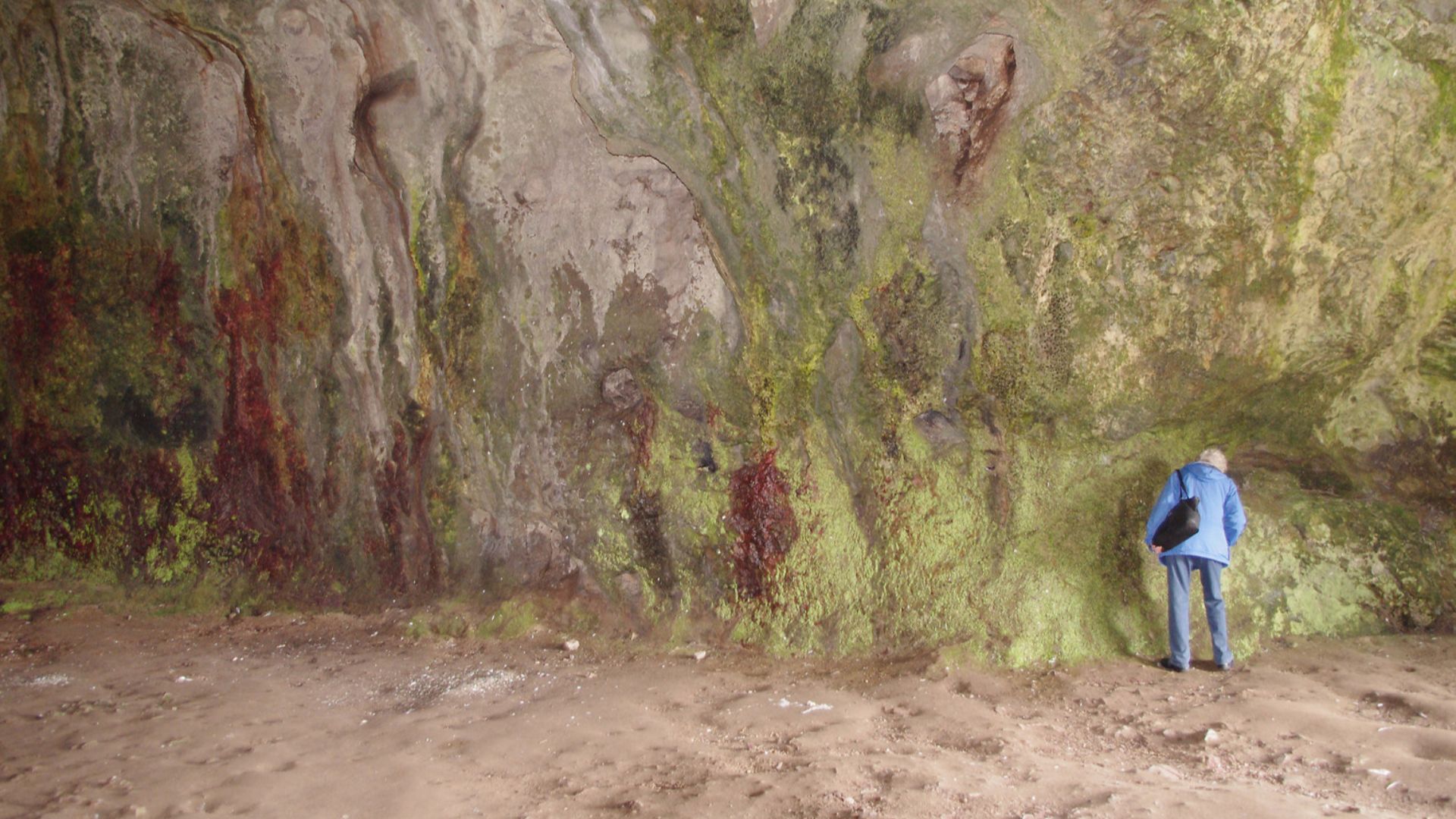
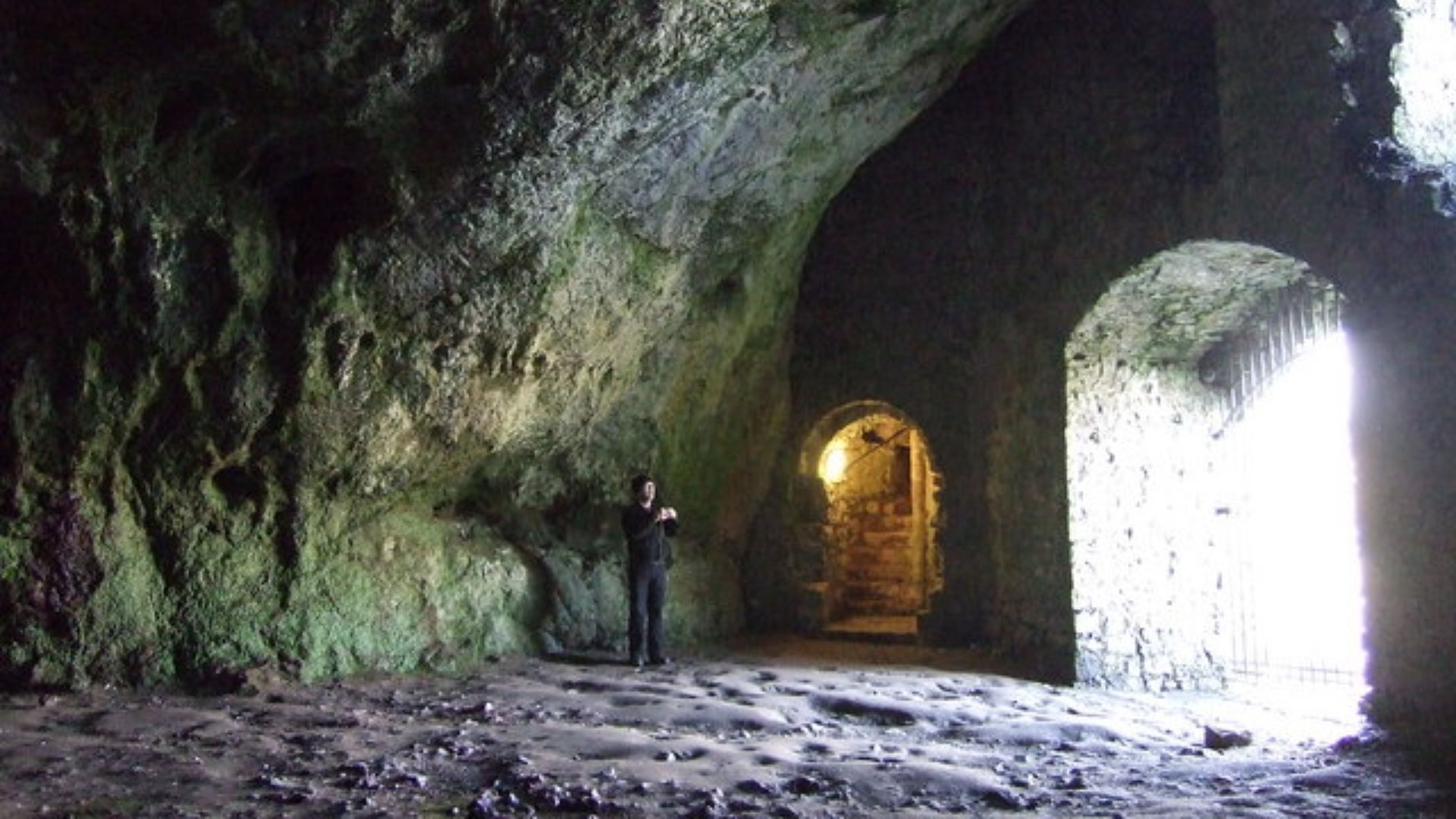
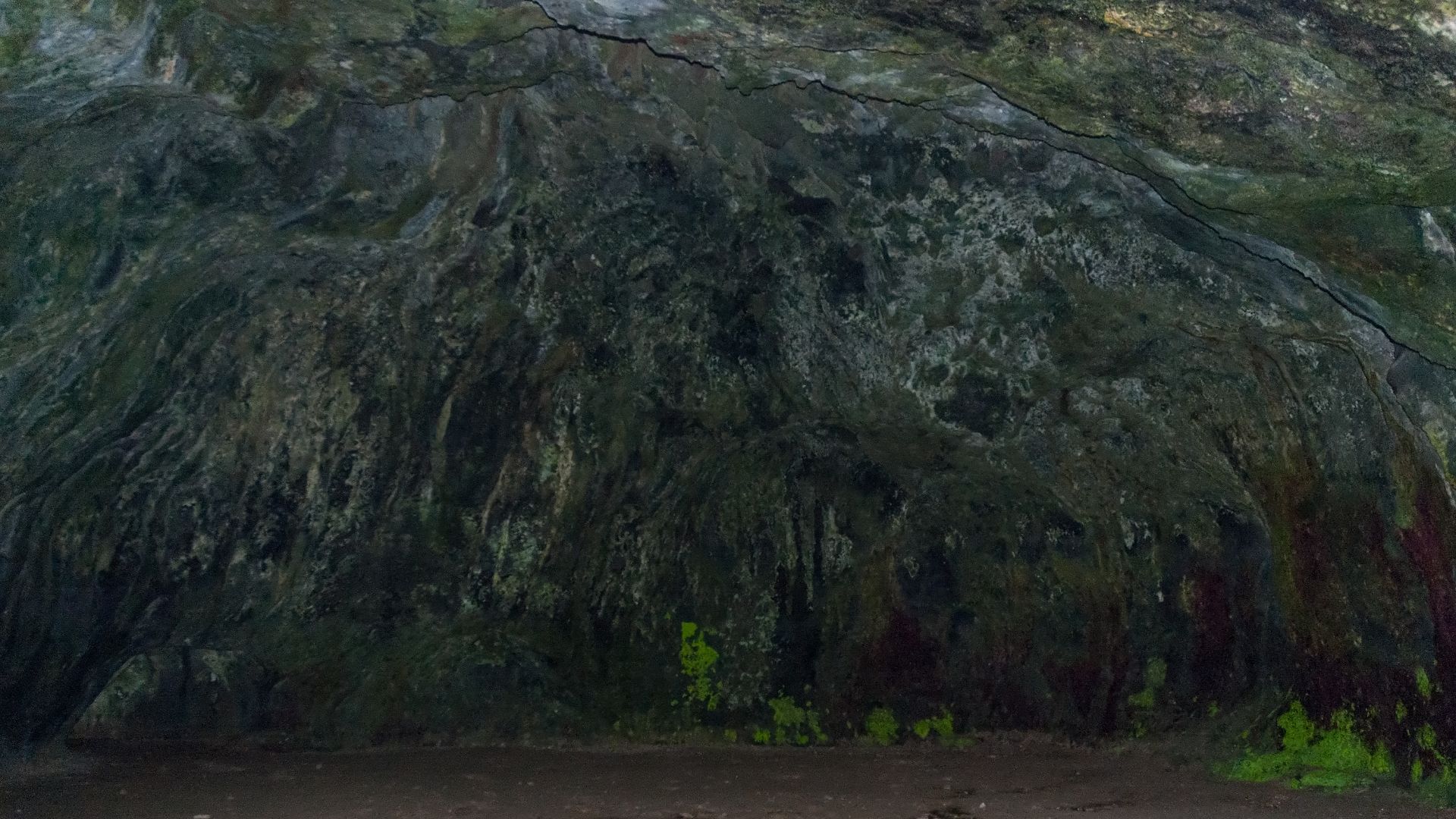
Wogan Cavern is a large limestone cave located directly under the castle. For centuries it was known as a feature of the site, but archaeologists eventually realized that its sediments preserved a remarkable record of life stretching far beyond the medieval period.
 Jeremy Bolwell , Wikimedia Commons
Excavations Resume
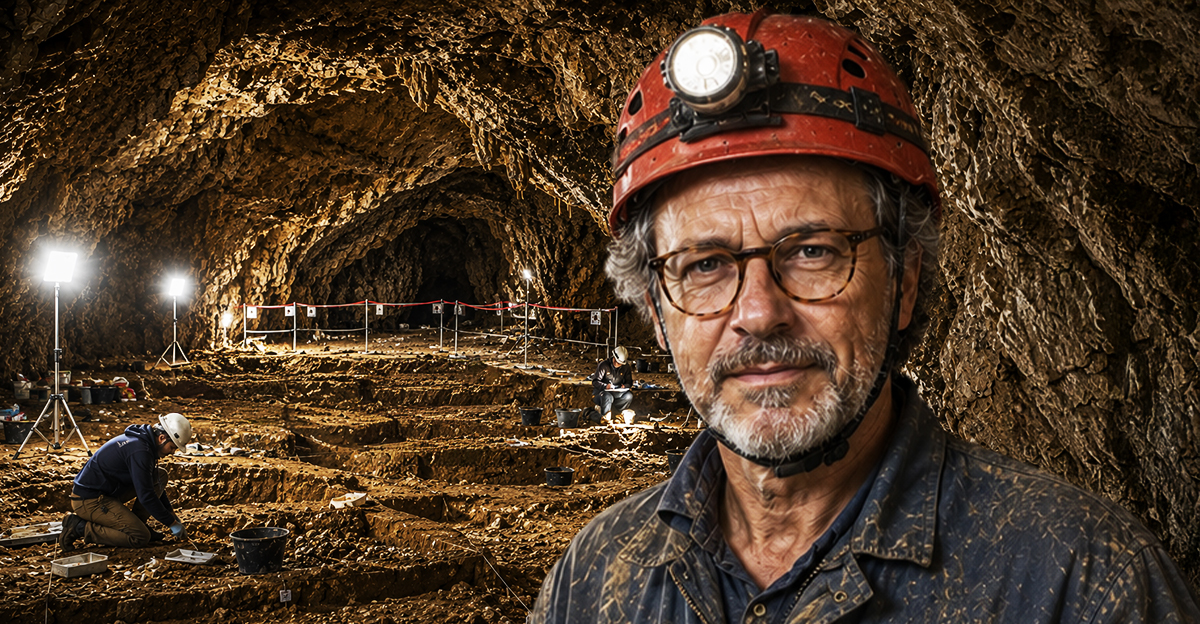
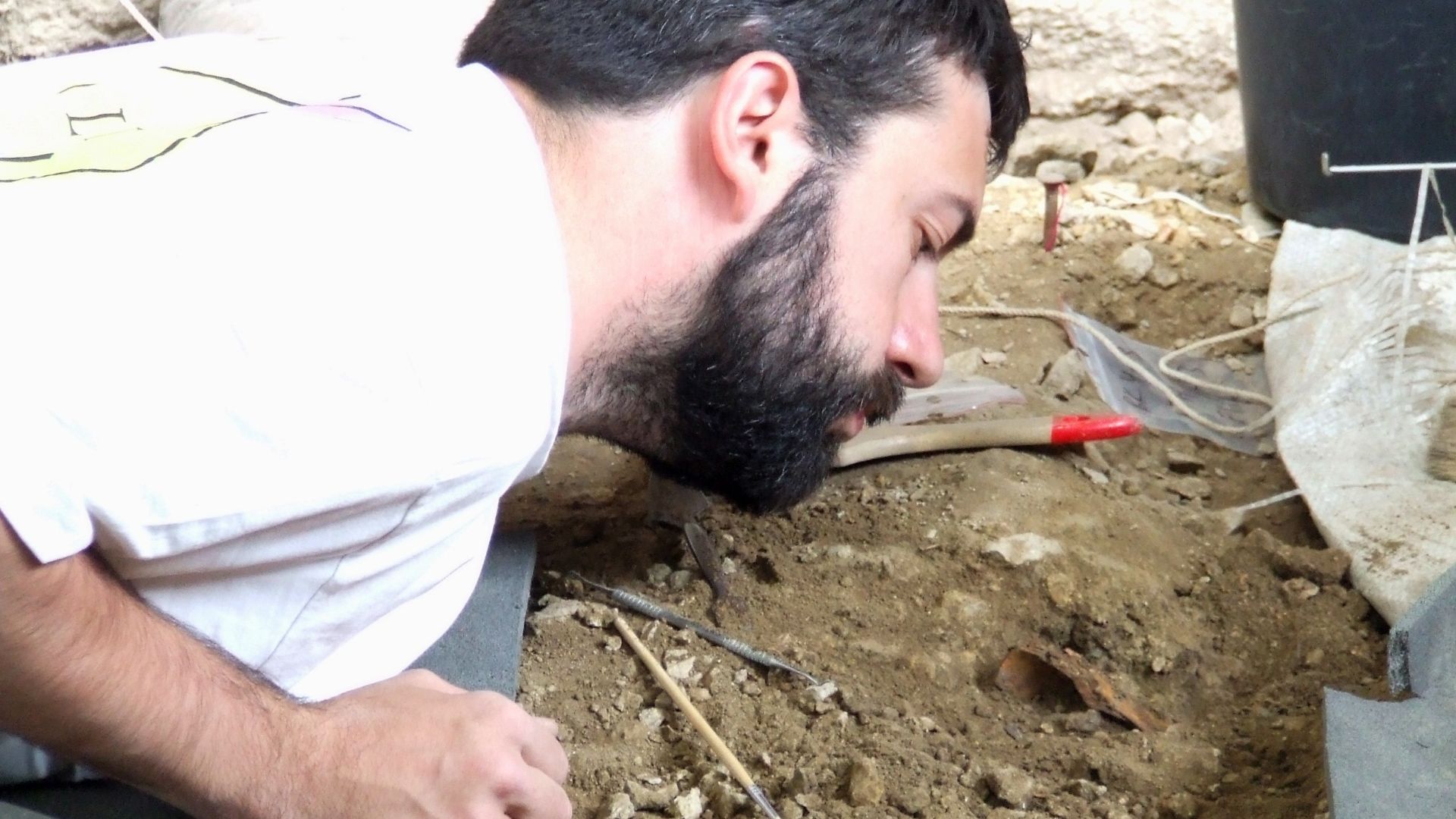
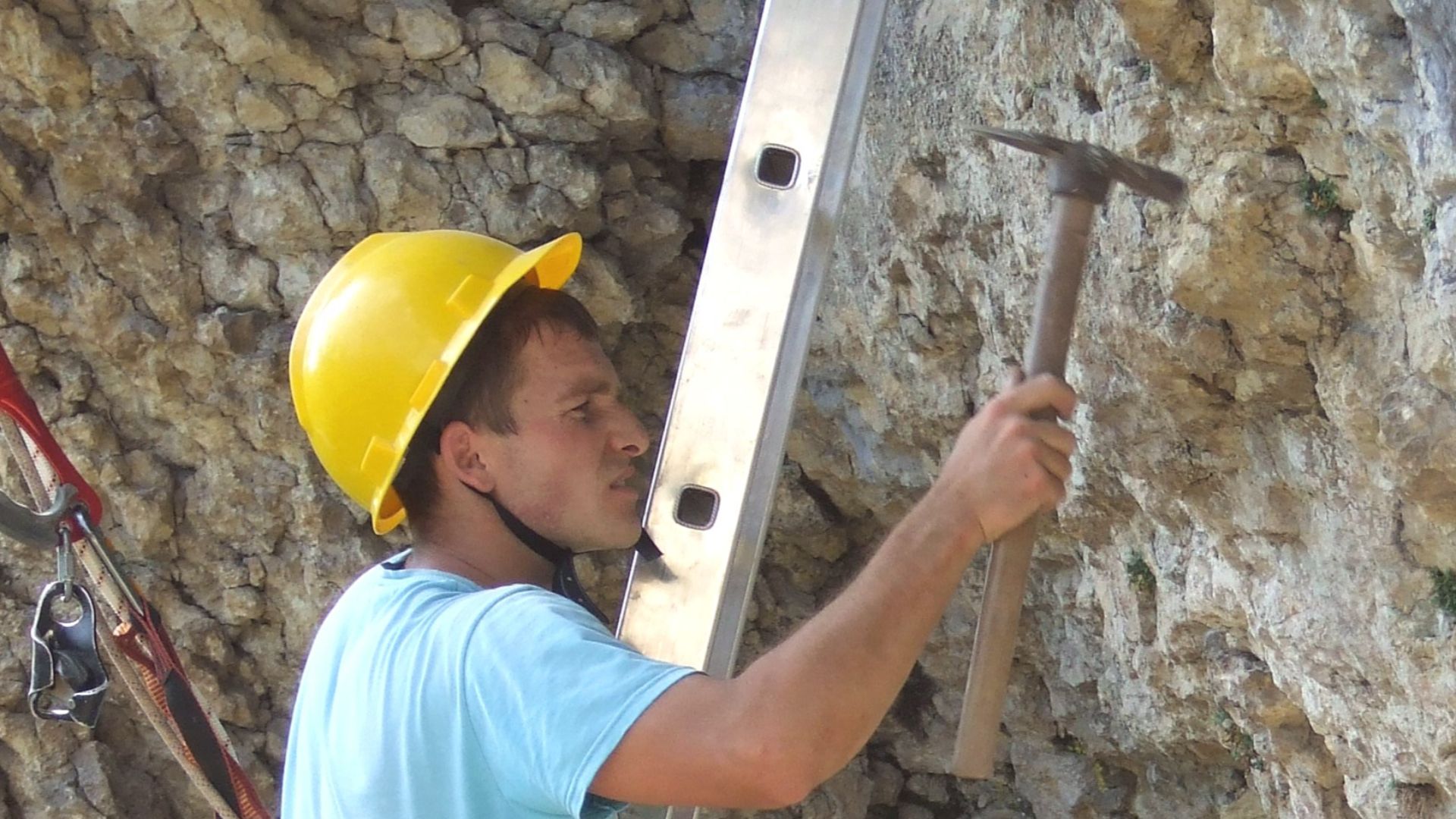
Recent excavations have renewed interest in the cavern. Researchers are carefully removing layers of sediment to investigate evidence that accumulated over tens of thousands of years. Their goal is to better understand the animals and humans that once occupied or visited the cave.
The Research Team
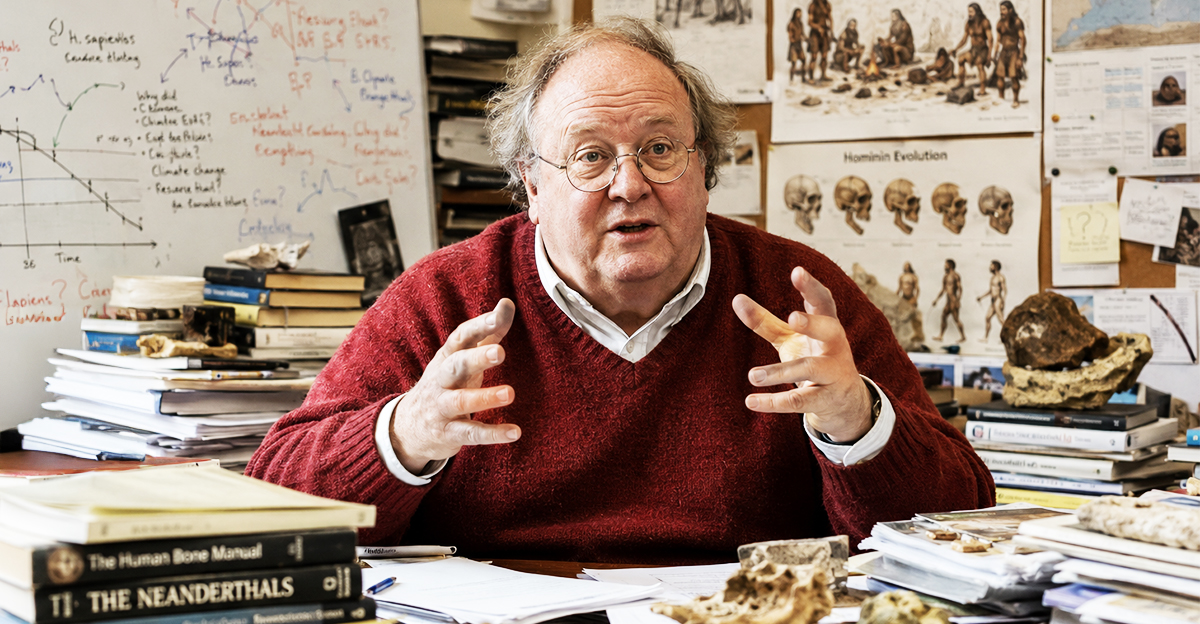
The current excavation program is being led by archaeologist George Nash in partnership with Pembroke Castle. Specialists from several disciplines are involved in studying the finds, including archaeologists, paleontologists, and experts in ancient environments.
 Metropolitan Transportation Authority of the State of New York, Wikimedia Commons
A Deep Time Capsule
According to researchers, deposits within the cave may preserve evidence dating back roughly 120,000 years. Because many layers remain undisturbed, the site functions as a time capsule, preserving clues from multiple prehistoric periods in a single location.
 Metropolitan Transportation Authority of the State of New York, Wikimedia Commons
Ice Age Animals
Among the discoveries are remains from Ice Age animals that once lived in or around the region. These fossils provide evidence of changing environments and ecosystems long before the castle was ever imagined.
 Mauricio Antón, Wikimedia Commons
Bones In The Sediments
Excavators have uncovered numerous animal bones embedded within the cave deposits. Each find helps researchers reconstruct what species occupied the landscape and how conditions changed through different climatic periods.
Evidence Of Predators
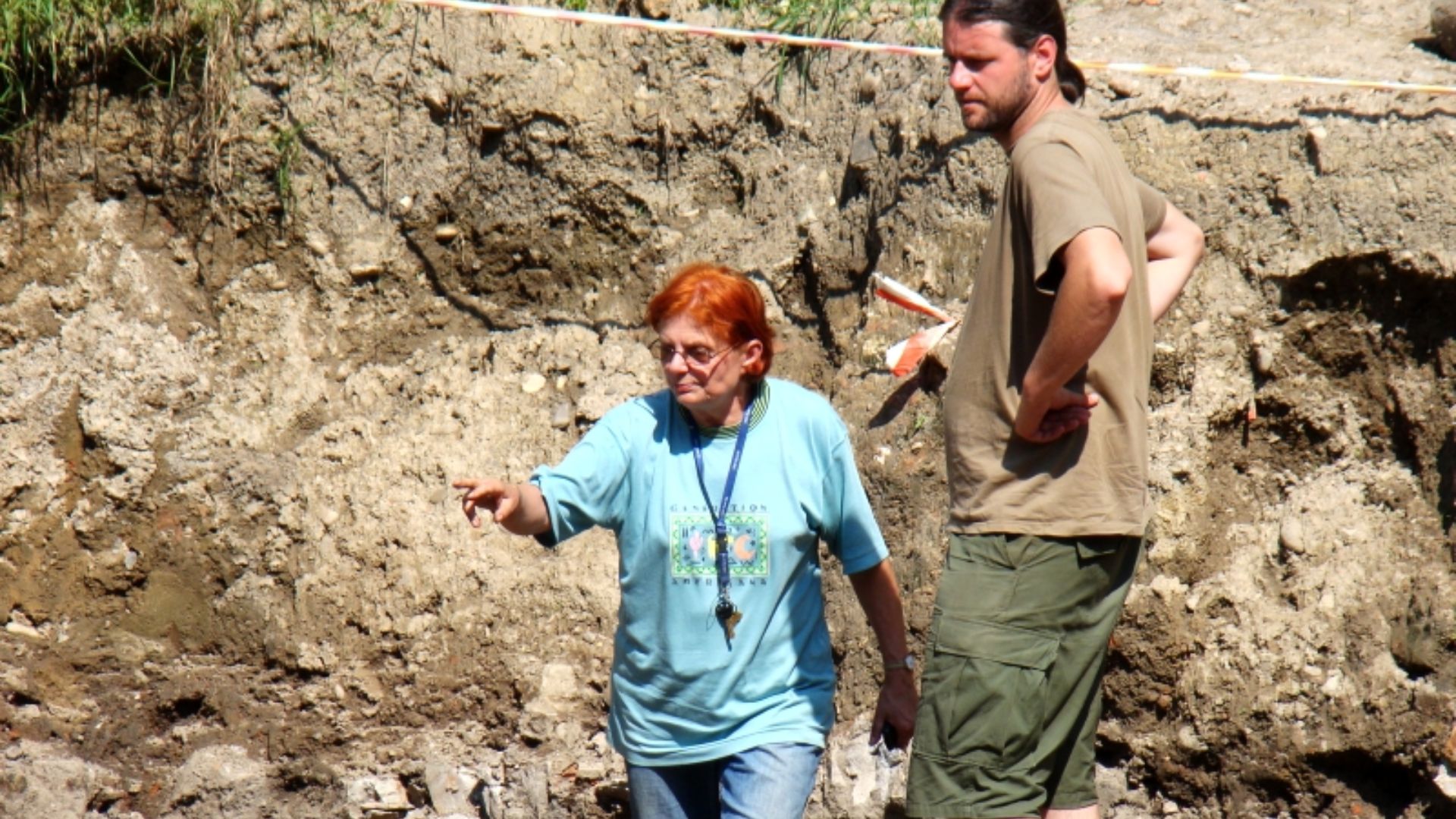
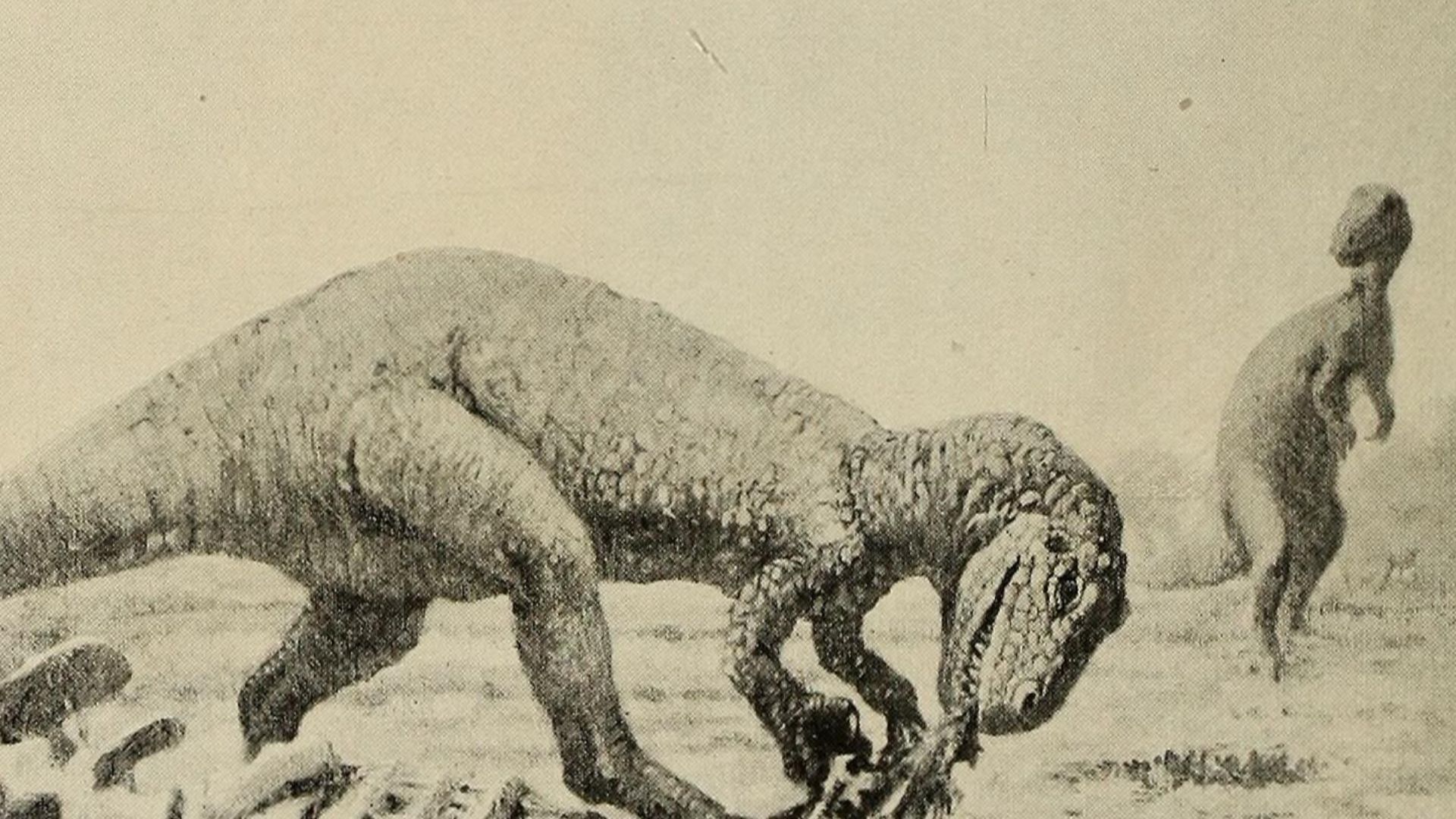
Some of the recovered remains appear to show evidence of large predators. Researchers believe carnivorous animals may have used the cavern as a den at various times, leaving behind bones and other traces of their activity.
 Gilmore, Charles W., Wikimedia Commons
Ancient Human Activity
The cave also contains evidence suggesting prehistoric human presence. Researchers hope that further excavation will reveal additional clues about when people visited the site and how they may have interacted with the surrounding landscape.
Neanderthal Possibilities
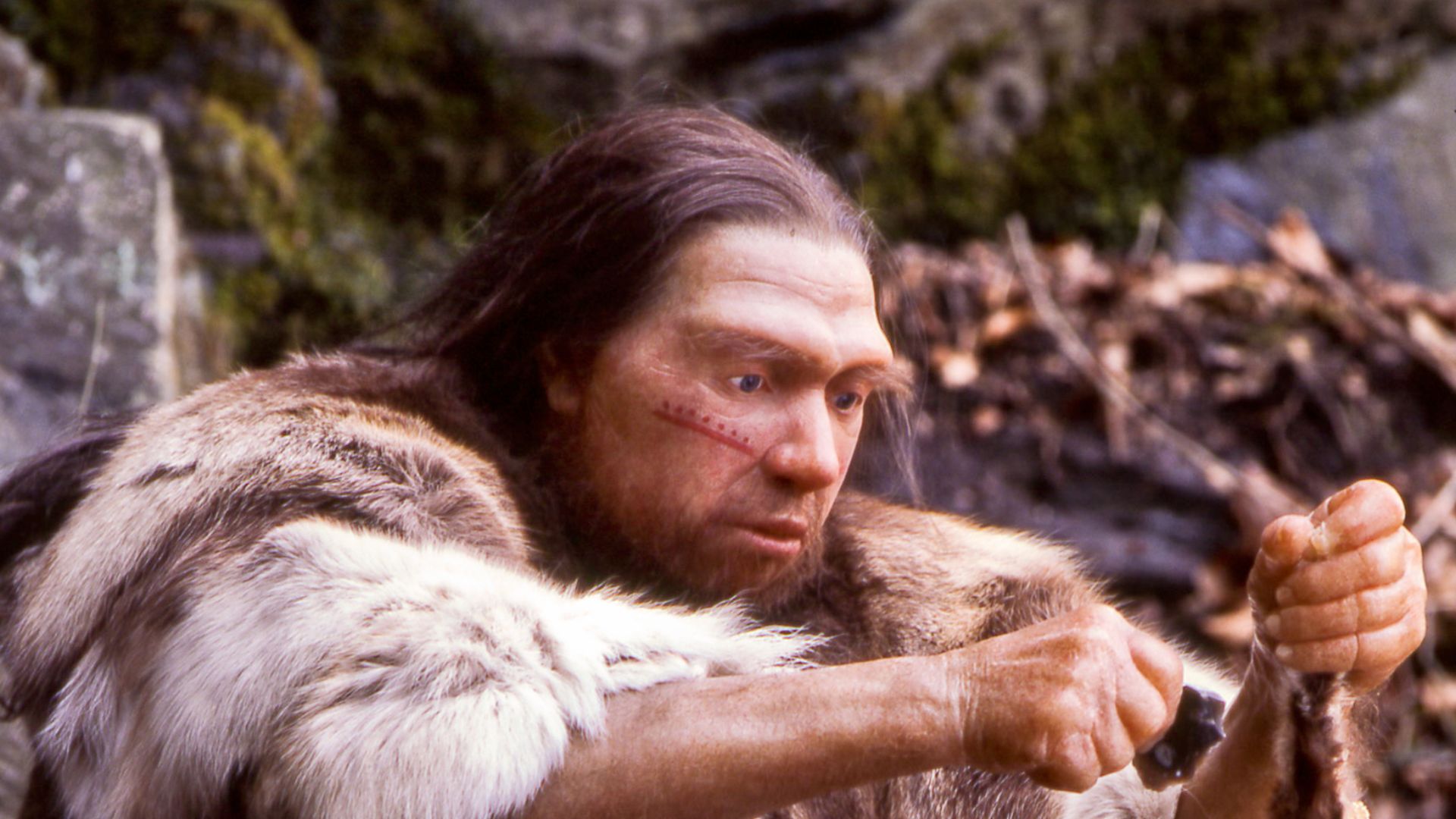
One of the most exciting aspects of the project is the possibility of discovering evidence connected to Neanderthals. Researchers believe the cave may contain information that could shed light on Neanderthal activity in Britain.
 Neanderthal-Museum, Mettmann, Wikimedia Commons
Rare British Evidence
Neanderthal sites are relatively uncommon in Britain. Because of this, any discoveries linked to these ancient humanoids could provide valuable information about where they lived, hunted, and traveled during warmer periods between Ice Ages.

Layers Of Occupation
The cave accumulated sediments over many thousands of years. Each layer represents a different period in time, allowing researchers to study environmental and biological changes in a sequence that can be carefully analyzed.
Why Remains Survived
The cavern's protected environment helped preserve bones and other materials. Sediments gradually buried remains, shielding them from weather and erosion while creating the conditions necessary for long-term preservation.
A Natural Shelter
Caves often attract both animals and humans because they provide shelter from the elements. Researchers believe Wogan Cavern likely served this purpose repeatedly over many thousands of years, helping explain the concentration of remains.
Discoveries Continue
Excavation is still ongoing, meaning new finds continue to emerge from previously untouched deposits. Researchers emphasize that only a portion of the available sediments has been examined so far.
 Nataliya Shestakova, Wikimedia Commons
Untouched Deposits Remain
One reason archaeologists are so enthusiastic is the amount of unexplored material still present. Significant sections of the cave deposits remain intact, offering opportunities for future discoveries and more detailed analysis.
 Nataliya Shestakova, Wikimedia Commons
Reconstructing Environments
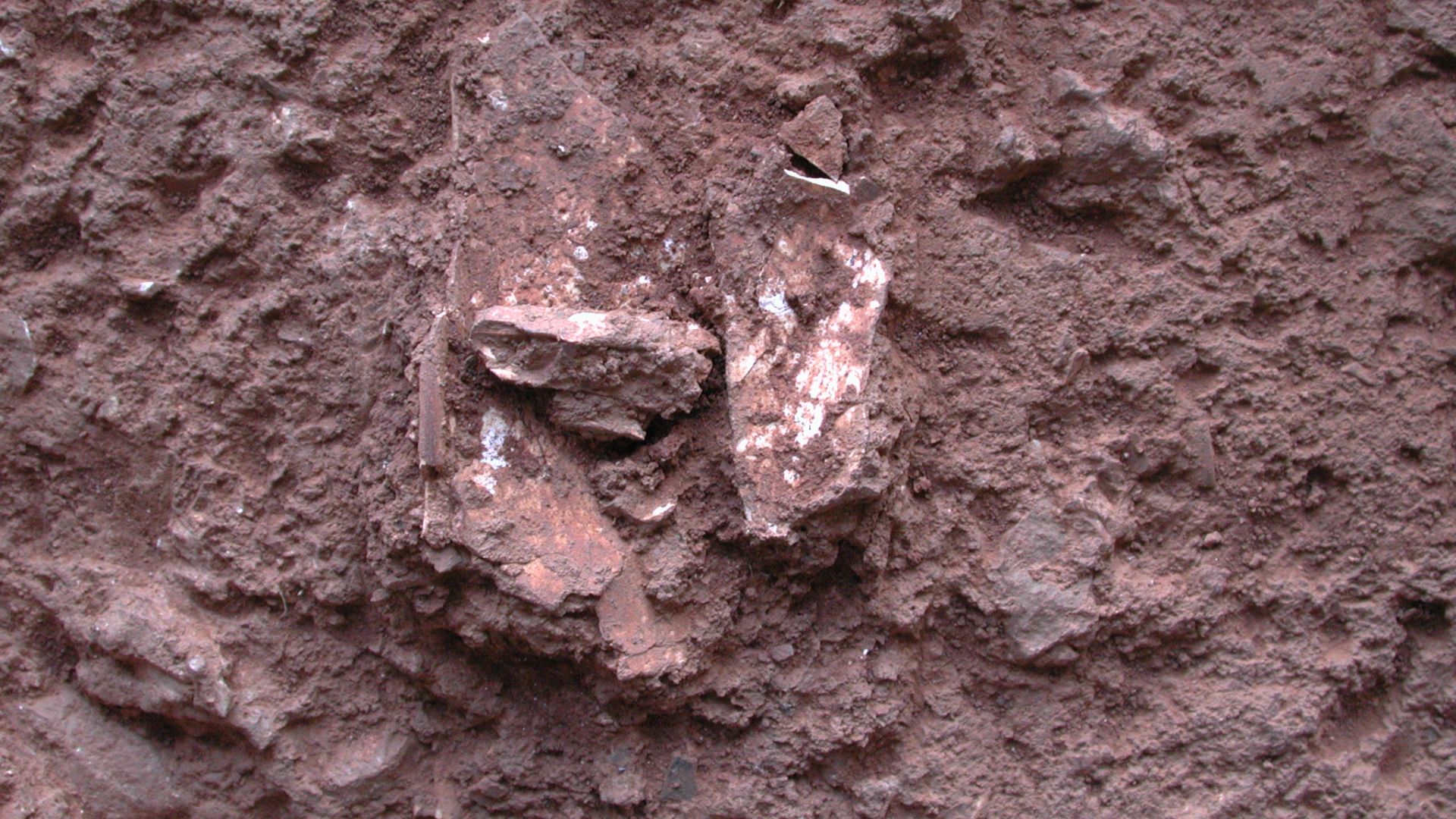
The finds can help scientists reconstruct ancient environments. Animal remains, sediment composition, and other evidence may reveal whether the surrounding landscape was forested, open grassland, or shaped by changing climatic conditions.
Linking Past And Present
The site presents a remarkable contrast between human eras. Medieval builders constructed a major fortress above ground, while beneath them survived evidence from a prehistoric world separated by tens of thousands of years.
 Percy Benzie Abery, Wikimedia Commons
Importance To Wales
The discoveries have increased the archaeological significance of Pembroke Castle. The site is now recognized not only as an important medieval monument but also as a location containing valuable evidence from much earlier periods.
 Athena Flickr, Wikimedia Commons
Scientific Collaboration
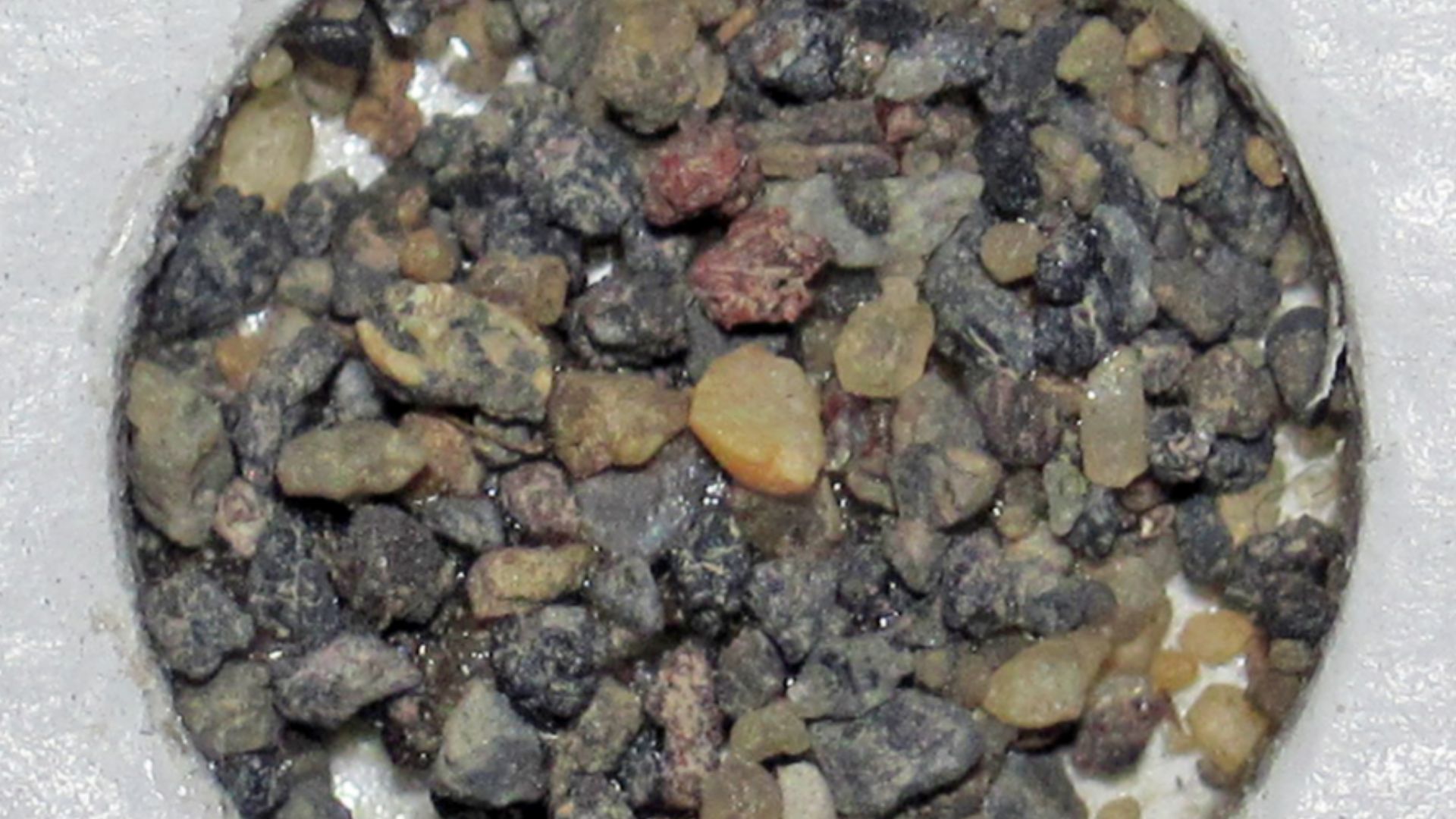
The excavation involves cooperation among specialists studying different types of evidence. Fossils, sediments, and archaeological materials are all examined to create a more complete picture of the cave's long history.
 James St. John, Wikimedia Commons
Questions Still Unanswered
Researchers stress that many questions remain unresolved. Determining exactly which species occupied the cave, when they were present, and whether Neanderthals used the site will require continued excavation and analysis.
 Jakub Hałun, Wikimedia Commons
Looking For More Clues
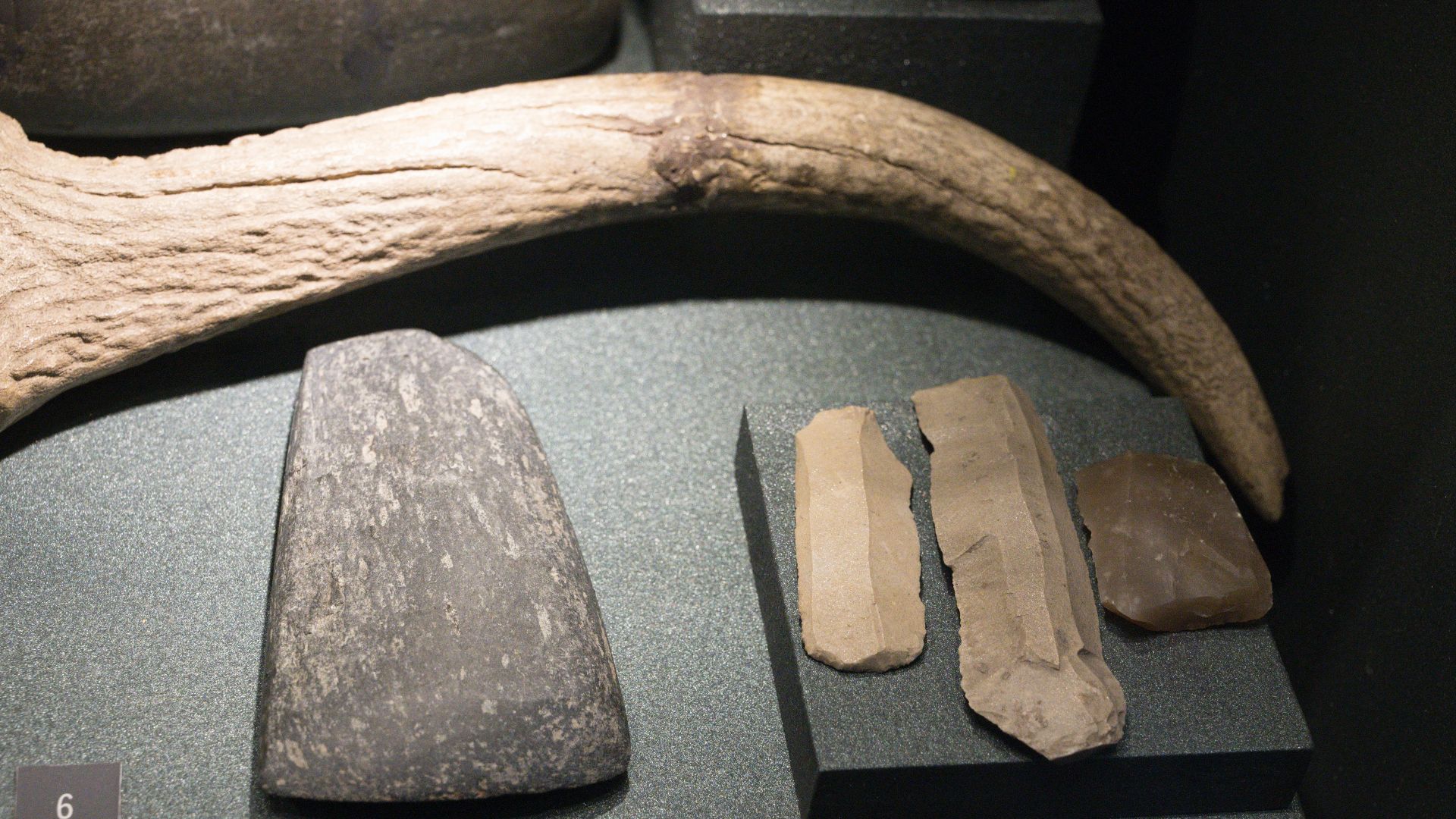
Future work may uncover additional animal remains, stone tools, or other evidence of prehistoric activity. Because large portions of the deposits remain unexplored, researchers believe the cave still holds considerable potential.
A Window Into Prehistory
The value of Wogan Cavern lies in its ability to preserve evidence across vast stretches of time. Few sites offer such an opportunity to study environmental change, animal populations, and possible human activity within one location.
 Chris Gorringe , Wikimedia Commons
The Story Continues
What appears to be a medieval castle attraction is also one of Britain's most intriguing prehistoric archives. As excavations continue beneath Pembroke Castle, researchers hope the sediments of Wogan Cavern will reveal even more about a world that existed long before recorded history.
 British School, Wikimedia Commons
You May Also Like: