

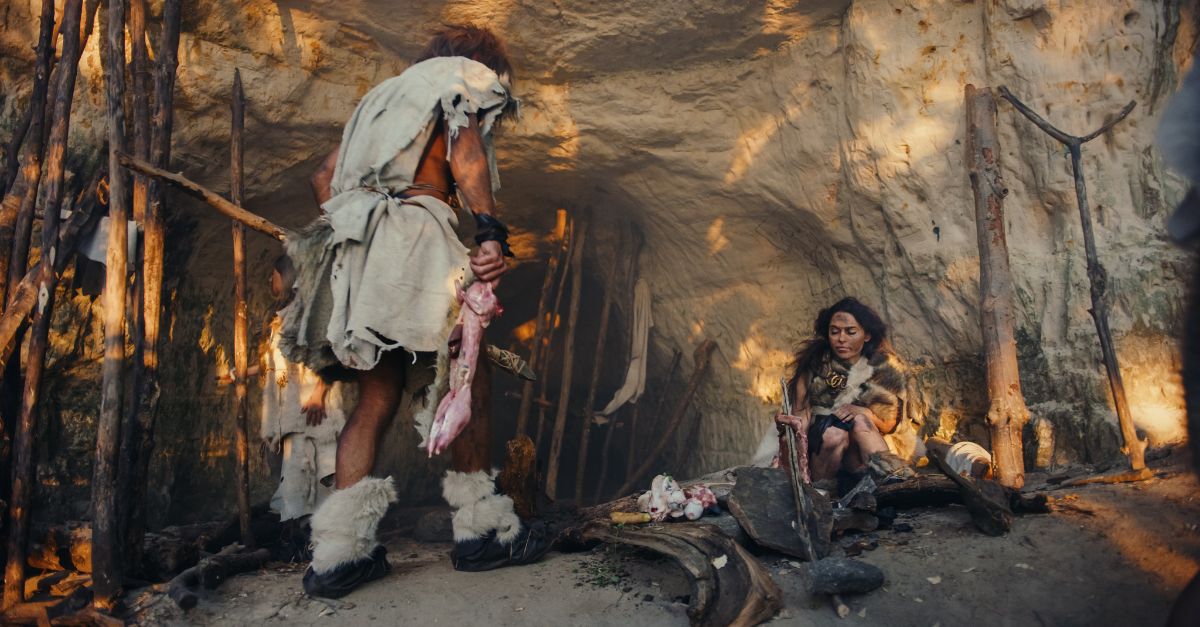
From Myths To Understanding
For generations, Neanderthals were trapped under layers of myth and misunderstanding. But recent discoveries have peeled back the fiction, revealing a far more complex—and surprisingly familiar—story about our ancient relatives.
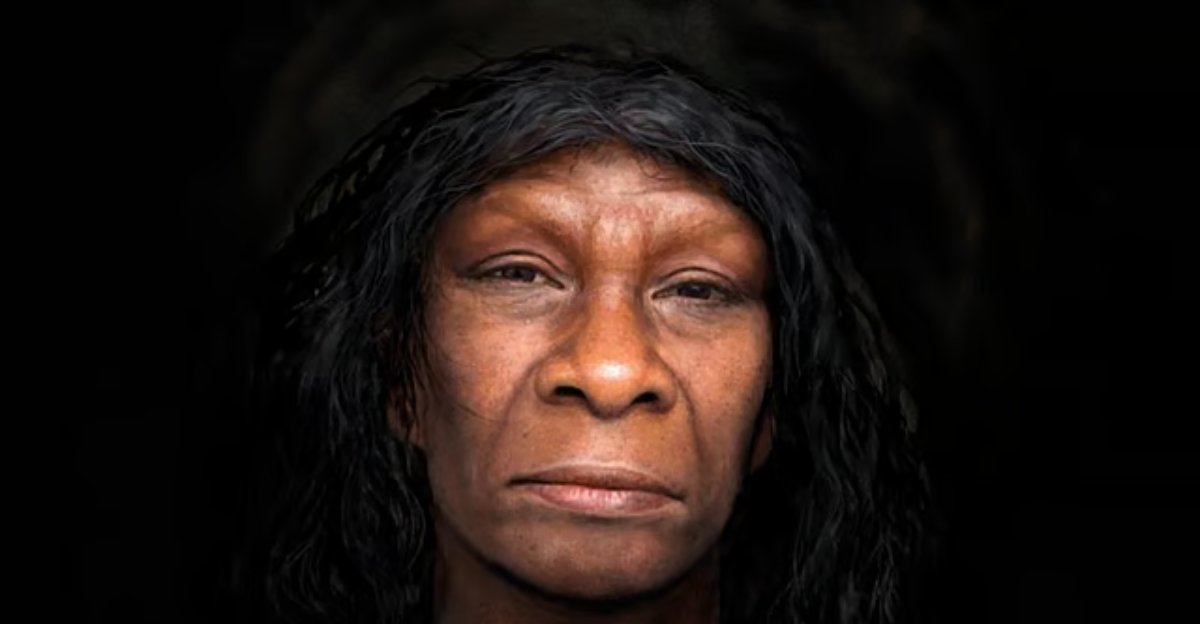
Discovering The Neanderthals
In 1856, some fossils were found in Germany's Neander Valley. At first, people believed these bones belonged to a physically challenged contemporary human. However, further discoveries started to shape the Neanderthal narrative.

Physical Attributes
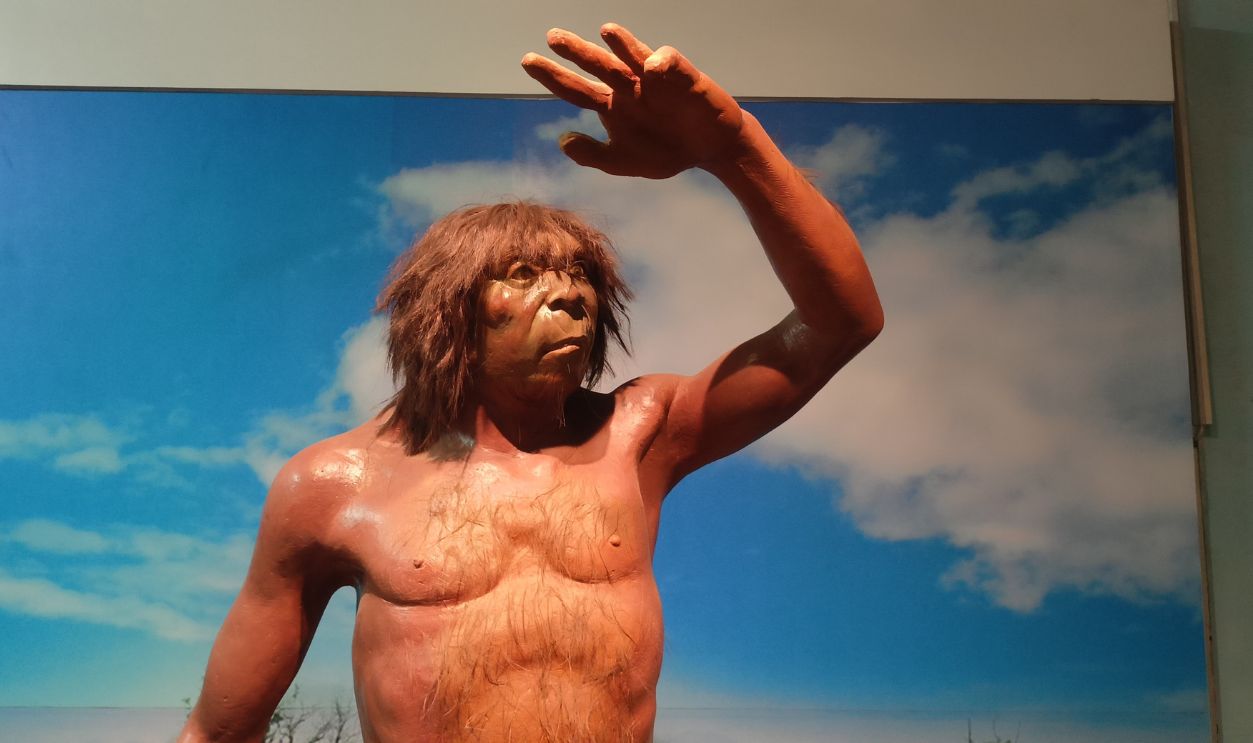
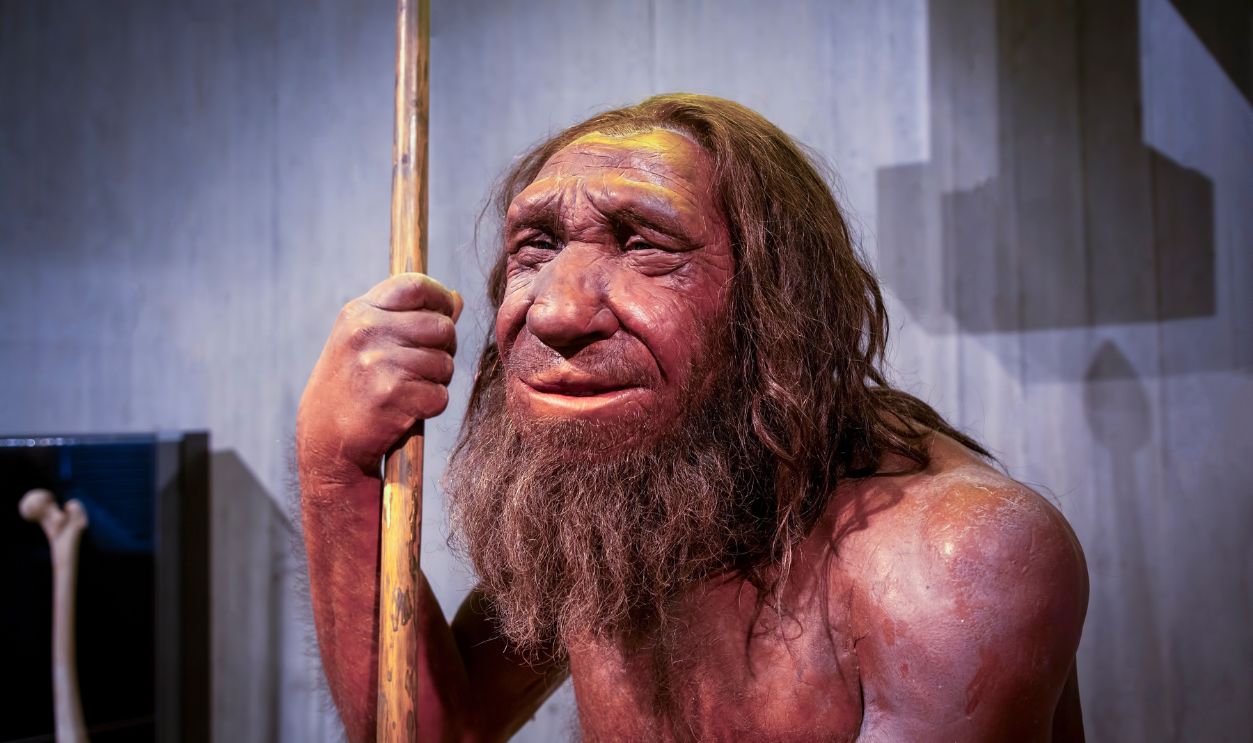
Neanderthals had strong, muscular bodies ideal for surviving in frigid settings. Unlike the slimmer forms of modern people, their heavy-set, stocky bodies were designed to retain heat. They also possessed a body type that would put today’s bodybuilders to shame.
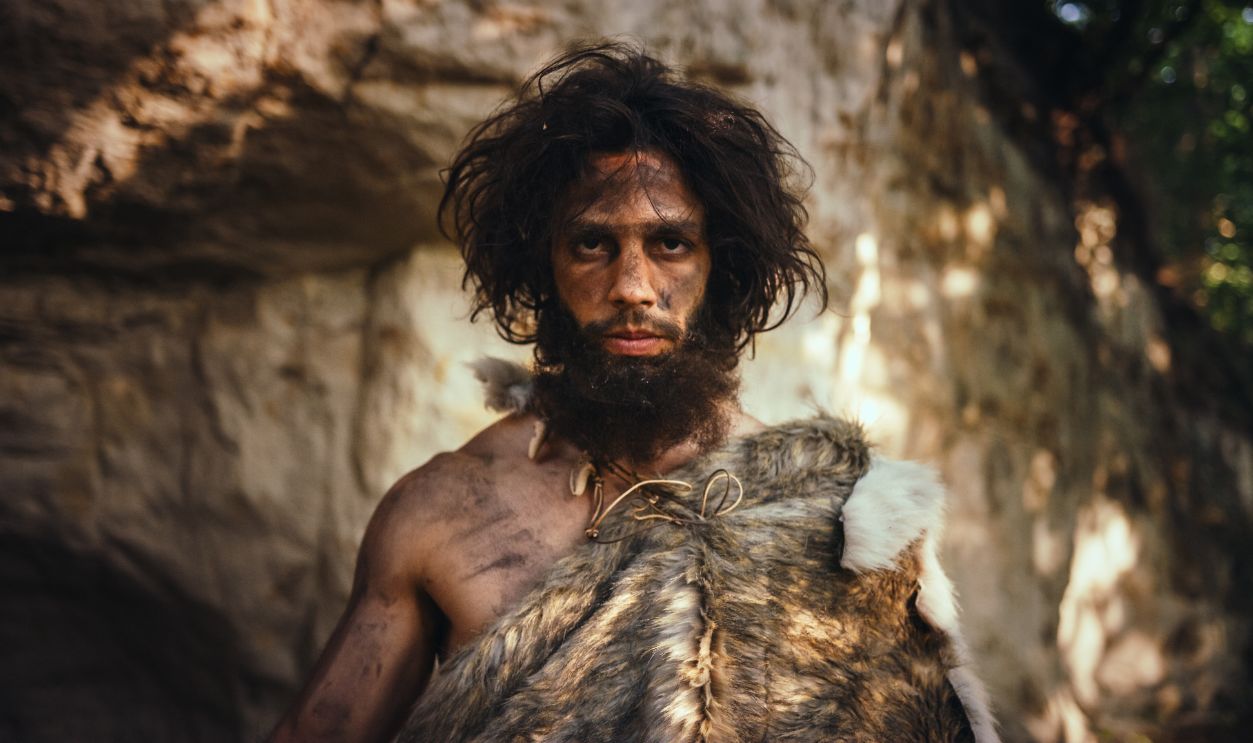
Brain Size And Structure
Neanderthals' brains were likely larger than ours. But, intelligence is not just determined by brain size; it is also caused by the organization and structure of the brain. Their brains were tuned for functions like vision and motor control.
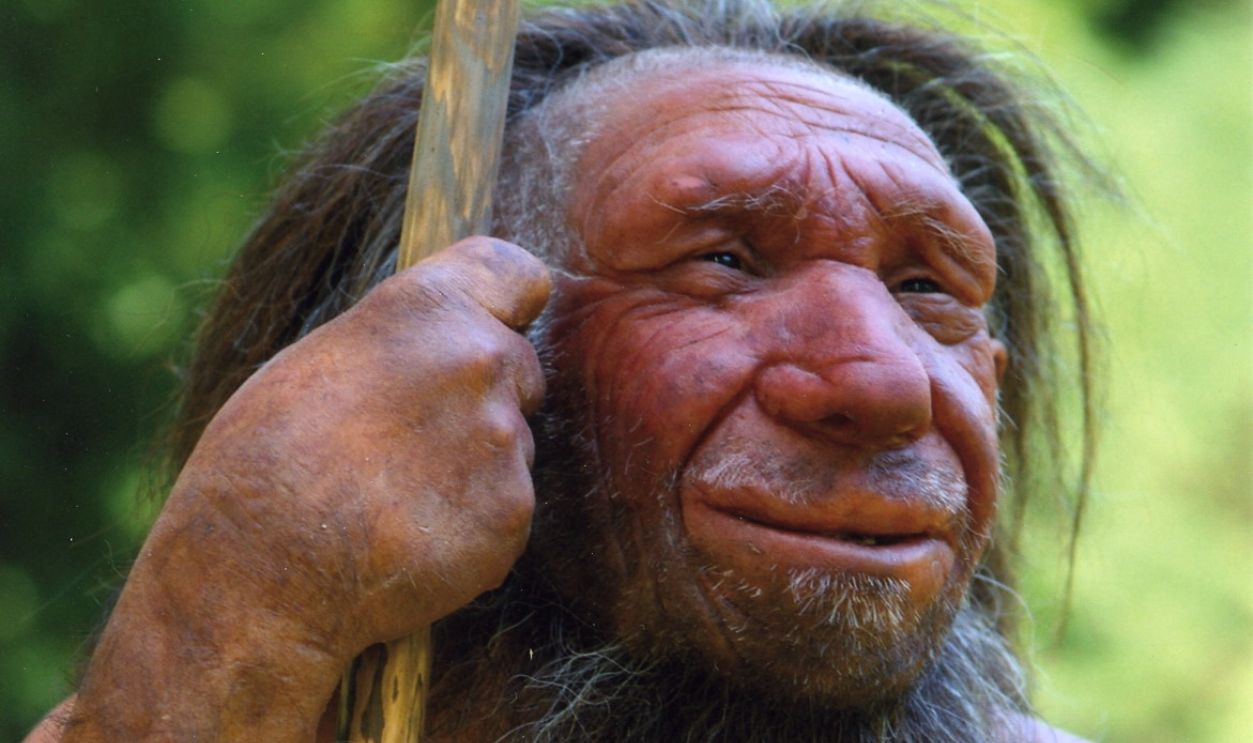 Neanderthal-Museum, Mettmann, CC BY-SA 4.0, Wikimedia Commons
Postcranial Features
Their bones, too, were thicker and stronger to adapt to their physically demanding lifestyle. Living in adverse conditions would have been deadly without these features. If Neanderthals were around today, they’d probably be the ones showing off their biceps at the gym.
Early Interpretations
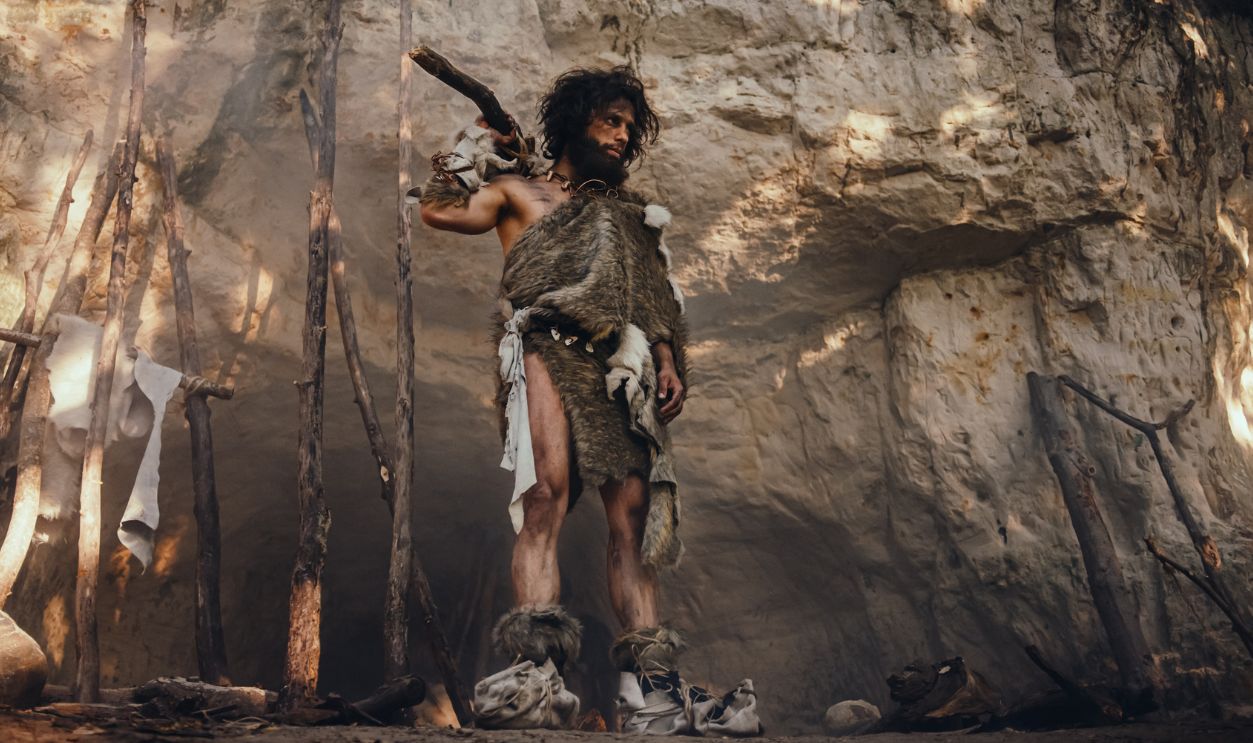
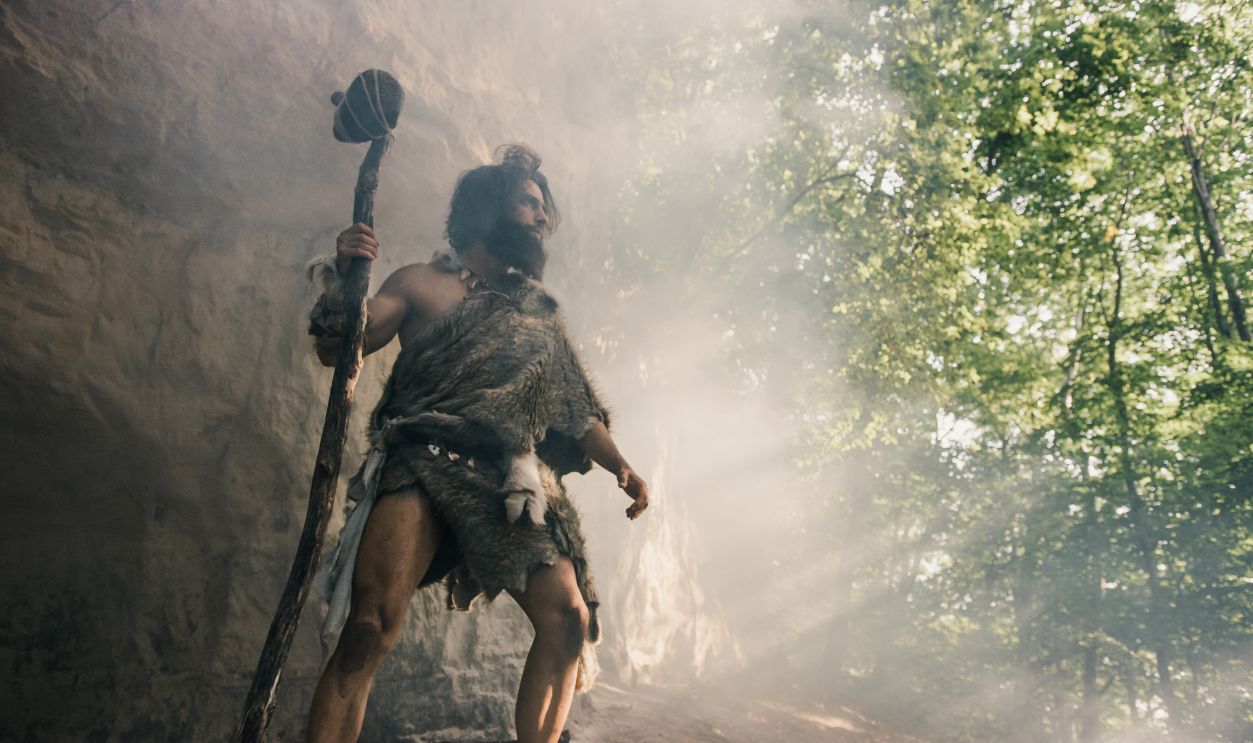
People initially thought that the Neanderthals were brutes and docile, just as the caveman movies portrayed them. However, more research has proven this perception wrong. The Neanderthals had complex lifestyles and interacted intelligently with their environment.
Comparison With Modern Humans
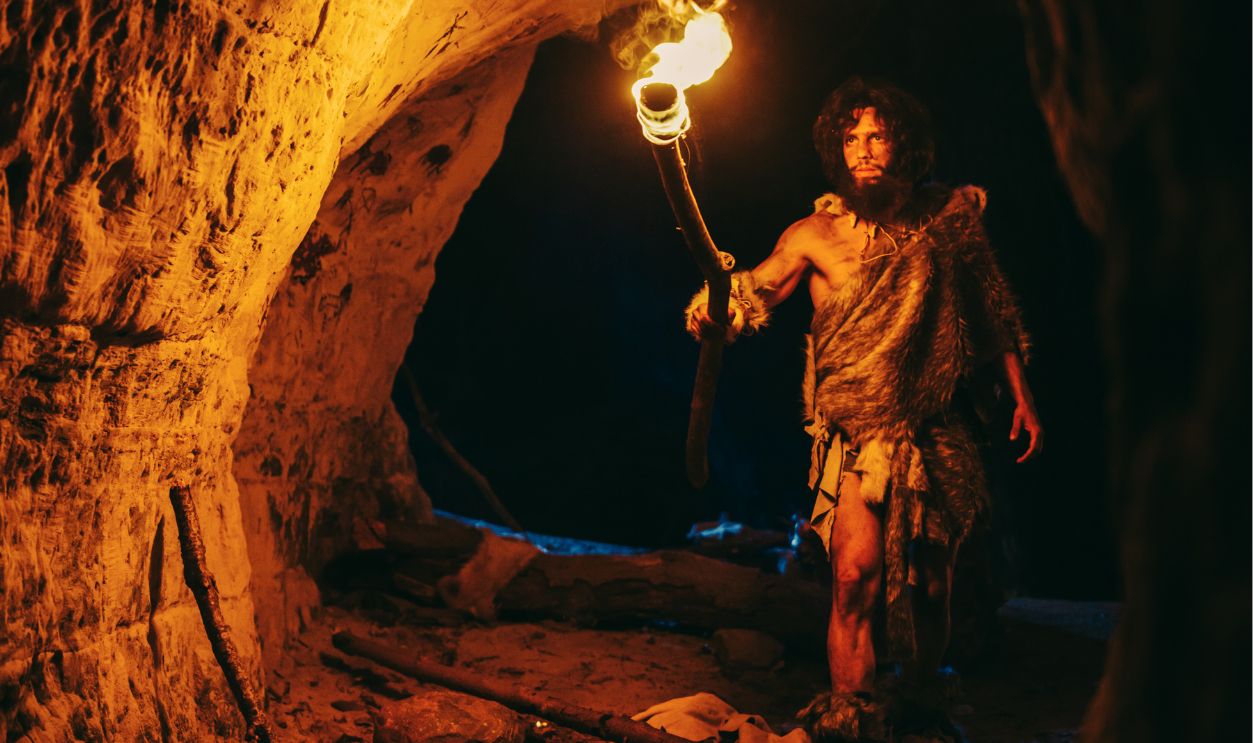
Comparing Neanderthals to modern humans is like comparing a tank to a sports car: the former is built for strength, while the latter is for versatility. Neanderthals were the ultimate survival machines, and modern humans as adaptable future models.
Diet And Nutrition
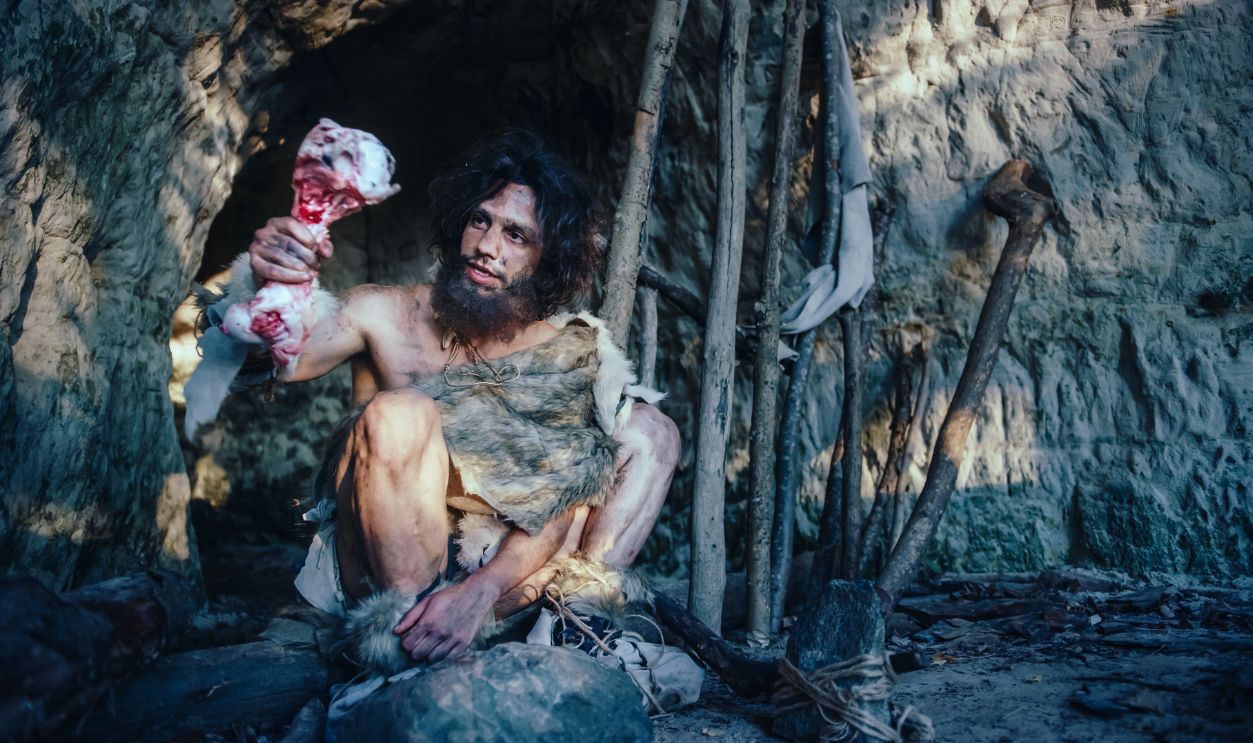
Neanderthals relied heavily on meat from large herbivores, but they weren’t strict carnivores. They adjusted their diets with a variety of plants, using that flexibility to survive shifting seasons and changing environments.
Hunting Techniques And Tools
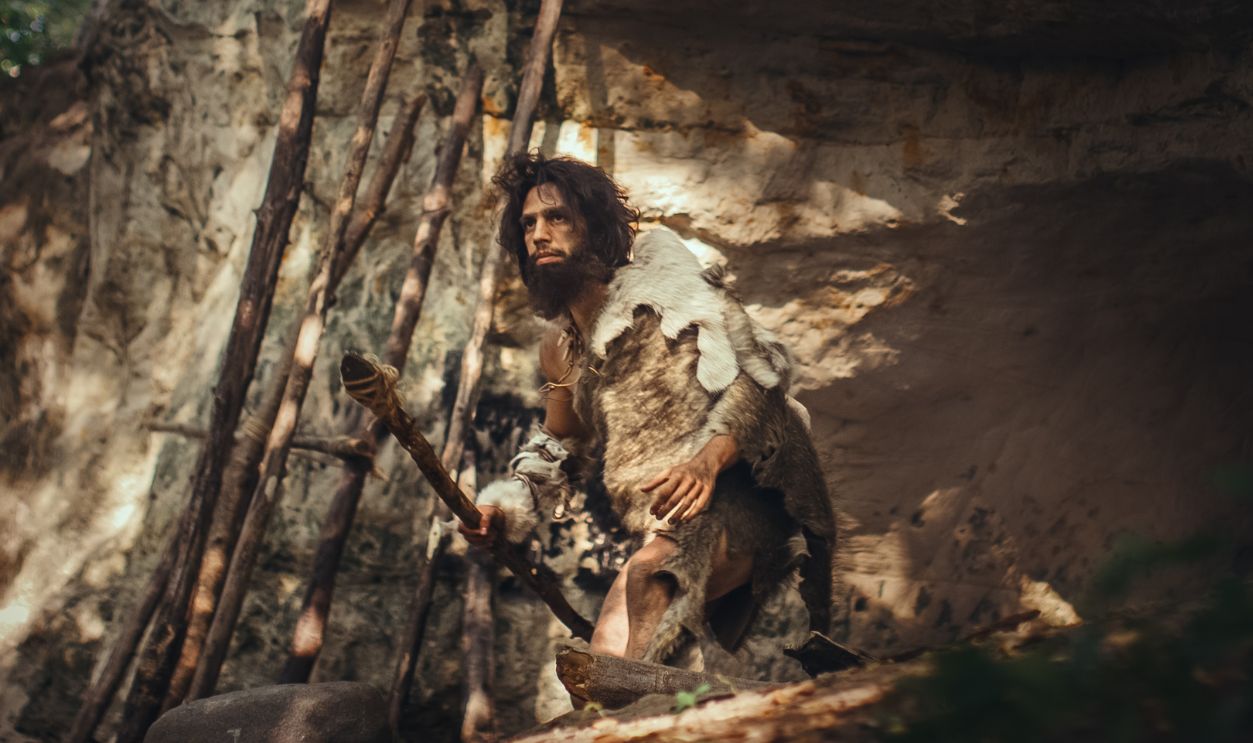
Neanderthals had to develop helpful hunting techniques and tools to capture large animals. They employed wooden spears and ambushes to hunt down their prey. Additionally, Neanderthals could make assorted stone tools like scrapers, knives, and awls with which to process their kill.
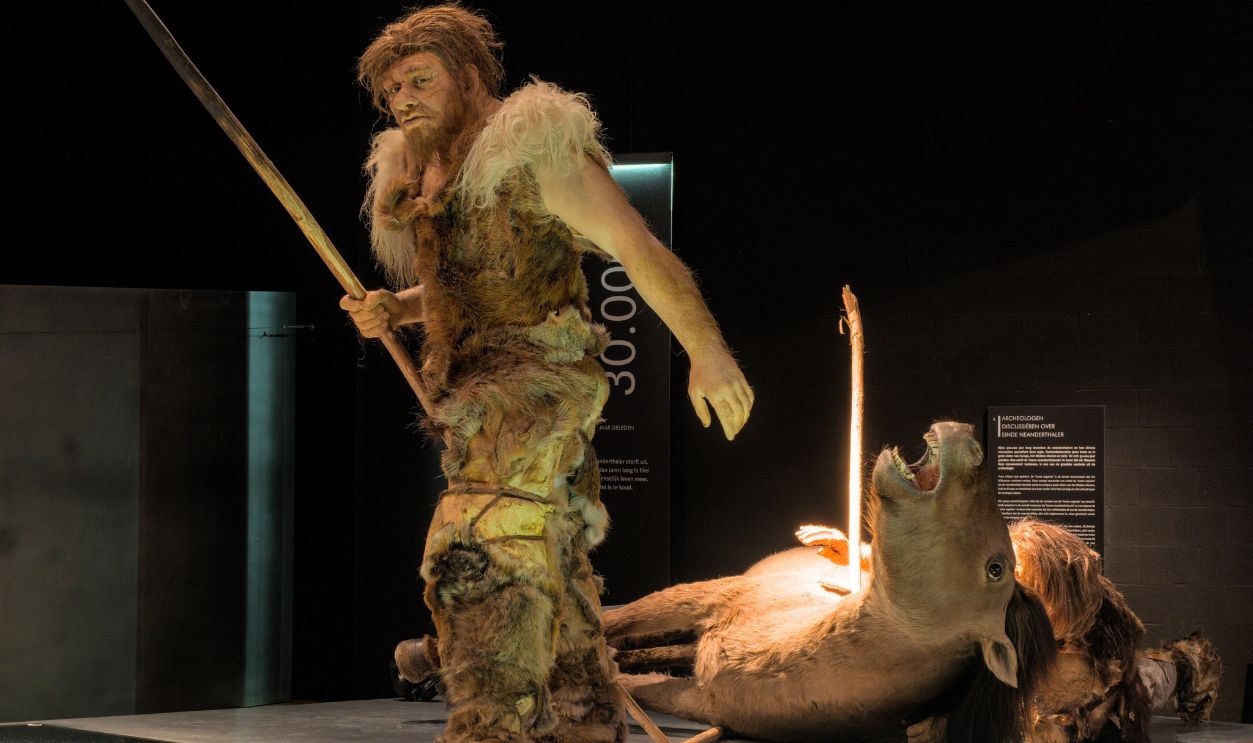 Trougnouf (Benoit Brummer), CC BY 4.0, Wikimedia Commons
Tool Technology And Innovations
The Mousterian tool culture, which crafted different stone tools for specific purposes, was invented by the Neanderthals. By mastering the Levallois technique, they could also produce sharp-edged tools. This technological advancement reflects their understanding of materials and their properties.

Shelter And Habitats
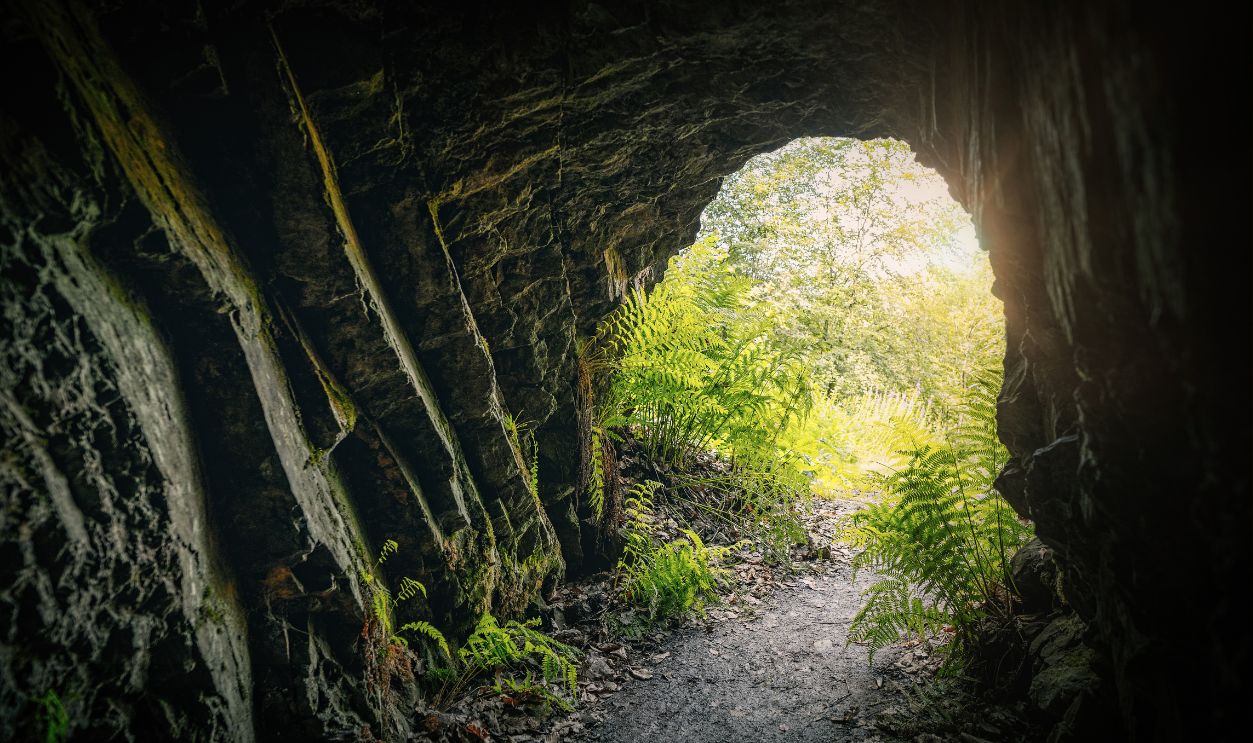
Studies report that Neanderthals lived in different places during their existence. Their remains have been found in dry grasslands, temperate regions, and icy environs. Caves and other natural formations provided shelter for them during adverse weather conditions. Some also might have constructed shelters using wood and other natural materials.
Social Structure
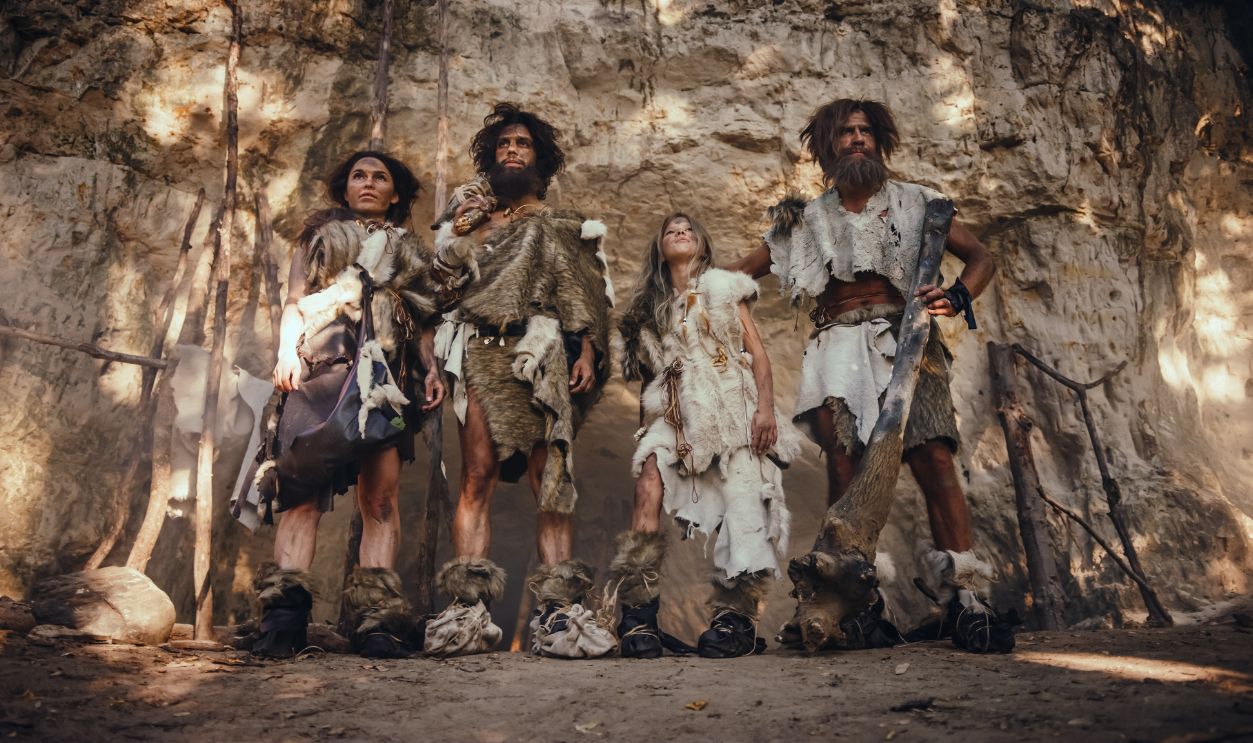
Each Neanderthal society consisted of small groups of 10-30 closely related individuals. Sometimes, these communities functioned like families, depicting strong social bonds. Every member of the society appeared to have a well-defined responsibility.
Communication And Language
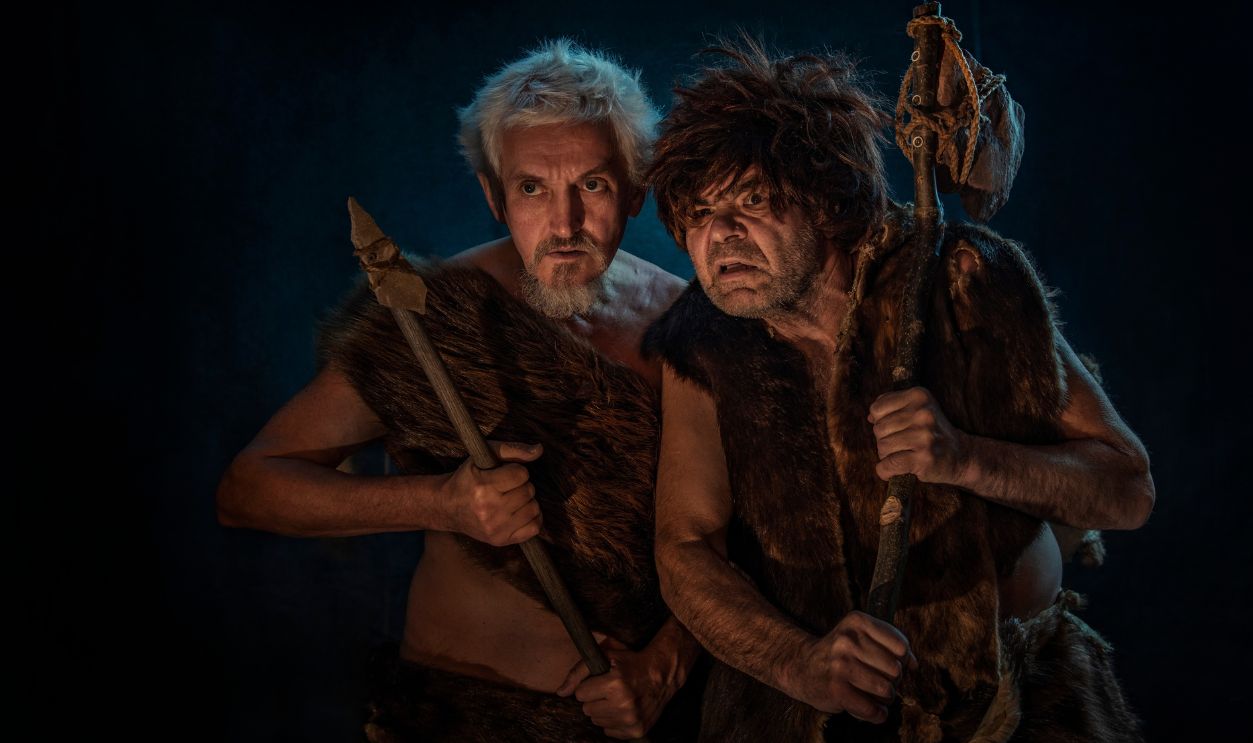
No substantial evidence suggests that there was a Neanderthal language. Yet, that doesn't mean they didn't communicate. The complex activities they engaged in are sufficient proof that they had some form of communication. Communication could have involved vocalizations, gestures, and body language.
Arts And Symbolism
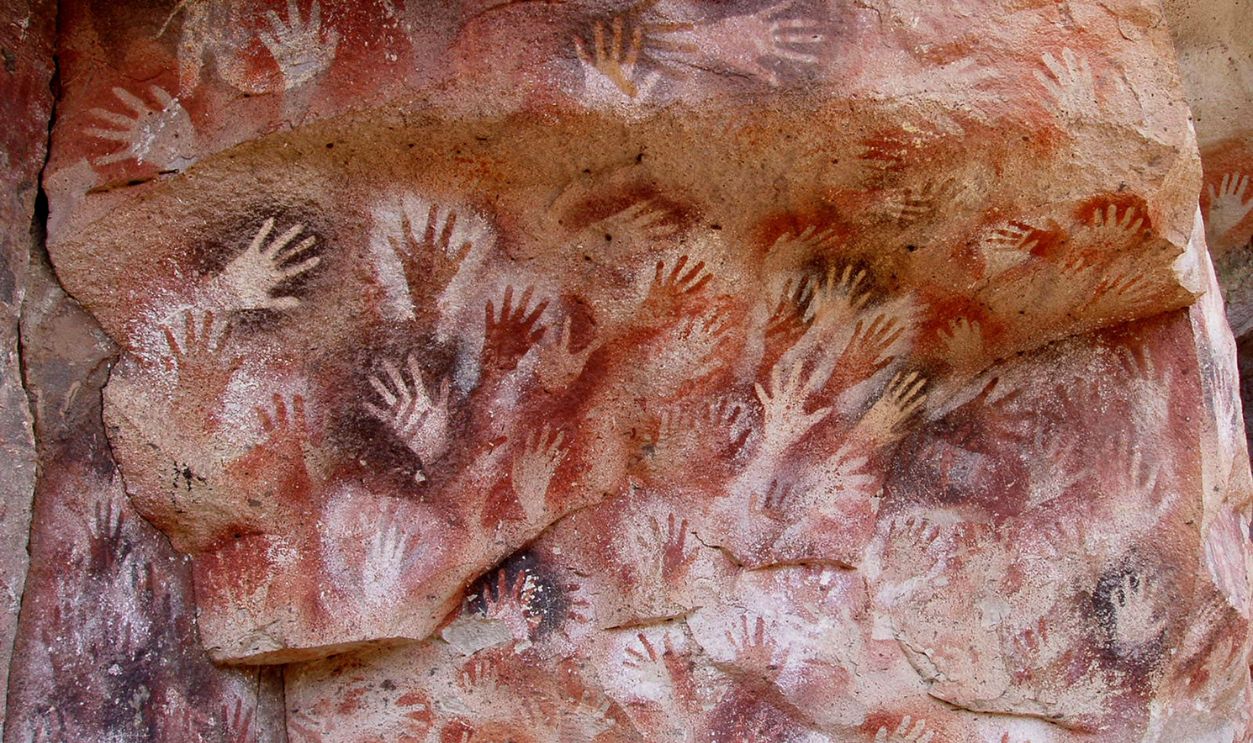
In addition to making tools and possessing communication skills, our distant cousins loved to express themselves using arts and symbols. Neanderthals left behind several engraved patterns on cave walls, decorated shells, and pierced animal teeth likely worn on the body.
Cultural Practices And Rituals
Further research has revealed that Neanderthals practiced culture and ritual, challenging the idea that they were purely primitive. At one excavation site, archaeologists discovered intentional burials, with the dead laid to rest alongside tools and animal bones—suggesting they may have believed in some form of an afterlife.

Clothing And Clothing Materials
Neanderthals were perhaps the first loth designers—the Louis Vuittons of the ancient world. They used scrapers, awls, and similar tools to process hides and fur, converting these items into garments that provided warmth and protection. Parts of the clothing likely included capes or cloaks sewn together using sinew or plant fibers.
Child Rearing And Family Life
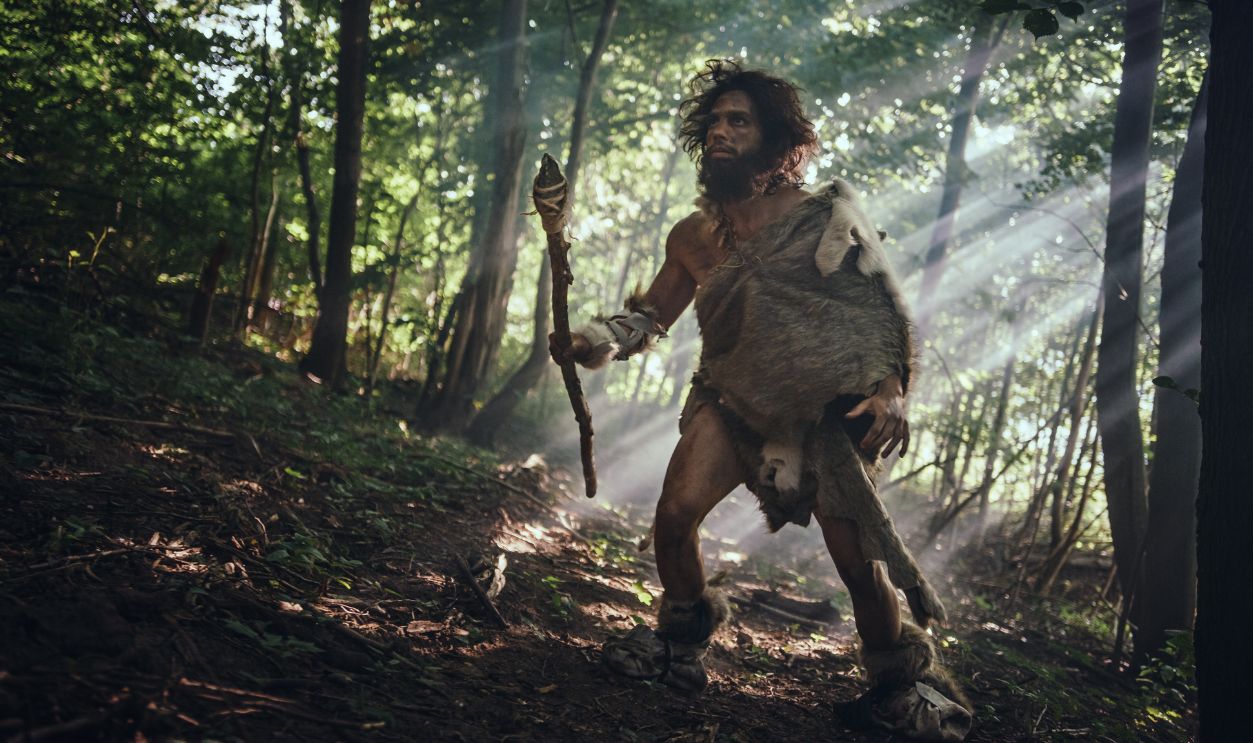
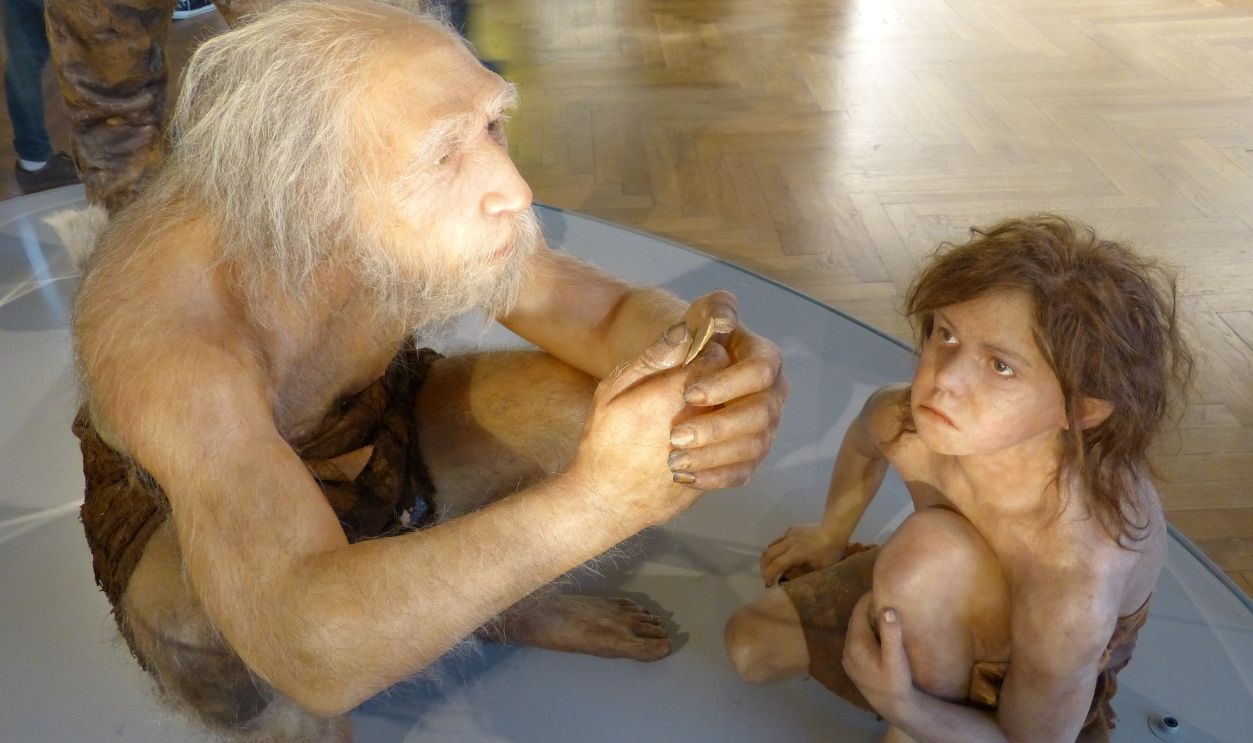
Neanderthal families taught their children basic survival skills and domestic chores. This way, the locals passed down knowledge to the next generation. Neanderthals cared for older people and those who could not fend for themselves.
 Wolfgang Sauber, CC BY-SA 4.0, Wikimedia Commons
Cognitive Abilities
Proofs of the Neanderthal’s cognitive abilities can be seen in their ability to plan, strategize, and adapt to changing environments. They might have shown high levels of intelligence and problem-solving skills, qualities that trump outdated views of Neanderthals as primitive beings.
Genome
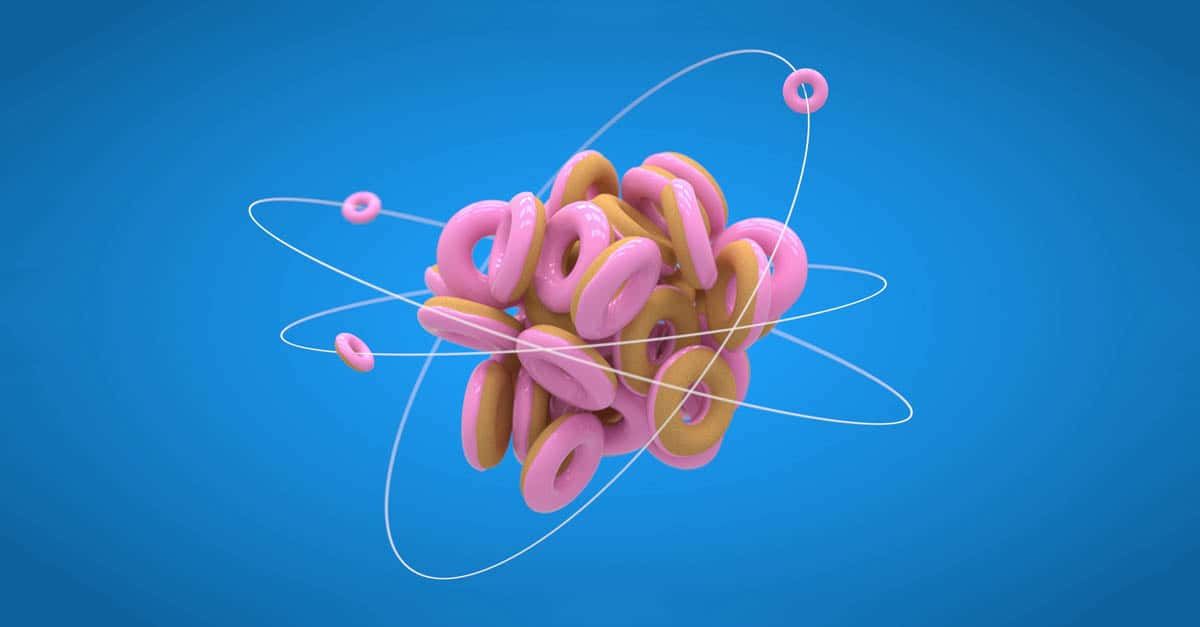
Genetic research has revealed that Neanderthals were more than just distant cousins—they were part of our evolutionary family tree. About 2% of our DNA is similar to theirs, leading us to reexamine our previous knowledge about human genetics.
 DEVA PRASKA DEWANTARA, Shutterstock
Genome Analysis
Scientists sequenced the Neanderthal genome, and the result changed much of what we knew about our ancient relatives. Researchers compared Neanderthal DNA with modern humans, discovering secrets about their health, adaptations, and interactions with early humans!
Genetic Adaptations
Neanderthals developed many adaptations that enhanced their ability to thrive in varying circumstances. They adapted to cold climates and different diets, which enabled them to thrive in diverse environments. Our ability to adapt was because we inherited some Neanderthal genes.
Interbreeding With Humans
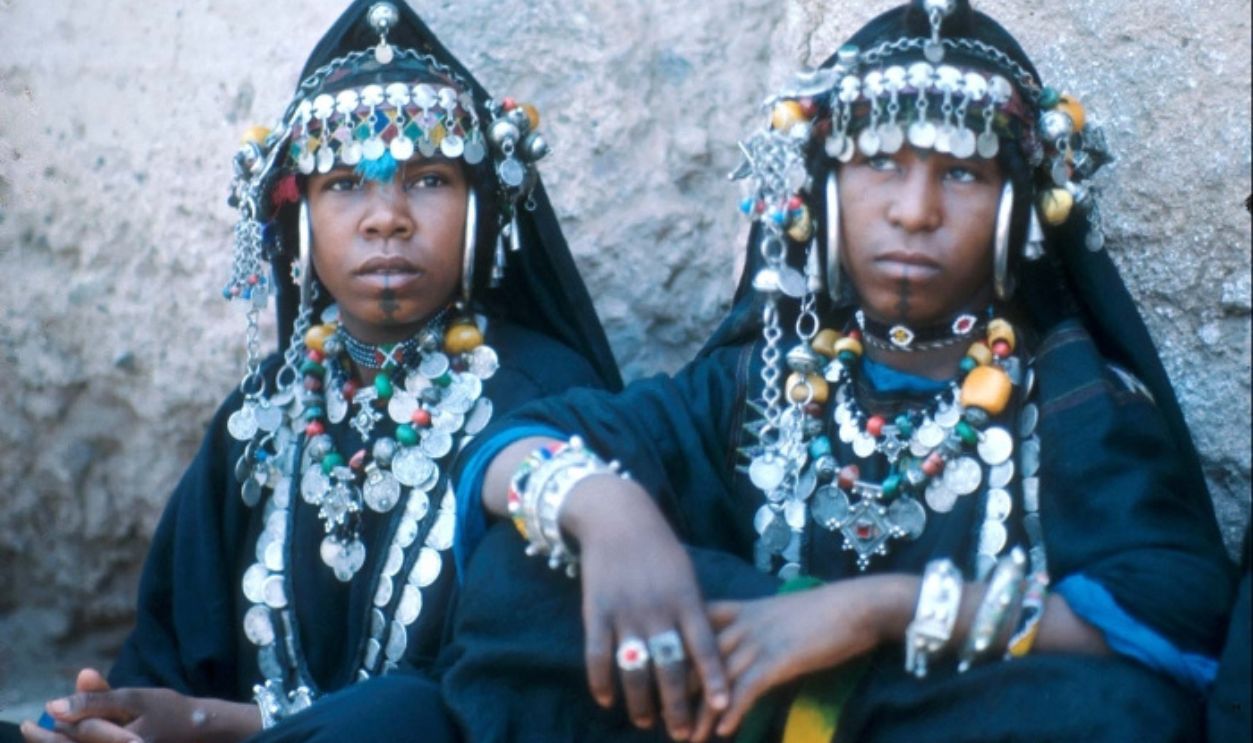
When Neanderthals and early modern humans crossed paths in Europe and Asia, they didn’t just coexist—they interbred. That ancient mingling lives on today, etched into the DNA of many non-African populations and shaping the genetic diversity of modern humans..
 Collectie Wereldmuseum CC BY-SA 3.0, Wikimedia Commons
Impact On Modern Humans
Neanderthals influenced Homo sapiens in so many ways. In addition to the transfer of genes, they impacted our traditions, tool-making habits, and survival ability. Our ancestors could learn these new skills due to the interactions that took place between both groups.

Climate Change And Neanderthal Decline
Climate change could be one possible reason for the Neanderthals' extinction. Temperature fluctuations and other environmental changes made it increasingly difficult to find food. These mounting environmental pressures might have made it more difficult to adapt to new conditions.
Competition With Modern Humans
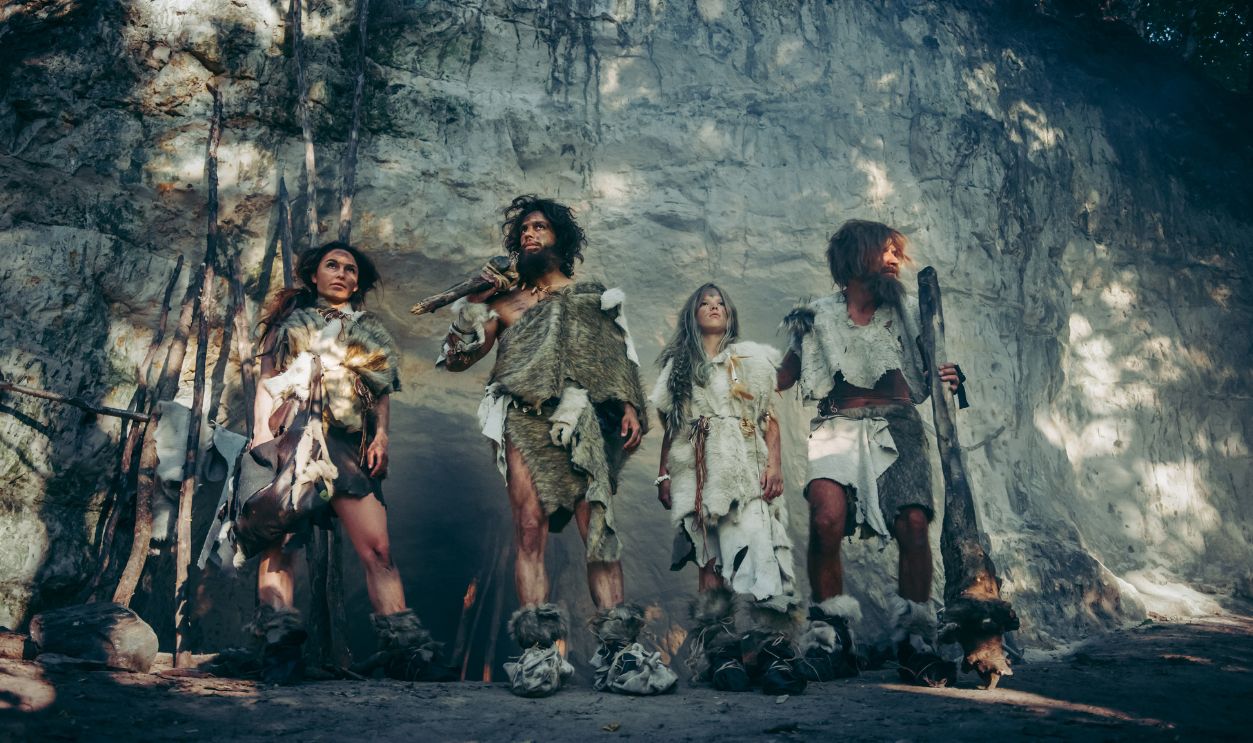
Competition with modern humans could also be another reason Neanderthals no longer exist. The increasing human population might have overwhelmed the Neanderthals, leaving them with little or nothing. Modern humans also had better tools, weapons, and social structures. Researchers once believed that climate change and competition eventually drove Neanderthals to extinction—but genetic evidence now shows many survived the initial extinction pressures and interbred with humans.
 Angga Budhiyanto, Shutterstock
Sites And Settlements
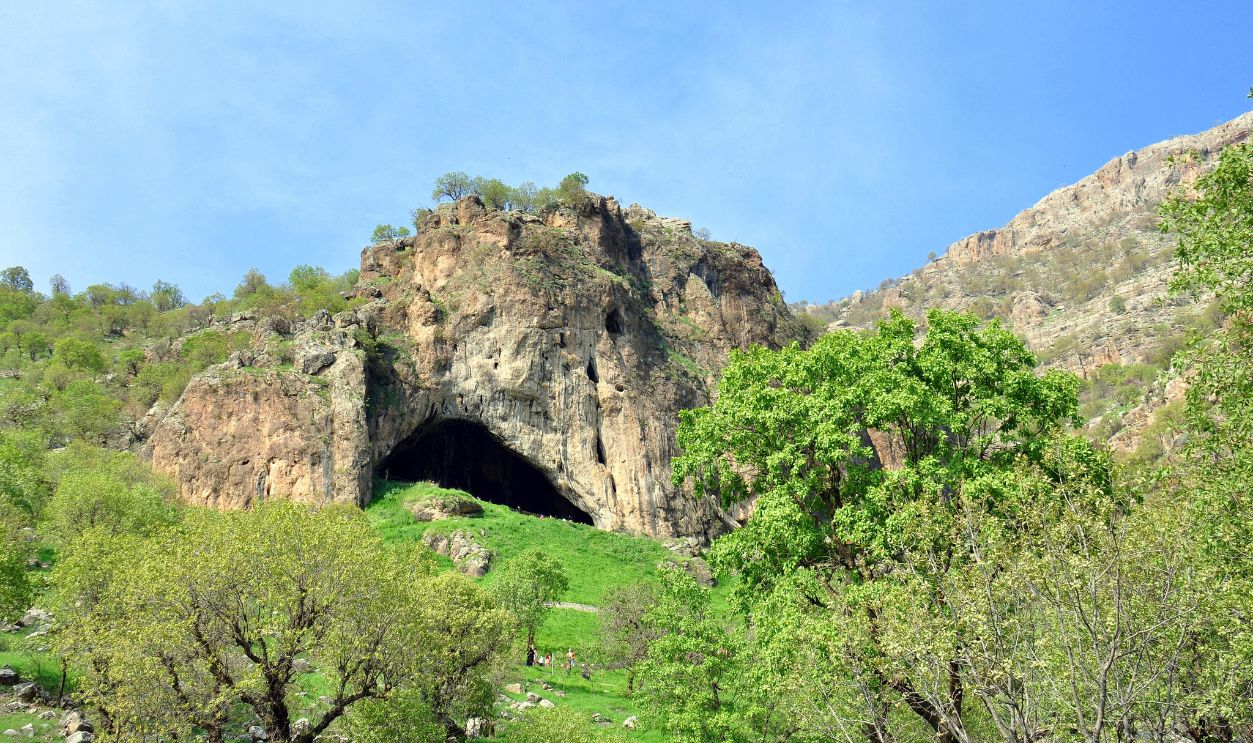
Several Neanderthal sites have been under excavation for a while. One is the Shanidar Cave in Iraq, which revealed some burial practices and insight into how Neanderthals cared for the injured. Another important site is the Neander Valley in Germany.
 Osama Shukir Muhammed Amin FRCP(Glasg), CC BY-SA 4.0, Wikimedia Commons
Symbolic Behaviors
In addition to their cultural practices, Neanderthals must have used symbols extensively. We see this in their burial practices and the use of pigments. Symbolism suggests the capacity for abstract thought and also an appreciation of aesthetics.
Comparison With Early Modern Human Art
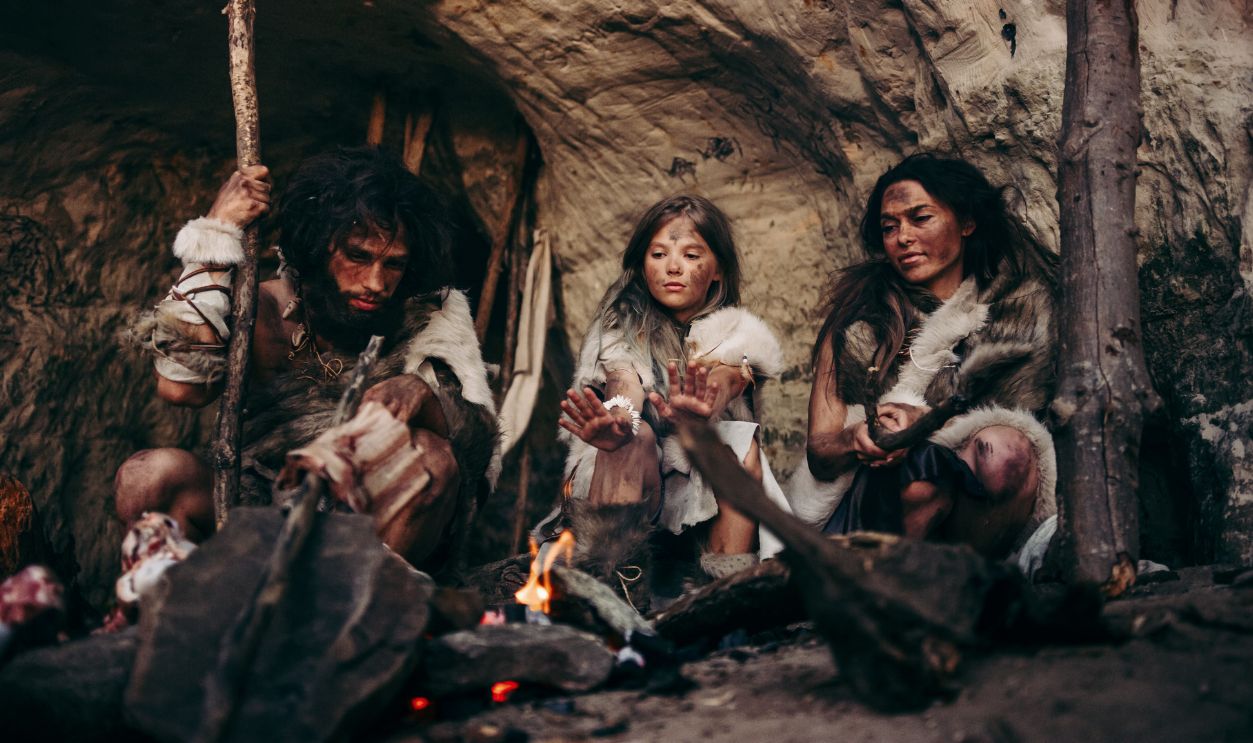
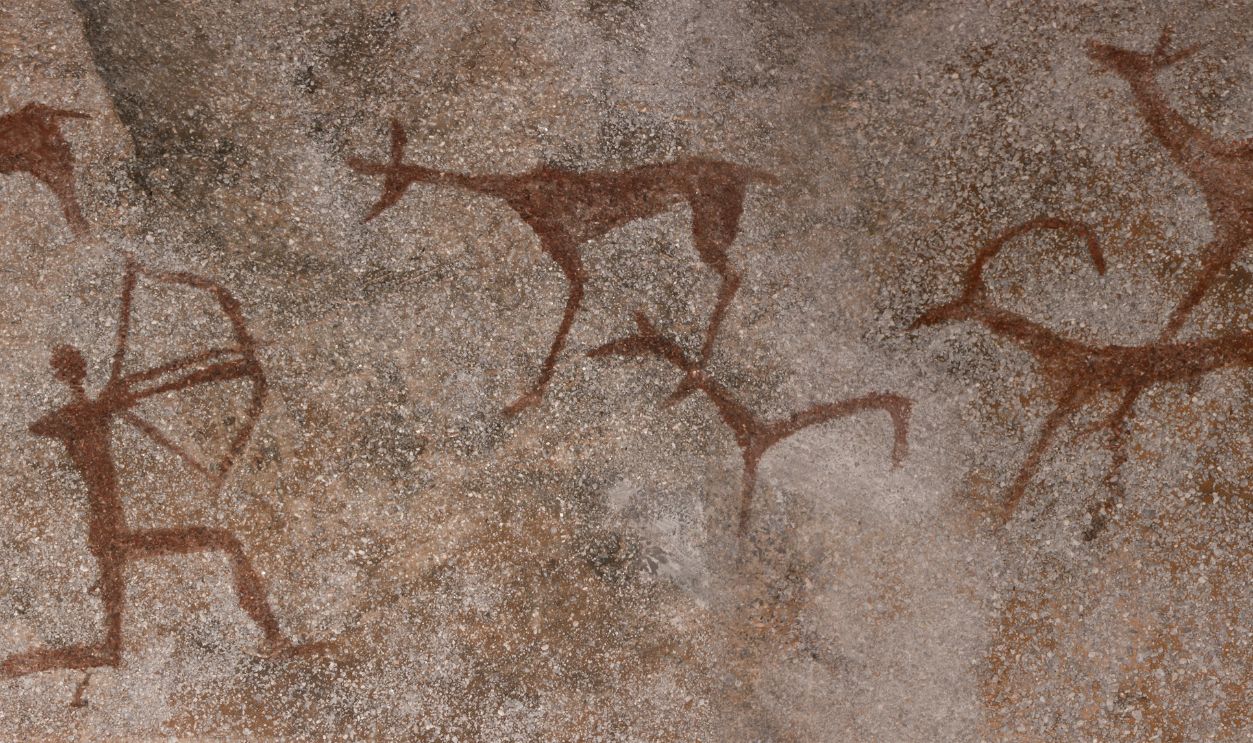
There are differences and similarities between the arts of Neanderthals and modern humans. First, Neanderthal arts were much more straightforward, demonstrating their love for beauty and symbols. Still, they laid the foundations for modern artistic endeavors.
Trade And Social Networks
Neanderthal communities weren’t isolated or antisocial—they were connected in ways that mattered. Archaeological evidence shows they exchanged items across groups, a primitive form of trade that helped build social networks (definitely not Facebook or LinkedIn). These interactions likely played a key role in sharing skills, resources, and knowledge across regions.
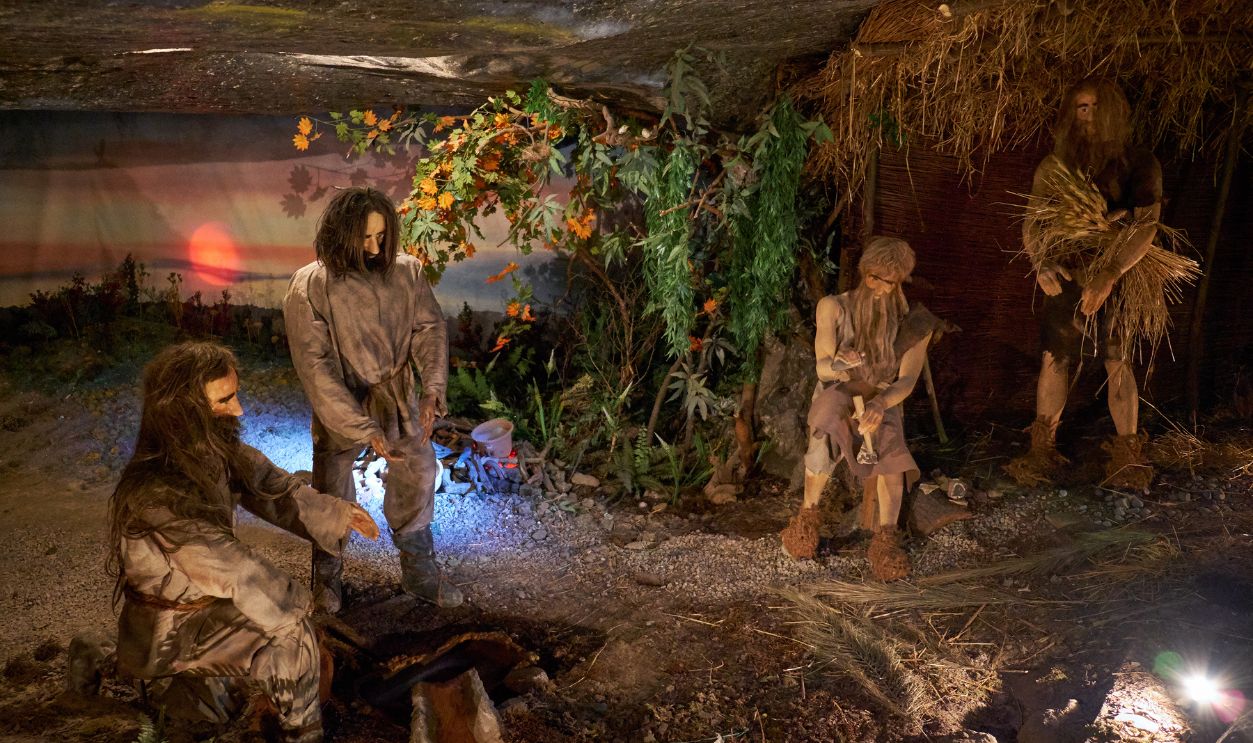
Subsistence Strategies
Neanderthals likely displayed some form of subsistence. Activities like hunting, foraging, and fishing were different methods used to secure food and other necessities. These also show just how complex Neanderthal societies were.
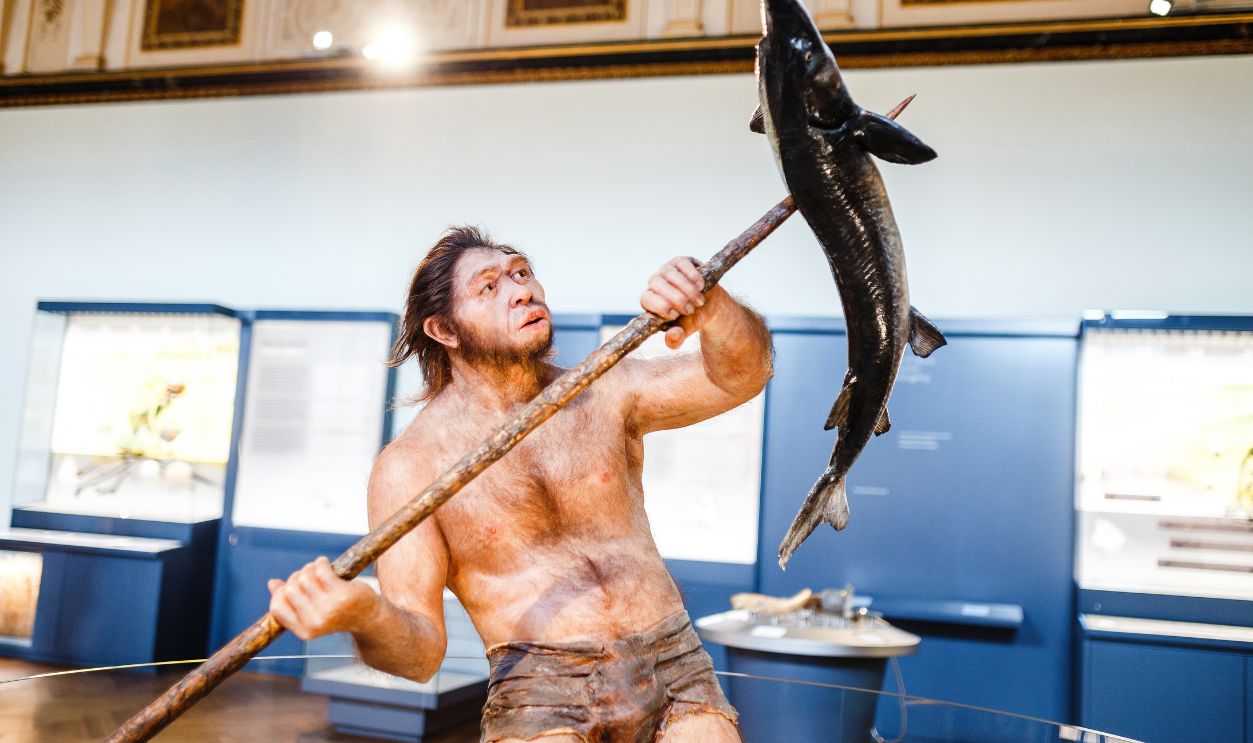
Fire Use And Management
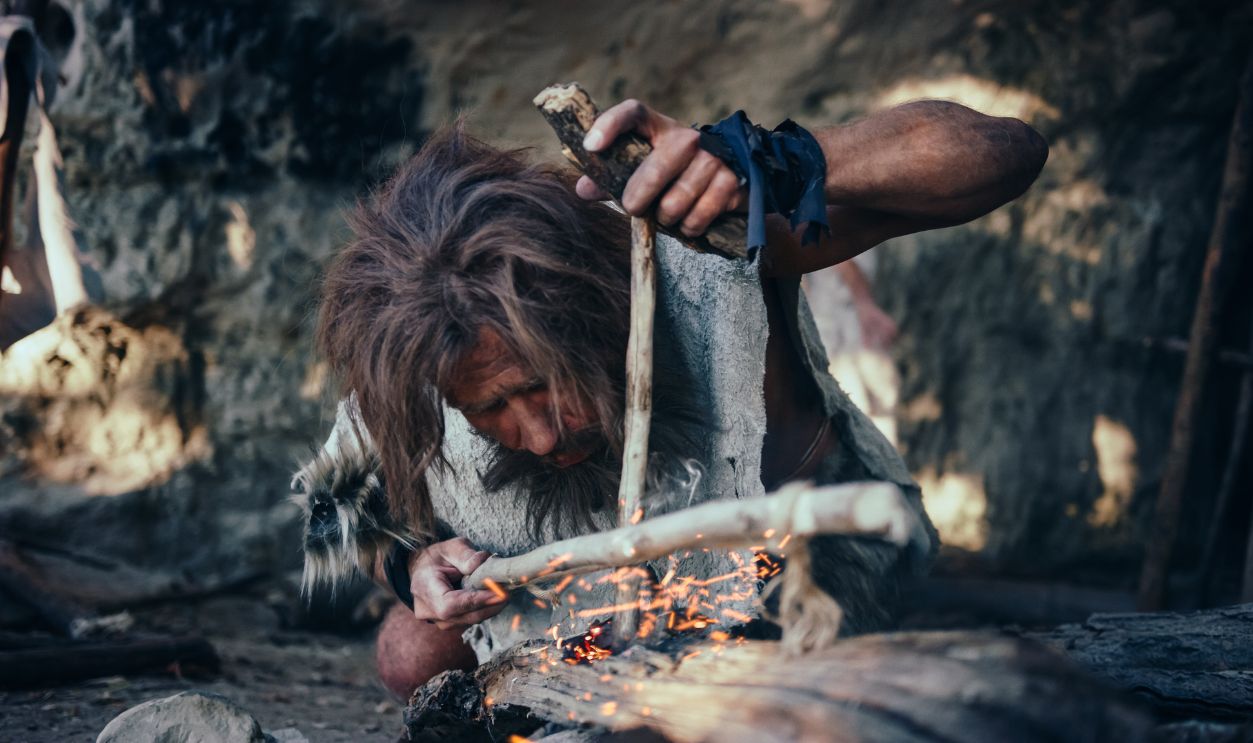
Another skill likely demonstrated by Neanderthals was fire management. Not like they had firefighters or smiths, but scientists have unearthed several activities showing controlled fire use. Neanderthals needed to learn fire management because it was essential for cooking, keeping warm, and protecting against predators.
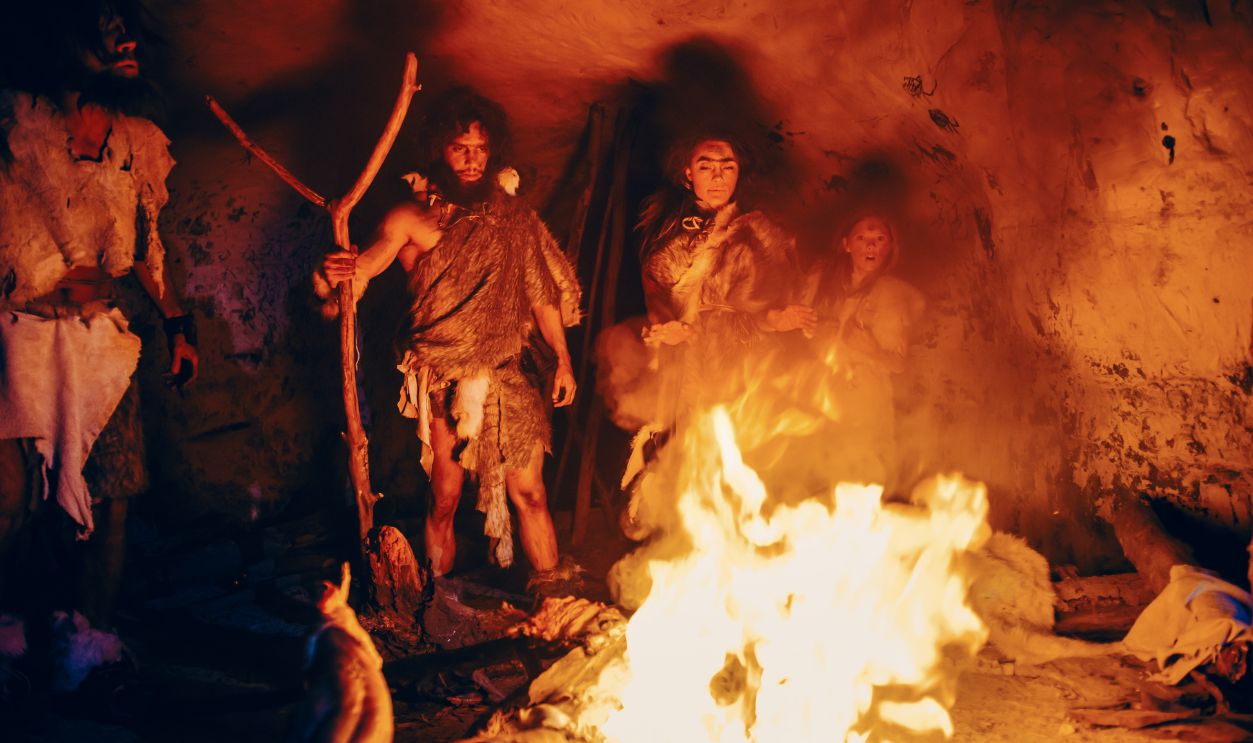
Use Of Heated Stone For Cooking And Tool-Making
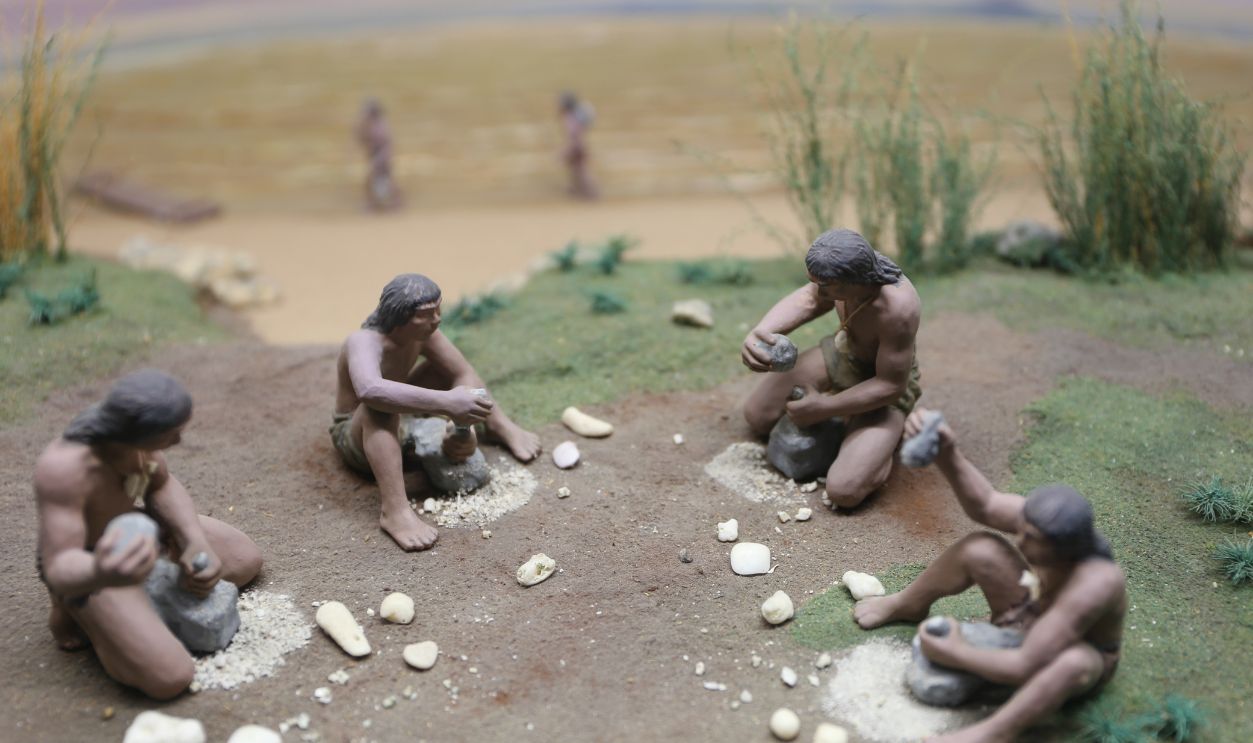
In addition to their mastery of fire, Neanderthals used heated stones for tool making. Since the process of making stone tools was complicated, heating stones made it easier to shape the different tools precisely.
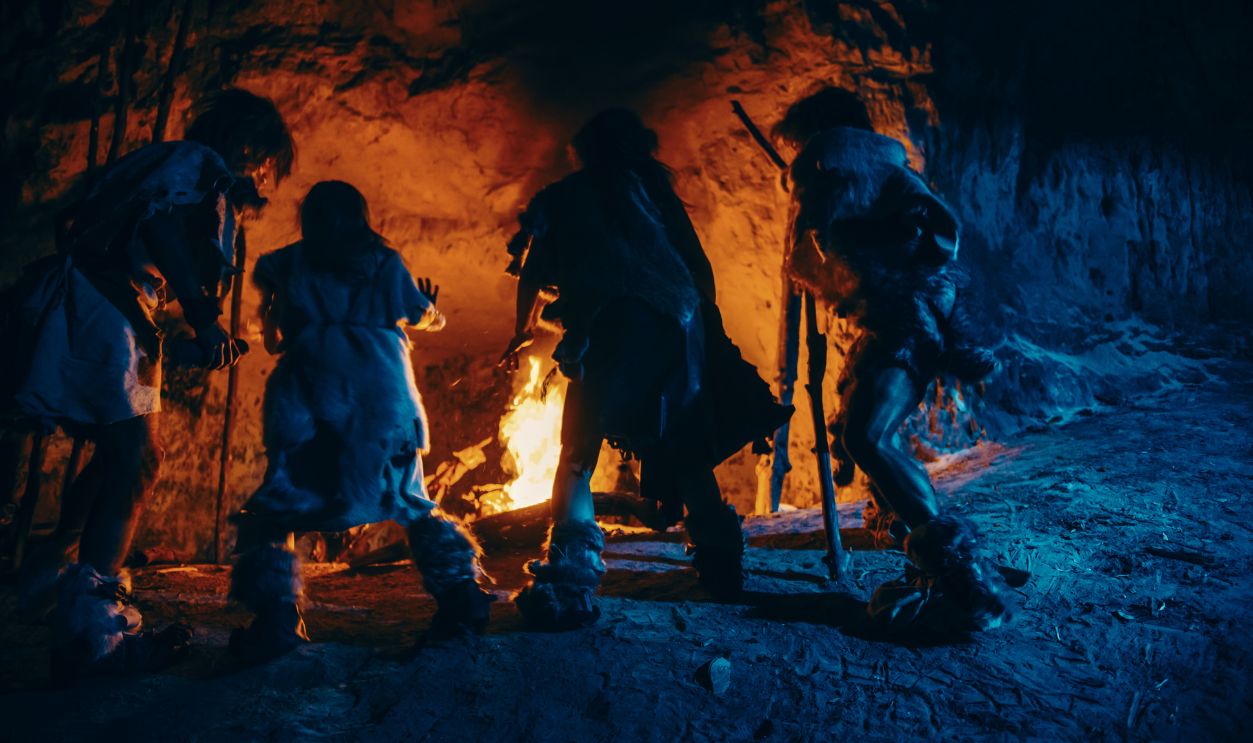
Hunting Techniques
Neanderthals also applied different hunting strategies to capture large game and secure food resources. The strategies include ambushes and using spears and similar sharp tools. They likely developed and adapted these different hunting techniques for different scenarios.
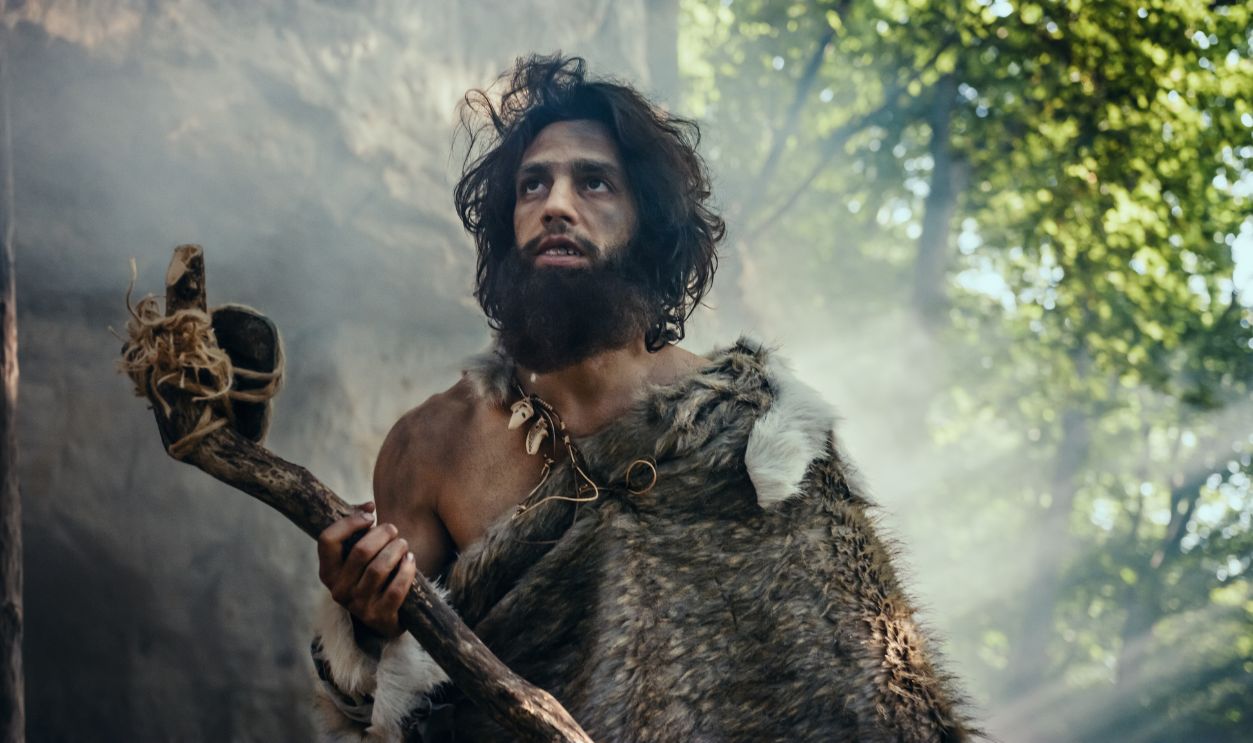
Tool Maintenance And Repair
Not only did Neanderthals make tools, but they also maintained them through sharpening and reshaping. Broken tools were also repaired and reused. The ability to preserve tools highlights their problem-solving and resource management abilities.
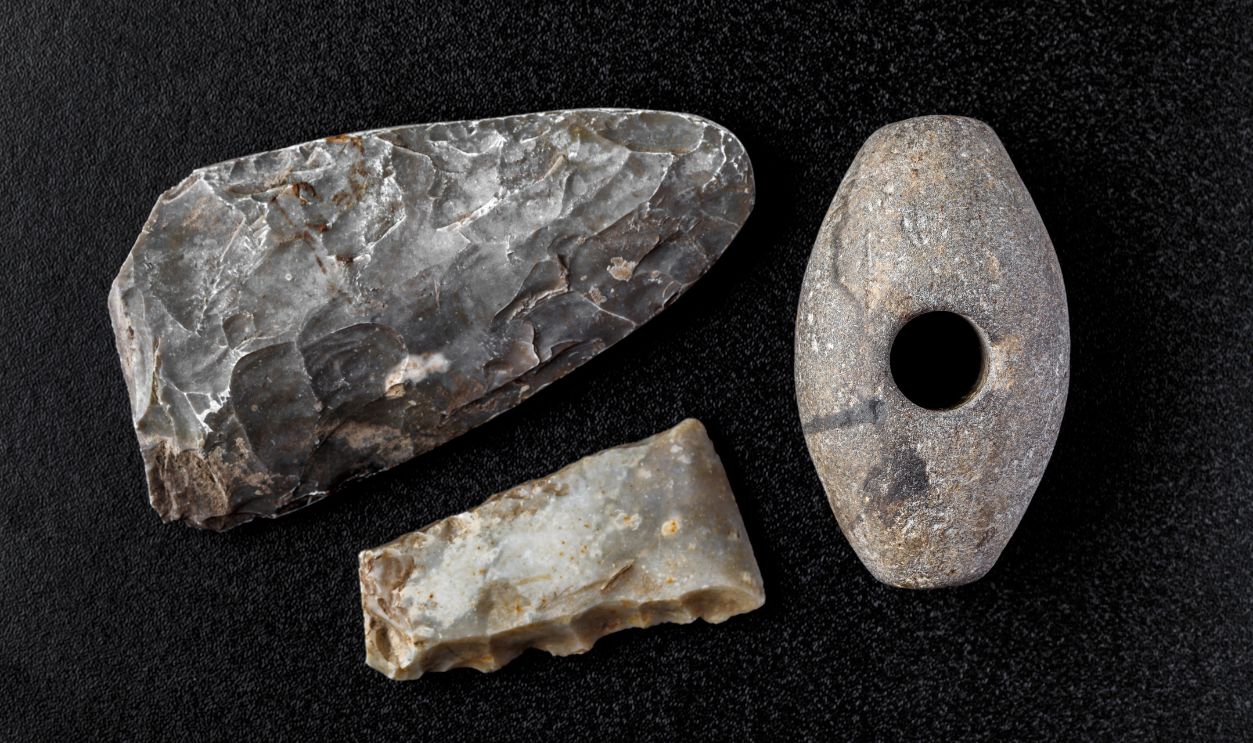
Seasonal Movements
Neanderthals rarely stayed in one place for long. They frequently moved about as the seasons changed, in pursuit of migratory animals or in search of seasonal plants. Frequent movements like these depicted their rich understanding of the world and ability to plan.
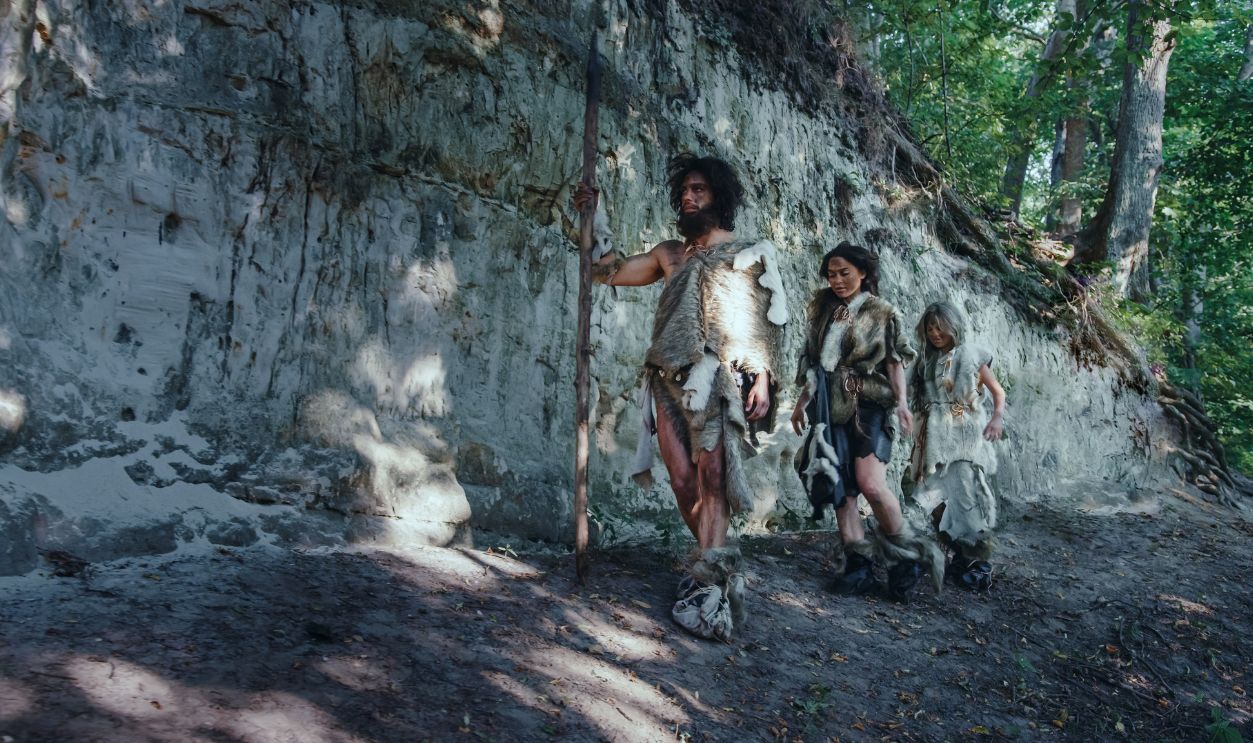
Habitat And Geographic Range Overview
Seasonal movements were possible because Neanderthals had adapted to a wide range of geographical habitats. From Western Europe to parts of Asia and cold northern regions to temperate areas, excavations have shown how large an area they'd lived.
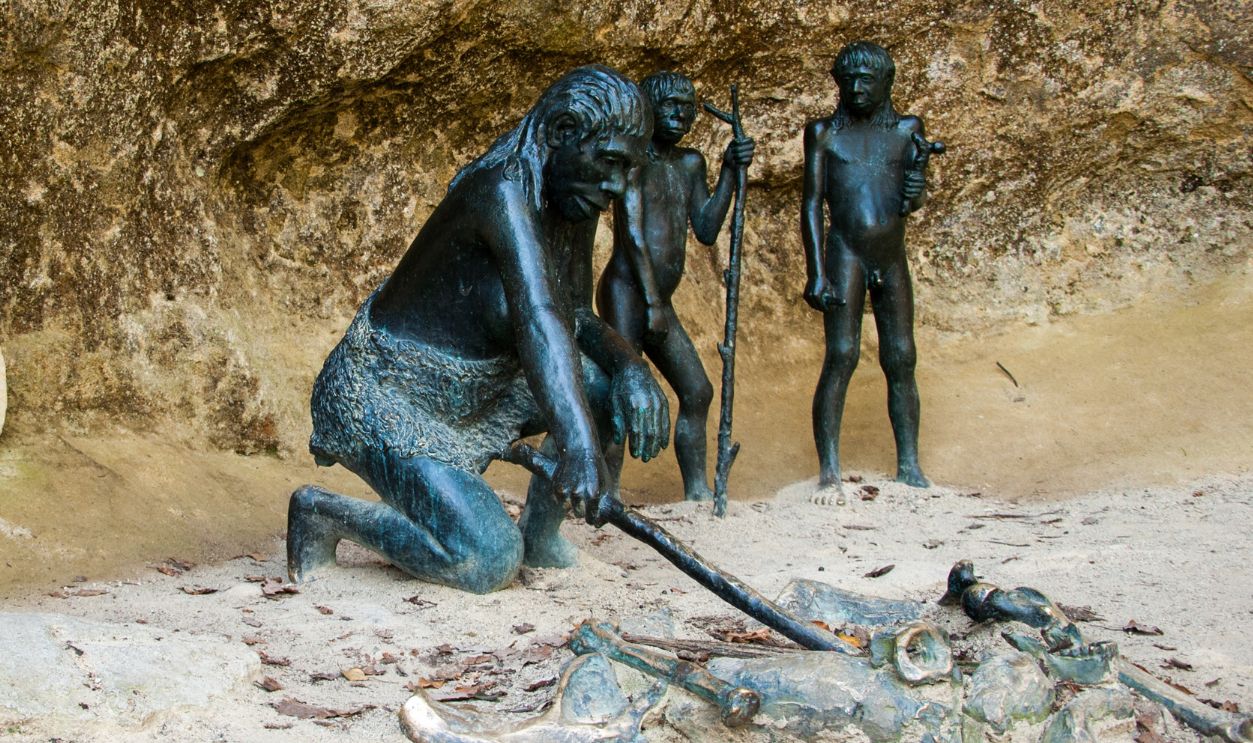
Group Dynamics
Shared responsibilities and mutual support shaped the lives of Neanderthals. Many of their small groups contained individuals who helped out with routine activities like nurturing the vulnerable and hunting. Neanderthal cooperation instilled a sense of oneness and camaraderie.
Territoriality And Land Use
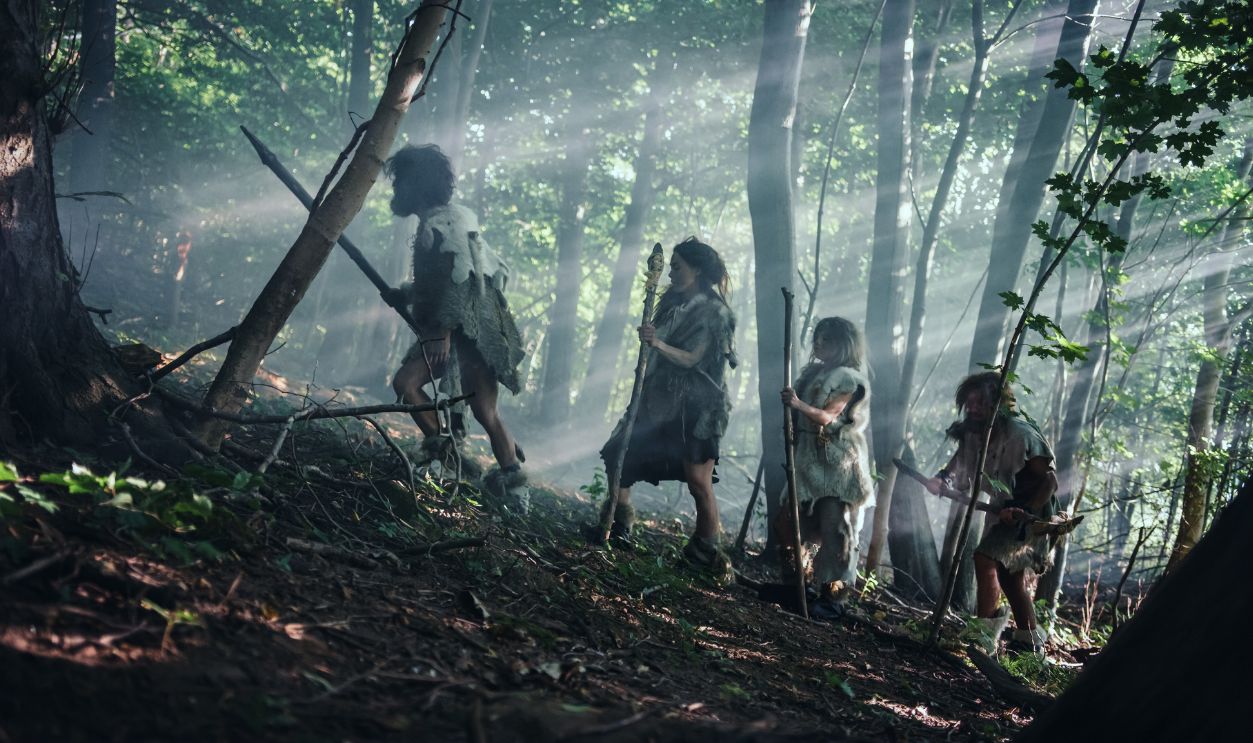
One fascinating aspect of Neanderthal life was how they properly managed their land. Territories were maximized by dividing the land into separate portions for hunting, gathering, and shelter. They might have studied the nature of the land and selected appropriate sites based on different factors.
Food Preparation Techniques
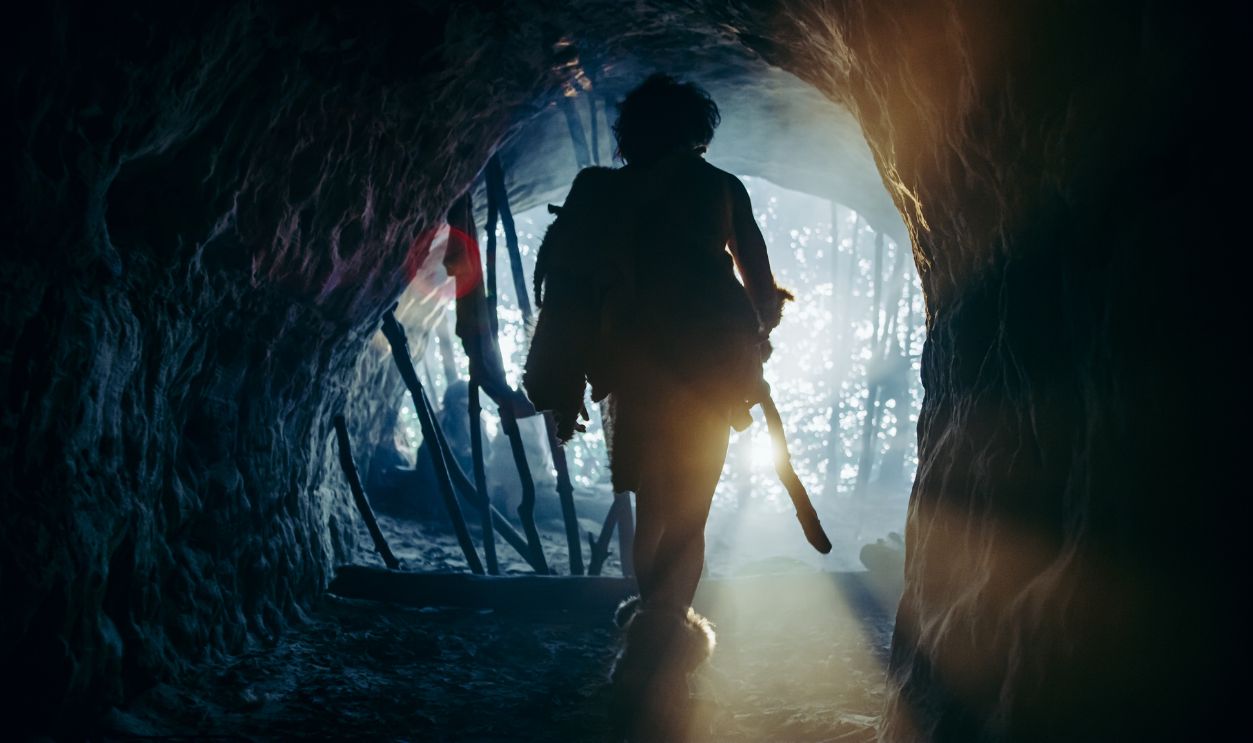
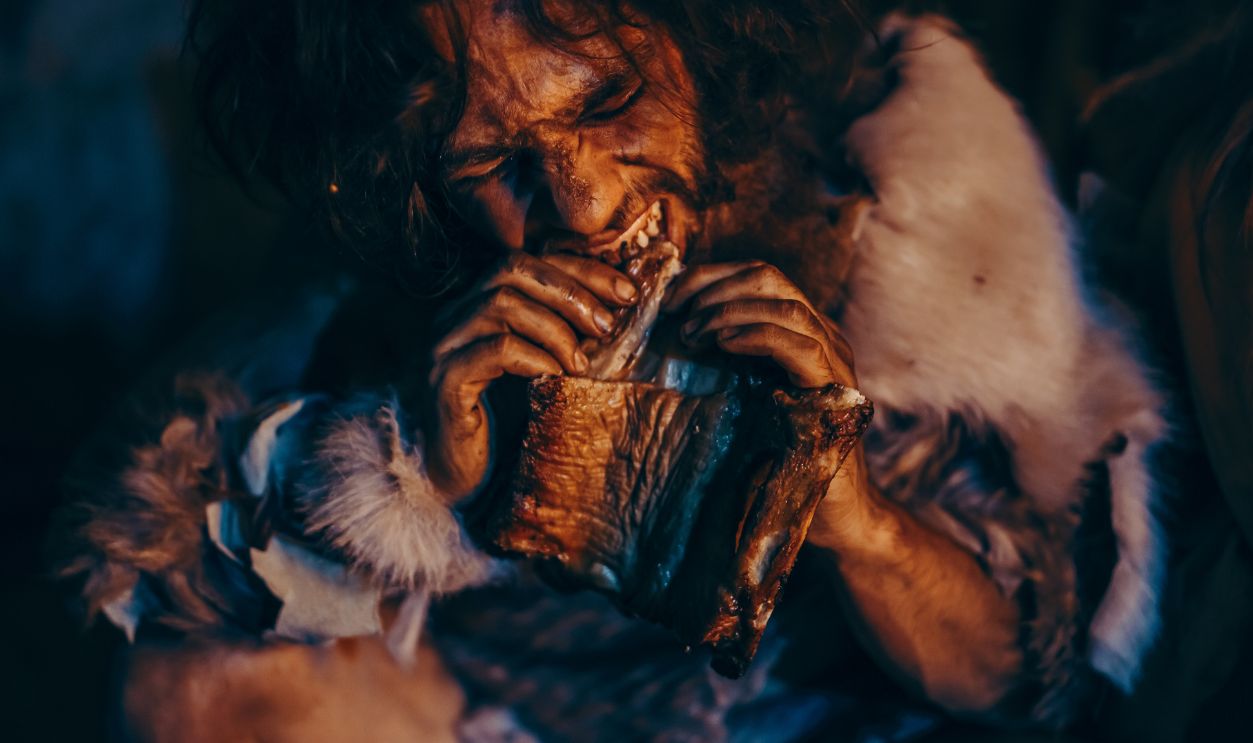
The Neanderthals mastered different food processing techniques to enhance food nutrition and flavor. The meat was cooked over a fire to soften it and make it easier to chew and digest. Other methods were possibly developed to preserve food for future use.
Neanderthals Practiced Cannibalism
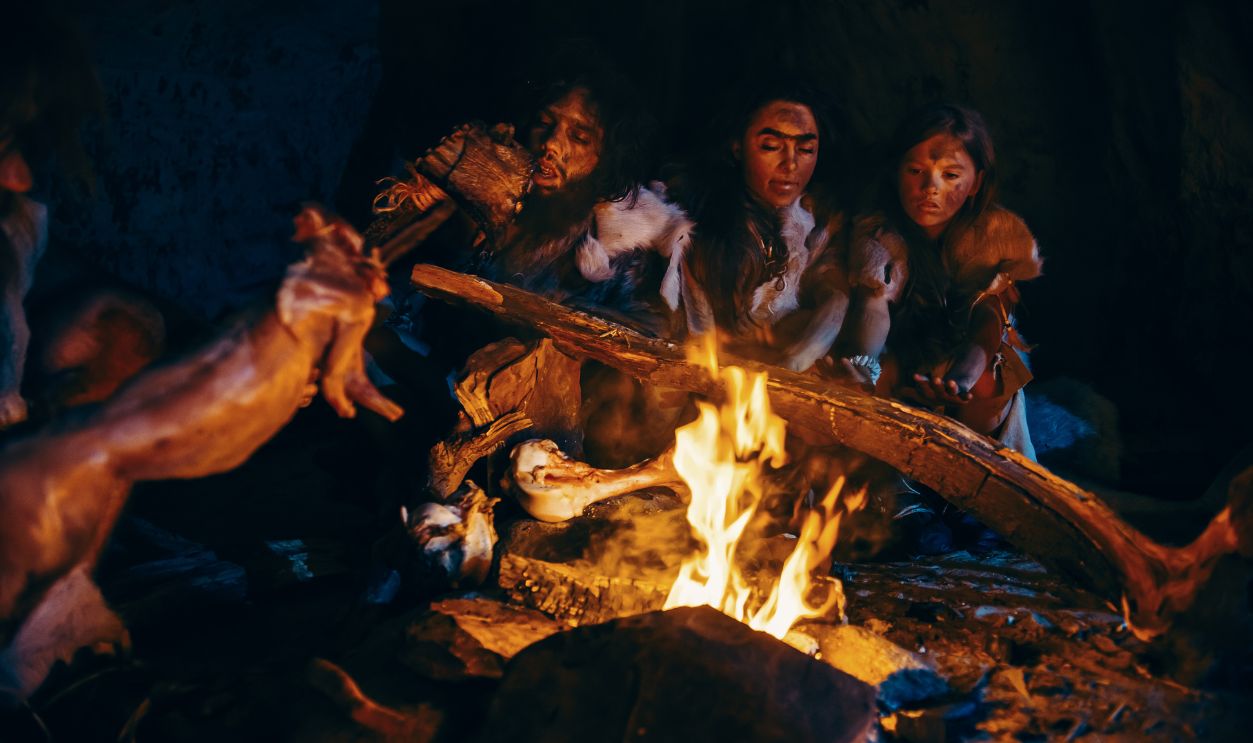
Several pieces of evidence suggest that Neanderthals could have been cannibals. Archaeologists discovered some bones that looked like they were butchered for food. Neanderthals might have been forced into cannibalism when food was scarce or took part in it as part of some ritual.
Disease And Health
Like any other living being, Neanderthals faced many health challenges, including injuries, infections, and diseases. Their skeletal remains show different signs of trauma and pathology. However, evidence of healed injuries suggests Neanderthals cared for the sick and injured.

Neanderthals Used Medicinal Plants
After examining some fossils, experts discovered evidence suggesting Neanderthals used medicinal plants to treat ailments and illnesses. Traces of plants like yarrow and chamomile found in dental plaque analysis presume that Neanderthals knew about self-care and herbal medicines.
 kallerna, CC BY-SA 3.0, Wikimedia Commons
Neanderthals Had High Pain Tolerance
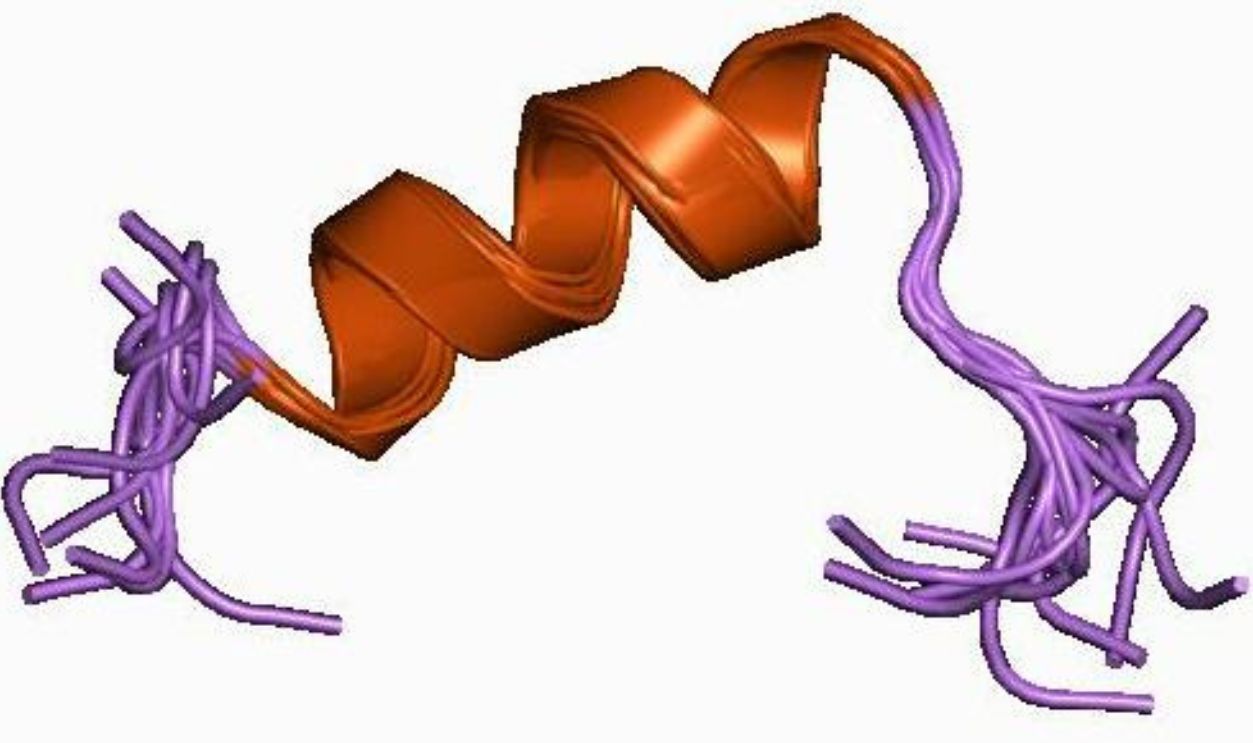
In 2020, researchers showed that Neanderthals had the SCN9A gene, which allowed them to endure severe pain. The presence of this variant helped them survive the frequent injuries they were exposed to. Imagine a pain tolerance so great that one could lose a finger without wincing.
 Jawahar Swaminathan, Public domain, Wikimedia Commons
Scientific Methods Used In Neanderthal Research
Since the first sighting of Neanderthal fossils, the scientific methods used to study their remains have improved significantly. Whereas initial studies used simple fossil analysis, current research now employs improved methods like DNA sequencing and isotopic analysis.

Neanderthals In Popular Culture
Some media portrayals of Neanderthals have led to the myth that these distant cousins were primitive and unintelligent. In particular, several movies and TV shows describe them as brutish cavemen. Nevertheless, a few are beginning to correctly portray Neanderthals as intelligent.





.jpg)


.JPG)
