


Buried for 3,000 Years
They weren’t gold. They weren’t covered in inscriptions. At first glance, they didn’t look dramatic at all. But when scientists tested them, the results pointed back nearly three millennia—to a chapter of history that still shapes faith, politics, and global debate. Now experts are revisiting a question many thought could never be answered.

The Structure at the Center of the Storm
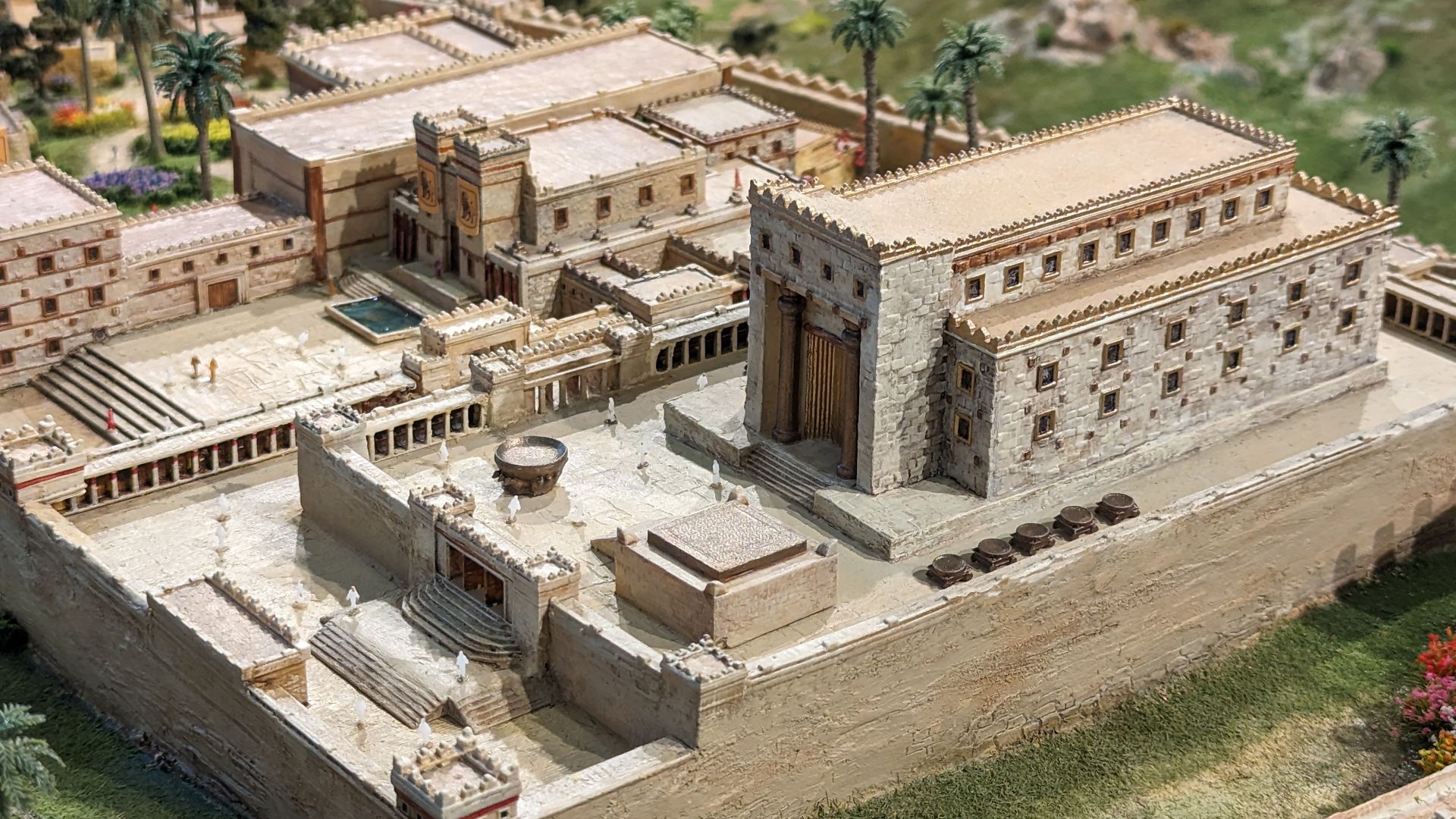
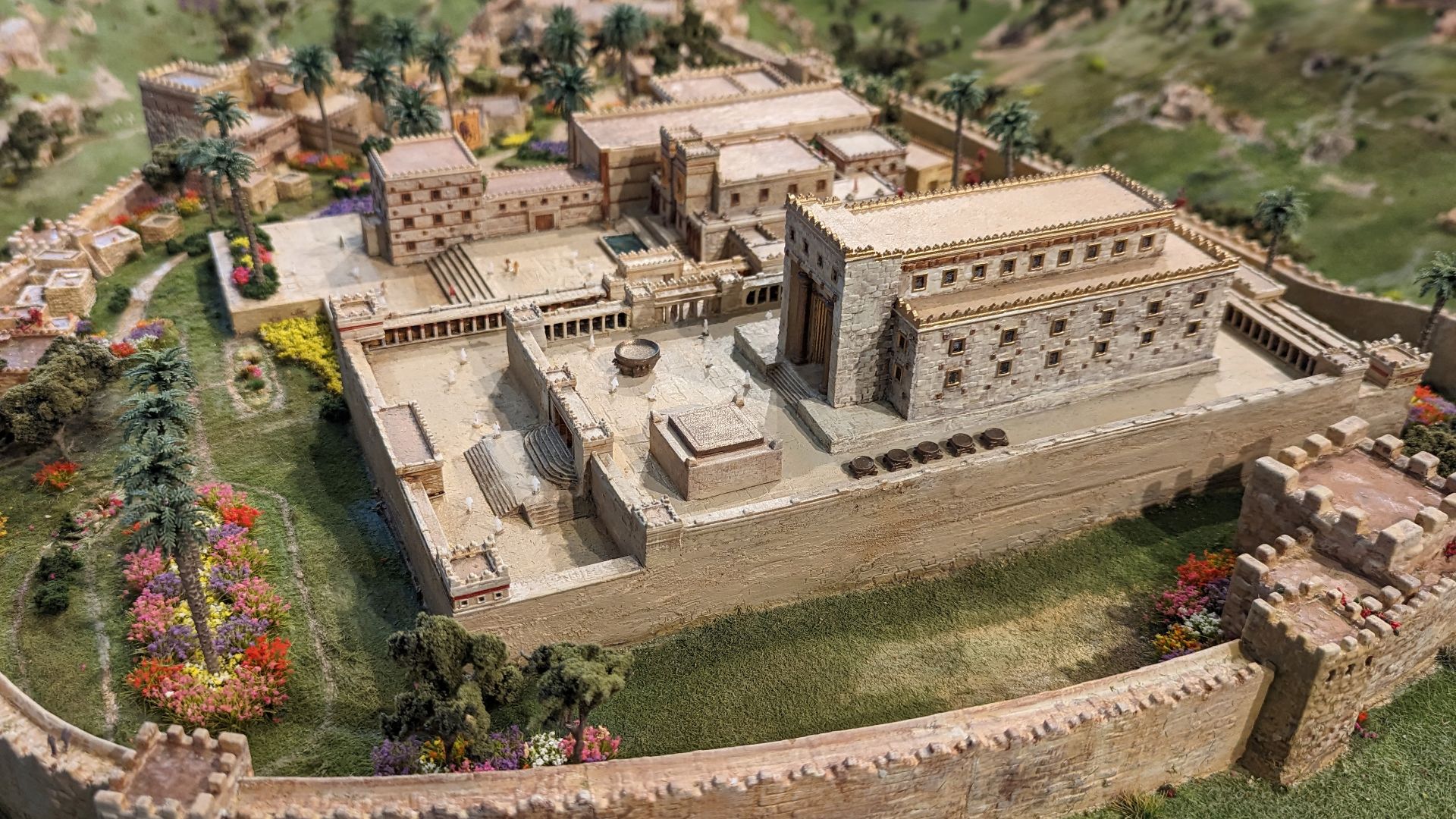
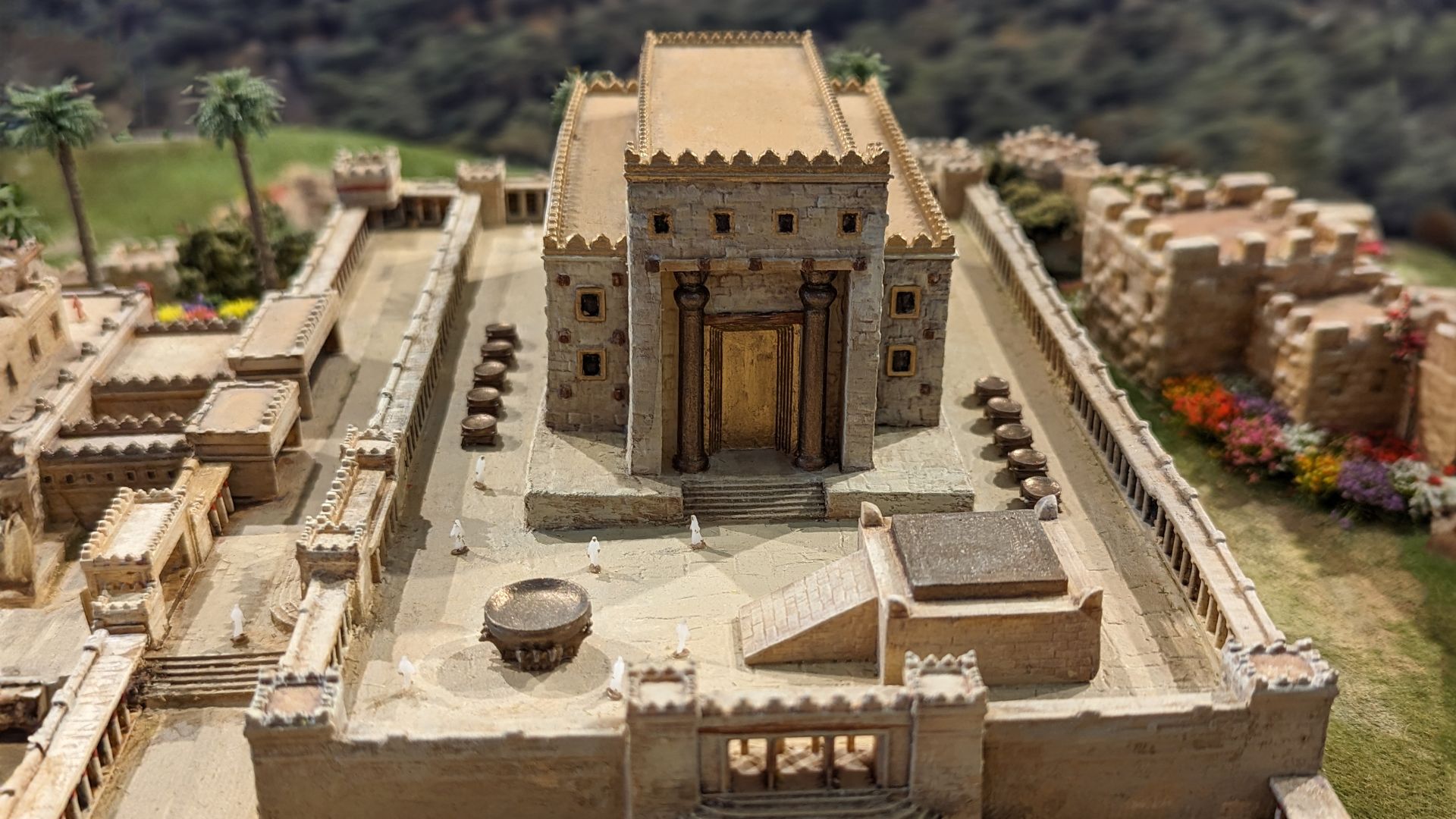
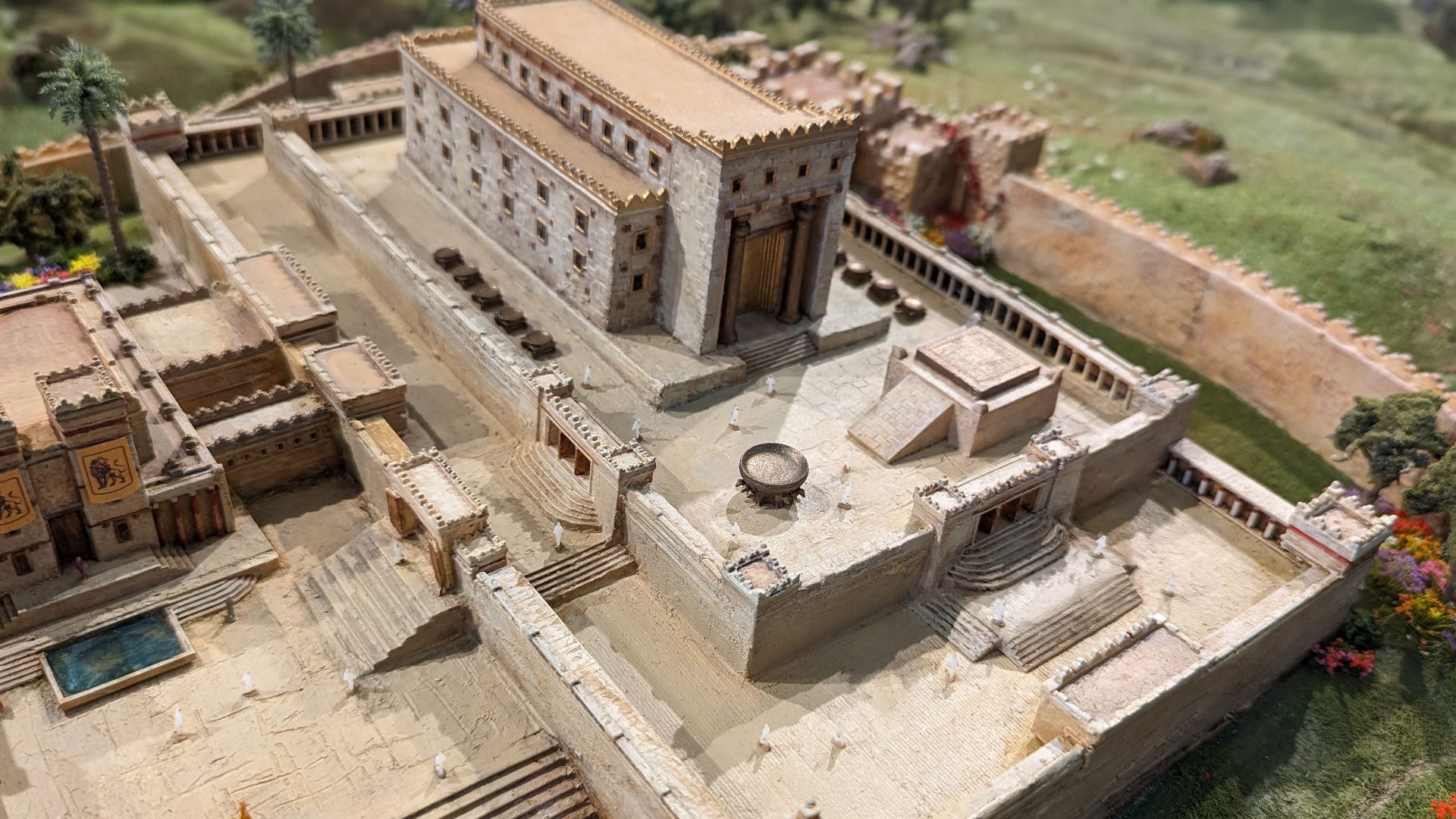
To understand why this matters, you have to understand the building at the center of the conversation: Solomon’s Temple. Also known as the First Temple, it once stood in ancient Jerusalem and served as the spiritual and political heart of the Kingdom of Judah.
Why That Building Still Matters
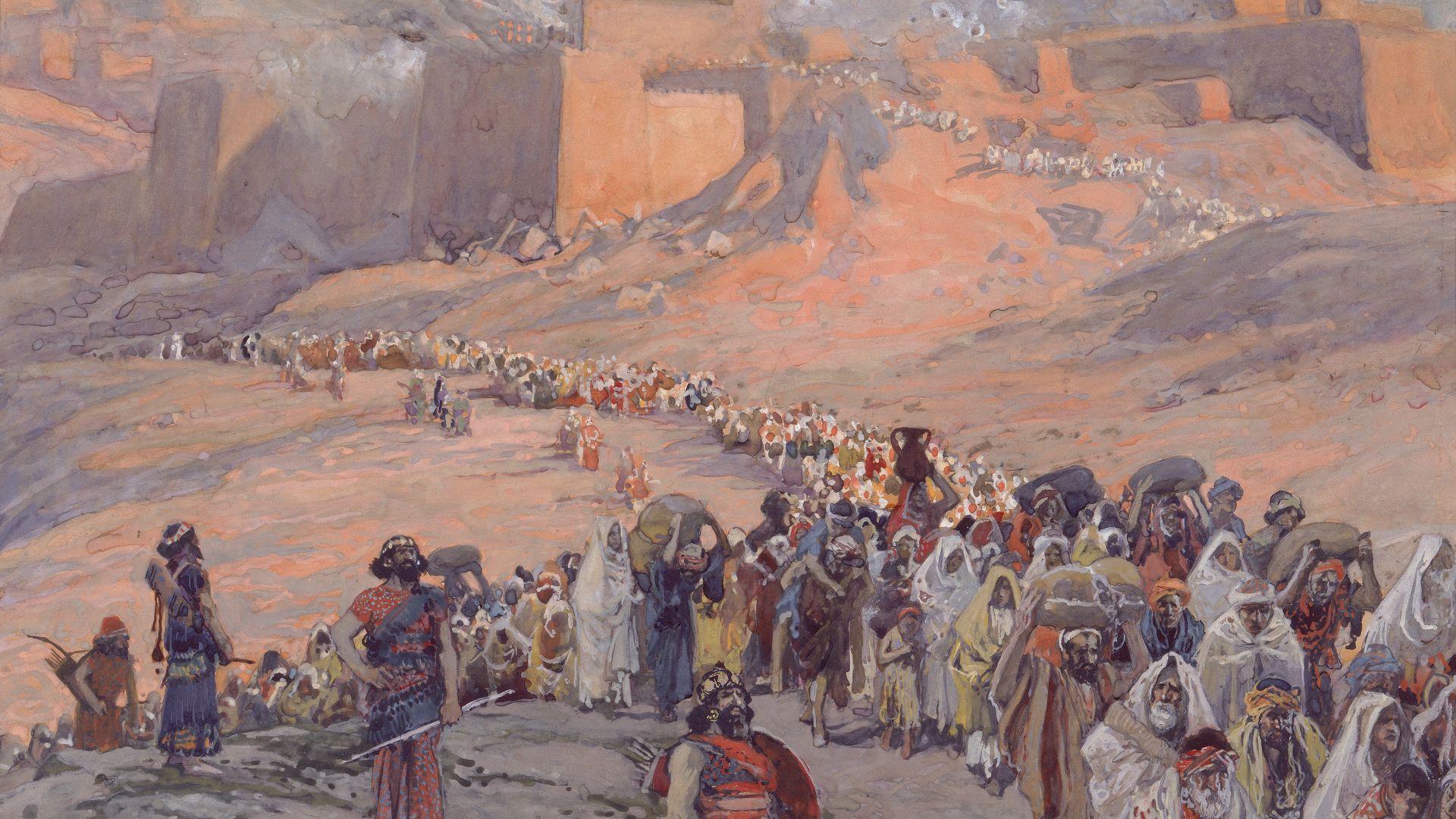
According to the Hebrew Bible, the Temple housed the Ark of the Covenant and was considered the literal dwelling place of God on earth. In Jewish tradition, this referred to the Shekinah—the divine presence believed to dwell in the Temple’s inner sanctuary, known as the Holy of Holies. Its destruction by the Babylonians in 587/586 BCE wasn’t just military defeat—it was a religious catastrophe that reshaped Jewish history forever.
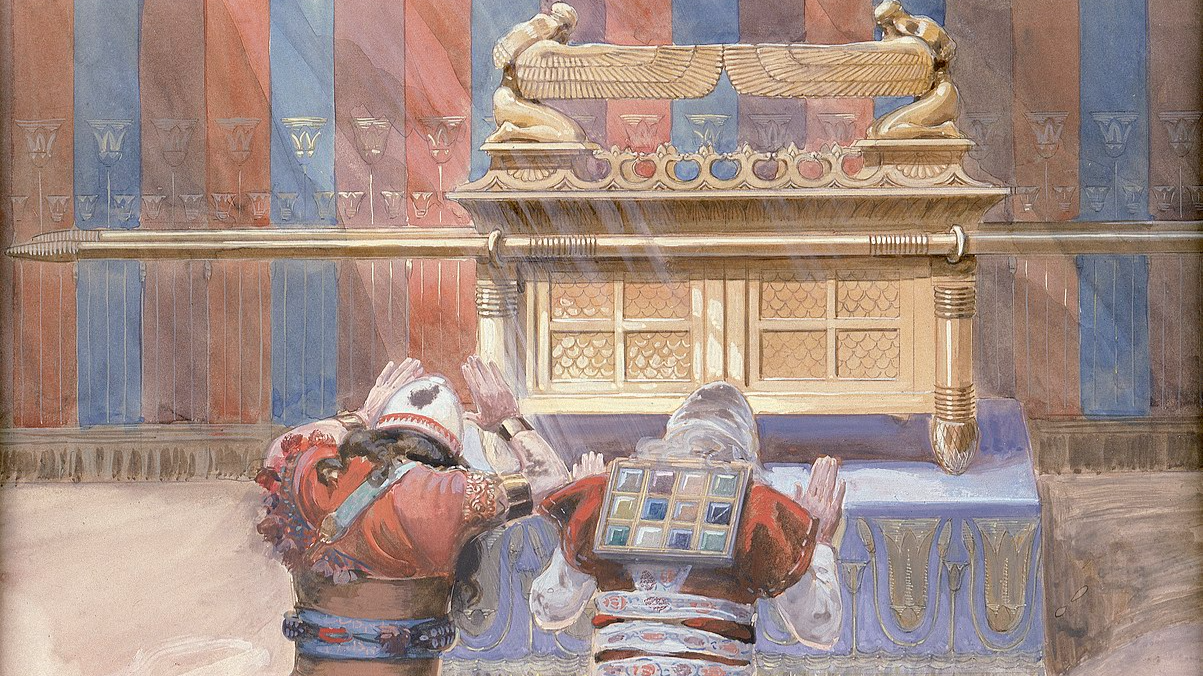 James Tissot, Wikimedia Commons
What Happened to the Ark?
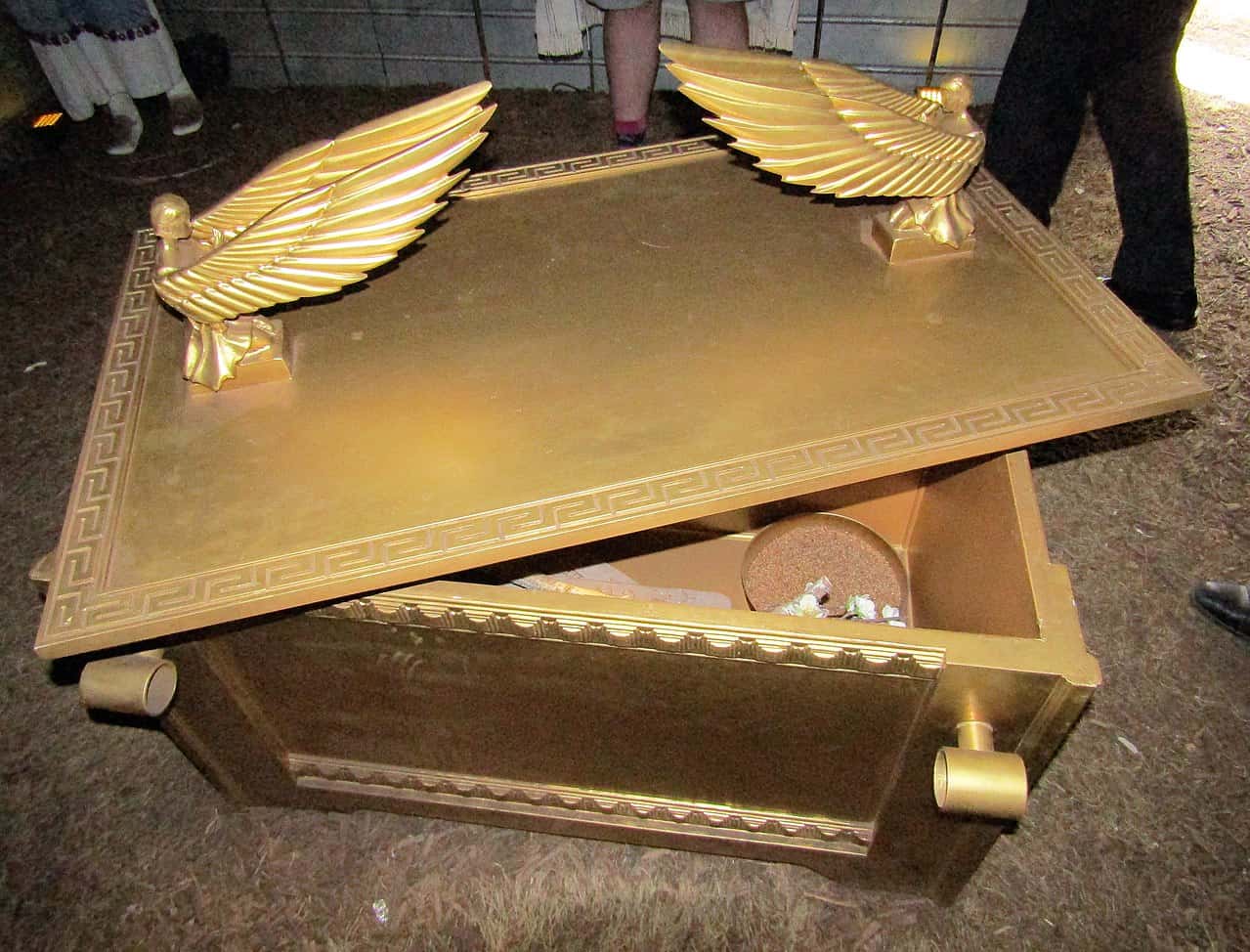
After the Babylonian destruction, the Ark of the Covenant vanished from history. Its fate remains one of archaeology’s greatest mysteries. No confirmed trace has ever been found, which adds even more intrigue to anything possibly connected to the First Temple.
Now Enter the Discovery
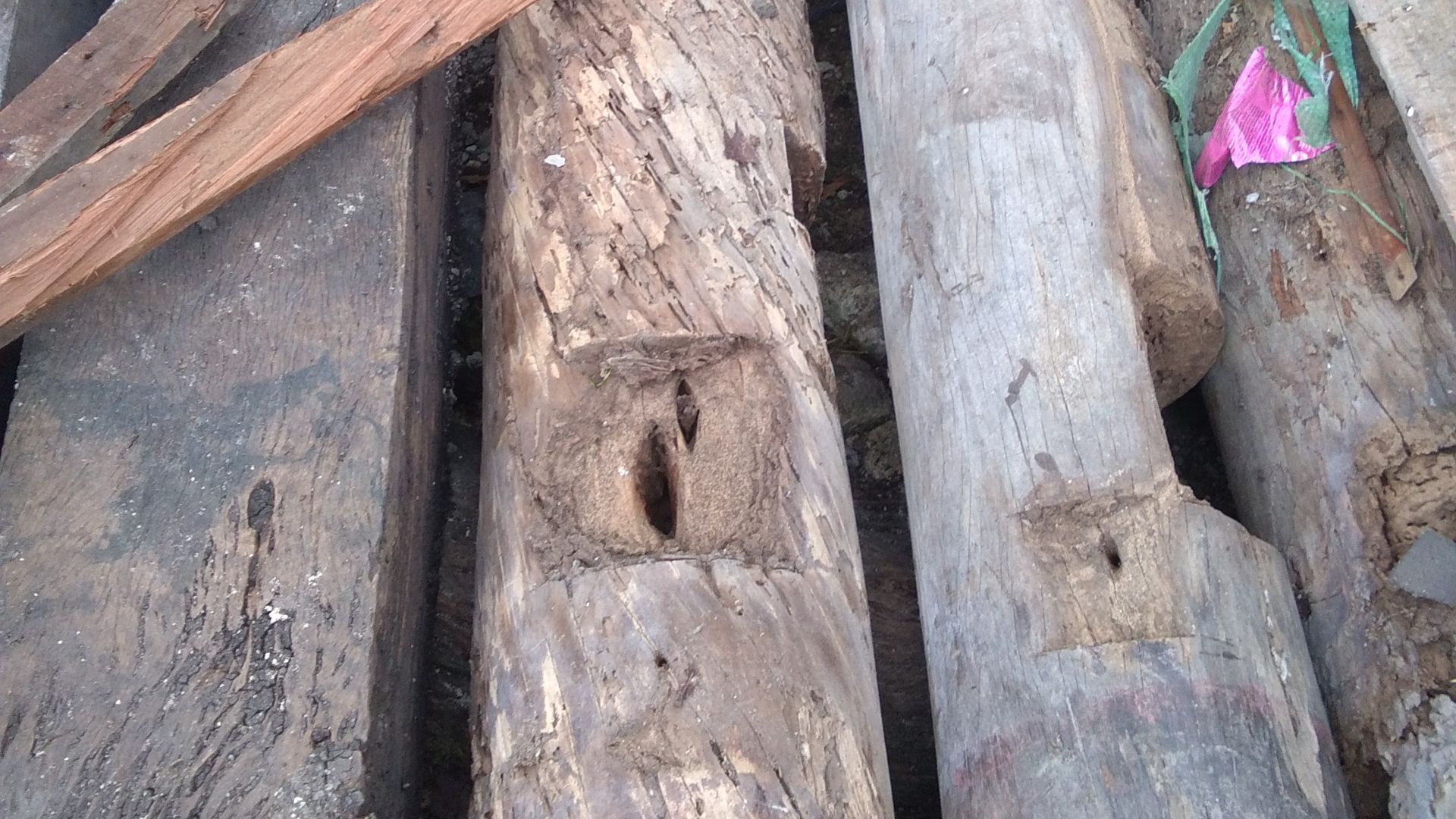
That’s where the wooden beams come in. While the timbers themselves were removed during past renovation work, recent scientific testing and renewed attention have placed some of them firmly within the First Temple era.
What We Actually Know About the Beams
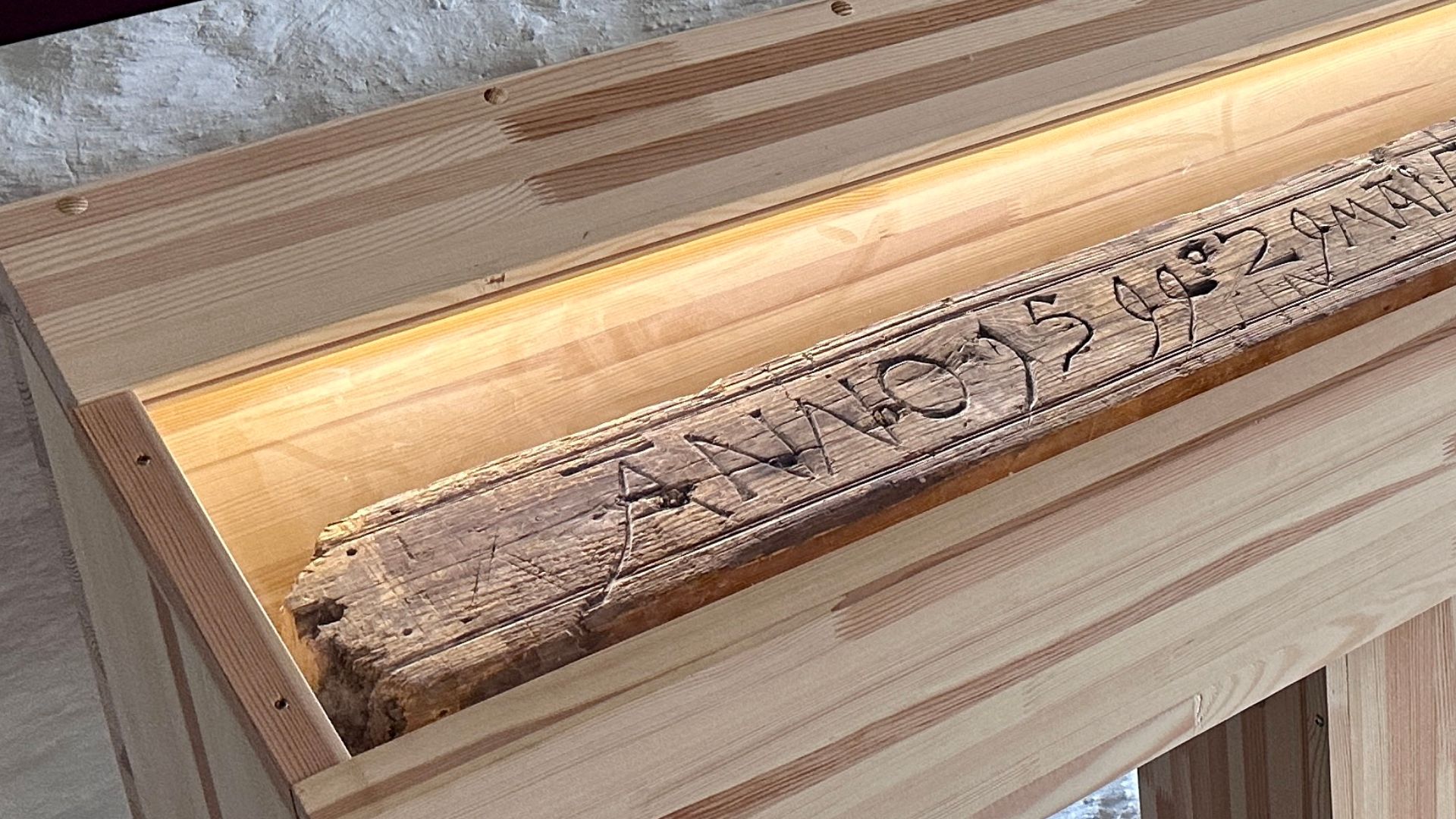
Carbon-14 testing reported in recent coverage dated some oak beams to about 2,860 years old, and one cypress beam to about 2,655 years old—both within the broader First Temple period. That alone makes the beams historically significant, even before any temple connection is considered.
The Cedar Detail That Raised Eyebrows
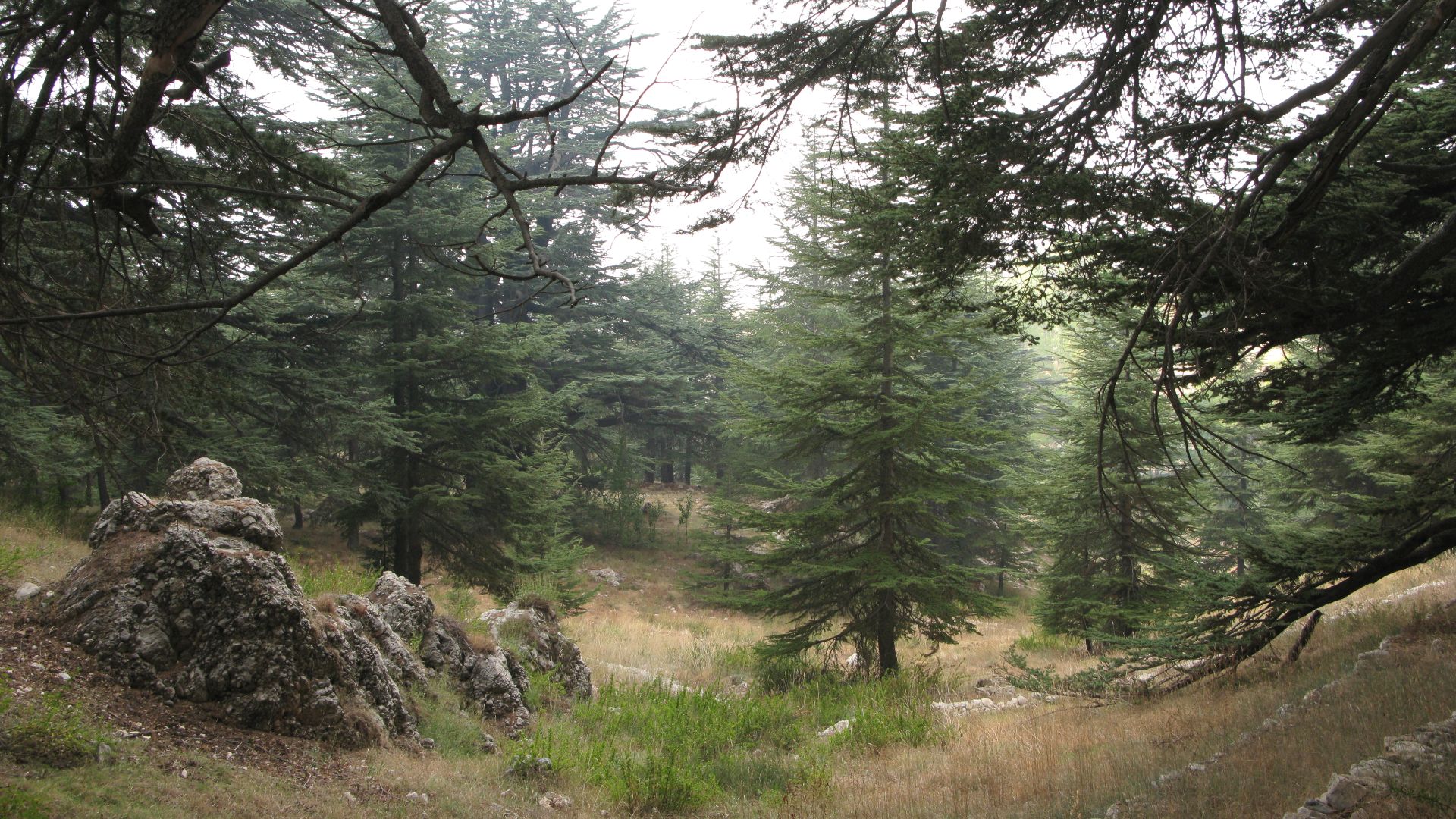
Botanical identification reported in recent coverage says some of the ancient beams are cedar from Lebanon—the same prized material associated in biblical texts with major royal and sacred building projects.
 Vyacheslav Argenberg, Wikimedia Commons
But There’s an Important Complication
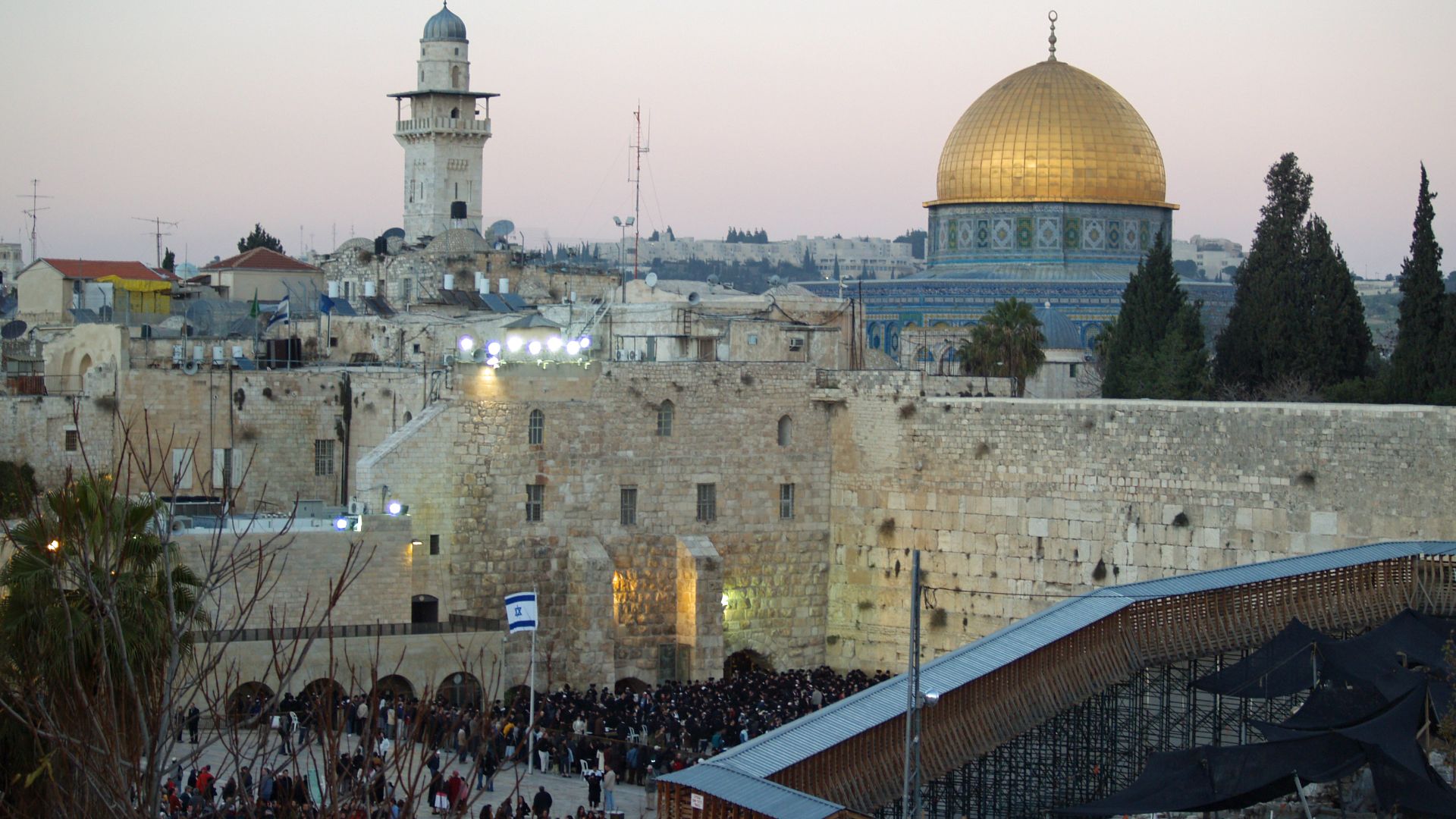
These beams were not recovered from a controlled excavation on the Temple Mount. Instead, reporting says they were removed during renovations (including work following damage associated with the 1927 earthquake) and may have been repurposed in later construction. That means archaeologists do not have the original architectural context for where the wood was first used.
 David Shankbone, Wikimedia Commons
Why Context Changes Everything
In archaeology, context is critical. A beam found embedded in a clearly dated wall tells a different story than a beam removed, stored, sold, or reused centuries later. Without that original placement, definitive conclusions become much harder.
Reuse Was Common in the Ancient World
High-quality timber was valuable. Ancient builders frequently salvaged beams from older structures and repurposed them in newer buildings. That means these beams could be from the right time period without necessarily belonging to the Temple itself.
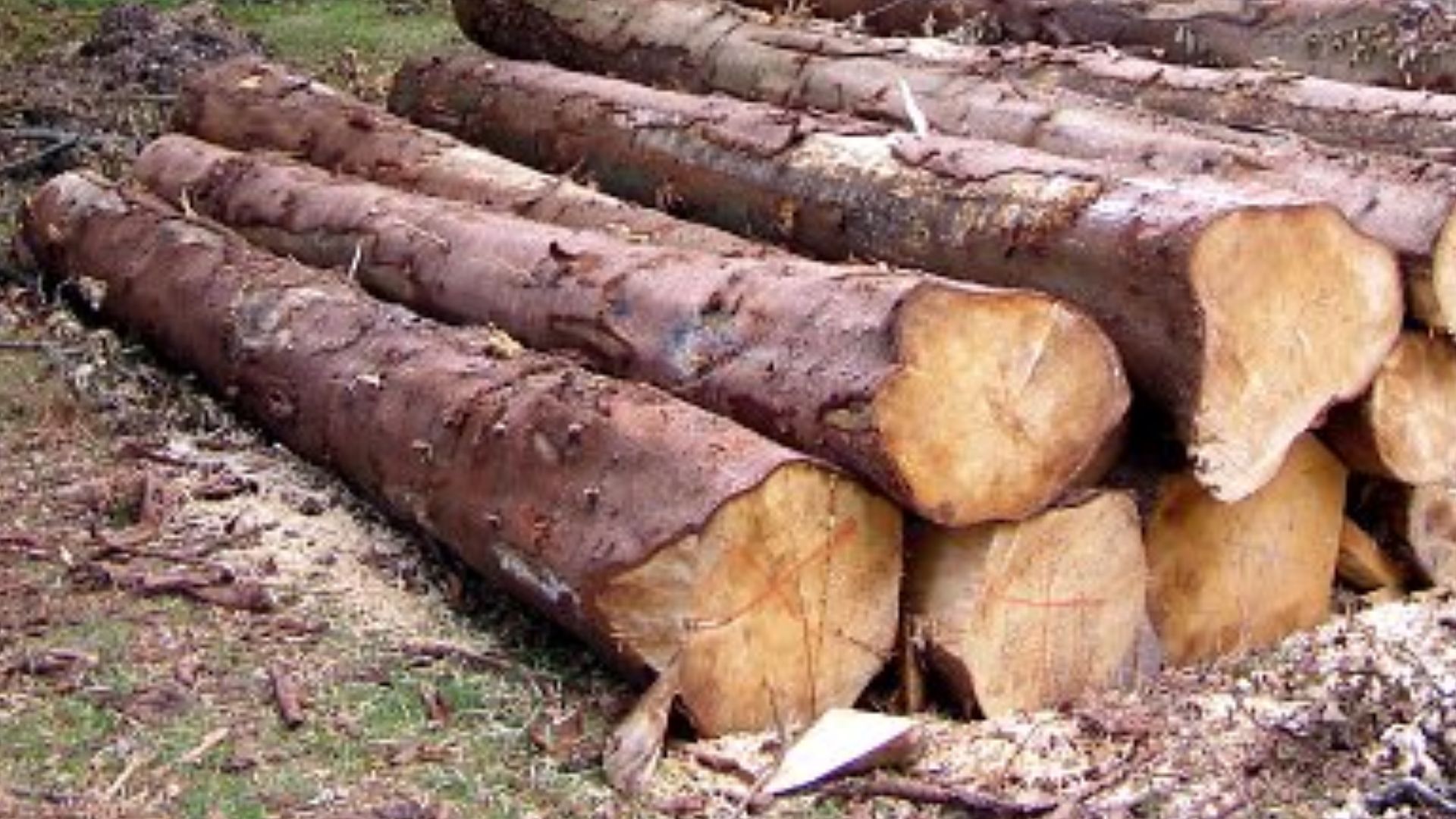 Jim Champion, Wikimedia Commons
The Babylonian Destruction Factor
When Babylon destroyed Jerusalem in 587/586 BCE, the First Temple was burned. If any wooden materials survived that destruction, they could have been recovered and reused in later centuries—adding another layer of complexity to tracing origins.
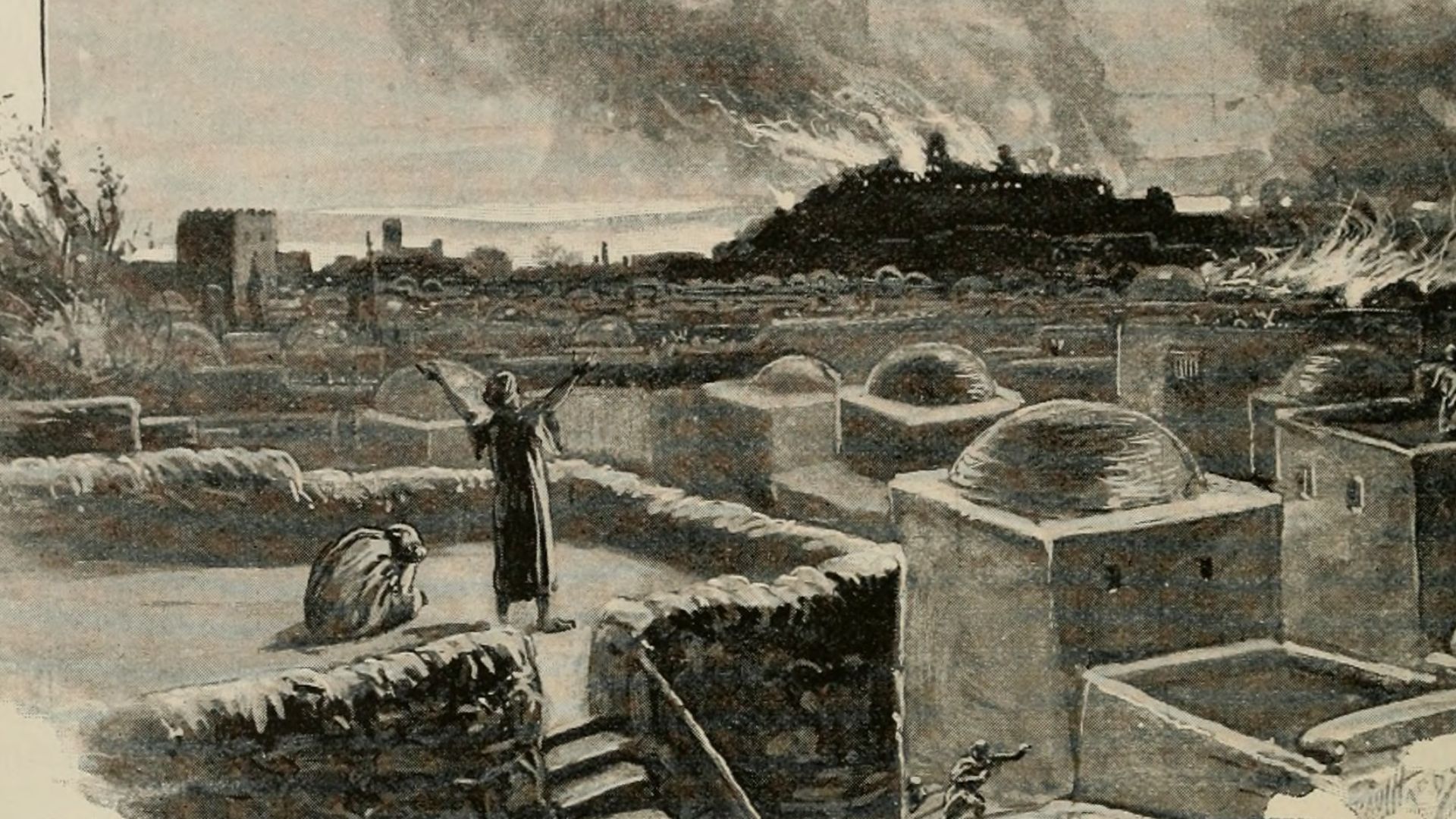 Internet Archive Book Images, Wikimedia Commons
Why First Temple Evidence Is So Rare
Jerusalem has been destroyed, rebuilt, and continuously inhabited for thousands of years. Organic materials like wood rarely survive that long unless conditions are just right. Combined with the sensitivity around the Temple Mount, that makes verified First Temple–period material exceptionally rare.

Why Scholars Debate the Temple’s Scale
Not all historians agree on how grand Solomon’s Temple actually was. Some scholars argue the Kingdom of Judah in the 10th century BCE may have been smaller and less centralized than biblical texts describe. Discoveries like these beams inevitably feed into that broader debate.
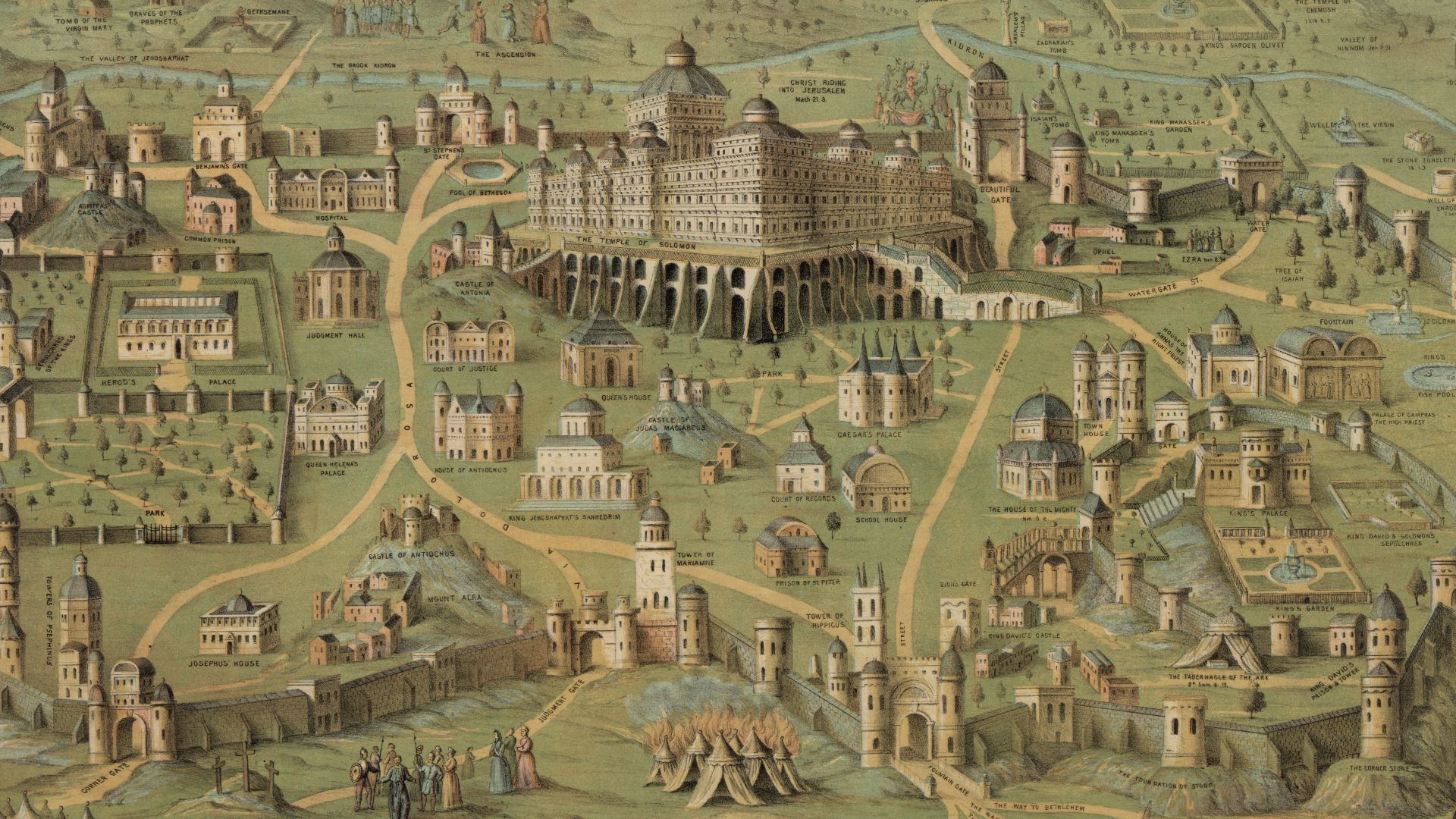 Popular Graphic Arts, Wikimedia Commons
Why Scholars Are Proceeding Carefully
Some researchers see this as a potentially meaningful link to Jerusalem’s early monarchy. Others emphasize caution, noting that age alone cannot confirm architectural identity. The academic debate is active and ongoing.
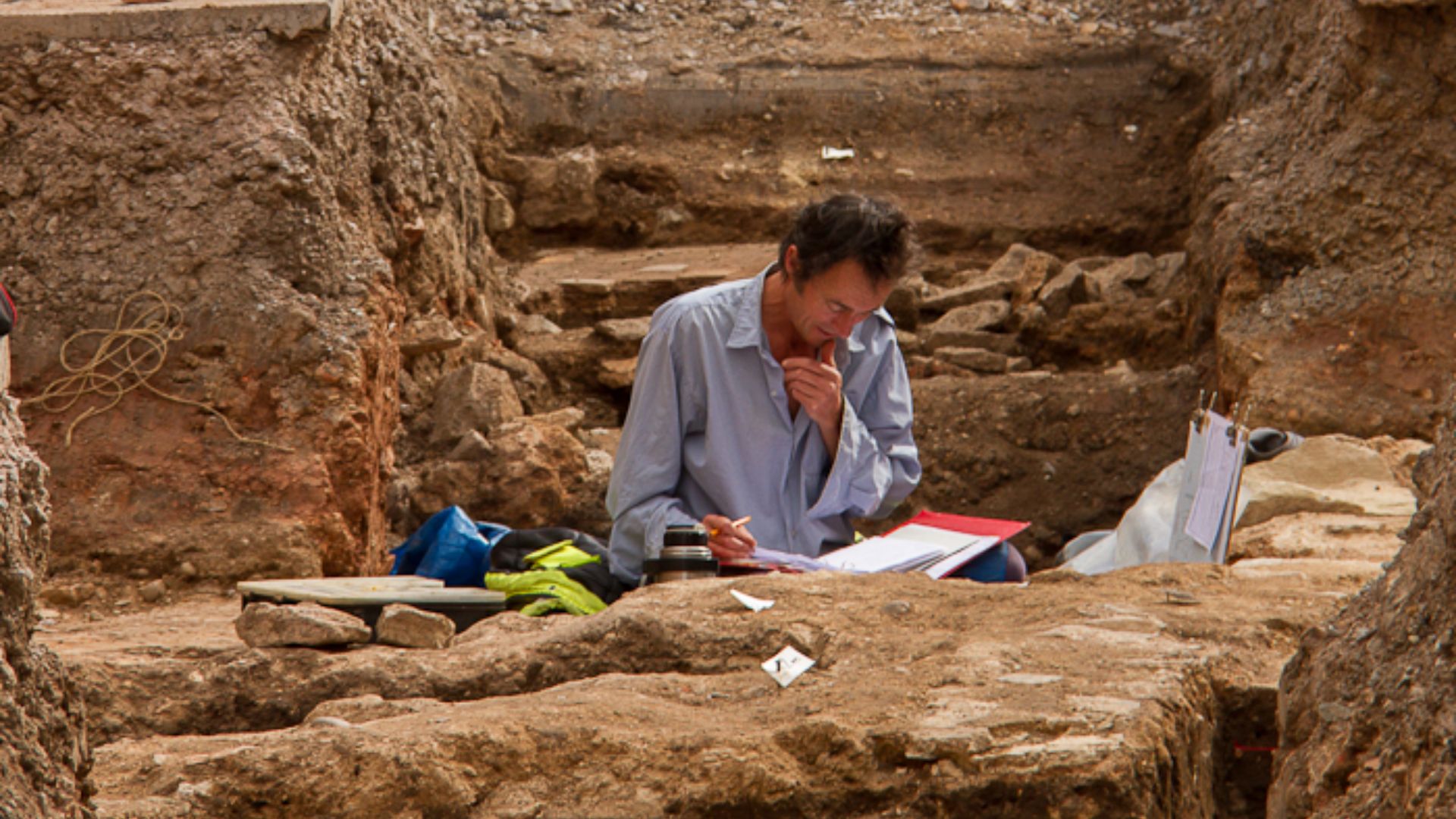
What Carbon Dating Can—and Can’t—Prove
Carbon dating is precise about age. It cannot identify the specific building a material came from. The beams are unquestionably ancient. Whether they were part of Solomon’s Temple remains unproven.
Still, the Timeline Is Striking
The dating aligns closely with the era described in biblical texts. That overlap is what keeps the discussion alive. Even without certainty, the chronological match is difficult to ignore.

A Window Into the Kingdom of Judah
Regardless of the temple question, these beams are authentic materials from the Iron Age Kingdom of Judah. That provides rare physical insight into construction methods, trade networks, and resource use nearly three millennia ago.
 James Tissot, Wikimedia Commons
The Regional Trade Angle
If the cedar is Lebanese in origin, it reinforces what historians already know: prized timber moved through regional networks and ended up in major projects. It’s the kind of detail that makes the ancient world feel suddenly real.
 Vyacheslav Argenberg, Wikimedia Commons
Why This Discovery Feels So Charged
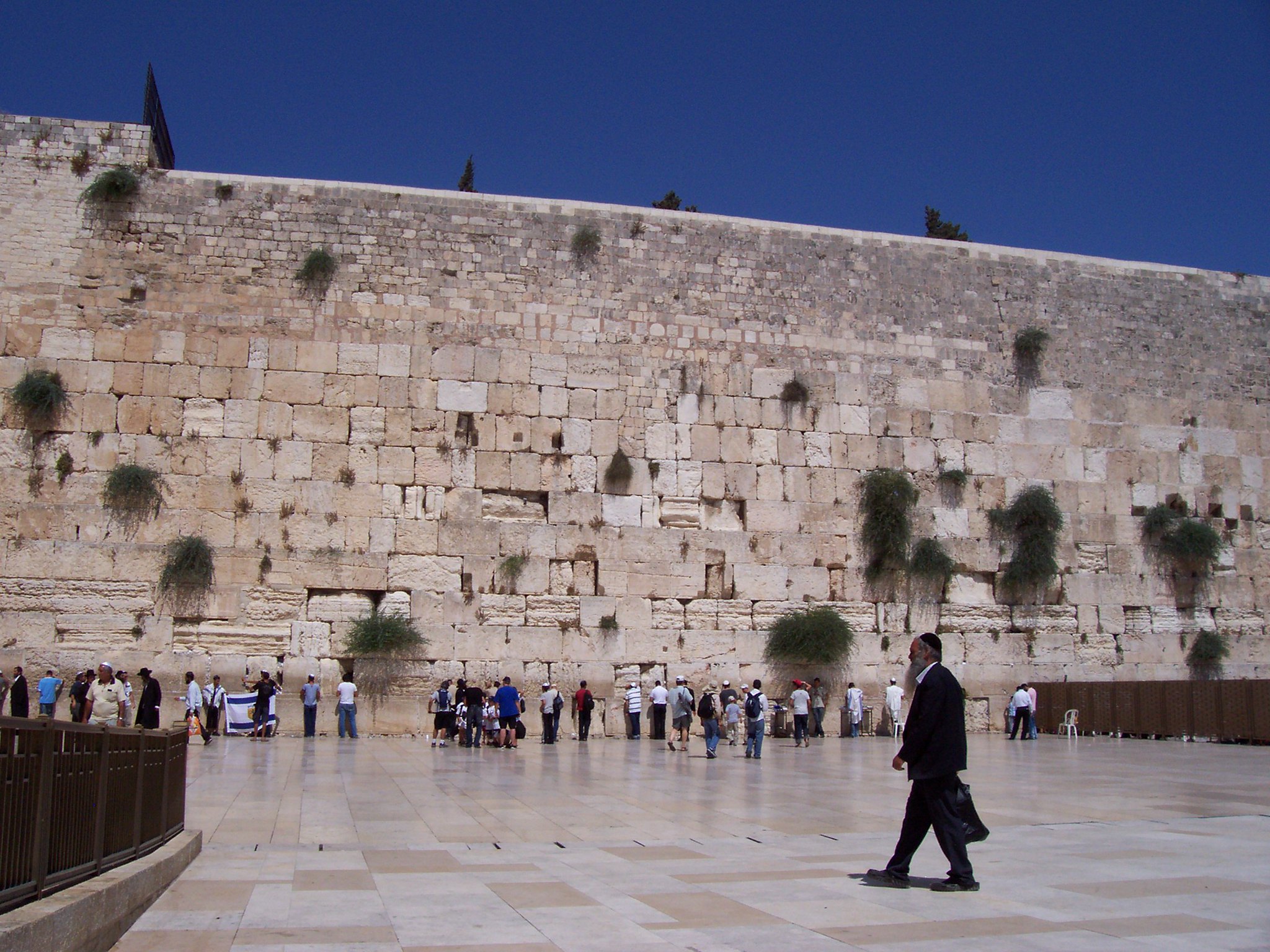
The First Temple is not just an ancient structure—it is sacred to Judaism and deeply significant to Christianity. The site where it once stood is also holy to Islam. That makes any discovery tied to it instantly global and sensitive.
A Site That Cannot Be Fully Excavated
Modern political and religious realities mean that archaeologists cannot conduct full-scale digs on the Temple Mount. As a result, indirect evidence—like old materials removed during renovations—often becomes the center of the story.
What Would Count as Definitive Proof?
Clear architectural remains found in undisturbed First Temple–period layers directly tied to the Temple Mount would be ideal. Given current restrictions, that level of confirmation is unlikely anytime soon.
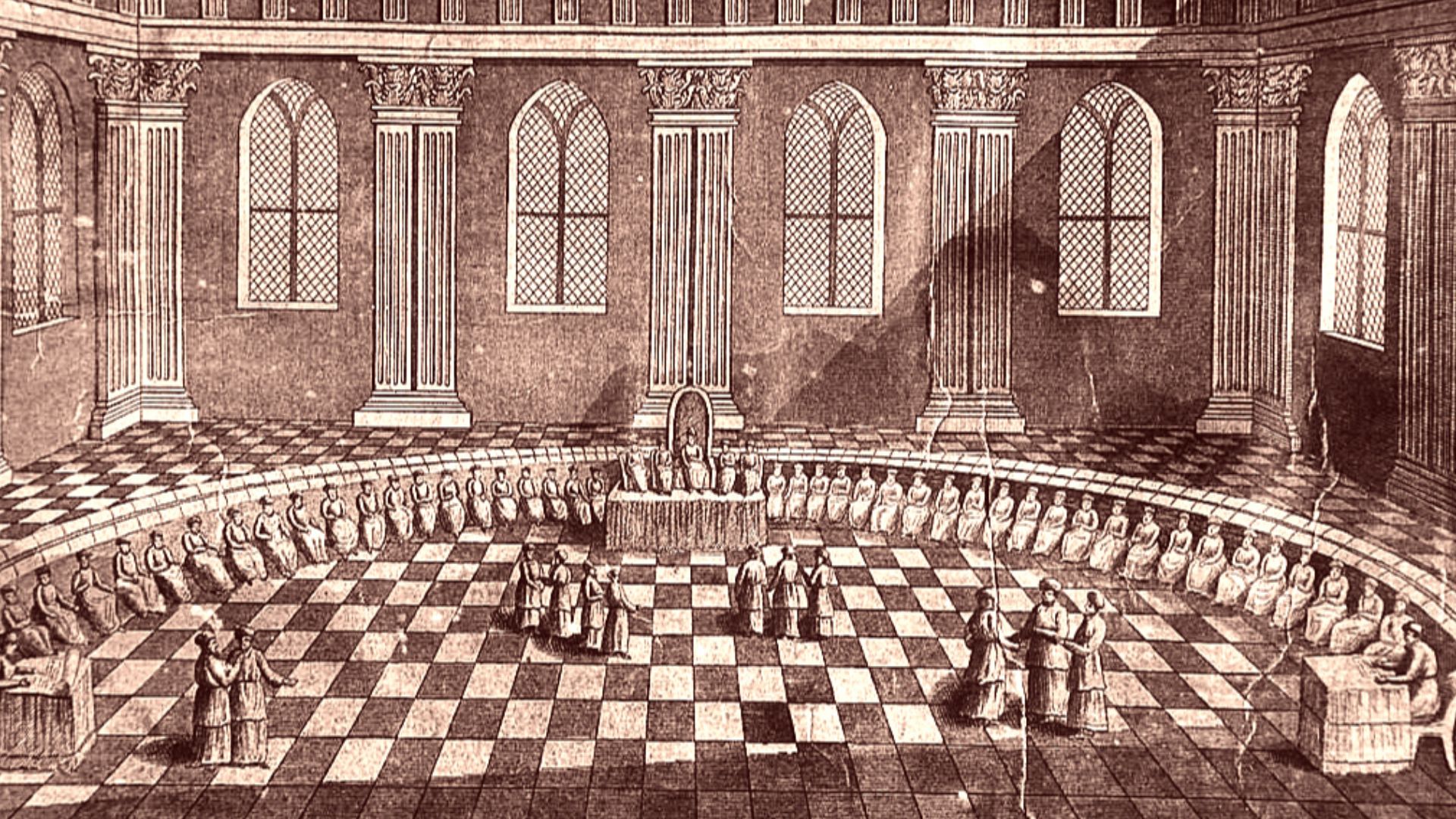 Printer of a souvenir of Gerhard Schott’s model tour of London circa 1723-1730., Wikimedia Commons
Why It’s Still a Big Deal
Even without definitive proof, ancient wooden beams from Jerusalem that test to the First Temple era are rare and important. Their age alone places them in one of the most formative periods of biblical history.
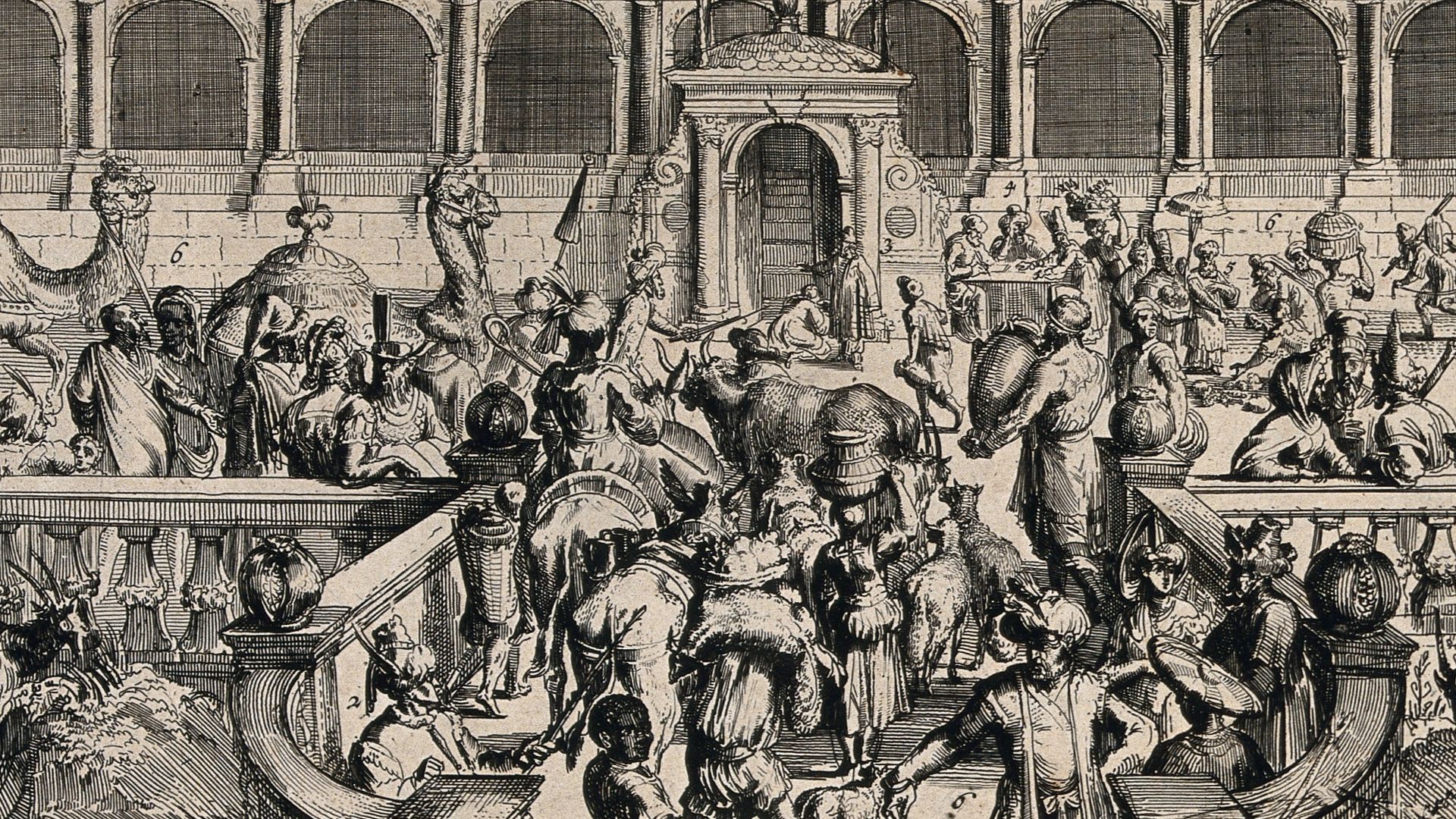
Why People Are So Fascinated
For believers, the possibility of a physical connection to Solomon’s Temple feels profound. For historians, it represents a tangible link to ancient Jerusalem’s monarchy. For the public, it’s the enduring mystery of a legendary structure.
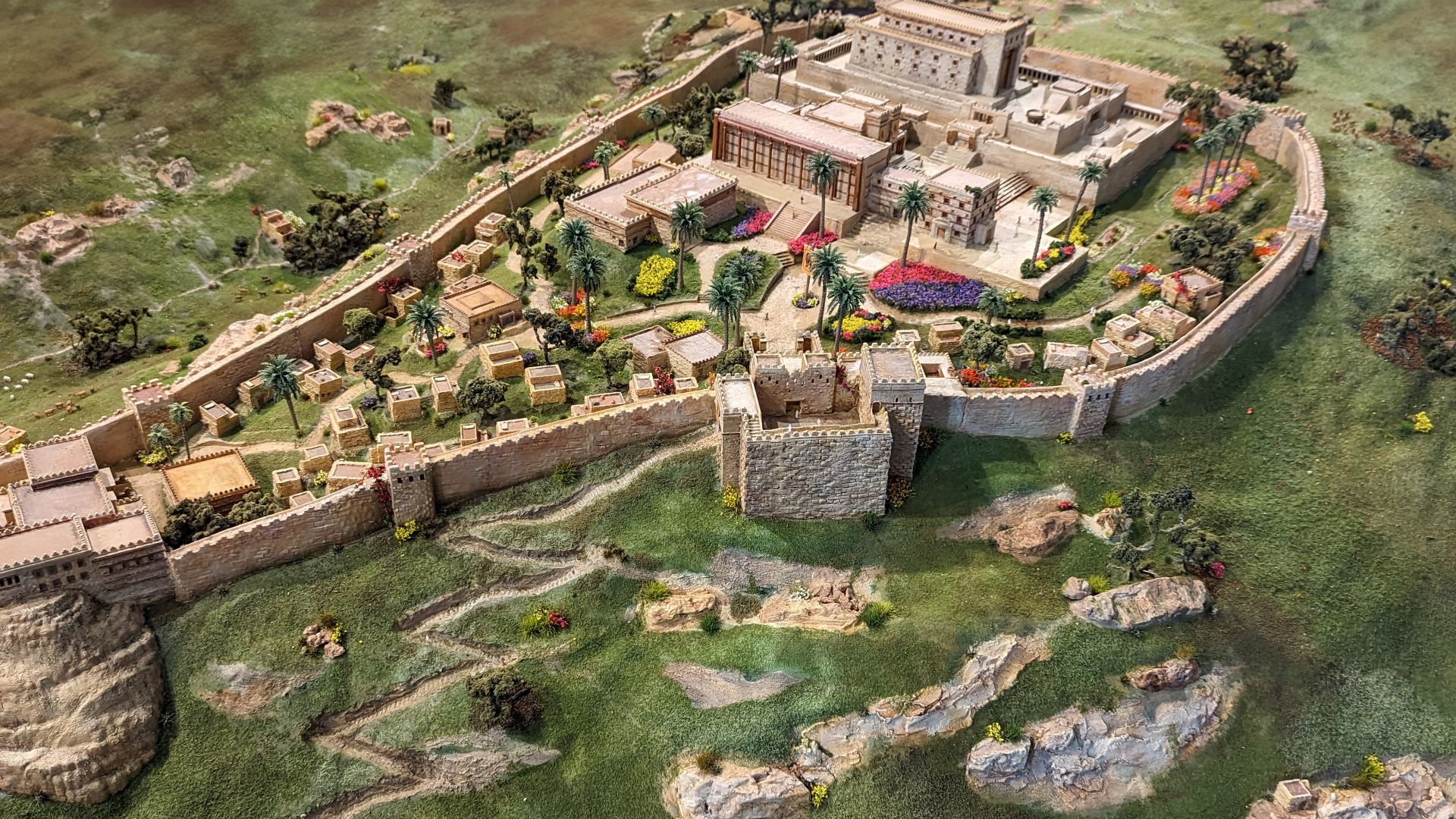
What Happens Next
Further analysis, peer review, and scholarly debate will determine how strong the connection truly is. For now, the beams stand as verified artifacts from a pivotal era—while the bigger question remains open.
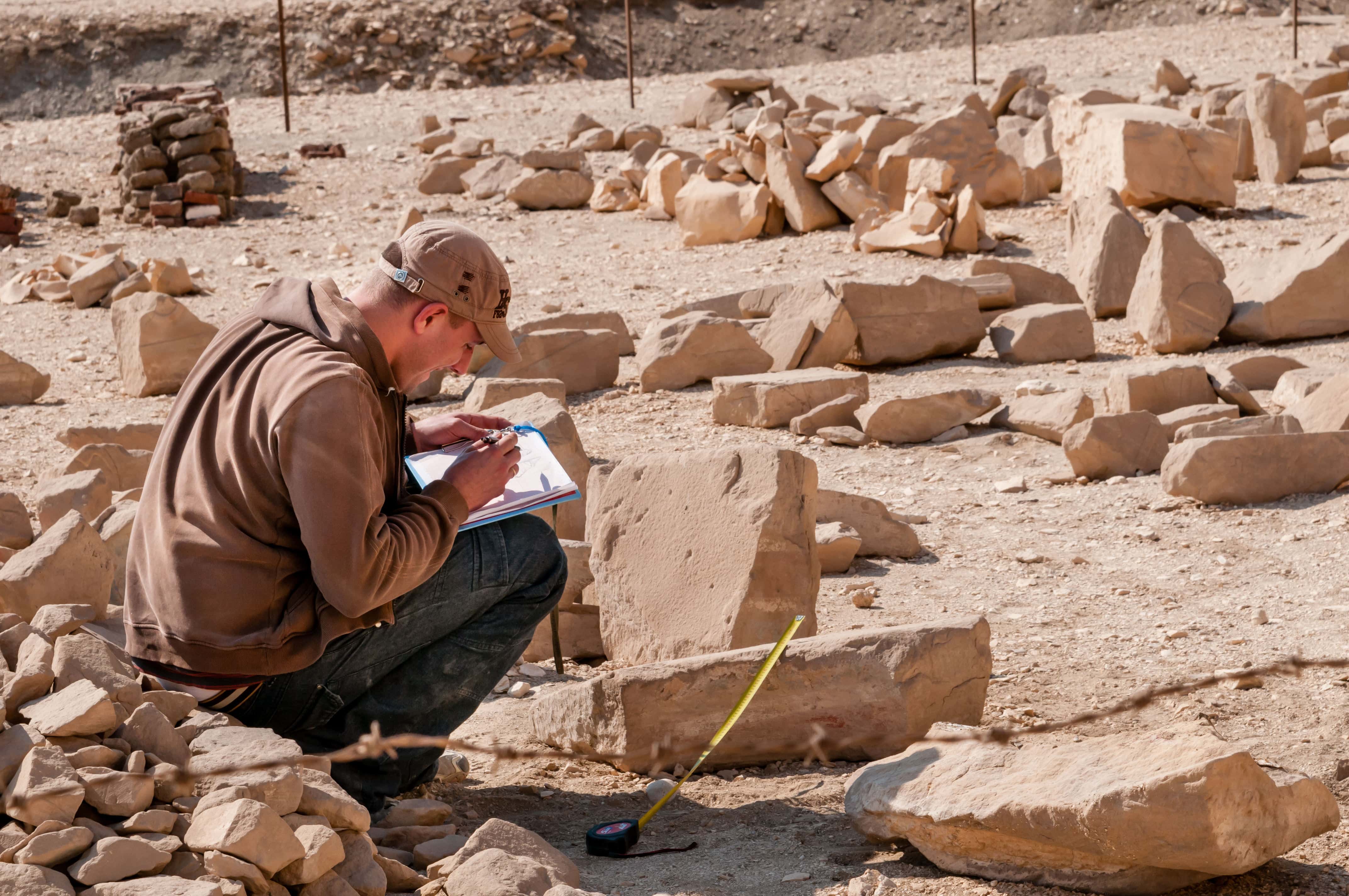
The Bottom Line
Something from Jerusalem’s First Temple era is back in the spotlight. Whether these beams once stood inside Solomon’s Temple or were simply reused materials from the same period, they’ve reignited a conversation that has never fully gone quiet.
You Might Also Like:







.jpg)