A Basement Reno That Uncovered A Lost World
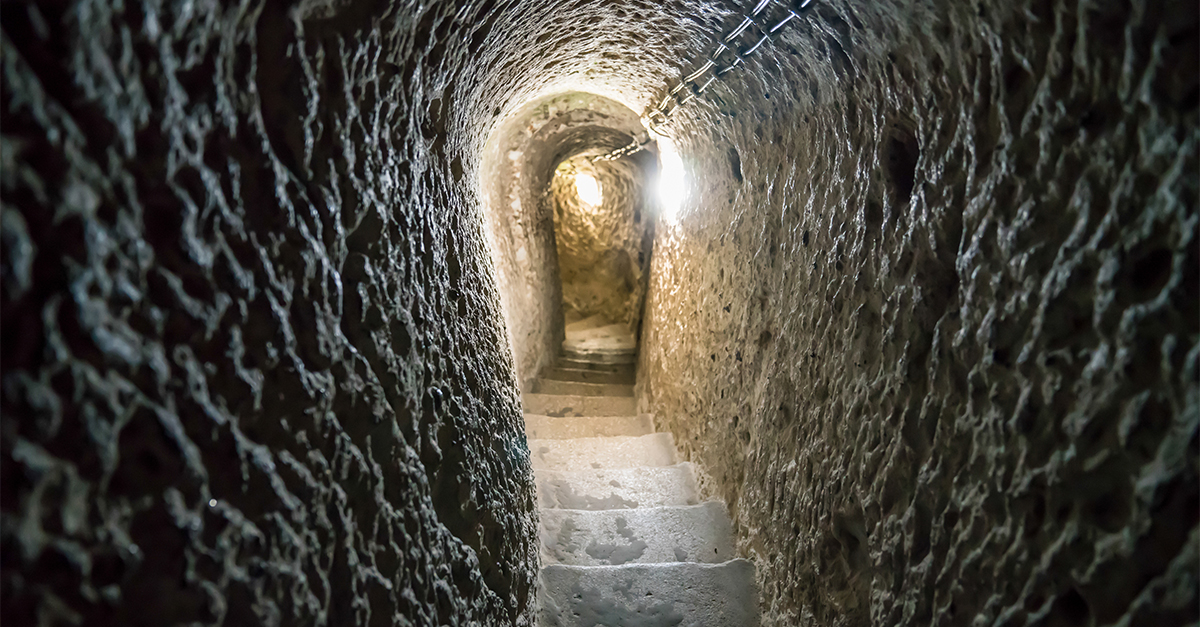
In 1963, a Turkish man knocking down a wall during a basement home improvement project made a discovery that not only shocked him, but even stunned the world’s most illustrious archaeologists. Behind the dust and broken bricks was a dark passageway leading to something far larger and more ancient than anyone could have expected: an entire underground city carved deep into the earth beneath Derinkuyu in Cappadocia.
 blvdone, Adobe Stock; Wikimedia Commons
The Tunnel Behind The Wall
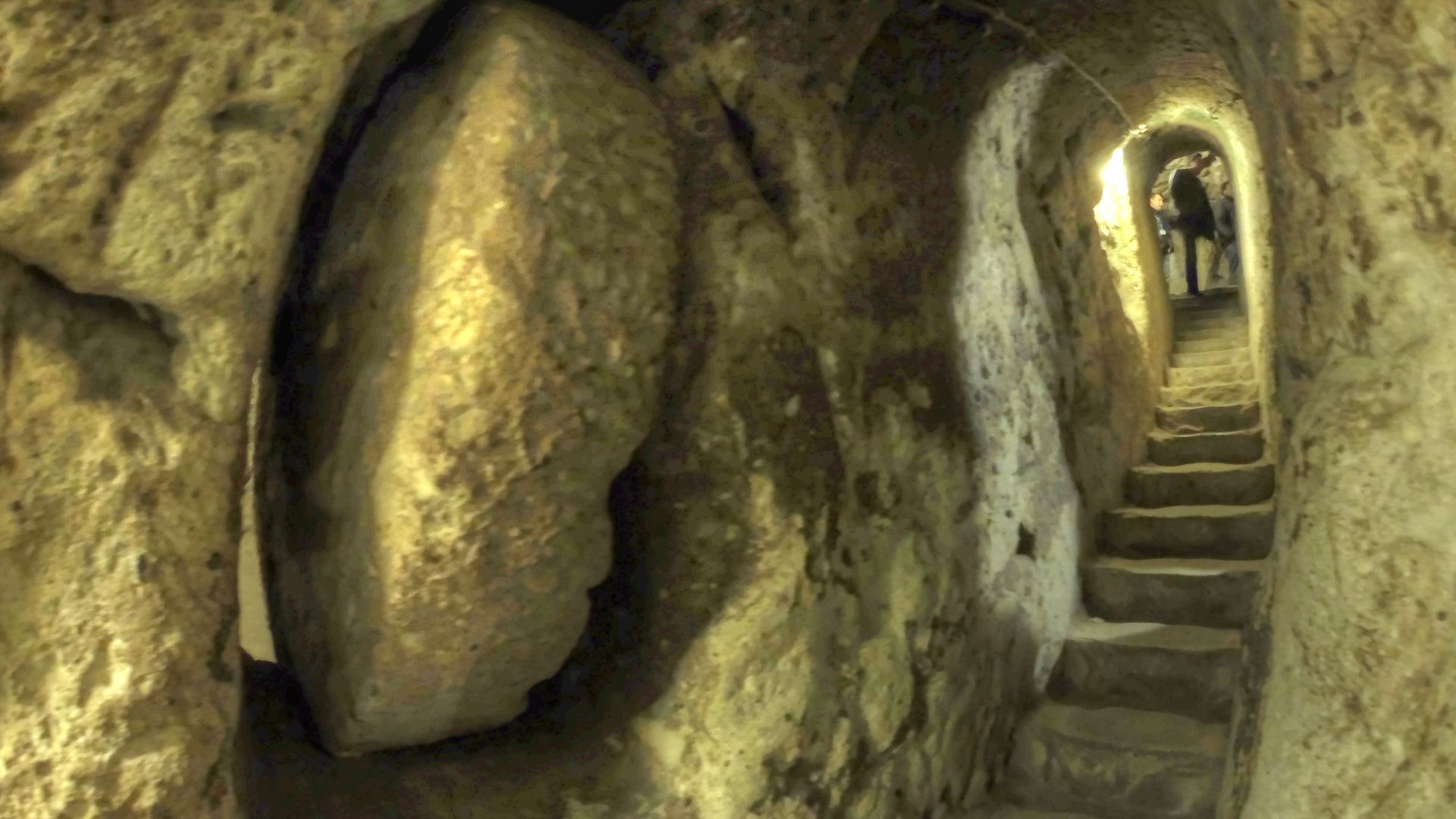
The homeowner had been looking for the source of a draft of cool air when he opened up the wall. What he discovered there wasn’t a small storage space, as he had expected, but a narrow corridor descending into a sprawling network of rooms. As he ventured with trepidation into the subterranean passage, the homeowner wisely decided to contact investigators, who realized this was only one entrance into a vast subterranean complex.
 Nevit Dilmen (talk), Wikimedia Commons
A City Beneath The Surface
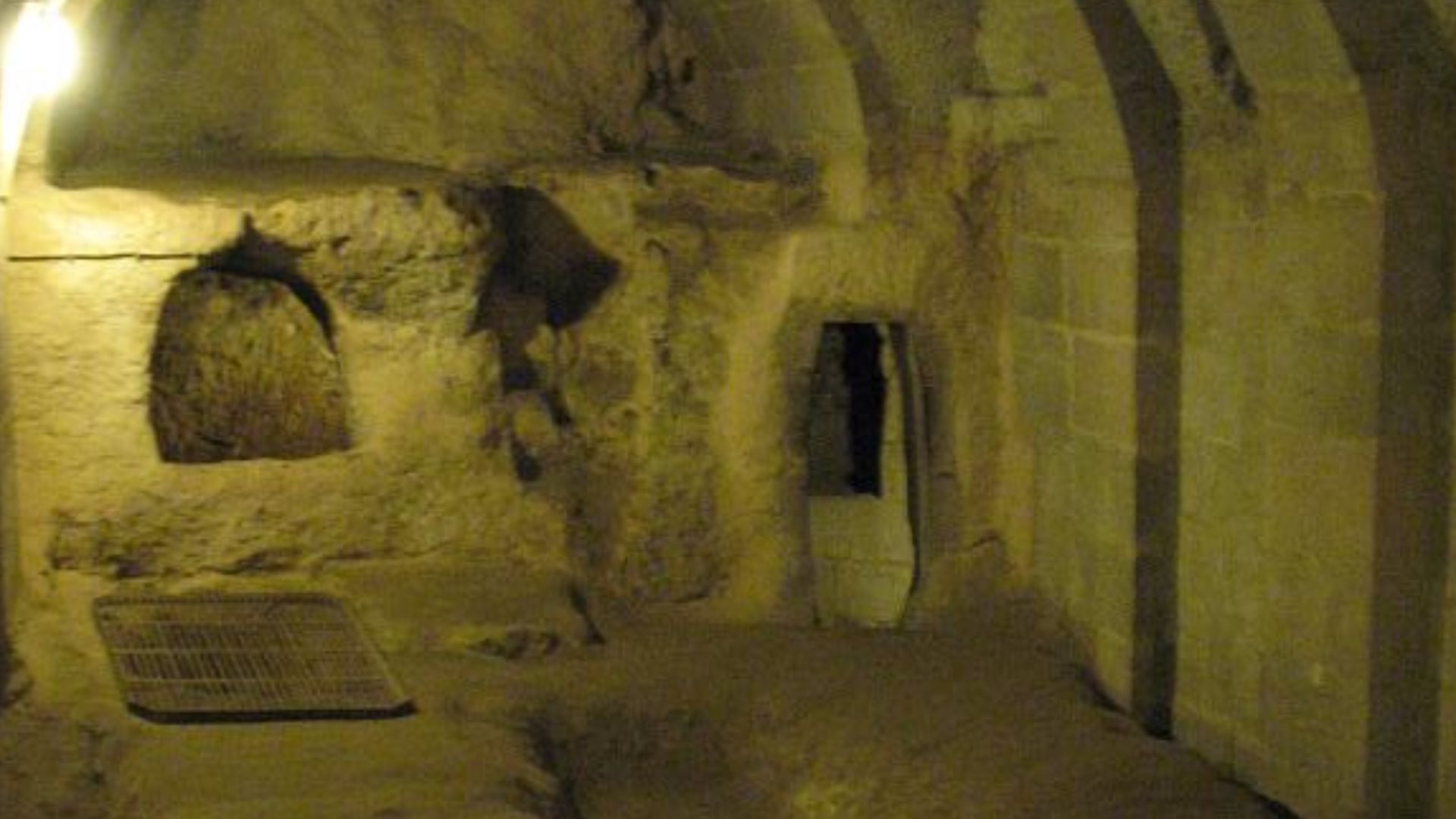
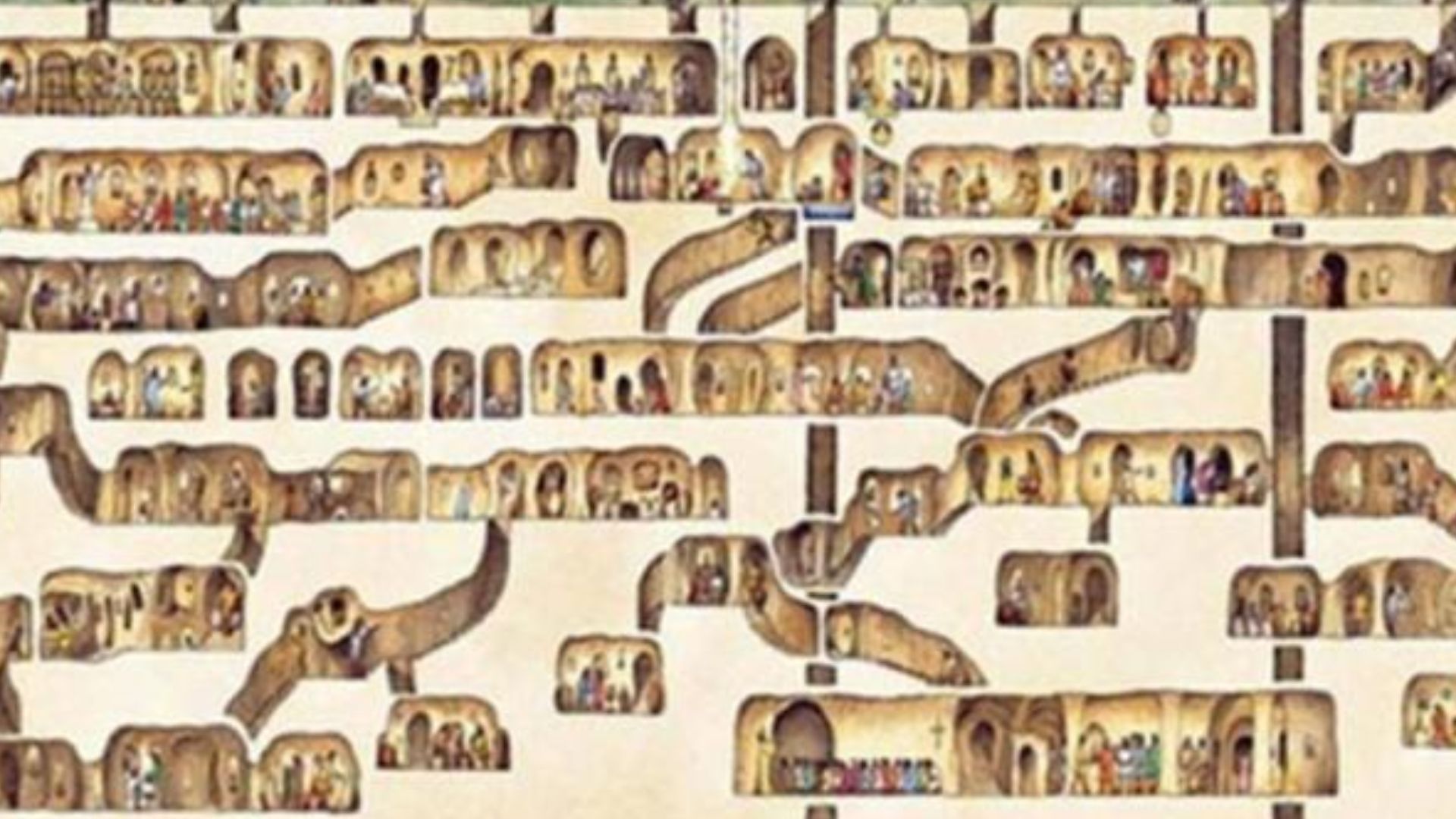
Derinkuyu turned out to be an immense underground city extending down approximately 18 levels. Some estimates suggest that the complex could once have sheltered as many as 20,000 people along with livestock, food stores, and supplies. It wasn’t just a bunker to temporarily take shelter in, but a fully functioning hidden city.
 Martijn Munneke from Netherlands, Wikimedia Commons
Geology Of Cappadocia
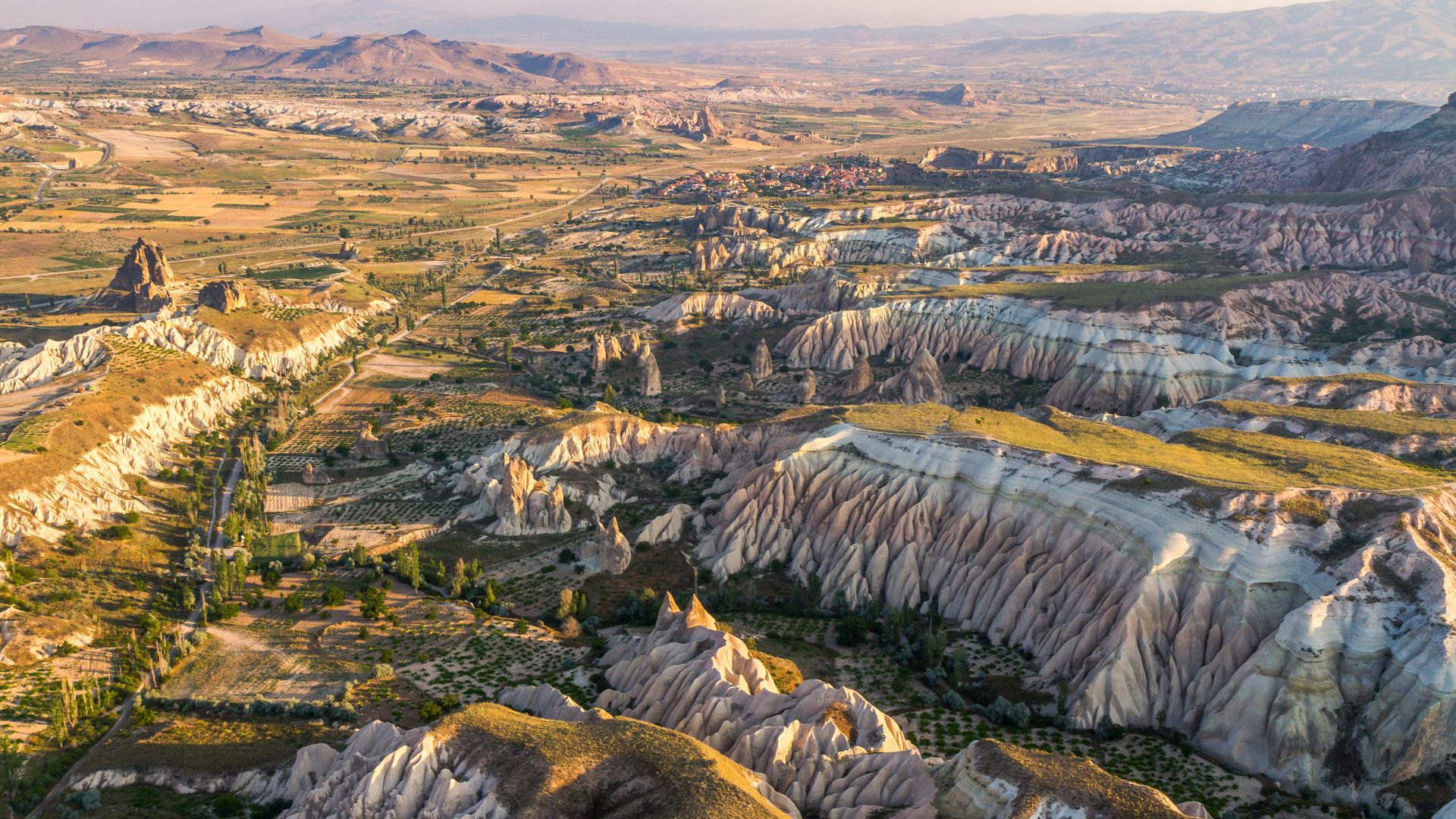
The underground city was made possible by the unique geology of the southern Turkish region of Cappadocia. Millions of years ago, volcanic eruptions deposited thick layers of soft stone called “tuff” all across the area. This porous but stable rock could be carved relatively easily while still maintaining the structural fortitude to support elaborate tunnel systems that are still intact today.
 Benh LIEU SONG (Flickr), Wikimedia Commons
Built From Volcanic Ash
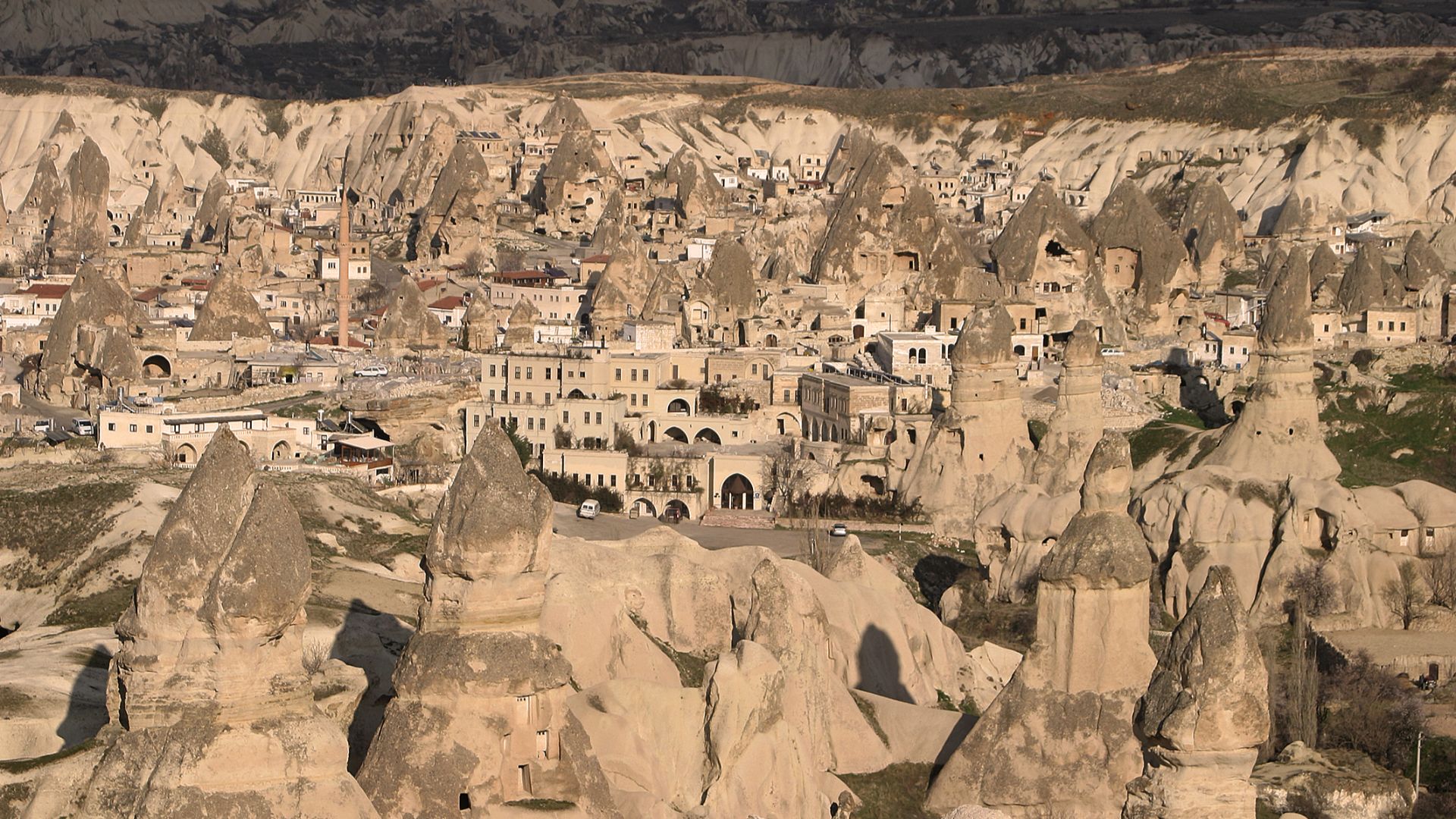
Tuff, formed from compressed volcanic ash, gave the ancient builders the ability to excavate rooms, corridors, and ventilation shafts without the use of advanced tools. The softness of the material made excavation feasible, yet the rock also hardened when exposed to air. This geological property enabled an entire underground settlement to take shape beneath the footprints and prying eyes of surface-dwellers.
 Brocken Inaglory, Wikimedia Commons
Origins In Antiquity
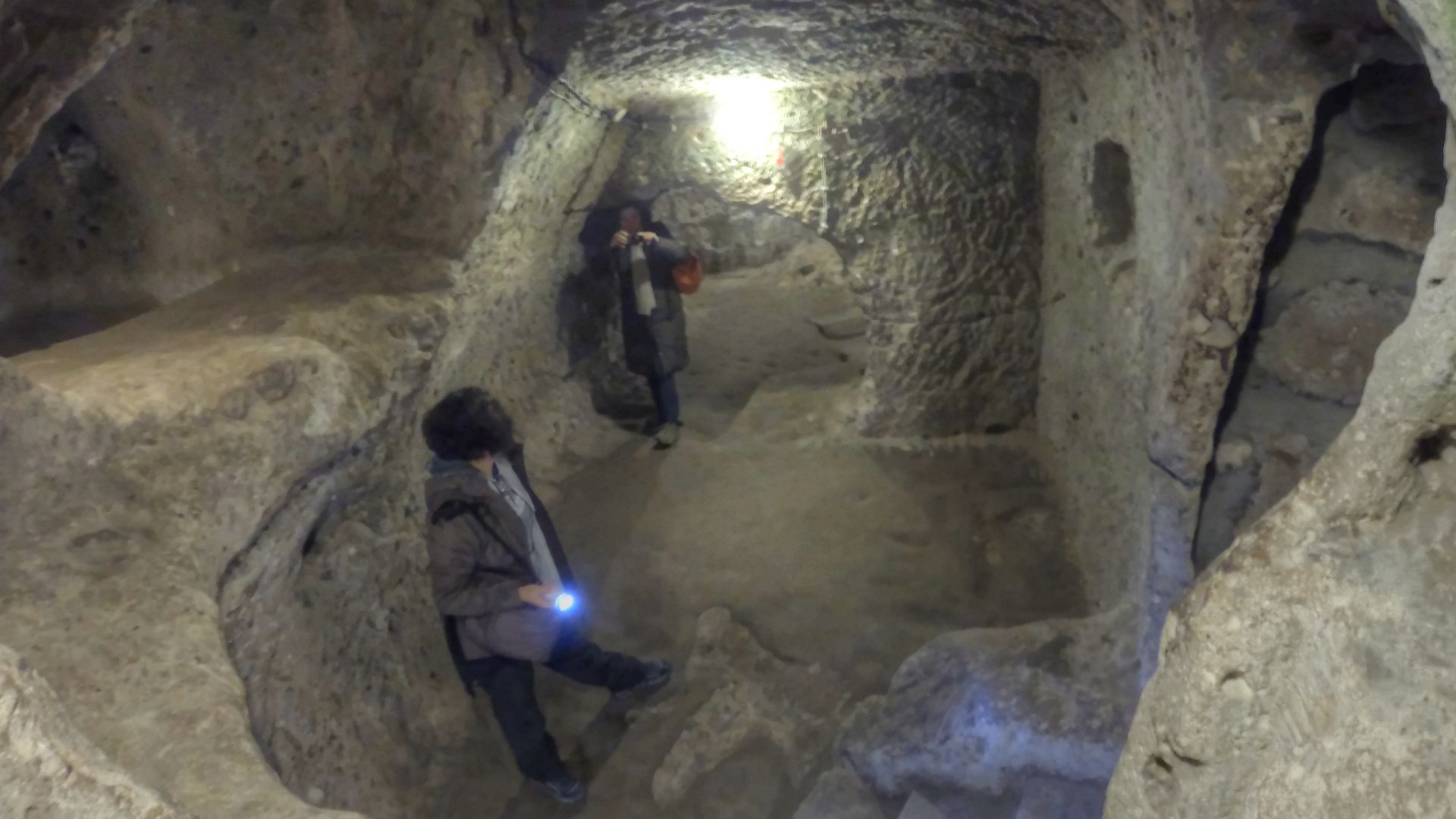
The earliest phases of Derinkuyu may go all the way back to the Phrygians during the first millennium BC. Later civilizations expanded on the system. Byzantine Christians likely enlarged and fortified the complex during periods of invasion. It would have come in handy as a refuge against Arab raids during the early Middle Ages.
 Nevit Dilmen (talk), Wikimedia Commons
Defense By Design
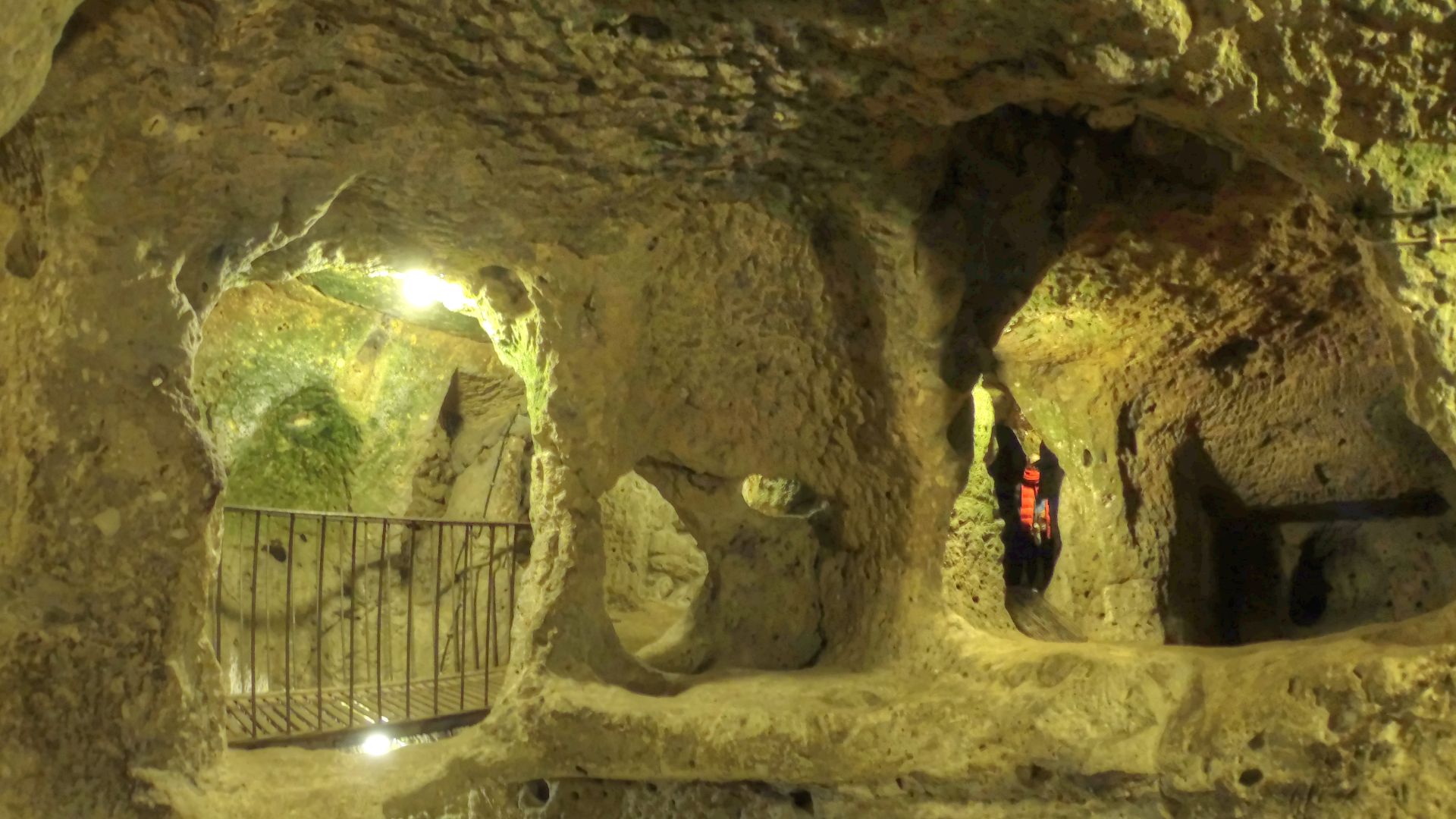
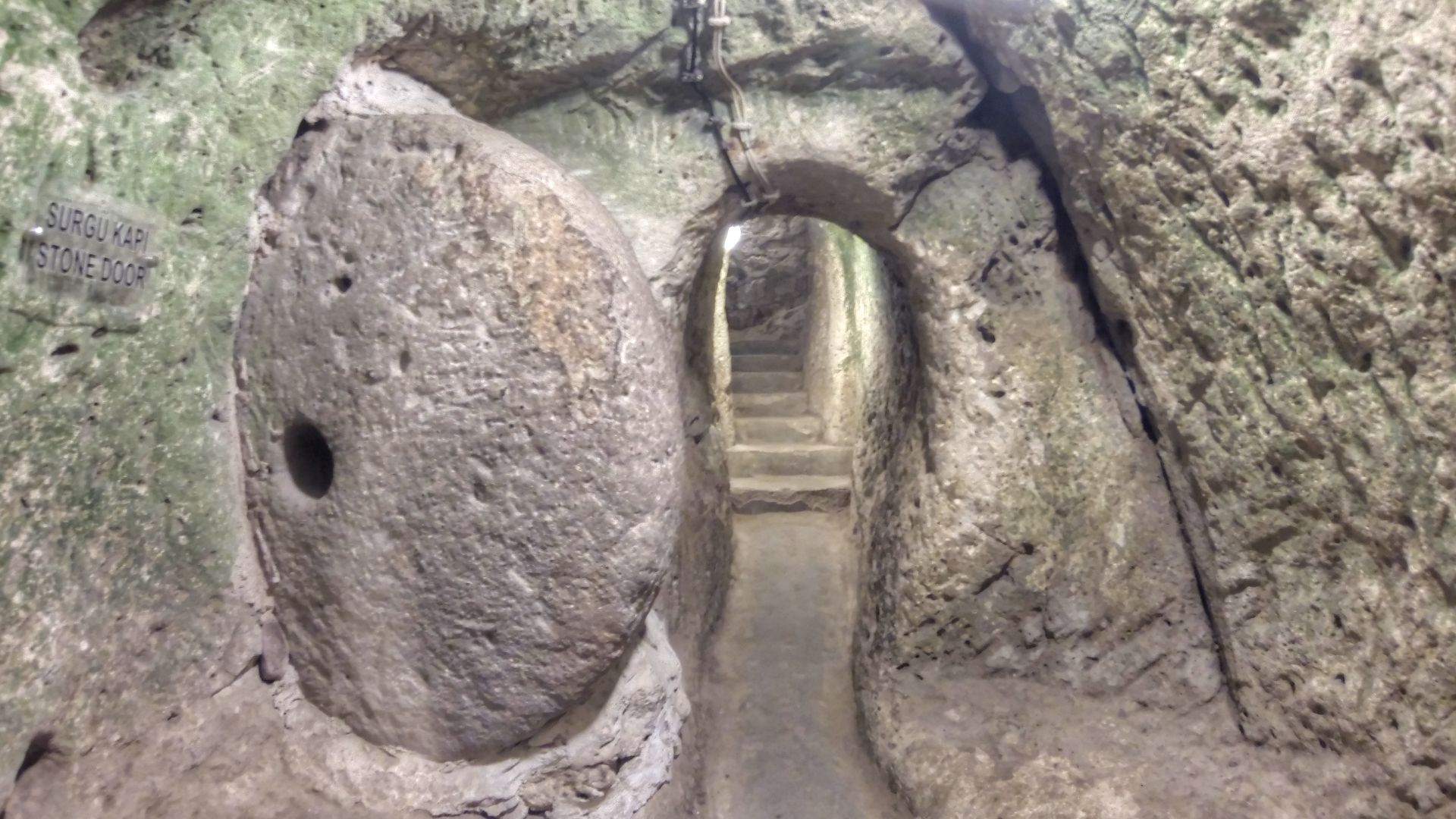
The people of Derinkuyu engineered the place with the idea of defense weighing heavily on their minds. Heavy circular stone doors could be rolled into place to seal off passageways from within. These millstone-shaped slabs were almost impossible to move from the outside, providing protection against rampaging attackers searching for hidden inhabitants underground.
 Nevit Dilmen (talk), Wikimedia Commons
Life Beneath The Earth
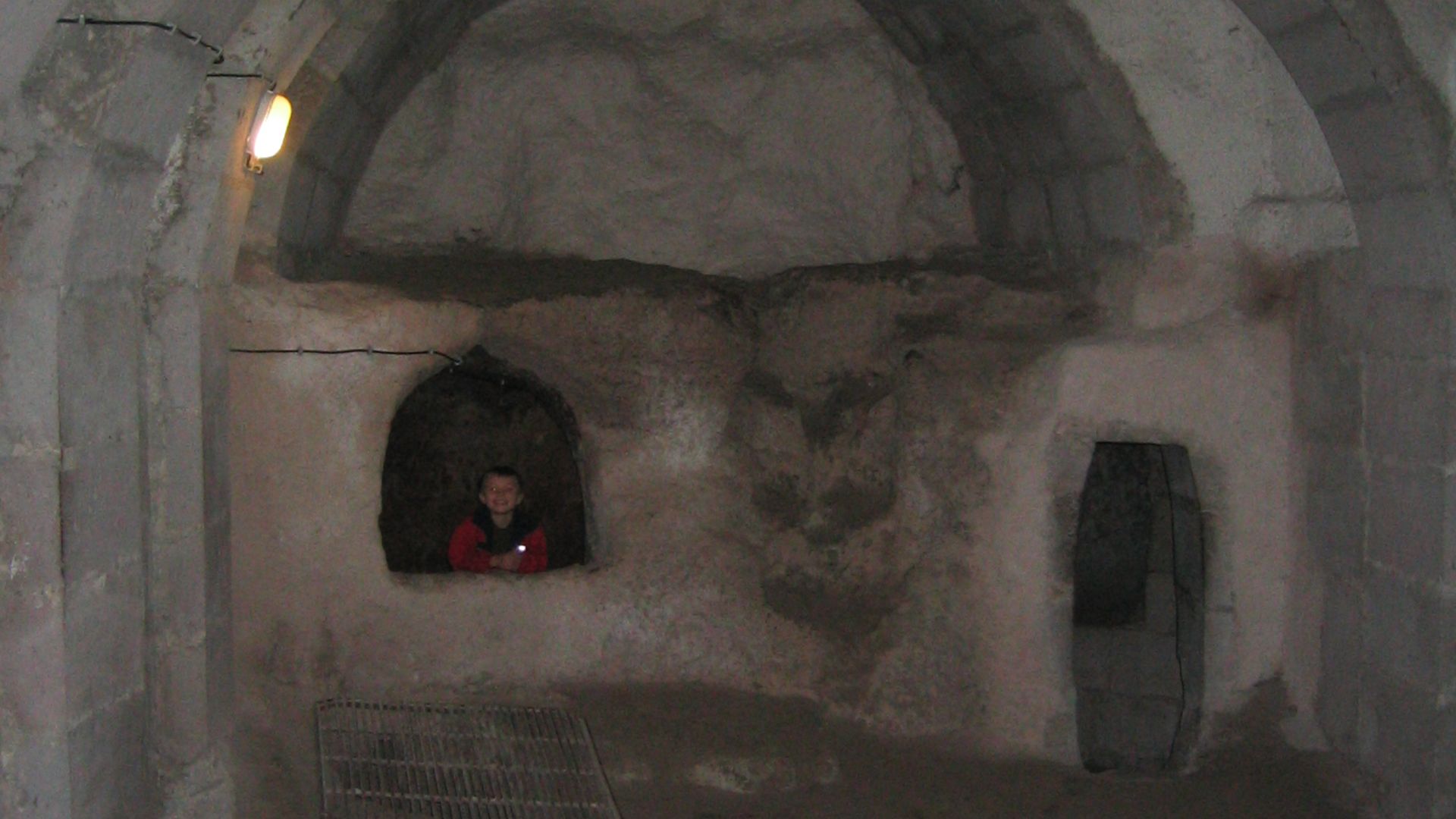
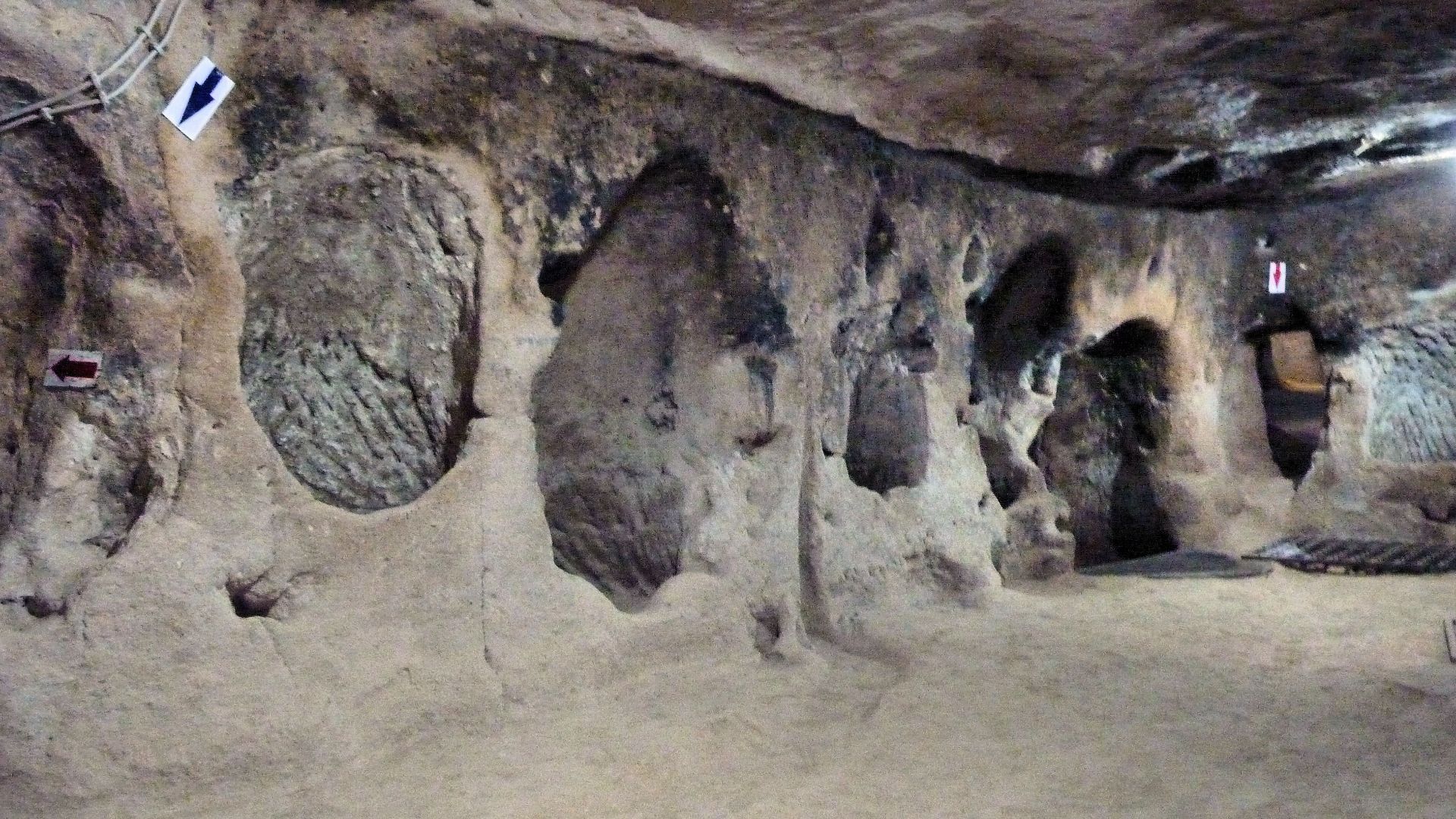
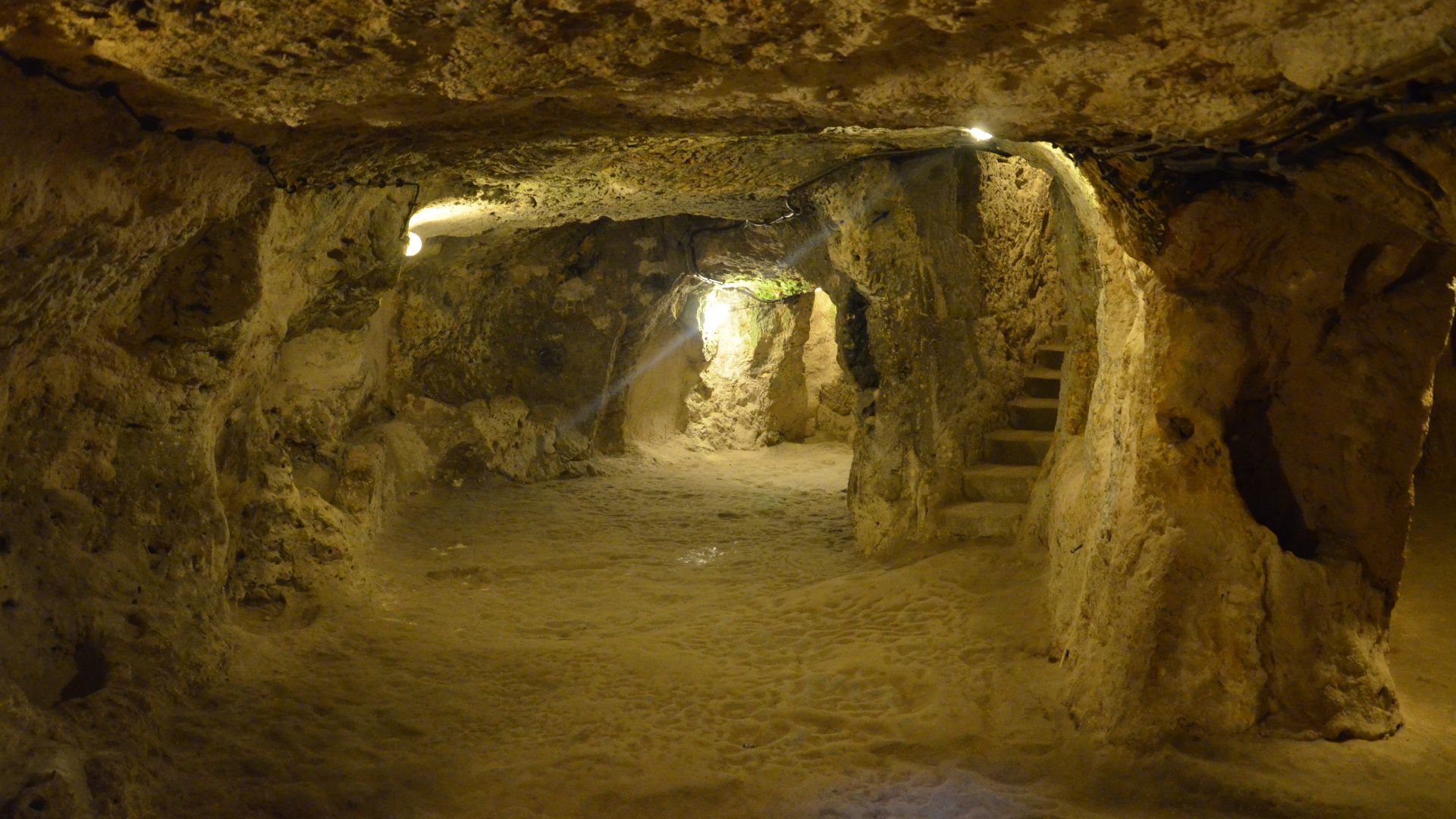
This wasn’t simply a random maze of hiding spots. The city included living quarters, communal kitchens, storage rooms, wells, wineries, chapels, and even livestock stalls. Sophisticated ventilation shafts supplied fresh air, allowing thousands of people to survive underground for extended periods of time.
Importance Of Ventilation
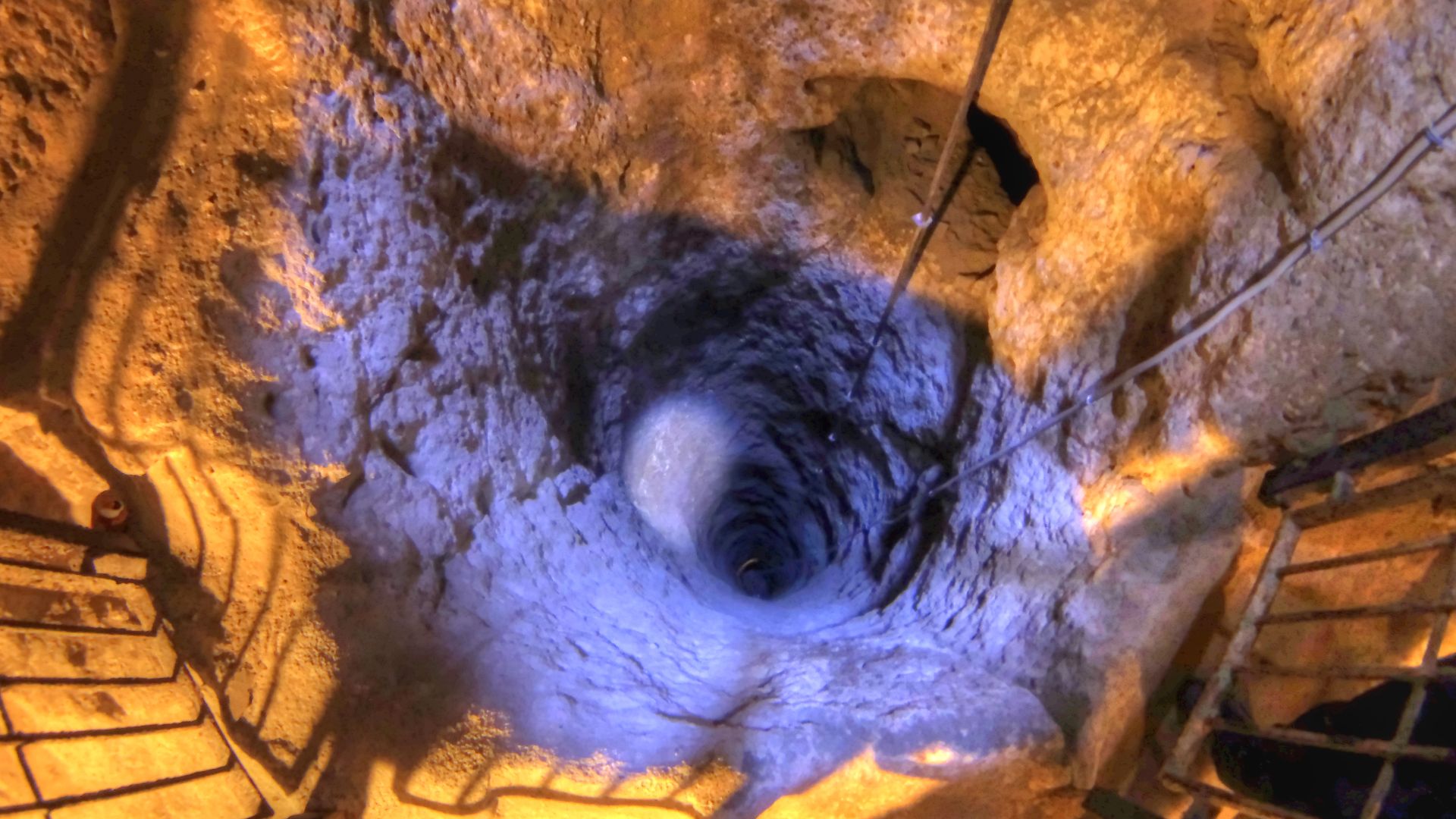
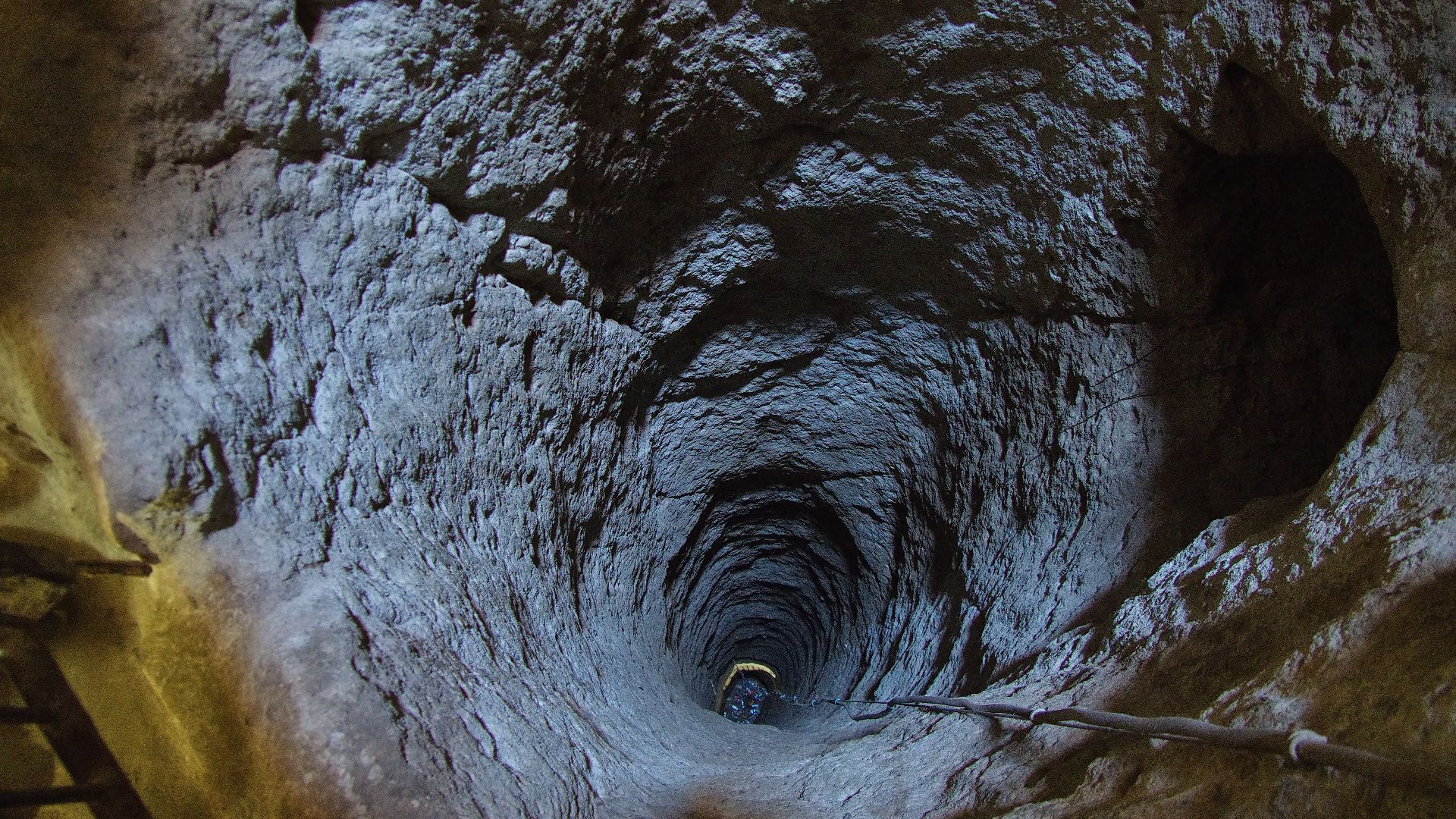
A central ventilation shaft extended more than 50 meters downward, circulating air throughout the lower levels. Without this critical piece of engineering genius, long-term habitation in the subterranean world would have been impossible. The airflow system is to this day one of the most impressive technical achievements of the site.
 Nevit Dilmen (talk), Wikimedia Commons
Water And Survival
Access to water was another critical need. Some wells were designed so they could not be easily poisoned by enemies on the surface. During sieges or violence above ground, residents could rely on internal water sources and extensive food storage to live on safely ensconced below the earth.
 Joe Wallace, Wikimedia Commons
Greek Communities Of Cappadocia
In the late 19th and early 20th centuries, the region was home to a significant number of Greek Christian communities. Historical accounts suggest that underground complexes like Derinkuyu were used again during times of ethnic unrest and violence that swept through Turkey.

Refuge During Early 20th Century Violence
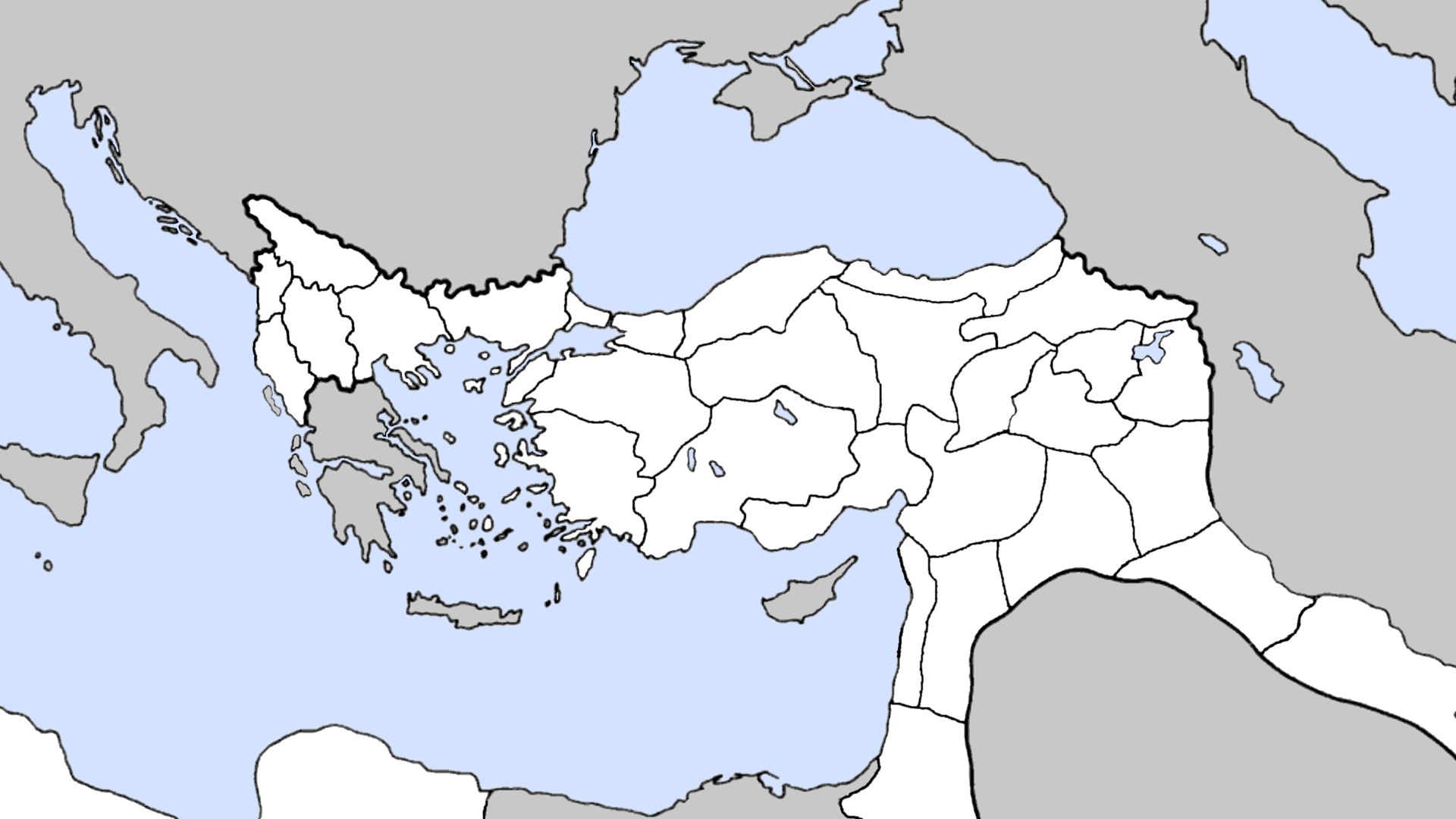
During the turmoil surrounding the collapse of the Ottoman Empire and the Greco-Turkish conflict that followed in its wake, some local Greeks reportedly sheltered in these underground spaces to hide out from the terrifying massacres and raids going on up above. The labyrinthine tunnels offered protection when sectarian tensions reached a fever pitch.
 Underlying lk, Wikimedia Commons
Fear Beneath The Surface
These underground chambers, carved centuries earlier, had again served their purpose as life-saving sanctuaries. Families could retreat silently through hidden entrances, sealing stone doors behind them. The reuse of ancient refuge systems during modern conflict goes to show how the past can unexpectedly protect the present.
 Nevit Dilmen (talk), Wikimedia Commons
The Statue In The Wall
Among the discoveries within Derinkuyu was a carved statue embedded in a wall of the complex. This figure is thought to represent a deity or symbolic guardian, reflecting the blend of religious identities that thrived in the city’s subterranean network of passageways.
 Casalmaggiore Provincia, Wikimedia Commons
Archaeological Study In The 20th Century
Following its accidental 1960s rediscovery, archaeologists plunged into the exhaustive work of examining the scale and complexity of Derinkuyu. Scholars mapped passageways, analyzed the many phases of construction, and compared all this to nearby underground cities in Cappadocia, revealing an entire network of similar subterranean settlements.
 Francesco Bandarin, Wikimedia Commons
Not An Isolated Feature
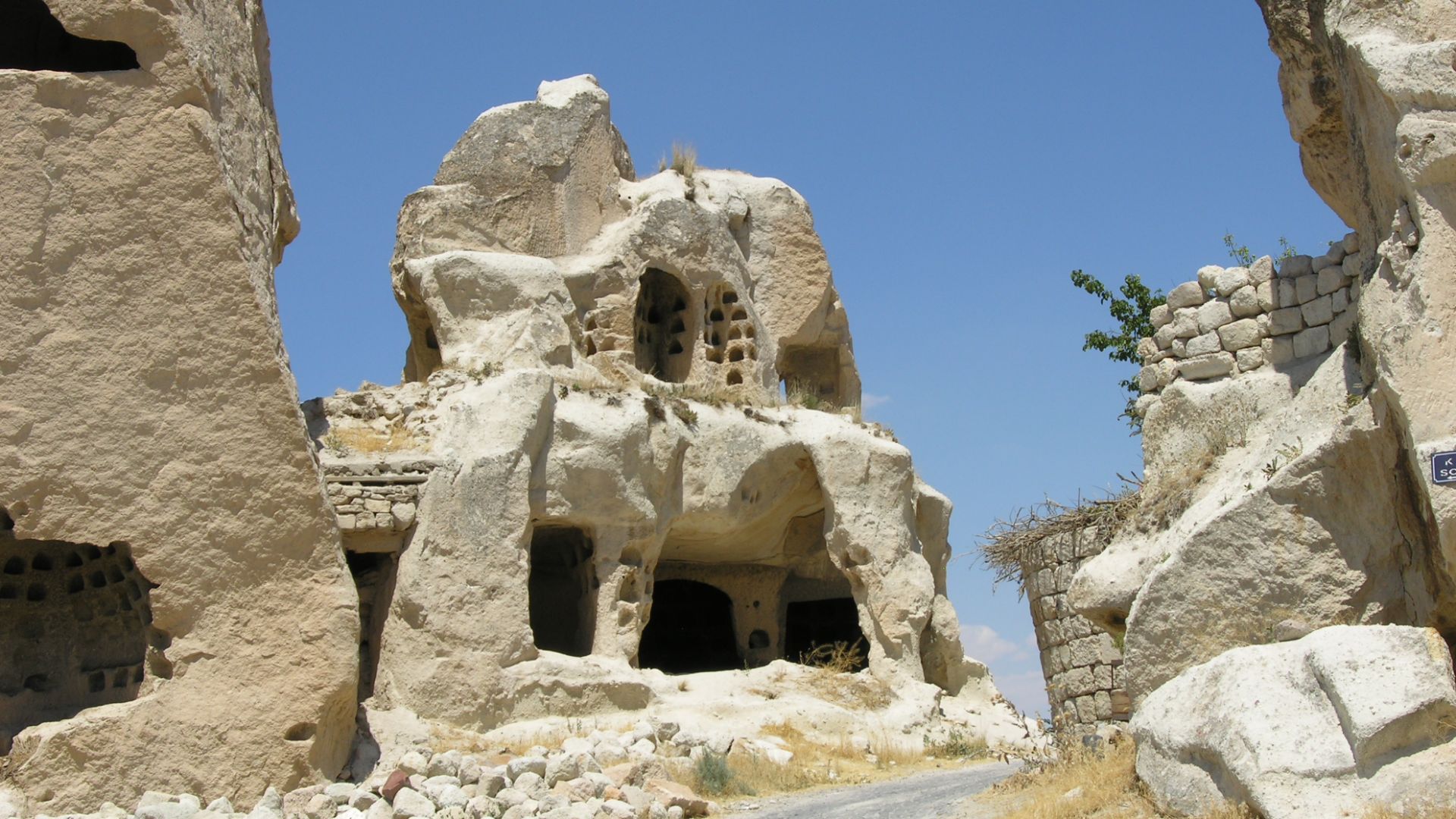
Derinkuyu is part of a broader phenomenon that is widespread across Cappadocia, where dozens of underground cities have been identified. Some of these are connected by tunnels that extend for kilometers. These complexes collectively demonstrate a long-standing regional strategy of melting away into the very earth itself when marauders begin ravaging the area.
 Ahmet KAYNARPUNAR, Wikimedia Commons
Expanding Understanding
Over the past several decades, the frenetic sequence of excavations and improved mapping technologies have comprehensively reshaped our understanding of the city’s chronology. Researchers continue to squabble over which cultures initiated the earliest excavations and how the site evolved in phases across centuries of use.
Tourism And Preservation
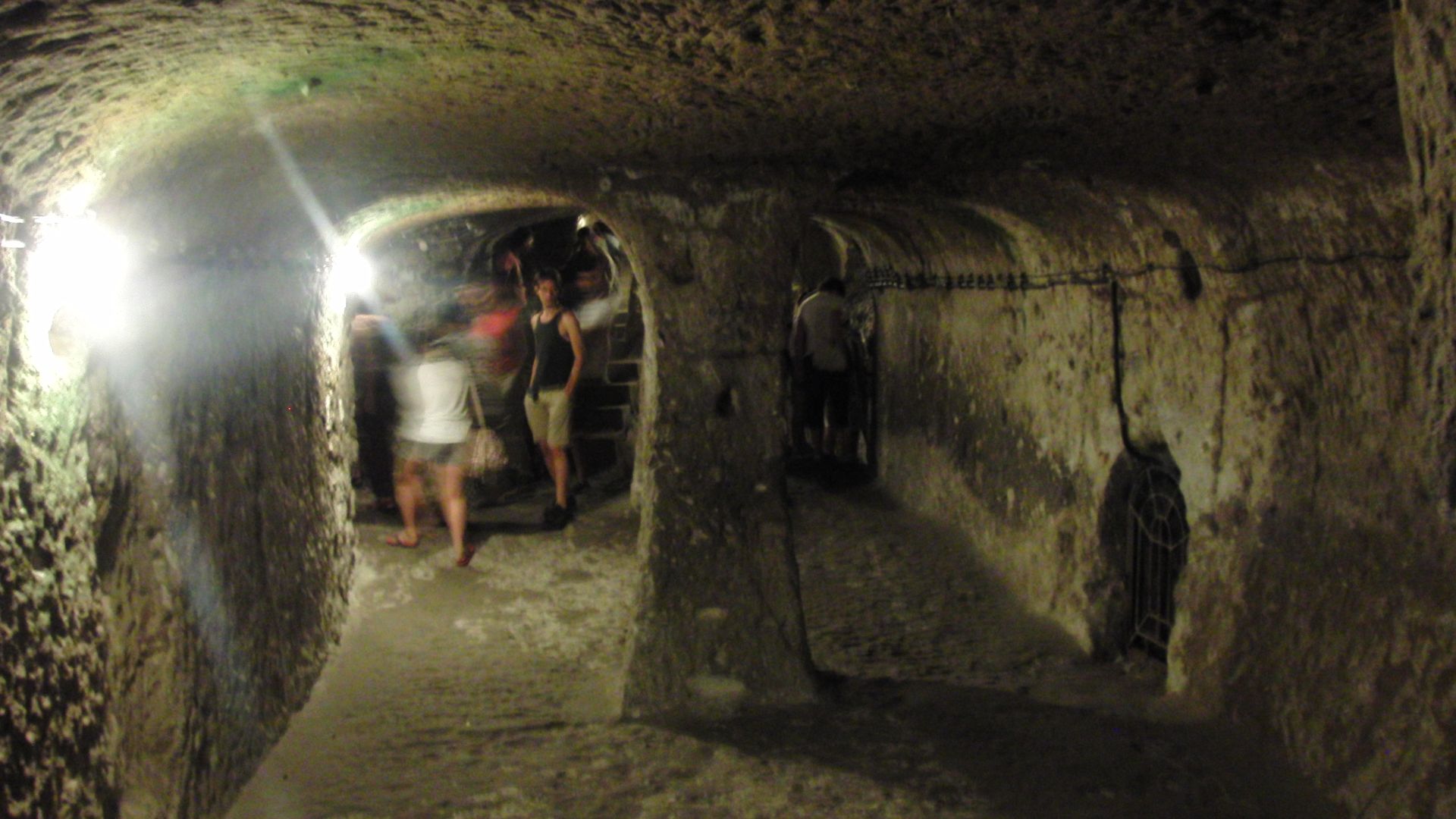
Today, portions of Derinkuyu are open to visitors. Narrow passageways and steep staircases allow travelers to descend into these ancient refuges. However, preservation is still a challenge, as exposure to modern foot traffic has to be balanced against protecting the fragile stone surfaces.
Engineering Genius
Modern engineers poring over Derinkuyu continue to be impressed at its structural resilience. Despite all the myriad earthquakes that shake the region, and centuries of abject abandonment, many chambers remain just as intact as they were hundreds of years ago. The natural properties of volcanic tuff, in combination with careful design, have allowed this underground metropolis to endure.
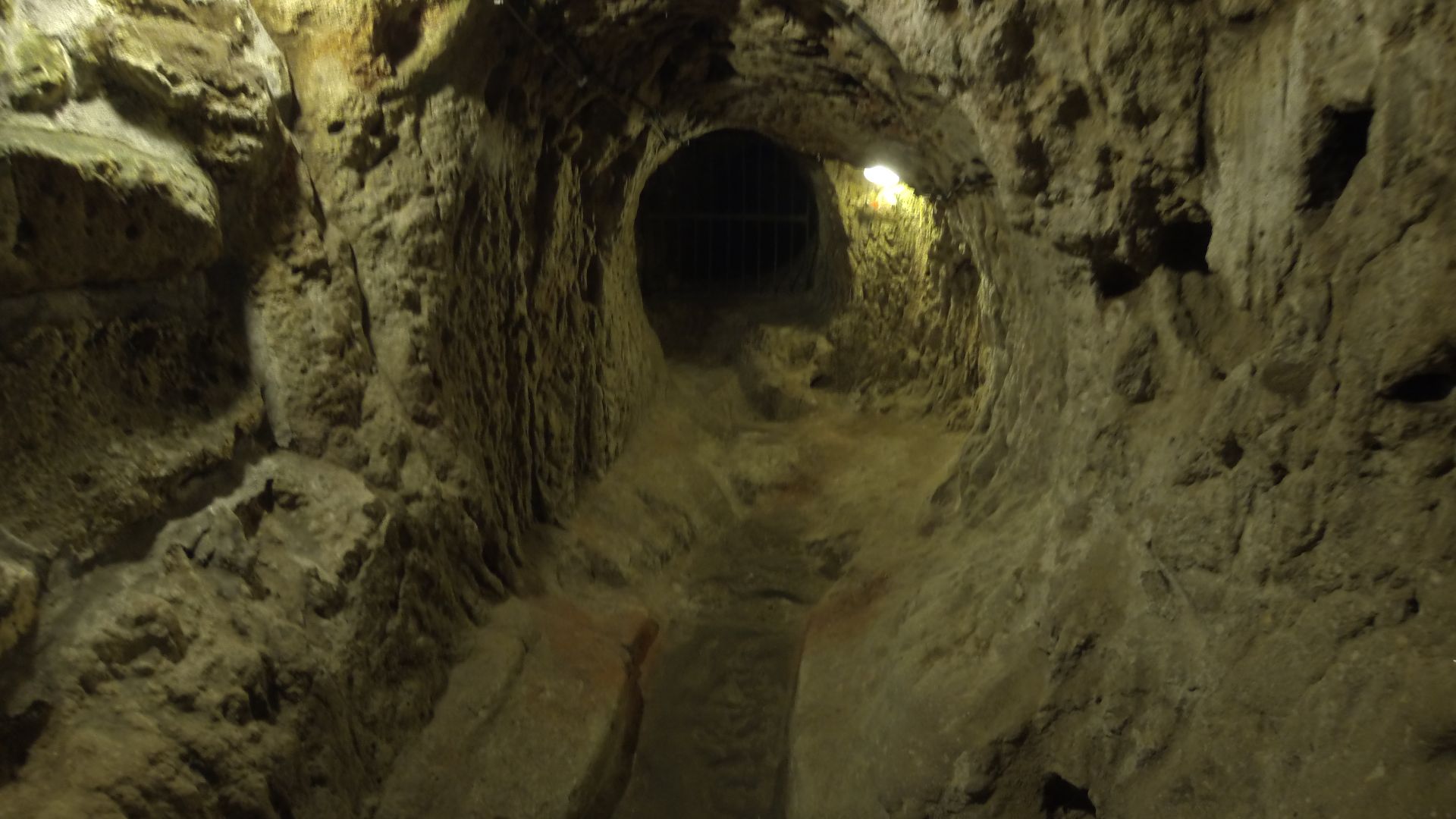 Nevit Dilmen (talk), Wikimedia Commons
Hidden In Plain Sight
For centuries, local residents may have been aware about parts of the old tunnel systems without grasping or really caring about their full extent or historical importance. It took a simple basement renovation and an ounce of intellectual curiosity to reveal what lay beneath: an entire city, patiently waiting in darkness for rediscovery.
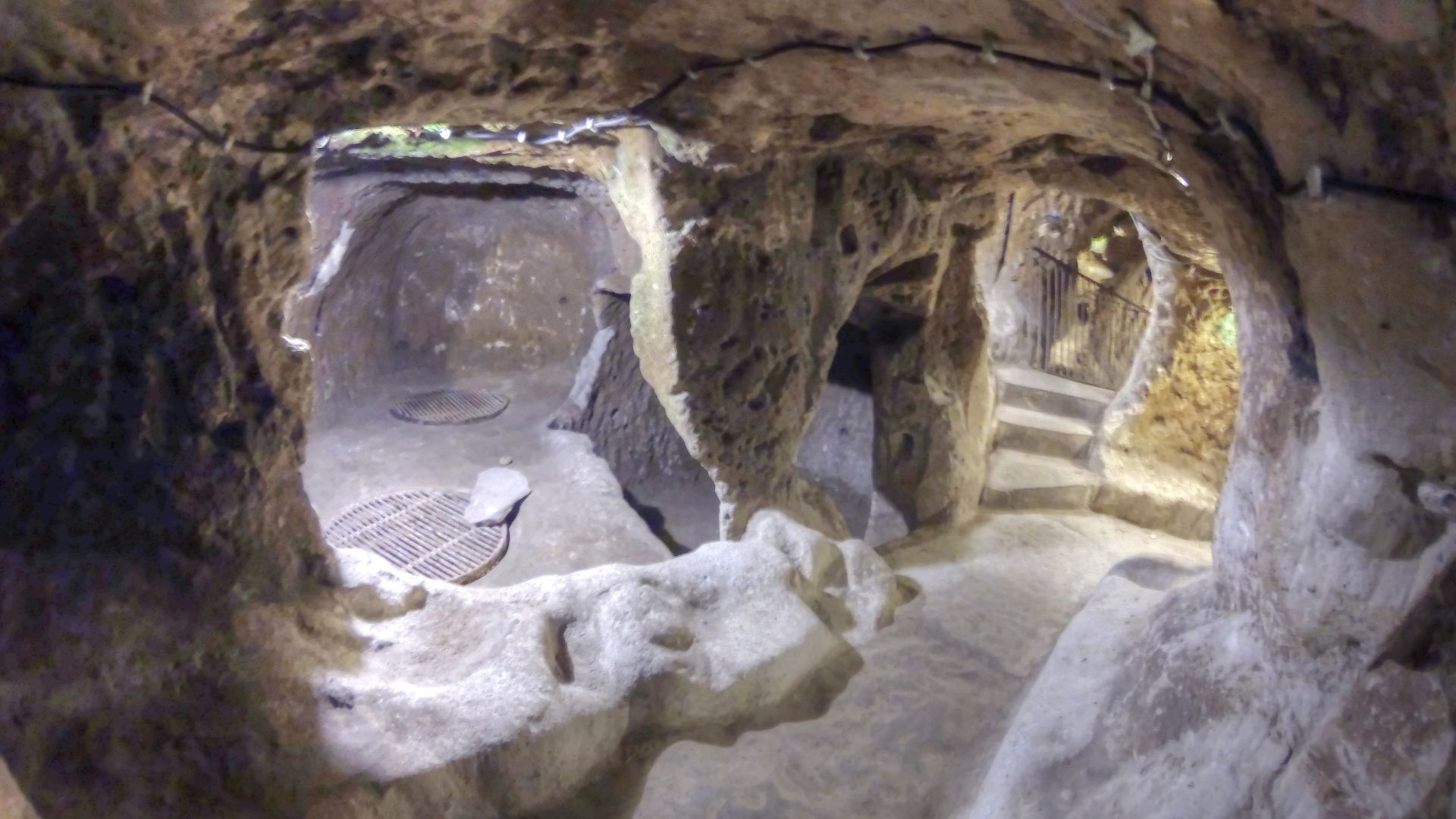 Nevit Dilmen (talk), Wikimedia Commons
Rewriting Cappadocia’s Story
The discovery of Derinkuyu transformed our understanding of life in ancient Anatolia. It revealed a culture skilled not only in carving incredible fairy chimneys and rock churches, but in constructing vast subterranean refuges capable of sustaining whole communities for an extended period of time.
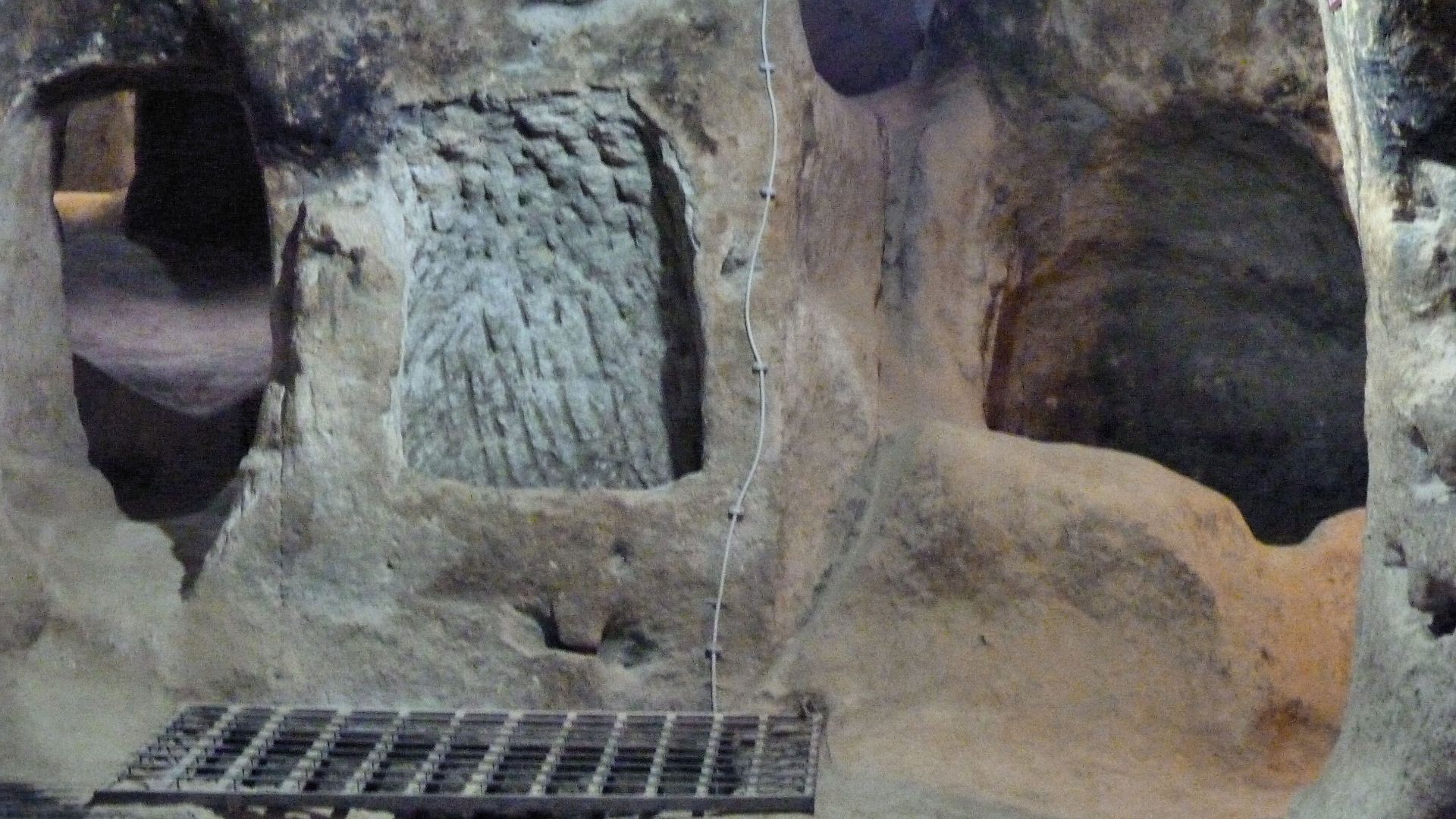 Casalmaggiore Provincia, Wikimedia Commons
From Accident To Archaeological Marvel
What started out as a homeowner chasing a draft of air ultimately exposed one of the largest underground cities ever found. Derinkuyu is a monument to favorable geology, human ingenuity, survival in times of fear, and the incredible surprises that people sometimes dig up without even meaning to.
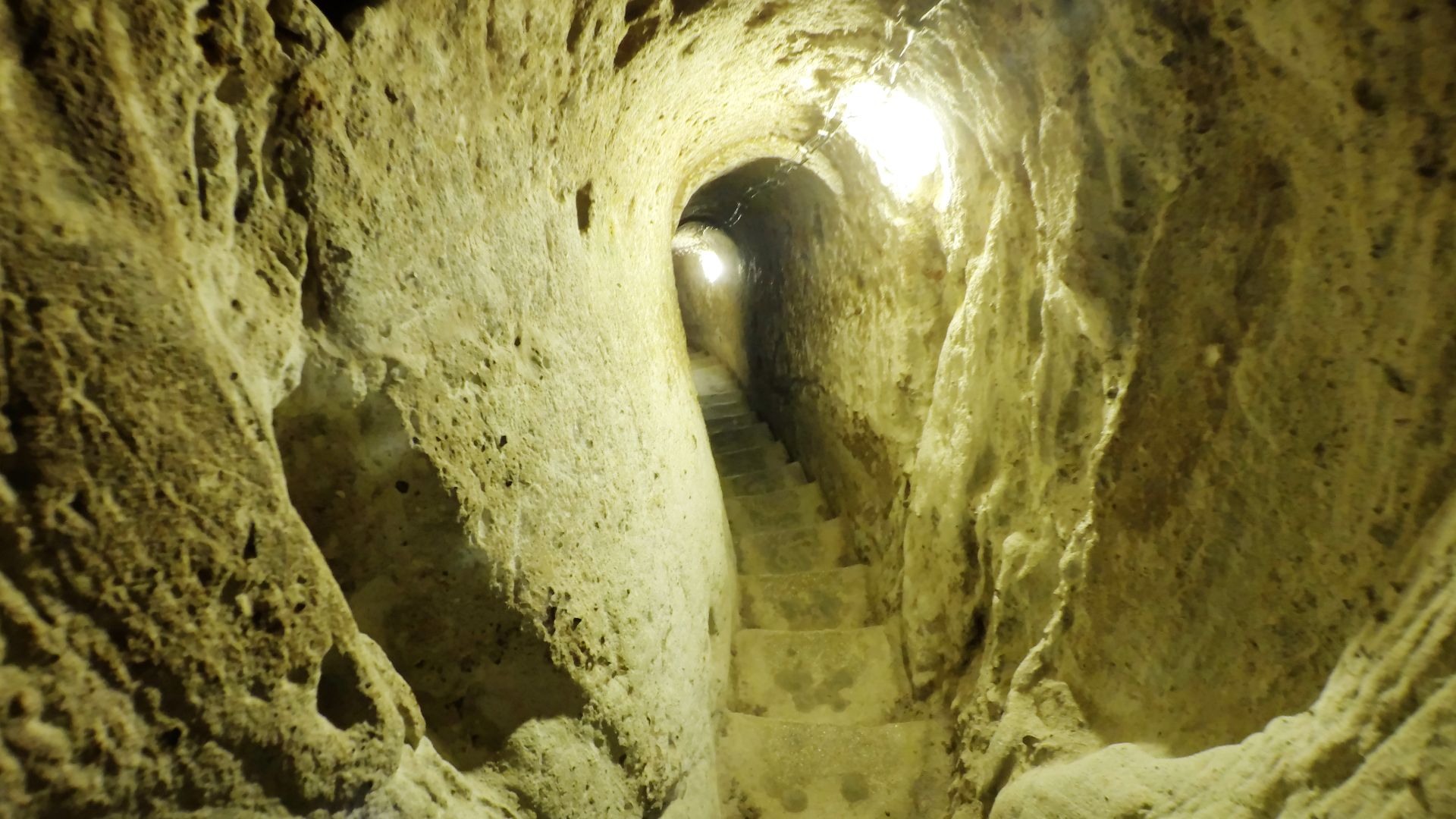 Nevit Dilmen (talk), Wikimedia Commons
You May Also Like: