New Face For Humanity’s Earliest Art
Archaeologists at Taş Tepeler in southeastern Turkey recently uncovered multiple Neolithic sculptures that are reshaping our understanding of early human ritual, symbolism, and community life. Dating back to around 12,000 years ago, these discoveries place complex artistic expression at the very dawn of settled human society.
The Taş Tepeler Landscape
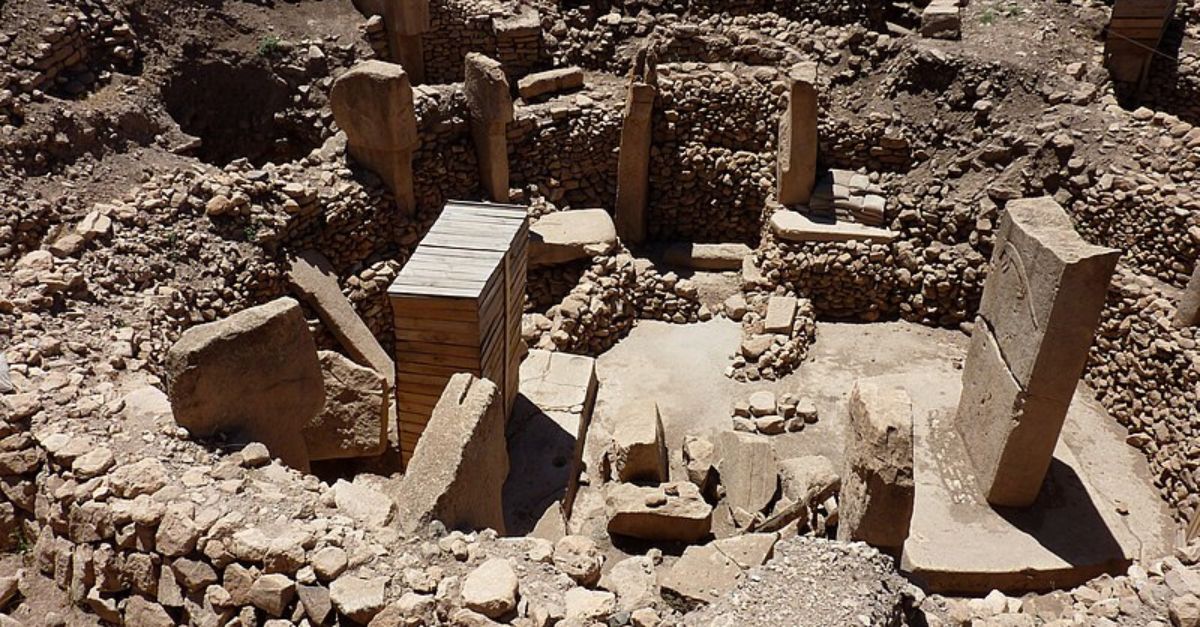
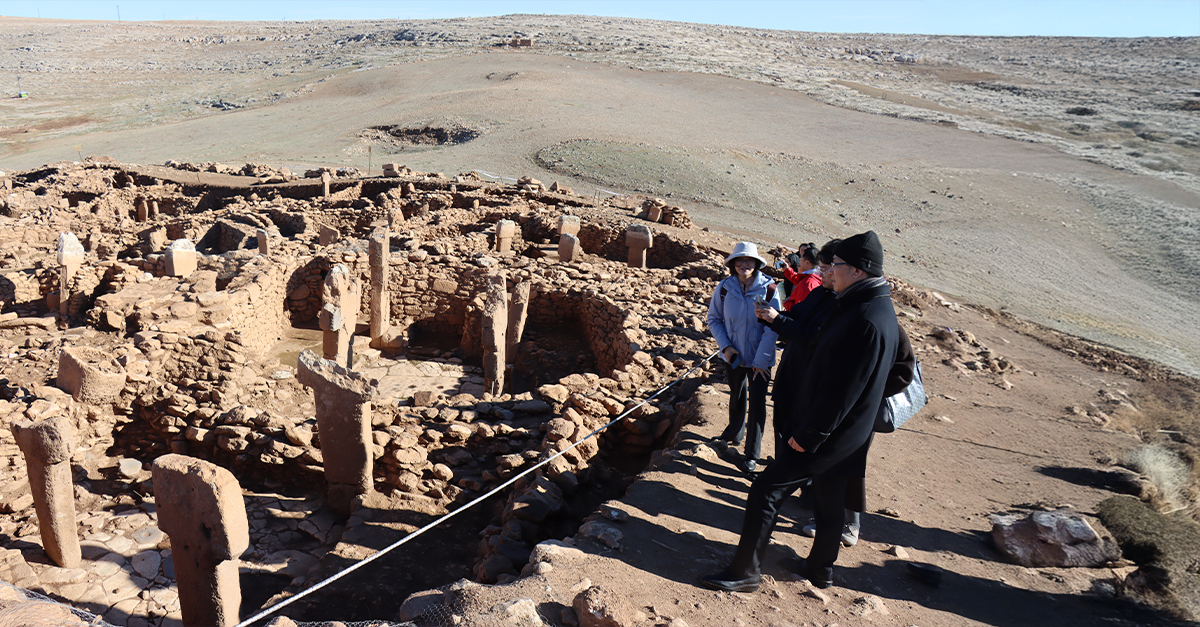
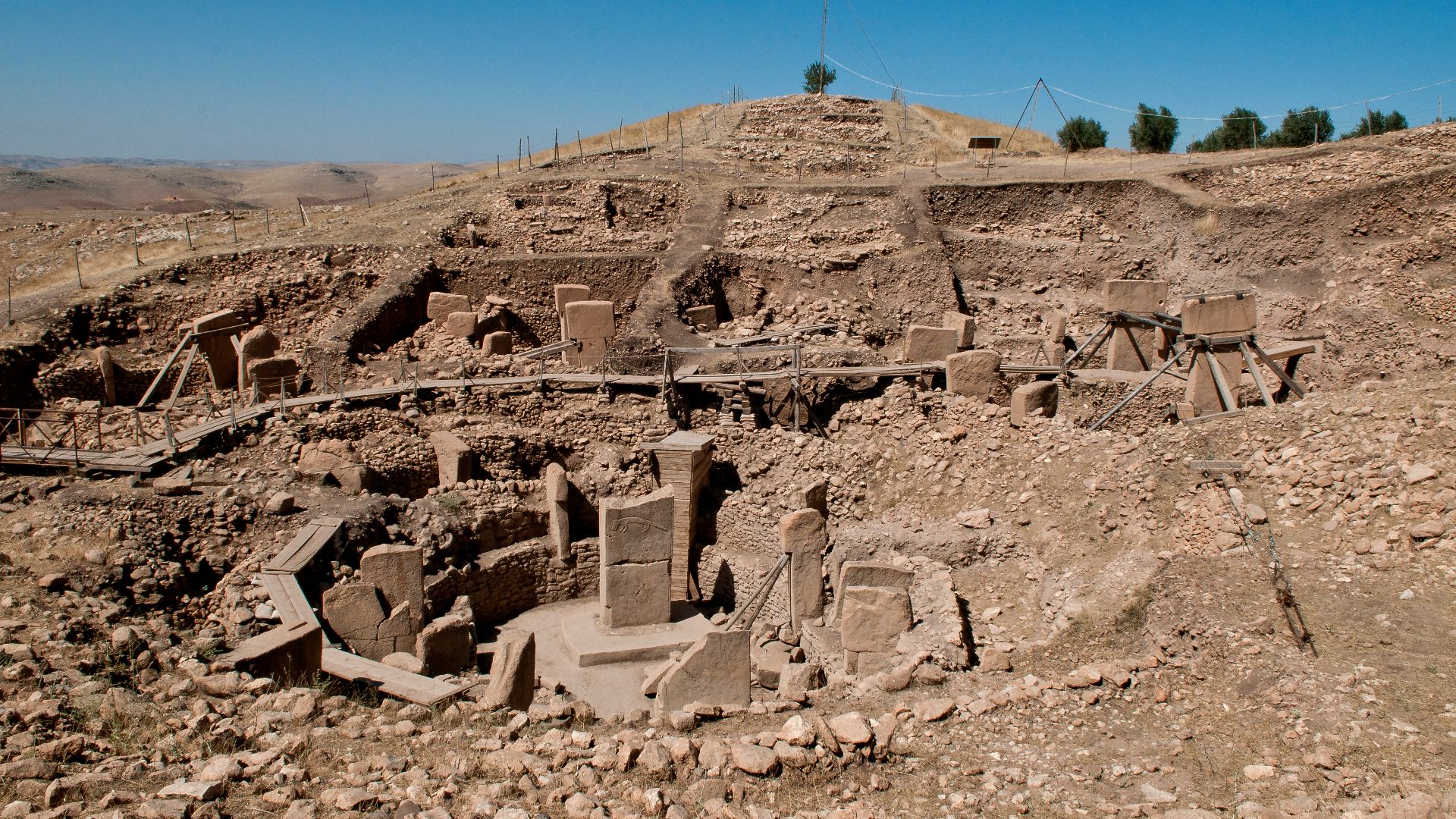
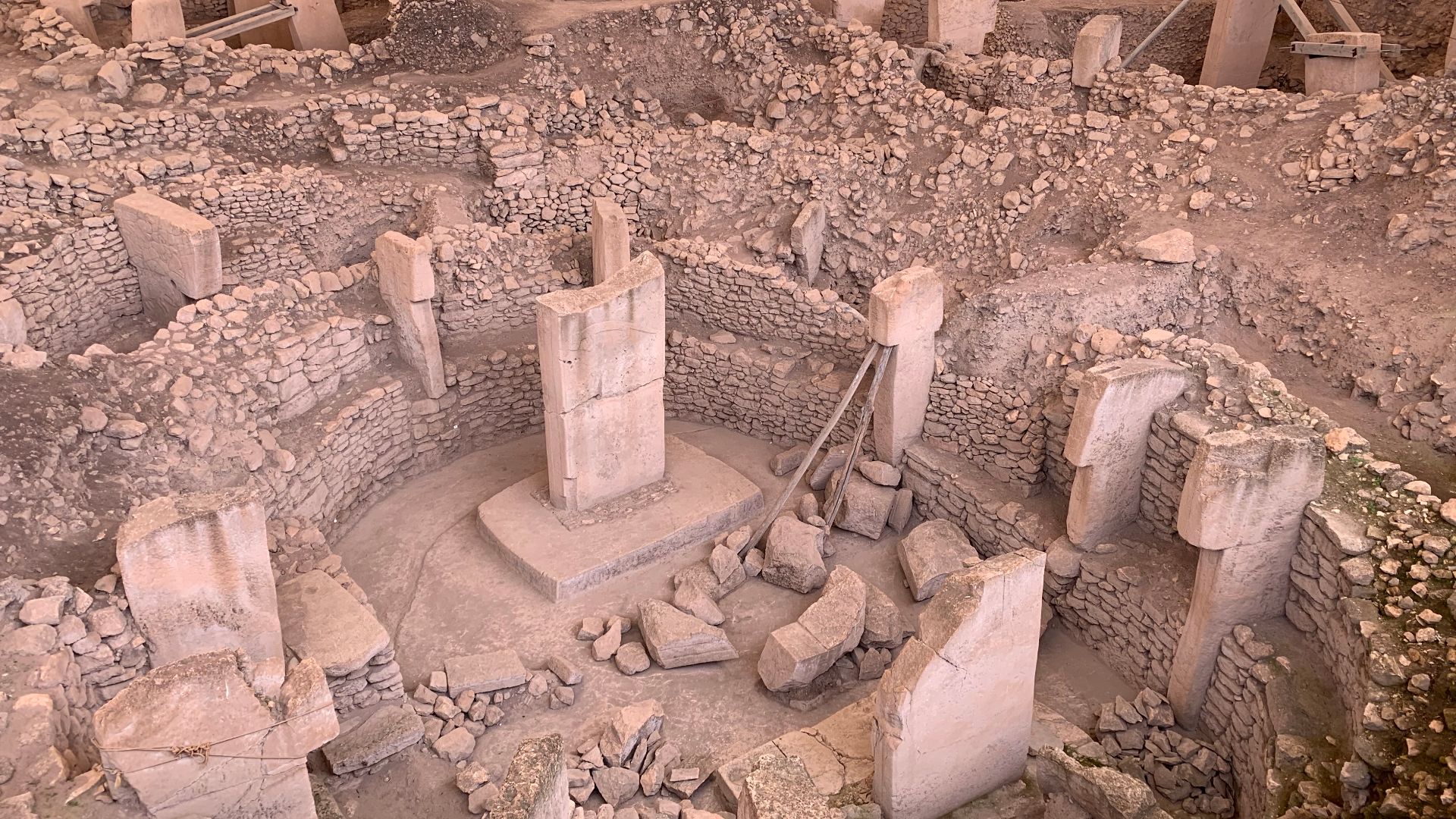
Taş Tepeler is not a single site but a network of early Neolithic settlements spread out across the arid and rugged landscape of southeastern Anatolia. The region includes monumental ritual centers, domestic structures, and carved stone art, indicating interconnected communities that experimented with architecture, belief systems, and symbolic representation long before the advent of writing or metal tools.
 Teomancimit, Wikimedia Commons
Discovery’s Impact
The newly discovered sculptures fly in the face of older assumptions that symbolic art evolved gradually. Instead, the statues suggest a sudden flowering of human representation tied to ritual spaces. These carvings prove that early farming communities put a significant amount of labor into non-utilitarian objects that carried some sort of spiritual or social meaning.

The Features Of A Human
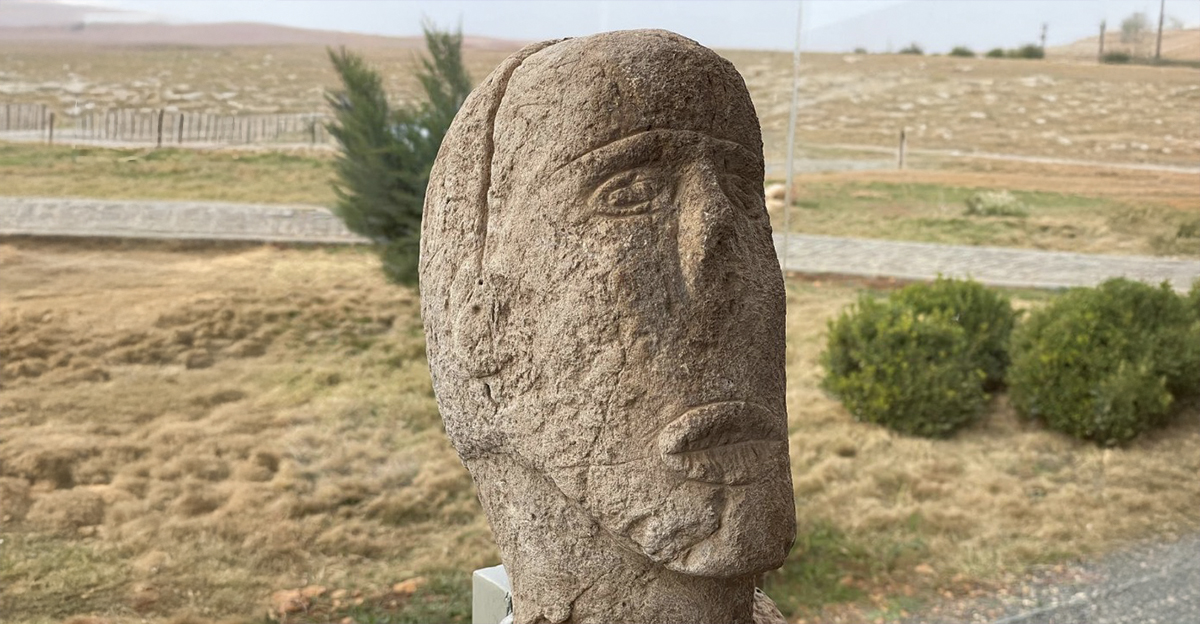
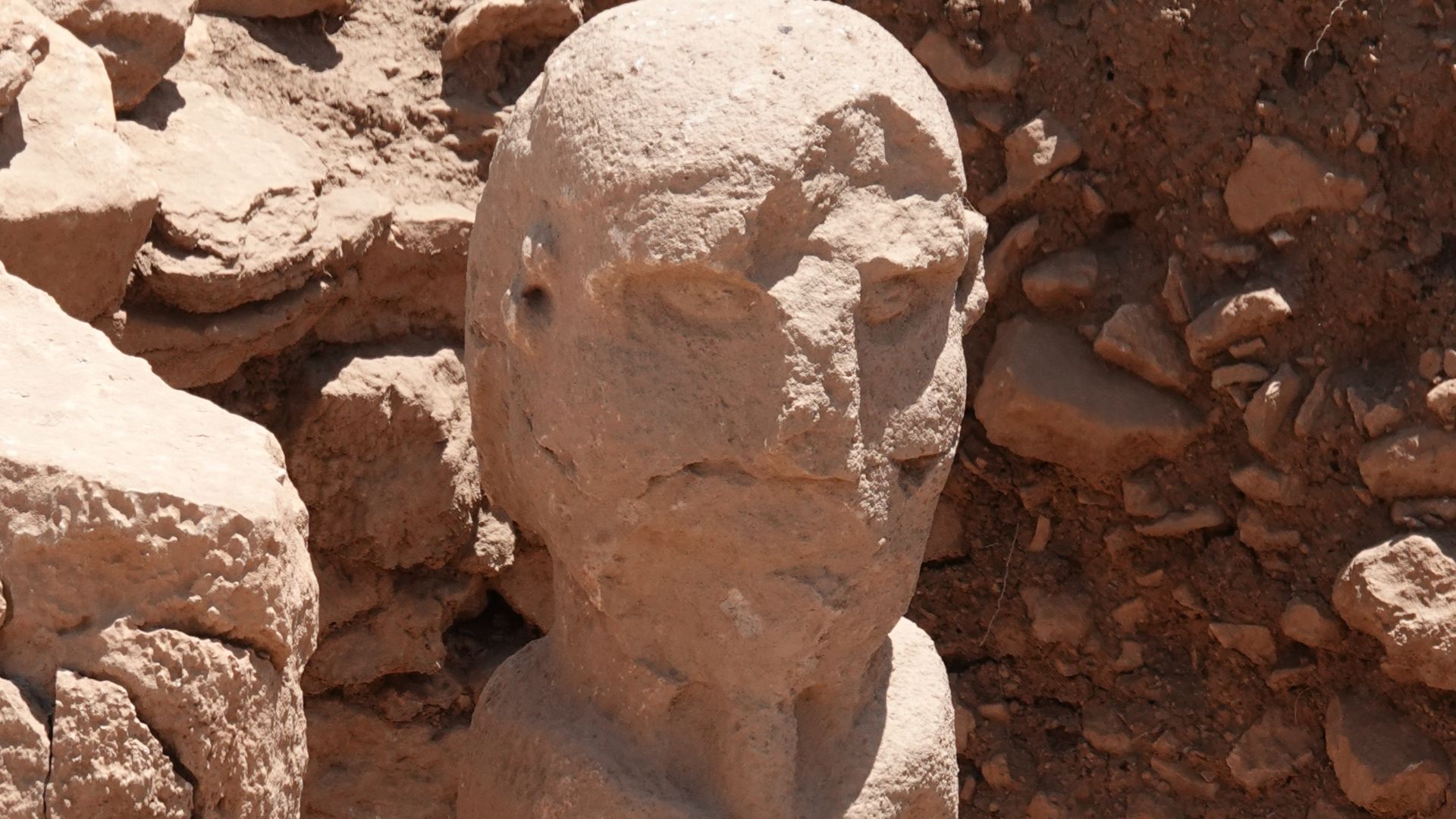
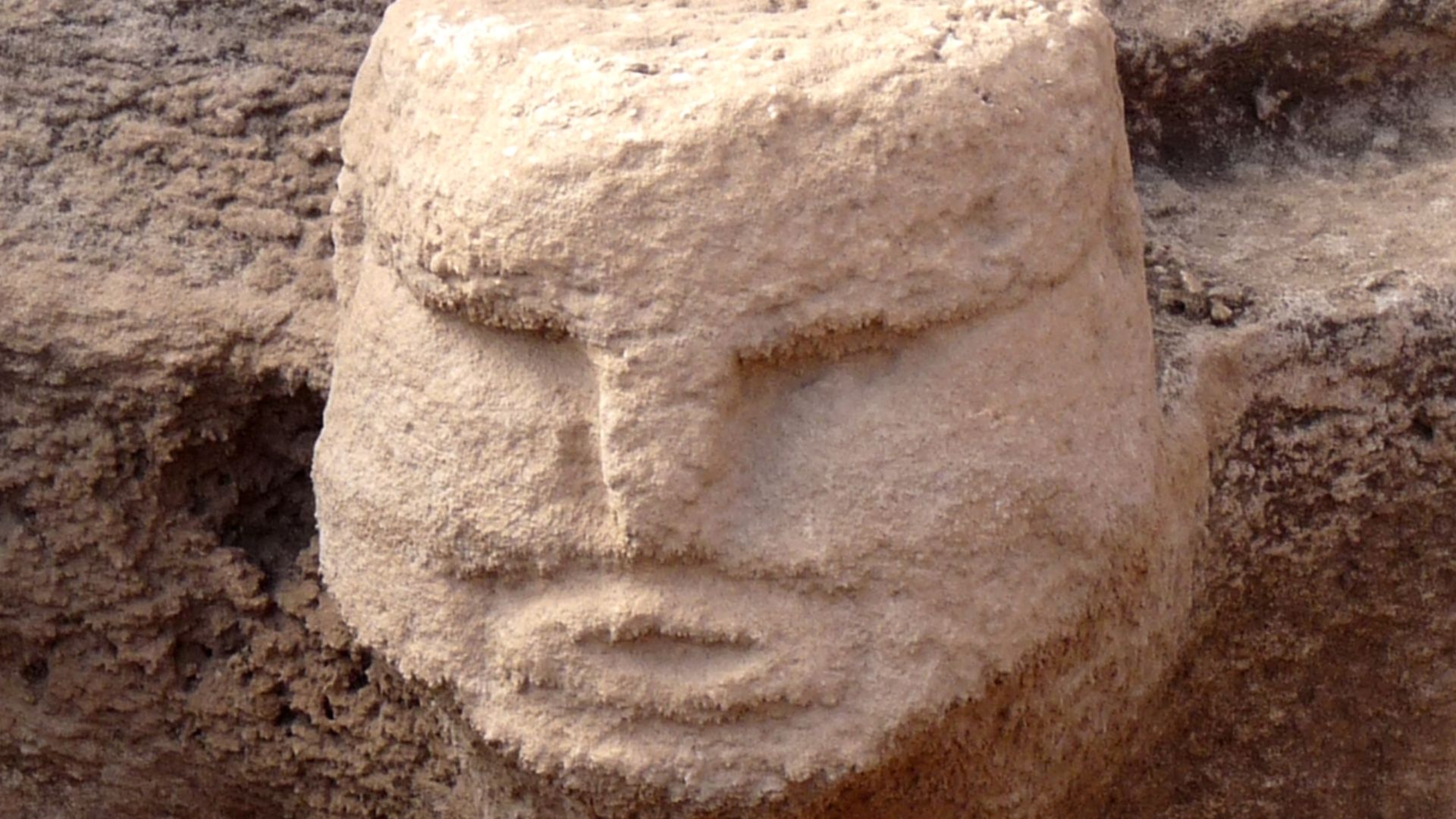
Among the most amazing finds are stone sculptures carved with detailed human faces, torsos, and gestures. Unlike purely abstract symbols that can be explained away, these figures display deliberate facial expressions and body language. This startling fact strongly suggests that identity, status, or narrative scenes already played some kind of role in Neolithic ritual life.
 Marco Restano, Wikimedia Commons
Sayburc Relief In Focus
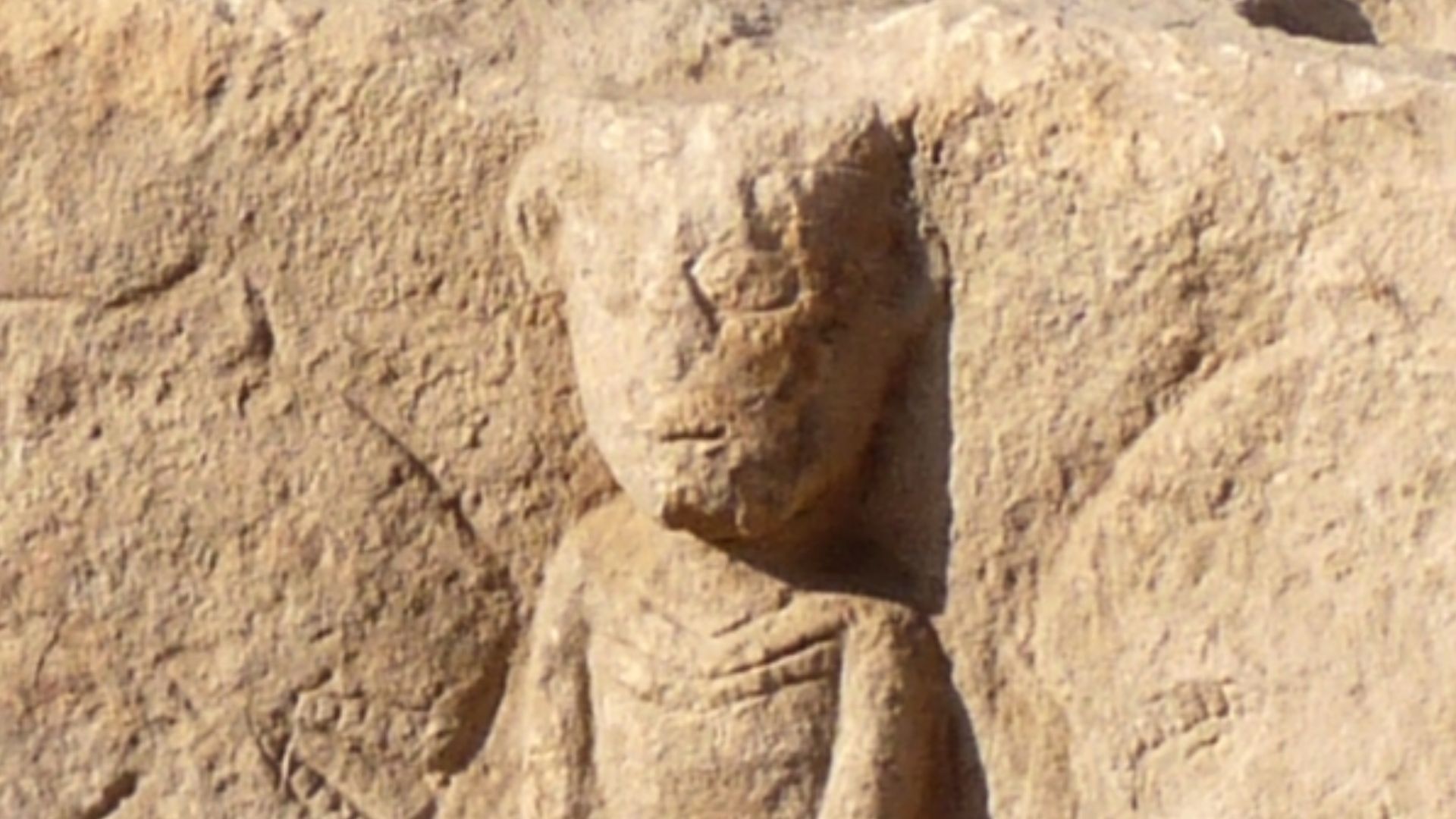
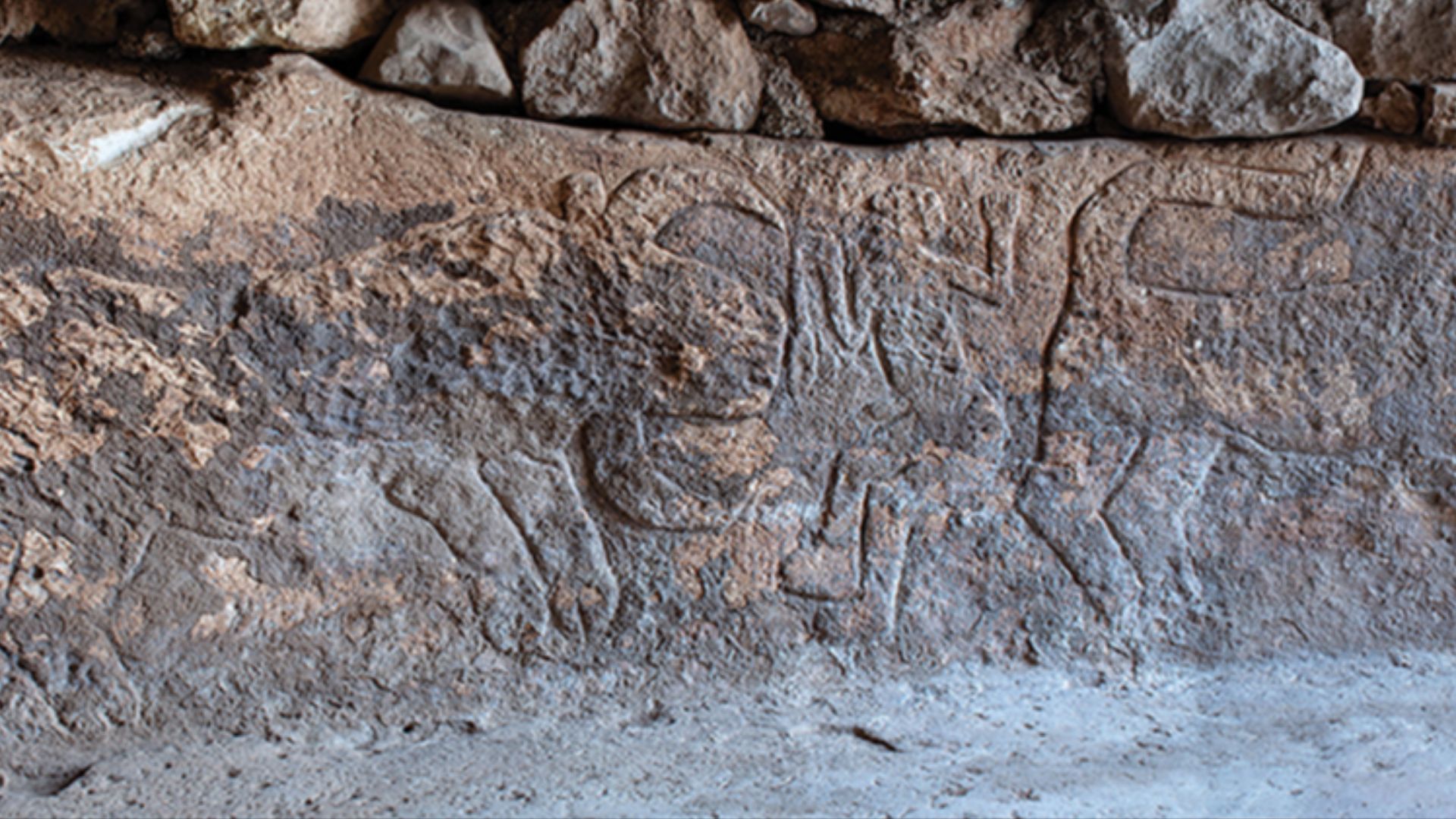
One of the most talked about discoveries comes from Sayburç, a settlement within the Taş Tepeler region. Archaeologists uncovered a carved relief embedded into a stone bench, depicting human figures interacting in what appears to be some kind of symbolic or ritualized scene.
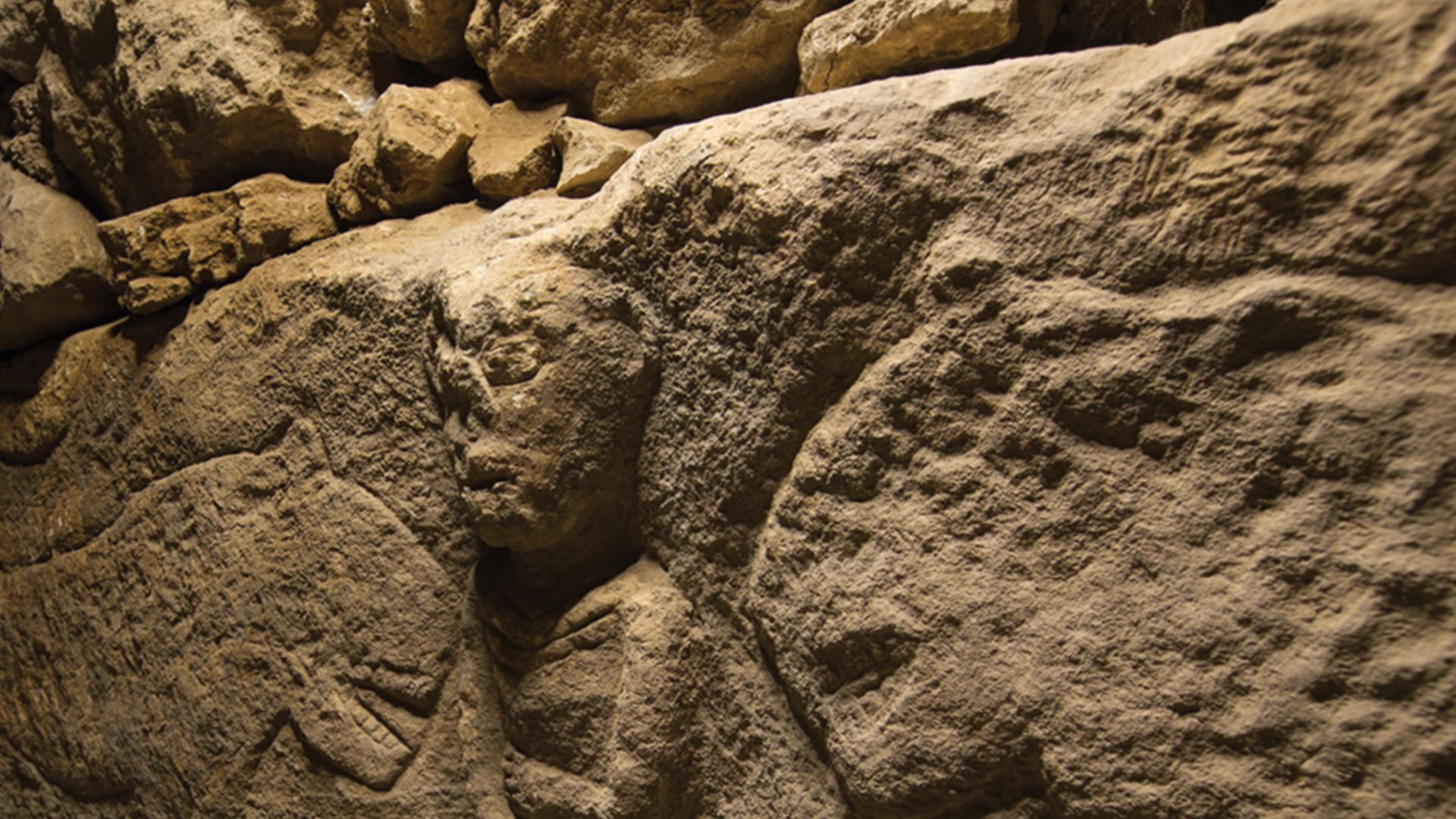
Figure With Stitched Mouth
One of the most striking representations at Sayburc, one eerie figure features a deeply carved mouth marked by what appears to be stitching or binding. This unsettling detail has drawn strong interest, as it may symbolize silence, death, restraint, or perhaps ritual transformation. Such deliberately specific imagery suggests highly developed symbolic thinking among early Neolithic communities.
 Frantisek Trampota, Wikimedia Commons
Stitched Mouth Symbolism
Scholars are always wagging their fingers and admonishing us against making simple interpretations, but the stitched mouth may reflect some ritual control of speech, part of the practice of mourning, or perhaps some kind of initiation rites. Comparable images appear rarely in prehistoric art, making this figure especially pivotal for comprehending how early societies expressed concepts of power, taboo, and transition.
Human Interaction Carved In Stone
A mentioned above, the Sayburc relief shows multiple figures in close interaction, possibly engaged in a narrative act or dynamic event rather than isolated portraiture. This suggests early storytelling through sculpture, where stone surfaces served as the medium of communication and not just mere decoration.
Statue Built Into A Wall
Another extraordinary find at Taş Tepeler is a statue that was found to be completely integrated into a wall structure. Rather than standing alone, the figure was deliberately incorporated into the architecture, meaning that the boundary between sculpture and built space were fairly flexible in Neolithic ritual design.
 Frantisek Trampota, Wikimedia Commons
Belief Woven Into Architecture
The wall-embedded statue suggests that buildings may have carried a symbolic meaning of their own. Ritual spaces weren’t neutral shelters but active agents in belief systems, with carved figures acting as guardians, ancestors, or spiritual intermediaries within the social structures of the people.
 Beytullah eles, Wikimedia Commons
Comparing Taş Tepeler To Göbekli Tepe
While Göbekli Tepe is still the most famous Neolithic site in the region, Taş Tepeler shows an even wider artistic diversity. The new sculptures emphasize human figures rather than animals alone, marking a shift toward self-representation in the nascent stage of organized human society.
 German Archaeological Institute, photo E. Kücük., Wikimedia Commons
Faces As Ritual Objects
The emergence of carved human faces suggests early concern with identity, memory, and presence. These weren’t casual of free-form portraits but carefully placed ritual objects, likely meant to be observed during ceremonies or gatherings that reinforced group cohesion and shared belief systems.

Tools And Techniques
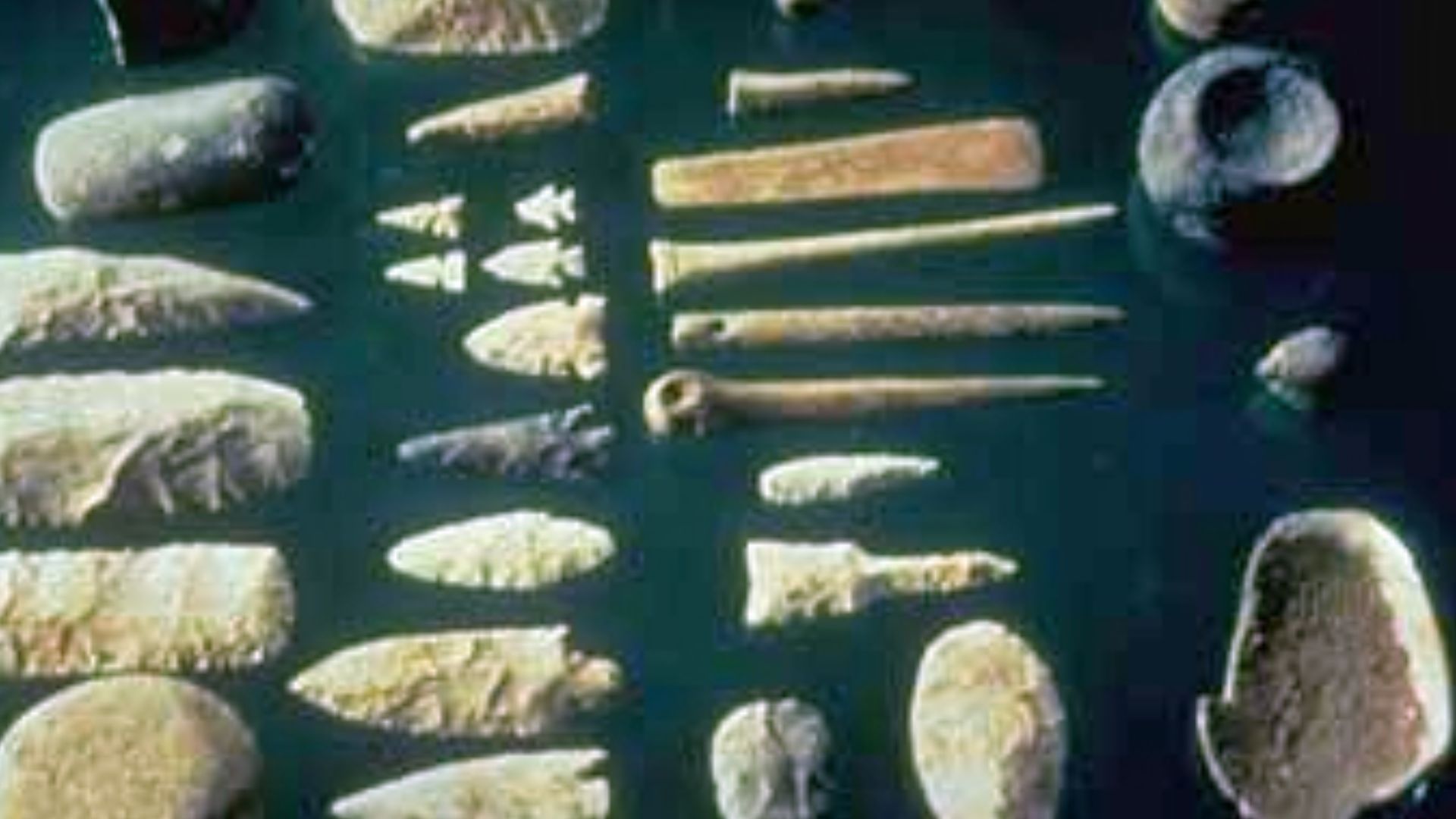
The sculptures were carved using stone tools, which required a great deal of time and skill. Fine facial details and intentional placement are a mark of experienced artisans working within established traditions, and not just experimental or isolated acts of creativity.
Sculptures And Early Societies
These discoveries imply structured communities with shared rituals, symbolic rules, and possibly social hierarchies. Creating and maintaining this kind of monumental art required cooperation, suggesting early forms of leadership and coordinated labor long before formal states existed.
 Frantisek Trampota, Wikimedia Commons
Death, Silence, And Transformation
The stitched-mouth figure and other symbolic details point to ritual engagement with death or transformation. Rather than living in terror of their inevitable mortality, these societies appear to have integrated it into their larger communal belief systems expressed through permanent stone imagery.
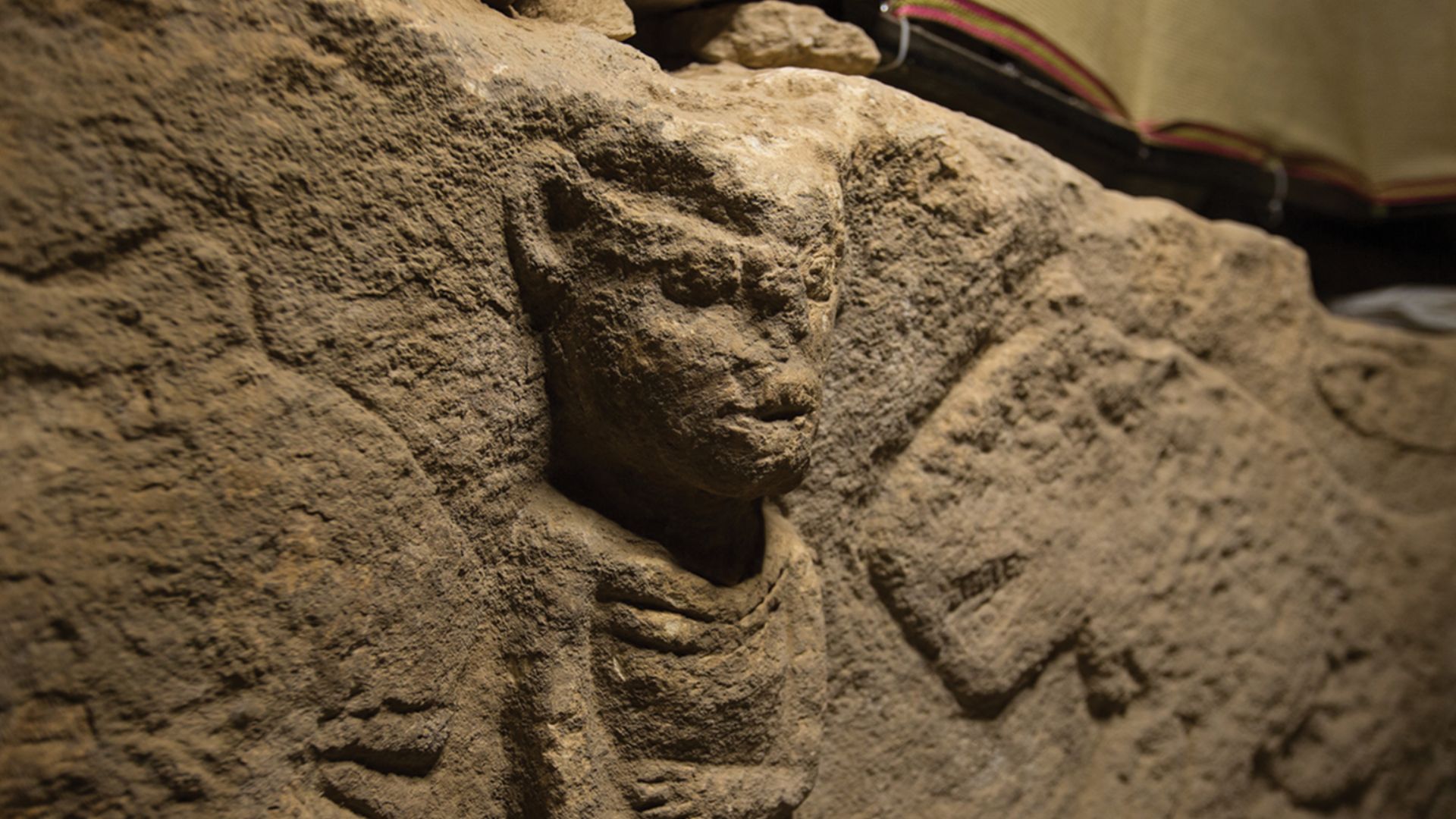
Finds Like This Are Rare
Stone sculpture from this period has for the most part has disintegrated, making the Taş Tepeler discoveries exceptional. Their preservation offers a rare, direct visual window into Neolithic belief systems that are otherwise known only through architecture and tool remains.
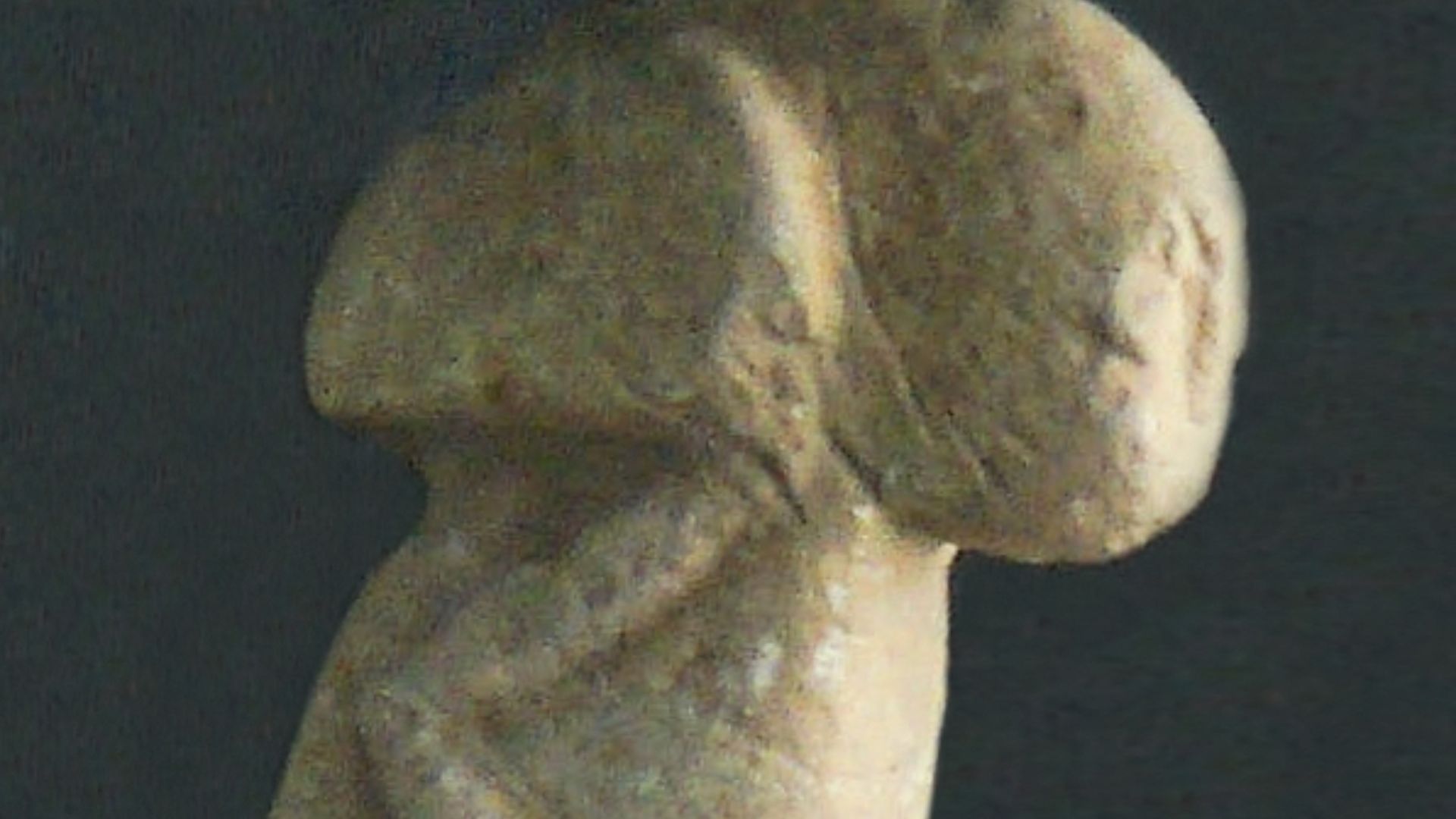 - Ozymandias -, Wikimedia Commons
Future Excavations
Archaeologists stress the fact that Taş Tepeler is still in its early excavation stages. Each season brings new sculptures and architectural elements. The region may eventually rival Göbekli Tepe in its importance for understanding early human civilization.
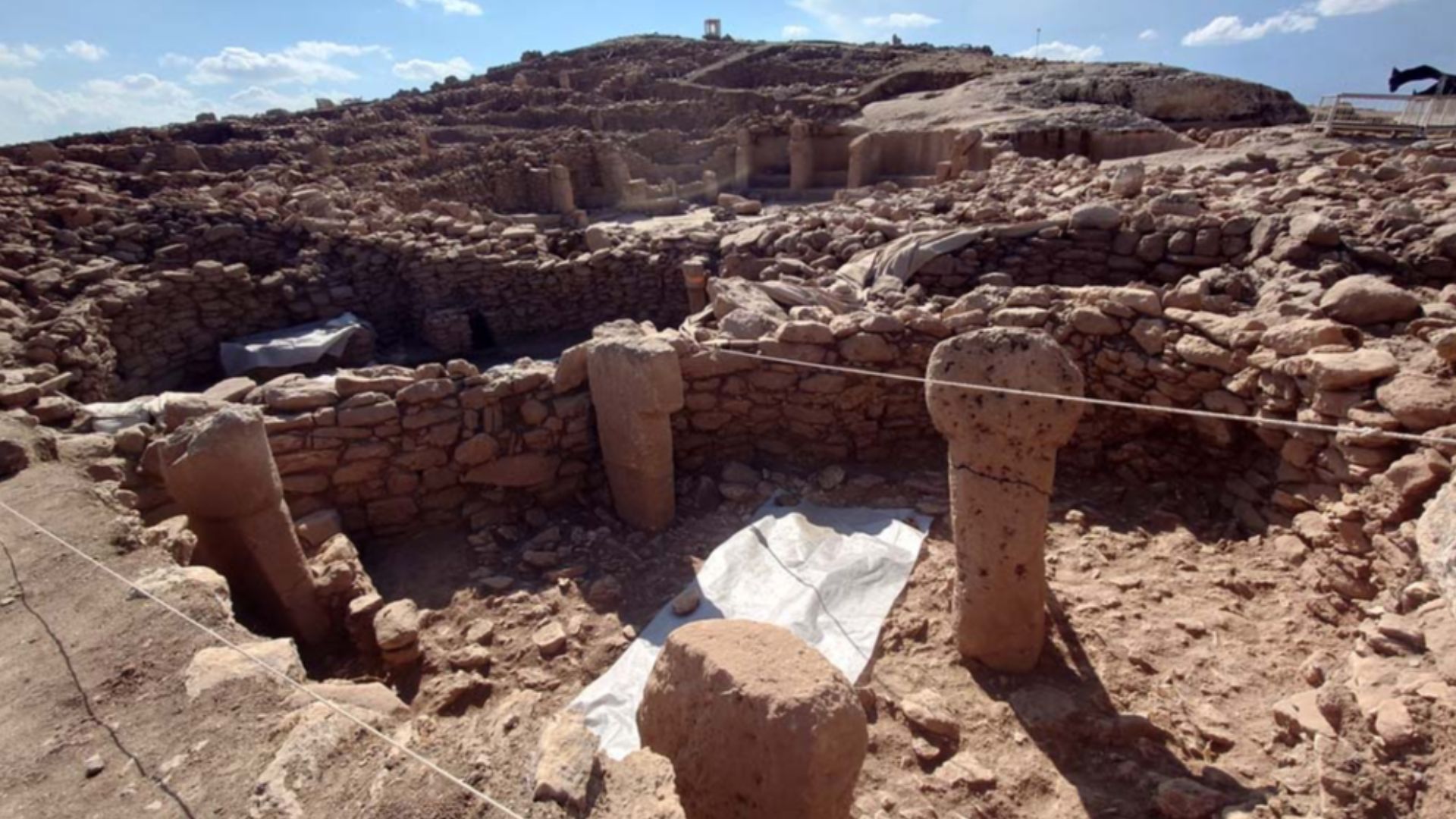 Mahmut Bozarslan (VOA), Wikimedia Commons
Visiting Southeastern Anatolia Today
For travelers, southeastern Turkey offers an opportunity to explore landscapes where civilization began. While many Taş Tepeler sites aren’t open to the public yet, nearby museums and guided tours increasingly showcase these groundbreaking discoveries.
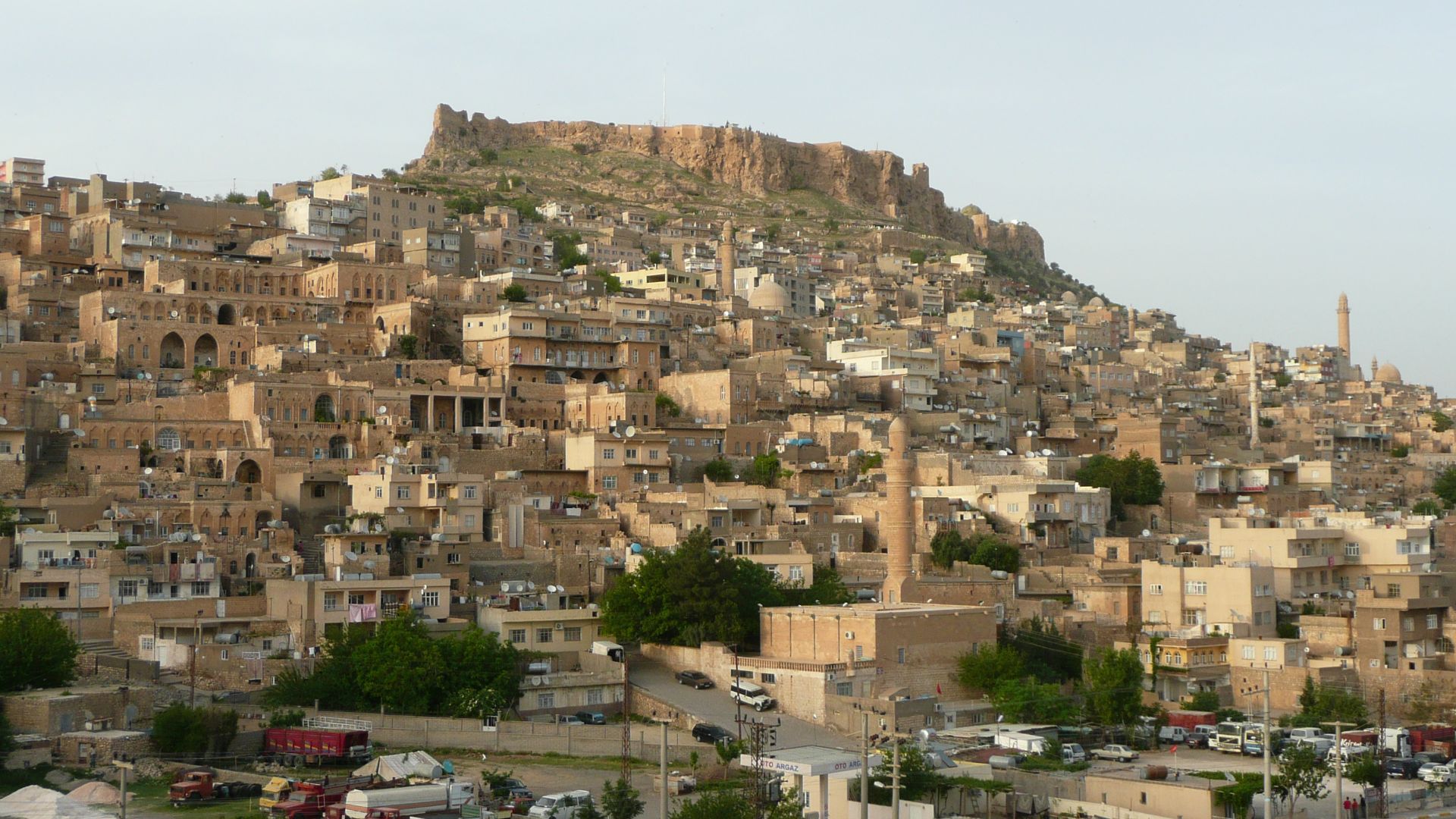 Nevit Dilmen, Wikimedia Commons
Rewriting The Story Of Early Art
The Taş Tepeler sculptures have forced archaeologists to update their theories of when and why humans began depicting themselves. Far from simple farmers, these communities were deeply symbolic thinkers who used art, architecture, and ritual to define their world.
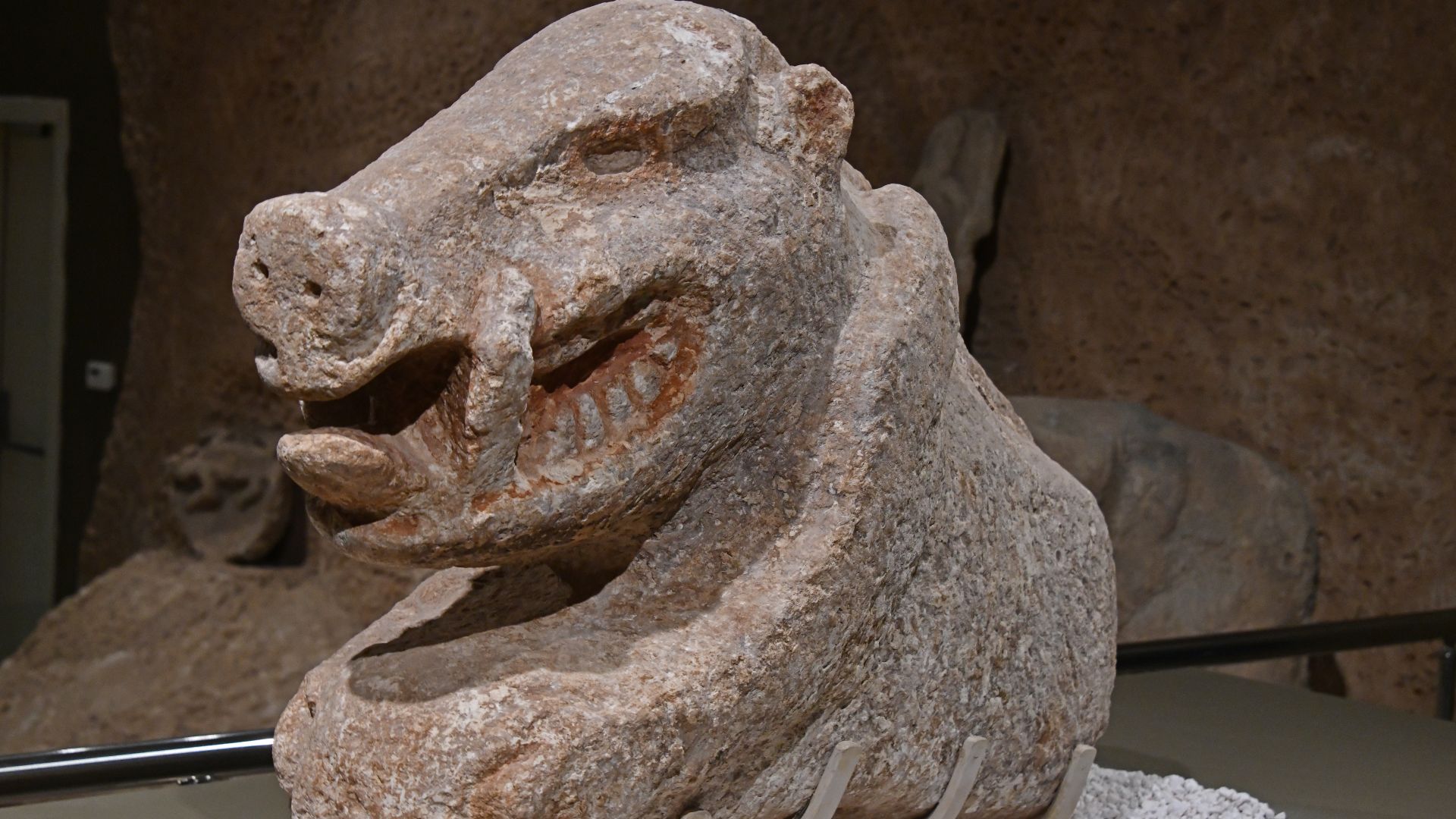
The Enduring Power Of Stone Faces
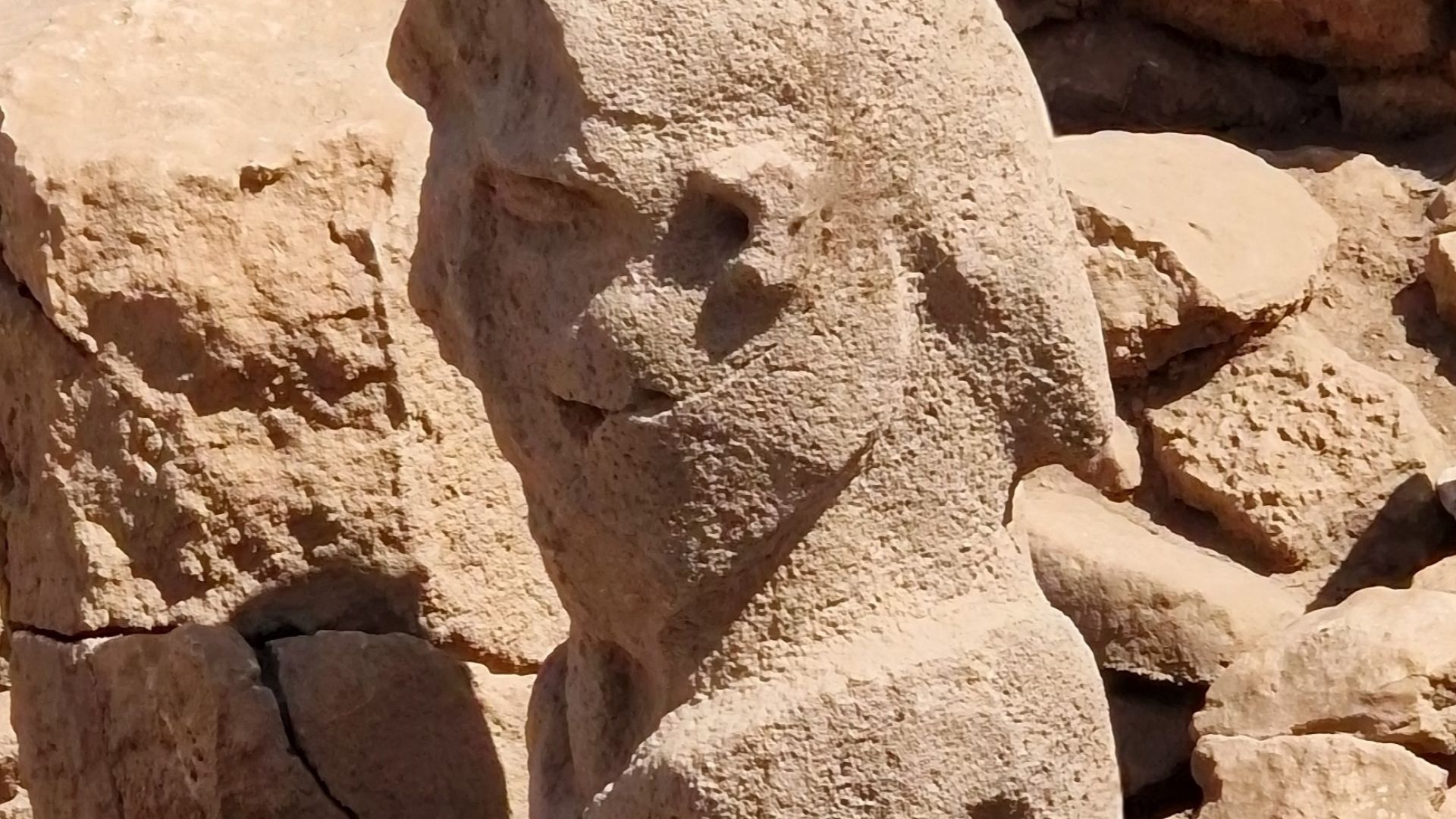
The faces of Taş Tepeler still confront modern viewers with brooding intensity 12,000 years after they were hewn from solid rock. Their silence, gestures, and placement are enduring proof that humanity’s need to express belief, fear, and identity is even older than civilization itself.
 Tobey Travel, Wikimedia Commons
You May Also Like: