The Hidden World Beneath New Mexico
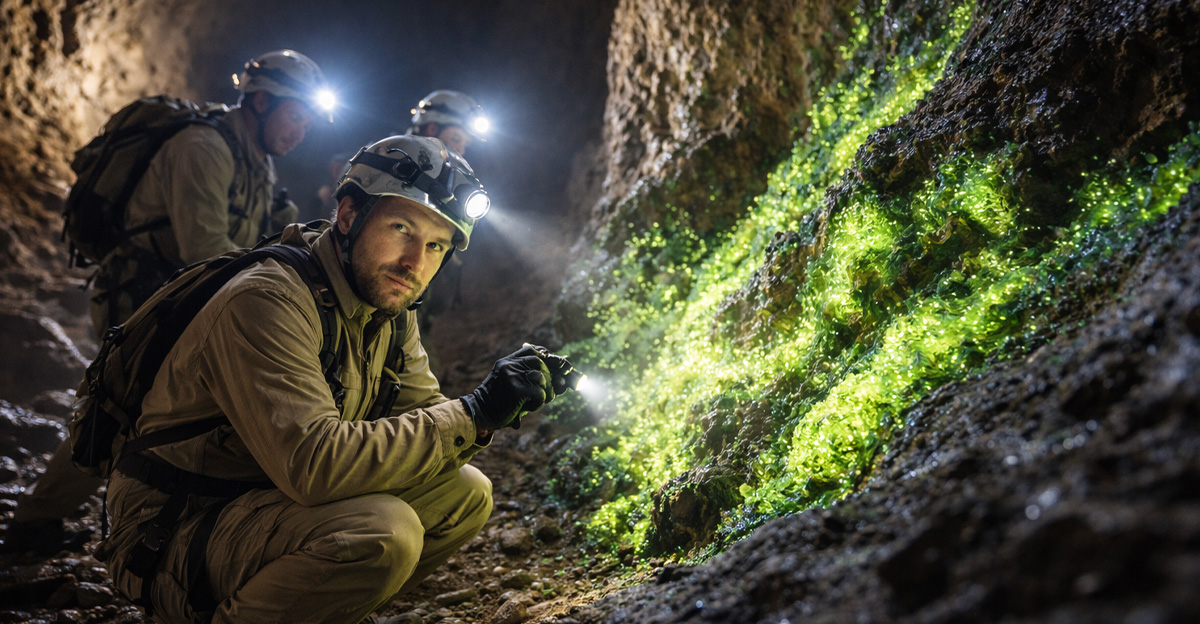
Far below the dry desert surface of New Mexico, in caves so dark that light has never reached them, scientists have made a discovery that sounds almost like science fiction. Inside these deep chambers, researchers found living organisms glowing bright green in total darkness. They aren’t little green aliens from another planet — but in some ways, they might help us find them.
A Strange Glow In The Darkness
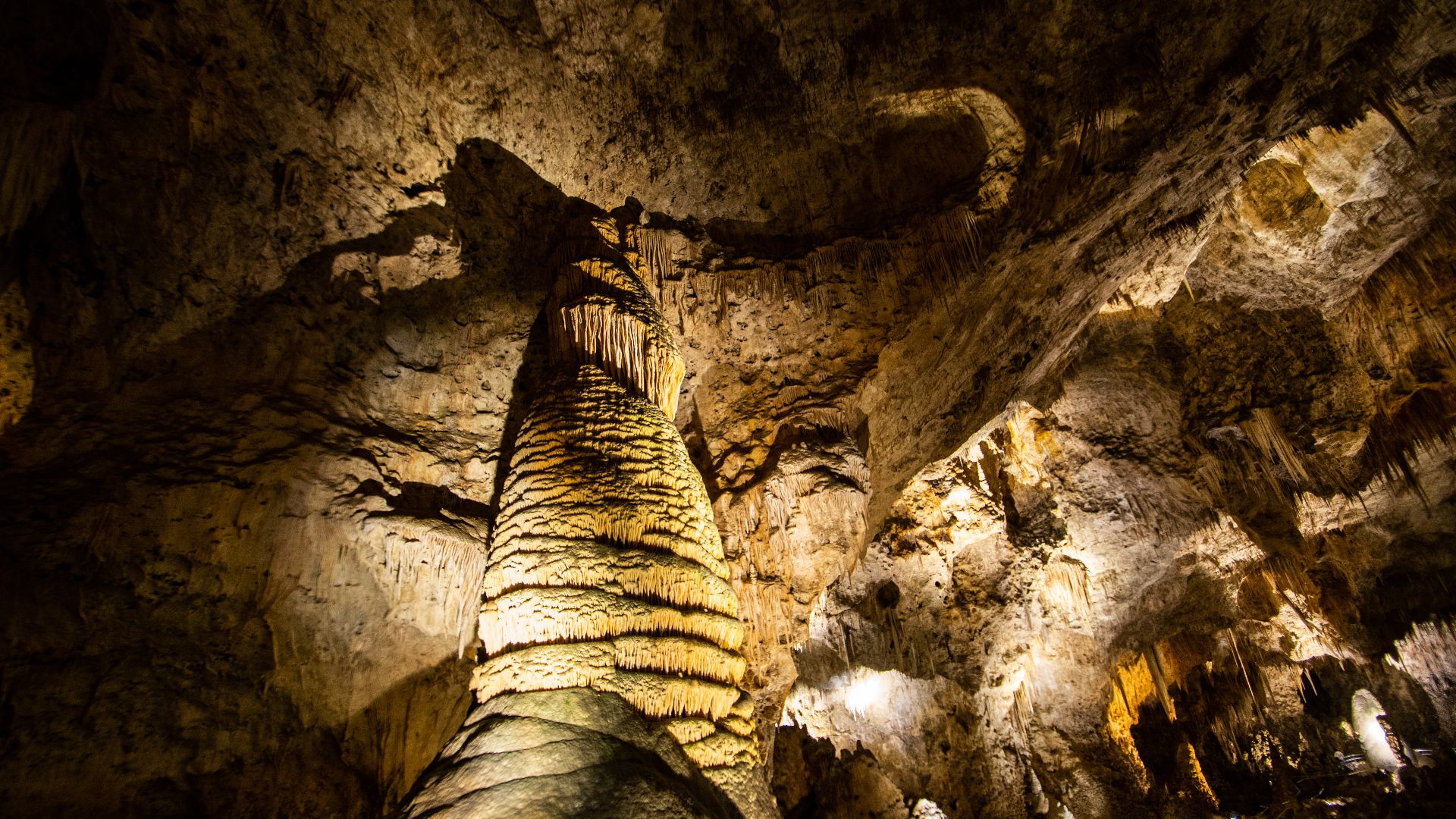
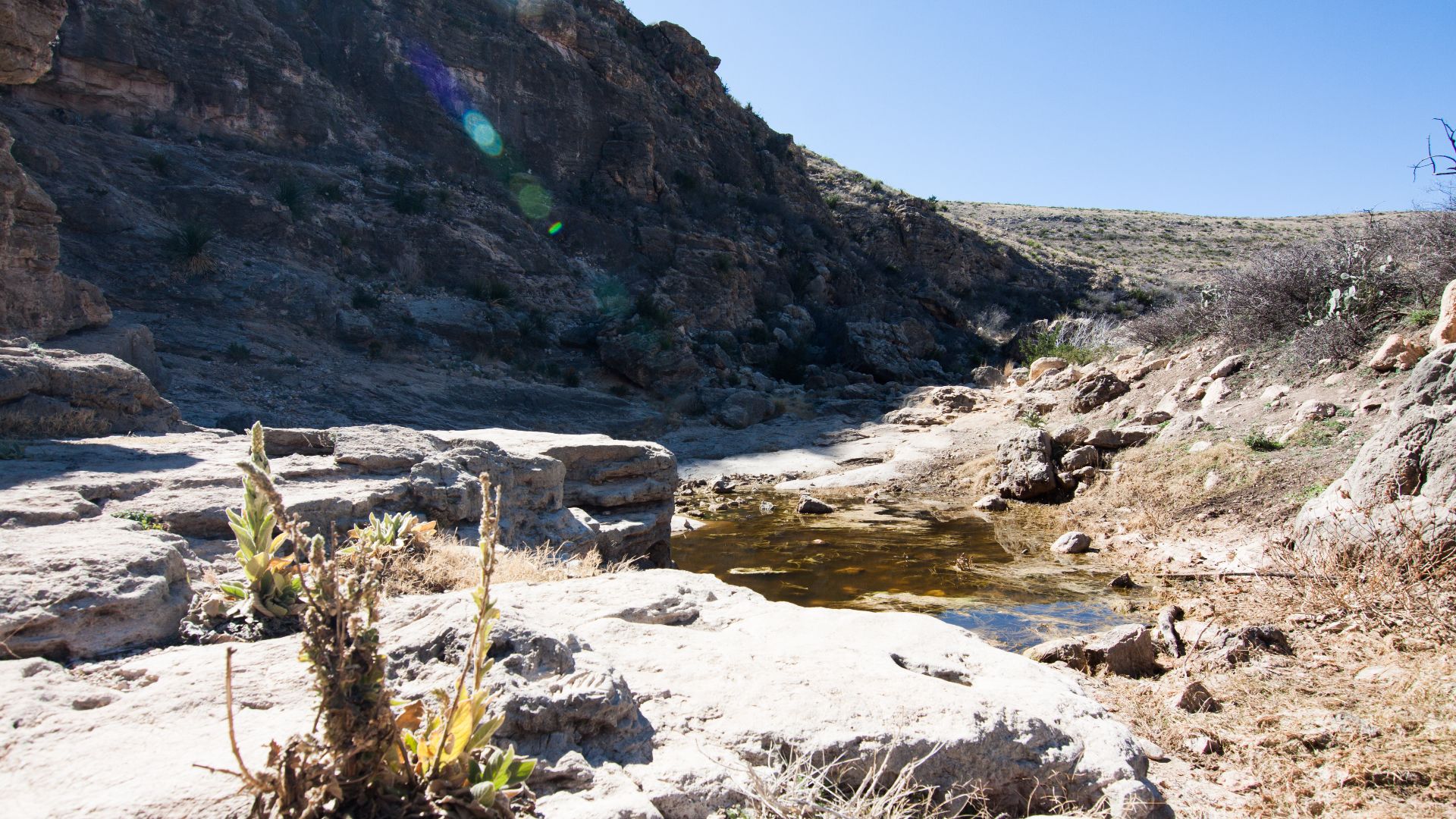
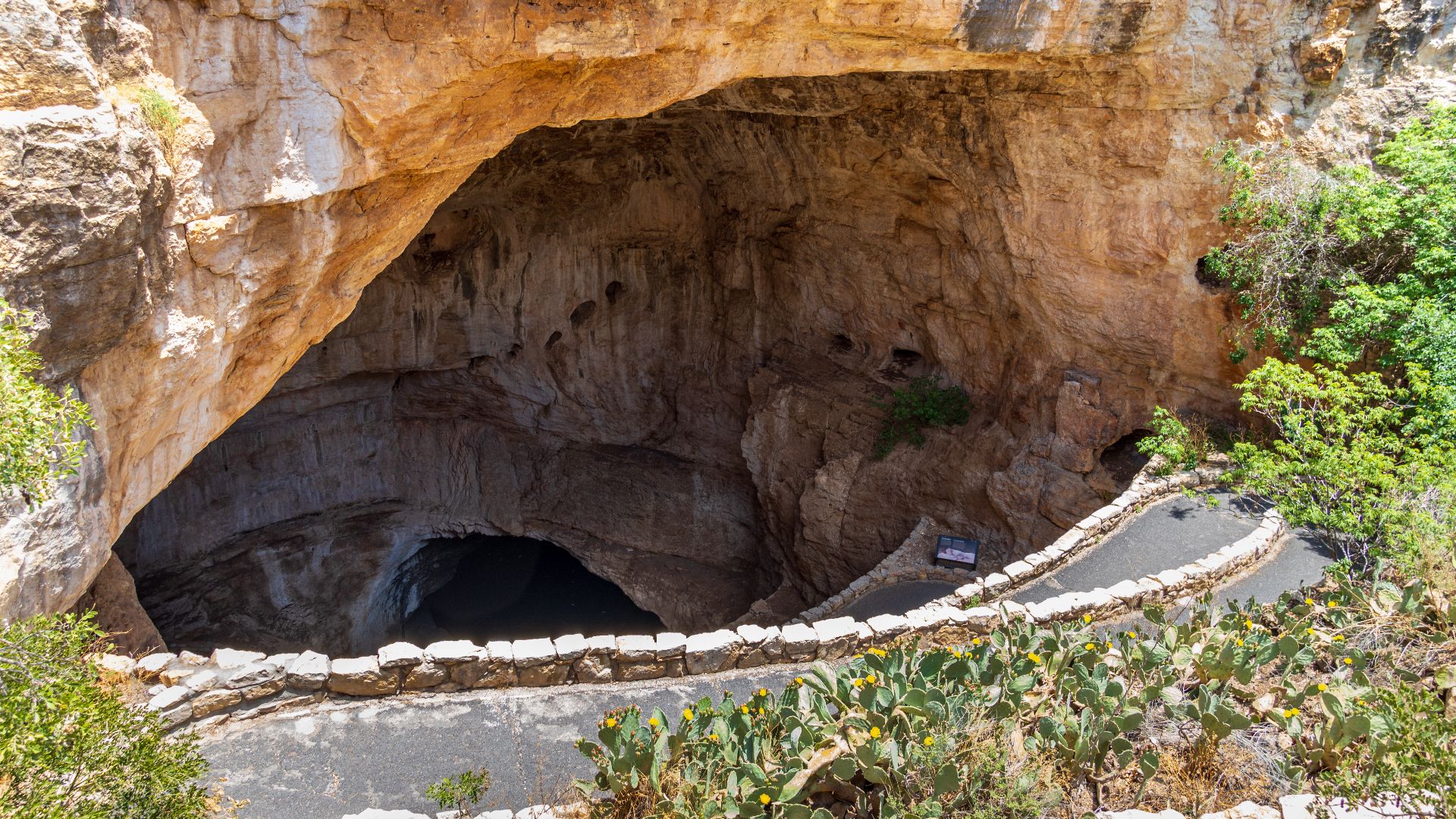
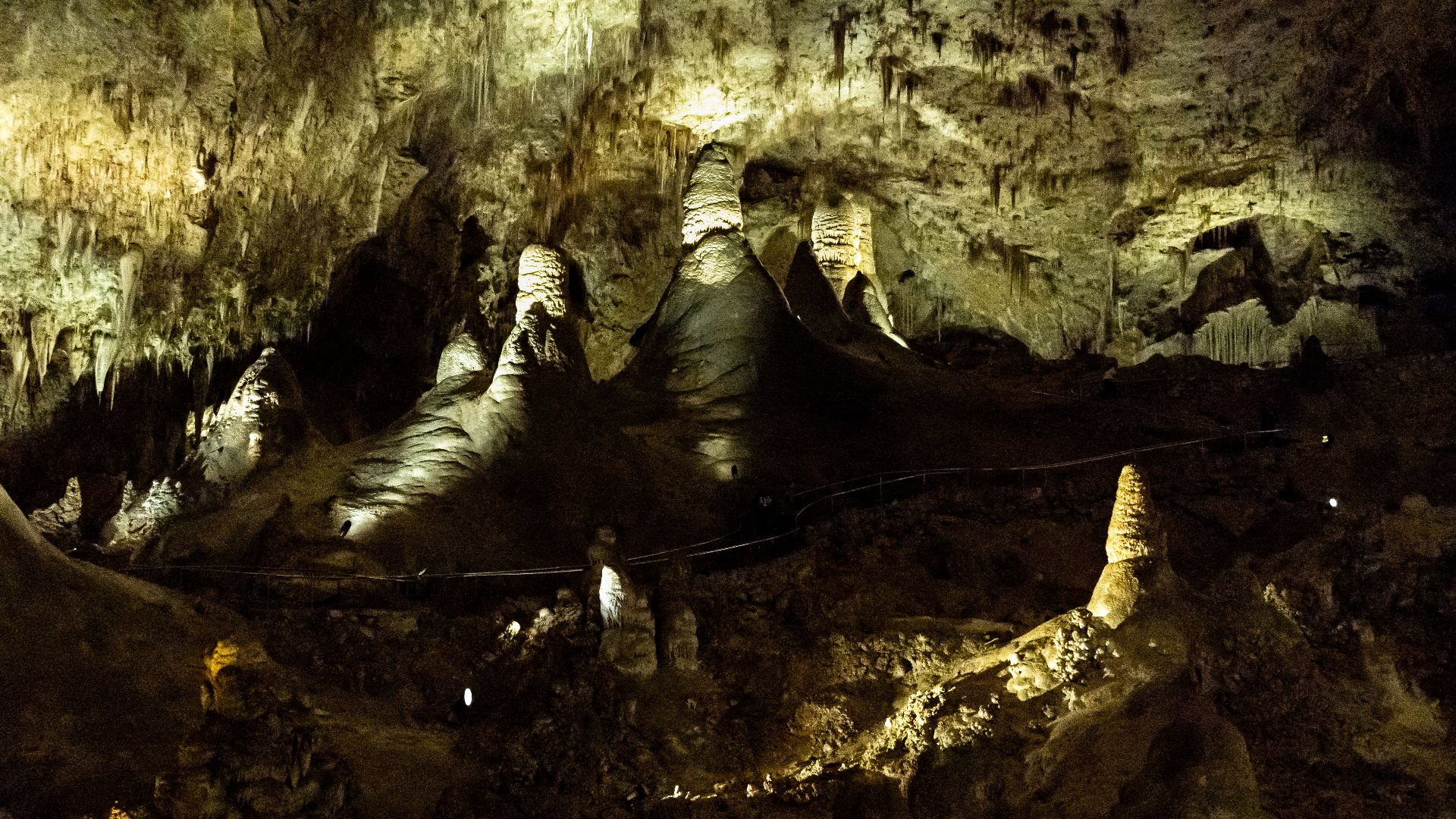
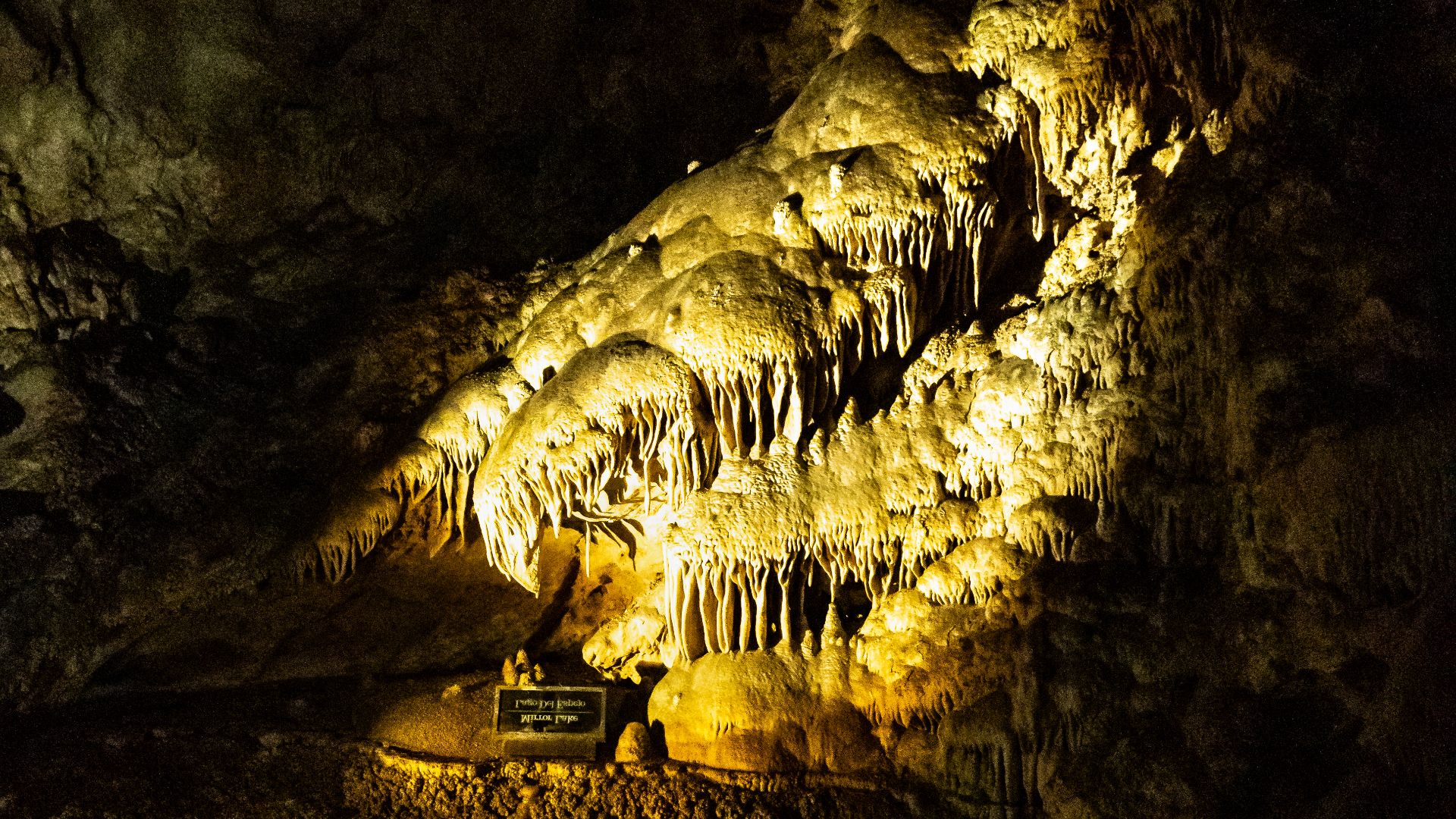
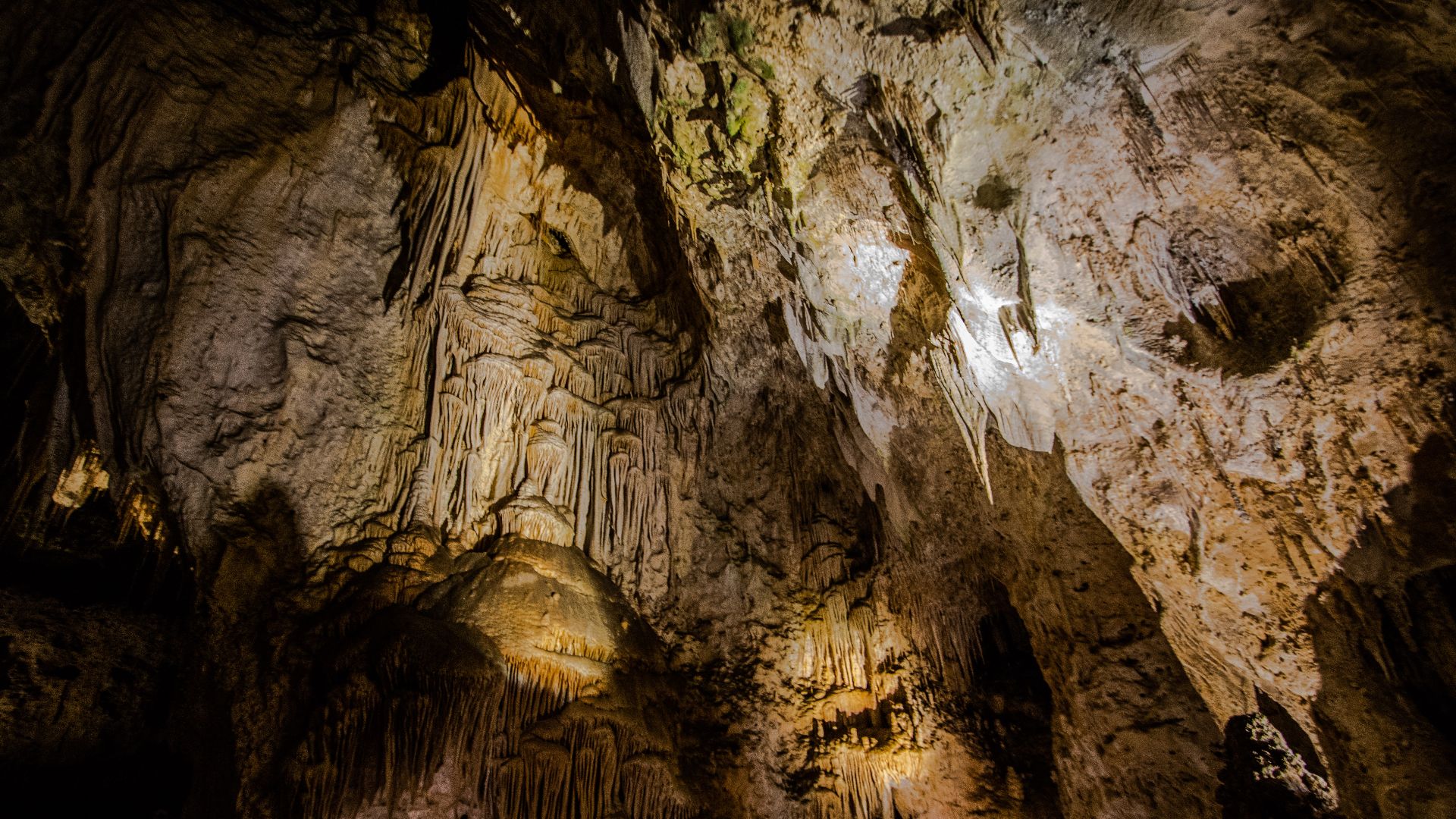
While exploring remote parts of Carlsbad Caverns National Park, scientists noticed something unusual on the cave walls. In places where there is no sunlight at all, certain patches of rock seemed to glow a vivid green. At first, the glow was baffling. How could anything live — let alone glow — in a place completely cut off from the Sun?
 Jirka Matousek, Wikimedia Commons
Life Where It Shouldn’t Exist
The glowing patches turned out to be colonies of microbes, tiny living organisms too small to see without magnification. What shocked researchers most wasn’t just that they were alive — it was how they were surviving. For years, scientists believed that photosynthesis — the process plants use to turn sunlight into energy — required visible light. These microbes proved that idea wasn’t entirely true.
Harnessing Invisible Light
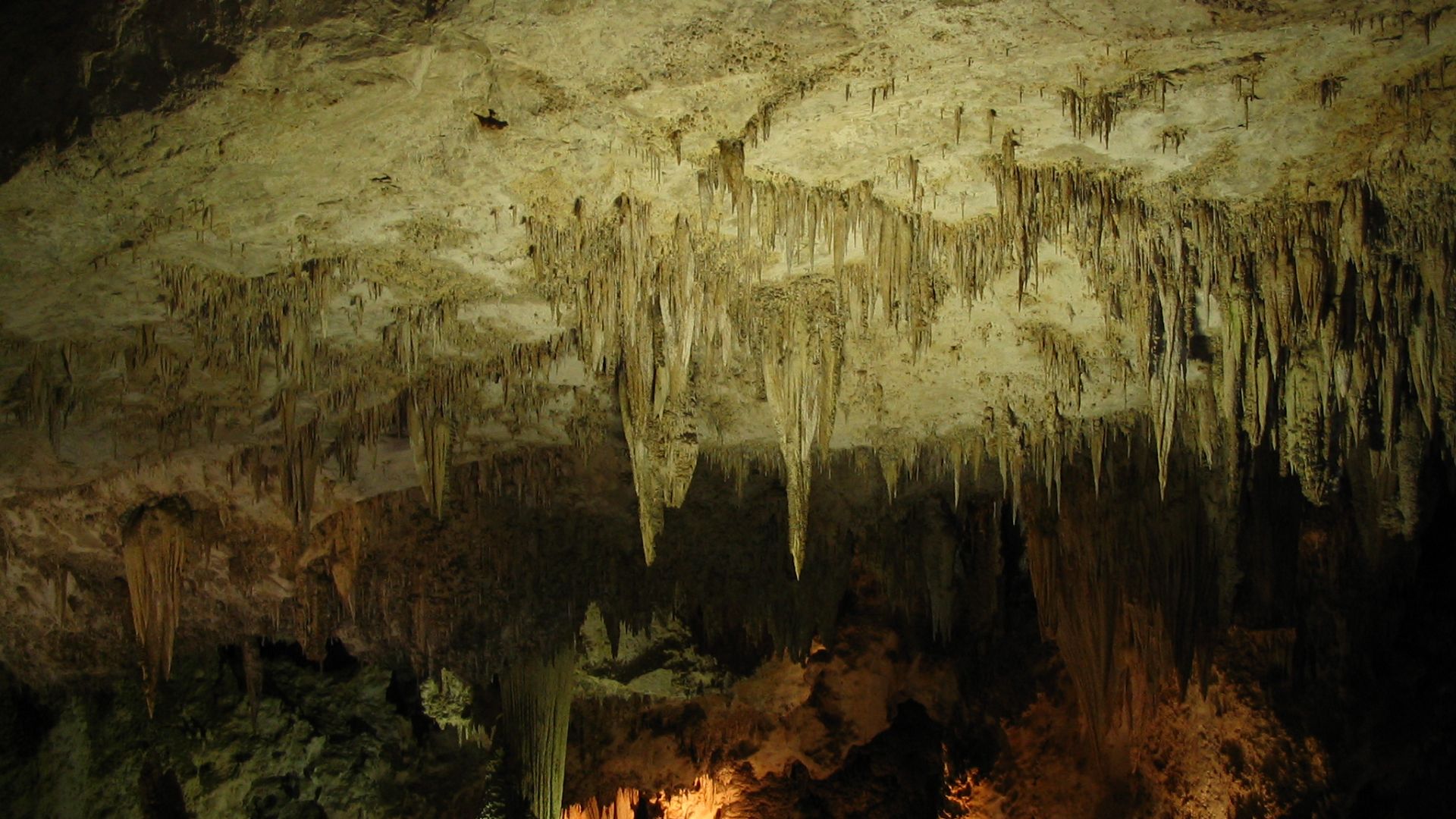
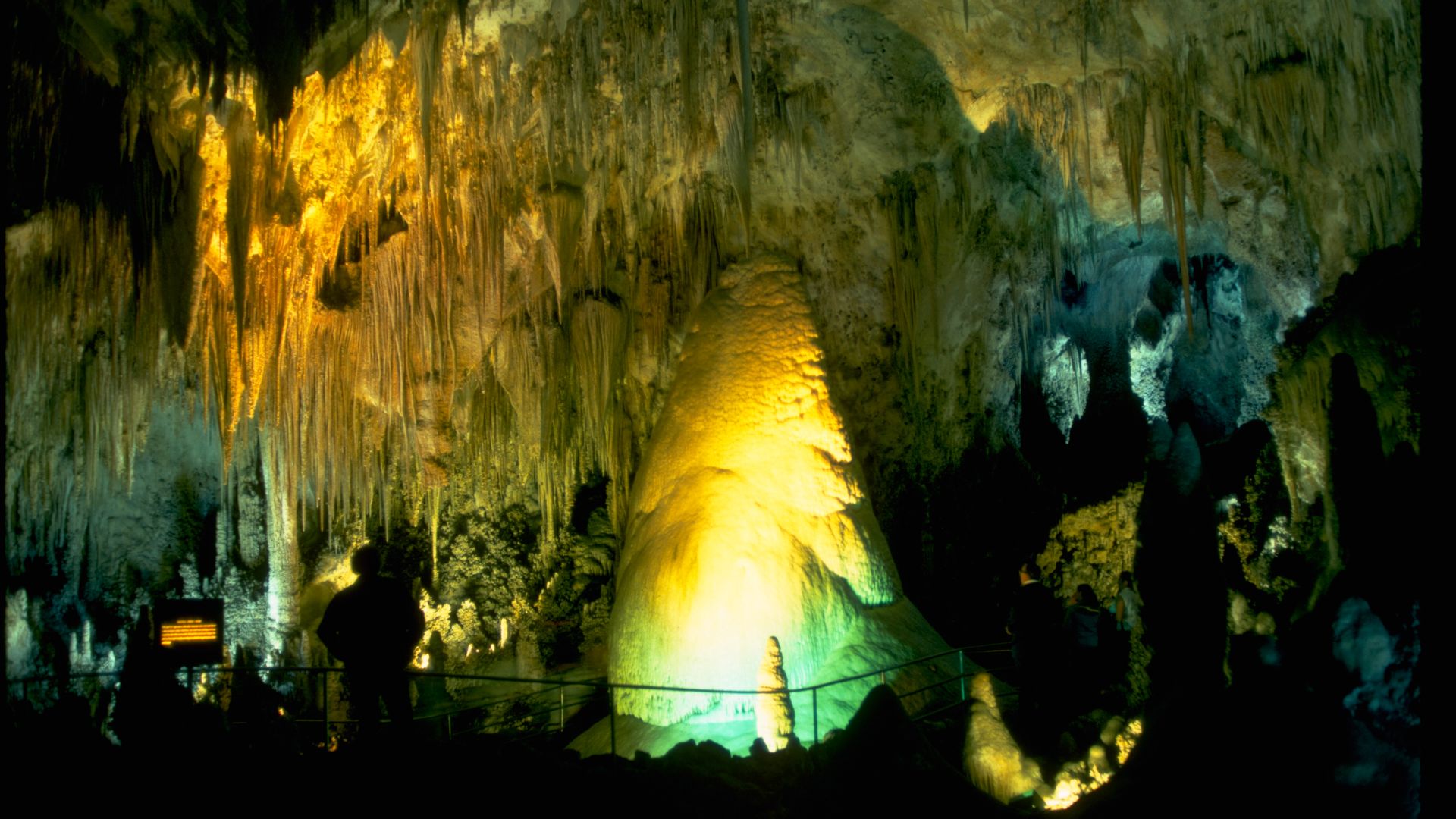
Although the caves are pitch black to our eyes, they are not completely without energy. Faint traces of near-infrared light — a type of light humans can’t see — still manage to filter into certain areas. The cave walls reflect and scatter this weak energy, creating just enough for specialized microbes to capture it.
 National Park Service Digital Image Archives, Wikimedia Commons
A Different Kind Of Chlorophyll
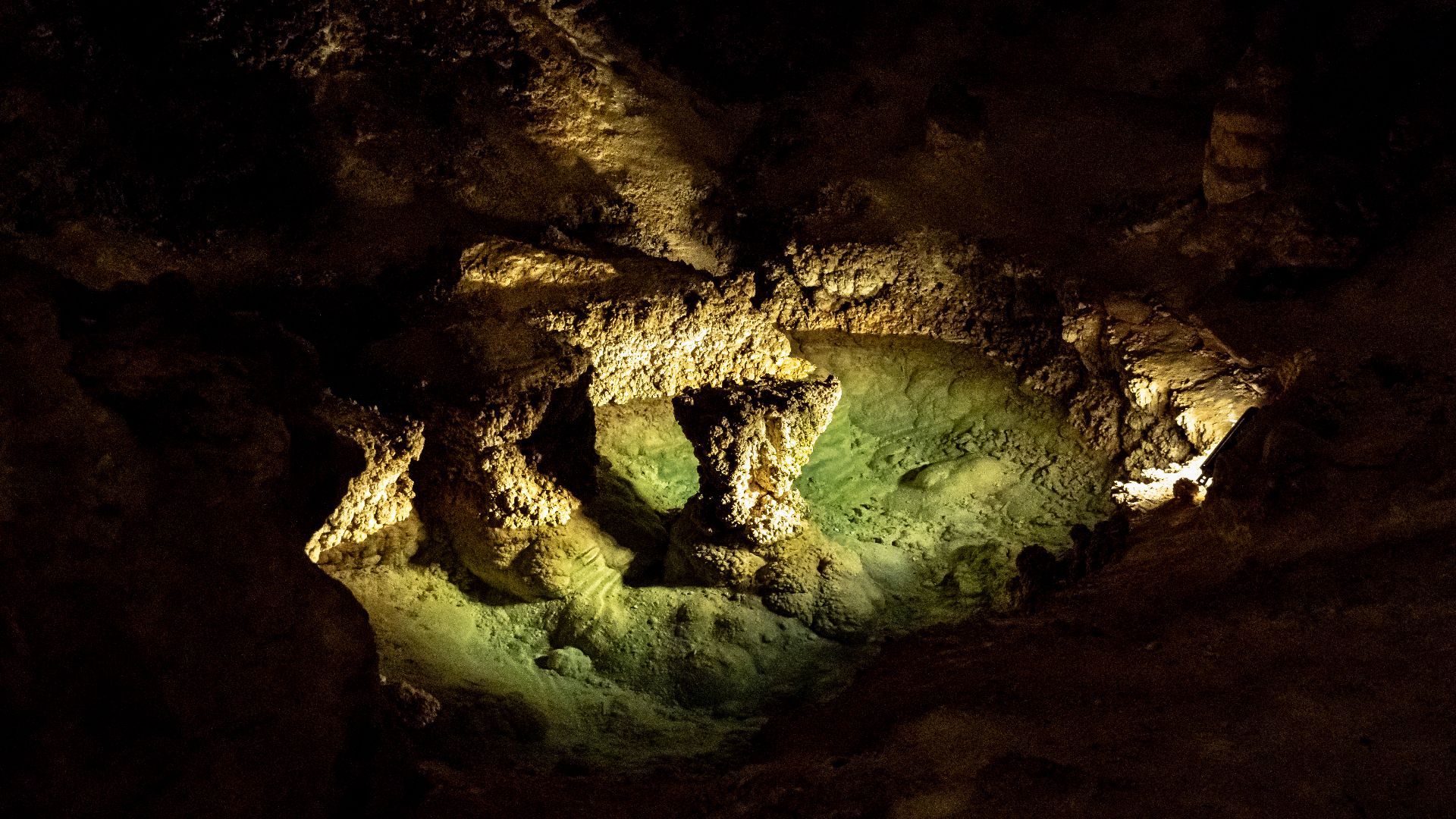
Most plants use a pigment called chlorophyll A to absorb sunlight. These cave microbes use rarer versions known as chlorophyll D and chlorophyll F. These special pigments allow them to absorb near-infrared light instead of visible light. In simple terms, they can “see” and use energy that we can’t.
 dconvertini, Wikimedia Commons
Surviving For Millions Of Years
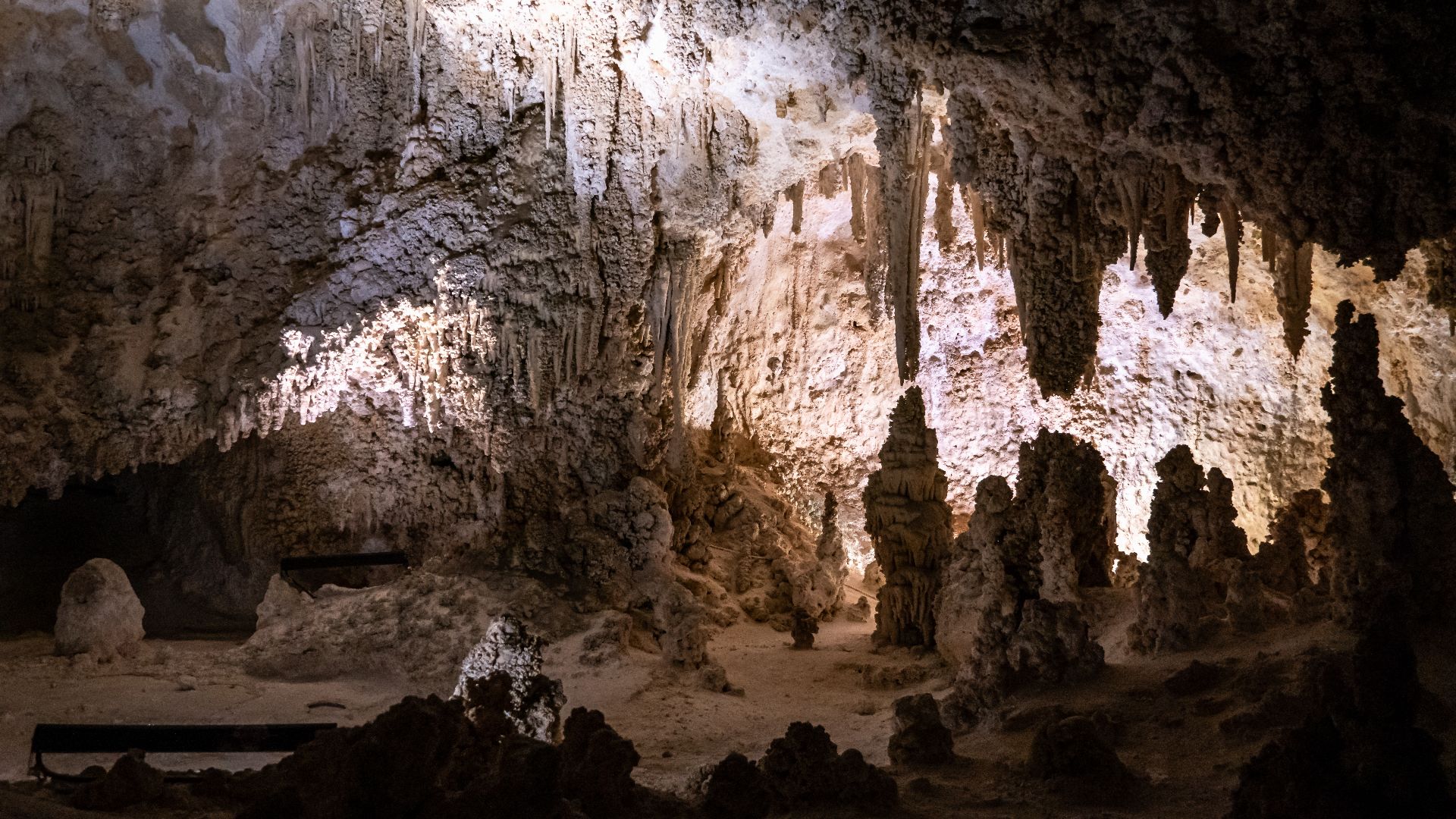
Some researchers believe parts of these cave systems have been sealed off for millions of years. That means these microbes may have evolved in isolation, slowly adapting to an extreme environment where energy is scarce. If that’s true, they’ve been quietly surviving in darkness since long before humans existed.
 dconvertini, Wikimedia Commons
Why Carlsbad Caverns Is So Unique
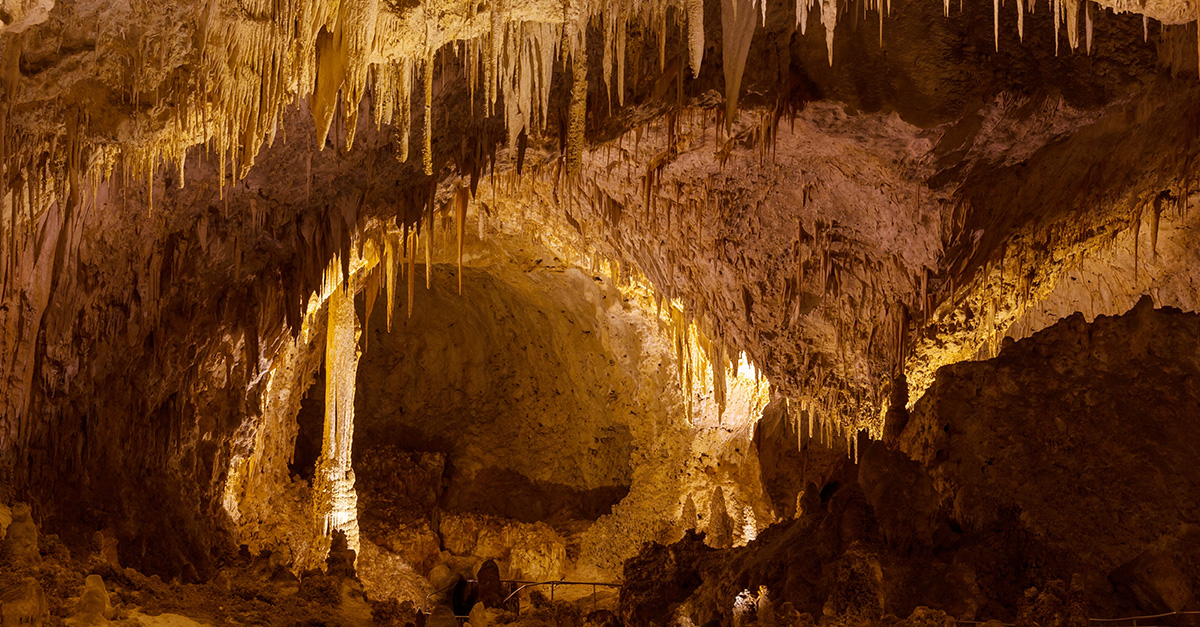
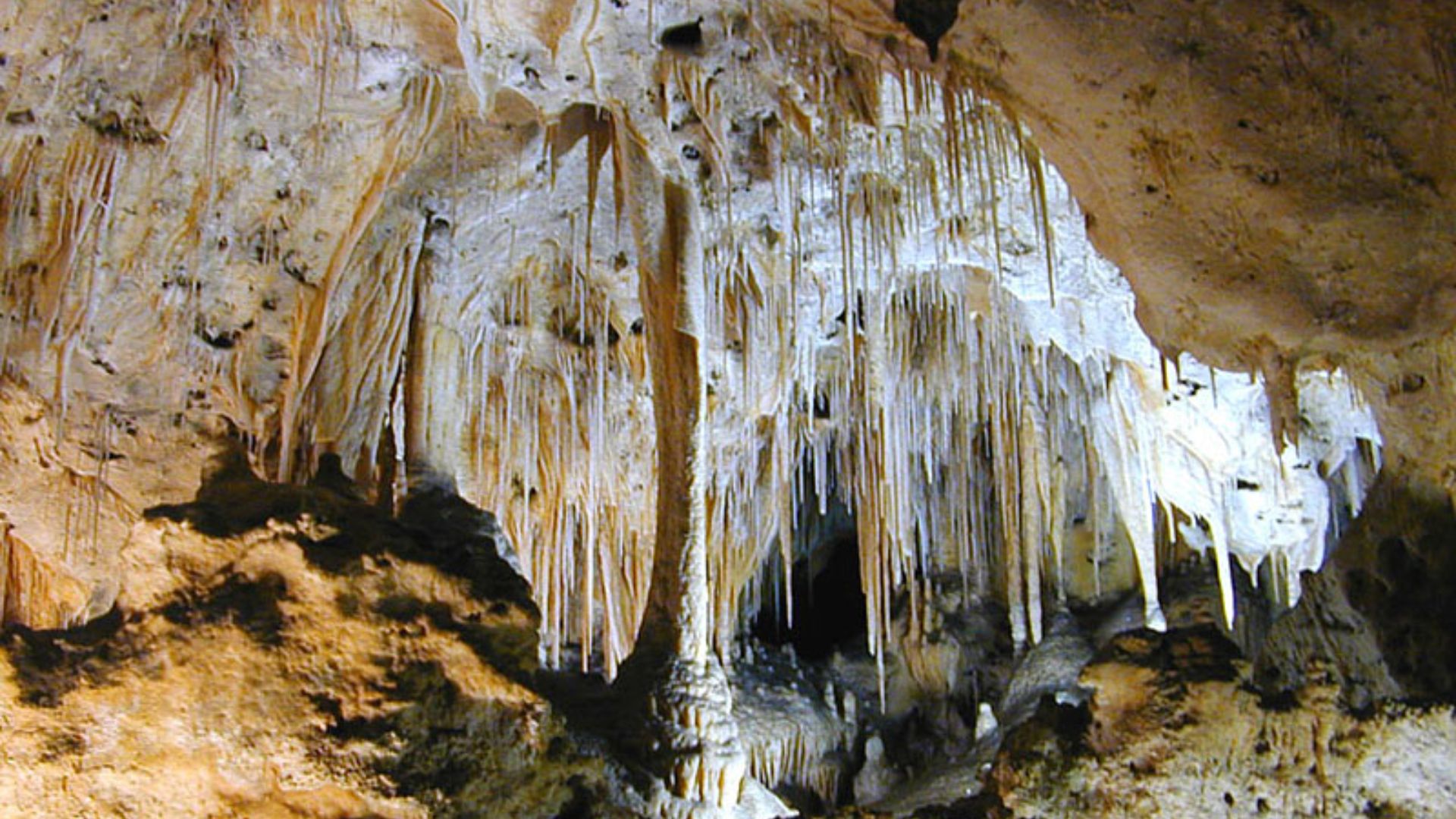
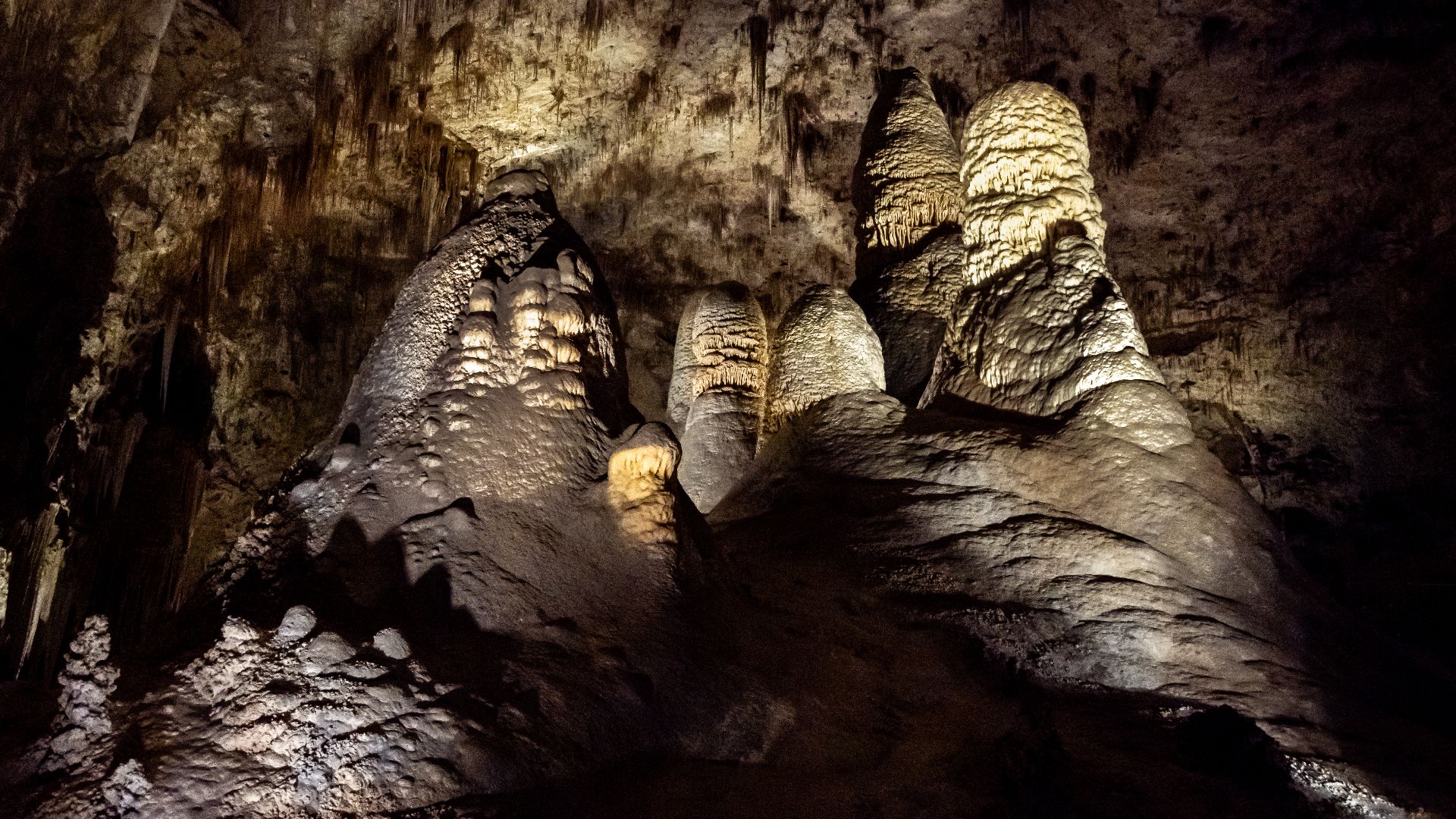
Carlsbad Caverns is one of the largest and most famous cave systems in the United States. Formed millions of years ago by sulfuric acid dissolving limestone, it contains deep chambers, narrow passages, and hidden pockets that rarely see human visitors. These stable, dark conditions make it the perfect place to study life at its limits.
 Eric Guinther, User:Marshman, Wikimedia Commons
Rethinking The Limits Of Life
For decades, scientists assumed life needed plenty of sunlight to thrive. But discoveries like this show that life can adapt in ways we didn’t expect. If microbes can survive on tiny amounts of invisible light deep underground, then maybe life doesn’t need as much energy as we once thought.
 dconvertini, Wikimedia Commons
What This Means For Alien Life
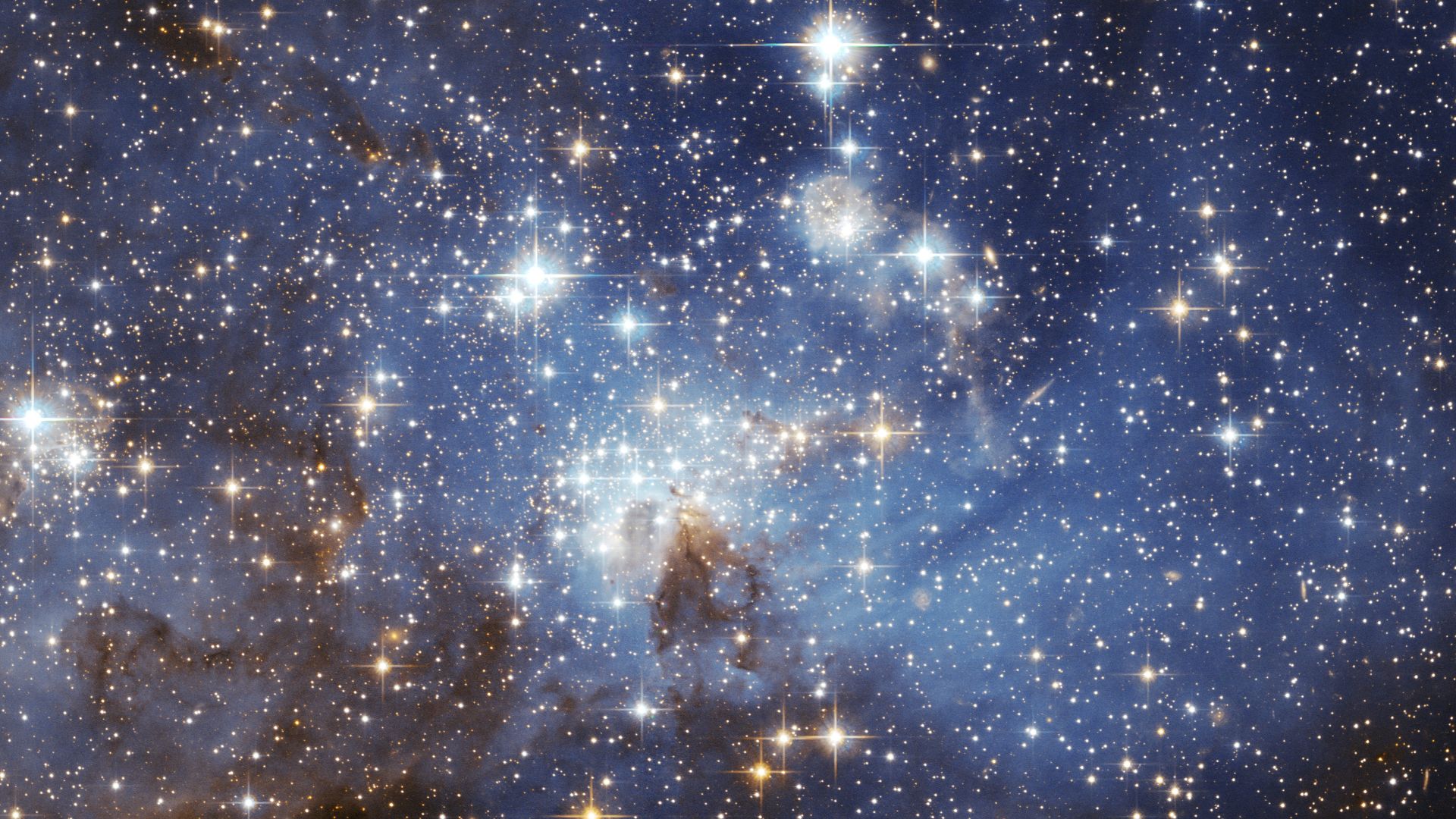
This is where things get exciting. Many planets orbit stars that are smaller and cooler than our Sun. These stars give off more infrared light than visible light. If life elsewhere can evolve pigments like chlorophyll d and f, it might survive in dim conditions similar to those in the New Mexico caves.
Lessons For Mars And Beyond
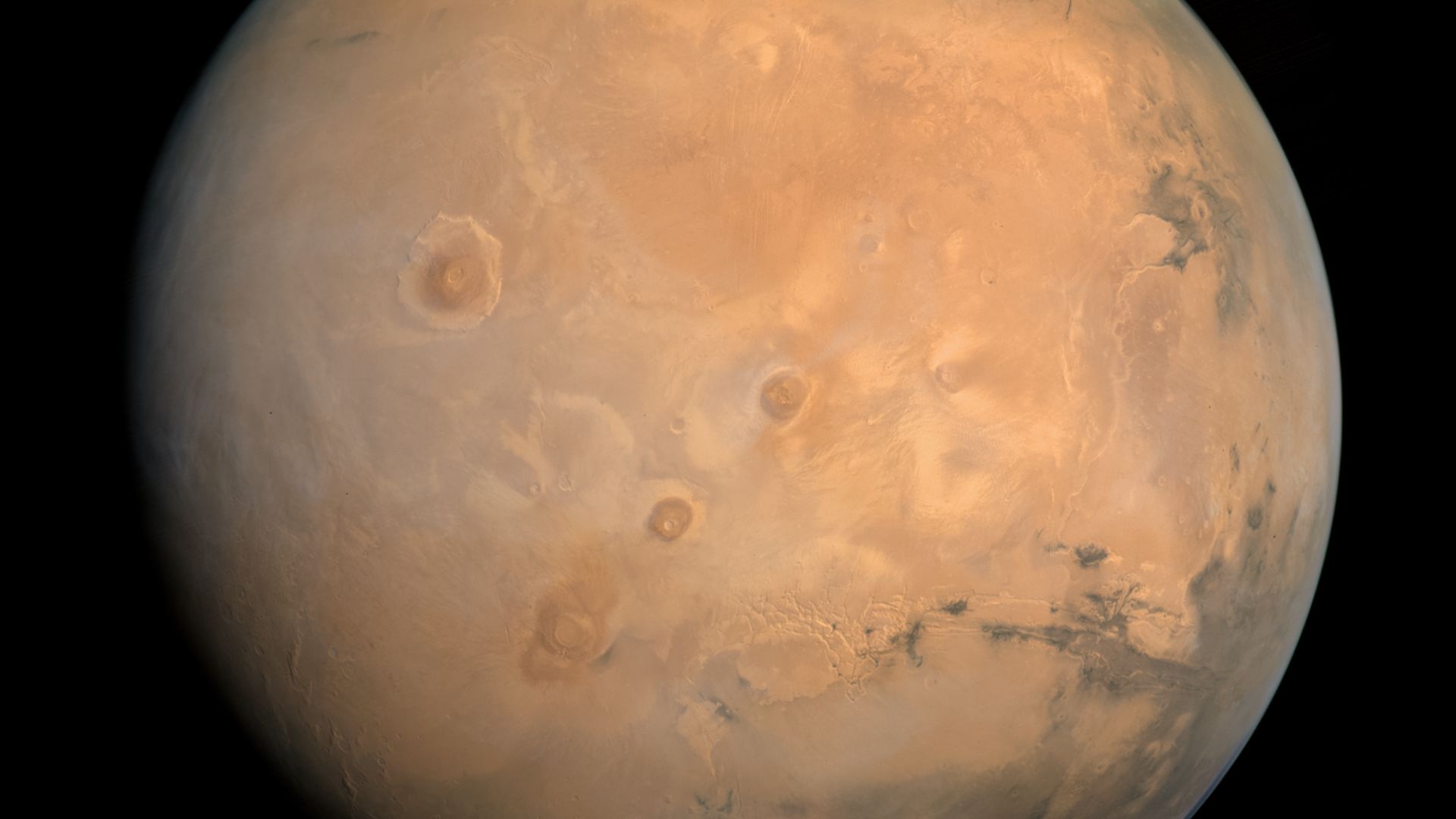
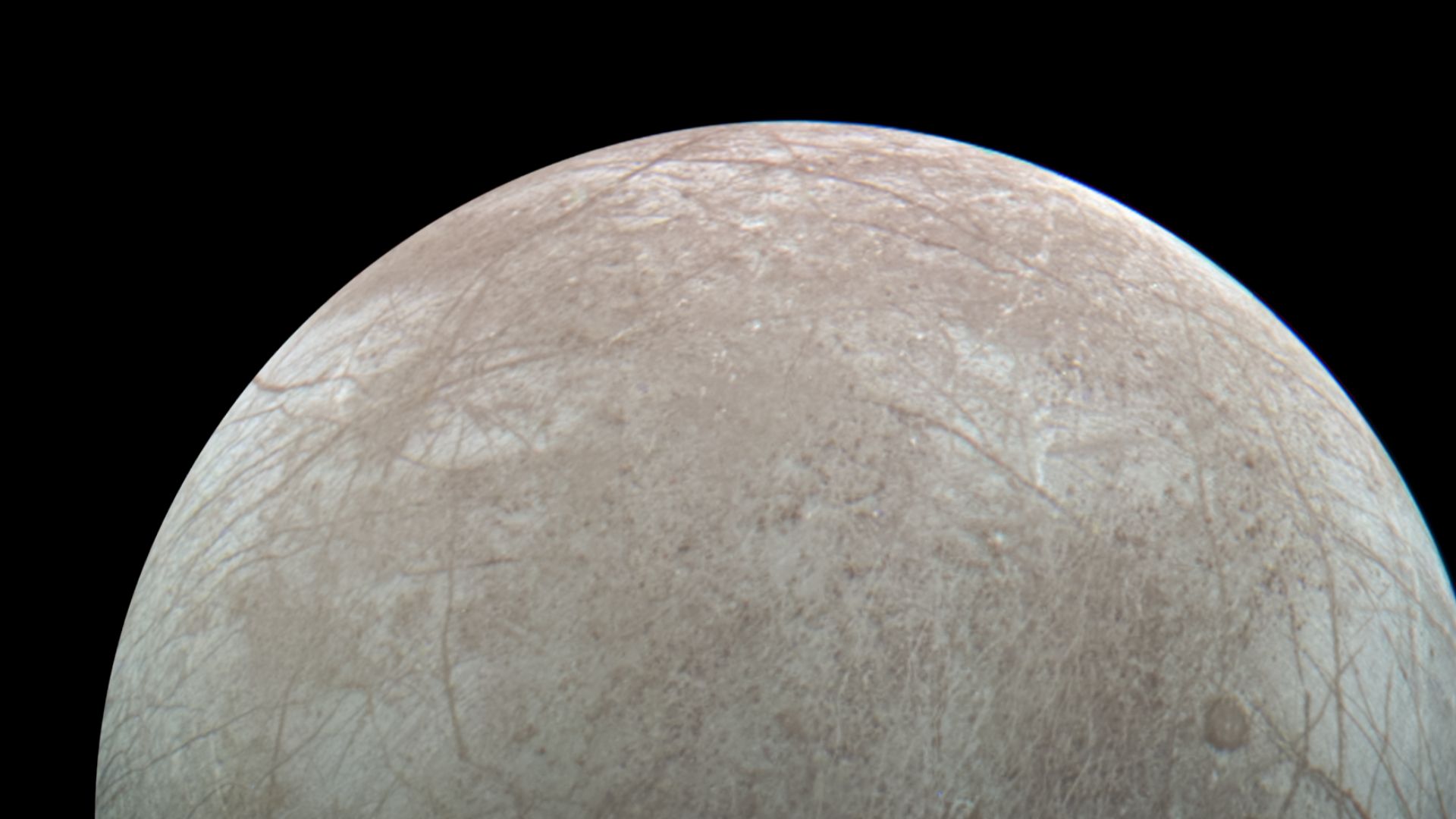
Mars today looks dry and lifeless on the surface. But beneath its surface, conditions may be more stable. If underground pockets contain water and small energy sources, microbes similar to those in Carlsbad could, in theory, survive there. The same idea applies to icy moons like Europa or Enceladus, which hide oceans beneath frozen crusts.
 Kevin Gill from Los Angeles, CA, United States, Wikimedia Commons
Caves As Natural Laboratories
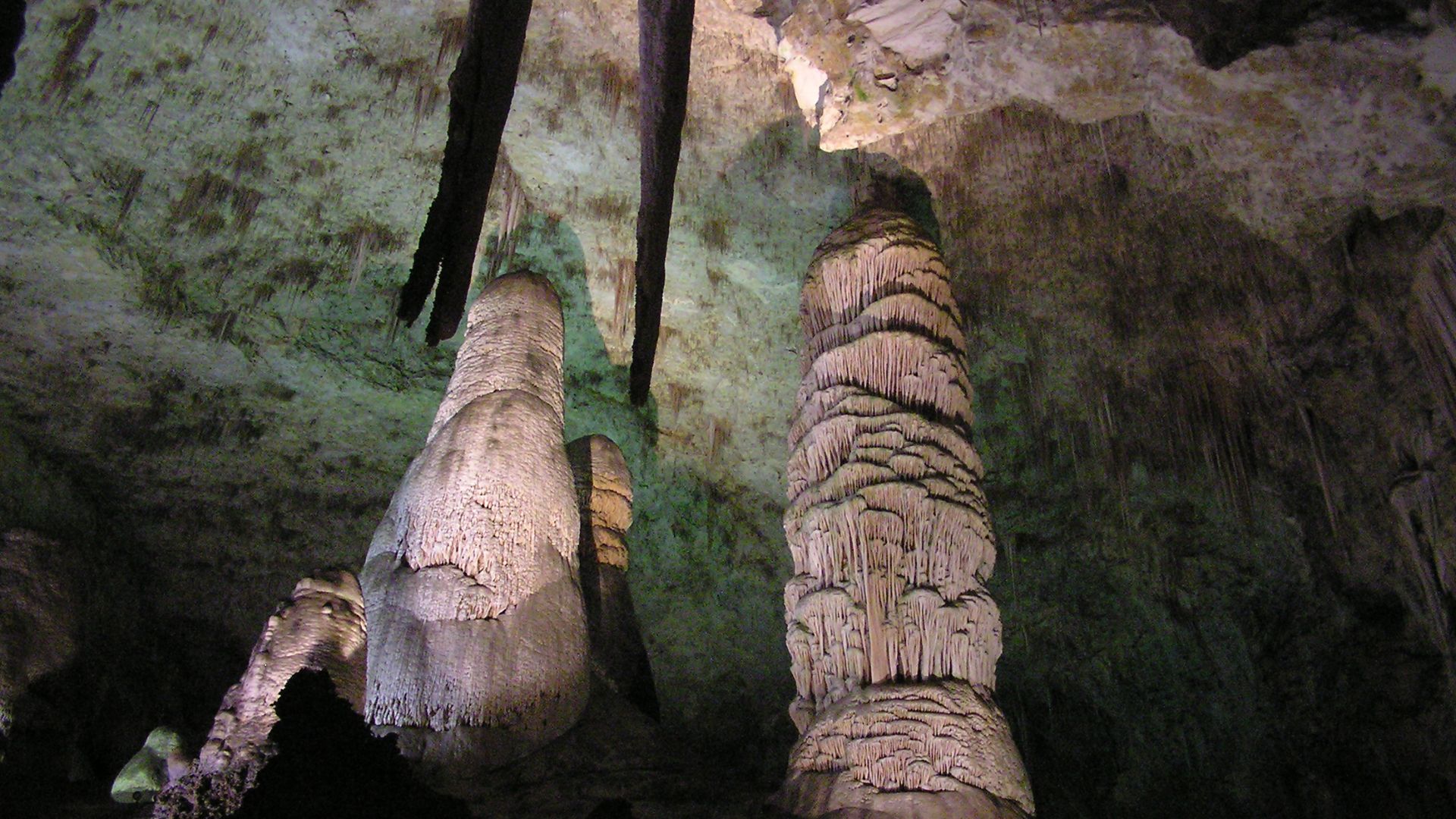
Caves are special because they isolate life from the outside world. Over time, organisms inside them develop unusual traits to survive. Scientists often study caves to understand extreme life — from bacteria that eat minerals to microbes that live off chemical reactions instead of sunlight.
 National Park Service Digital Image Archives, Wikimedia Commons
Energy From The Rocks Themselves
In some caves around the world, microbes don’t rely on light at all. Instead, they get energy from chemical reactions between rocks and water. This process, called chemosynthesis, is similar to how life survives near deep-sea hydrothermal vents. It shows that sunlight isn’t the only energy source that can support life.
 dconvertini, Wikimedia Commons
Evolution In Complete Darkness
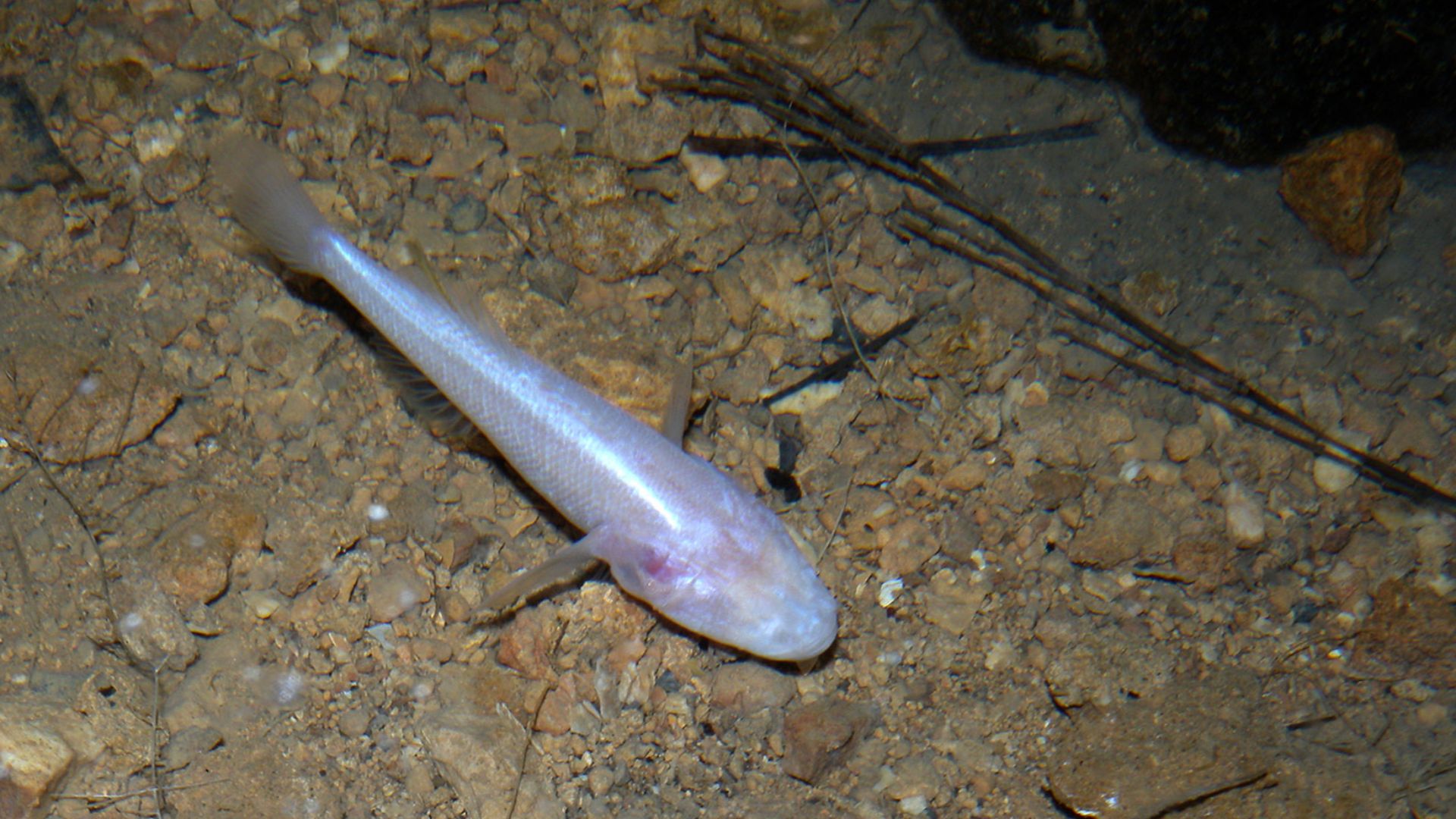
Living in darkness changes organisms. Cave fish lose their eyesight. Insects lose their pigmentation. Microbes adjust their chemistry. The green cave microbes are another example of evolution finding a way, even when resources are limited.
 Frank Vassen, Wikimedia Commons
Expanding The Definition Of “Habitable”
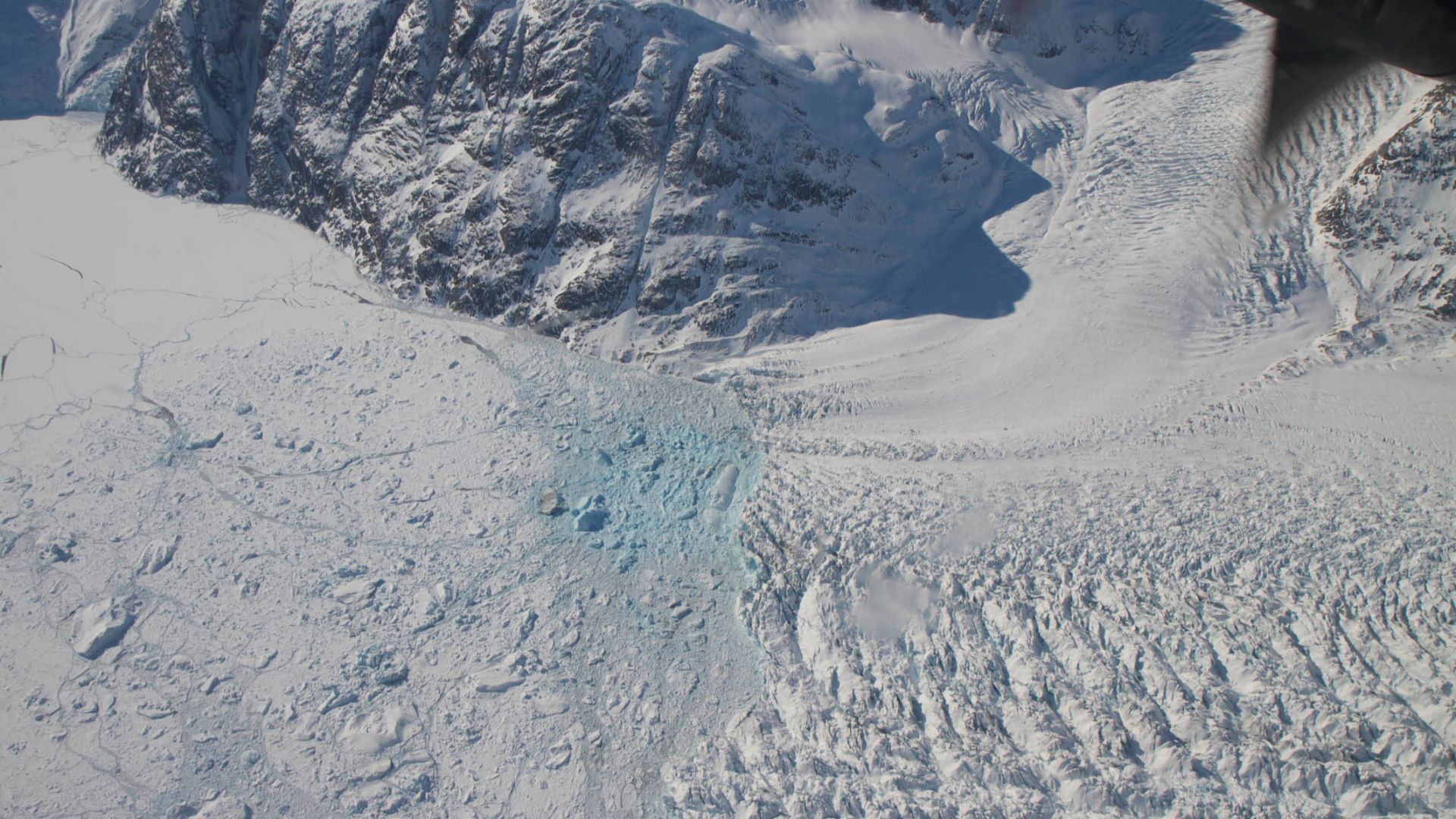
Scientists use the term “habitable zone” to describe areas around stars where liquid water could exist. But discoveries like this suggest habitability may depend on more than just distance from a star. Life might survive in places we once ignored — underground, under ice, or in dim environments powered by weak light or chemical energy.
 NASA's Earth Observatory, Wikimedia Commons
Implications For Space Telescopes
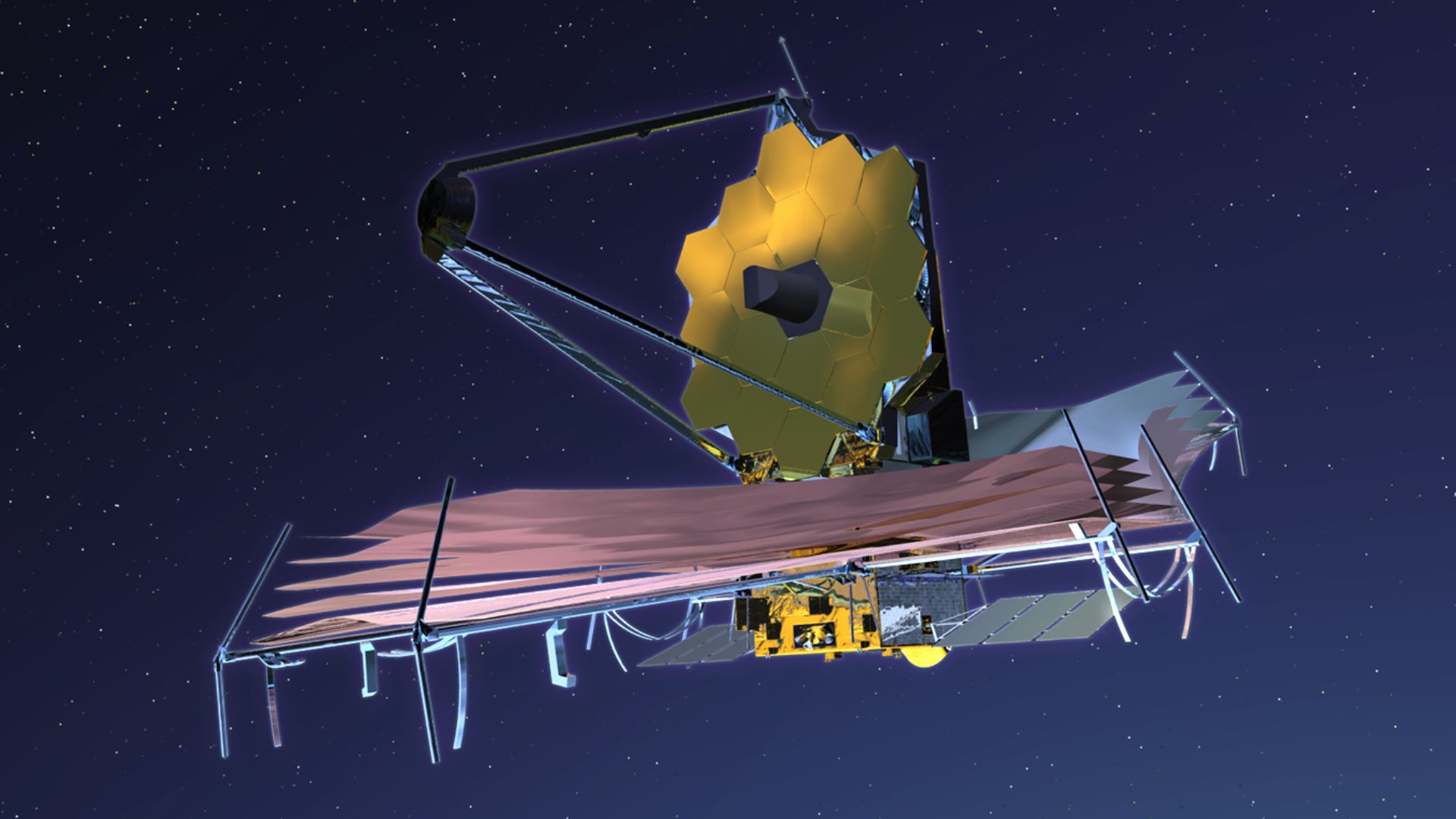
Modern telescopes, like the James Webb Space Telescope, search for chemical signs of life in distant planetary atmospheres. Understanding how photosynthesis might work under infrared light helps scientists know what gases or pigments to look for on other worlds.
The Power Of Tiny Organisms
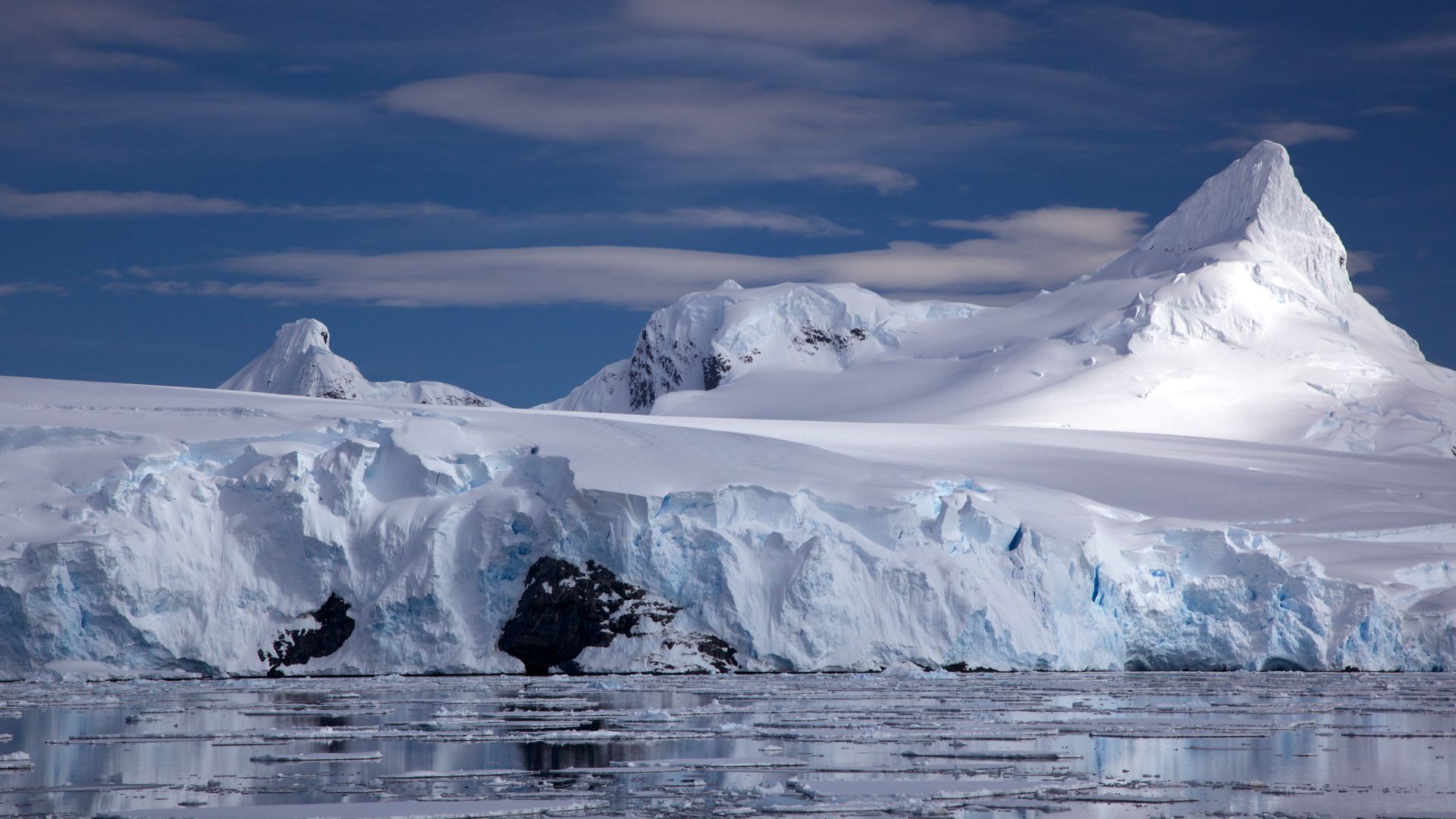
It’s easy to overlook microbes because they are invisible to the naked eye. Yet they are some of the most adaptable life forms on Earth. From boiling hot springs to Antarctic ice and deep underground caves, microbes constantly push the boundaries of survival.
A Reminder Of Earth’s Hidden Secrets
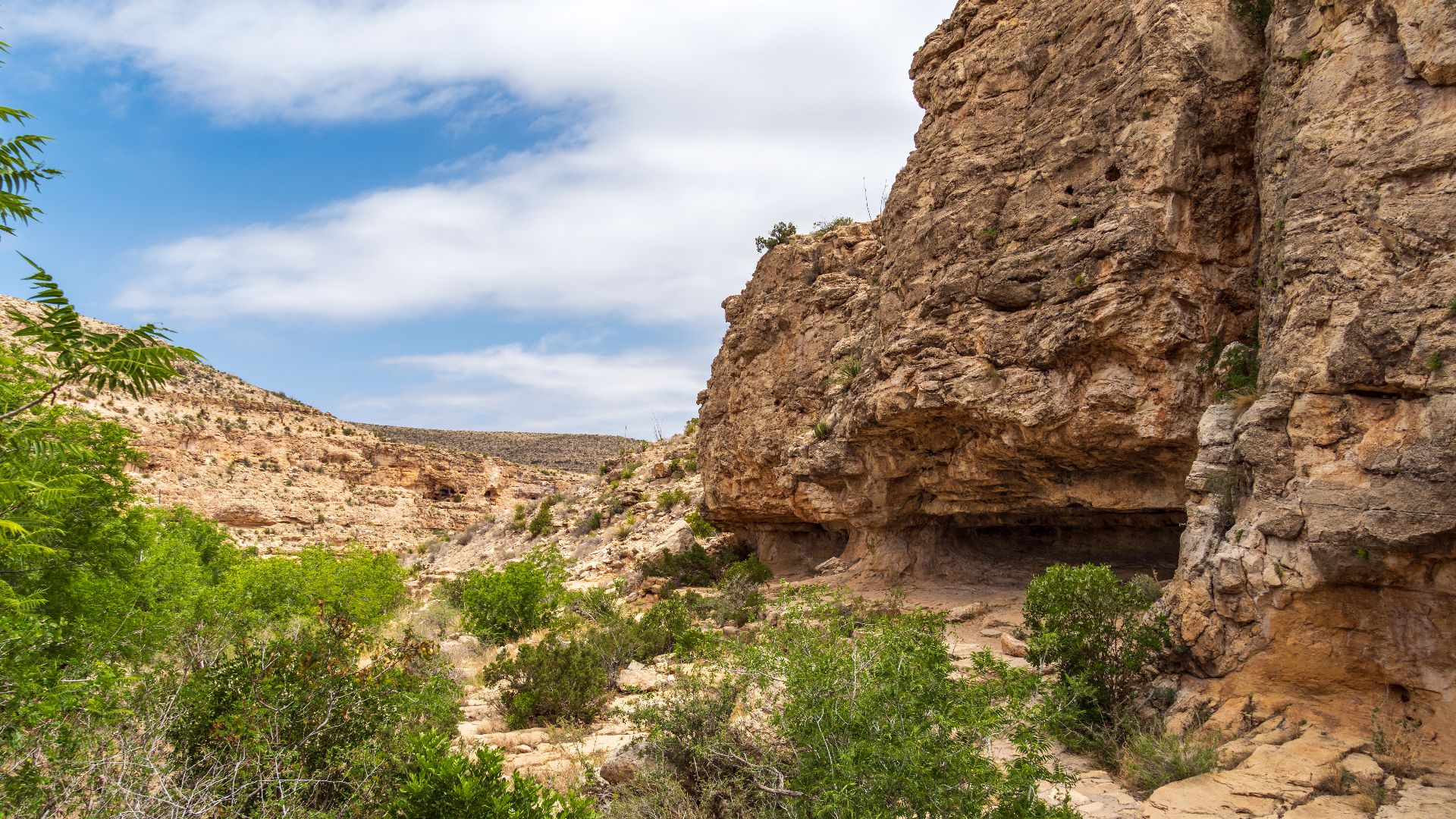
What makes this discovery especially exciting is that it happened right here on Earth. Even in a well-known national park, hidden ecosystems are still waiting to be found. It’s a humbling reminder that we don’t yet know all the secrets of our own planet.
 dconvertini, Wikimedia Commons
Could These Microbes Be Ancient Relatives?
Some scientists wonder whether similar organisms existed much earlier in Earth’s history, when sunlight reaching the surface was weaker and atmospheric conditions were different. Studying cave microbes may give us clues about early life on Earth billions of years ago.

From Desert Cave To Distant Stars
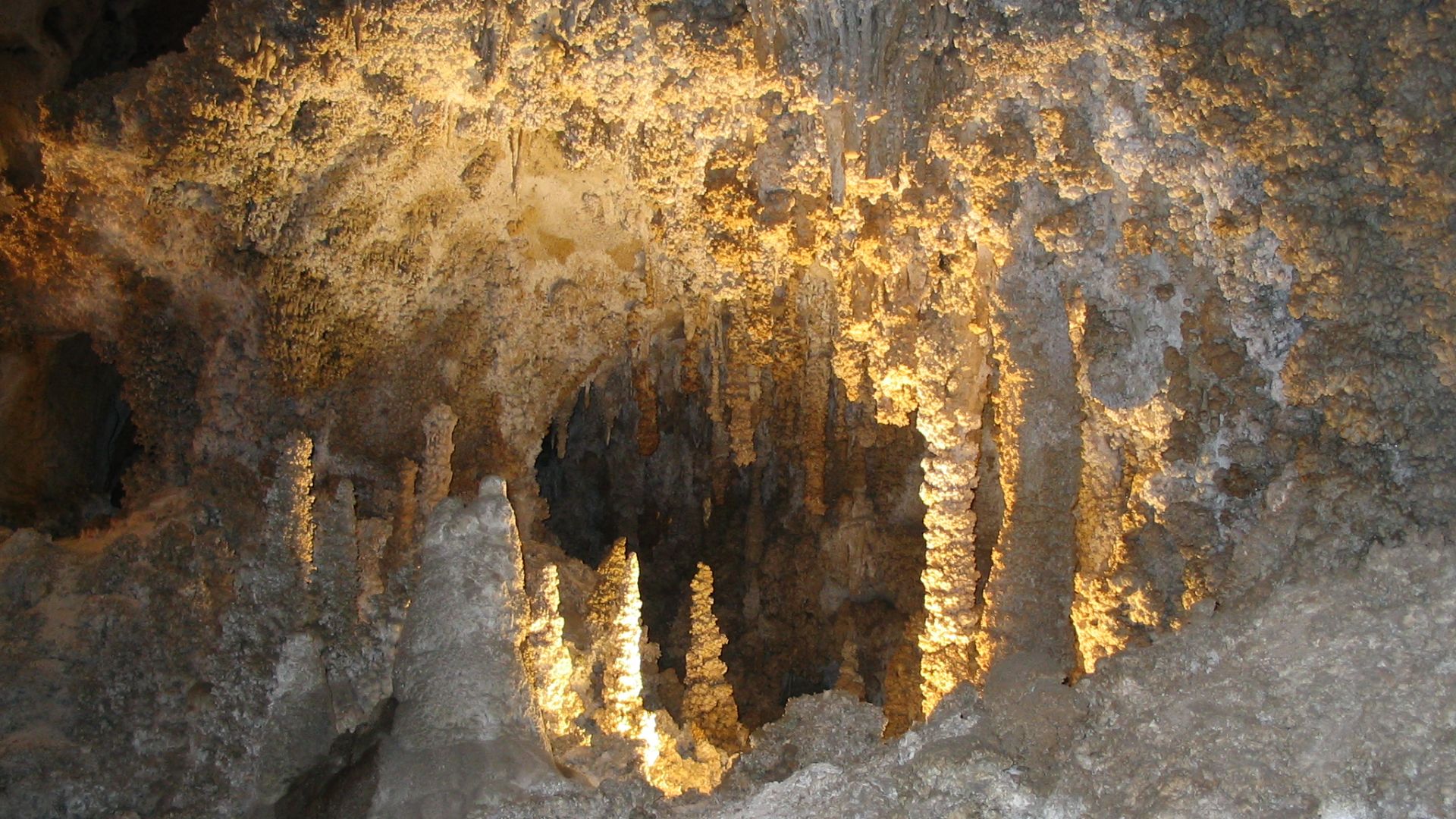
The connection between a cave in New Mexico and distant exoplanets may seem far-fetched. But science often works that way. By studying extreme environments on Earth, researchers build models of what life elsewhere might look like.
Searching Underground On Other Worlds
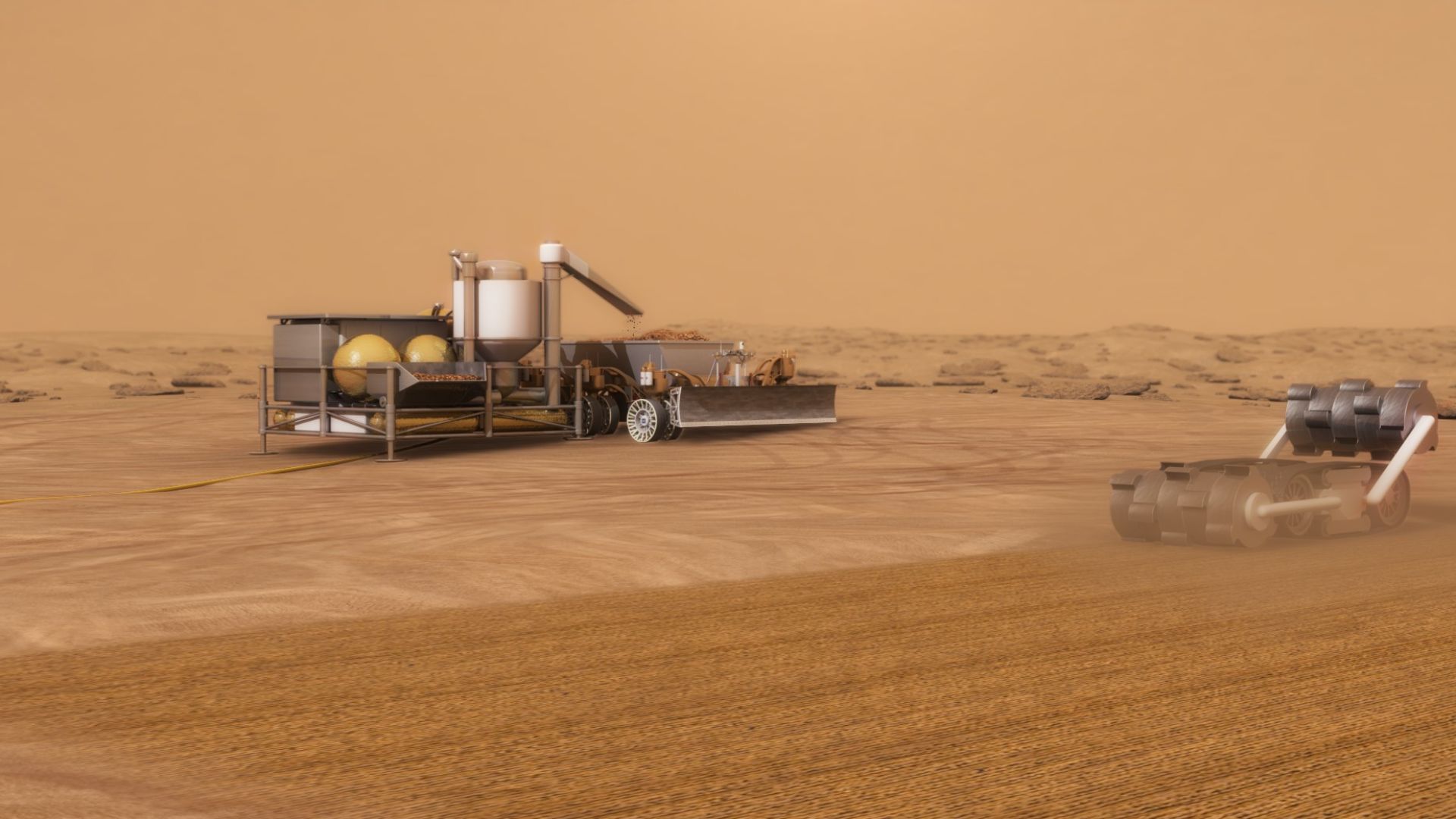
Future missions to Mars and icy moons may focus more on drilling or exploring beneath the surface. If life hides from harsh radiation and temperature swings underground, caves and subsurface regions may be our best chance of finding it.
The Challenges Of Cave Exploration
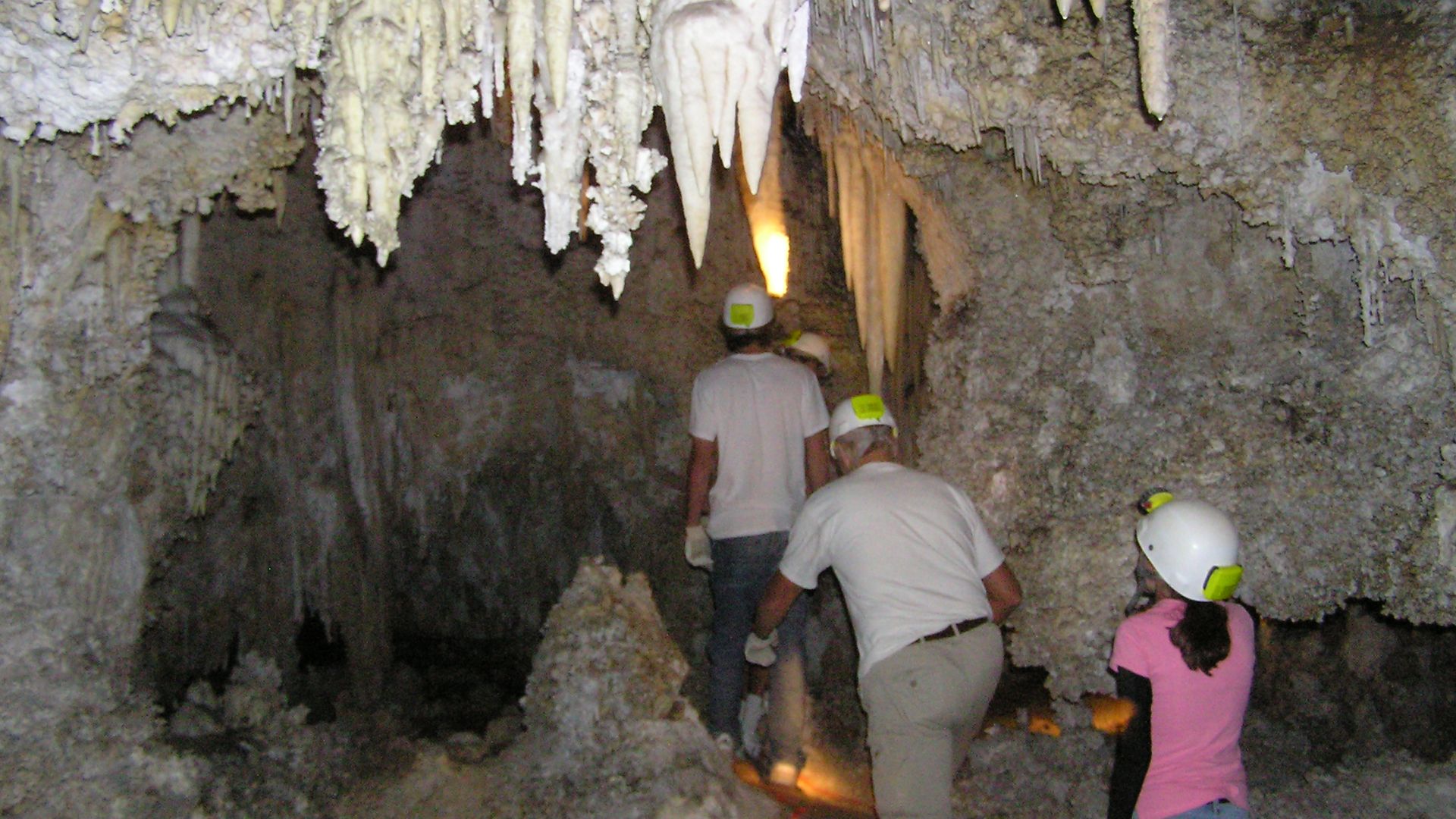
Exploring deep caves isn’t easy. Scientists must navigate tight passages, unstable terrain, and total darkness. Equipment must be carefully sterilized to avoid contaminating fragile ecosystems. But the rewards can be enormous.
 National Park Service Digital Image Archives, Wikimedia Commons
Why This Discovery Matters
This discovery changes how we think about energy and life. It shows that organisms can adapt to use extremely faint resources. That makes the universe feel a little more alive with possibility.
 dconvertini, Wikimedia Commons
A New Perspective On Alien Life
When we imagine aliens, we often picture intelligent beings or strange creatures. But the first life we discover beyond Earth — if we do — will probably be microbial. And it may look less like a movie monster and more like a patch of glowing green bacteria on a rock.
 dconvertini, Wikimedia Commons
Earth As A Testing Ground
Our planet offers countless environments that mimic conditions on other worlds — deserts like Mars, icy regions like Europa, and caves like hidden subsurface habitats. By studying them, we prepare ourselves for what we might one day find.
 NASA/JPL-Caltech/SwRI/MSSS/Kevin M. Gill, Wikimedia Commons
The Story Is Still Unfolding
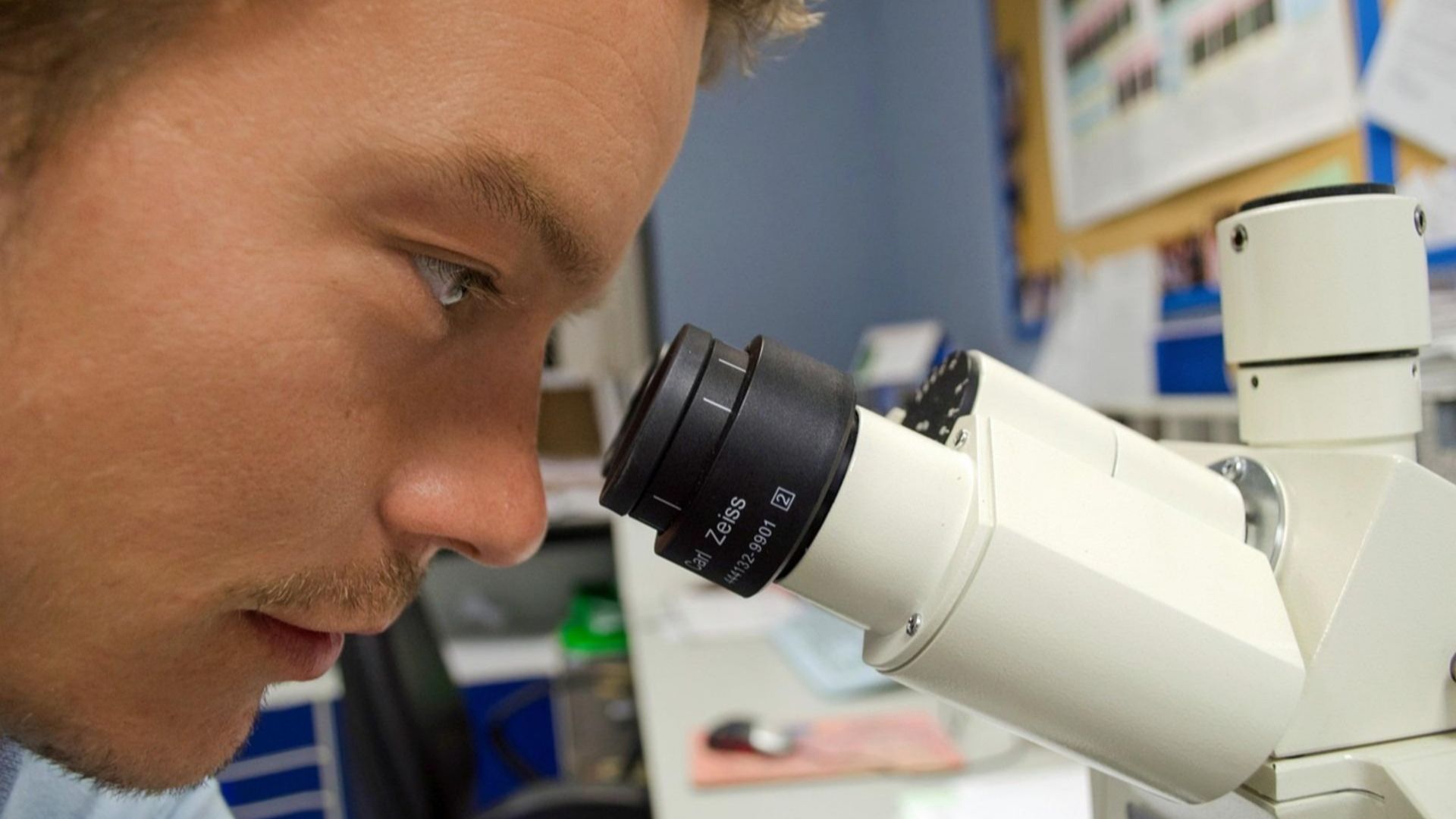
Researchers continue to study these cave microbes to understand exactly how they capture and store energy. Each new experiment adds another piece to the puzzle of how life adapts.
What We’ve Learned From The Darkness
The glowing green walls of Carlsbad Caverns remind us that life is stubborn. It finds ways to survive in places that seem impossible. That stubbornness gives scientists hope.
Not Aliens — But A Clue To Them
The microbes deep inside New Mexico’s caves aren’t aliens. But they may help us find them. By showing that life can survive in darkness using faint, invisible light, they expand our understanding of what’s possible. Sometimes, the path to discovering life beyond Earth begins by looking more closely at the hidden corners of our own world.