Whispers From the Dead in Orléans
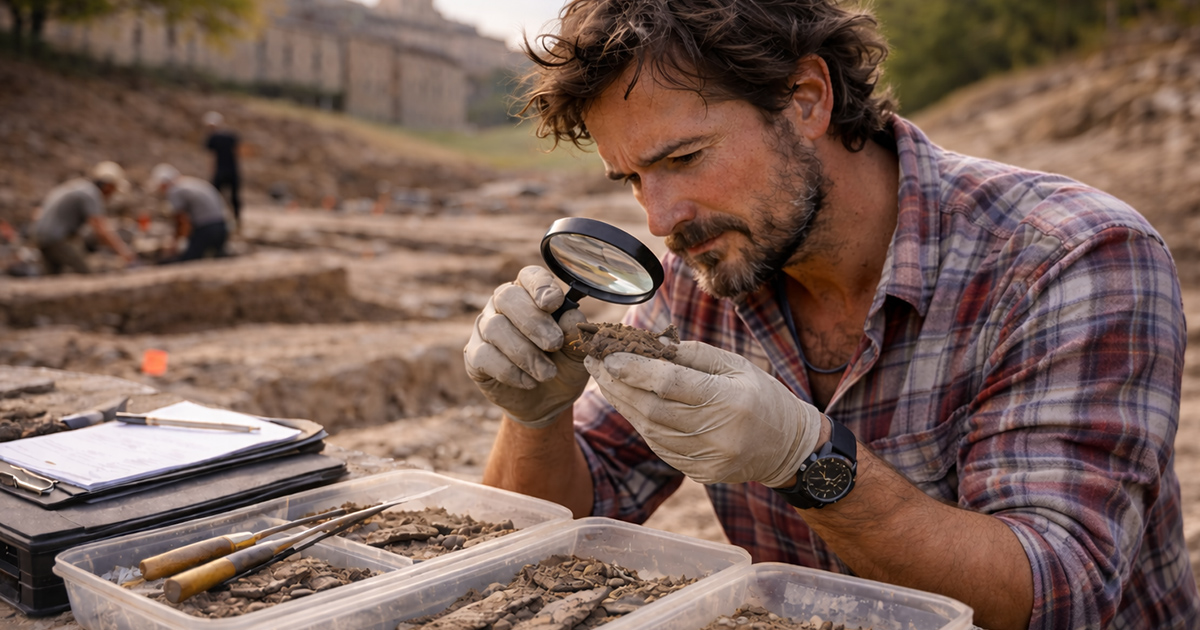
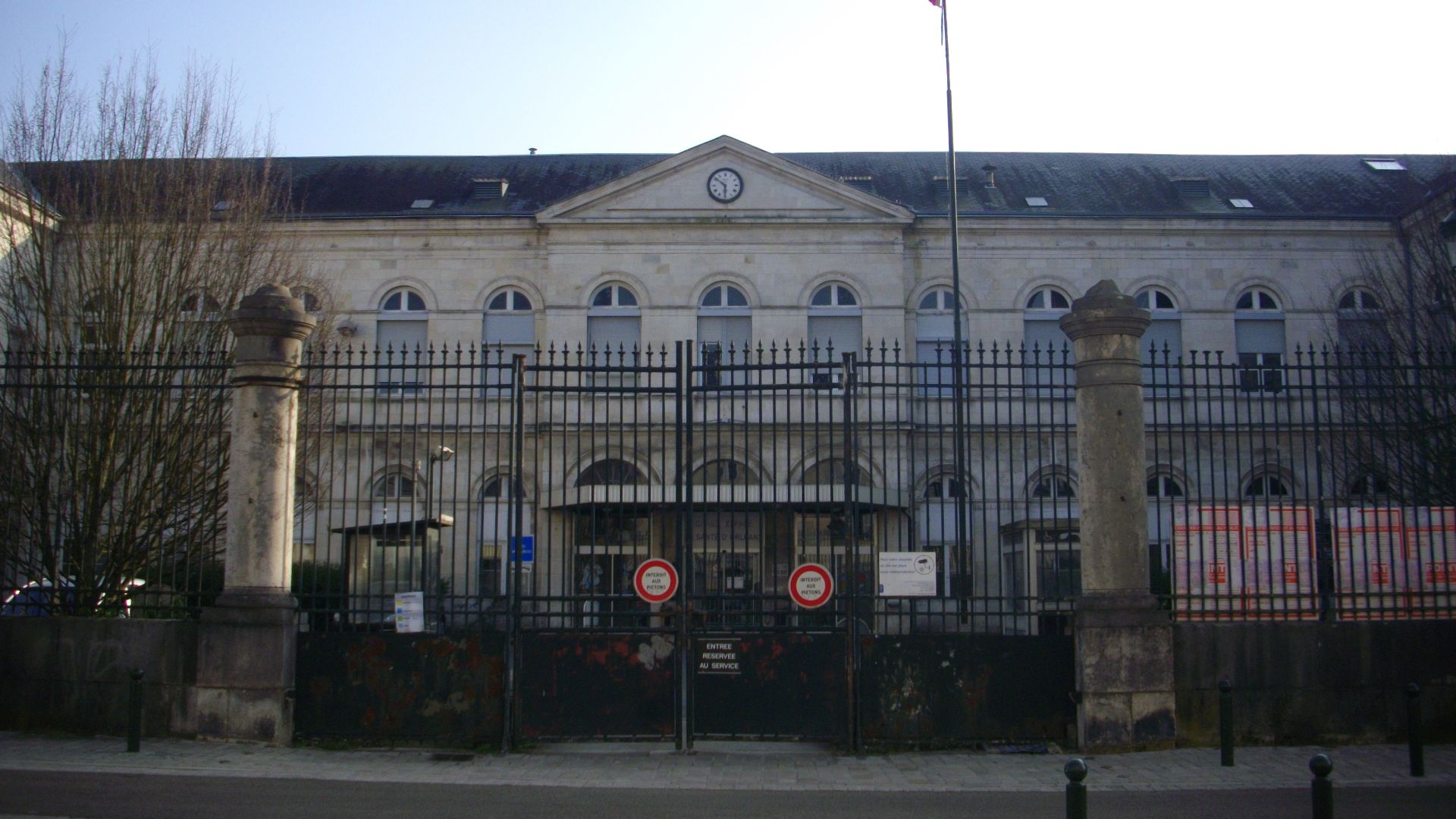
In 2022, archaeologists digging beneath the old Porte Madeleine hospital in Orléans, France, expected to find bones and pottery from a long-lost cemetery. What they didn’t expect was to find voices—tiny metal tablets that ancient Romans had buried with the dead, whispering curses to the gods across two millennia.
Unearthing a Lost Necropolis
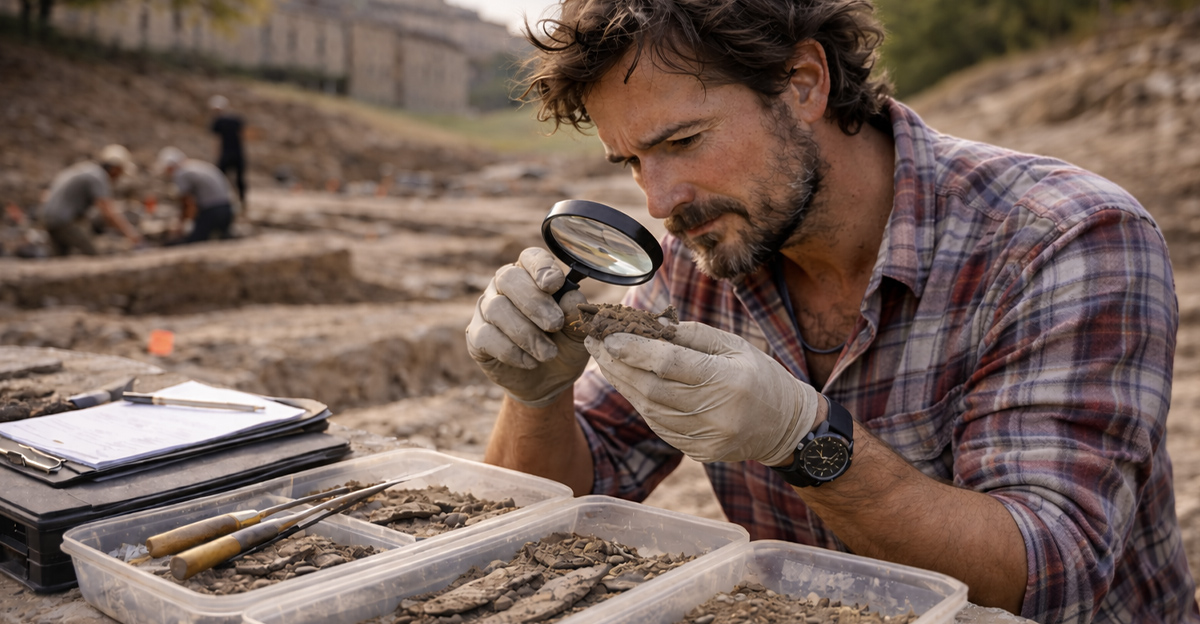
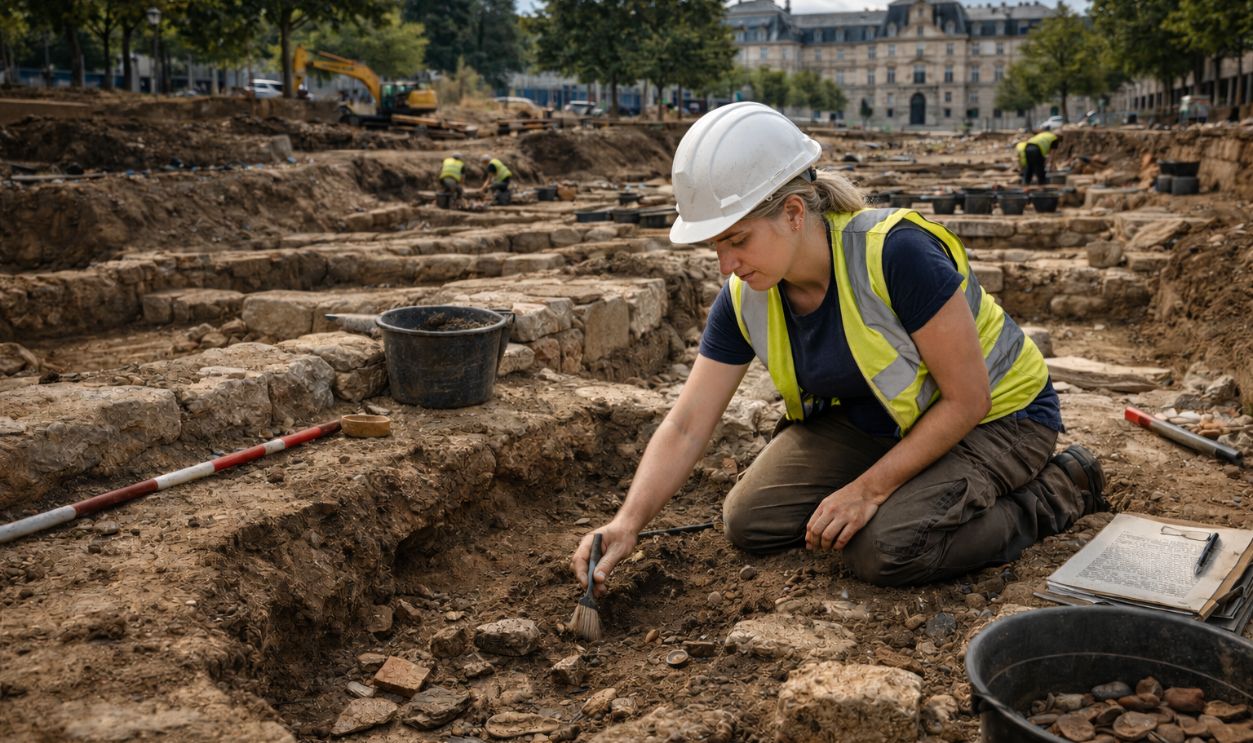
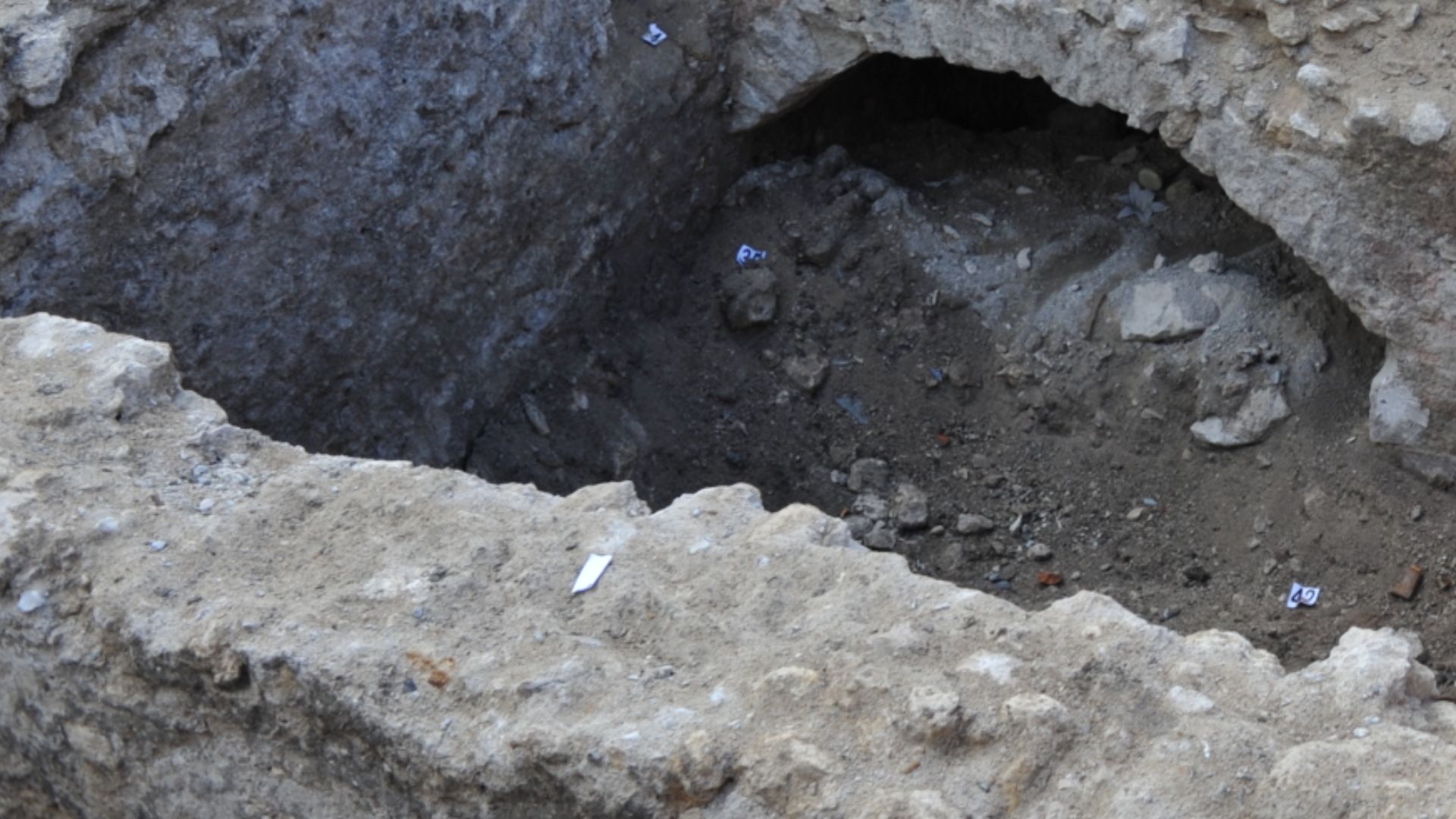
The team from the Orléans Archaeological Service was excavating the footprint of an 18th-century hospital when they stumbled upon an ancient necropolis dating from roughly the first to third centuries CE. Over 60 graves lay in a straight line against a boundary wall—all adult men, all buried in wooden coffins painted in faded pigmented hues.
A Graveyard With a Difference
This wasn’t your typical Roman burial ground. The absence of women and children, the uniform alignment of graves, and the lack of cremations hinted that these men might have belonged to a specific group, like a guild or a special cohort. But the real surprises were buried inside the graves themselves.
The Tablets Surface
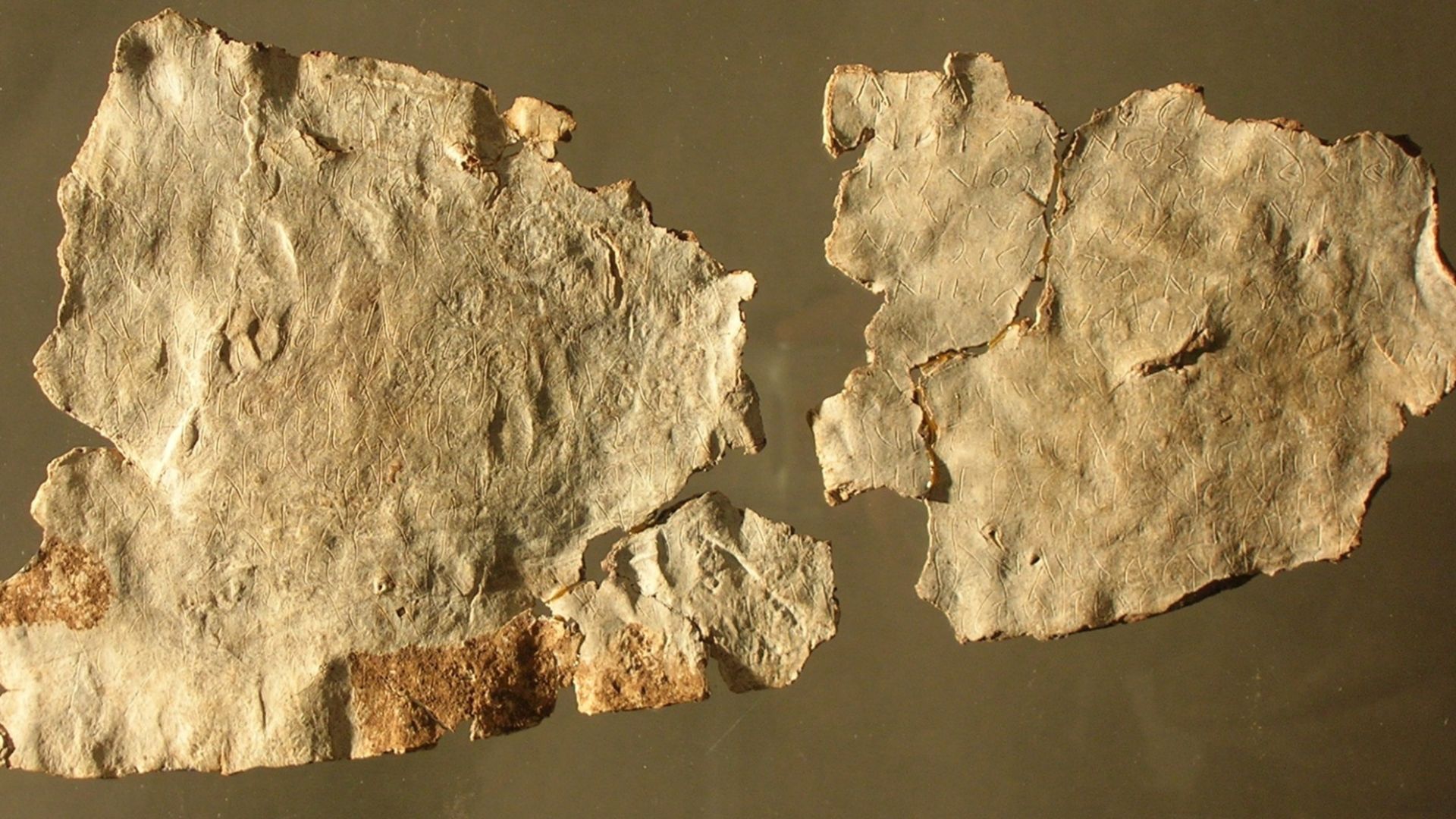
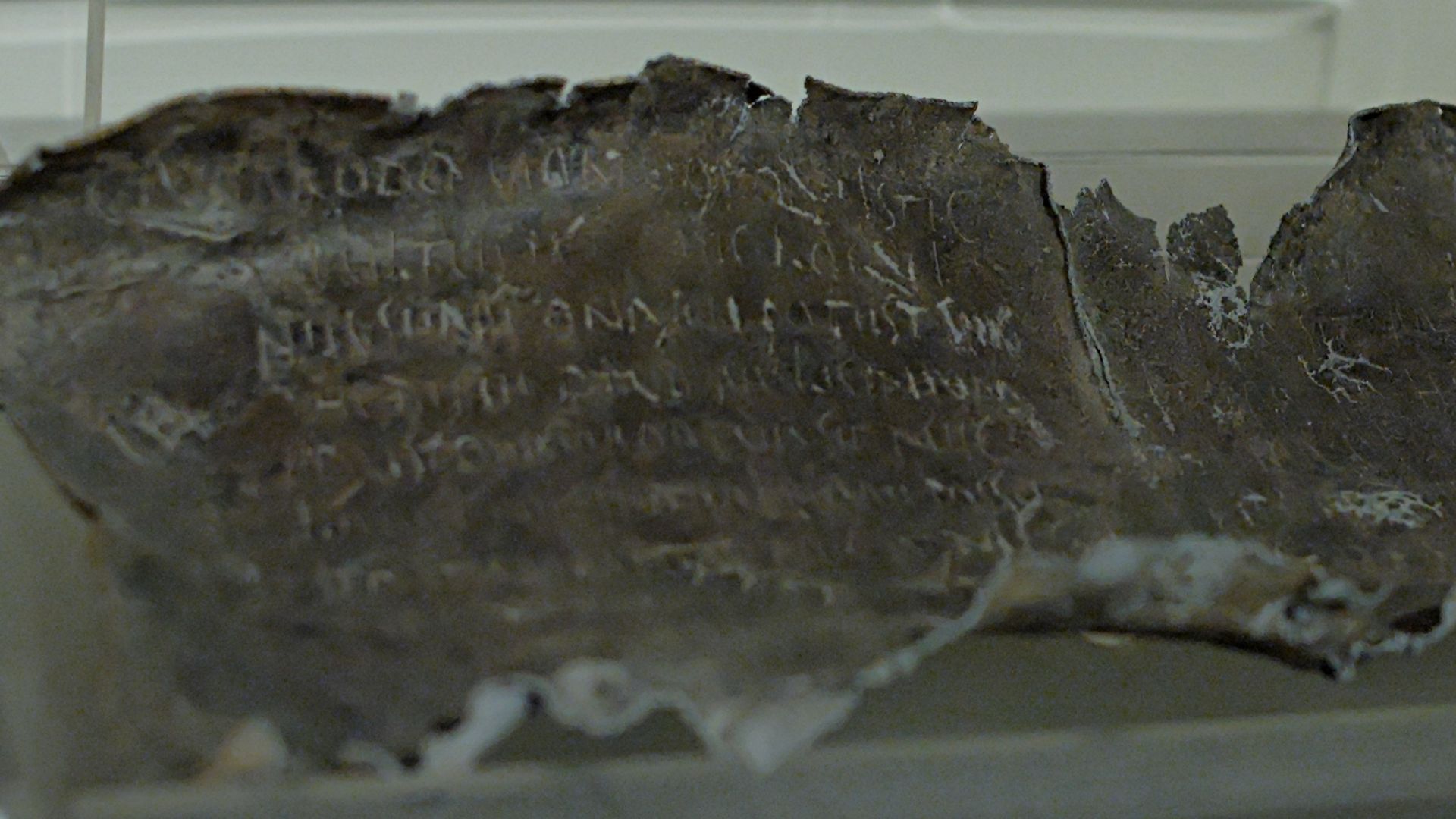
In some graves, researchers uncovered thin sheets of lead tablet fragments—“curse tablets,” known in Latin as tabellae defixionis. These were tiny, pliable lead plates inscribed with messages calling on underworld gods for supernatural intervention against enemies or rivals.
How the Tablets Were Made
Ancient people wrote their curses by scratching words into the soft lead with a stylus. Then they rolled or folded the sheet, pierced it with a nail—a symbolic act to drive the message into the underworld—and buried it either in graves, wells, or other sacred spots.
 Unknown artist, Wikimedia Commons
Grave F2199 Holds a Secret
In one particularly intriguing burial labeled F2199, archaeologists found a lead tablet tucked between the legs of a man buried with a vase and several coins—an arrangement suggesting ritual significance.
Virtual Unrolling Reveals Text
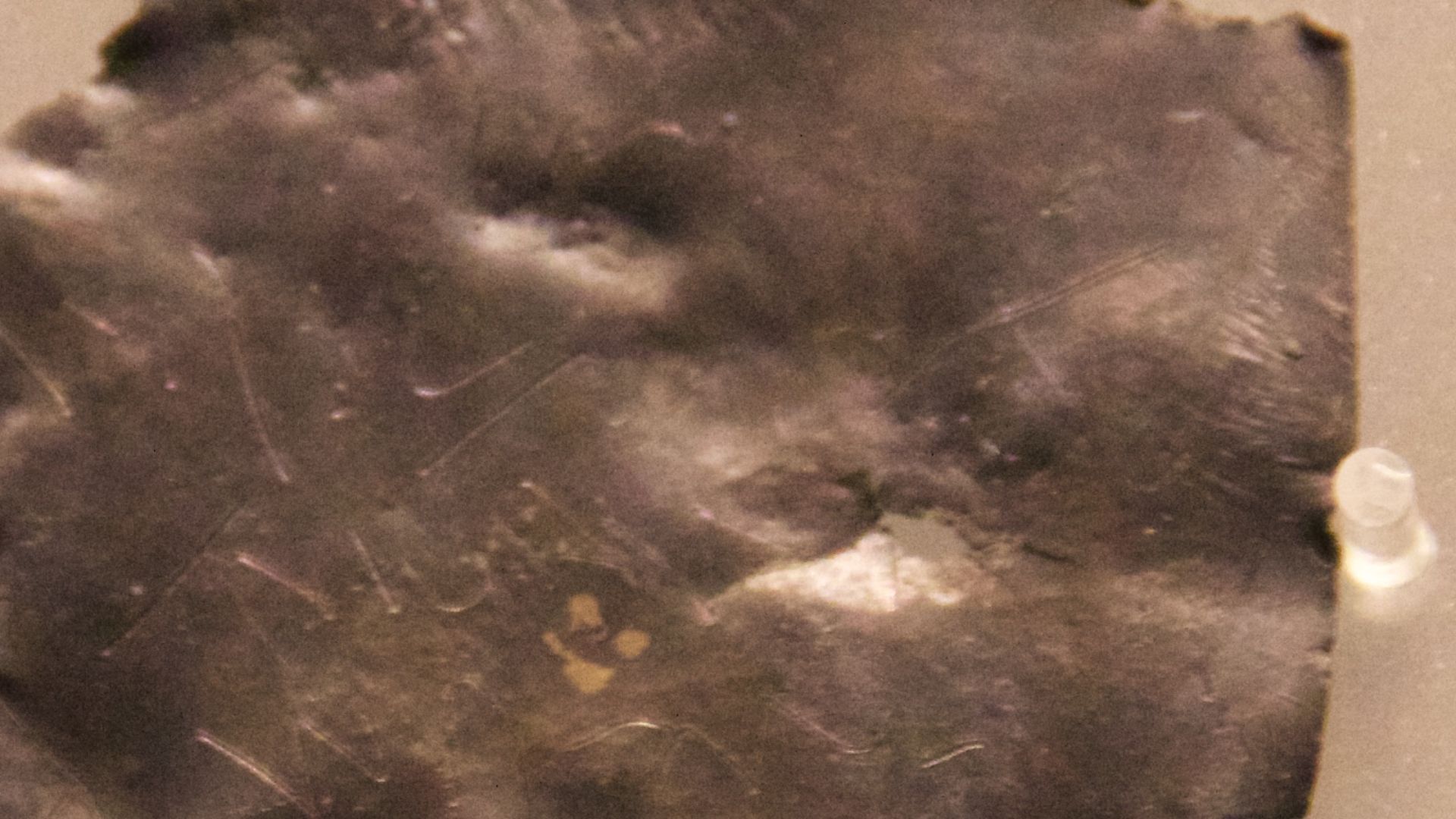
The tablet was tightly folded and corroded, so the team used reflectance transformation imaging (RTI) to digitally enhance the surface. This allowed researchers to virtually unroll the tablet and see its inscriptions without the risk of breaking it.
 Photograph by Mike Peel (www.mikepeel.net)., Wikimedia Commons
Gaulish Words, Latin Script
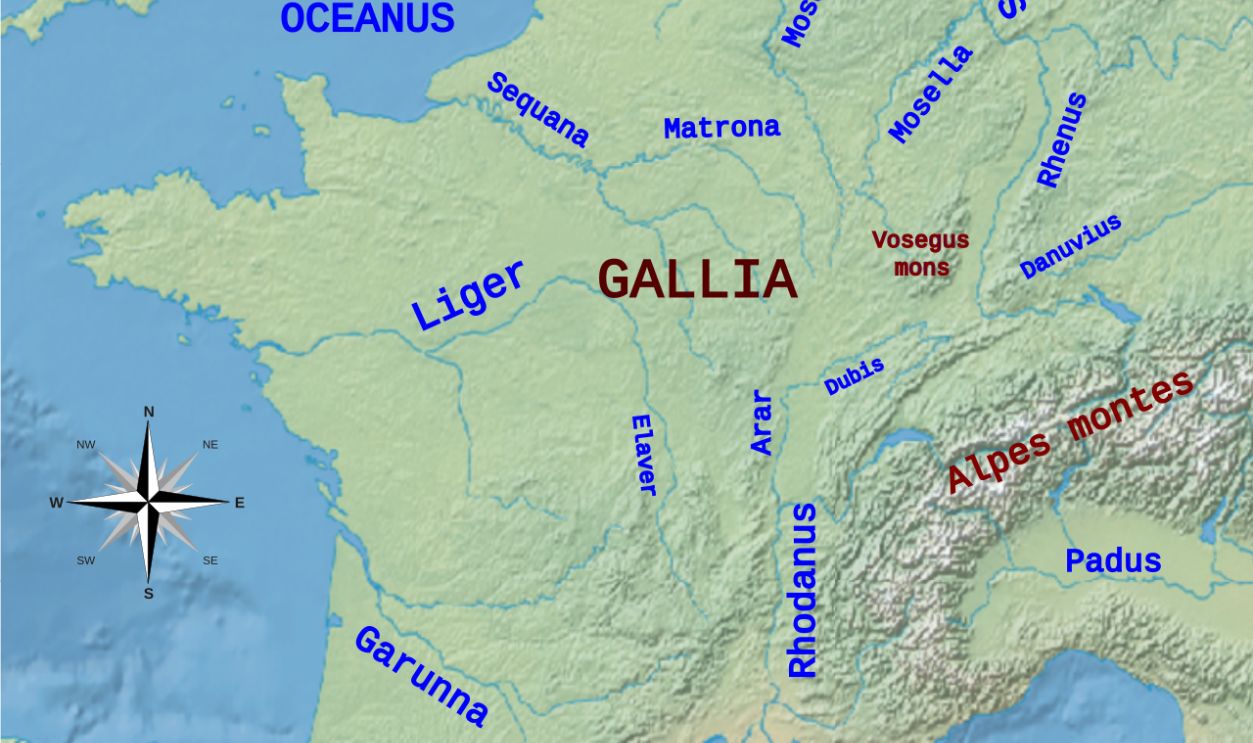
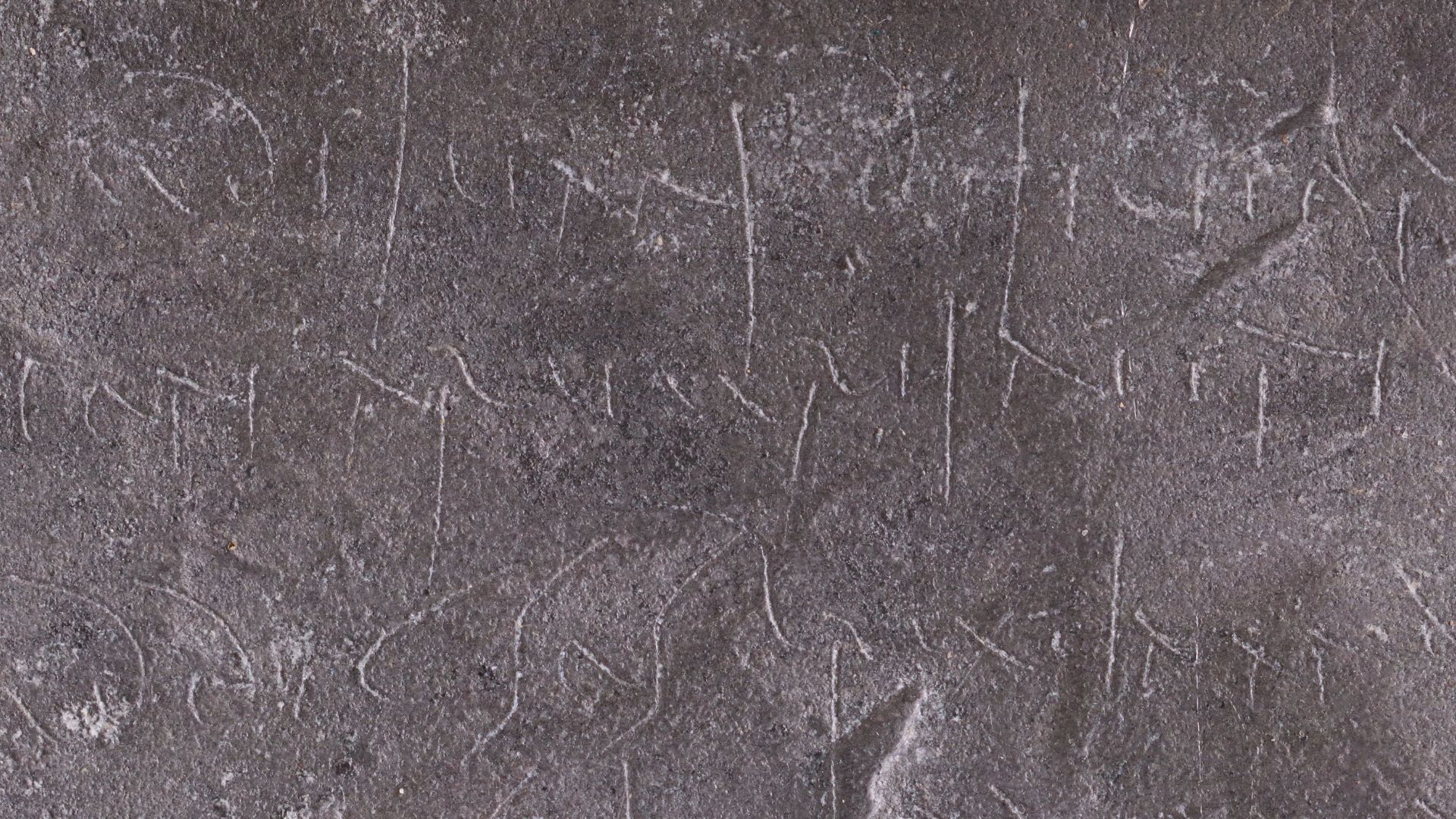
What emerged was remarkable: part of the inscription was in Latin cursive, but several key words were written in Gaulish, the extinct Celtic language once spoken across ancient Gaul. Gaulish survived long after Roman conquest, but few examples of it in writing have endured—making this curse tablet extraordinary.
Calling on Mars Rigisamu
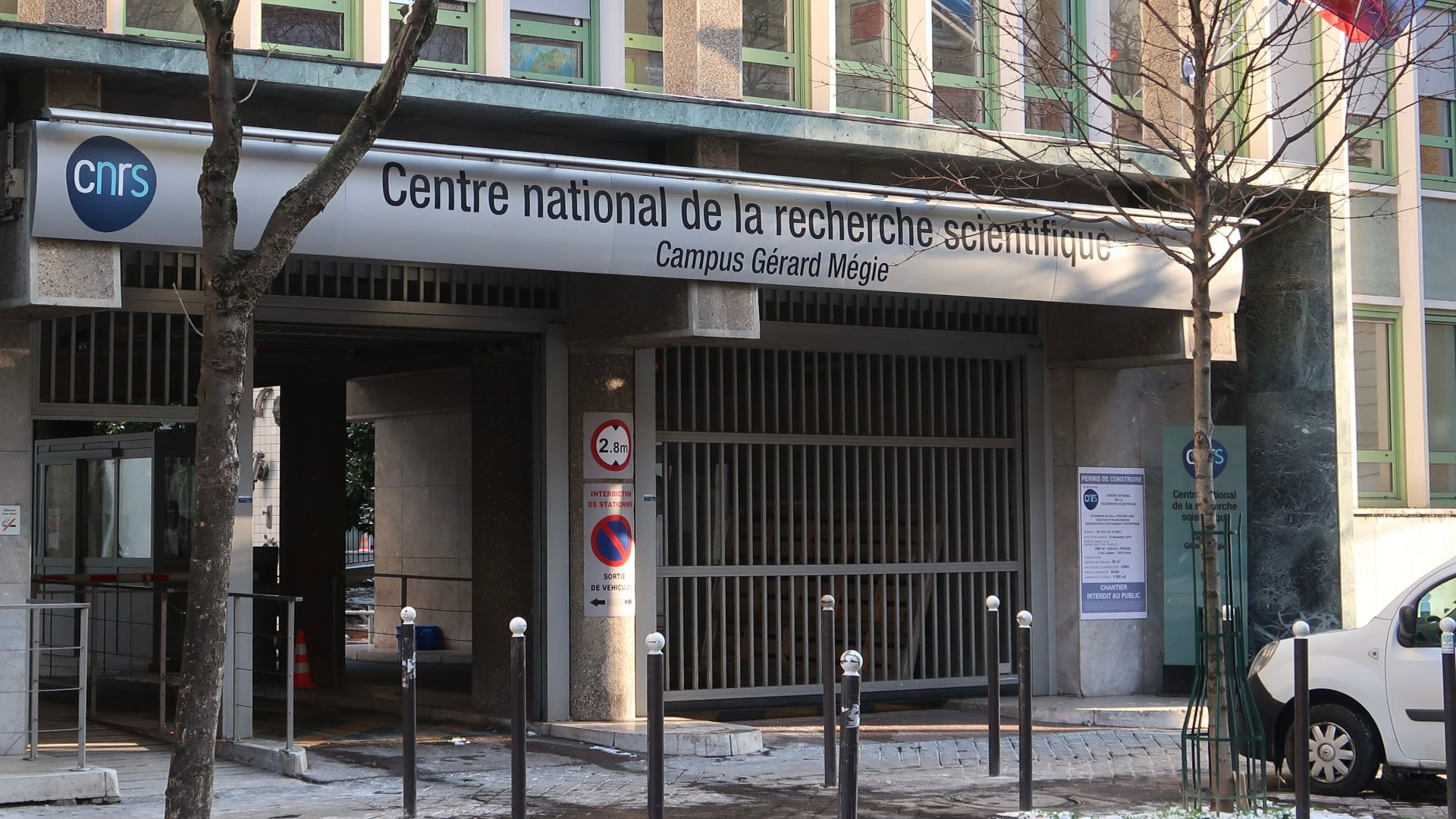
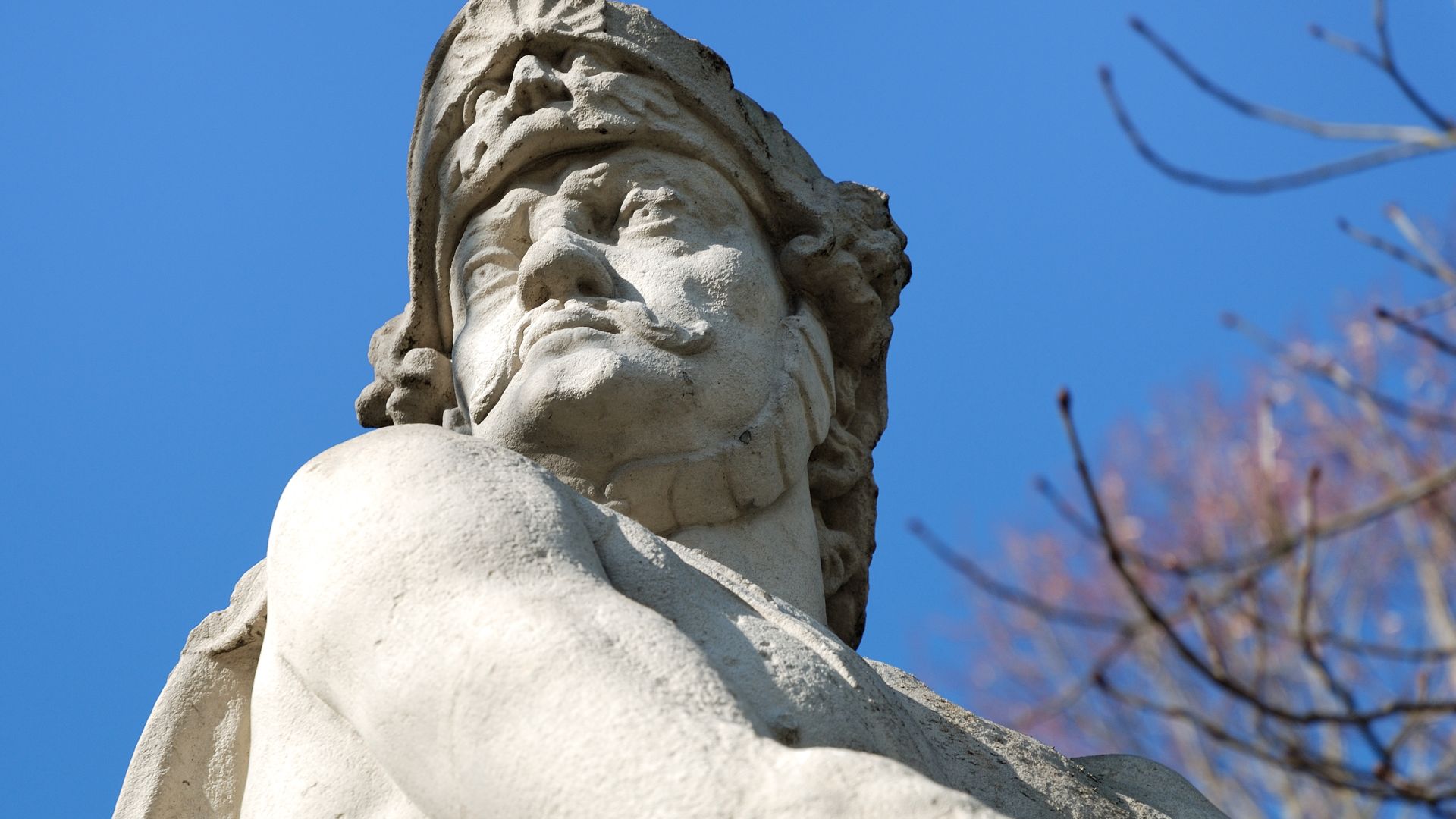
Linguistic expert Pierre‑Yves Lambert of the French National Center for Scientific Research has suggested that the tablet was addressed to “Mars Rigisamu,” meaning “Mars the Royal,” linking the Roman god of war with local Gallic deity traditions.
A Curse Against Names
The tablet’s text appears to list several people—both men and women—whom the writer wished to curse for doing “unfortunate and unjust” deeds. The invocation is meant to compel Mars to punish them, possibly for personal, legal, or business rivalries.
A Rare Glimpse of Gaulish Written Language
Because Gaulish was so seldom written, these tablets provide rare direct evidence of how the language was used in real life—not just in religious ritual but in a blend of Latin script and local speech. That offers huge value to linguists and historians alike.
More Tablets Yet to Speak
So far, only one tablet’s text has been fully studied, but the necropolis contained around 21 curse tablets in all, some of them still tightly rolled and unread. Teams are now using X-ray tomography on specialized beamlines to digitally “scan” and unfold the inscriptions without physically damaging them.
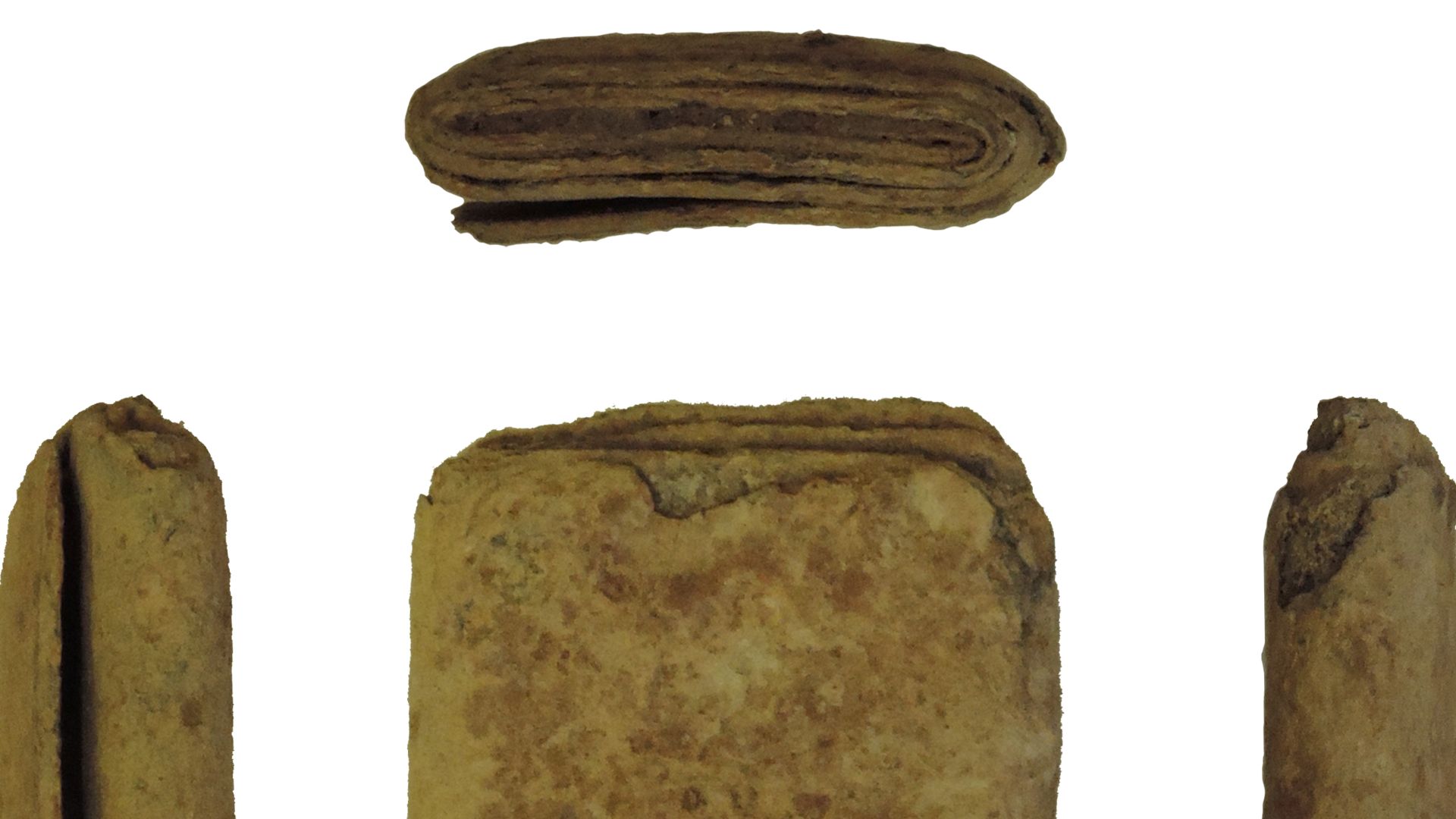 Derby Museums Trust, Helen Glenn, 2016-12-29 17:30:10, Wikimedia Commons
The Technology of Discovery
At facilities like the PSICHE beamline at the SOLEIL synchrotron, scientists can generate detailed 3D scans of internal folds, revealing inscriptions layer by layer—like archaeologists reading the thoughts of people from two thousand years ago.
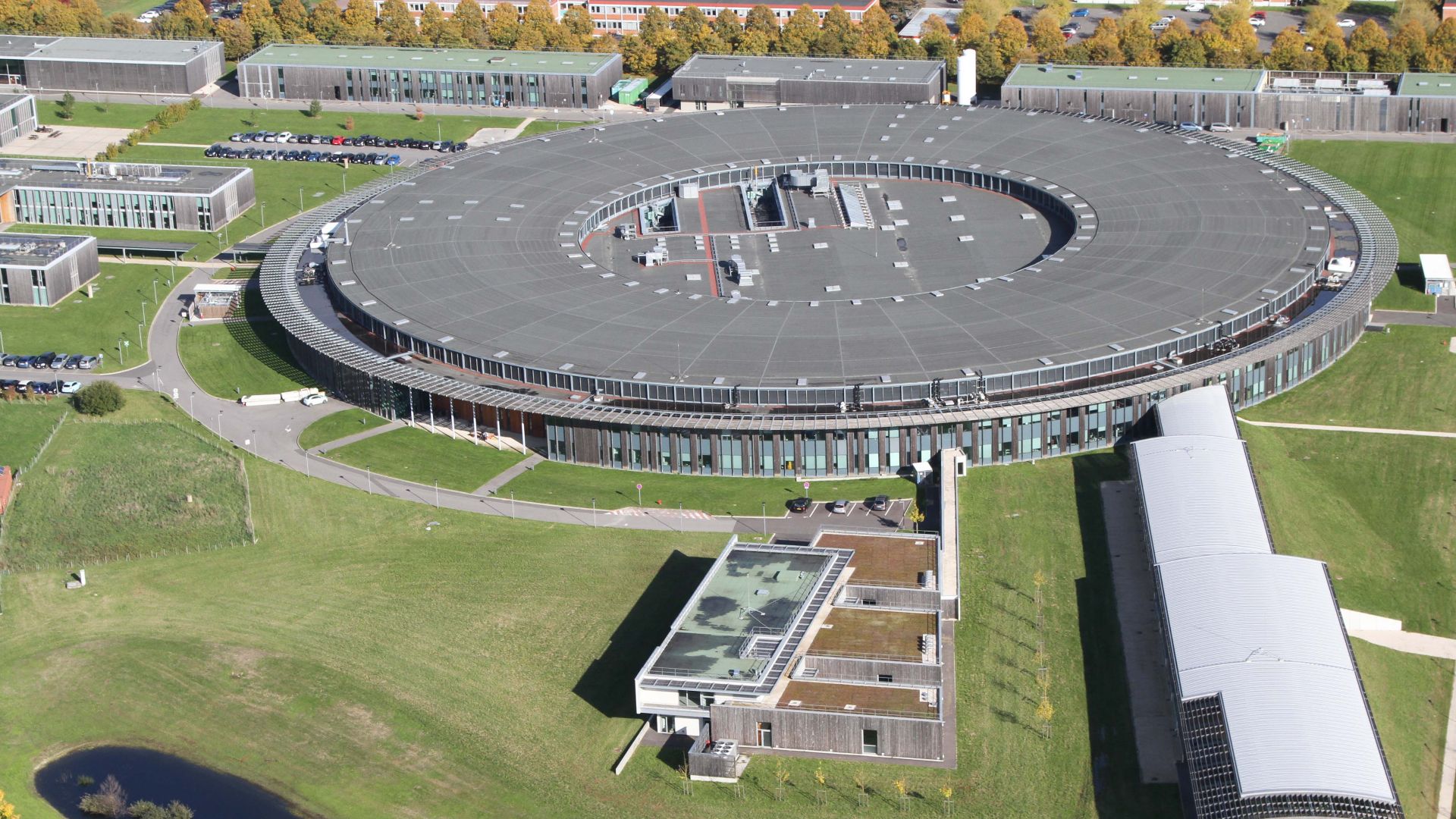 Communication Synchrotron SOLEIL, Wikimedia Commons
Why This Matters
This discovery is more than a curiosity. It gives scholars a window into emotional life during Roman times—petty vendettas, legal disputes, and personal grudges immortalized in metal, petitioned to gods who could reach into the underworld.
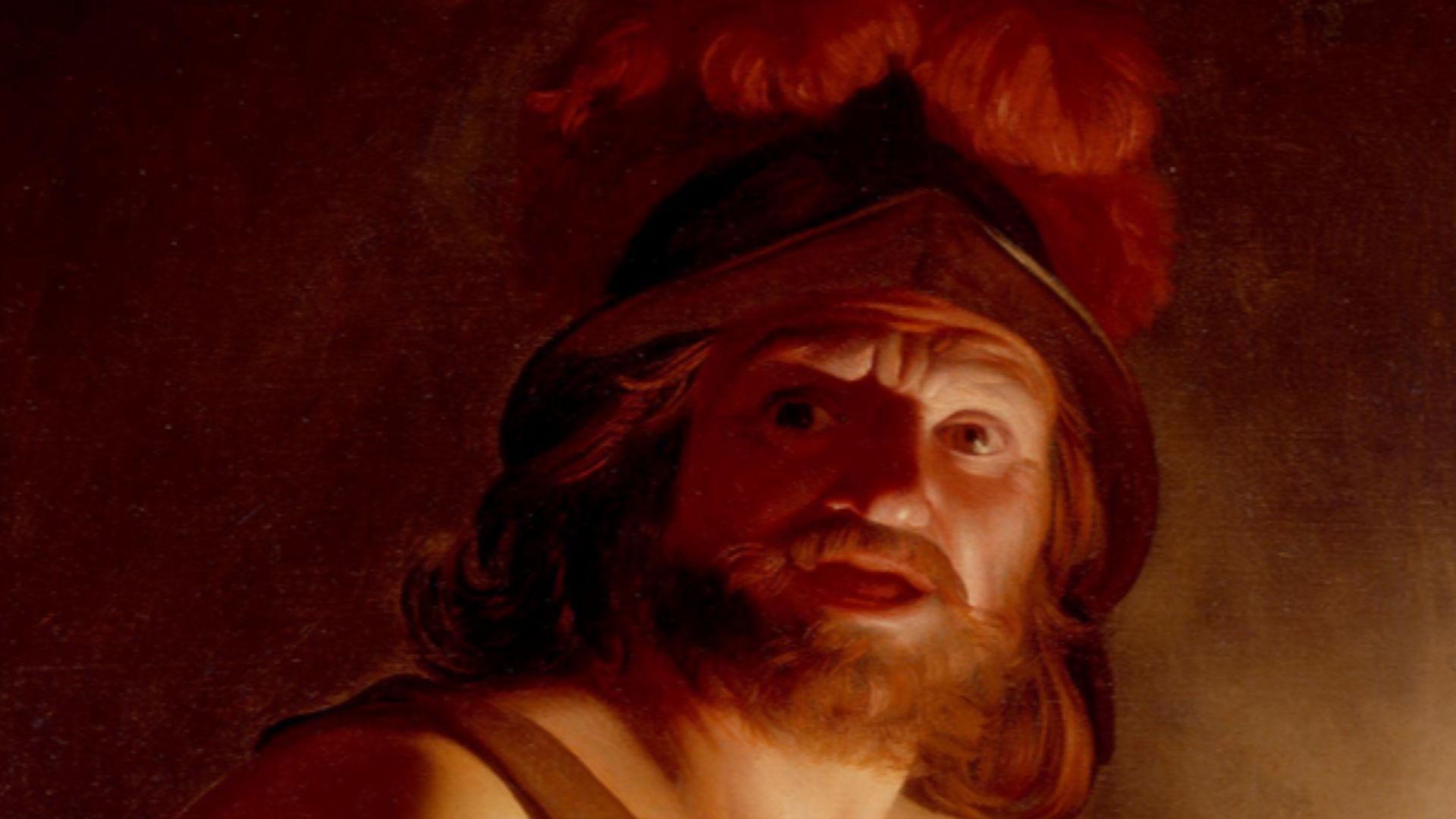 Gerard van Honthorst, Wikimedia Commons
Context in the Roman World
Curse tablets were common across the Greco-Roman world, used to affect love rivals, business competitors, or legal foes. But discovering such a large collection in a single burial ground—and one blending Latin and Gaulish—is rare.
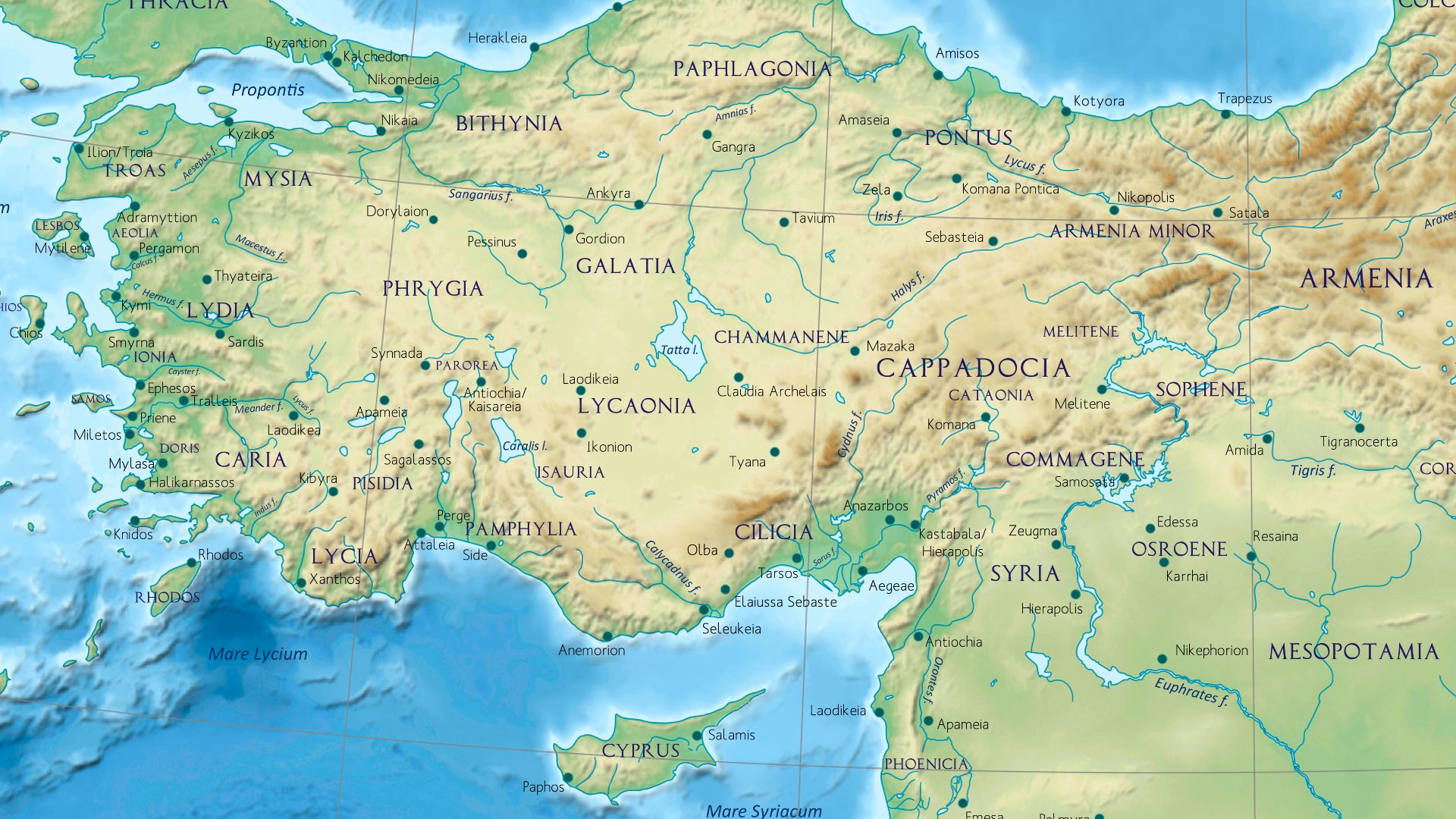
Unearthing Ancient Belief Systems
The placement of these tablets among the dead suggests that Romans in Gaul believed that the afterlife or underworld gods were powerful mediators of justice or revenge—and that curses buried with the dead might travel more effectively to their divine targets.
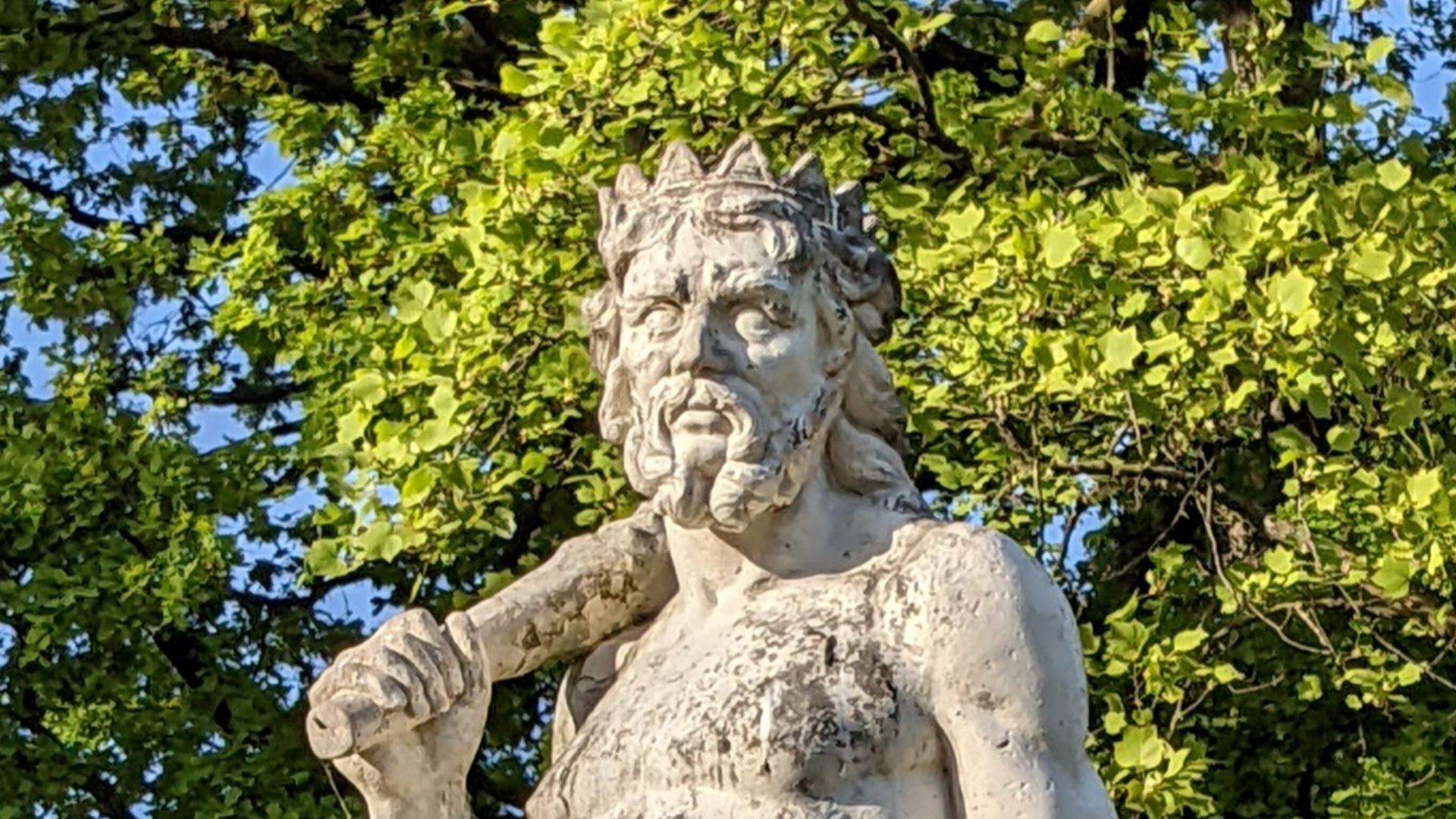
A Cemetery Full of Stories
Each tablet is like a message in a bottle—private, desperate, and deeply human. Archaeologists expect that the rest of the tablets still under study will reveal varying targets, gods invoked, and perhaps even personal details about everyday disputes in the Roman Empire.
Final Words From the Past
These curses show that 2,000 years ago, people in what is now central France were using spiritual means to try to solve social problems—and that their words, rolled into tiny lead sheets, still survive to tell the tale.
 Eric Salard, Wikimedia Commons
You May Also Like: