
Researchers found rows of ancient wooden stakes beneath the waters off Grado, evidence of a constructed shoreline that no longer matches what you see today. The discovery shows how earlier communities shaped and defended this coast in ways now hidden. And the story only gets stranger from here—keep reading.
Timber Lines Beneath The Tide
Archaeologists working around the Castrum of Grado uncovered three palisade systems stretching from the Roman era into early medieval times. Each row sat in a different layer of lagoon mud. The earliest dates to the 1st or 2nd century AD, positioned roughly 2 ft below today’s sea level. That depth signals a shoreline that once stood far higher and drier than the current coastal edge.
The stakes were arranged in continuous lines and driven deep into the sediment, forming a structural framework that supported a man-made embankment. Their design shows how deliberately residents engineered the coastline, and this underscores the level of effort they invested in land creation and defense.
Next in sequence came a palisade from around AD 566. This one marks a noticeable rise in sea level—roughly 16 inches compared to the Roman layer below it. Researchers linked the shift to changing climate conditions and regional land subsidence. That single vertical difference becomes a time stamp in mud, revealing how quickly water claimed ground once inhabited.
The most recent palisade helped stabilize the earth under the fort’s outer structures. Rather than pushing outward, residents reinforced the footprint they still controlled. That adjustment ties the story together: the earlier generations expanded, while later ones held tight to shrinking land.
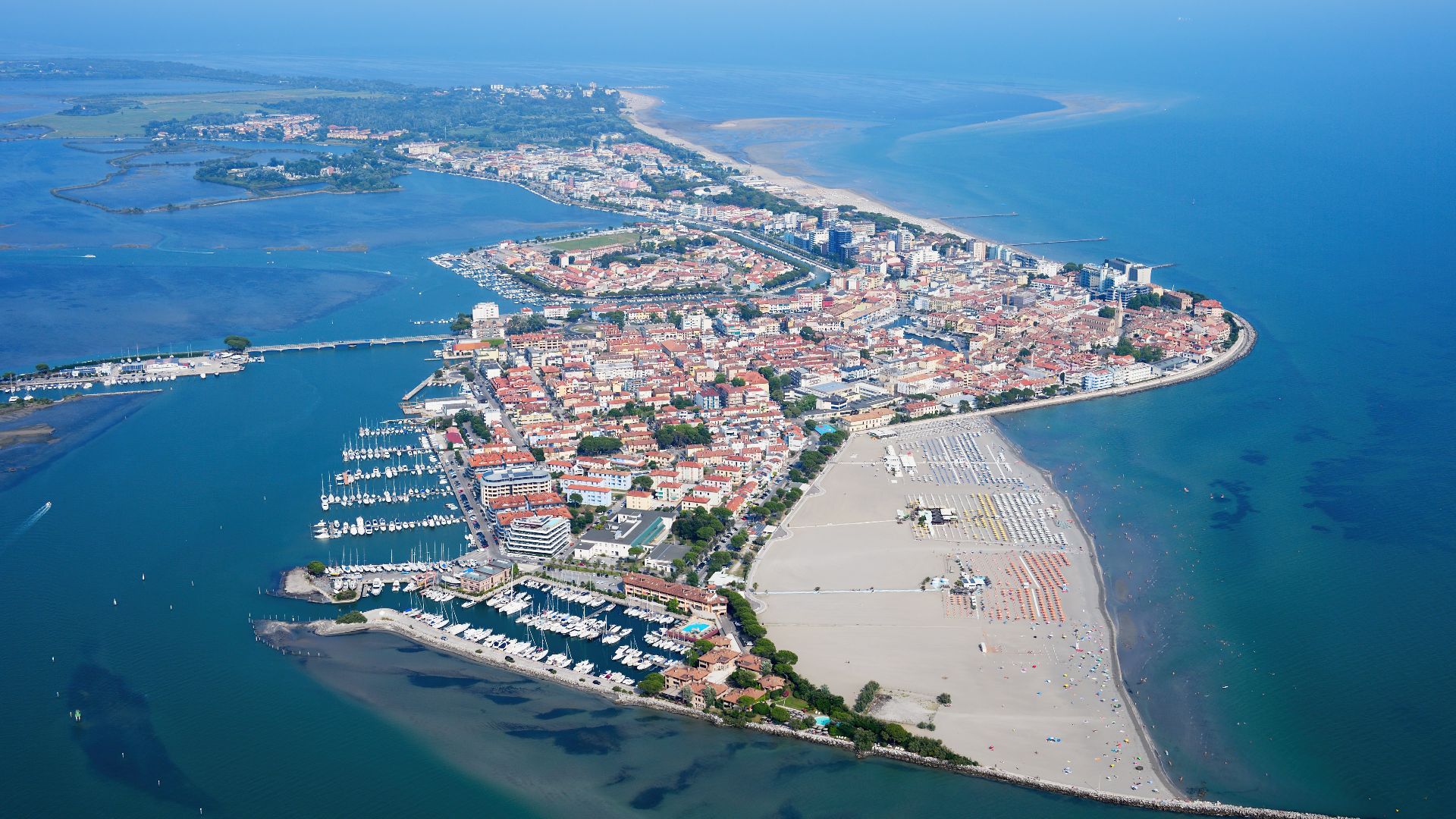 Carsten Steger, Wikimedia Commons
Shorelines That Would Look Strange To You Today
Roman-period Grado wasn’t a sea-lapped island in the way it appears now. Sea level was roughly 4 ft lower, and the waterfront extended farther into what is now an open lagoon. For you, that means the modern map hides earlier urban edges. Anyone walking the present promenade stands above places where workshops, storage yards, or small dwellings likely rested on firm earth rather than tidal flats.
These palisades didn’t stand alone. The stakes held back fill: crushed pottery, sand, organic waste, and rubble. Builders poured that mixture behind the wood to create new ground that supported roads and defensive walls. That physical labor shaped a frontier between land and sea that held for centuries.
Researchers emphasize that the survival of these timbers depended on the protective conditions of the lagoon mud. Oxygen stayed low. Microorganisms stayed limited, and the stakes kept their form.
A Coastline That Recorded Its Own Story
Grado’s palisades show more than building technique. They outline a long relationship between residents and a coast that refused to sit still. Sea level around AD 1 appears to have been roughly 1.7 m lower than today. That difference explains the Roman ambition to carve out extra ground—they had space and time. Later builders faced higher water, softer sediment, and more urgency.
Each period left a different strategy. Expansion. Stabilization. Retention. And the rhythm echoes along the Adriatic today, where people still confront subsidence and rising seas.
Because one section leads to another, and because the findings tie human action to centuries of natural change, the story becomes something you can map onto many coastlines you know. The same questions residents asked then—how to build, where to reinforce, when to adjust—sit on modern planning tables too.
Where Wood, Mud, And Memory Meet
Here are three quick markers that bring Grado’s discoveries into focus for you:
Engineering With Intent
Those early builders didn’t throw up fences. They shaped new ground and locked it in place with timber rows. That intent pushes you to look at them as engineers, not just residents fortifying a shoreline.
History Carried By Sea Level
Each layer reflects a rising tide. What feels slow on a human timeline becomes visible through stakes set centuries apart. You see how a single foot of rising water changes strategy and settlement.
Evidence Preserved By Stillness
Lagoon mud kept those timbers intact long after the walls above them collapsed. That stillness offers you a rare, dependable snapshot in wood.
Grado’s submerged palisades speak quietly but directly. They reveal how people once balanced expansion with survival, how they read the sea and reacted in real time. The next time you look at a modern seawall or a line of breakwaters, keep these wooden stakes in mind. Ancient hands drove them in with the same purpose: hold the ground long enough for life behind it to continue.
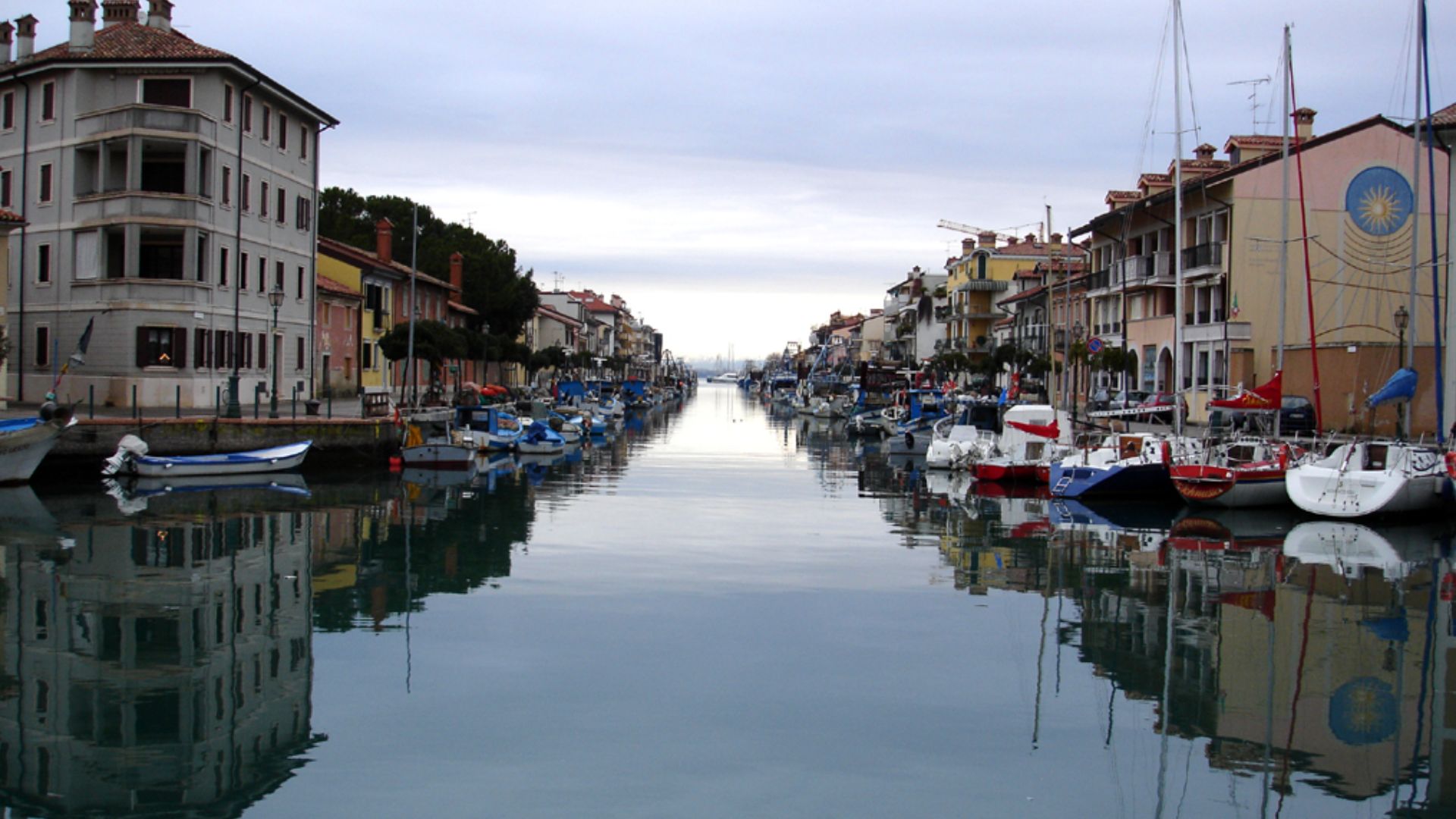
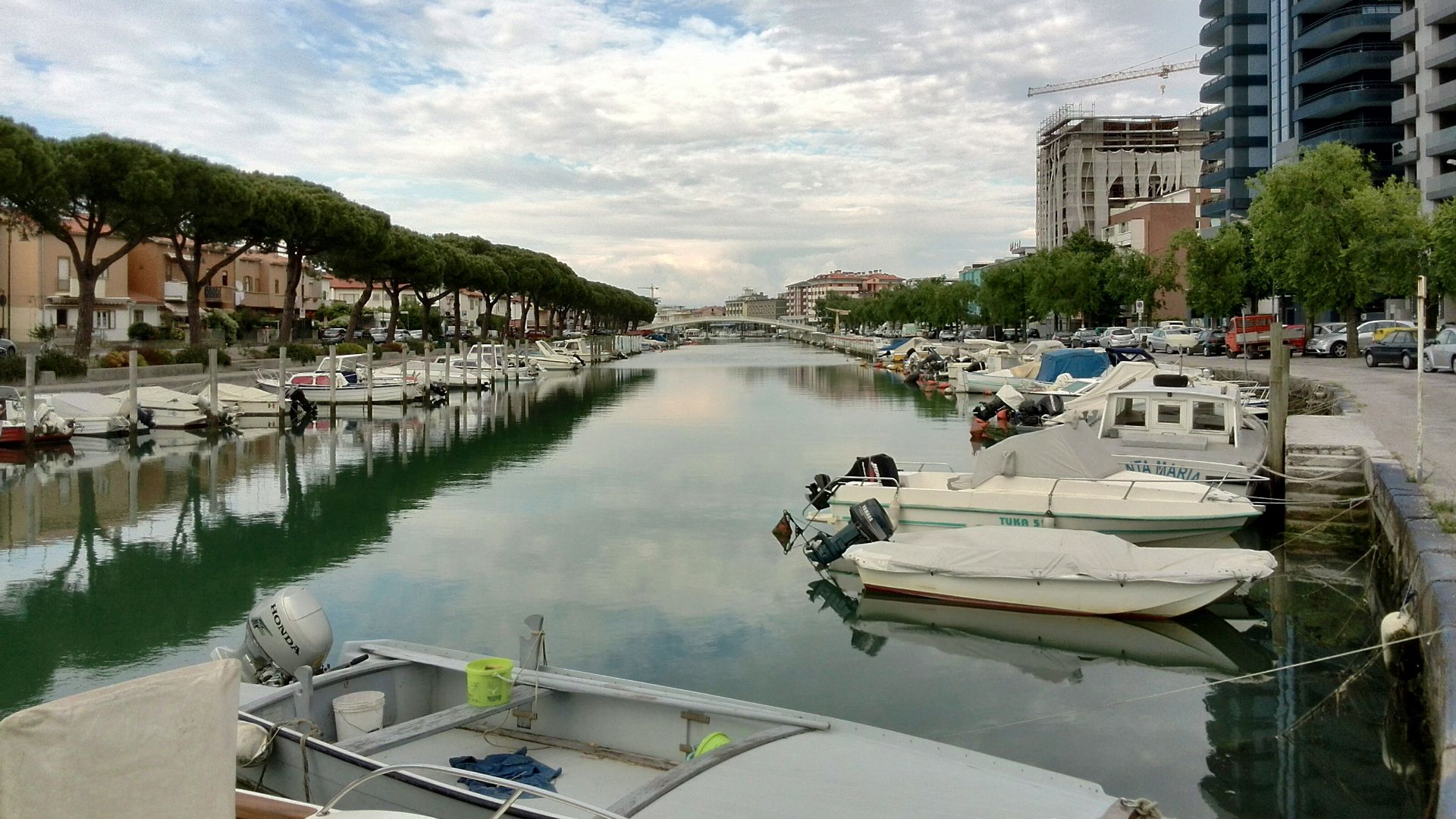 Petar Milošević, Wikimedia Commons