When the Water Dropped… Fast
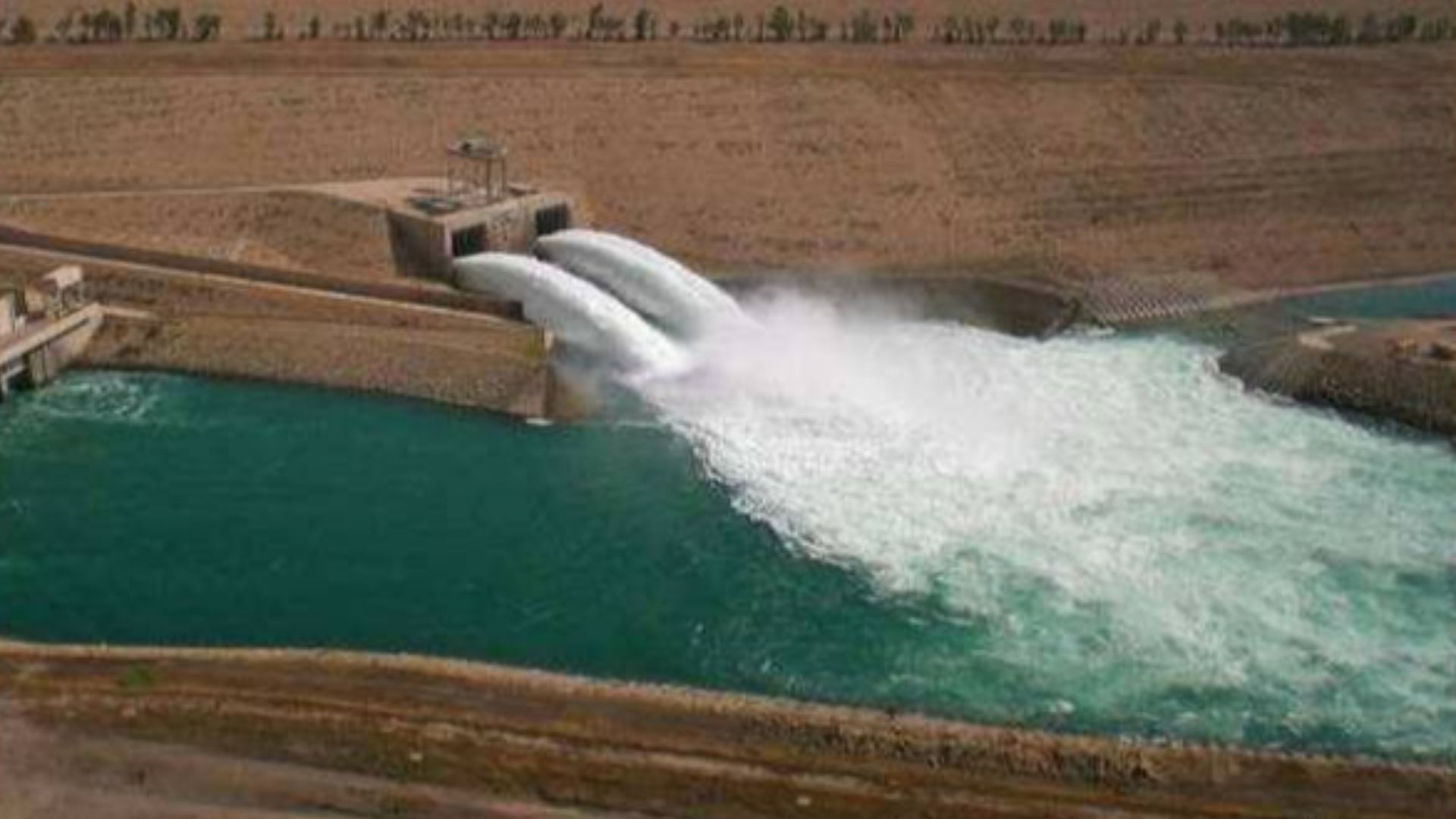
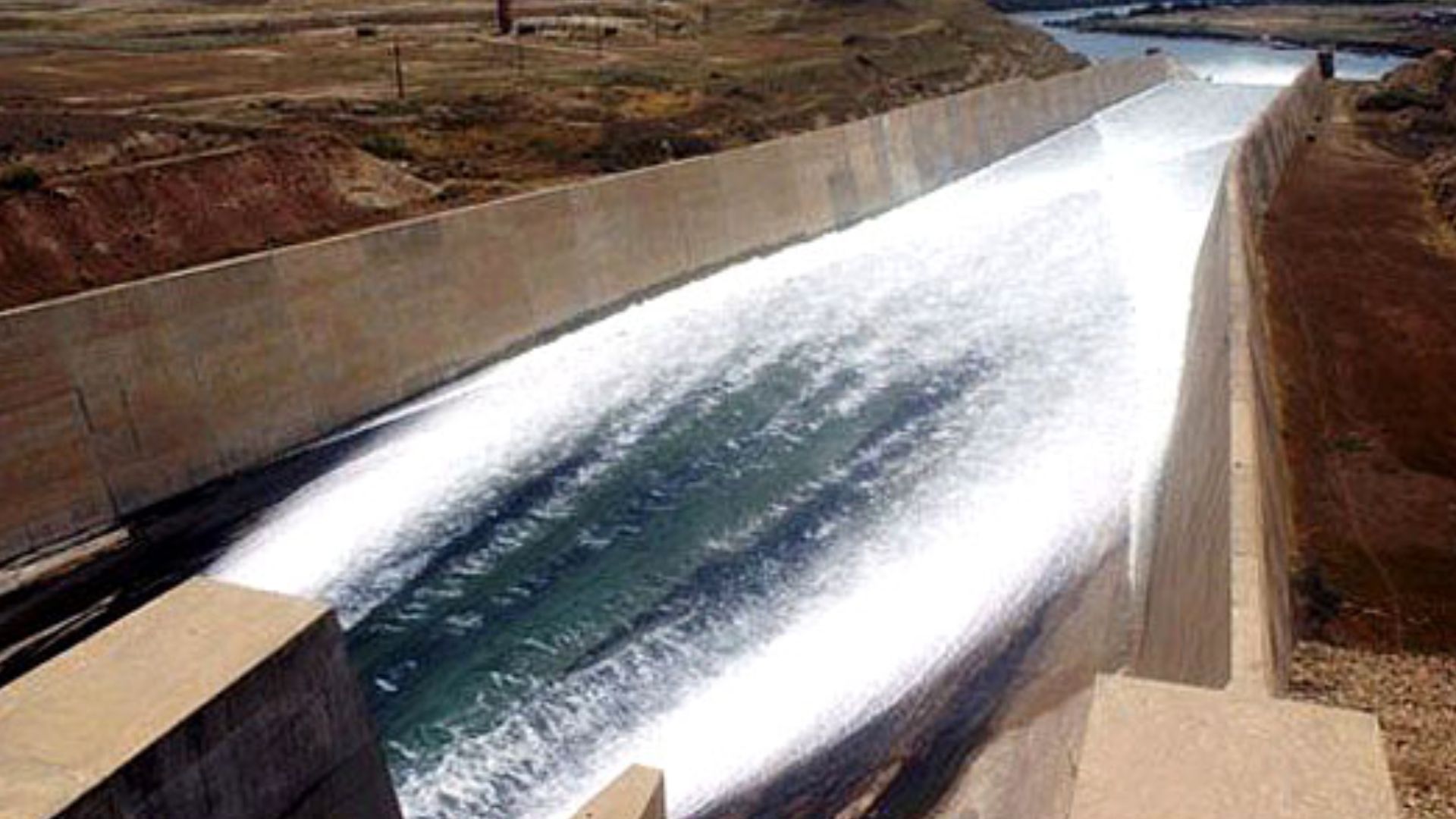
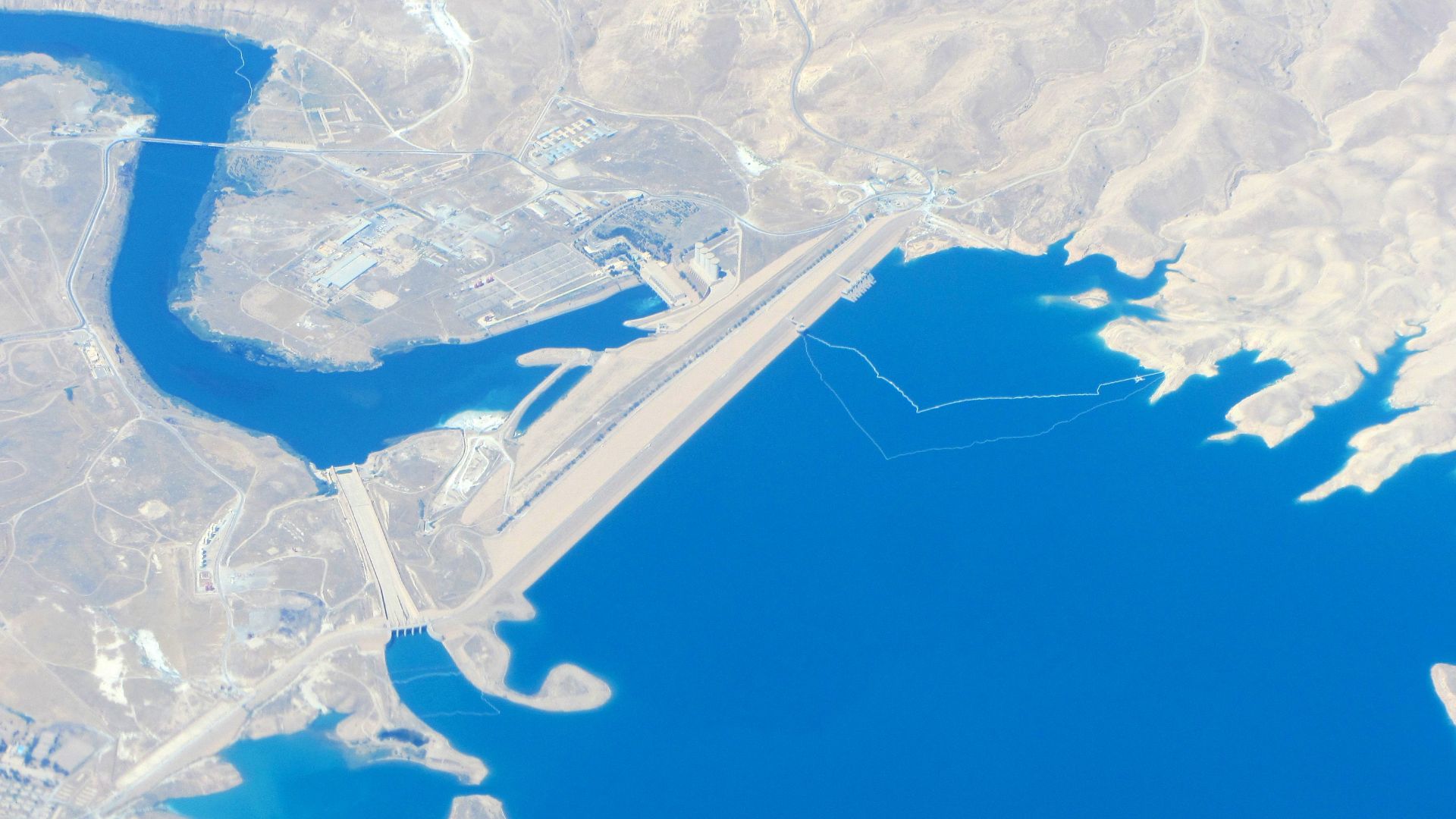
In early 2022, northern Iraq was dealing with a serious drought. Rain barely showed up, rivers were shrinking, and things were getting tense. To keep farms alive, officials started pulling more water from the Mosul Dam reservoir. And as the water kept dropping… something unexpected started to peek through the mud.
At First, It Didn’t Look Like Much
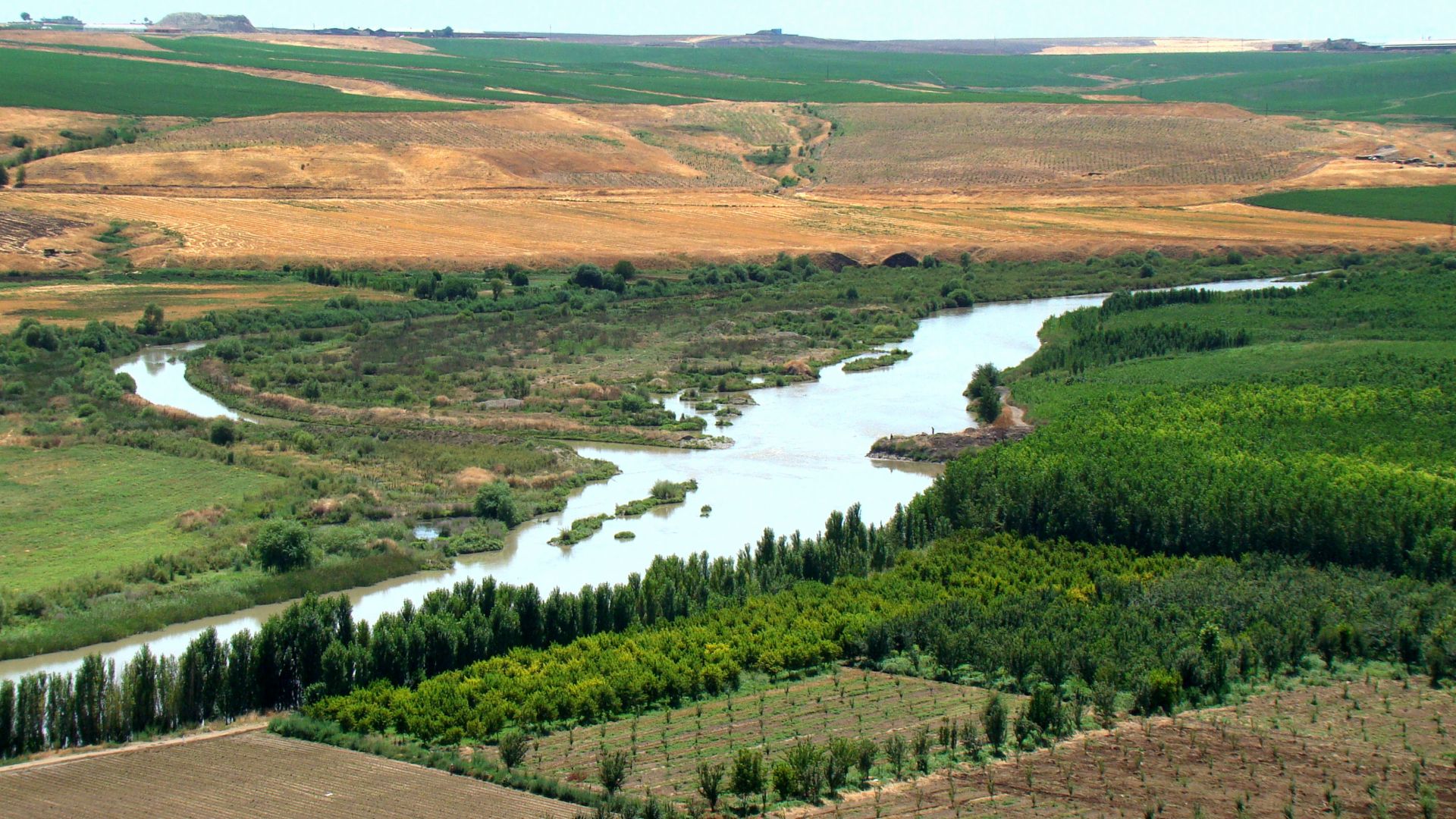
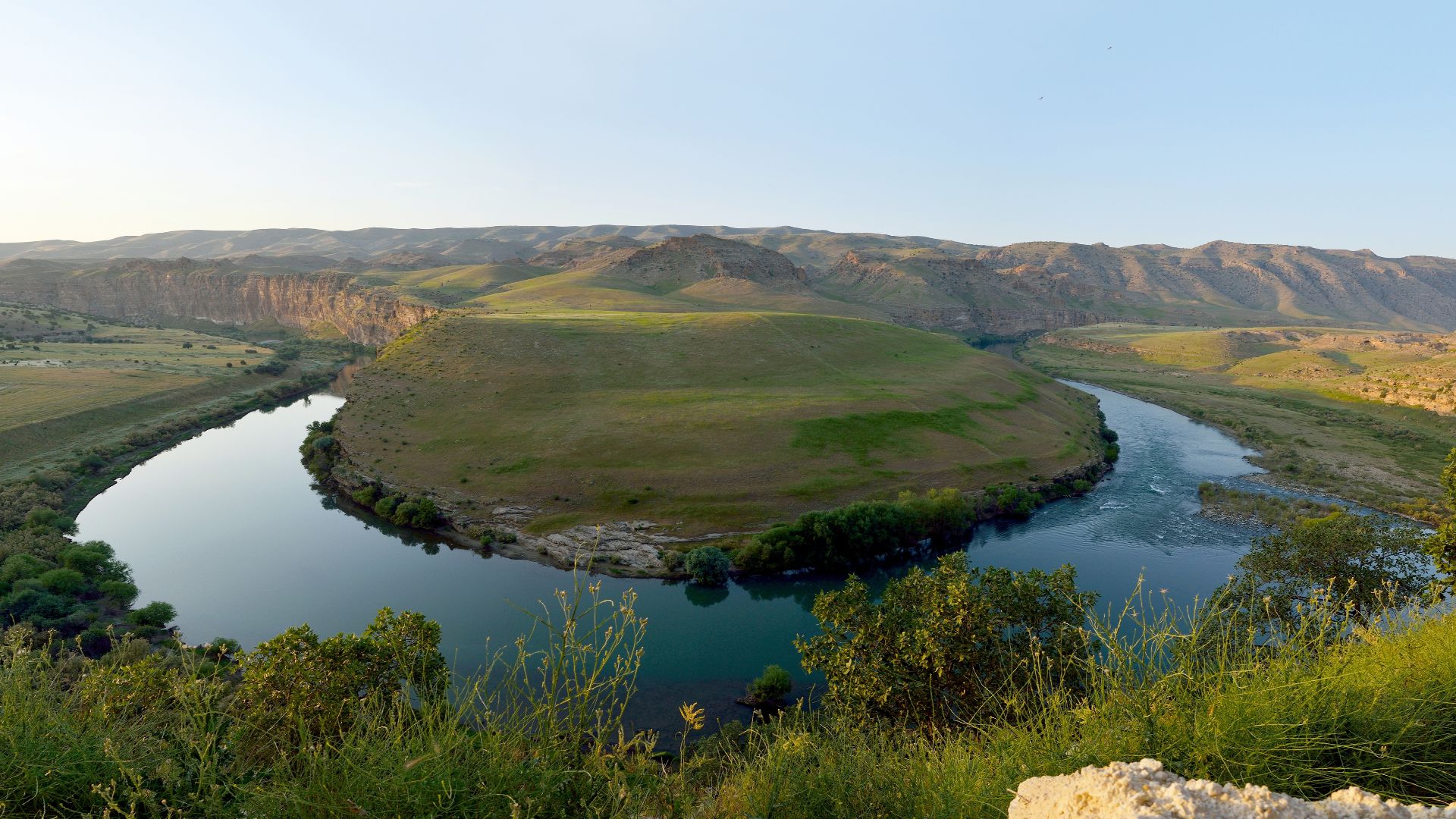
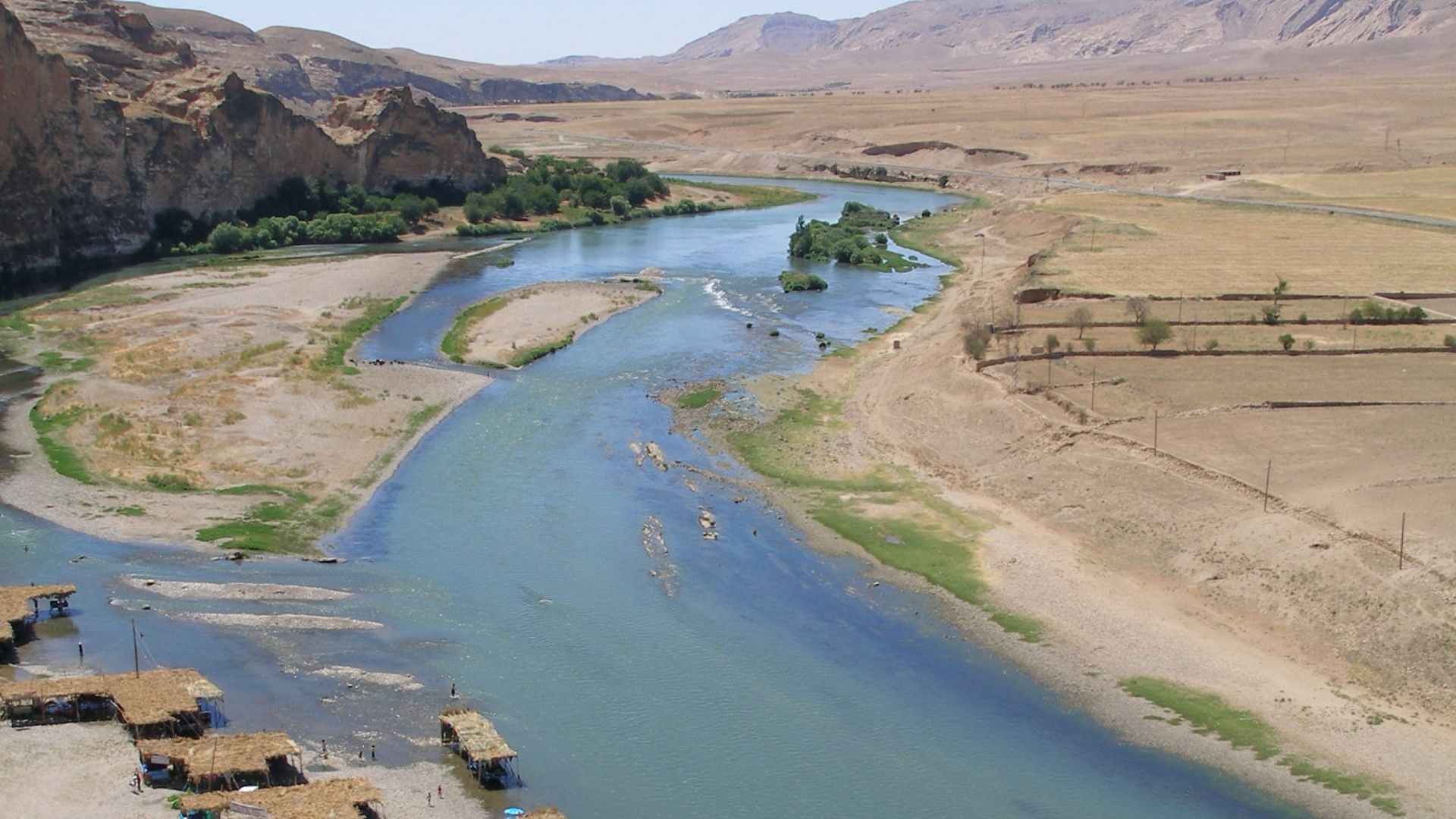
Near the Tigris River, close to a place called Kemune in the Kurdistan Region, people noticed strange shapes along the shoreline. At first glance, it just looked like rocks and broken walls. But as more water disappeared, it became clear—this wasn’t random. This was something big.
 Bjorn Christian Torrissen, Wikimedia Commons
A Whole City, Just Sitting There
Within days, archaeologists realized what they were looking at: an entire ancient city rising out of the reservoir. Not just a few ruins—a full layout with buildings, walls, and structure. And the craziest part? It had been sitting underwater for decades, completely hidden.
Was This City Always Hiding Here?
Here’s the twist—this wasn’t completely unknown territory. Archaeologists already knew the Tigris River region was packed with ancient sites. But this specific city near Kemune? It was never fully explored or understood before the Mosul Dam was built in the 1980s. So yes, they knew something was there… just not this.
 David Stanley, Wikimedia Commons
Why Build a Dam Over an Ancient City?
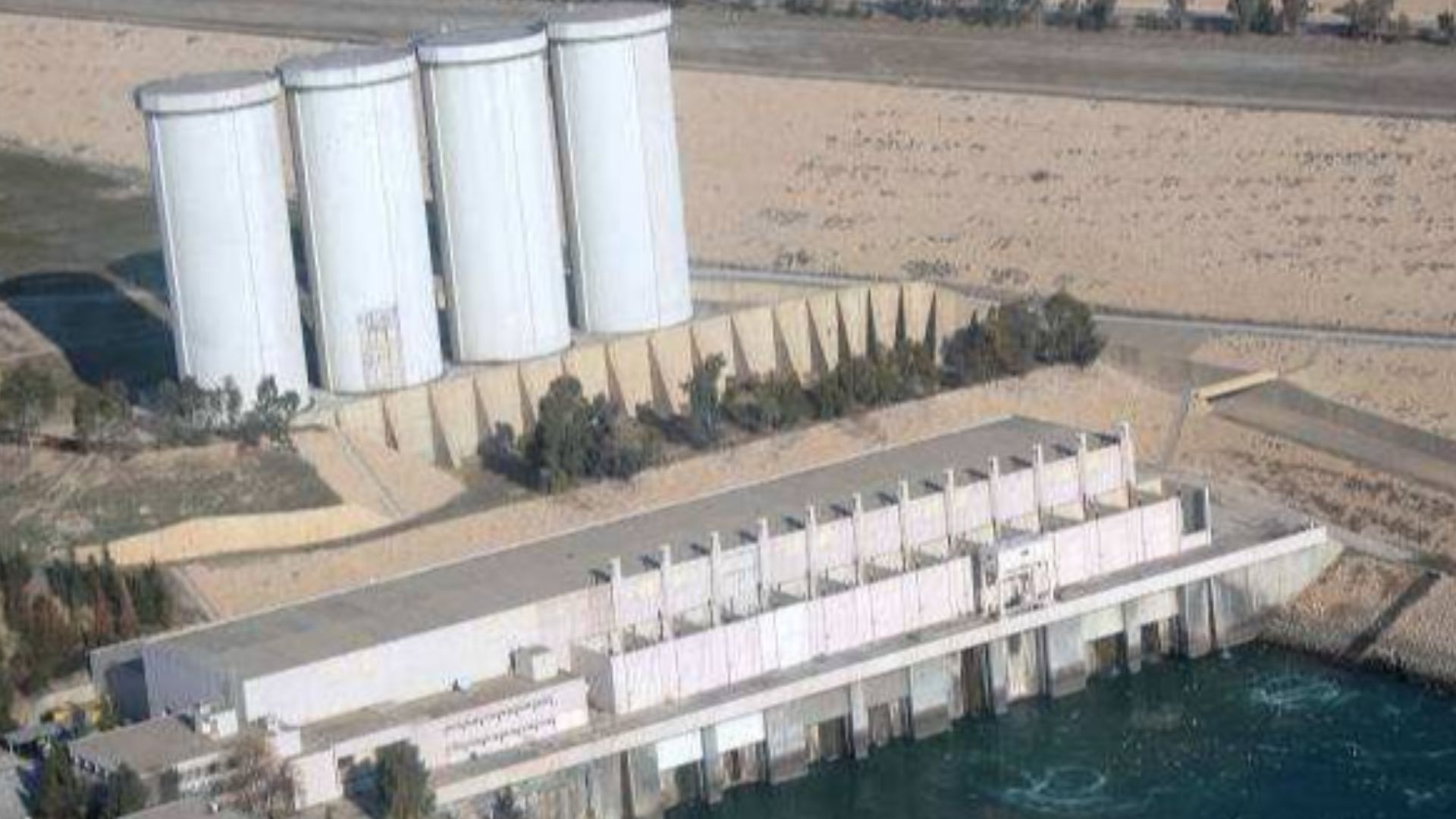
It sounds wild, but it happens more than you’d think. When the Mosul Dam was built in the 1980s, the focus was on water storage, irrigation, and electricity—not archaeology. Northern Iraq is full of buried history, much of it invisible from the surface. So in a way, they knew they were flooding ancient land… they just didn’t know exactly what they were covering up.
A City Lost Before It Was Even Found
There were some limited archaeological surveys before the area was flooded, but nothing close to a full excavation. Once the reservoir filled, the site disappeared completely. For decades, this city sat underwater, unstudied and almost forgotten—like a time capsule no one had opened yet.
 Durzan cirano, Wikimedia Commons
Cue the Archaeologists
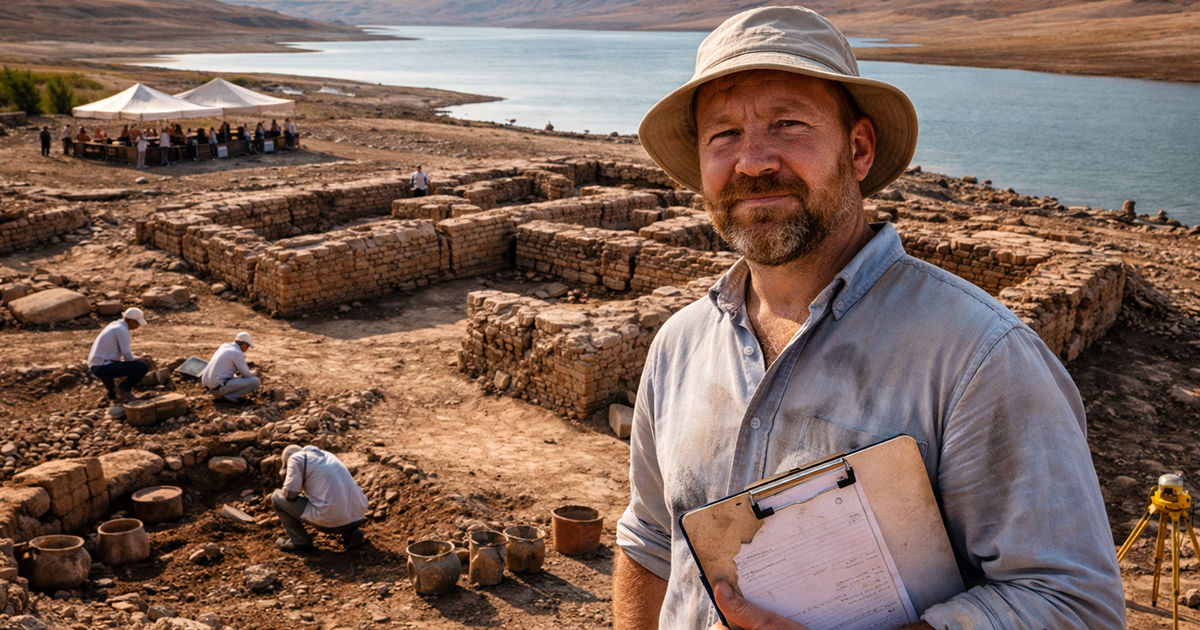
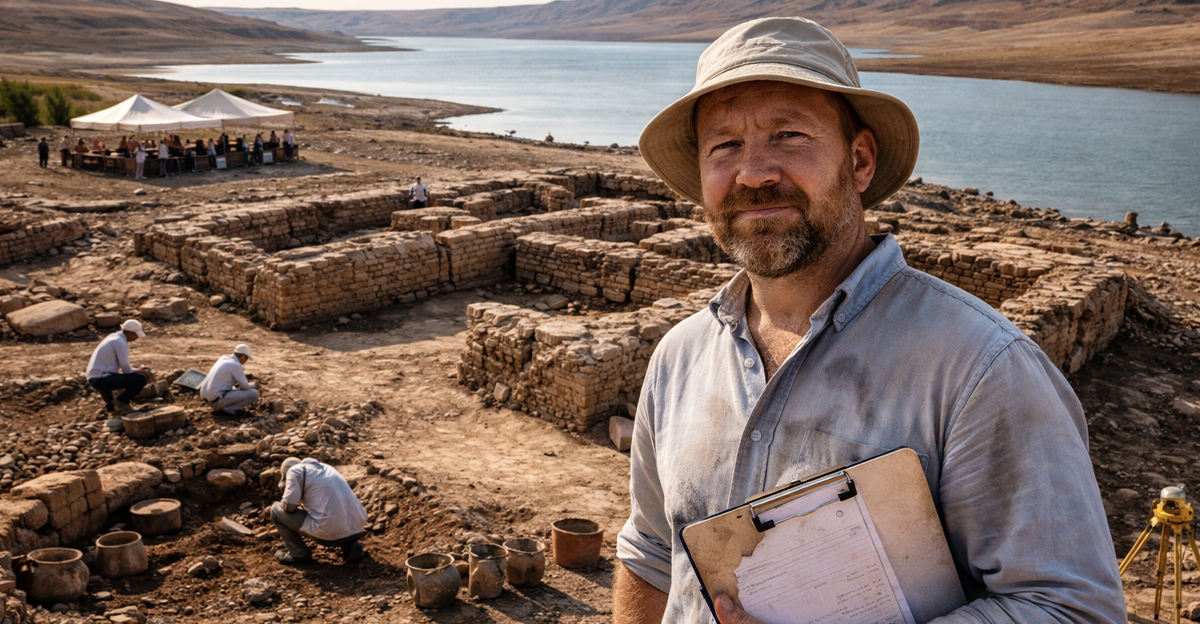
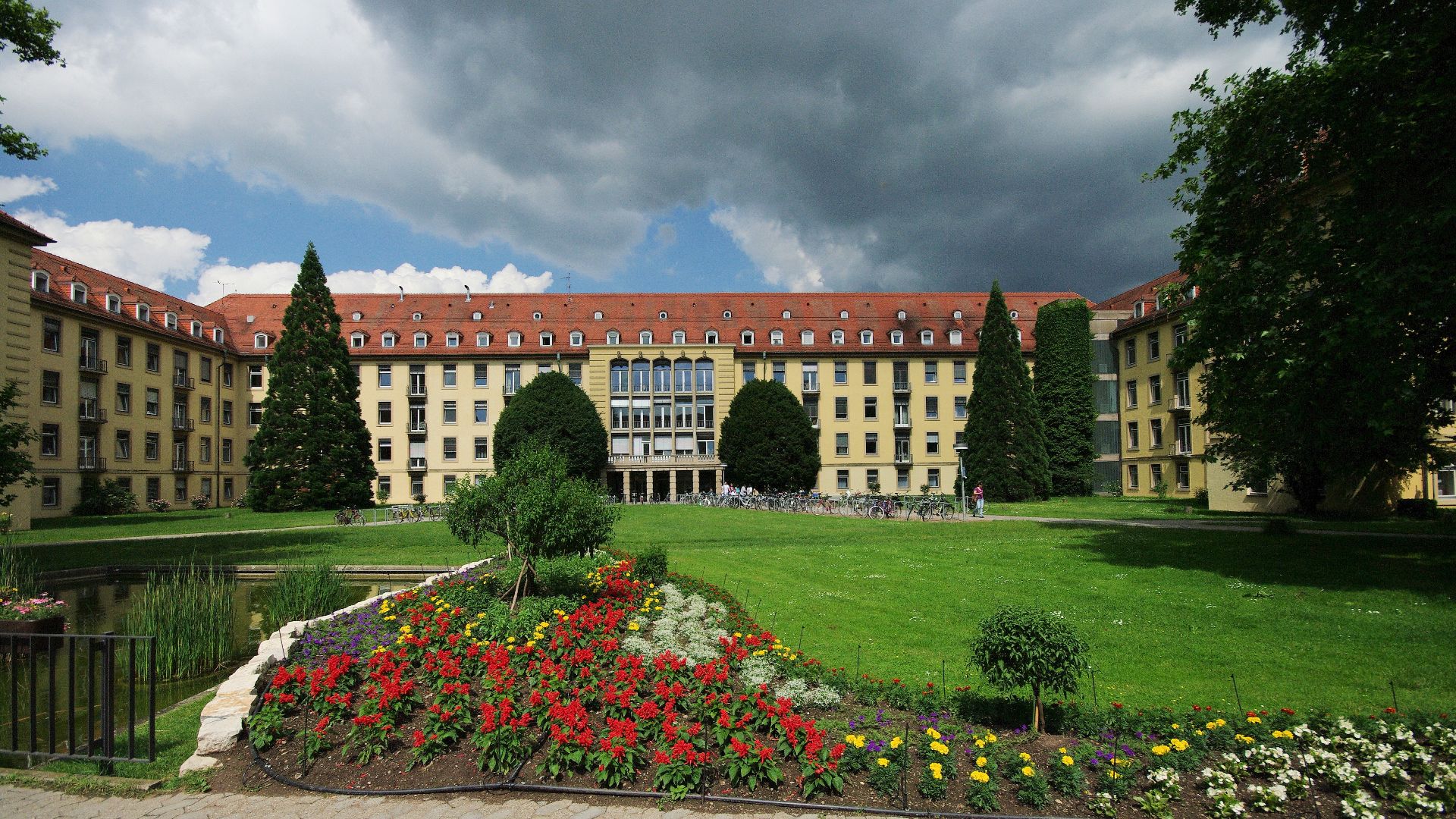
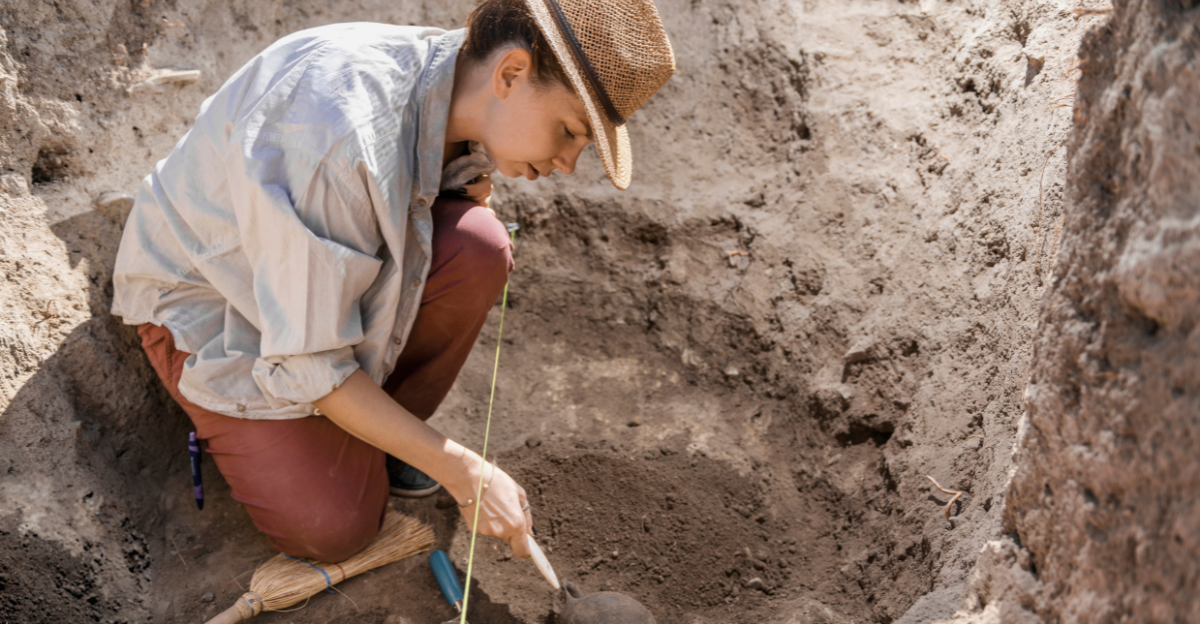
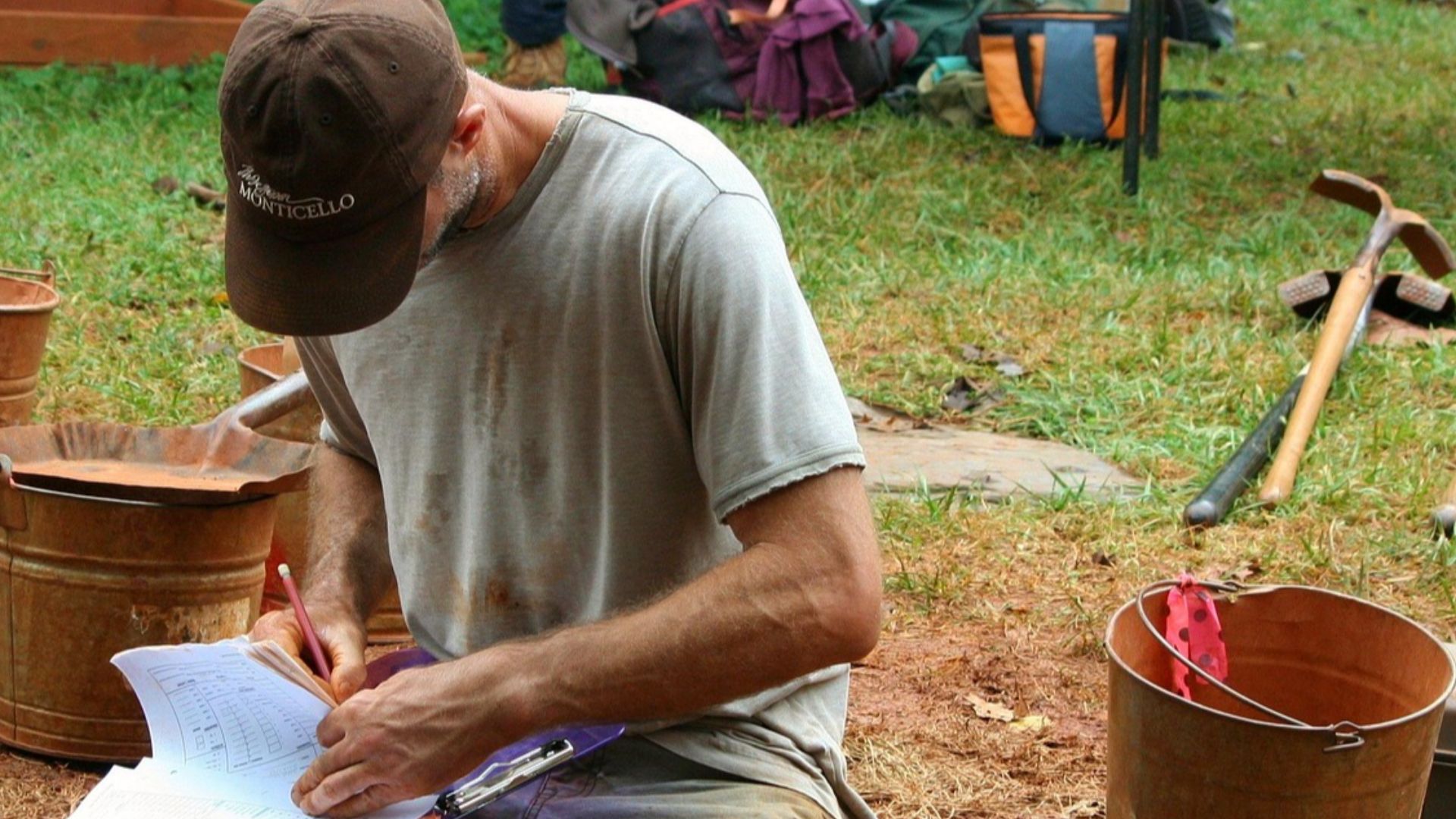
Once word got out, a team moved in fast. The excavation was led by Dr Ivana Puljiz from the University of Freiburg and Dr Hasan Qasim from the Kurdistan Archaeology Organization. They knew this wasn’t something you casually take your time with—the water could come back anytime.
 user:Joergens.mi, Wikimedia Commons
A Race Against the Clock
This wasn’t your typical slow, careful dig. This was more like archaeology under pressure. The team had a limited window before the reservoir refilled, which meant long days, quick decisions, and a lot of urgency.
 United States Army Corps of Engineers, Wikimedia Commons
A City From a Forgotten Empire
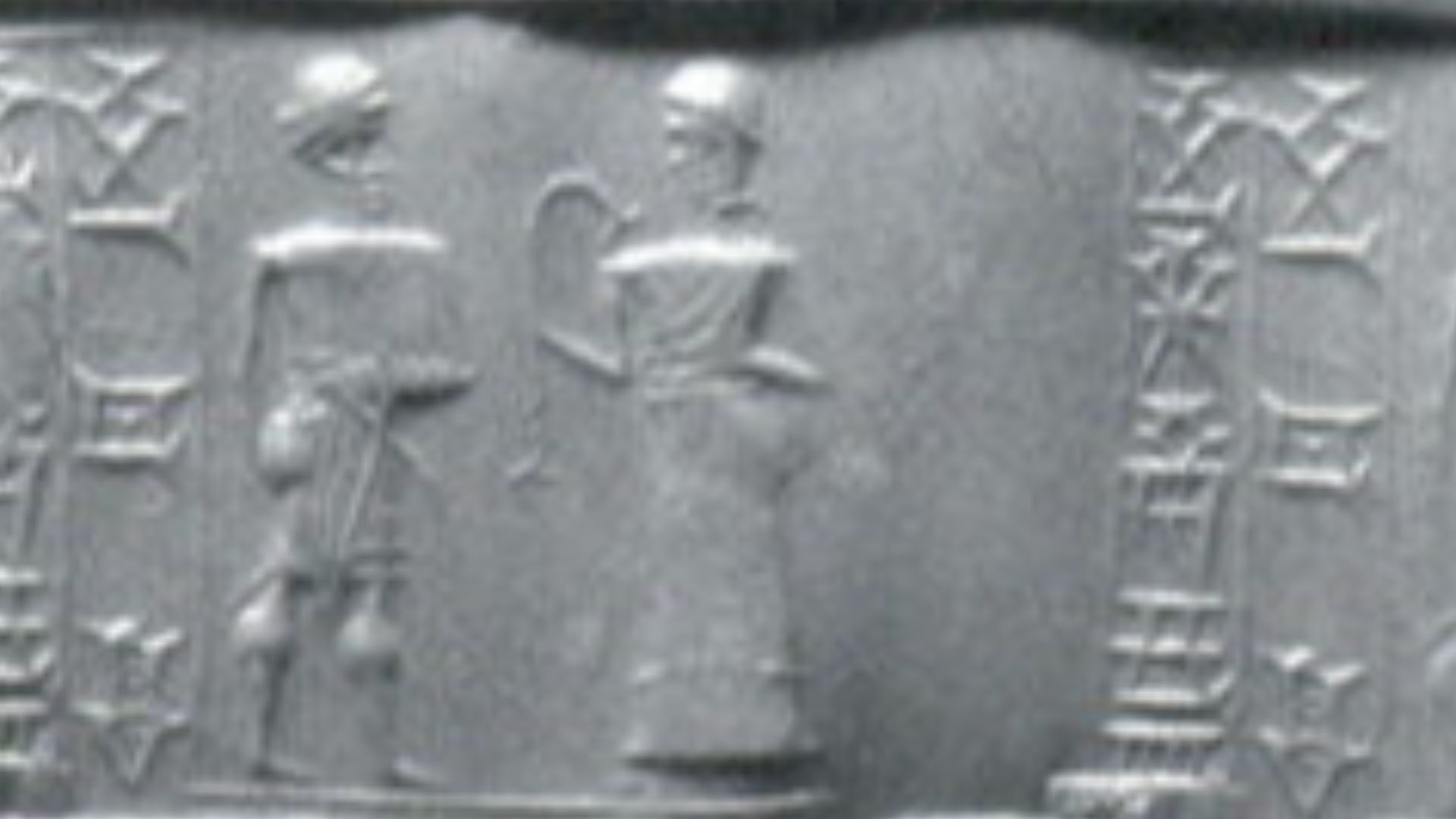
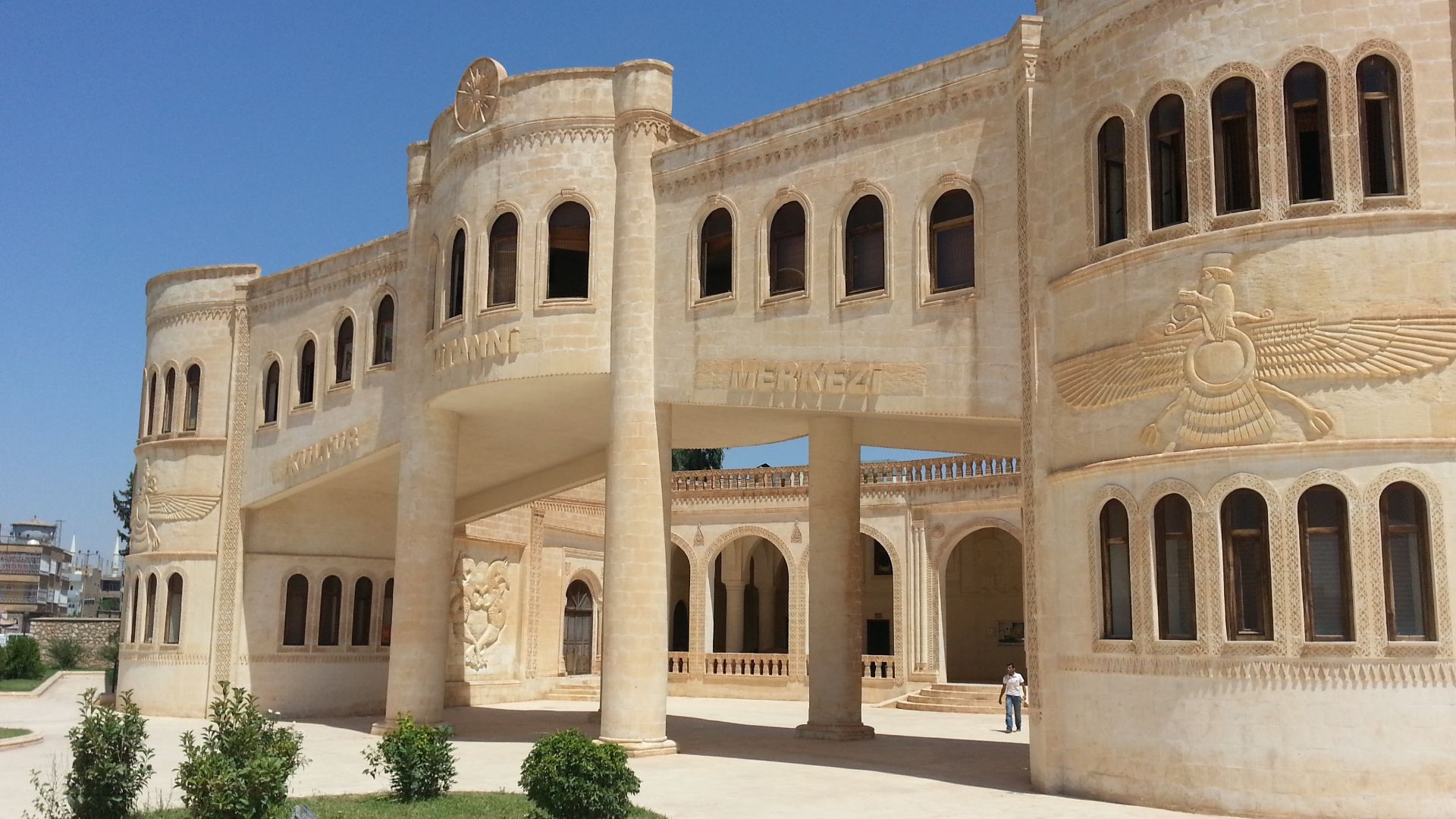
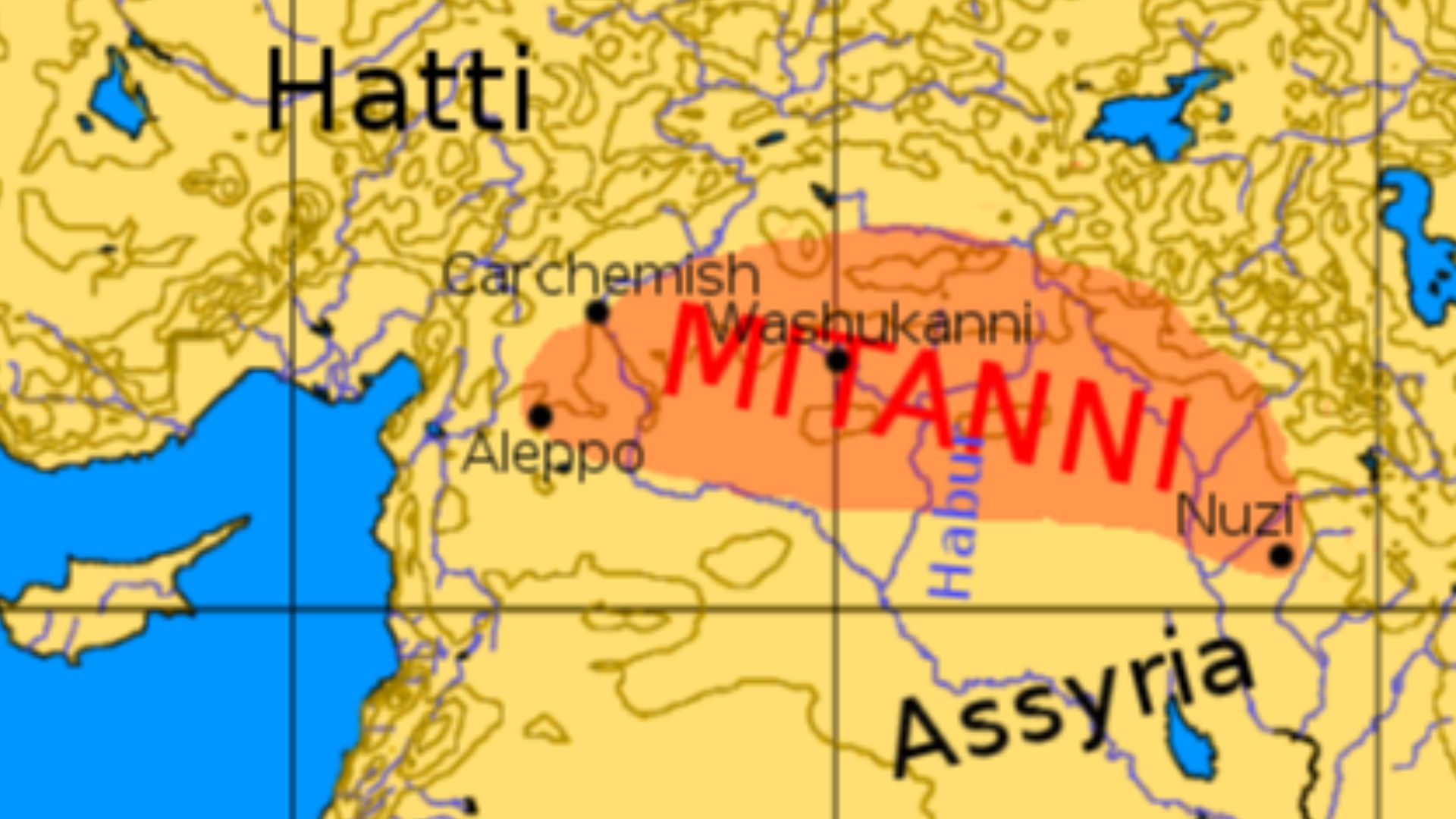
What they uncovered turned out to be a 3,400-year-old city from the Mitanni Empire. If you’ve never heard of the Mitanni, you’re not alone. They were a powerful kingdom in northern Mesopotamia between about 1550 and 1350 BC—but they’ve always been a bit of a mystery.
Not Just a Small Settlement
This wasn’t some tiny village either. The scale of the buildings suggested this was a major regional center—possibly even an important administrative hub. In other words, this place mattered.
Walls That Shouldn’t Still Exist
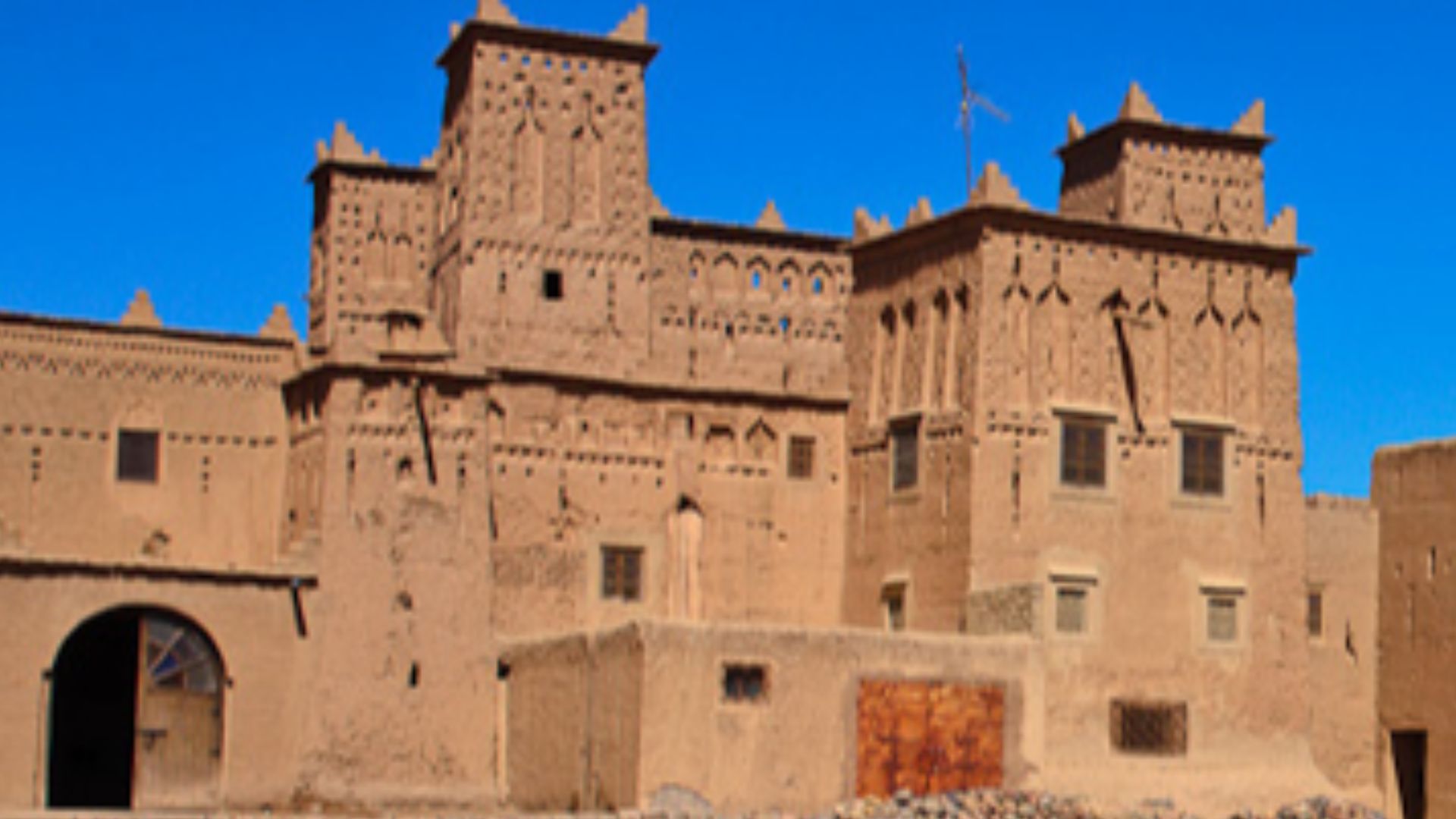
One of the biggest surprises? The condition of the buildings. Some mudbrick walls were still standing several meters tall. That’s wild, considering they’d been underwater since the 1980s. Normally, mudbrick doesn’t survive like that—it just dissolves over time.
 Als M. Trnc, Wikimedia Commons
Why 2022 Was Such a Big Deal
The real shock in 2022 wasn’t just that the city existed—it was what condition it was in. When the water dropped, archaeologists weren’t expecting to see structures this intact. It went from “maybe there are ruins here” to “this is a fully preserved ancient city” almost overnight.
From “Maybe Ruins” to “Major City”
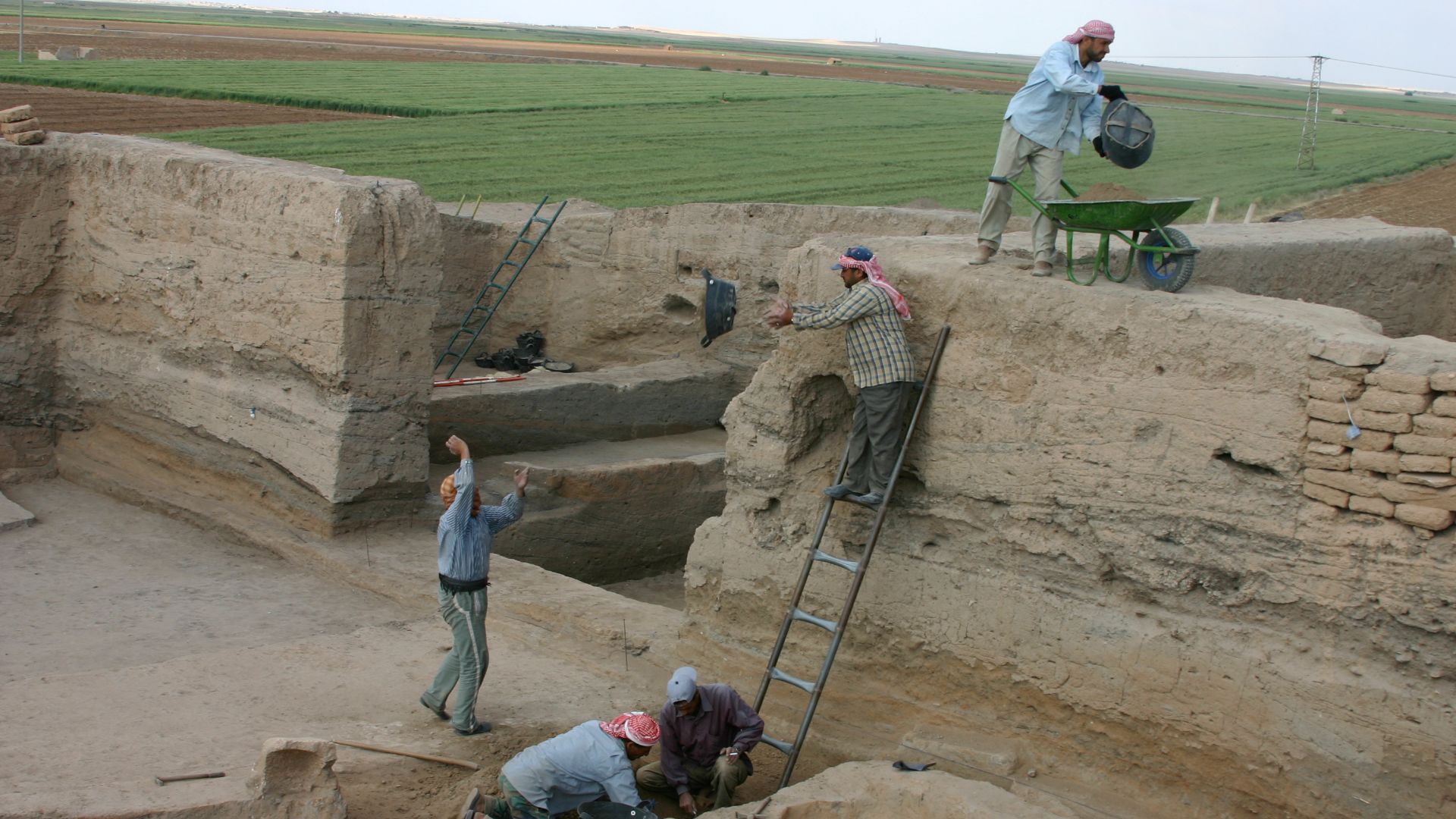
Earlier glimpses of the site didn’t show much. But in 2022, everything changed. Suddenly, archaeologists could see the full layout—palace structures, fortification walls, storage buildings. What once looked like scattered remains turned into something much bigger and more important.
A Palace Starts Taking Shape
As they kept digging, archaeologists uncovered what looked like a large palace complex. According to Dr Ivana Puljiz, the size and layout suggested it belonged to someone important—likely a ruler or high-ranking officials managing the region.
This City Had It All
The team didn’t just find one building. There were storage rooms, fortification walls, and even signs of multi-story structures. This wasn’t a basic settlement—it was organized, planned, and clearly built with purpose.
A Name From History Might Finally Fit
There’s a strong possibility this city is Zakhiku, a place mentioned in ancient texts but never fully located. If confirmed, this discovery could solve a long-standing historical mystery that researchers have been trying to figure out for years.
 Ali Haidar Khan, Wikimedia Commons
So… Why Was It Underwater?
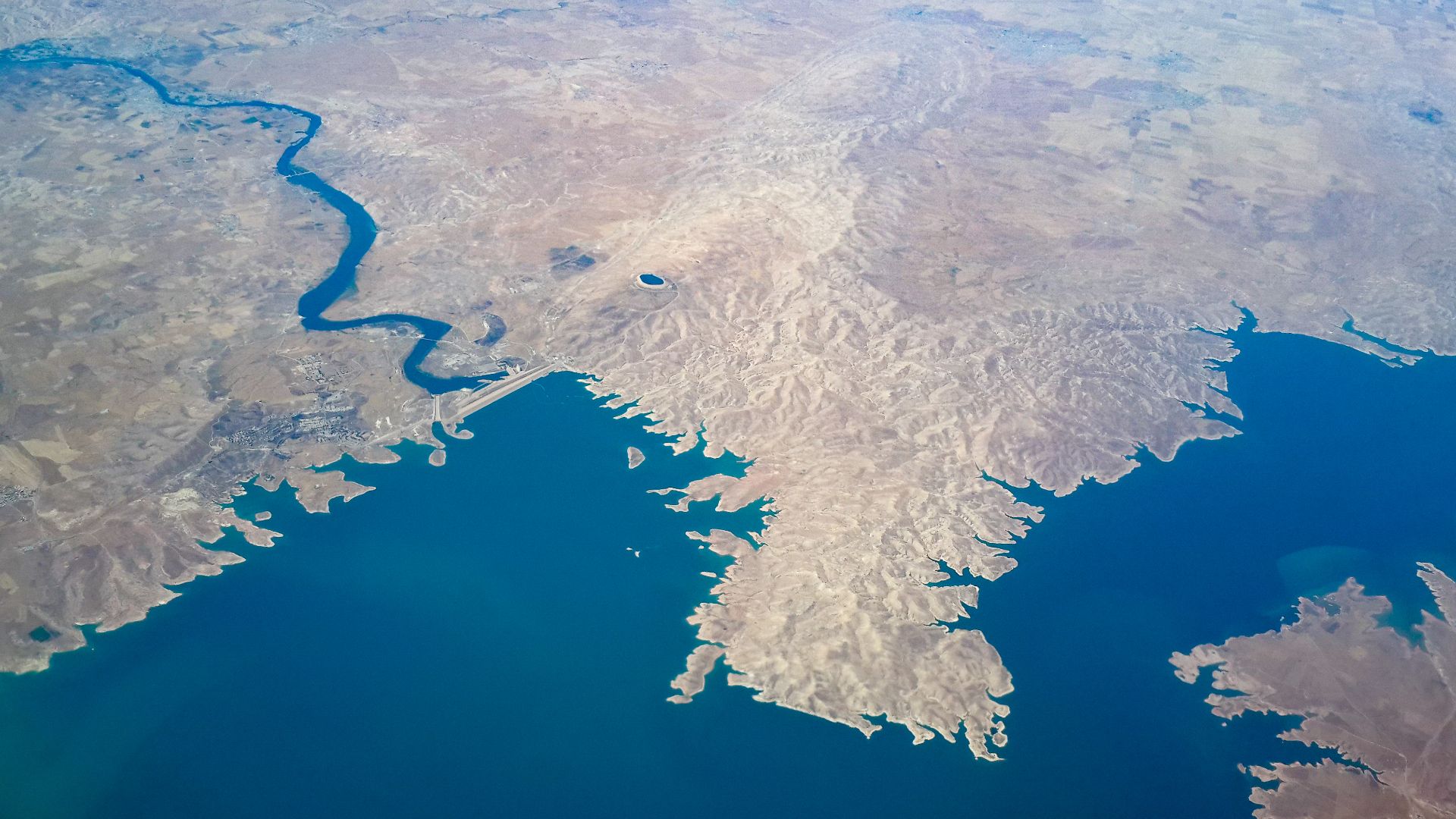
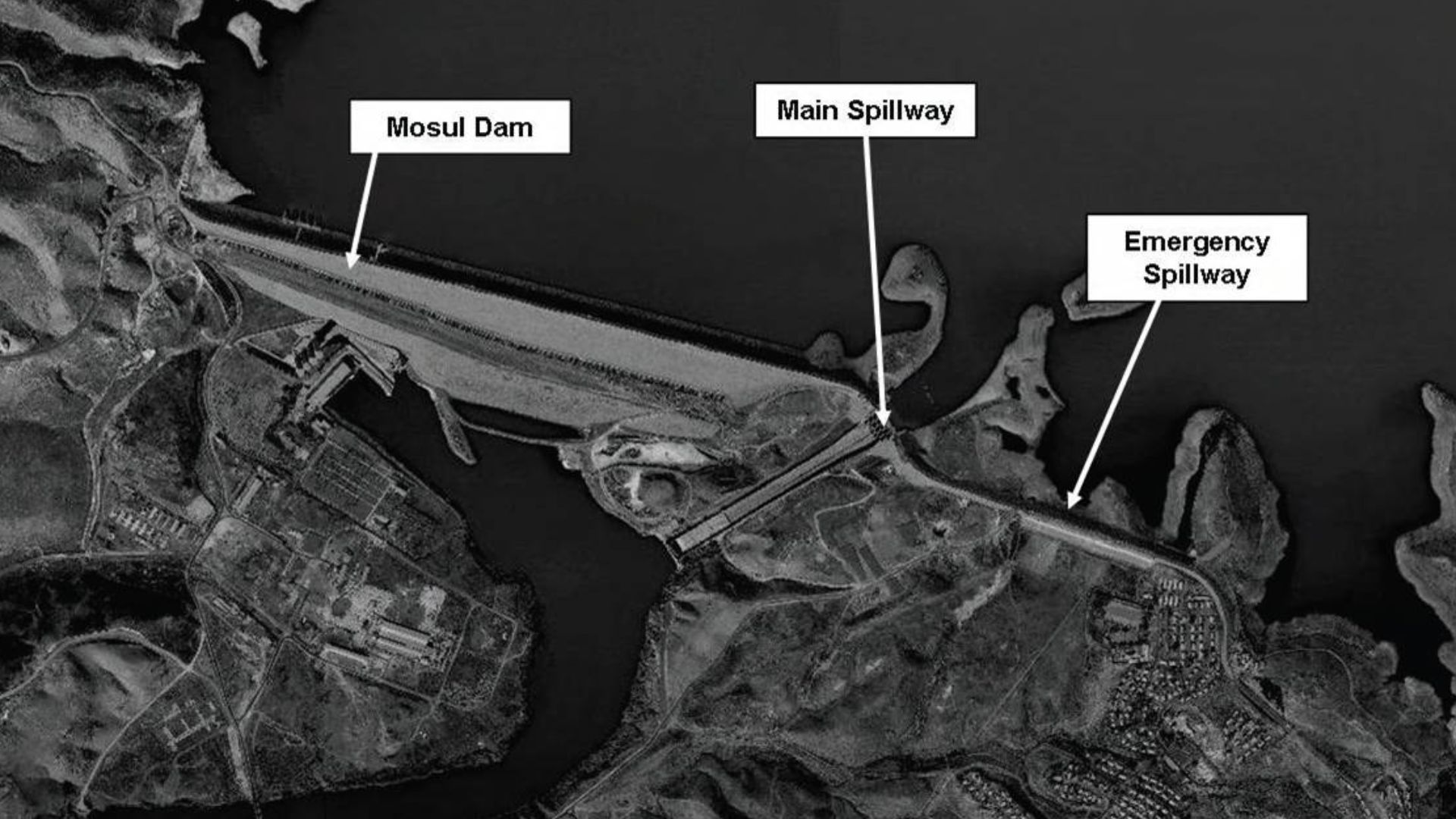
The ruins had been submerged since the Mosul Dam was built in the 1980s. When the reservoir filled, the city disappeared completely. For nearly 40 years, it sat underwater, untouched and out of sight.
It Took a Crisis to Bring It Back
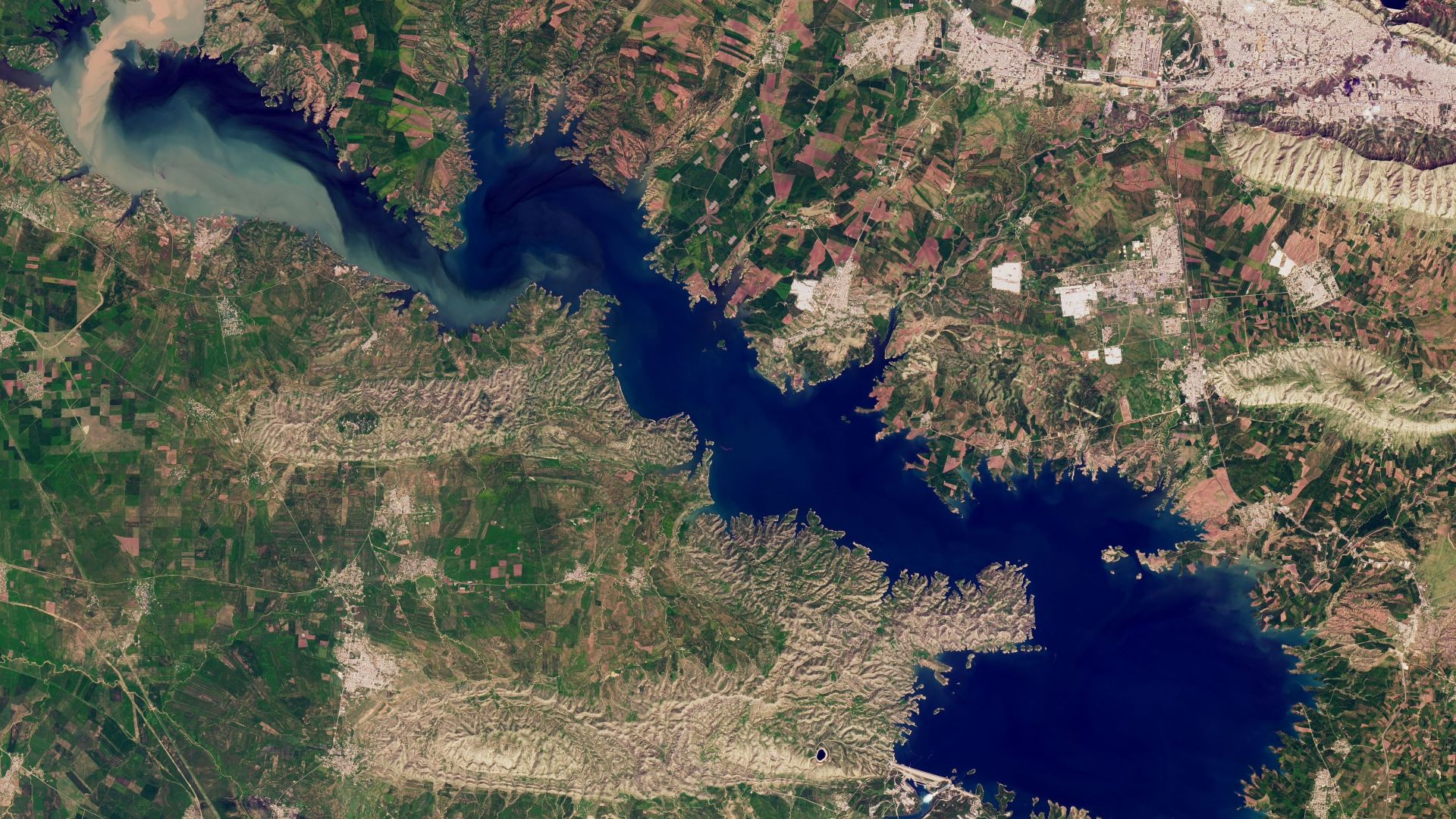
Ironically, it was the drought—a modern problem—that revealed this ancient one. As water levels dropped in 2022, the city finally reappeared for the first time in decades.
A Once-in-a-Lifetime Opportunity
Dr Hasan Qasim made it clear—this was a rare chance that might not come again anytime soon. The team had to document everything as quickly as possible before the site vanished again.
Somehow, It Was Still Standing
One of the biggest mysteries is how well everything held up underwater. Experts believe layers of sediment may have protected the structures, acting like a natural shield over time.
 Rehman Abubakr, Wikimedia Commons
Then Things Got Really Interesting
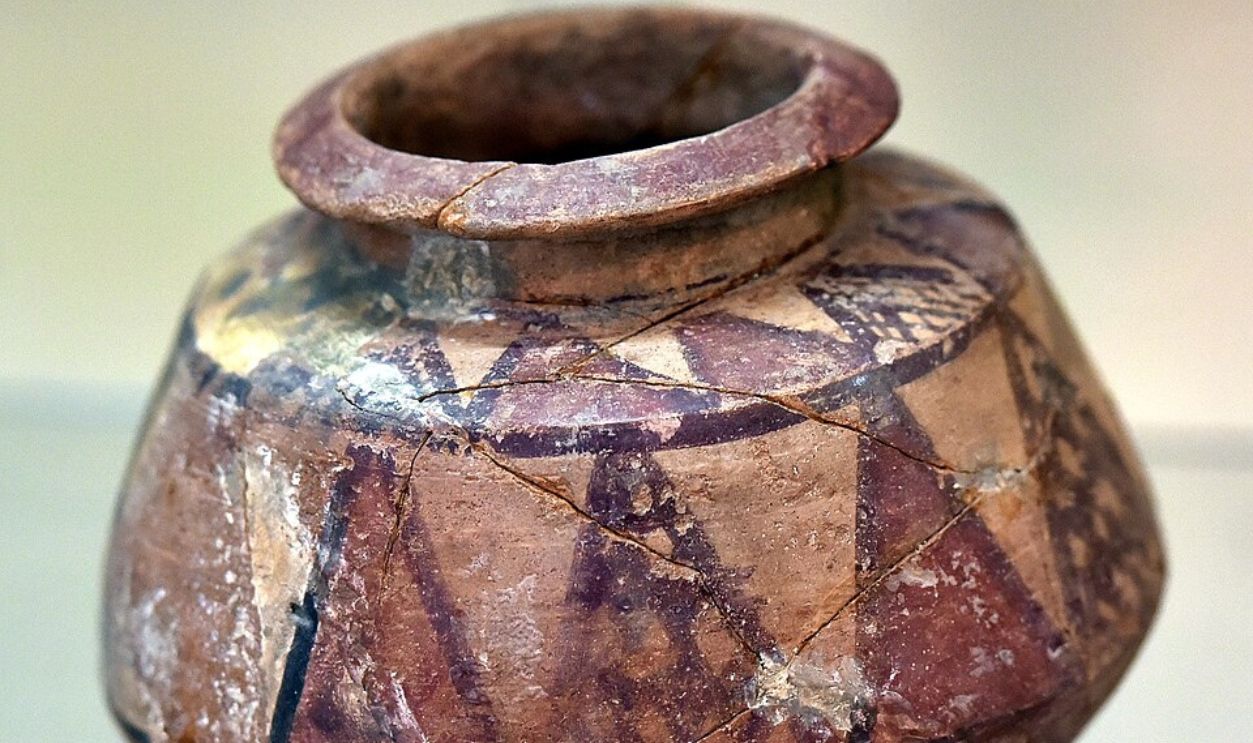
While exploring one of the buildings, archaeologists found several large ceramic jars. At first, nothing too exciting—just storage containers. But then they looked inside.
 Osama Shukir Muhammed Amin FRCP(Glasg), Wikimedia Commons
And Then Came the Biggest Surprise
Even with all the buildings and structures, nothing prepared the team for what they were about to find. This is the moment where the discovery went from impressive… to truly historic.
More Than 100 Tablets
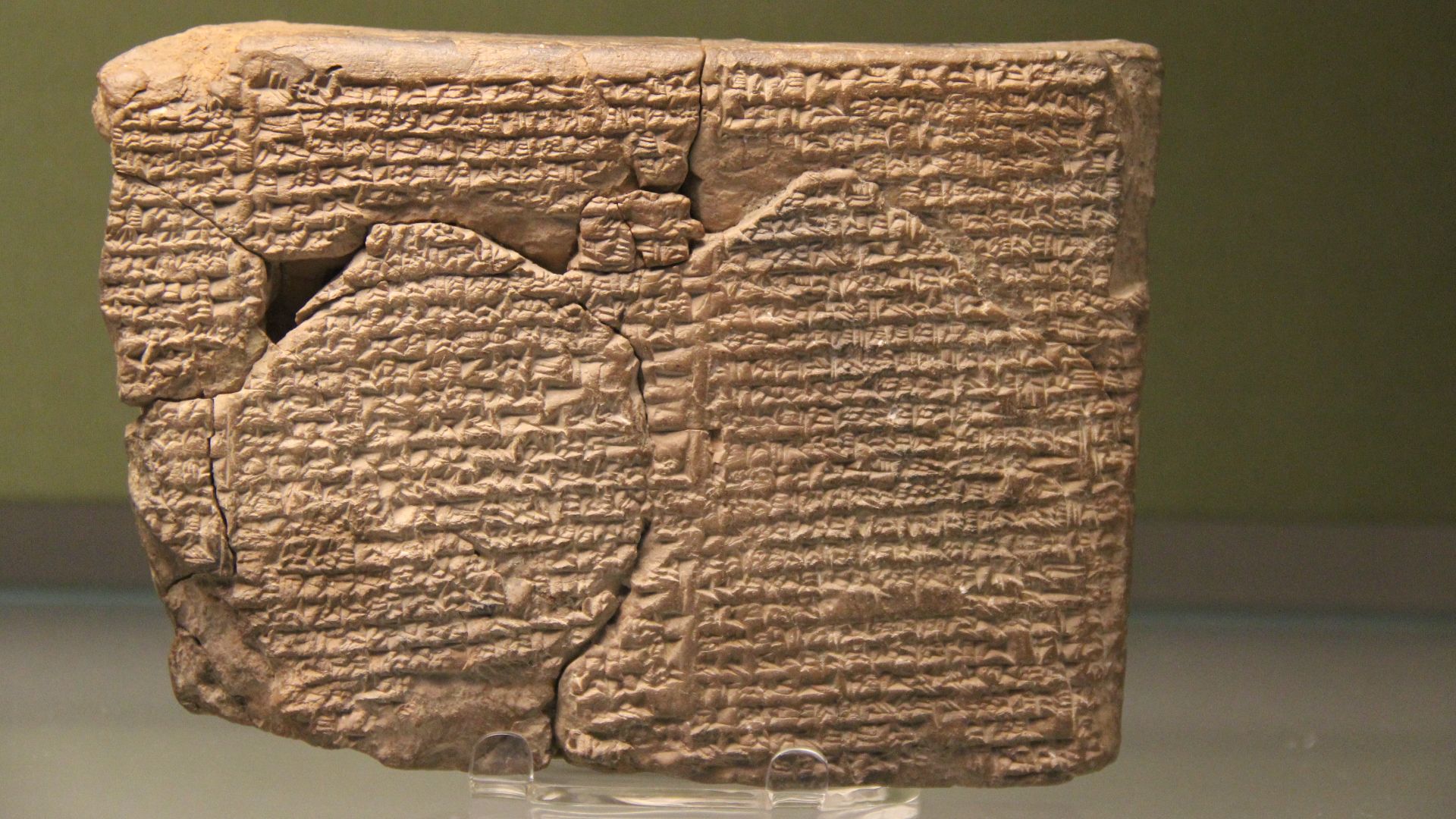
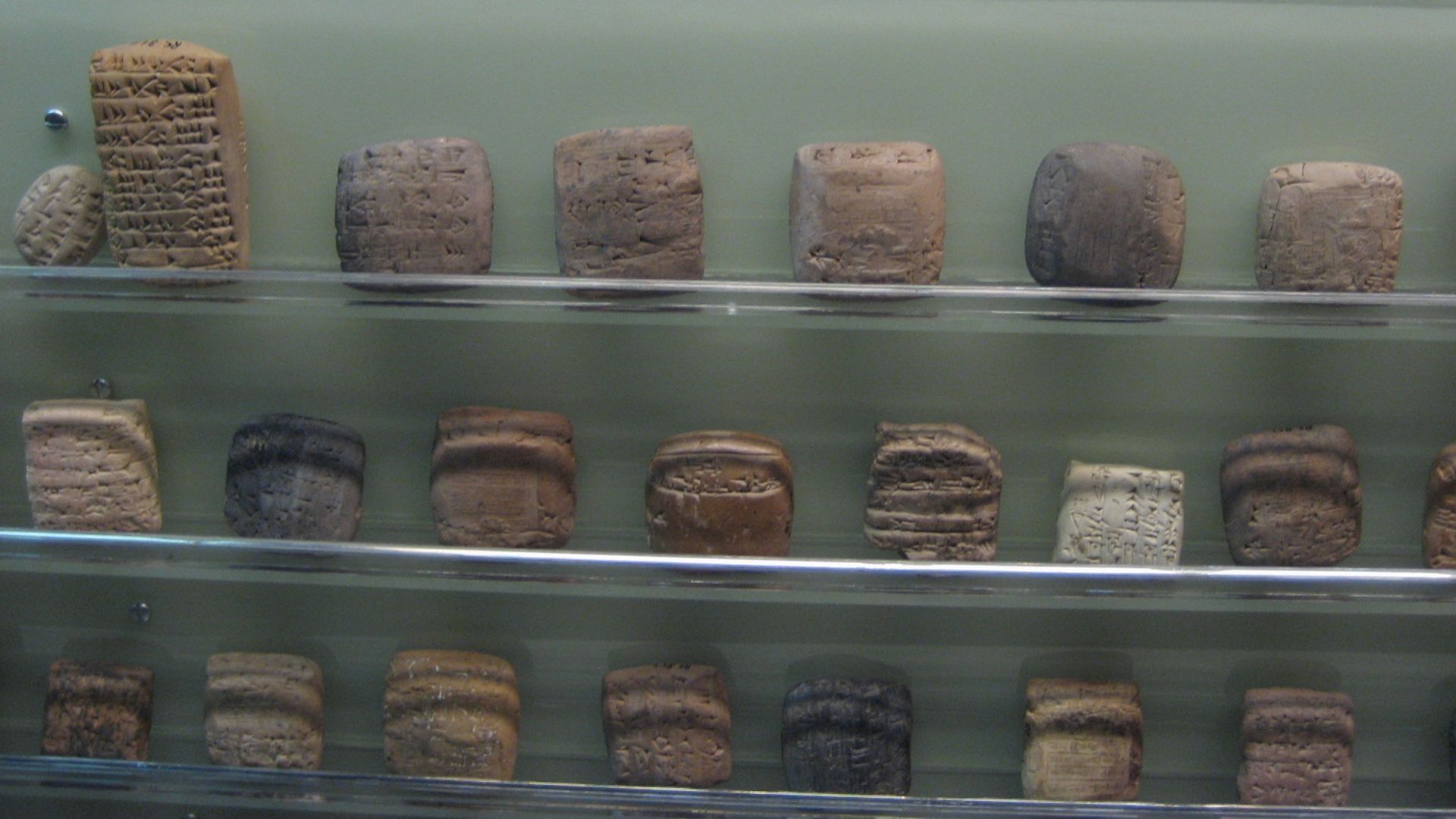
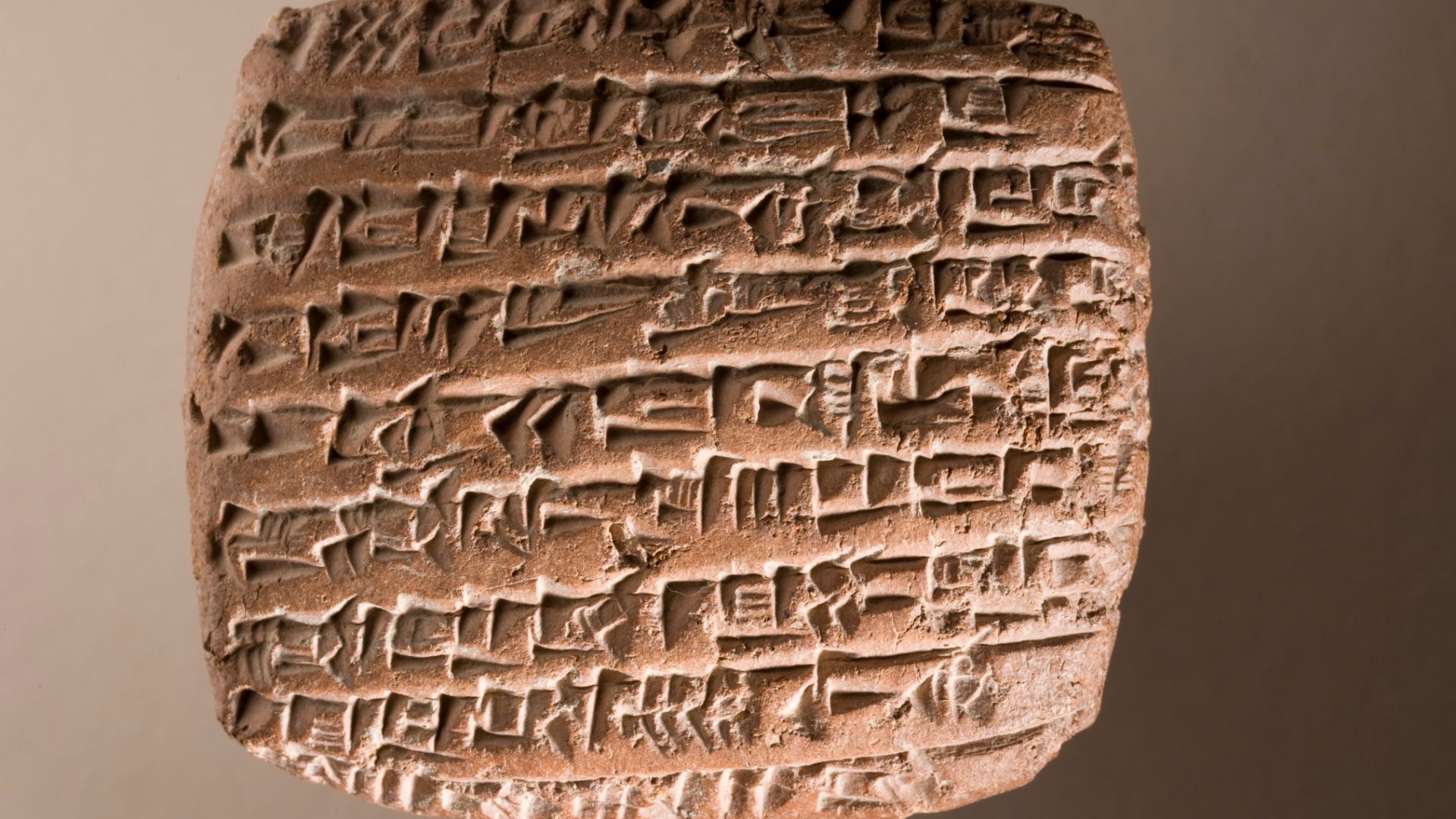
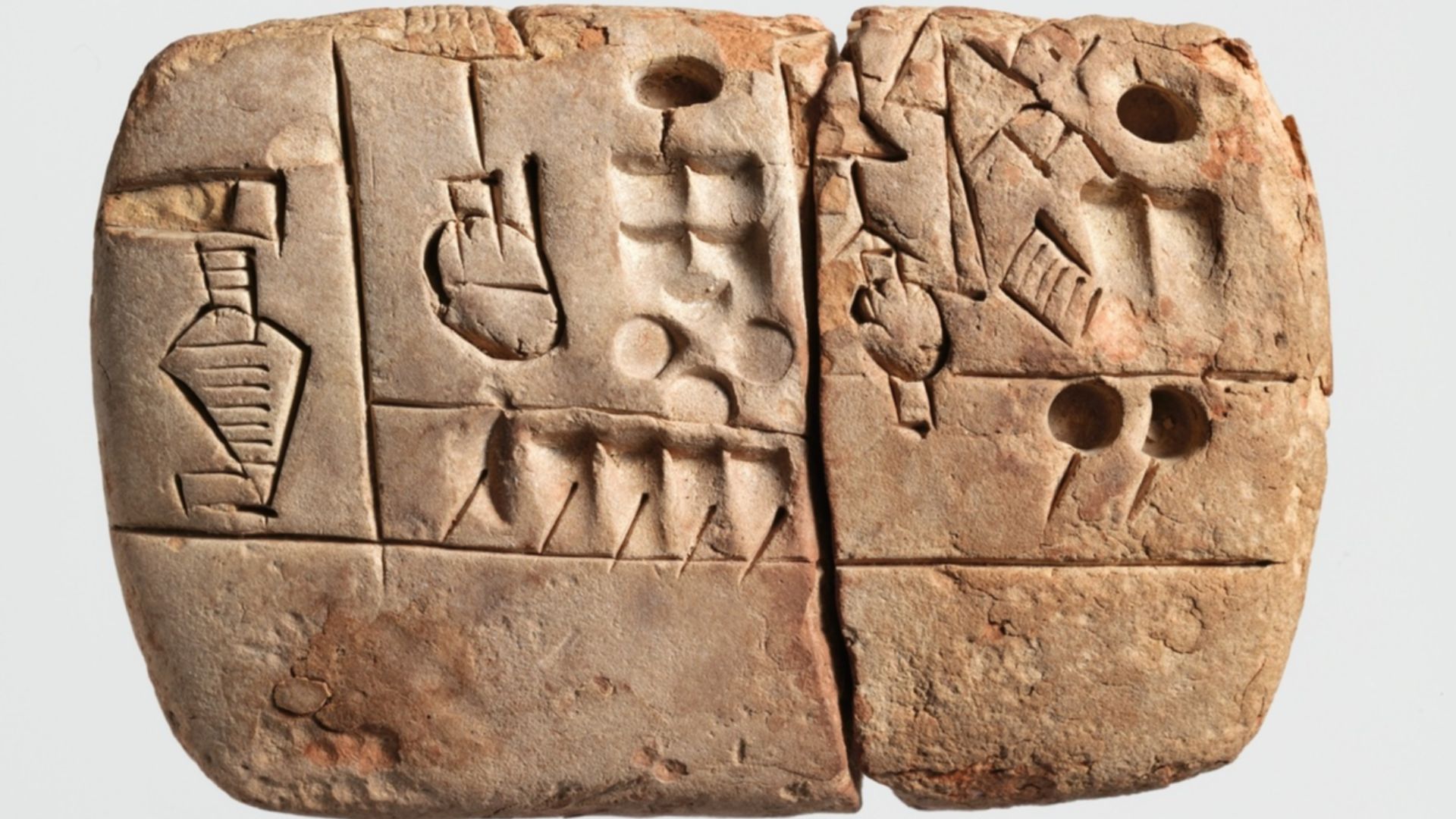
Inside those jars were over 100 cuneiform tablets, some still sealed in clay envelopes. These weren’t just random objects—they were written records, dating back to the Middle Assyrian period.
Fire Accidentally Saved Them
Here’s the strange twist: the tablets survived because the building they were in had burned down. The heat baked the clay, preserving the writing. So what was once destruction actually ended up protecting them for thousands of years.
 Phillip Tellis, Wikimedia Commons
Messages From a Lost World
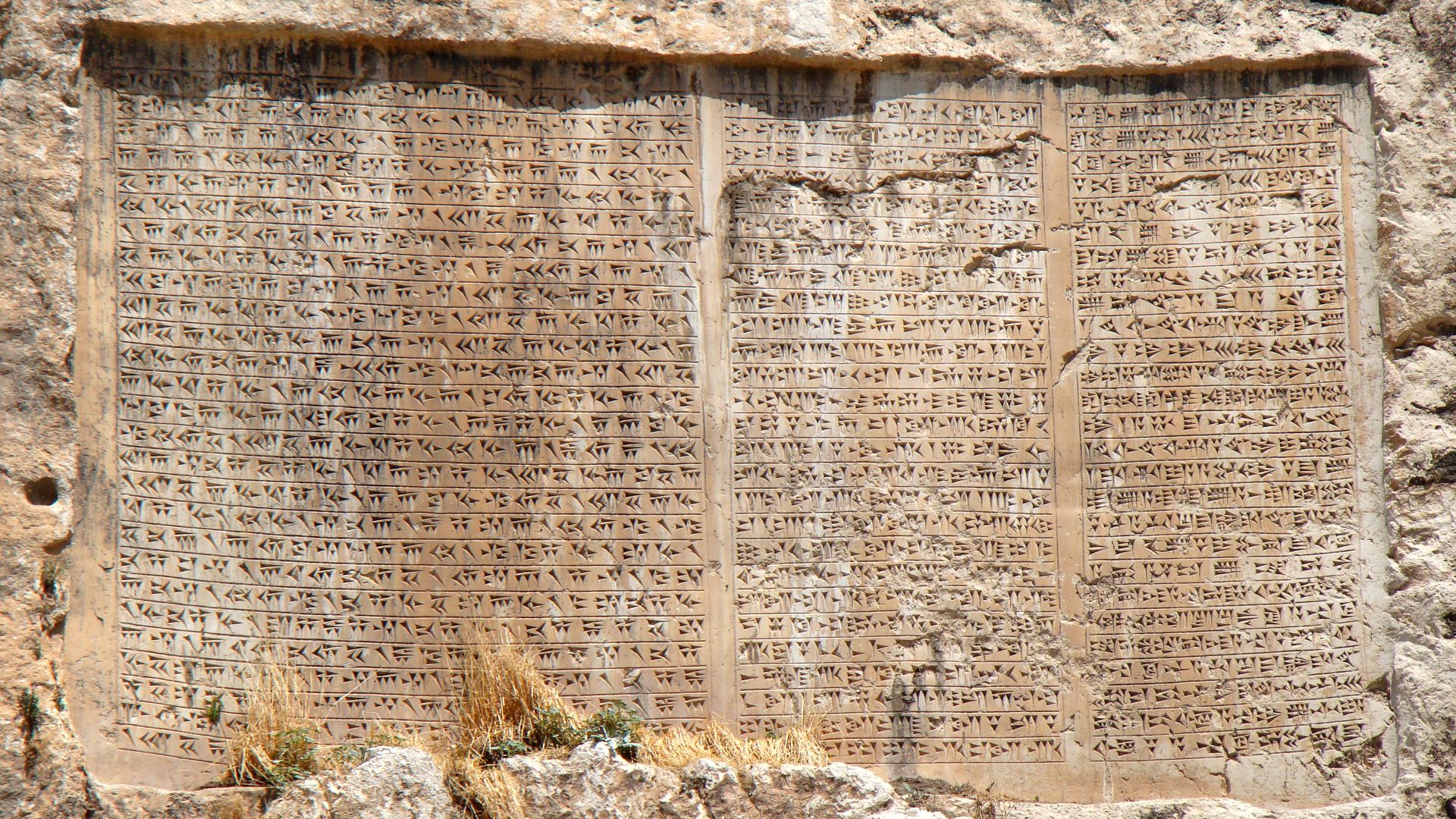
Researchers are still translating the tablets, but early findings suggest they contain administrative records—basically paperwork from ancient times. Think inventory lists, management records, that kind of thing… just 3,000 years older.
Filling in the Gaps
This matters because the Mitanni Empire is still full of question marks. We know they were powerful, but we don’t fully understand how they operated. These tablets could help connect some of those missing pieces.
 Bjorn Christian Torrissen, Wikimedia Commons
Cover It Up—On Purpose
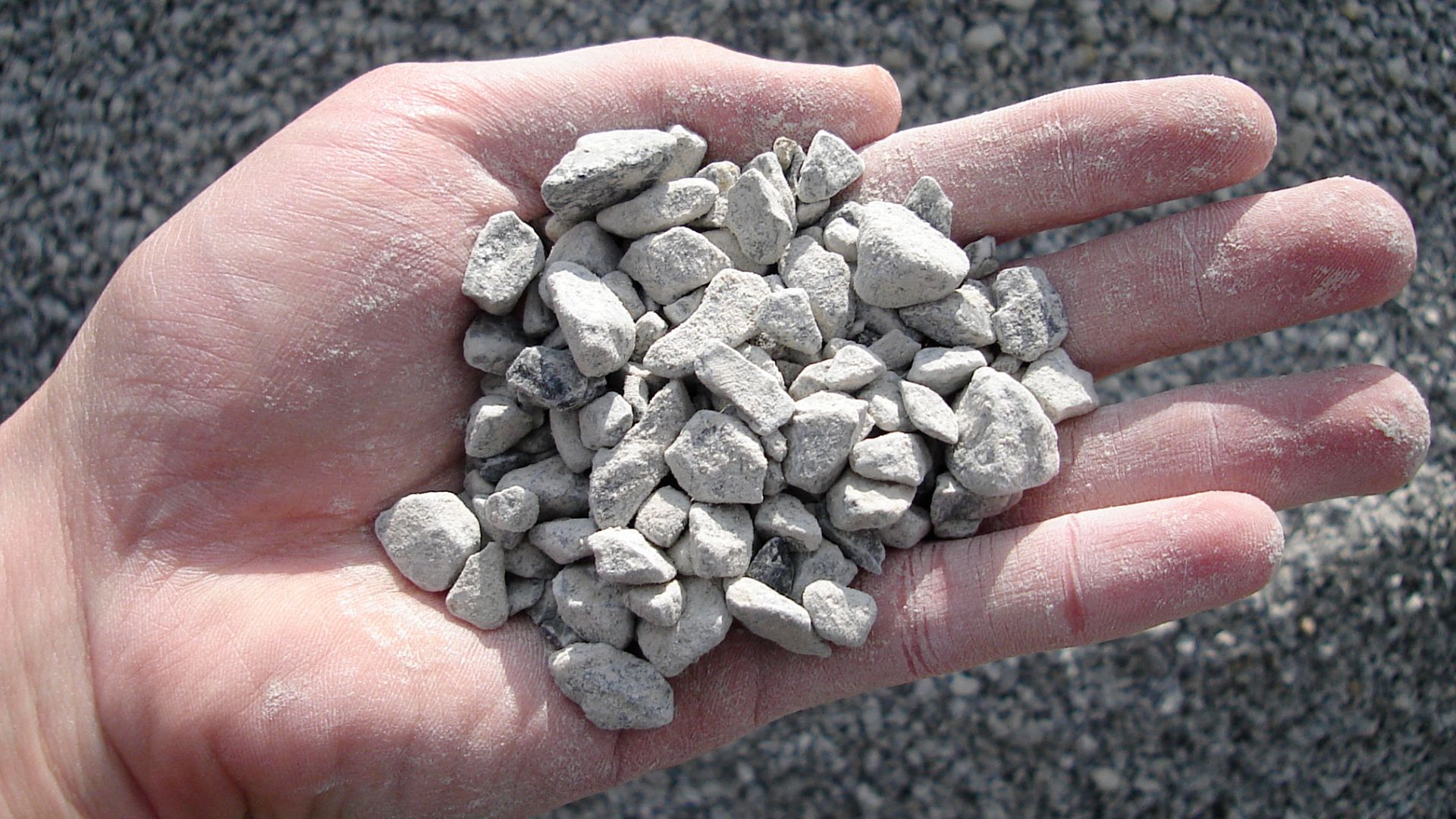
Before leaving, the team did something unusual. They covered the entire site with plastic sheets and gravel. It sounds odd, but it’s actually a way to protect the ruins once they go back underwater.
And Just Like That… Gone Again
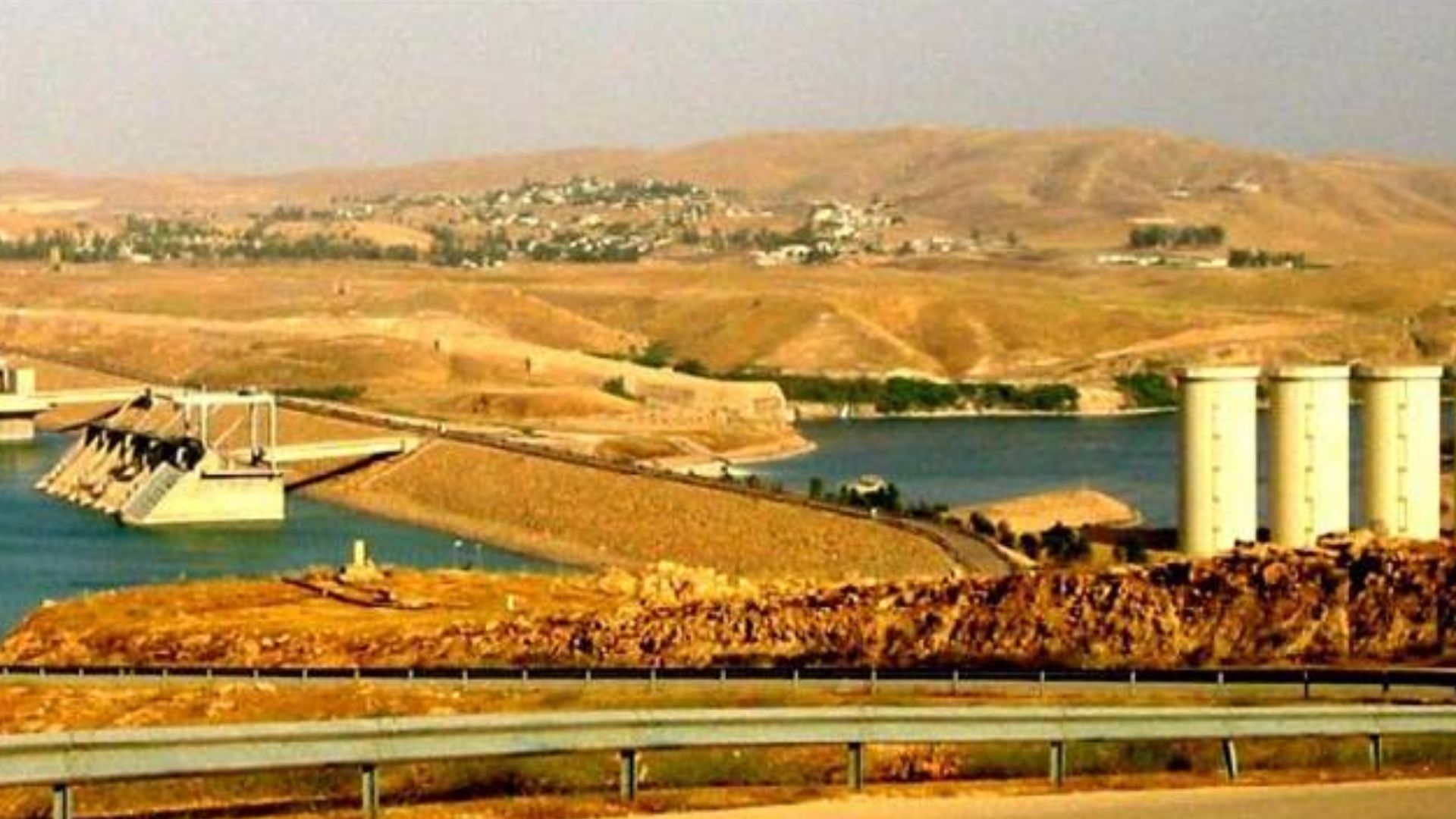
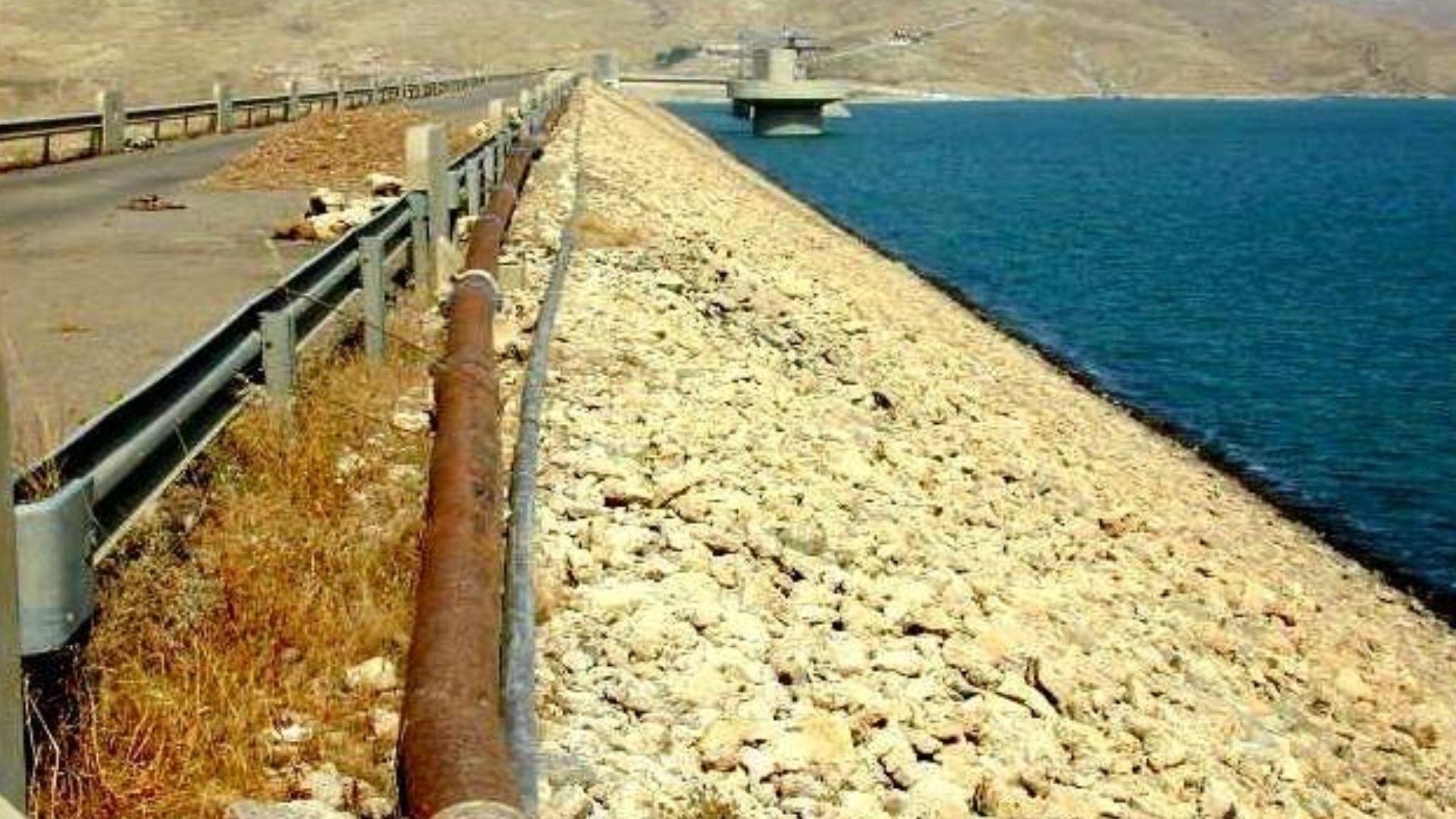
Not long after the excavation wrapped up, water levels started rising again. Slowly but surely, the city disappeared back beneath the reservoir.
A City That Comes and Goes
For now, the site is hidden again—but not forever. If water levels drop in the future, there’s a chance it could reappear… bringing even more secrets with it.
The Final Reveal: No Gold, Just History
No treasure chests. No piles of gold. Instead, something way more valuable—a lost city, preserved buildings, and over 100 ancient tablets that could completely change what we know about the Mitanni Empire.
 Pataliputra, Wikimedia Commons
You May Also Like: