A Morning That Turned Into A Nightmare
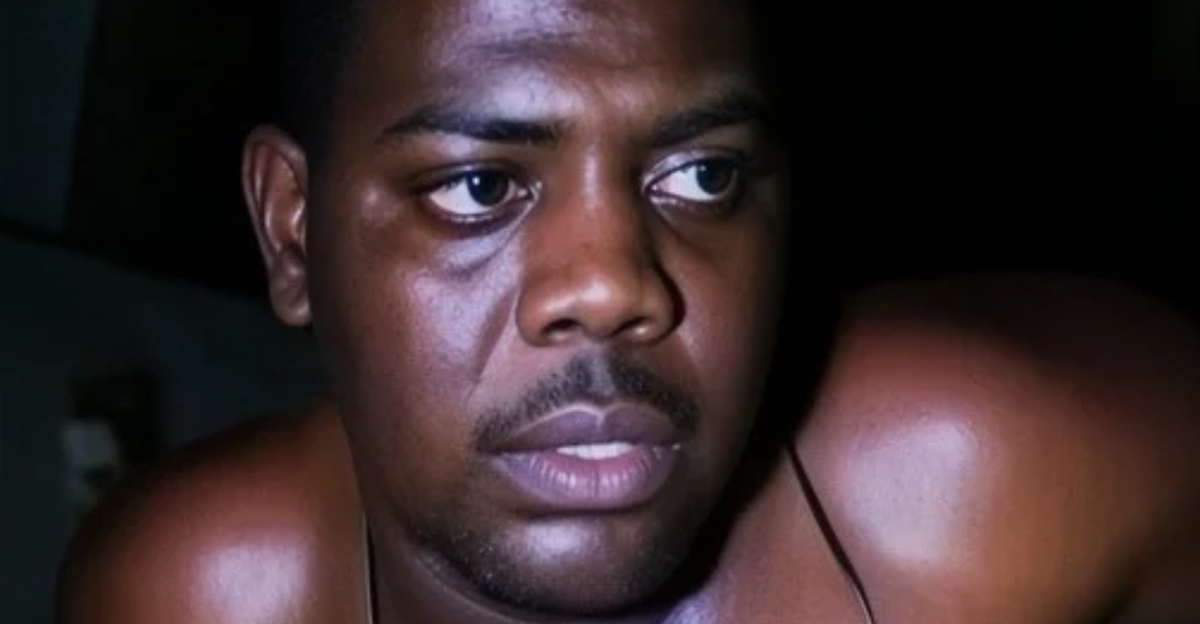
On May 26, 2013, Harrison Okene was working aboard a tugboat off the Nigerian coast when disaster struck. Within minutes, his workplace became an underwater prison. What happened next would become one of the most extraordinary survival stories in maritime history.
 Trapped, Apple TV (2026) Modified
The Tugboat Was Helping An Oil Tanker
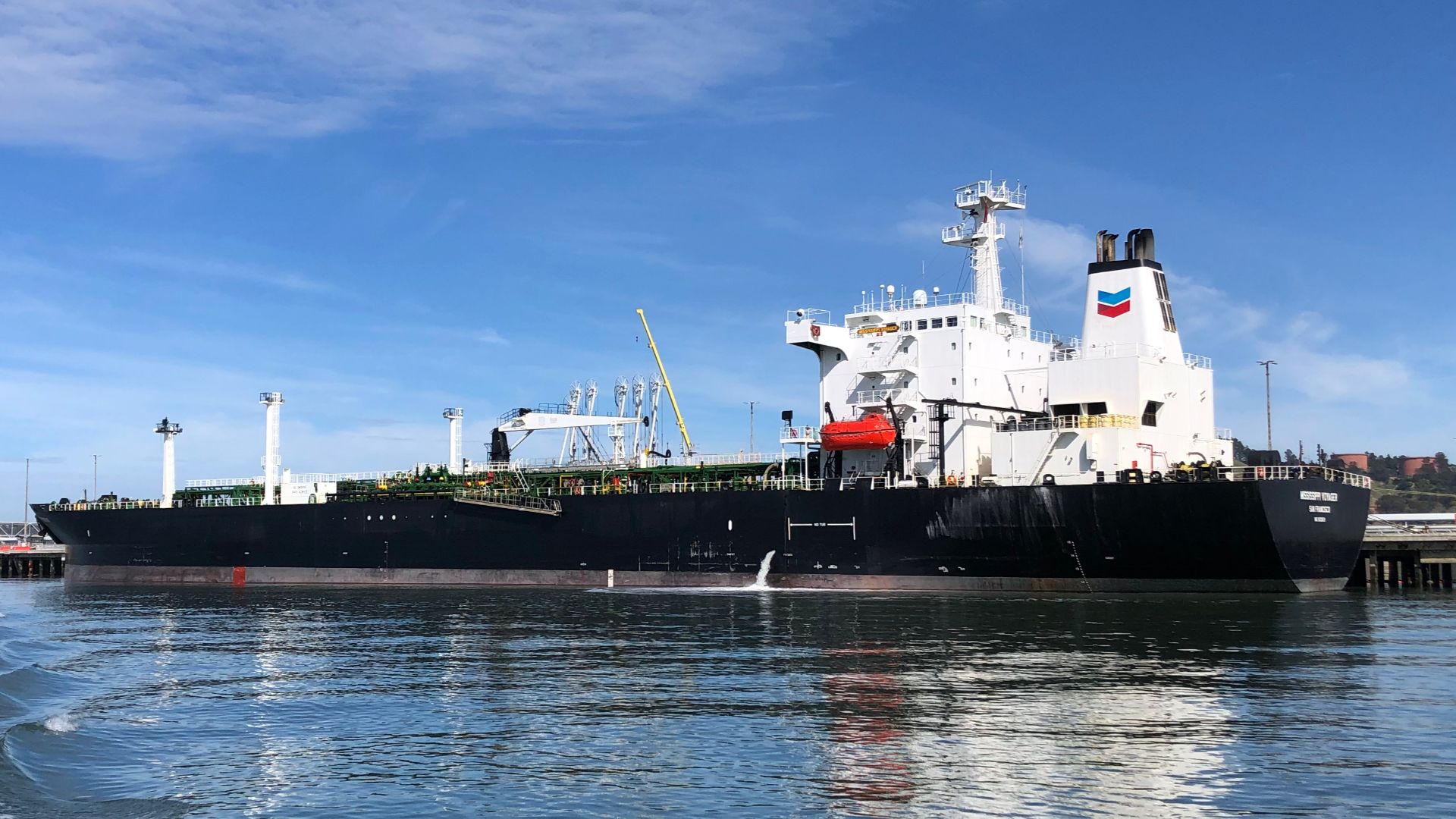
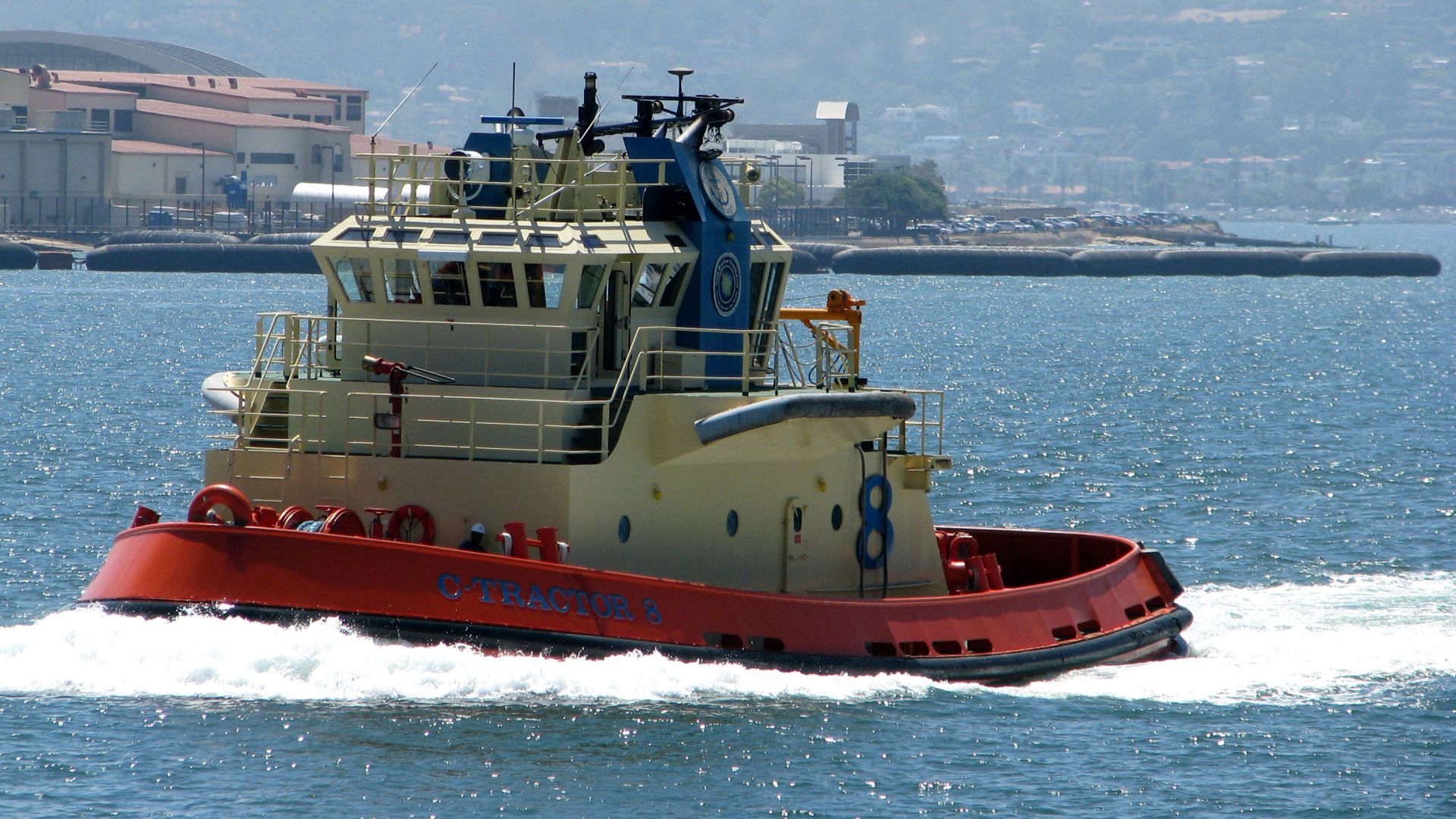
The vessel, named Jascon-4, was working on an offshore operation contracted to Chevron. It was helping stabilize an oil tanker roughly 20 miles from Nigeria's coast. Conditions had been rough, but nobody aboard could have anticipated how quickly everything would go wrong.
 Dreamyshade, Wikimedia Commons
He Was Just 29 Years Old
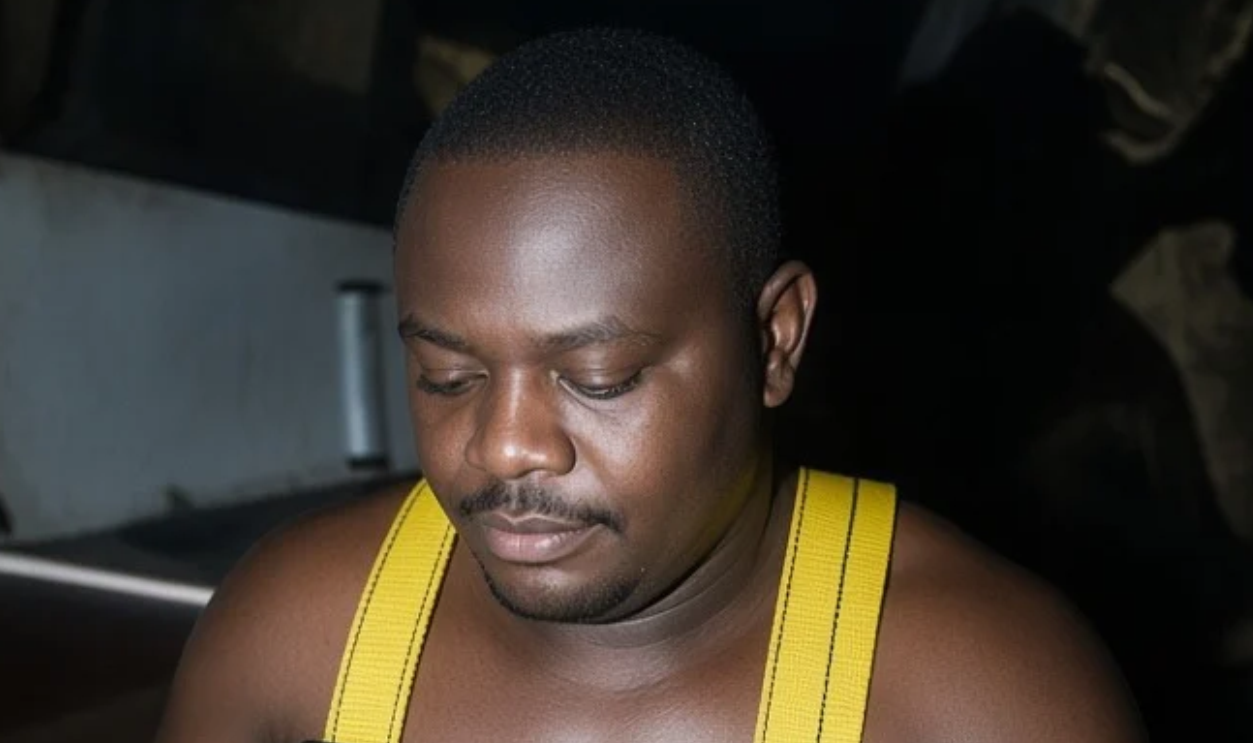
Okene was the ship's cook, responsible for preparing meals rather than navigating dangerous waters. He had risen early that morning and was getting ready for his usual duties. With just three days remaining before scheduled leave, he had every reason to anticipate going home.
 Screenshot from Trapped, Apple TV (2026), Modified
He Was In The Bathroom When Disaster Struck
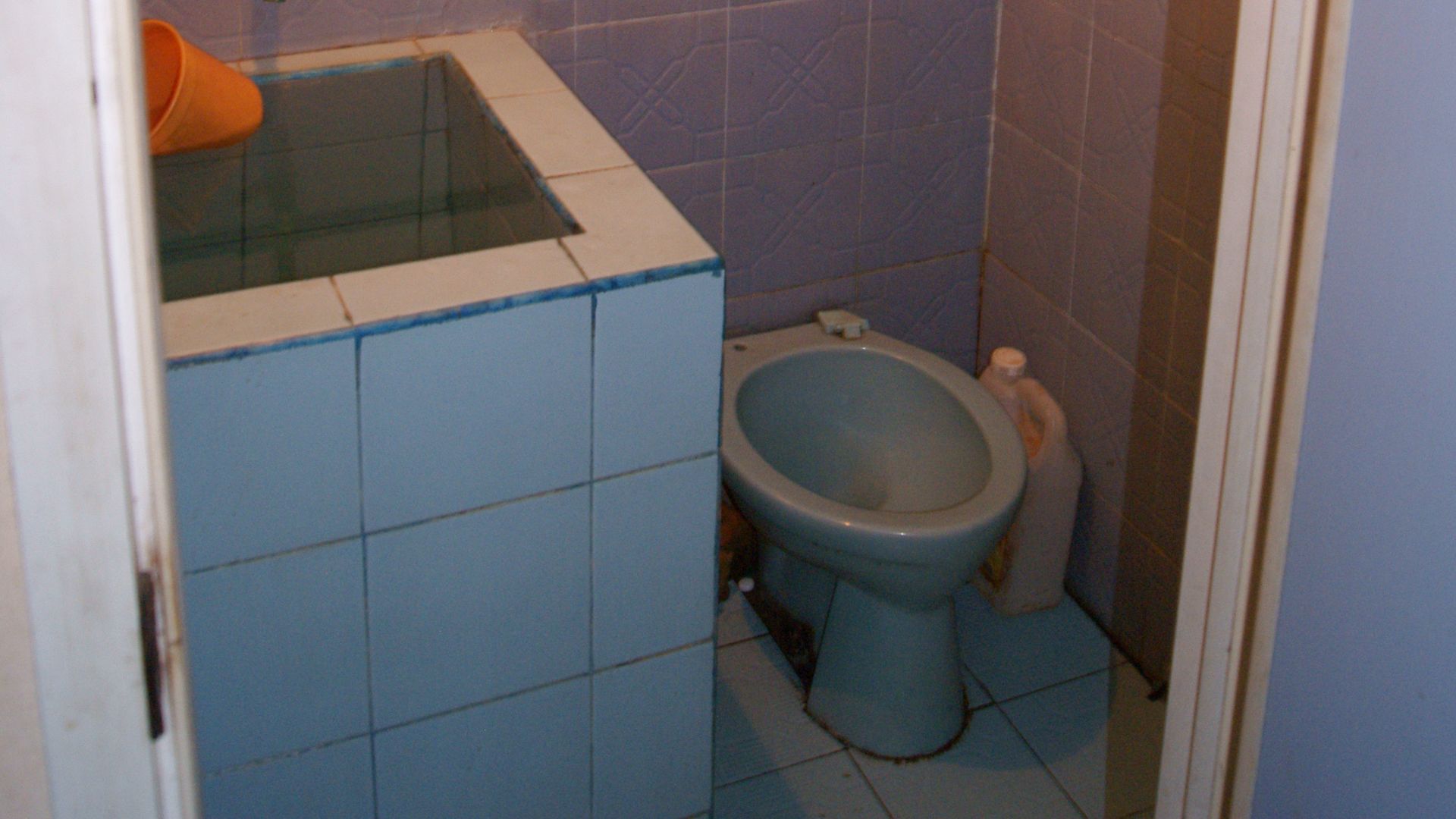
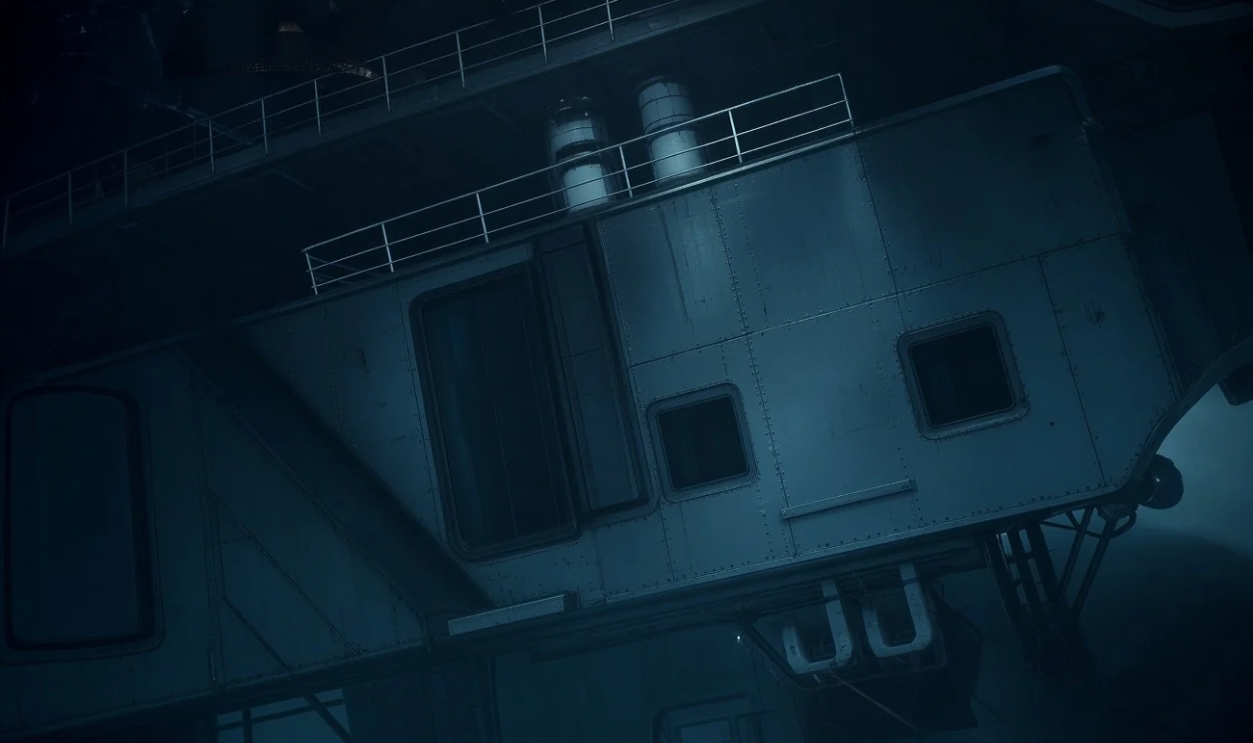
Okene had not yet dressed and was wearing only his underwear when he visited the bathroom. Suddenly, a powerful swell struck the tugboat. The vessel rolled violently, turning the room upside down and throwing Okene into a desperate fight for survival.
The Toilet Struck Him On The Head
As the boat overturned, the toilet came loose and hit Okene's head. He later recalled seeing blood pouring from the injury before the electricity failed. The room went completely dark, and seawater began rushing inside before he could escape.
 Screenshot from Trapped, Apple TV (2026), Modified
Within Minutes, He Was On The Seafloor
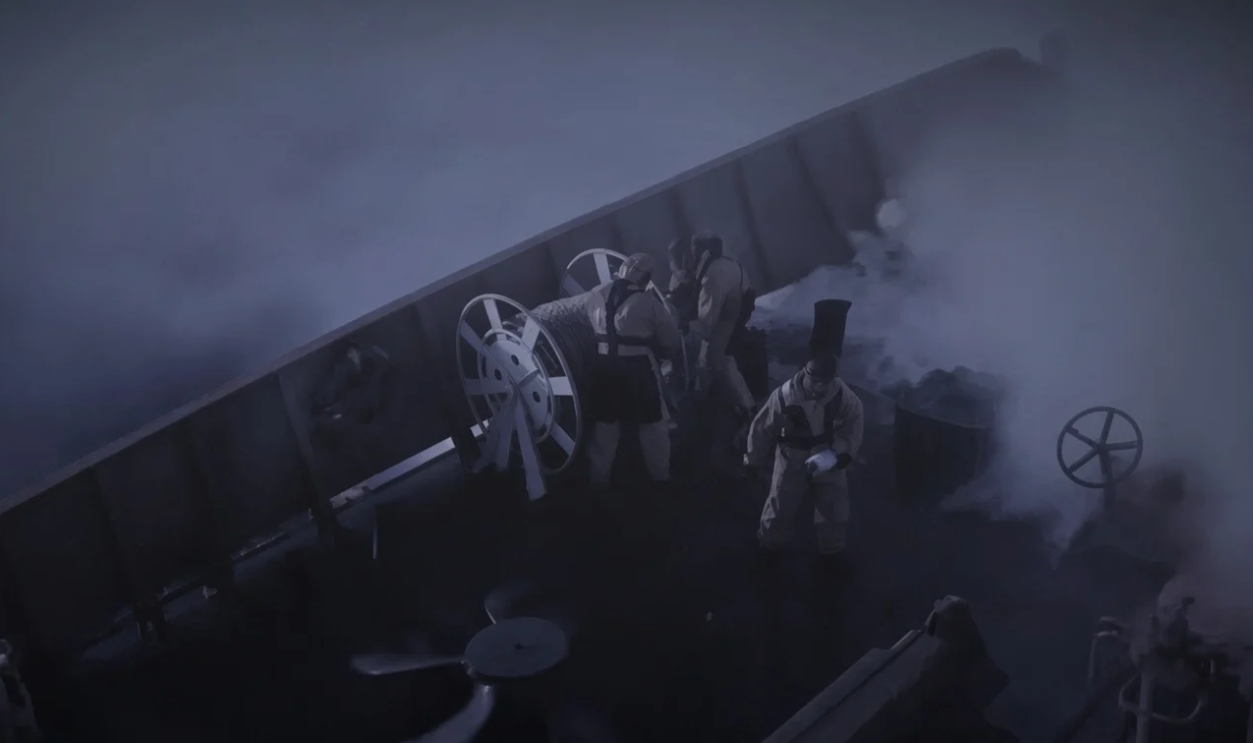
The Jascon-4 sank with astonishing speed. Okene later estimated that only a minute or two passed before the vessel reached the seabed. He was now roughly 100 feet below the Atlantic's surface, surrounded by darkness and rapidly flooding compartments.
 Screenshot from Trapped, Apple TV (2026), Modified
Nothing Looked The Right Way Up
Because the tugboat had overturned, navigating its interior was almost impossible. Familiar passageways were upside down, and Okene struggled to understand his surroundings. With the electricity gone and seawater entering the vessel, finding an emergency exit became an increasingly desperate challenge.
 Thomas from USA, Wikimedia Commons
Other Sailors Were Fighting To Escape
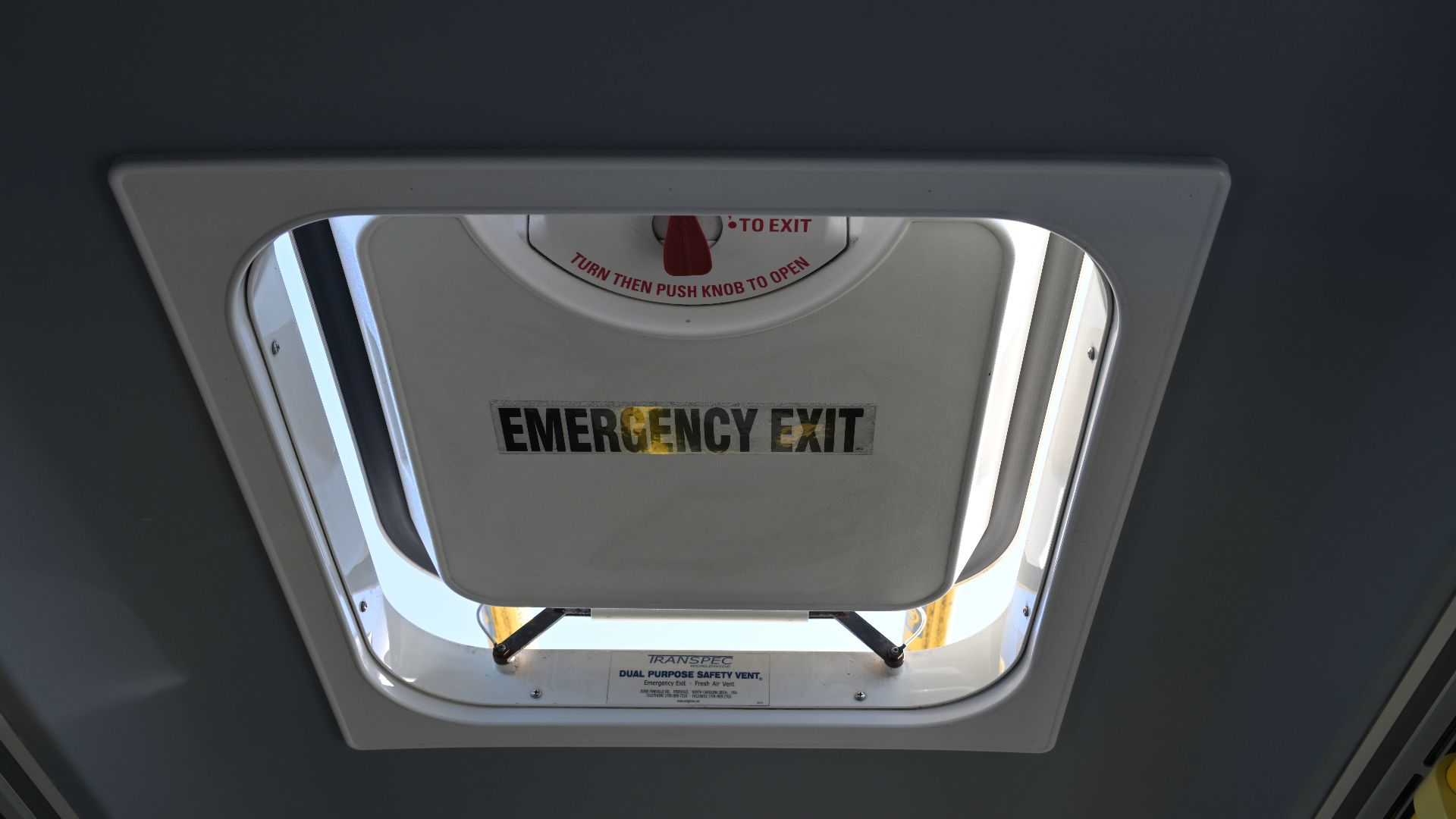
After opening the bathroom door, Okene encountered two or possibly three crewmates struggling with an emergency hatch. Water was rising around them, and the exit would not open. Rather than wait beside the hatch, Okene made a decision that would change everything.
 4300streetcar, Wikimedia Commons
He Swam Deeper Into The Sinking Vessel
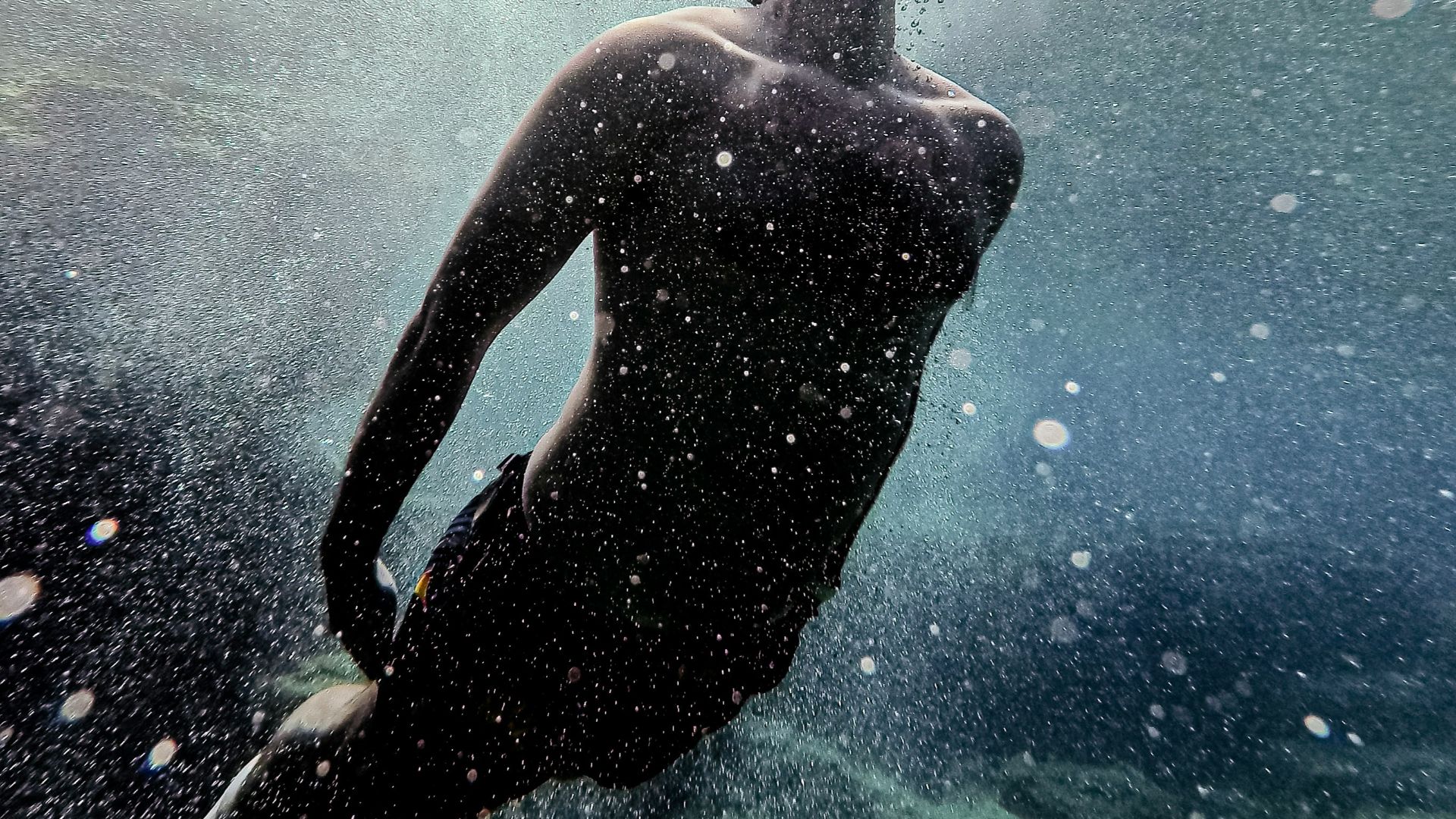
Instead of continuing toward the blocked exit, Okene turned back into the ship. The force of the flooding water swept him into another bathroom connected to the second engineer's cabin. There, he discovered something that offered a chance of survival.
 Alexandros Giannakakis, Unsplash
A Small Air Pocket Saved His Life
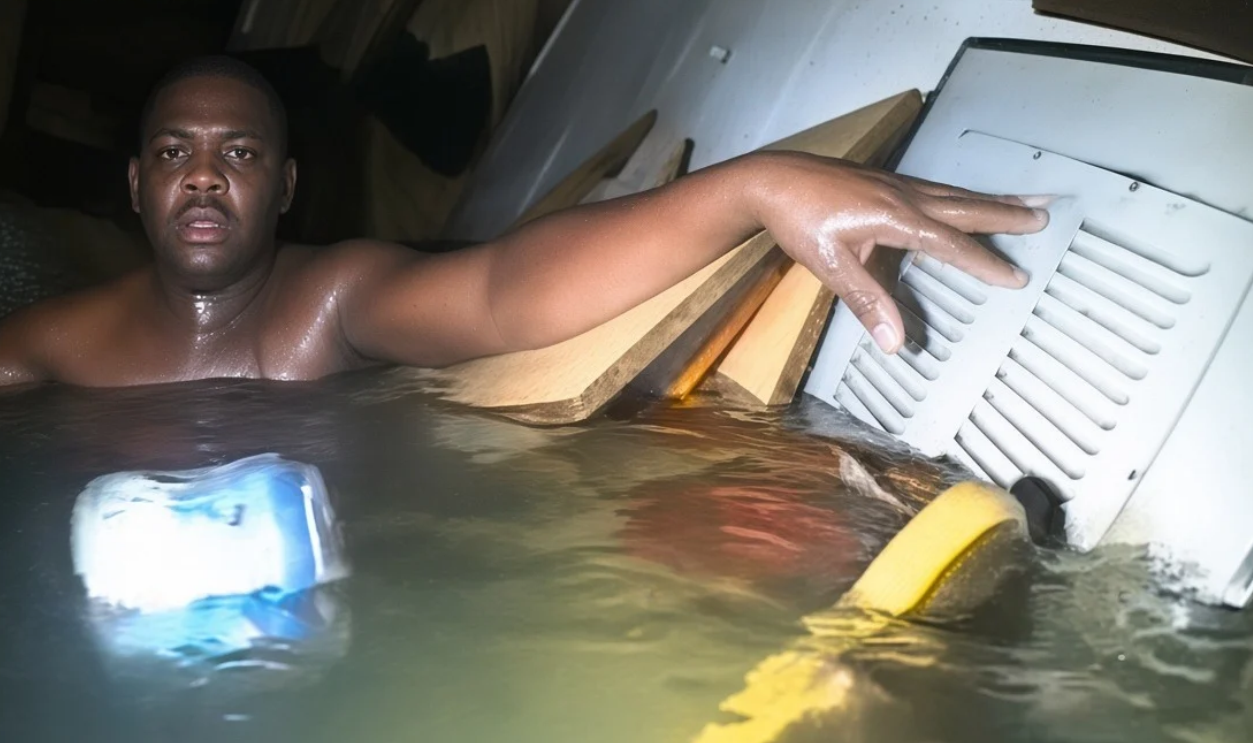
The bathroom had not completely filled with seawater. Because the compartment had trapped some air, Okene could keep his head above the water and breathe. It was an extraordinary stroke of luck, but the confined space was hardly a comfortable refuge.
The Voices Around Him Slowly Disappeared
Okene could hear his fellow sailors shouting and crying elsewhere inside the wreck. As he struggled to find a way out, their voices gradually fell silent. He initially hoped they had escaped, unaware that he would ultimately be the only survivor.
 U.S. Navy photo by Mass Communication Specialist Seaman Adam K. Thomas / Released, Wikimedia Commons
A Broken Vent Became An Escape Tool
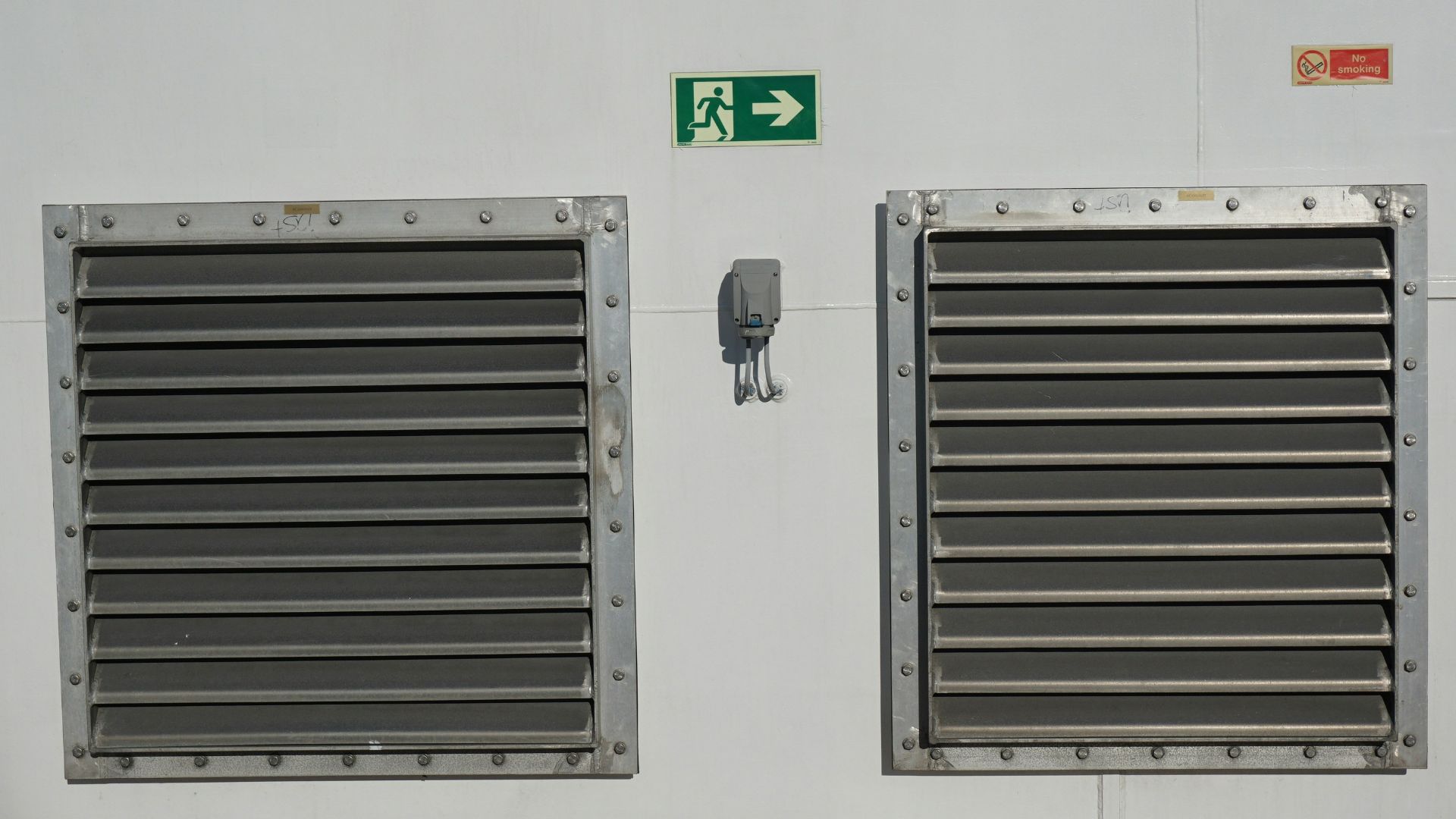
Even inside the air pocket, Okene faced another obstacle. The bathroom door was stuck, and he broke its handle while struggling to open it. Eventually, he removed part of a metal vent and used the steel to force the door open.
The Main Exit Still Would Not Open
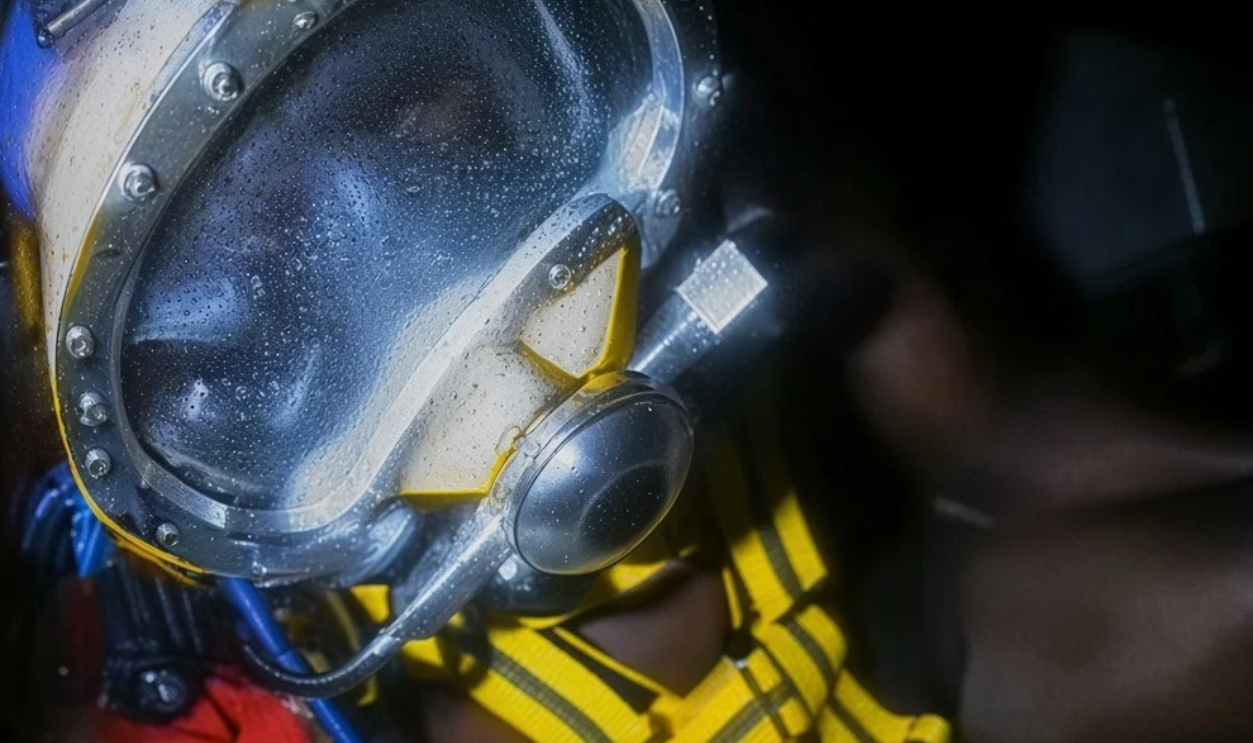
Reaching the adjoining cabin gave Okene room to move, but the ship's main watertight exit remained closed. He repeatedly swam through flooded passageways to investigate it. Each attempt forced him to return to his air pocket before running out of breath.
 Screenshot from Trapped, Apple TV (2026), Modified
One Wrong Turn Could Have Killed Him
The ship's flooded interior had become a maze of doors and compartments. Okene nearly lost his way during an early attempt to reach the exit. Without access to another air pocket, getting trapped in the wrong room could have been fatal.
 Screenshot from Trapped, Apple TV (2026), Modified
His Coveralls Became A Lifeline
Okene eventually found spare coveralls among the belongings inside the cabin. Rather than wear them, he tore the fabric into strips and tied the pieces together. The resulting rope helped him navigate between the air pocket and the flooded exit passage.
 U.S. Navy photo by Mass Communication Specialist 3rd Class Charles Oki, Wikimedia Commons
He Built A Makeshift Raft
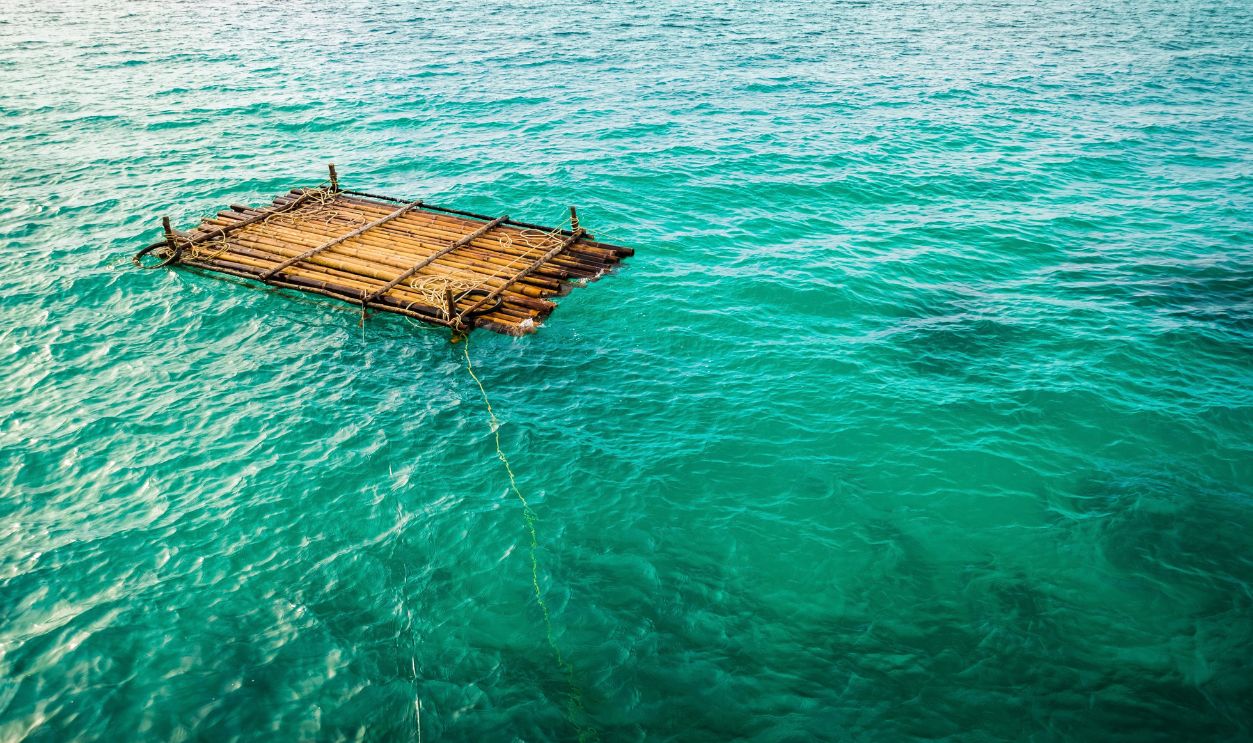
The cold water presented another serious threat, especially because Okene was wearing only underwear. He removed wooden ceiling panels and fashioned a small platform. By lifting himself out of the water, he reduced his exposure and created somewhere to wait.
His Emergency Rations Were Almost Nothing
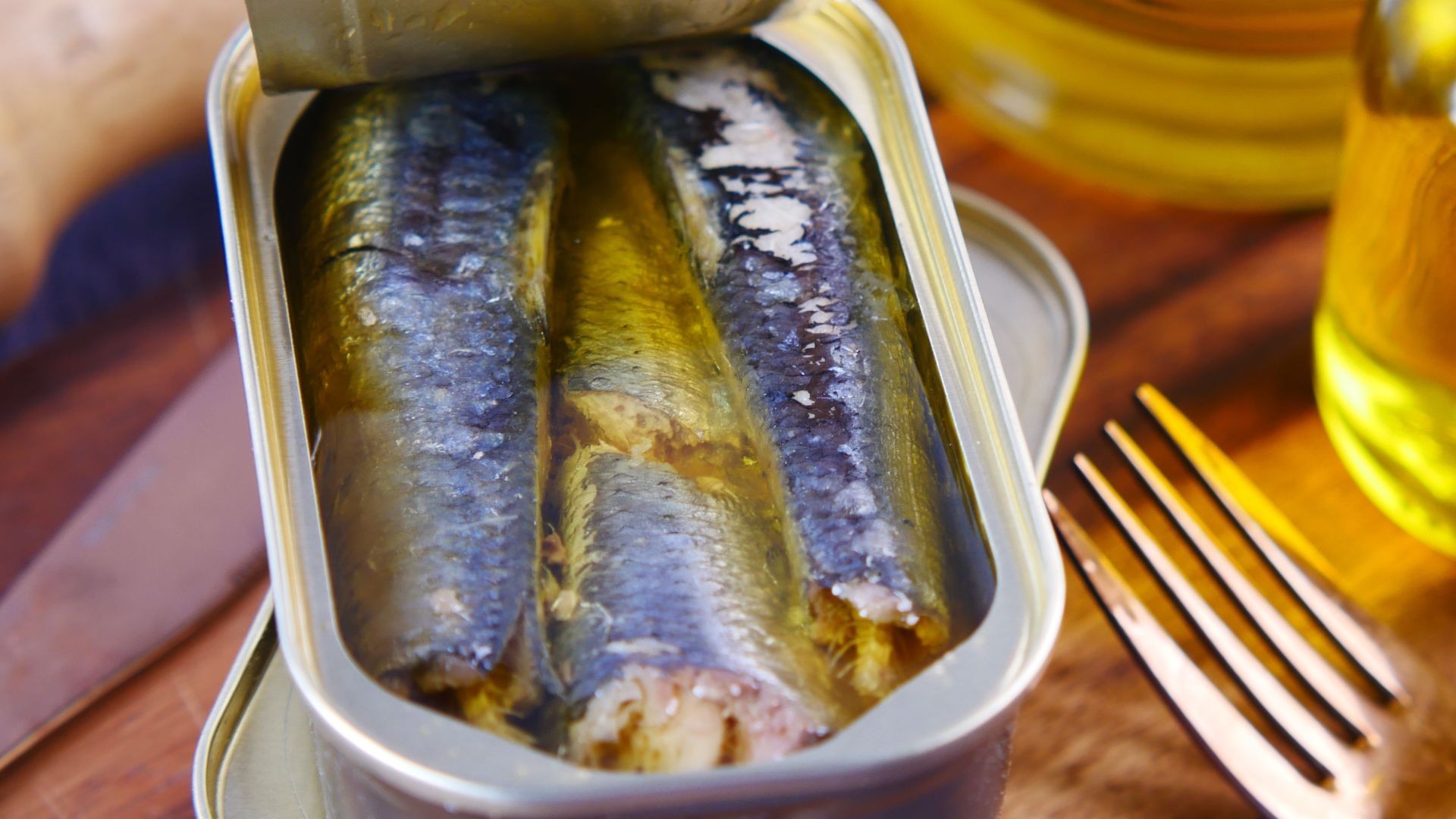
Searching through the cabin, Okene found a tin of sardines and a can of cola. These provided a little nourishment during his ordeal. However, he had no reliable supply of drinking water, and the hours continued passing with little prospect of escape.
Saltwater Made Everything Worse
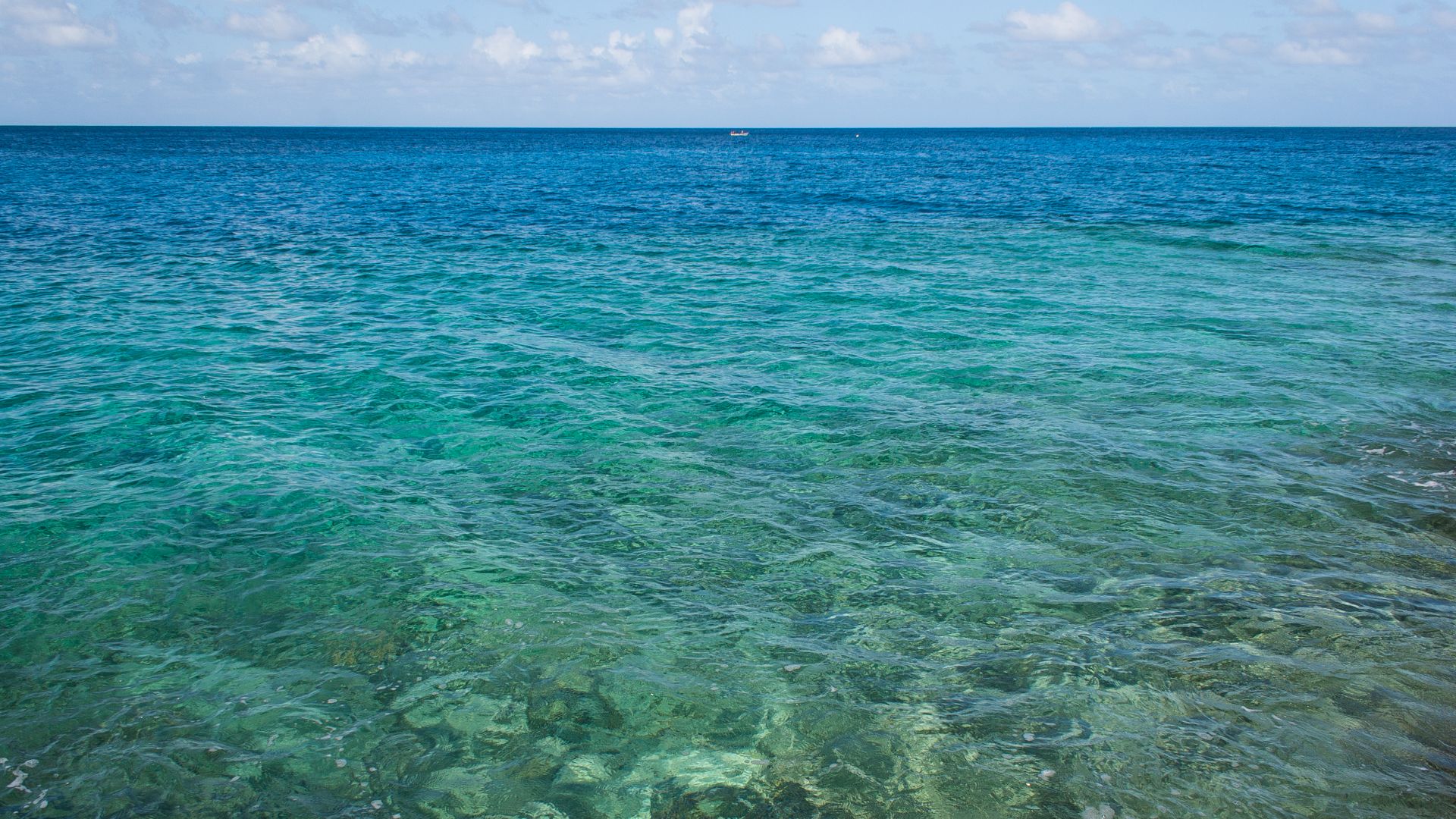
Okene had swallowed seawater while swimming through the flooded compartments. His throat became extremely painful, and the skin of his tongue began peeling. Meanwhile, the cold and damp conditions continued wearing him down, even after he managed to elevate himself above the water.
 Joao Carlos Medau from Campinas, Brazil, Wikimedia Commons
There Were Creatures Inside The Wreck
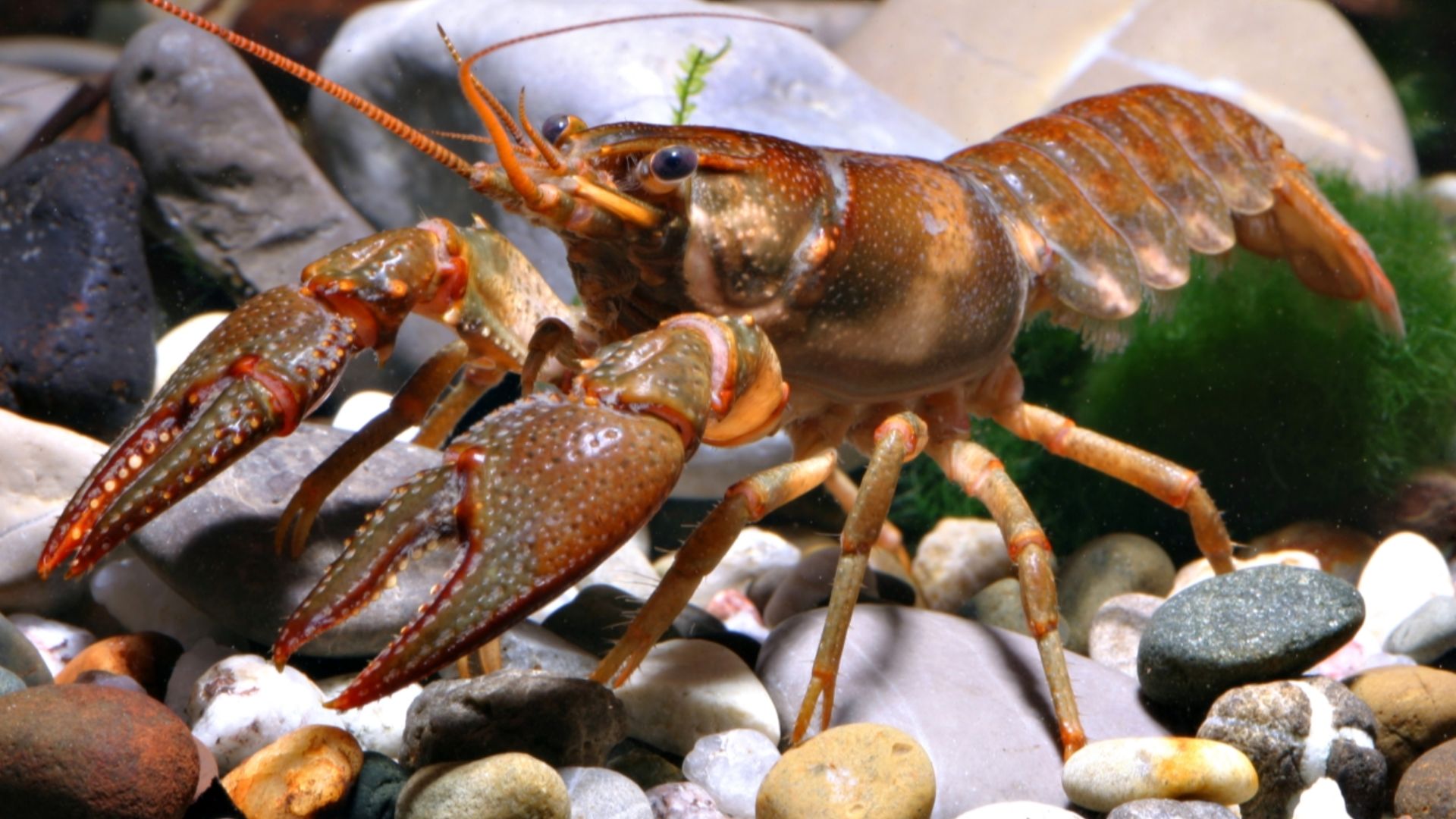
Okene later described small marine creatures entering the submerged ship. Crayfish bit his exposed skin, causing additional wounds on his arms, legs, and body. Already cold, hungry, and exhausted, he now had to endure these attacks while remaining inside the confined space.
 Chris Lukhaup/Missouri Department of Conservation, Wikimedia Commons
His Thoughts Turned Toward His Family
With little else to occupy his mind, Okene thought about his mother and wife. He wondered how his family would cope if he never returned. He also relied heavily on his Christian faith, recalling prayers and singing church songs while waiting.
Waiting Became His Only Option
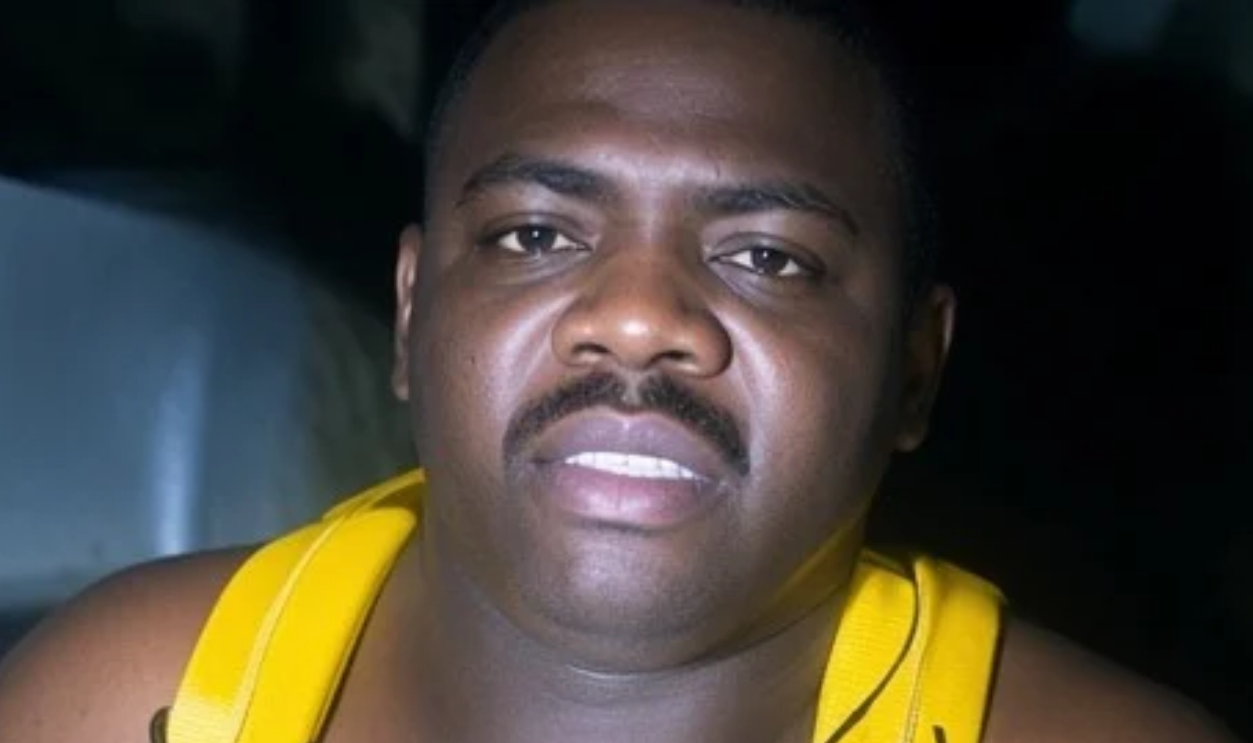
Eventually, Okene recognized that he could not force the emergency hatch open. Continuing to swim through the wreck risked exhausting him and consuming precious oxygen. Instead, he concentrated on remaining composed, conserving his strength, and staying inside his temporary refuge.
 Screenshot from Trapped, Apple TV (2026), Modified
The Air Pocket Should Have Been Deadly
Breathing inside an enclosed space gradually reduces available oxygen while increasing carbon dioxide. At approximately 100 feet underwater, however, the trapped air was compressed by surrounding pressure. Scientists have suggested that the larger quantity of air molecules and carbon dioxide dissolving into the water helped Okene survive.
 Oleksandr (Alex) Zakletsky, Wikimedia Commons
The Rescue Team Expected To Find Bodies
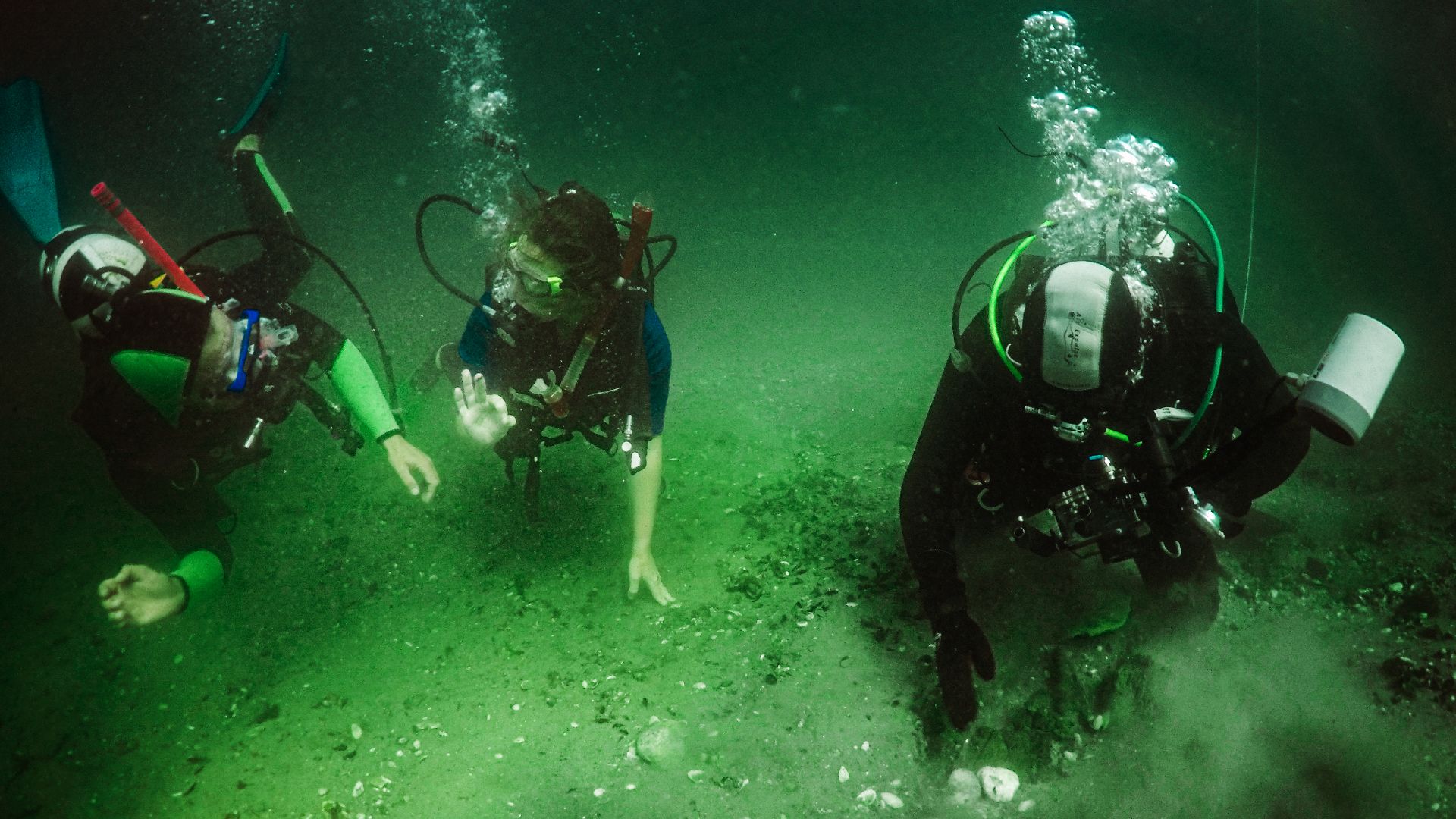
On the surface, specialist divers had been dispatched to investigate the wreck. The team, working for DCN Diving, was conducting a recovery operation rather than expecting survivors. They had already recovered four bodies, and the prospects of finding anyone alive appeared extremely poor.
A Hammering Sound Gave Him Hope
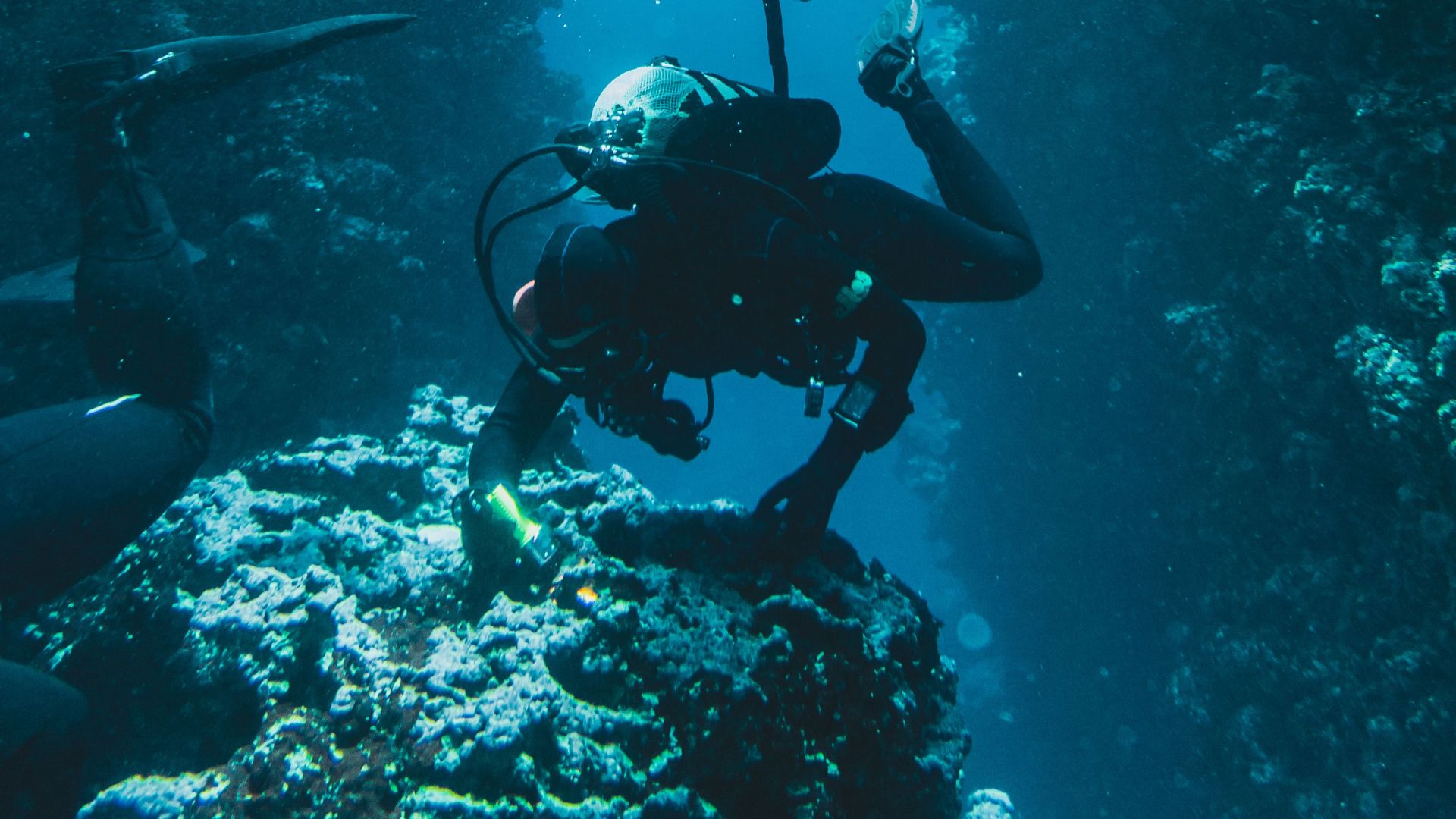
At some point during his confinement, Okene became aware of activity outside the wreck. He heard sounds suggesting that another vessel or rescue workers might be nearby. Desperate to attract attention, he began striking the ship's metal structure, hoping someone would hear him.
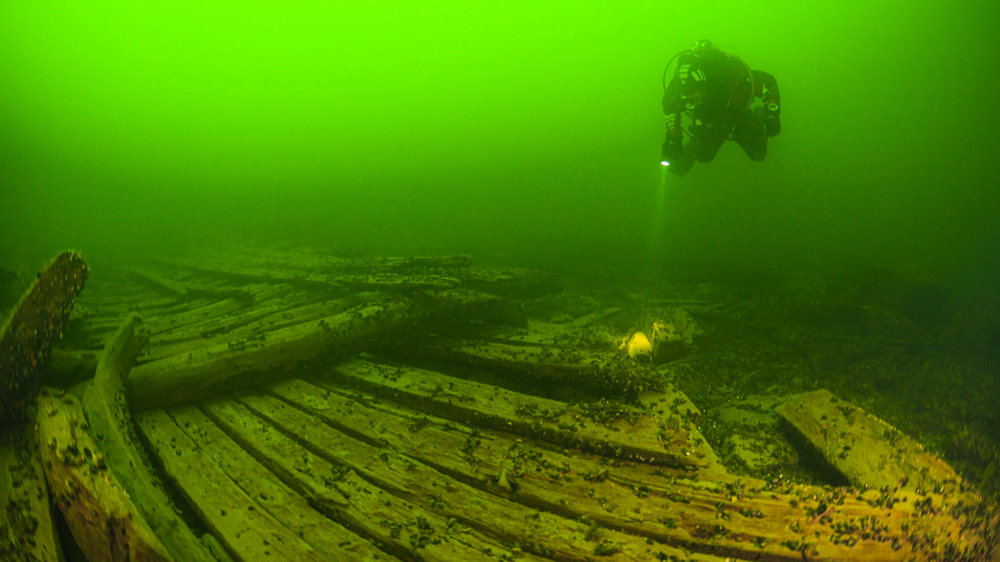
Then He Saw A Light In The Darkness
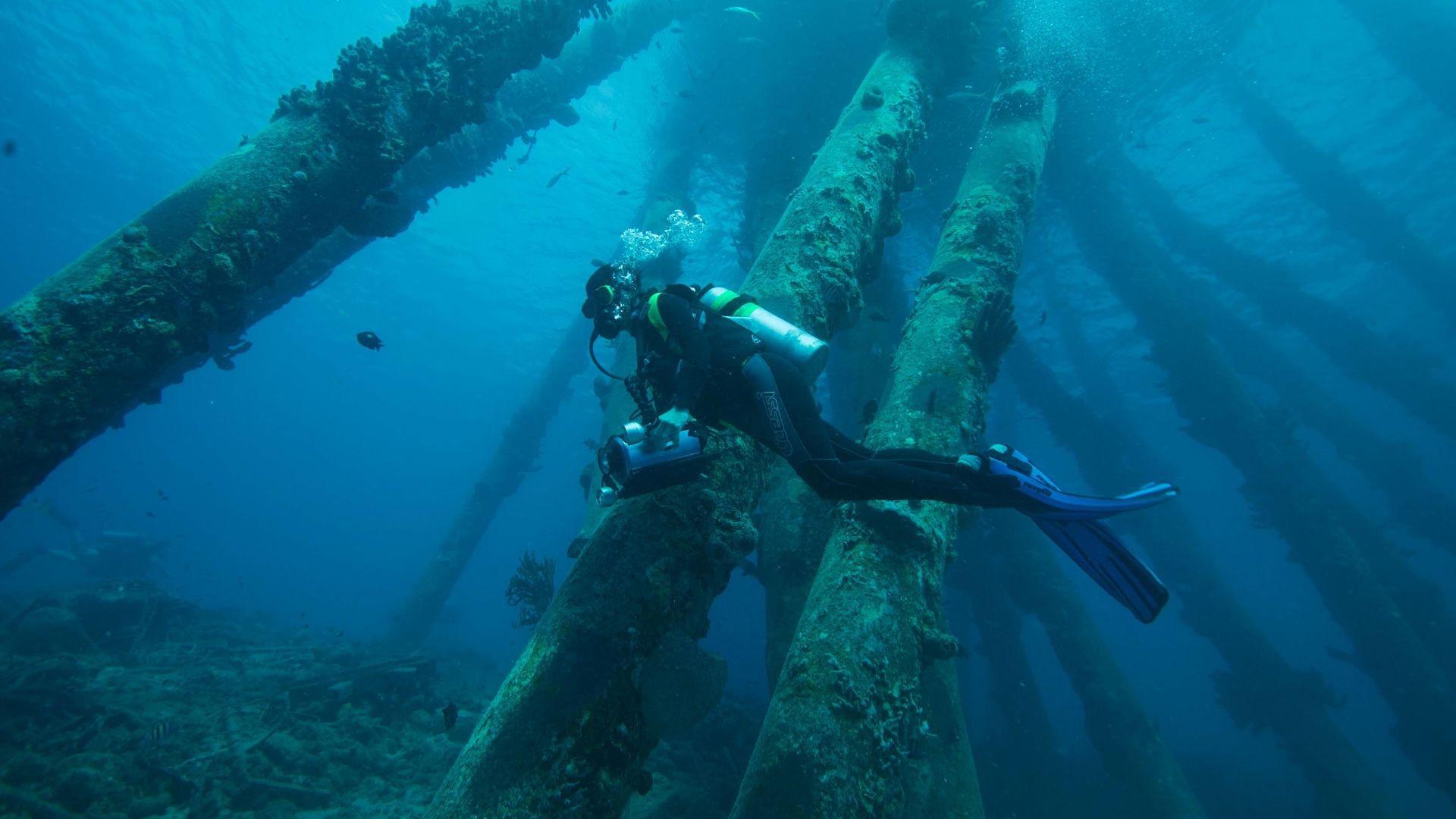
After spending what felt like an eternity without daylight, Okene noticed a faint reflection in the water. He left his raft to investigate but initially failed to locate its source. Returning for another breath, he tried again and finally spotted a diver.
A Human Hand Appeared From The Wreck
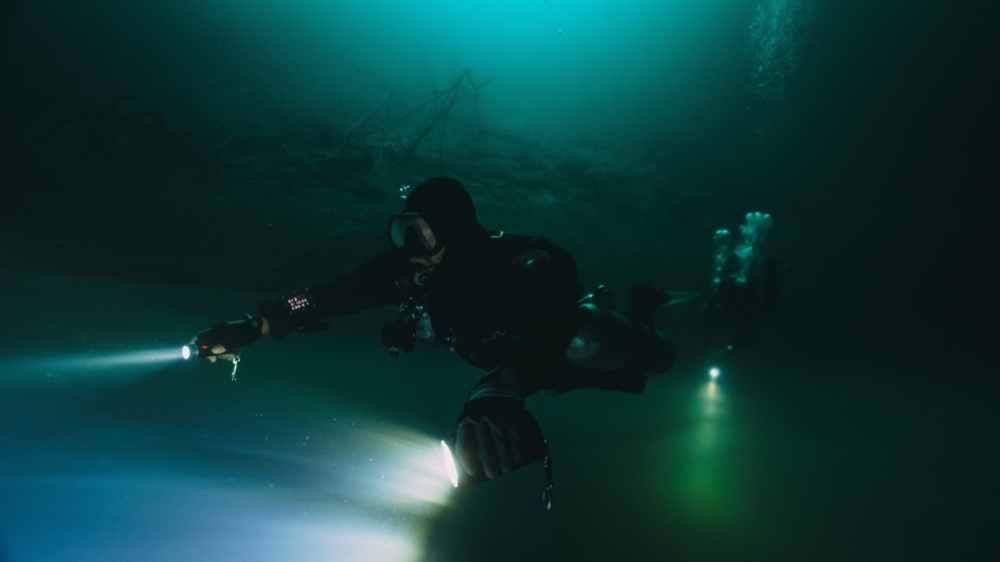
The diver was wearing a camera that transmitted footage to the rescue team above. As he investigated the passageway, a human hand appeared in front of him. Believing he had discovered another casualty, the diver approached and reached toward it.
 phmarcosborsatto, Shutterstock
The Hand Suddenly Grabbed Him
As the diver reached for what he believed was a body, Okene grabbed his hand. The unexpected movement startled both the diver and the rescue personnel watching the footage. After searching for the dead, they had discovered something nobody expected: a living survivor.
 KONSTANTIN_SHISHKIN, Shutterstock
The Divers Had To Keep Him Calm
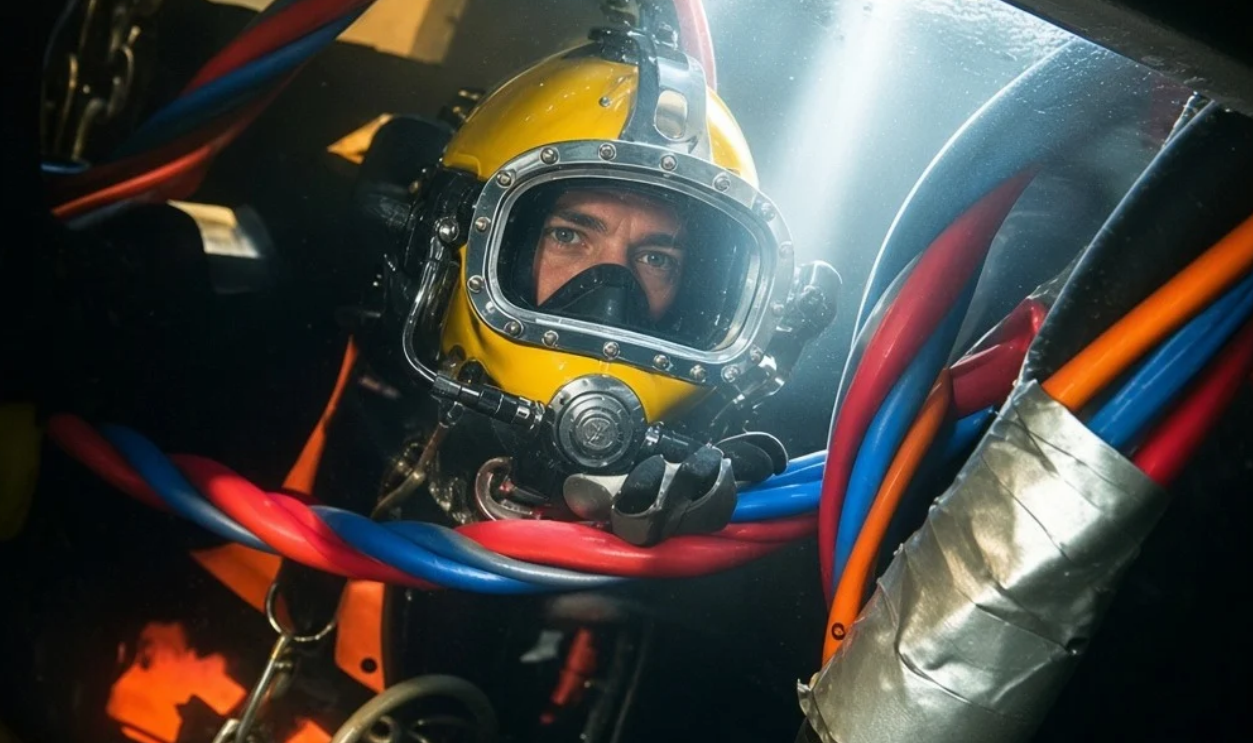
Once the team understood what had happened, the challenge became getting Okene out safely. The divers reassured him and helped him use specialized breathing equipment. Despite having no diving experience, he followed their instructions remarkably calmly while preparations for his extraction continued.
 Screenshot from Trapped, Apple TV (2026), Modified
Reaching The Surface Was Only Half The Battle
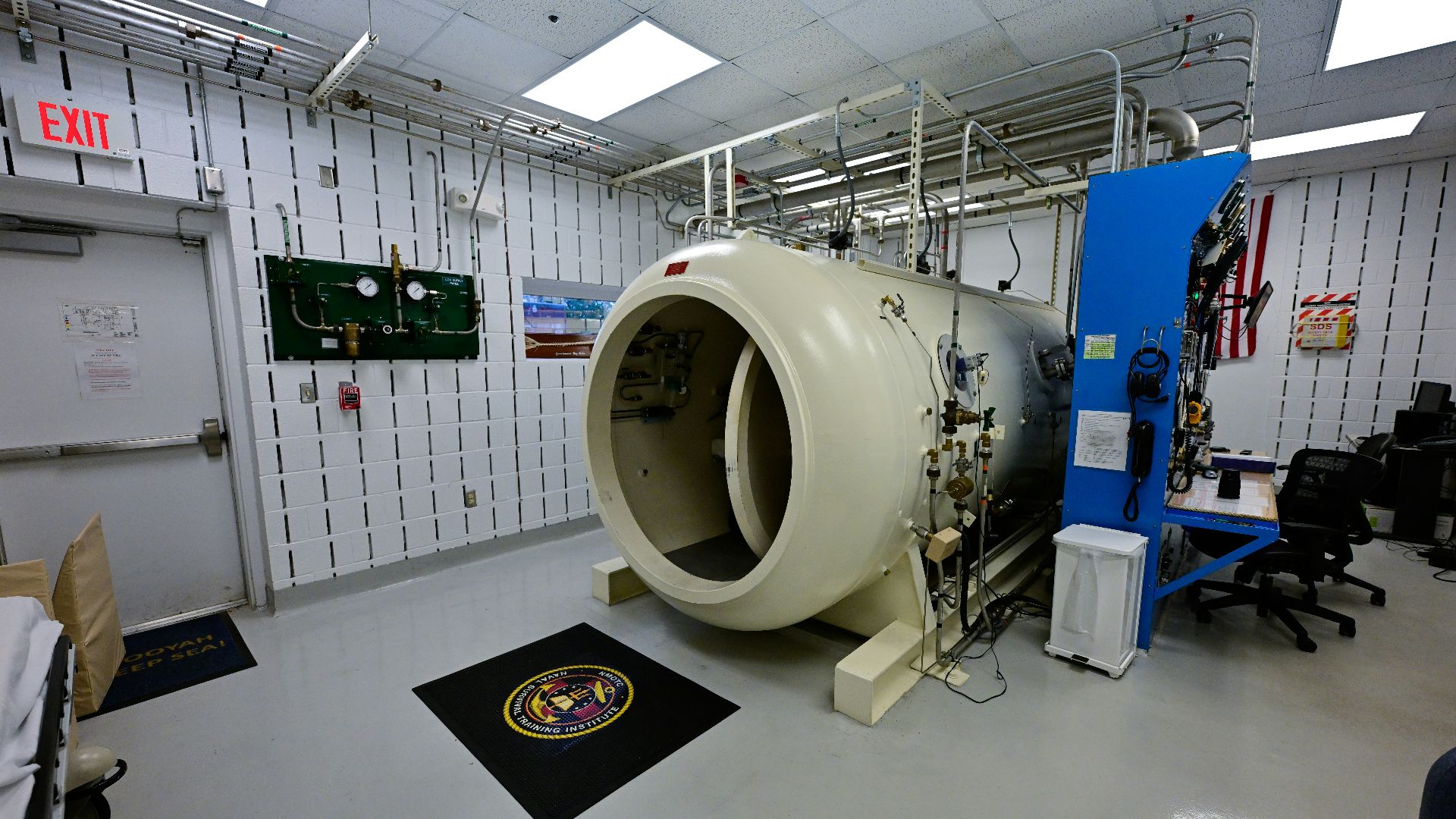
Okene had endured roughly 60 hours under tremendous pressure, making an immediate ascent potentially fatal. Rescuers escorted him to a diving bell and transferred him into a pressure chamber. He spent several more days undergoing decompression before he could safely return to normal atmospheric pressure.
The Survivor Eventually Returned To The Sea
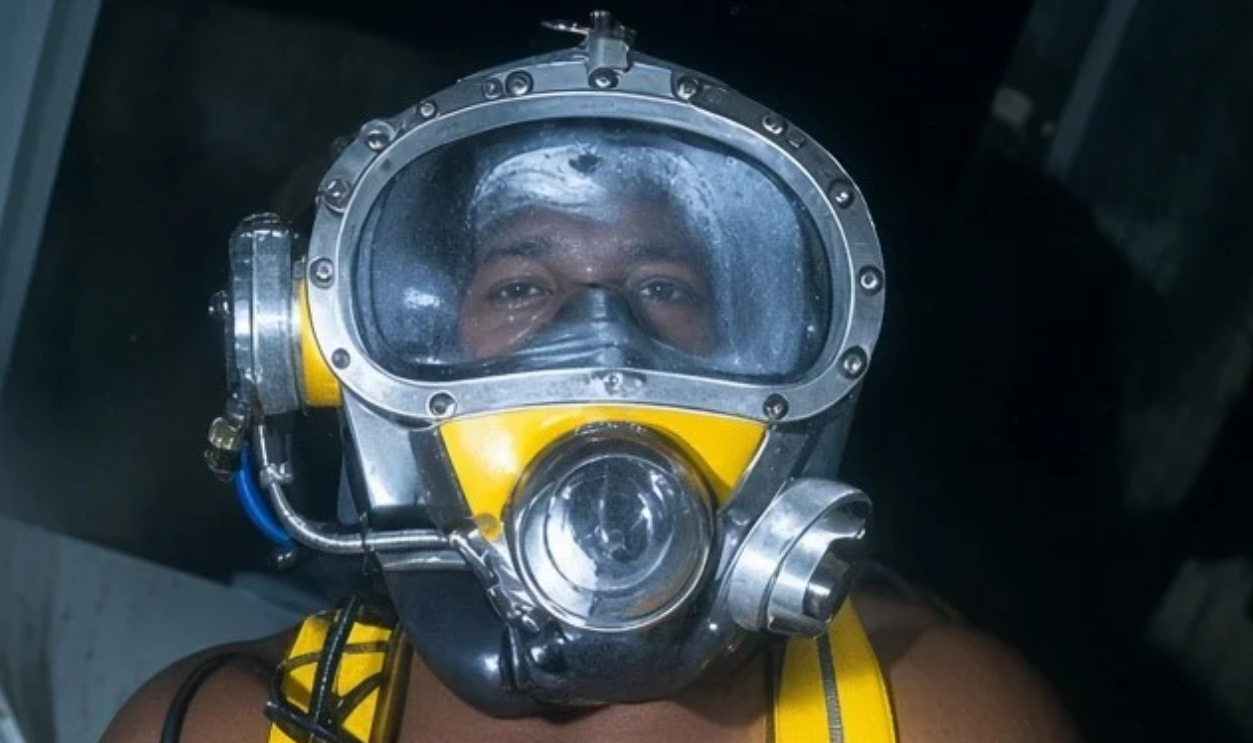
Okene survived, but the other 11 people aboard Jascon-4 died. He experienced nightmares afterward, yet his relationship with the ocean eventually took an extraordinary turn. By 2023, he had trained as a professional diver, working on underwater oil and gas installations despite everything he had endured.
 Screenshot from Trapped, Apple TV (2026), Modified