The Trip You Imagined Can Disappear Quickly
A winter getaway often depends on cold weather behaving the way it used to. You picture skating, skiing, snowshoeing, sleigh rides, frozen waterfalls, cozy cabins, and snowy streets. All that good stuff. Then disaster strikes. Warm temperatures arrive, snow melts, ice becomes unsafe, and the whole trip suddenly feels different.
Is climate change going to affect how people travel? What can you do to prepare?
 ViDi Studio, Adobe Stock Images
Warm Winters Are Becoming Harder To Ignore
One unusually warm week does not prove a climate trend by itself. But scientists and tourism researchers have repeatedly warned that warming temperatures are affecting snow cover, winter recreation, and nature-based tourism. That makes seasonal travel harder to plan with confidence.
Winter Activities Depend On Very Specific Conditions
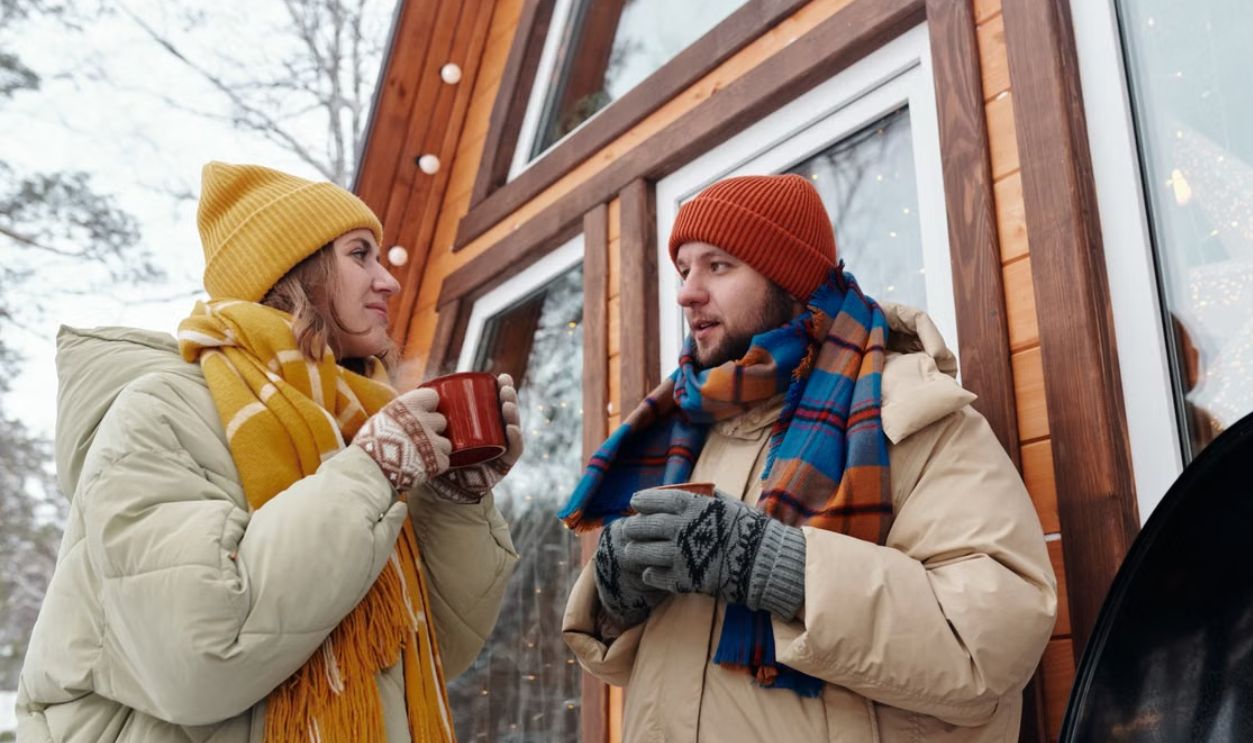
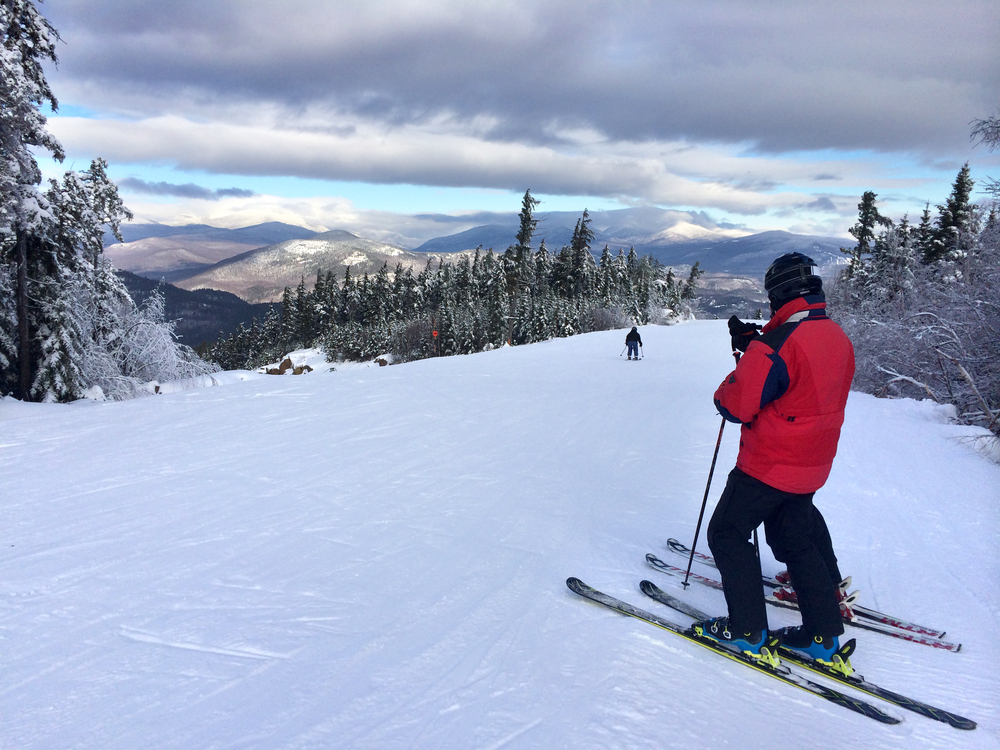
Many winter activities require more than “cold-ish” weather. Outdoor skating needs safe ice thickness. Skiing needs snowpack or snowmaking temperatures. Snowmobiling needs enough snow to protect trails. Even a few warm days can close activities that seemed guaranteed when you booked.
 FashionStock.com, Shutterstock
Resorts Cannot Control The Weather
It may feel unfair when a resort advertises winter fun and then half the activities close. But operators usually cannot keep trails, lakes, or slopes open if conditions become unsafe. Liability, conservation rules, and guest safety often override the disappointment of paying travelers.
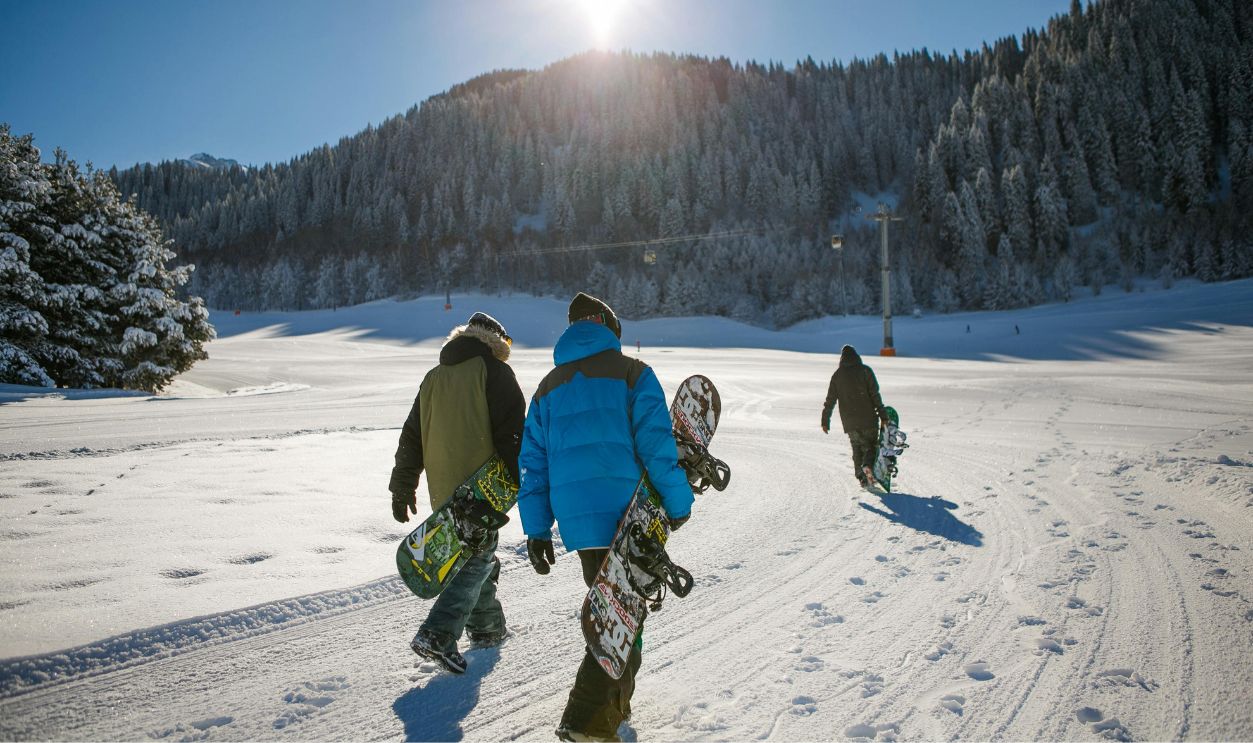
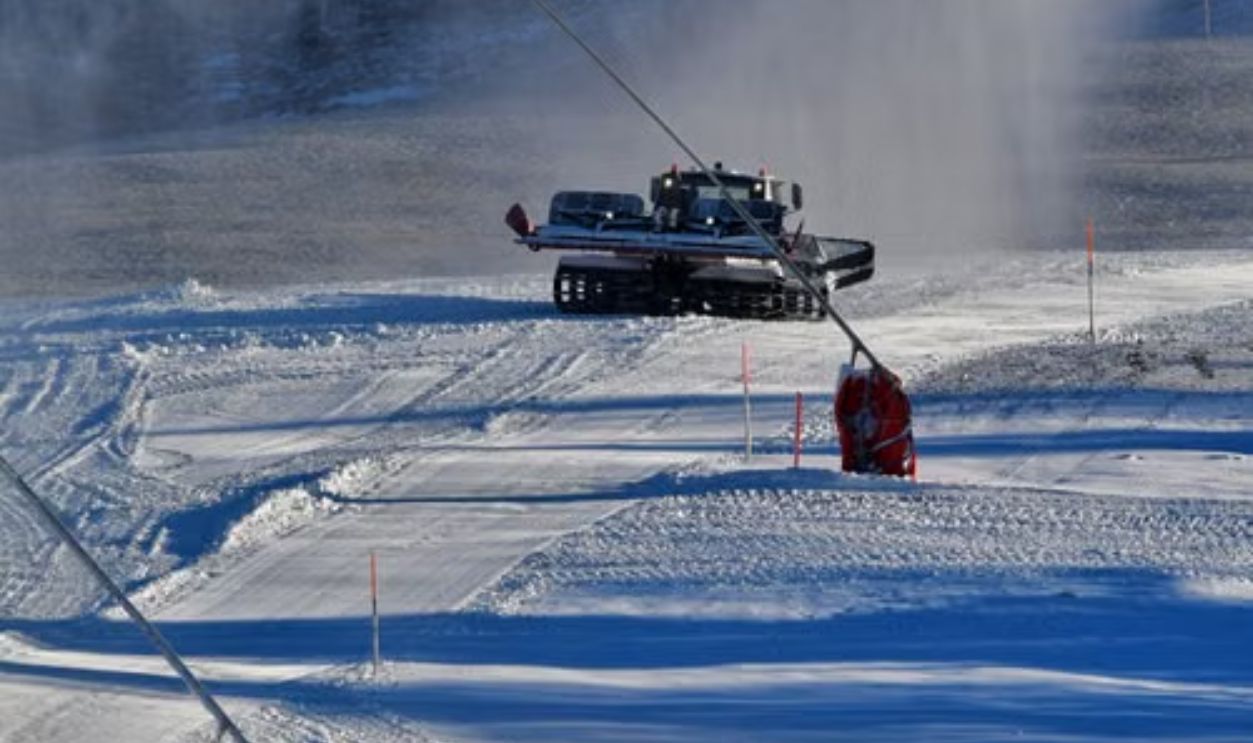
Snowmaking Helps, But It Has Limits
Many ski areas rely on artificial snow to stretch the season. However, snowmaking still needs the right temperature, humidity, water access, and energy. When weather stays too warm, even expensive equipment cannot fully replace reliable natural winter conditions.
Lower-Elevation Destinations Are More Vulnerable
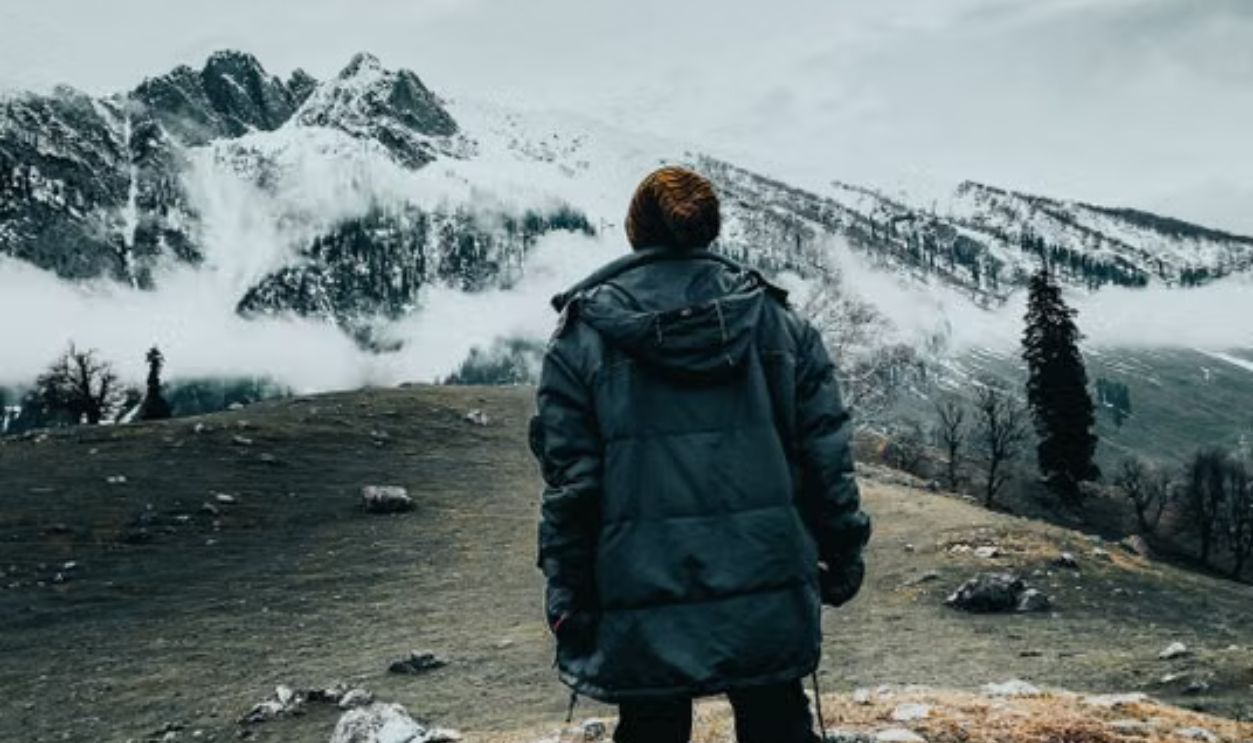
Winter destinations at lower elevations often struggle first because temperatures hover closer to freezing. A small increase can turn snow into rain or make ice unsafe. Higher-altitude resorts may have more resilience, but they are not immune to changing patterns either.
Shoulder Seasons Are Getting More Confusing
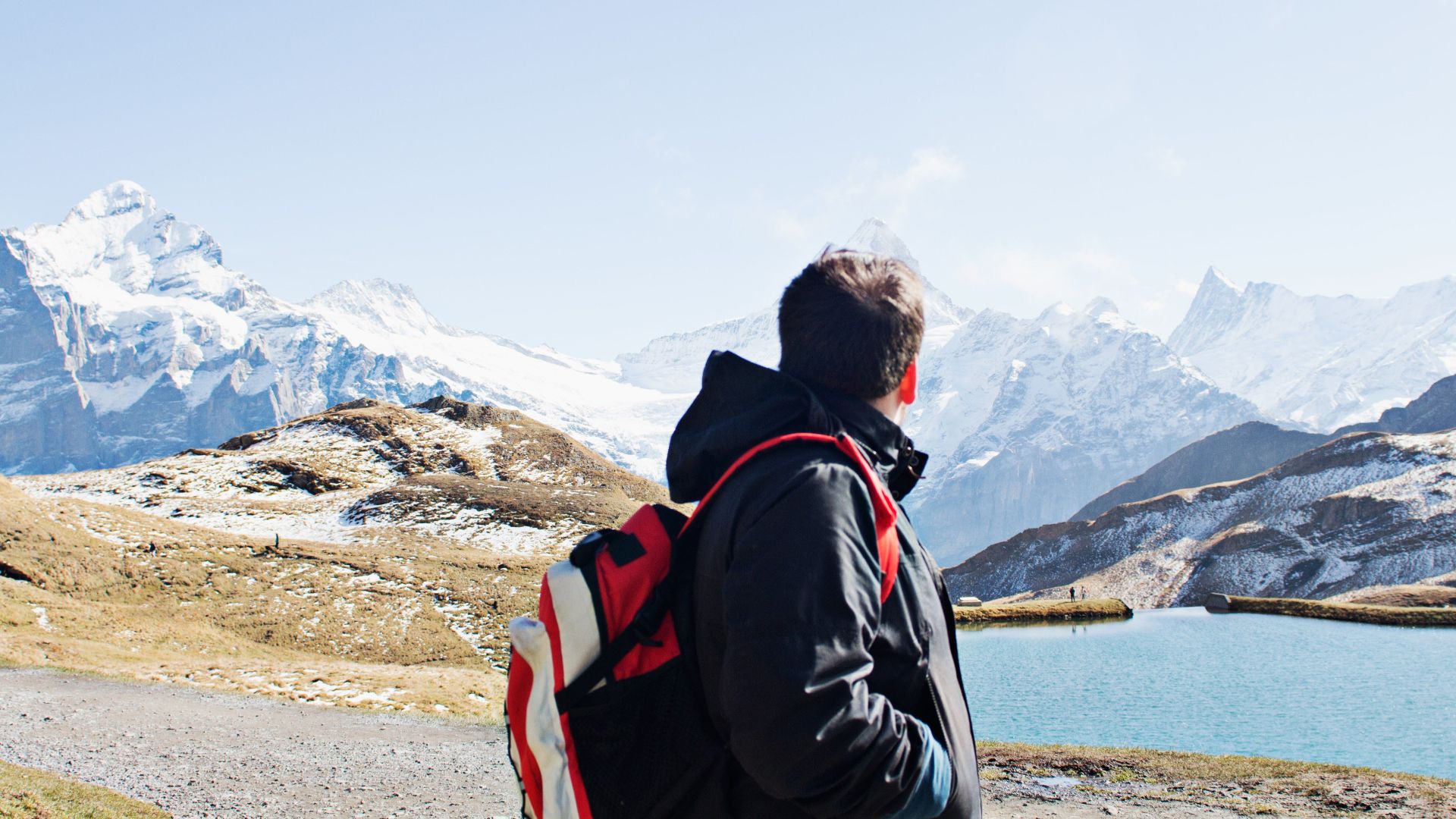
Travelers used to rely on fairly predictable seasonal windows. Now, early winter may arrive late, spring conditions may appear in February, and cold snaps may show up after activities already closed. That makes “best time to go” advice less dependable than it once was.
Cancellations Are Not Always Handled The Same Way
Some companies offer refunds, credits, or substitutions when weather shuts down activities. Others classify weather as outside their control and rely on cancellation policies. The difference often depends on your booking terms, the activity provider, and whether the entire trip was affected.

Read The Fine Print Before Booking
Winter activity providers often include weather clauses in their terms. These may allow them to cancel, reschedule, substitute, or deny refunds when conditions are unsafe. Reading those policies before booking can prevent confusion when the weather refuses to cooperate.

Travel Insurance May Have Limits
Travel insurance can help with covered delays, cancellations, medical emergencies, or interruptions. But it may not reimburse you simply because the snow was poor or a seasonal activity closed. Coverage depends on policy wording, so assumptions can be costly.

Climate Is Changing What “Normal” Means
The tourism sector is considered highly vulnerable to climate change, according to UN Tourism. That vulnerability includes changing seasons, extreme weather, water stress, heat, and shifting demand. Winter travel is one of the clearest places travelers can feel those changes personally.
Outdoor Recreation Is Especially Exposed
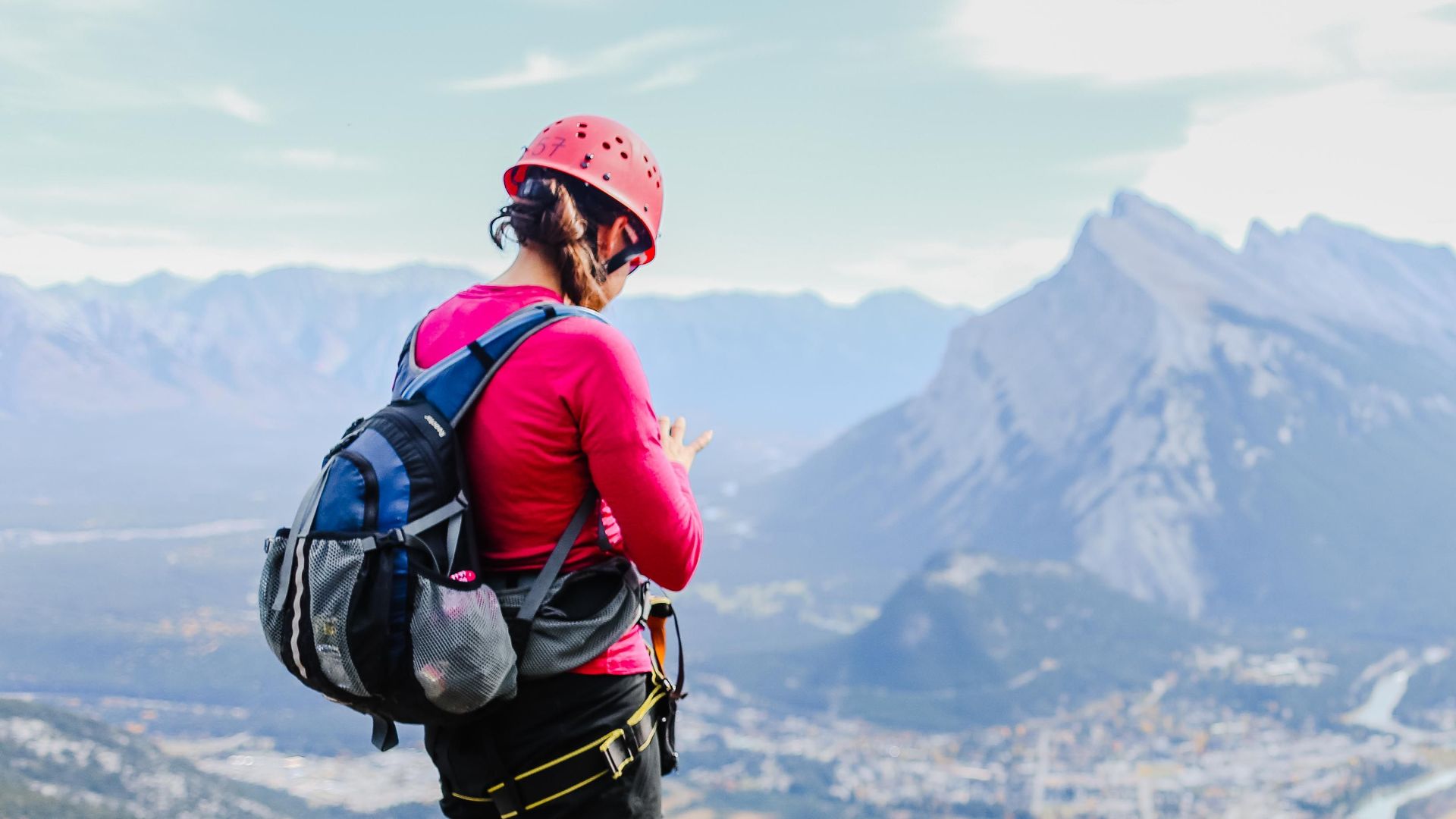
Nature-based tourism depends directly on weather and ecosystems. A review in PLOS Climate found that weather, climate, and climate change affect outdoor recreation and tourism in many ways, including where people go, when they travel, and what activities remain possible.
Local Economies Feel The Pressure Too
When winter activities shut down, travelers are not the only ones affected. Restaurants, guides, rental shops, hotels, and small towns often depend on seasonal visitors. Shorter snow seasons can create real economic pressure in communities built around winter recreation.
Ski Destinations Are Already Adapting
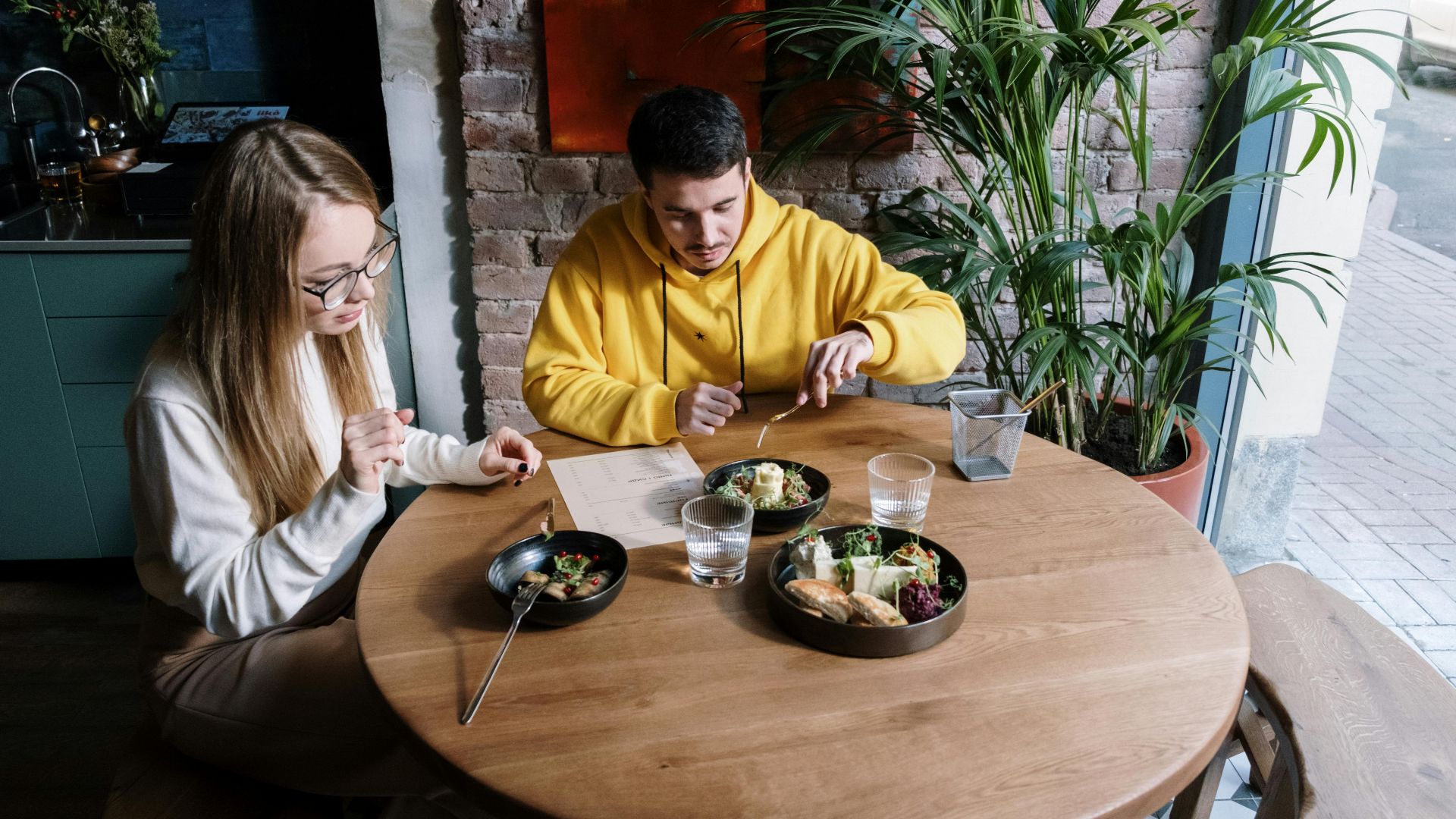
Many ski areas are investing in snowmaking, summer activities, mountain biking, spas, events, and year-round tourism. The goal is to avoid depending entirely on snow. For travelers, that means future “winter resorts” may offer more backup experiences than traditional snow-only trips.
Some Places Are Diversifying Faster Than Others
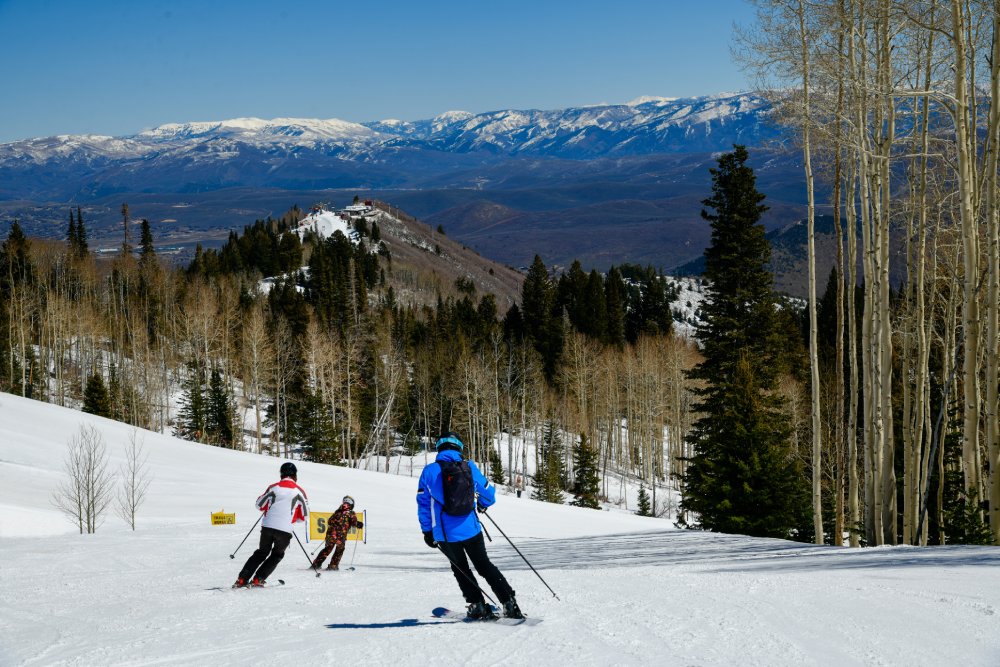
Larger resorts may have the money to adapt with snowmaking, indoor amenities, and alternate activities. Smaller destinations may have fewer options. That can make the guest experience vary widely depending on how prepared a place is for unreliable winter weather.
Warm Weather Can Affect More Than Snow
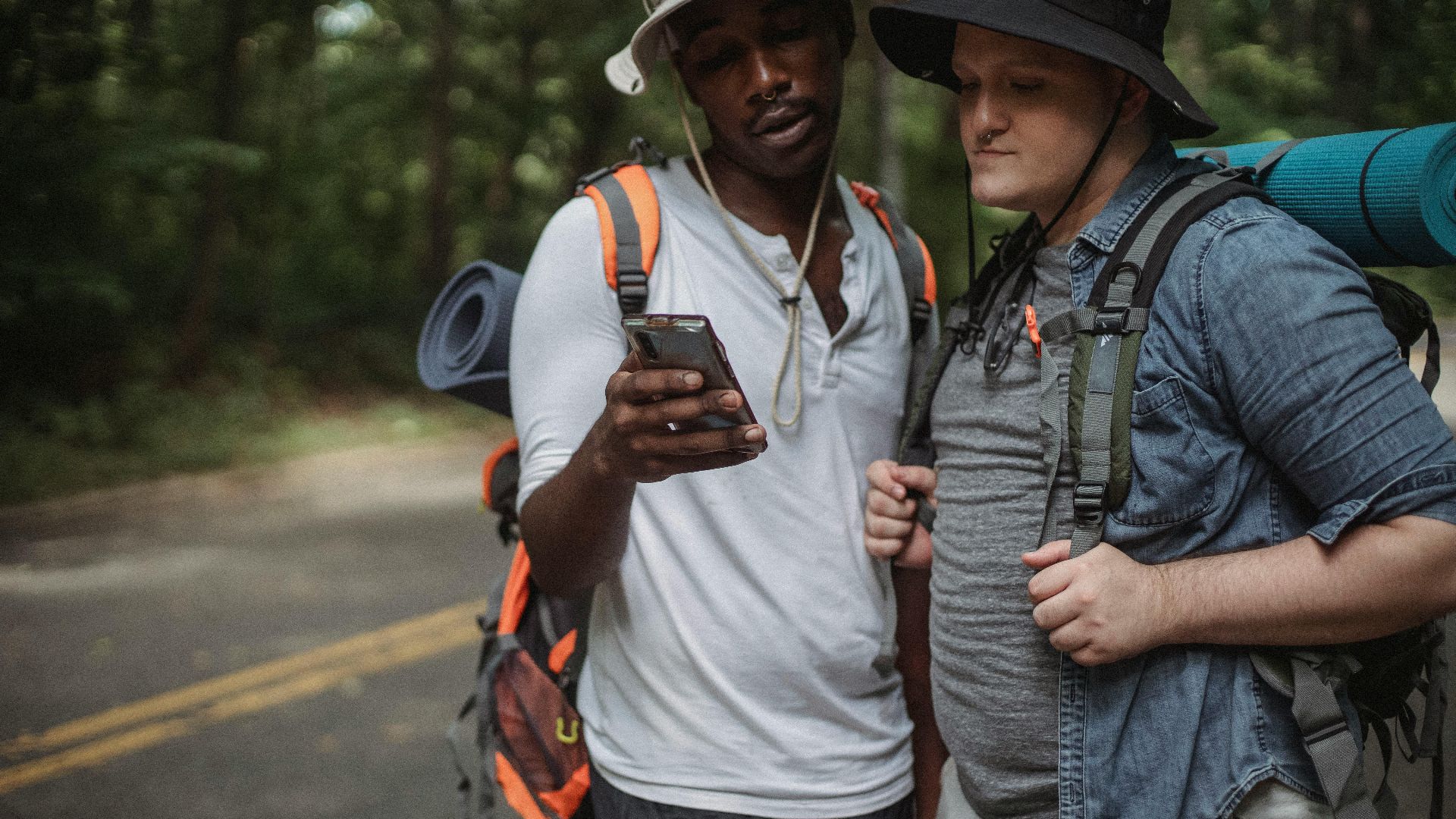
A winter getaway can also lose charm when lakes do not freeze, ice castles cannot open, dog sledding is canceled, or scenic snow-covered streets become muddy. The issue is not just skiing. Entire winter atmospheres can change when temperatures stay too high.
 Murray Foubister, Wikimedia Commons
Booking Earlier Is Not Always Safer
Booking early may save money, but it can increase weather uncertainty. Booking late gives you a better view of actual conditions, but prices may rise and availability may shrink. Winter travel now often requires balancing price against certainty.

Flexible Reservations Matter More Than Ever
Refundable hotels, changeable flights, and flexible activity bookings can protect you from disappointment. They may cost more upfront, but flexibility can be valuable when warm weather makes the original plan less appealing or impossible.

Check Conditions, Not Just The Calendar
Do not assume January automatically means snow or March automatically means spring skiing. Before booking, check historical conditions, current snow reports, resort updates, ice safety notices, and recent traveler reviews. Real-time information is becoming essential.

Build A Backup Plan Before You Go
A winter trip works better when you plan alternatives in advance. Look for spas, museums, scenic drives, food tours, hot springs, indoor pools, shopping streets, or nearby cities. If the snow disappears, the trip does not have to collapse completely.

Ask Operators Direct Questions
Before booking, ask what happens if trails close, lifts stop, ice is unsafe, or tours are canceled. Ask whether they offer refunds, credits, substitutions, or rescheduling. A clear answer before you pay is far better than arguing after arrival.

Some Activities Are Too Dangerous To Force
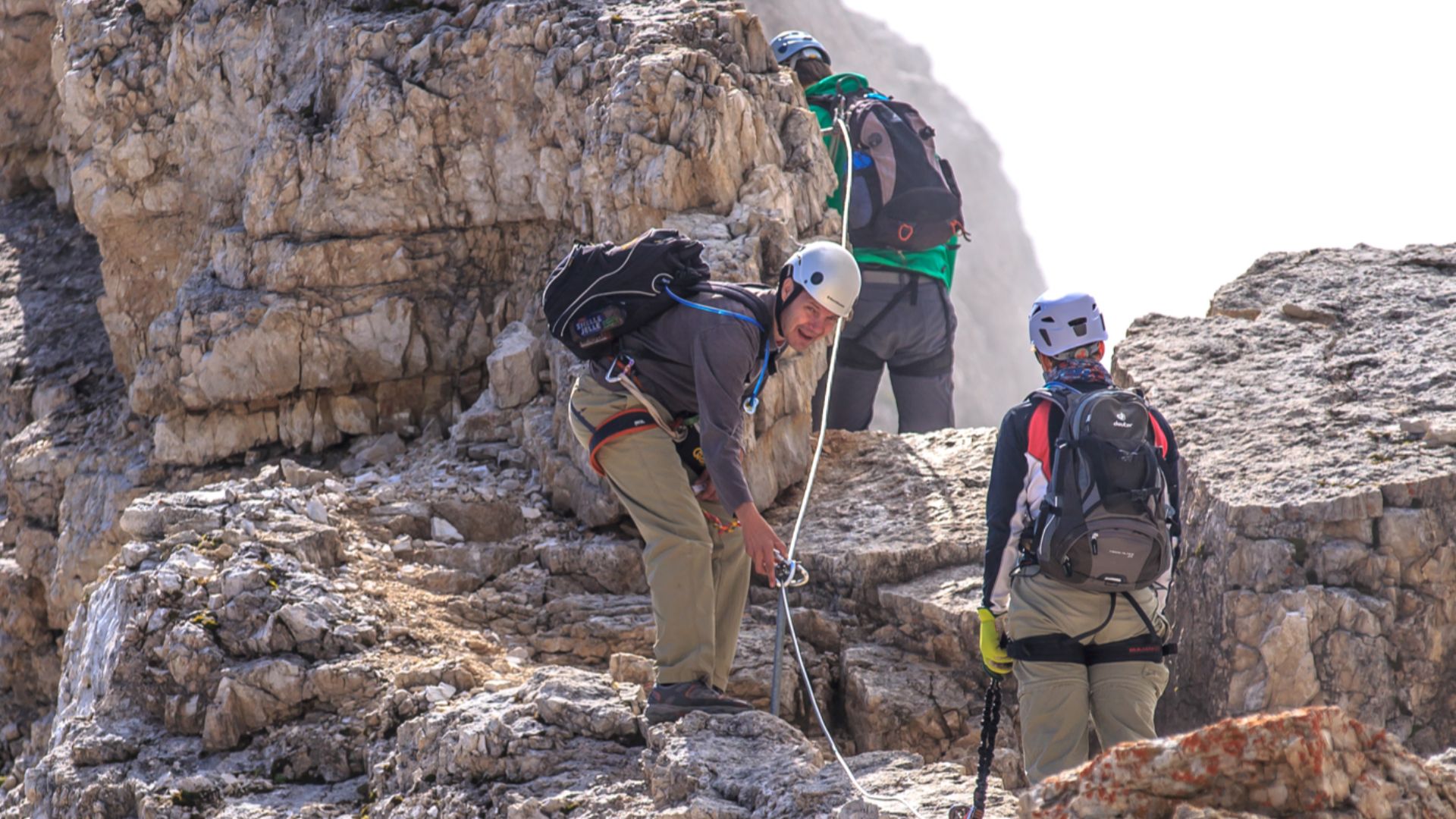
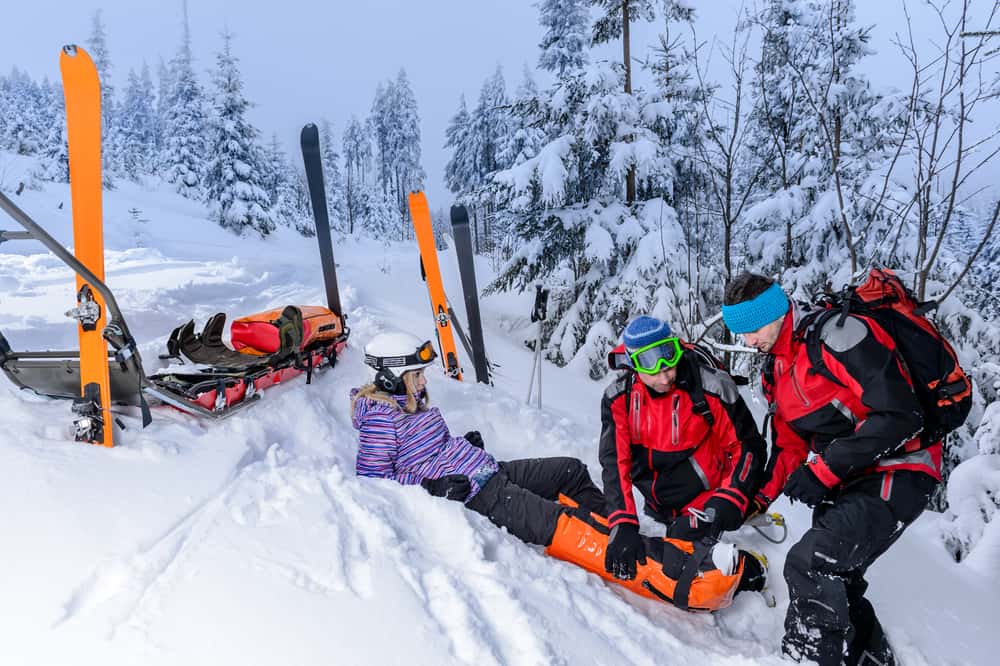
It is tempting to feel cheated when closures happen, but unsafe winter conditions are serious. Thin ice, exposed rocks, unstable snow, and poor visibility can cause injuries. If an activity closes, it may be frustrating, but it may also be the responsible call.
Social Media Can Make Expectations Worse
Beautiful winter videos often show perfect snowfall, empty trails, and magical lighting. They rarely show rain, slush, closures, or disappointed visitors. A destination may still be wonderful, but social media can make seasonal reliability look stronger than it really is.

This Does Not Mean Winter Travel Is Over
Winter trips can still be beautiful and worthwhile. The change is that travelers may need to plan with more flexibility, pay closer attention to conditions, and choose destinations with backup activities instead of relying on one weather-dependent highlight.

The Best Destinations Will Be Honest
Travel businesses that communicate clearly about conditions, closures, and alternatives will earn more trust. Travelers can handle bad weather better than they can handle surprise disappointment. Honest updates matter more as seasonal reliability becomes less predictable.

Climate Is Making Planning Harder, But Not Hopeless
Yes, climate change is making some kinds of travel planning more complicated, especially weather-dependent winter trips. But better research, flexible bookings, backup plans, and realistic expectations can still help you have a worthwhile getaway, even when the snow does not cooperate.
The New Rule Is Plan For The Season, But Prepare For The Weather
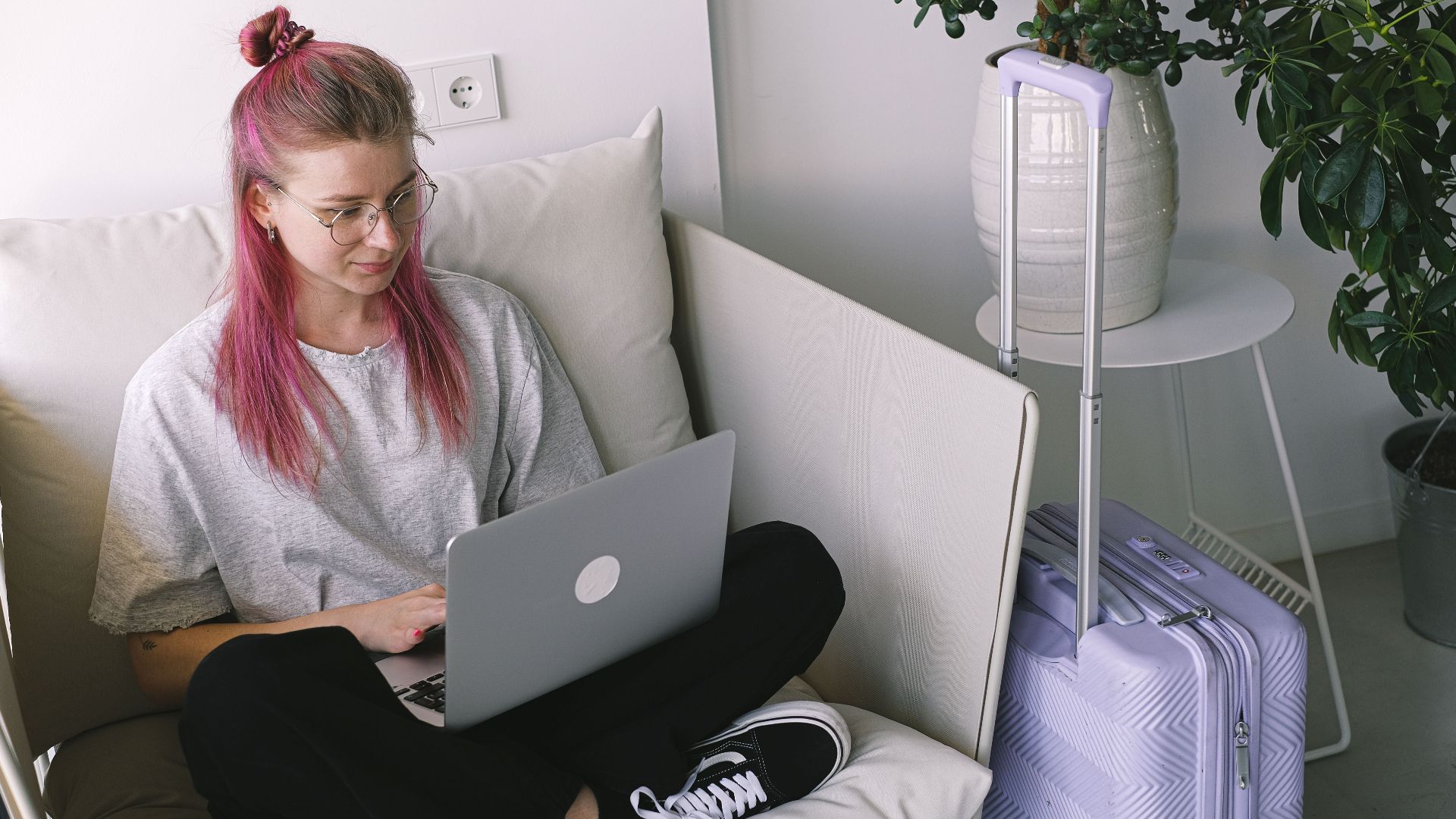
A winter getaway used to feel like a safe bet if you picked the right month. Now, the smarter approach is planning for the experience you want while preparing for conditions to change. That mindset can protect your budget, your mood, and your vacation.
You May Also Like:
Data Reveals The Best And Worst Airports In The World—Is Yours On The List?
The Mystery Of The Loretto Chapel Staircase