


The Americans Nailed This One.
Canadians are hardly strangers to long drives, but a road trip south of the border has its own remarkably convenient and theatrical rhythm. Huge interstate networks, roads designed as attractions, strange roadside stops, and national parks built for drivers can make the United States unusually satisfying to explore from behind the wheel.
Crossing The Border Feels Surprisingly Simple
Canadian citizens generally do not need a nonimmigrant visa for ordinary tourism in the United States. Travelers entering by land still need an accepted travel document and must satisfy U.S. Customs and Border Protection requirements. Once that formality is finished, a Canadian road trip can continue seamlessly onto an enormous American highway network.

The Interstate System Is Enormous
The United States has roughly 47,000 miles of Interstate highways. That network represents only a small share of the country’s total public-road mileage, yet it carries an enormous amount of traffic and links metropolitan areas across the country. For Canadians used to long stretches between major population centers, the sheer number of high-speed route choices can feel luxurious.
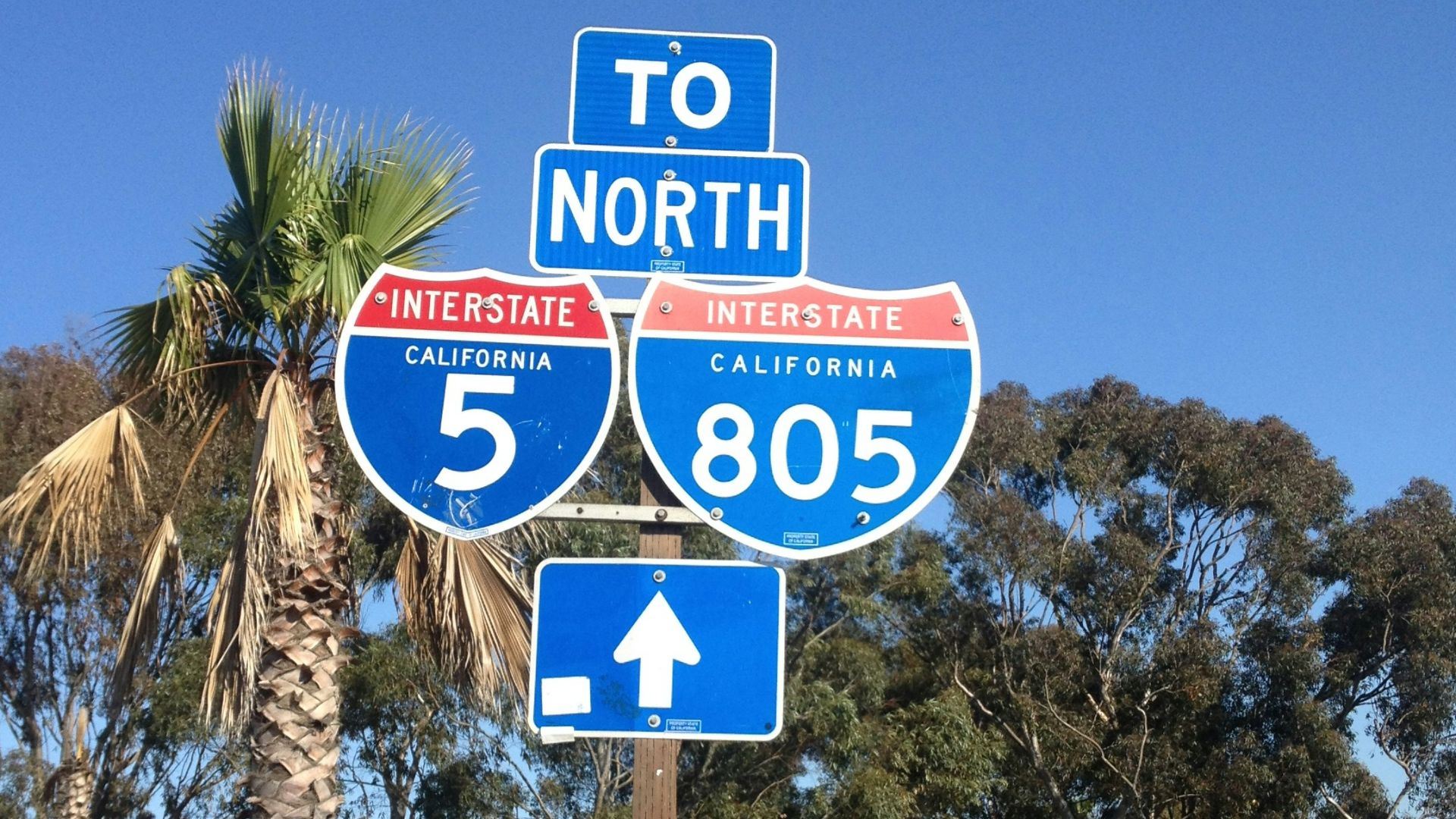
Those Blue Signs Are Brilliant
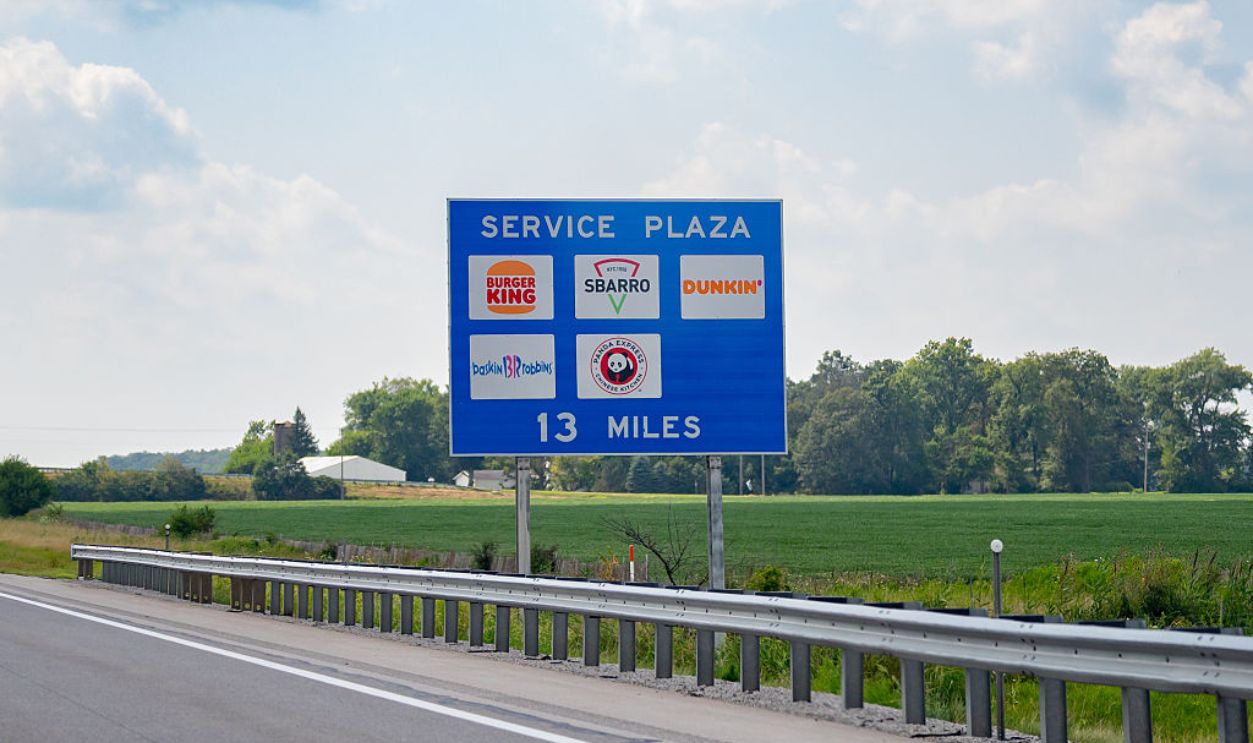
American freeway travelers regularly encounter signs identifying nearby gas, food, lodging, camping, attractions, and other services. Federal highway standards specifically provide for these service signs near interchanges. It is a small convenience until you have been driving for hours and can decide where to eat or sleep without leaving the highway blindly.
Exit Numbers Can Tell You Distance
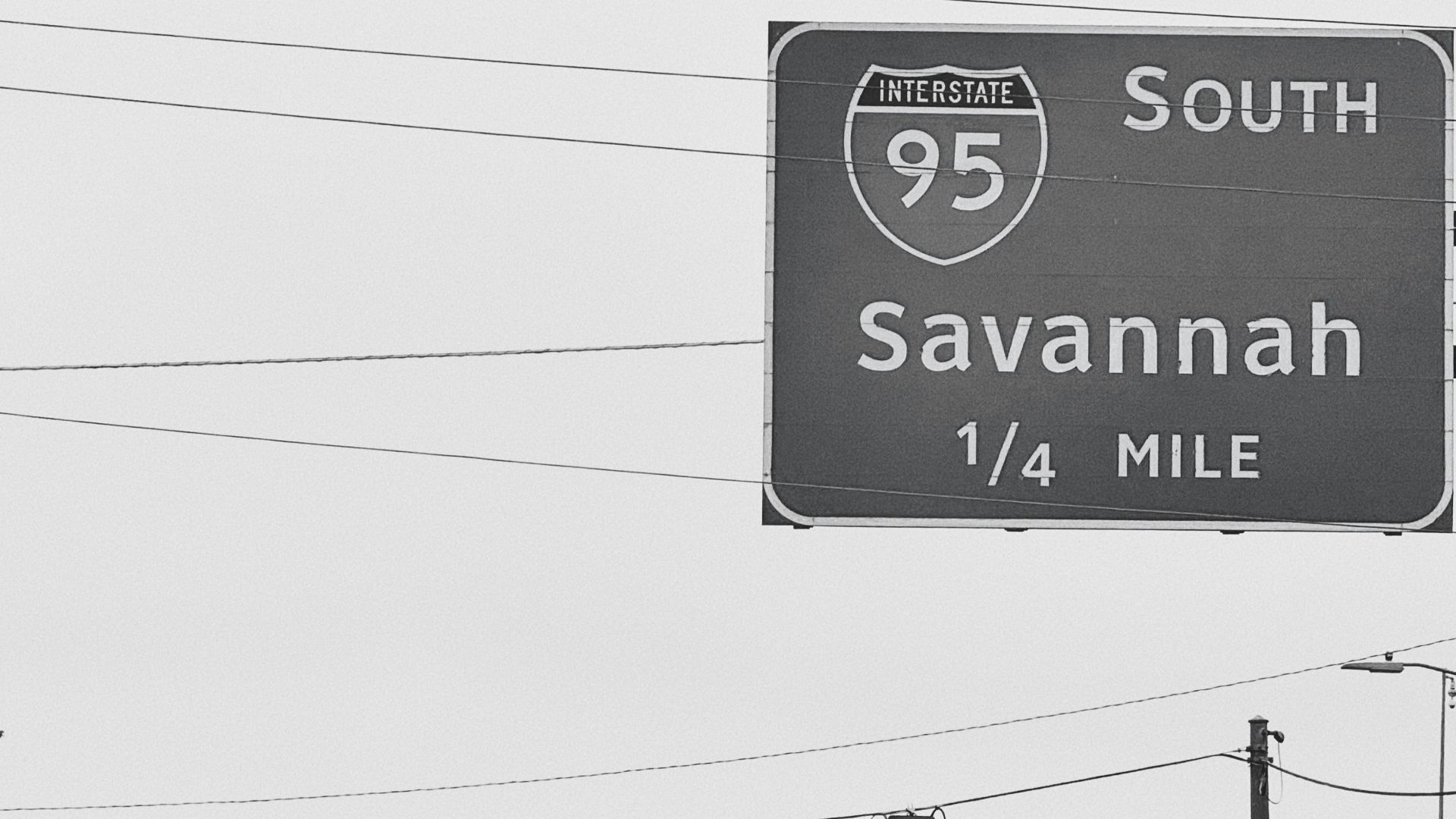
Many Interstate highways use mile-based exit numbering rather than simply counting exits consecutively. An interchange near mile 80 may therefore be Exit 80, which helps drivers estimate the distance between exits. Canadians accustomed to metric navigation may need a quick conversion, but the logic becomes wonderfully useful on long drives.
Road-Trip Planning Is Practically An Industry
AAA’s TripTik system allows drivers to plot long routes and locate hotels, restaurants, gas stations, attractions, and other stops along the way. AAA also publishes hundreds of road-trip itineraries covering the United States and Canada. Americans have spent generations turning the logistics of driving somewhere into a recognizable style of vacation.
 Aleksandra Sapozhnikova, Unsplash
Scenic Byways Get Official Recognition
The Federal Highway Administration recognizes 184 roads in 48 states as part of America’s Byways. These routes qualify because of scenic, historic, cultural, natural, recreational, or archaeological significance. Some All-American Roads are explicitly considered destinations in themselves rather than merely ways to reach somewhere else.
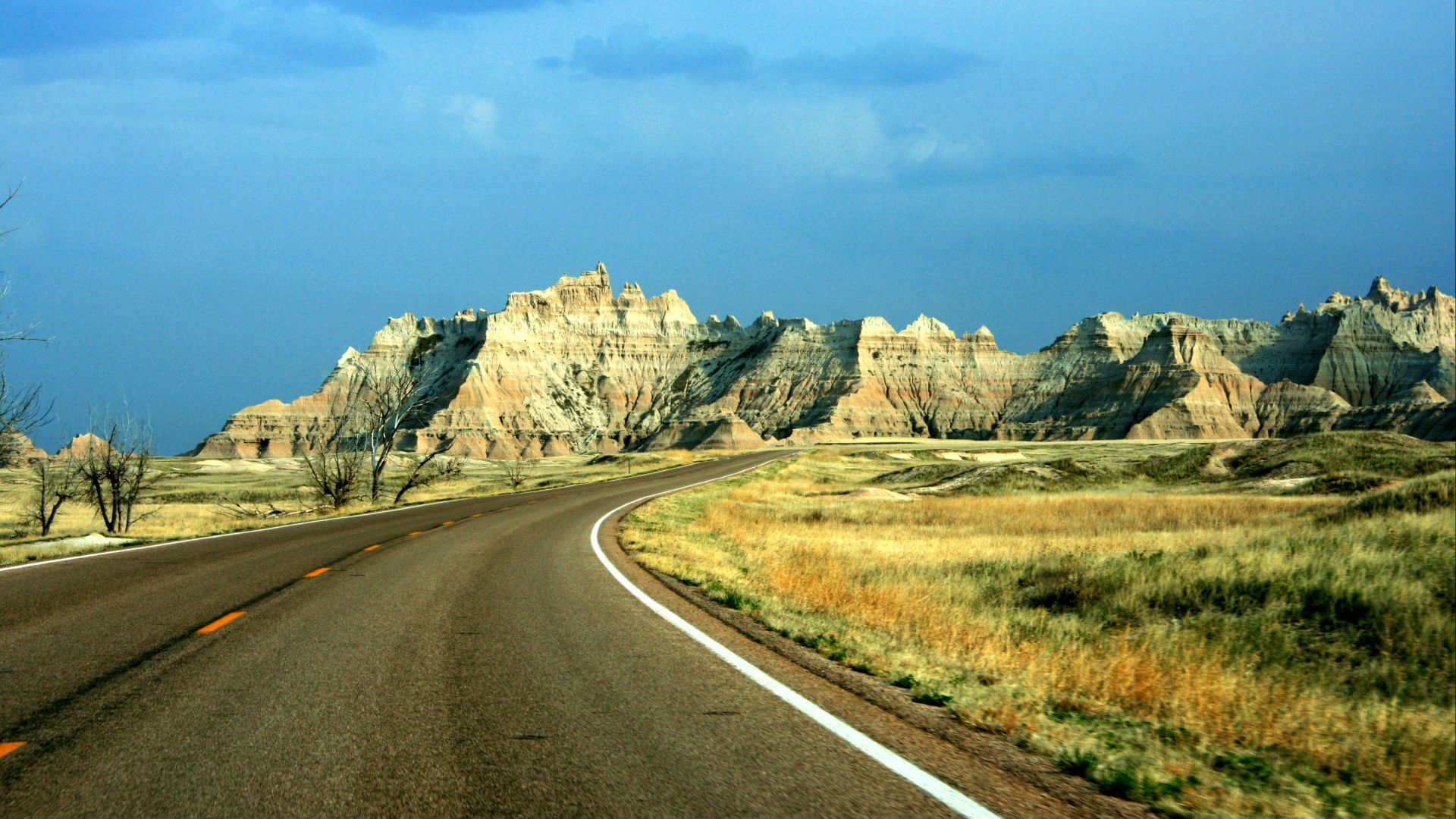
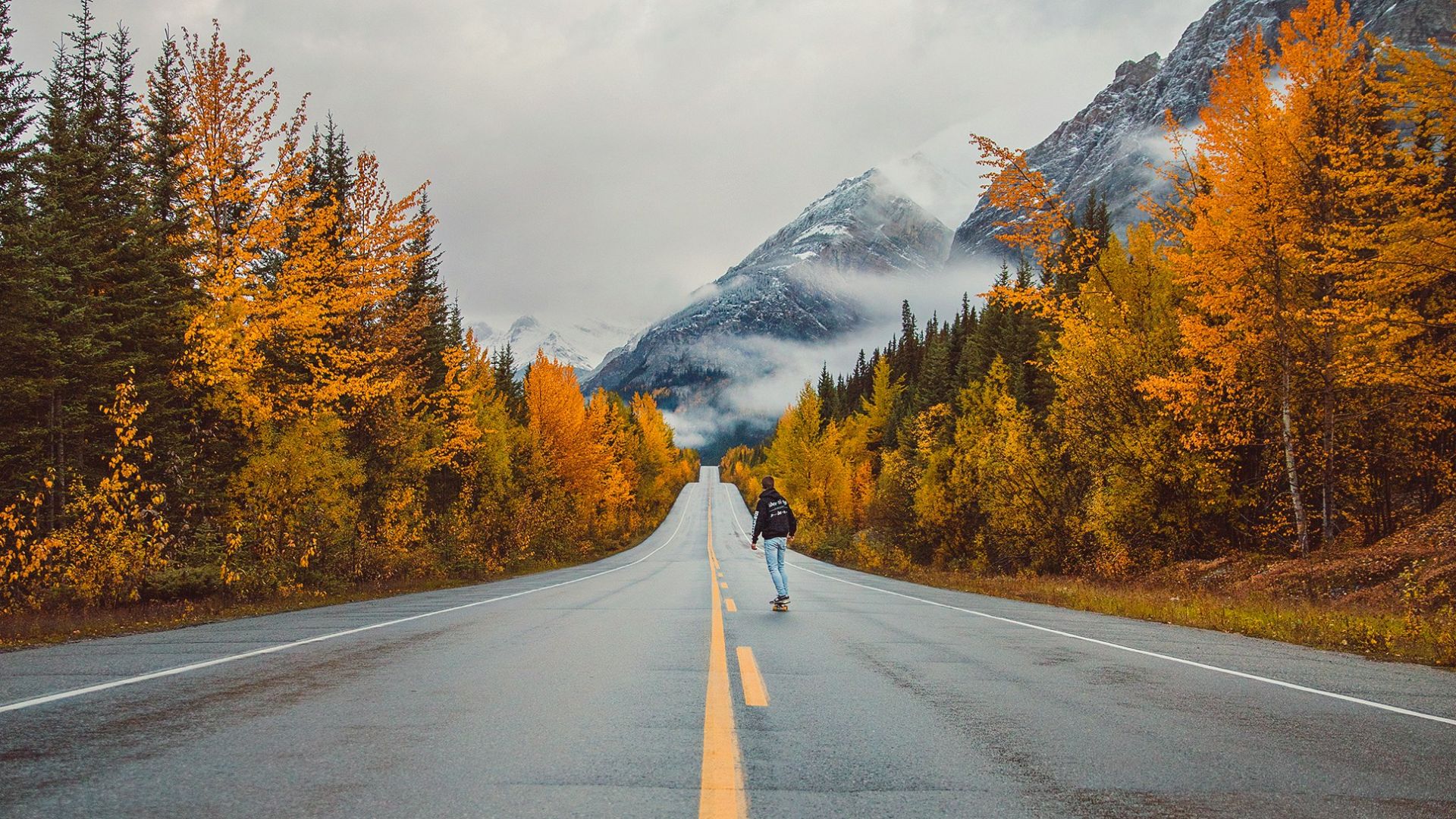
Sometimes The Road Really Is The Attraction
American road-trip culture does not always treat driving time as wasted time. The National Park Service notes that generations of park designers deliberately created roads to enhance the scenery and visitor experience. A beautifully engineered route can become the central activity rather than the tedious section between attractions.
 Michelle Oude Maatman, Unsplash
National Parks Work Remarkably Well By Car
More than 5,000 miles of paved roads run through the U.S. National Park System. Many parks contain scenic loops, overlooks, trailheads, picnic areas, visitor centers, and wildlife-viewing opportunities reachable from those roads. That makes some spectacular landscapes accessible even to travelers who cannot devote an entire day to hiking.
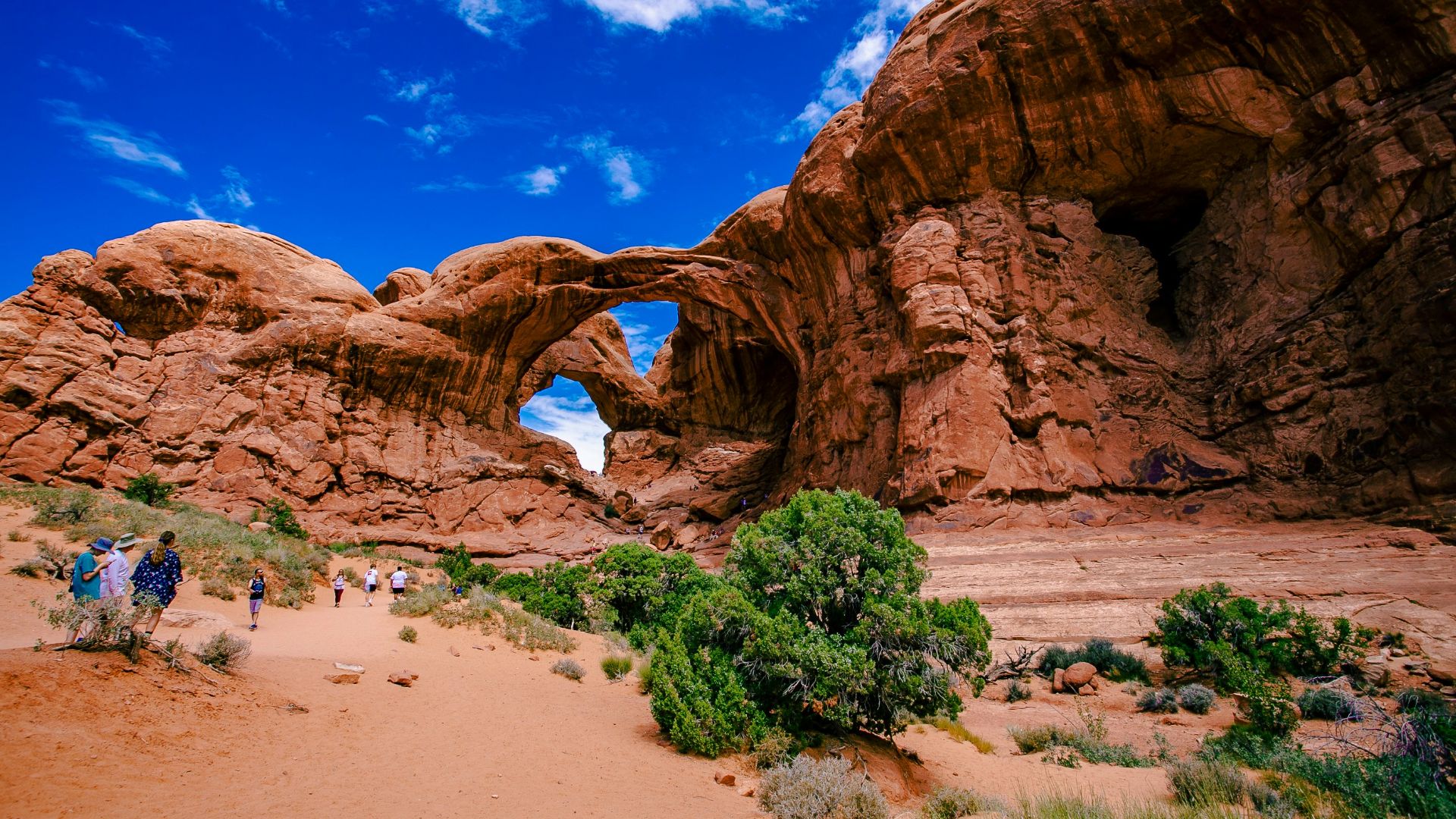
Pullouts Encourage You To Stop
Grand Teton National Park specifically highlights roadside turnouts that provide safe places to view mountains, photograph scenery, and watch wildlife. Crater Lake’s 33-mile Rim Drive includes roughly 30 overlooks along the route. The infrastructure almost seems designed to encourage the road-trip habit of repeatedly saying, “We have to stop here.”
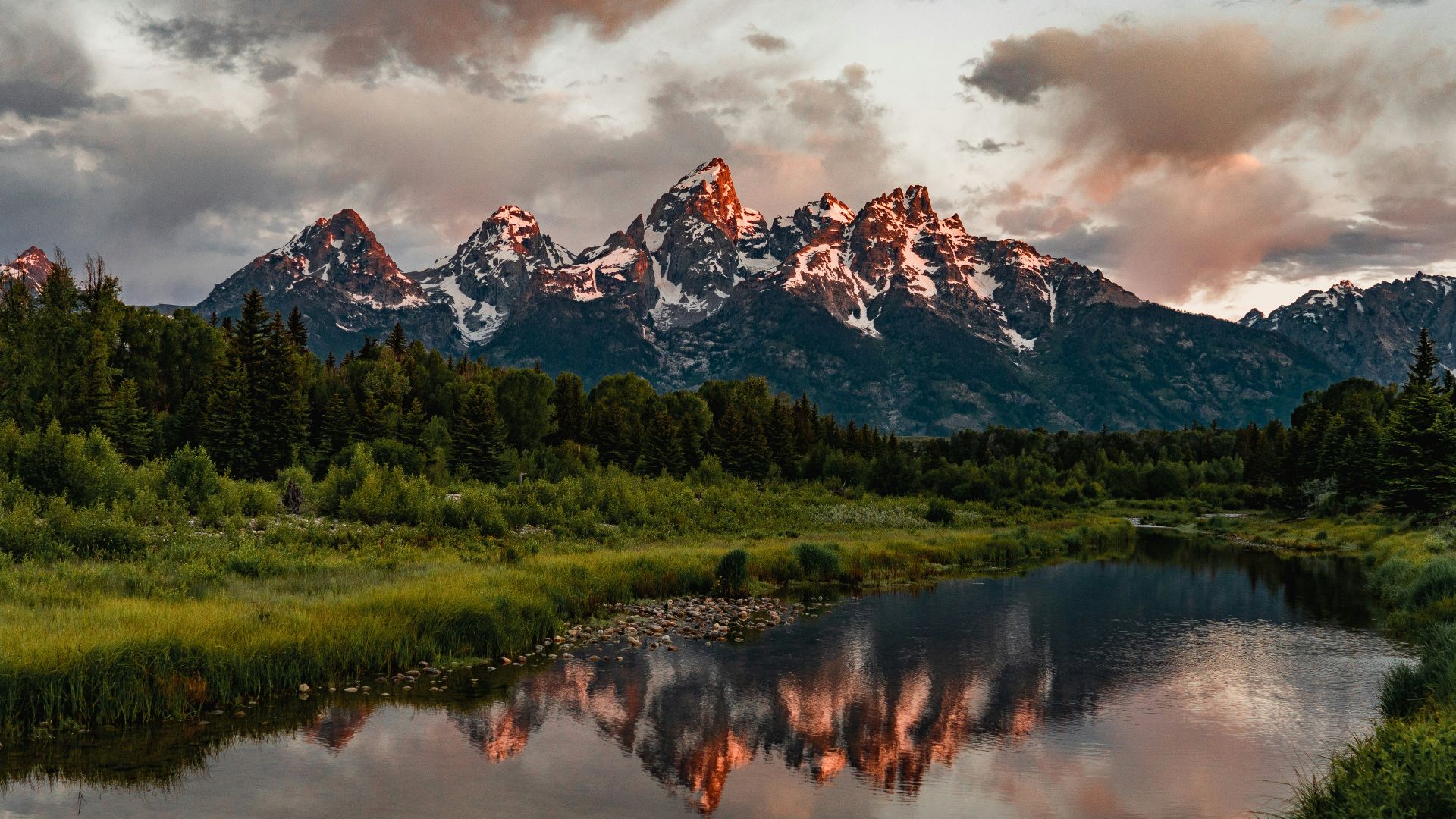
The Mountains Come To The Windshield
Rocky Mountain National Park’s Trail Ridge Road climbs to 12,183 feet, making it the highest continuous paved road in the United States. The route crosses alpine tundra and includes numerous overlooks and stopping areas. Canadians know dramatic mountain highways, but experiencing this kind of elevation without leaving the car still makes an impression.
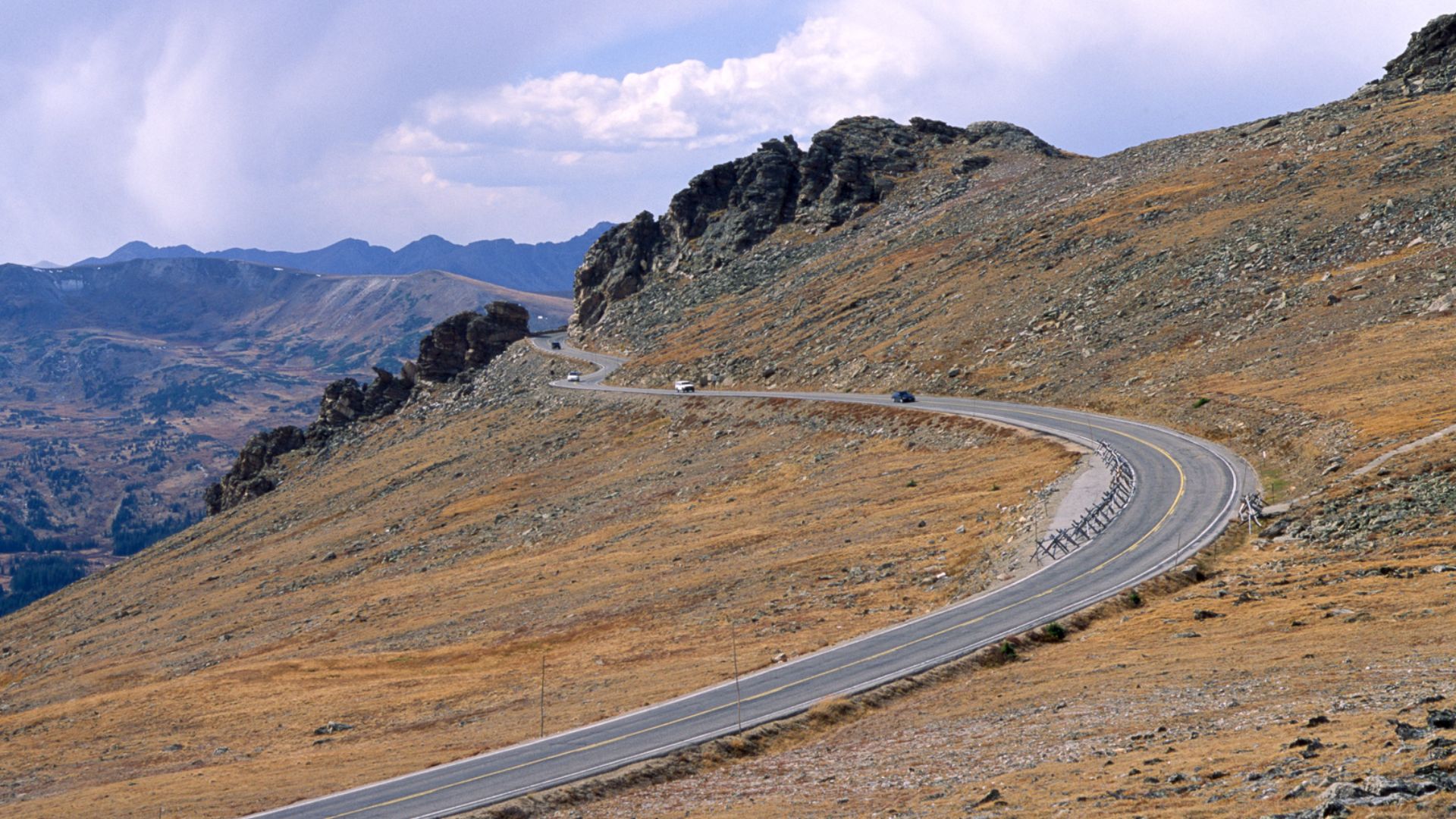 Dariusz Kowalczyk, Wikimedia Commons
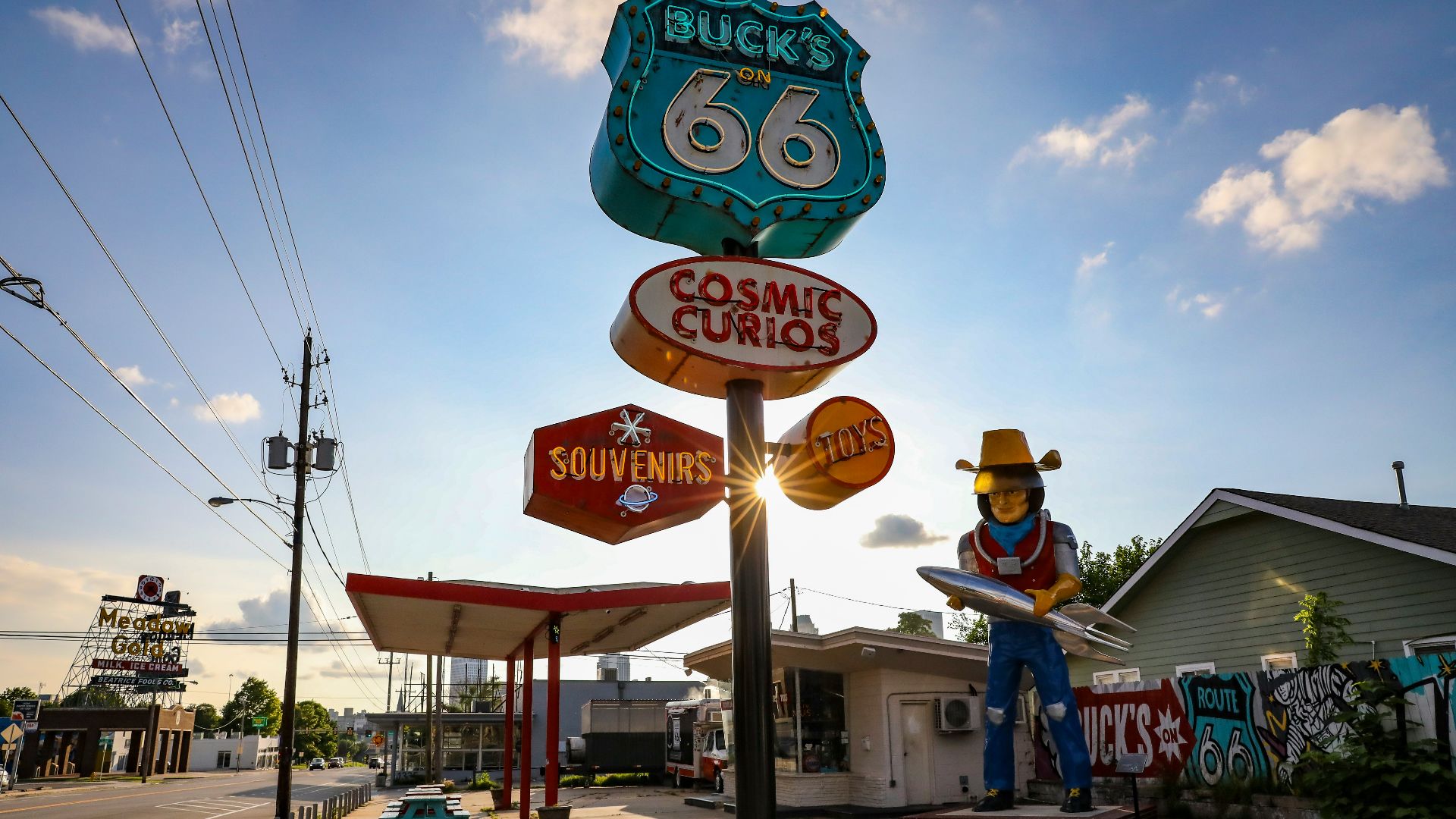
Route 66 Still Feels Mythic
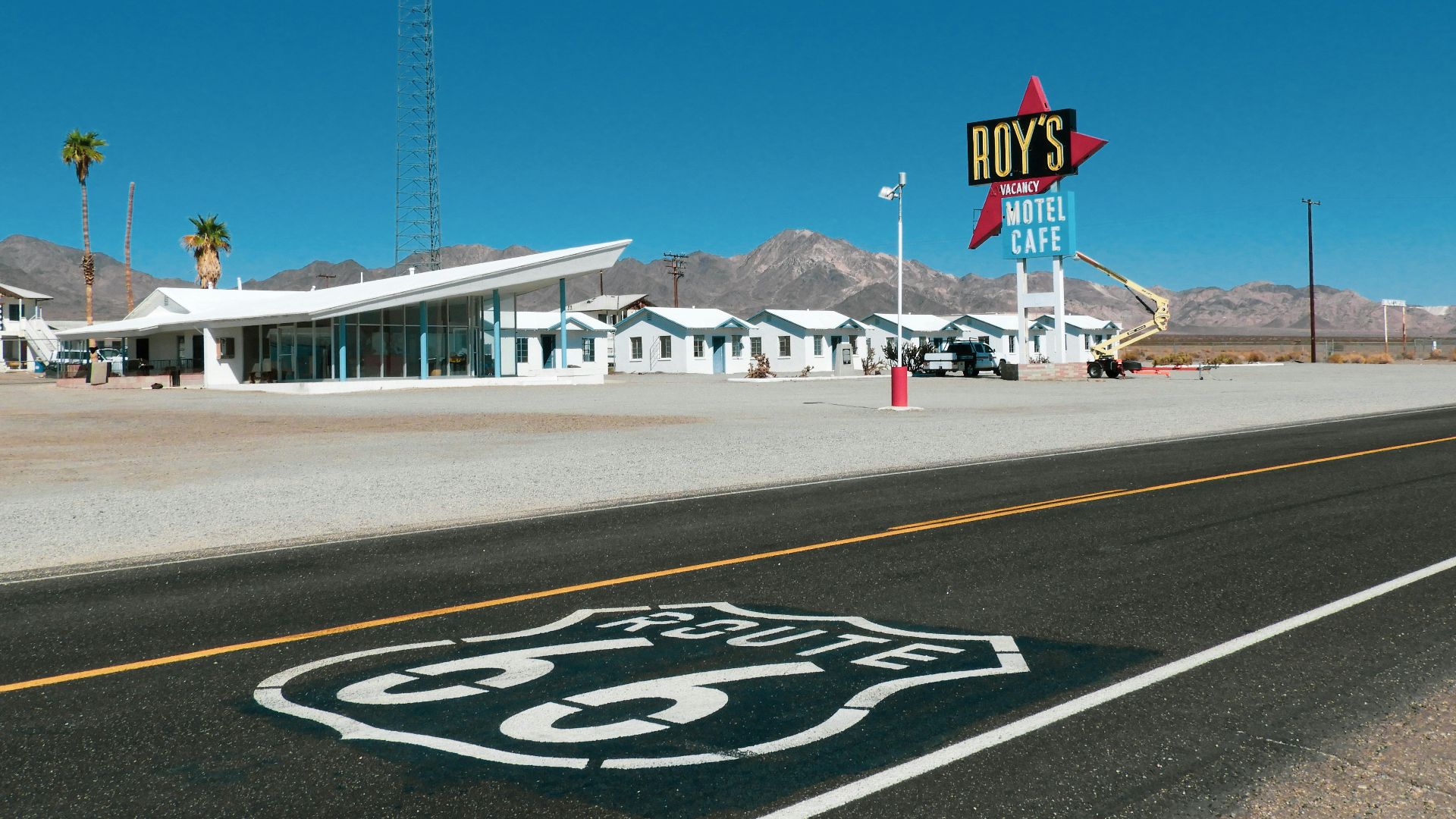
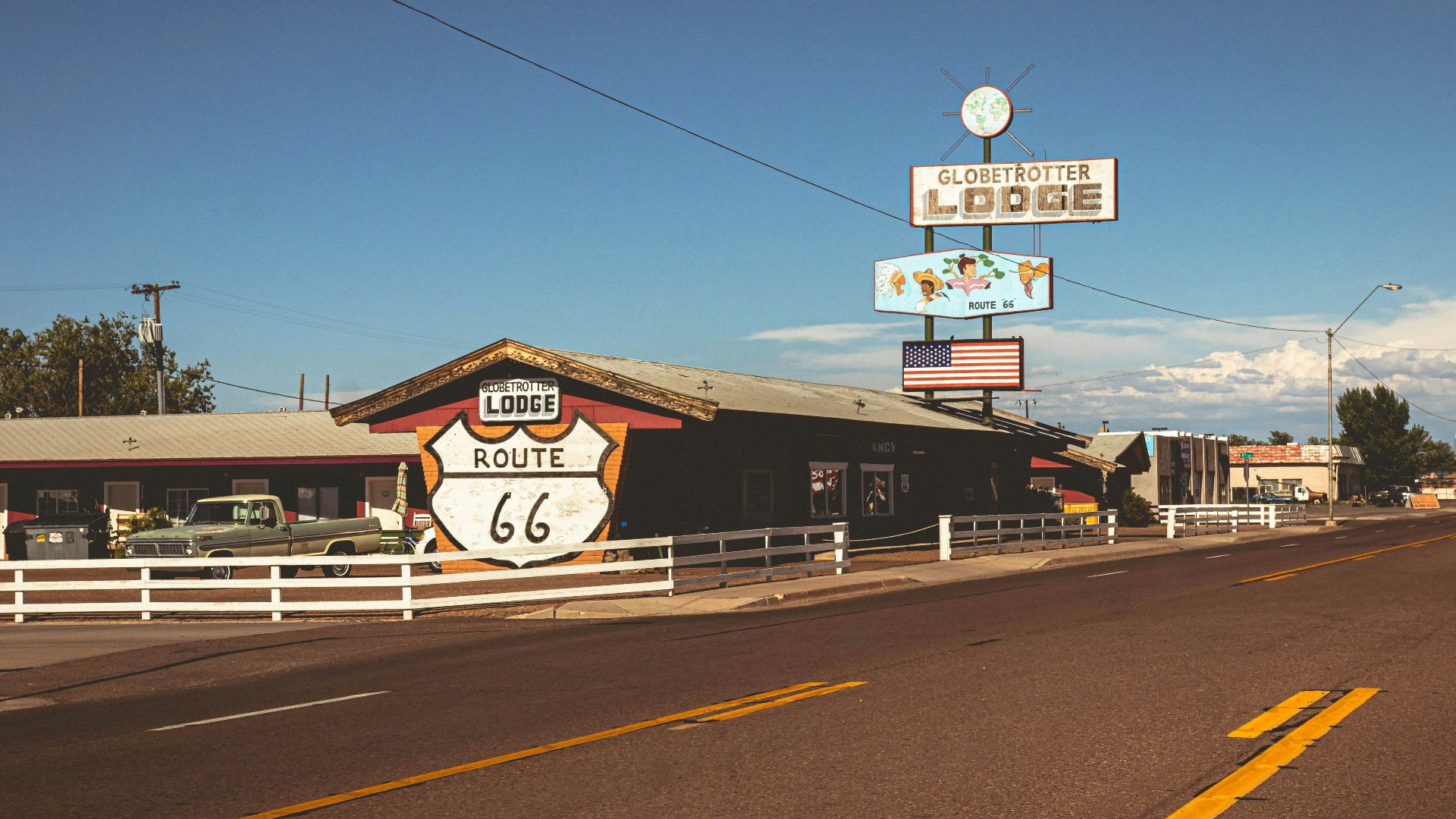
Historic Route 66 originally stretched about 2,400 miles between Chicago and Los Angeles. The National Park Service describes it as a symbol of American mobility, opportunity, adventure, and highway culture. Large sections can still be driven today, even though the route was officially removed from the U.S. Highway System in 1985.
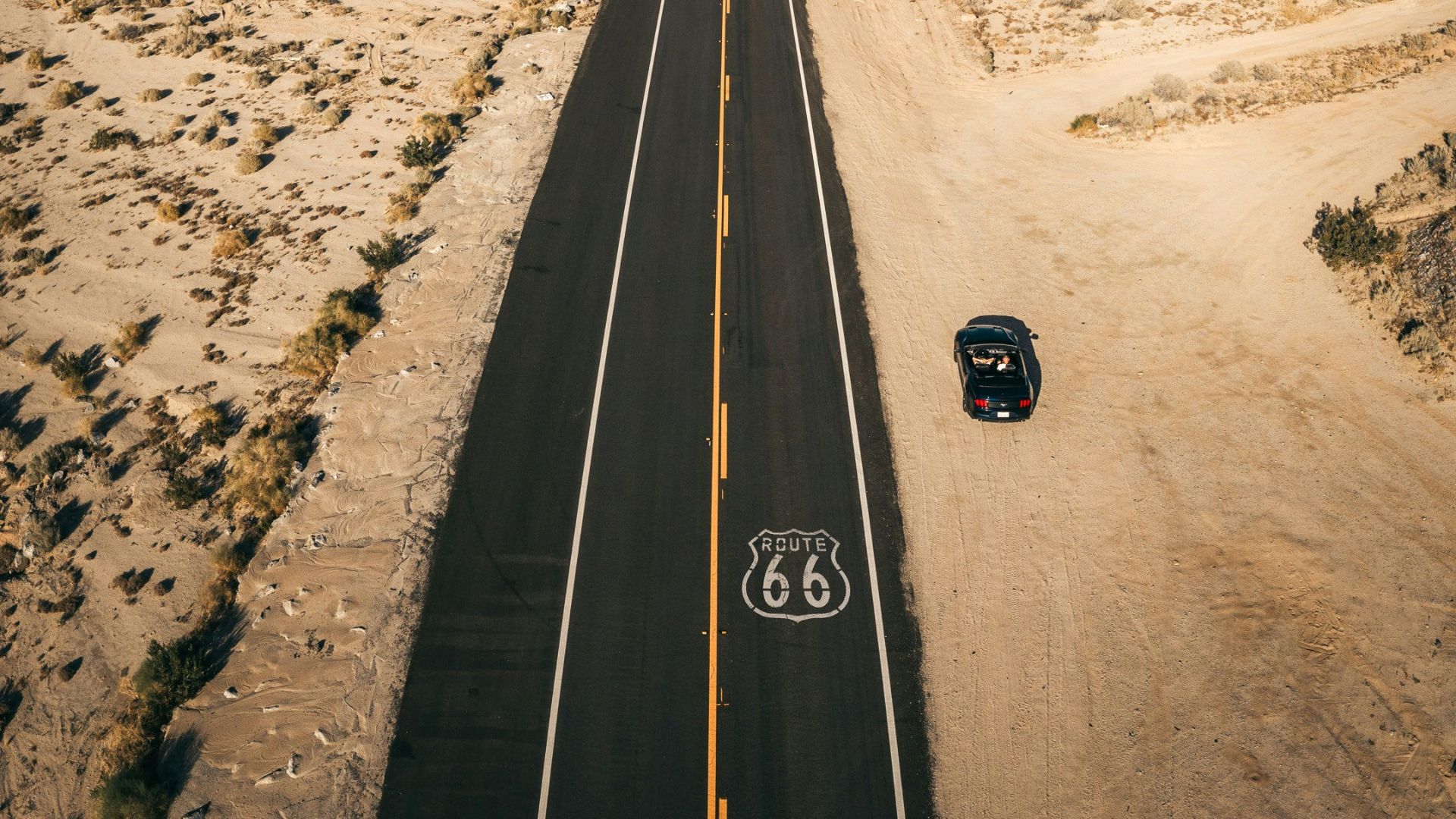
The Roadside Weirdness Is A Feature
Classic American road trips have long included places whose main selling point is simply that somebody decided to build something strange beside a highway. Smithsonian has documented the enduring world of small roadside museums, tourist traps, and eccentric attractions that depend heavily on passing motorists. They turn unnecessary stops into some of the stories people remember best.
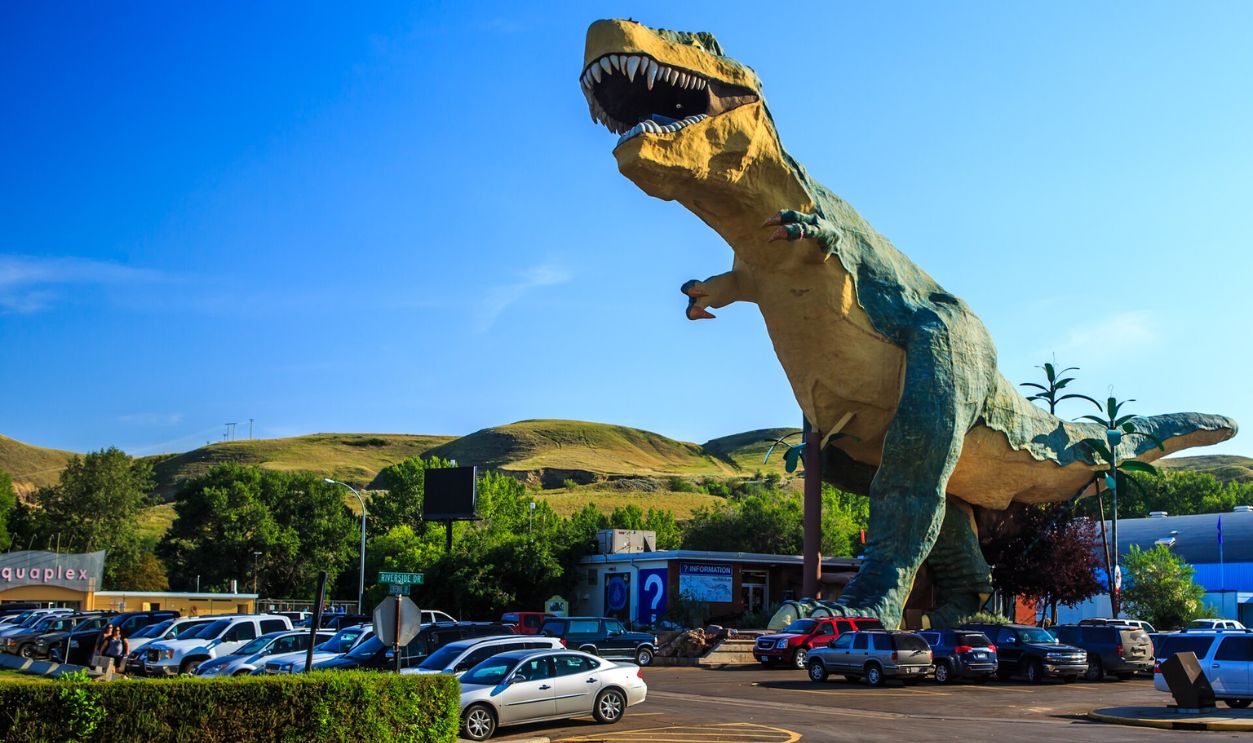 Murray Foubister, CC BY-SA 2.0, Wikimedia Commons
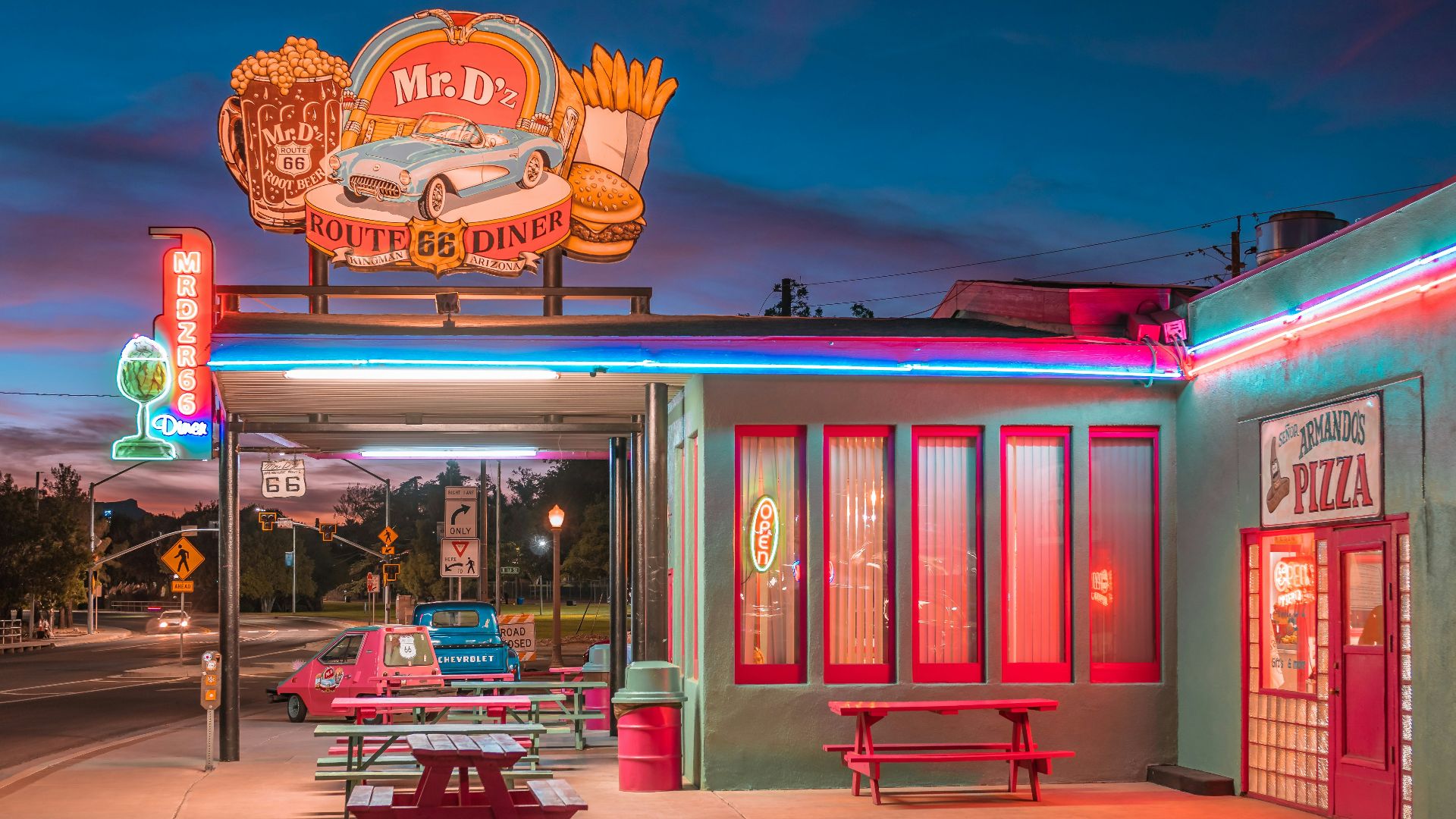
Motels And Diners Belong To The Story
Route 66 helped foster an entire roadside economy of gas stations, motels, restaurants, and attractions. As automobile traffic grew, businesses sprang up specifically to serve travelers moving across the country. Even when the original buildings are long gone, the motel-and-diner aesthetic remains inseparable from the classic American road-trip image.
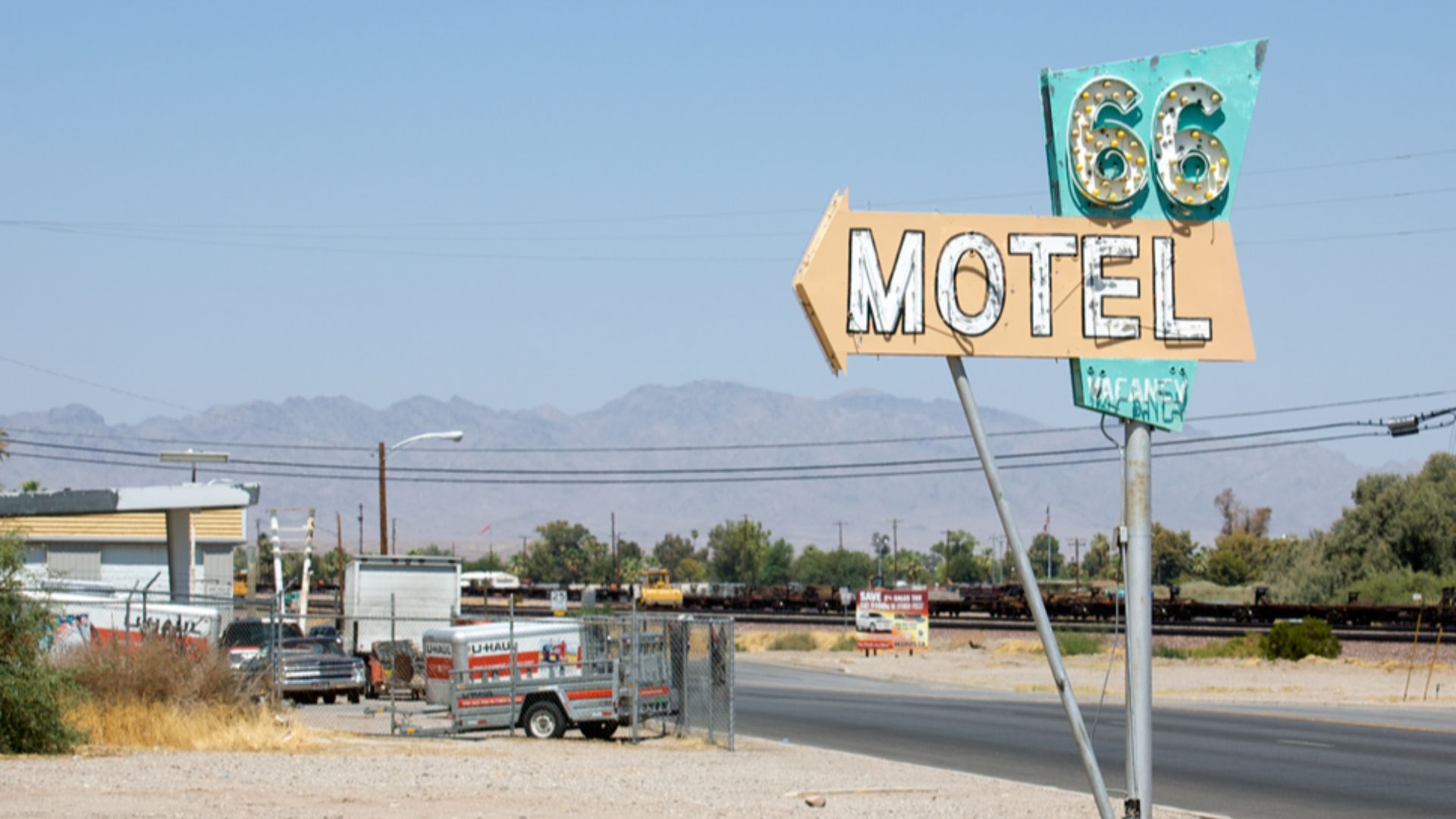 Doug Wertman, Wikimedia Commons
Old Highways Reward The Detour
The fastest Interstate route is not always the most interesting one. Route 66 was largely bypassed by newer Interstate highways, yet travelers later returned because of its historical and cultural value. Taking an older road can reveal towns and landscapes that modern limited-access highways were specifically designed to bypass.
The Country Changes Fast From State To State
America’s designated byways range from New England river valleys to Southwestern desert roads, Pacific coastlines, Appalachian routes, and Rocky Mountain corridors. Several are recognized specifically because they combine landscape with regional history and culture. Crossing a state line can therefore feel like the beginning of a new road trip rather than merely another administrative boundary.
 Bureau of Land Management, Wikimedia Commons
Miles Become Second Nature Eventually
Canadian travelers need to remember that U.S. road distances and speed limits are stated in miles rather than kilometres. Interstate mileposts also form the basis for exit numbering on many routes. After a day or two, the unfamiliar system often becomes part of the distinctive experience of driving in the United States.
Service Stops Are Easy To Spot
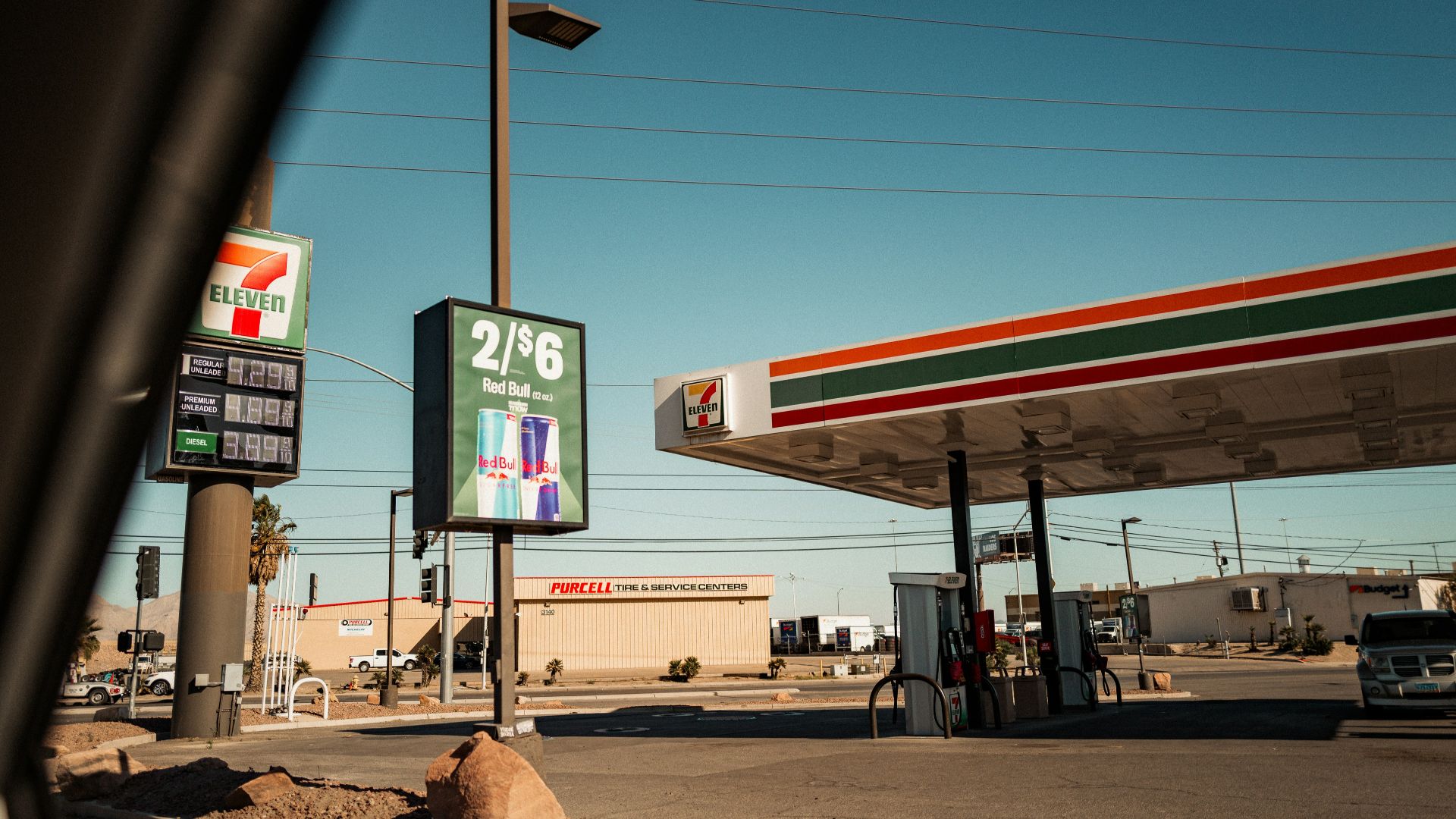
Federal highway standards allow dedicated signs for fuel, food, lodging, camping, attractions, and electric vehicle charging. Those categories are specifically intended to help motorists find useful services near highway interchanges. The result is a travel environment where basic road-trip needs are often advertised before the driver reaches the exit.
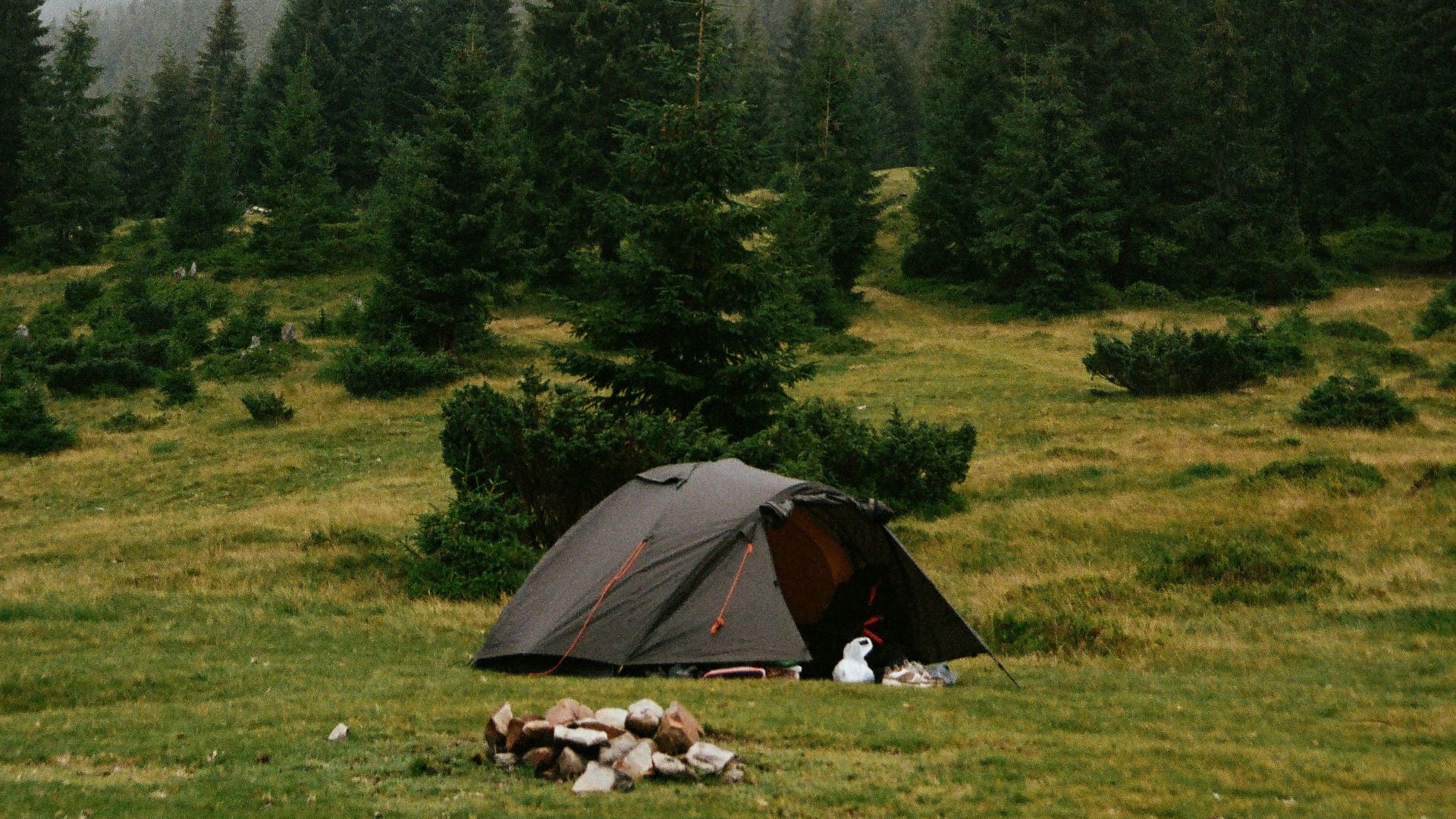
Even Camping Can Be Spontaneous
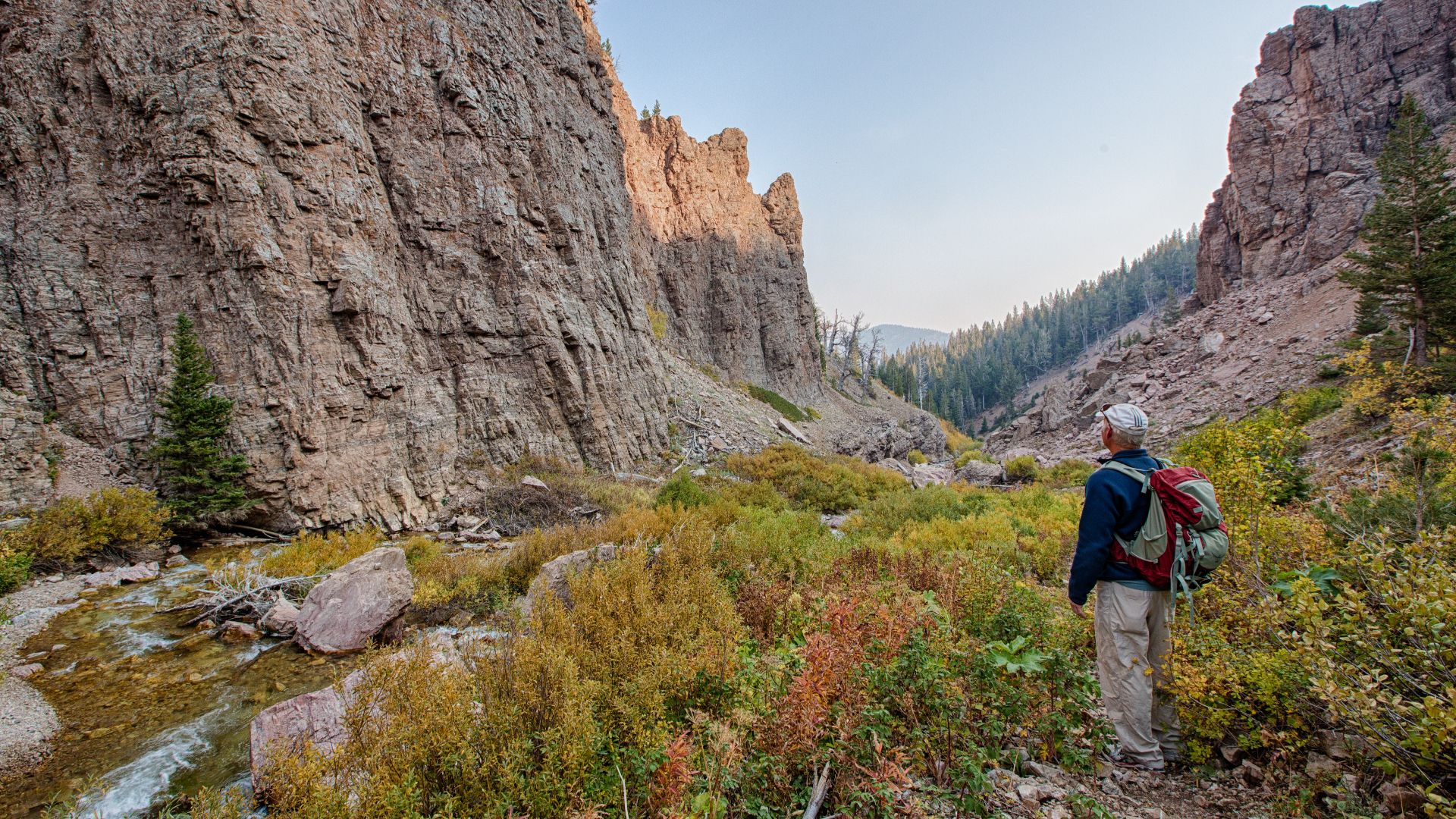
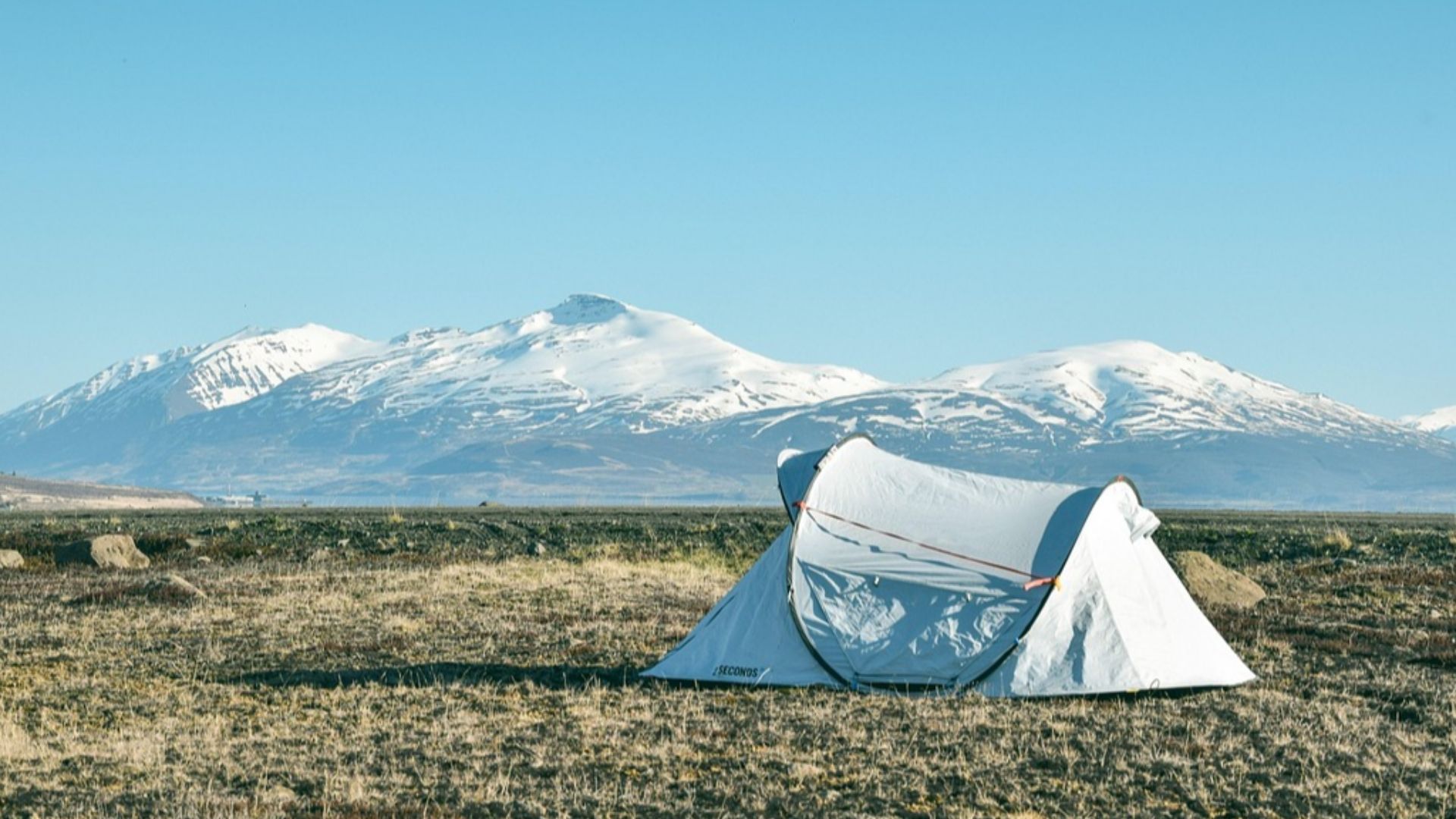
The U.S. Bureau of Land Management manages developed campgrounds across large areas of federal public land. It also permits dispersed camping on much of the land it manages unless local rules or closures say otherwise. In parts of the American West, that creates remarkable flexibility for travelers carrying camping equipment.
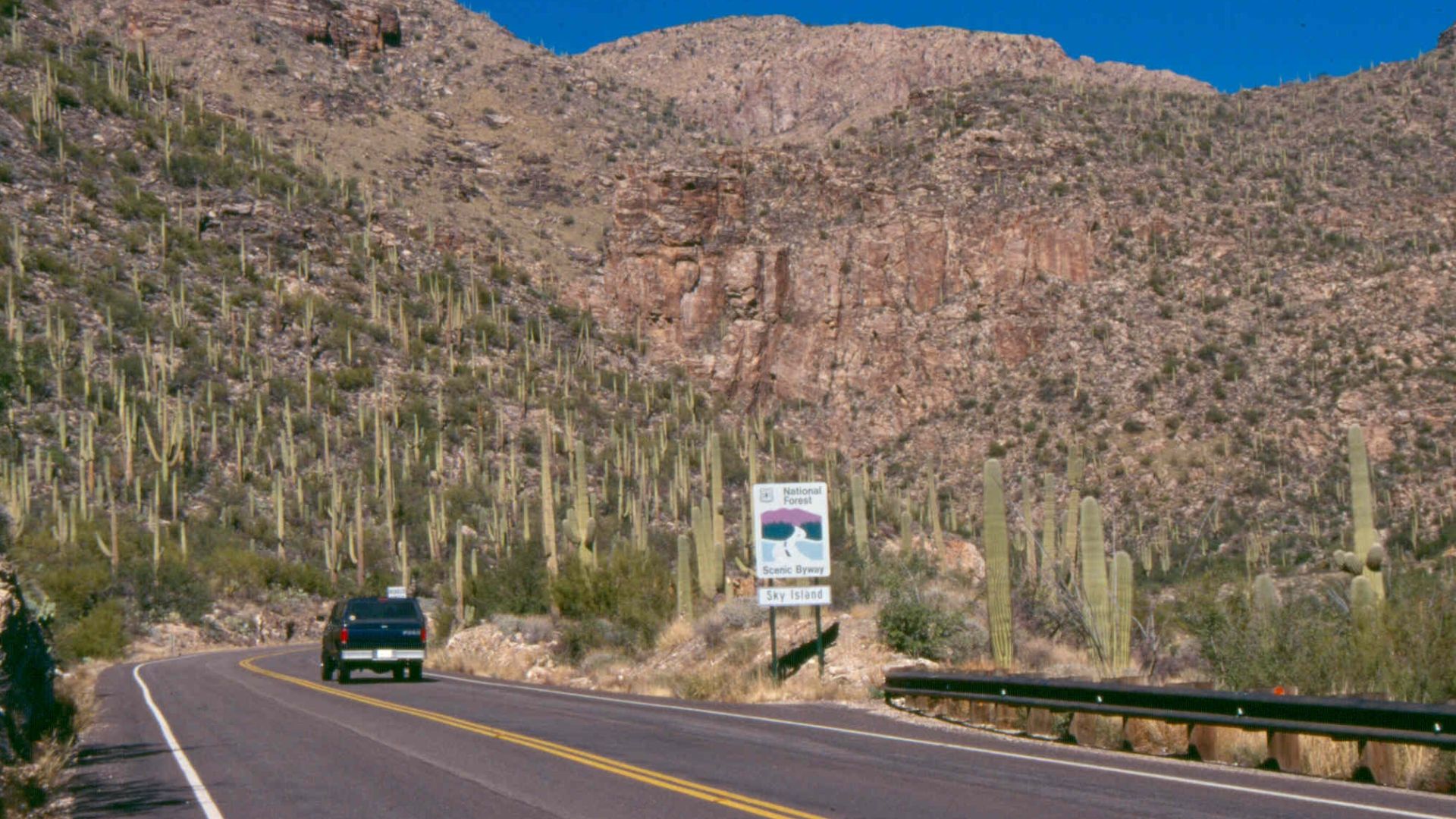
A Desert Road Feels Properly Enormous
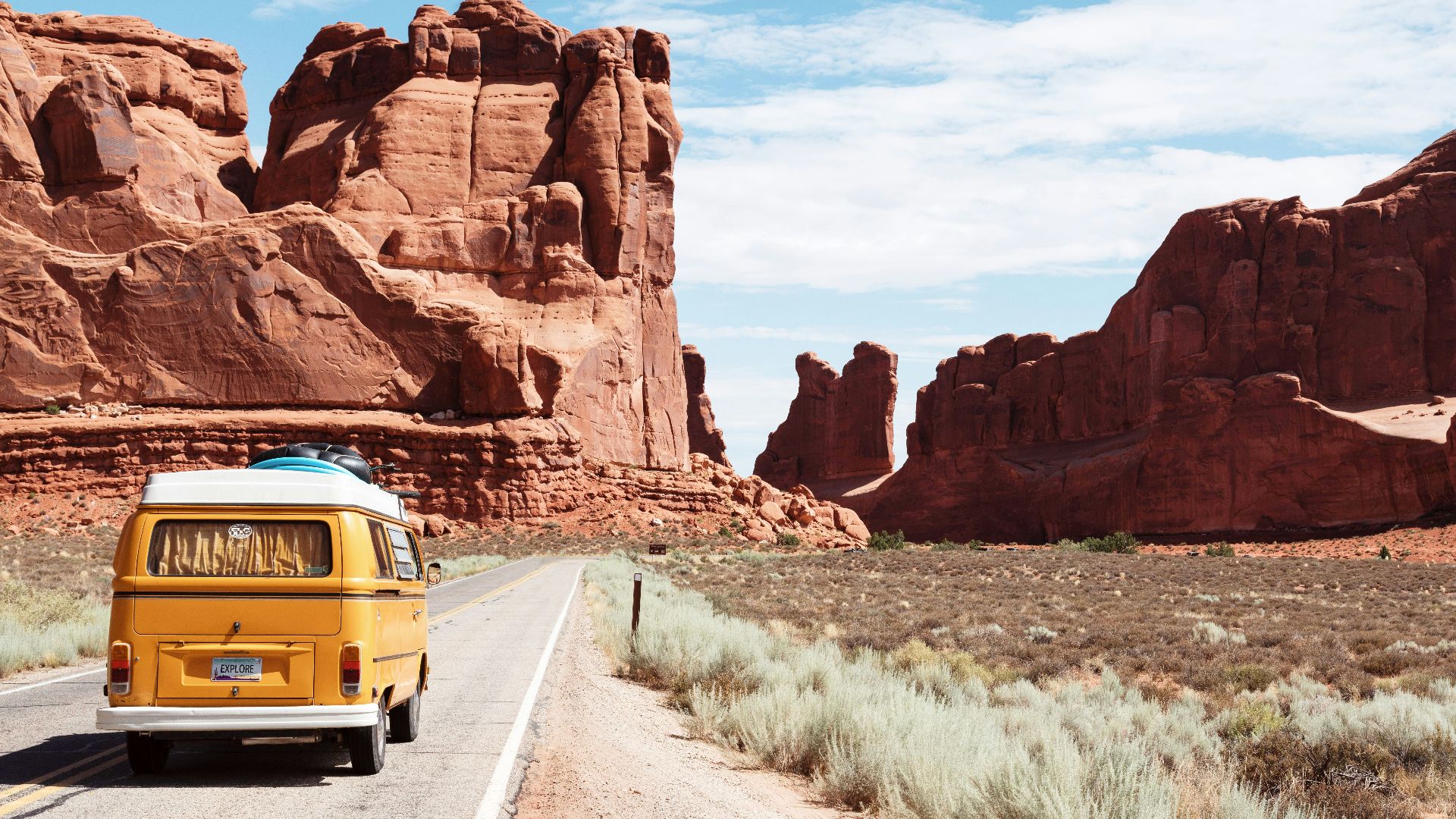
America’s western road system reaches through deserts, plateaus, mountains, and huge areas of public land. Federal scenic byways in Arizona, New Mexico, Wyoming, Oregon, and other western states were designated partly because of those distinctive landscapes. Canadians accustomed to immense northern spaces may still find the scale and visual emptiness of a Southwestern drive thrillingly different.
 Unknown authorUnknown author or not provided, Wikimedia Commons
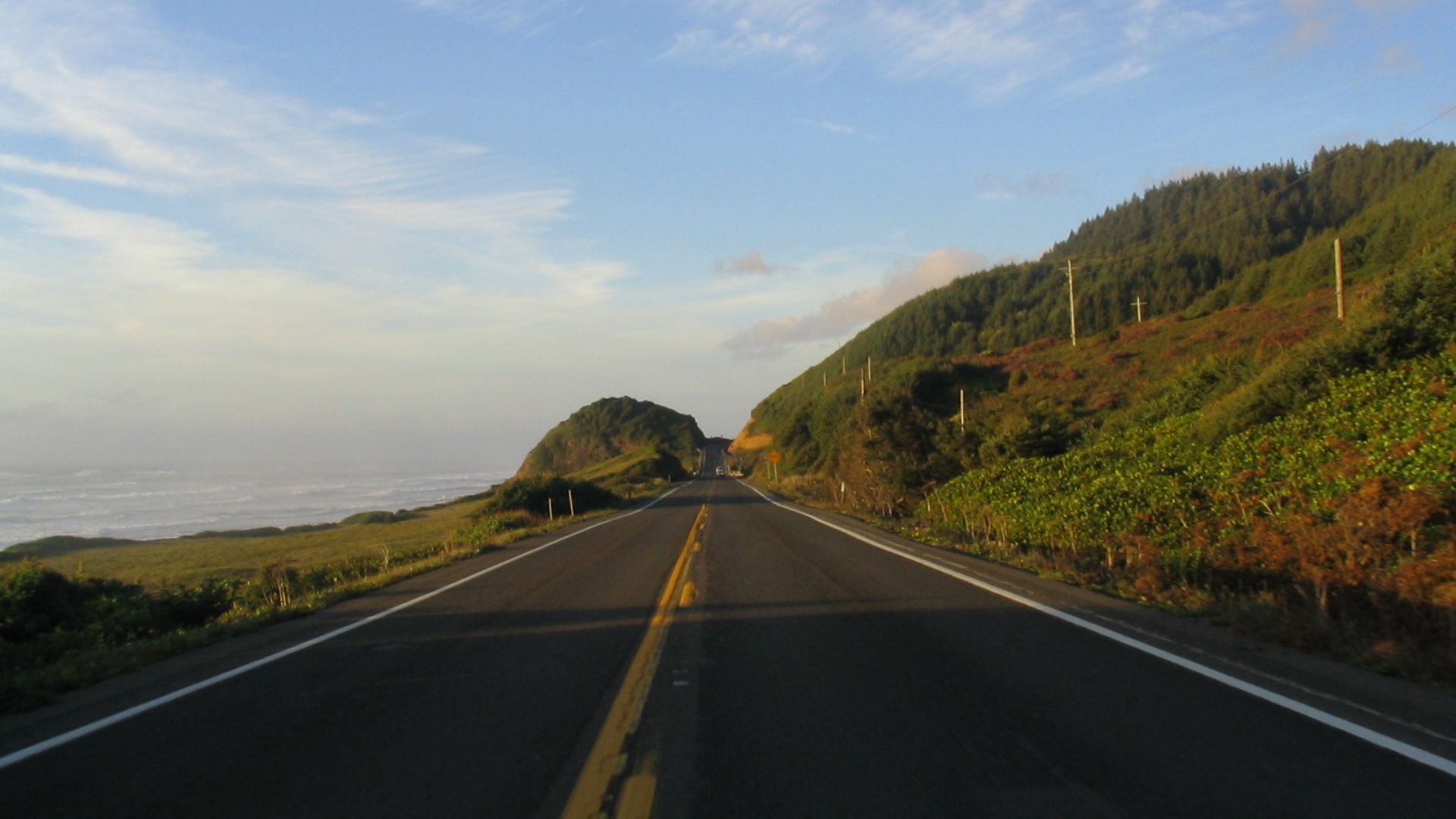
Coastal Drives Can Become Whole Vacations
The Pacific Coast Scenic Byway in Oregon is an All-American Road that follows seaside cliffs, estuaries, dunes, small towns, state parks, bridges, and lighthouses. Similar designated routes exist around the country. It proves that an American beach vacation does not necessarily require unpacking beside one beach and staying there.
 Brett Hansen, U.S. Department of Transportation, Wikimedia Commons
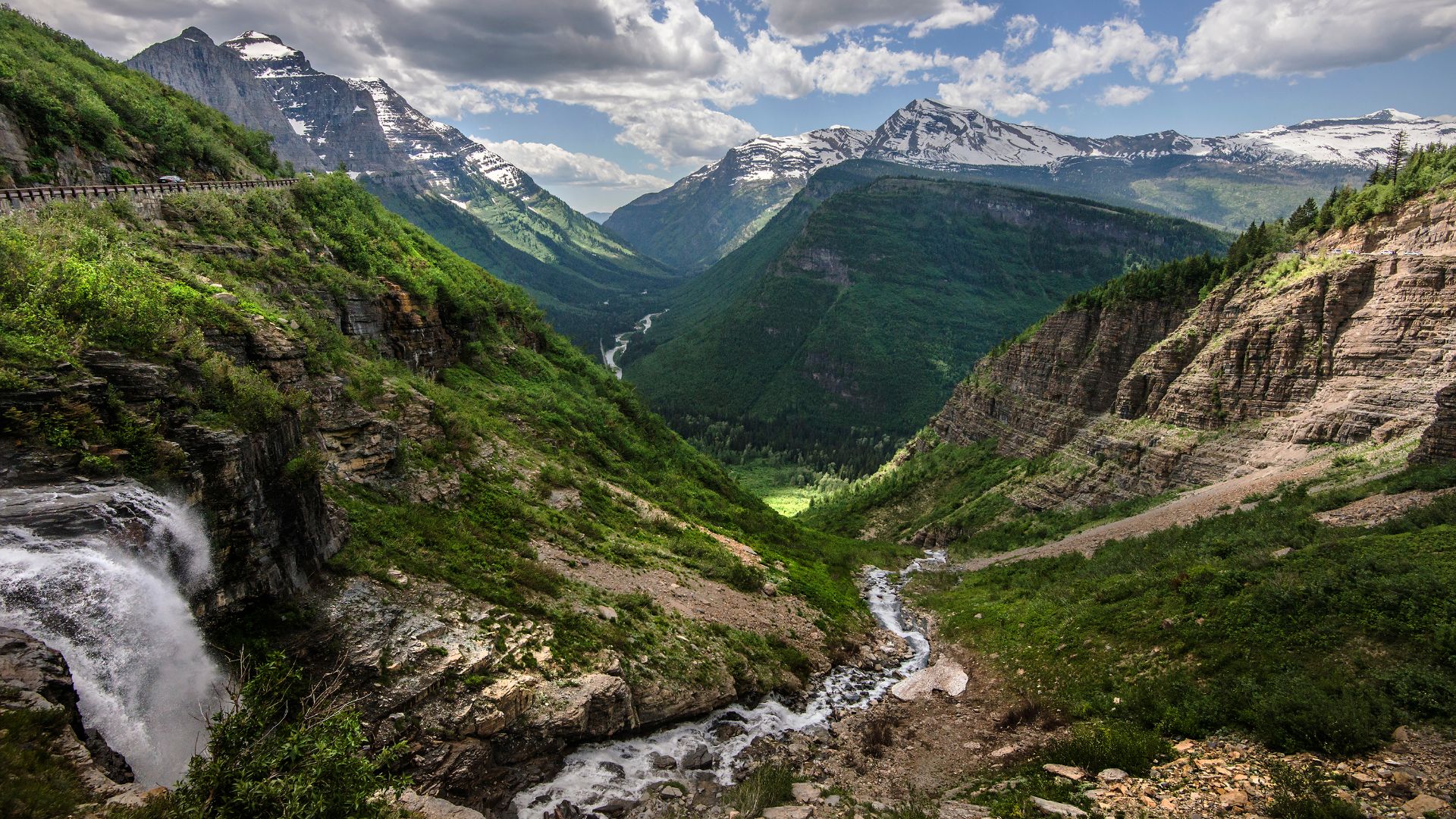
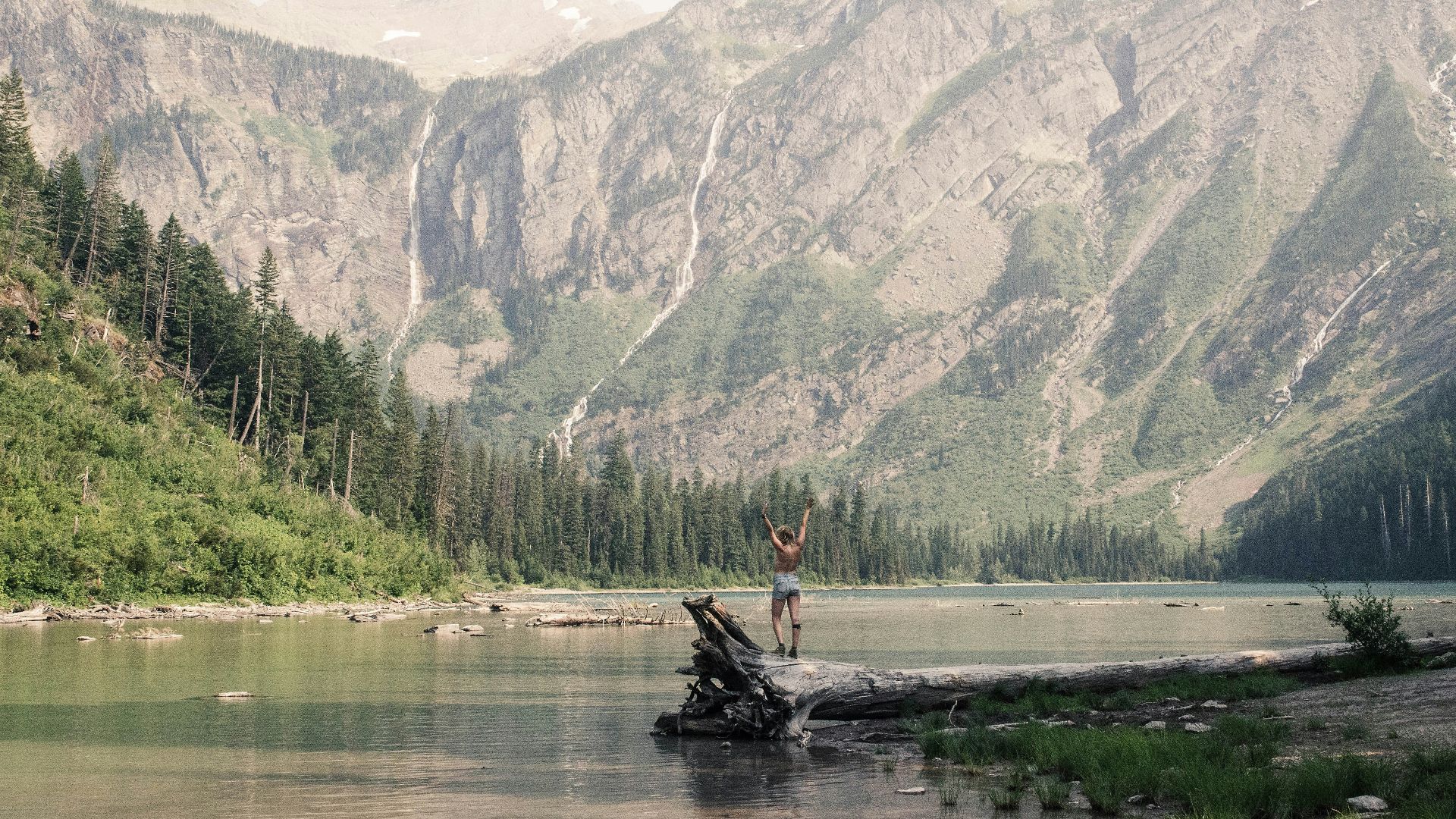
Park Roads Can Be Spectacularly Ambitious
Glacier National Park’s Going-to-the-Sun Road runs for roughly 50 miles through mountain terrain and reaches Logan Pass at more than 6,600 feet. The National Park Service recommends allowing several hours because the route itself contains numerous scenic stops and short hikes. This is road engineering used to deliver scenery rather than merely efficiency.
 NPS / Tim Rains, Wikimedia Commons
The Car Opens Up More Than Parks
Federal recreation lands extend well beyond the famous national parks. Recreation.gov sells passes for national parks, forests, wildlife refuges, and other federal recreation locations, while the Bureau of Land Management manages extensive camping and recreation areas. A road trip can therefore connect major attractions with public lands most foreign visitors have never heard of.
There Is One New Catch For Canadians
As of January 1, 2026, U.S. national-park pricing changed significantly for nonresidents. Eleven heavily visited national parks now charge non-U.S. residents age 16 and older an additional $100 fee unless they are covered by a qualifying pass, and the nonresident America the Beautiful annual pass costs $250. Canadian road-trippers planning several famous parks should calculate those costs before leaving home.
Driving Rewards Last-Minute Decisions
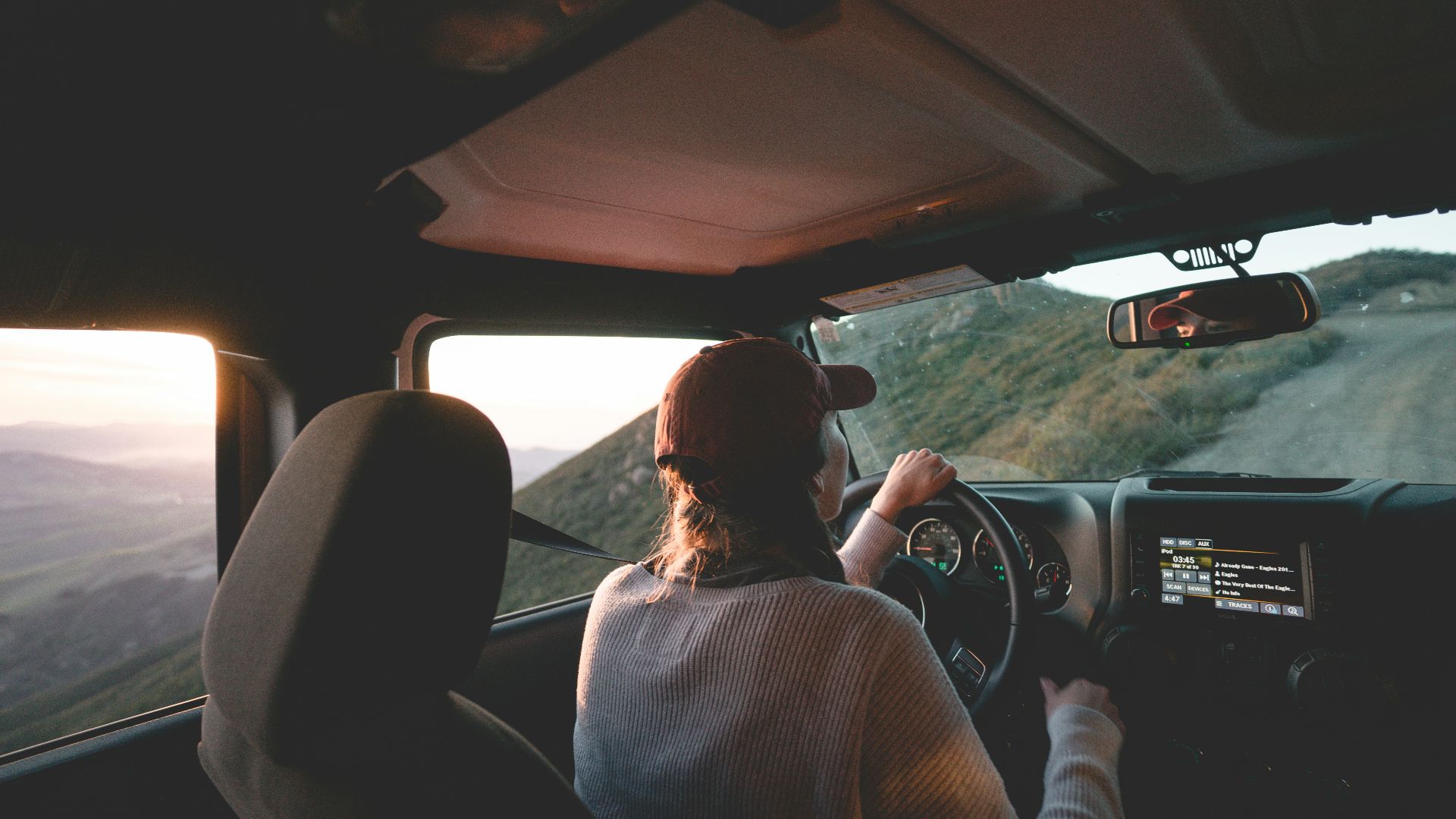
A road trip gives travelers the ability to change direction without rebooking a flight or train. America’s highway service signs, extensive Interstate network, roadside lodging, public lands, and scenic-route systems make that flexibility particularly practical. You can spend another hour somewhere you love and simply move tomorrow’s destination farther down the road.
Getting Off The Interstate Pays Off
Interstates are extraordinarily effective at moving travelers across the country, but older roads often preserve the places created around earlier driving cultures. Route 66 became famous partly because each stop offered regional character, local businesses, and a sense that the journey mattered as much as the destination. The most memorable American drive often combines fast highways with deliberate detours.
The Road Trip Is Part Of American Culture
The National Park Service describes Route 66 as a symbol of mobility and free-spirited independence, while the country’s scenic-byway program recognizes roads worthy of being destinations themselves. American driving culture has influenced hotels, restaurants, parks, towns, and tourism for generations. That history is visible every time a road trip turns an ordinary highway exit into a vacation memory.
Canadians Can Admit This Part Works
Canada has extraordinary road trips of its own, so appreciating the American version does not require declaring a winner. The United States simply has an unusually dense combination of Interstates, scenic byways, automobile-oriented parks, historic highways, roadside businesses, and eccentric attractions built around people traveling by car. Canadians may tease their neighbors about plenty of things, but the classic American road trip deserves some respect.
You May Also Like:
The Creepiest Places In The World
Five Must-Have Travel Accessories
Sources:
1, 2, 3, 4, 5, 6, 7, 8, 9, 10, 11, 12, 13, 14, 15, 16, 17, 18, 19, 20, 21, 22




.jpg)