Some Habits Die Hard
Baby Boomers grew up in an era of paper maps, travel agents, postcards, and carefully planned family vacations. Younger travelers have replaced many of those traditions with smartphones and spontaneous adventures. But plenty of older vacationers still swear by the old ways, even when their children and grandchildren can’t understand why.
Bringing A Paper Map
Before GPS, a road atlas was essential equipment for any family vacation. Plenty of boomers still prefer unfolding a map and studying the entire route before leaving home. Younger travelers might wonder why anyone would bother when their phones provide directions, traffic updates, and alternate routes automatically.

Printing Every Reservation
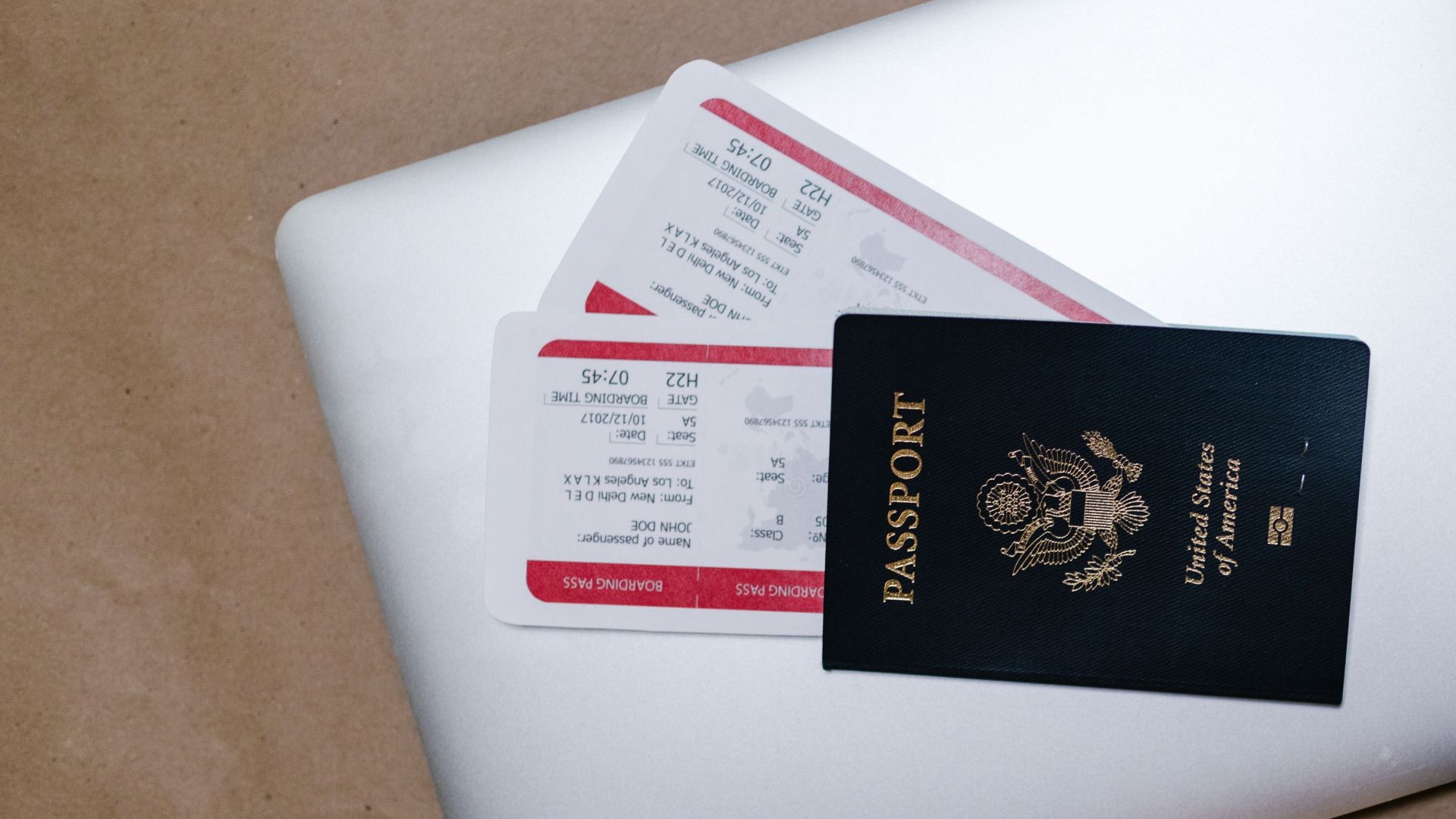
Some older travelers wouldn’t dream of leaving home without printed hotel confirmations, airline itineraries, and rental car reservations. Younger vacationers often rely entirely on emails and digital wallets. But printed documents can still be surprisingly useful when batteries die, internet connections fail, or a booking mysteriously disappears.
Booking Through Travel Agents
Many boomers grew up visiting travel agencies to arrange flights, hotels, and vacation packages. Younger travelers often prefer comparison websites and booking apps. However, travel advisors haven’t disappeared, and some older vacationers appreciate having an experienced professional handle complicated itineraries, cruises, and unexpected travel disruptions.

Carrying Travelers Checks
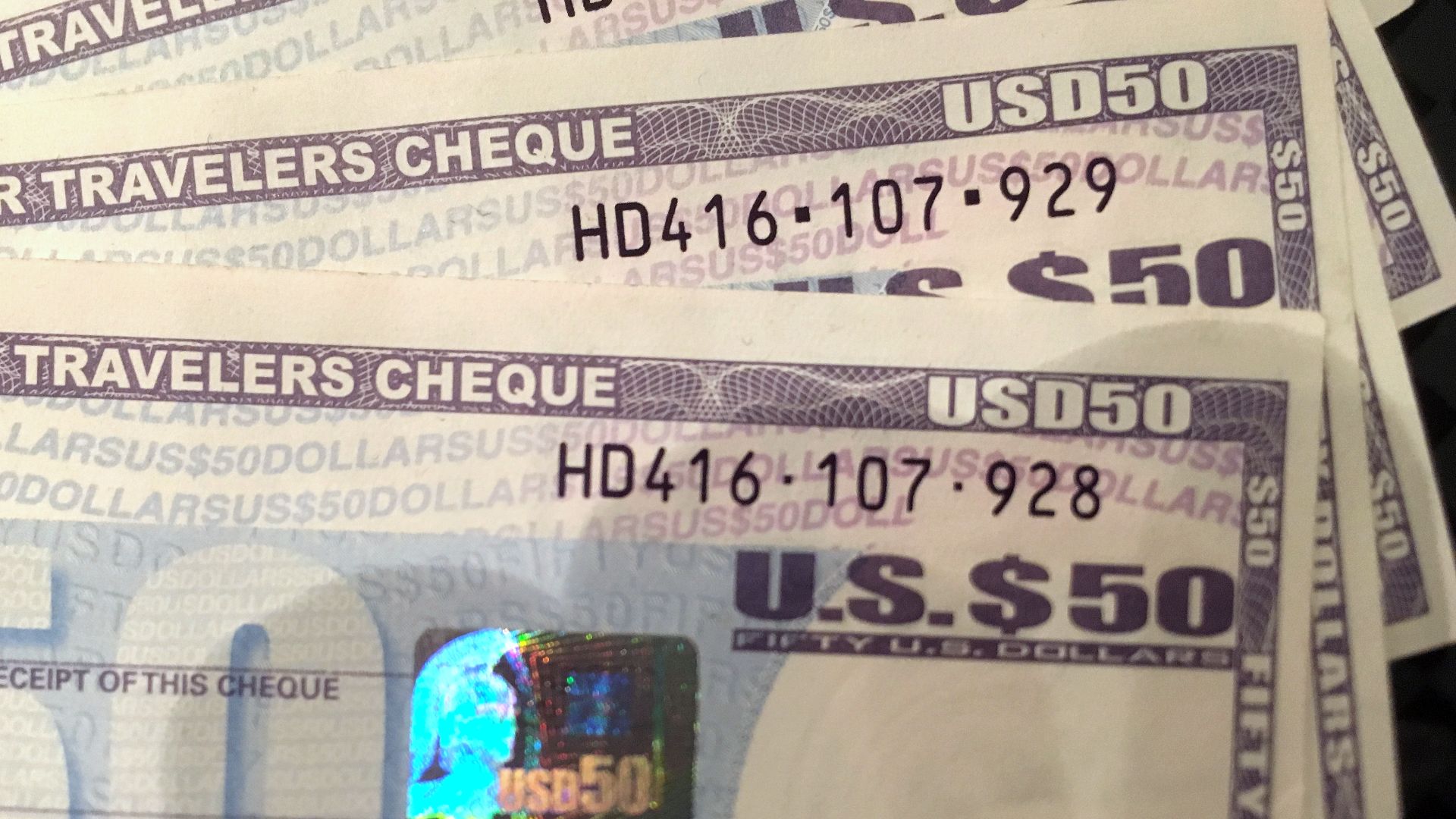
Before credit cards became widely accepted internationally, travelers checks were a popular way to carry vacation money. Some older travelers still remember them as a reassuring alternative to cash. Today, debit cards, credit cards, and ATMs have largely replaced them, leaving younger generations wondering how anyone managed the paperwork.
 Pittigrilli, Wikimedia Commons
Sending Actual Postcards
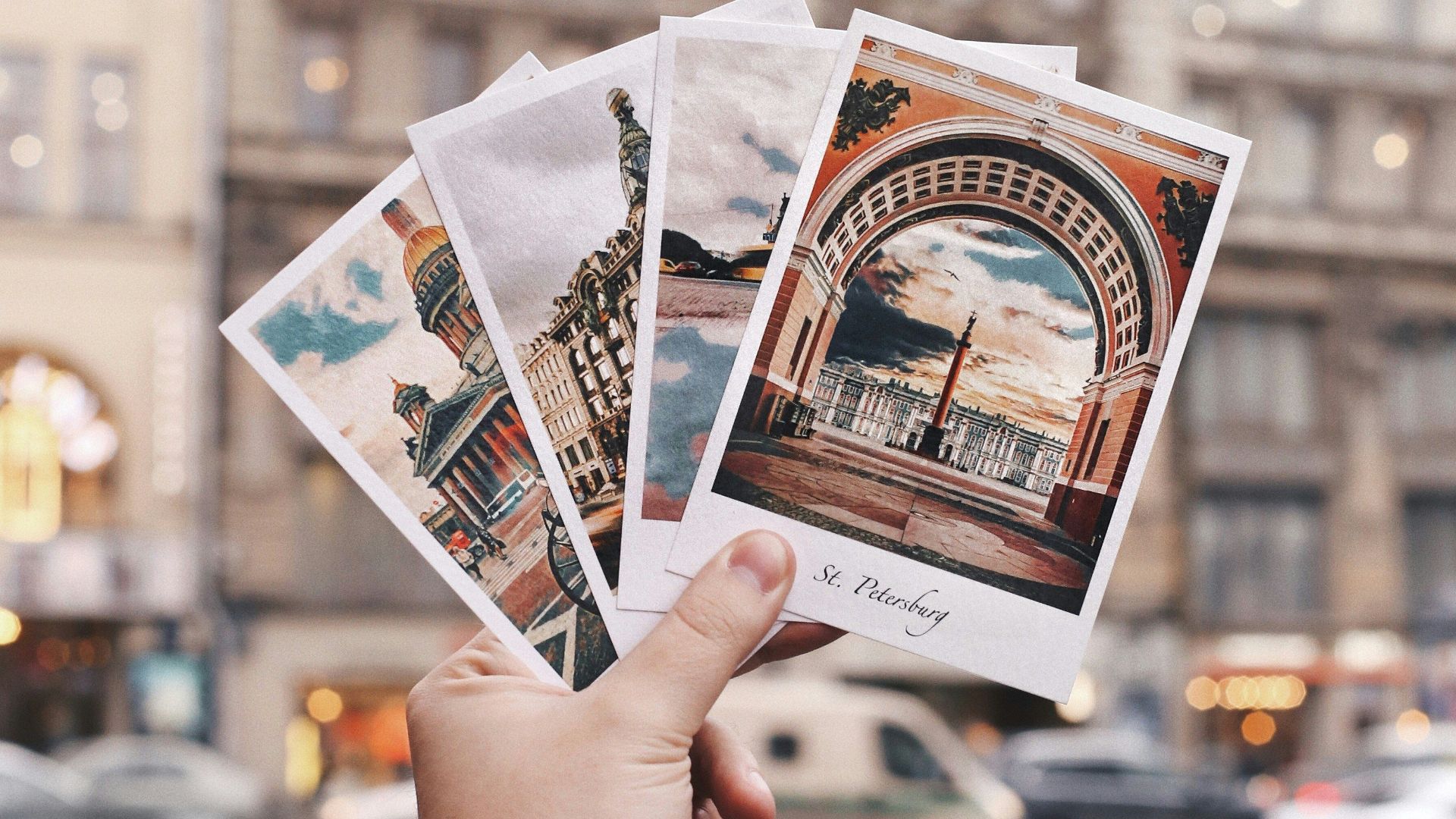
For many boomers, sending postcards home was practically a vacation obligation. They’d buy a scenic card, write a few sentences, find a stamp, and hope it arrived before they returned. Younger travelers can share dozens of photographs instantly, but a handwritten postcard still offers something a social media post doesn’t.
Taking A Guidebook Everywhere
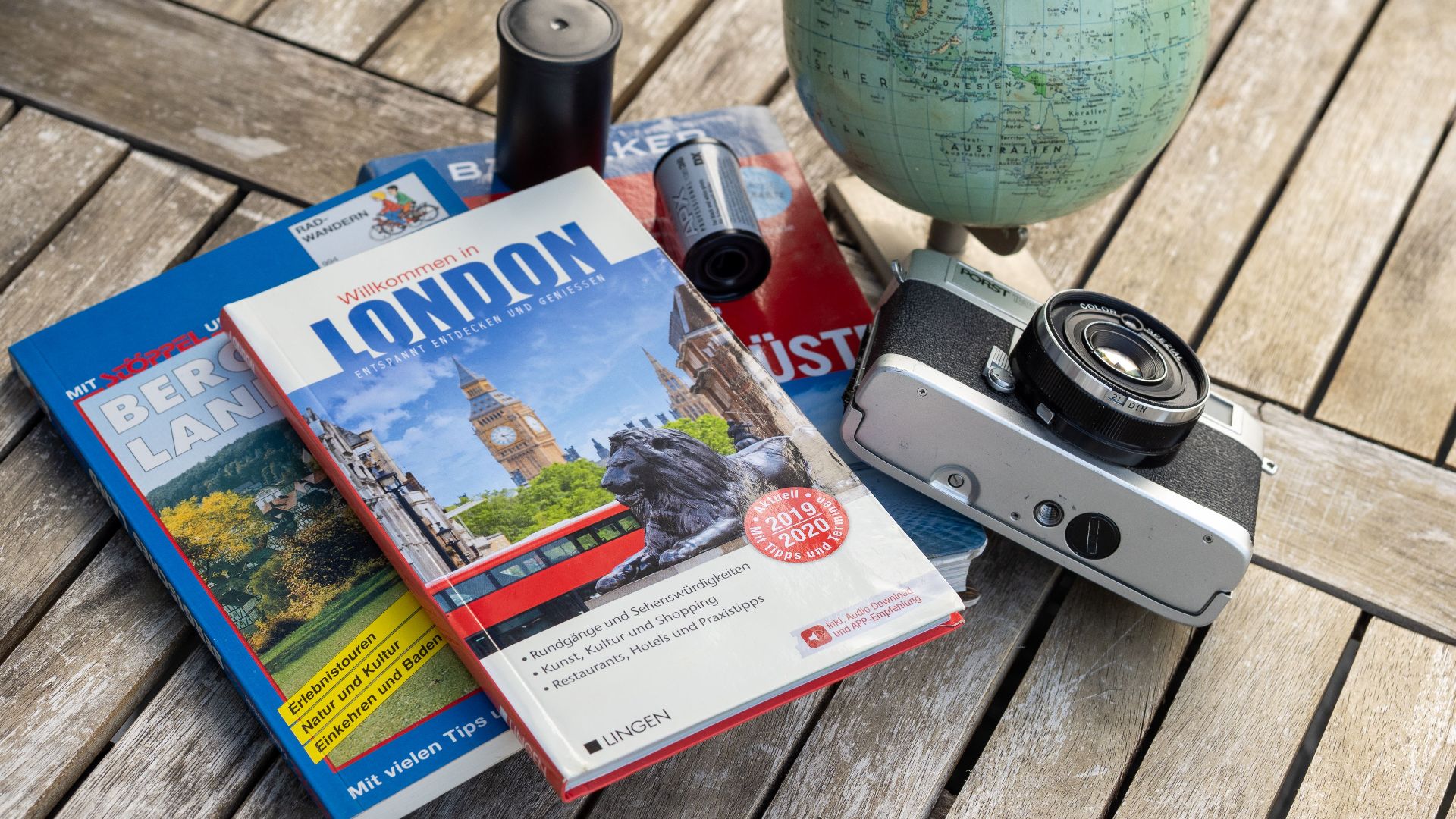
Travel guides from publishers such as Fodor’s and Frommer’s once accompanied countless vacations. Some boomers still enjoy highlighting attractions and folding down pages. Younger travelers are more likely to consult online reviews, interactive maps, and videos, although printed guidebooks remain useful when internet access is unreliable.
Planning Every Day In Advance
Some older vacationers prefer knowing exactly what they’ll be doing each morning, afternoon, and evening. Restaurants are booked, attractions selected, and driving routes calculated weeks beforehand. Younger travelers may prefer leaving room for unexpected discoveries, although popular attractions increasingly require advance reservations regardless of anyone’s age.

Arriving Extremely Early
For travelers who remember handwritten tickets and lengthy airport check-in procedures, arriving hours before departure can feel reassuring. Younger passengers sometimes see this as unnecessary, especially when they’ve checked in online. But airport security lines and international travel requirements mean that allowing plenty of extra time remains sensible.

Dressing Up For Flights
There was a time when flying was considered a special occasion, and passengers often dressed accordingly. Some boomers still prefer collared shirts, smart trousers, or more formal outfits when boarding an airplane. Younger travelers generally prioritize comfortable clothing, particularly on long flights where practicality matters more than appearances.

Packing An Entire Wardrobe
Some older vacationers prefer bringing extra outfits for every possible occasion, even on relatively short trips. Younger travelers often embrace minimalist packing and carry-on-only travel. Airline baggage fees have made traveling light especially attractive, although experienced travelers of every generation still disagree about how much clothing is enough.

Bringing A Separate Camera
Smartphones have made dedicated cameras unnecessary for many casual vacationers. Nevertheless, some boomers still pack digital cameras, spare batteries, and memory cards. Younger travelers may find the extra equipment cumbersome, but dedicated cameras can offer optical zoom, specialized controls, and image quality that phones don’t always match.

Collecting Hotel Stationery
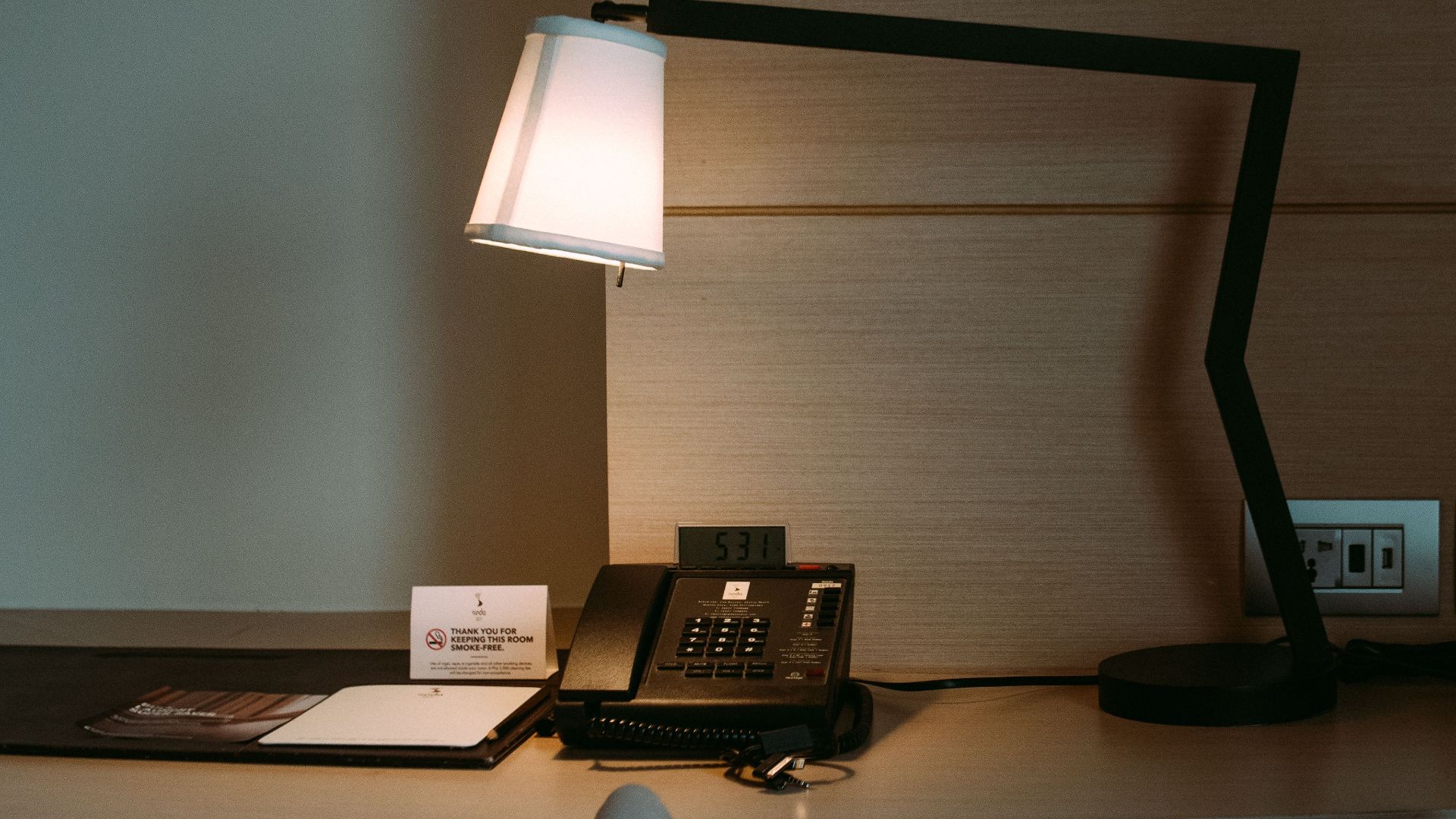
Hotel-branded pens, notepads, envelopes, and postcards were once familiar souvenirs of a vacation. Some older travelers still appreciate these little keepsakes, although many hotels have reduced or eliminated them. Younger guests are more likely to photograph their rooms or save digital memories than collect stationery from the bedside table.
Buying Souvenirs Everywhere
Some boomers can’t resist bringing home refrigerator magnets, souvenir spoons, T-shirts, and miniature landmarks from every destination. Younger travelers often prefer spending their money on experiences rather than collecting objects. But for traditional vacationers, a souvenir provides a tangible reminder of somewhere they’ve visited and enjoyed.

Keeping A Travel Diary
Long before vacation blogs and Instagram, travelers recorded their adventures in handwritten journals. Some boomers still write down where they went, what they ate, and whom they met. Younger vacationers might prefer photographs and digital notes, but a traditional diary can preserve memories that pictures alone cannot capture.

Stopping At Visitor Centers
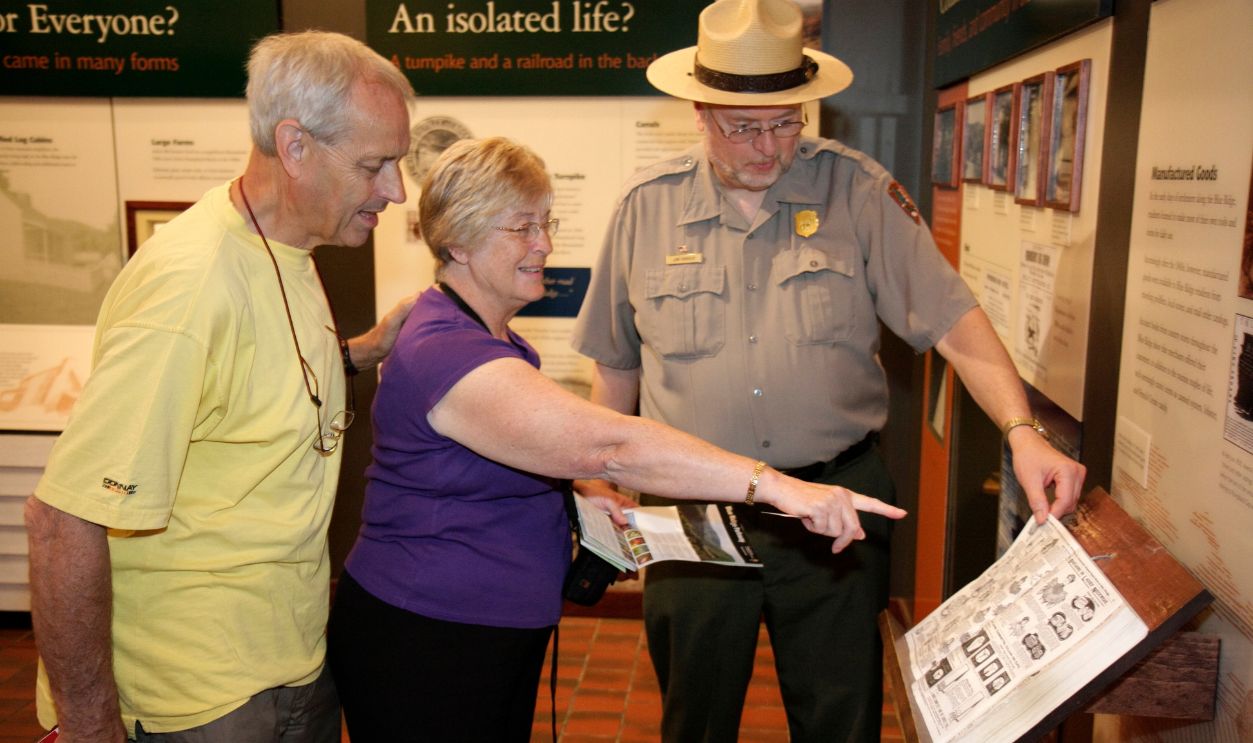
For some older road-trippers, stopping at a tourist information center is practically mandatory. They collect brochures, ask for local recommendations, and study maps before continuing. Younger travelers often find everything they need online, but visitor centers can provide useful information about attractions, road conditions, and local events.
Taking Organized Bus Tours
Some boomers appreciate vacations where transportation, accommodations, and sightseeing are arranged in advance. Younger travelers may associate bus tours with rigid schedules and crowded attractions. Yet organized tours eliminate considerable planning, and AARP research suggests that group travel continues to interest a substantial number of older Americans.

Eating At Familiar Restaurants
After a long day of sightseeing, some older travelers prefer a familiar restaurant chain rather than experimenting with unfamiliar local cuisine. Younger vacationers may consider trying regional dishes an essential part of traveling. Neither approach is inherently wrong, although sticking exclusively to familiar menus can mean missing memorable experiences.

Carrying Plenty Of Cash
Some boomers still feel uncomfortable traveling without a substantial supply of cash. Younger travelers increasingly depend on cards and mobile payments. Cash remains useful for small purchases, tips, and emergencies, but carrying large amounts can create unnecessary risks, particularly when traveling internationally or visiting crowded tourist destinations.

Calling Hotels Directly
Before online booking platforms, travelers commonly telephoned hotels to ask about rates and availability. Some boomers still prefer speaking directly with a receptionist rather than trusting a website. Younger travelers might consider that unnecessary, although calling can occasionally clarify room arrangements, accessibility requirements, and special requests more effectively than an online form.

Choosing The Same Destination
Some families have returned to the same beach town, lakeside cottage, or vacation resort for decades. Younger travelers may prefer exploring somewhere completely new each year. But familiar destinations offer traditions, cherished memories, and fewer surprises, which can be especially appealing when several generations are vacationing together.

Insisting On Printed Tickets
Mobile boarding passes and electronic tickets have become standard for many airlines and attractions. Nevertheless, some older travelers prefer having a physical ticket in hand. AARP research has found that many travelers over 50 continue choosing paper boarding passes despite being familiar with digital alternatives.

Buying Travel Insurance Automatically
Some boomers consider travel insurance an essential part of booking any vacation, even a relatively inexpensive domestic trip. Younger travelers may be more inclined to skip optional coverage. Insurance can be valuable, particularly for costly international journeys, but the benefits depend on the policy, existing coverage, and circumstances of the trip.

Taking Photographs Of Everything
Some older vacationers return home with hundreds of photographs documenting monuments, meals, hotel rooms, and family members posing beside landmarks. Younger travelers also take countless pictures, but often share or delete them immediately. For boomers, preserving photographs in organized albums can remain an important part of the vacation experience.
 Centre for Ageing Better, Unsplash
Making Vacation Photo Albums
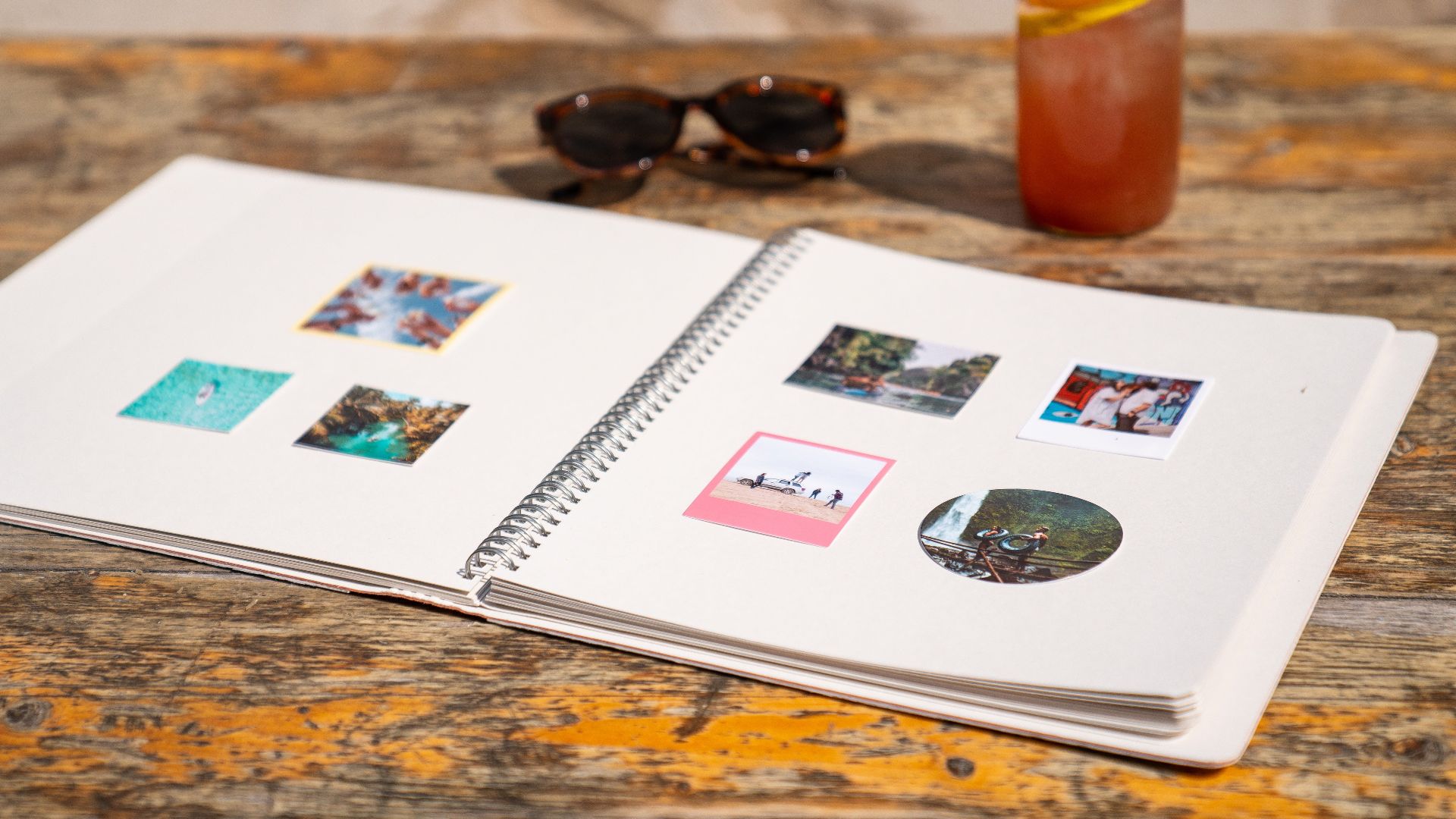
Remember when returning from vacation meant developing photographs and arranging them in albums? Some boomers still print their favorite pictures and organize them chronologically. Younger travelers generally keep their images on phones or cloud services, but physical albums offer something digital galleries cannot: memories that can be enjoyed without a screen.
Maybe They’re Onto Something
Not every old-fashioned vacation habit deserves to disappear. Paper maps don’t need batteries, printed reservations provide reassurance, and postcards can become treasured keepsakes. Younger travelers may favor convenience and flexibility, but the best approach often combines modern technology with traditions that still make traveling enjoyable.

You May Also Like:
Travel Essentials Baby Boomers Couldn't Travel Without—That No One Born After 2000 Has Ever Used
Things Baby Boomers Always Did When They Traveled—That No One Born After 2000 Has Ever Done
American States Baby Boomers Loved In The 70s—But Say They'd Never Live There Today