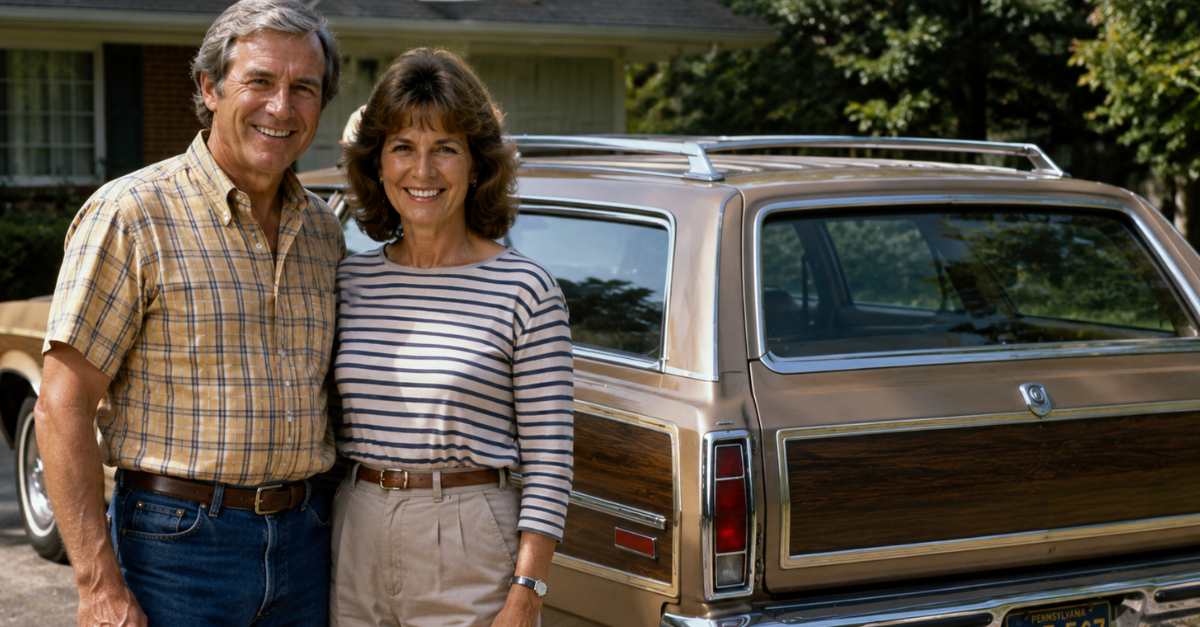
Packing Used To Be Half The Vacation
Today, most people pack for a trip in about five minutes. Phone charger. Passport. Maybe a toothbrush if they're feeling ambitious. But Baby Boomers remember when getting ready for vacation meant packing an entire collection of travel essentials that younger generations have probably never even seen.
Some were genuinely brilliant. Others seem almost unbelievable today. How many of these do you remember?
Fold-Up Paper Road Maps
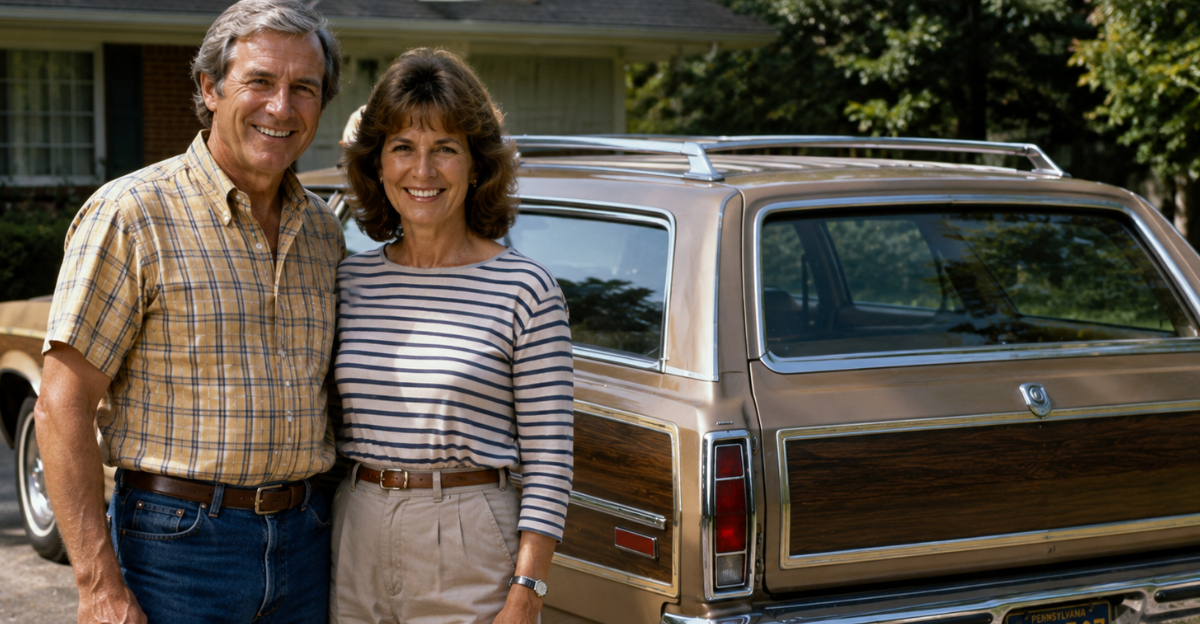
Long before a calm voice told you where to turn, there was a giant paper map spread across someone's lap. Every family seemed to have a glovebox stuffed with them, covering every state they planned to visit. Folding one back properly afterward? That was a skill almost nobody ever mastered.
Traveler's Checks
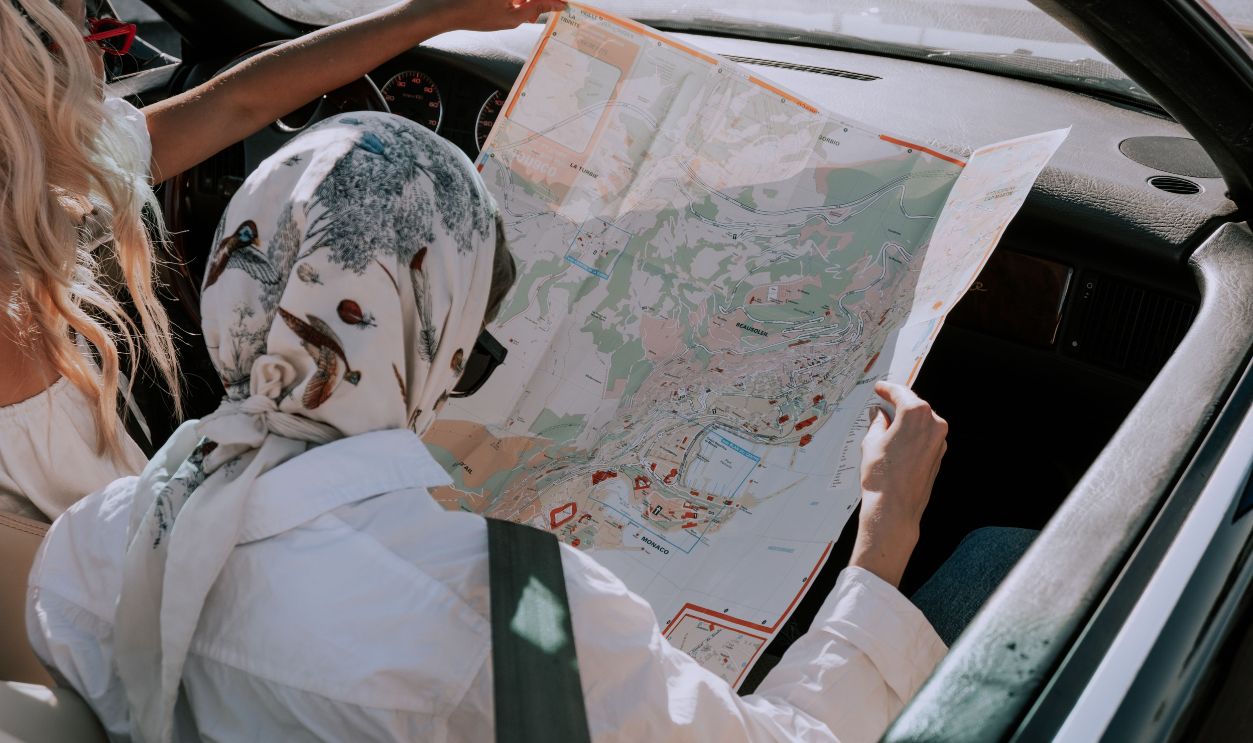
If you traveled any distance in the 70s, 80s, or even into the 90s, there was a good chance you carried traveler's checks. Issued by companies like American Express, they were considered much safer than carrying large amounts of cash because they could usually be replaced if they were lost or stolen. Today, many younger travelers have never even seen one.
 Pittigrilli, Wikimedia Commons
AAA TripTik
Planning a road trip once meant stopping at your local AAA office before you ever left home. They'd hand you a customized TripTik—a spiral-bound booklet with your route highlighted, along with hotels, gas stations, restaurants, attractions, and known road construction. It was basically Google Maps...except it weighed about a pound.
 Mike Mozart from Funny YouTube, USA, Wikimedia Commons
Rolls Of Camera Film
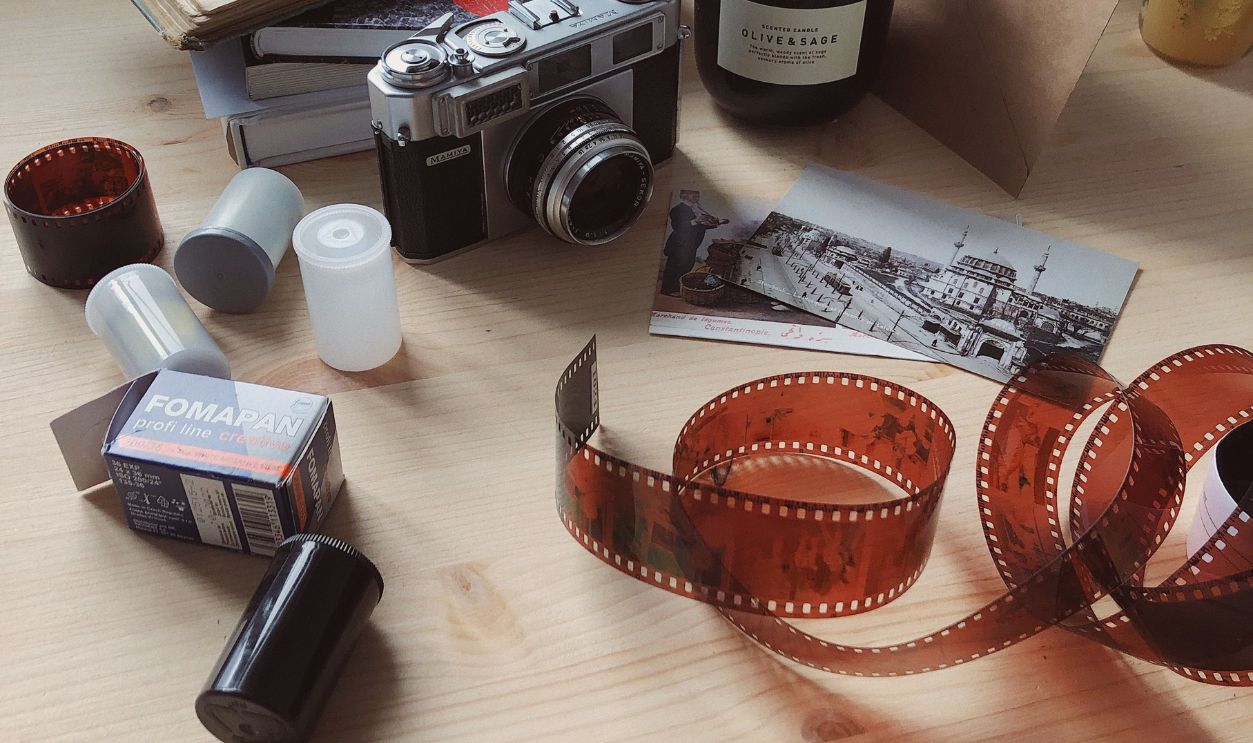
Every vacation had one important question: "Did we pack enough film?" Digital cameras didn't exist for most of the Baby Boomer travel years, so every photo used one precious frame. Many travelers packed several extra rolls because running out halfway through Yellowstone or the Grand Canyon simply wasn't an option. You also didn't know whether your vacation pictures turned out until you got the film developed after returning home.
Pocket Address Book
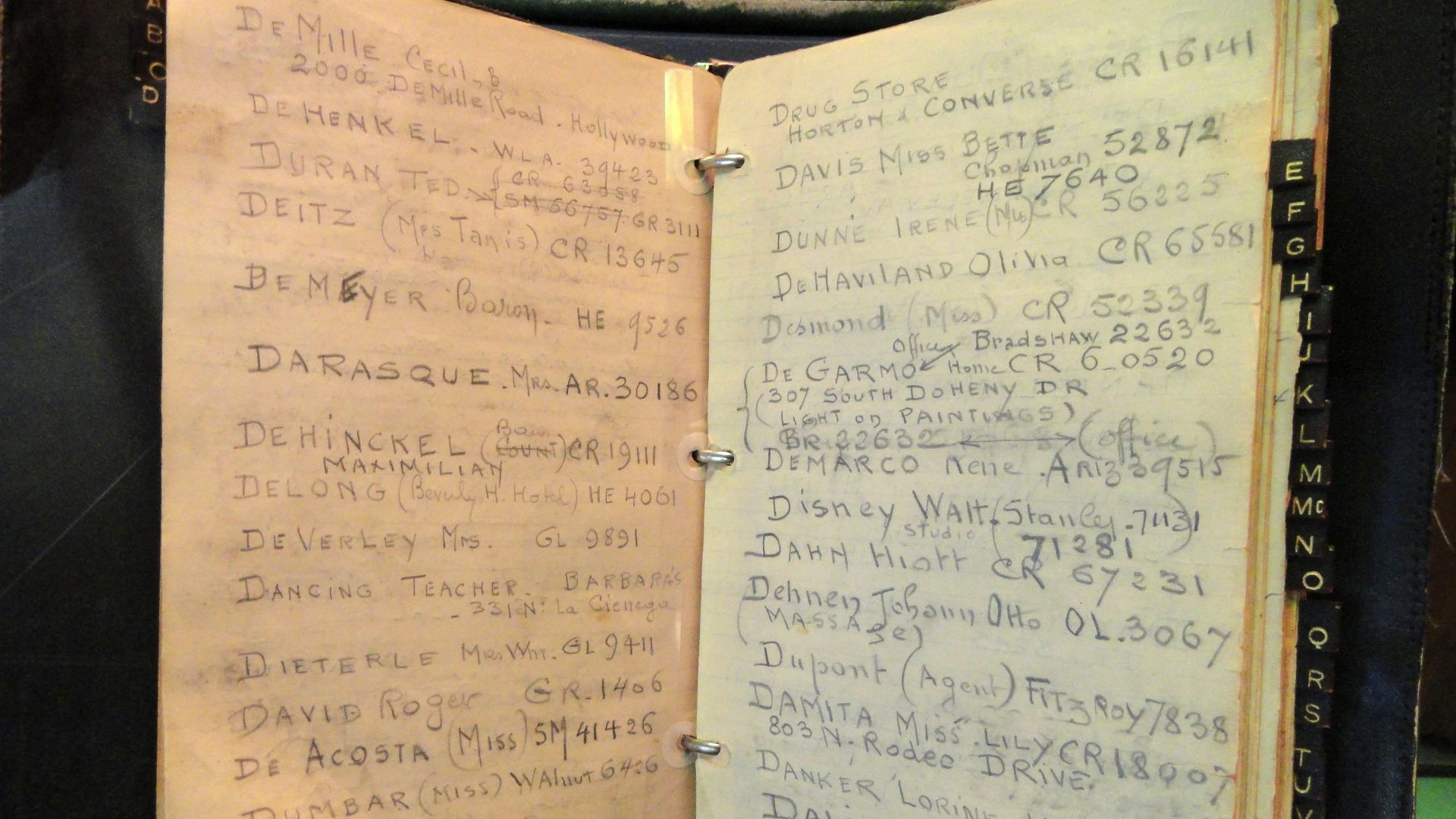
Your phone didn't remember everyone's number because...well...there wasn't one. Many Boomers traveled with a small address book filled with phone numbers for relatives, friends, hotels, and emergency contacts. Lose it, and suddenly you realized just how few numbers you actually knew by heart.
Portable Travel Alarm Clock
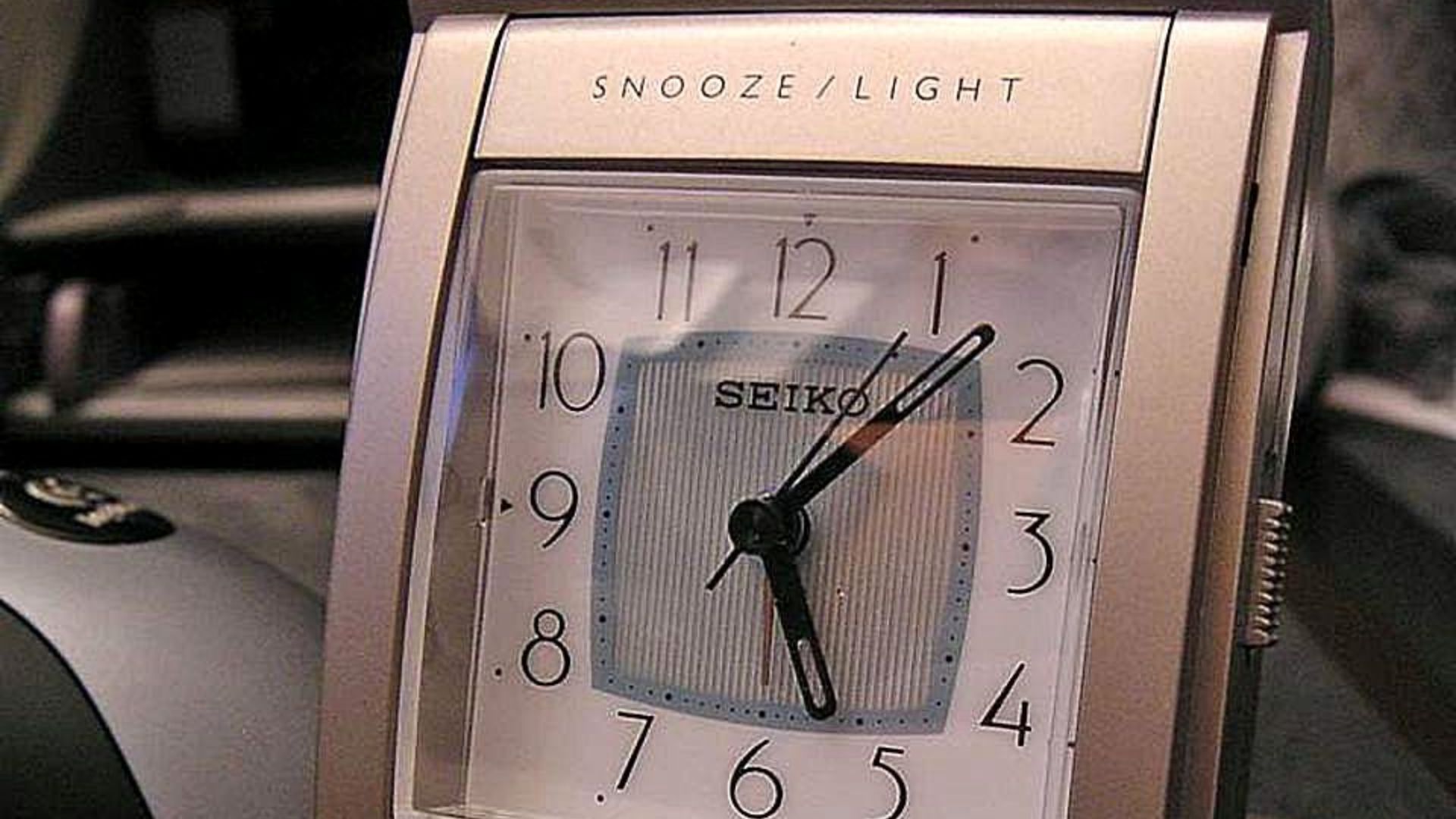
Hotel wake-up calls worked...most of the time. That wasn't reassuring enough for plenty of travelers, so compact battery-powered alarm clocks became a common sight inside suitcases, especially on business trips. They took up valuable packing space, but missing an early flight or a cruise departure was considered much worse.
 Jon Sullivan, Wikimedia Commons
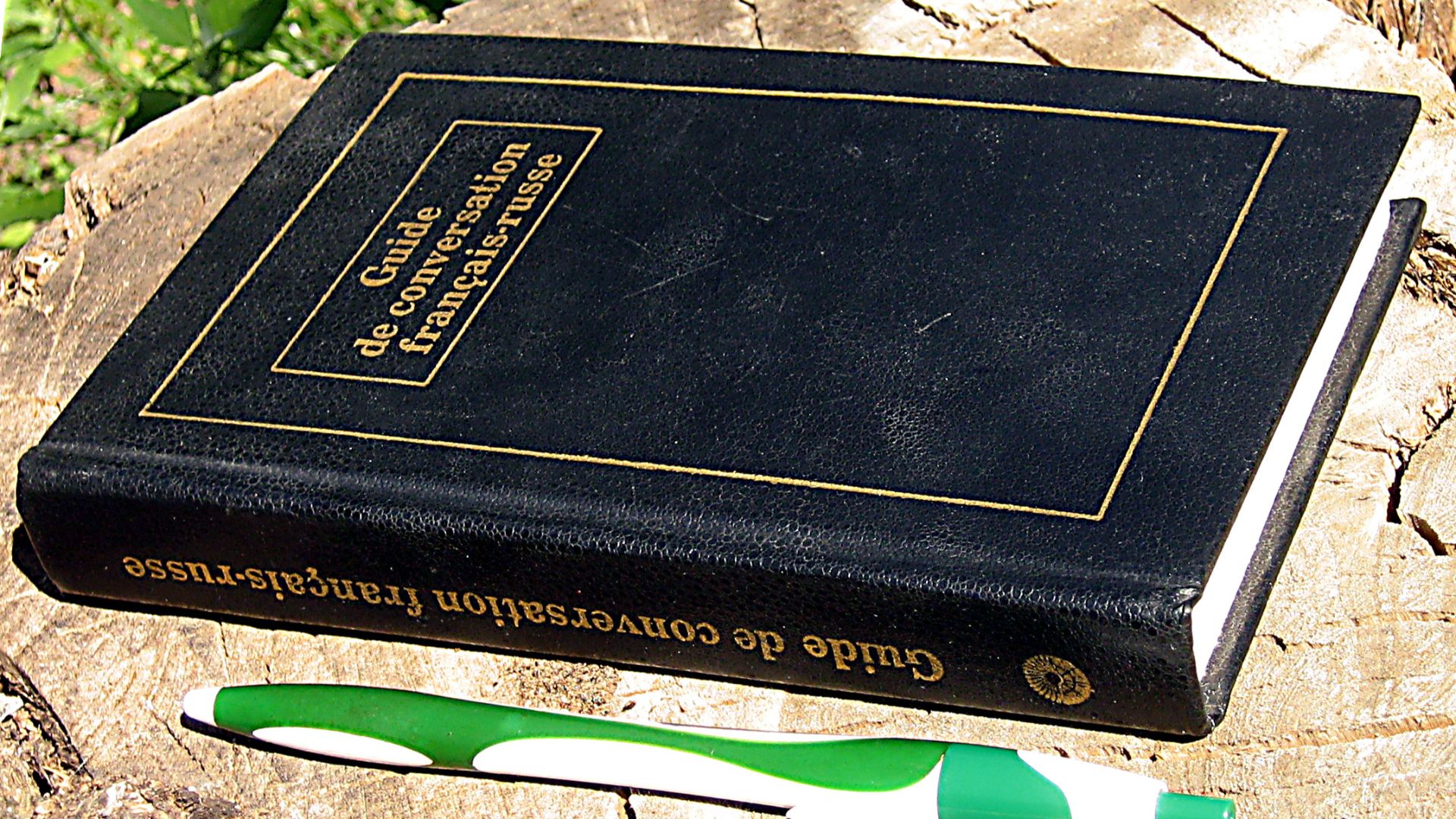
Pocket Phrase Books
Traveling overseas required a little more preparation before smartphones arrived. Pocket-sized language guides helped travelers order meals, ask for directions, and attempt basic conversations in another language. Most conversations started confidently...and ended with plenty of smiling and pointing.
 Victor Korniyenko, Wikimedia Commons
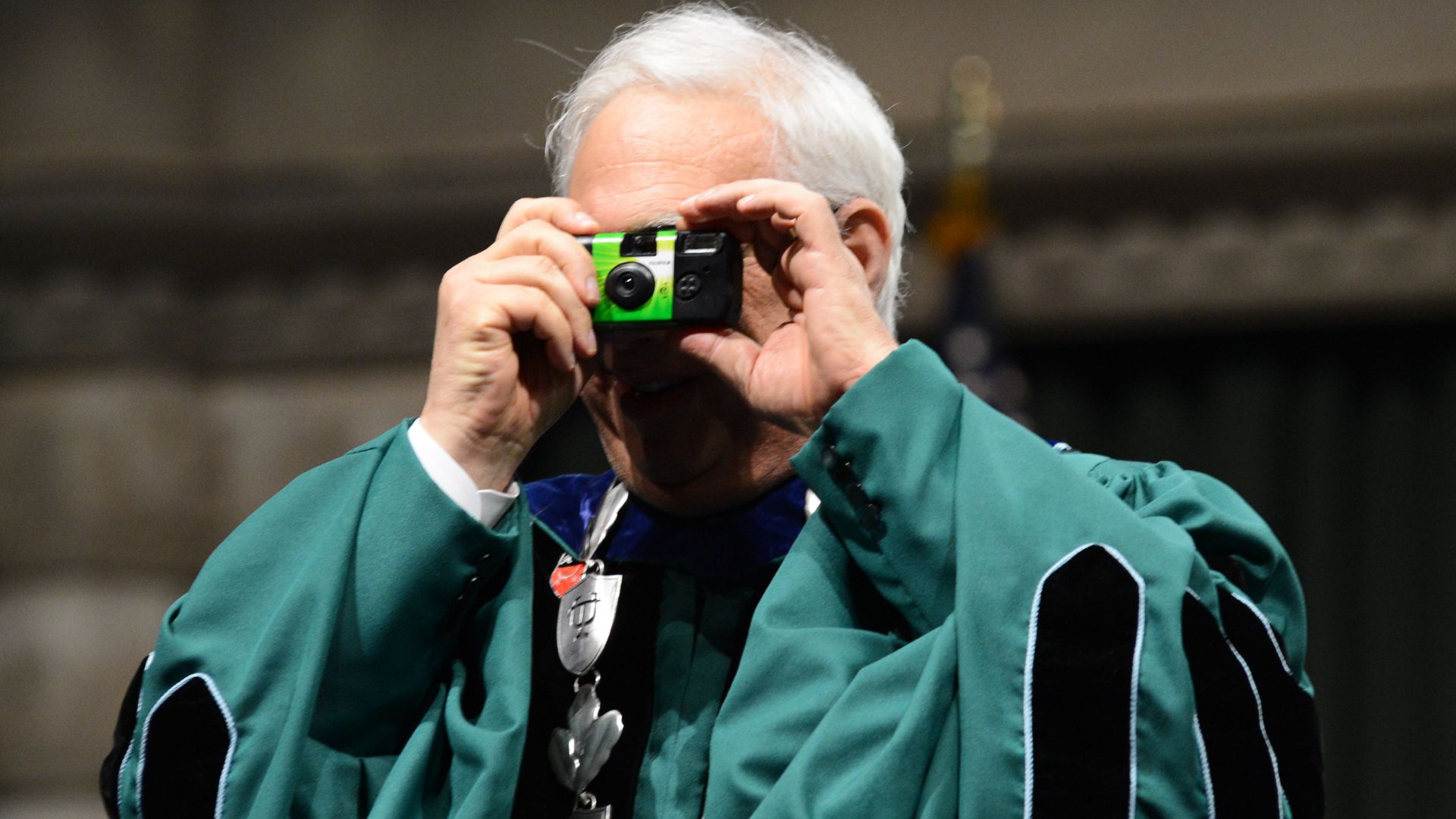
Disposable Camera
By the late 80s and throughout the 90s, disposable cameras became vacation superstars. They were inexpensive, easy to carry, and perfect for beaches, amusement parks, or anywhere you didn't want to risk damaging your expensive camera. Waiting until the film was developed to see your vacation pictures? That was simply part of the experience.
 Tulane Public Relations, Wikimedia Commons
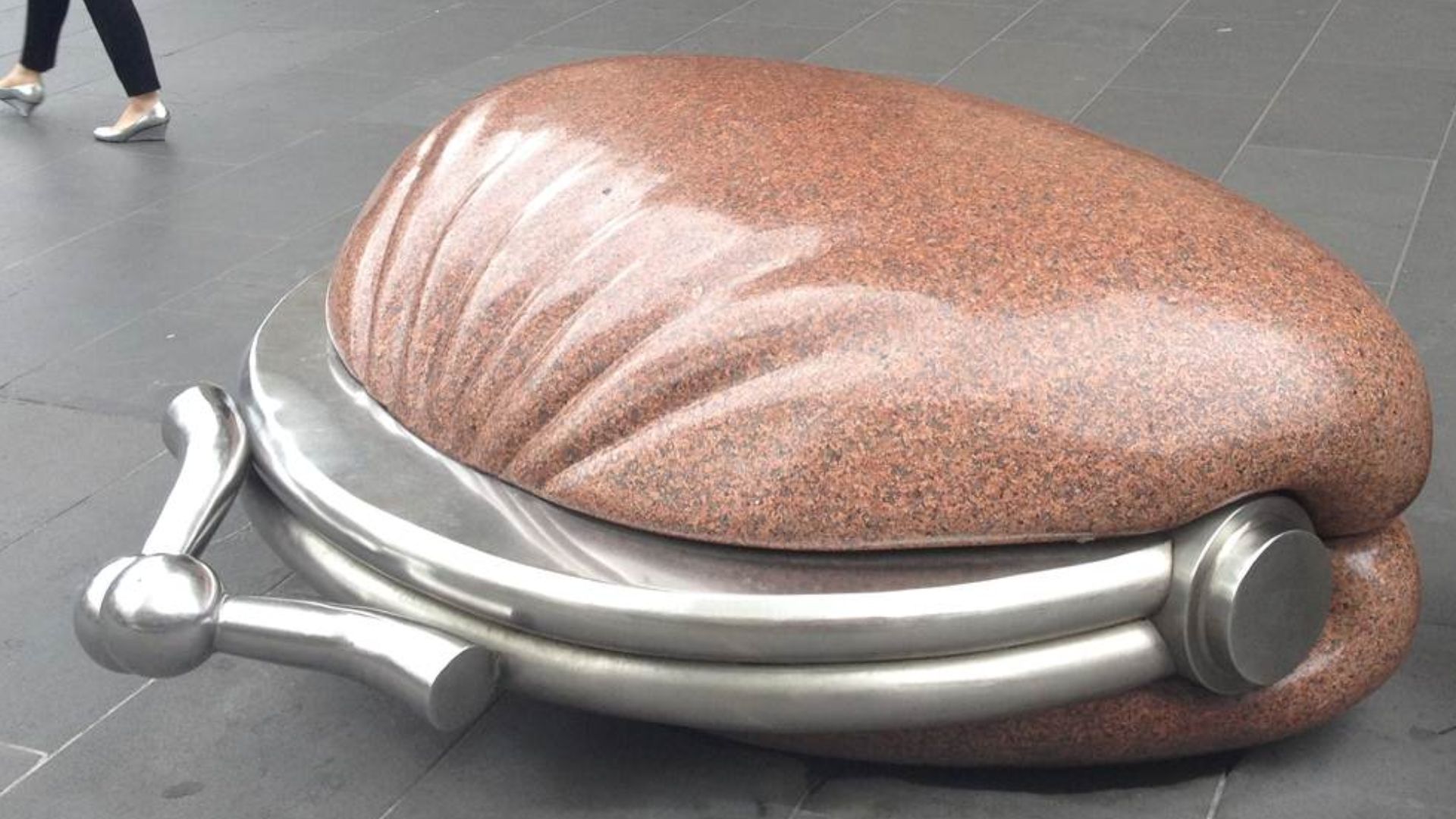
Coin Purse For Toll Booths
Electronic toll transponders hadn't arrived yet. Experienced road-trippers kept quarters, dimes, and nickels neatly organized in a small coin purse, ready for the next toll plaza. Nothing held up traffic faster than someone digging between the seats looking for exact change while everyone behind them waited.
Printed Hotel Reservation
Booking confirmation emails weren't a thing. Instead, travelers carried printed reservation confirmations showing the hotel address, reservation number, room rate, and check-in information. If the front desk couldn't find your booking, that piece of paper often settled the discussion within seconds.

Shoe Bags
Suitcases have become much smarter over the years. Back then, many travelers packed separate shoe bags—or simply reused grocery bags—to keep dirty shoe soles away from clean clothes. It wasn't glamorous, but it worked remarkably well. Sometimes the simplest travel hack is still the best one.
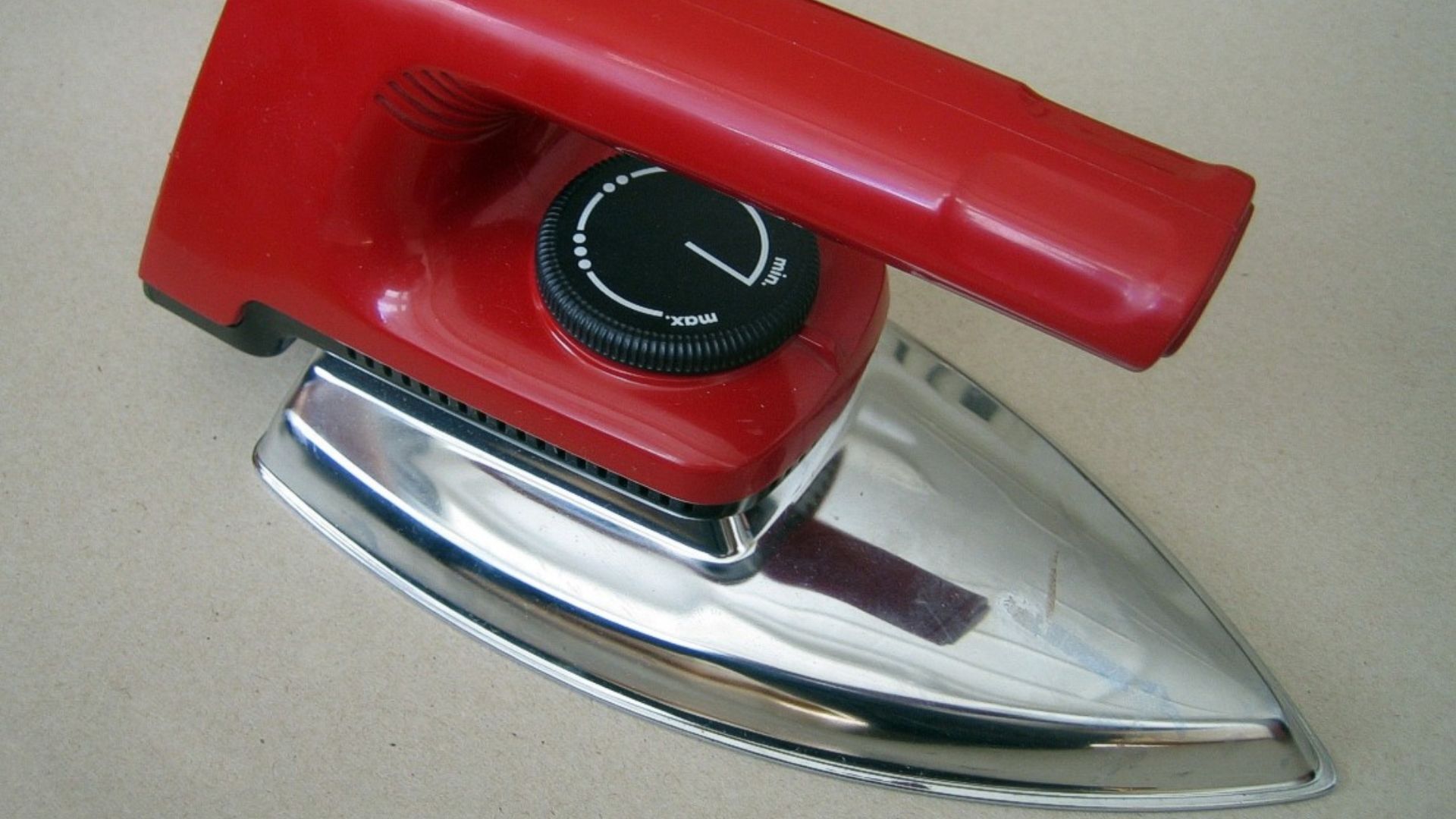
Travel Iron
Wrinkled clothes bothered travelers a lot more than they seem to today. Many people packed a compact travel iron rather than taking their chances with whatever the hotel might—or might not—have available. It wasn't exactly light, but showing up to dinner looking like you'd slept in your shirt wasn't considered an option.
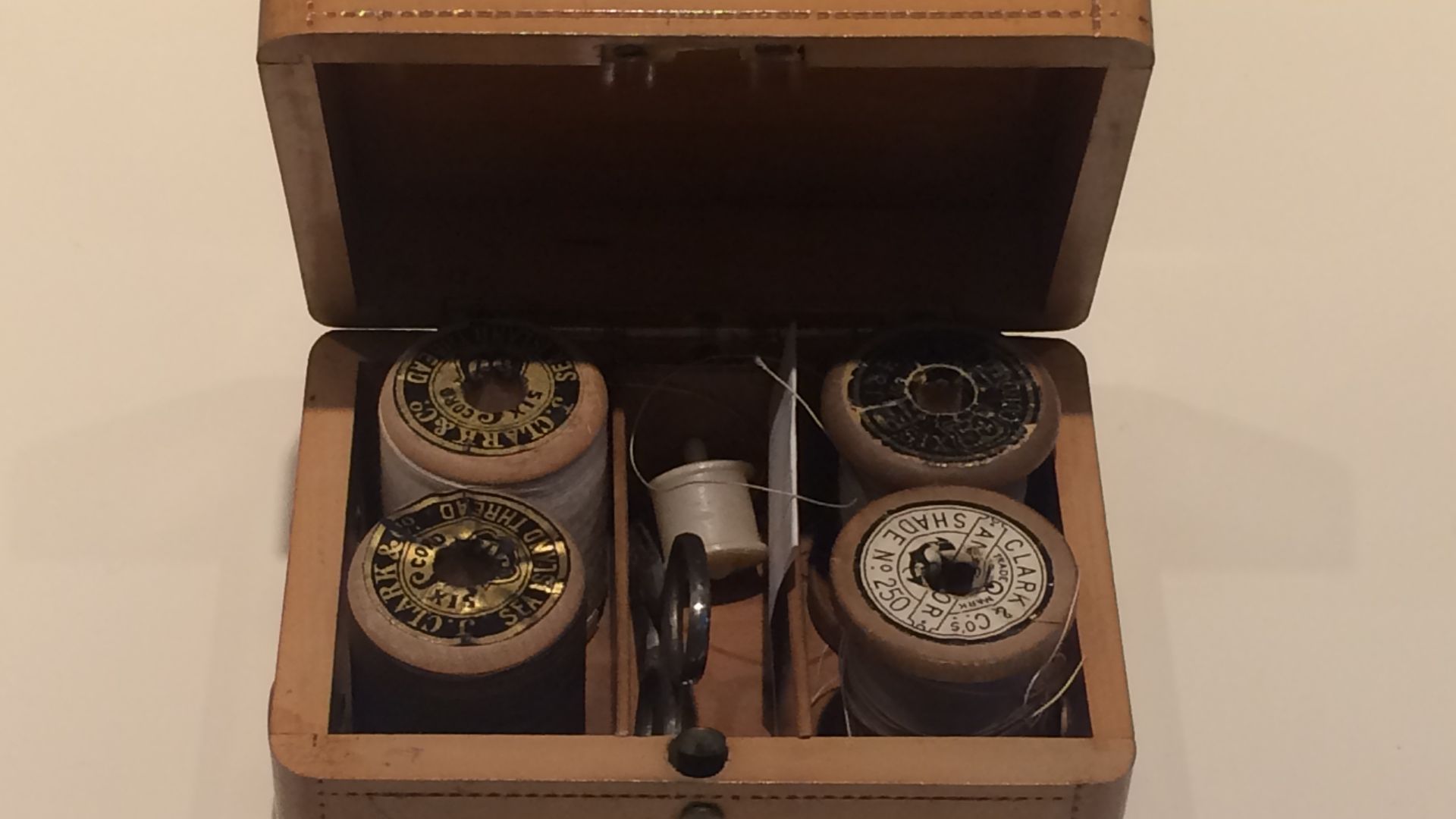
Travel Sewing Kit
It always seemed unnecessary...right up until a button popped off five minutes before dinner. Tiny sewing kits containing thread, needles, spare buttons, and safety pins lived in countless suitcases for years. Most never got used, but when they did, they instantly became the most valuable thing you packed.
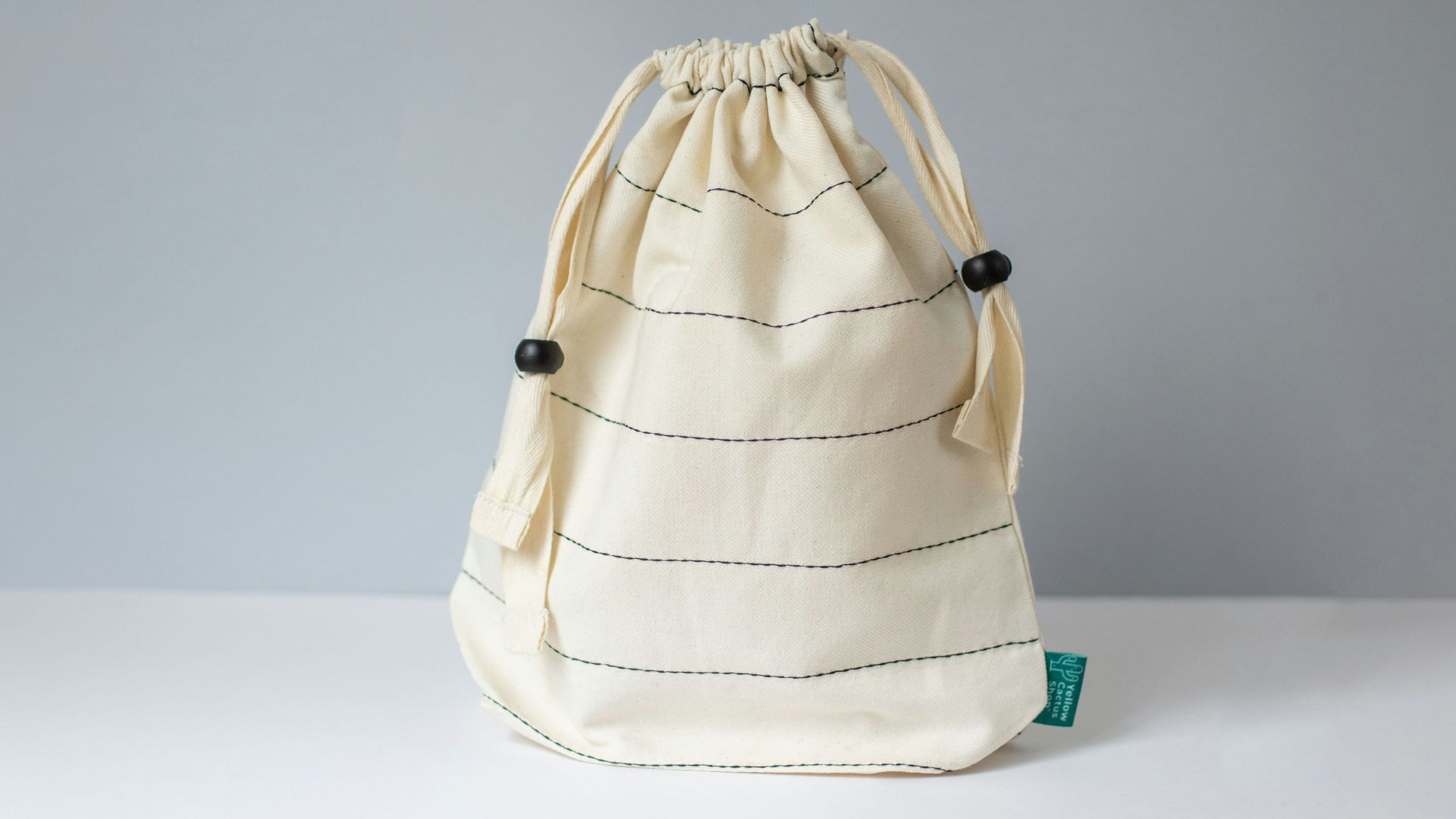
Travel Laundry Bag
Before packing cubes became all the rage, there was the humble laundry bag. Keeping dirty clothes separate from clean ones made unpacking easier and prevented fresh clothes from picking up odors. It wasn't fancy, but it worked just fine.
Flashlight
Today, nearly everyone carries a flashlight without thinking about it—it's built into their phone. Back then, travelers packed an actual flashlight for camping trips, motel parking lots, power outages, or simply finding the bathroom in the middle of the night. It was one of those items you hoped you wouldn't need...until you did.

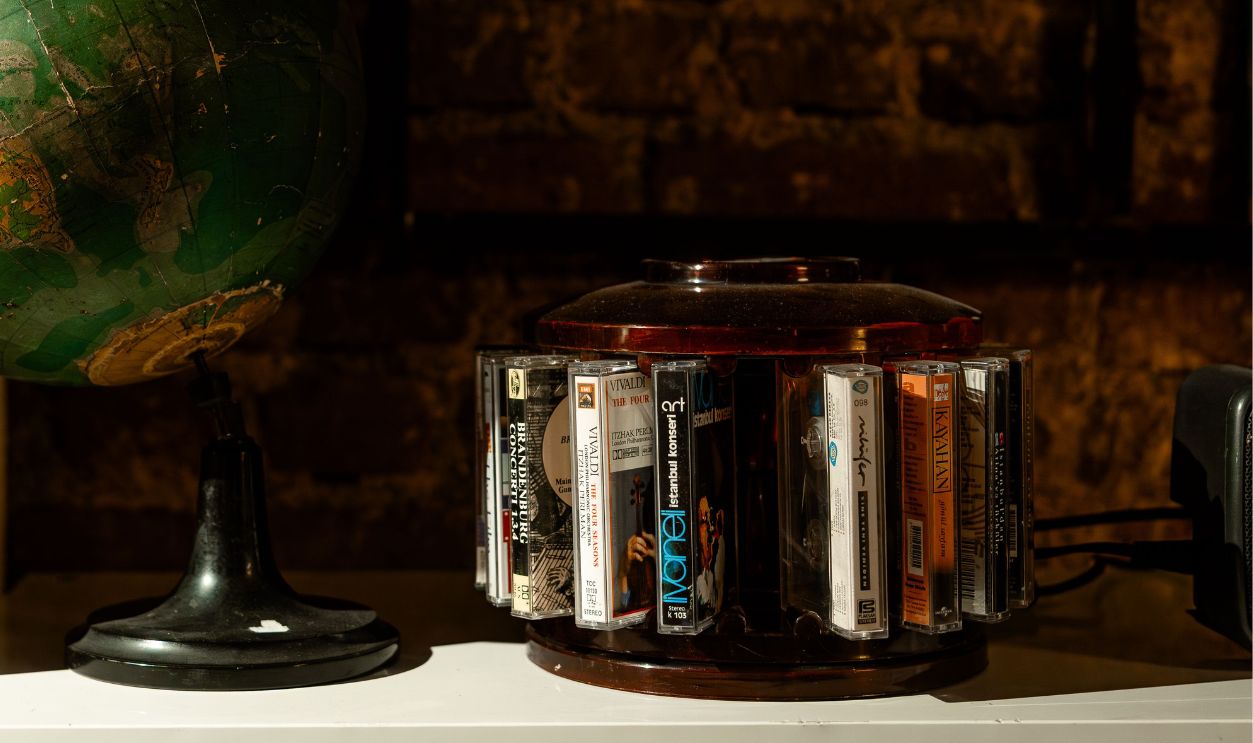
Cassette Tape Organizer
Road trips needed a soundtrack. Many cars had organizers that held a dozen or more cassette tapes, making it easy to swap albums while cruising down the highway. The biggest argument wasn't where to stop for lunch. It was whether Fleetwood Mac, The Eagles, or Creedence Clearwater Revival got played next.
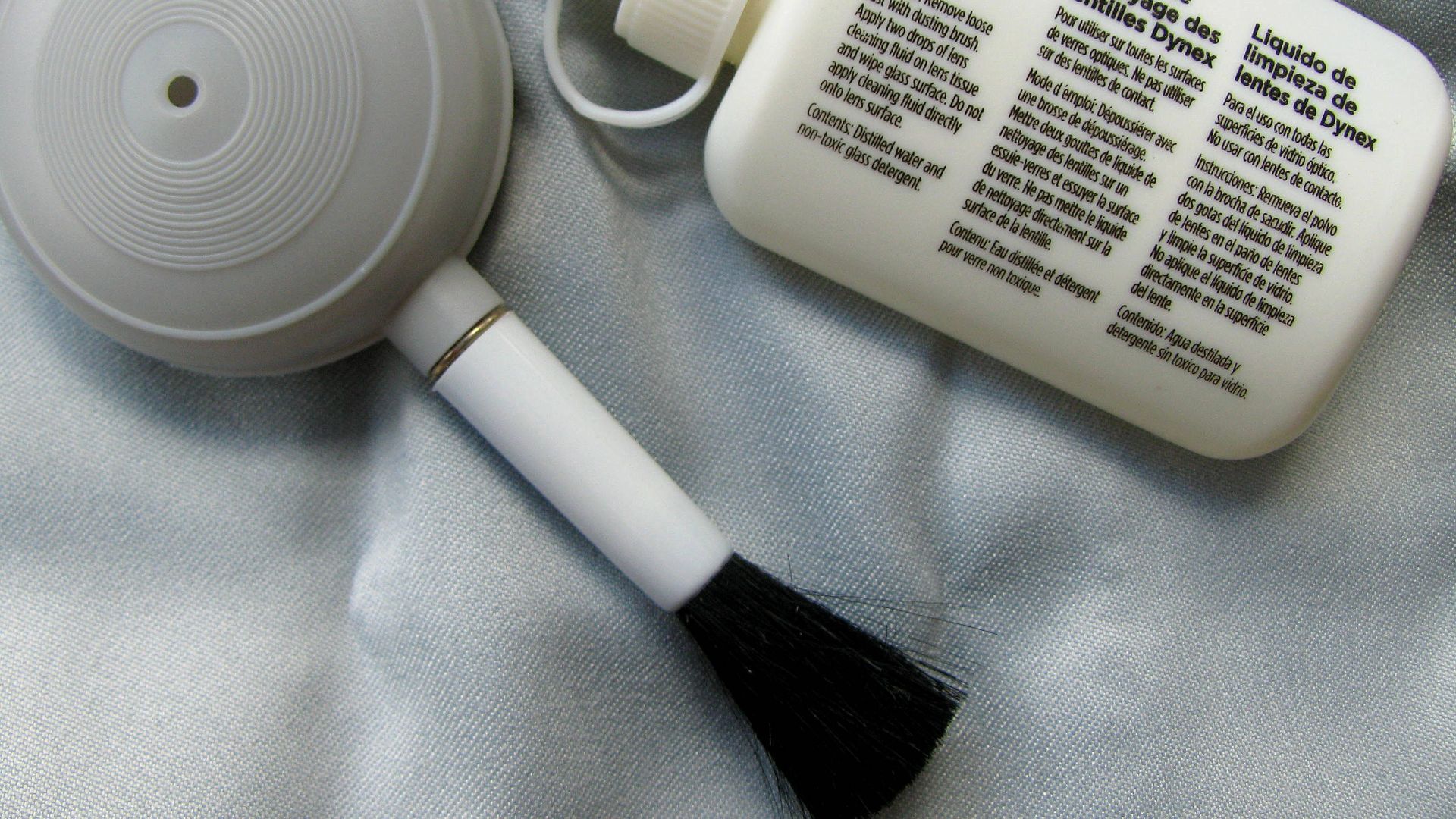
Camera Cleaning Kit
Owning a camera meant taking care of it. Many Boomers packed lens cloths, cleaning solution, blower brushes, and lens paper to keep vacation photos looking their best. Today, most people wipe their phone camera on their T-shirt and call it good.
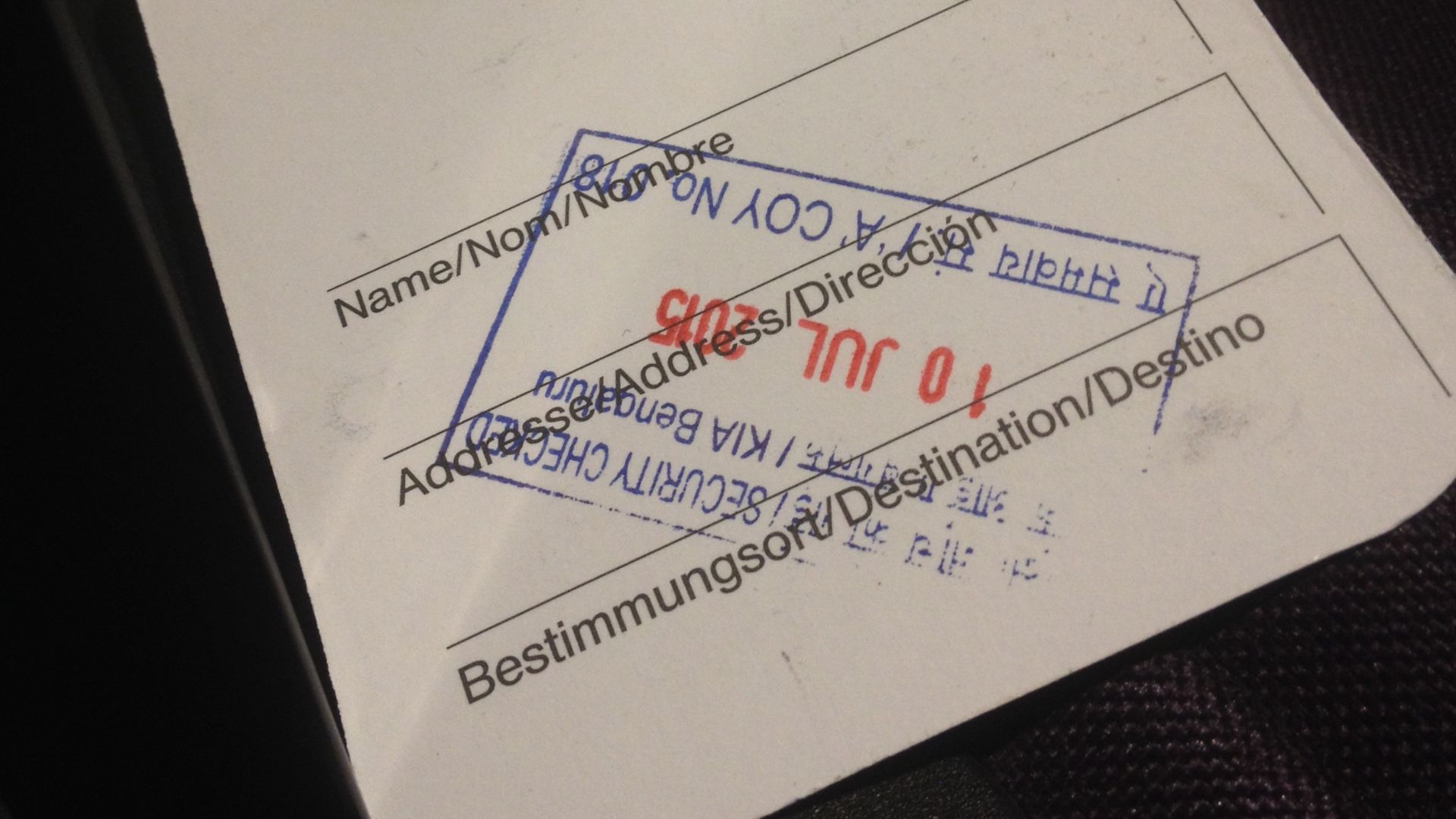
Luggage Tags With Your Home Address
For years, travelers proudly attached luggage tags showing their full home address and phone number. Back then, it seemed like the sensible thing to do if your suitcase got lost. Today, many travel security experts recommend limiting the amount of personal information displayed on luggage for privacy and security reasons.
Guidebooks Covered In Notes
A good travel guidebook wasn't just something you read—it became part of the trip. Many Boomers highlighted pages, folded corners, scribbled restaurant recommendations in the margins, and tucked receipts between the chapters. By the time the vacation ended, the guidebook looked like it had been sightseeing too.

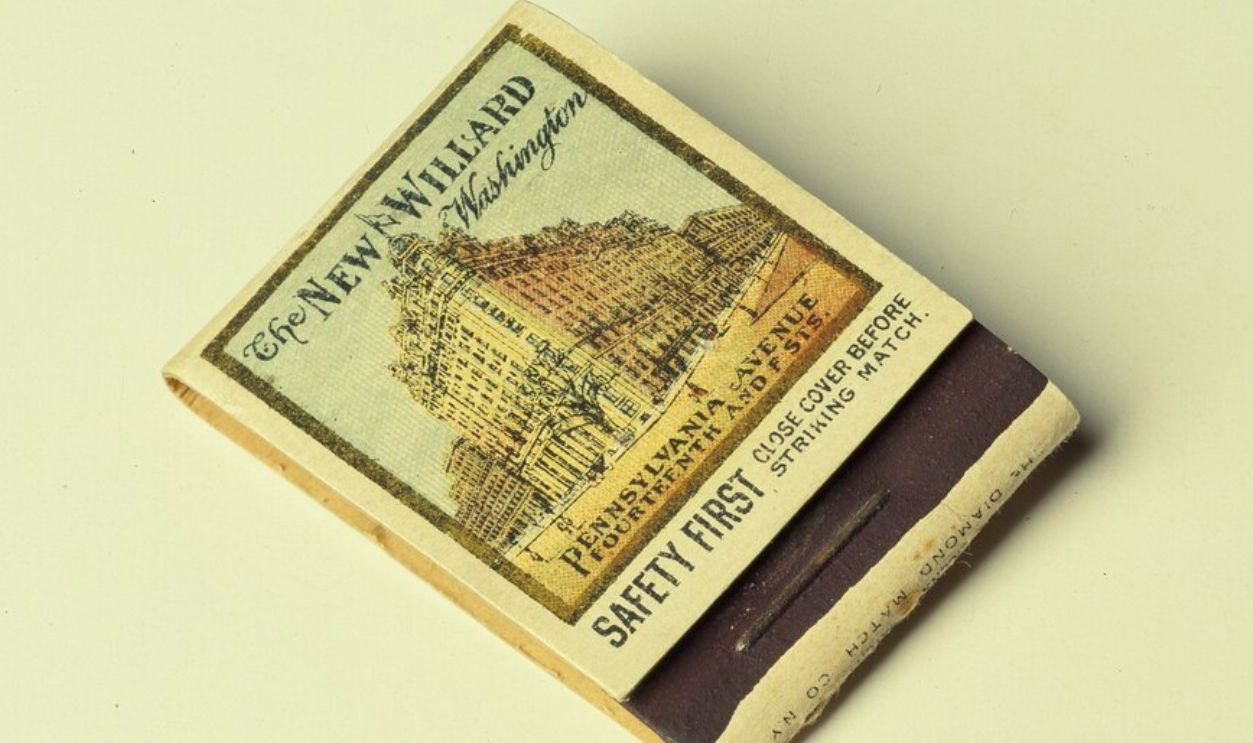
Hotel Matchbooks
Long before hotels started handing out branded keycards and Wi-Fi passwords, many gave guests complimentary matchbooks. Even people who didn't smoke often slipped one into their pocket as a free souvenir. Today, they're a nostalgic reminder of a very different era of travel.
 Carol M. Highsmith, Wikimedia Commons
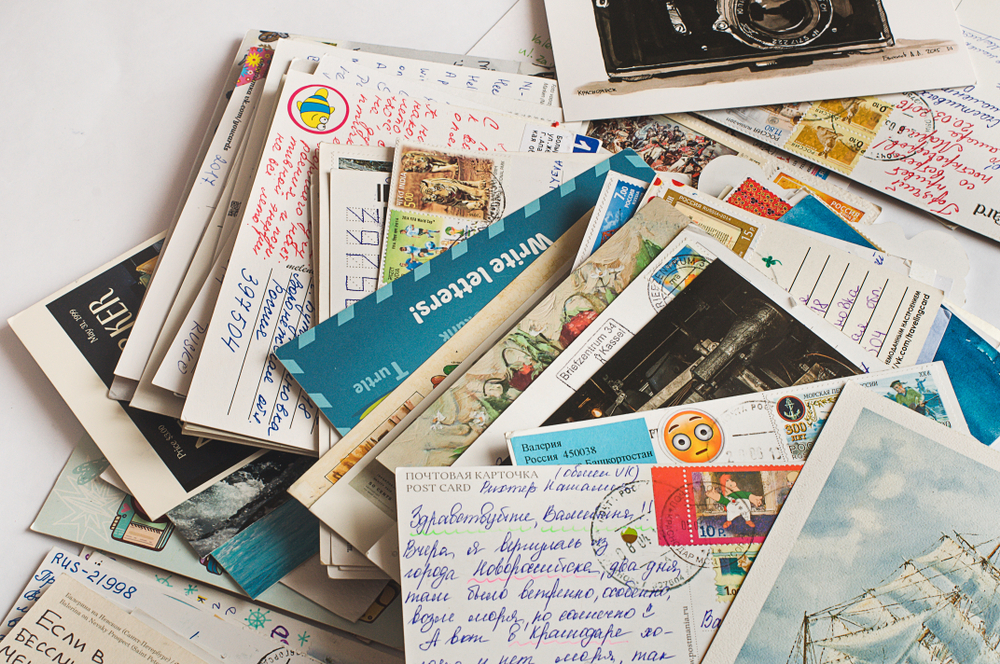
Postcards
There was a time when vacations weren't complete until you mailed a few postcards home. Choosing the perfect picture, finding a stamp, and squeezing a week's worth of stories into a few short sentences was simply part of traveling. These days, most people post vacation updates before they've even checked into the hotel.
 Valentina Perfilyeva, Shutterstock
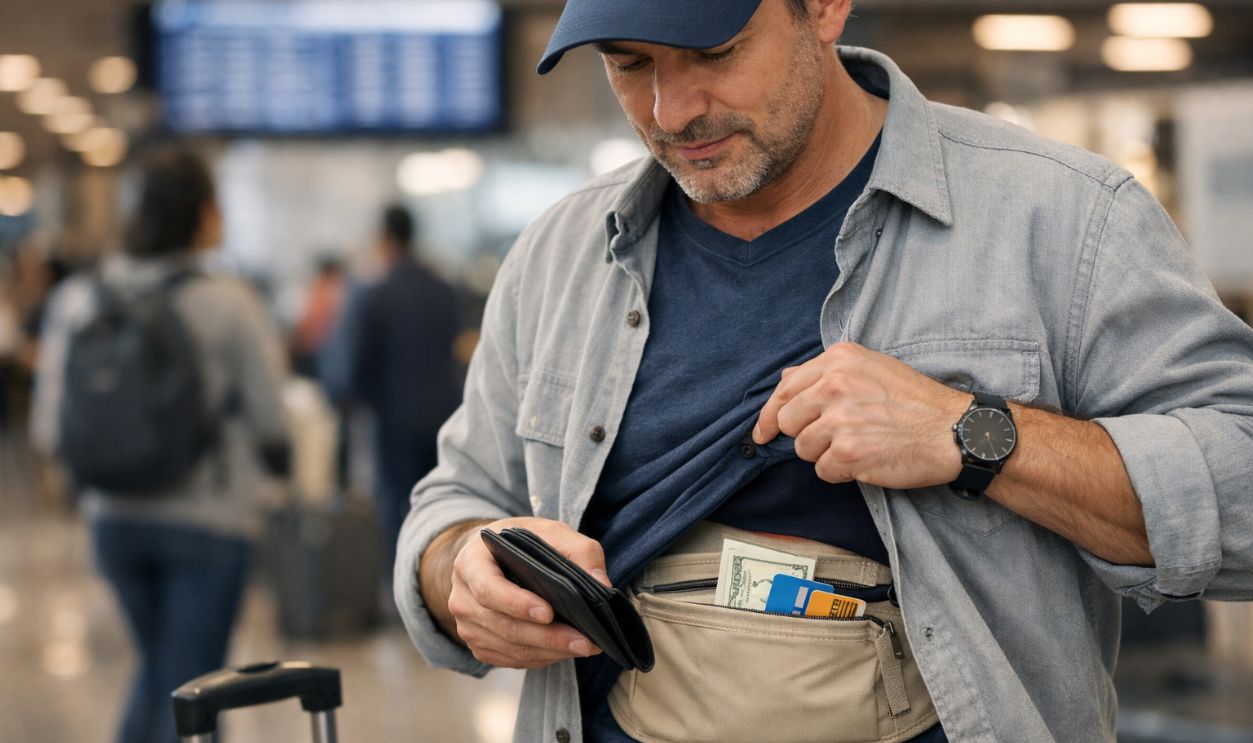
Money Belt
Long before RFID-blocking wallets became popular, cautious travelers often wore money belts hidden beneath their clothes. Passports, traveler's checks, and extra cash stayed close to the body, giving people a little extra peace of mind while exploring unfamiliar places.
Travel Has Never Been Simpler
The next time someone born after 2000 says they're packed for vacation with just a backpack and a phone charger, just smile. They'll never know the pure satisfaction of finally getting that paper road map folded almost back to the way it started.

You Might Also Like:
The Dos and Don'ts of Train Travel Every Passenger Should Know