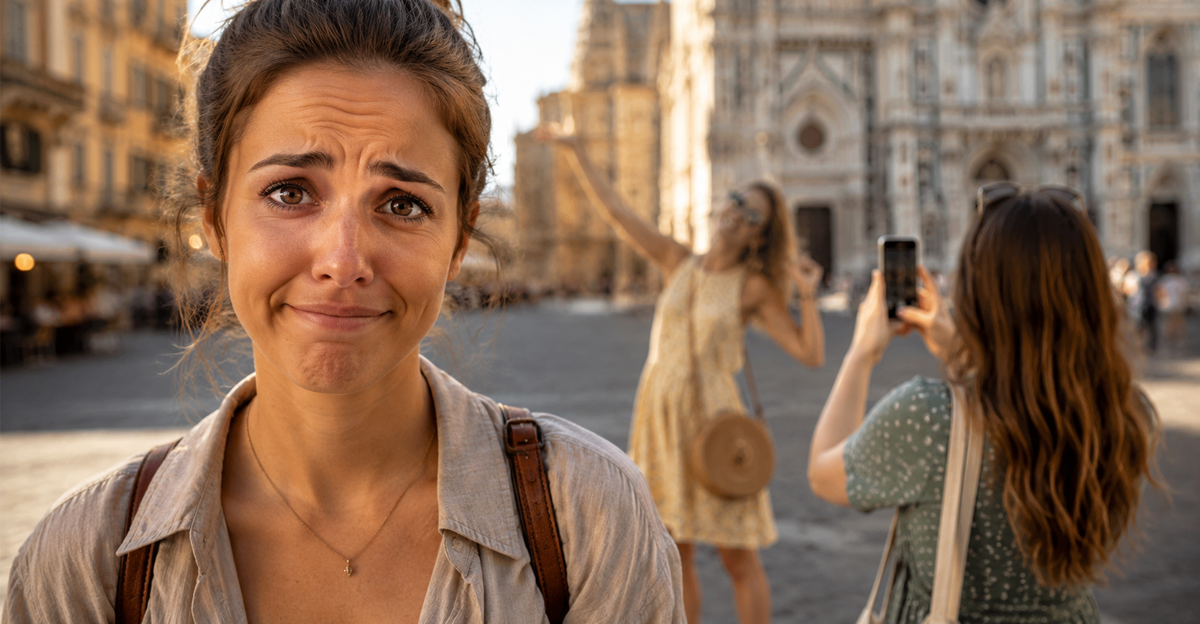
It Started Feeling More Like A Production
I expected a relaxing getaway filled with good food, sightseeing, and spontaneous moments. Instead, every scenic stop became another opportunity for an elaborate photo session. By the second day, I found myself wondering whether we were actually traveling or simply creating content for social media.
Taking Vacation Photos Is Completely Normal
Photography has always been part of travel. People naturally want to preserve memories and share special experiences with family and friends. There is nothing unusual about stopping to take a few pictures at beautiful destinations.
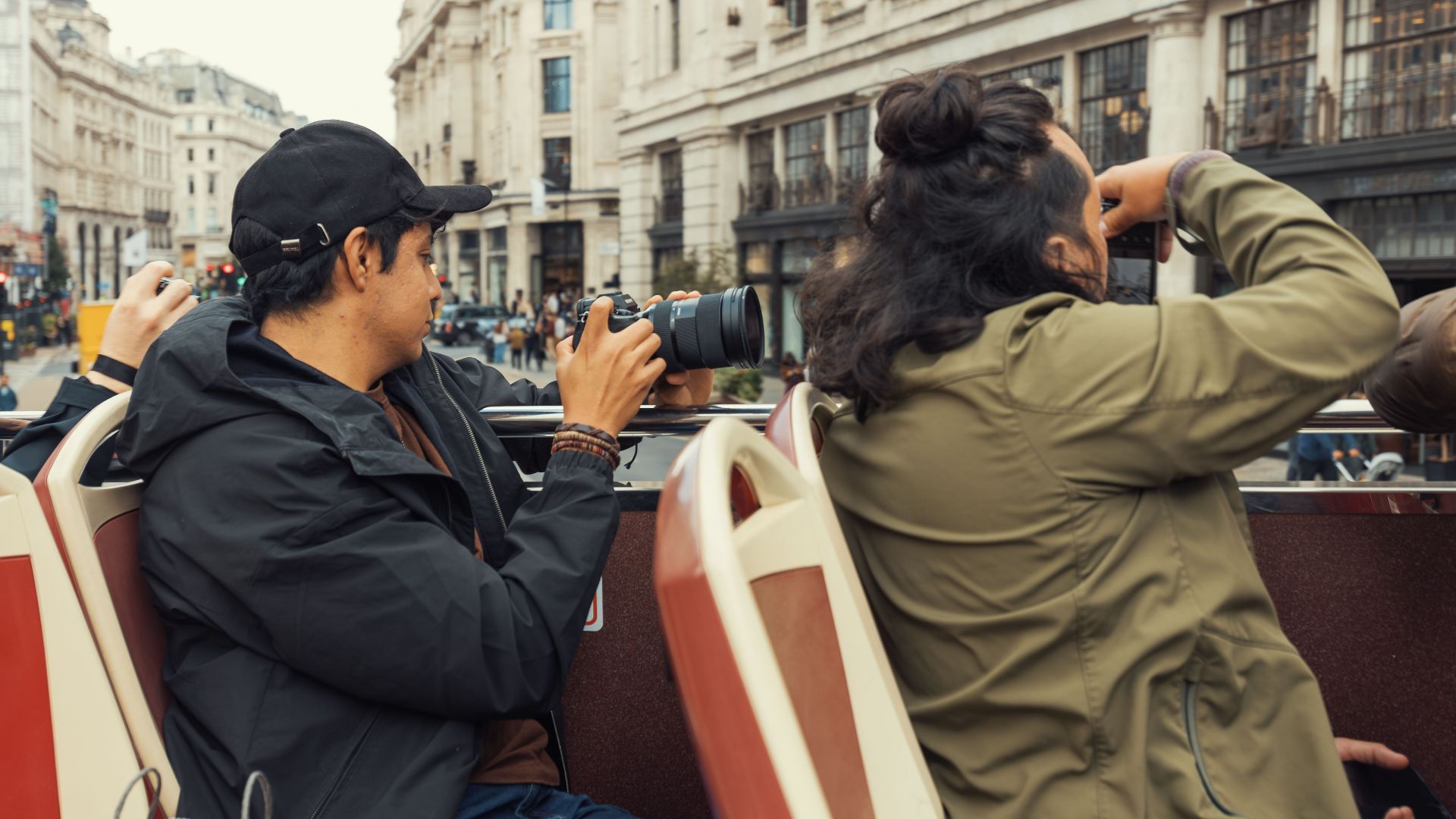
Social Media Changed The Way Many People Travel
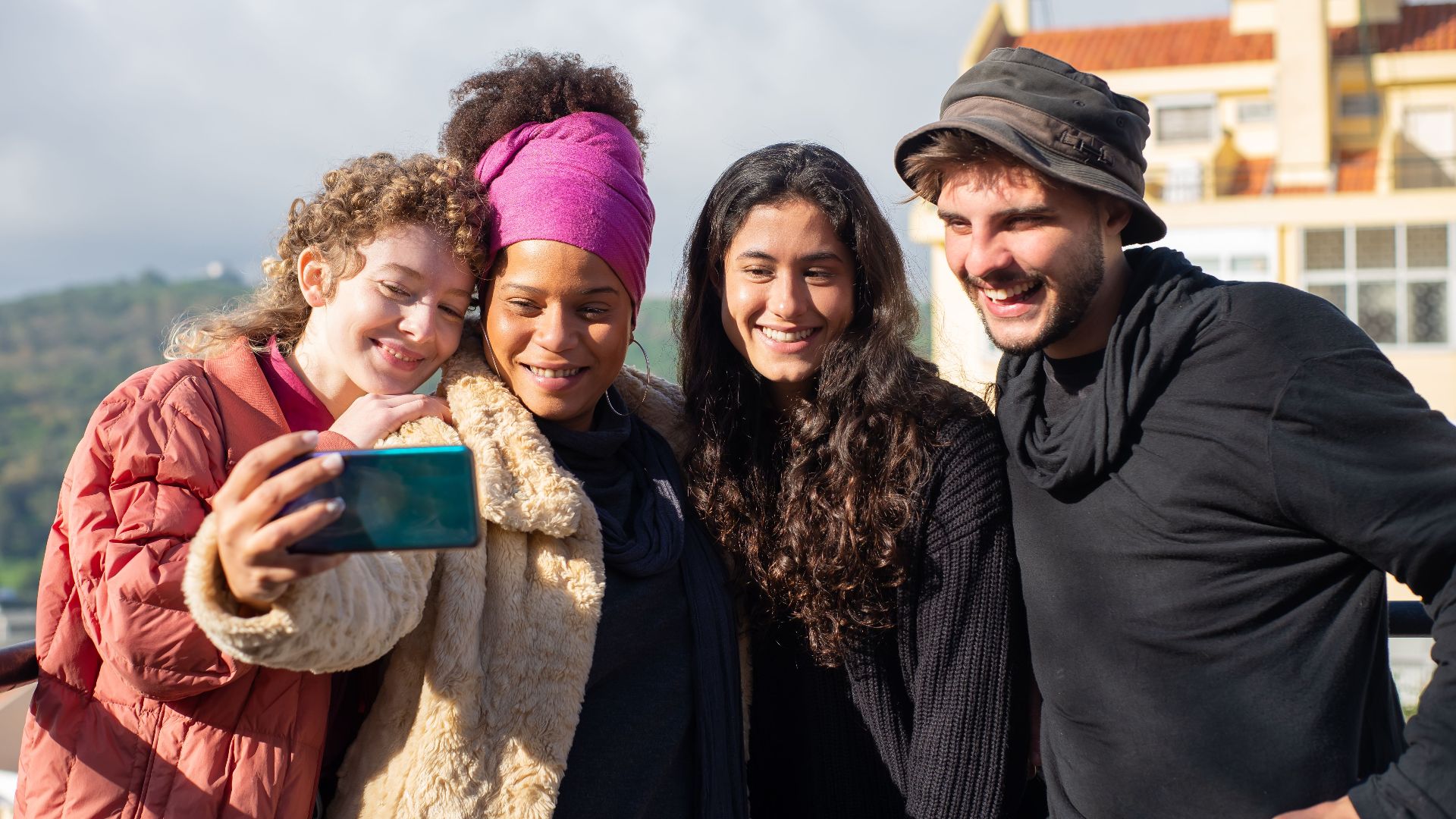
Smartphones and platforms like Instagram and TikTok have made sharing vacations almost effortless. Researchers have found that many travelers think about how destinations will appear online while they are still experiencing them. That does not mean everyone travels only for social media, but online sharing has become part of many vacations.
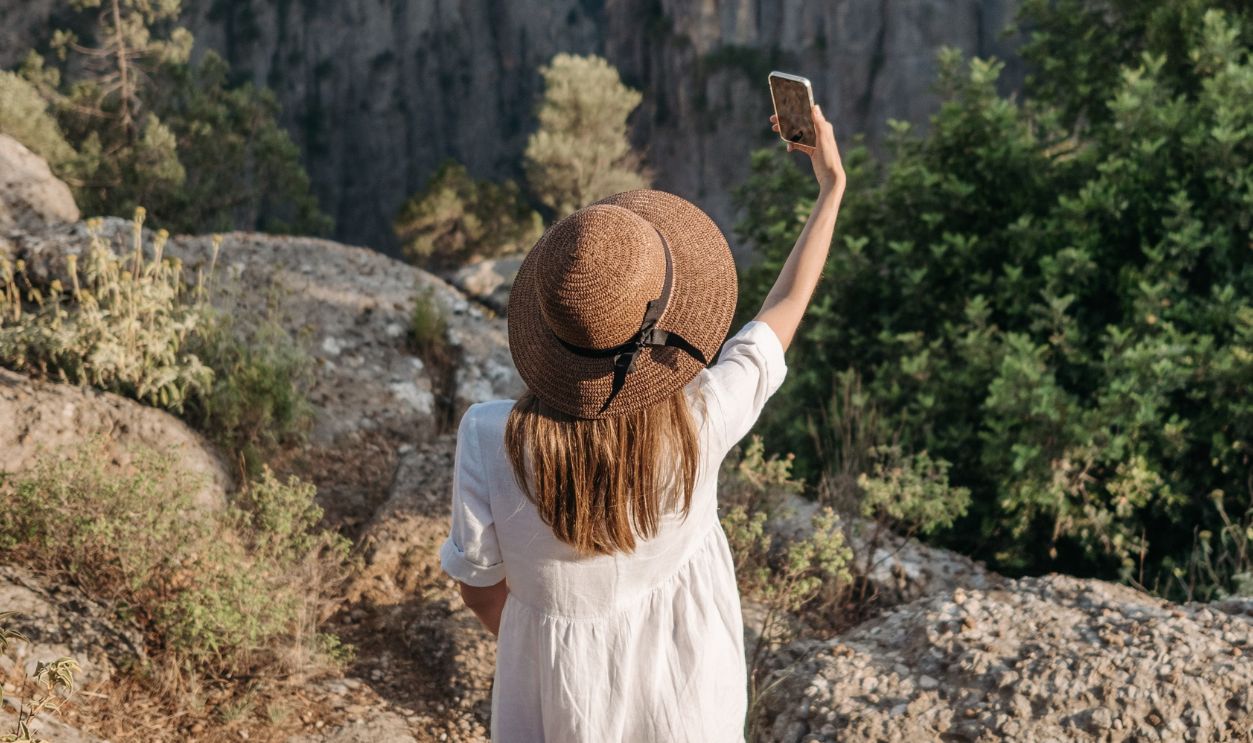
Sometimes The Camera Takes Over
Problems usually begin when documenting the trip becomes more important than enjoying it. A five minute photo stop can quietly stretch into thirty minutes after repeated poses, outfit adjustments, and multiple angles. The rest of the group often ends up waiting instead of exploring.
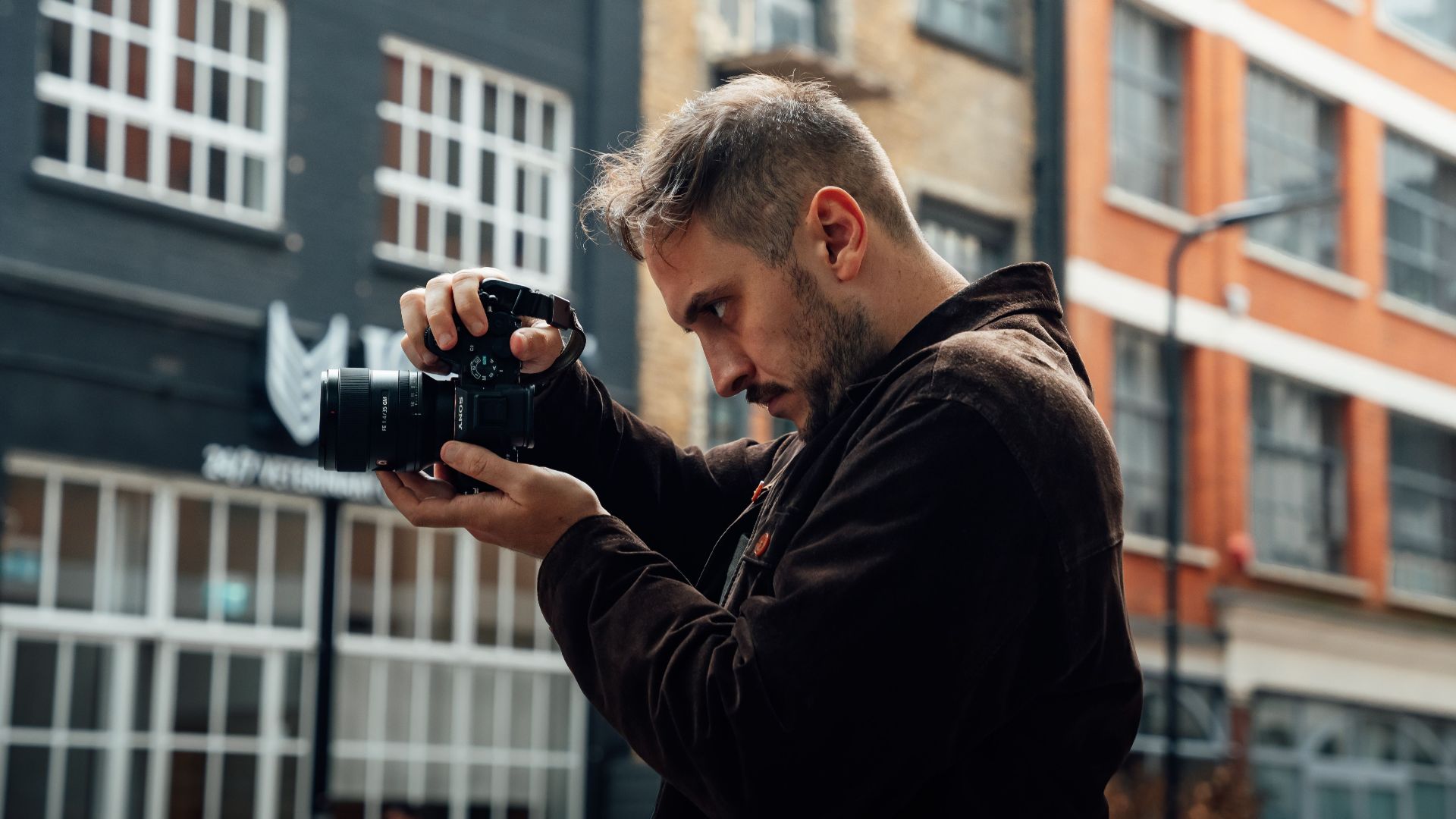
Everyone Has Different Travel Priorities
Some travelers love museums. Others want beaches, hiking trails, or great restaurants. For people who enjoy photography, creating beautiful images may genuinely be one of the highlights of traveling. That preference is not automatically wrong, even if it differs from yours.
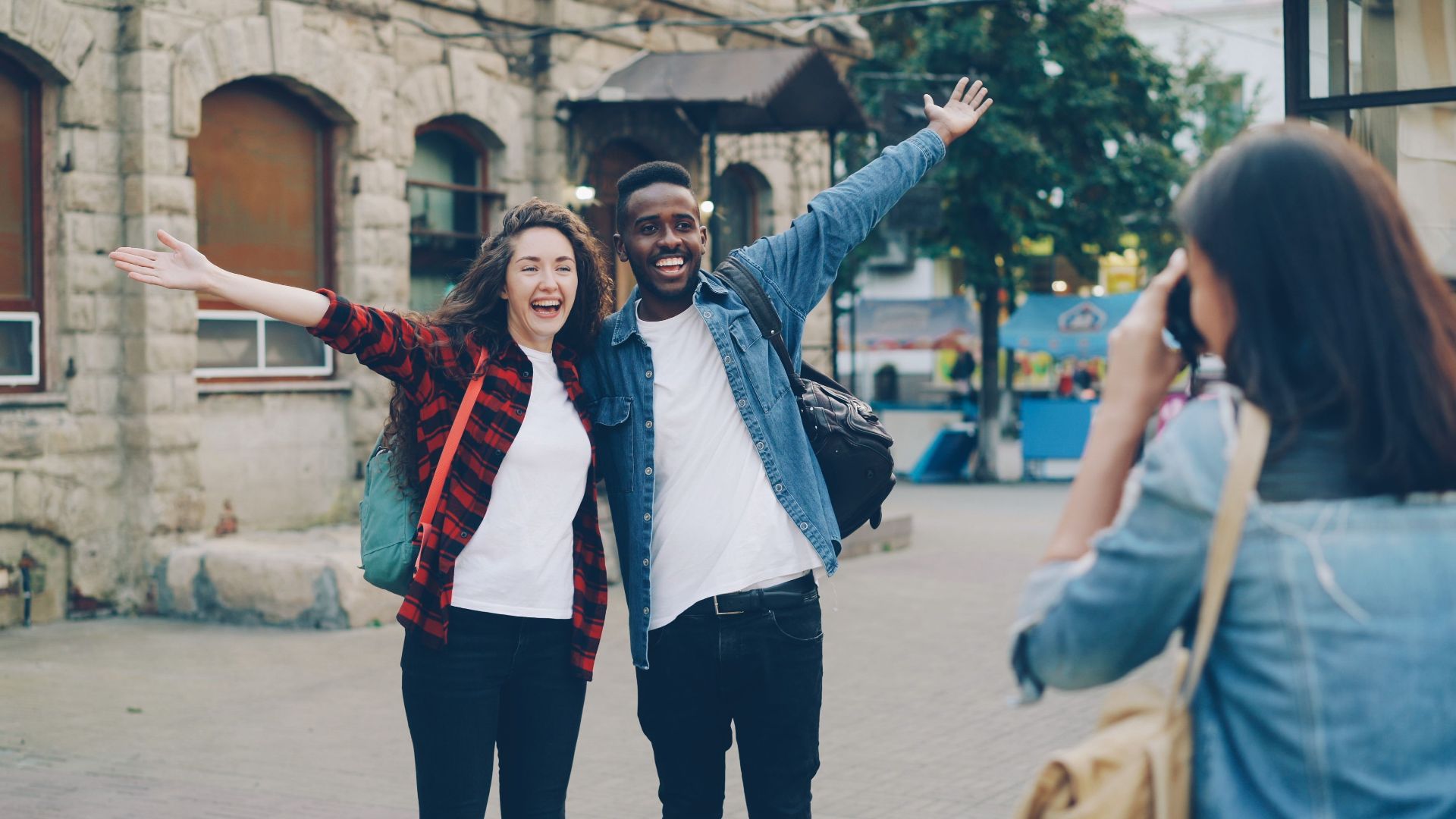
Curated Photos Rarely Show The Full Story
Vacation photos usually capture a few carefully selected moments instead of an entire day. They rarely show long lines, bad weather, crowded attractions, or tired travelers. That is why a trip can look effortless online while feeling exhausting in real life.
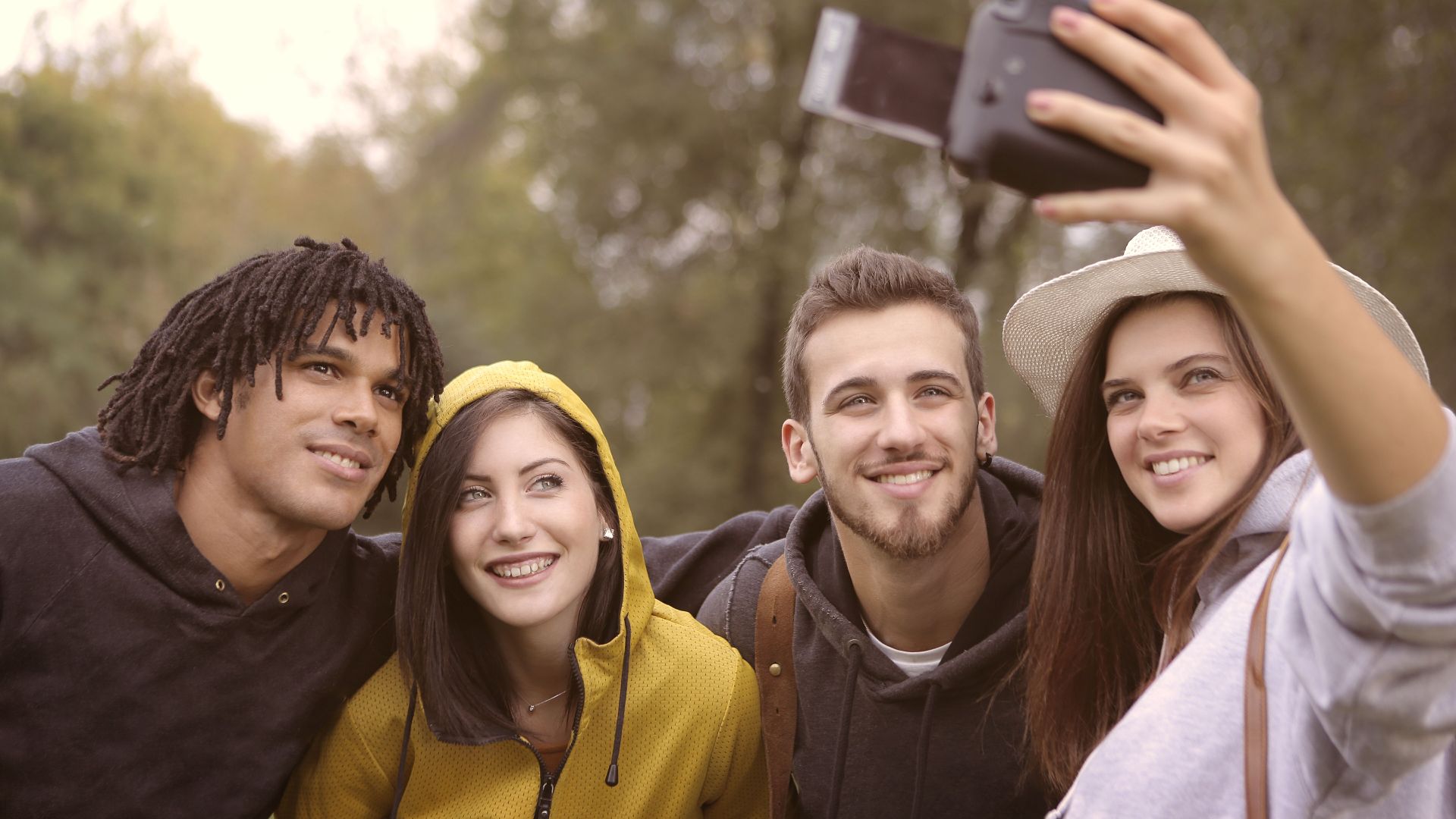
Social Media Encourages Careful Self Presentation
Academic research has found that travelers often use photos to present a particular image of themselves online. Editing, selecting, and arranging travel pictures can become part of impression management rather than simple memory keeping. That pressure can subtly influence how people experience a destination.

It Can Slow Down The Entire Group
One person taking dozens of photos affects everyone else's schedule. Meals get delayed while food is photographed. Scenic overlooks become extended stops instead of brief breaks. Attractions may close before the group finishes everything they wanted to see.
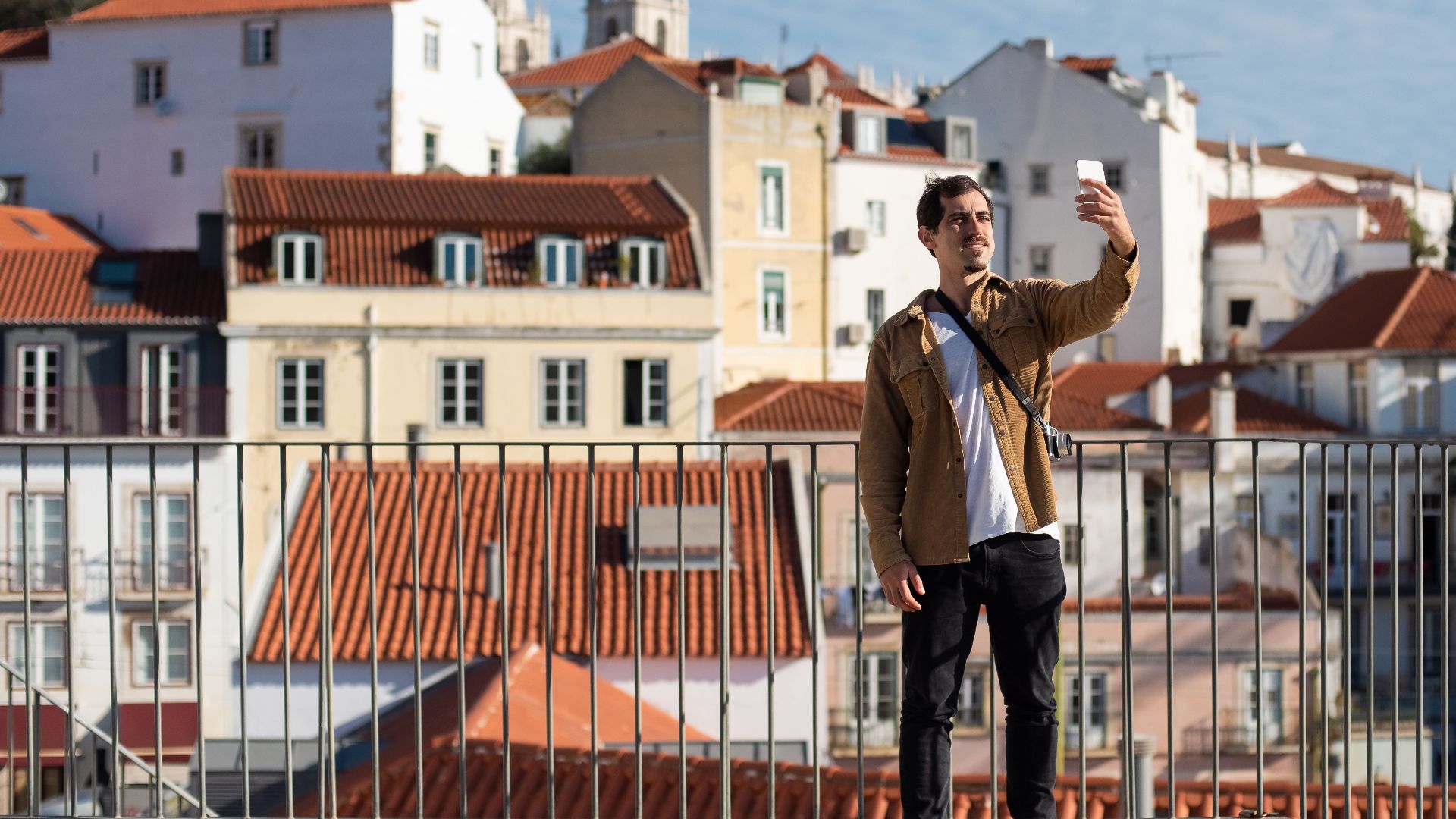
Waiting Can Become Surprisingly Frustrating
Standing nearby while someone repeatedly checks lighting, reviews photos, and requests more shots can wear on even patient travelers. The frustration usually comes from lost time rather than photography itself. Vacations often have limited days and packed itineraries.
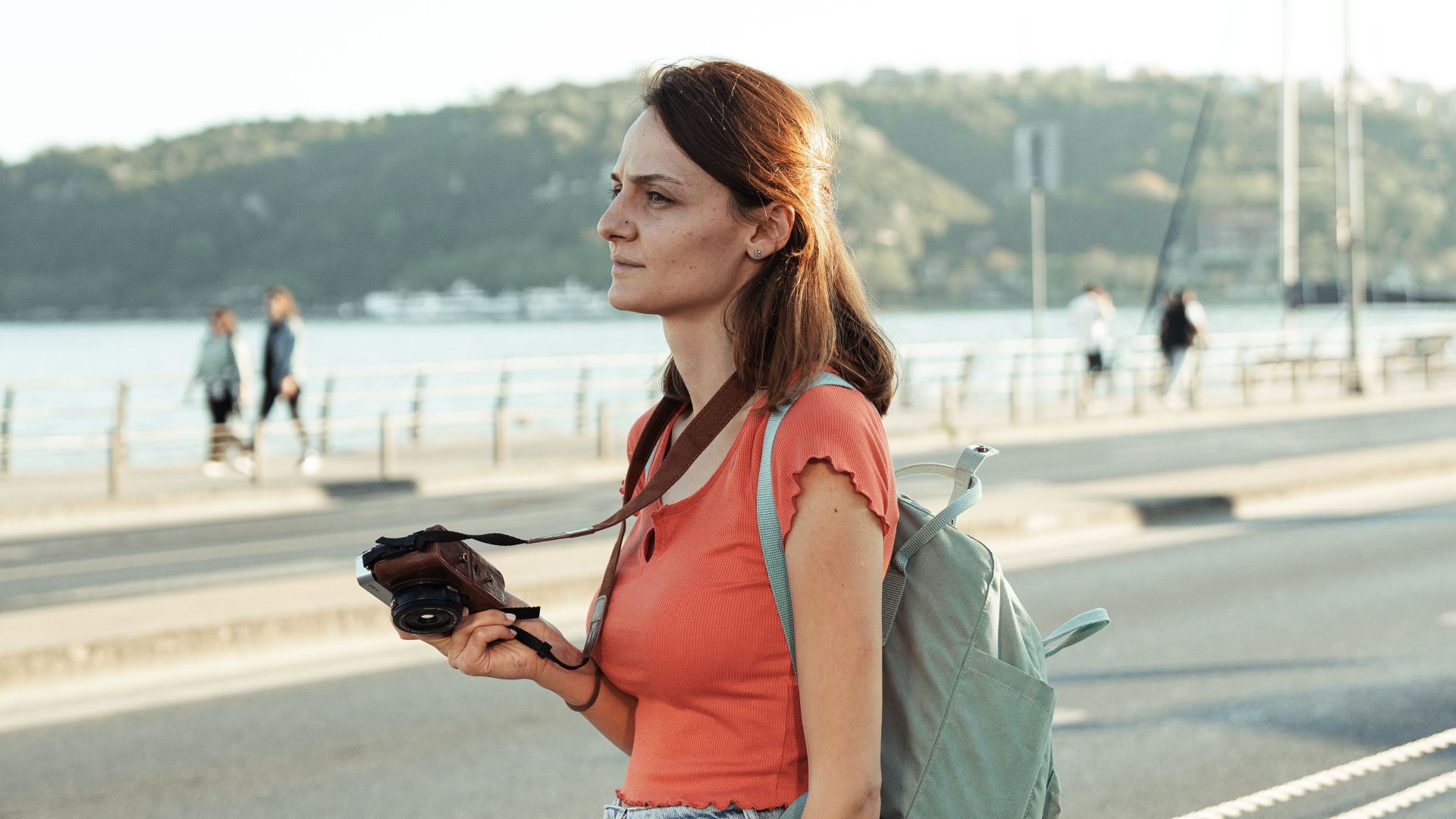
There Is A Difference Between Photos And Photo Shoots
Most groups happily stop for a few memorable pictures. A photo shoot is different because it requires planning, multiple poses, wardrobe adjustments, and repeated attempts to perfect each image. That distinction often determines whether everyone stays engaged.
Some People Feel Real Pressure To Post
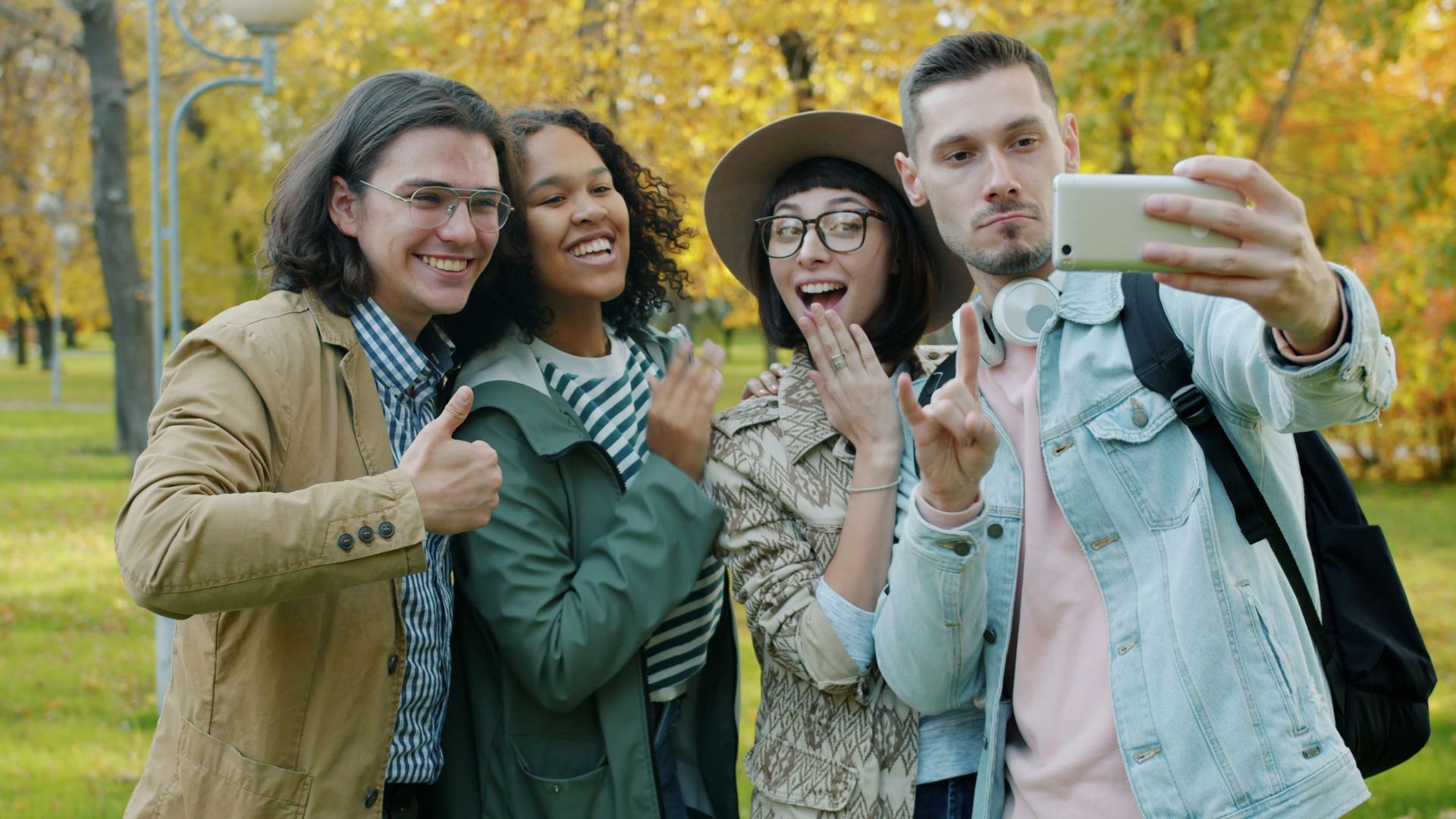
Recent tourism research suggests that sharing travel experiences on social media can create genuine psychological stress. Travelers may feel pressure to present a positive image or keep followers engaged throughout a trip. Posting can become another task instead of a fun activity.

Your Vacation Does Not Have To Match Theirs
People define a successful trip differently. One traveler may treasure photographs. Another may value conversations, local food, or quiet moments without a phone in hand. Neither approach is automatically better.
 Mental Health America (MHA), Pexels
The Best Trips Usually Allow Both
Successful travel groups often balance photography with uninterrupted experiences. They capture important moments, then put the phones away and continue exploring. Everyone gets memories without spending the entire day posing.
Speak Up Before The Frustration Builds
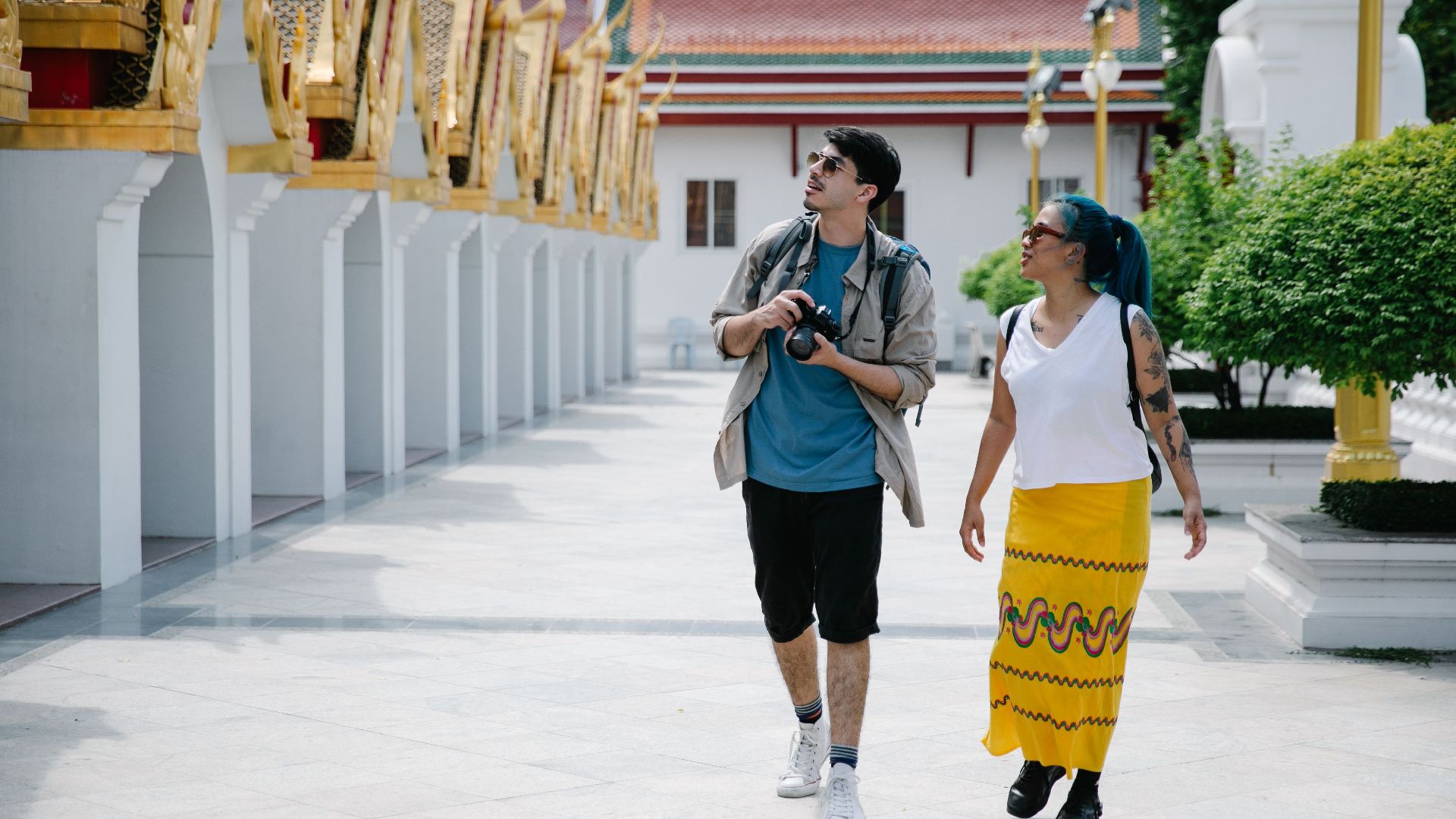
If photo stops begin dominating the schedule, it is worth mentioning early. Calm conversations are much easier before resentment grows. Most friends do not realize how much time they are asking from everyone else.
Focus On Your Own Experience
You do not have to participate in every photo session. While friends take pictures, you might browse a nearby shop, enjoy the scenery, or simply sit and relax. Giving each other space can reduce tension.
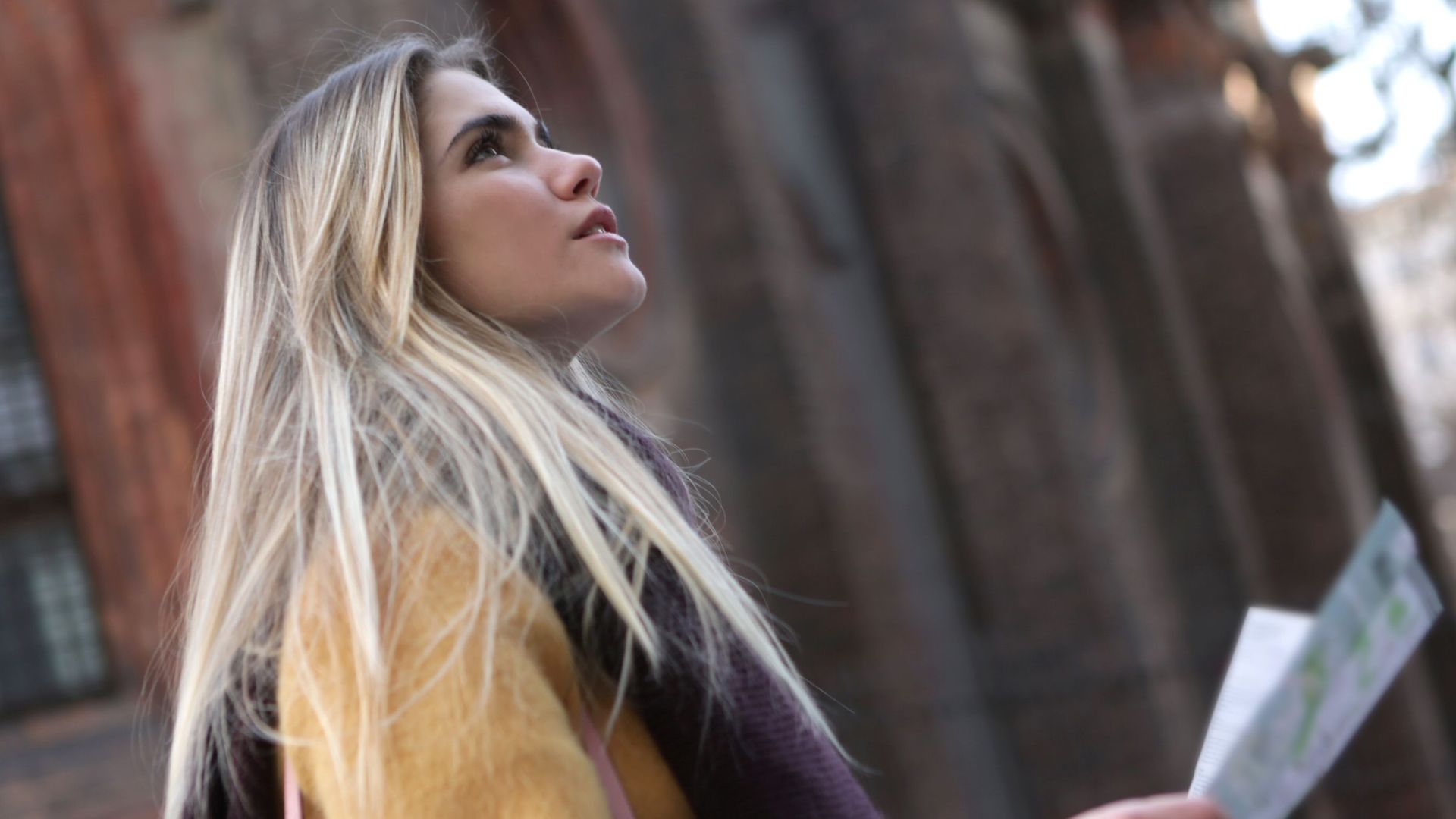
Set Expectations Before Future Trips
Travel experts often recommend discussing priorities before booking a vacation together. That conversation can include budgets, sightseeing pace, nightlife, wake up times, and photography habits. Small expectations discussed early prevent larger conflicts later.
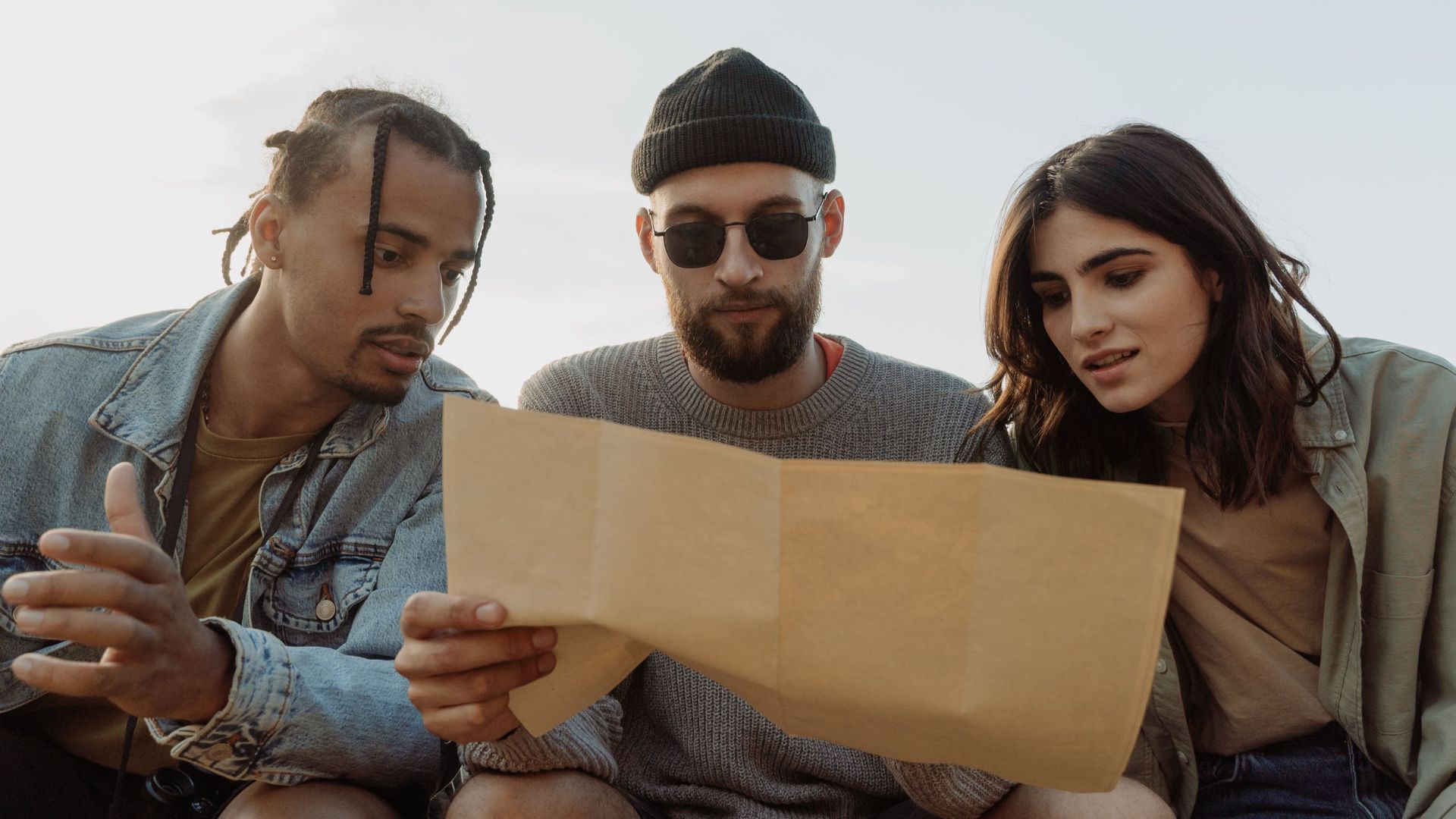
Consider Building In Photo Time
Some groups intentionally schedule photography breaks. For example, everyone agrees to spend fifteen minutes taking pictures at a landmark before moving on together. Simple boundaries help prevent endless delays.
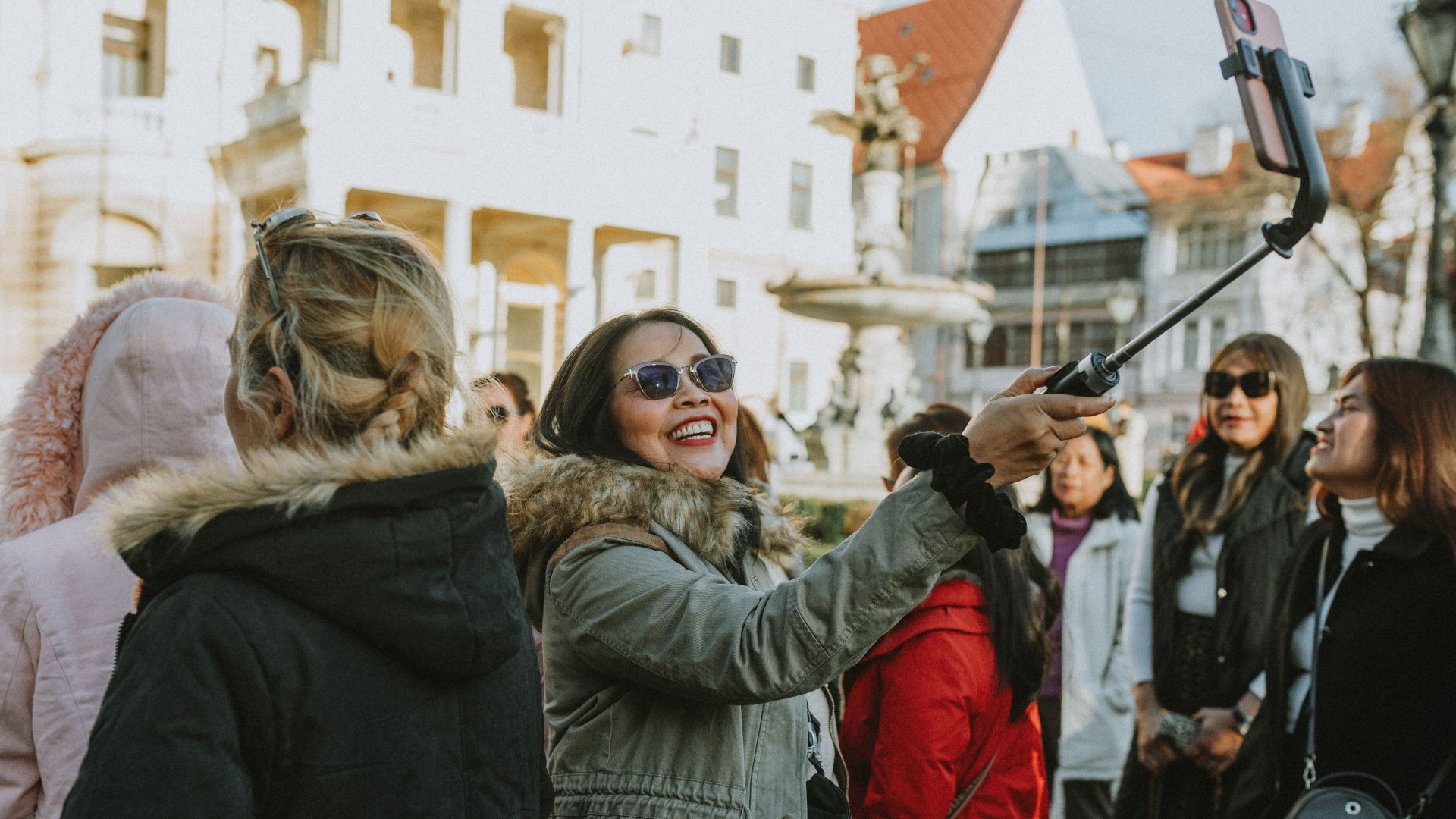 Helena Jankovicova Kovacova, Pexels
Remember That Photography Can Be Meaningful
For some people, photography is more than social media. It is a creative hobby or artistic outlet. They may genuinely enjoy composing images just as much as someone else enjoys visiting museums or hiking trails.
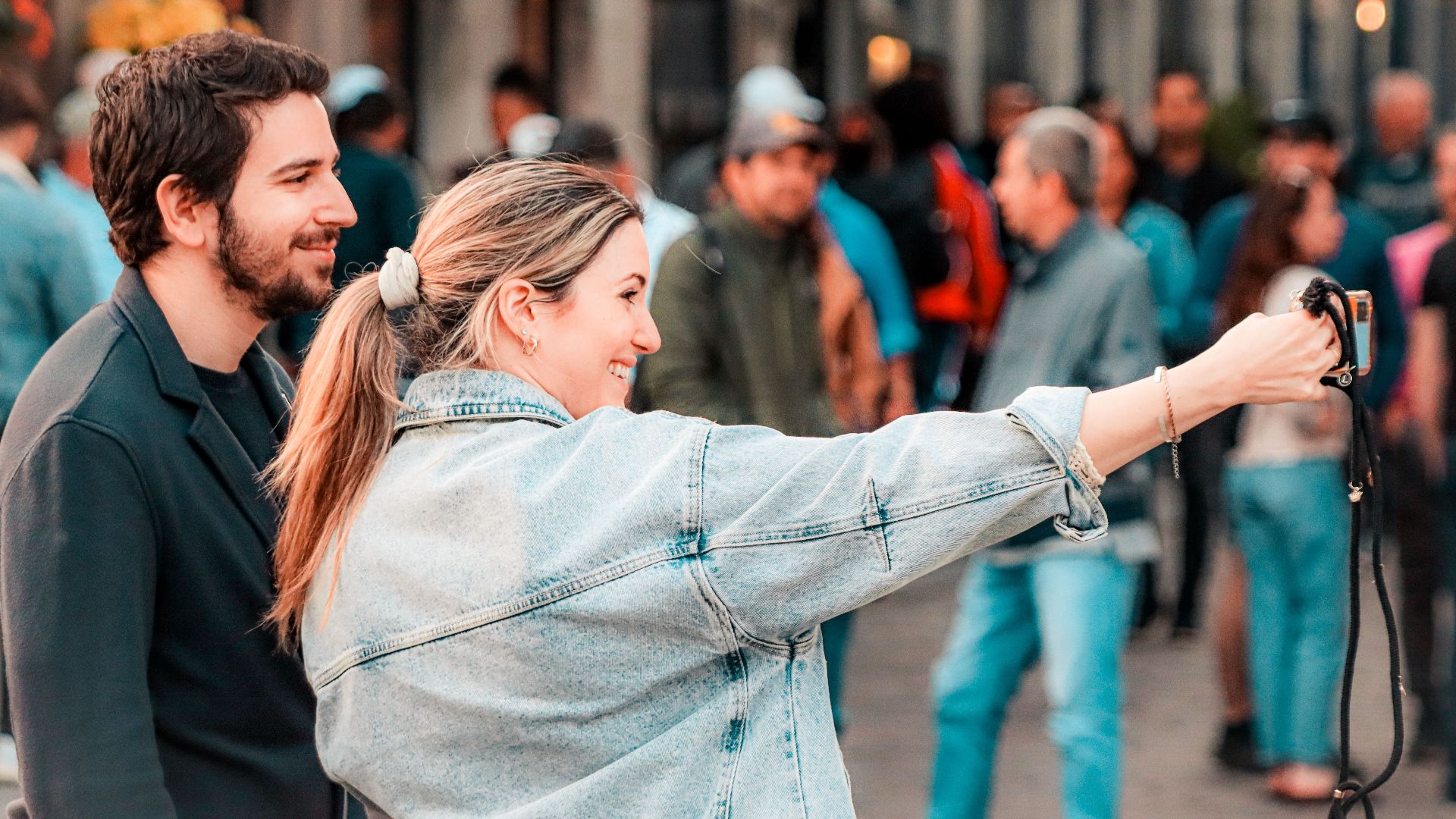
But Constant Performance Can Feel Draining
When every meal, drink, and viewpoint becomes another staged moment, the trip can start feeling less spontaneous. Travelers sometimes describe the experience as performing a vacation instead of living it. That feeling is understandable.

Authentic Moments Often Happen Between Photos
Many favorite travel memories are impossible to stage. Unexpected conversations, funny mistakes, quiet sunsets, and discovering hidden neighborhoods rarely happen on a strict photography schedule. Those experiences often become the stories people remember years later.
Nobody Else Sees The Entire Vacation
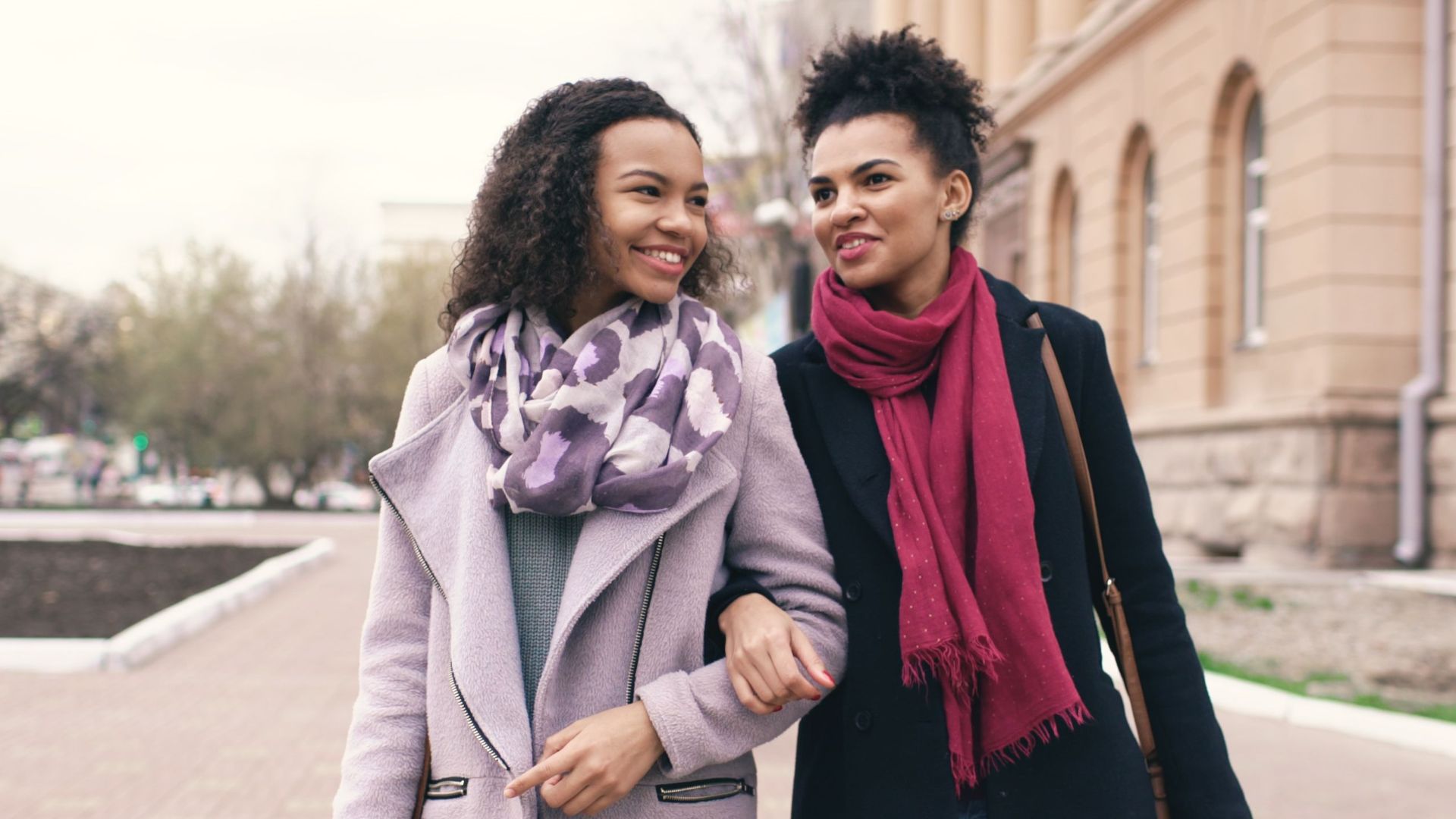
Friends scrolling through social media only see carefully chosen highlights. They do not witness disagreements, missed trains, long waits, or repeated attempts to capture the perfect pose. Online albums are edited versions of reality.

Your Feelings Are Not Unusual
Many travelers express similar frustrations when group trips become dominated by content creation. The complaint is common enough that it regularly appears in travel discussions and online communities. That does not prove one side is correct, but it shows the conflict is far from rare.
Avoid Turning It Into A Personal Attack
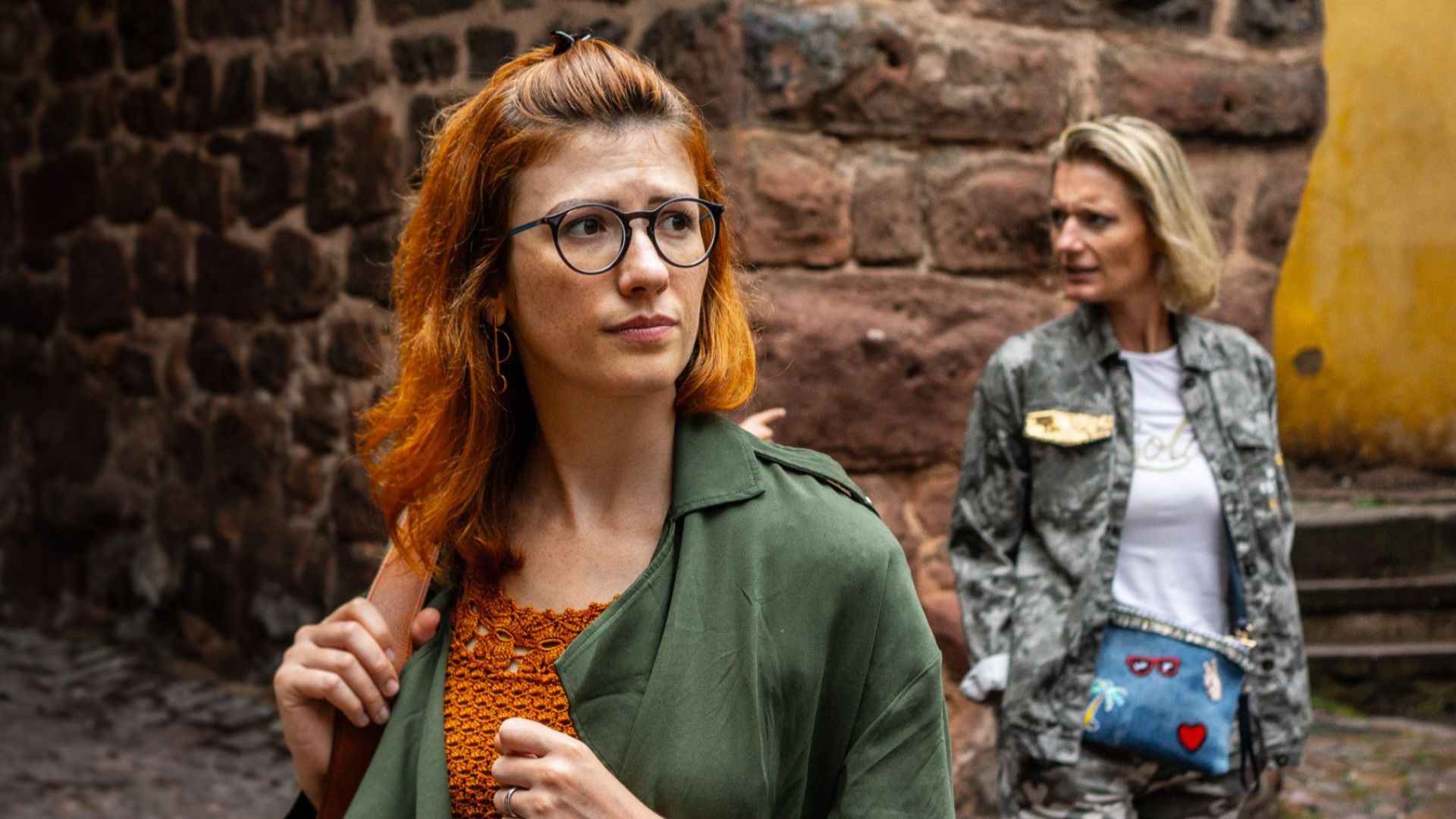
Instead of criticizing someone's social media habits, focus on how the pace affects the group. Saying you want more time to explore is usually received better than accusing someone of being obsessed with photos. Keeping the discussion practical reduces defensiveness.

Sometimes Different Travel Styles Simply Clash
Not every friendship translates into compatible travel. People who get along perfectly at home may have completely different expectations once they are on vacation. Discovering those differences is surprisingly common.
Future Trips Can Be Better Planned
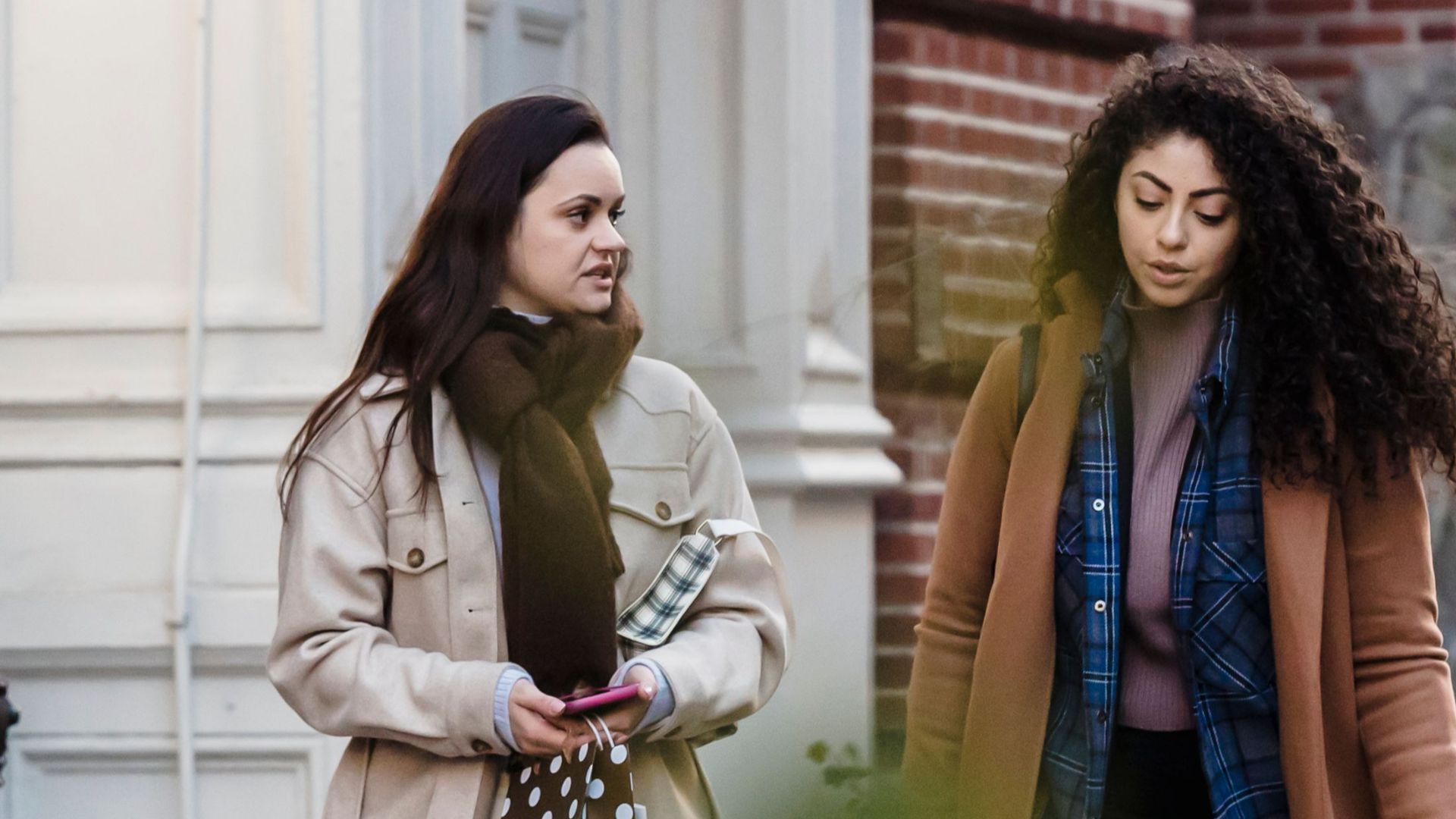
If everyone understands each other's priorities beforehand, compromises become much easier. Maybe one morning is devoted to photography while another is reserved for sightseeing without frequent stops. Clear expectations often prevent disappointment.
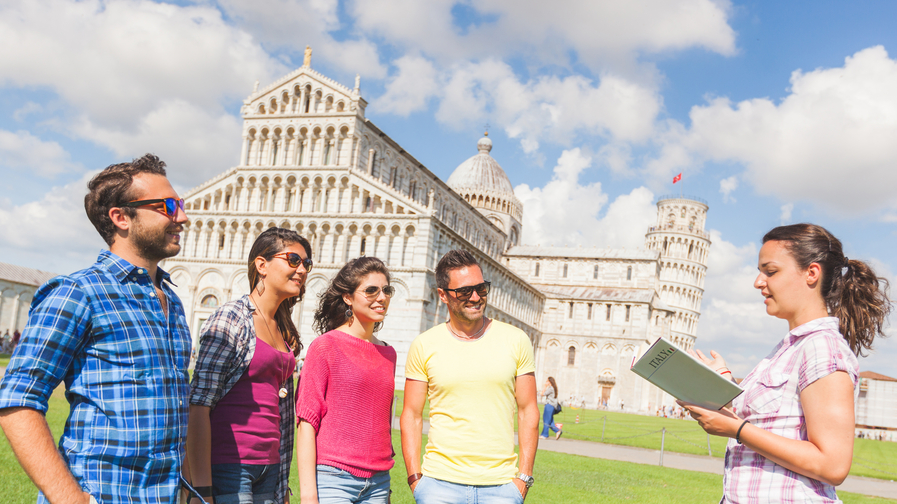 William Perugini, Shutterstock
So, Are You Overreacting?
Probably not, as long as your frustration comes from how the trip was affected rather than from photography itself. Taking photos is a normal part of travel, but constantly stopping to stage perfect moments can genuinely change the experience for everyone involved. The healthiest solution is usually honest communication, reasonable compromises, and traveling with people whose vacation style matches your own.
You May Also Like: