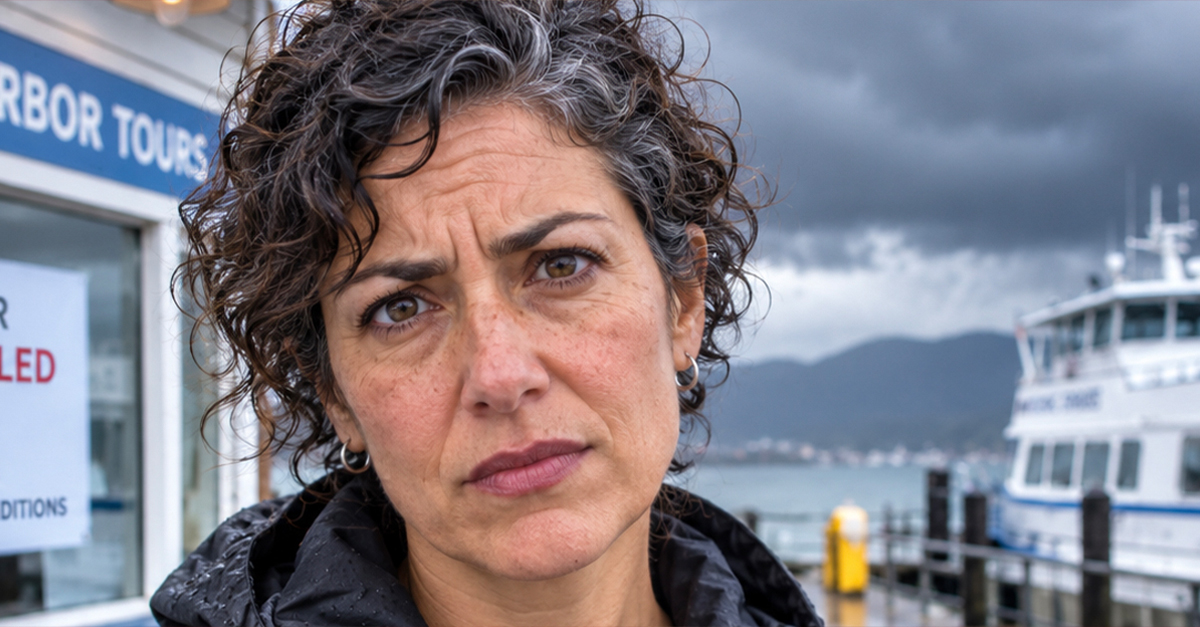
Weather Cancellations Feel Especially Frustrating
A canceled tour is disappointing enough. But when the company cancels because of weather and then offers only a future credit, travelers often feel trapped. You did not change your mind. You did not miss the bus. The company decided the experience couldn't safely happen, and now your money is stuck...
The Policy Usually Decides The Fight
Before anything else, the refund policy matters. Many tour companies write terms saying weather cancellations may lead to rescheduling, credit, or an alternate date instead of a cash refund. Consumer protection guidance often advises travelers to check cancellation and refund policies before paying.
 Krakenimages.com, Shutterstock
“Canceled By You” And “Canceled By Them” Are Different
Travelers should check whether the policy separates customer cancellations from operator cancellations. If you cancel because you changed your plans, credit may be understandable. If the tour operator cancels because it cannot operate safely, many travelers reasonably expect stronger options, including a refund.
 BrokenSphere, Wikimedia Commons
Weather Is Often Treated As Outside Everyone’s Control
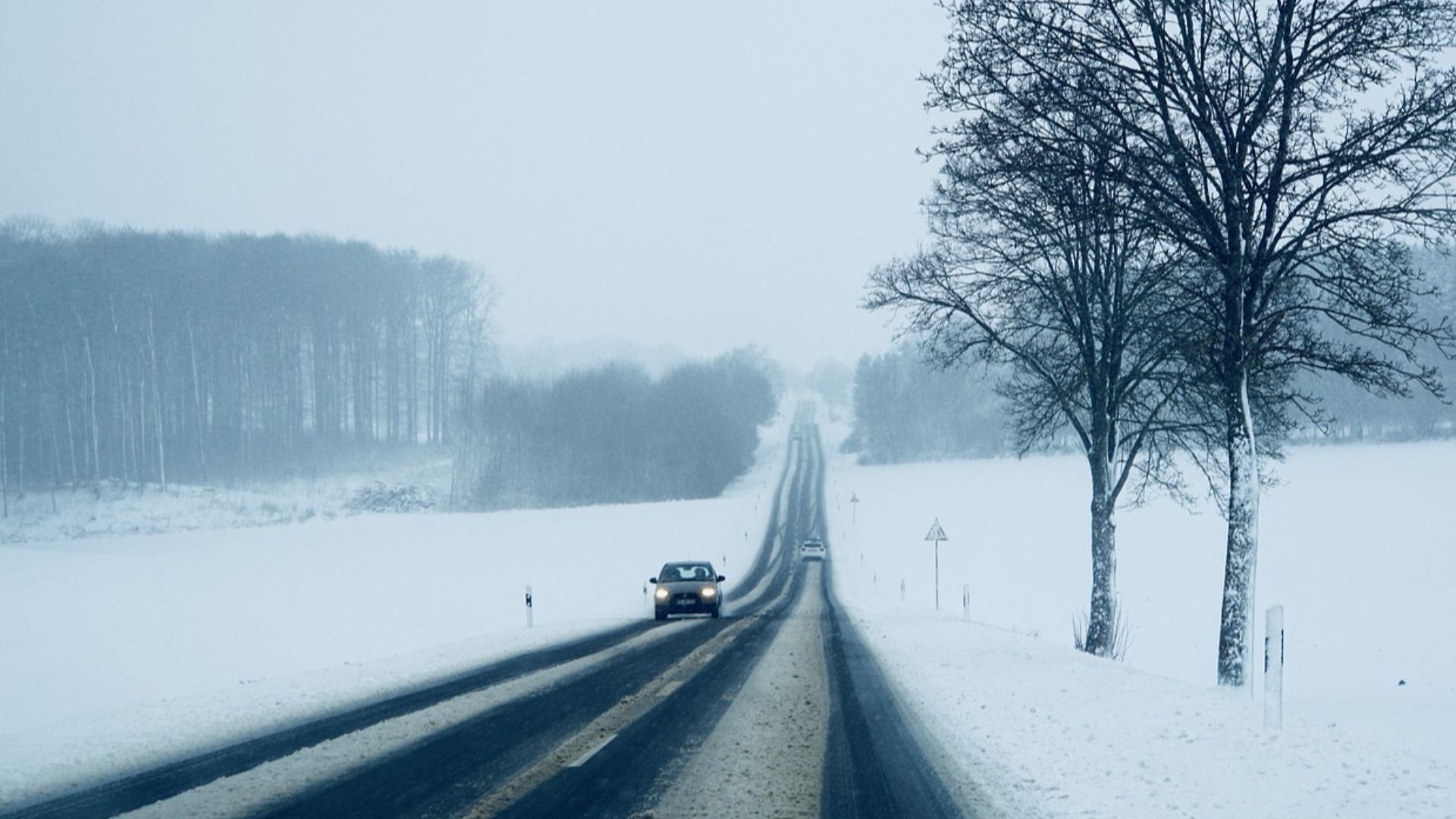
Tour companies often classify storms, unsafe seas, wildfires, lightning, heavy snow, extreme heat, road closures, or poor visibility as weather events or force majeure. That wording can give them flexibility to cancel without treating the cancellation as their fault. The question is what remedy the contract promises afterward.
Credit Is Not The Same As A Refund
A credit may sound fair until you look closely. It can expire, require rebooking during limited dates, exclude peak seasons, fail to cover price increases, or be useless if you cannot return. Before booking, travelers should check whether a credit is practical or just a way for the company to keep the money.
 Baltimore Heritage, Wikimedia Commons
Ask Whether Refunds Are Ever Available
Some policies say weather cancellations receive credit only. Others offer a choice between refund, reschedule, or credit. Some offer refunds only if the company cannot provide an alternative. Before paying, ask directly: “If you cancel for weather and I cannot rebook, can I get my money back?”

Get The Answer In Writing
A phone call is helpful, but written proof is better. If a representative says refunds are available after weather cancellations, save the email or chat transcript. If the website policy says something different later, your written record may help with a dispute, credit card claim, or complaint.

Read The Exact Weather Clause
Do not stop at the friendly summary on the booking page. Open the full terms and conditions. Search for words like “weather,” “force majeure,” “acts of God,” “operator cancellation,” “reschedule,” “credit,” “voucher,” “refund,” “non-refundable,” and “safety.” The important language is often buried.

Check Whether The Company Can Substitute Activities
Some companies reserve the right to replace a boat tour with a bus tour, a hike with a museum visit, or a wildlife trip with a shorter route. That may be fine if the substitute still has value, but it may not be what you bought. Check whether substitutions affect refund rights.

Check Who Decides Weather Is Unsafe
A good policy should make clear whether the company, guide, park authority, coast guard, road agency, resort, or another official source decides whether weather is unsafe. If the company alone controls the decision, ask how they make the call and when they notify customers.

Watch For “Rain Or Shine” Language
Some tours operate in light rain, heat, cold, or poor visibility. Others cancel only for dangerous conditions. “Rain or shine” does not mean “every weather condition imaginable,” but it does mean you should understand what counts as bad enough to cancel and what merely makes the experience less pleasant.

Outdoor Tours Need Extra Scrutiny
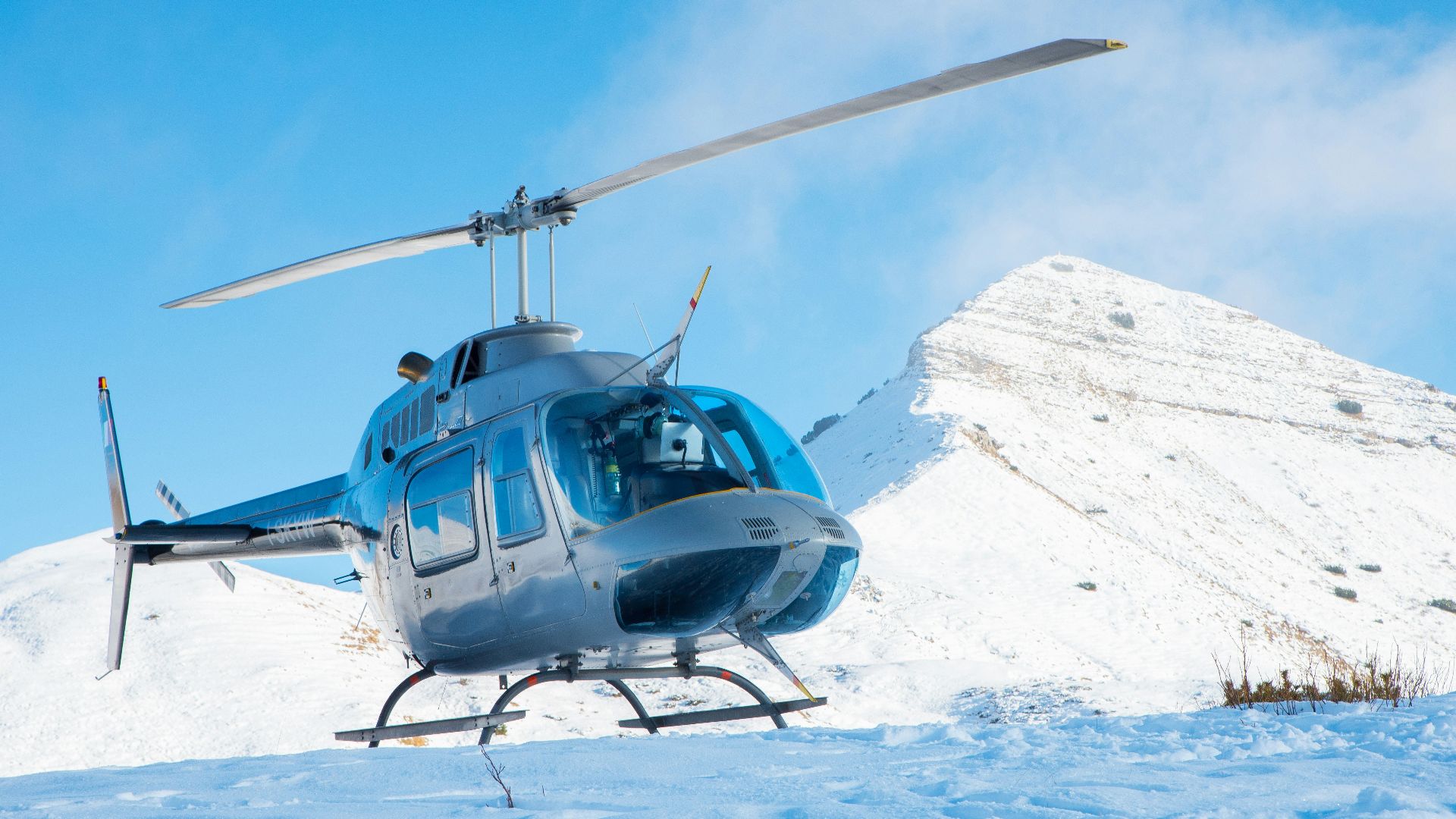
Boat trips, whale watching, helicopter tours, rafting, kayaking, snorkeling, glacier hikes, ski activities, desert excursions, and mountain tours all depend heavily on conditions. For these trips, the weather policy is not a boring detail. It is one of the most important parts of the purchase.
Third-Party Booking Sites Can Complicate Refunds
If you book through a platform, the tour company may point you to the platform, while the platform may point you back to the operator. Before booking, check whether the marketplace or the actual tour provider controls refunds. Also check whether platform fees are refundable.
 Song_about_summer, Shutterstock
Nonrefundable Fees Can Survive A Cancellation
Some companies may refund the tour price but keep booking fees, processing fees, deposits, or platform charges. Others issue credit for the full amount but no cash. Ask whether every part of the payment is refundable if the operator cancels due to weather.
 The Carlisle Kid , Wikimedia Commons
Credit Card Payment Can Give You More Options
Consumer protection agencies often recommend using a credit card for travel purchases when possible, because it may give you more options if the service is not provided or the company does not follow its stated policy. That does not guarantee victory, but it gives travelers another route.

Travel Insurance May Not Solve Everything
Travel insurance can help with some weather-related disruptions, but every policy is different. Insurance regulators note that coverage may include trip cancellation, interruption, delays, medical issues, baggage problems, or severe weather depending on the policy.

“Cancel For Any Reason” Is Different
Standard travel insurance usually covers specific listed reasons. If you want broader flexibility, you may need cancel-for-any-reason coverage, which often costs more and has stricter purchase deadlines. Even then, it may reimburse only a percentage, not the entire trip.

Check Whether The Tour Is The Whole Trip Or One Piece
A canceled afternoon boat tour is one problem. A canceled multi-day guided package is another. If the tour includes lodging, transportation, meals, permits, or multiple suppliers, refund rules may be more complicated because the operator may claim some costs were already paid out.

Look For A Clear Expiration Date On Credits
If credit is the only remedy, check how long it lasts. A 12-month credit may be useless if the tour is seasonal or if you cannot return next year. Also check whether the credit is transferable to someone else, usable on any tour, or limited to the same experience.
 WhyDon'tWeZJCDJ, Wikimedia Commons
Ask What Happens If The New Date Costs More
A credit may not protect you from price increases. If a tour costs $200 this year and $260 next year, will your credit cover the future tour or only the original dollar amount? That detail matters if the company is offering credit instead of cash.

Check Whether Weather Updates Are Timely
A company should explain when it makes weather decisions. Do they cancel the night before, the morning of, or only after guests arrive? Late cancellations can create extra costs for transportation, parking, childcare, lodging, and meals, even if the tour itself becomes a credit.

Save Screenshots Before You Pay
Policies can change, pages can disappear, and booking platforms can update wording. Before paying for an expensive tour, screenshot the refund terms, weather policy, cancellation deadlines, checkout page, and confirmation email. This evidence is valuable if the company later claims different rules applied.

Reviews Can Reveal Policy Problems
Recent reviews often tell you what happens when weather interferes. Look for patterns: “only gave credit,” “would not refund,” “canceled last minute,” “easy to rebook,” or “handled weather fairly.” A company’s real policy often shows up most clearly when something goes wrong.

Cheap Tours May Carry Strict Terms
A heavily discounted, nonrefundable tour may come with fewer protections. That does not automatically make it a bad deal, but travelers should understand the trade-off. Saving $20 at booking may not feel smart if weather cancels the experience and the credit is hard to use.

Small Operators Are Not Automatically Riskier
A small local company may handle cancellations generously, while a large platform may be rigid. The key is not size. It is clarity. A trustworthy operator should explain weather risks plainly, provide written terms, answer refund questions directly, and avoid hiding behind vague language.
 Dietmar Rabich, Wikimedia Commons
Safety Cancellations Are Often The Right Call
It is frustrating when weather ruins a trip, but unsafe tours should be canceled. No sunset cruise, rafting run, glacier hike, or helicopter ride is worth serious danger. The issue is not whether the company should operate in unsafe conditions. It is whether the financial policy is fair and clear.
Know The Complaint Options Before You Need Them
If a company refuses a refund, travelers may be able to escalate through the booking platform, credit card issuer, state consumer protection office, insurance provider, or the agency that handles consumer complaints where the company is based.
 Mike Dickison, Wikimedia Commons
Ask The Most Important Question Up Front
Before booking, ask: “If you cancel because of weather, and I cannot use a future credit, do I receive a cash refund?” That one question can reveal whether the company’s policy matches your comfort level. If the answer is vague, that is useful information too.

The Best Policy Is Clear Before The Storm Arrives
Weather will always be unpredictable. Refund policies should not be. Travelers cannot control lightning, rough seas, snow, smoke, heat, or wind, but they can read the terms before paying. A good booking decision starts with knowing whether a canceled tour means refund, credit, reschedule, or a fight.
You May Also Like:
The World's Strangest Restricted Places And The Mysteries Behind Them
Things Canadians Notice Immediately When They Drive Through The American Southwest
The Creepiest Abandoned Place In Every US State—And The Story Behind It