The Vacation Warning Most Travelers Ignore
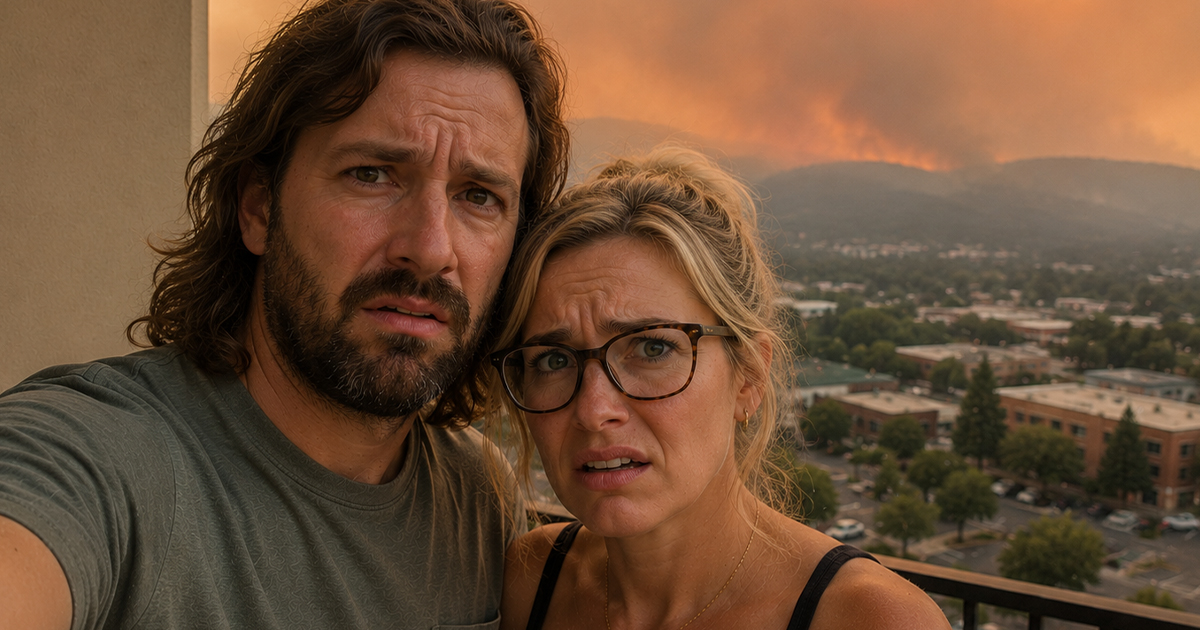
You book the room, reserve the rental car, and start planning hikes. Then you see a warning about 'wildfire season.' It sounds like one of those things that happens to other people—until your mountain view suddenly looks like a fog machine exploded.
A Lot Of Travelers Don't Realize What It Means
Many people hear 'wildfire season' and assume there might be a fire somewhere nearby. In reality, it can affect roads, air quality, hiking trails, campgrounds, and entire vacations.
So, Is This The New Normal?
In many parts of the United States, yes. Wildfire seasons are lasting longer and affecting more areas than they did in the past, making them an important part of travel planning.
Some States Deal With It More Often
California gets most of the headlines, but Oregon, Washington, Idaho, Montana, Colorado, Arizona, and several other western states regularly deal with wildfire activity.
It's Not Just About Fire
This is where many travelers get surprised. You don't need flames near your hotel for your trip to be affected. Smoke alone can create major problems.
Smoke Travels Far
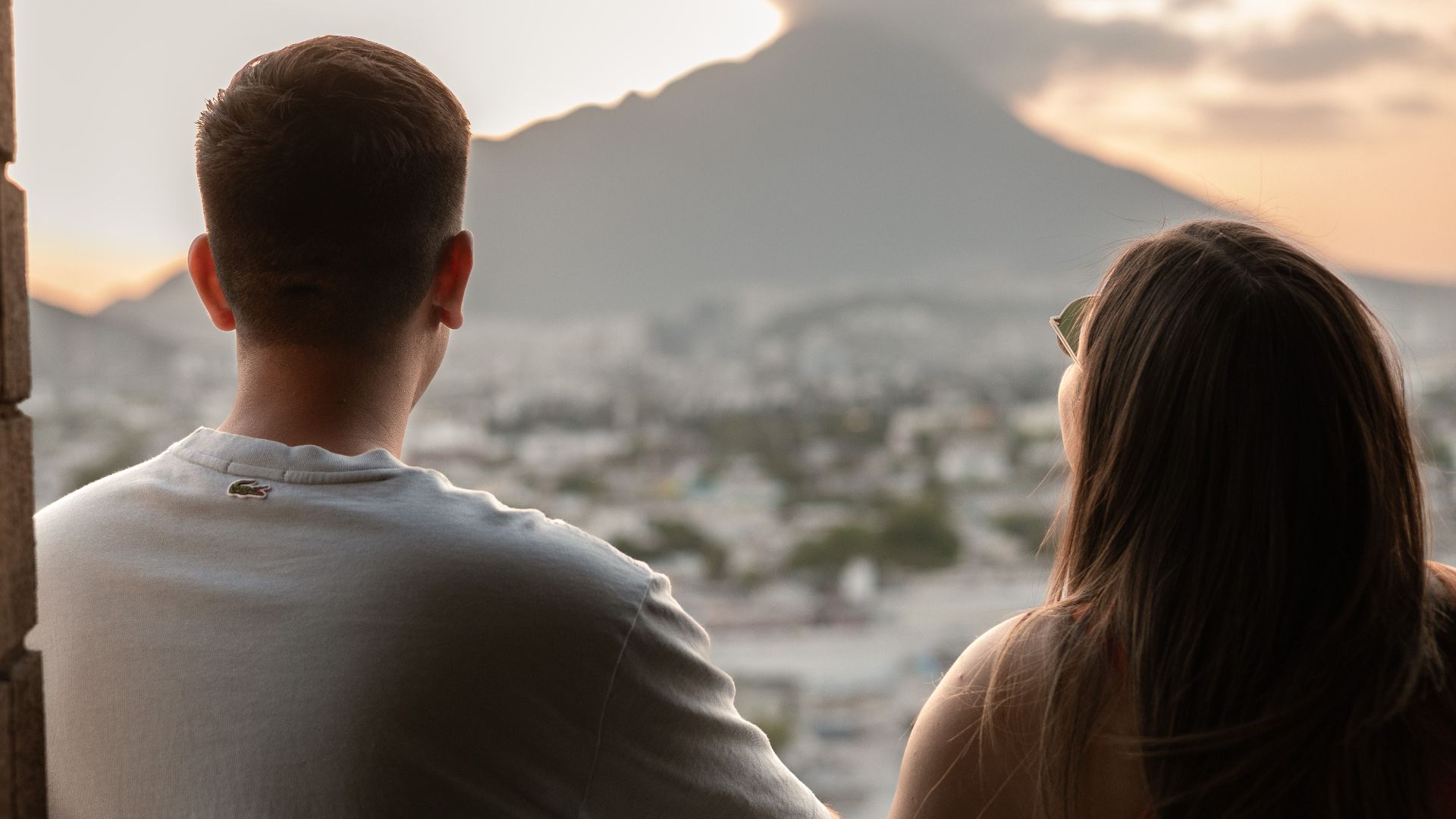
A wildfire hundreds of miles away can still affect your destination. Smoke can travel long distances and turn beautiful mountain views into a gray blur.
Your Dream View Can Disappear Overnight
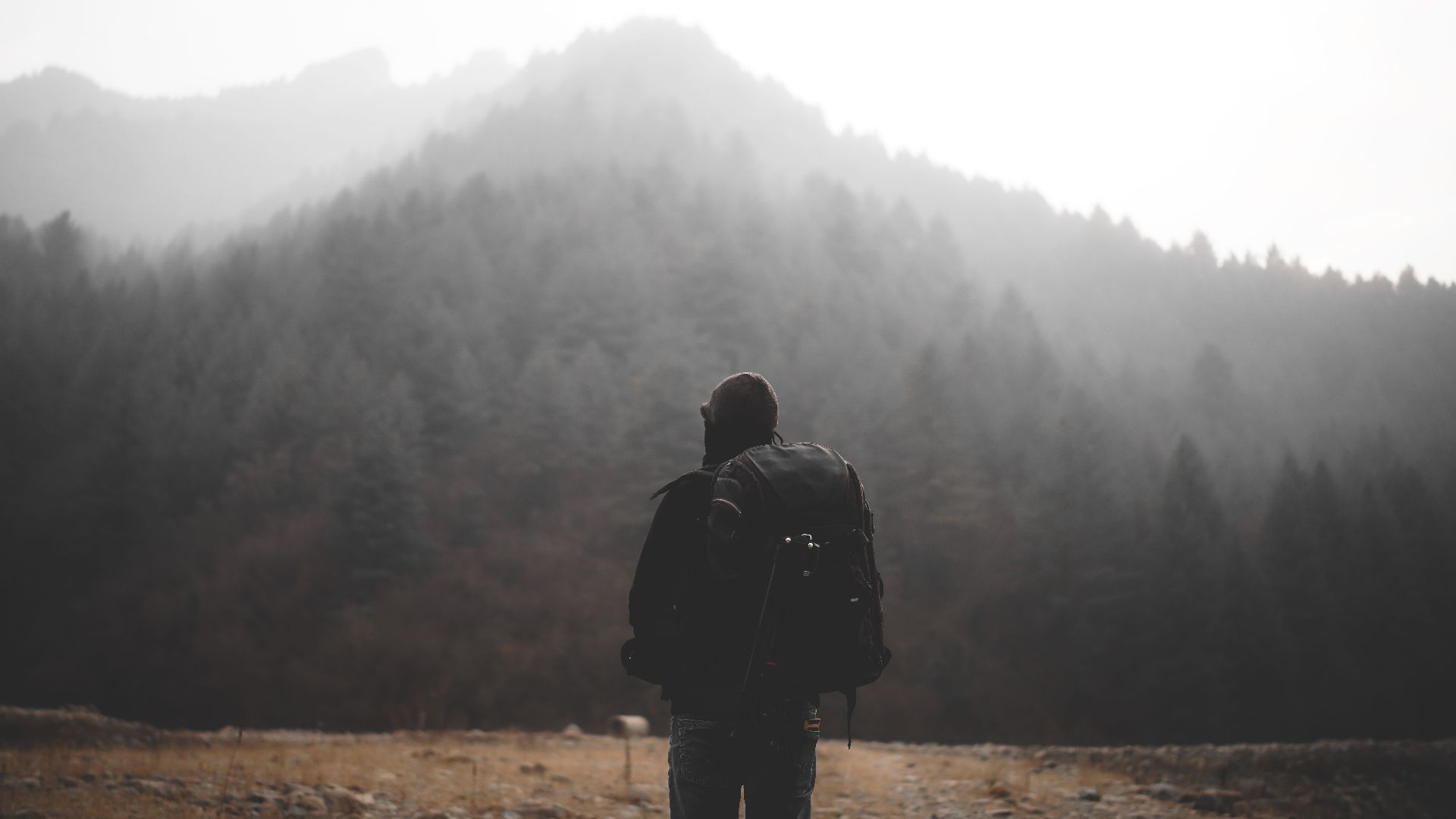
One day you see crystal-clear mountains. The next day you can barely see the next ridge. Conditions can change shockingly fast during wildfire season.

Wind Is Usually The Reason
Wildfires love wind. A change in wind direction can move smoke into an area or help a fire spread much faster than expected.
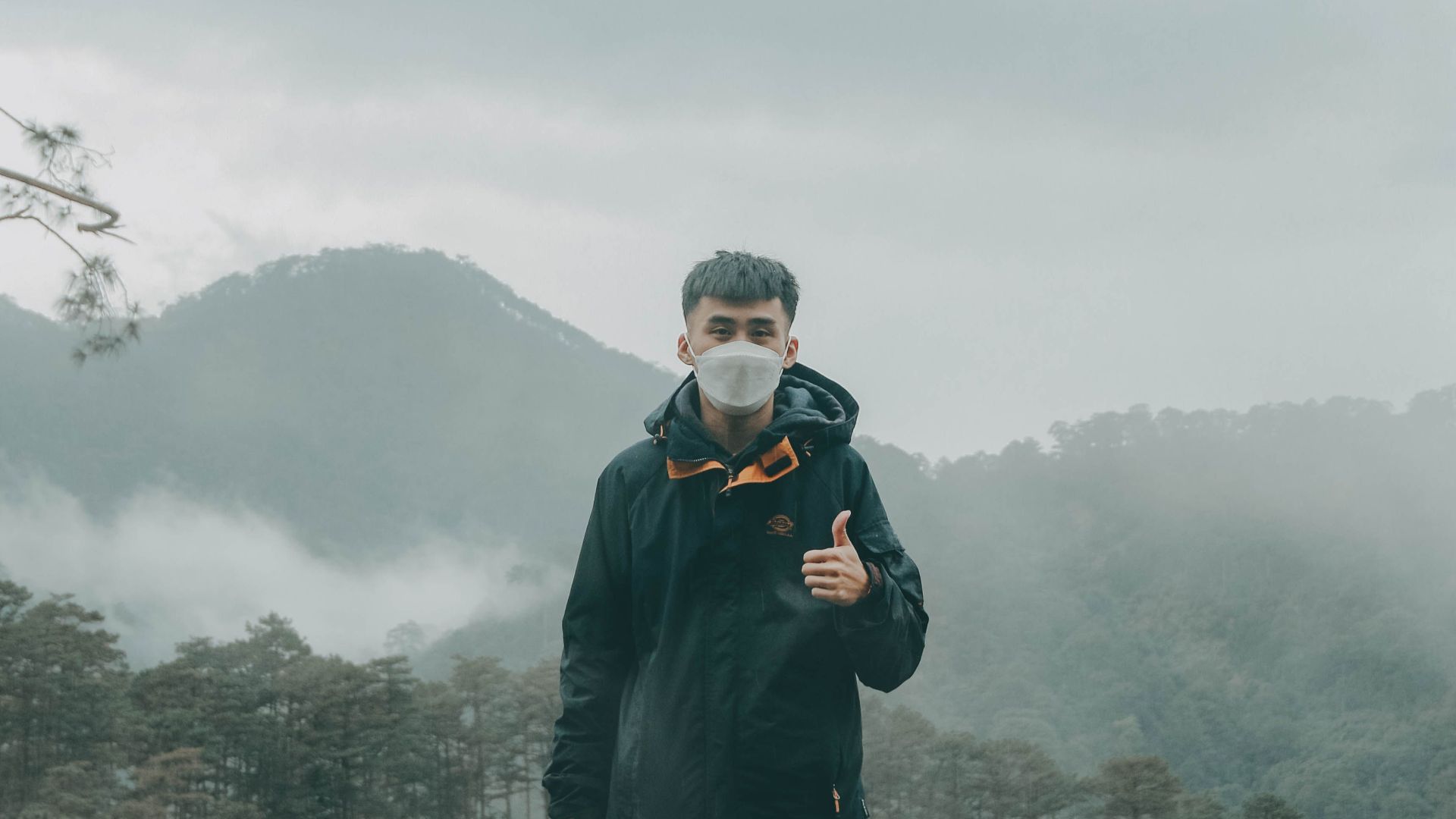
Conditions Can Change In Just A Few Hours
That's one reason wildfire season is so challenging. A destination that looks perfect when you book it may look very different by the time you arrive.
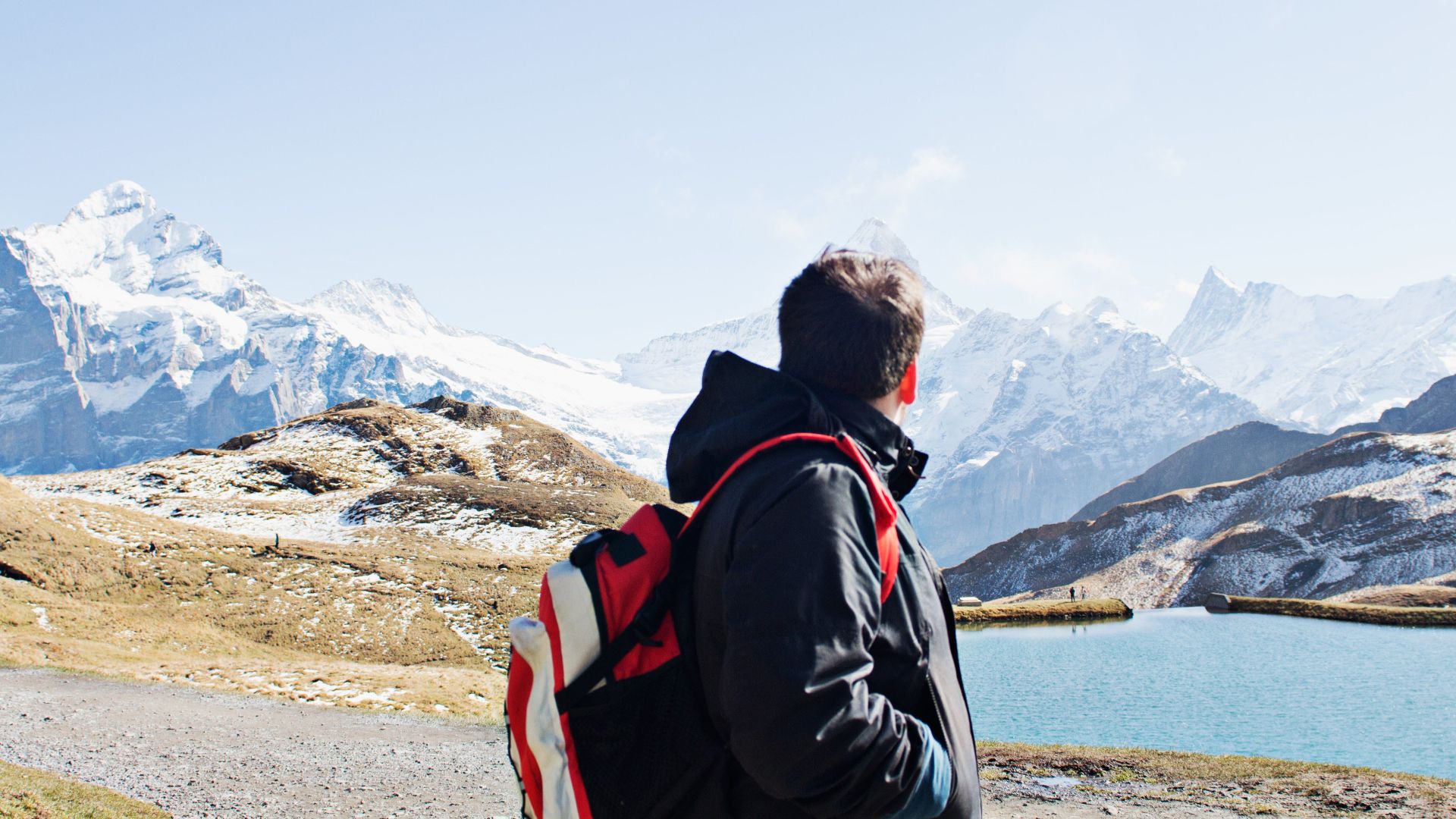
Road Closures Happen More Than You Think
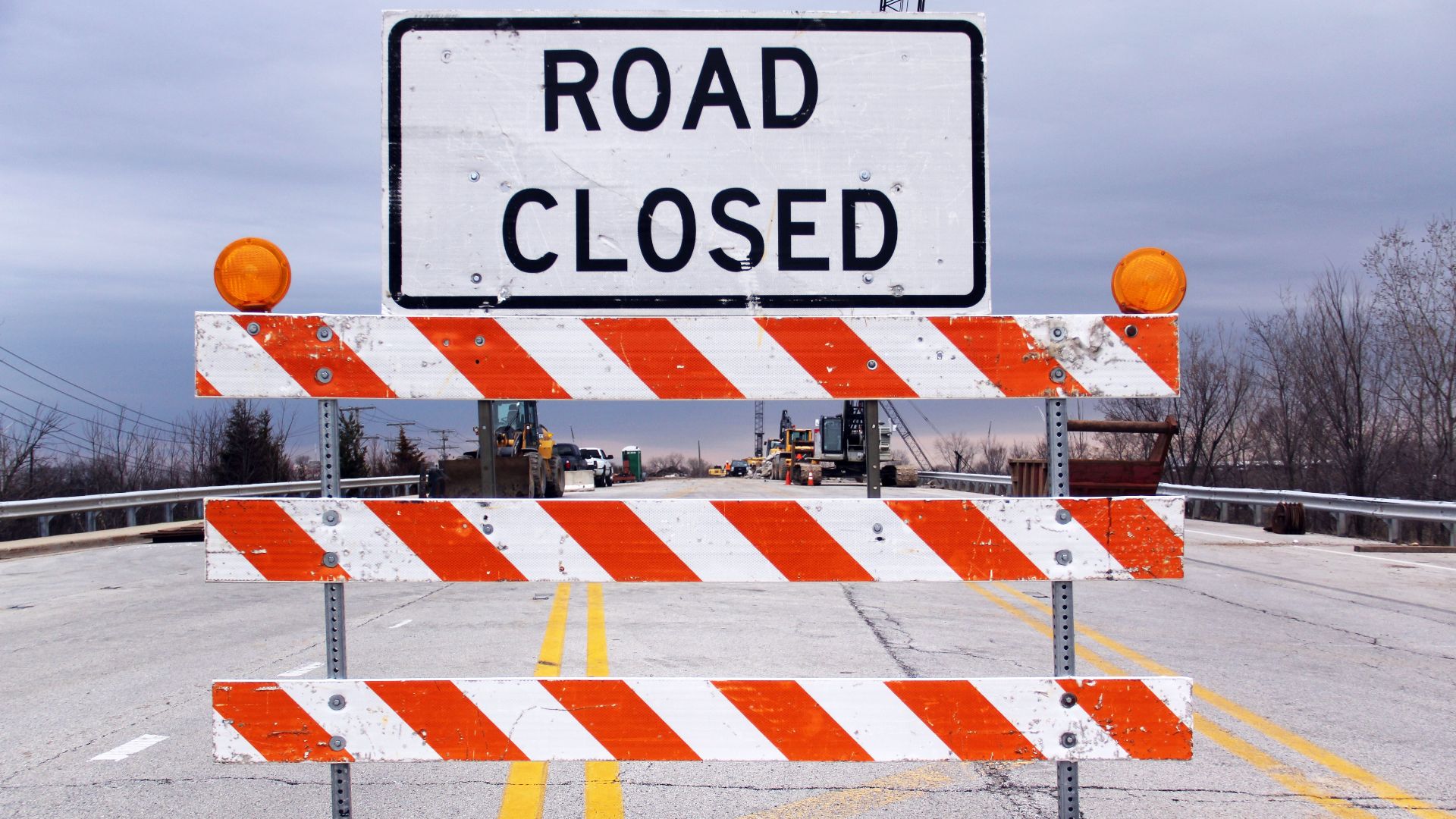
Wildfires don't just affect forests. Roads, scenic drives, park entrances, and hiking trails may close with little warning if conditions become dangerous.
 John Guccione www.advergroup.com, Pexels
National Parks Can Be Affected Too
Many travelers assume national parks will always be open. In reality, fires and smoke have caused temporary closures, campground shutdowns, and trail restrictions in some of America's most famous parks.
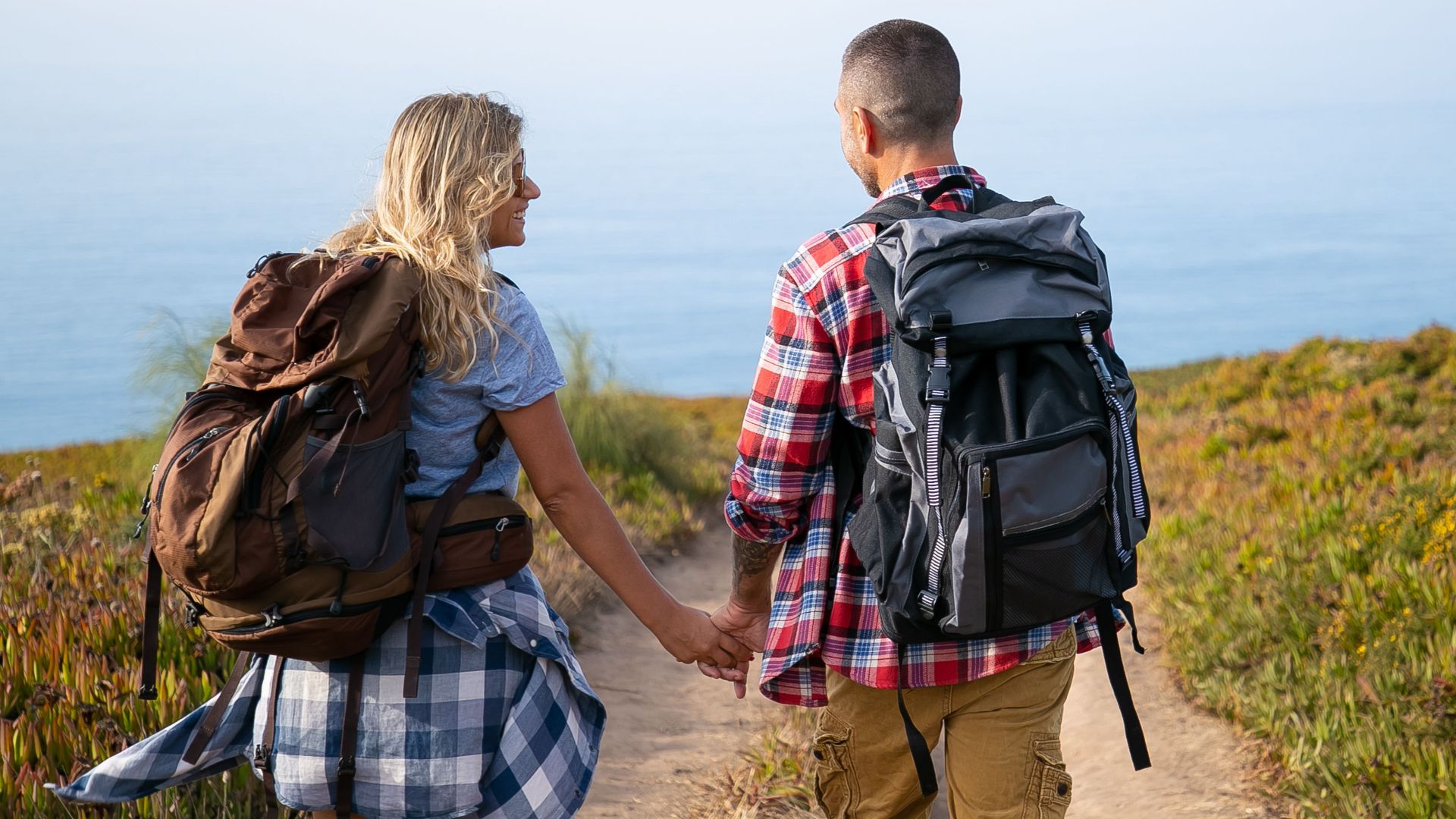
Hiking Plans Can Change Fast
You may arrive expecting to spend all day outdoors. Then smoke levels increase and suddenly spending hours outside doesn't sound nearly as appealing.
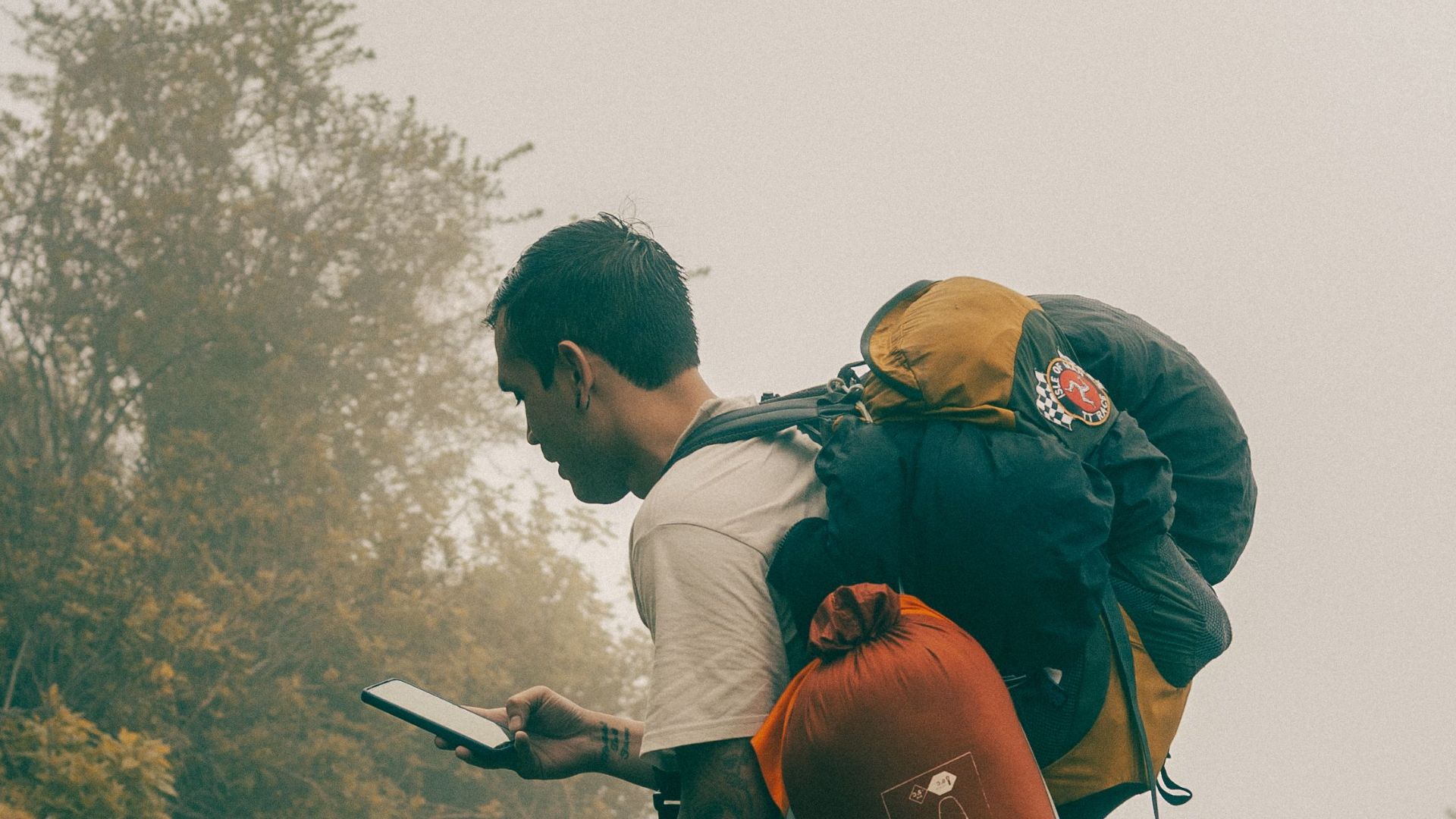
Air Quality Matters
Wildfire smoke contains tiny particles that can affect breathing. Even healthy people sometimes notice irritated eyes, coughing, or headaches when smoke levels increase.
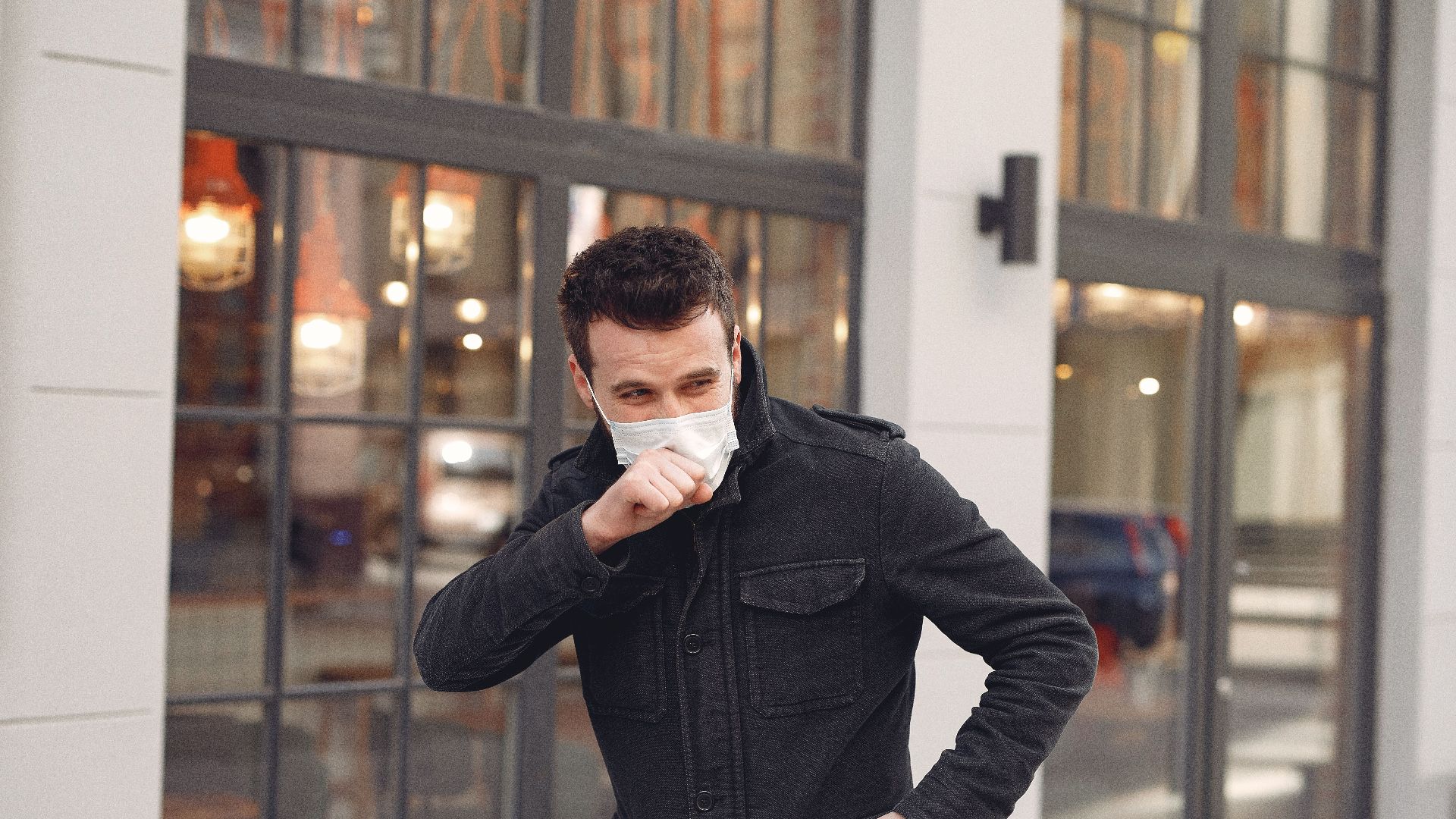
Some Travelers Face Higher Risks
Children, older adults, and people with asthma, heart conditions, or respiratory issues often feel the effects of smoke more quickly than others.
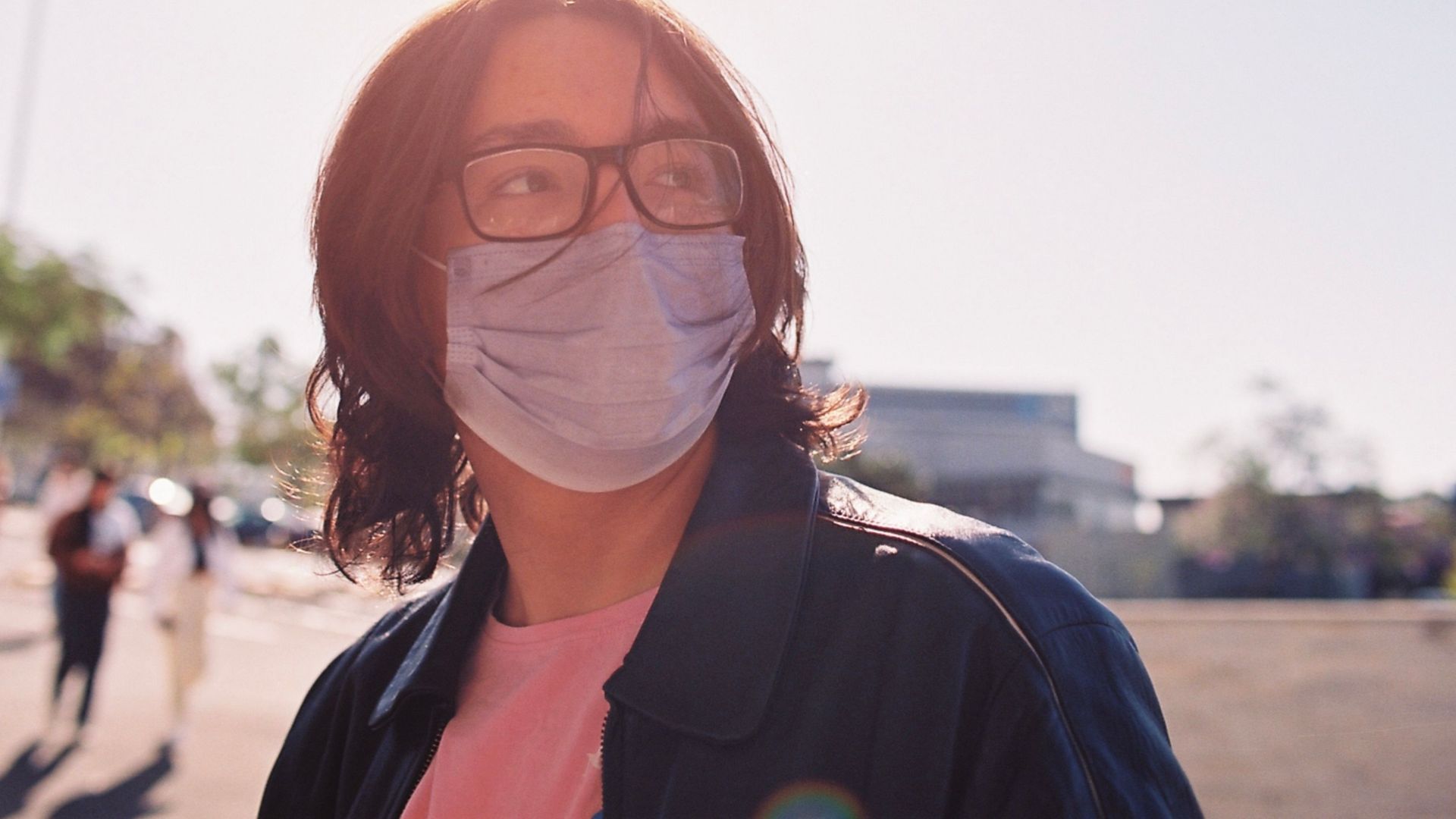
Weather Apps Aren't Enough
Checking the weather forecast is a great start. During wildfire season, you should also check wildfire maps and air quality forecasts.

Air Quality Apps Are Your Friend
Many experienced travelers now check air quality just as often as they check the weather. A quick look can tell you whether outdoor plans still make sense.
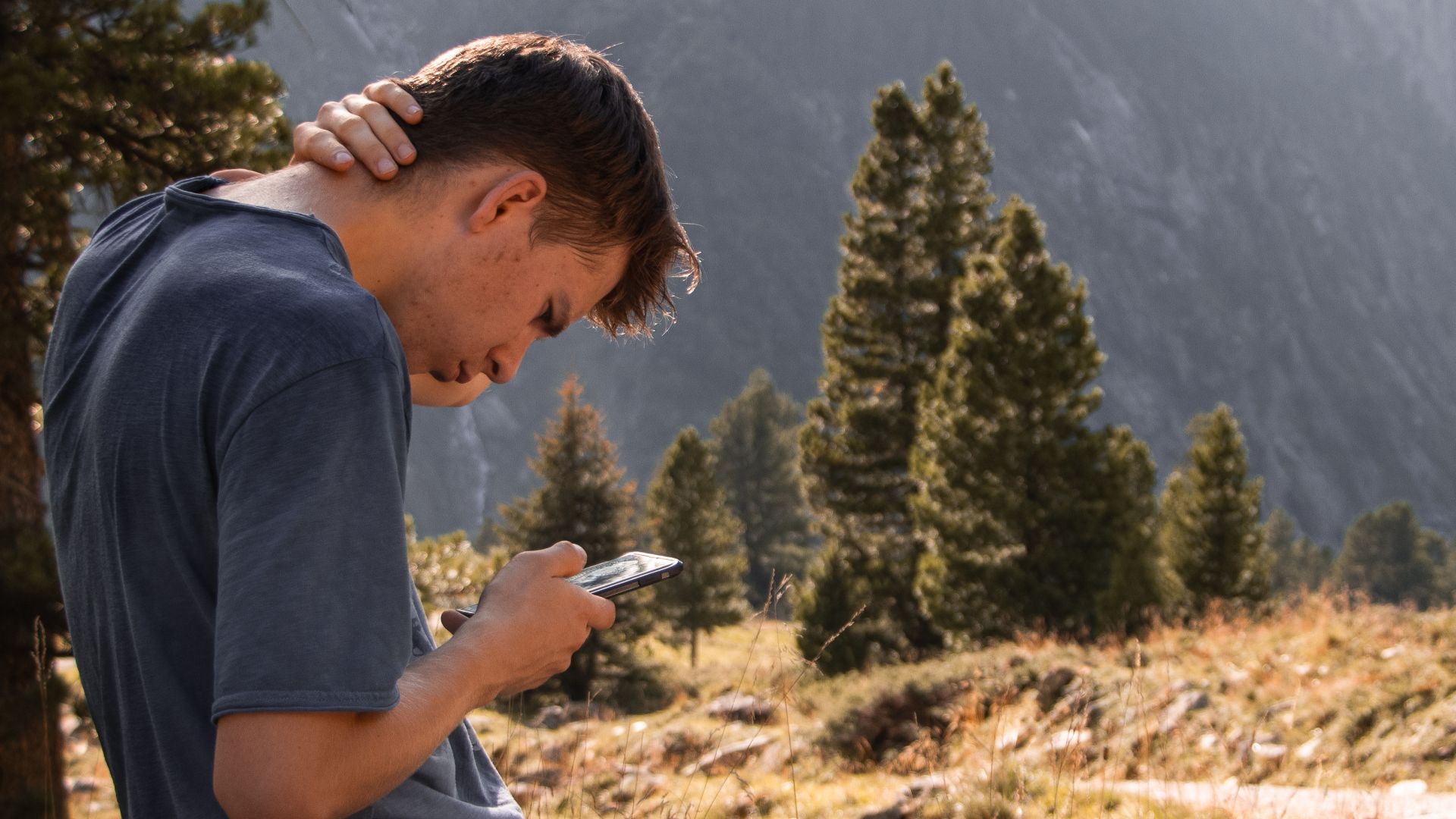
Have A Backup Plan
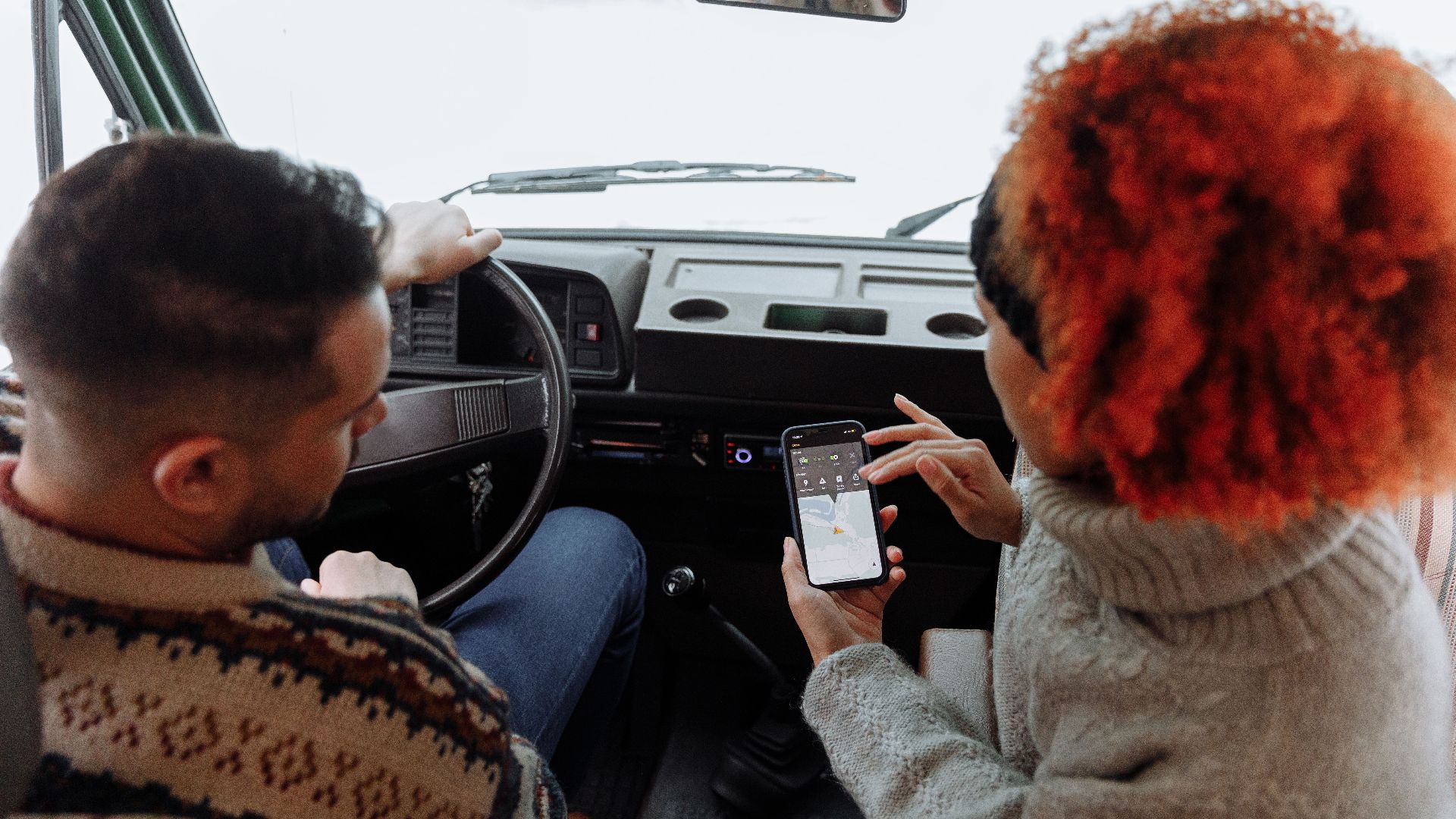
This might be the best travel tip of all. If smoke affects your original destination, having another activity or nearby destination ready can save the trip.
Flexible Reservations Can Save Money
Wildfire conditions don't care about your itinerary. Hotels, tours, and rental properties with flexible cancellation policies can make life much easier.
 David L. Espina Rincon, Unsplash
Travel Insurance Is Worth Reading Carefully
Some policies cover wildfire-related disruptions. Others don't. Reading the details before your trip is much more fun than reading them during a cancellation.

Don't Ignore Local Warnings
If park rangers or local officials recommend avoiding certain areas, take that advice seriously. They know far more about local conditions than social media does.
Smoke Doesn't Always Look Dangerous
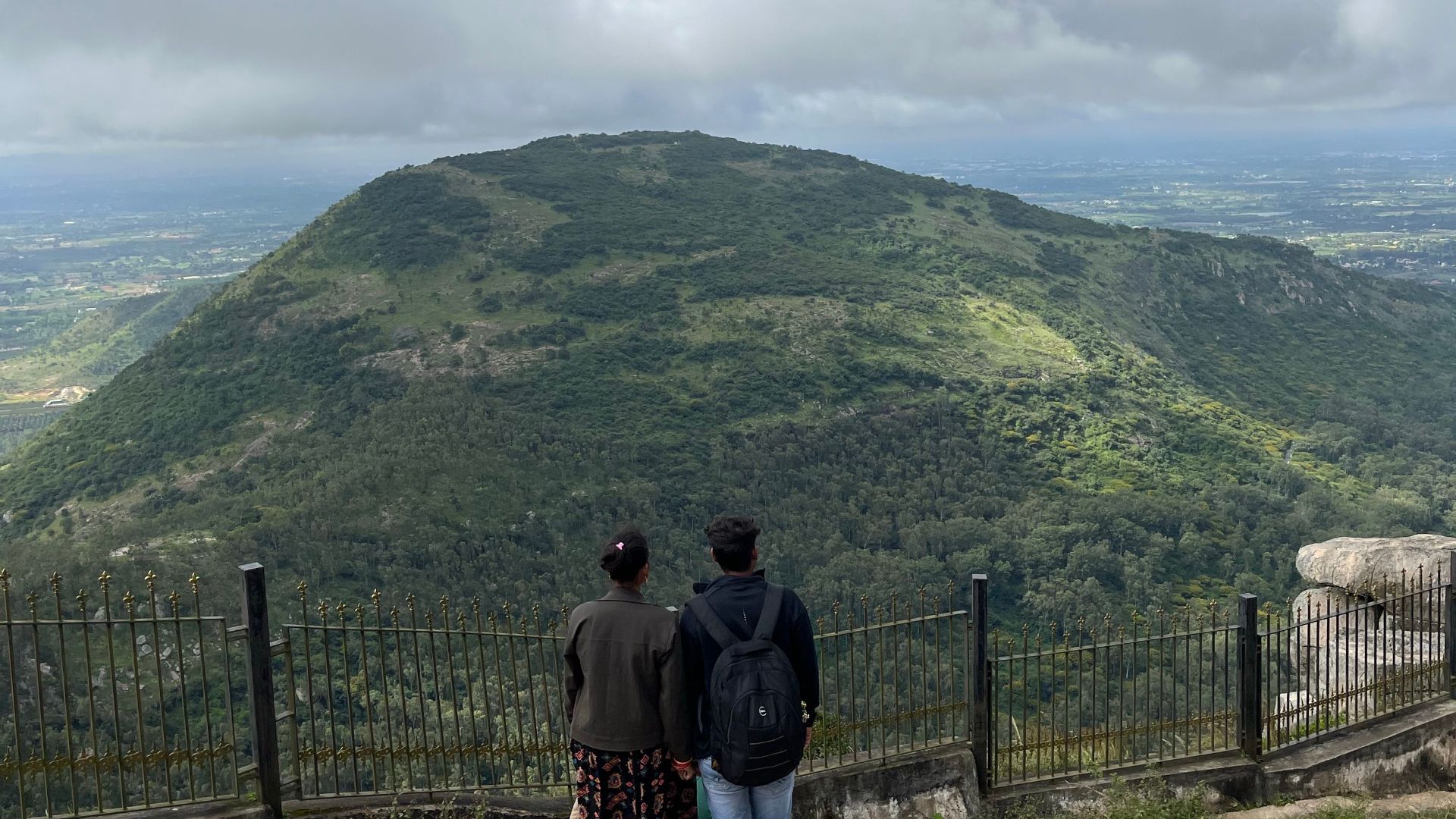
Sometimes the sky looks only slightly hazy while air quality readings are actually unhealthy. Your eyes don't always tell the whole story.
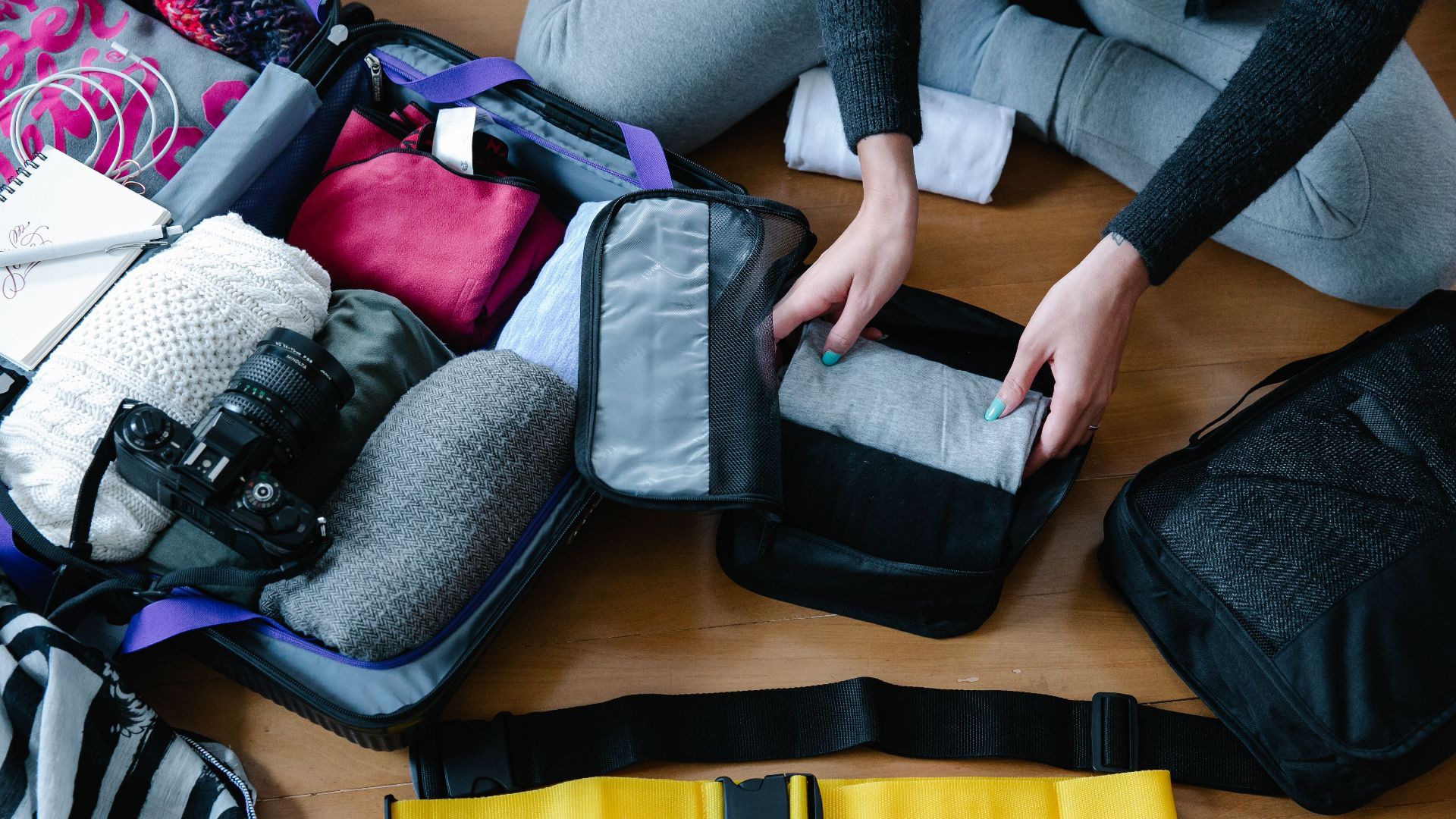
Pack For Changing Conditions
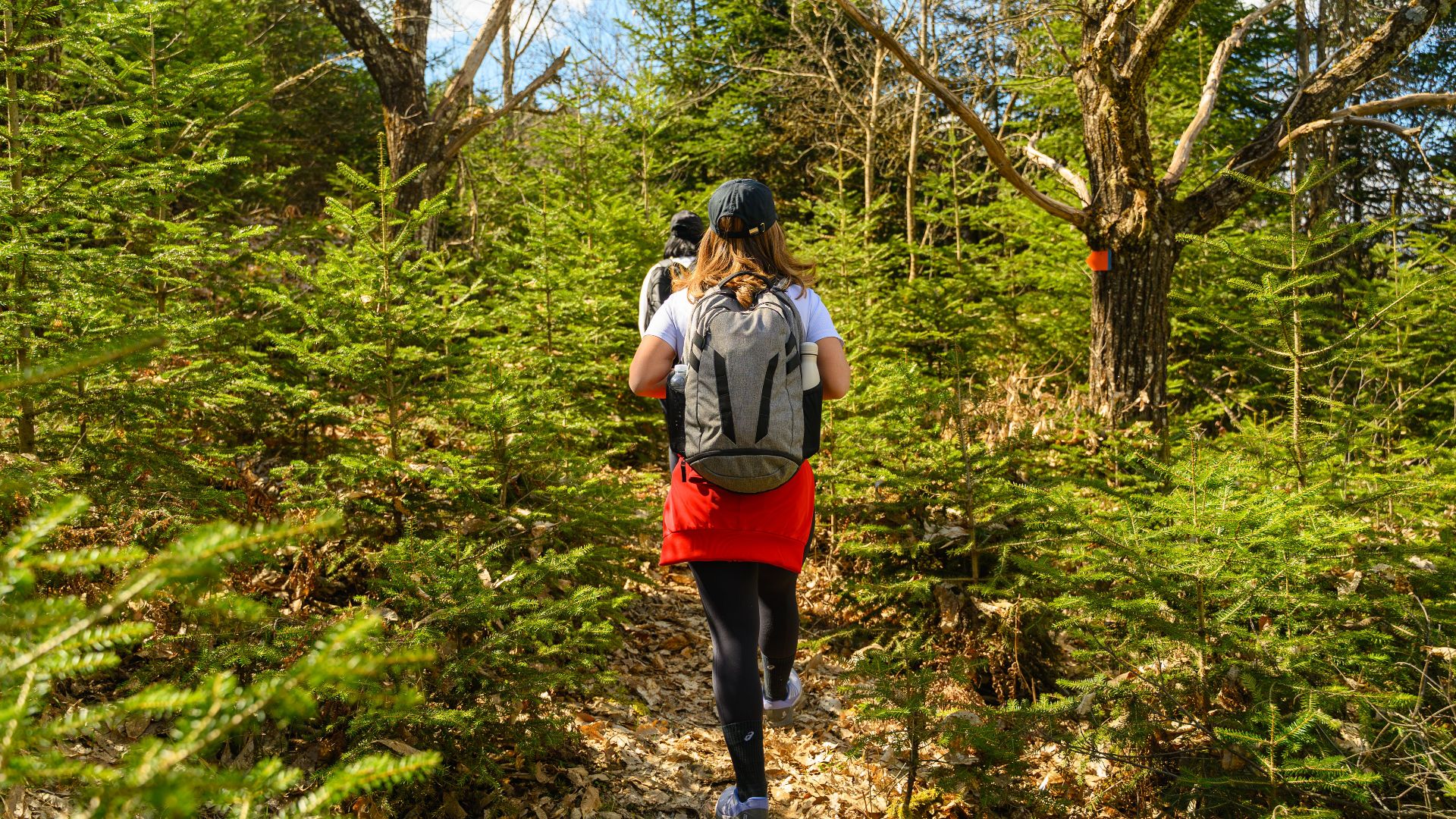
Wildfire season is a good time to pack medications, extra water, and clothing for both indoor and outdoor activities. Flexibility becomes part of the travel gear.
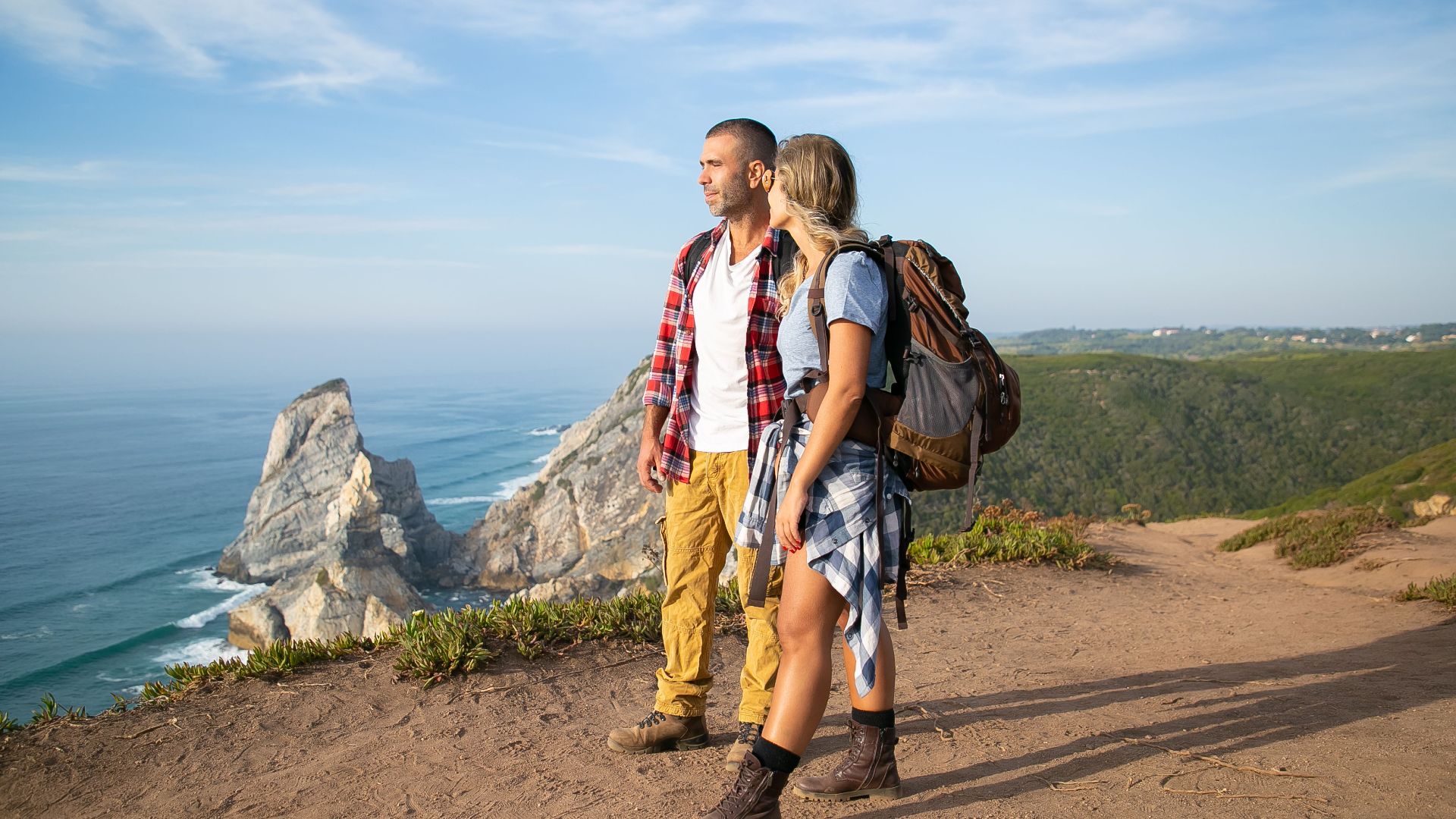
Morning Can Be Better Than Afternoon
In some locations, smoke conditions are lighter early in the day. Checking local forecasts can help you plan activities during the best windows.
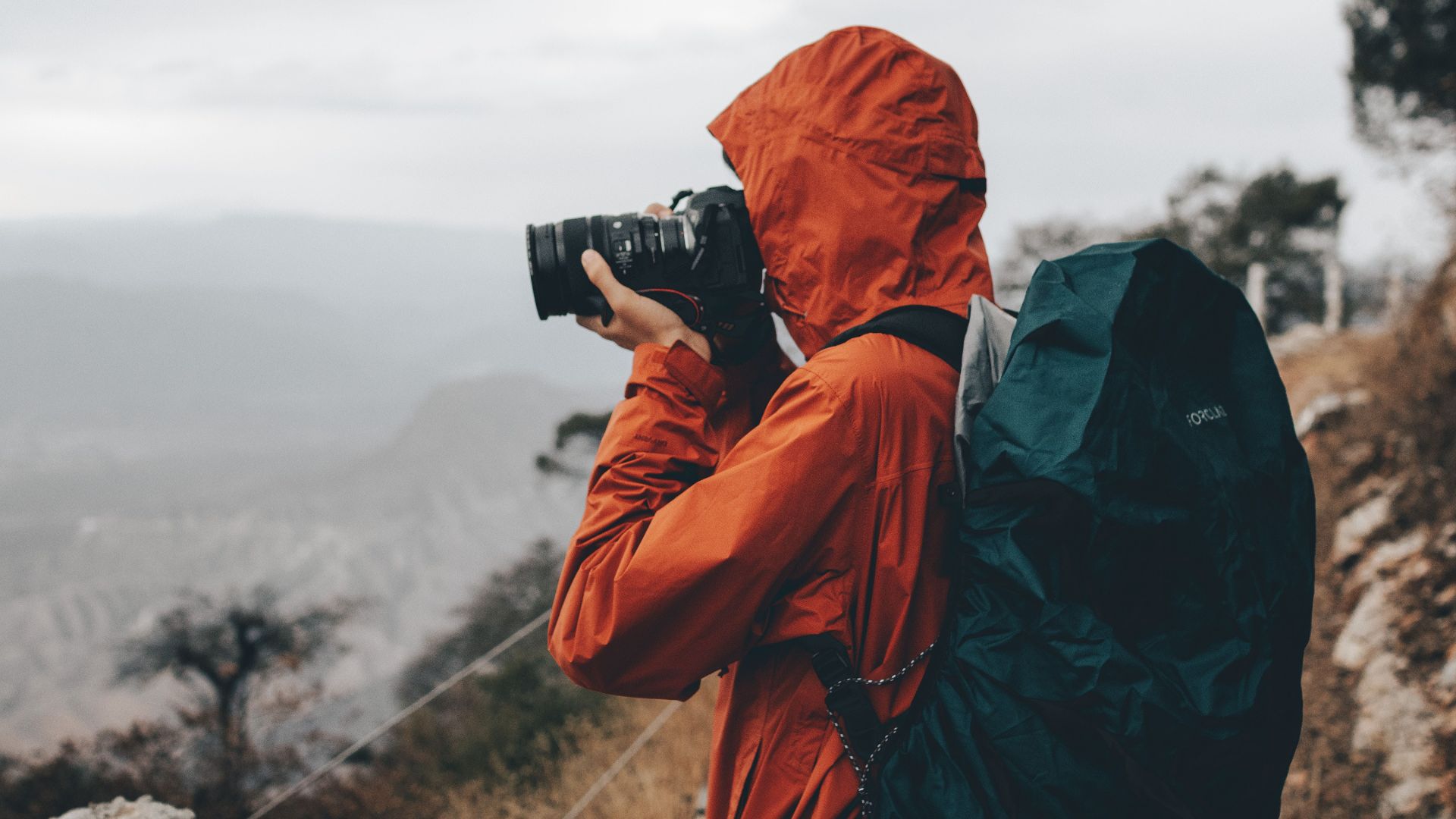
Photographers Face A Unique Challenge
Wildfire smoke can create dramatic sunsets that look amazing in photos. It can also completely hide the landscape you traveled hundreds of miles to photograph.
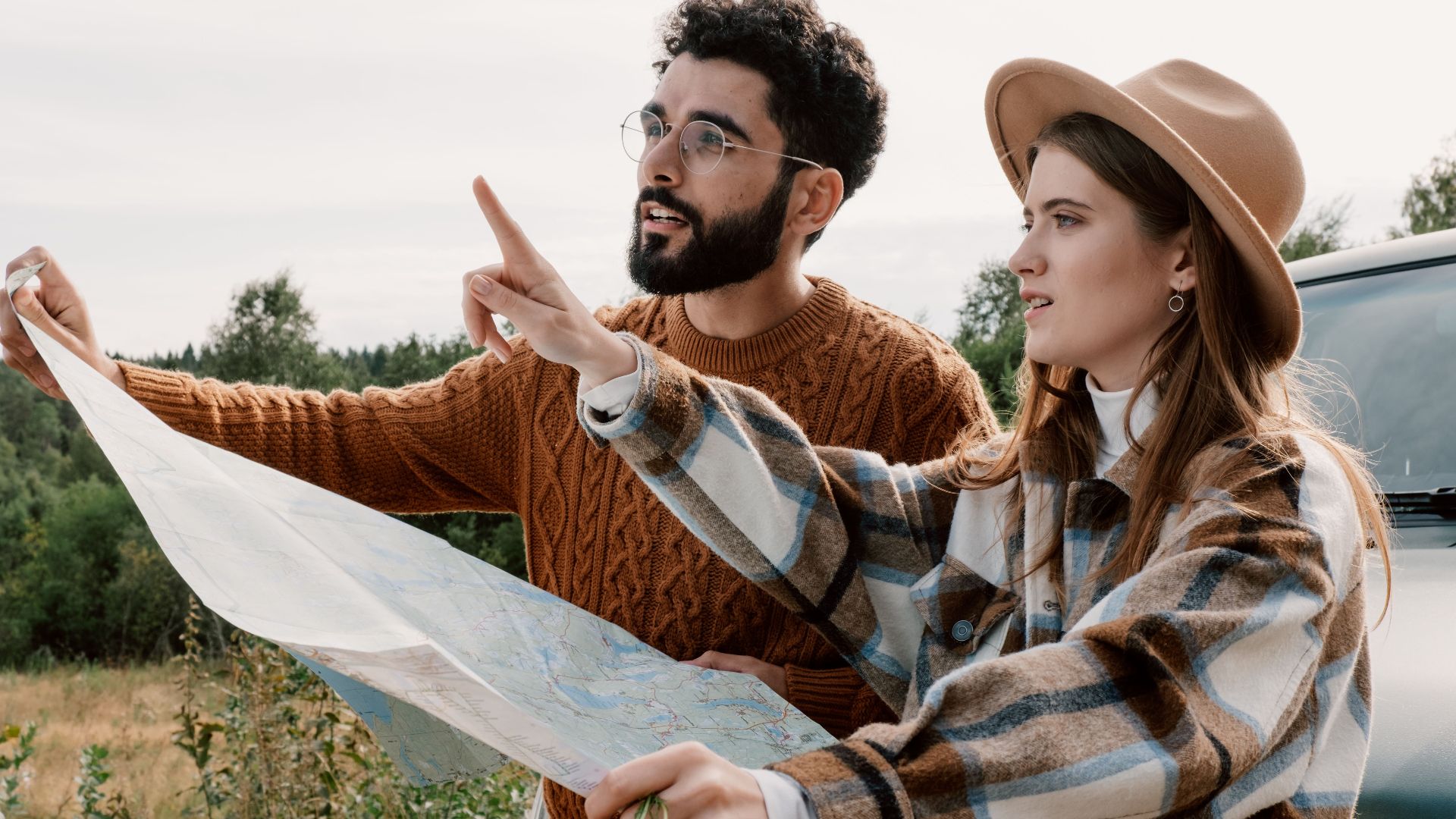
Locals Usually Know What's Happening
Hotel staff, tourism offices, park rangers, and residents often have the most up-to-date information. They can sometimes save you hours of frustration.

Last-Minute Changes Are Part Of The Game
This can be difficult for planners, but flexibility is one of the most valuable skills during wildfire season. Sometimes changing plans is the best plan.
The Biggest Mistake Travelers Make
Many people treat wildfire season like a chance of rain. It's actually closer to a constantly changing situation that can affect an entire region.
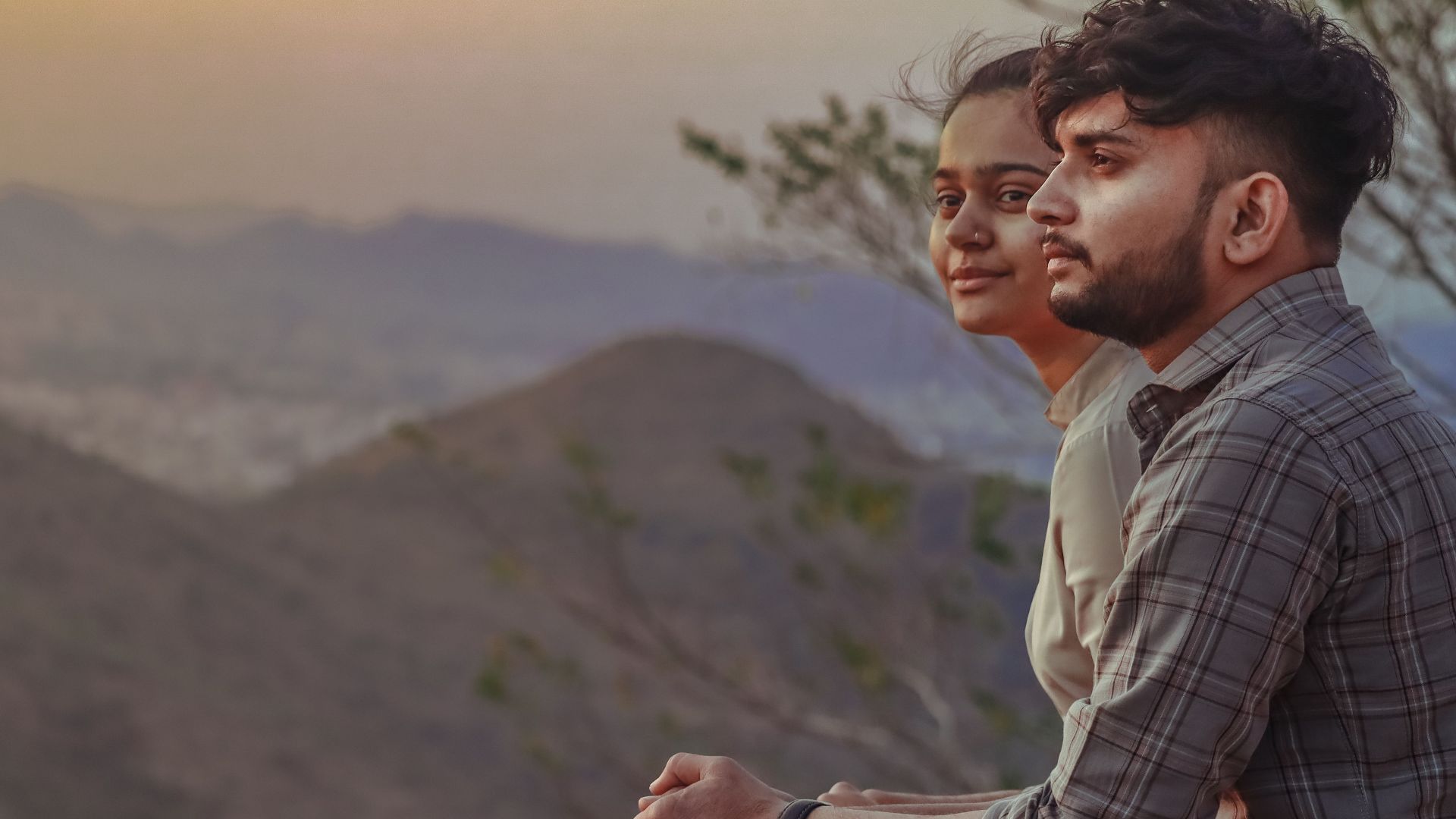
So What Should You Do?
Monitor wildfire activity, check air quality reports, stay flexible, and have backup options ready. Wildfire season doesn't automatically ruin a trip, but it definitely deserves respect.
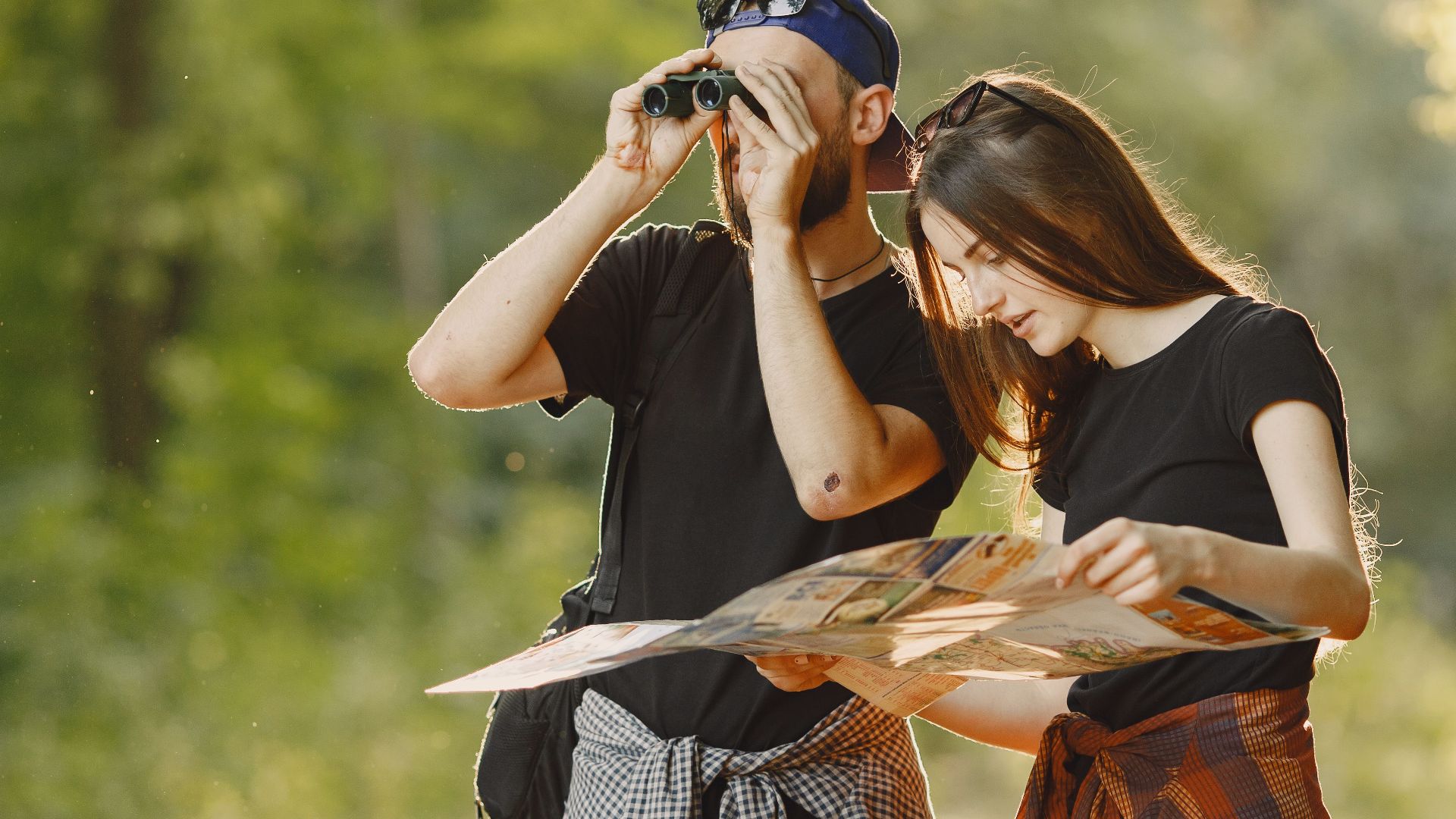
The Secret Experienced Travelers Already Know
The travelers who handle wildfire season best aren't necessarily lucky. They're the ones who plan for surprises, stay informed, and understand that nature doesn't always follow the vacation itinerary.
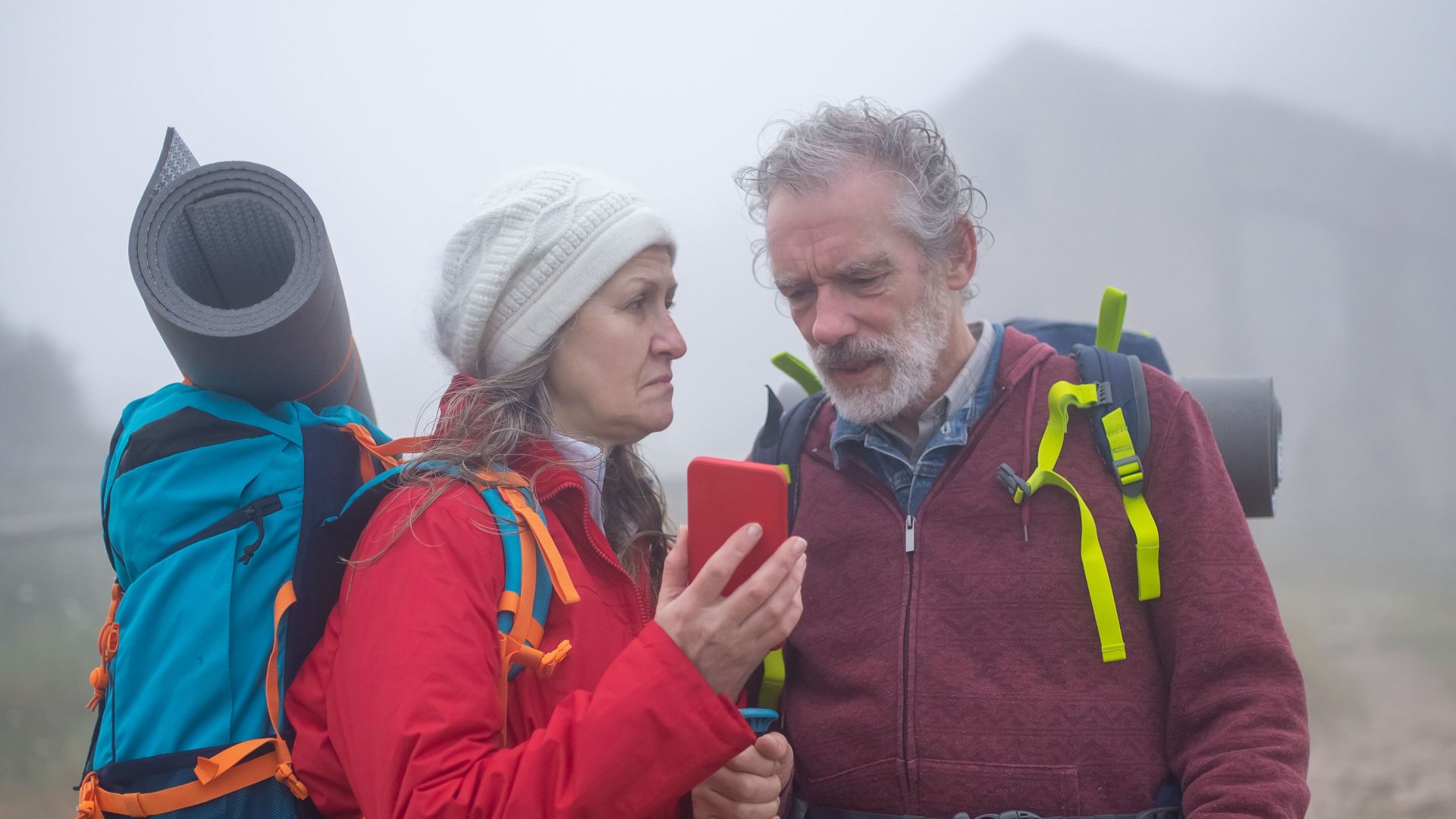
You May Also Like:
I rented jet skis on vacation and now they’re claiming I caused damage. How do I prove I didn’t?