The Vacation You Waited All Year For
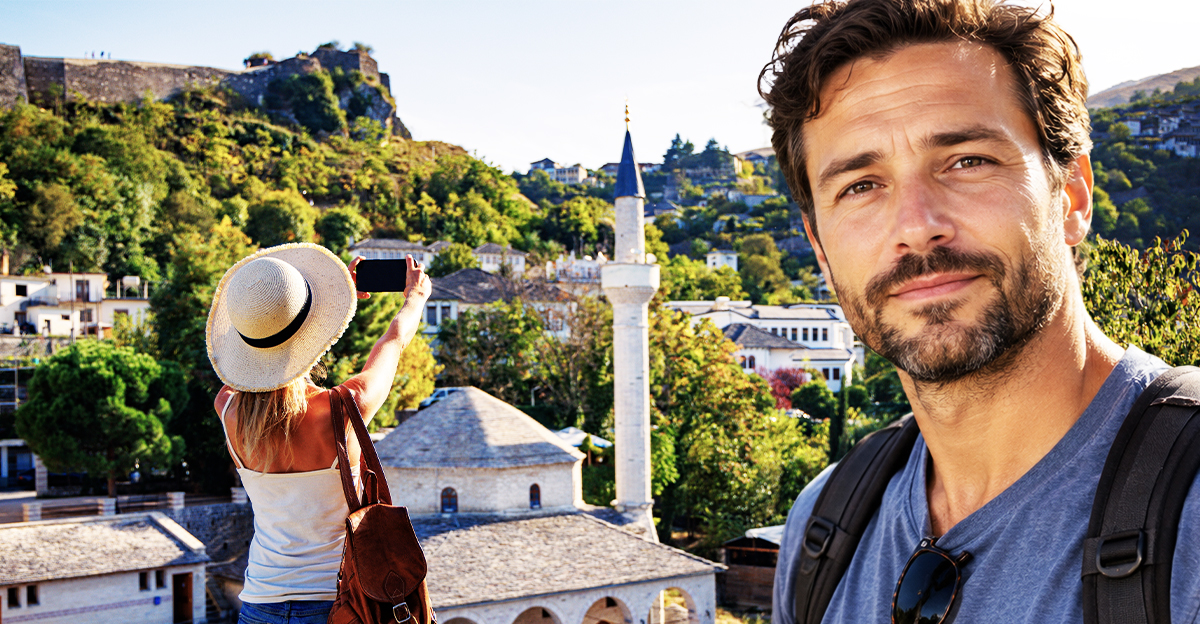
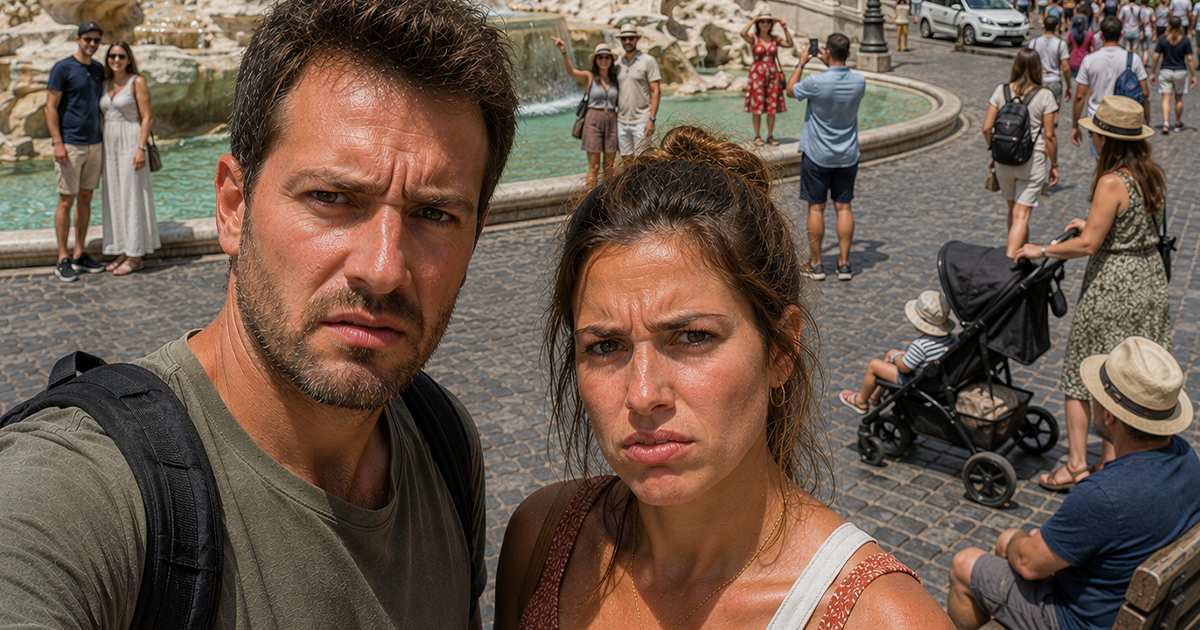
You finally arrive at that famous destination you've dreamed about for years. Then reality hits. The historic square is shoulder-to-shoulder with tourists, every photo includes fifty strangers, and the scenery you expected feels completely different.
Here's some tips and tricks to avoid this situation next time.
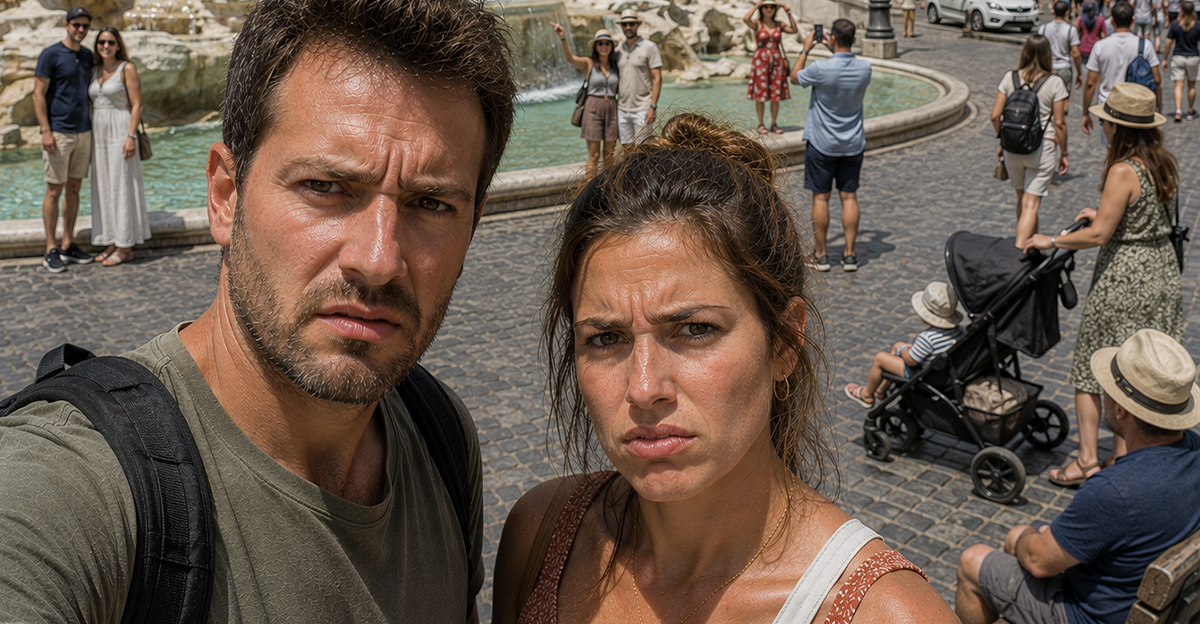
Peak Season Can Change Everything
Many destinations experience dramatic changes during peak travel periods. Hotels fill up, attractions become crowded, and even simple activities can take much longer than expected.
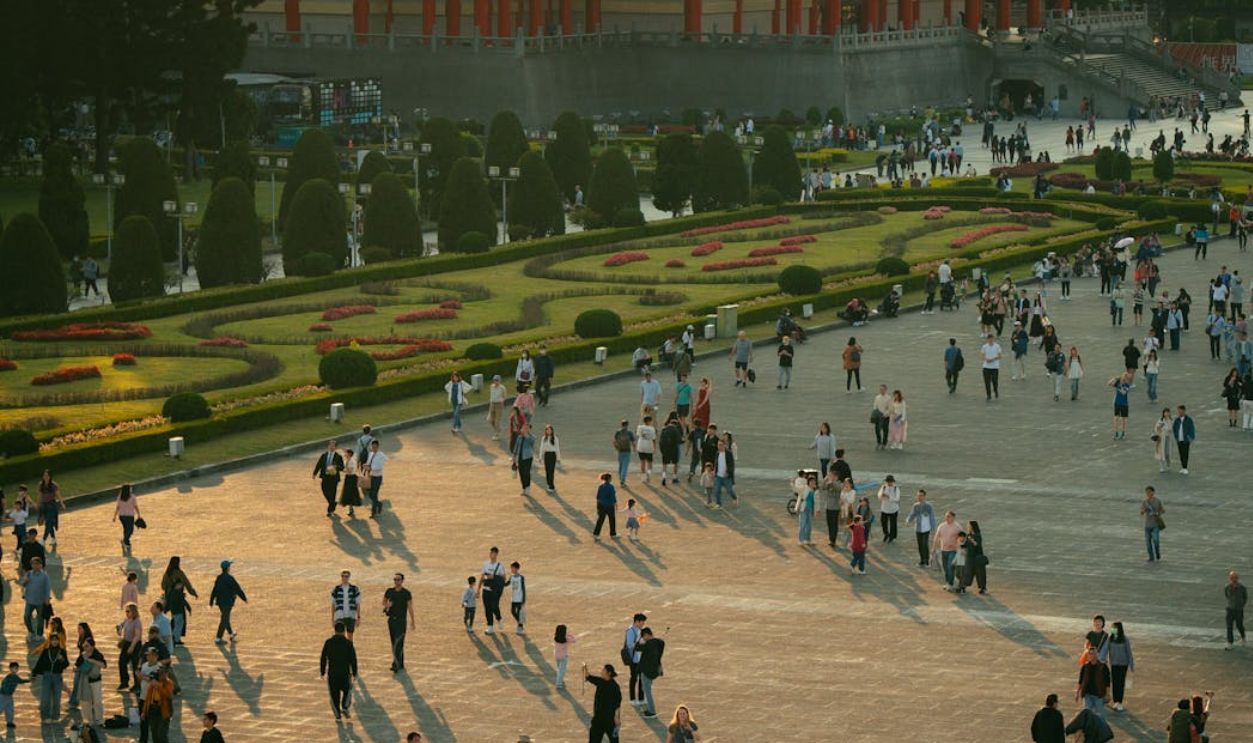
So, Could You Have Done Anything?
Probably. While you can't eliminate crowds during peak season, there are plenty of ways to reduce their impact and enjoy your trip much more than the average visitor.
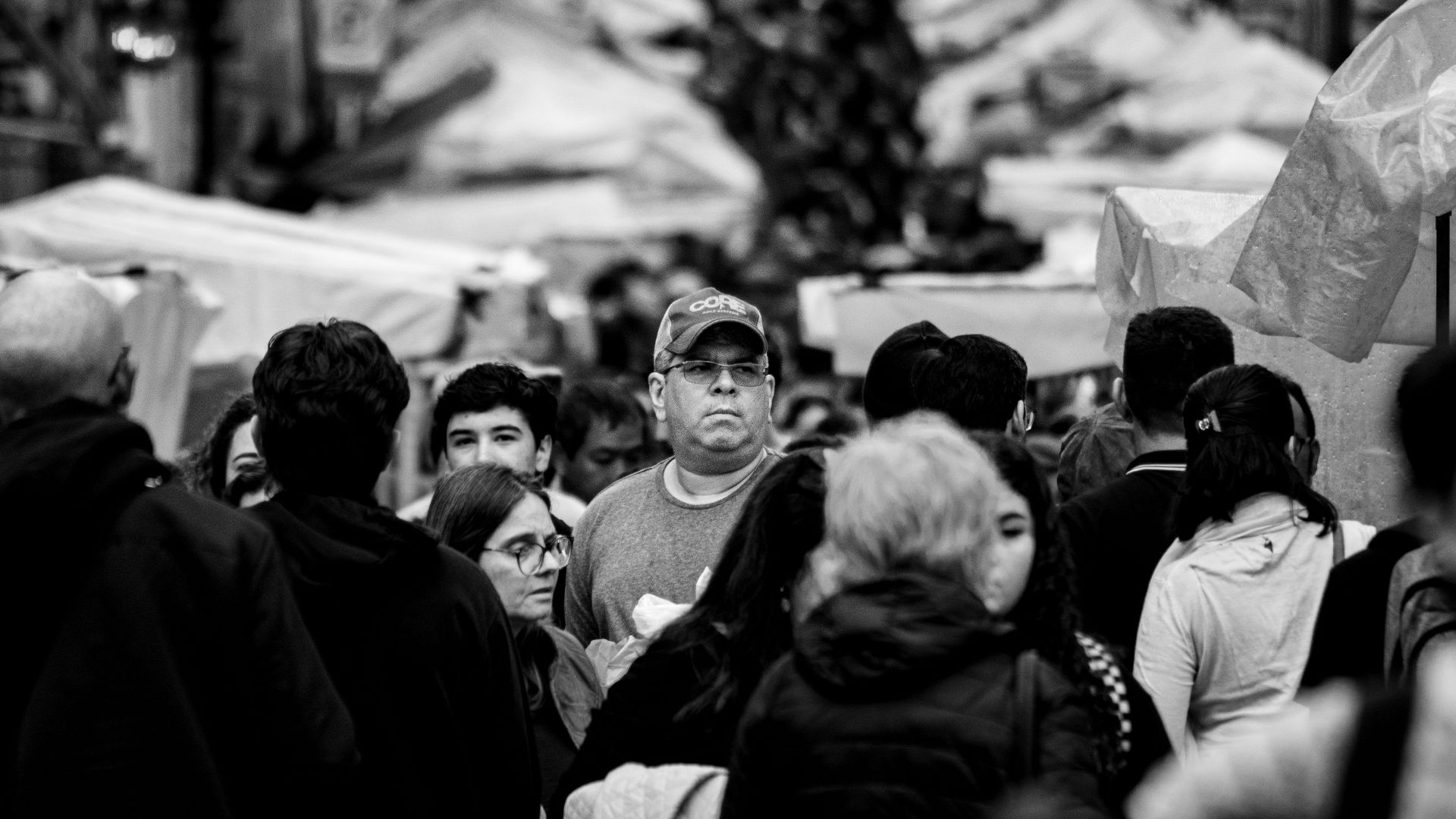
Why Peak Season Exists In The First Place
Peak tourist season usually happens when weather conditions are ideal, schools are on break, or major holidays occur. Unfortunately, millions of other travelers often have the exact same idea.

Famous Places Become Victims Of Their Own Success
The more beautiful or historically important a destination becomes, the more visitors it attracts. Social media has only accelerated this effect over the last decade.
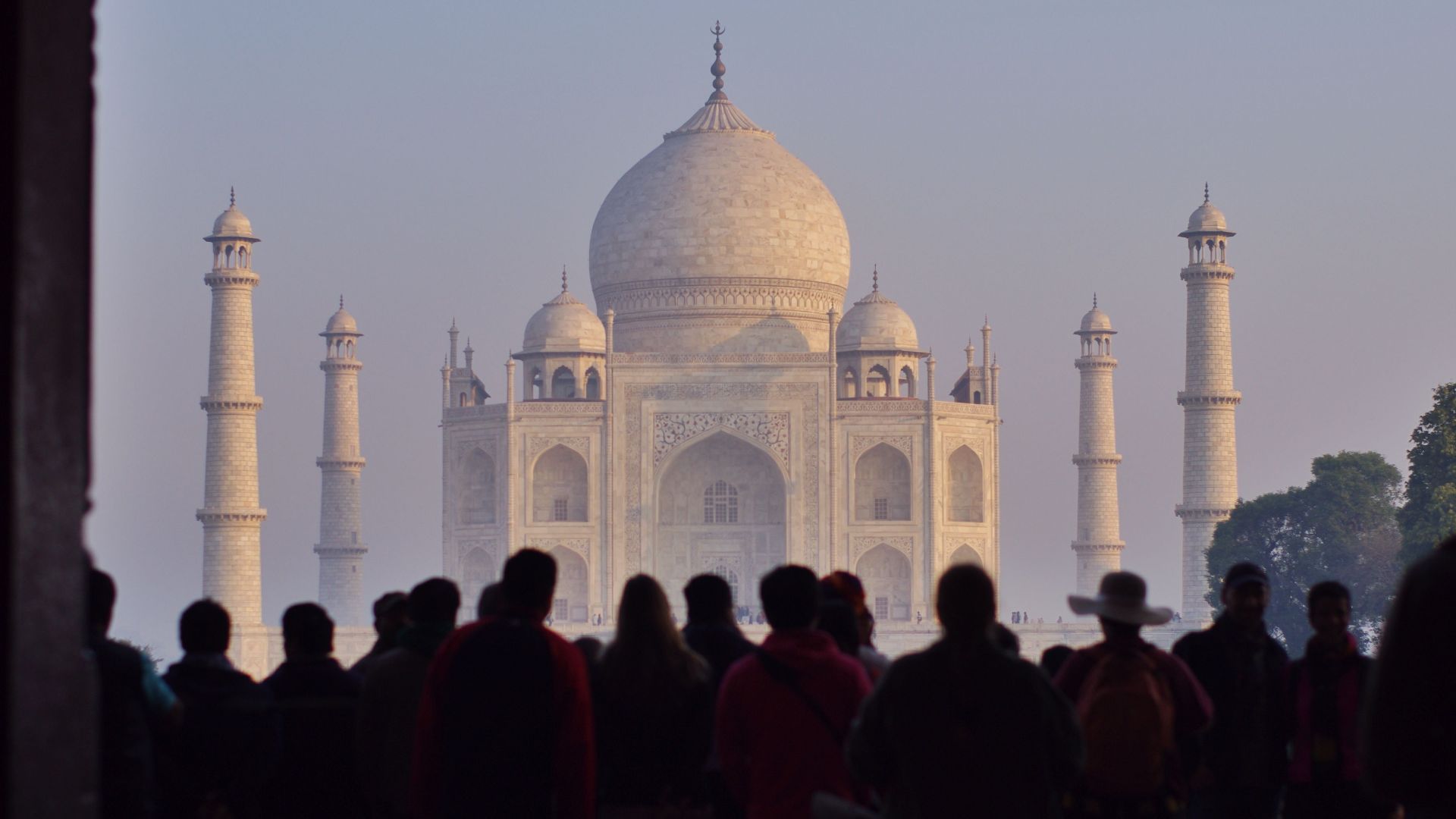
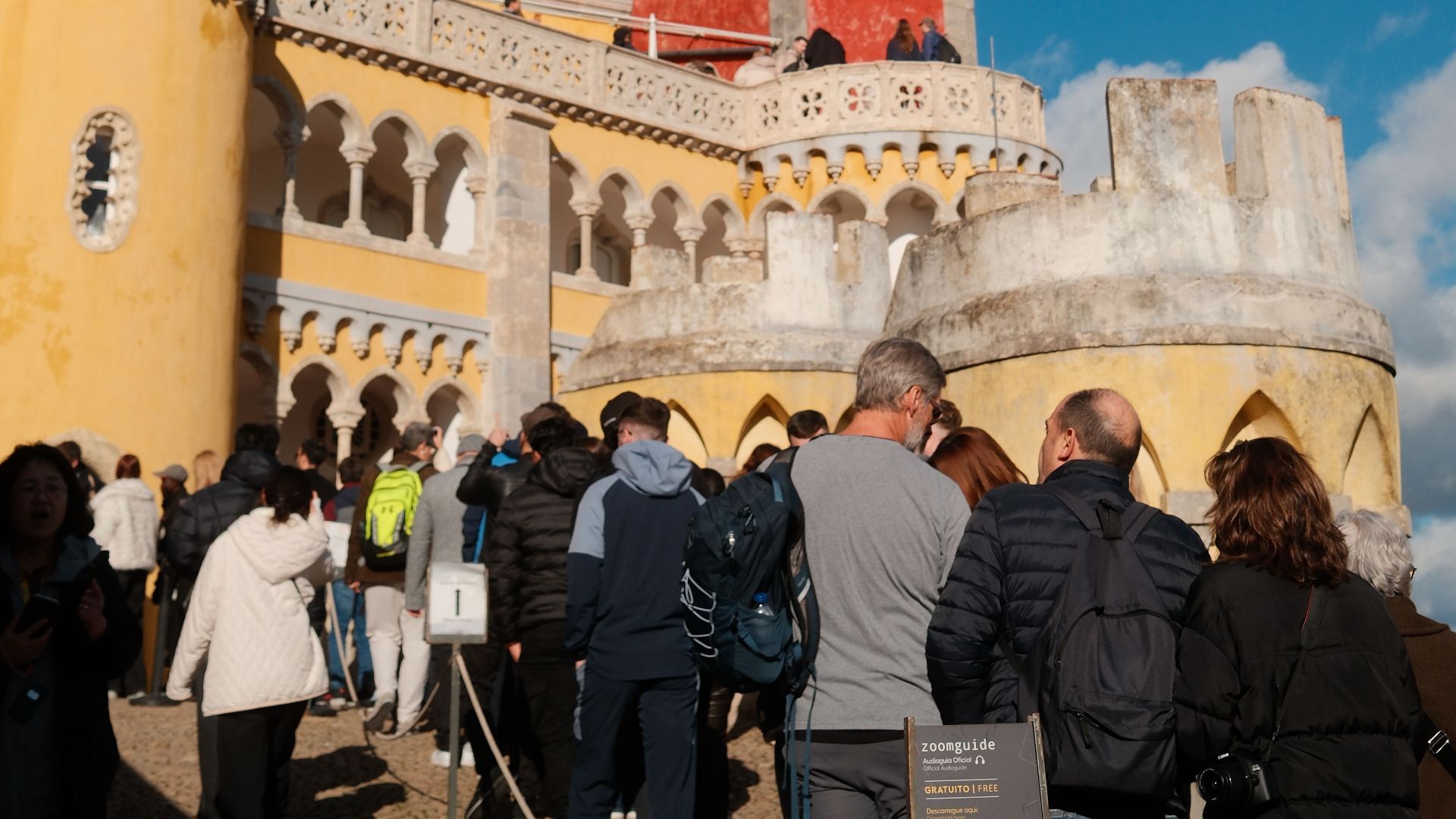
Historical Sites Often Feel The Crowding Most
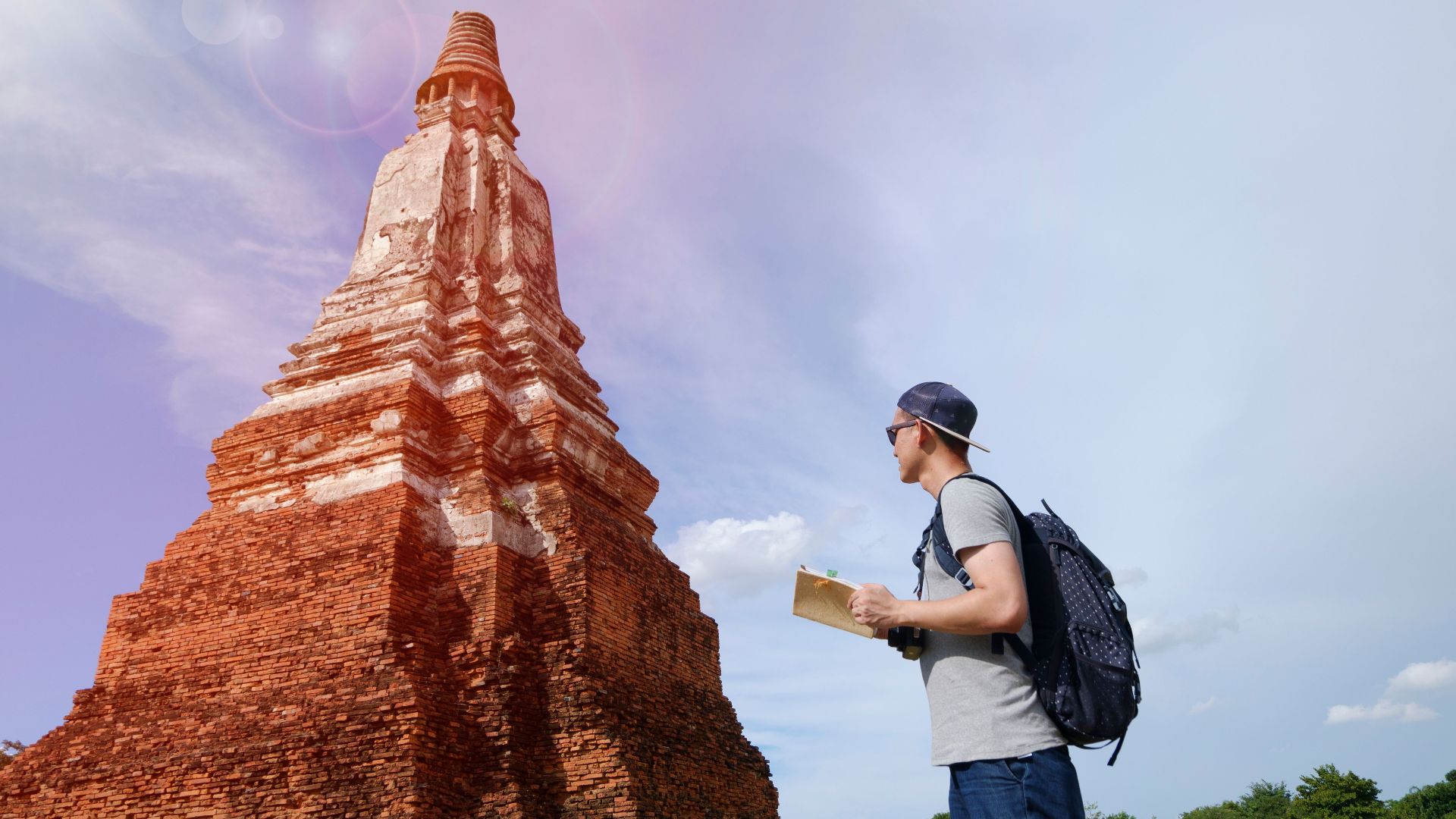
Ancient ruins, castles, cathedrals, and historic districts usually have limited space. Unlike theme parks, they can't simply build larger walkways to handle growing crowds.
Scenic Locations Have Similar Problems
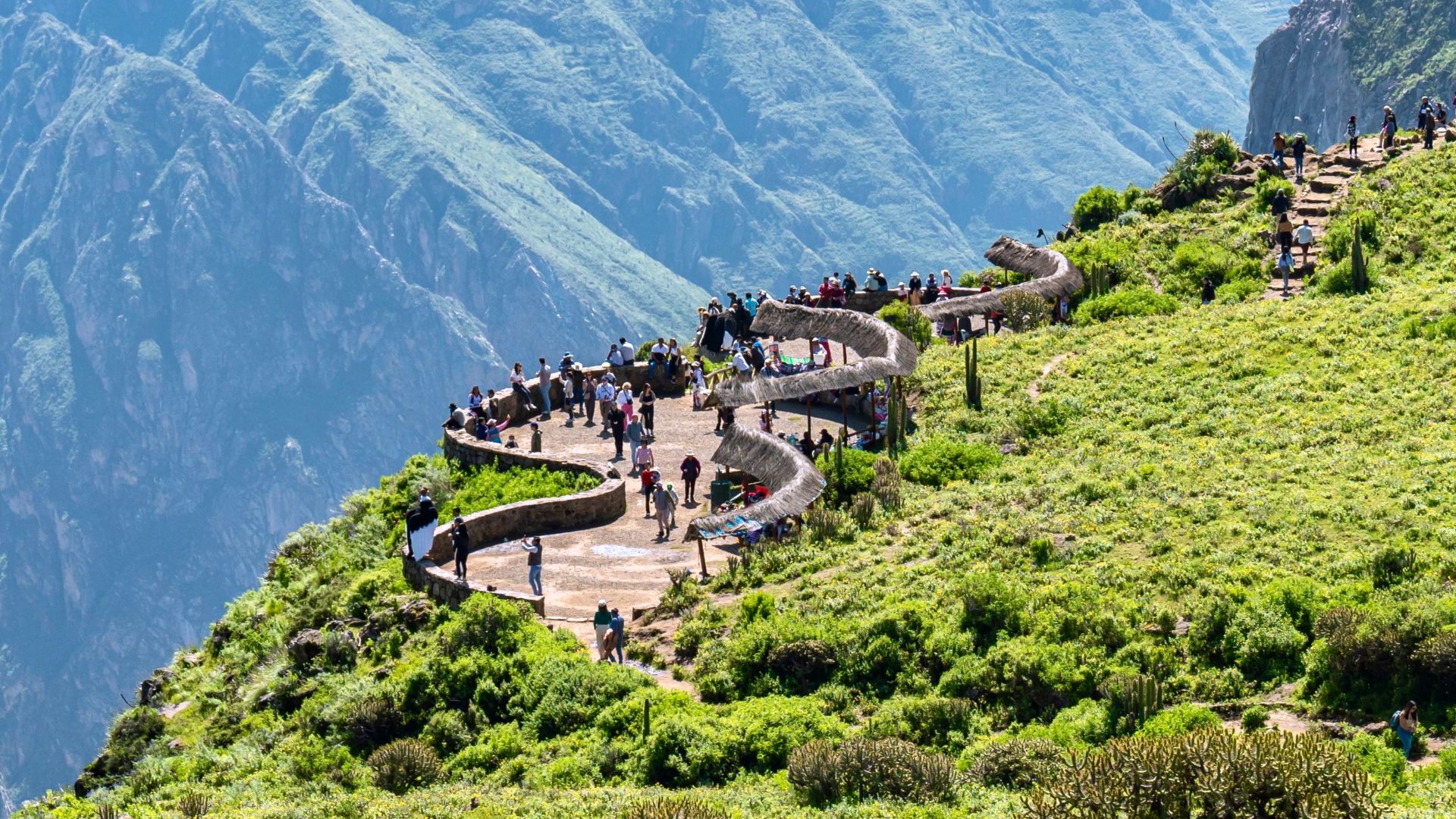
A mountain overlook may offer incredible views, but there is often only one viewing platform. During peak season, everyone ends up trying to enjoy the same view at the same time.
The Biggest Mistake Travelers Make
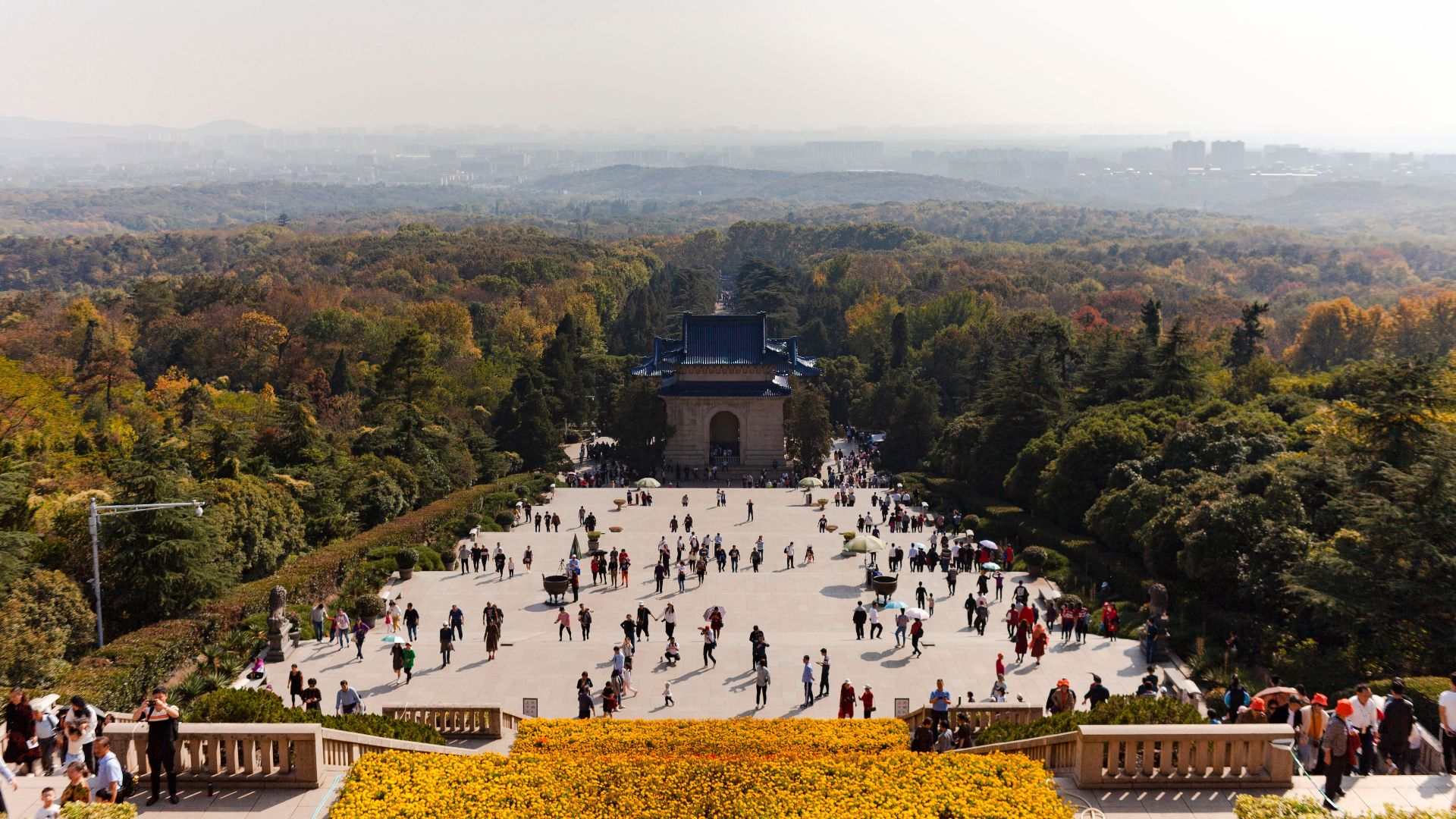
Many people arrive at attractions around 10 a.m. That's exactly when everyone else shows up too. If you're following the crowd, you'll usually find the crowd.
Early Mornings Are Your Secret Weapon
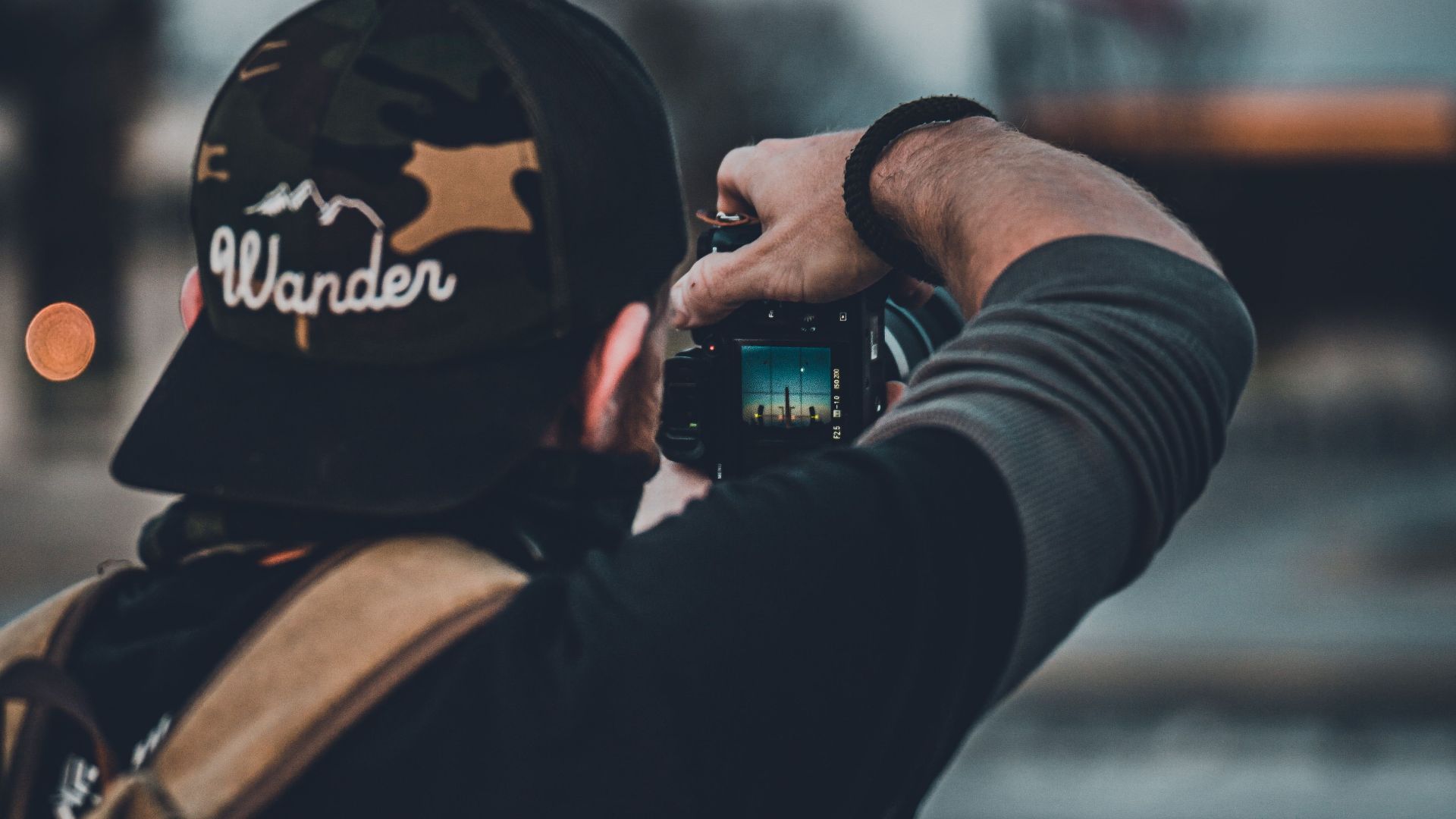
Want fewer people in your photos? Get up earlier. Many famous attractions are surprisingly peaceful during the first hour after opening.
Sunrise Can Completely Change The Experience
Not only are crowds smaller, but lighting is often better too. Many photographers consider sunrise the best time to visit scenic and historic locations.
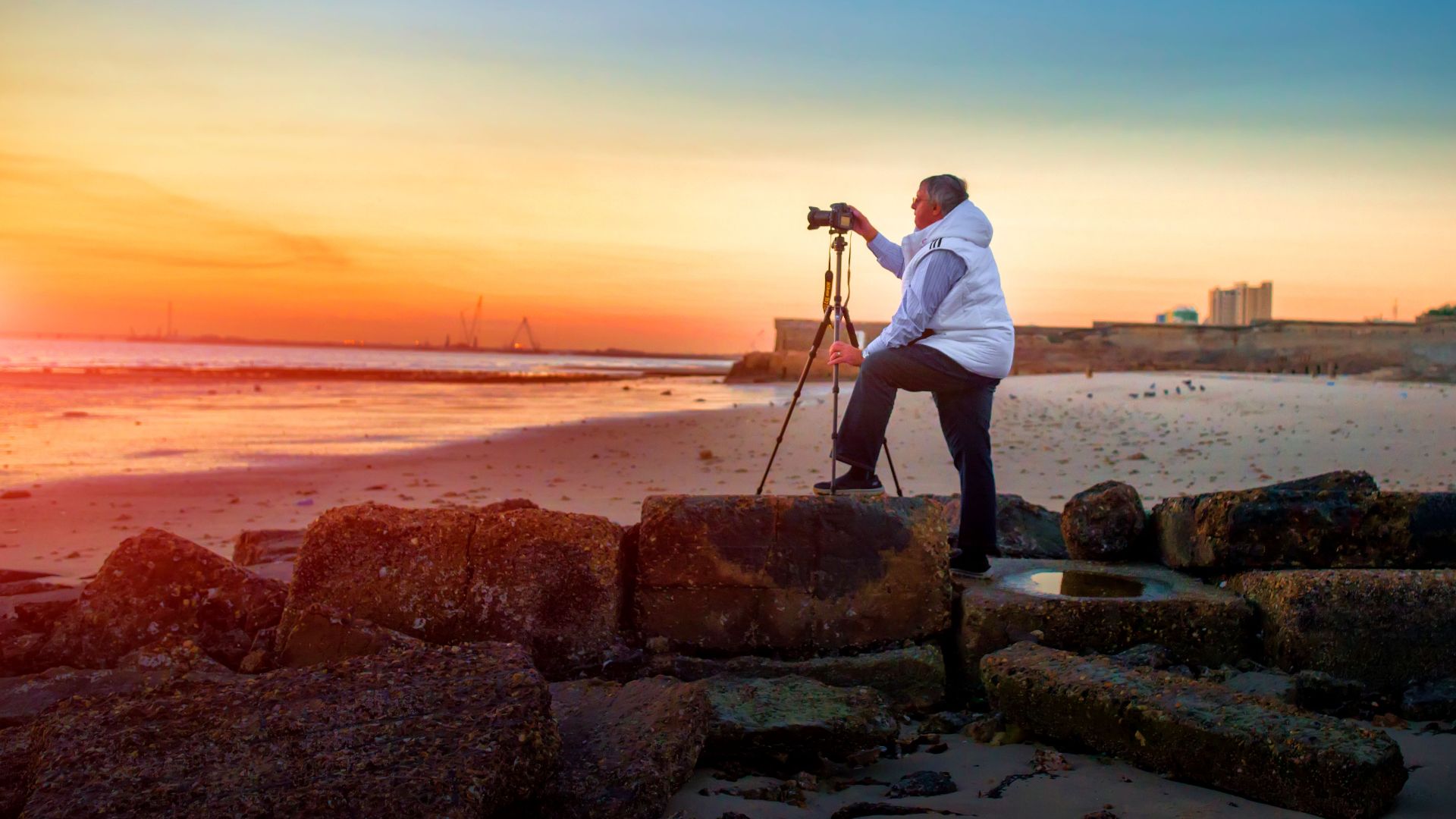
Late Afternoons Can Also Work
Most tourists follow predictable schedules. Visiting attractions near closing time often means lighter crowds and a more relaxed experience.

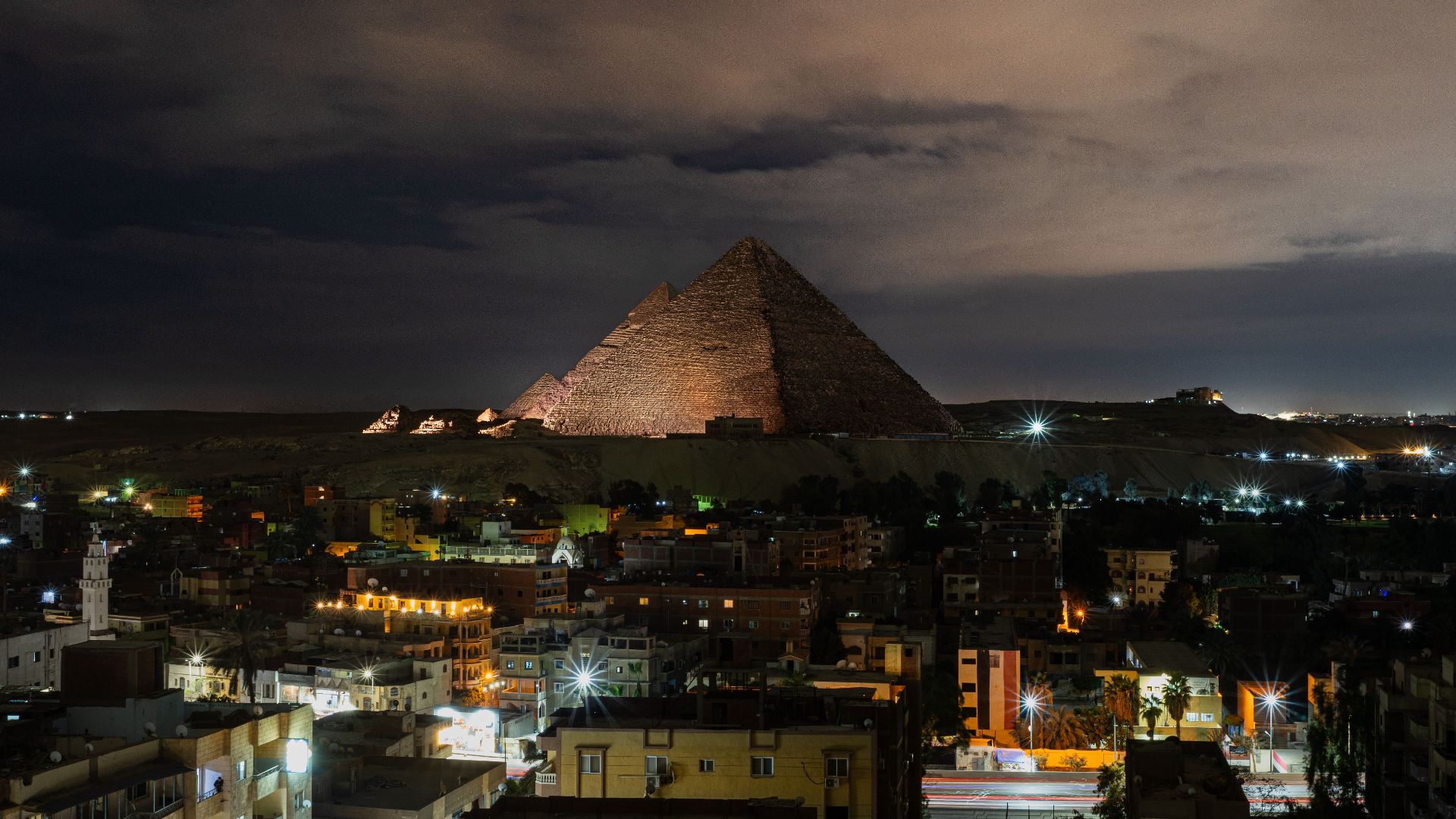
Stay Closer To The Attraction
If your hotel is nearby, you can visit during off-peak hours more easily. Travelers staying farther away often arrive only during the busiest periods.
 Matheus De Moraes Gugelmim, Pexels
Book Tickets Before You Arrive
Timed-entry systems have become common at popular attractions. Securing early entry slots can make an enormous difference in your experience.
Research The Busiest Days
Weekends, holidays, cruise ship arrivals, and local festivals can dramatically increase crowds. A little research can help you avoid the worst days.

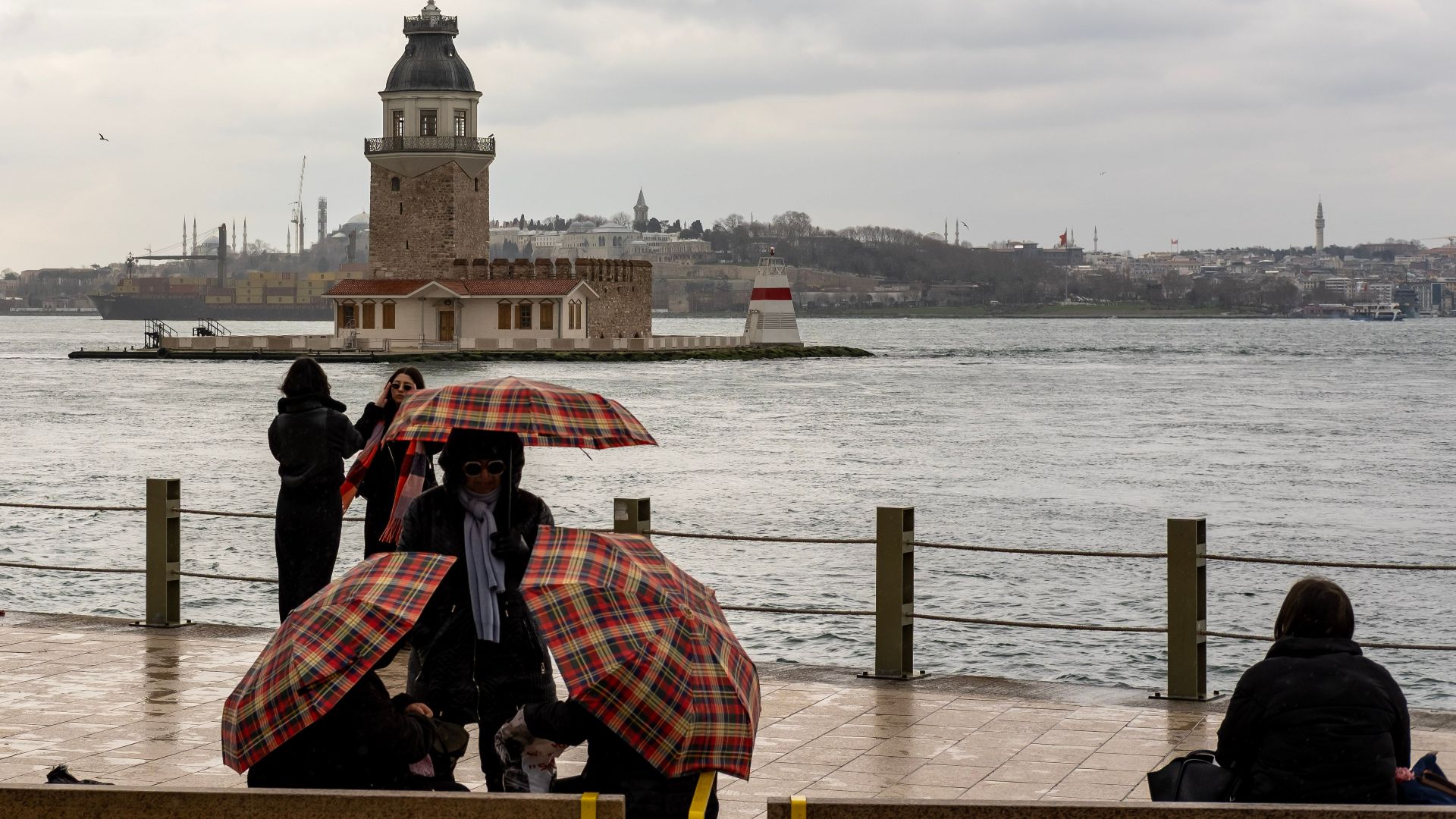
Weather Can Actually Help You
Most tourists avoid less-than-perfect weather. Light rain or overcast skies sometimes create opportunities to enjoy famous places with far fewer visitors.
Look Beyond The Main Entrance
Many destinations have multiple viewpoints, trails, or entrances. The most famous location is often the most crowded one.
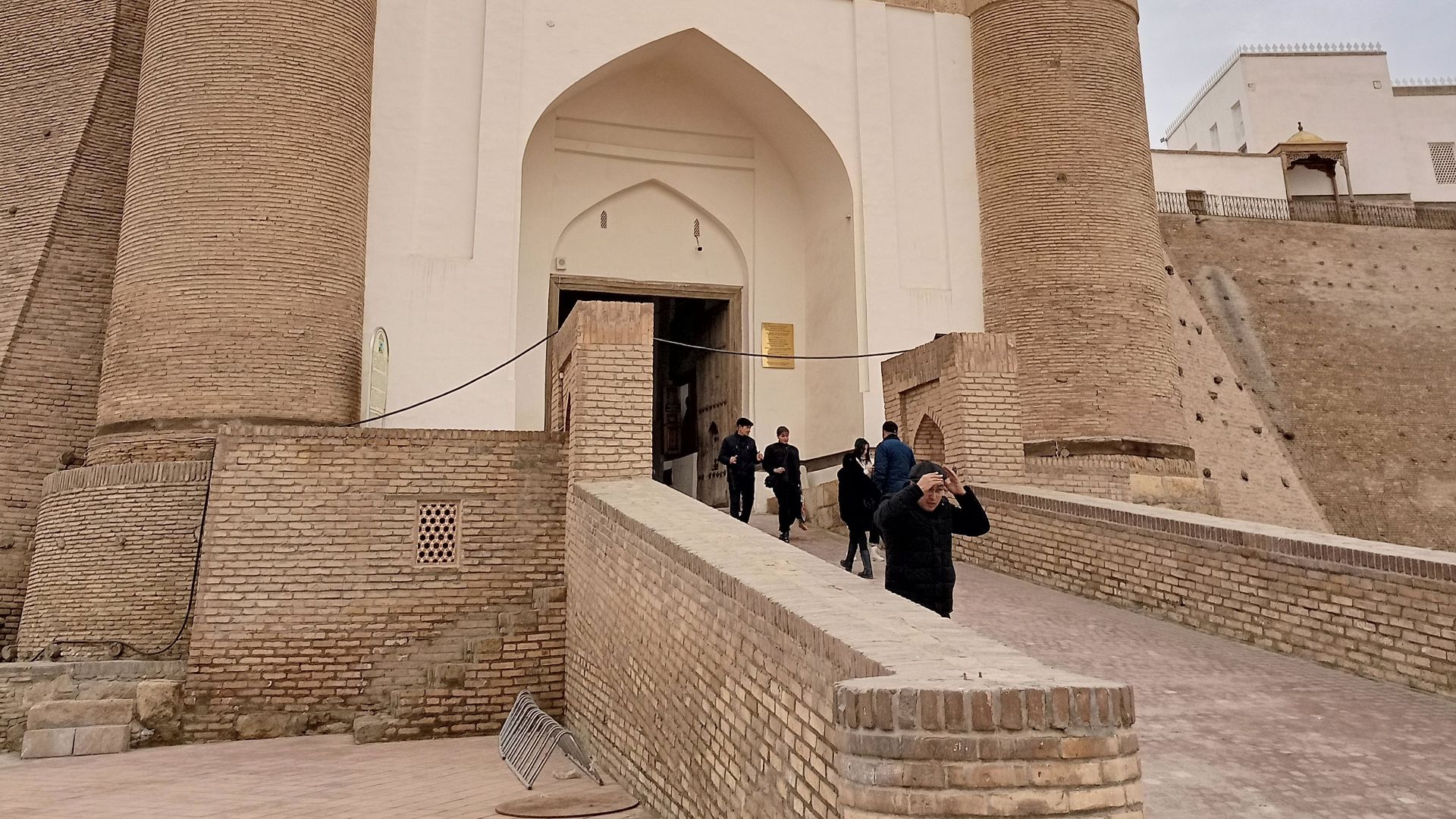
Secondary Viewpoints Can Be Better
Sometimes the best photo isn't from the famous observation deck. Less-known viewpoints often offer great scenery without the massive crowds.
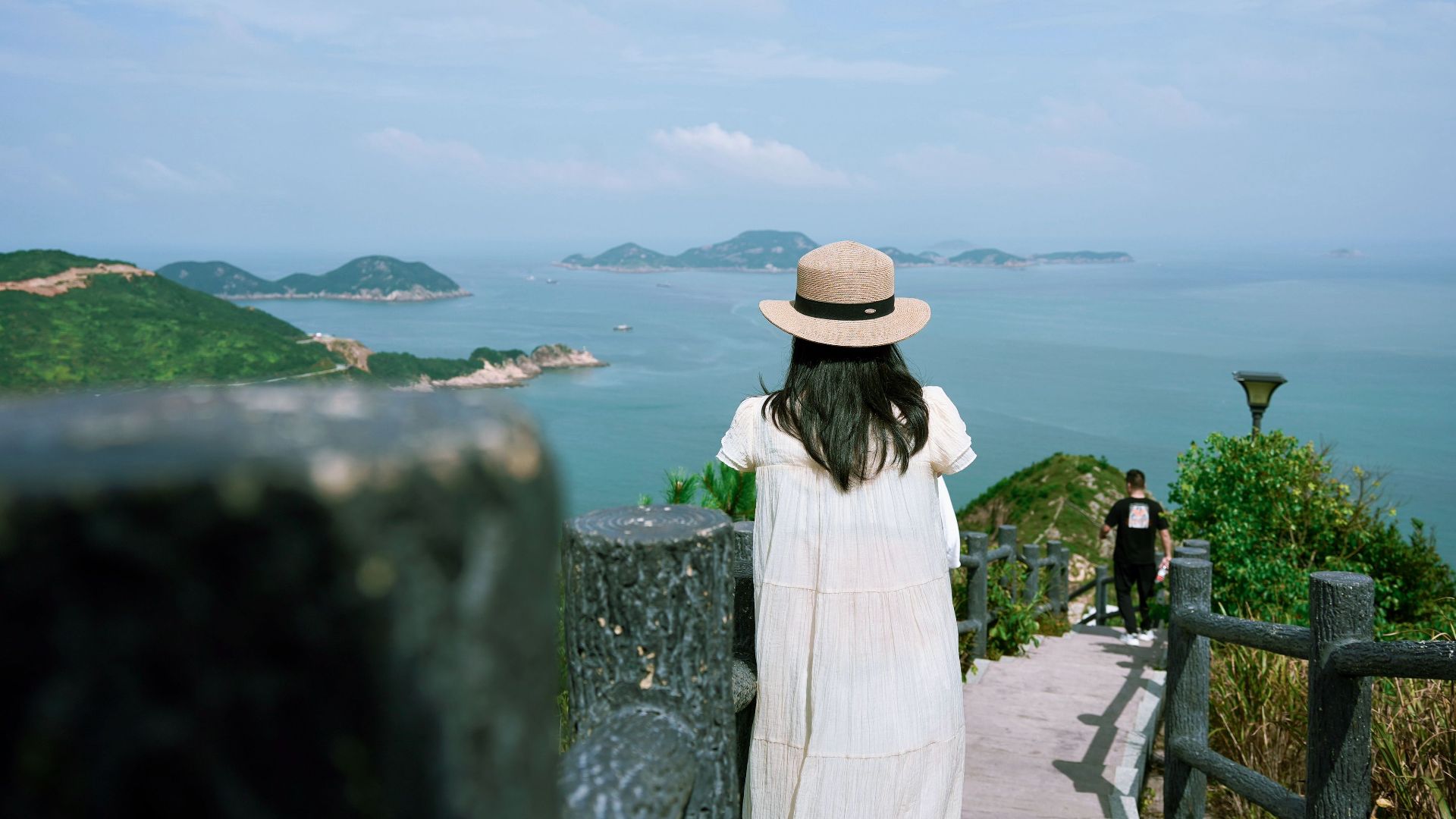
Consider Staying Overnight
Day-trippers create huge surges at many attractions. Visitors who stay overnight can enjoy quieter evenings and early mornings after the crowds leave.
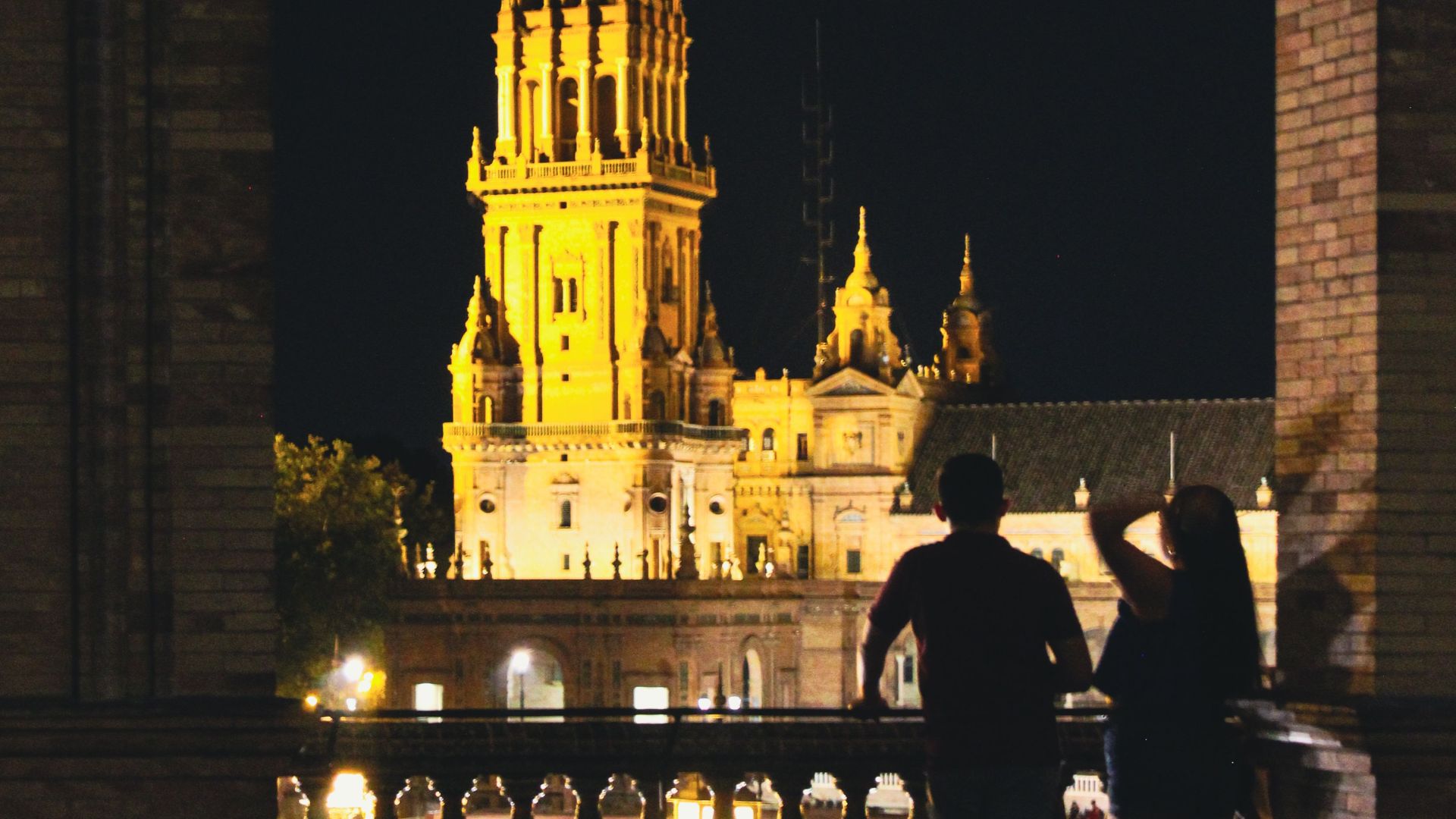
Popular Doesn't Always Mean Best
Many travelers focus on the single most famous attraction while ignoring nearby locations that offer similar beauty and history with a fraction of the visitors.
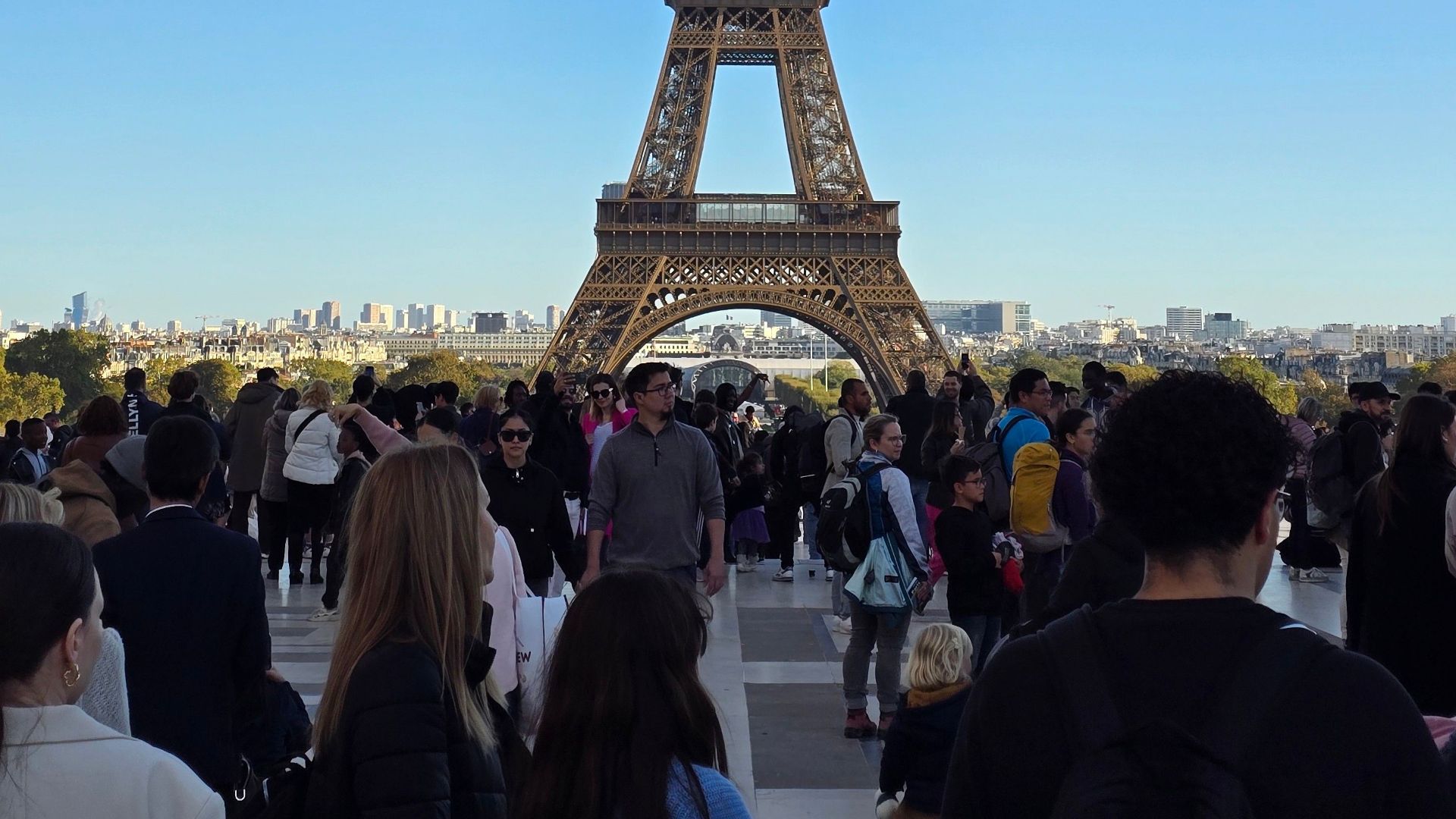
Learn The Attraction's Daily Rhythm
Every location has patterns. Museums, parks, and historic sites often have predictable busy and quiet periods throughout the day.
Tour Groups Follow Schedules
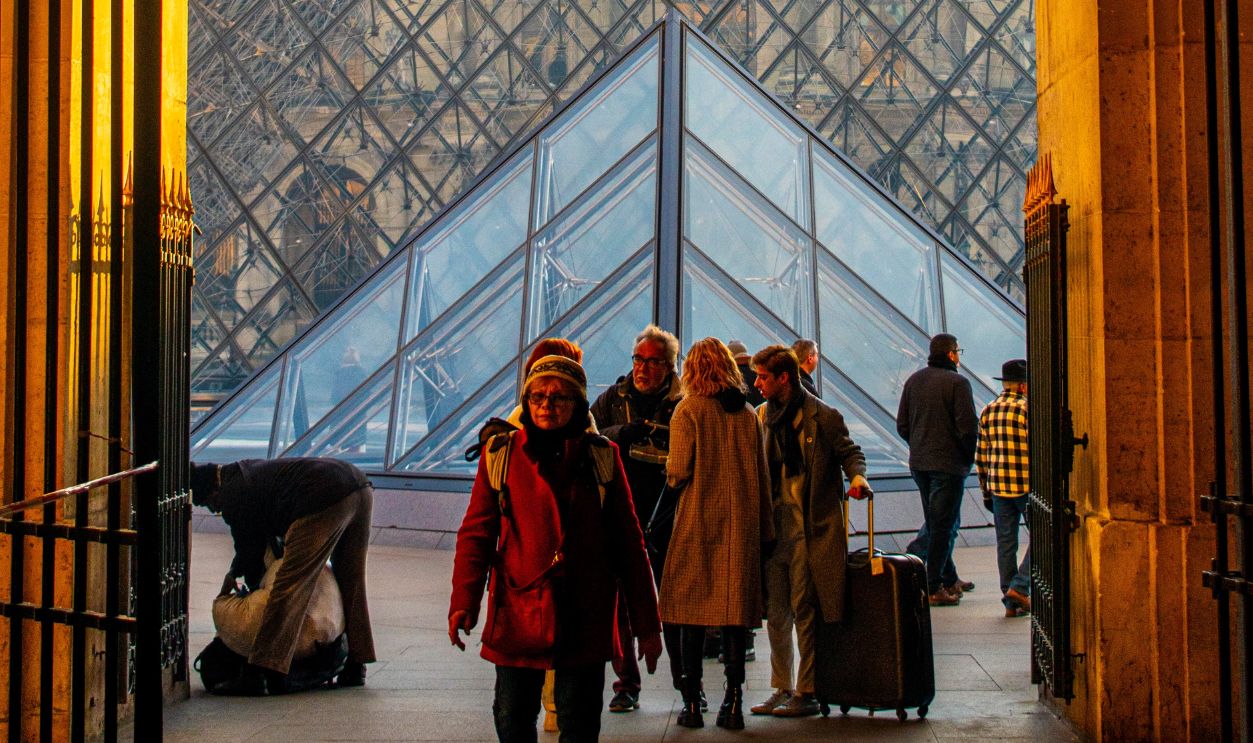
Large tour groups often arrive and depart at specific times. Learning these patterns can help you avoid walking into the middle of a crowd surge.
Use Photography Apps And Forums
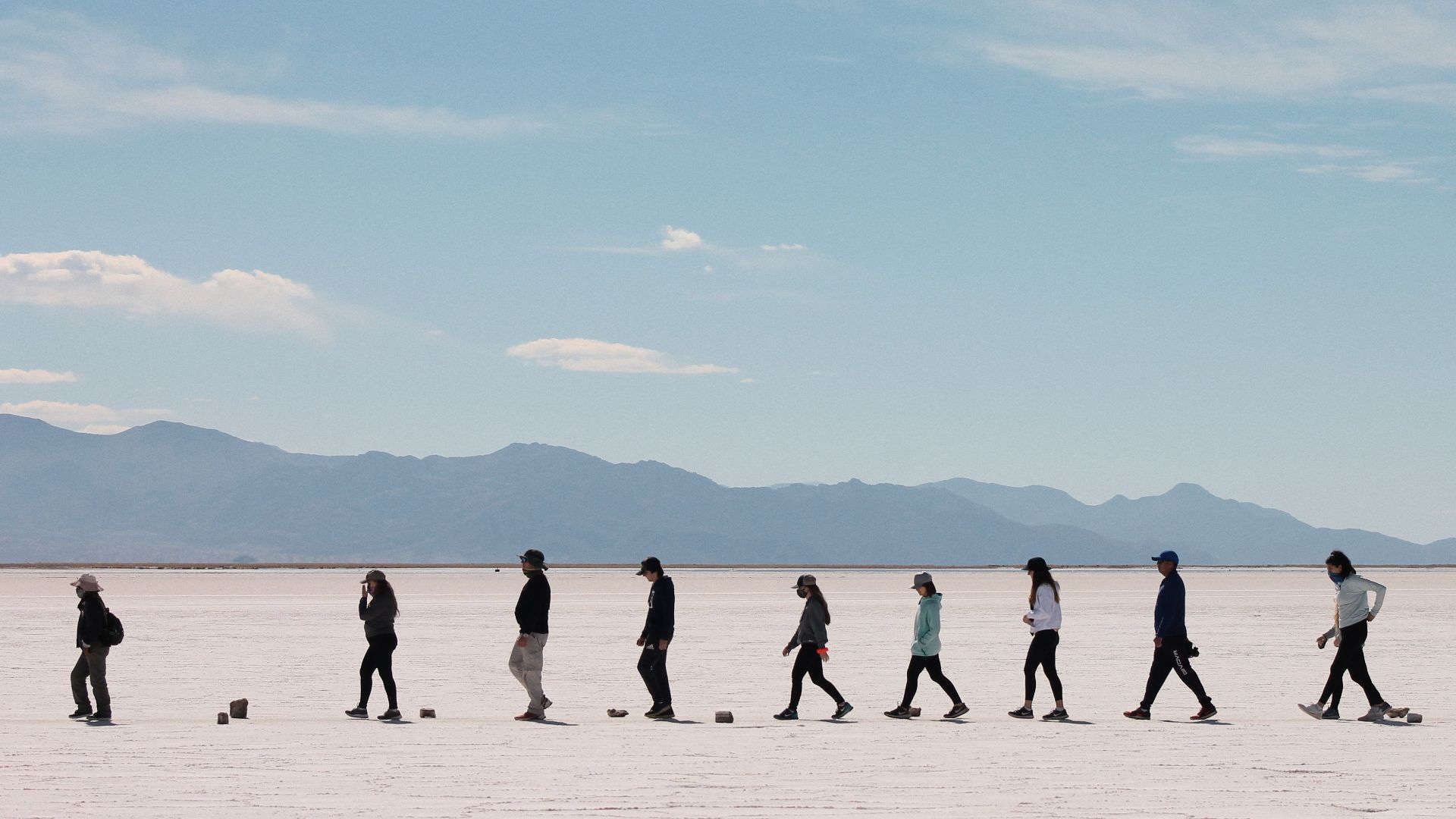
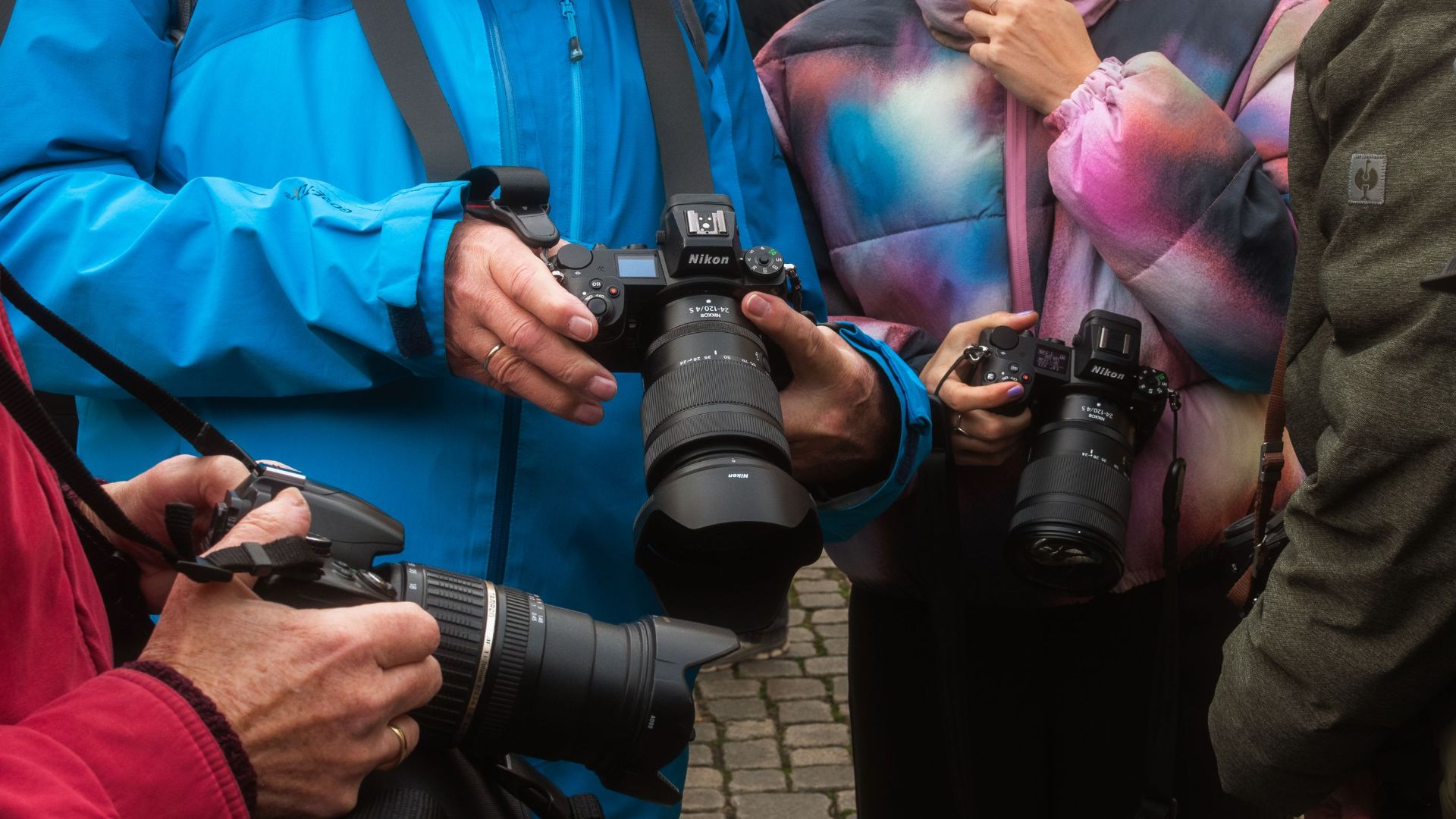
Travel photographers frequently share crowd information, sunrise times, seasonal tips, and lesser-known viewpoints. Their advice can be incredibly valuable.
Be Flexible With Your Plans
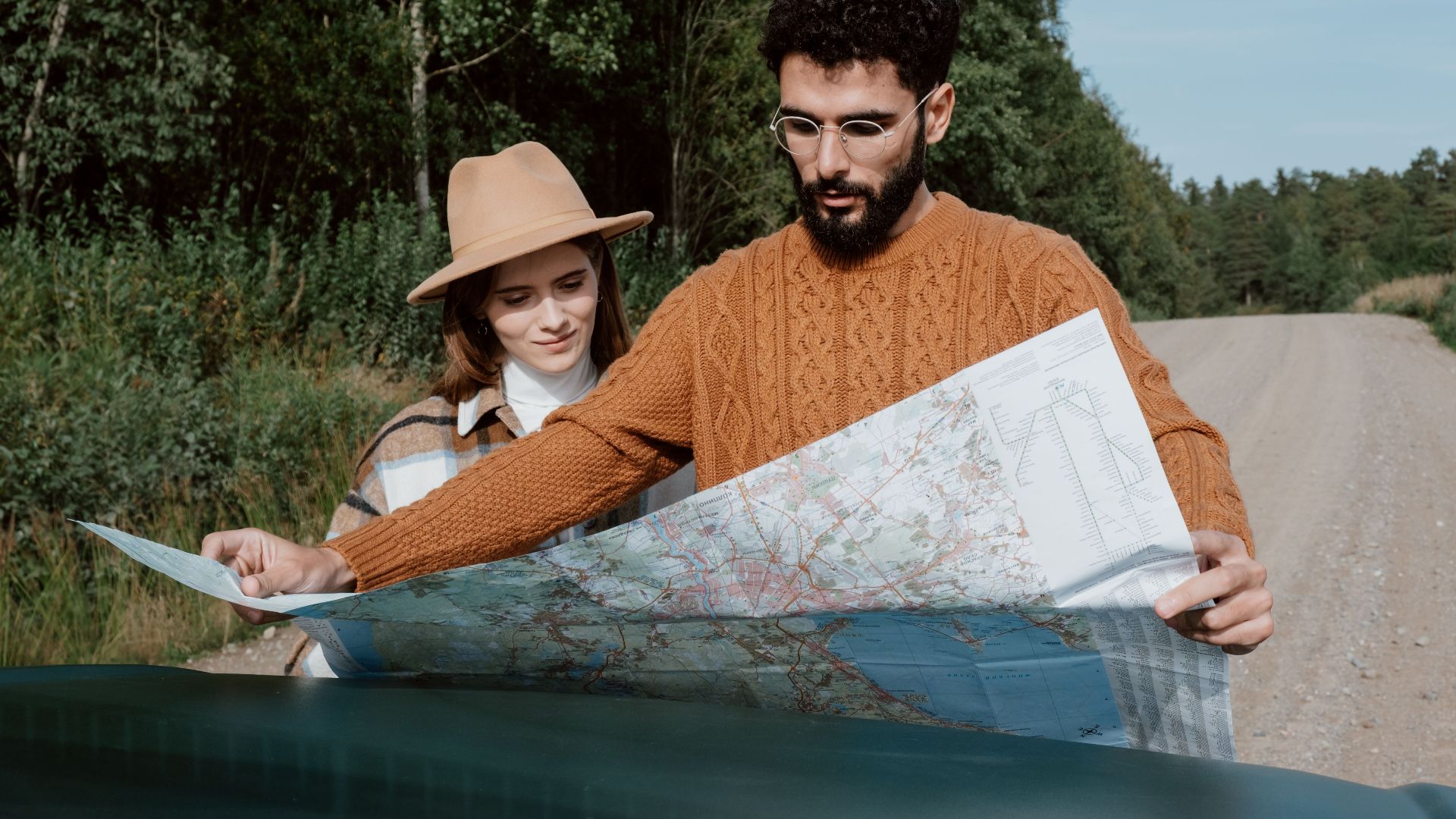
Rigid itineraries often create stress during peak season. Having backup options allows you to pivot when a location becomes unexpectedly crowded.
Consider Shoulder Season Instead
If your schedule allows even a little flexibility, shoulder season is often the sweet spot. You'll usually get decent weather with significantly fewer tourists.
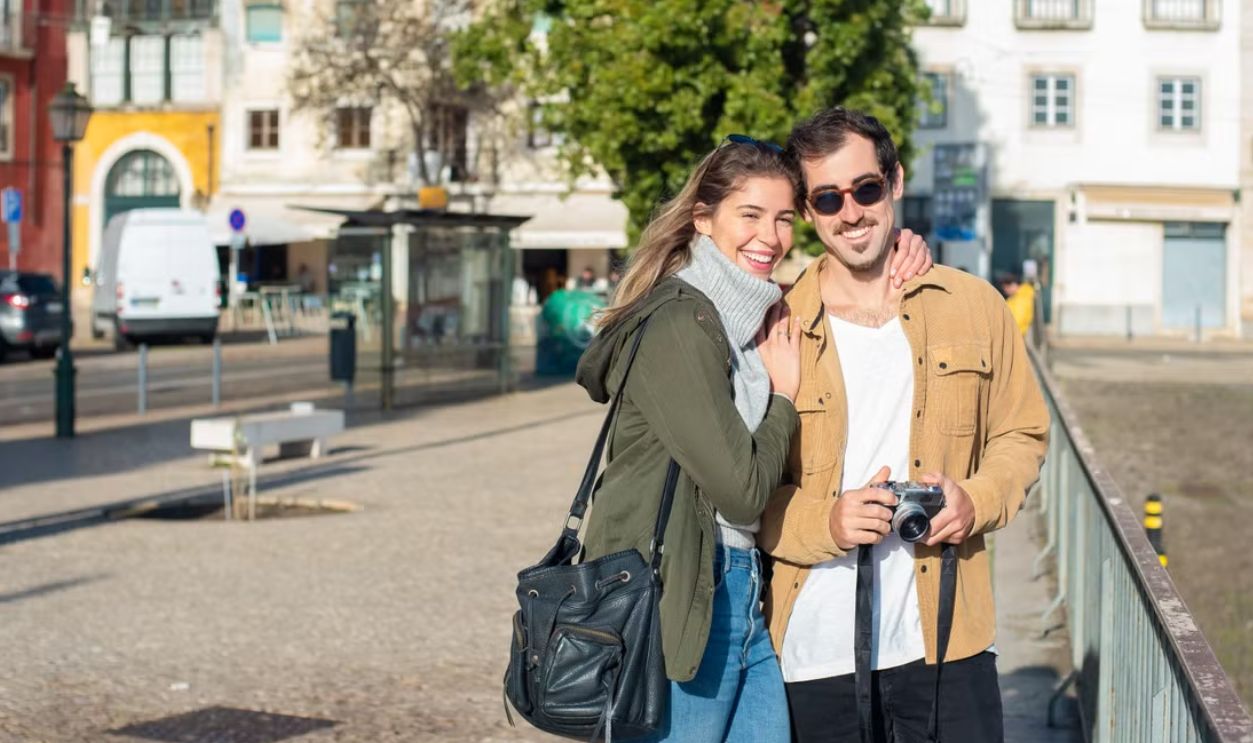
Peak Season Doesn't Mean Every Hour Is Busy
Many travelers assume attractions stay crowded all day. In reality, crowd levels can rise and fall dramatically depending on the time.
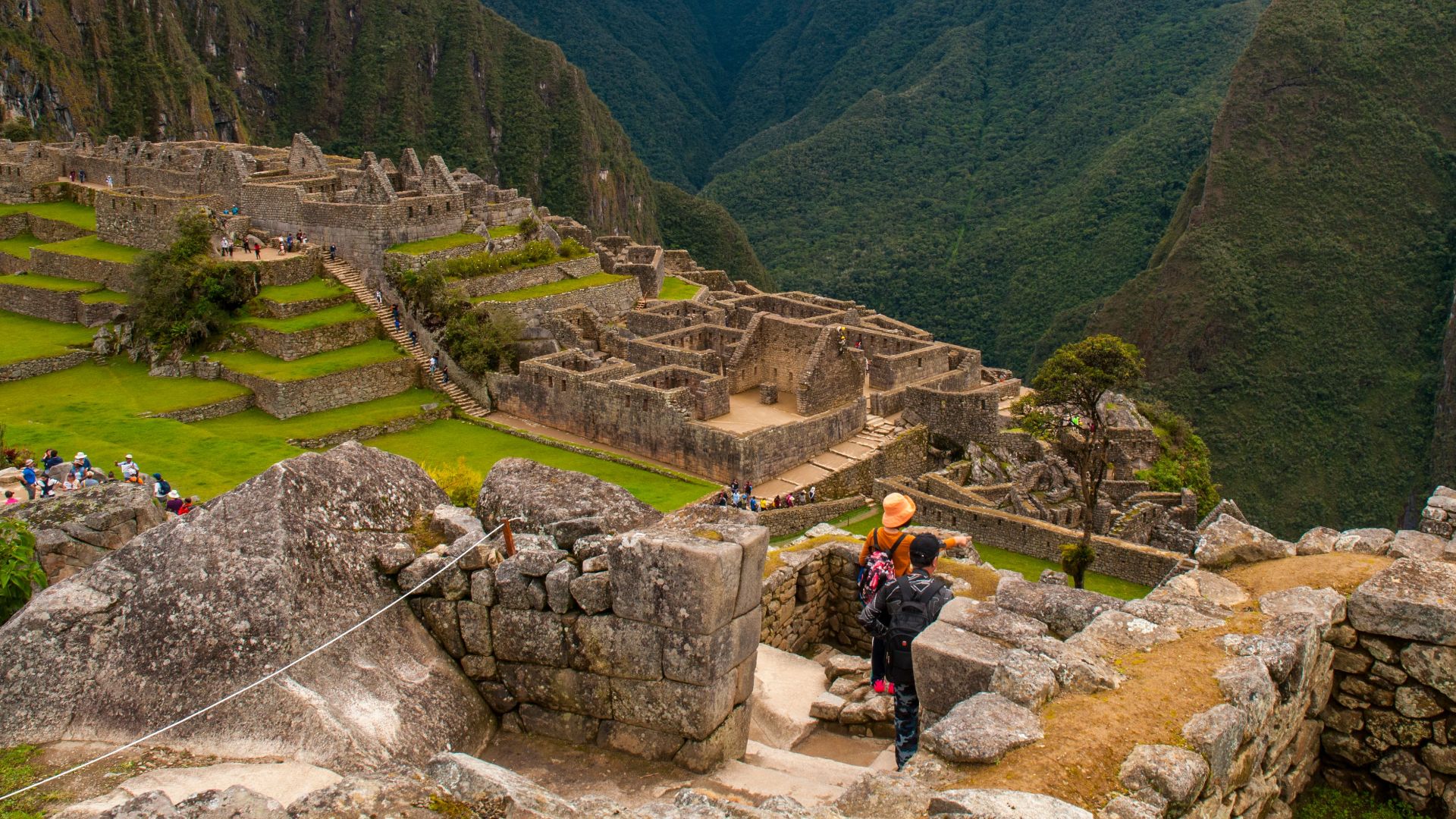
Scenic Destinations Reward Patience
Sometimes simply waiting fifteen or twenty minutes can completely change a viewpoint. Large groups often move through attractions in waves.
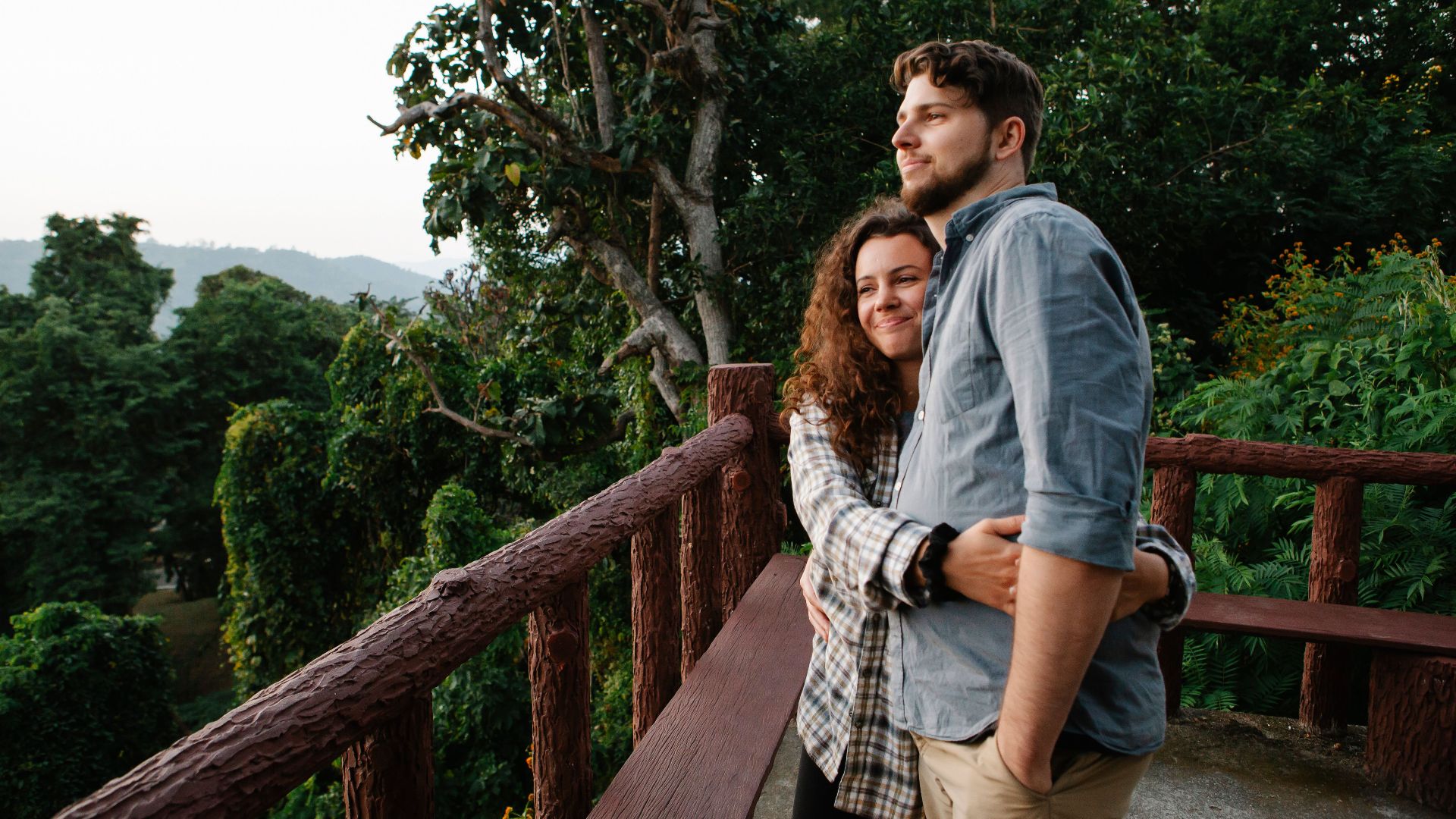
Historical Sites Often Open Earlier Than You Think
Many travelers never check opening times carefully. Showing up at opening can feel like visiting an entirely different attraction.
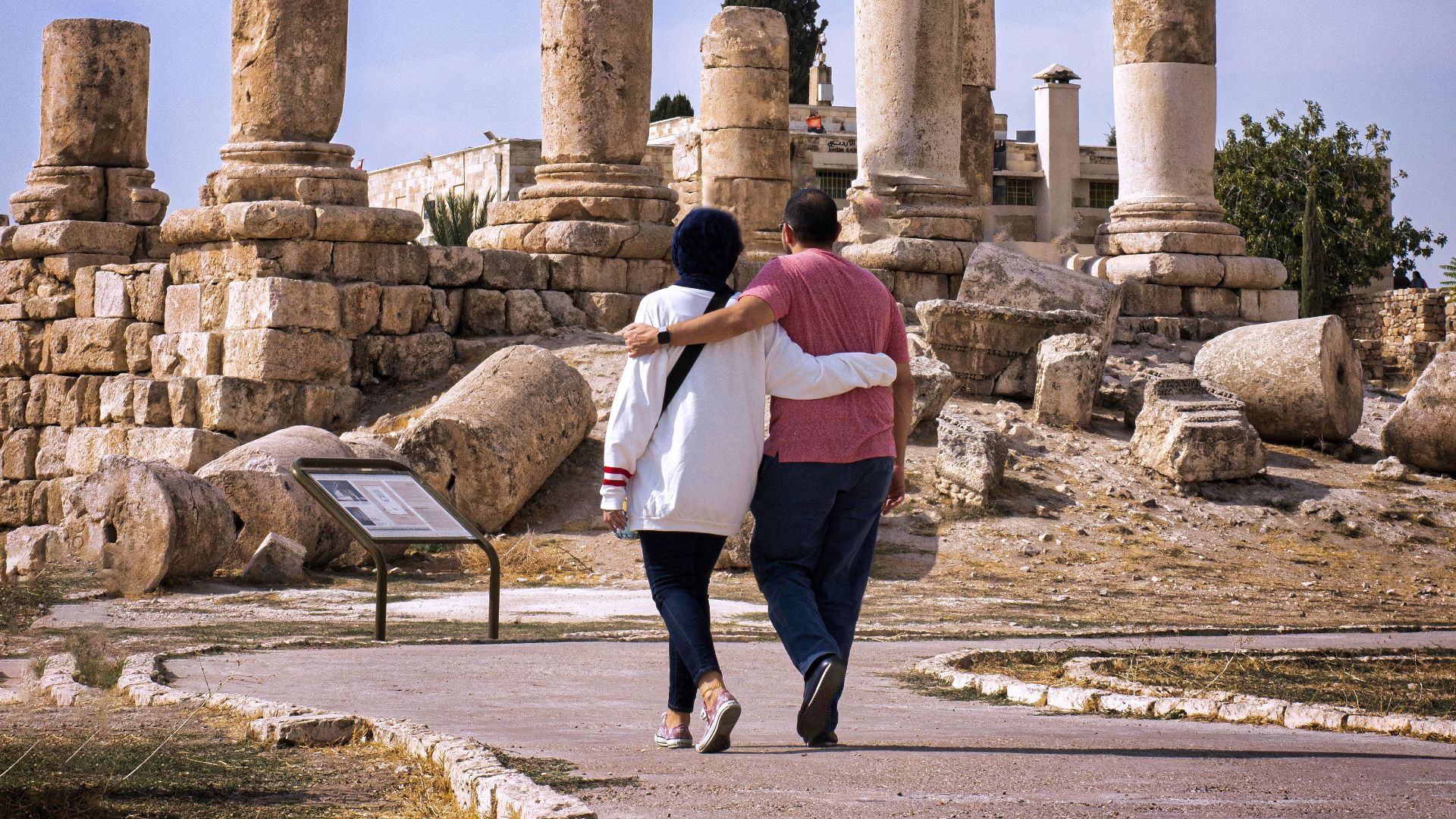
Manage Expectations
This may be the most important tip of all. If you're visiting one of the world's most famous destinations during its busiest season, some crowds are unavoidable.
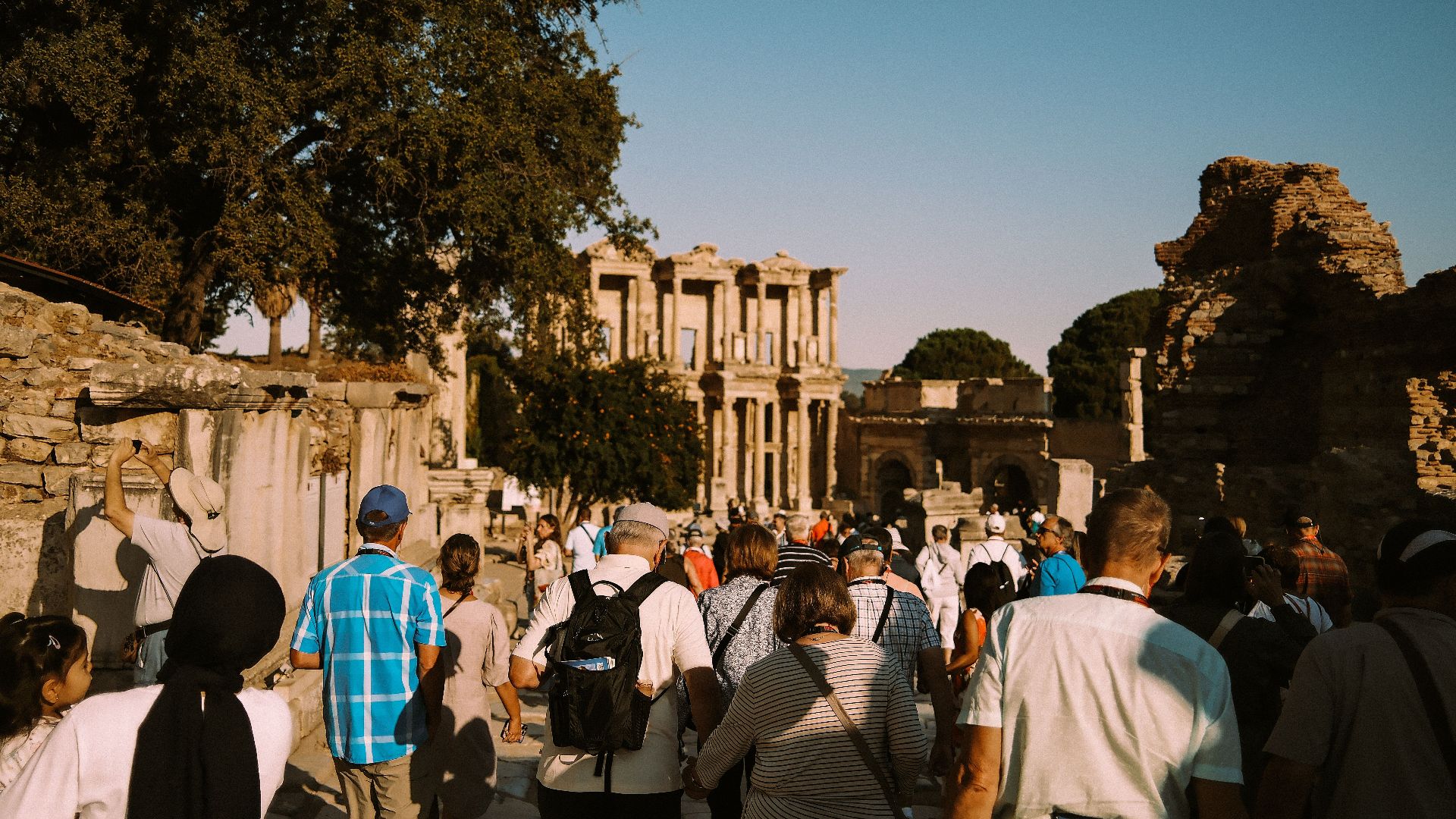
So What Could You Have Done?
You probably couldn't eliminate the crowds entirely. However, earlier arrival times, timed-entry tickets, overnight stays, alternative viewpoints, and flexible scheduling could have dramatically improved the experience.
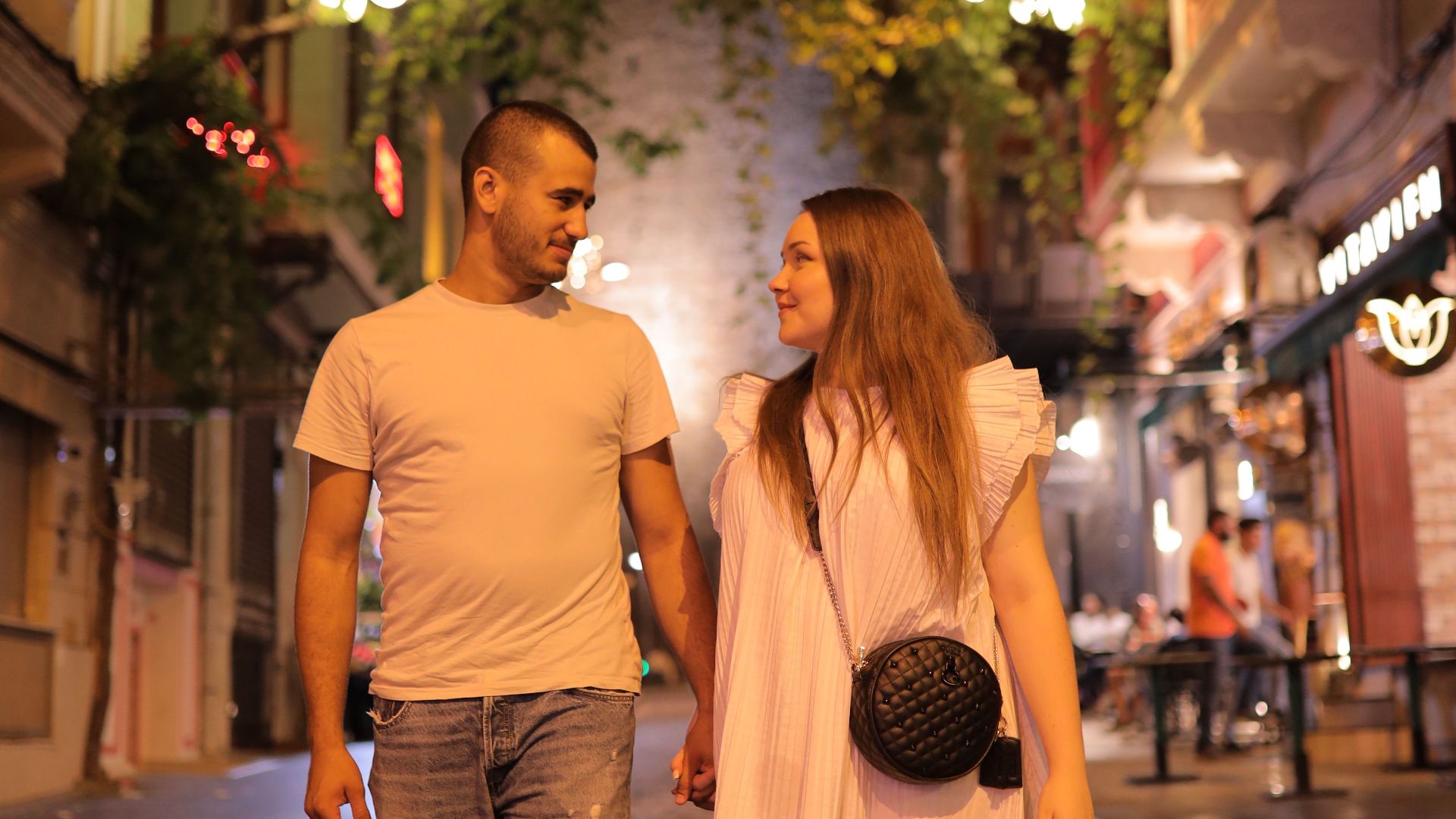
The Secret Experienced Travelers Already Know
The smartest travelers don't fight peak season—they work around it. They learn crowd patterns, adjust their schedules, and visit famous places when everyone else is sleeping, eating lunch, or standing in another line.
You May Also Like:
I rented jet skis on vacation and now they’re claiming I caused damage. How do I prove I didn’t?