Some Doors Stay Closed
There are still places on Earth where ordinary travelers simply cannot go. Some are protected because they are dangerous, environmentally fragile, sacred, militarily sensitive, or privately owned. Others contain things authorities genuinely don't want disturbed. Inevitably, keeping people out has also made many of them irresistible sources of mystery.
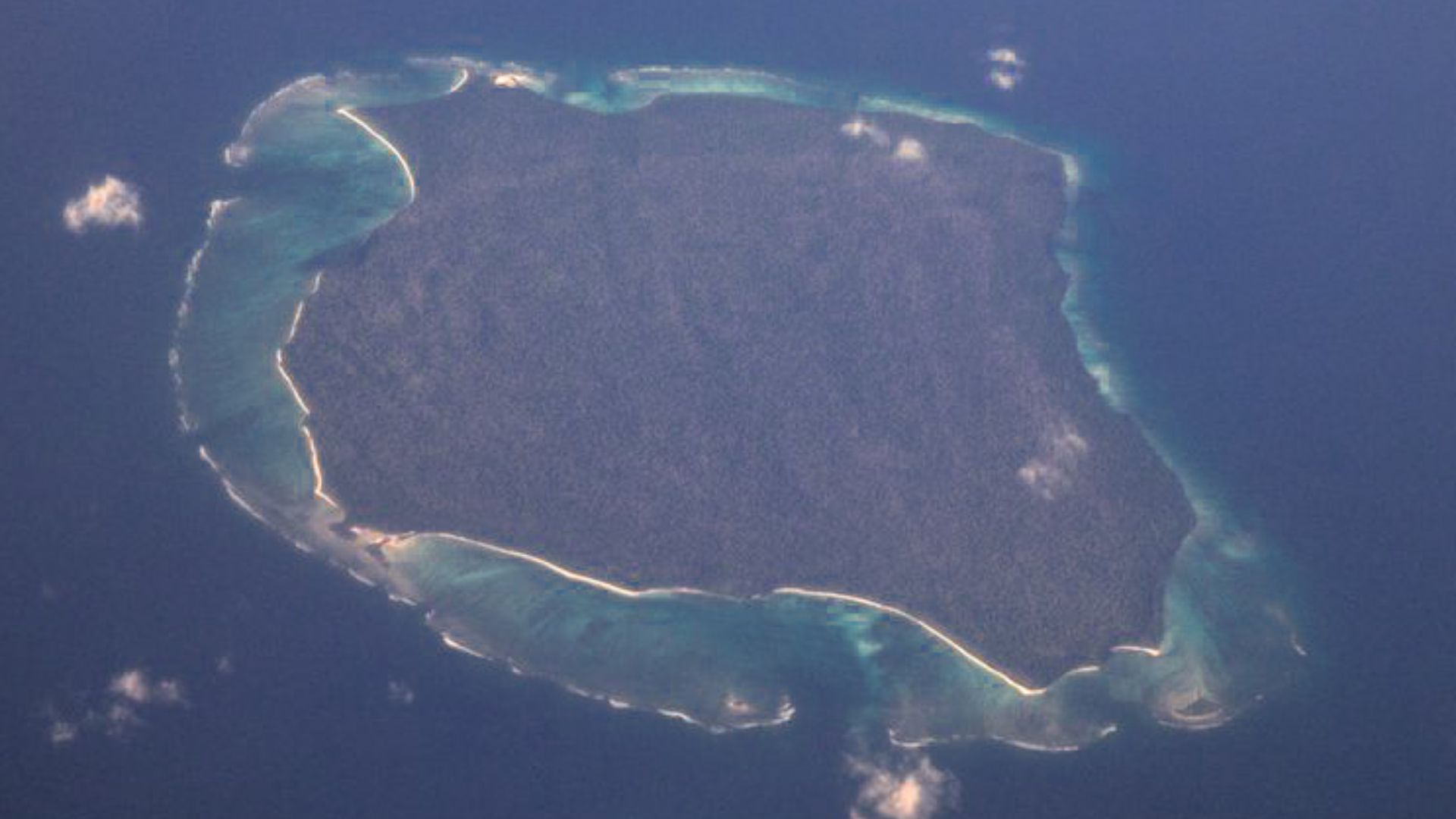
North Sentinel Island, India
North Sentinel Island is home to the Sentinelese, one of the world's most isolated Indigenous peoples. India has declared the entire island and the sea extending five kilometers from shore a tribal reserve. The government's deliberately hands-off policy protects the Sentinelese from outsiders, including diseases to which they may have little immunity.
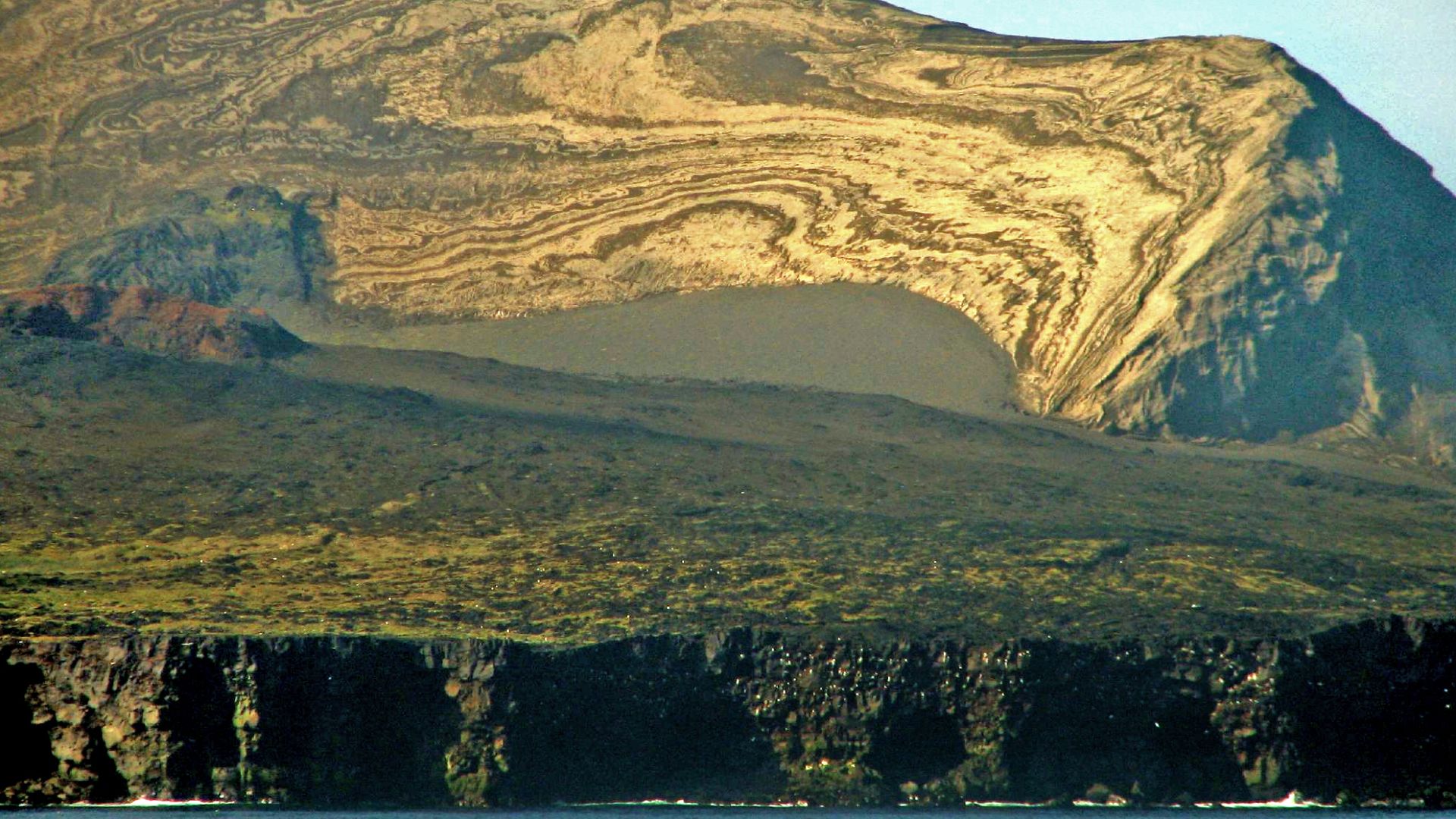
Surtsey, Iceland
Surtsey, off the southern coast of Iceland, didn't even exist until volcanic eruptions created it between 1963 and 1967. Scientists realized they had an extraordinary natural laboratory for watching life colonize new land. Iceland therefore severely restricted access. Going ashore or even diving nearby is prohibited without authorization, allowing nature to conduct an experiment with remarkably little human interference.
Snake Island, Brazil
Brazil's Ilha da Queimada Grande earned its sinister nickname because it supports the golden lancehead, a venomous snake found nowhere else. Brazil's Instituto Butantan stresses that sensational internet claims about the snakes are often exaggerated, including stories about impossibly potent venom. Nevertheless, the island is genuinely dangerous and isn't open to ordinary tourists.
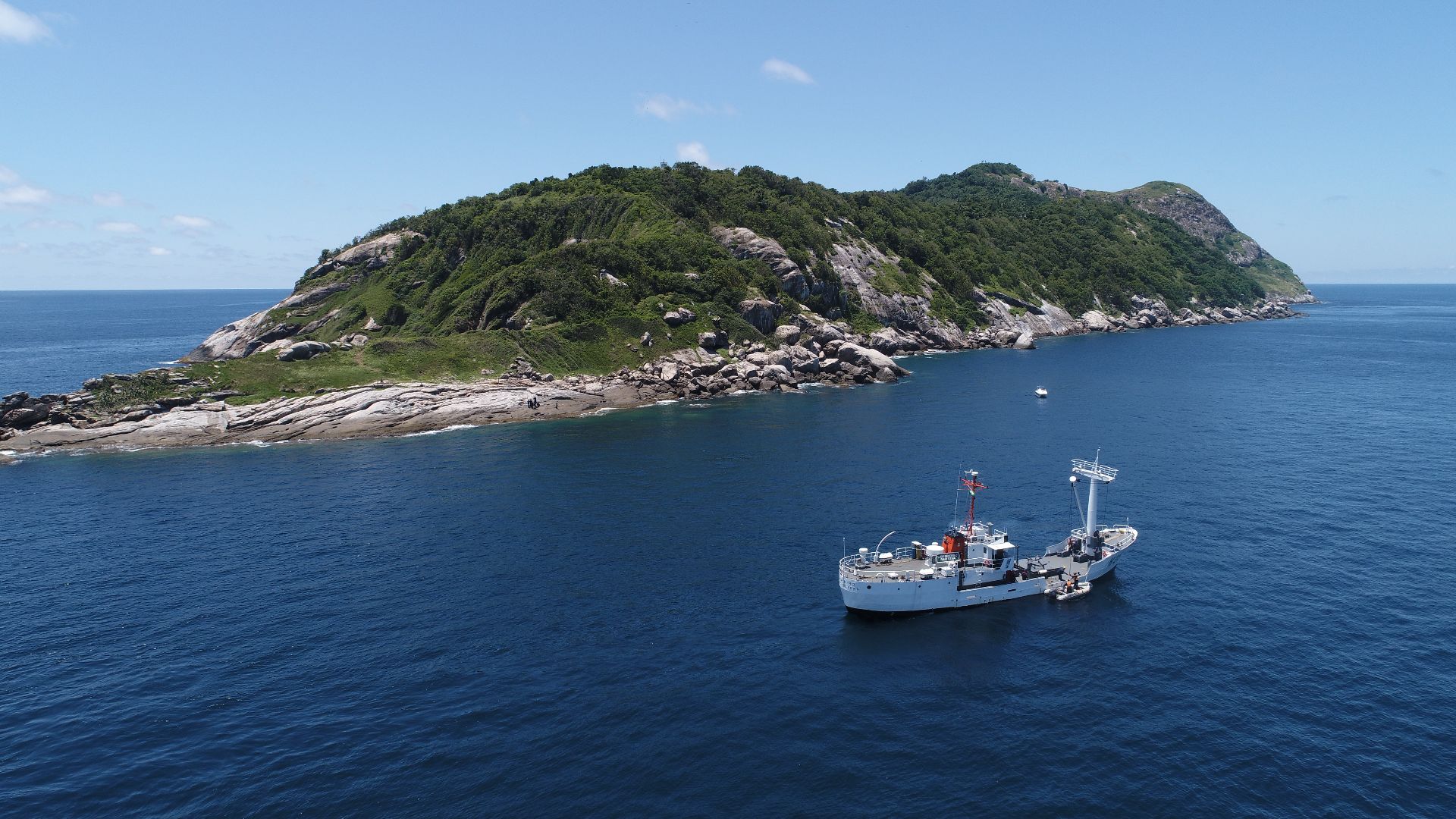 Marinha do Brasil, Wikimedia Commons
Area 51, United States
The extraterrestrial stories remain unproven, but Area 51 in the United States really was hiding extraordinary technology. The CIA acknowledges that Nevada's Groom Lake was used to secretly test aircraft including the U-2 and A-12 OXCART. The secrecy surrounding those programs helped create decades of UFO speculation, demonstrating that sometimes the truth behind a mysterious restricted place is fascinating enough.
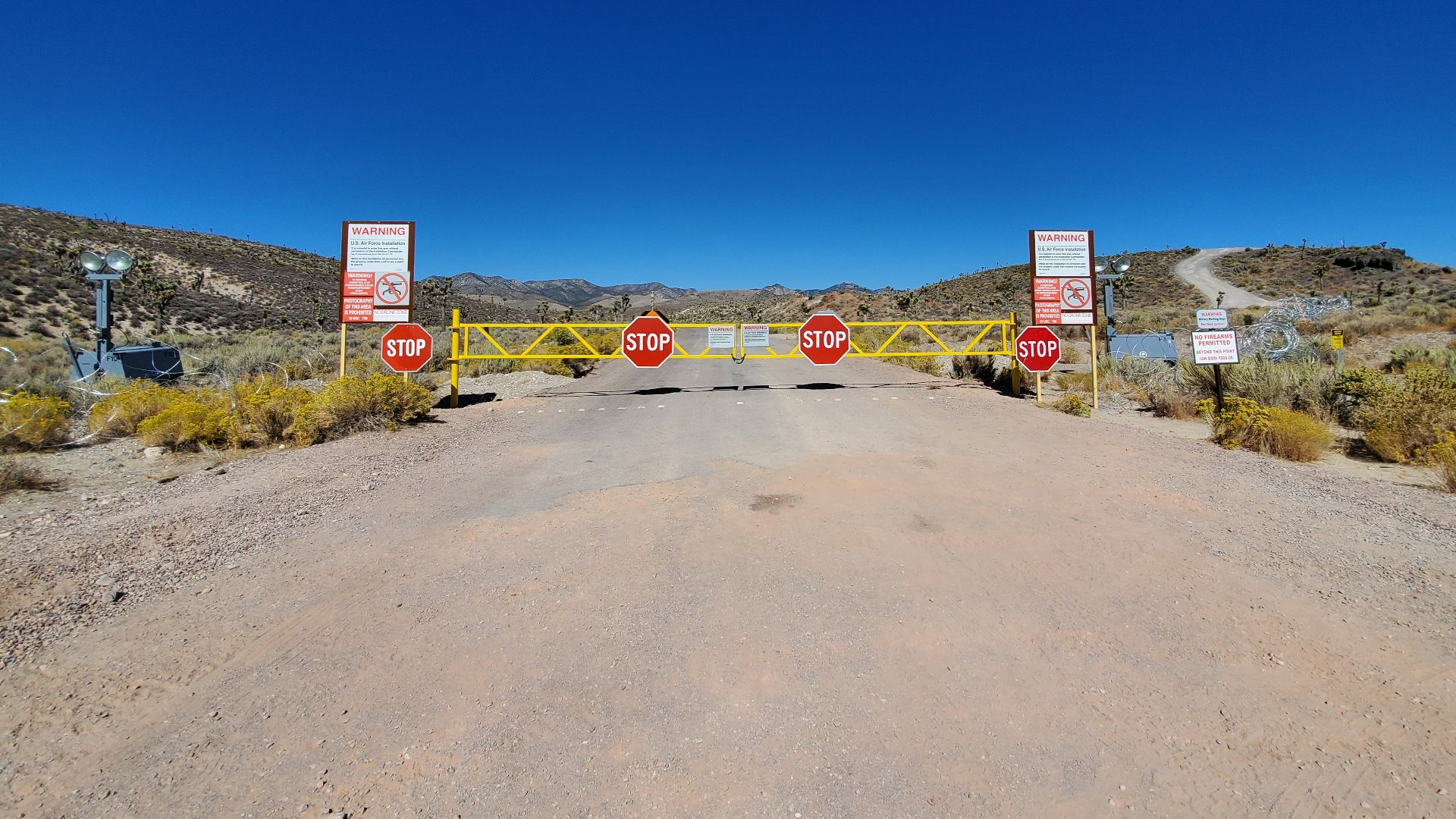 David James Henry, Wikimedia Commons
Lascaux Cave, France
Visitors once poured into Lascaux Cave in France to see its spectacular prehistoric paintings. Unfortunately, human presence altered the cave's delicate environment, contributing to threats from microorganisms and other changes. The original cave closed to tourists in 1963 and remains restricted, with human access carefully controlled so paintings surviving thousands of years aren't destroyed by their modern admirers.
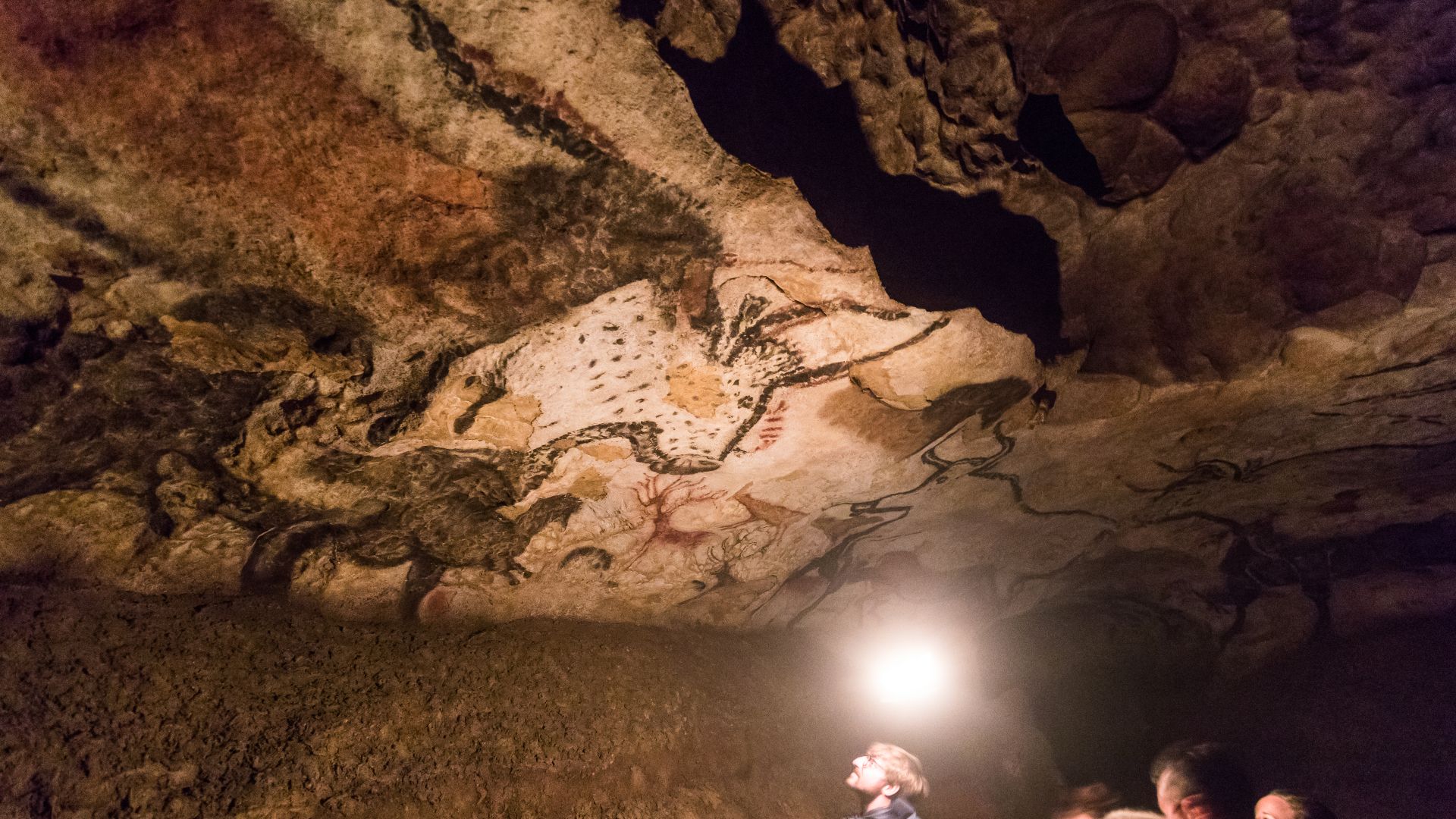 Raimond Spekking, Wikimedia Commons
Chauvet Cave, France
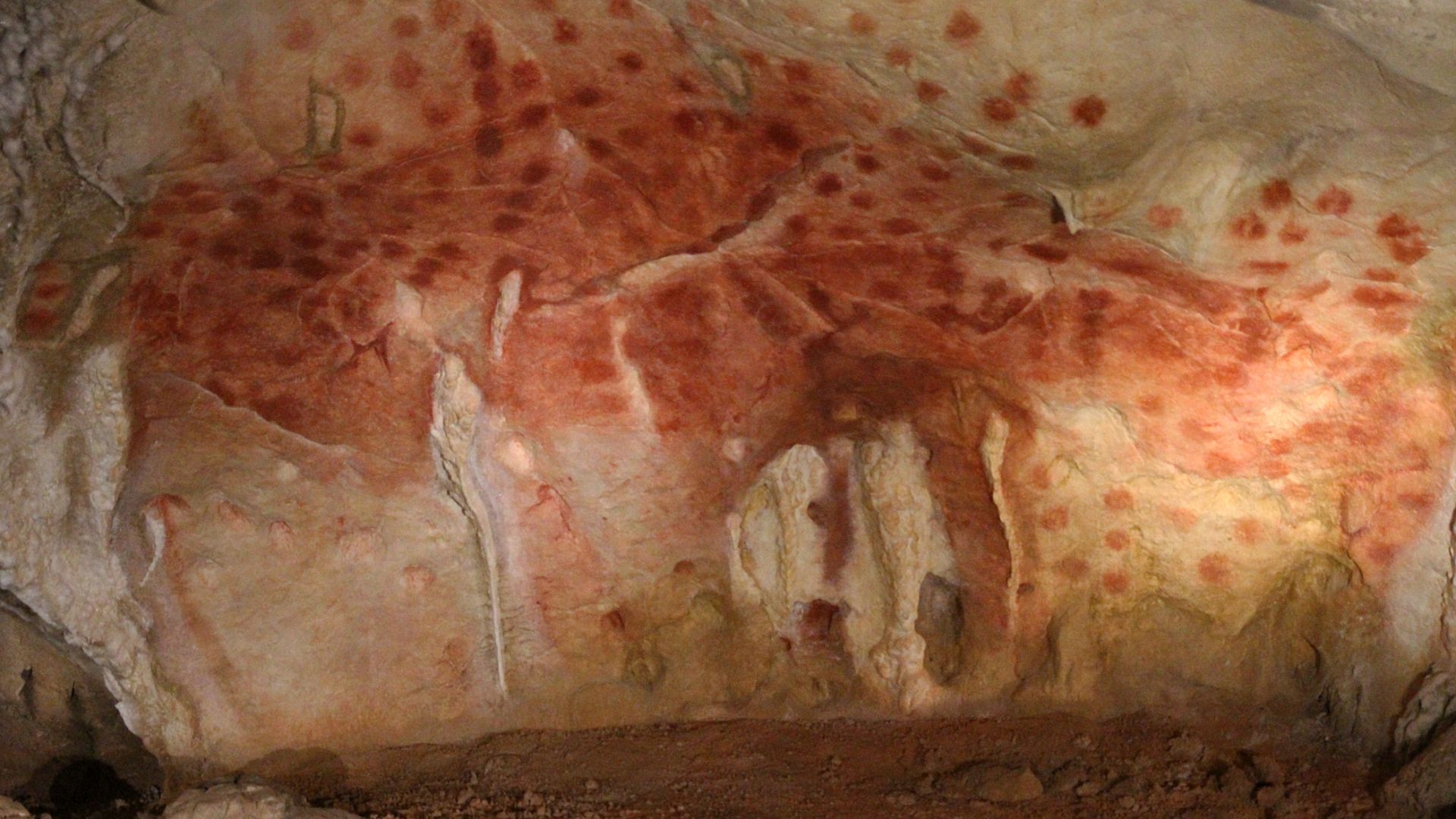
Chauvet Cave in France contains some of the world's oldest and most extraordinary prehistoric cave art, yet tourists have never been allowed to wander through the original cavern. French authorities chose preservation almost immediately after its 1994 discovery. Even researchers and conservators receive tightly limited access because changes in humidity and air composition could damage the remarkably pristine images.
 Claude Valette, Wikimedia Commons
The Seed Vault, Norway
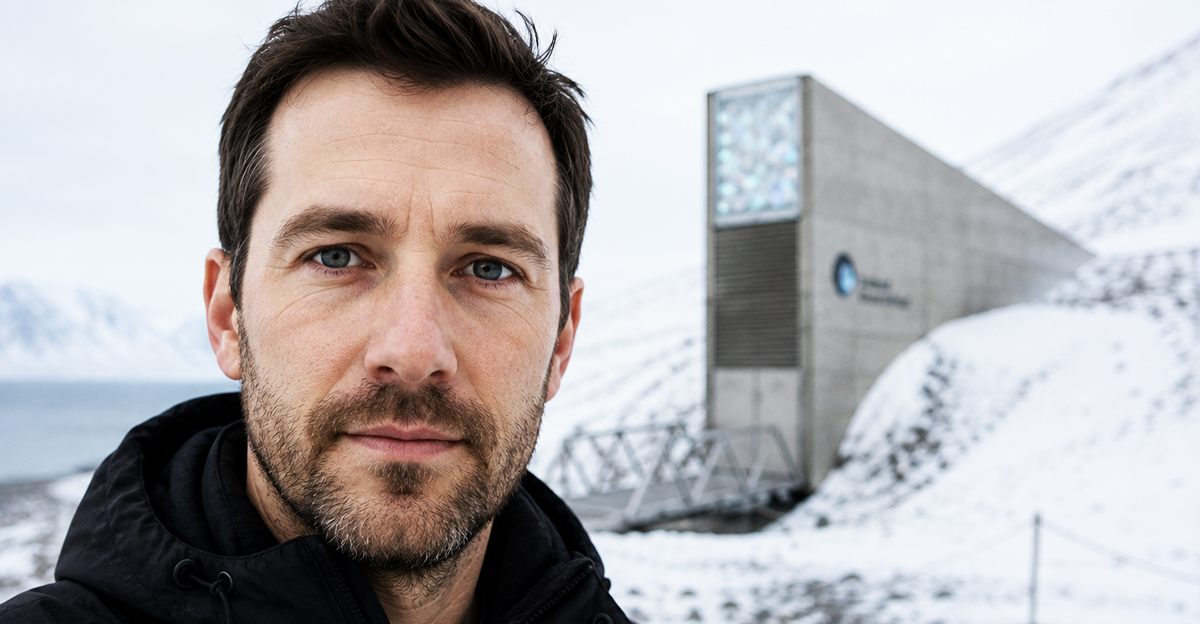
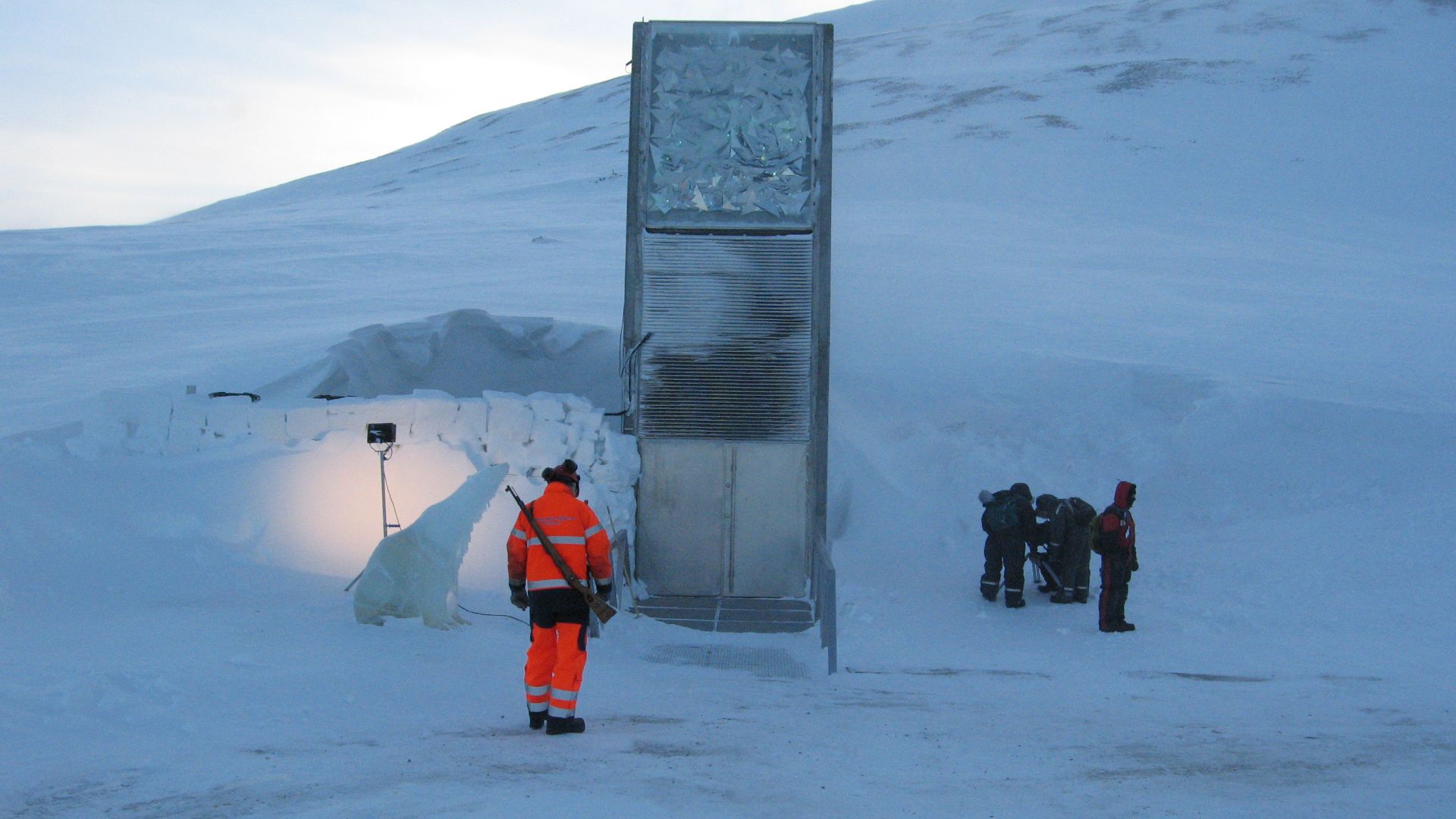
Buried inside a mountain on the Norwegian Arctic island of Spitsbergen, the Svalbard Global Seed Vault safeguards backup samples of crop diversity from around the world. Its apocalyptic nickname, the "Doomsday Vault," makes it sound like a secret bunker. In reality, its purpose is straightforward, but only authorized personnel are allowed inside. Everyone else gets a virtual tour.
 Dag Endresen, Wikimedia Commons
The Vatican Apostolic Archive
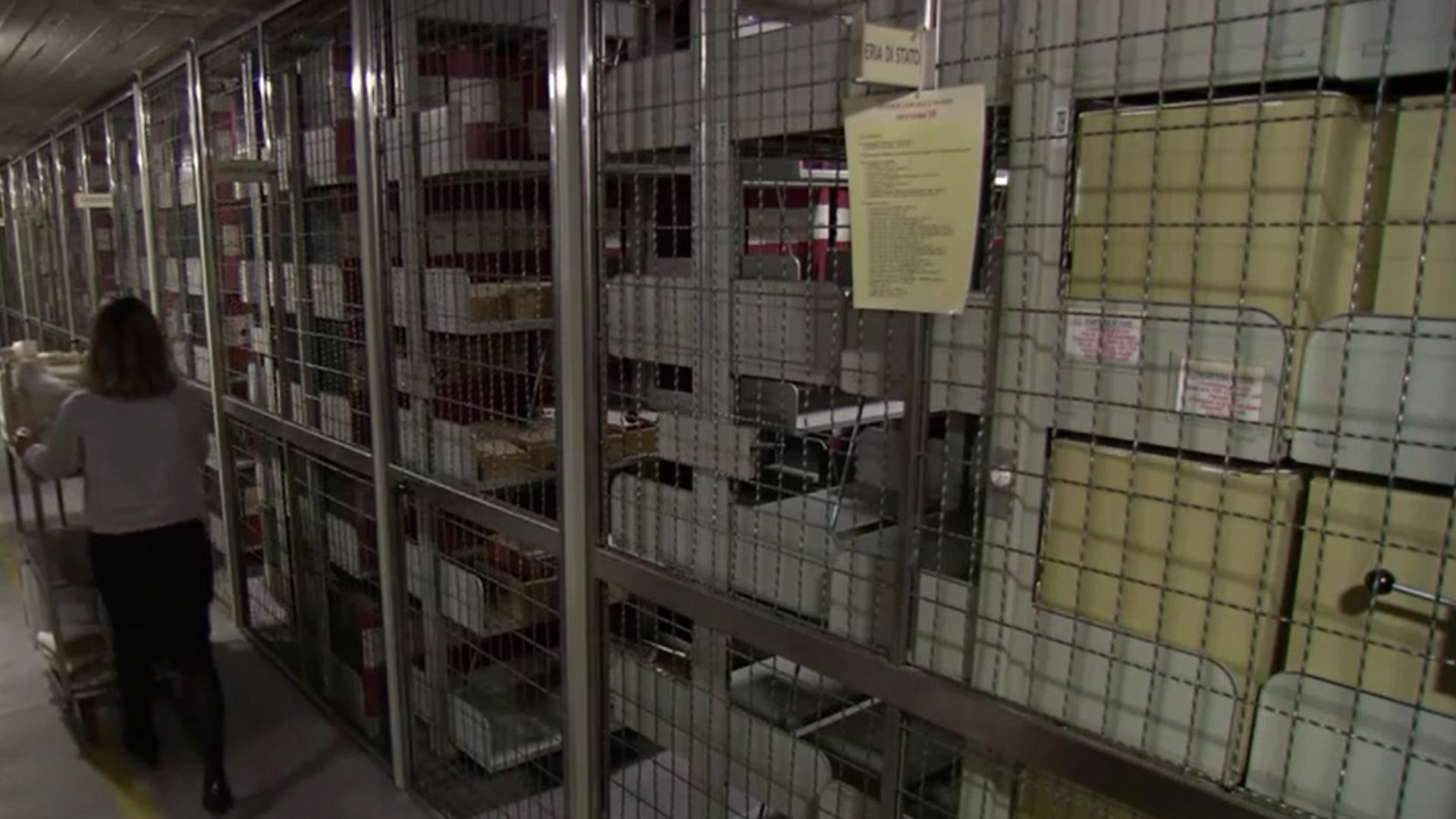
The Vatican Apostolic Archive is located inside Vatican City, the tiny independent country surrounded by Rome, Italy. The former "Vatican Secret Archive" has inspired centuries of speculation about suppressed documents and hidden Church history. The reality is subtler. Qualified scholars can conduct research there, but admission requires academic credentials and authorization, and available records currently extend only through the end of Pius XII's papacy in 1958. The general public cannot simply walk in.
Fort Knox, United States
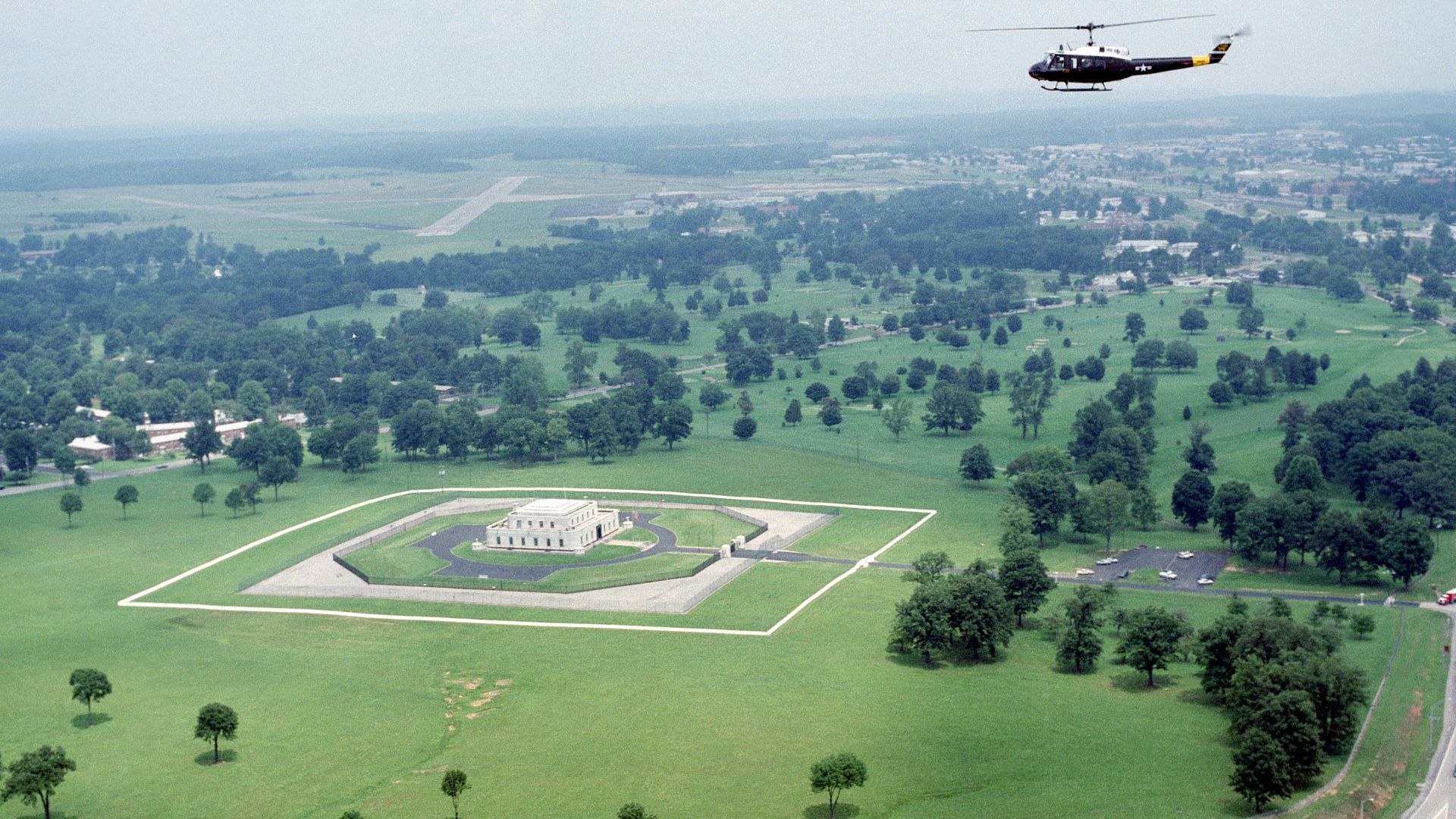
Fort Knox in the United States holds approximately 147 million fine troy ounces of gold at its famous Kentucky bullion depository, but don't expect a tour. The U.S. Mint flatly states that visitors aren't permitted. Rare exceptions included a congressional and press inspection in 1974 and another official visit in 2017, helping make the unseen contents fertile ground for conspiracy theories.
 John Coffman, Wikimedia Commons
The Fort Knox Vault
Even people permitted onto the Fort Knox Army installation in the United States aren't thereby getting anywhere near America's famous gold vault in Kentucky. The bullion depository is a separate Treasury facility and closed to visitors. Its security procedures are deliberately guarded, and the Mint says no single person knows every procedure required to open the vault.
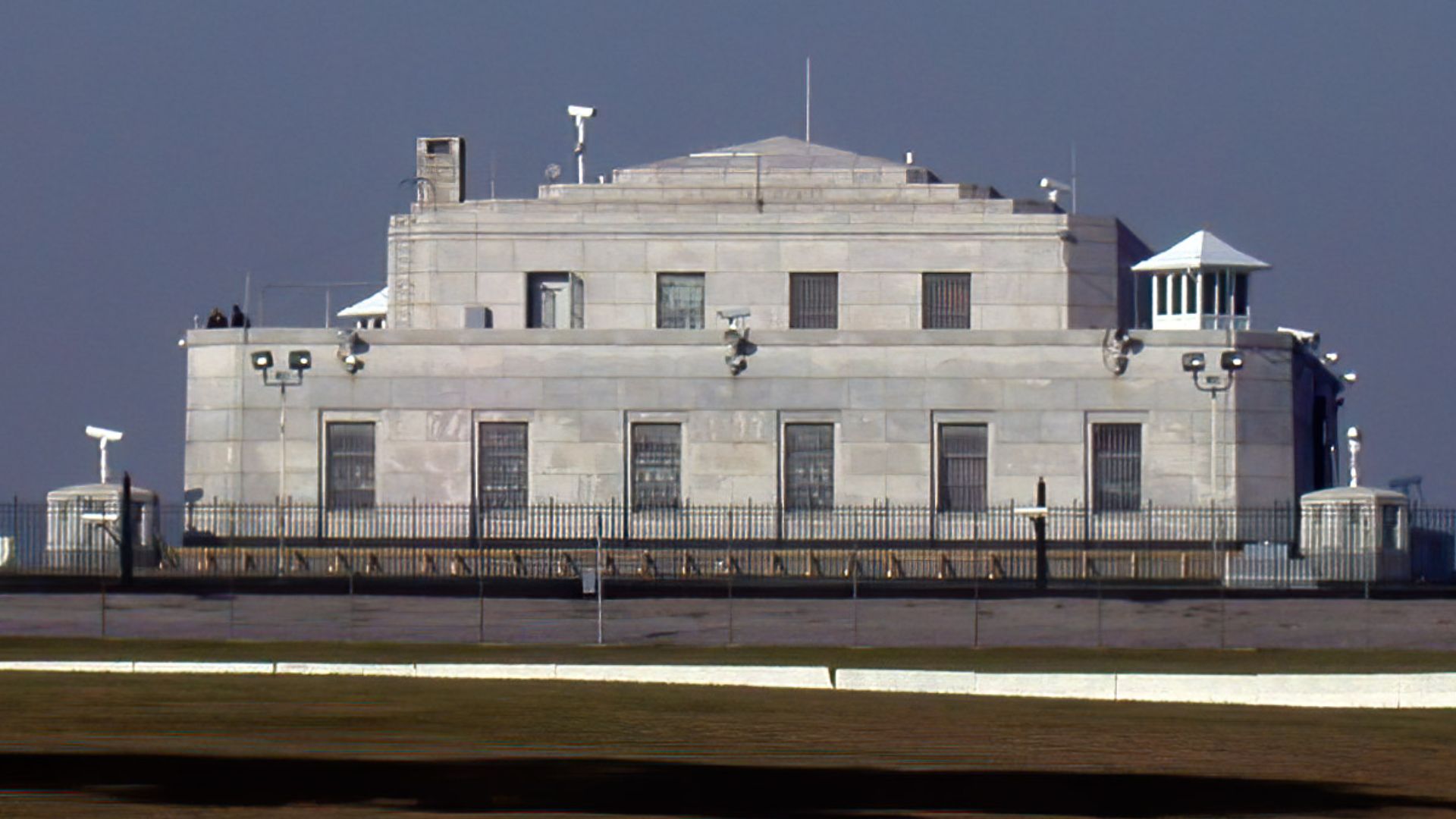 Work permit Original author=Cliff, Wikimedia Commons
Qin Shi Huang's Tomb, China
The Terracotta Army in China is famous, but the central burial chamber of China's first emperor remains unopened. Ancient historian Sima Qian described an elaborate underground world containing rivers of mercury. Intriguingly, modern measurements have detected unusually high mercury concentrations around the mound. Archaeologists have postponed opening the chamber while preservation techniques improve, leaving its greatest secrets underground.
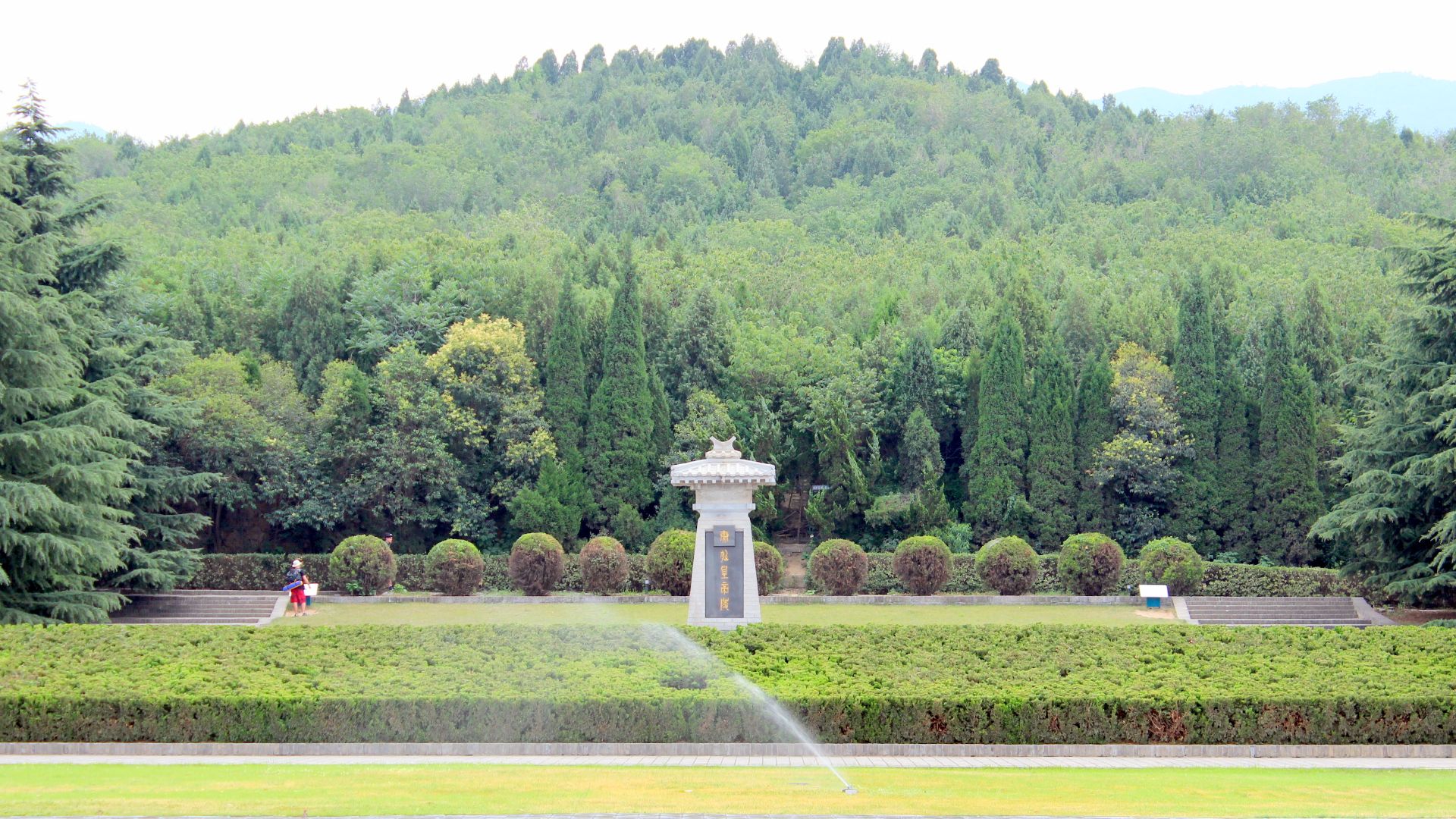
The Terracotta Emperor's Chamber
What makes Qin Shi Huang's burial chamber in China especially tantalizing is that modern science has strengthened one ancient story without opening it. Researchers have detected elevated atmospheric mercury above the mound, consistent with earlier soil measurements. Whether the chamber truly contains the elaborate mercury rivers described by Sima Qian remains one of archaeology's great unopened questions.
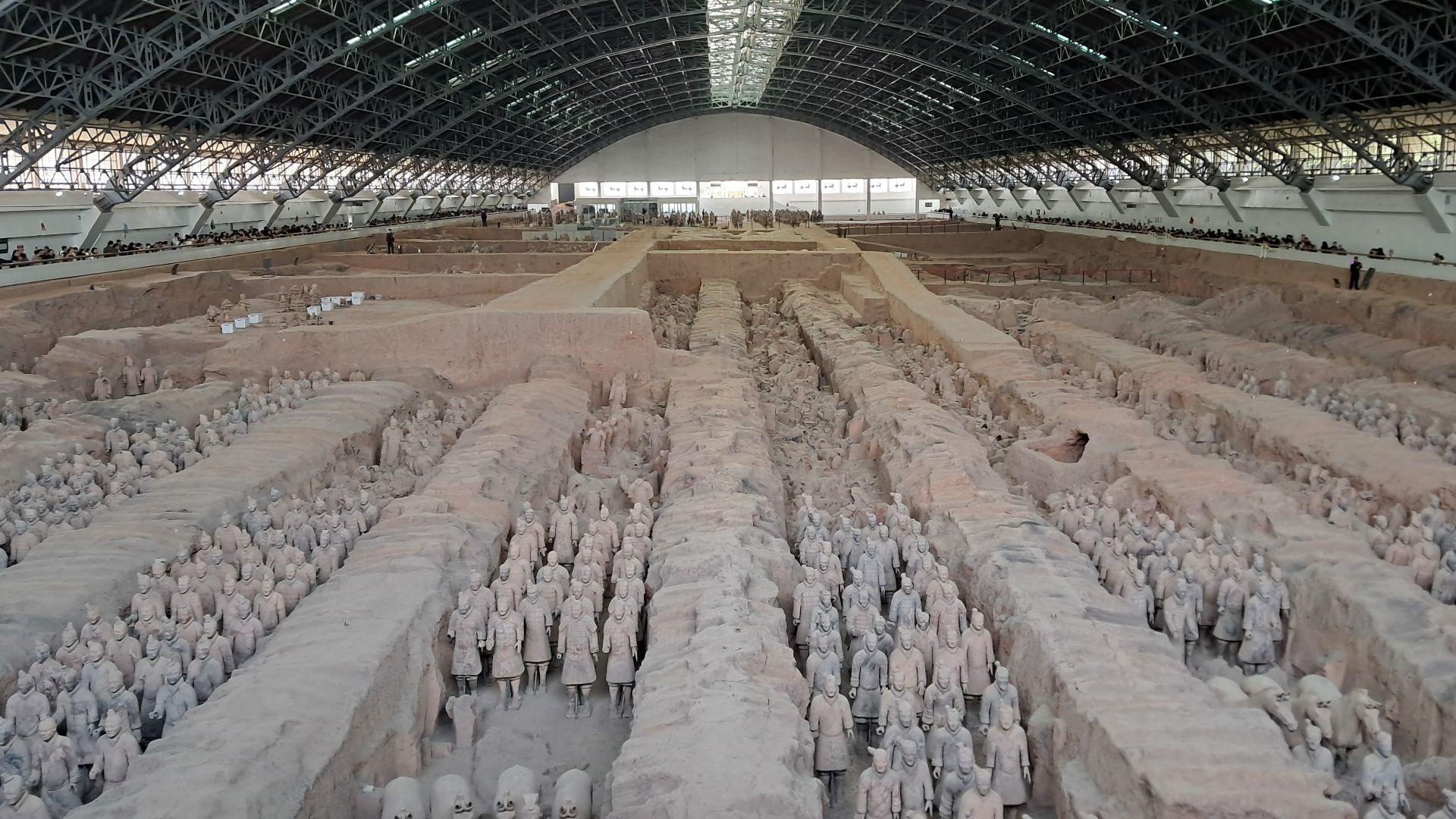 Ideophagous, Wikimedia Commons
Ise Grand Shrine, Japan
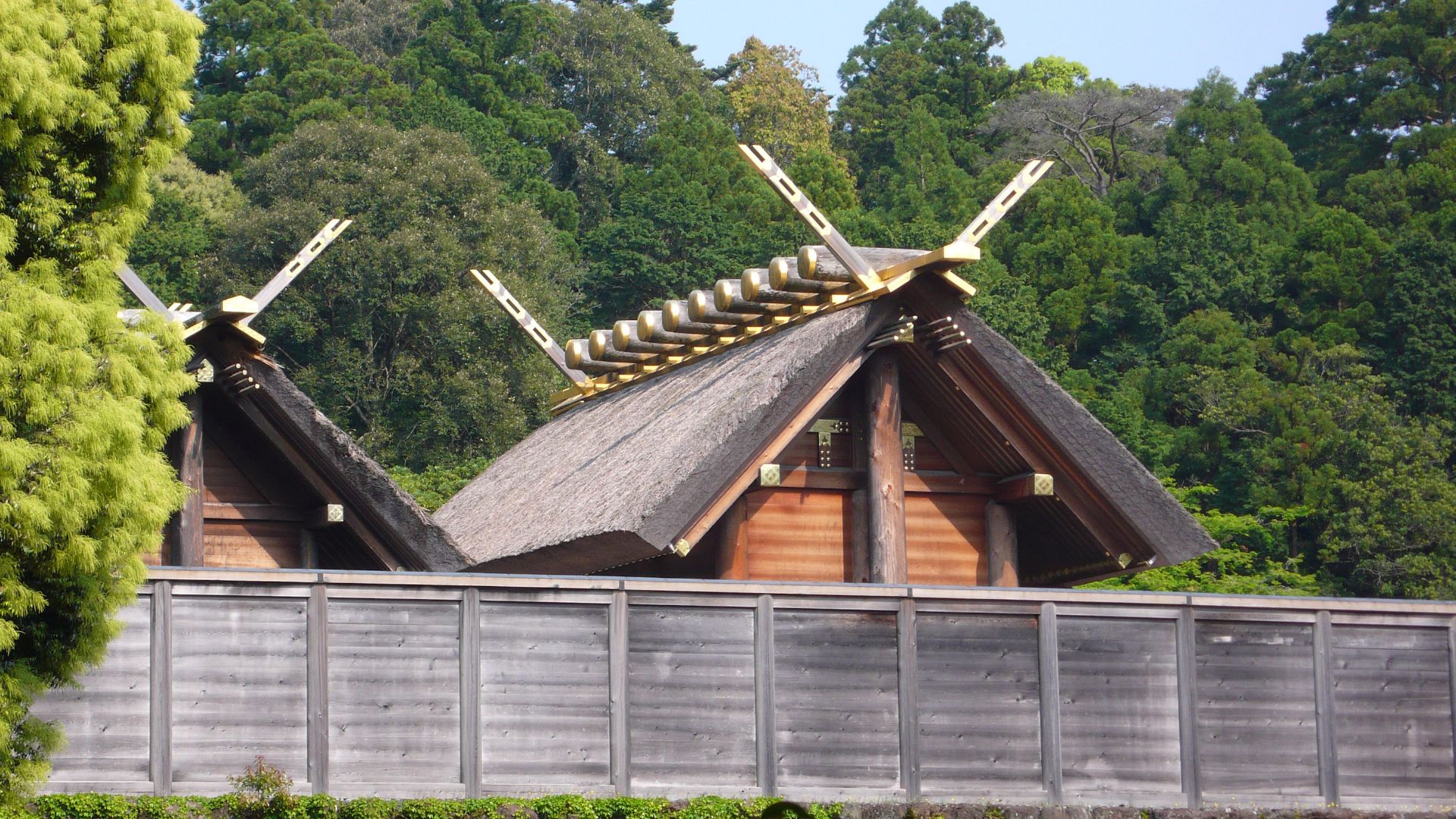
Millions can visit Ise Jingu in Japan, but that doesn't mean they can see its holiest spaces. At the principal sanctuaries, ordinary worshippers stop before a series of fences and aren't permitted into the courtyard surrounding the main palace. The restrictions protect sacred spaces associated with Amaterasu, the ancestral deity of Japan's imperial family.
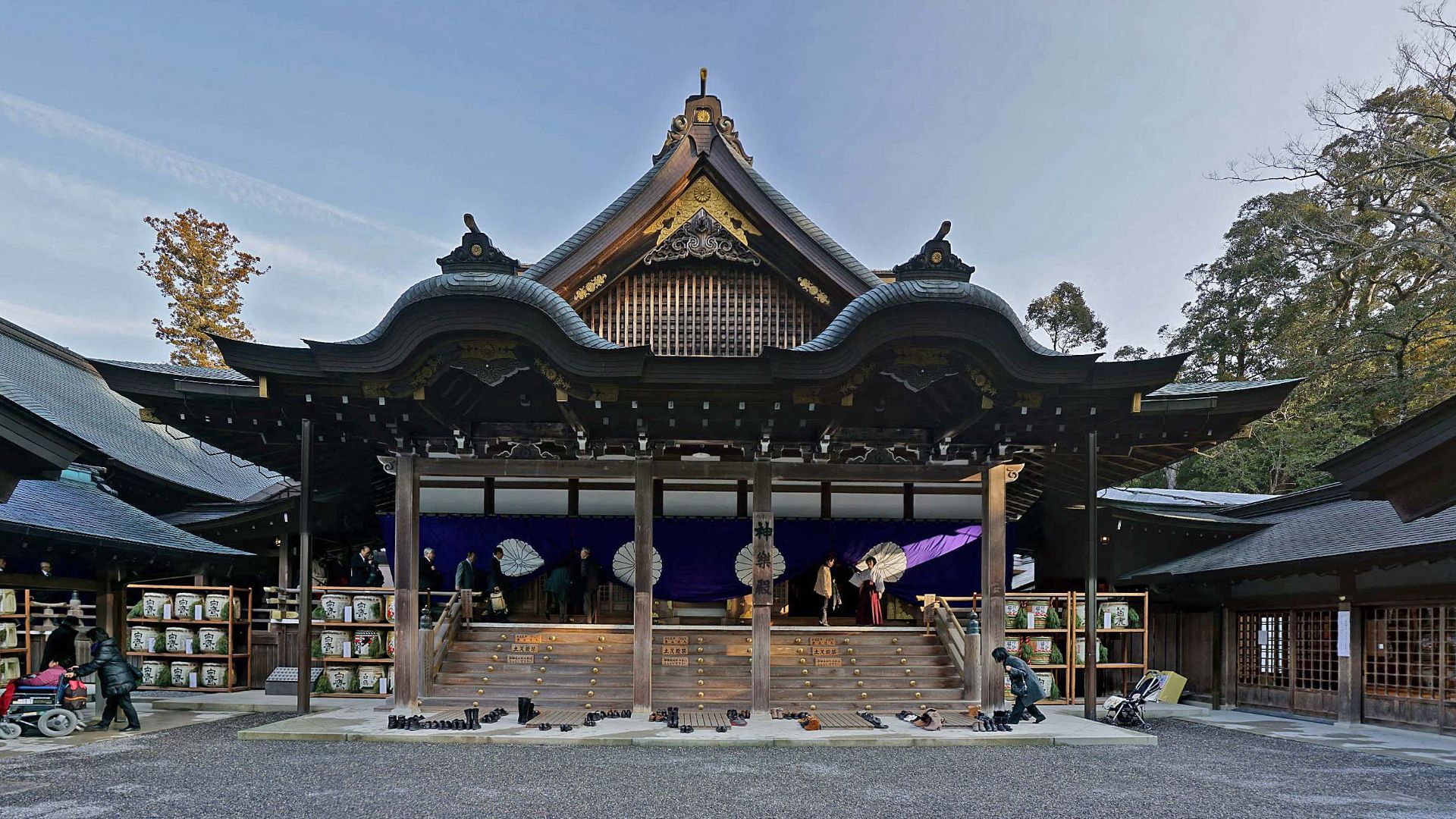
The Inner Chambers Of Ise
At Ise Jingu in Japan, restrictions become even more intriguing closer to its central sanctuaries. Worshippers normally stop at the gate before the innermost compound rather than seeing the sacred interior itself. The complex is famously rebuilt on a 20-year cycle, meaning buildings can be repeatedly renewed while the most sacred space remains deliberately hidden from ordinary eyes.
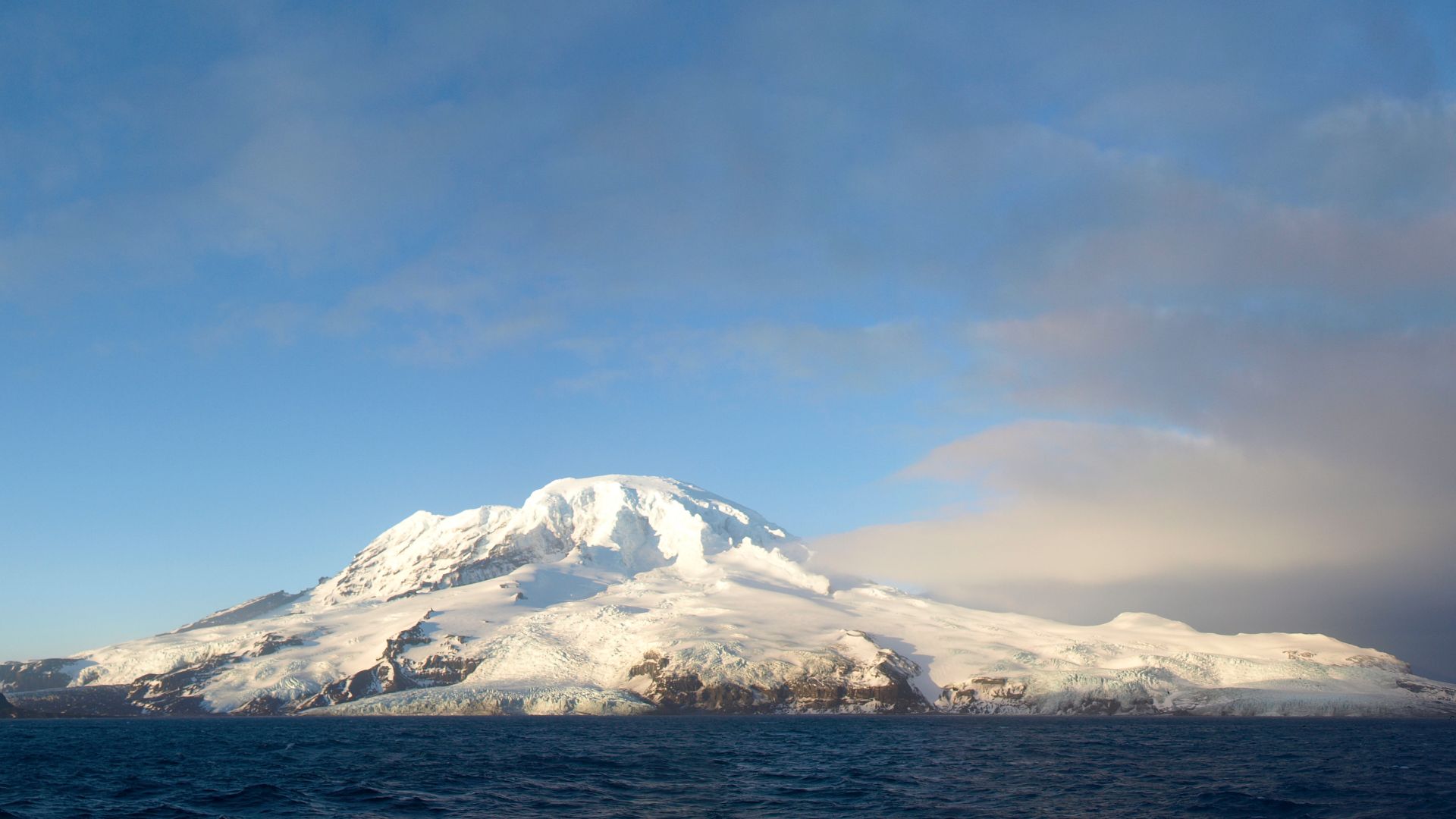
Heard Island, Australia
Heard Island is a remote Australian territory deep in the Southern Ocean, dominated by glaciers and the active volcano Big Ben. You can't simply sail there and explore. Entry requires permission from the Australian government and environmental approval, helping protect an unusually pristine ecosystem whose isolation has made it scientifically valuable and extraordinarily difficult to visit.
 Tristannew (original)
Derivative: SHB2000 (cropped), Wikimedia Commons
Tristannew (original)
Derivative: SHB2000 (cropped), Wikimedia Commons
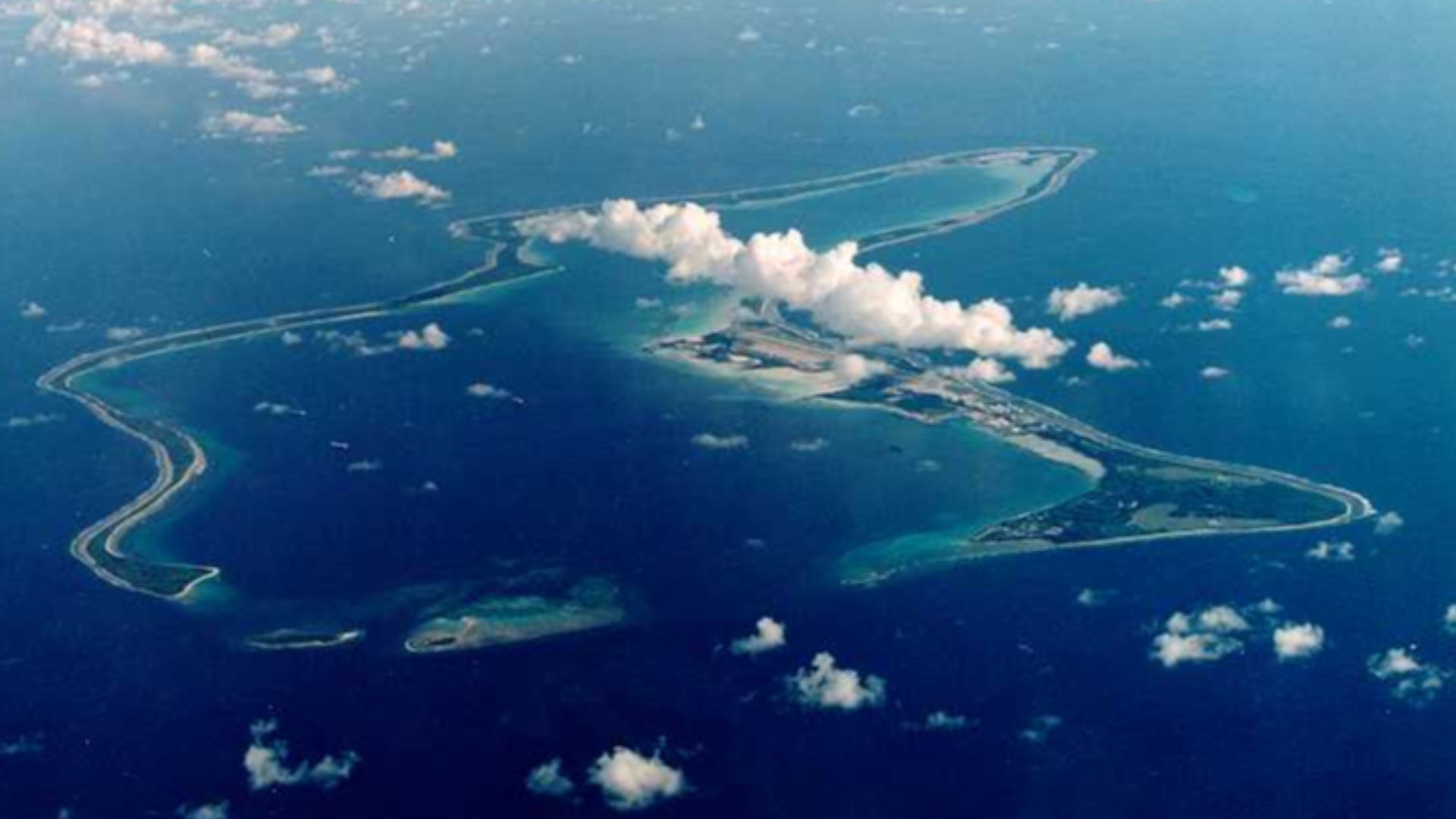
Diego Garcia
Diego Garcia is part of the British Indian Ocean Territory, an overseas territory of the United Kingdom, and supports a major joint UK-US military facility. It isn't a vacation destination: access to Diego Garcia is limited to people connected with the military facility or territorial administration. The wider Chagos Islands also have a painful history involving the displacement of Chagossians, making restrictions on return and access politically controversial as well as strategically sensitive.
 Laurens~commonswiki, Wikimedia Commons
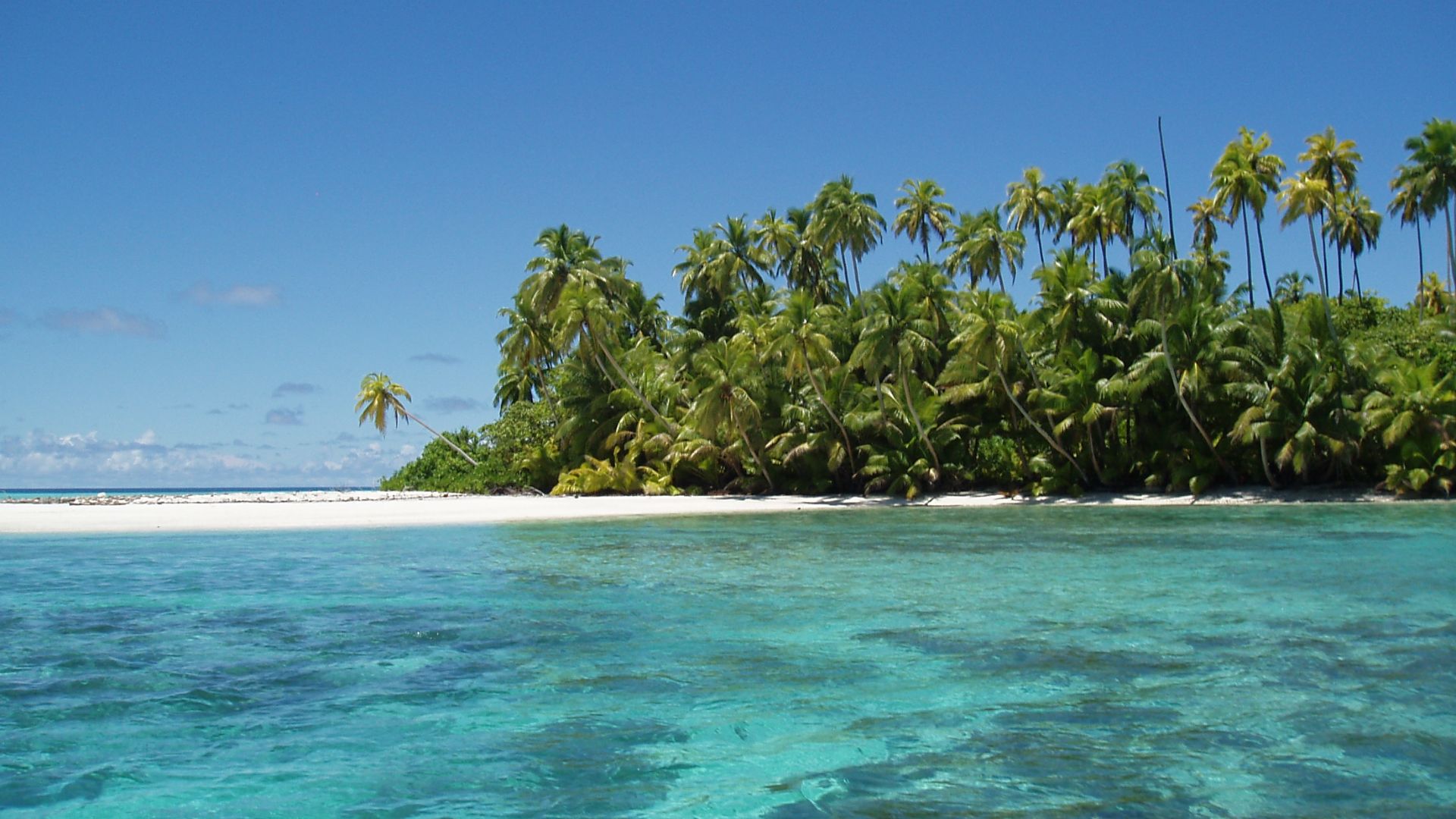
The Chagos Outer Islands
Diego Garcia isn't the only difficult place to reach in the Chagos Archipelago, administered as the British Indian Ocean Territory by the United Kingdom. The territory requires advance permission, has no commercial flights, and isn't designated a tourist destination. As of 2026, authorities have paused most new entry-permit applications while litigation concerning access and Chagossian rights continues, adding a very modern mystery to an already controversial place.
 Anne Sheppard, Wikimedia Commons
Poveglia, Italy
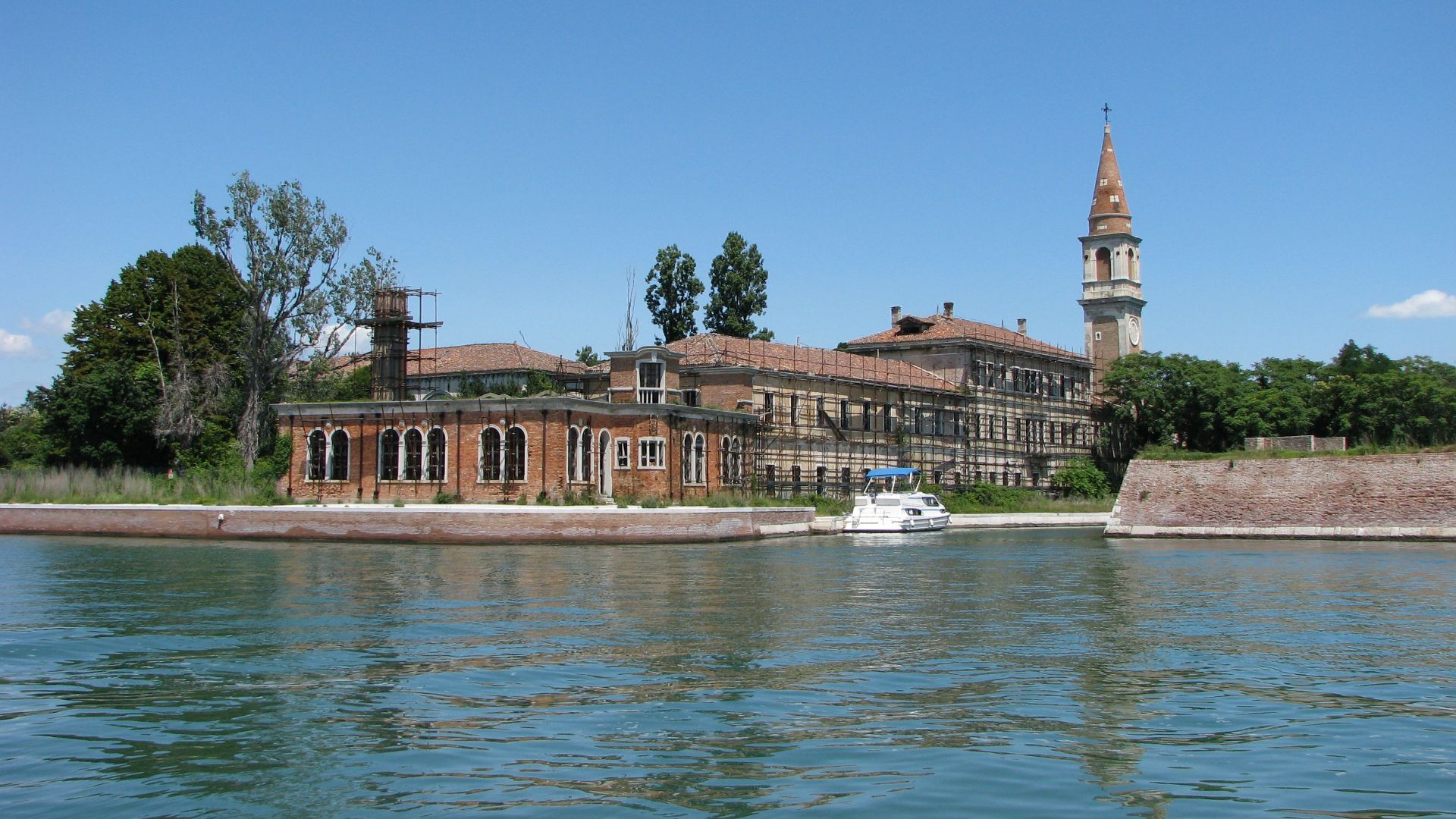
Poveglia in Italy's Venetian Lagoon has ruined buildings and a history as a quarantine station that helped generate lurid stories of plague victims, psychiatric experiments and ghosts. Many supernatural claims are unsupported. The situation also changed recently: since August 2025, the undeveloped northern portion has been managed by Poveglia per Tutti, while landing and access remain prohibited on the developed, state-managed section containing the ruins.
Niihau, United States
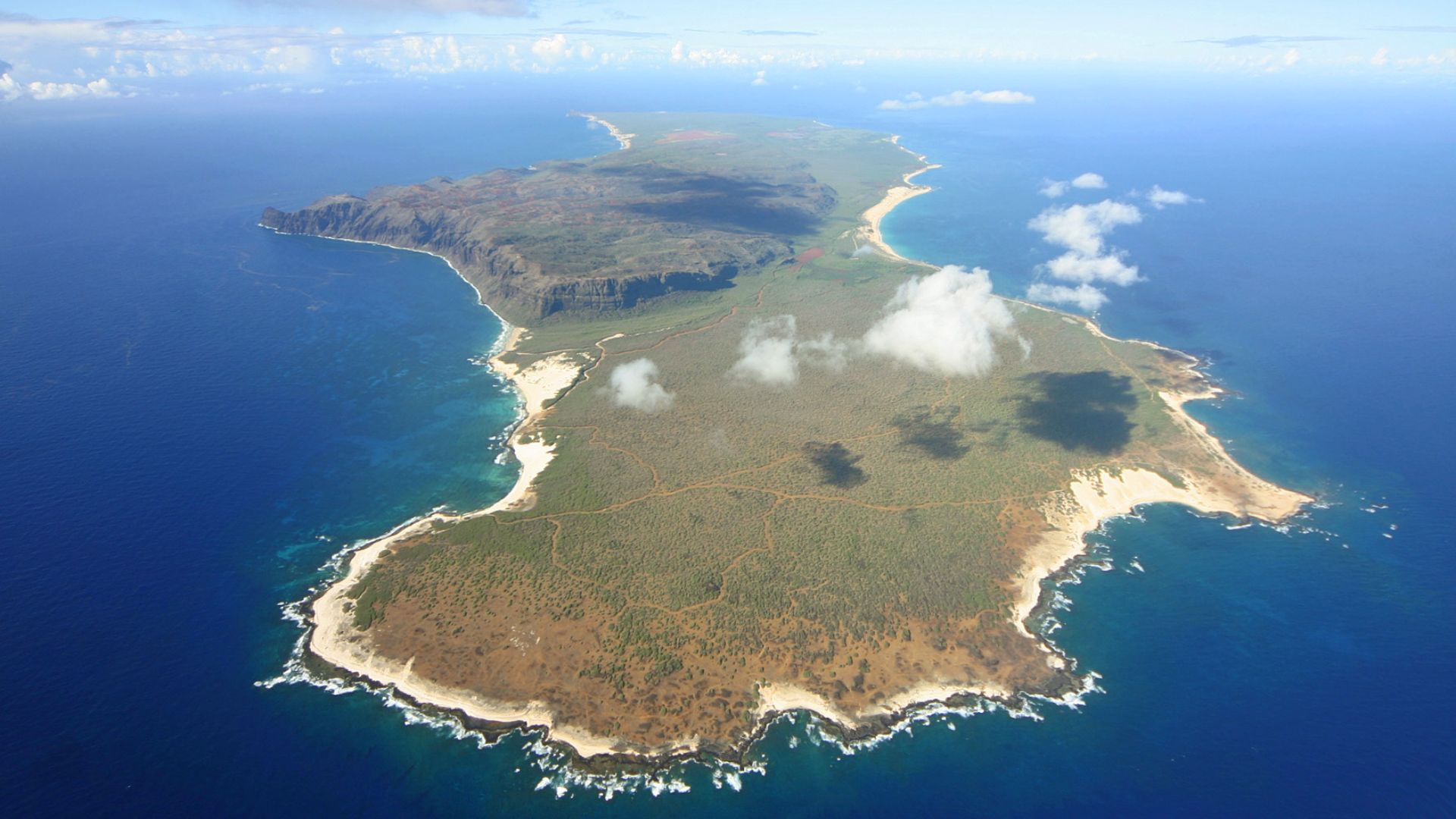
Hawaii's Niihau, part of the United States, has been privately owned since Elizabeth Sinclair purchased it from the Kingdom of Hawaii in 1864. Most casual visitors can't simply arrive, earning it the nickname "Forbidden Island." Limited authorized tourism exists, but access to the resident community remains closely controlled, helping preserve a remarkably isolated Hawaiian community and fueling outsiders' fascination with life there.
 Christopher P. Becker (Polihale), Wikimedia Commons
Chernobyl's Exclusion Zone
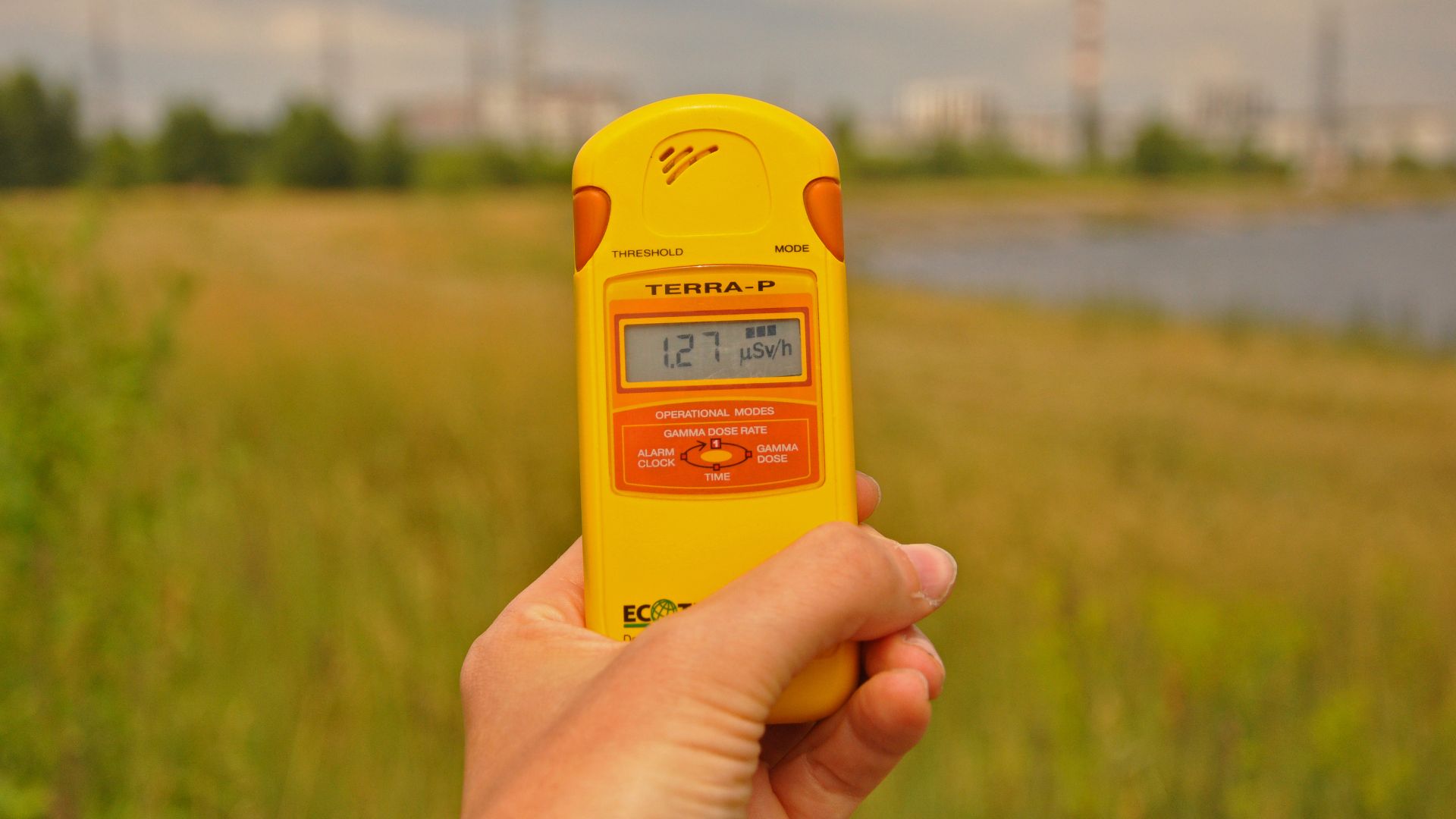
Ukraine's Chernobyl Exclusion Zone is restricted rather than completely forbidden. Entry into the exclusion zone and nuclear power plant complex requires authorization, identification, an approved itinerary and radiation monitoring. The abandoned communities inside remain haunting reminders of the 1986 disaster, while continuing nuclear, environmental and security concerns make this anything but an ordinary tourist destination.
 Jennifer Boyer from Fredrick, Maryland, USA, Wikimedia Commons
Why We Want In
Some restricted places become mysterious precisely because people cannot see them for themselves. But the reasons for exclusion are often more compelling than any of the legends: endangered cultures, fragile paintings, experimental aircraft, sacred traditions, dangerous environments and irreplaceable ecosystems. Sometimes the locked door isn't hiding a conspiracy. It's protecting something we only get one chance to preserve.
 Arpingstone, Wikimedia Commons
You May Also Like:
10 Forbidden Places You're Not Allowed To Visit
Poveglia Island, The Most Haunted Place On Earth
Classified Facts About Area 51, America’s Top Secret Project
Sources: 1, 2, 3, 4, 5, 6, 7, 8, 9, 10, 11, 12, 13, 14, 15, 16